Browse NASA Astronomy Picture of the Day archive by date and media: Archive Discoveries
Browse the NASA APOD archive without needing the exact date first. Filter by media type and keep moving deeper into older images and videos.
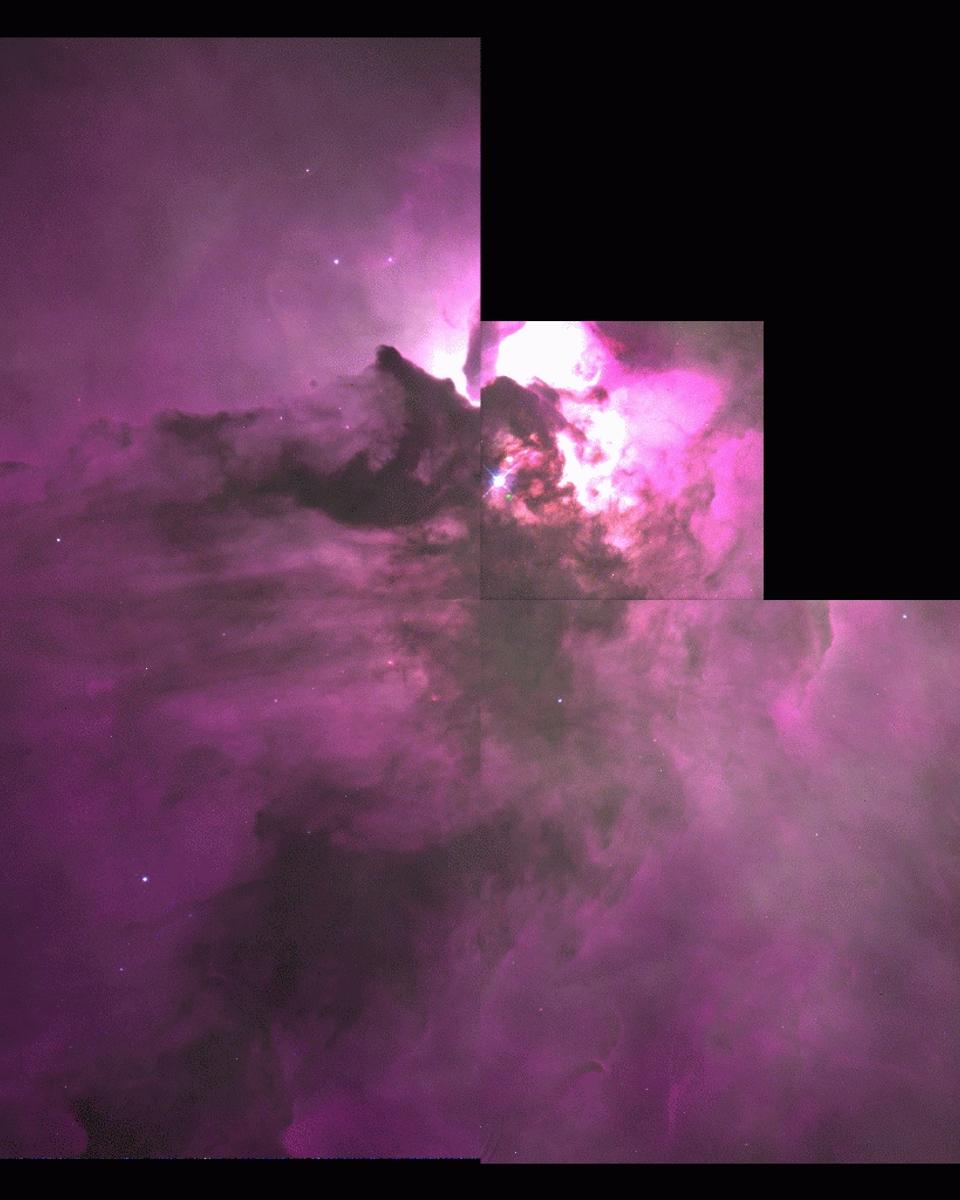
A Close-Up of the Lagoon Nebula
Ribbons of red-glowing gas and dark dust surround massive young stars in this close-up of the Lagoon Nebula taken by the Hubble Space Telescope . The Lagoon Nebula is relatively…
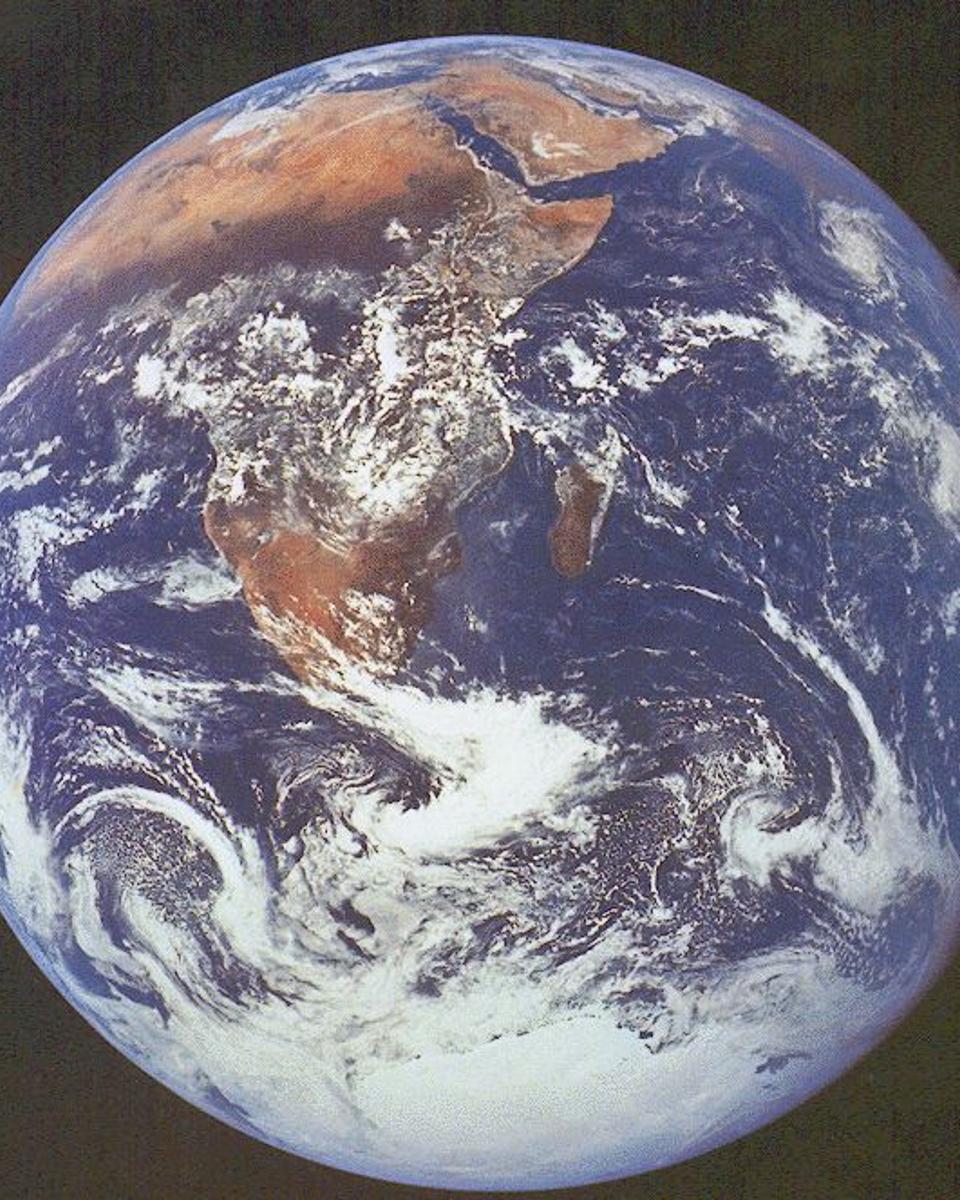
Welcome to Planet Earth
Welcome to Planet Earth , the third planet from a star named the Sun . The Earth is shaped like a sphere and composed mostly of rock . Over 70 percent of the Earth's surface is…
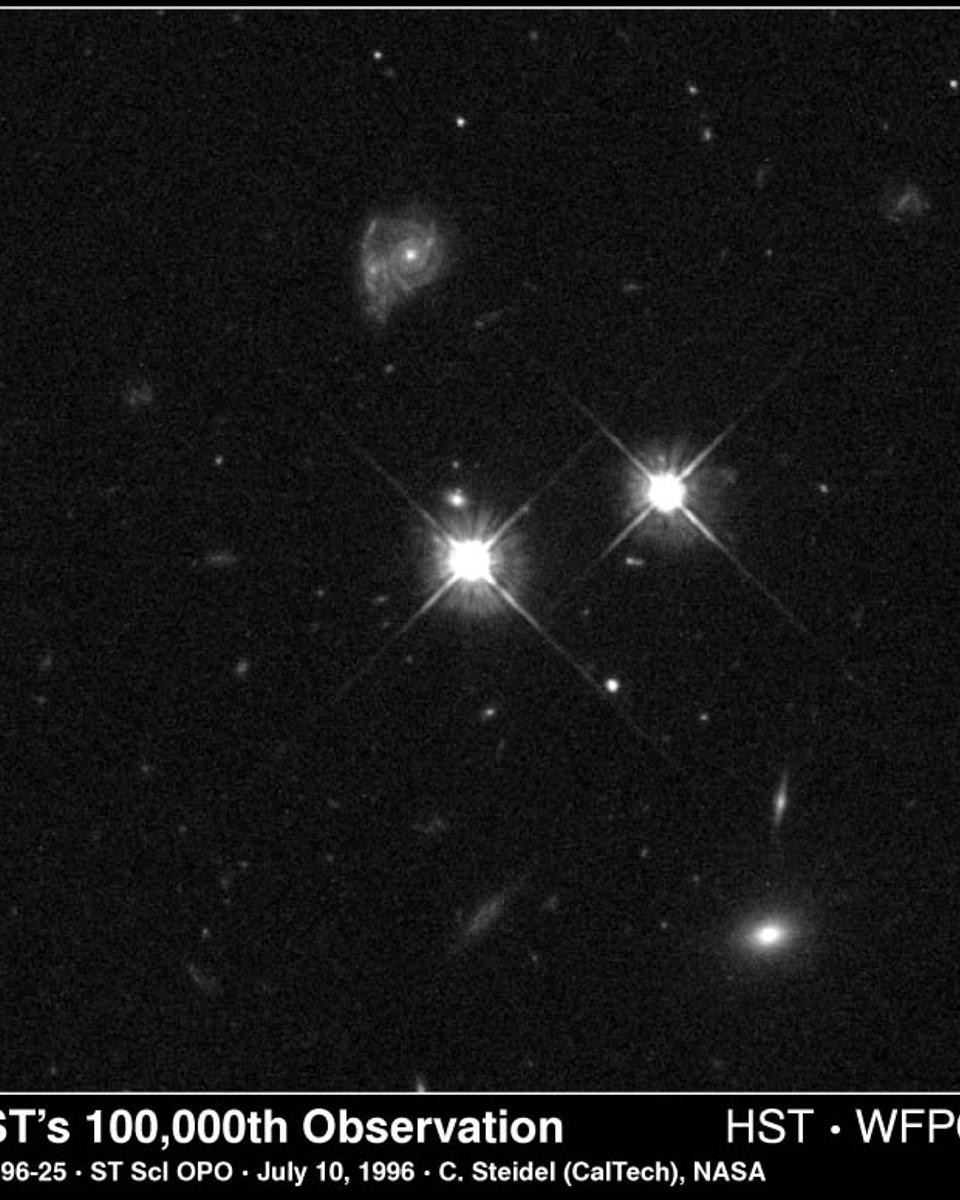
A Milestone Quasar
Here is a rather typical quasar. But since quasars are so unusual it is quite atypical of most familiar objects. Of the two bright objects in the center of this photo , the quasar…
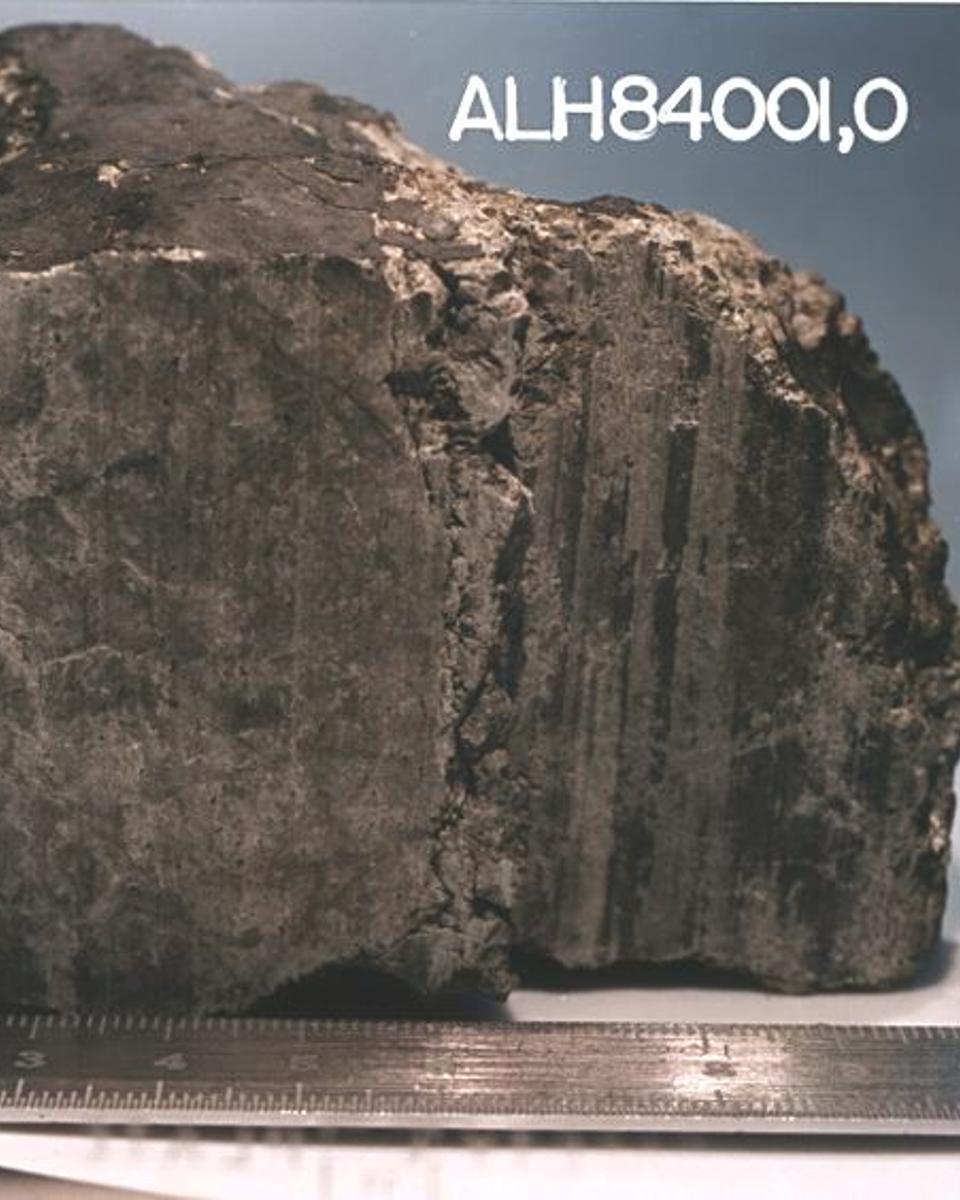
A Meteorite From Mars
The famous Martian meteorite pictured above houses microscopic structures interpreted by many as fossils of ancient Martian life . How do you find a meteorite from Mars here on…
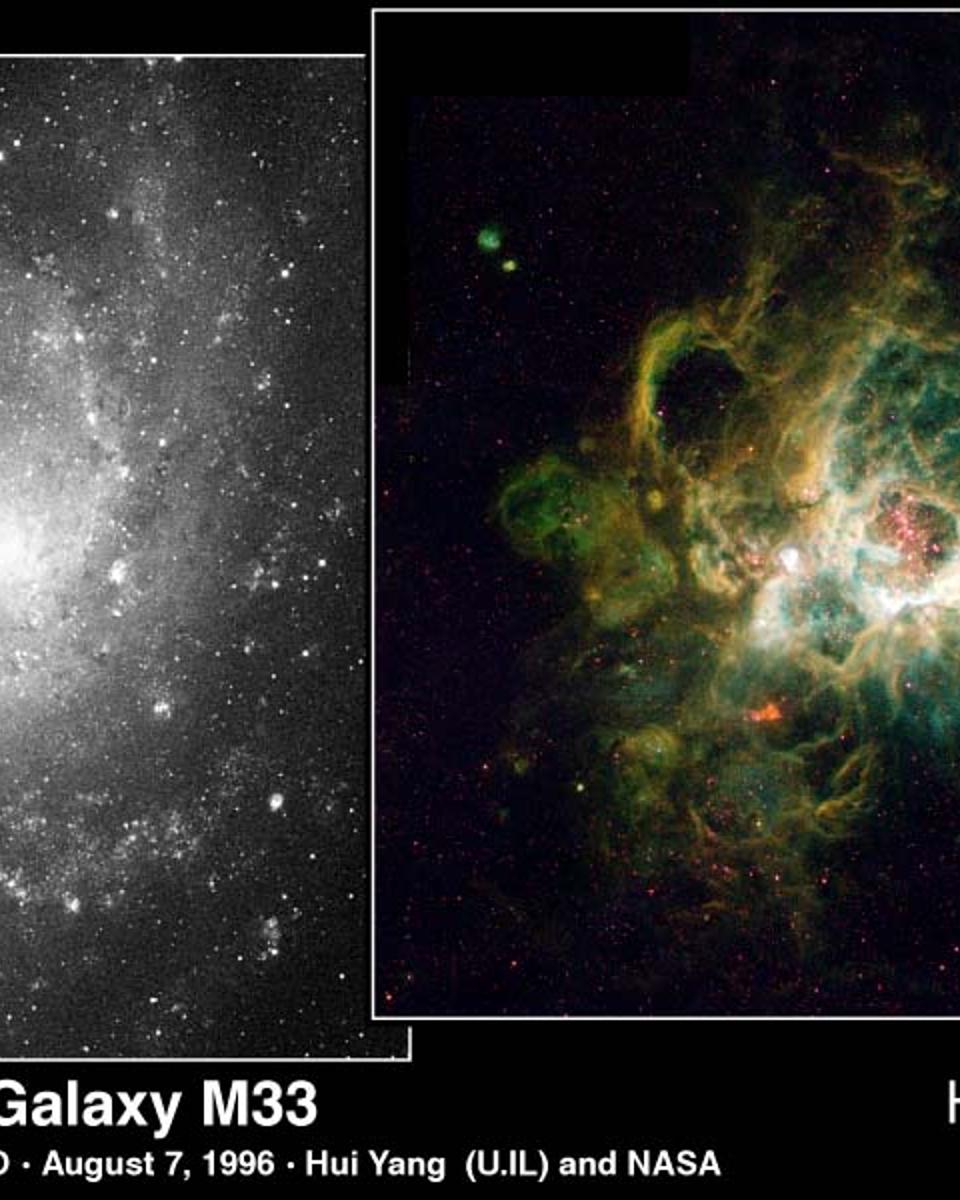
NGC 604: Giant Stellar Nursery in M33
The nebula cataloged as NGC 604 is a giant star forming region, 1500 light years across, in the nearby spiral galaxy, M33 . Seen here in a snapshot by the Hubble Space Telescope,…
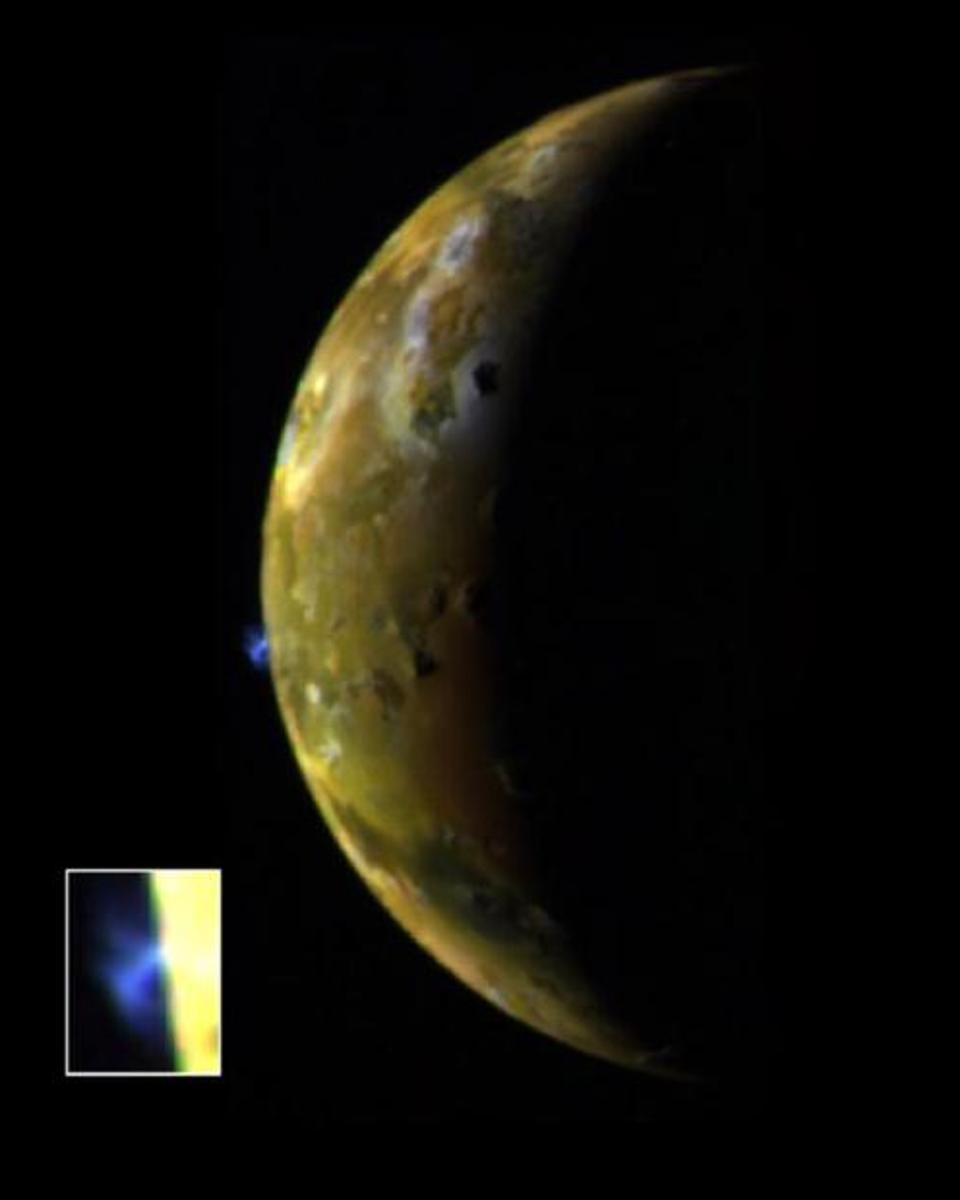
Galileo Views Io Eruption
Io's surface is active . Geyser-like eruptions from volcanoes on this Jovian moon were seen by both Voyager spacecraft in 1979 and were also spotted this year in late June by…
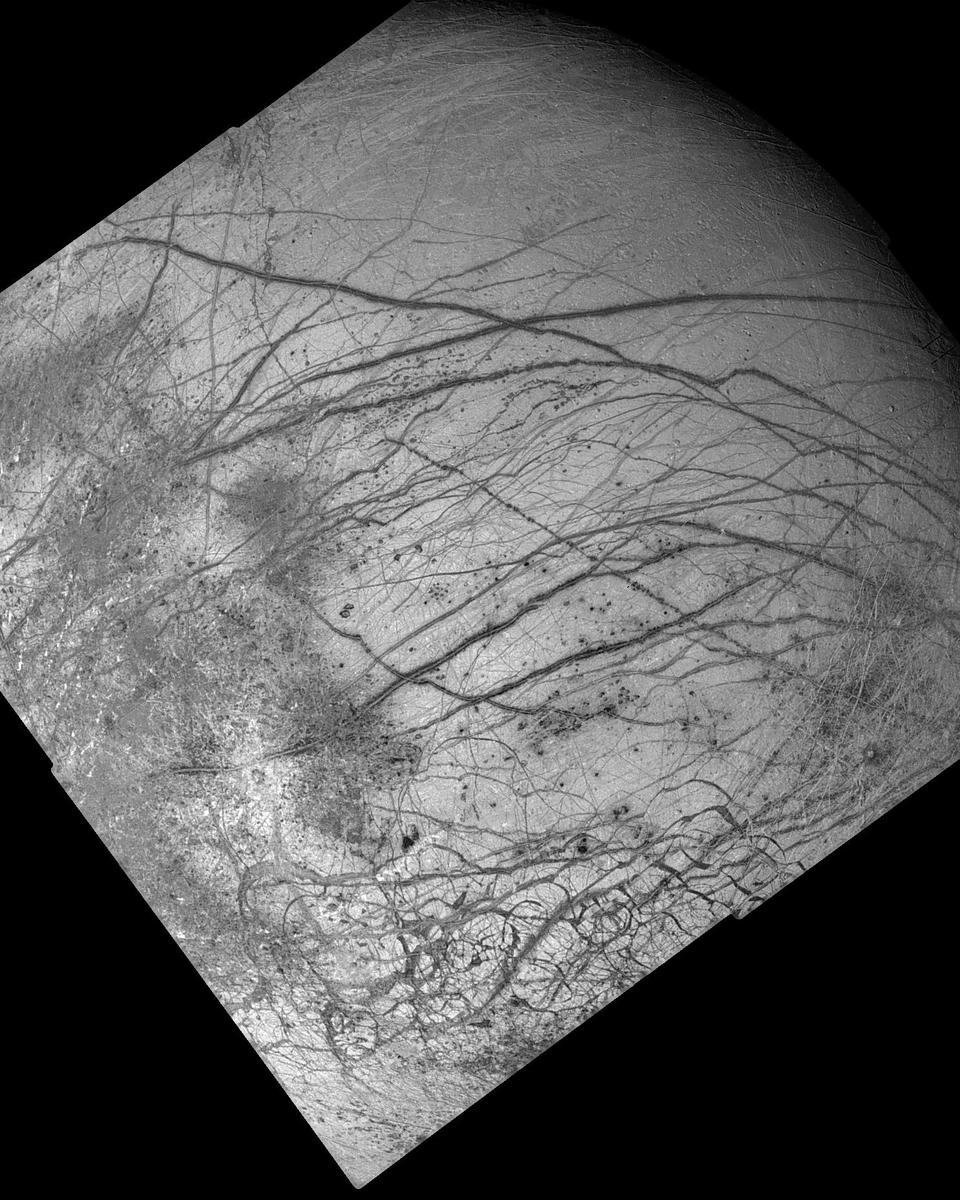
Galileo Explores Europa
Details of the crazed cracks criss-crossing Europa's frozen surface are apparent in this mosaic of the Galileo spacecraft's latest images of Jupiter's ice-covered moon. Curious…
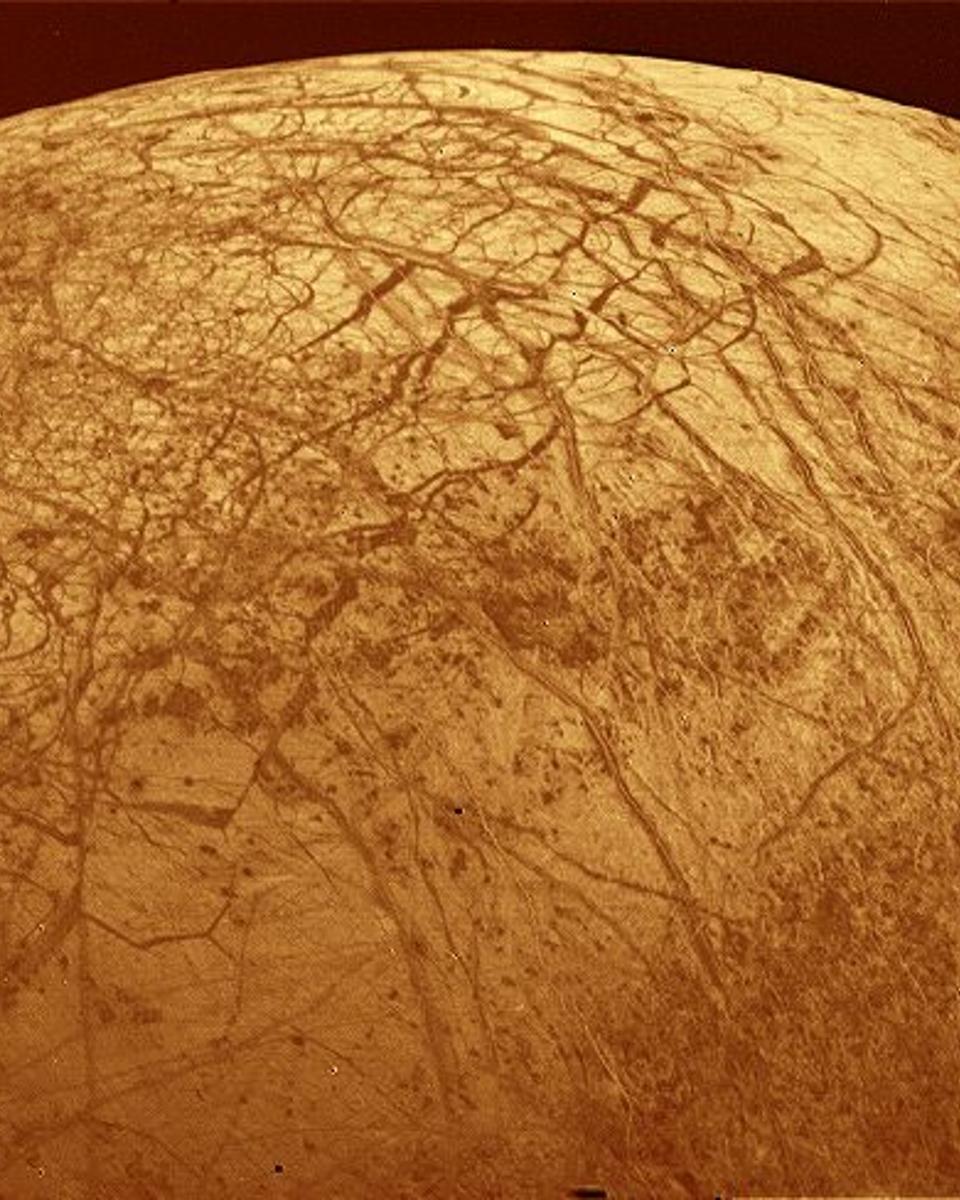
Europa's Surface
Voyager spacecraft images of Europa's surface , like the one above, are suggestive of sea ice on Earth . The criss-crossing dark streaks may indeed be cracks in its ice-covered…
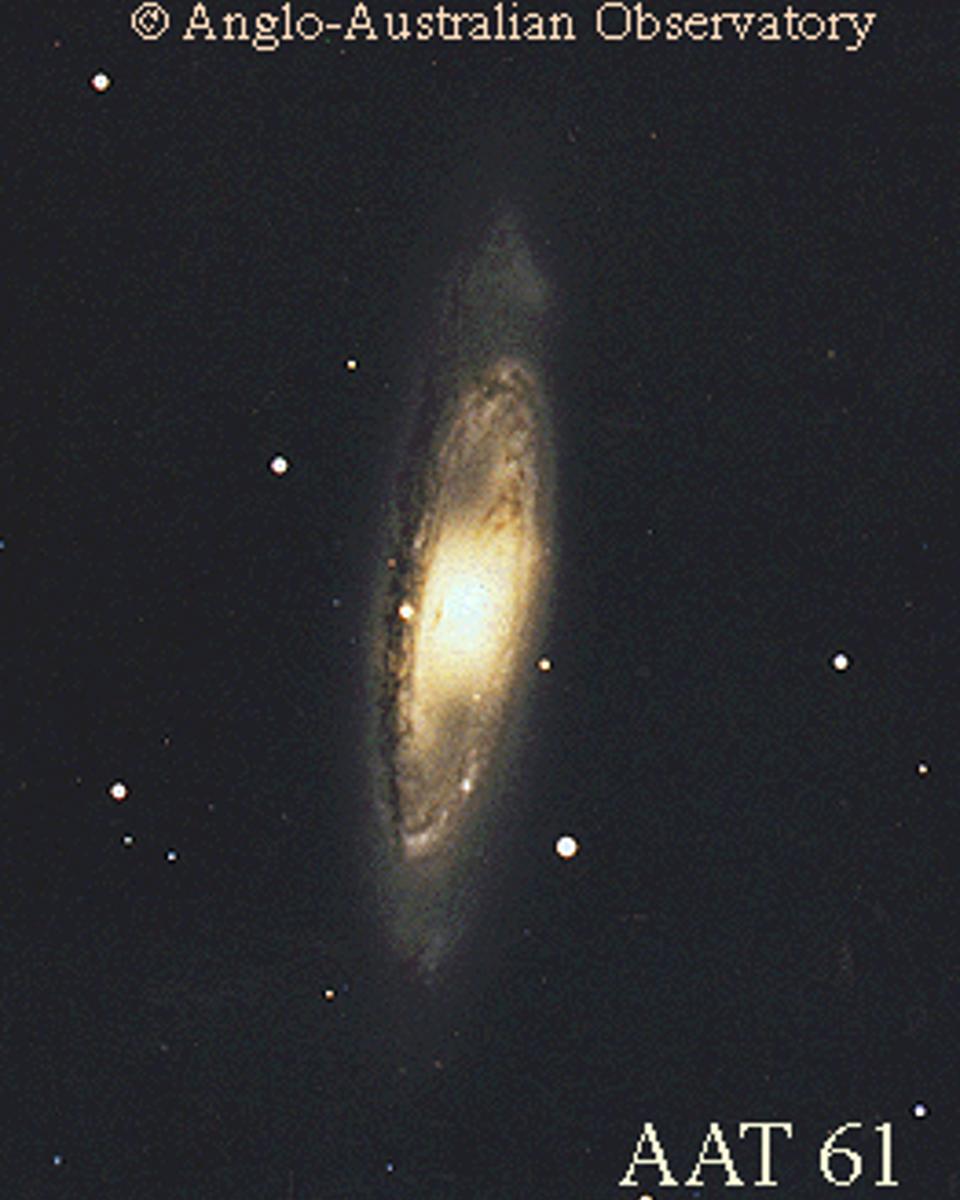
Leo Triplet Spiral Galaxy M65
Spiral galaxy M65 is a normal spiral galaxy not unlike our own Milky Way. In fact, M65 is a typical spiral galaxy of a type that could be found anywhere in the local universe.…
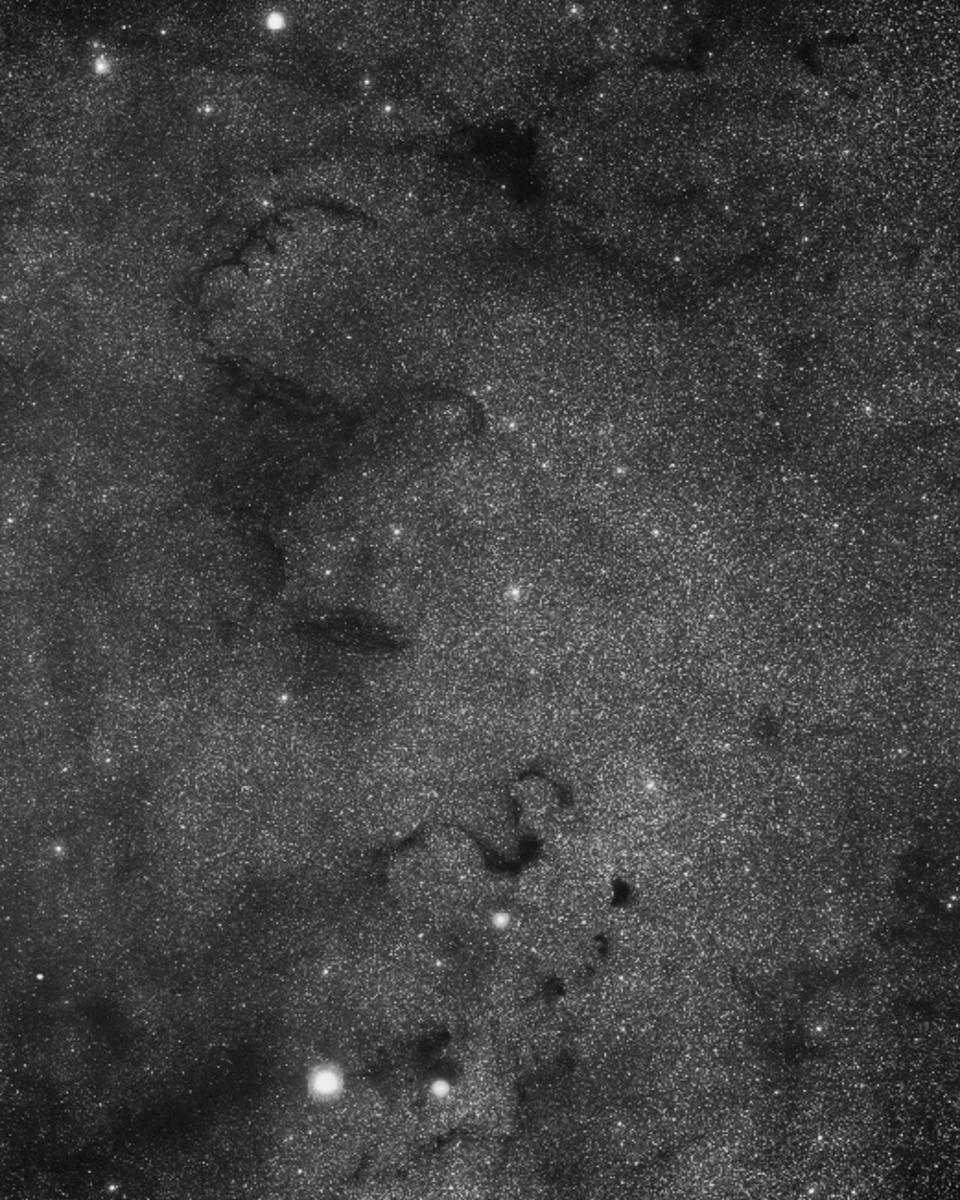
The Snake Nebula in Ophiuchus
What slithers there? The dark curly lanes visible in part of the constellation Ophiuchus belong to the Snake Nebula. The Snake Nebula is a series of dark absorption clouds .…
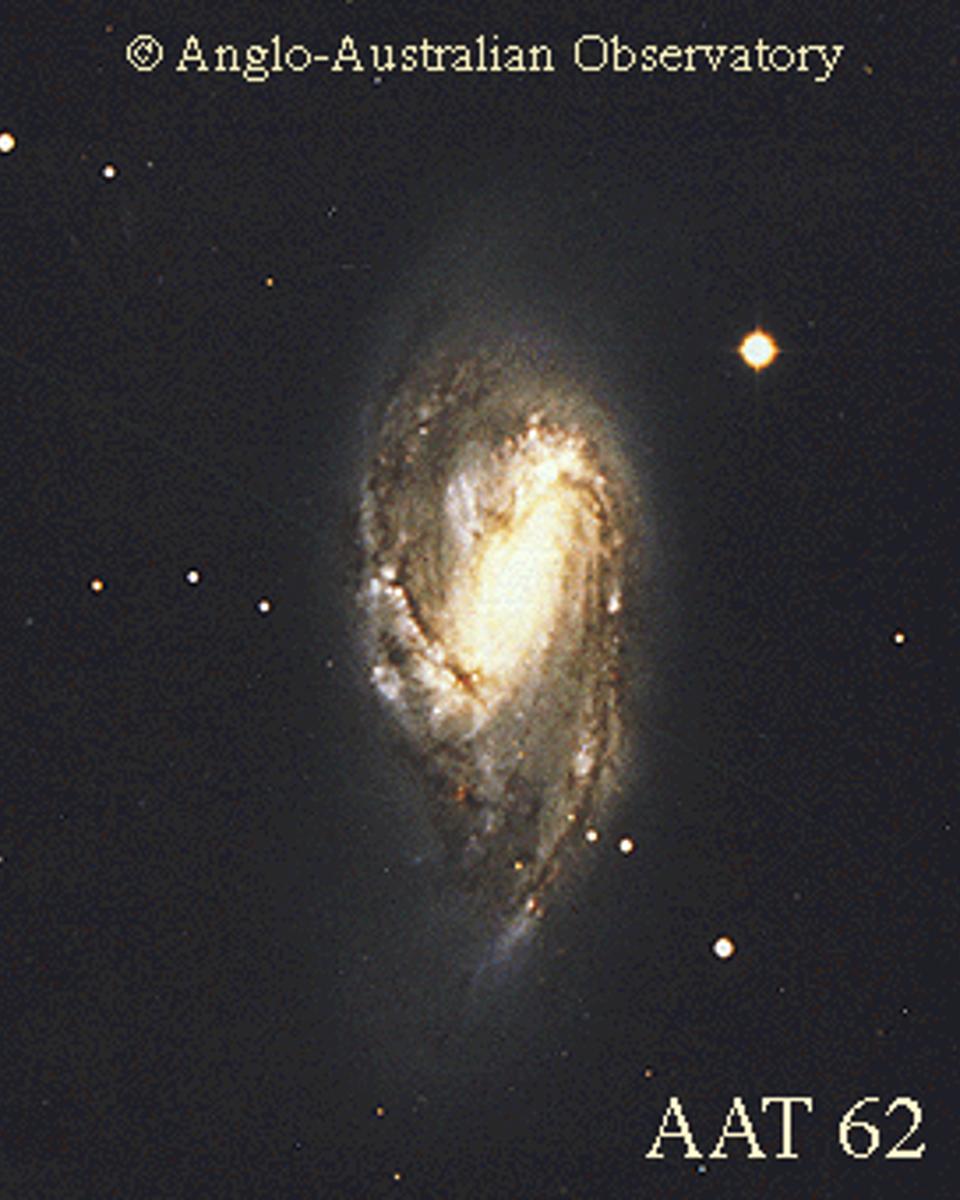
Unusual Spiral Galaxy M66
Spiral galaxy M66 is largest galaxy in the a group known as the Leo Triplet. M66 is somewhat peculiar because of its asymmetric spiral arms. Usually dense waves of gas, dust, and…
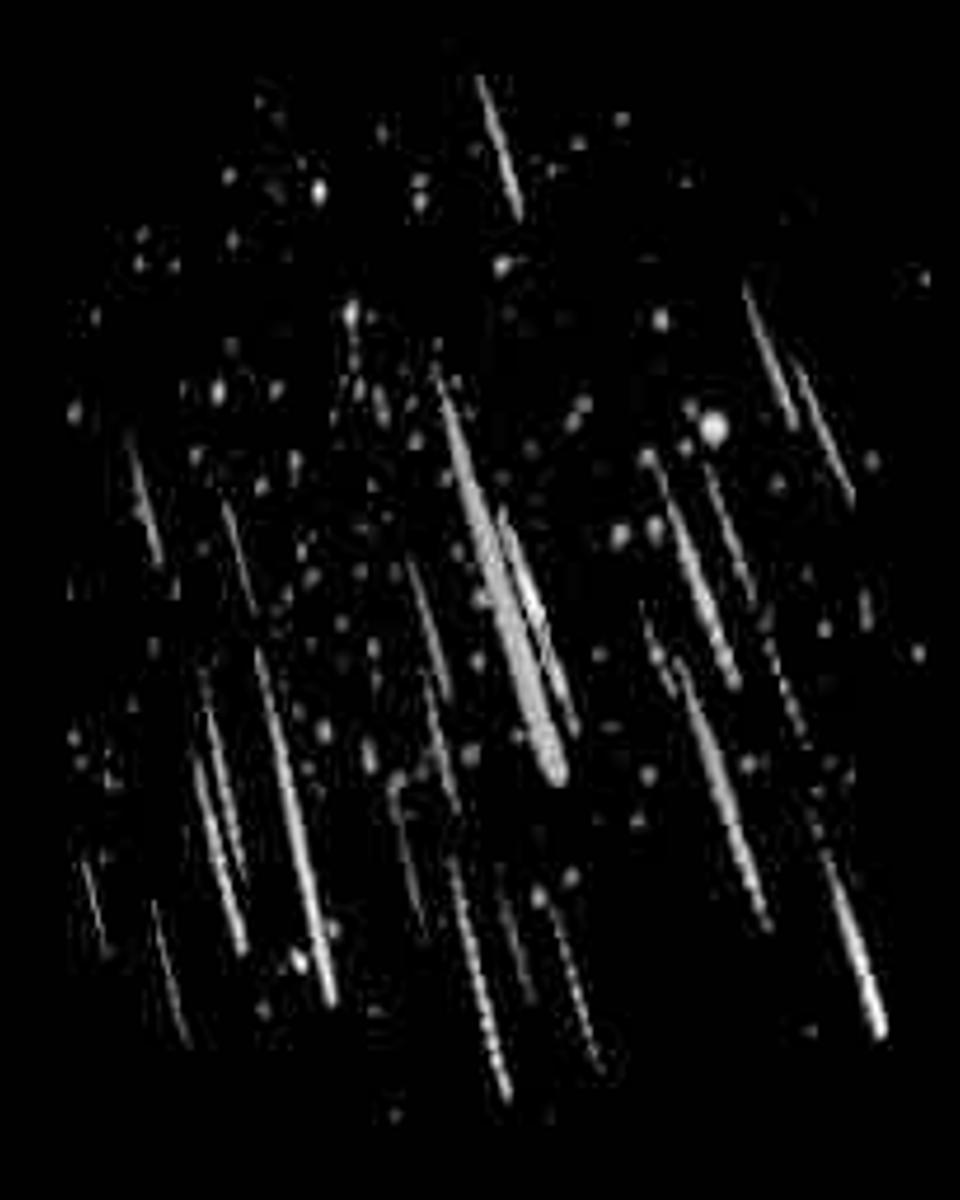
The Perseid Meteor Shower
From a radiant point in the constellation of Perseus, Comet Swift-Tuttle presents -- The Perseid Meteor Shower -- coming to your night sky this weekend! A bookish E. C. Herrick of…
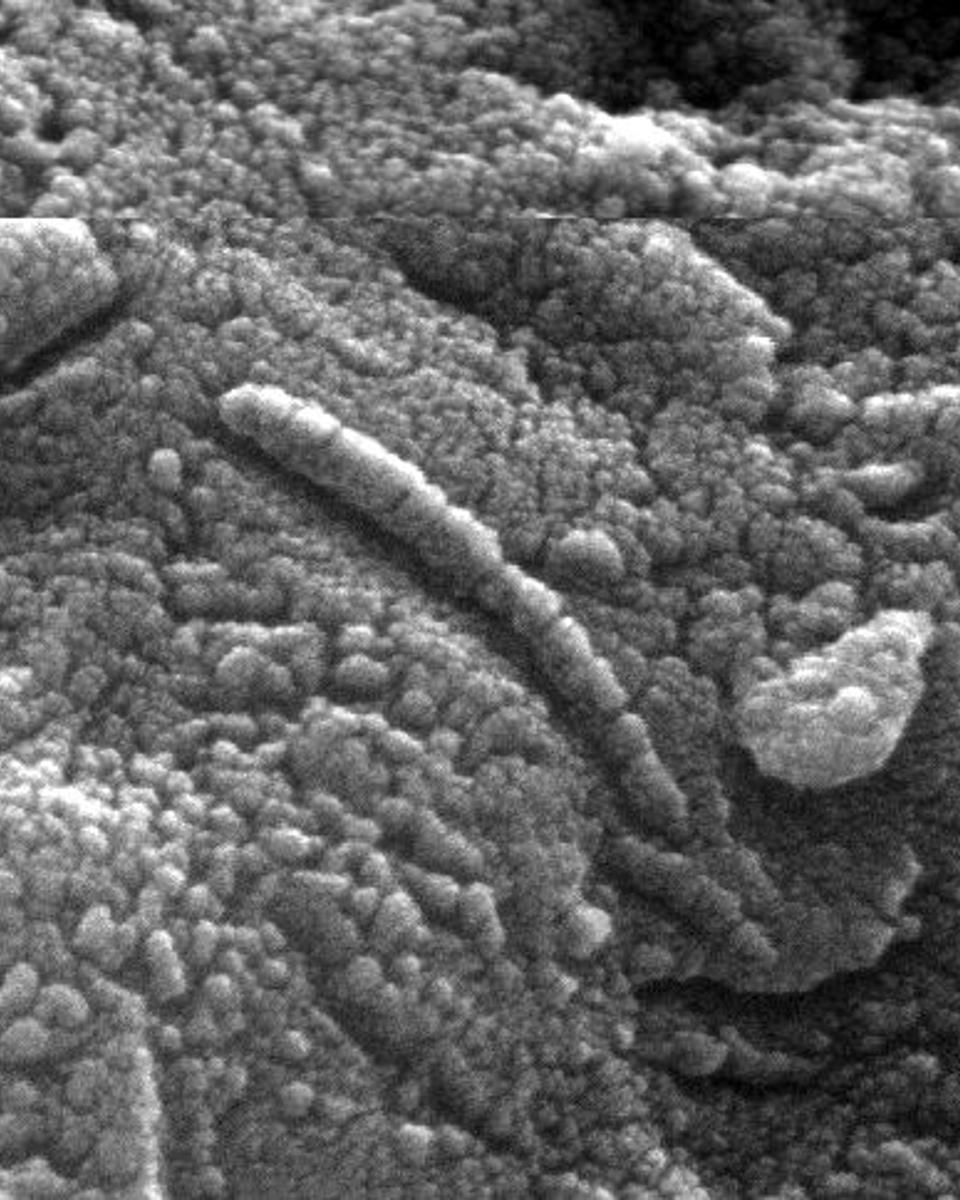
Pictured: An Ancient Martian?
Alien! Alien? Is this what an ancient Martian looked like? The tube-like form on the above highly magnified image is now believed by many to be a fossil of a simple Martian…
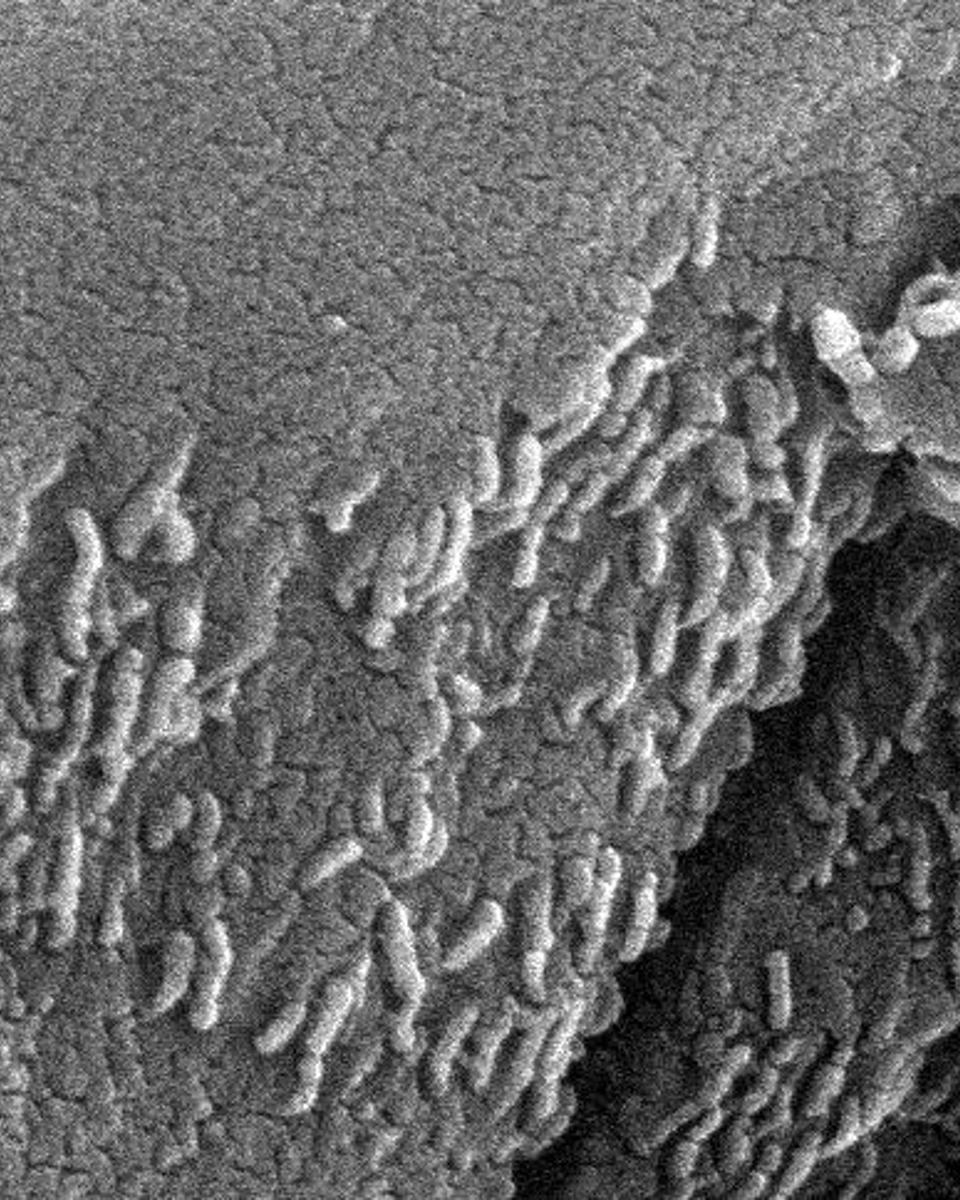
Early Microscopic Life on Mars?
Today a team of NASA and Stanford scientists announced the discovery of strong circumstantial evidence that microscopic life once existed on Mars . Dr. David McKay, Dr. Everett…
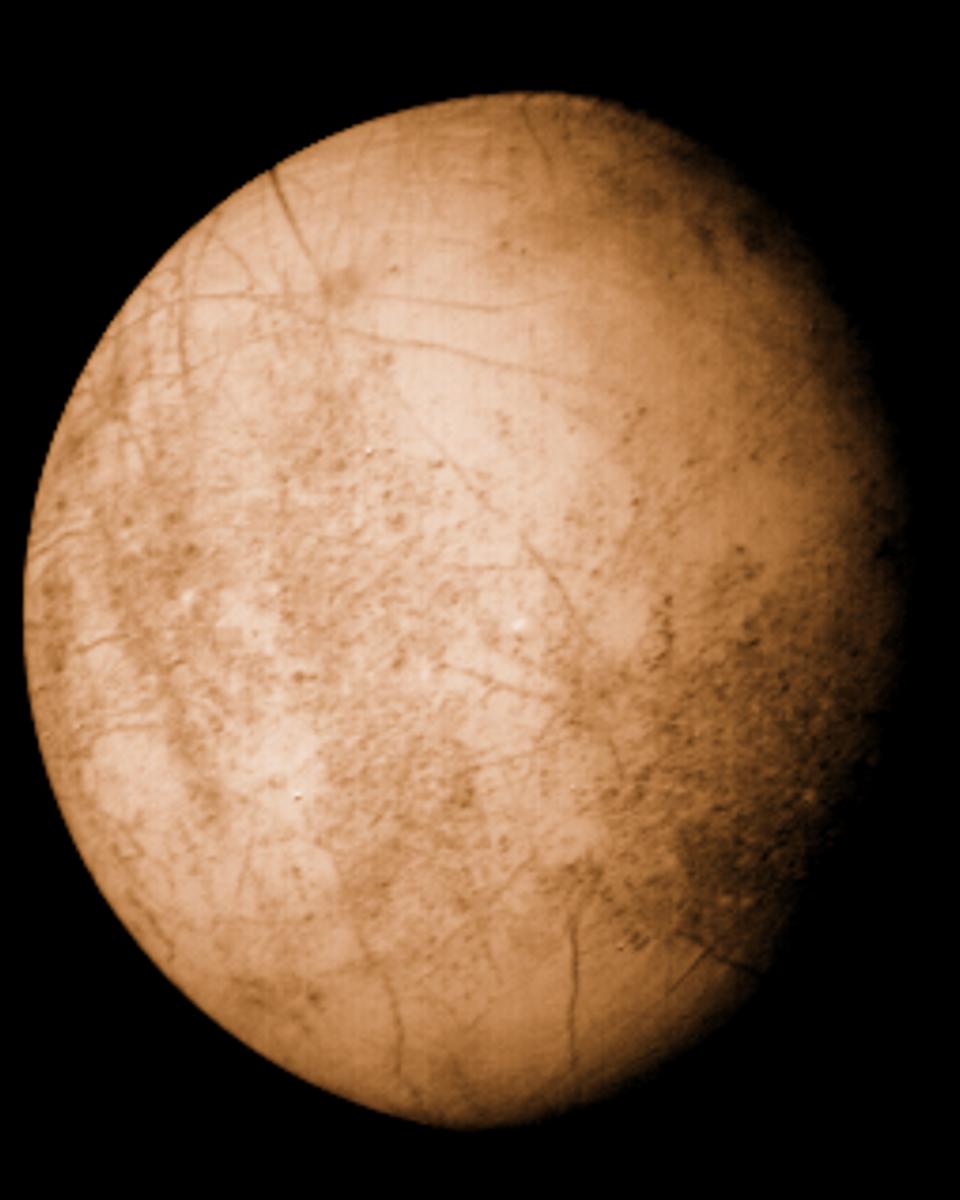
Europa: Oceans of Life?
Is there life beneath Europa's frozen surface? Some believe the oceans found there of carbon-enriched water are the best chance for life , outside the Earth , in our Solar System…
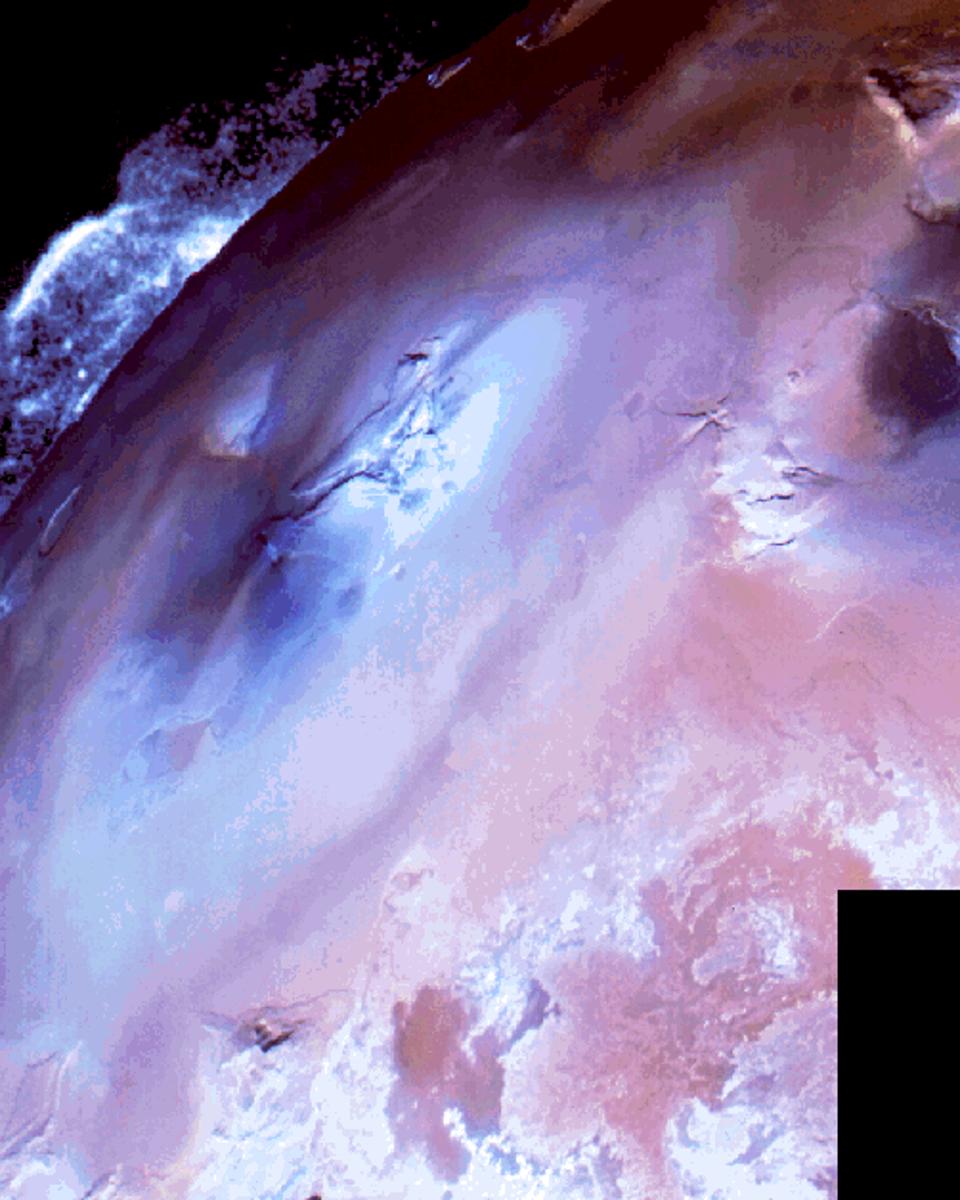
Erupting Volcanoes on Io
Jupiter's moon Io has active volcanoes. The Voyager spacecraft caught several erupting when they passed the energetic moon in 1979. In the above picture, several of Io's volcanoes…
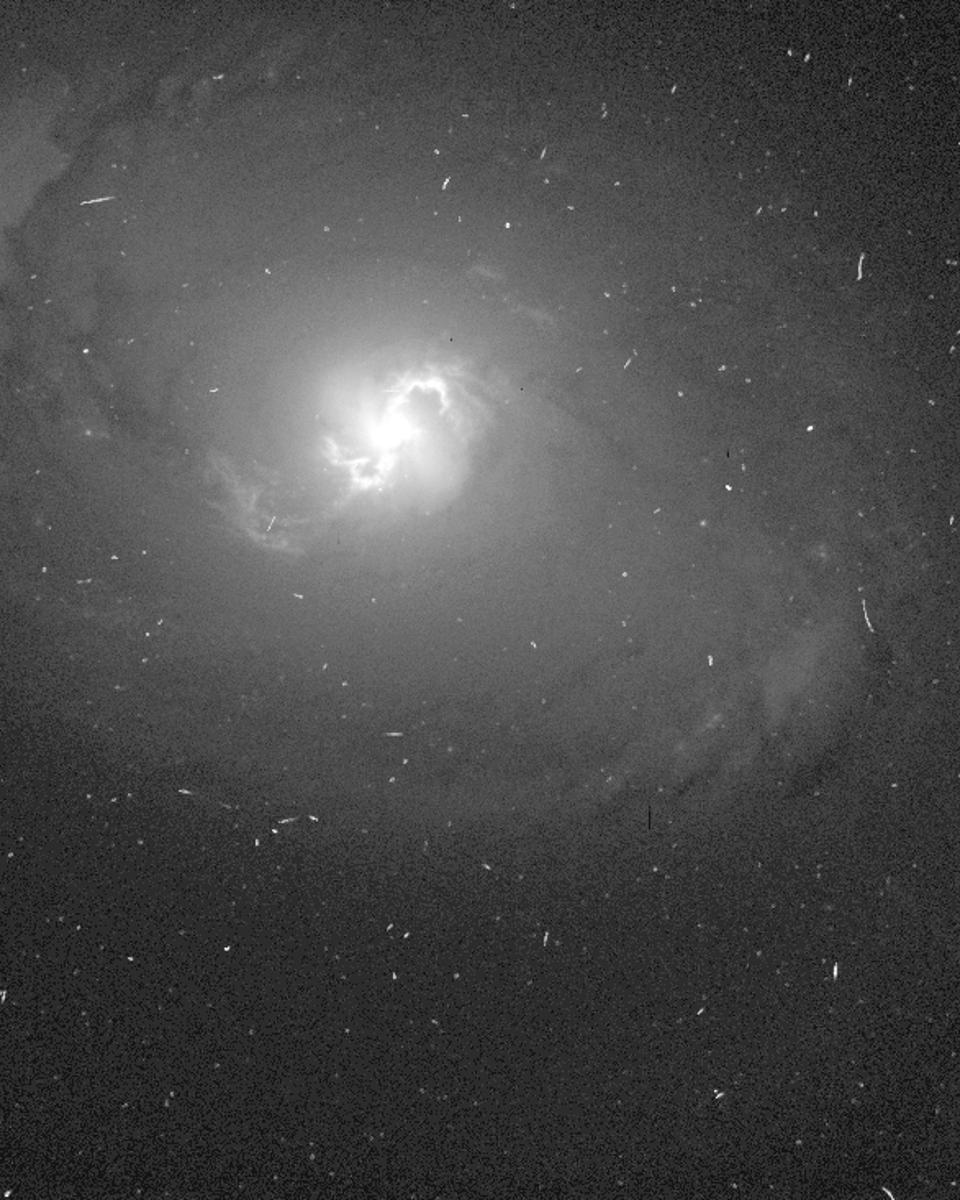
NGC 3393: A Super Spiral?
A bird? A plane? No, but pictured here is something physically much larger, flying much higher, and moving much faster than either of these. It is, in fact, a Seyfert type 2…
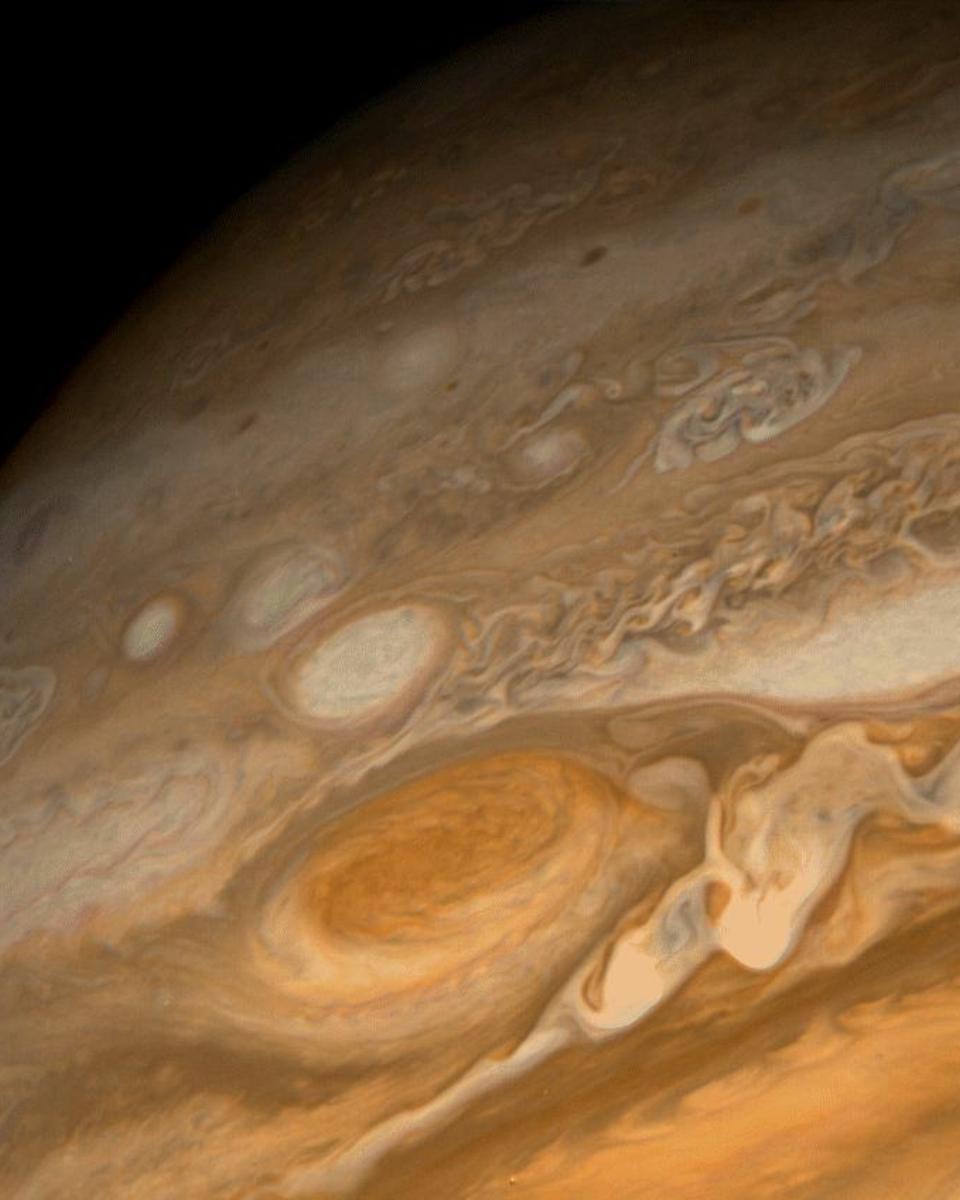
Jupiter's Colorful Clouds
What makes the colors in Jupiter's clouds ? With a mean temperature of 120 degrees Kelvin (-153 degrees Celsius) and a composition dominated by Hydrogen (about 90%), and Helium…
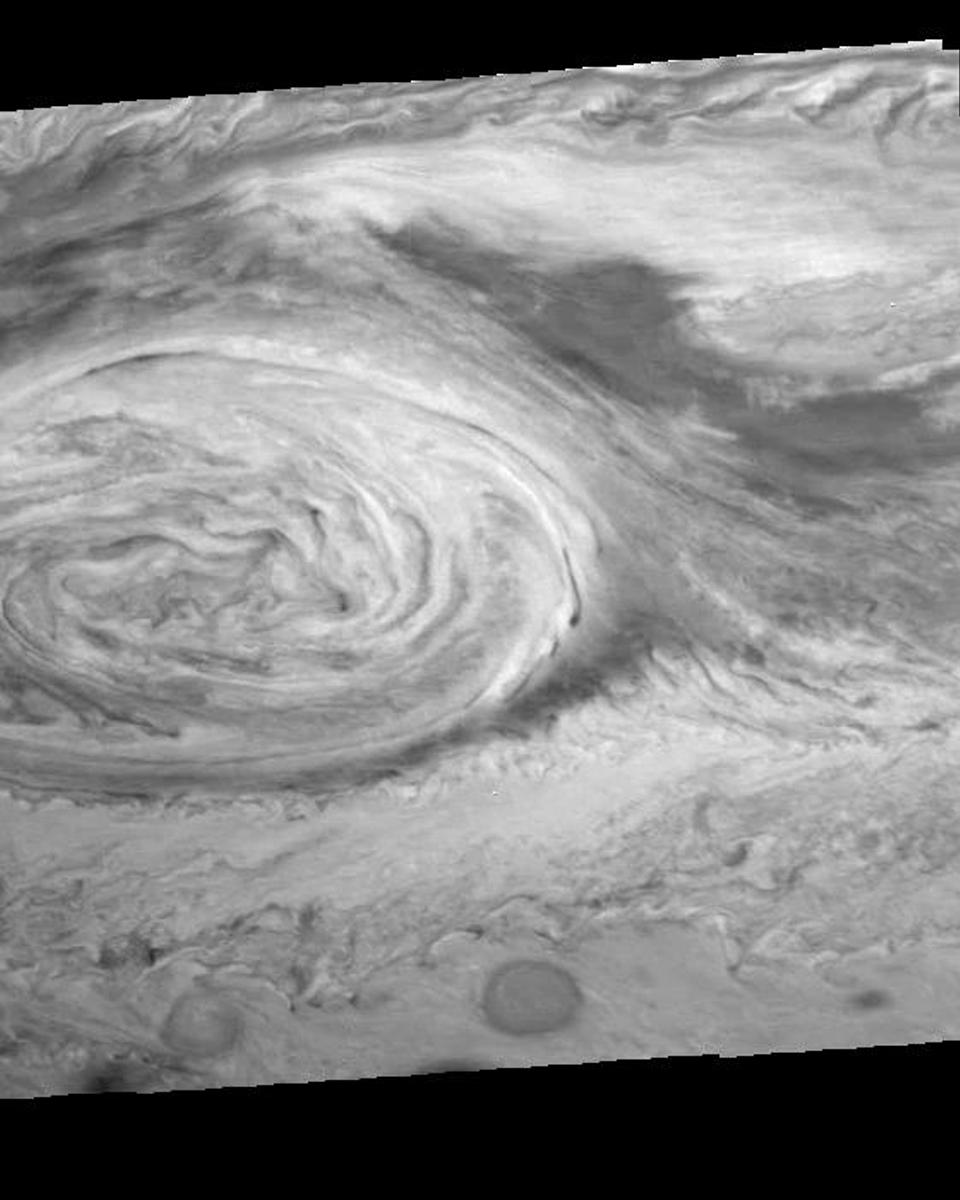
Galileo, Cassini, and the Great Red Spot
Imagine a hurricane that lasted for 300 years! Jupiter's Great Red Spot indeed seems to be a giant hurricane-like storm system rotating with the Jovian clouds. Observed in 1655 by…
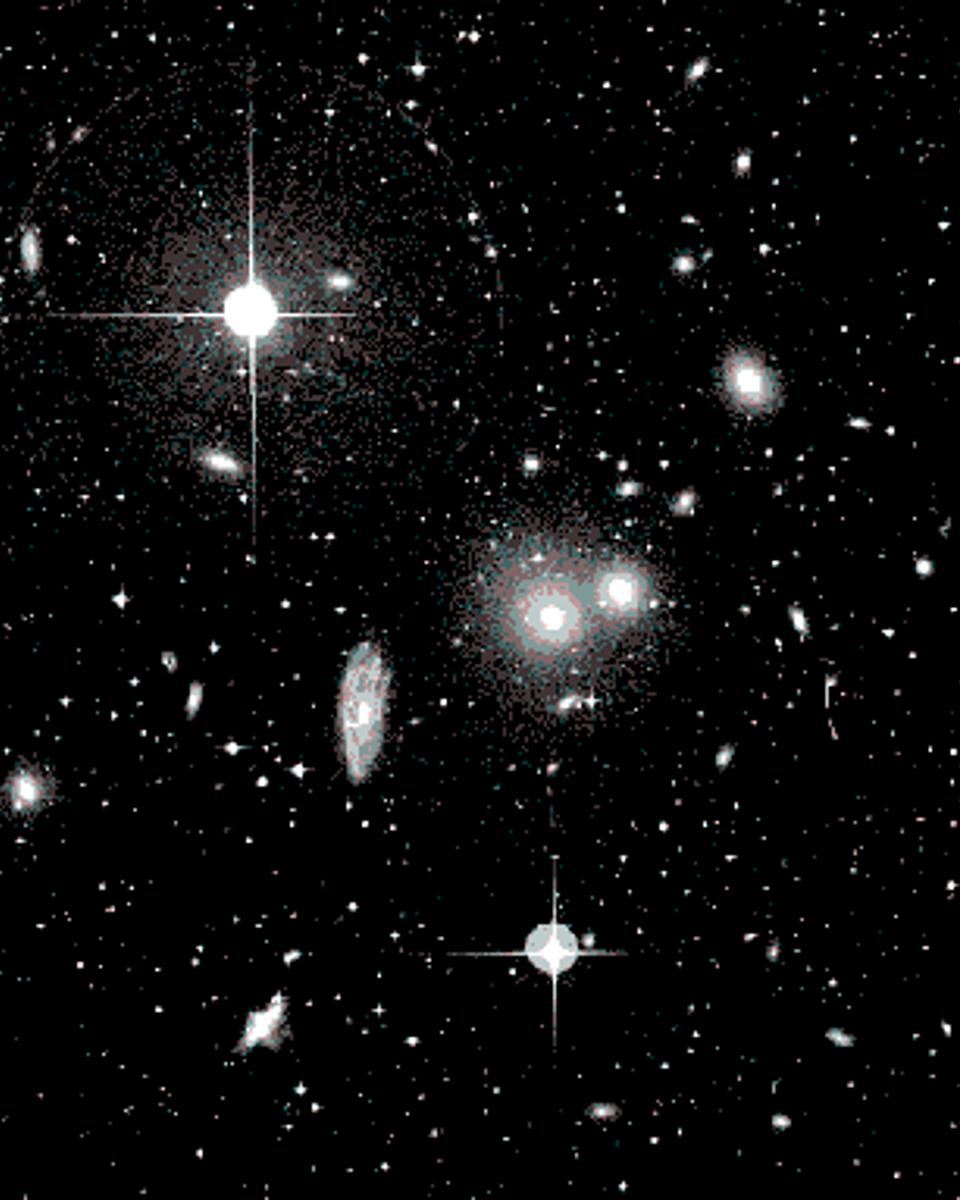
The Hydra Cluster of Galaxies
You are flying through space and come to ... the Hydra Cluster of Galaxies. Listed as Abell 1060, the Hydra Cluster contains well over 100 bright galaxies. Clusters of galaxies…
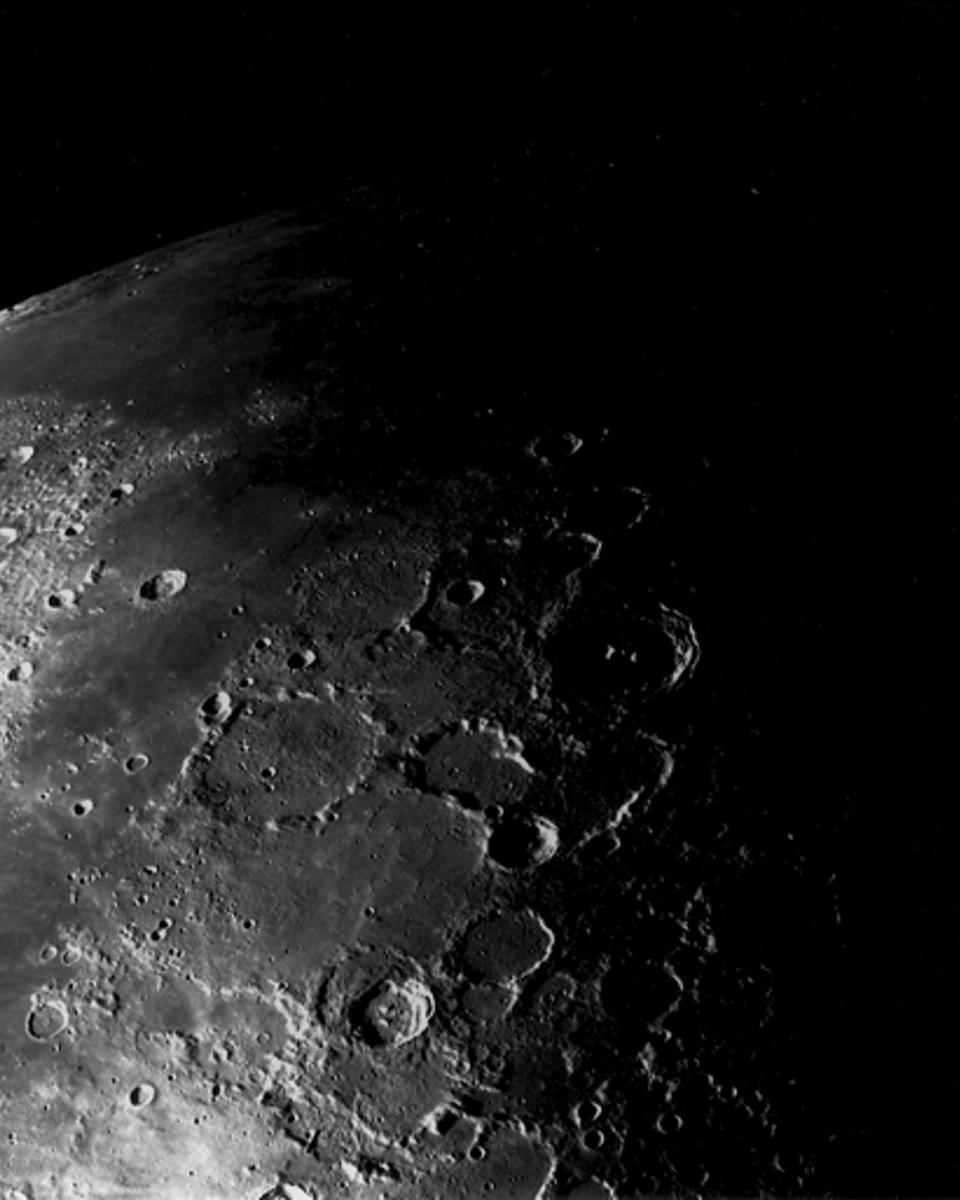
A Violet Moon
Checking out the Galileo spacecraft's cameras during its December 1992 flyby of Earth's Moon, controllers took this dramatically illuminated picture through a violet filter. The…
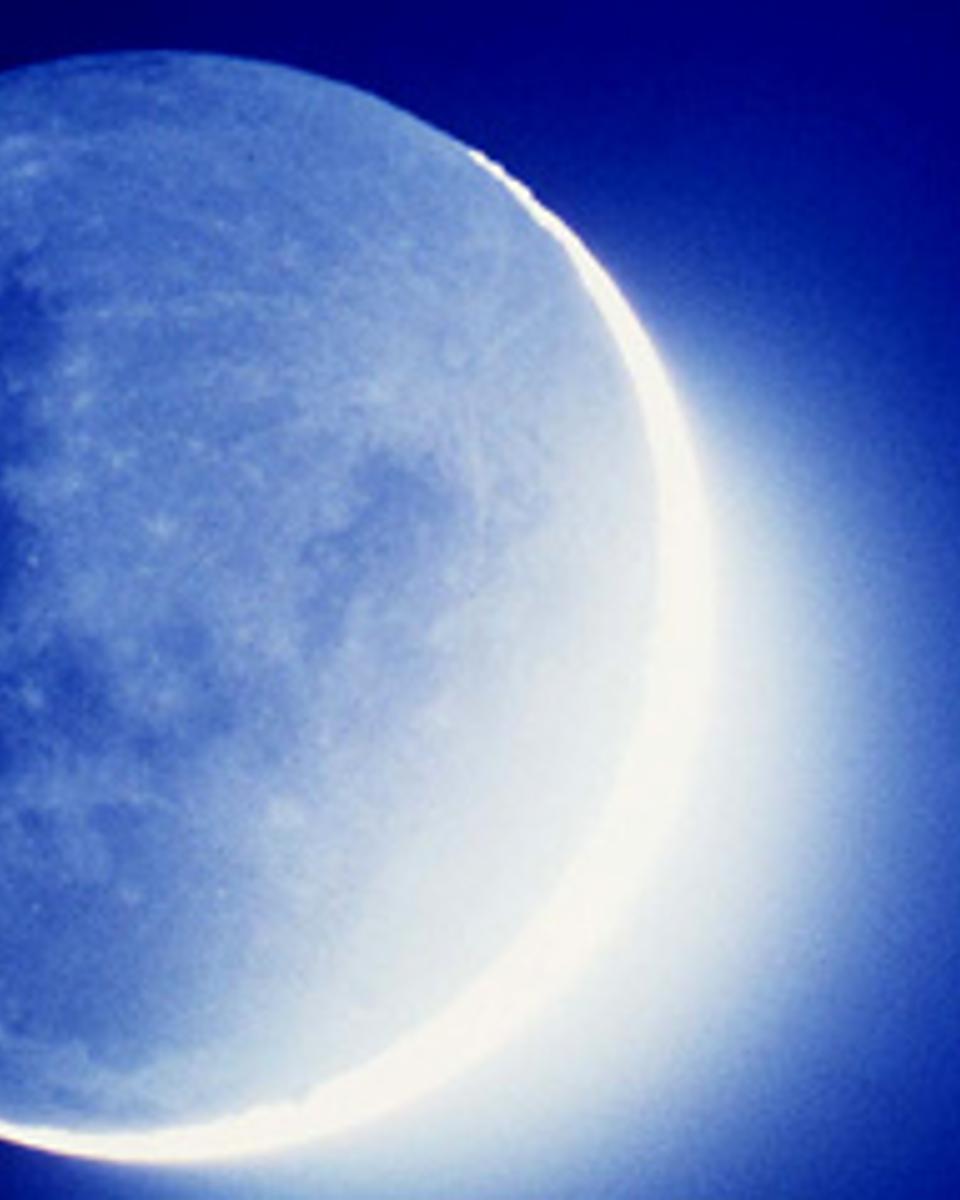
Tonight: A Blue Moon
How often does a Full Moon occur twice in a single month? Exactly once in a Blue Moon . In fact, the modern usage of the term “Blue Moon” refers to the second Full Moon in a…
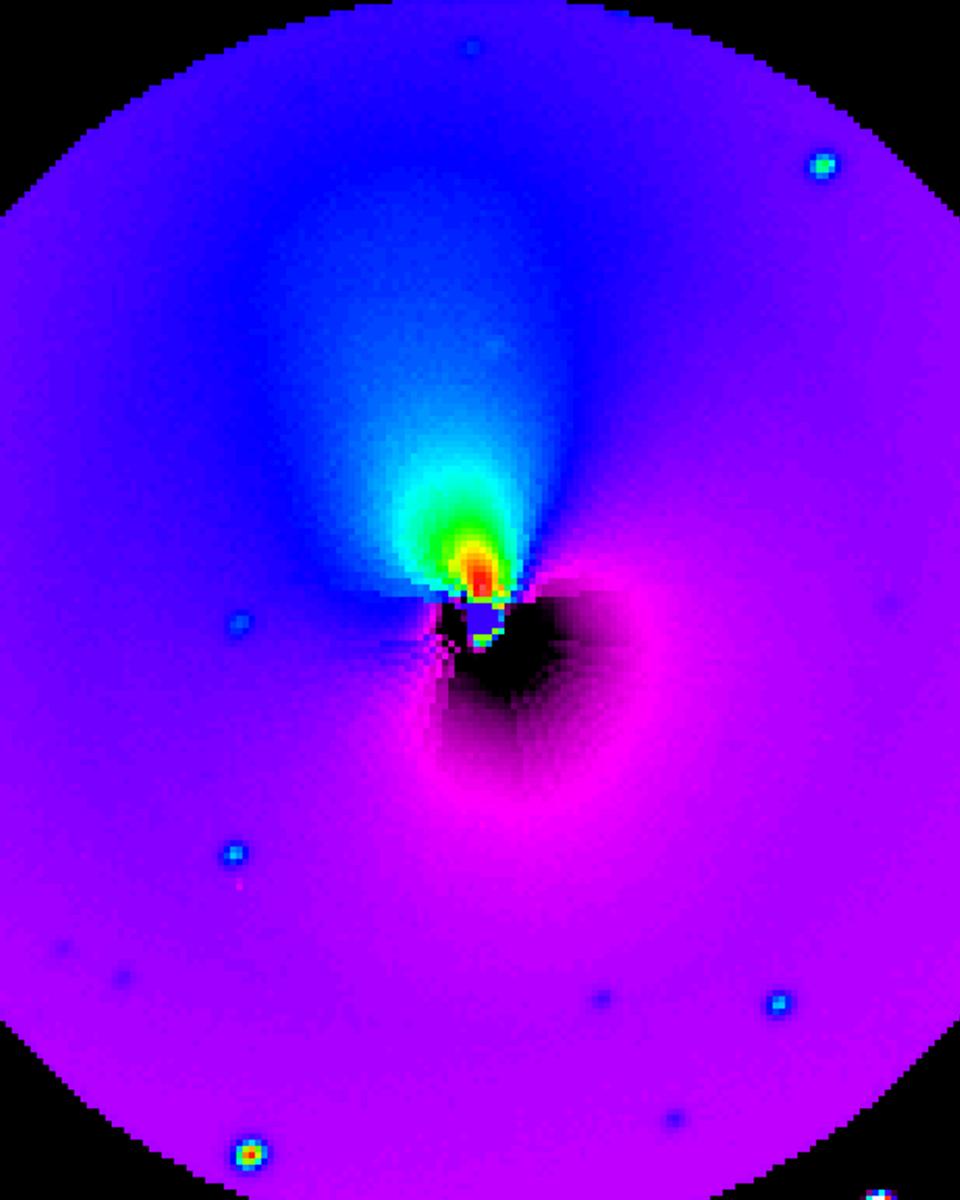
A Dust Jet From Hale-Bopp
Approaching the inner Solar System, comet Hale-Bopp 's icy nucleus is heated by sunlight, accelerating its production of dust and gas. Shrouded in the resulting cloud, known as…
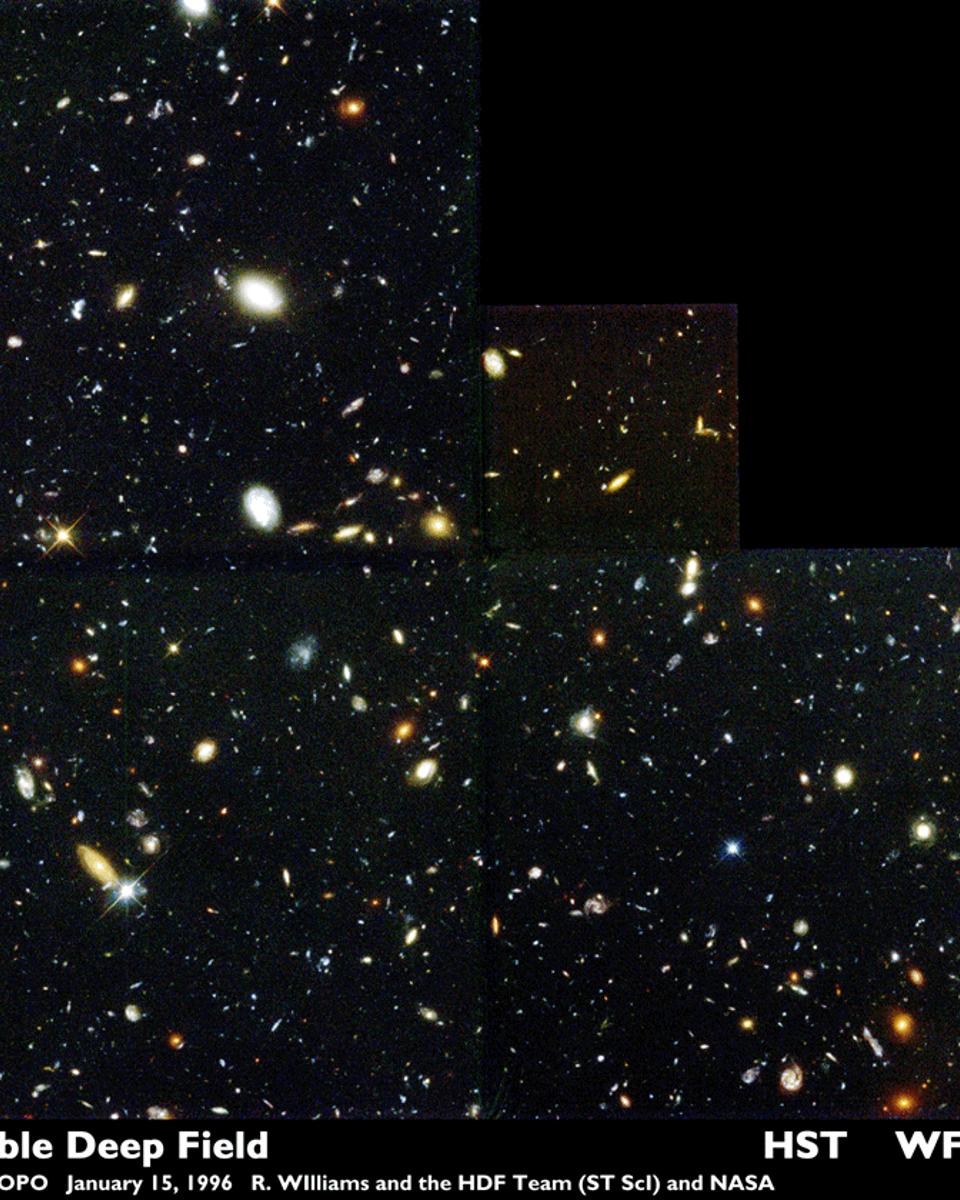
Huck Finn's New Sky View
Even the faintest stars Huck and Jim could see as their raft drifted down the Mississippi were in our own Galaxy . The faintest objects astronomers can see today are the distant…
Viewing discoveries from 20 August 1996 through 28 July 1996.