Browse NASA Astronomy Picture of the Day archive by date and media: Archive Discoveries
Browse the NASA APOD archive without needing the exact date first. Filter by media type and keep moving deeper into older images and videos.
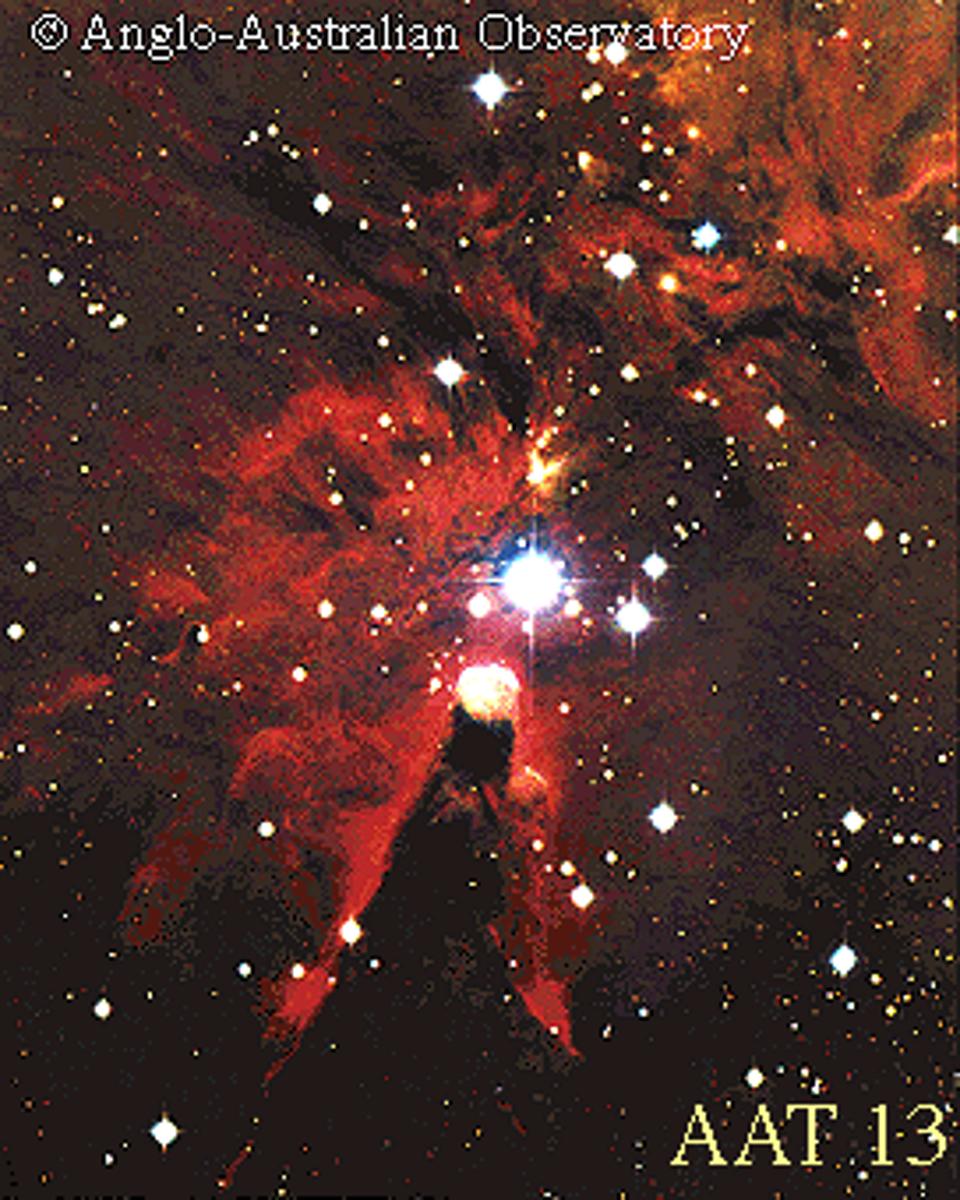
A Mysterious Cone Nebula
Sometimes the simplest shapes are the hardest to explain. For example, the origin of the mysterious cone-shaped region located just below the center of the above picture remains a…
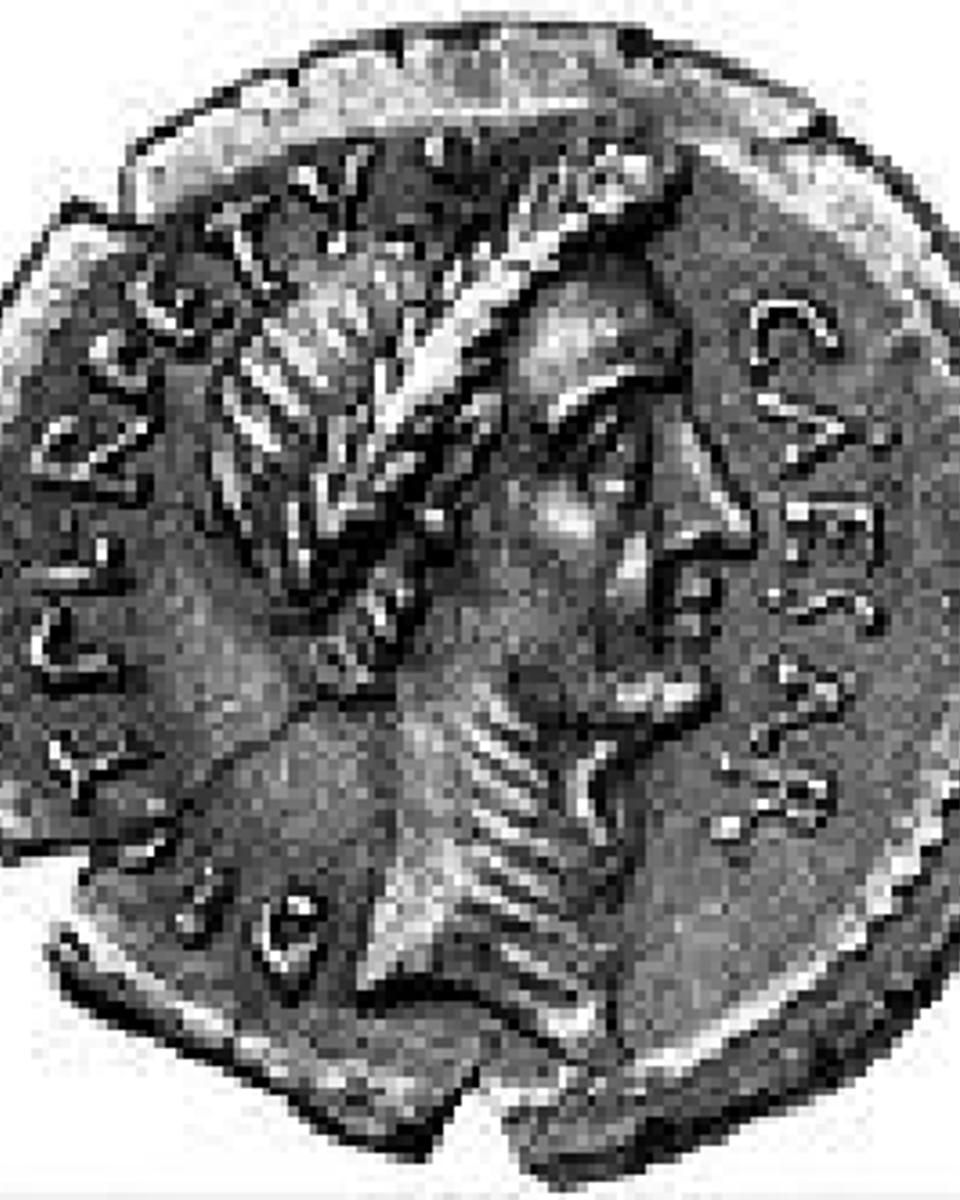
Julius Caesar and Leap Days
Today, February 29th , is a leap day - a relatively rare occurrence. Advised by Alexandrian astronomer Sosigenes , Roman dictator Julius Caesar , pictured above in a self-decreed…
Explosions Discovered Near Galactic Center
Tremendous explosions near the center of our Galaxy were discovered just this past December and are being announced today by a paper in Nature and a press conference at NASA .…
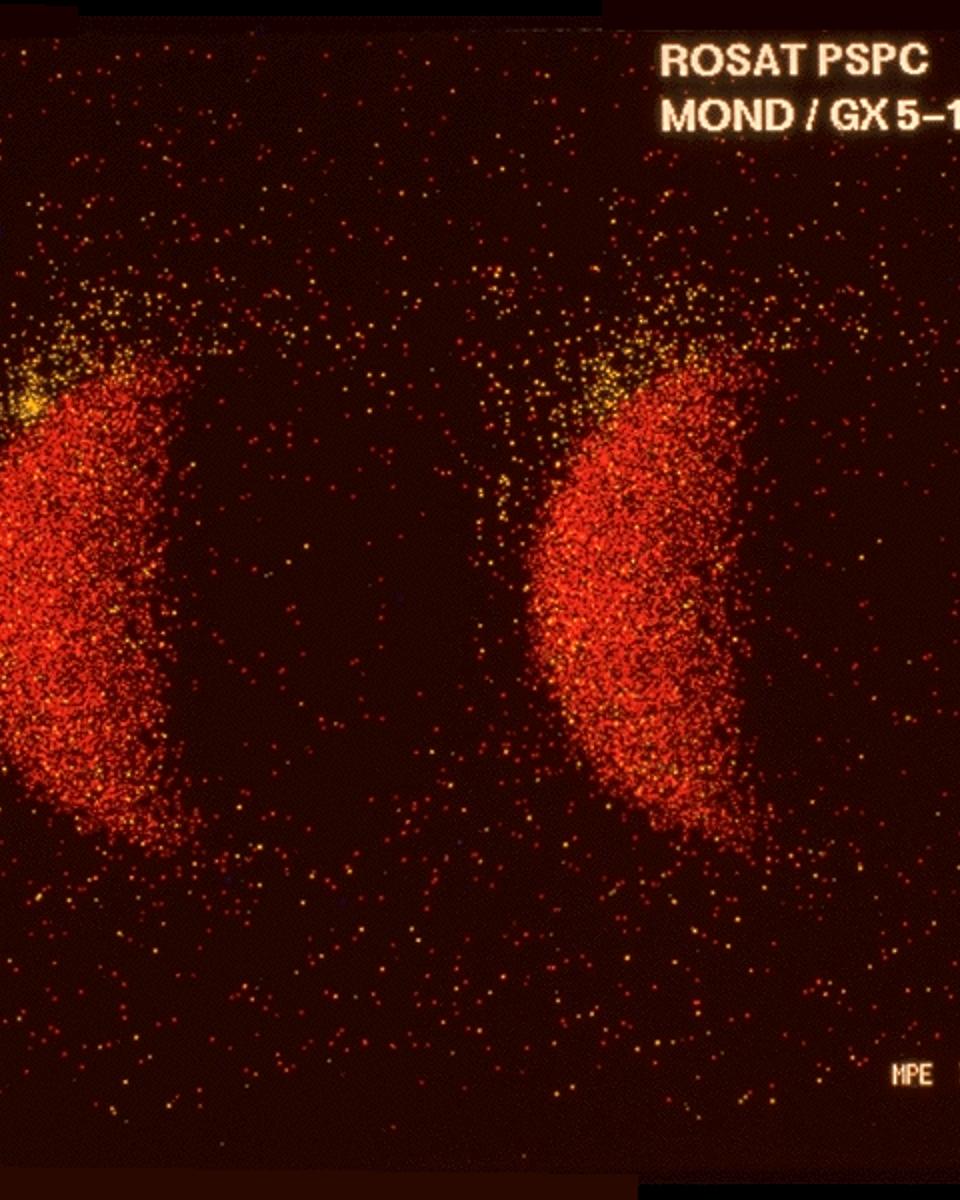
X-ray Moon and X-ray Star
An X-ray star winks out behind the Moon in these before and after views of a lunar occultation of the galactic X-ray source designated GX5-1 . The false color images were made…
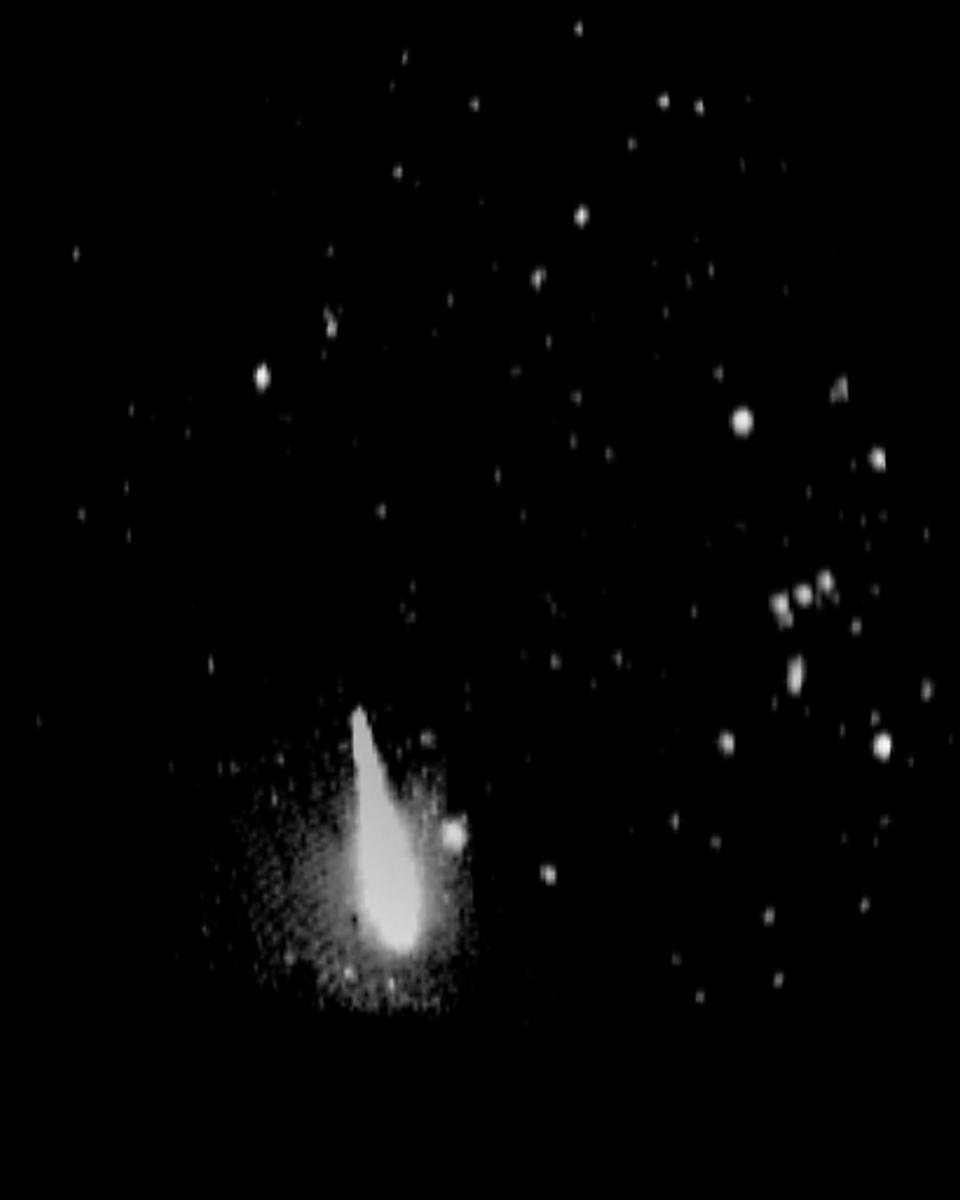
Fireball!
On rare but spectacular occasions, fireballs , meteors brighter than the brightest stars, flash through the heavens - sometimes making audible sounds and occasionally surviving to…
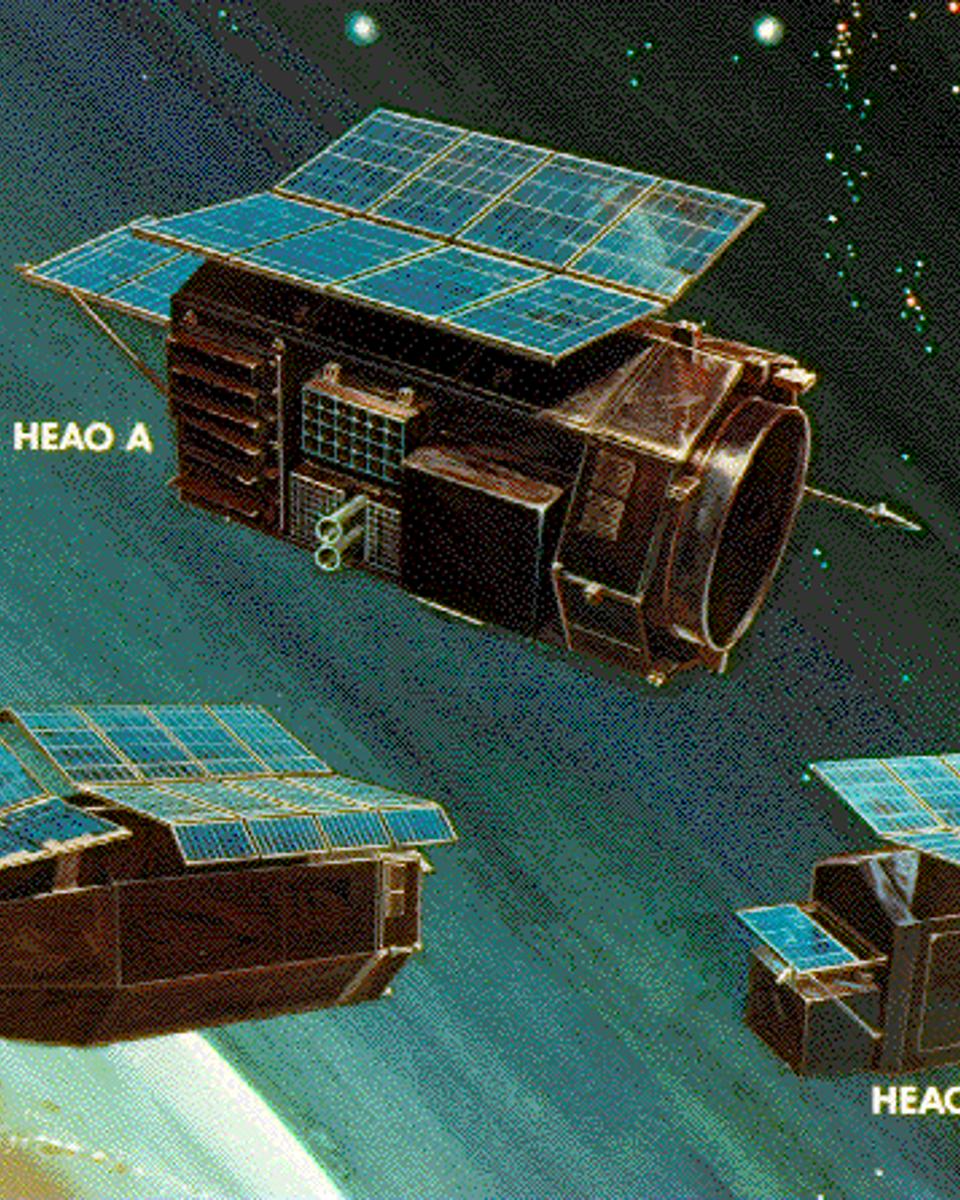
A High Energy Fleet
Looking like a fleet of futuristic starcruisers poised over planet Earth, NASA's highly successful series of High Energy Astrophysical Observatory (HEAO) spacecraft appear above…
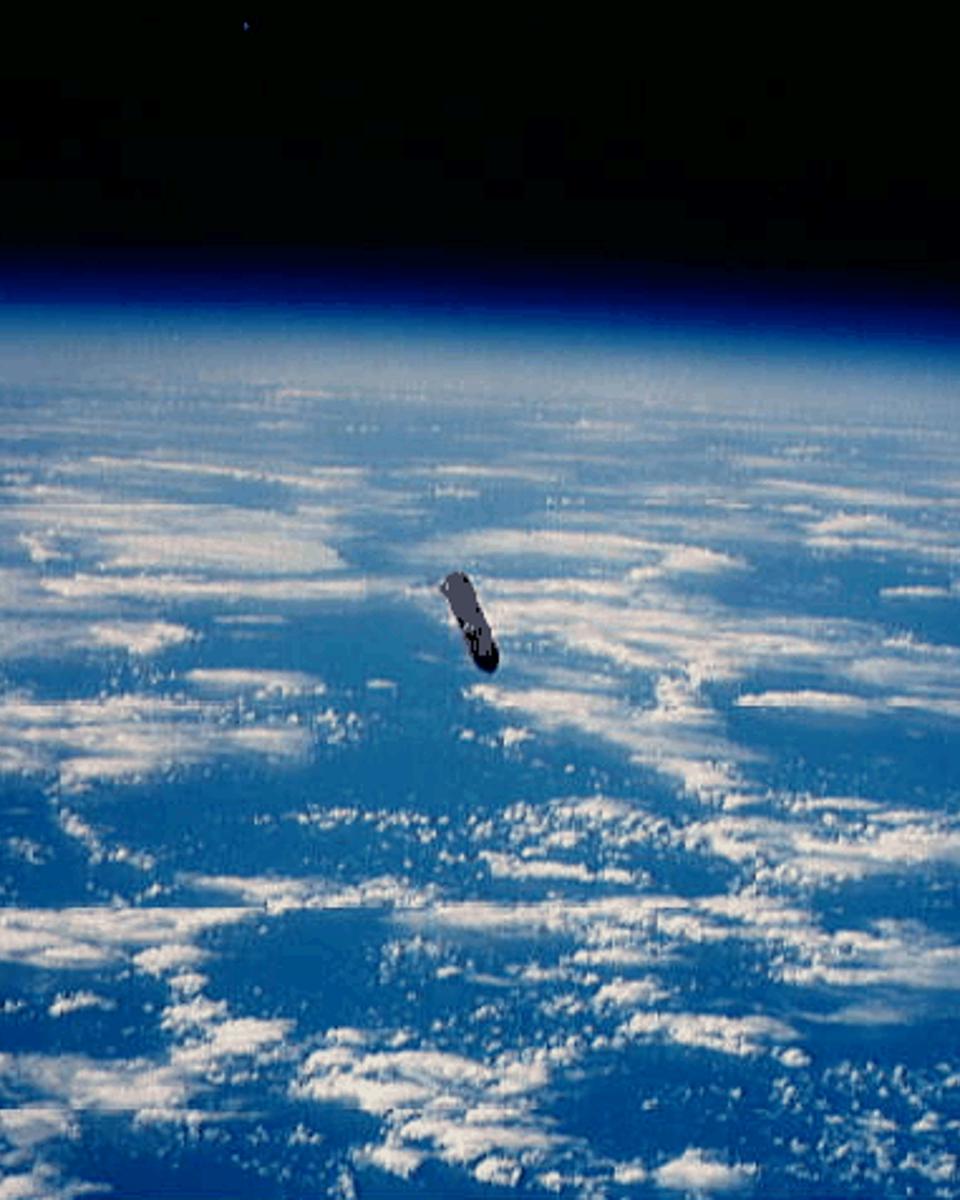
Tanks for the Lift
Sixteen minutes after the liftoff of STS-29, the Space Shuttle Discovery's jettisoned External Tank (ET) is seen here, in a photograph by shuttle astronaut James P. Bagian,…
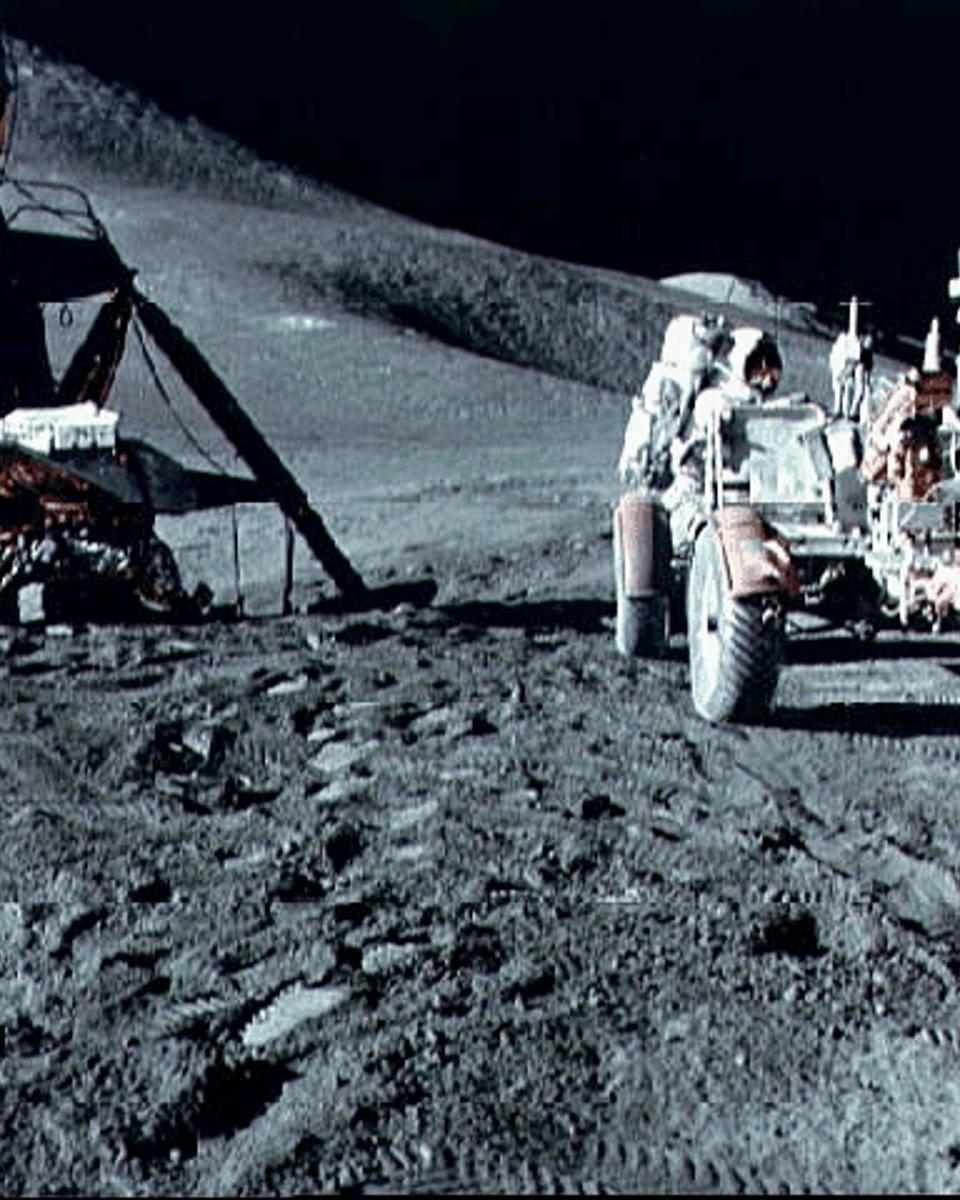
Apollo 15: Driving on the Moon
Apollo 15 astronaut James Irwin works on the first Lunar Roving Vehicle , before he and fellow astronaut David Scott take it out for a drive. Sloping up behind the lunar module…
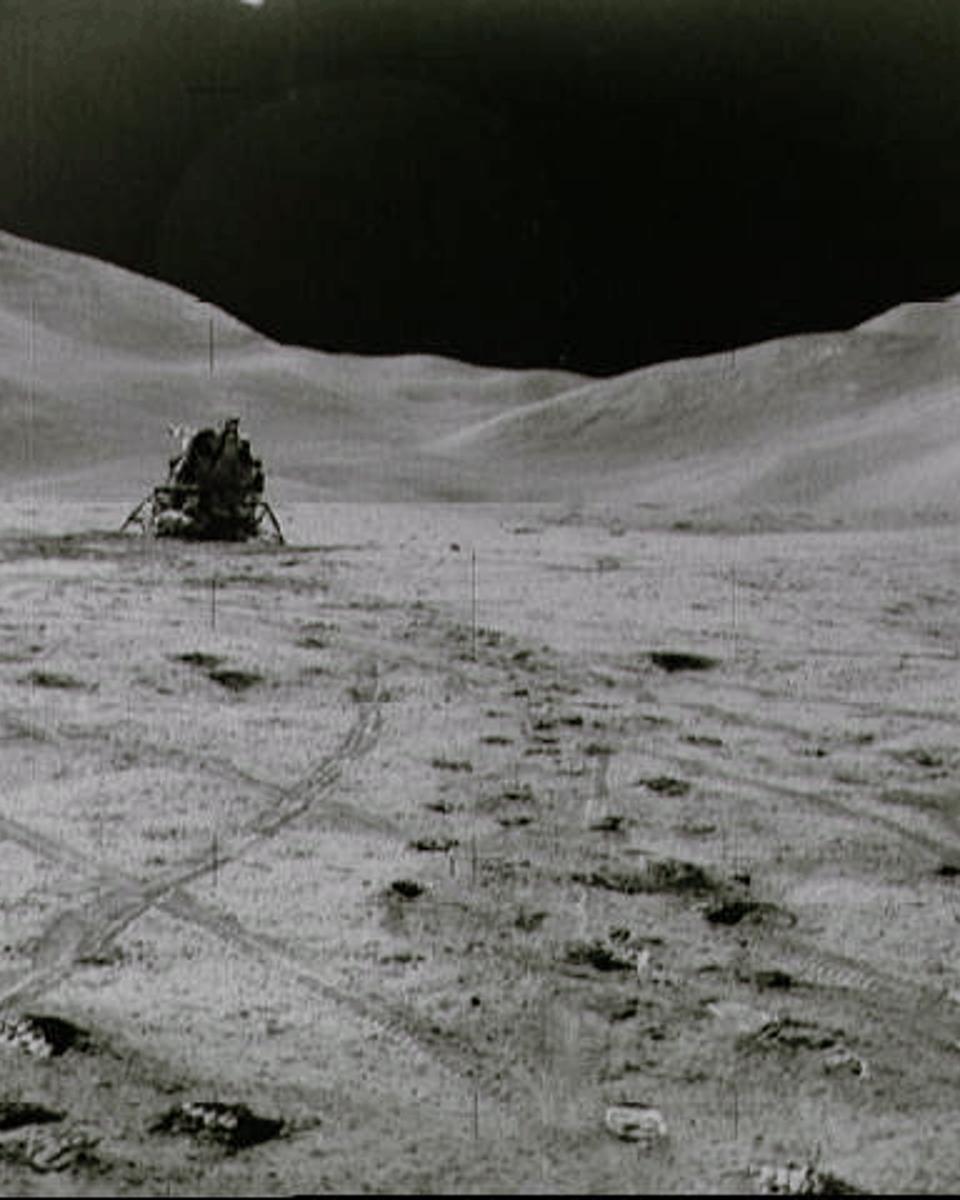
Apollo 15's Home on the Moon
The lunar module shown above, named “Falcon,” served as home for Apollo 15 astronauts David Scott and James Irwin during their stay on the Moon in July and August 1971. Meanwhile,…
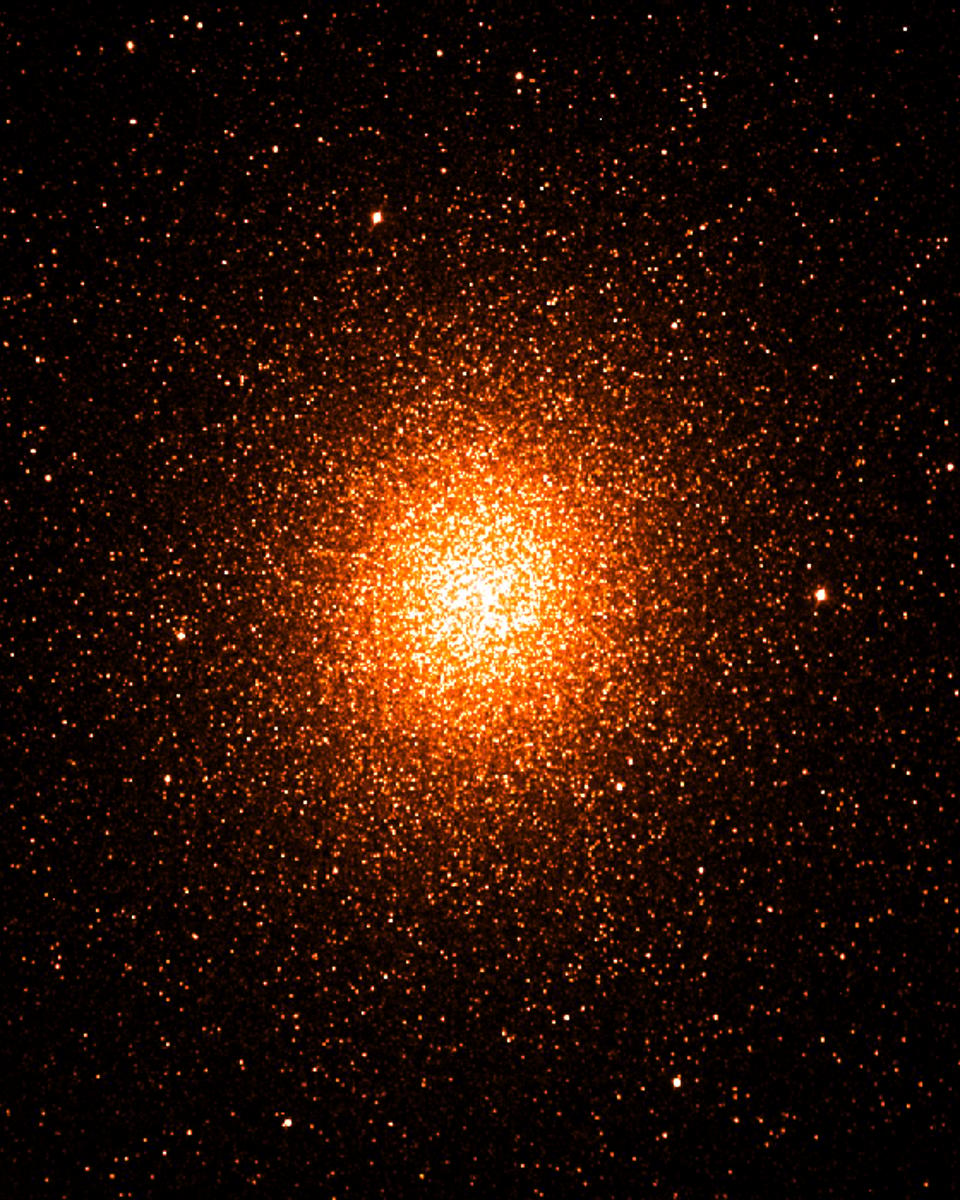
Millions of Stars in Omega Centauri
Pictured above is the largest ball of stars in our Galaxy. About 10 million stars orbit the center of this globular cluster - named Omega Centauri - as this giant globular cluster…
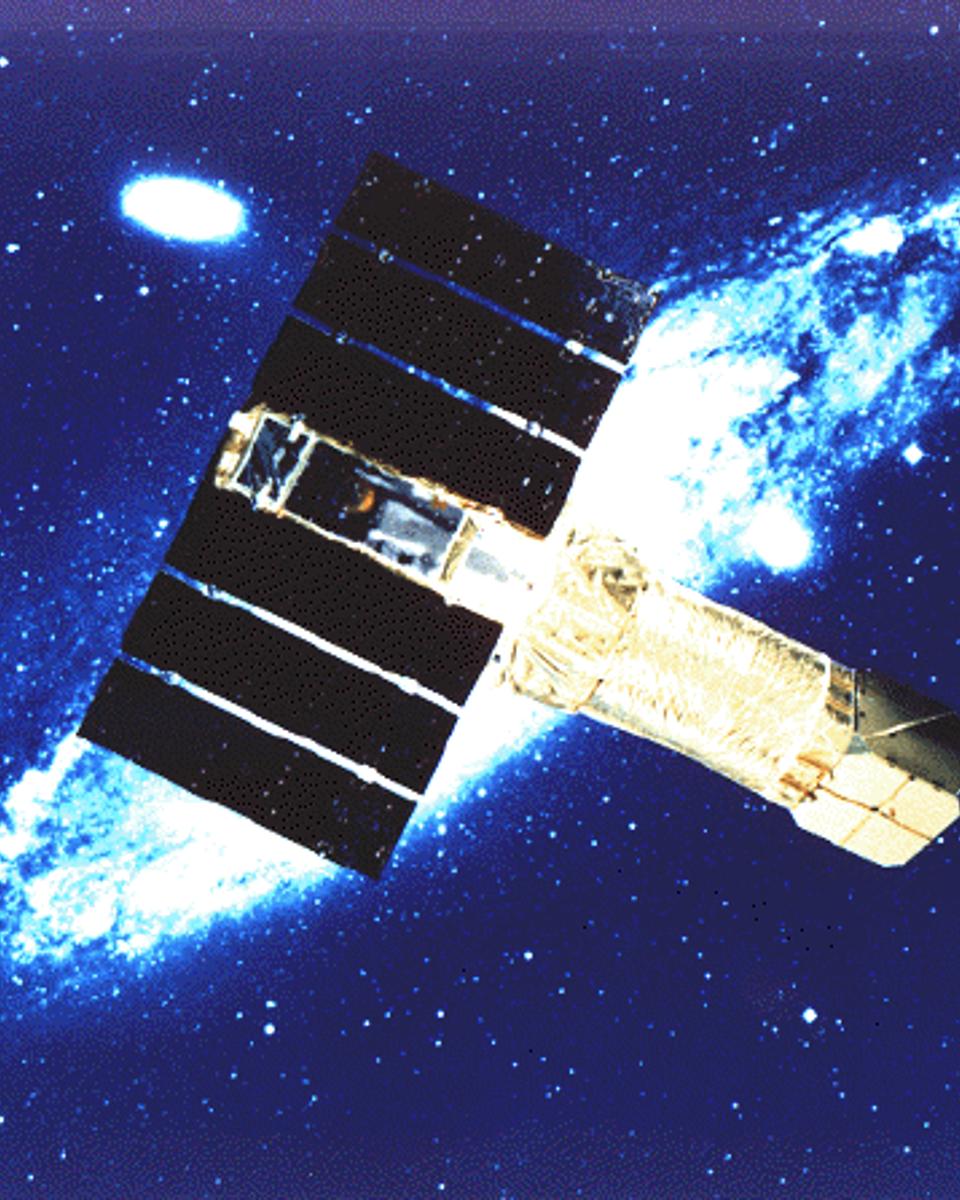
ASCA X-Ray Observatory
Today marks the third anniversary of the launch of the Advanced Satellite for Cosmology and Astrophysics (ASCA; renamed from Astro D when launched). ASCA , seen here superposed on…
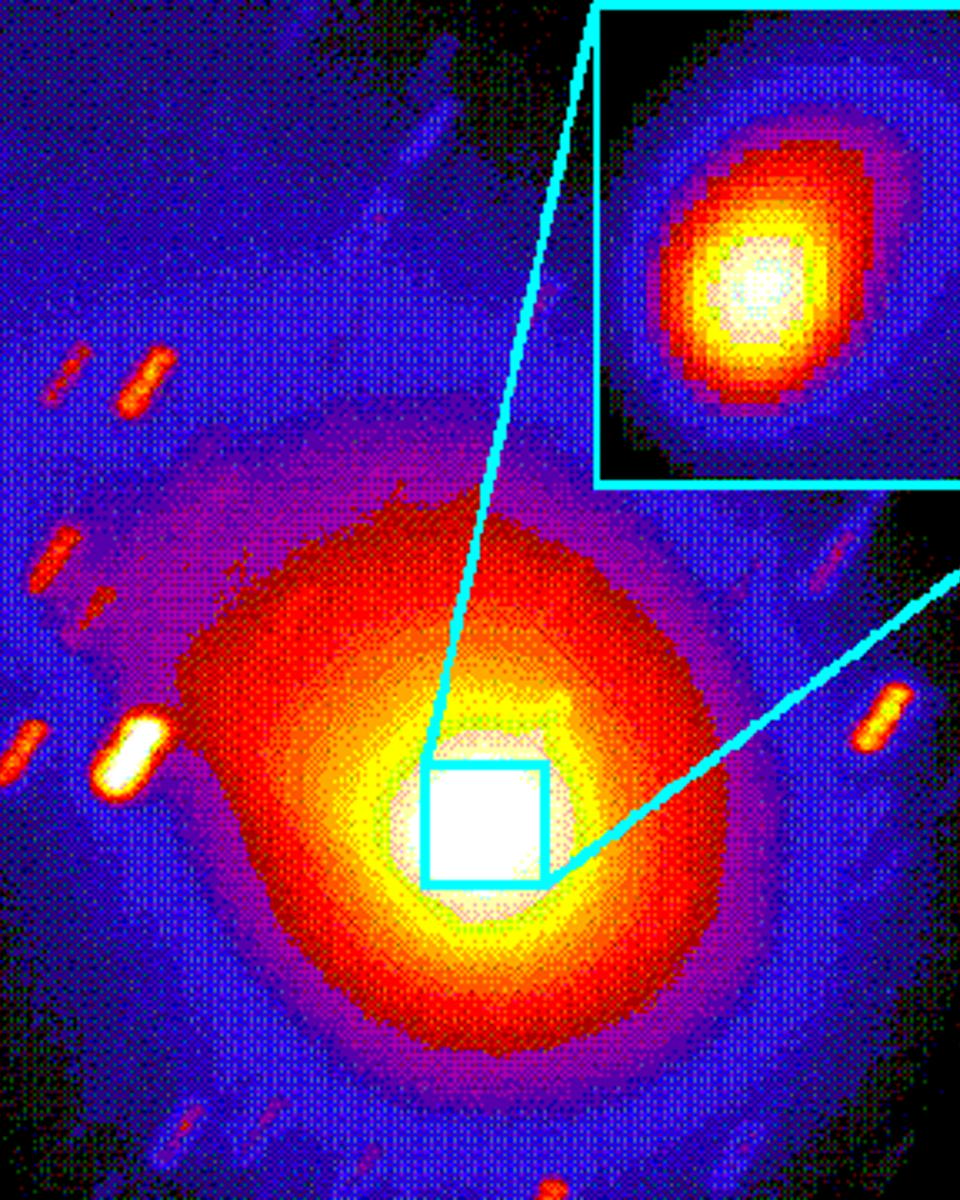
Periodic Comet Swift-Tuttle
Comet Swift-Tuttle , shown above in false color, is the largest object known to make repeated passes near the Earth . It is also one of the oldest known periodic comets with…
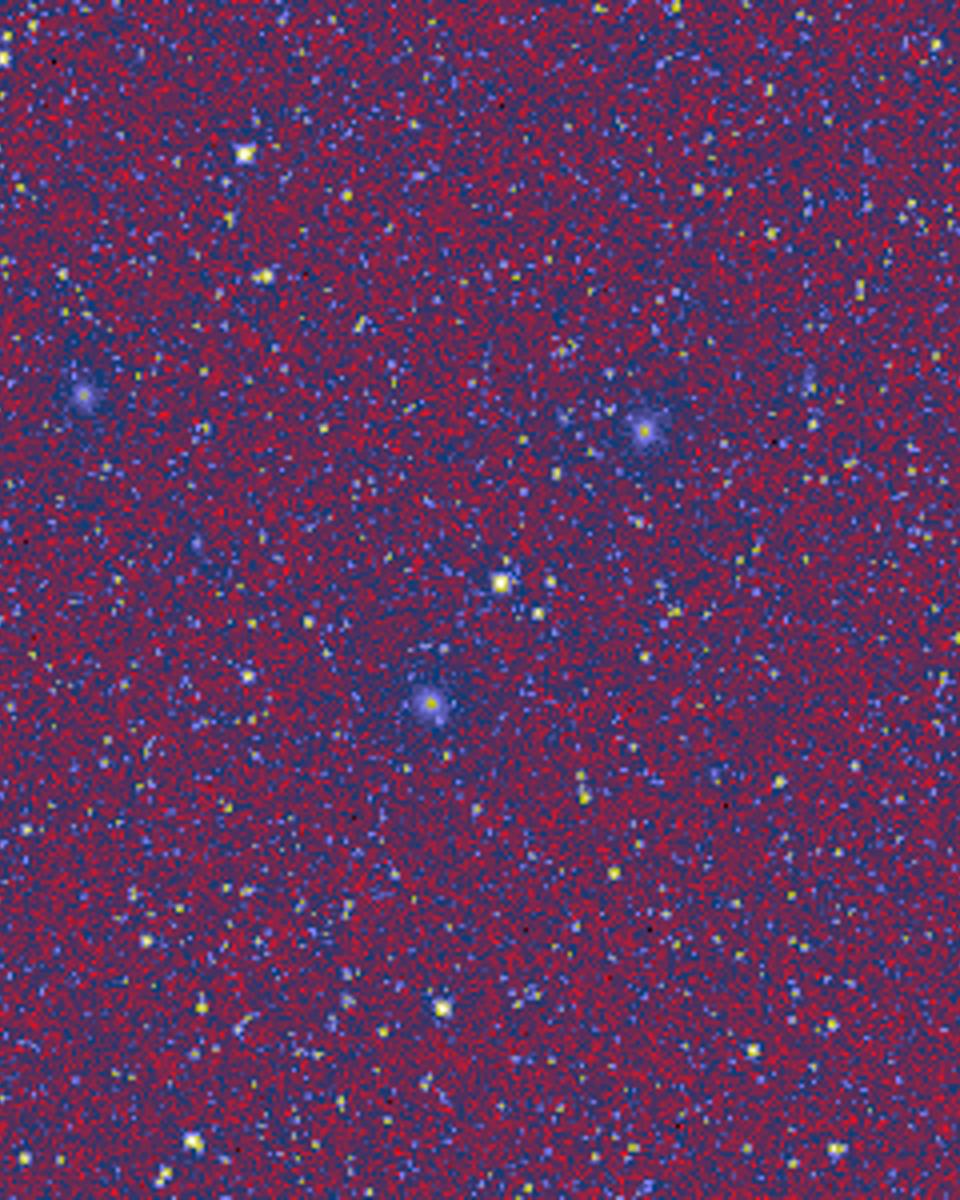
Abell 3627 in the Great Attractor
Are these galaxies near the center of the largest gravitationally bound concentration of mass yet known? Previously, the cluster of galaxies known as Abell 3627 was largely…
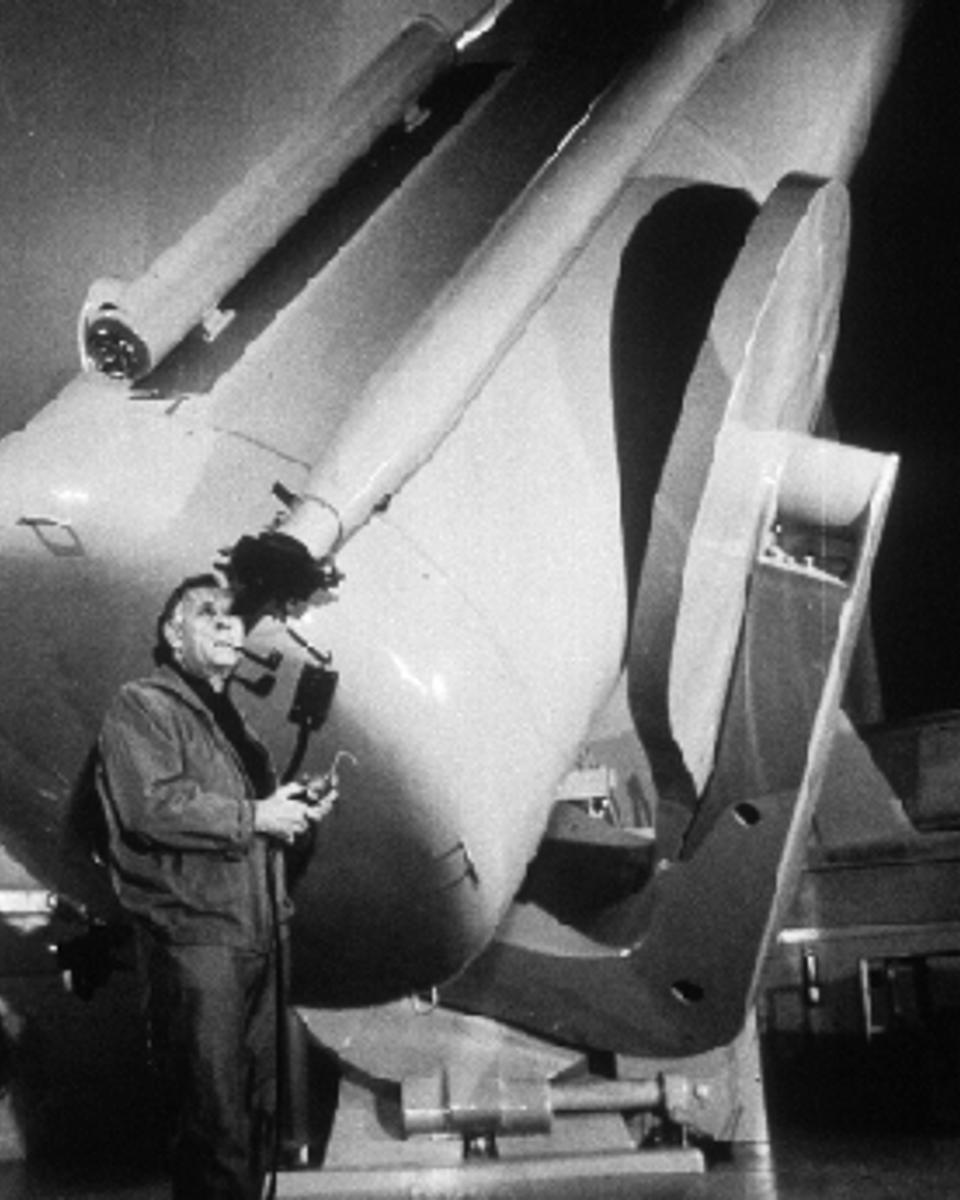
Edwin Hubble Discovers the Universe
No person in history has had greater impact in determining the extent of our universe than Edwin Hubble . From proving that other galaxies existed to proving that galaxies move…
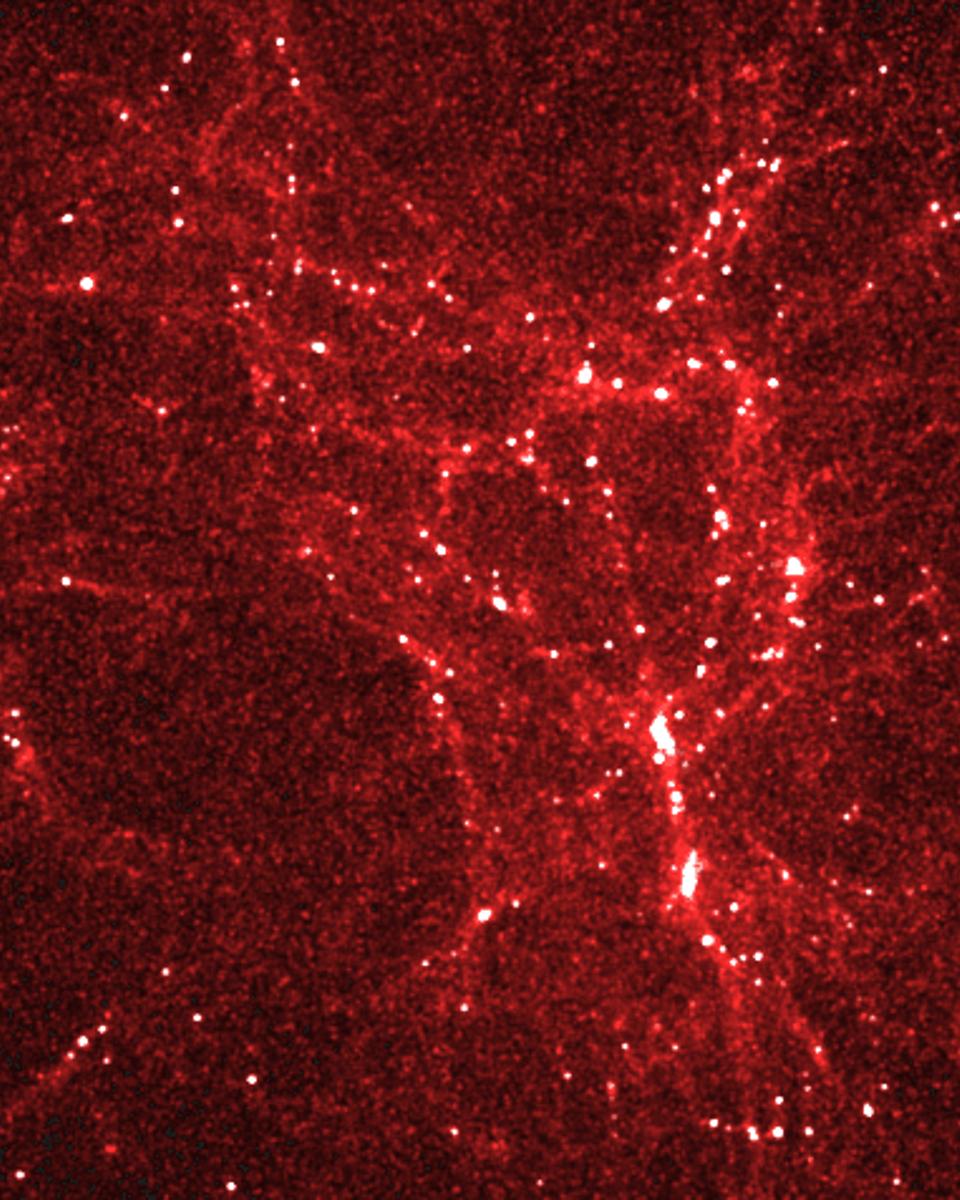
The Early Universe
What did our universe look like when it was young? To answer this, cosmologists run sophisticated computer programs tracking the locations of millions of particles. The above…
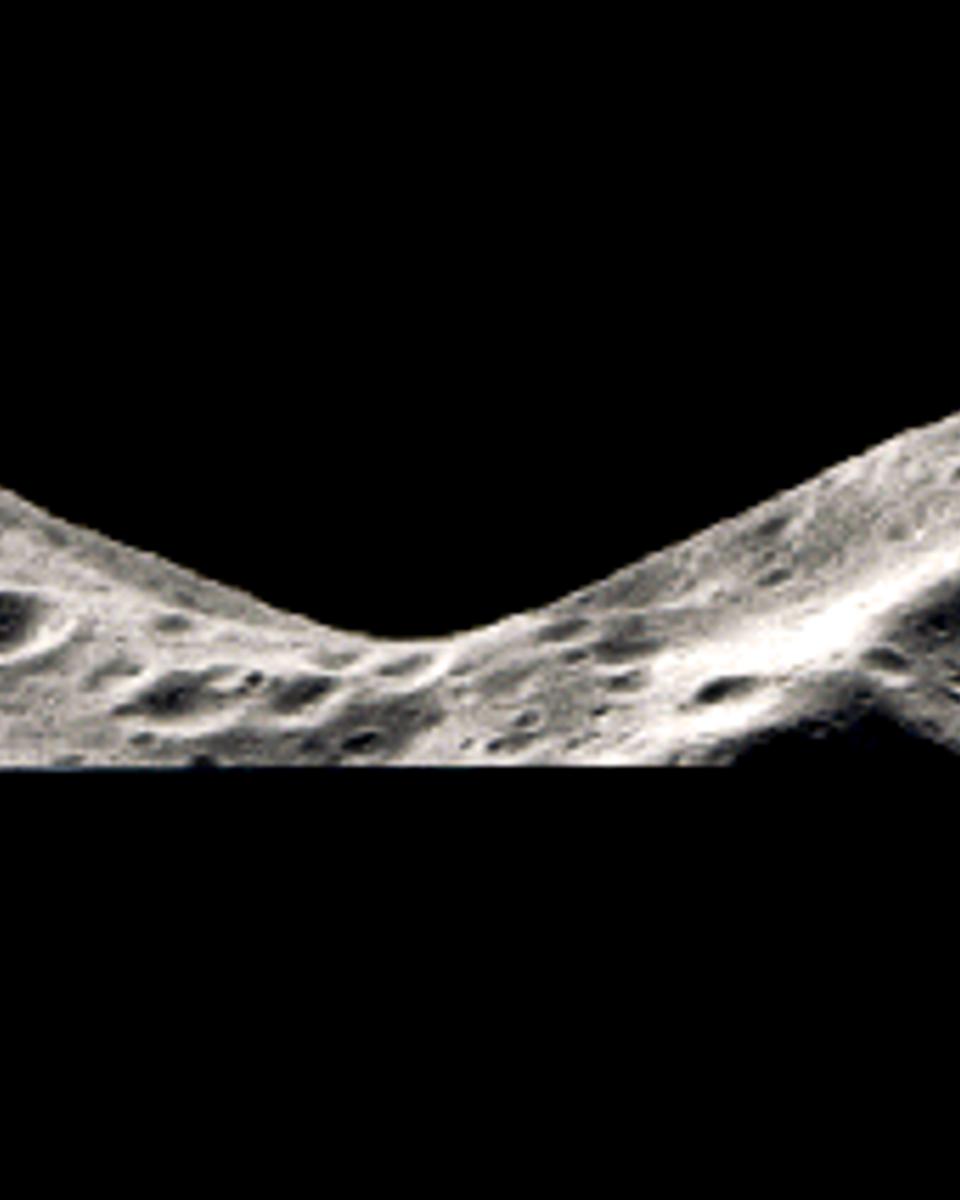
NEAR to an Asteroid
Excitement mounts as NASA's Near Earth Asteroid Rendezvous (NEAR) spacecraft nears launch - currently scheduled for 3:53 ET on February 16. NEAR's mission is to become the first…
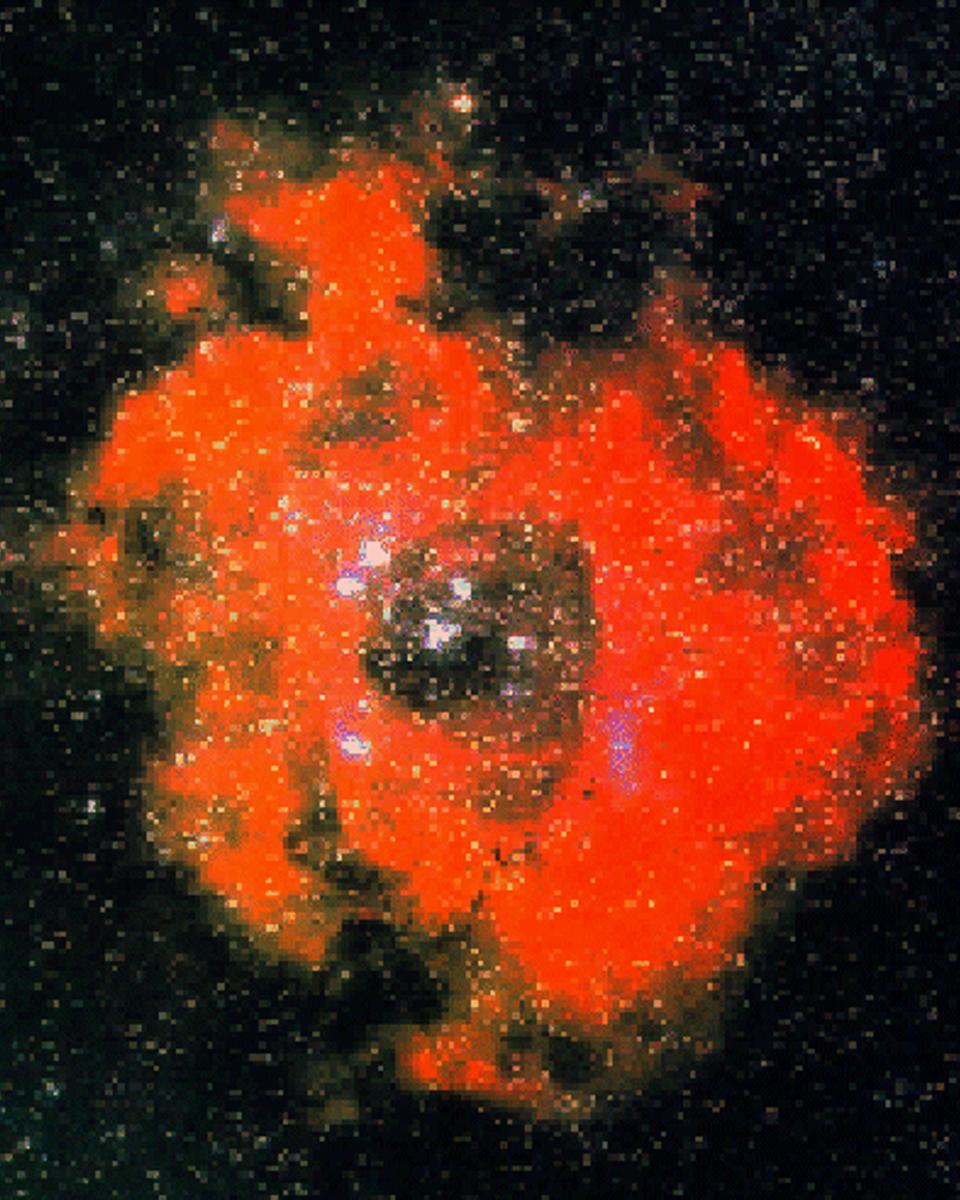
NGC 2237: The Rosette Nebula
Would the Rosette nebula by any other name look as sweet ? The bland New General Catalog designation of NGC 2237 doesn't appear to diminish the appearance of the this flowery…
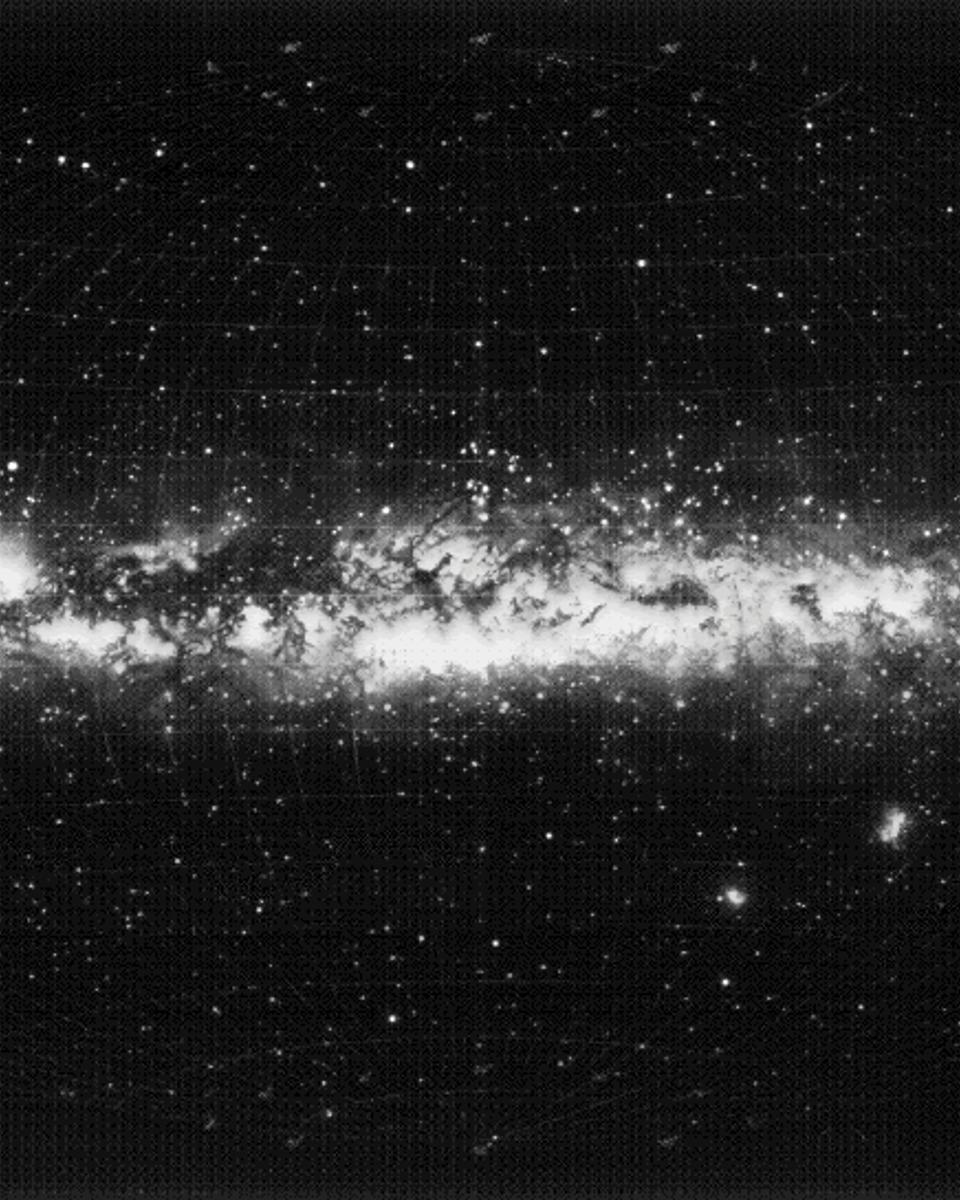
7,000 Stars And The Milky Way
This panorama view of the sky is really a drawing. It was made in the 1940s under the supervision of astronomer Knut Lundmark at the Lund Observatory in Sweden. To create the…
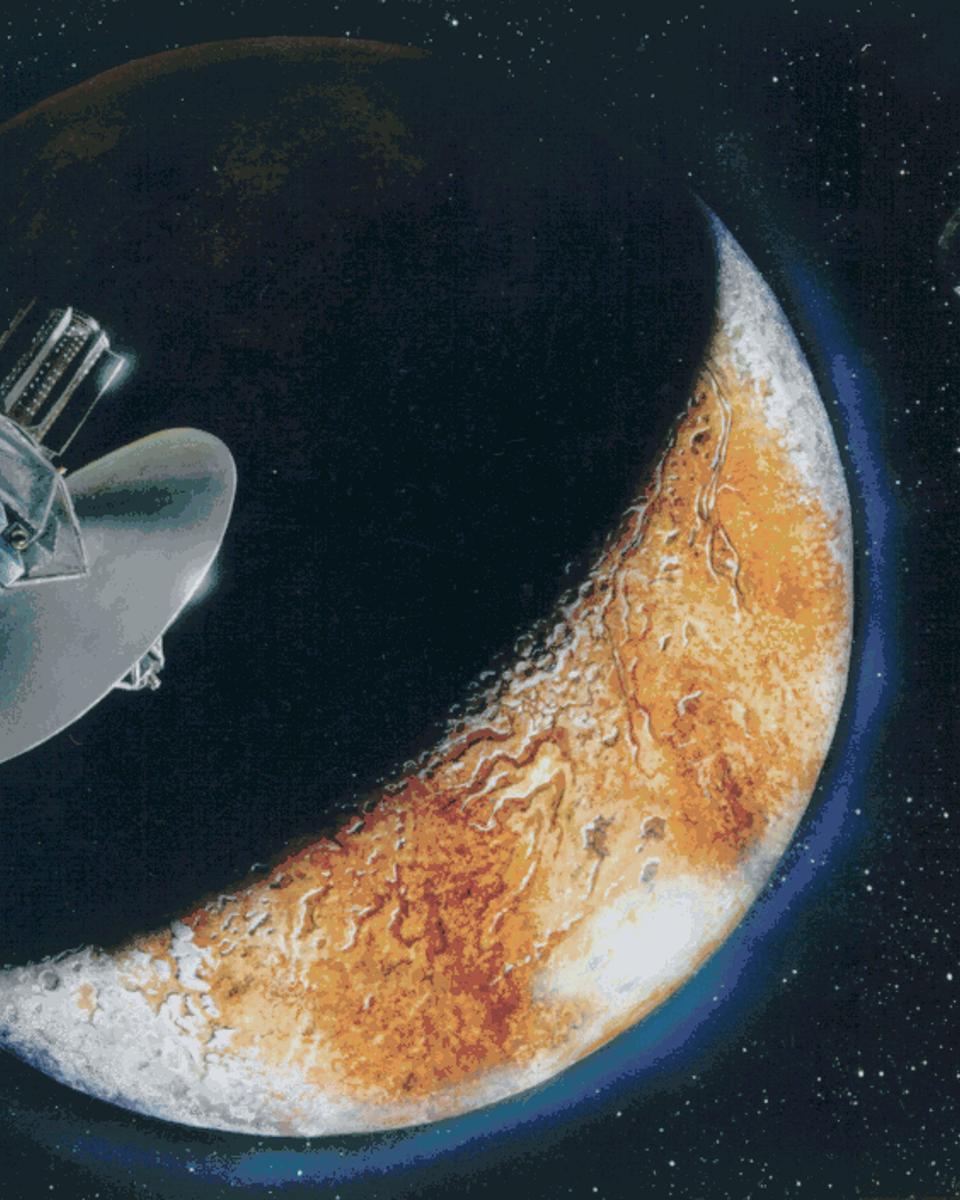
Pluto Not Yet Explored
Cold, distant, Pluto is the only planet in our Solar System which has not been visited by a spacecraft from Earth. The story goes that the legend “ Pluto Not Yet Explored” on a US…
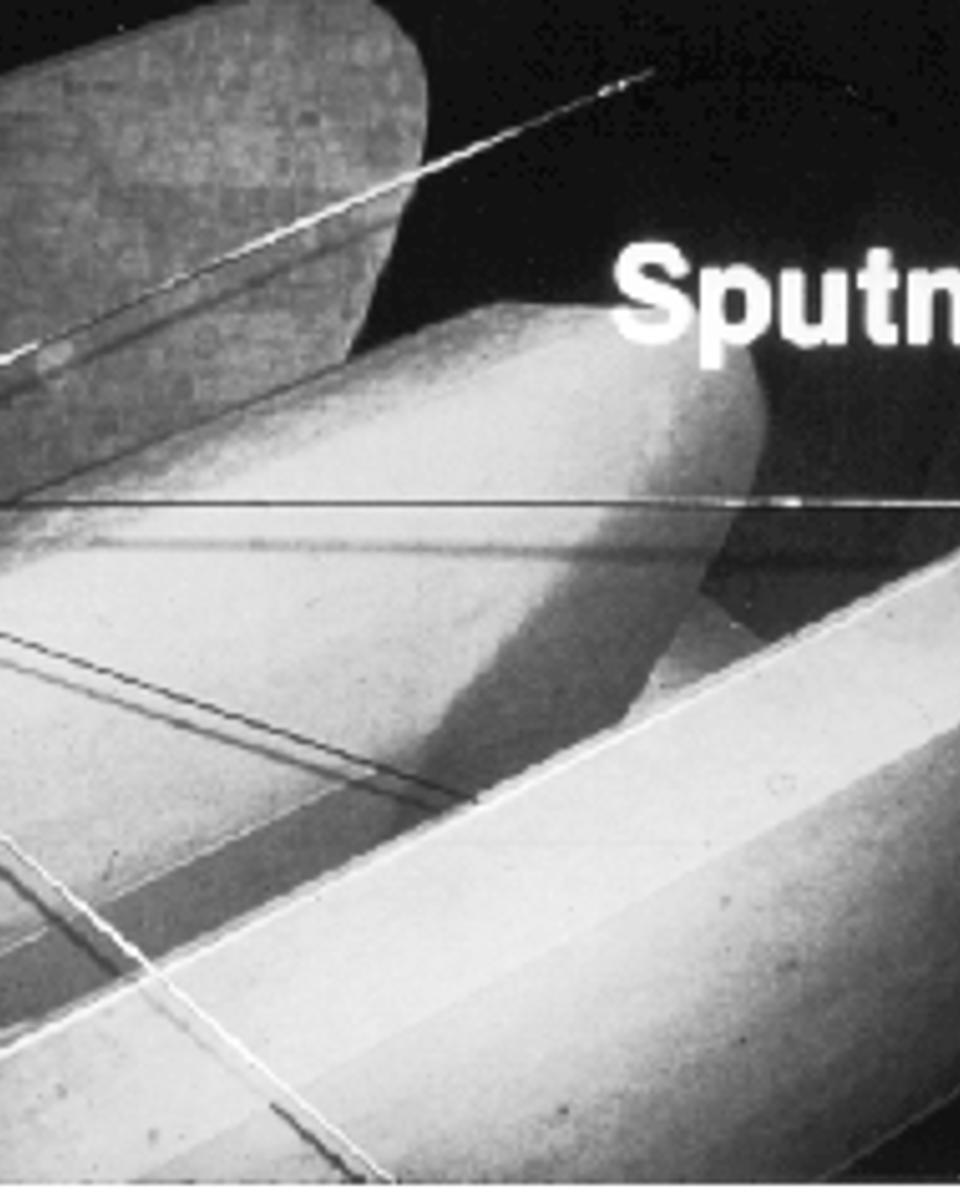
Sputnik: The Traveling Companion
Sputnik means “traveling companion”. In stark contrast to this innocent sounding name, the launch of the Earth's first “artificial moon”, Sputnik 1 , by the Soviets on October 4,…
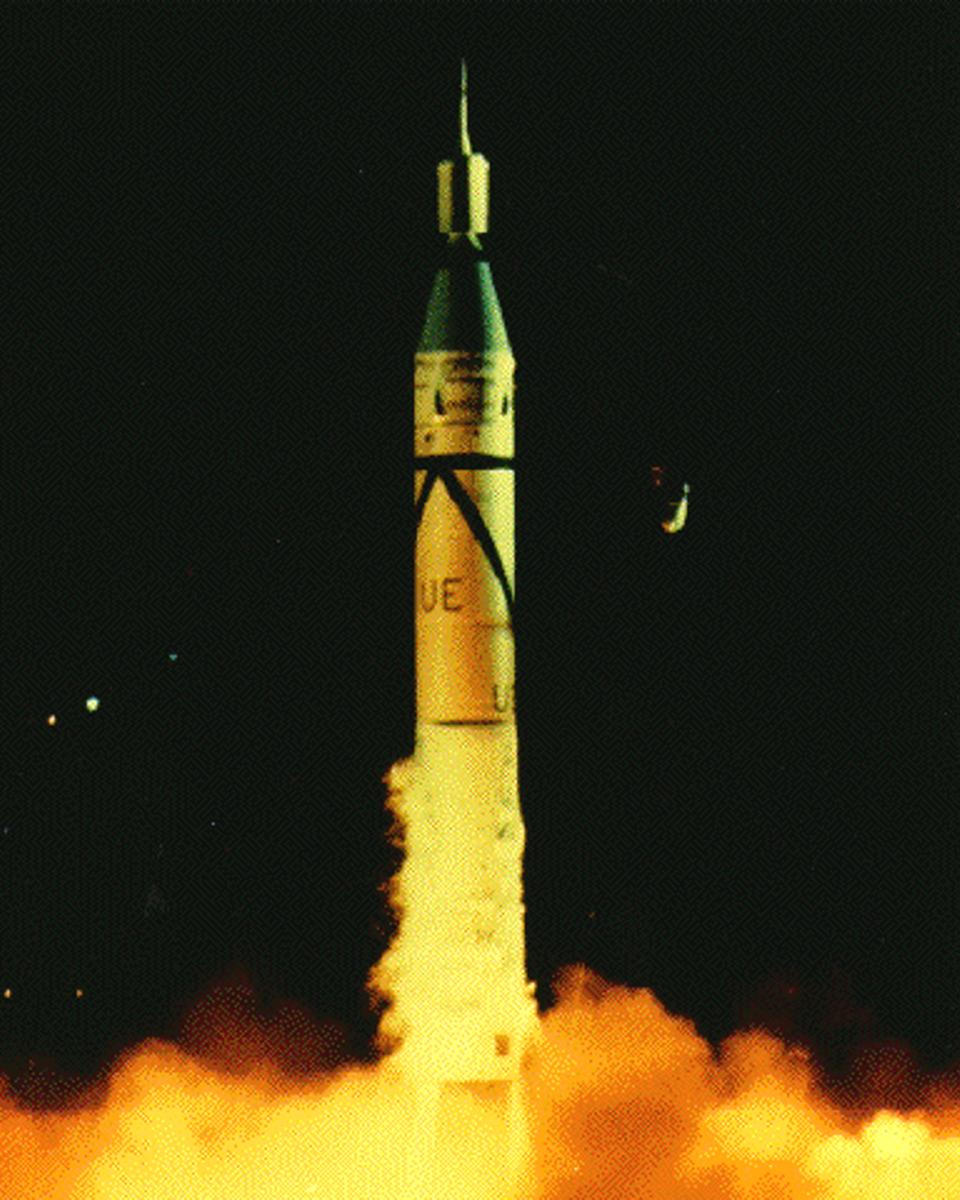
The First Explorer
The first US spacecraft was Explorer 1 . The cylindrical 30 pound satellite was launched (above) as the fourth stage of a Jupiter-C rocket (a modified US Army Redstone ballistic…
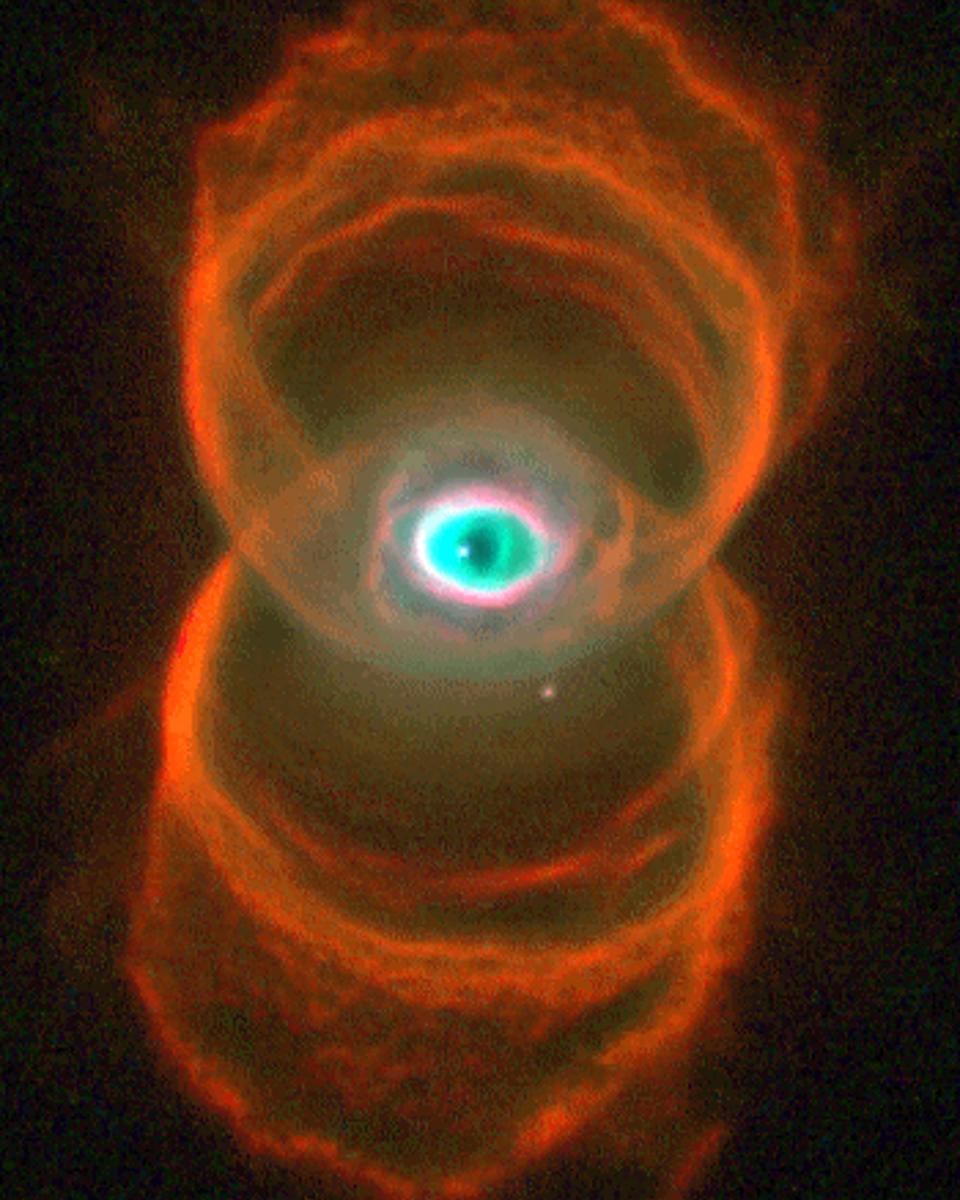
The Eye of an Hourglass Nebula
What's happening in the eye-like center of this planetary nebula? The geometry revealed in this Hubble Space Telescope view of the central part of an “ etched hourglass nebula ”…
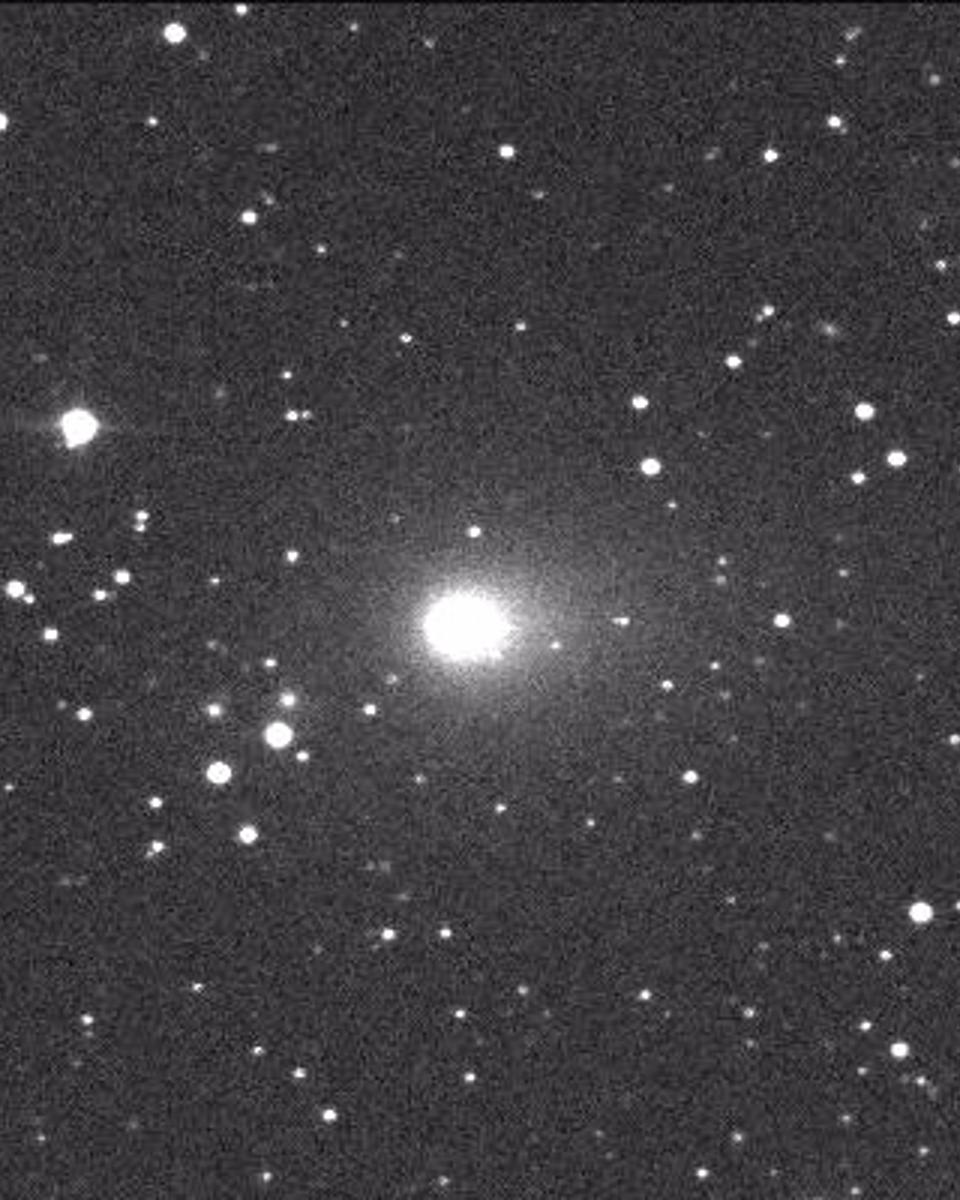
Hyakutake: The Great Comet of 1996?
Get ready for one of the most impressive but least anticipated light shows in modern astronomical history. Next month, newly discovered Comet Hyakutake will pass closer to the…
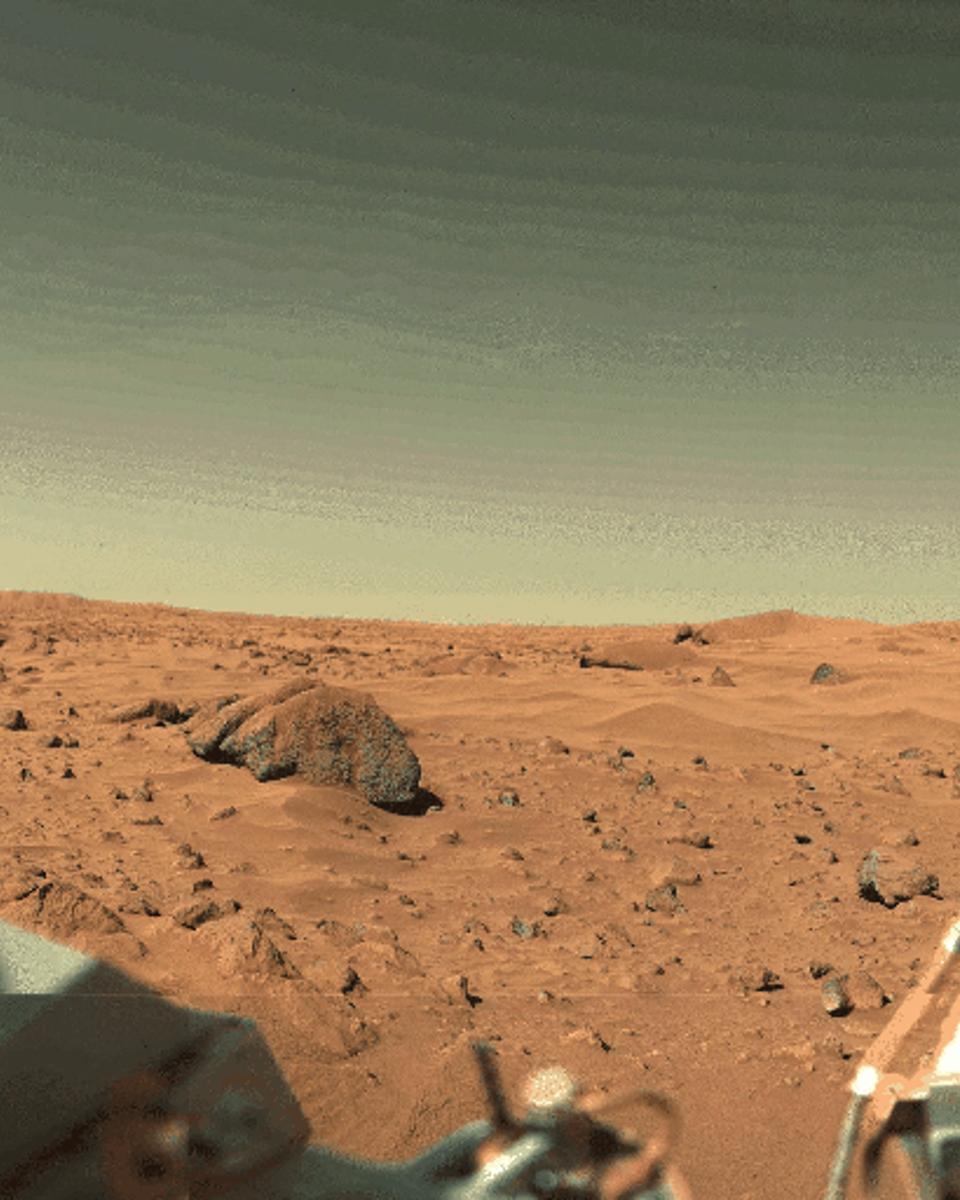
If You Could Stand on Mars
If you could stand on Mars - what would you see? Viking 1 robot landers answered this question in 1976 with pictures like the one shown above. The dark rocks, red soil, and…
Viewing discoveries from 1 March 1996 through 7 February 1996.