Browse NASA Astronomy Picture of the Day archive by date and media: Archive Discoveries
Browse the NASA APOD archive without needing the exact date first. Filter by media type and keep moving deeper into older images and videos.
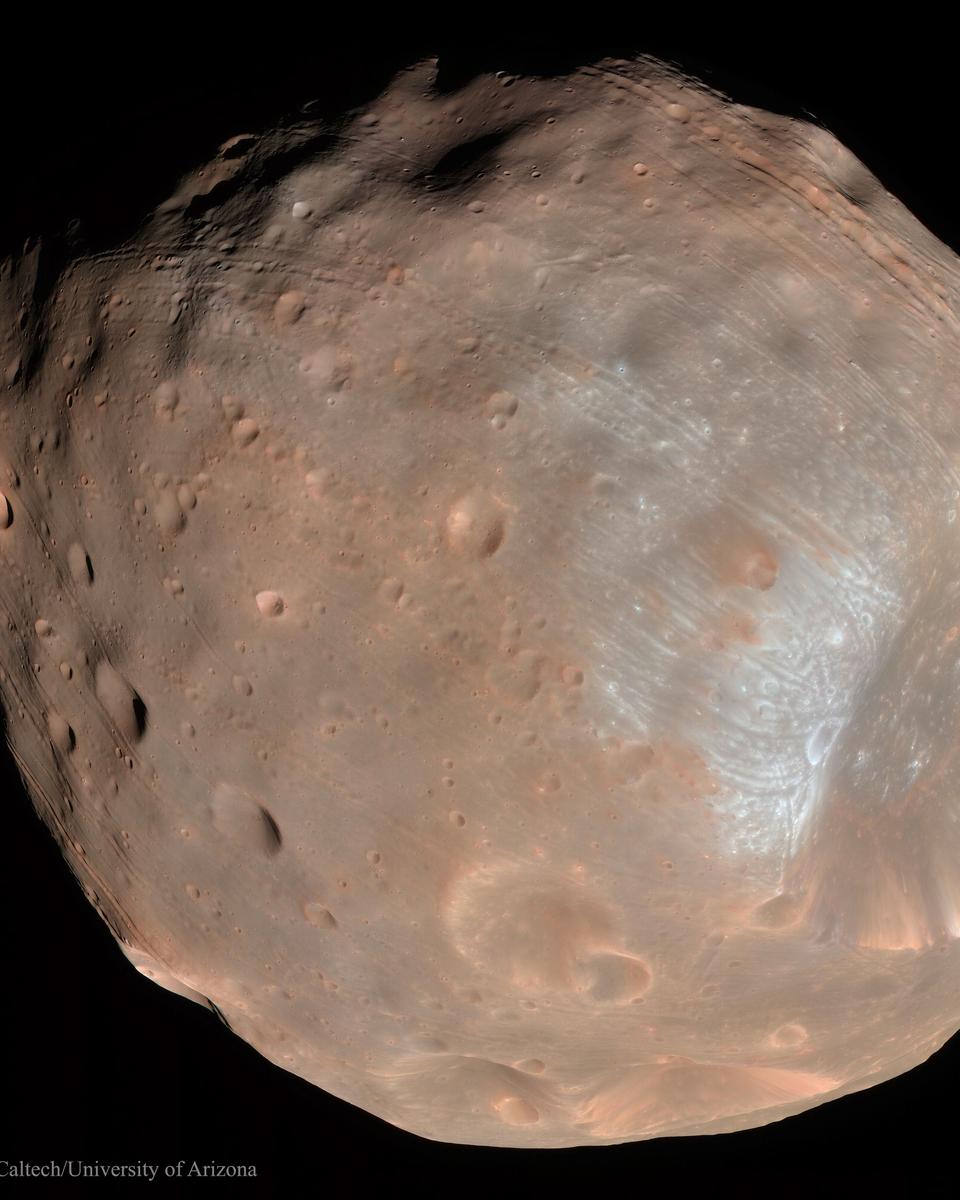
Phobos: Doomed Moon of Mars
This moon is doomed. Mars , the red planet named for the Roman god of war , has two tiny moons, Phobos and Deimos , whose names are derived from the Greek for Fear and Panic .…
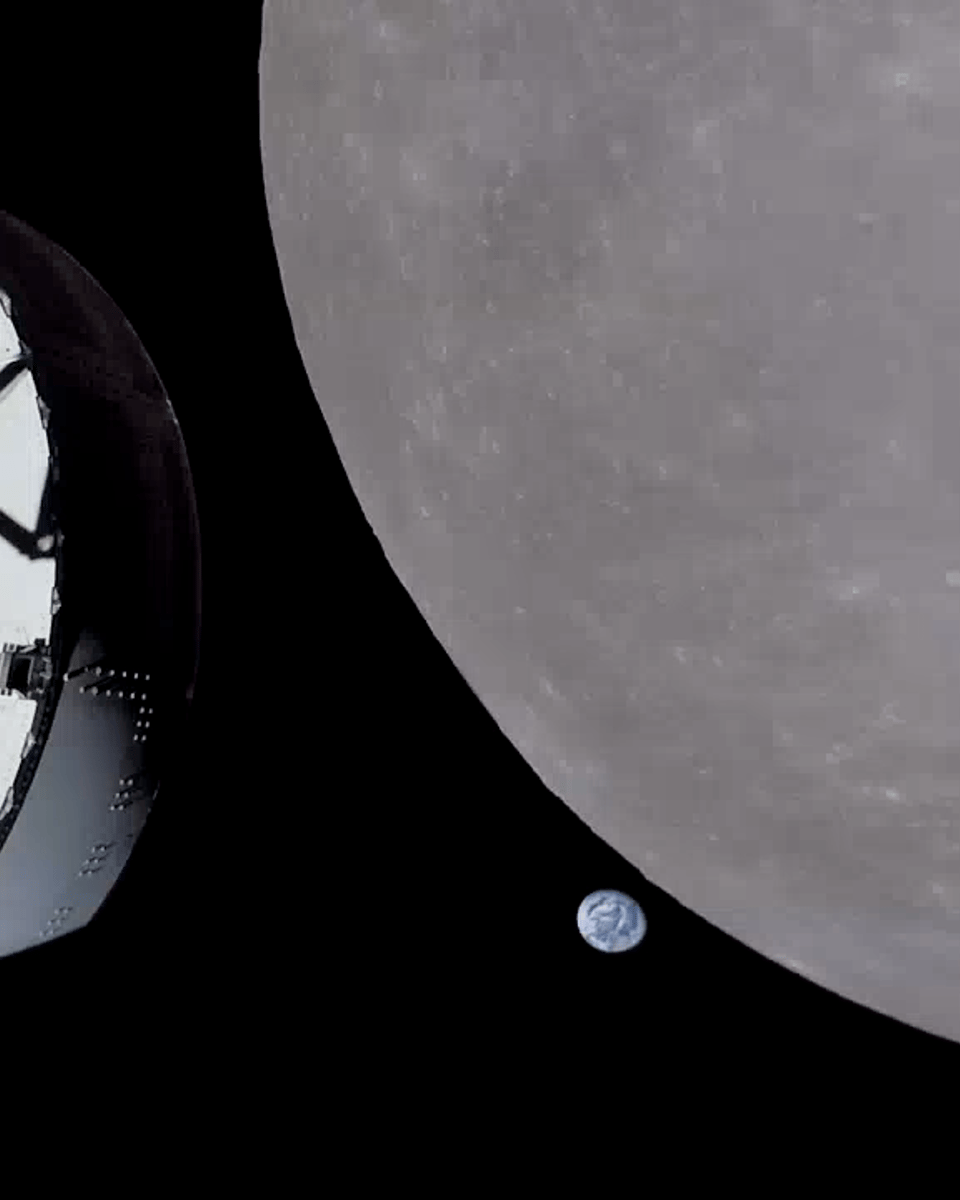
Earthset from Orion
Eight billion people are about to disappear in this snapshot from space taken on 2022 November 21. On the sixth day of the Artemis I mission , their home world is setting behind…
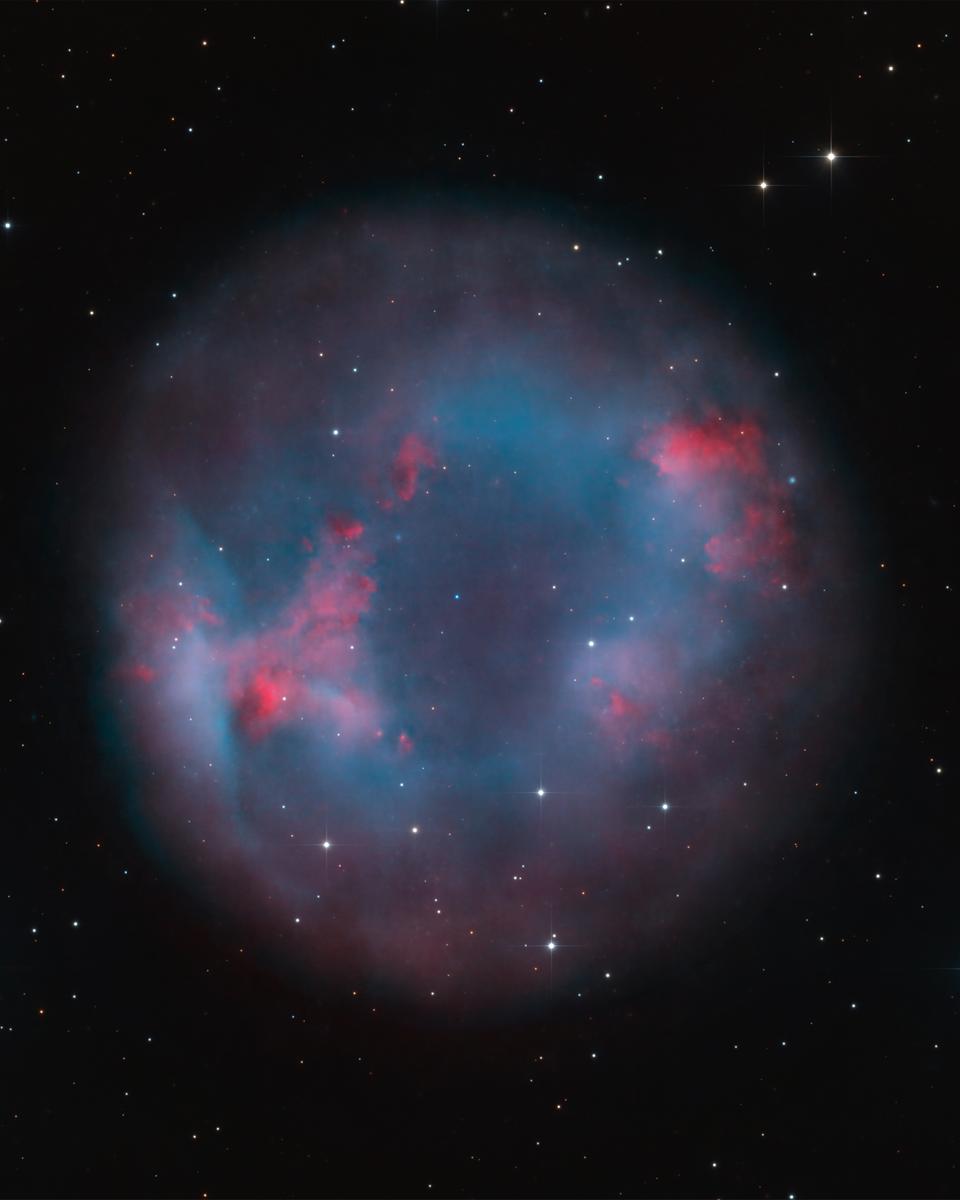
Planetary Nebula Abell 7
Very faint planetary nebula Abell 7 is about 1,800 light-years distant. It lies just south of Orion in planet Earth's skies toward the constellation Lepus, The Hare . Posing with…
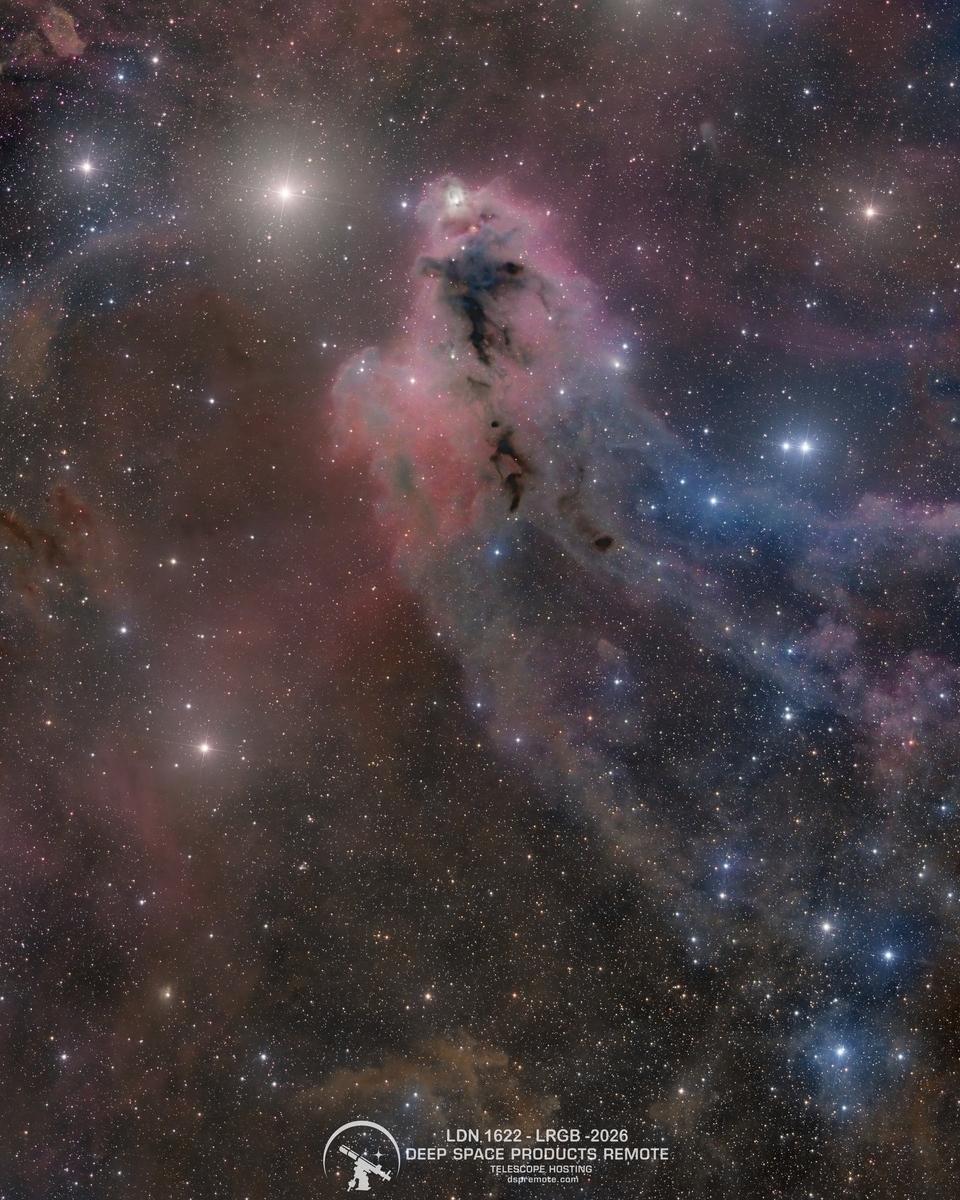
LDN 1622: Dark Nebula in Orion
The silhouette of an intriguing dark nebula inhabits this cosmic scene . Lynds' Dark Nebula ( LDN ) 1622 appears against a faint background of glowing hydrogen gas only visible in…
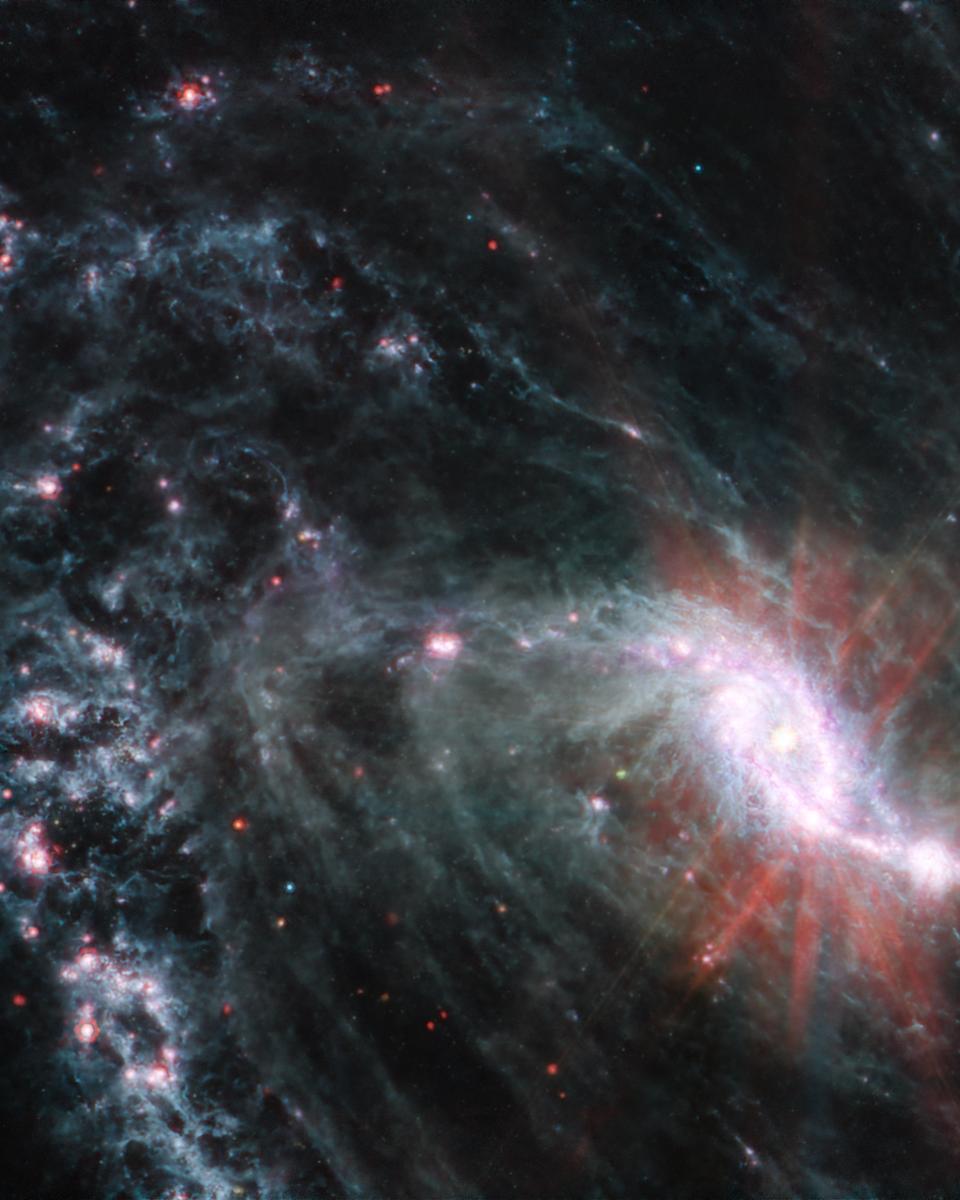
Barred Spiral Galaxy NGC 1365 from Webb
A mere 56 million light-years distant toward the southern constellation Fornax, NGC 1365 is an enormous barred spiral galaxy about 200,000 light-years in diameter. That's twice…
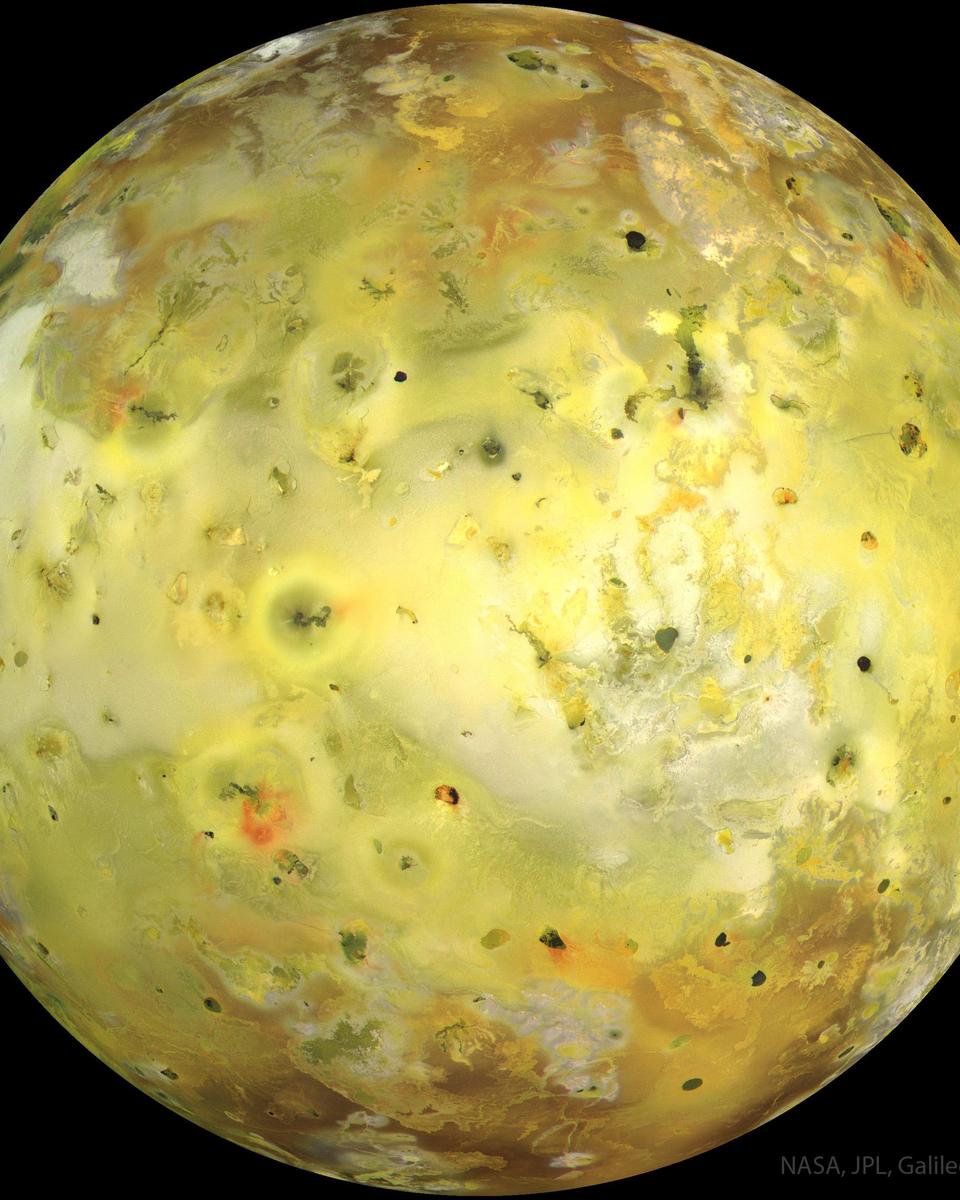
Io in True Color
The strangest moon in the Solar System is bright yellow. The featured picture , an attempt to show how Io would appear in the “true colors” perceptible to the average human eye,…
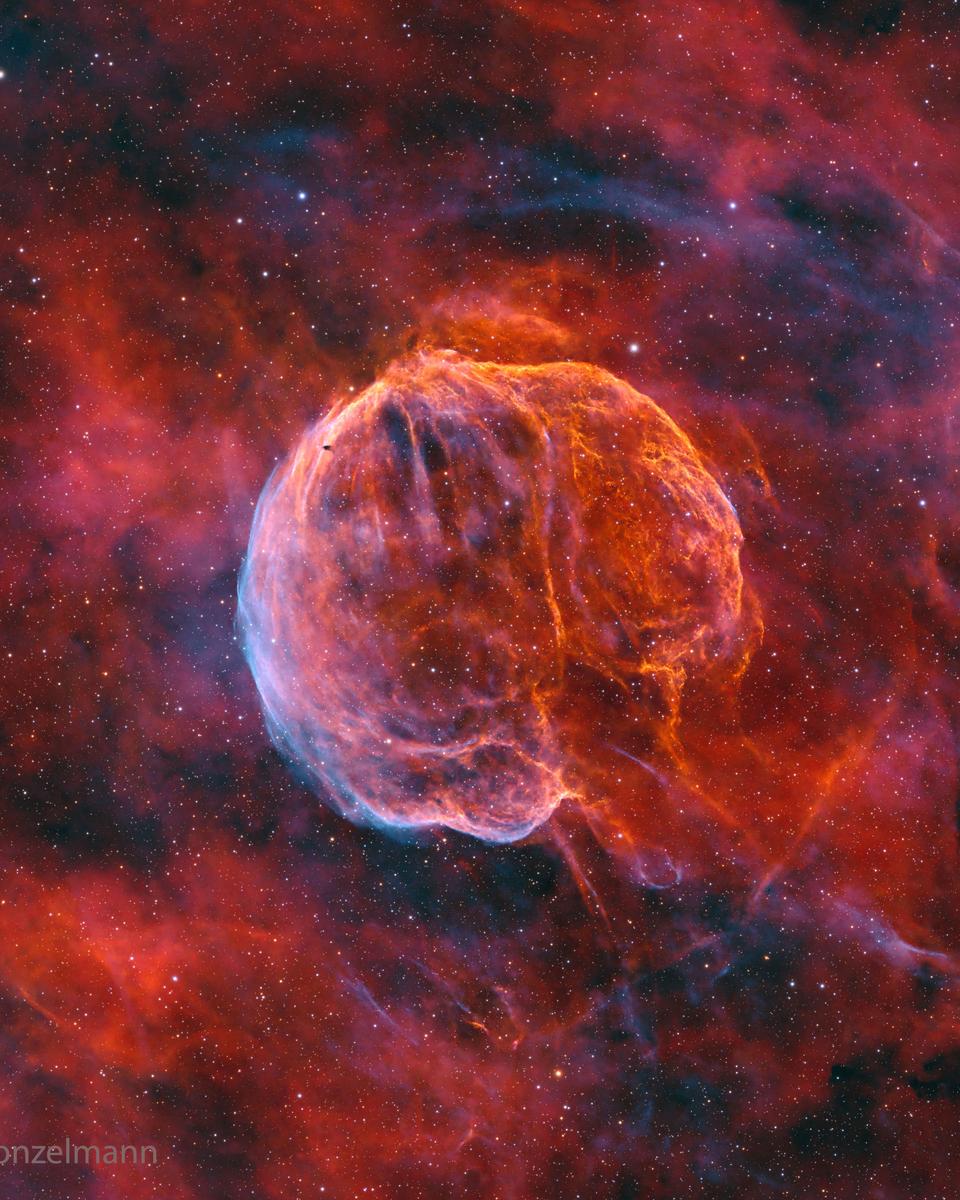
CTB 1: The Medulla Nebula
What powers this unusual nebula? CTB 1 is the expanding gas shell that was left when a massive star toward the constellation of Cassiopeia exploded about 10,000 years ago. The…
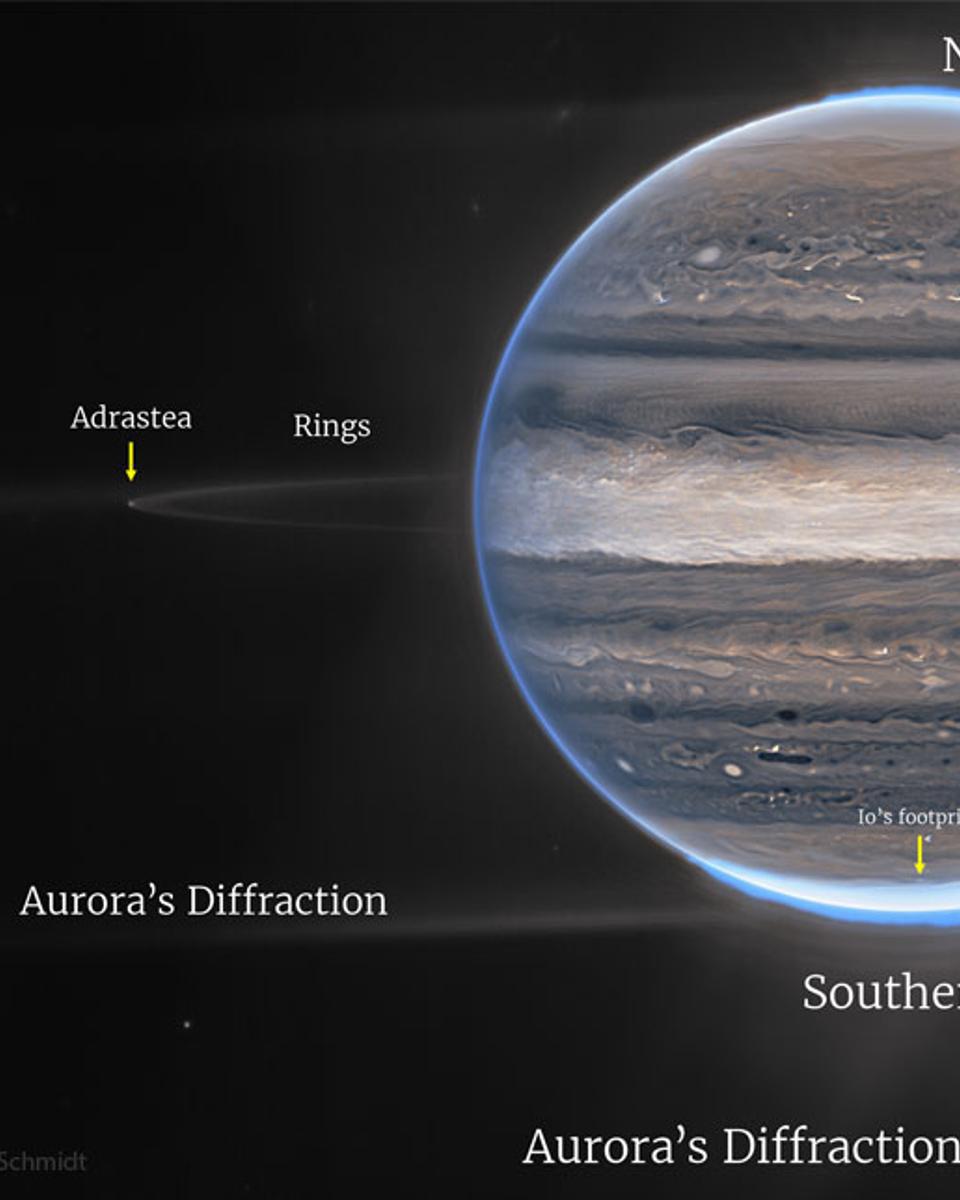
Jupiter from the Webb Space Telescope
This infrared view of Jupiter by Webb is illuminating. High-resolution infrared images of Jupiter from the James Webb Space Telescope (Webb) reveal, for example, differences…
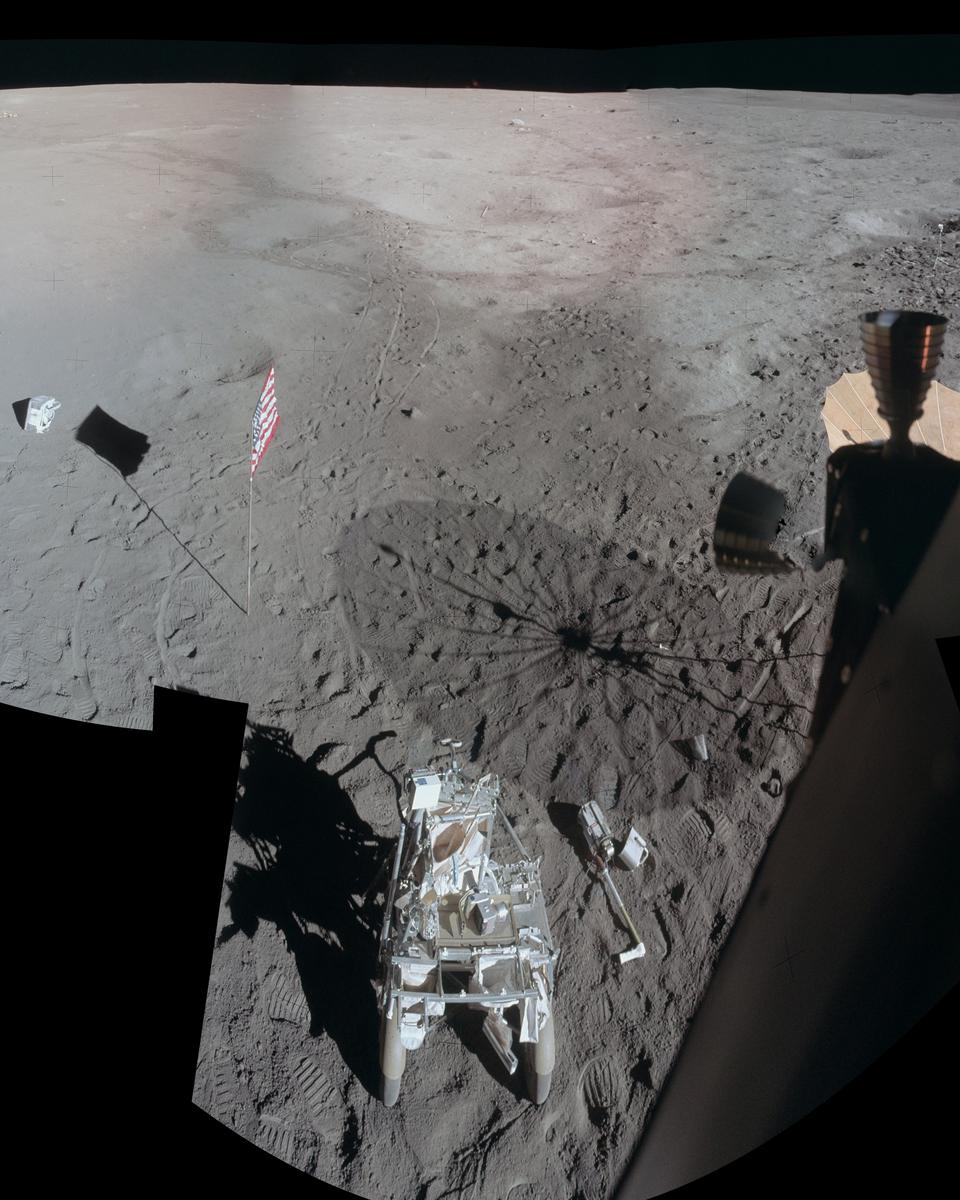
Apollo 14: A View from Antares
Apollo 14's Lunar Module Antares landed on the Moon on February 5, 1971. Toward the end of the stay astronaut Ed Mitchell snapped a series of photos of the lunar surface while…
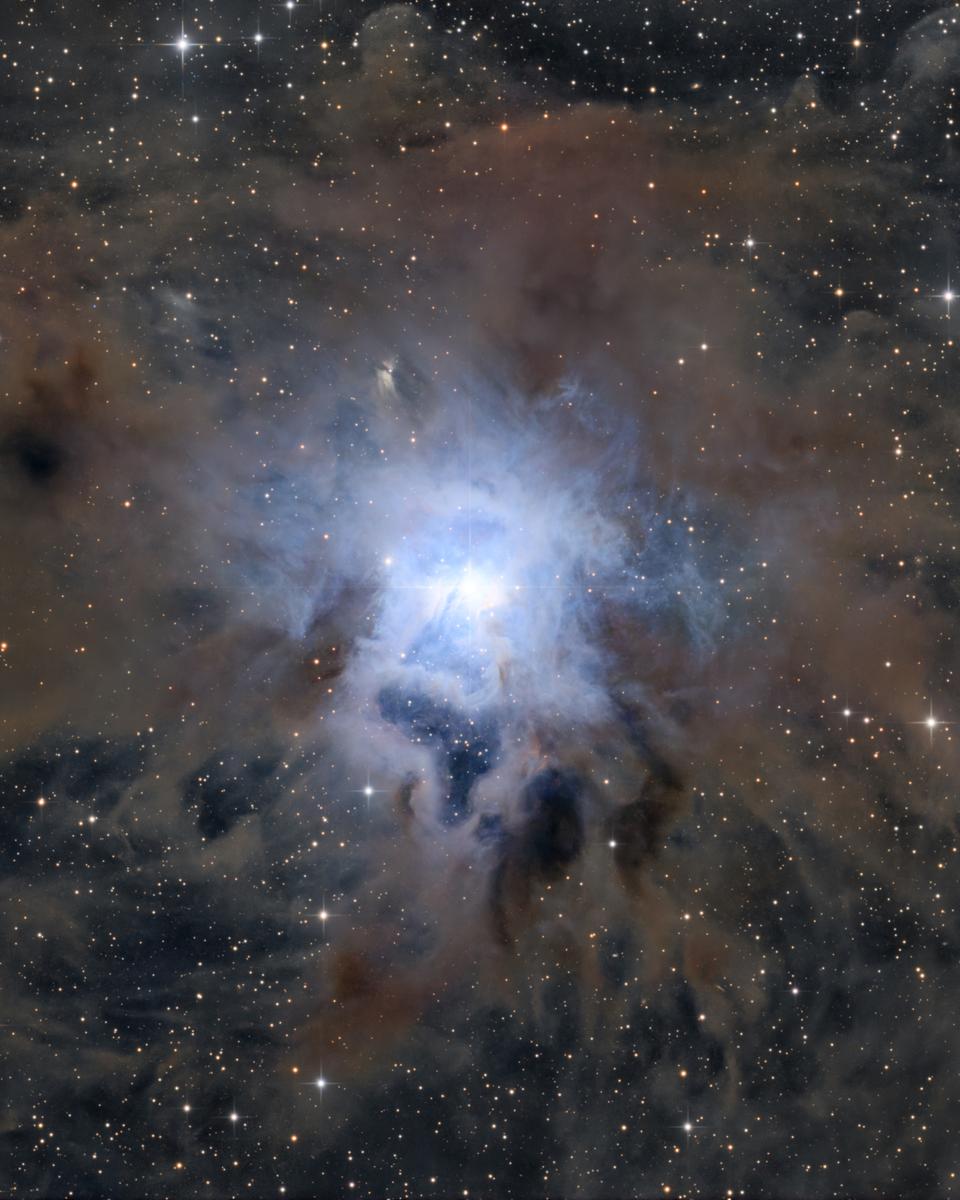
NGC 7023: The Iris Nebula
These cosmic clouds have blossomed 1,300 light-years away in the fertile starfields of the constellation Cepheus . Called the Iris Nebula, NGC 7023 is not the only nebula to evoke…
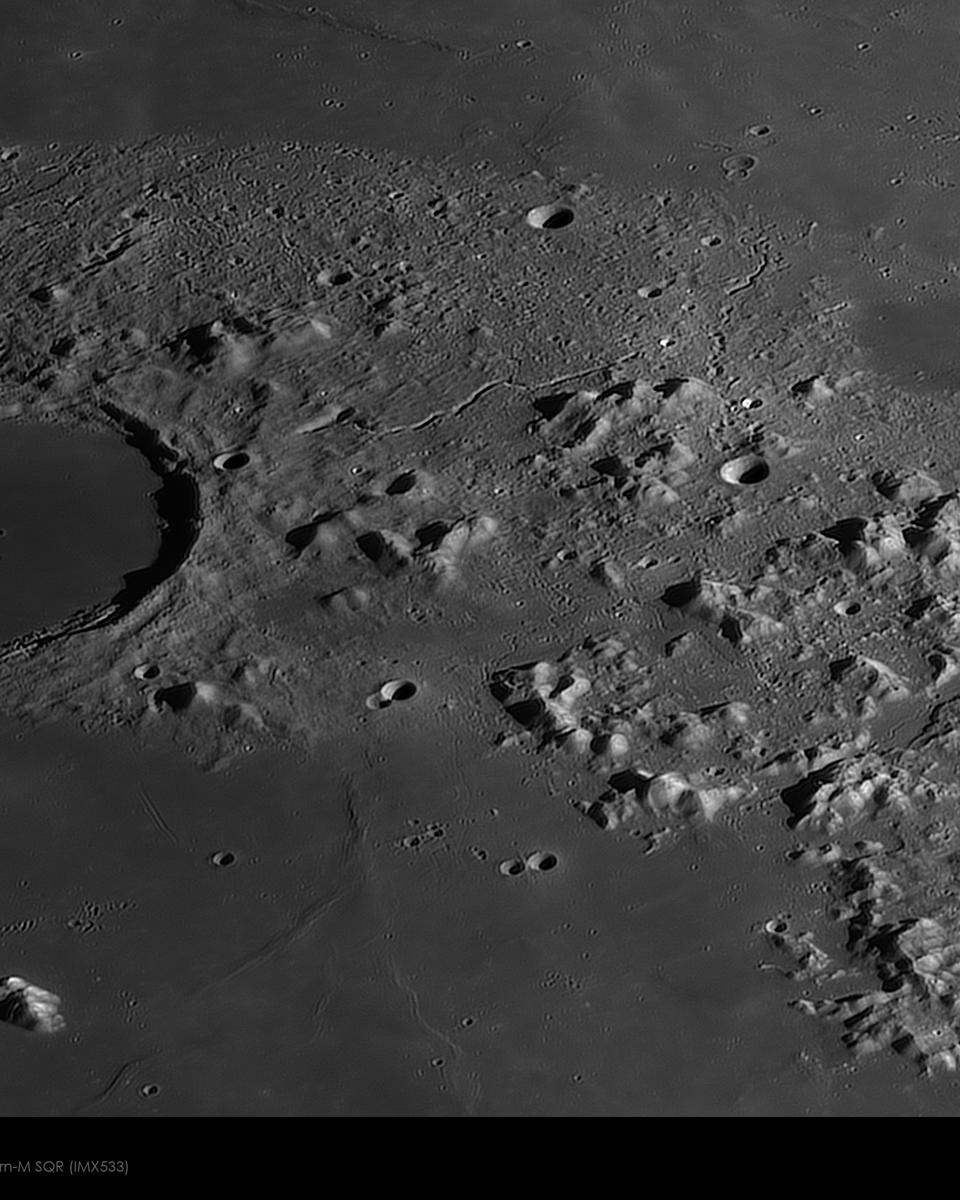
Plato and the Lunar Alps
The dark-floored, 95 kilometer wide crater Plato and sunlit peaks of the lunar Alps (Montes Alpes) are highlighted in this this sharp telescopic snapshot of the Moon's surface.…
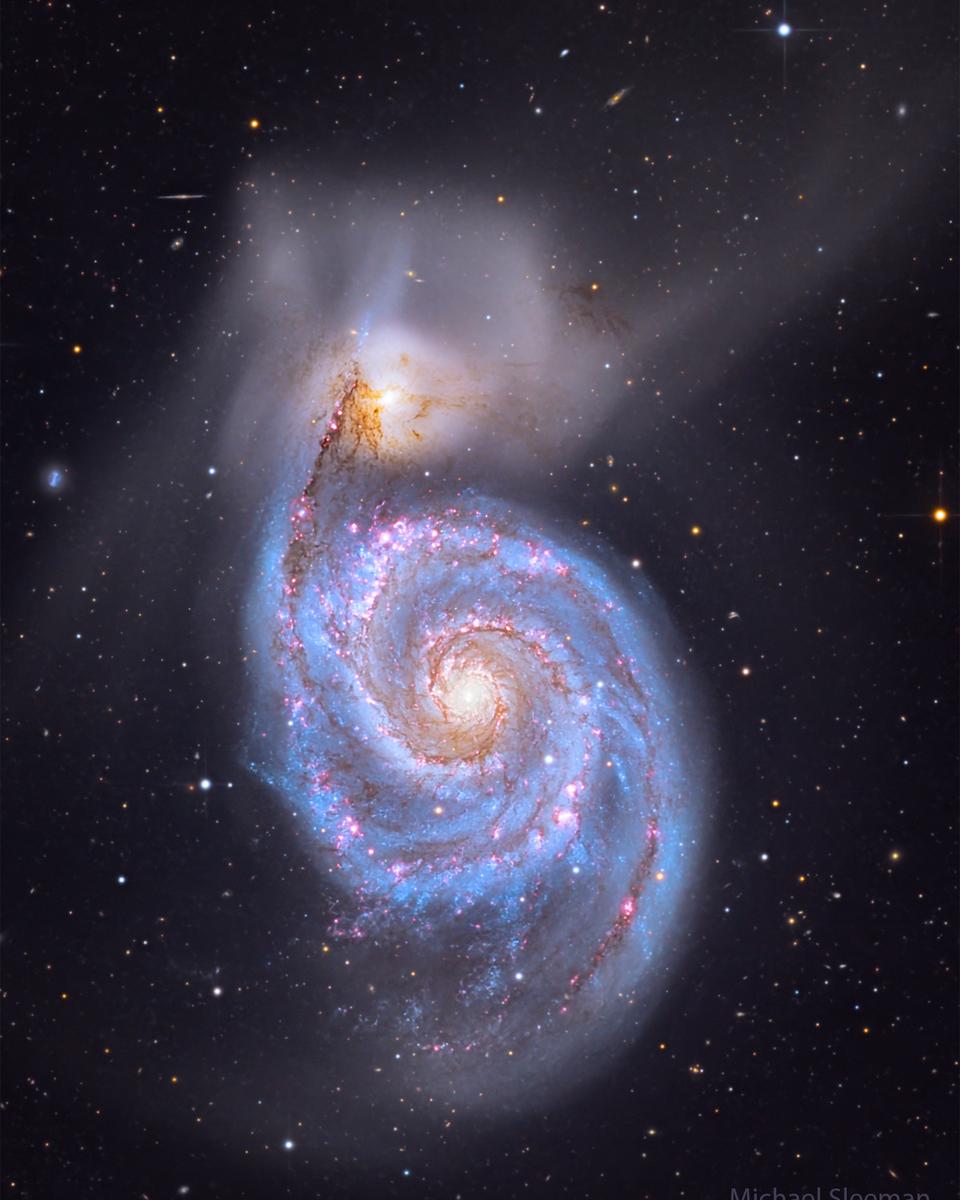
M51: The Whirlpool Galaxy
The Whirlpool Galaxy is a classic spiral galaxy. At only 30 million light years distant and fully 60 thousand light years across, M51 , also known as NGC 5194, is one of the…
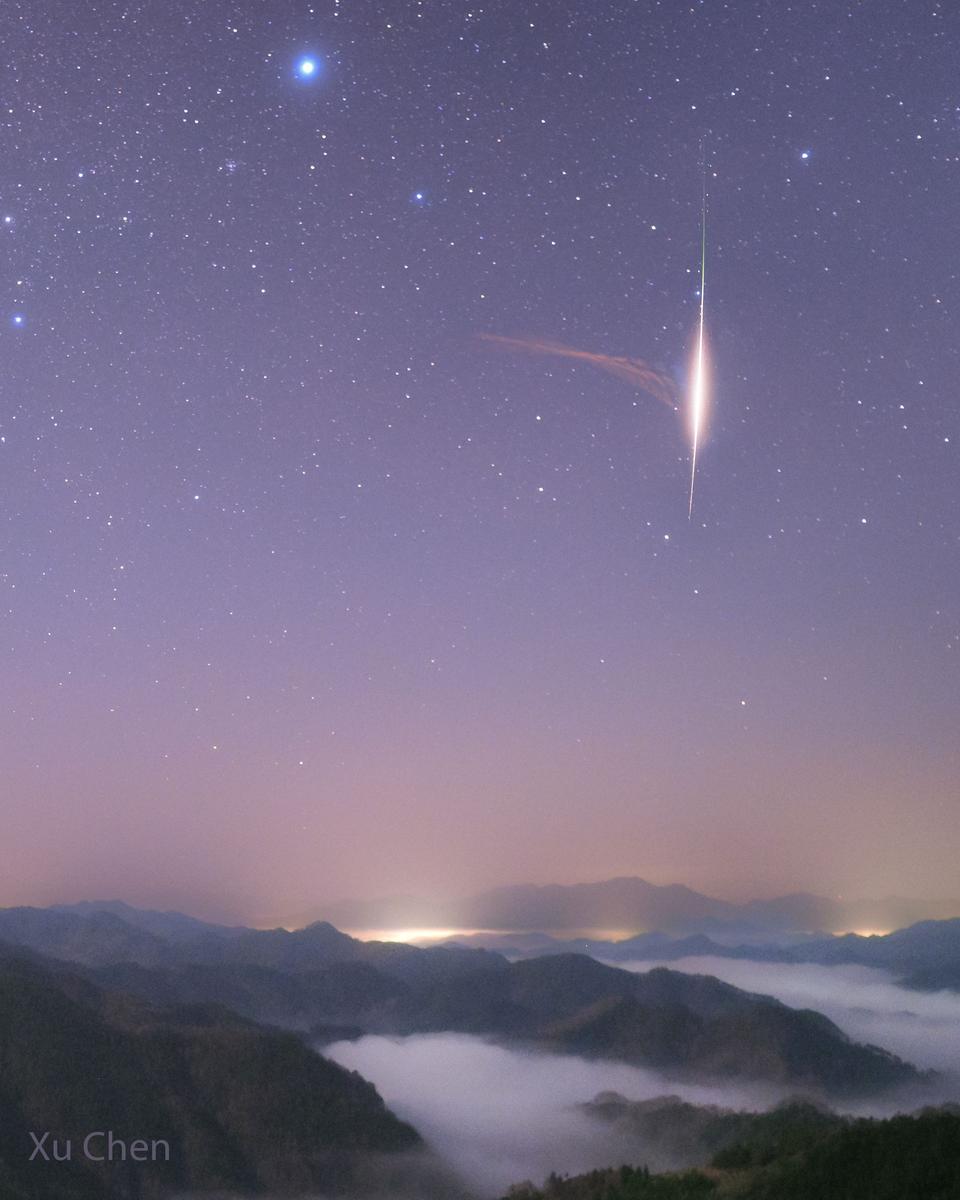
Meteor Dust
What's happening to this meteor? It is shedding its outer layers as it passes through the Earth's atmosphere and heats up. The sudden high temperatures not only cause the bright…
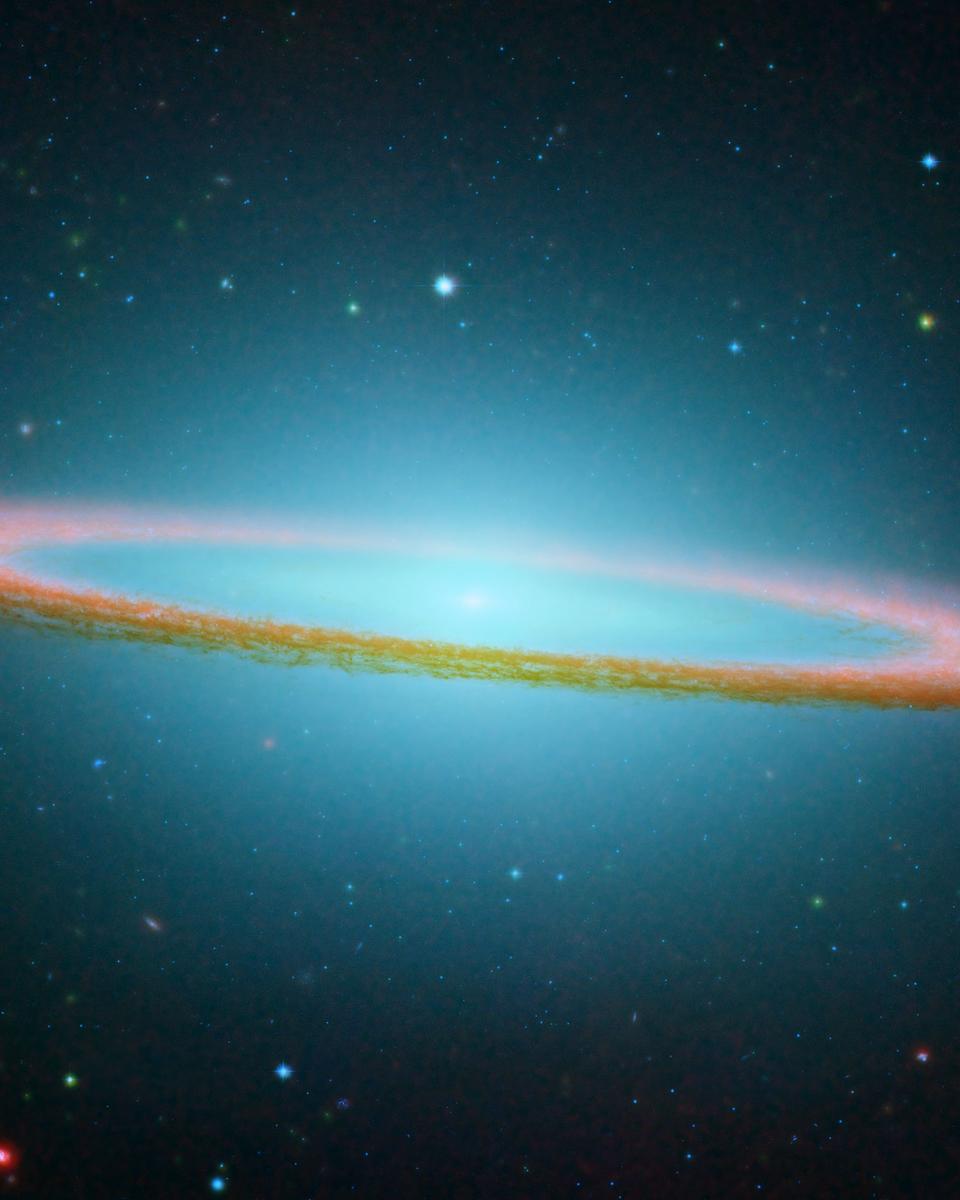
M104: The Sombrero Galaxy in Infrared
This floating ring is the size of a galaxy. In fact, it is a galaxy -- or at least part of one: the photogenic Sombrero Galaxy , one of the largest galaxies in the nearby Virgo…
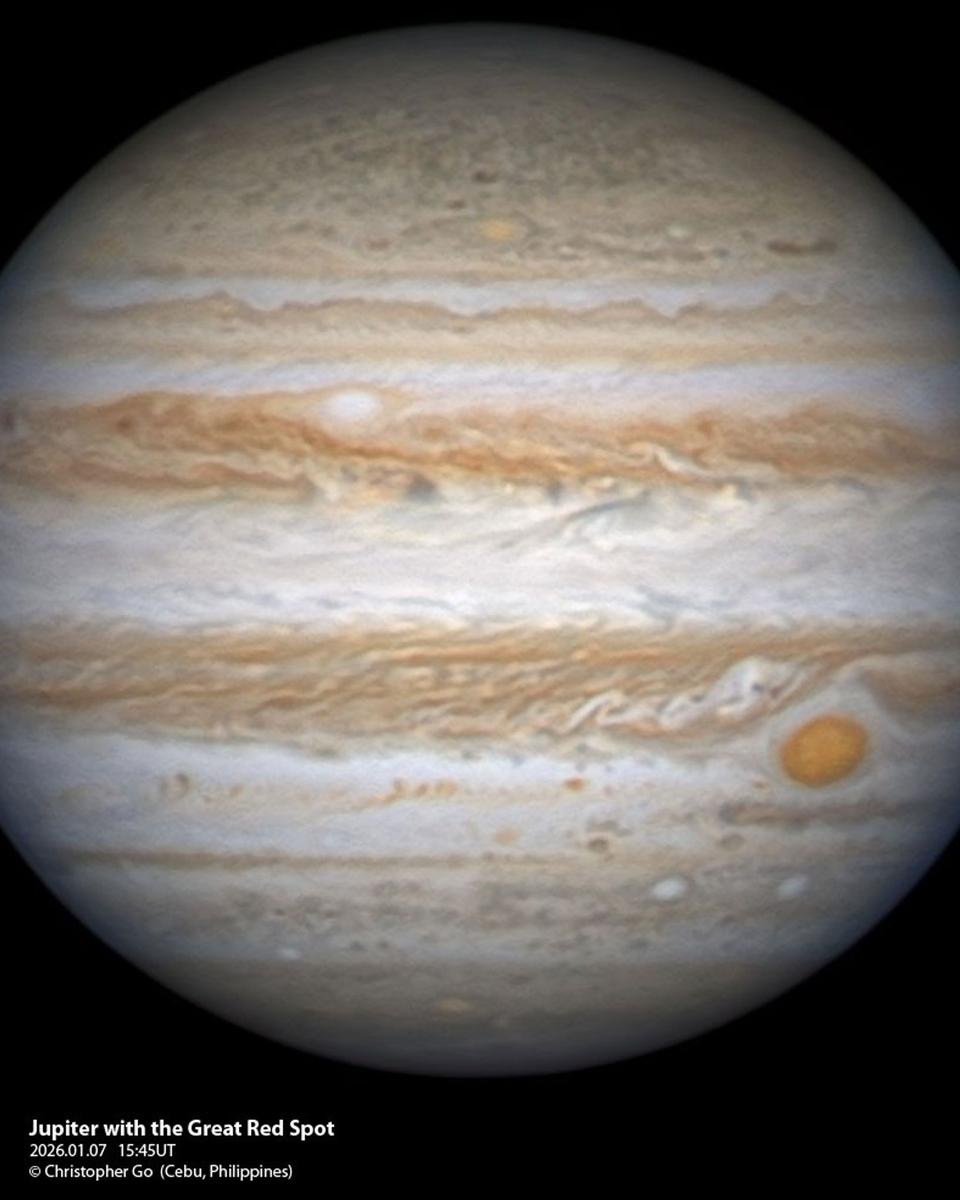
Jupiter with the Great Red Spot
Jupiter reaches its 2026 opposition today, January 10. That puts our Solar System's most massive planet opposite the Sun and near its closest and brightest for viewing from planet…
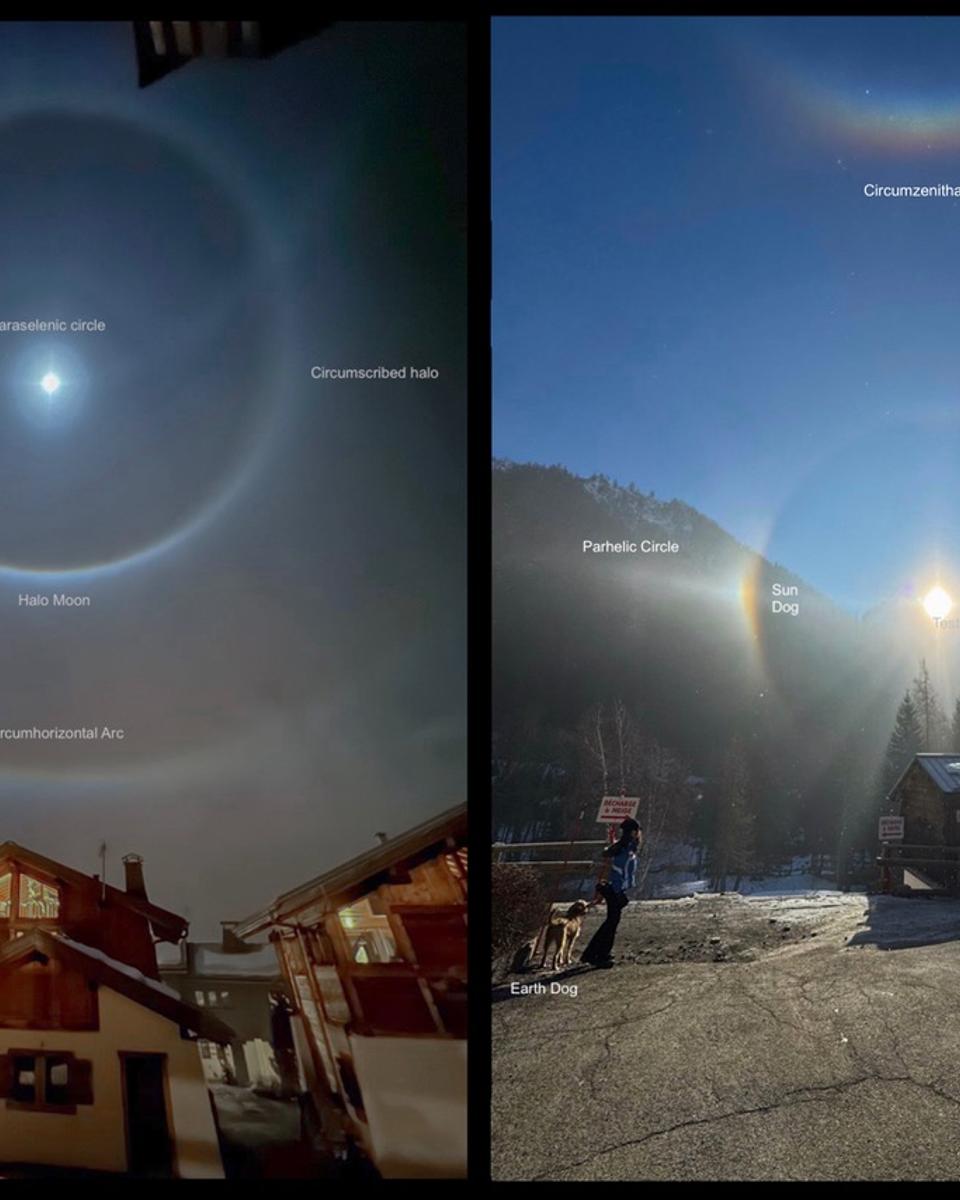
Ice Halos by Moonlight and Sunlight
Both Moon and Sun create beautiful ice halos in planet Earth's sky. In fact, the two brightest celestial beacons are each surrounded by a complex of ice halos in these photos of…
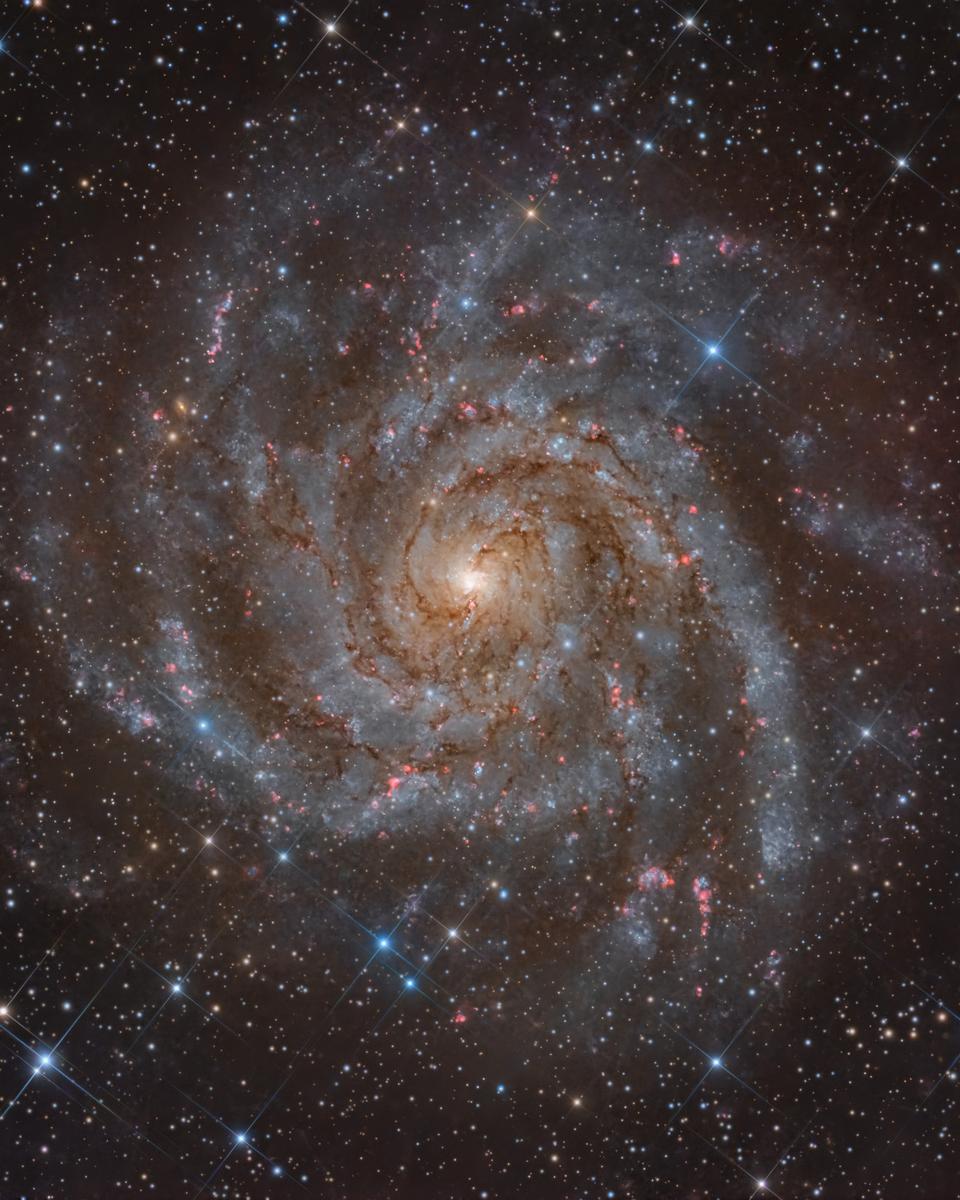
IC 342: Hidden Galaxy in Camelopardalis
Similar in size to large, bright spiral galaxies in our neighborhood, IC 342 is a mere 10 million light-years distant toward the long-necked, northern constellation Camelopardalis…
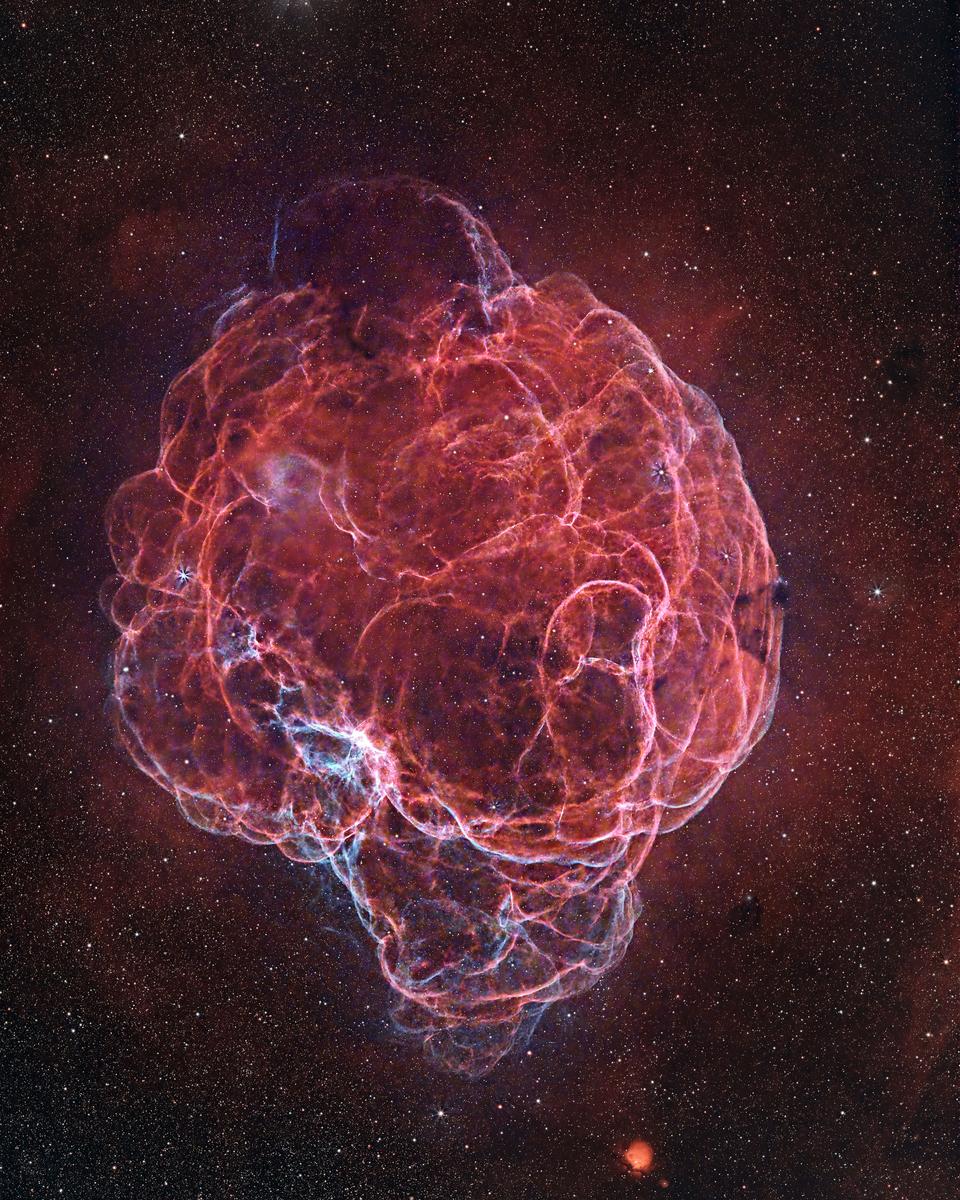
Simeis 147: The Spaghetti Nebula Supernova Remnant
Its popular nickname is the Spaghetti Nebula. Officially cataloged as Simeis 147 and Sharpless 2-240, it is easy to get lost following the looping and twisting filaments of this…
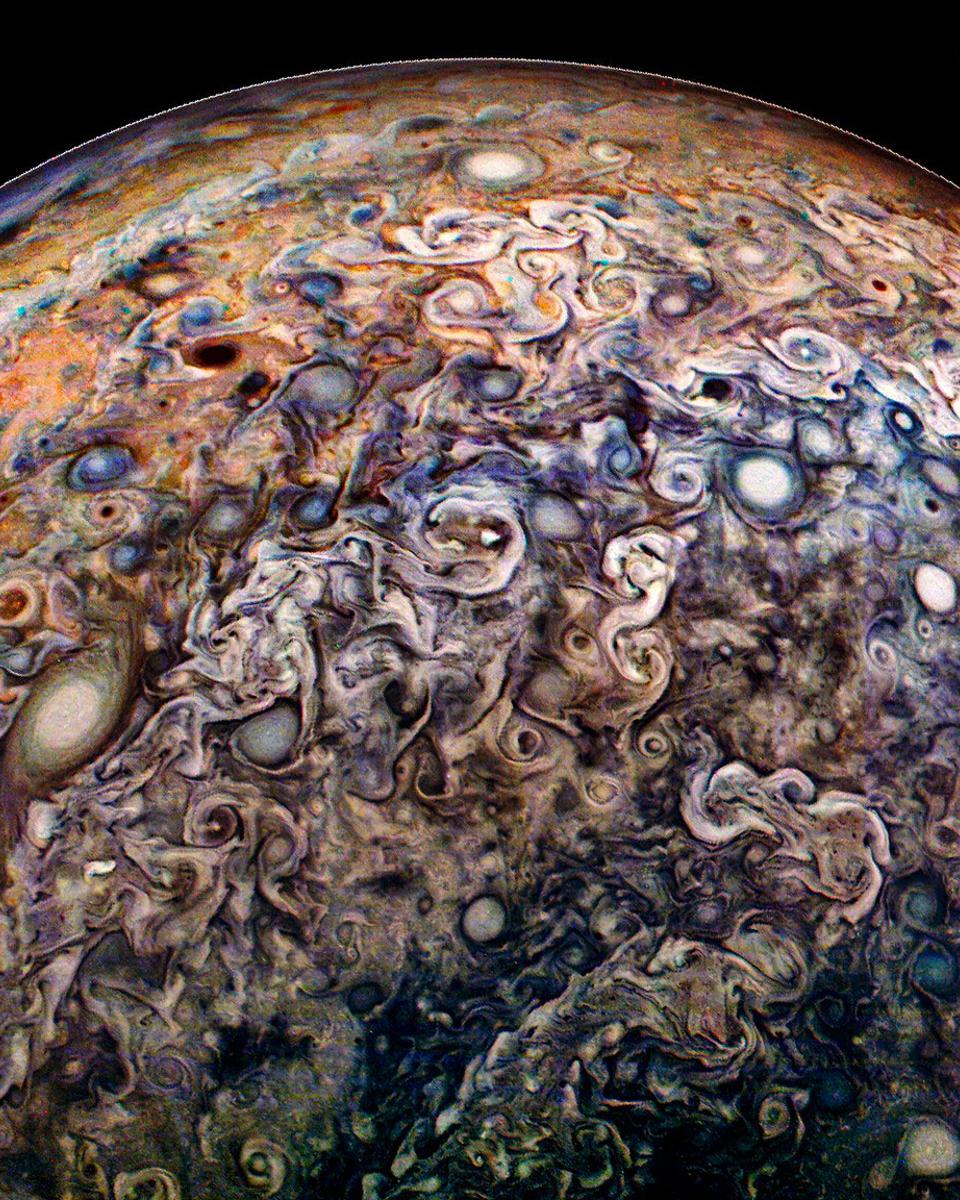
Jupiter's Clouds in High Definition from Juno
How complex is Jupiter? NASA's Juno mission to Jupiter is finding the Jovian giant to be more complicated than expected . Jupiter's magnetic field has been discovered to be much…
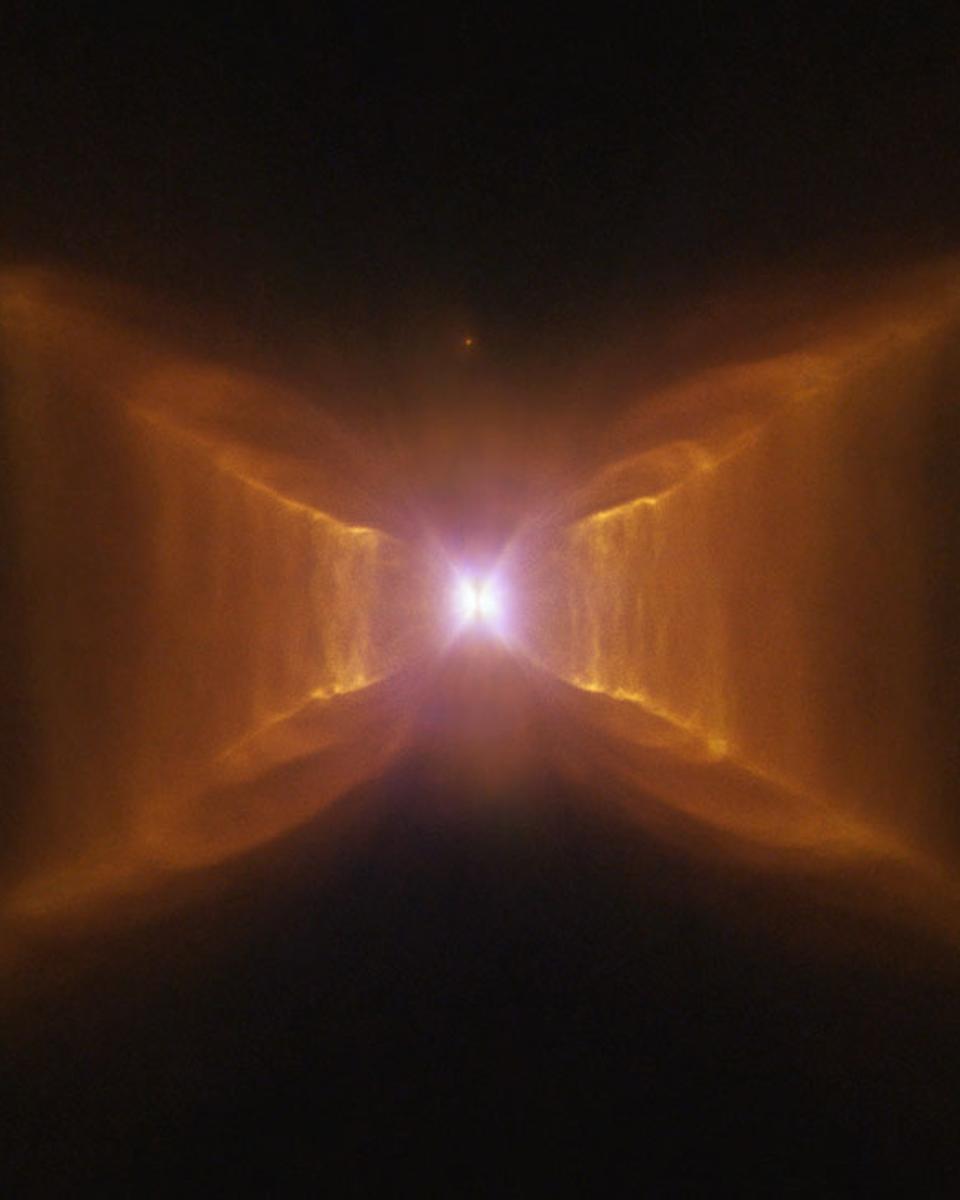
The Red Rectangle Nebula from Hubble
How was the unusual Red Rectangle nebula created? At the nebula's center is an aging binary star system that surely powers the nebula but does not, as yet, explain its colors. The…
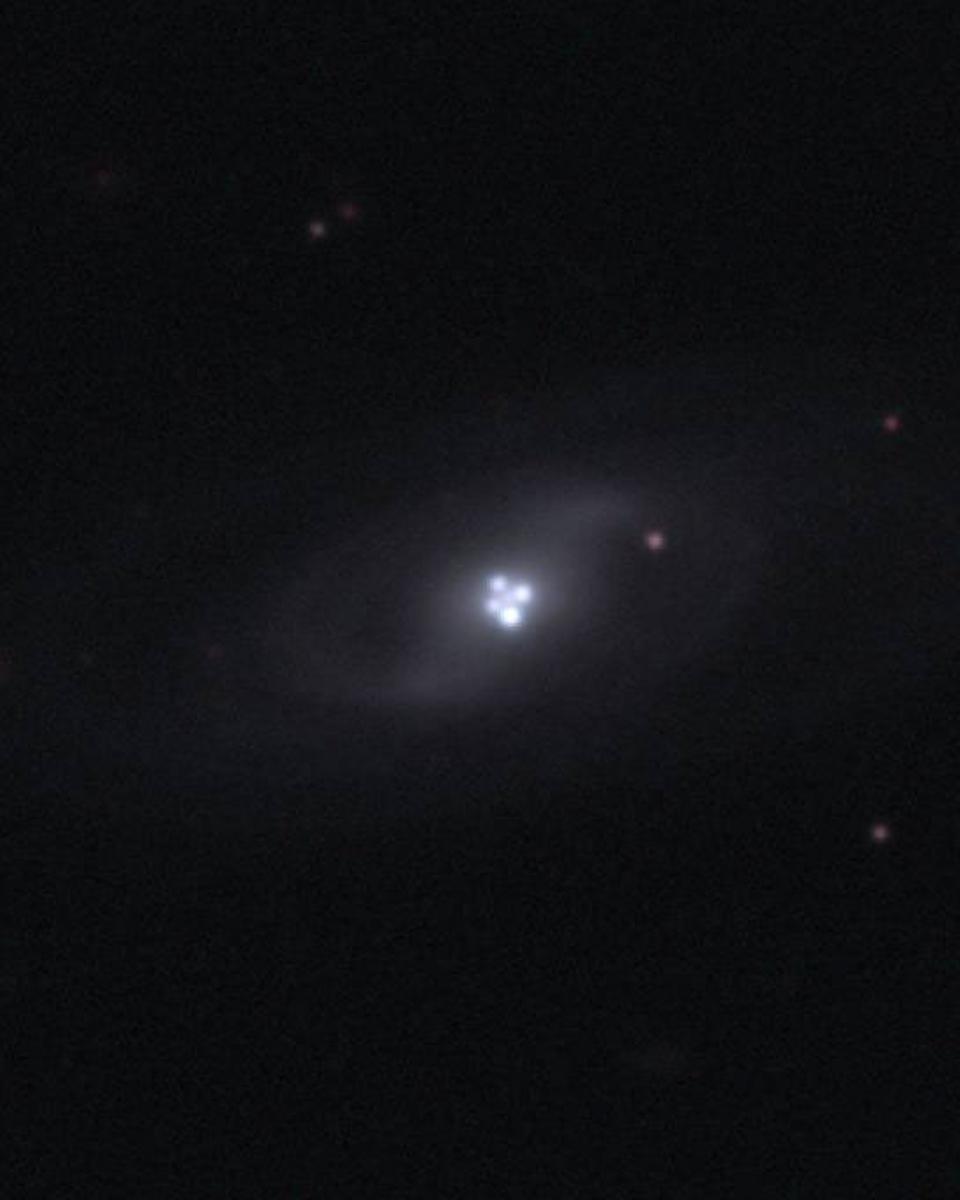
The Einstein Cross Gravitational Lens
Most galaxies have a single nucleus -- does this galaxy have four? The strange answer leads astronomers to conclude that the nucleus of the surrounding galaxy is not even visible…
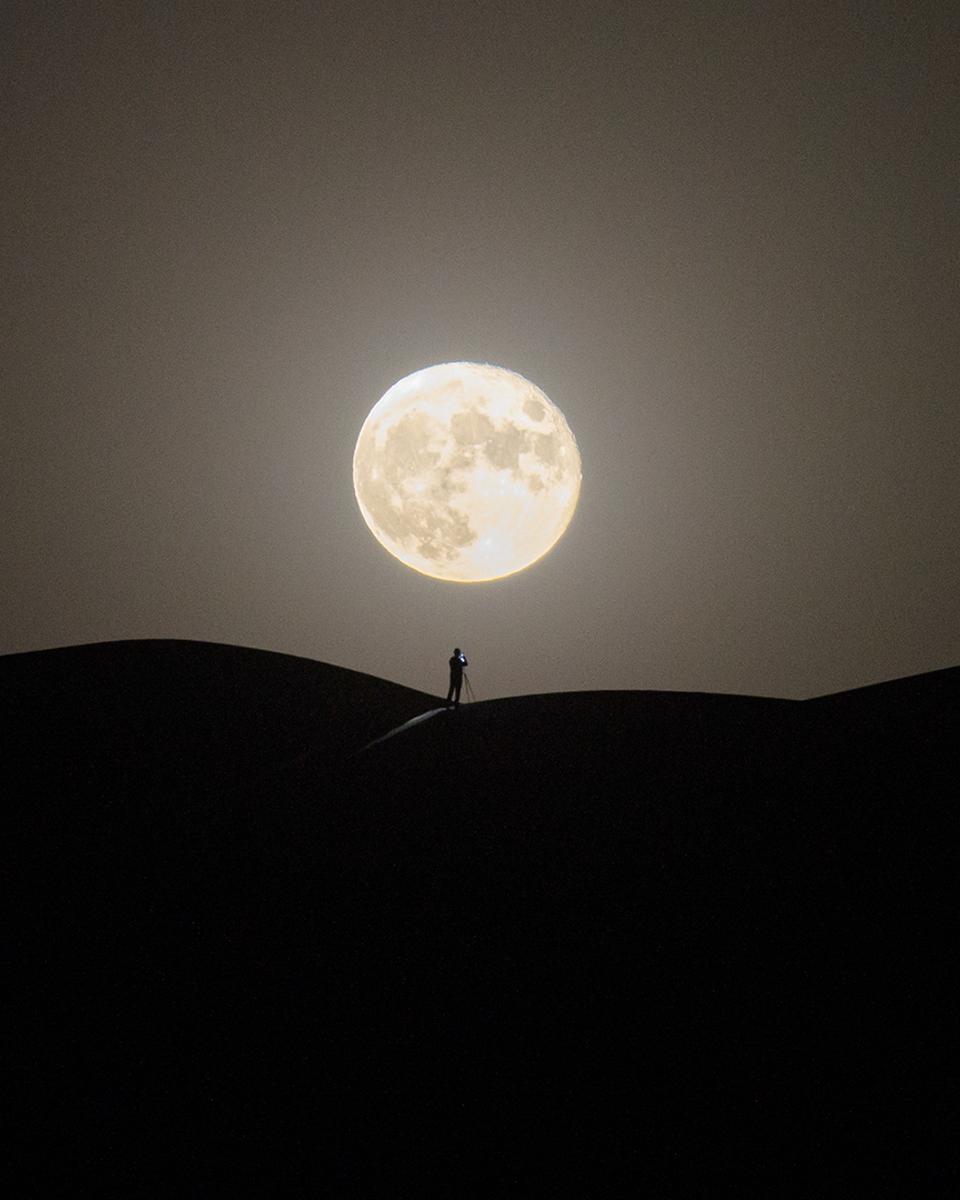
Full Moonlight
The Full Moon is the brightest lunar phase, and tonight you can stand in the light of the first Full Moon of 2026. In fact, the Moon's full phase occurs on January 3 at 10:03 UTC,…
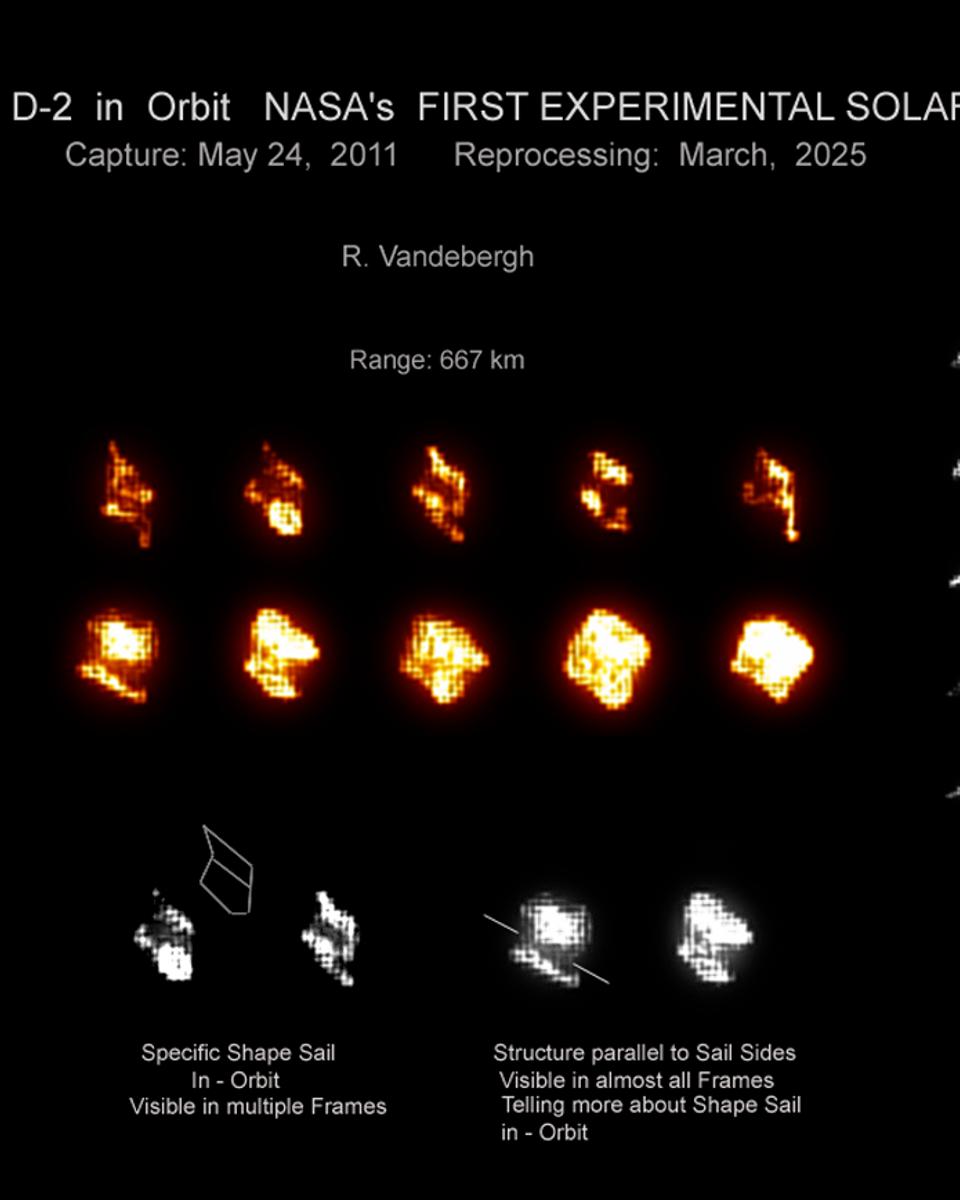
NanoSail-D2
In 2011, on January 20, NASA's NanoSail-D2 unfurled a very thin and very reflective 10 square meter sail becoming the first solar sail spacecraft in low Earth orbit. Often…
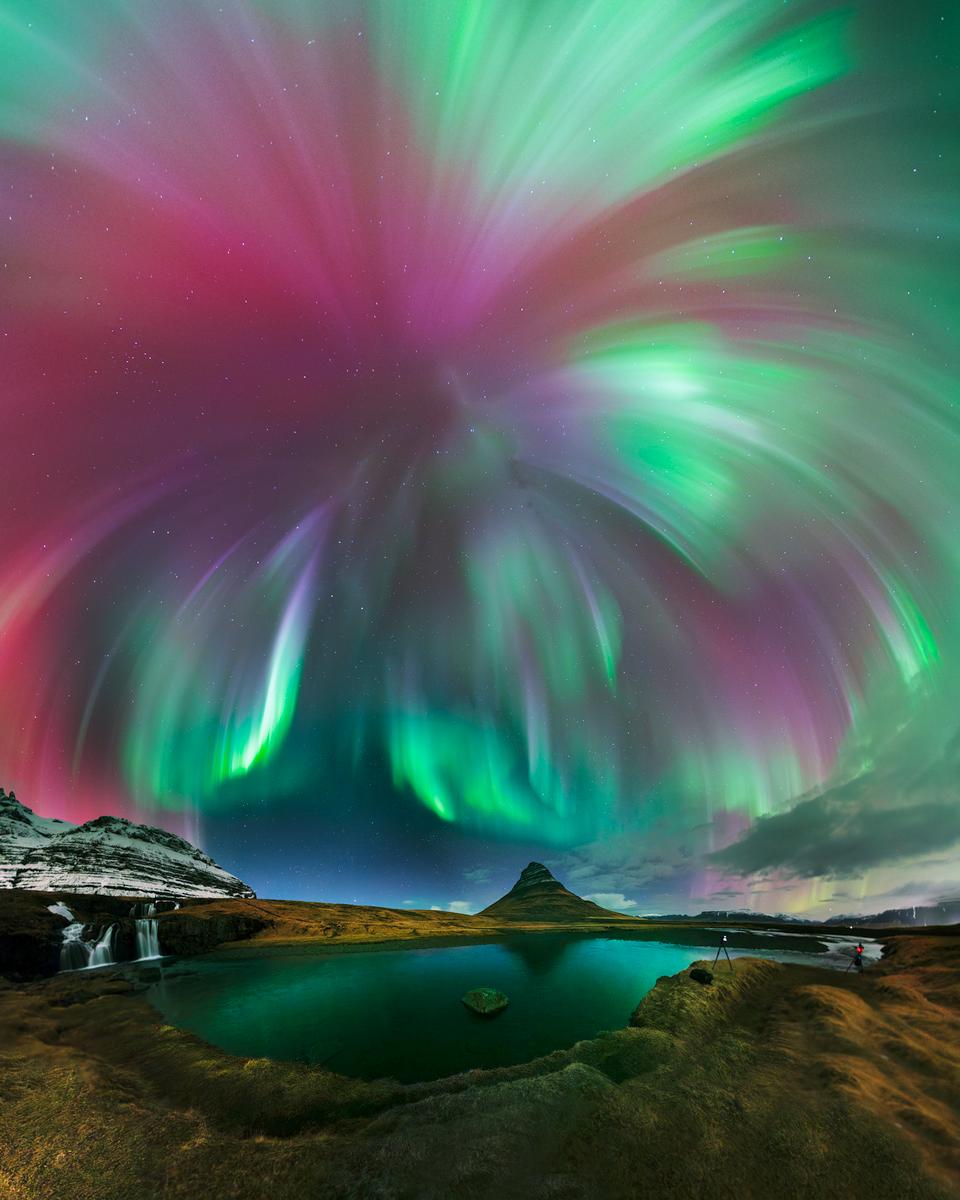
Auroral Corona
Cycle 25 solar maximum made 2025 a great year for aurora borealis (or aurora australis ) on planet Earth. And the high level of solar activity should extend into 2026. So, while…
Viewing discoveries from 25 January 2026 through 1 January 2026.