Browse NASA Astronomy Picture of the Day archive by date and media: Archive Discoveries
Browse the NASA APOD archive without needing the exact date first. Filter by media type and keep moving deeper into older images and videos.
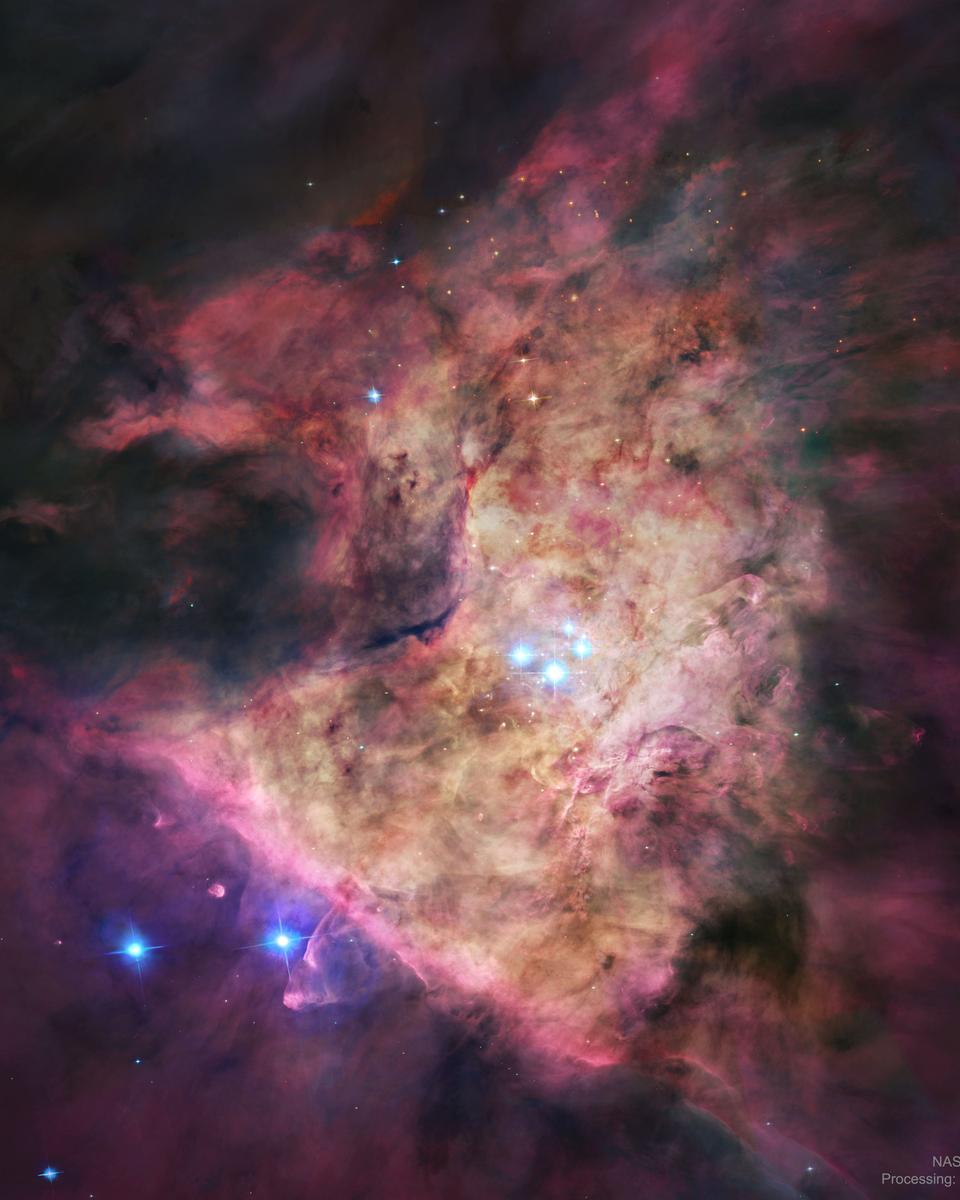
Trapezium: In the Heart of Orion
What lies in the heart of Orion? Trapezium: four bright stars, that can be found near the center of this sharp cosmic portrait . Gathered within a region about 1.5 light-years in…
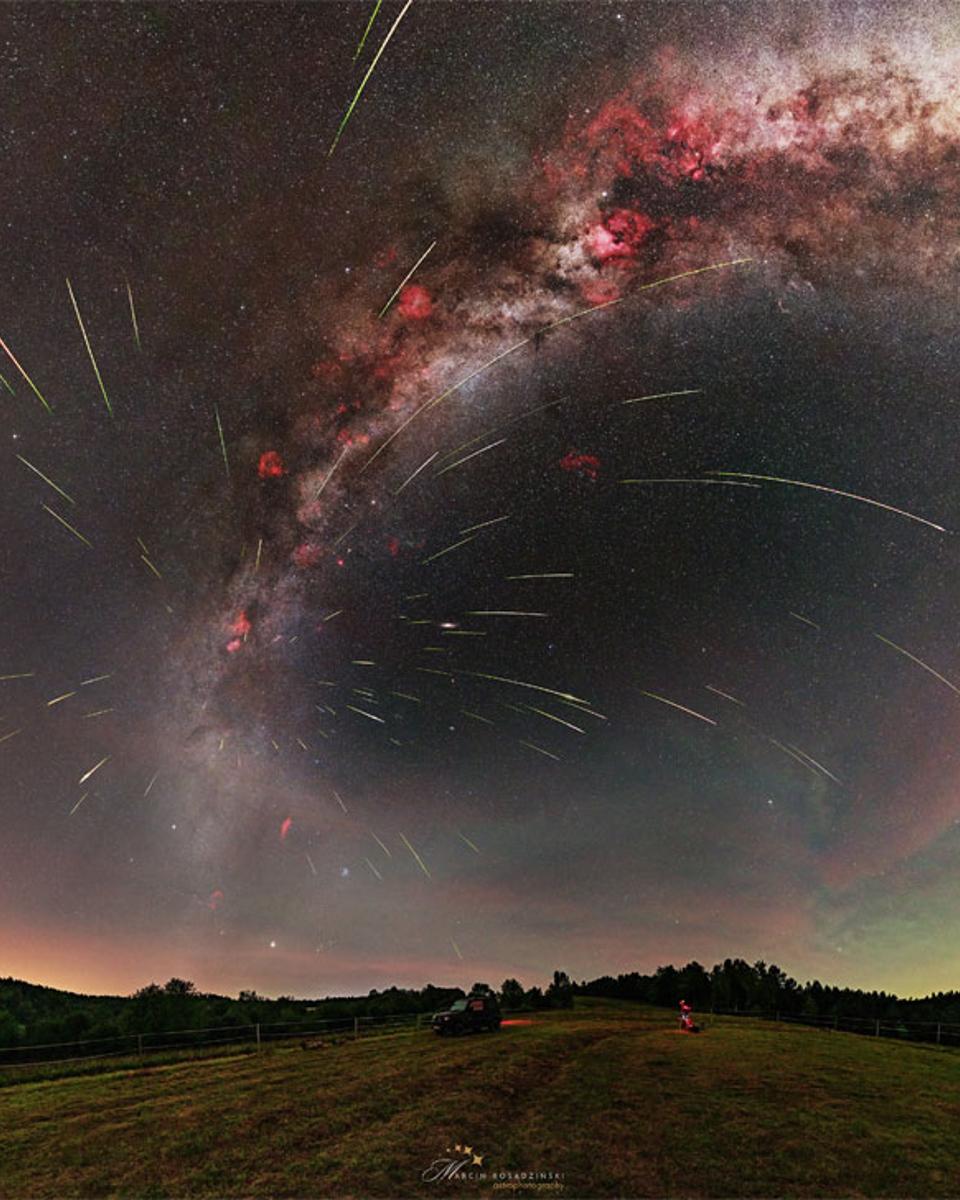
Perseids from Perseus
Where are all of these meteors coming from? In terms of direction on the sky, the pointed answer is the constellation of Perseus. That is why the meteor shower that peaks tonight…
Preview unavailable
Open the archive entry to view the source media.
Closest Ever Images Near the Sun
Everybody sees the Sun. Nobody's been there. Starting in 2018, though, NASA launch ed the robotic Parker Solar Probe (PSP) to investigate regions near to the Sun for the first…
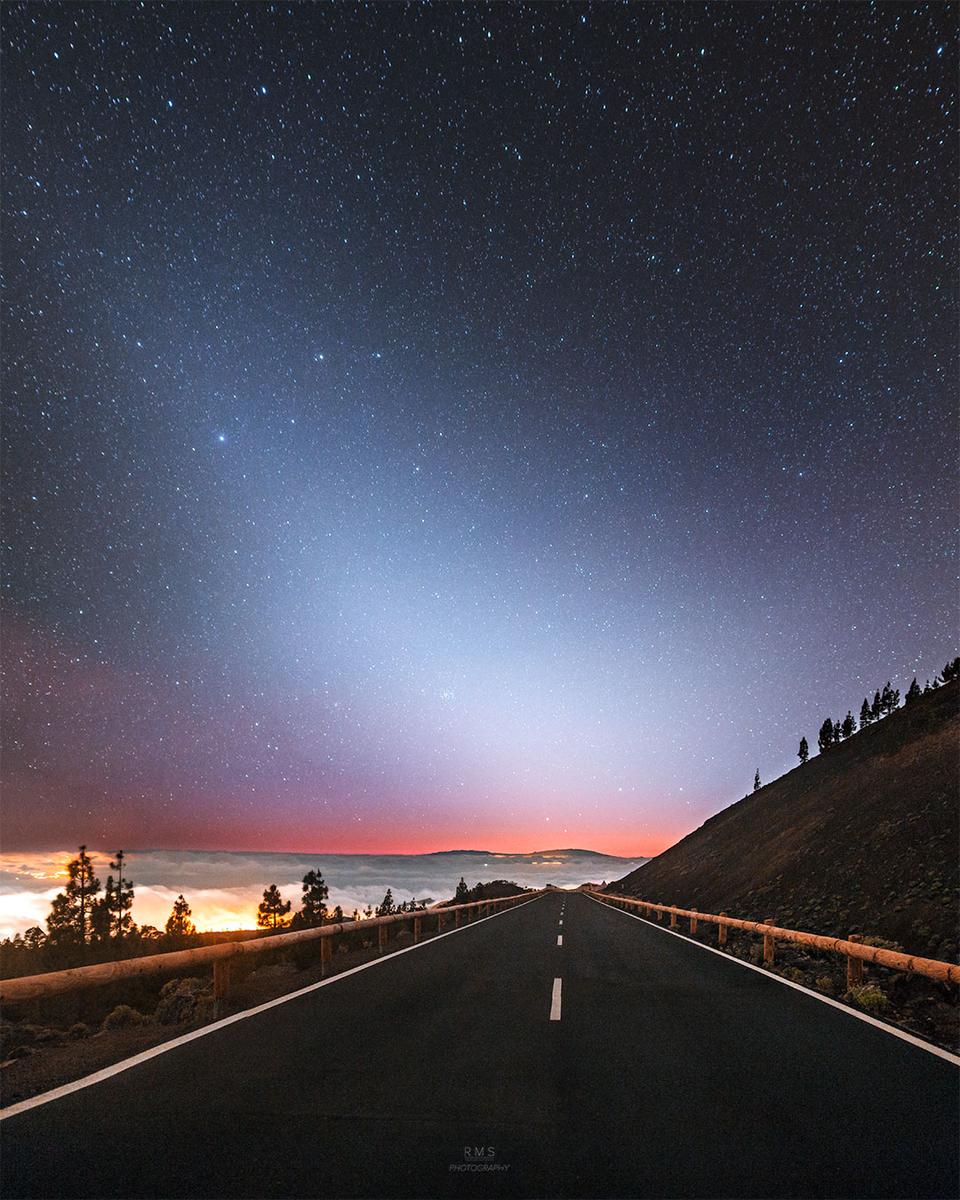
Zodiacal Road
What's that strange light down the road? Dust orbiting the Sun. At certain times of the year, a band of sun-reflecting dust from the inner Solar System appears prominently just…
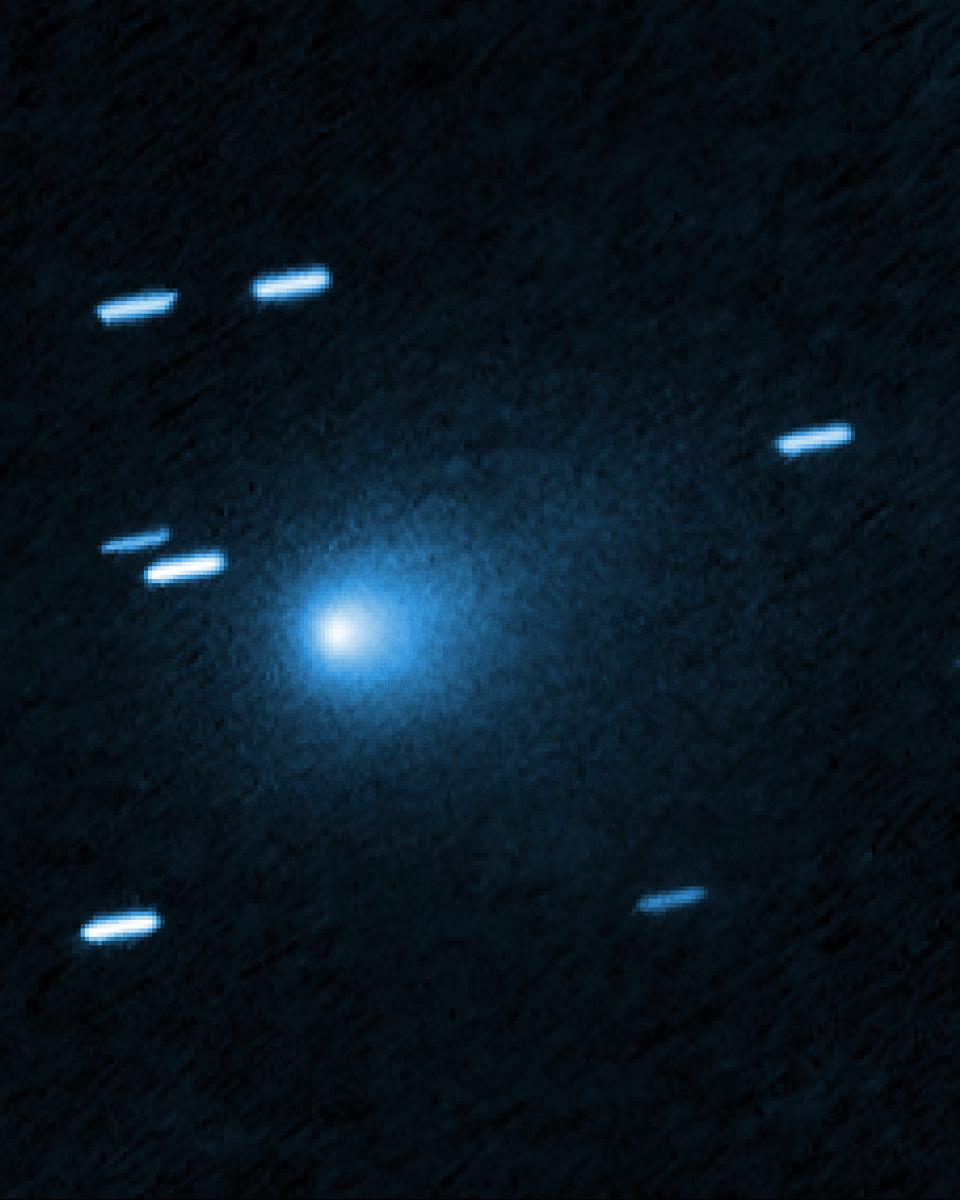
Interstellar Interloper 3I/ATLAS from Hubble
Discovered on July 1 with the NASA-funded ATLAS (Asteroid Terrestrial-impact Last Alert System) survey telescope in Rio Hurtado, Chile, 3I/ATLAS is so designated as the third…
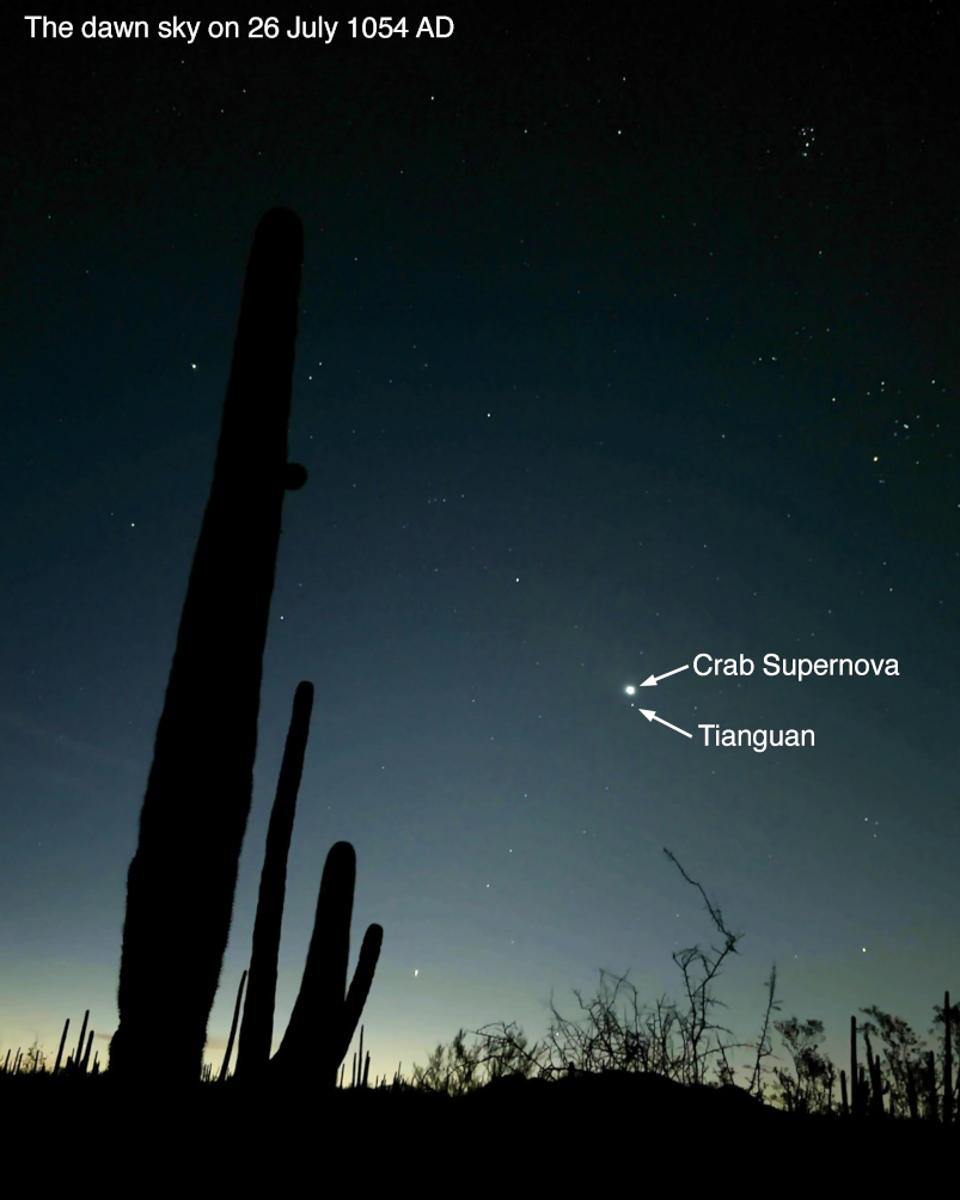
Dawn of the Crab
One of the all-time historic skyscapes occured in July 1054, when the Crab Supernova blazed into the dawn sky. Chinese court astrologers first saw the Guest Star on the morning of…
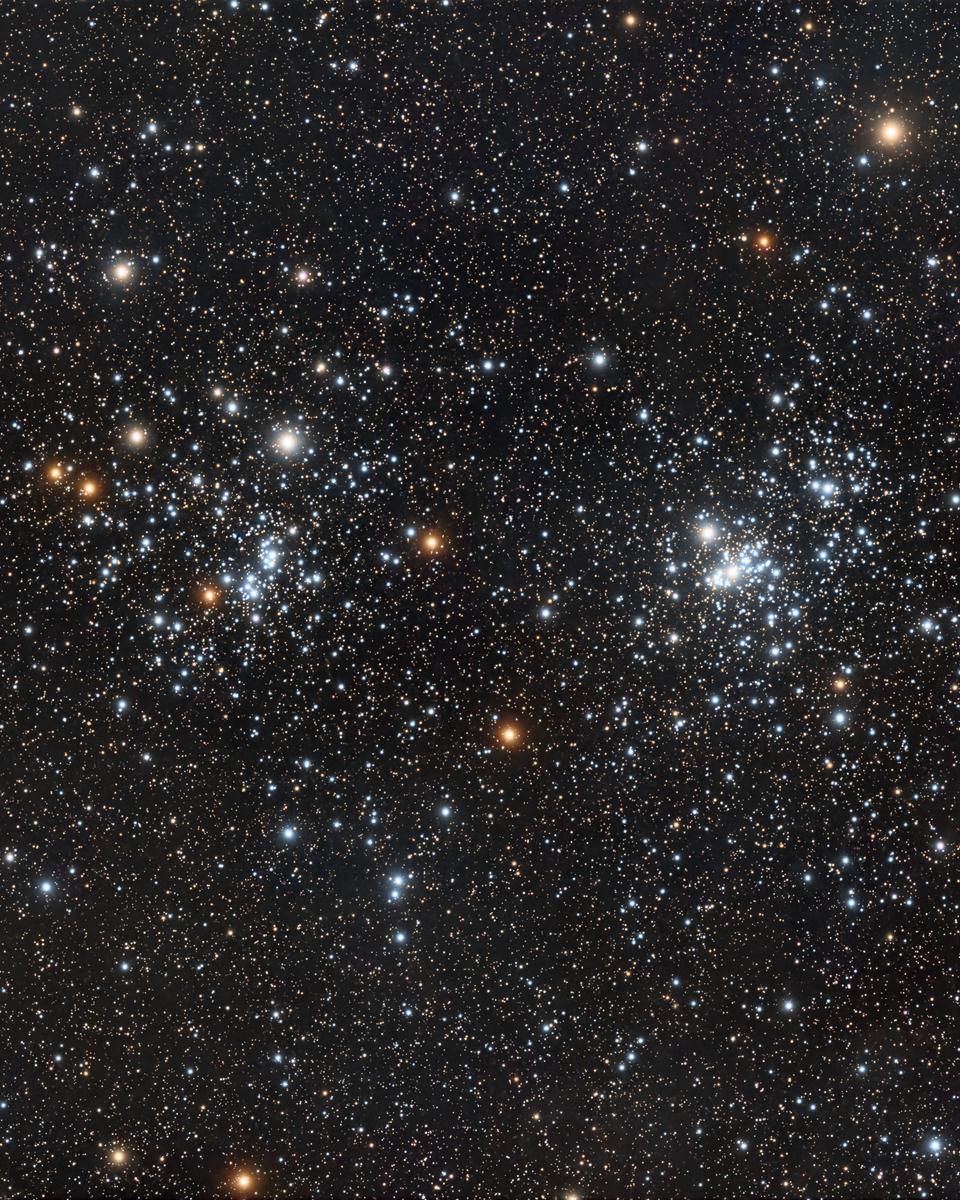
The Double Cluster in Perseus
This stunning starfield spans about three full moons (1.5 degrees) across the heroic northern constellation of Perseus . It holds the famous pair of open star clusters , h and Chi…
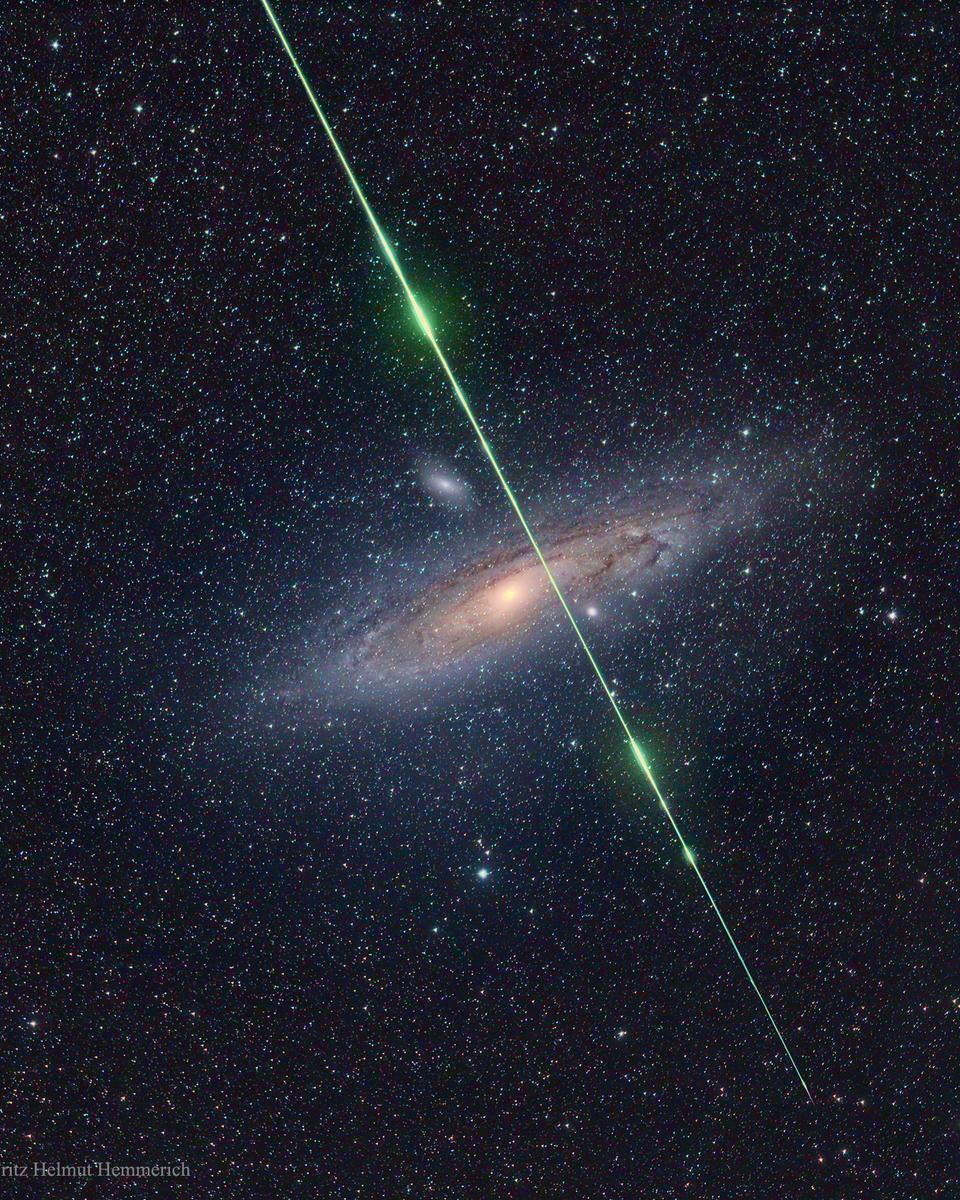
Meteor before Galaxy
What's that green streak in front of the Andromeda galaxy? A meteor. While photographing the Andromeda galaxy in 2016, near the peak of the Perseid Meteor Shower , a small pebble…
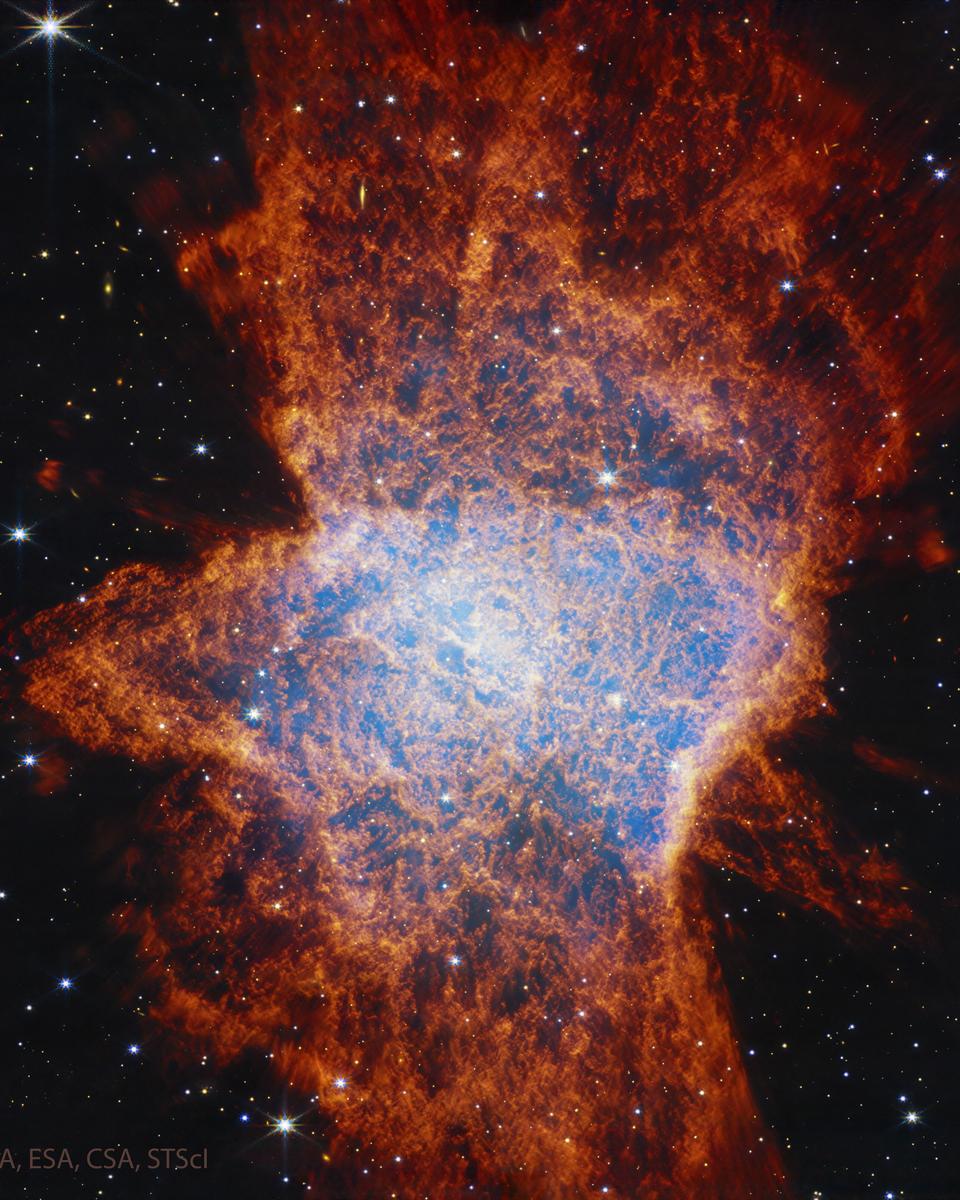
NGC 6072: A Complex Planetary Nebula from Webb
Why is this nebula so complex? The Webb Space Telescope has imaged a nebula in great detail that is thought to have emerged from a Sun -like star. NGC 6072 has been resolved into…
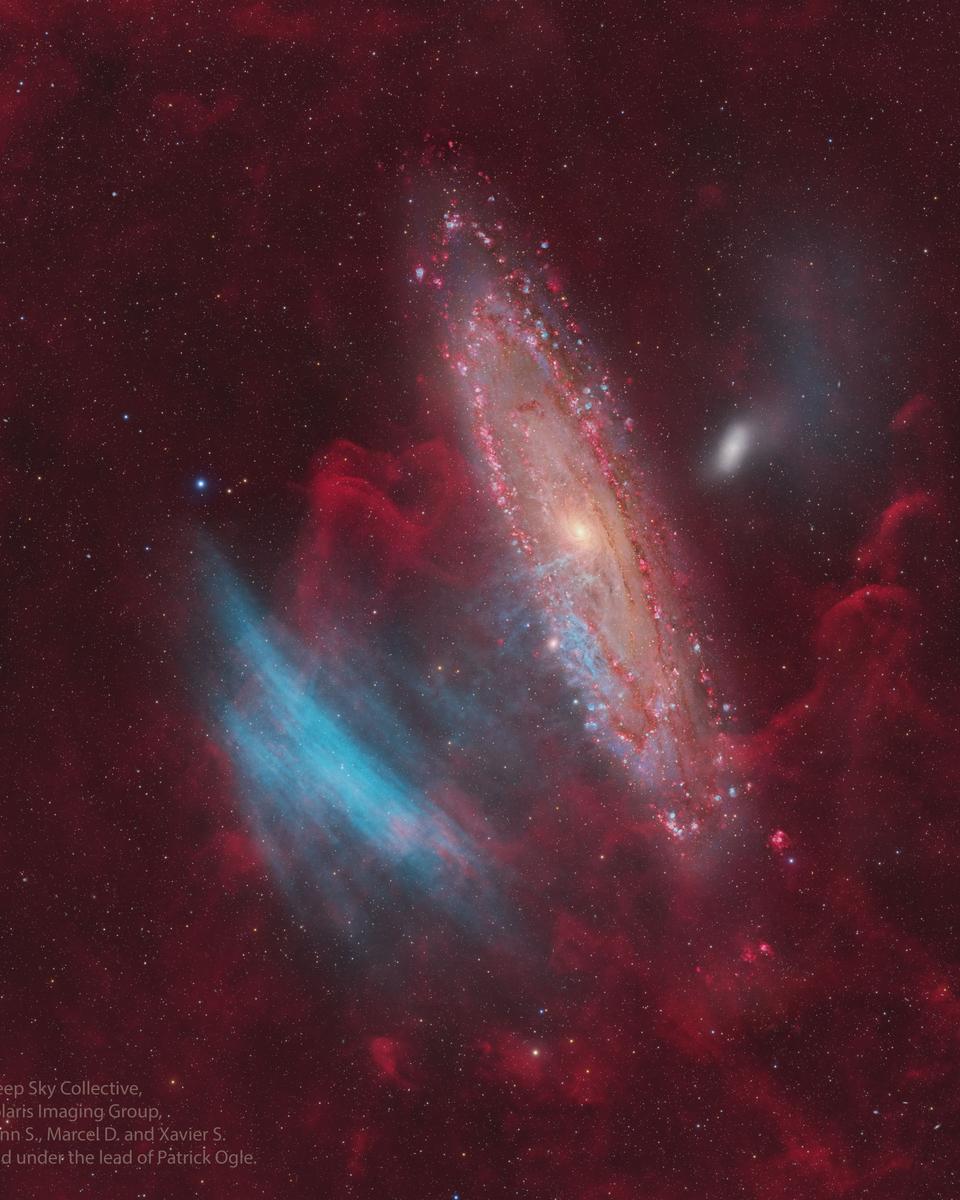
Blue Arcs Toward Andromeda
What are these gigantic blue arcs near the Andromeda Galaxy (M31)? Discovered in 2022 by amateur astronomers, the faint arcs -- dubbed SDSO 1 -- span nearly the same angular size…
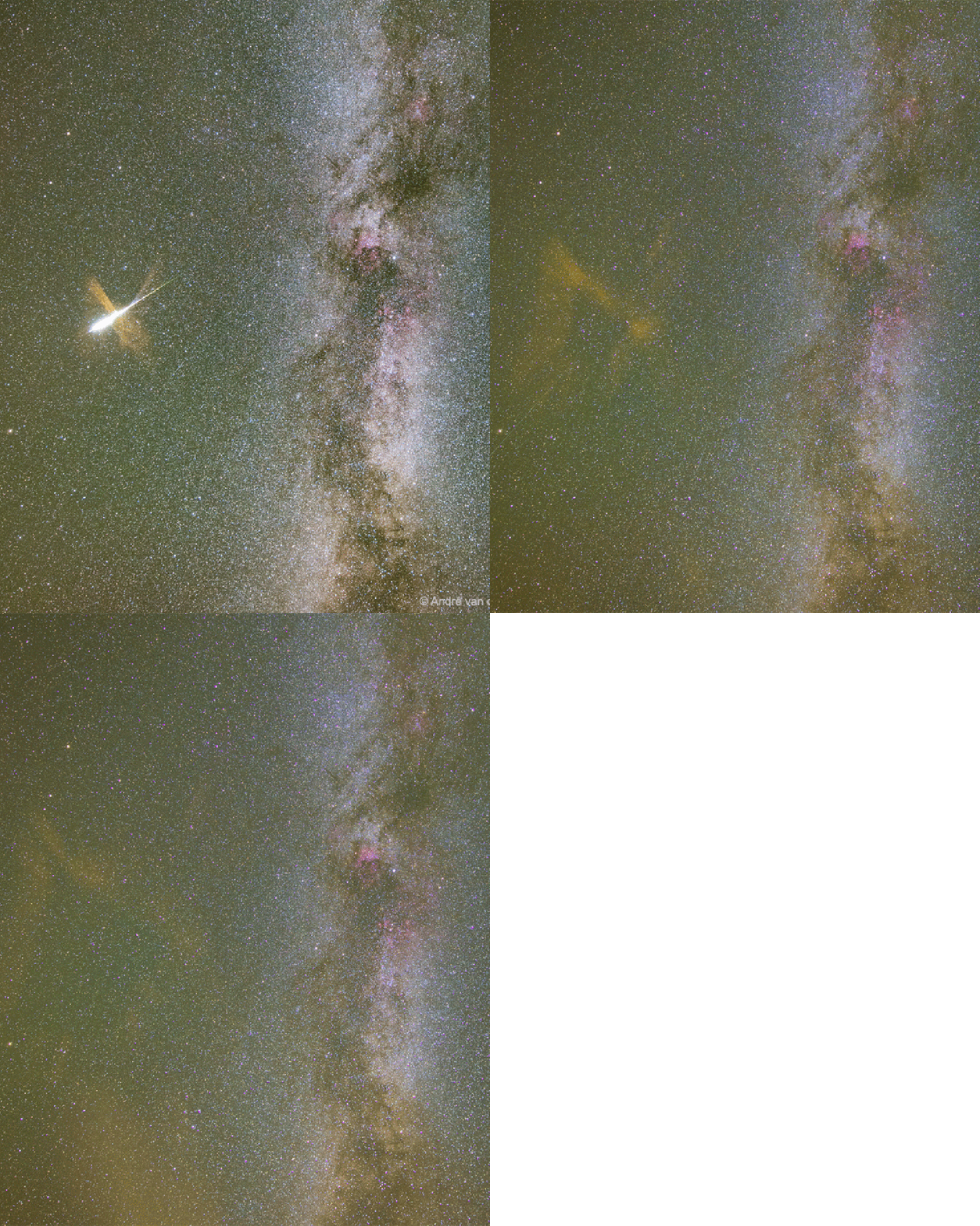
Milky Way and Exploding Meteor
In about a week the Perseid Meteor Shower will reach its maximum. Grains of icy rock will streak across the sky as they evaporate during entry into Earth's atmosphere . These…
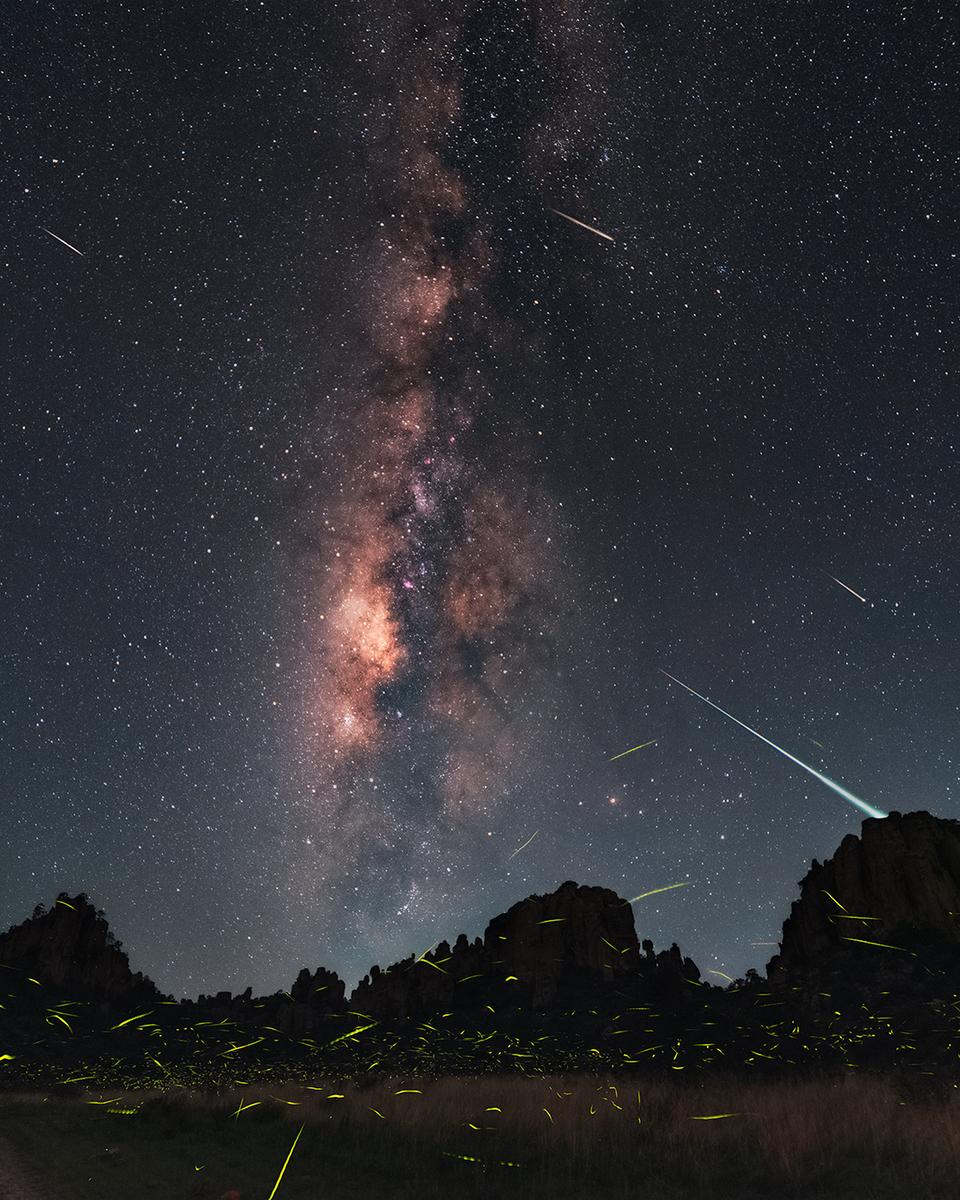
Fireflies, Meteors, and Milky Way
Taken on July 29 and July 30, a registered and stacked series of exposures creates this dreamlike view of a northern summer night . Multiple firefly flashes streak across the…
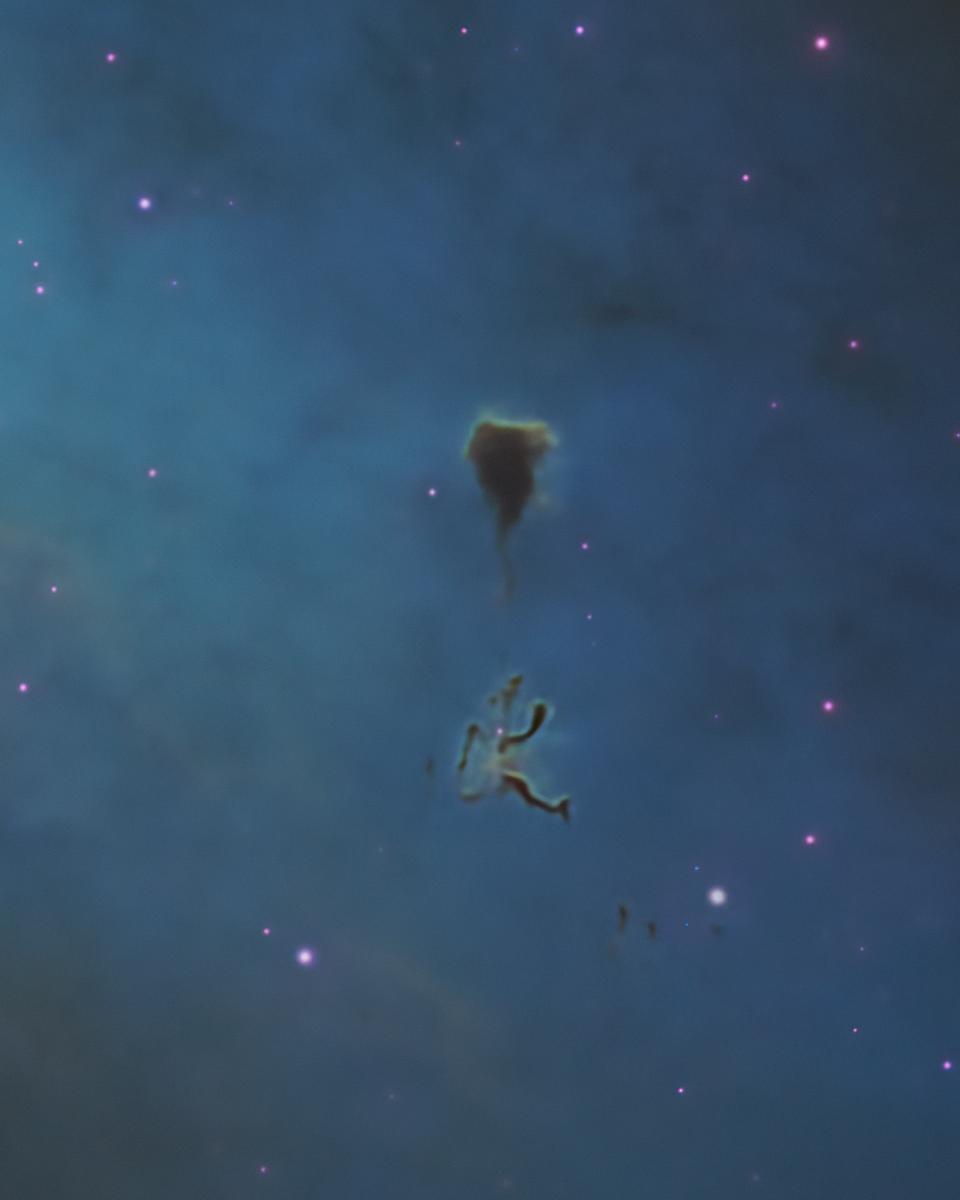
Small Dark Nebula
A small, dark, nebula looks isolated near the center of this telescopic close-up. The wedge-shaped cosmic cloudlet lies within a relatively crowded region of space though. About…
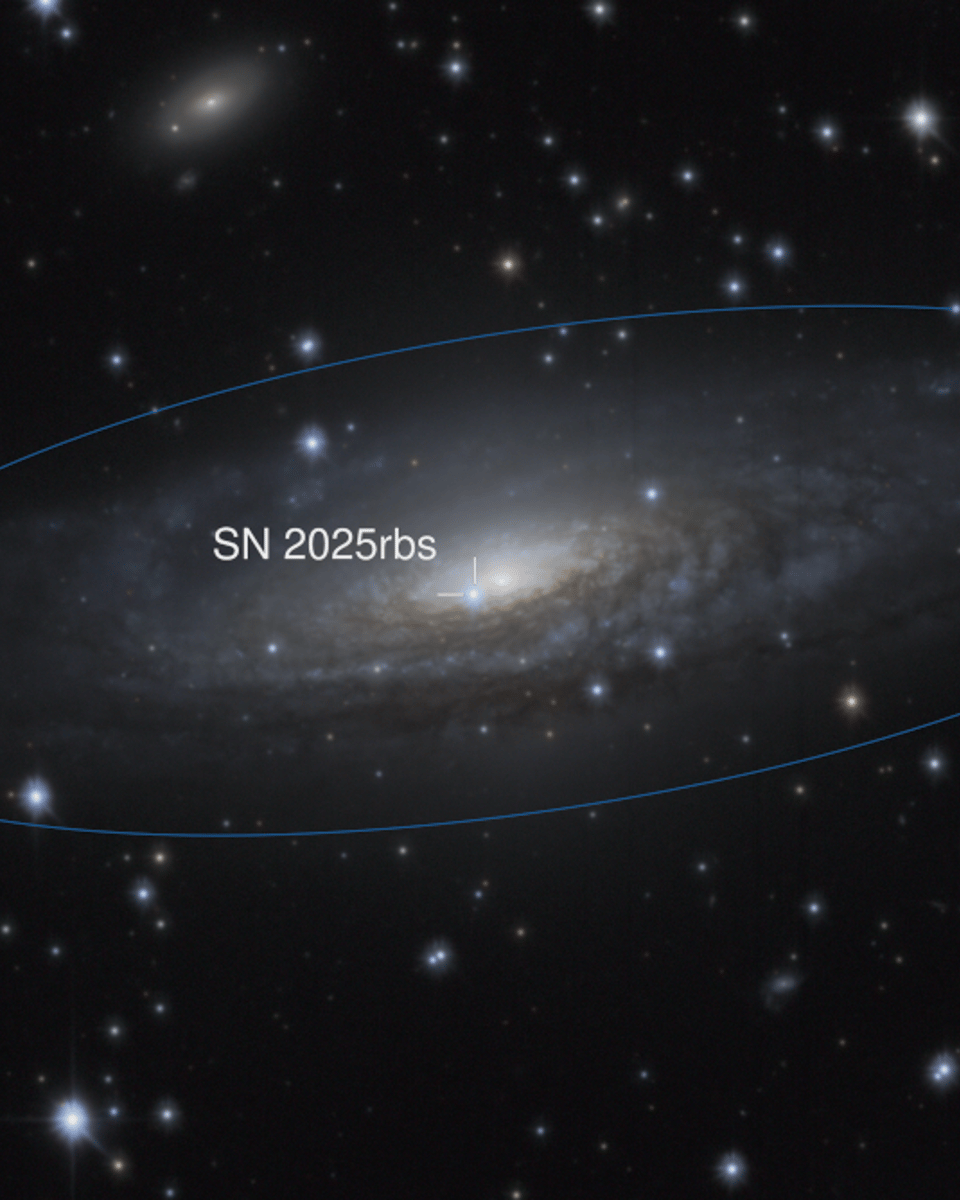
Supernova 2025rbs in NGC 7331
A long time ago in a galaxy 50 million light-years away, a star exploded . Light from that supernova was first detected by telescopes on planet Earth on July 14th though, and the…
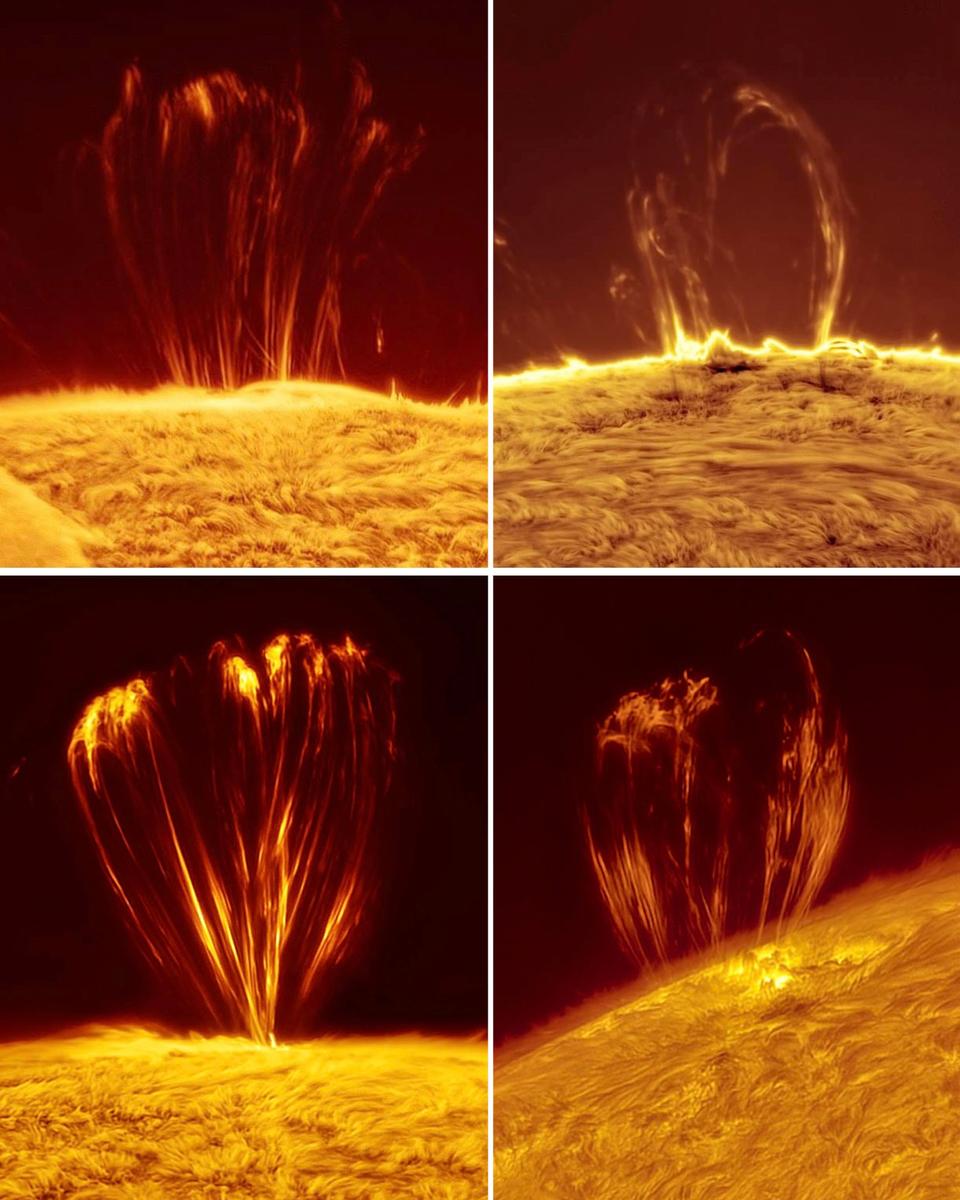
Coronal Loops on the Sun
Our Sun frequently erupts in loops. Hot solar plasma jumps off the Sun's surface into prominences , with the most common type of prominence being a simple loop. The loop shape…
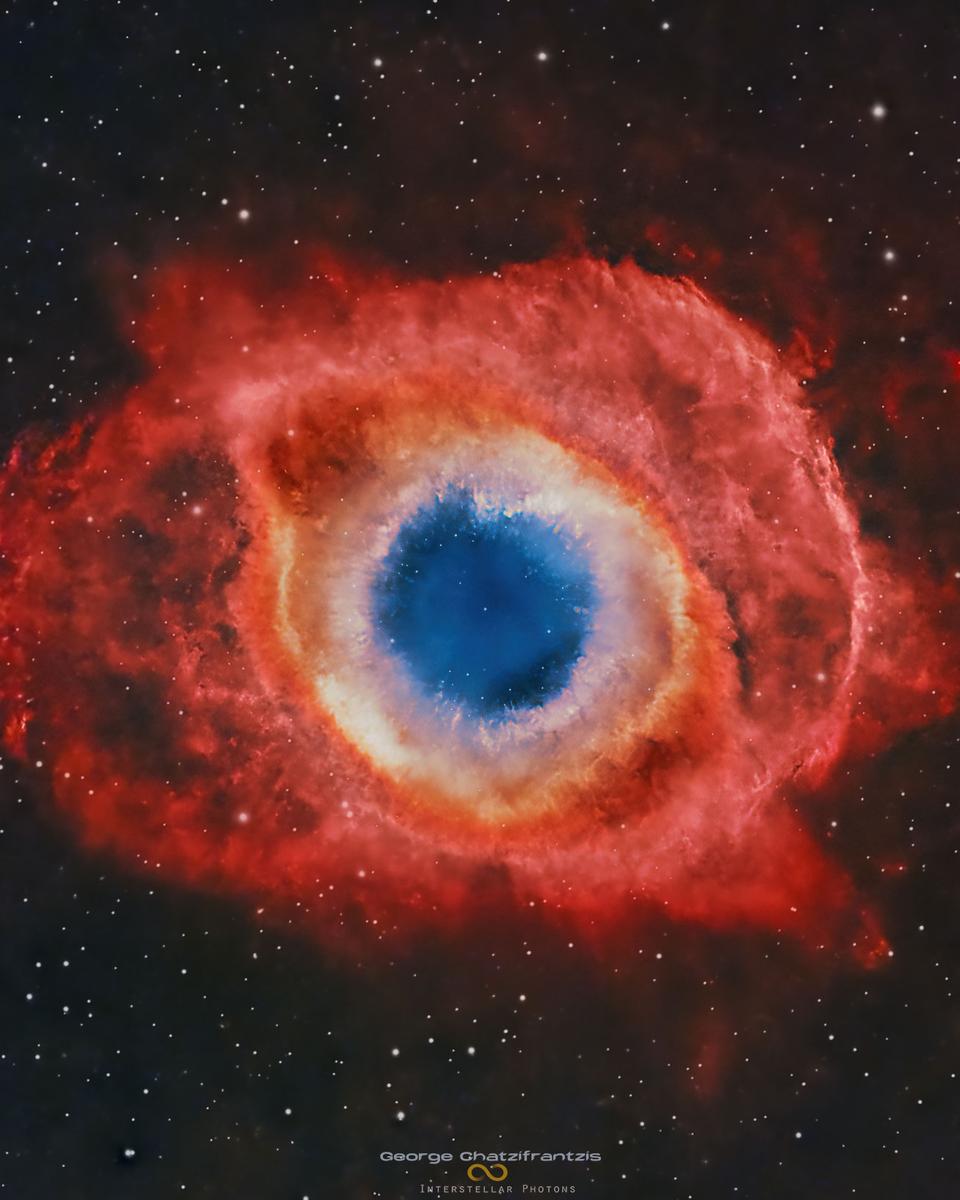
A Helix Nebula Deep Field
Is the Helix Nebula looking at you? No, not in any biological sense, but it does look quite like an eye. The Helix Nebula is so named because it also appears that you are looking…
Preview unavailable
Open the archive entry to view the source media.
Collision at Asteroid Dimorphos
Why was this collision so strange? In 2022, to develop Earth-saving technology, NASA deliberately crashed the DART spacecraft into the asteroid moonlet Dimorphos. The hope was…
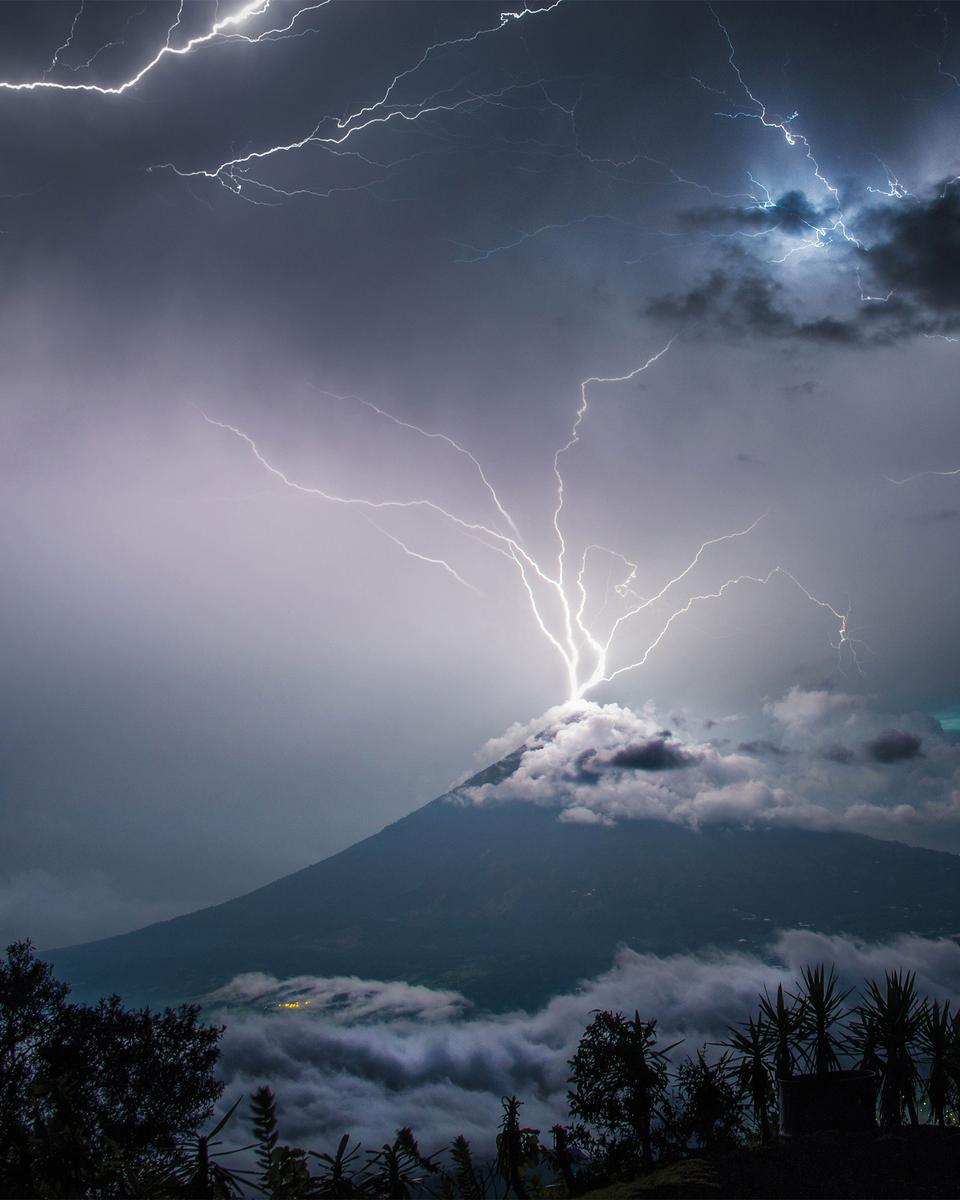
Lightning over the Volcano of Water
Have you ever watched a lightning storm in awe? You're not alone. Details of what causes lightning are still being researched , but it is known that inside some clouds, internal…
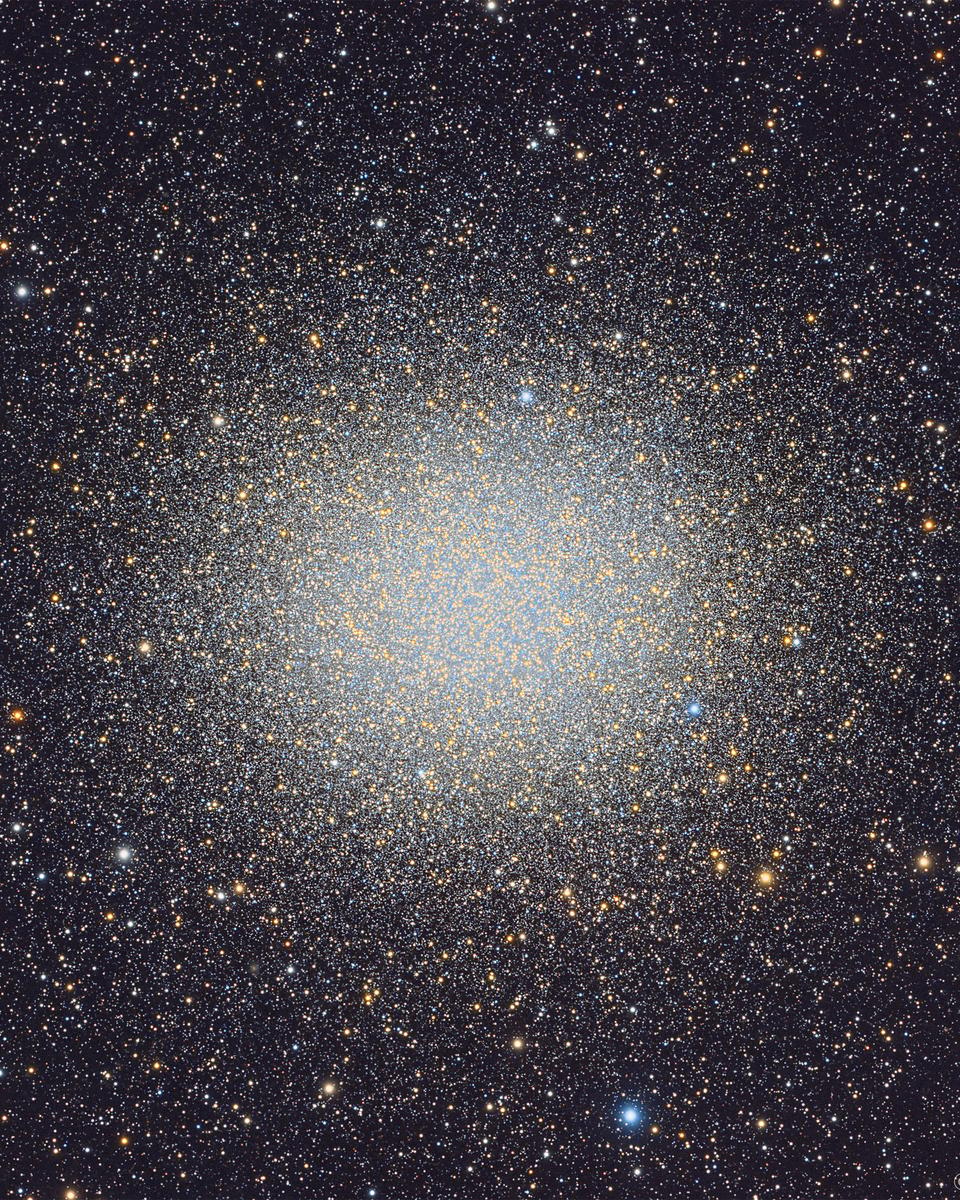
Globular Cluster Omega Centauri
Globular star cluster Omega Centauri packs about 10 million stars much older than the Sun into a volume some 150 light-years in diameter. Also known as NGC 5139, at a distance of…
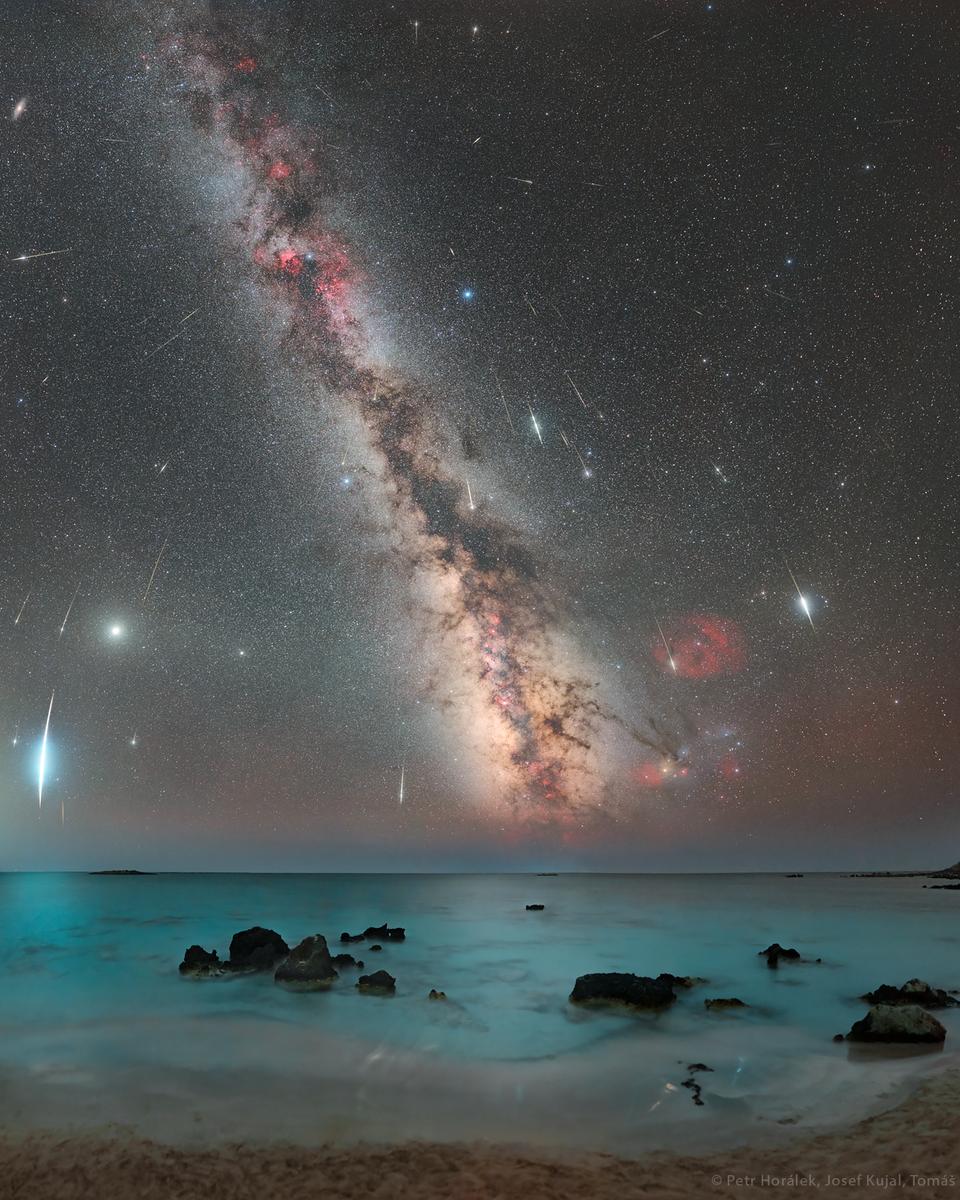
Twelve Years of Kappa Cygnids
Meteors from the Kappa Cygnid meteor shower are captured in this time-lapse composite skyscape. The minor meteor shower, with a radiant not far from its eponymous star Kappa…
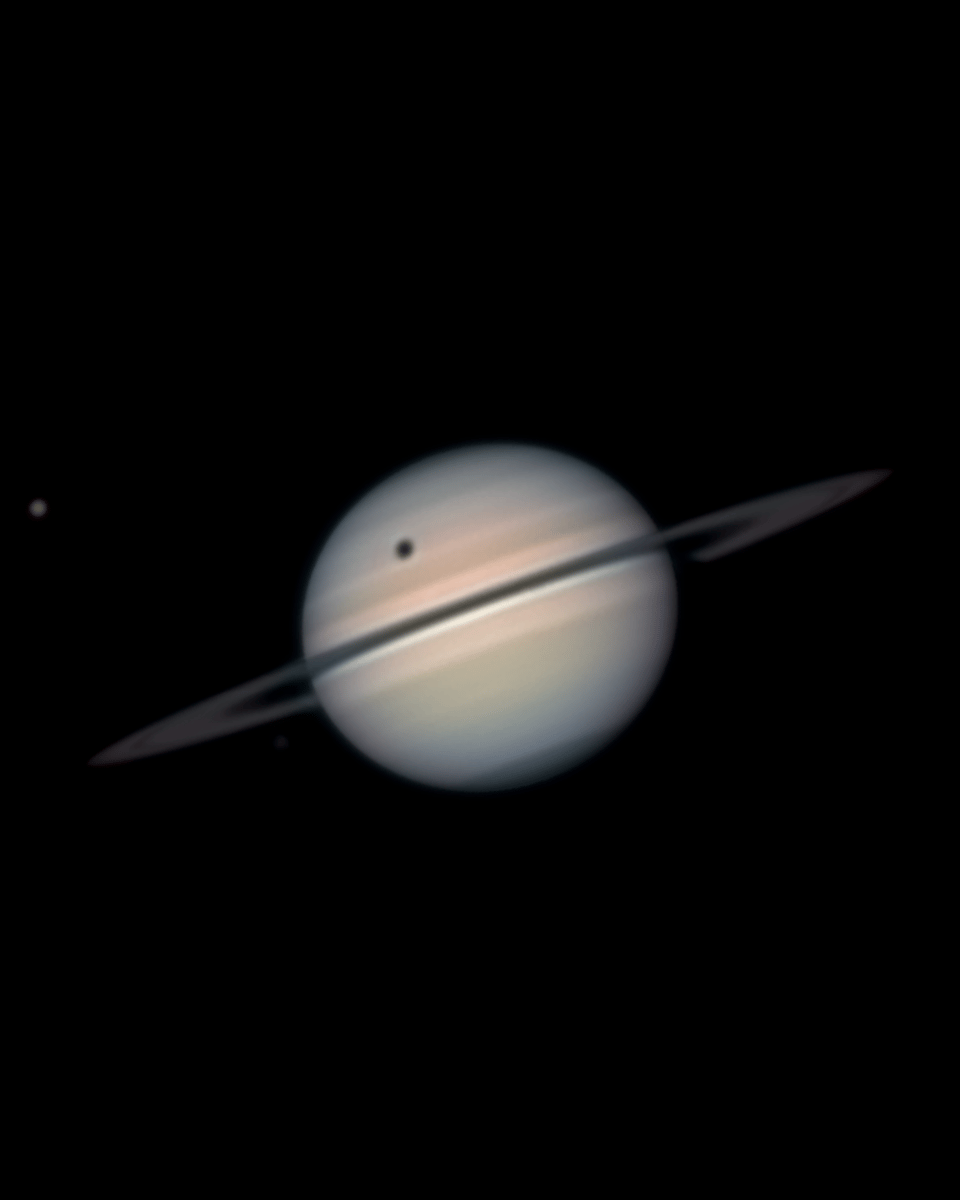
Titan Shadow Transit
Every 15 years or so , Saturn's rings are tilted edge-on to our line of sight. As the bright, beautiful ring system grows narrower and fainter it becomes increasingly difficult to…
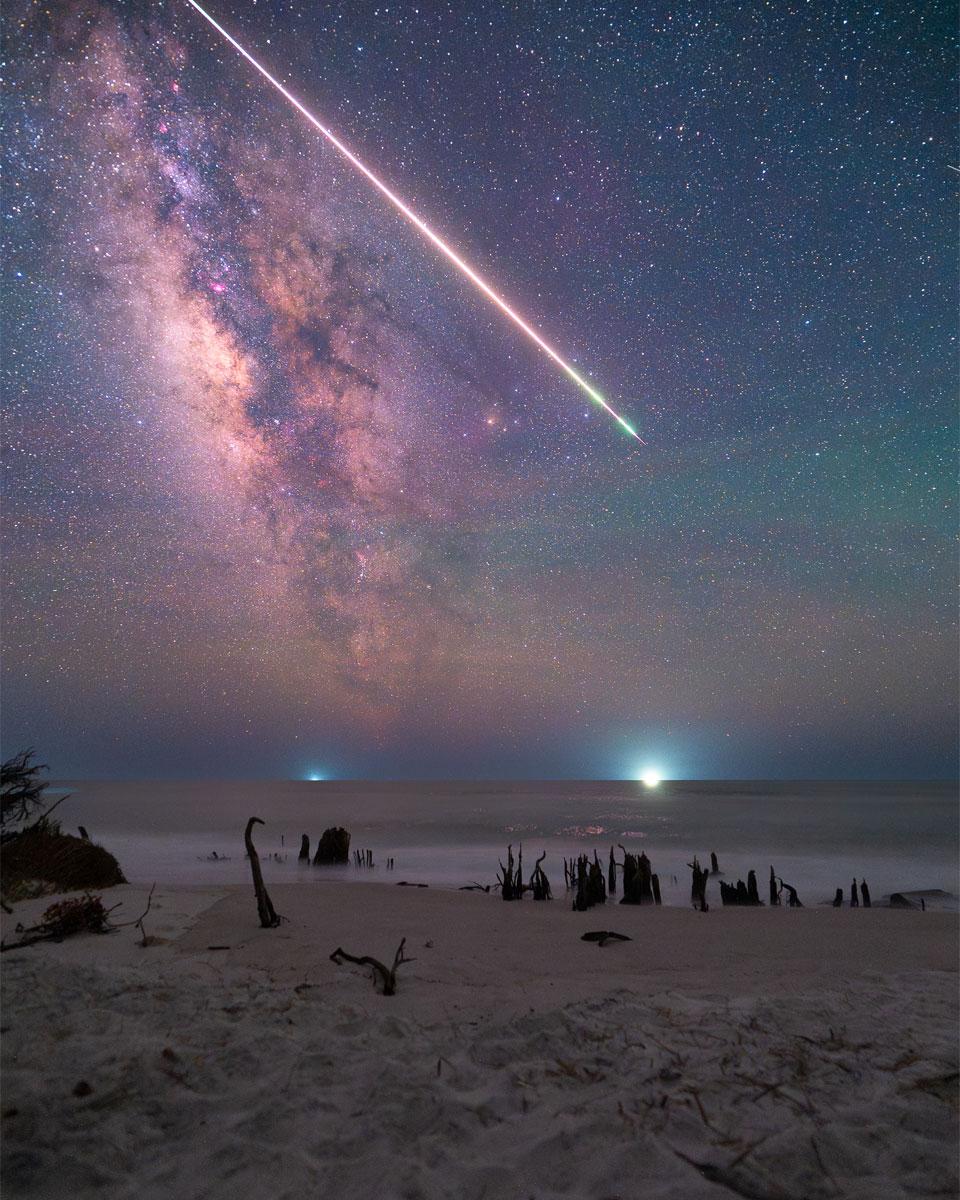
Fireball over Cape San Blas
Have you ever seen a fireball? In astronomy, a fireball is a very bright meteor -- one at least as bright as Venus and possibly brighter than even a full Moon . Fireball s are…
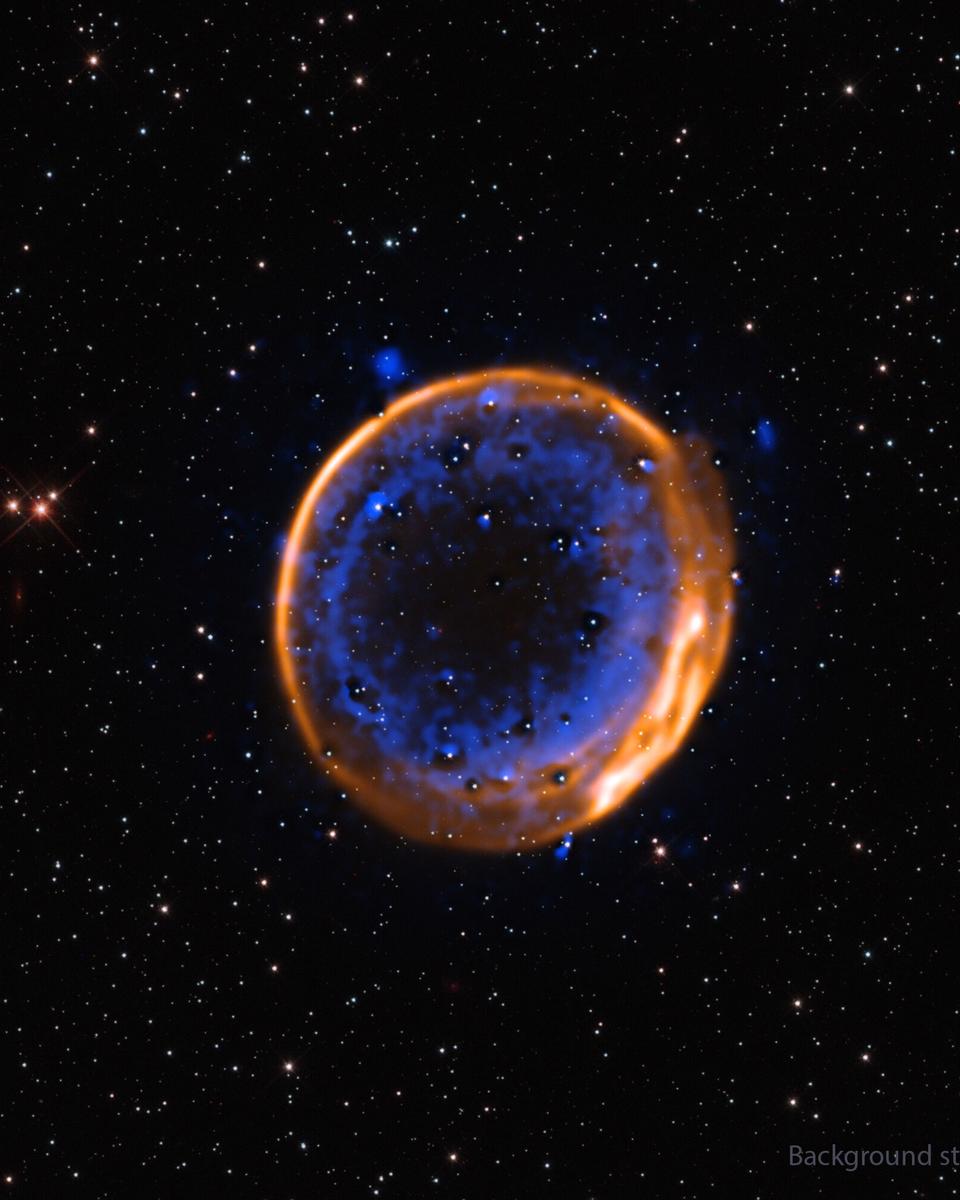
A Double Detonation Supernova
Can some supernovas explode twice? Yes, when the first explosion acts like a detonator for the second. This is a leading hypothesis for the cause of supernova remnant (SNR)…
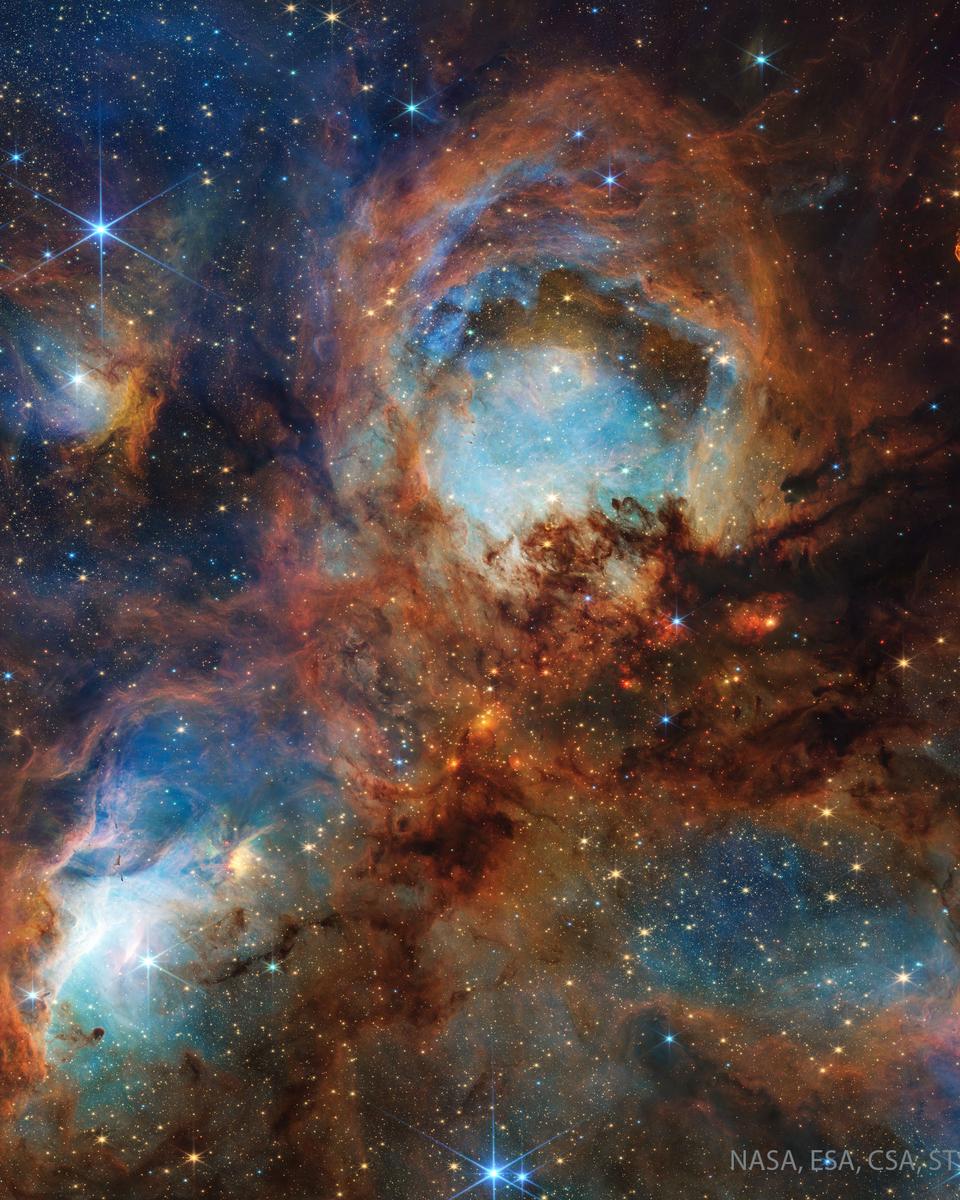
Cat's Paw Nebula from Webb Space Telescope
Nebulas are perhaps as famous for being identified with familiar shapes as perhaps cats are for getting into trouble . Still, no known cat could have created the vast Cat's Paw…
Viewing discoveries from 13 August 2025 through 21 July 2025.