Browse NASA Astronomy Picture of the Day archive by date and media: Archive Discoveries
Browse the NASA APOD archive without needing the exact date first. Filter by media type and keep moving deeper into older images and videos.

Odysseus and The Dish
Murriyang, the CSIRO's Parkes Radio Telescope , points toward a nearly Full Moon in this image from New South Wales, Australia, planet Earth. Bathed in moonlight, the 64 meter…
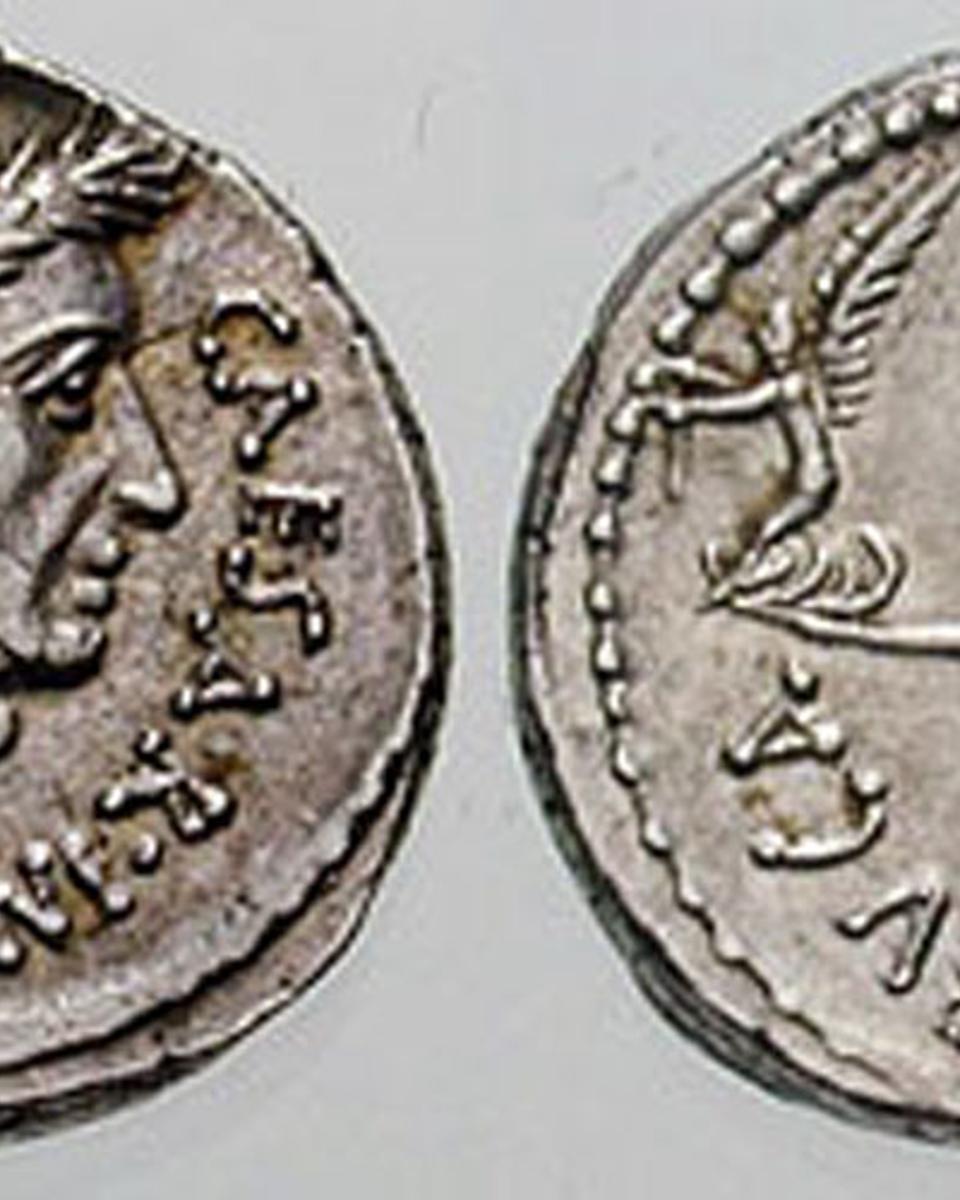
Julius Caesar and Leap Days
In 46 BC Julius Caesar reformed the calendar system . Based on advice by astronomer Sosigenes of Alexandria , the Julian calendar included one leap day every four years to account…
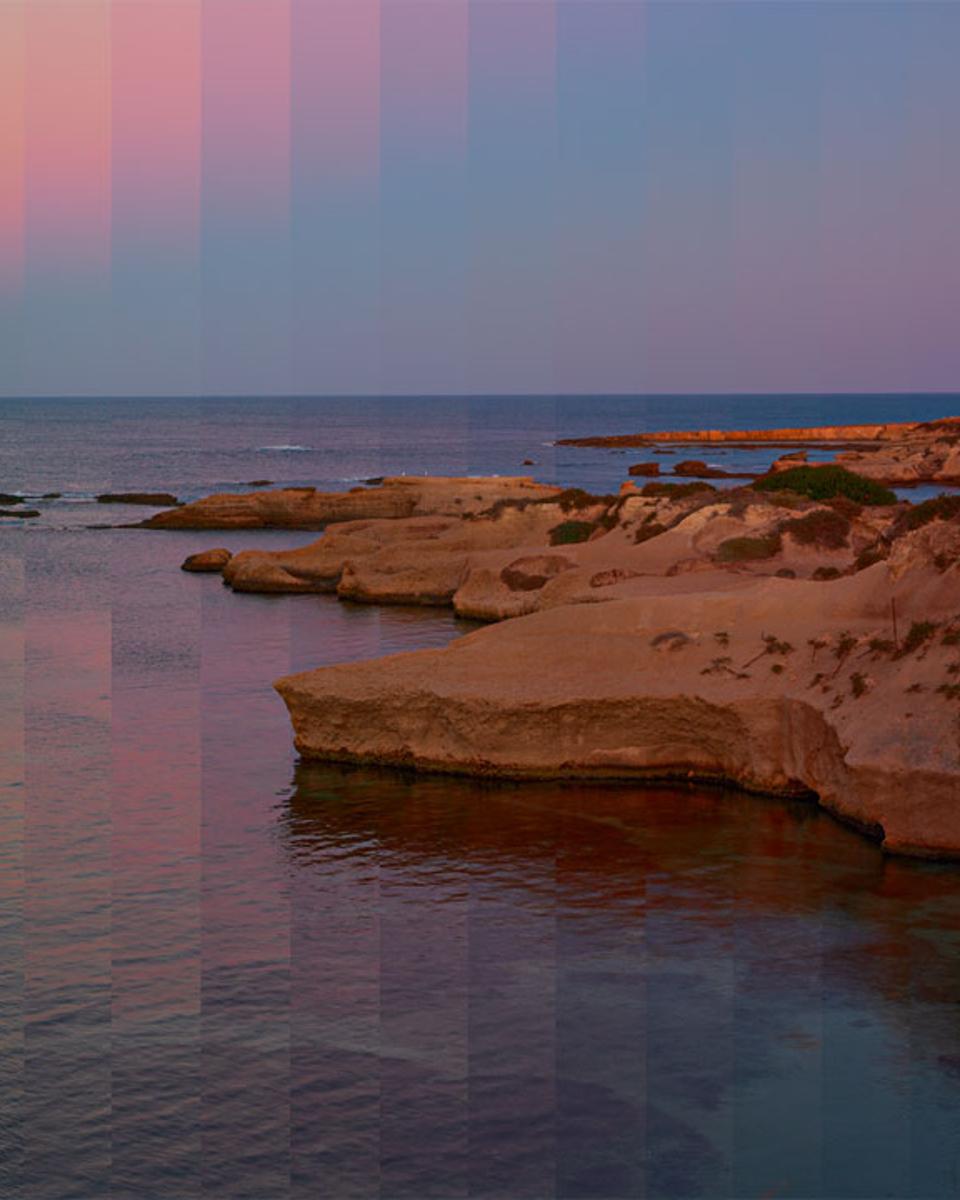
Shades of Night
How does the sky turn dark at night? In stages, and with different characteristic colors rising from the horizon. The featured image shows, left to right, increasingly late…
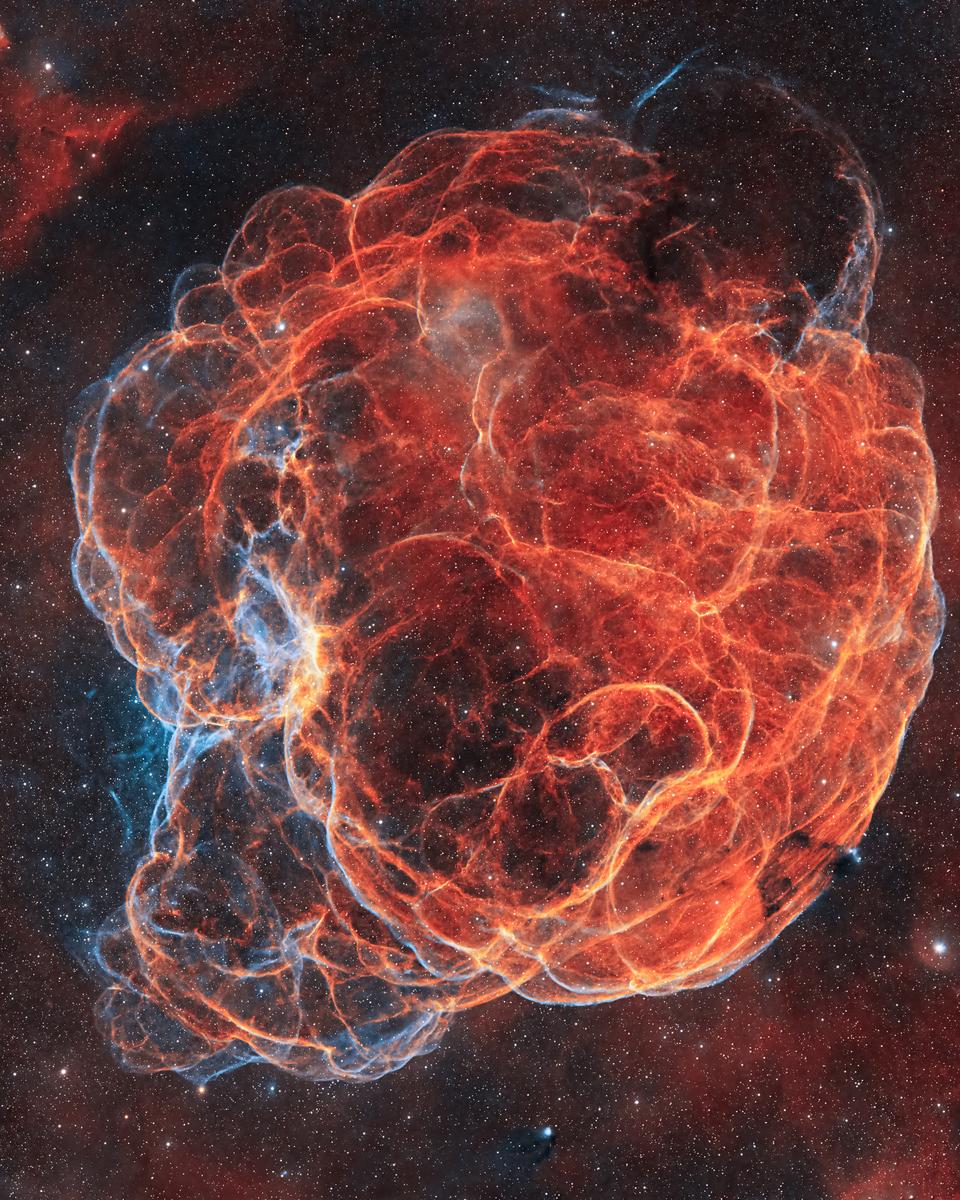
Supernova Remnant Simeis 147
It's easy to get lost following the intricate, looping, and twisting filaments of supernova remnant Simeis 147. Also cataloged as Sharpless 2-240, the filamentary nebula goes by…
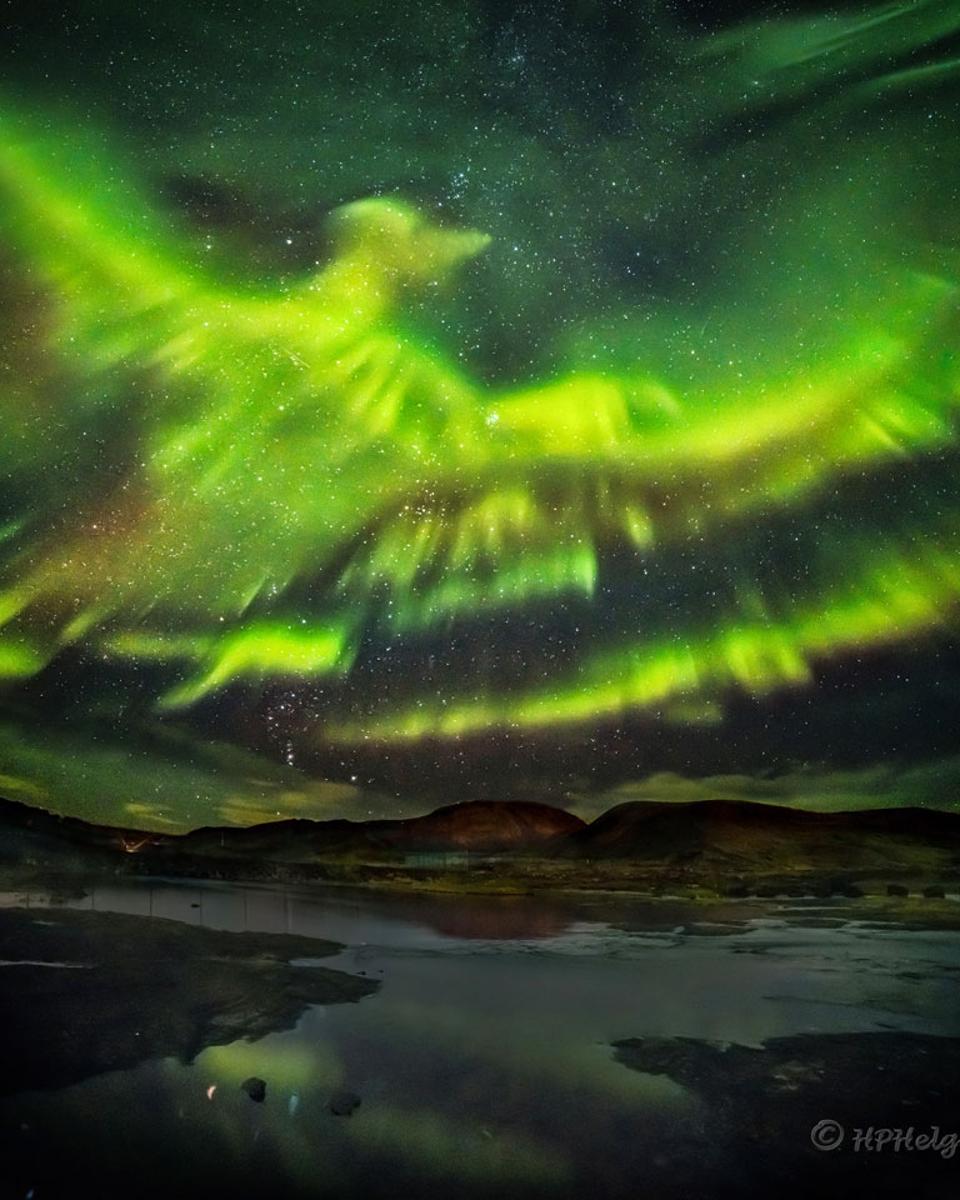
A Phoenix Aurora over Iceland
All of the other aurora watchers had gone home. By 3:30 am in Iceland , on a quiet September night, much of that night's auroras had died down. Suddenly, unexpectedly, a new burst…
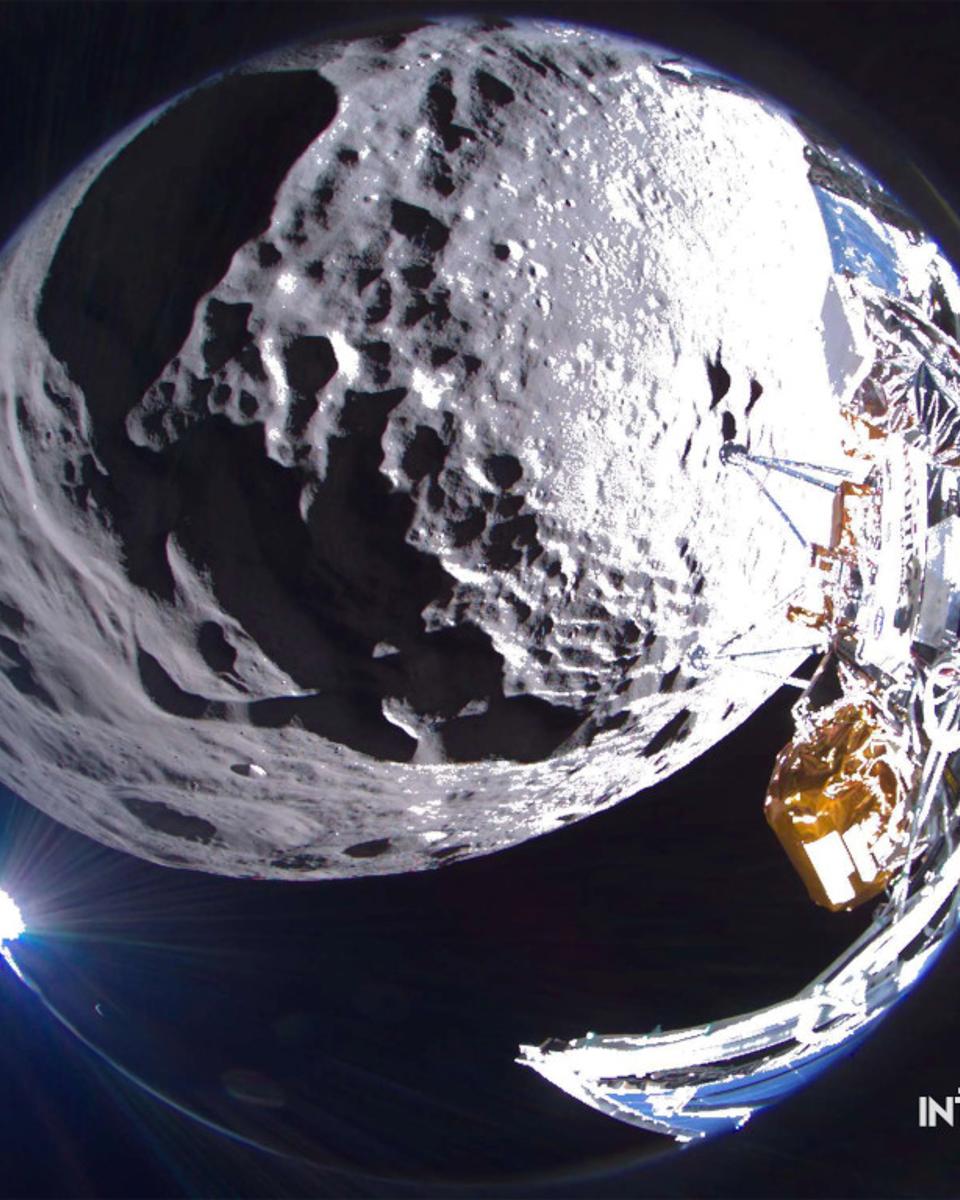
Odysseus to the Moon
Intuitive Machines' robotic lander Odysseus has accomplished the first U.S. landing on the Moon since the Apollo 17 mission in 1972 . Launched on a SpaceX rocket on February 15,…
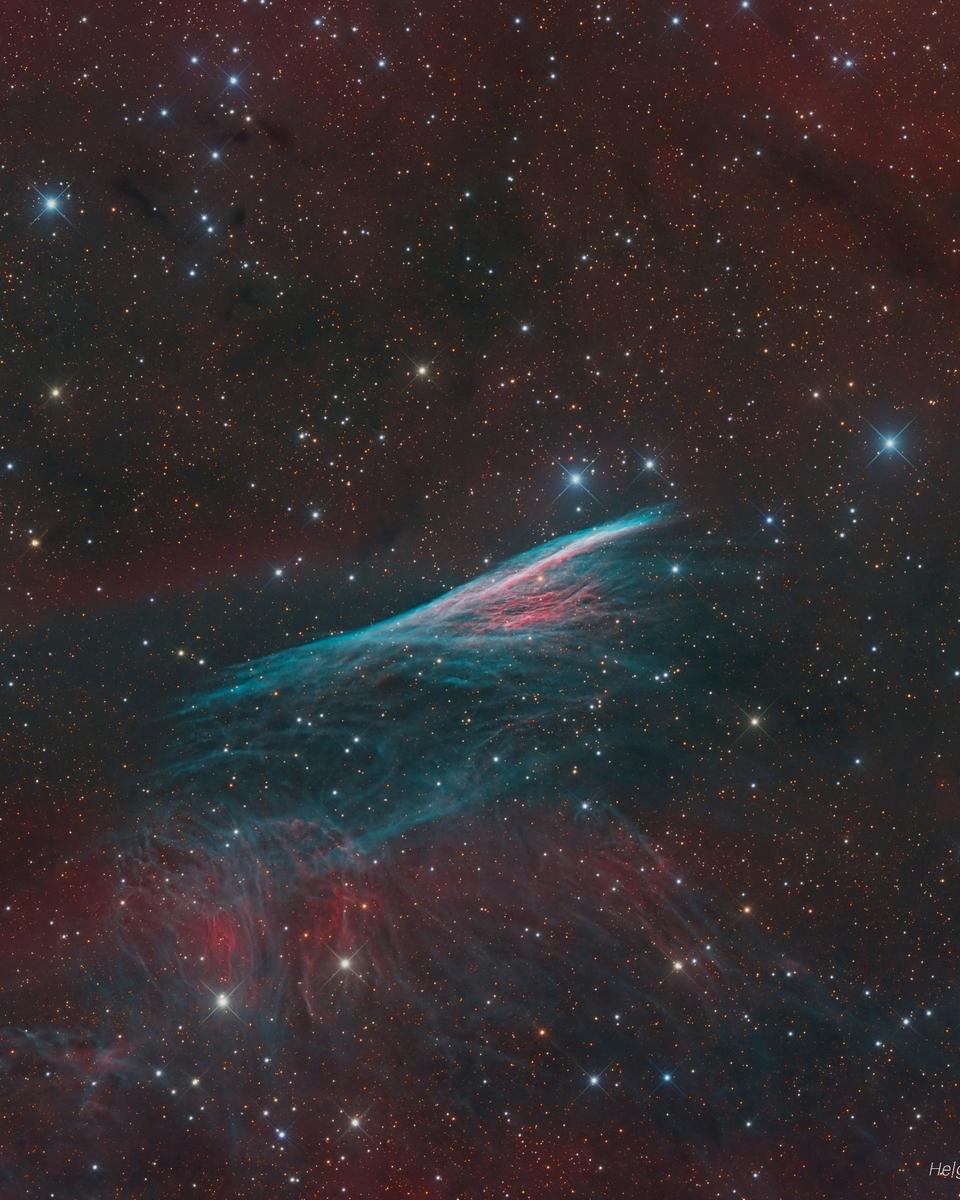
The Pencil Nebula Supernova Shock Wave
This supernova shock wave plows through interstellar space at over 500,000 kilometers per hour. Centered and moving upward in the sharply detailed color composite its thin,…
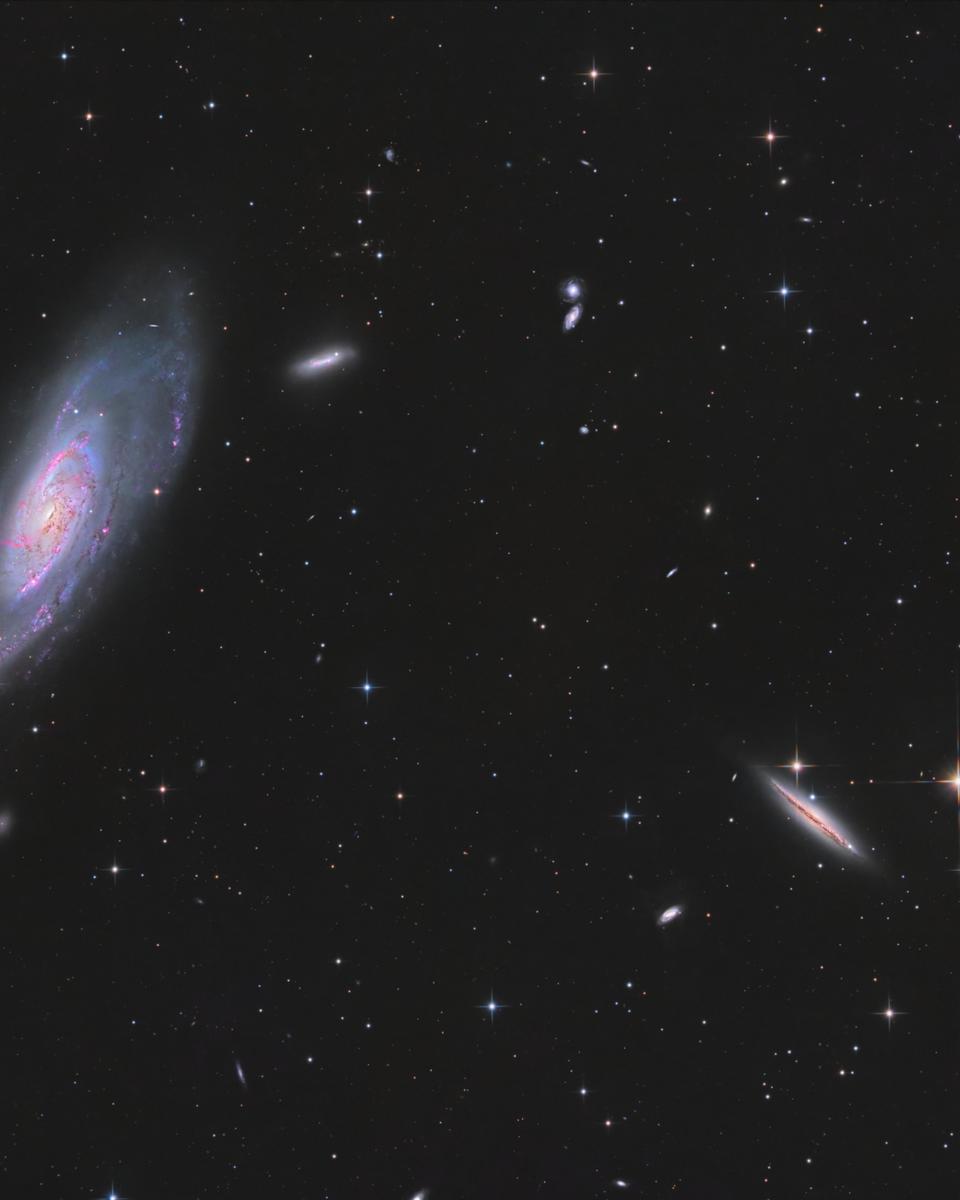
A View Toward M106
Big, bright, beautiful spiral, Messier 106 dominates this cosmic vista. The nearly two degree wide telescopic field of view looks toward the well-trained constellation Canes…
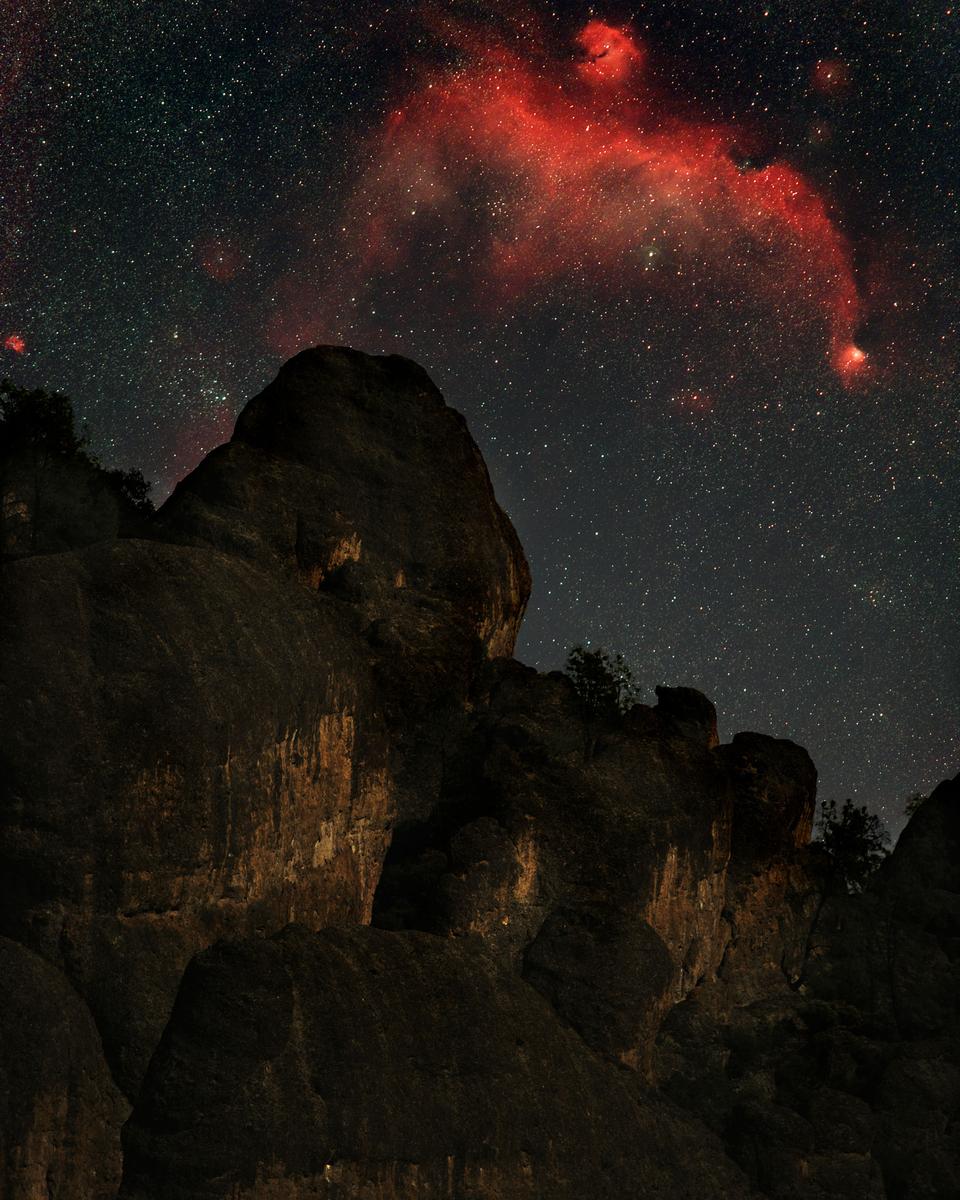
Seagull Nebula over Pinnacles' Peak
The bird is bigger than the peak. Nicknamed for its avian shape, the Seagull Nebula is an emission nebula on the night sky that is vast , spanning an angle over five times the…
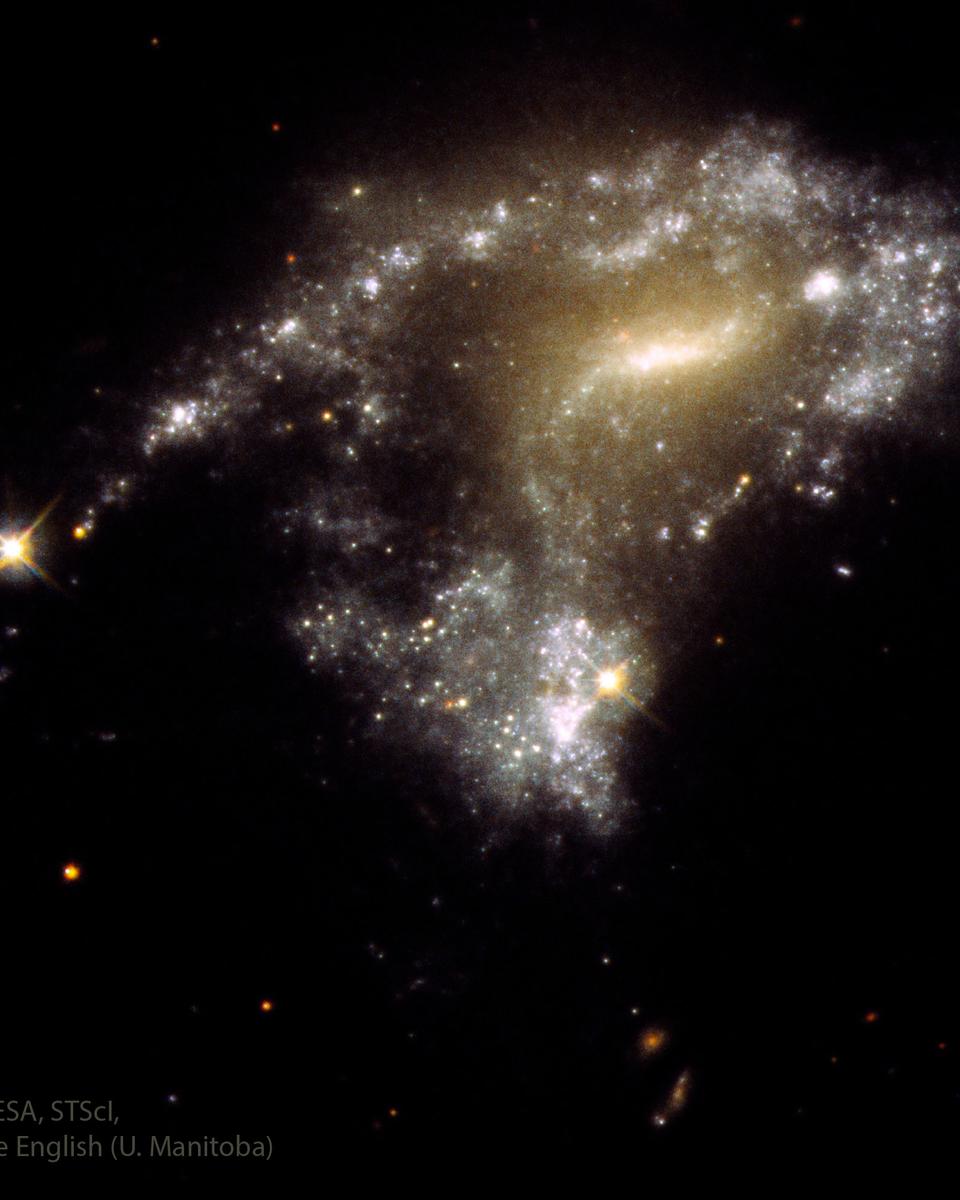
AM1054: Stars Form as Galaxies Collide
When galaxies collide, how many stars are born? For AM1054-325, featured here in a recently released image by the Hubble Space Telescope , the answer is millions. Instead of stars…
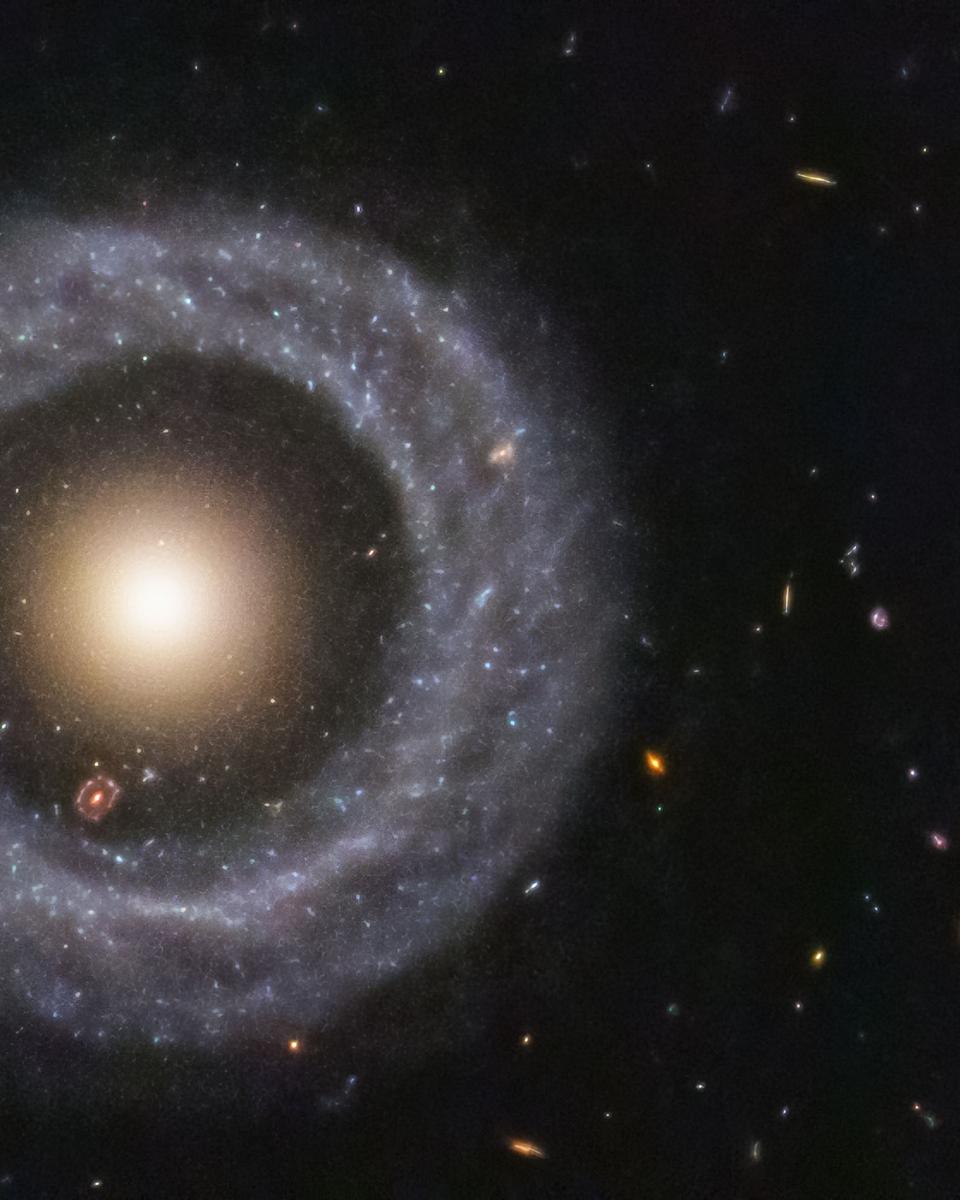
Hoag's Object: A Nearly Perfect Ring Galaxy
Is this one galaxy or two? This question came to light in 1950 when astronomer Arthur Hoag chanced upon this unusual extragalactic object. On the outside is a ring dominated by…
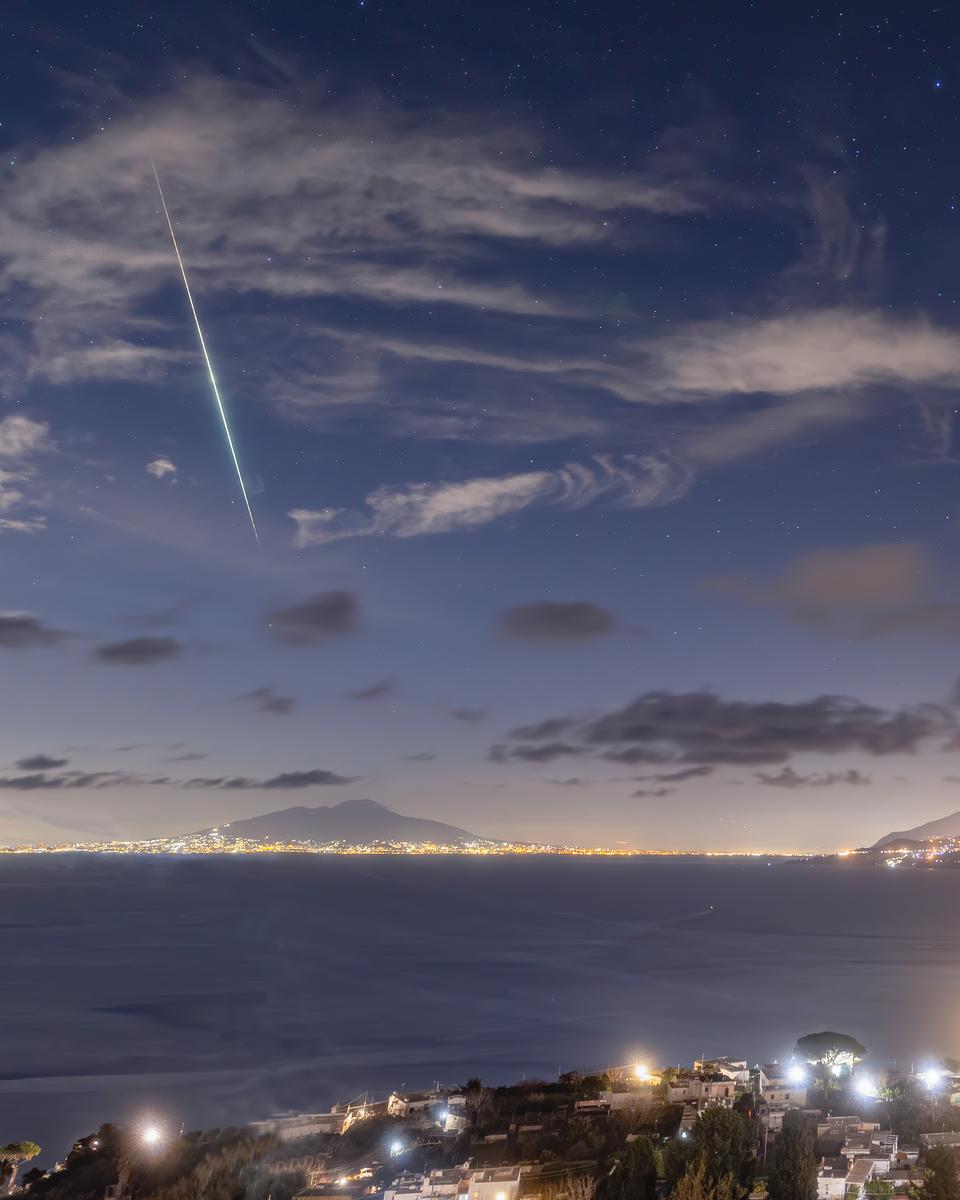
Meteor over the Bay of Naples
A cosmic dust grain plowing through the upper atmosphere much faster than a falling leaf created this brilliant meteor streak . In a serendipitous moment, the sublime night sky…
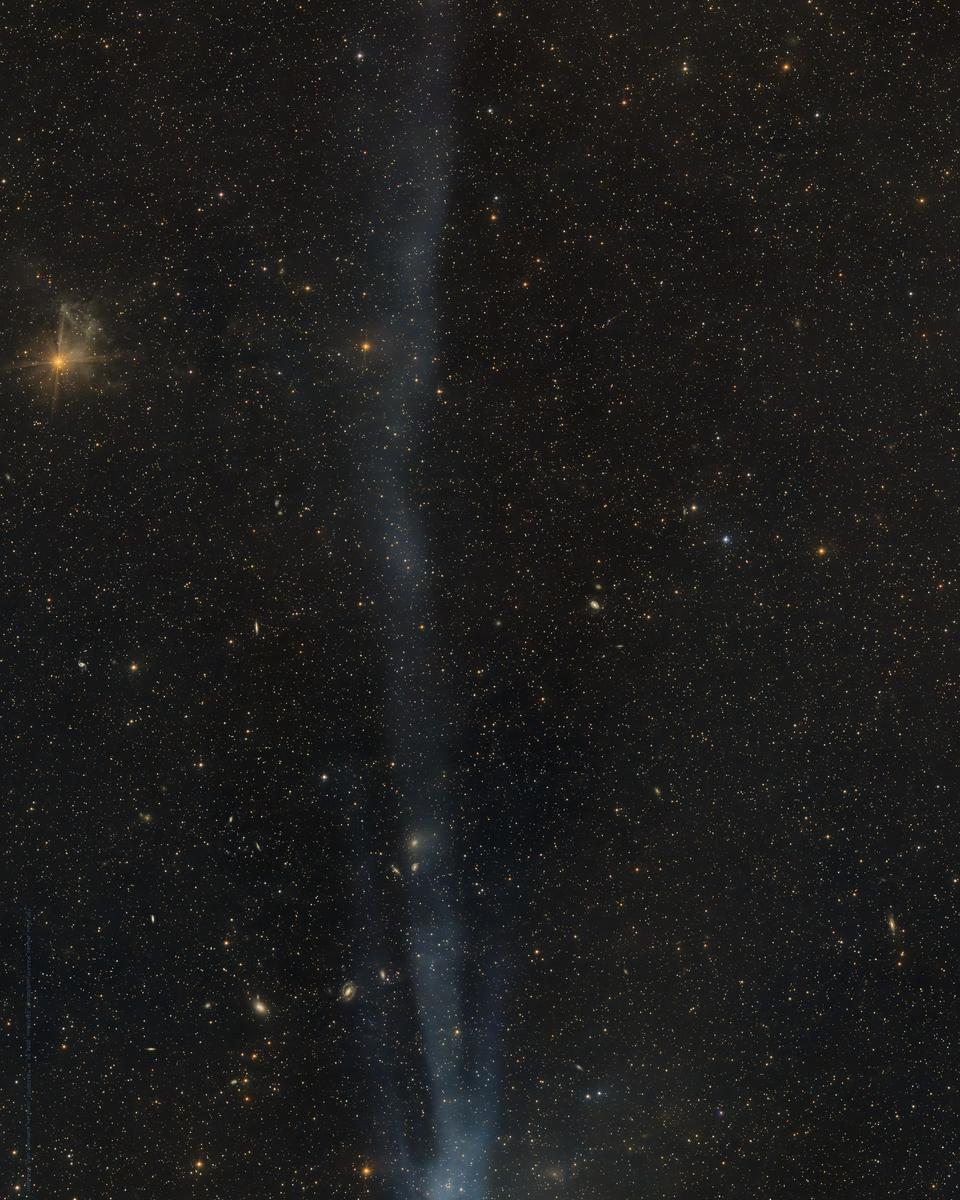
Structure in the Tail of Comet 12P/Pons-Brooks
Heading for its next perihelion passage on April 21, Comet 12P/Pons-Brooks is growing brighter. The greenish coma of this periodic Halley-type comet has become relatively easy to…
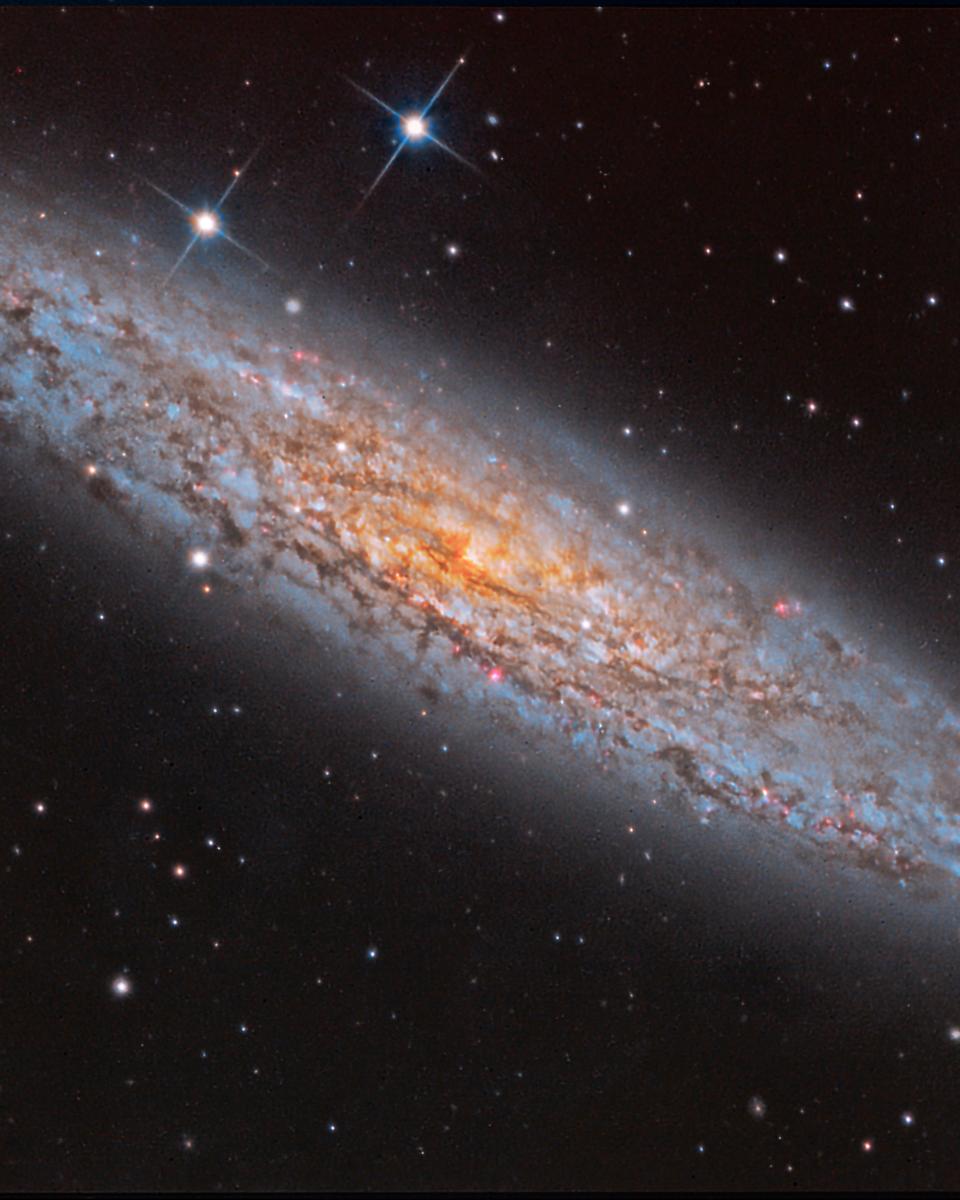
NGC 253: Dusty Island Universe
Shiny NGC 253 is one of the brightest spiral galaxies visible, and also one of the dustiest. Some call it the Silver Coin Galaxy for its appearance in small telescopes, or just…
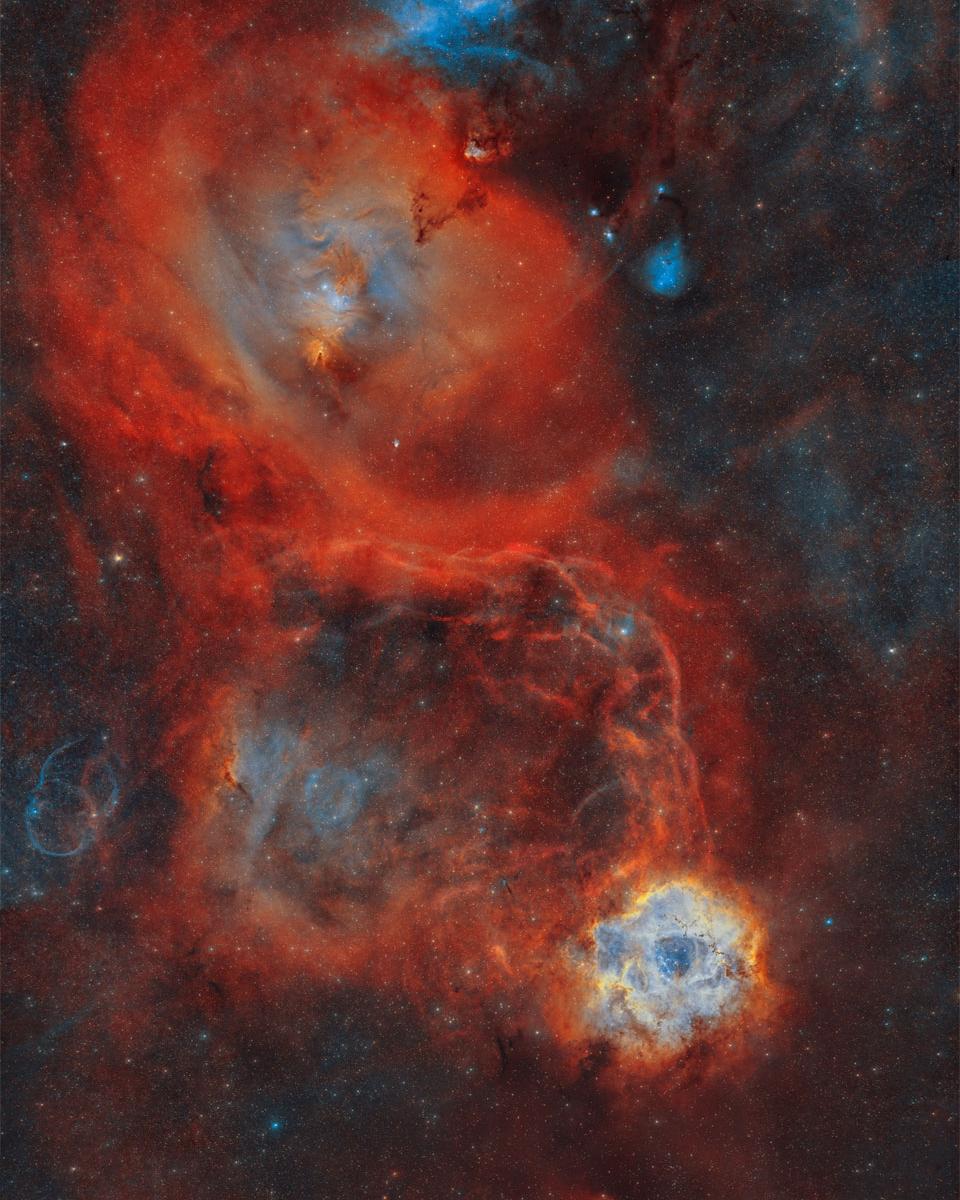
Rosette Deep Field
Can you find the Rosette Nebula? The large, red , and flowery-looking nebula on the upper left may seem the obvious choice, but that is actually just diffuse hydrogen emission…
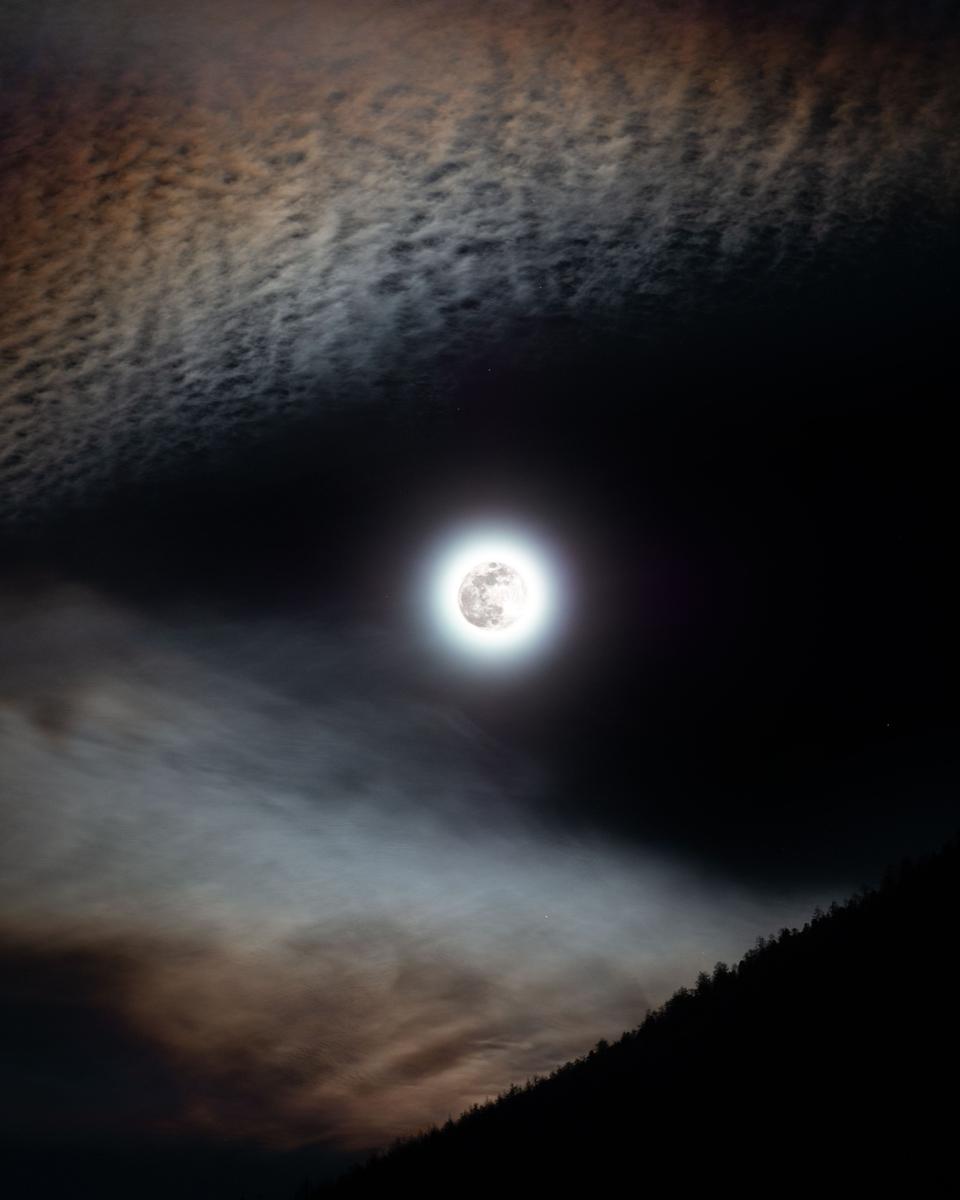
A January Wolf Moon
Did you see the full moon last month? During every month, on average, a full moon occurs in the skies over planet Earth . This is because the Moon takes a month to complete…
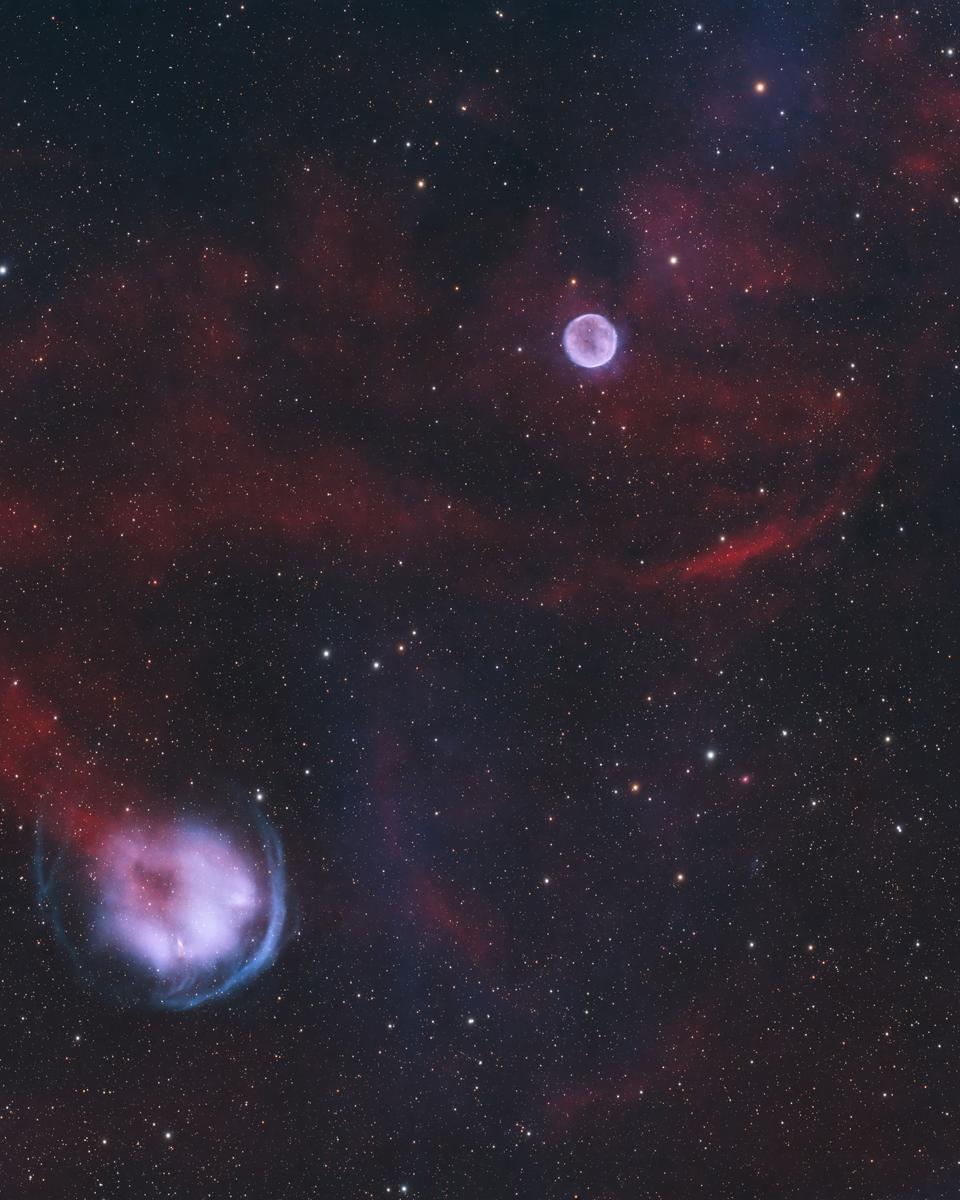
HFG1 & Abell 6: Planetary Nebulae
Planetary nebulae like Heckathorn-Fesen-Gull 1 (HFG1) and Abell 6 in the constellation Cassiopeia are remnants from the last phase of a medium sized star like our Sun . In spite…
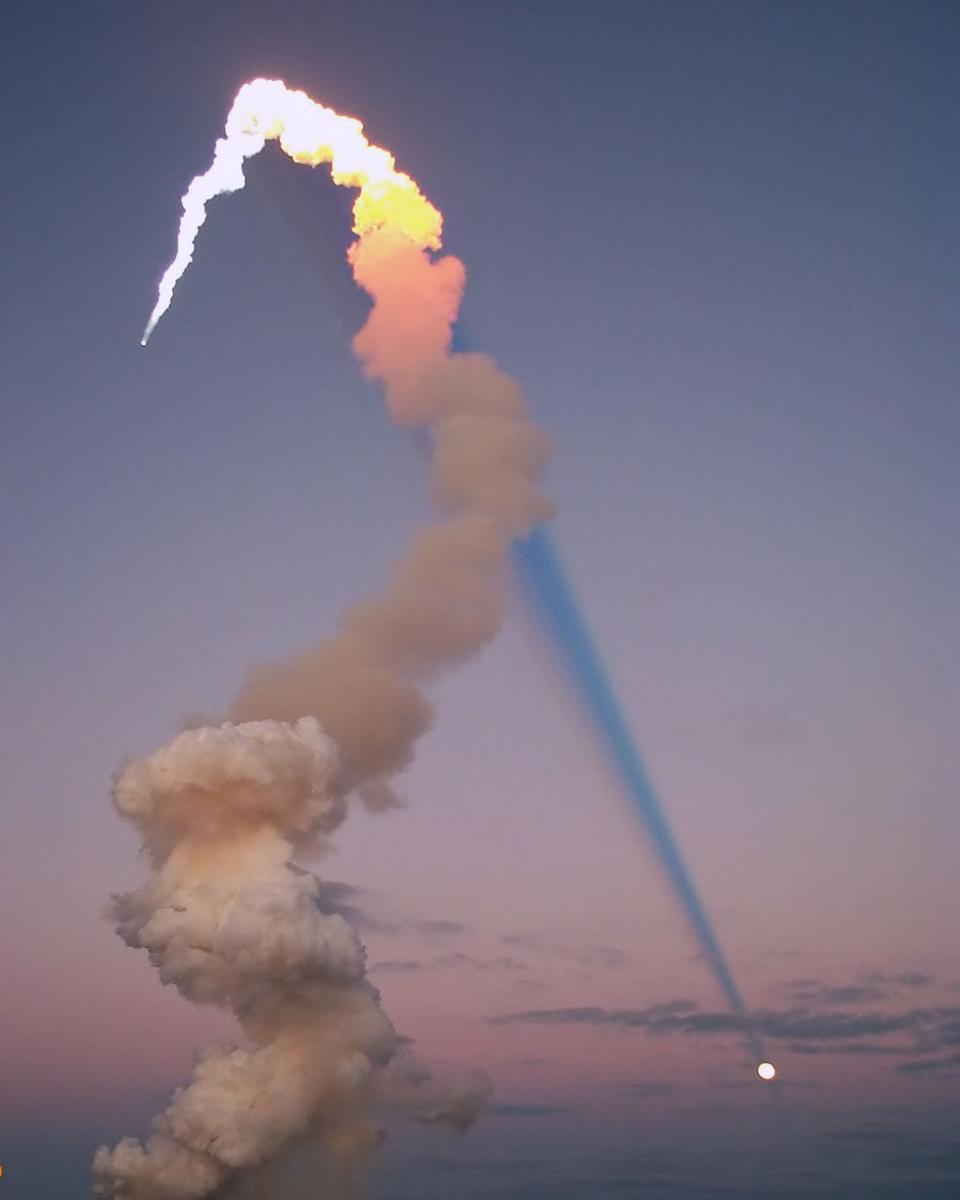
Rocket Plume Shadow Points to the Moon
Why would the shadow of a rocket's launch plume point toward the Moon? In early 2001 during a launch of the space shuttle Atlantis , the Sun , Earth , Moon , and rocket were all…

The Shadow of Ingenuity's Damaged Rotor Blade
On January 18, 2024 , during its 72nd flight in the thin Martian atmosphere, autonomous Mars Helicopter Ingenuity rose to an altitude of 12 meters (40 feet) and hovered for 4.5…
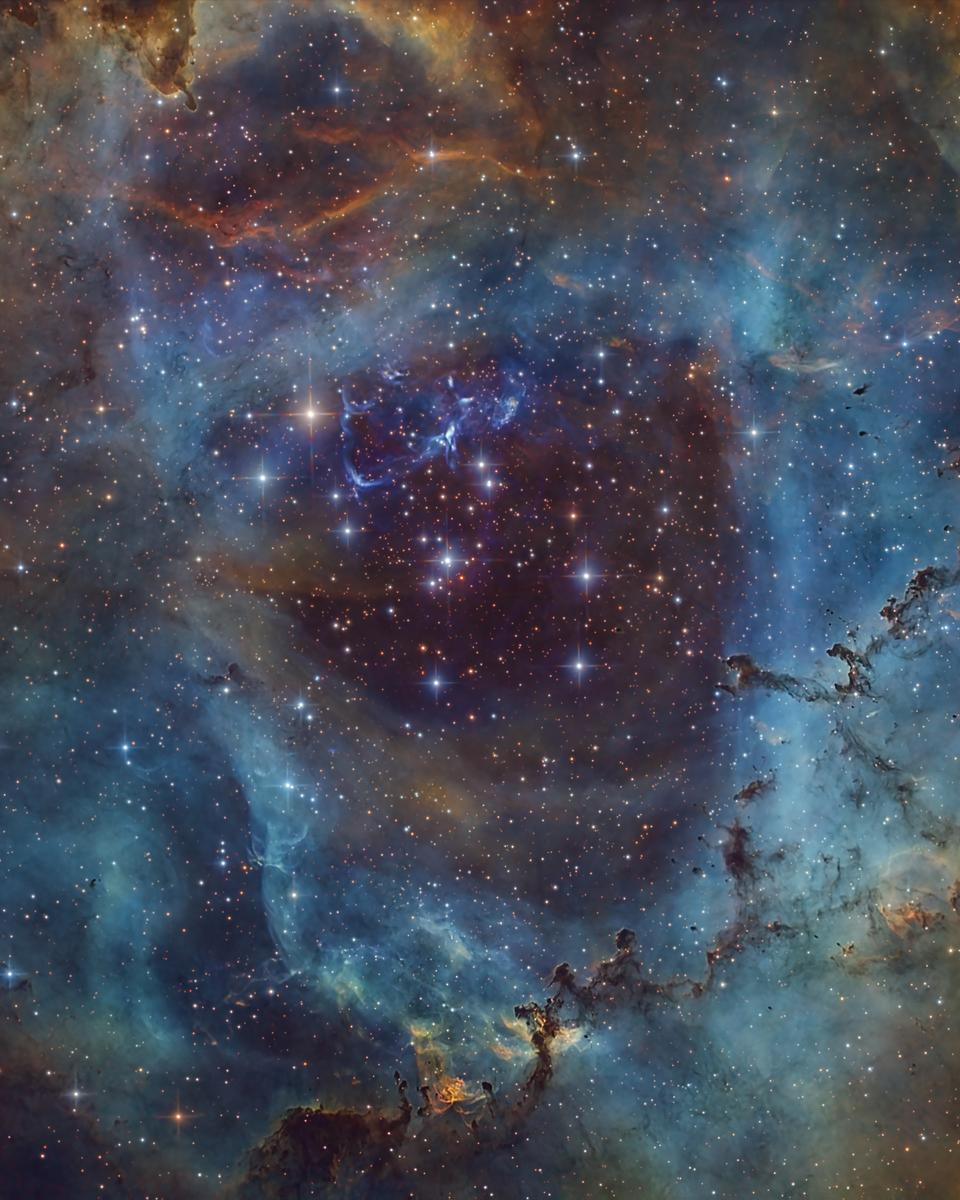
When Roses Aren't Red
Not all roses are red of course , but they can still be very pretty. Likewise, the beautiful Rosette Nebula and other star forming regions are often shown in astronomical images…
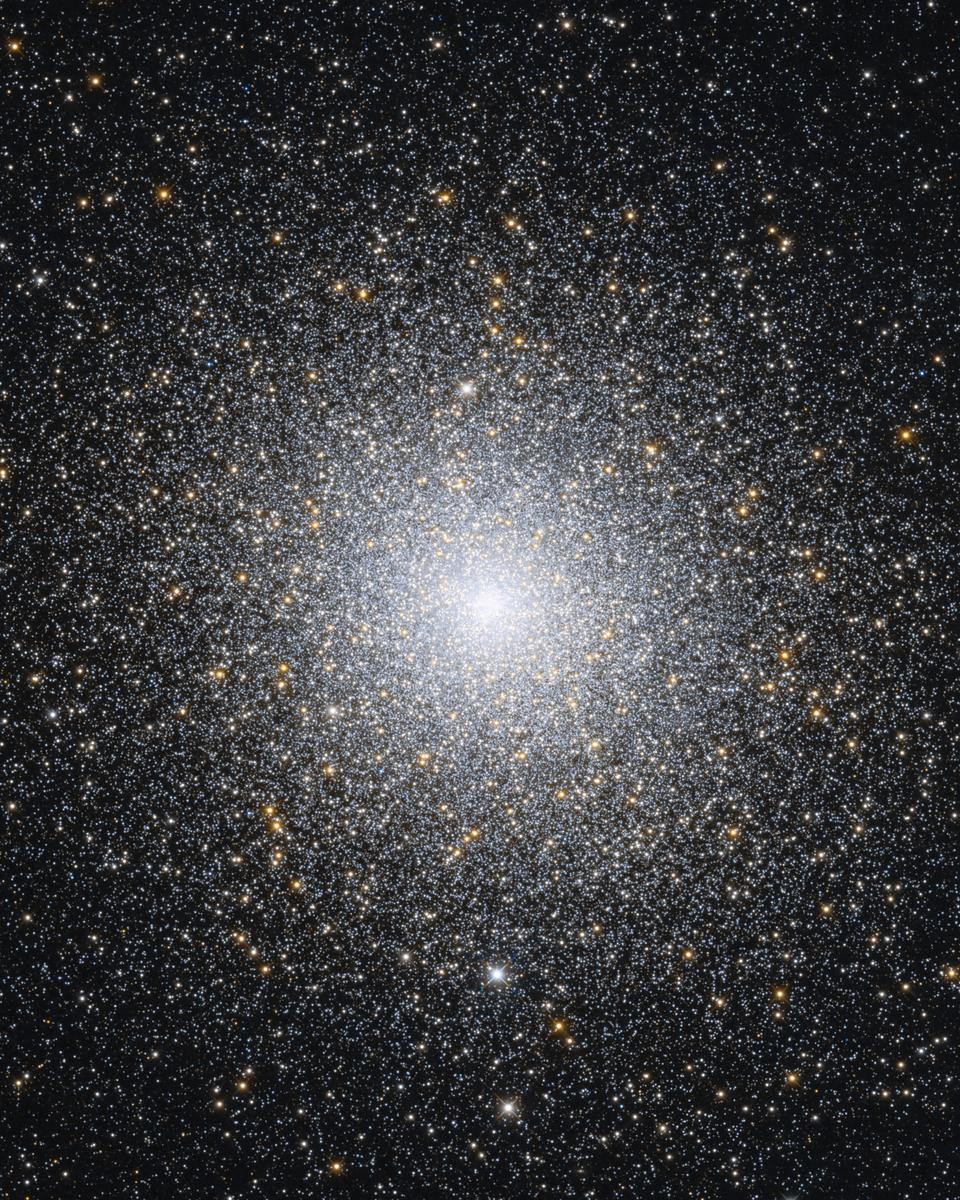
Globular Star Cluster 47 Tuc
Globular star cluster 47 Tucanae is a jewel of the southern sky. Also known as NGC 104 , it roams the halo of our Milky Way Galaxy along with some 200 other globular star clusters…
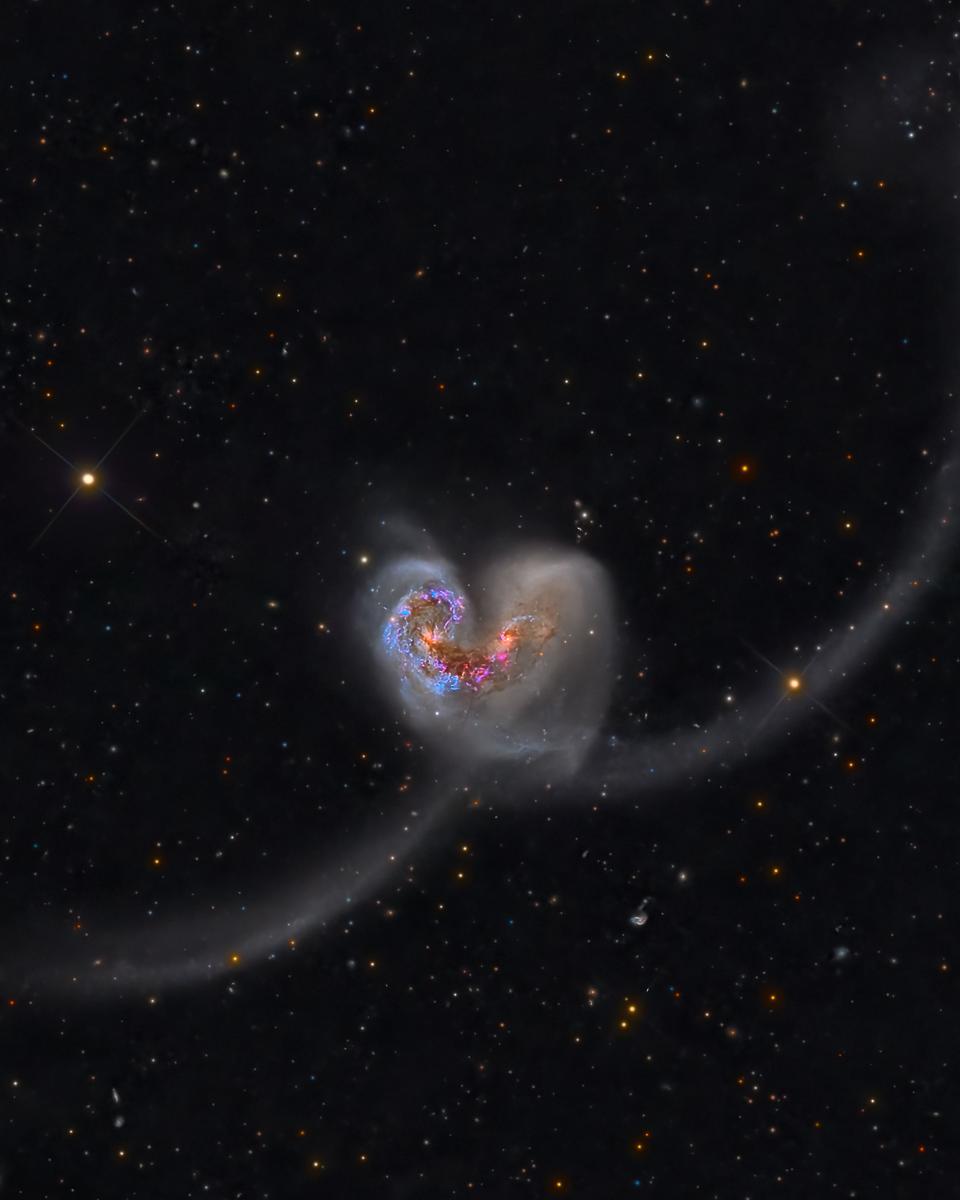
The Heart Shaped Antennae Galaxies
Are these two galaxies really attracted to each other? Yes, gravitationally , and the result appears as an enormous iconic heart -- at least for now. Pictured is the pair of…
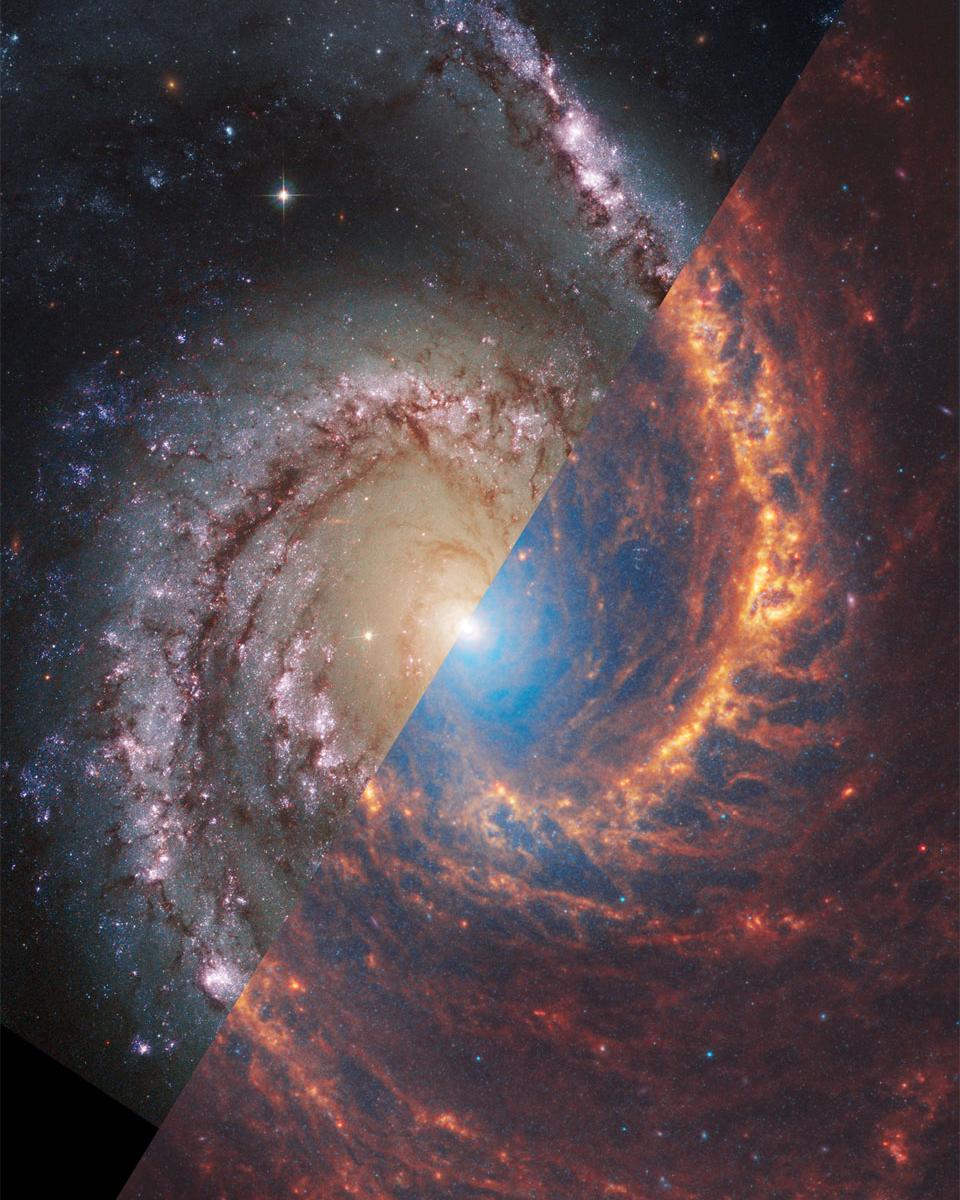
NGC 1566: A Spiral Galaxy from Webb and Hubble
What's different about this galaxy? Very little, which makes the Spanish Dancer galaxy , NGC 1566 , one of the most typical and photogenic spirals on the sky. There is something…
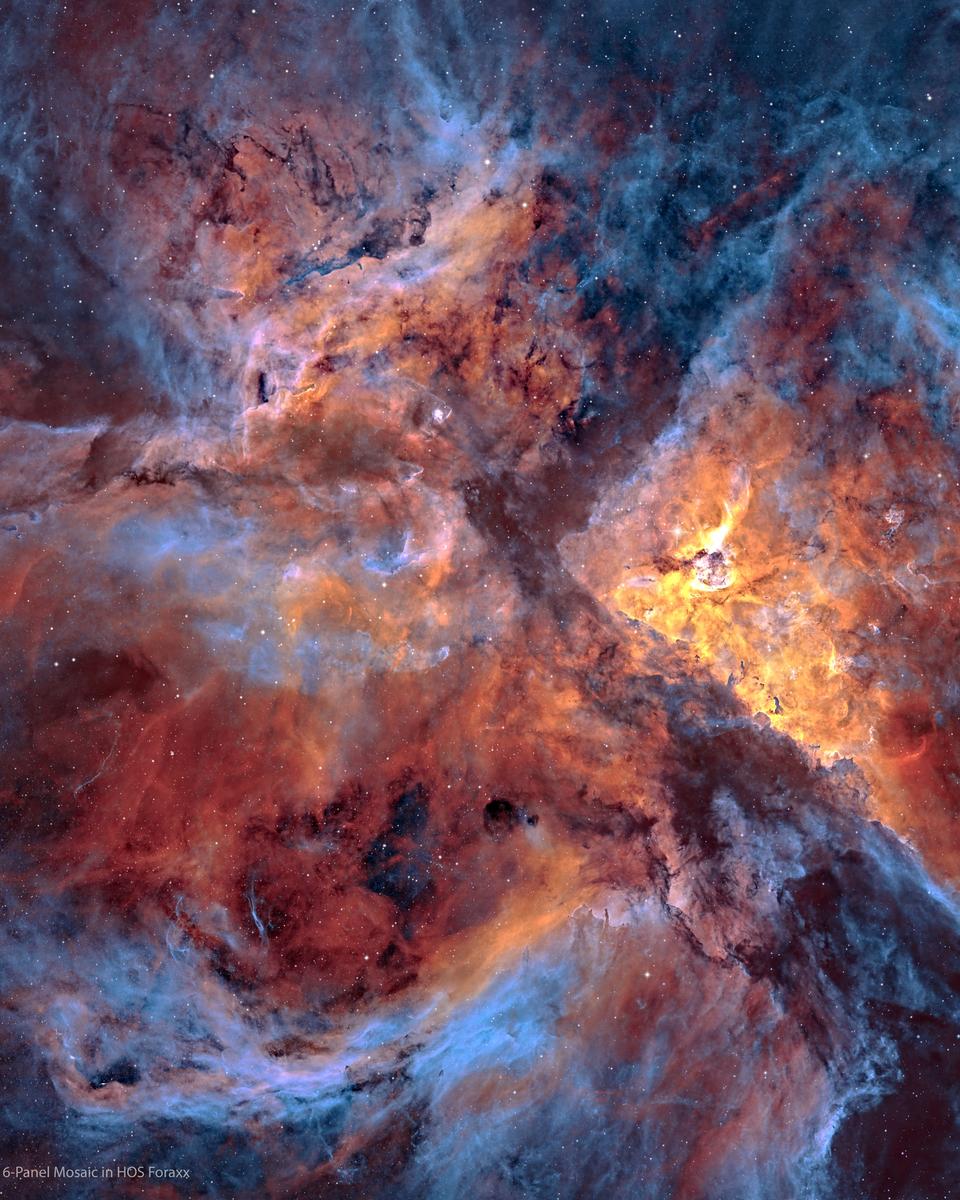
In the Core of the Carina Nebula
What's happening in the core of the Carina Nebula? Stars are forming, dying, and leaving an impressive tapestry of dark dusty filaments. The entire Carina Nebula , cataloged as…
Viewing discoveries from 1 March 2024 through 5 February 2024.