Browse NASA Astronomy Picture of the Day archive by date and media: Archive Discoveries
Browse the NASA APOD archive without needing the exact date first. Filter by media type and keep moving deeper into older images and videos.
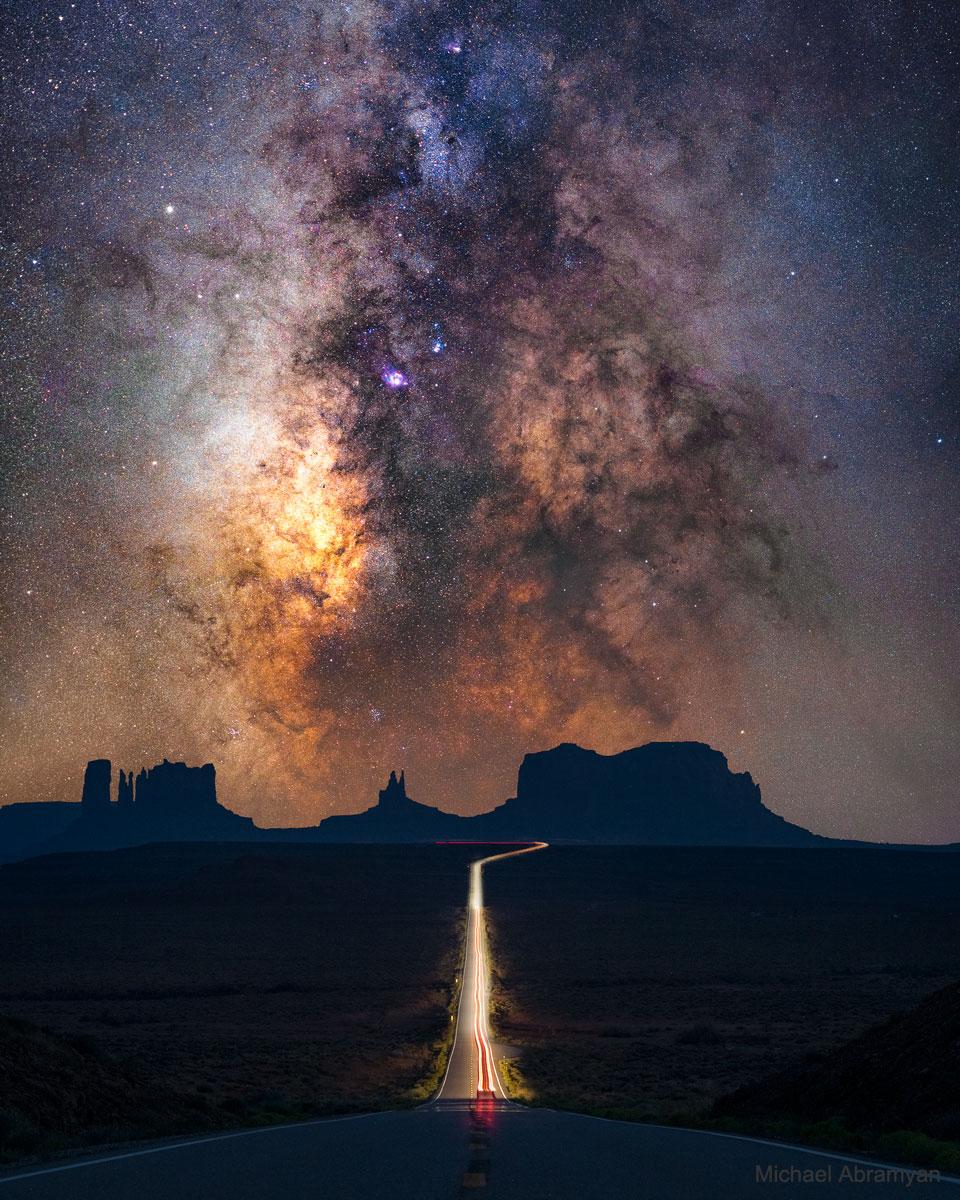
Road to the Galactic Center
Does the road to our galaxy's center go through Monument Valley ? It doesn't have to, but if your road does -- take a picture. In this case, the road is US Route 163 and iconic…
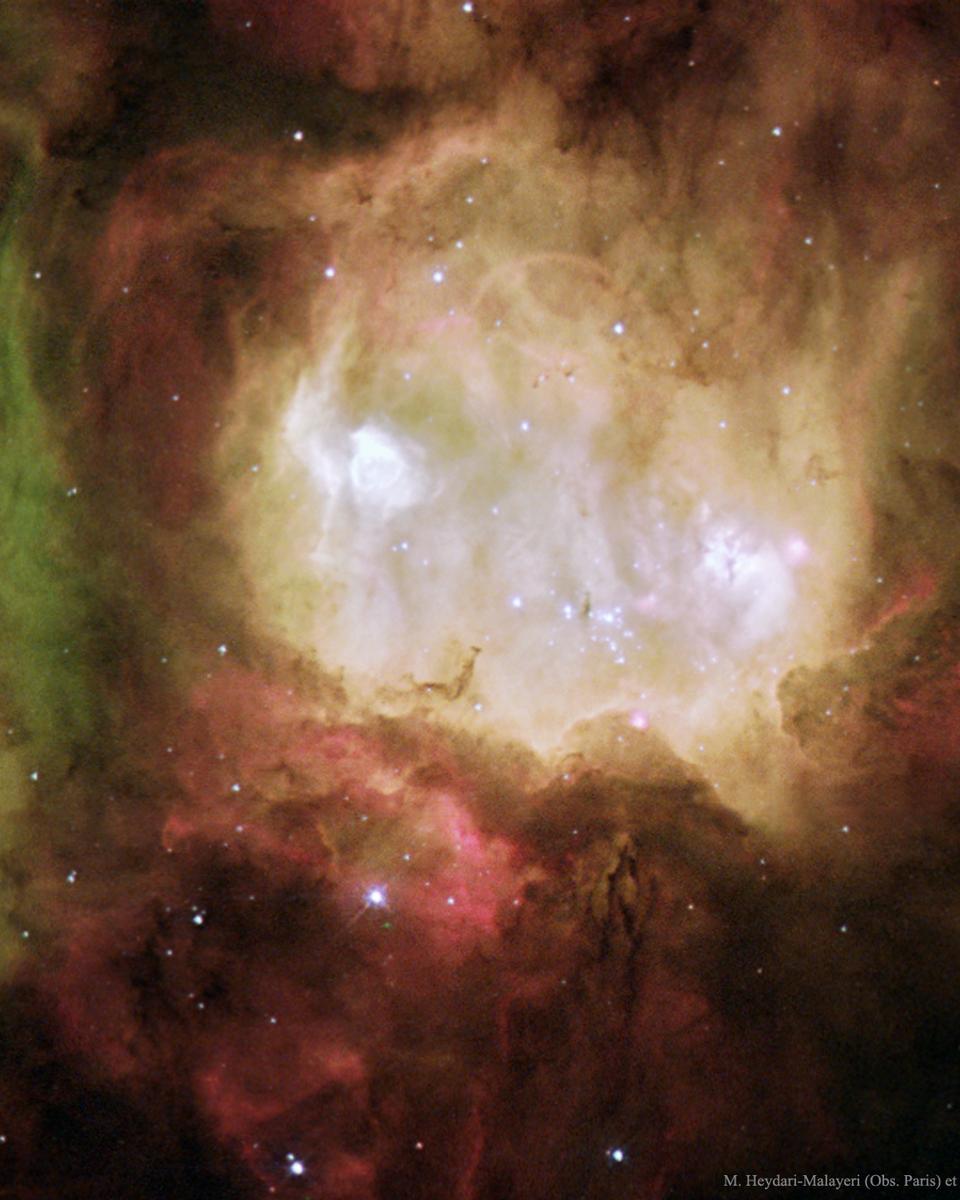
Halloween and the Ghost Head Nebula
Halloween's origin is ancient and astronomical. Since the fifth century BC, Halloween has been celebrated as a cross-quarter day , a day halfway between an equinox (equal day /…
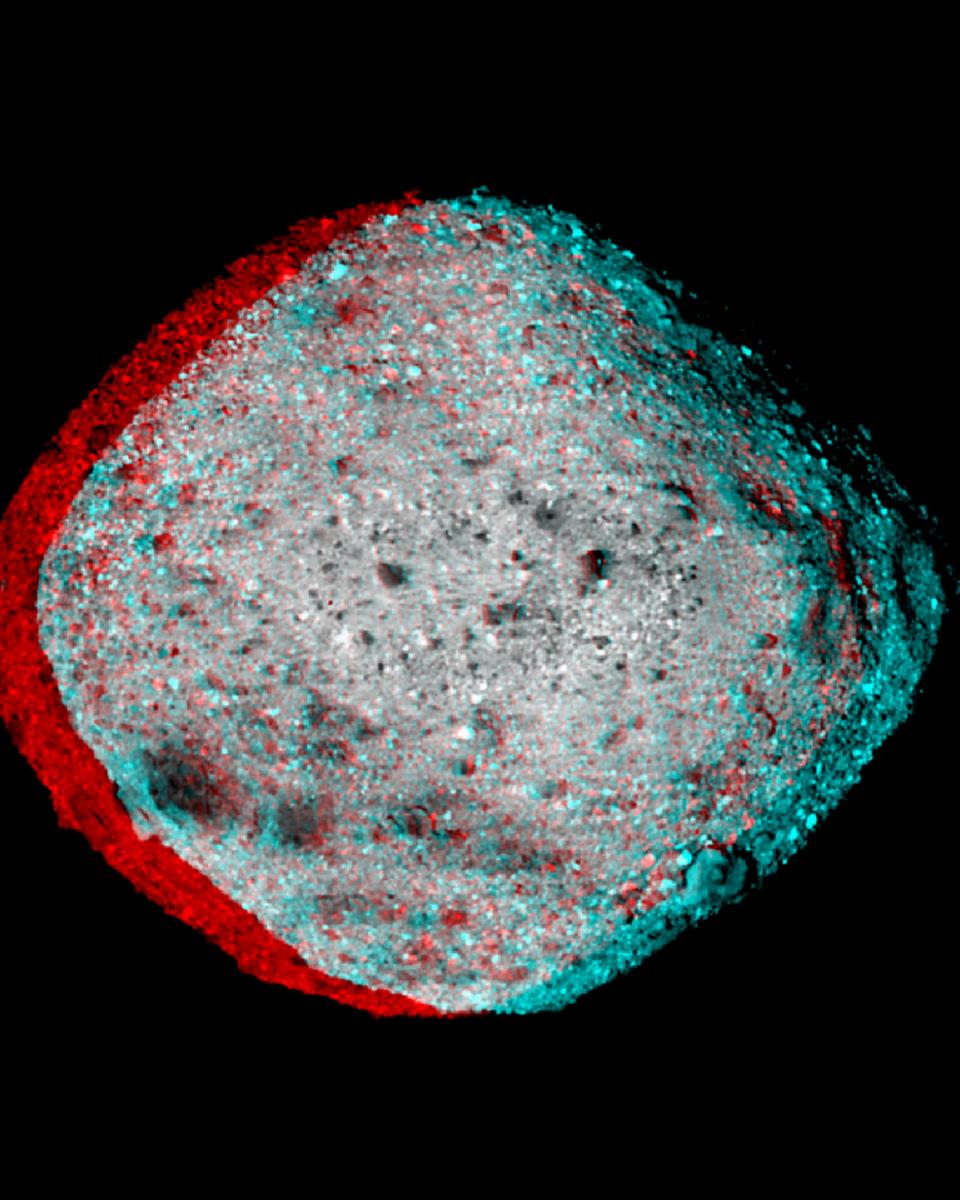
3D Bennu
Put on your red/blue glasses and float next to asteroid 101955 Bennu . Shaped like a spinning toy top with boulders littering its rough surface, the tiny Solar System world is…
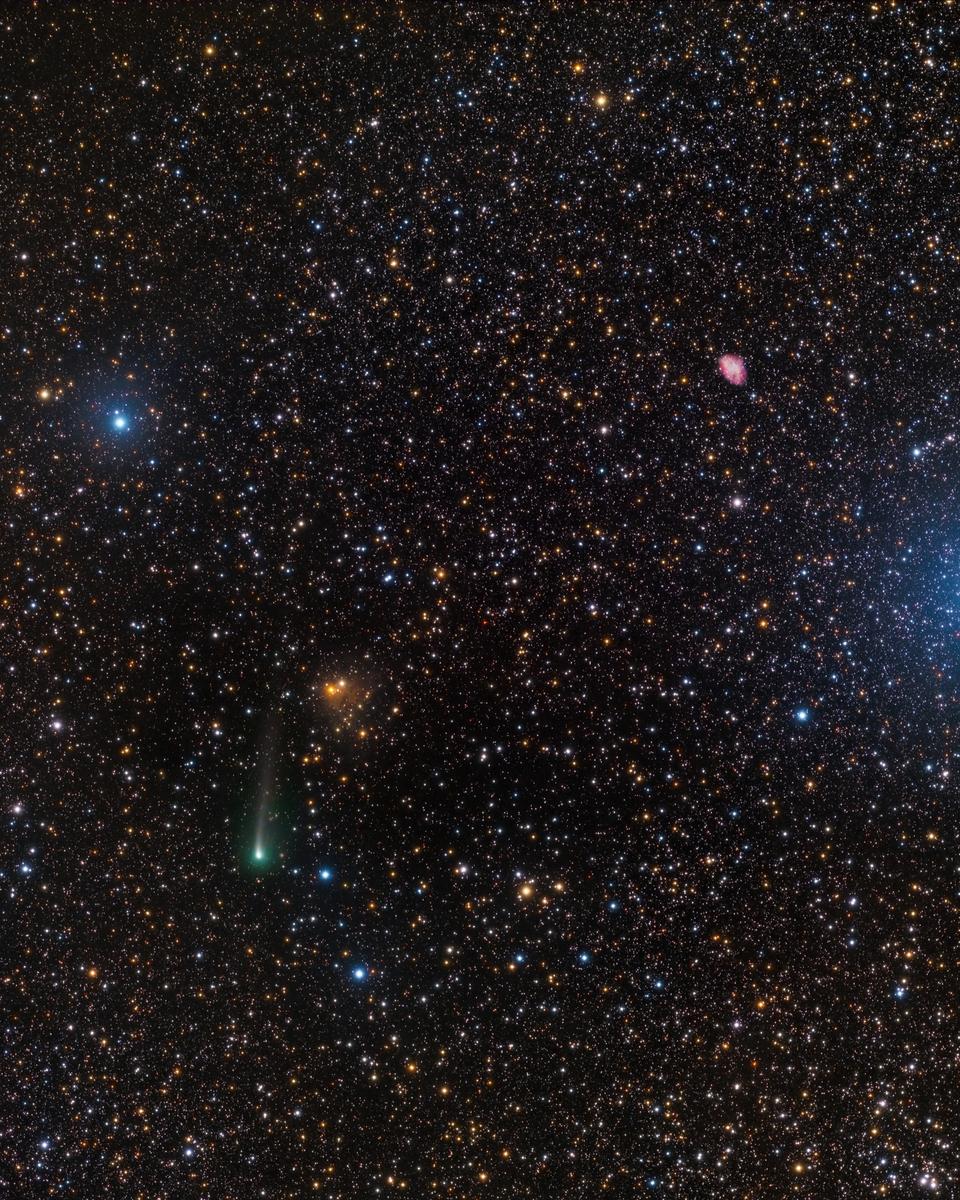
A Comet and a Crab
This pretty field of view spans over 2 degrees or 4 full moons on the sky, filled with stars toward the constellation Taurus, the Bull. Above and right of center in the frame you…
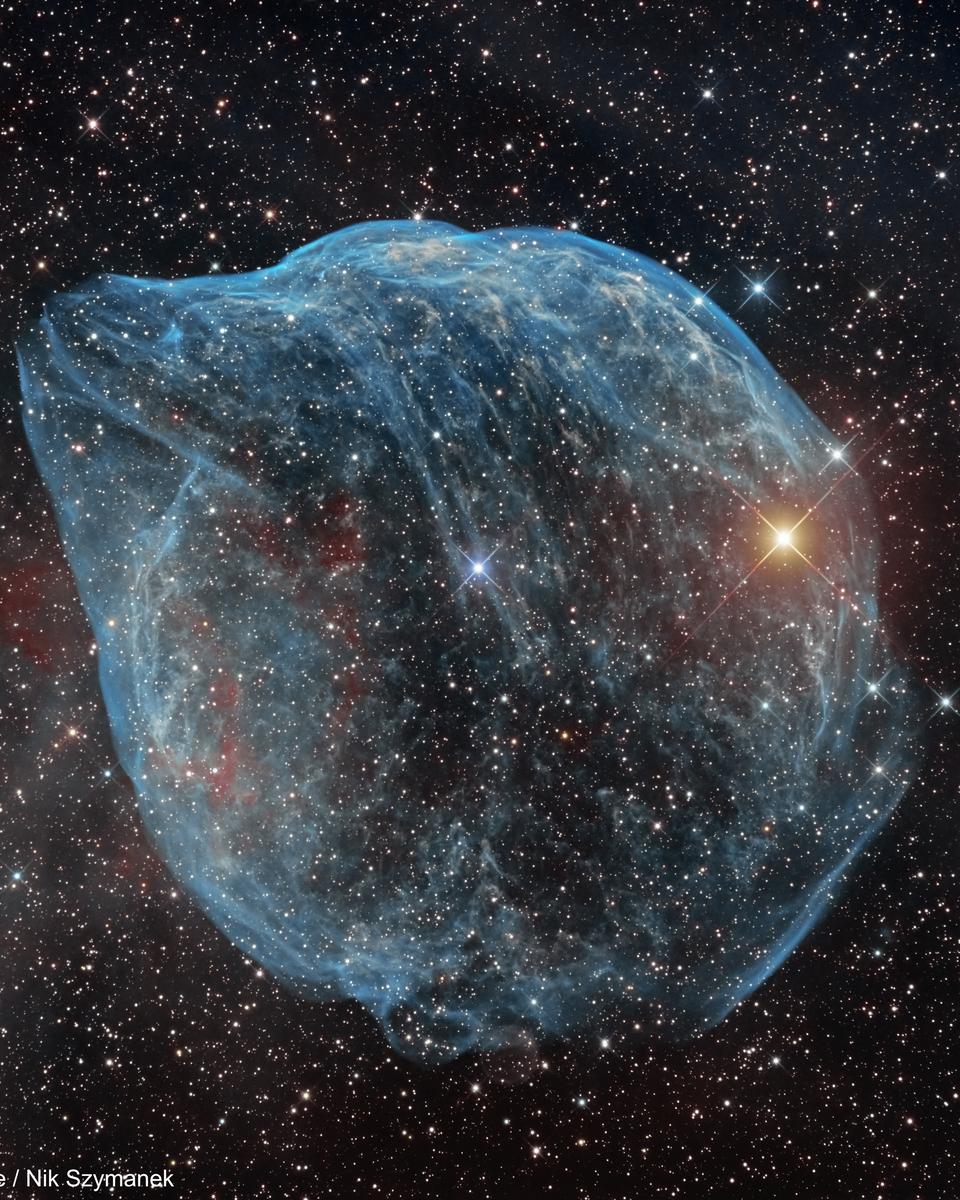
SH2-308: The Dolphin-head Nebula
Blown by fast winds from a hot, massive star, this cosmic bubble is huge. Cataloged as Sharpless 2-308 it lies some 5,000 light-years away toward the constellation of the Big Dog…
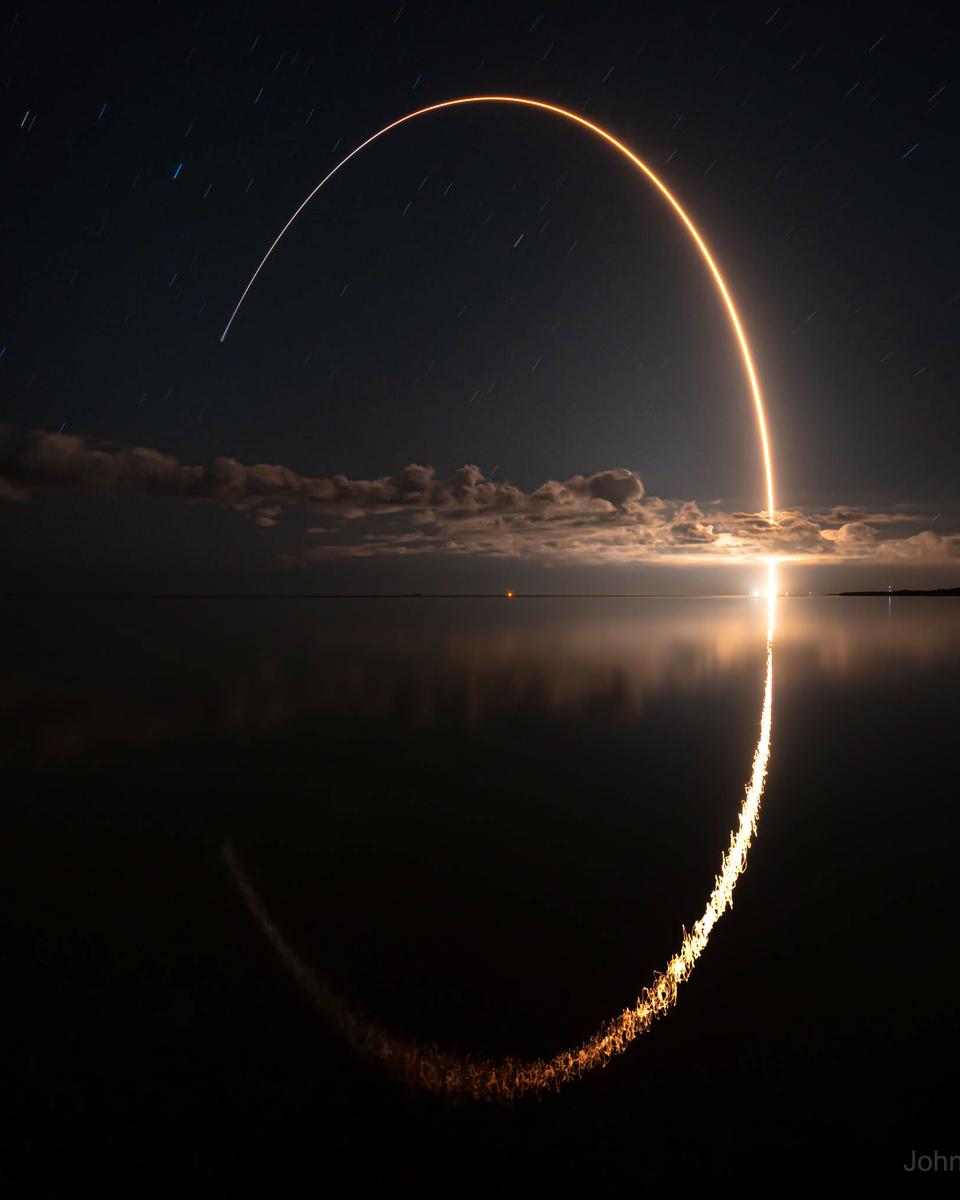
Lucy Launches to Eight Asteroids
Why would this mission go out as far as Jupiter -- but then not visit Jupiter? Lucy's plan is to follow different leads about the origin of our Solar System than can be found at…
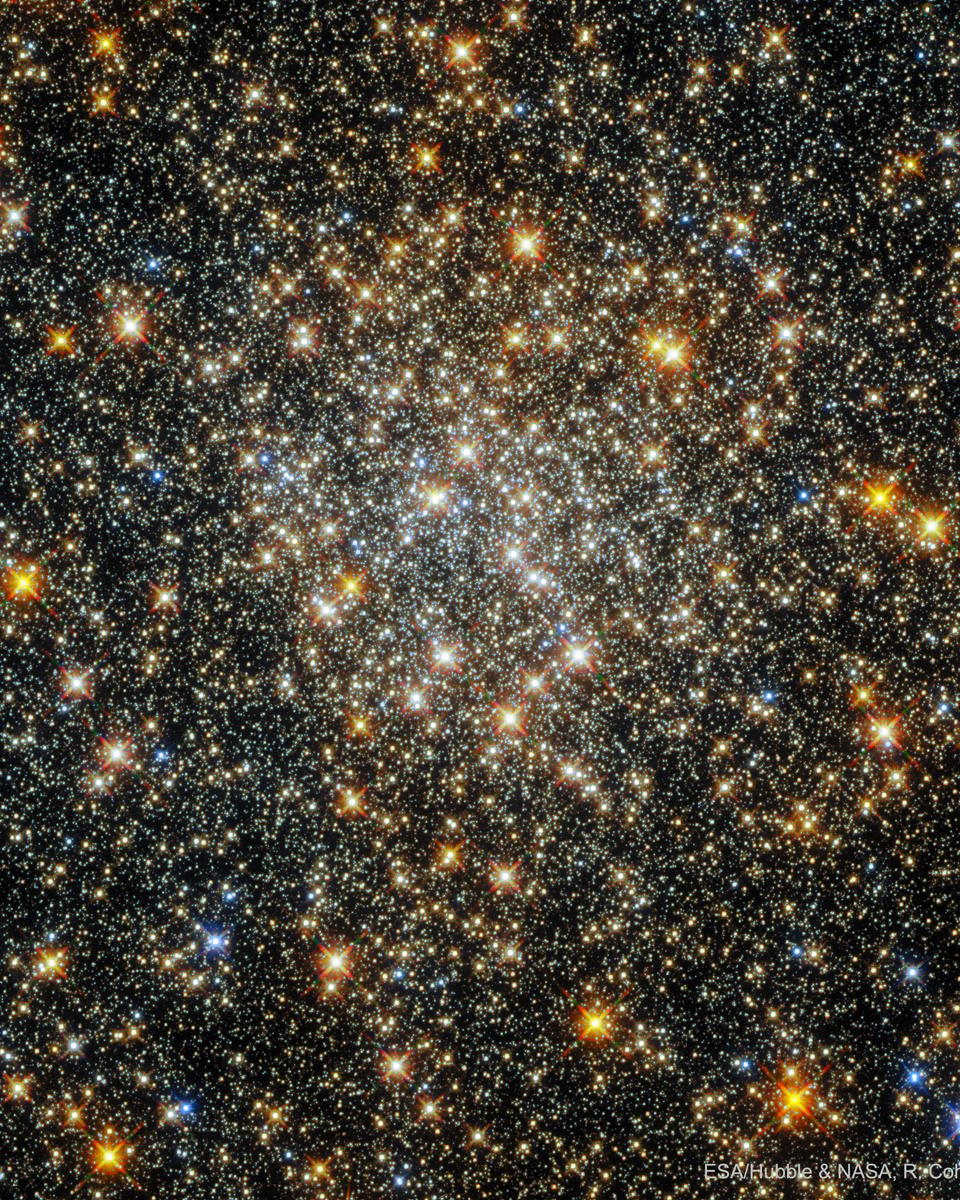
Palomar 6: Globular Star Cluster
Where did this big ball of stars come from? Palomar 6 is one of about 200 globular cluster s of stars that survive in our Milky Way Galaxy . These spherical star-balls are older…
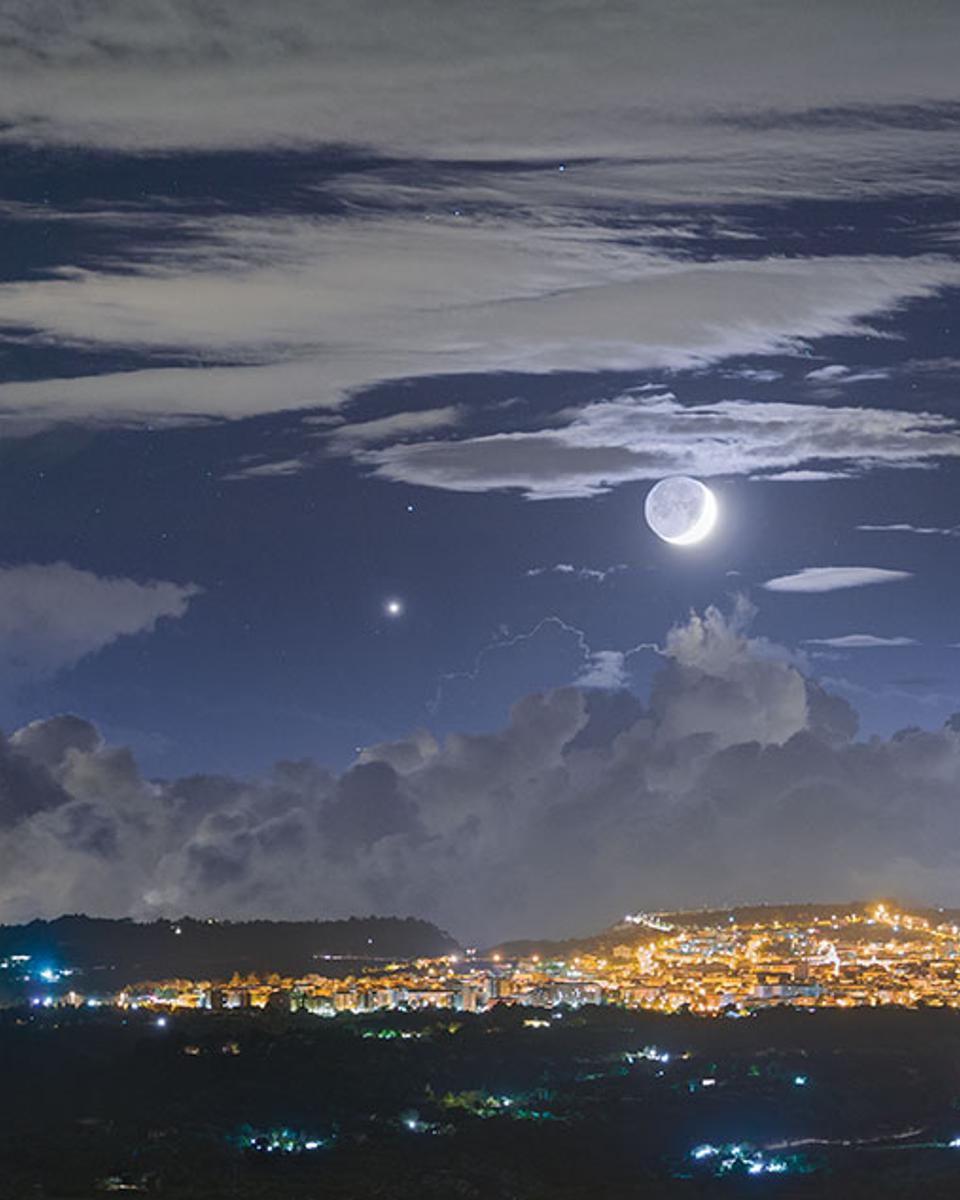
Earthshine Moon over Sicily
Why can we see the entire face of this Moon? When the Moon is in a crescent phase, only part of it appears directly illuminated by the Sun . The answer is earthshine , also known…
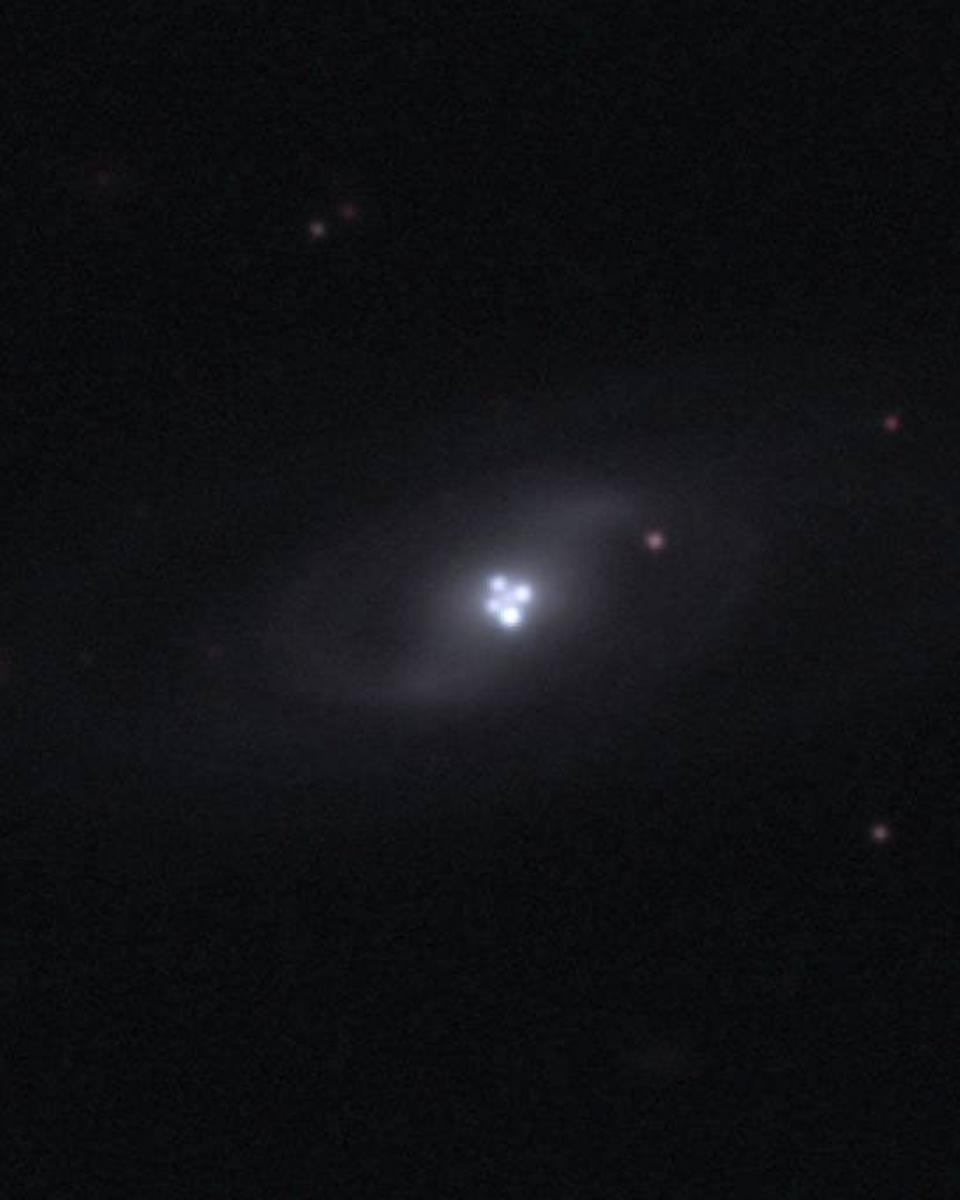
The Einstein Cross Gravitational Lens
Most galaxies have a single nucleus -- does this galaxy have four? The strange answer leads astronomers to conclude that the nucleus of the surrounding galaxy is not even visible…
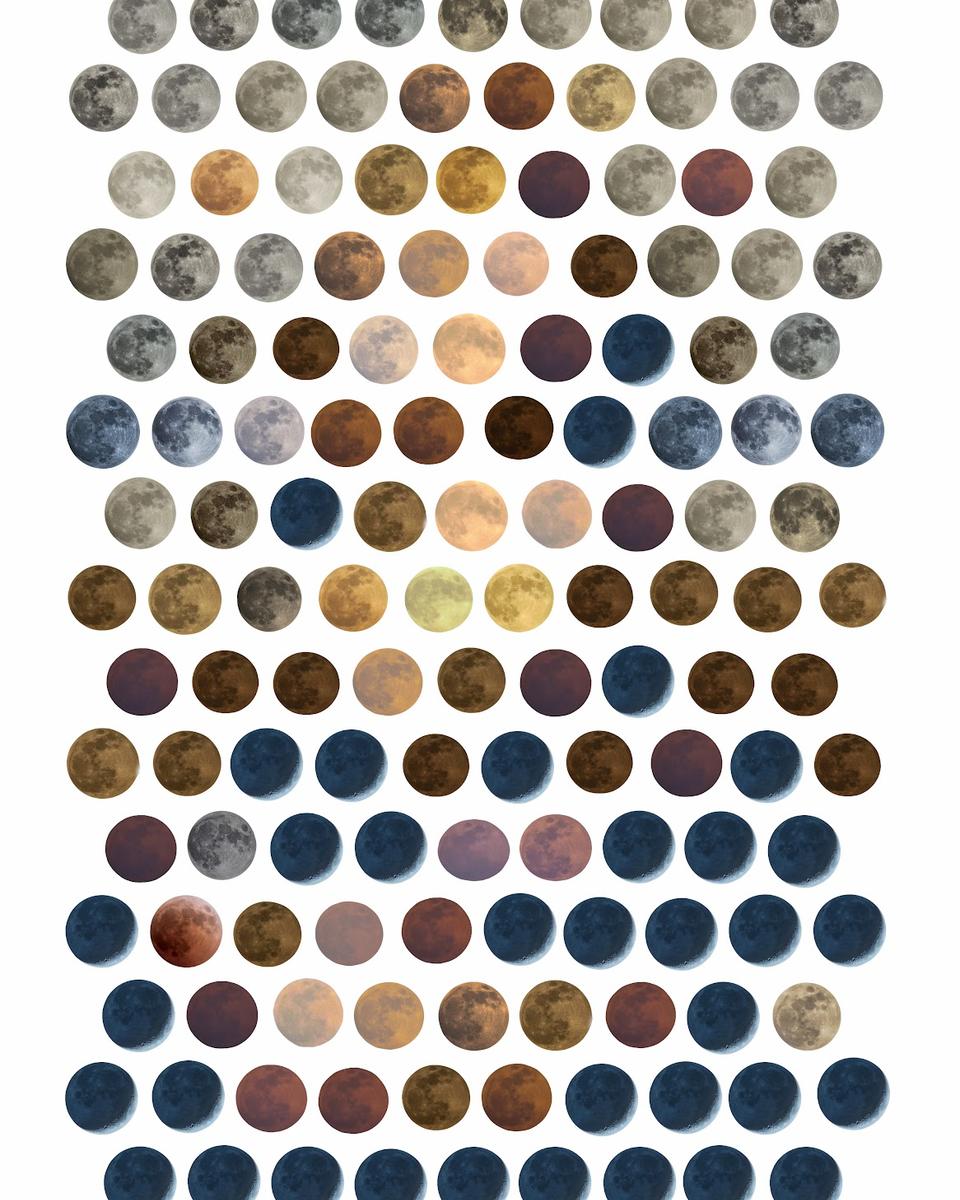
The Moona Lisa
Only natural colors of the Moon in planet Earth's sky appear in this creative visual presentation. Arranged as pixels in a framed image, the lunar disks were photographed at…
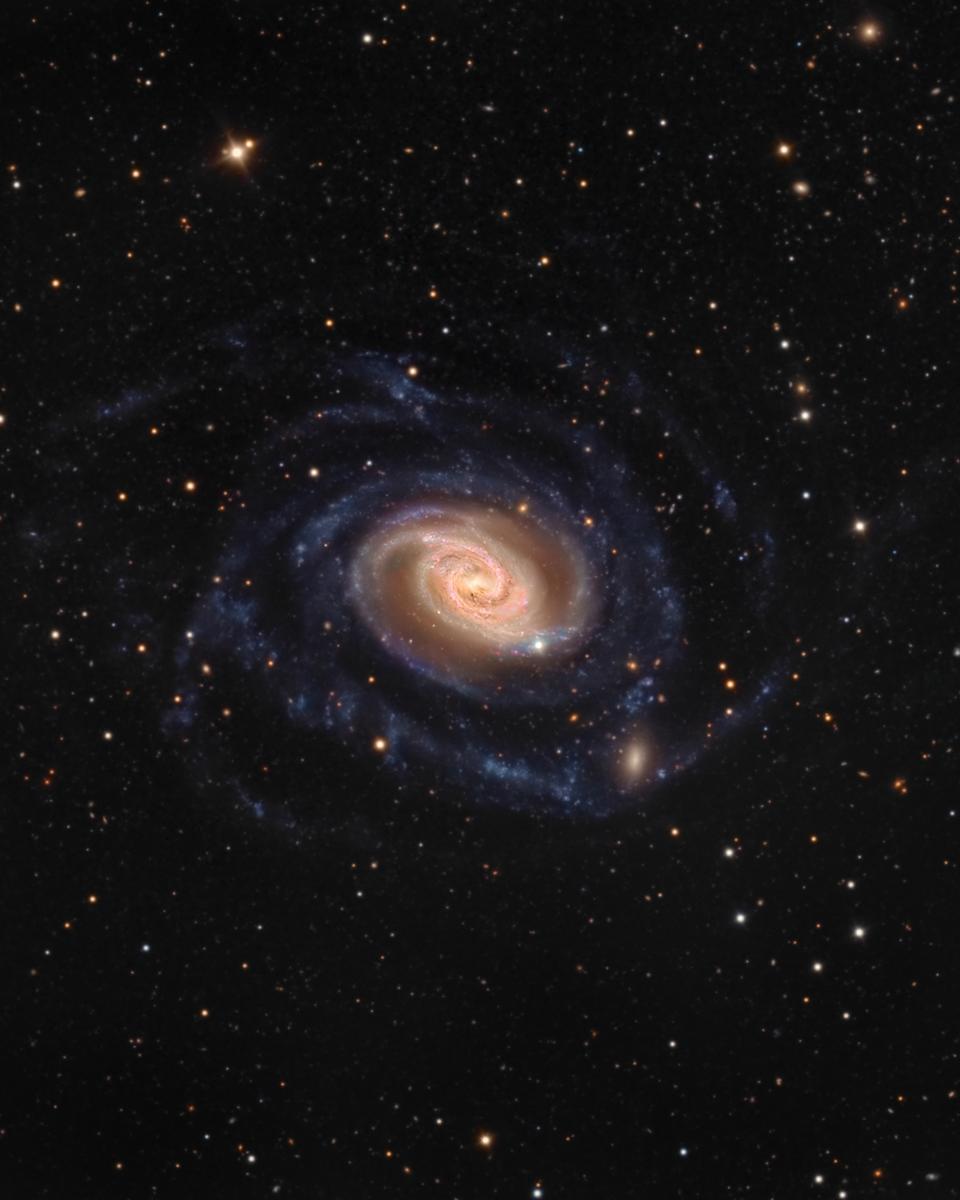
NGC 289: Swirl in the Southern Sky
About 70 million light-years distant, gorgeous spiral galaxy NGC 289 is larger than our own Milky Way . Seen nearly face-on, its bright core and colorful central disk give way to…
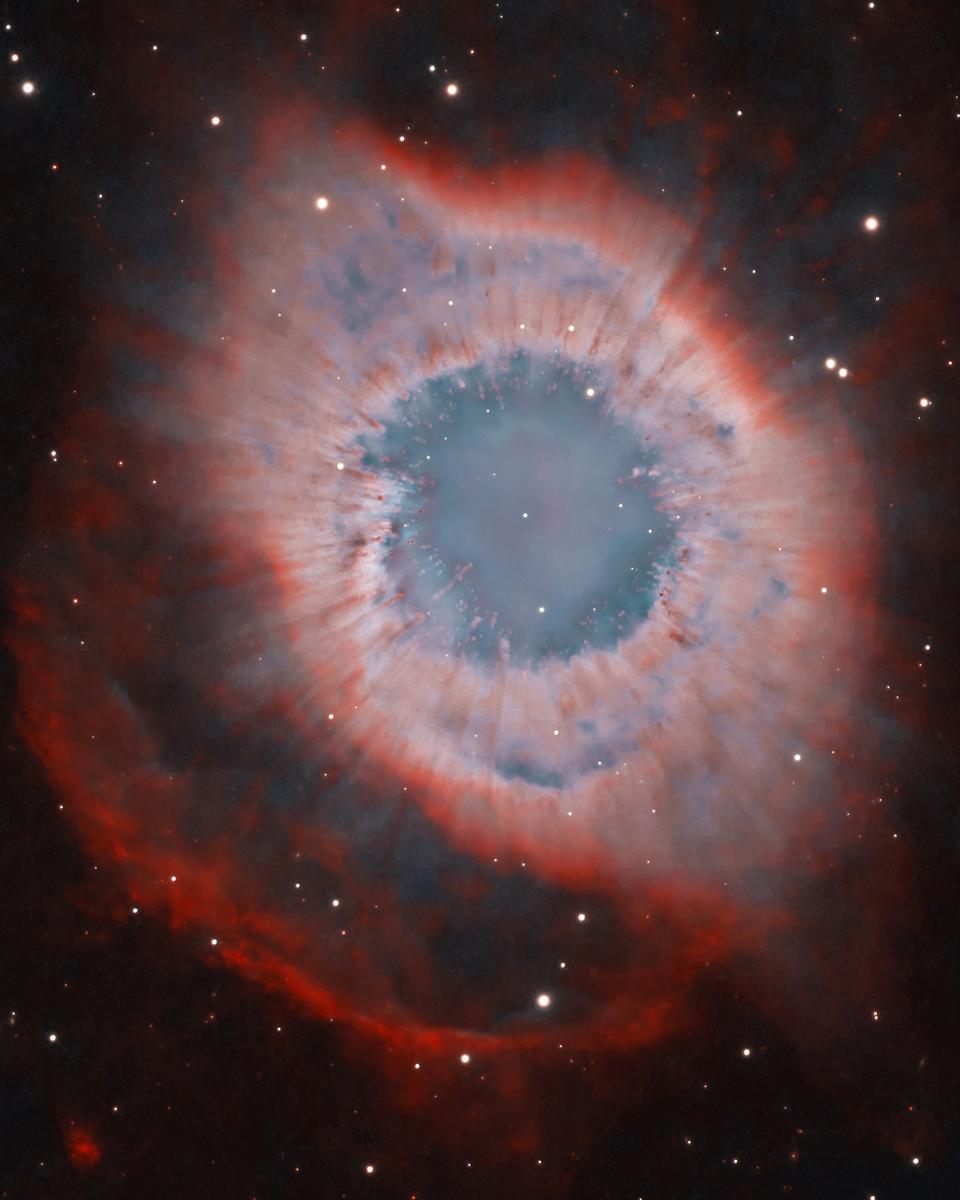
NGC 7293: The Helix Nebula
A mere seven hundred light years from Earth, toward the constellation Aquarius , a sun-like star is dying. Its last few thousand years have produced the Helix Nebula (NGC 7293), a…
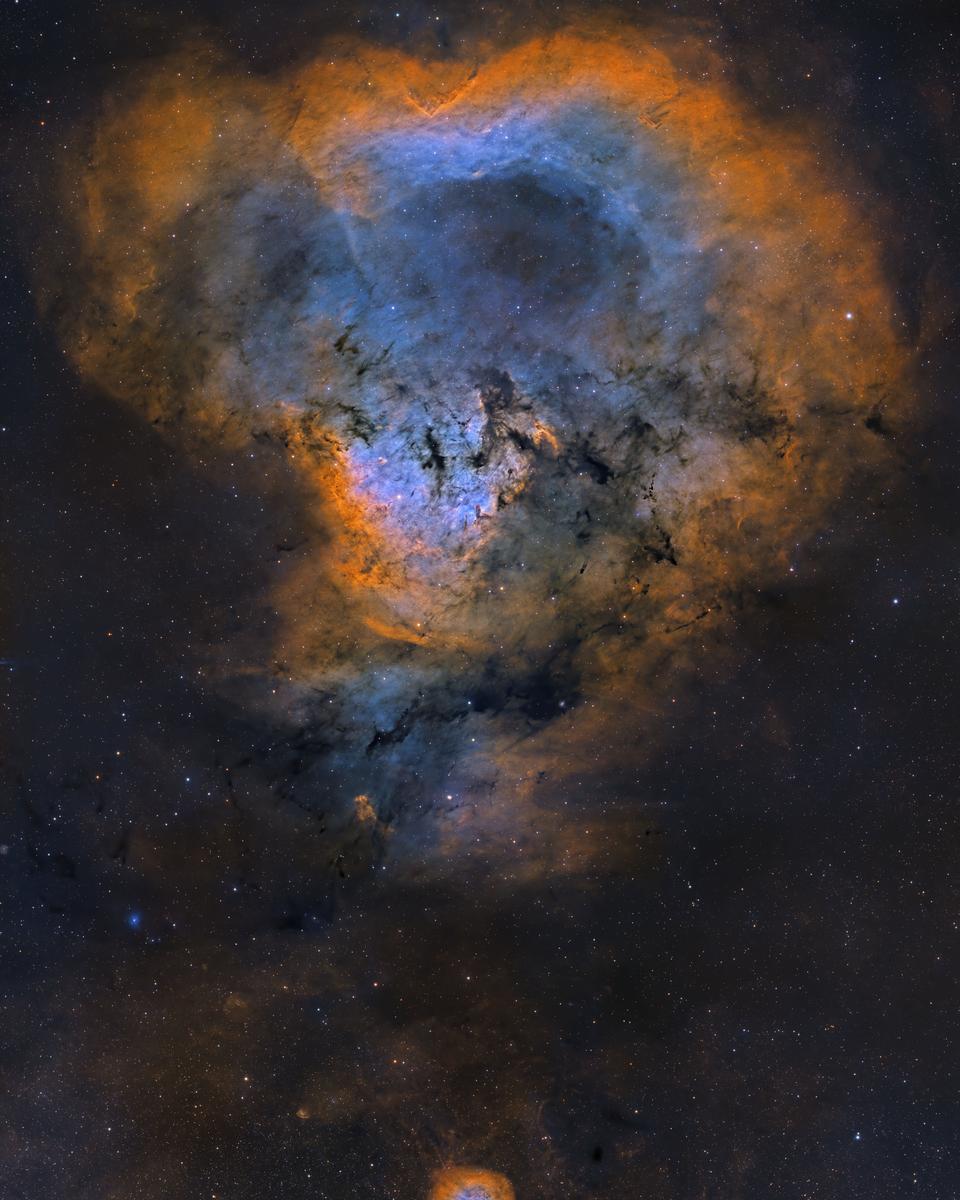
NGC 7822: Cosmic Question Mark
It may look like a huge cosmic question mark, but the big question really is how does the bright gas and dark dust tell this nebula's history of star formation . At the edge of a…
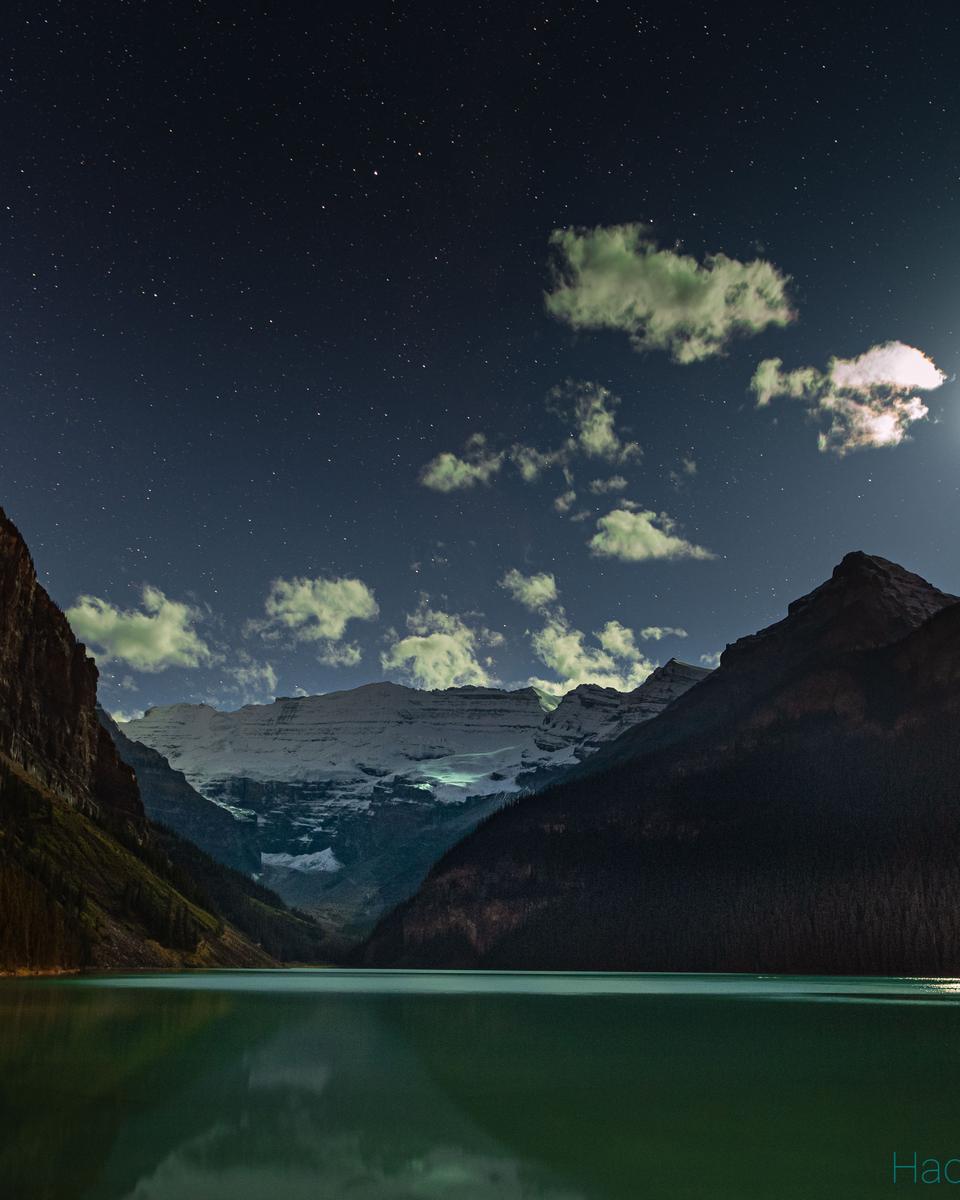
Fireball over Lake Louise
What makes a meteor a fireball? First of all, everyone agrees that a fireball is an exceptionally bright meteor. Past that, the International Astronomical Union defines a fireball…
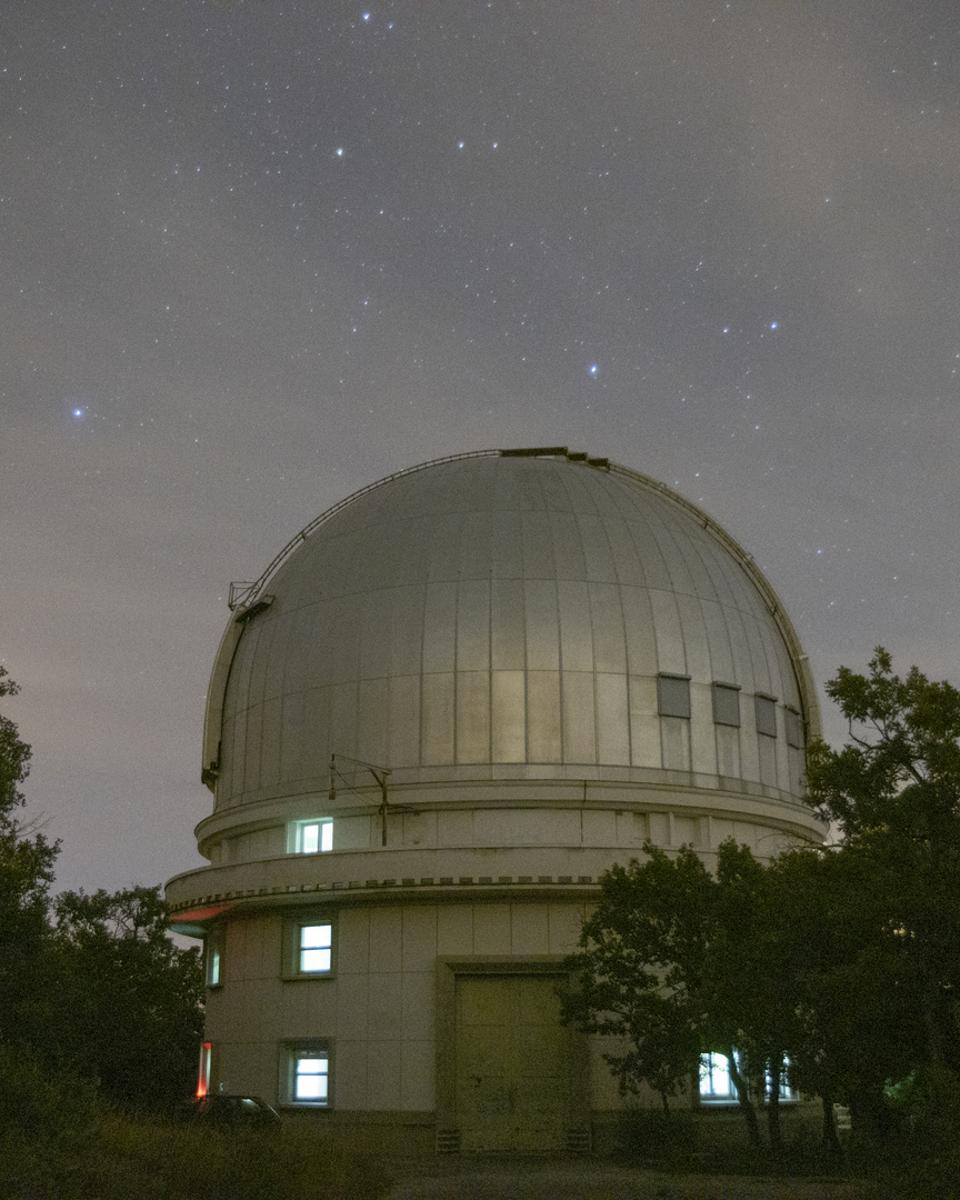
50 Light-years to 51 Pegasi
It's only 50 light-years to 51 Pegasi. That star's position is indicated in this snapshot from August, taken on a hazy night with mostly brighter stars visible above the dome at…
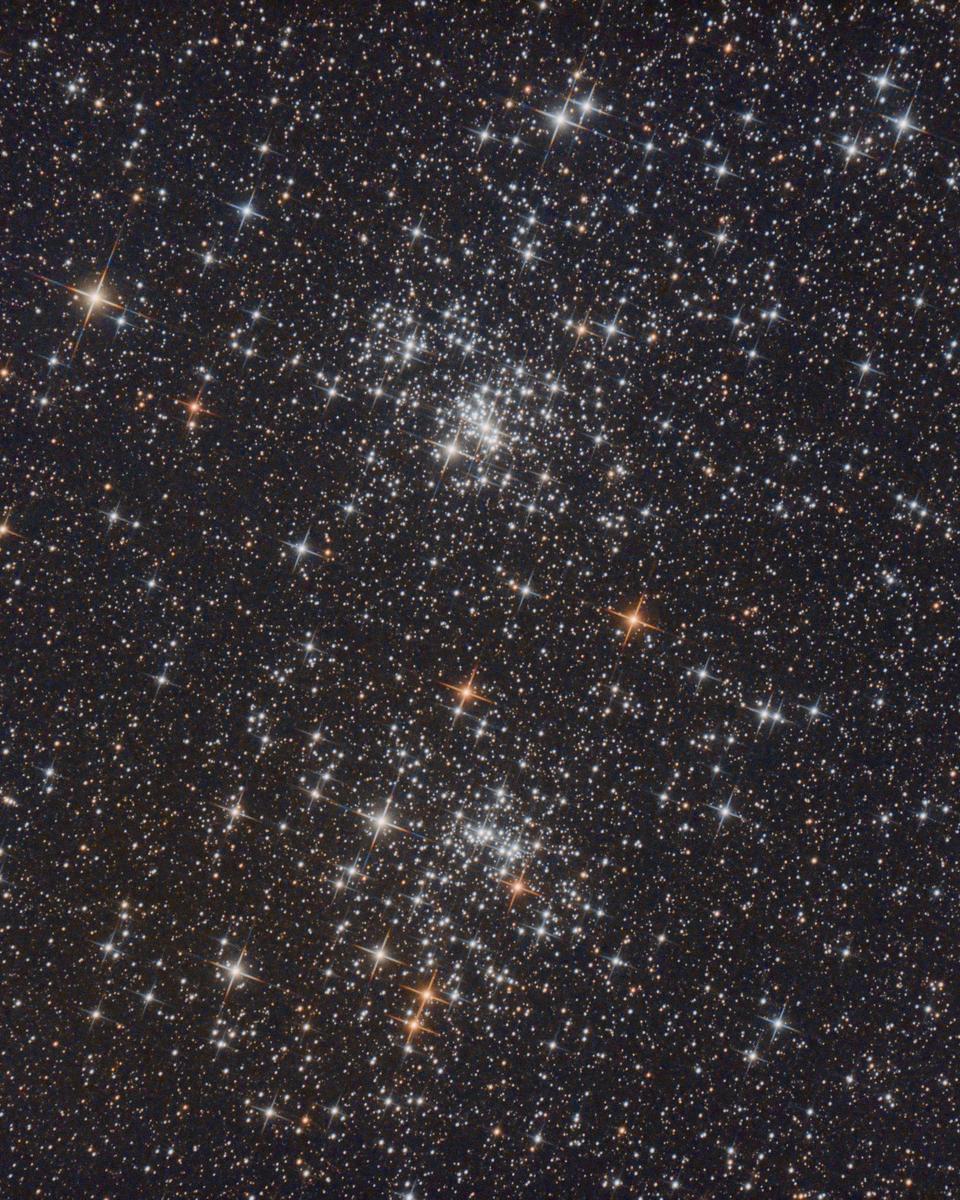
The Double Cluster in Perseus
This pretty starfield spans about three full moons (1.5 degrees) across the heroic northern constellation of Perseus . It holds the famous pair of open star clusters , h and Chi…
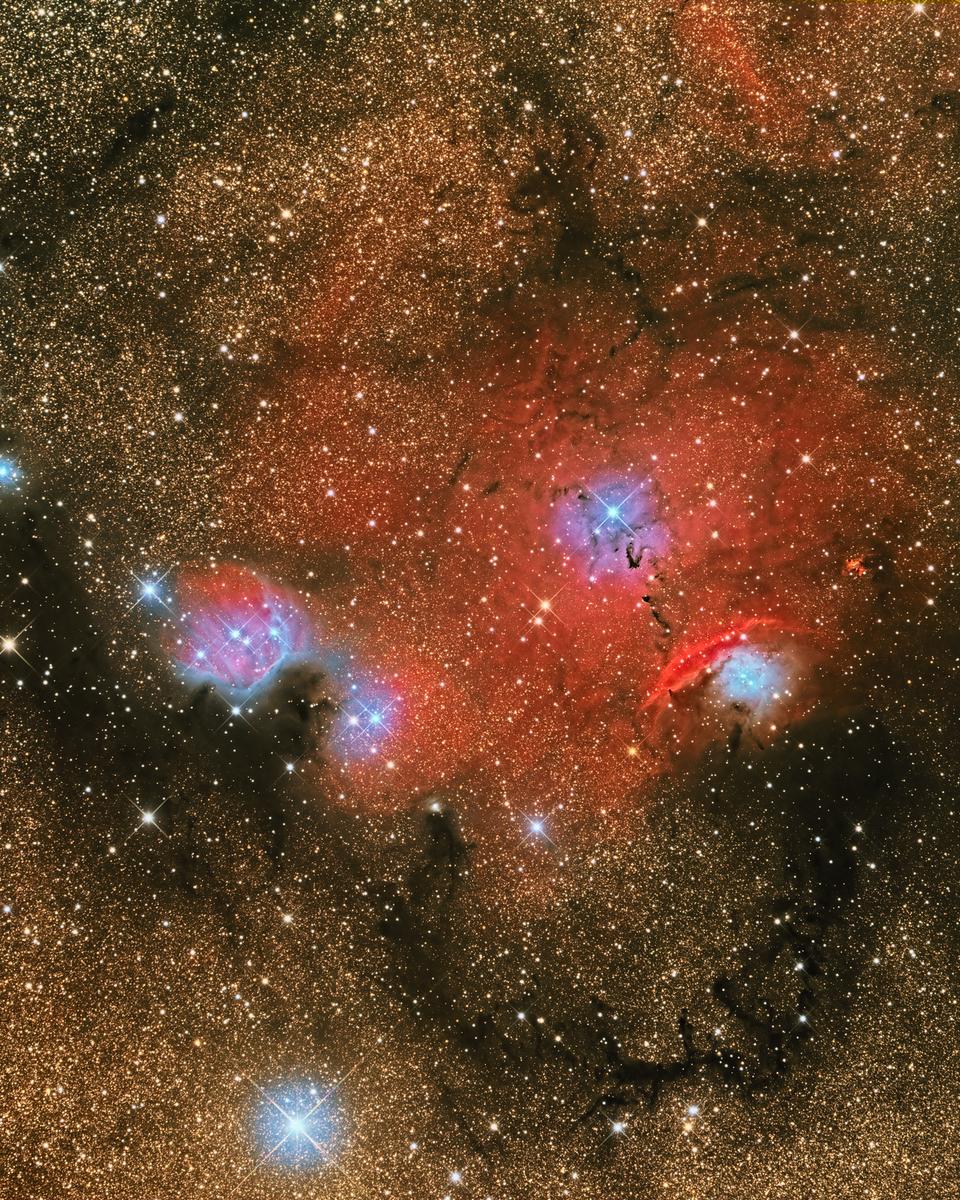
NGC 6559: East of the Lagoon
Slide your telescope just east of the Lagoon Nebula to find this alluring field of view in the rich starfields of the constellation Sagittarius toward the central Milky Way. Of…
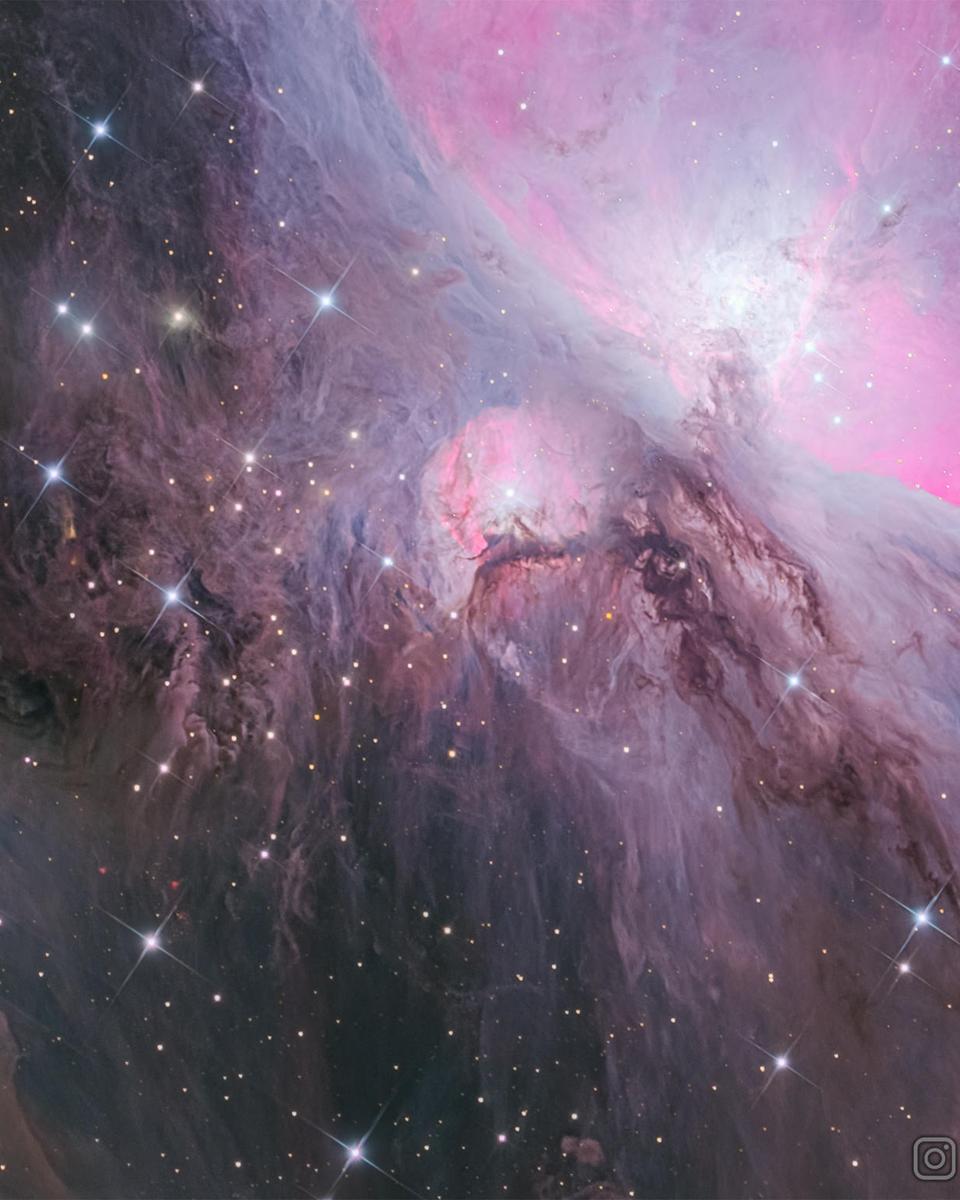
M43: Streams of Orion
Where do the dark streams of dust in the Orion Nebula originate? This part of the Orion Molecular Cloud Complex , M43 , is the often imaged but rarely mentioned neighbor of the…
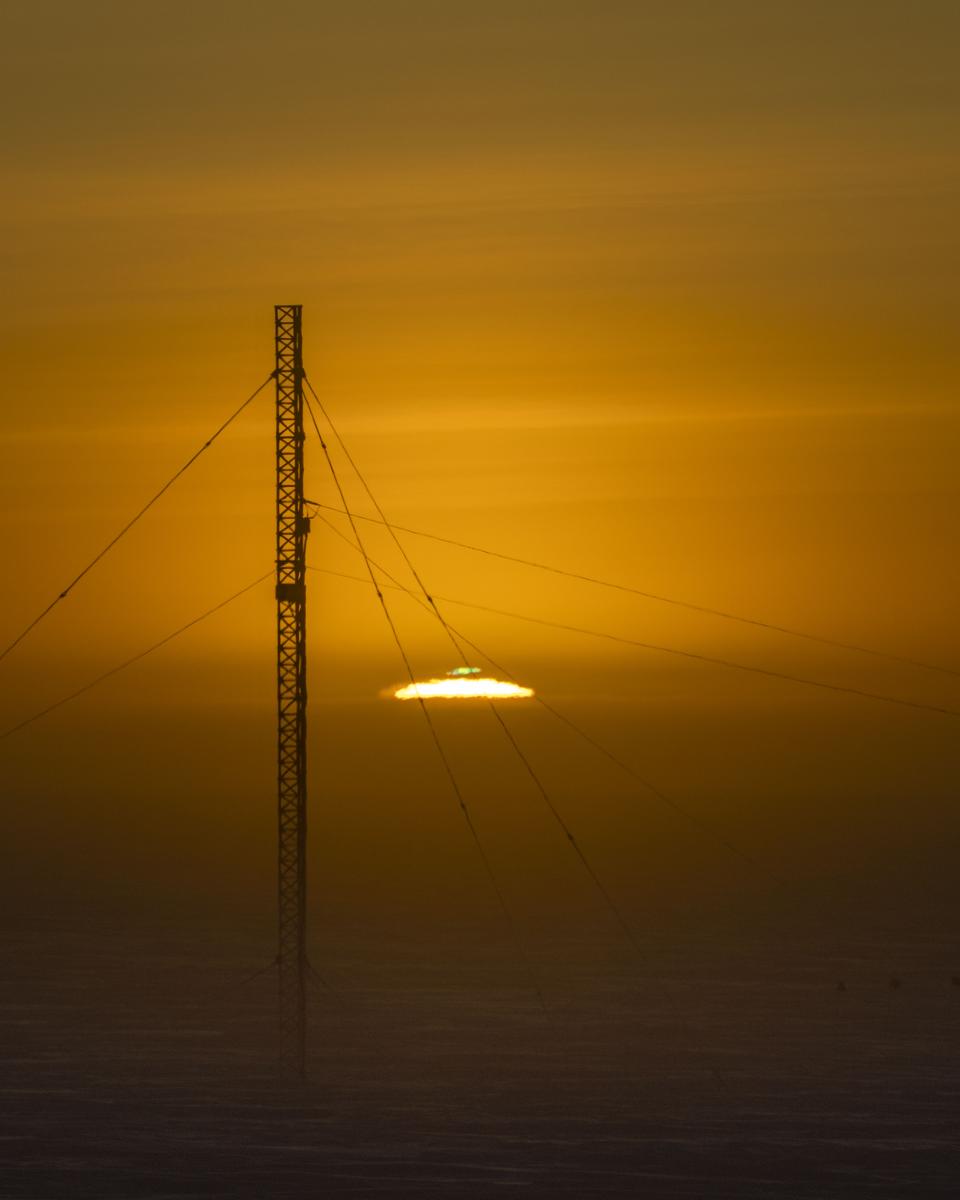
Sunrise at the South Pole
Sunrise at the South Pole is different. Usually a welcome sight , it follows months of darkness -- and begins months of sunshine. At Earth's poles , it can take weeks for the Sun…
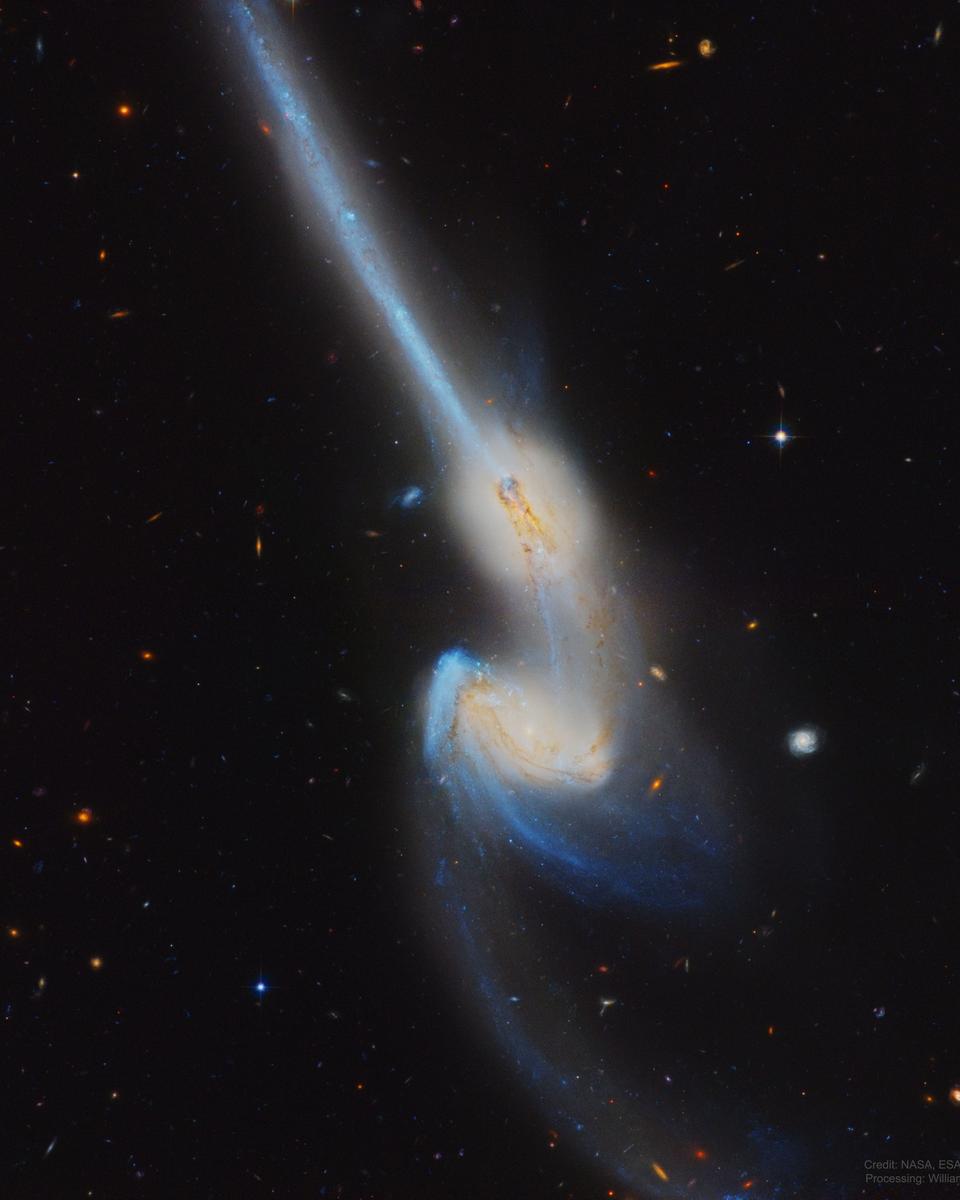
NGC 4676: When Mice Collide
These two mighty galaxies are pulling each other apart. Known as the “ Mice ” because they have such long tails, each spiral galaxy has likely already passed through the other.…
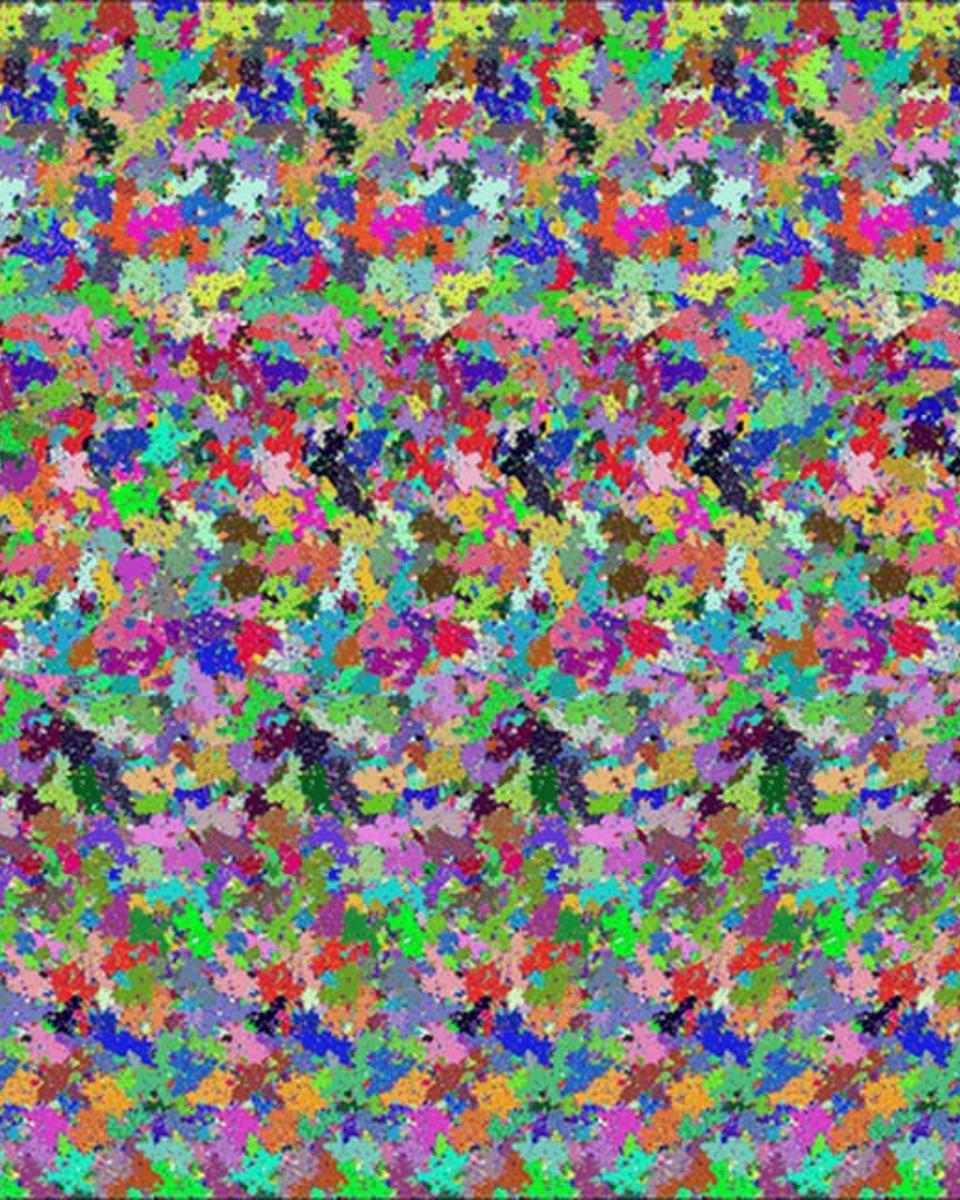
The Holographic Principle and a Teapot
Sure, you can see the 2D rectangle of colors, but can you see deeper? Counting color patches in the featured image , you might estimate that the most information that this 2D…
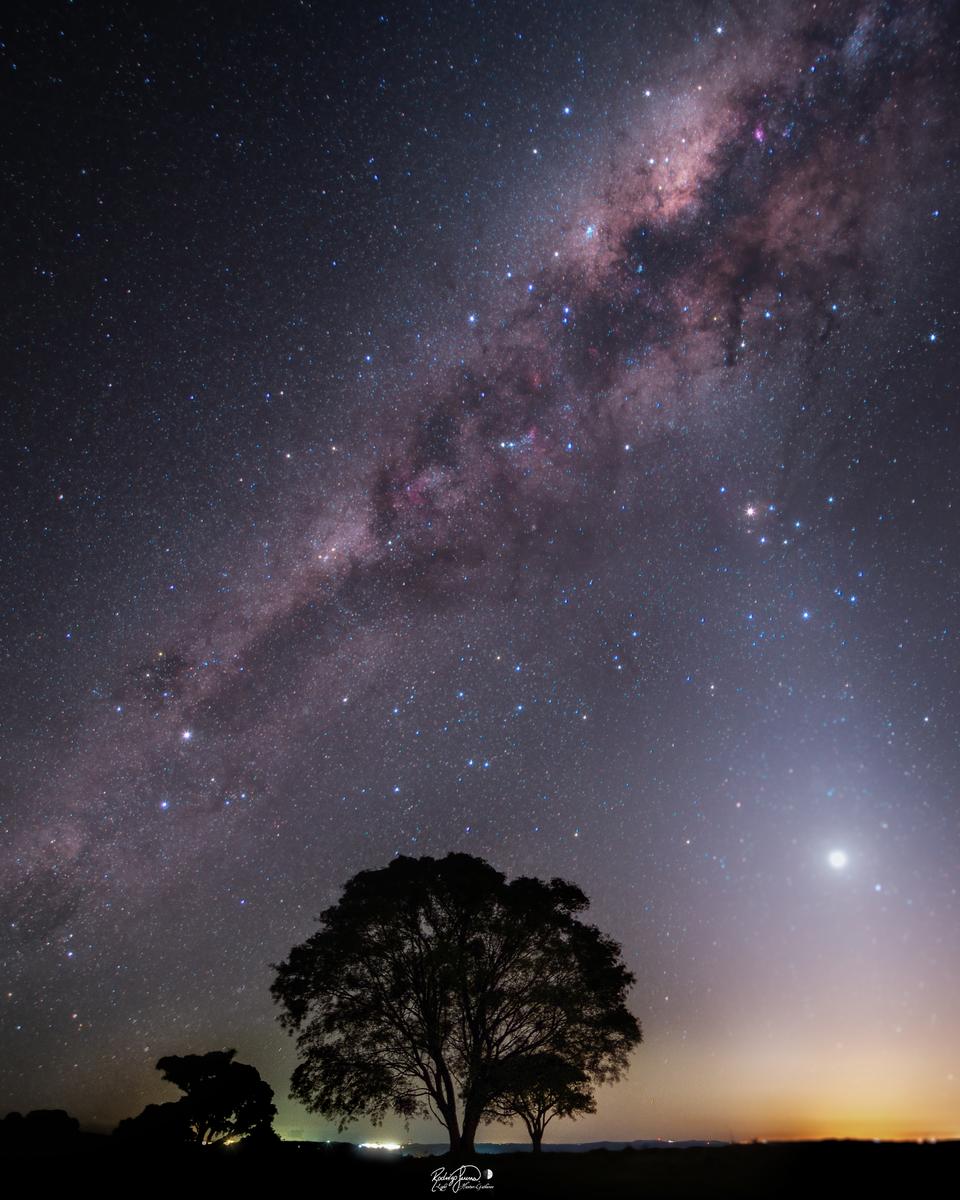
A Light and Dusty Night
Posing as a brilliant evening star , Venus lies near the western horizon in this southern hemisphere, early spring, night skyscape. To create the composite view exposures tracking…
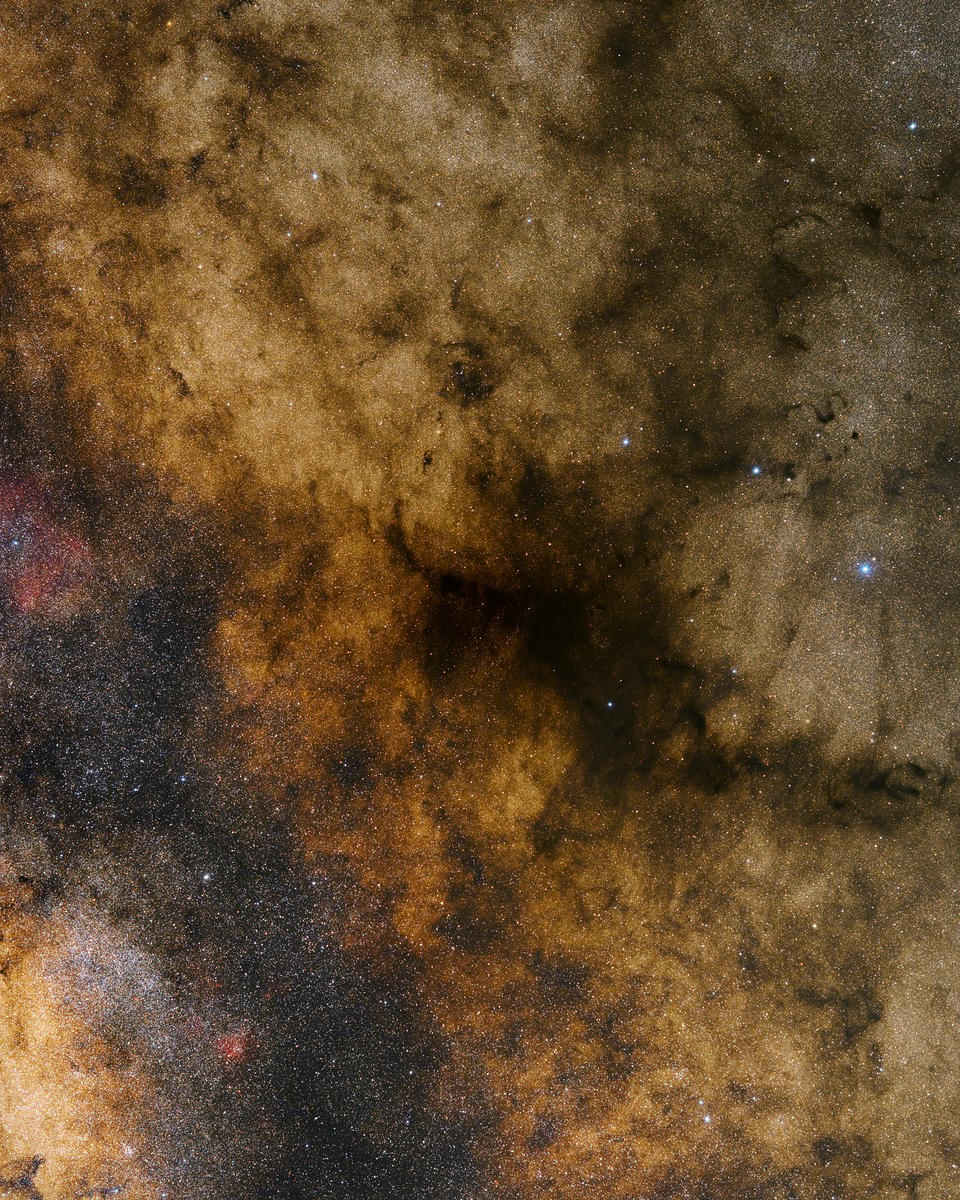
The Central Milky Way from Lagoon to Pipe
Dark markings and colorful clouds inhabit this stellar landscape. The deep and expansive view spans more than 30 full moons across crowded star fields toward the center of our…
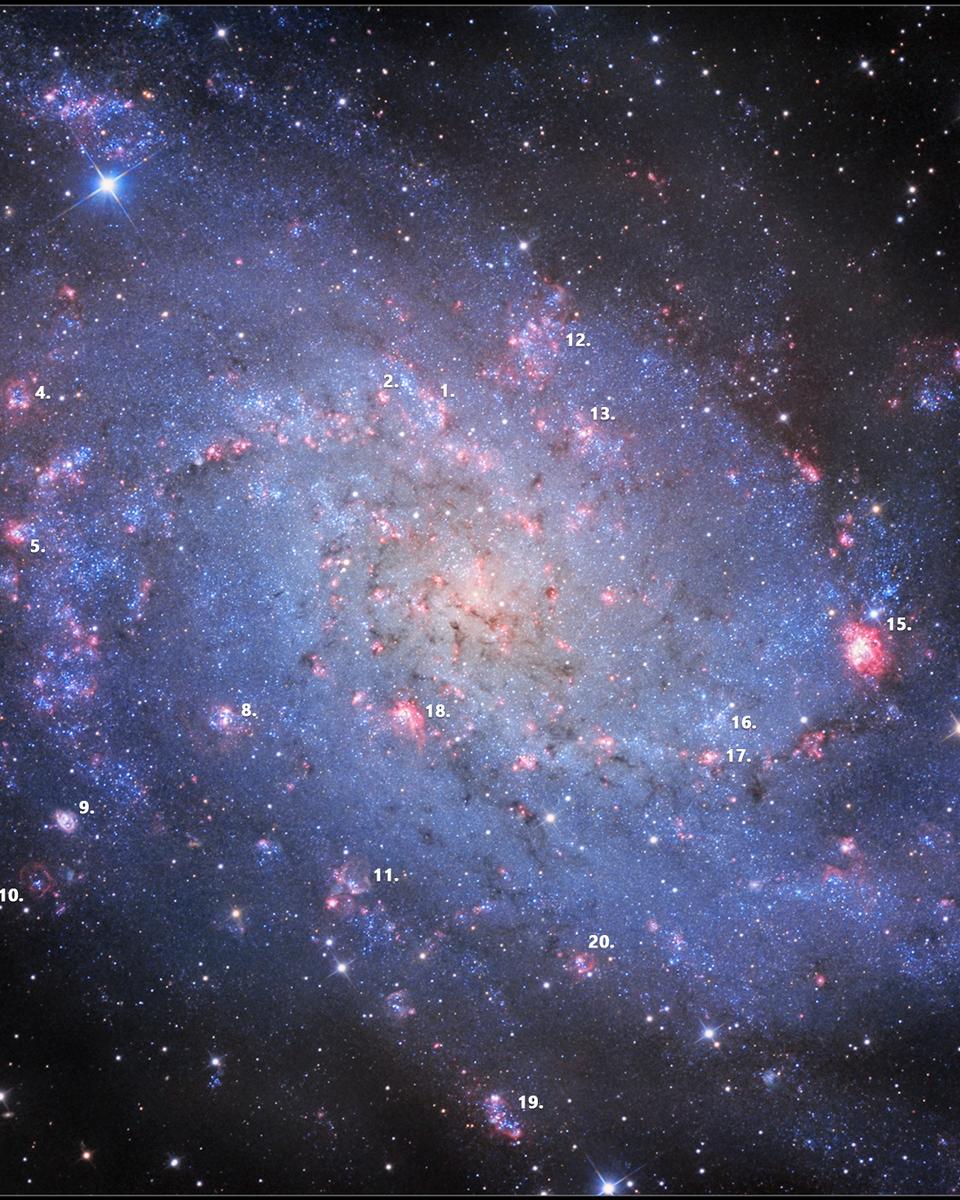
The Hydrogen Clouds of M33
Gorgeous spiral galaxy M33 seems to have more than its fair share of glowing hydrogen gas. A prominent member of the local group of galaxies, M33 is also known as the Triangulum…
Viewing discoveries from 25 October 2021 through 30 September 2021.