Browse NASA Astronomy Picture of the Day archive by date and media: Archive Discoveries
Browse the NASA APOD archive without needing the exact date first. Filter by media type and keep moving deeper into older images and videos.
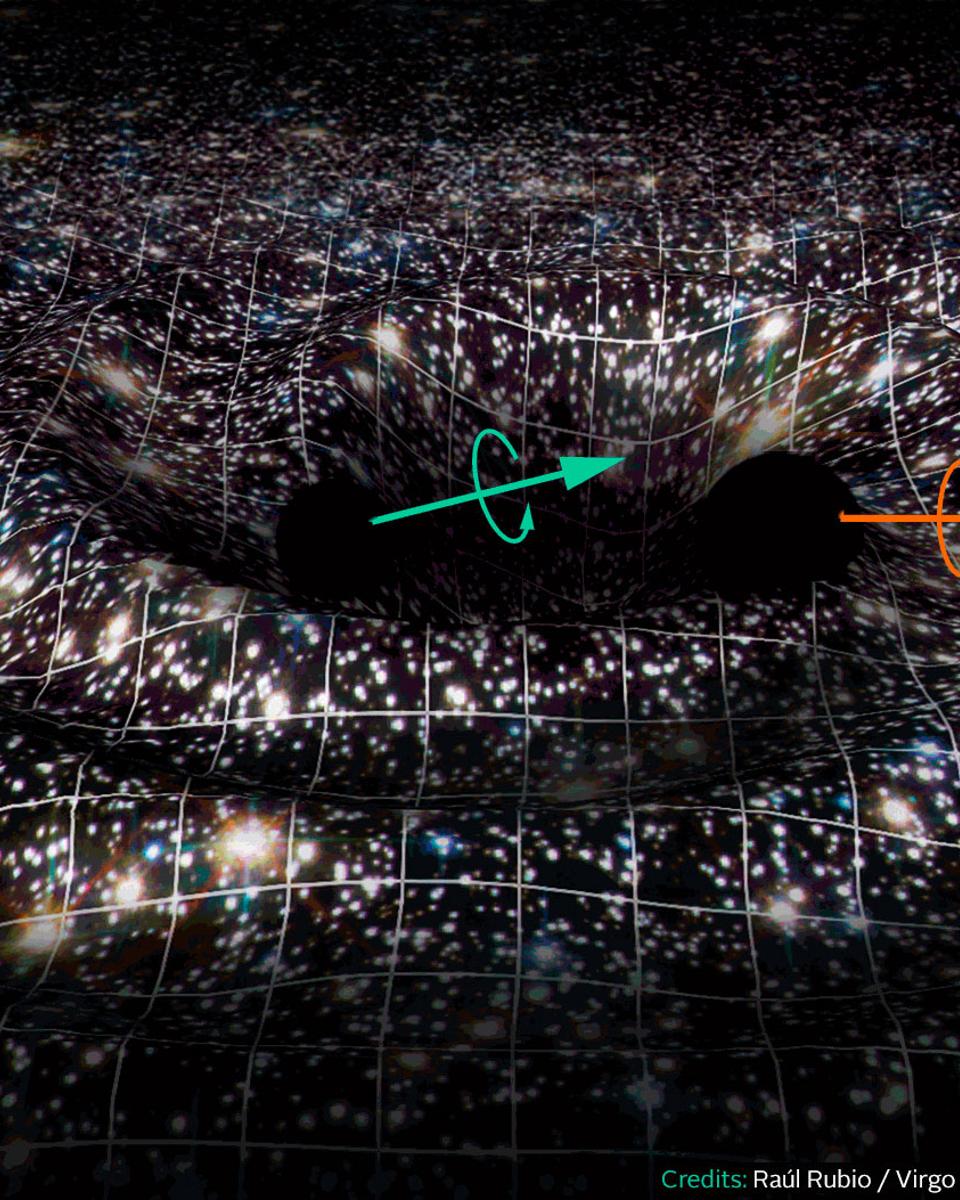
GW190521: Unexpected Black Holes Collide
How do black holes like this form? The two black holes that spiraled together to produce the gravitational wave event GW190521 were not only the most massive black holes ever seen…
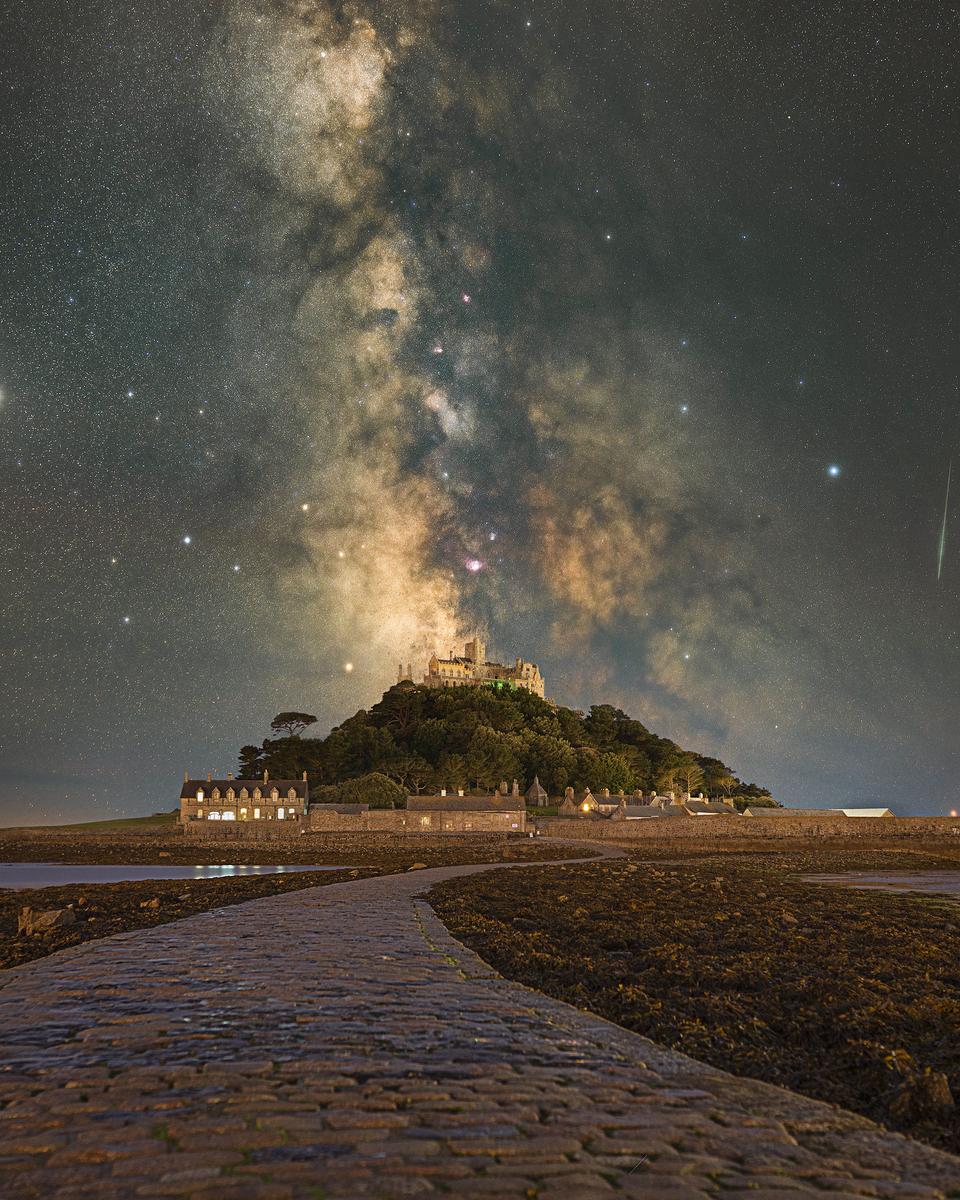
The Milky Way over St Michael's Mount
Where do land and sky converge? On every horizon -- but in this case the path on the ground leads to St Michael's Mount (Cornish: Karrek Loos yn Koos), a small historic island in…
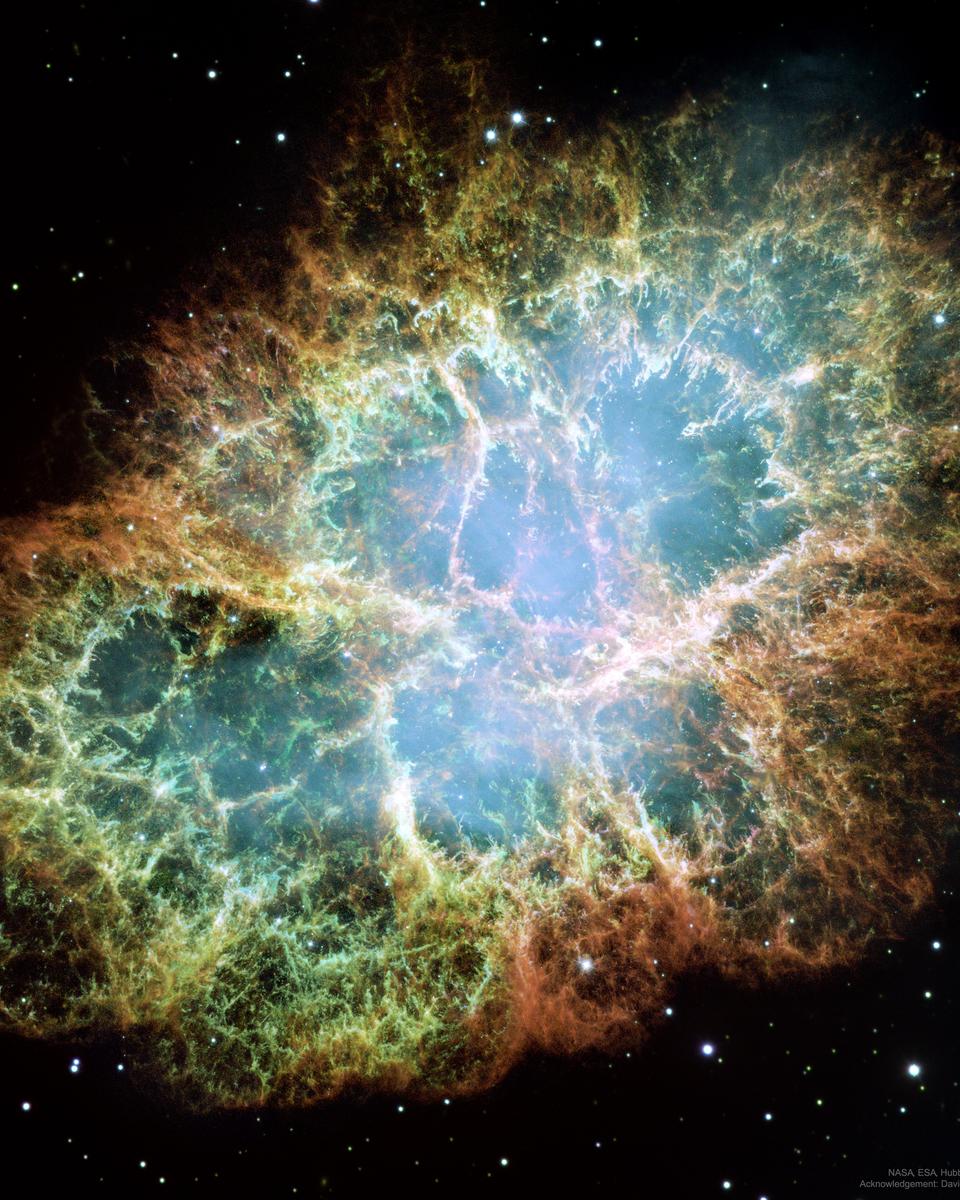
M1: The Crab Nebula from Hubble
This is the mess that is left when a star explodes. The Crab Nebula , the result of a supernova seen in 1054 AD , is filled with mysterious filaments. The filaments are not only…
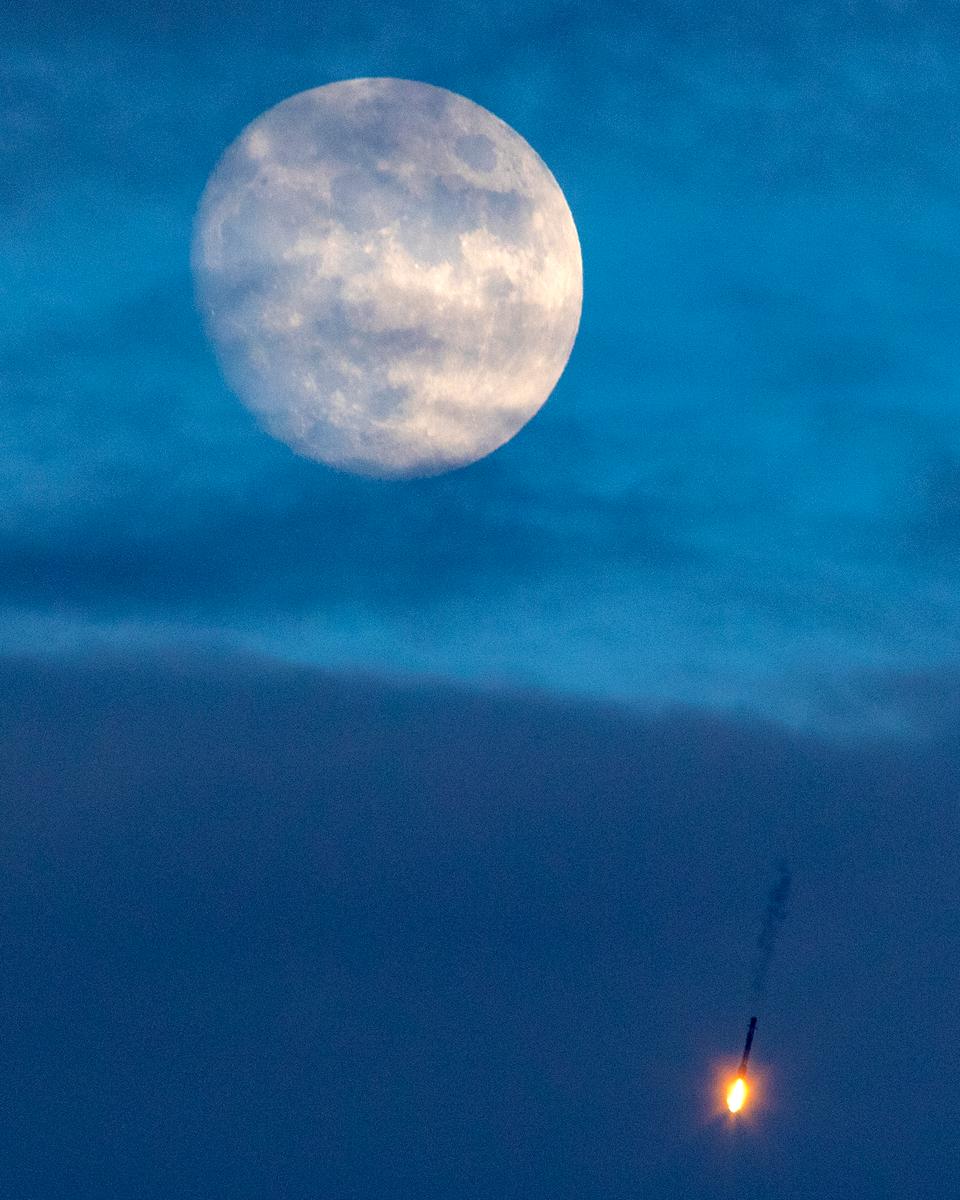
A Falcon 9 Moon
Illuminating planet Earth's night, full moons can have many names. This year the last full moon of northern hemisphere summer was on September 2, known to some as the Full Corn…
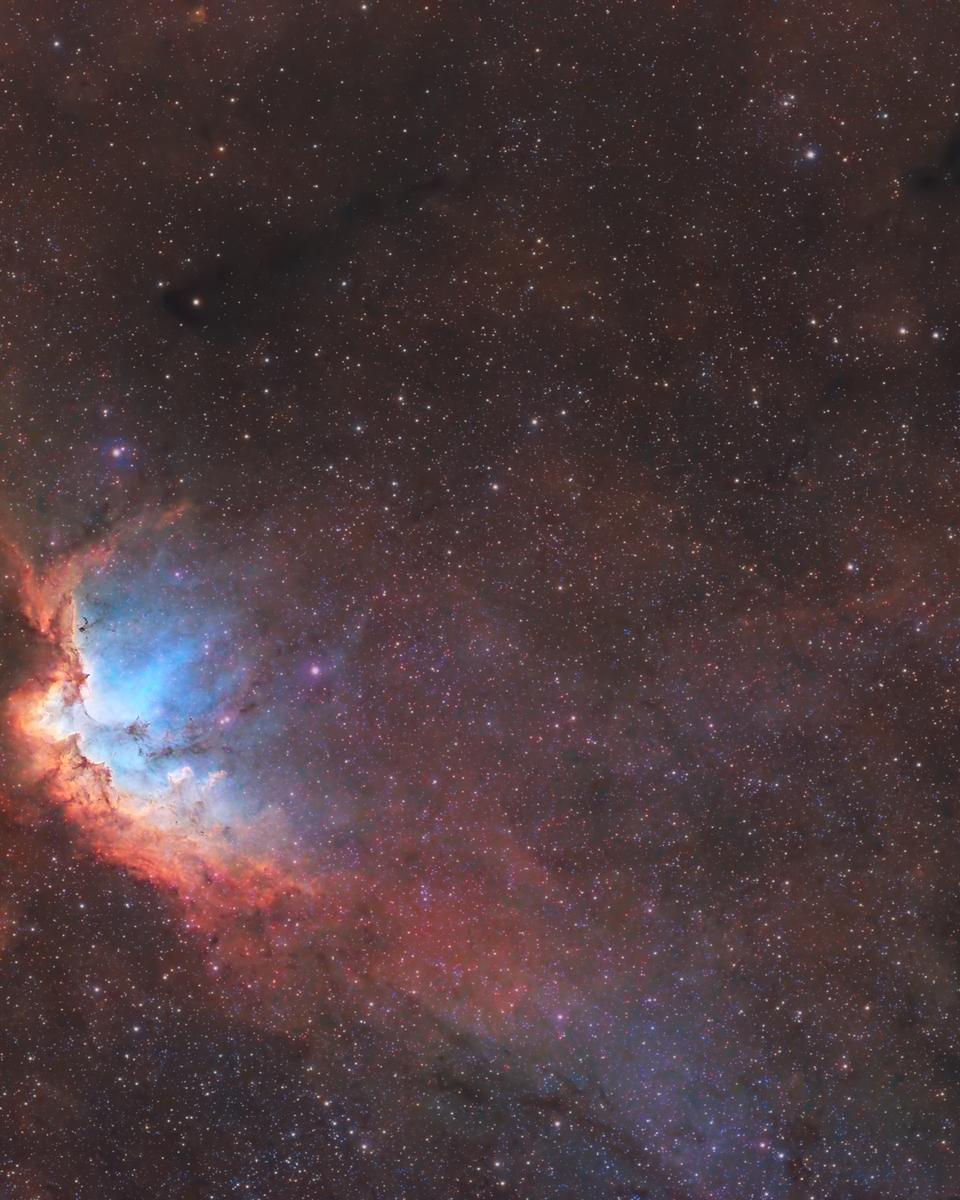
The Wizard Nebula
Open star cluster NGC 7380 is still embedded in its natal cloud of interstellar gas and dust popularly known as the Wizard Nebula . Seen on the left, with foreground and…
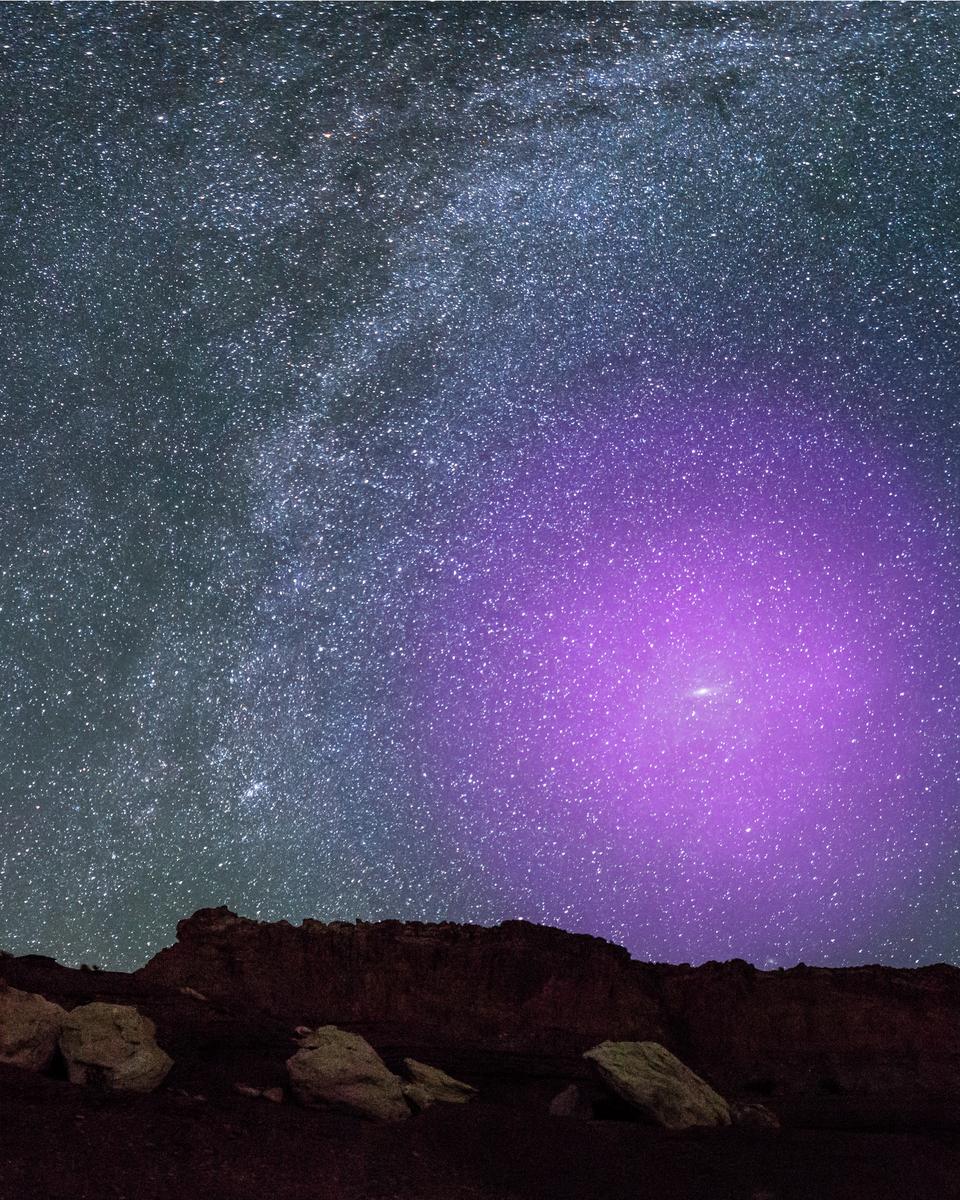
A Halo for Andromeda
M31, the Andromeda Galaxy, is the closest large spiral galaxy to our Milky Way. Some 2.5 million light-years distant it shines in Earth's night sky as a small, faint, elongated…
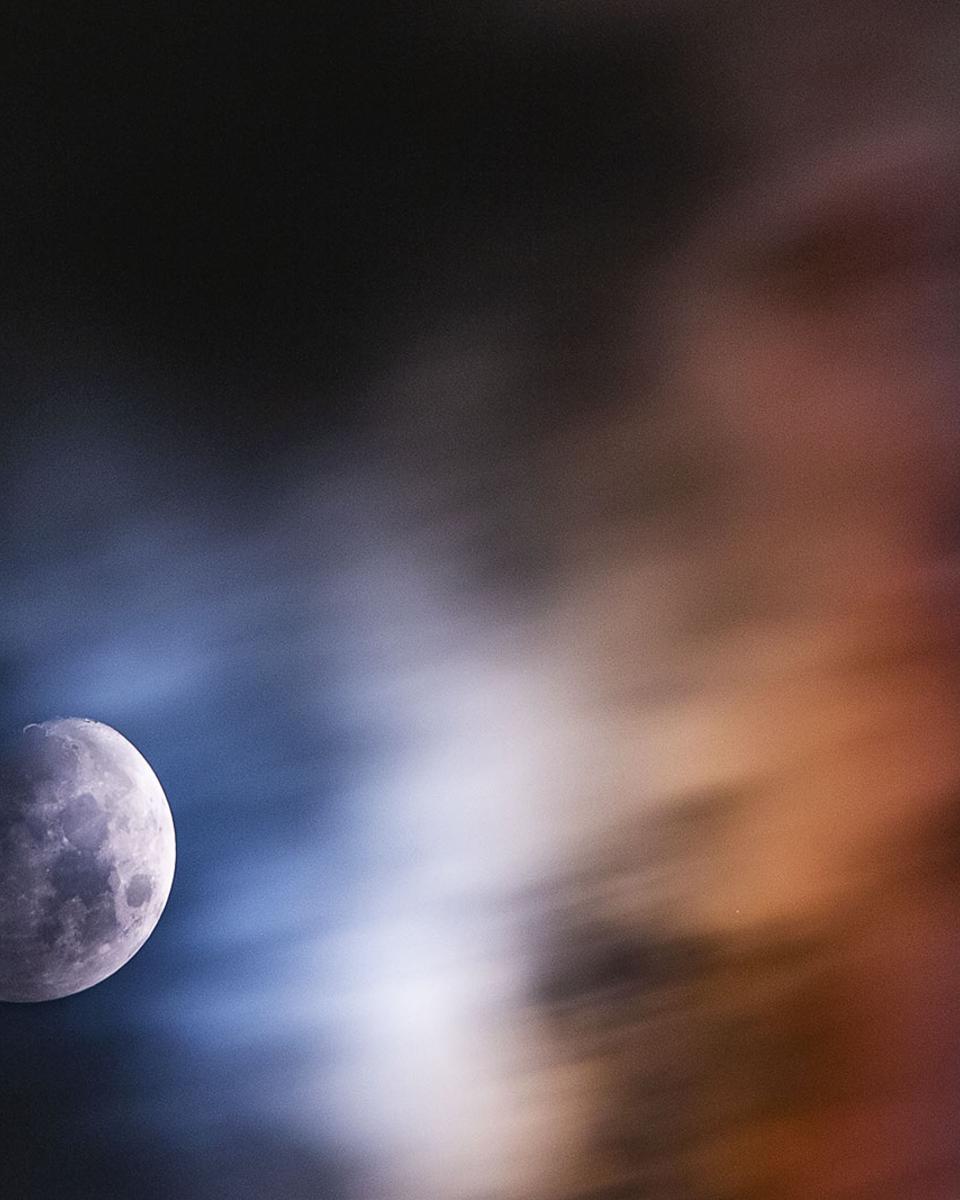
Jupiter and the Moons
How many moons do you see? Many people would say one, referring to the Earth 's Moon , prominent on the lower left. But take a closer look at the object on the upper right. That…

Salt Water Remnants on Ceres
Does Ceres have underground pockets of water? Ceres, the largest asteroid in the asteroid belt, was thought to be composed of rock and ice. At the same time, Ceres was known to…

SS 433: Binary Star Micro-Quasar
SS 433 is one of the most exotic star systems known. Its unremarkable name stems from its inclusion in a catalog of Milky Way stars which emit radiation characteristic of atomic…
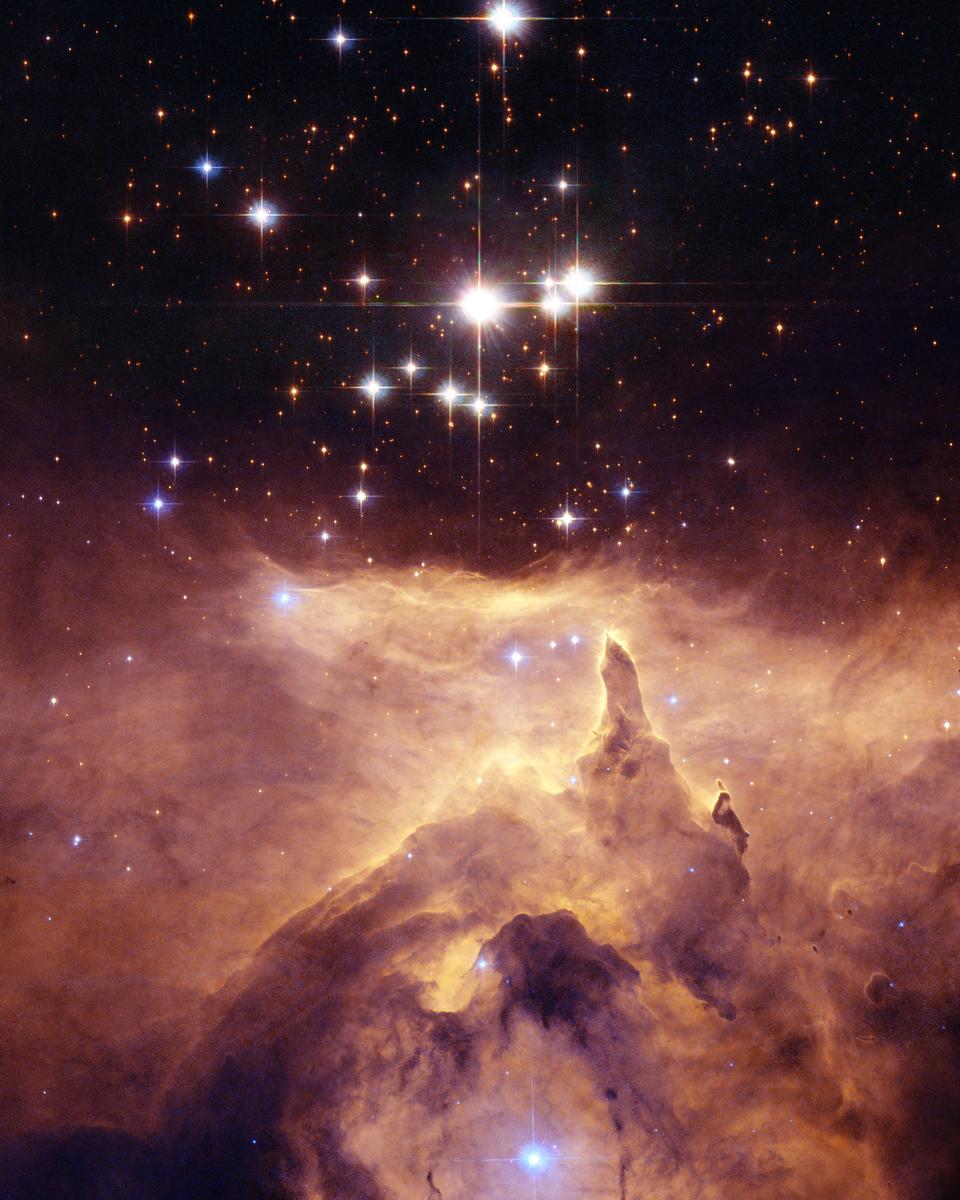
NGC 6357: Cathedral to Massive Stars
How massive can a normal star be? Estimates made from distance, brightness and standard solar models had given one star in the open cluster Pismis 24 over 200 times the mass of…
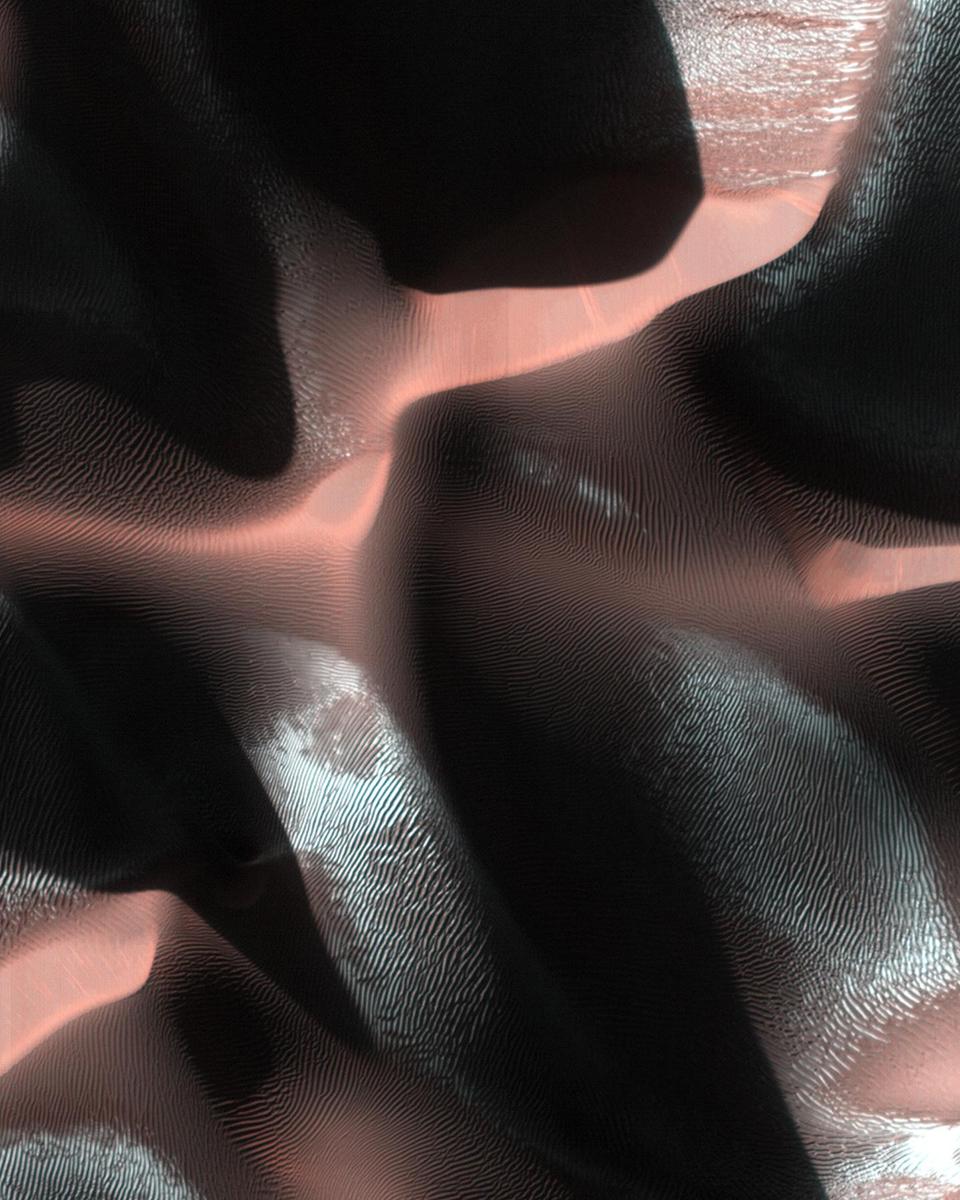
Martian Chiaroscuro
Deep shadows create dramatic contrasts between light and dark in this high-resolution close-up of the martian surface. Recorded on January 24, 2014 by the HiRISE camera on board…
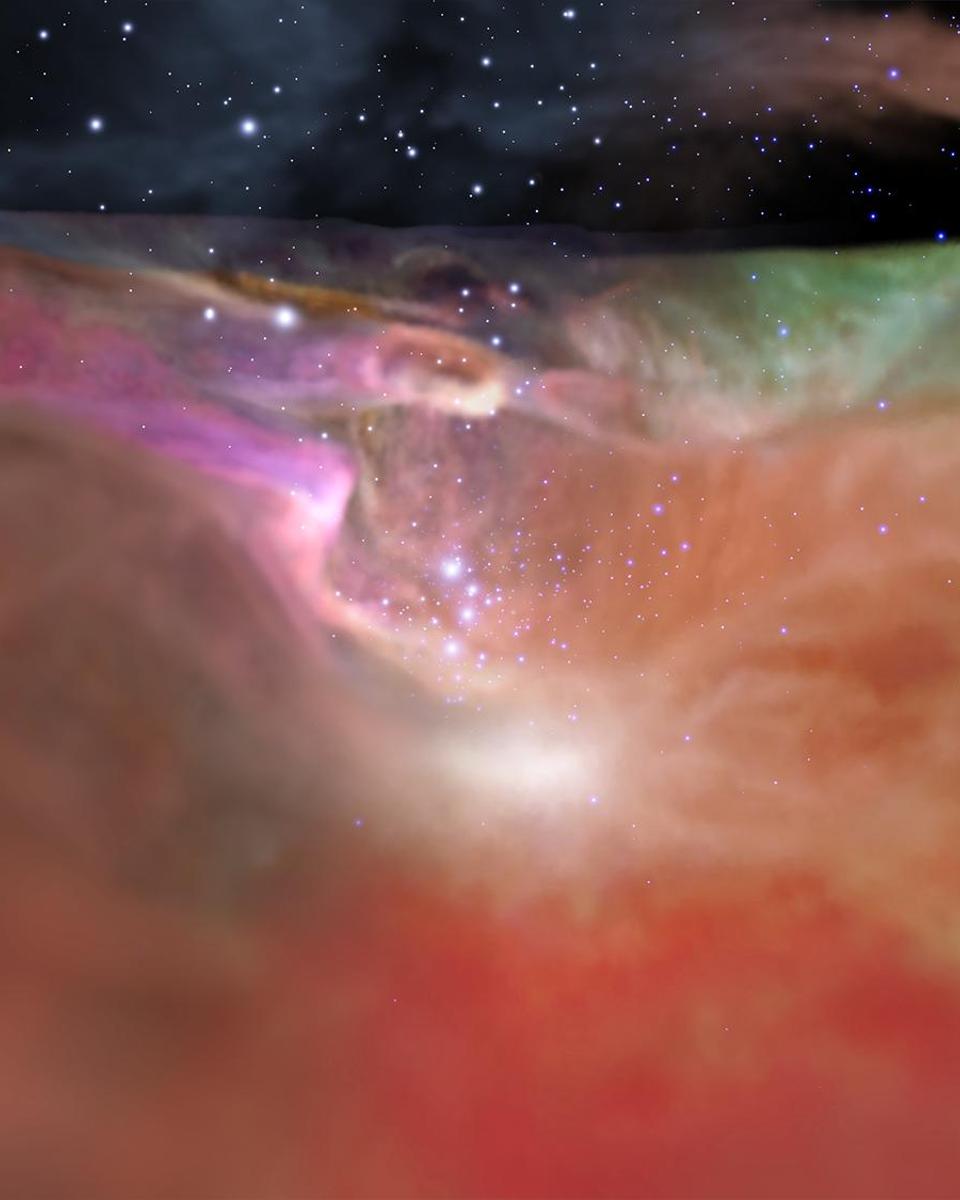
The Valley of Orion
This exciting and unfamiliar view of the Orion Nebula is a visualization based on astronomical data and movie rendering techniques. Up close and personal with a famous stellar…
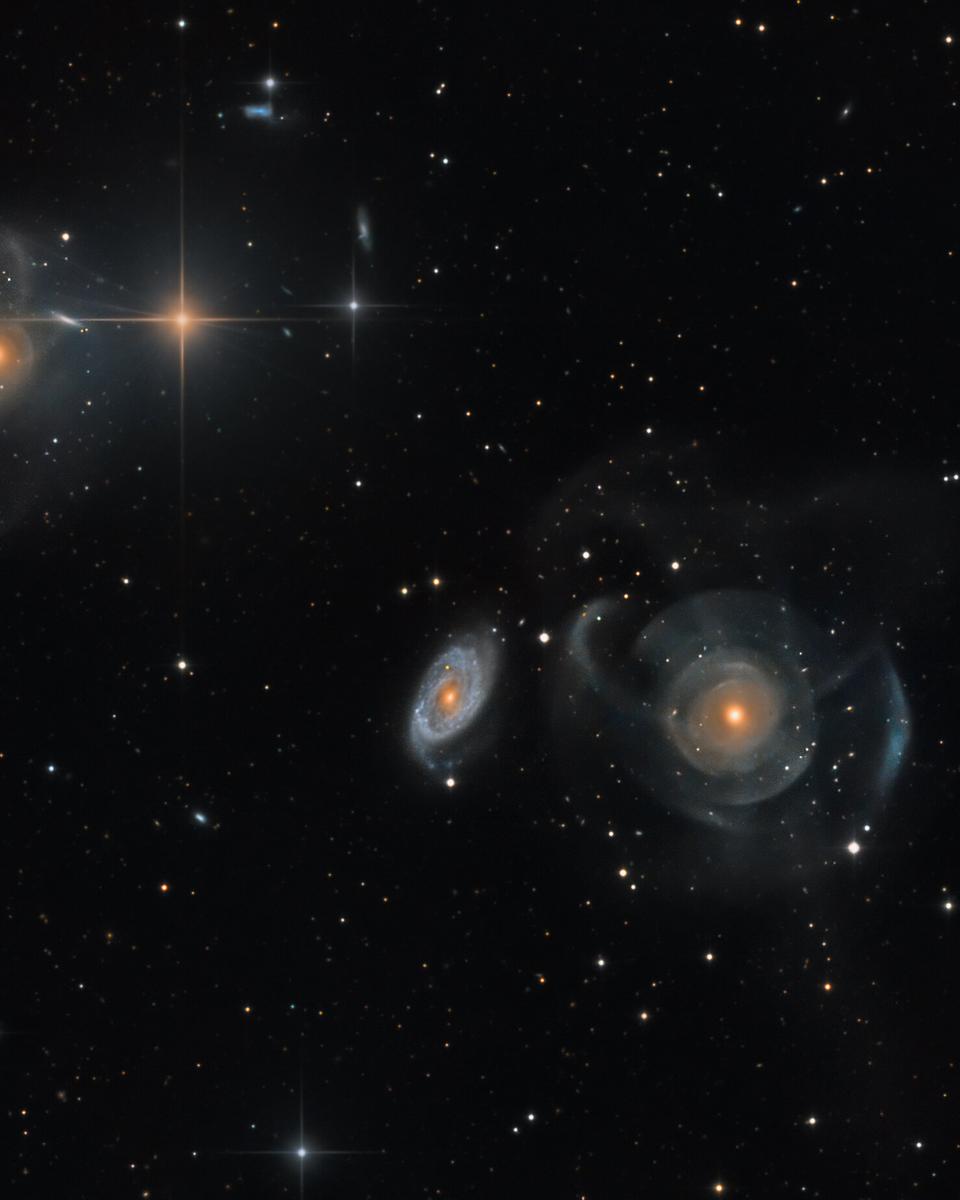
Shell Galaxies in Pisces
This intergalactic skyscape features a peculiar system of galaxies cataloged as Arp 227 some 100 million light-years distant. Swimming within the boundaries of the constellation…
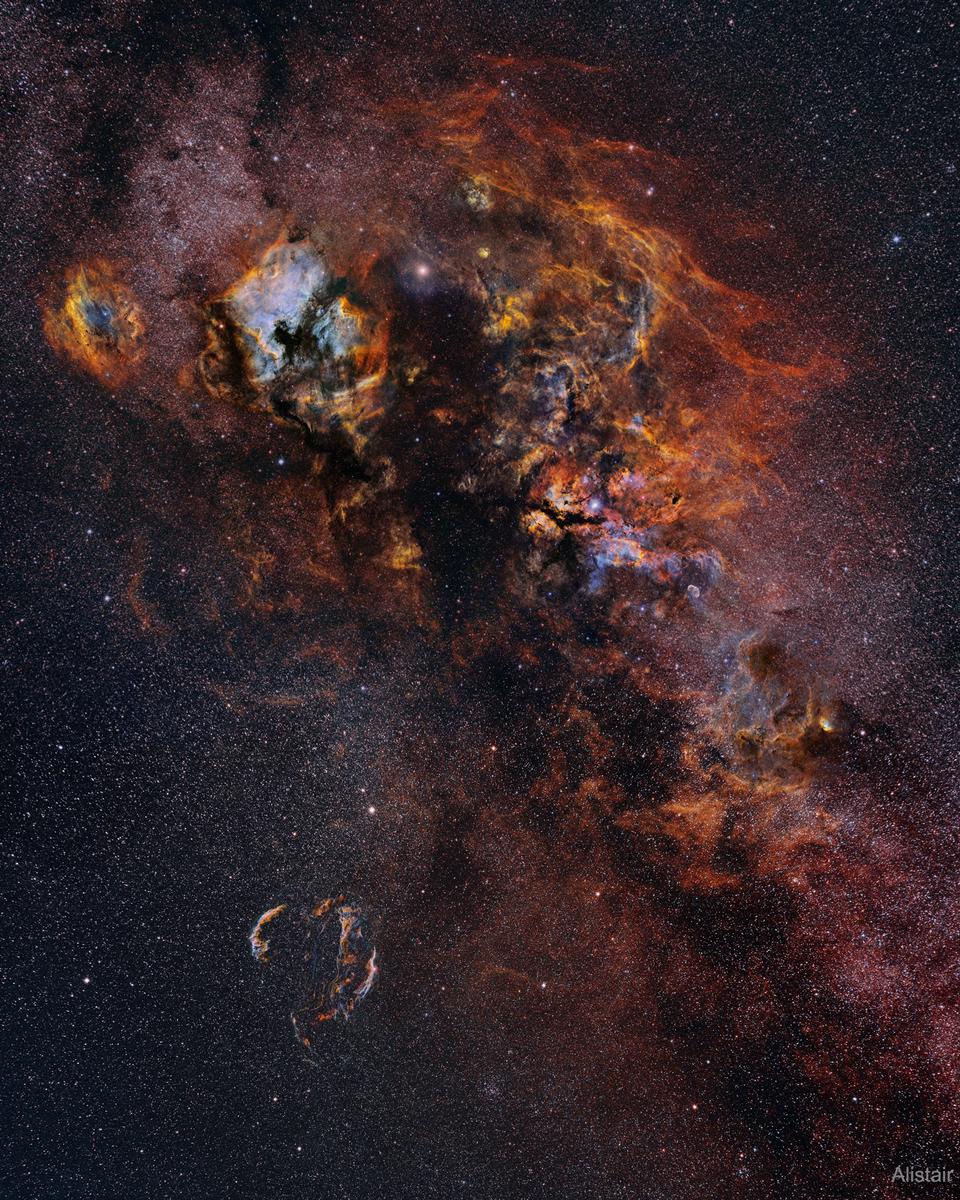
Cygnus Skyscape
In brush strokes of interstellar dust and glowing hydrogen gas , this beautiful skyscape is painted across the plane of our Milky Way Galaxy near the northern end of the Great…

Visualization: A Black Hole Accretion Disk
What would it look like to circle a black hole? If the black hole was surrounded by a swirling disk of glowing and accreting gas, then the great gravity of the black hole would…
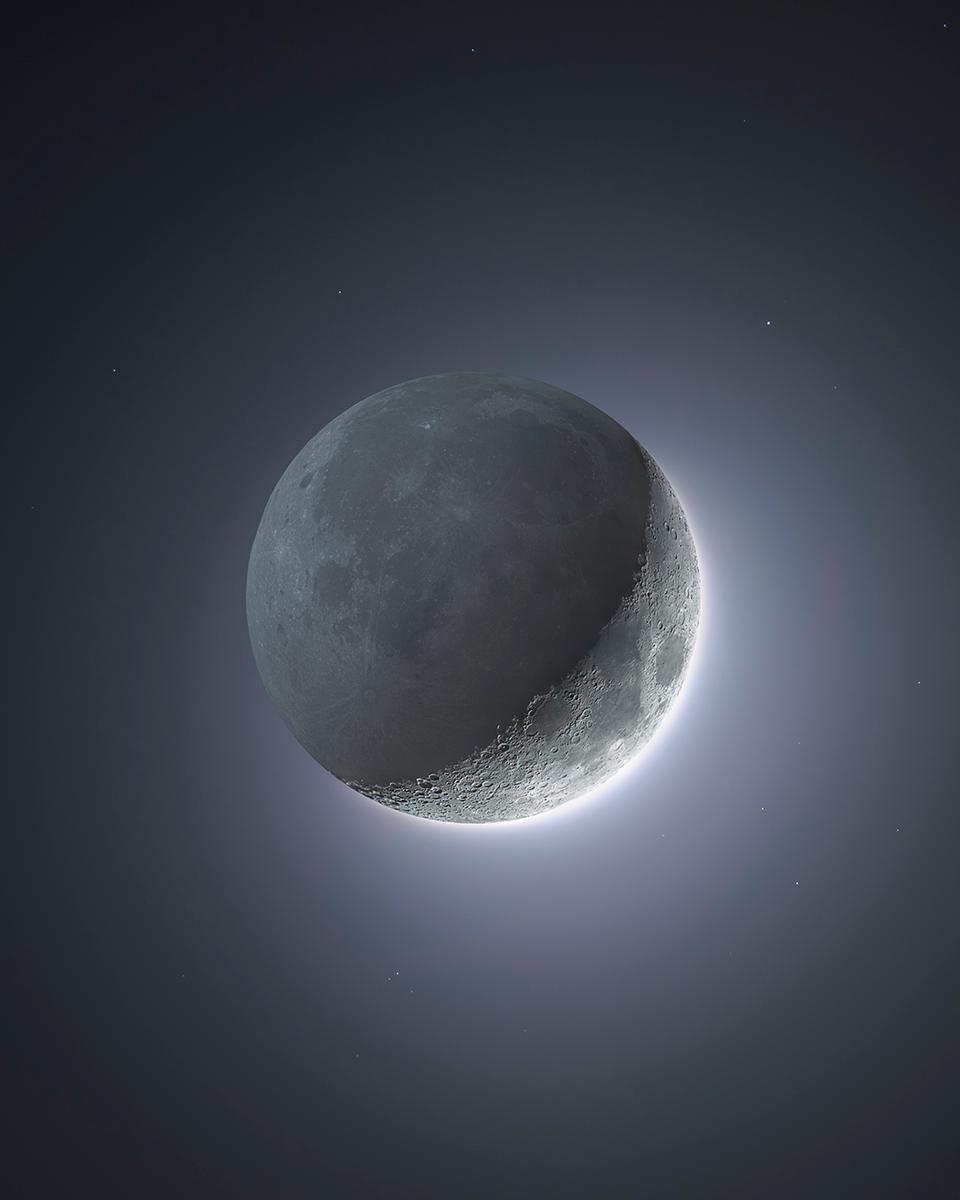
Crescent Moon HDR
How come the crescent Moon doesn't look like this? For one reason, because your eyes can't simultaneously discern bright and dark regions like this. Called earthshine or the da…
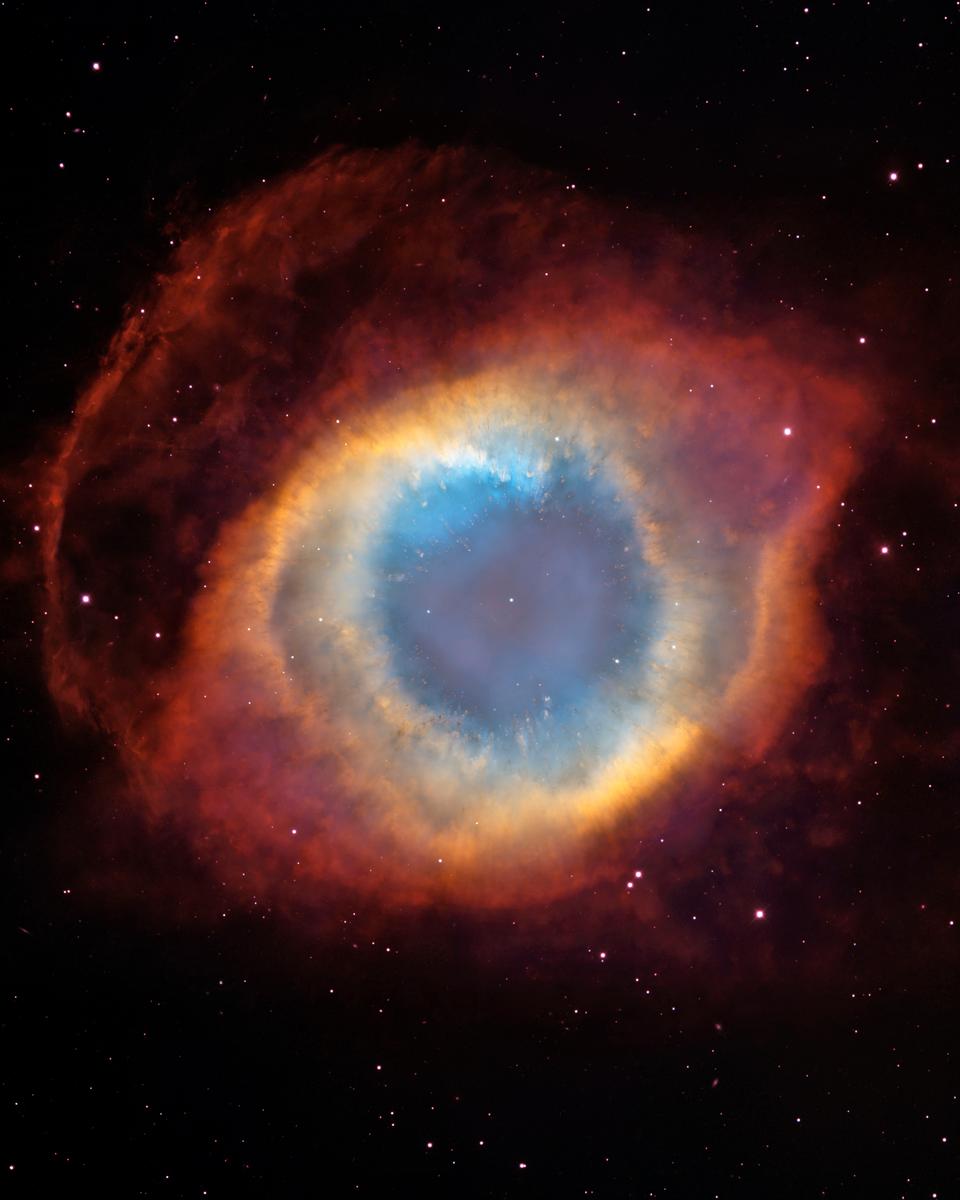
The Helix Nebula from Blanco and Hubble
How did a star create the Helix nebula ? The shapes of planetary nebula like the Helix are important because they likely hold clues to how stars like the Sun end their lives.…
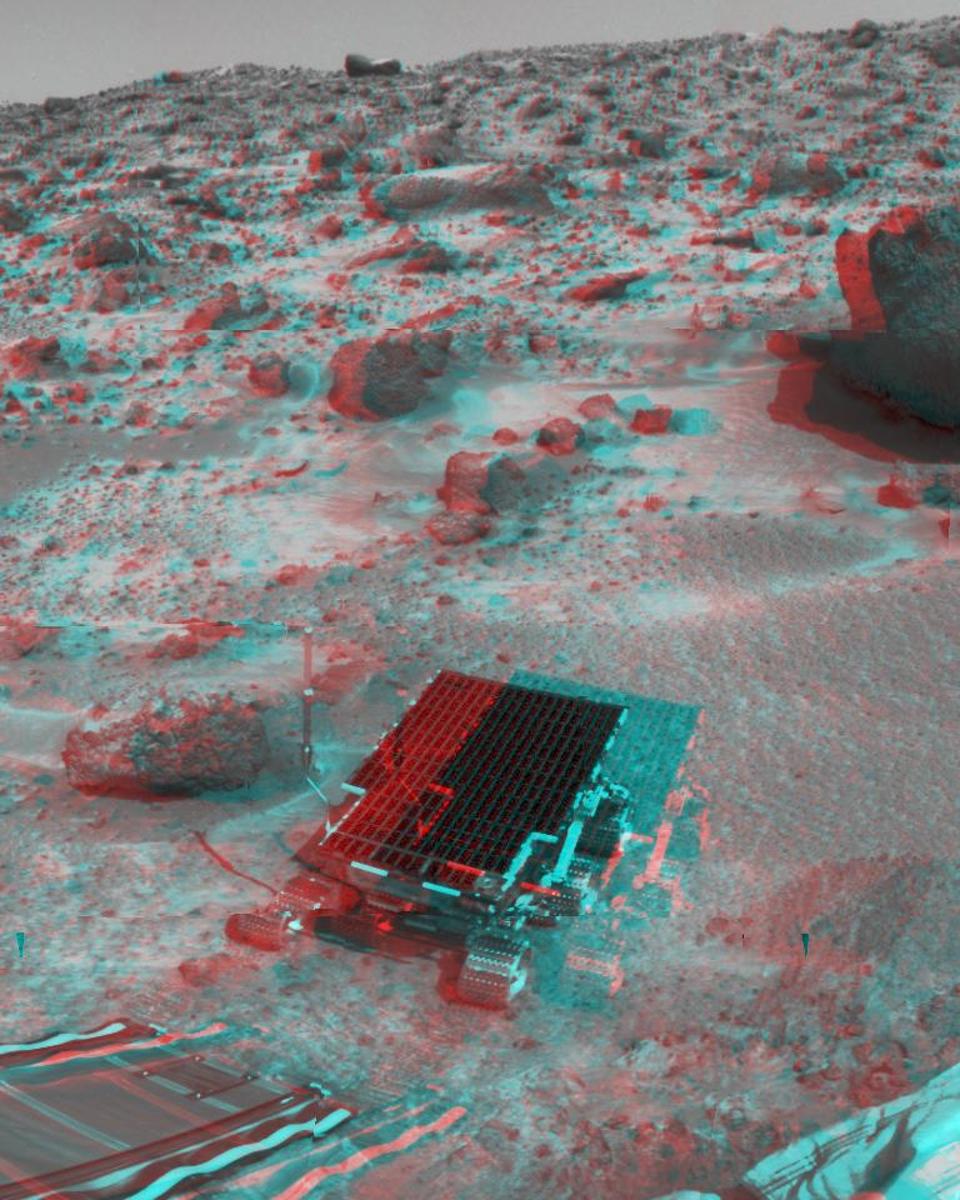
Yogi And Friends In 3D
From July of 1997 , a ramp from the Pathfinder lander, the Sojourner robot rover, airbags, a couch, Barnacle Bill and Yogi Rock appear together in this 3D stereo view of the…
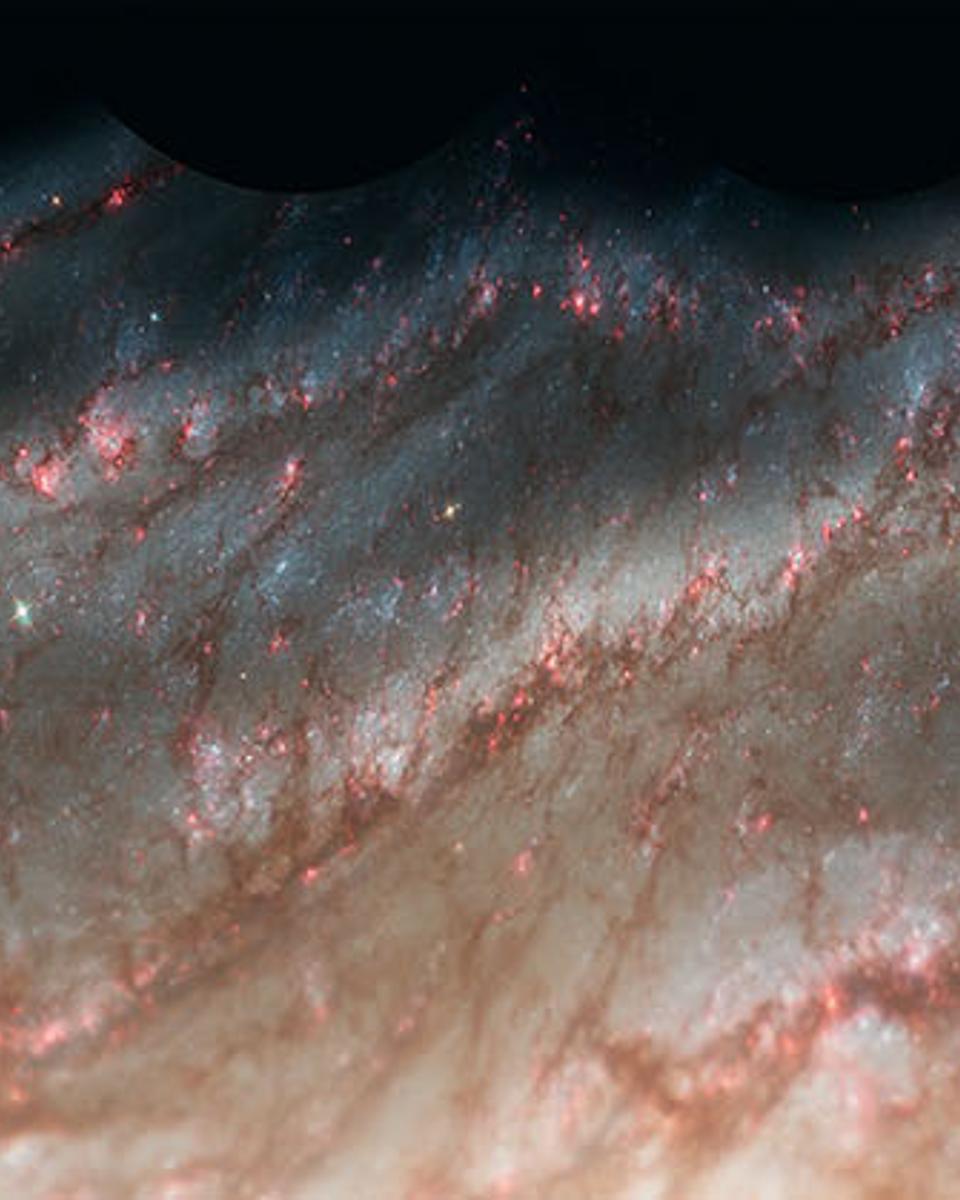
Unwinding M51
The arms of a grand design spiral galaxy 60,000 light-years across are unwound in this digital transformation of the magnificent 2005 Hubble Space Telescope portrait of M51 . In…
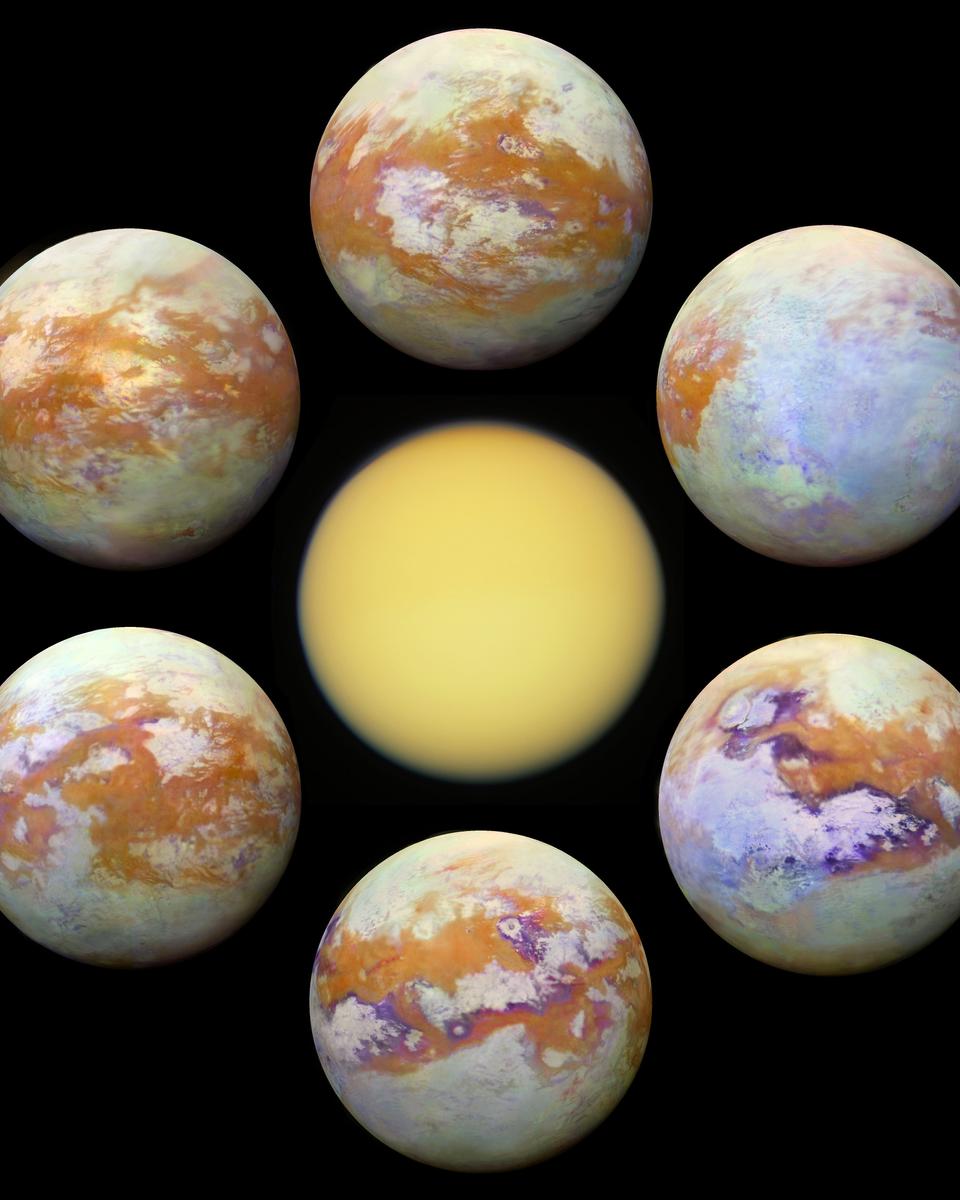
Seeing Titan
Shrouded in a thick atmosphere, Saturn's largest moon Titan really is hard to see. Small particles suspended in the upper atmosphere cause an almost impenetrable haze, strongly…
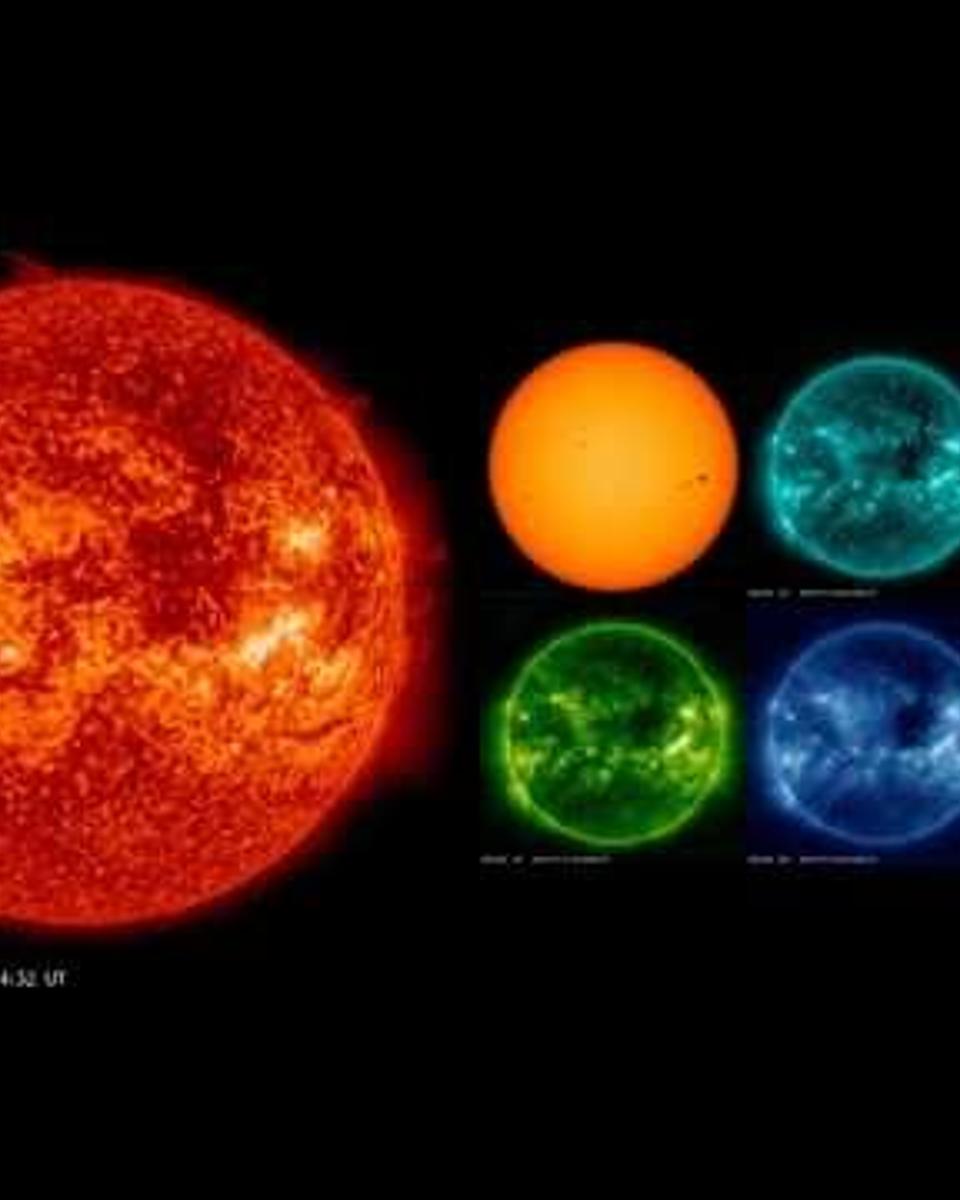
The Sun Rotating
Does the Sun change as it rotates? Yes, and the changes can vary from subtle to dramatic. In the featured time-lapse sequences, our Sun -- as imaged by NASA's Solar Dynamics…
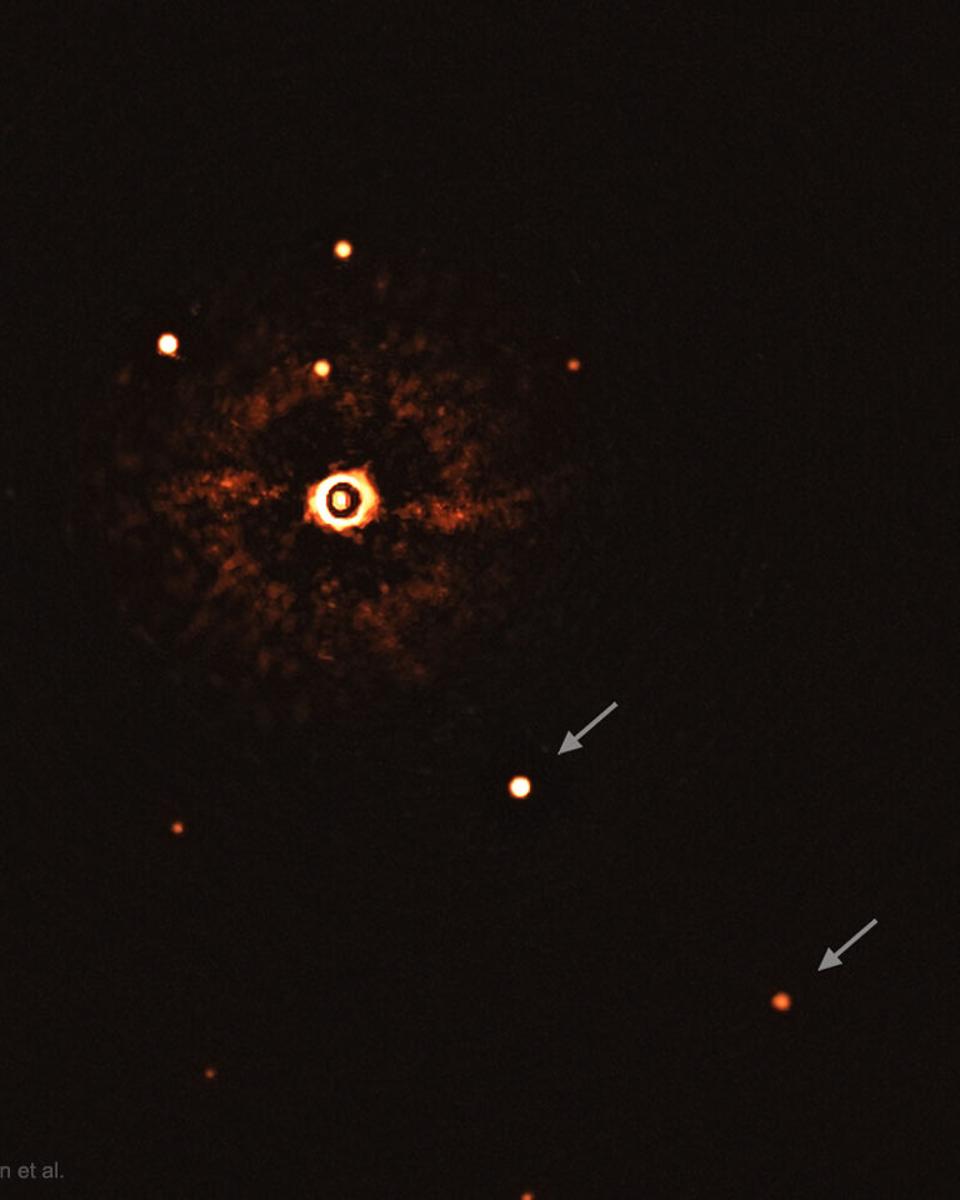
TYC 8998-760-1: Multiple Planets around a Sun Like Star
Do other stars have planets like our Sun? Previous evidence shows that they do, coming mostly from slight shifts in the star's light created by the orbiting planets. Recently ,…
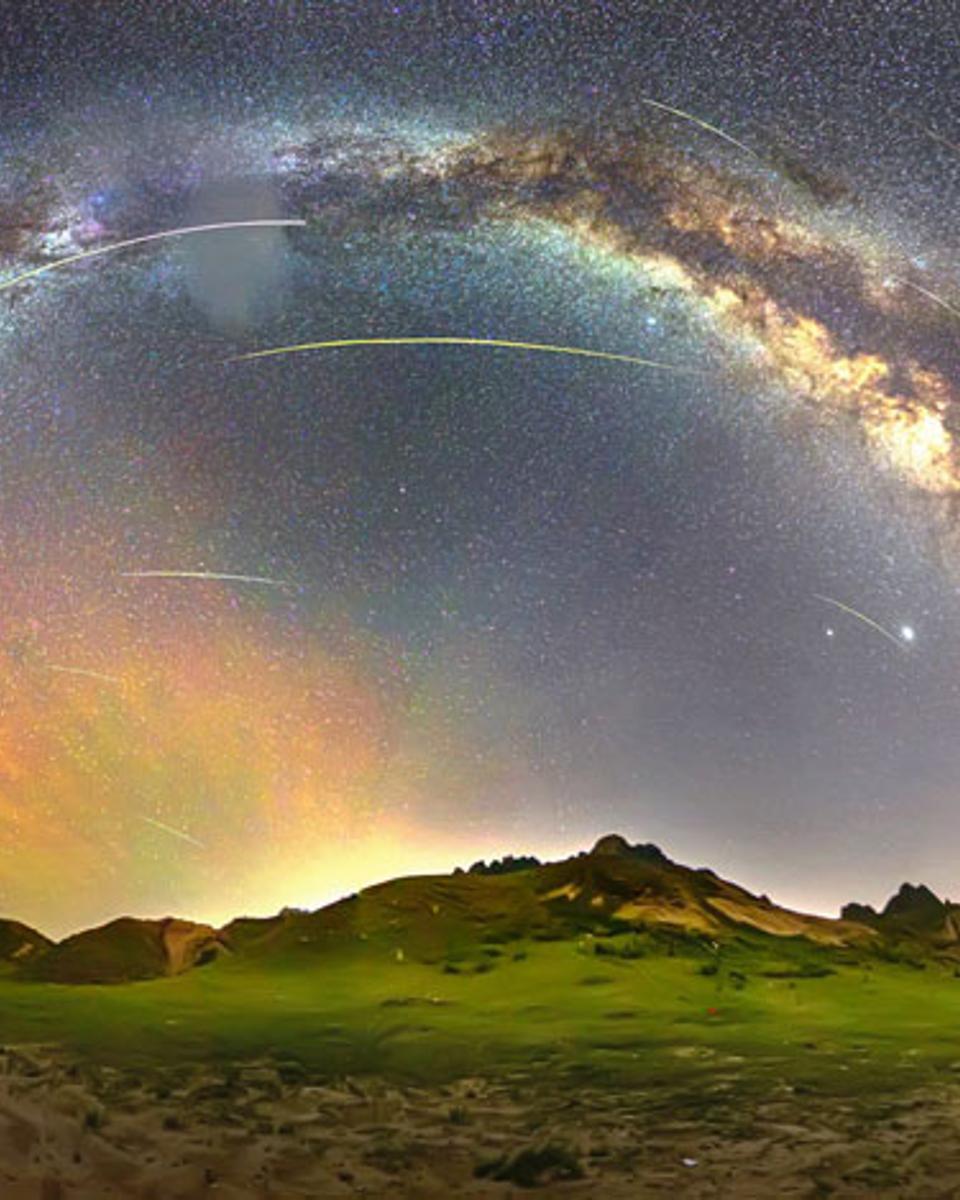
Perseids Around the Milky Way
Why would meteor trails appear curved? The arcing effect arises only because the image artificially compresses (nearly) the whole sky into a rectangle . The meteors are from the…
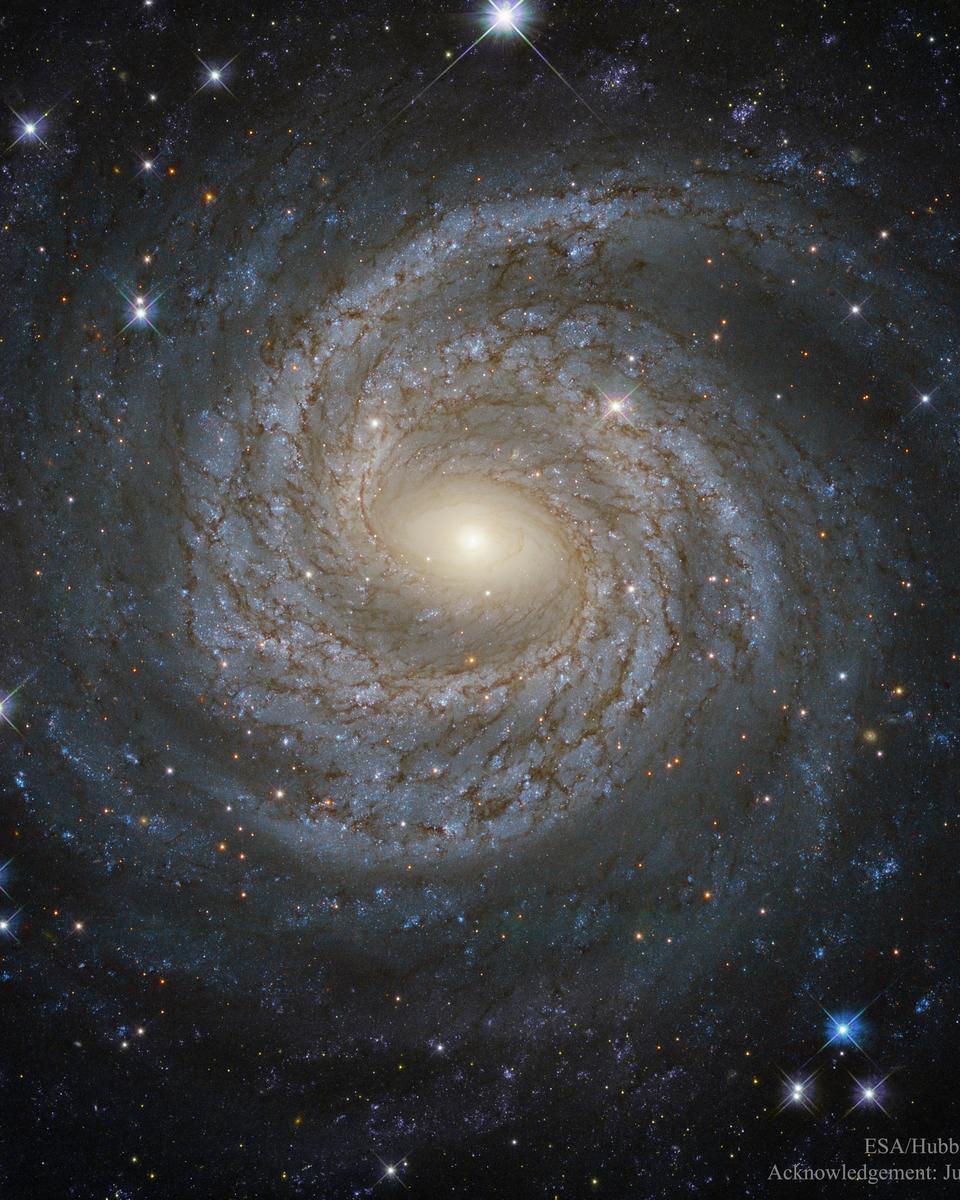
NGC 6814: Grand Design Spiral Galaxy from Hubble
In the center of this serene stellar swirl is likely a harrowing black-hole beast. The surrounding swirl sweeps around billions of stars which are highlighted by the brightest and…
Viewing discoveries from 8 September 2020 through 16 August 2020.