Browse NASA Astronomy Picture of the Day archive by date and media: Archive Discoveries
Browse the NASA APOD archive without needing the exact date first. Filter by media type and keep moving deeper into older images and videos.
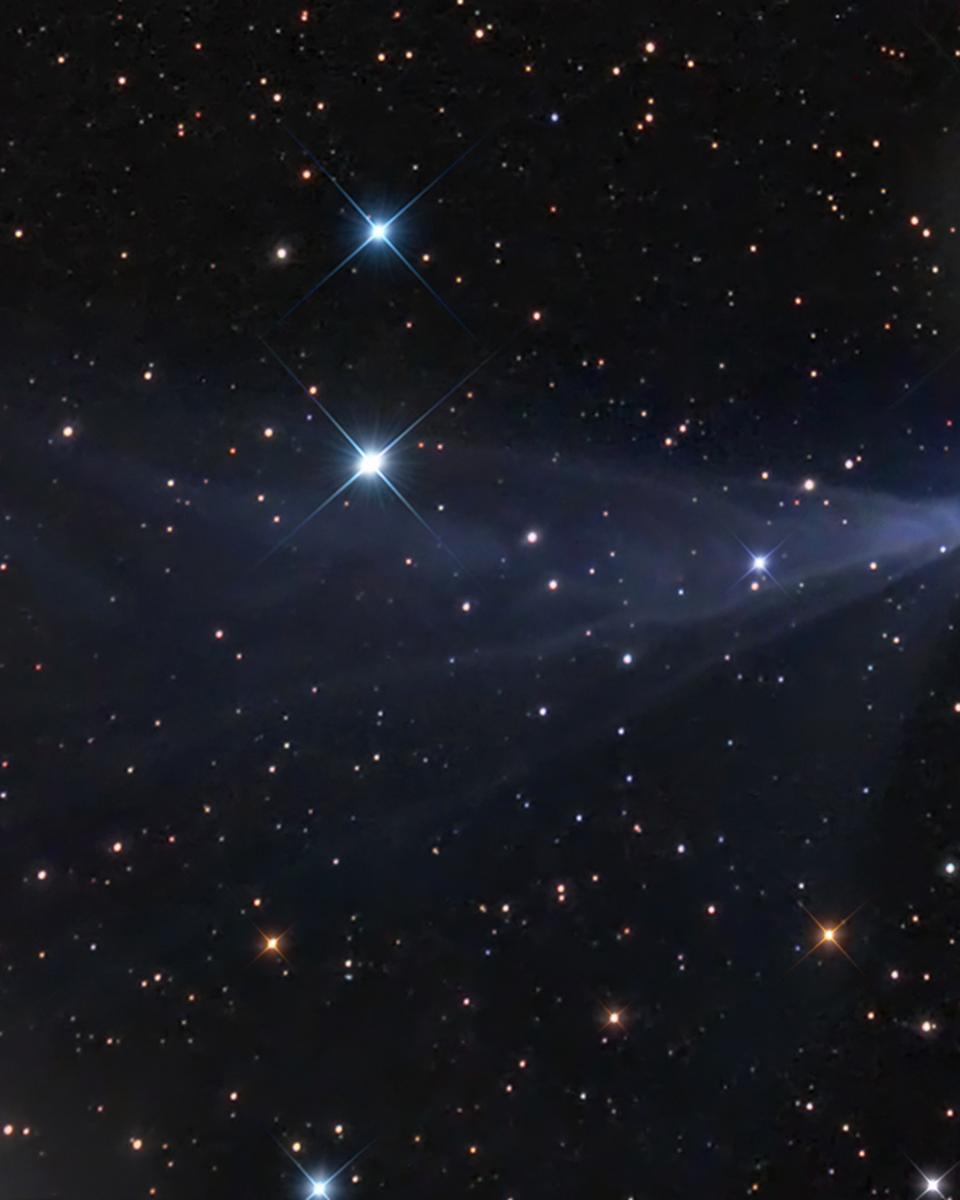
Blue Comet PanSTARRS
Discovered with the PanSTARRS telescope on September 7, 2016, this Comet PanSTARRS, C/2016 R2 , is presently about 24 light minutes (3 AU) from the Sun, sweeping through planet…
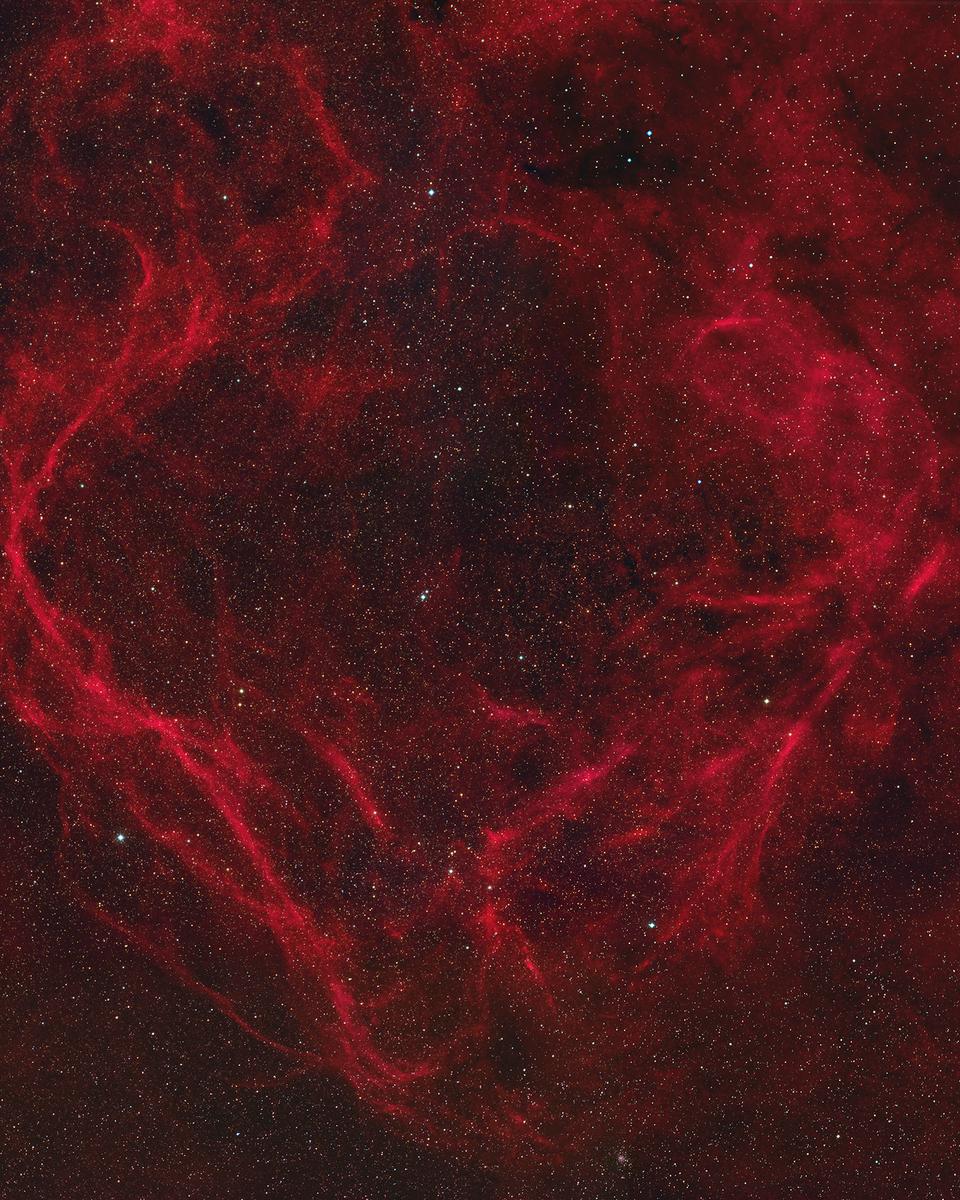
RCW 114: A Dragon's Heart in Ara
Large and dramatically shaped , this cosmic cloud spans nearly 7 degrees or 14 full moons across planet Earth's sky toward the southern constellation Ara. Difficult to image, the…
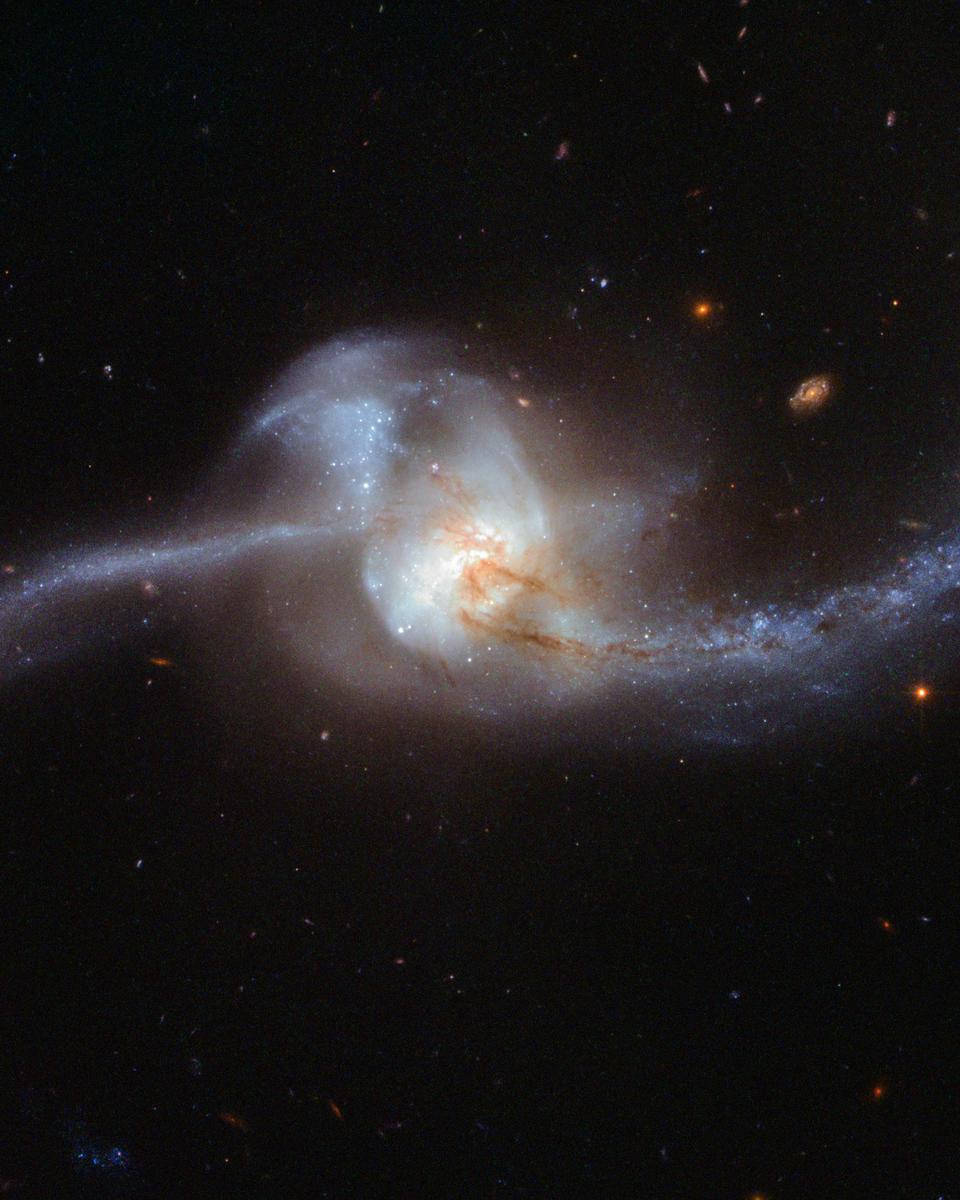
NGC 2623: Merging Galaxies from Hubble
Where do stars form when galaxies collide? To help find out, astronomers imaged the nearby galaxy merger NGC 2623 in high resolution with the Hubble Space Telescope . Analysis of…
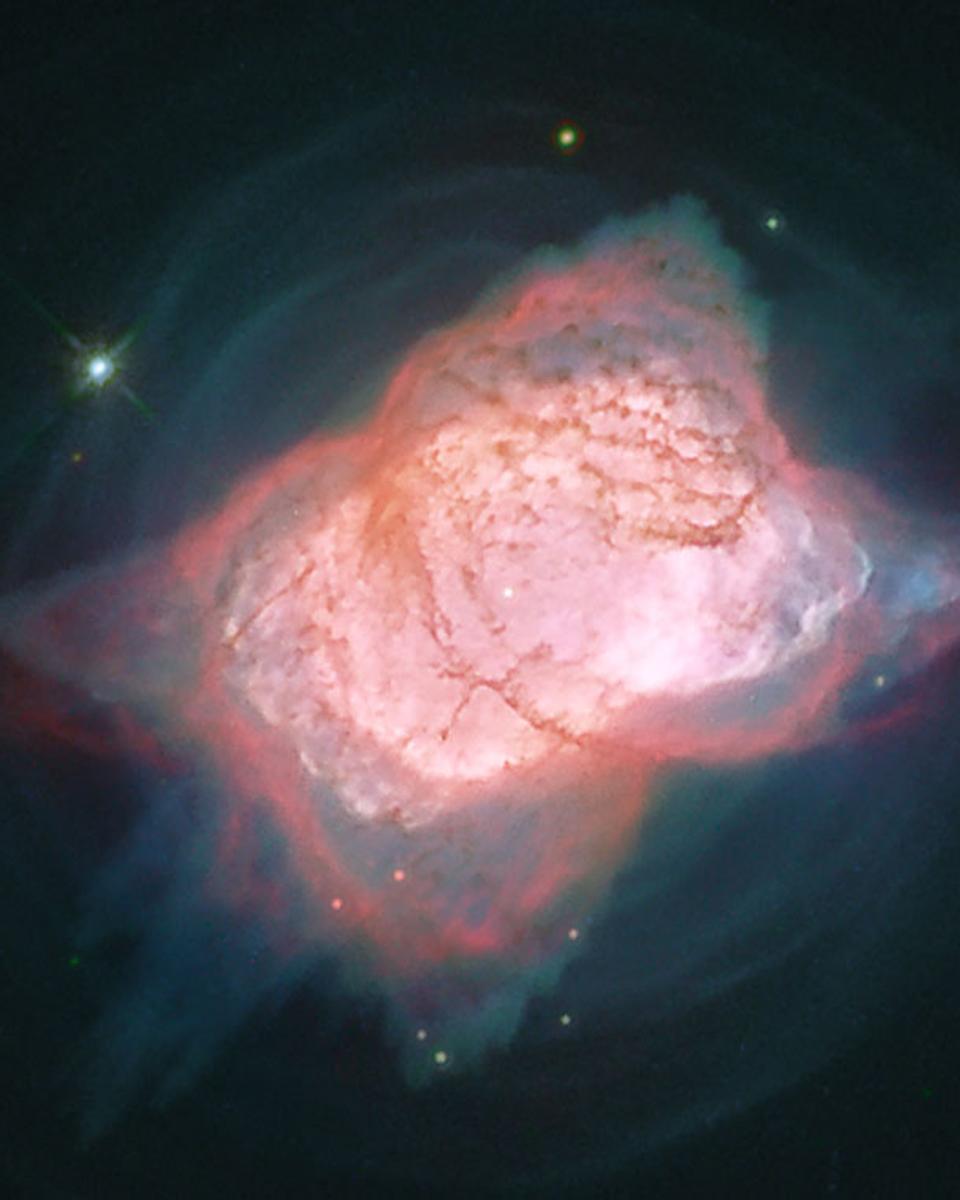
Bright Planetary Nebula NGC 7027 from Hubble
It is one of the brightest planetary nebulae on the sky -- what should it be named? First discovered in 1878, nebula NGC 7027 can be seen toward the constellation of the Swan…
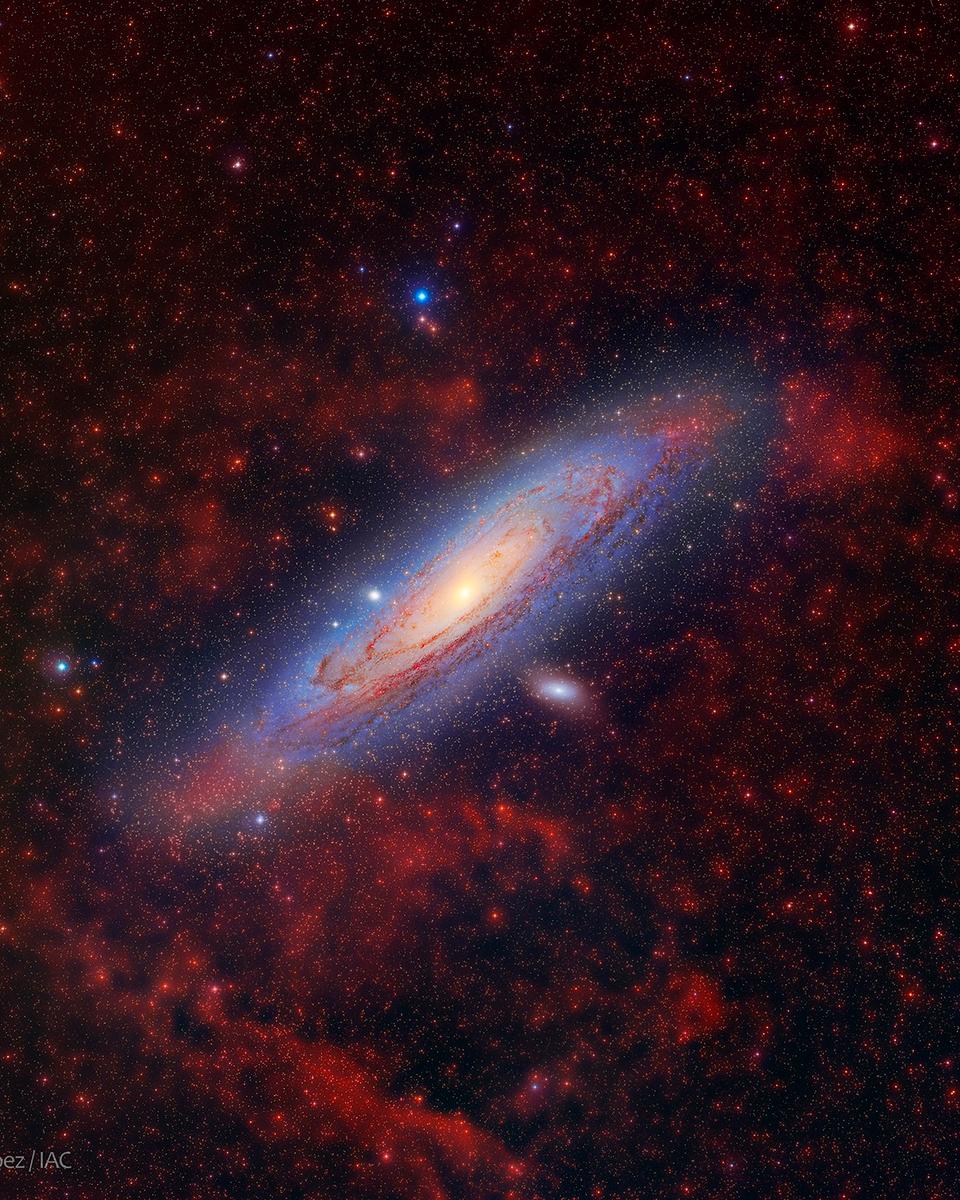
Clouds of Andromeda
What are those red clouds surrounding the Andromeda galaxy? This galaxy, M31, is often imaged by planet Earth-based astronomers. As the nearest large spiral galaxy, it is a…
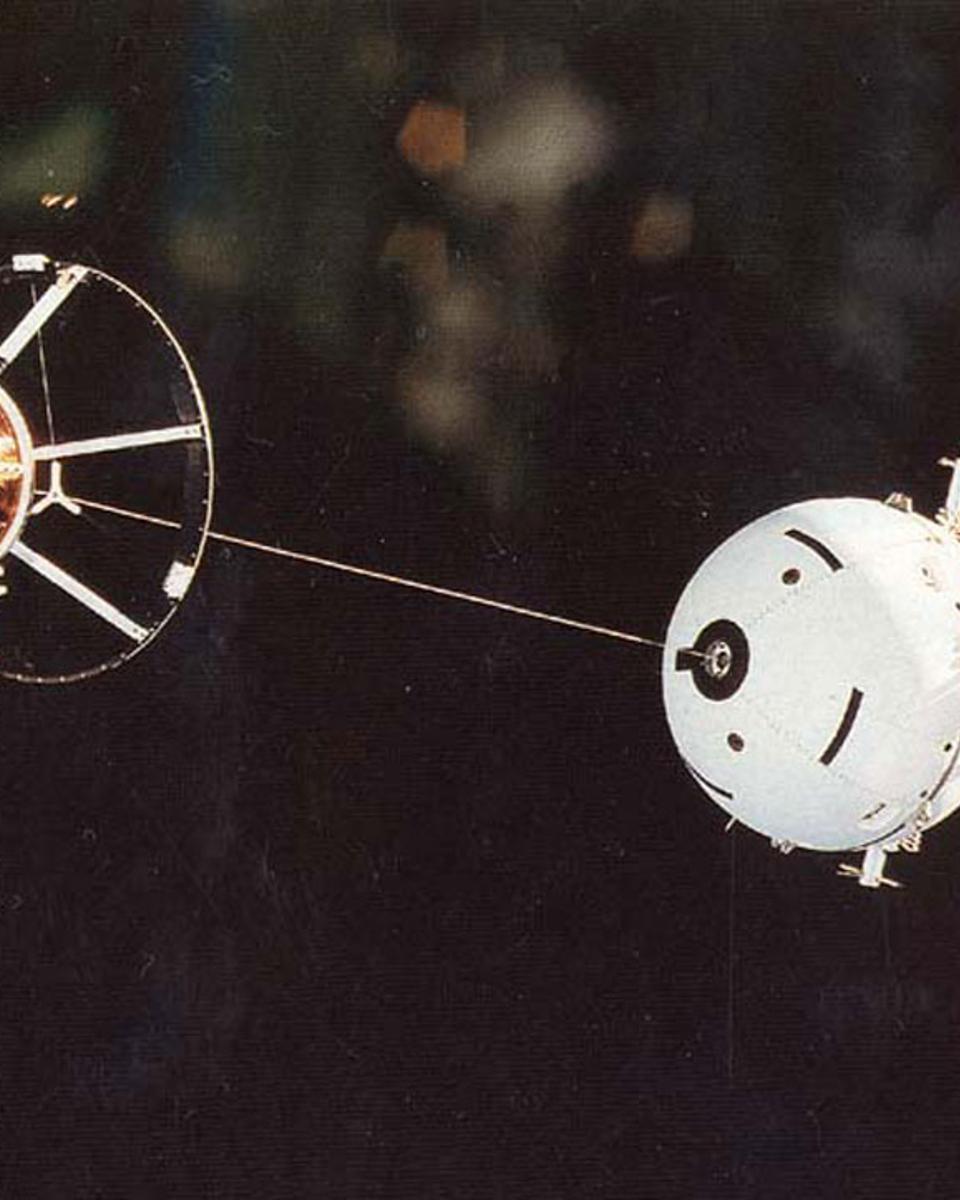
A Tether in Space
One of the greatest unrequited legends of outer space is the tether. Tethers , long strands of material, hold the promise of stabilizing satellites , generating electricity , and…
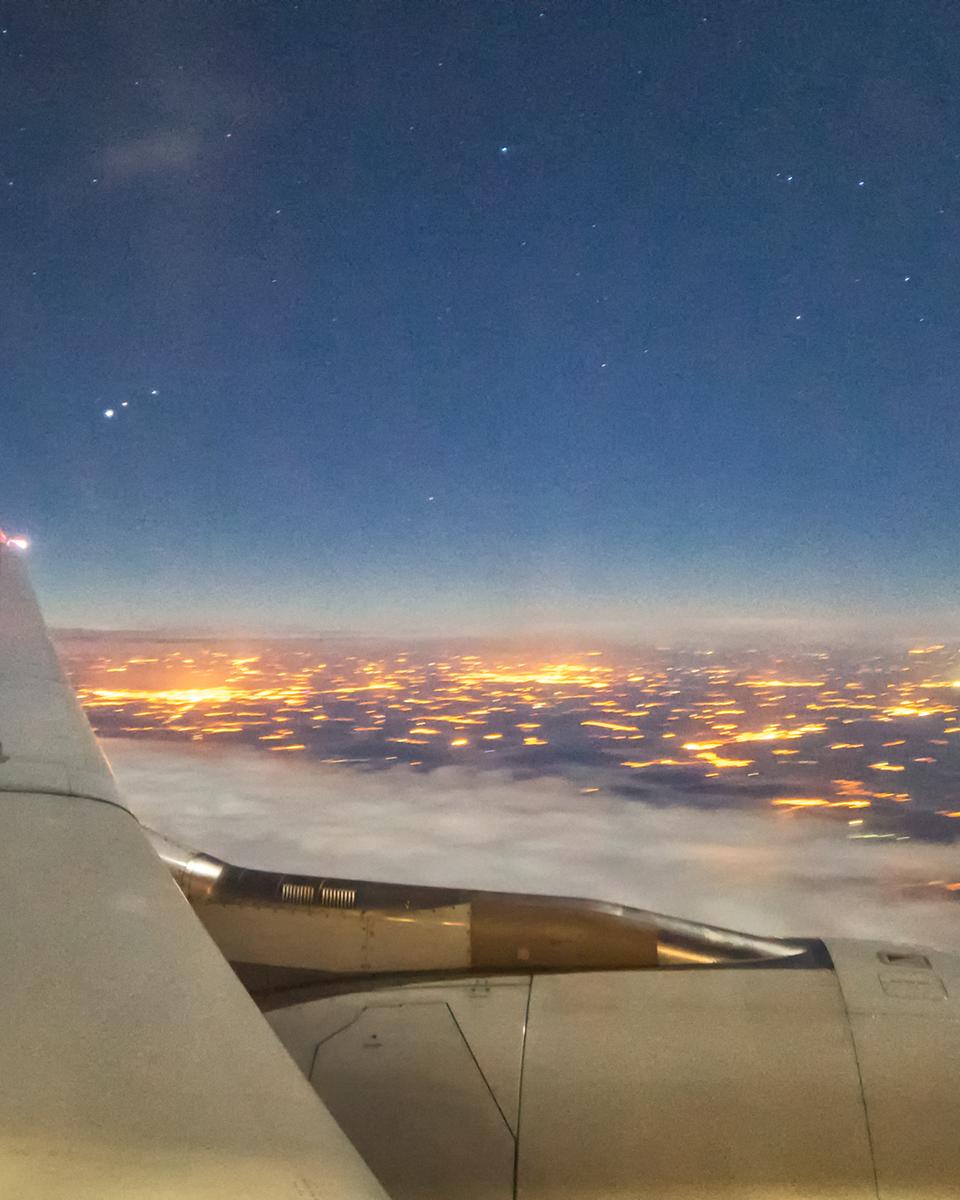
Planets on the Wing
Lately , bright Jupiter and fainter Mars have been easy to spot for early morning skygazers. Before dawn on January 7 the two naked-eye planets will reach a close conjunction near…
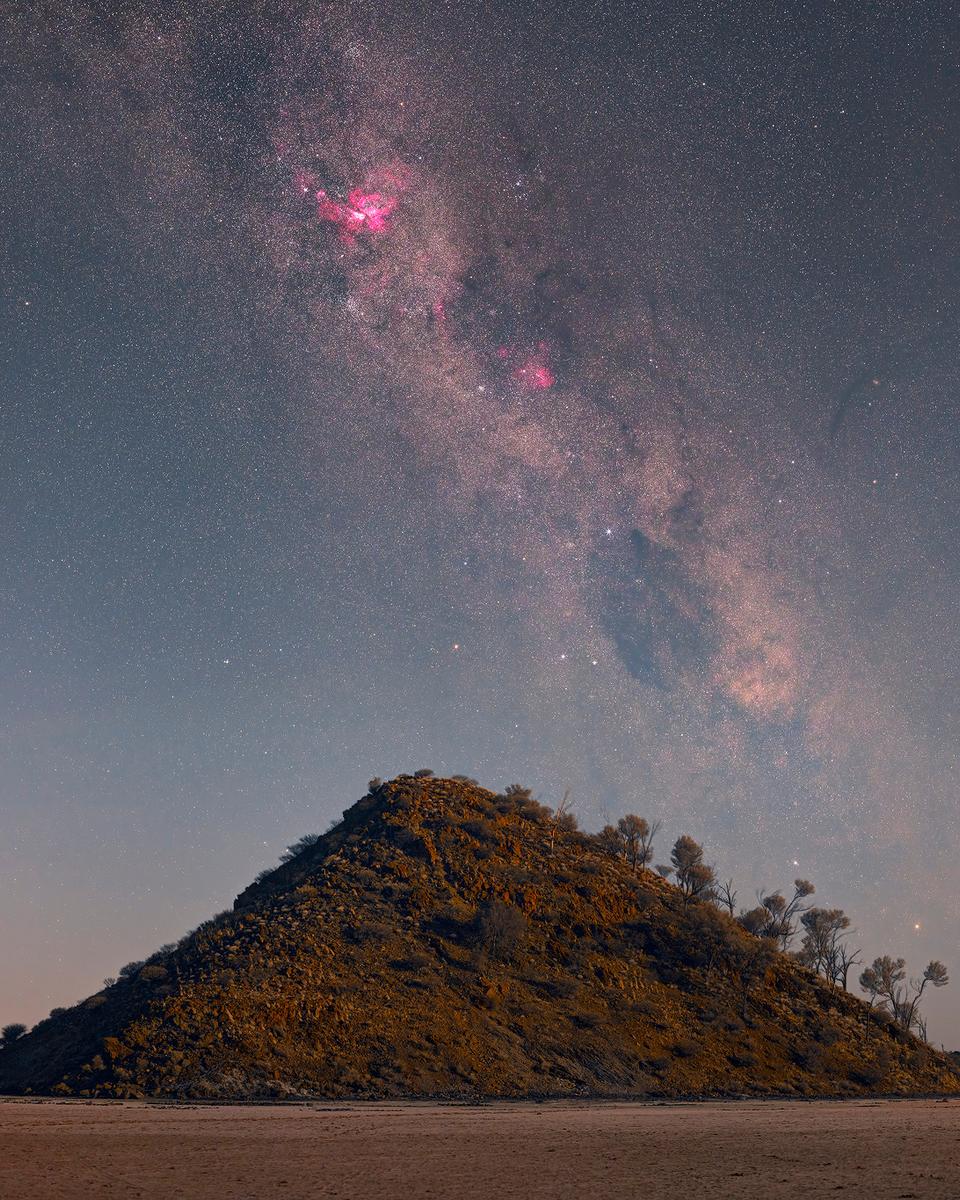
Carina over Lake Ballard
A jewel of the southern sky , the Great Carina Nebula, also known as NGC 3372, is one of our galaxy's largest star forming regions. Easily visible to the unaided eye it stands…
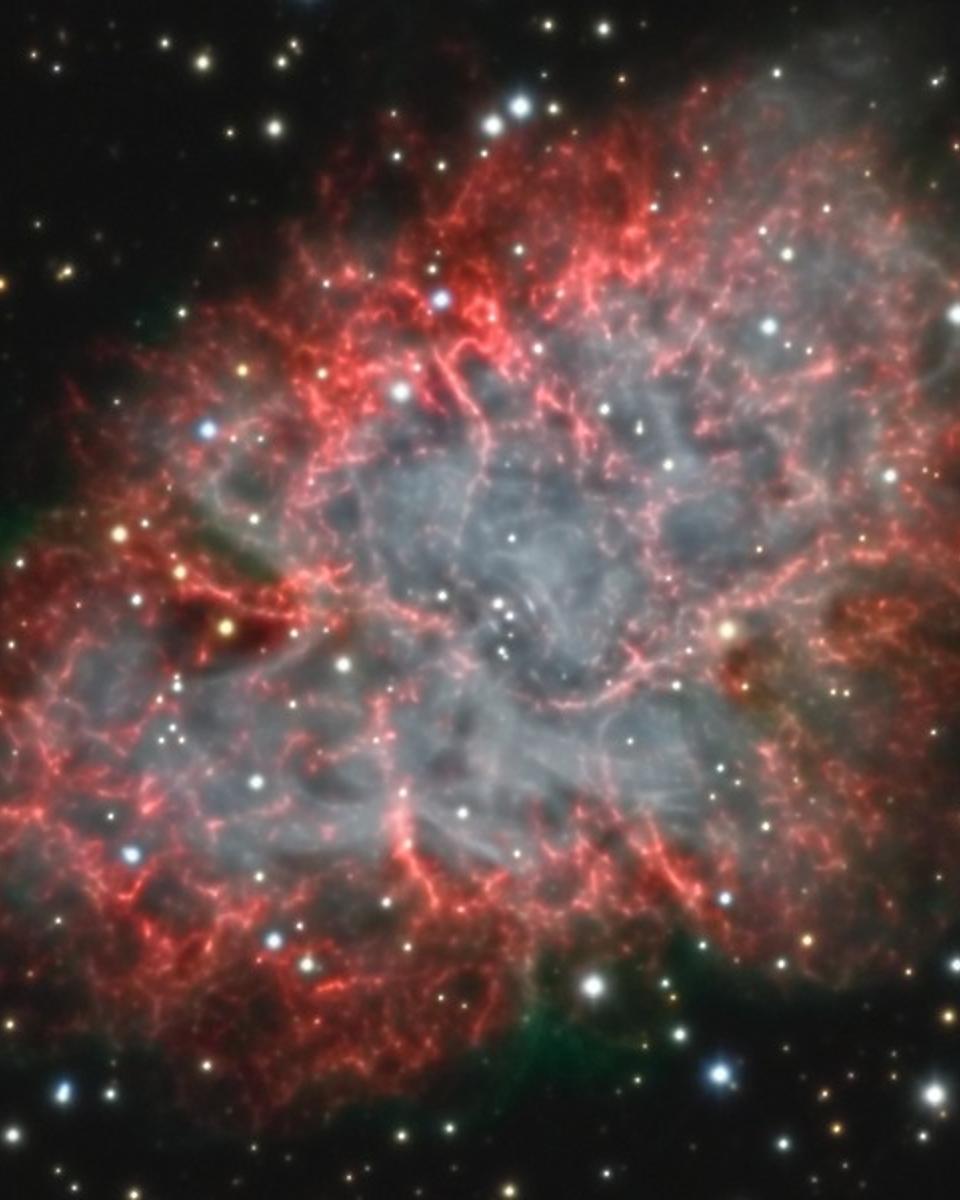
M1: The Incredible Expanding Crab
The Crab Nebula is cataloged as M1, the first on Charles Messier's famous list of things which are not comets. In fact, the Crab is now known to be a supernova remnant, an…
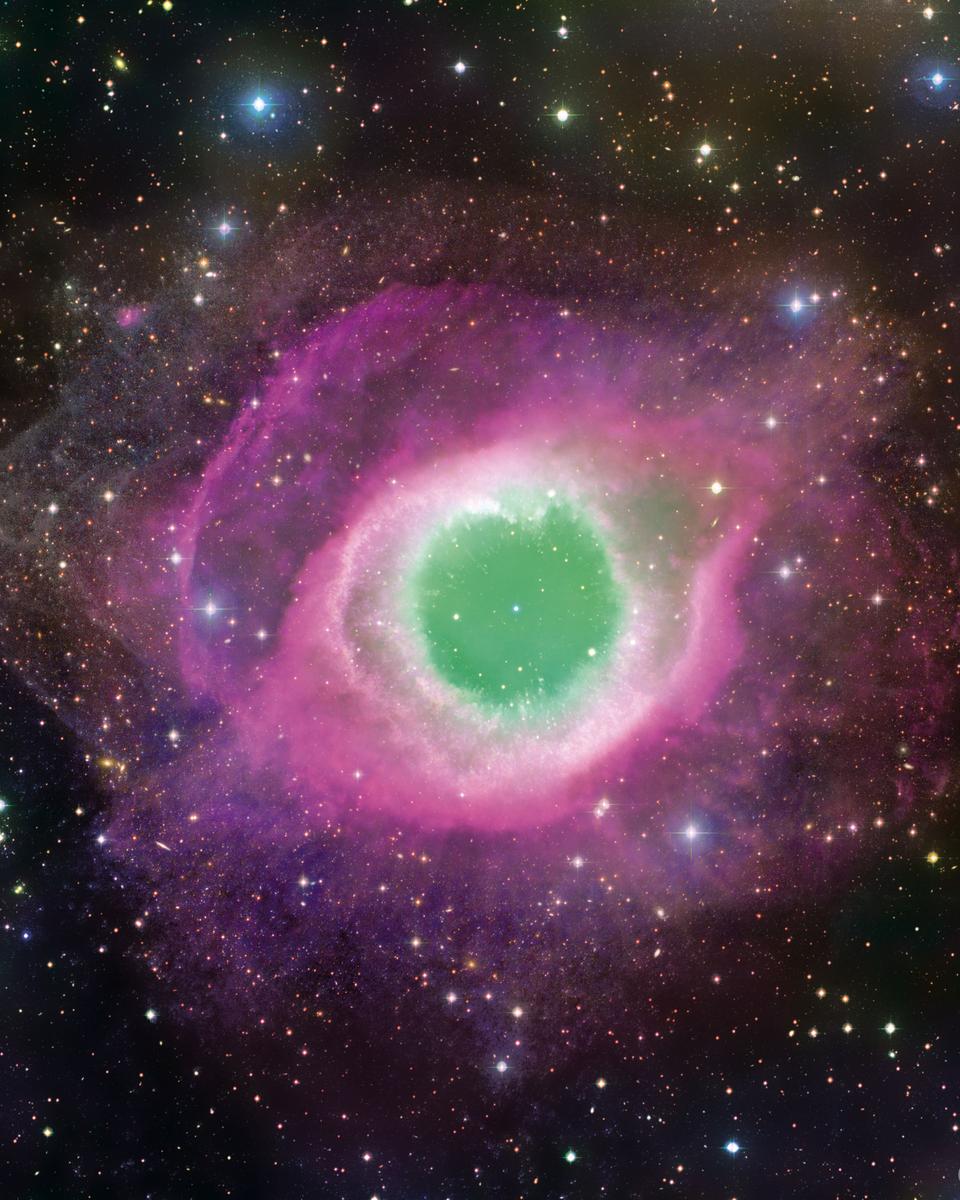
The Helix Nebula from CFHT
Will our Sun look like this one day? The Helix Nebula is one of brightest and closest examples of a planetary nebula , a gas cloud created at the end of the life of a Sun-like…
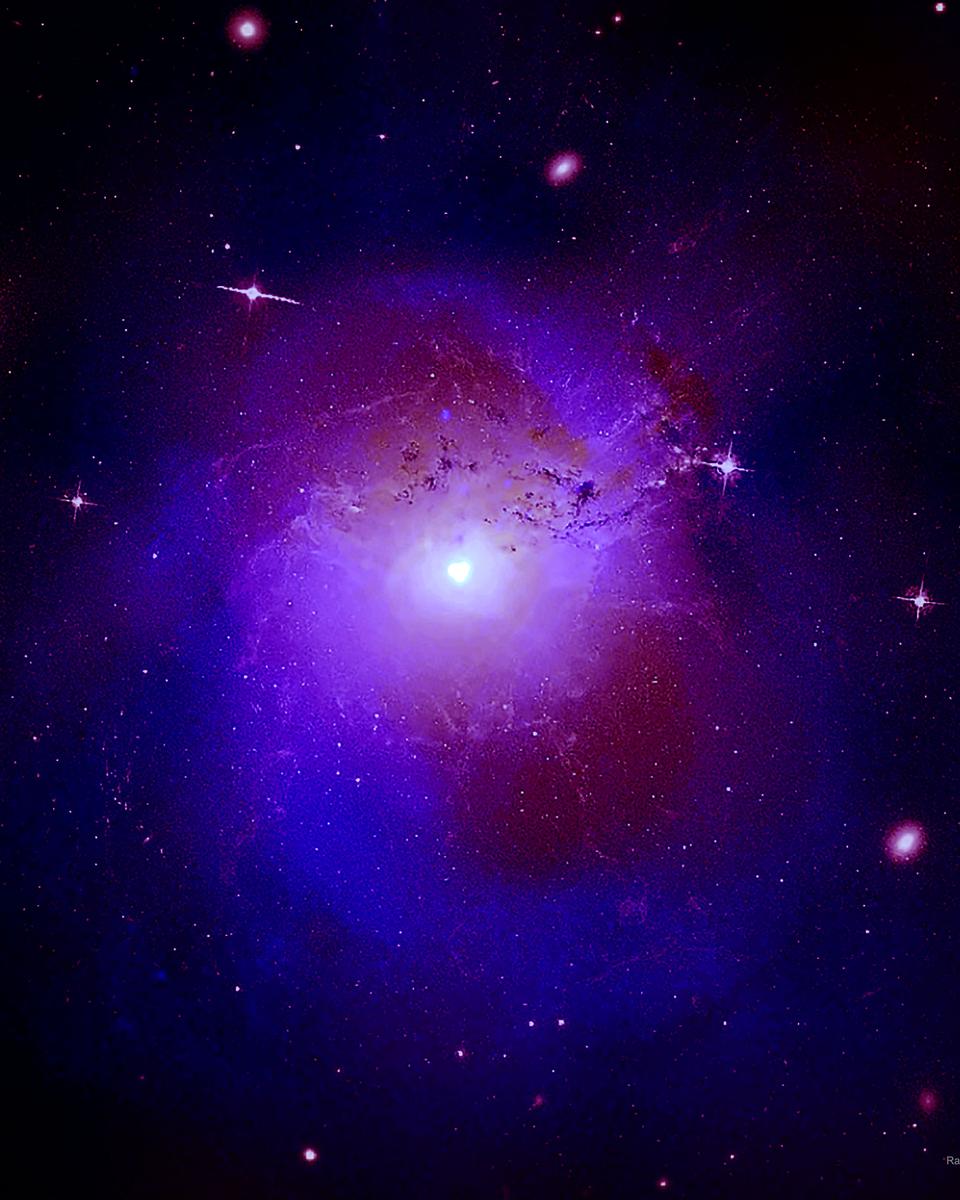
Unexpected X-Rays from Perseus Galaxy Cluster
Why does the Perseus galaxy cluster shine so strangely in one specific color of X-rays? No one is sure, but a much-debated hypothesis holds that these X-rays are a clue to the…
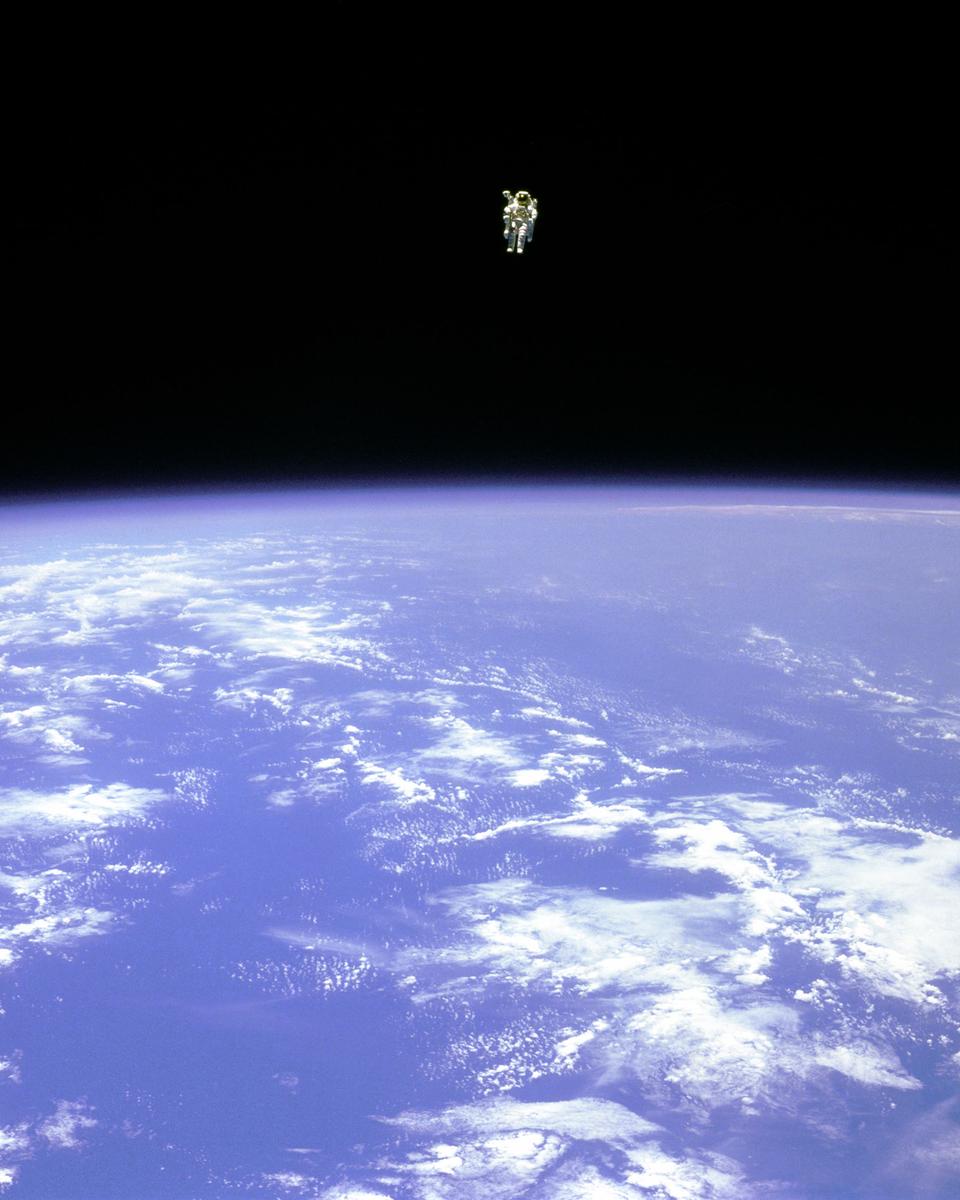
To Fly Free in Space
What would it be like to fly free in space? At about 100 meters from the cargo bay of the space shuttle Challenger , Bruce McCandless II was living the dream -- floating farther…
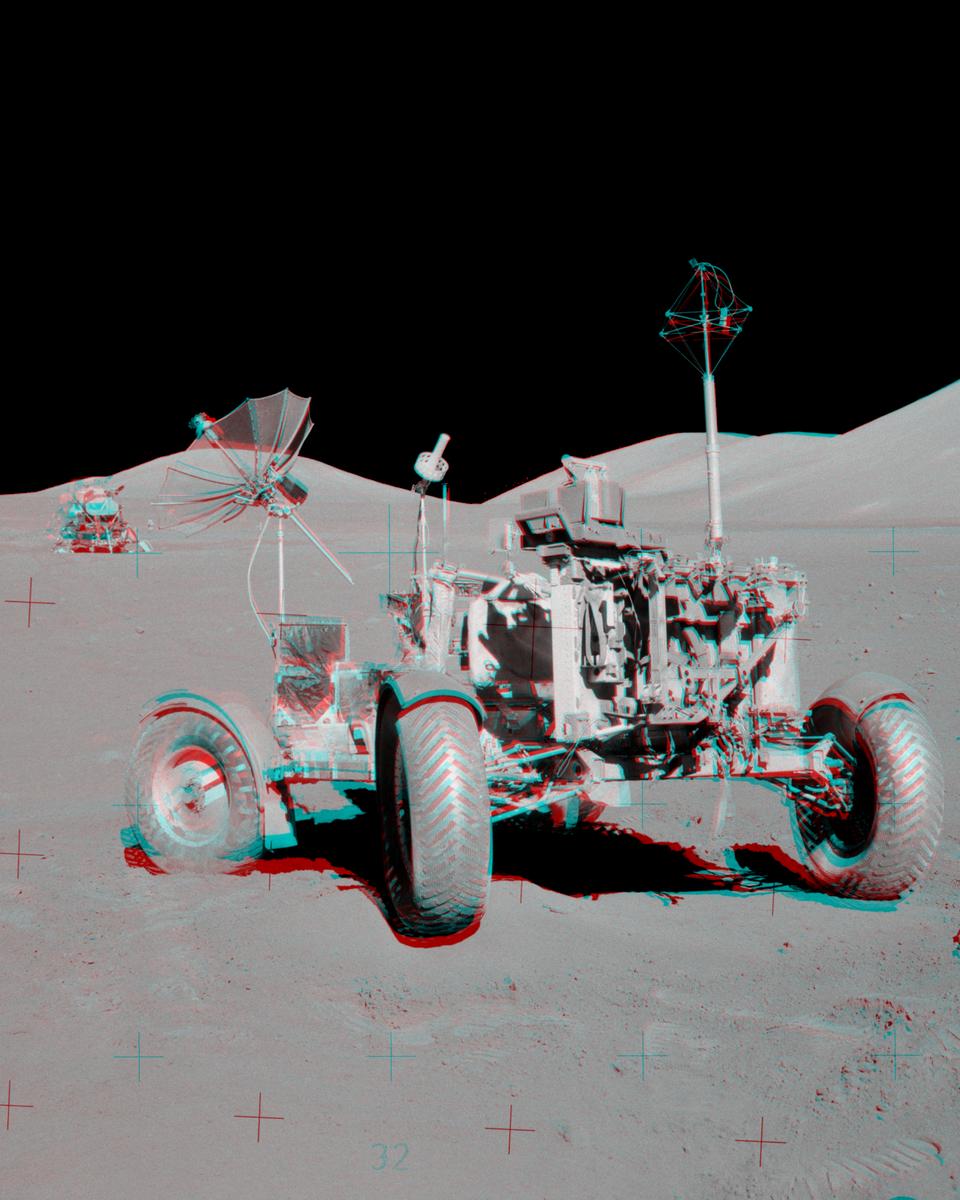
Apollo 17 VIP Site Anaglyph
Get out your red/blue glasses and check out this stereo scene from Taurus-Littrow valley on the Moon! The color anaglyph features a detailed 3D view of Apollo 17's Lunar Rover in…
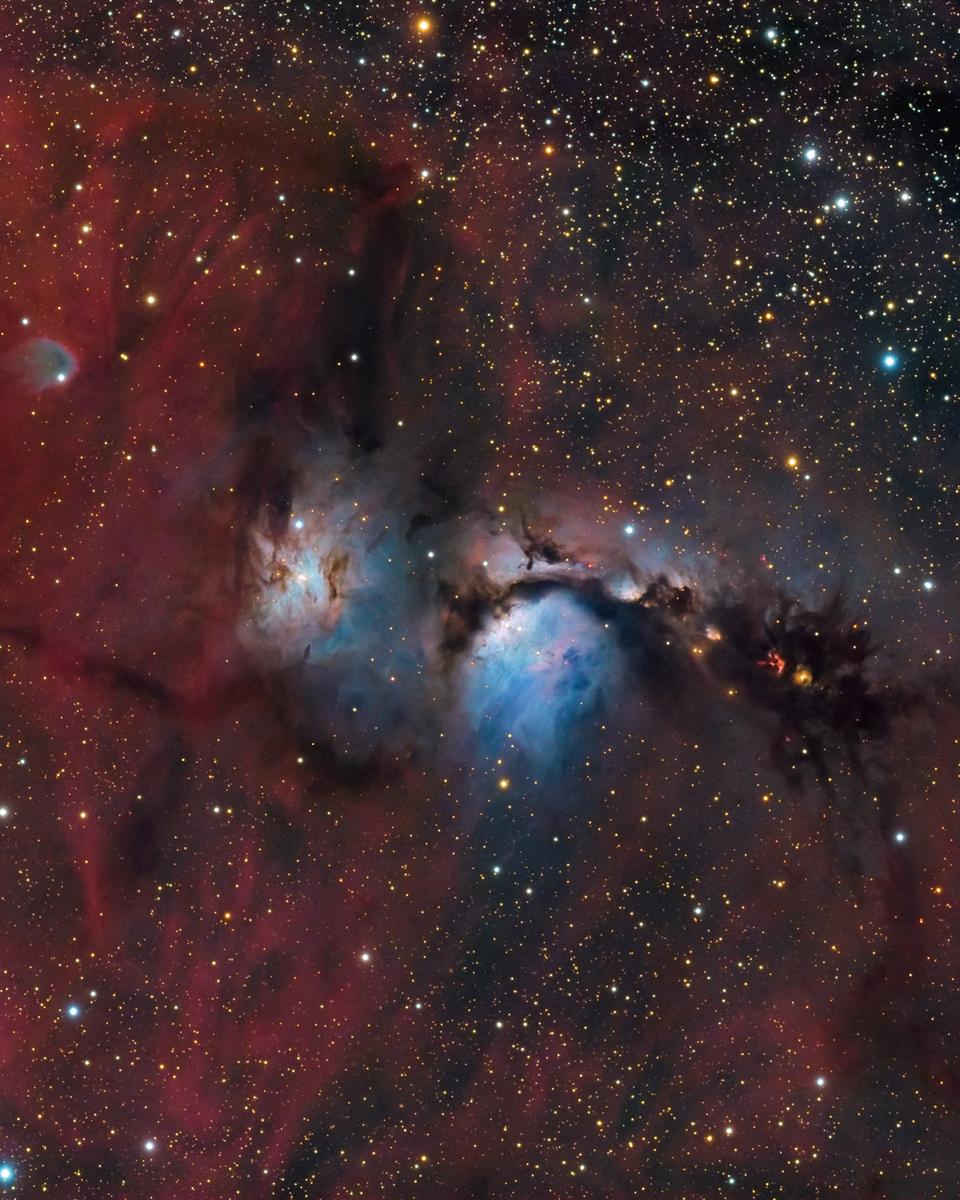
M78 Wide Field
Interstellar dust clouds and glowing nebulae abound in the fertile constellation of Orion . One of the brightest, M78 , is centered in this colorful, wide field view , covering an…
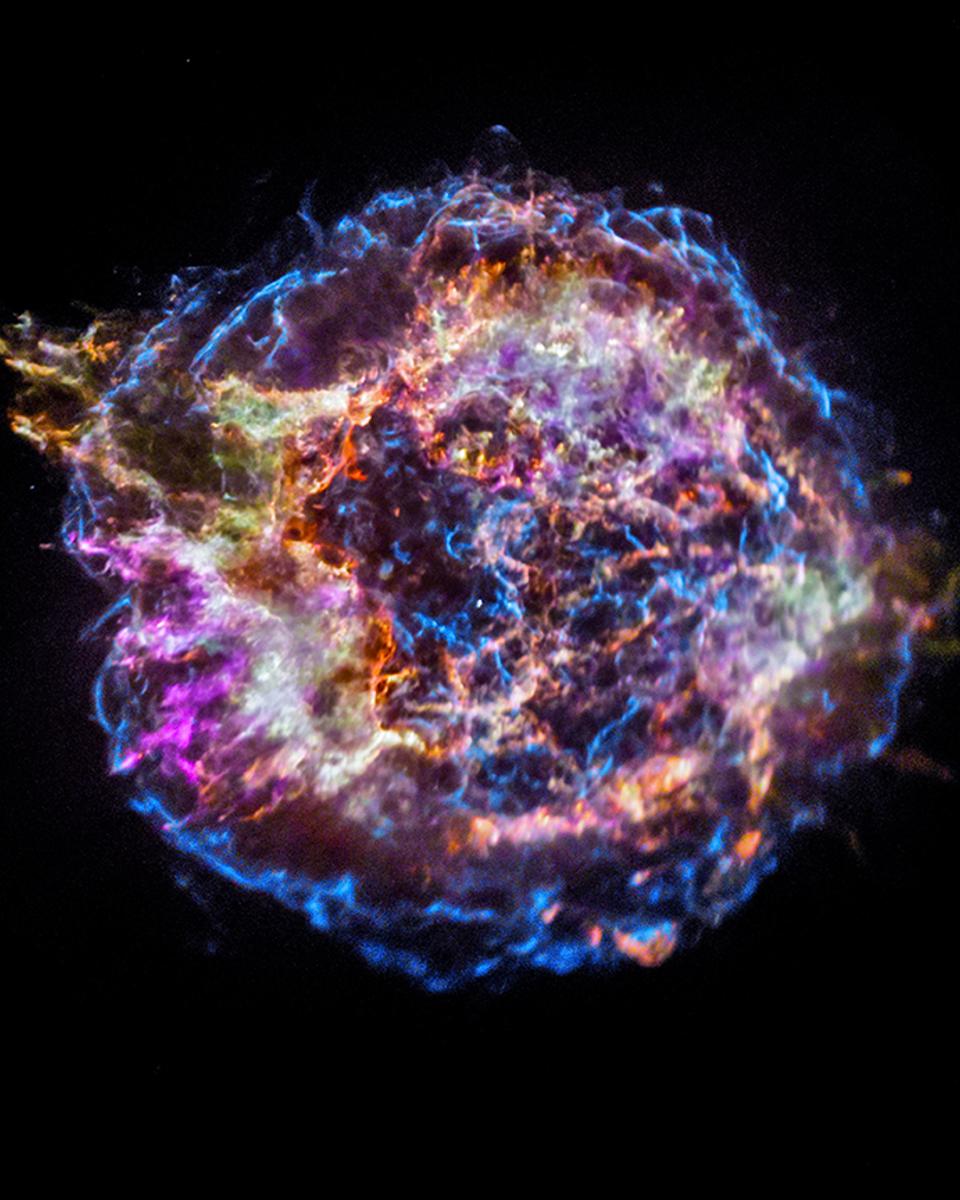
Recycling Cassiopeia A
Massive stars in our Milky Way Galaxy live spectacular lives. Collapsing from vast cosmic clouds, their nuclear furnaces ignite and create heavy elements in their cores. After a…
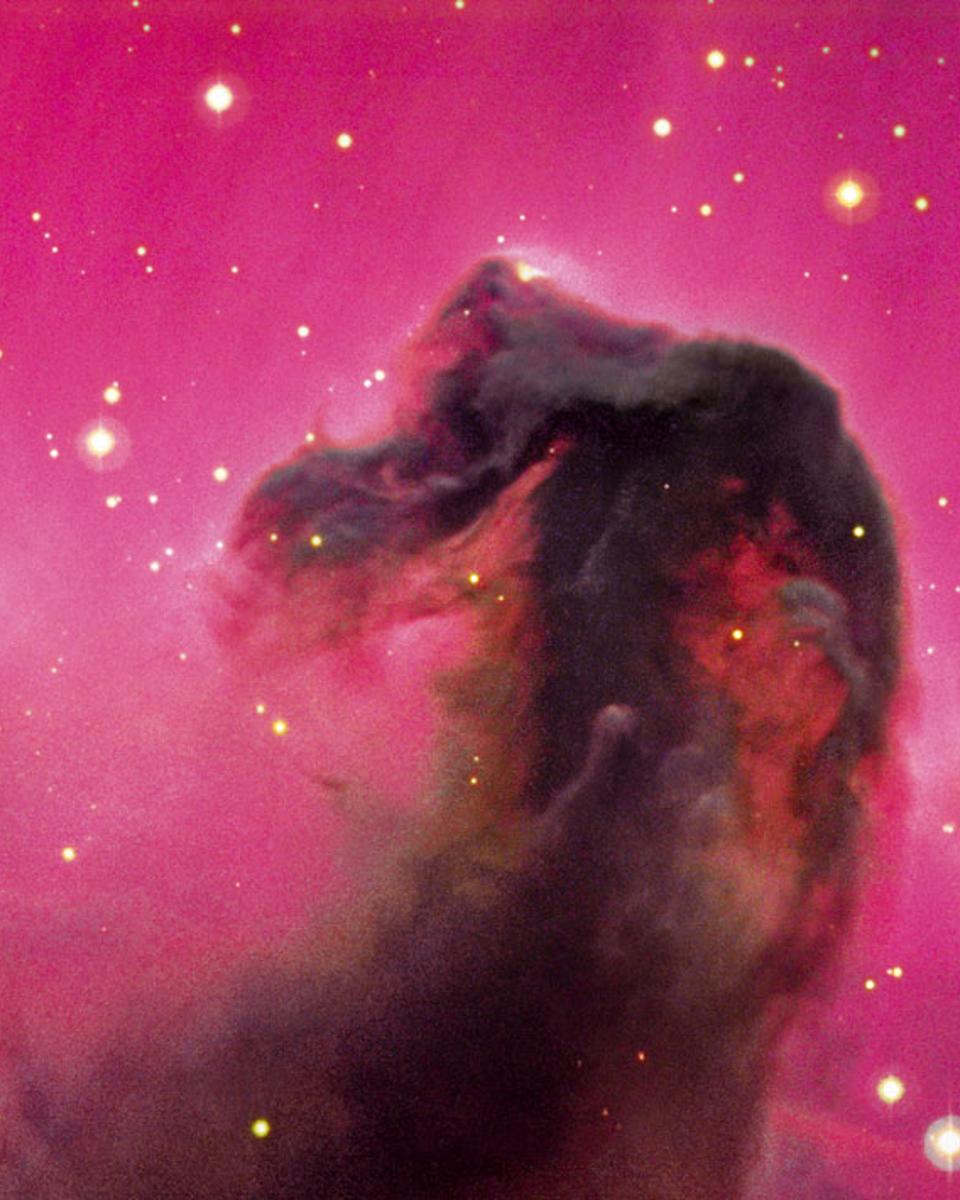
The Horsehead Nebula
One of the most identifiable nebulae in the sky, the Horsehead Nebula in Orion , is part of a large, dark, molecular cloud . Also known as Barnard 33, the unusual shape was first…
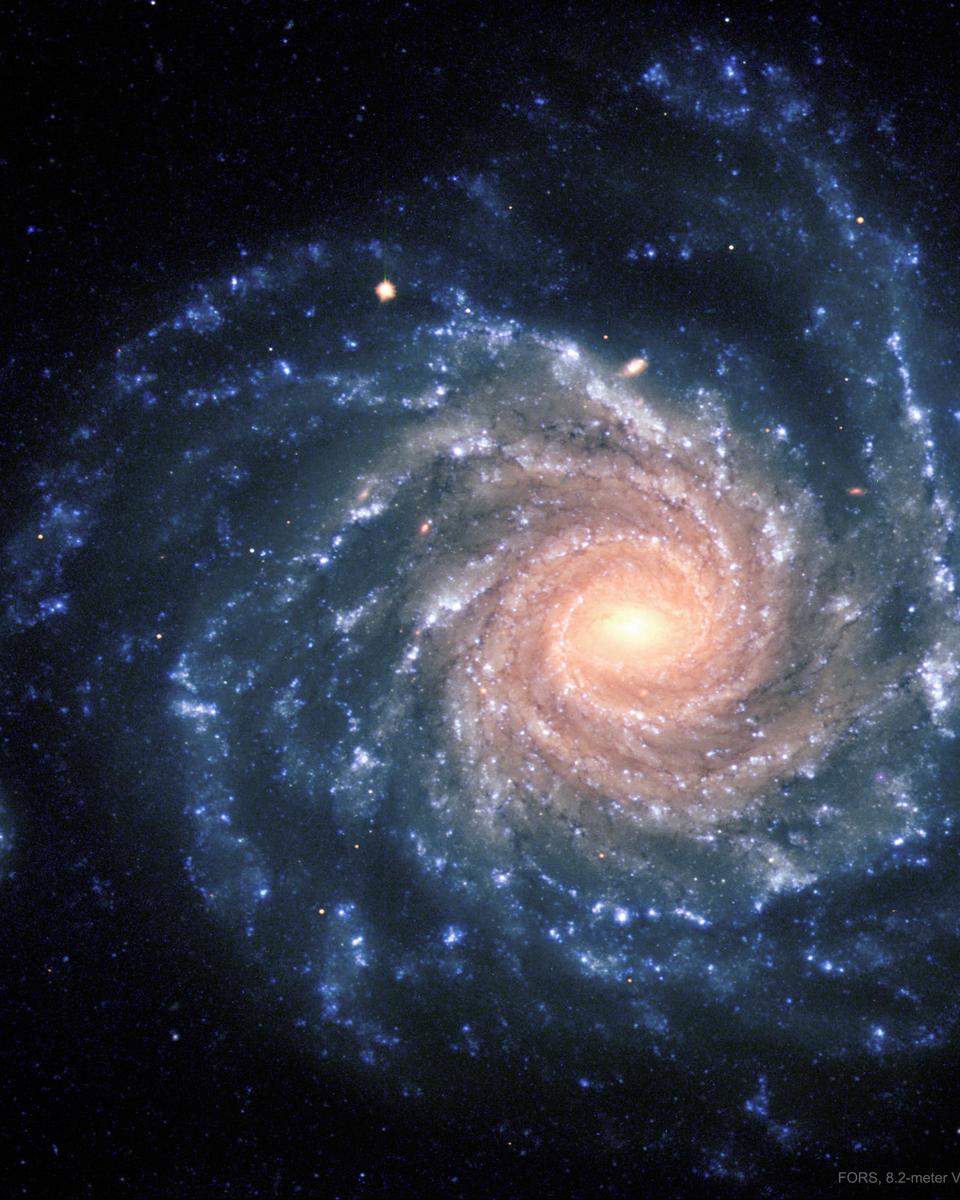
Grand Spiral Galaxy NGC 1232
Galaxies are fascinating not only for what is visible, but for what is invisible. Grand spiral galaxy NGC 1232 , captured in detail by one of the Very Large Telescopes , is a good…
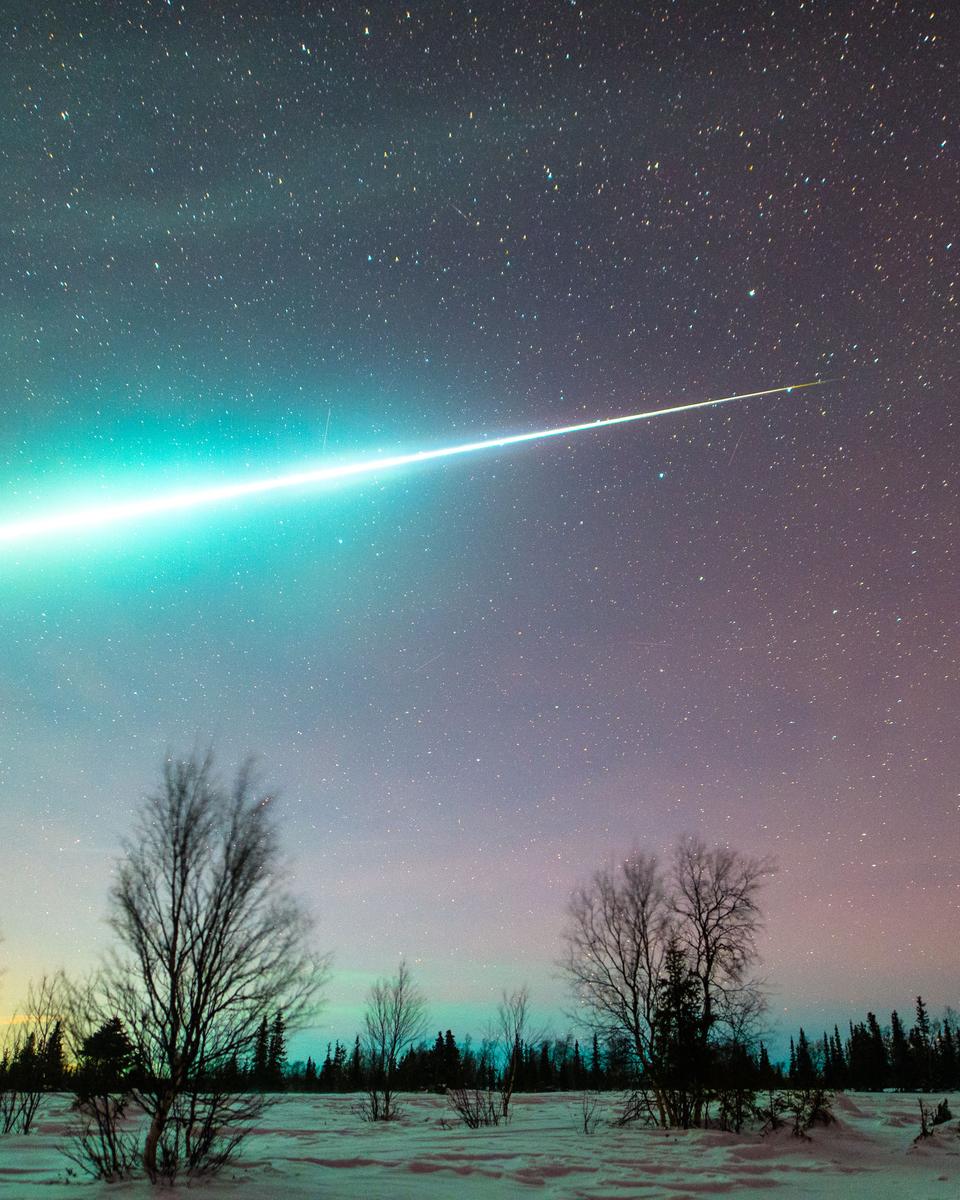
Fireball in the Arctic
Something very bright suddenly lit up the arctic -- what was it? The original idea was to take a series of aurora images that could be made into a time-lapse video . But when…
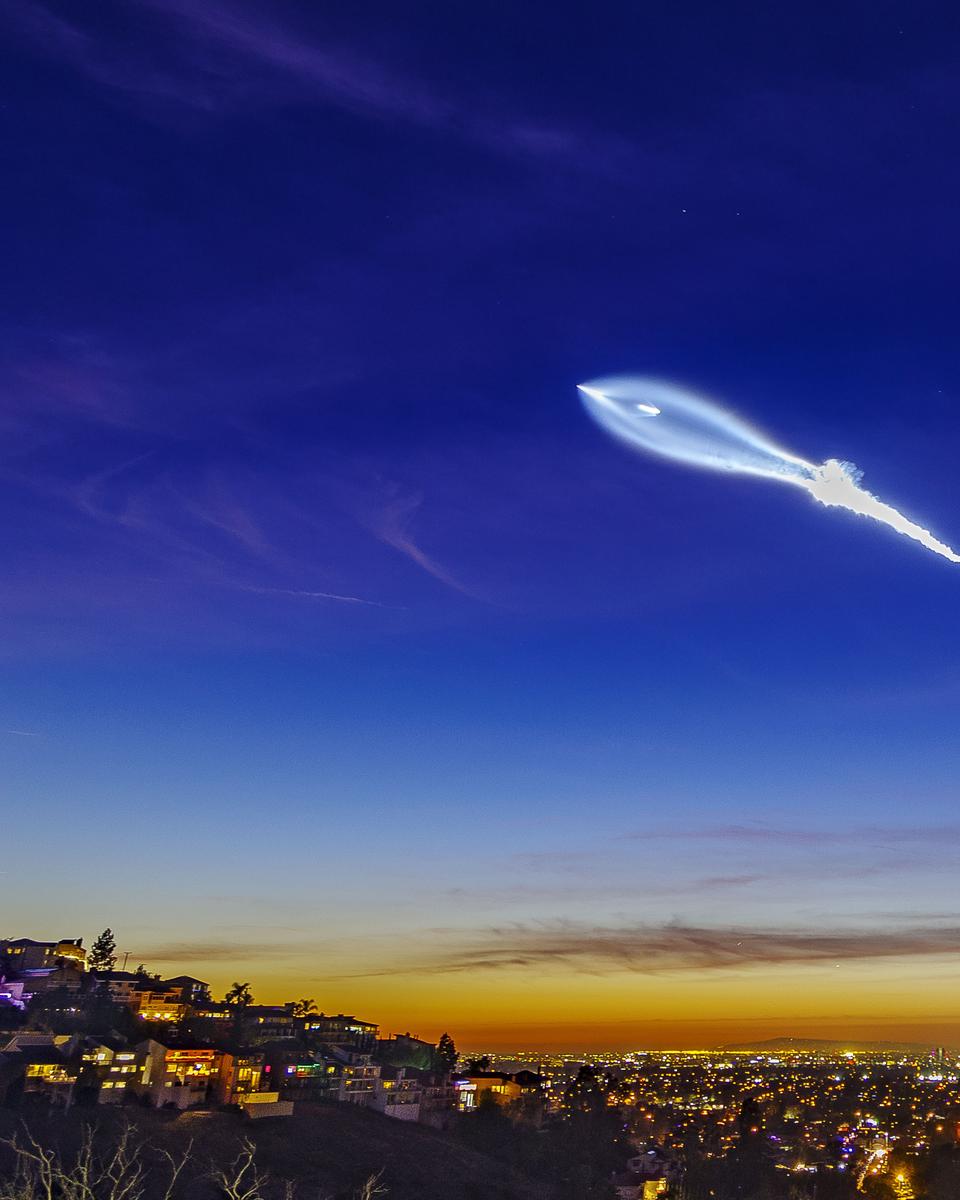
SpaceX Rocket Launch Plume over California
What's happened to the sky? On Friday, the photogenic launch plume from a SpaceX rocket launch created quite a spectacle over parts of southern California and Arizona . Looking at…
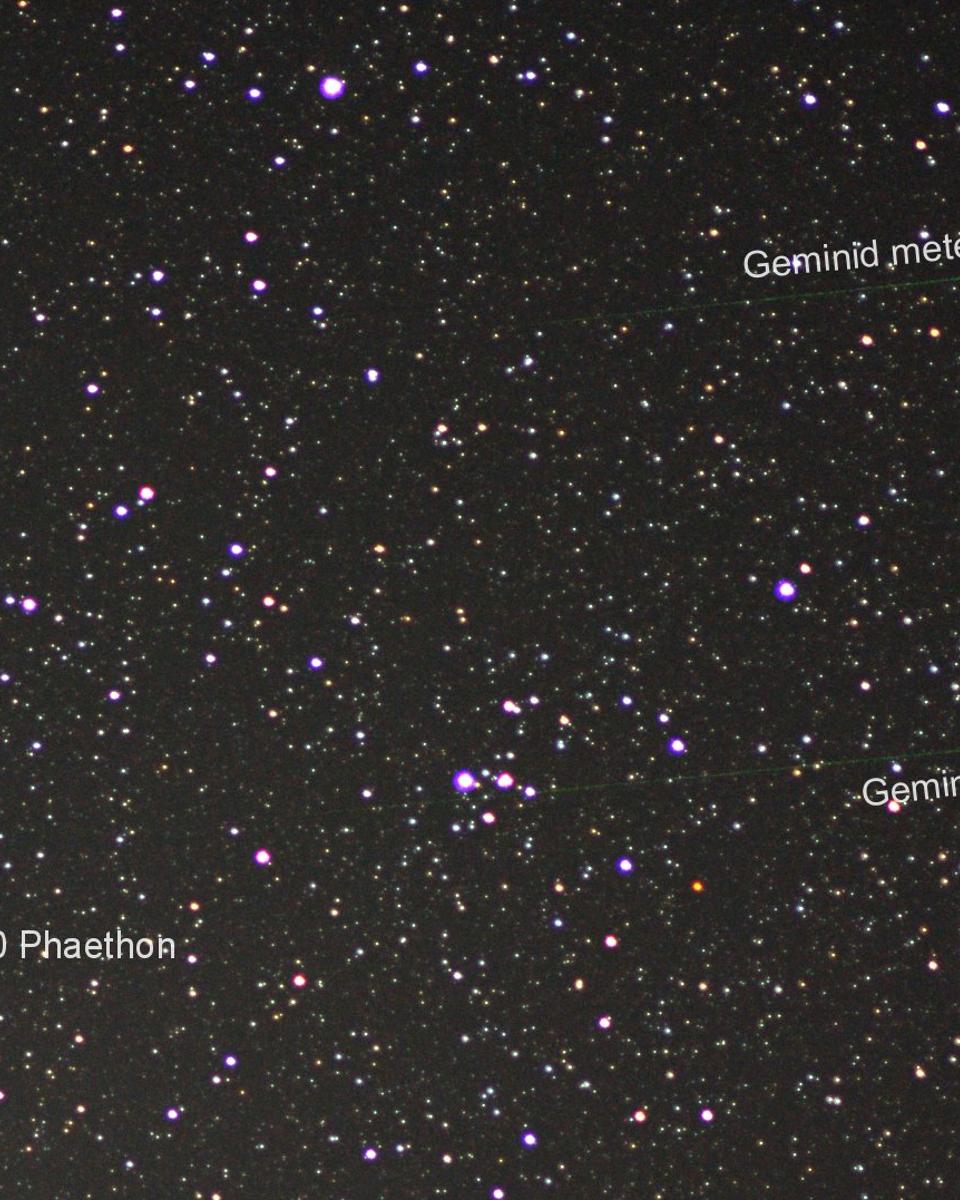
Phaethon's Brood
Based on its well-measured orbit, 3200 Phaethon (sounds like FAY-eh-thon) is recognized as the source of the meteroid stream responsible for the annual Geminid meteor shower .…
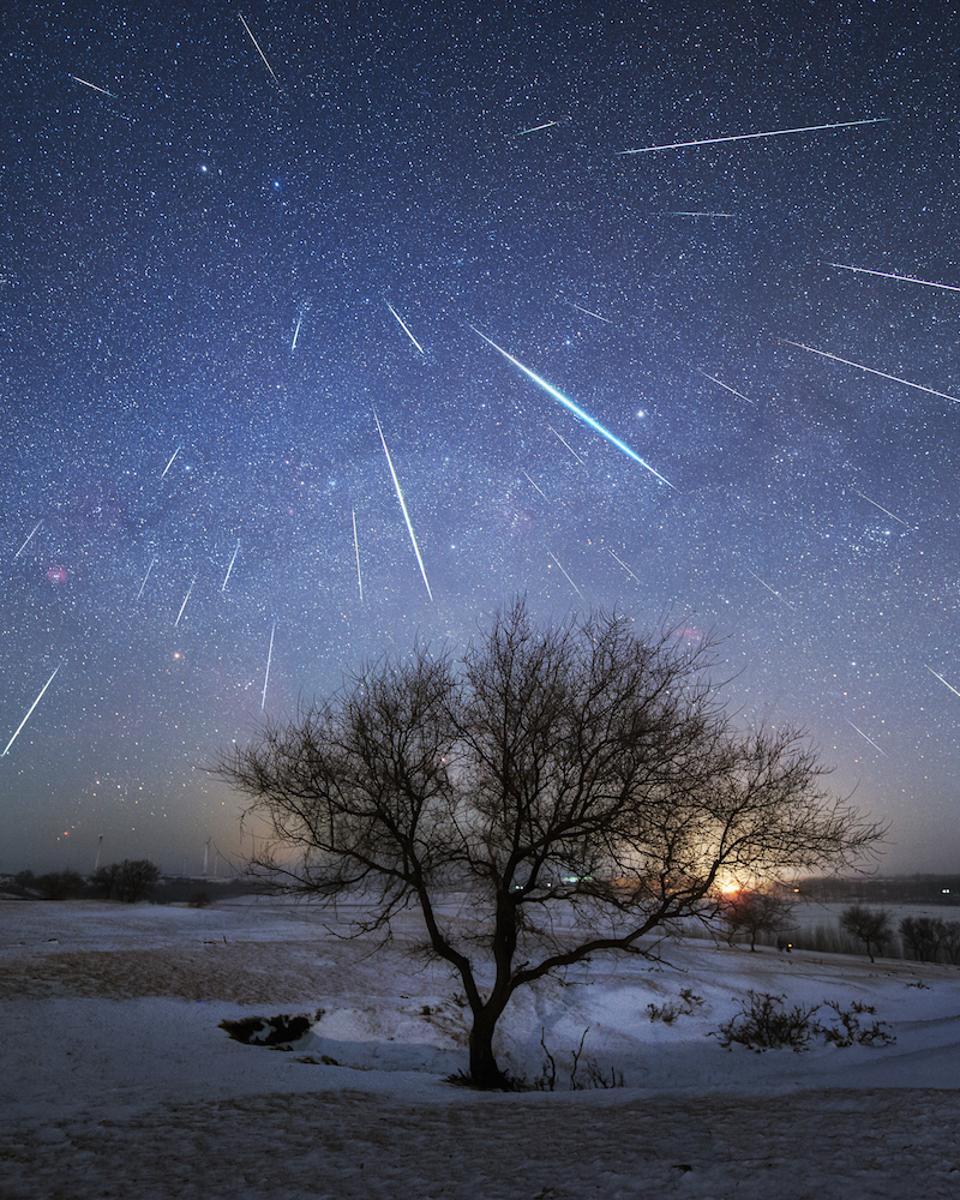
Gemini's Meteors
From dark skies above Heilongjiang province in northeastern China, meteors rain down on a wintry landscape in this beautiful composited night scene. The 48 meteors are part of…
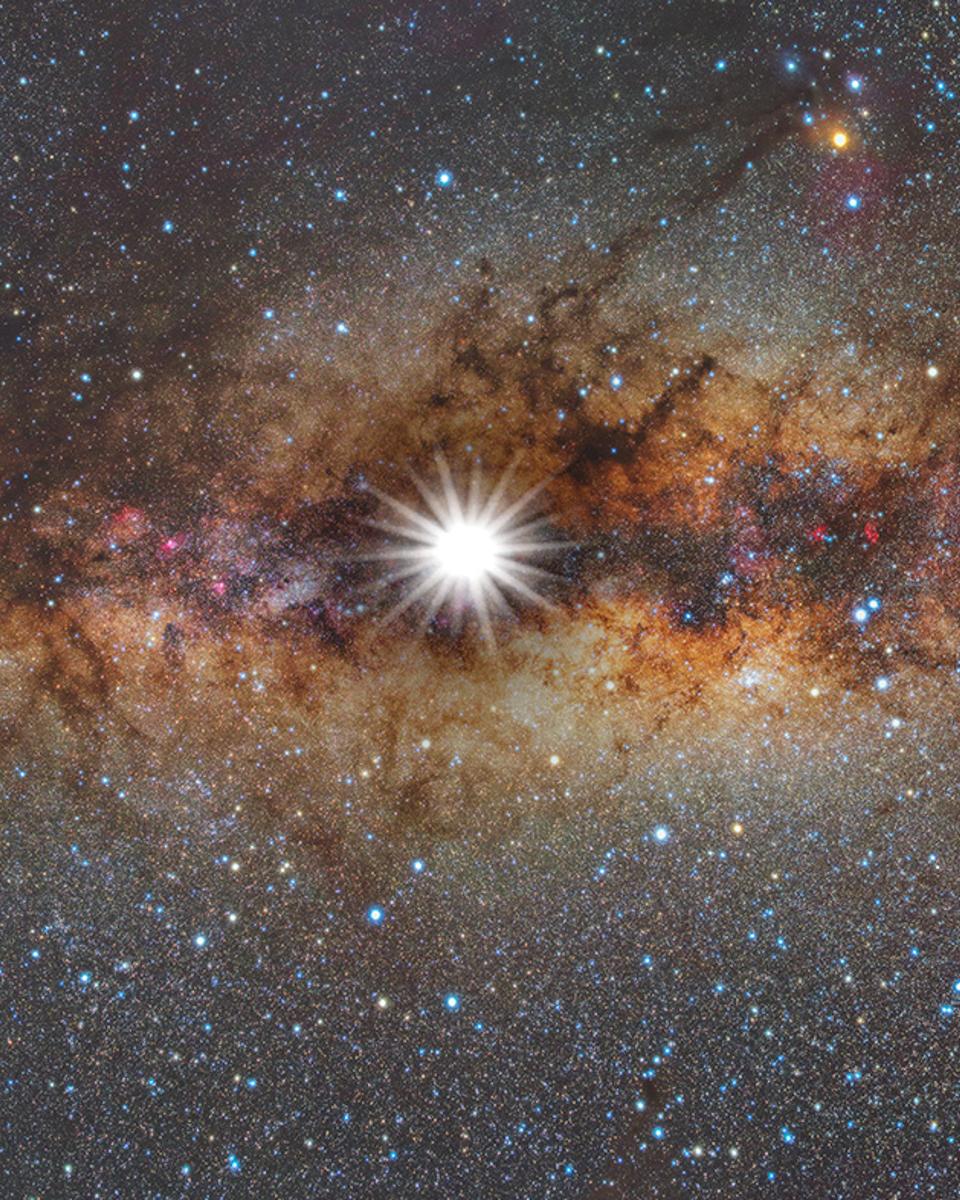
Solstice Sun and Milky Way
Welcome to December's solstice , first day of winter in the north and summer for the southern hemisphere. Astronomical markers of the seasons, solstice and equinox dates are based…
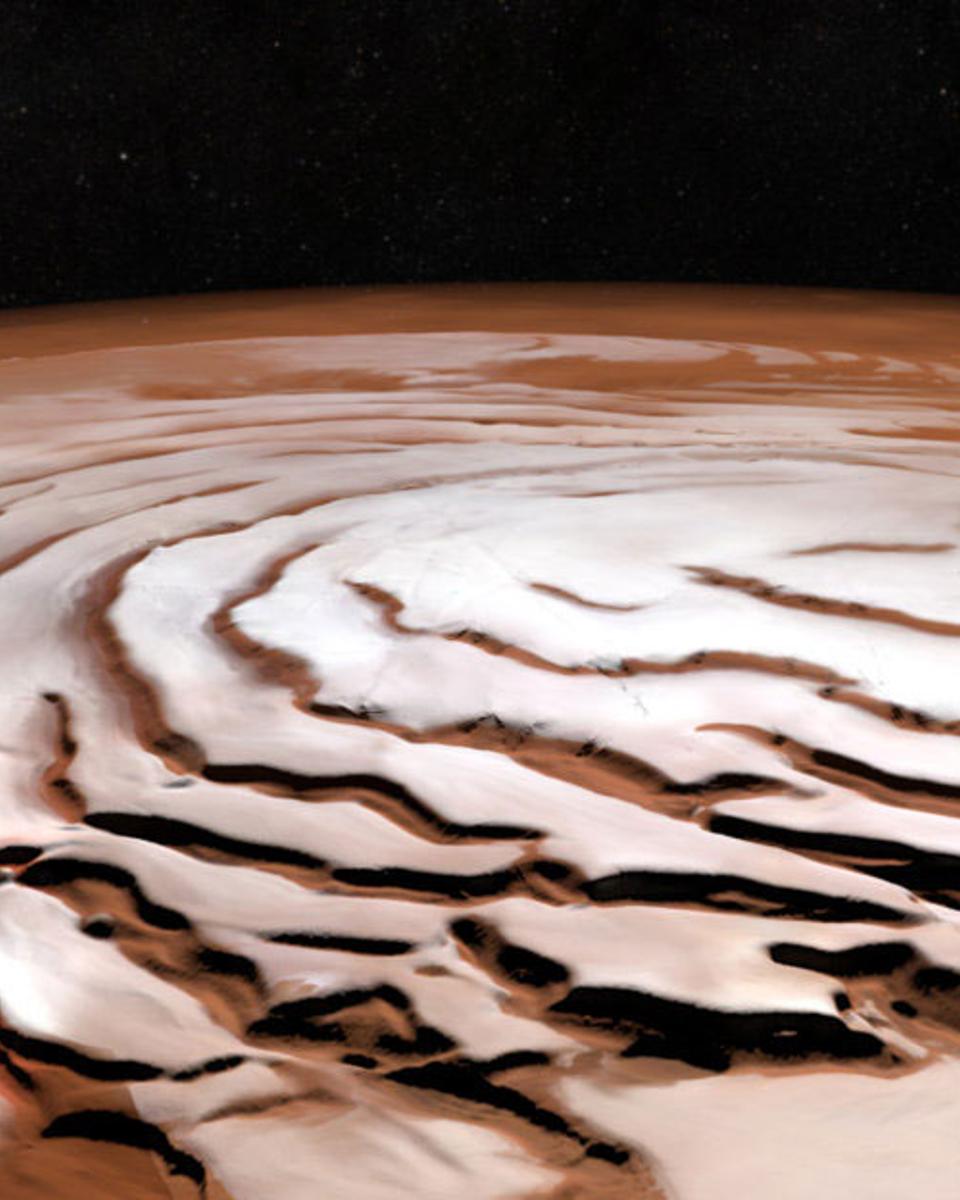
The Spiral North Pole of Mars
Why is there a spiral around the North Pole of Mars? Each winter this pole develops a new outer layer about one meter thick composed of carbon dioxide frozen out of the thin…
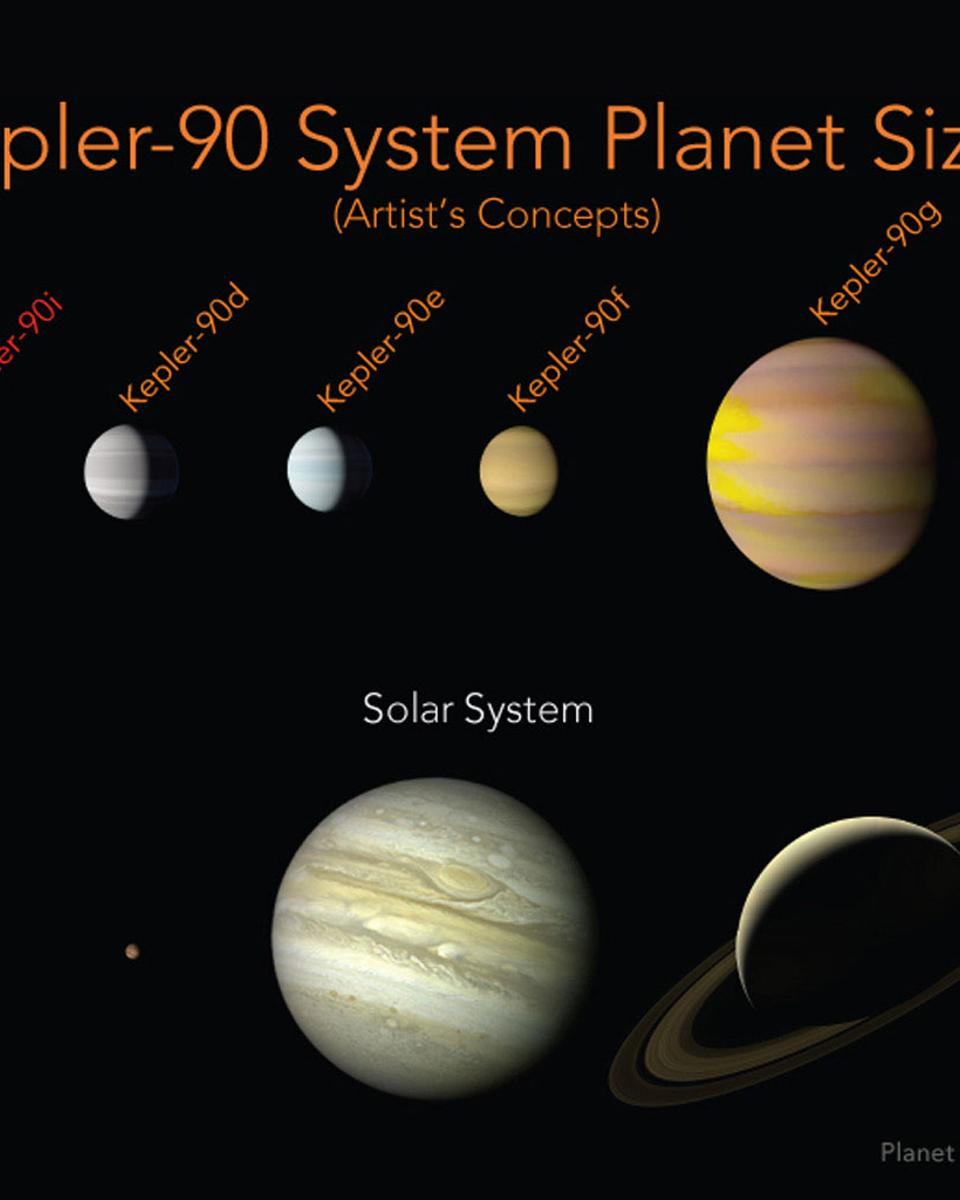
The Kepler-90 Planetary System
Do other stars have planetary systems like our own? Yes -- one such system is Kepler-90 . Cataloged by the orbiting Kepler satellite , an eighth planet has now been discovered…
Viewing discoveries from 12 January 2018 through 18 December 2017.