Browse NASA Astronomy Picture of the Day archive by date and media: Archive Discoveries
Browse the NASA APOD archive without needing the exact date first. Filter by media type and keep moving deeper into older images and videos.
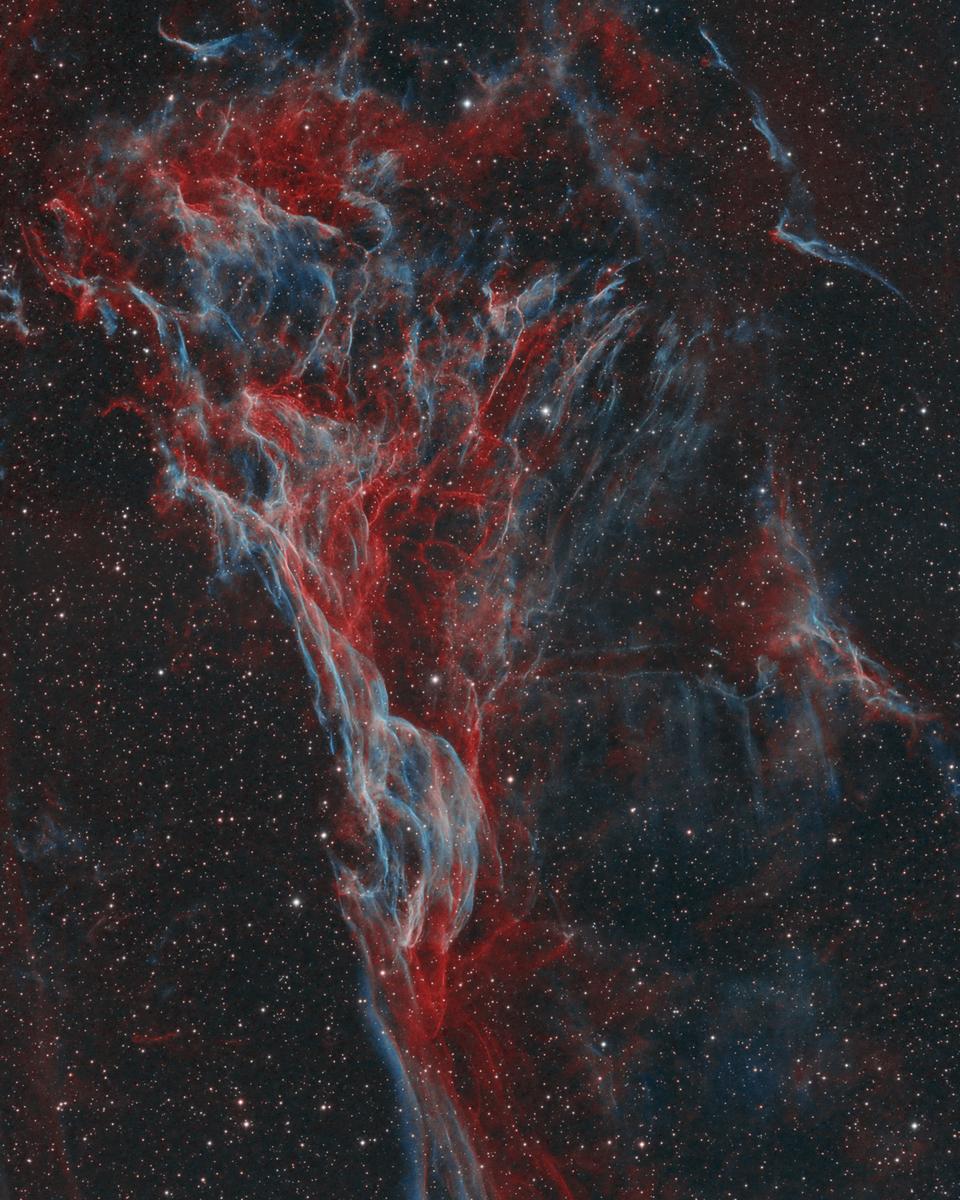
Williamina Fleming's Triangular Wisp
Chaotic in appearance , these tangled filaments of shocked, glowing gas are spread across planet Earth's sky toward the constellation of Cygnus as part of the Veil Nebula . The…
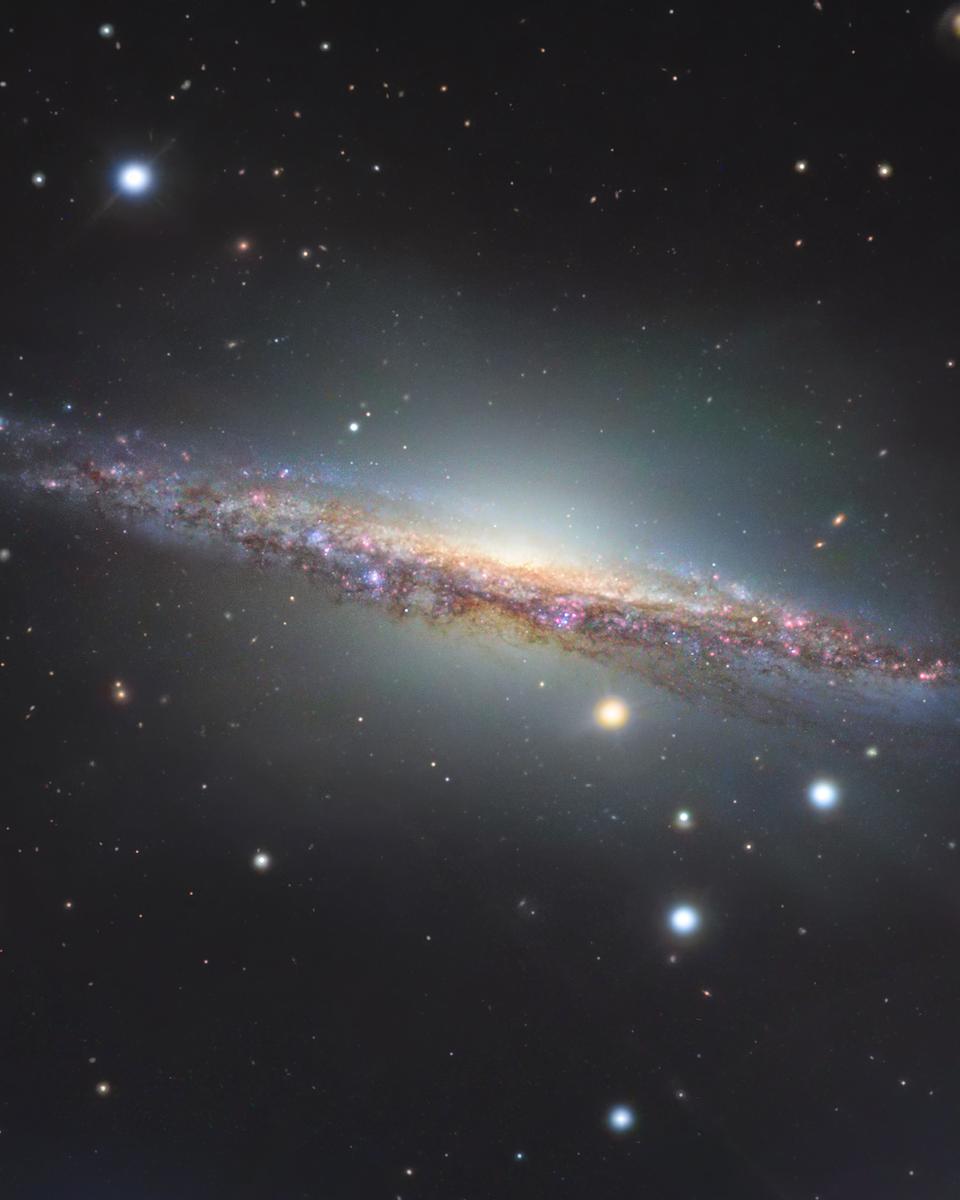
NGC 1055 Close-up
Big, beautiful spiral galaxy NGC 1055 is a dominant member of a small galaxy group a mere 60 million light-years away toward the aquatically intimidating constellation Cetus .…
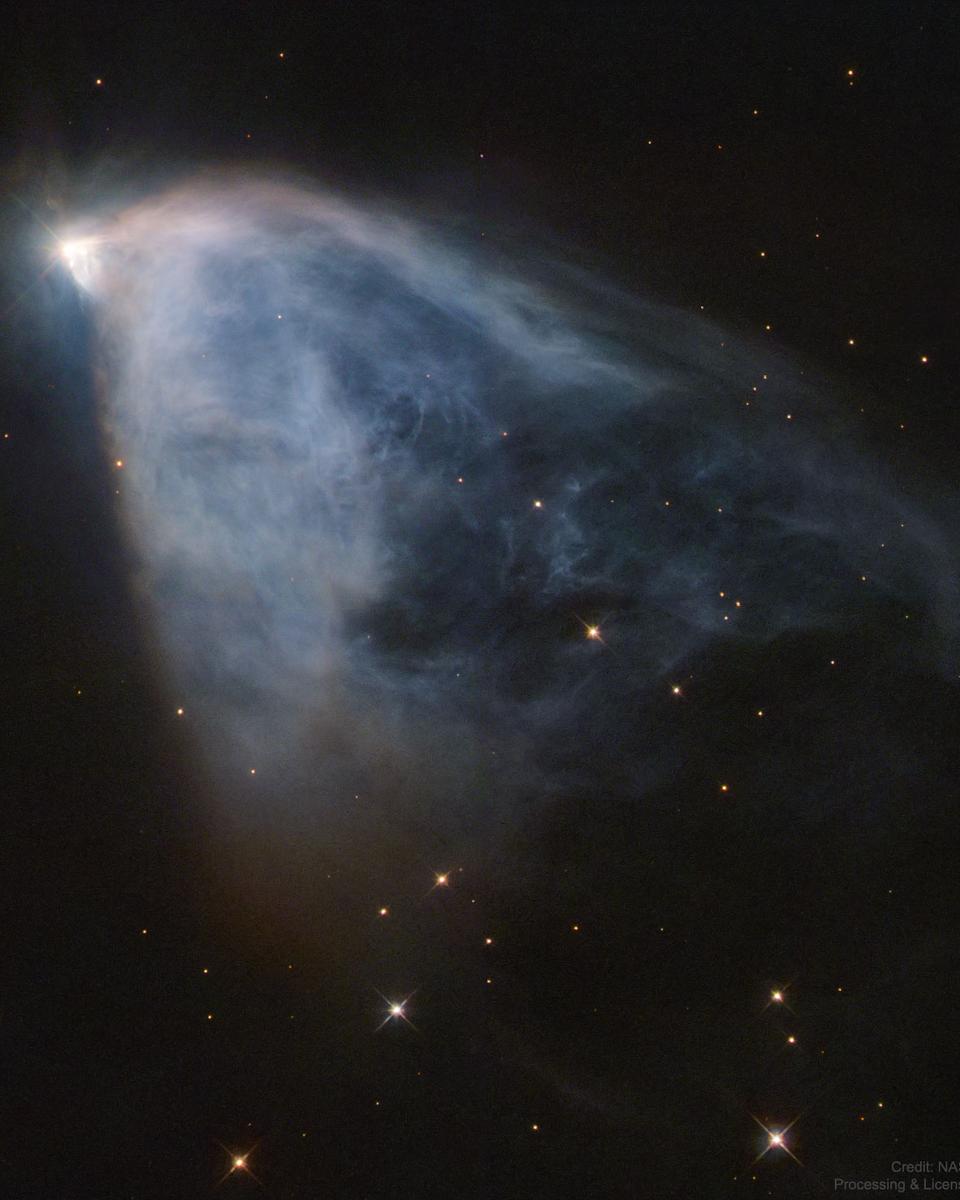
NGC 2261: Hubble's Variable Nebula
What causes Hubble's Variable Nebula to vary? The unusual nebula featured here changes its appearance noticeably in just a few weeks. Discovered over 200 years ago and…

The Prague Astronomical Clock
In the center of Prague there's a clock the size of a building. During the day, crowds gather to watch the show when it chimes in a new hour. The Prague Astronomical Clock 's face…
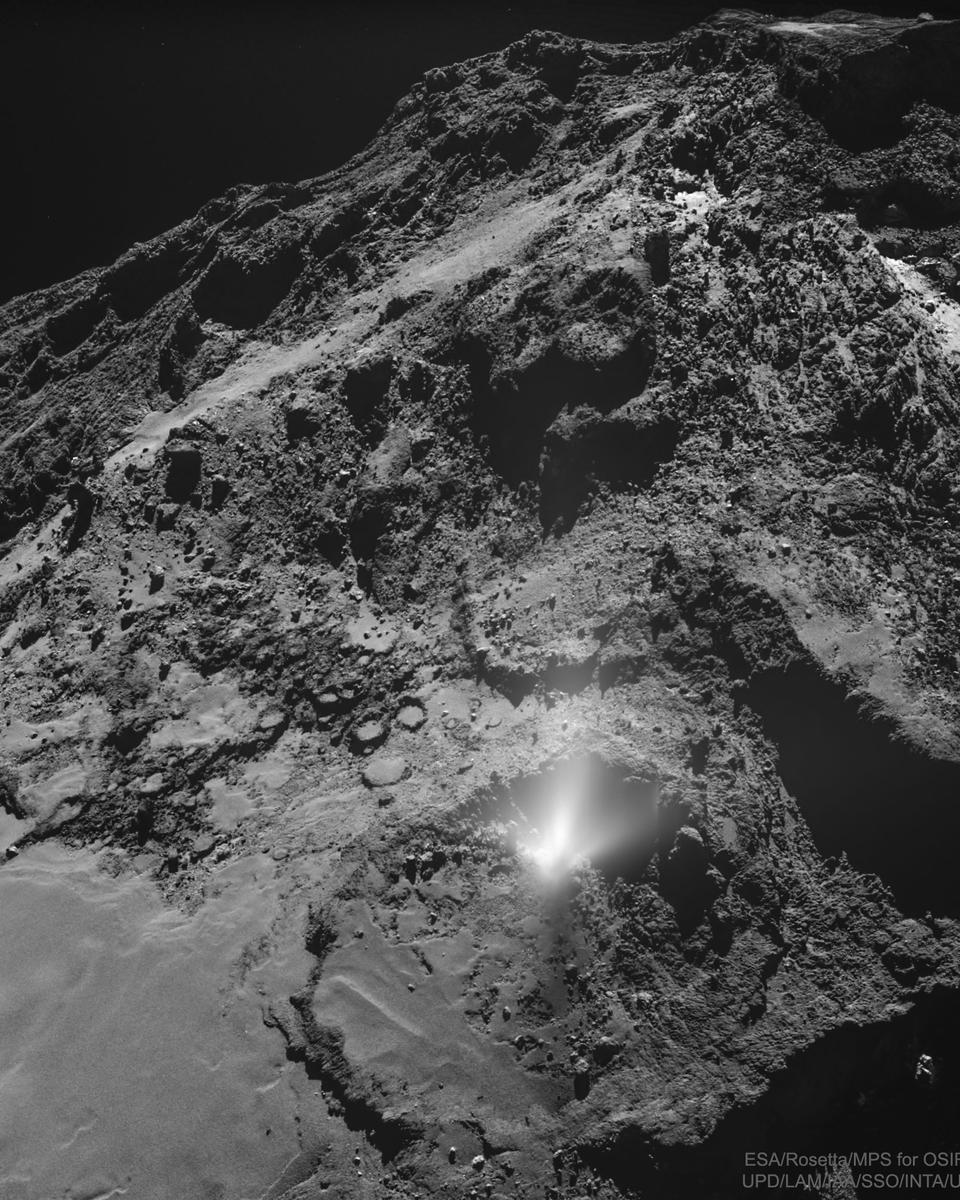
A Dust Jet from the Surface of Comet 67P
Where do comet tails come from? There are no obvious places on the nuclei of comets from which the jets that create comet tails emanate. Last year, though, ESA's Rosetta…
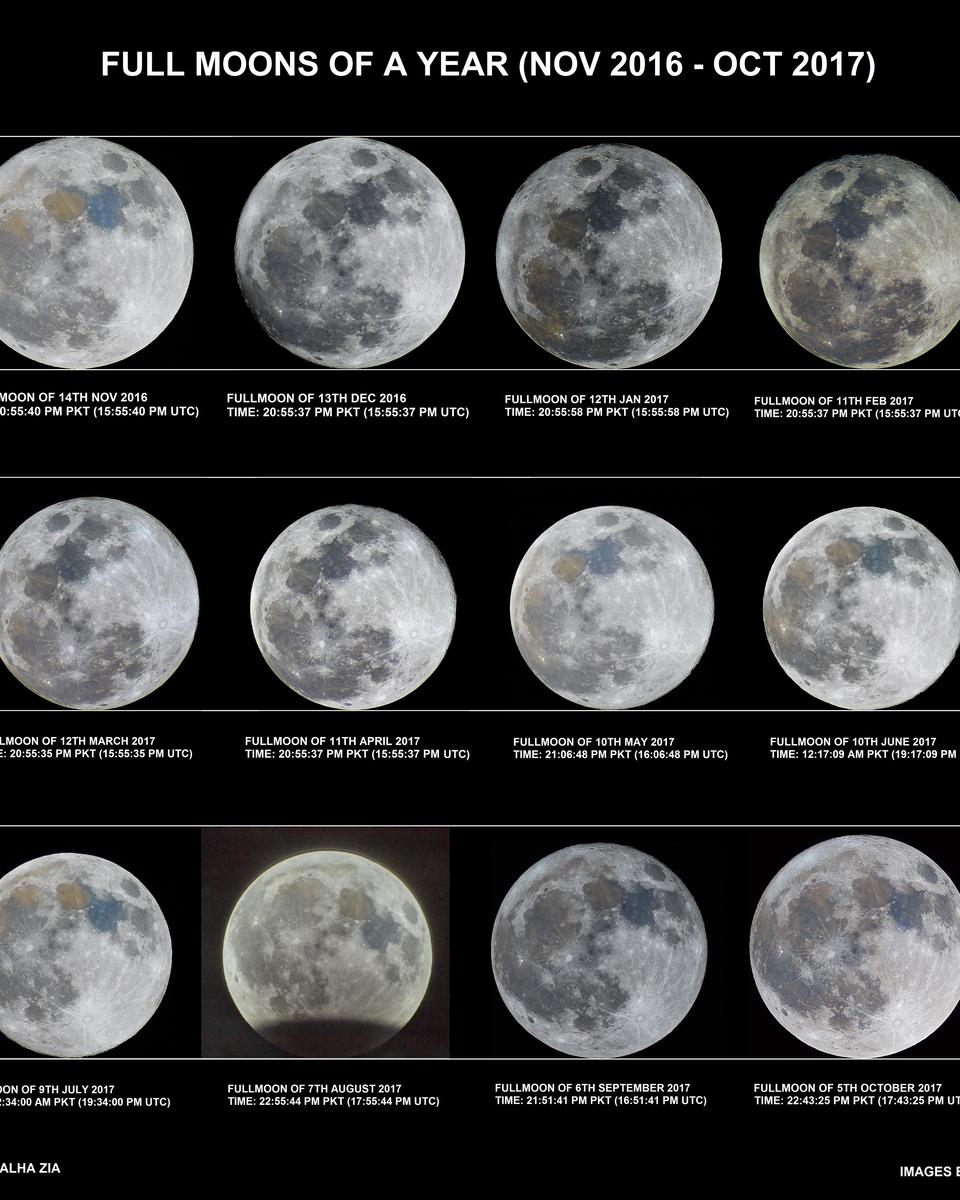
A Year of Full Moons
Do all full moons look the same? No. To see the slight differences, consider this grid of twelve full moons. From upper left to lower right, the images represent every lunation…
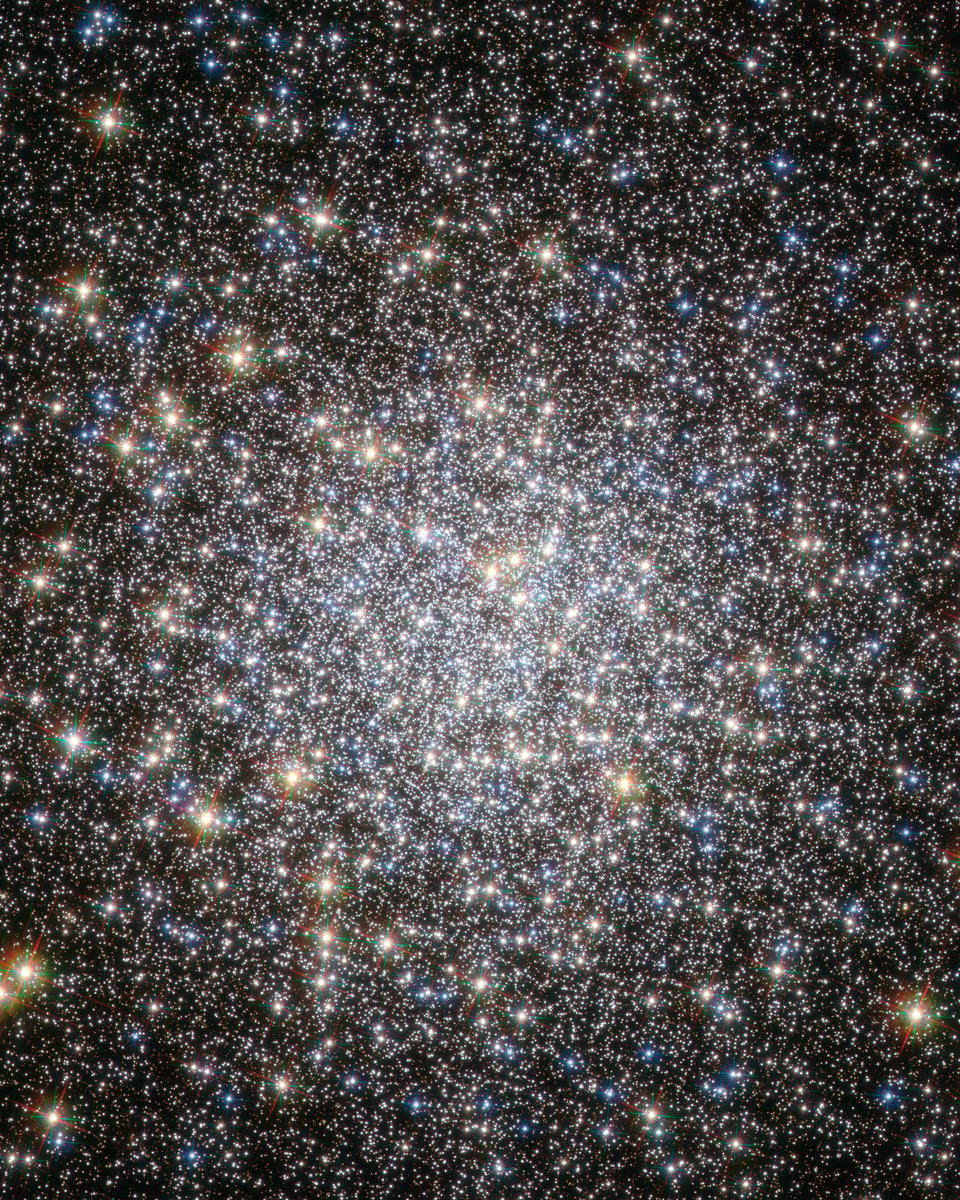
Hubble's Messier 5
“Beautiful Nebula discovered between the Balance [Libra] & the Serpent [Serpens] ...” begins the description of the 5th entry in 18th century astronomer Charles Messier's famous…
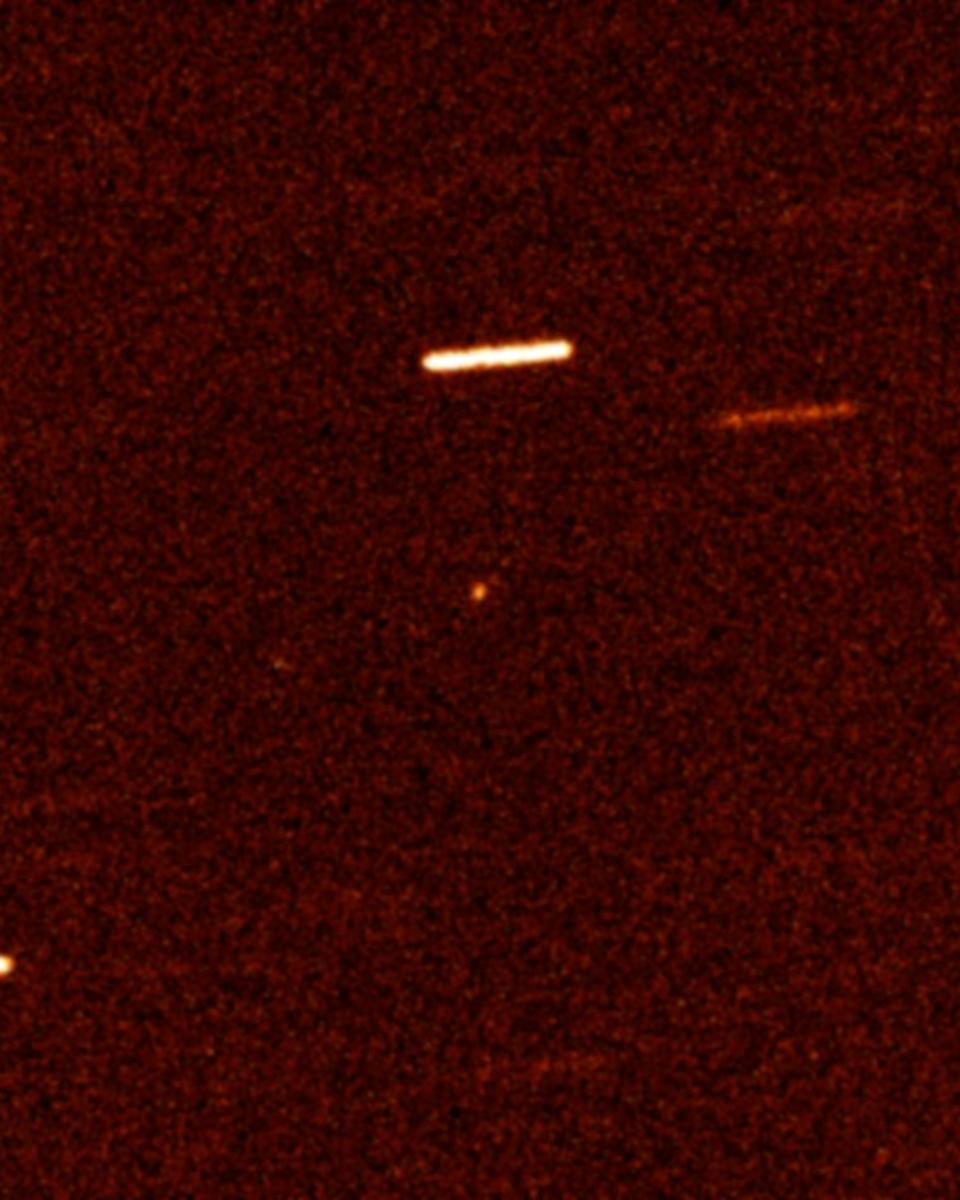
A/2017 U1: An Interstellar Visitor
Traveling at high velocity along an extreme hyperbolic orbit and making a hairpin turn as it swung past the Sun, the now designated A/2017 U1 is the first known small body from…
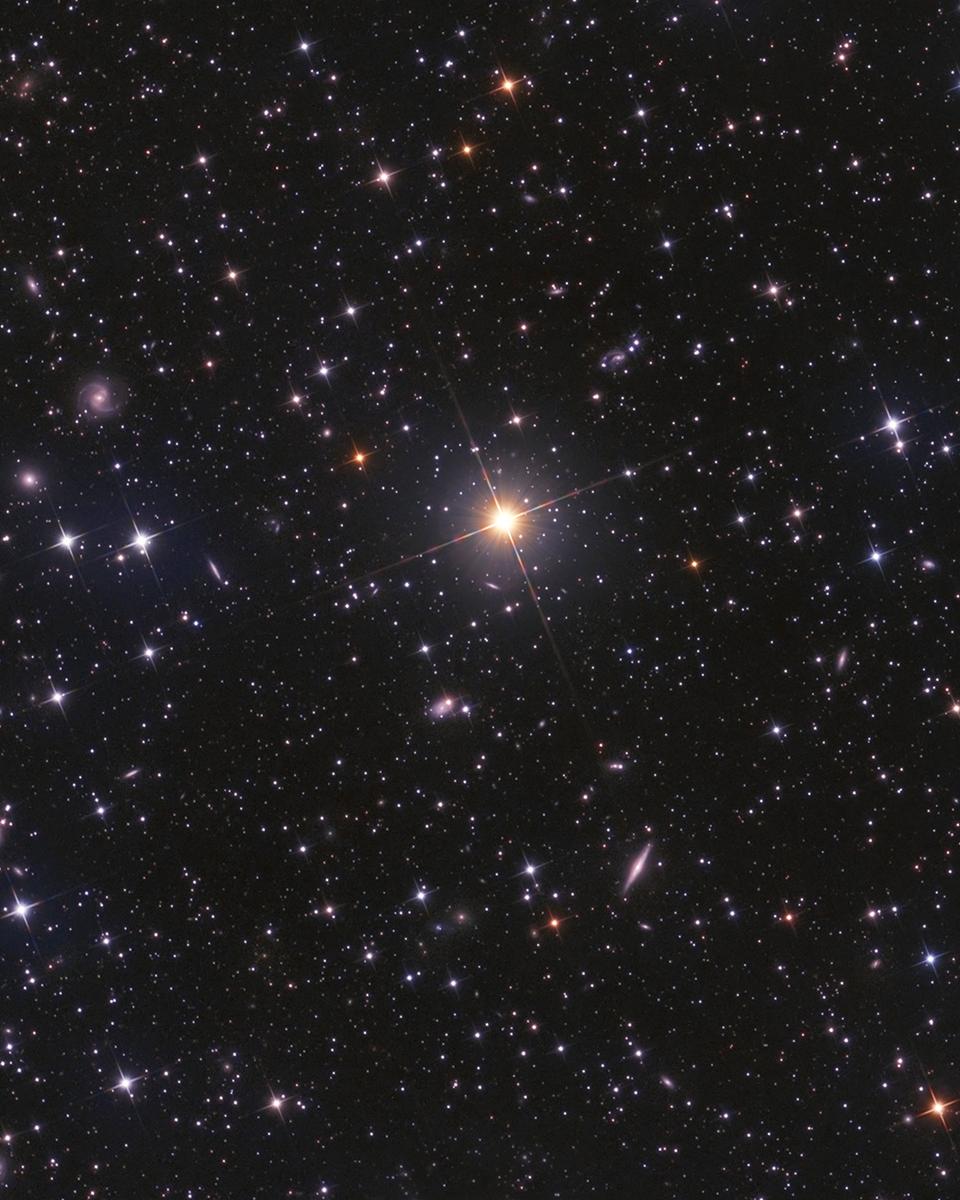
NGC 891 vs Abell 347
Distant galaxies lie beyond a foreground of spiky Milky Way stars in this telescopic field of view . Centered on yellowish star HD 14771, the scene spans about 1 degree on the sky…
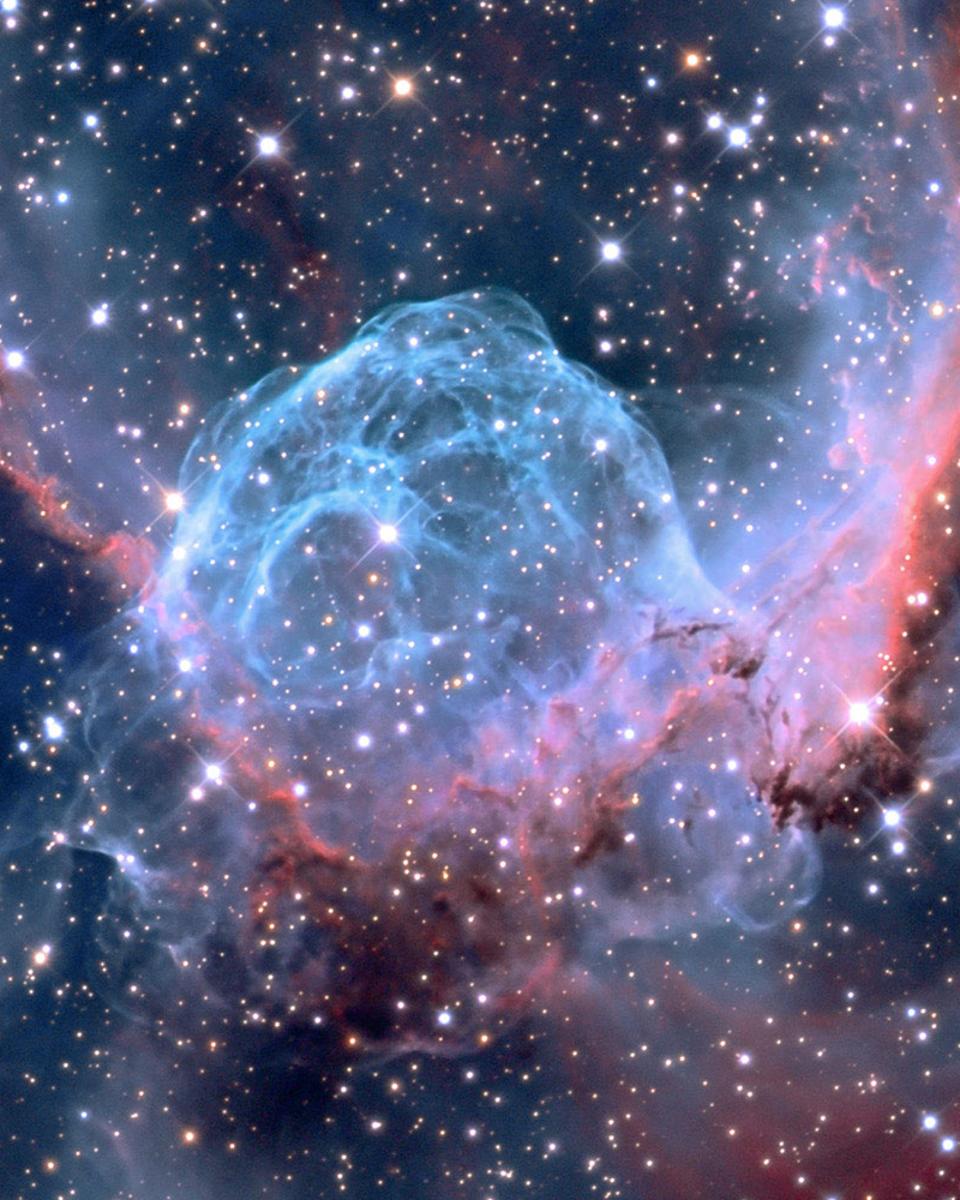
Thor's Helmet Emission Nebula
This helmet-shaped cosmic cloud with wing-like appendages is popularly called Thor 's Helmet. Heroically sized even for a Norse god , Thor's Helmet spans about 30 light-years…
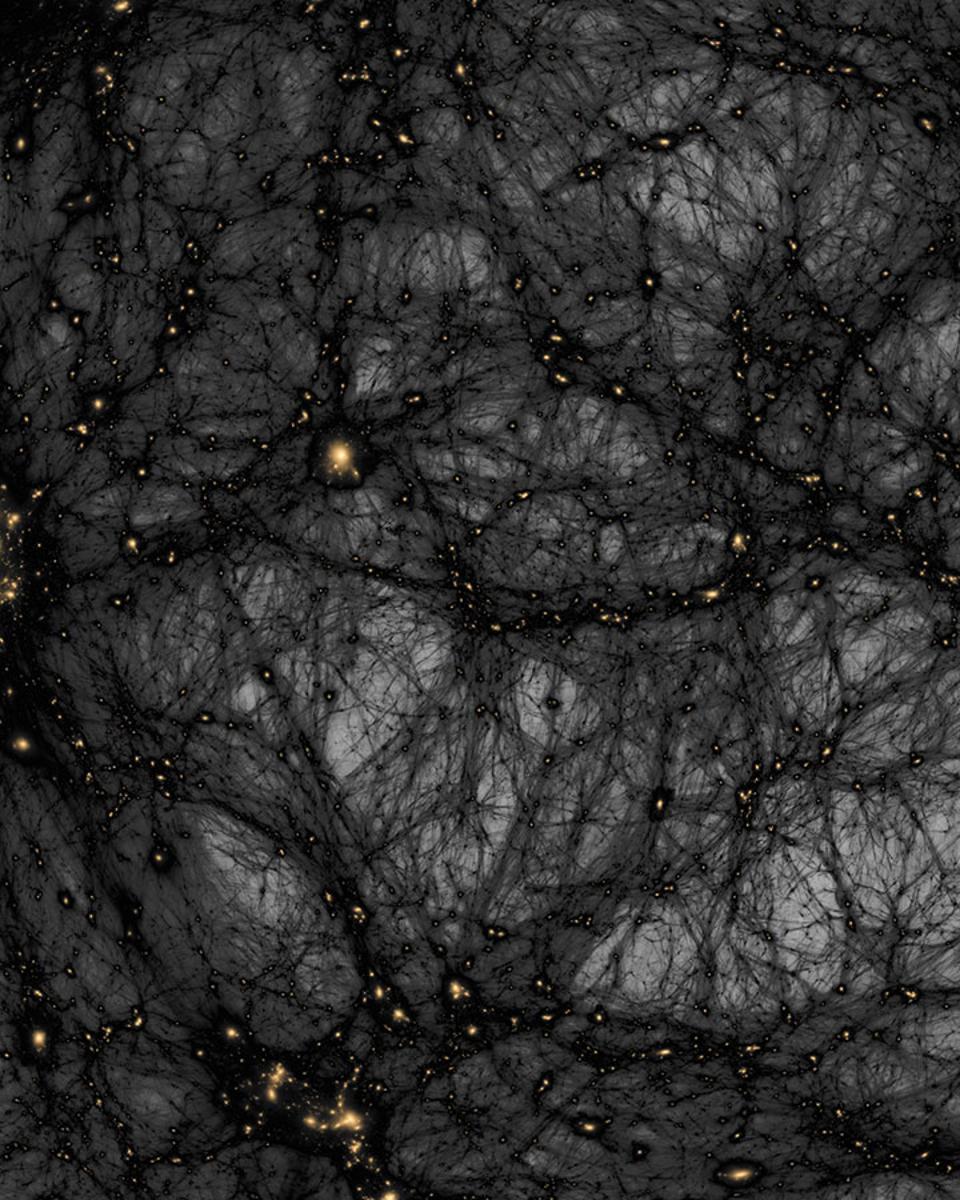
Dark Matter in a Simulated Universe
Is our universe haunted? It might look that way on this dark matter map. The gravity of unseen dark matter is the leading explanation for why galaxies rotate so fast , why…
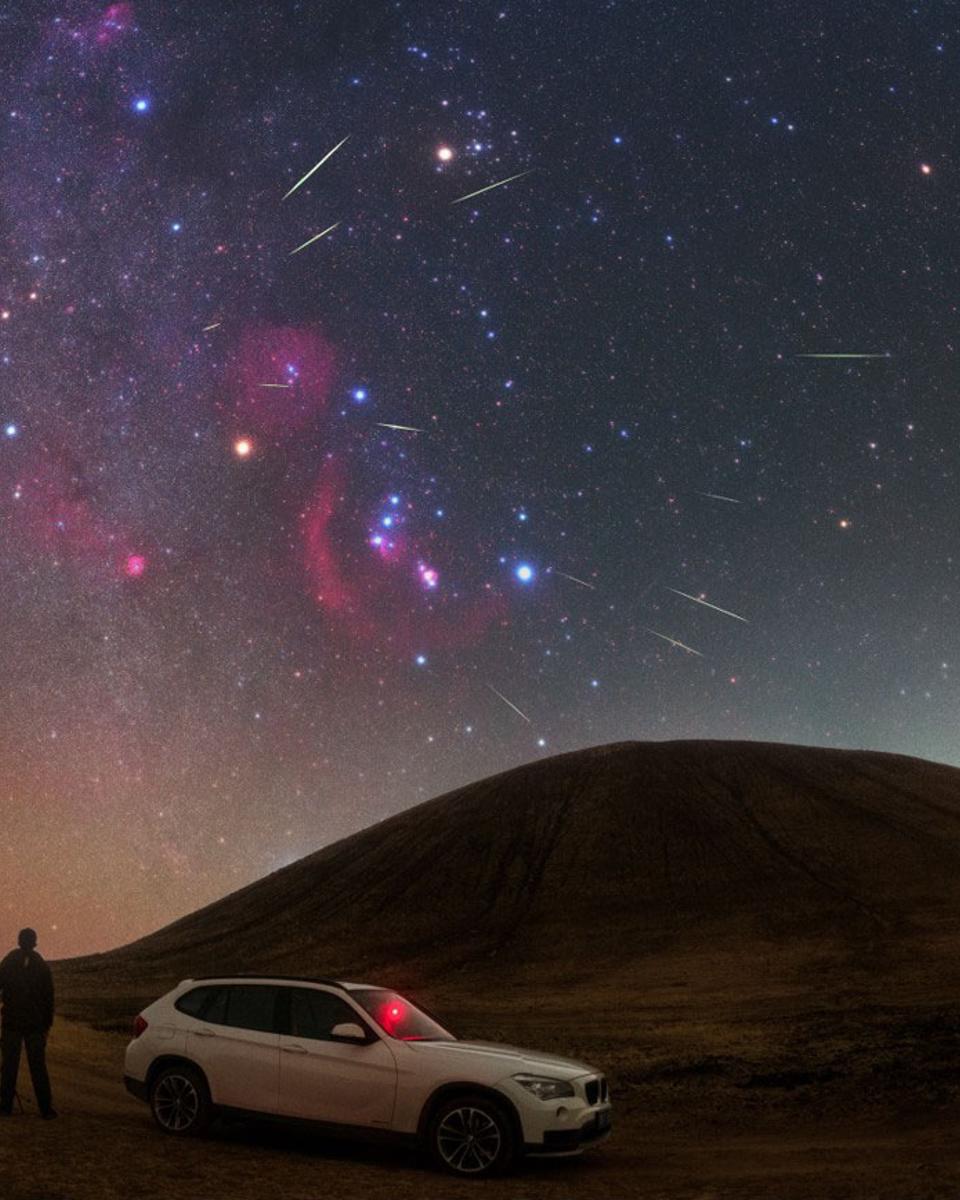
Orionid Meteors from Orion
Meteors have been shooting out from the constellation of Orion. This was expected, as October is the time of year for the Orionids Meteor Shower . Pictured here, over a dozen…
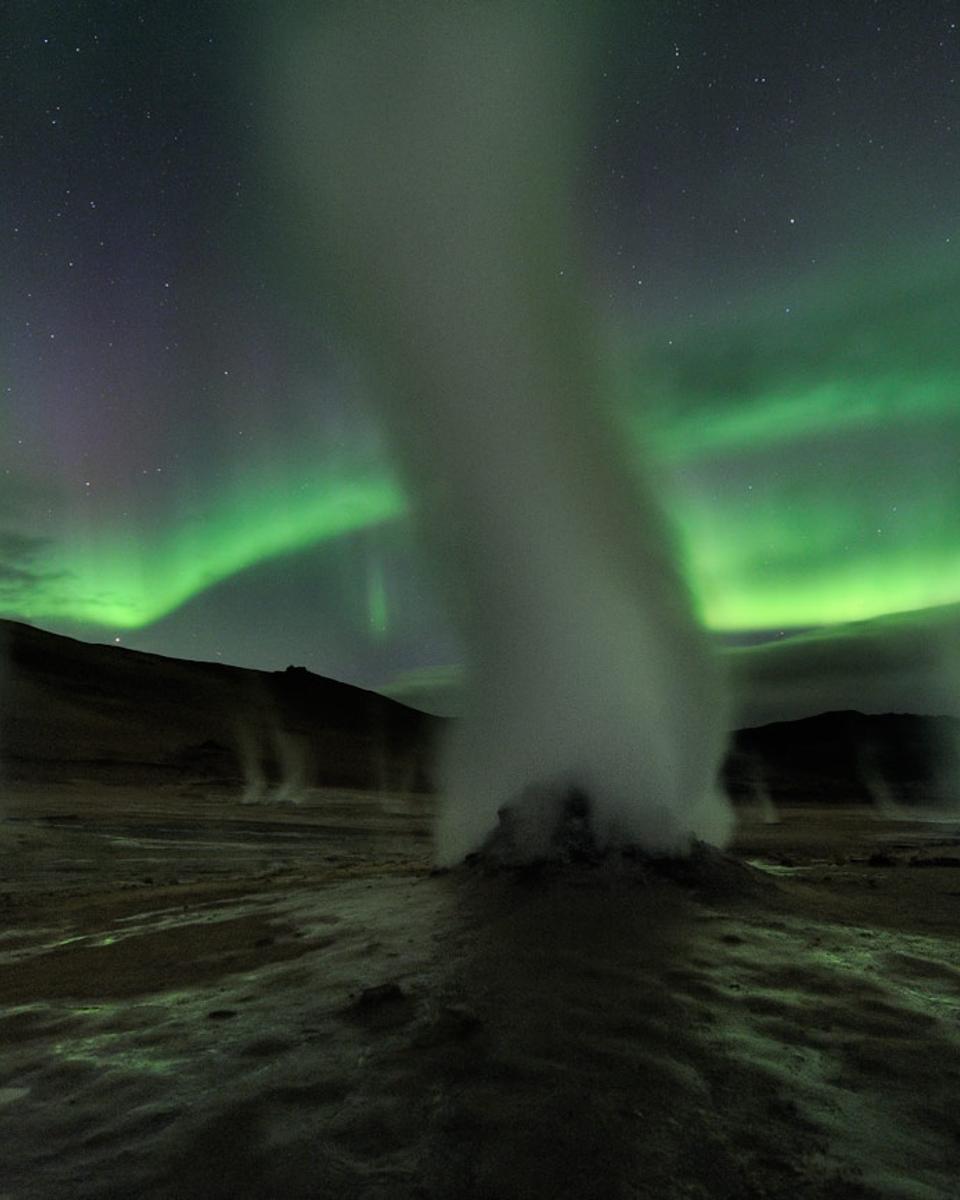
Night on a Spooky Planet
What spooky planet is this? Planet Earth of course, on a dark and stormy night in 2013 at Hverir , a geothermally active area along the volcanic landscape in northeastern Iceland…
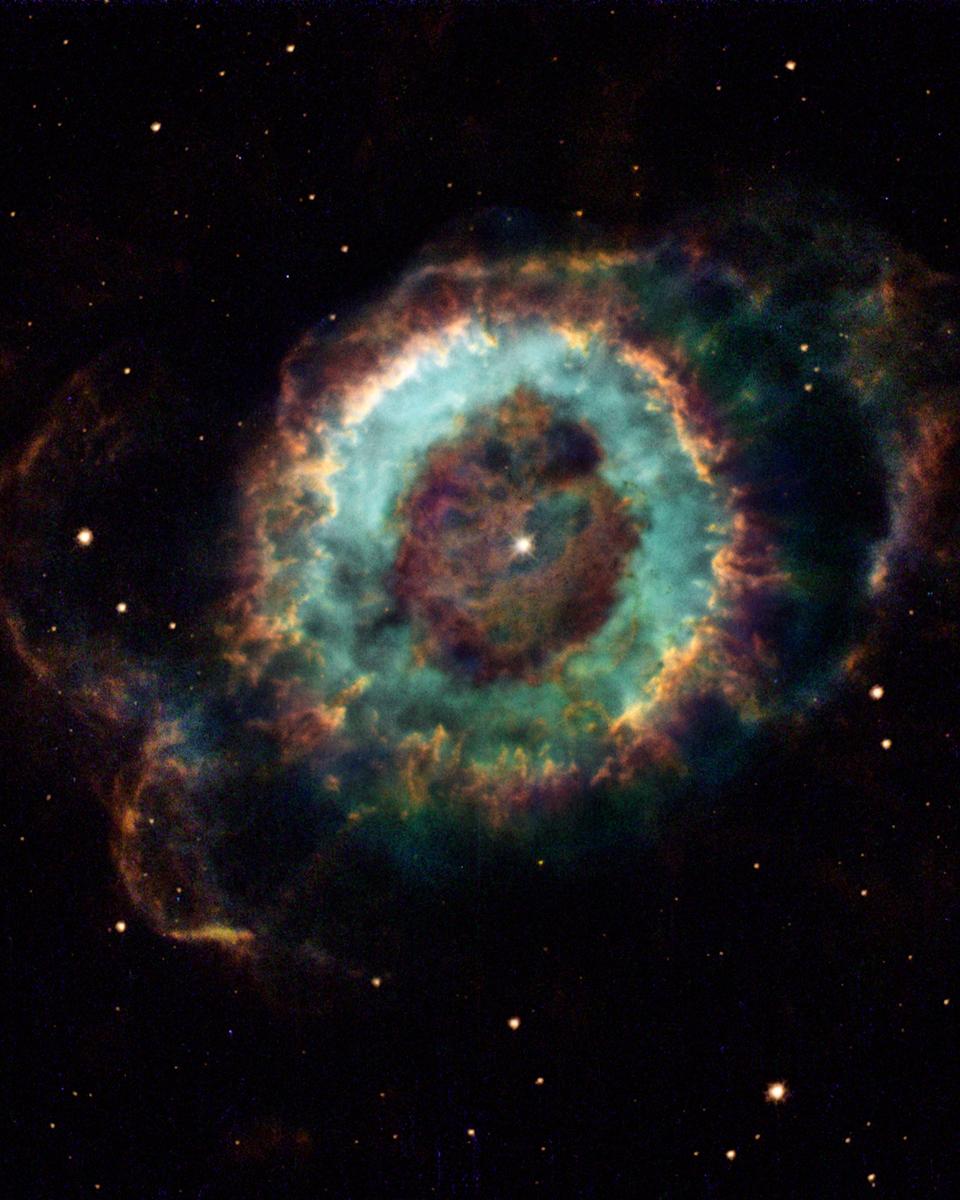
NGC 6369: The Little Ghost Nebula
Wraithlike NGC 6369 is a faint apparition in night skies popularly known as the Little Ghost Nebula. It was discovered by 18th century astronomer Sir William Herschel as he used a…
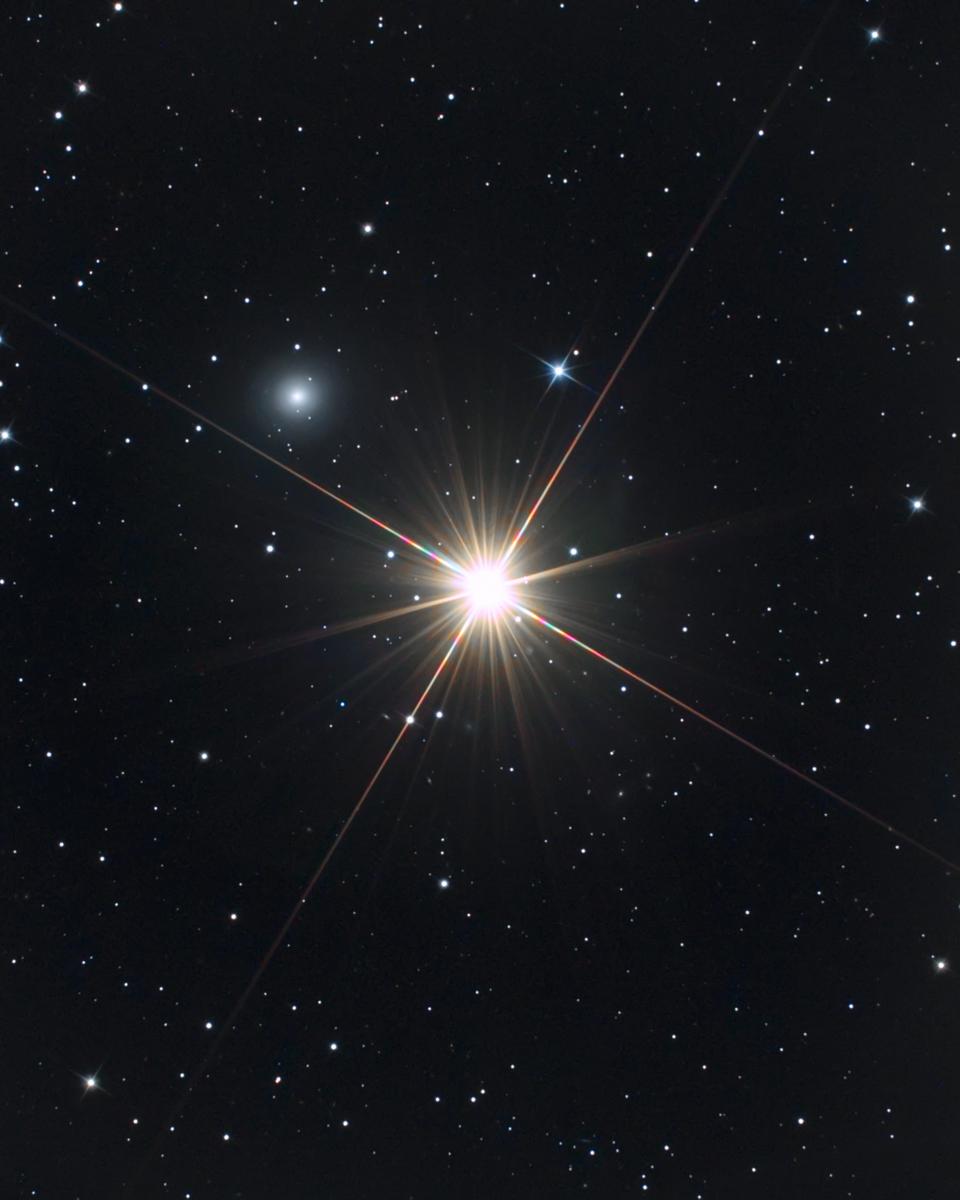
Mirach's Ghost
As far as ghosts go , Mirach's Ghost isn't really that scary . Mirach's Ghost is just a faint, fuzzy galaxy, well known to astronomers, that happens to be seen nearly along the…
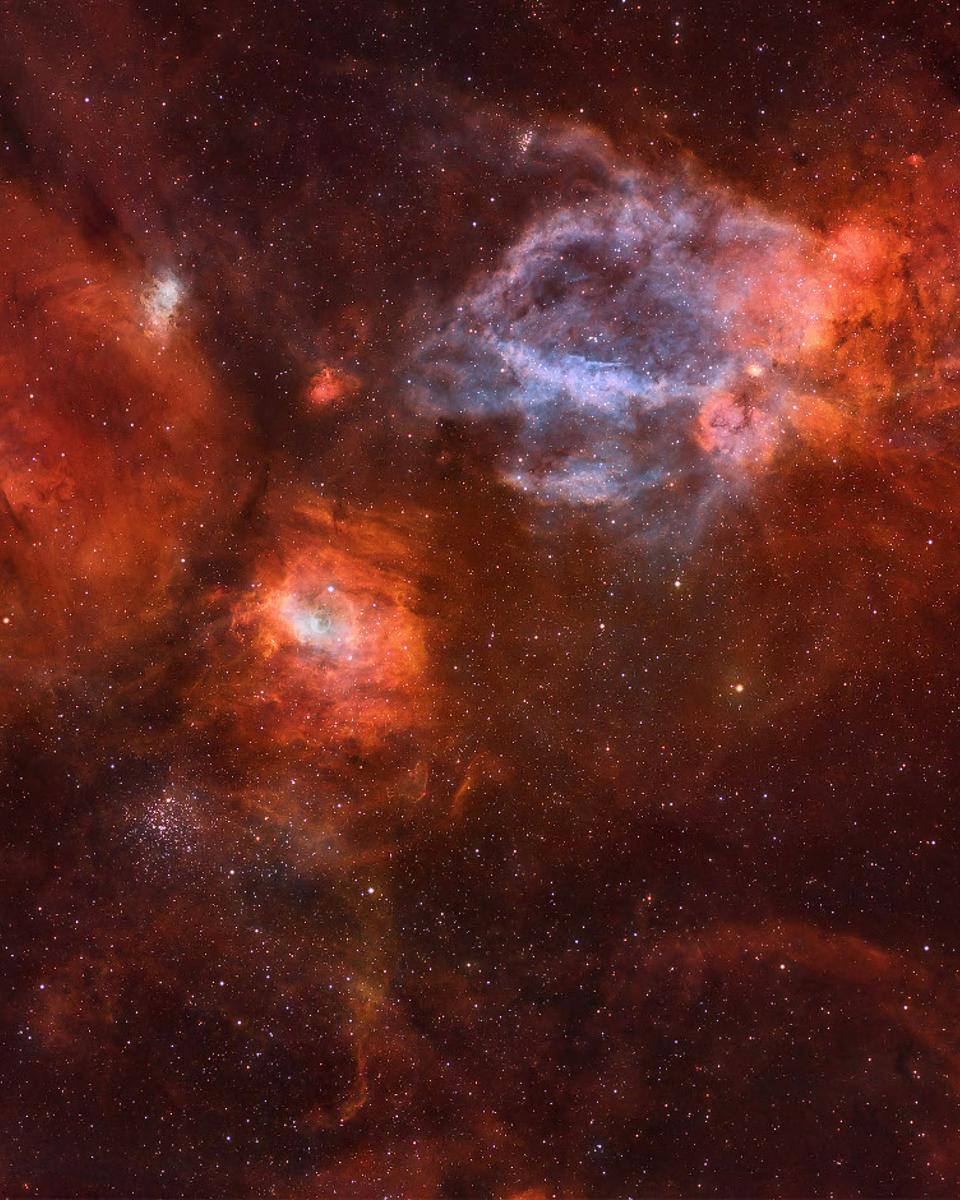
NGC 7635: Bubble in a Cosmic Sea
Adrift in a cosmic sea of stars and glowing gas the delicate, floating apparition left of center in this widefield view is cataloged as NGC 7635, the Bubble Nebula. A mere 10…
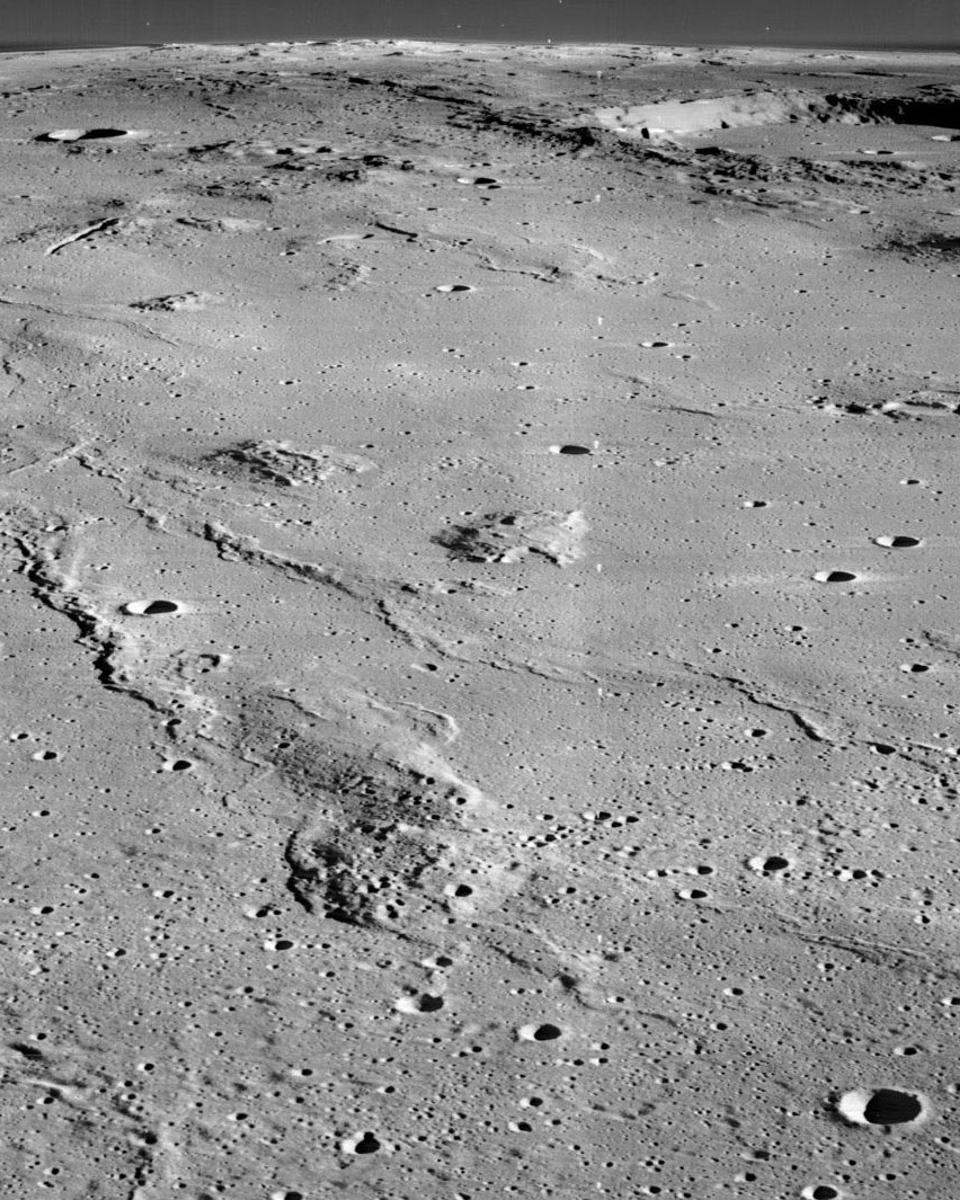
Marius Hills and a Hole in the Moon
Could humans live beneath the surface of the Moon? This intriguing possibility was bolstered in 2009 when Japan's Moon-orbiting SELENE spacecraft imaged a curious hole beneath the…
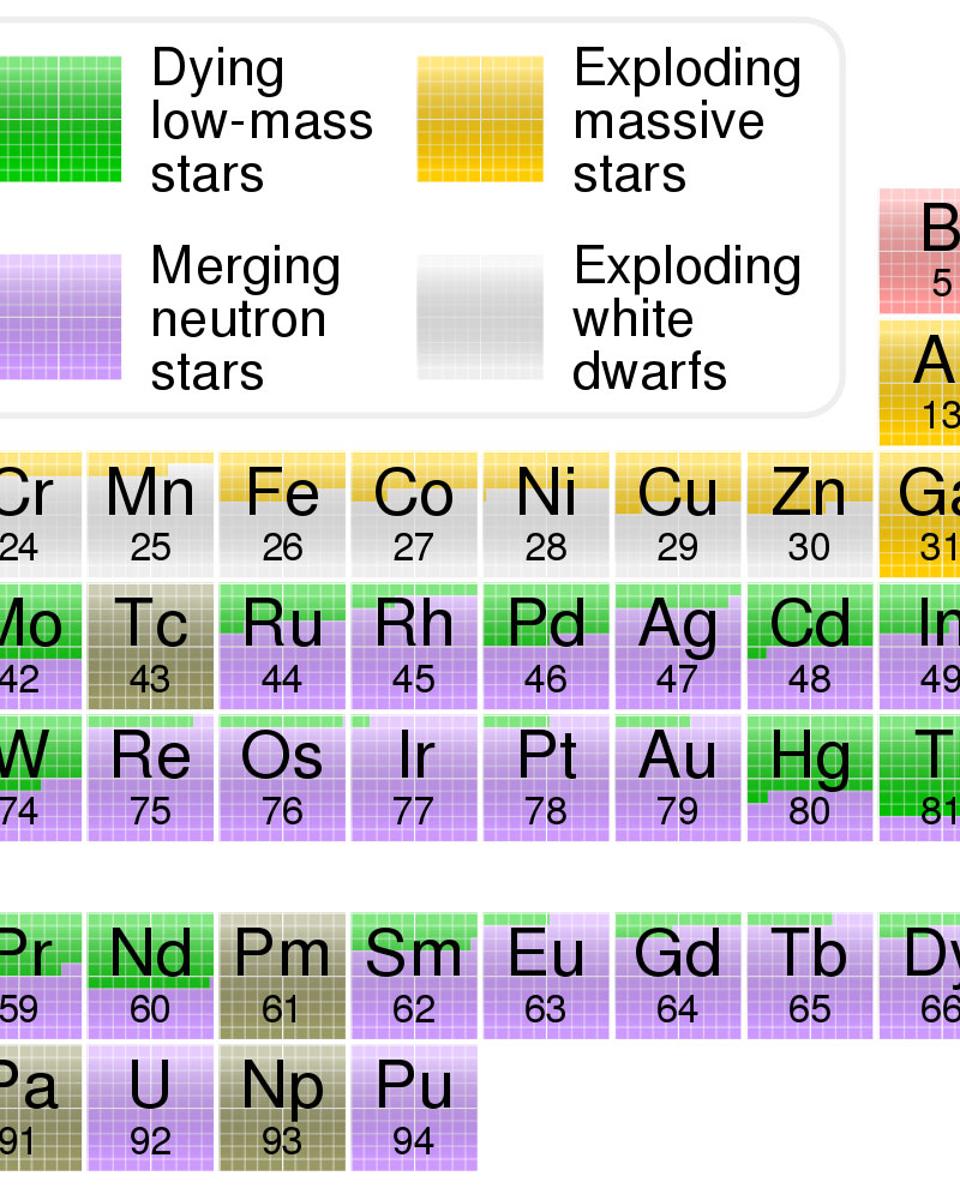
Where Your Elements Came From
The hydrogen in your body, present in every molecule of water, came from the Big Bang . There are no other appreciable sources of hydrogen in the universe. The carbon in your body…
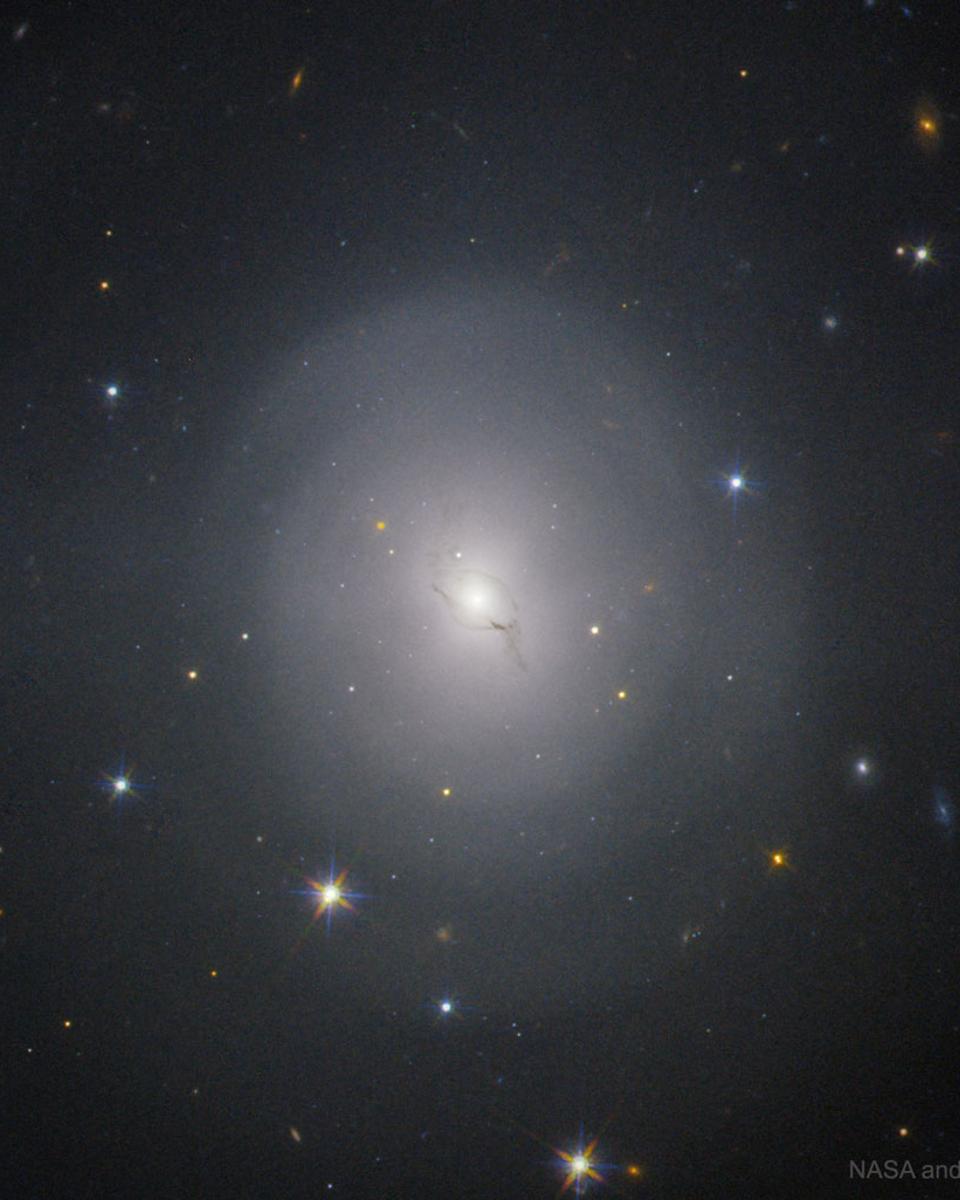
NGC 4993: The Galactic Home of an Historic Explosion
That reddish dot -- it wasn't there before. It's the dot to the upper left of galaxy NGC 4993 's center, do you see it? When scanning the large field of possible locations of an…
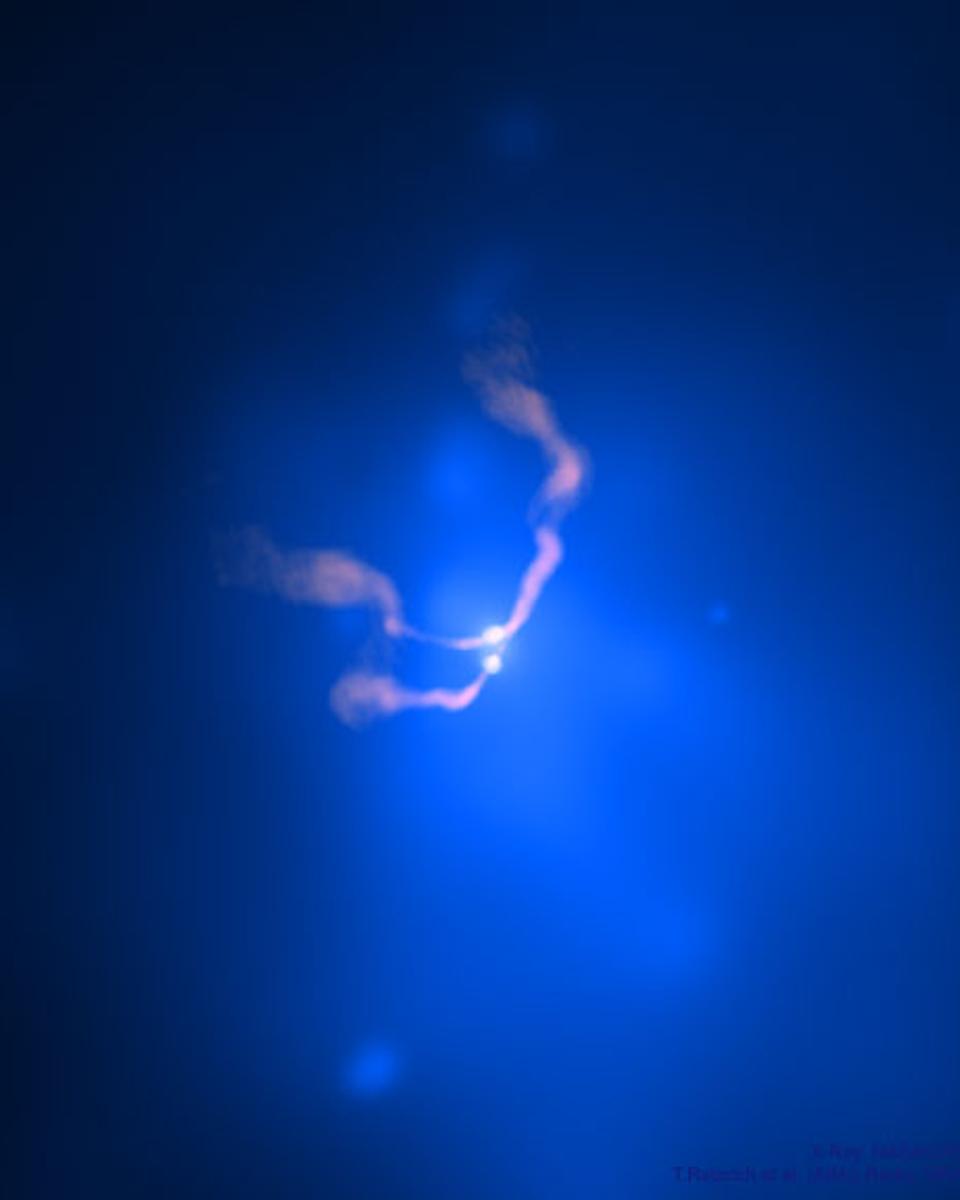
Two Black Holes Dancing in 3C 75
What's happening at the center of active galaxy 3C 75? The two bright sources at the center of this composite x-ray (blue)/ radio (pink) image are co-orbiting supermassive black…
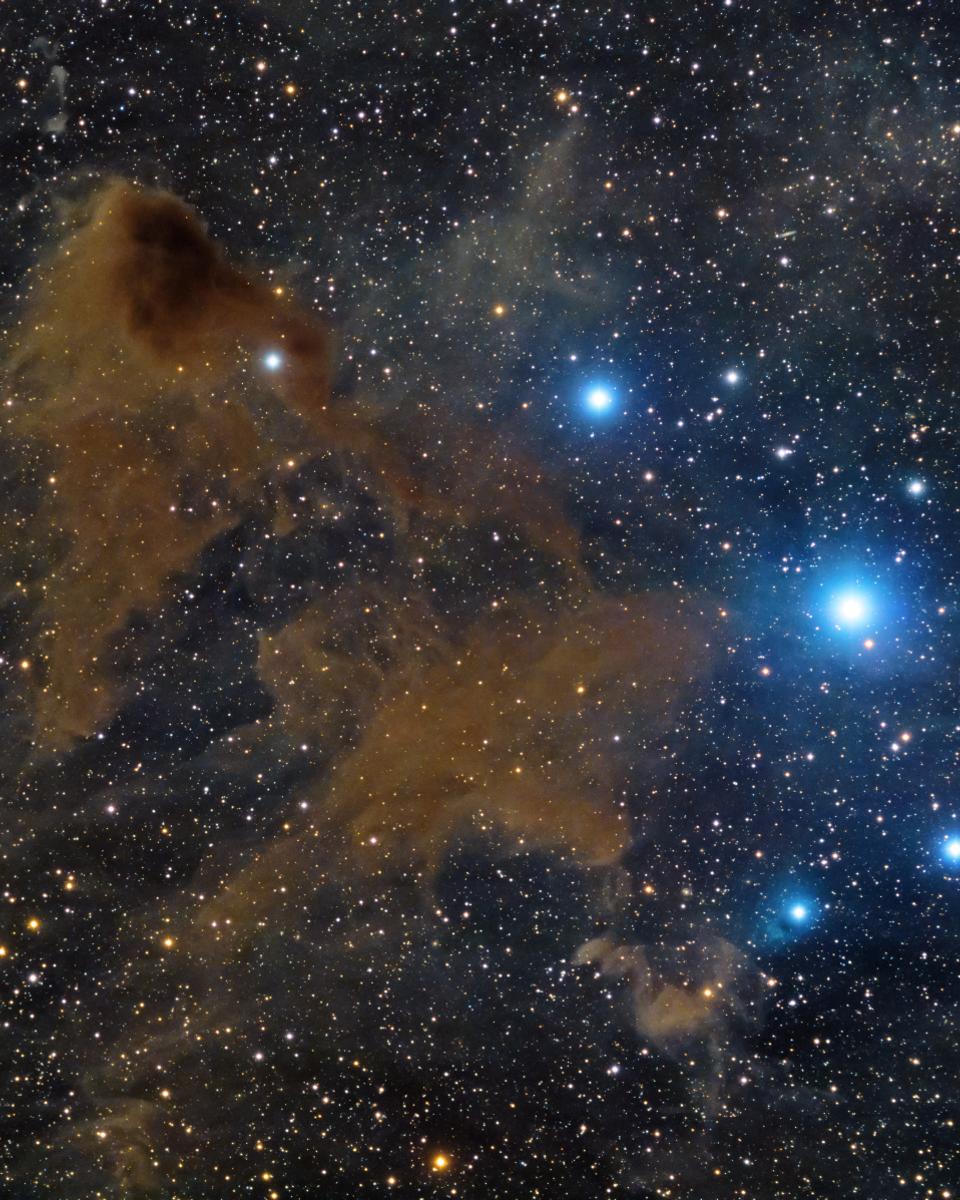
Lynds Dark Nebula 183
Beverly Lynds Dark Nebula 183 lies a mere 325 light-years away, drifting high above the plane of our Milky Way Galaxy. Obscuring the starlight behind it when viewed at optical…
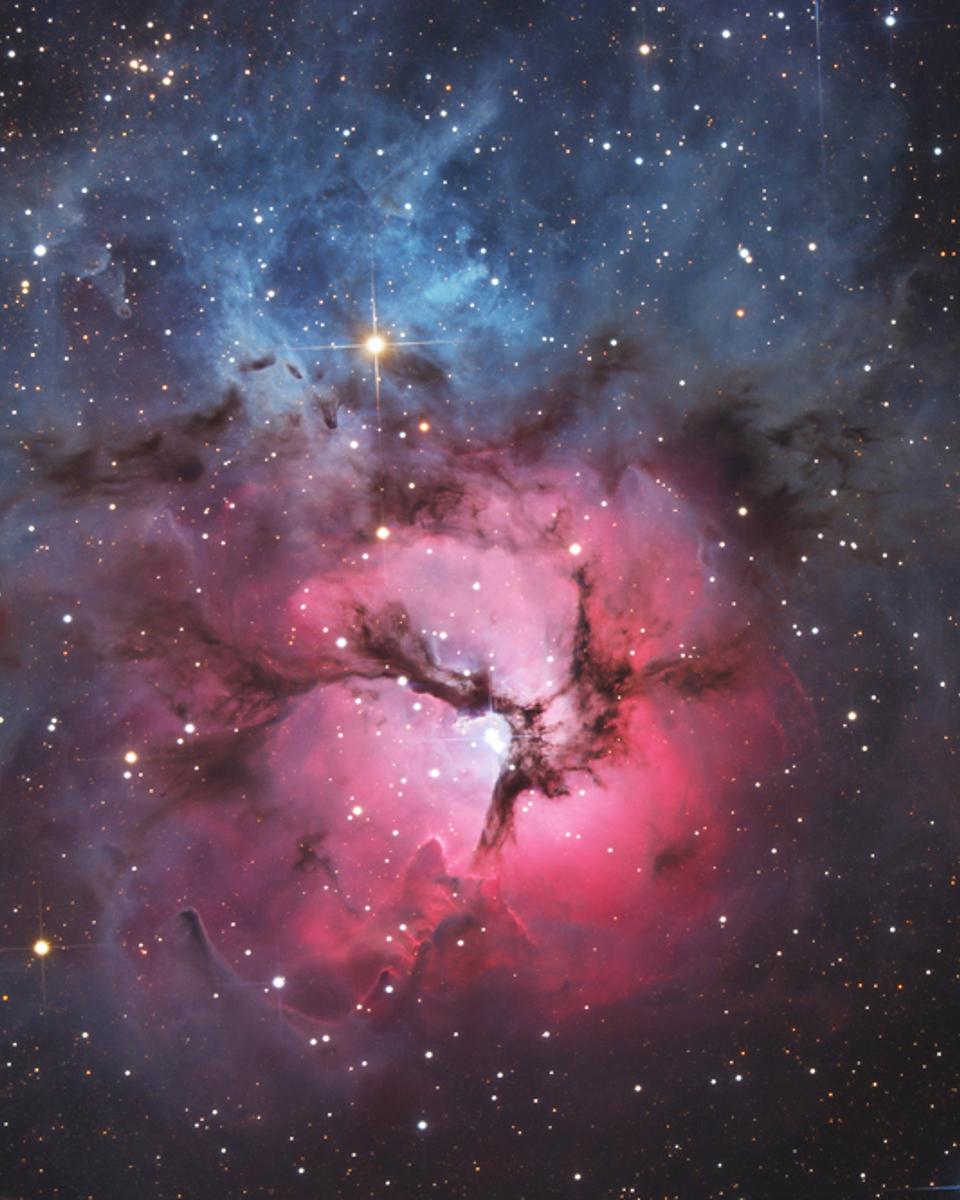
A Beautiful Trifid
The beautiful Trifid Nebula is a cosmic study in contrasts. Also known as M20, it lies about 5,000 light-years away toward the nebula rich constellation Sagittarius. A star…
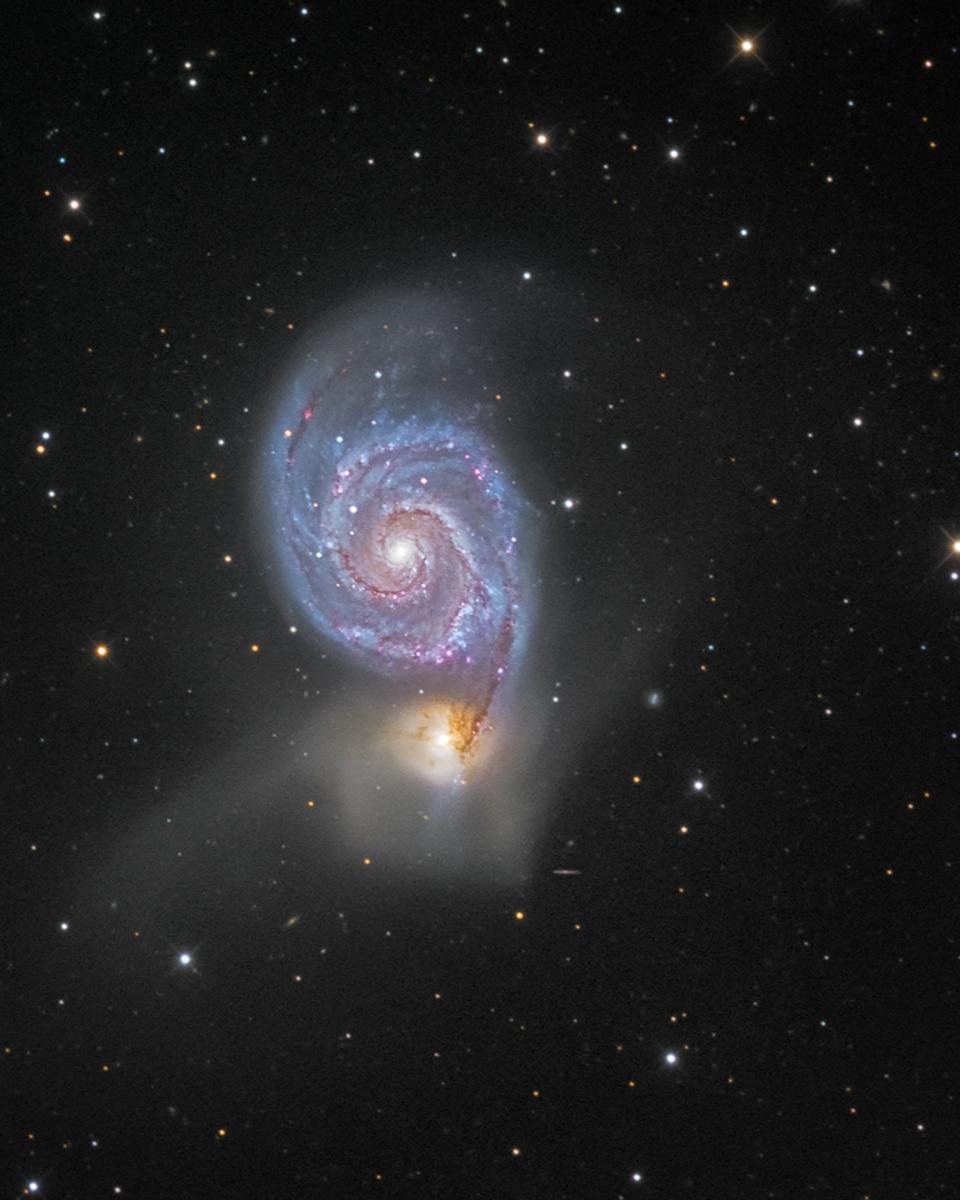
M51: The Whirlpool Galaxy
Find the Big Dipper and follow the handle away from the dipper's bowl until you get to the last bright star. Then, just slide your telescope a little south and west and you'll…
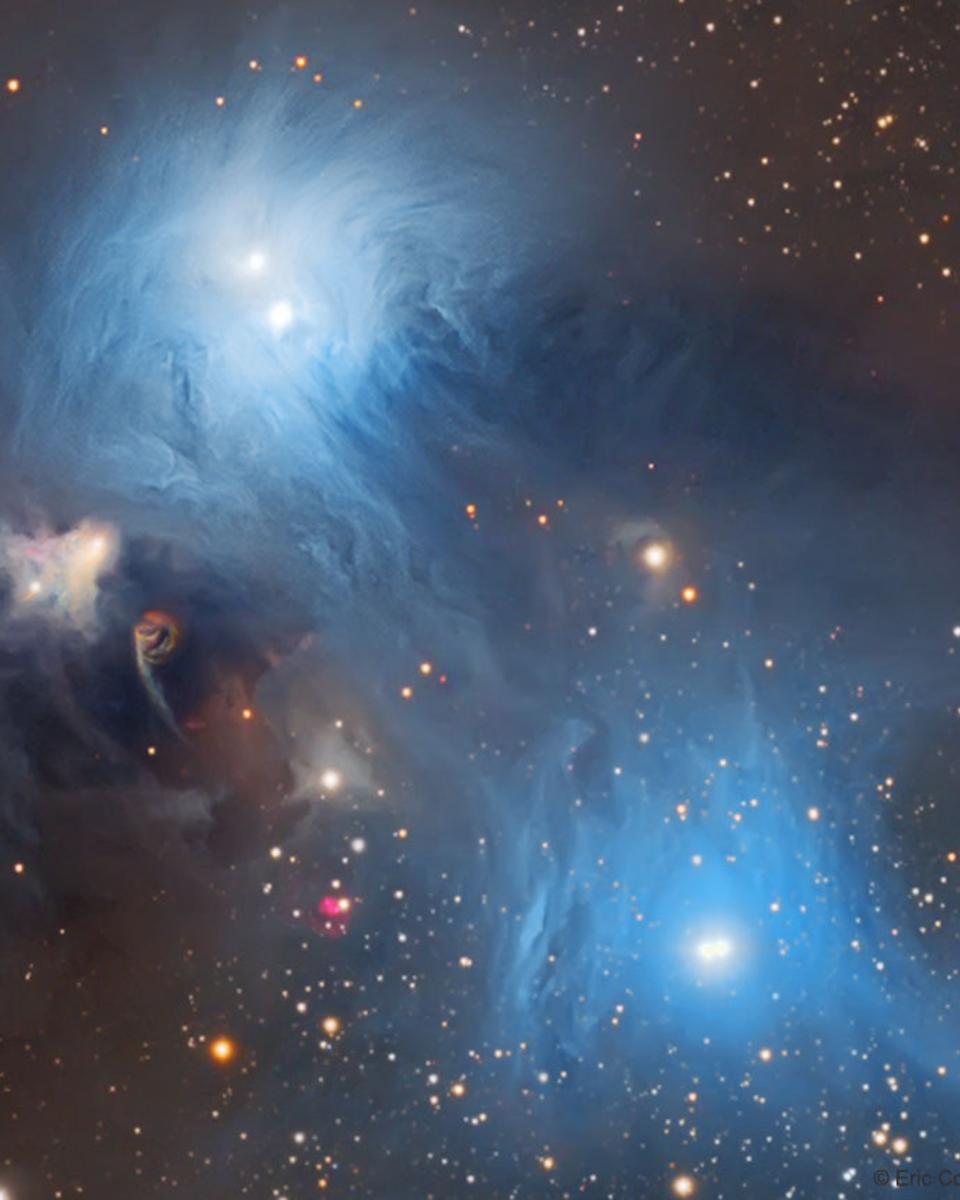
Stars and Dust in Corona Australis
Blue dust clouds and young, energetic stars inhabit this telescopic vista, less than 500 light-years away toward the northern boundary of Corona Australis , the Southern Crown.…
Viewing discoveries from 10 November 2017 through 18 October 2017.