Browse NASA Astronomy Picture of the Day archive by date and media: Archive Discoveries
Browse the NASA APOD archive without needing the exact date first. Filter by media type and keep moving deeper into older images and videos.
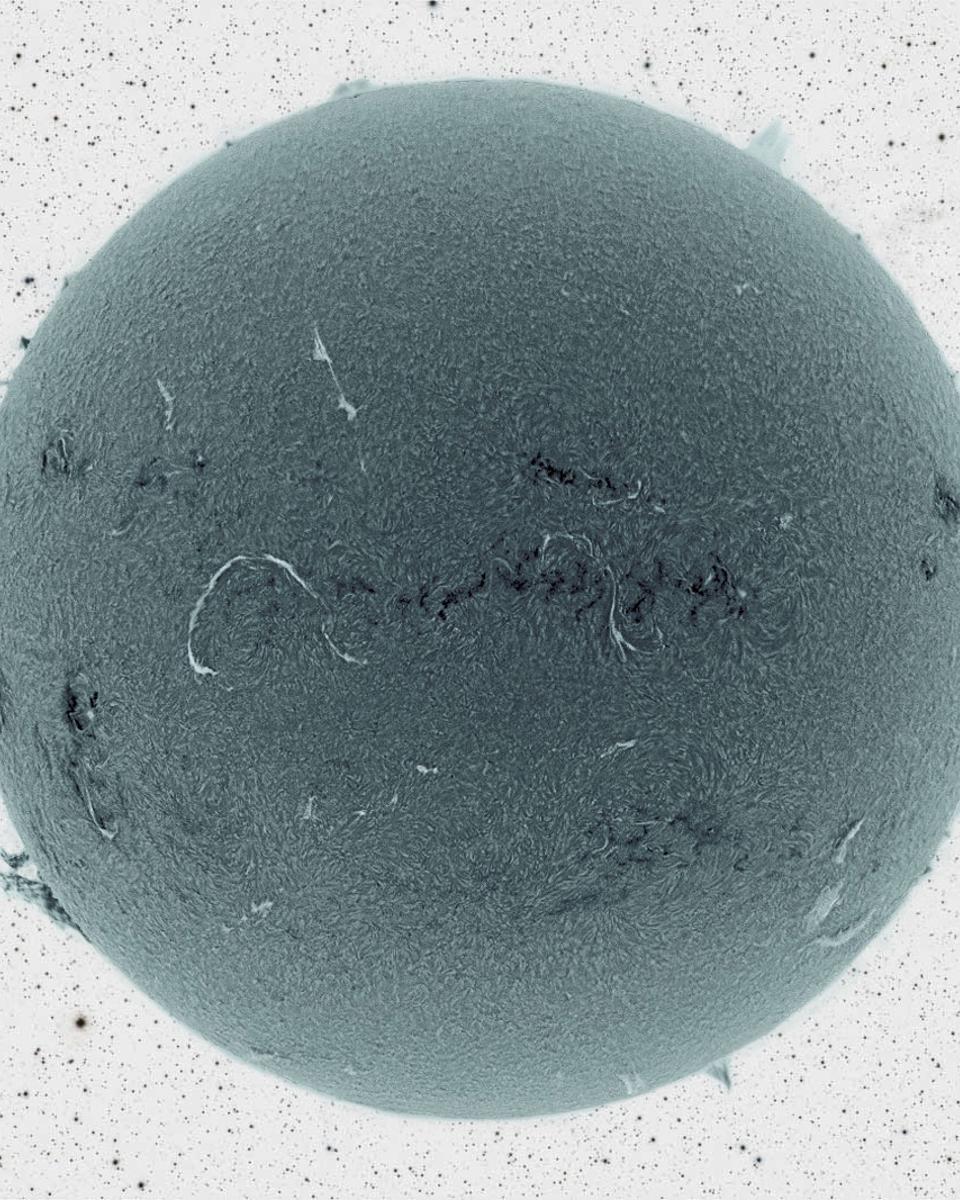
Black Sun and Inverted Starfield
Does this strange dark ball look somehow familiar? If so, that might be because it is our Sun. In the featured image from 2012, a detailed solar view was captured originally in a…
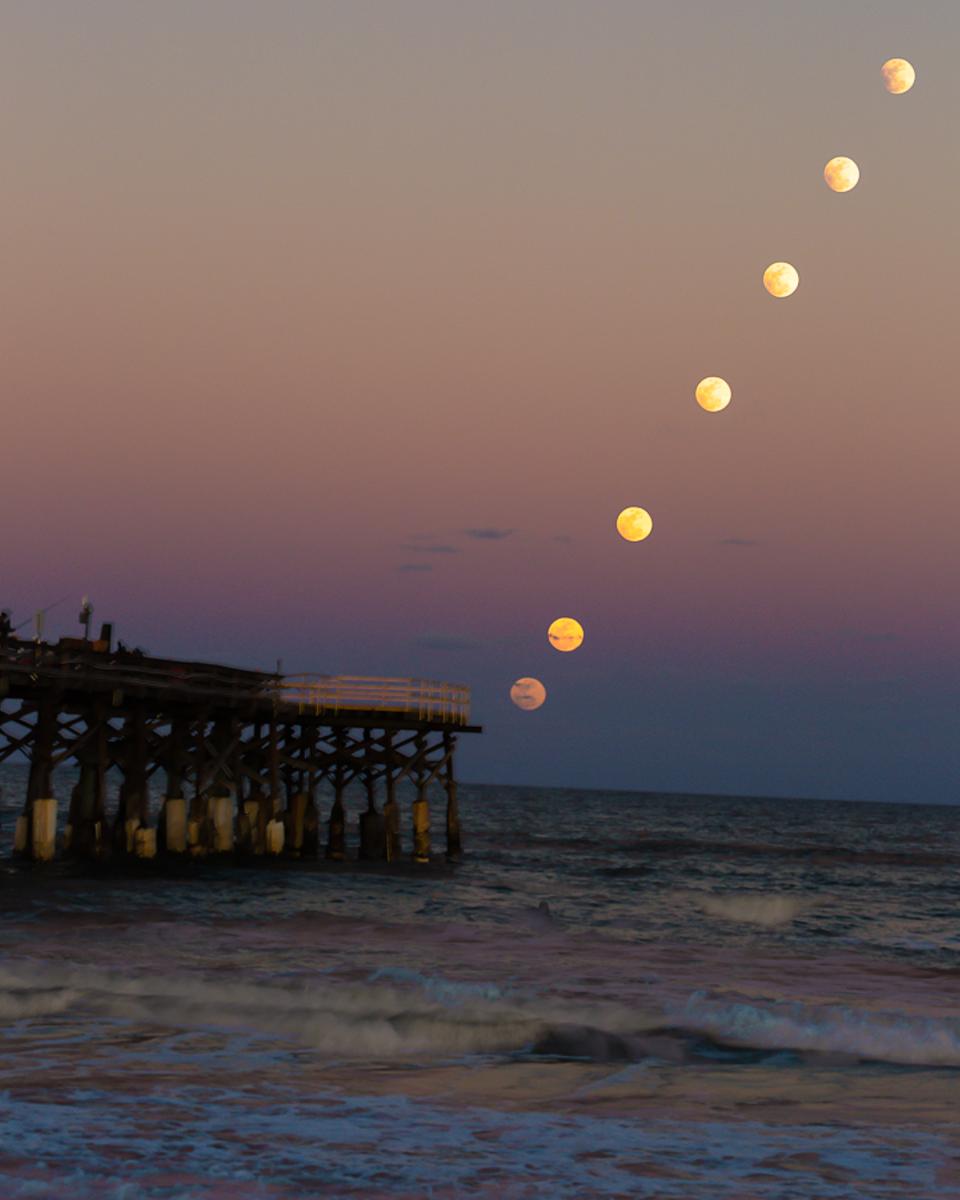
Penumbral Eclipse Rising
As seen from Cocoa Beach Pier, Florida, planet Earth, the Moon rose at sunset on February 10 while gliding through Earth's faint outer shadow. In progress was the first eclipse of…
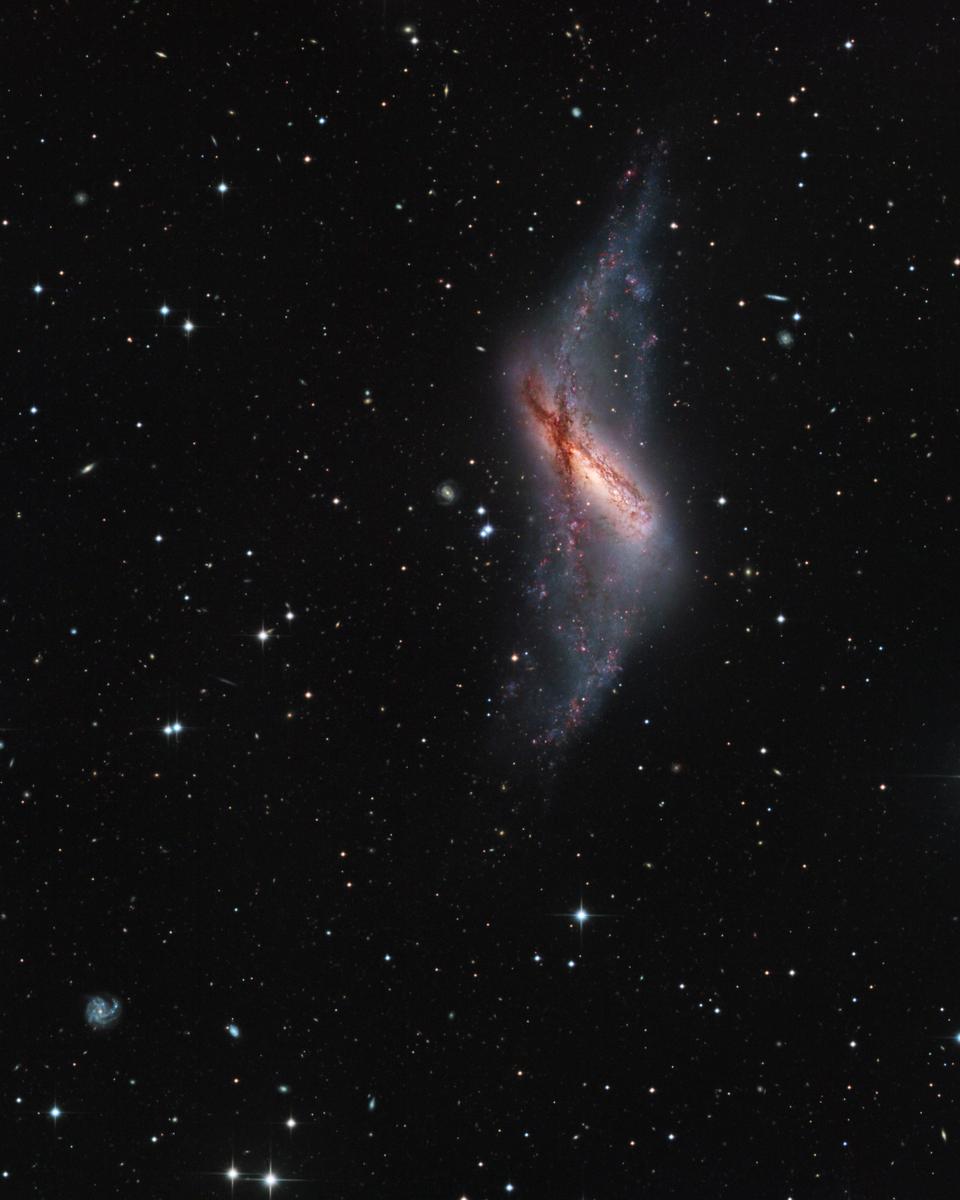
Polar Ring Galaxy NGC 660
NGC 660 is featured in this cosmic snapshot . Over 40 million light-years away and swimming within the boundaries of the constellation Pisces , NGC 660's peculiar appearance marks…
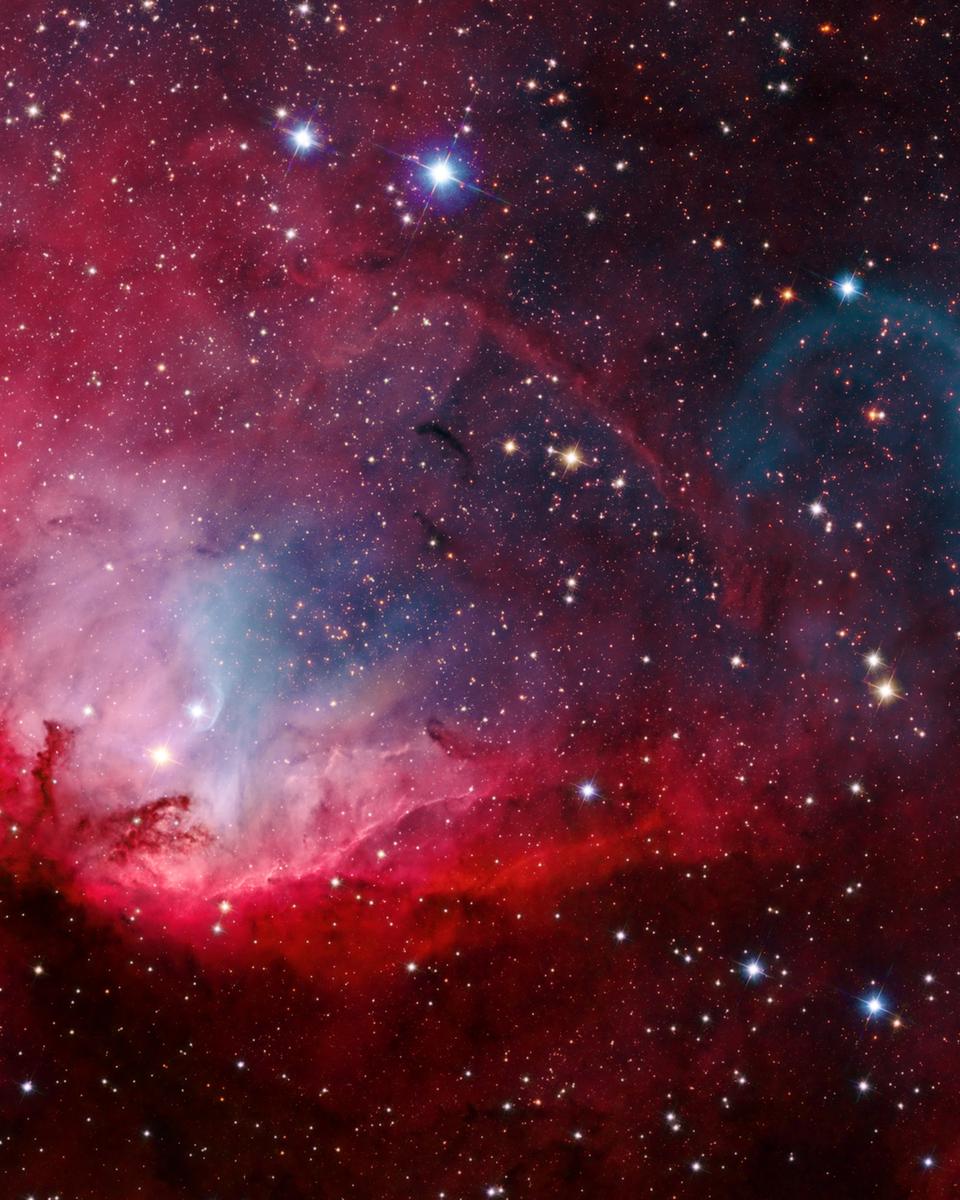
The Tulip and Cygnus X-1
Framing a bright emission region, this telescopic view looks out along the plane of our Milky Way Galaxy toward the nebula rich constellation Cygnus the Swan . Popularly called…
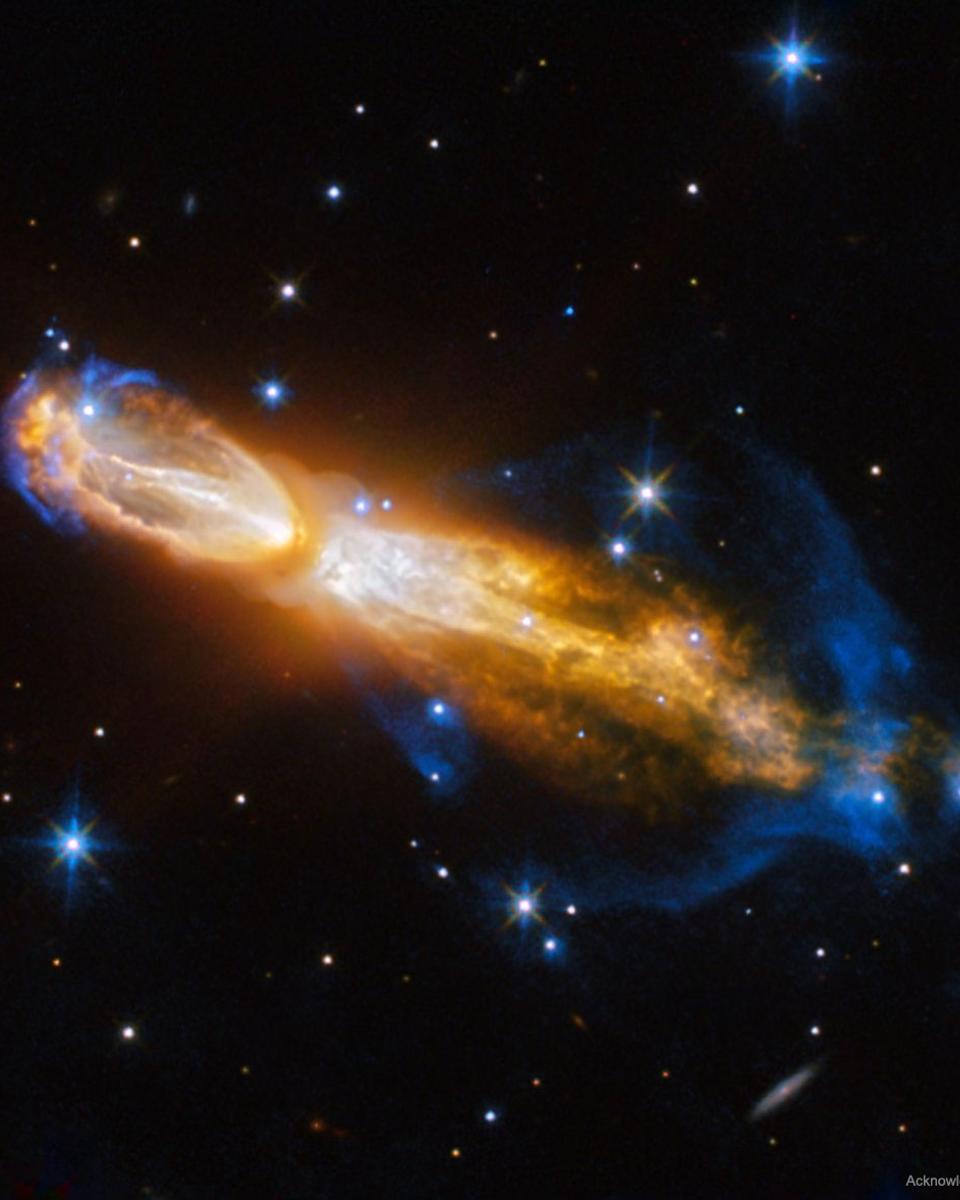
The Calabash Nebula from Hubble
Fast expanding gas clouds mark the end for a central star in the Calabash Nebula. The once-normal star has run out of nuclear fuel , causing the central regions to contract into a…
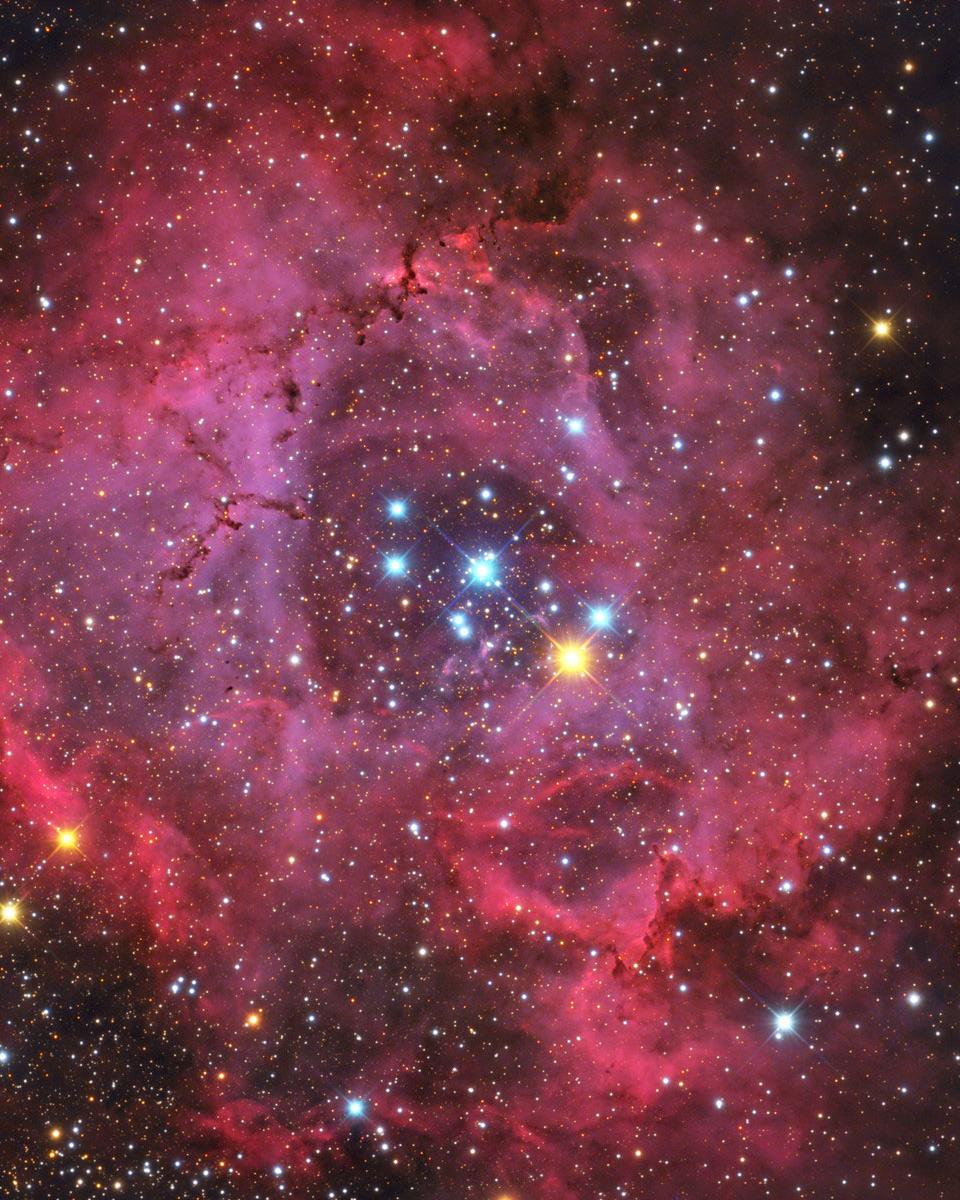
The Rosette Nebula
Would the Rosette Nebula by any other name look as sweet? The bland New General Catalog designation of NGC 2237 doesn't appear to diminish the appearance of this flowery emission…
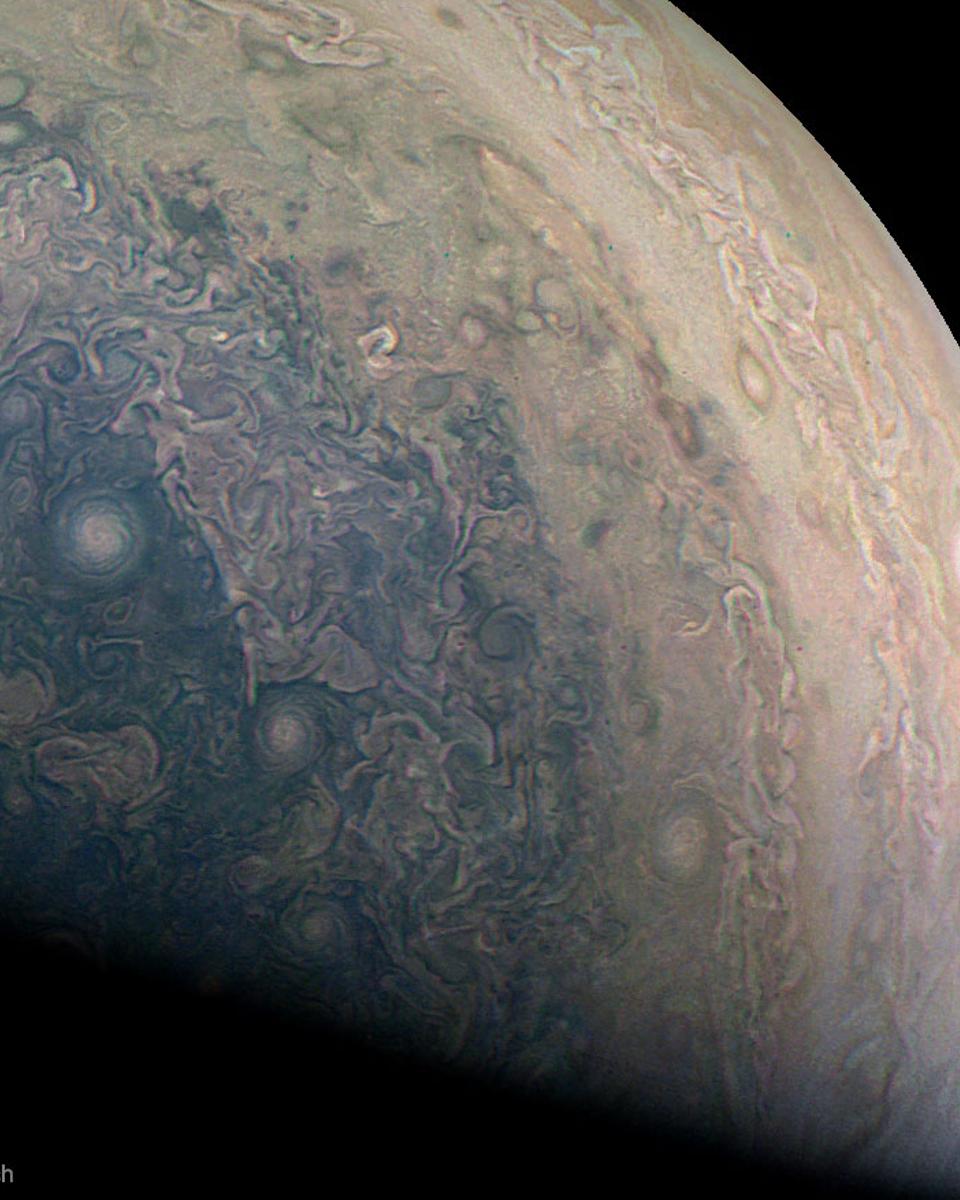
Cloud Swirls around Southern Jupiter from Juno
Juno just completed its fourth pass near Jupiter. Launched from Earth in 2011 and arriving at Jupiter just last July, robotic Juno concluded its latest elliptical orbit around our…
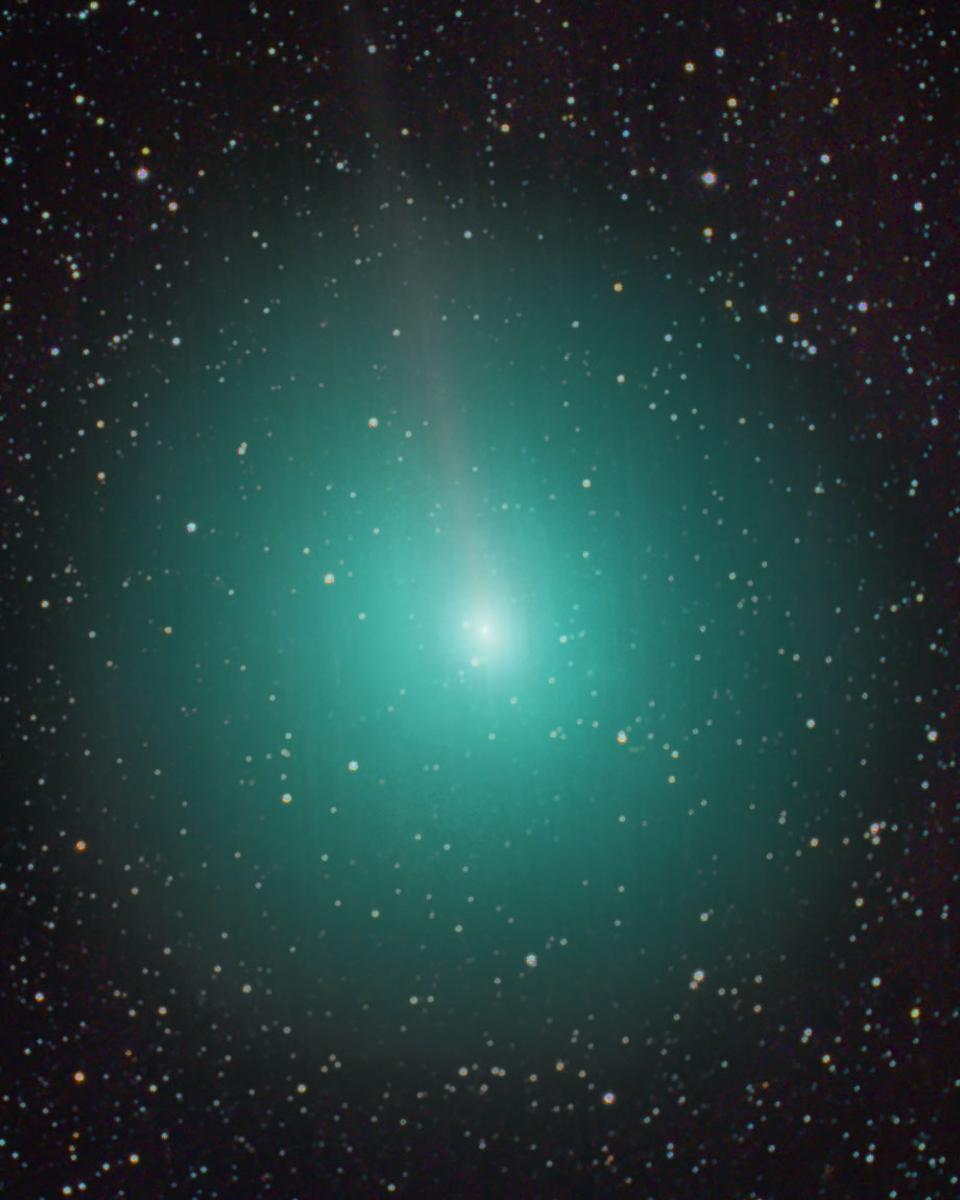
Comet 45P Passes Near the Earth
A large snowball has just passed the Earth. Known as Comet 45P/HondaMrkosPajdukov“ , or 45P for short, the comet came 10 times closer to Earth yesterday than the Earth ever gets…
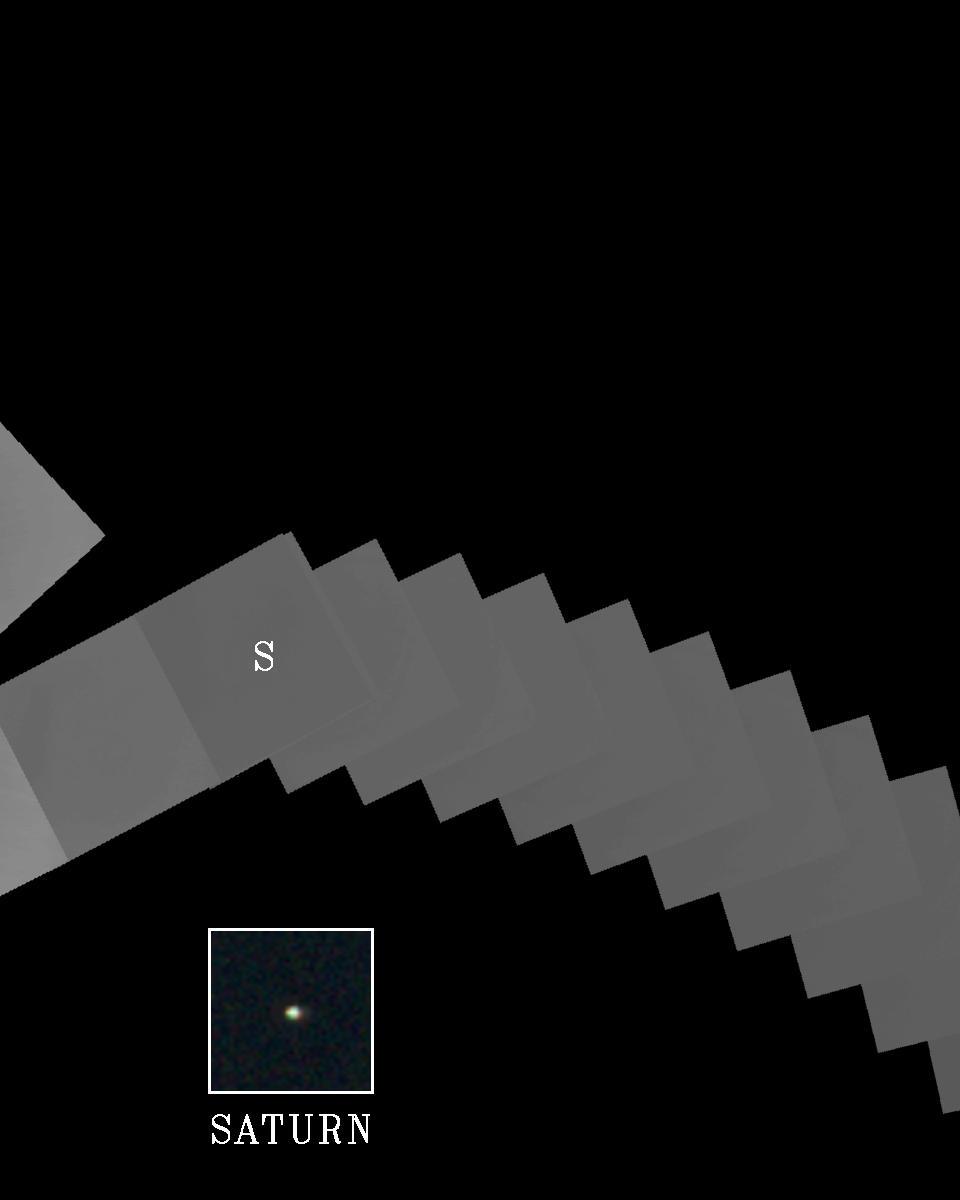
Solar System Portrait
On Valentine's Day in 1990, cruising four billion miles from the Sun, the Voyager 1 spacecraft looked back one last time to make this first ever Solar System family portrait . The…
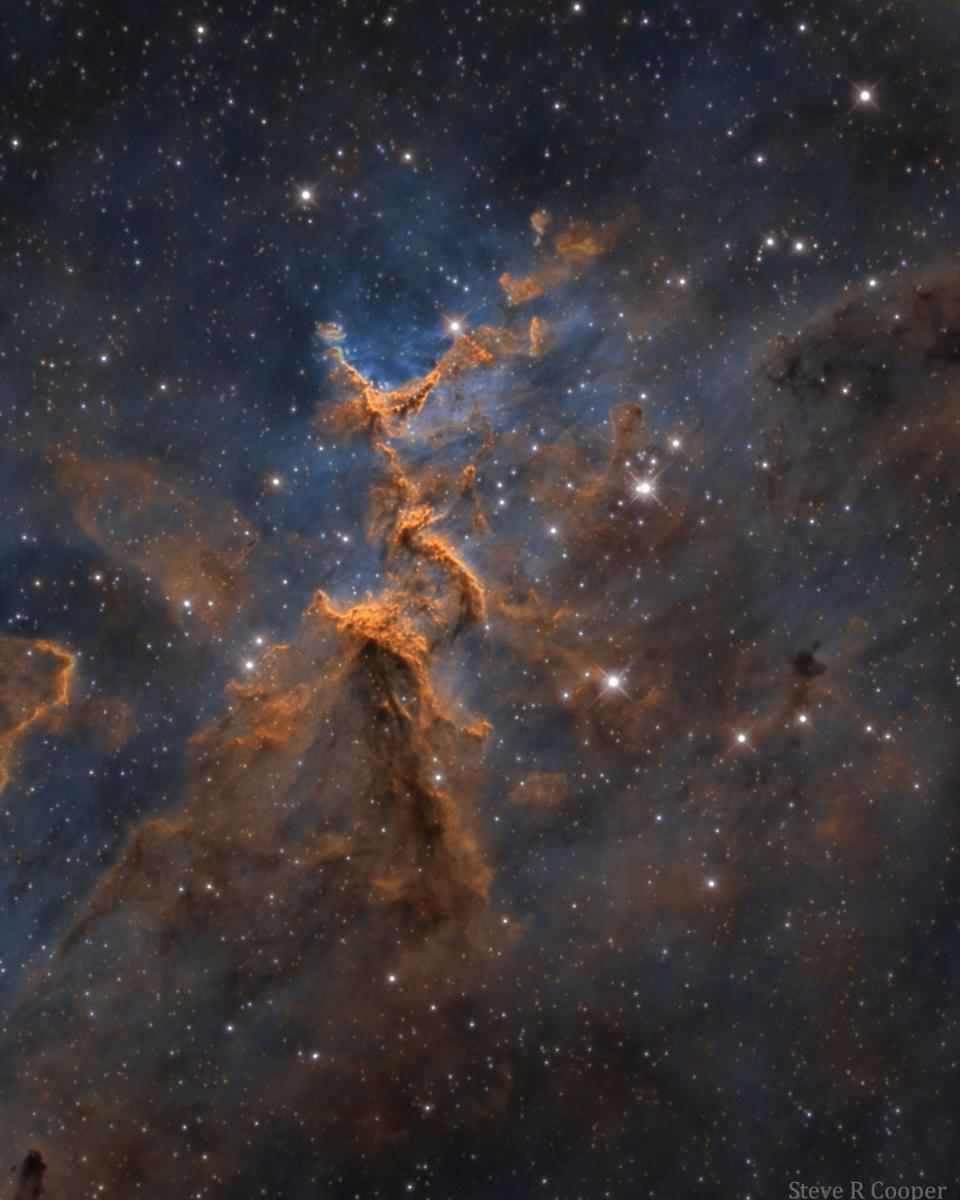
Melotte 15 in the Heart
Cosmic clouds form fantastic shapes in the central regions of emission nebula IC 1805. The clouds are sculpted by stellar winds and radiation from massive hot stars in the…
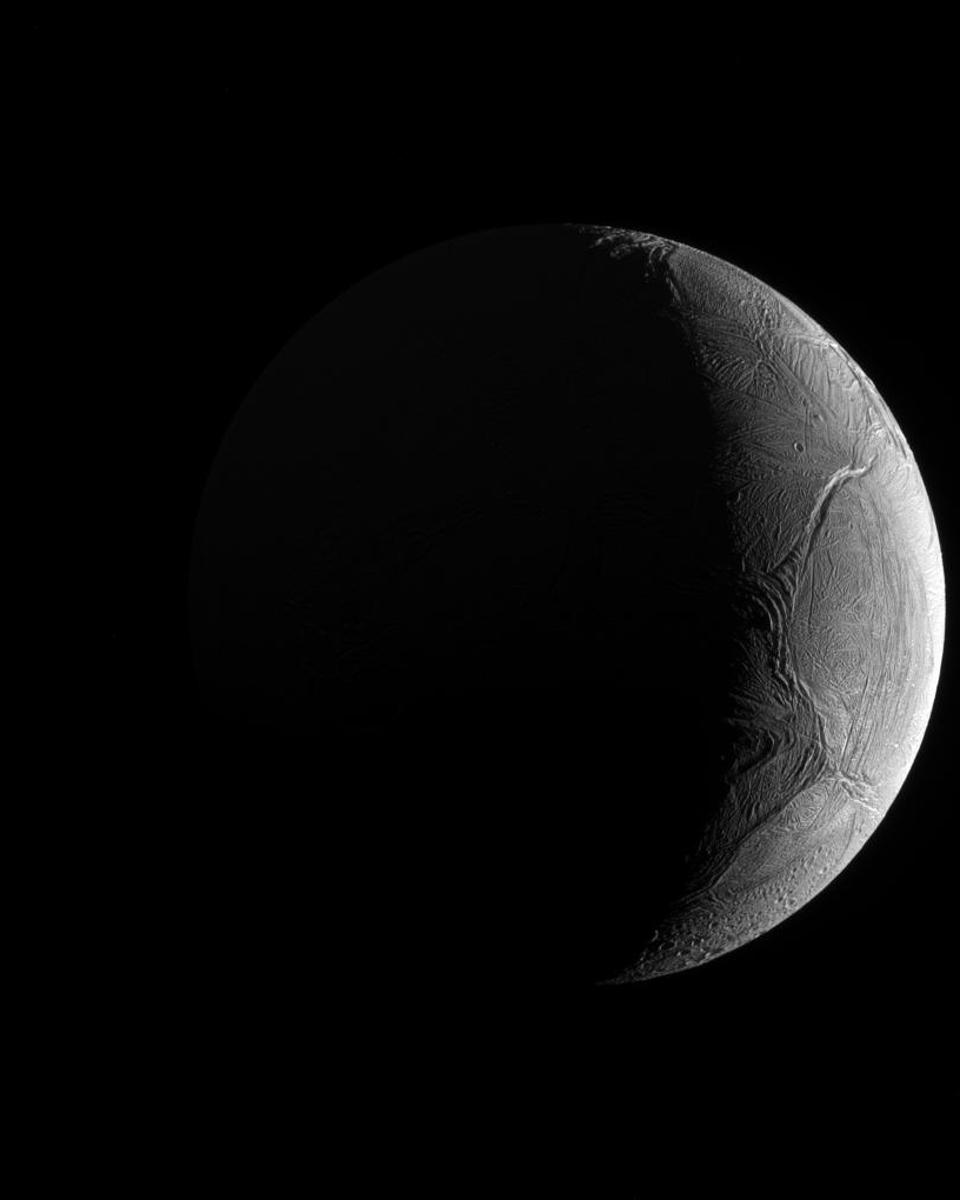
Crescent Enceladus
Peering from the shadows, the Saturn-facing hemisphere of tantalizing inner moon Enceladus poses in this Cassini spacecraft image. North is up in the dramatic scene captured last…
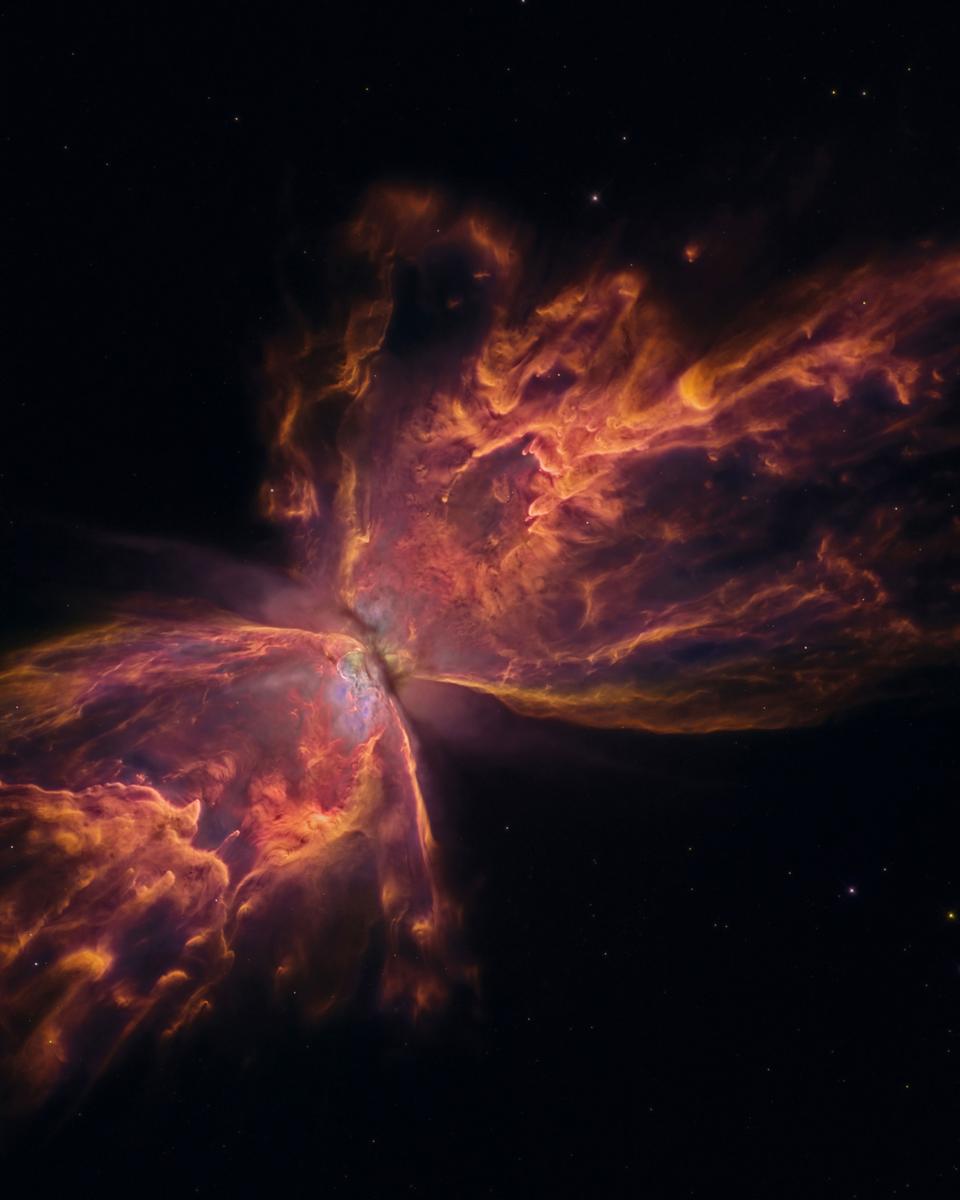
The Butterfly Nebula from Hubble
The bright clusters and nebulae of planet Earth's night sky are often named for flowers or insects . Though its wingspan covers over 3 light-years, NGC 6302 is no exception. With…
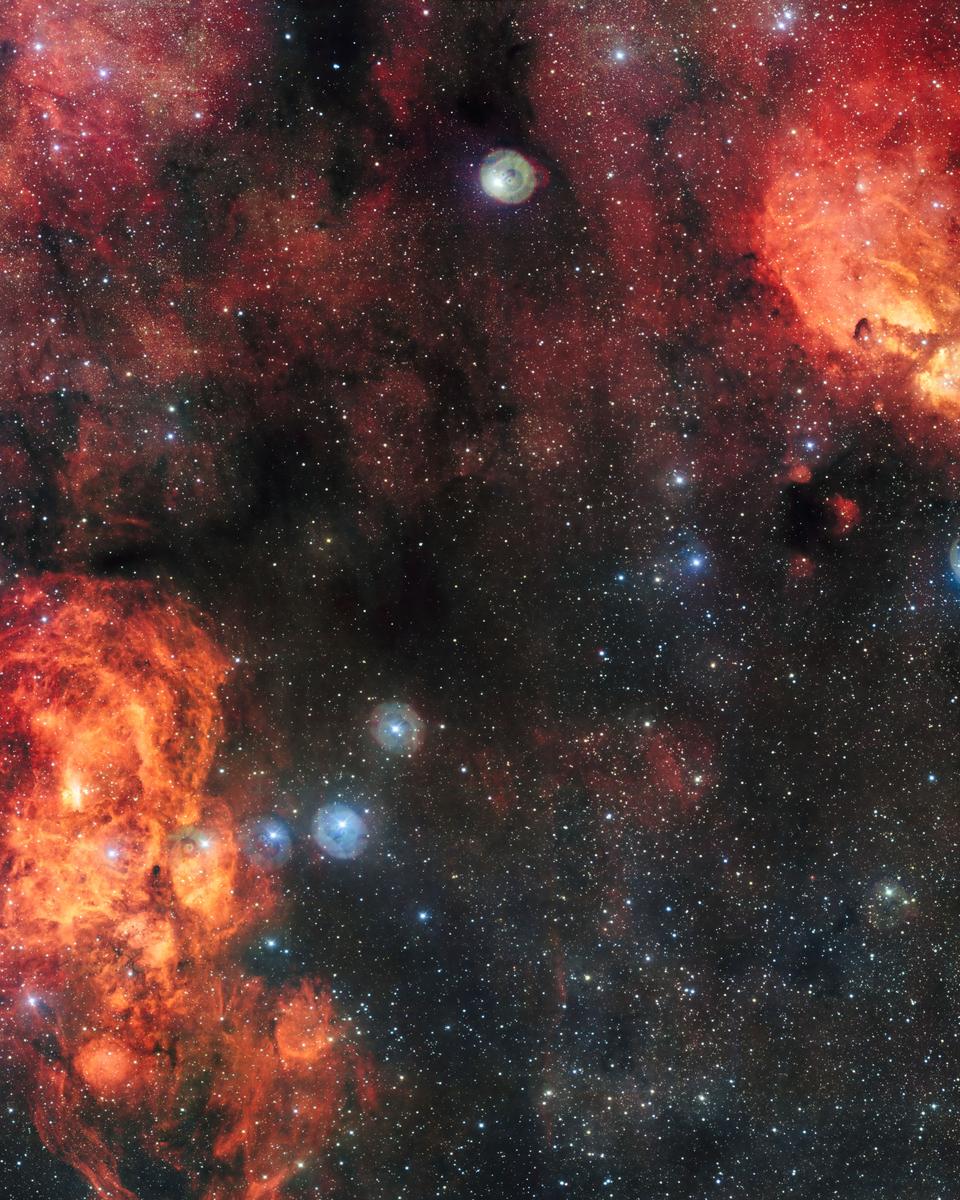
NGC 6357: The Lobster Nebula
Why is the Lobster Nebula forming some of the most massive stars known? No one is yet sure . Near the more obvious Cat's Paw nebula on the upper right, the Lobster Nebula, on the…
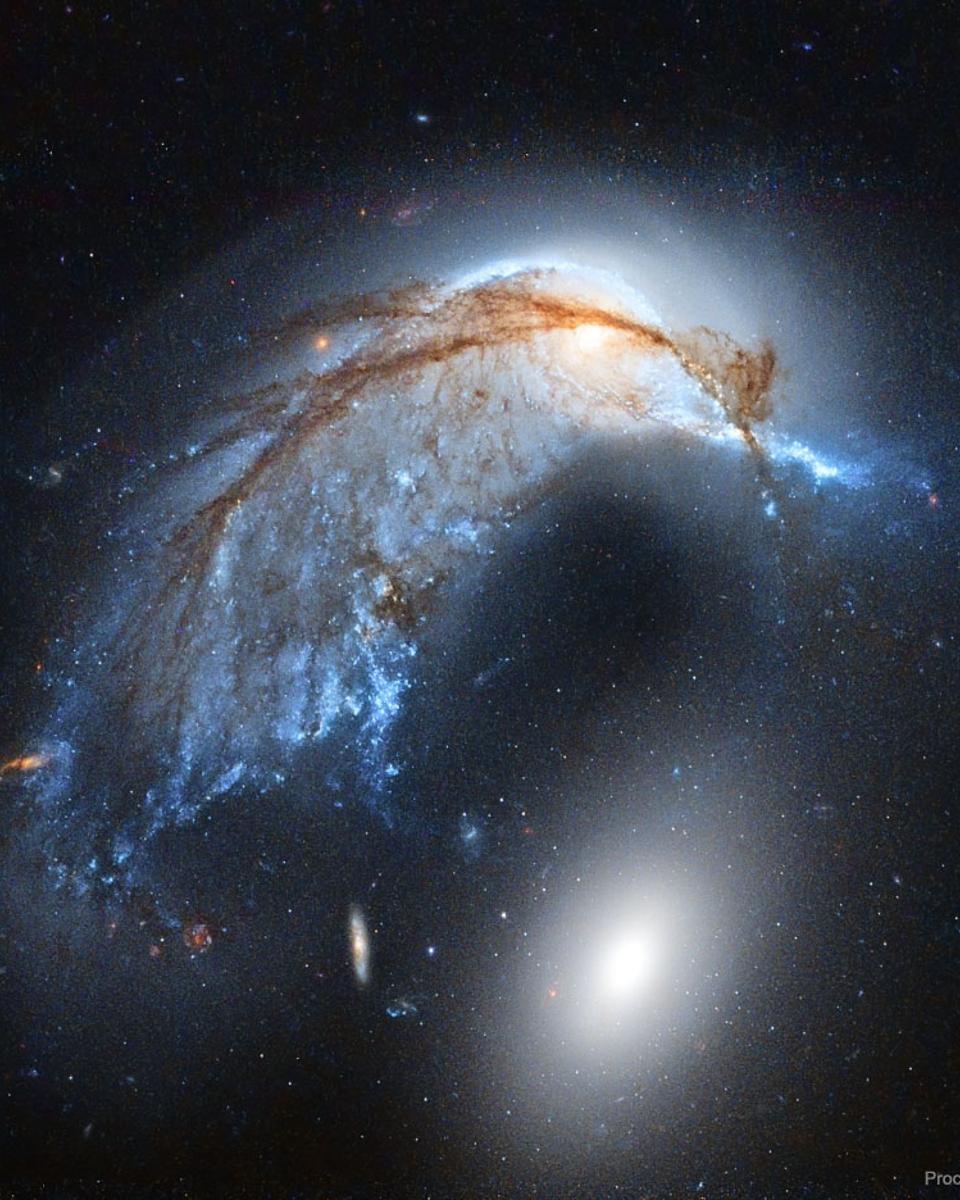
The Porpoise Galaxy from Hubble
What's happening to this spiral galaxy? Just a few hundred million years ago, NGC 2936, the upper of the two large galaxies shown , was likely a normal spiral galaxy -- spinning,…
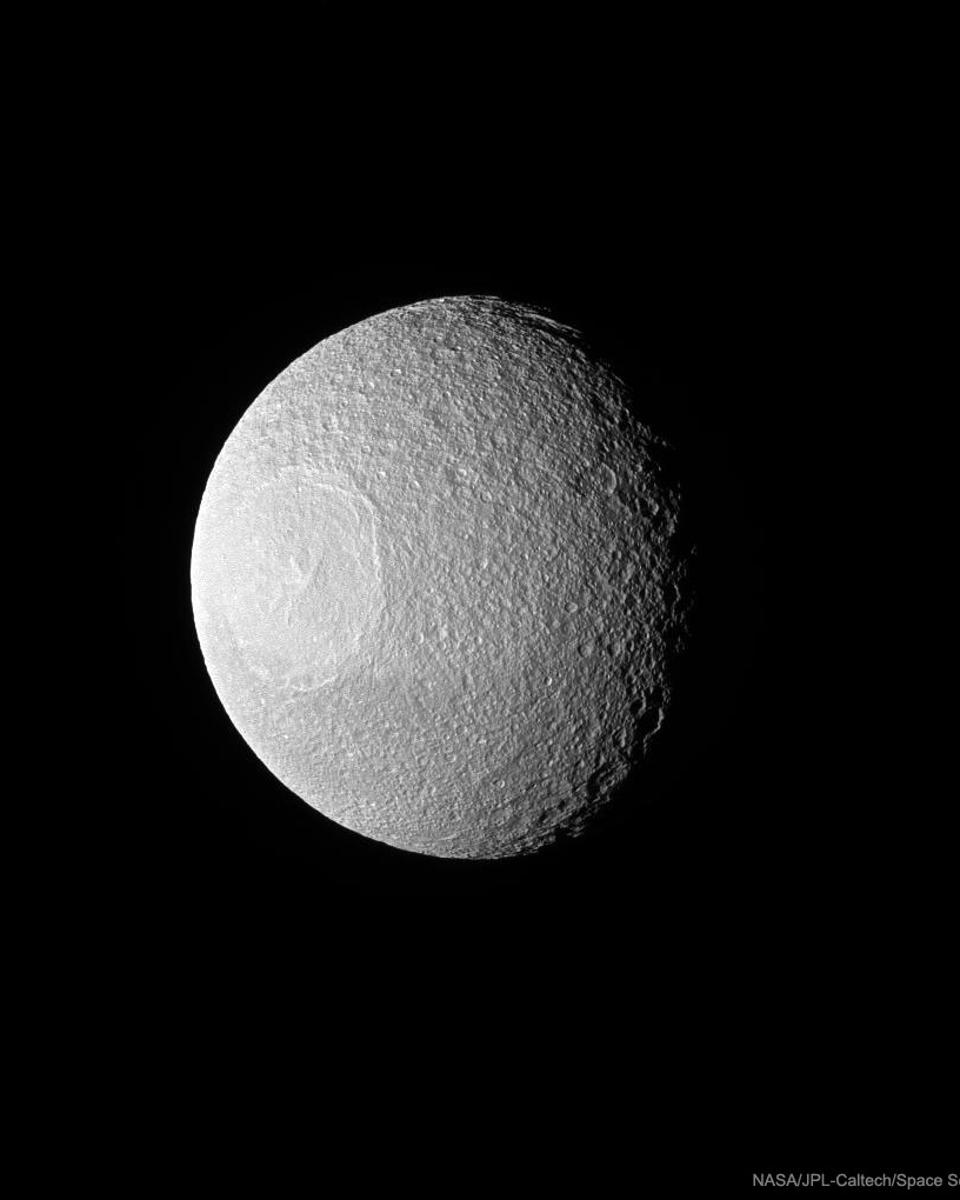
Odysseus Crater on Tethys
Some moons wouldn't survive the collision. Tethys , one of Saturn's larger moons at about 1000 kilometers in diameter, survived the collision, but today exhibits the resulting…
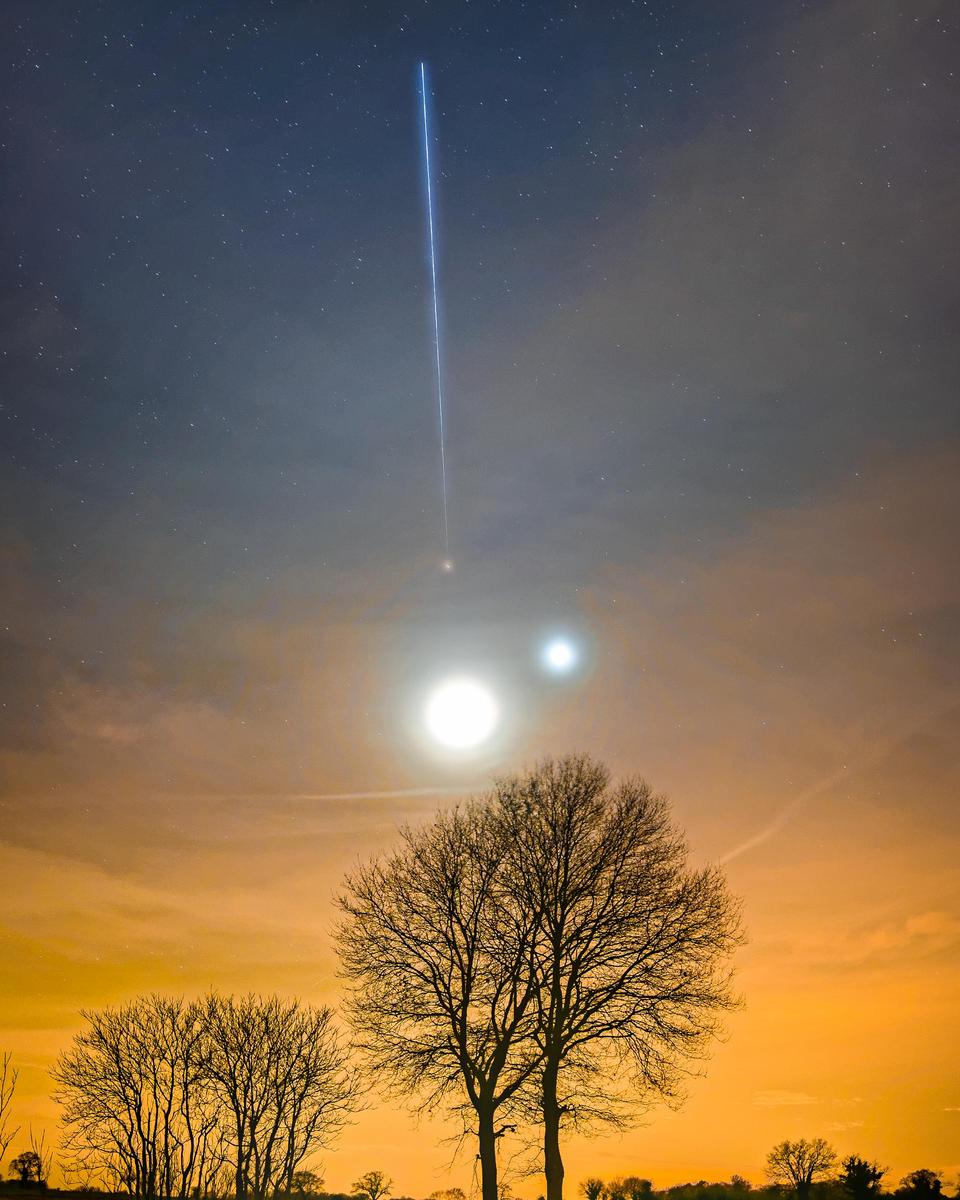
Conjunction of Four
On January 31, a waxing crescent Moon, brilliant Venus, and fainter Mars gathered in the fading twilight, hanging above the western horizon just after sunset on planet Earth . In…
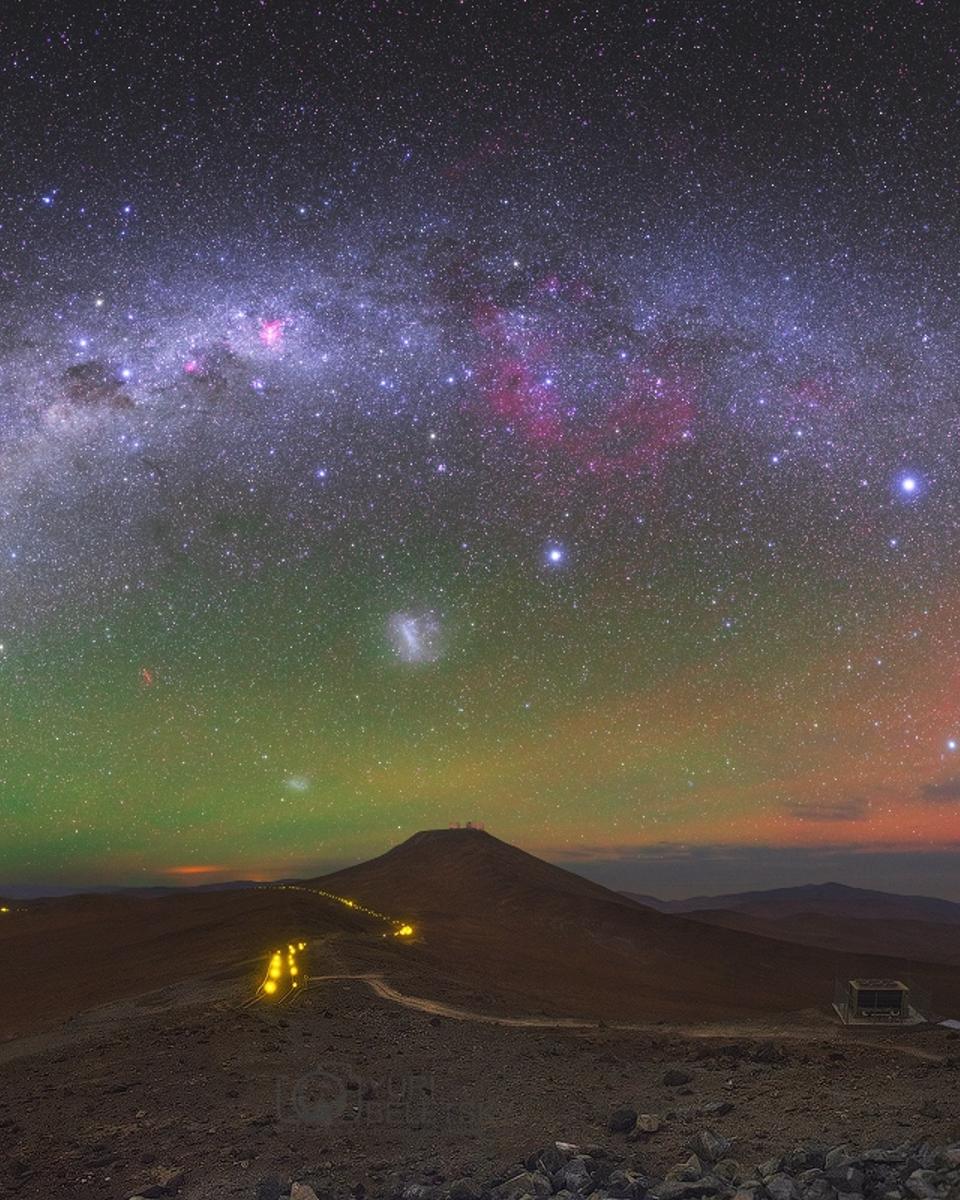
Milky Way with Airglow Australis
Captured last April after sunset on a Chilean autumn night an exceptionally intense airglow flooded this scene. The panoramic skyscape is also filled with stars, clusters, and…
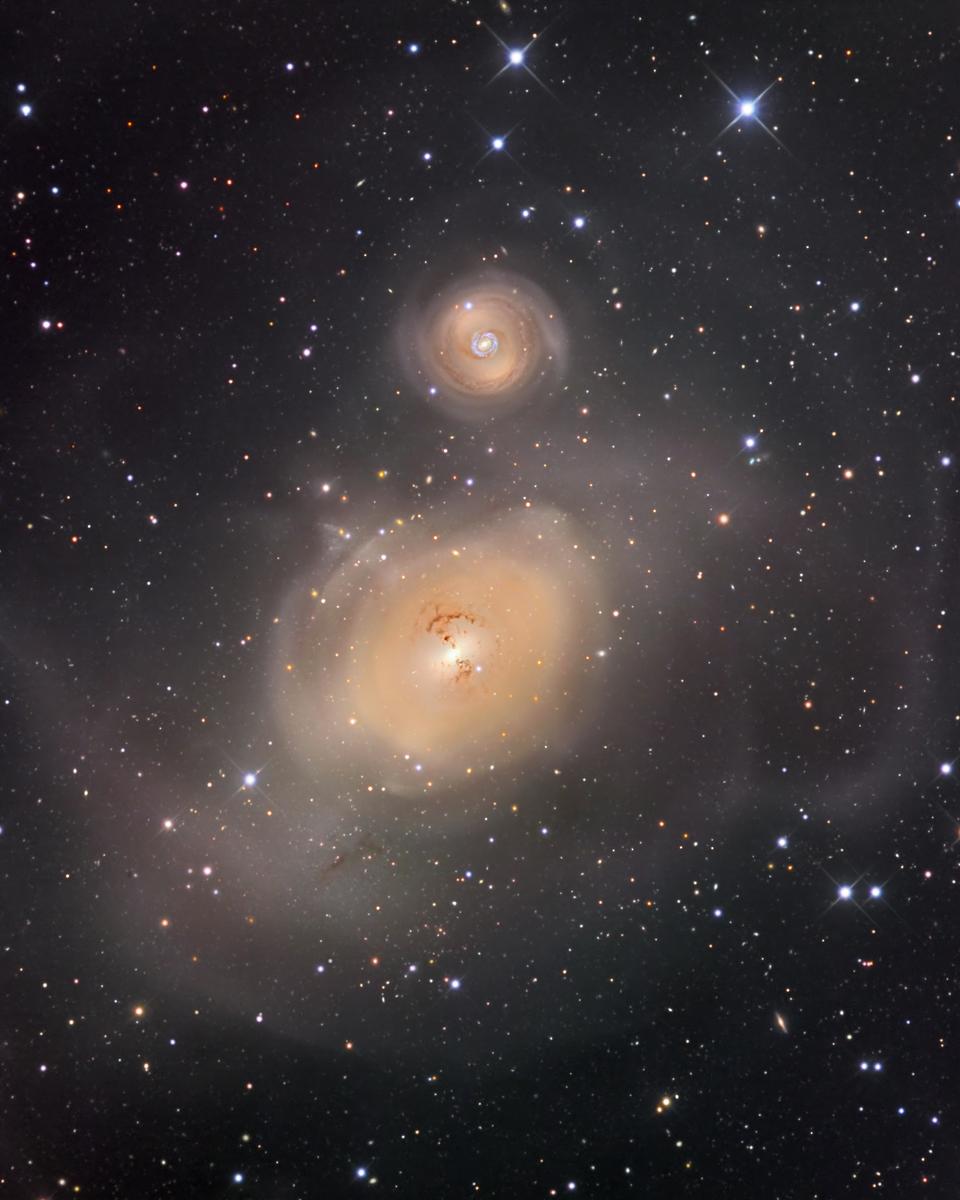
NGC 1316: After Galaxies Collide
An example of violence on a cosmic scale, enormous elliptical galaxy NGC 1316 lies about 75 million light-years away toward Fornax , the southern constellation of the Furnace.…

Four Planets Orbiting Star HR 8799
Does life exist outside our Solar System? To help find out, NASA has created the Nexus for Exoplanet System Science (NExSS) to better locate and study distant star systems that…
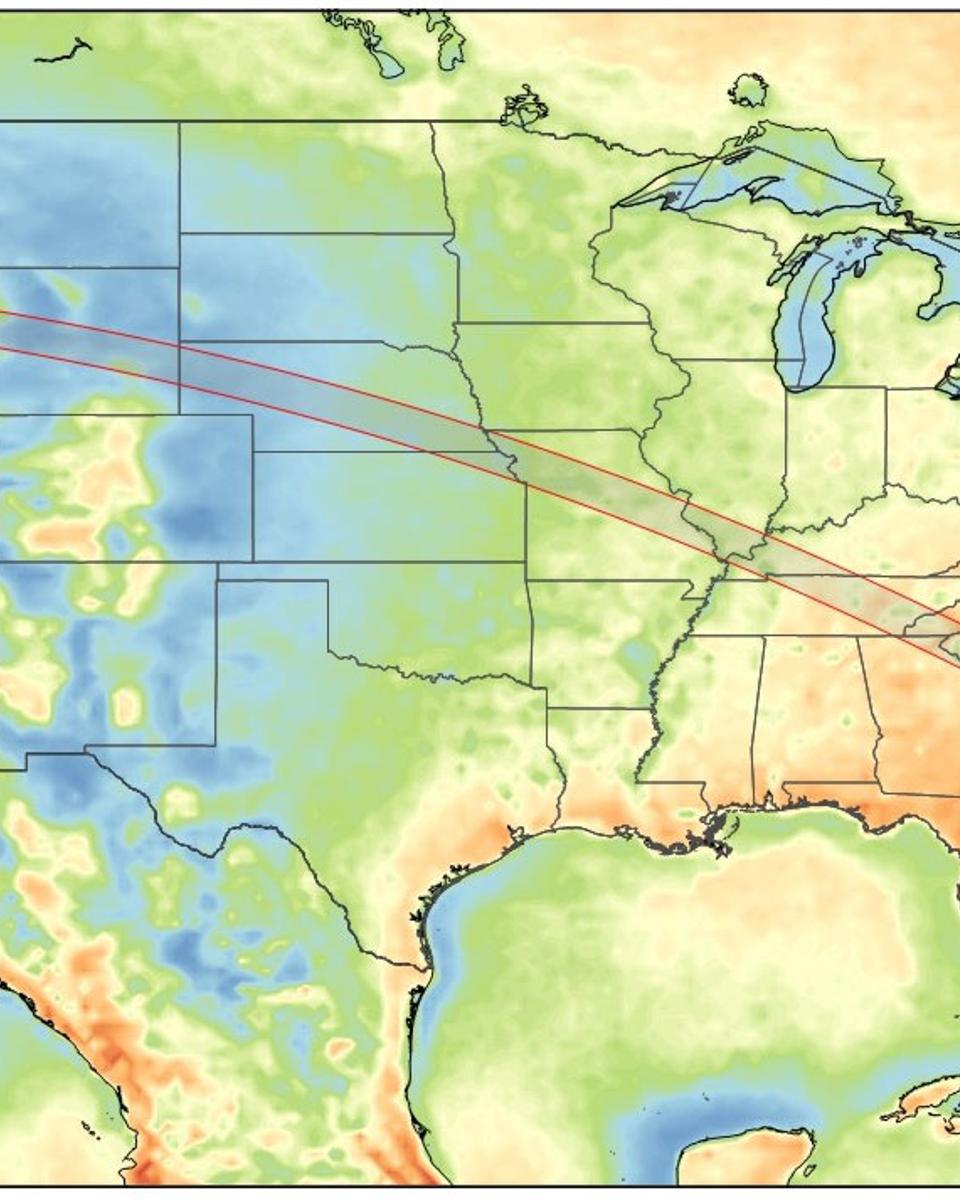
Where to See the American Eclipse
Are you planning to see the American Eclipse on August 21? A few hours after sunrise, a rare total eclipse of the Sun will be visible along a narrow path across the USA . Those…
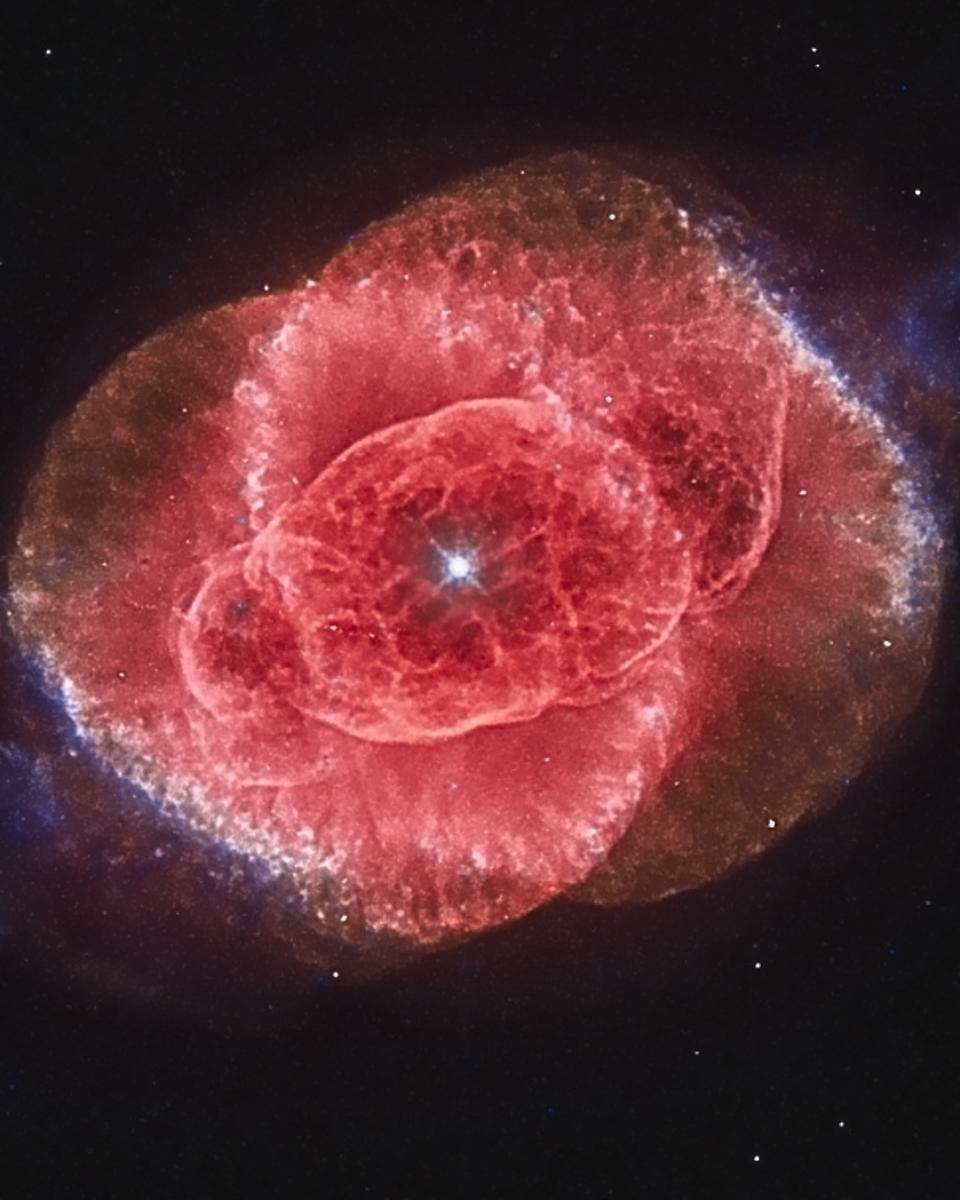
The Cat's Eye Nebula from Hubble
To some, it may look like a cat's eye. The alluring Cat's Eye nebula, however, lies three thousand light-years from Earth across interstellar space. A classic planetary nebula ,…
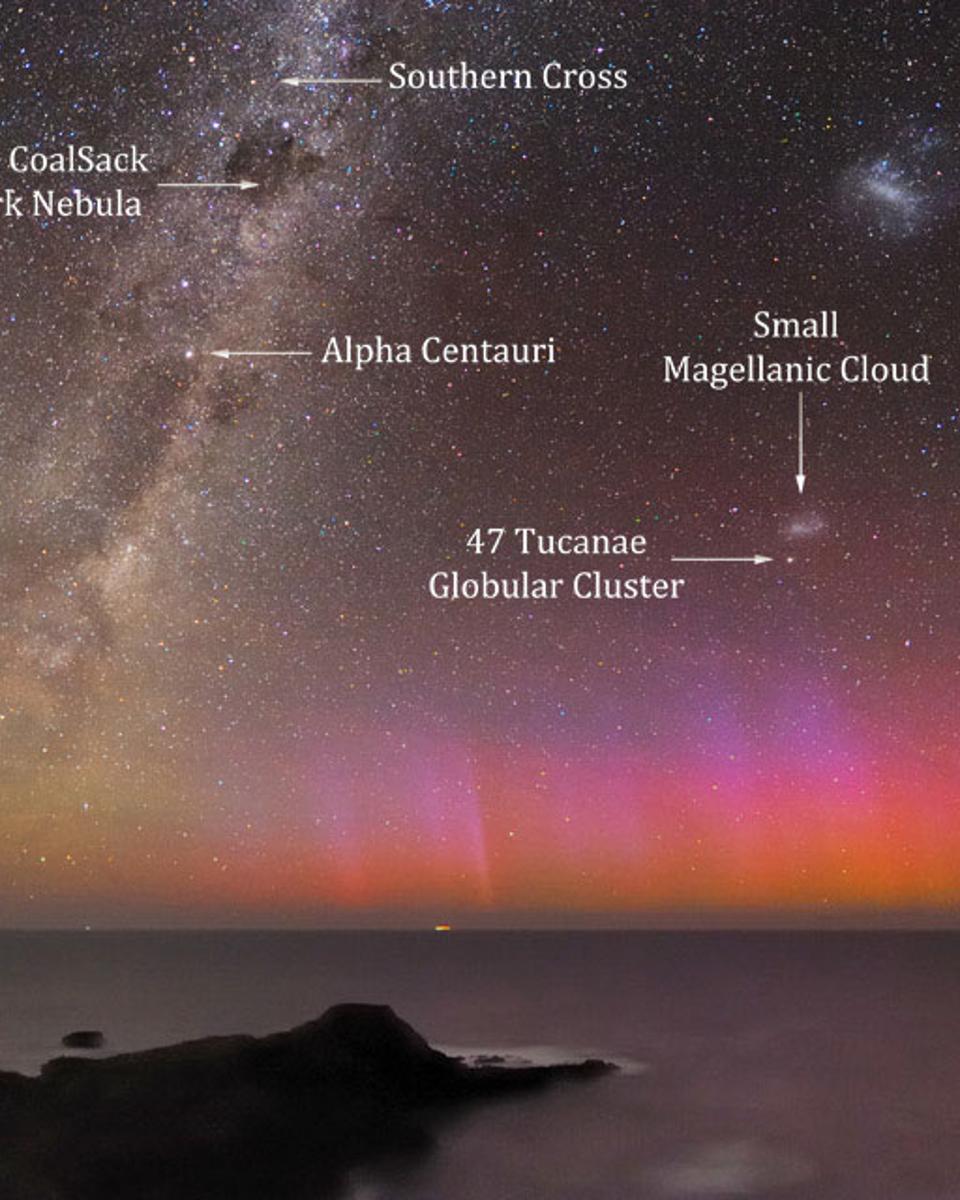
Red Aurora Over Australia
Why would the sky glow red? Aurora . A solar storm in 2012, emanating mostly from active sunspot region 1402 , showered particles on the Earth that excited oxygen atoms high in…
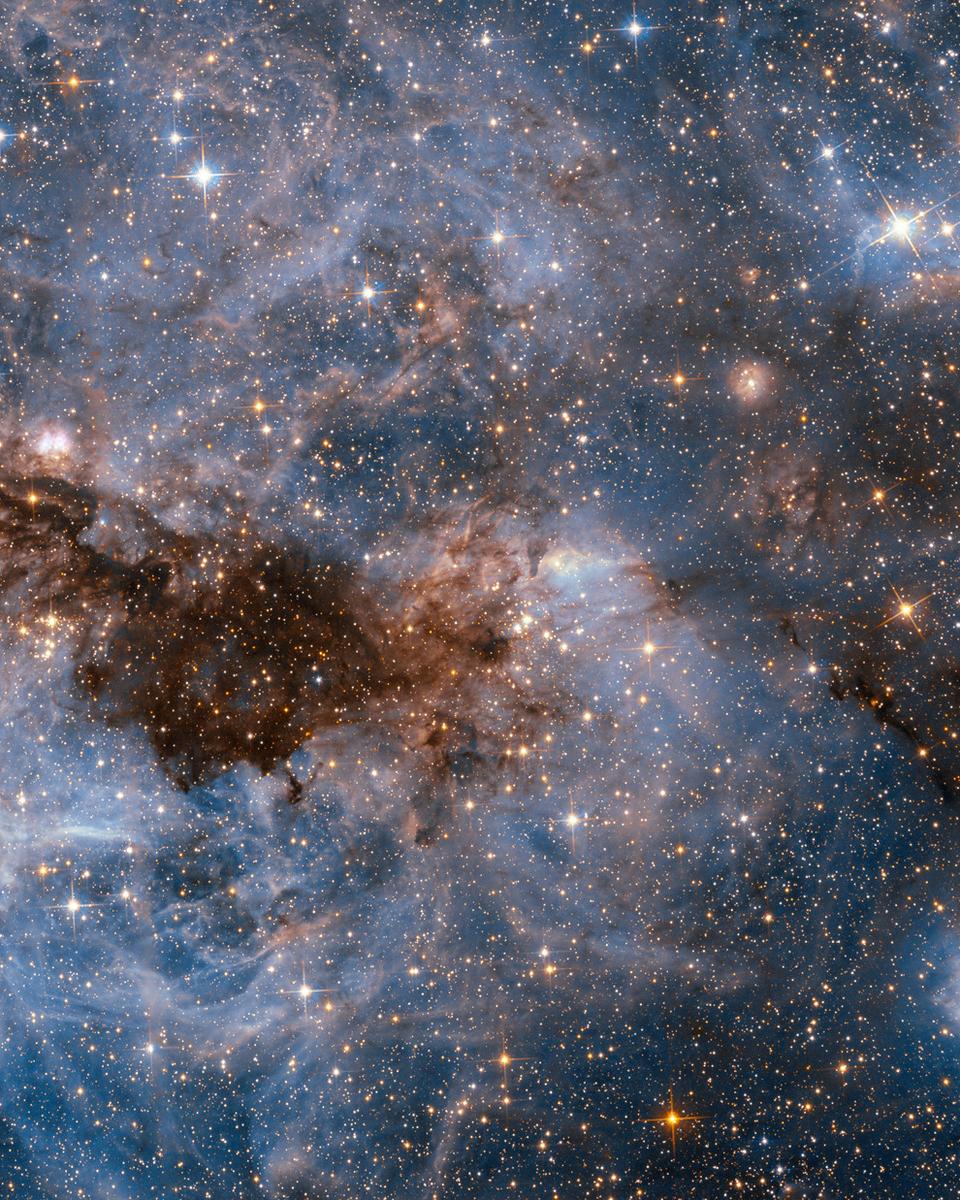
N159 in the Large Magellanic Cloud
Over 150 light-years across, this cosmic maelstrom of gas and dust is not too far away. It lies south of the Tarantula Nebula in our satellite galaxy the Large Magellanic Cloud a…
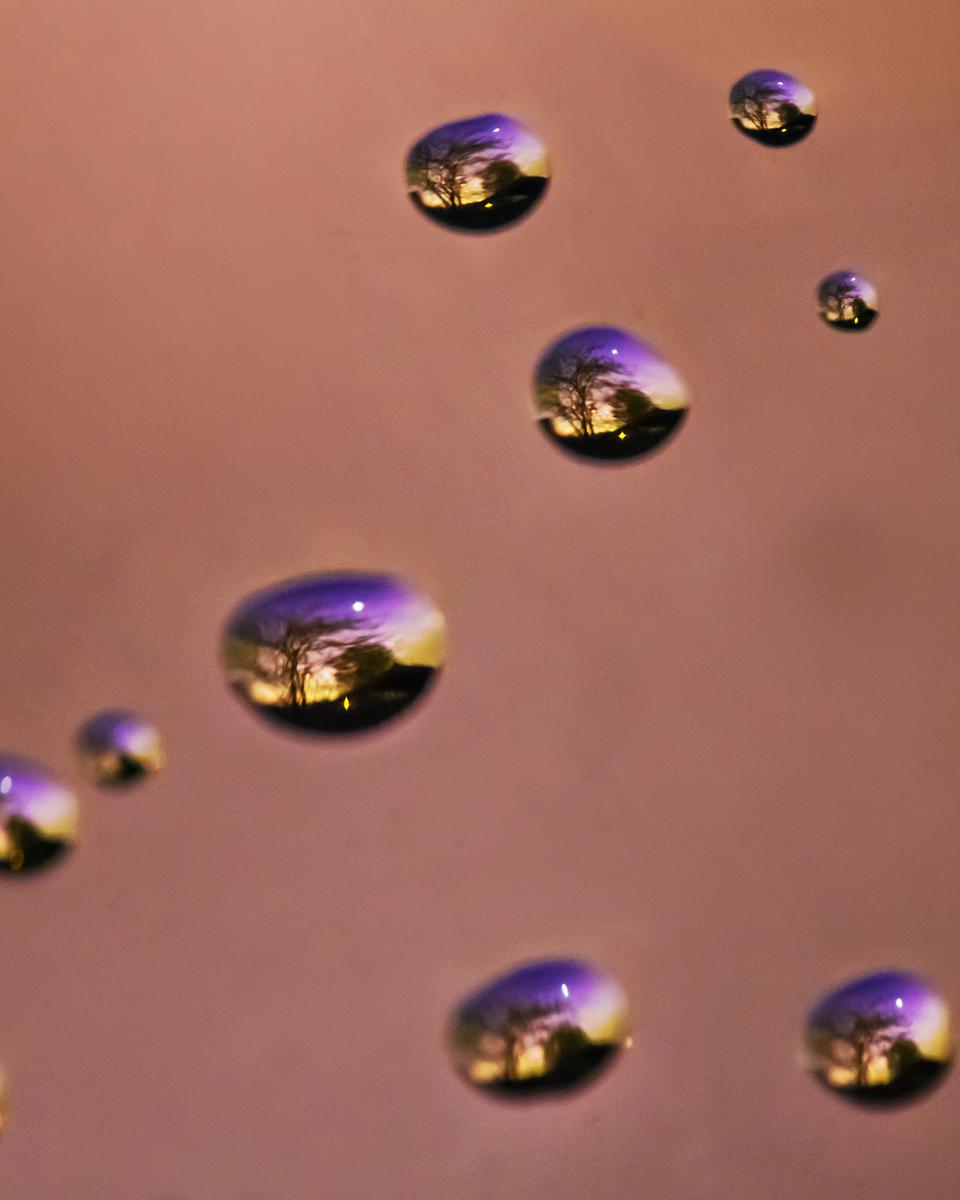
Venus Through Water Drops
Now the brilliant “star” in planet Earth's evening skies, Venus is captured in this creative astrophotograph. Taken with a close-focusing lens on January 18 from Milton Keynes,…
Viewing discoveries from 19 February 2017 through 27 January 2017.