Browse NASA Astronomy Picture of the Day archive by date and media: Archive Discoveries
Browse the NASA APOD archive without needing the exact date first. Filter by media type and keep moving deeper into older images and videos.
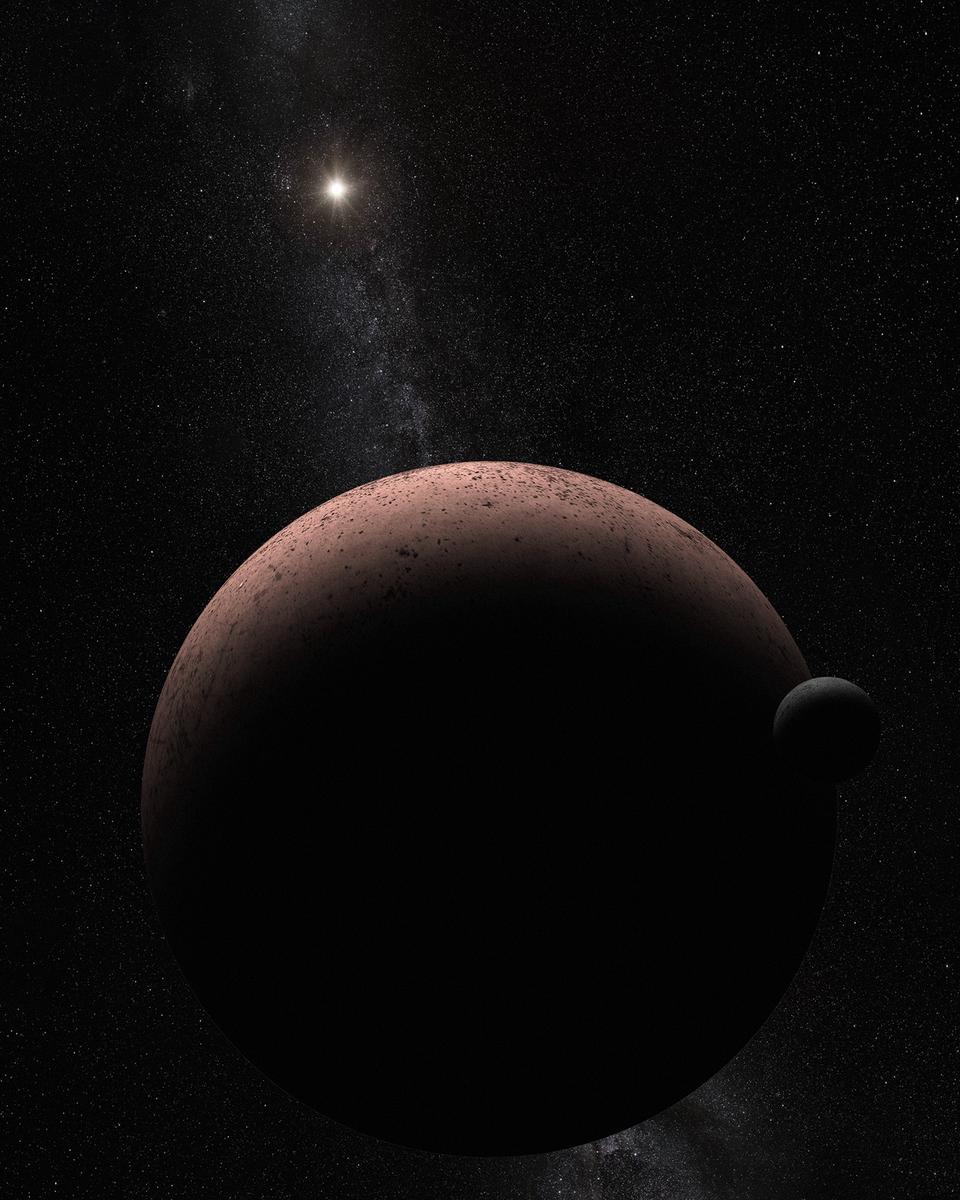
Moon over Makemake
Makemake , second brightest dwarf planet of the Kuiper belt , has a moon. Nicknamed MK2, Makemake's moon reflects sunlight with a charcoal-dark surface, about 1,300 times fainter…
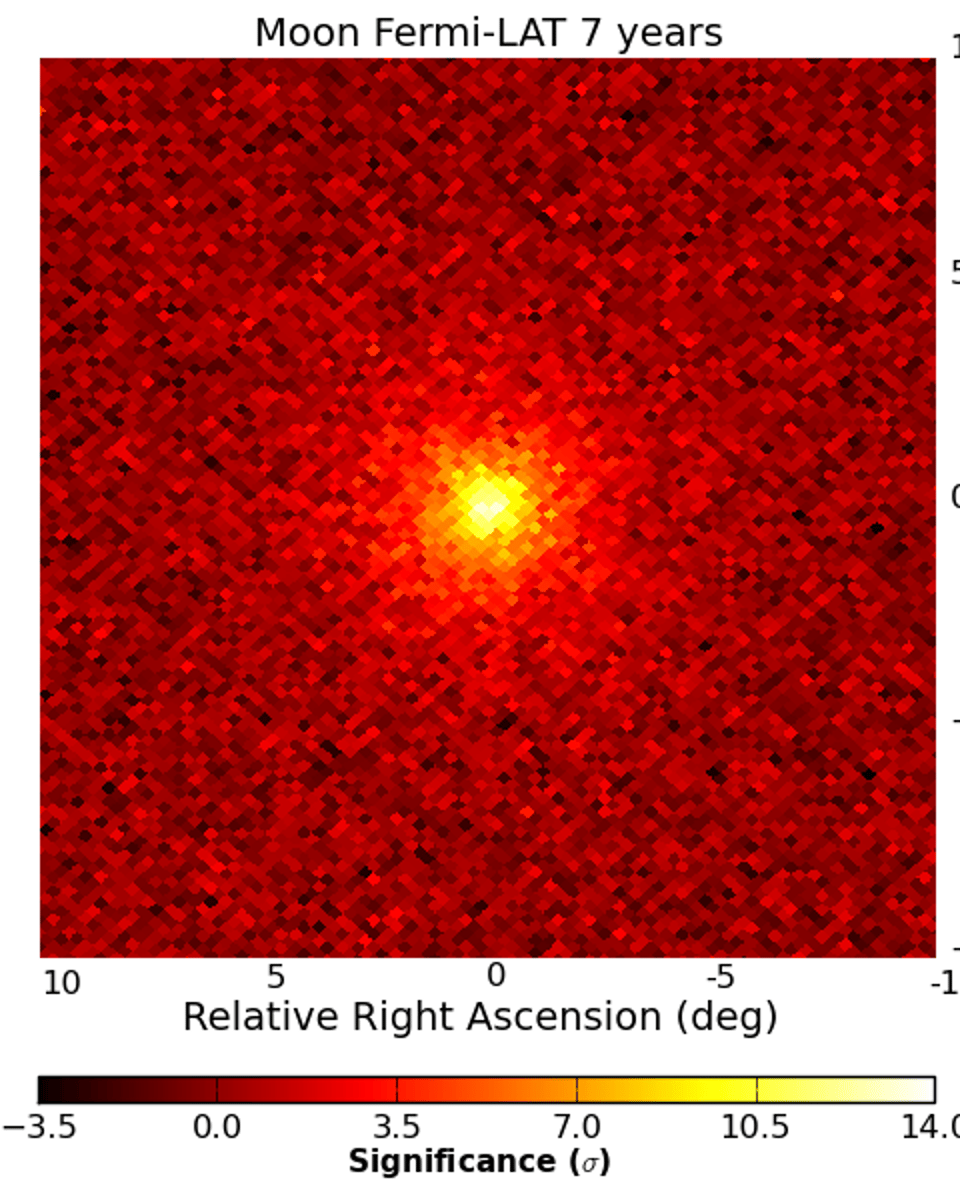
Fermi's Gamma-ray Moon
If you could only see gamma-rays, photons with up to a billion or more times the energy of visible light, the Moon would be brighter than the Sun! That startling notion underlies…
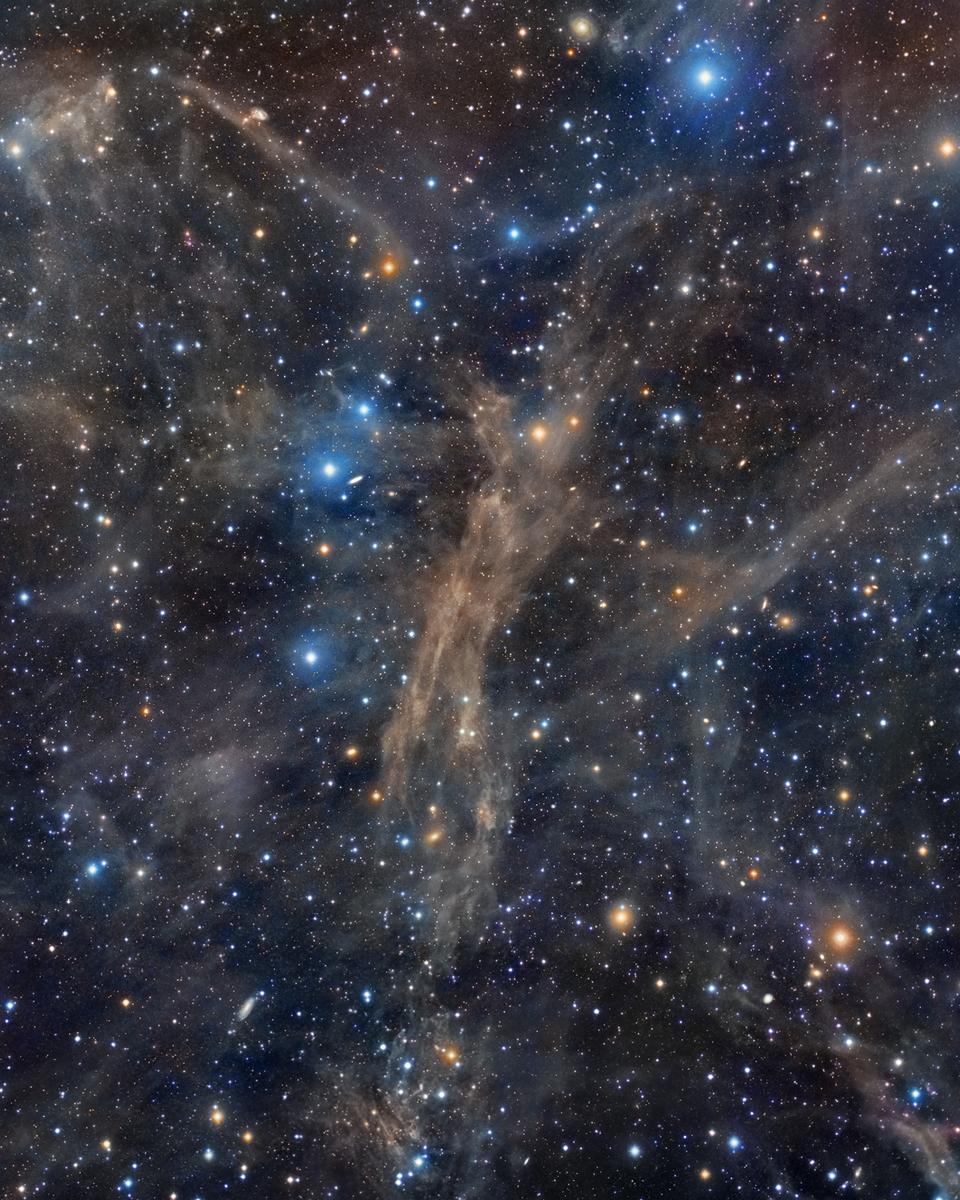
A Dust Angel Nebula
The combined light of stars along the Milky Way are reflected by these cosmic dust clouds that soar some 300 light-years or so above the plane of our galaxy. Dubbed the Angel…
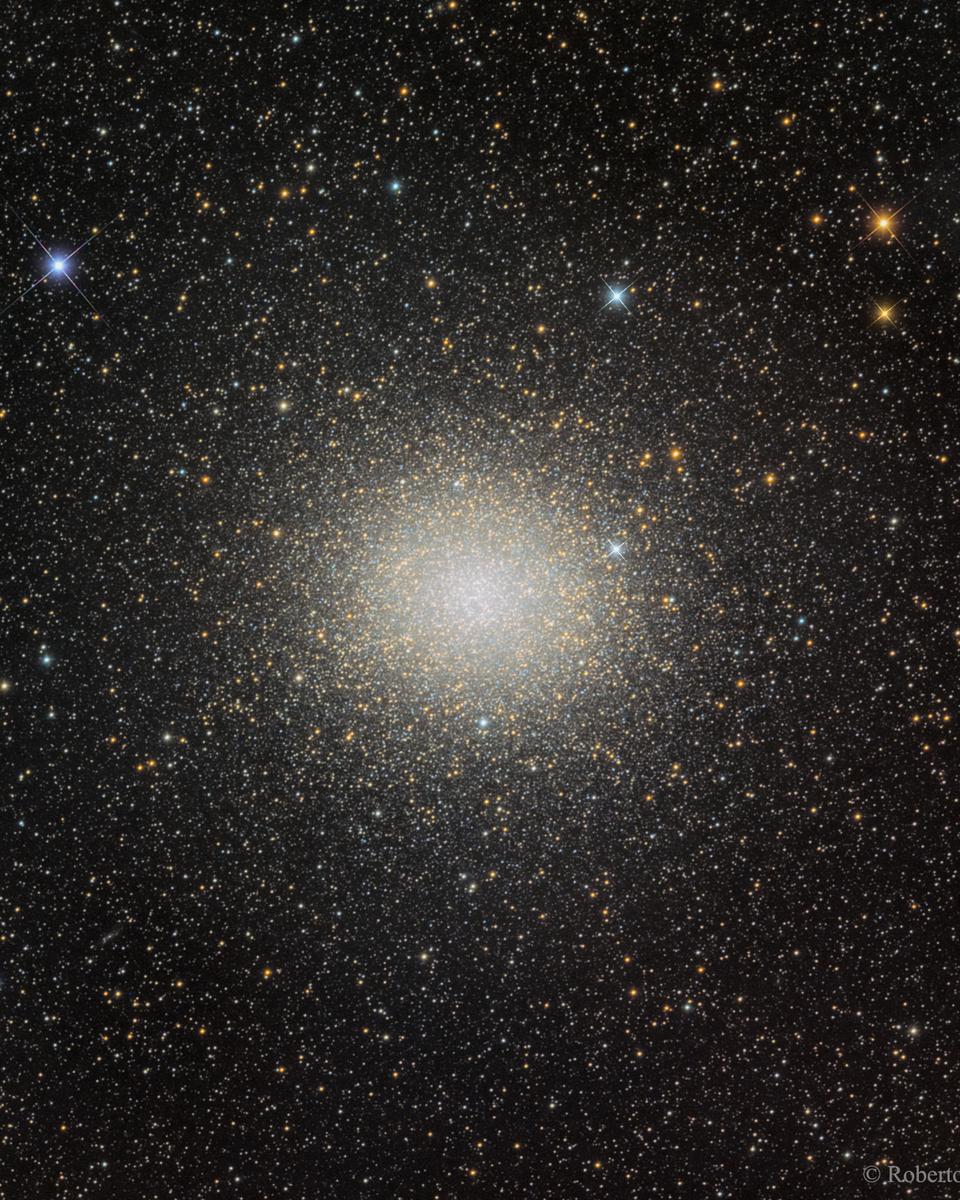
Omega Centauri: The Brightest Globular Star Cluster
This huge ball of stars predates our Sun. Long before humankind evolved, before dinosaurs roamed , and even before our Earth existed, ancient globs of stars condensed and orbited…
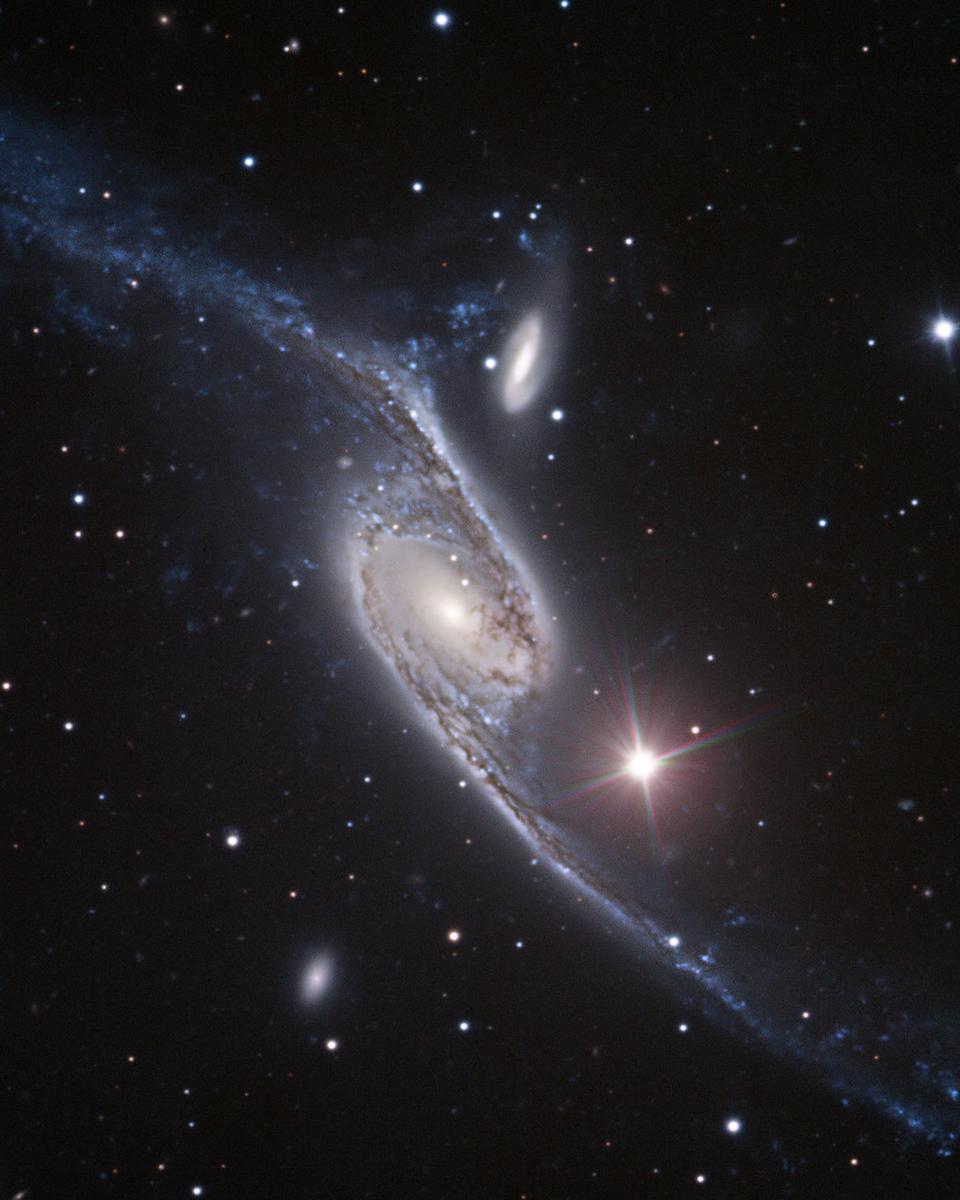
NGC 6872: A Stretched Spiral Galaxy
What makes this spiral galaxy so long? Measuring over 700,000 light years across from top to bottom, NGC 6872 , also known as the Condor galaxy, is one of the most elongated…
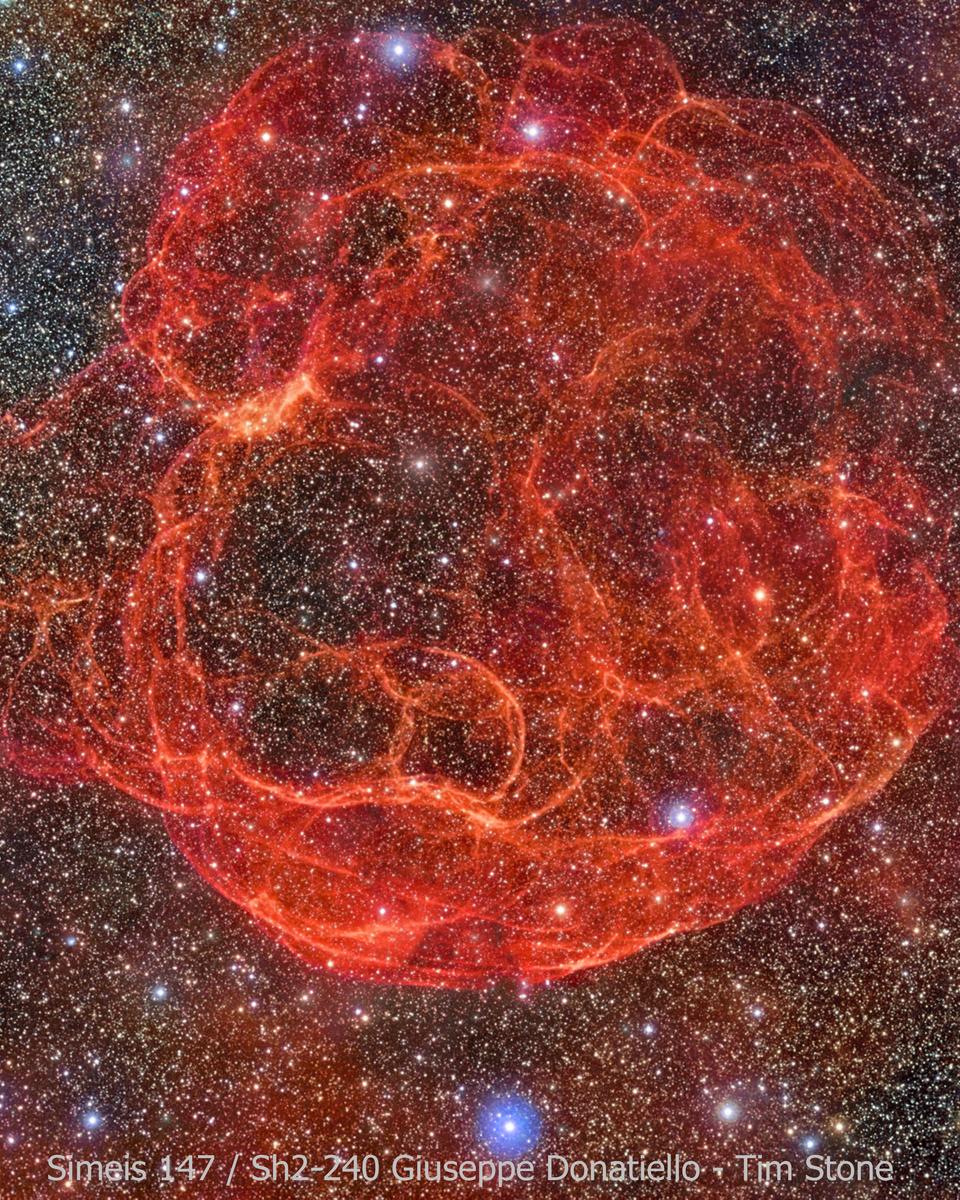
Supernova Remnant Simeis 147: The Spaghetti Nebula
It's easy to get lost following the intricate strands of the Spaghetti Nebula. A supernova remnant cataloged as Simeis 147 and Sh2-240, the glowing gas filaments cover nearly 3…
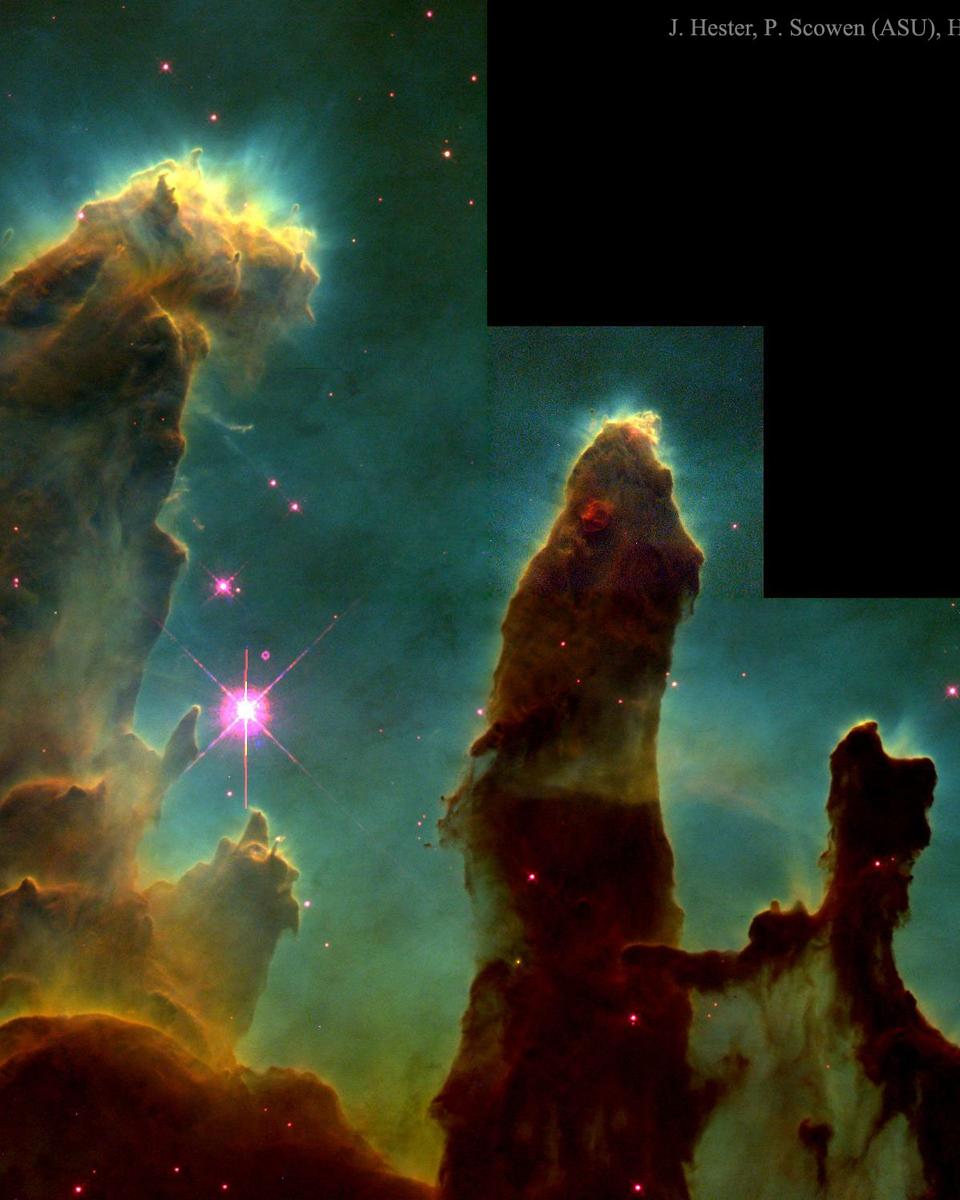
M16: Pillars of Star Creation
Newborn stars are forming in the Eagle Nebula. This image , taken with the Hubble Space Telescope in 1995, shows evaporating gaseous globules (EGGs) emerging from pillars of…
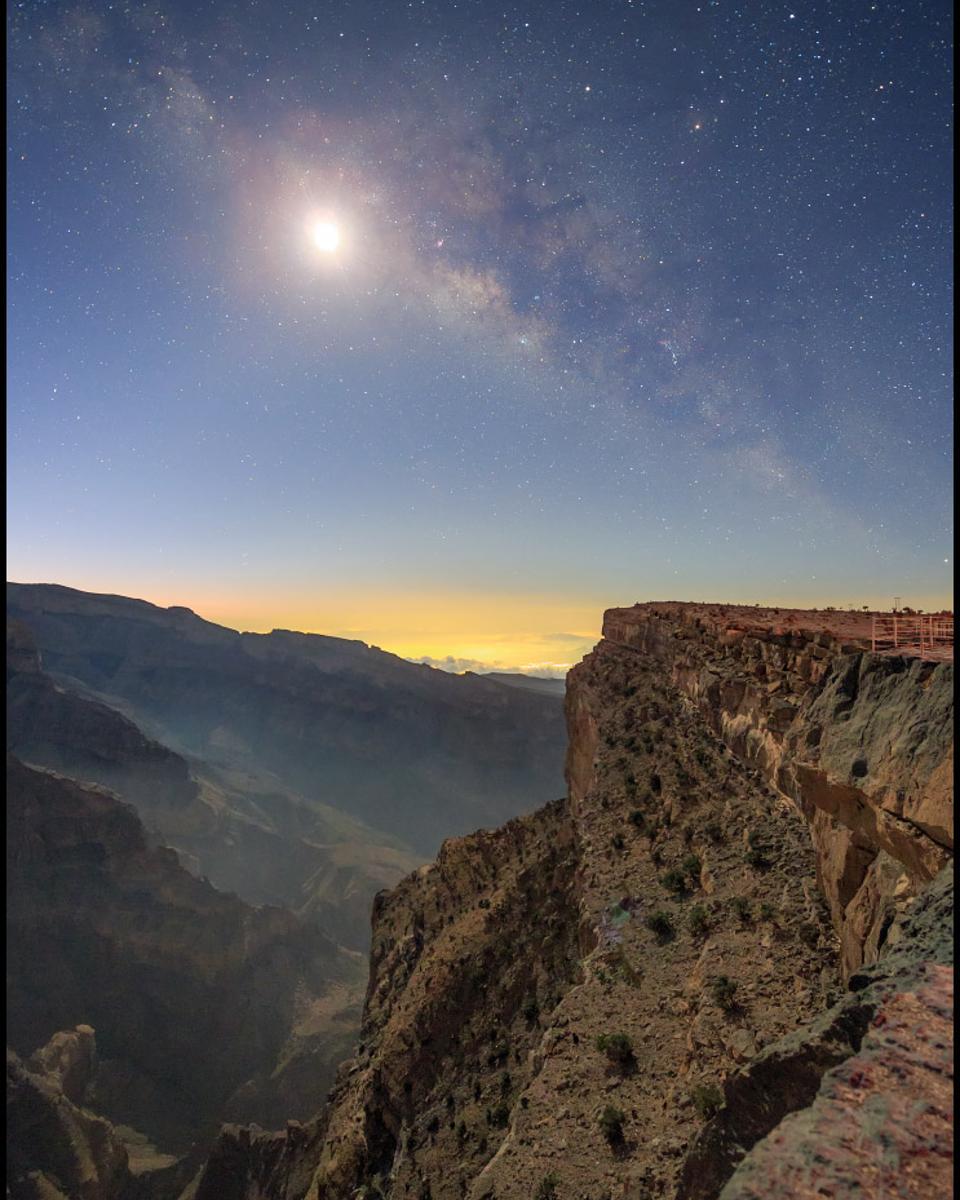
Milky Way in Moonlight
A waning crescent moon, early morning twilight, and Al Hamra's city lights on the horizon can't hide the central Milky Way in this skyscape from planet Earth. Captured in a single…
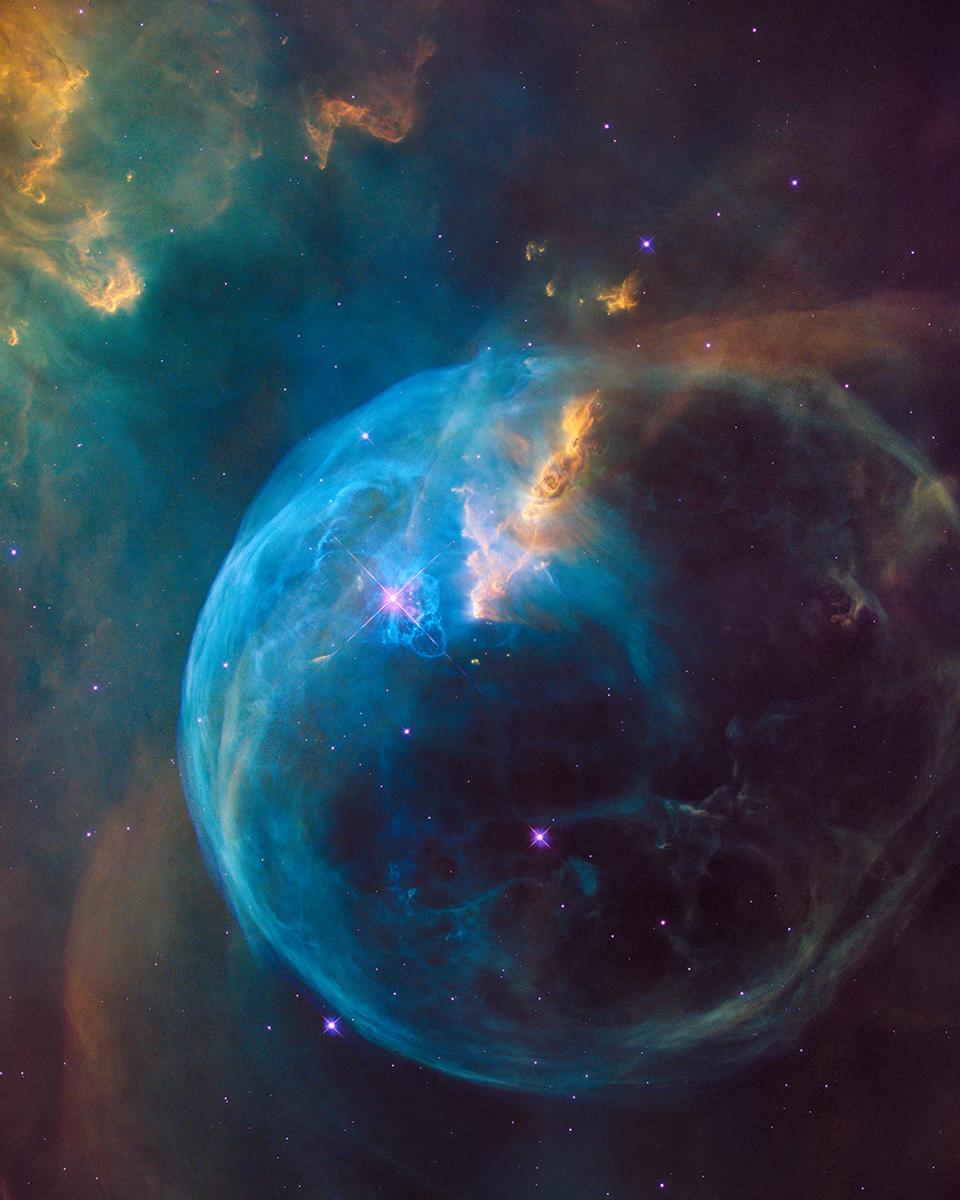
NGC 7635: The Bubble Nebula
Blown by the wind from a massive star, this interstellar apparition has a surprisingly familiar shape . Cataloged as NGC 7635, it is also known simply as The Bubble Nebula .…
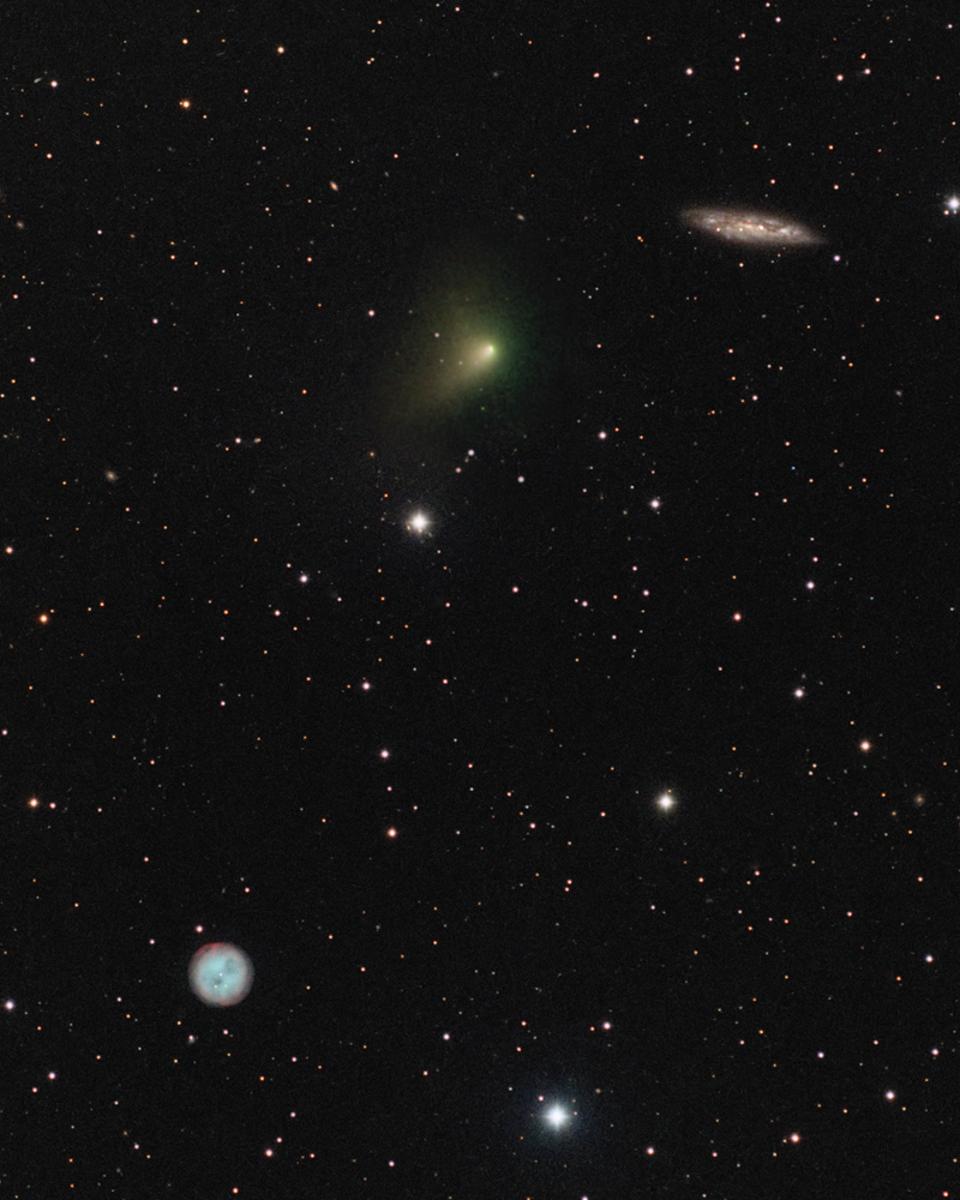
The Comet, the Owl, and the Galaxy
Comet C/2014 S2 (PanSTARRS) poses for a Messier moment in this telescopic snapshot from April 18. In fact it shares the 1.5 degree wide field-of-view with two well-known entries…
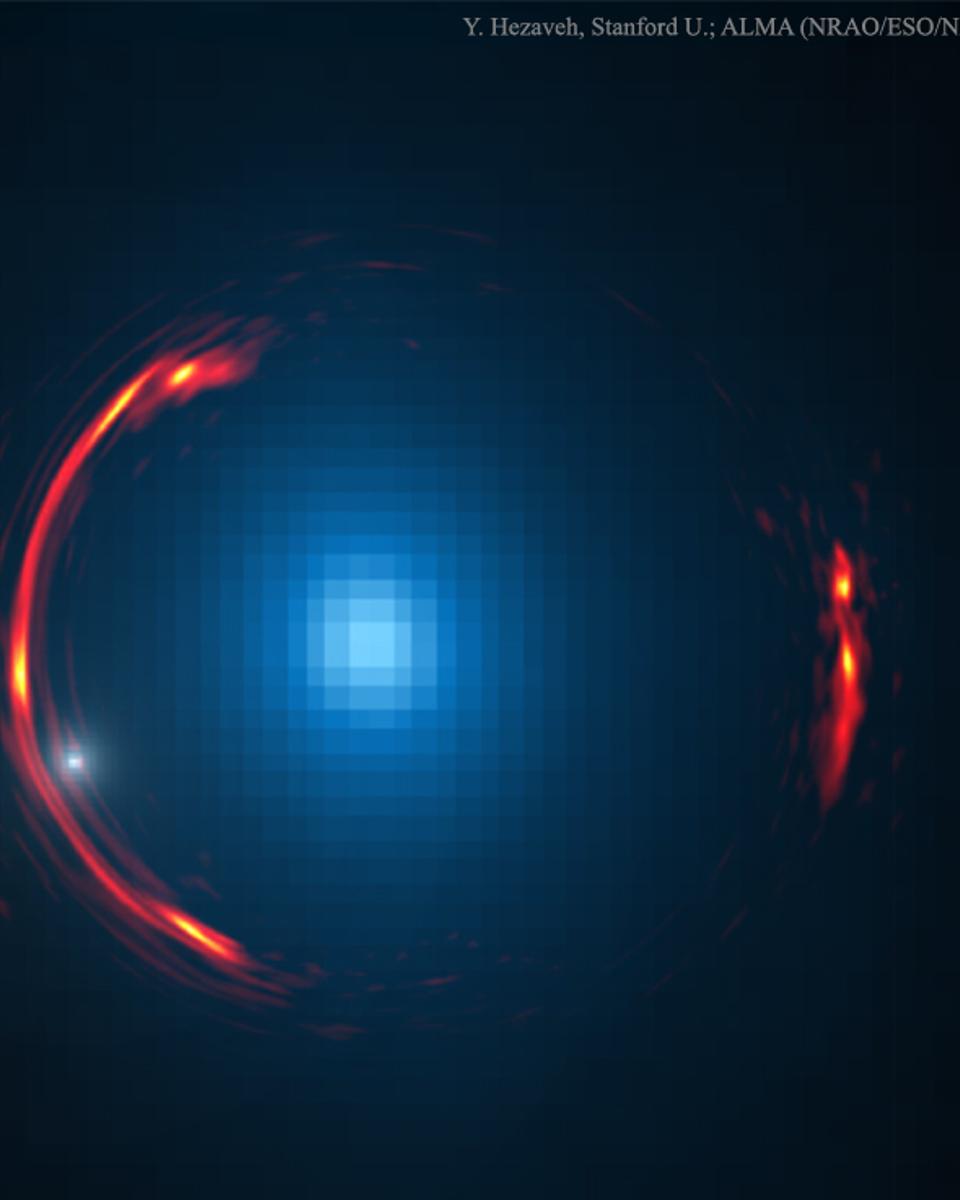
Galaxy Einstein Ring
Can one galaxy hide behind another? Not in the case of SDP.81 . Here the foreground galaxy, shown in blue in an image taken by the Hubble Space Telescope , acts like a huge…
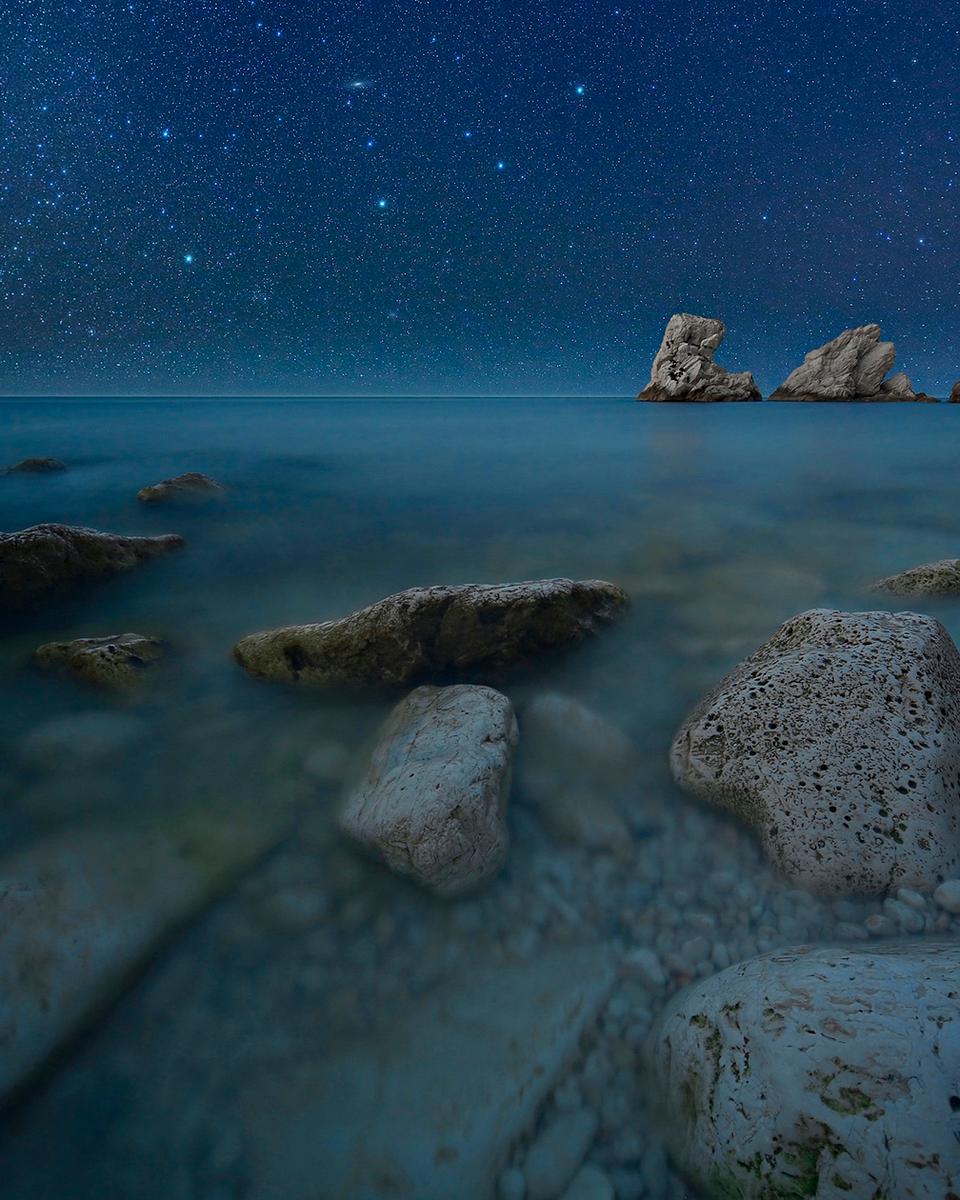
Andromeda on the Rocks
How far can you see? The Andromeda Galaxy 2.5 million light years away is the most distant object easily seen by the unaided eye. Other apparent denizens of the night sky, stars,…
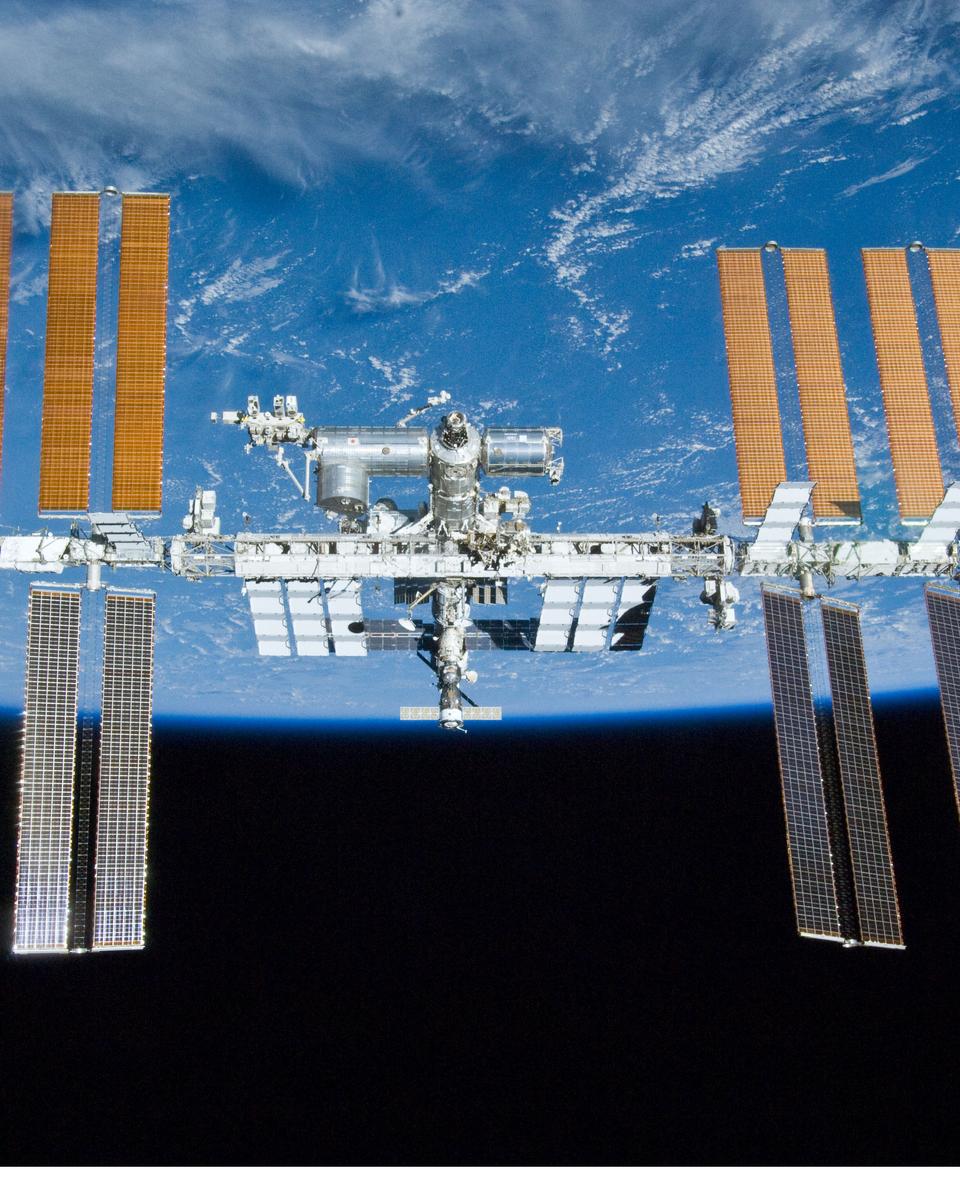
The International Space Station over Earth
The International Space Station is the largest object ever constructed by humans in space. The station perimeter extends over roughly the area of a football field , although only…
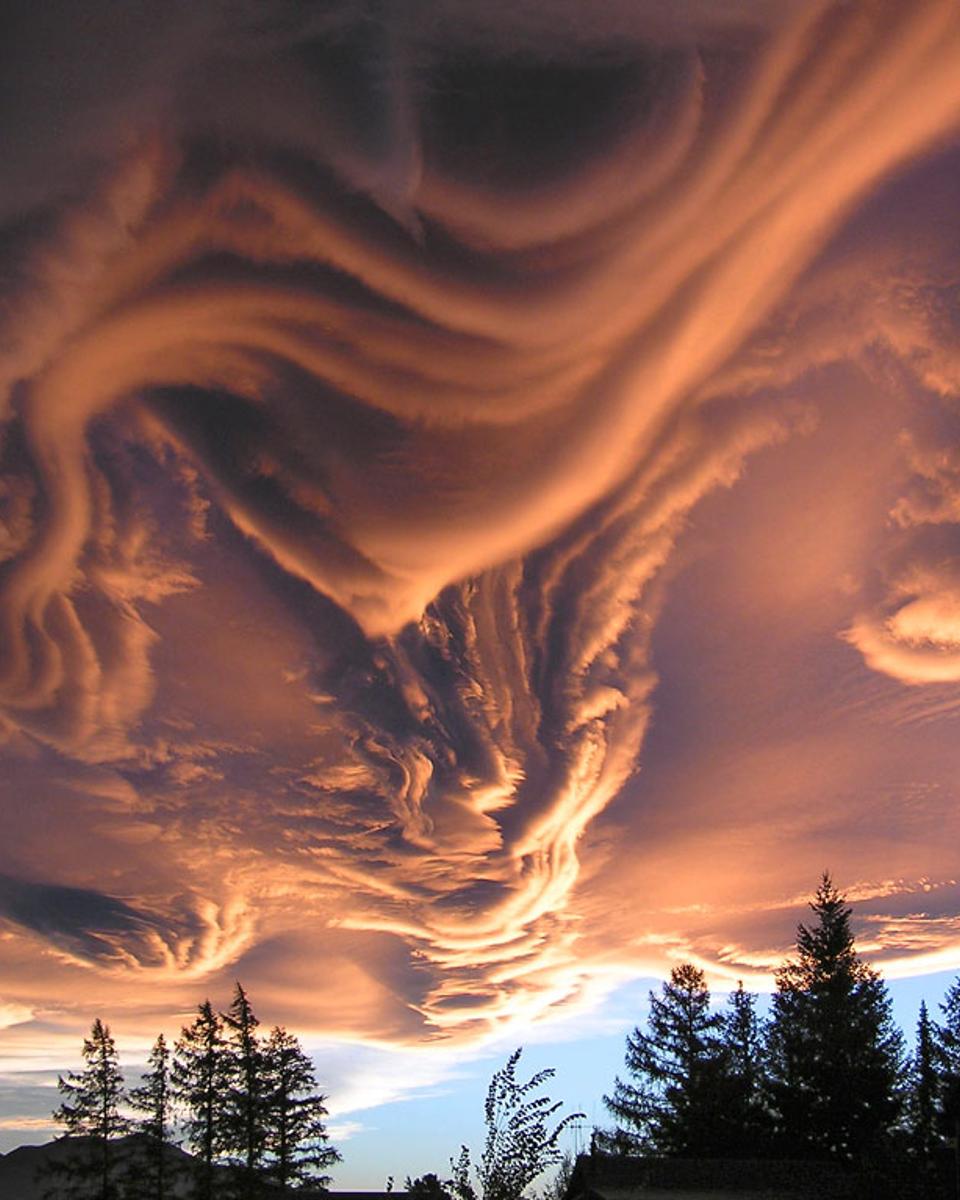
Asperatus Clouds Over New Zealand
What kind of clouds are these? Although their cause is presently unknown, such unusual atmospheric structures, as menacing as they might seem, do not appear to be harbingers of…
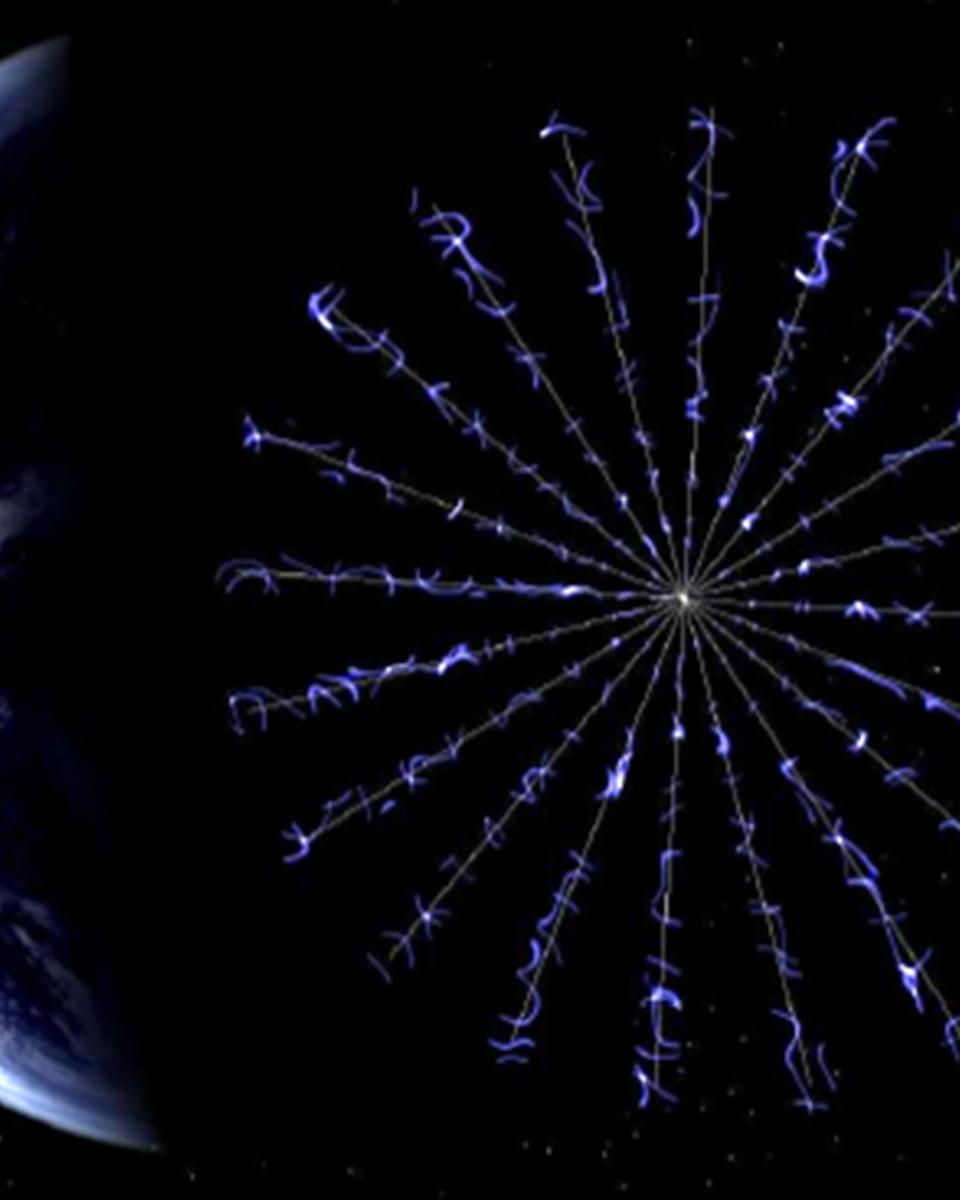
Heliopause Electrostatic Rapid Transit System
Want to take a fast trip to the edge of the Solar System? Consider a ride on a Heliopause Electrostatic Rapid Transit System (HERTS). The concept is currently being tested and it…
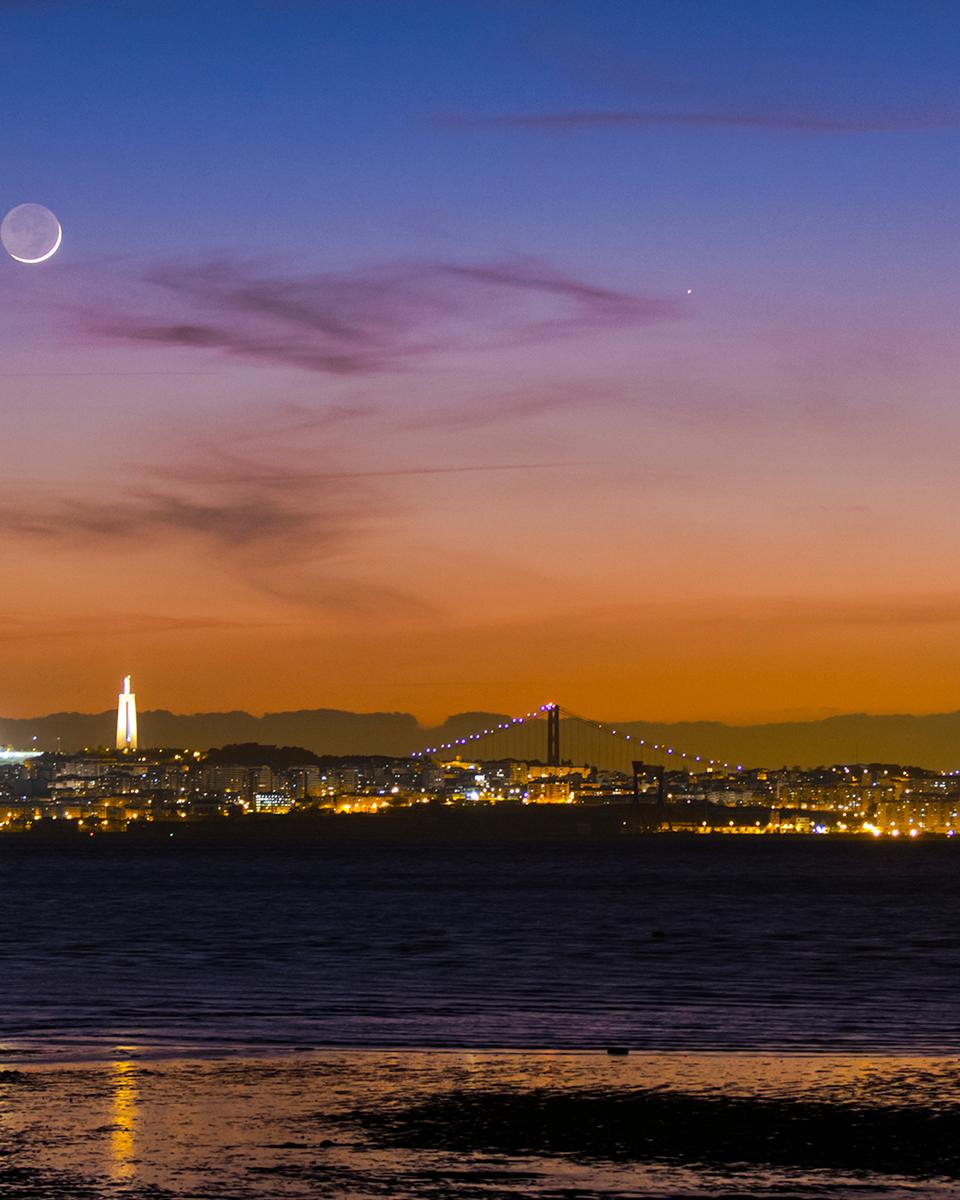
Mercury and Crescent Moon Set
Innermost planet Mercury and a thin crescent Moon are never found far from the Sun in planet Earth's skies. Taken near dusk on April 8 , this colorful evening skyscape shows them…
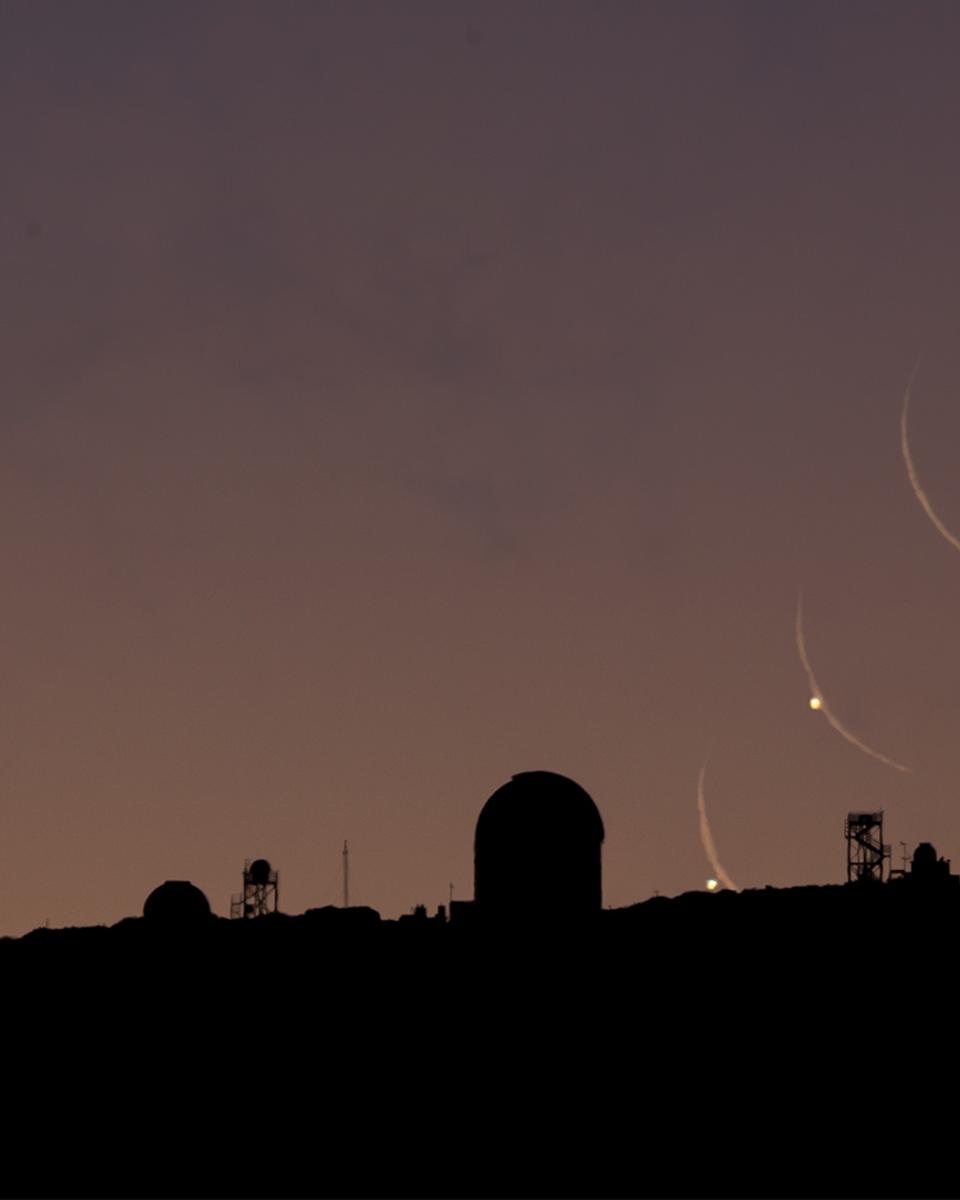
Full Venus and Crescent Moon Rise
Inner planet Venus and a thin crescent Moon are never found far from the Sun in planet Earth's skies. Taken near dawn on April 6, this timelapse composite shows them both rising…
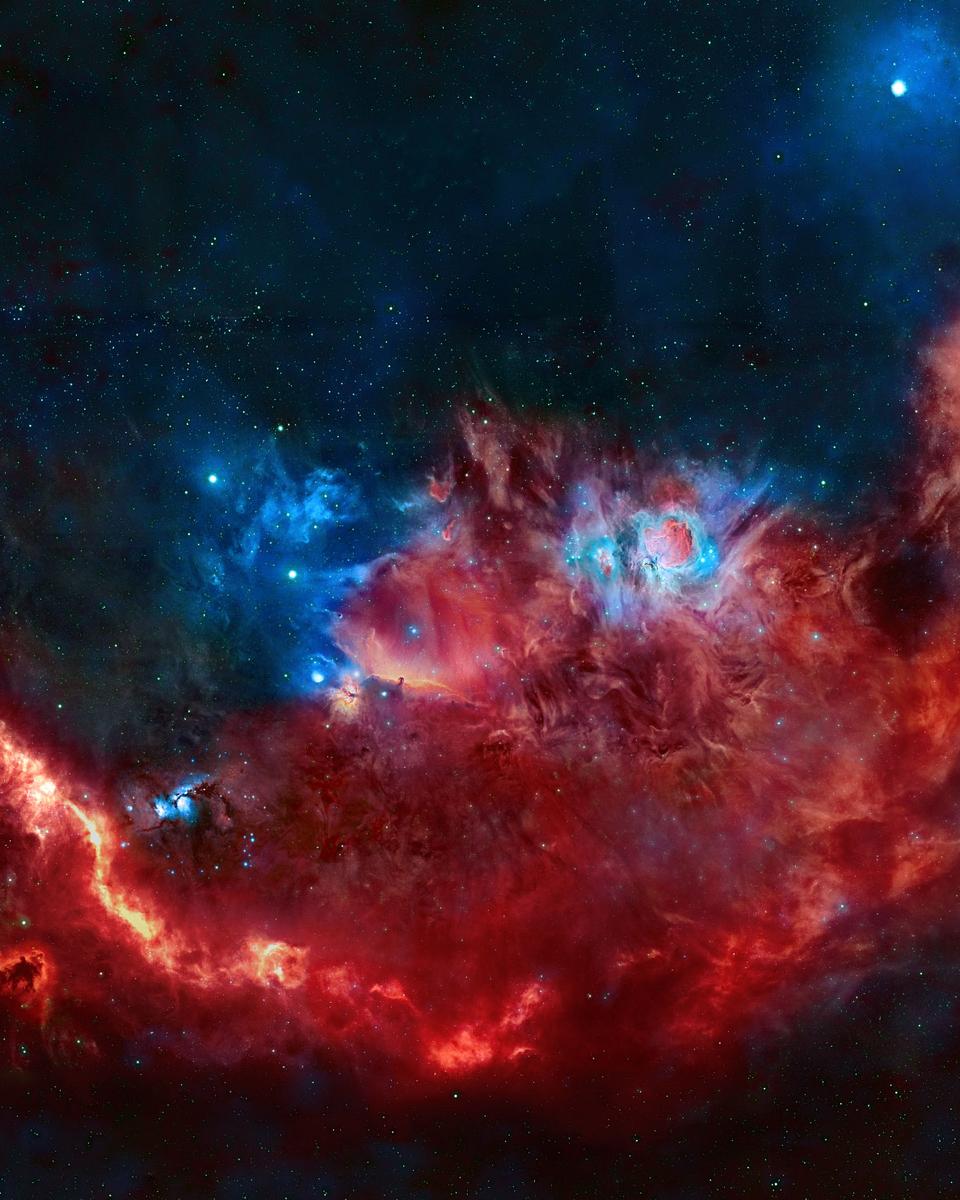
Orion in Red and Blue
When did Orion become so flashy? This colorful rendition of part of the constellation of Orion comes from red light emitted by hydrogen and sulfur ( SII ), and blue-green light…
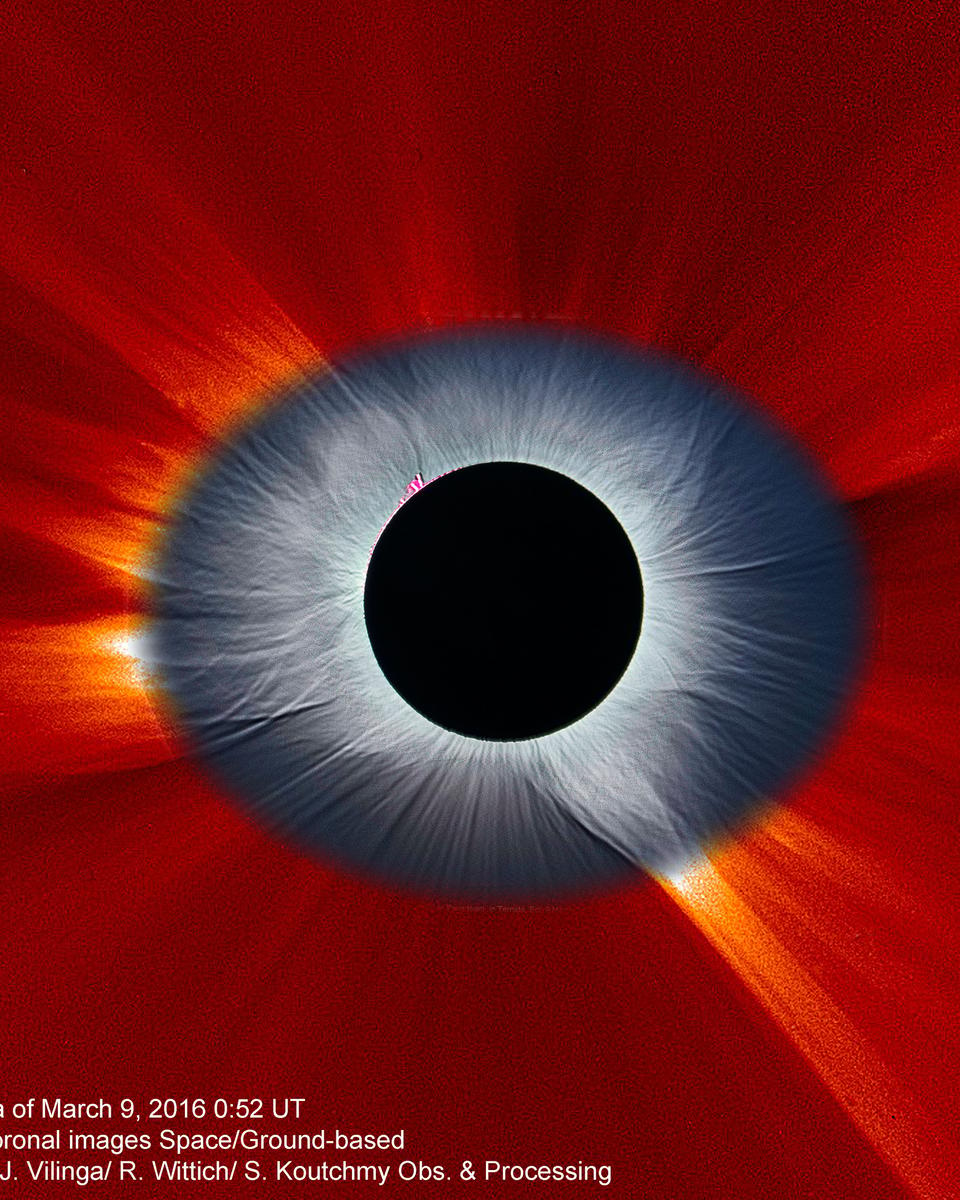
Combined Solar Eclipse Corona from Earth and Space
Sometimes, a total eclipse is a good time to eye the Sun. Taking advantage of an unusual juxtaposition of Earth, Moon and Sun , the featured image depicts the total solar eclipse…
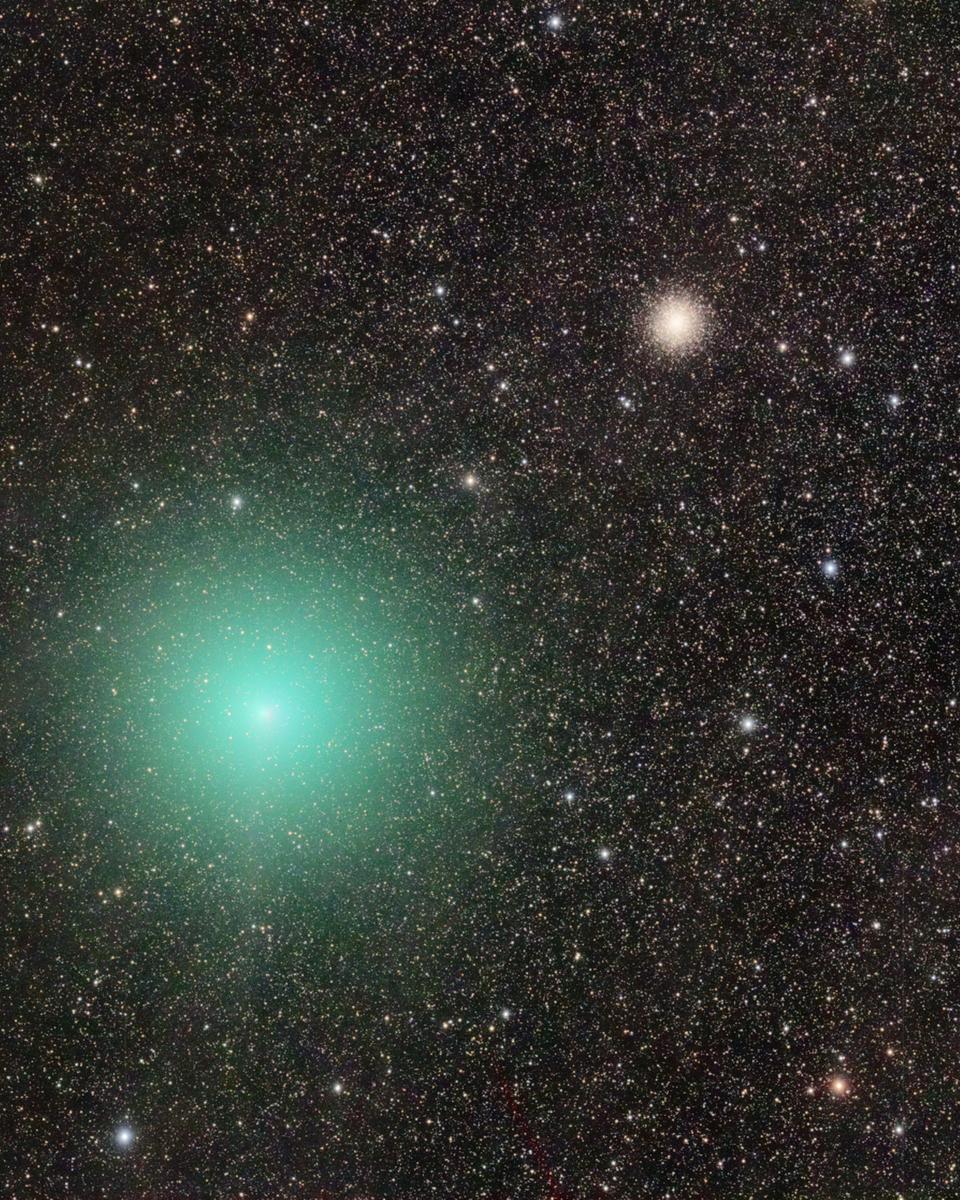
The Comet and the Star Cluster
Comet Linear has become unexpectedly bright. The comet, discovered in 2000, underwent a 100-fold outburst just a week before it passed a mere 14 lunar distances from Earth late…
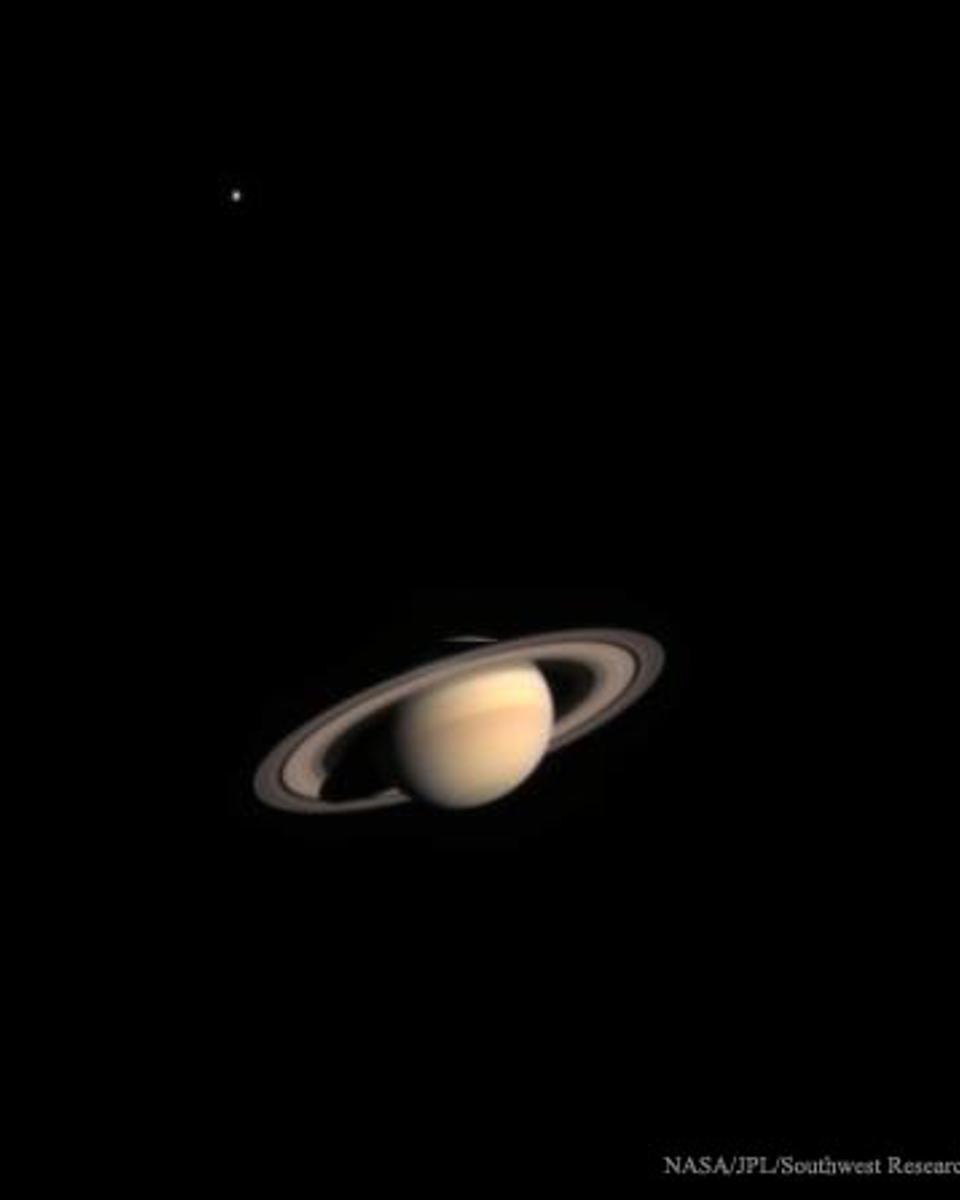
Cassini Approaches Saturn
Cassini, a robot spacecraft launched in 1997 by NASA , became close enough in 2002 to resolve many rings and moons of its destination planet: Saturn . At that time, Cassini…
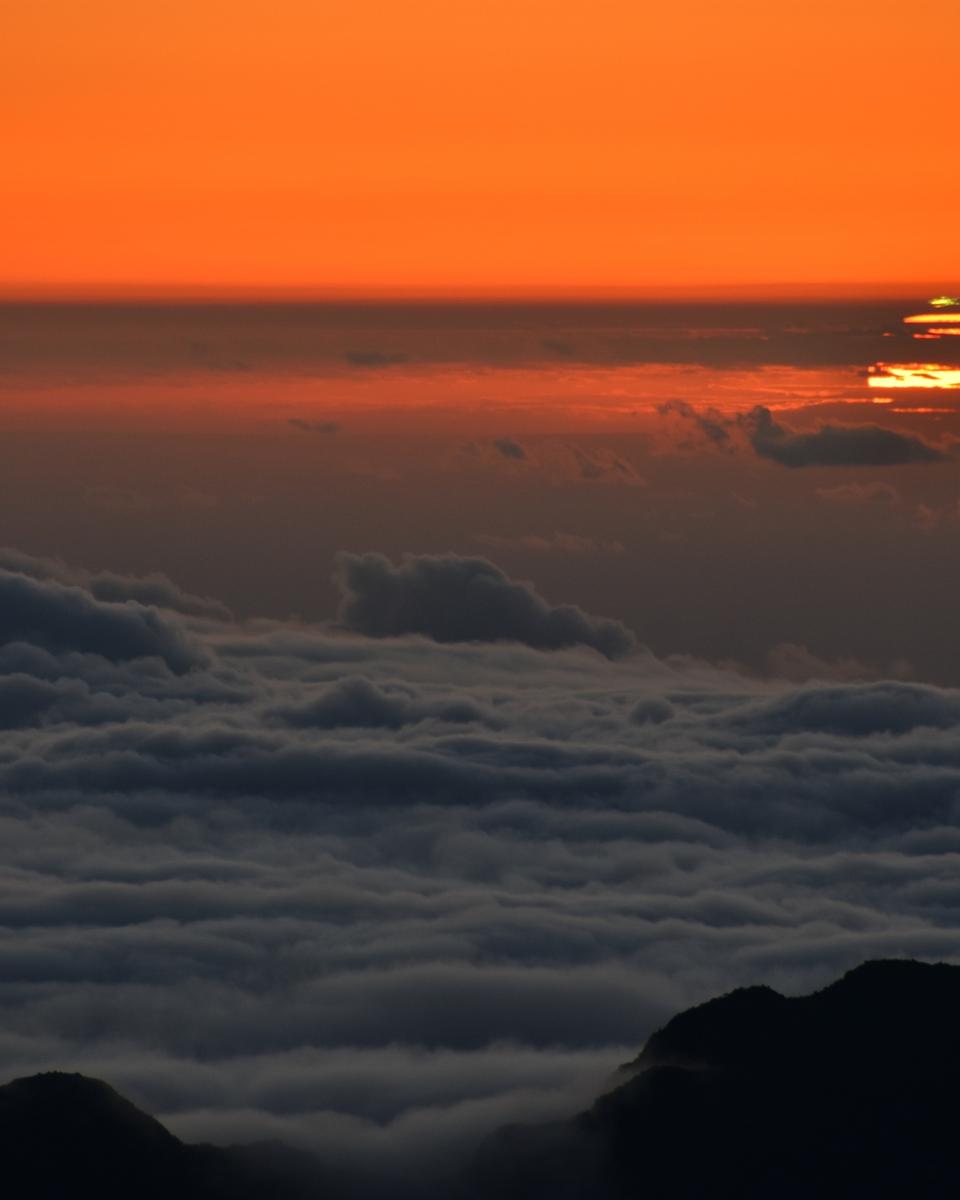
A Green Flash of Spring
Taken on March 20 from the top of Haleakala on the isle of Maui, planet Earth, the first sunrise of northern spring is pictured in this vacation snapshot. The telephoto view from…
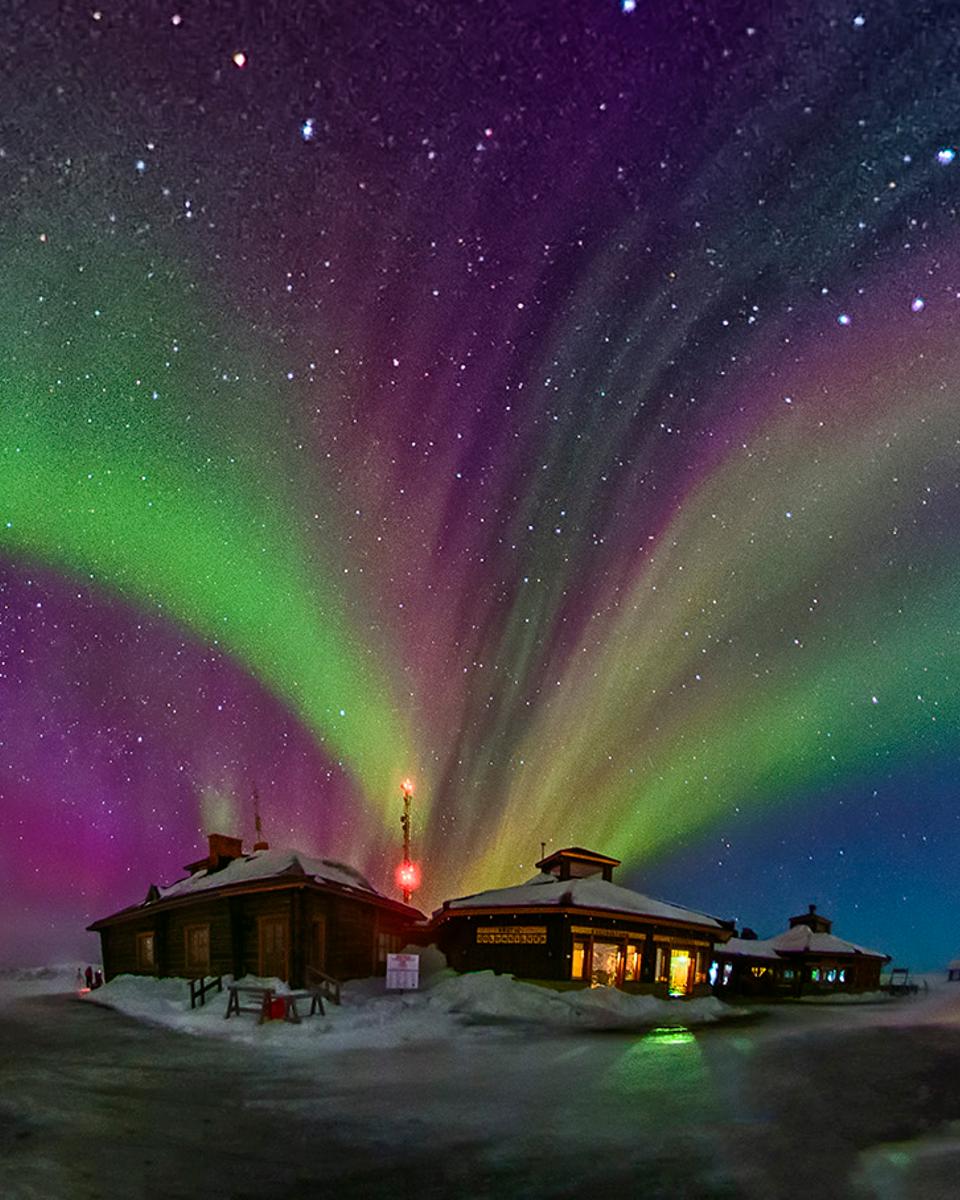
Lapland Northern Lights
Early spring in the northern hemisphere is good season for aurora hunters. Near an equinox Earth's magnetic field is oriented to favor interactions with the solar wind that…
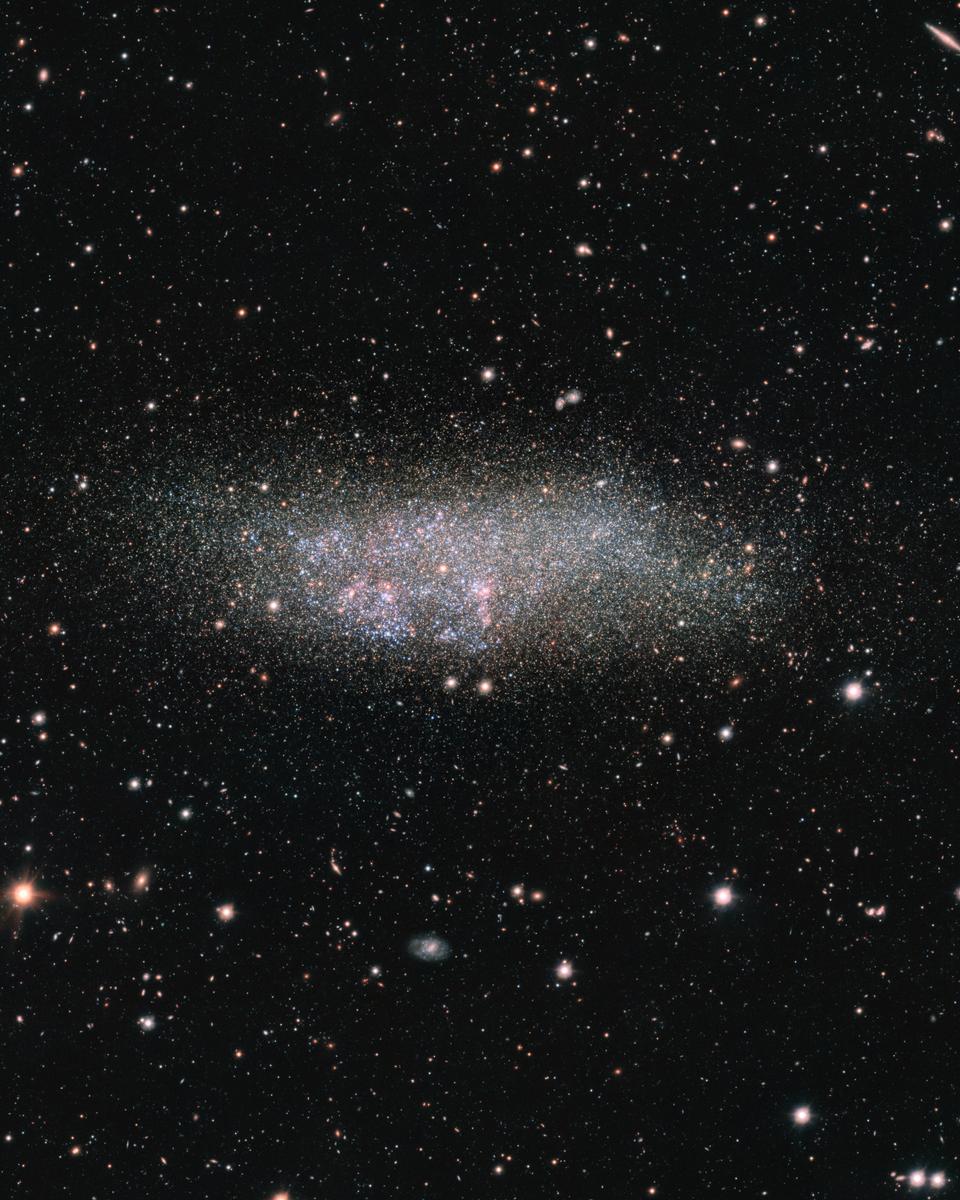
Wolf-Lundmark-Melotte
Named for the three astronomers instrumental in its discovery and identification, Wolf - Lundmark - Melotte (WLM) is a lonely dwarf galaxy. Seen toward the mostly southern…
Viewing discoveries from 30 April 2016 through 7 April 2016.