Browse NASA Astronomy Picture of the Day archive by date and media: Archive Discoveries
Browse the NASA APOD archive without needing the exact date first. Filter by media type and keep moving deeper into older images and videos.
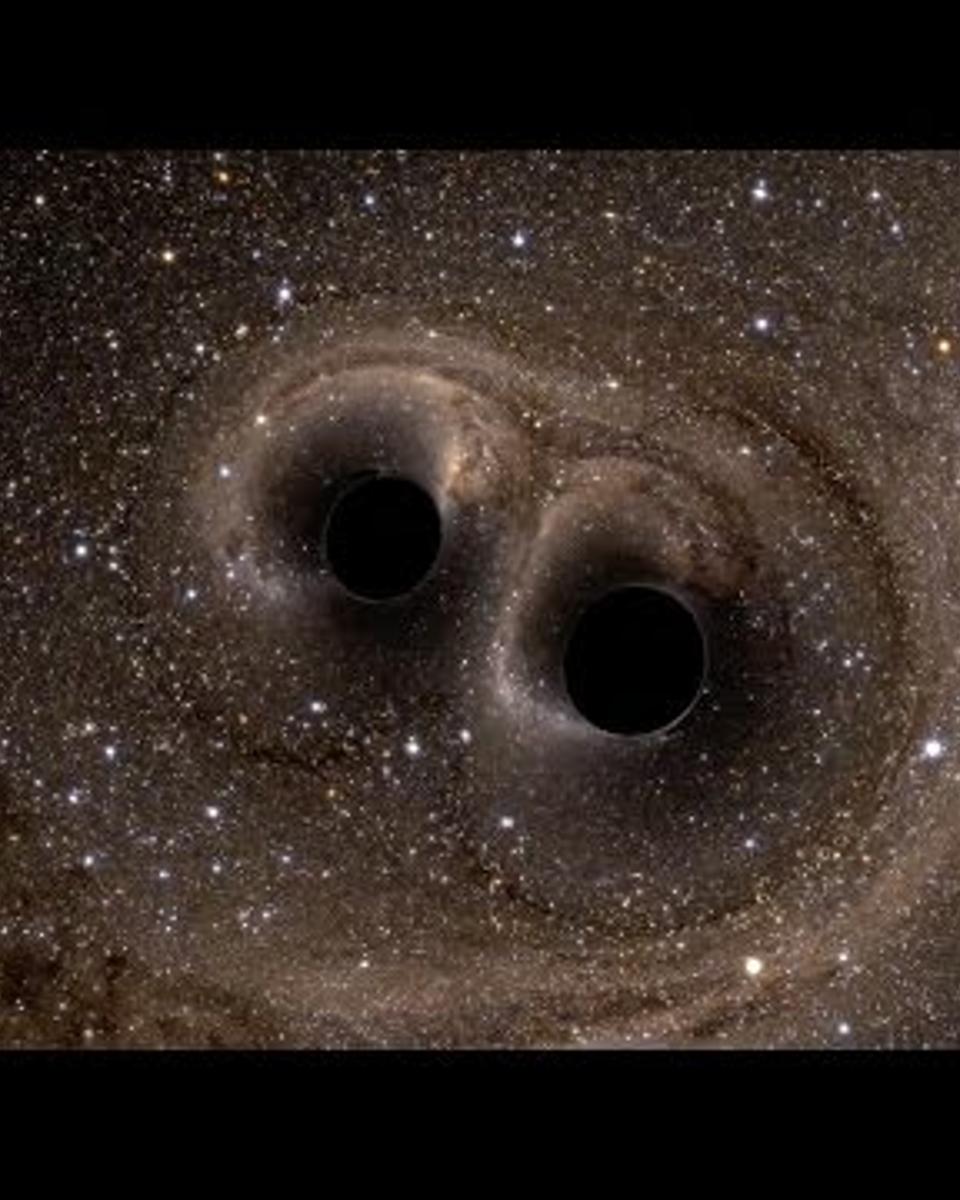
Two Black Holes Merge
Just press play to watch two black holes merge. Inspired by the first direct detection of gravitational waves by LIGO, this simulation video plays in slow motion but would take…
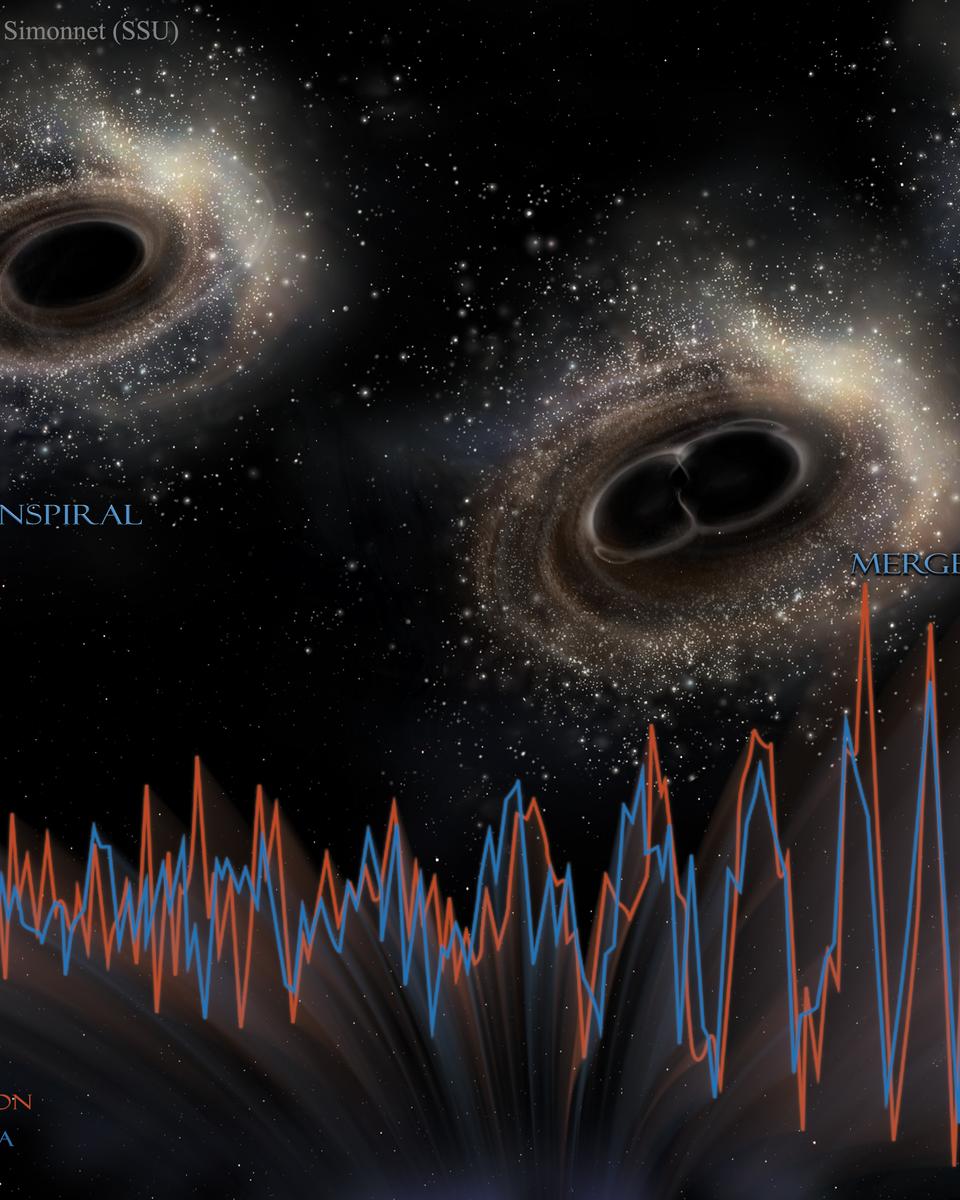
LIGO Detects Gravitational Waves from Merging Black Holes
Gravitational radiation has been directly detected. The first-ever detection was made by both facilities of the Laser Interferometer Gravitational-Wave Observatory (LIGO) in…
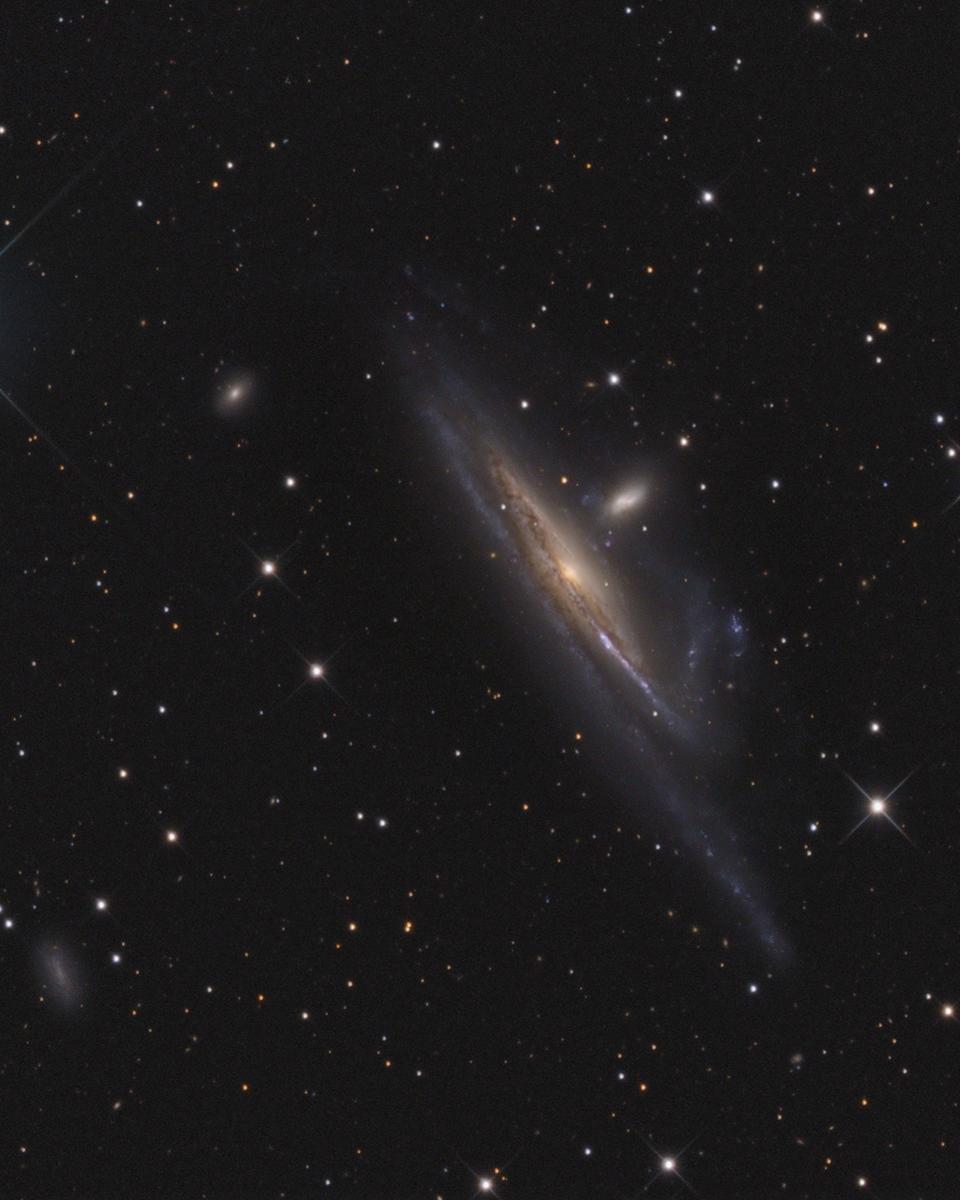
Galaxies in the River
Large galaxies grow by eating small ones. Even our own galaxy practices galactic cannibalism , absorbing small galaxies that get too close and are captured by the Milky Way's…
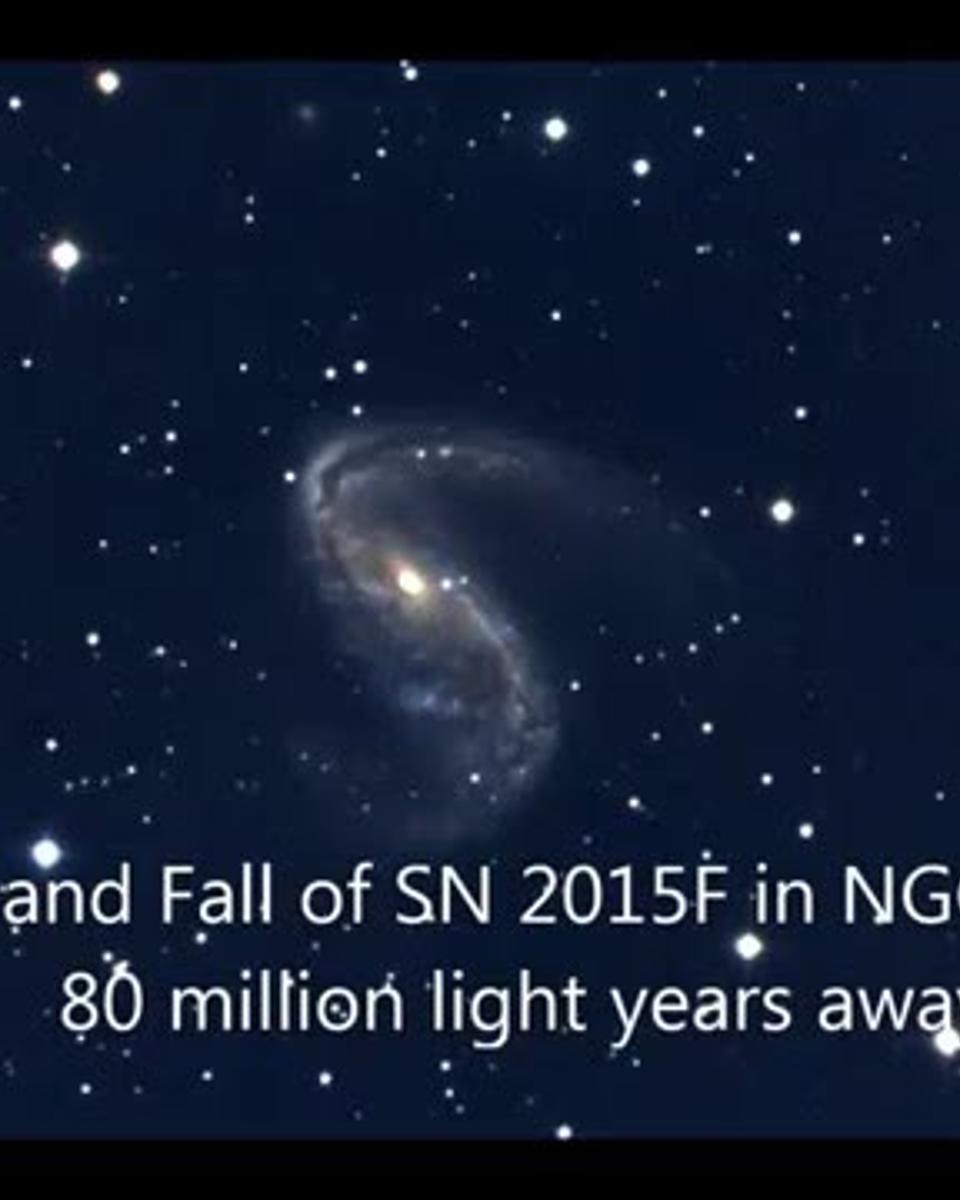
The Rise and Fall of Supernova 2015F
Sit back and watch a star explode. The actual supernova occurred back when dinosaurs roamed the Earth, but images of the spectacular event began arriving last year. Supernova…
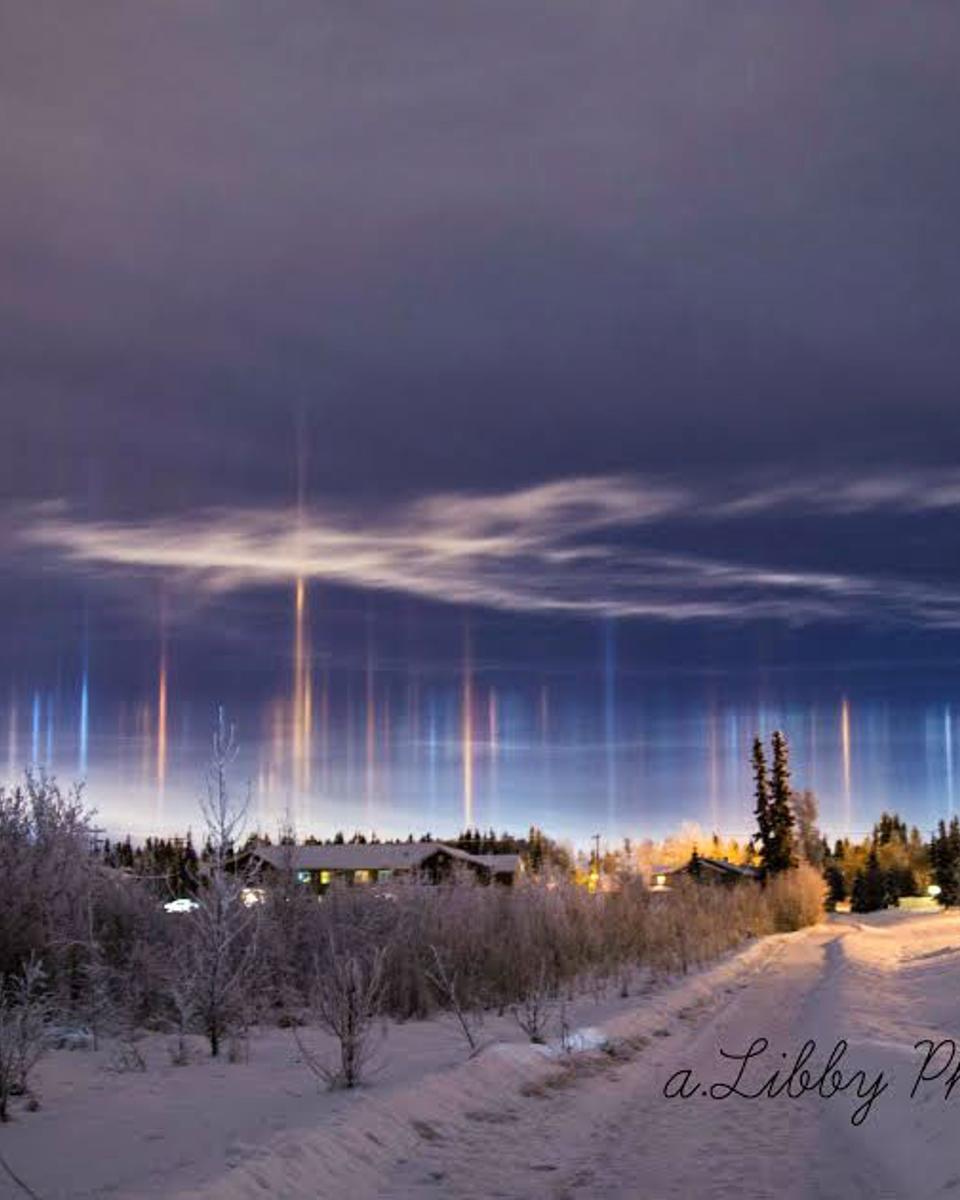
Light Pillars over Alaska
What's happening behind those houses? Pictured here are not auroras but nearby light pillars , a nearby phenomenon that can appear as a distant one. In most places on Earth , a…
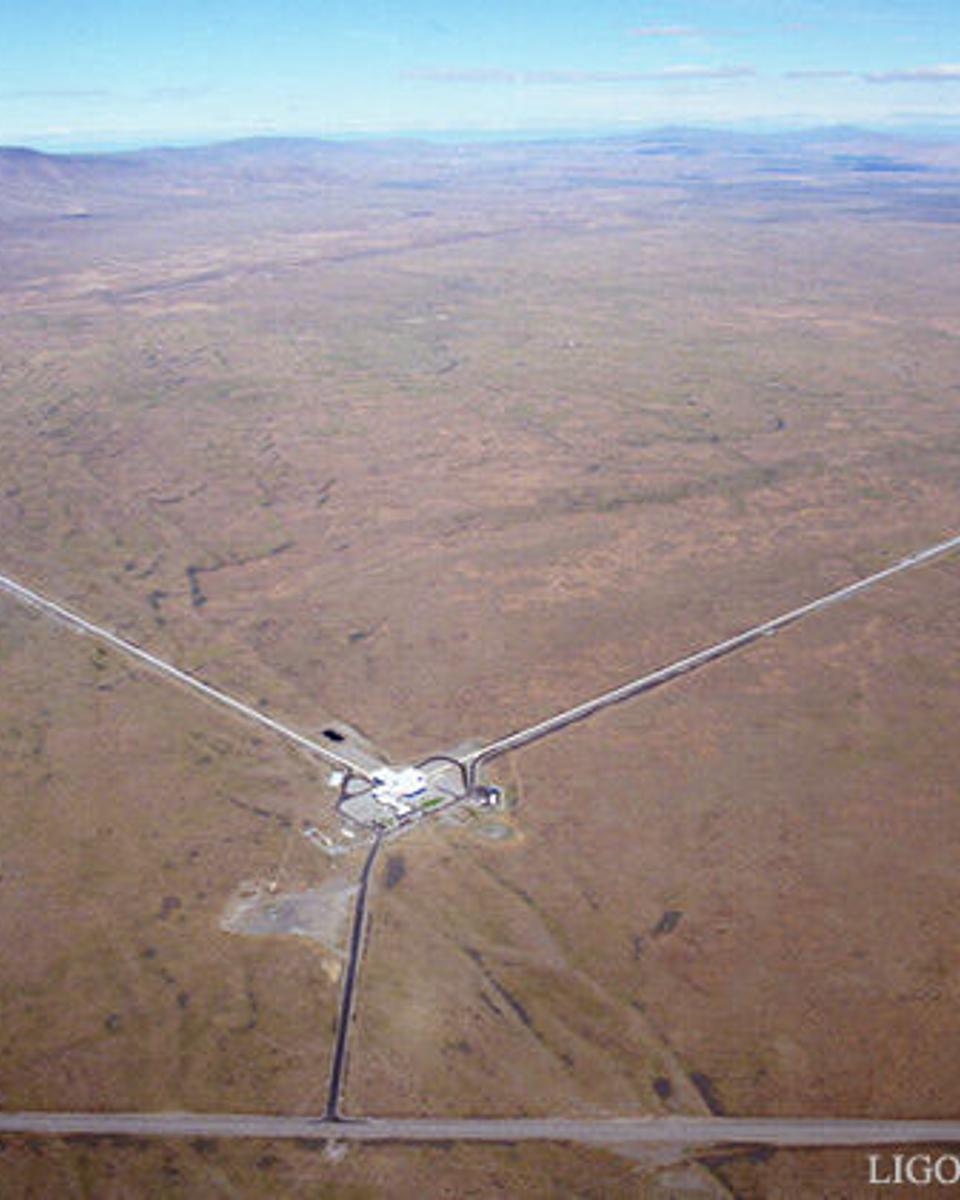
Advanced LIGO: Gravitational Wave Detectors Upgraded
Accelerate a charge and you'll get electromagnetic radiation : light. But accelerate any mass and you'll get gravitational radiation . Light is seen all the time, but, so far, a…
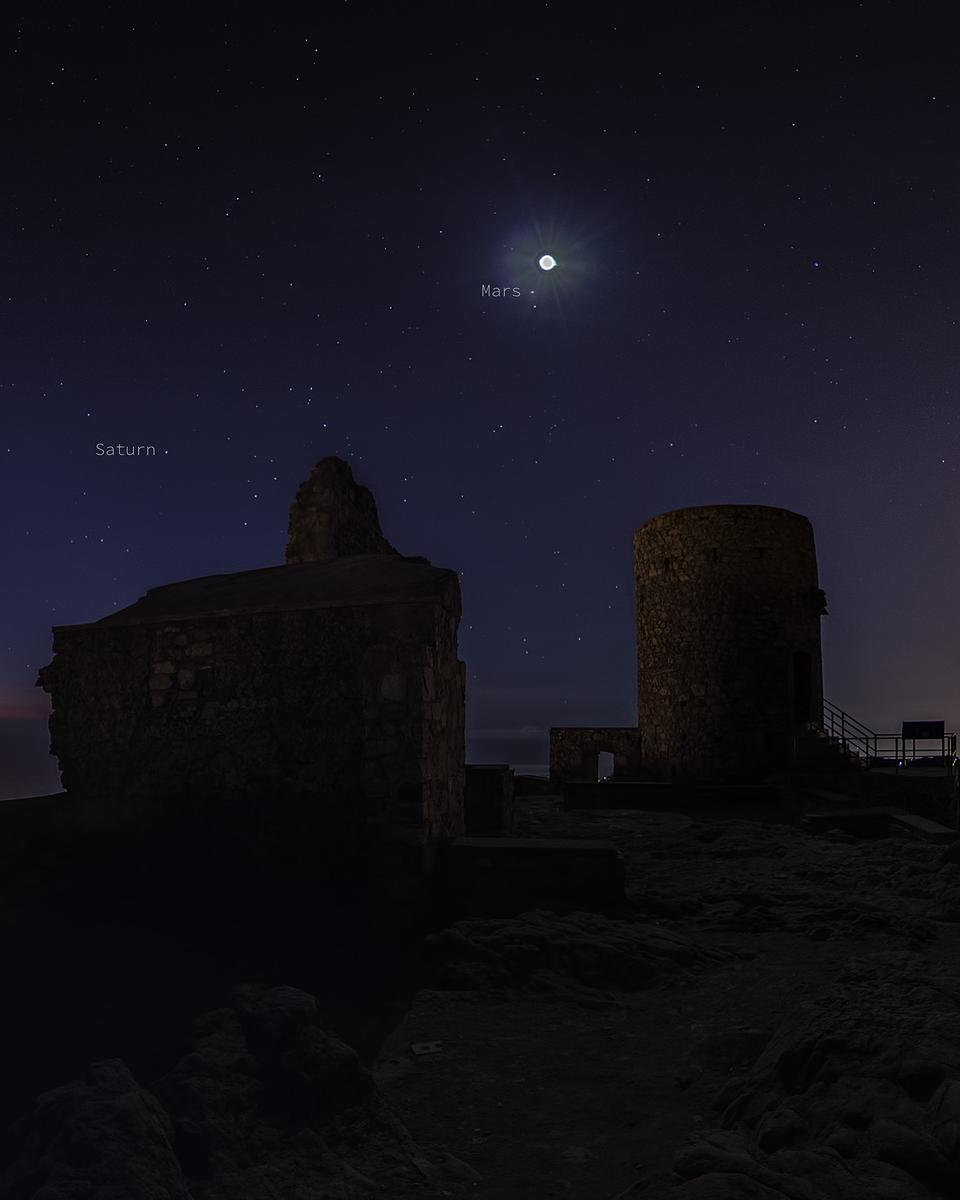
Five Planets at Castell de Burriac
February's five planet line-up stretches across a clear sky in this predawn scene. A hilltop Castell de Burriac looms in the foreground, overlooking the town of Cabrera de Mar…
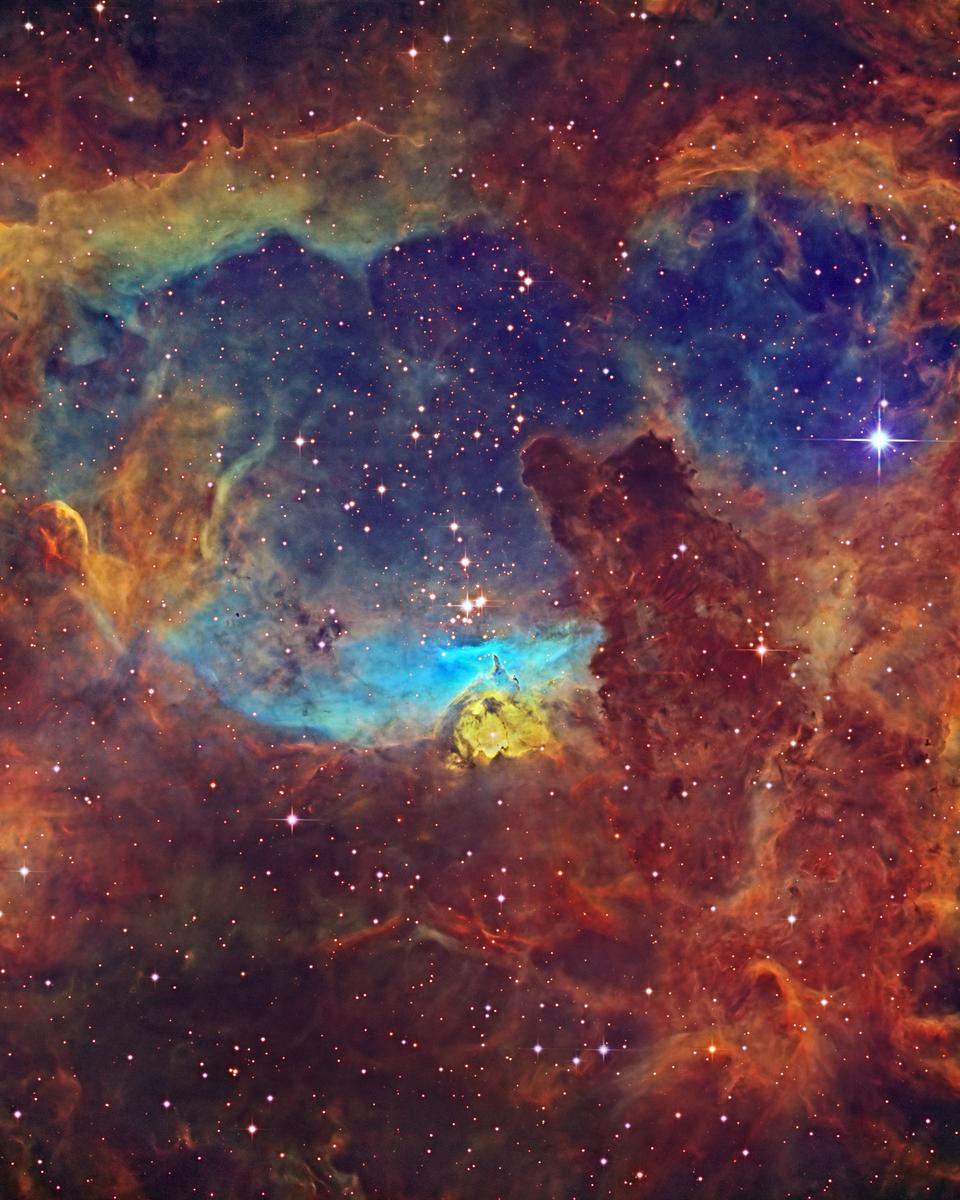
Massive Stars in NGC 6357
Massive stars lie within NGC 6357 , an expansive emission nebula complex some 6,500 light-years away toward the tail of the constellation Scorpius . In fact, positioned near…
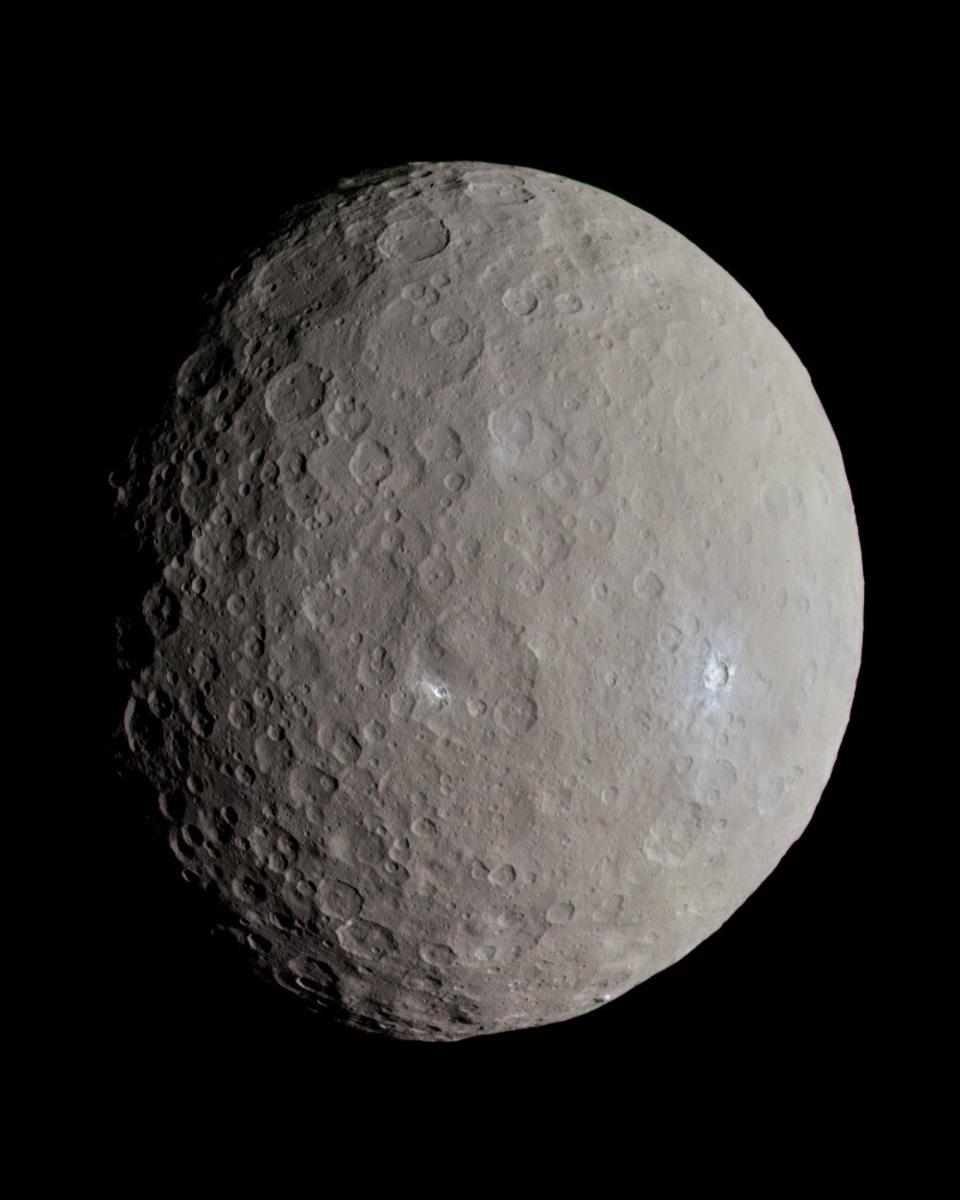
Dwarf Planet Ceres
Dwarf planet Ceres is the largest object in the Solar System's main asteroid belt , with a diameter of about 950 kilometers (590 miles). Ceres is seen here in approximately true…
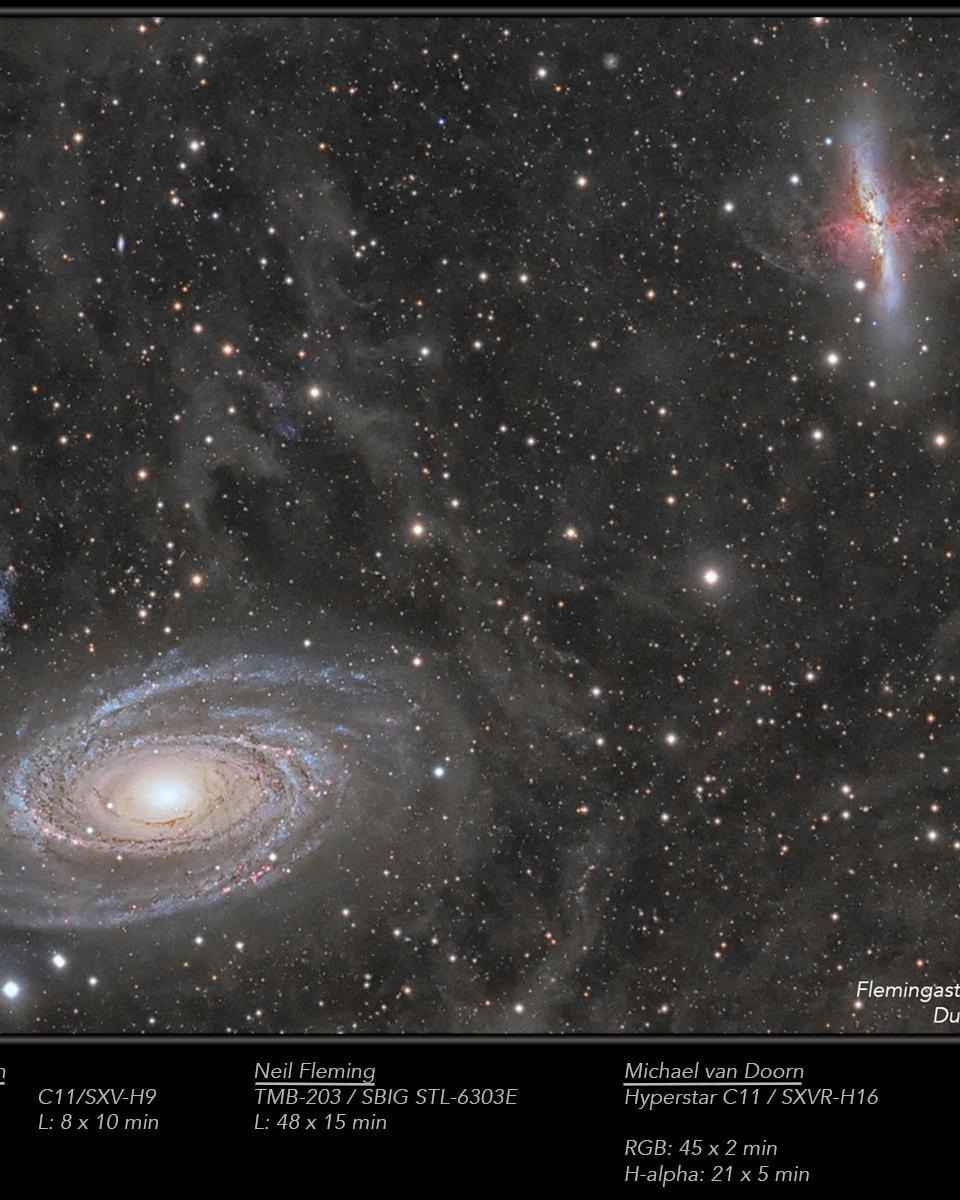
Galaxy Wars: M81 versus M82
In the lower left corner, surrounded by blue spiral arms, is spiral galaxy M81 . In the upper right corner, marked by red gas and dust clouds, is irregular galaxy M82 . This…
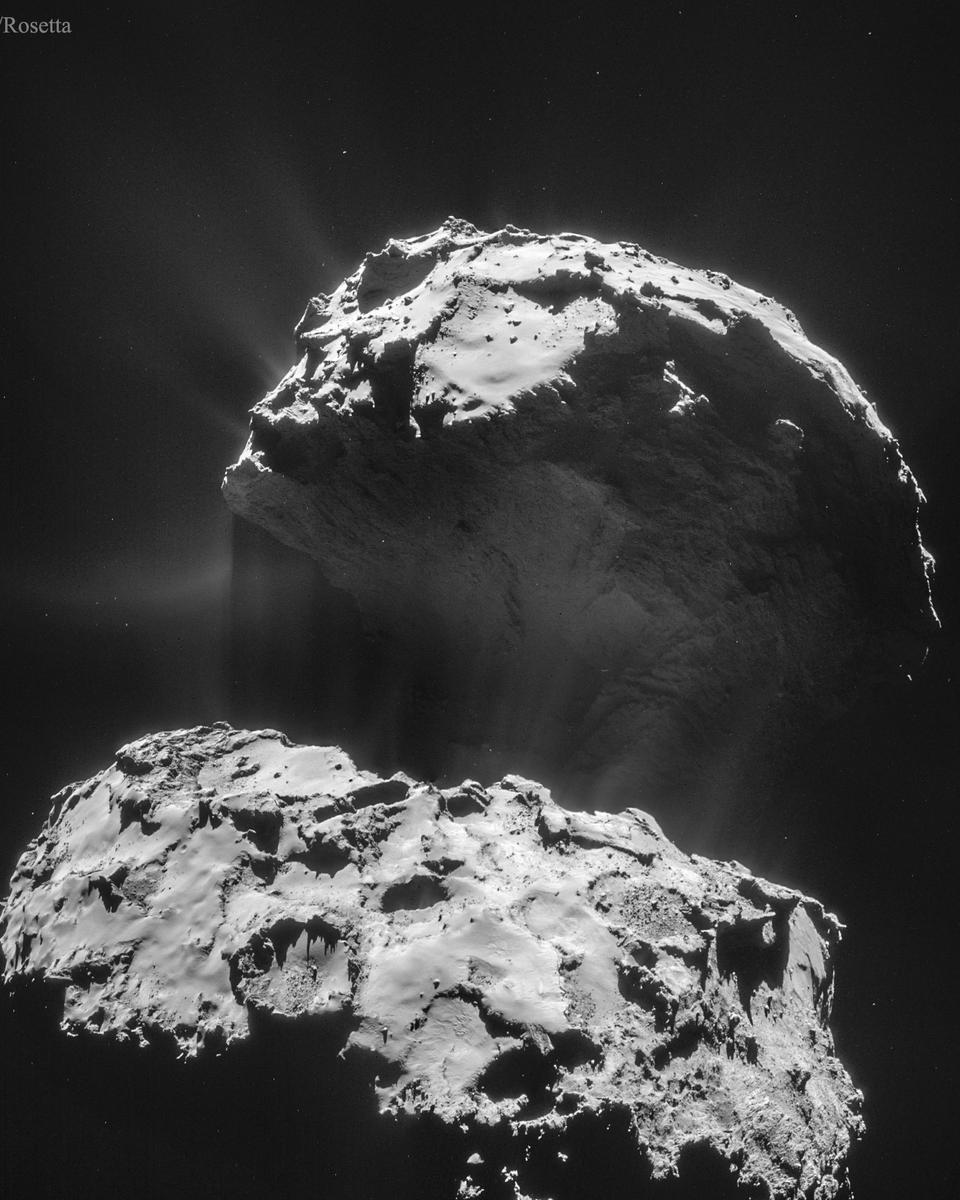
Comet 67P from Spacecraft Rosetta
Spacecraft Rosetta continues to circle and map Comet Churyumov-Gerasimenko. Crossing the inner Solar System for ten years to reach the vicinity of the comet in 2014, the robotic…
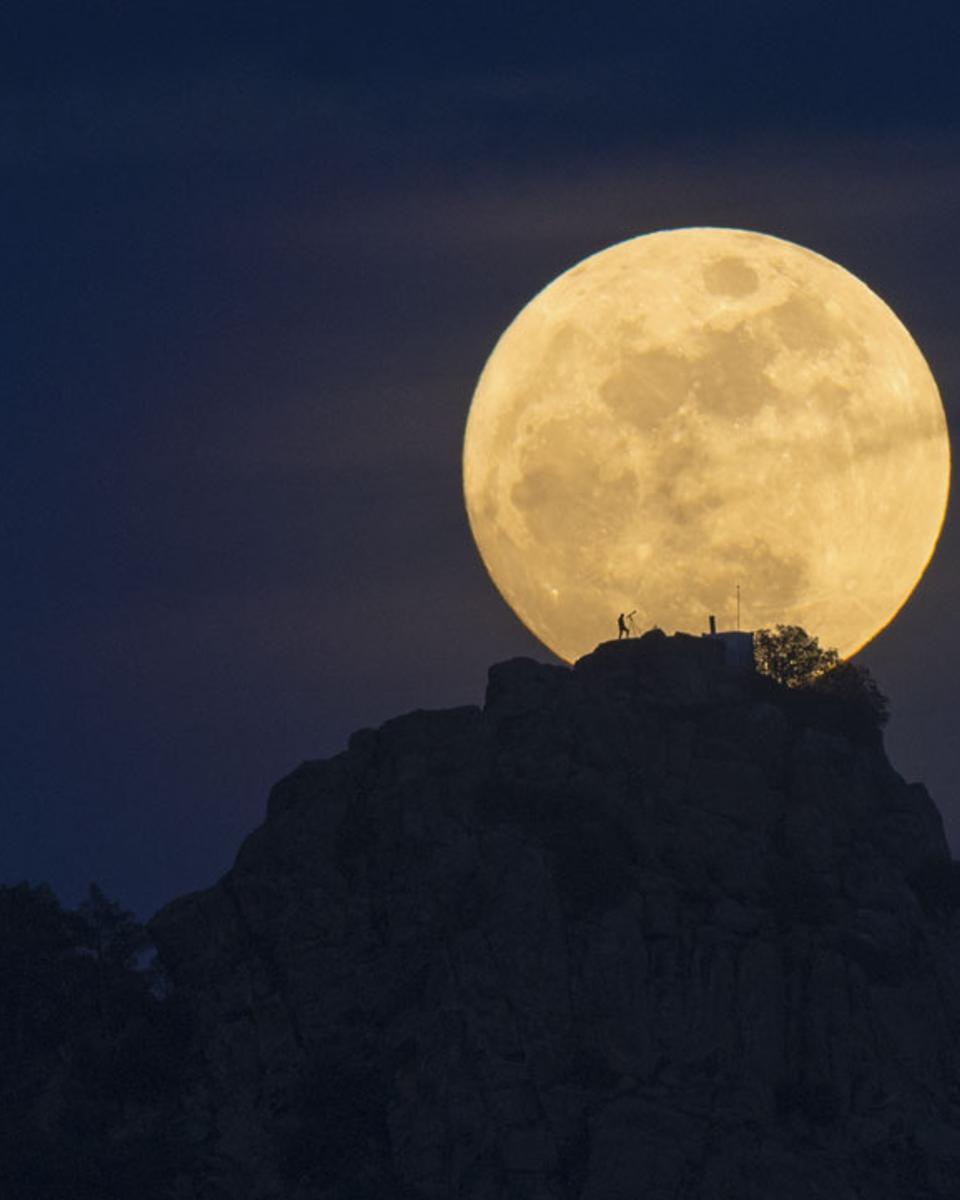
Find the Man in the Moon
Have you ever seen the Man in the Moon? This common question plays on the ability of humans to see pareidolia -- imagining familiar icons where they don't actually exist. The…
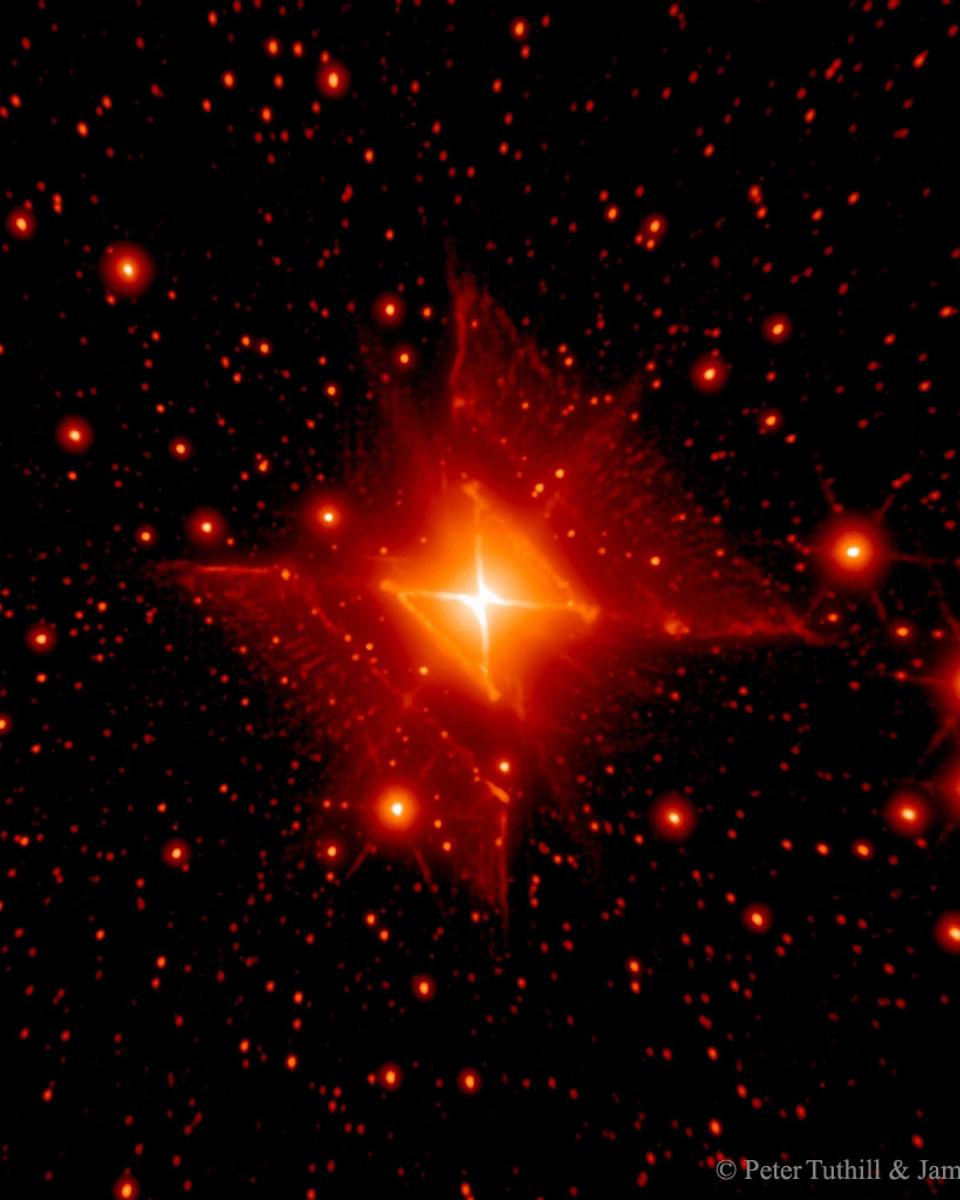
MWC 922: The Red Square Nebula
What could cause a nebula to appear square? No one is quite sure. The hot star system known as MWC 922 , however, appears to be embedded in a nebula with just such a shape. The…
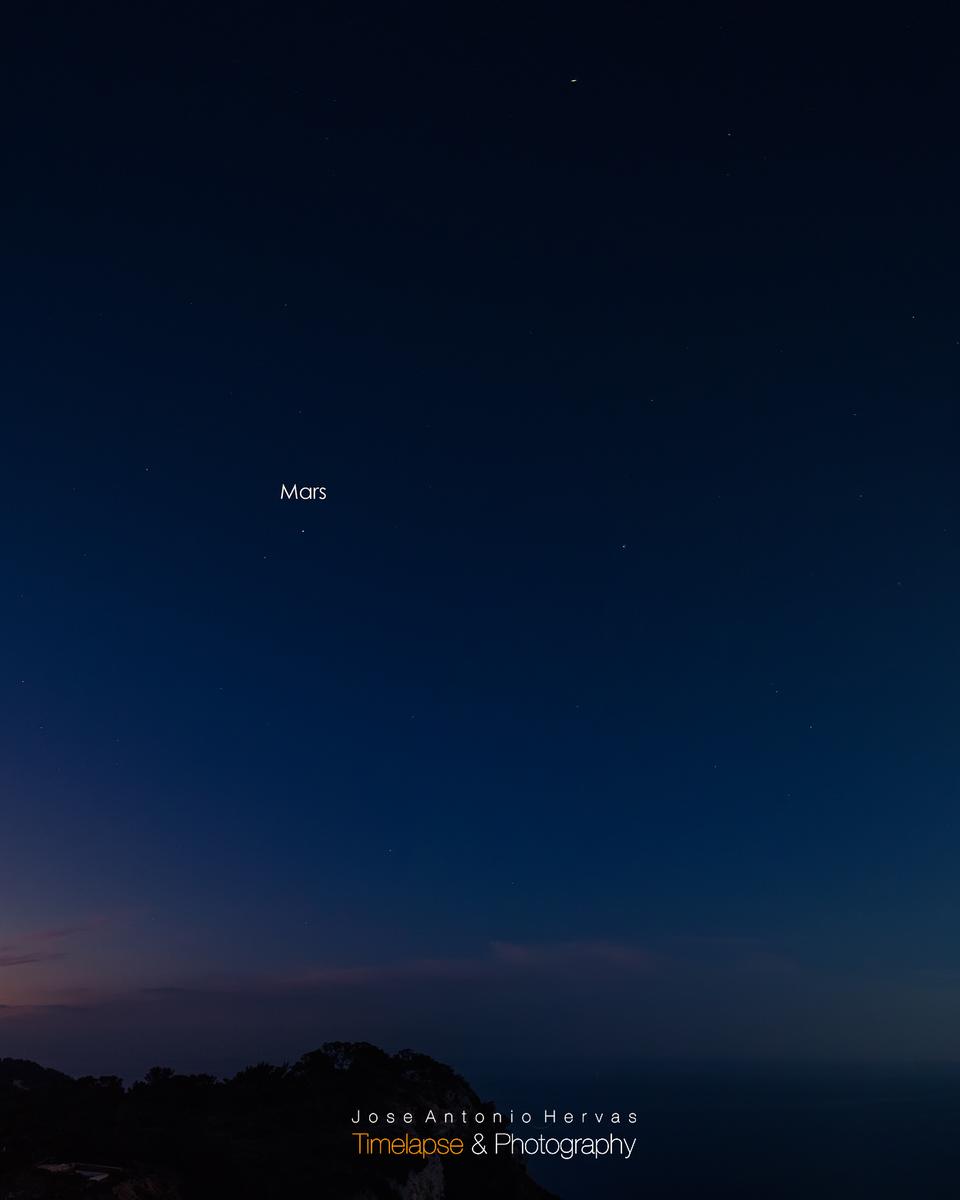
A Five Planet Dawn
As January closes and in the coming days of February, early morning risers can spot the five naked-eye planets before dawn. Though some might claim to see six planets, in this…
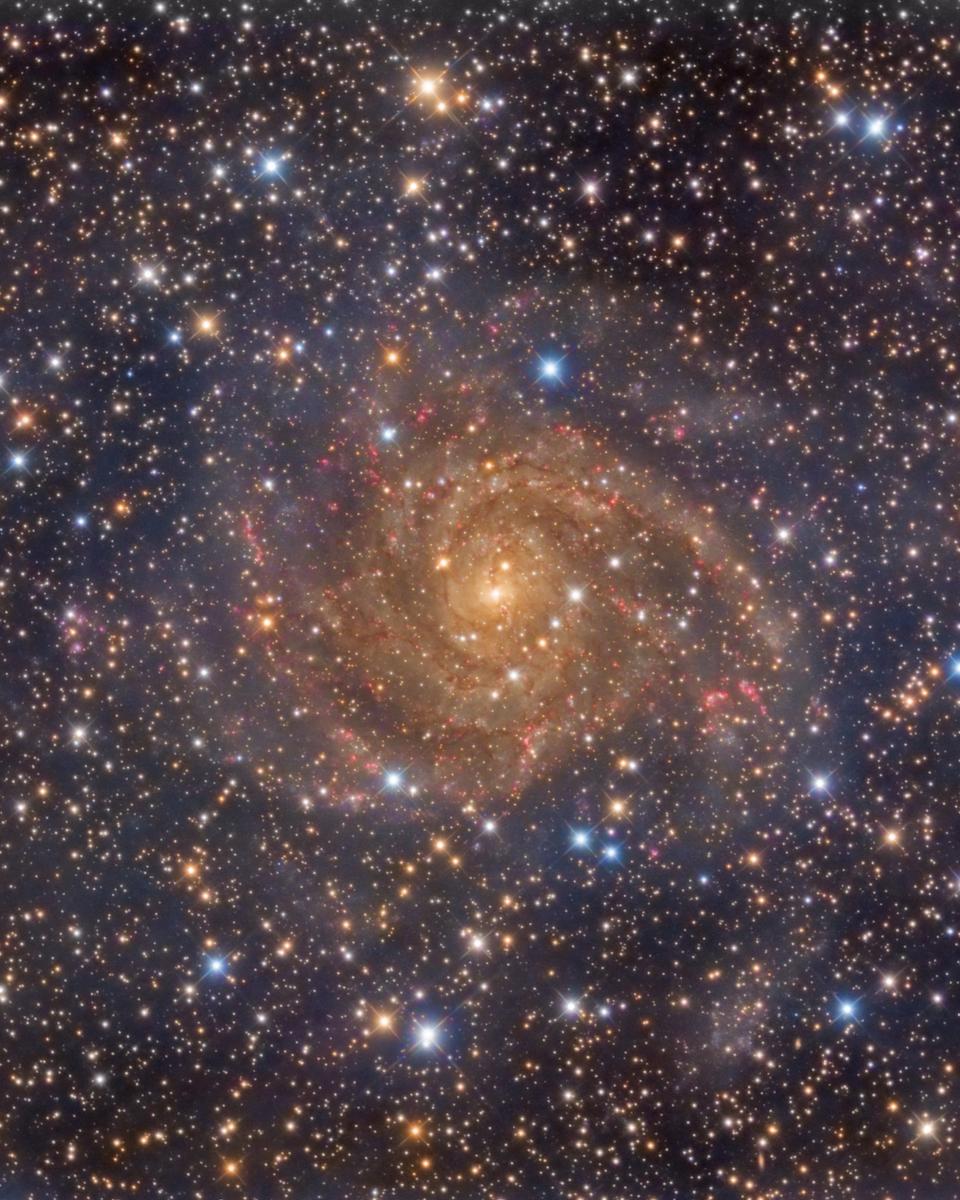
Hidden Galaxy IC 342
Similar in size to large, bright spiral galaxies in our neighborhood, IC 342 is a mere 10 million light-years distant in the long-necked, northern constellation Camelopardalis . A…
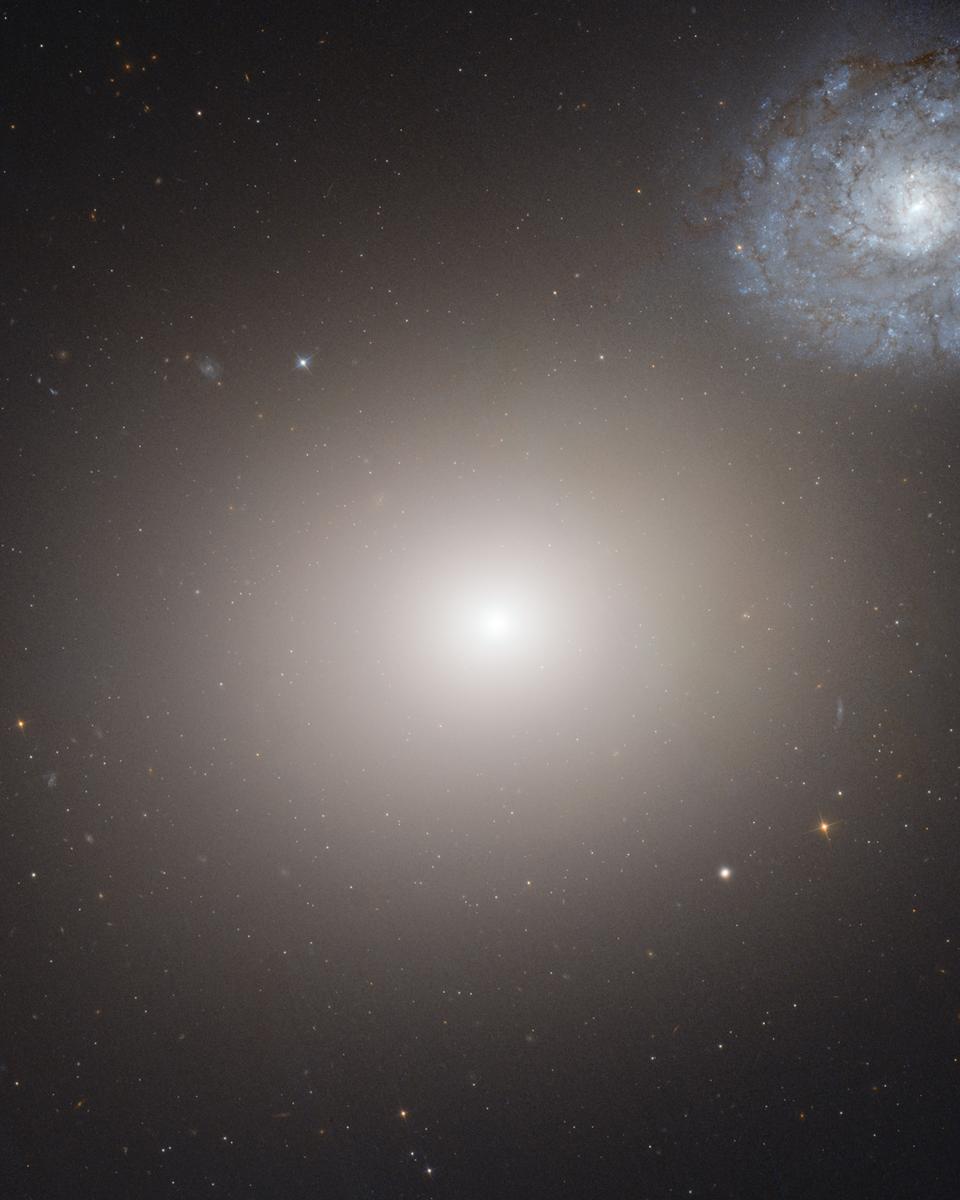
Elliptical M60, Spiral NGC 4647
Giant elliptical galaxy M60 and spiral galaxy NGC 4647 do look like an odd couple in this sharp cosmic portrait from the Hubble Space Telescope. But they are found in a region of…
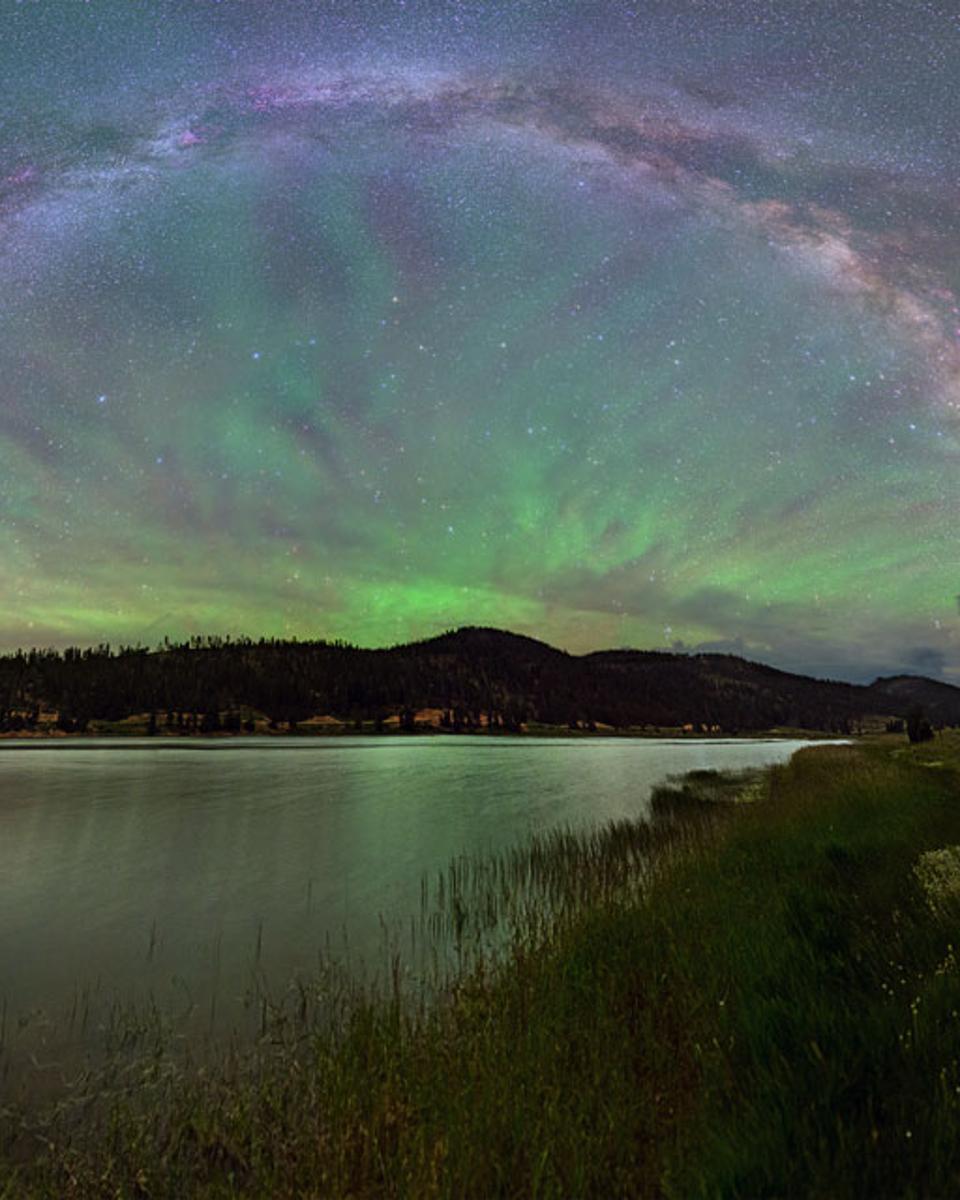
An Airglow Fan from Lake to Sky
Why would the sky look like a giant fan? Airglow . The featured intermittent green glow appeared to rise from a lake through the arch of our Milky Way Galaxy , as captured last…
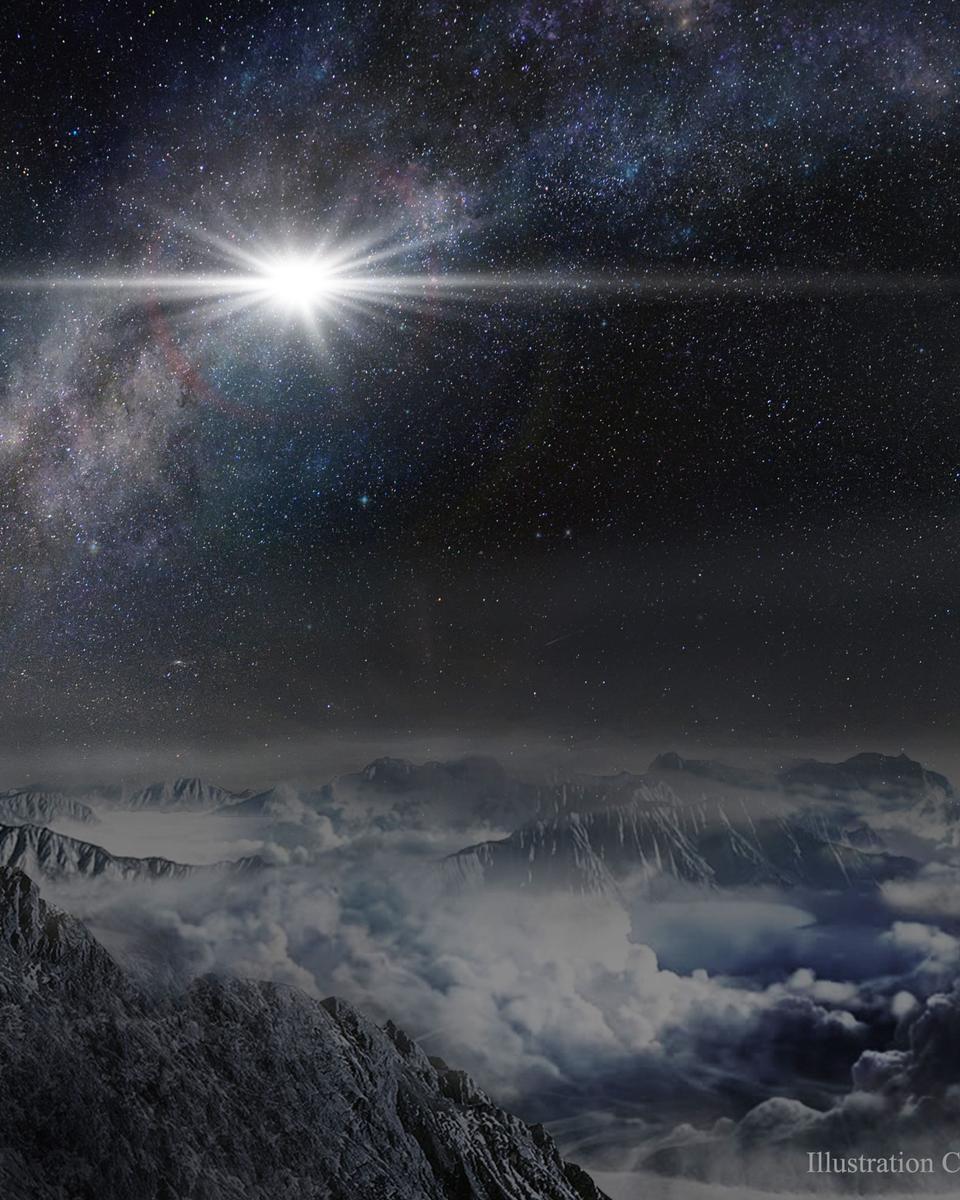
A Candidate for the Biggest Boom Yet Seen
It is a candidate for the brightest and most powerful explosion ever seen -- what is it? The flaring spot of light was found by the All Sky Automated Survey for Supernovae…
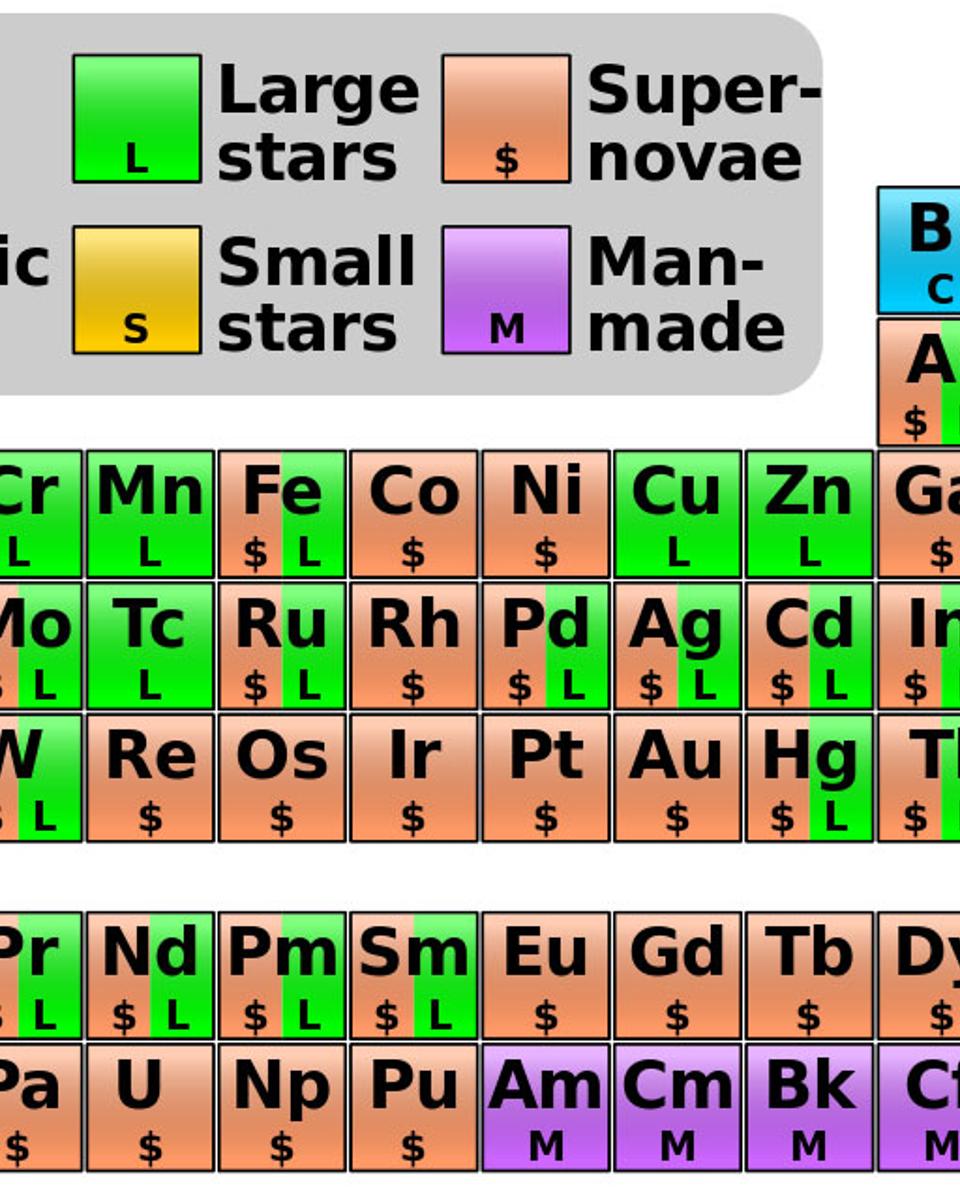
Where Your Elements Came From
The hydrogen in your body, present in every molecule of water, came from the Big Bang . There are no other appreciable sources of hydrogen in the universe. The carbon in your body…
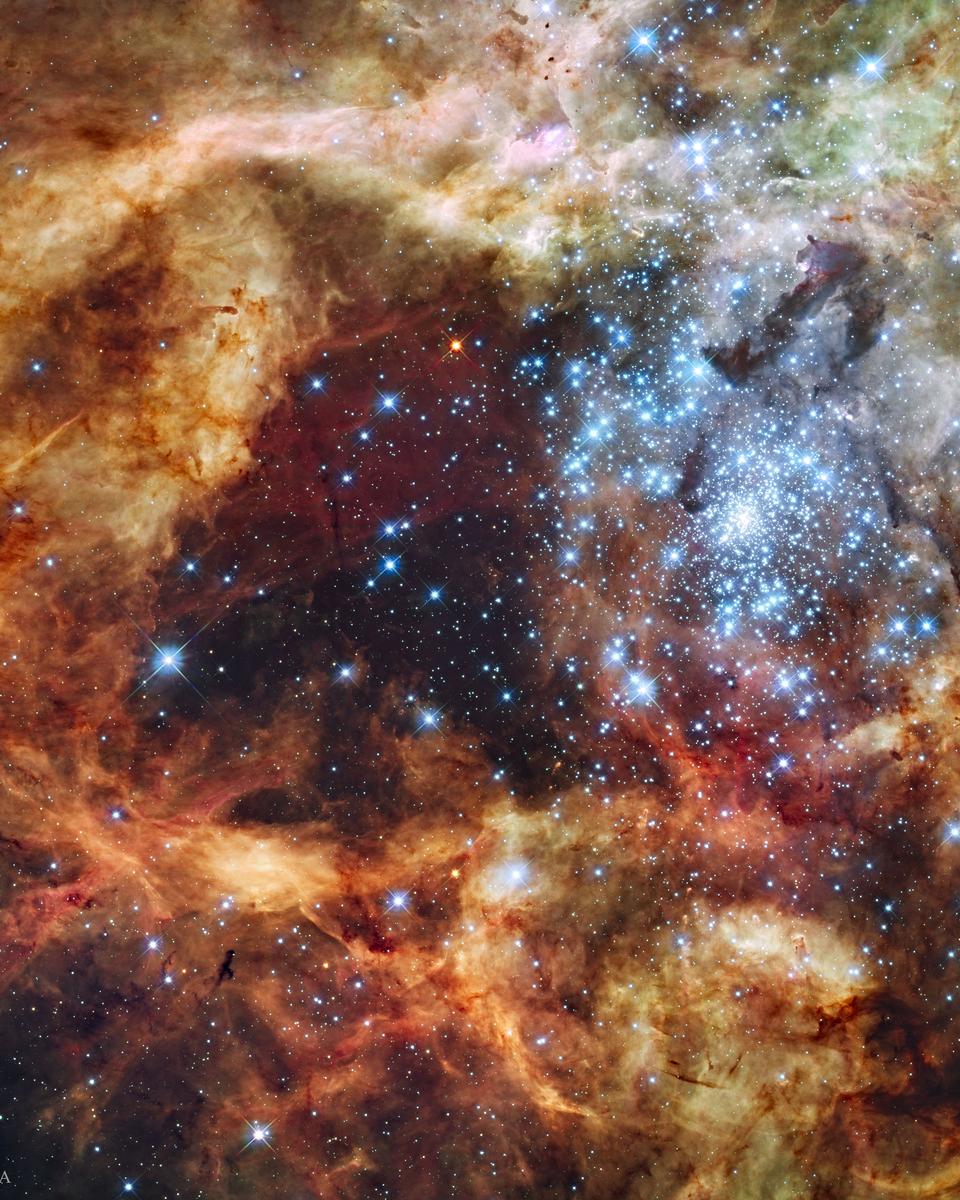
Star Cluster R136 Bursts Out
In the center of star-forming region 30 Doradus lies a huge cluster containing some of the largest, hottest, and most massive stars known. These stars, known collectively as star…
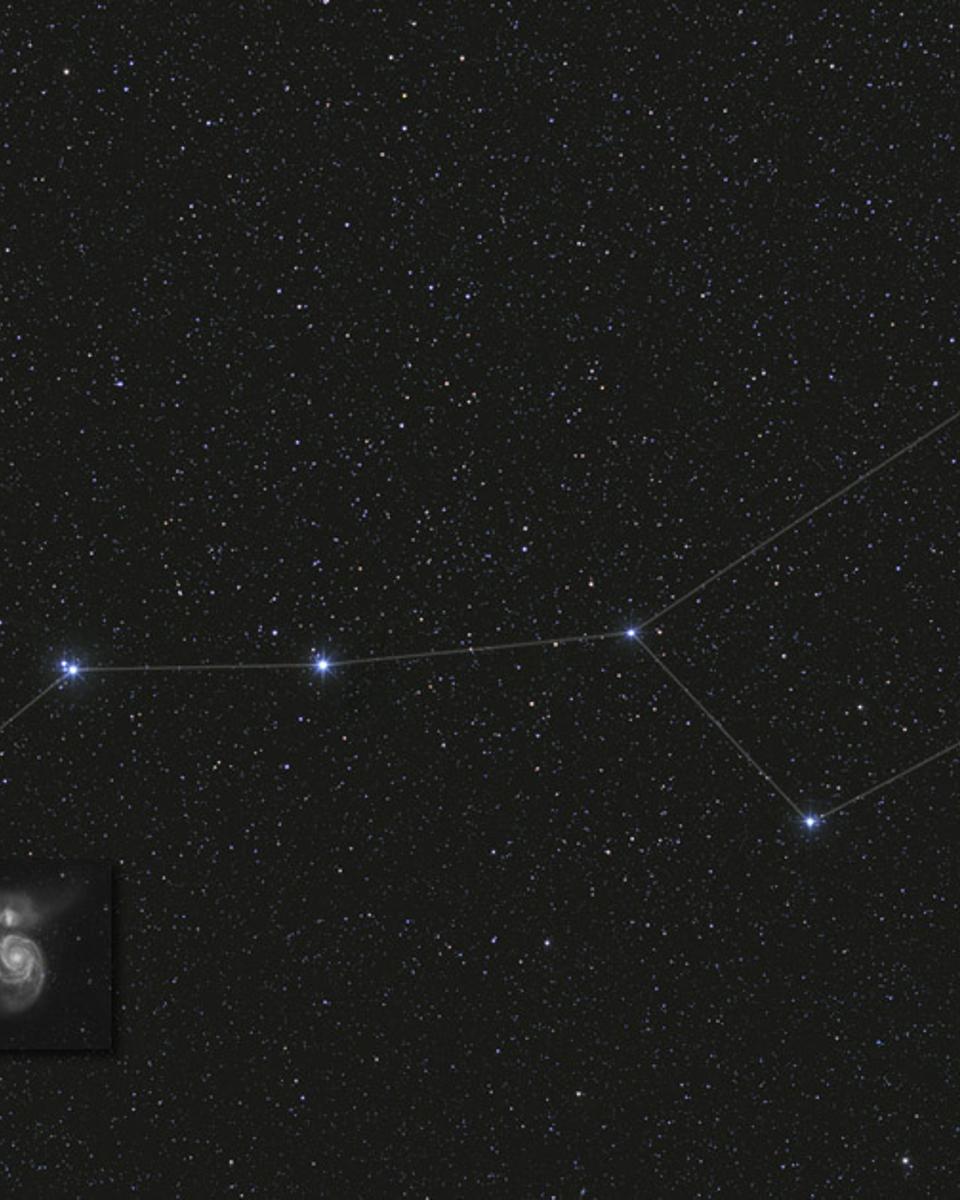
Big Dipper, Deep Sky
The Big Dipper is an easy to recognize, well-known asterism in northern skies, though many see the Plough or Wagon . Famous bright nebulae of the north can also be found along its…
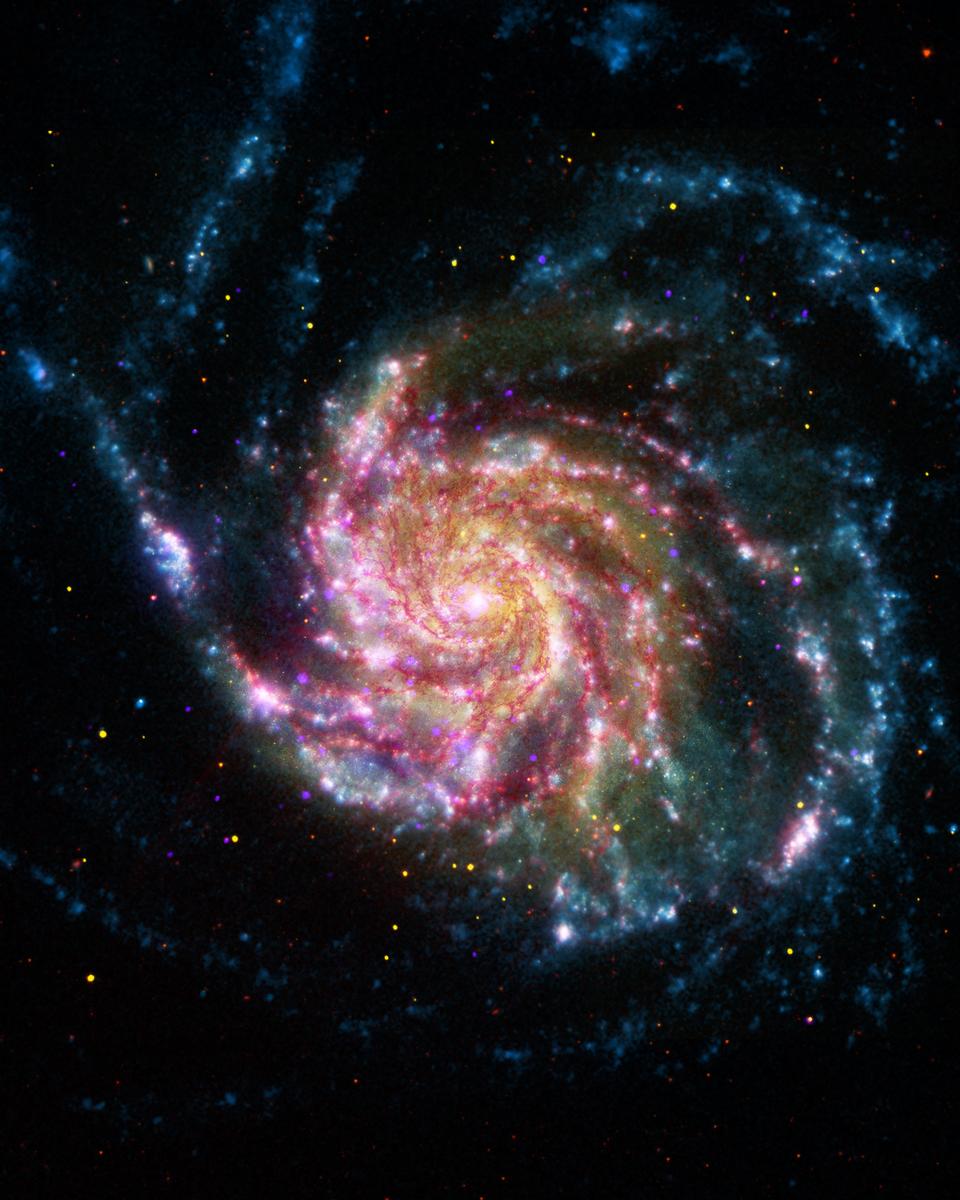
21st Century M101
One of the last entries in Charles Messier's famous catalog, big, beautiful spiral galaxy M101 is definitely not one of the least. About 170,000 light-years across, this galaxy is…
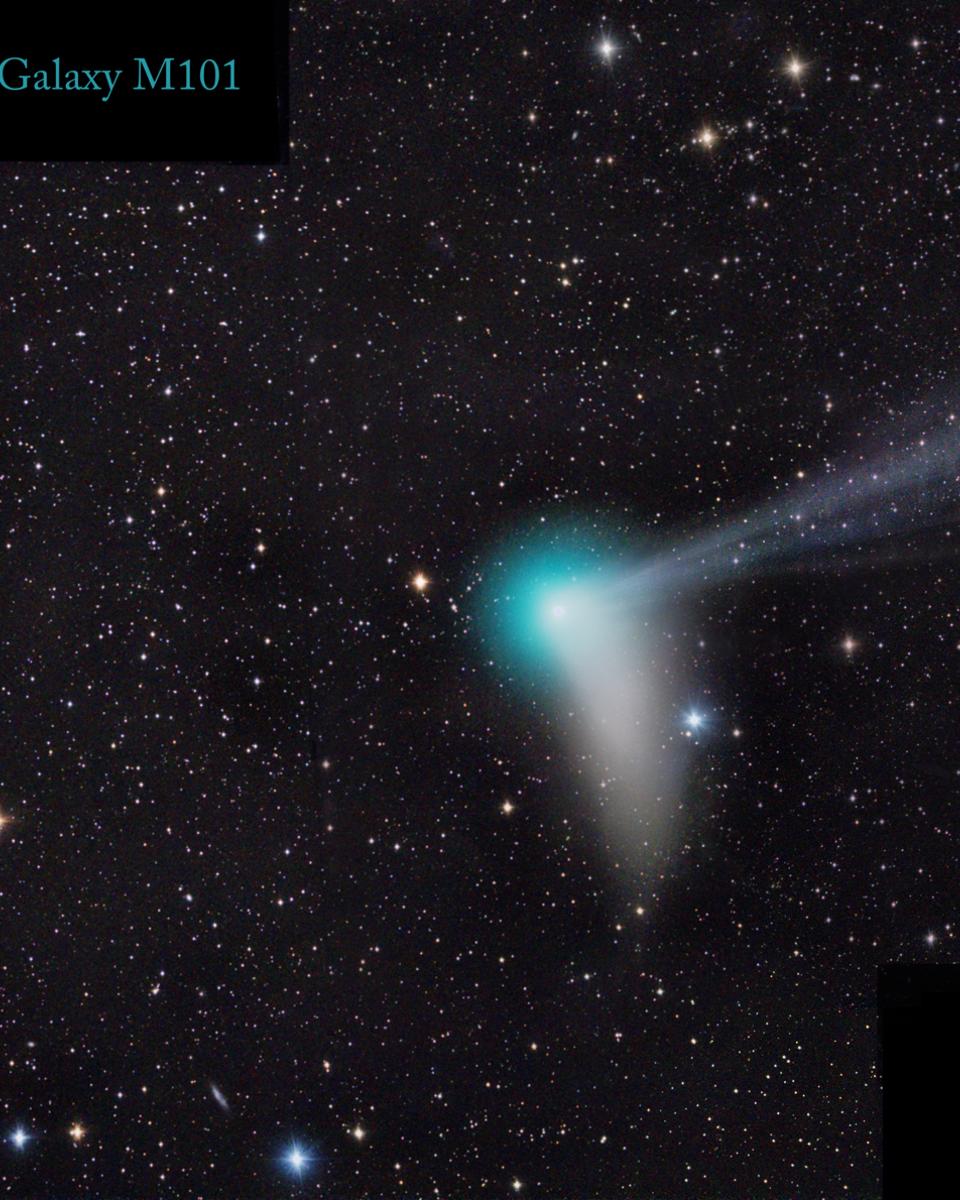
The View Toward M101
Sweeping through northern skies, Comet Catalina (C/2013 US10) made its closest approach on January 17, passing about 6 light-minutes from our fair planet. Dust and ion tails…
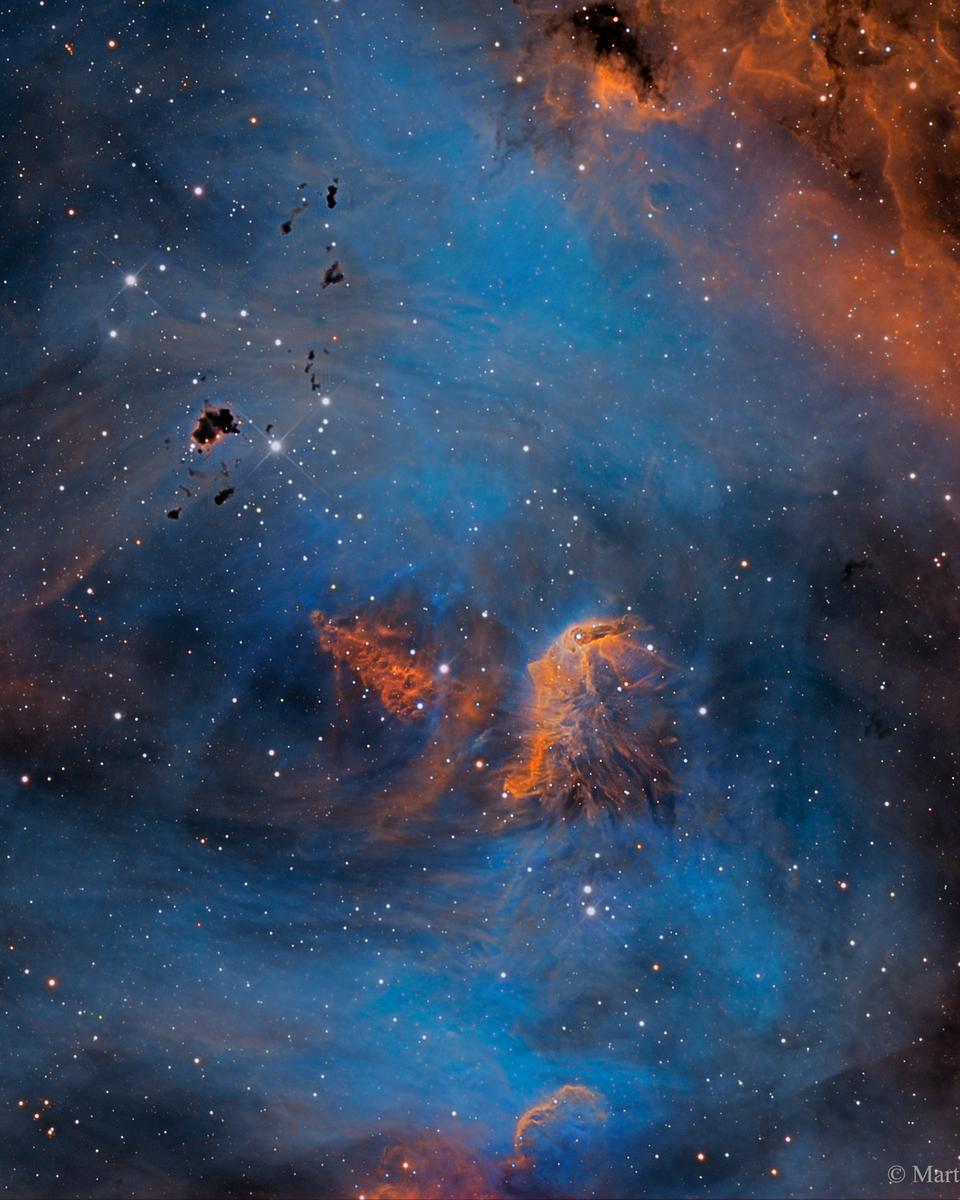
Stars and Globules in the Running Chicken Nebula
The eggs from this gigantic chicken may form into stars. The featured emission nebula, shown in scientifically assigned colors, is cataloged as IC 2944 but known as the Running…
Viewing discoveries from 12 February 2016 through 20 January 2016.