Browse NASA Astronomy Picture of the Day archive by date and media: Archive Discoveries
Browse the NASA APOD archive without needing the exact date first. Filter by media type and keep moving deeper into older images and videos.
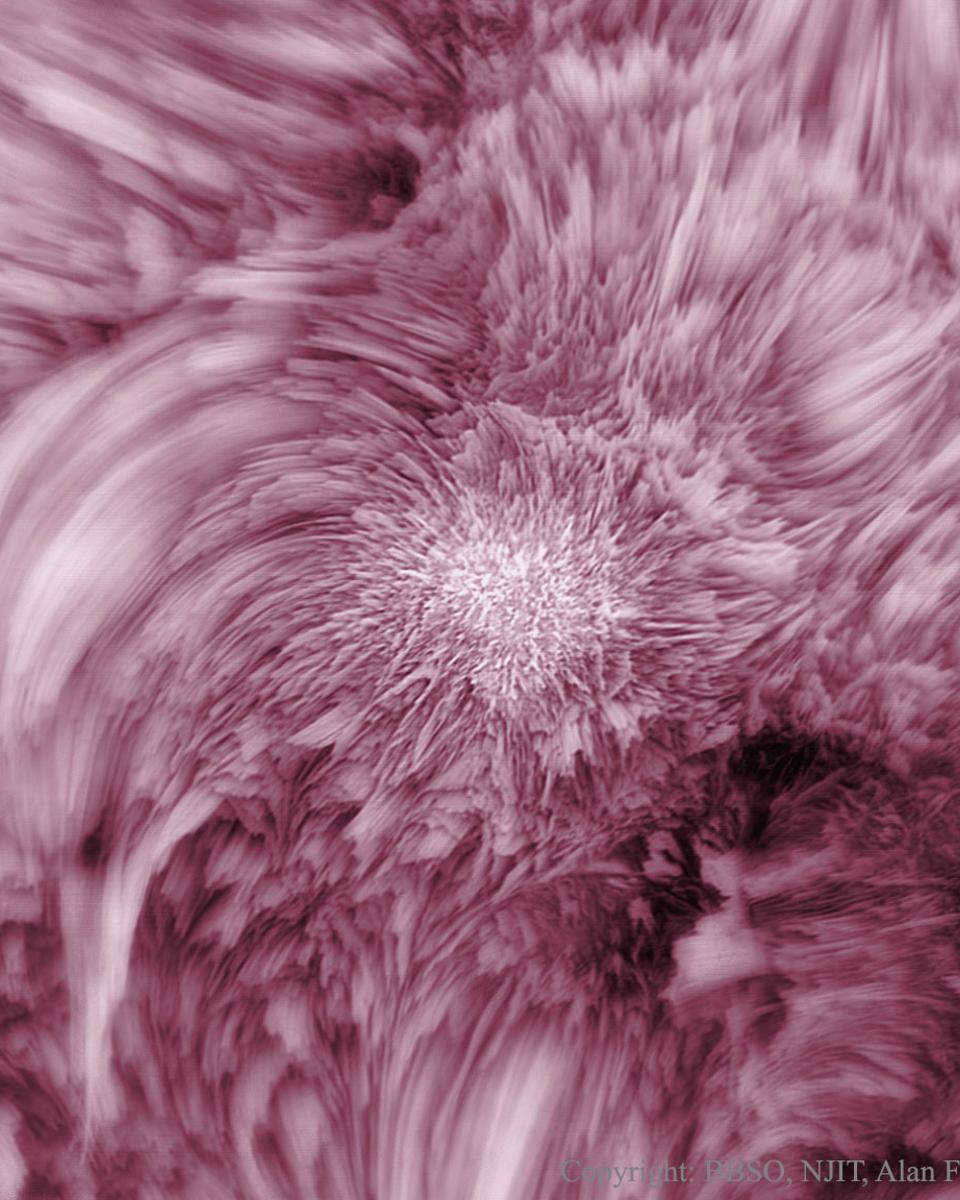
Fibrils Flower on the Sun
When does the Sun look like a flower? In a specific color of red light emitted by hydrogen, as featured here , some regions of the solar chromosphere may resemble a rose . The…
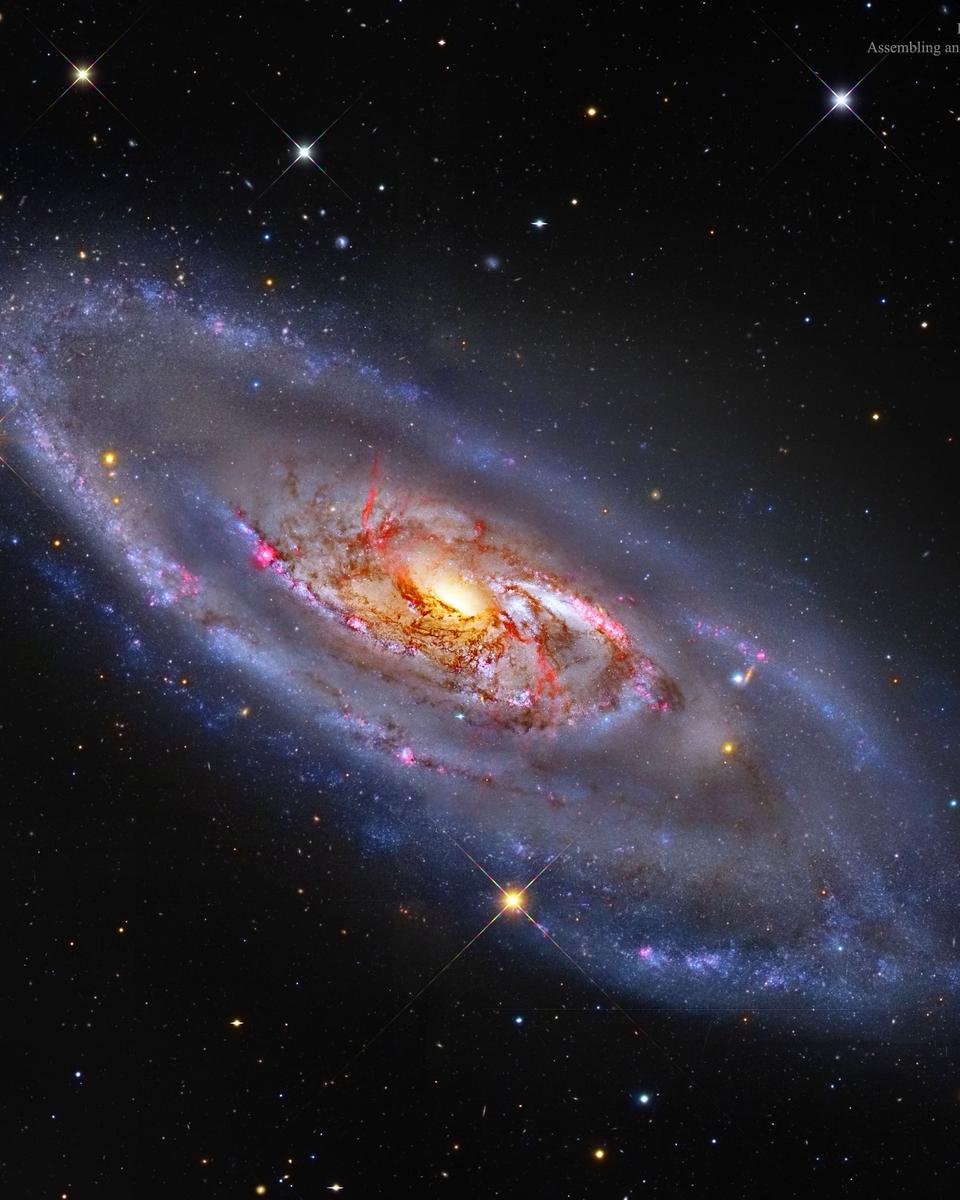
M106: A Spiral Galaxy with a Strange Center
What's happening at the center of spiral galaxy M106? A swirling disk of stars and gas, M106 's appearance is dominated by blue spiral arms and red dust lanes near the nucleus, as…
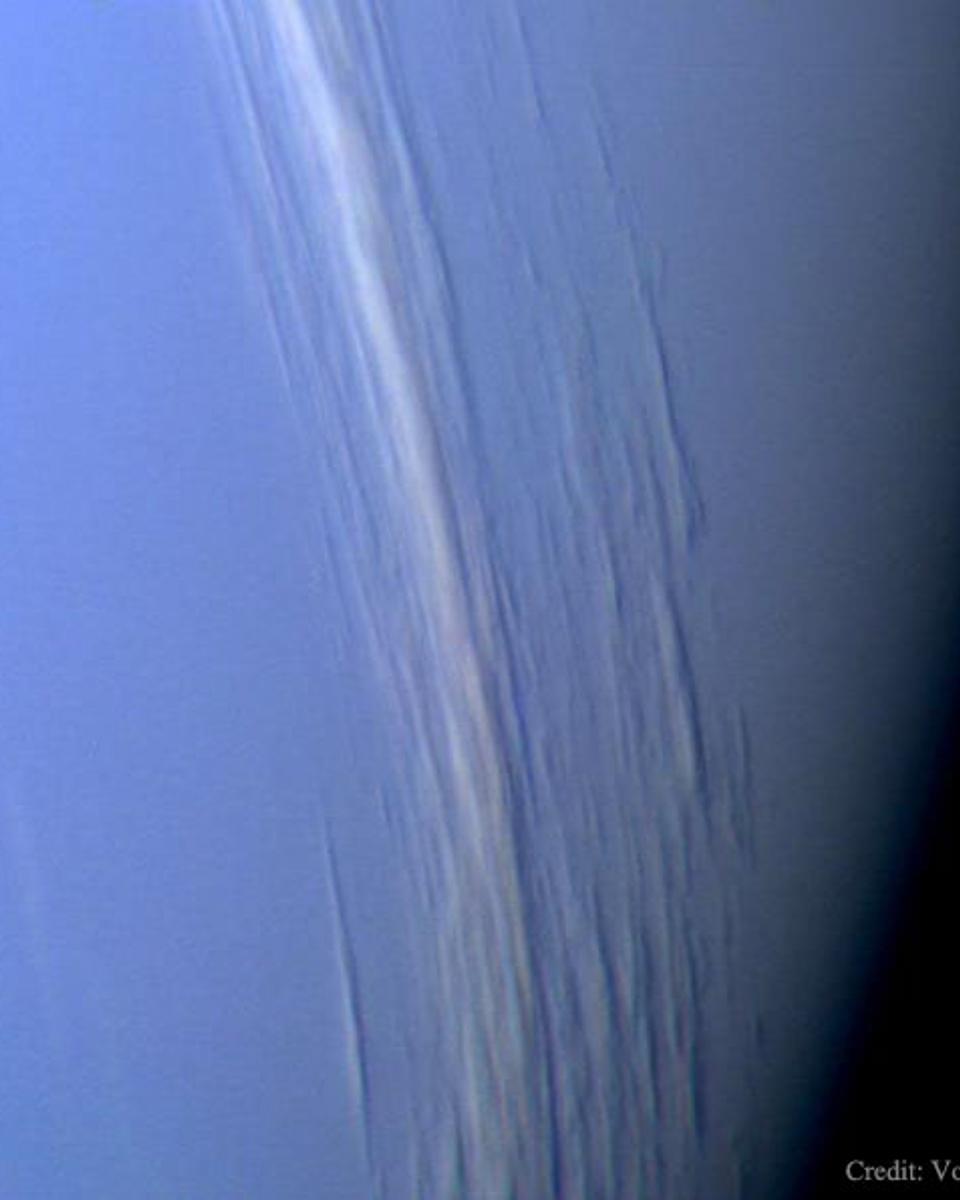
Two Hours Before Neptune
Two hours before closest approach to Neptune in 1989, the Voyager 2 robot spacecraft snapped this picture . Clearly visible for the first time were long light-colored cirrus -type…
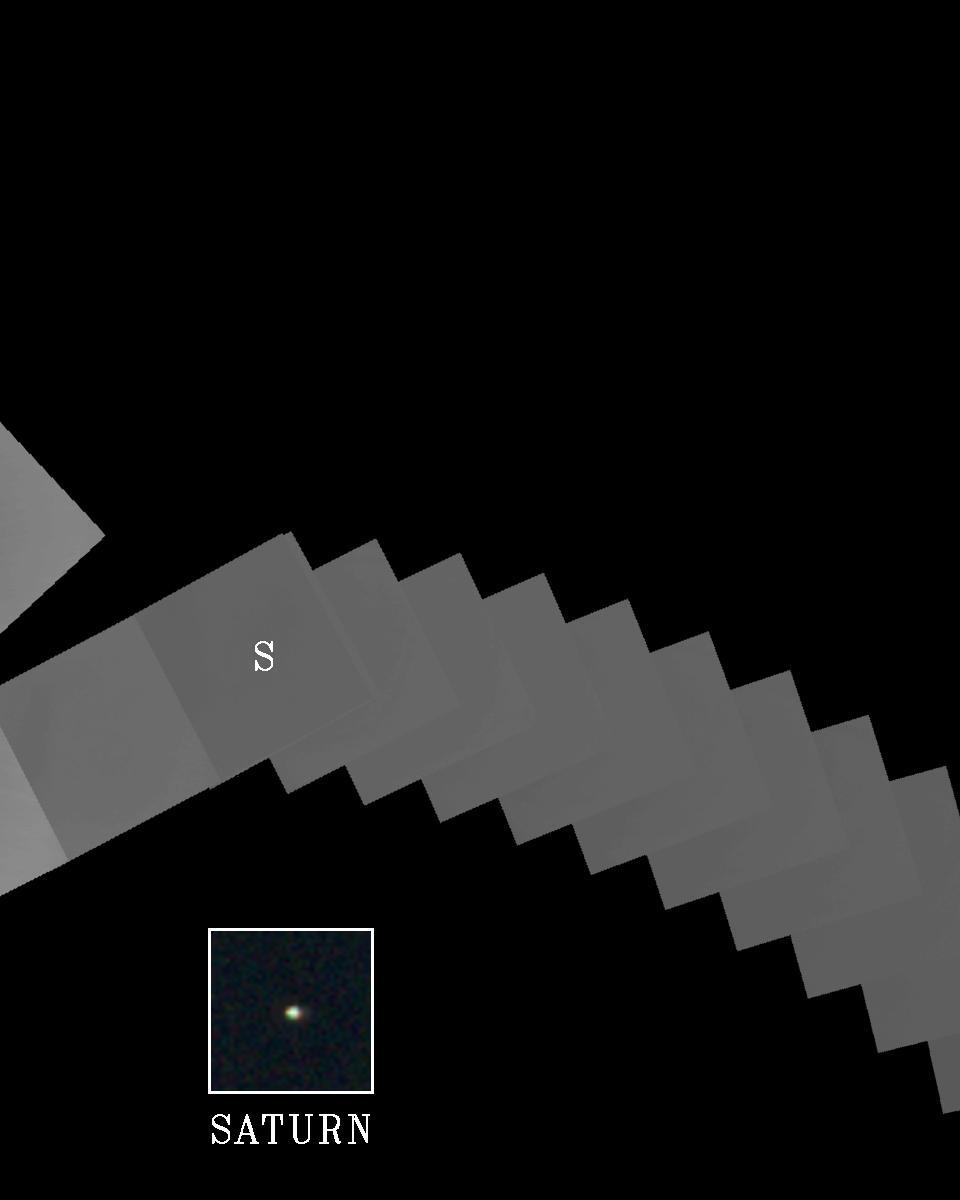
Solar System Portrait
On another Valentine's Day 25 years ago, cruising four billion miles from the Sun, the Voyager 1 spacecraft looked back one last time to make this first ever Solar System family…
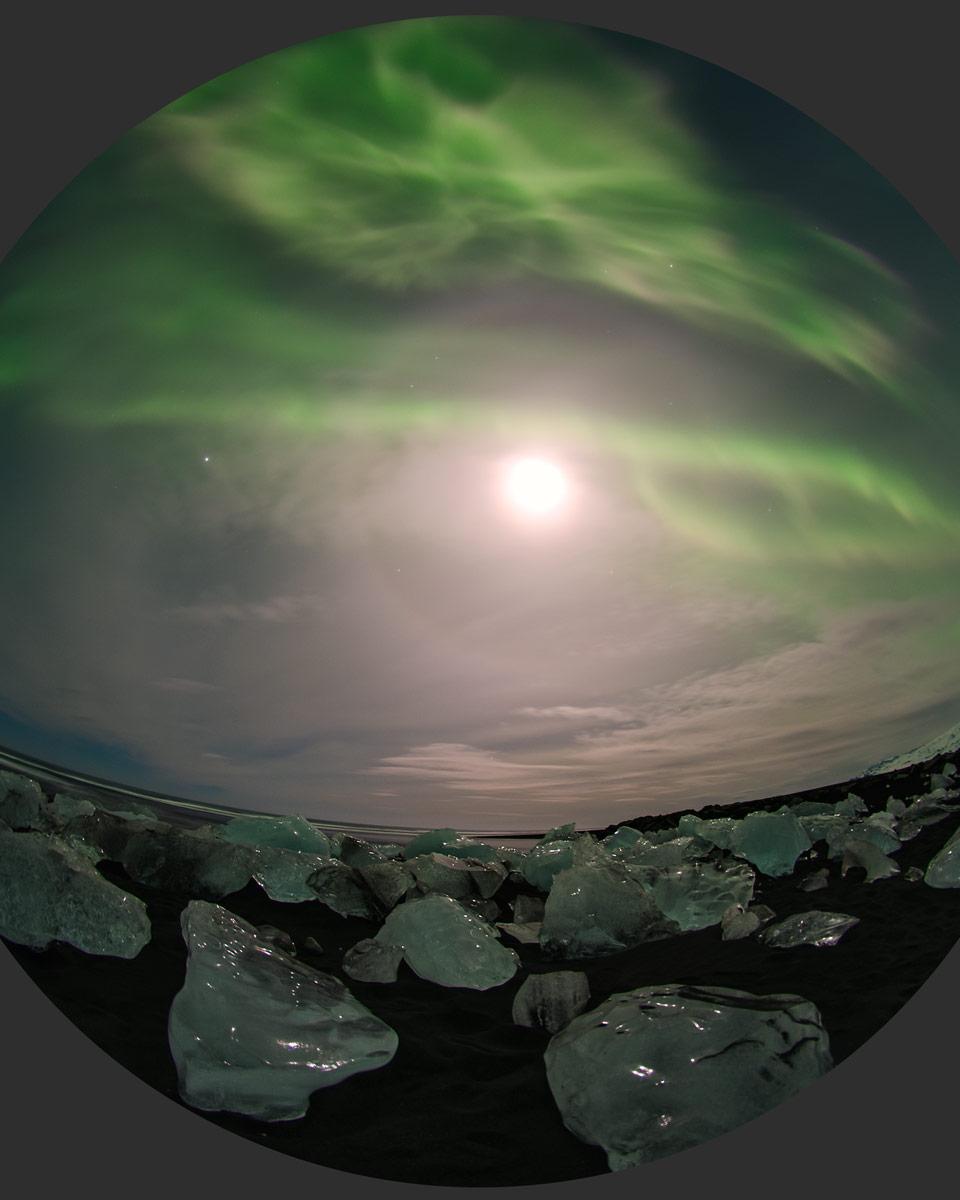
Aurora on Ice
Not from a snowglobe, this expansive fisheye view of ice and sky was captured on February 1, from Jökulsárlón Beach , southeast Iceland, planet Earth. Chunks of glacial ice on the…
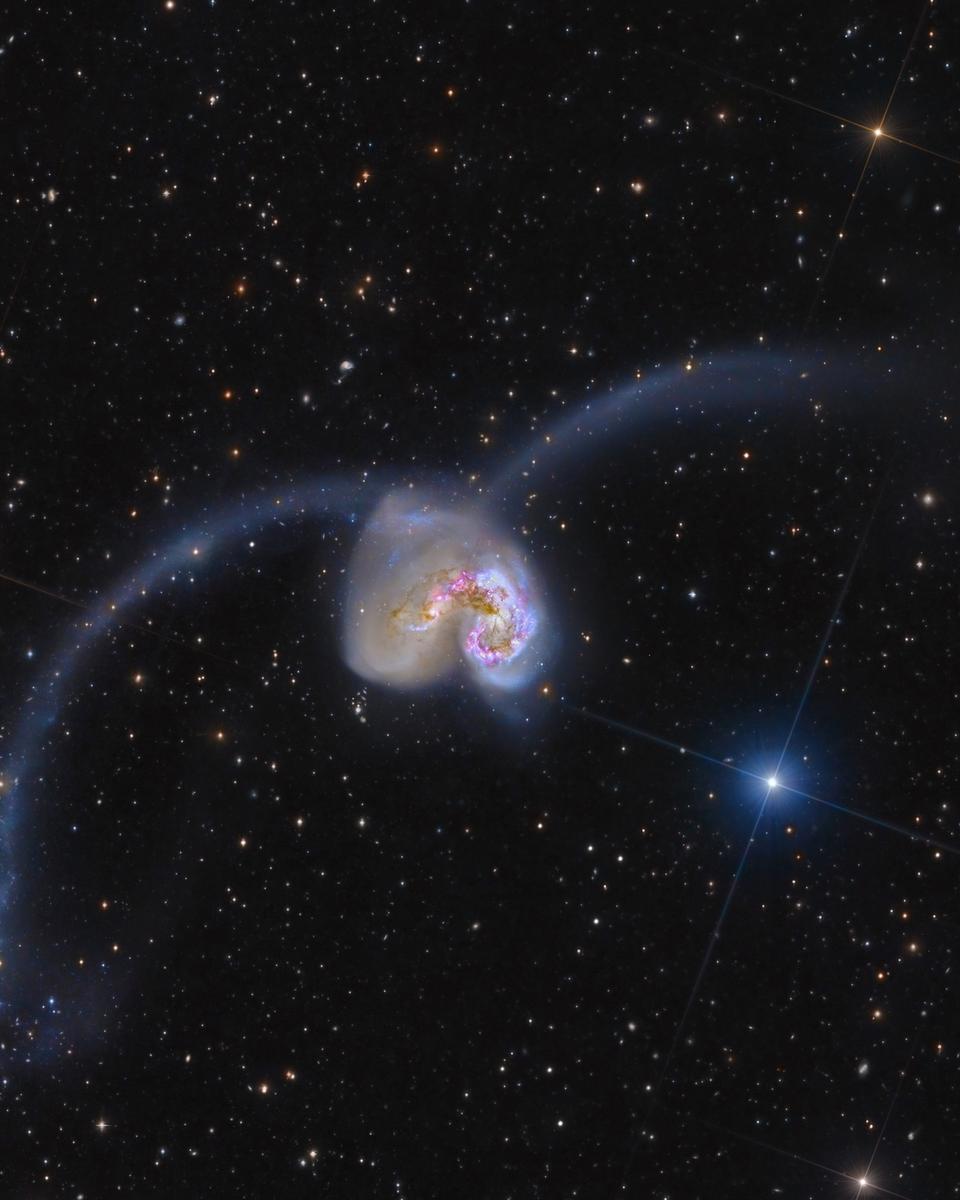
Exploring the Antennae
Some 60 million light-years away in the southerly constellation Corvus , two large galaxies are colliding . The stars in the two galaxies, cataloged as NGC 4038 and NGC 4039 ,…
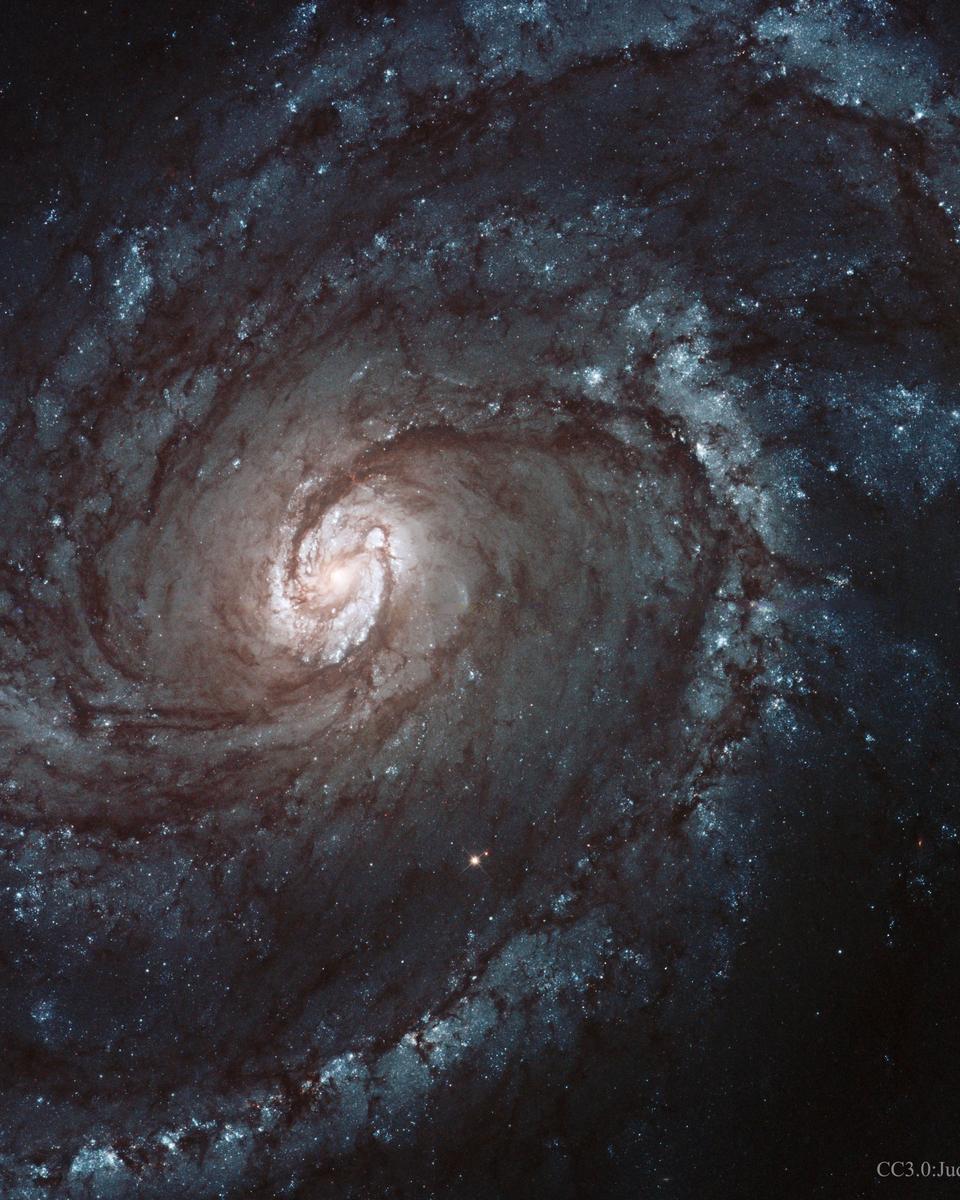
M100: A Grand Design Spiral Galaxy
Majestic on a truly cosmic scale, M100 is appropriately known as a grand design spiral galaxy. It is a large galaxy of over 100 billion stars with well-defined spiral arms that is…
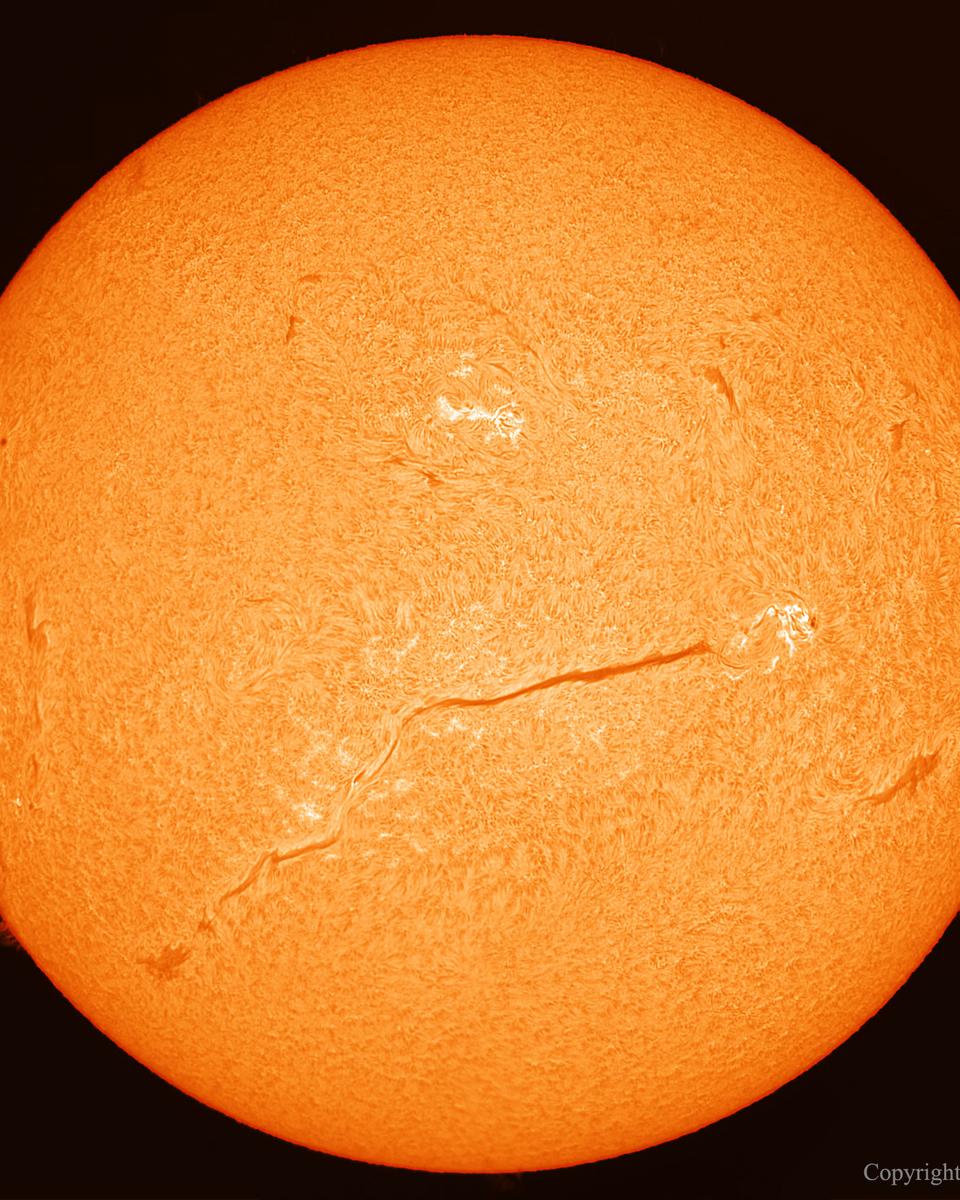
An Extremely Long Filament on the Sun
Yesterday, the Sun exhibited one of the longest filaments ever recorded. It may still be there today. Visible as the dark streak just below the center in the featured image, the…
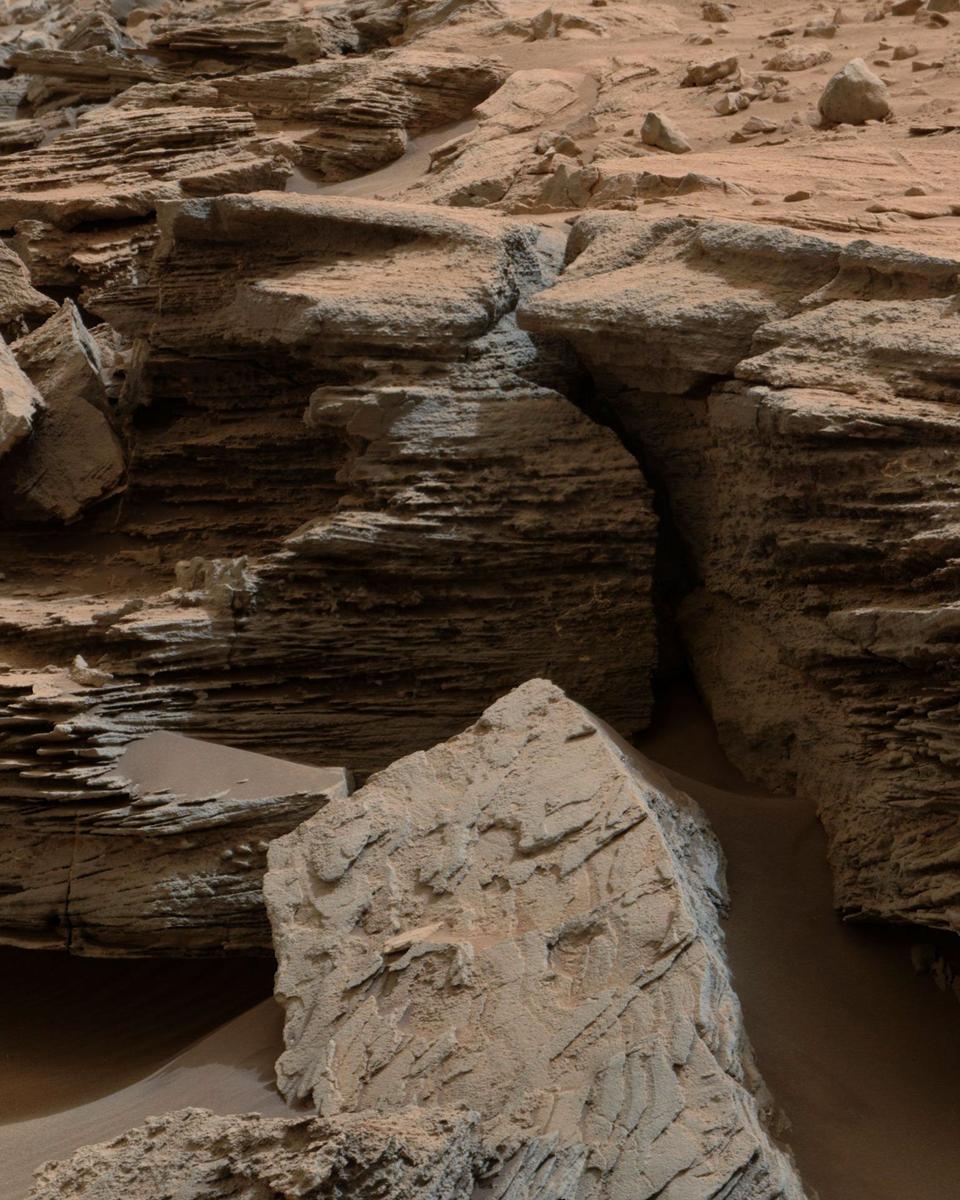
Layered Rocks near Mount Sharp on Mars
What caused these Martian rocks to be layered? The leading hypothesis is an ancient Martian lake that kept evaporating and refilling over 10 million years -- but has now remained…
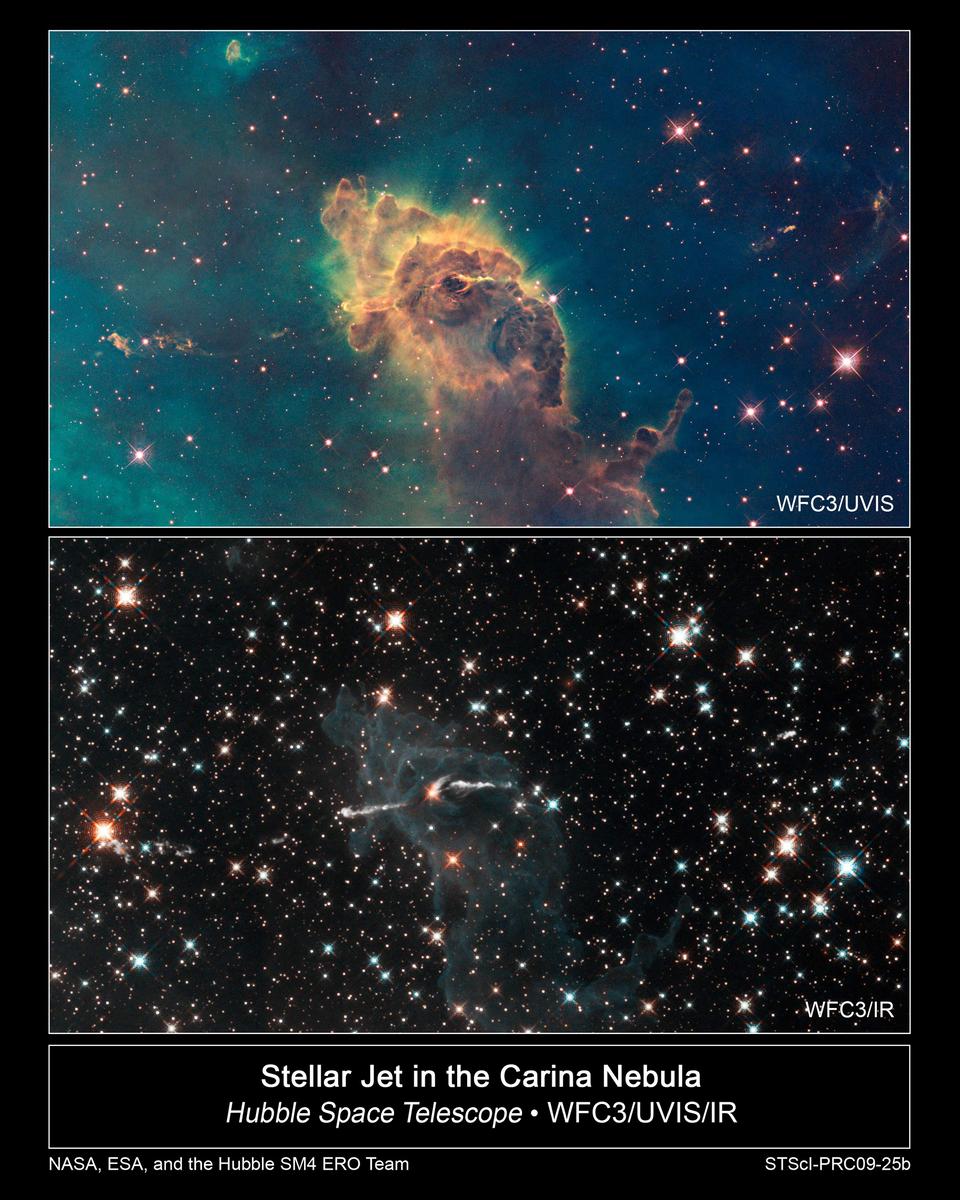
Carina Nebula Dust Pillar
This cosmic pillar of gas and dust is nearly two light-years wide. The structure lies within one of our galaxy's largest star forming regions, the Carina Nebula , shining in…
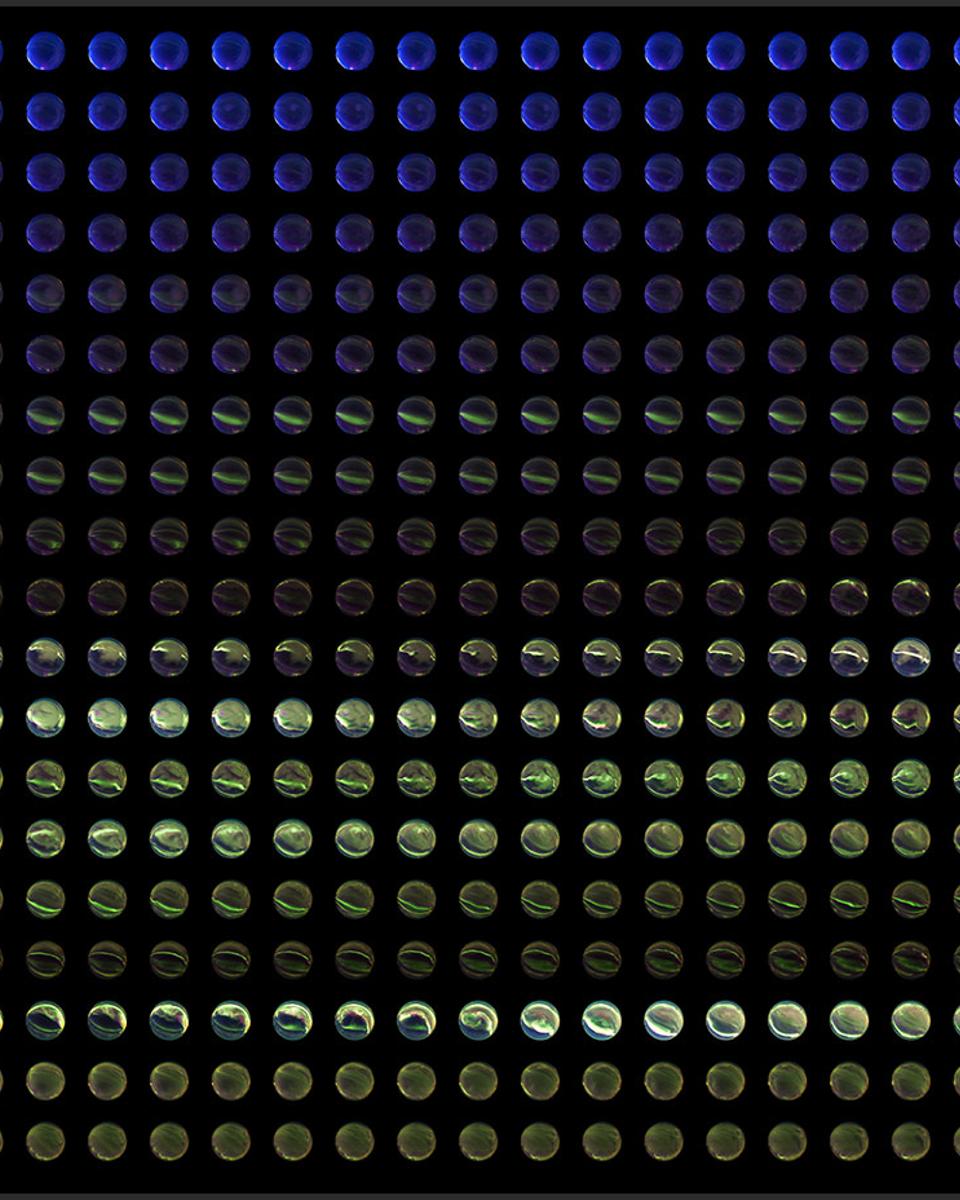
An Aurora of Marbles
It looks like a fine collection of aggies. But this grid of embedded swirls and streaks actually follows the dramatic development of planet Earth's auroral substorms . The…
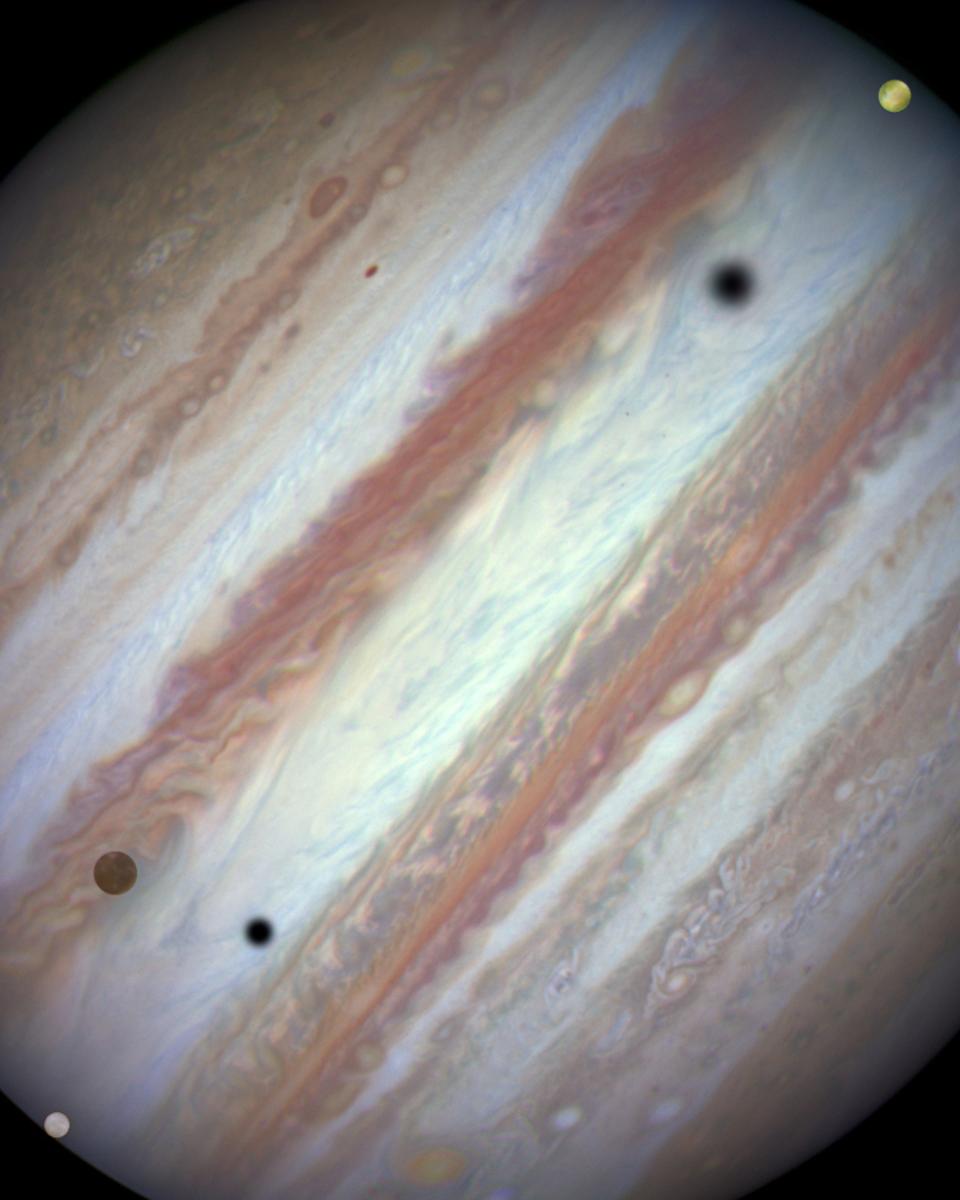
Jupiter Triple-Moon Conjunction
Our solar system's ruling giant planet Jupiter and 3 of its 4 large Galilean moons are captured in this single Hubble snapshot from January 24 . Crossing in front of Jupiter's…
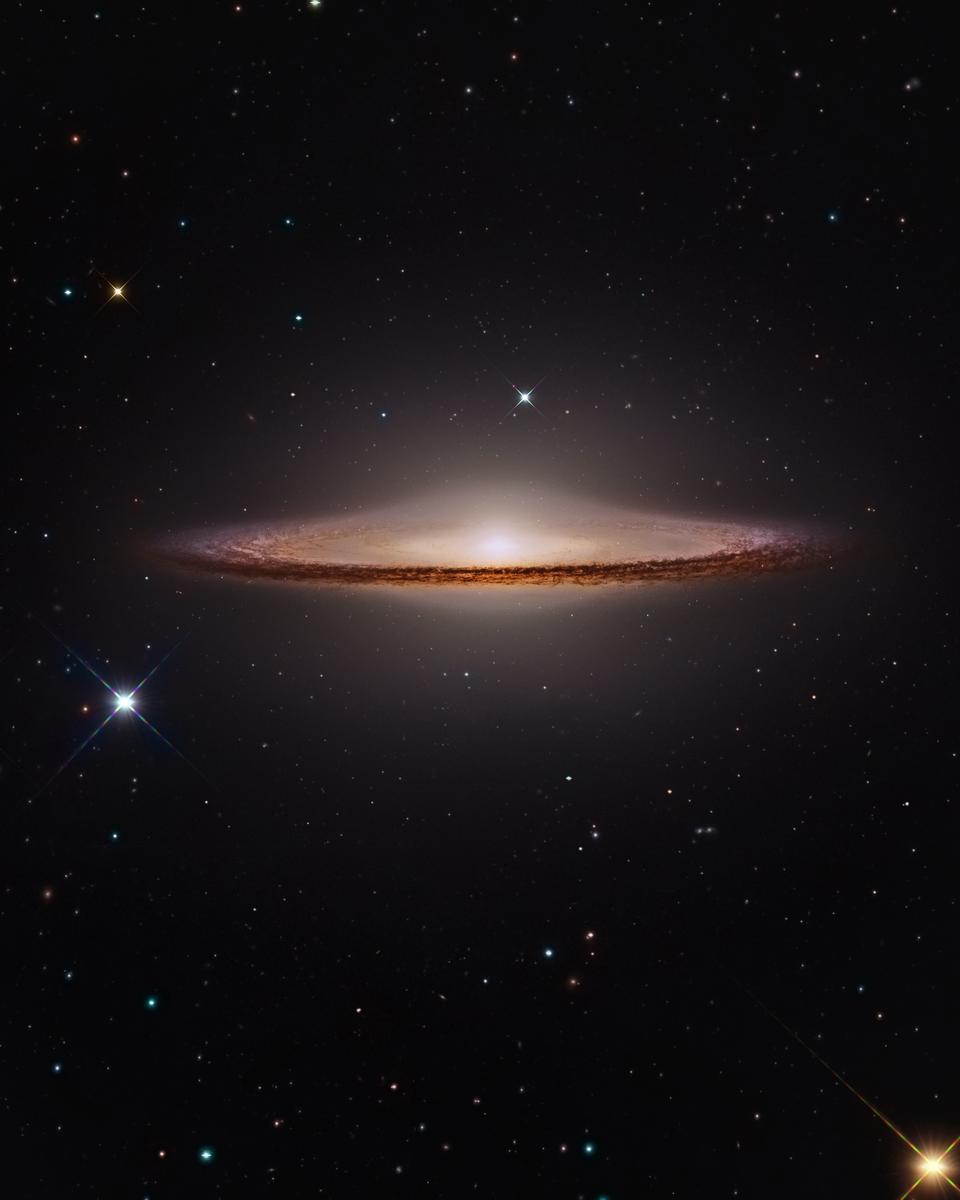
M104: The Sombrero Galaxy
The striking spiral galaxy M104 is famous for its nearly edge-on profile featuring a broad ring of obscuring dust lanes. Seen in silhouette against an extensive bulge of stars,…

Stars, Sprites, Clouds, Auroras
What are those red streaks in the sky? While photographing unexpected auroras over a distant thunderstorm, something extraordinary happened: red sprites . This brief instance of…
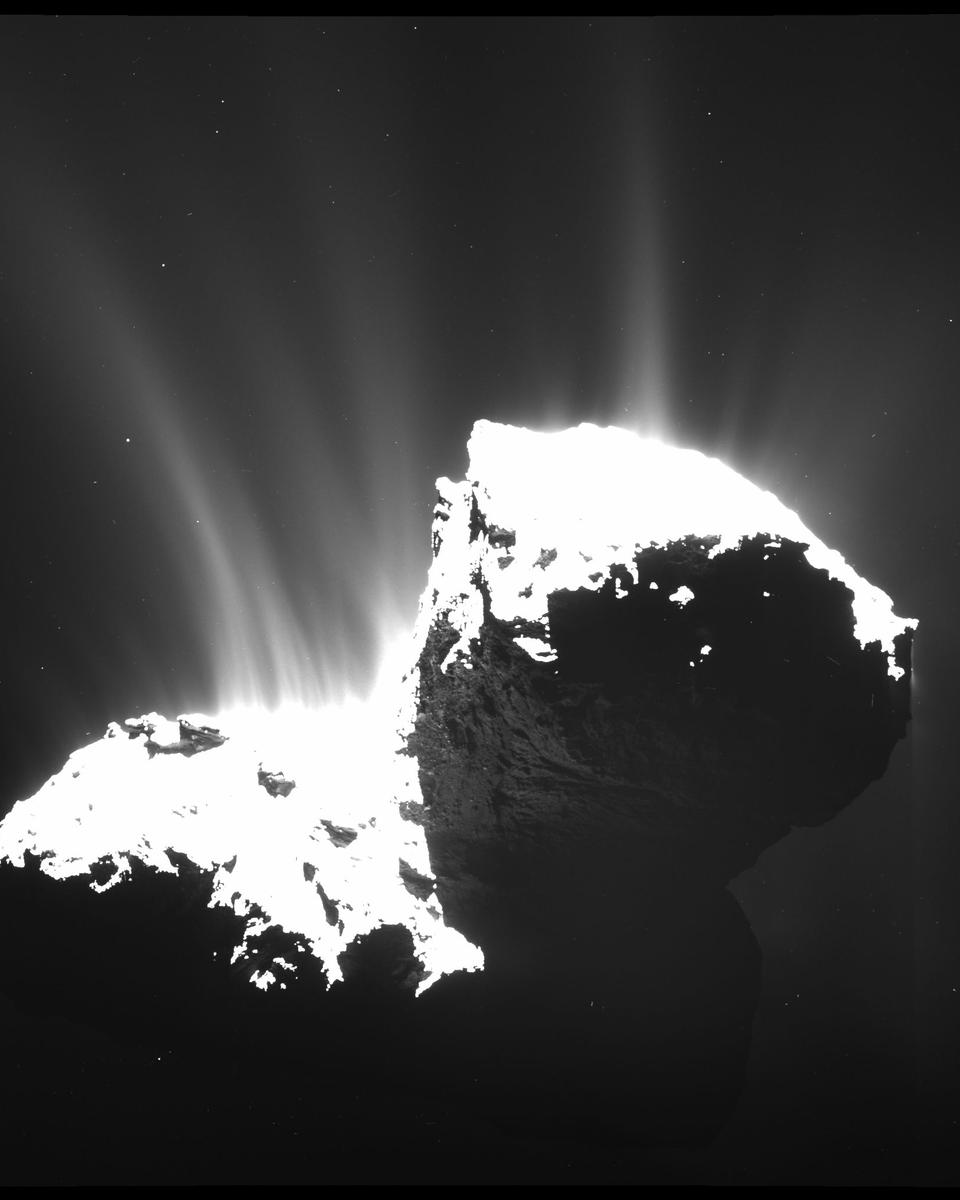
Jets from Comet Churyumov-Gerasimenko
Where do comet tails come from? Although it is common knowledge that comet tails and comas originate from comet nuclei, exactly how that happens is an active topic of research .…
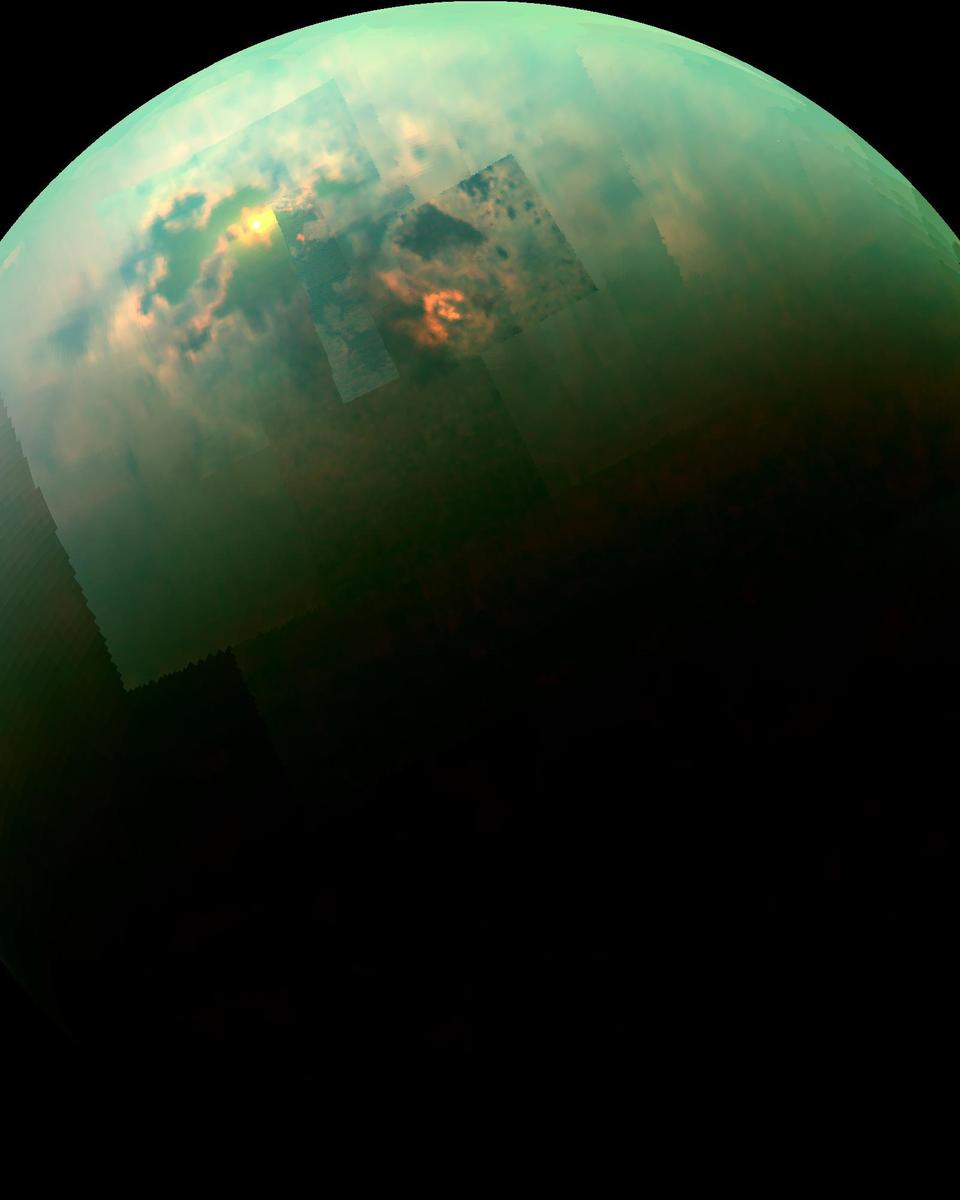
Titan Seas Reflect Sunlight
Why would the surface of Titan light up with a blinding flash? The reason: a sunglint from liquid seas. Saturn's moon Titan has numerous smooth lakes of methane that, when the…
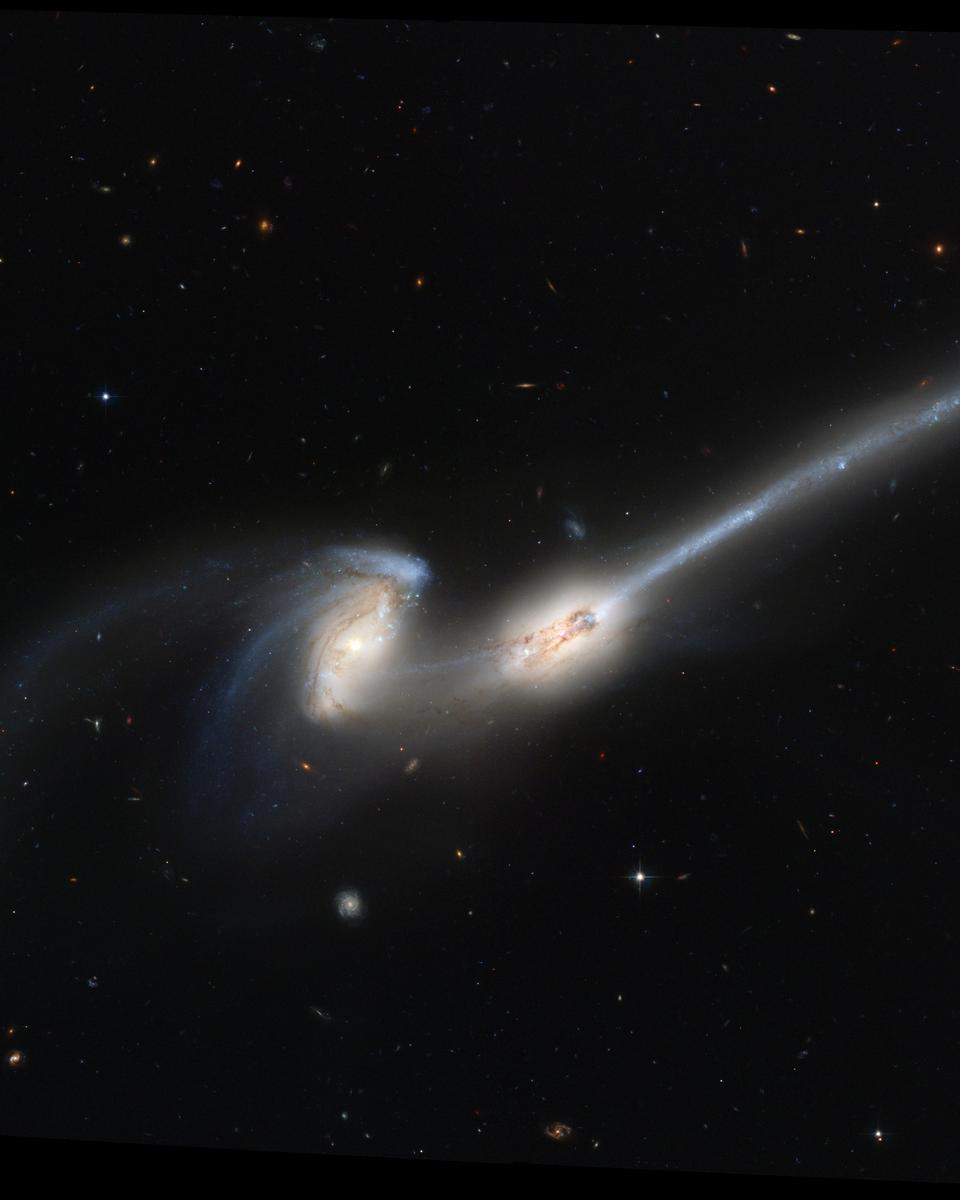
NGC 4676: When Mice Collide
These two mighty galaxies are pulling each other apart. Known as the “ Mice ” because they have such long tails, each spiral galaxy has likely already passed through the other.…
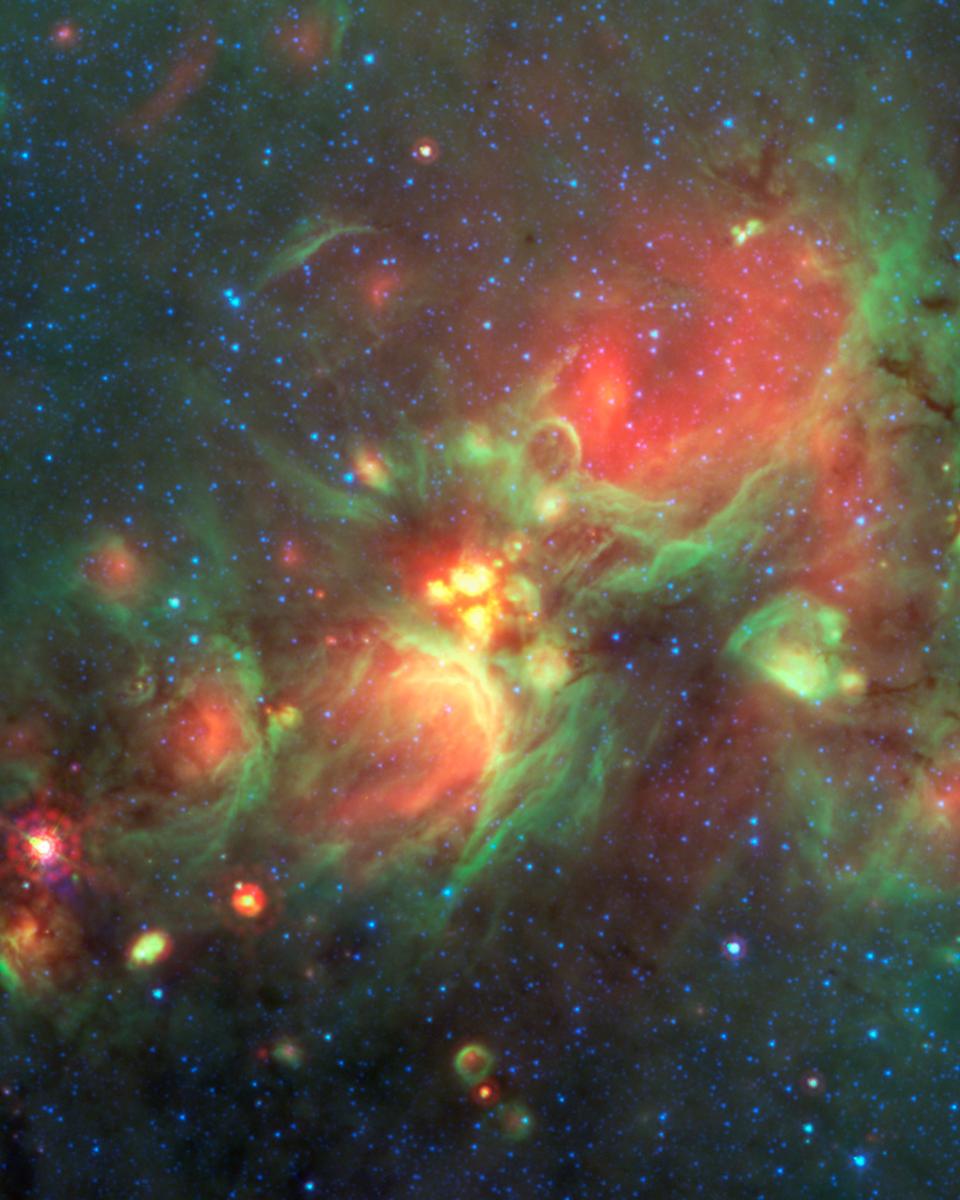
Yellow Balls in W33
Infrared wavelengths of 3.6, 8.0, and 24.0 microns observed by the Spitzer Space Telescope are mapped into visible colors red, green, and blue in this striking image. The cosmic…
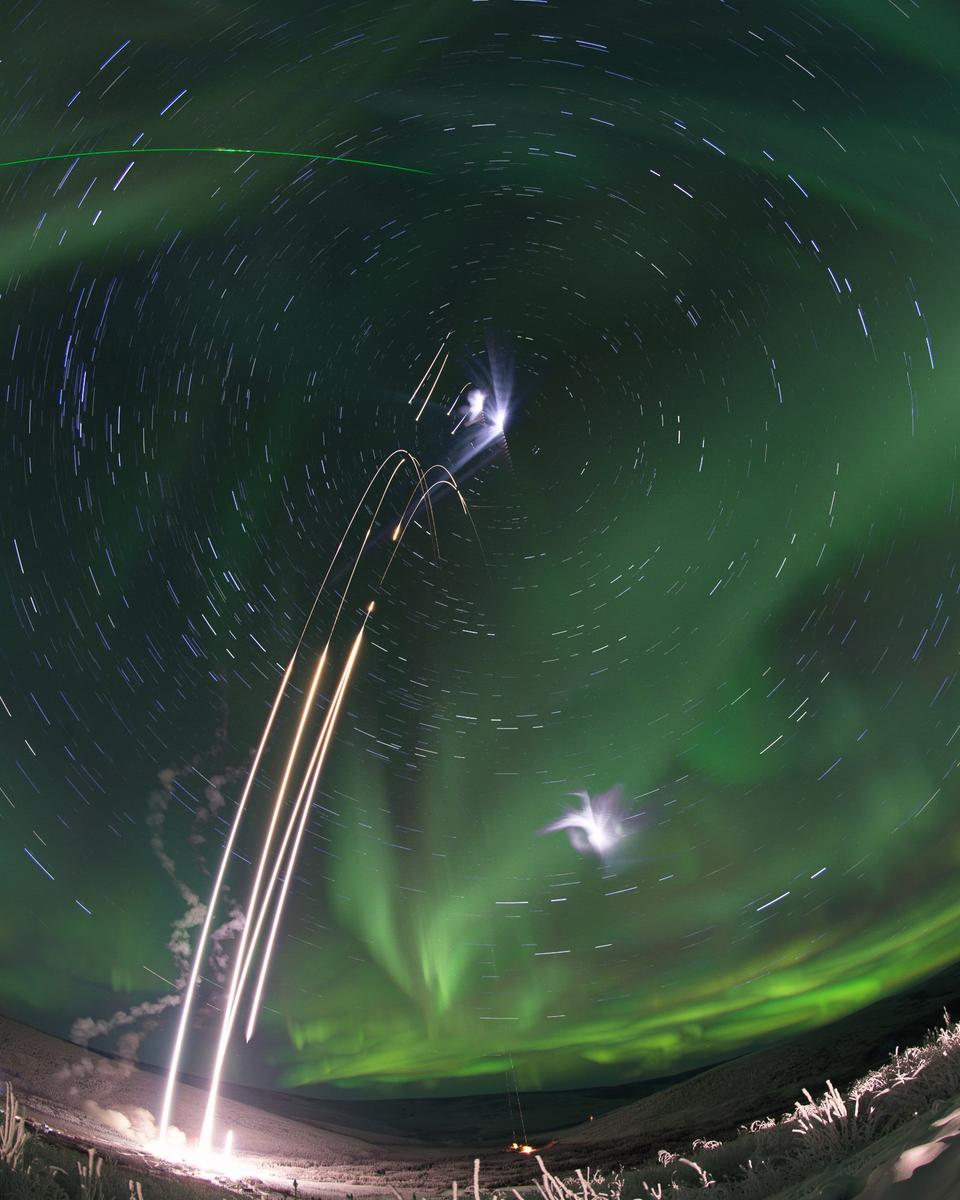
A Night at Poker Flat
Four NASA suborbital sounding rockets leapt into the night on January 26, from the University of Alaska's Poker Flat Research Range . This time lapse composite image follows all…
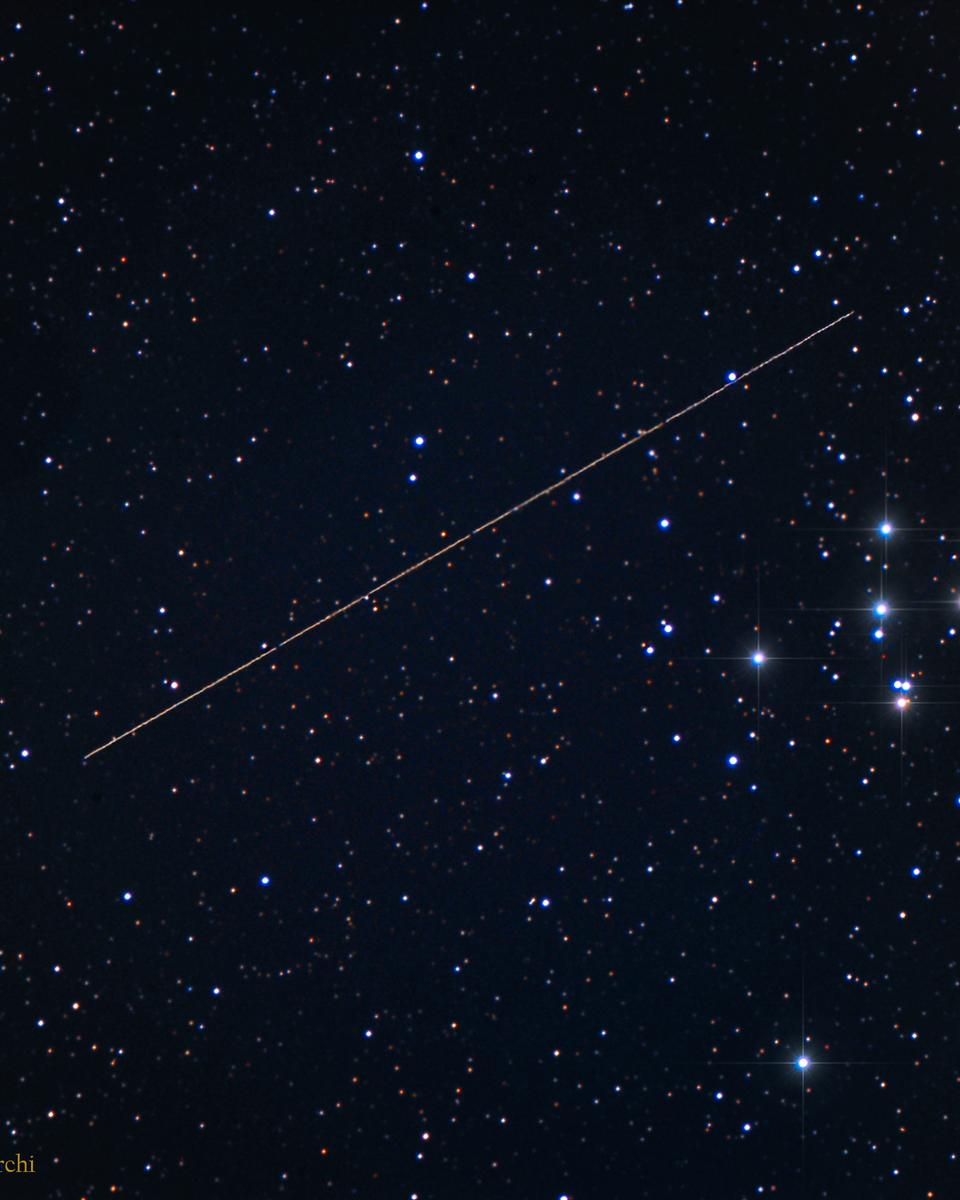
Close Encounter with M44
On Monday, January 26, well-tracked asteroid 2004 BL86 made its closest approach, a mere 1.2 million kilometers from our fair planet. That's about 3.1 times the Earth-Moon…
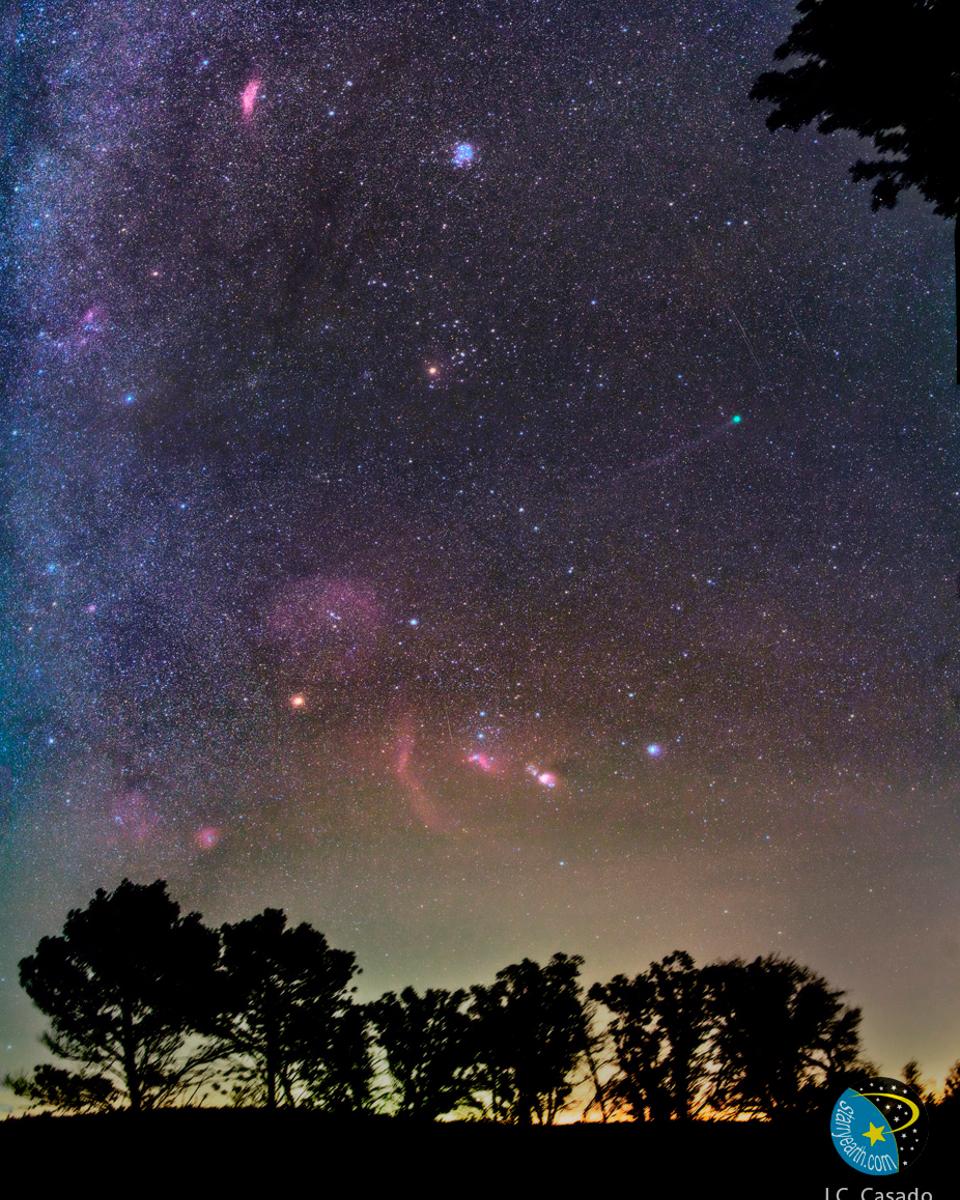
Comet Lovejoy in a Winter Sky
Which of these night sky icons can you find in this beautiful and deep exposure of the northern winter sky? Skylights include the stars in Orion 's belt , the Orion Nebula , the…
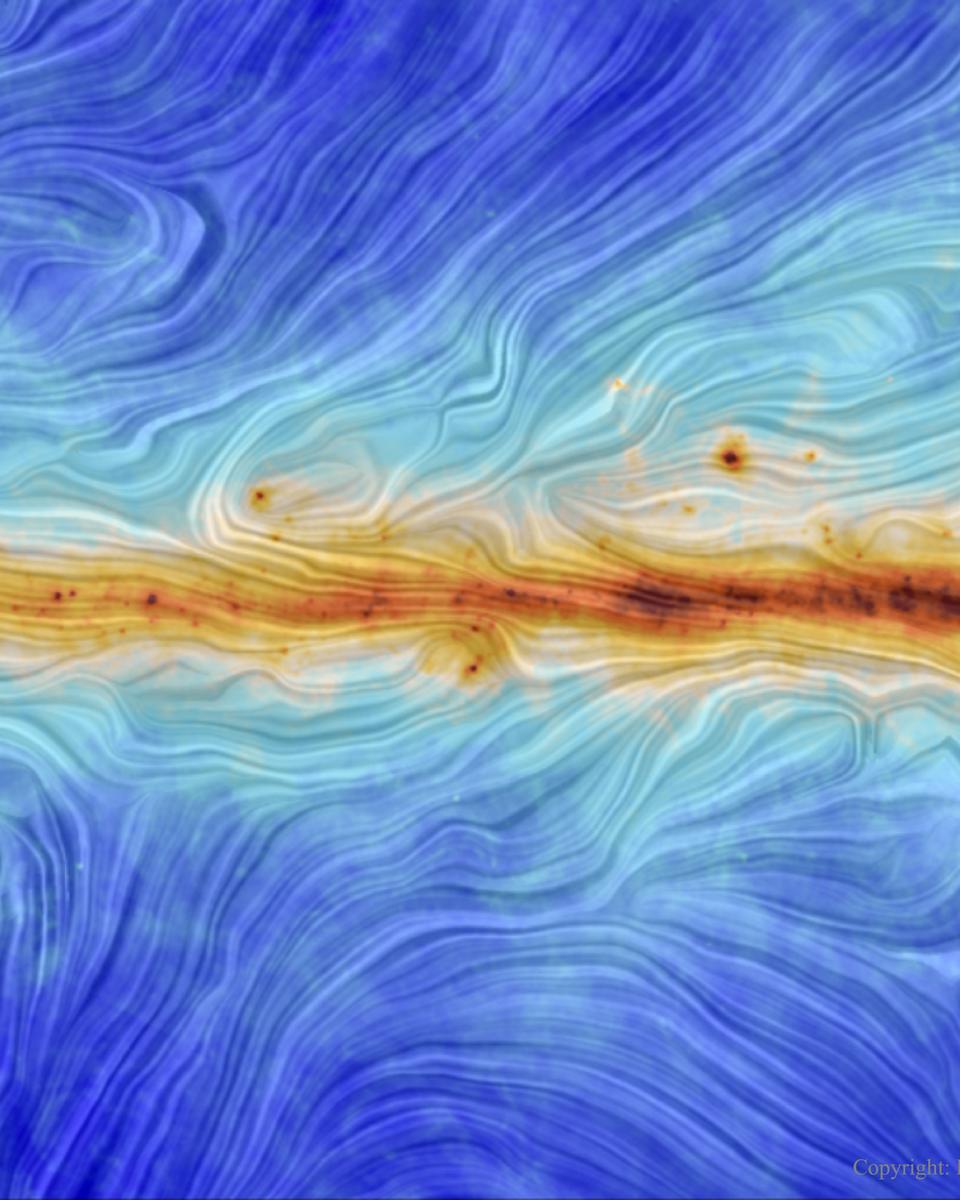
Our Galaxy's Magnetic Field from Planck
What does the magnetic field of our Galaxy look like? It has long been known that a modest magnetic field pervades our Milky Way Galaxy because it is seen to align small dust…
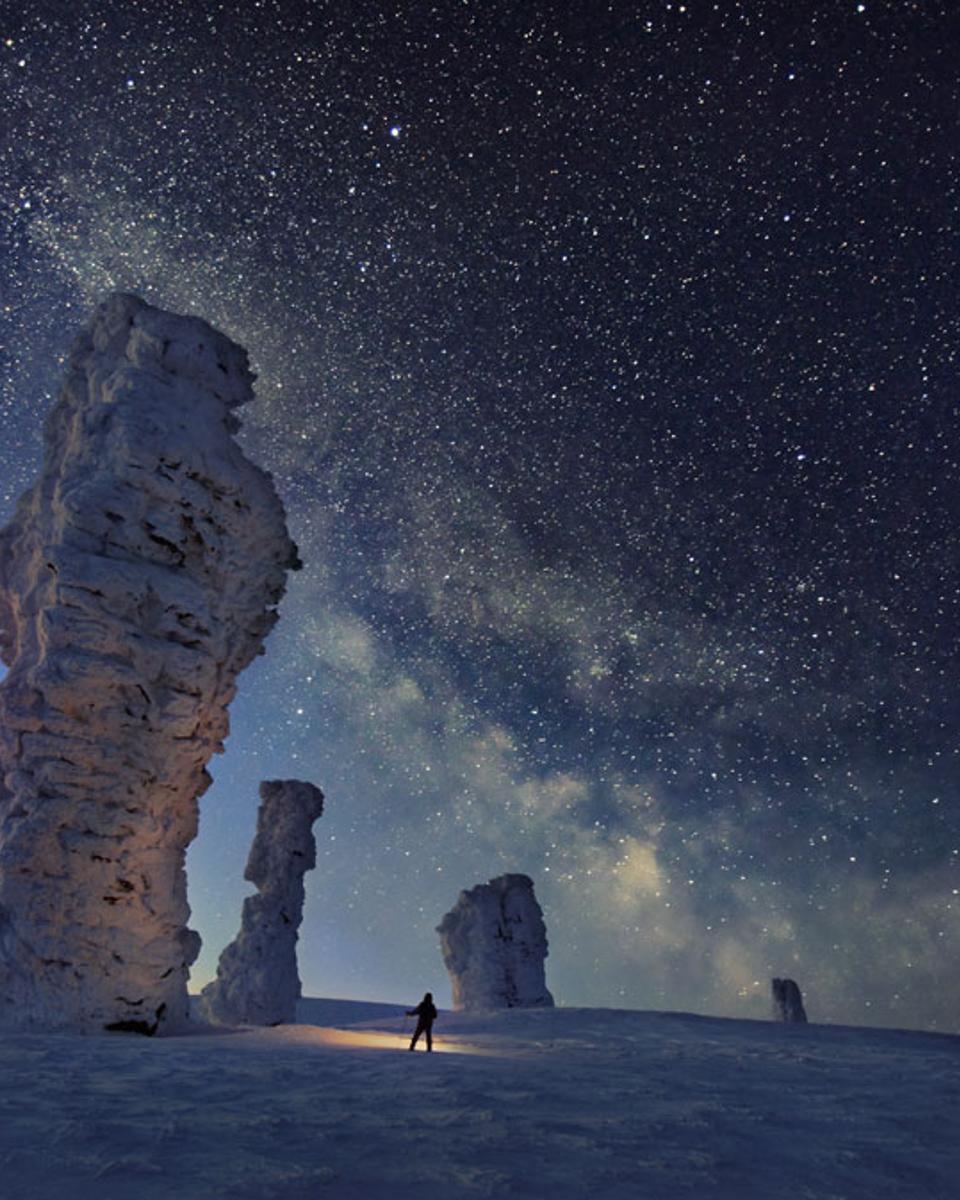
The Milky Way over the Seven Strong Men Rock Formations
You may have heard of the Seven Sisters in the sky, but have you heard about the Seven Strong Men on the ground? Located just west of the Ural Mountains , the unusual Manpupuner…
Preview unavailable
Open the archive entry to view the source media.
A Twisted Solar Eruptive Prominence
Ten Earths could easily fit in the “claw” of this seemingly solar monster. The monster, actually a huge eruptive prominence, is seen moving out from our Sun in this condensed…
Viewing discoveries from 17 February 2015 through 25 January 2015.