Browse NASA Astronomy Picture of the Day archive by date and media: Archive Discoveries
Browse the NASA APOD archive without needing the exact date first. Filter by media type and keep moving deeper into older images and videos.
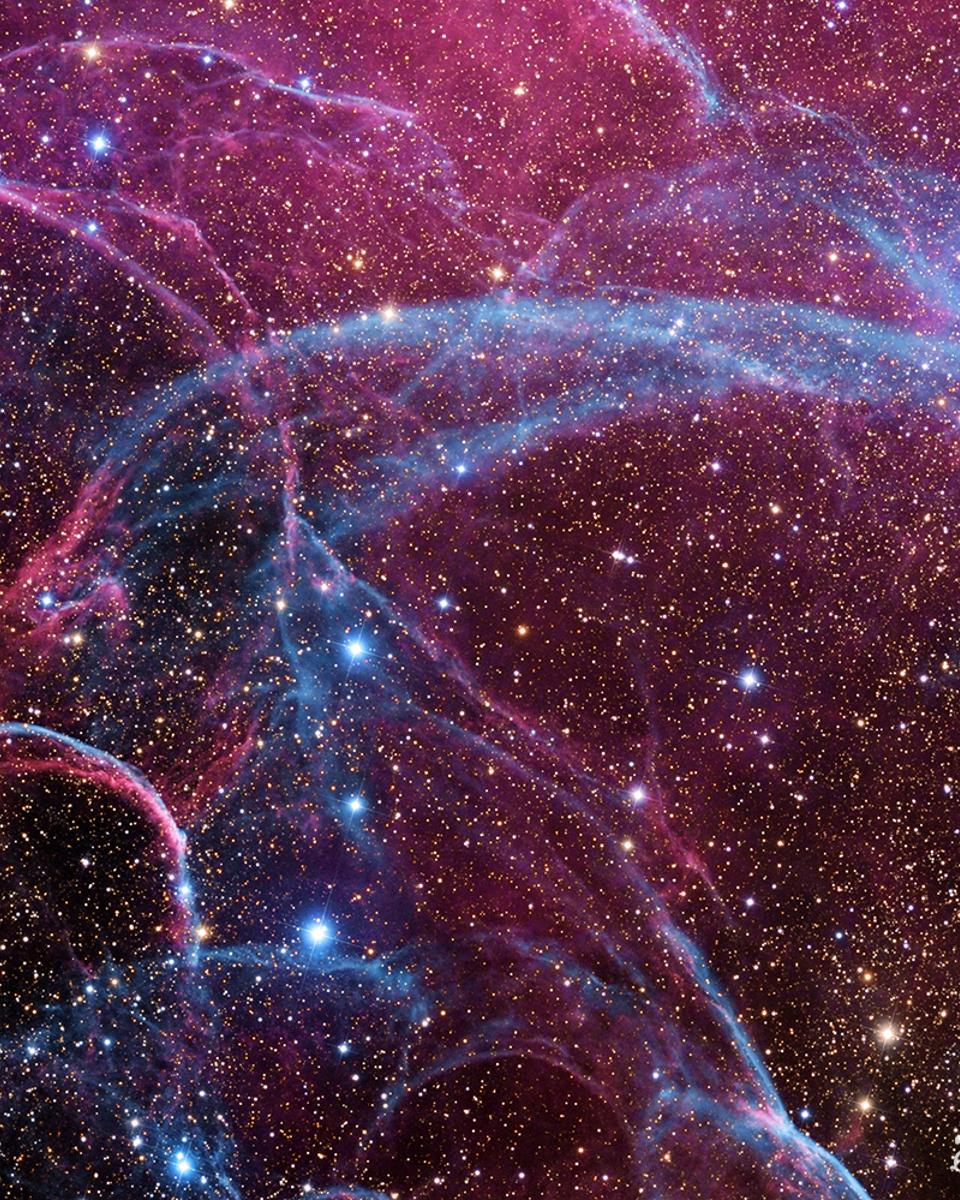
Filaments of the Vela Supernova Remnant
The explosion is over but the consequences continue. About eleven thousand years ago a star in the constellation of Vela could be seen to explode , creating a strange point of…

Mysterious Green Patches on the Sky
What is it? Some surely natural phenomenon has appeared in a video that, so far, has defied clear identification. The above time-lapse video was made to record Perseid meteors…
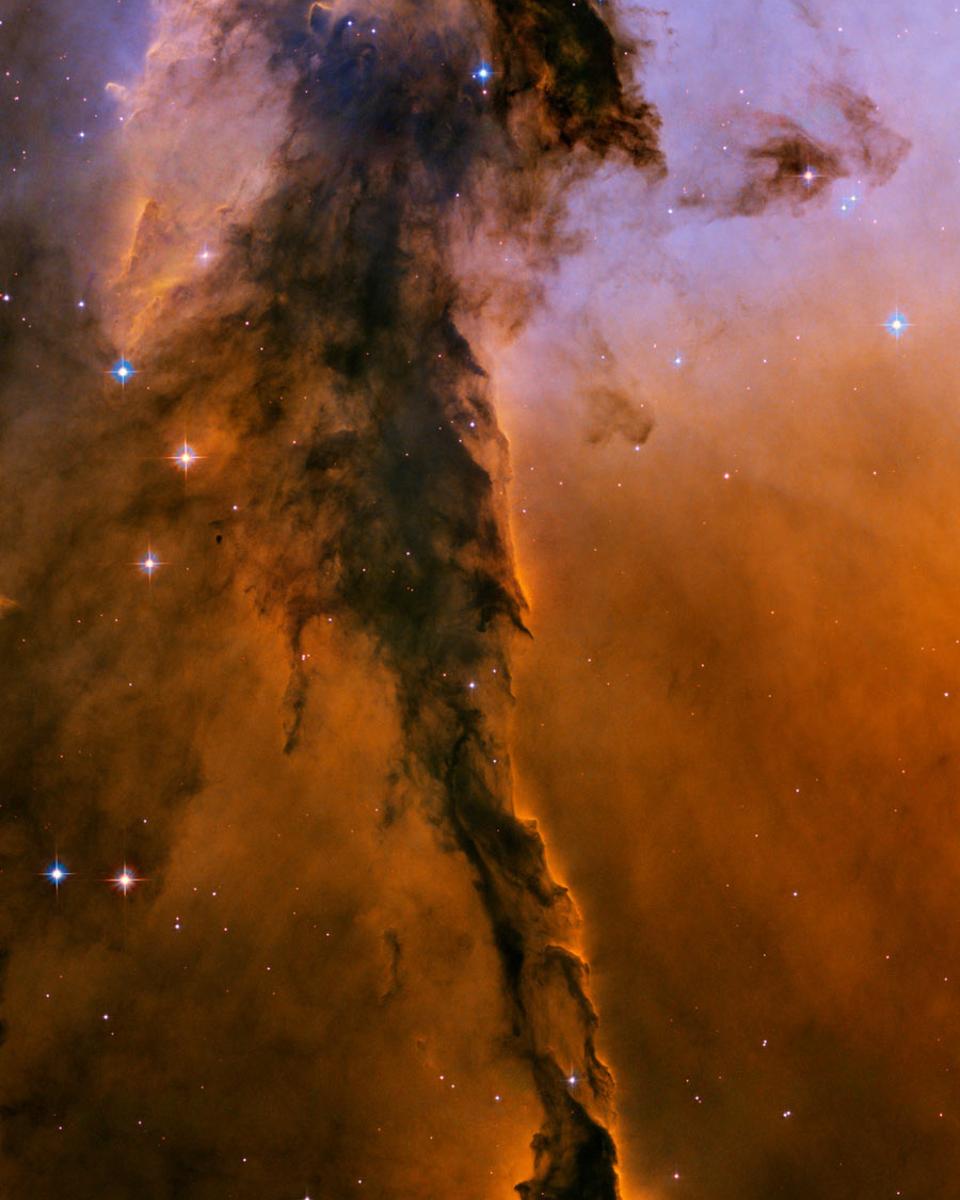
The Fairy of Eagle Nebula
The dust sculptures of the Eagle Nebula are evaporating. As powerful starlight whittles away these cool cosmic mountains , the statuesque pillars that remain might be imagined as…
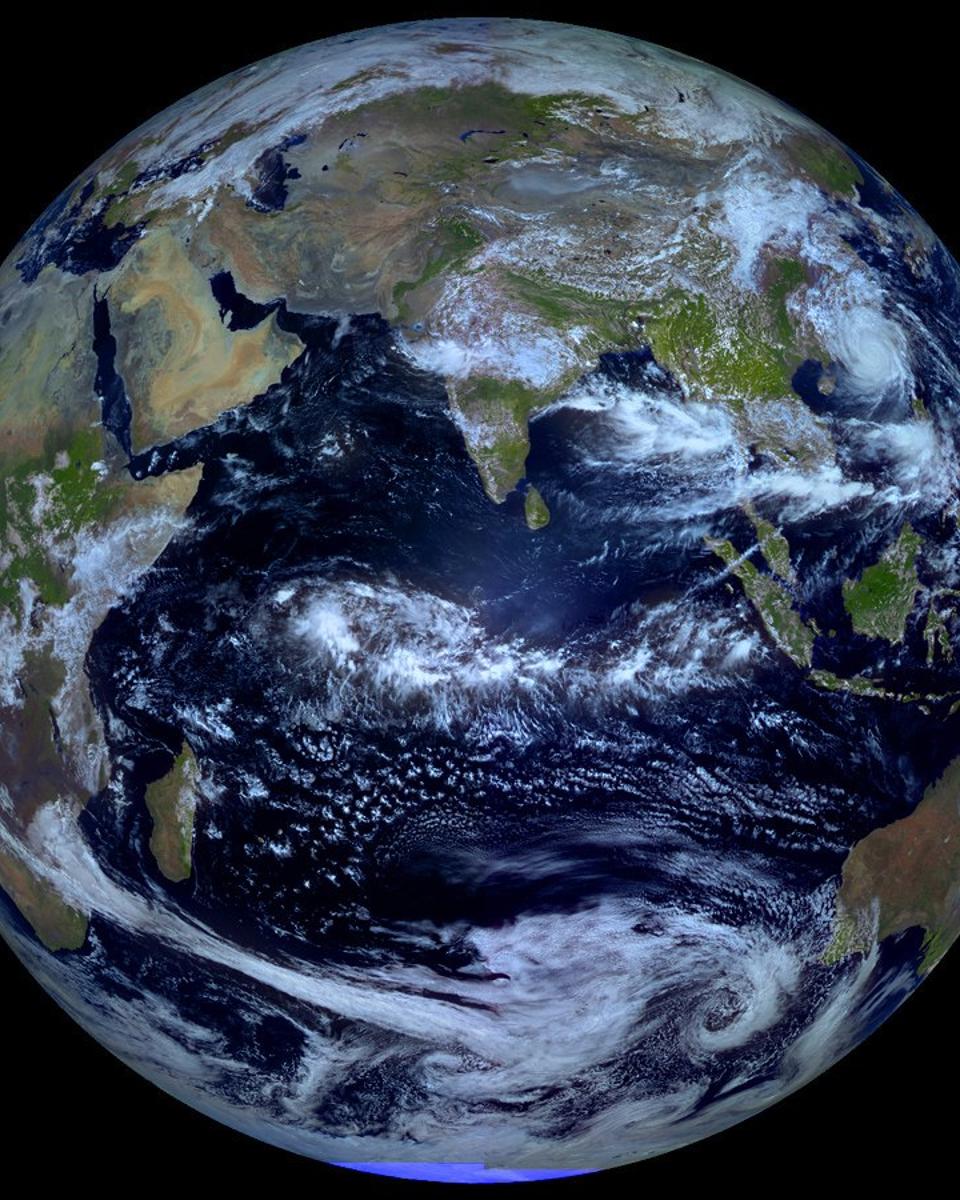
Equinox Earth
From a geostationary orbit 36,000 kilometers above the equator, Russian meteorological satellite Elektro-L takes high-resolution images of our fair planet every 30 minutes. But…
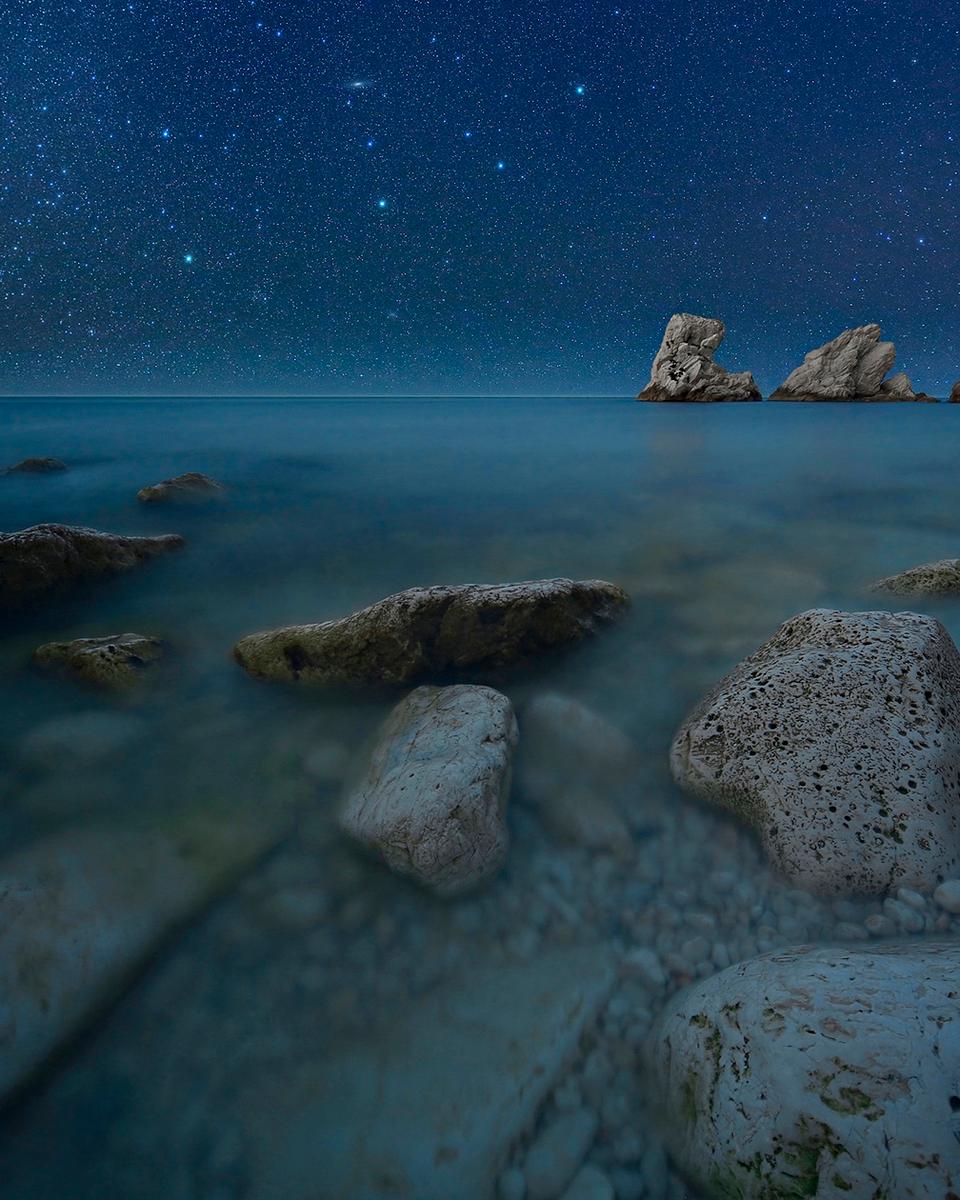
Andromeda on the Rocks
How far can you see? The Andromeda Galaxy 2.5 million light years away is the most distant object easily seen by the unaided eye. Other apparent denizens of the night sky, stars,…
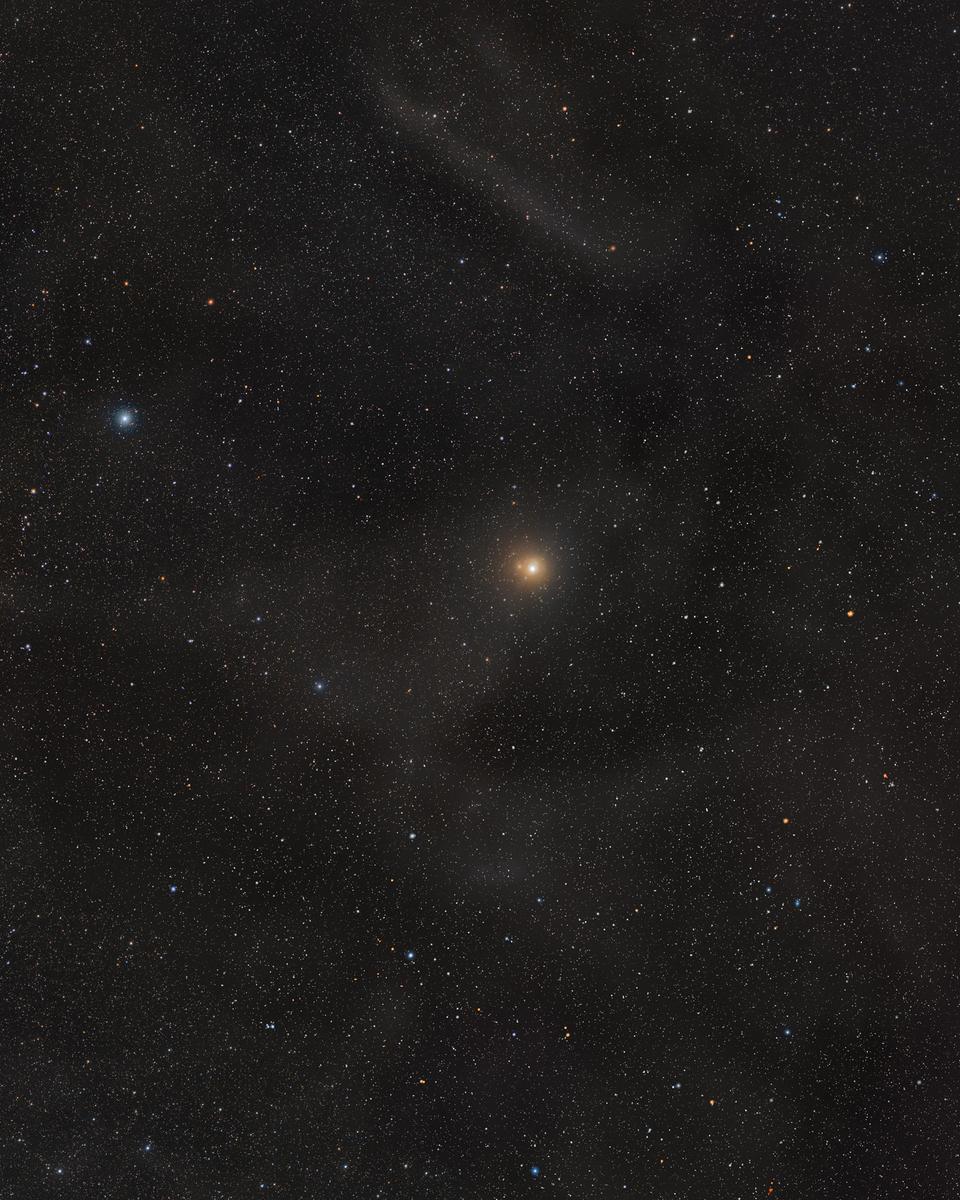
M31 versus M33
Separated by about 14 degrees (28 Full Moons ) in planet Earth's sky, spiral galaxies M31, left, and M33 are both large members of the Local Group , along with our own Milky Way…
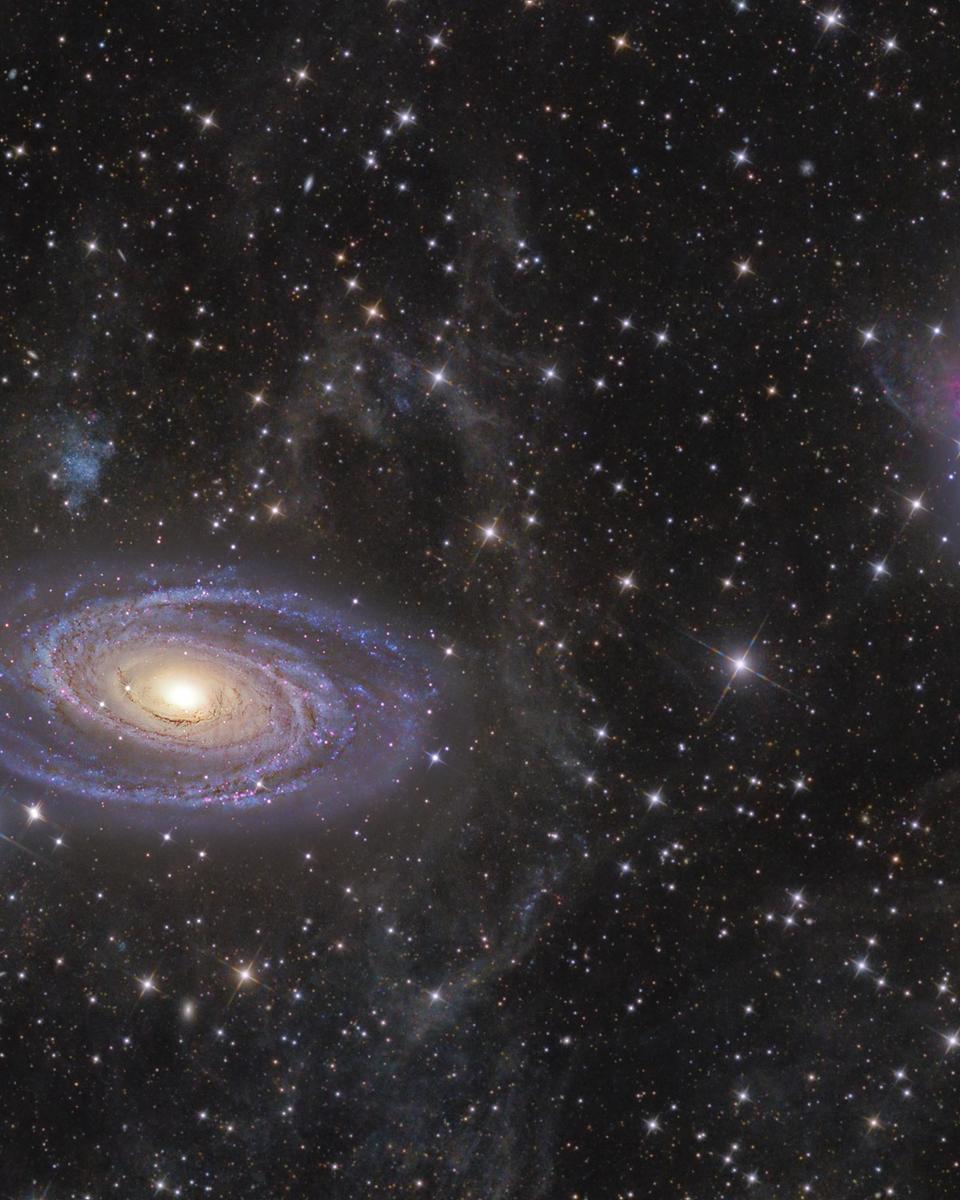
M81 versus M82
Here in the Milky Way galaxy we have astronomical front row seats as M81 and M82 face-off, a mere 12 million light-years away. Locked in a gravitational struggle for the past…
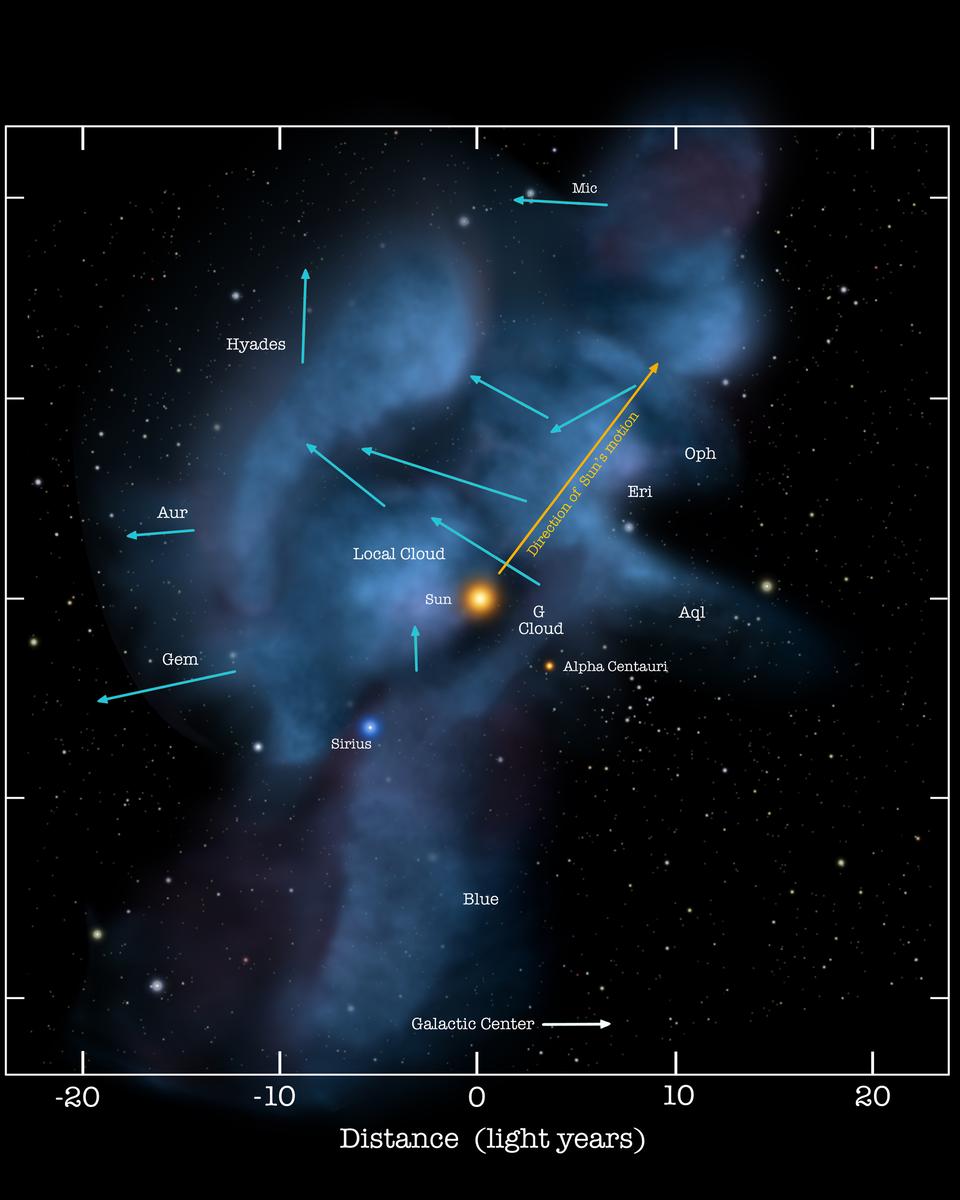
The Local Fluff
The stars are not alone. In the disk of our Milky Way Galaxy about 10 percent of visible matter is in the form of gas, called the interstellar medium (ISM). The ISM is not uniform…
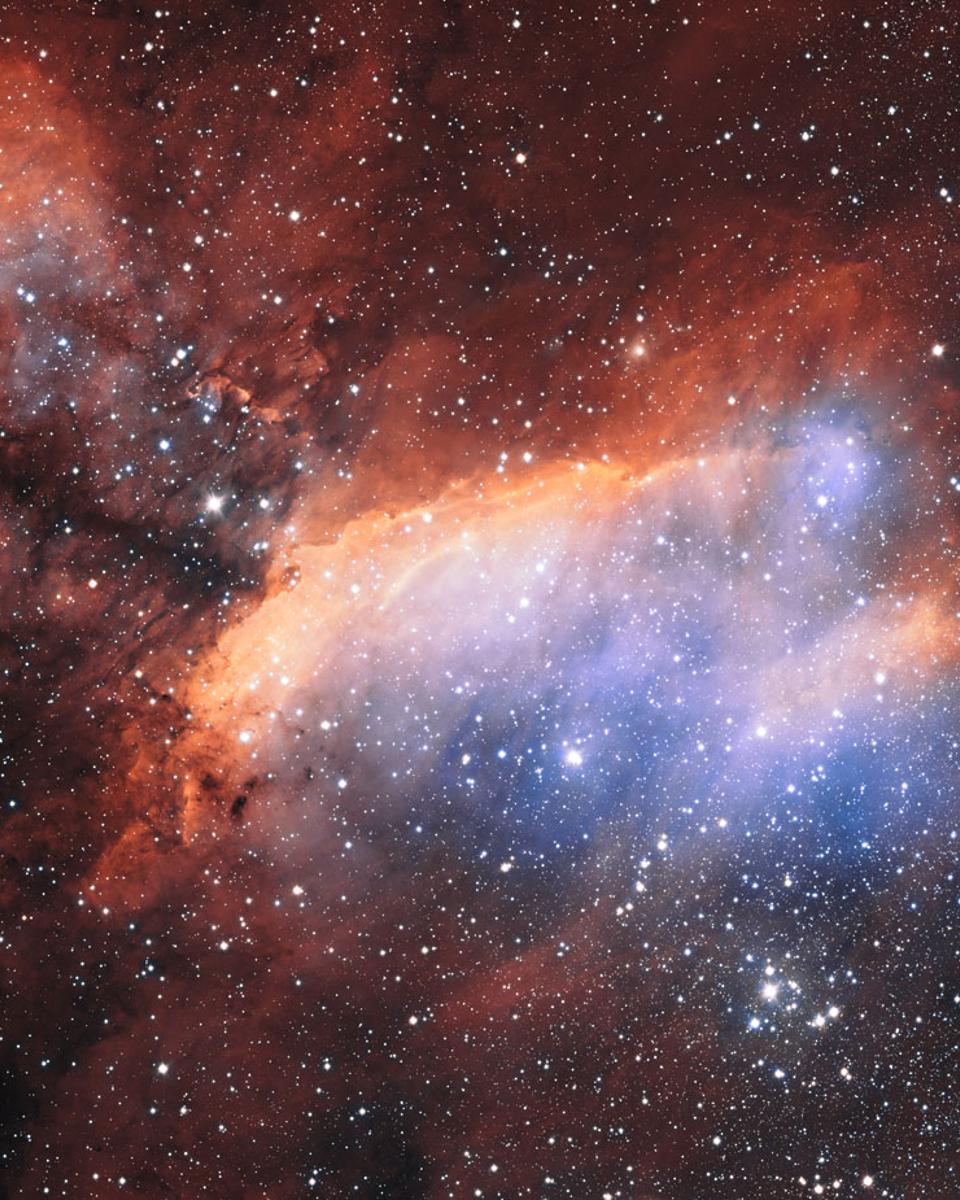
IC 4628: The Prawn Nebula
South of Antares , in the tail of the nebula-rich constellation Scorpius, lies emission nebula IC 4628 . Nearby hot, massive stars, millions of years young, radiate the nebula…
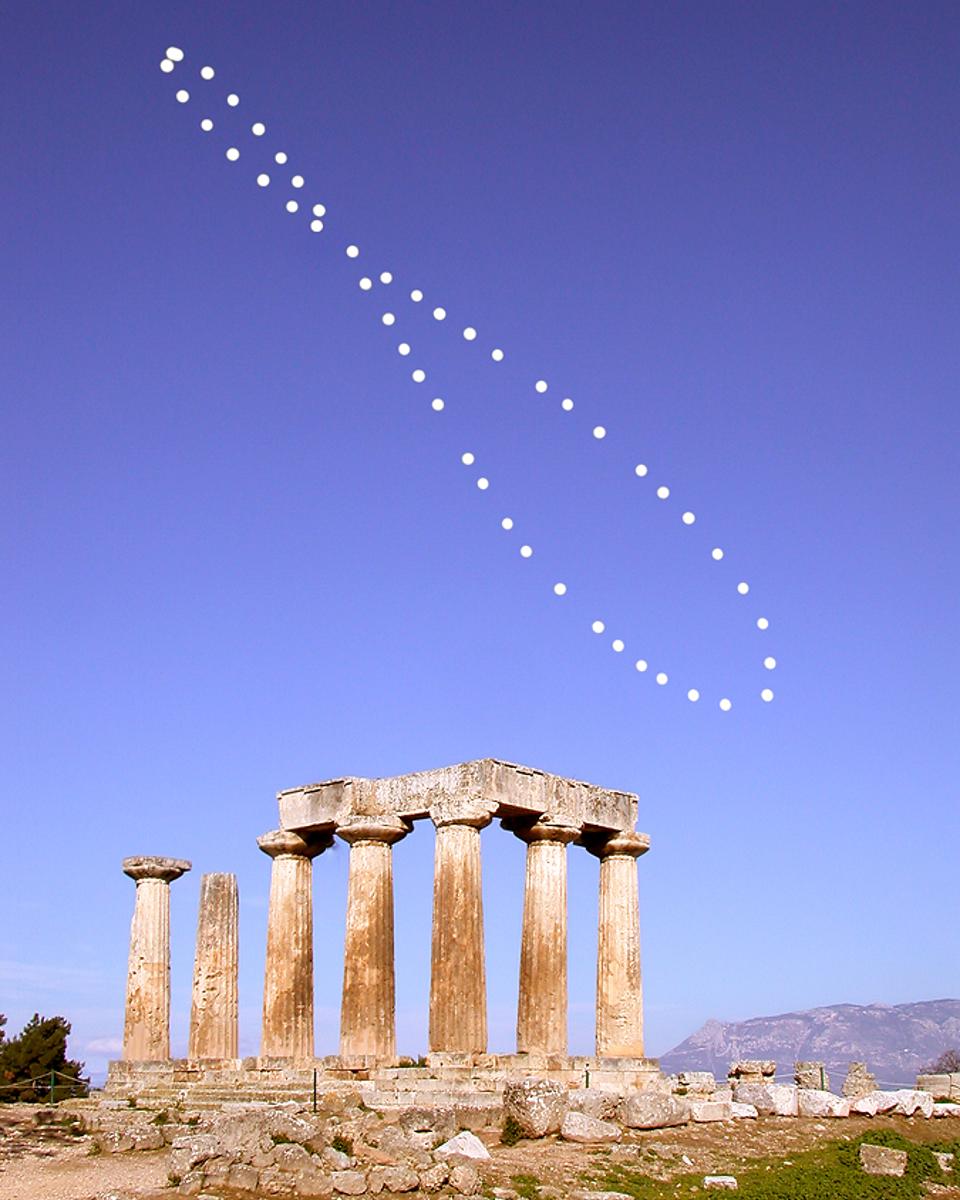
Apollo's Analemma
Today, the Sun crosses the celestial equator heading south at 20:44 Universal Time. An equinox (equal night), this astronomical event marks the first day of autumn in the northern…
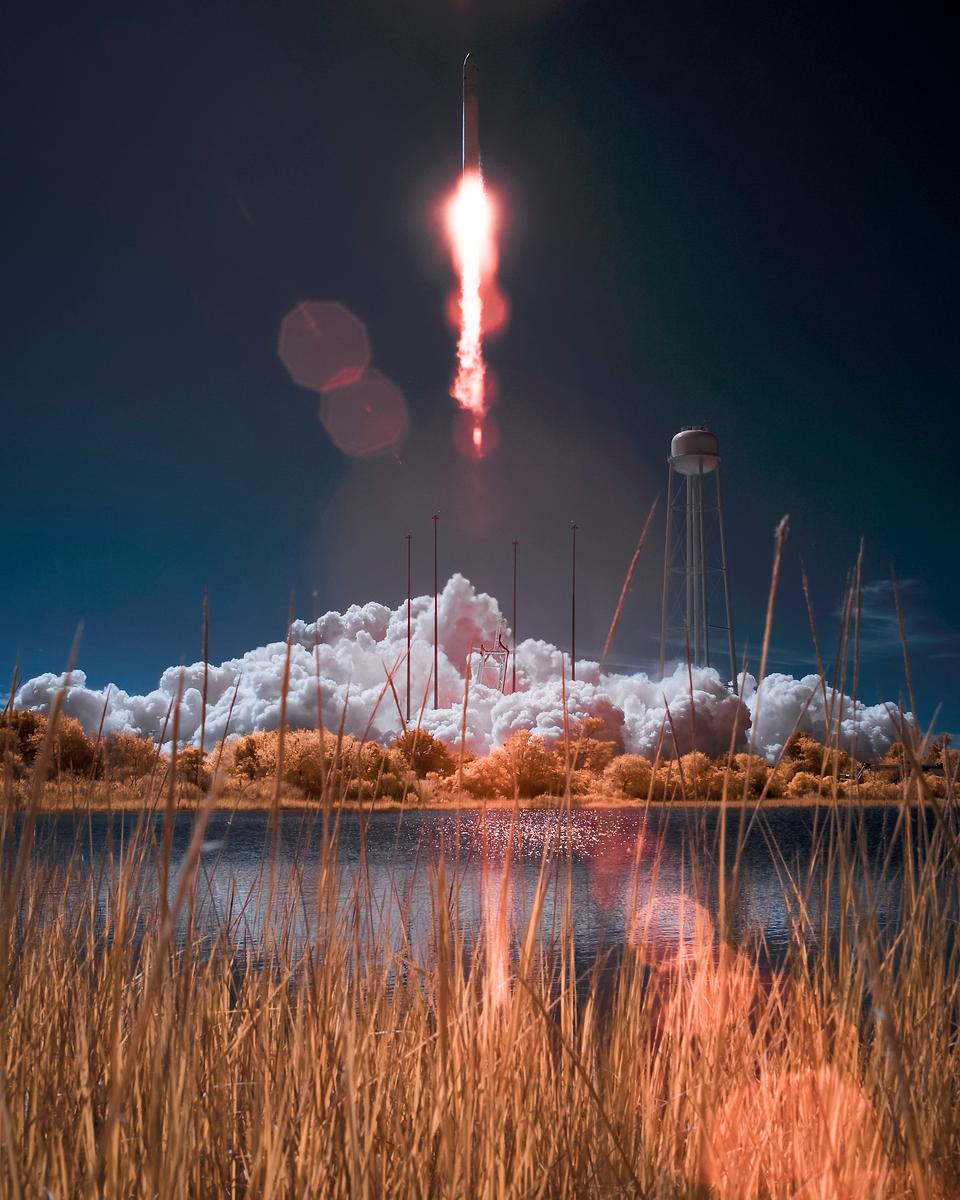
Antares Rocket Launch
The sky looks dark in this scene from the Mid-Atlantic Regional Spaceport (MARS) at NASA Wallops Flight Facility, Virginia. Captured on Wednesday, September 18, an Orbital…
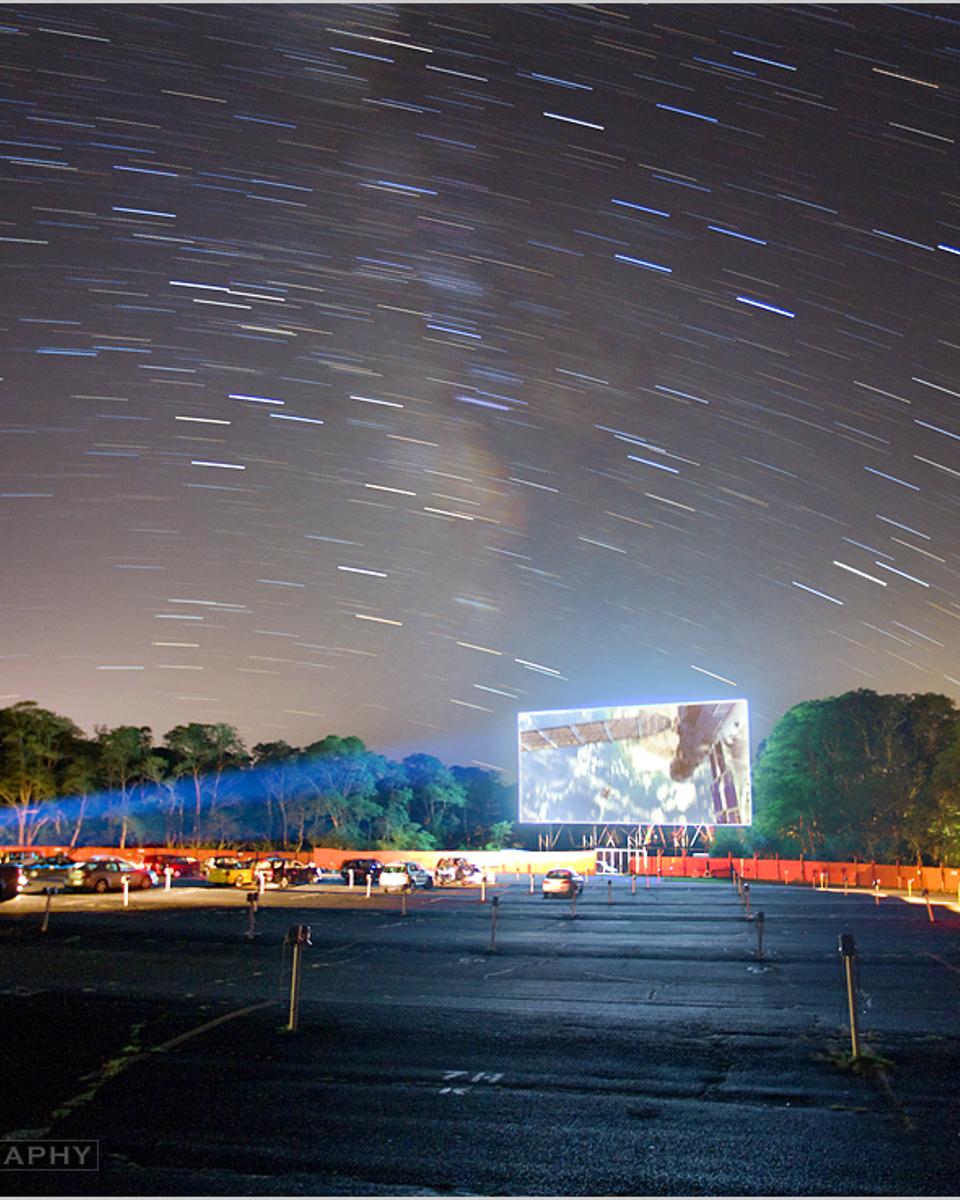
Tomorrow's picture:
Colorful stars trail through this late summer, night skyscape from Cape Cod , Massachusetts. The picture was composed by stacking 12 consecutive 1 minute long digital camera…
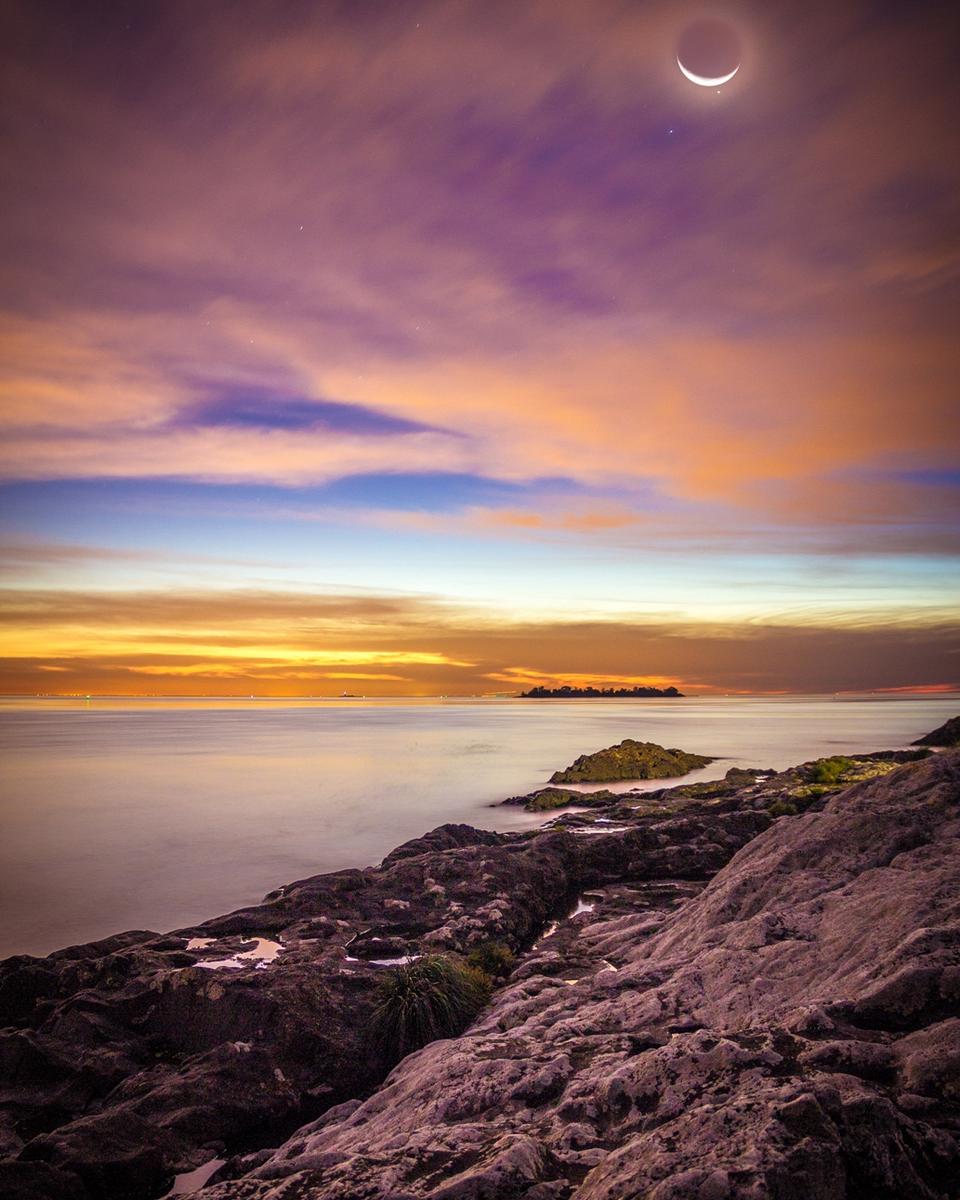
Moon, Venus and Planet Earth
In this engaging scene from planet Earth , the Moon shines through cloudy skies following sunset on the evening of September 8. Despite the fading light, the camera's long…
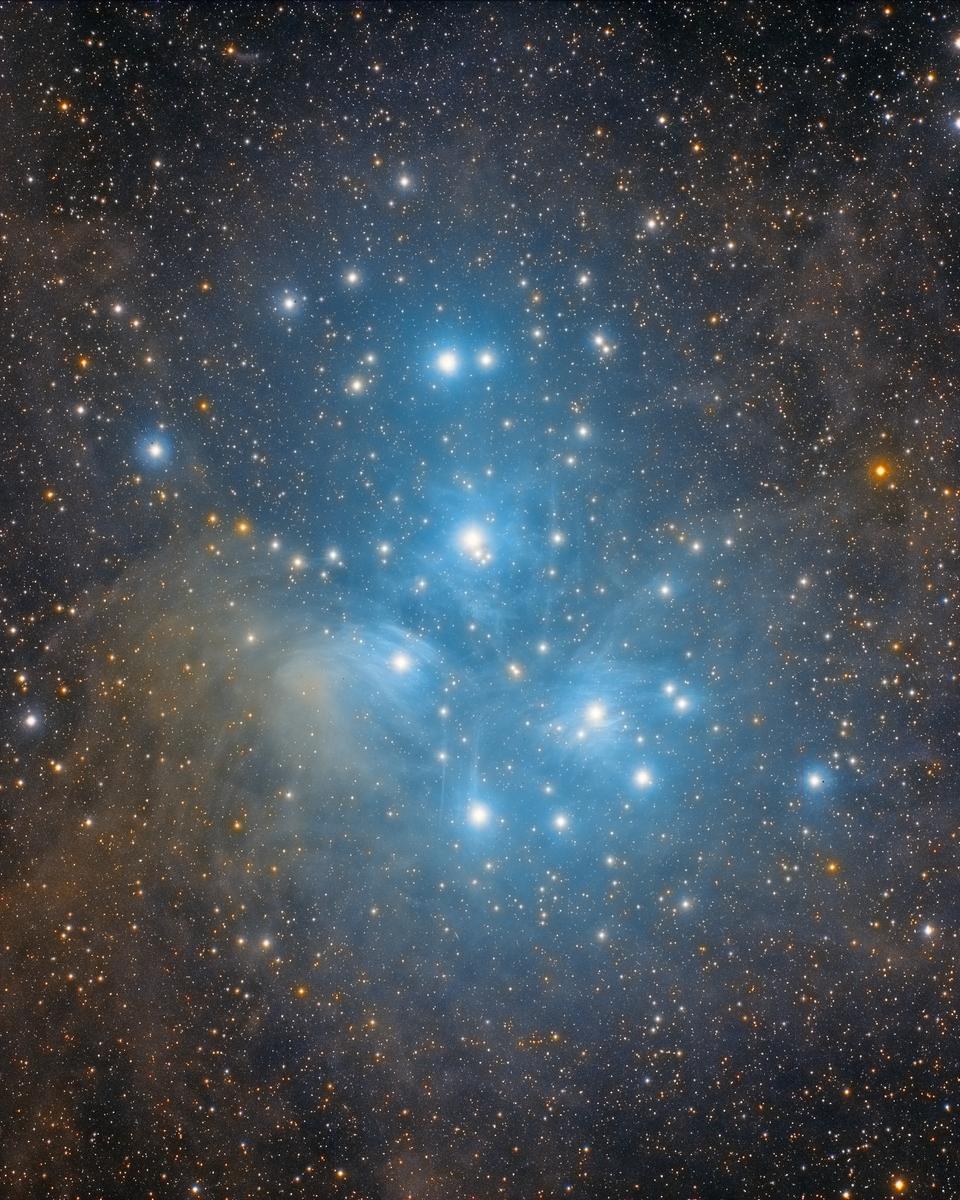
M45: The Pleiades Star Cluster
Have you ever seen the Pleiades star cluster? Even if you have, you probably have never seen it as dusty as this. Perhaps the most famous star cluster on the sky, the bright stars…
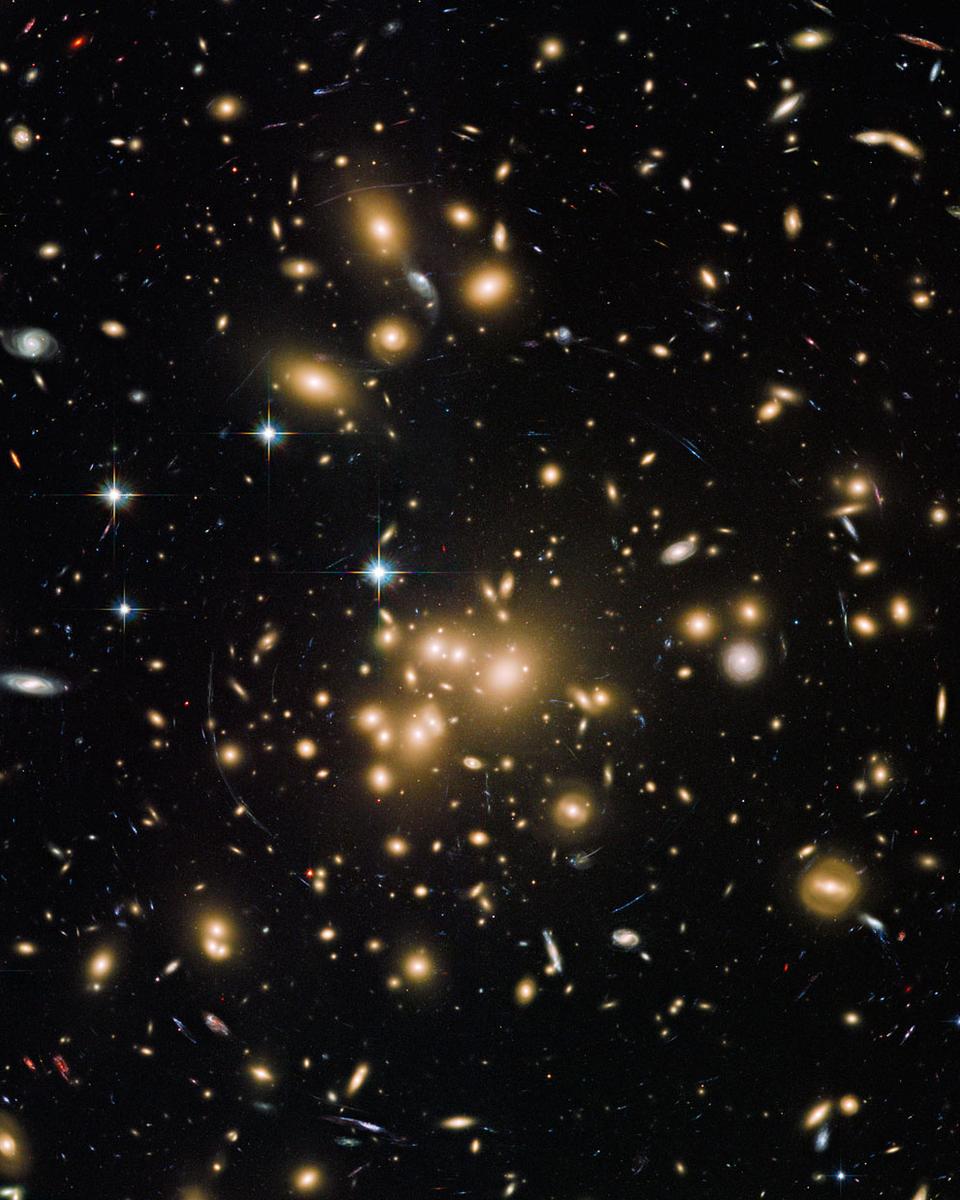
Galaxy Cluster Abell 1689 Deflects Light
It is one of the most massive objects in the visible universe. In this view from the Hubble Space Telescope's Advanced Camera for Surveys, Abell 1689 is seen to warp space as…

Rotating Moon from LRO
No one, presently, sees the Moon rotate like this. That's because the Earth's moon is tidally locked to the Earth, showing us only one side. Given modern digital technology,…
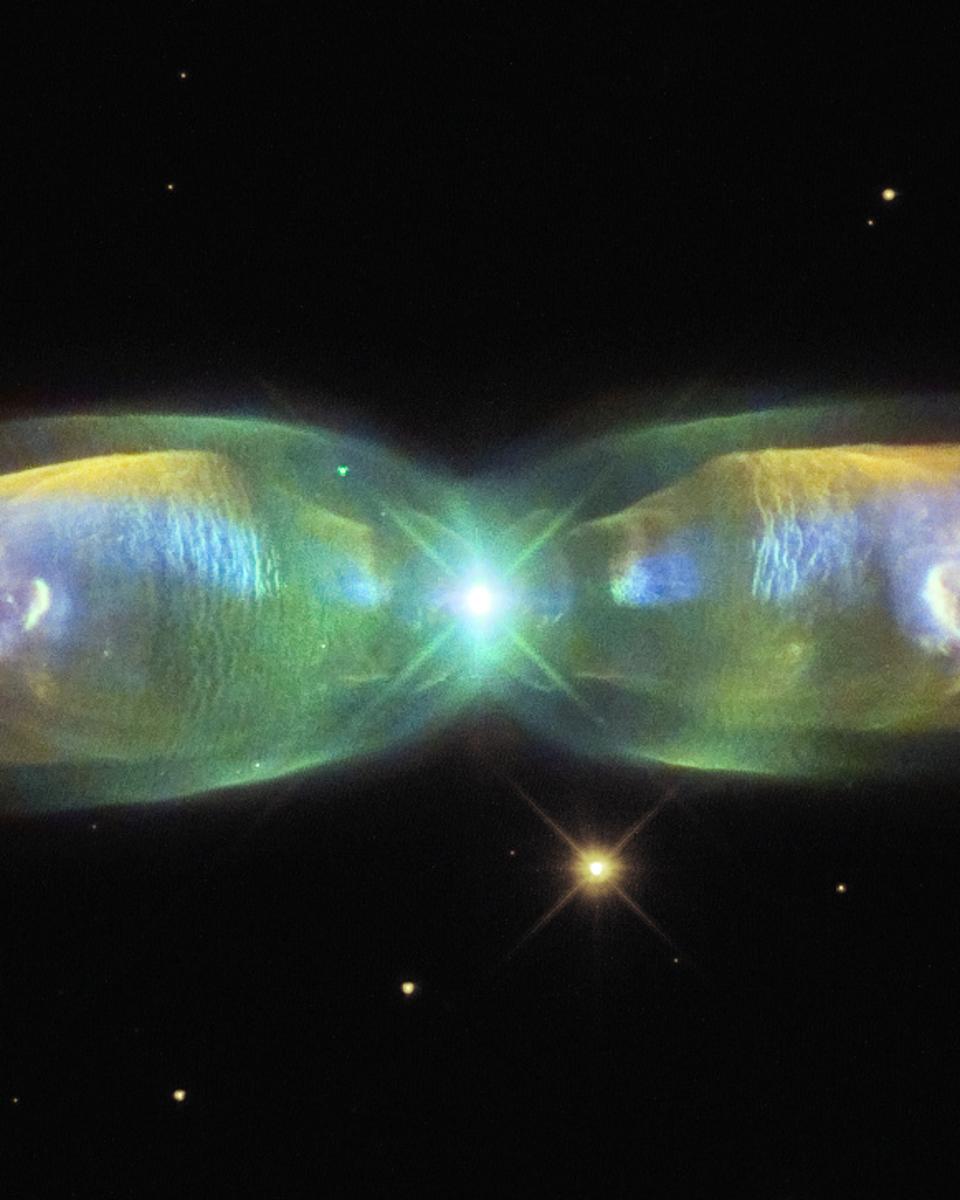
M2-9: Wings of a Butterfly Nebula
Are stars better appreciated for their art after they die? Actually, stars usually create their most artistic displays as they die. In the case of low-mass stars like our Sun and…
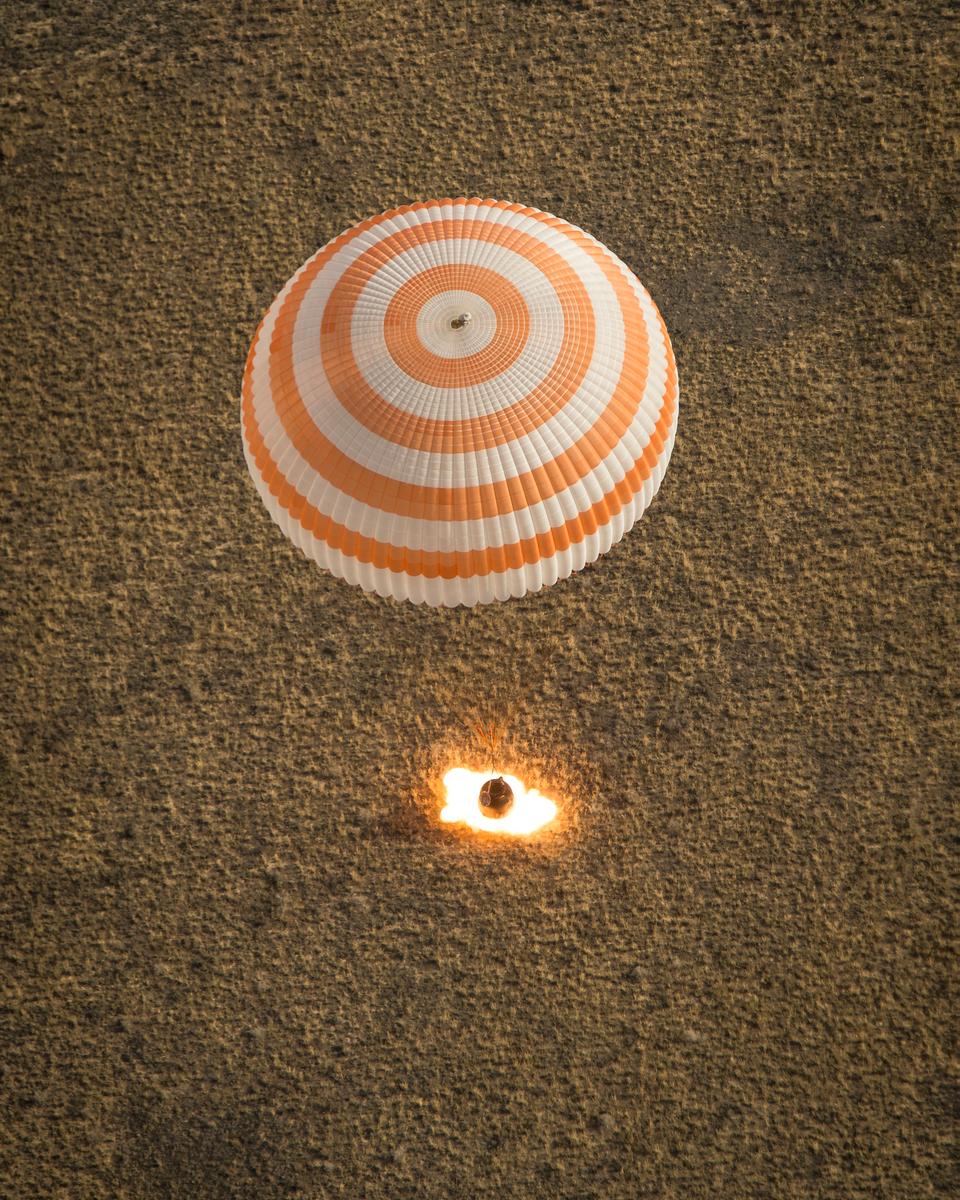
A Landing on Planet Earth
With parachute deployed and retro-rockets blazing, this spacecraft landed on planet Earth on September 11 (UT) in a remote area near the town of Zhezkazgan, Kazakhstan. Seen in…
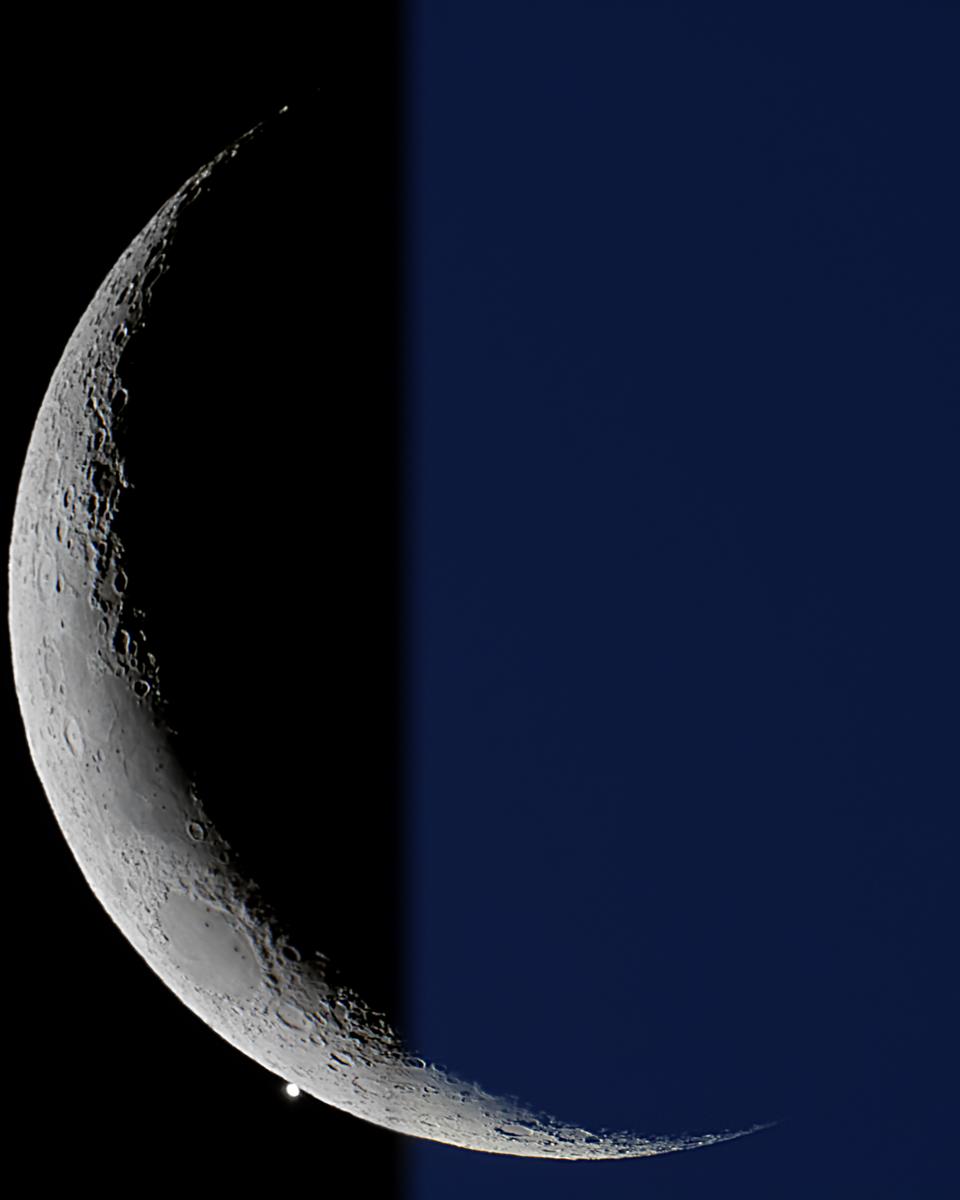
Crescent Moon Meets Evening Star
On September 8, brilliant planet Venus appearing as the evening star stood near a slender, crescent Moon at sunset. The close celestial pairing or conjunction was a scene enjoyed…
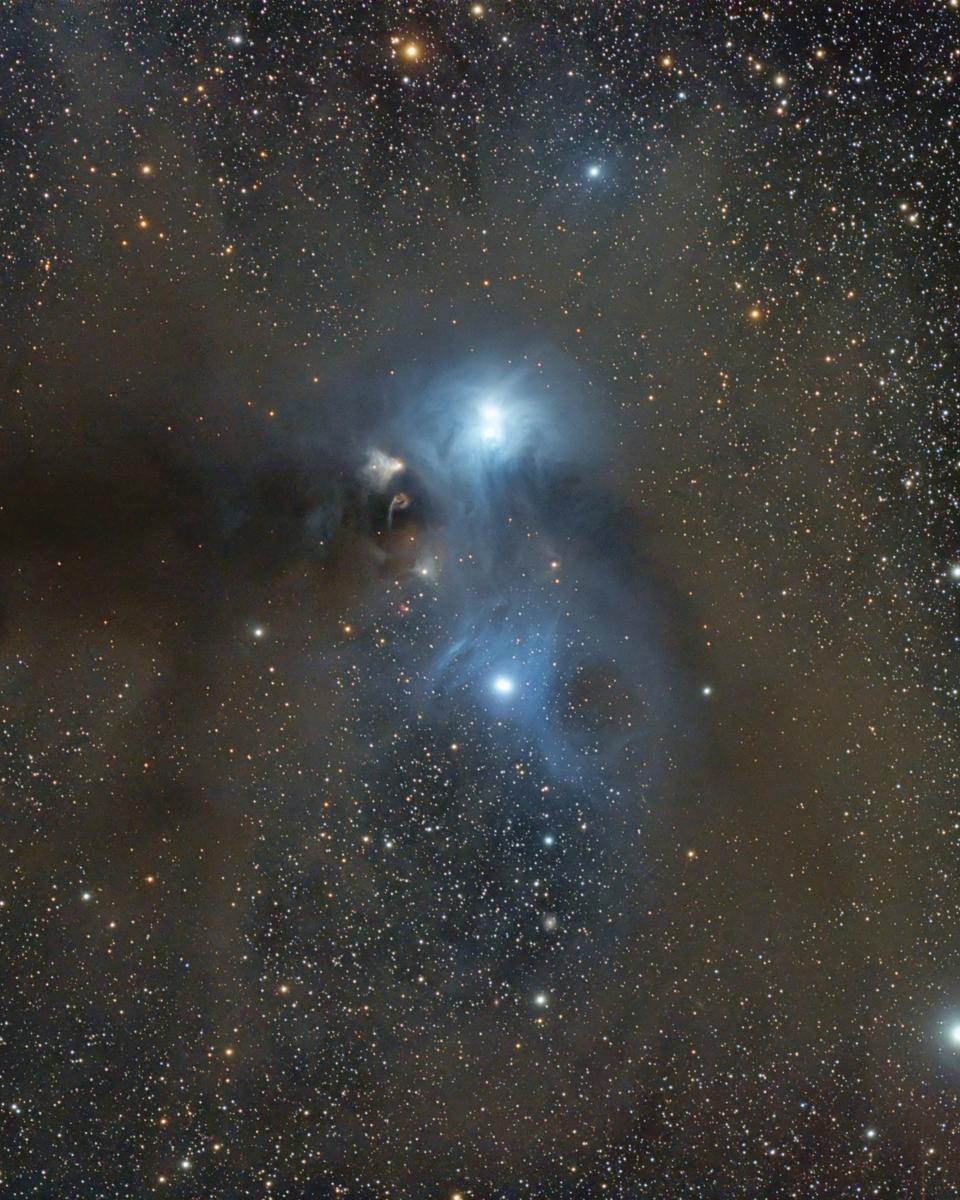
Stars and Dust Across Corona Australis
Cosmic dust clouds sprawl across a rich field of stars in this sweeping telescopic vista near the northern boundary of Corona Australis , the Southern Crown. Less than 500…
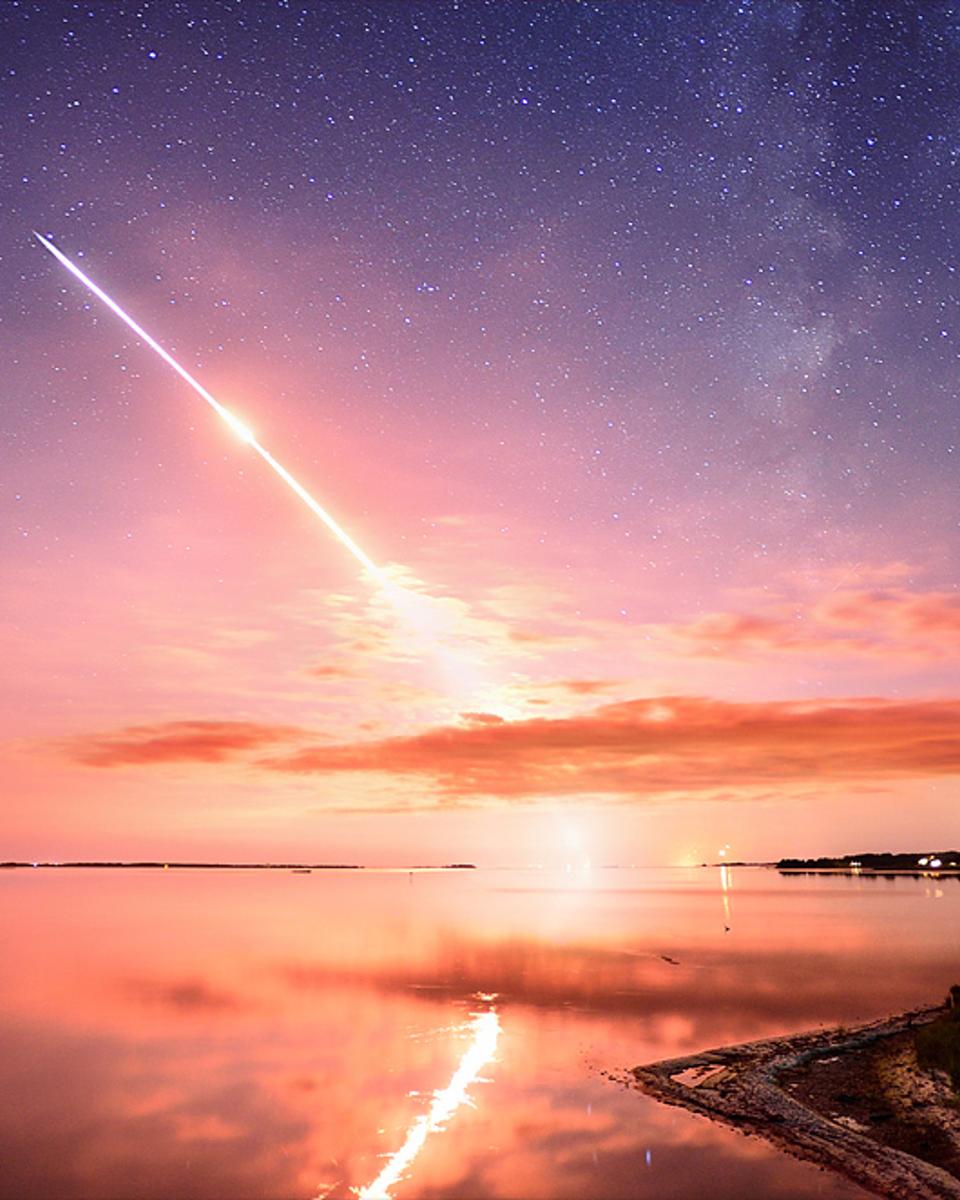
LADEE Launch Streak
On September 6, a starry night and the Milky Way witnessed the launch of a Minotaur V rocket from NASA's Wallops Flight Facility on Wallops Island, Virginia. So did a large part…
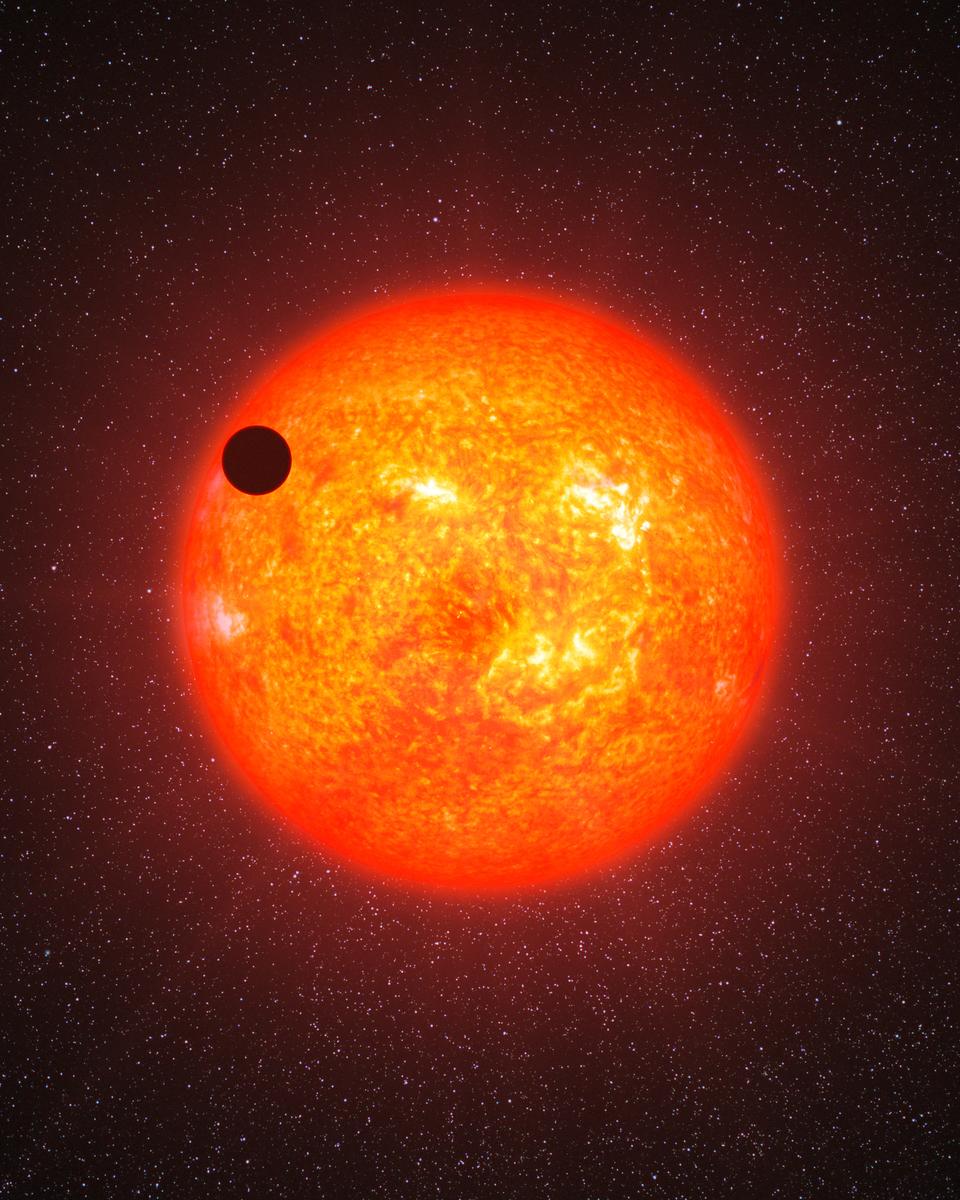
Extrasolar Super-Earth Gliese 1214b Might Hold Water
Might this distant planet hold water? Actually, given how close Gliese 1214b is to its parent star, any water, if it exists, would surely be in the form of steam. In the above…
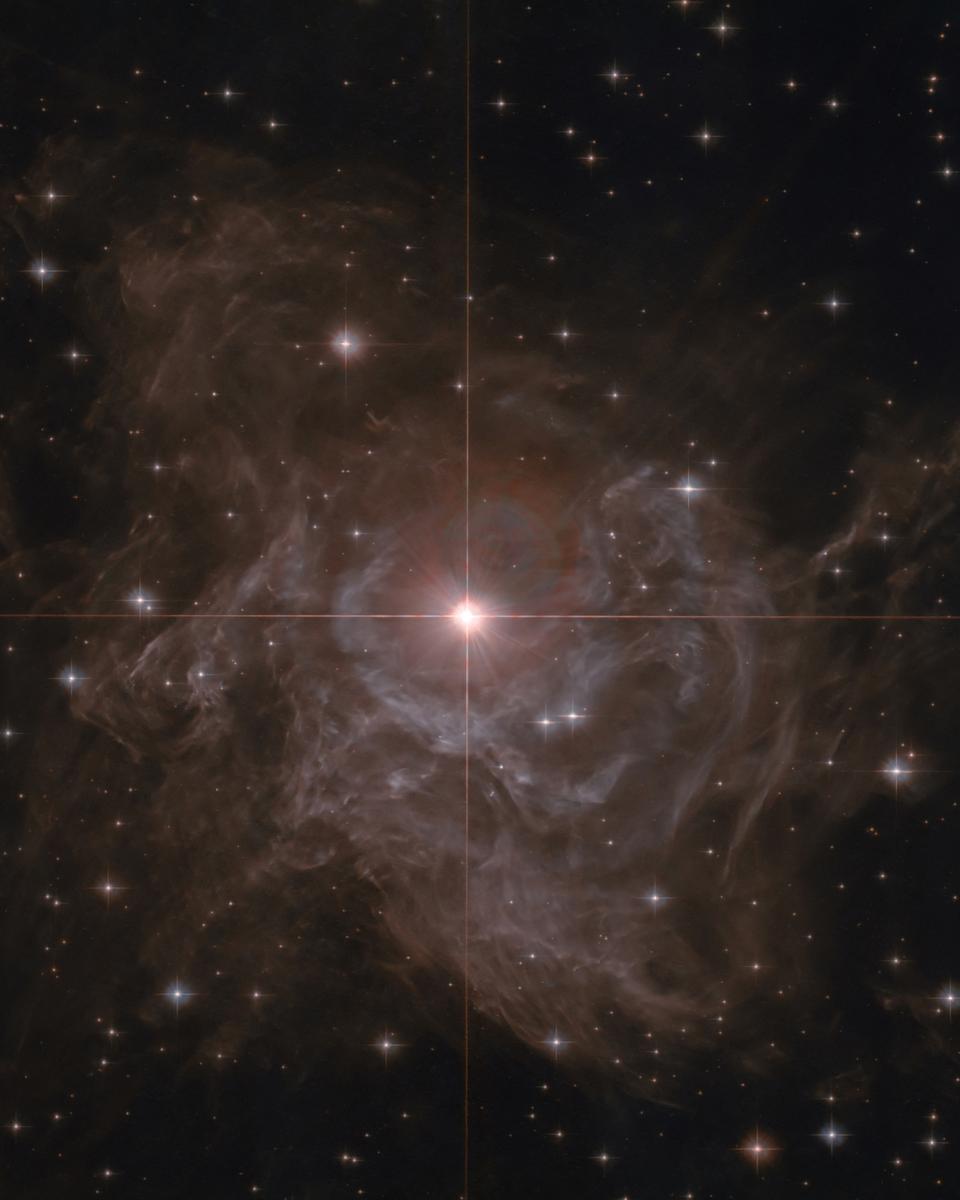
Nearby Cepheid Variable RS Pup
It is one of the most important stars in the sky. This is partly because, by coincidence, it is surrounded by a dazzling reflection nebula . Pulsating RS Puppis , the brightest…
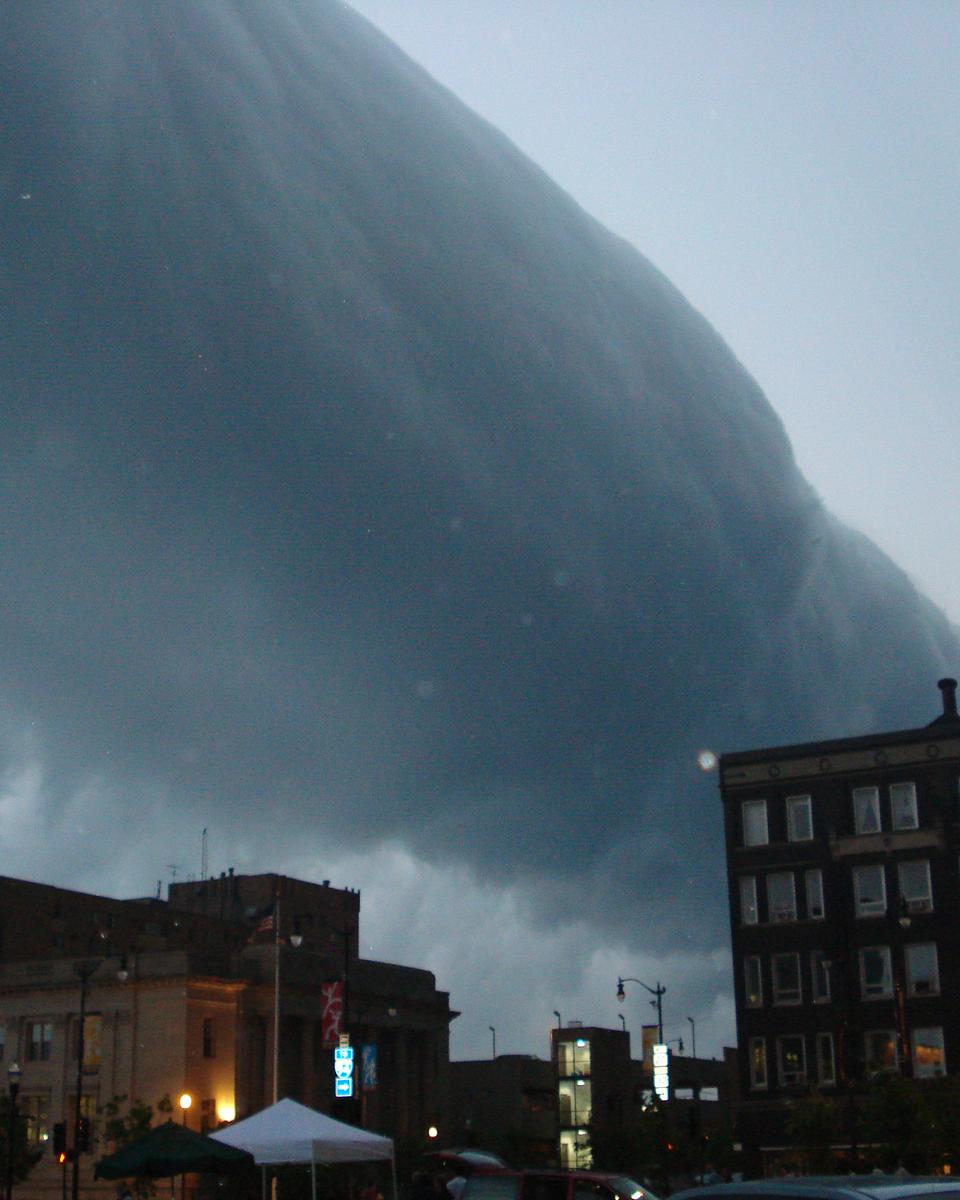
Roll Cloud Over Wisconsin
What kind of cloud is this? A type of arcus cloud called a roll cloud . These rare long clouds may form near advancing cold fronts. In particular, a downdraft from an advancing…
Viewing discoveries from 1 October 2013 through 8 September 2013.