Browse NASA Astronomy Picture of the Day archive by date and media: Archive Discoveries
Browse the NASA APOD archive without needing the exact date first. Filter by media type and keep moving deeper into older images and videos.
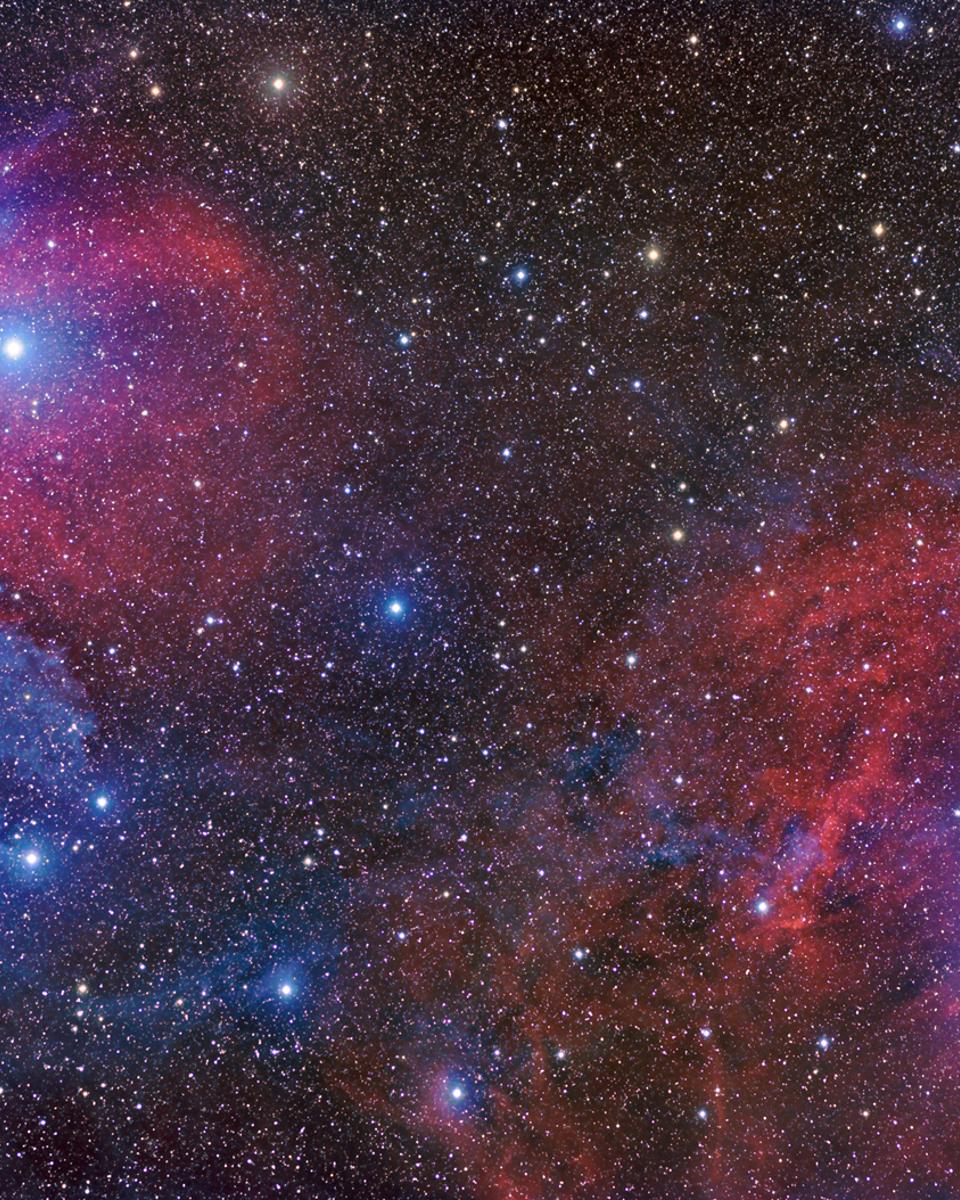
Scorpius in Red and Blue
Cosmic dust clouds dim the light of background stars. But they also reflect the light of stars nearby. Since bright stars tend to radiate strongly in the blue portion of the…
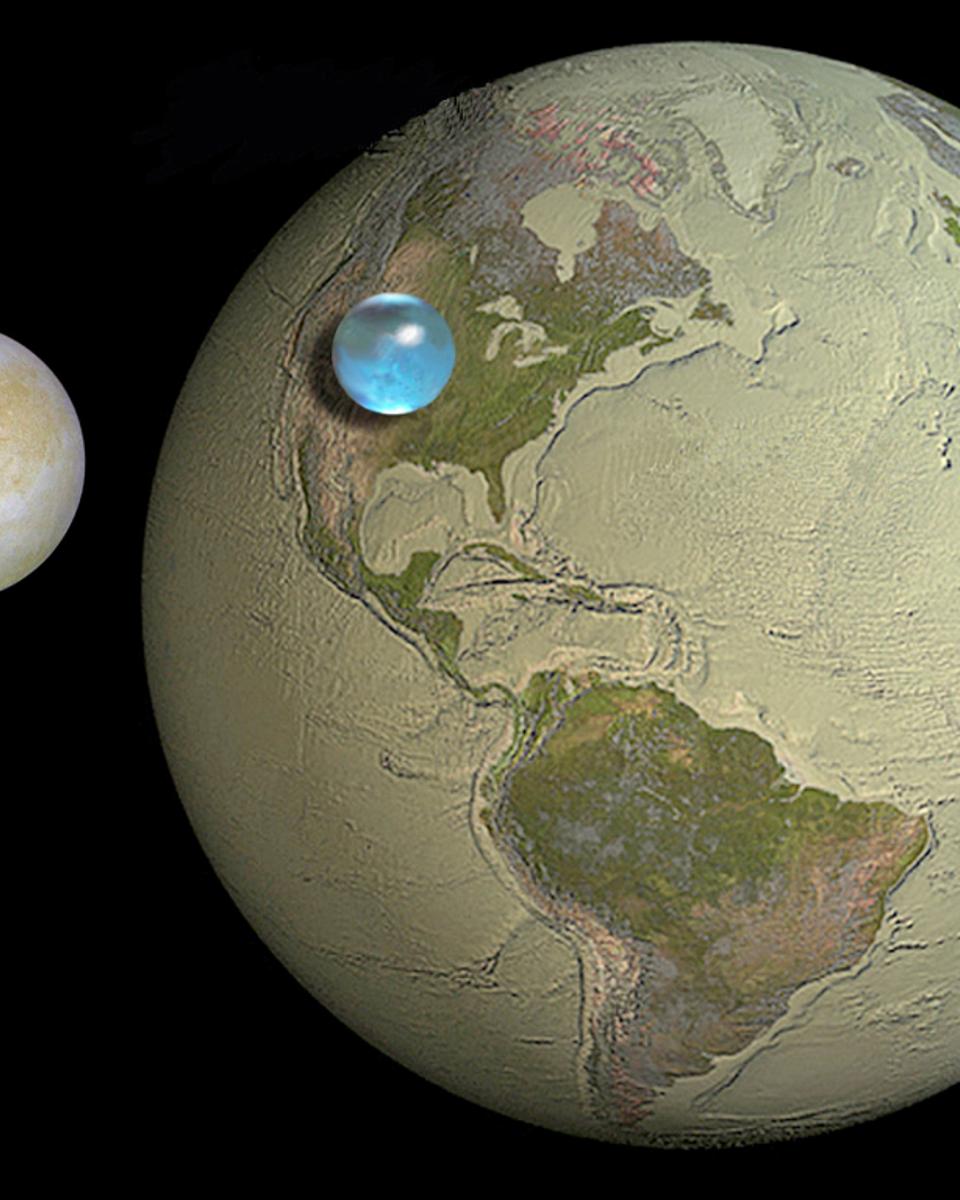
All the Water on Europa
How much of Jupiter's moon Europa is made of water? A lot, actually. Based on the Galileo probe data acquired during its exploration of the Jovian system from 1995 to 2003, Europa…

SpaceX Falcon 9 Launches to the Space Station
This fire-breathing Dragon can fly. Pictured above yesterday, SpaceX Corporation's Falcon 9 rocket capped with a Dragon spacecraft lifted off from Cape Canaveral, Florida, USA.…
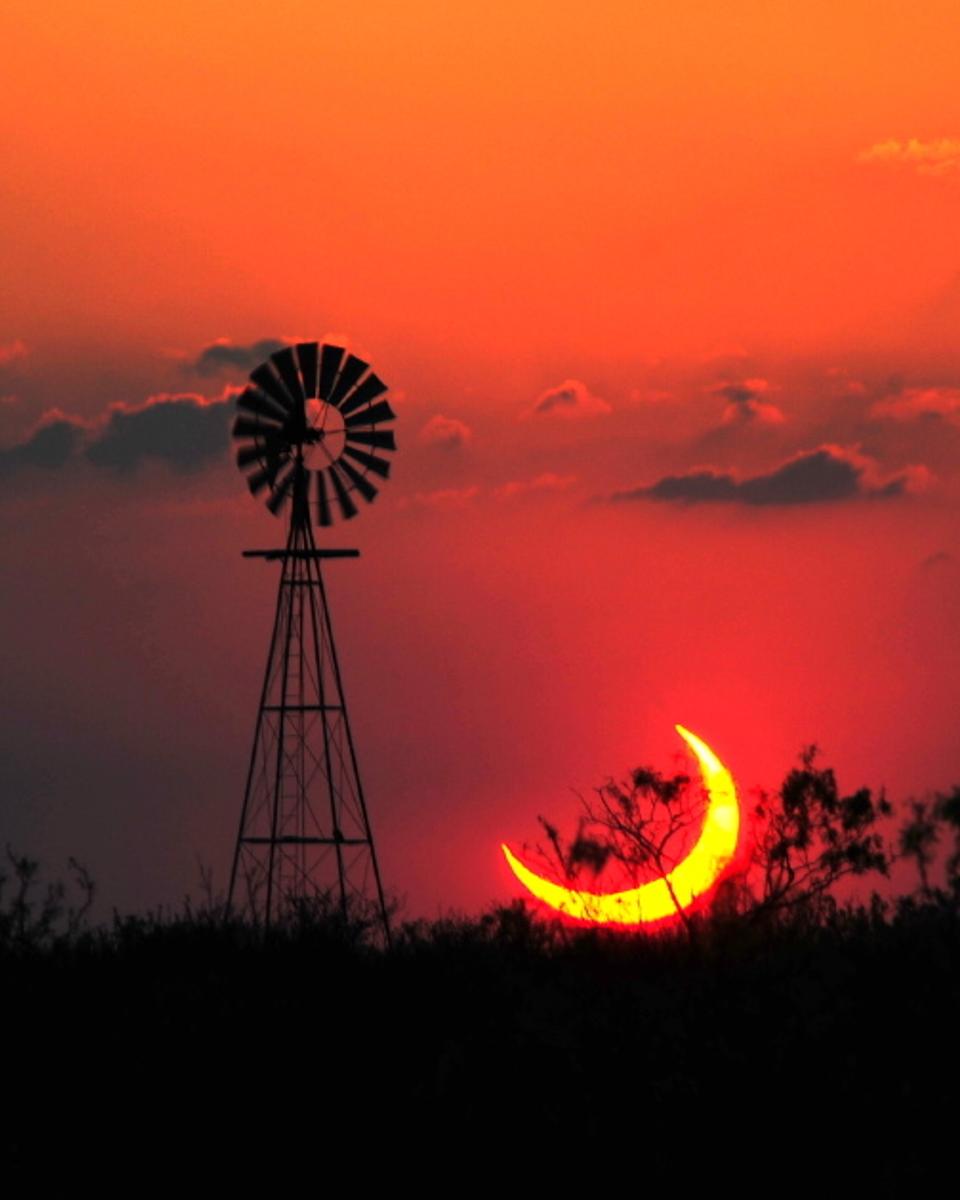
A Partial Solar Eclipse over Texas
It was a typical Texas sunset except that most of the Sun was missing. The location of the missing piece of the Sun was not a mystery -- it was behind the Moon . Sunday night's…
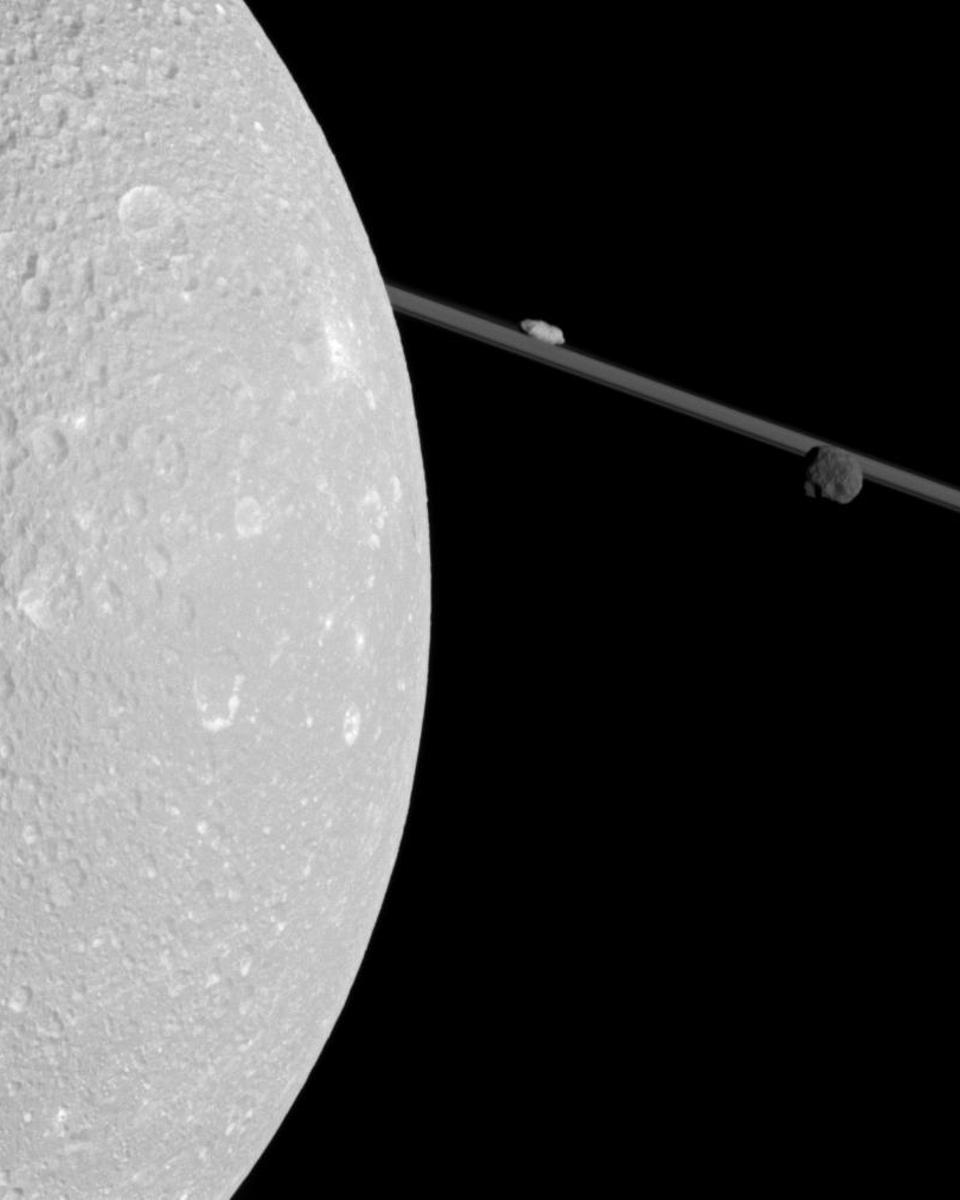
A Close Pass of Saturn's Moon Dione
What's that past Dione? When making its closest pass yet of Saturn's moon Dione late last year, the robotic Cassini spacecraft snapped this far-ranging picture featuring Dione,…
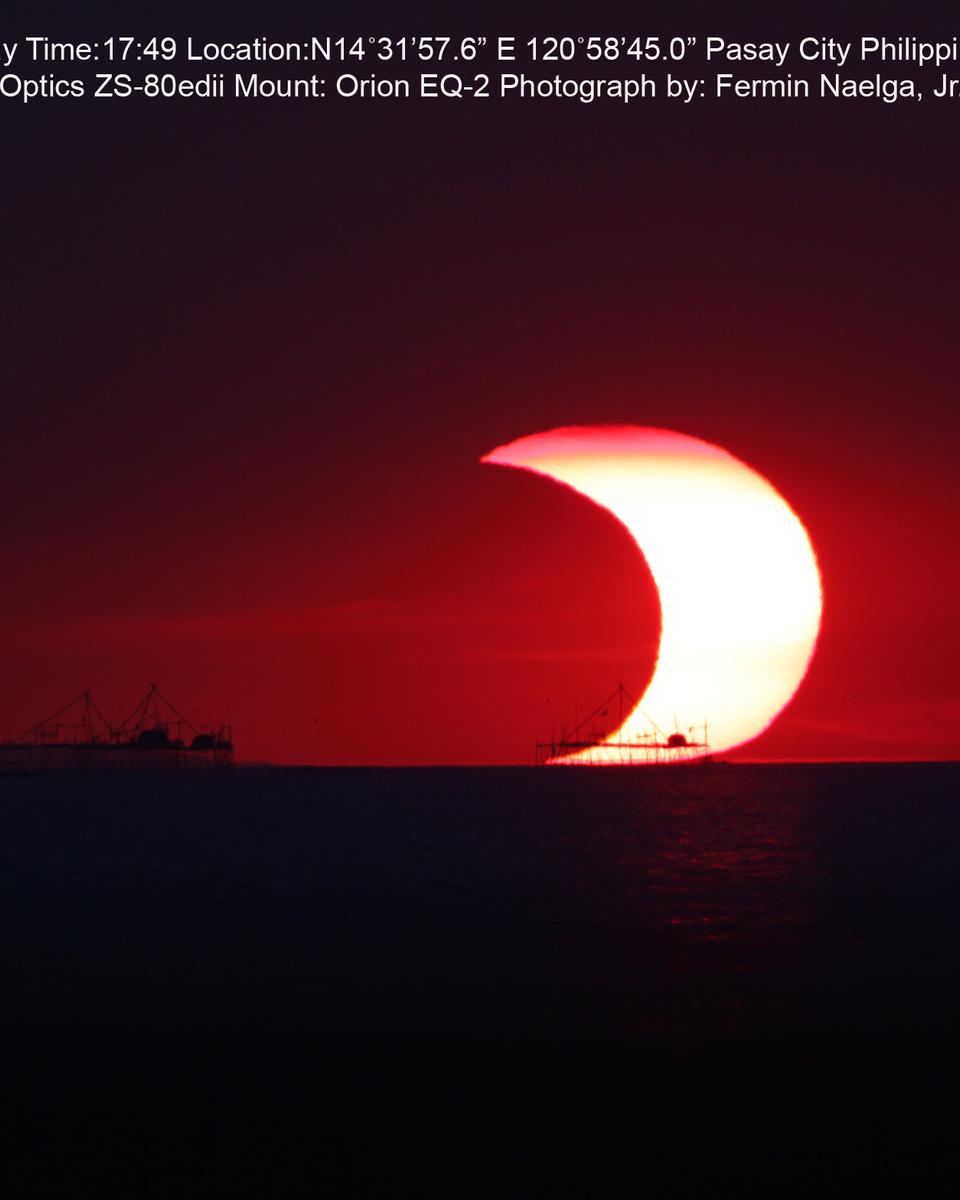
A Partial Eclipse Over Manila Bay
What's happened to the setting Sun? An eclipse! In early 2009, the Moon eclipsed part of the Sun as visible from parts of Africa, Australia, and Asia . In particular the above…
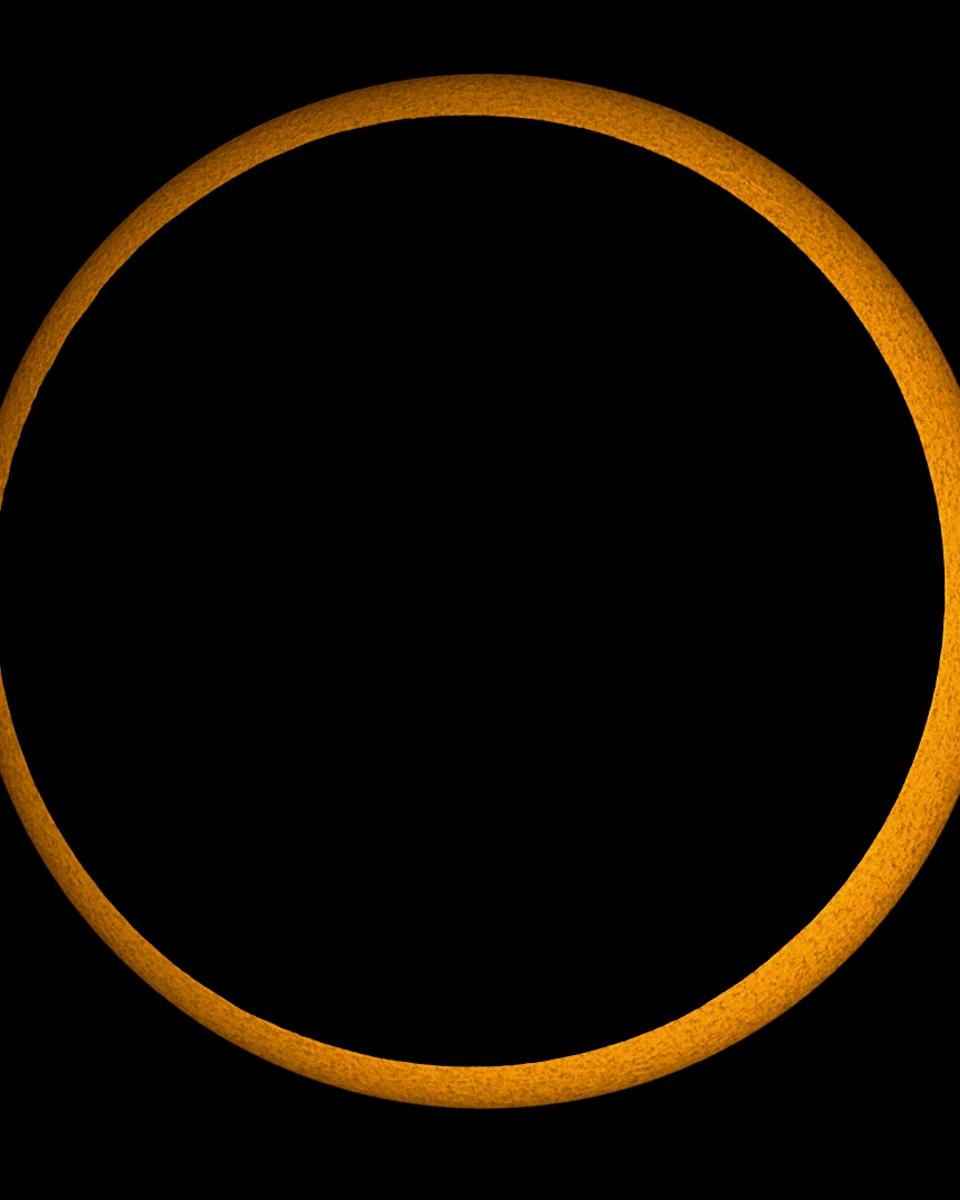
Annular Solar Eclipse
Tomorrow, May 20 , the Moon's shadow will race across planet Earth . Observers within the 240-300 kilometer wide shadow track will be able to witness an annular solar eclipse as…
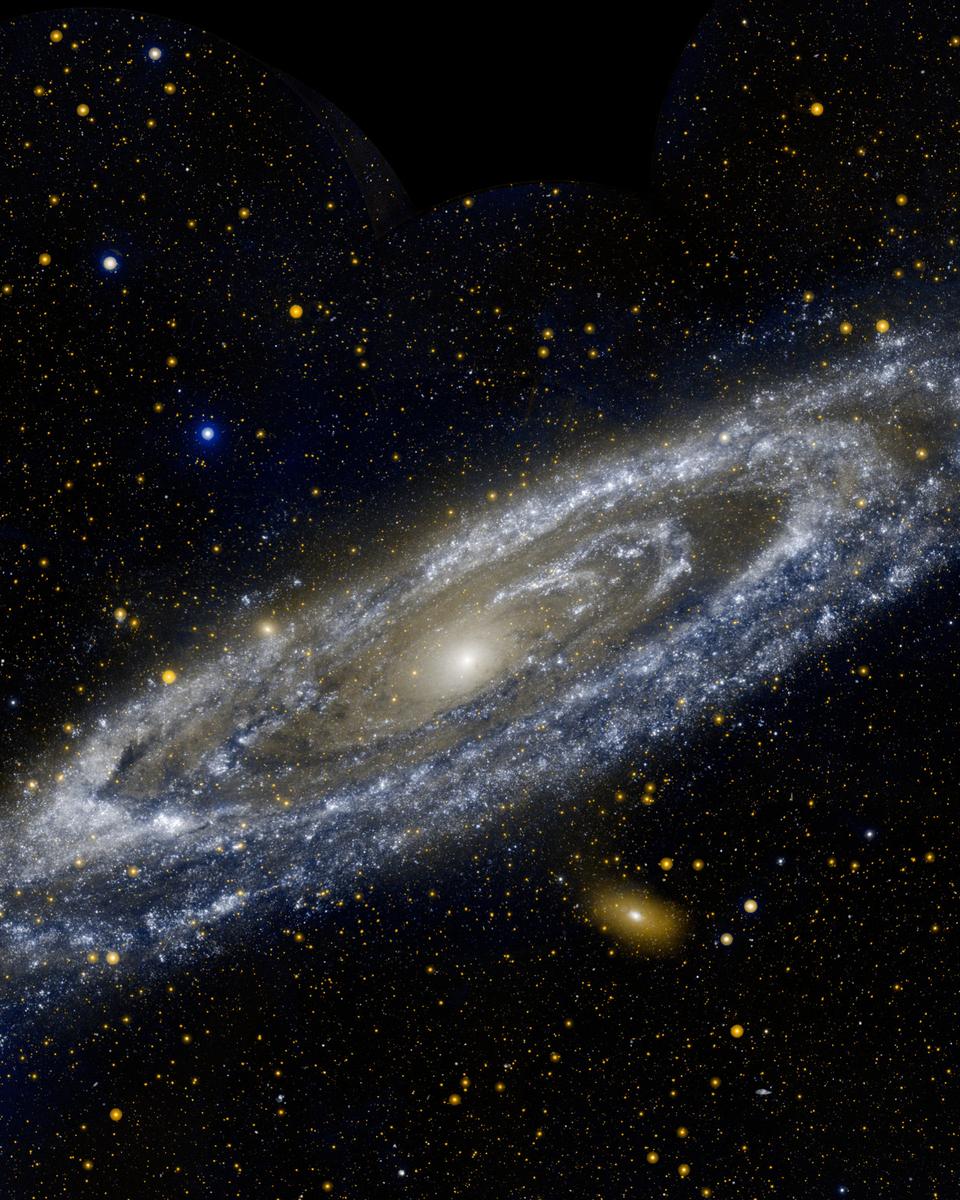
GALEX: The Andromeda Galaxy
A mere 2.5 million light-years away, the Andromeda Galaxy really is just next door as large galaxies go. So close, and spanning some 260,000 light-years, it took 11 different…
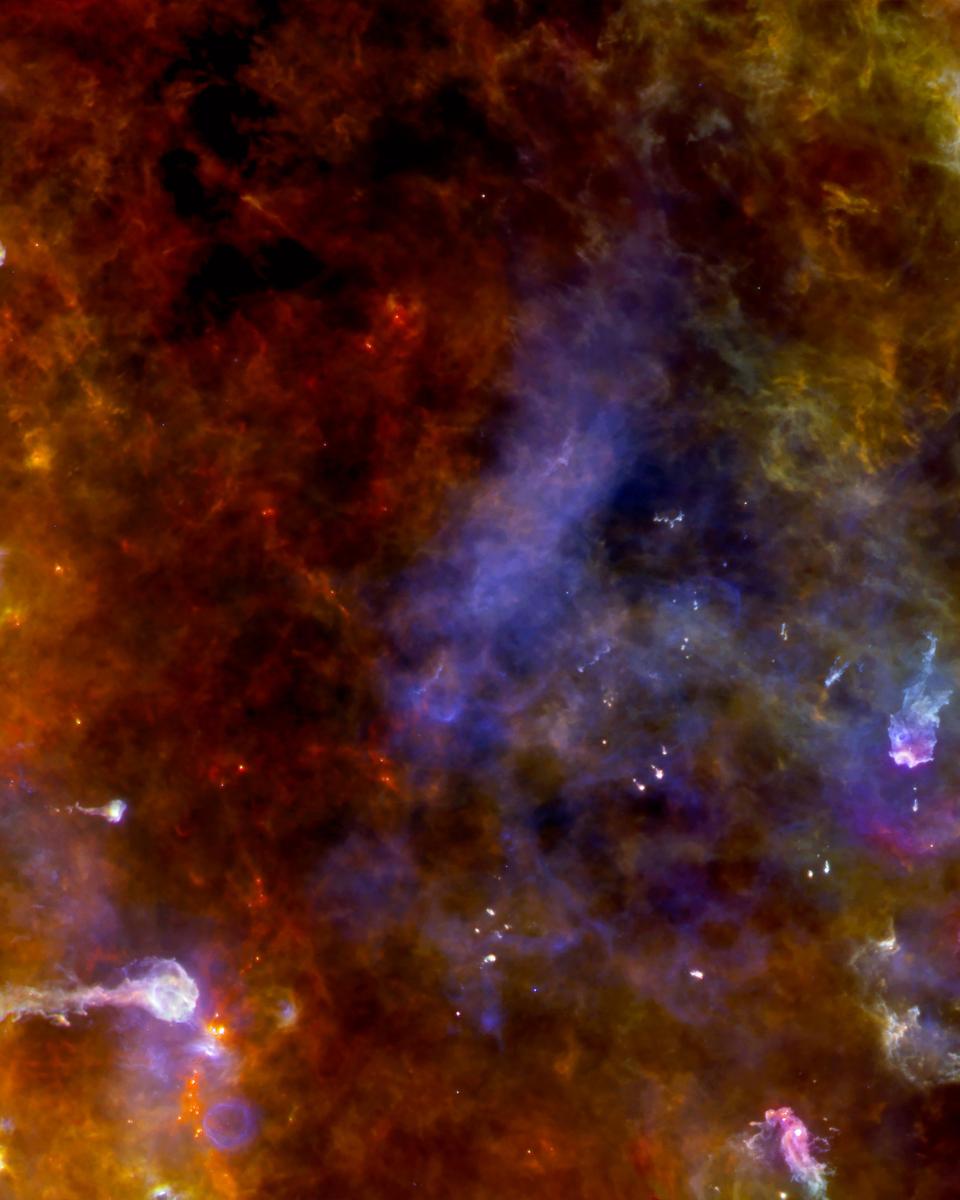
Herschel's Cygnus X
The Herschel Space Observatory's infrared view of Cygnus X spans some 6x2 degrees across one of the closest, massive star forming regions in the plane of our Milky Way galaxy. In…
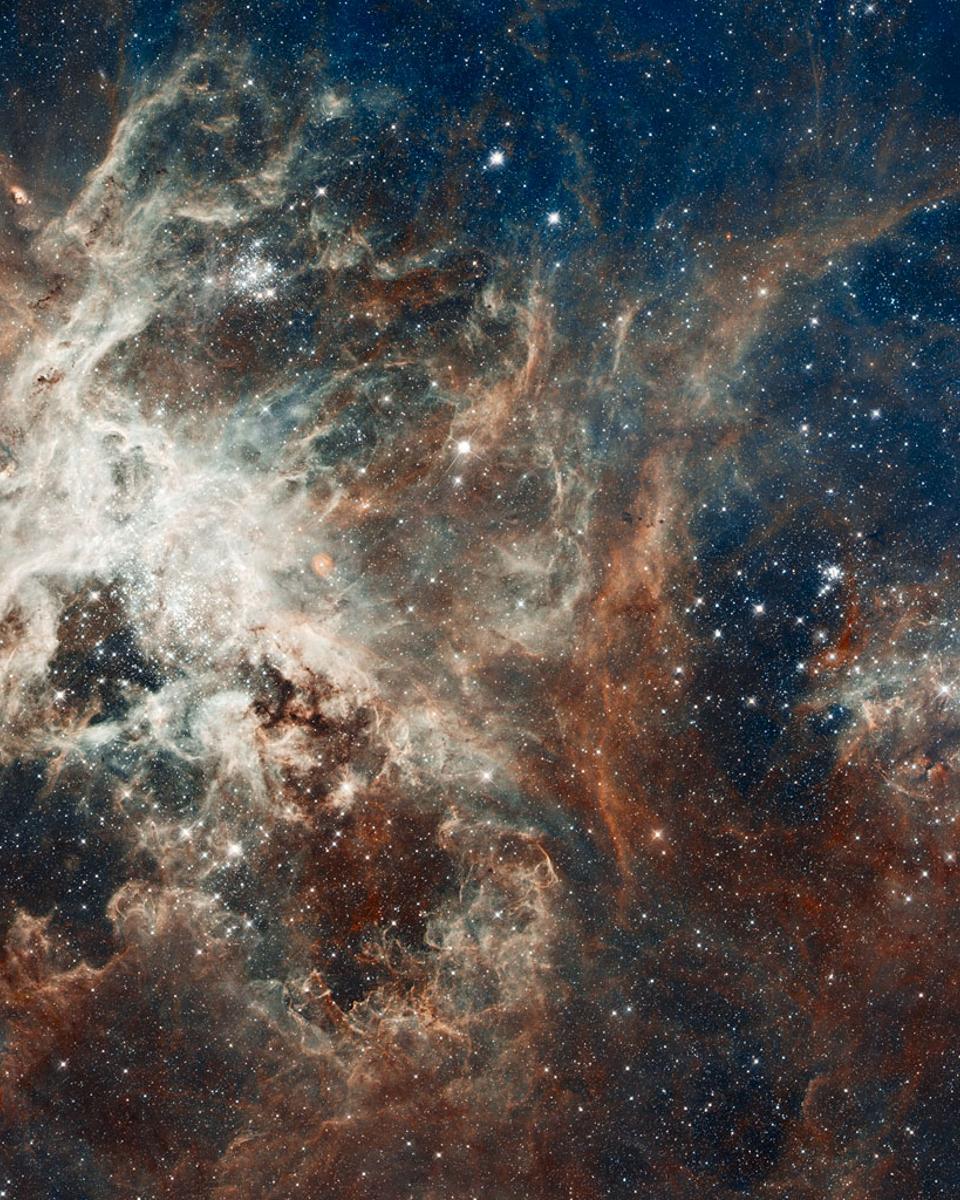
Star Formation in the Tarantula Nebula
The largest, most violent star forming region known in the whole Local Group of galaxies lies in our neighboring galaxy the Large Magellanic Cloud (LMC). Were the Tarantula Nebula…
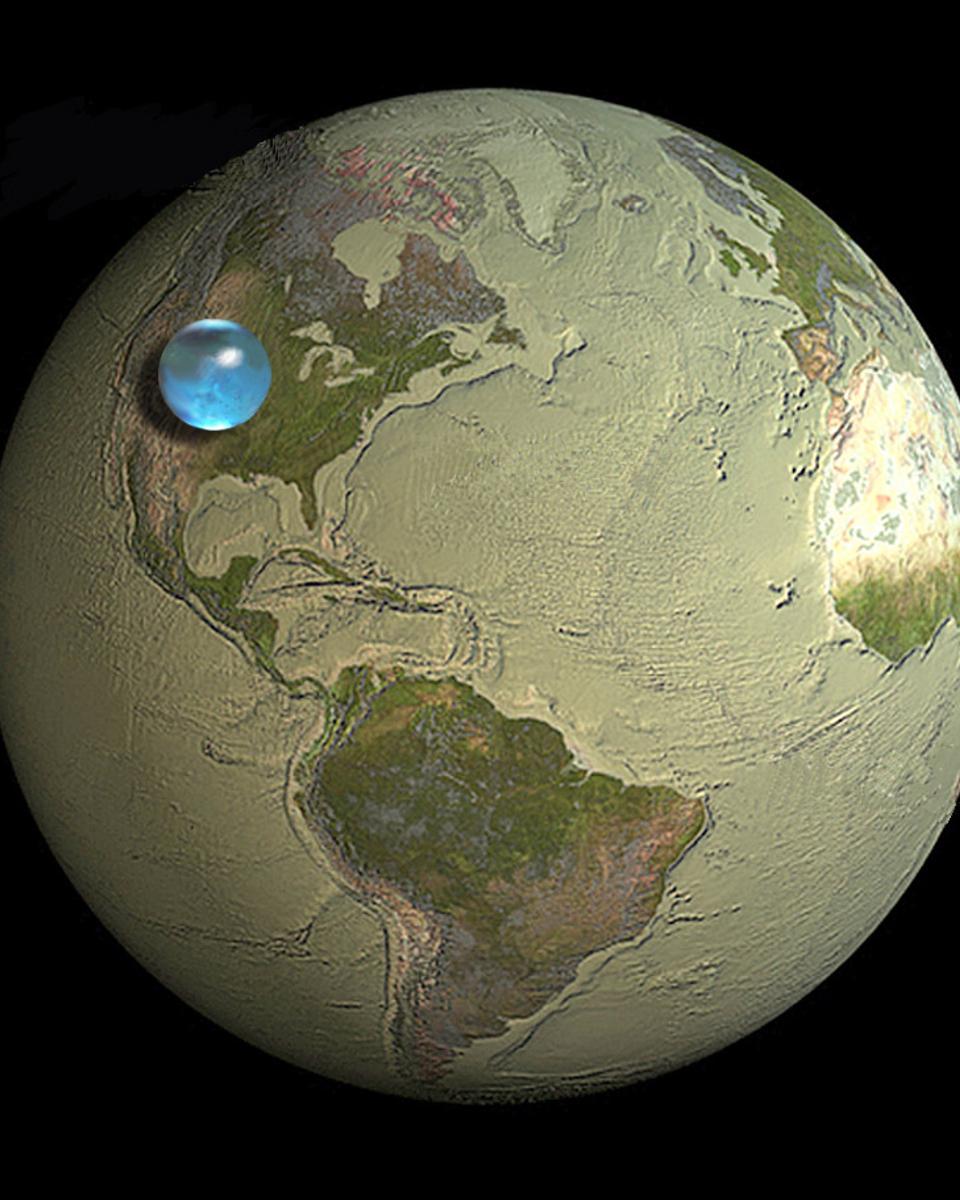
All the Water on Planet Earth
How much of planet Earth is made of water? Very little, actually. Although oceans of water cover about 70 percent of Earth's surface, these oceans are shallow compared to the…
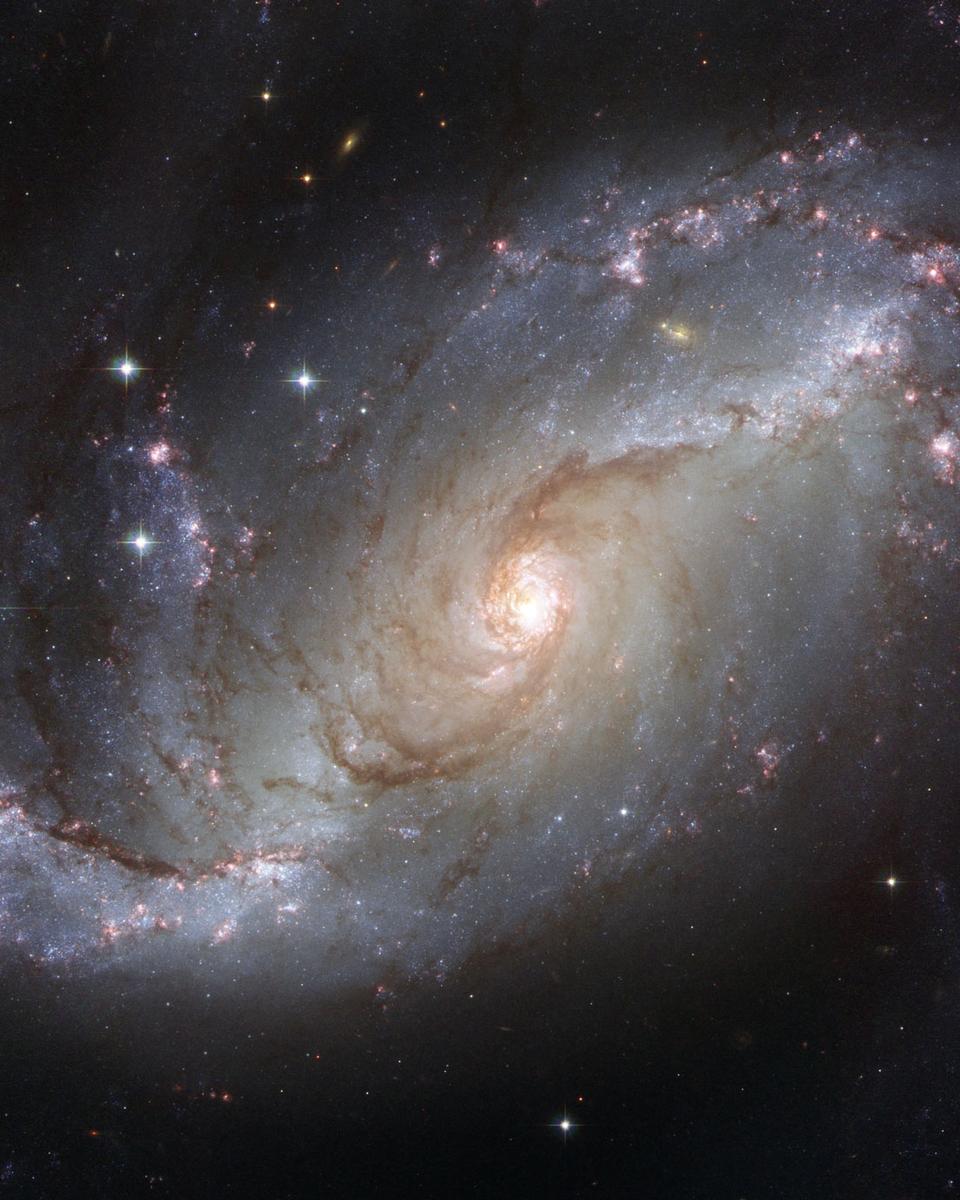
Spiral Galaxy NGC 1672 from Hubble
Many spiral galaxies have bars across their centers. Even our own Milky Way Galaxy is thought to have a modest central bar . Prominently barred spiral galaxy NGC 1672, pictured…
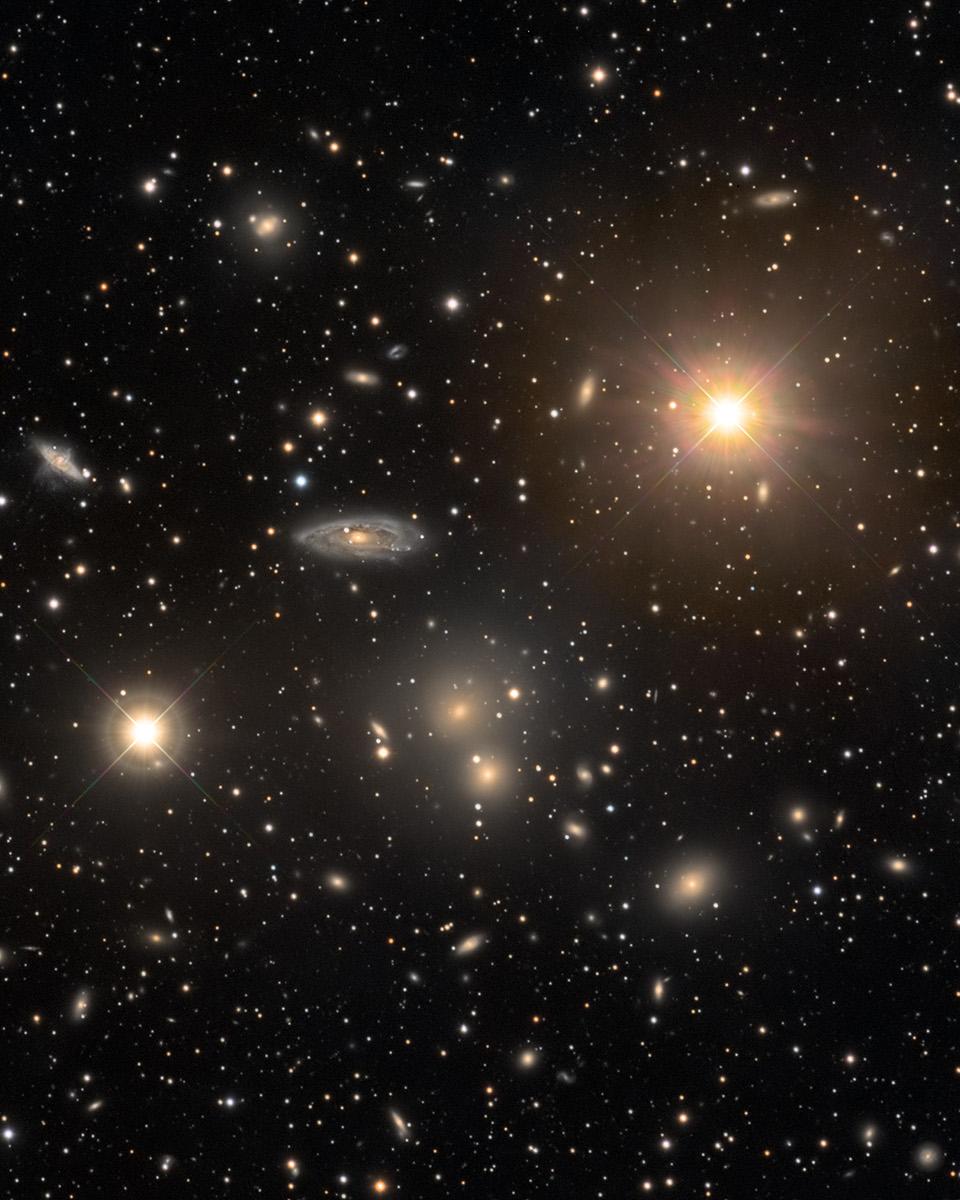
The Hydra Cluster of Galaxies
Two stars within our own Milky Way galaxy anchor the foreground of this cosmic snapshot . Beyond them lie the galaxies of the Hydra Cluster . In fact, while the spiky foreground…
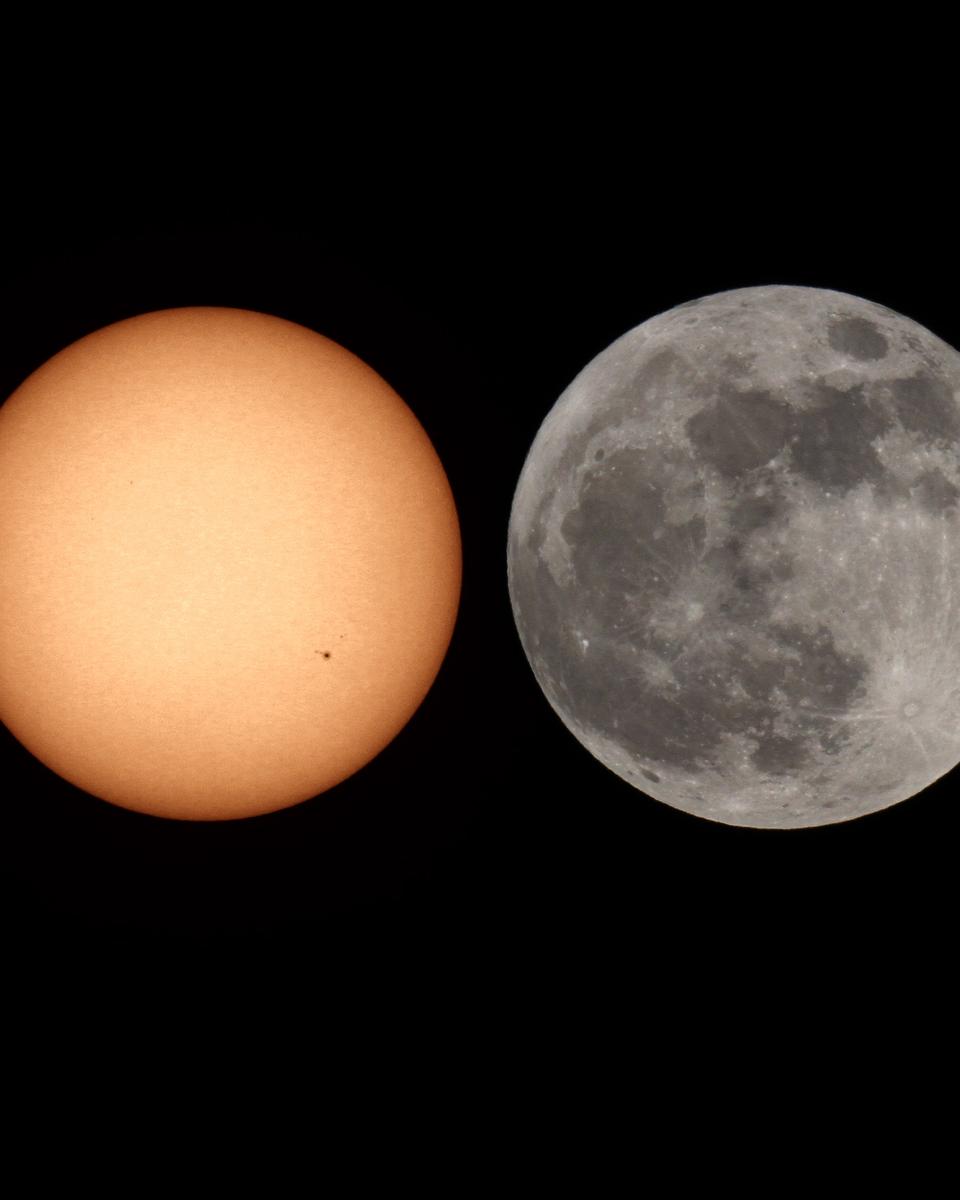
Sun vs. Super Moon
The Super Moon wins , by just a little, when its apparent size is compared to the Sun in this ingenious composite picture. To make it, the Full Moon on May 6 was photographed with…
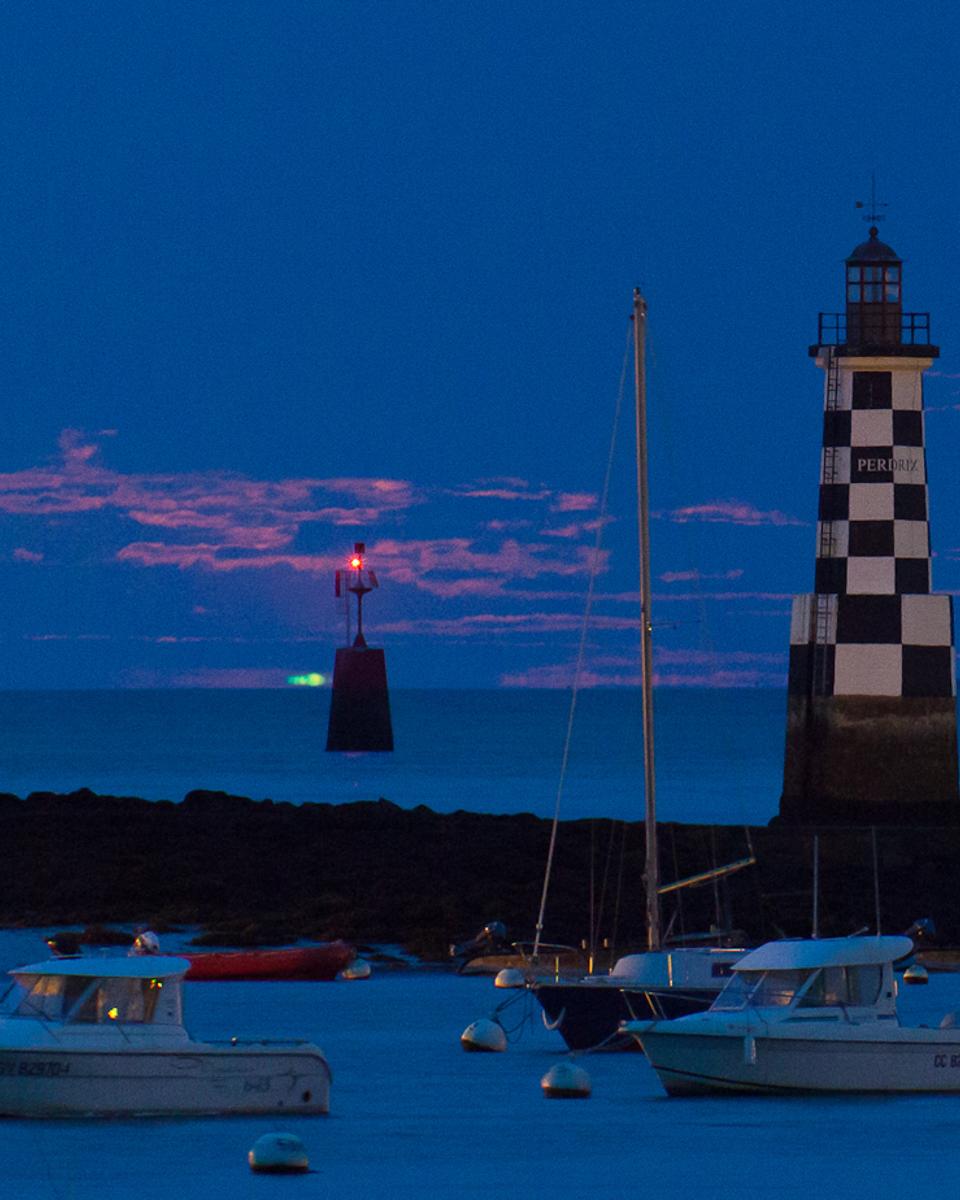
Green Flash and Super Moon
It was really not about superheroes as on May 6 the much touted Super Moon, the largest Full Moon of 2012 , rose over this otherwise peaceful harbor. And no supervillains were…
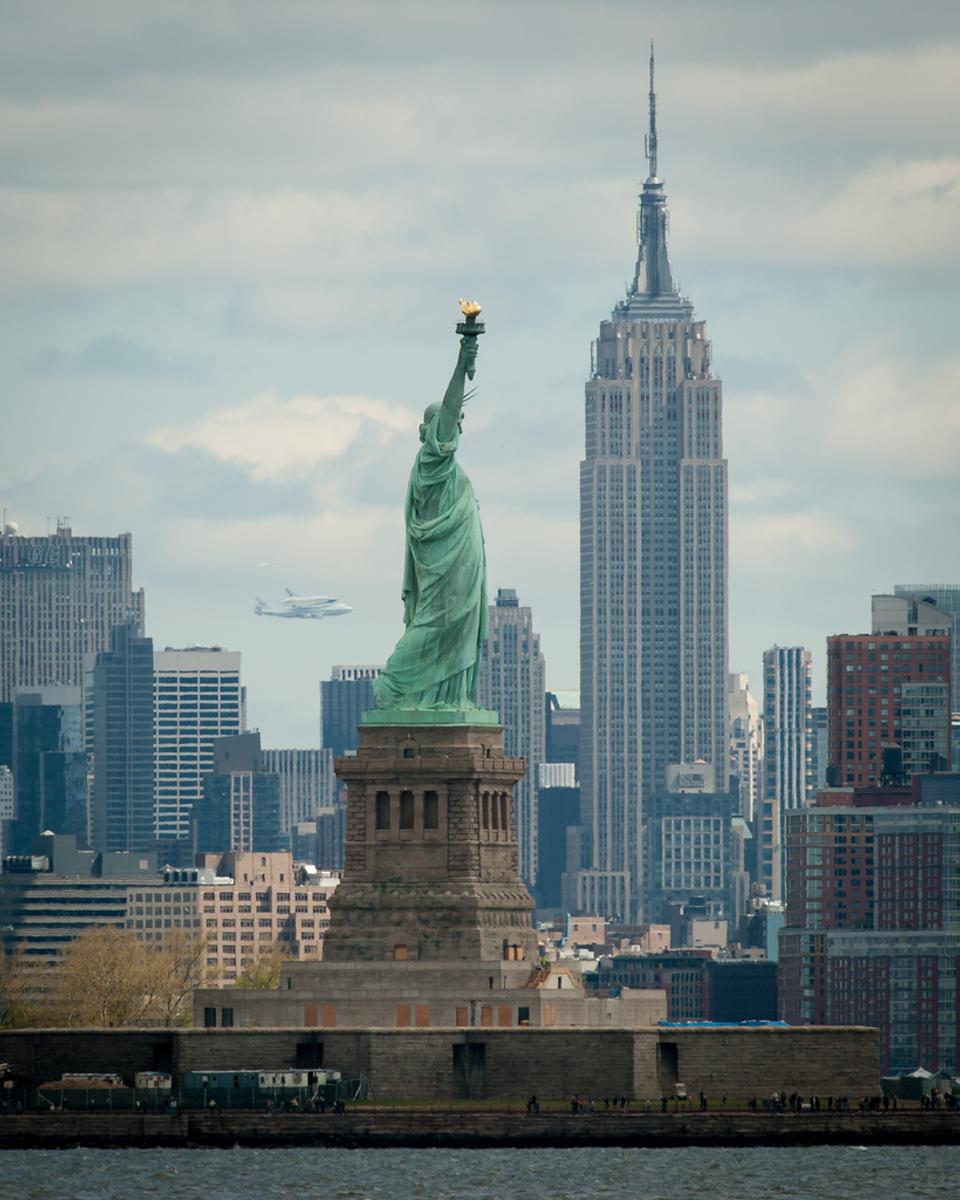
Shuttle Enterprise Over New York
What's that in the background? Two famous New York City icons stand tall in the above photo taken last week. On the left looms the Statue of Liberty , a universal symbol of…
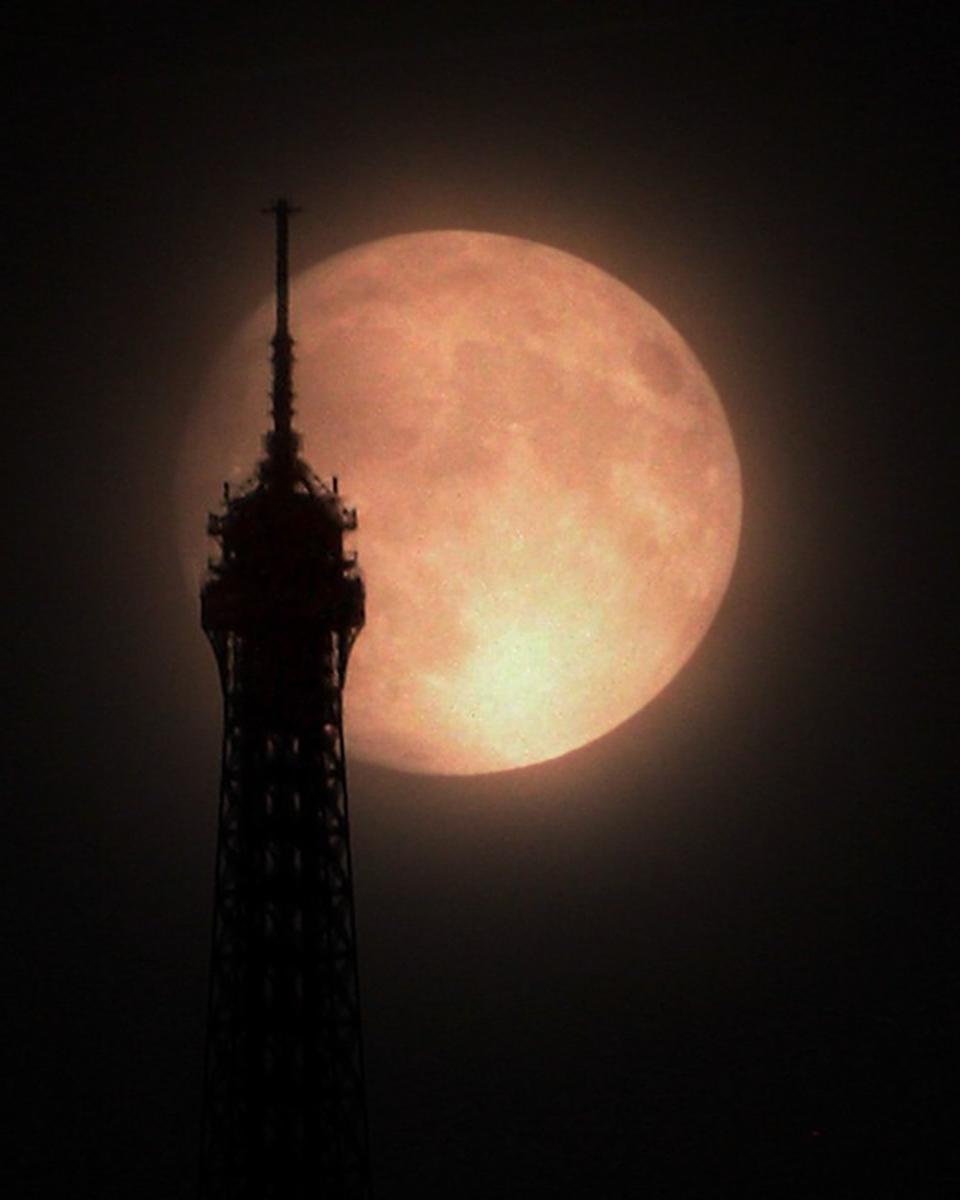
Supermoon Over Paris
Did you see that full Moon Saturday night? Dubbed a supermoon , the latest fully illuminated moon appeared slightly larger than usual because it occurred unusually near the…
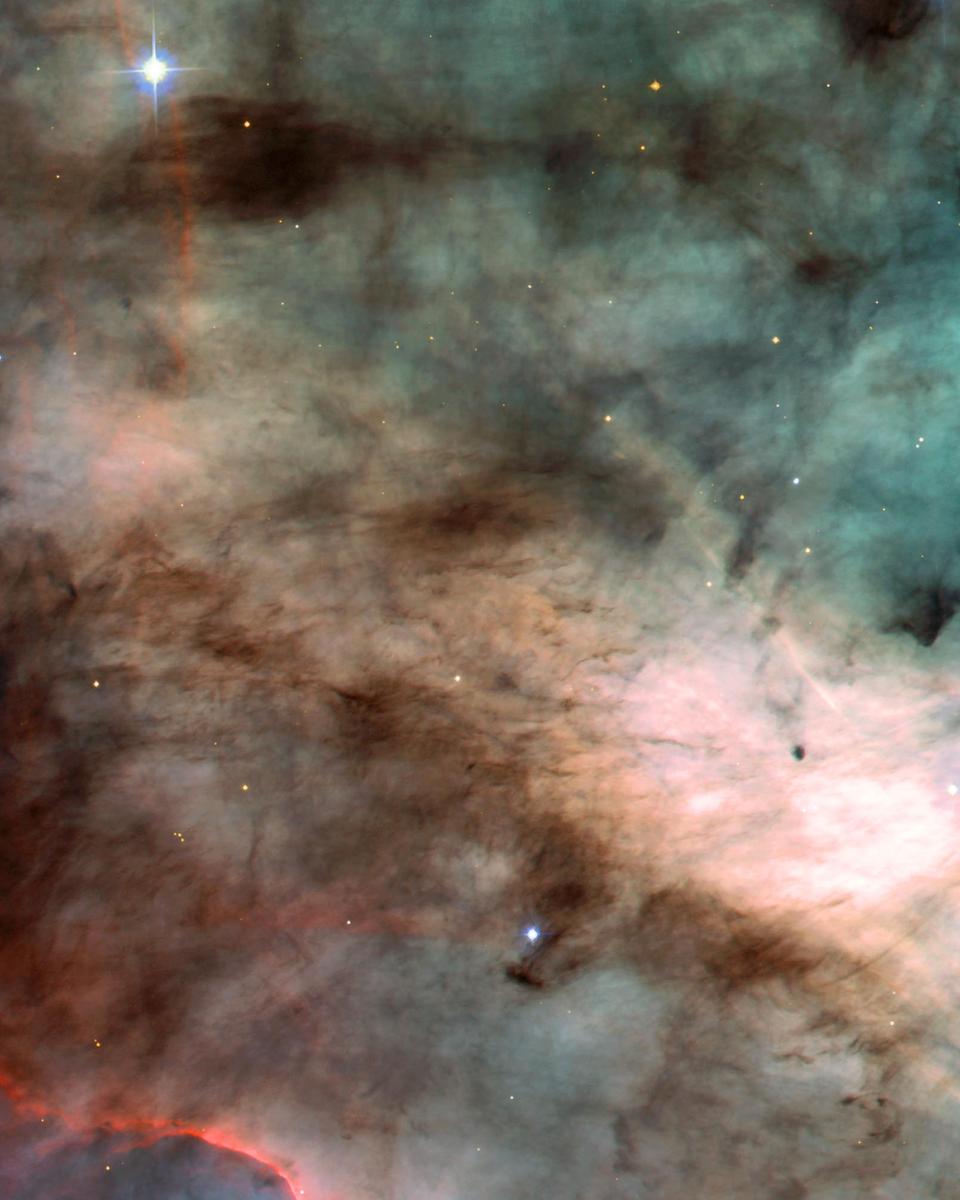
In the Center of the Omega Nebula
In the depths of the dark clouds of dust and molecular gas known as the Omega Nebula , stars continue to form. The above image from the Hubble Space Telescope 's Advanced Camera…
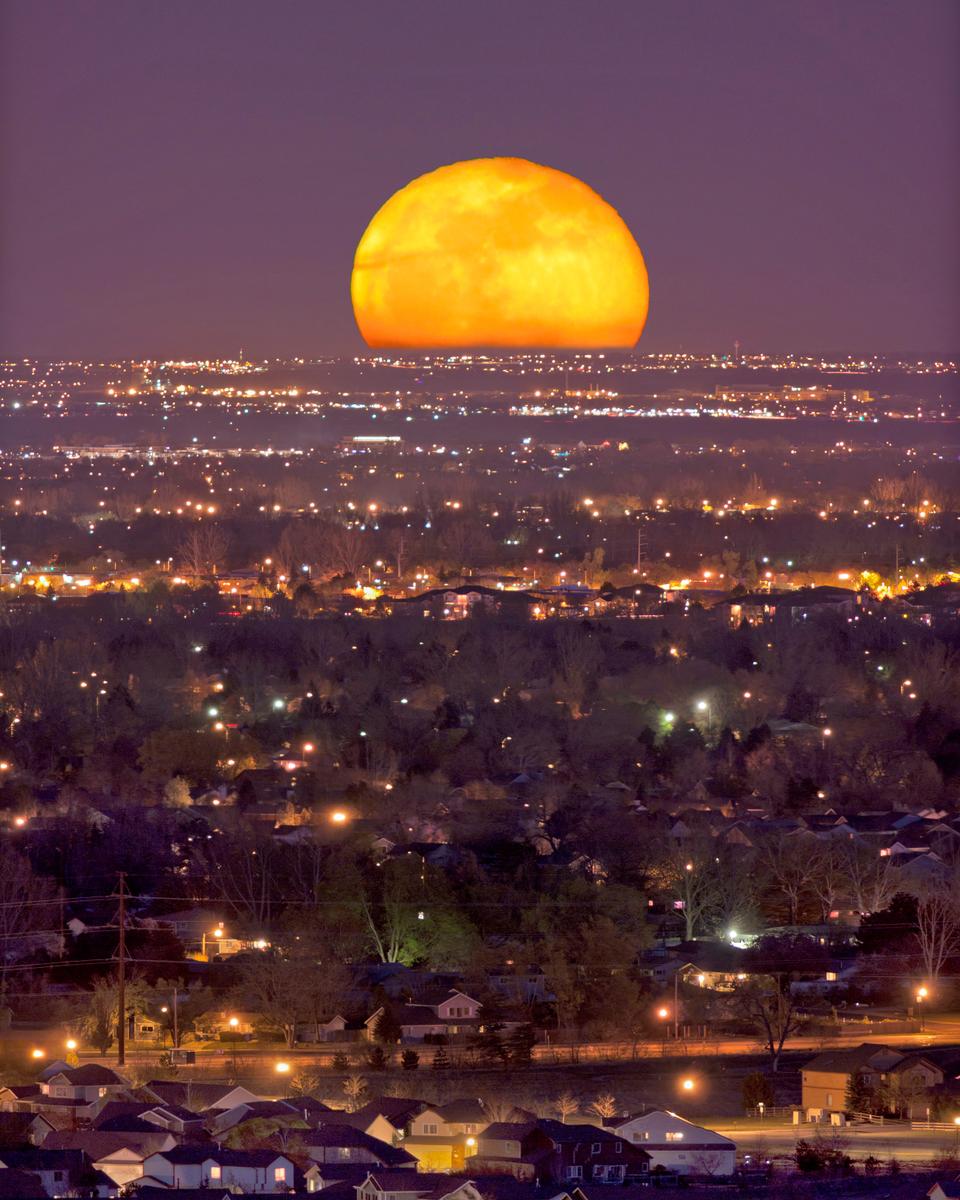
Full Moonrise
Rising as the Sun sets, tonight's Full Moon could be hard to miss. Remarkably, its exact full phase (May 6 03:36 UT) will occur less than two minutes after it reaches perigee, the…
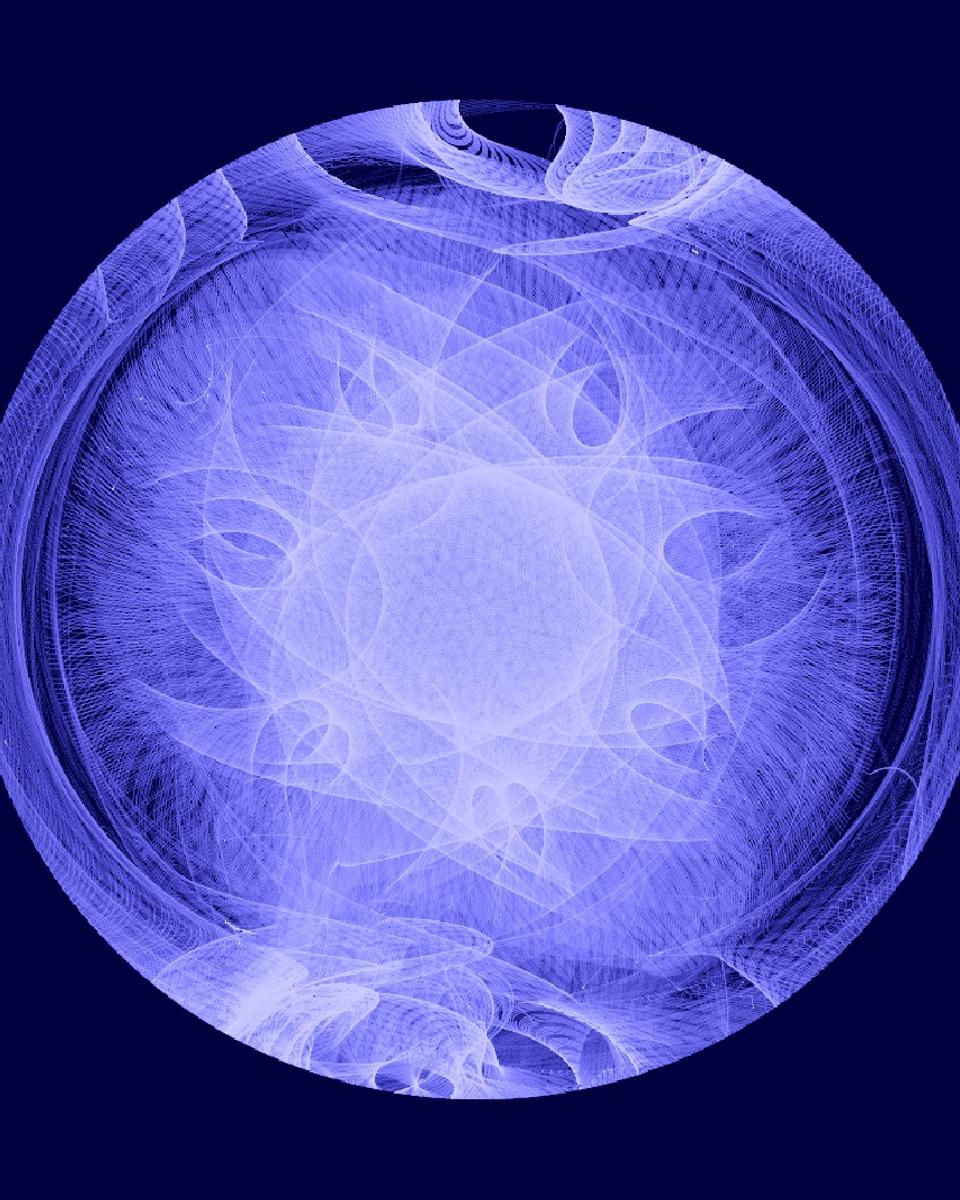
Fermi Epicycles: The Vela Pulsar's Path
Exploring the cosmos at extreme energies, the Fermi Gamma-ray Space Telescope orbits planet Earth every 95 minutes. By design , it rocks to the north and then to the south on…
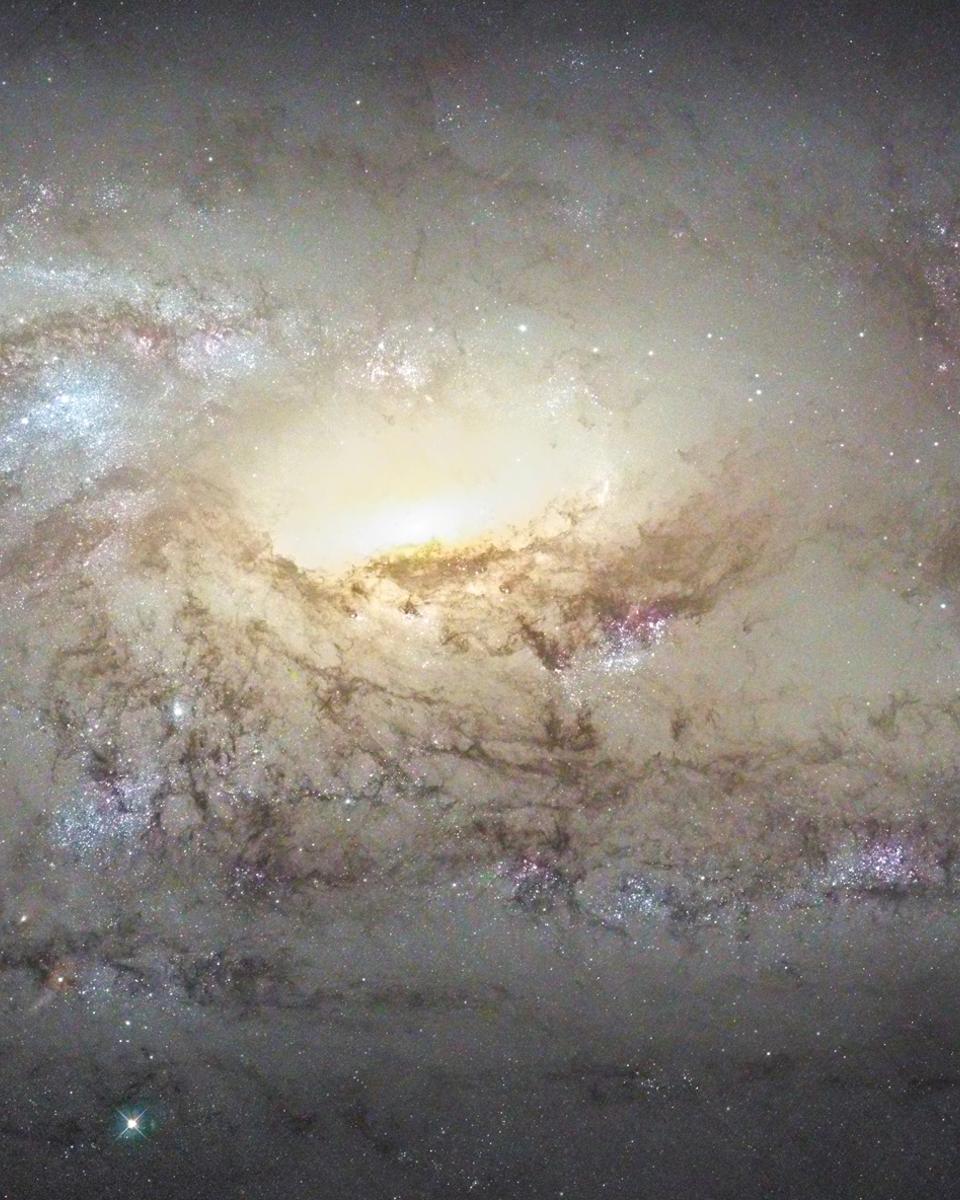
M106 Close Up
Close to the Great Bear (Ursa Major) and surrounded by the stars of the Hunting Dogs (Canes Venatici), this celestial wonder was discovered in 1781 by the metric French astronomer…
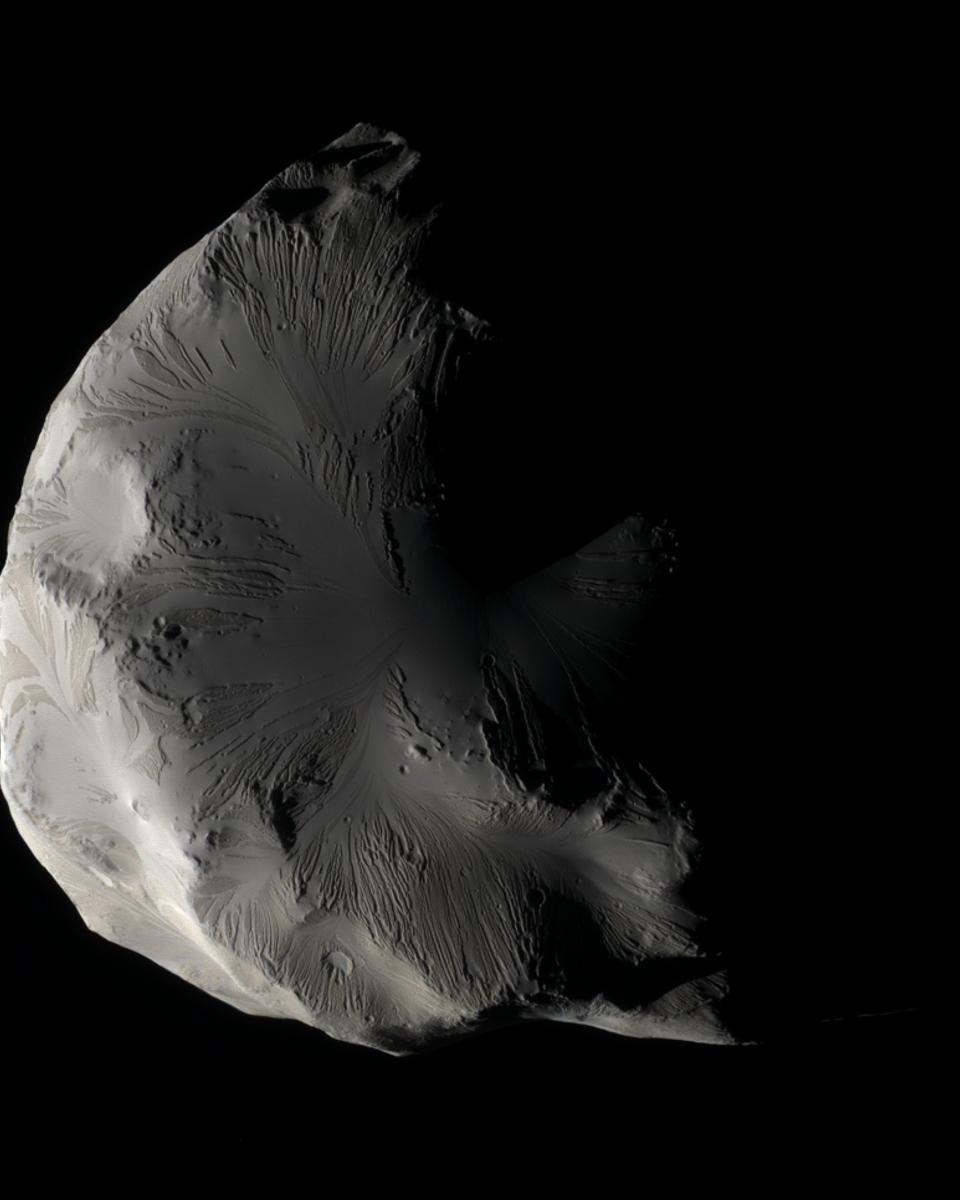
Saturn's Moon Helene in Color
Although its colors may be subtle, Saturn's moon Helene is an enigma in any light. The moon was imaged in unprecedented detail last June as the robotic Cassini spacecraft orbiting…
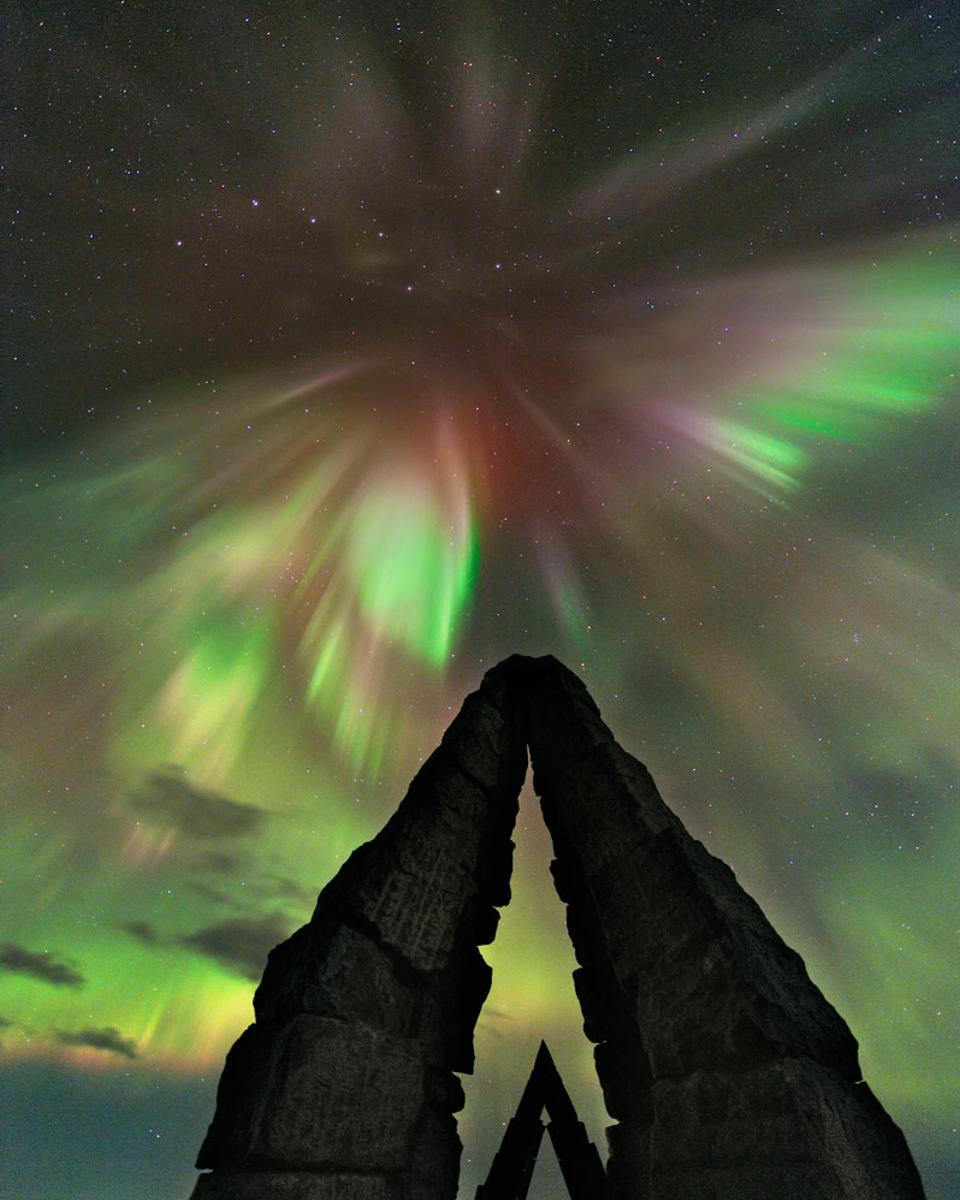
Aurora Over Raufarhfn
It was all lined up even without the colorful aurora exploding overhead. If you follow the apex line of the recently deployed monuments of Arctic Henge in Raufarhfn in northern…
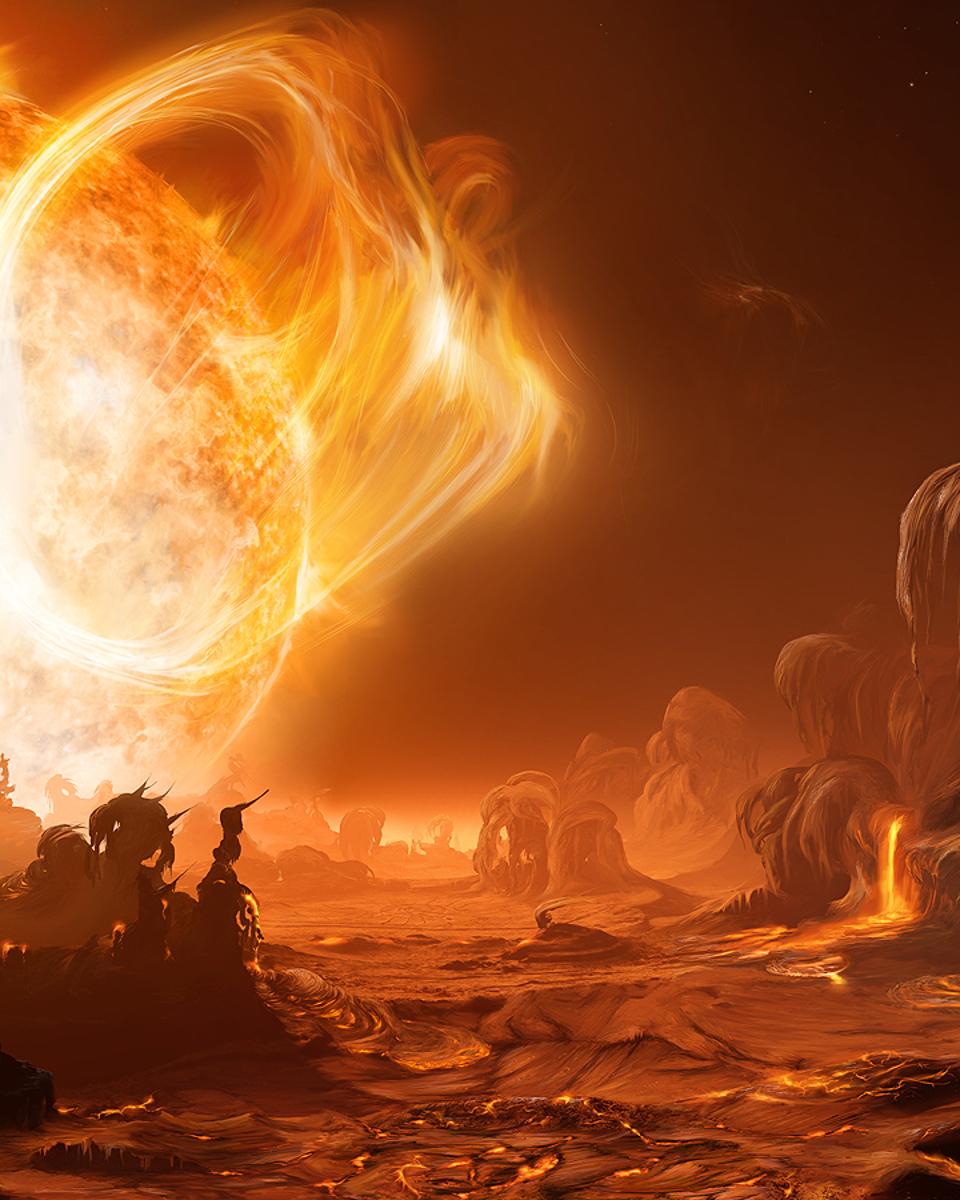
A Dangerous Sunrise on Gliese 876d
On planet Gliese 876d, sunrises might be dangerous. Although nobody really knows what conditions are like on this close-in planet orbiting variable red dwarf star Gliese 876 , the…
Viewing discoveries from 25 May 2012 through 29 April 2012.