Browse NASA Astronomy Picture of the Day archive by date and media: Archive Discoveries
Browse the NASA APOD archive without needing the exact date first. Filter by media type and keep moving deeper into older images and videos.

Flying Over Planet Earth
Have you ever dreamed of flying high above the Earth? Astronauts visiting the International Space Station do this every day, circling our restless planet twice every three hours.…
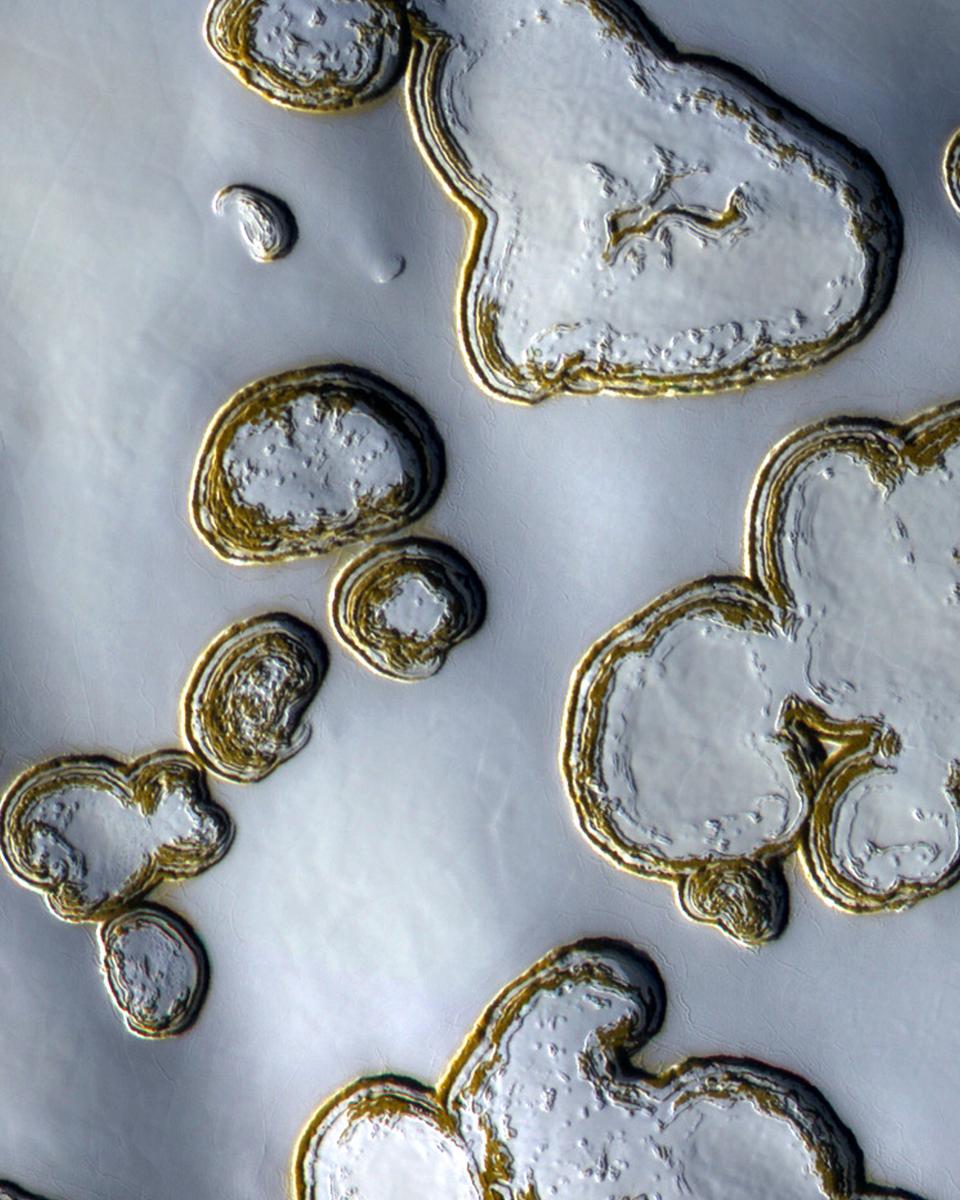
Dry Ice Pits on Mars
Part of Mars is defrosting. Around the South Pole of Mars, toward the end of every Martian summer, the warm weather causes a section of the vast carbon-dioxide ice cap to…
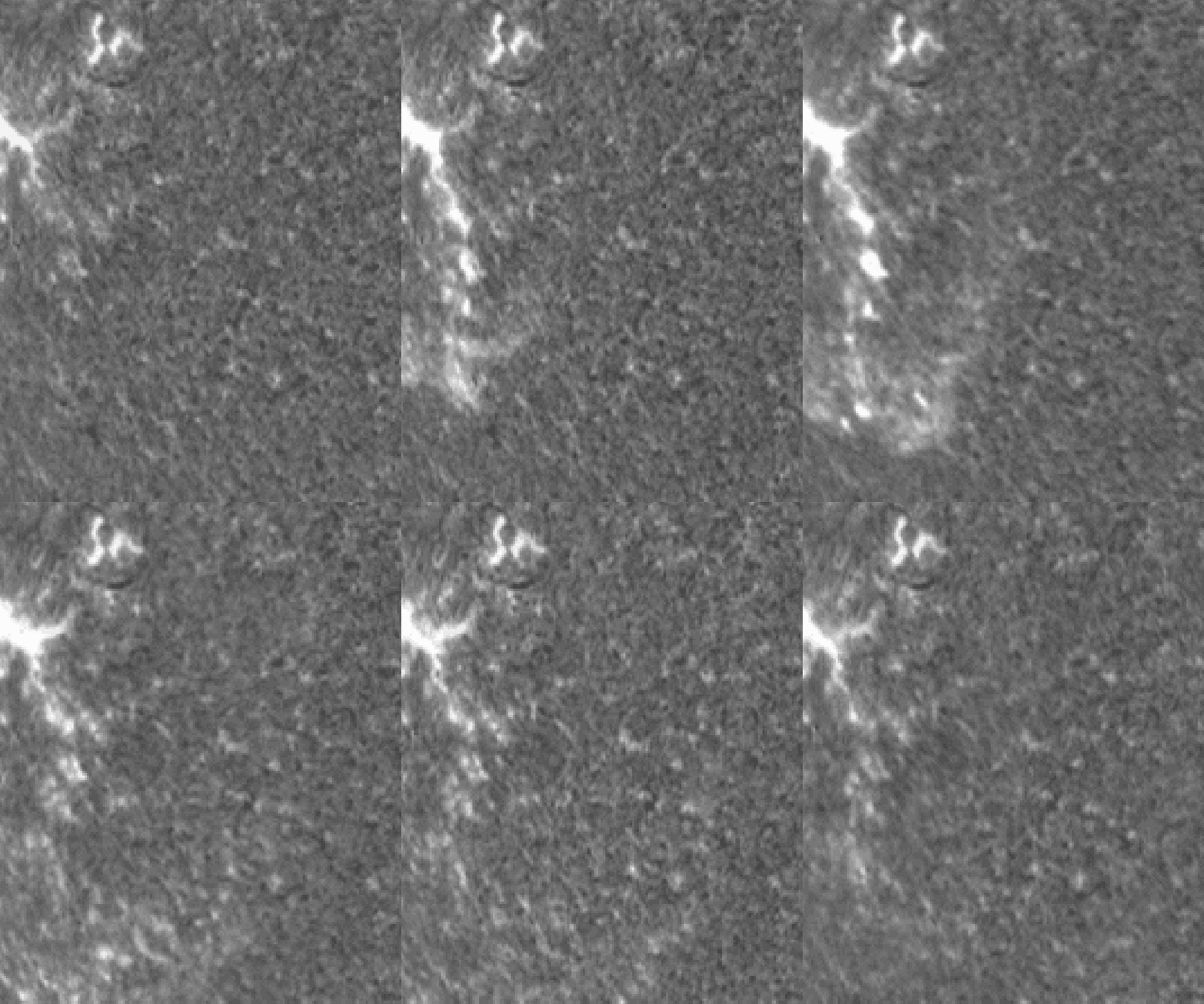
A Large Tsunami Shock Wave on the Sun
Tsunamis this large don't happen on Earth. During 2006, a large solar flare from an Earth-sized sunspot produced a tsunami -type shock wave that was spectacular even for the Sun.…

Mangaia's Milky Way
From Sagittarius to Carina , the Milky Way Galaxy shines in this dark night sky above planet Earth's lush island paradise of Mangaia . Familiar to denizens of the southern…
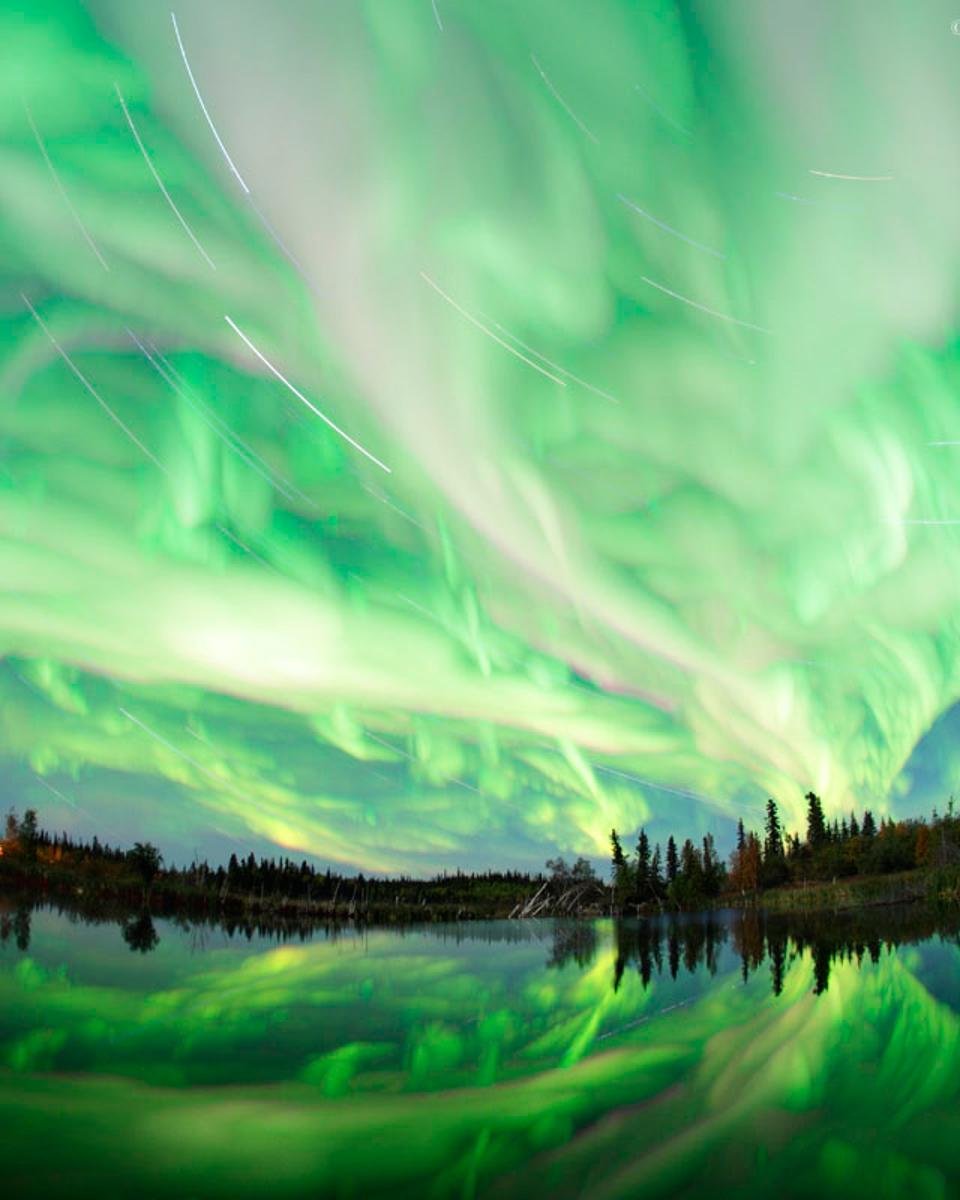
September's Aurora
September's equinox arrives today at 0905 UT. As the Sun crosses the celestial equator heading south, spring begins in the southern hemisphere and autumn in the north. And though…
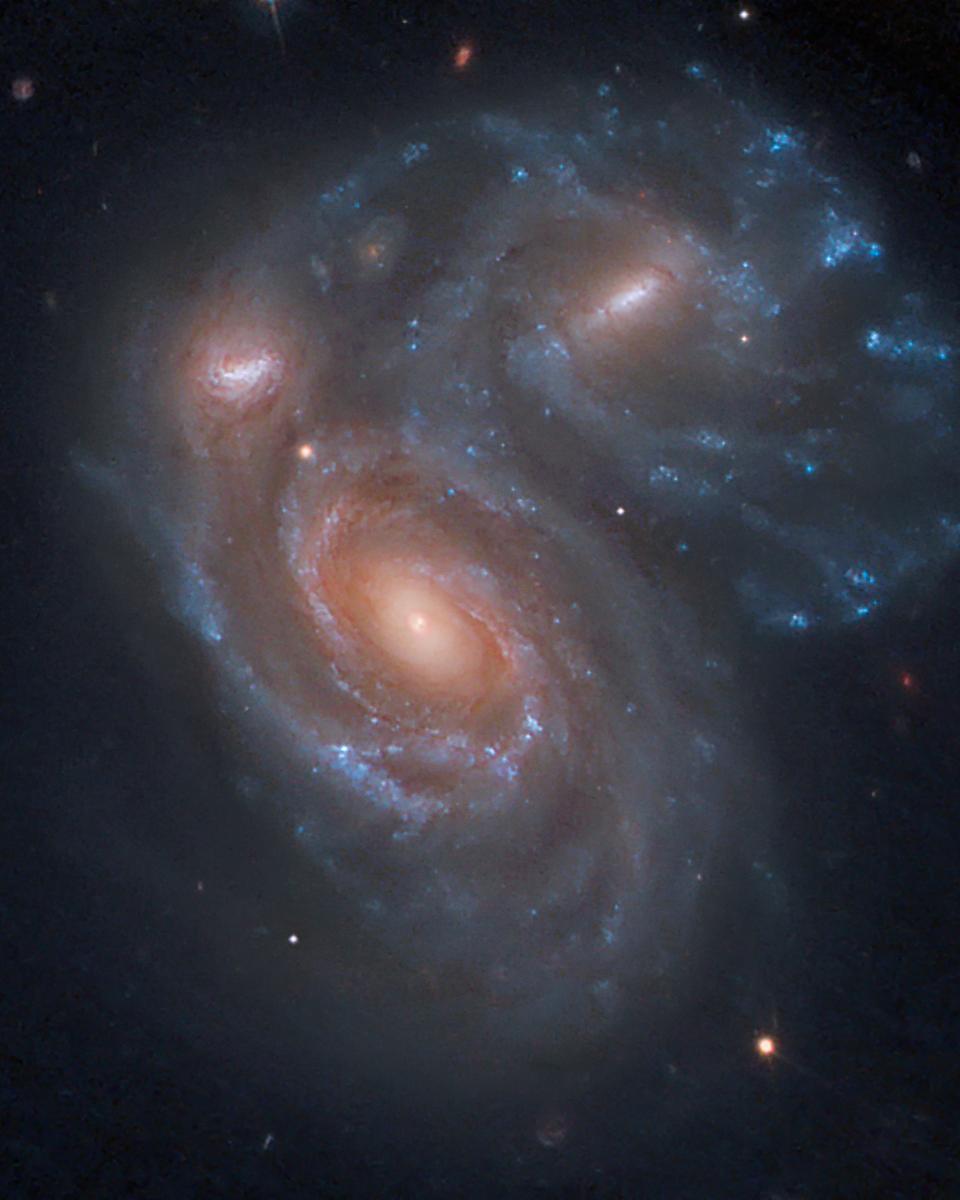
Arp 272
Linking spiral arms, two large colliding galaxies are featured in this remarkable cosmic portrait constructed using image data from the Hubble Legacy Archive . Recorded in…
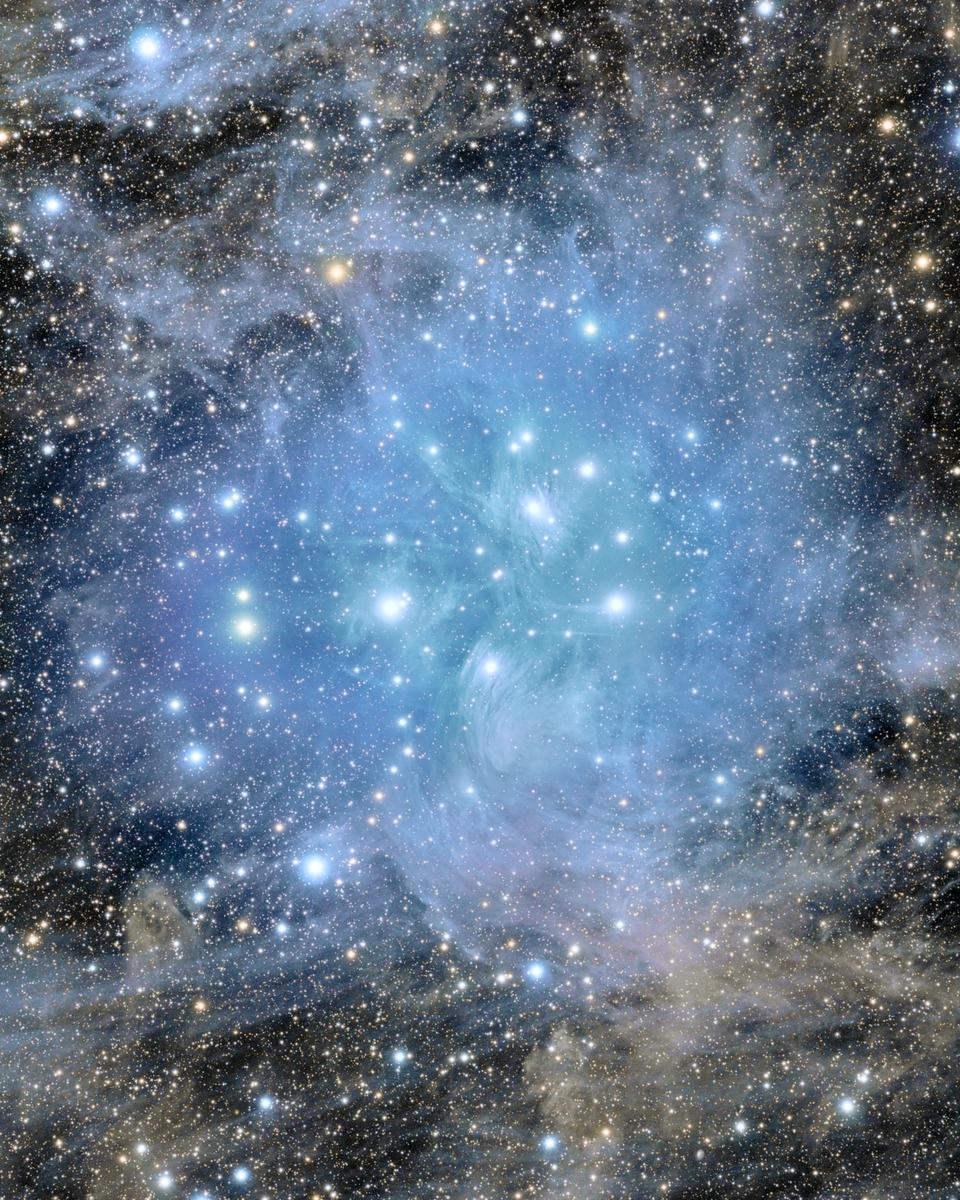
Pleiades Deep Field
Have you ever seen the Pleiades star cluster? Even if you have, you probably have never seen it like this: all dusty. Perhaps the most famous star cluster on the sky, the bright…

Kepler-16b: A Planet with Two Suns
If you stay up long enough, you can watch both suns set. Such might be a common adage from beings floating in the atmosphere of Kepler 16b, a planet recently discovered by the…
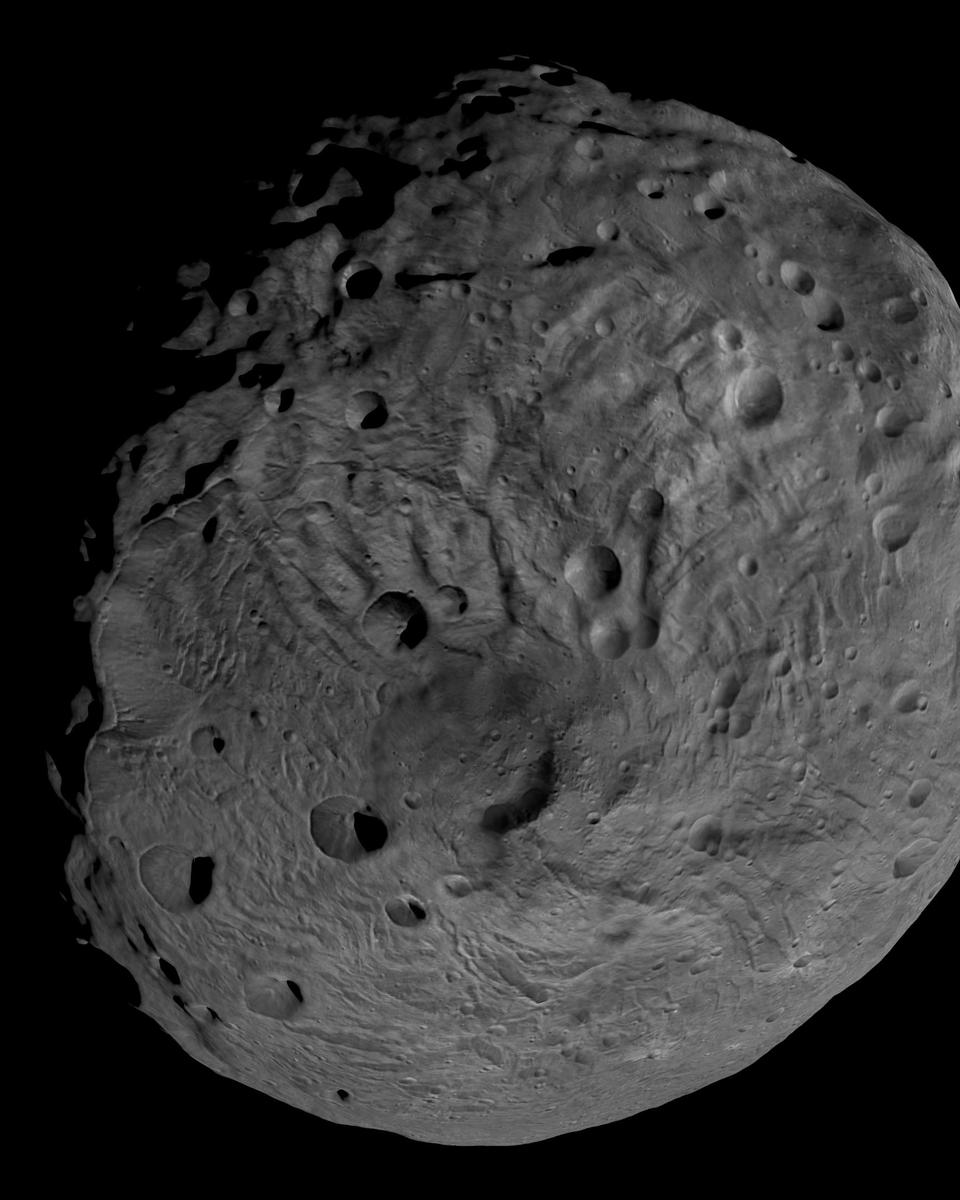
The South Pole of Asteroid Vesta
What created the circular structure around the south pole of asteroid Vesta? Pictured above , the bottom of the second largest object in the asteroid belt was recently imaged for…
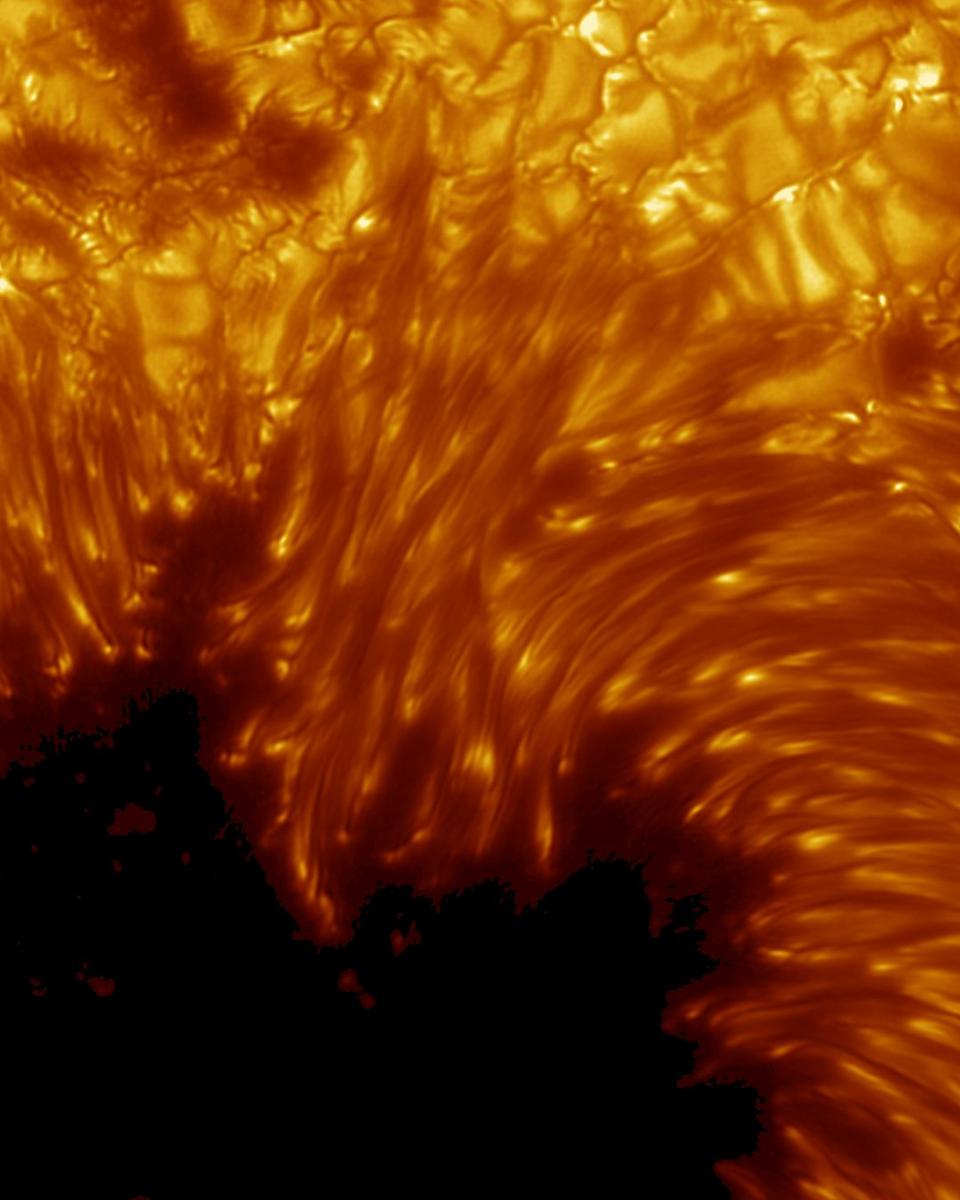
A Sharp View of the Sun
Here is one of the sharper views of the Sun ever taken. This stunning image shows remarkable details of a dark sunspot across the image bottom and numerous boiling granules which…
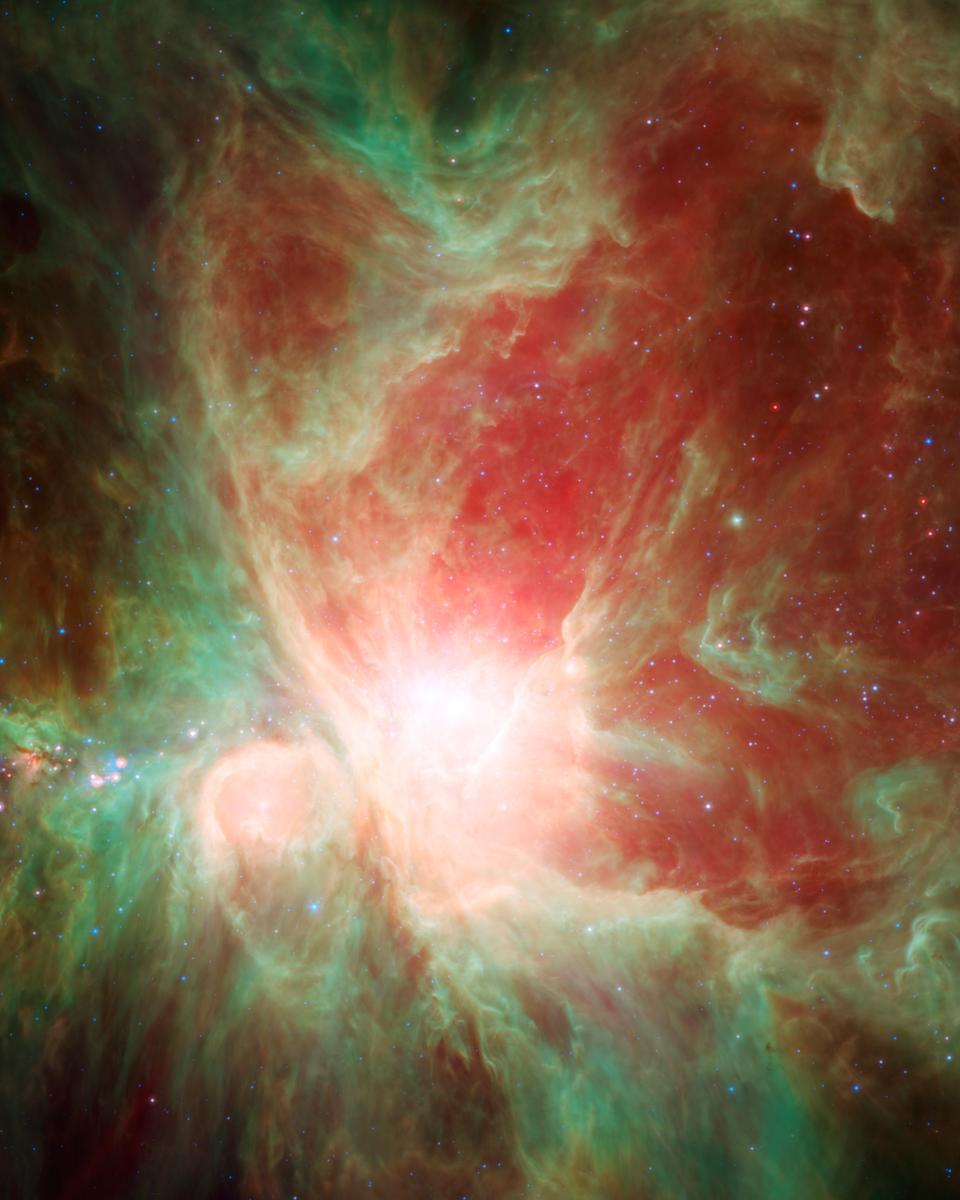
Spitzer's Orion
Few cosmic vistas excite the imagination like the Orion Nebula , an immense stellar nursery some 1,500 light-years away. This stunning false-color view spans about 40 light-years…
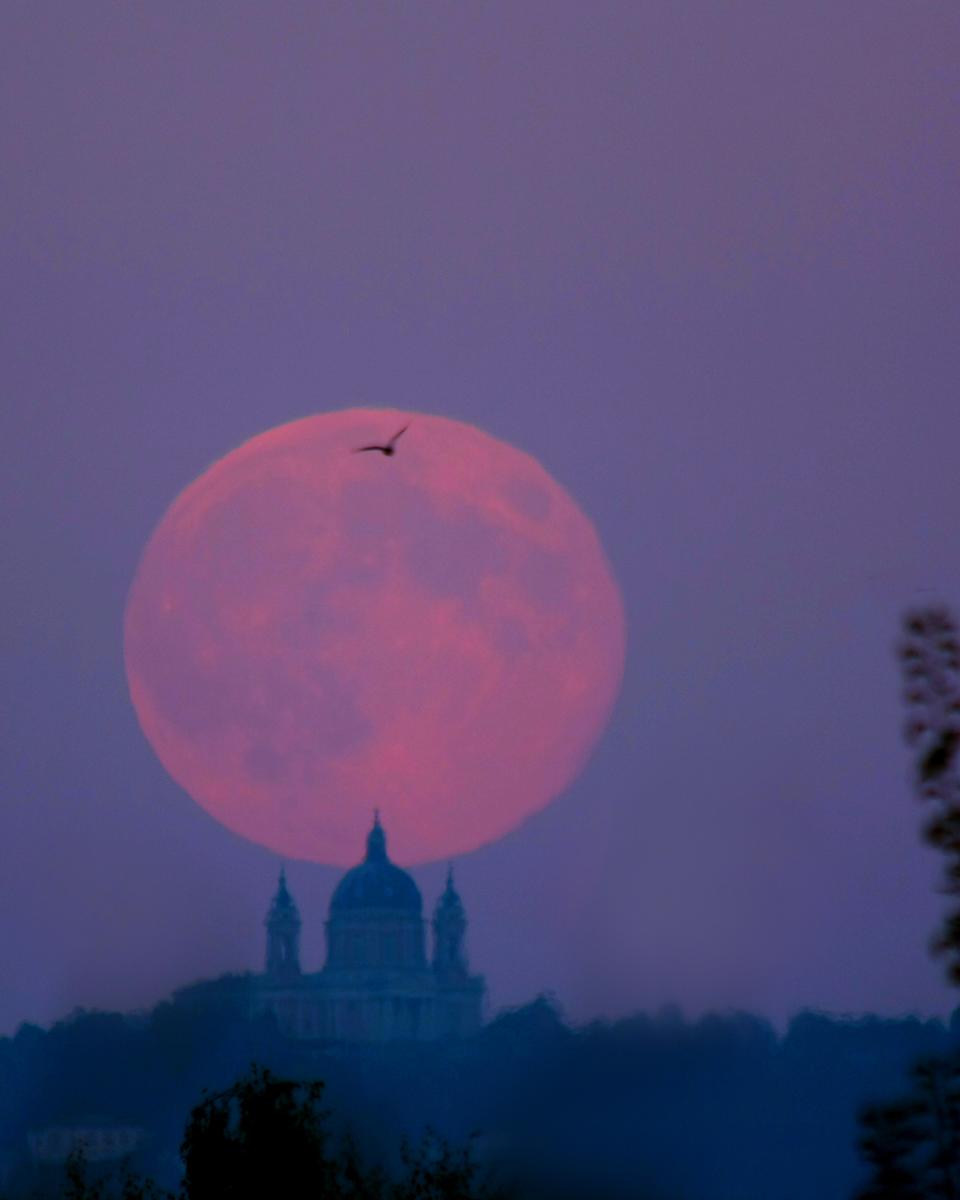
September's Harvest Moon
A Full Moon rising can be a dramatic celestial sight , and Full Moons can have many names. For example, Monday's Full Moon was the one nearest this year's autumnal equinox for the…
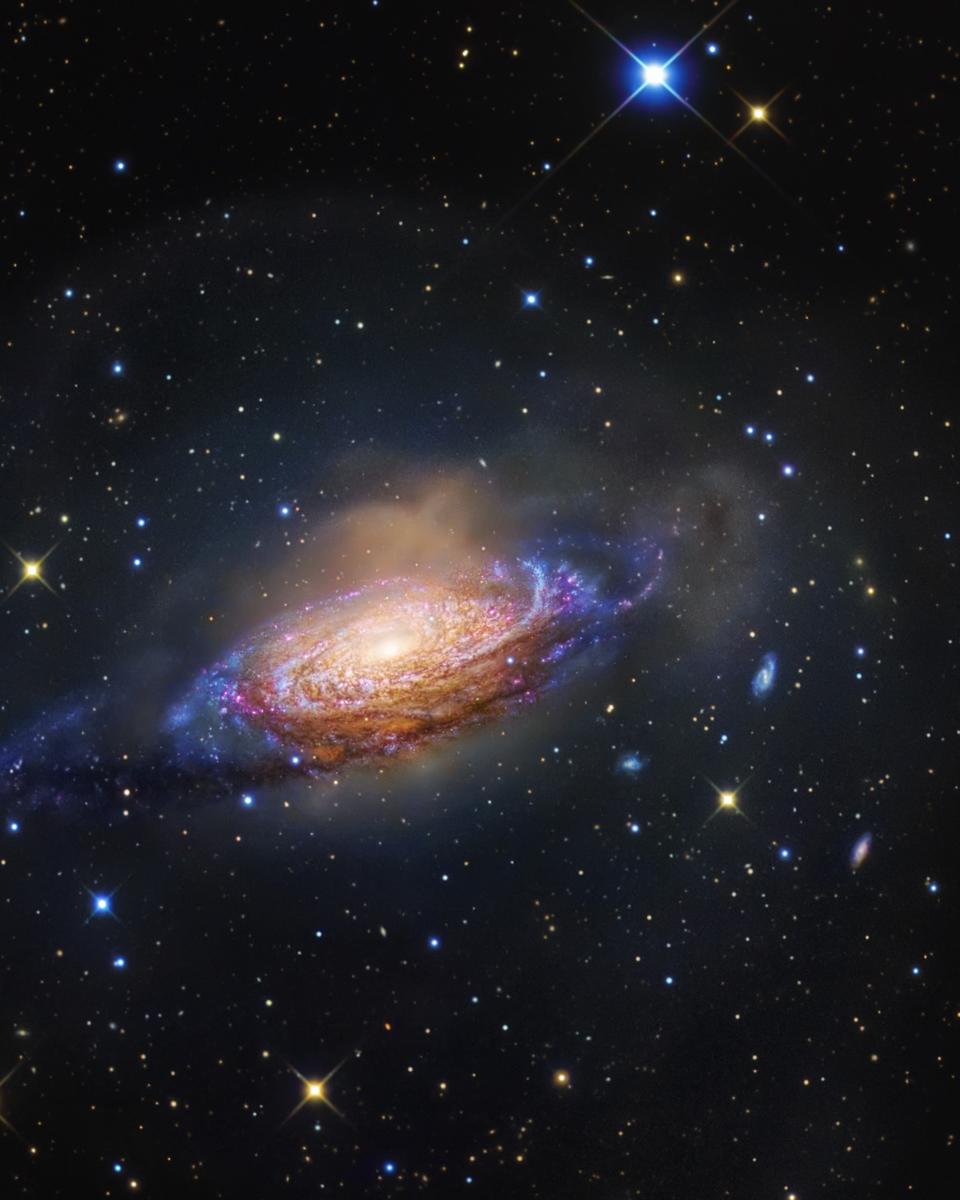
NGC 3521: Galaxy in a Bubble
Gorgeous spiral galaxy NGC 3521 is a mere 35 million light-years away, toward the constellation Leo . Relatively bright in planet Earth's sky, NGC 3521 is easily visible in small…
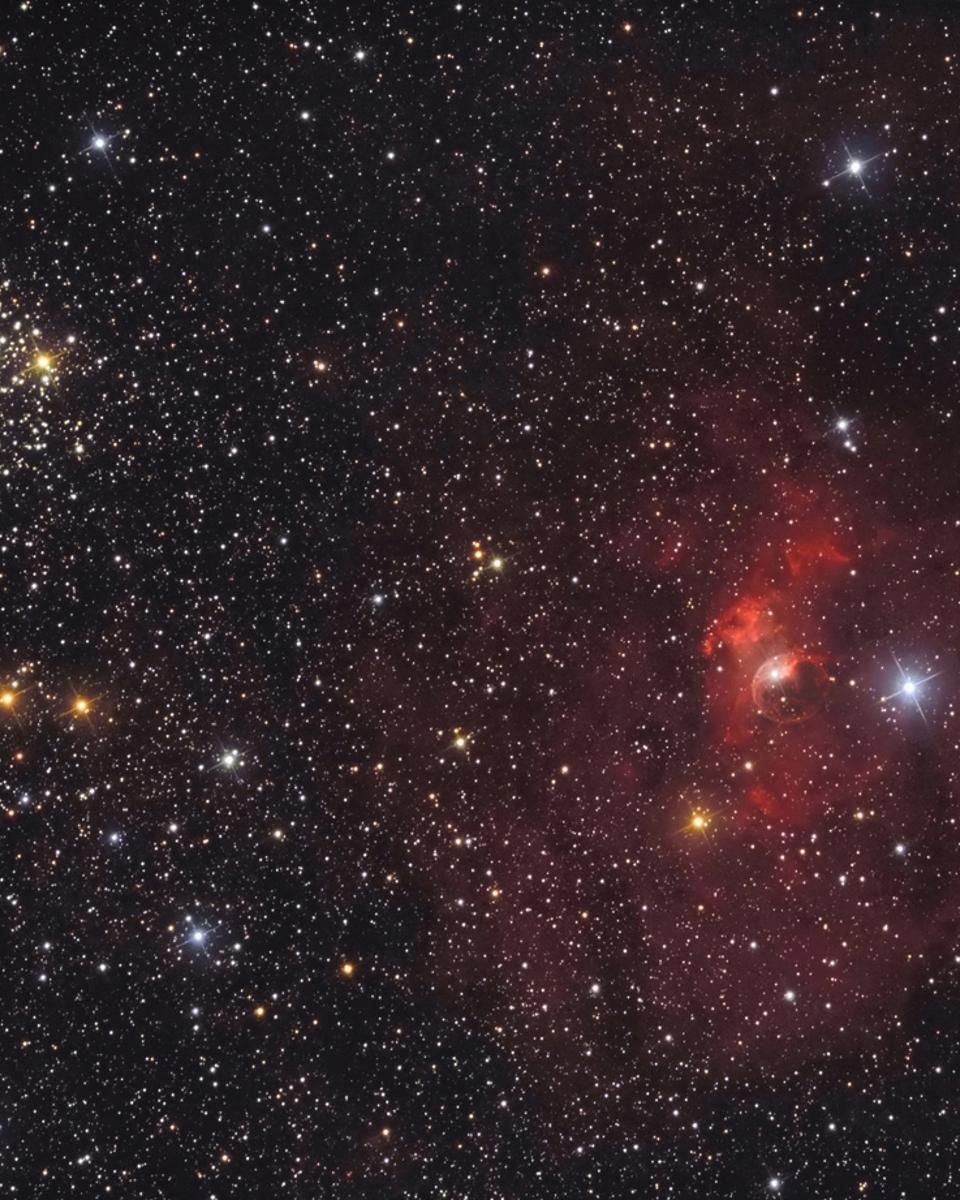
The Bubble and M52
To the eye, this cosmic composition nicely balances the Bubble Nebula at the lower right with open star cluster M52. The pair would be lopsided on other scales, though. Embedded…
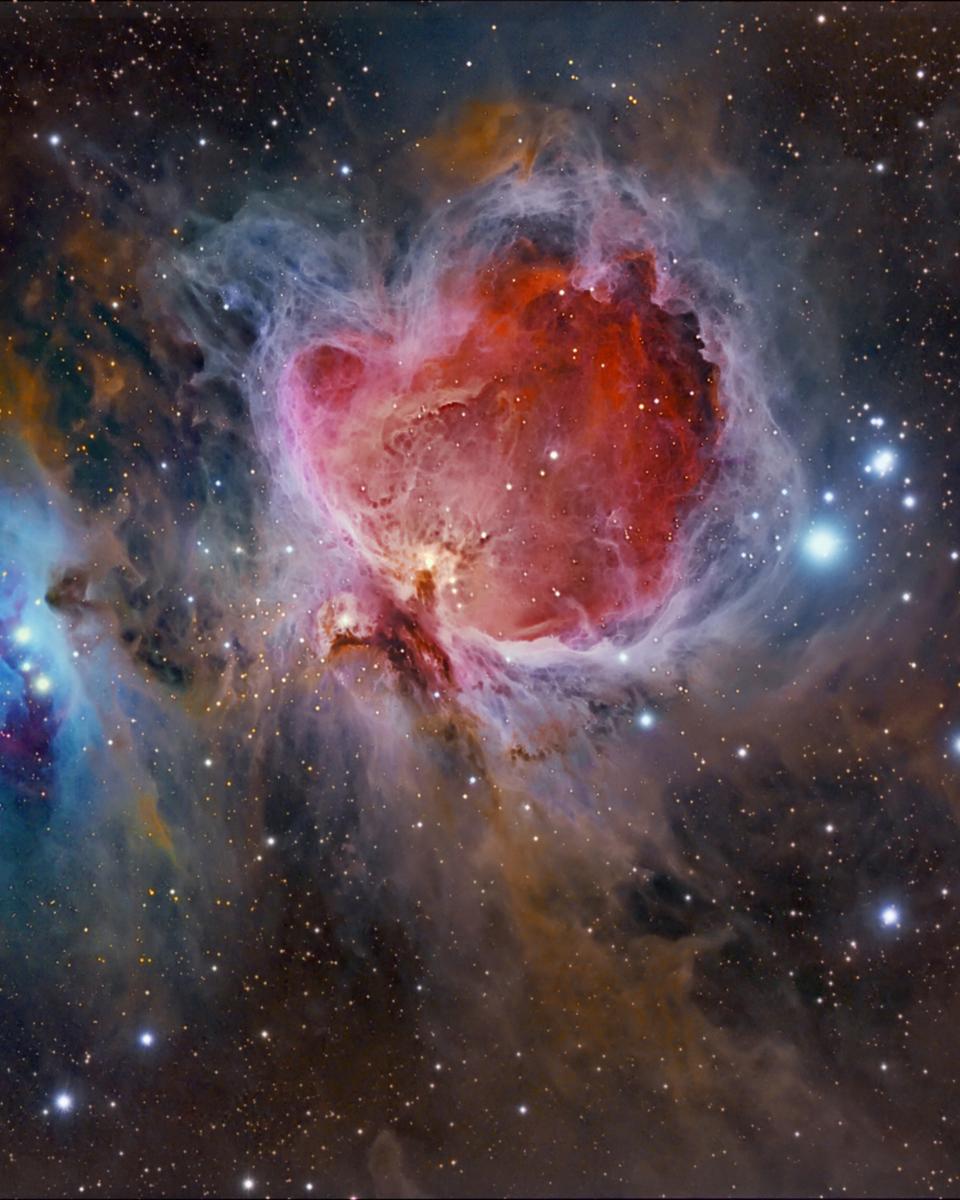
Great Orion Nebulae
The Great Nebula in Orion , also known as M42, is one of the most famous nebulas in the sky. The star forming region's glowing gas clouds and hot young stars are on the right in…
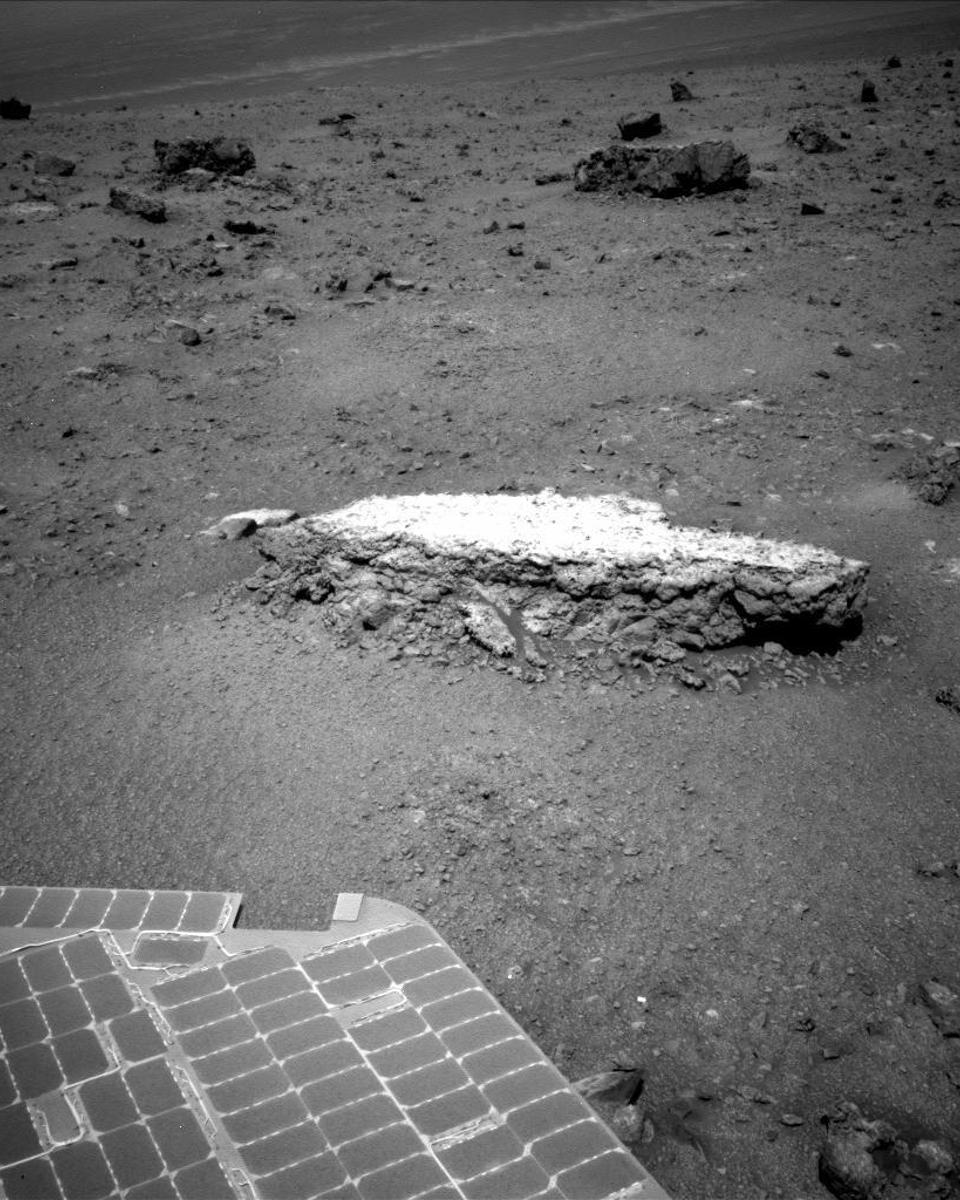
Tisdale 2 Rock Formation on Mars
Why does this Martian rock have so much zinc? Roughly the size and shape of a tilted coffee-table, this oddly flat, light-topped rock outcropping was chanced upon a few weeks ago…

On the Origin of Gold
Where did the gold in your jewelry originate? No one is completely sure . The relative average abundance in our Solar System appears higher than can be made in the early universe…
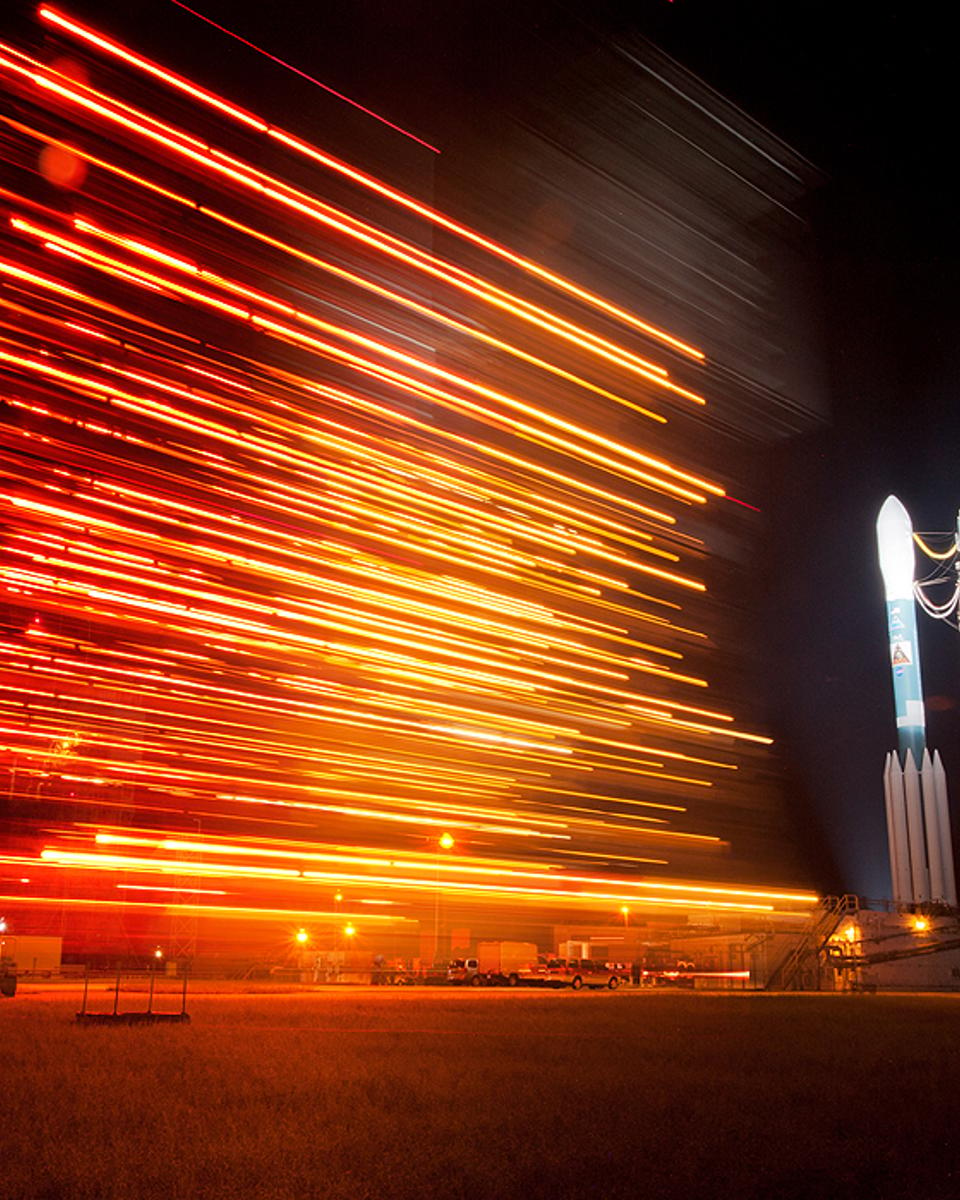
Rollback from GRAIL's Rocket
This dramatic time-lapse photo traces a 20 minute long, late evening rollback of the lighted Mobile Service Tower at Cape Canaveral Air Force Station Launch Complex 17. Twin…
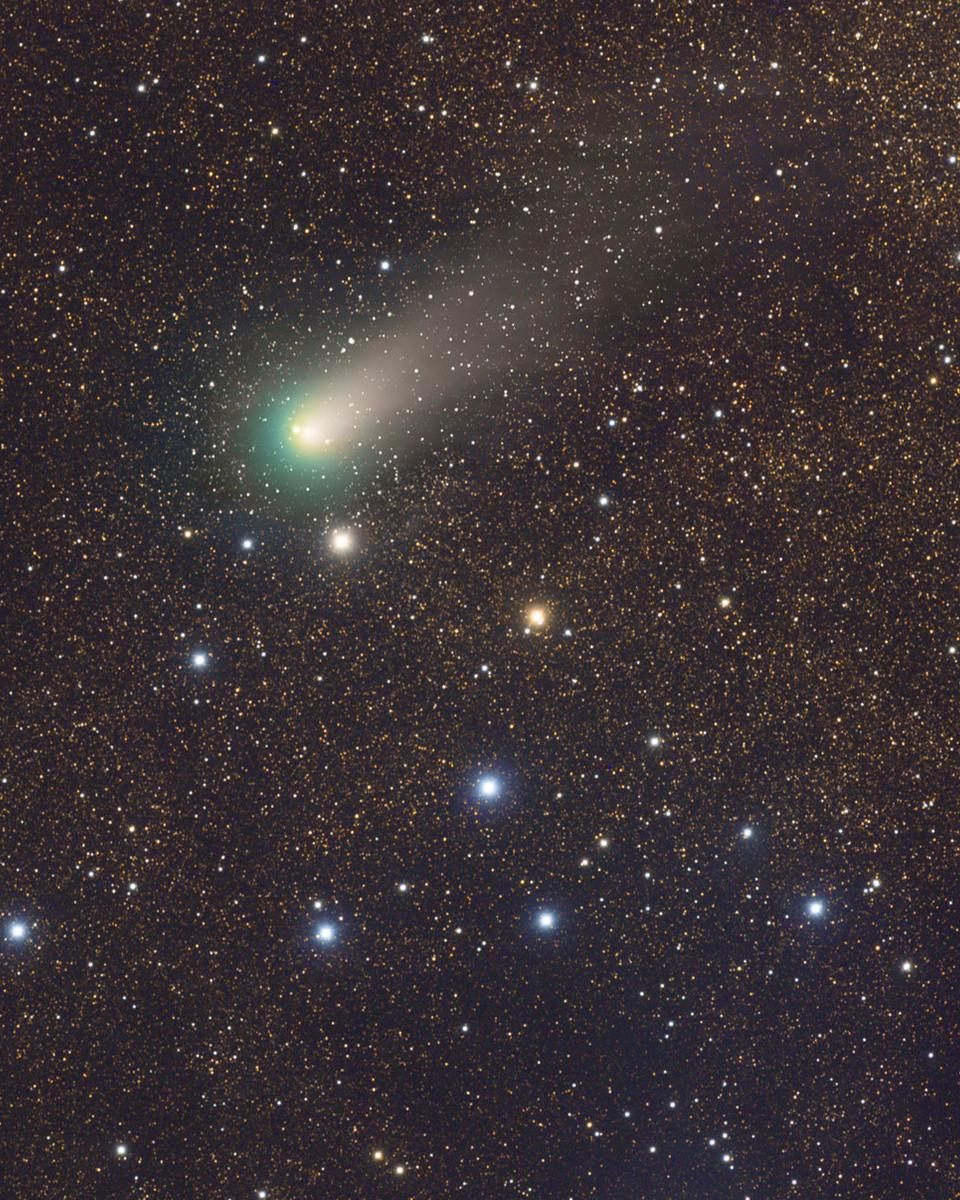
Comet Garradd and the Coat Hanger
Sweeping through planet Earth's night sky, last weekend Comet Garradd ( C/2009 P1) visited this lovely star field along the Milky Way in the constellation Vulpecula. Suggestively…
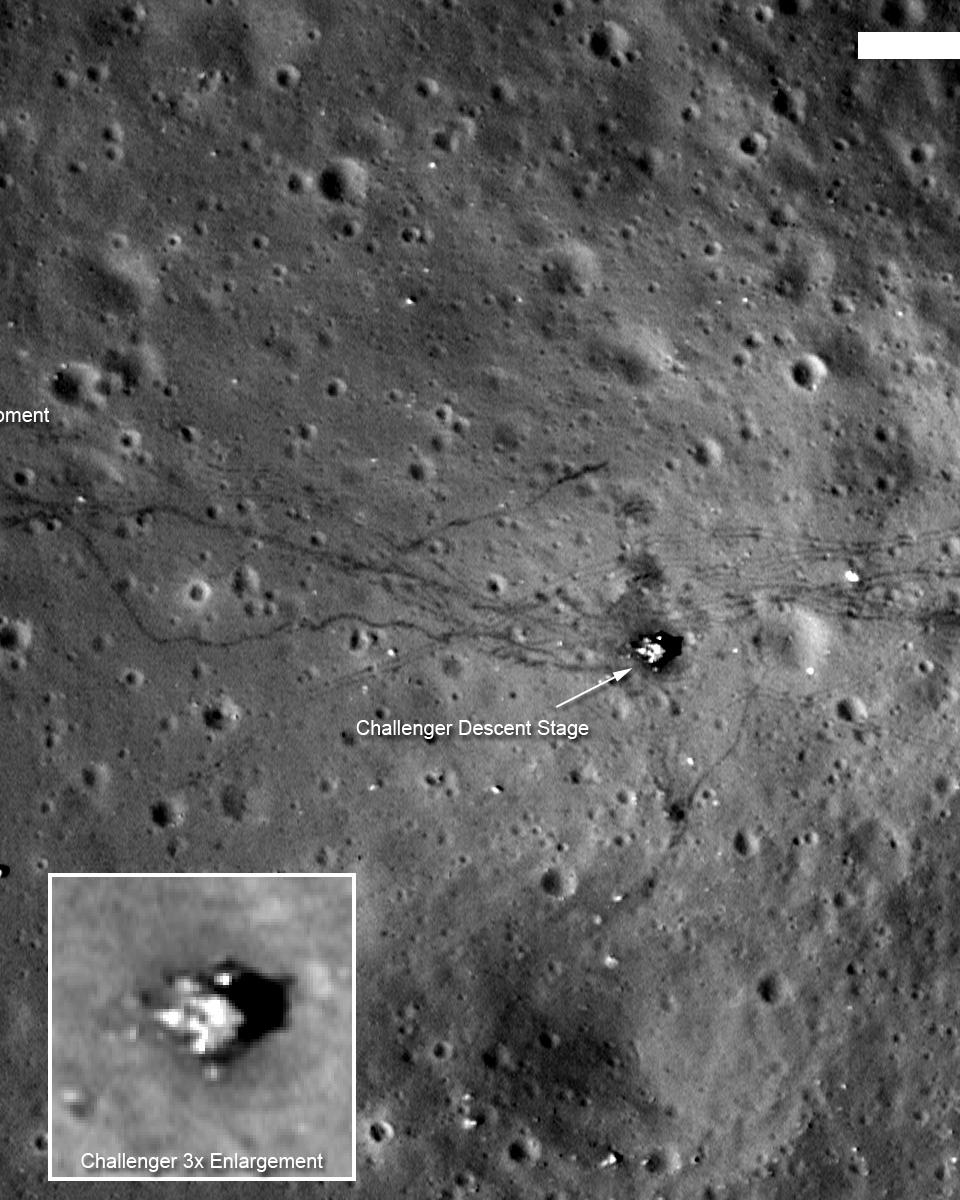
Apollo 17 Site: A Sharper View
This view of the Apollo 17 landing site in the Taurus-Littrow valley was captured last month by the Lunar Reconnaissance Orbiter (LRO), the sharpest ever recorded from space . The…
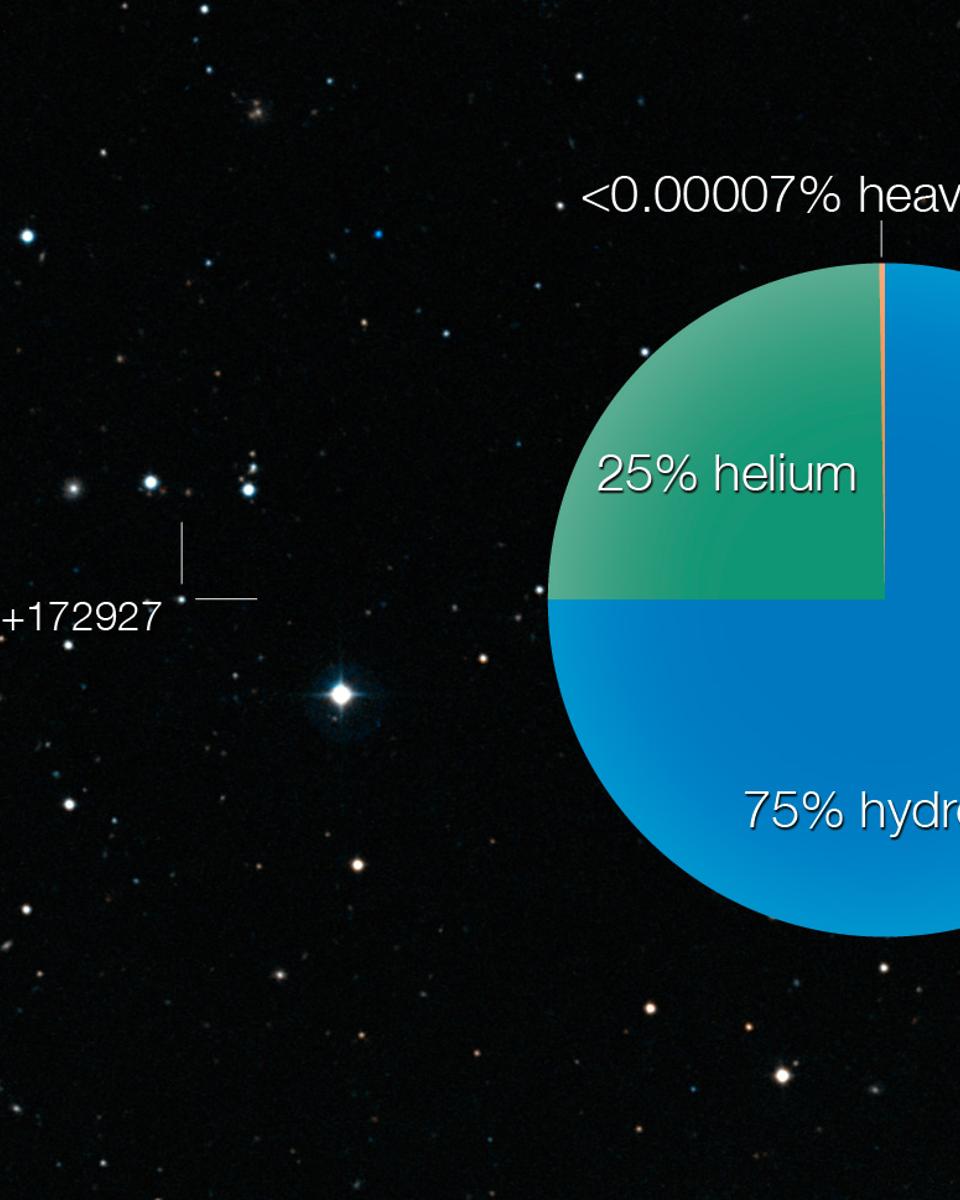
SDSS J102915+172927: A Star That Should Not Exist
Why does this star have so few heavy elements? Stars born in the generation of our Sun have an expected abundance of elements heavier than hydrogen and helium mixed into their…
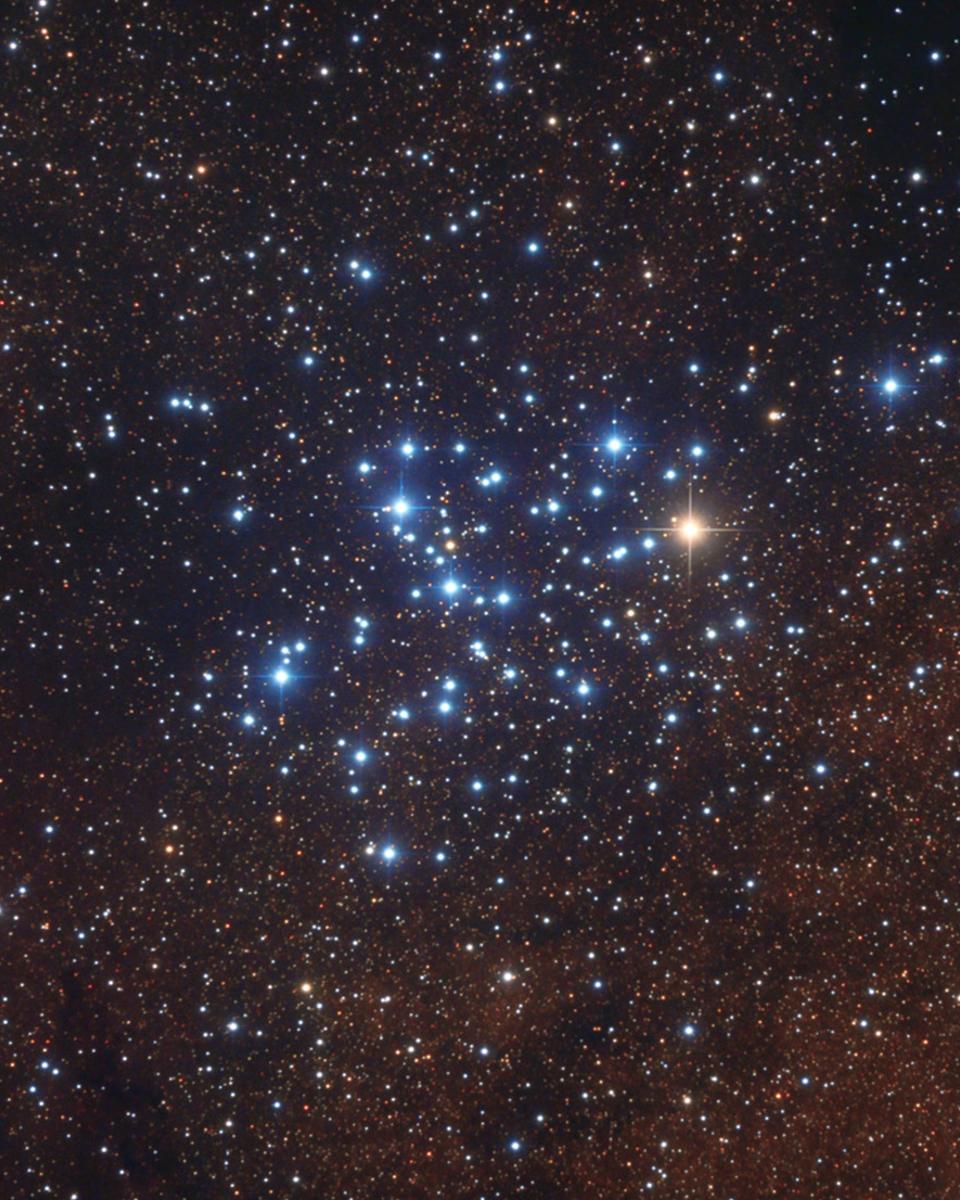
M6: The Butterfly Cluster
To some, the outline of the open cluster of stars M6 resembles a butterfly. M6 , also known as NGC 6405, spans about 20 light-years and lies about 2,000 light years distant. M6…

HH 47: A Young Star Jet Expands
Stars remain where they are. Nebulas appear the same. Day after day. Year after year. Given the vast distances in astronomy, even fast moving objects will not appear to change…
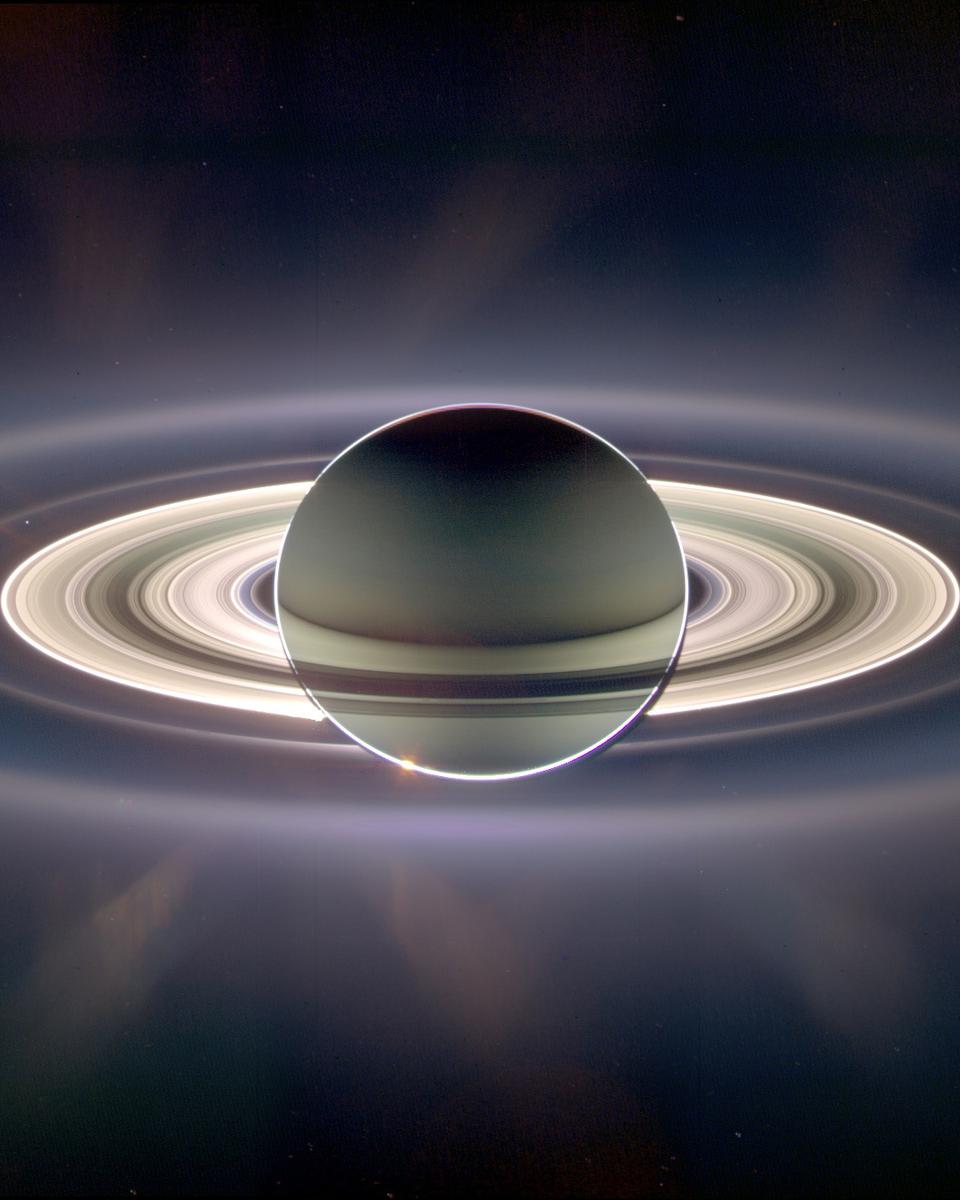
In the Shadow of Saturn
In the shadow of Saturn, unexpected wonders appear. The robotic Cassini spacecraft now orbiting Saturn drifted in giant planet's shadow for about 12 hours in 2006 and looked back…
Viewing discoveries from 27 September 2011 through 4 September 2011.