Browse NASA Astronomy Picture of the Day archive by date and media: Archive Discoveries
Browse the NASA APOD archive without needing the exact date first. Filter by media type and keep moving deeper into older images and videos.
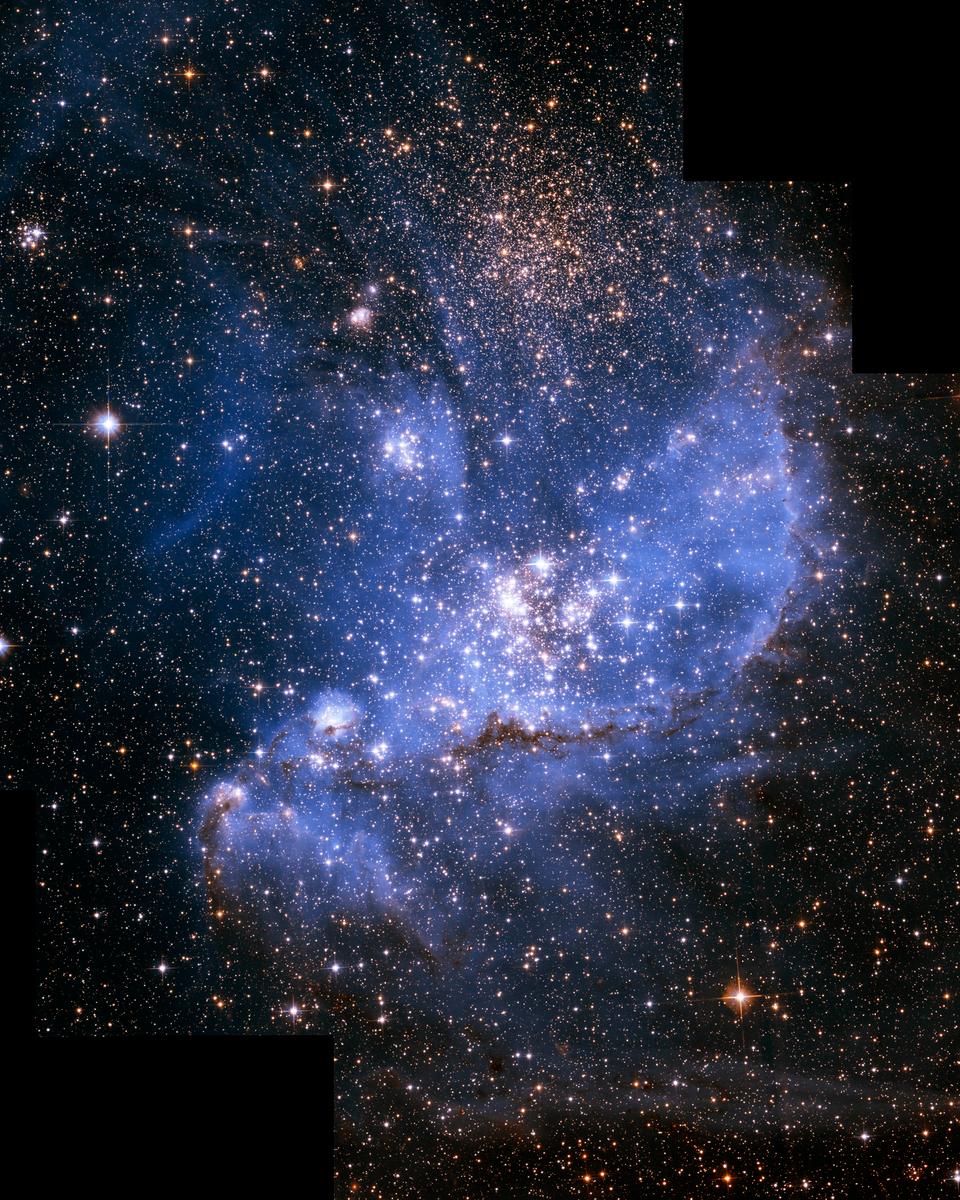
NGC 346 in the Small Magellanic Cloud
How and why are all these stars forming? Found among the Small Magellanic Cloud's (SMC's) clusters and nebulae NGC 346 is a star forming region about 200 light-years across,…
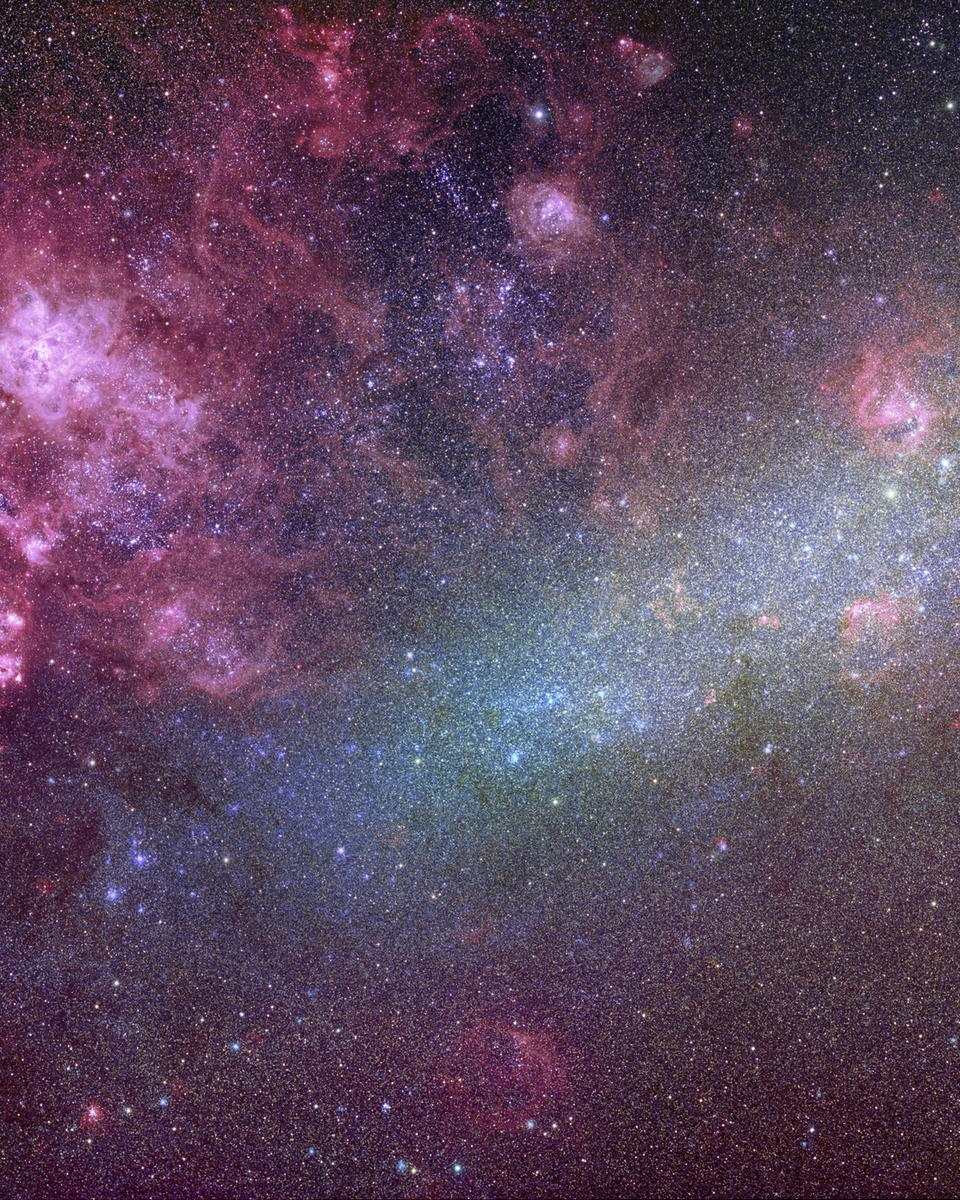
The Large Cloud of Magellan
The 16th century Portuguese navigator Ferdinand Magellan and his crew had plenty of time to study the southern sky during the first circumnavigation of planet Earth. As a result,…
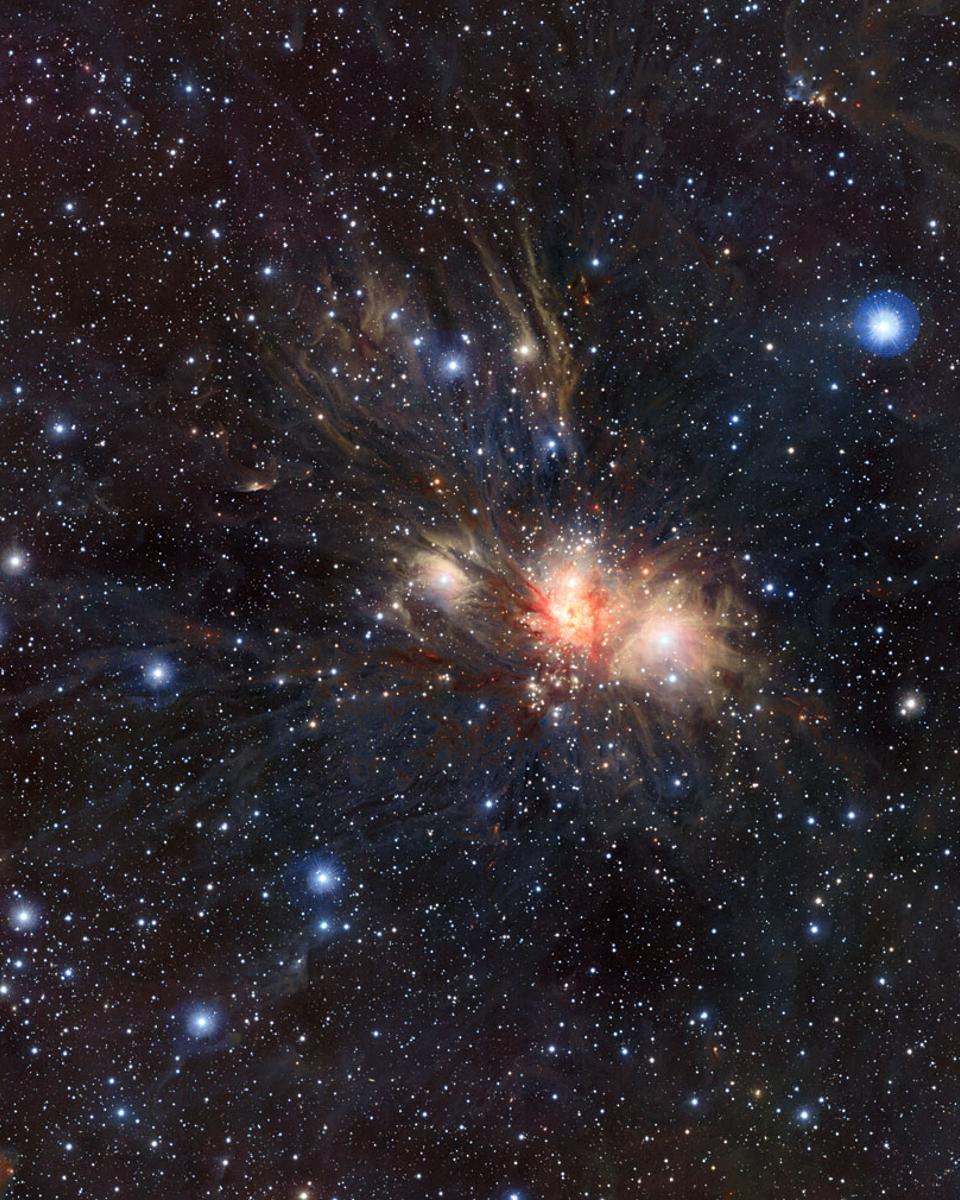
Vista with NGC 2170
Drifting through the one-horned constellation Monoceros , these dusty streamers and new born stars are part of the active Monoceros R2 star-forming region, embedded in a giant…
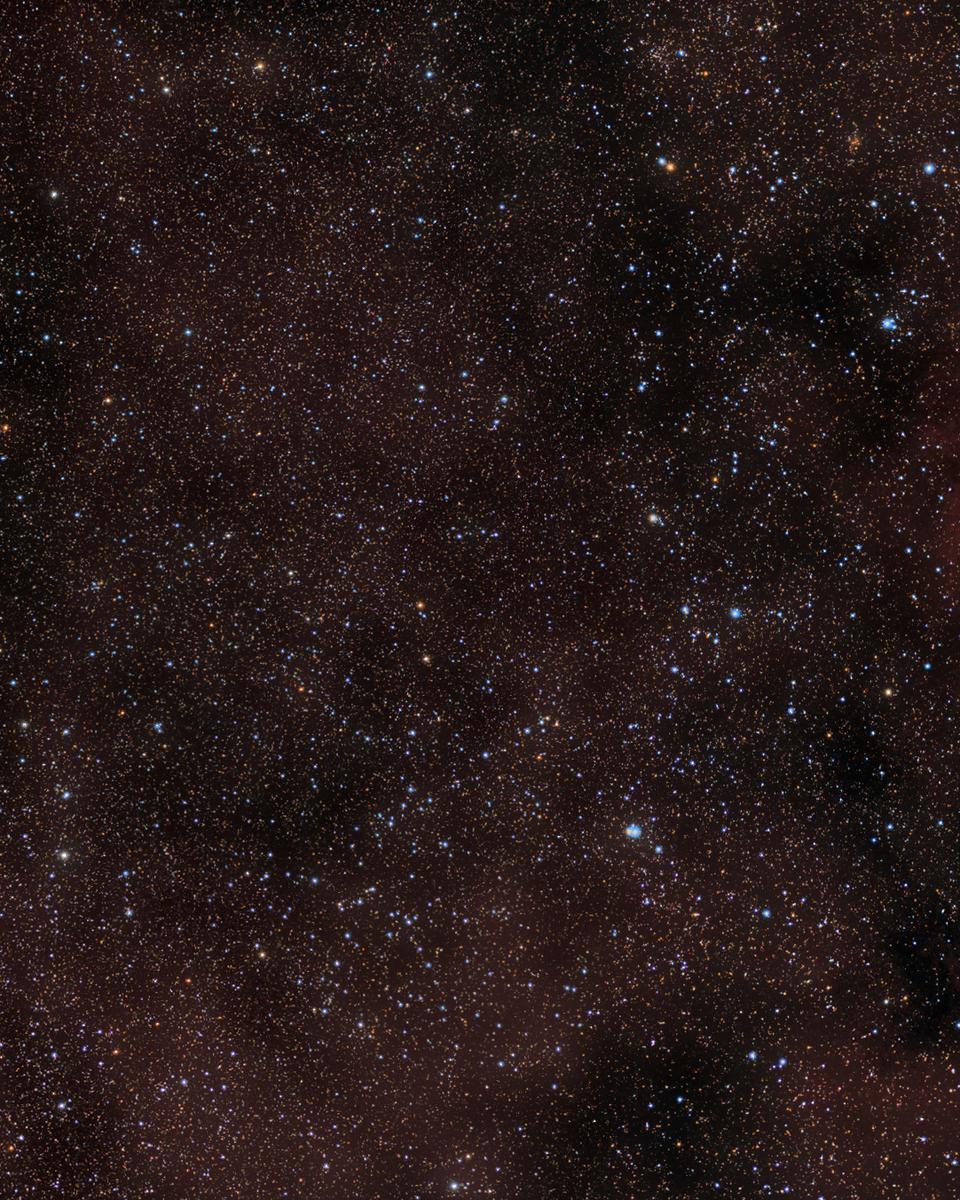
Clusters, Hartley, and the Heart
An alluring Comet Hartley 2 cruised through planet Earth's night sky on October 8, passing within about a Full Moon's width of the famous double star cluster in Perseus. The much…
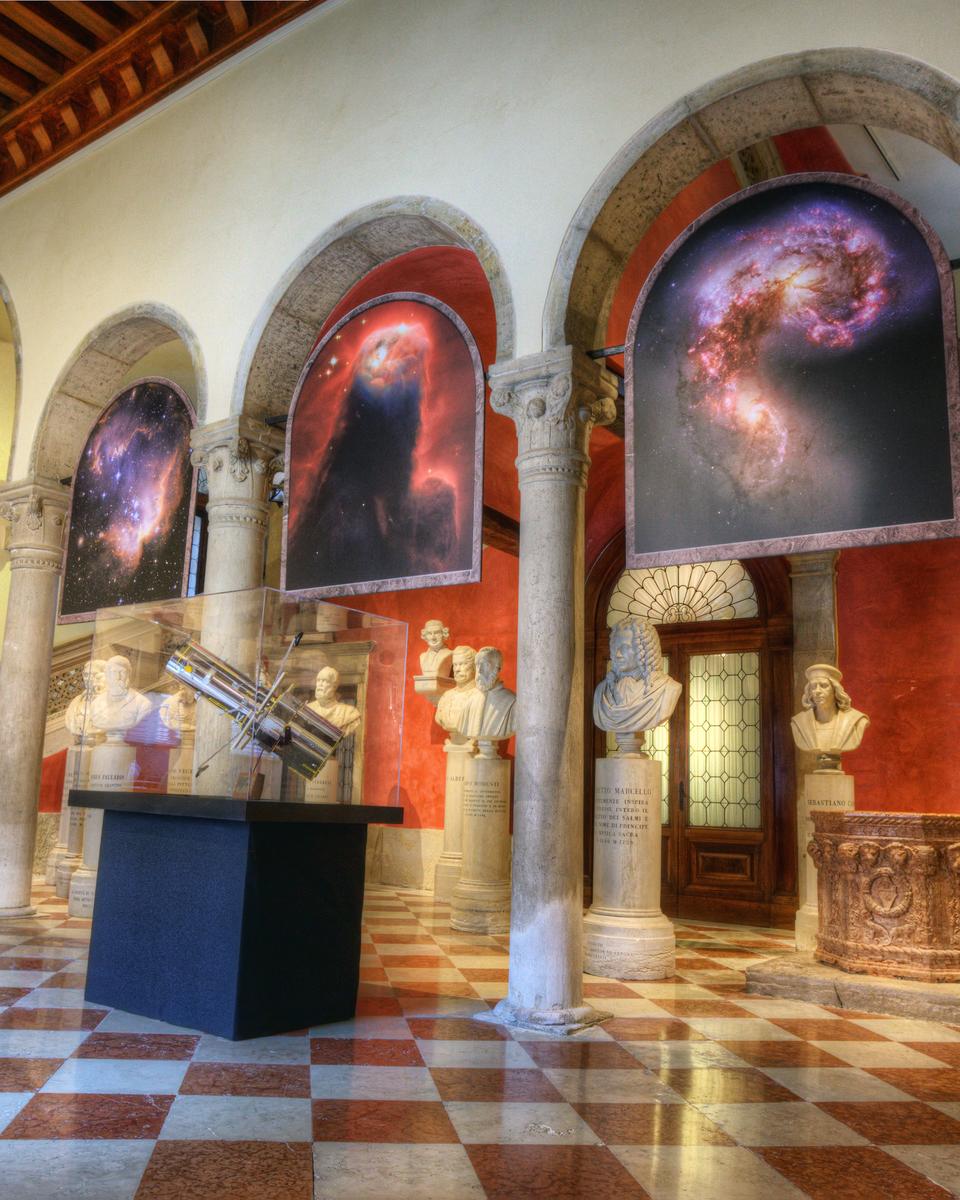
Science Museum Hubble
Will the Hubble Space Telescope (HST) end up in a museum? Probably not, as when it finally goes bust, current plans call for it to be de-orbited into an ocean. But this won't stop…
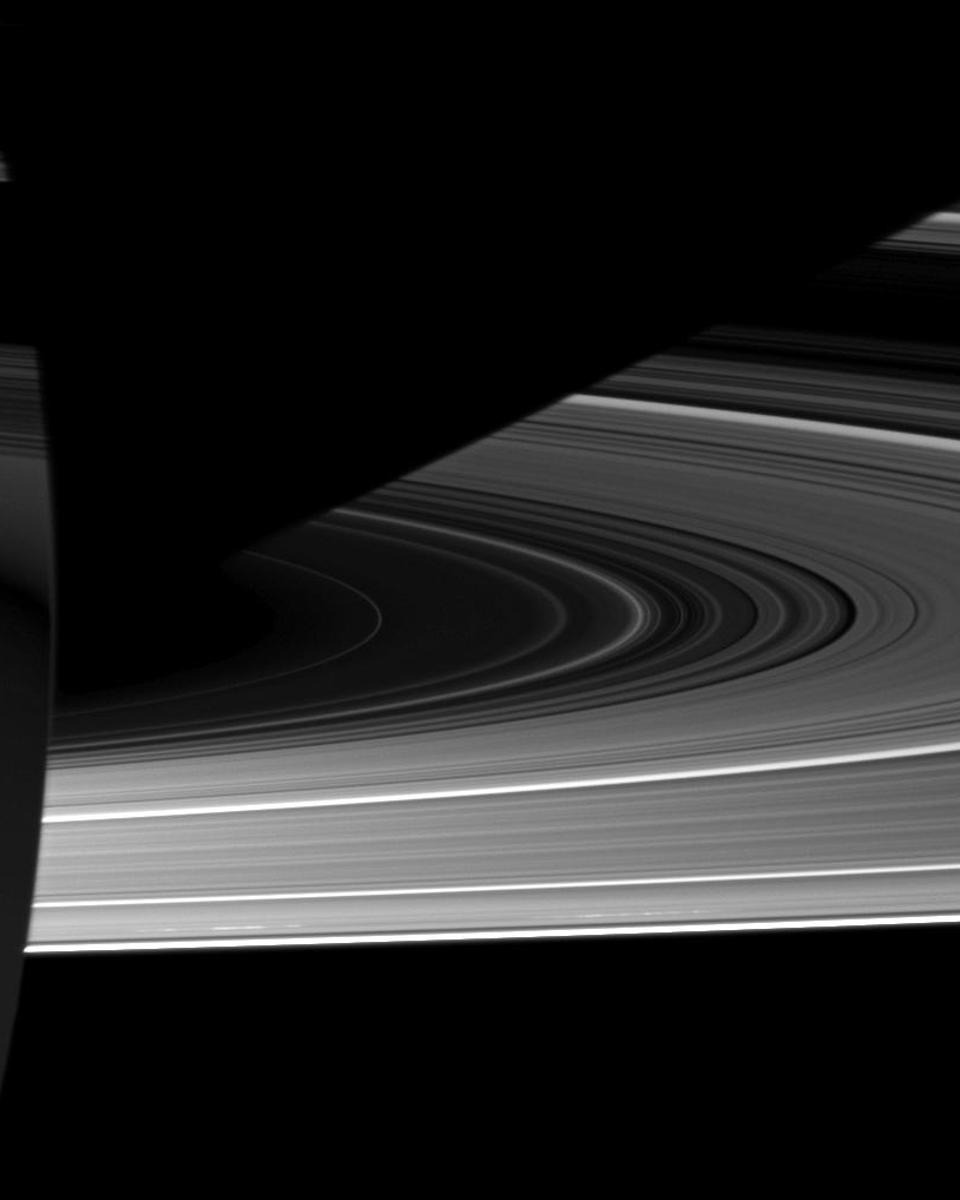
Saturn: Light, Dark, and Strange
What's creating those dark bands on Saturn? Sometimes it takes a little sleuthing to figure out the how and why of a picture taken by the Saturn-orbiting Cassini spacecraft. Let's…
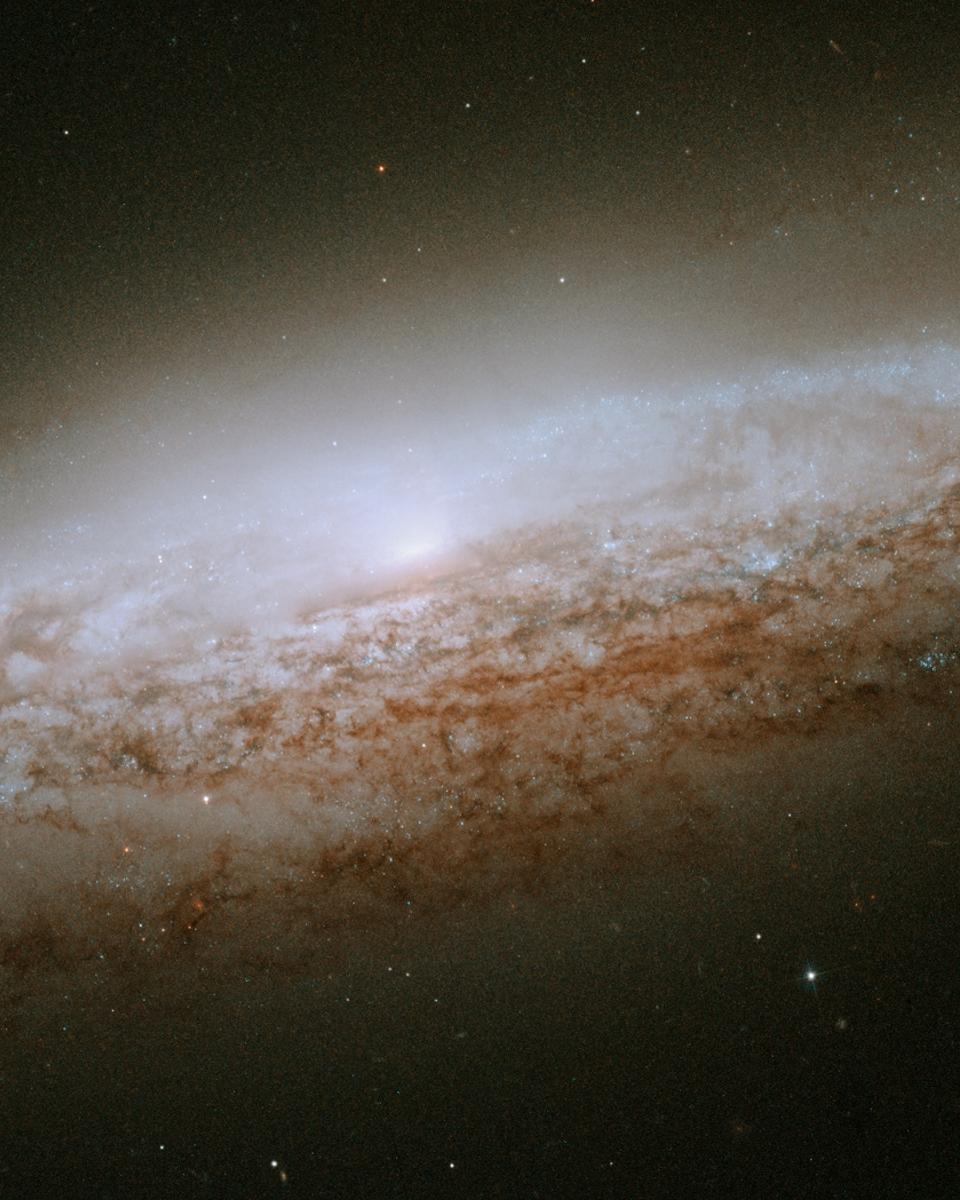
NGC 2683: Spiral Edge-On
Does spiral galaxy NGC 2683 have a bar across its center? Being so nearly like our own barred Milky Way Galaxy, one might guess it has. Being so nearly edge-on, however, it is…
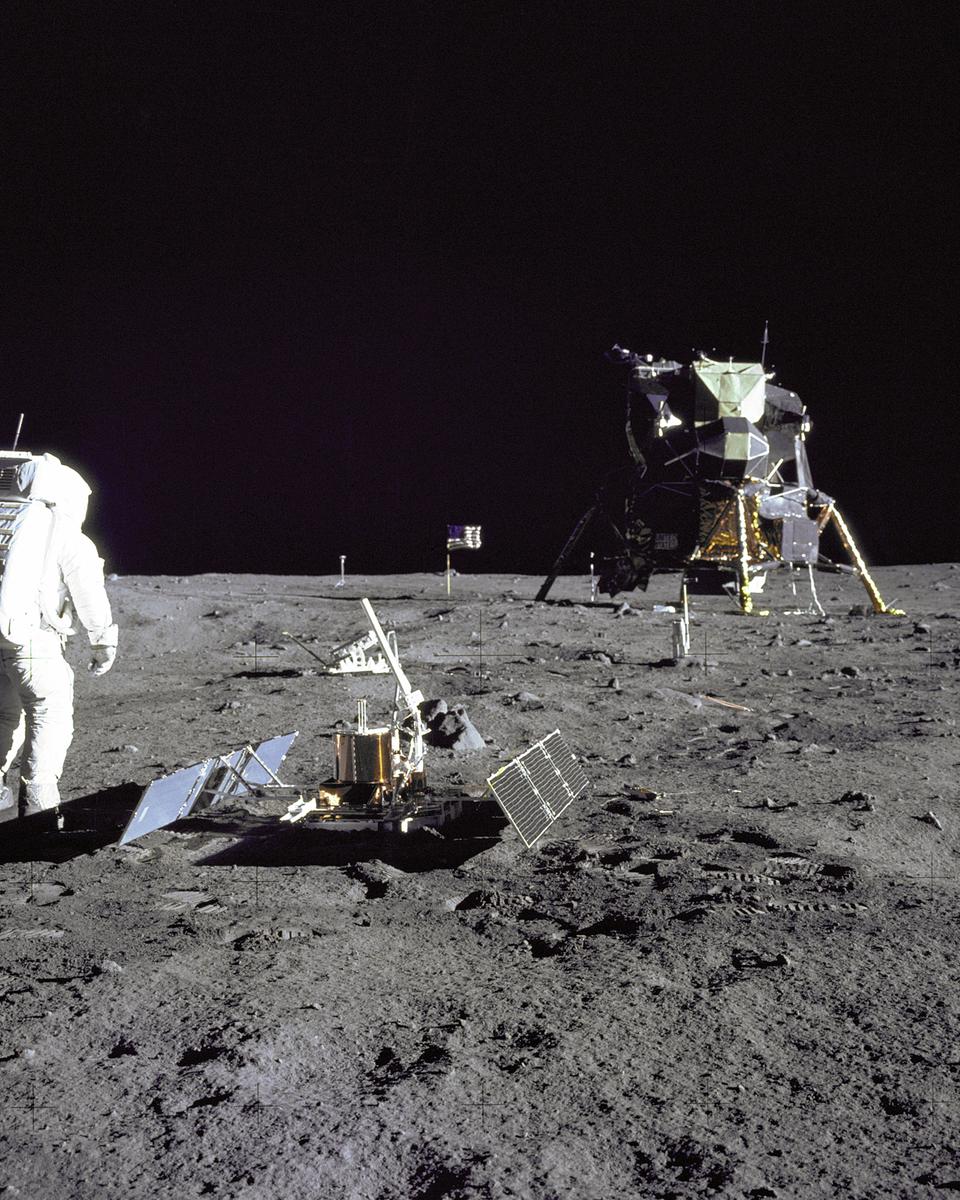
Moonquakes Surprisingly Common
Why are there so many moonquakes? A recent reanalysis of seismometers left on the moon by the Apollo moon landings has revealed a surprising number of moonquakes occurring within…
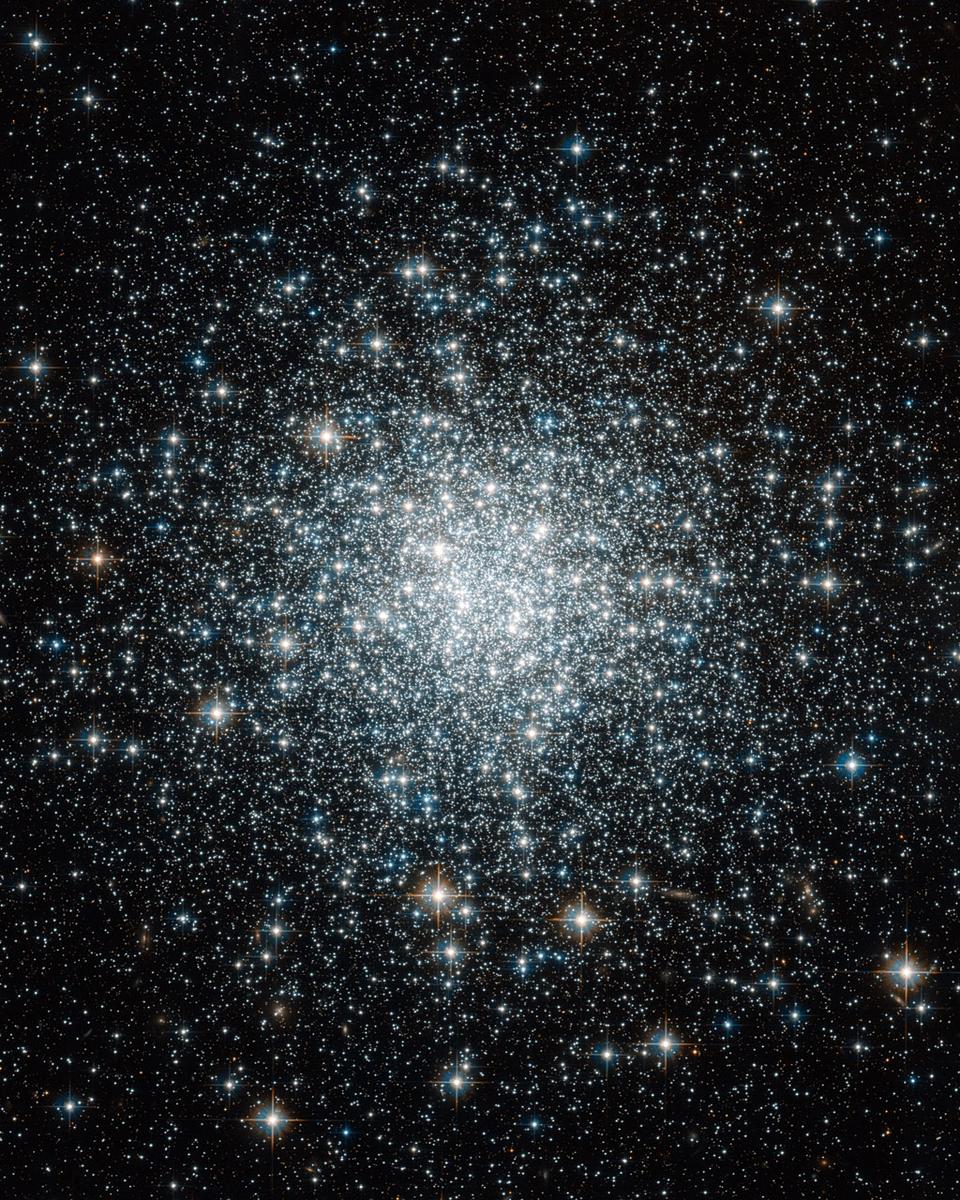
Globular Star Cluster NGC 6934
Globular star clusters roam the halo of our Milky Way Galaxy. Gravitationally bound , these spherical groupings of typically several hundred thousand stars are ancient, older than…
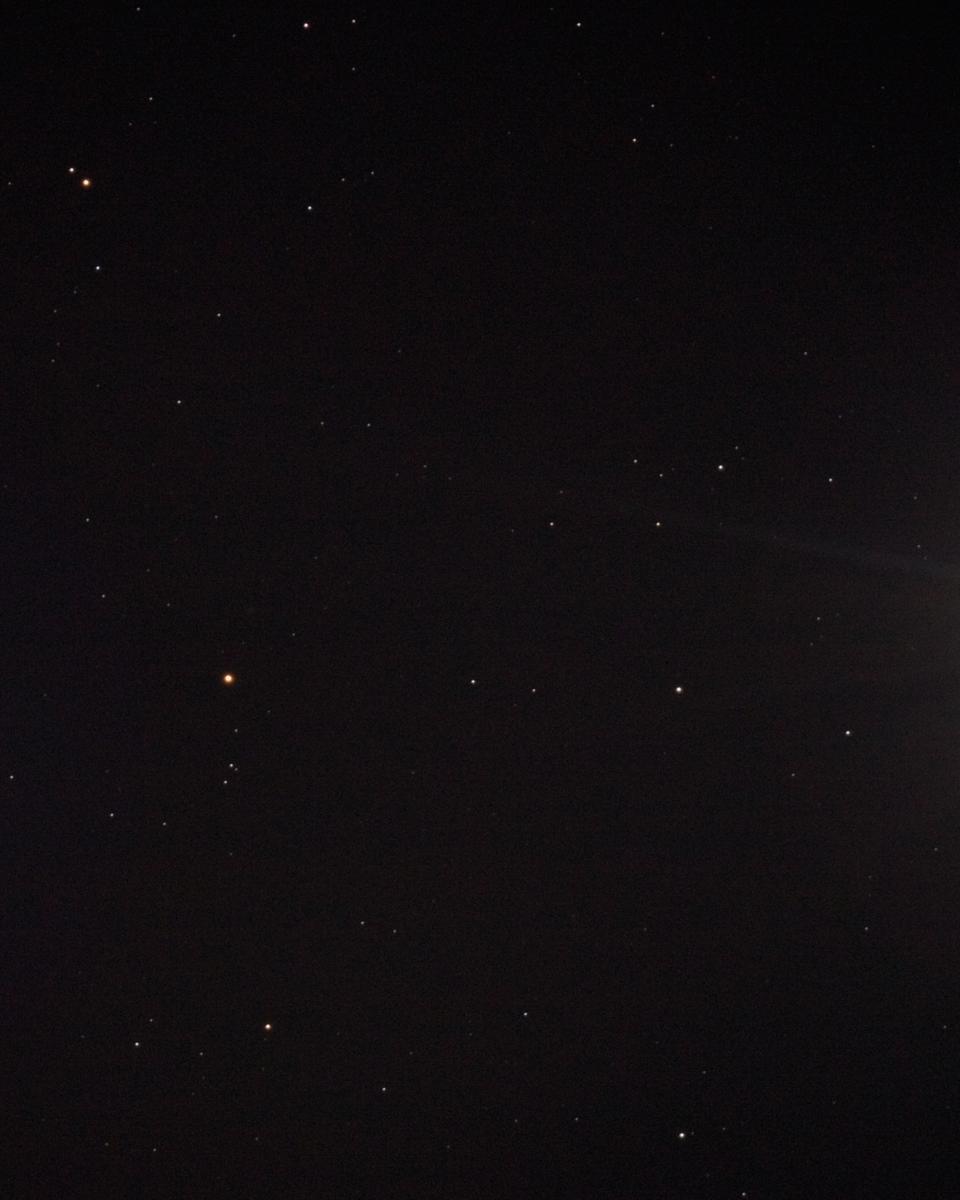
Two Planet Opposition
In late September, two planets were opposite the Sun in Earth's sky, Jupiter and Uranus. Consequently closest to Earth, at a distance of only 33 light-minutes and 2.65 light-hours…
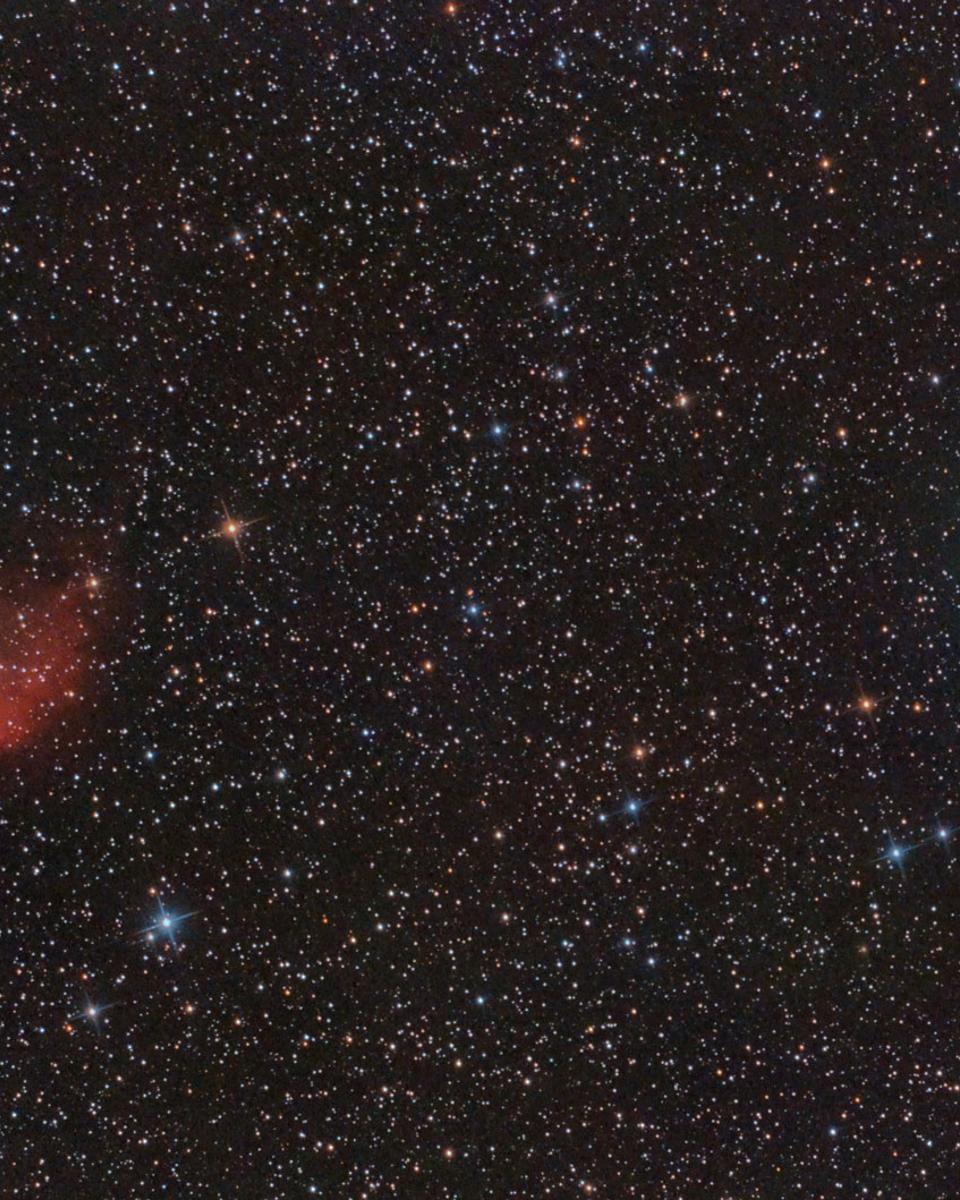
Pacman and Hartley
Touring the solar system with a 6 year orbital period , small comet Hartley 2 (103/P Hartley) will make its closest approach to planet Earth on October 20 and its closest approach…
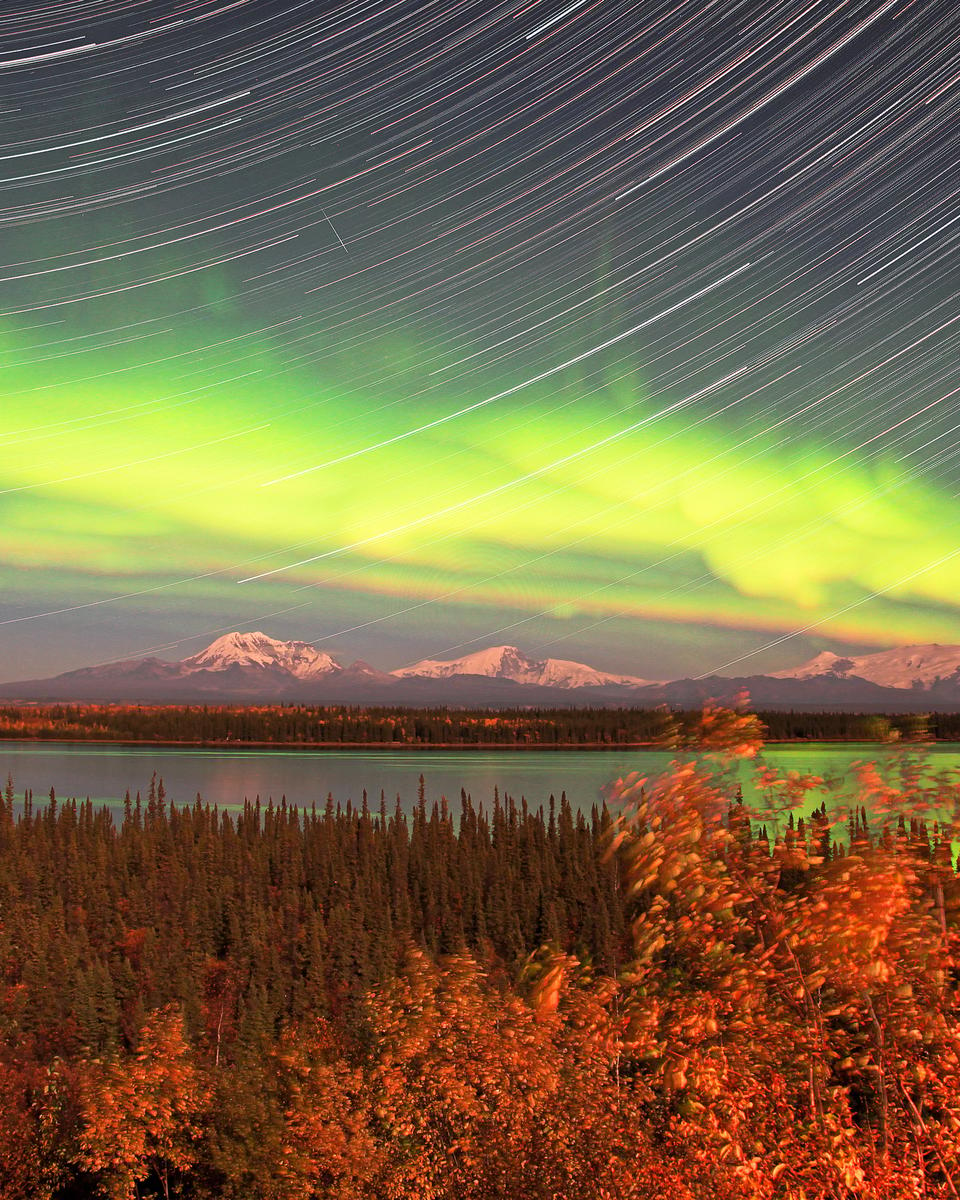
Aurora Over Alaska
Are those green clouds or aurora? Photographed above two weeks ago, puffy green aurora help the Moon illuminate the serene Willow Lake and the snowy Wrangell and Saint Elias…
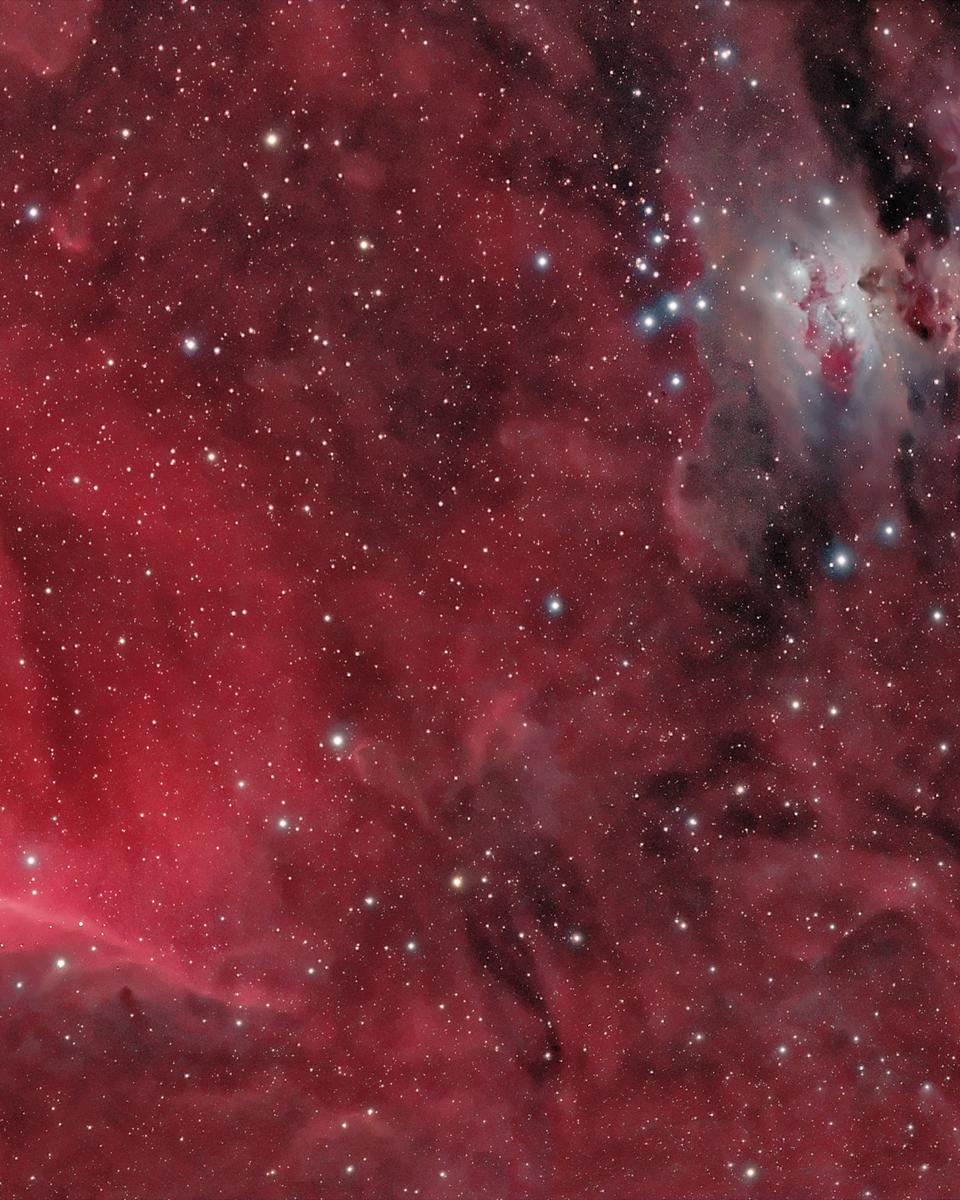
Horsehead and Orion Nebulas
The dark Horsehead Nebula and the glowing Orion Nebula are contrasting cosmic vistas. Adrift 1,500 light-years away in one of the night sky's most recognizable constellations ,…
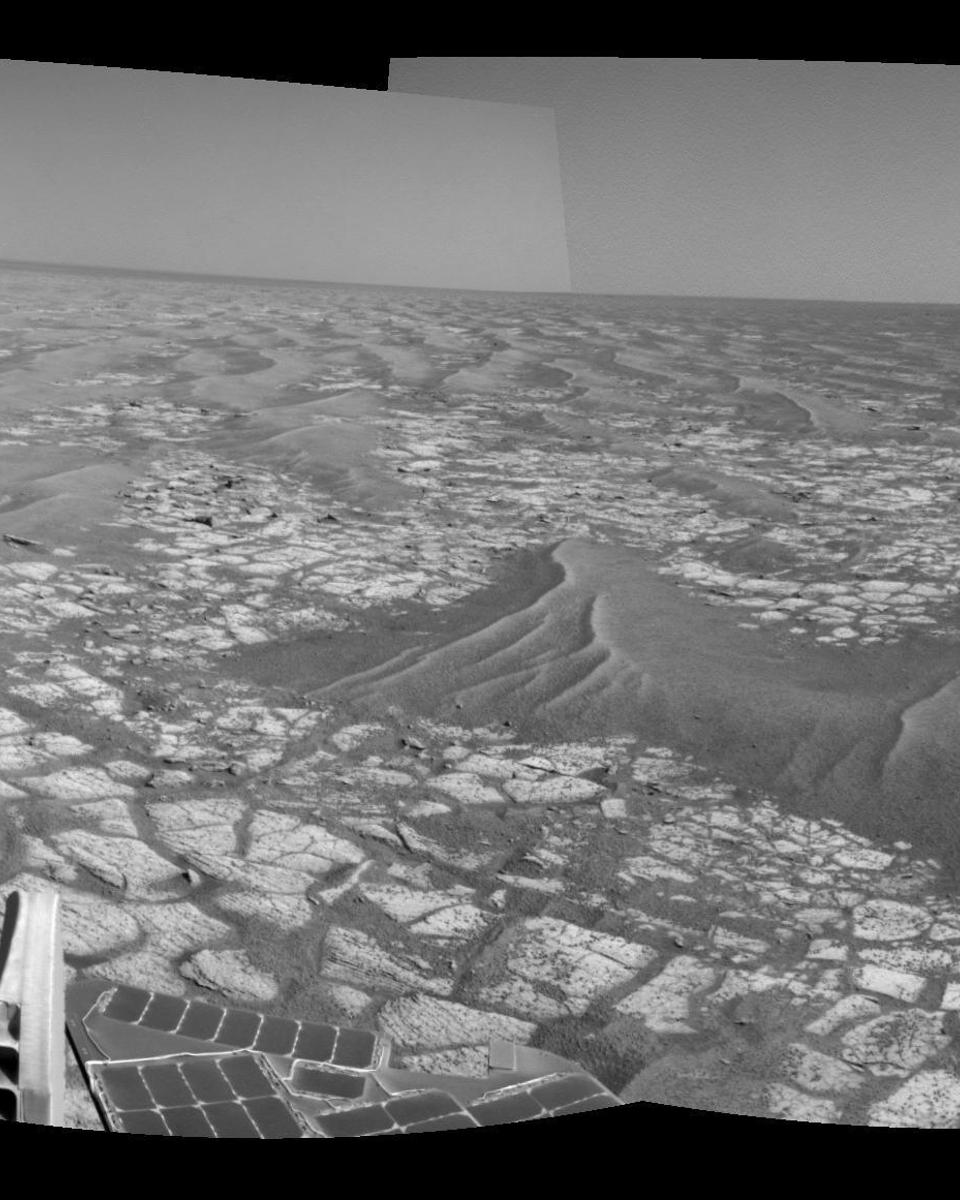
Rolling Across the Rocky Plains of Mars
You stare out across the rocky plains of Mars. Before you, in every direction, is dark sand and bright rock. Although little has changed here for millions of years, no one has…
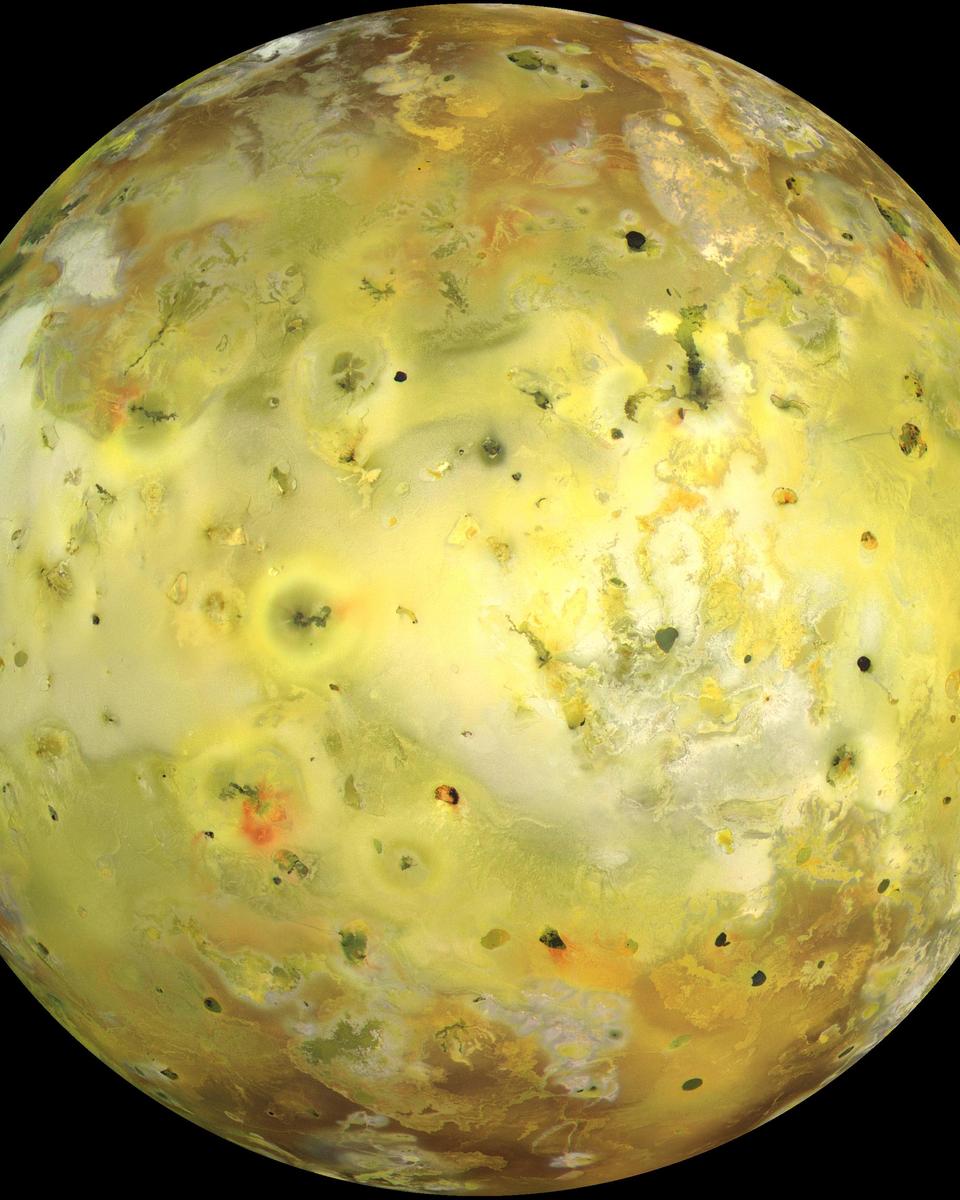
Io in True Color
The strangest moon in the Solar System is bright yellow. This picture , an attempt to show how Io would appear in the “true colors” perceptible to the average human eye, was taken…
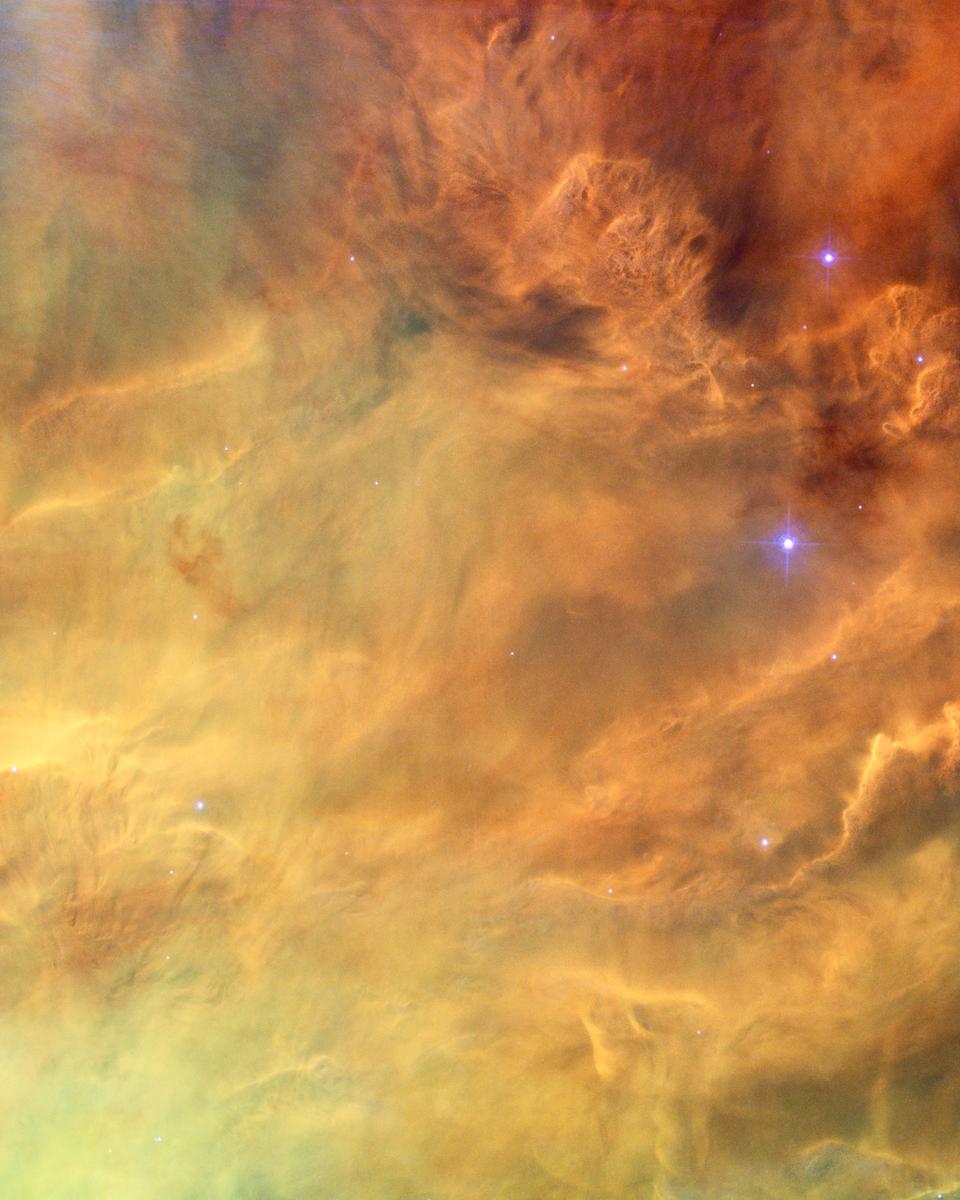
Hubble's Lagoon
Like brush strokes on a canvas, ridges of color seem to flow across this scene . But here, the canvas is nearly 3 light-years wide and the colors map emission from ionized gas in…
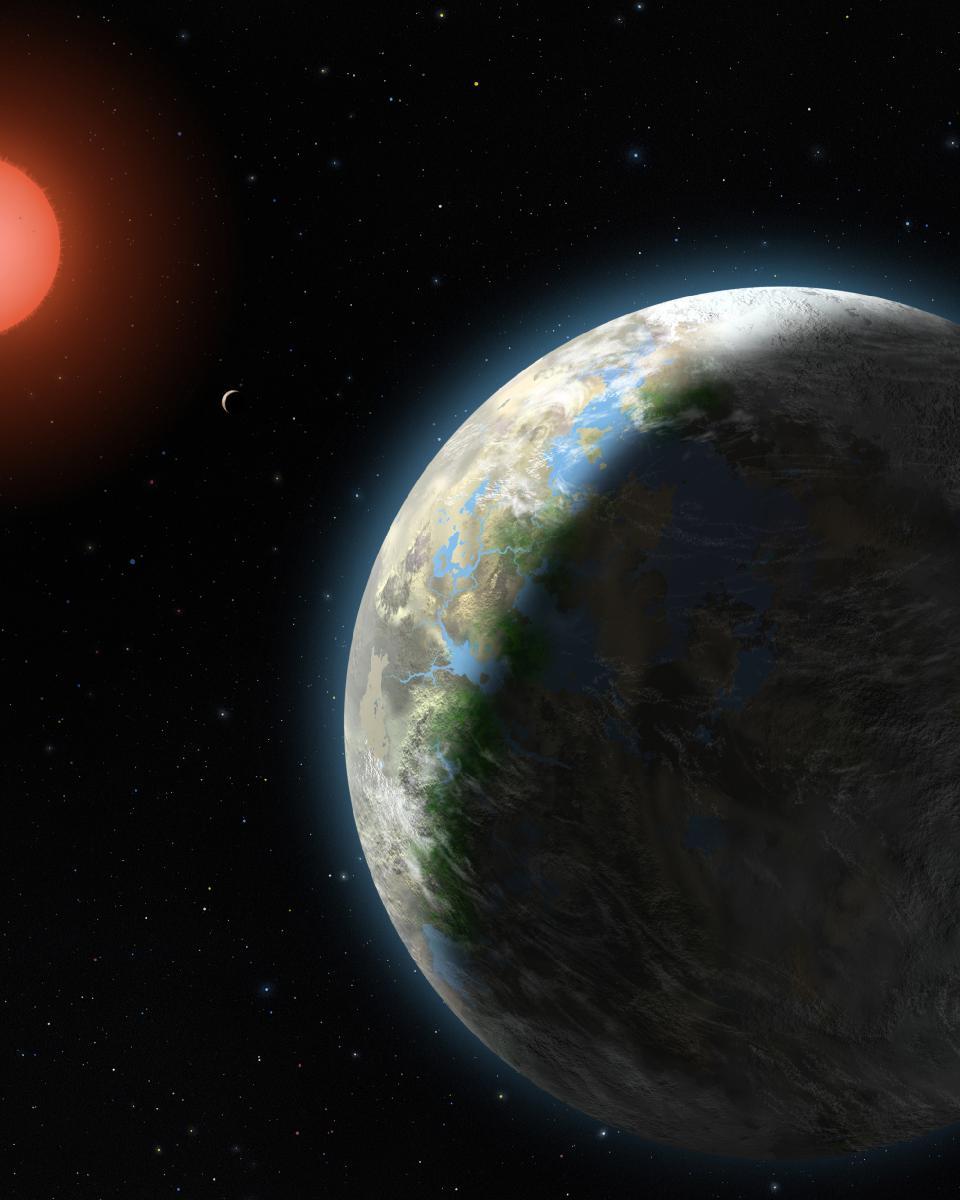
Zarmina's World
A mere 20 light-years away in the constellation Libra, red dwarf star Gliese 581 has received much scrutiny by astronomers in recent years. Earthbound telescopes had detected the…
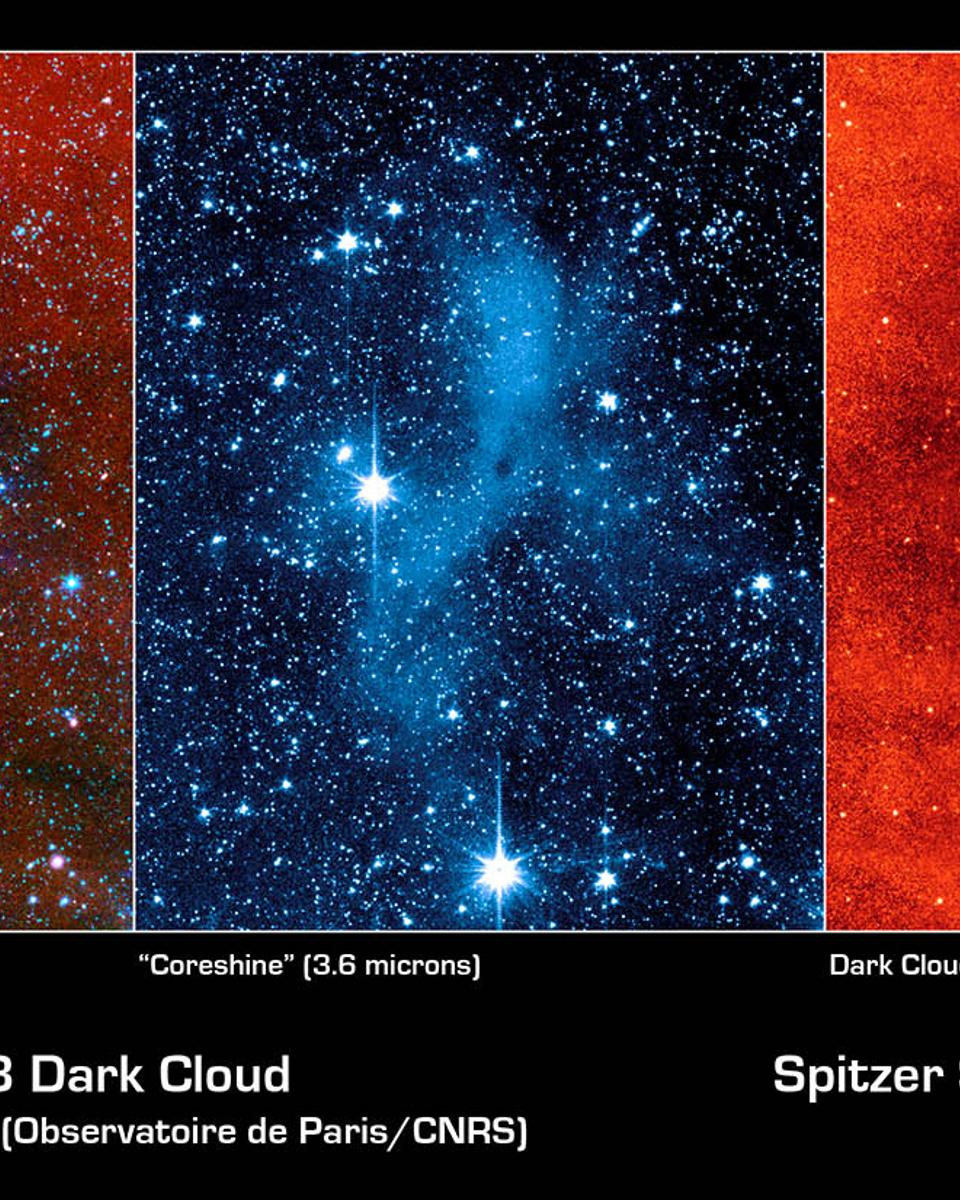
Coreshine from a Dark Cloud
Stars and their planets are born in cold, dark, interstellar clouds of gas and dust . While exploring the clouds at infrared wavelengths , astronomers have made a surprising…
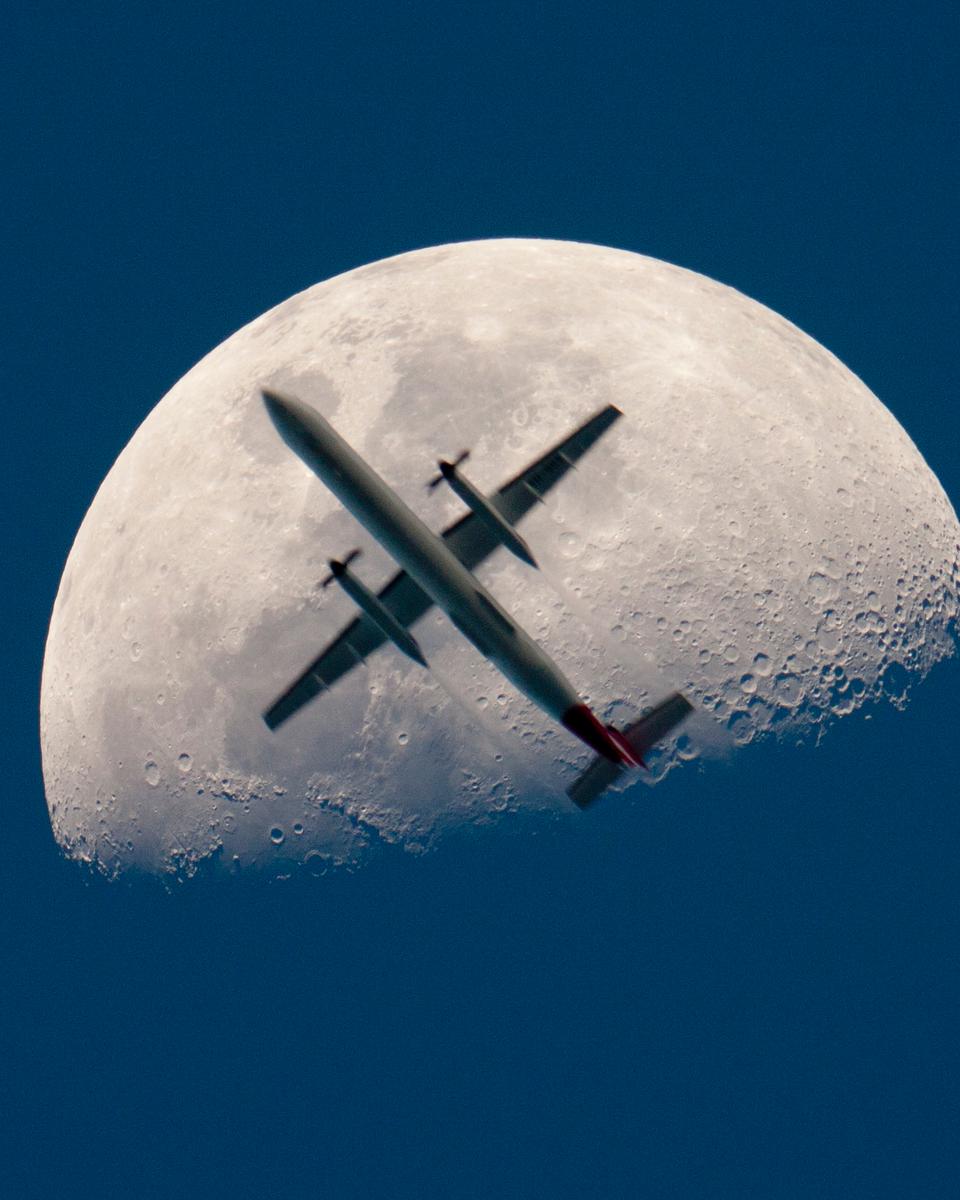
An Airplane in Front of the Moon
If you look closely at the Moon, you will see a large airplane in front of it. Well, not always. OK, hardly ever. But if you wait for days with your camera attached to a Moon…
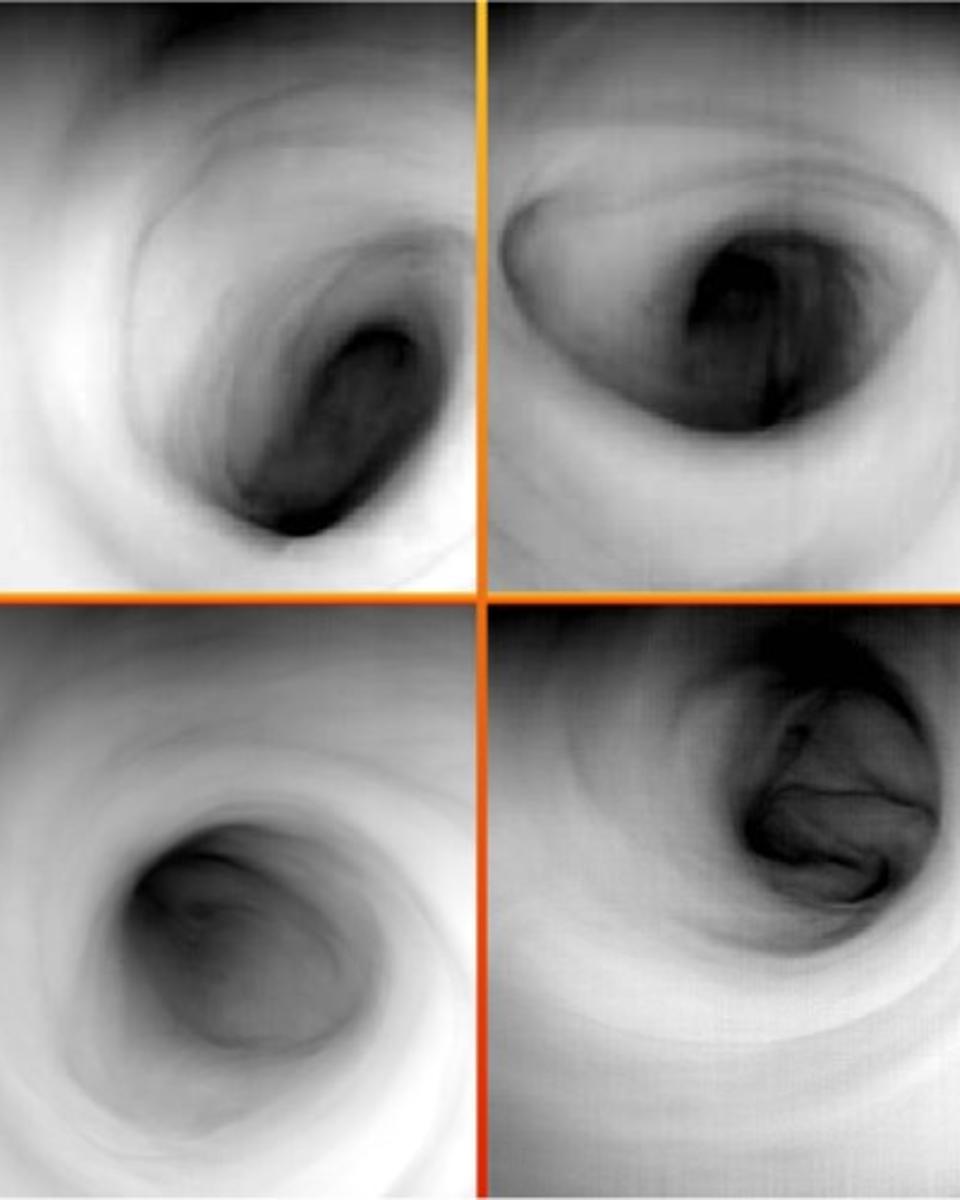
Venus' South Polar Vortex
What's happening over the South Pole of Venus? To find out, scientists have been studying images taken by the robotic Venus Express spacecraft when it passes over the lower spin…
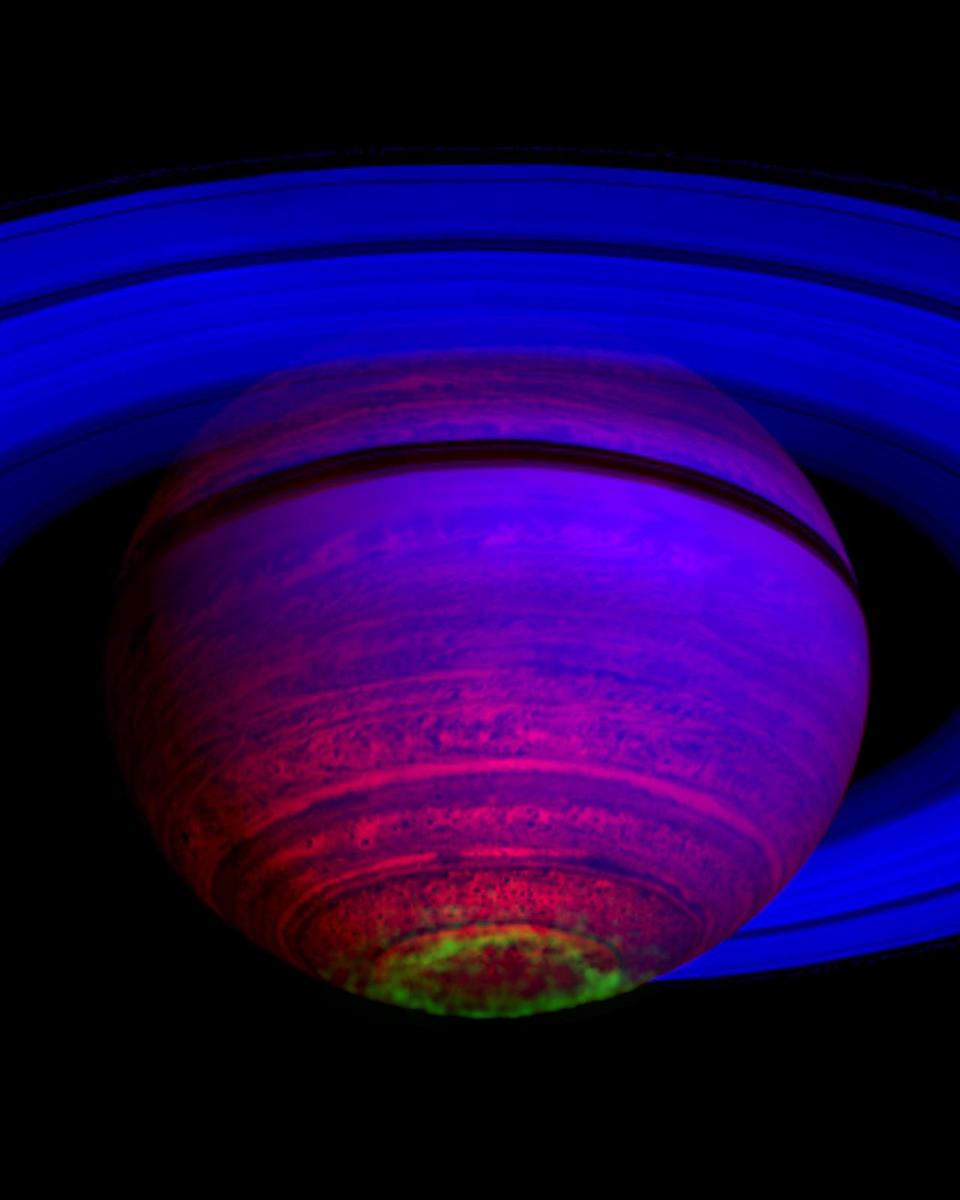
The Dancing Auroras of Saturn
What drives auroras on Saturn? To help find out, scientists have sorted through hundreds of infrared images of Saturn taken by the Cassini spacecraft for other purposes, trying to…
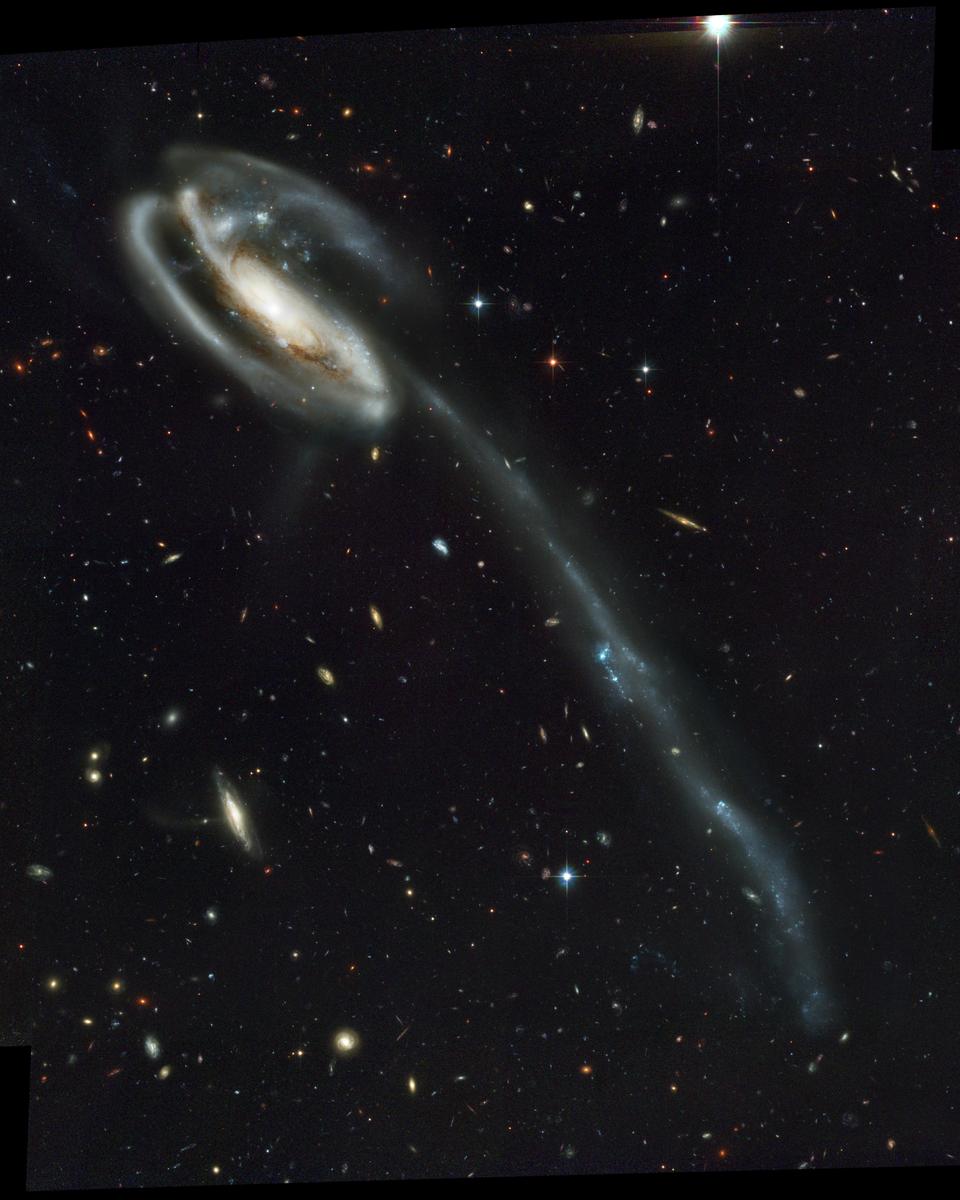
Arp 188 and the Tadpole's Tidal Tail
Why does this galaxy have such a long tail? In this stunning vista recorded with the Hubble Space Telescope's Advanced Camera for Surveys , distant galaxies form a dramatic…
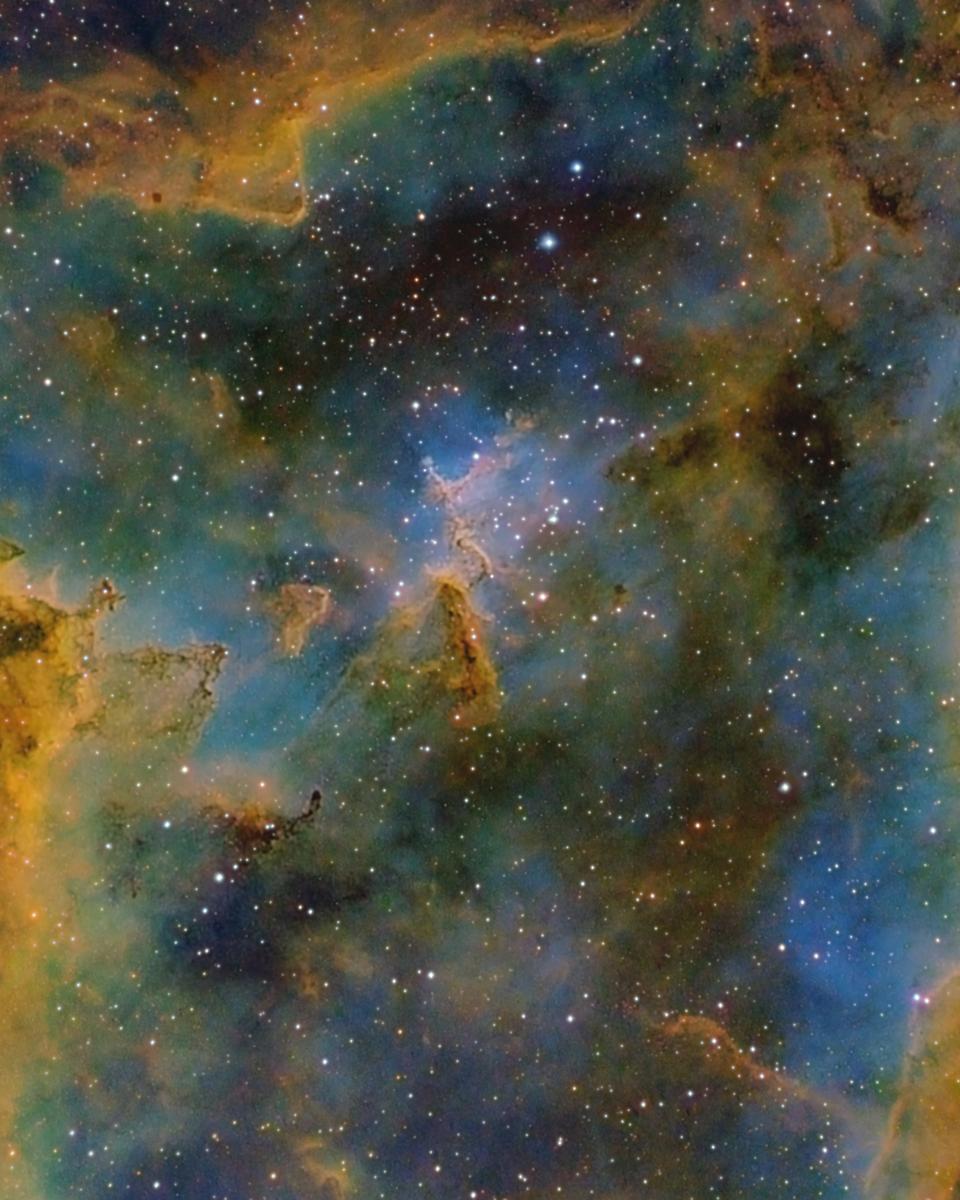
Melotte 15 in the Heart
Cosmic clouds seem to form fantastic shapes in the central regions of emission nebula IC 1805. Of course, the clouds are sculpted by stellar winds and radiation from massive hot…
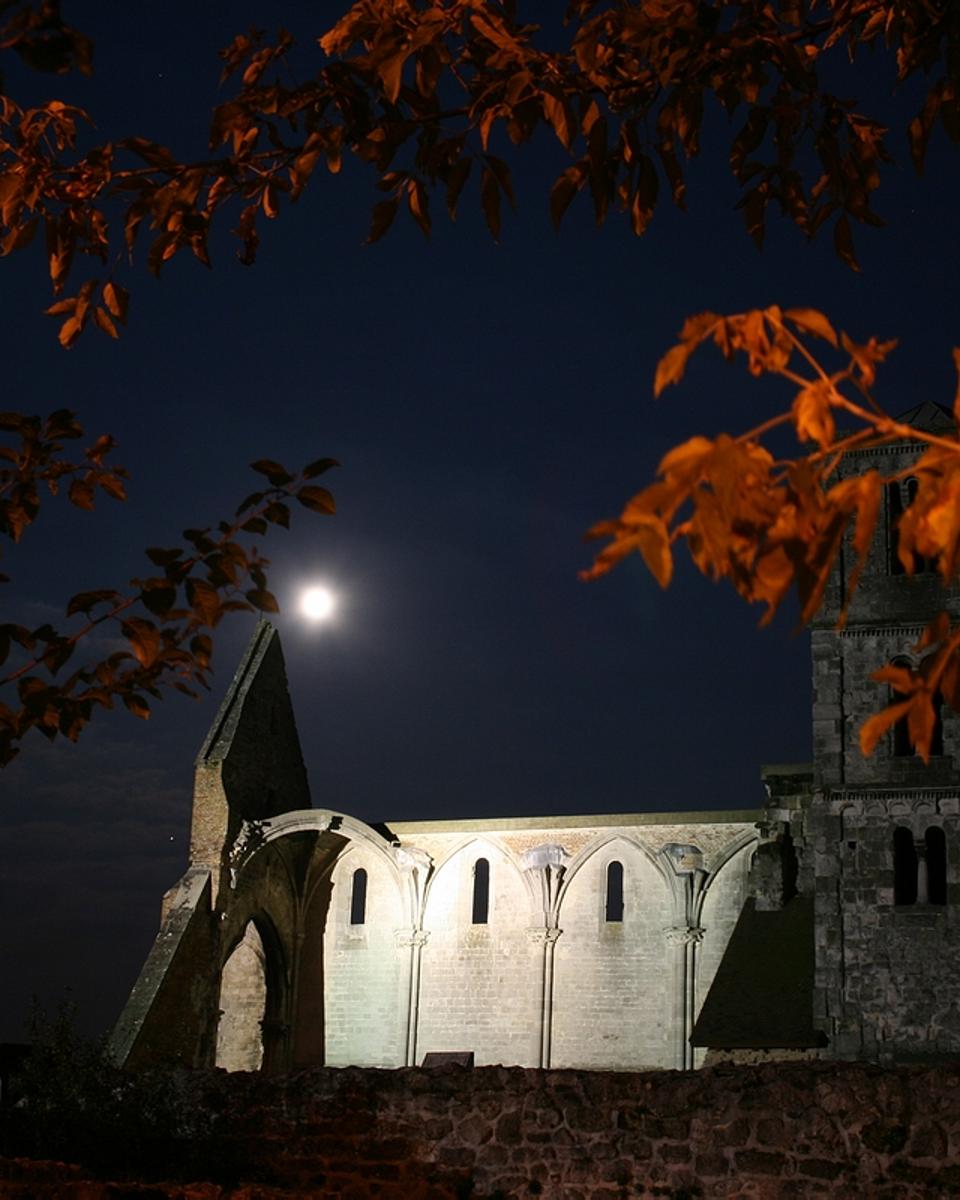
Equinox and the Harvest Moon
Did you enjoy the moonlight last night? The Full Moon closest to autumnal equinox and the beginning of Fall is traditionally known as the Harvest Moon , rising opposite the Sun…
Viewing discoveries from 17 October 2010 through 24 September 2010.