Browse NASA Astronomy Picture of the Day archive by date and media: Archive Discoveries
Browse the NASA APOD archive without needing the exact date first. Filter by media type and keep moving deeper into older images and videos.
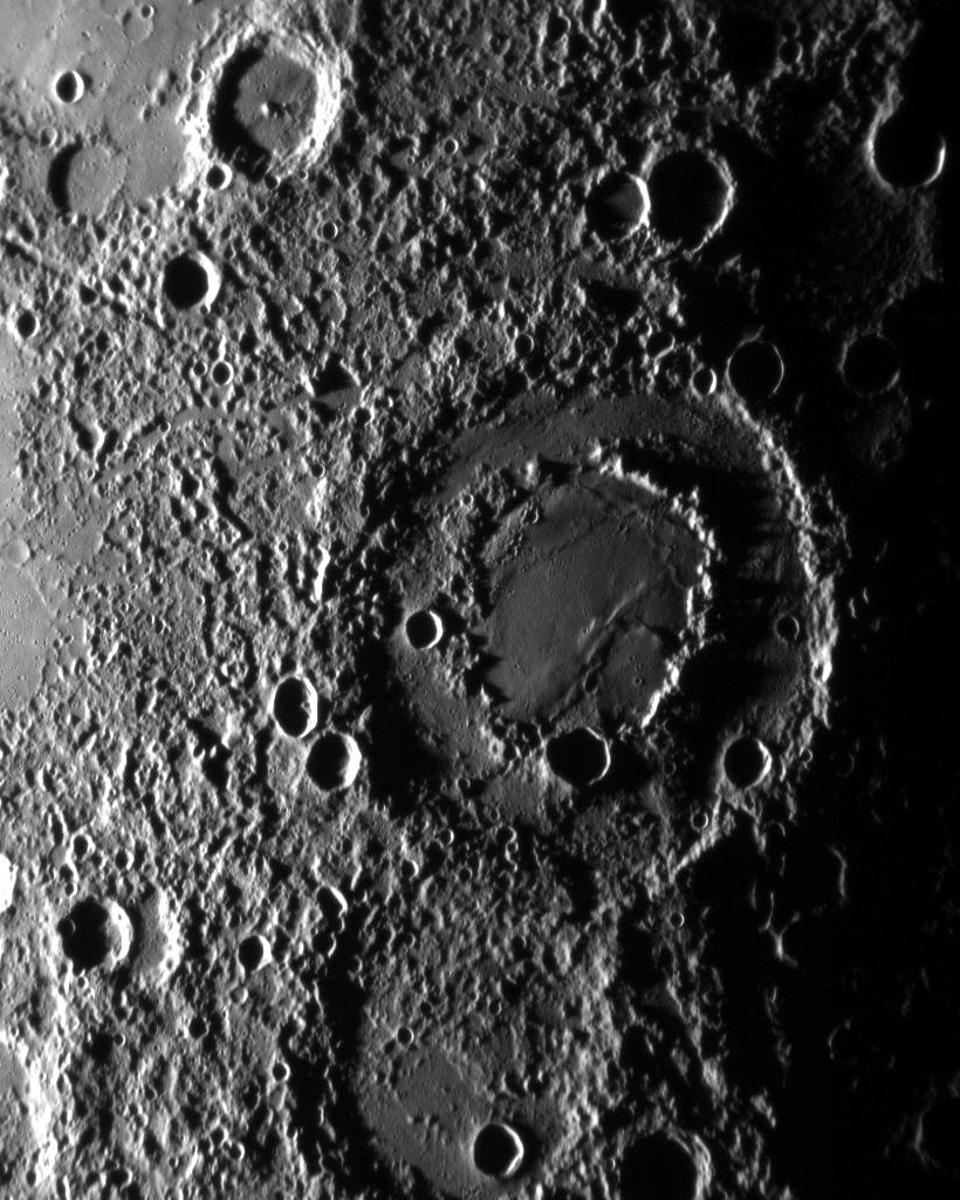
A Double Ringed Basin on Mercury
What caused the smooth floor inside the double ringed basin on Mercury? No one is sure. The unusual feature spans 160 kilometers and was imaged during the robotic MESSENGER…
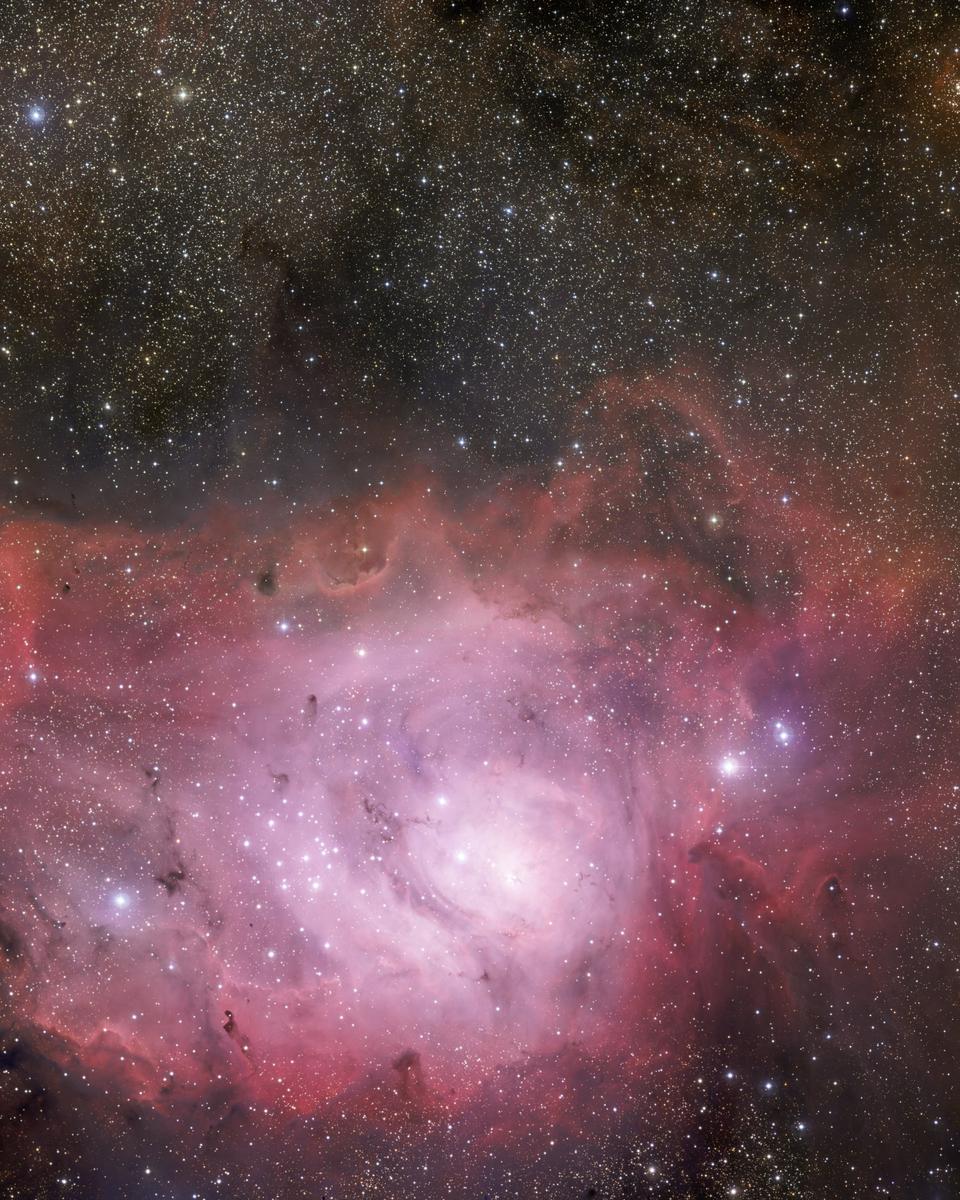
The Lagoon Nebula from GigaGalaxy Zoom
The large majestic Lagoon Nebula is home for many young stars and hot gas. Spanning 100 light years across while lying only about 5000 light years distant, the Lagoon Nebulae is…
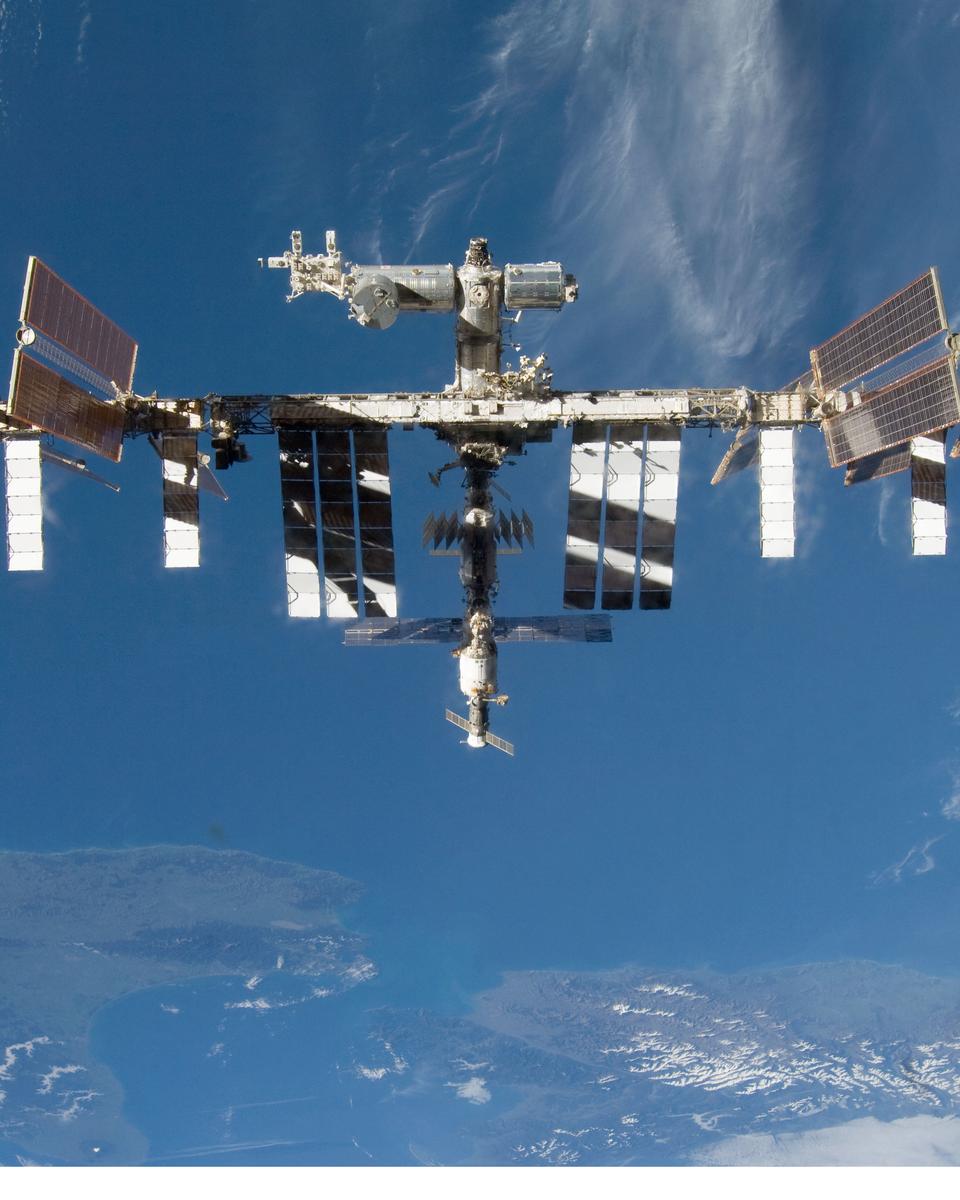
The International Space Station Over Earth
After undocking, the space shuttle Discovery crew got a memorable view of the developing International Space Station (ISS). Pictured orbiting high above Earth last month, numerous…
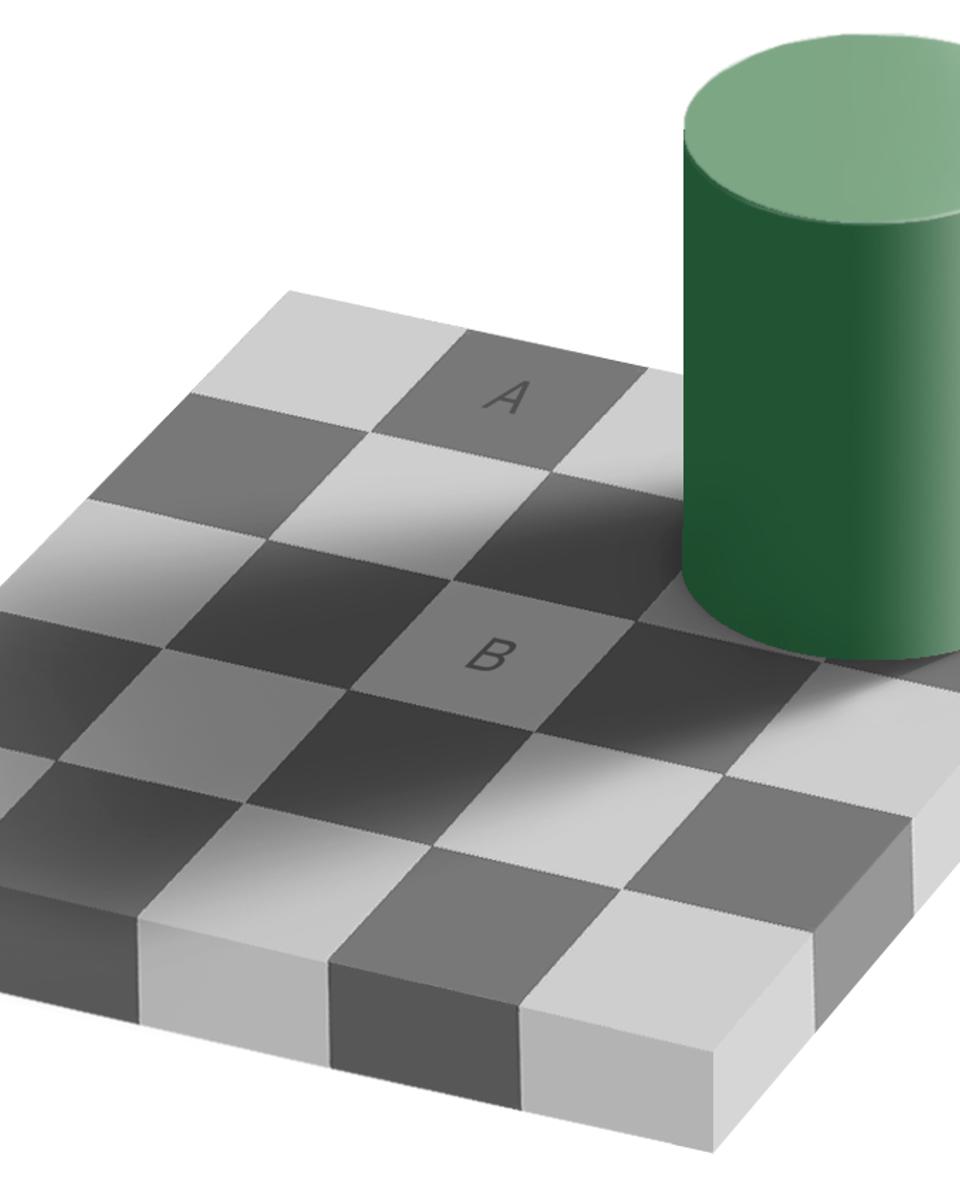
The Same Color Illusion
Are square A and B the same color? They are. Are too. To verify this, click here to see them connected. The above illusion , called the same color illusion , illustrates that…
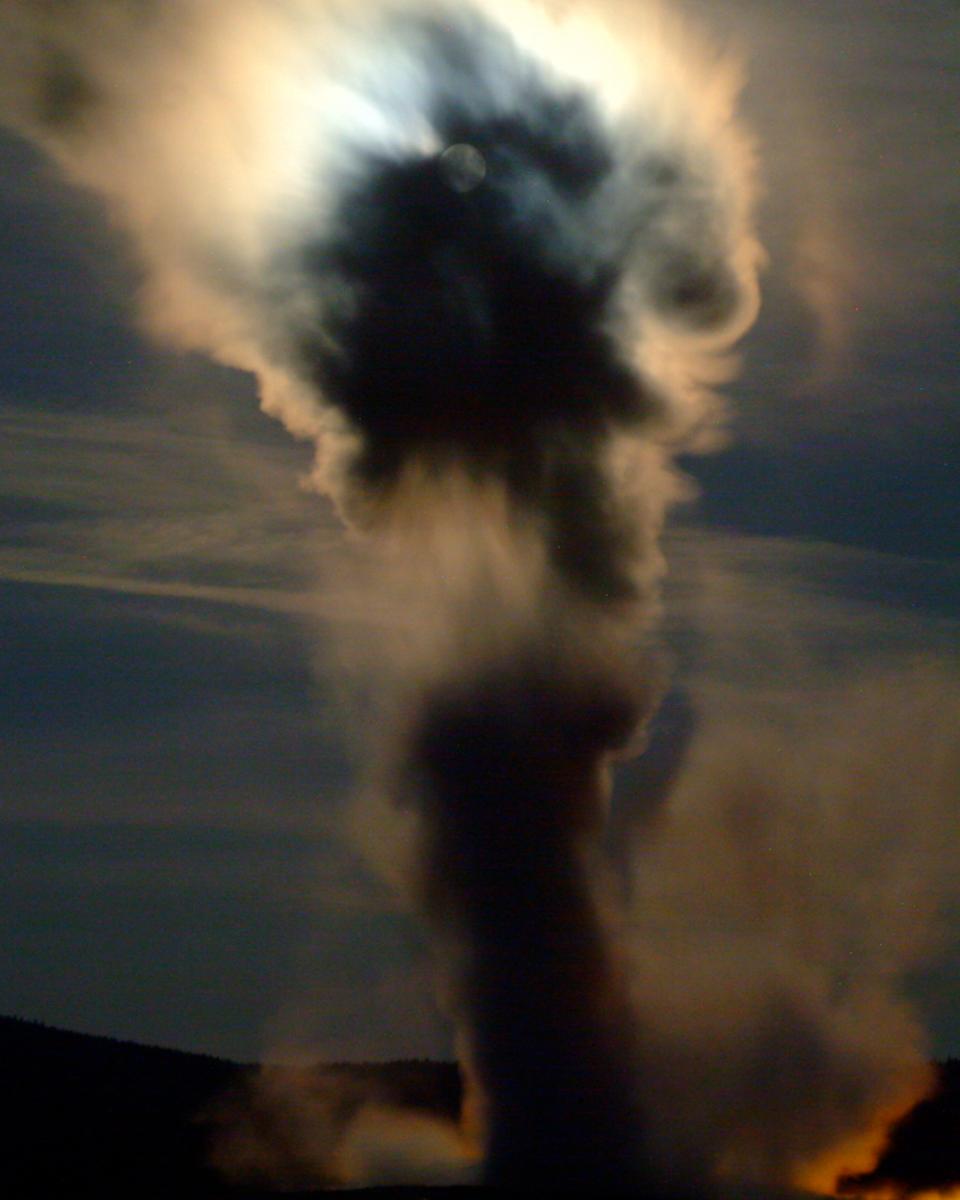
Old Faith-Full Moon
Scheduled to illuminate the landscape throughout the night tomorrow, October's bright Full Moon will also be called the Harvest Moon. Traditionally, the Harvest Moon is the Full…
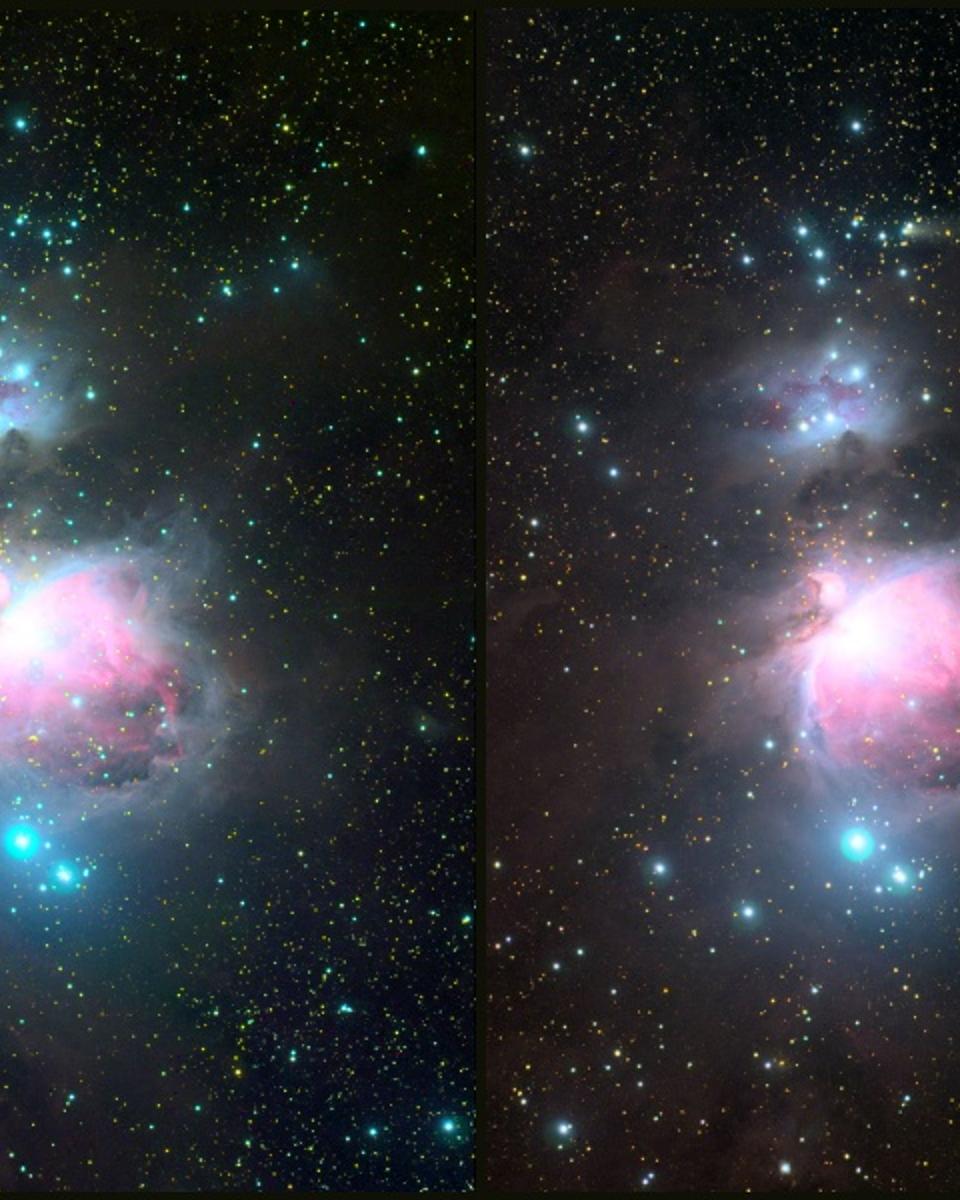
Comet and Orion
These colorful panels both feature a familiar astronomical sight: the stellar nursery known as the Great Orion Nebula . They also offer an intriguing and unfamiliar detail of the…
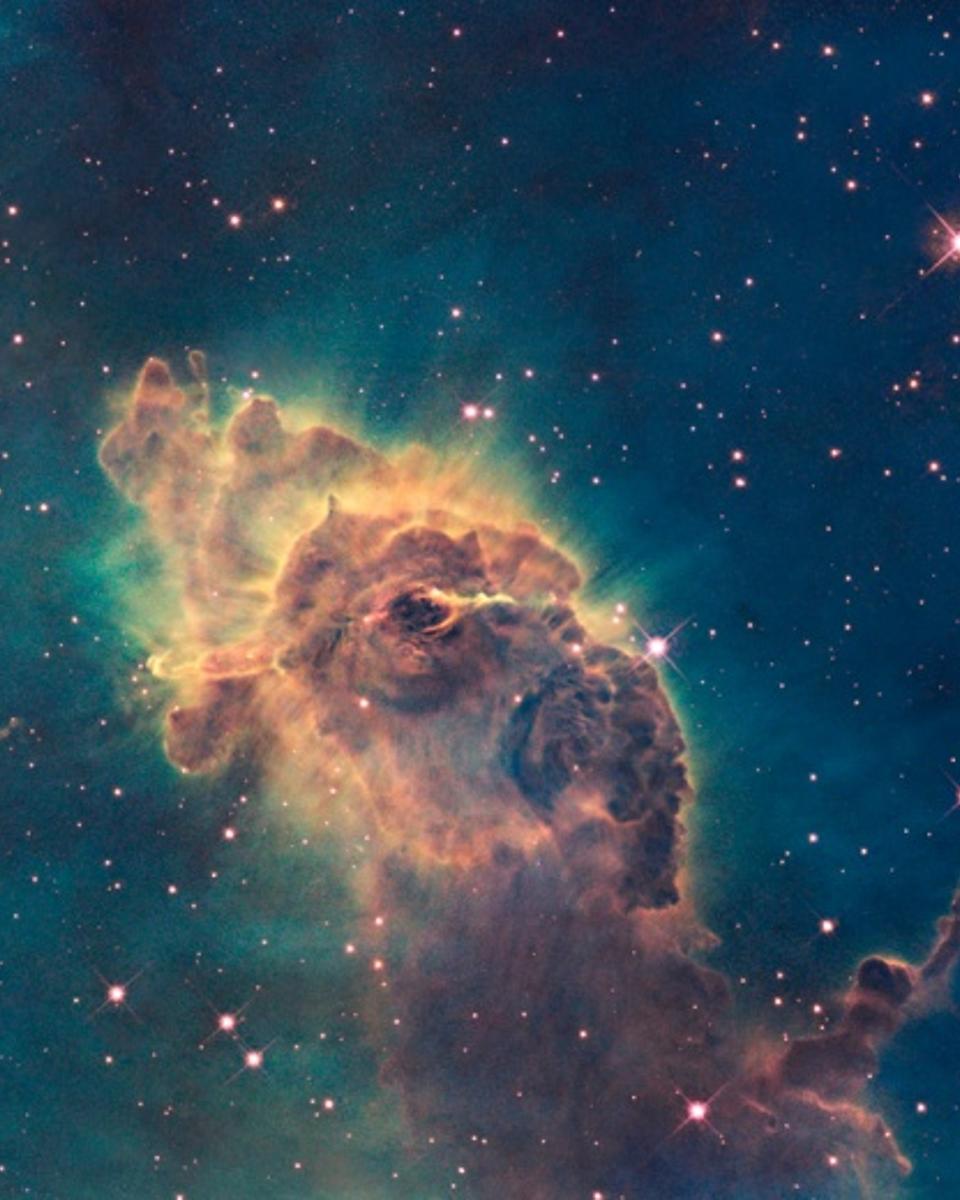
Carina Pillar and Jets
This cosmic pillar of gas and dust is nearly 2 light-years wide. The structure lies within one of our galaxy's largest star forming regions, the Carina Nebula , shining in…
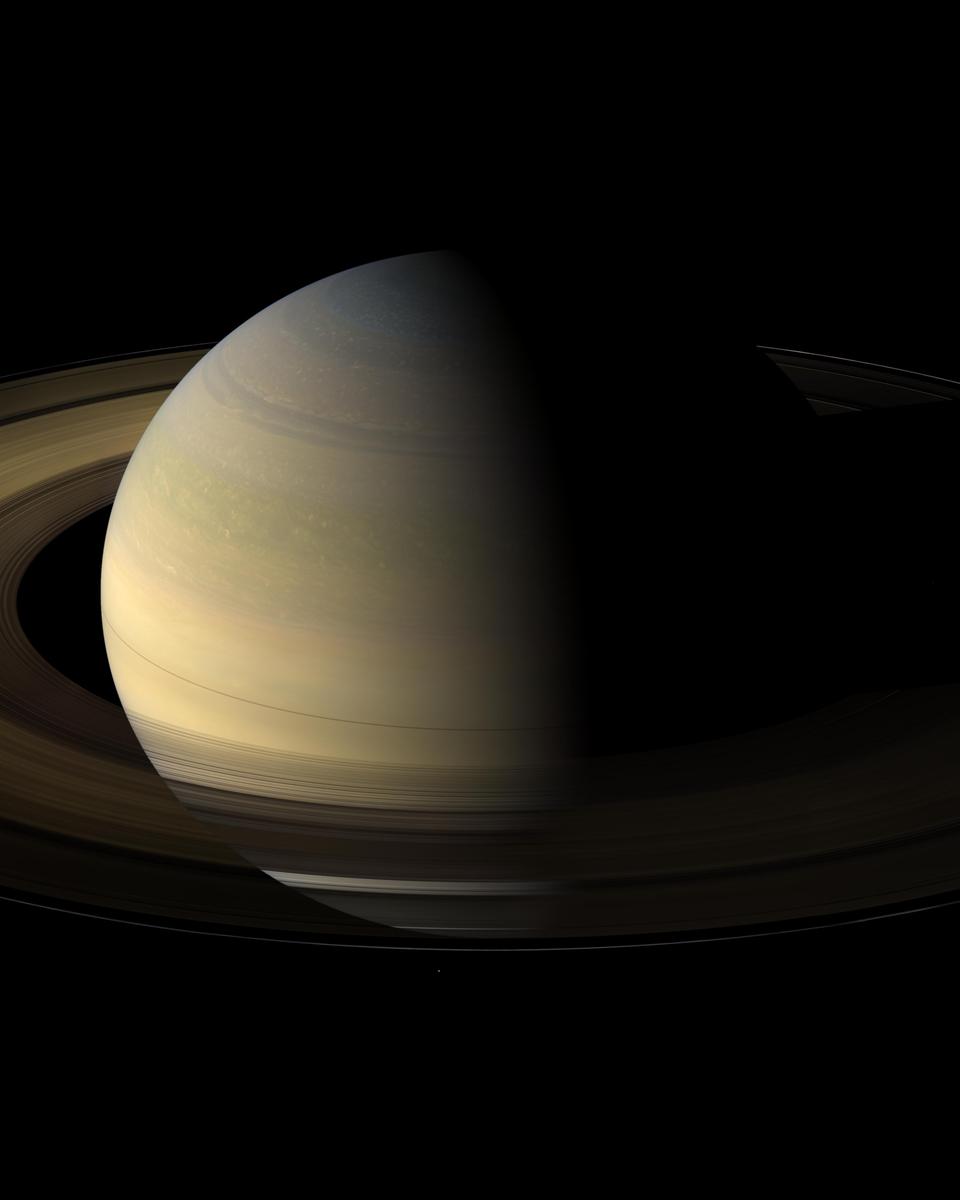
Saturn at Equinox
How would Saturn look if its ring plane pointed right at the Sun? Before last month, nobody knew. Every 15 years, as seen from Earth, Saturn's rings point toward the Earth and…
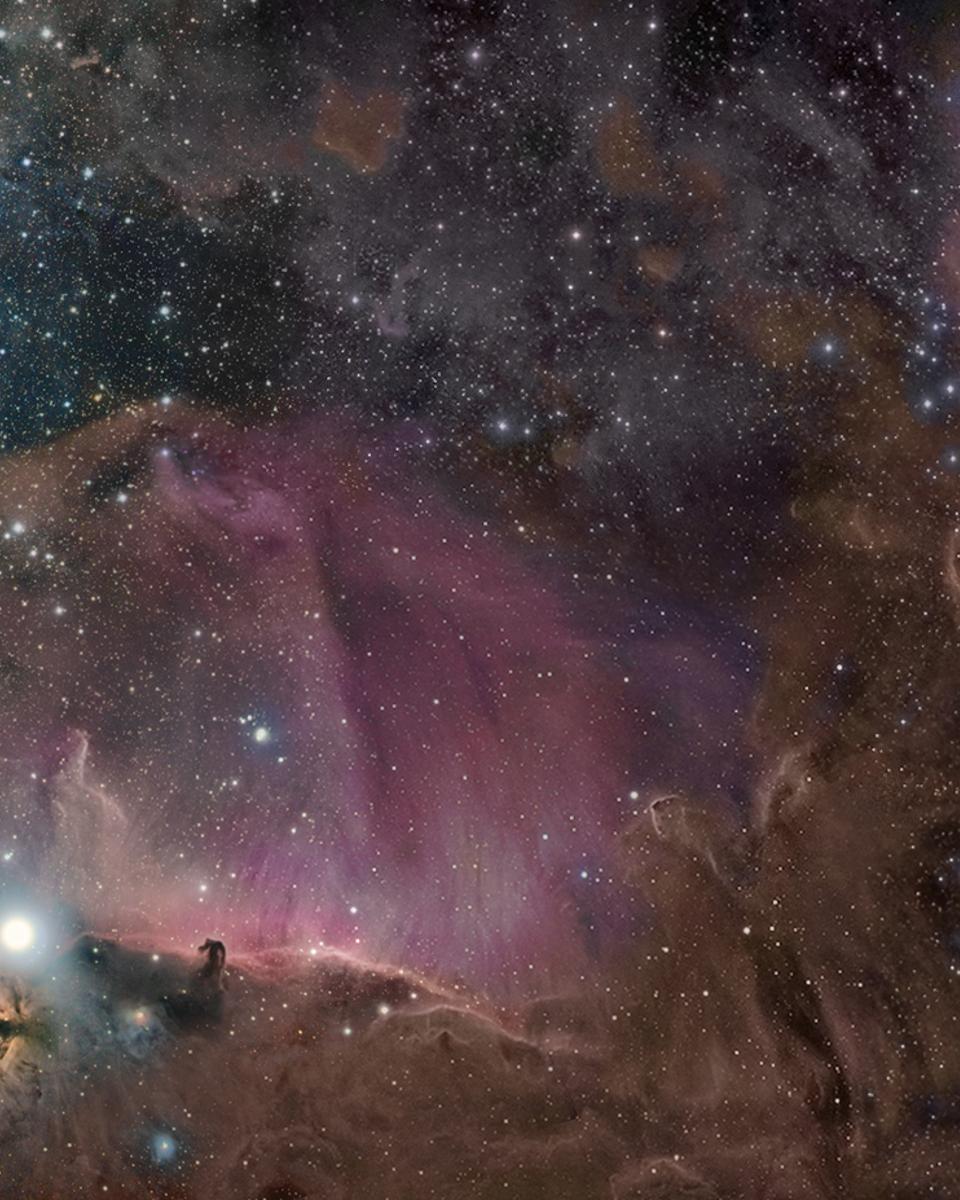
Orion in Gas, Dust, and Stars
The constellation of Orion holds much more than three stars in a row. A deep exposure shows everything from dark nebula to star clusters, all imbedded in an extended patch of…
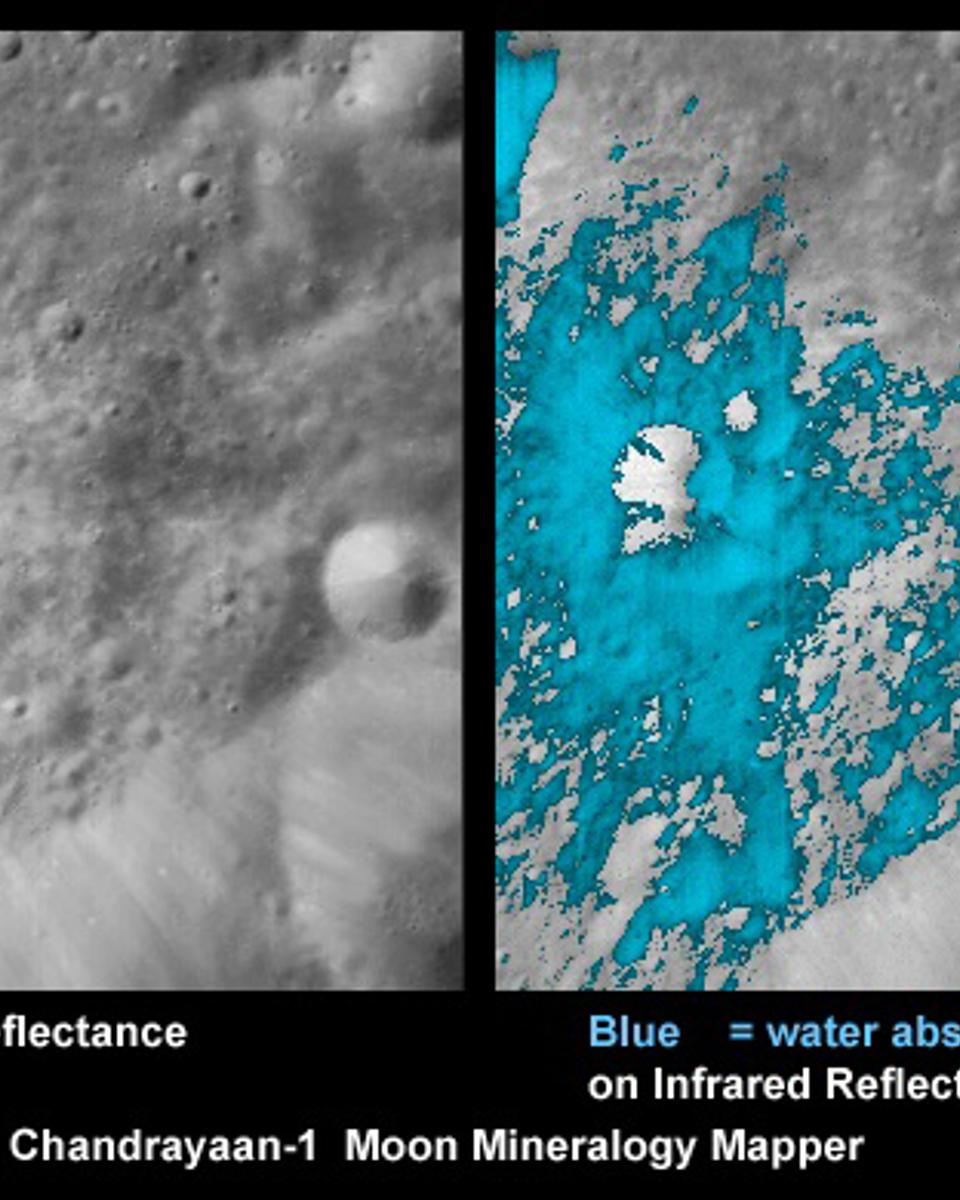
Water Discovered on the Moon
Water has been discovered on the surface of the Moon. No lakes have been found, but rather NASA's Moon Mineralogy Mapper aboard India's new Chandrayaan-1 lunar orbiter radios back…
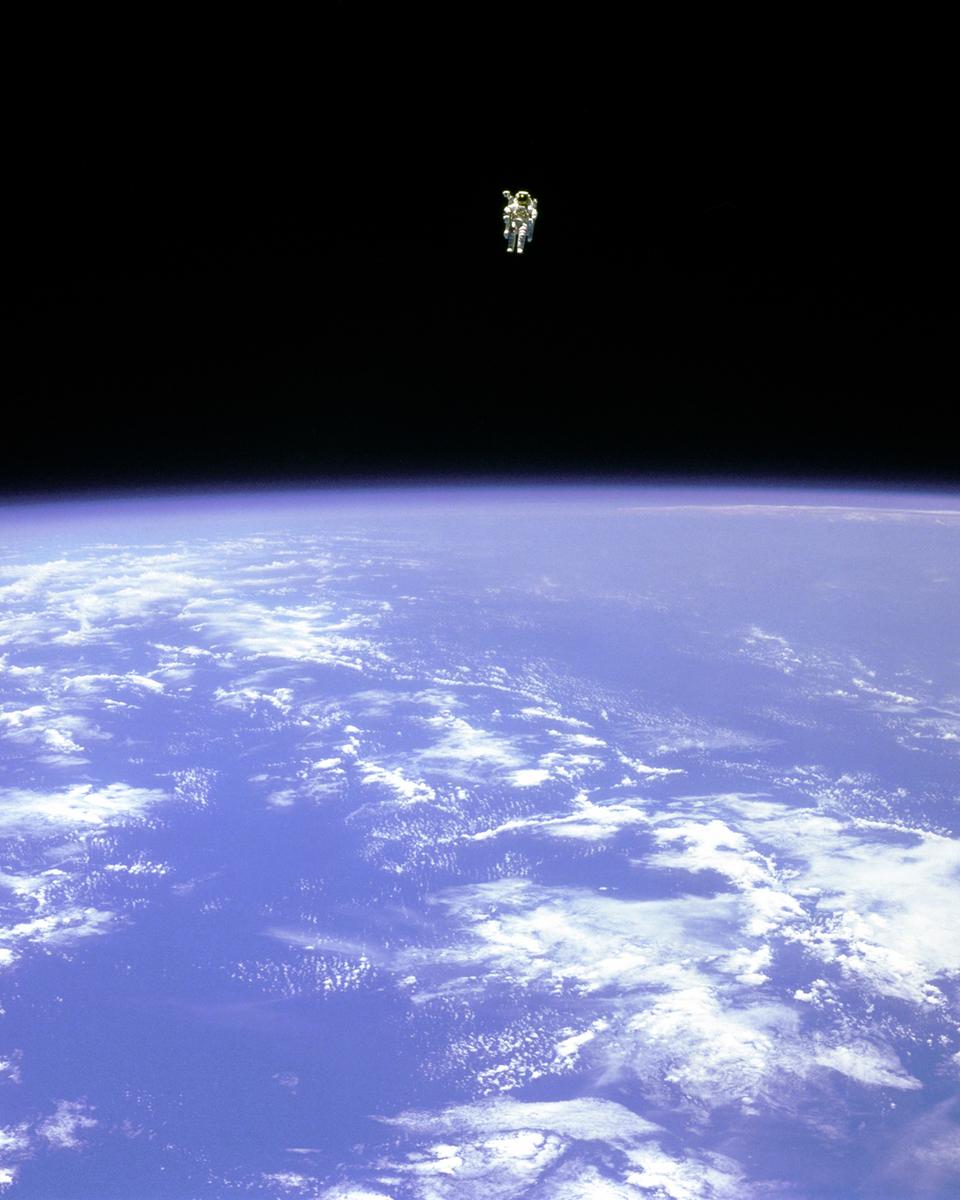
To Fly Free in Space
At about 100 meters from the cargo bay of the space shuttle Challenger, Bruce McCandless II was farther out than anyone had ever been before. Guided by a Manned Maneuvering Unit…
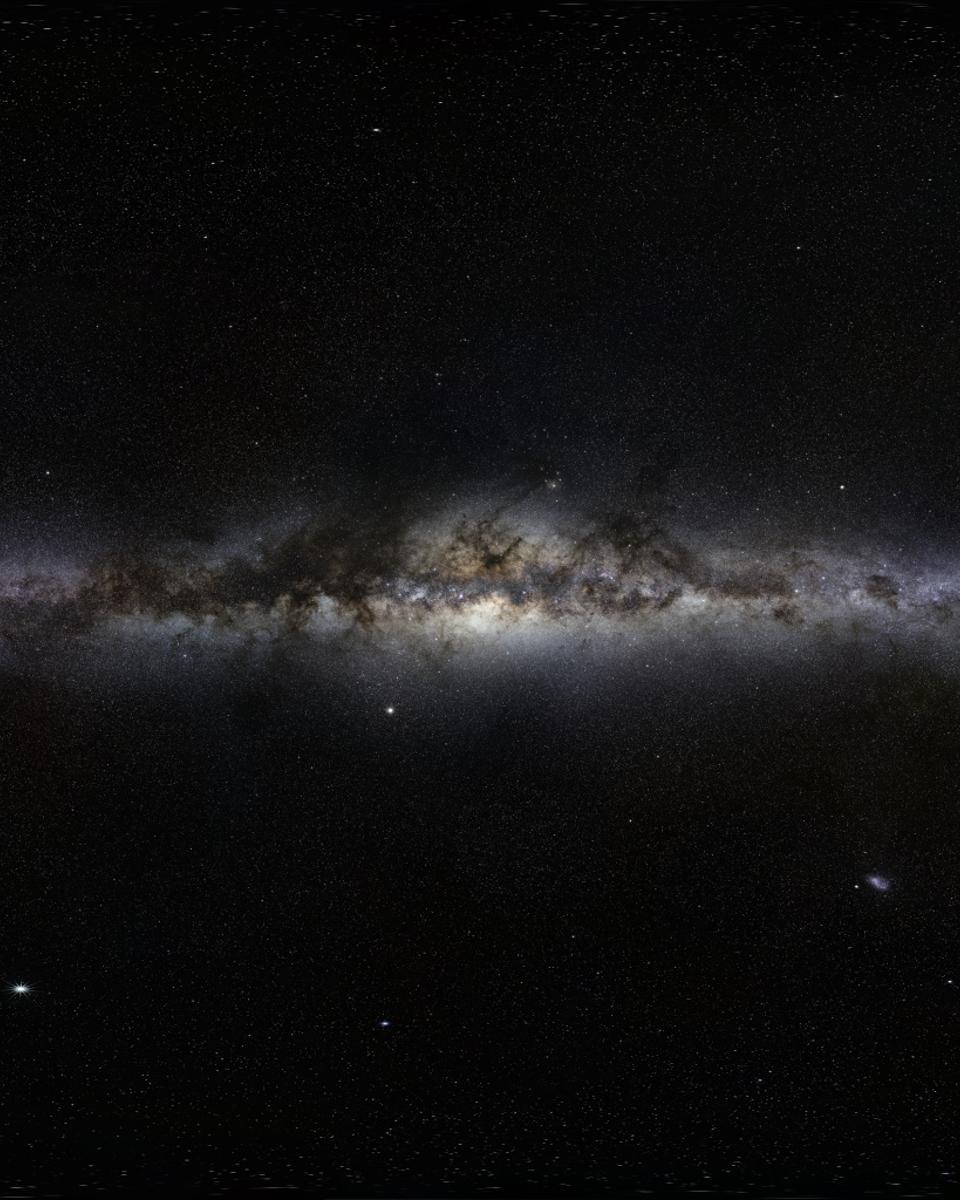
Gigagalaxy Zoom: Milky Way
Our magnificent Milky Way Galaxy sprawls across this ambitious all-sky panorama . In fact, at 800 million pixels the full resolution mosaic strives to show all the stars the eye…
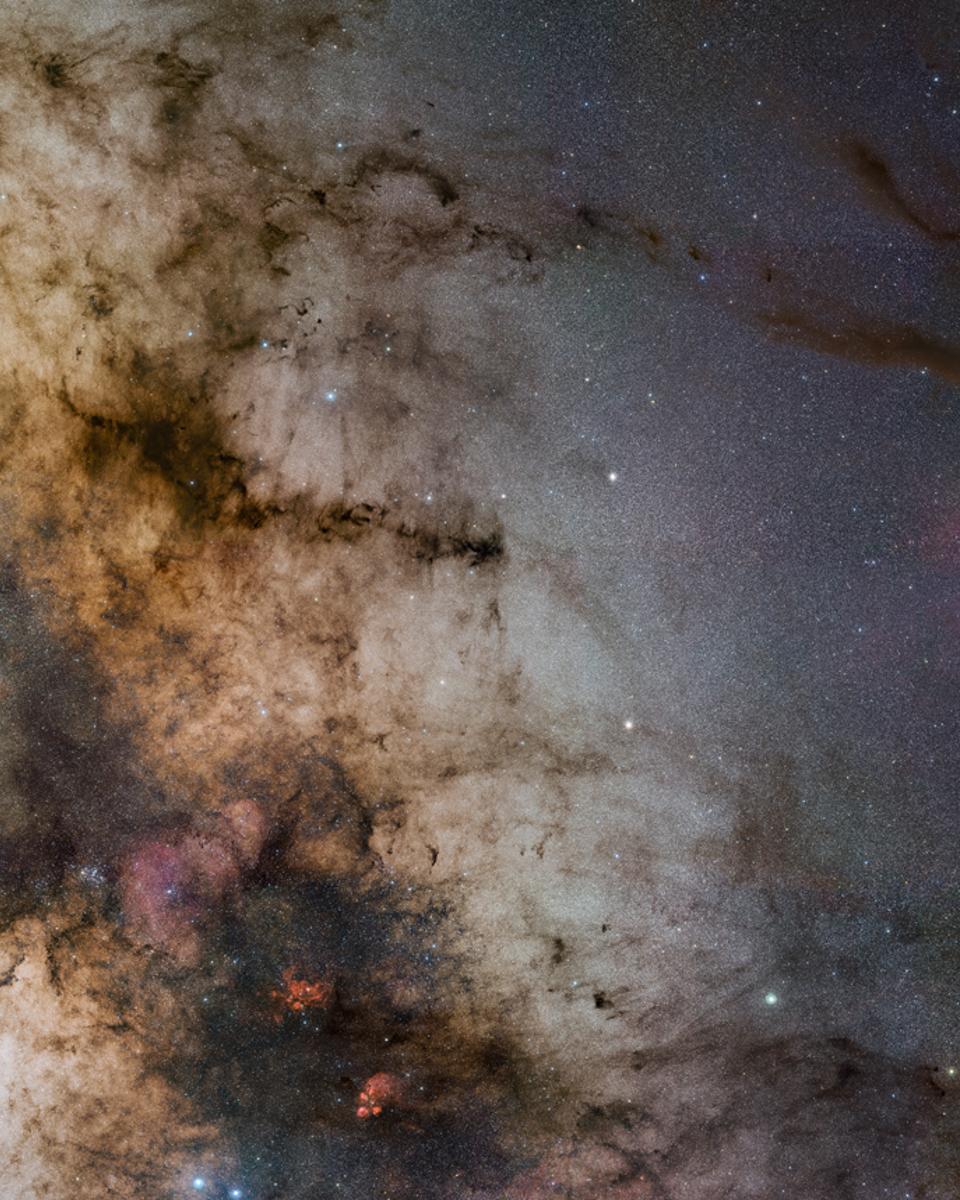
Gigagalaxy Zoom: Galactic Center
From Sagittarius to Scorpius , the central Milky Way is a truly beautiful part of planet Earth's night sky. The gorgeous region is captured here, an expansive gigapixel mosaic of…
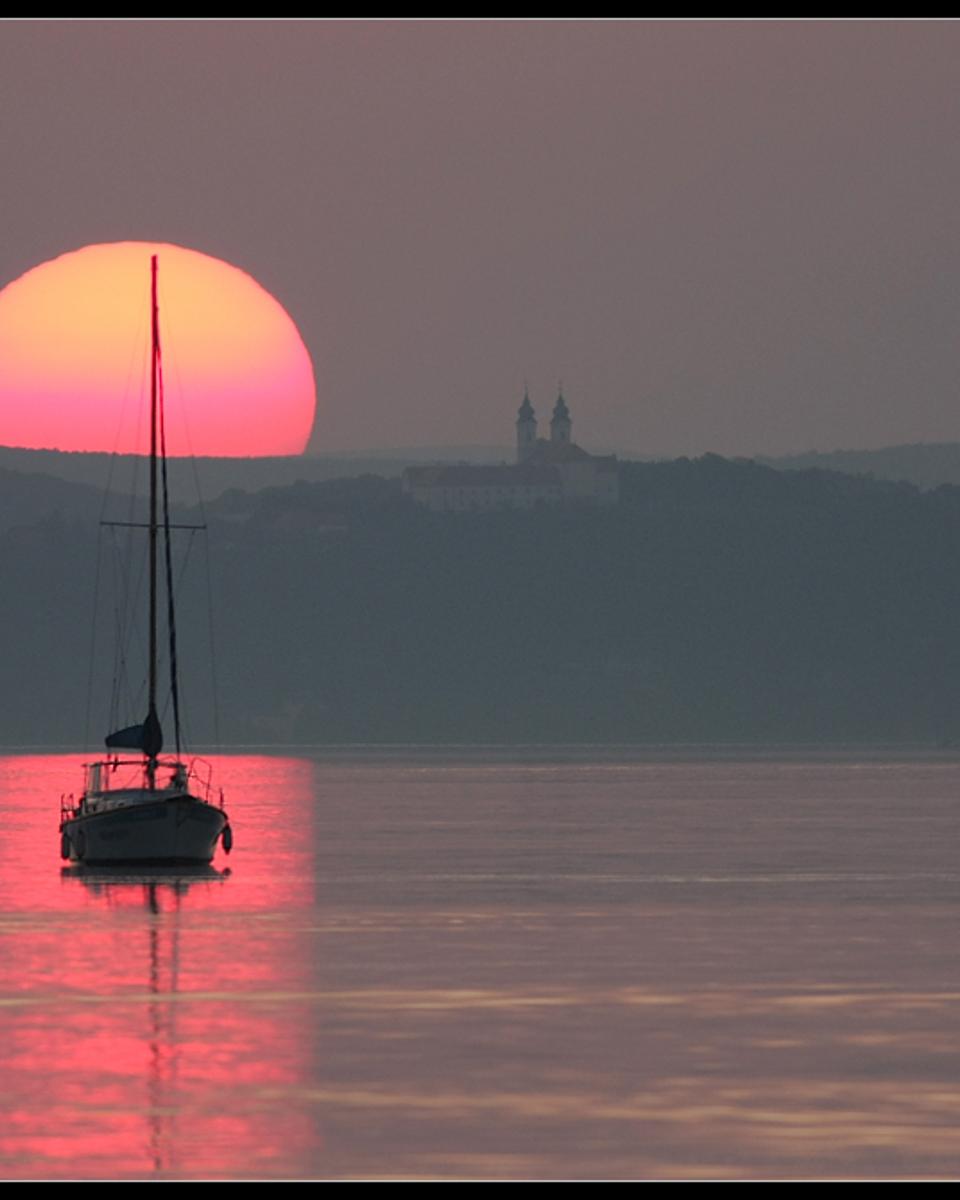
Equinox Sunset
Often inspiring , or offering a moment for contemplation, a sunset is probably the most commonly photographed celestial event . But this uncommonly beautiful sunset picture was…
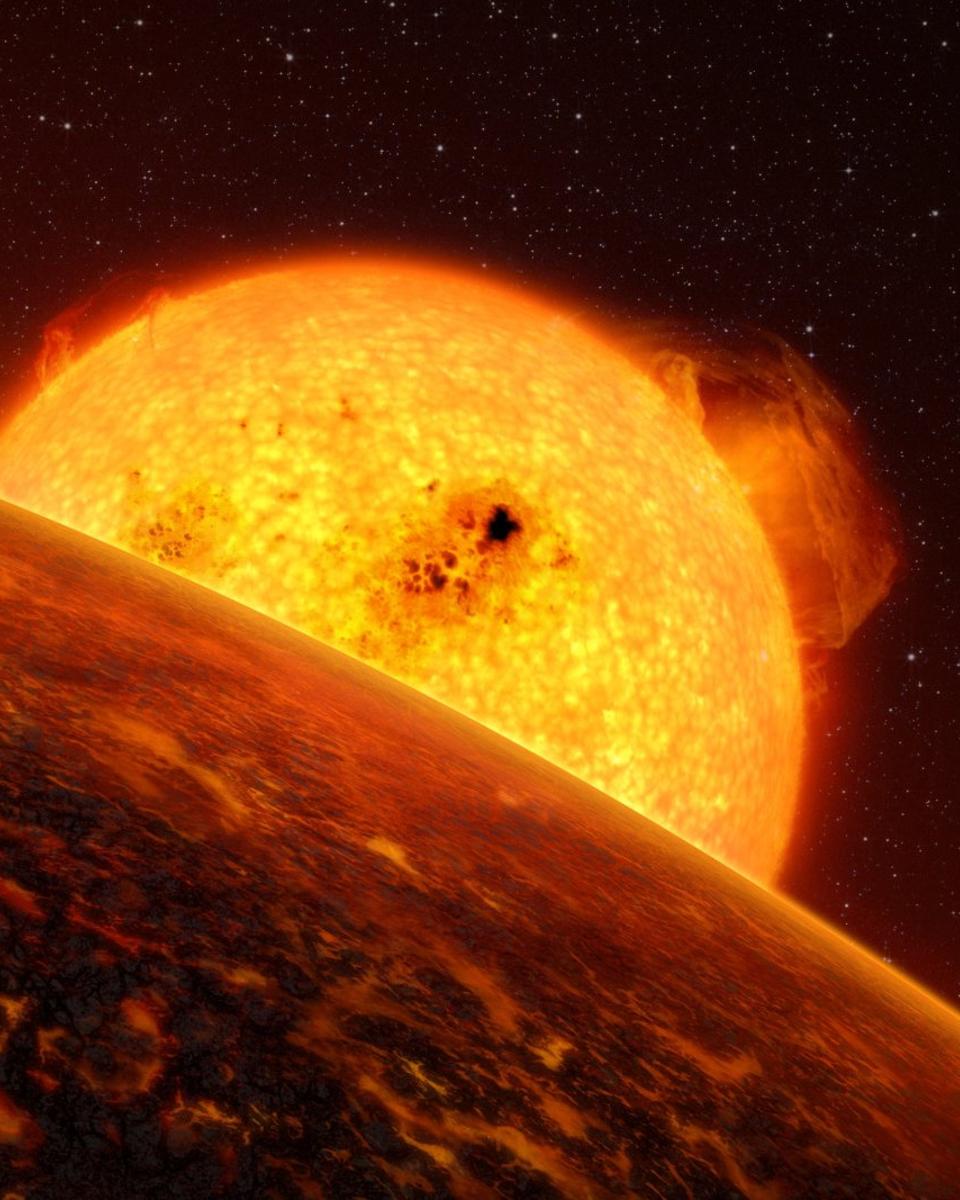
CoRoT Satellite Discovers Rocky Planet
How similar is exoplanet CoRoT-7b to Earth? The newly discovered extra-solar planet is the closest physical match yet, with a mass about five Earths and a radius of about 1.7…
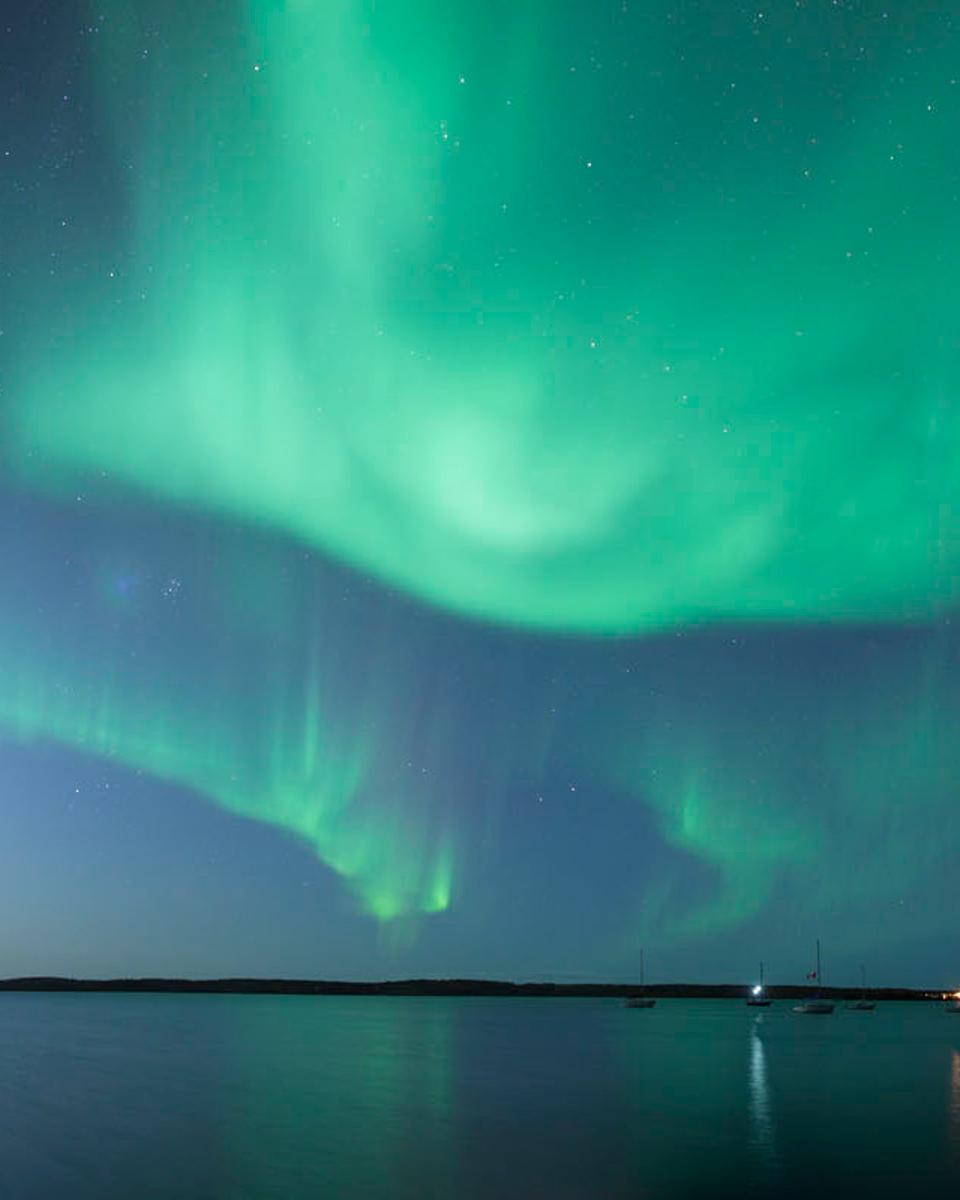
Aurora Over Yellowknife
Sometimes, after your eyes adapt to the dark, a spectacular sky appears. In this case, a picturesque lake lies in front of you, beautiful green auroras flap high above you,…
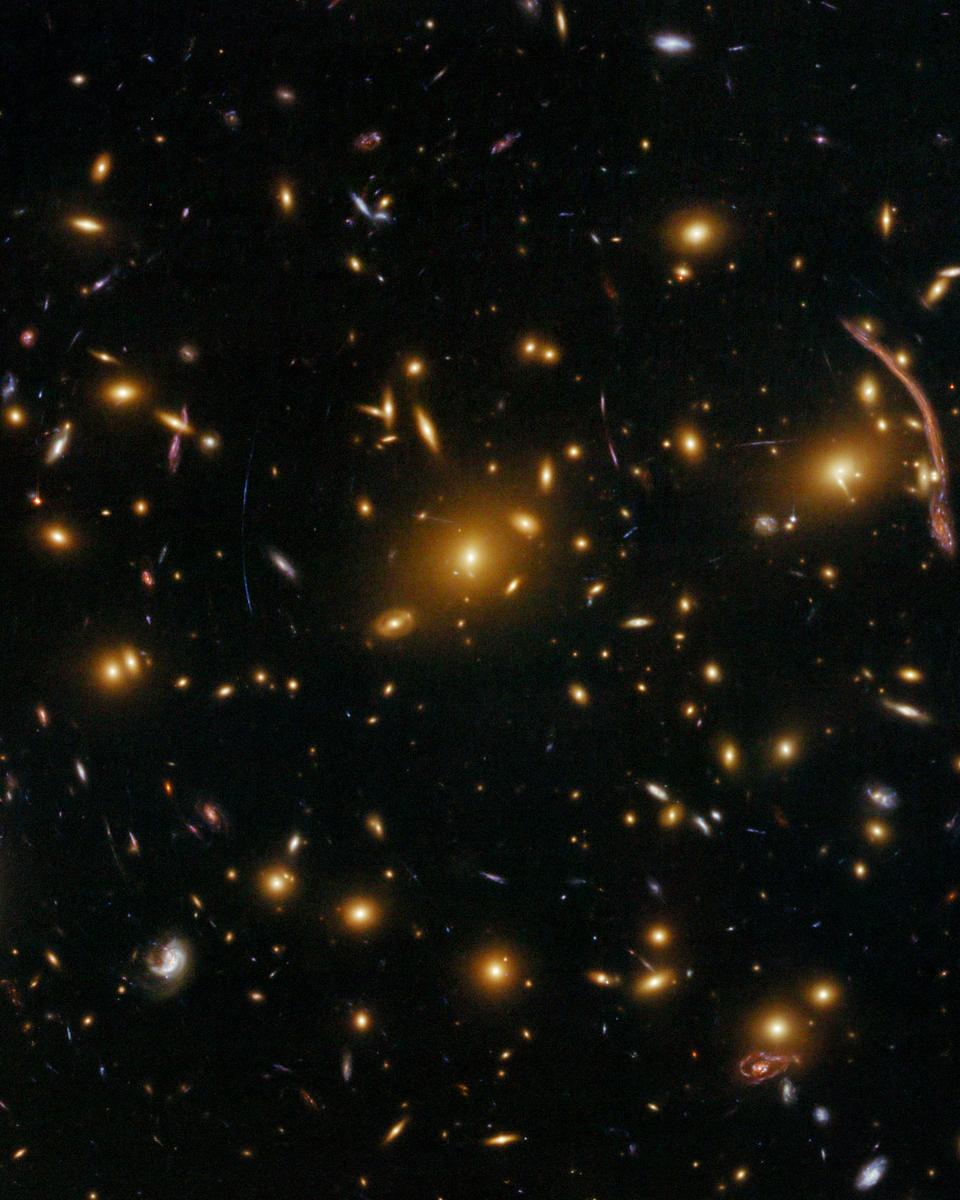
Abell 370: Galaxy Cluster Gravitational Lens
What is that strange arc? While imaging the cluster of galaxies Abell 370, astronomers had noted an unusual arc to the right of many cluster galaxies. Although curious, one…
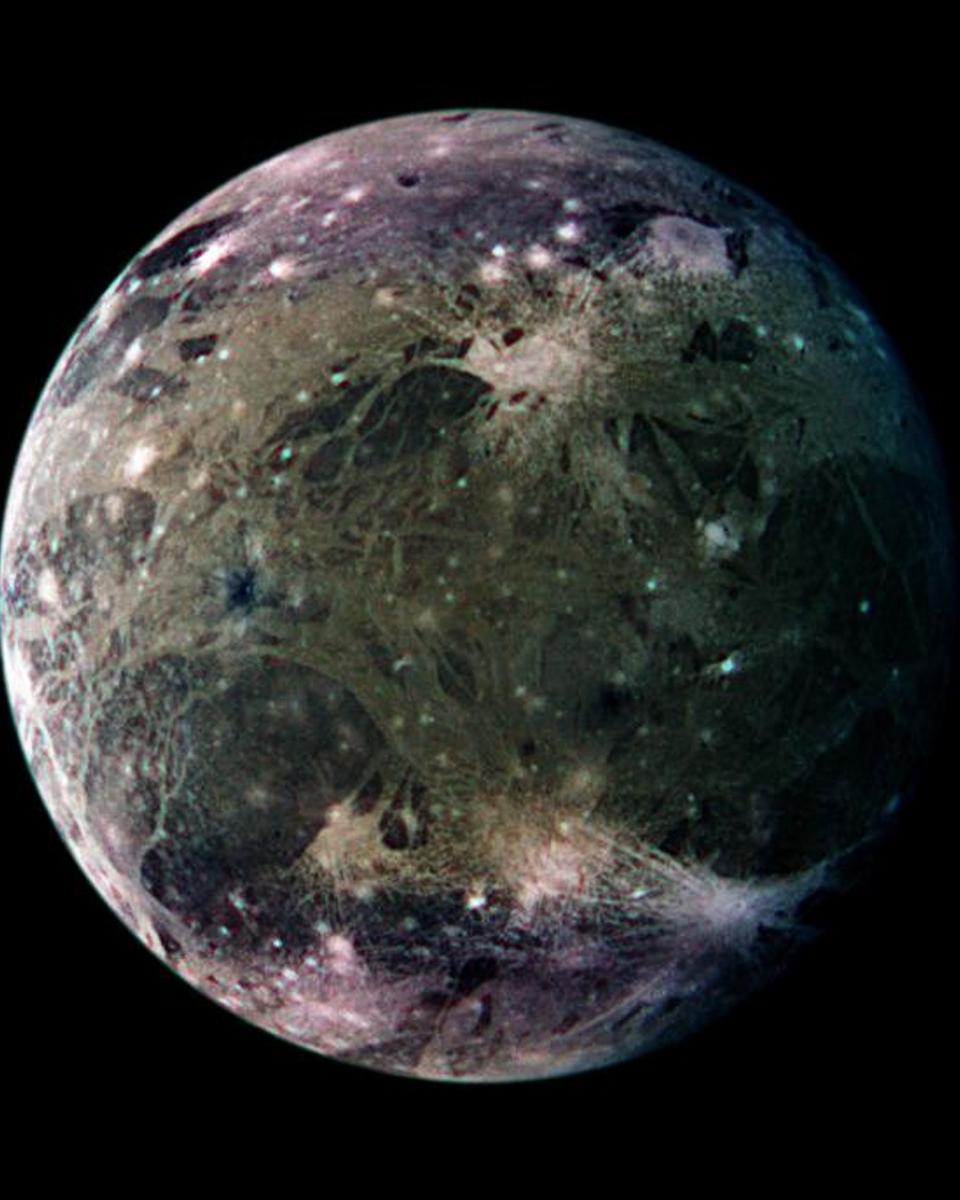
Ganymede Enhanced
What does the largest moon in the Solar System look like? Ganymede , larger than even Mercury and Pluto , has a surface speckled with bright young craters overlying a mixture of…
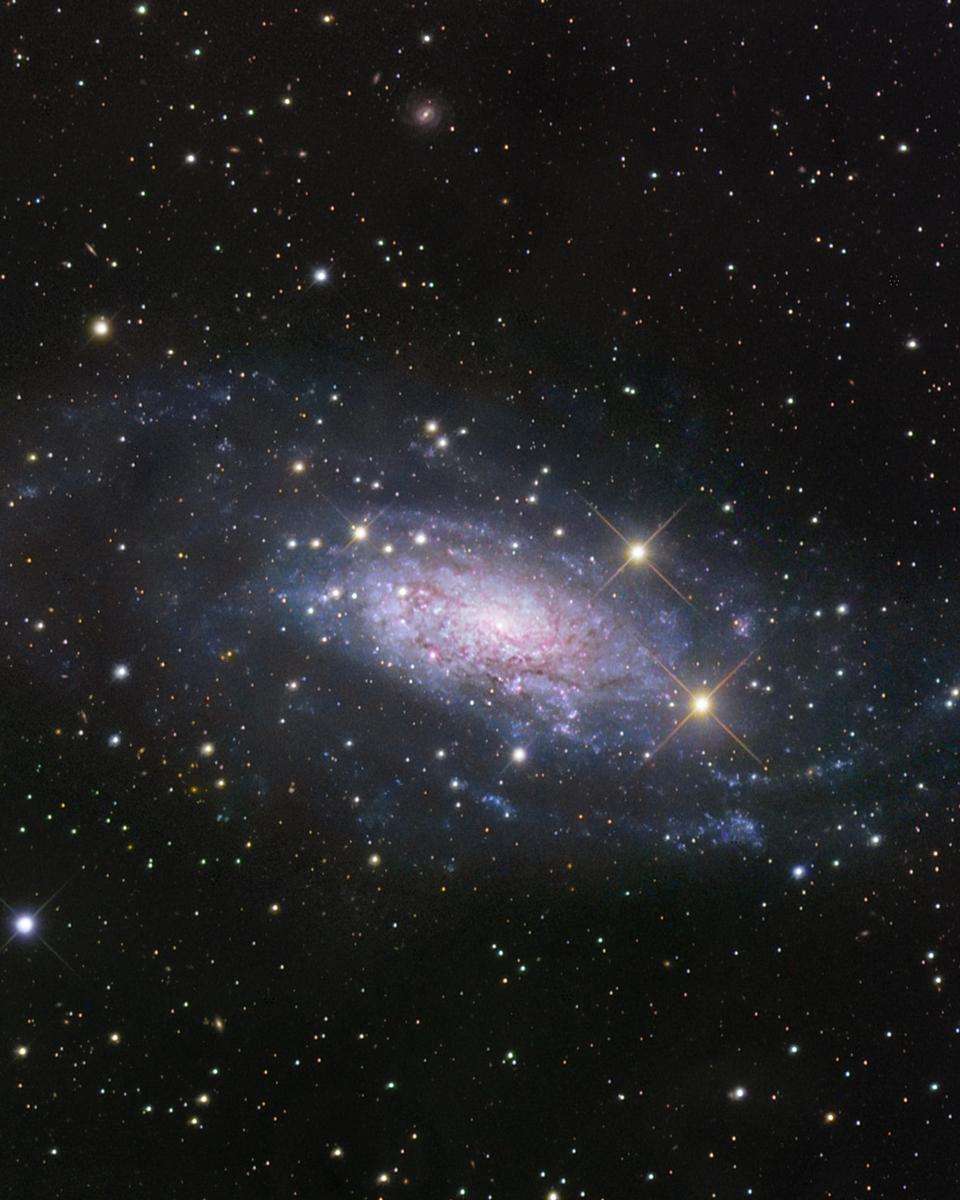
NGC 3621: Far Beyond the Local Group
Far beyond the local group of galaxies lies NGC 3621 , some 22 million light-years away. Found in the multi-headed southern constellation Hydra , the winding spiral arms of this…
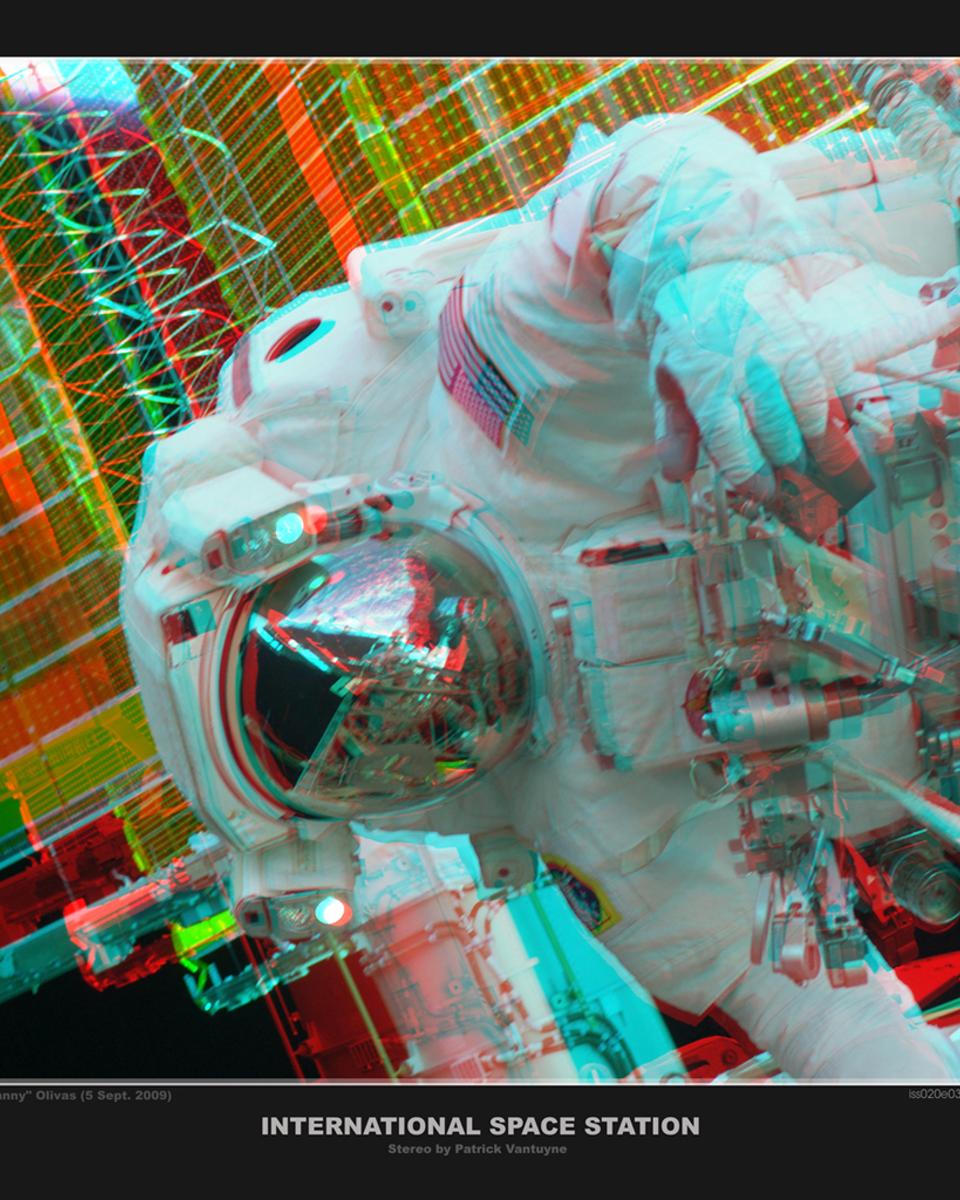
Take My Hand
Get out your red/blue glasses and check out this close-up of spacesuited NASA astronaut John Olivas outside the International Space Station . Carefully constructed from two…
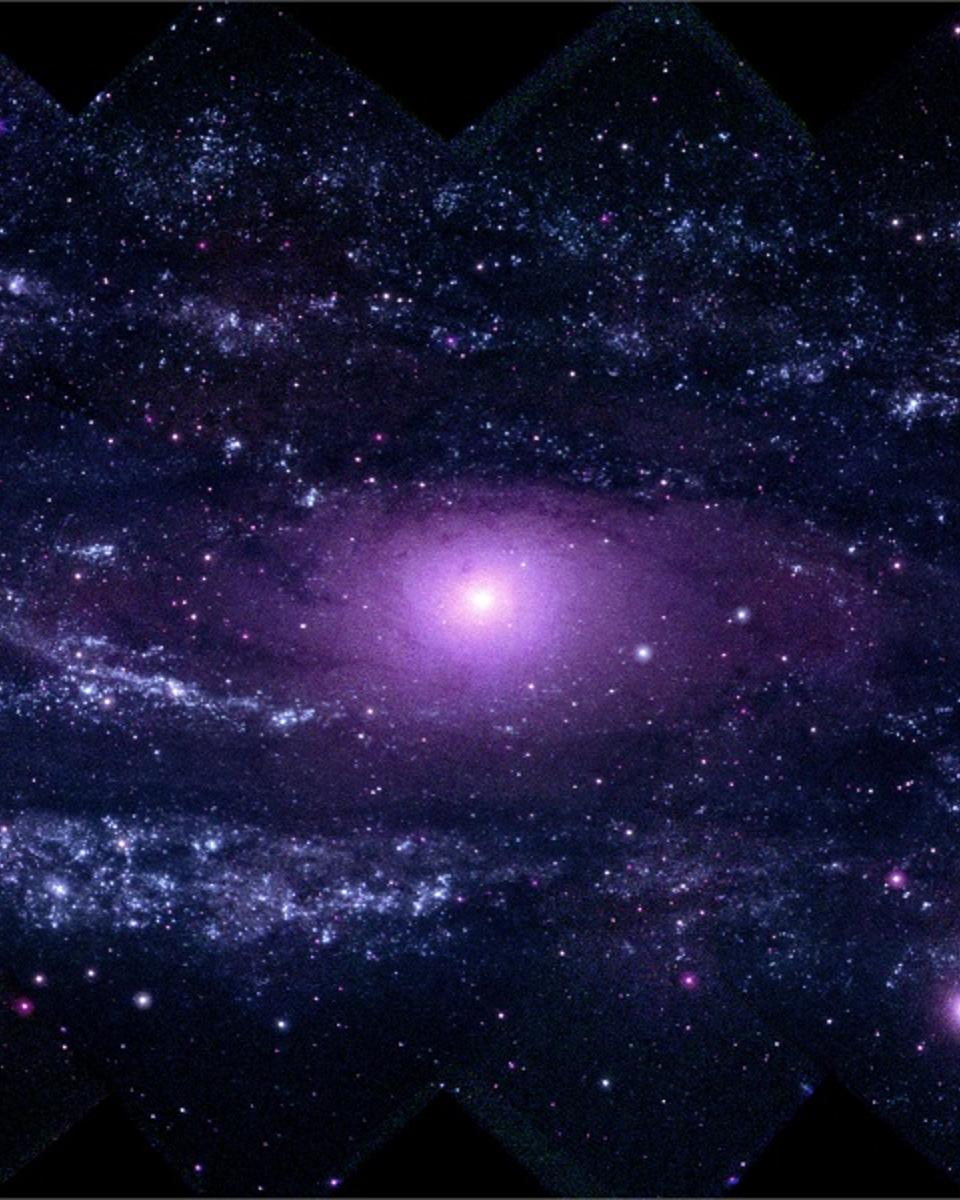
Ultraviolet Andromeda
Taken by a telescope onboard NASA's Swift satellite , this stunning vista represents the highest resolution image ever made of the Andromeda Galaxy (aka M31) - at ultraviolet…
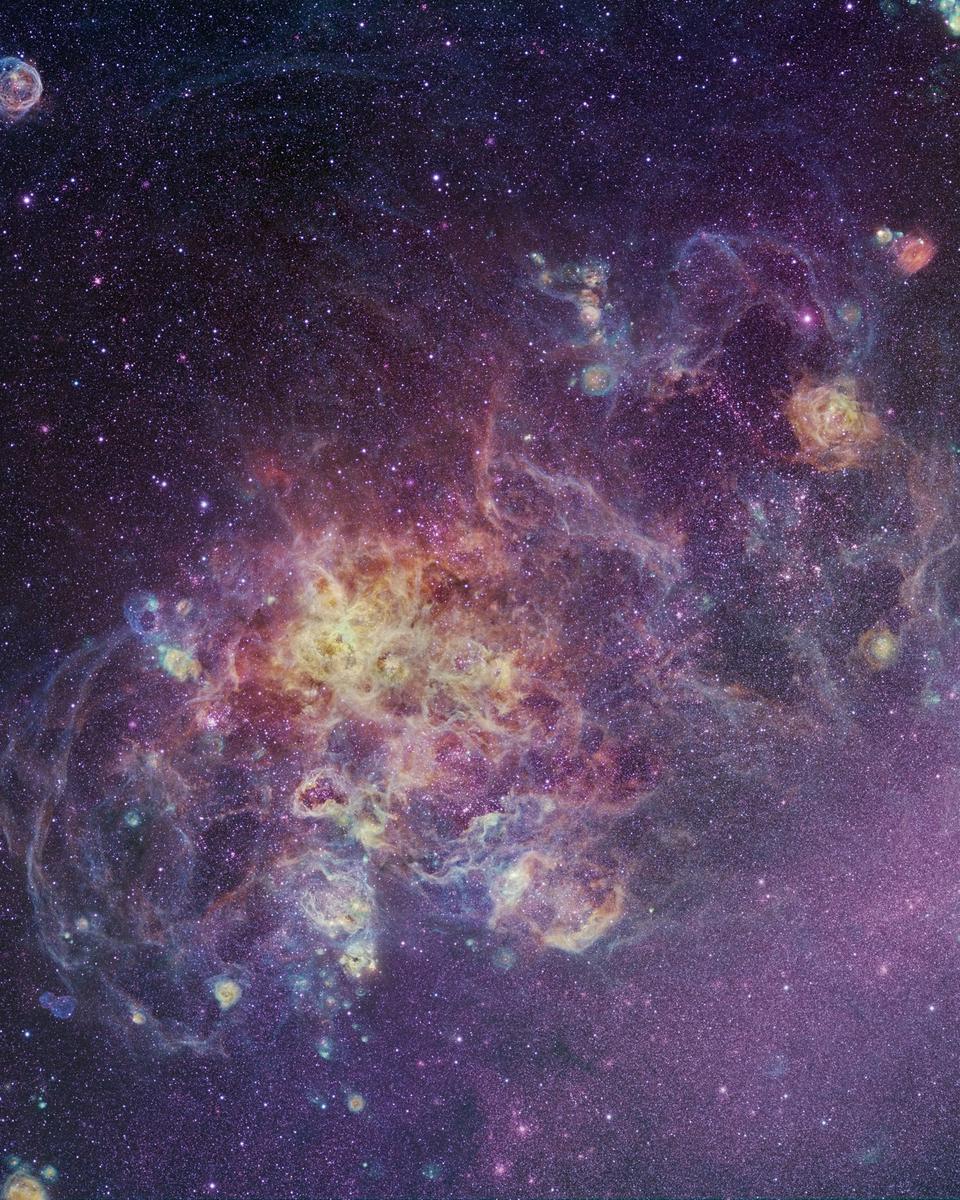
The Tarantula Zone
The Tarantula Nebula is more than 1,000 light-years in diameter -- a giant star forming region within our neighboring galaxy the Large Magellanic Cloud (LMC). That cosmic arachnid…
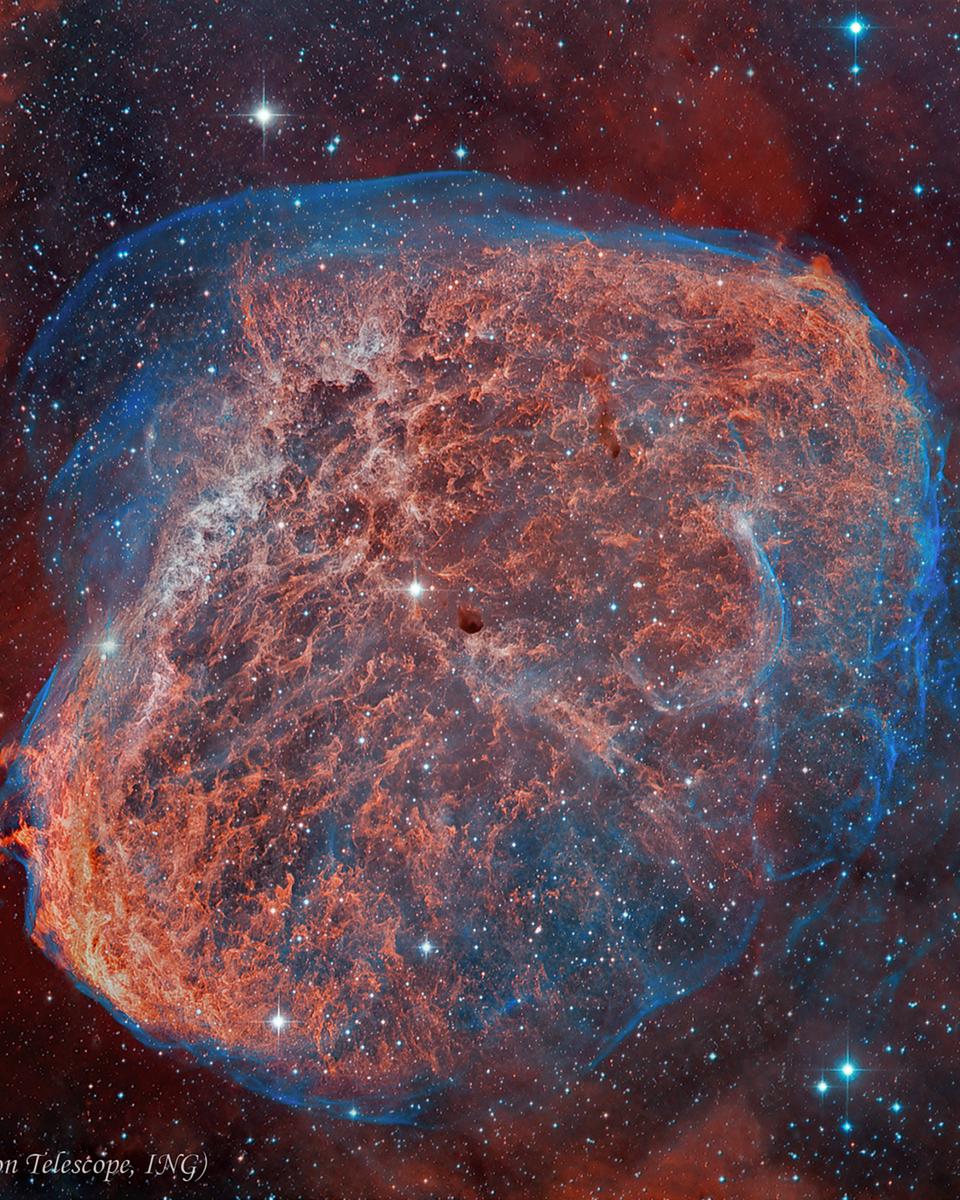
NGC 6888: The Crescent Nebula
NGC 6888, also known as the Crescent Nebula, is a cosmic bubble about 25 light-years across, blown by winds from its central, bright, massive star. This beautiful portrait of the…
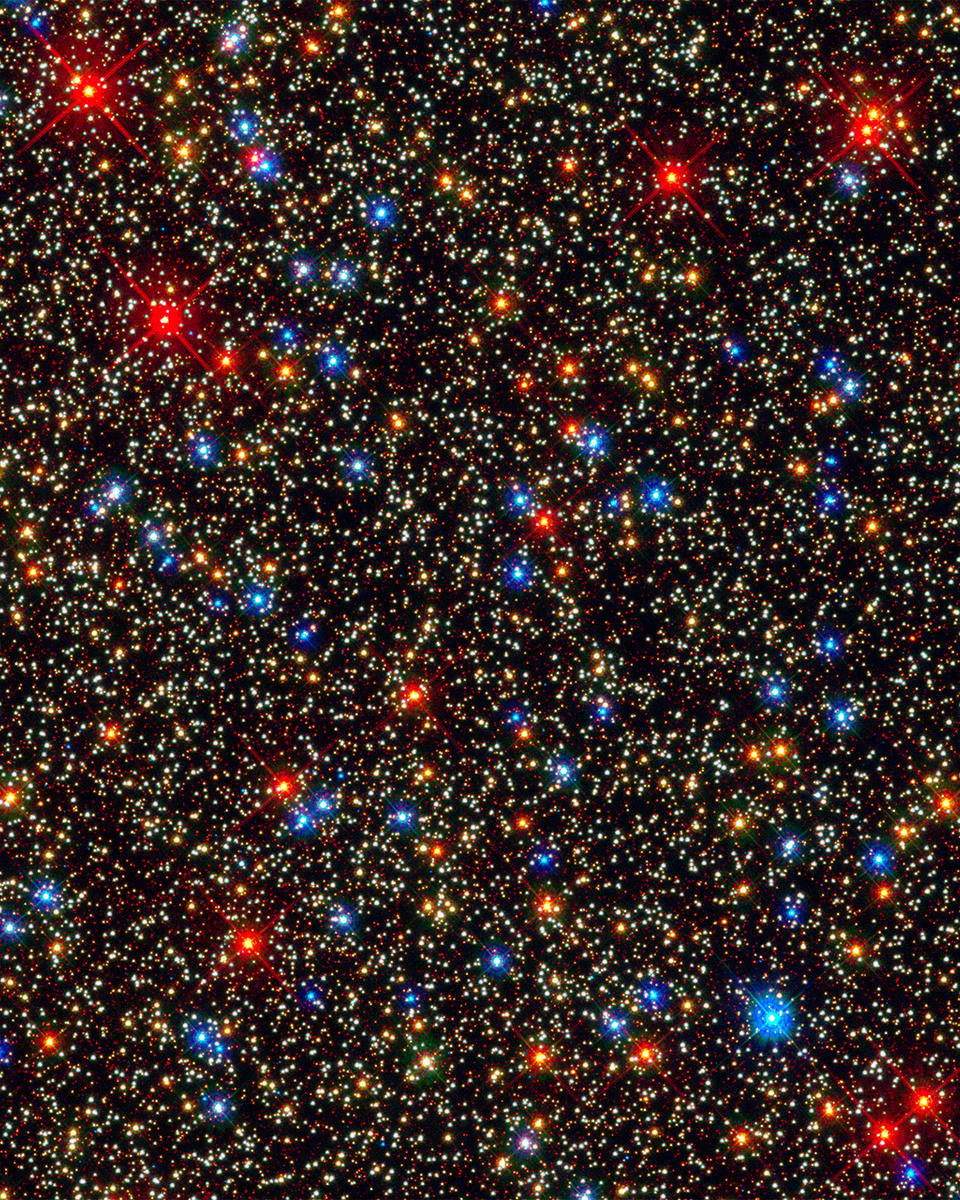
The Center of Globular Cluster Omega Centauri
What is left over after stars collide? To help answer this question, astronomers have been studying the center of the most massive ball of stars in our Milky Way Galaxy . In the…
Viewing discoveries from 7 October 2009 through 14 September 2009.