Browse NASA Astronomy Picture of the Day archive by date and media: Archive Discoveries
Browse the NASA APOD archive without needing the exact date first. Filter by media type and keep moving deeper into older images and videos.
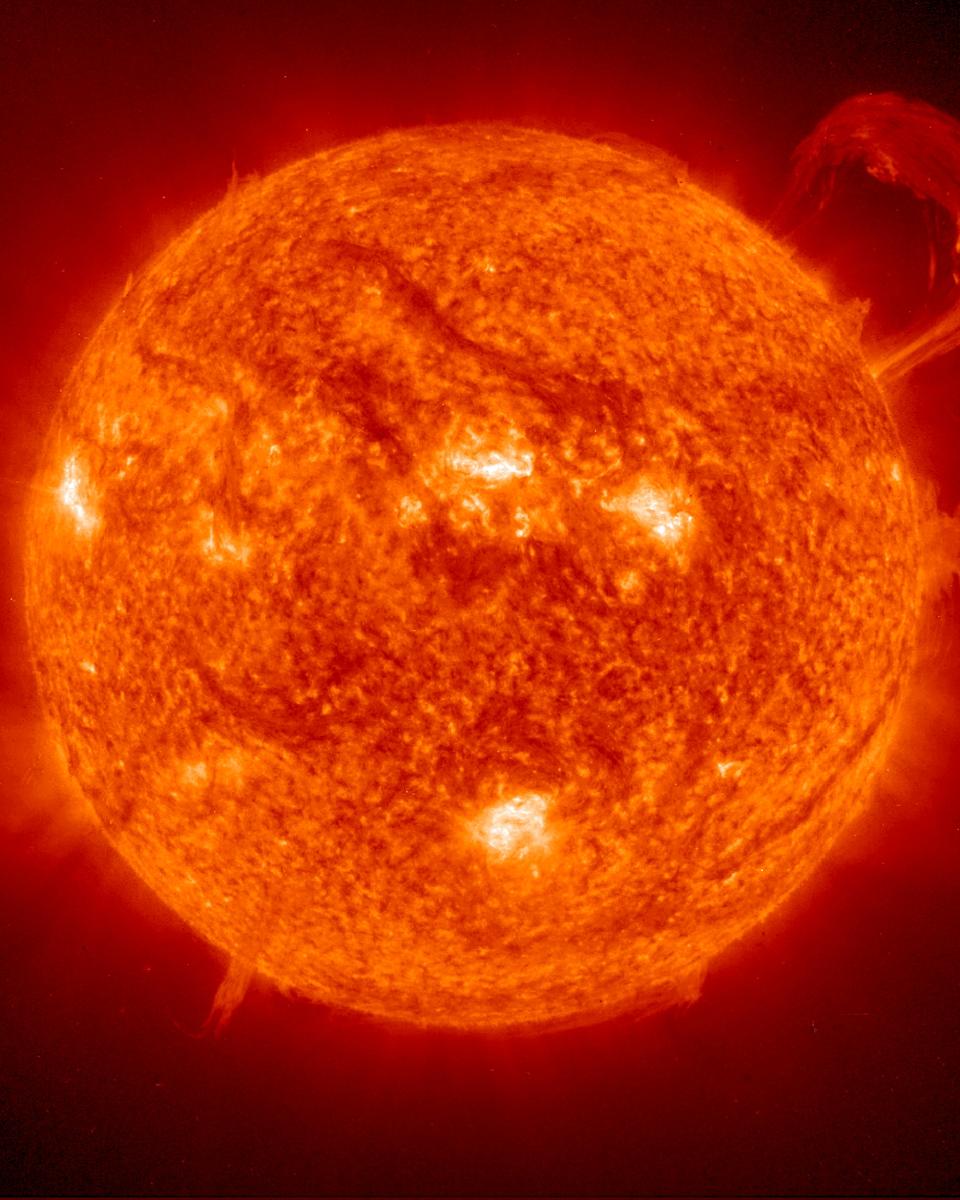
A Solar Prominence from SOHO
How can gas float above the Sun? Twisted magnetic fields arching from the solar surface can trap ionized gas, suspending it in huge looping structures. These majestic plasma…
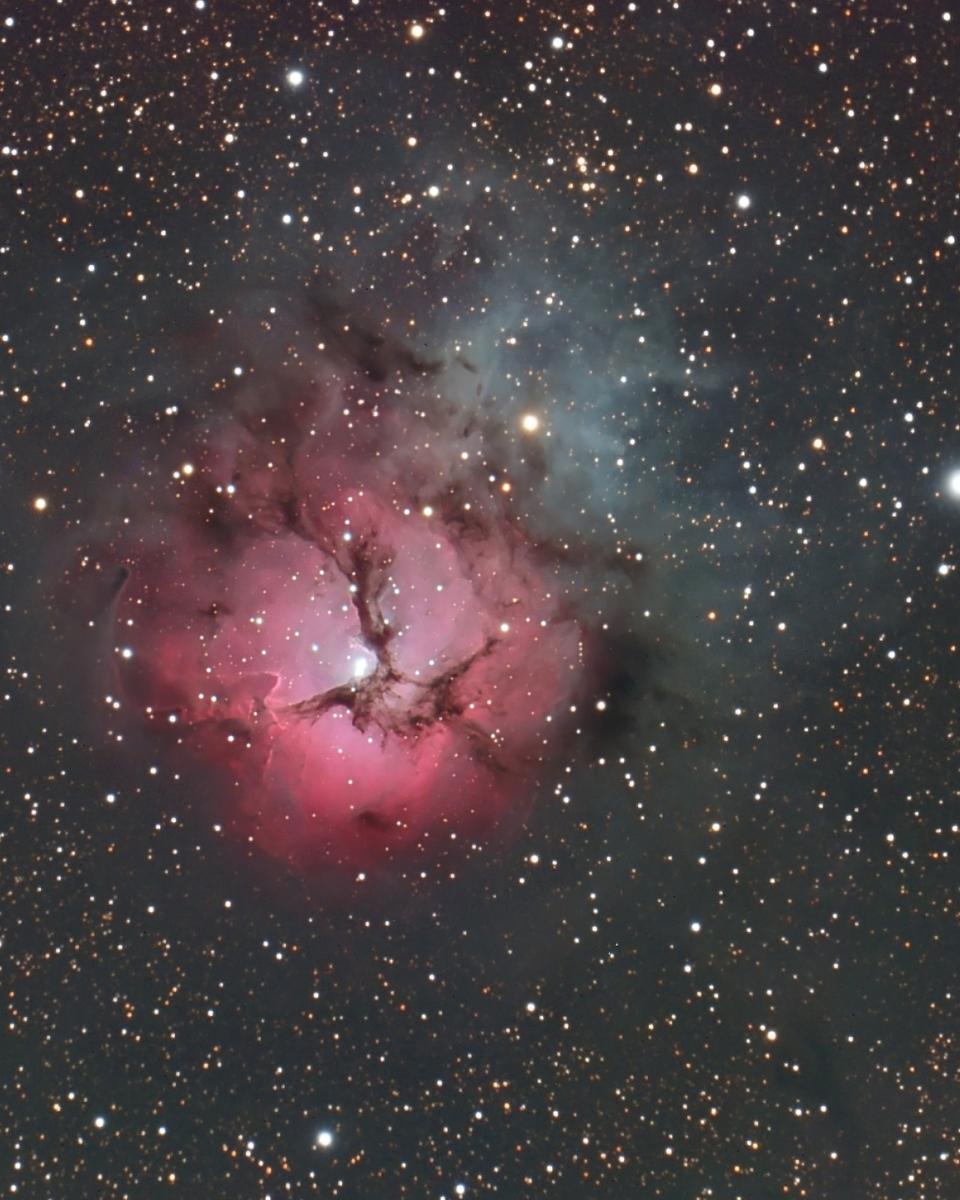
A Beautiful Trifid
The beautiful Trifid Nebula is a colorful study in cosmic contrasts. Also known as M20, it lies about 5,000 light-years away toward the nebula rich constellation Sagittarius. A…
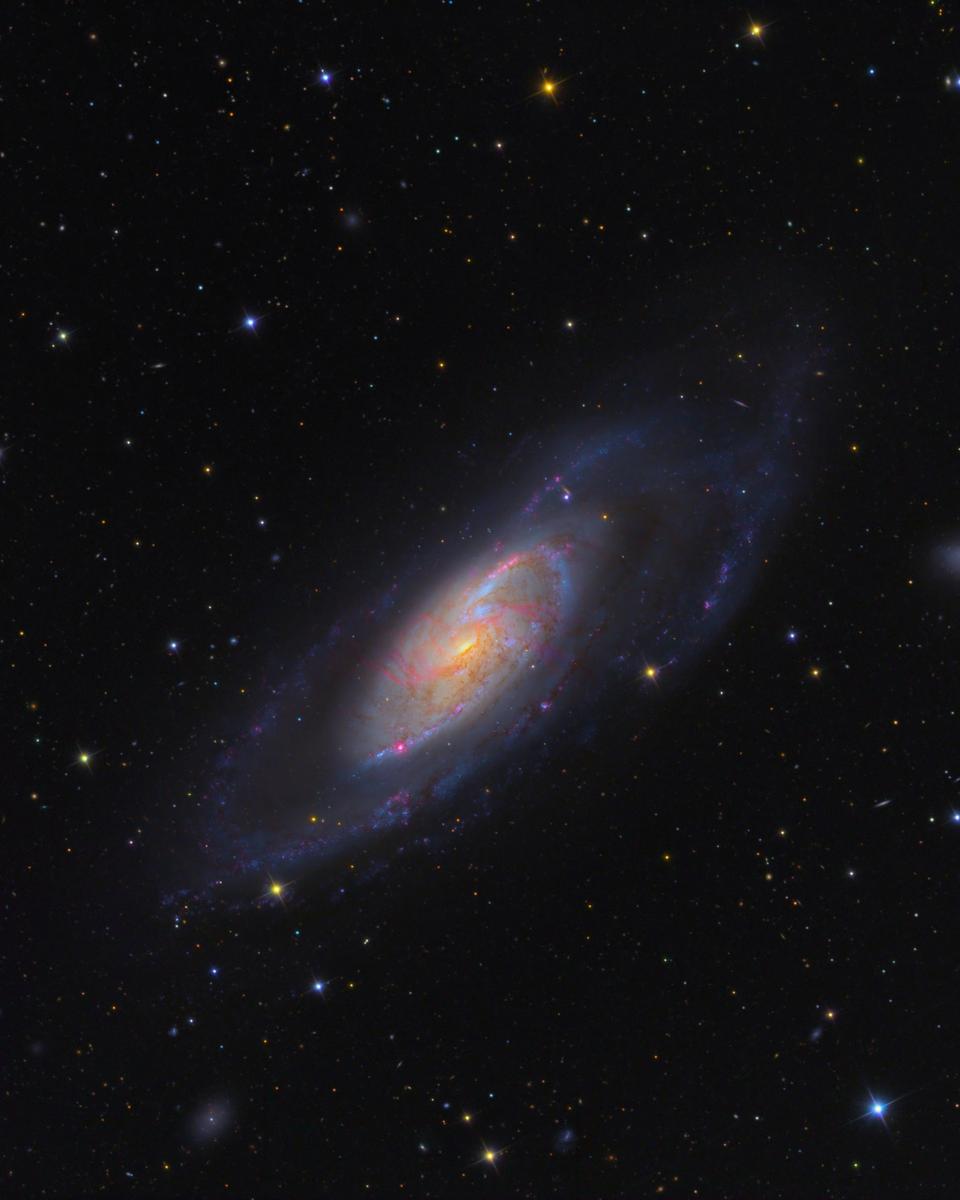
Messier 106
Close to the Great Bear (Ursa Major) and surrounded by the stars of the Hunting Dogs (Canes Venatici), this celestial wonder was discovered in 1781 by the metric French astronomer…
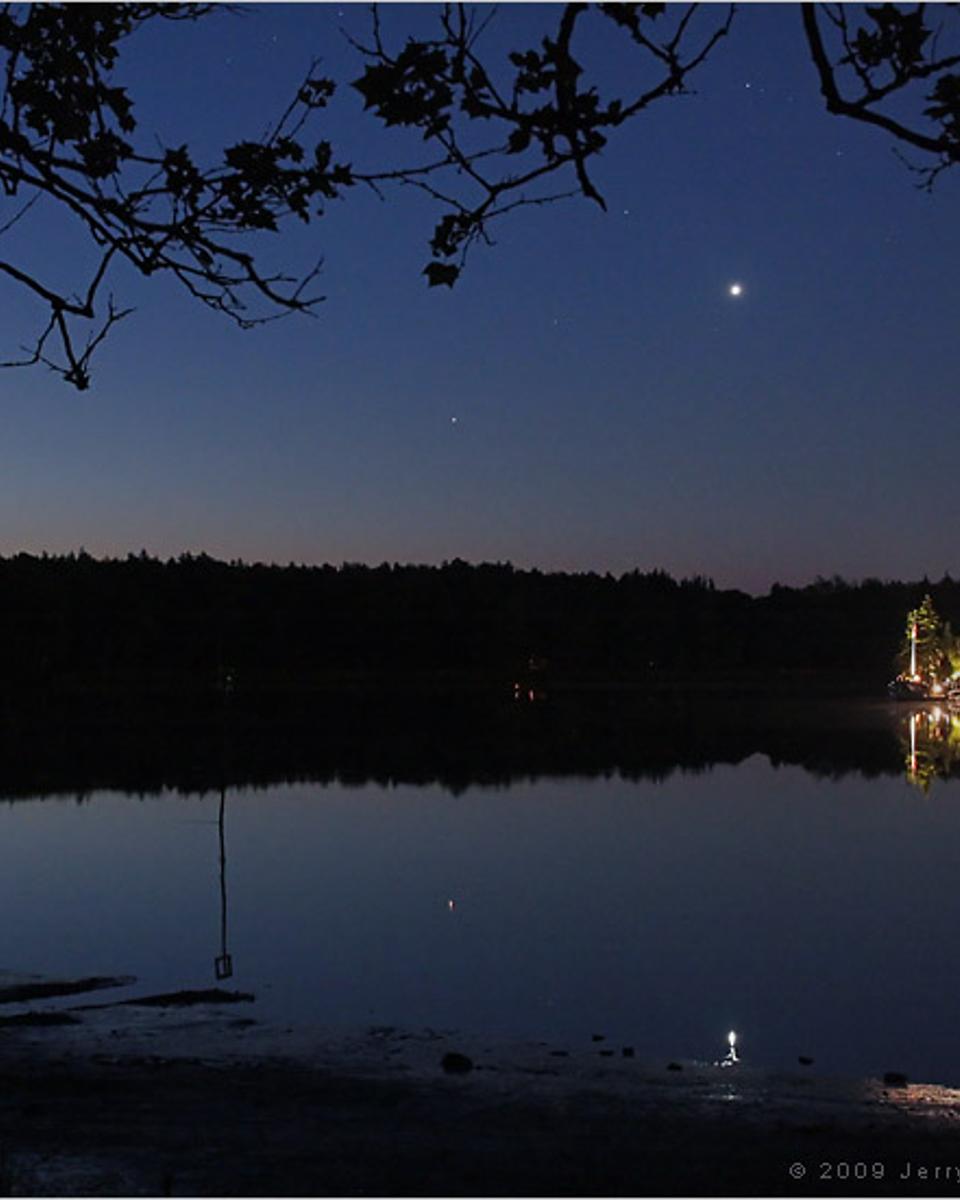
Moon in the Mullica
Still waters mimic a predawn sky along the eastern horizon in this peaceful scene. The picture was recorded on May 22nd from the banks of the Mullica River, in a forested region…
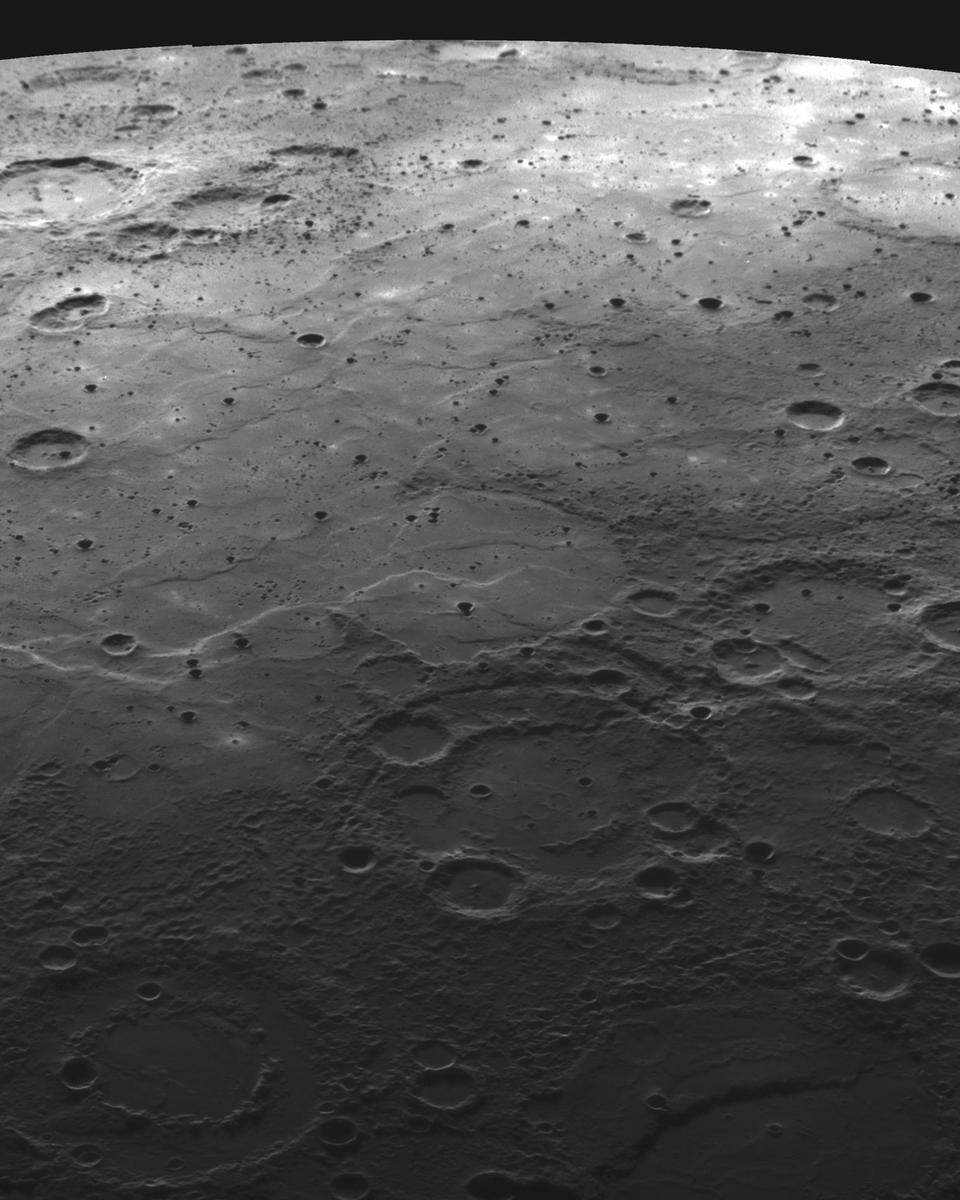
Volcanic Terrain on Mercury
Why are many large craters on Mercury relatively smooth inside? Recent images from the robotic MESSENGER spacecraft that flew by Mercury last October show previously uncharted…
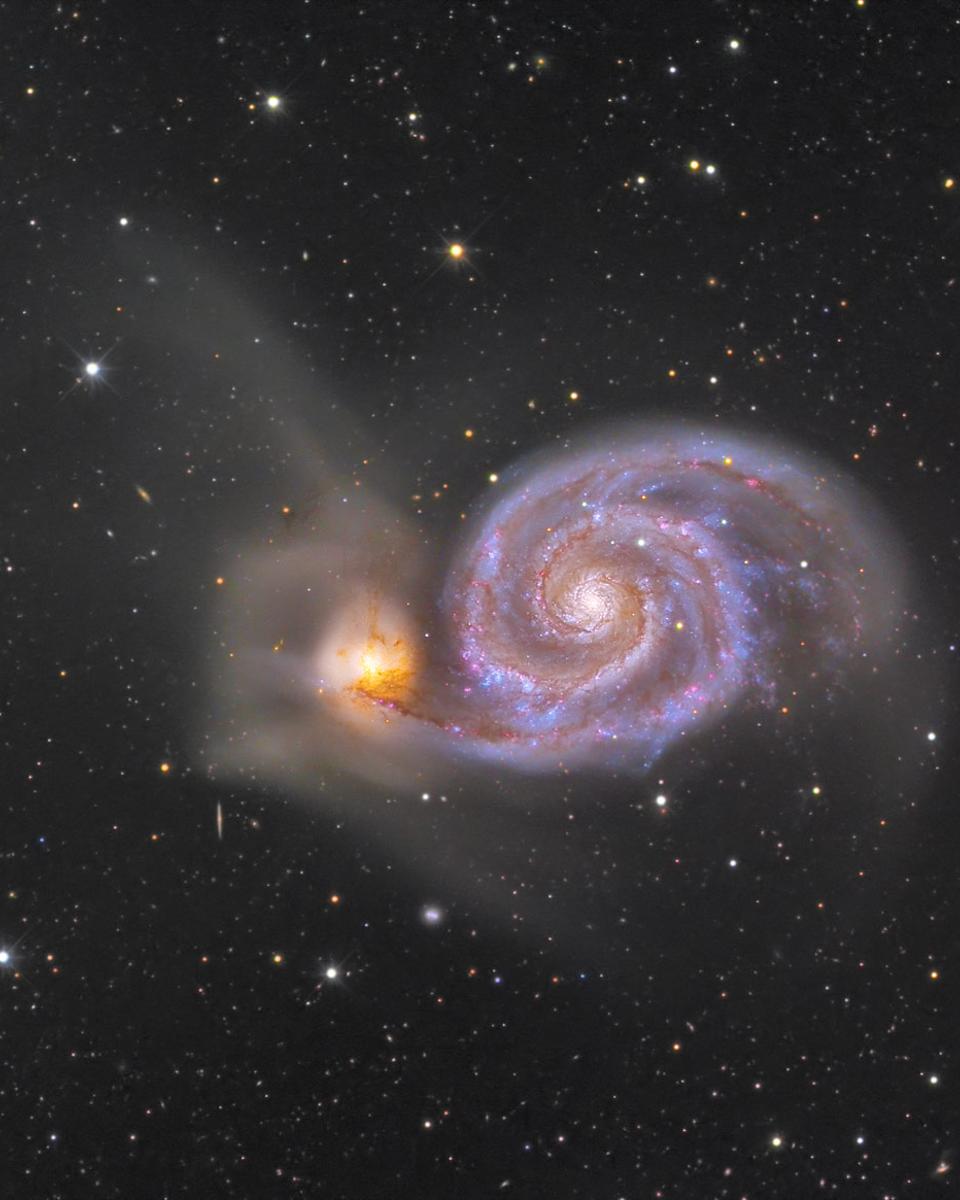
Whirlpool Galaxy Deep Field
Follow the handle of the Big Dipper away from the dipper's bowl, until you get to the handle's last bright star. Then, just slide your telescope a little south and west and you…
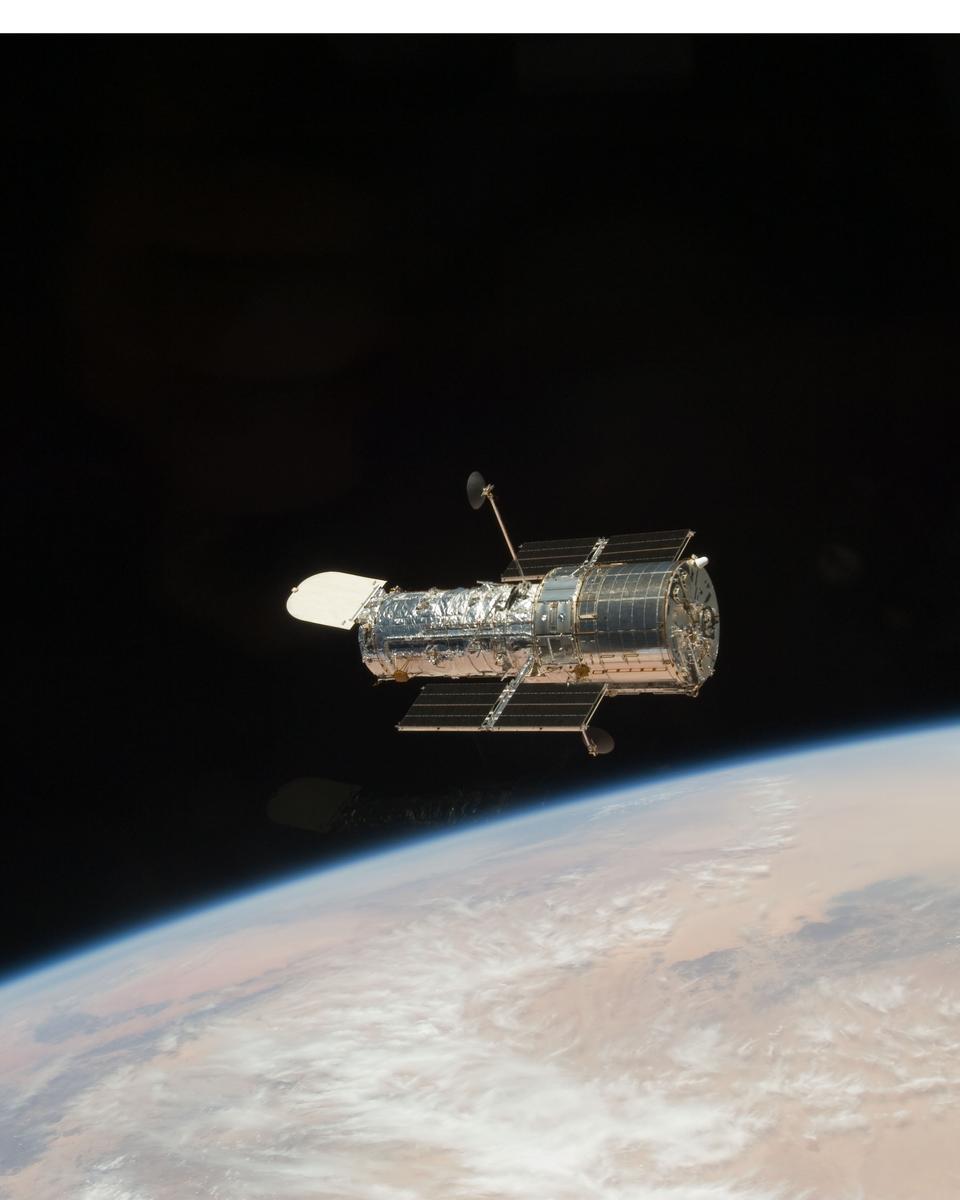
Hubble Floats Free
Why put observatories in space? Most telescopes are on the ground. On the ground, you can deploy a heavier telescope and fix it more easily. The trouble is that Earth-bound…
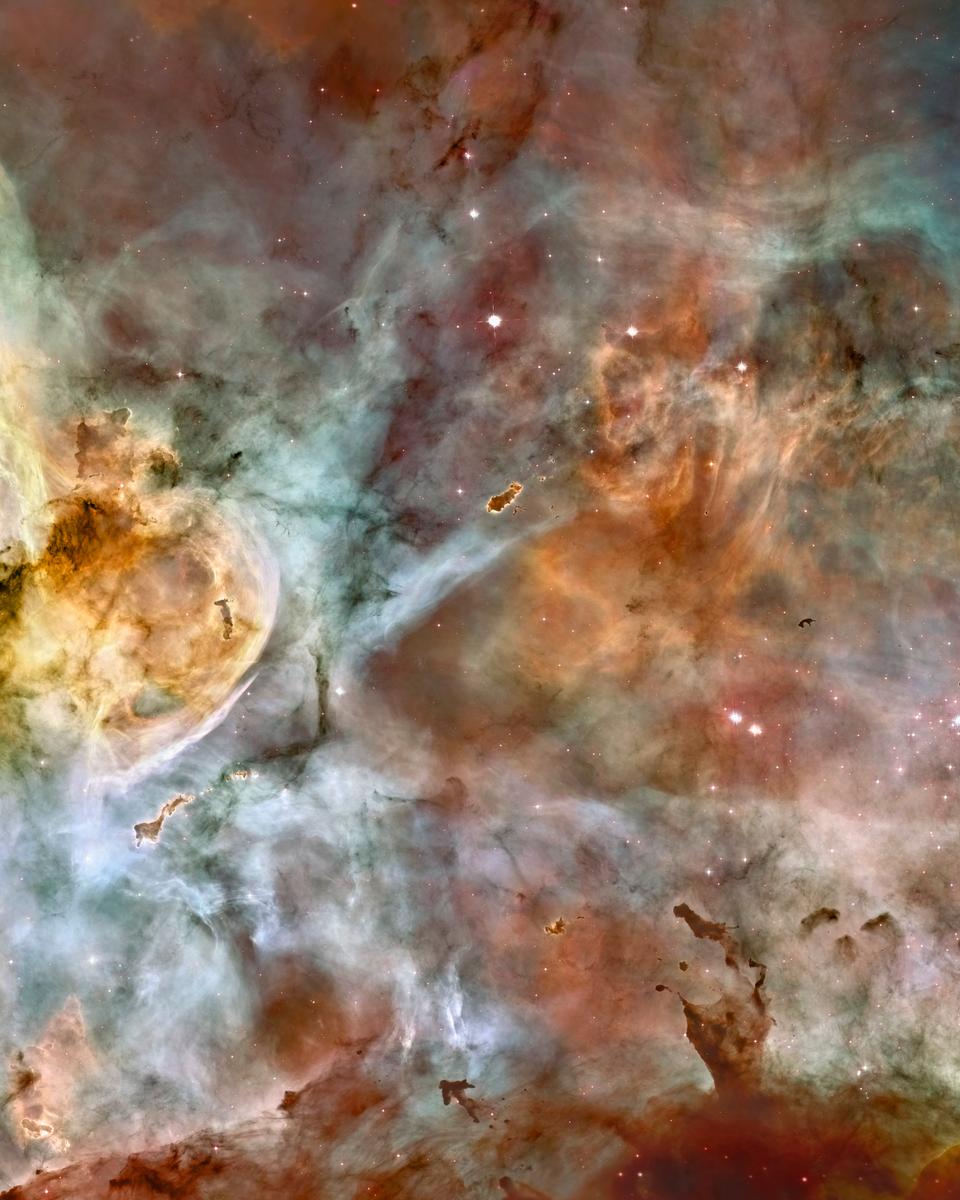
Carina Nebula Panorama from Hubble
In one of the brightest parts of Milky Way lies a nebula where some of the oddest things occur. NGC 3372, known as the Great Nebula in Carina , is home to massive stars and…
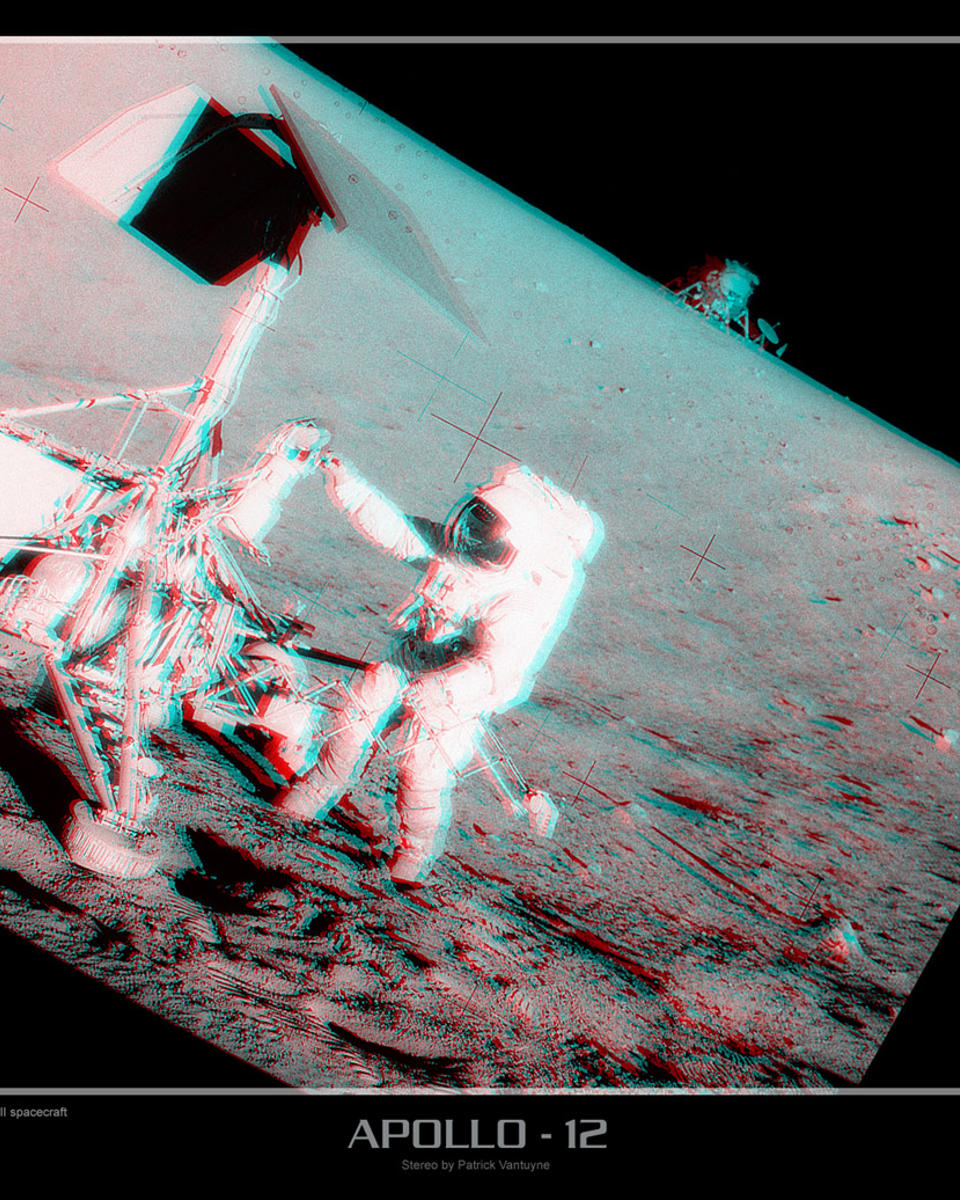
Apollo 12 and Surveyor 3 Stereo View
Put on your red/blue glasses and gaze into this dramatic stereo view from the surface of the Moon . The 3D scene features Apollo 12 astronaut Pete Conrad visiting the Surveyor 3…
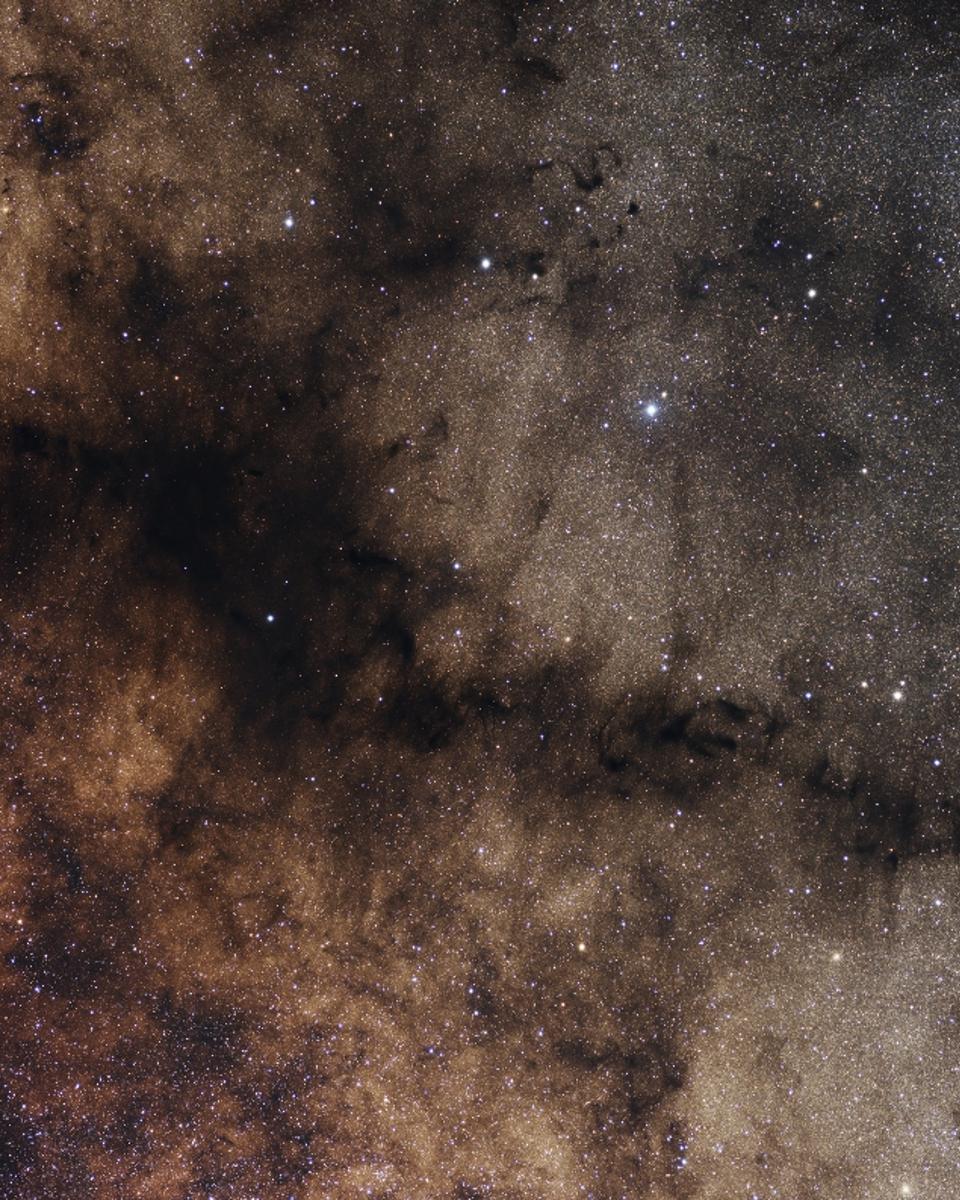
East of Antares
East of Antares, dark markings sprawl through crowded star fields toward the center of our Milky Way Galaxy. Cataloged in the early 20th century by astronomer E. E. Barnard , the…
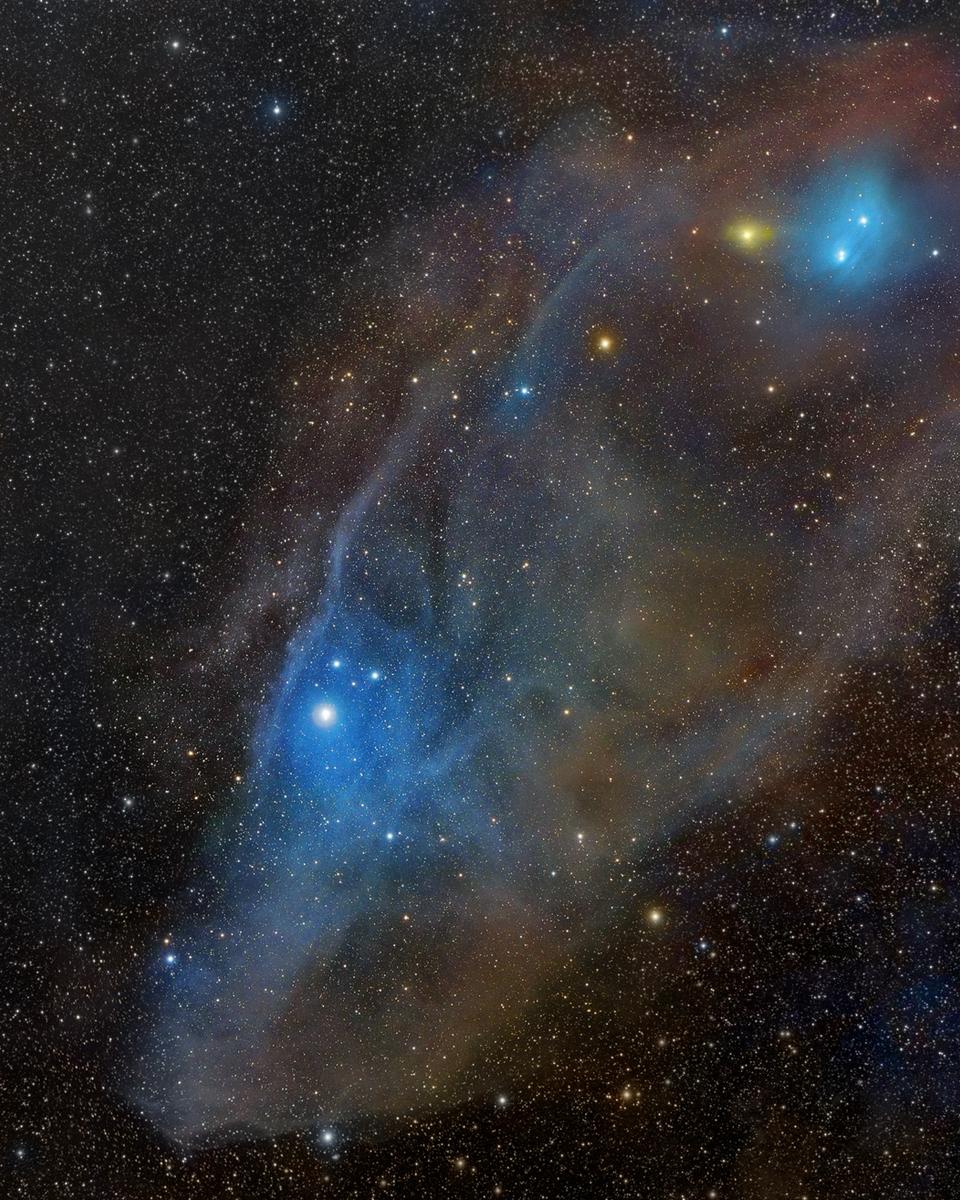
IC 4592: A Blue Horsehead
This complex of beautiful, dusty reflection nebulae lies in the constellation Scorpius along the plane of our Milky Way Galaxy. Its overall outline suggests a horsehead in…
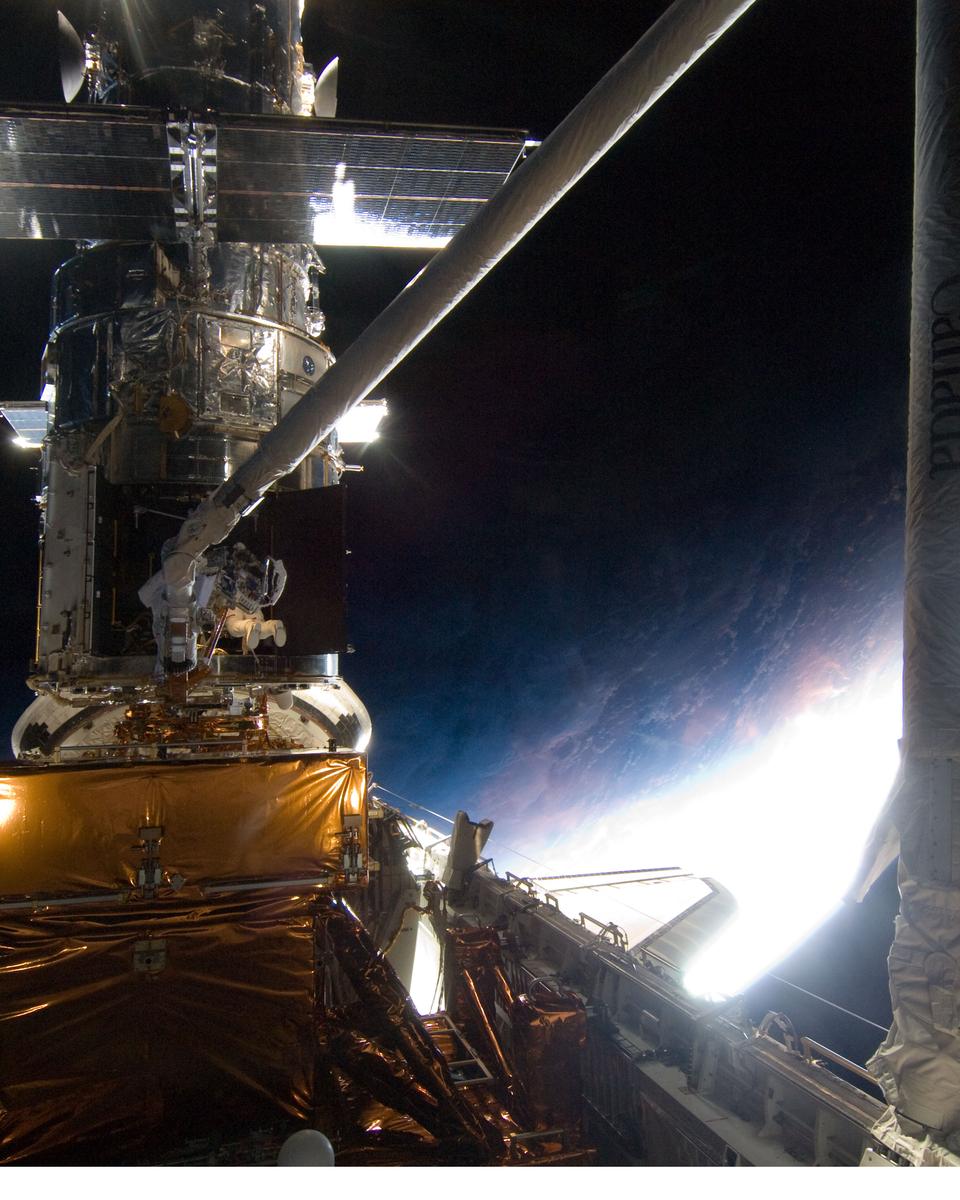
Above Earth, Fixing Hubble
What is that astronaut doing? Fixing the Hubble Space Telescope . During the fourth servicing mission to upgrade and fix Hubble, astronaut Michael Good can be seen attached to the…
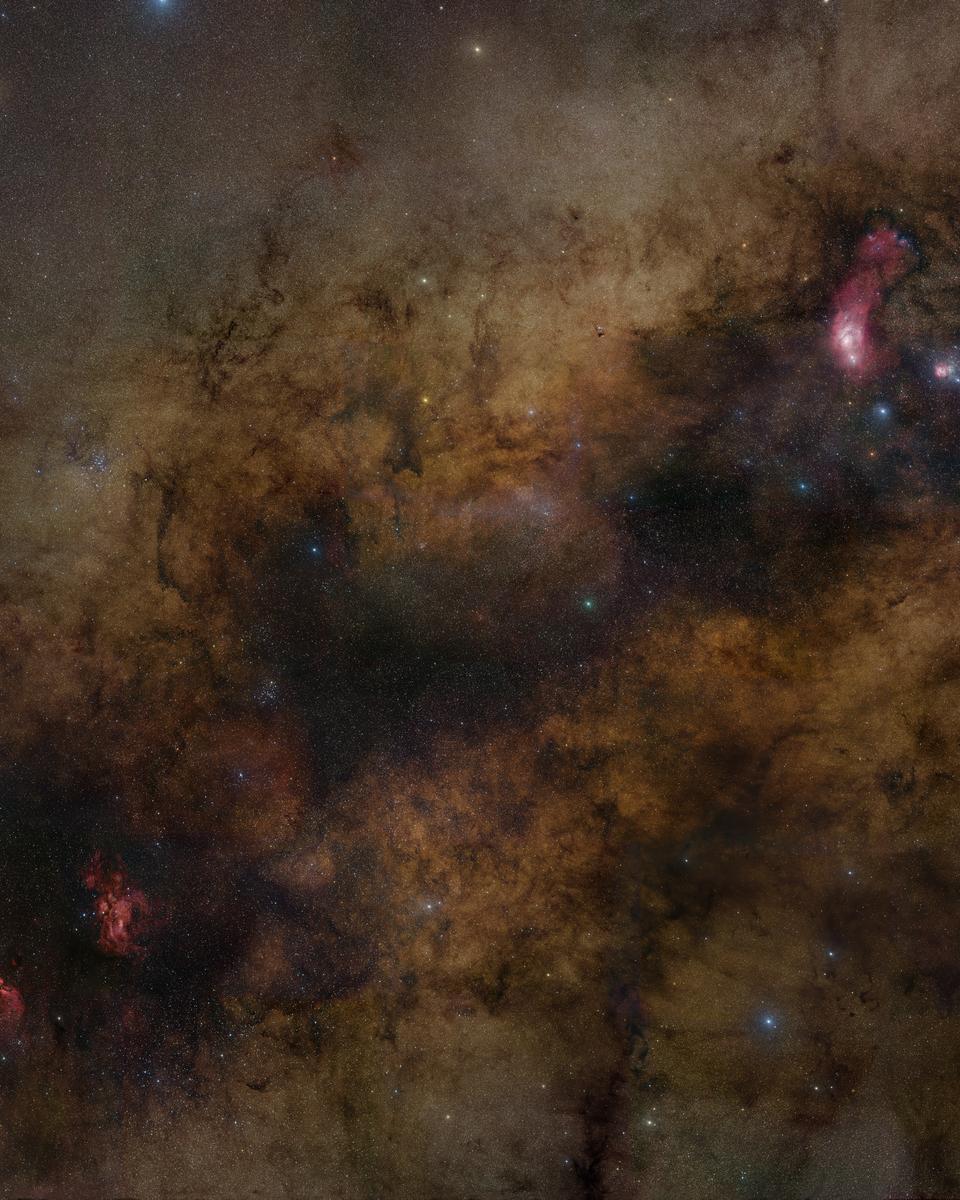
Sagittarius and the Central Milky Way
What does the center of our Milky Way Galaxy look like? In visible light, no one knows! It is not possible to see the Galactic center in light our eyes are sensitive to because…
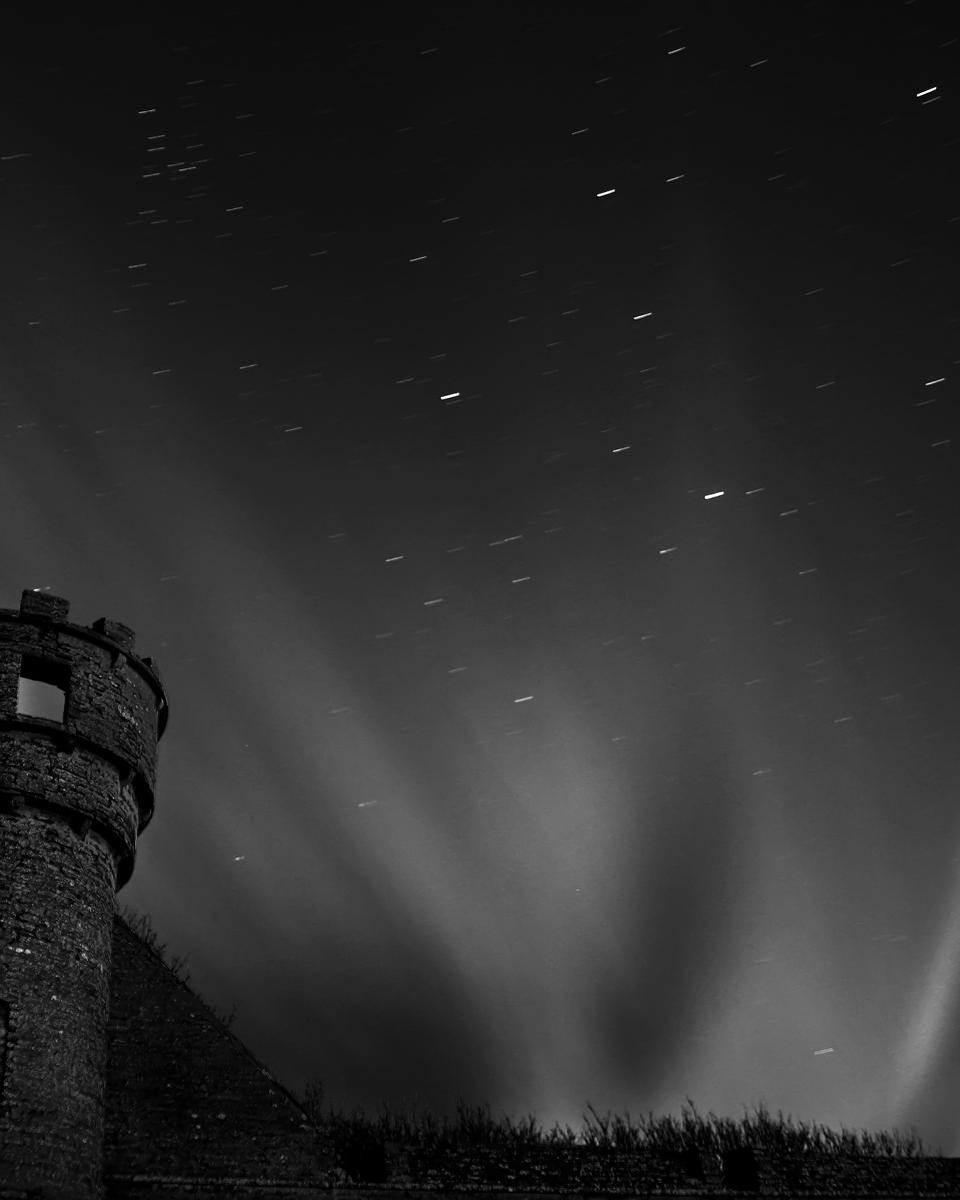
Moon Rays Over Thurso Castle
What's happening over that castle? While waiting for the Moon to rise last month in Thurso , Scotland , amateur astrophotographer Stewart Watt took a three minute exposure of the…
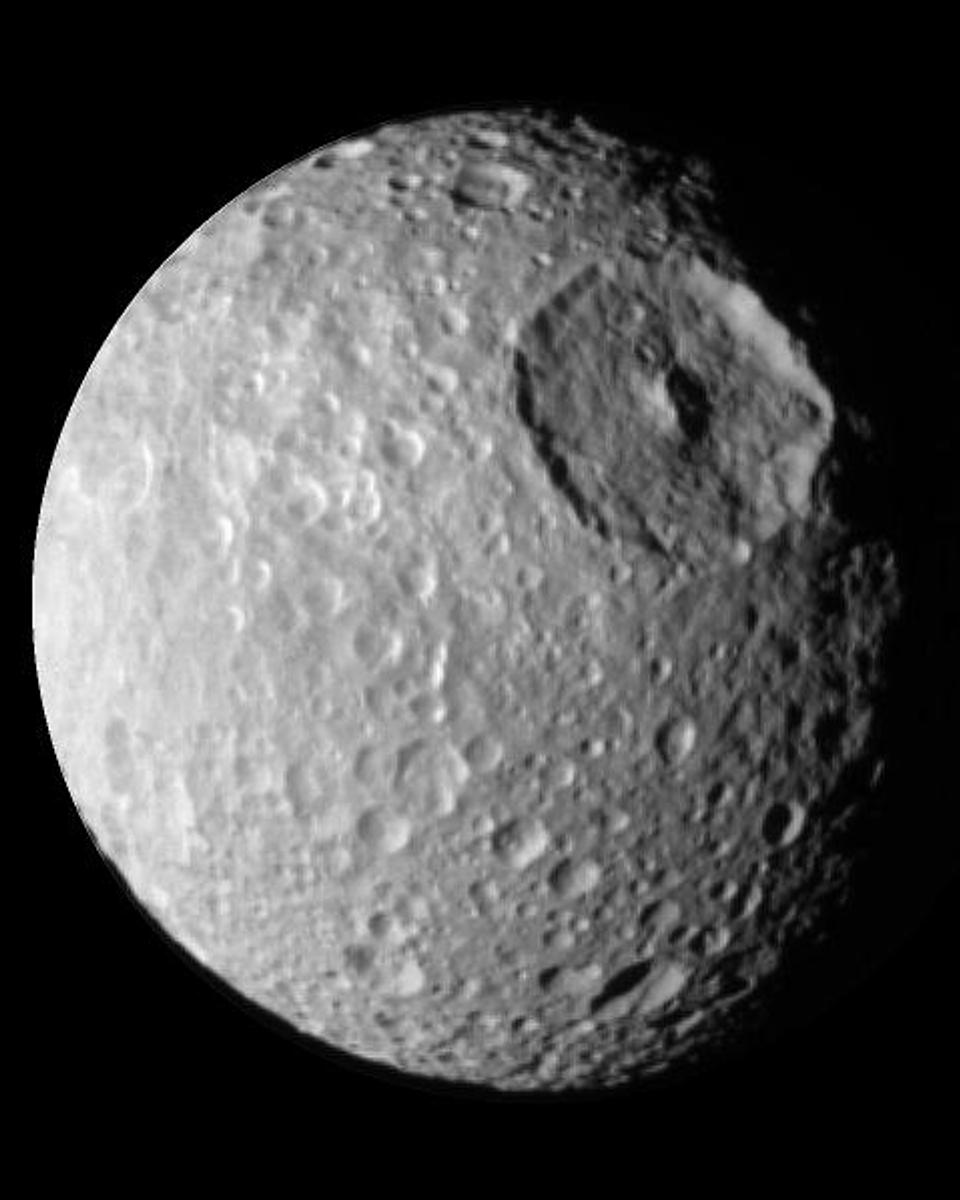
Mimas: Small Moon with a Big Crater
Whatever hit Mimas nearly destroyed it. What remains is one of the largest impact craters on one of Saturn 's smallest moons. The crater, named Herschel after the 1789 discoverer…
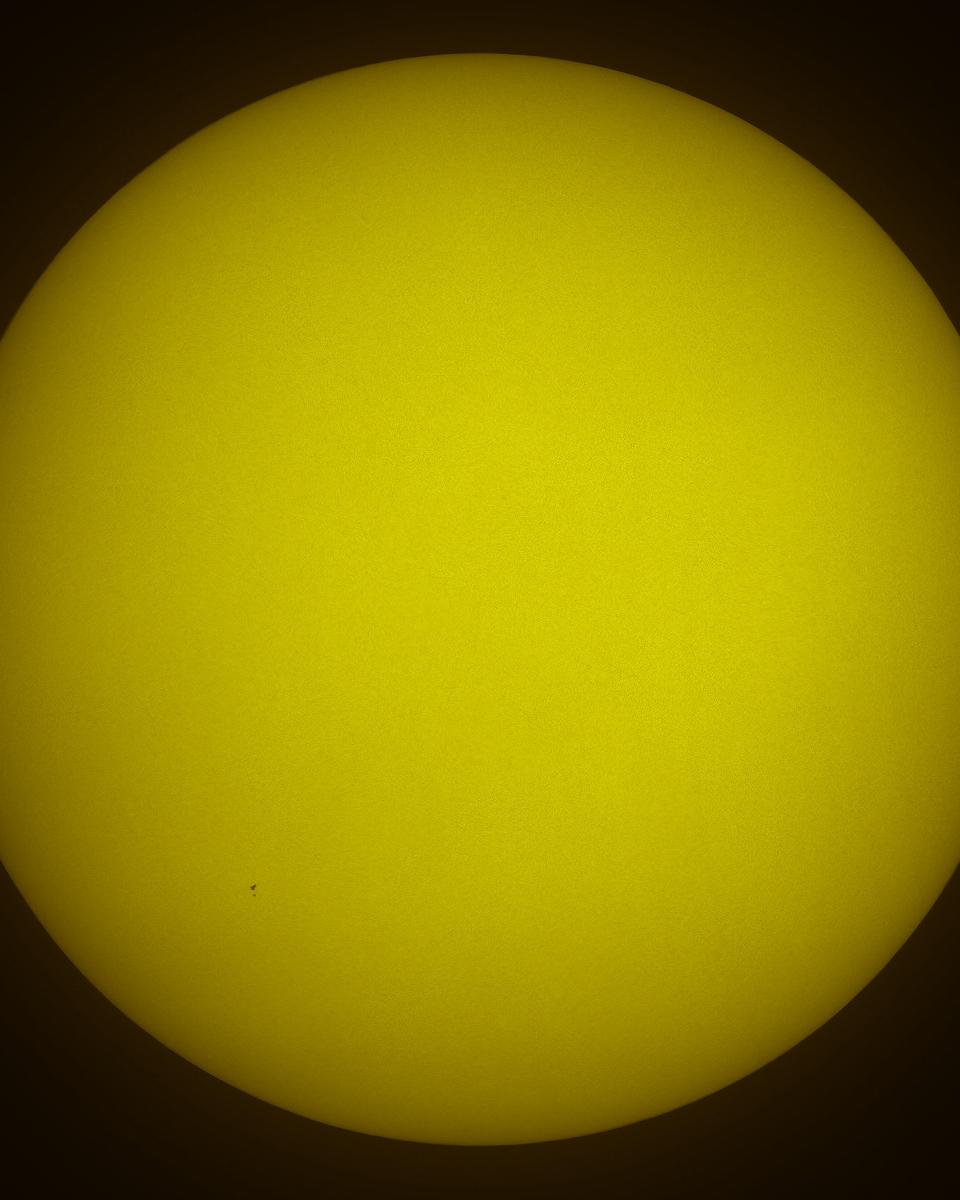
Atlantis and Hubble Side by Side
On Wednesday, May 13, two, tiny, fast moving spots crossed an otherwise featureless solar disk. Not sunspots though, the dark blemishes were silhouettes of the shuttle orbiter…
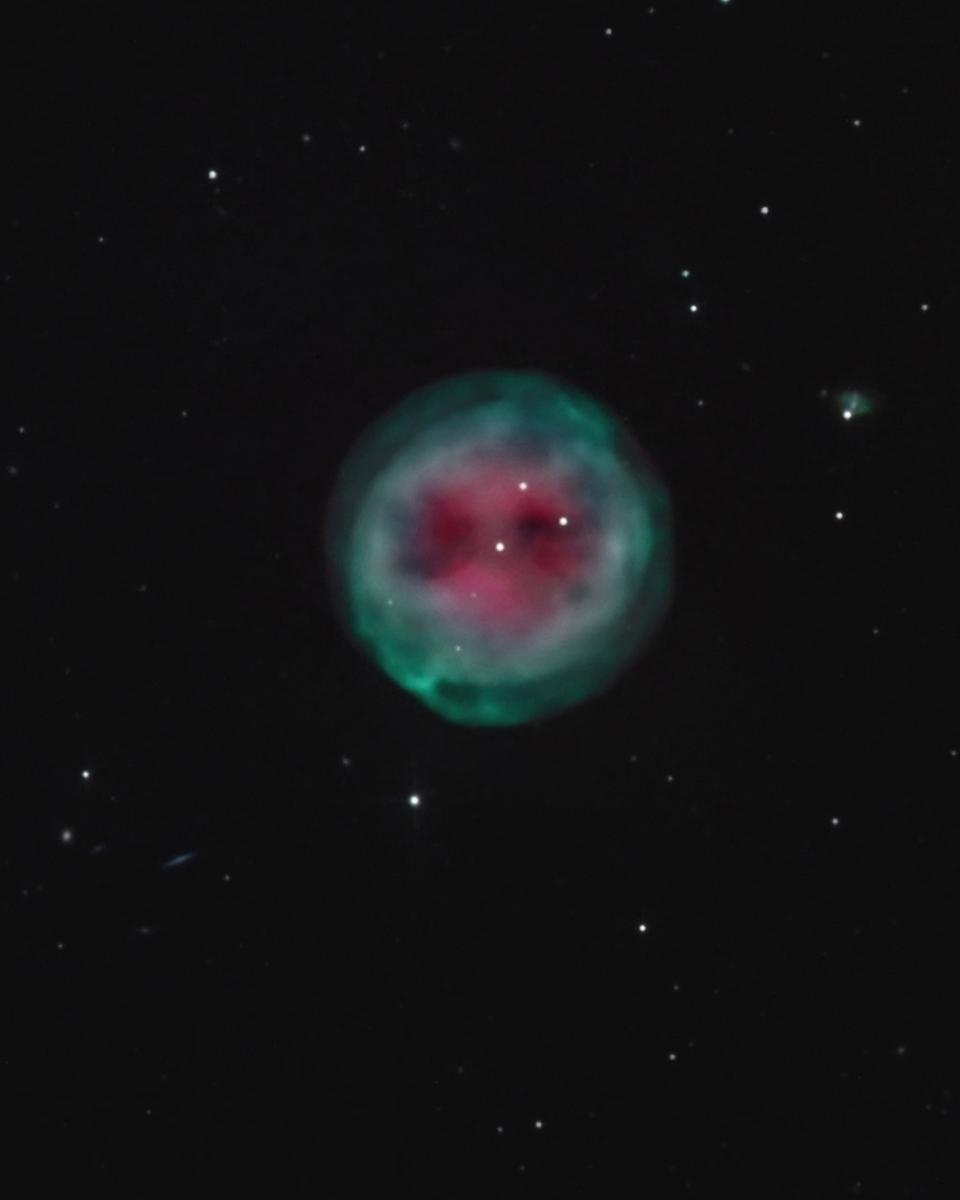
M97: The Owl Nebula
The Owl Nebula is perched in the sky about 2,600 light-years away toward the bottom of the Big Dipper's bowl. Also cataloged as M97 , the 97th object in Messier's well-known list,…
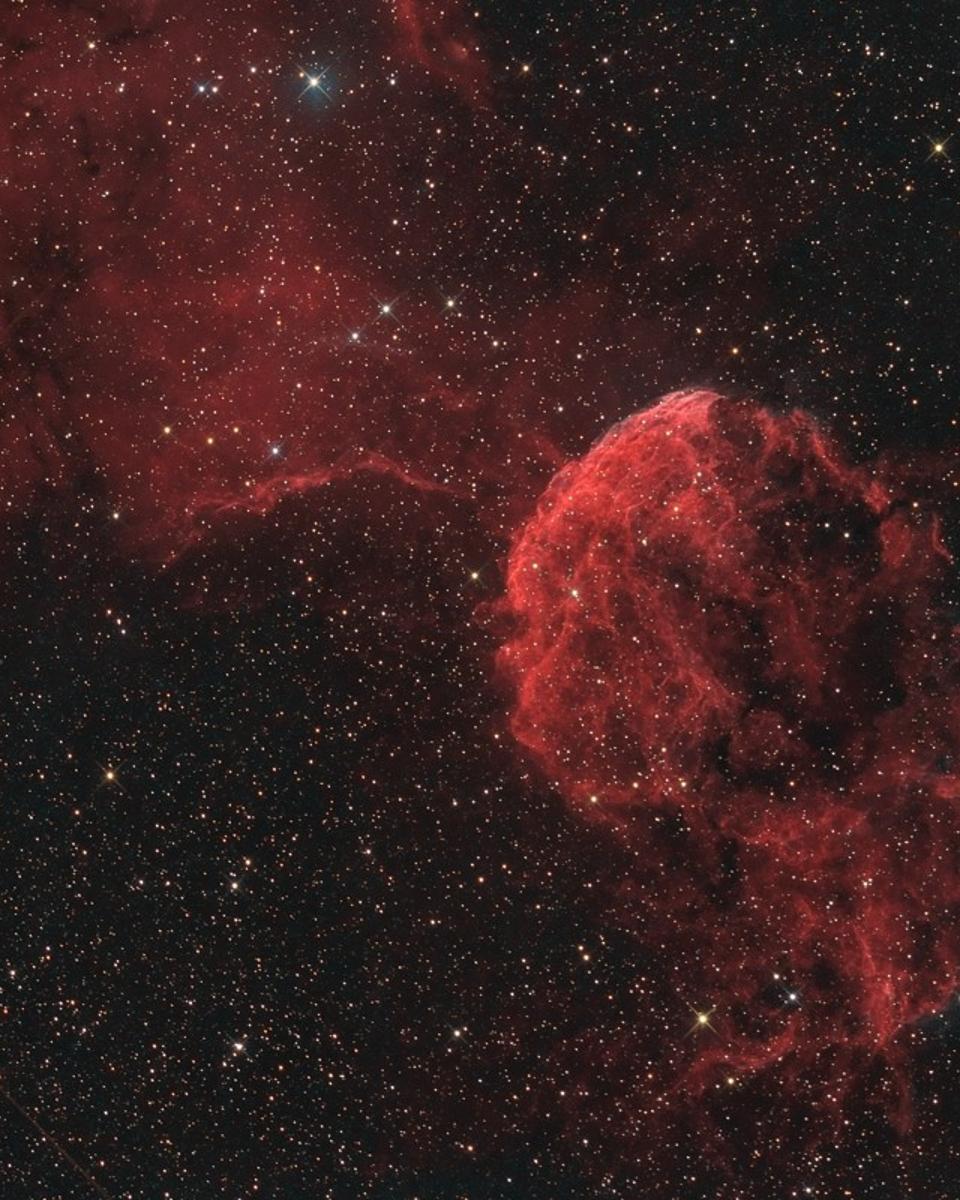
Elusive Jellyfish Nebula
Normally faint and elusive, the Jellyfish Nebula is caught in this alluring wide-field telescopic view. Flanked by two yellow-tinted stars, Mu and Eta Geminorum, at the foot of a…
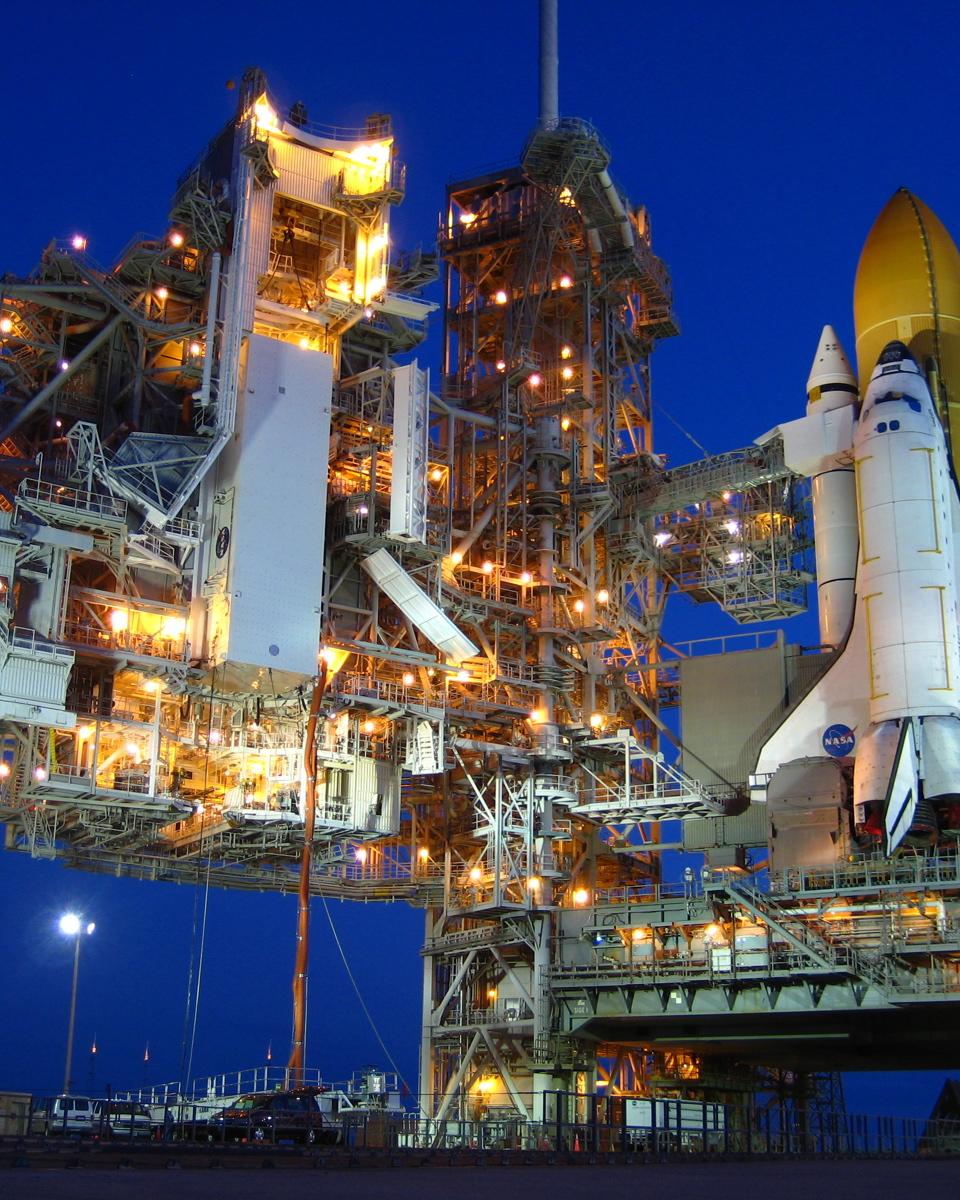
A Space Shuttle Before Dawn
This shuttle has launched to space. Pictured above, the Space Shuttle Atlantis sat on Launch Pad 39A before dawn last month as it was prepared for the launch. The shuttle orbiter…
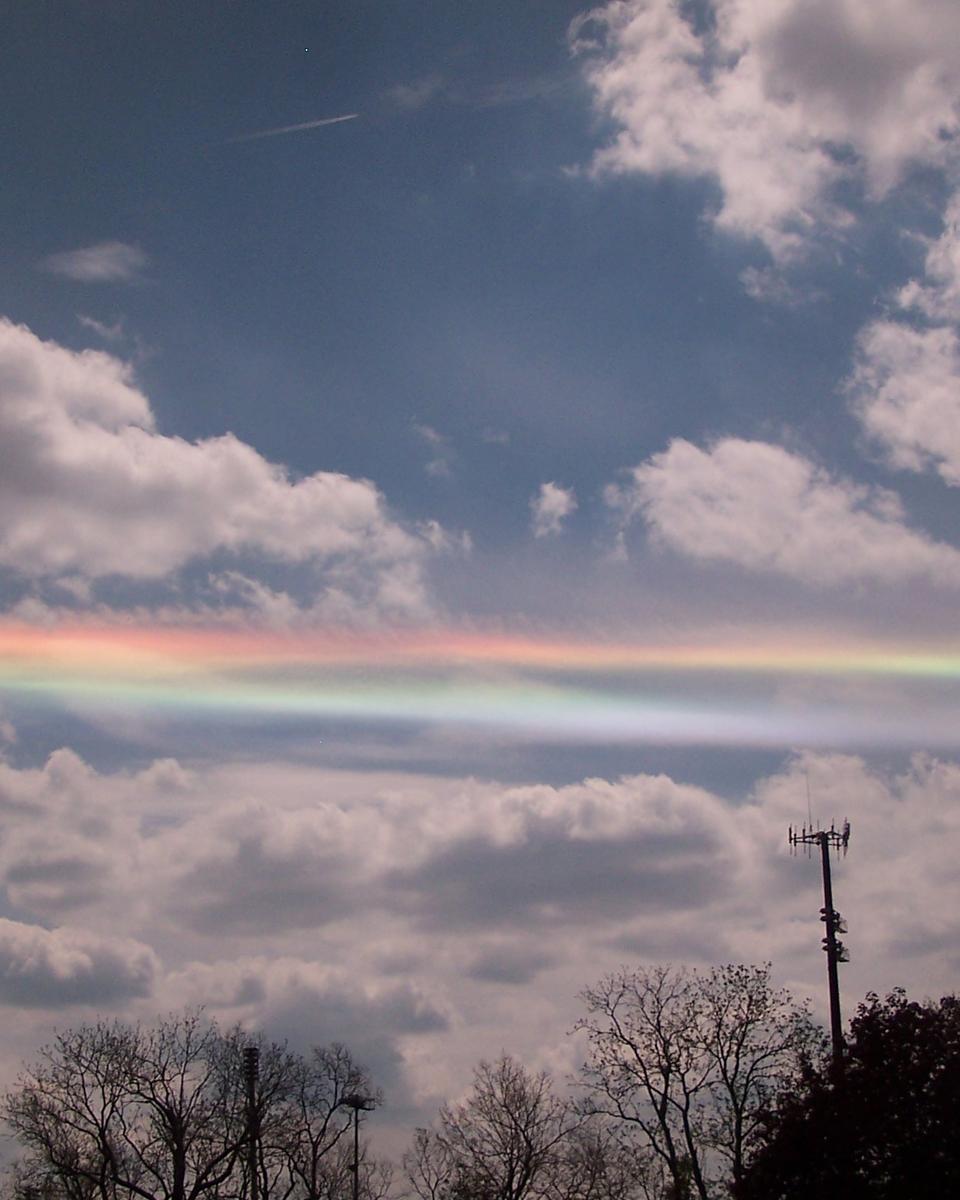
A Circumhorizontal Arc Over Ohio
Why would clouds appear to be different colors? The reason here is that ice crystals in distant cirrus clouds are acting like little floating prisms . Sometimes known as a fire…
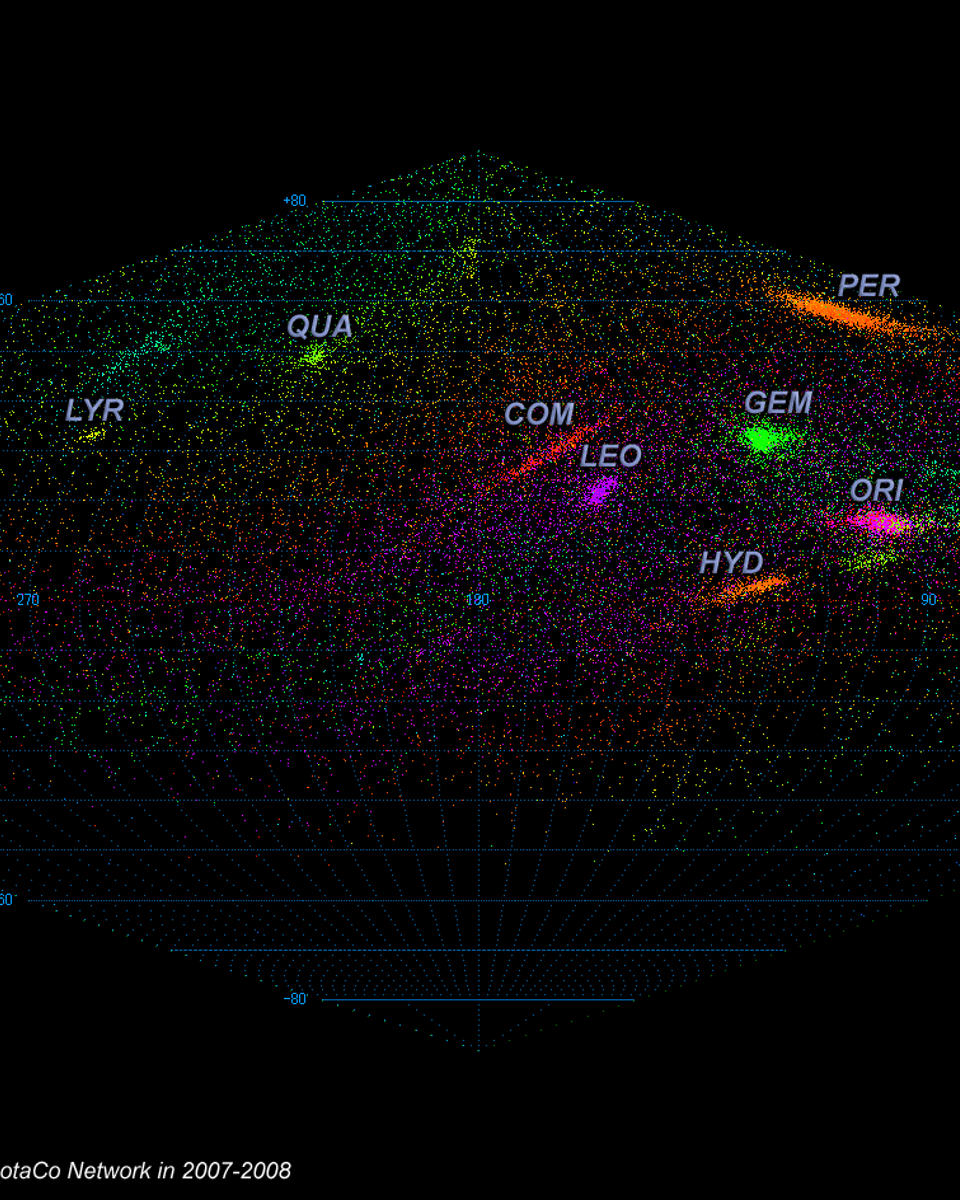
Forty Thousand Meteor Origins Across the Sky
Where do meteors come from? Visible meteors are typically sand-sized grain s of ice and rock that once fragmented from comets. Many a meteor shower has been associated with a…
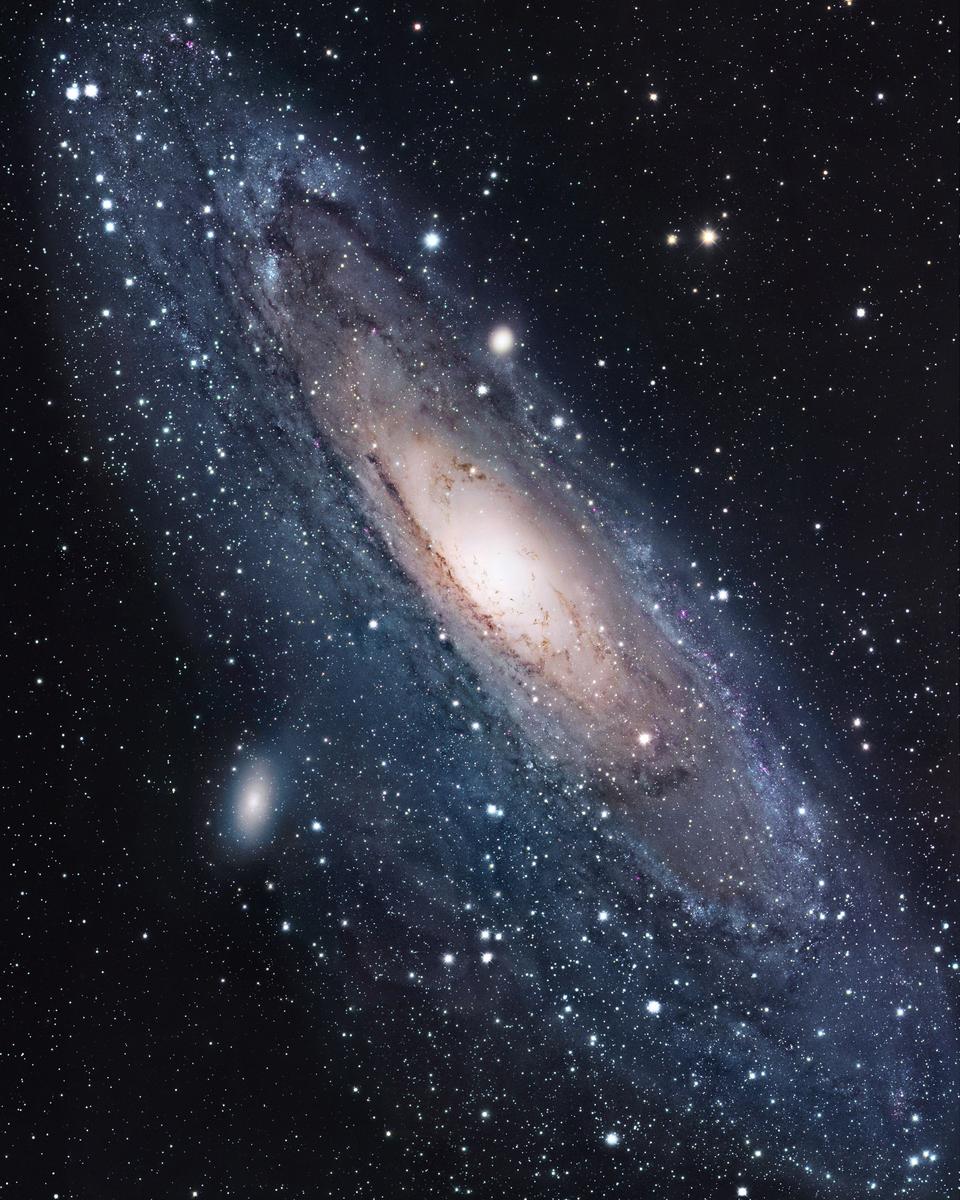
M31: The Andromeda Galaxy
Andromeda is the nearest major galaxy to our own Milky Way Galaxy . Our Galaxy is thought to look much like Andromeda . Together these two galaxies dominate the Local Group of…
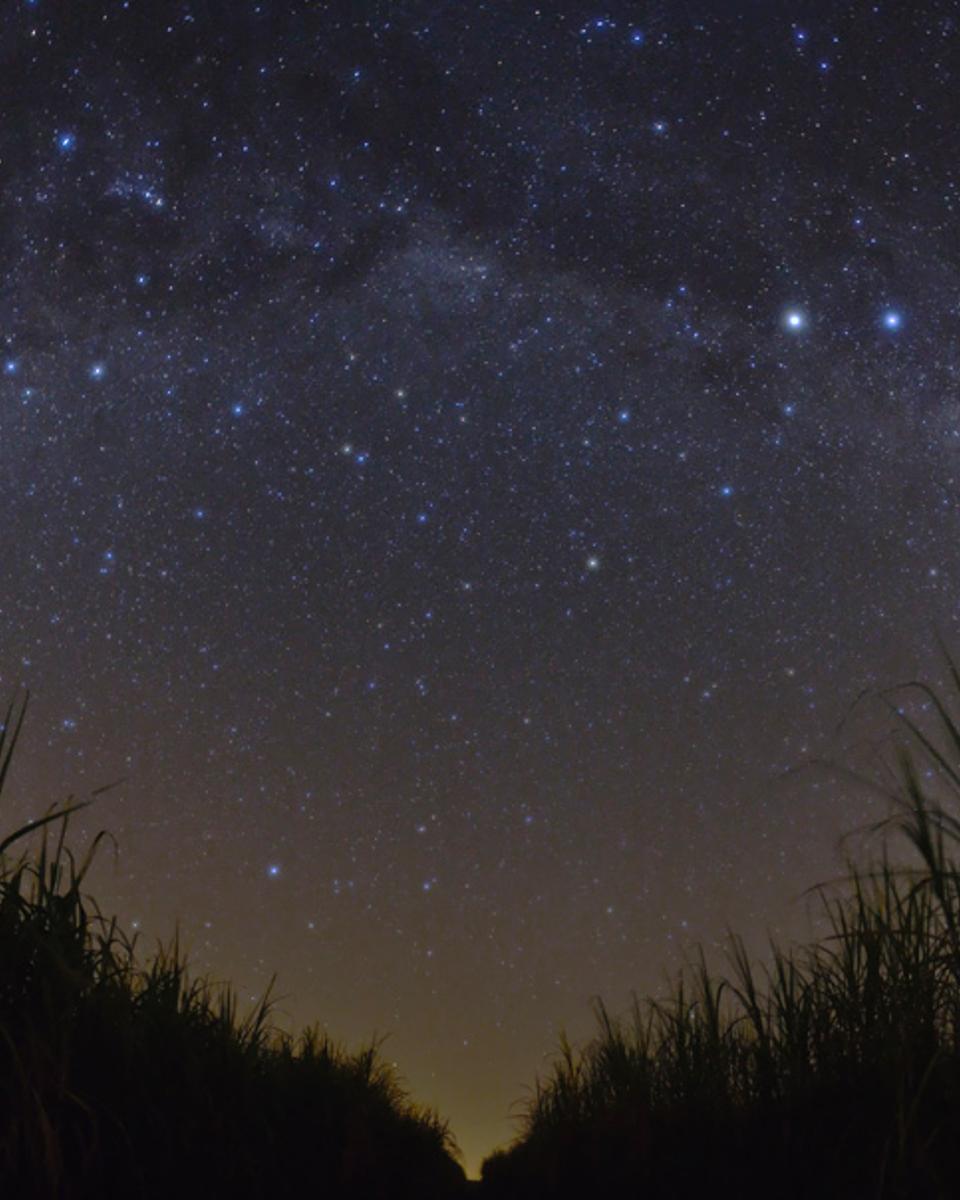
A Starry Night in Brazil
This panoramic image tracing constellations in the southern sky shows off a beautiful vista toward the center of our Milky Way Galaxy. It was recorded just last month near the…
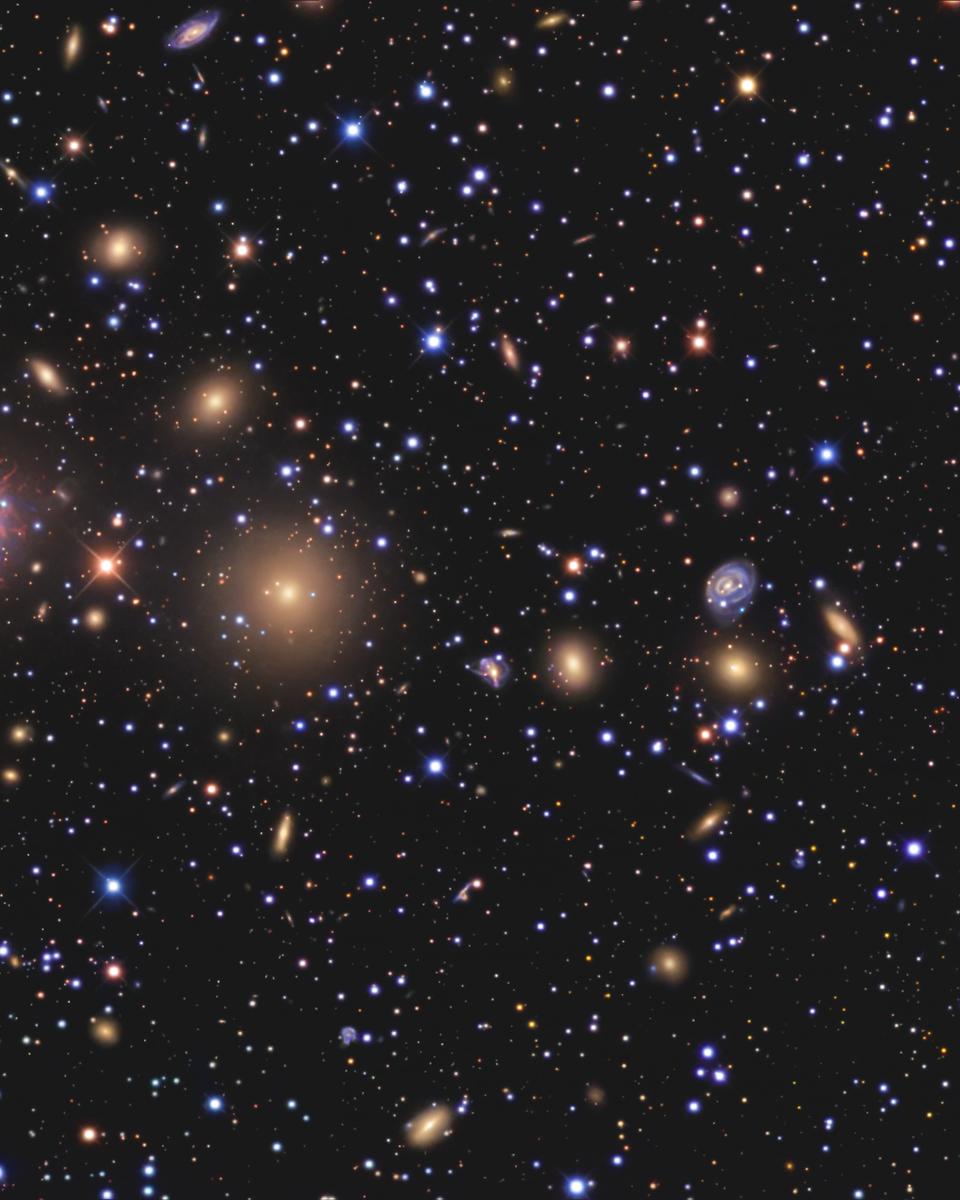
Galaxies of the Perseus Cluster
This colorful telescopic skyscape is filled with galaxies that lie nearly 250 million light-years away, the galaxies of the Perseus cluster. Their extended and sometimes…
Viewing discoveries from 31 May 2009 through 8 May 2009.