Browse NASA Astronomy Picture of the Day archive by date and media: Archive Discoveries
Browse the NASA APOD archive without needing the exact date first. Filter by media type and keep moving deeper into older images and videos.
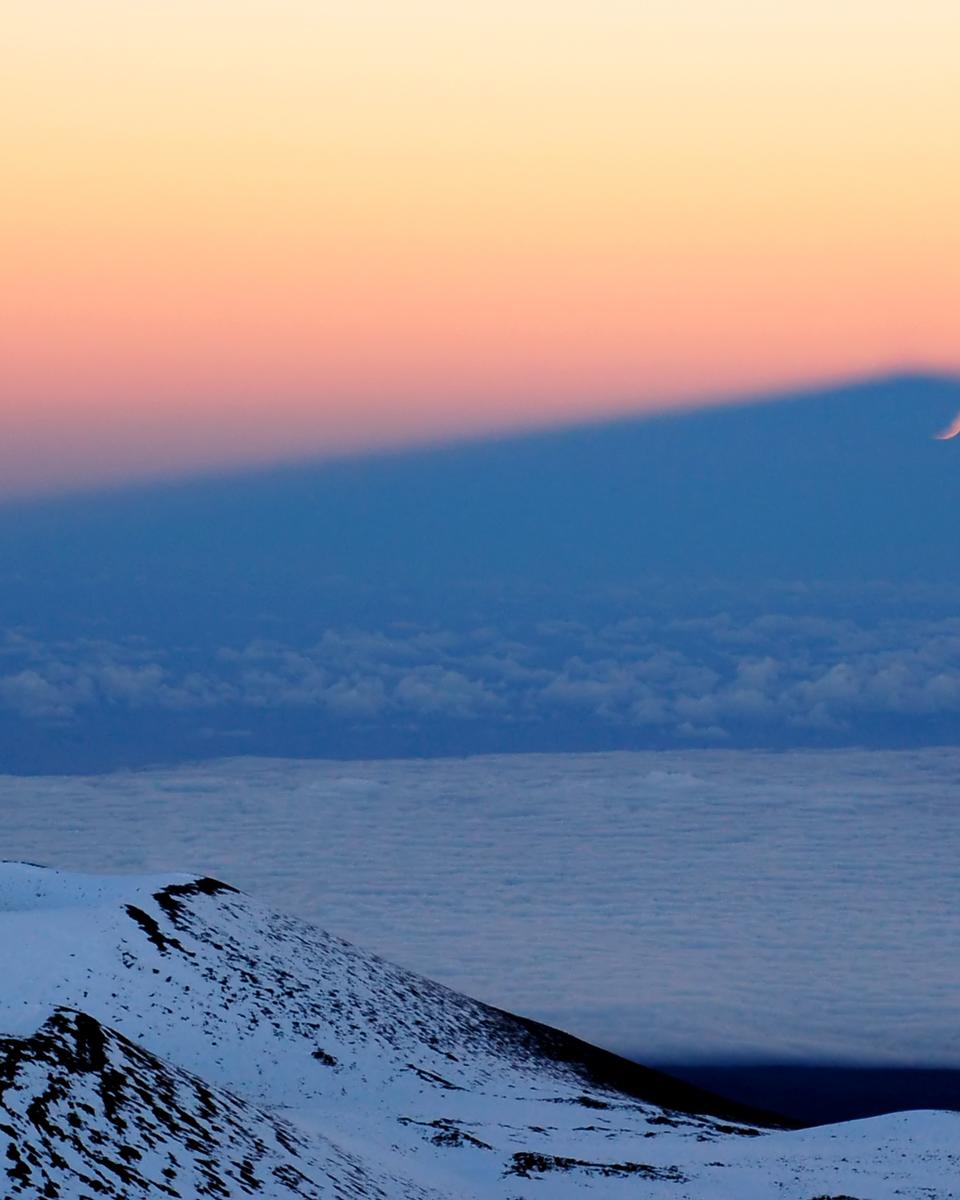
Mauna Kea Shadow Play
Just opposite the setting Sun, the already-eclipsed Moon rose over the Hawaiian Islands on February 20. A view near the 14,000 foot peak of volcanic Mauna Kea on the Big Island, a…
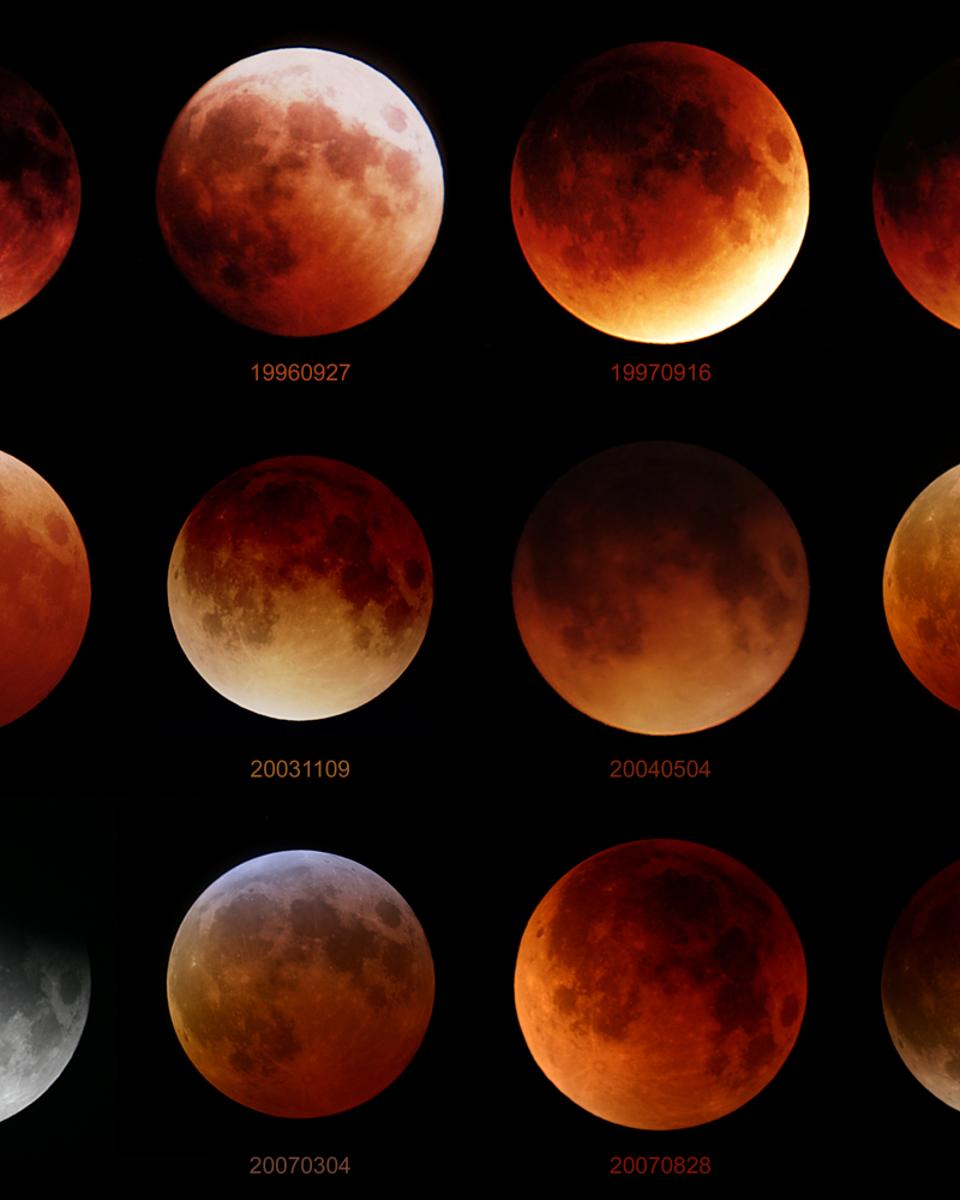
Twelve Lunar Eclipses
Welcome to the extra day in the Gregorian Calendar's leap year 2008! To celebrate, consider this grid of lunar eclipse pictures - starting in leap year 1996 and ending with…
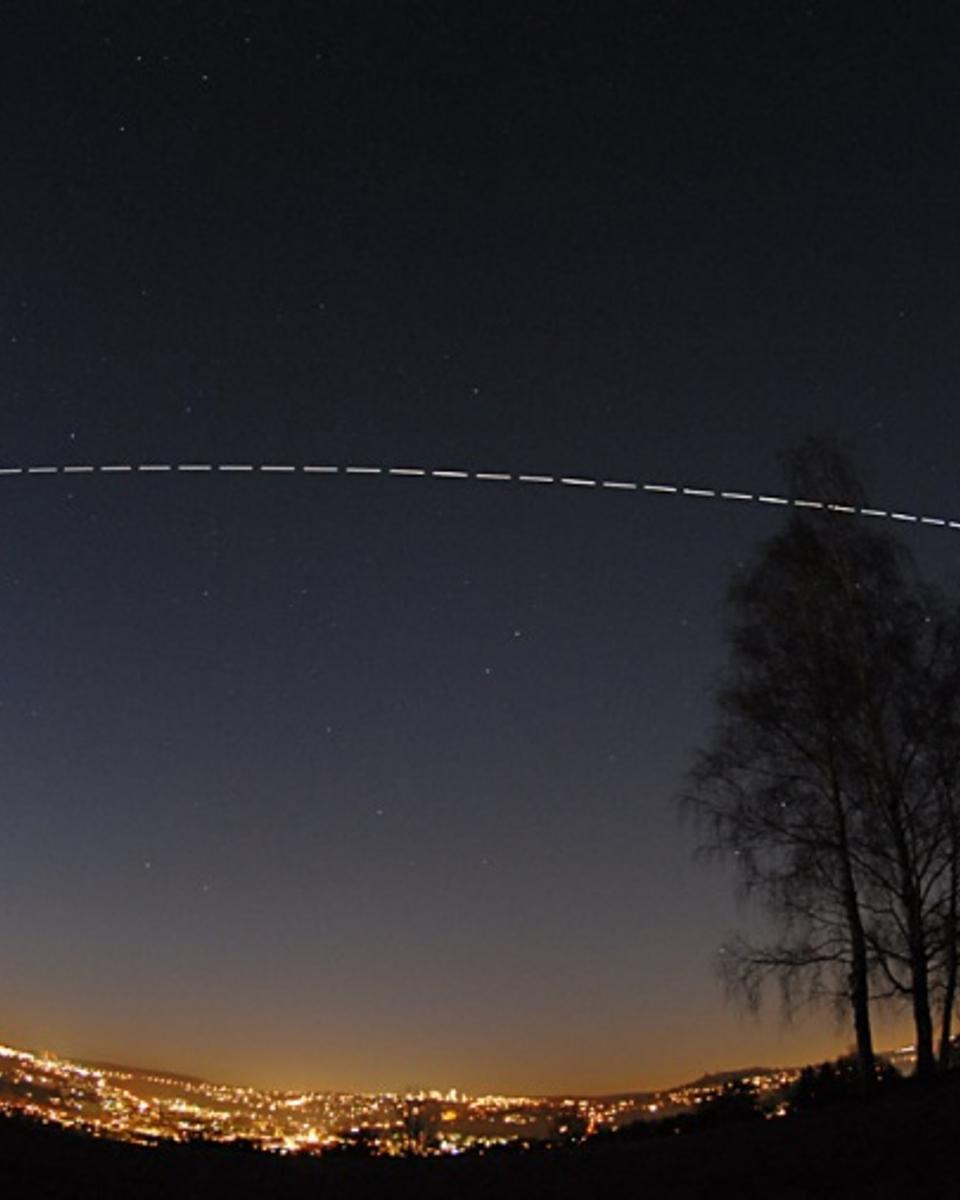
ISS: Sunlight to Shadow
Orbiting 400,000 kilometers above the Earth, the Moon slid into Earth's shadow to begin last week's total lunar eclipse. Of course the International Space Station (ISS) slides…
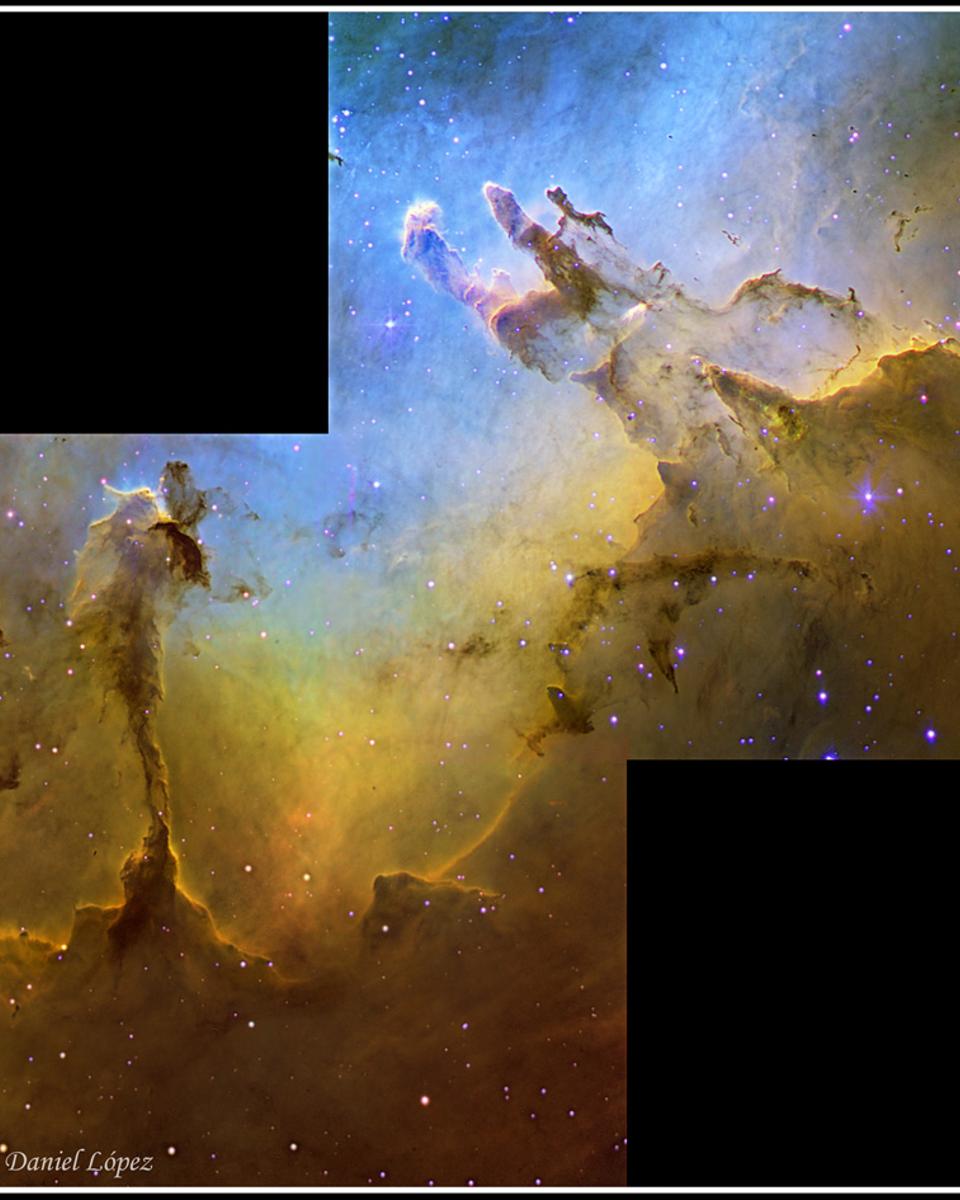
The Eagle Nebula in Hydrogen, Oxygen, and Sulfur
Bright blue stars are still forming in the dark pillar s of the Eagle Nebula . Made famous by a picture from the Hubble Space Telescope in 1995, the Eagle Nebula shows the…
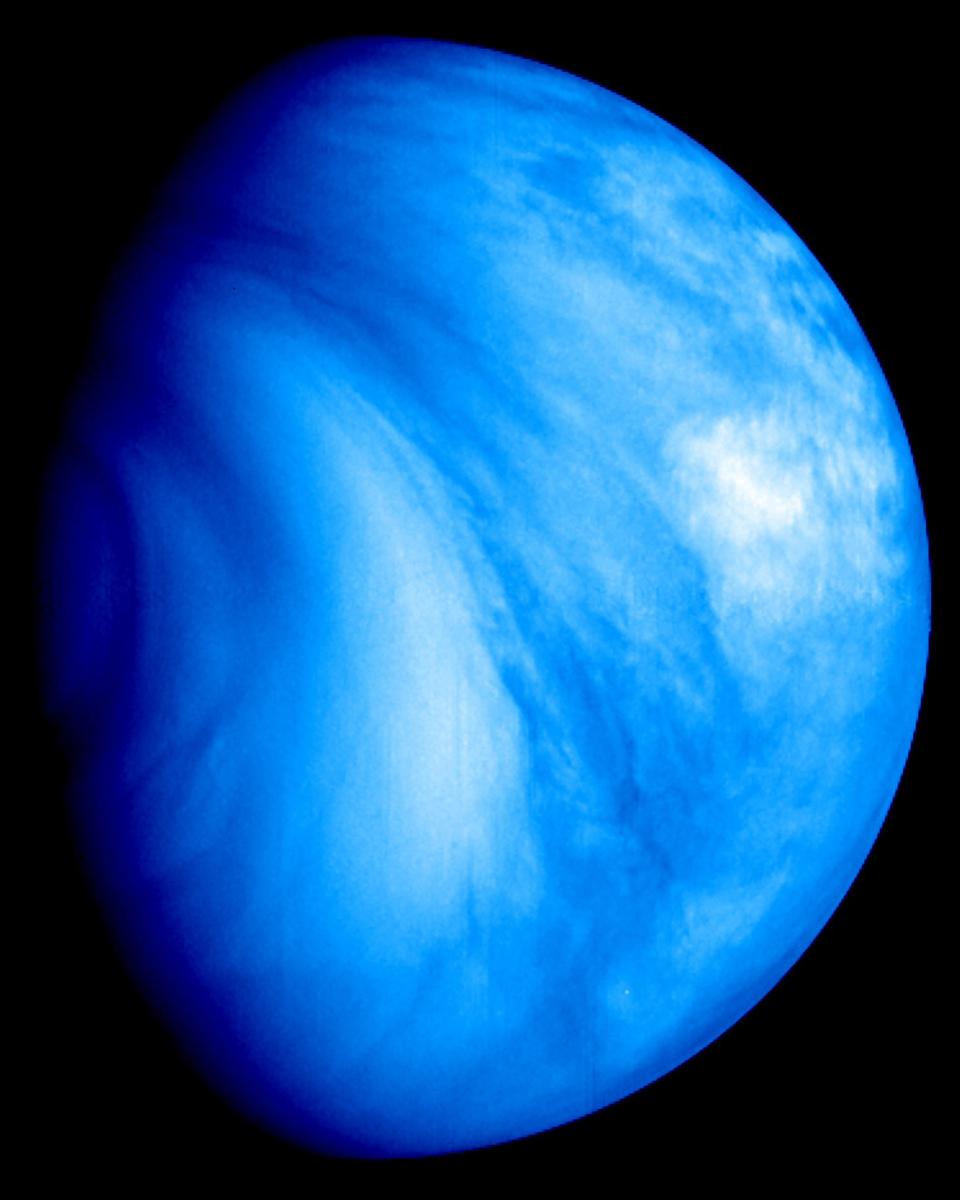
Mysterious Acid Haze on Venus
Why did an acidic haze spread across Venus? The unusual clouds were discovered last July by ESA 's robotic Venus Express spacecraft currently orbiting Venus . The bright and…
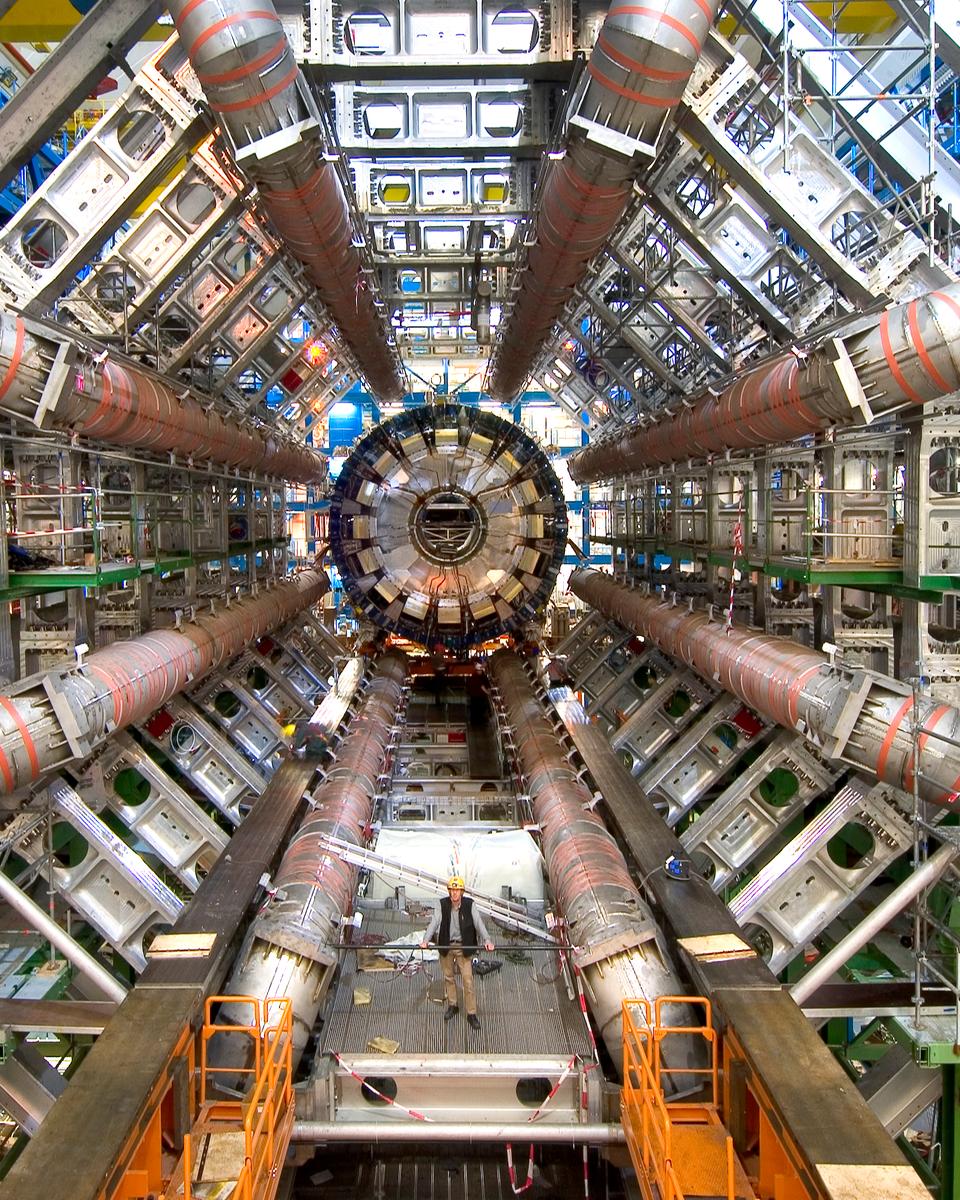
Dawn of the LargeHadronCollider
Why do objects have mass? To help find out, Europe 's CERN has built the Large Hadron Collider (LHC), the most powerful particle accelerator yet created by humans . This May, the…
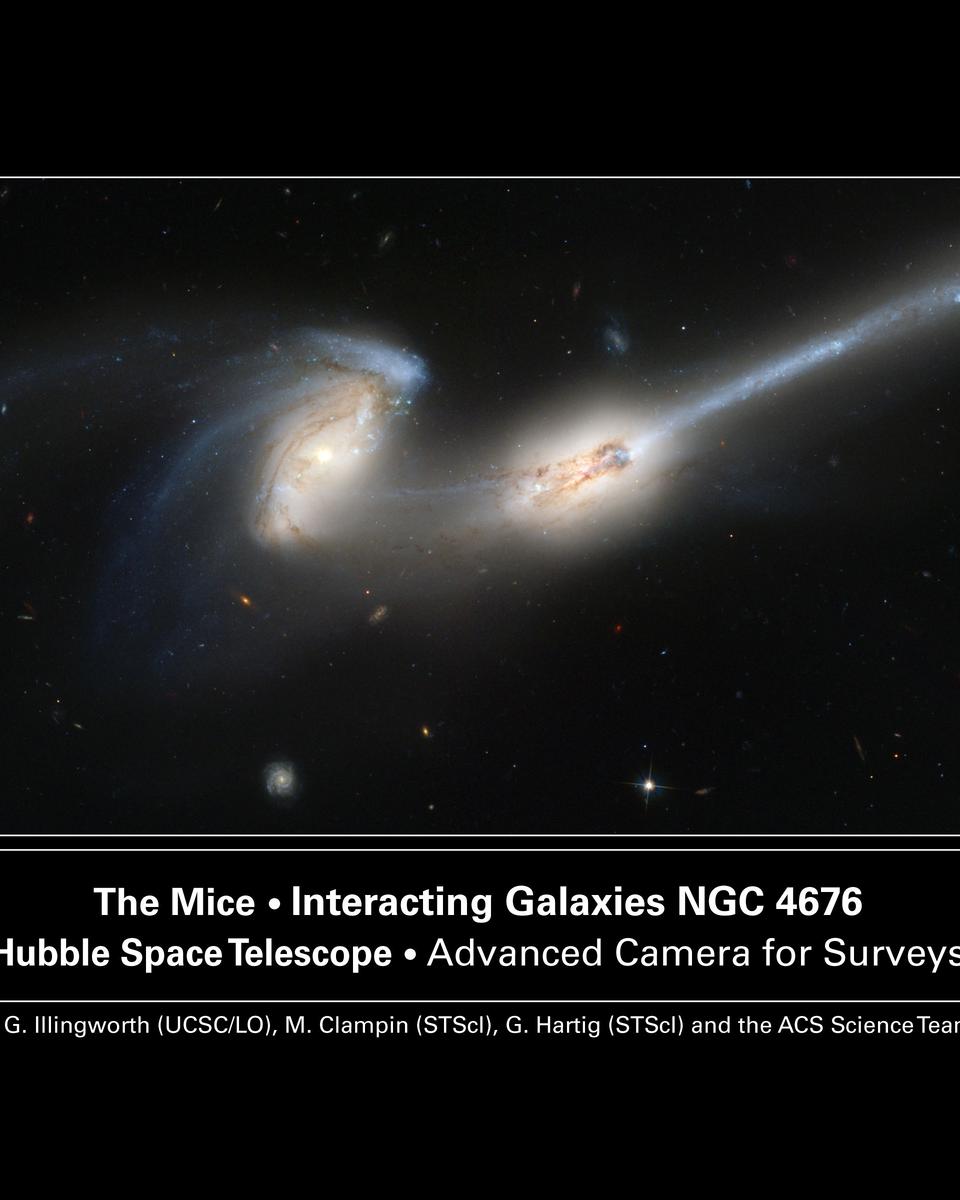
NGC 4676: When Mice Collide
These two mighty galaxies are pulling each other apart. Known as “ The Mice ” because they have such long tails, each spiral galaxy has likely already passed through the other.…
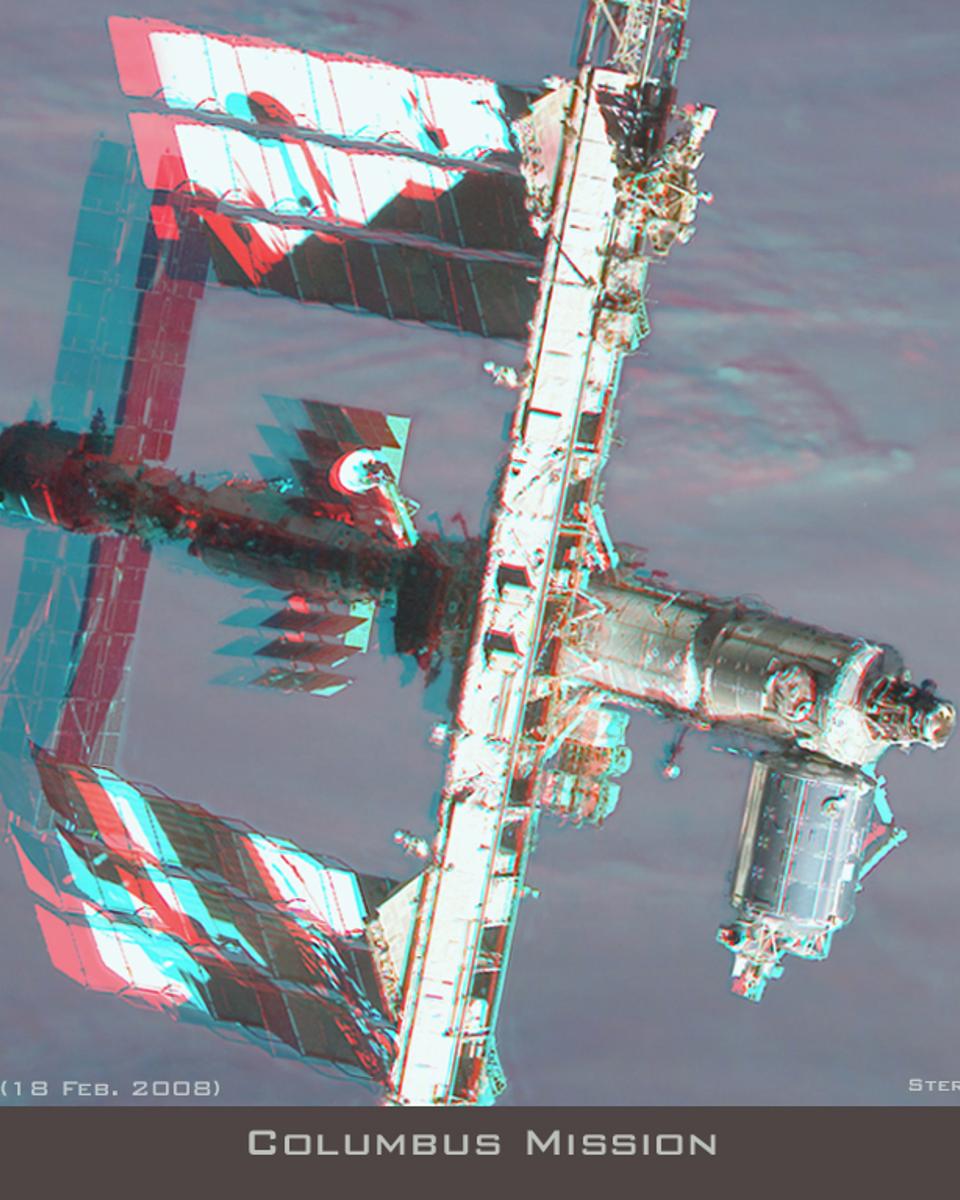
Stereo Space Station
Get out your red-blue glasses and float next to the International Space Station (ISS), planet Earth's largest artificial moon. This fun stereo view was constructed from parts of…
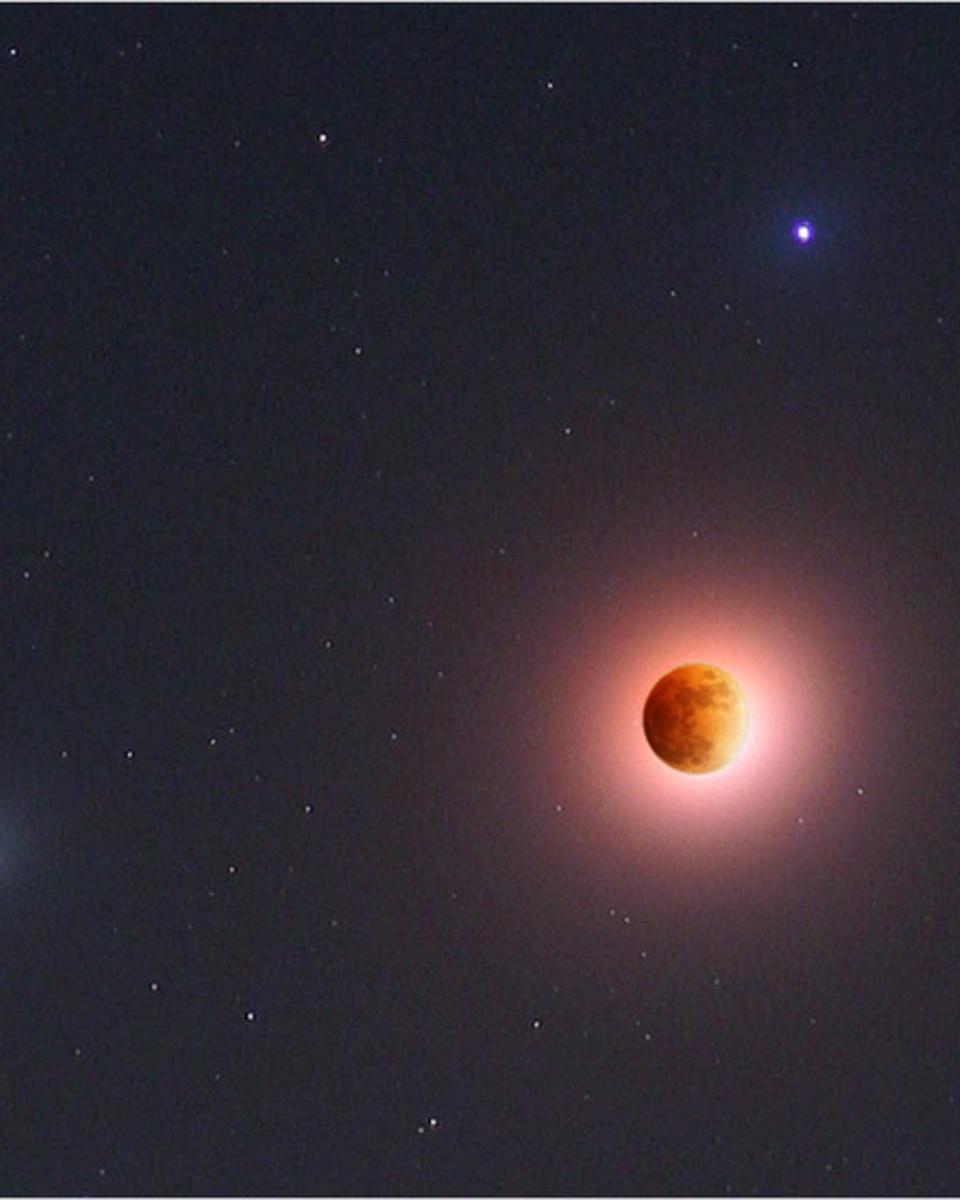
Eclipsed Moonlight
Moon watchers blessed with clear skies over the Americas, Europe, Africa and western Asia enjoyed a total lunar eclipse this week. Catching eclipsed moonlight, astroimager Jerry…
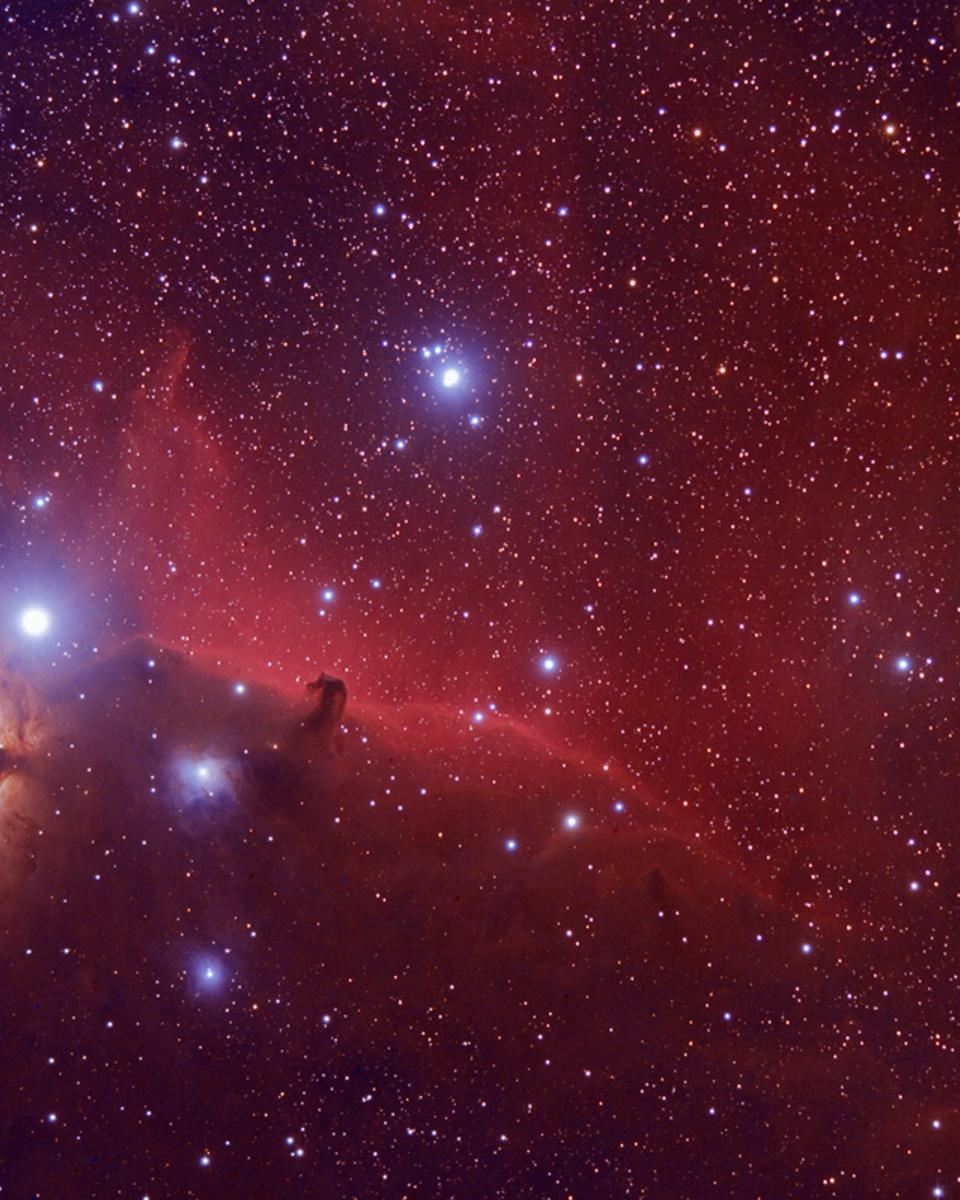
Orion's Horsehead Nebula
The Horsehead Nebula is one of the most famous nebulae on the sky. It is visible as the dark indentation to the red emission nebula seen just below and left of center in the this…
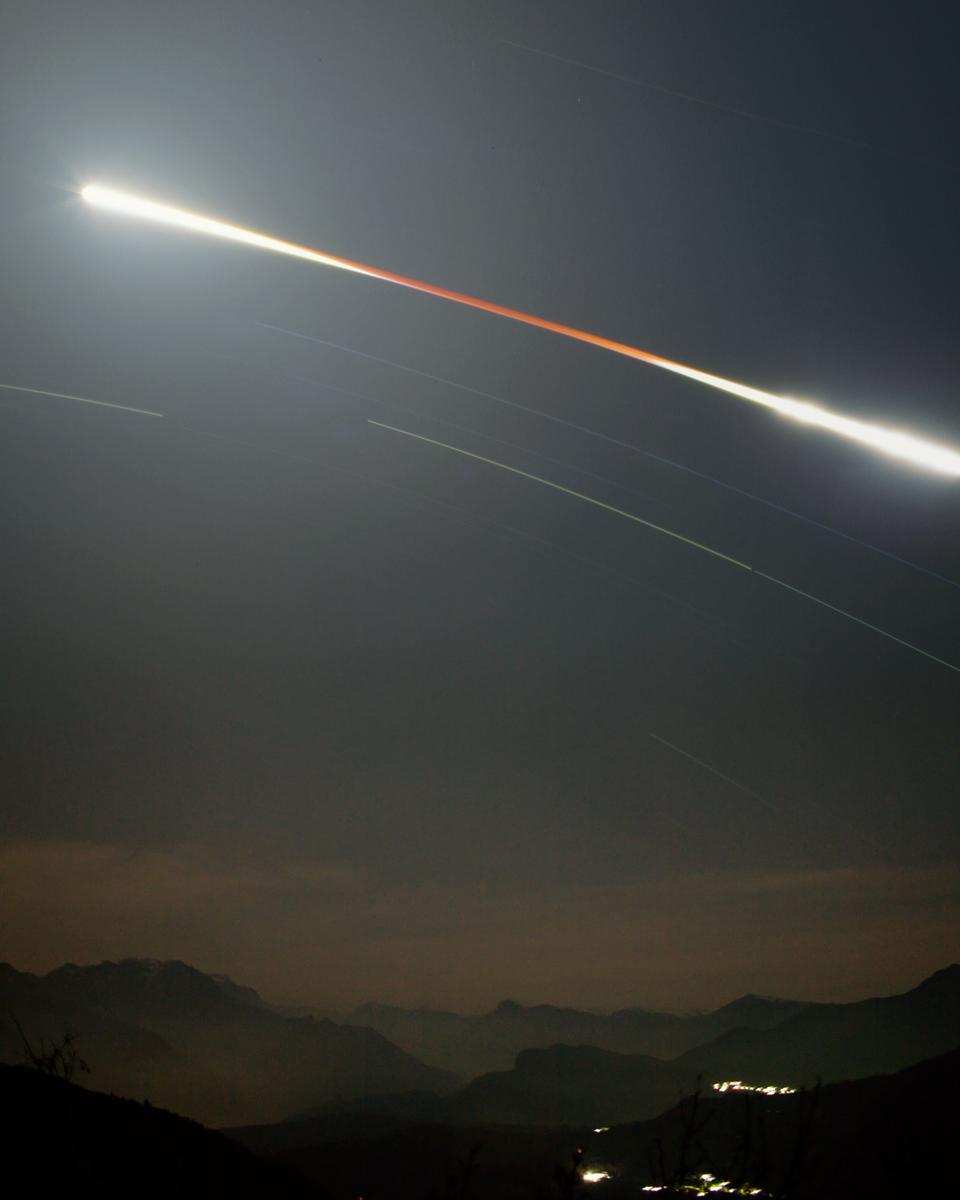
Moon Slide Slim
No special filters - or even a telescope - are required to enjoy a leisurely lunar eclipse . In fact, watched from all over the night side of planet Earth, these regular celestial…
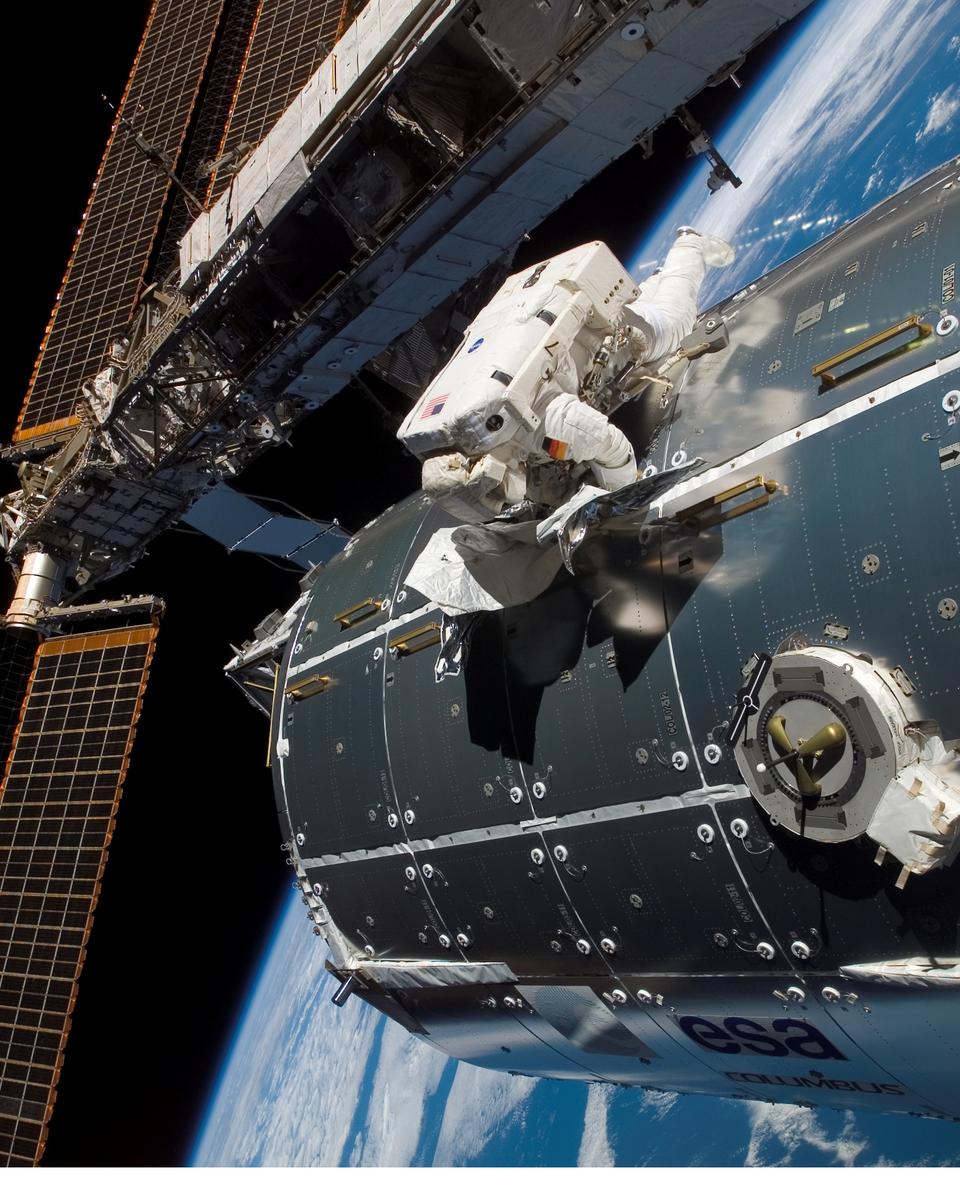
Columbus Laboratory Installed on Space Station
The International Space Station (ISS) has been equipped with a powerful new scientific laboratory. The Space Shuttle Atlantis delivered the Columbus Laboratory to the ISS and…
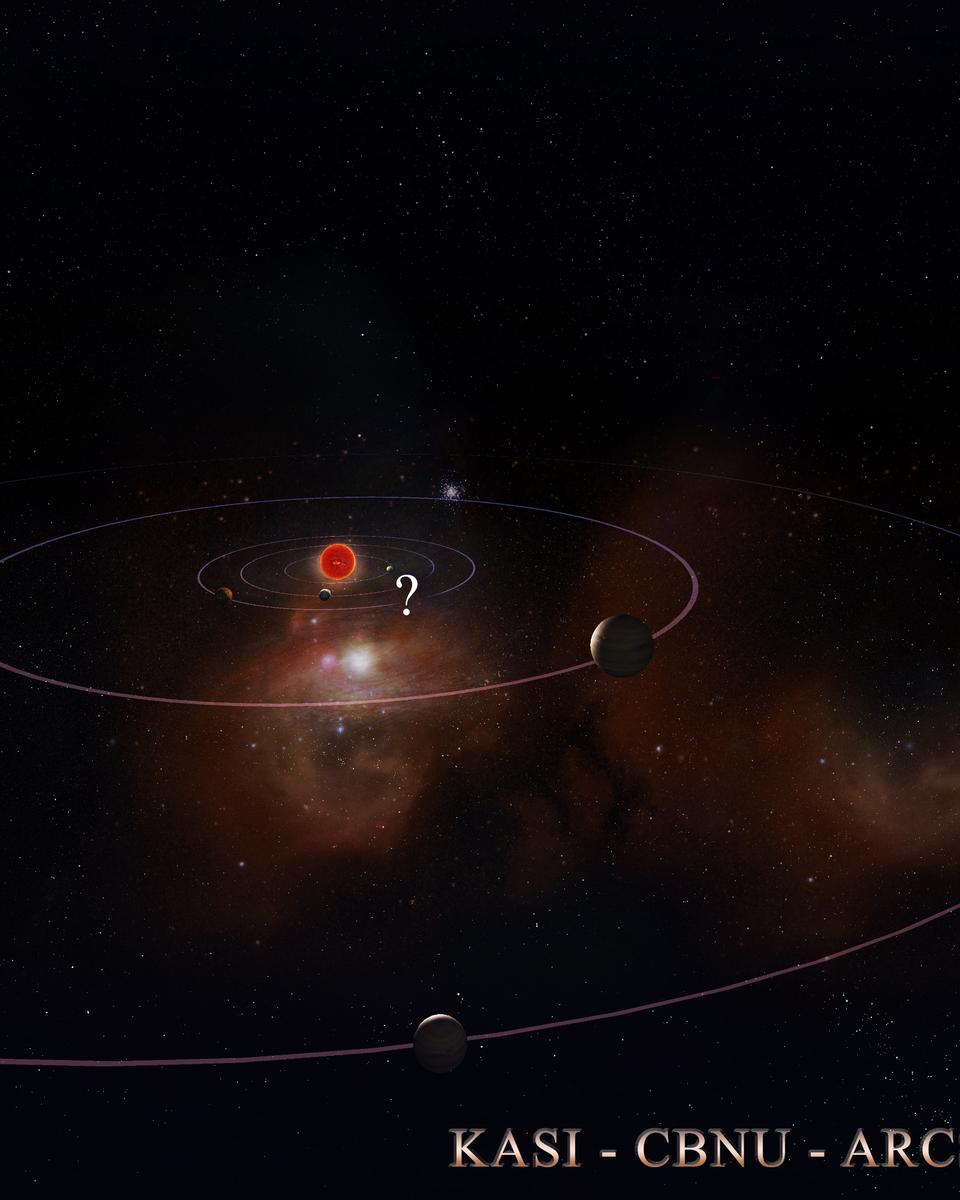
BLG-109: A Distant Version of our own Solar System
How common are planetary systems like our own? Perhaps quite common, as the first system of planets like our own Solar System has been discovered using a newly adapted technique…
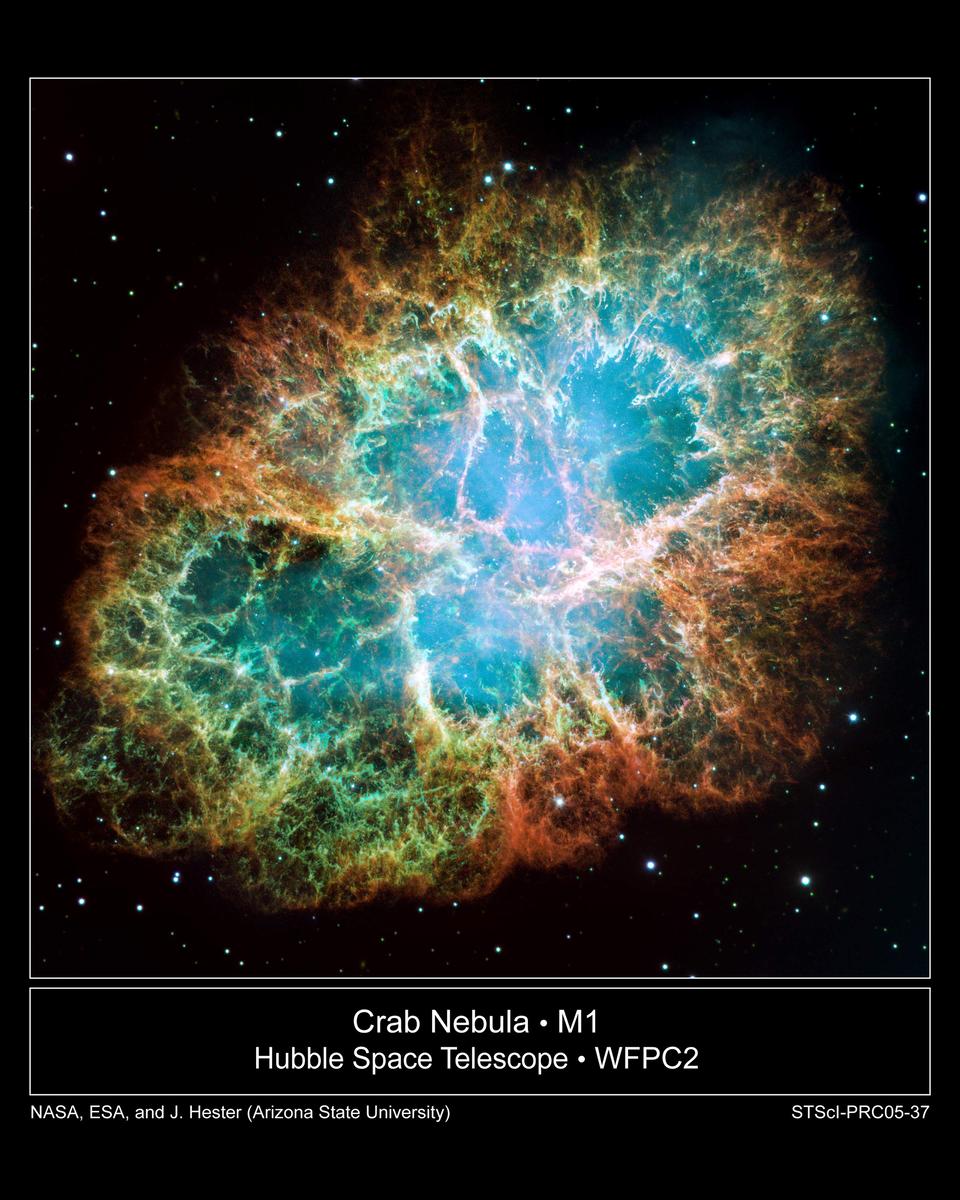
M1: The Crab Nebula from Hubble
This is the mess that is left when a star explodes. The Crab Nebula , the result of a supernova seen in 1054 AD , is filled with mysterious filaments. The filaments are not only…
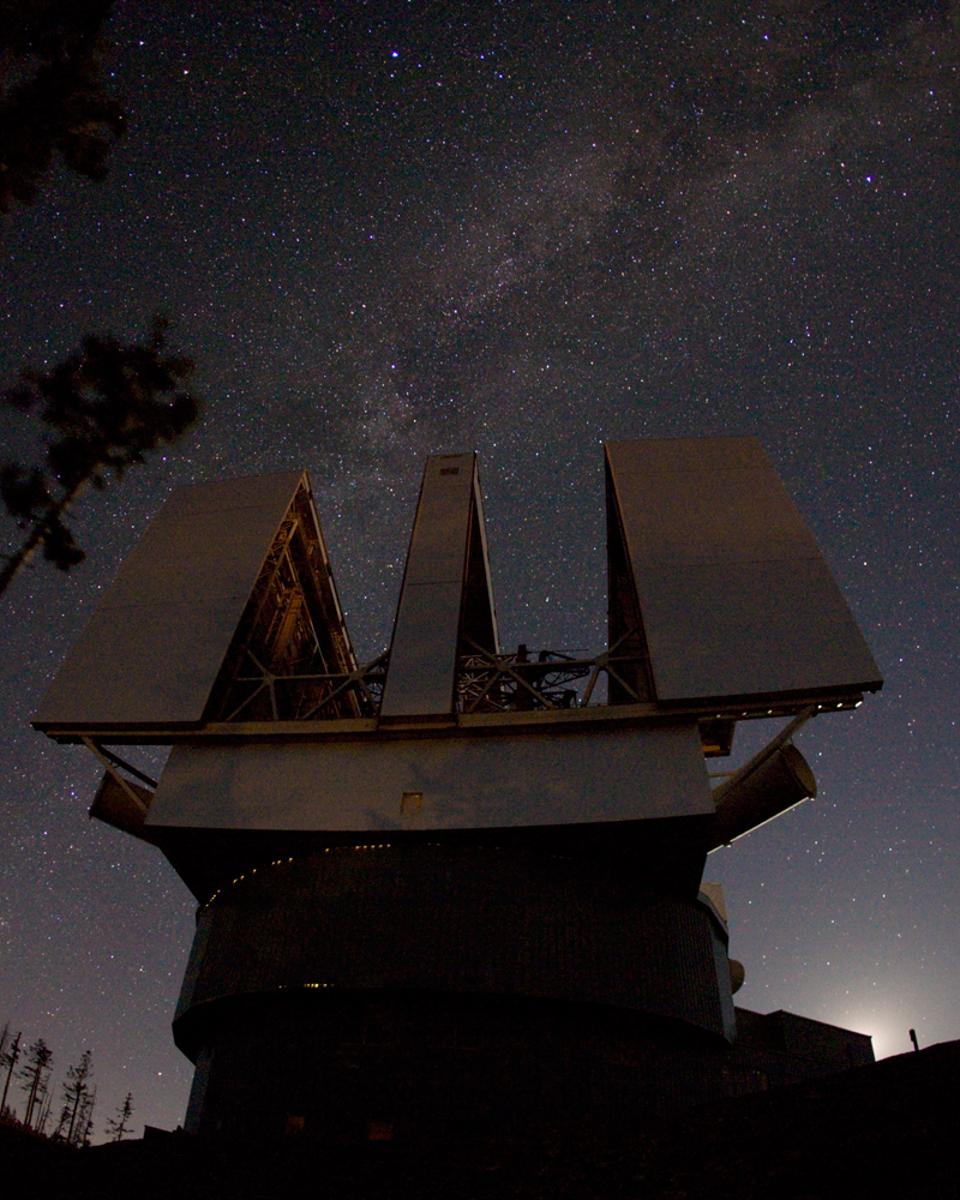
Large Binocular Telescope
With moonlight on the horizon, a starry sky and the northern Milky Way provide the background for this dramatic view of the World at Night . The imposing structure in the…
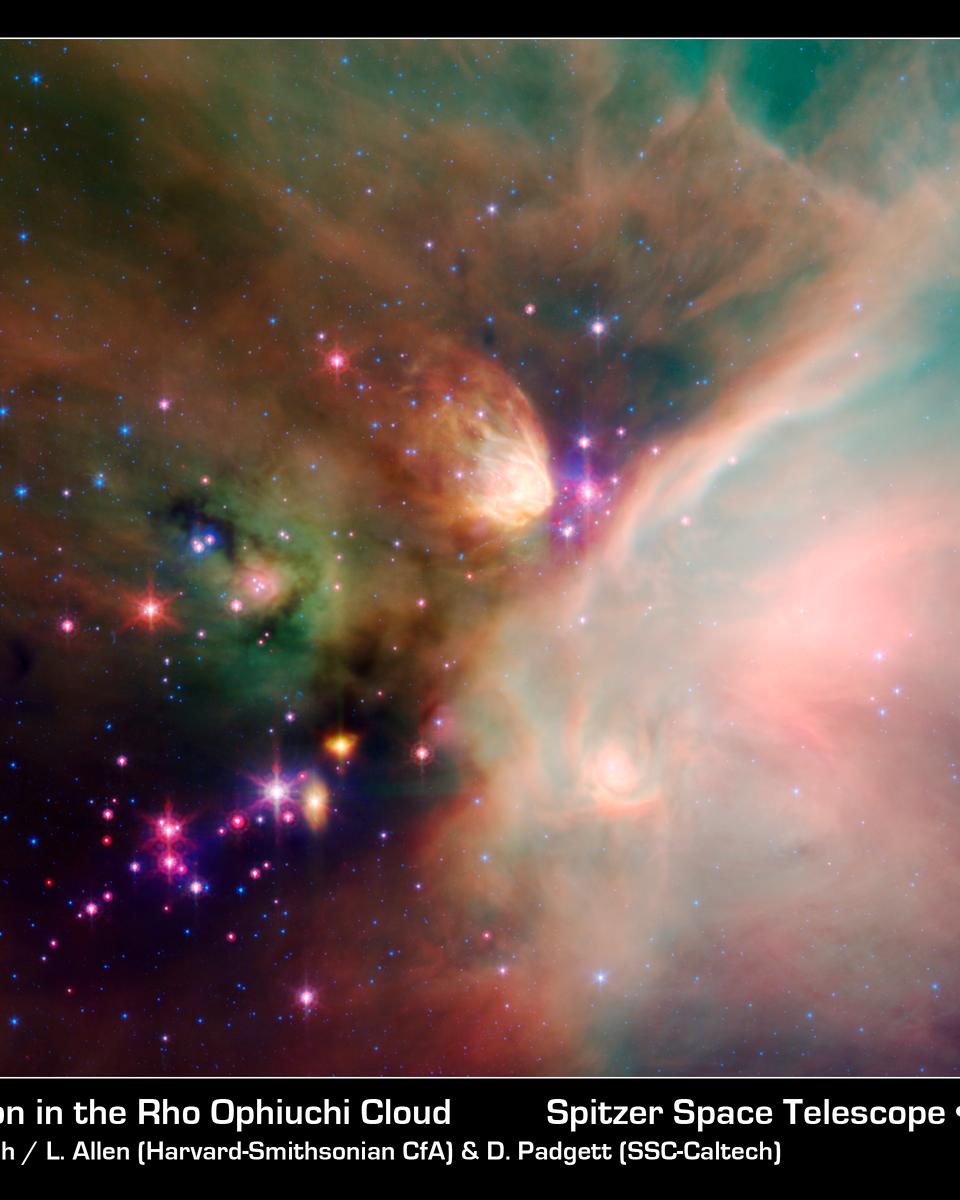
Young Stars in the Rho Ophiuchi Cloud
Cosmic dust clouds and embedded newborn stars glow at infrared wavelengths in this tantalizing false-color view from the Spitzer Space Telescope. Pictured is of one of the closest…
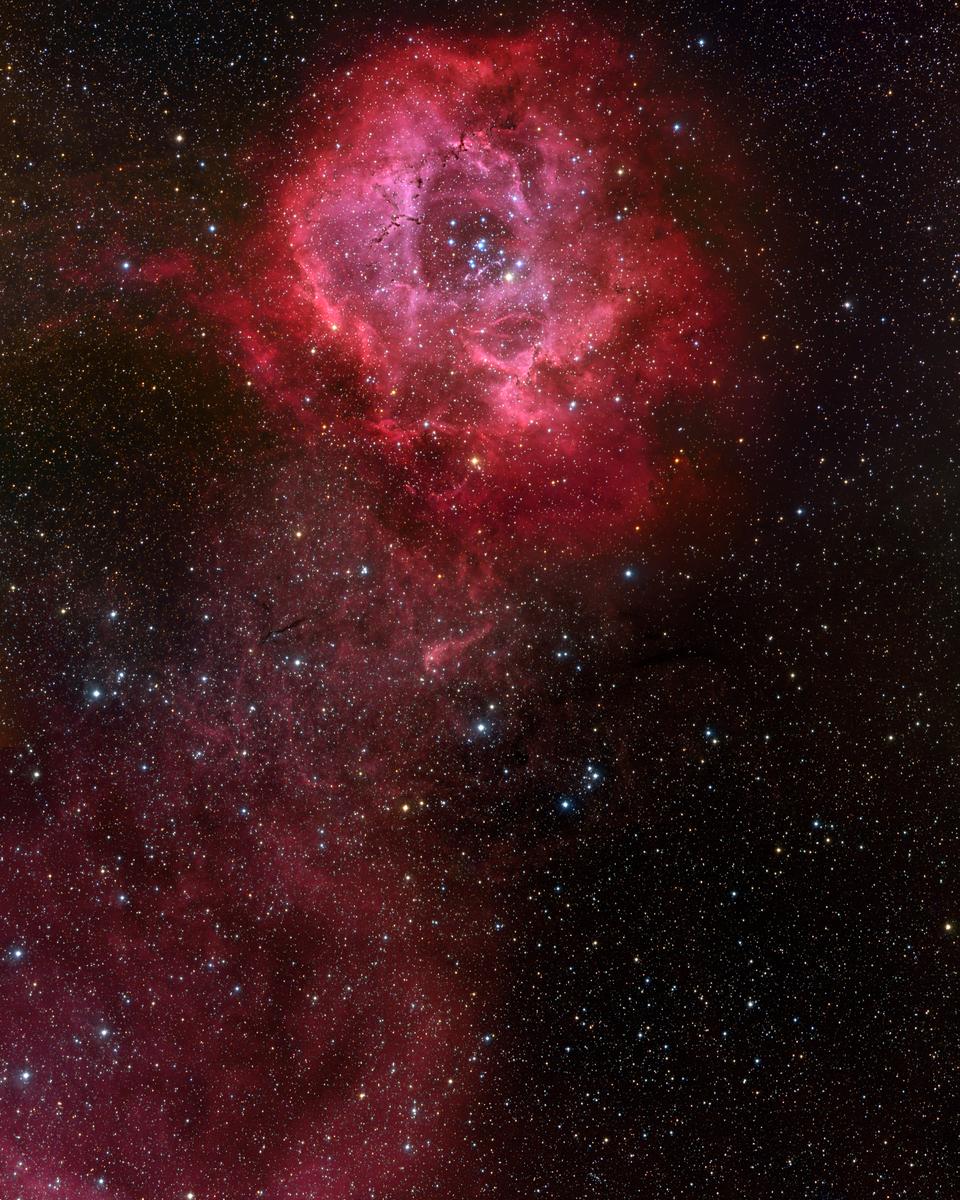
Long Stem Rosette
The Rosette Nebula (aka NGC 2237) is not the only cosmic cloud of gas and dust to evoke the imagery of flowers . But it is the one most often suggested as a suitable astronomy…
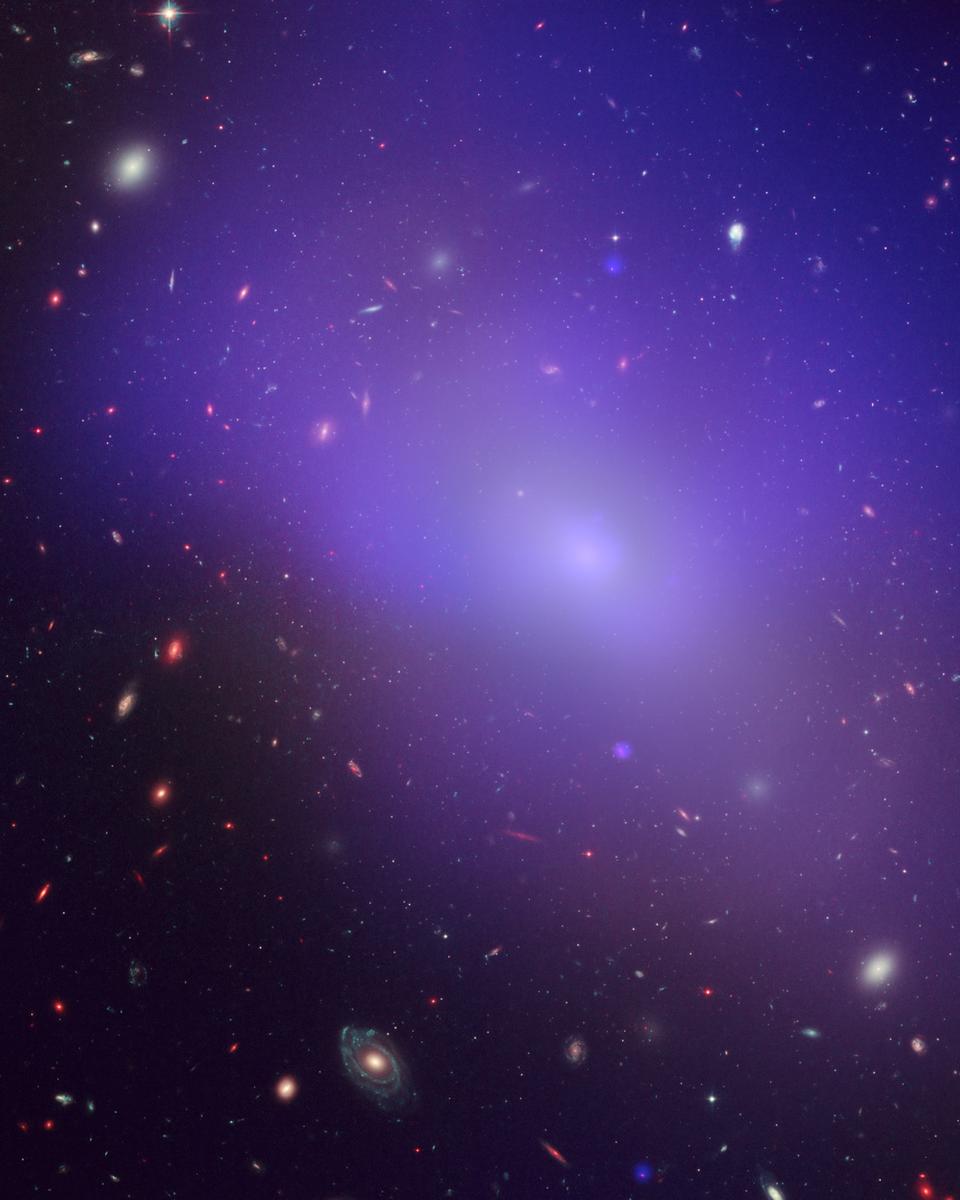
Elliptical Galaxy NGC 1132
NGC 1132 is one smooth galaxy -- but how did it form? As an elliptical galaxy , NGC 1132 has little dust and gas, and few stars have formed in it recently. Although many…
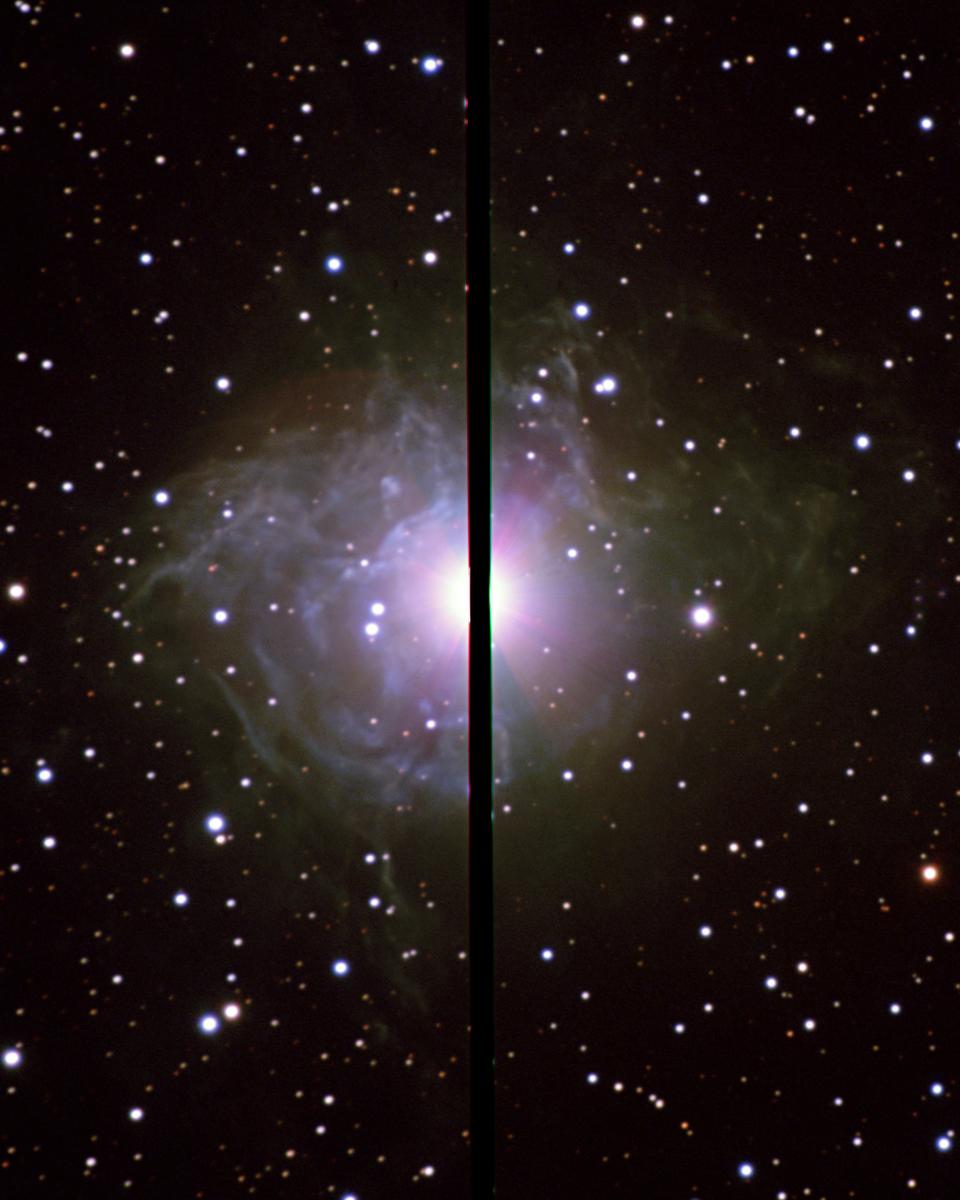
Echoes from RS Pup
This dusty reflection nebula surrounds pulsating star RS Pup, some 10 times more massive than the Sun and on average 15,000 times more luminous. In fact, RS Pup is a Cepheid type…
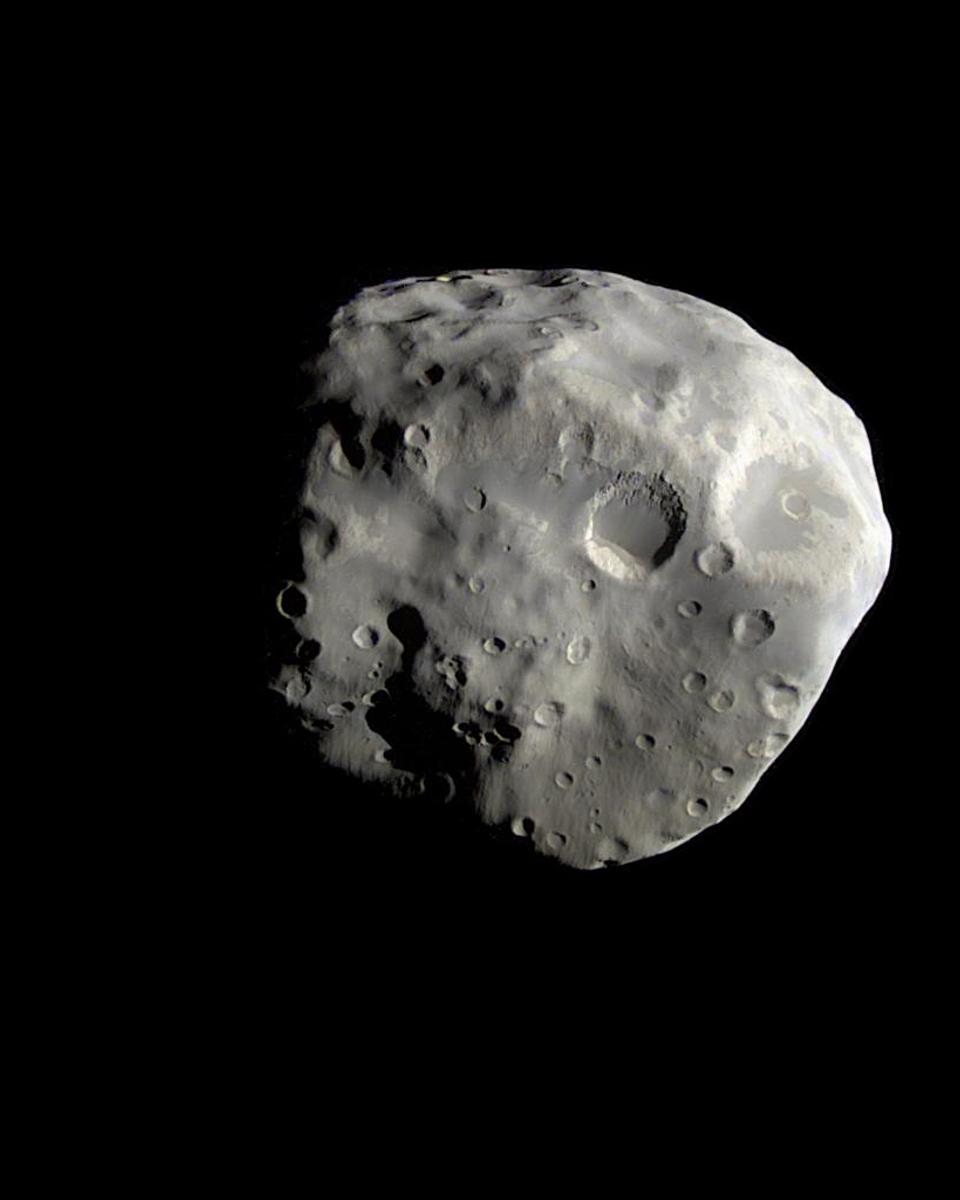
Saturn's Moon Epimetheus from the Cassini Spacecraft
How did Epimetheus form? No one is yet sure. To help answer that question, this small moon has recently been imaged again in great detail by the robot spacecraft Cassini now…
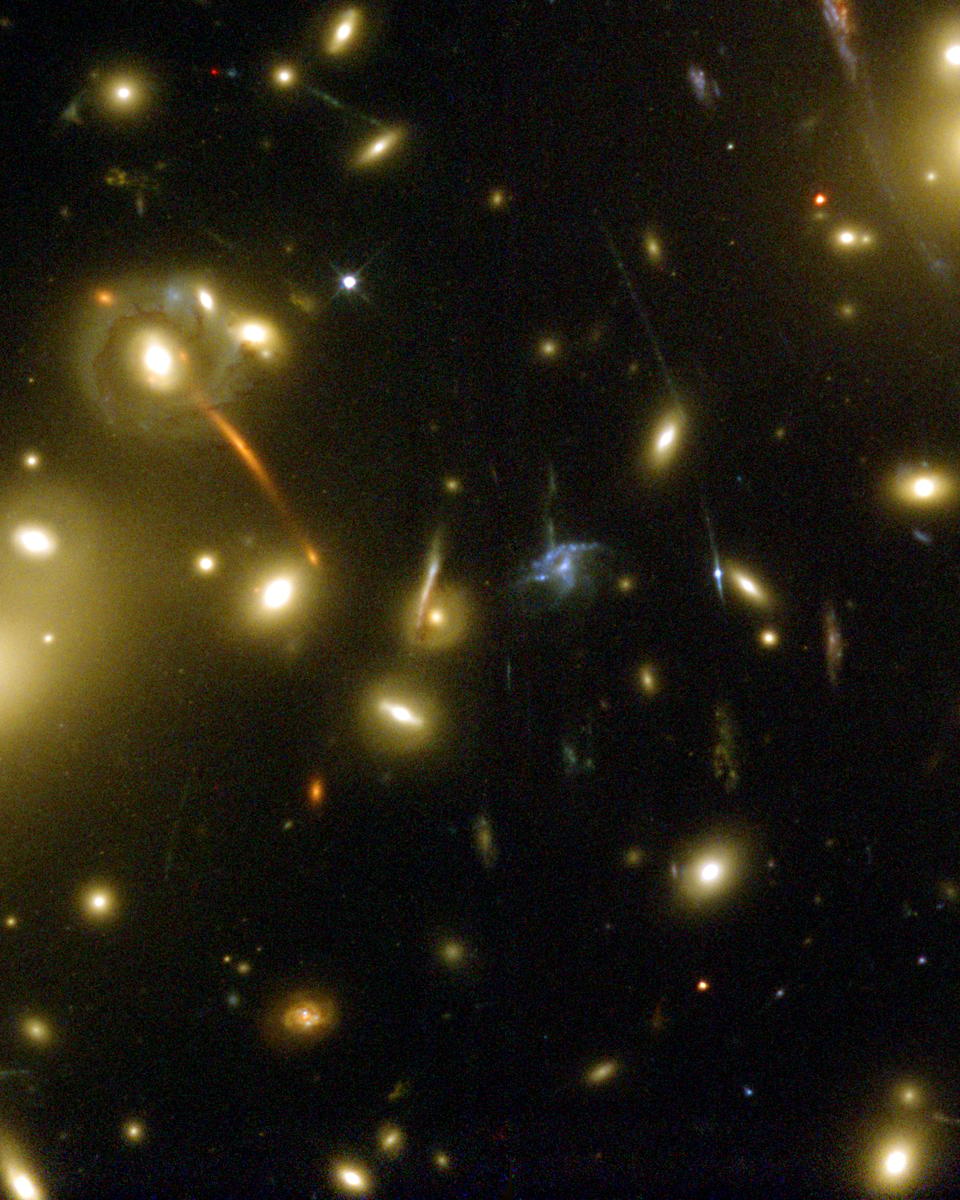
Abell 2218: A Galaxy Cluster Lens
Gravity can bend light, allowing huge clusters of galaxies to act as telescopes. Almost all of the bright objects in this Hubble Space Telescope image are galaxies in the cluster…
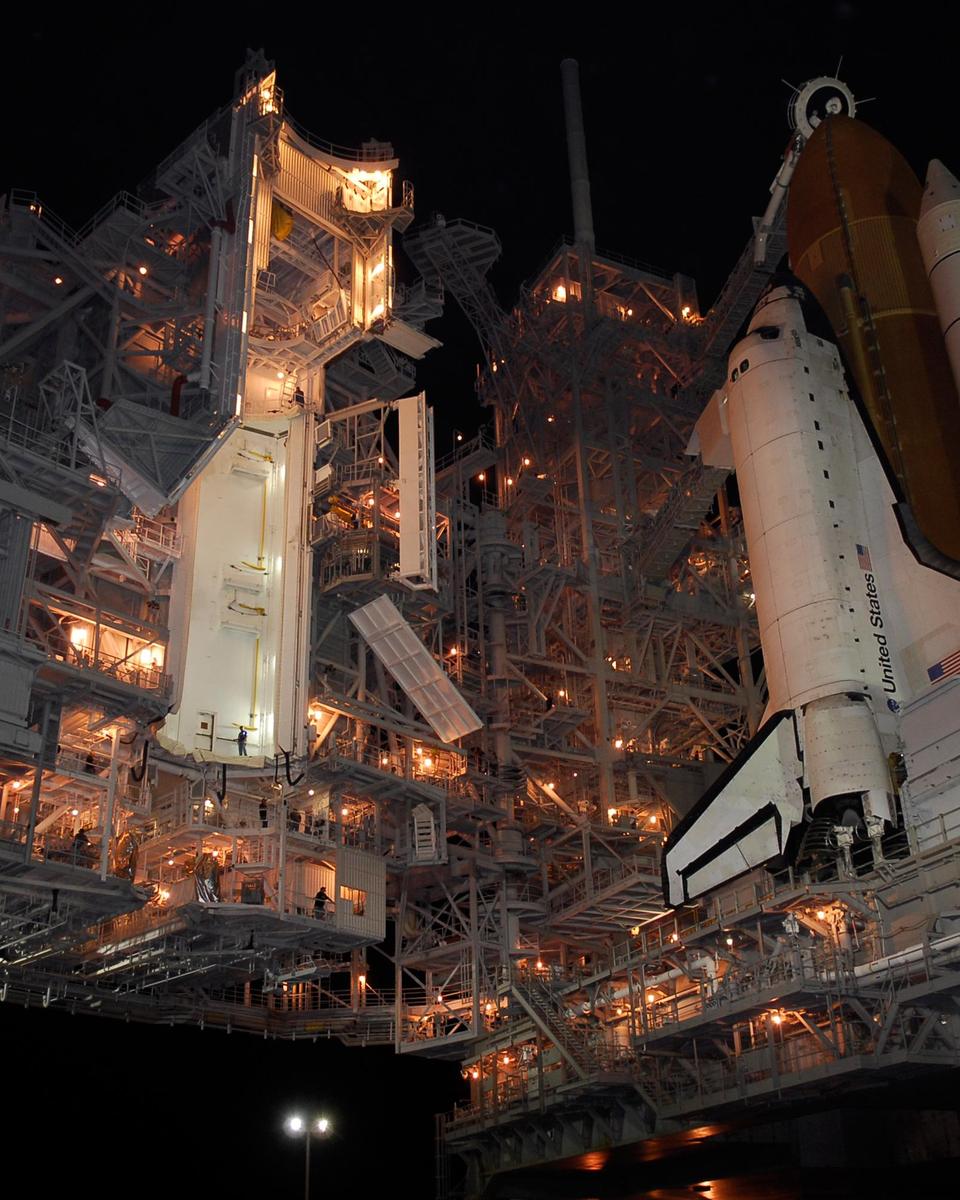
Atlantis on Pad 39A
An intricate network of lighting plays across the 130 foot high Rotating Service Structure (RSS) in this dramatic night view of the Space Shuttle Atlantis on the Kennedy Space…
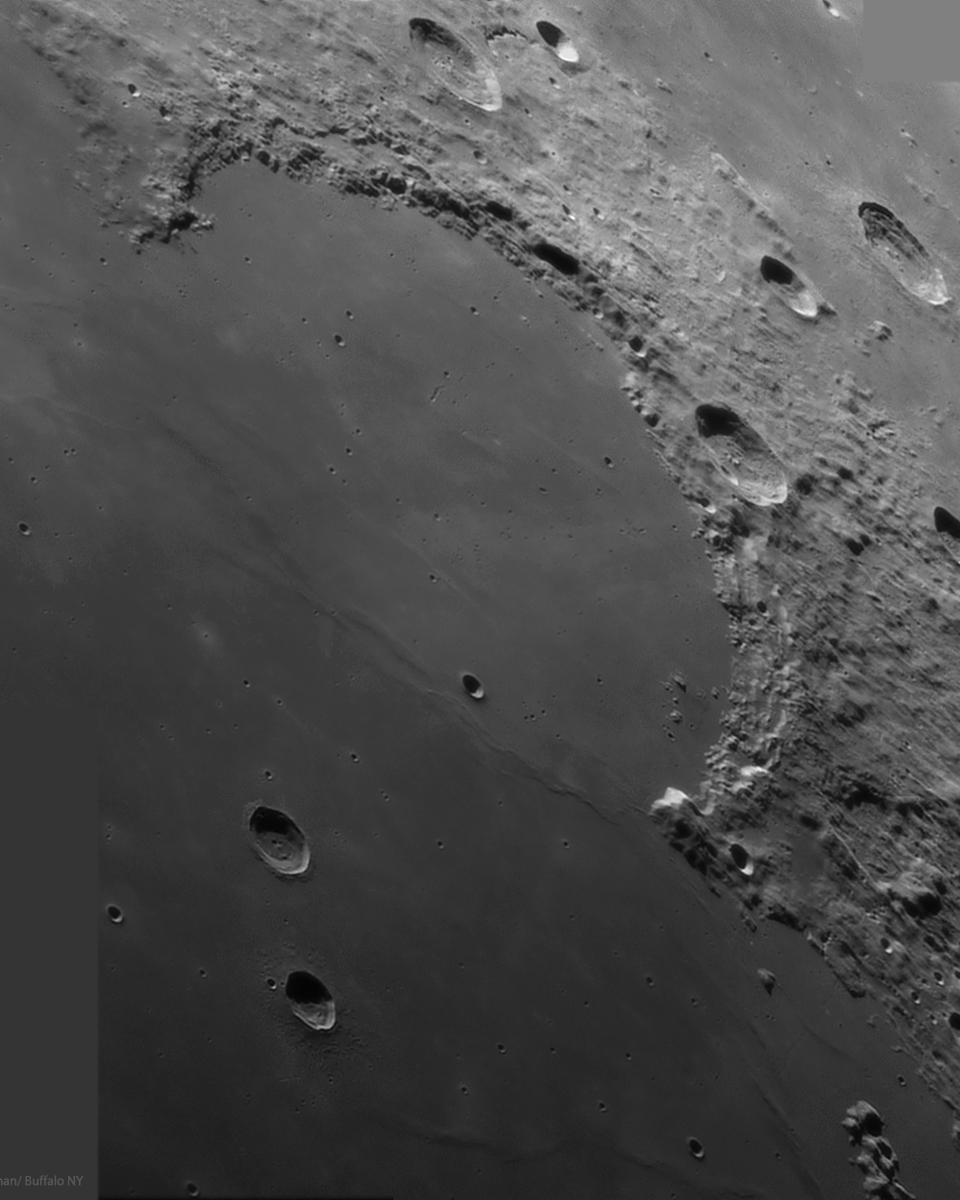
The Bay of Rainbows
Dark, smooth regions that cover the Moon's familiar face are called by Latin names for oceans and seas. The naming convention is historical , though it may seem a little ironic to…
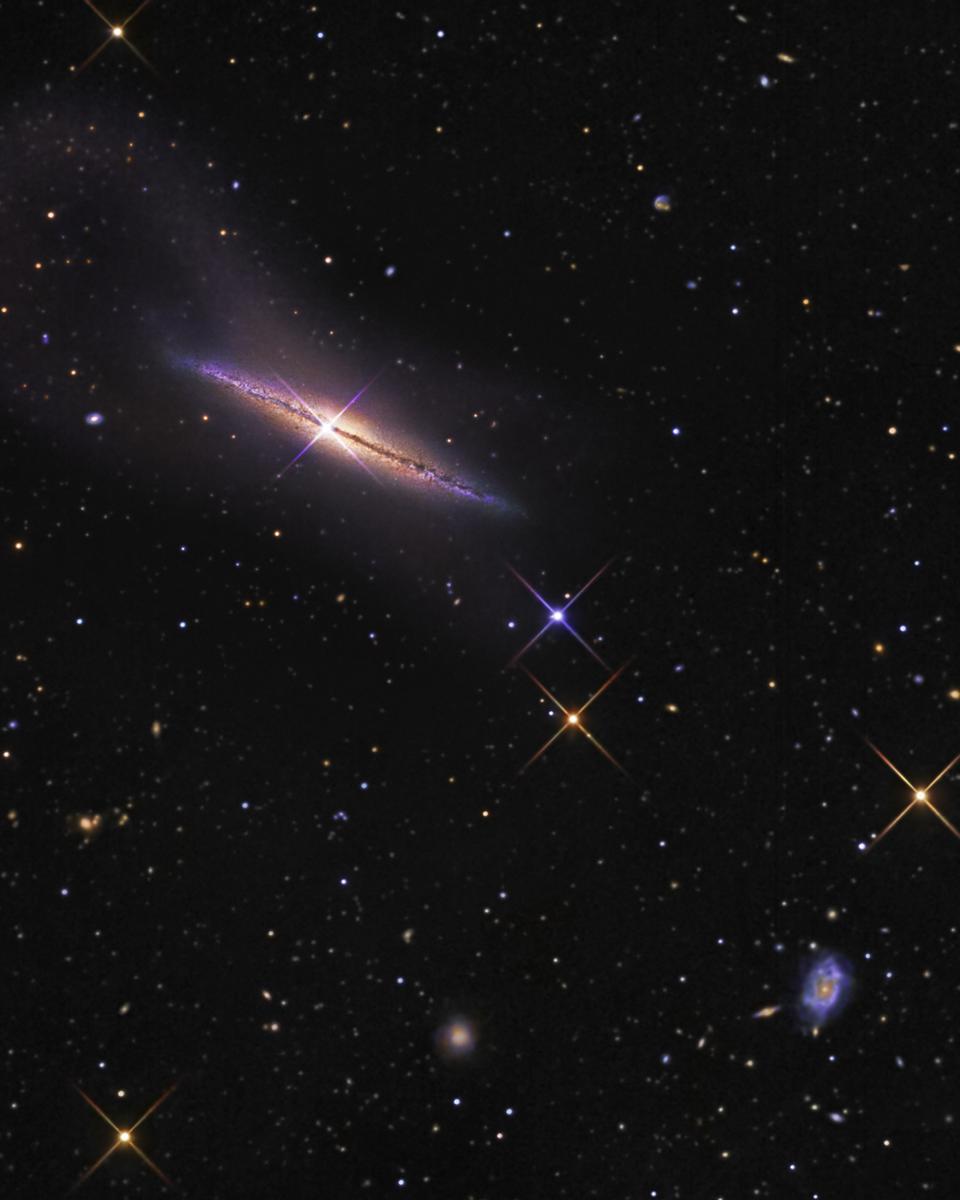
NGC 4013 and the Tidal Stream
Nearly 50 million light-years away in the constellation Ursa Major, NGC 4013 was long considered an isolated island universe . Seen edge-on, the gorgeous spiral galaxy was known…
Viewing discoveries from 1 March 2008 through 7 February 2008.