Browse NASA Astronomy Picture of the Day archive by date and media: Archive Discoveries
Browse the NASA APOD archive without needing the exact date first. Filter by media type and keep moving deeper into older images and videos.
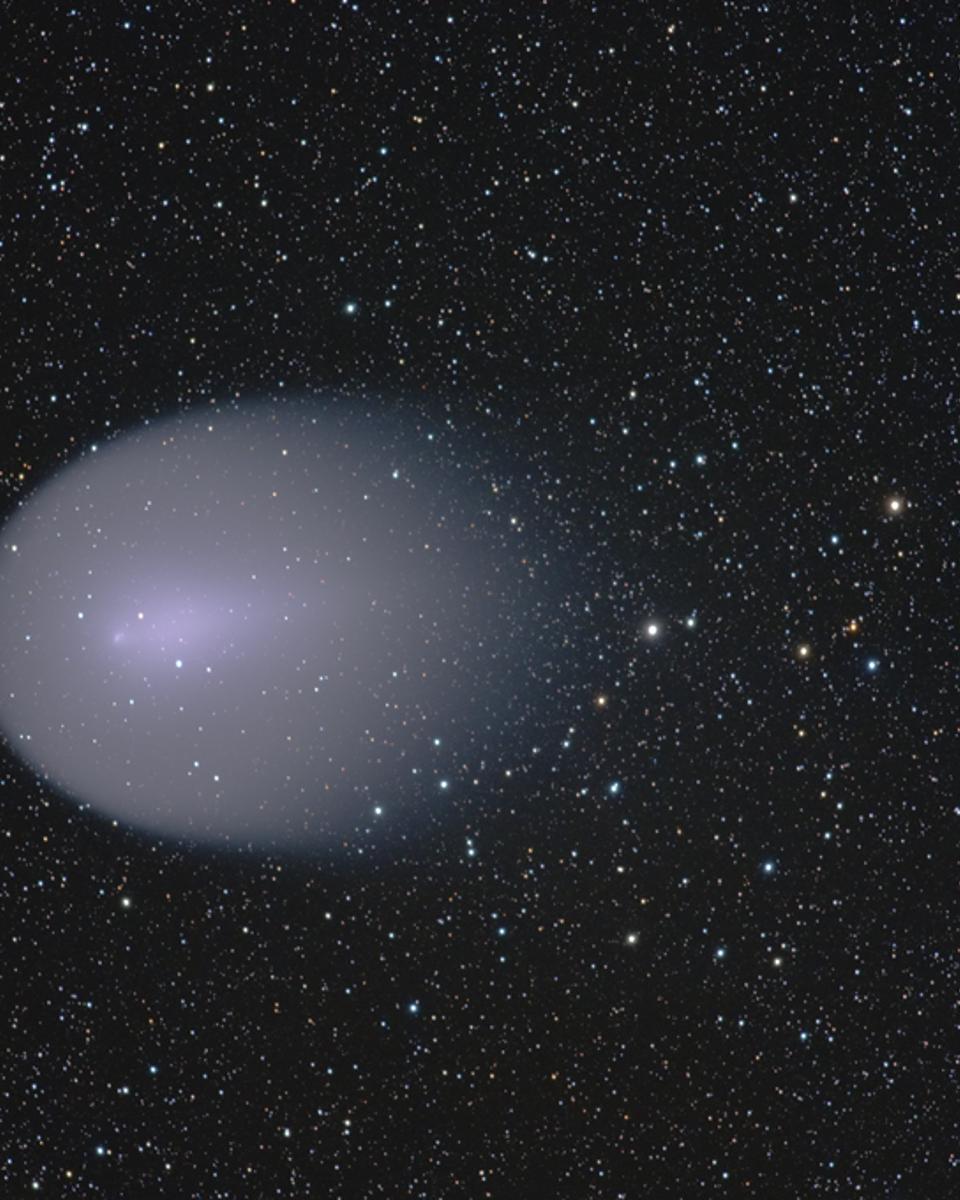
Comet Holmes Over Hungary
Comet Holmes refuses to fade. The unusual comet that surprisingly brightened nearly a million-fold in late October continues to remain visible to the unaided eye from dark…
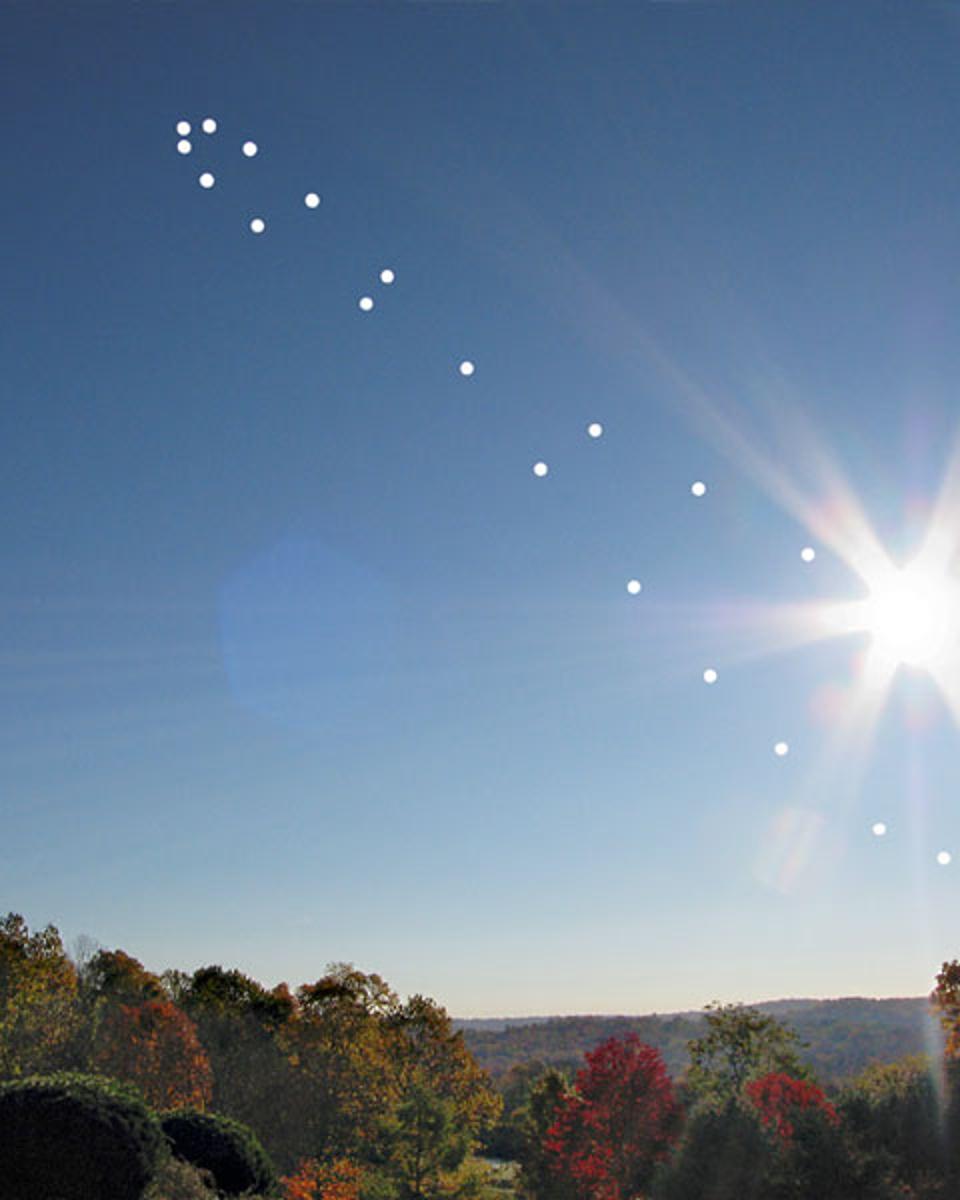
Movie: Analemma Over New Jersey
An analemma is that figure-8 curve that you get when you mark the position of the Sun at the same time each day throughout planet Earth's year. Above, 26 separate exposures were…
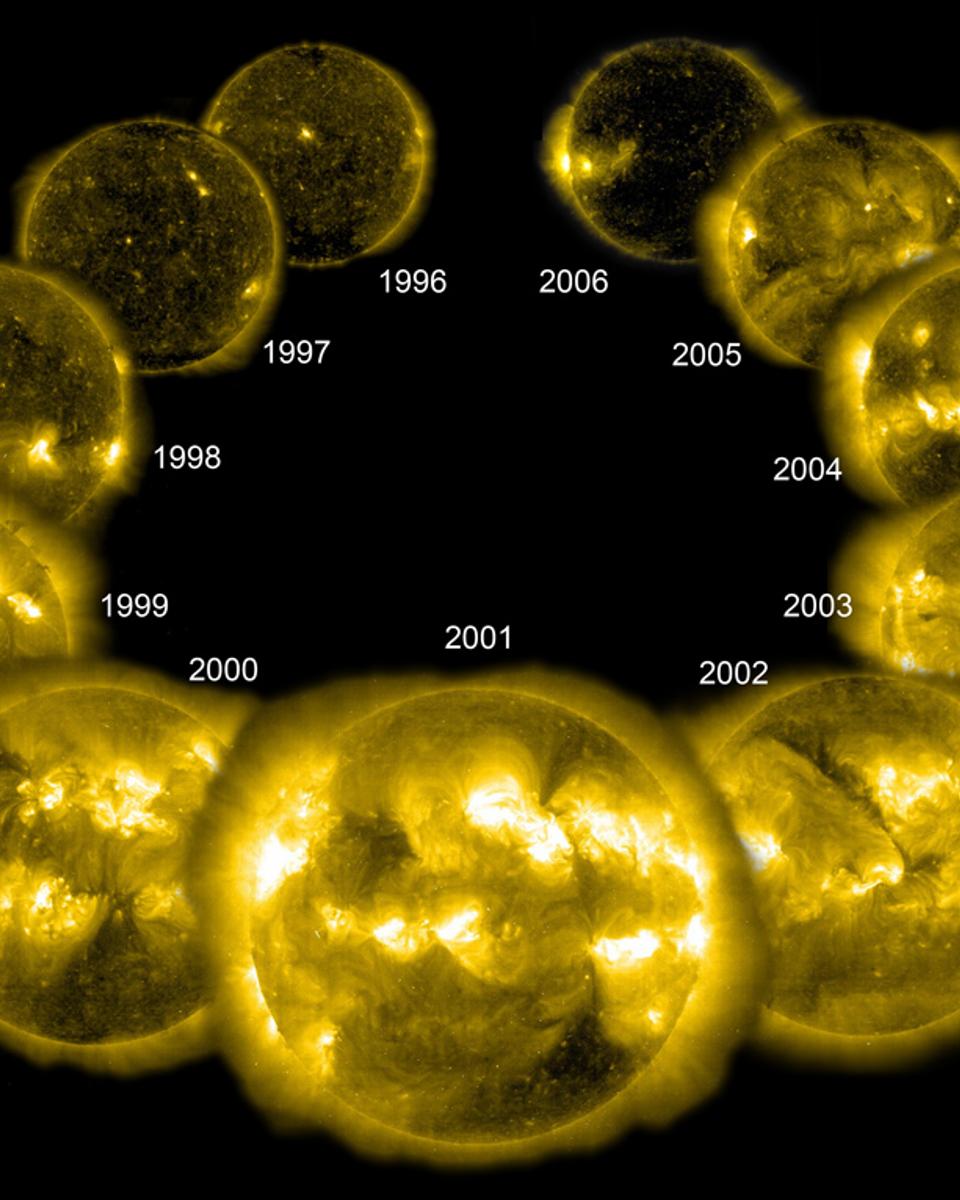
A Complete Solar Cycle from SOHO
Every eleven years, our Sun goes through a solar cycle. A complete solar cycle has now been imaged by the sun-orbiting SOHO spacecraft , celebrating the 12th anniversary of its…
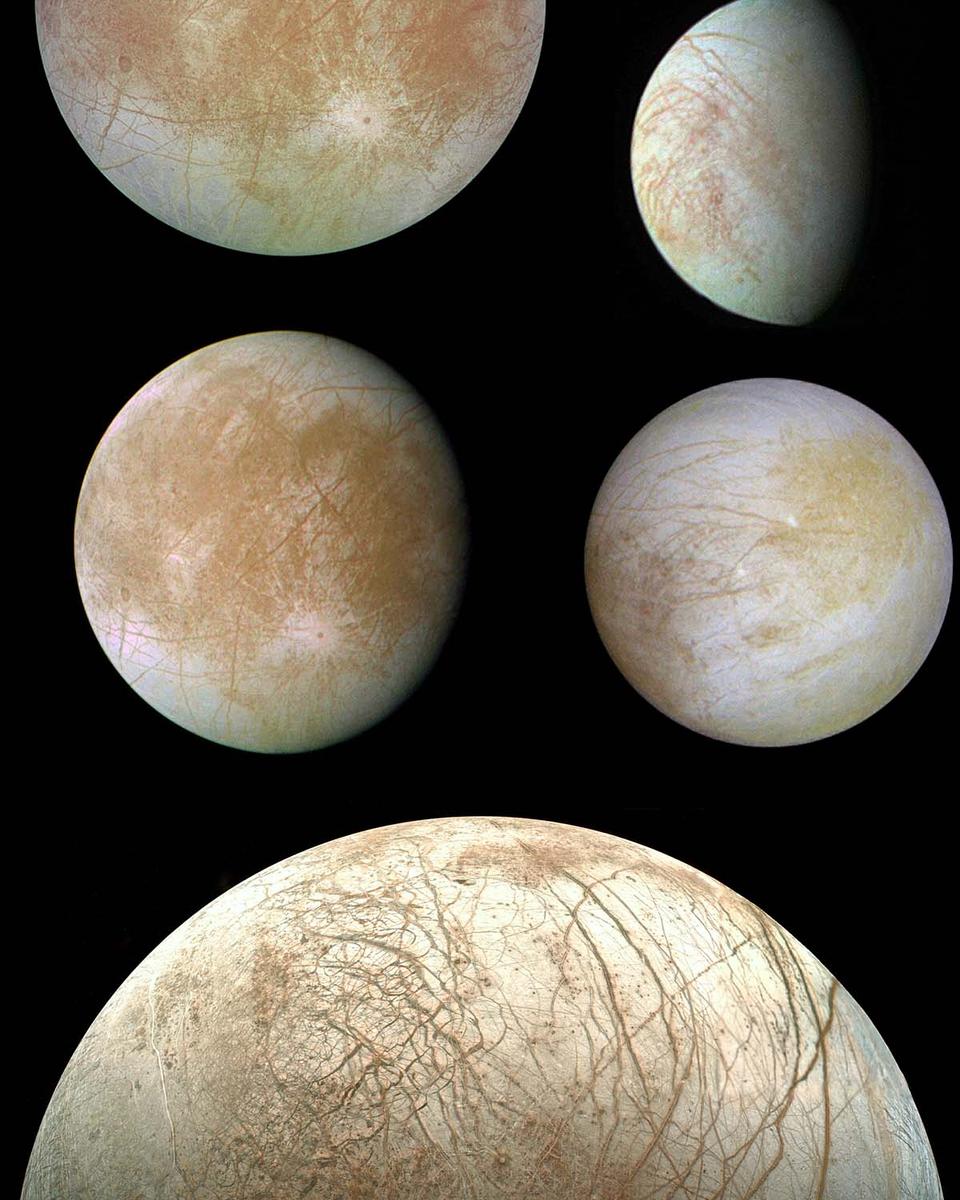
Gibbous Europa
Although the phase of this moon might appear familiar, the moon itself might not. In fact, this gibbous phase shows part of Jupiter 's moon Europa . The robot spacecraft Galileo…
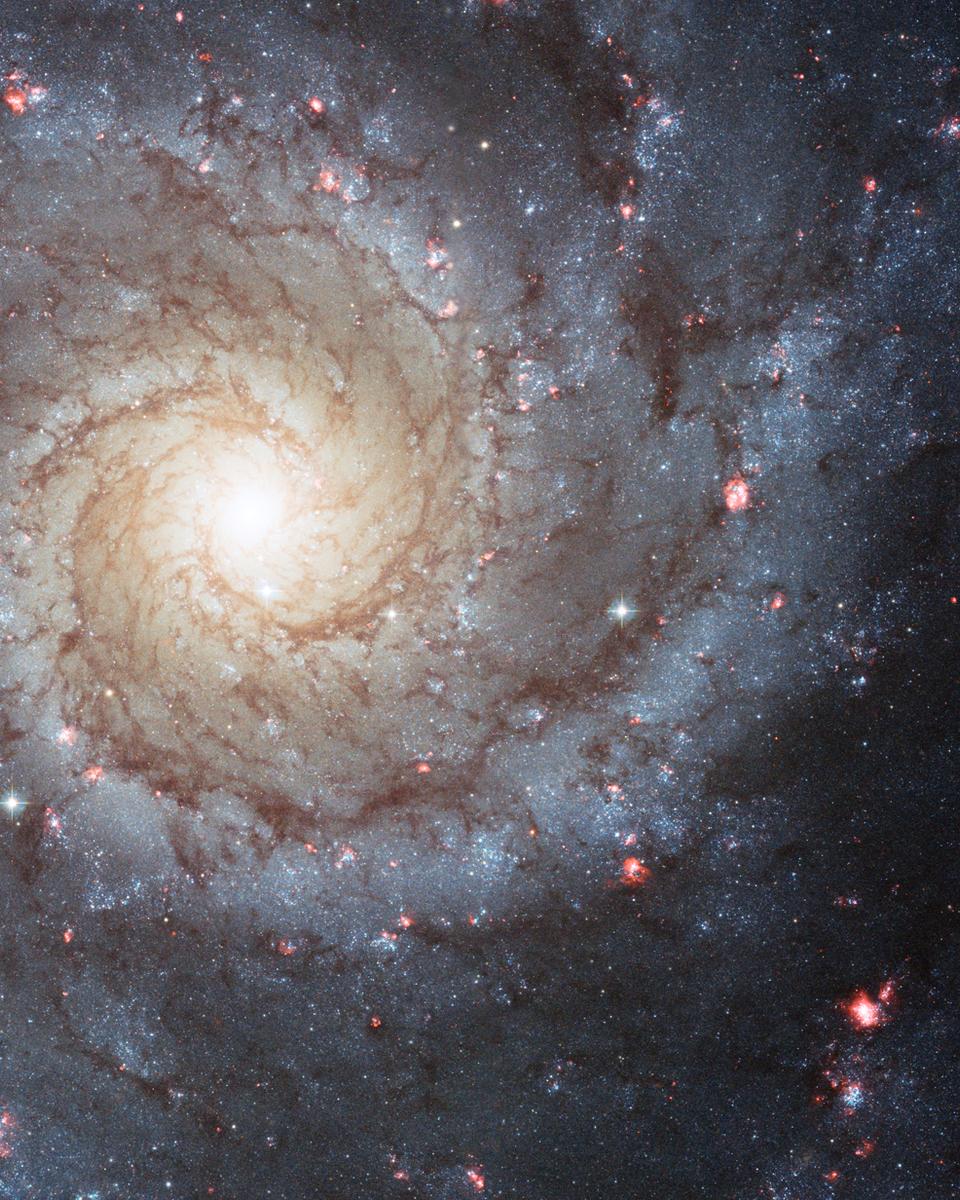
M74: The Perfect Spiral
If not perfect, then this spiral galaxy is at least one of the most photogenic. An island universe of about 100 billion stars, 32 million light-years away toward the constellation…
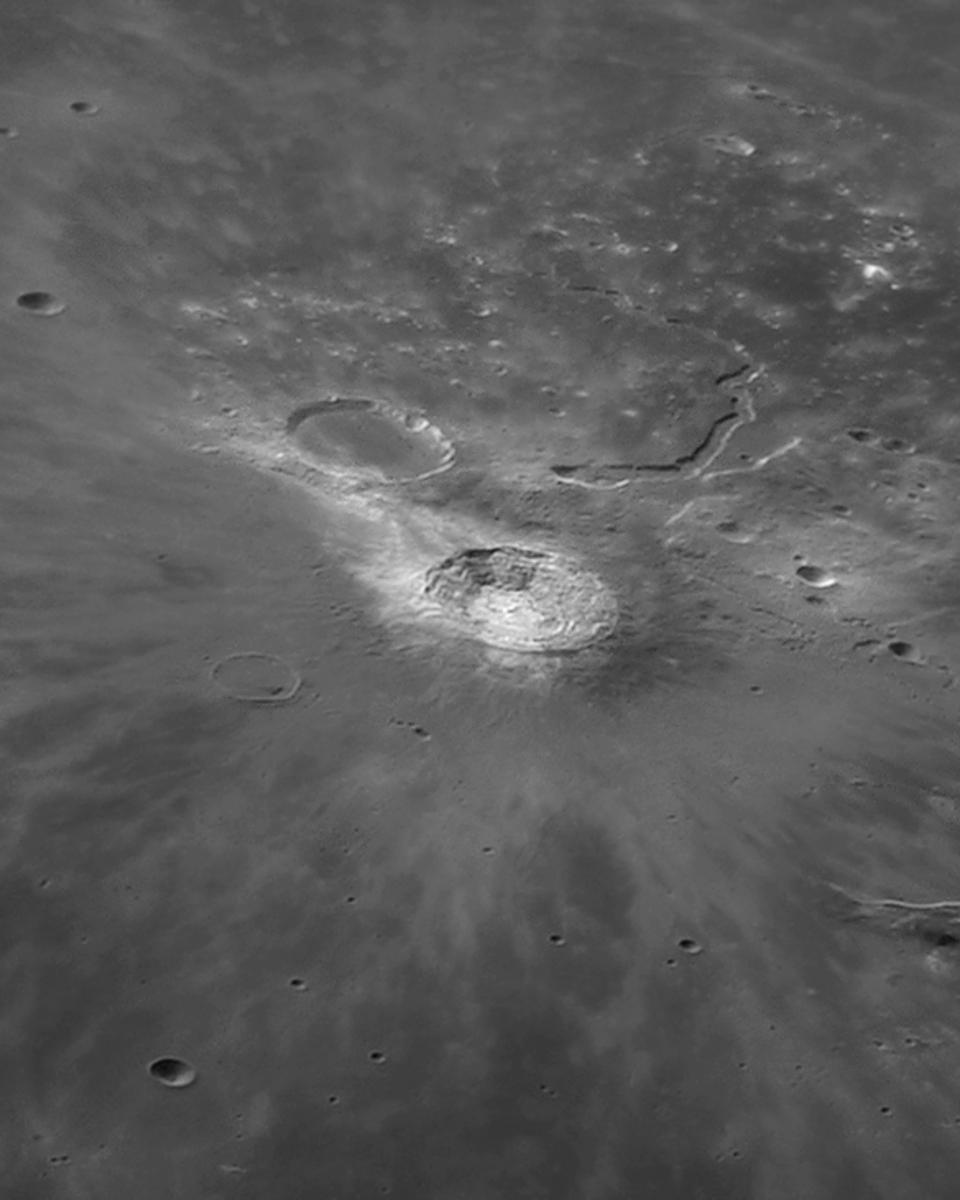
Aristarchus Plateau
Anchored in the vast lava flows of the Moon's Oceanus Procellarum lies the Aristarchus Plateau . The bright impact crater at the corner of the plateau is Aristarchus, a young…
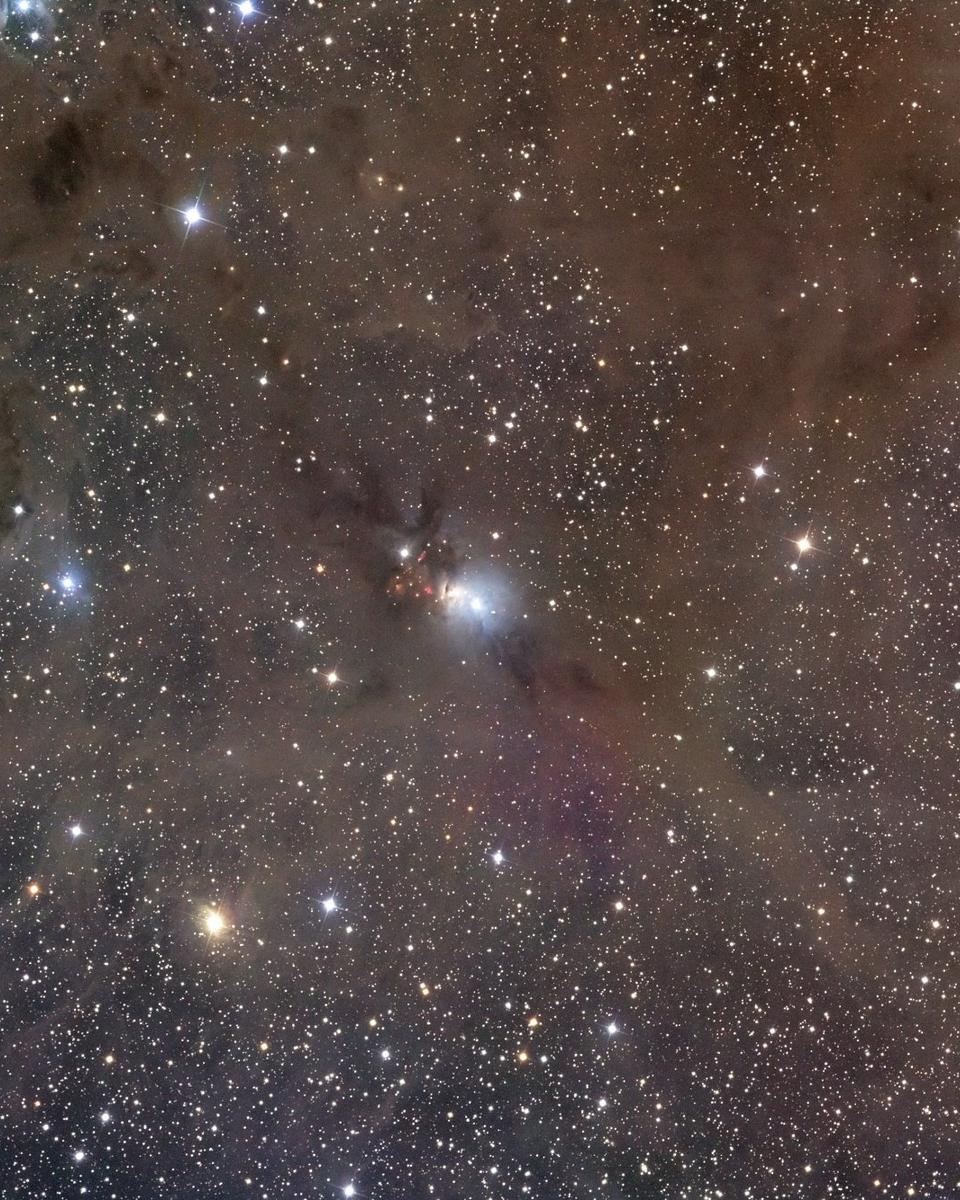
Stardust in Perseus
This cosmic expanse of dust, gas, and stars covers some 4 degrees on the sky in the heroic constellation Perseus . Centered in the gorgeous skyscape is the dusty blue reflection…
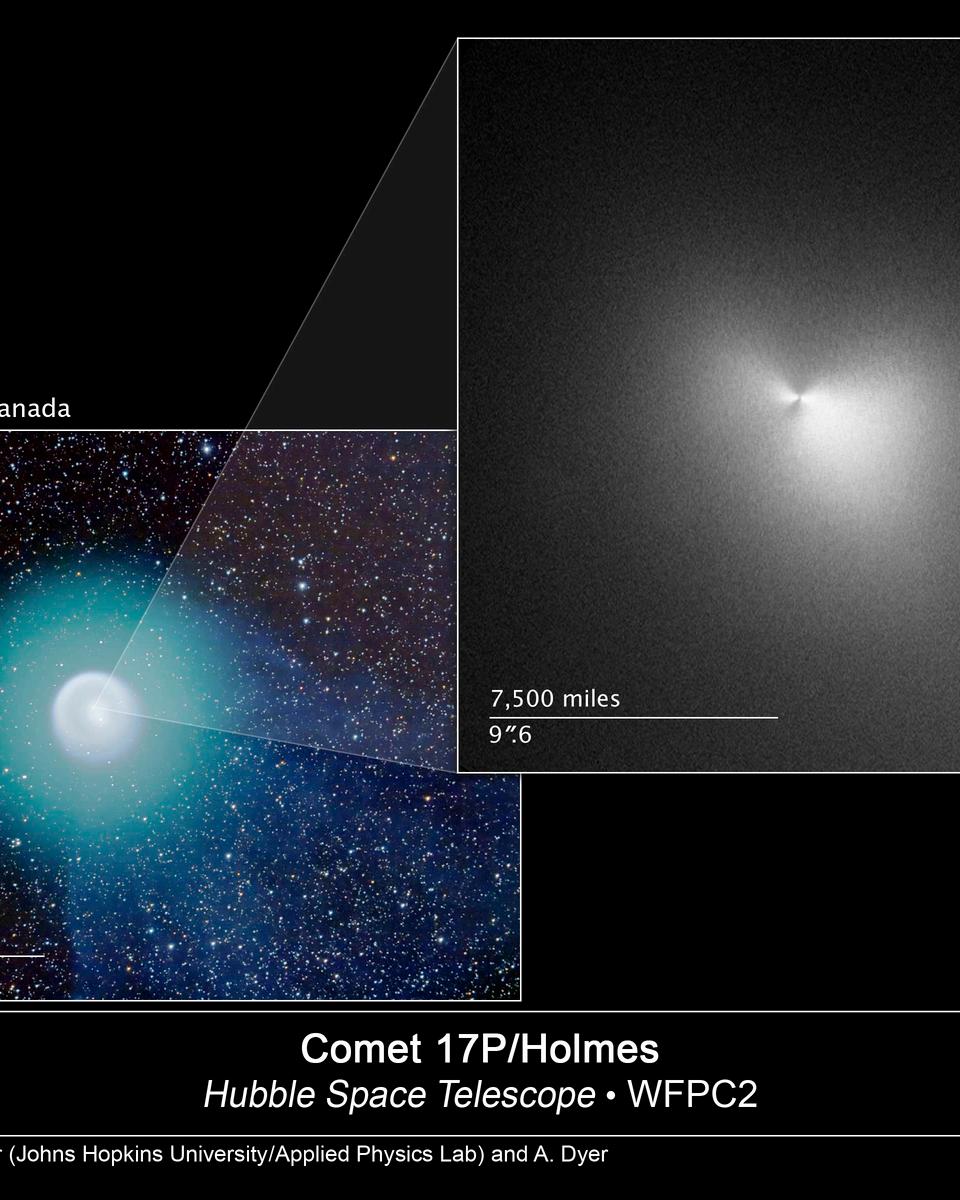
Comet Holmes from the Hubble Space Telescope
Why did Comet Holmes brighten? The unexpectedly bright Comet 17P/Holmes continues to grace northern skies as a naked-eye addition to the constellation Perseus. Any northern sky…
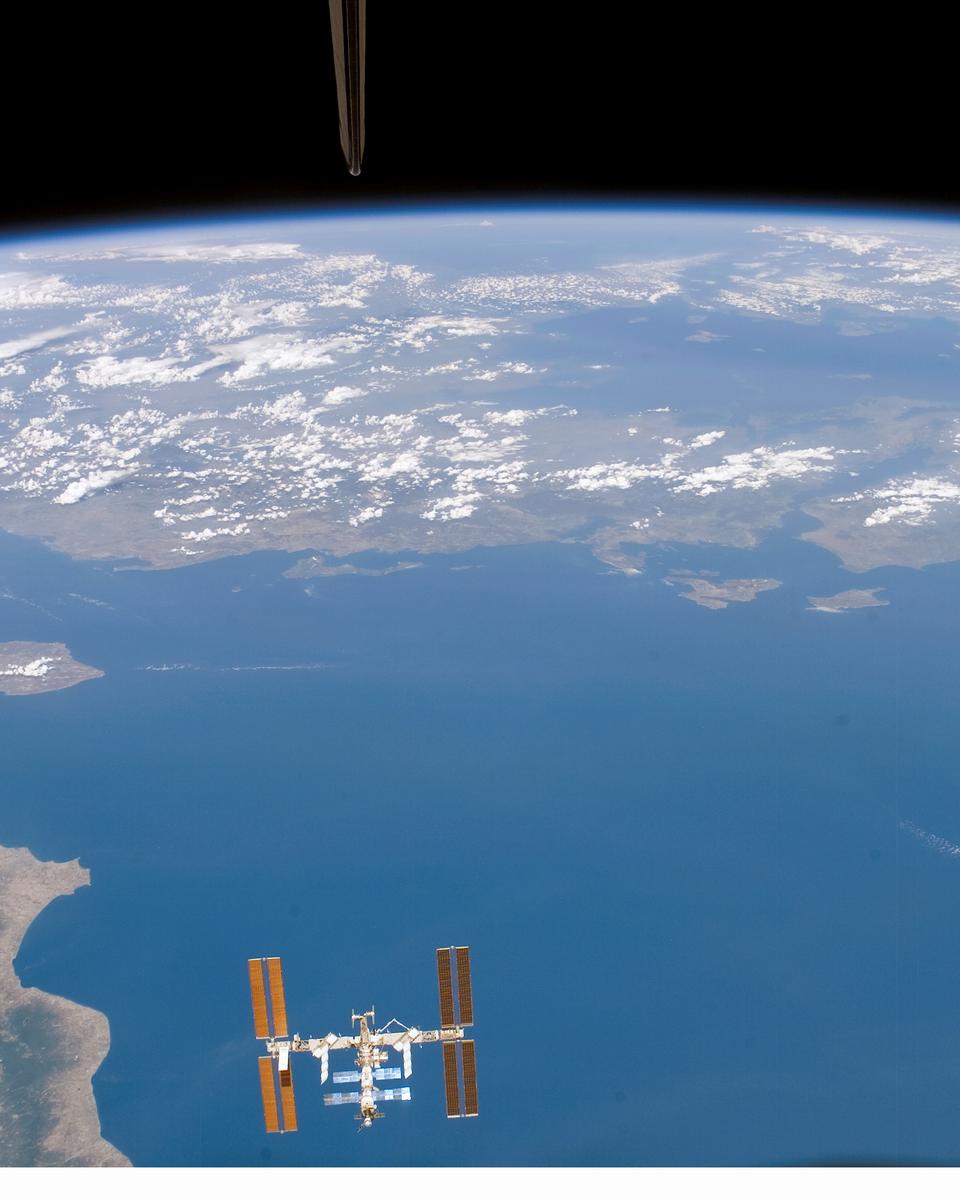
Space Station Over the Ionian Sea
Last August, the Space Shuttle Endeavour crew captured this shot of the International Space Station (ISS) against the backdrop of Planet Earth. During that trip to the ISS , the…
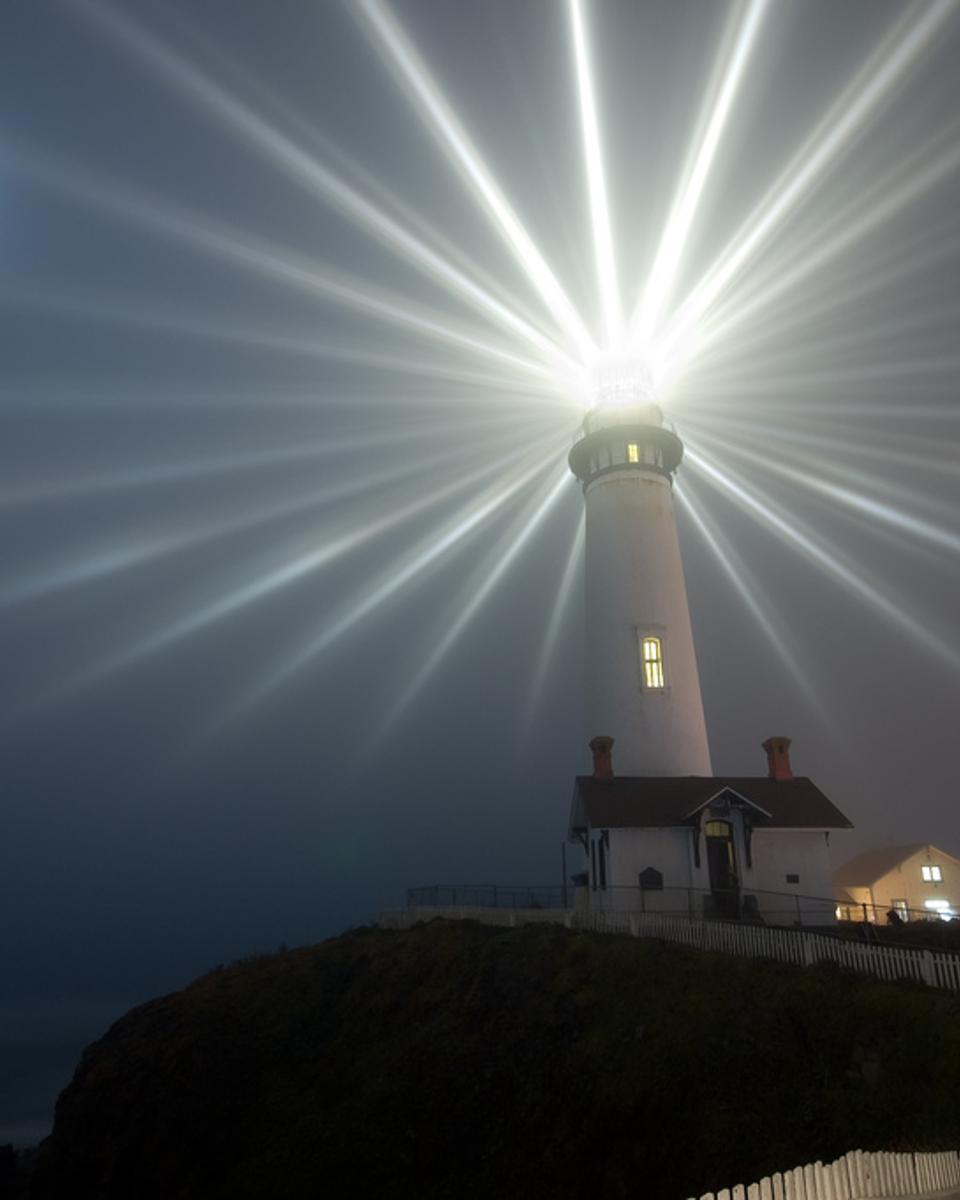
Moon Over Pigeon Point Lighthouse
This spectacular sky is mostly human-made. Once a year, the Light Station at Pigeon Point near San Francisco , California , USA is lit as it was over 100 years ago. During this…
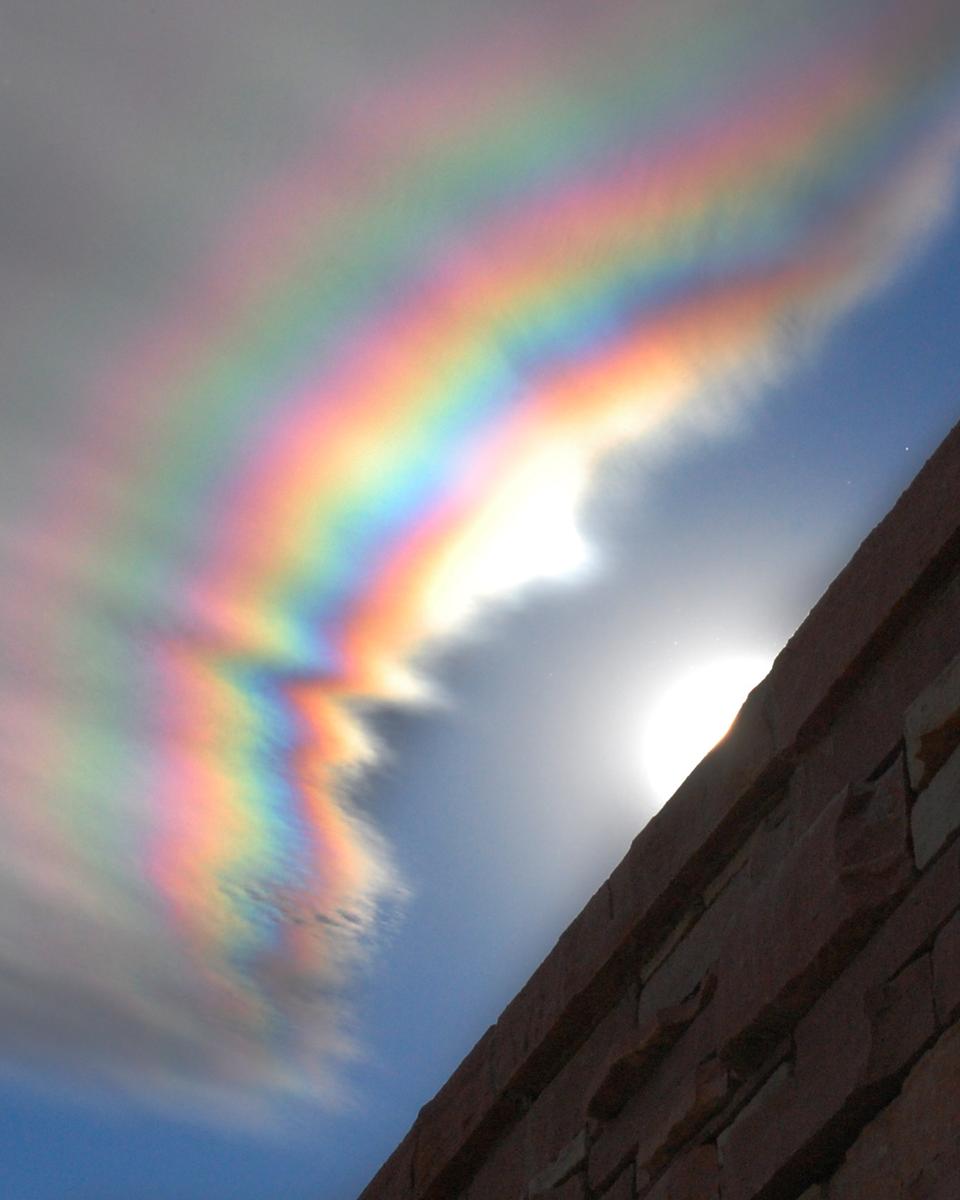
An Iridescent Cloud Over Colorado
Why would a cloud appear to be different colors? A relatively rare phenomenon known as iridescent clouds can show unusual colors vividly or a whole spectrum of colors…
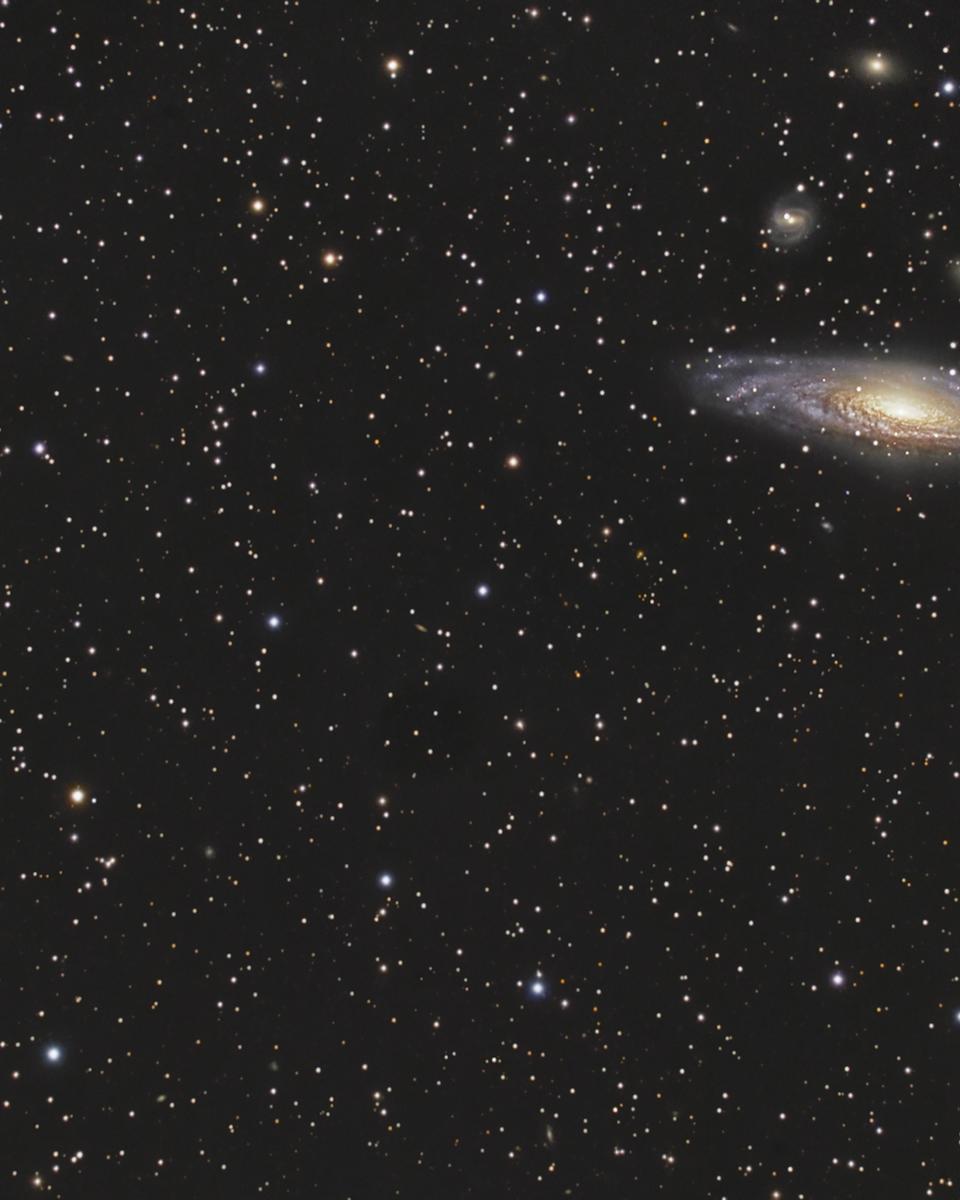
Galaxies in Pegasus
This wide, sharp telescopic view reveals galaxies scattered beyond the stars near the northern boundary of the high-flying constellation Pegasus . Prominent at the upper right is…
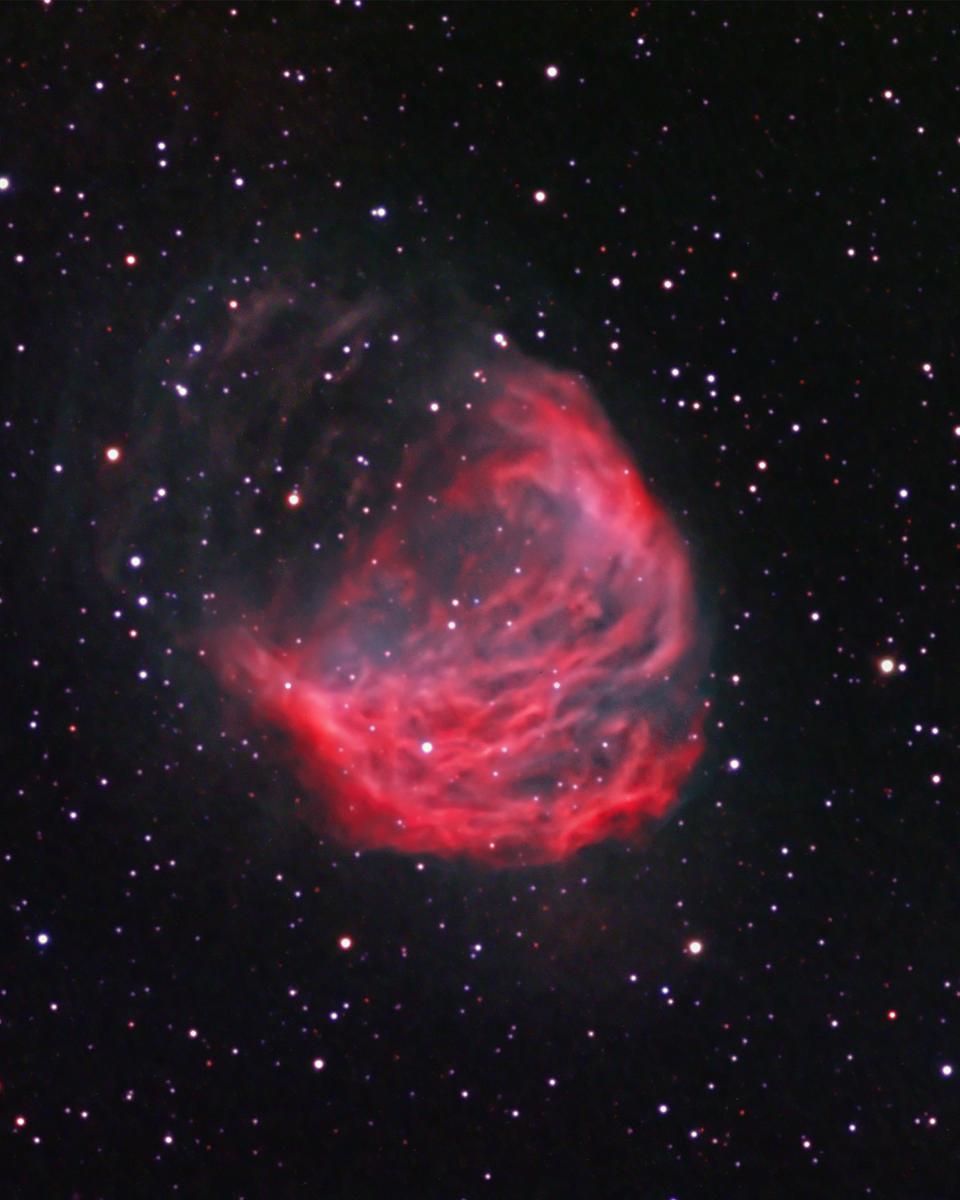
The Medusa Nebula
Braided, serpentine filaments of glowing gas suggest this nebula's popular name, The Medusa Nebula. Also known as Abell 21, this Medusa is an old planetary nebula some 1,500…
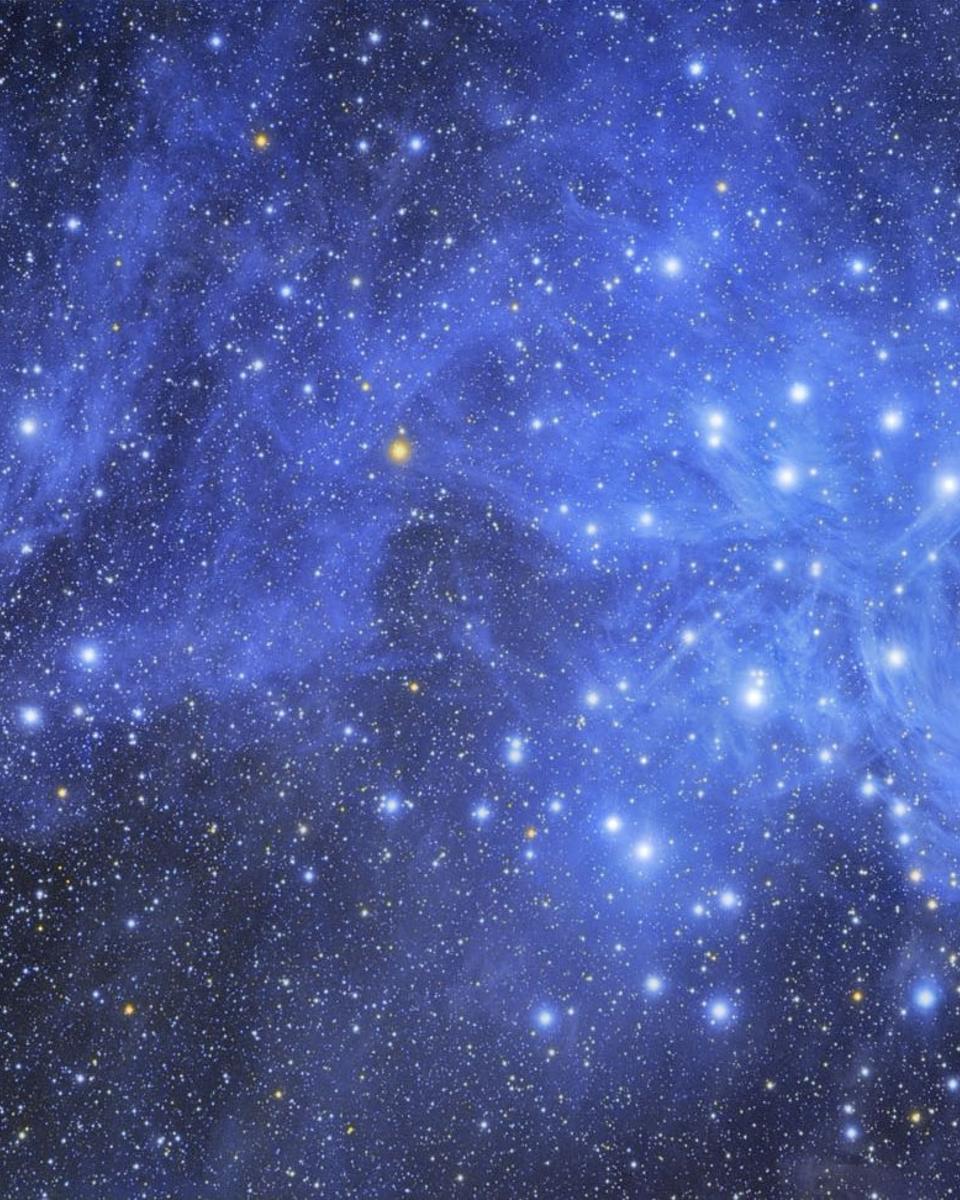
Pleiades and Stardust
Hurtling through a cosmic dust cloud a mere 400 light-years away, the lovely Pleiades or Seven Sisters star cluster is well-known for its striking blue reflection nebulae . This…
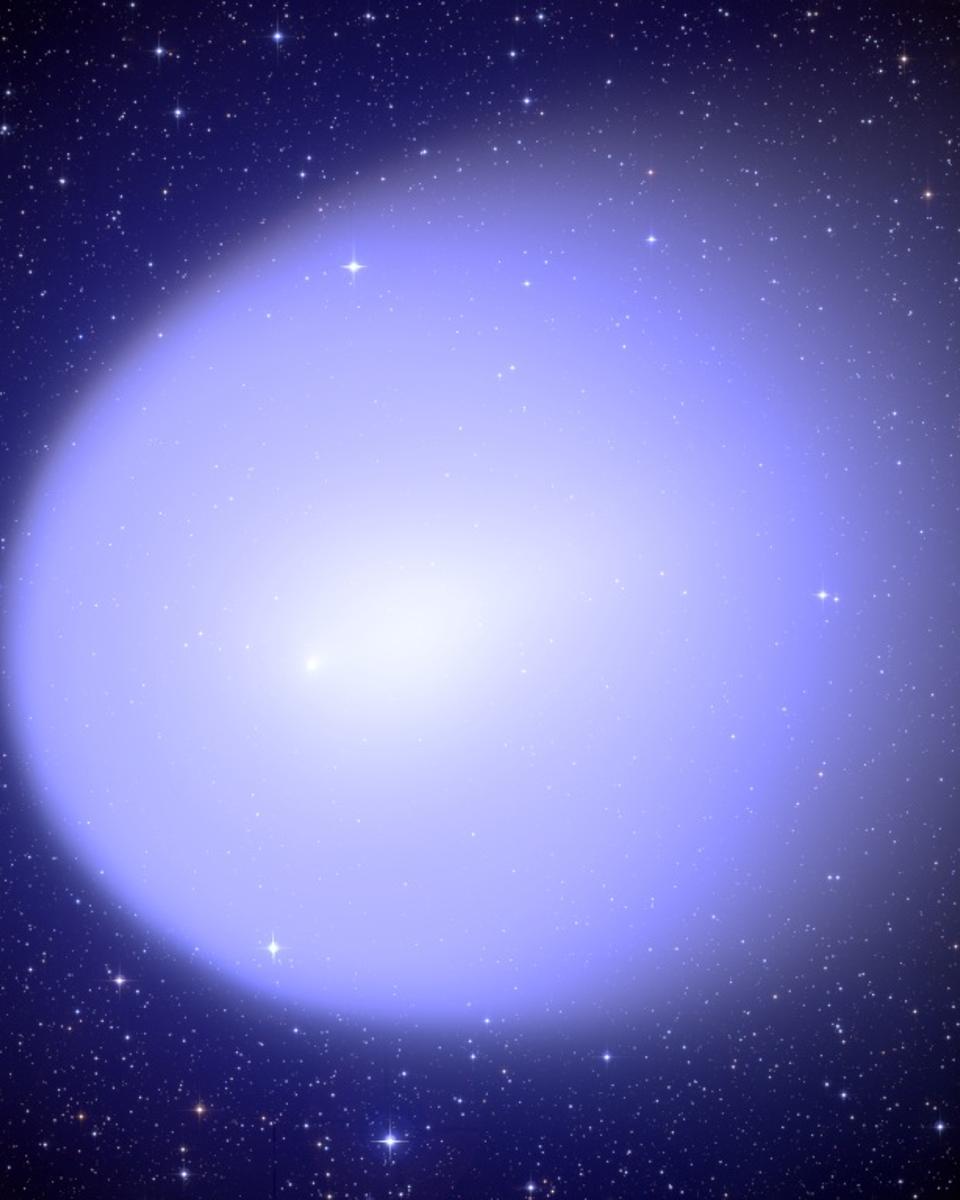
Expansive Comet Holmes
The spherical coma of Comet Holmes has swollen to a diameter of over 1.4 million kilometers, making the tenuous, dusty cloud even bigger than the Sun . Scattering sunlight, all…
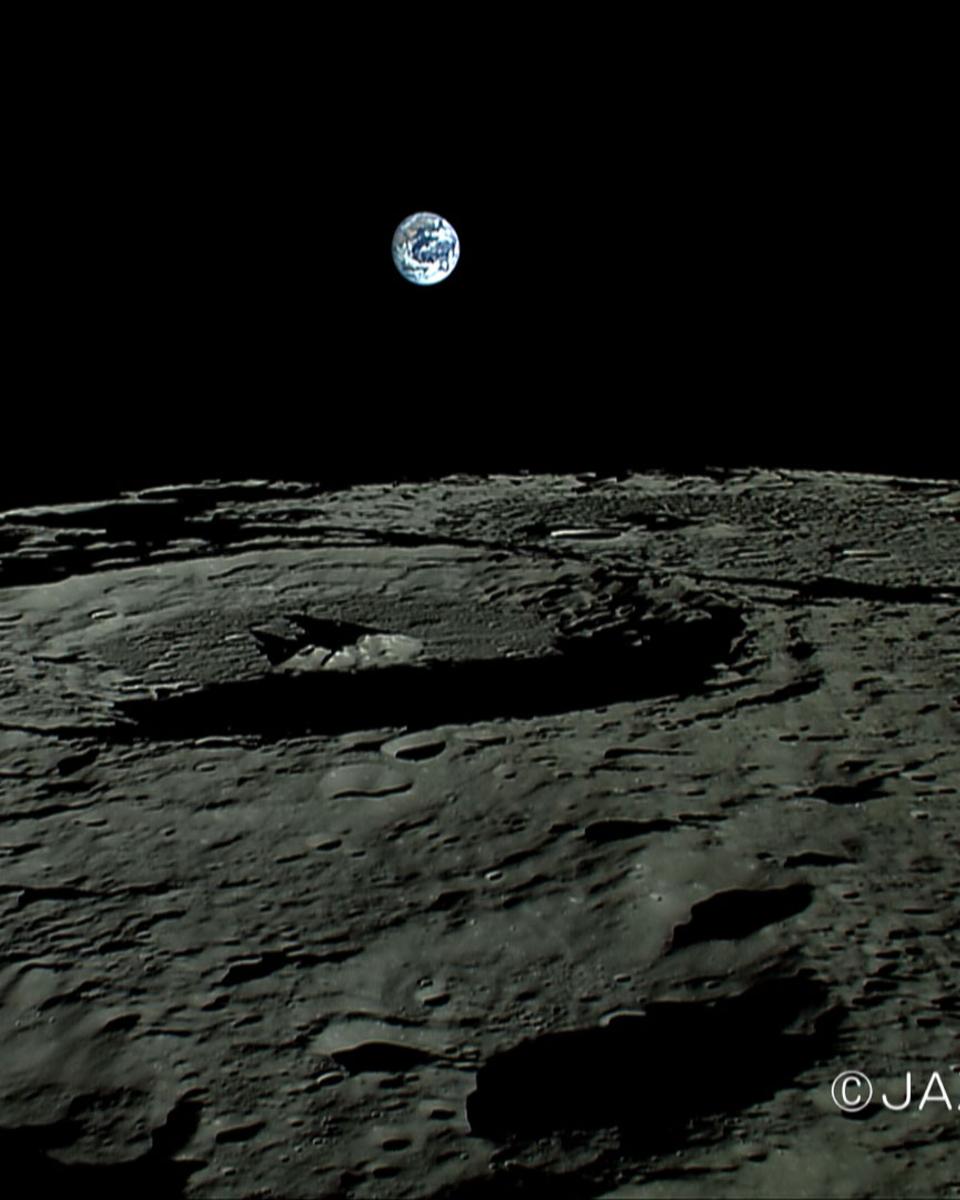
Earthrise from Moon-Orbiting Kaguya
What does the Earth look like from the Moon? A new version of this space age perspective was captured by the robotic Kaguya spacecraft currently in orbit around Earth's Moon.…
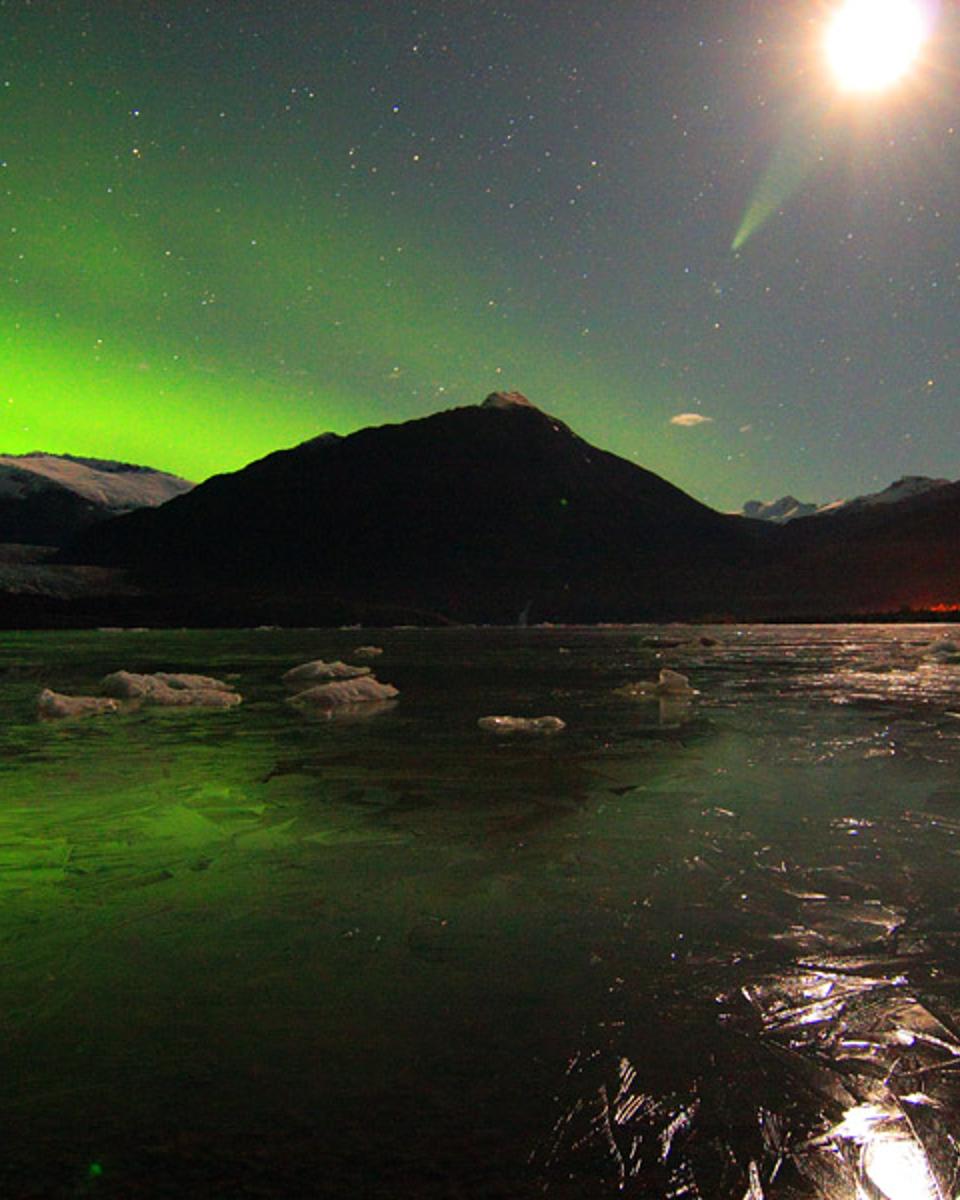
Aurora in the Distance
Some auroras can only be seen with a camera. They are called sub-visual and are too faint to be seen with the unaided eye. The reason is that the human eye only accumulates light…
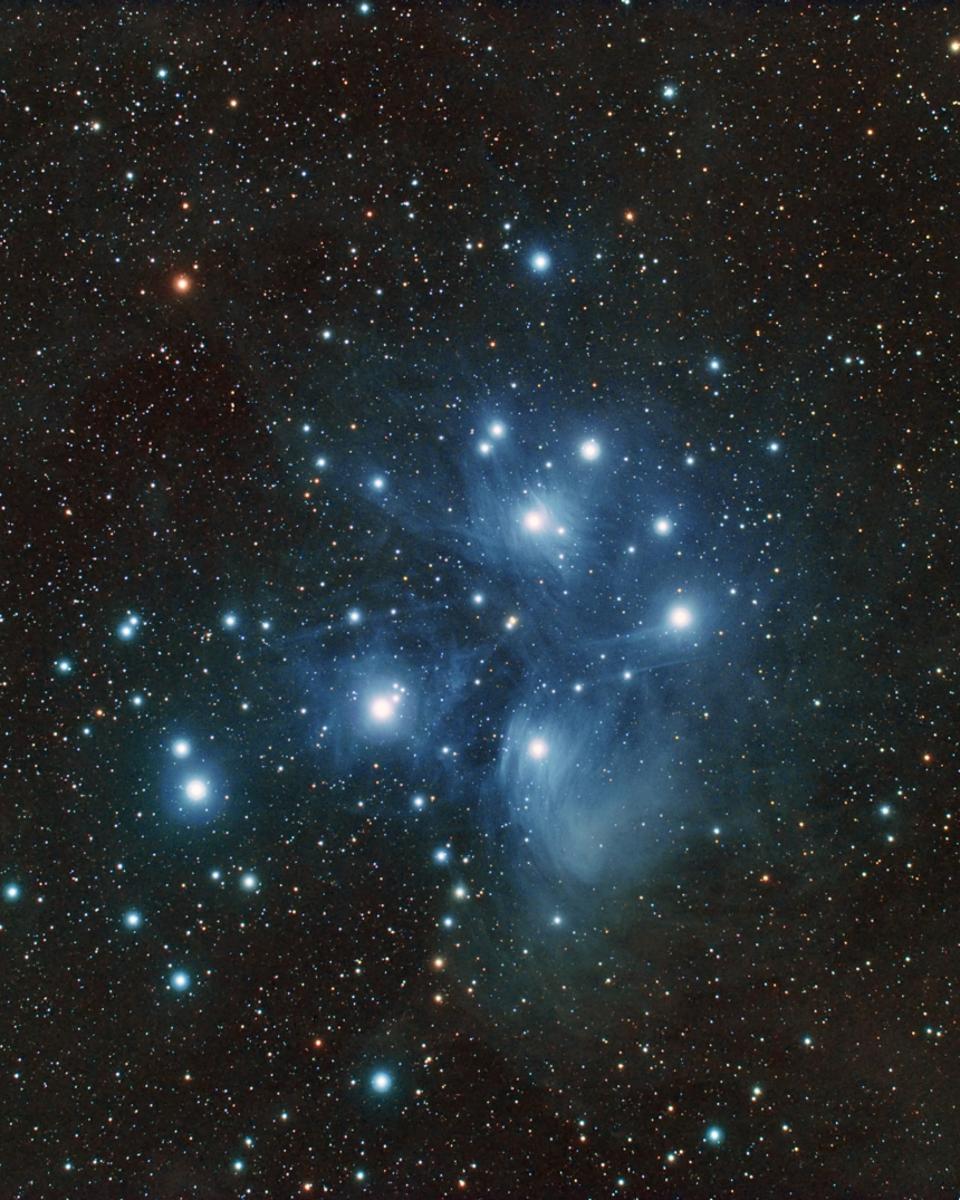
M45: The Pleiades Star Cluster
Perhaps the most famous star cluster on the sky, the Pleiades can be seen without binoculars from even the depths of a light-polluted city . Also known as the Seven Sisters and…
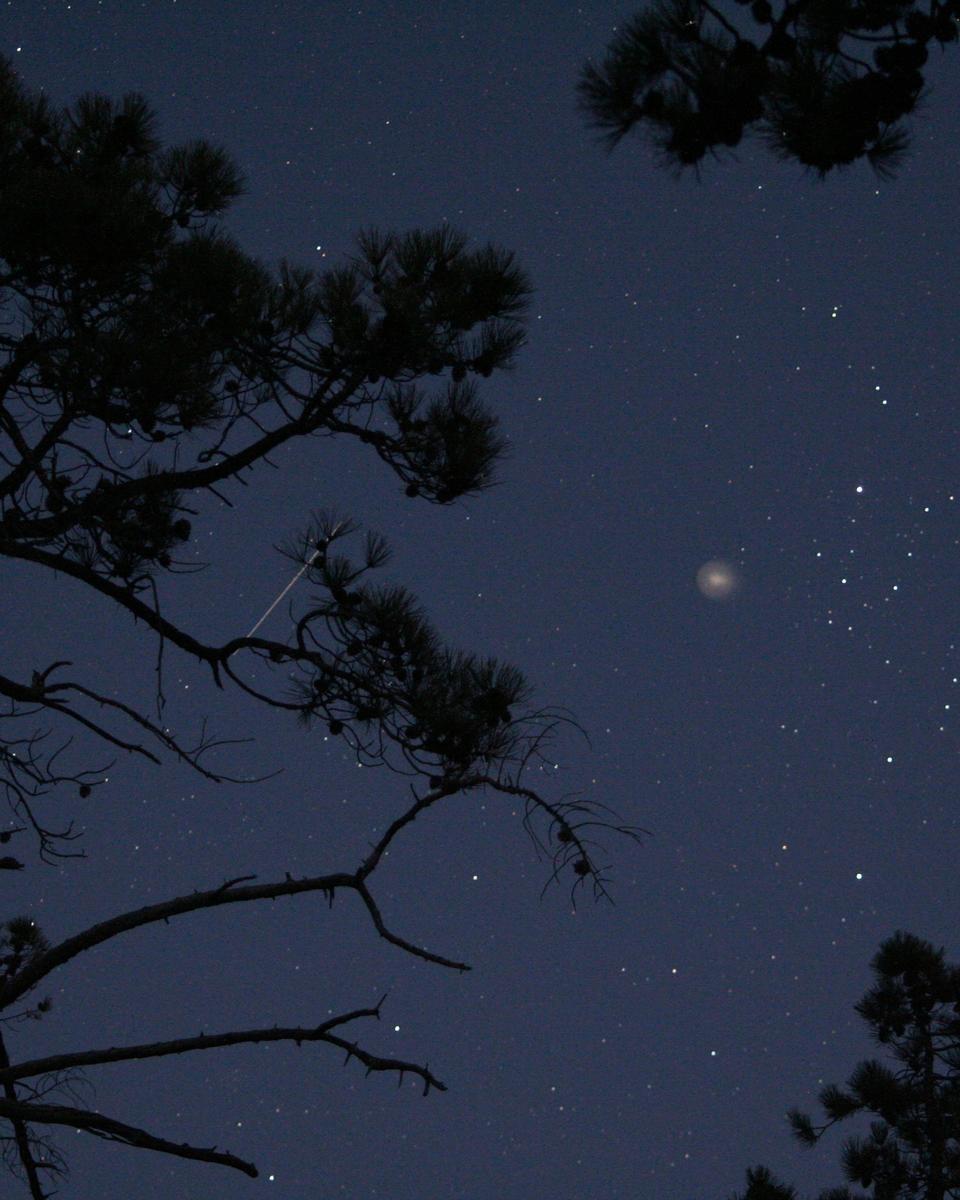
Forest and Sky
With pine trees in dim silhouette, this skyscape from Breil-sur-Roya in southern France was captured on November 11. In the early evening scene, a satellite seems to streak…
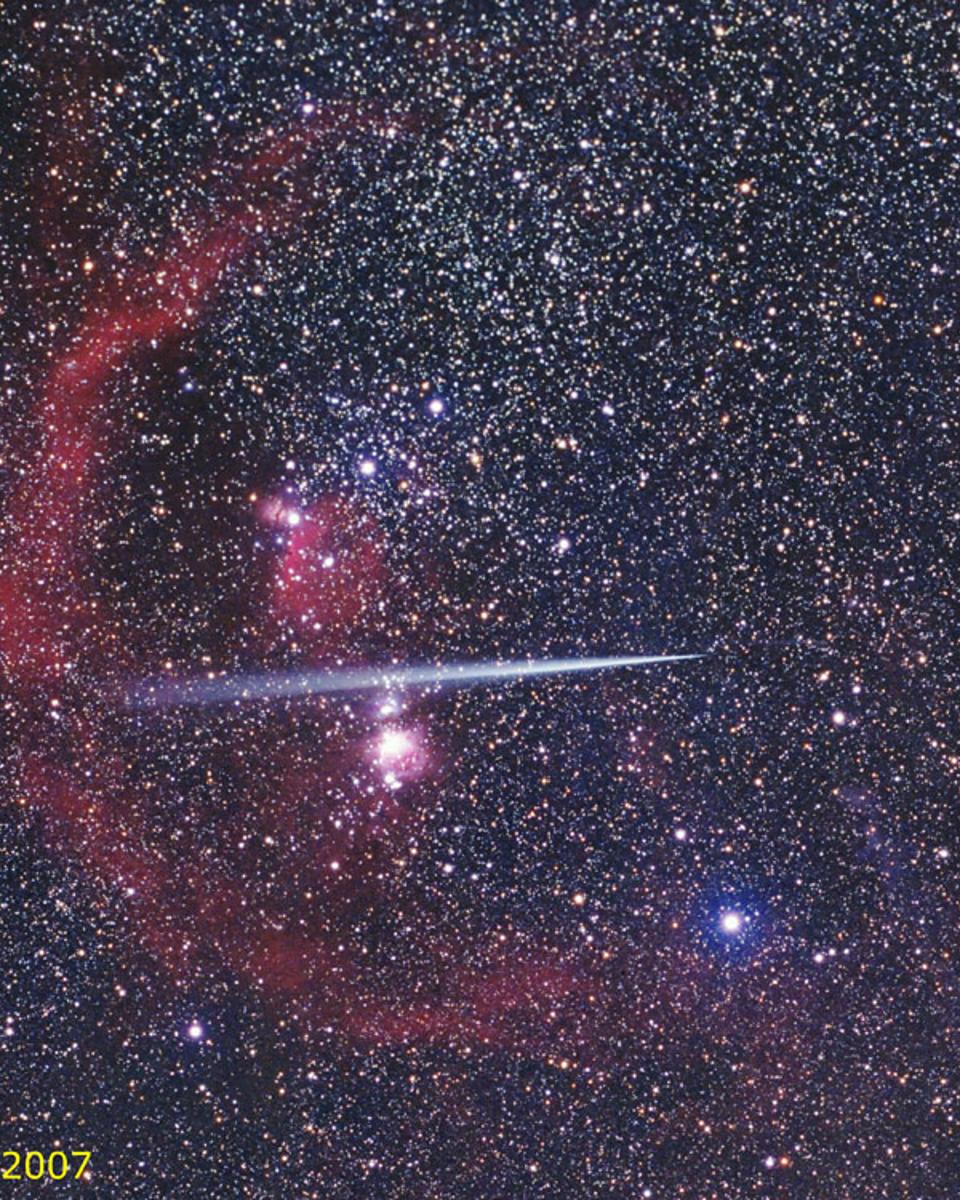
Rocket Fuel
This gorgeous image of Orion shows off the constellation's young stars and cosmic clouds of hydrogen gas and dust. Made with a film camera tracking the stars on November 11, the…
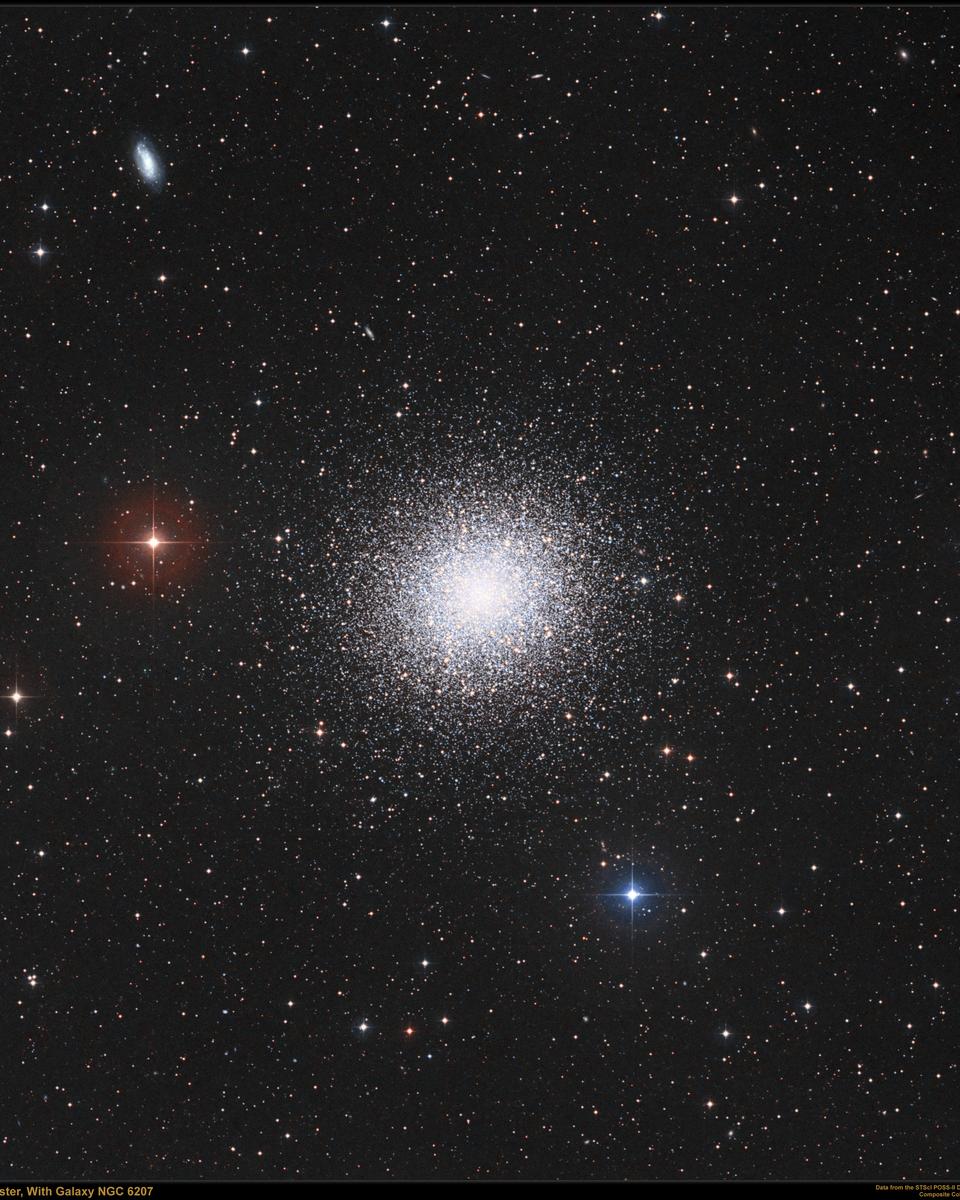
M13: The Great Globular Cluster in Hercules
M13 is modestly recognized as the Great Globular Cluster in Hercules . A system of stars numbering in the hundreds of thousands, it is one of the brightest globular star clusters…

Tunguska: The Largest Recent Impact Event
Yes, but can your meteor do this? The most powerful natural explosion in recent Earth history occurred on 1908 June 30 when a meteor exploded above the Tunguska River in Siberia ,…
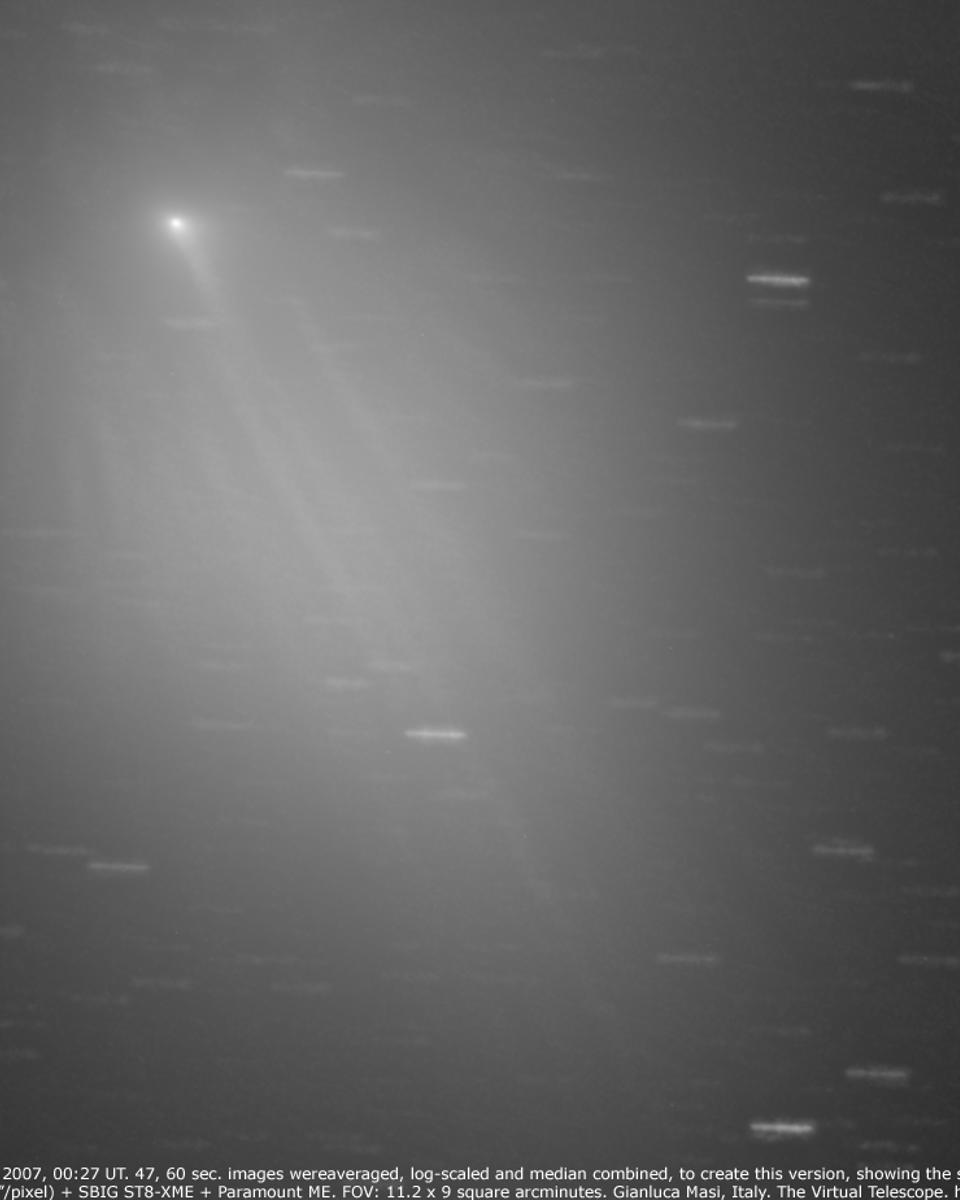
The Inner Coma of Comet Holmes
What's happening to Comet Holmes? The rare comet remains visible to the unaided eyes of northern observers as an unusual small puff ball in the constellation of Perseus . A high…

Cosmic Rays from Galactic Centers
Where do cosmic rays come from? A major step toward answering this century old question may have just come in from the Auger Observatory project, the world's premier cosmic ray…
Viewing discoveries from 5 December 2007 through 12 November 2007.