Browse NASA Astronomy Picture of the Day archive by date and media: Archive Discoveries
Browse the NASA APOD archive without needing the exact date first. Filter by media type and keep moving deeper into older images and videos.
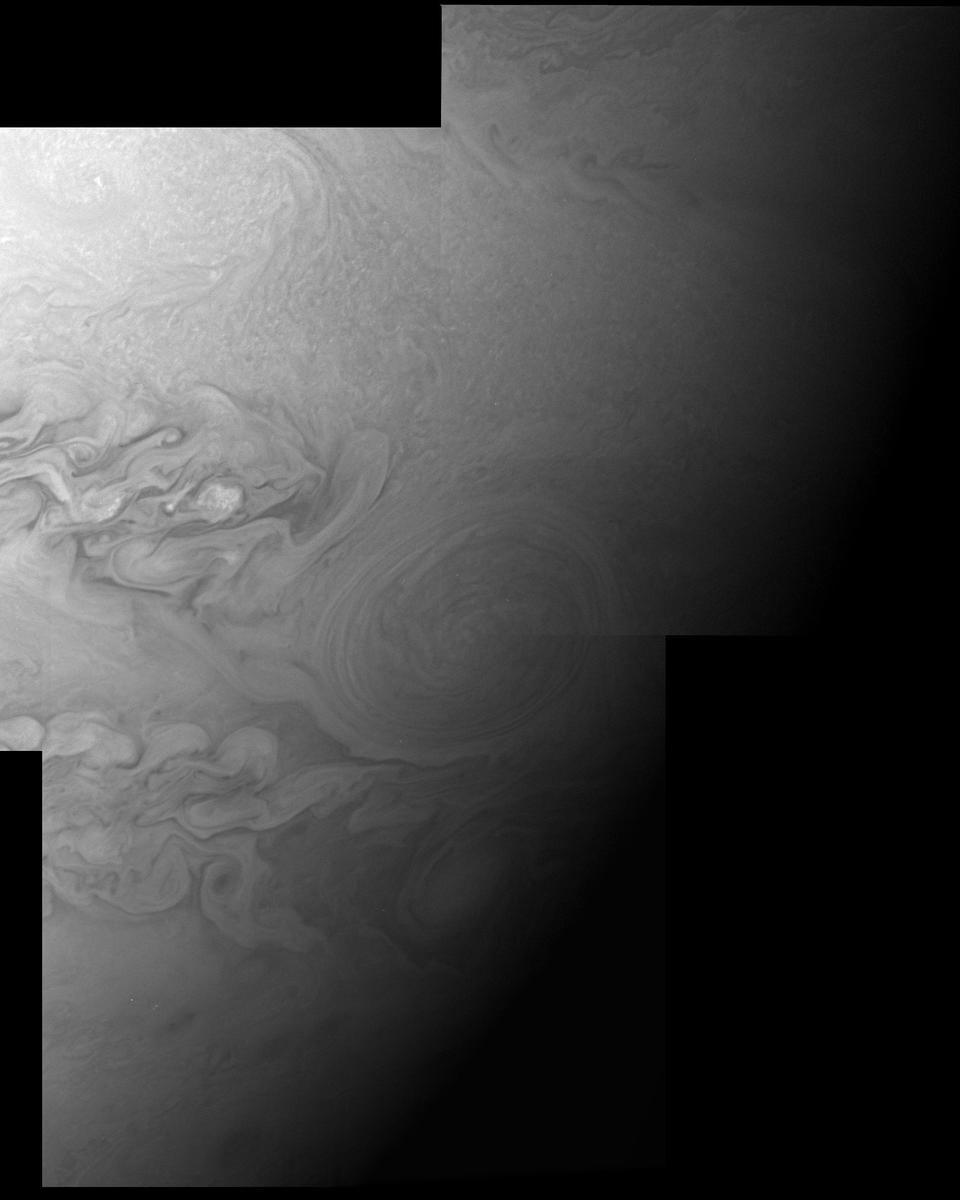
New Horizons Spacecraft Passes Jupiter
A new spacecraft is headed for the outer Solar System. Named New Horizons , this robotic explorer passed Jupiter last week after being launched only in early 2006. New Horizons is…
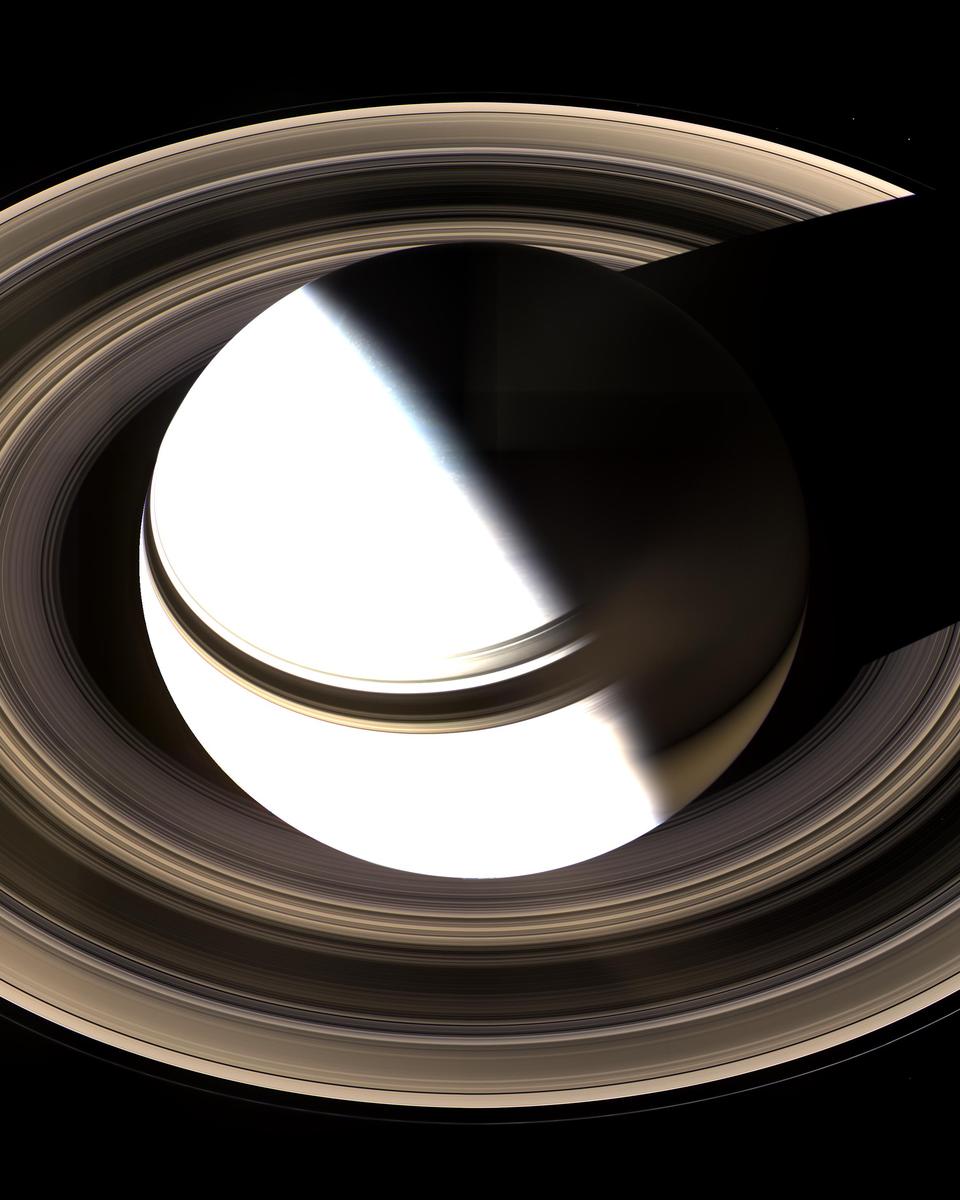
Saturn from Above
This image of Saturn could not have been taken from Earth. No Earth based picture could possibly view the night side of Saturn and the corresponding shadow cast across Saturn's…
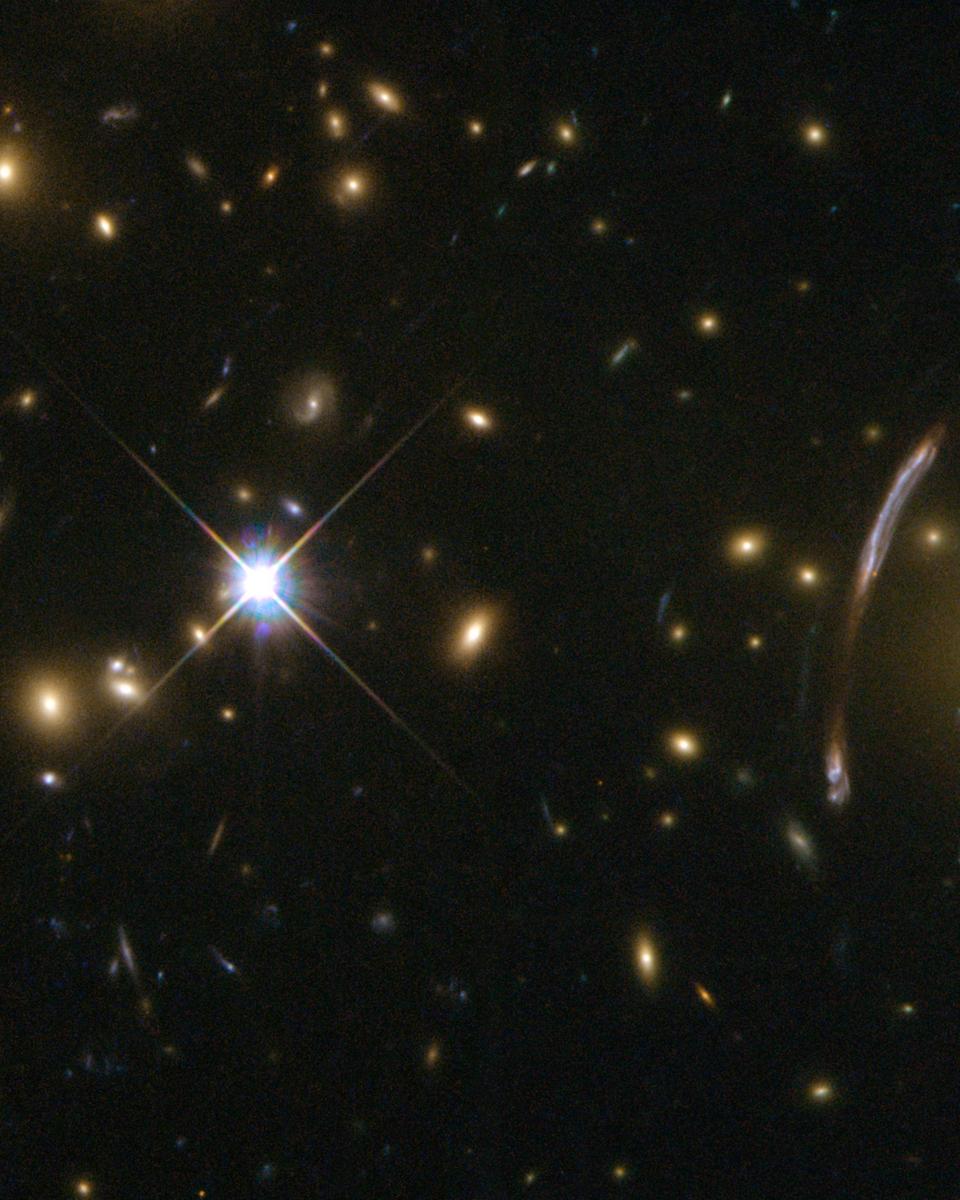
Illusion and Evolution in Galaxy Cluster Abell 2667
What's happening to the galaxies of cluster Abell 2667? On the upper left, a galaxy appears to be breaking up into small pieces, while on the far right, another galaxy appears to…
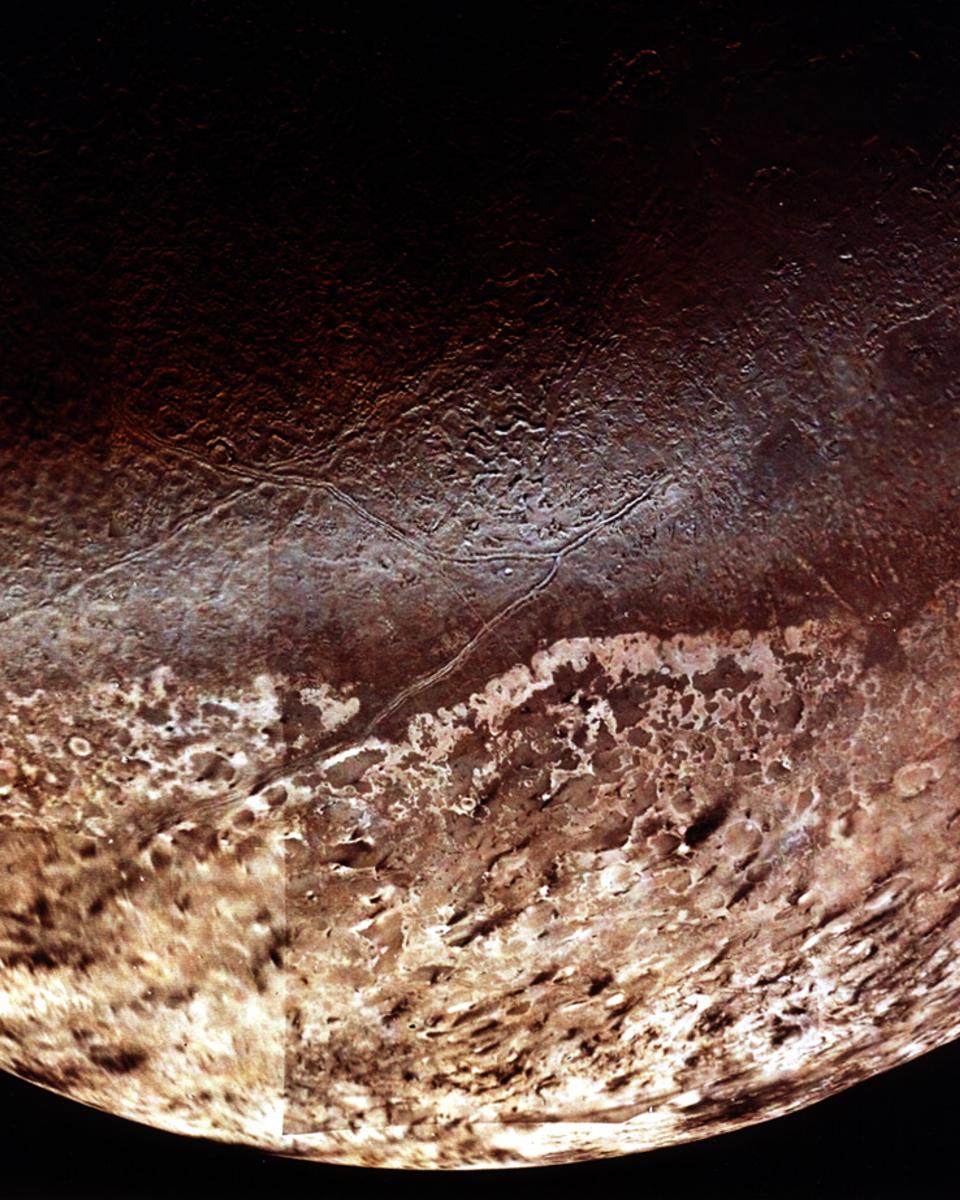
Triton: Neptune's Largest Moon
In October of 1846, William Lassell was observing the newly discovered planet Neptune . He was attempting to confirm his observation, made just the previous week, that Neptune had…
Preview unavailable
Open the archive entry to view the source media.
Lunar Transit from STEREO
A million miles from planet Earth, last weekend the STEREO B spacecraft found itself in the shadow of the Moon. So , looking toward the Sun, extreme ultraviolet cameras onboard…
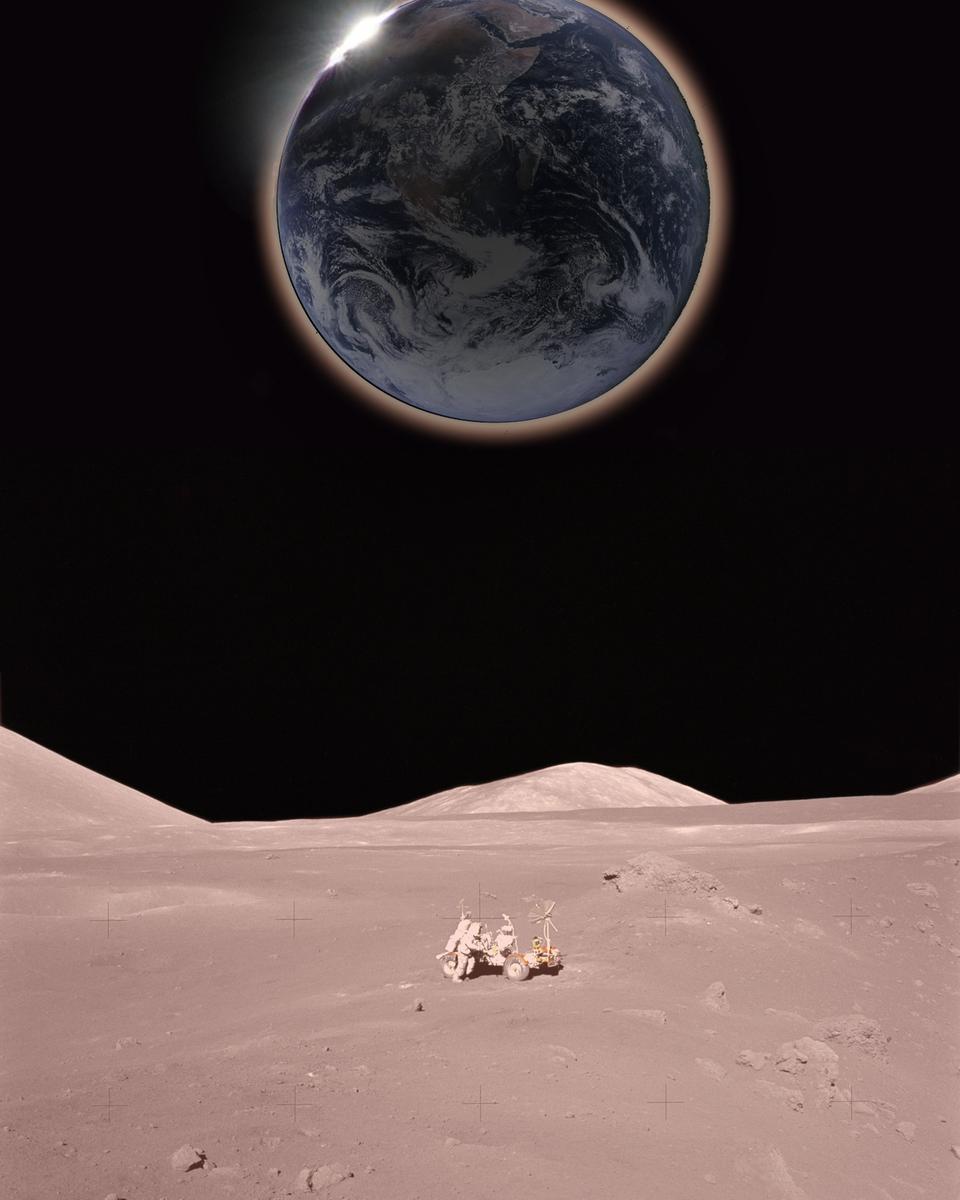
Solar Eclipse from the Moon
Parts of Saturday's (March 3) lunar eclipse will be widely visible. For example, skywatchers in Europe, Africa, and western Asia will be able to see the entire spectacle of the…
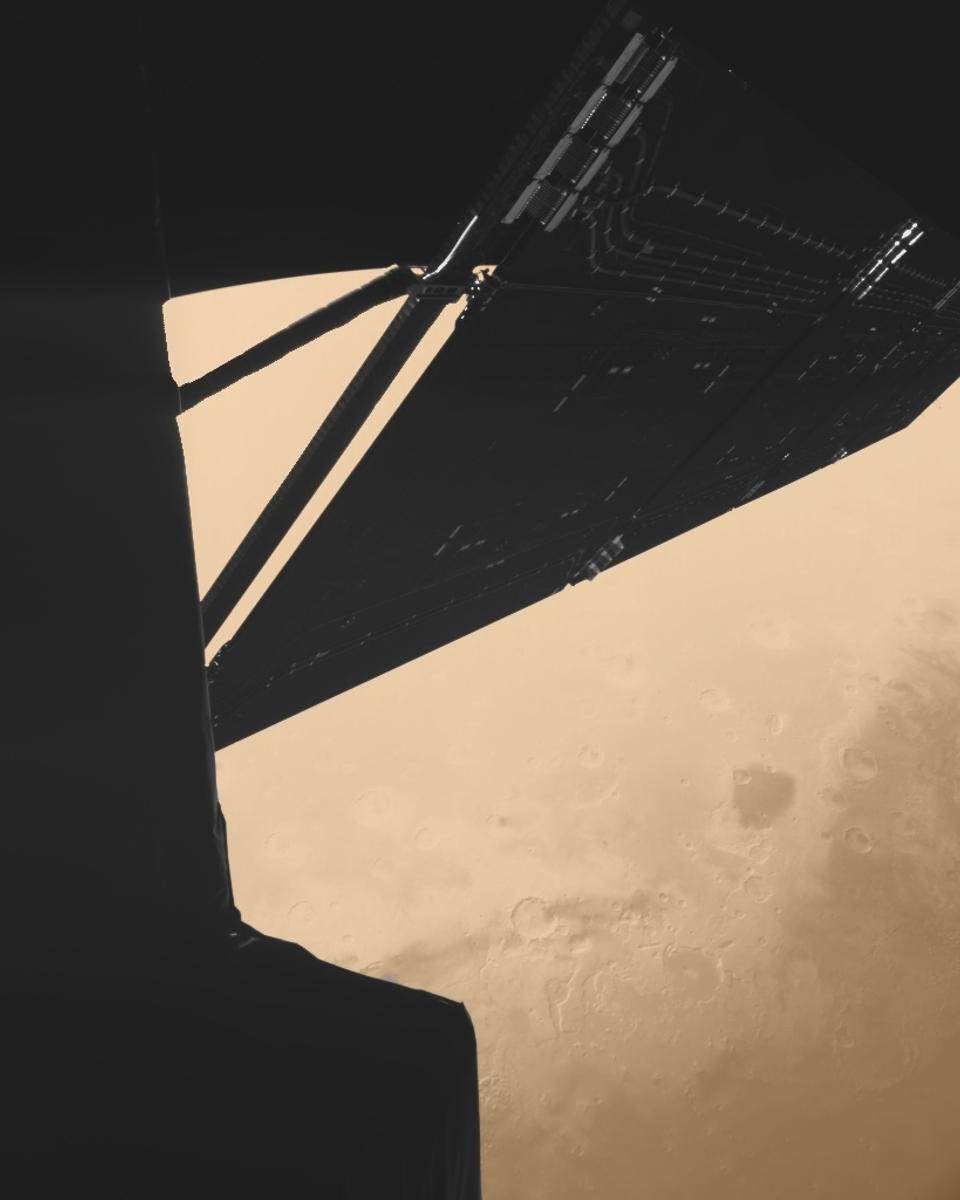
Rosetta Over Mars
Panels on ESA's Rosetta spacecraft appear in the foreground of this intriguing image of Mars recorded on February 25 at a range of about 1,000 kilometers. Launched in March 2004,…
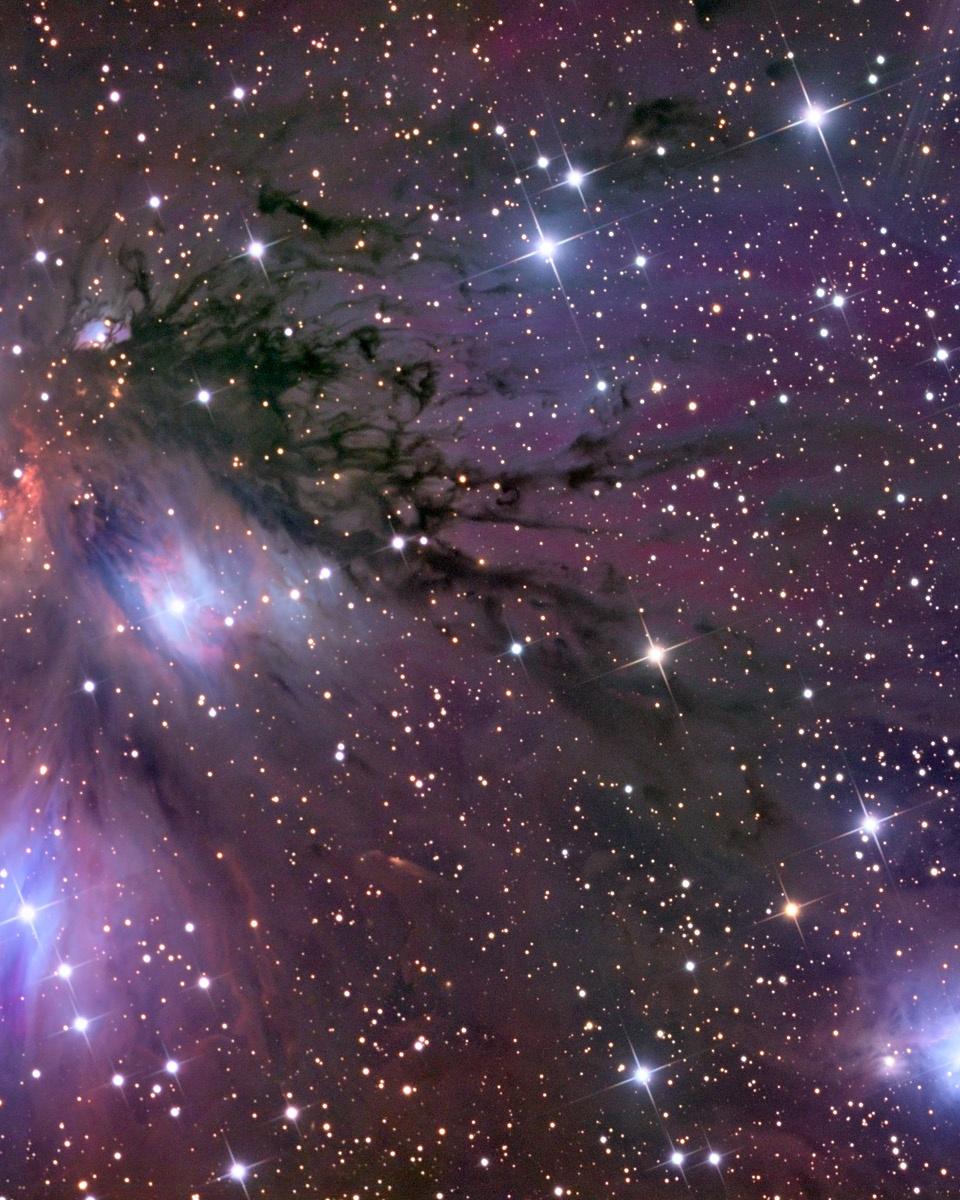
Stars, Dust and Nebula in NGC 2170
When stars form, pandemonium reigns. A textbook case is the star forming region NGC 2170 . Visible above are red glowing emission nebulas of hydrogen , blue reflection nebulas of…
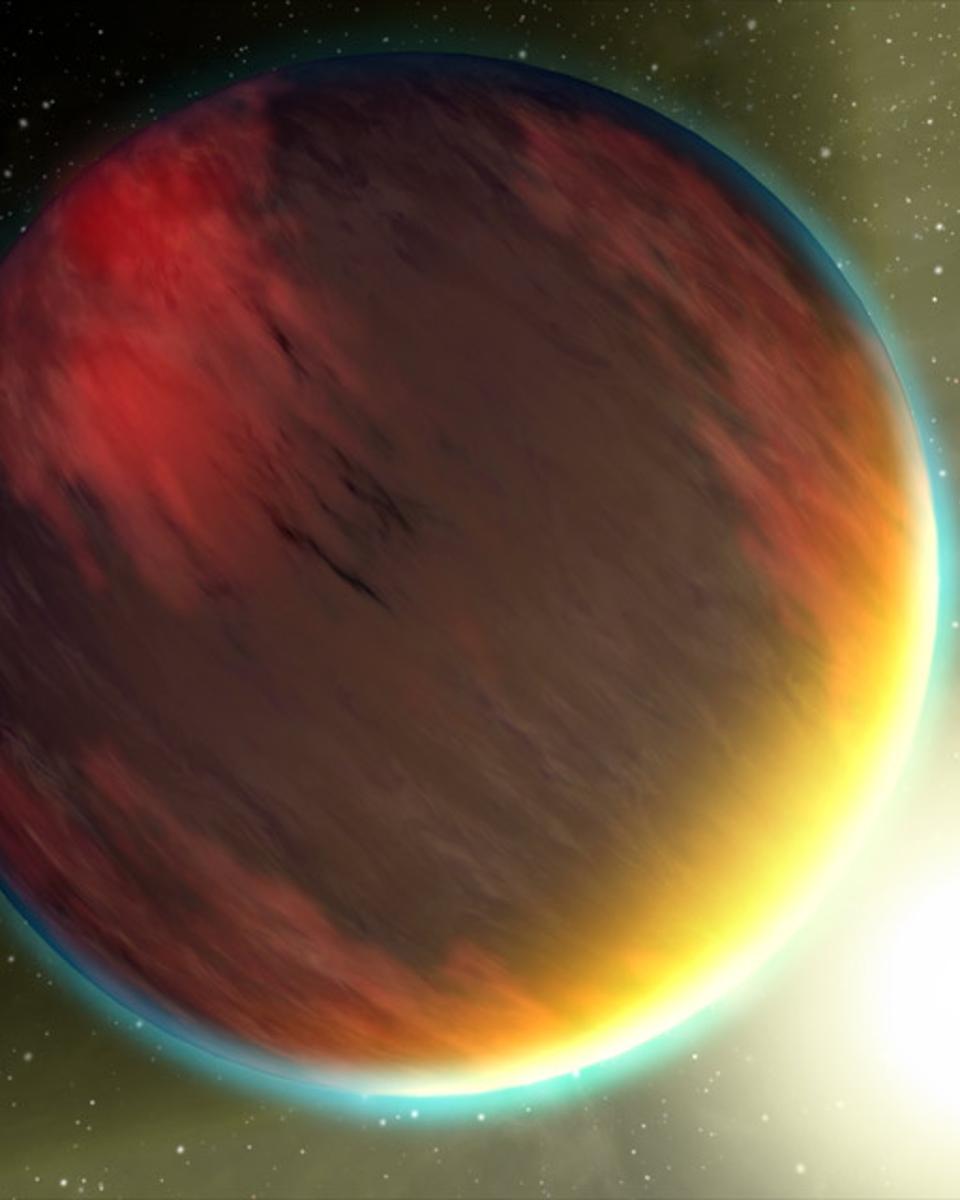
Atmospheres Detected for Two Extrasolar Planets
Do extrasolar planets have water? In an attempt to find out, the orbiting Spitzer Space Telescope made detailed observations of the atmospheres of two planets that orbit stars…
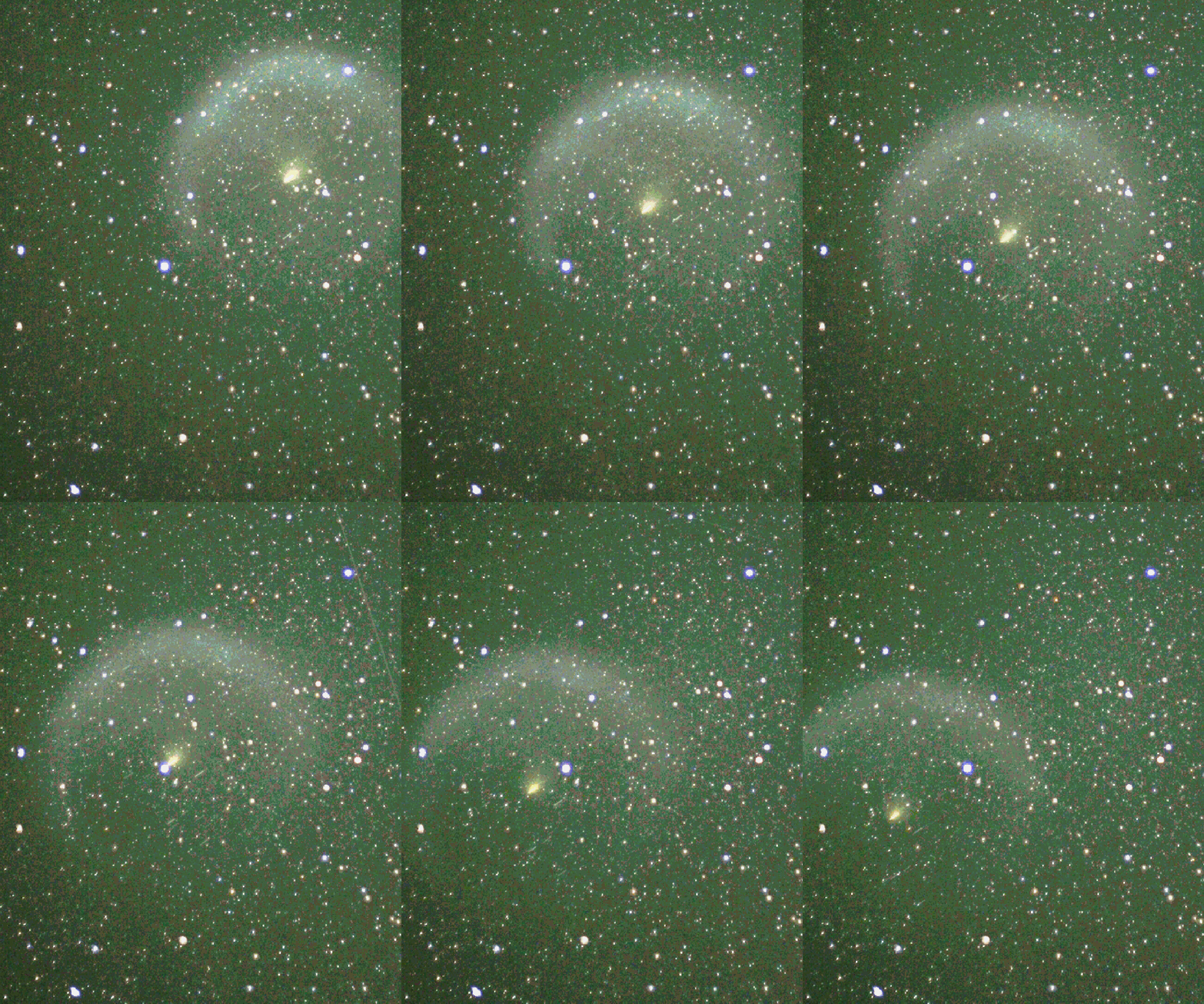
A Rocket Debris Cloud Drifts
What's that cloud drifting in space? It's not an astronomical nebula -- those appear to stay put. Atmospheric clouds don't look like this. The answer to last week's sky mystery…
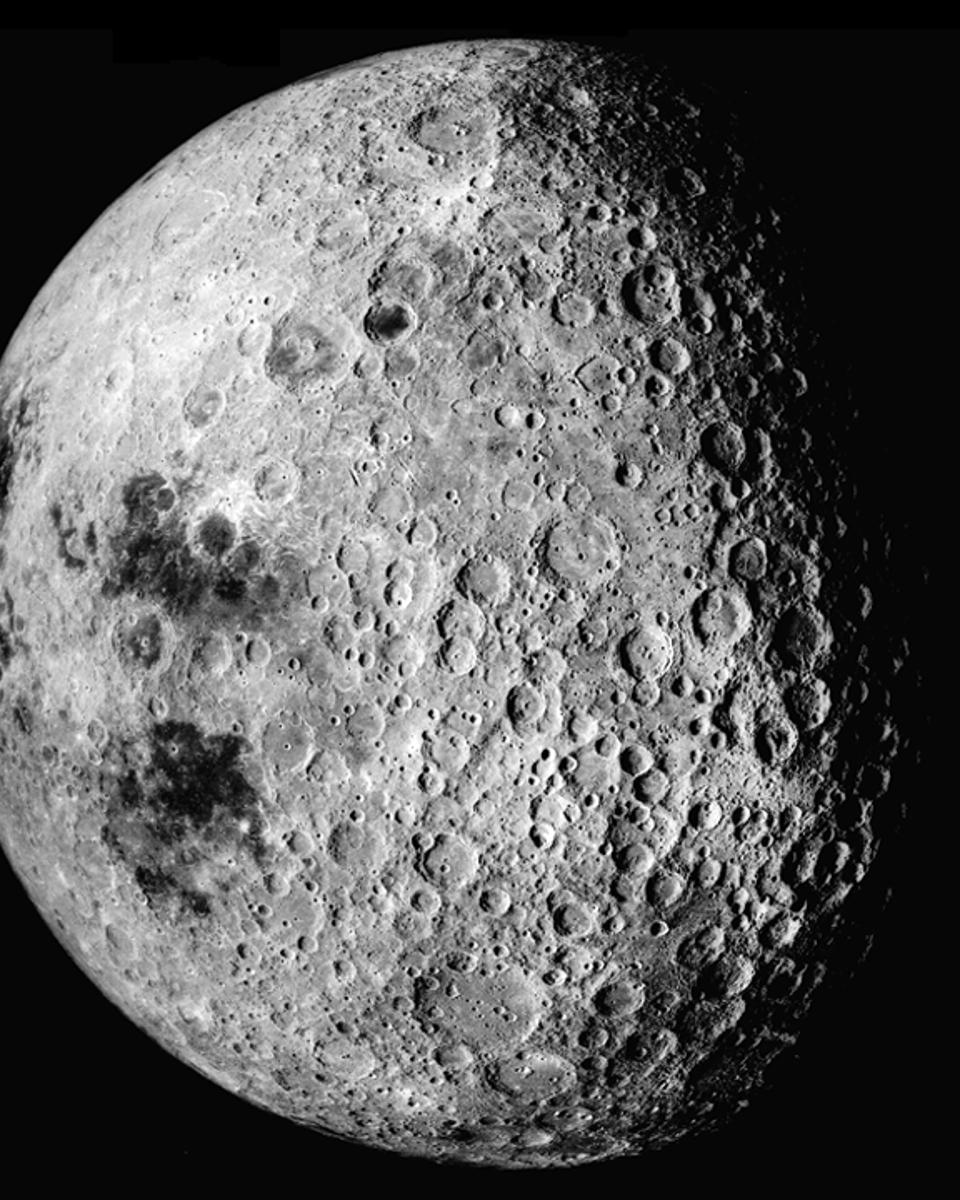
The Far Side of the Moon
Does this moon look familiar? Possibly not, even though it is Earth's Moon. Locked in synchronous rotation, the Moon always presents its well-known near side to Earth. But from…
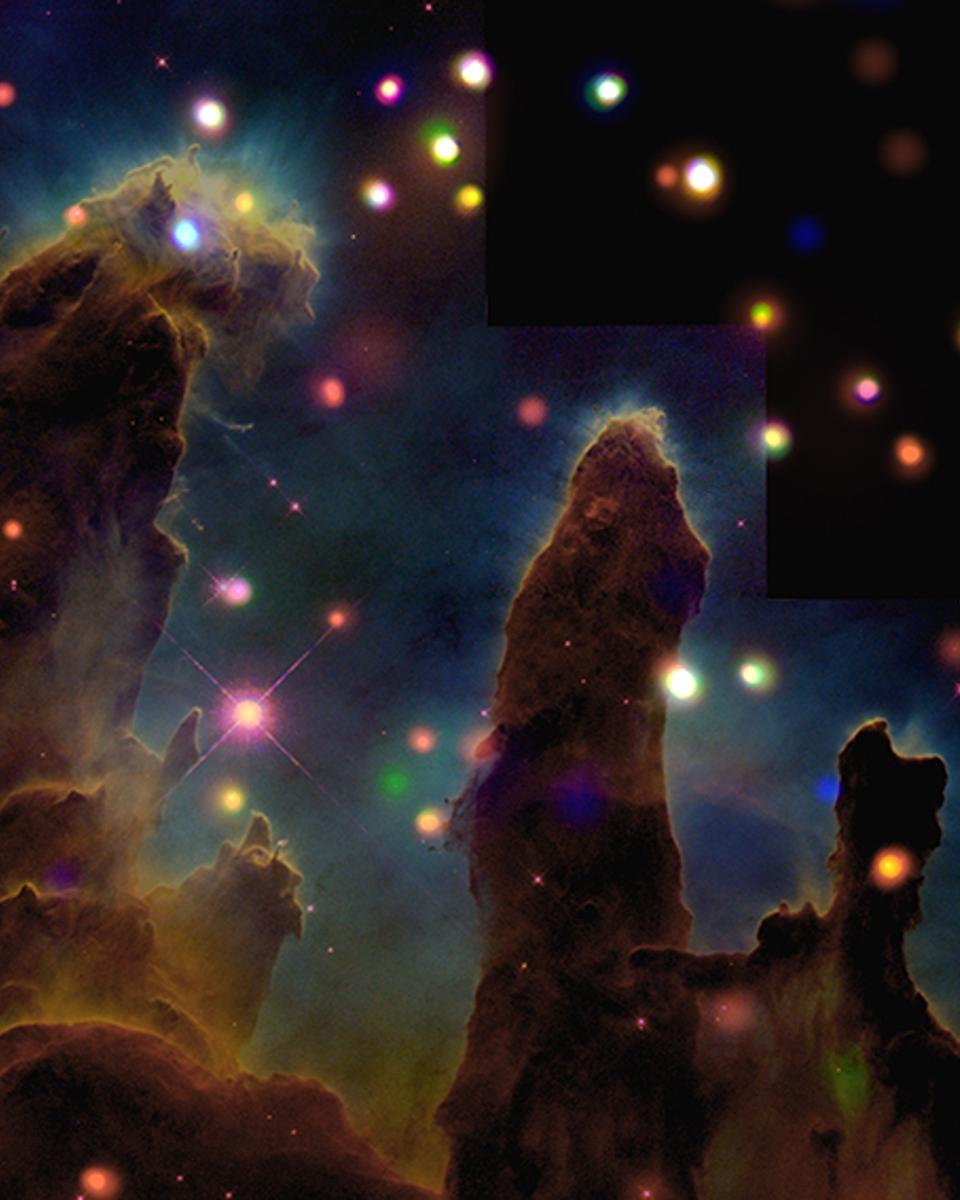
X-rays and the Eagle Nebula
The premier Chandra X-ray Observatory images of M16 , the Eagle Nebula, show many bright x-ray sources in the region. Most of the x-ray sources are energetic young stars. They are…
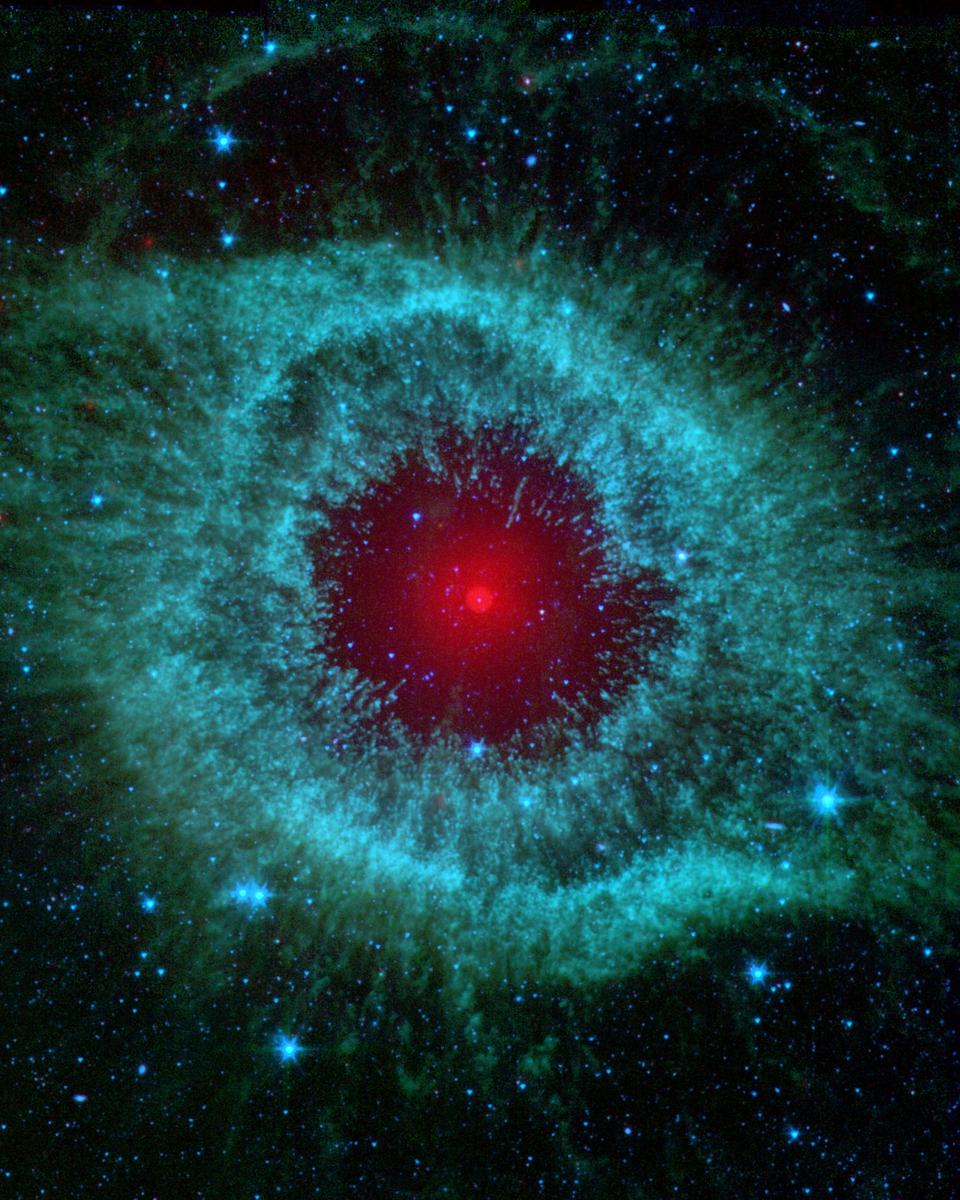
Dust and the Helix Nebula
Dust makes this cosmic eye look red. The eerie Spitzer Space Telescope image shows infrared radiation from the well-studied Helix Nebula (NGC 7293) a mere 700 light-years away in…
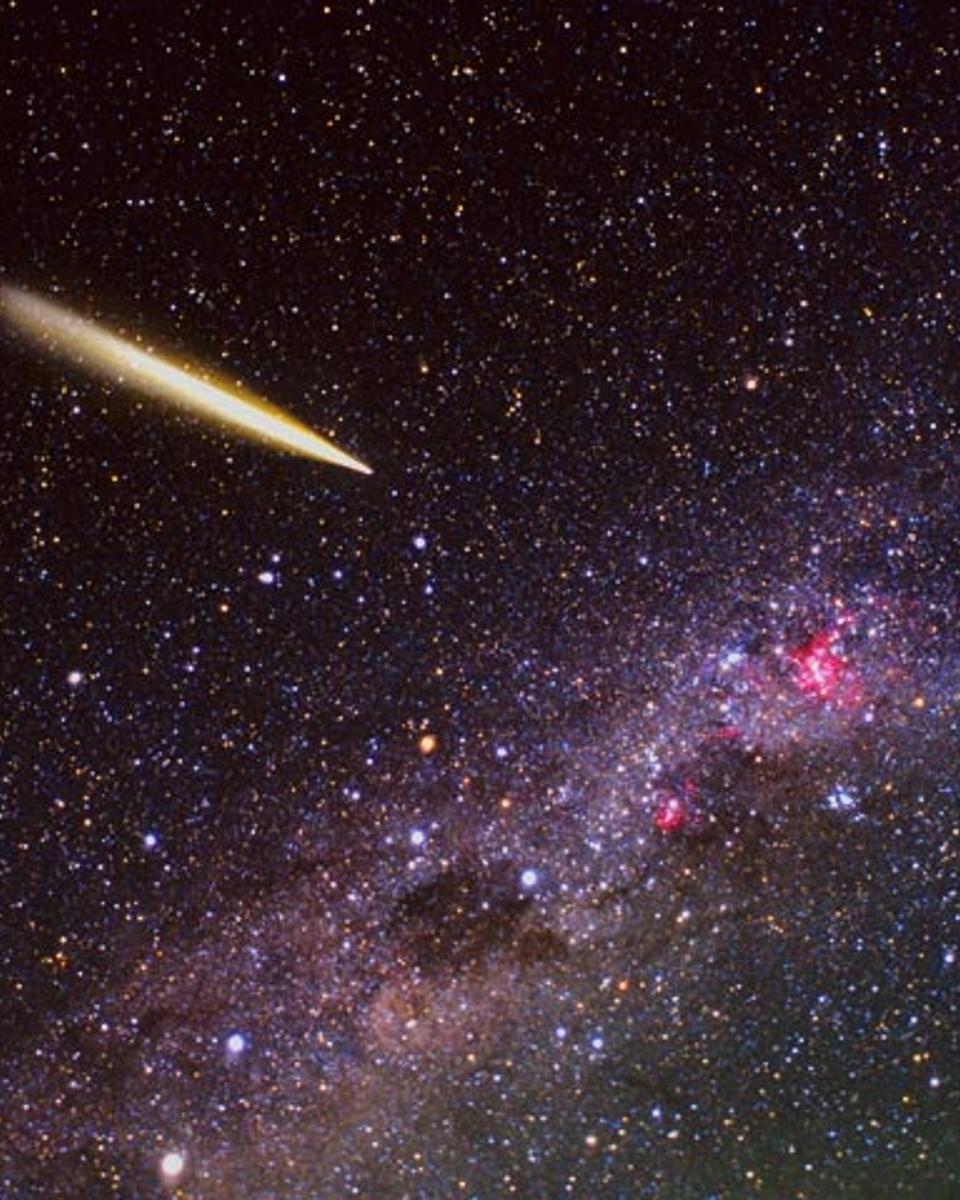
Mystery Over Australia
Place your cursor on this stunning view through dark skies over western Australia to highlight wonders of the southern Milky Way -- including the famous Southern Cross , the dark…
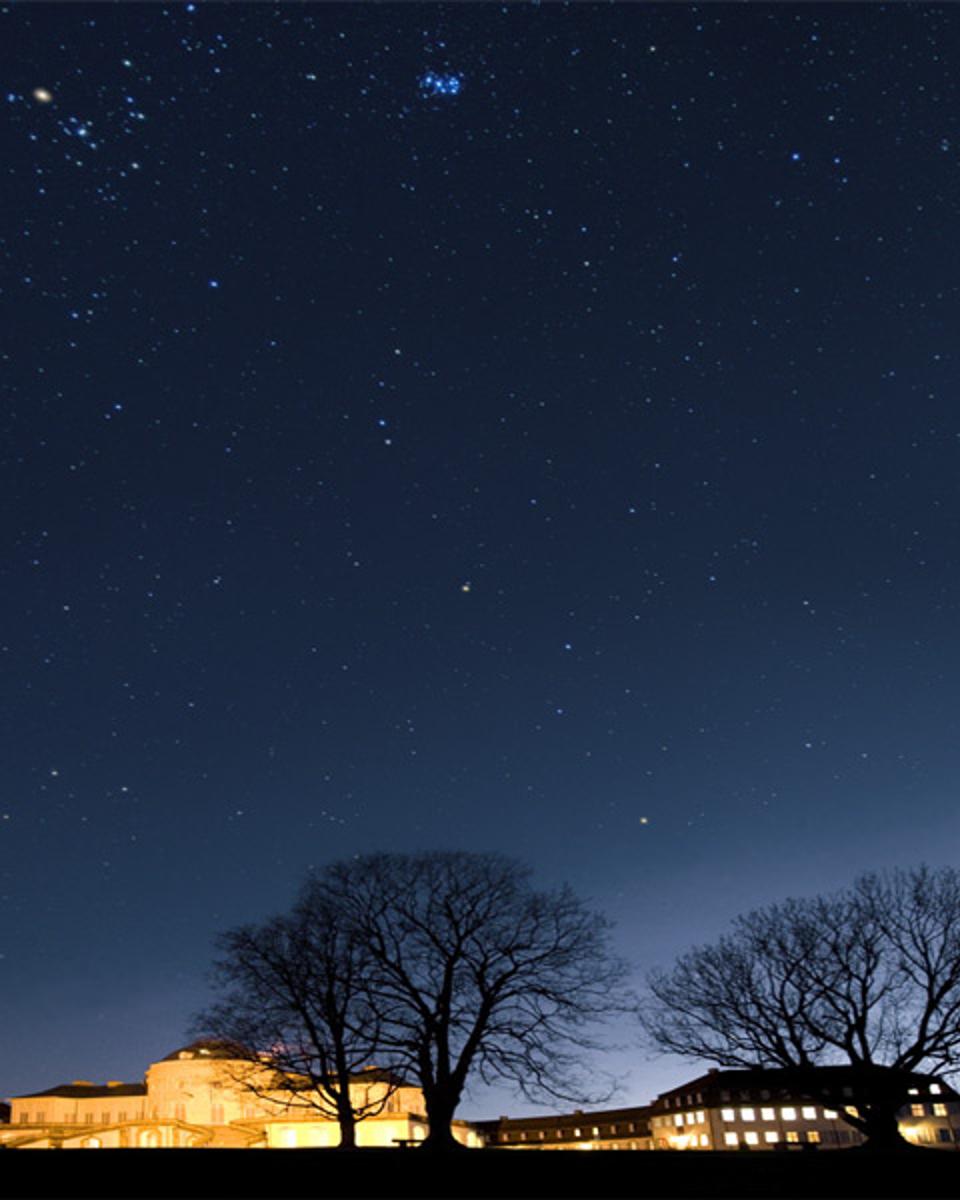
Mira Over Germany
What's that new star in the sky? The star might appear new, but it's actually just the variable star Mira near its brightest. Rolling your cursor over the above vertically…
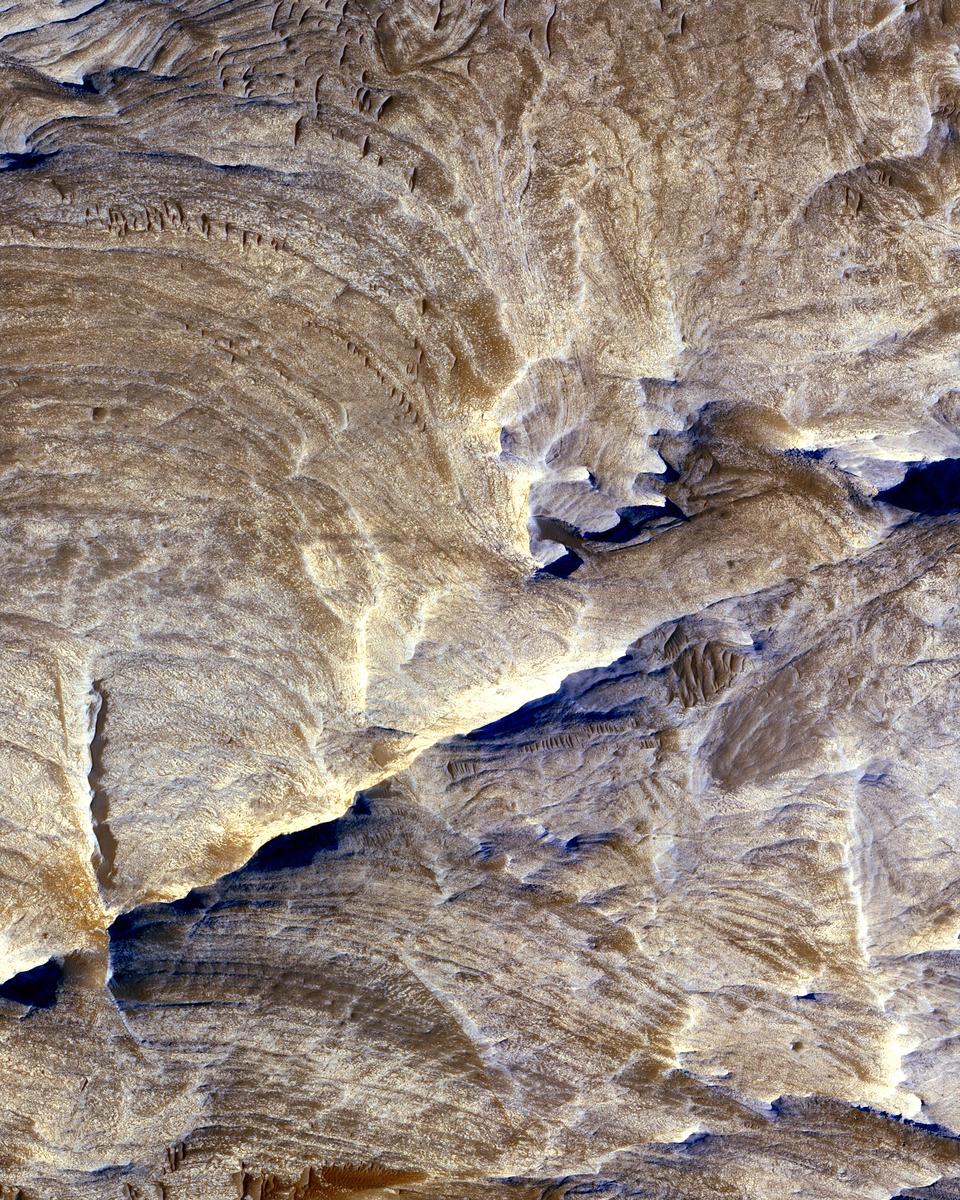
White Ridges on Mars
What created these white ridges on Mars? The images showing the white ridges, including some of the highest resolution images ever taken from Martian orbit, were recorded last…
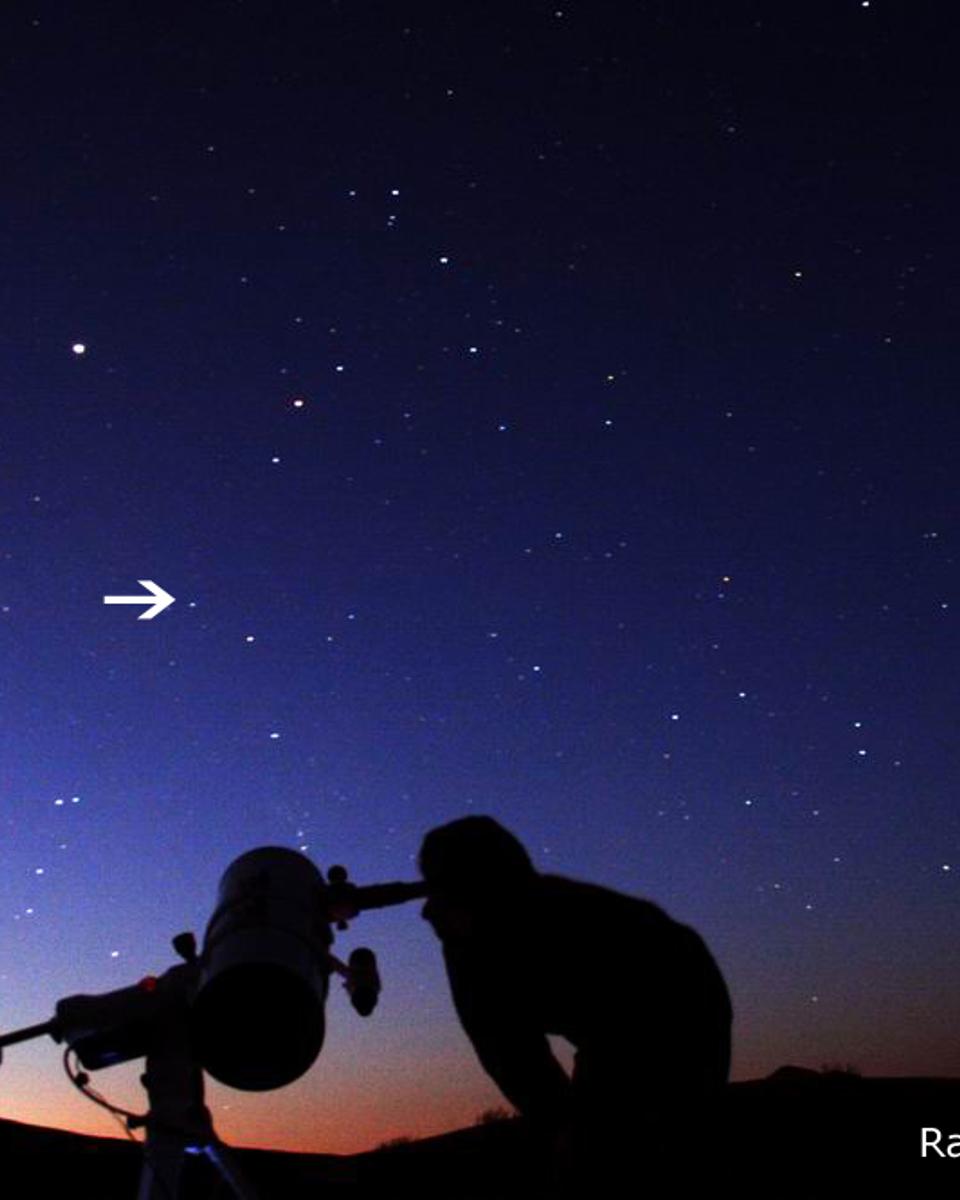
Nova Over Iran
A bright new nova is being studied by astronomers. The officially dubbed Nova Scorpii 2007 has become so bright in recent days that it is now visible to the unaided eye.…
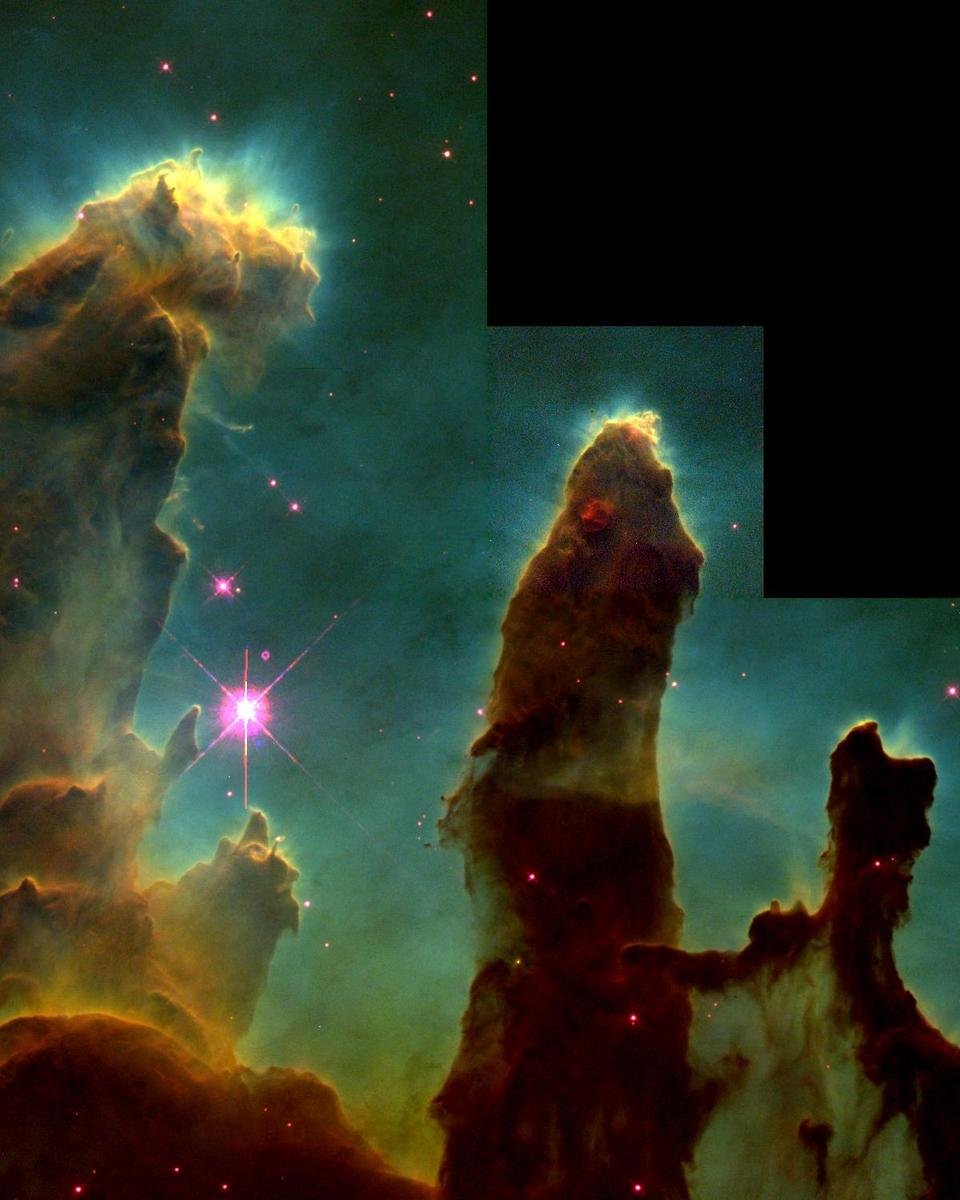
M16: Pillars of Creation
It has become one of the most famous images of modern times. This image , taken with the Hubble Space Telescope in 1995, shows evaporating gaseous globules (EGGs) emerging from…
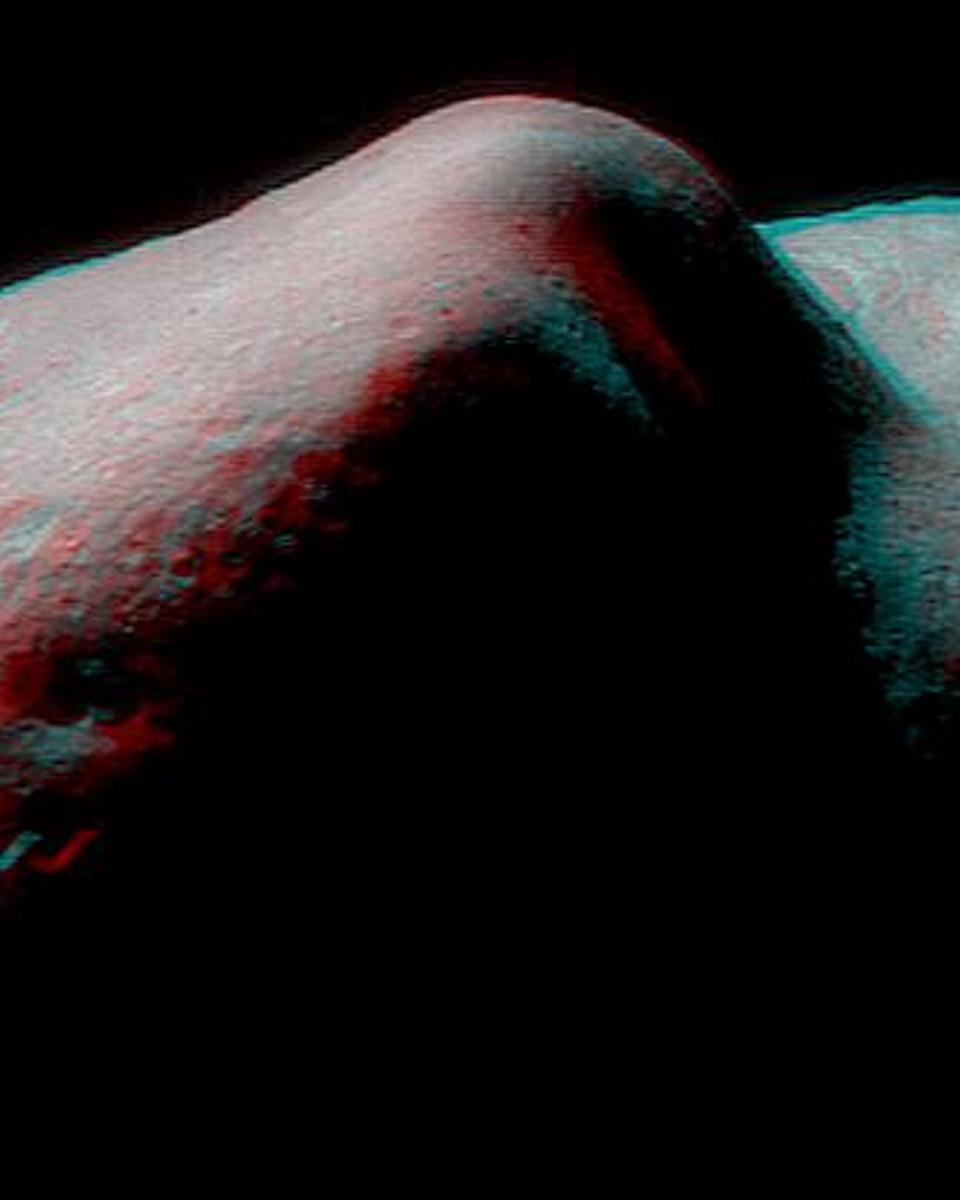
Stereo Eros
Get out your red/blue glasses and float next to asteroid 433 Eros , now over 220 million kilometers away! Orbiting the Sun once every 1.8 earth-years, asteroid Eros is a…
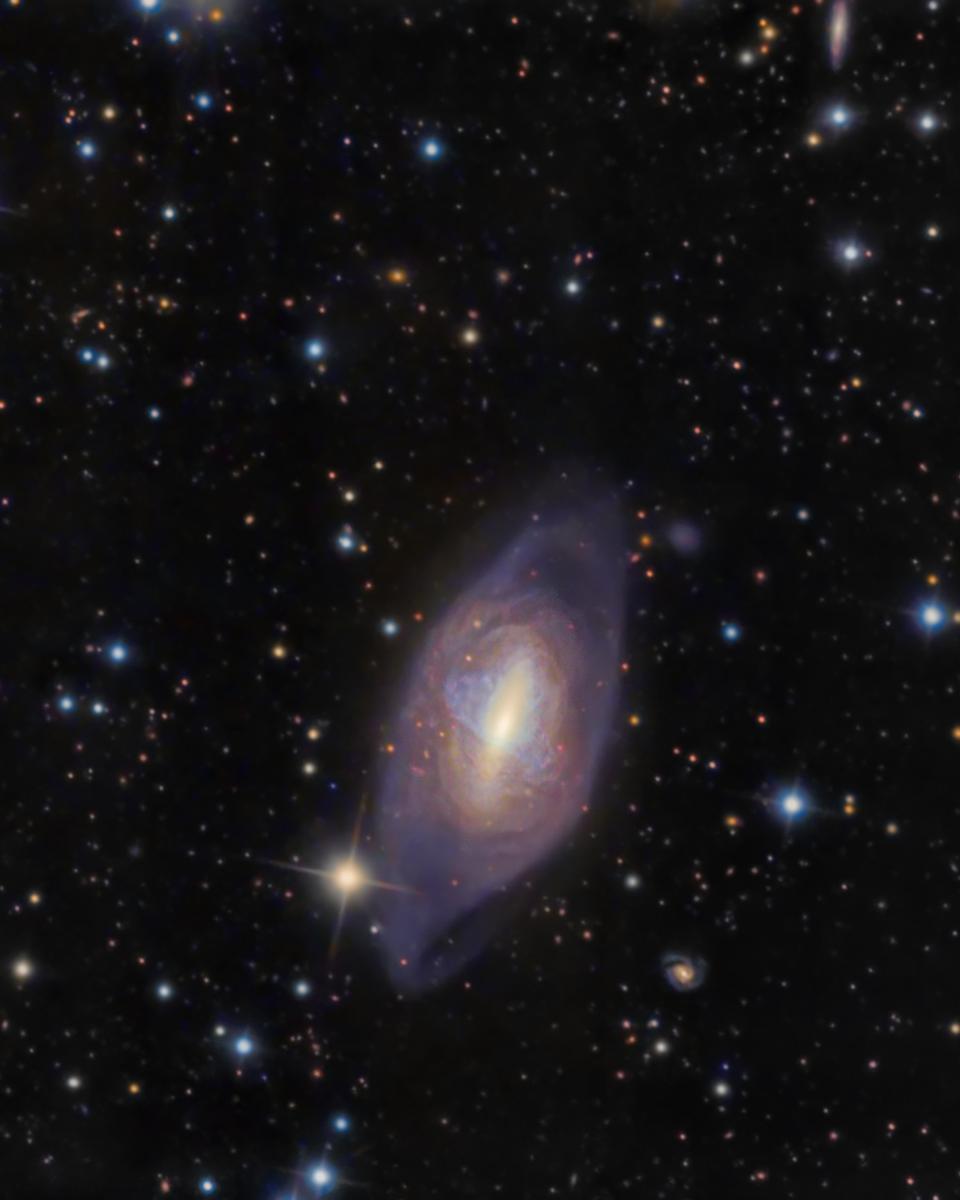
Polar Ring Galaxy NGC 2685
NGC 2685 is a confirmed polar ring galaxy - a rare type of galaxy with stars, gas and dust orbiting in rings perpendicular to the plane of a flat galactic disk. The bizarre…
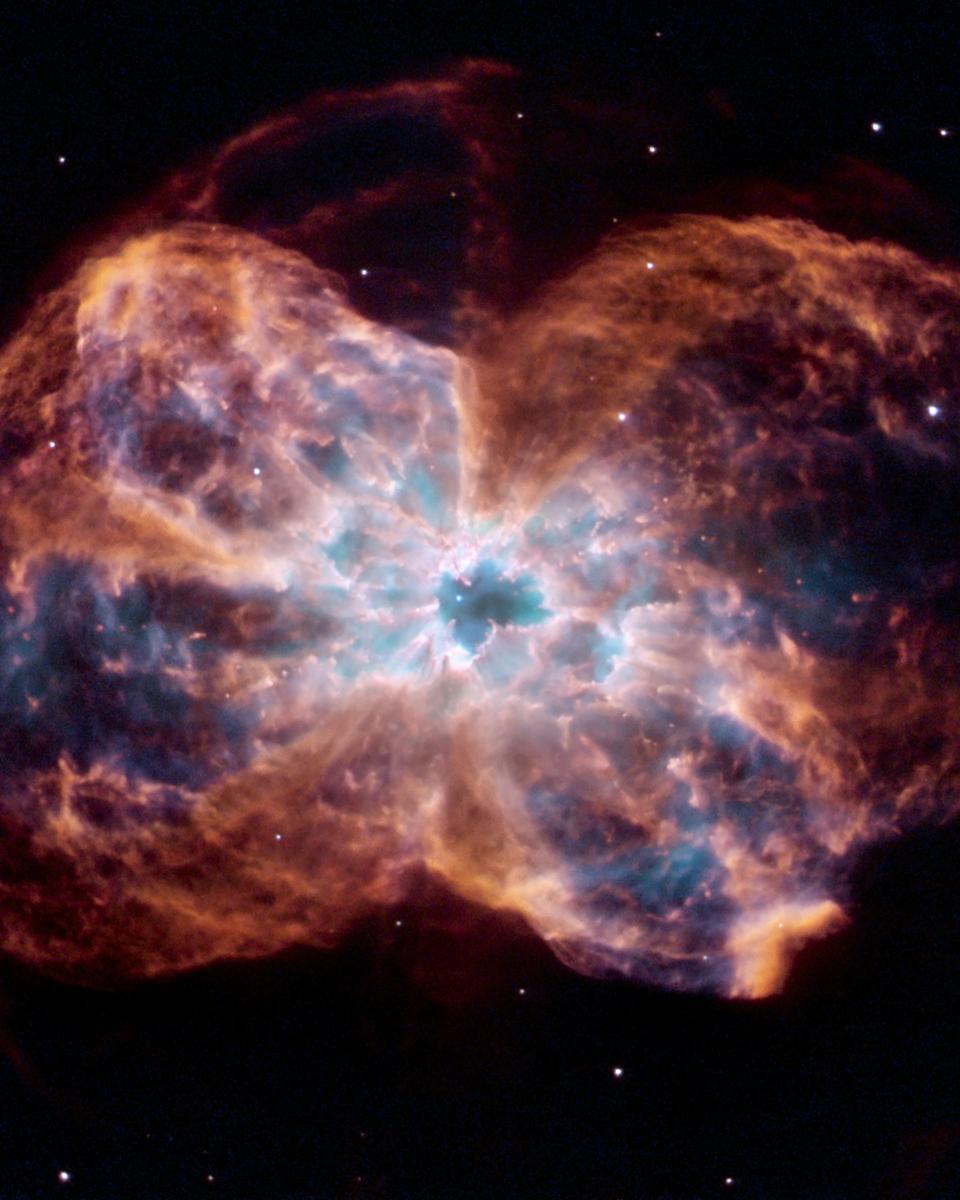
Planetary Nebula NGC 2440
Planetary nebula NGC 2440 has an intriguing bow-tie shape in this stunning view from space. The nebula is composed of material cast off by a dying sun-like star as it enters its…
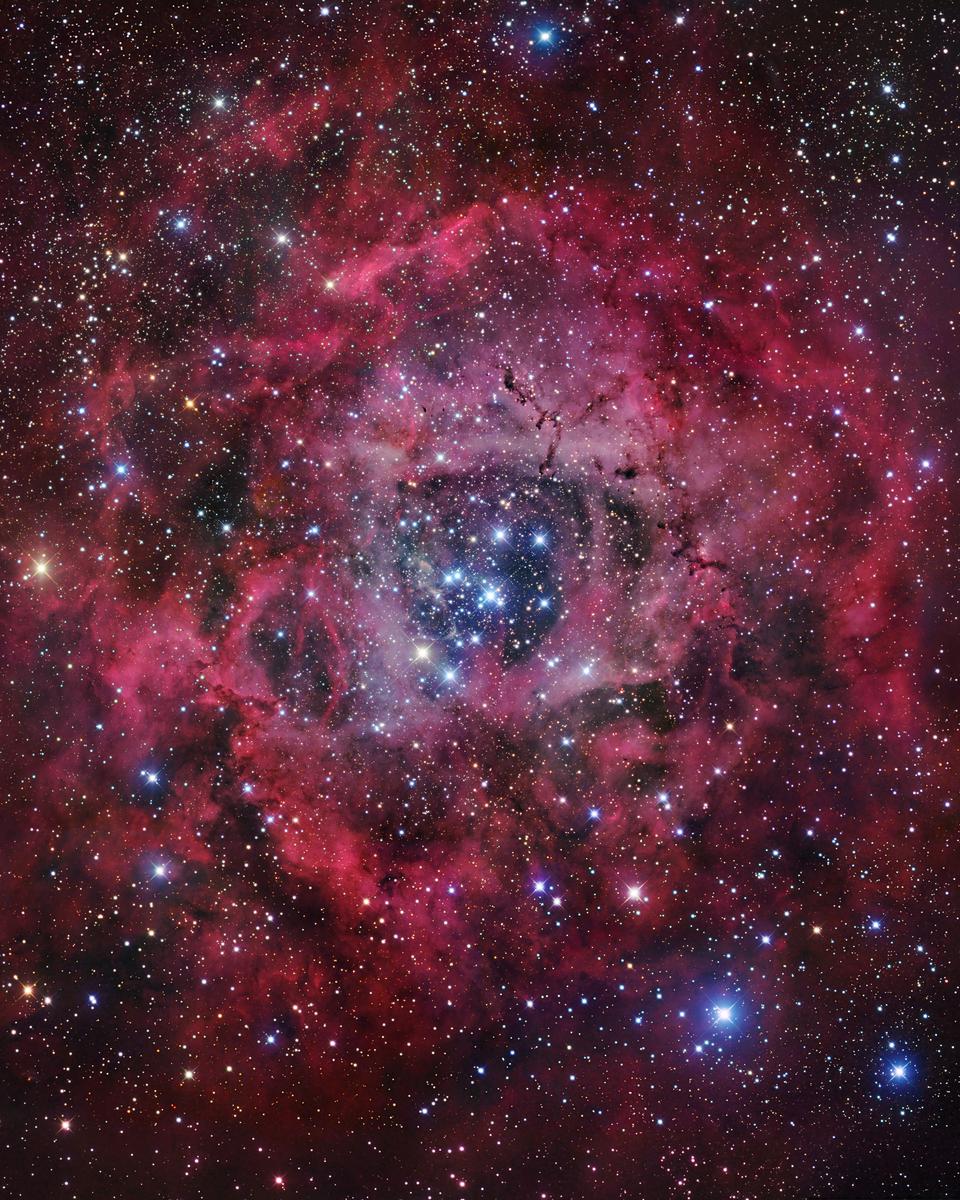
The Rosette Nebula
Would the Rosette Nebula by any other name look as sweet ? The bland New General Catalog designation of NGC 2237 doesn't appear to diminish the appearance of the this flowery…
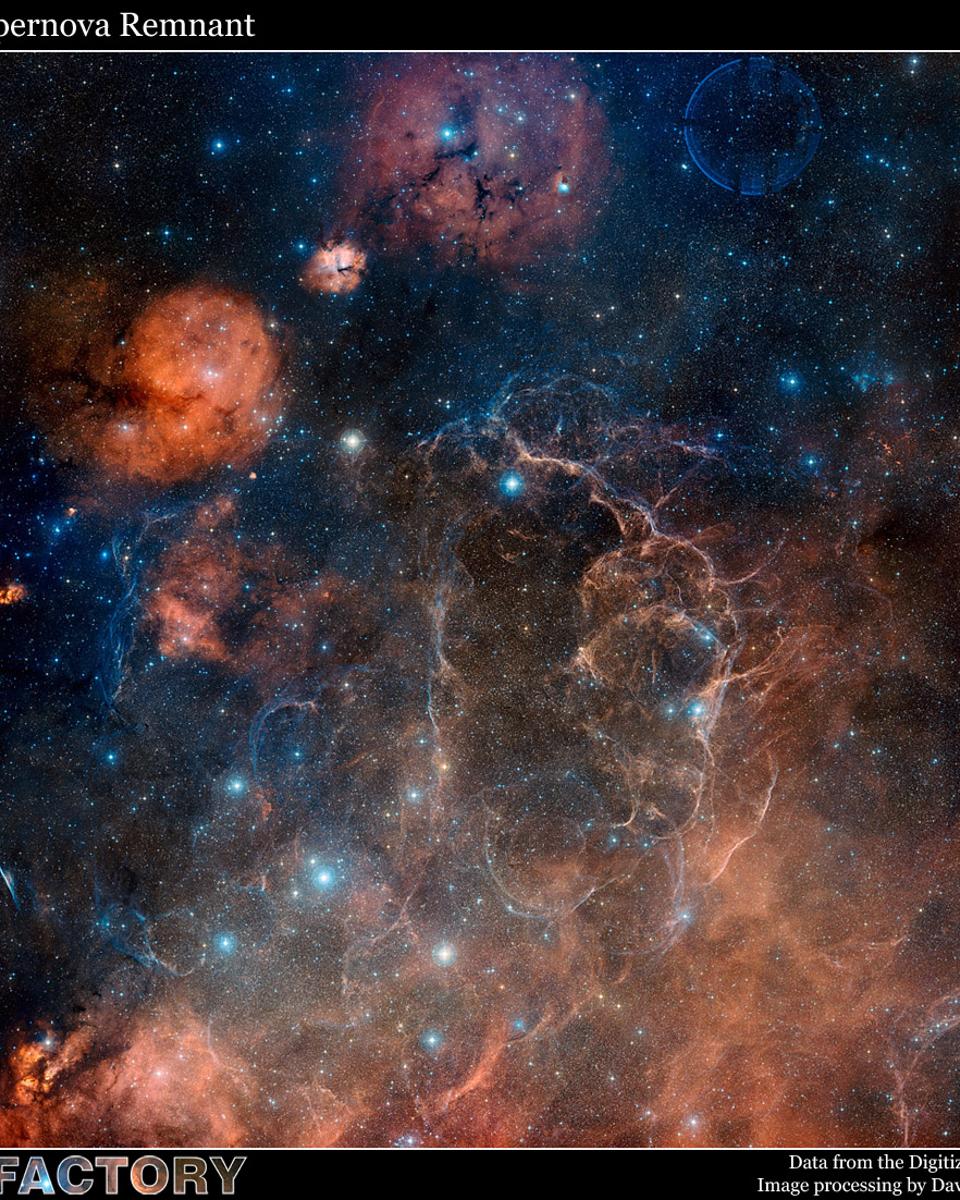
Vela Supernova Remnant in Visible Light
The explosion is over but the consequences continue. About eleven thousand years ago a star in the constellation of Vela could be seen to explode , creating a strange point of…
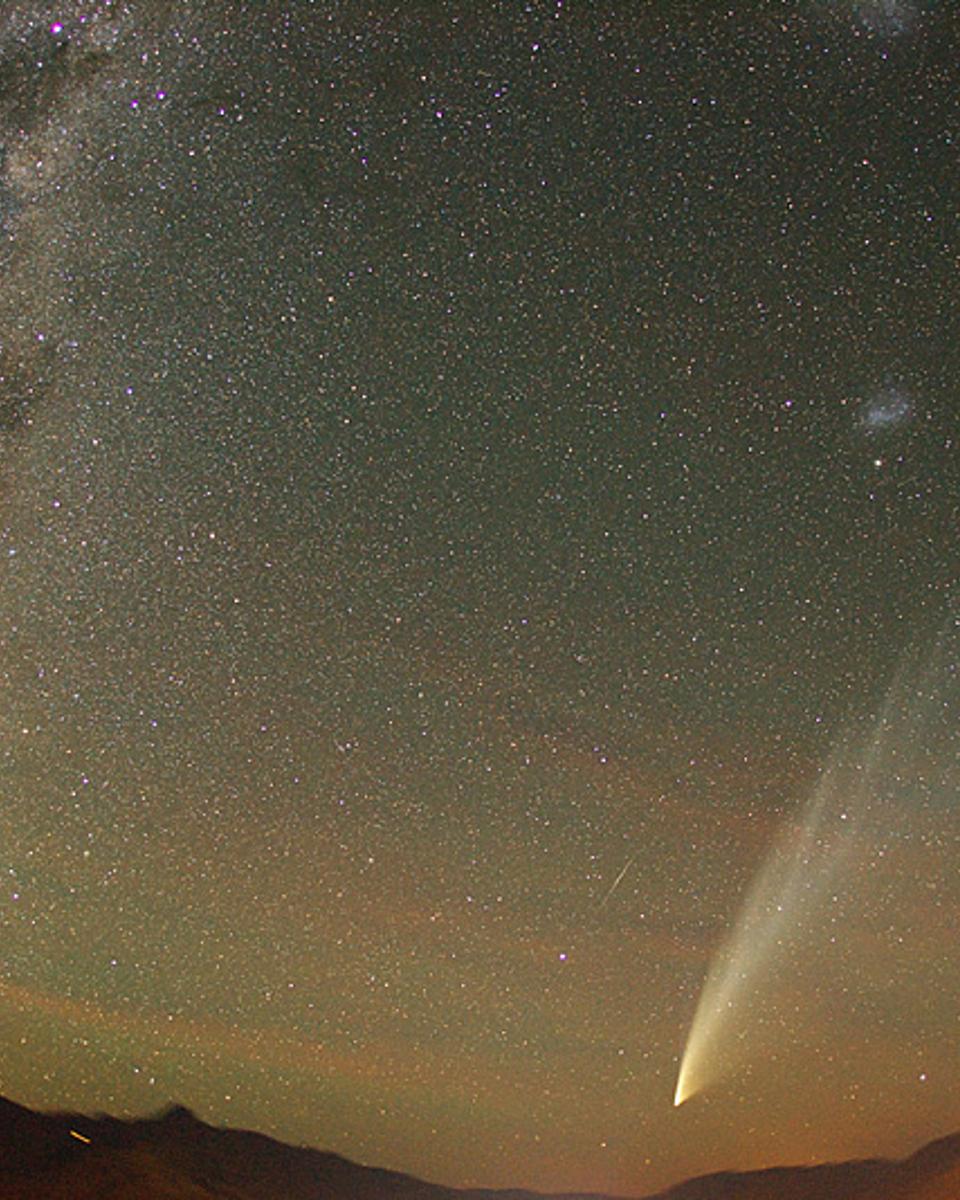
Comet McNaught Over New Zealand
Comet McNaught is perhaps the most photogenic comet of our time. After making quite a show in the northern hemisphere in mid January, the comet moved south and developed a long…
Viewing discoveries from 7 March 2007 through 12 February 2007.