Browse NASA Astronomy Picture of the Day archive by date and media: Archive Discoveries
Browse the NASA APOD archive without needing the exact date first. Filter by media type and keep moving deeper into older images and videos.
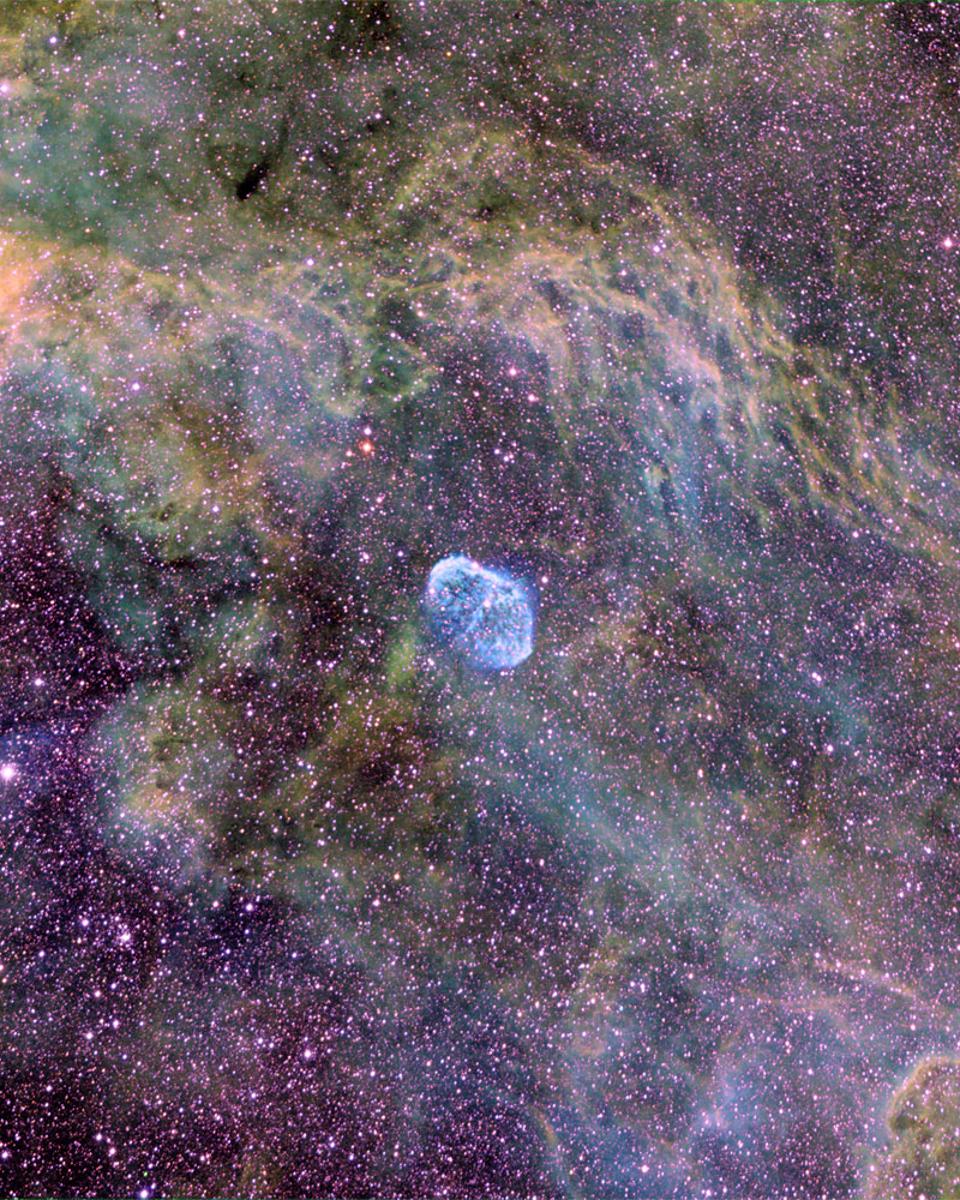
NGC 6888: A Tricolor Starfield
NGC 6888 , also known as the Crescent Nebula, is a cosmic bubble about 25 light-years across, blown by winds from its central, bright, massive star. Near the center of this…
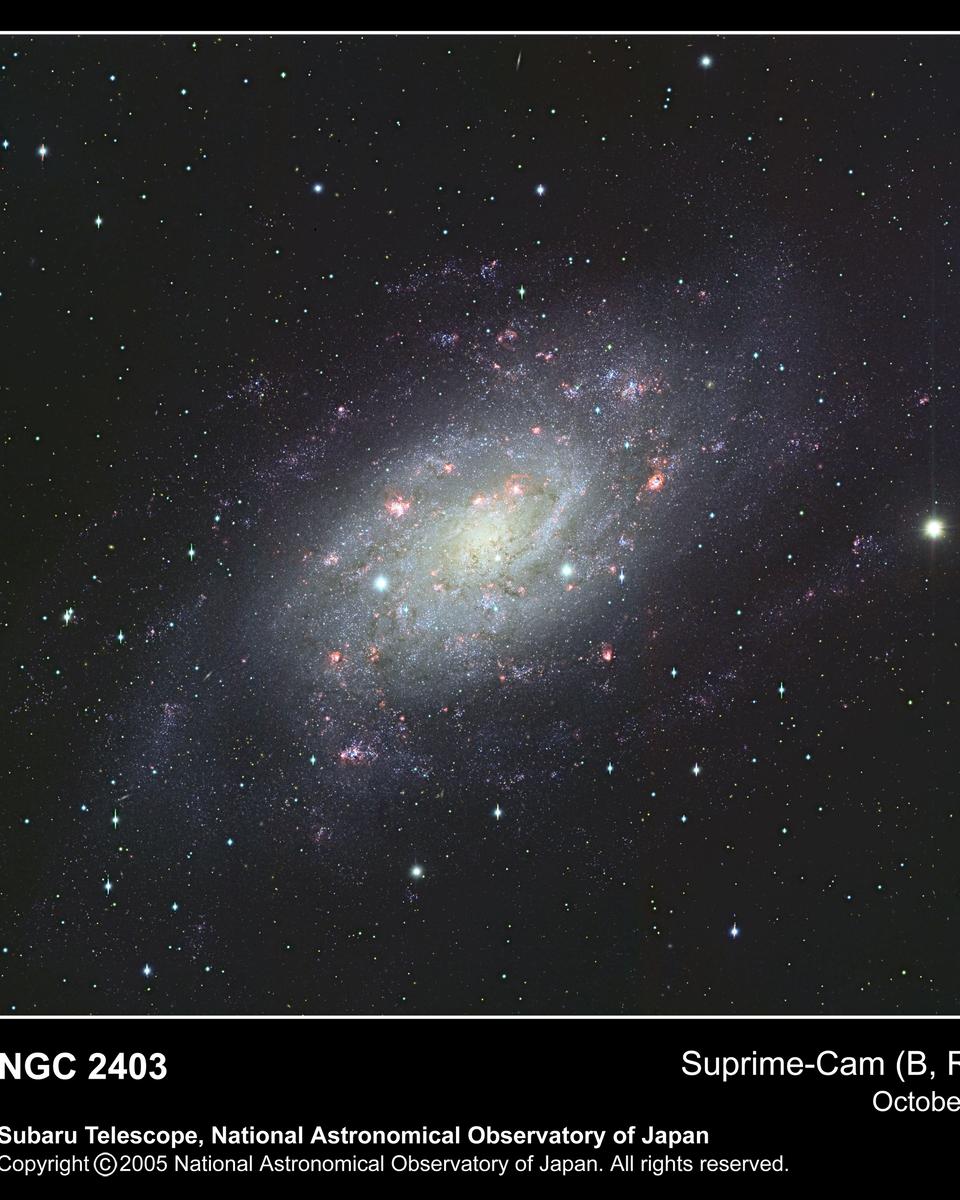
Spiral Galaxy NGC 2403 from Subaru
Sprawling spiral arms dotted with bright red emission nebulas highlight this new and detailed image of nearby spiral galaxy NGC 2403. Also visible in the photogenic spiral galaxy…
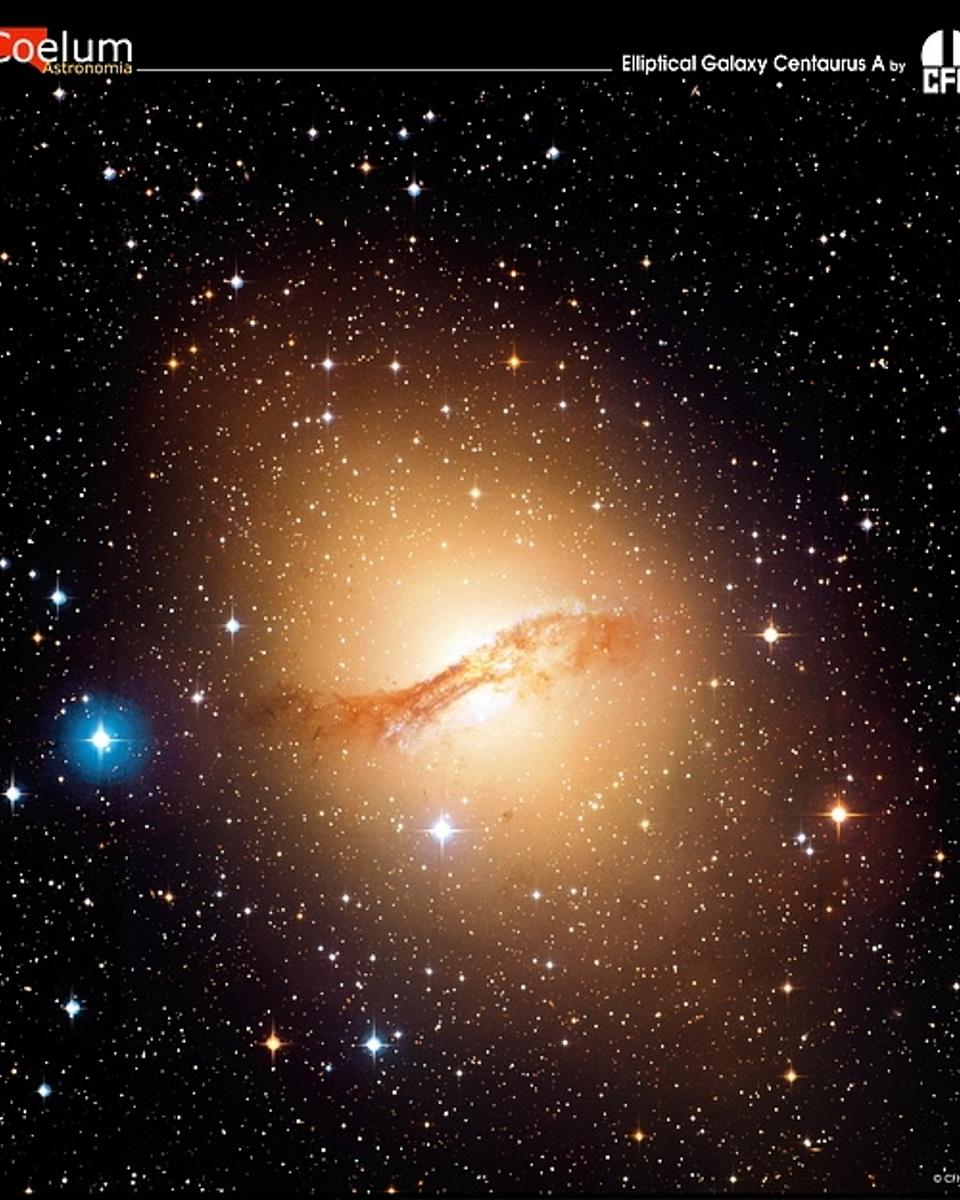
Elliptical Galaxy Centaurus A from CFHT
Why is peculiar galaxy Centaurus A so dusty? Dramatic dust lanes that run across the galaxy's center mark Cen A . These dust lanes are so thick they almost completely obscure the…
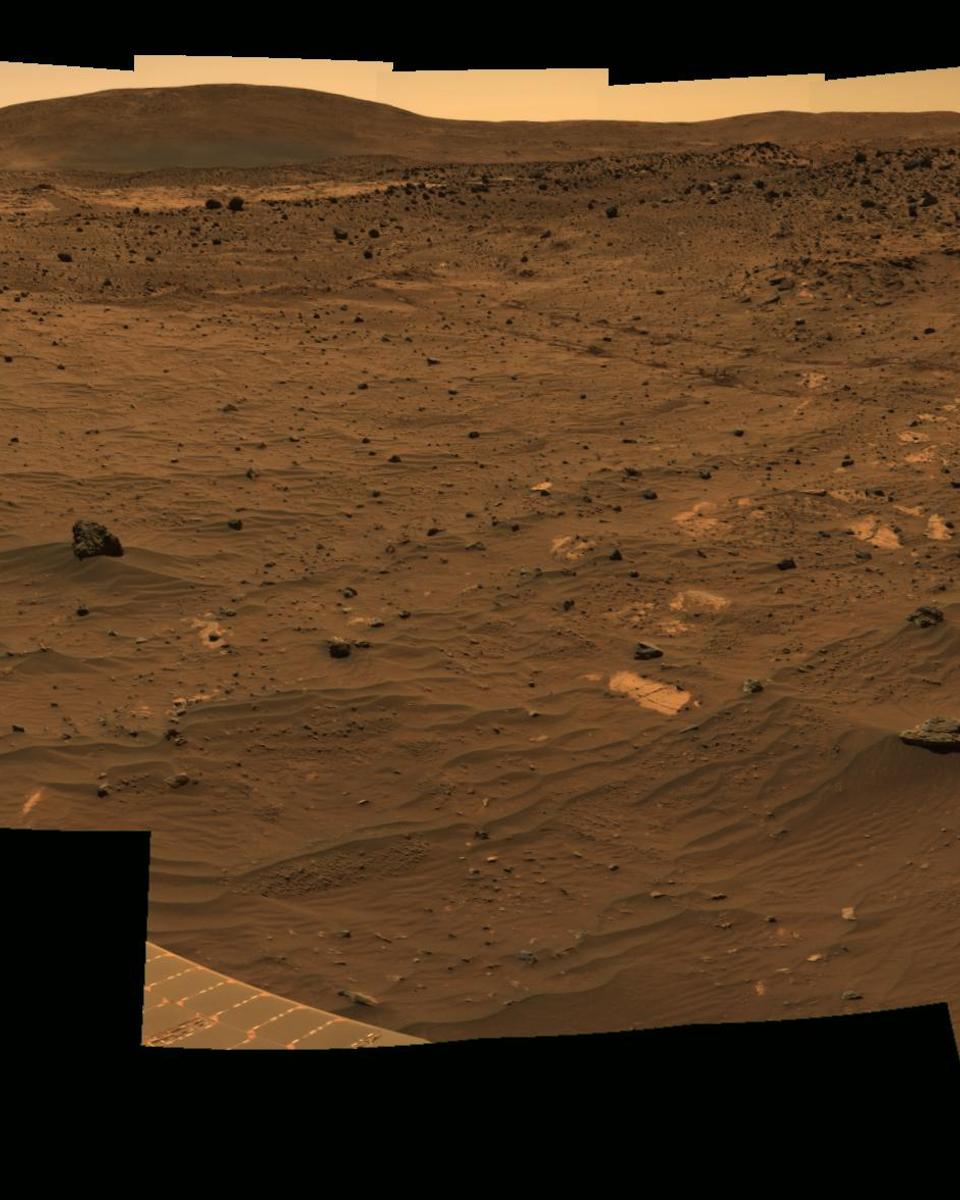
The View toward Husband Hill on Mars
This Martian vista is only part of one of the greatest panoramic views of Mars that has ever been attempted. The expansive mosaic is helping to keep the robotic Spirit rover busy…
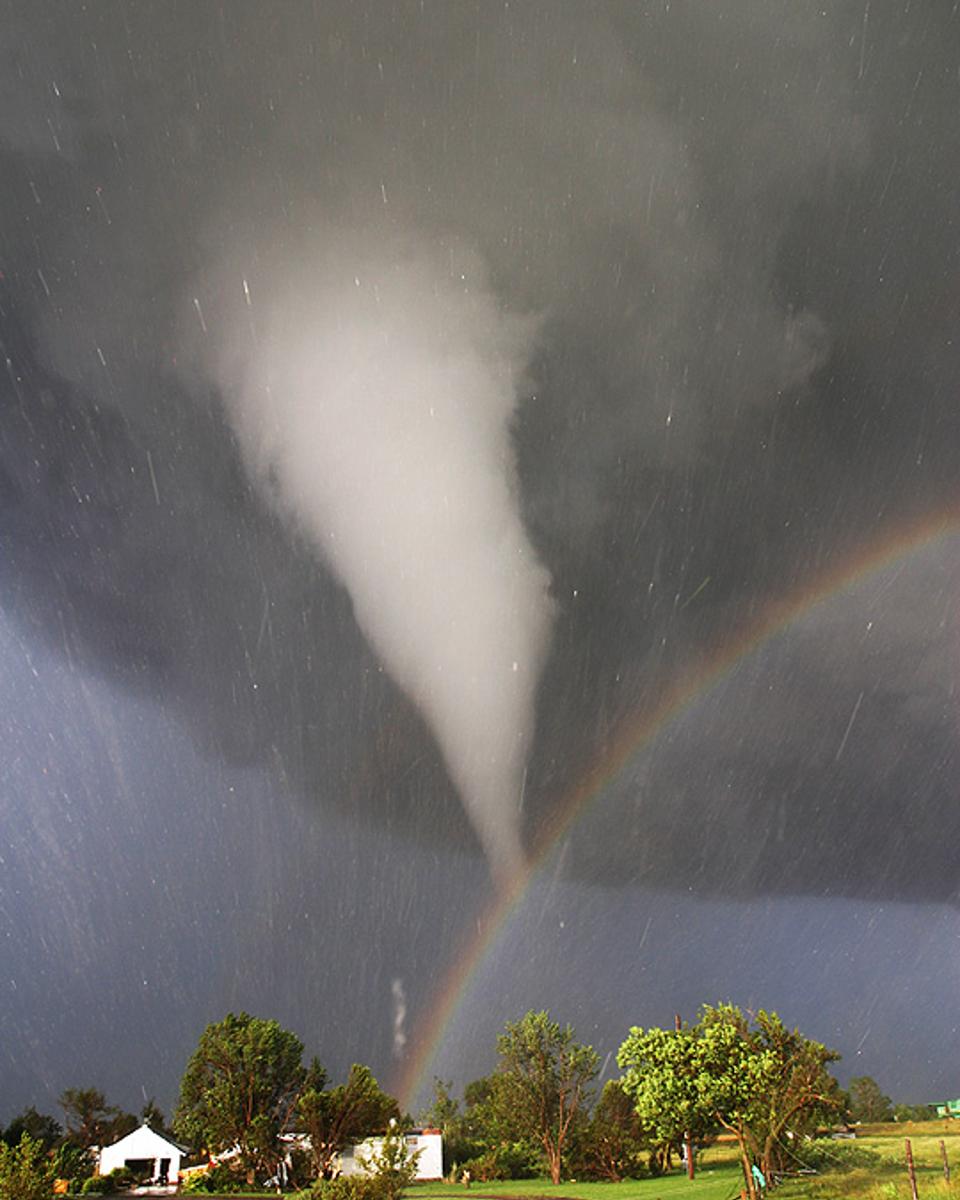
Tornado and Rainbow Over Kansas
The scene might have been considered serene if it weren't for the tornado . Last June in Kansas , storm chaser Eric Nguyen photographed this budding twister in a different light…
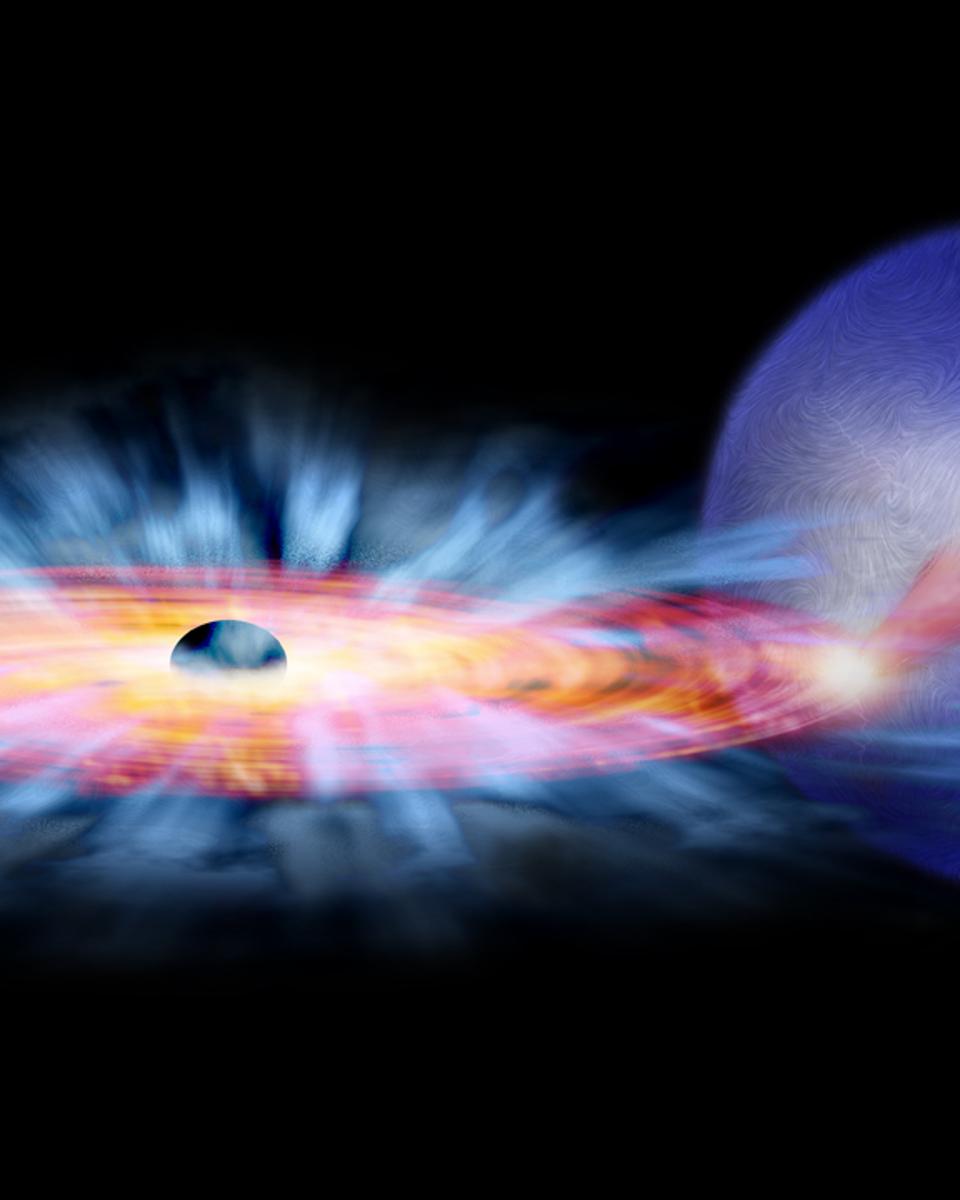
Wind from a Black Hole
Binary star system GRO J1655-40 consists of a relatively normal star about twice as massive as the Sun co-orbiting with a black hole of about seven solar masses . This striking…
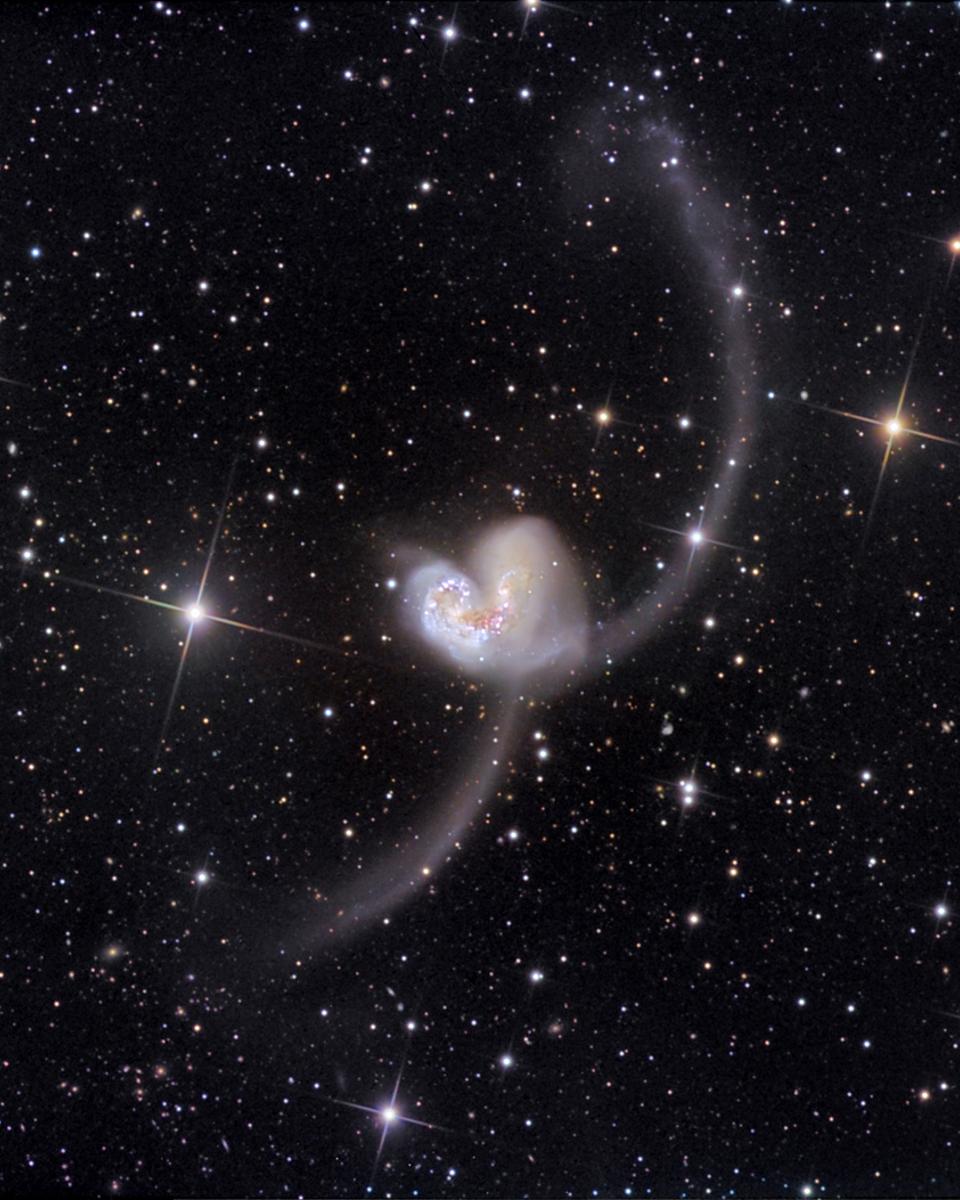
The Antennae
Some 60 million light-years away in the southerly constellation Corvus , two large galaxies have collided . But stars in the two galaxies - NGC 4038 and NGC 4039 - don't collide…
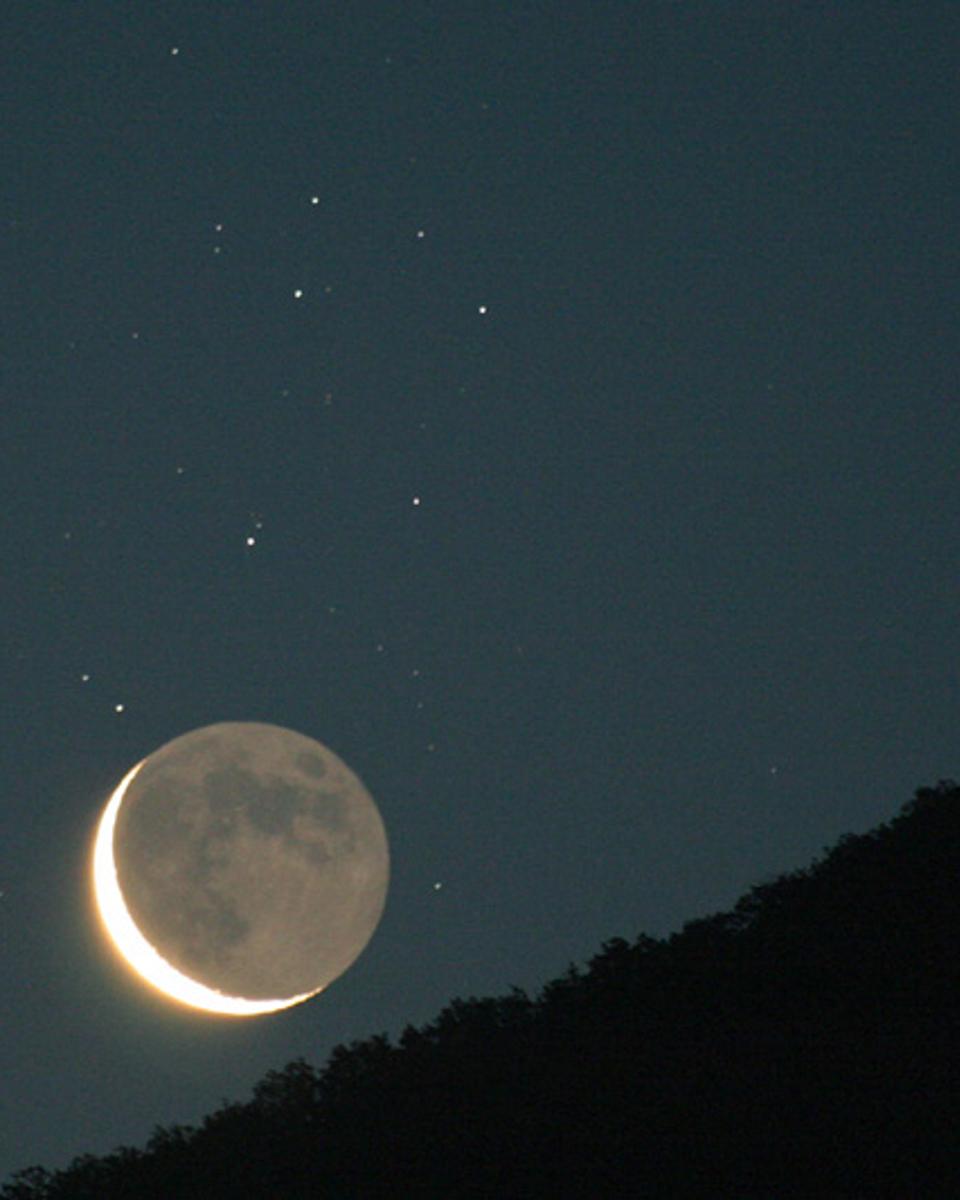
Old Moon and Sister Stars
An old crescent Moon shares the eastern sky over Menton, France with the sister stars of the Pleiades cluster in this early morning skyscape recorded just last Friday, June 23rd.…
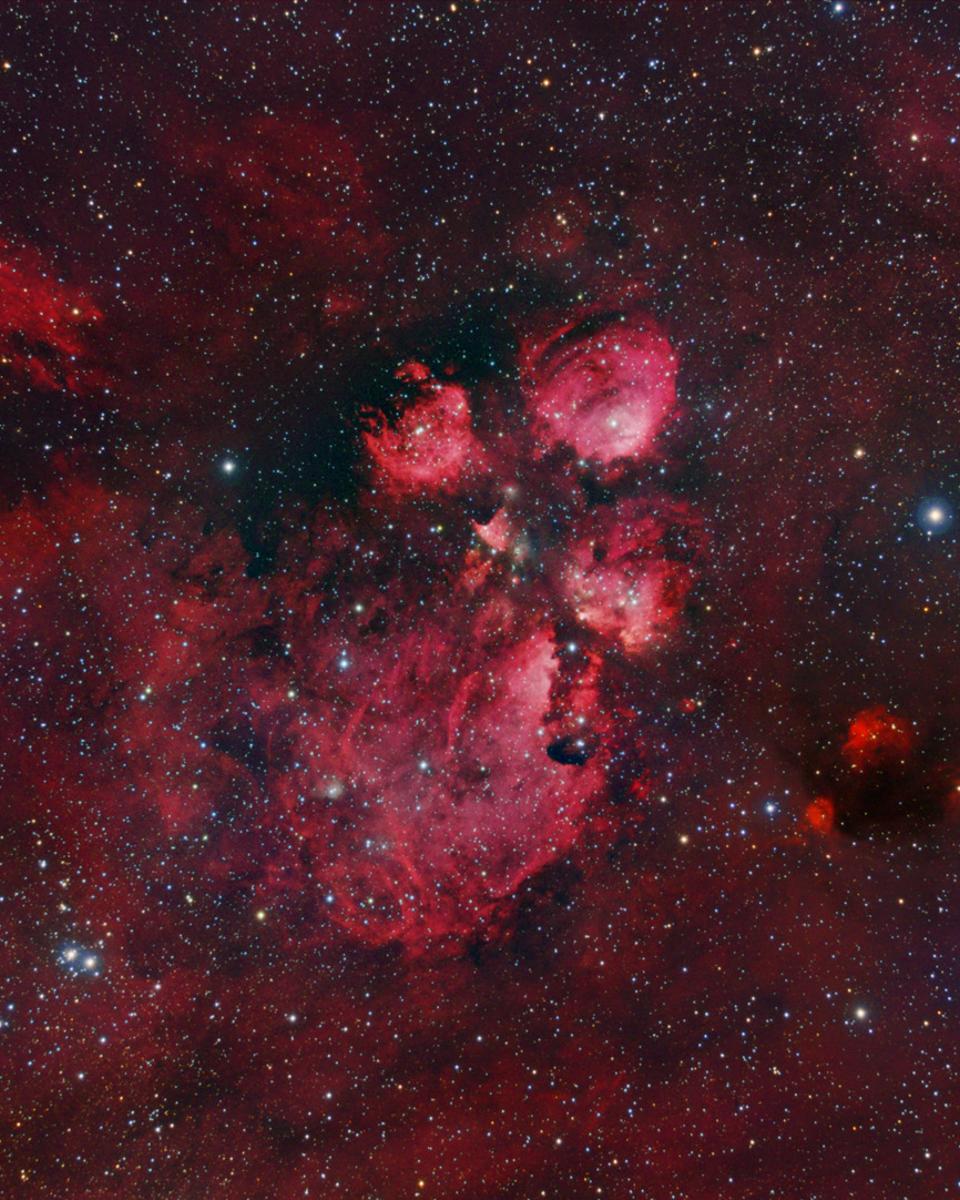
The Cat's Paw Nebula
Nebulae are perhaps as famous for being identified with familiar shapes as cats are for getting into trouble. Still, no known cat could have created the vast Cat's Paw Nebula…
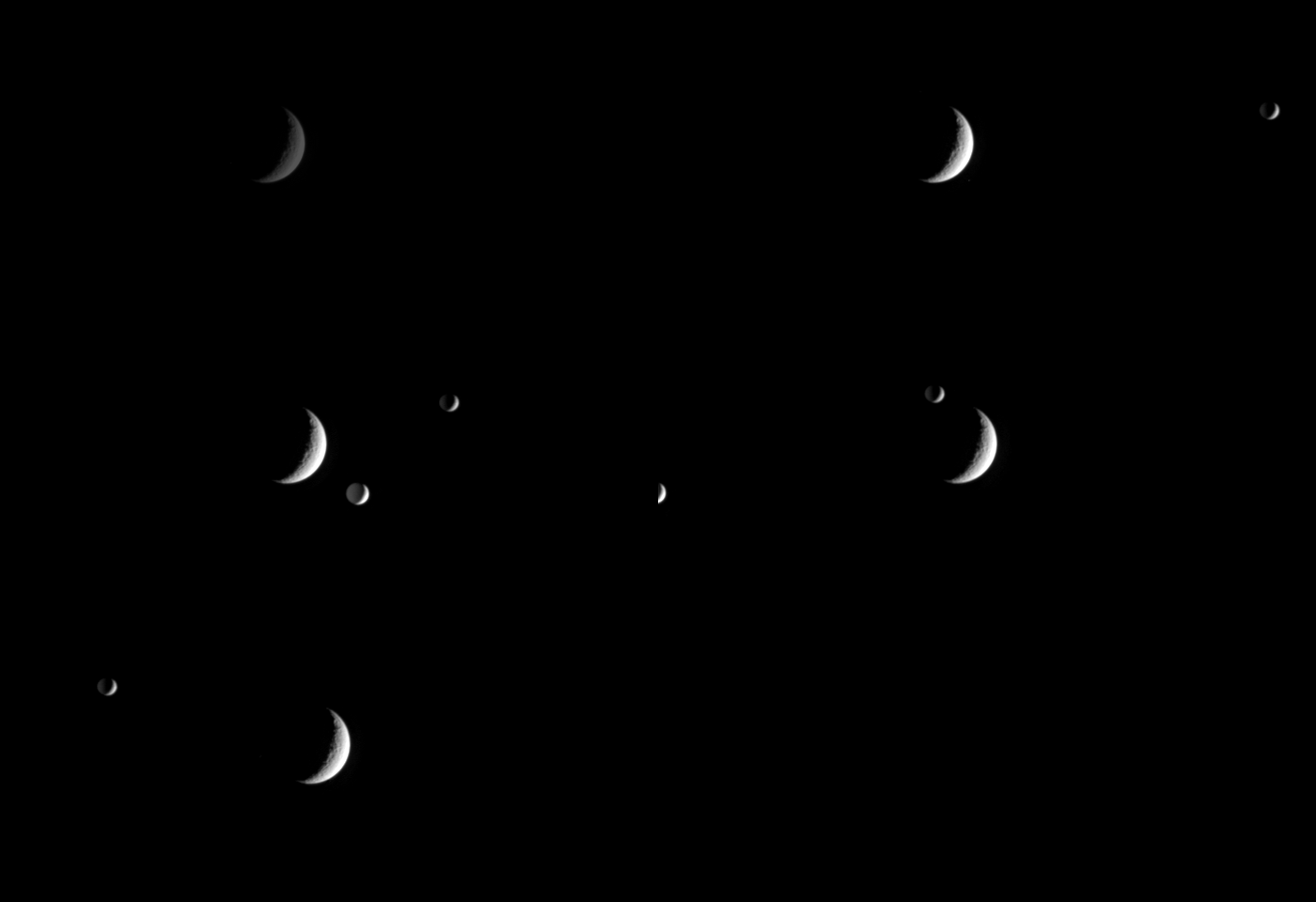
The Moving Moons of Saturn
The moons of Saturn never stop. A space traveler orbiting the ringed giant planet would witness a continuing silent dance where Saturn's multiple moons pass near each other in…
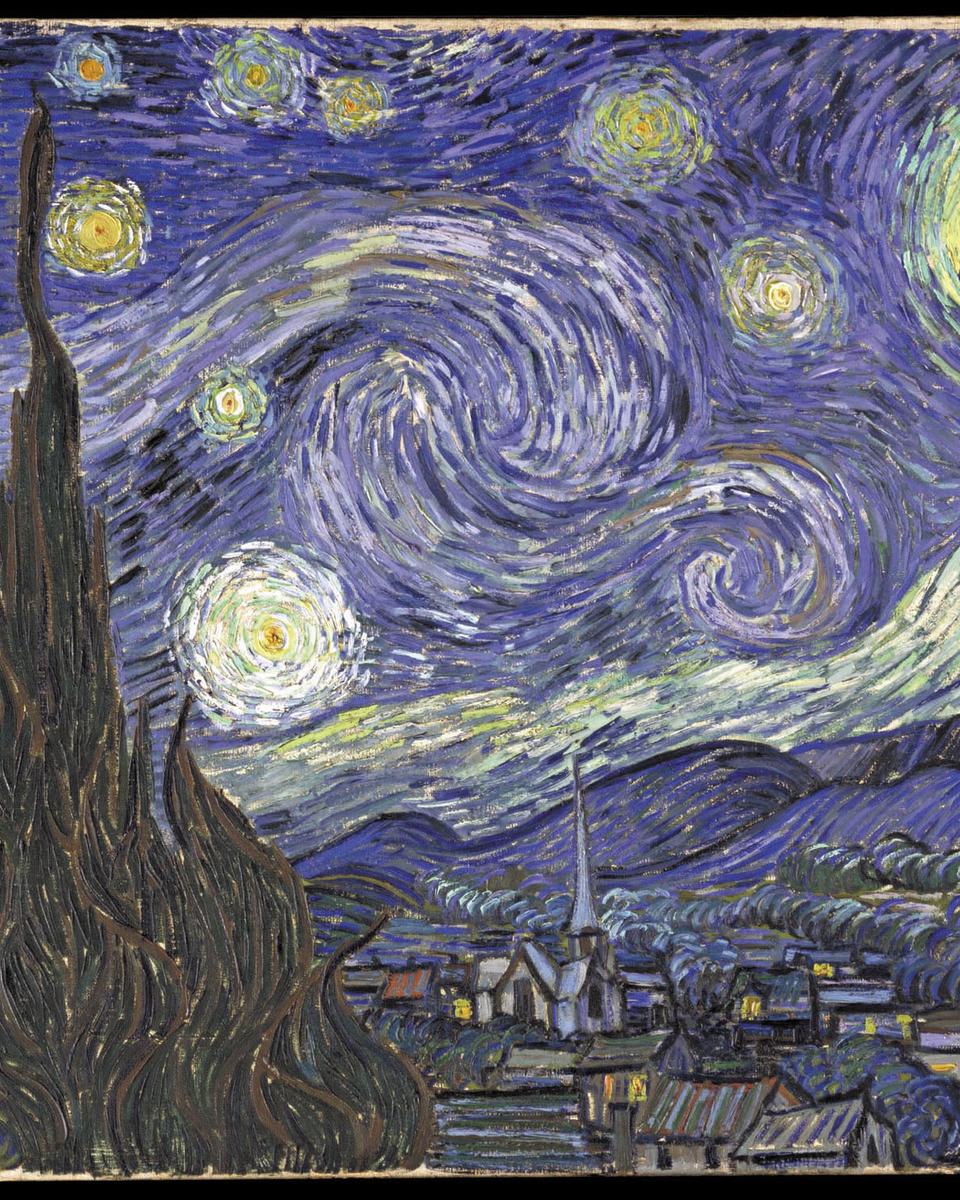
Starry Night
The painting Starry Night is one of the most famous icons of the night sky ever created. The scene was painted by Vincent van Gogh in southern France in 1889. The swirling style…
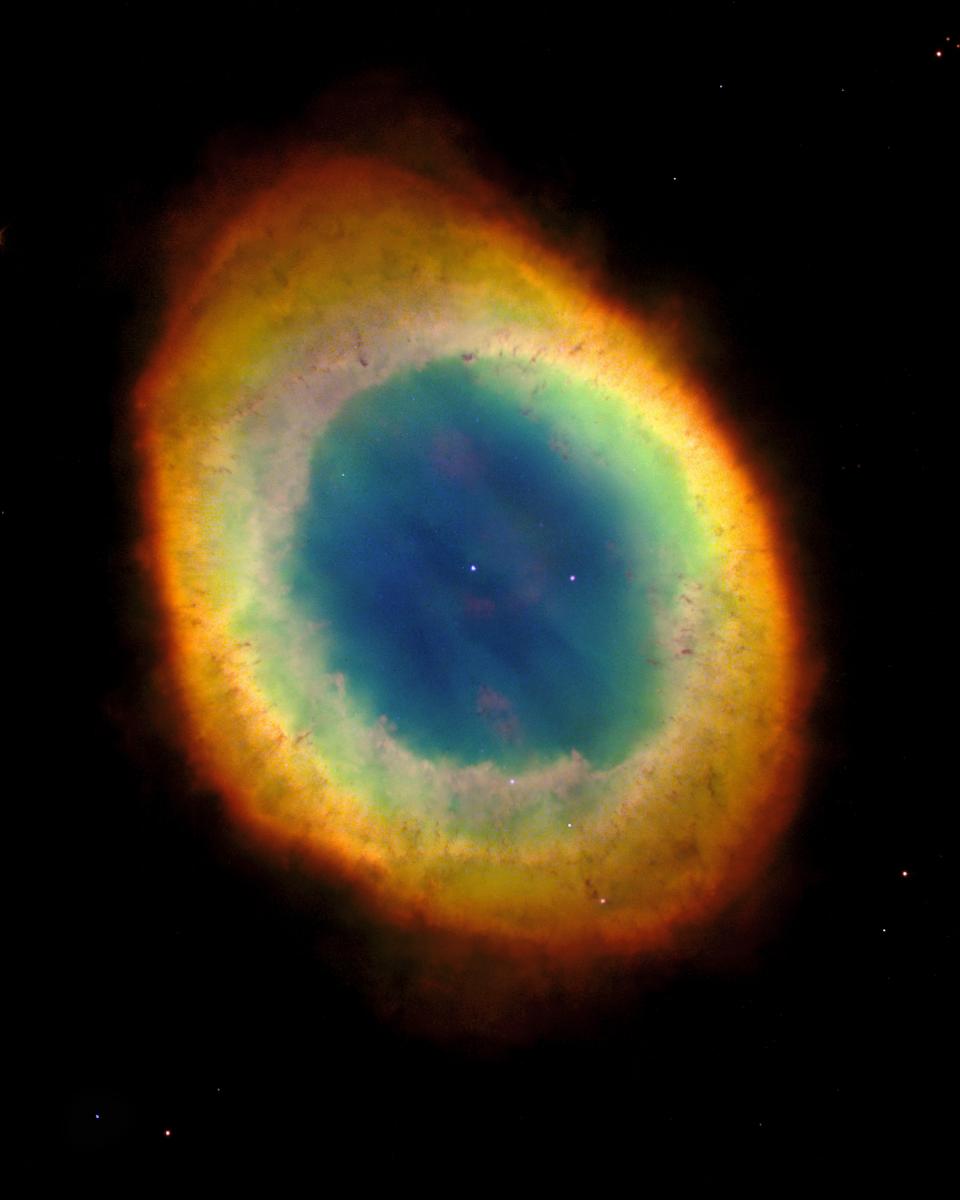
M57: The Ring Nebula
It looked like a ring on the sky. Hundreds of years ago astronomers noticed a nebula with a most unusual shape. Now known as M57 or NGC 6720, the gas cloud became popularly known…
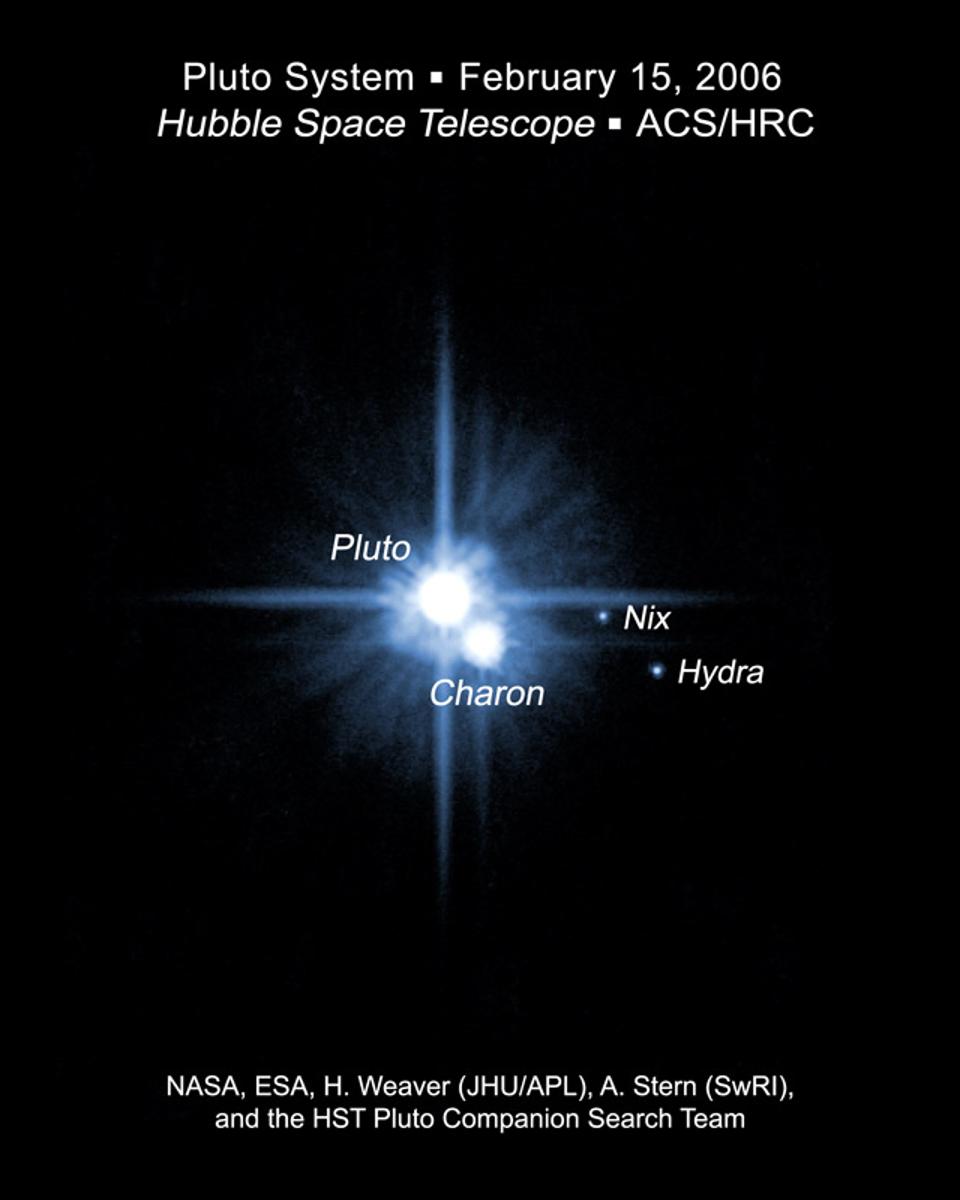
Nix and Hydra
Discovered in mid-2005, Pluto's small moons were provisionally designated S/2005 P1 and S/2005 P2. They have now been officially christened Nix and Hydra . Compared to Pluto and…
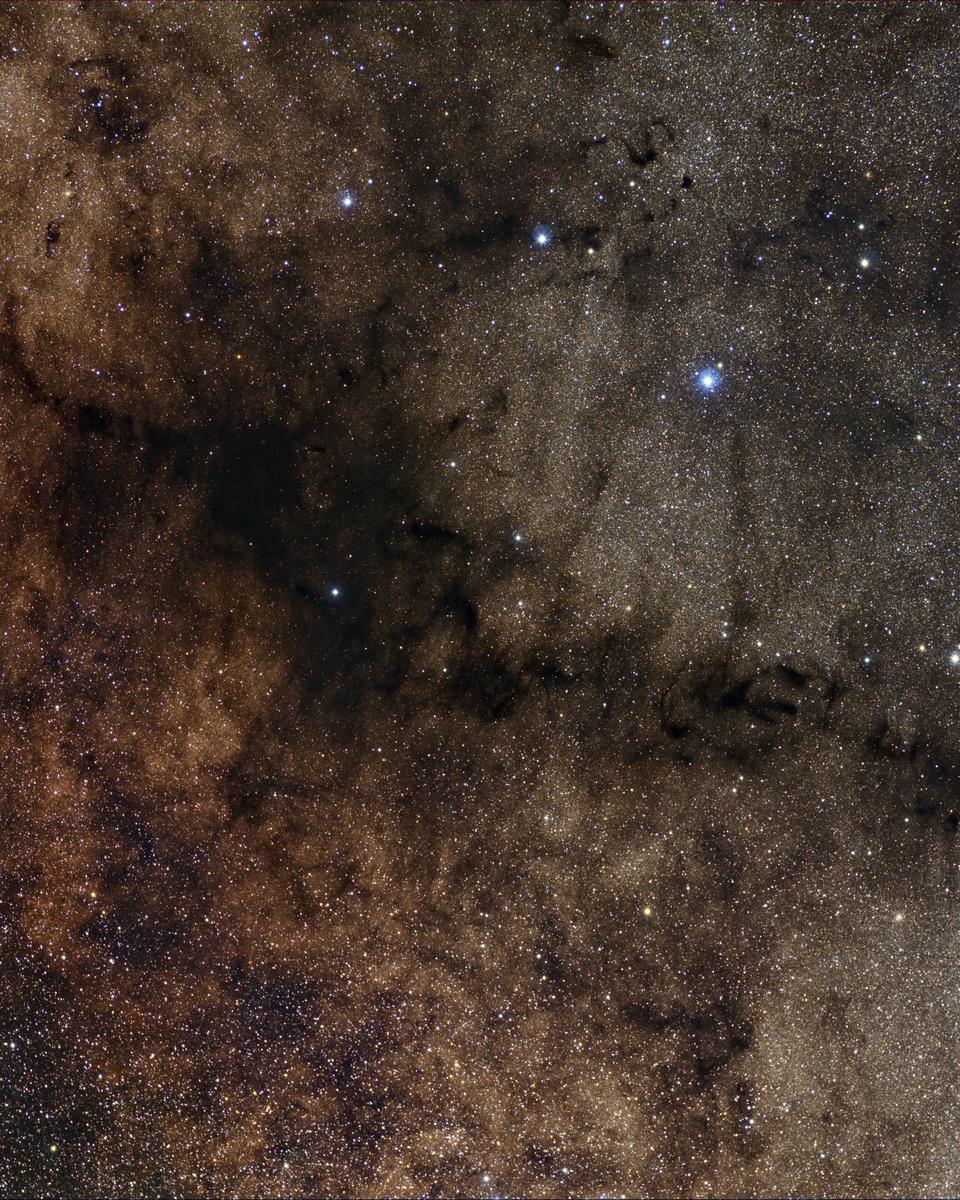
East of Antares
East of Antares , dark markings seem to sprawl through the crowded star fields toward the center of our Milky Way Galaxy. Cataloged in the early 20th century by astronomer E. E.…
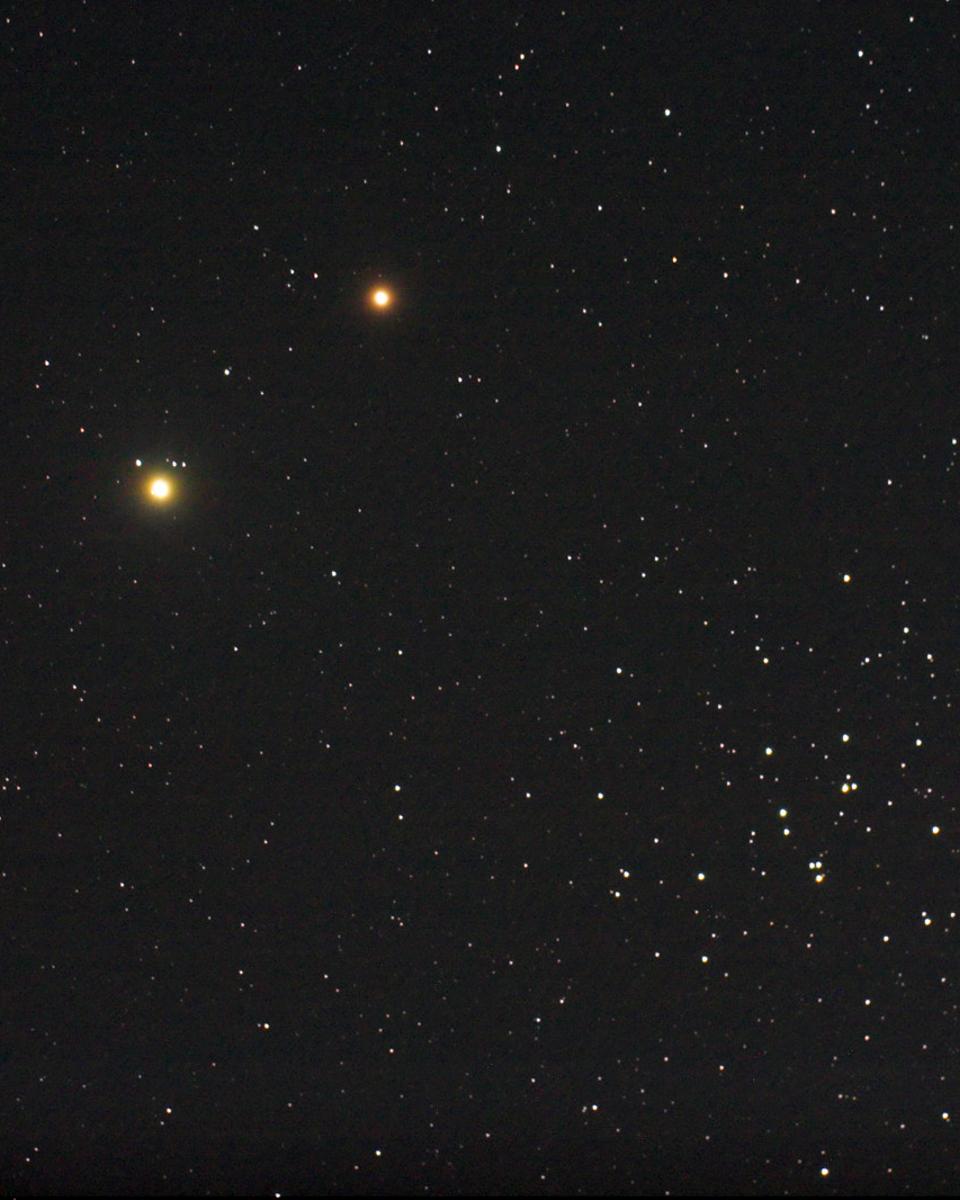
Planets, Bees, and a Donkey
The heralded alignment of wandering planets Saturn and Mars with the well-known Beehive Cluster took place last weekend on Saturday, June 17 . Recorded in dark Arizona skies on…
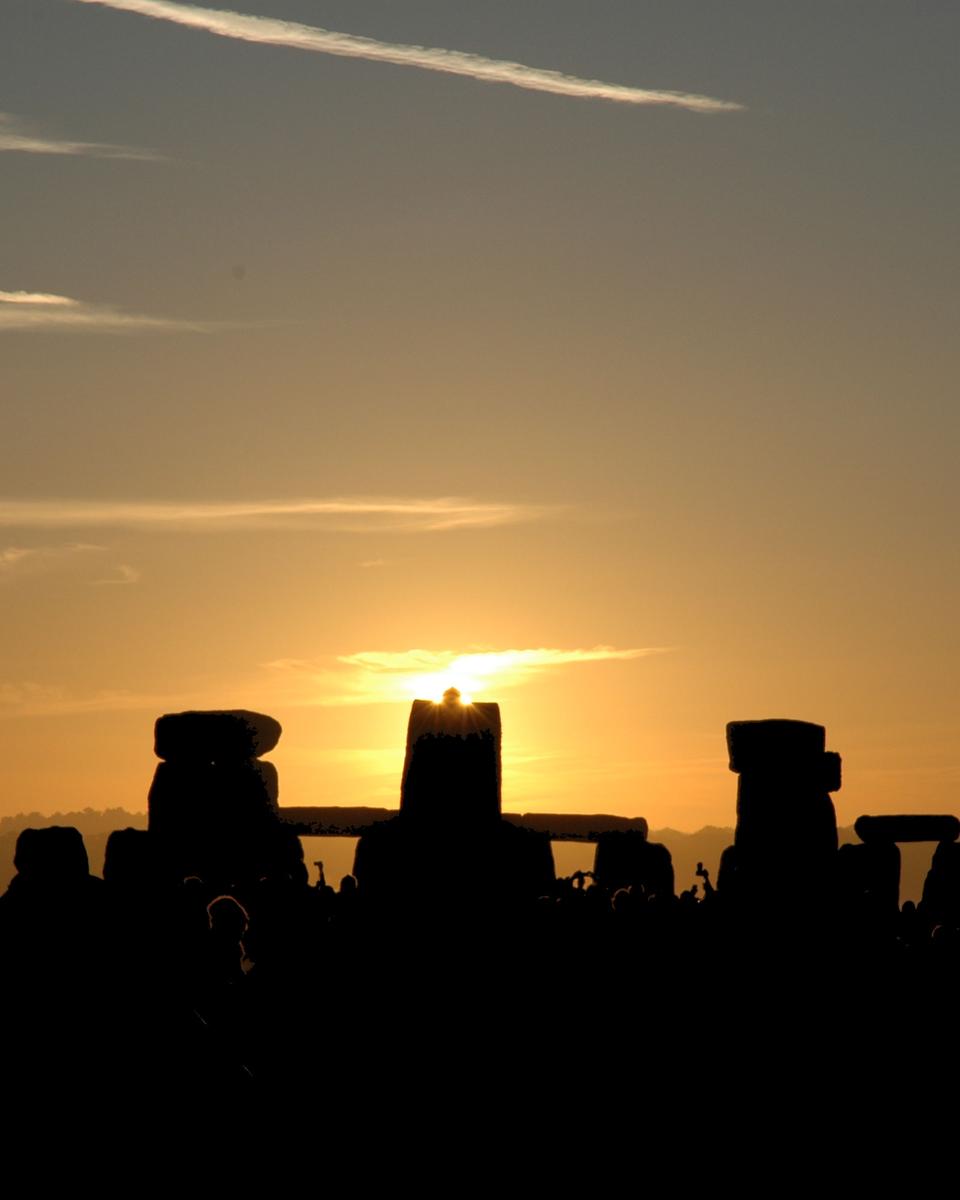
Sunrise Solstice at Stonehenge
Today the Sun reaches its northernmost point in the planet Earth's sky. Called a solstice , the date traditionally marks a change of seasons -- from spring to summer in Earth 's…
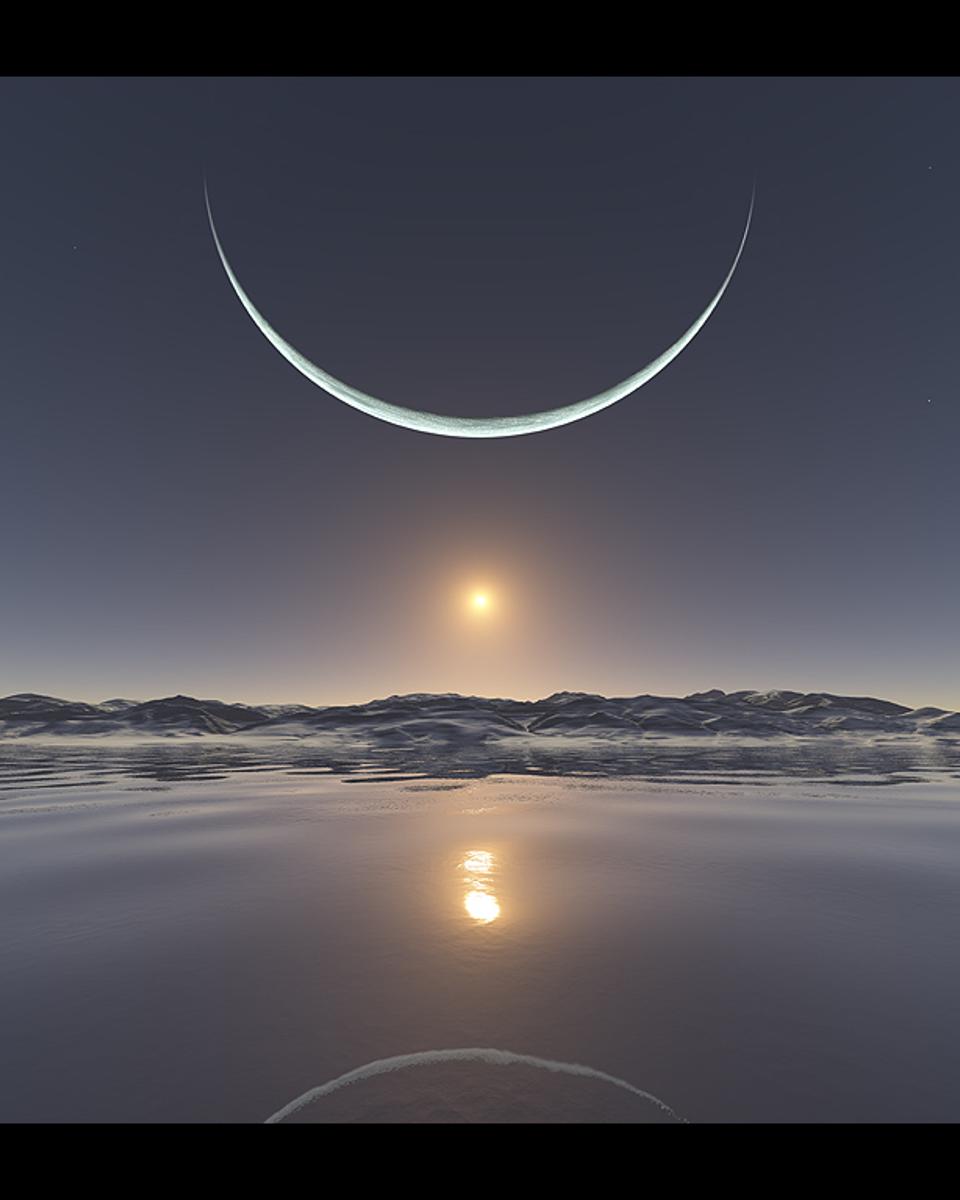
Hideaway
Is this a picture of a sunset from Earth's North Pole? Regardless of urban legends circulating the Internet, the answer is no. The above scene was drawn to be an imaginary…
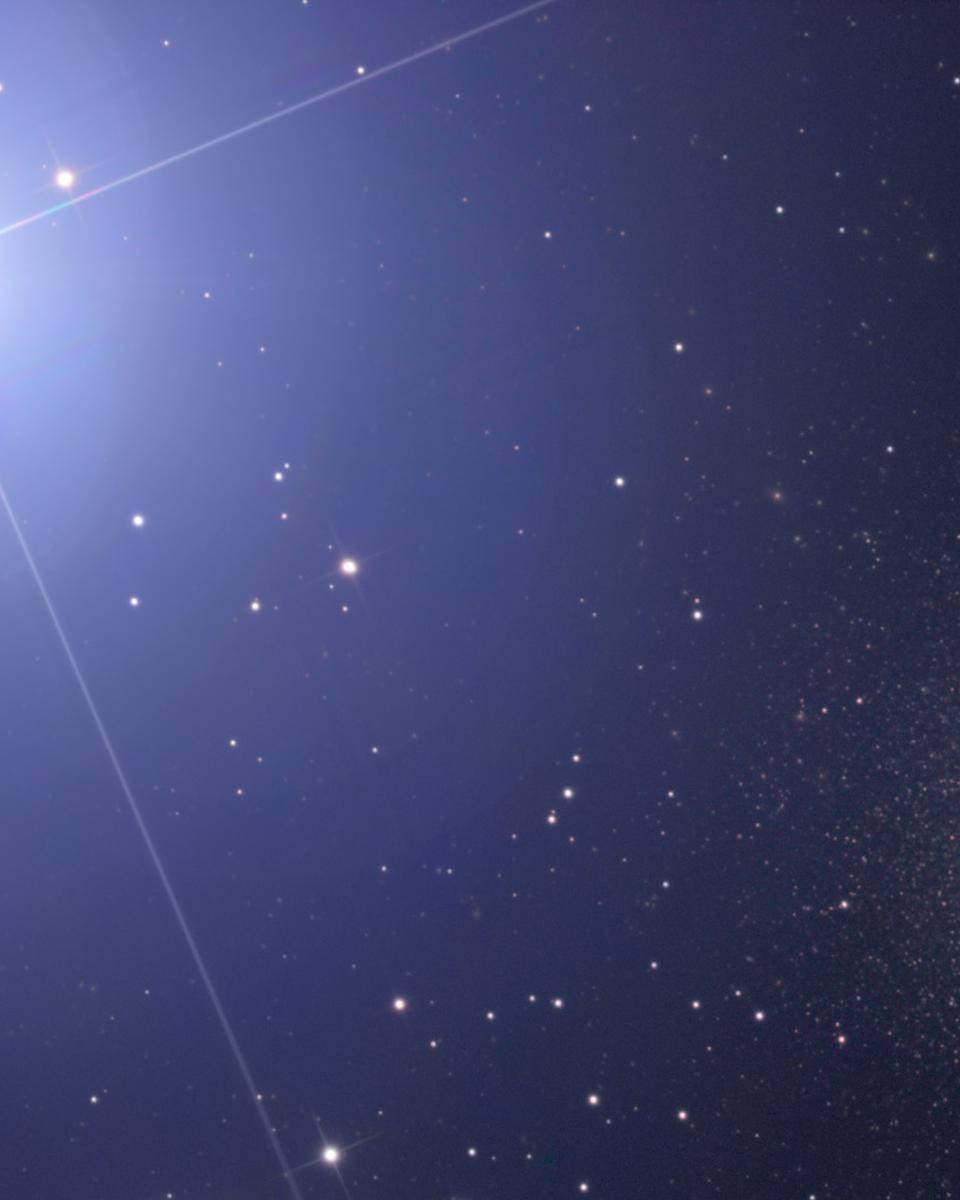
Bright Star Regulus near the Leo 1 Dwarf Galaxy
The star on the upper left is so bright it is sometimes hard to notice the galaxy on the lower right. Both the star, Regulus , and the galaxy, Leo I , can be found within one…
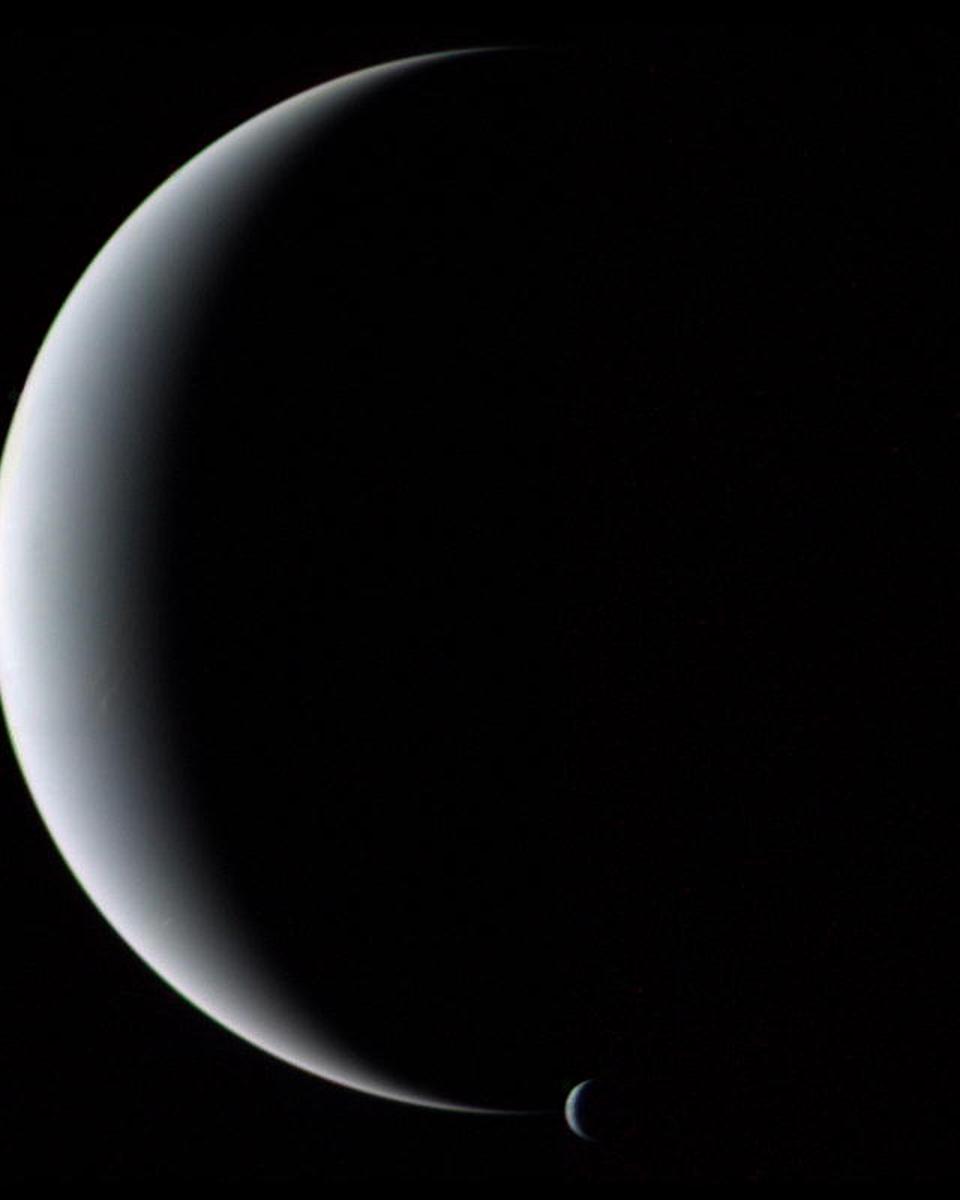
Crescent Neptune and Triton
Gliding silently through the outer Solar System , the Voyager 2 spacecraft camera captured Neptune and Triton together in crescent phase in 1989. The above picture of the gas…
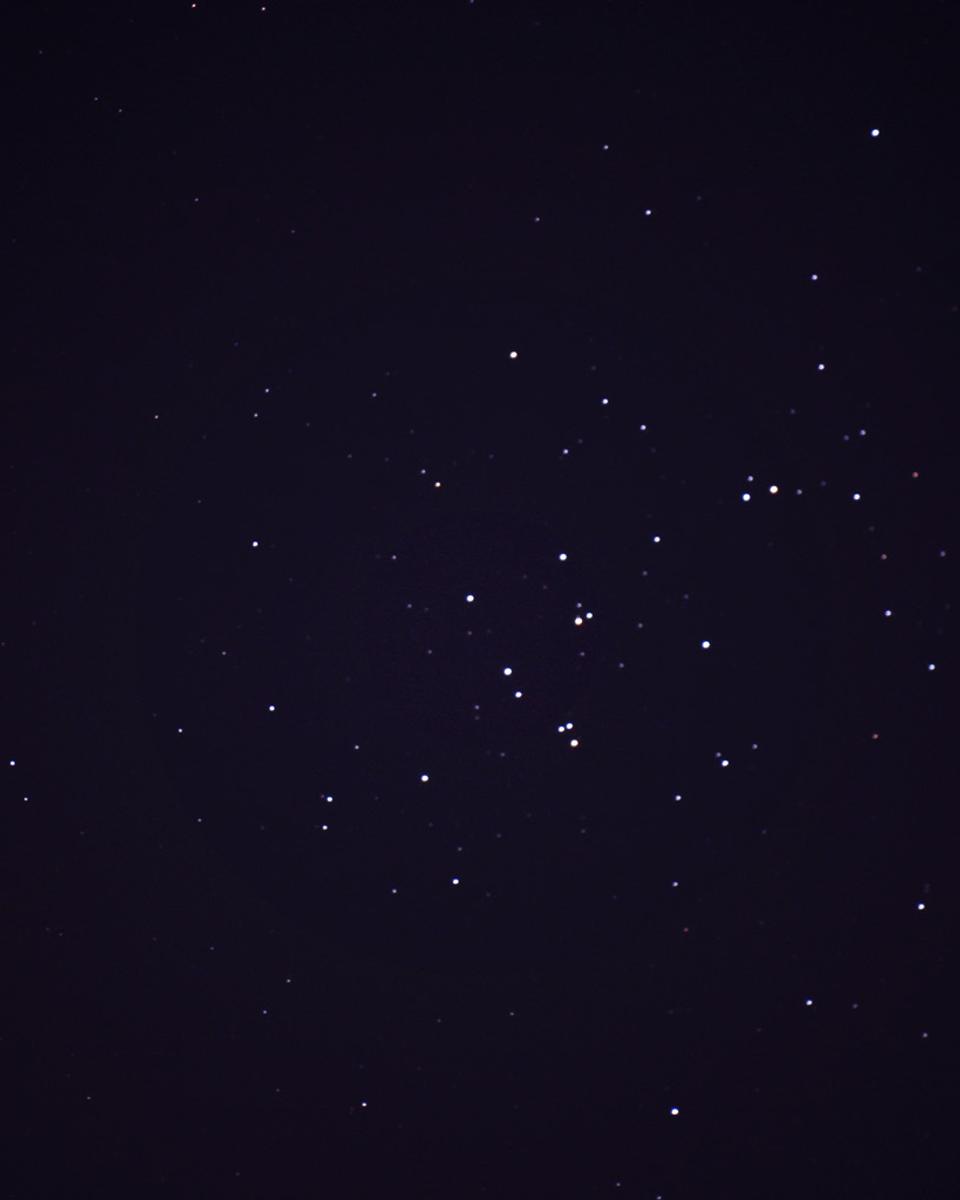
Saturn, Mars, and the Beehive Cluster
Grab a pair of binoculars and check out Saturn and Mars in the early evening sky tonight! Looking west shortly after sunset, your view could be similar to this one - recorded on…
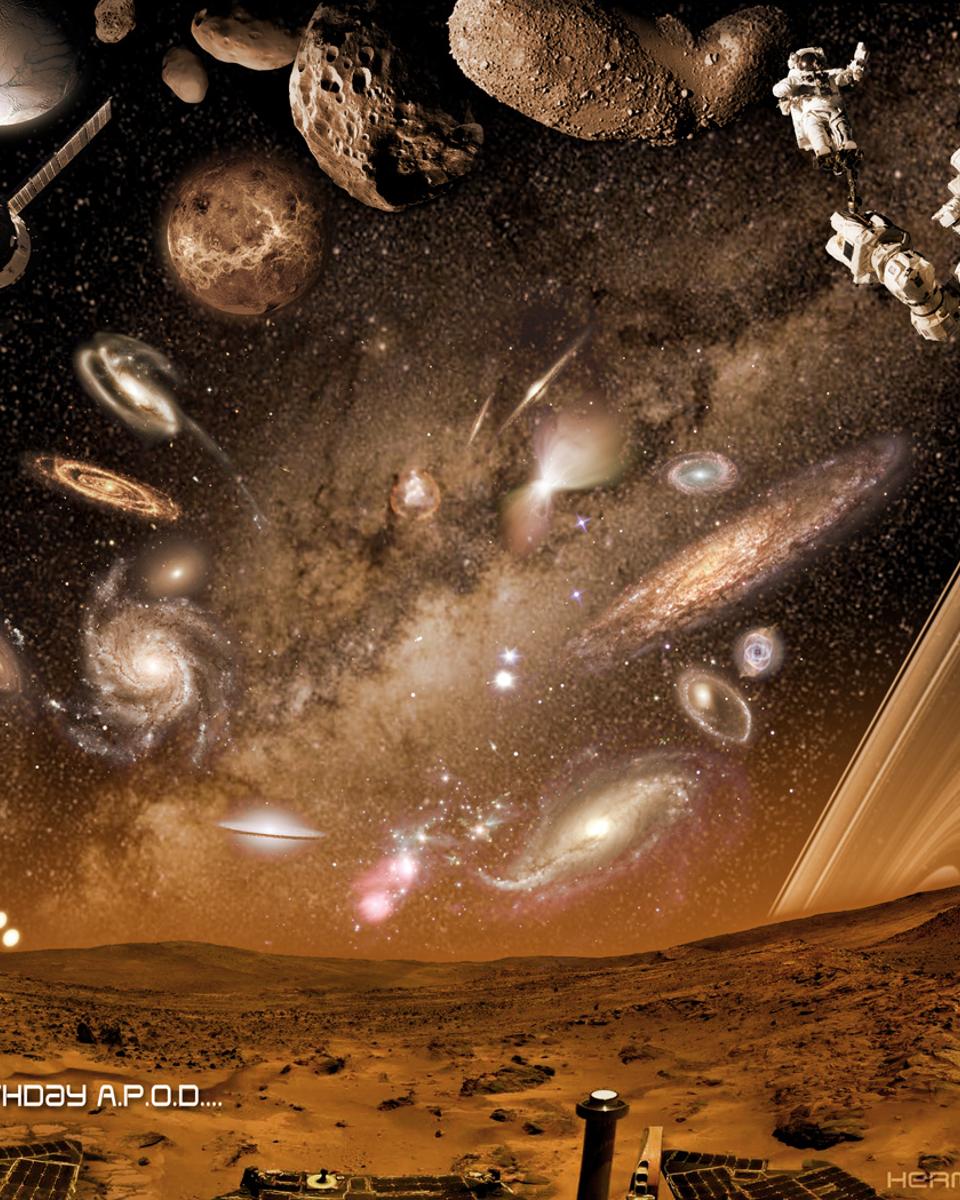
APOD Turns Eleven
The first APOD appeared eleven years ago today, on 1995 June 16. Although garnering only 14 page views on that day, we are proud to estimate that APOD has now served over 400…
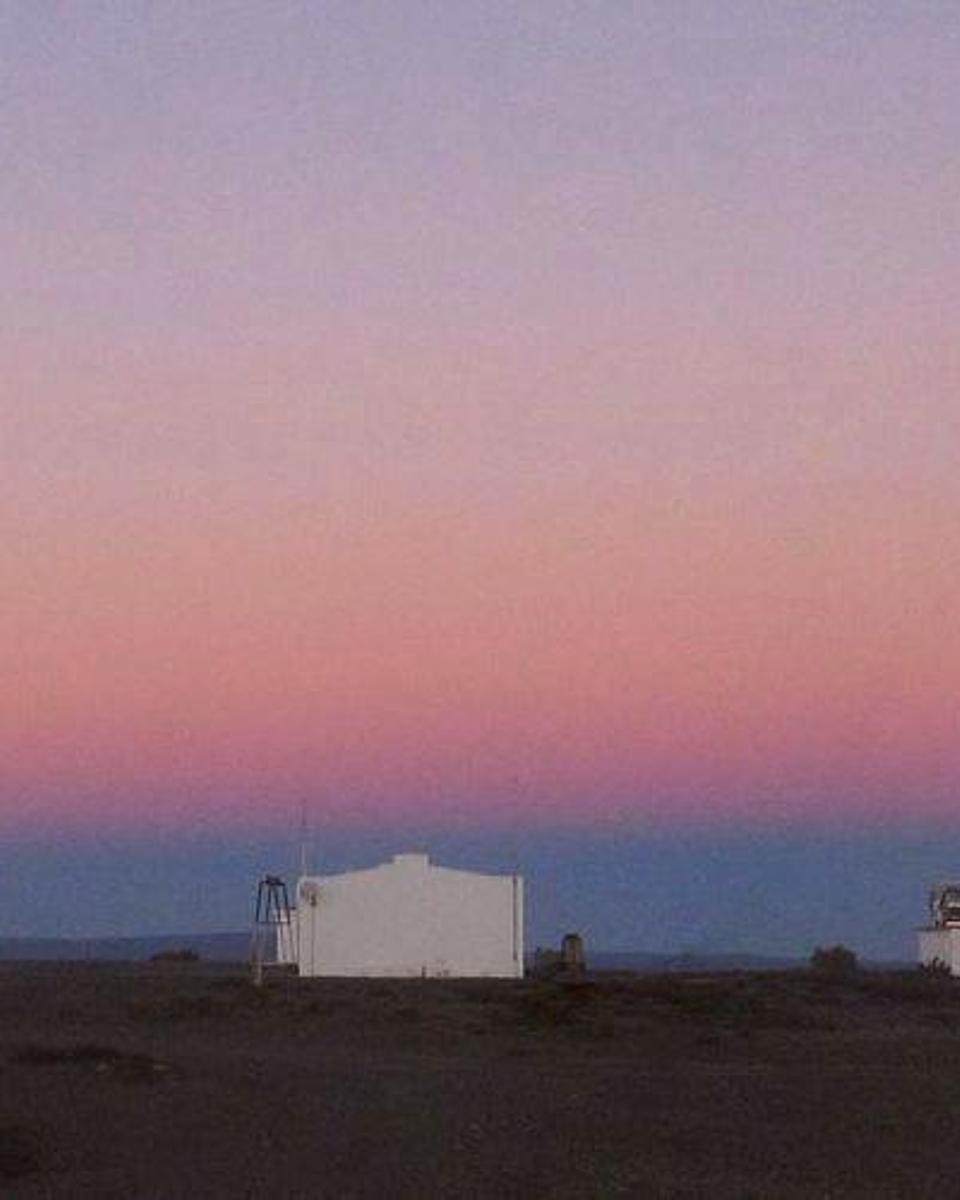
Gordel van Venus
Scroll right and enjoy this 180 degree panorama across the South African Astronomical Observatory's hilltop Sutherland observing station. Featured are SAAO telescope domes and…
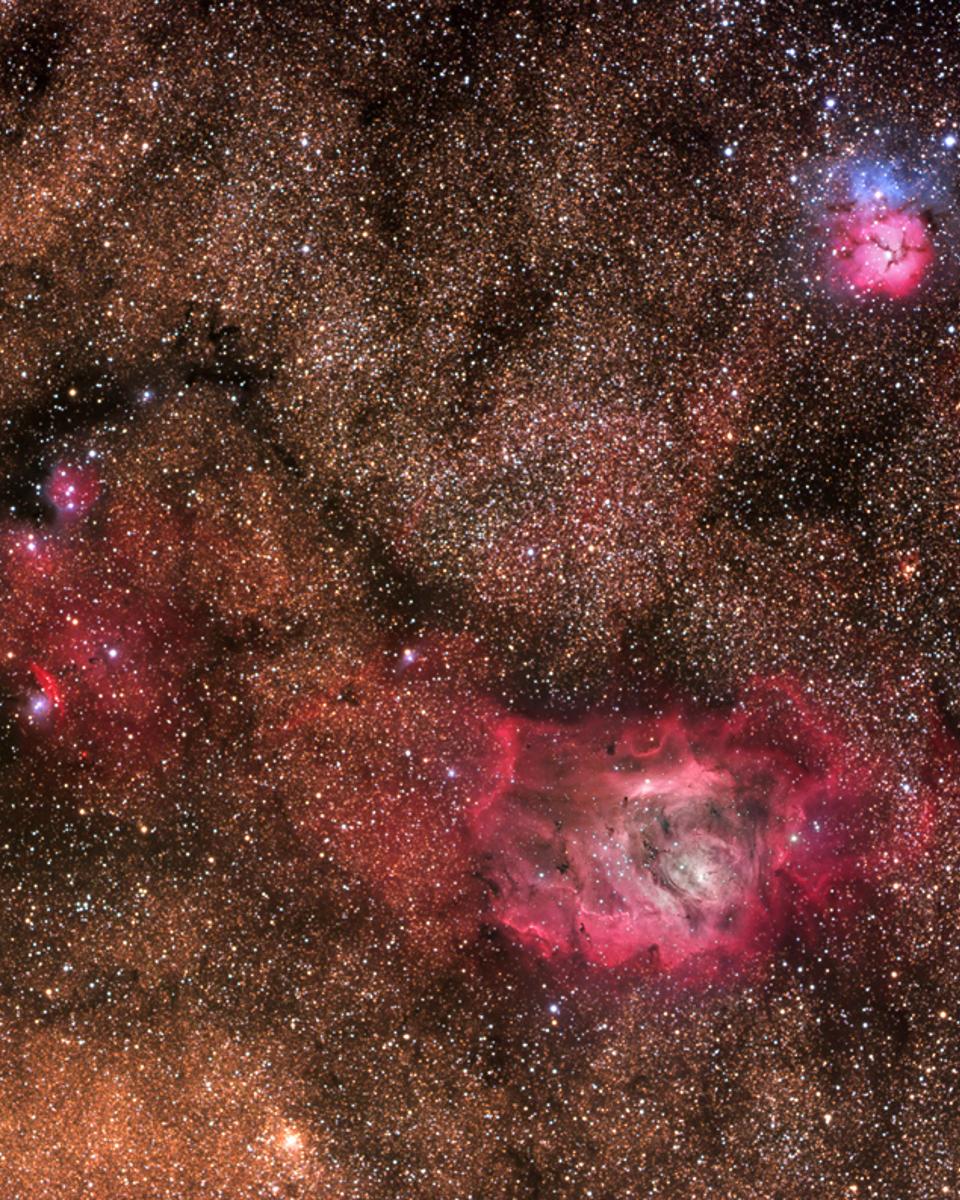
Sagittarius Triplet
These three bright nebulae are often featured in telescopic tours of the constellation Sagittarius and the crowded starfields of the central Milky Way . In fact, 18th century…
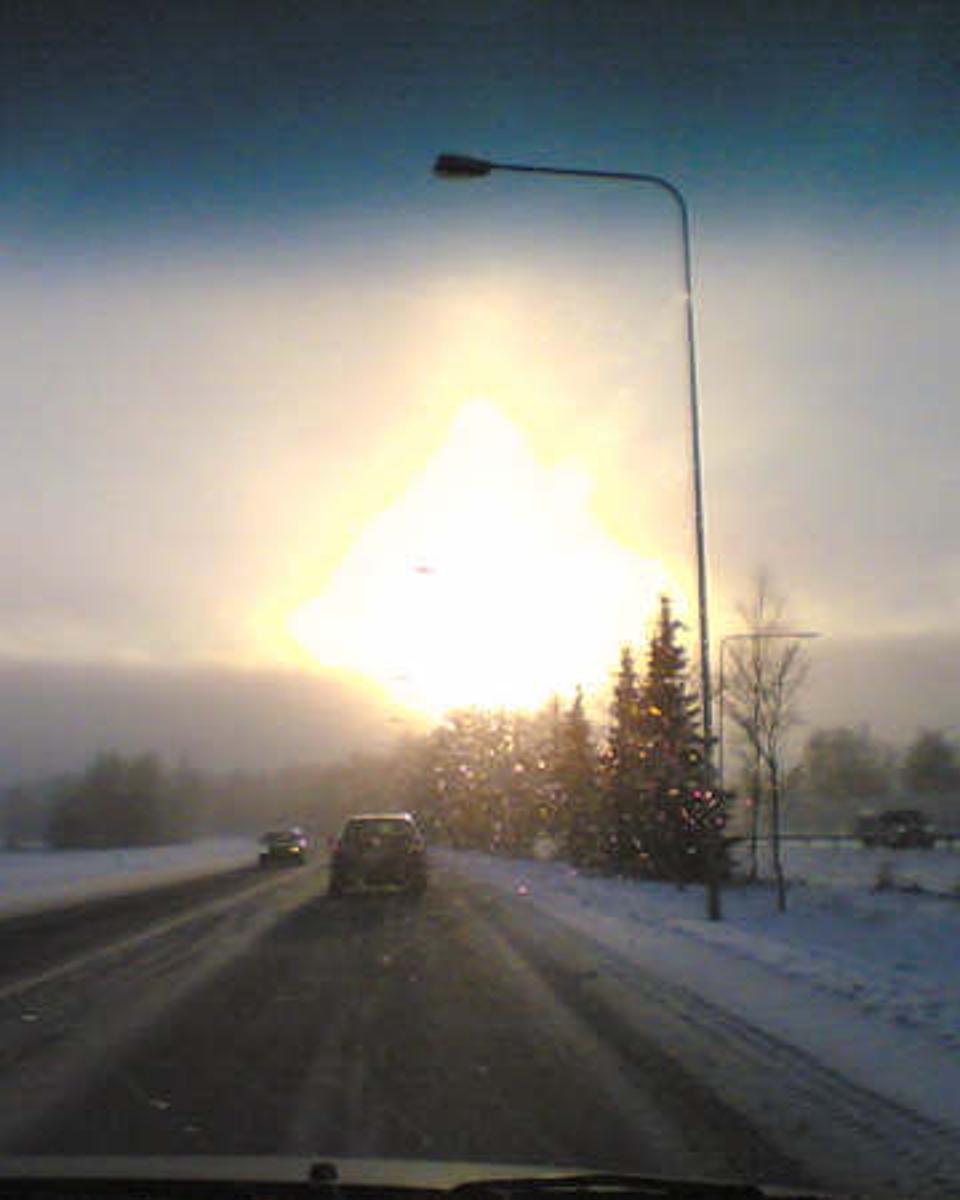
Driving Toward a Sun Halo
What's happened to the Sun? Sometimes it looks like the Sun is being viewed through a large lens . In the above case, however, there are actually millions of lenses: ice crystals…
Viewing discoveries from 6 July 2006 through 13 June 2006.