Browse NASA Astronomy Picture of the Day archive by date and media: Archive Discoveries
Browse the NASA APOD archive without needing the exact date first. Filter by media type and keep moving deeper into older images and videos.
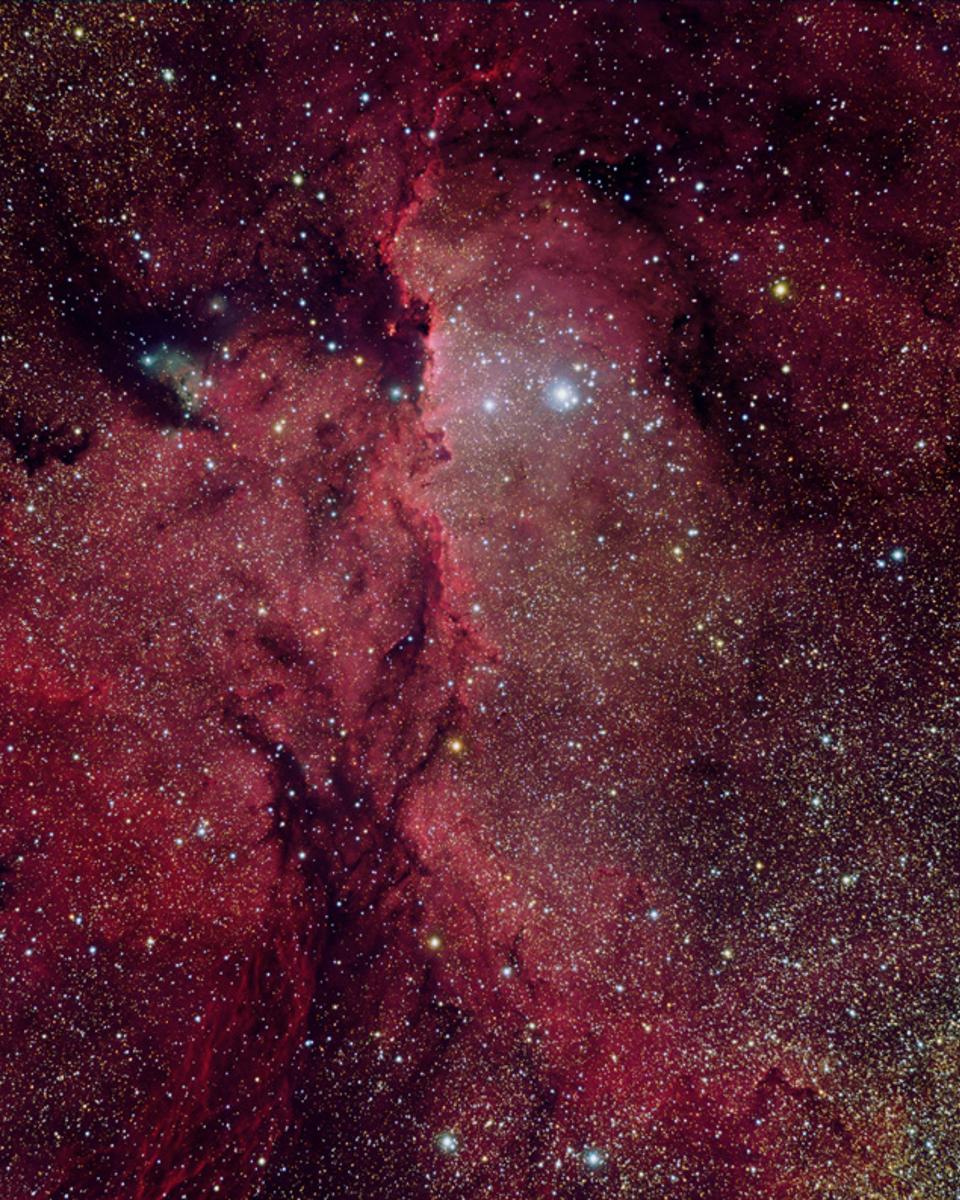
Reflections on NGC 6188
NGC 6188 is an interstellar carnival of young blue stars , hot red gas , and cool dark dust . Located 4,000 light years away in the disk of our Galaxy, NGC 6188 is home to the Ara…
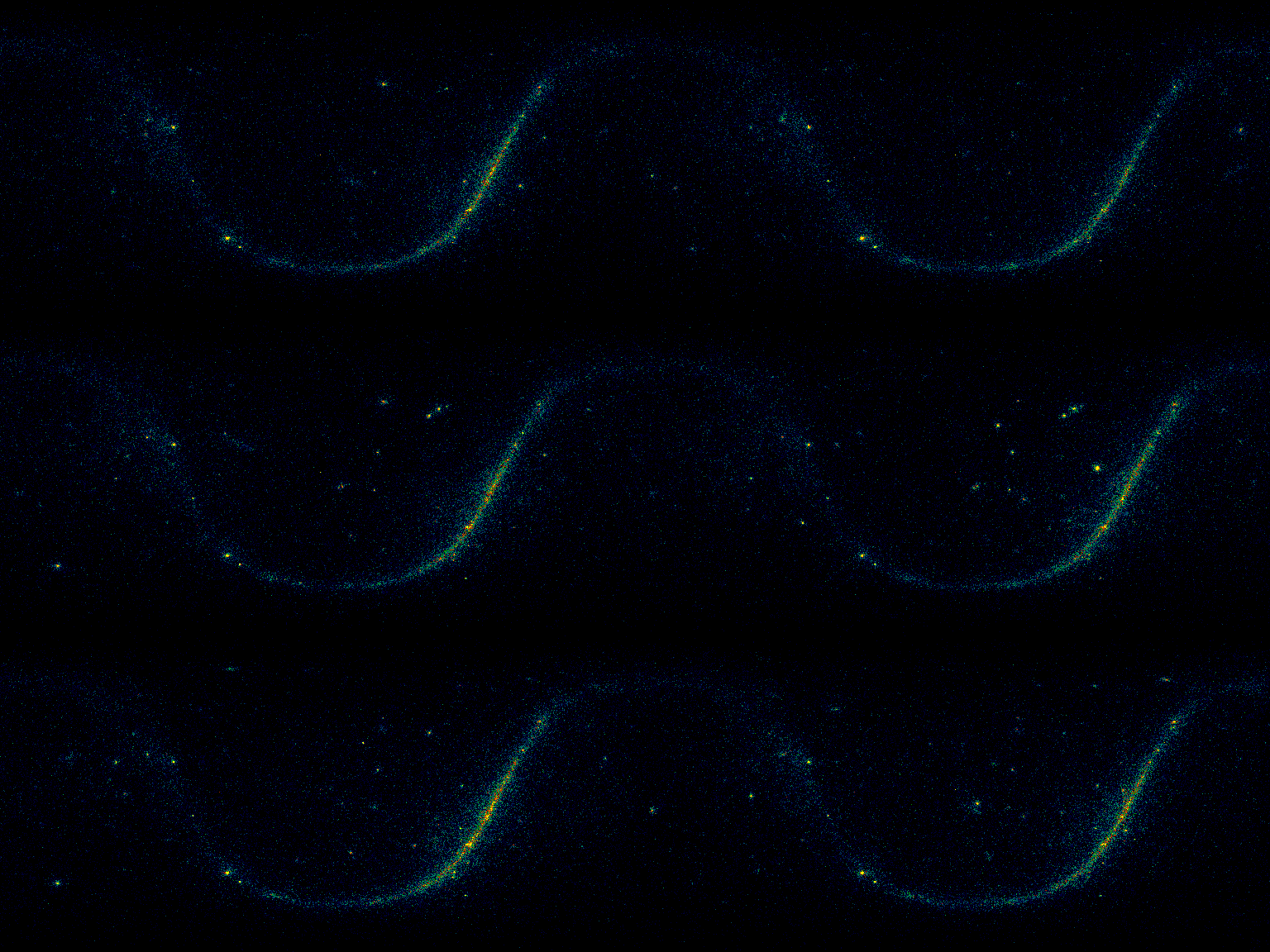
Simulated Gamma-ray Sky
Scheduled for launch in 2007, the Gamma-ray Large Area Space Telescope (GLAST) will explore the Universe in gamma-rays , the most energetic form of light. To get ready, consider…
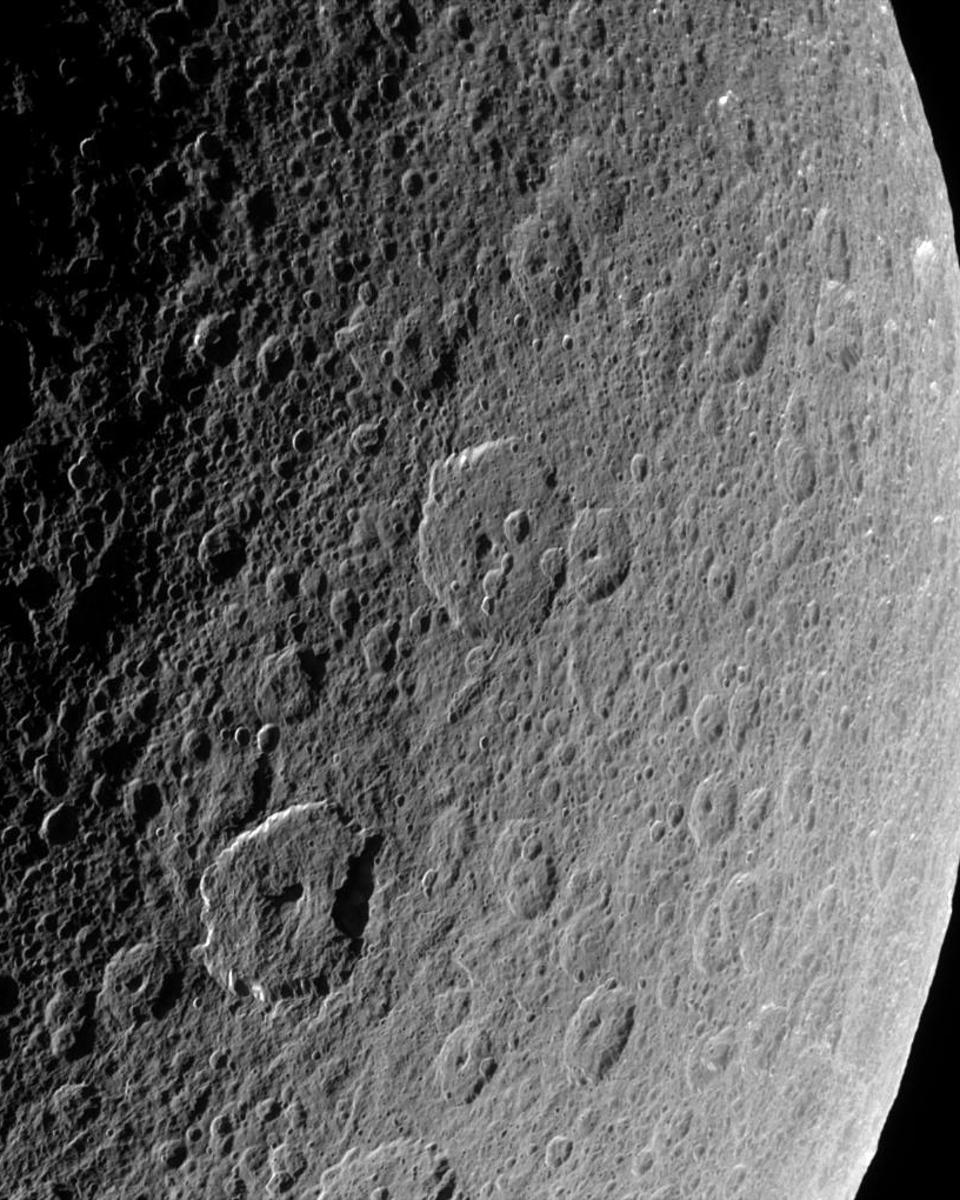
Ancient Craters on Saturn's Rhea
Saturn's ragged moon Rhea has one of the oldest surfaces known. Estimated as changing little in the past billion years, Rhea shows craters so old they no longer appear round their…

The NASA Television Channel
Do you ever feel like watching the NASA channel? If so, in addition to standard cable access and the standard NASA TV web pages, it might now be possible to watch NASA TV simply…
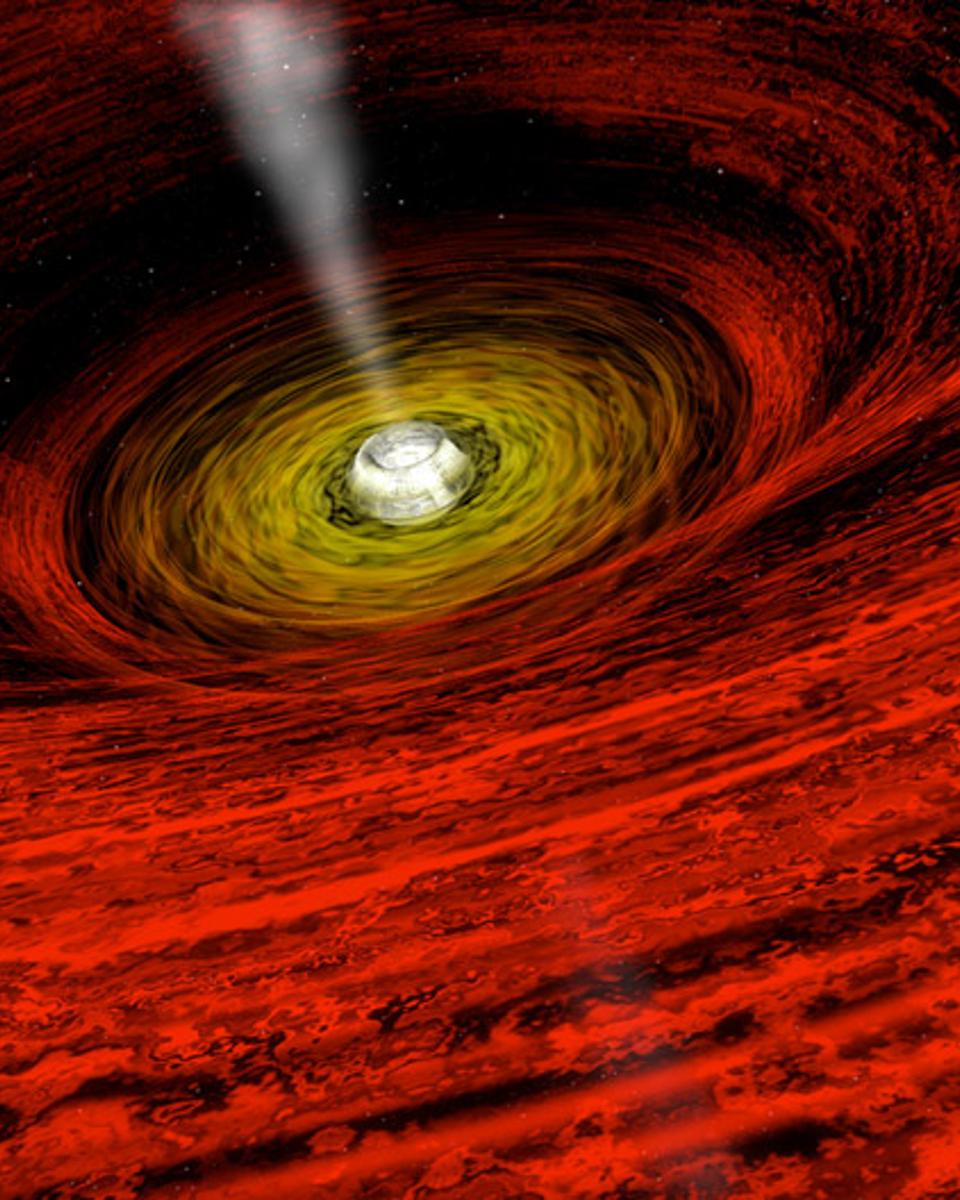
GRO J1655-40: Evidence for a Spinning Black Hole
In the center of a swirling whirlpool of hot gas is likely a beast that has never been seen directly: a black hole . Studies of the bright light emitted by the swirling gas…
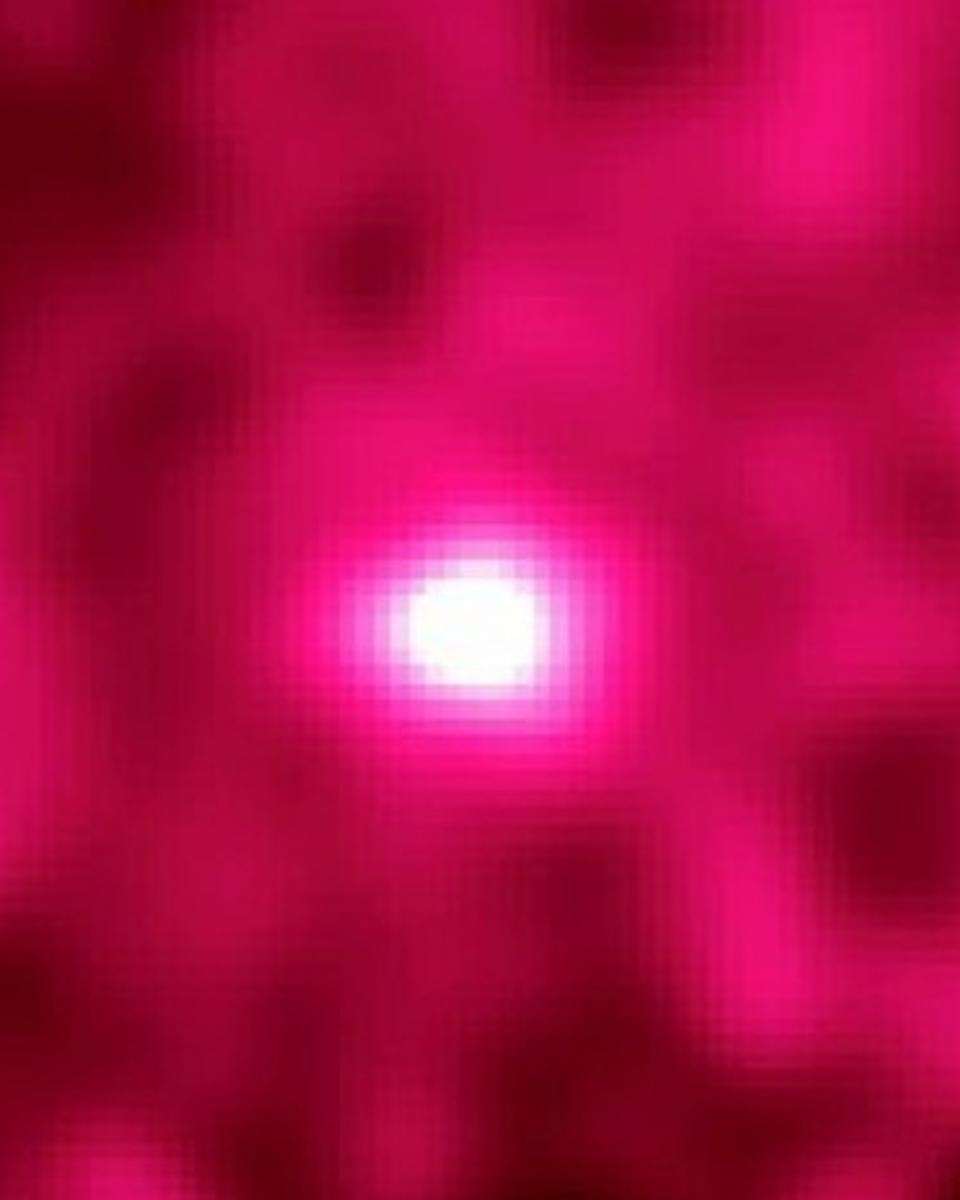
Gamma-Ray Moon
If you could see gamma rays - photons with a million or more times the energy of visible light - the Moon would appear brighter than the Sun! The startling notion is demonstrated…
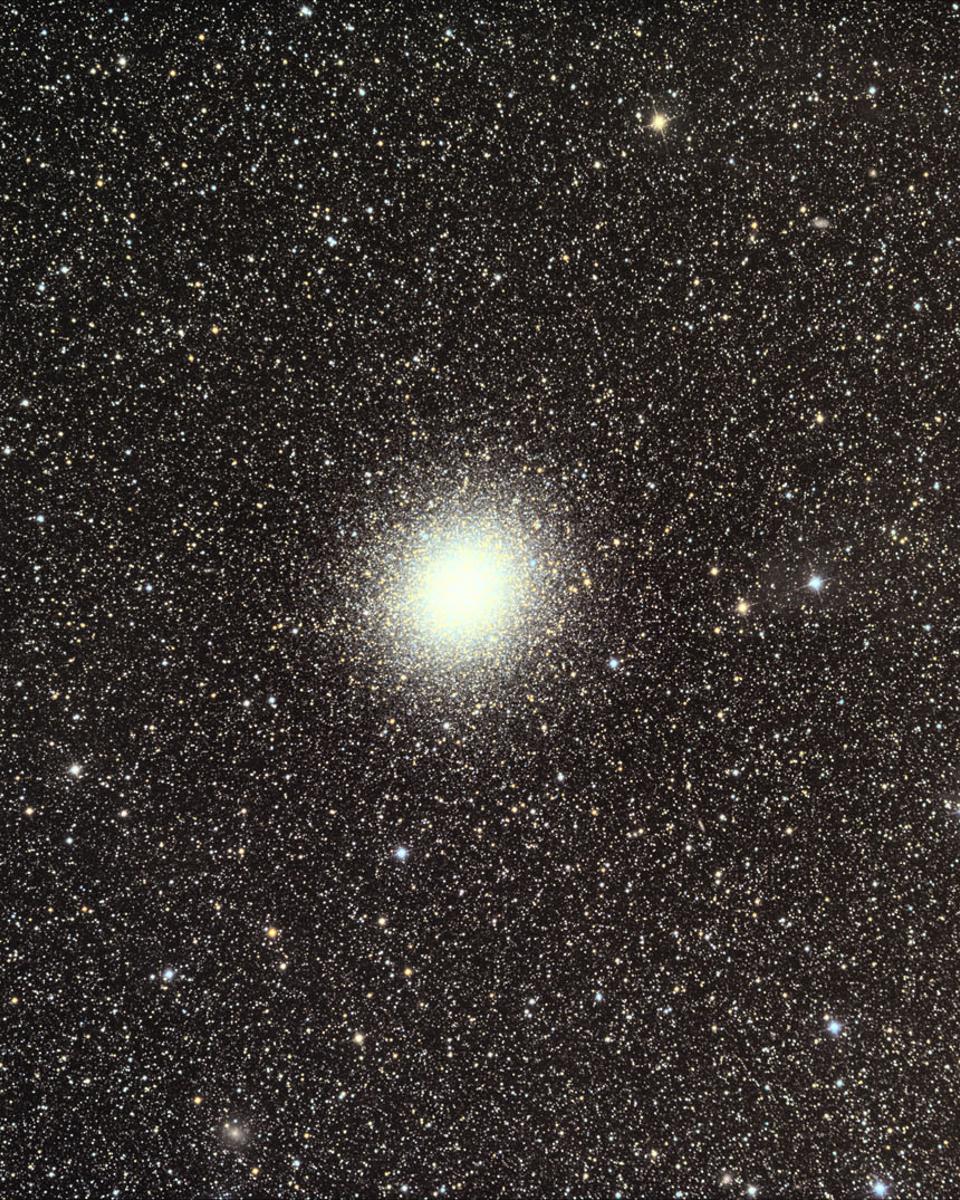
Omega Centauri
Centaurus, the Centaur , is one of the most striking constellations in the southern sky. The Milky Way flows through this celestial expanse whose wonders also include the closest…
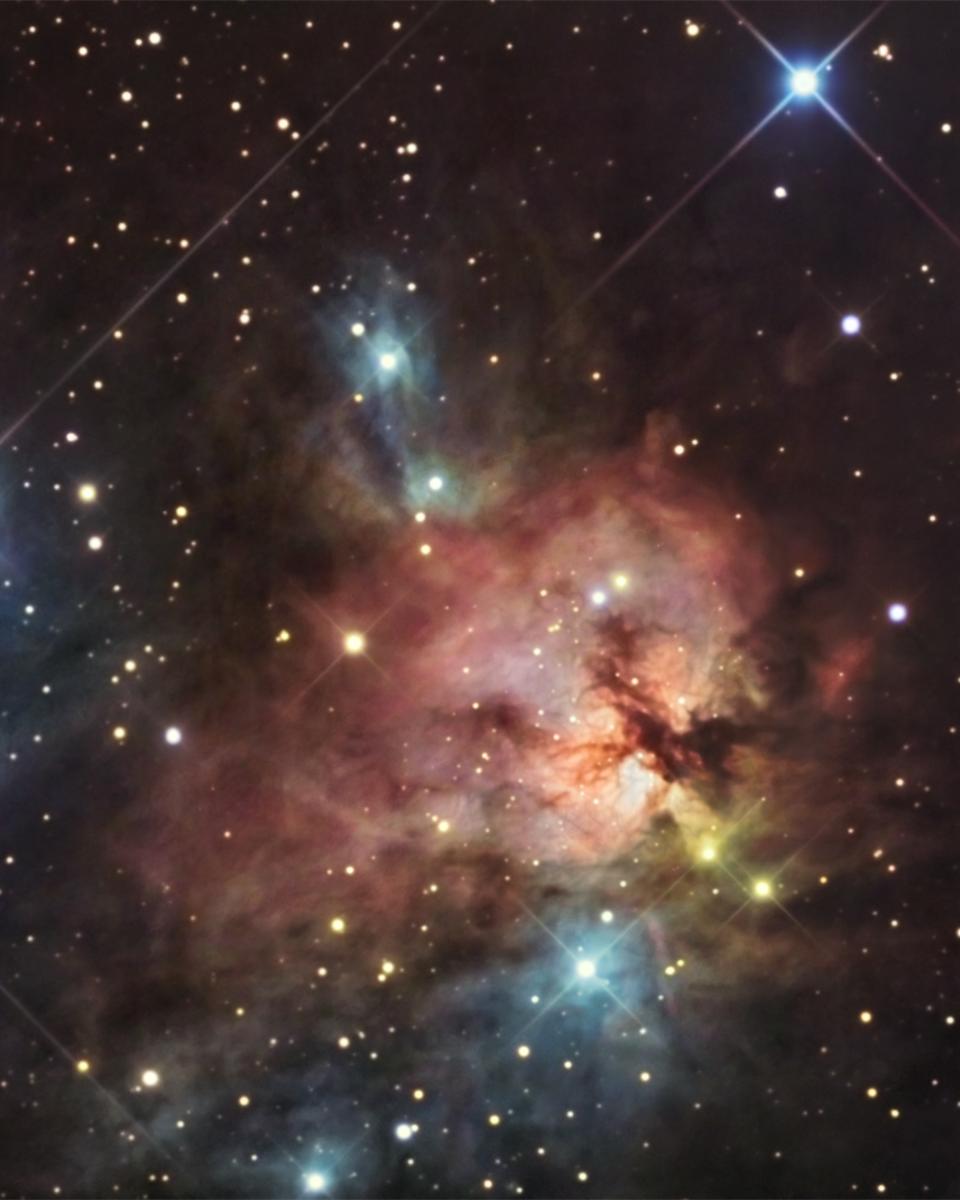
NGC 1579: Trifid of the North
Colorful NGC 1579 resembles the better known Trifid Nebula, but lies much farther north in planet Earth's sky, in the heroic constellation Perseus . About 2,100 light-years away…
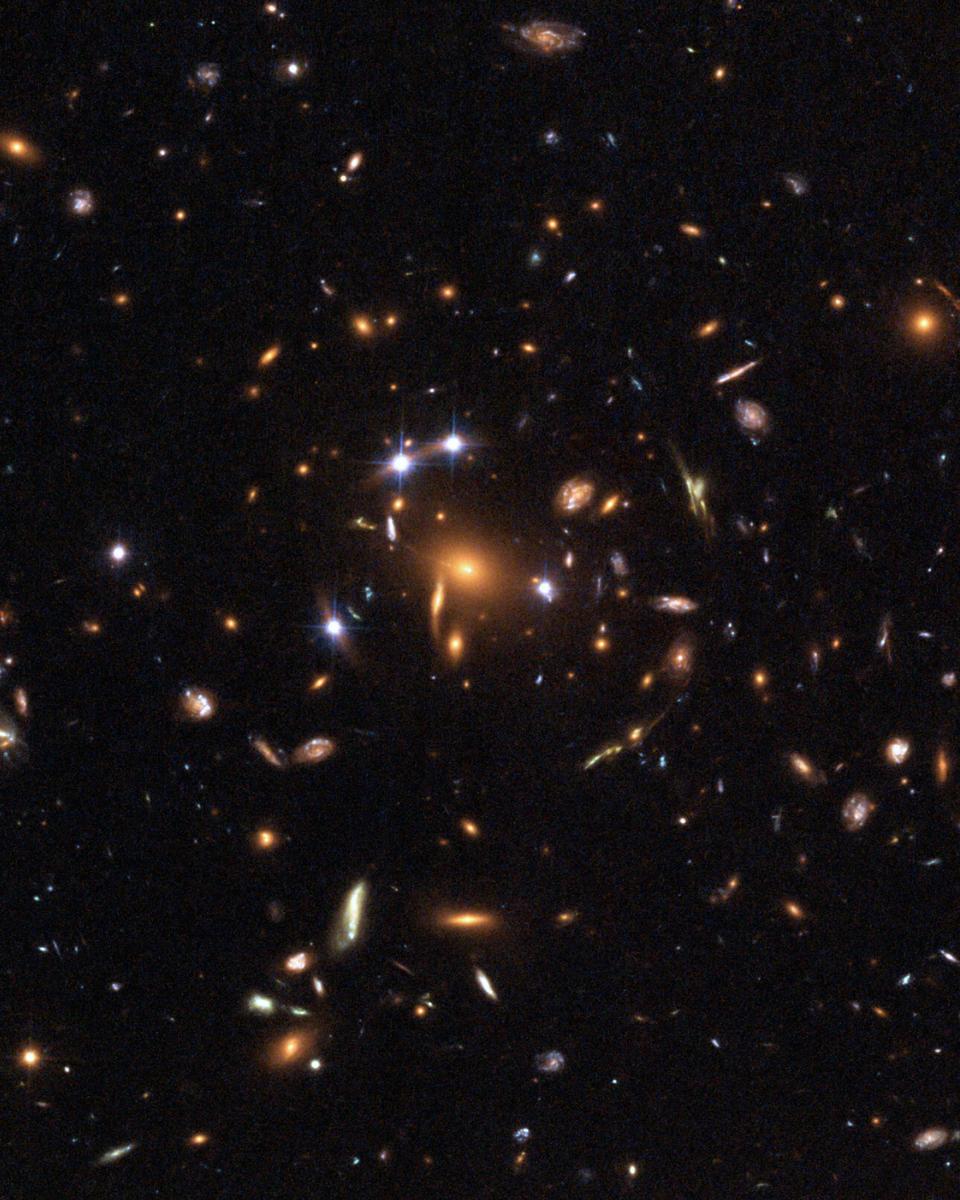
A Five Quasar Gravitational Lens
What's happening near the center of this cluster of galaxies? At first glance, it appears that several strangely elongated galaxies and fully five bright quasars exist there. In…
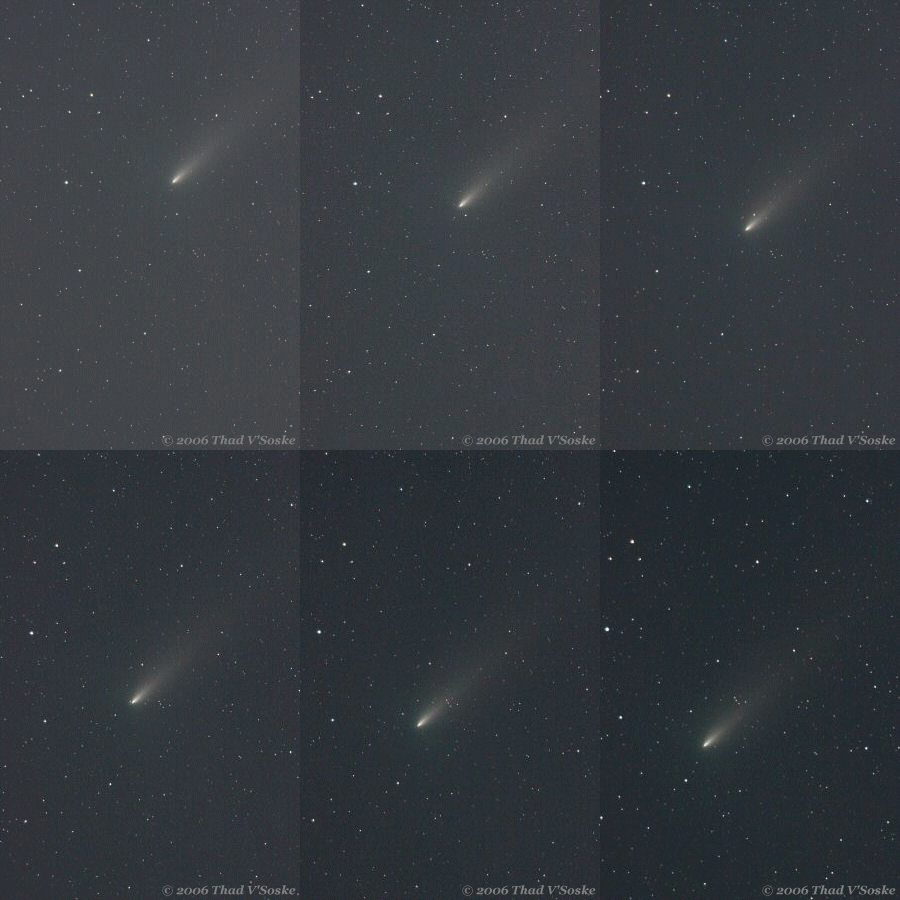
Comet Schwassmann-Wachmann 3 Passes the Earth
Rarely does a comet pass this close to Earth. Last week, dedicated astrofilmographers were able to take advantage of the close approach of crumbling 73P / Comet…
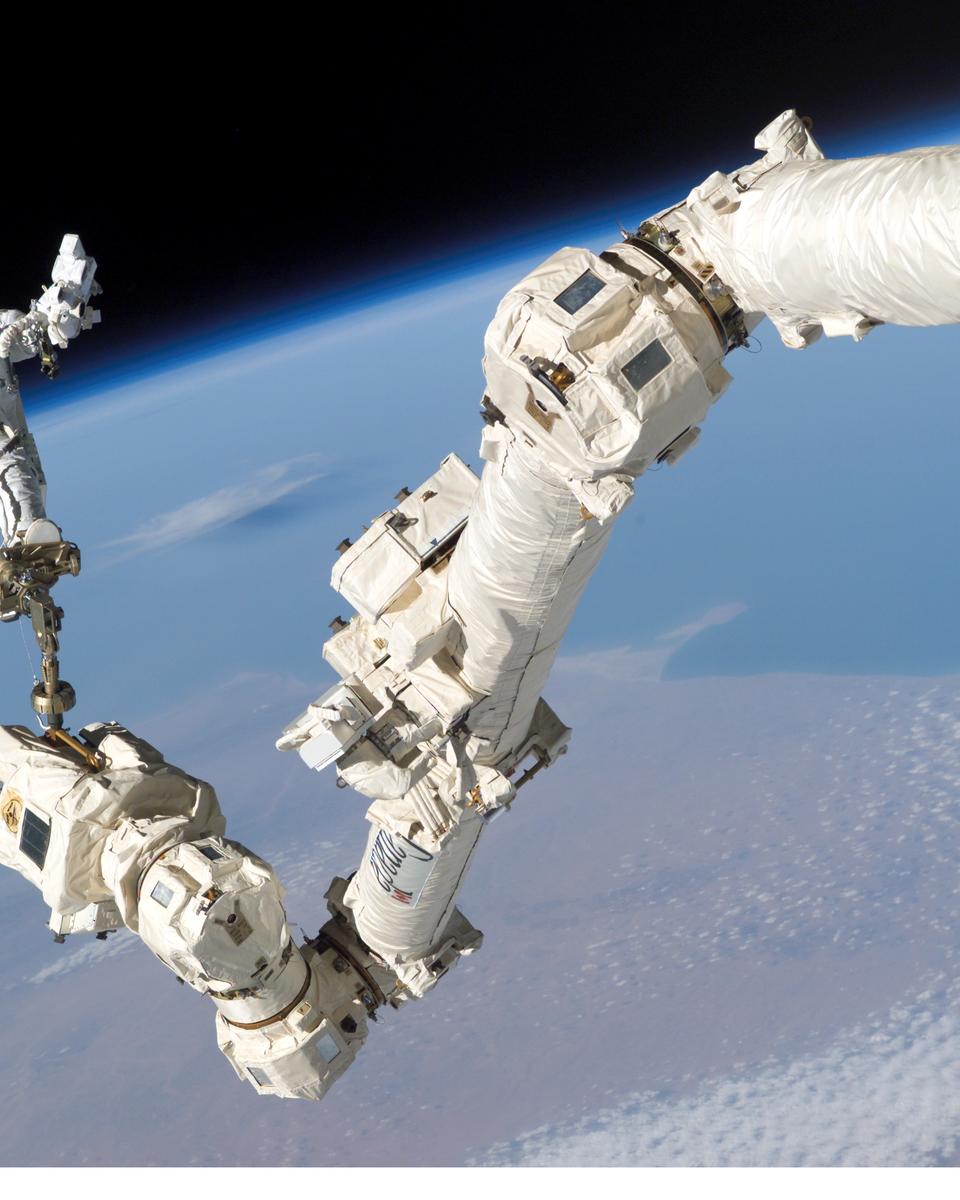
Maneuvering in Space
What arm is 17 meters long and sometimes uses humans for fingers? The Canadarm2 aboard the International Space Station (ISS). Canadarm2 has multiple joints and is capable of…
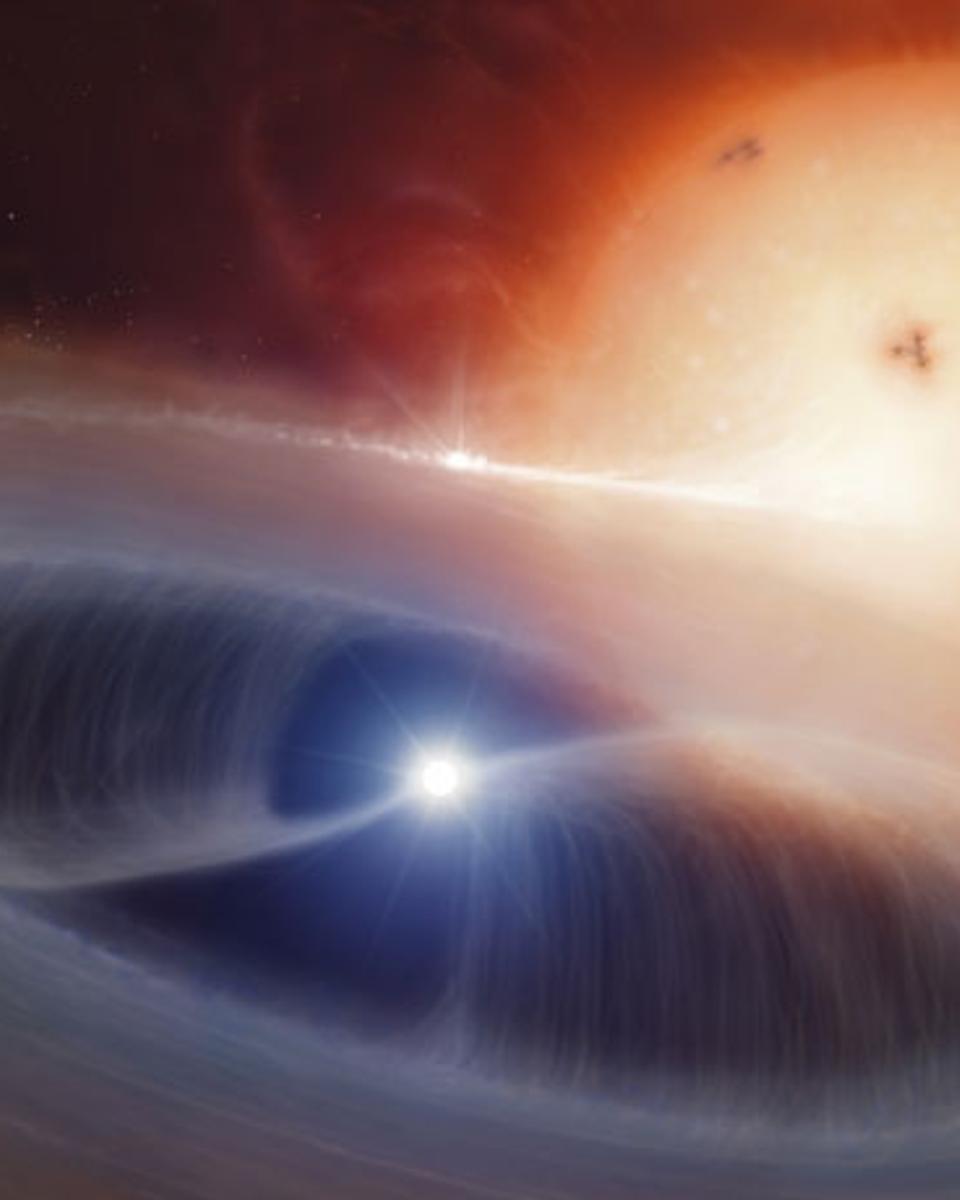
An Intermediate Polar Binary System
How can two stars create such a strange and intricate structure? Most stars are members of multiple-star systems . Some stars are members of close binary systems where material…
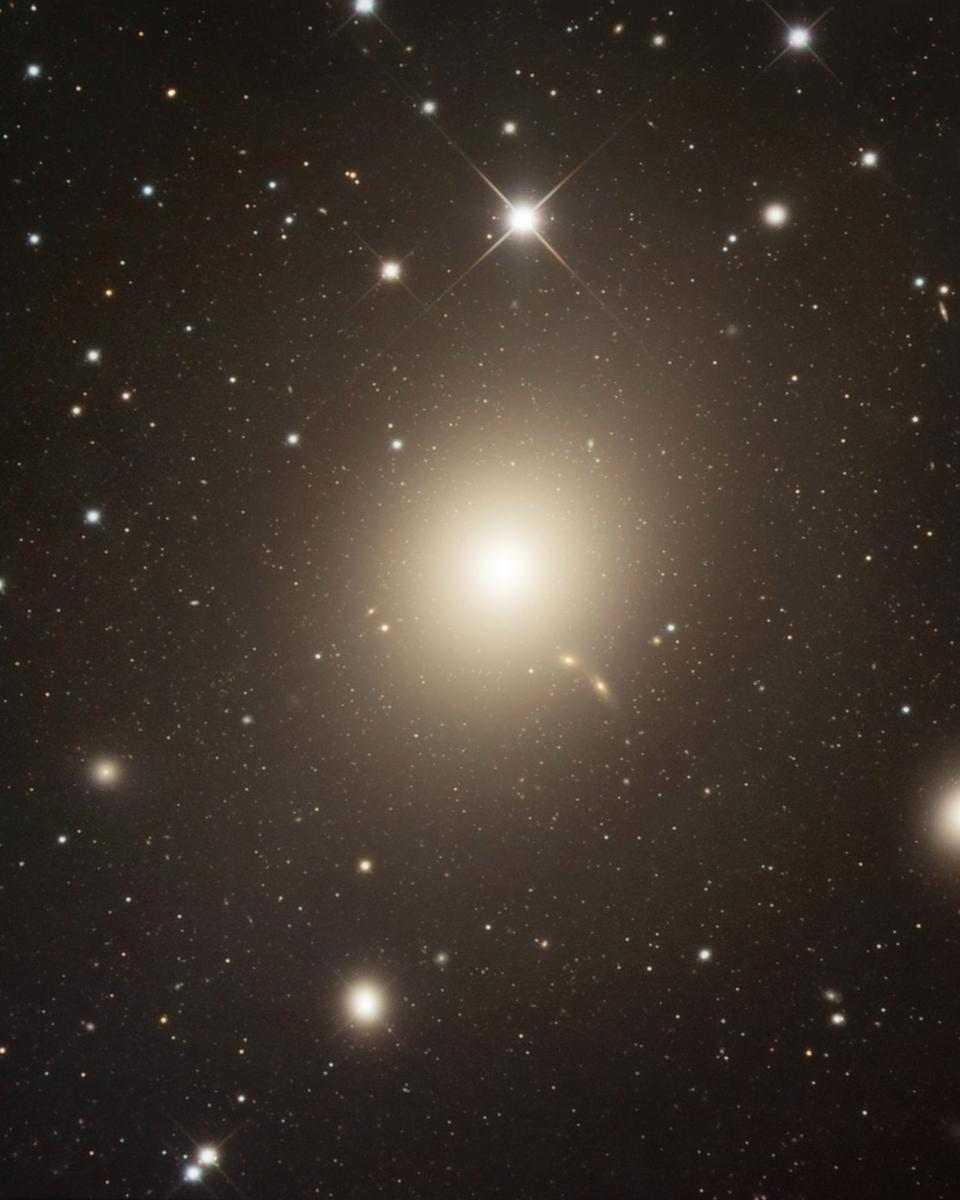
Elliptical Galaxy M87
In spiral galaxies , majestic winding arms of young stars and interstellar gas and dust rotate in a flat disk around a bulging galactic nucleus. But elliptical galaxies seem to be…
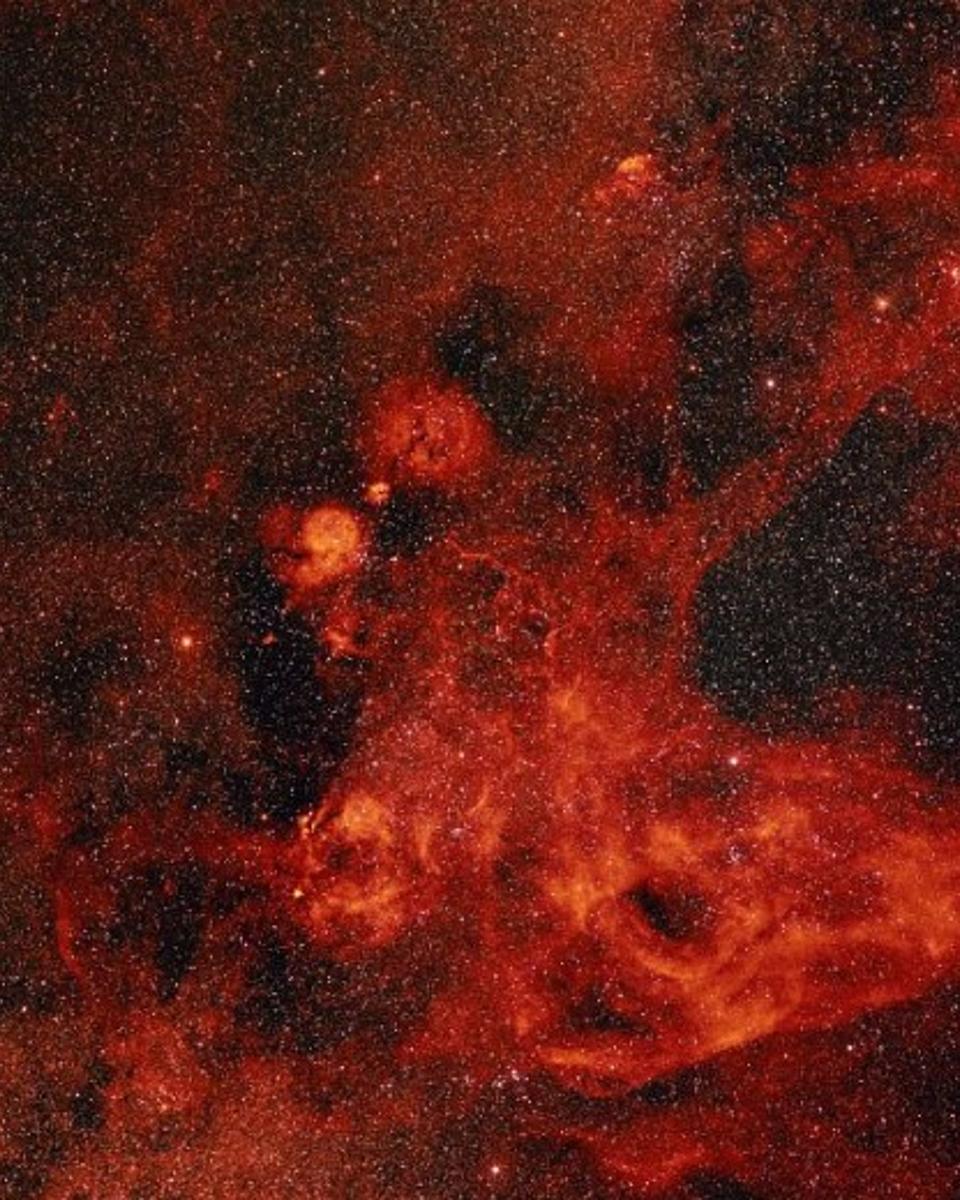
The Gum Nebula
Named for Australian astronomer Colin Stanley Gum (1924-1960), The Gum Nebula is so large and close it is actually hard to see. In fact , we are only about 450 light-years from…
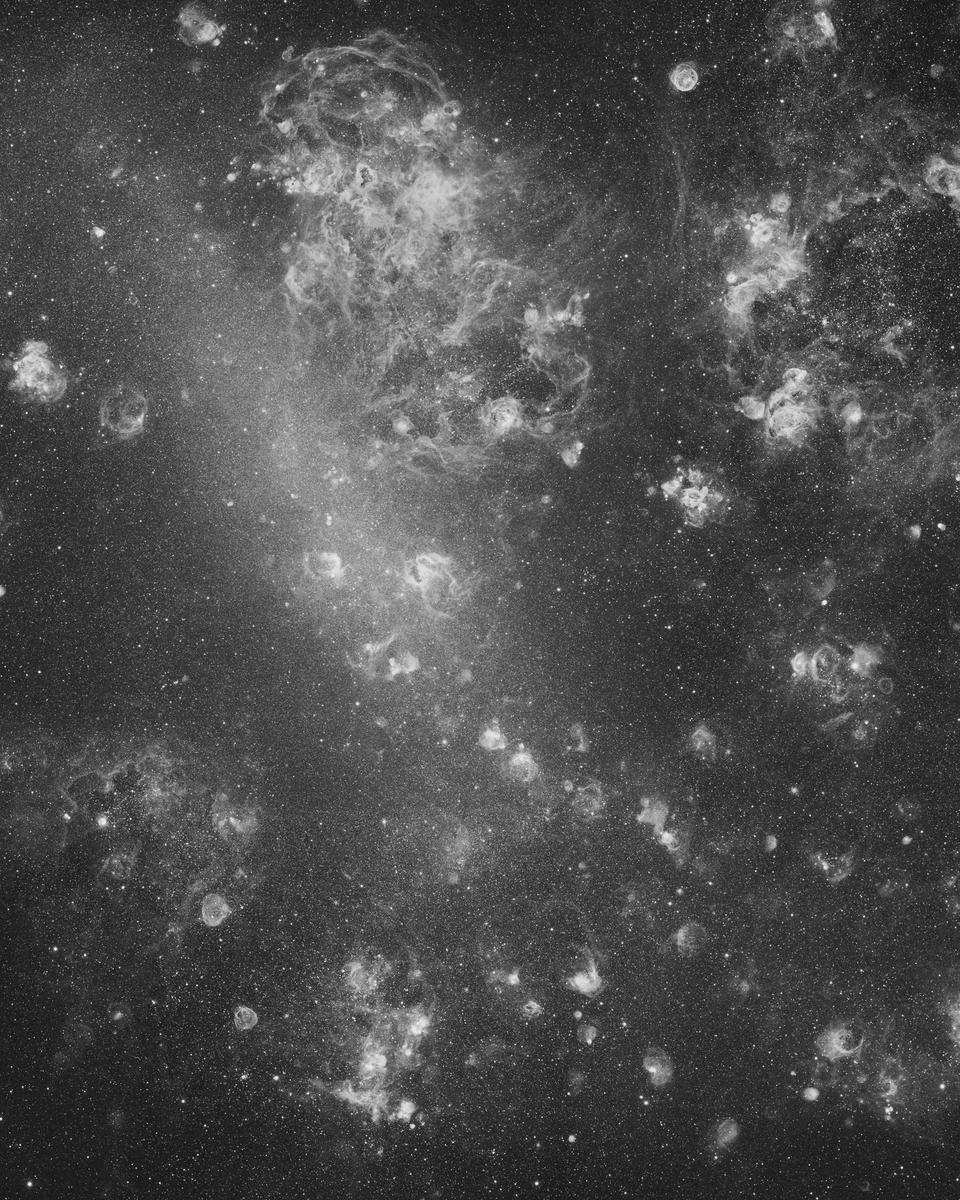
Shell Game in the LMC
An alluring sight in dark southern skies, the Large Magellanic Cloud (LMC) is seen here through a narrow filter that transmits only the red light of hydrogen atoms. Ionized by…
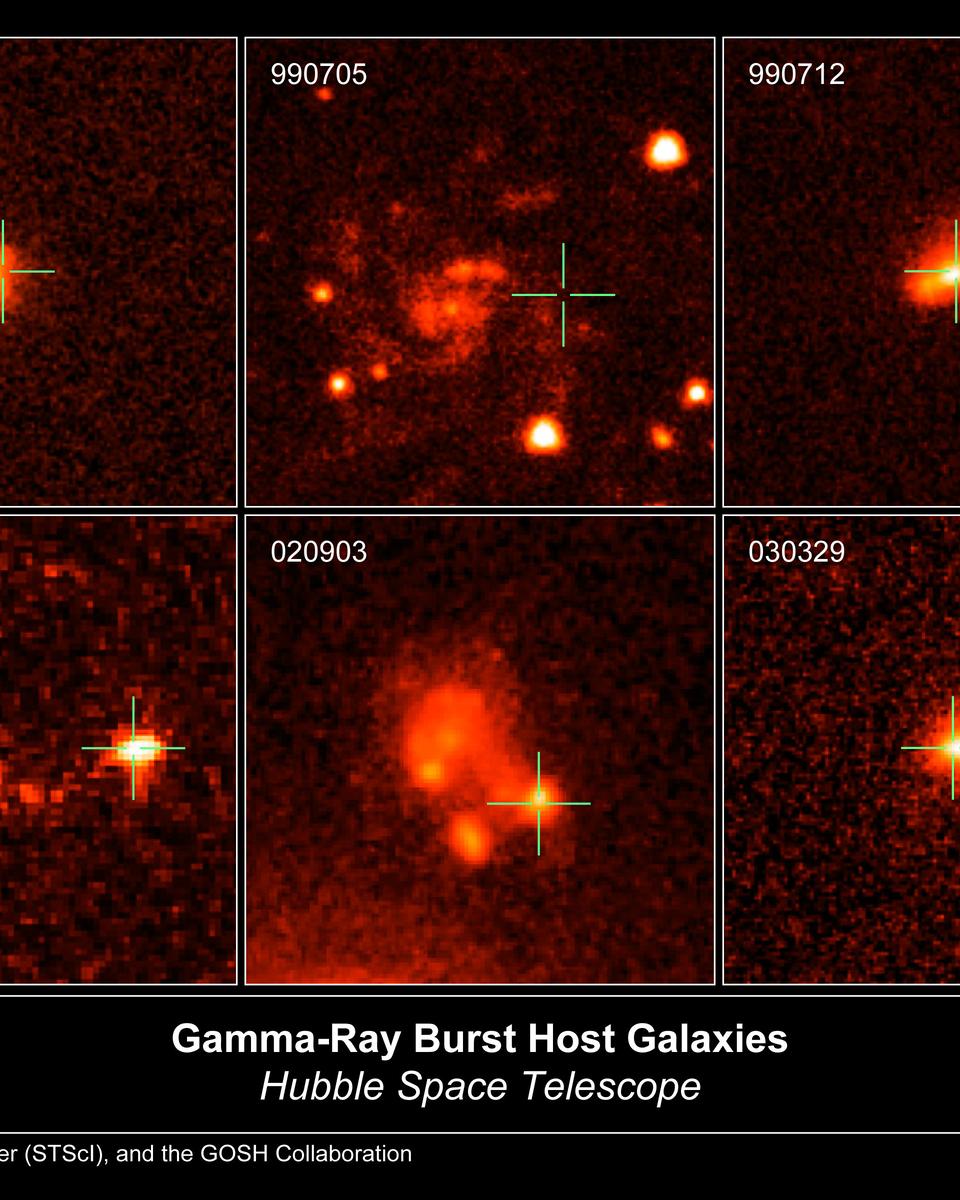
The Host Galaxies of Long-Duration GRBs
What causes the powerful explosions known as gamma-ray bursts? Astrophysicists still aren't sure, but the longest duration gamma-ray bursts (GRBs) seem to involve very massive…
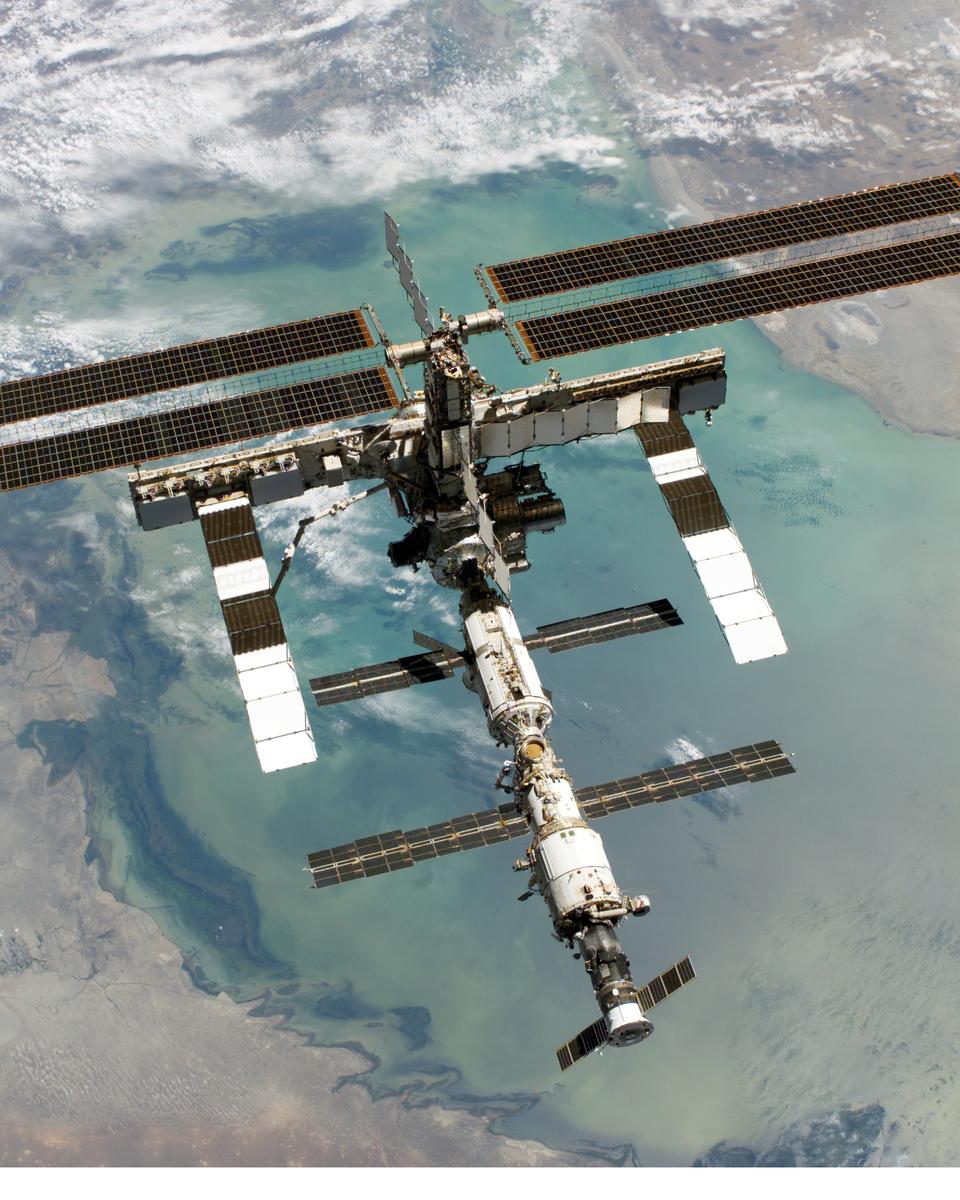
The International Space Station from Above
The International Space Station (ISS) is the largest human-made object ever to orbit the Earth . Last August, the station was visited and resupplied by space shuttle Discovery .…
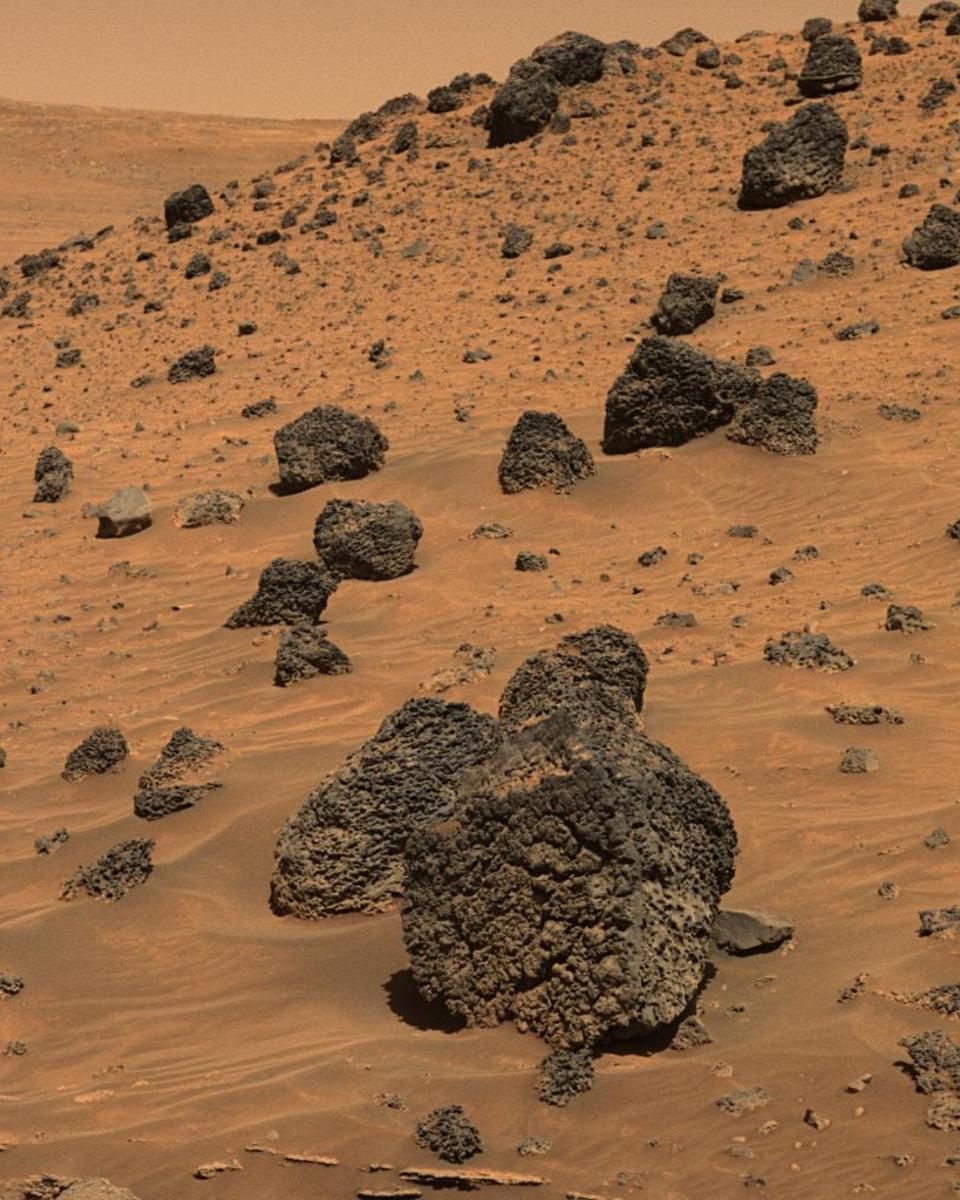
Volcanic Bumpy Boulder on Mars
What created this unusually textured rock on Mars? Most probably: a volcano . Dubbed Bumpy Boulder, the strange stone measuring just under a half-meter high was found by the…
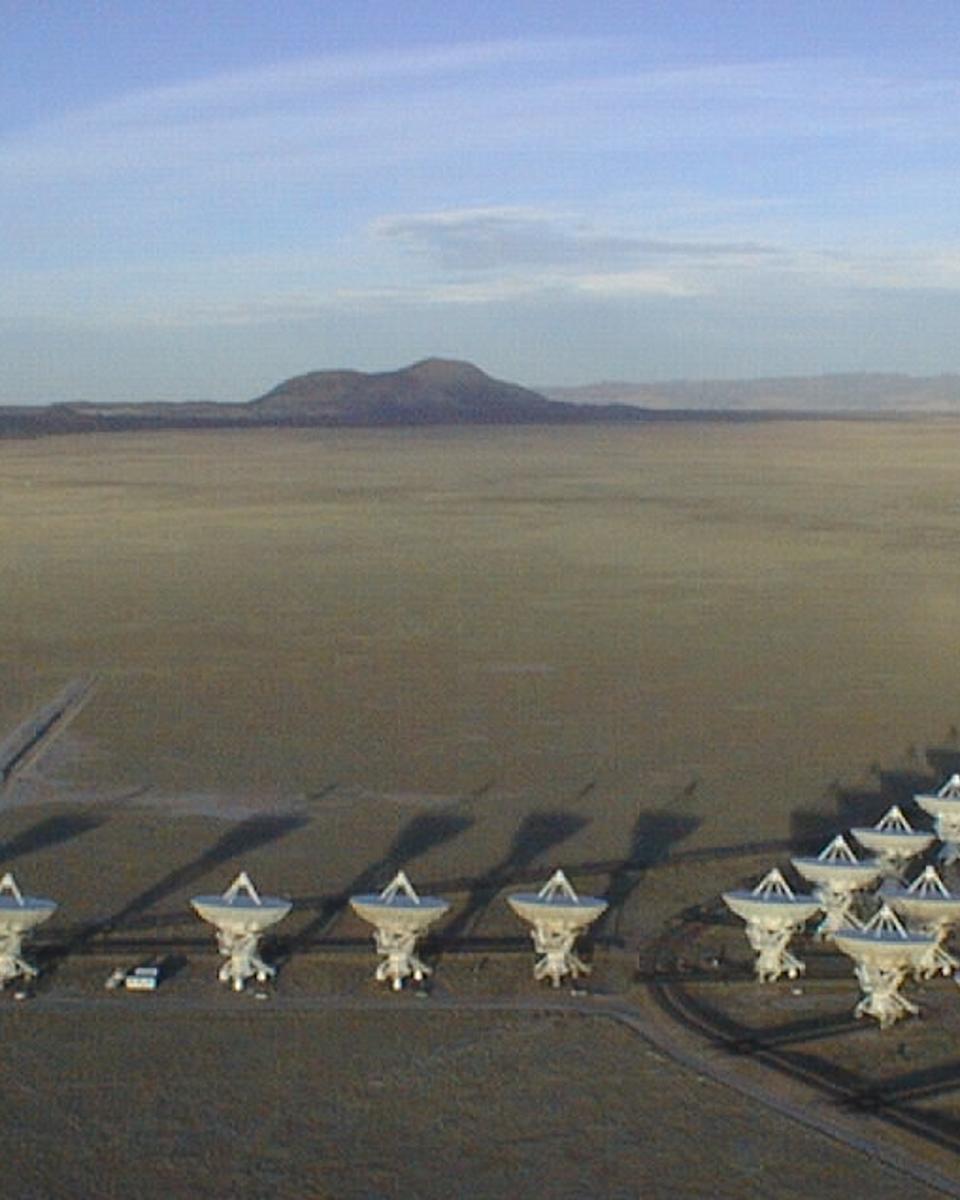
The Very Large Array of Radio Telescopes
The most photogenic array of radio telescopes in the world has also been one of the most productive. Each of the 27 radio telescopes in the Very Large Array (VLA) is the size of a…
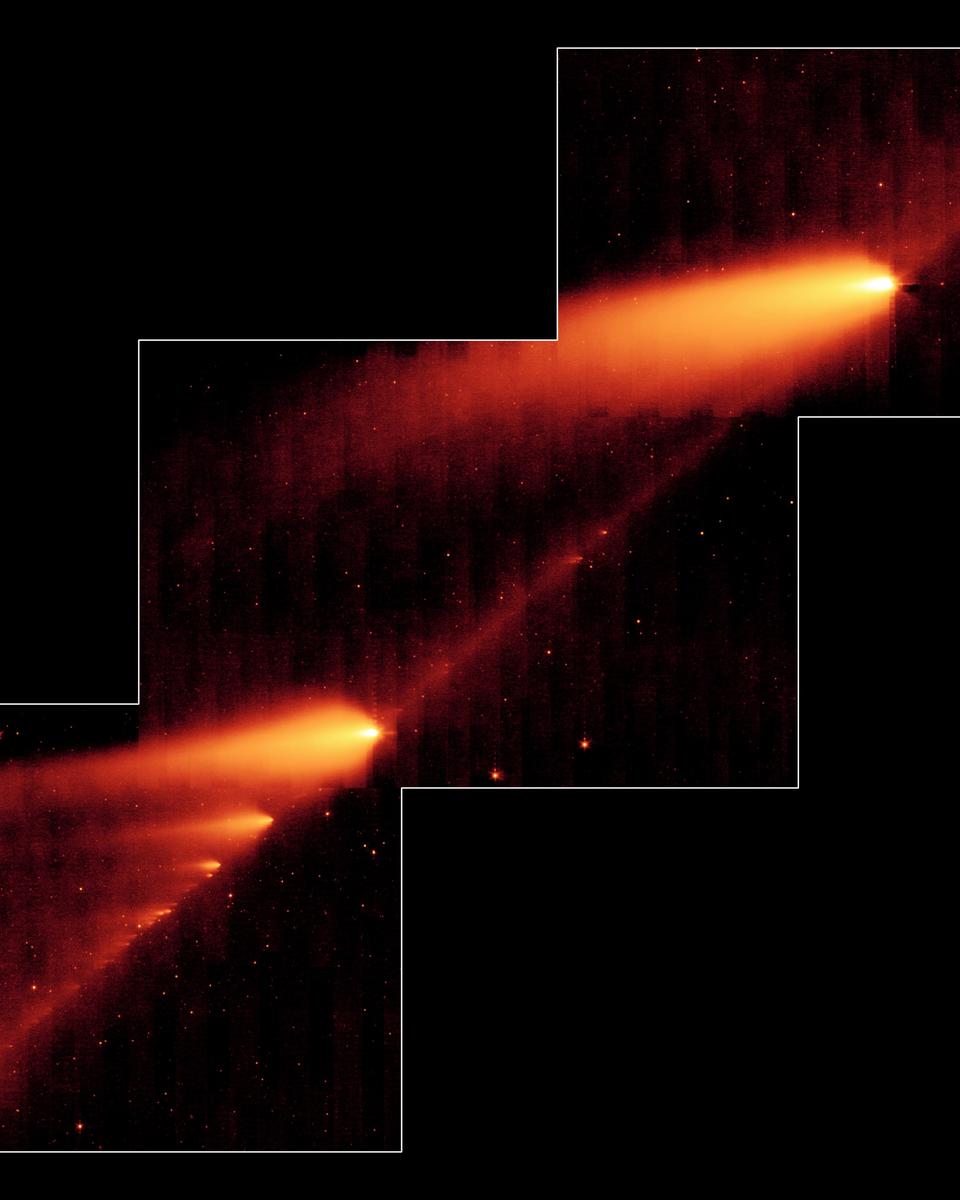
Crumbling Comet
This false-color mosaic of crumbling comet Schwassmann-Wachmann 3 spans about 6 degrees (12 full moons) along the comet's orbit. Recorded on May 4-6 by an infrared camera on board…
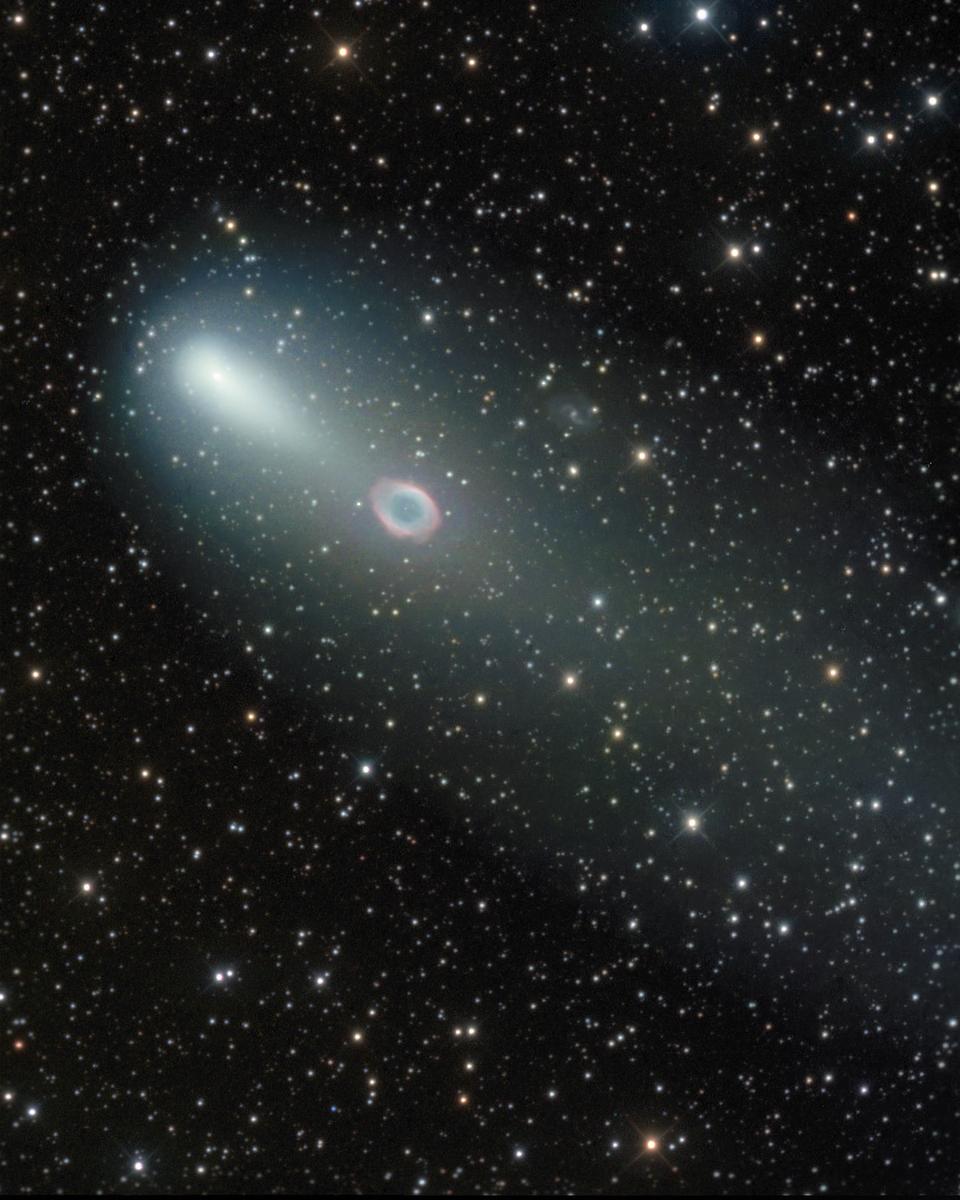
Comet Meets Ring Nebula: Part II
Moving rapidly through planet Earth's night sky, Fragment C of crumbling comet 73P/Schwassmann-Wachmann 3 passed almost directly in front of M57 - the Ring Nebula, and faint…
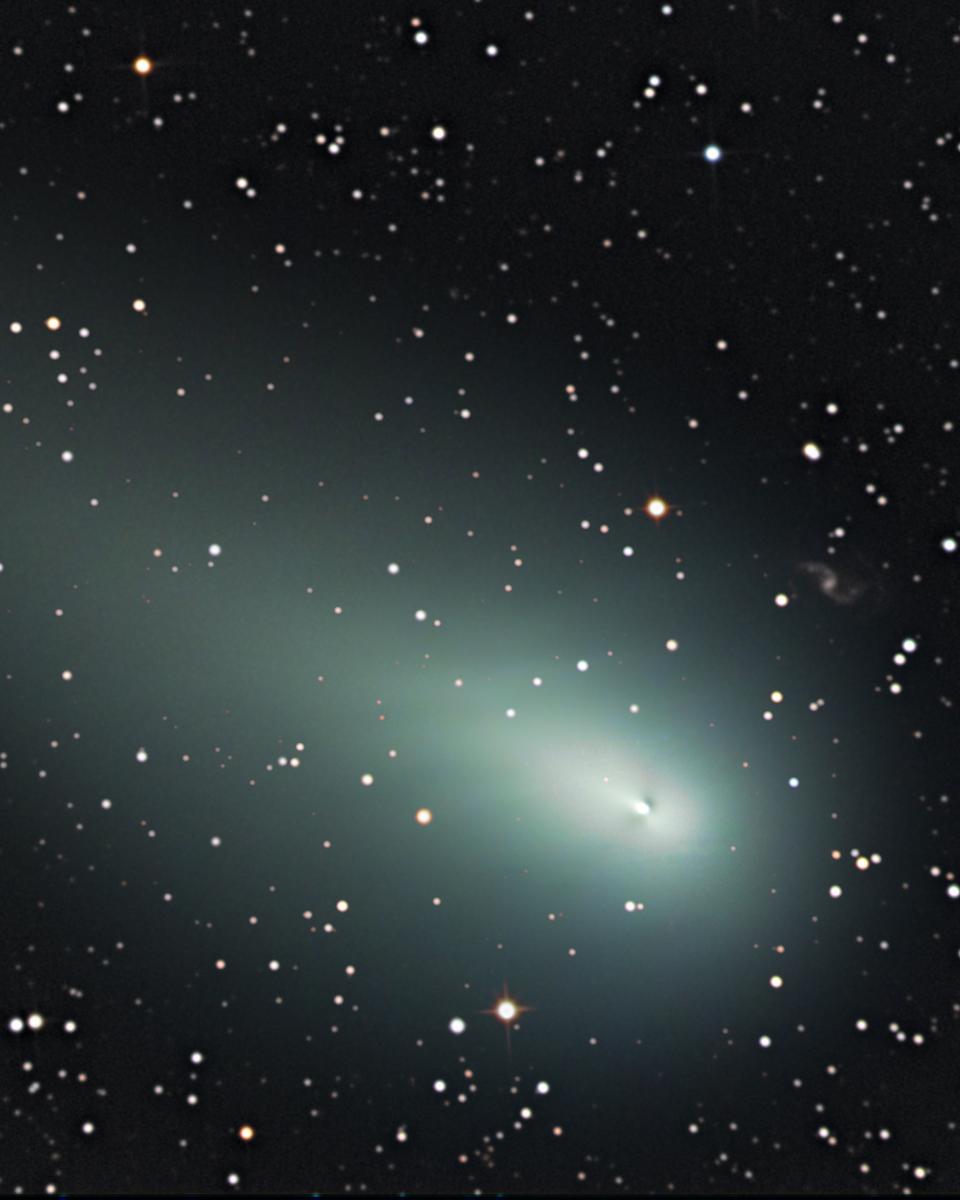
Comet Meets Ring Nebula: Part I
As dawn approached on May 8, astronomer Stefan Seip carefully watched Fragment C of broken comet 73P/Schwassmann-Wachmann 3 approach M57 - the Ring Nebula, and faint spiral galaxy…
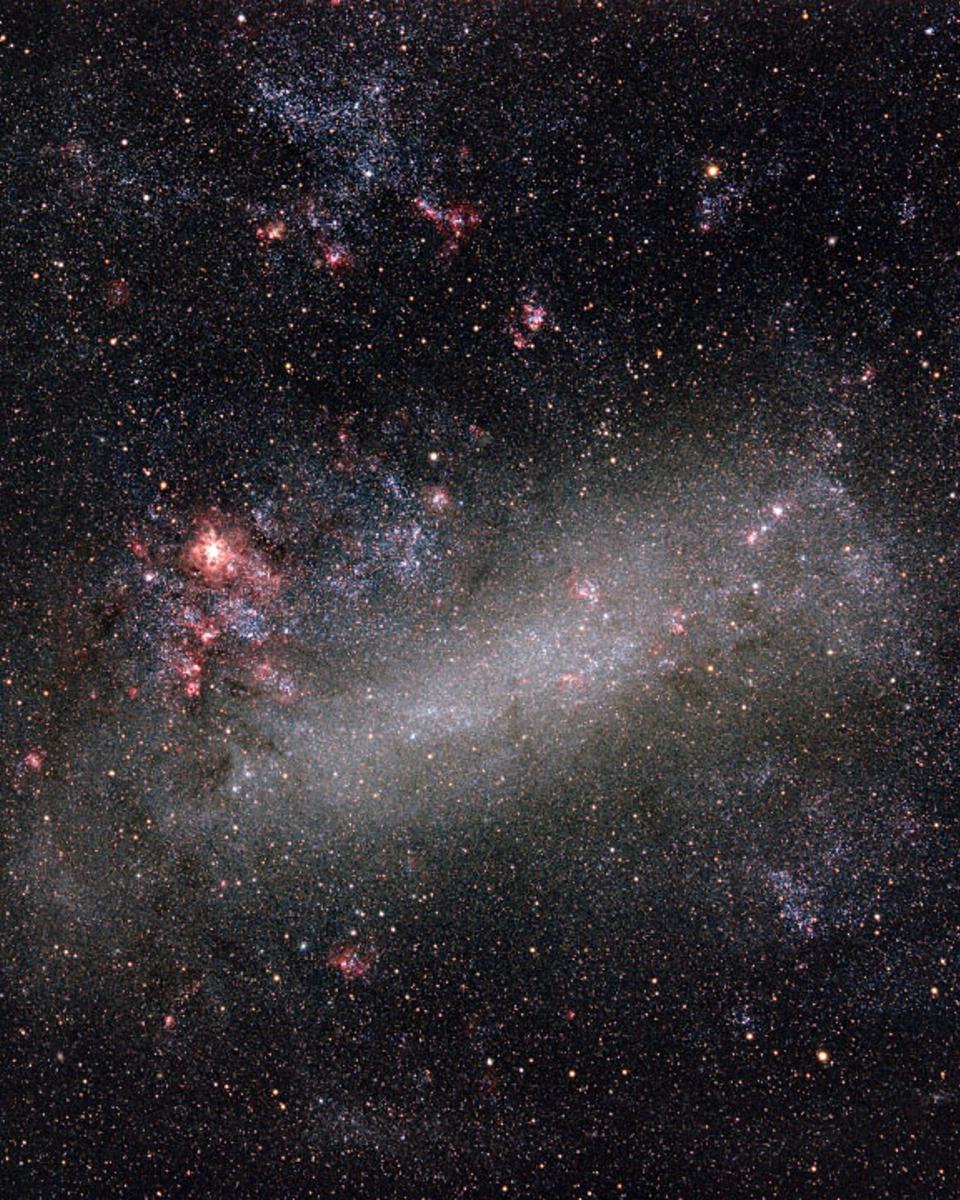
The Large Cloud of Magellan
Portuguese navigator Fernando de Magellan and his crew had plenty of time to study the southern sky during the first circumnavigation of planet Earth. As a result, two fuzzy…
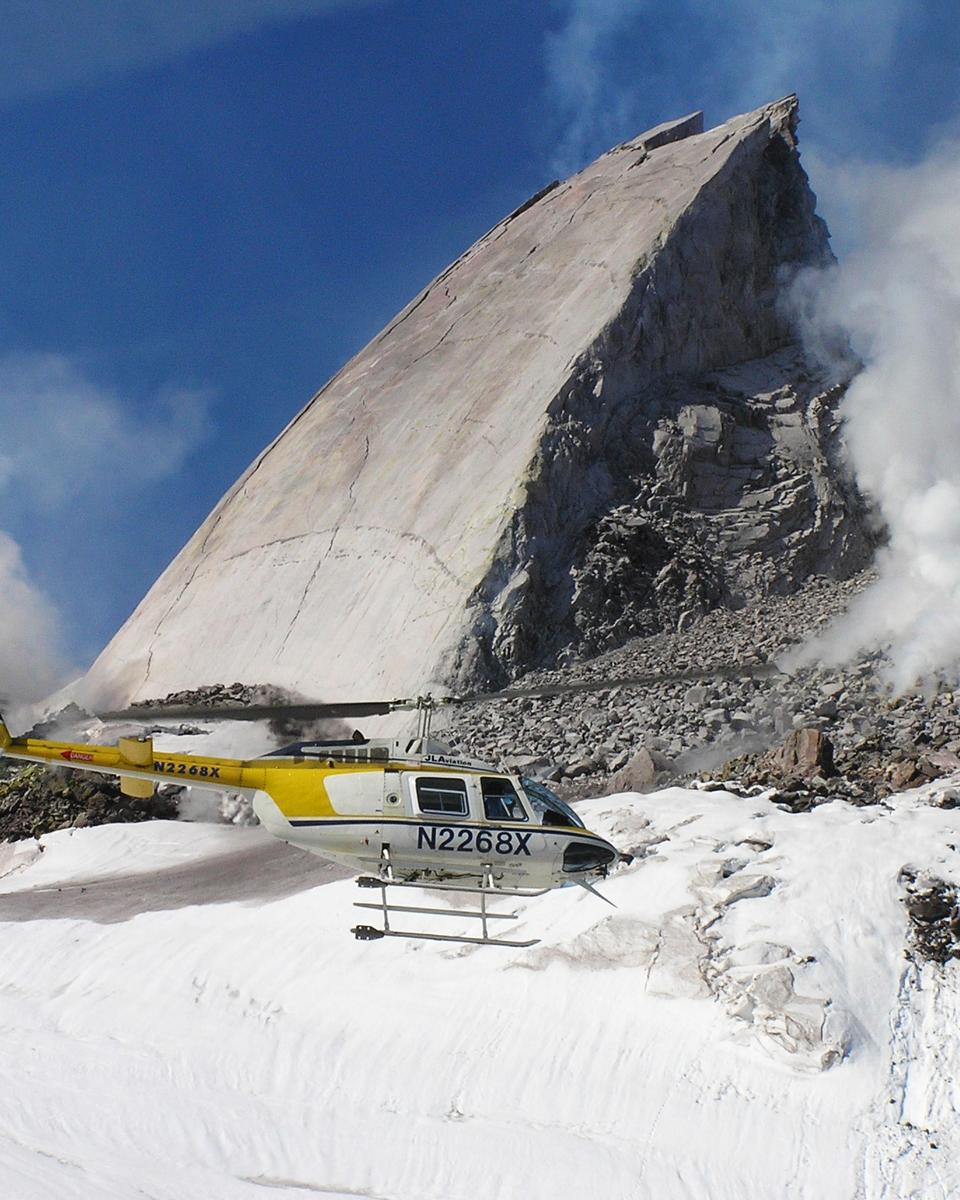
Rock Slab Growing at Mt. St. Helens Volcano
A new rock slab is growing at more than one meter a day on the Mt. St. Helens volcano in Washington , USA . The rock slab , growing since last November, now extends about 100…
Viewing discoveries from 1 June 2006 through 9 May 2006.