Browse NASA Astronomy Picture of the Day archive by date and media: Archive Discoveries
Browse the NASA APOD archive without needing the exact date first. Filter by media type and keep moving deeper into older images and videos.
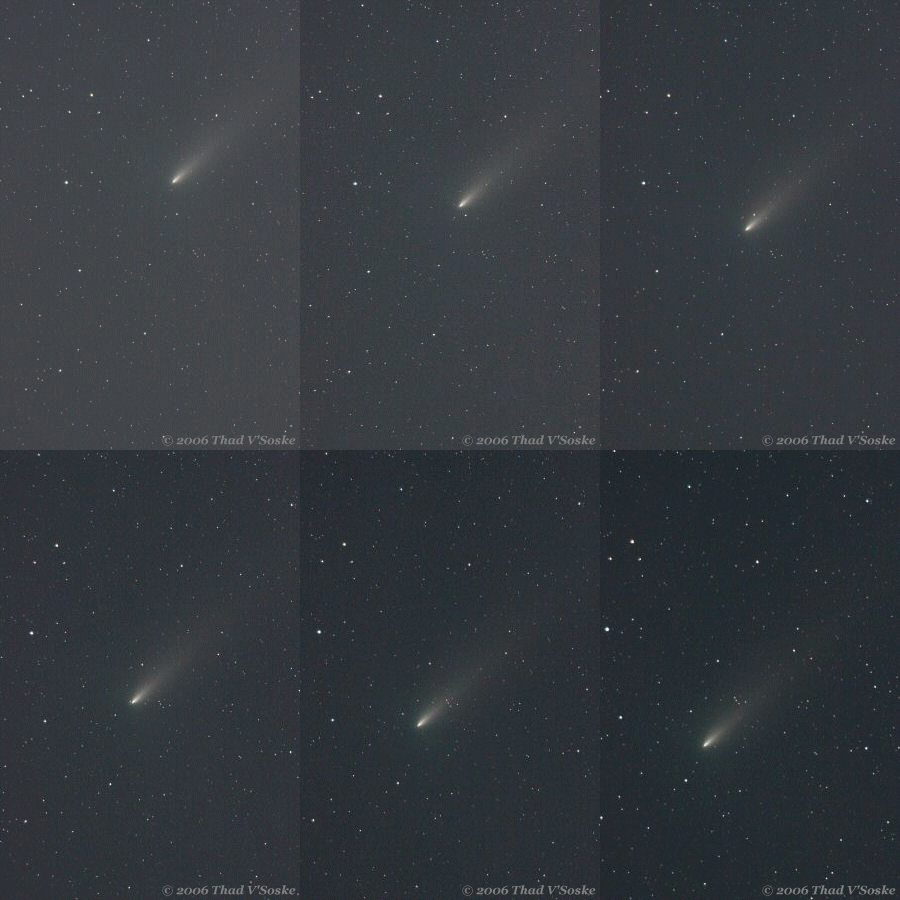
Comet Schwassmann-Wachmann 3 Passes the Earth
Rarely does a comet pass this close to Earth. Last week, dedicated astrofilmographers were able to take advantage of the close approach of crumbling 73P / Comet…
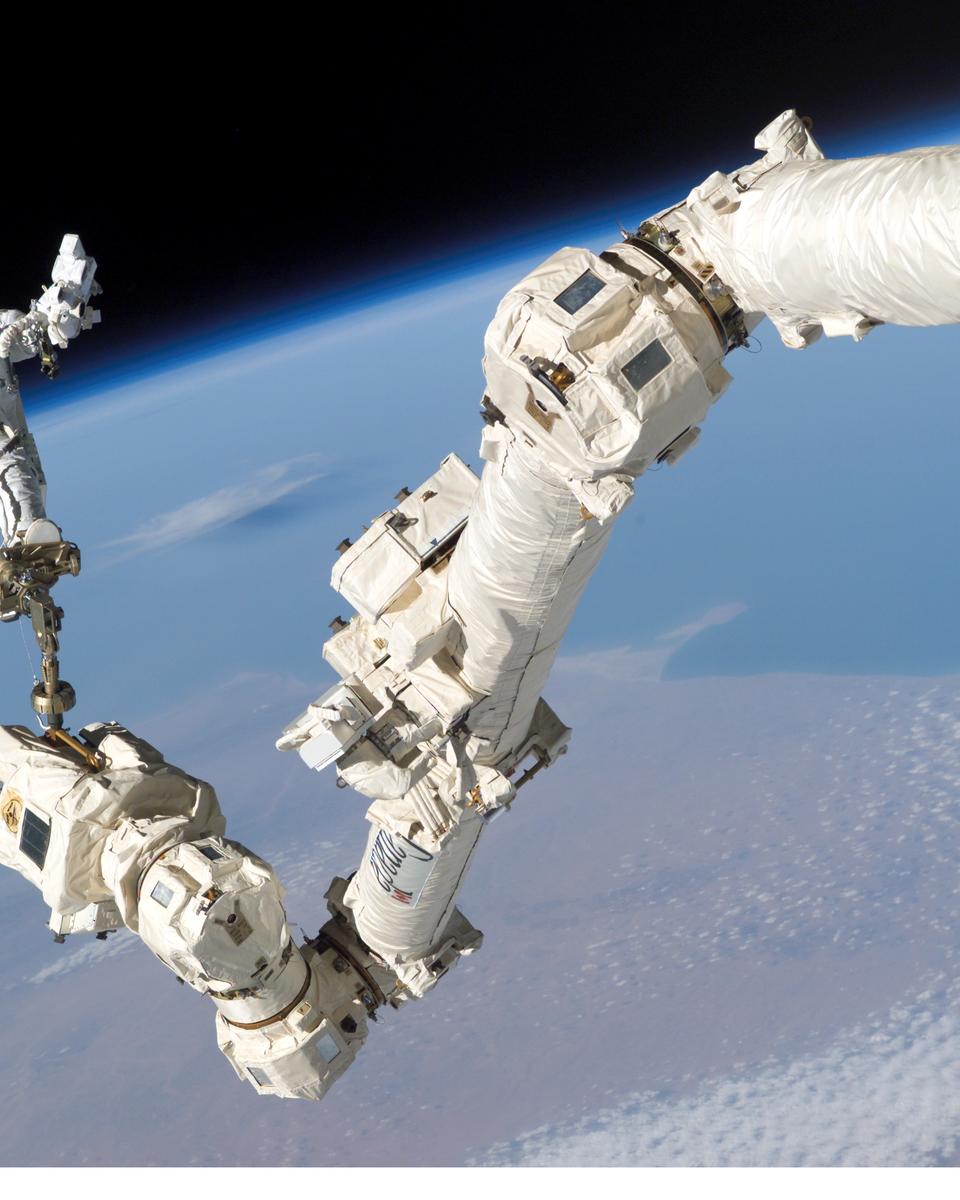
Maneuvering in Space
What arm is 17 meters long and sometimes uses humans for fingers? The Canadarm2 aboard the International Space Station (ISS). Canadarm2 has multiple joints and is capable of…
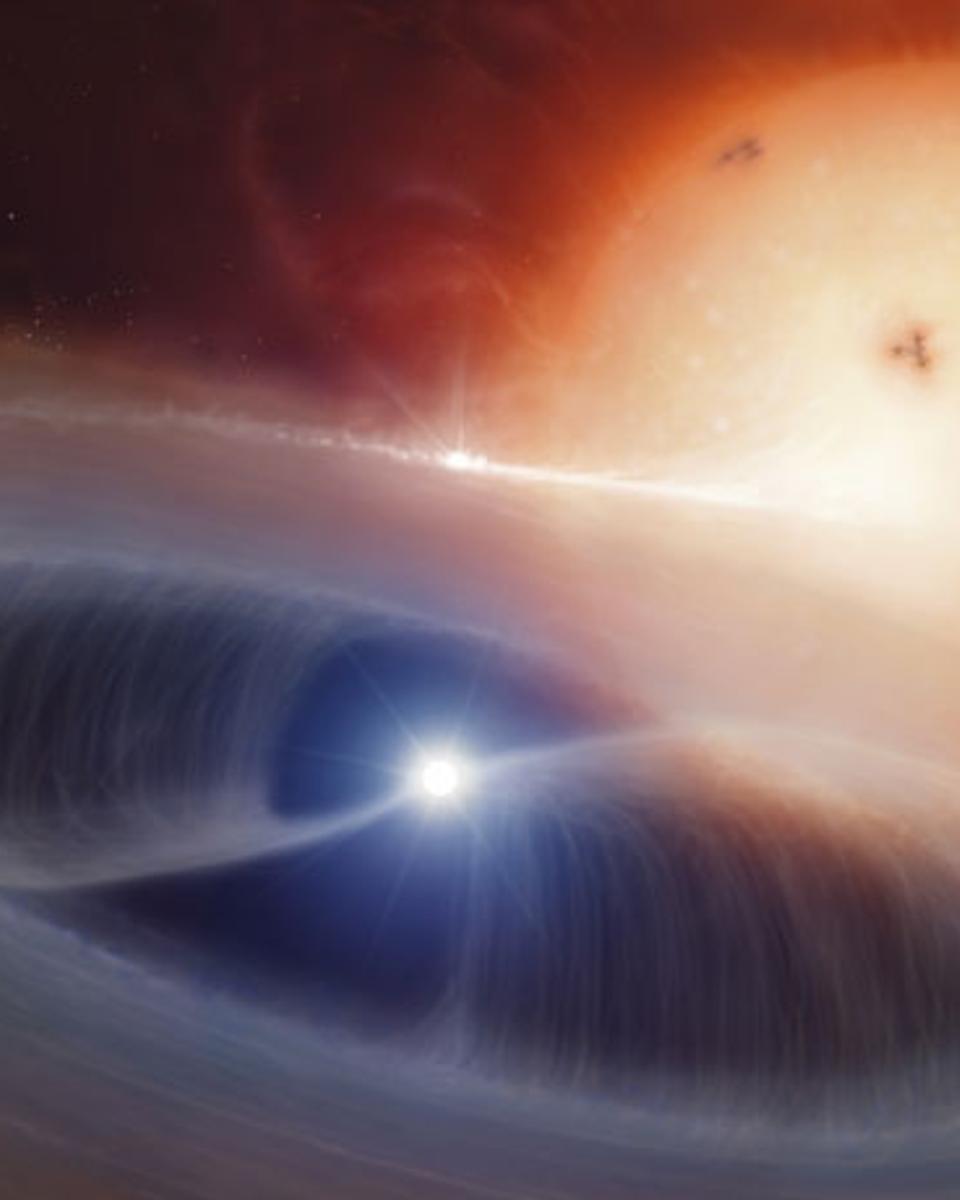
An Intermediate Polar Binary System
How can two stars create such a strange and intricate structure? Most stars are members of multiple-star systems . Some stars are members of close binary systems where material…
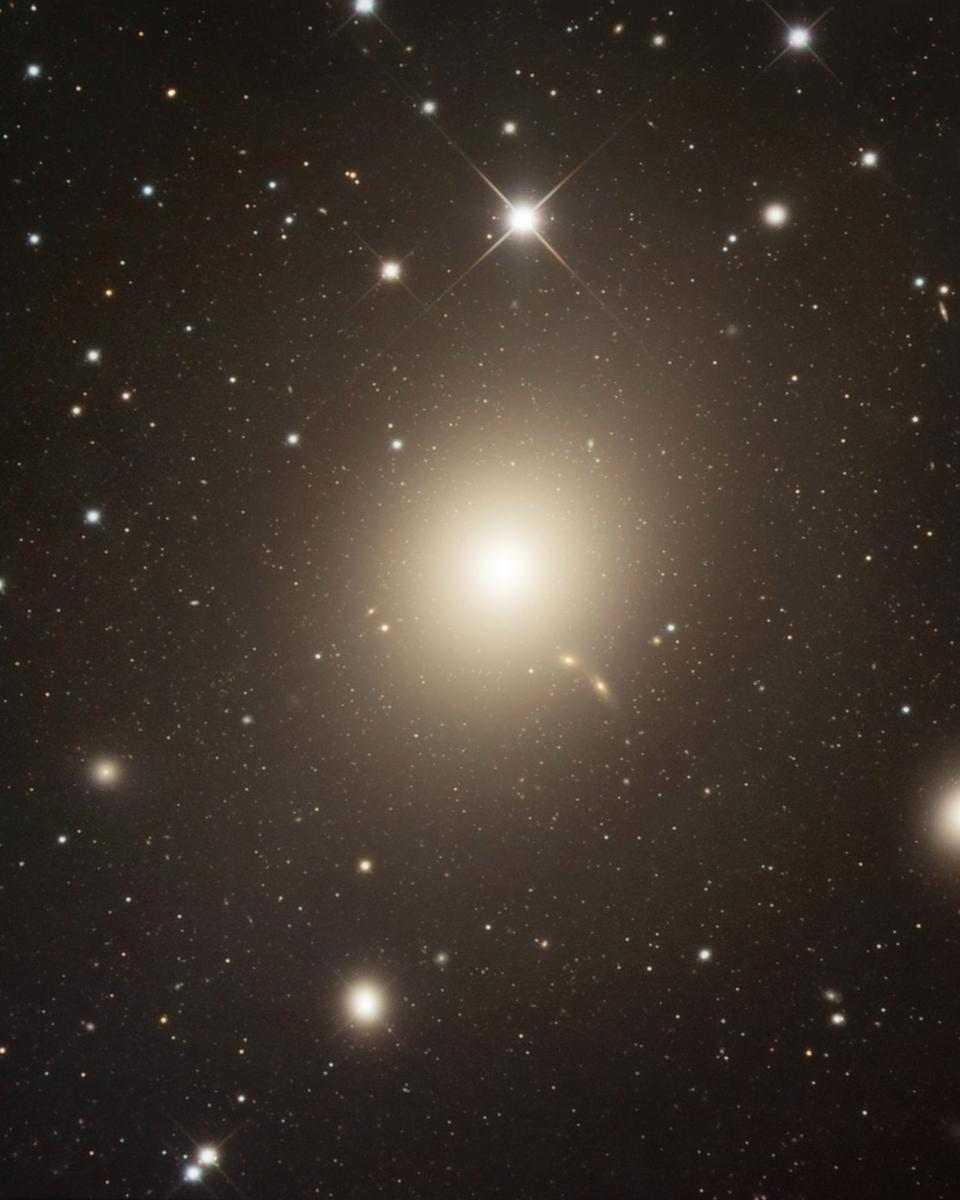
Elliptical Galaxy M87
In spiral galaxies , majestic winding arms of young stars and interstellar gas and dust rotate in a flat disk around a bulging galactic nucleus. But elliptical galaxies seem to be…
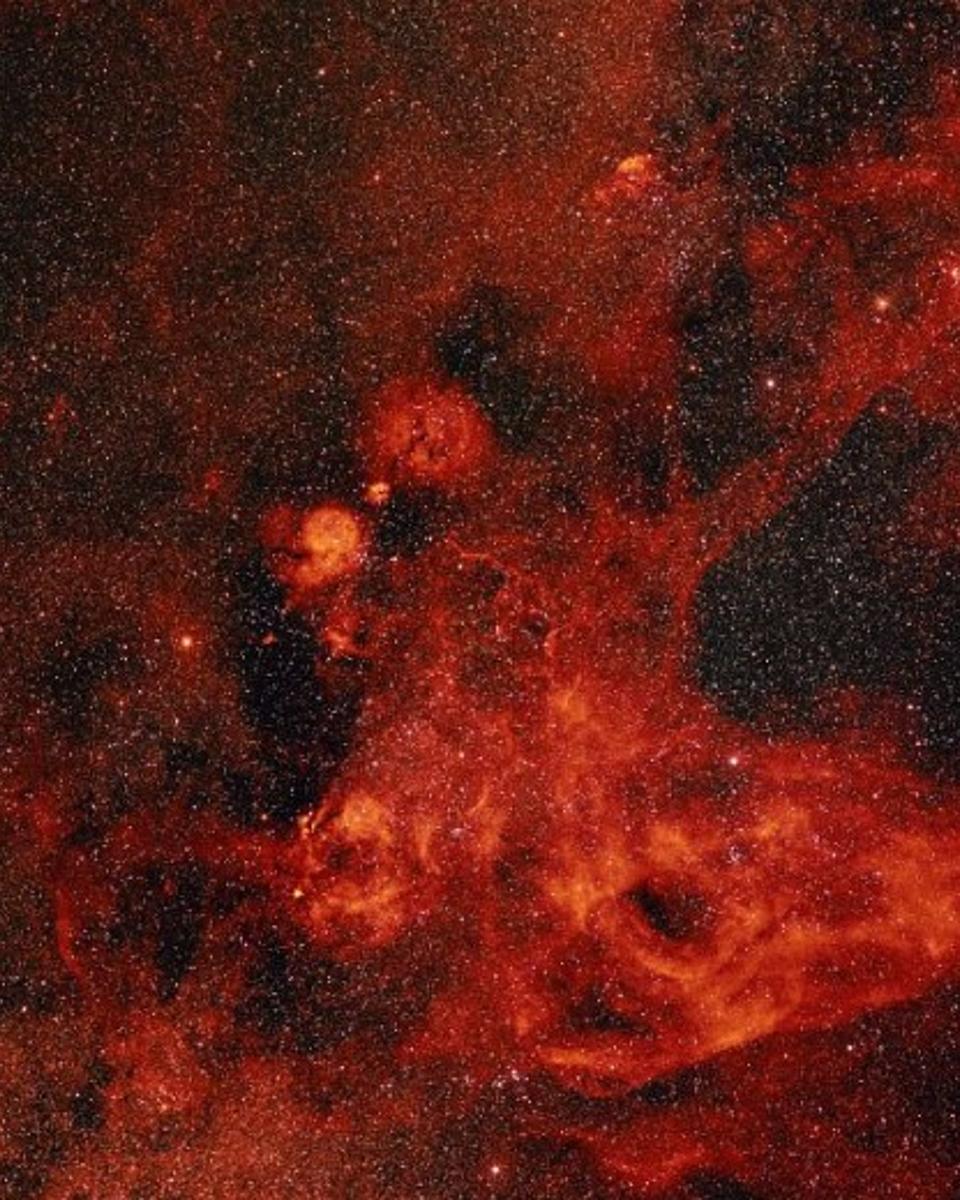
The Gum Nebula
Named for Australian astronomer Colin Stanley Gum (1924-1960), The Gum Nebula is so large and close it is actually hard to see. In fact , we are only about 450 light-years from…
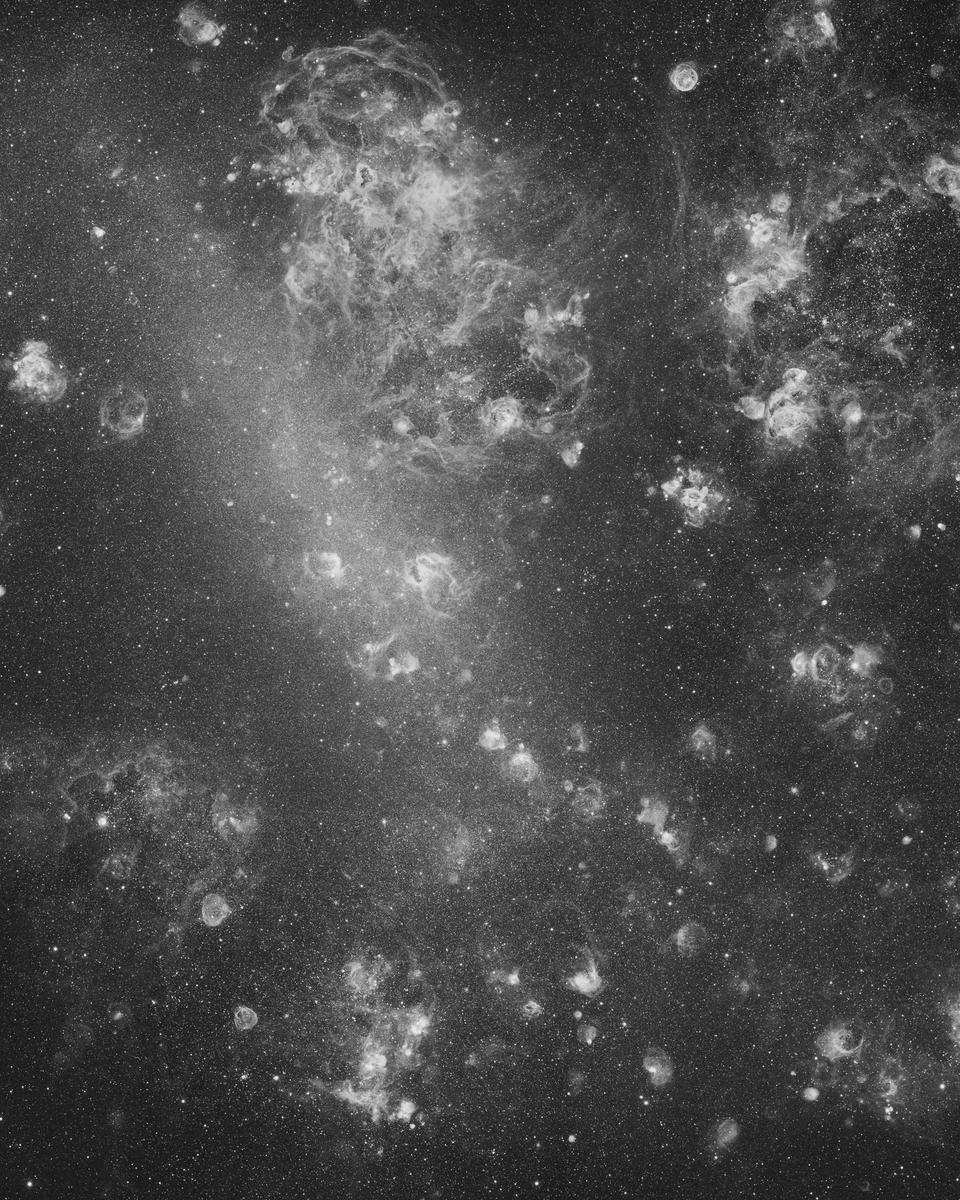
Shell Game in the LMC
An alluring sight in dark southern skies, the Large Magellanic Cloud (LMC) is seen here through a narrow filter that transmits only the red light of hydrogen atoms. Ionized by…
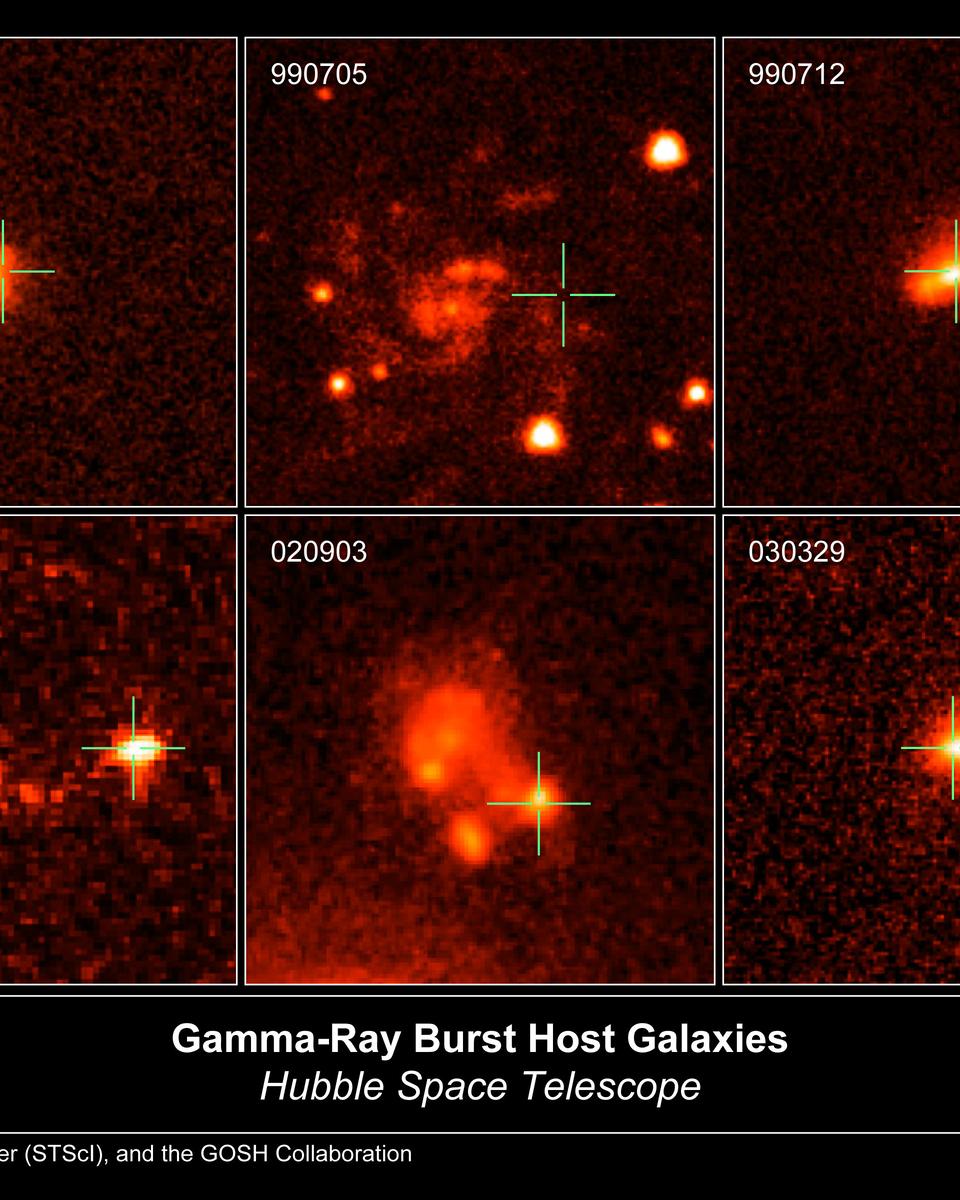
The Host Galaxies of Long-Duration GRBs
What causes the powerful explosions known as gamma-ray bursts? Astrophysicists still aren't sure, but the longest duration gamma-ray bursts (GRBs) seem to involve very massive…

The International Space Station from Above
The International Space Station (ISS) is the largest human-made object ever to orbit the Earth . Last August, the station was visited and resupplied by space shuttle Discovery .…
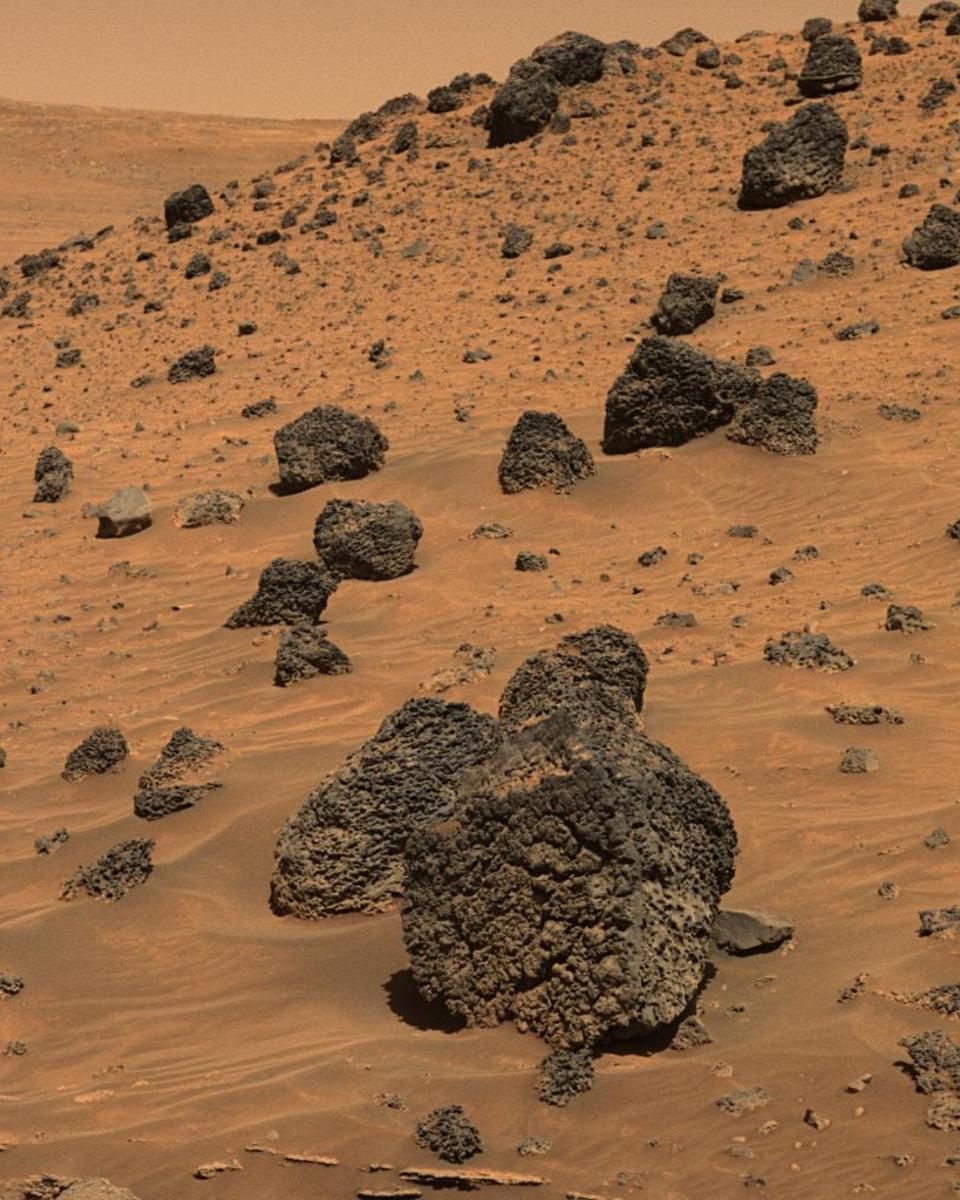
Volcanic Bumpy Boulder on Mars
What created this unusually textured rock on Mars? Most probably: a volcano . Dubbed Bumpy Boulder, the strange stone measuring just under a half-meter high was found by the…
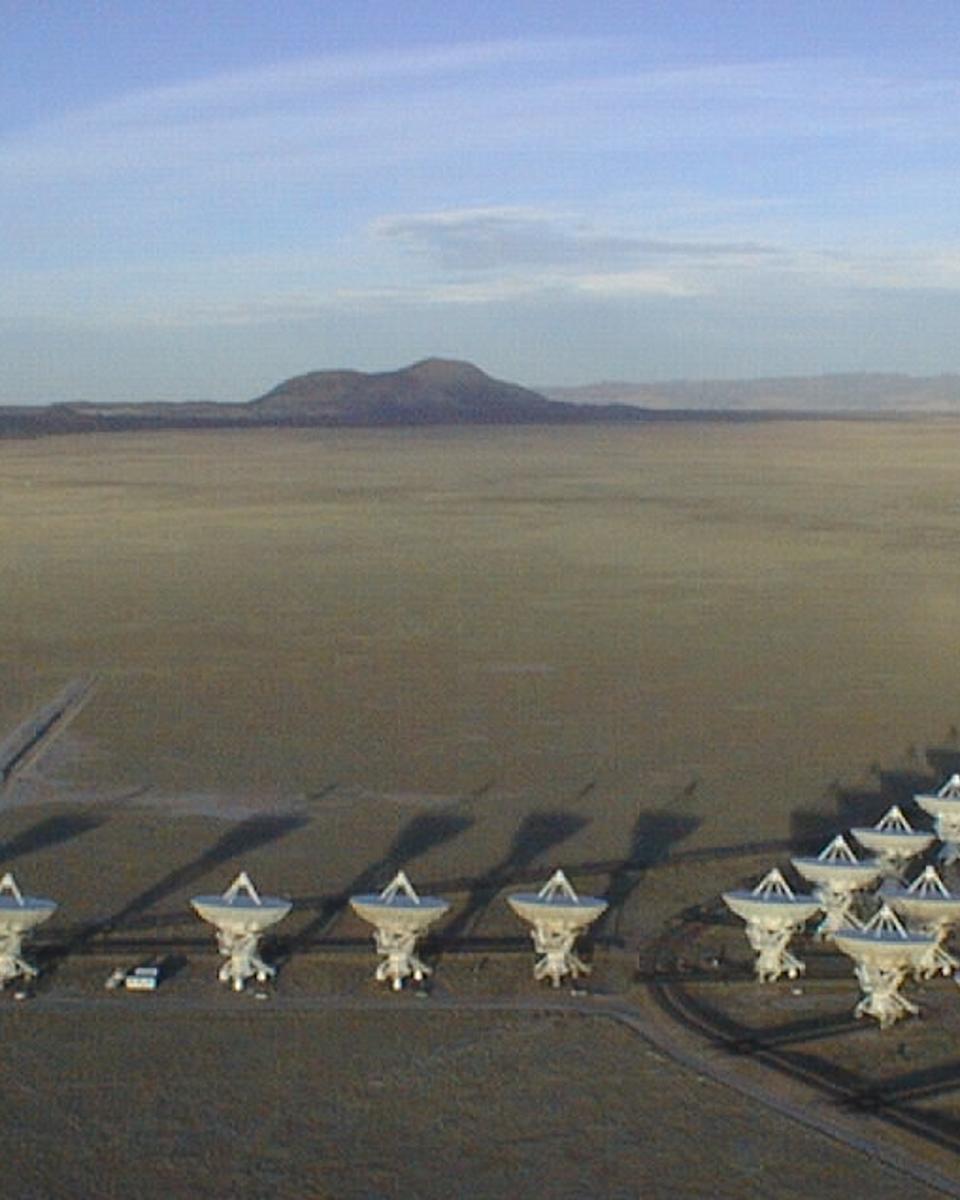
The Very Large Array of Radio Telescopes
The most photogenic array of radio telescopes in the world has also been one of the most productive. Each of the 27 radio telescopes in the Very Large Array (VLA) is the size of a…
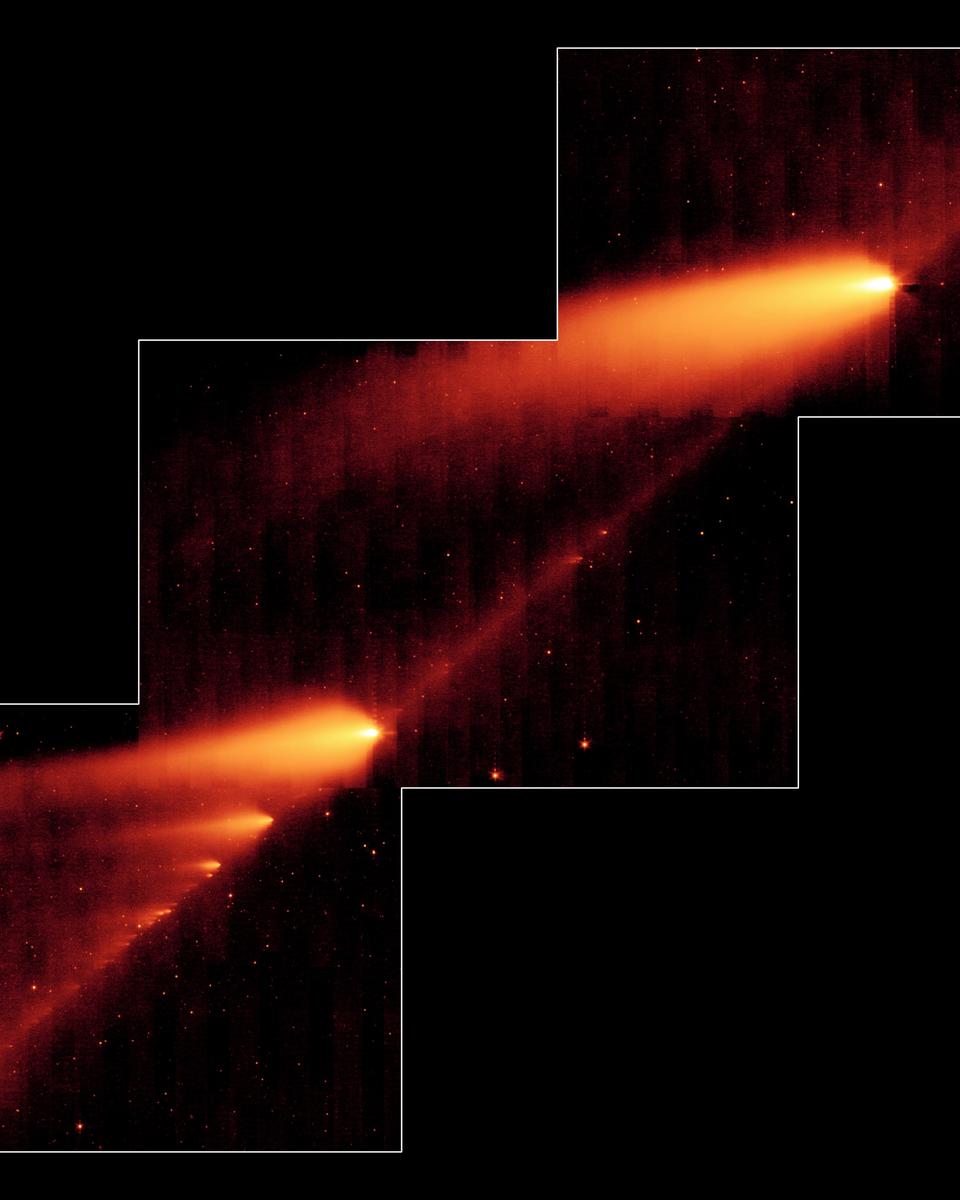
Crumbling Comet
This false-color mosaic of crumbling comet Schwassmann-Wachmann 3 spans about 6 degrees (12 full moons) along the comet's orbit. Recorded on May 4-6 by an infrared camera on board…
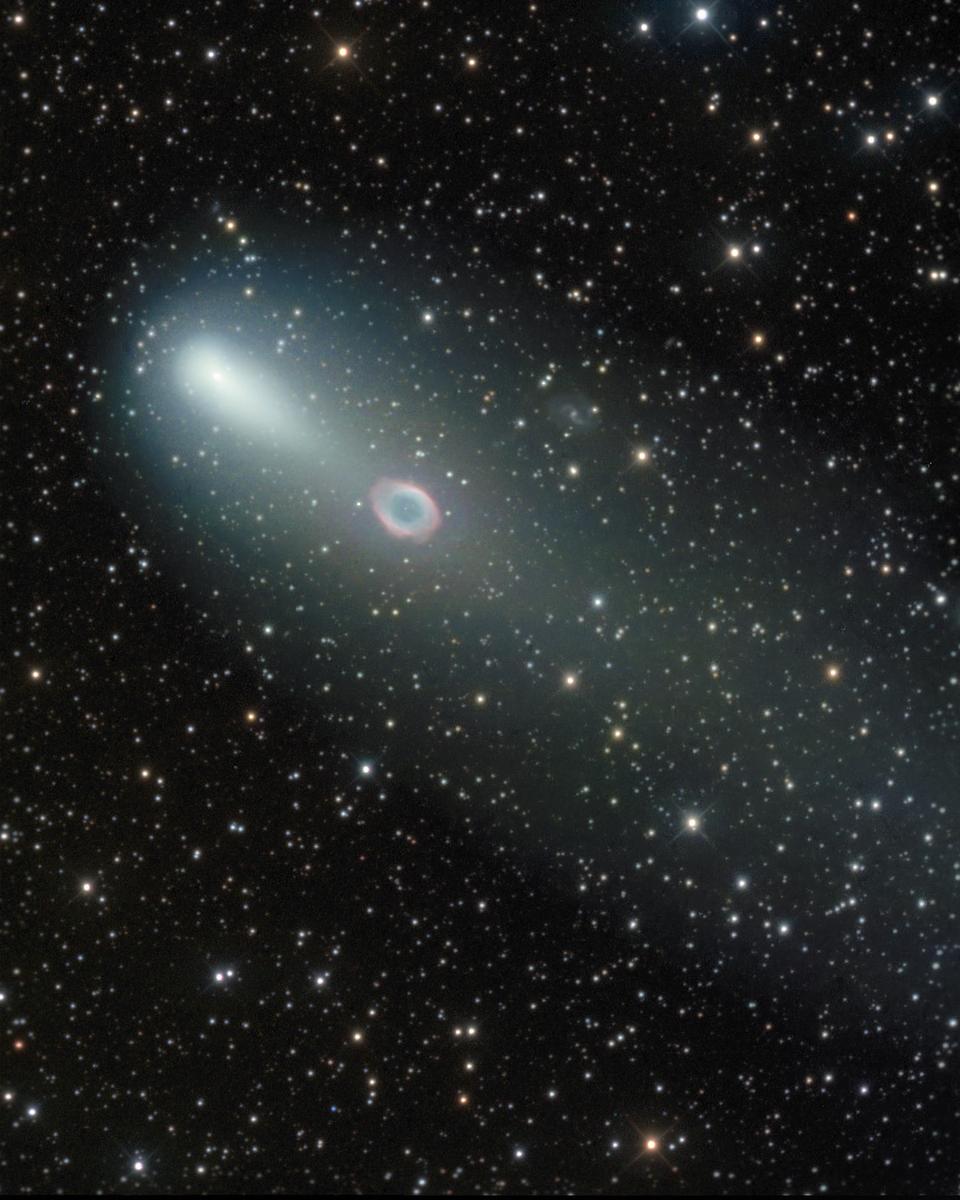
Comet Meets Ring Nebula: Part II
Moving rapidly through planet Earth's night sky, Fragment C of crumbling comet 73P/Schwassmann-Wachmann 3 passed almost directly in front of M57 - the Ring Nebula, and faint…
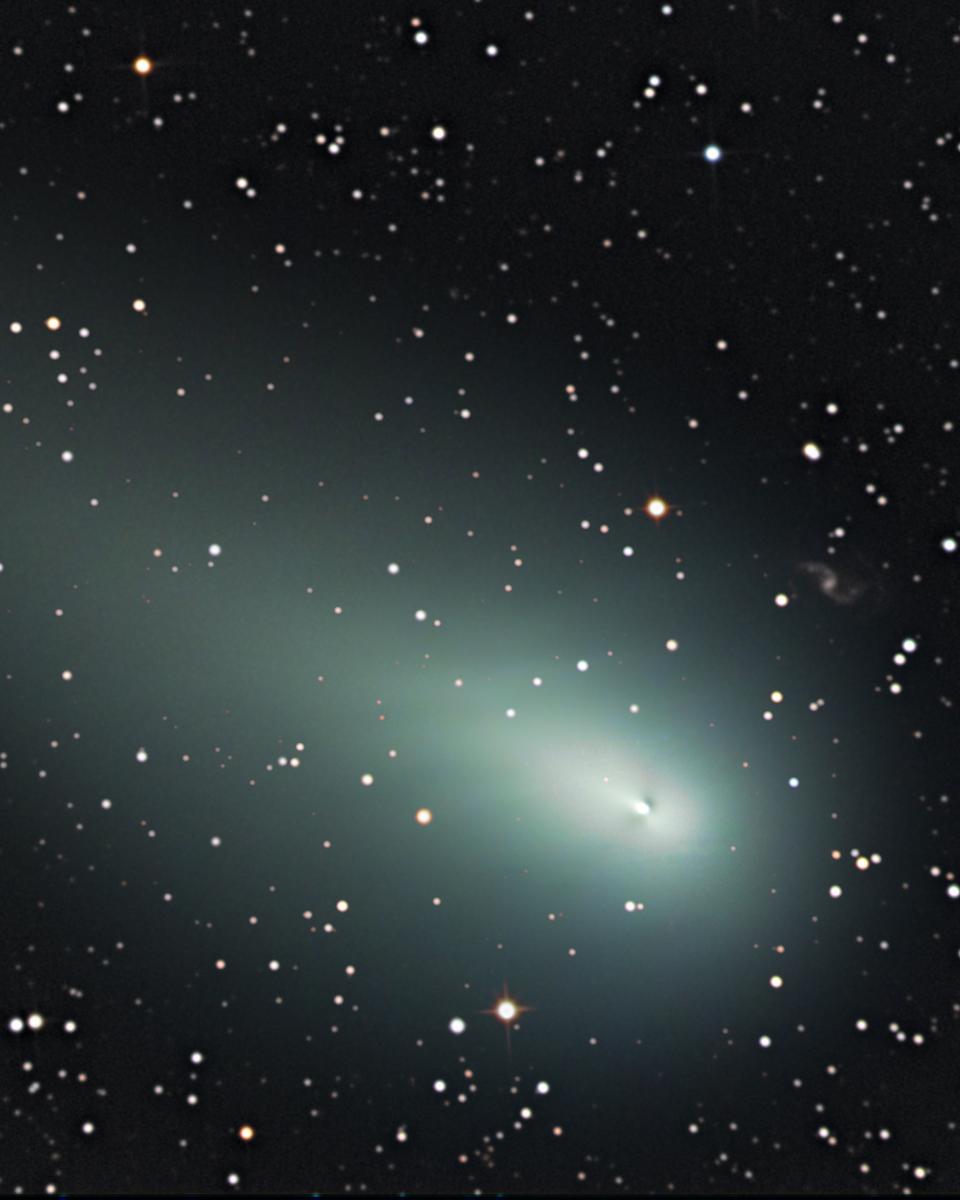
Comet Meets Ring Nebula: Part I
As dawn approached on May 8, astronomer Stefan Seip carefully watched Fragment C of broken comet 73P/Schwassmann-Wachmann 3 approach M57 - the Ring Nebula, and faint spiral galaxy…
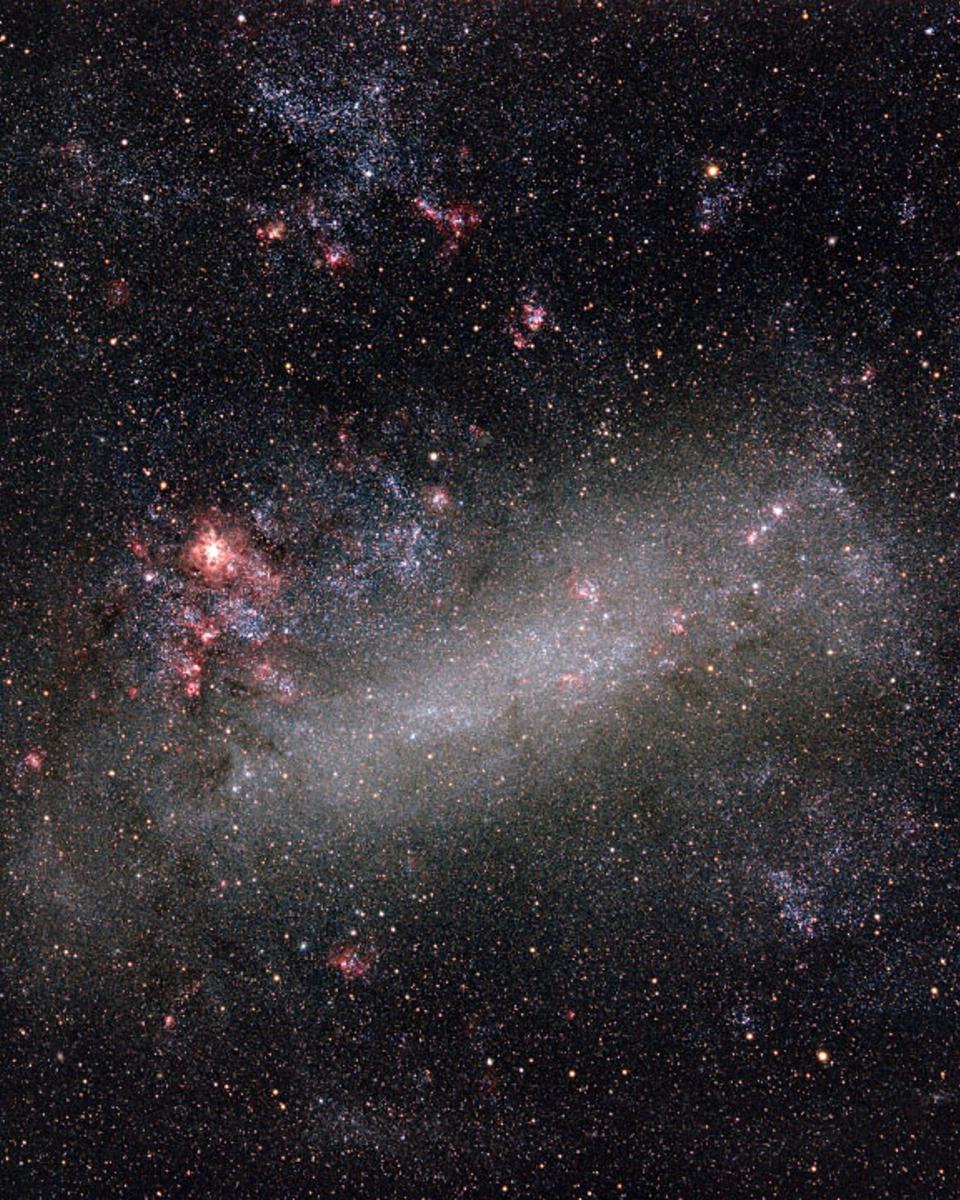
The Large Cloud of Magellan
Portuguese navigator Fernando de Magellan and his crew had plenty of time to study the southern sky during the first circumnavigation of planet Earth. As a result, two fuzzy…
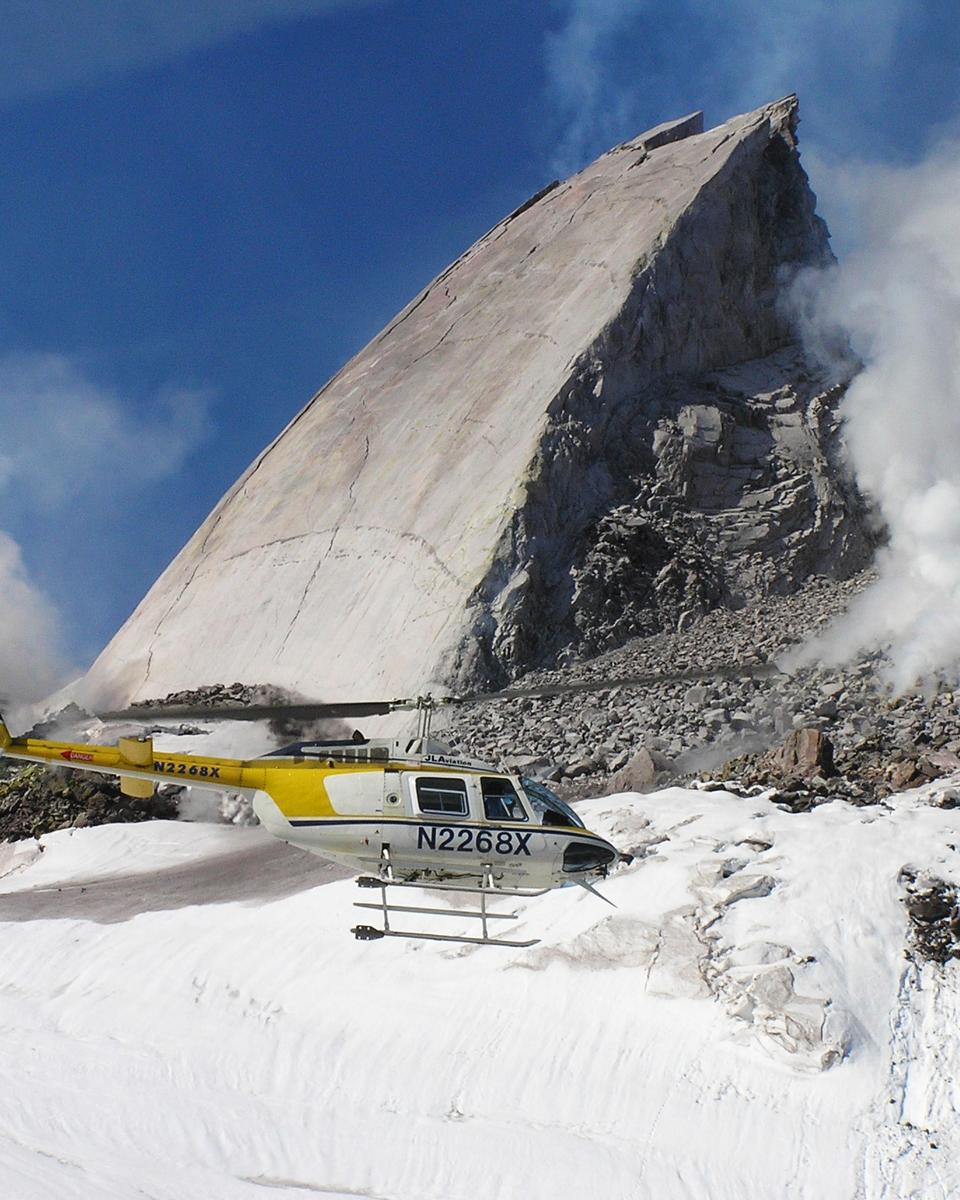
Rock Slab Growing at Mt. St. Helens Volcano
A new rock slab is growing at more than one meter a day on the Mt. St. Helens volcano in Washington , USA . The rock slab , growing since last November, now extends about 100…

Descent Panorama of Saturn's Titan
You're the first spacecraft ever to descend to Titan -- what do you see? Immediately after the Huygen's probe pierced the cloud deck of Saturn 's moon Titan last January, it took…
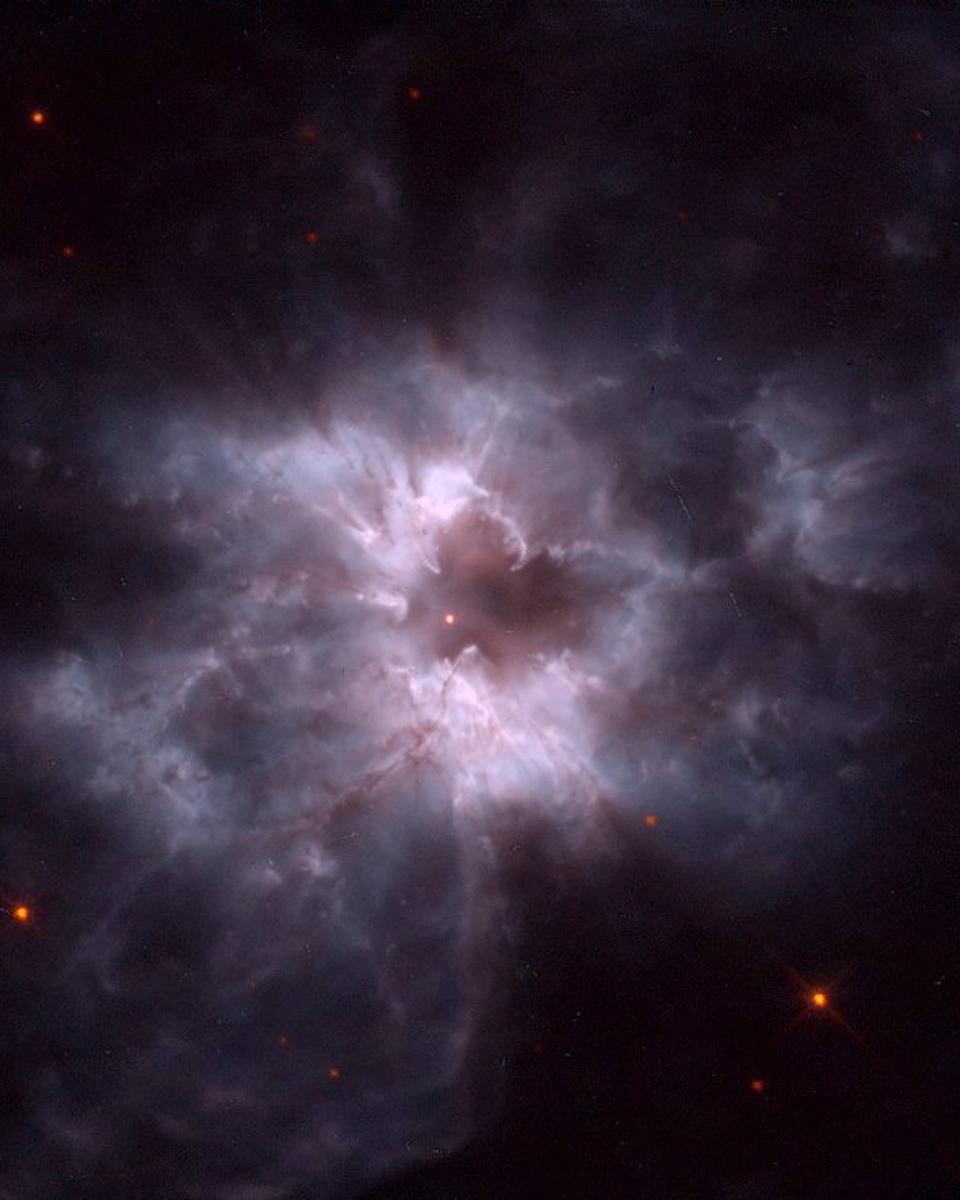
NGC 2440: Cocoon of a New White Dwarf
Like a butterfly , a white dwarf star begins its life by casting off a cocoon that enclosed its former self. In this analogy, however, the Sun would be a caterpillar and the…
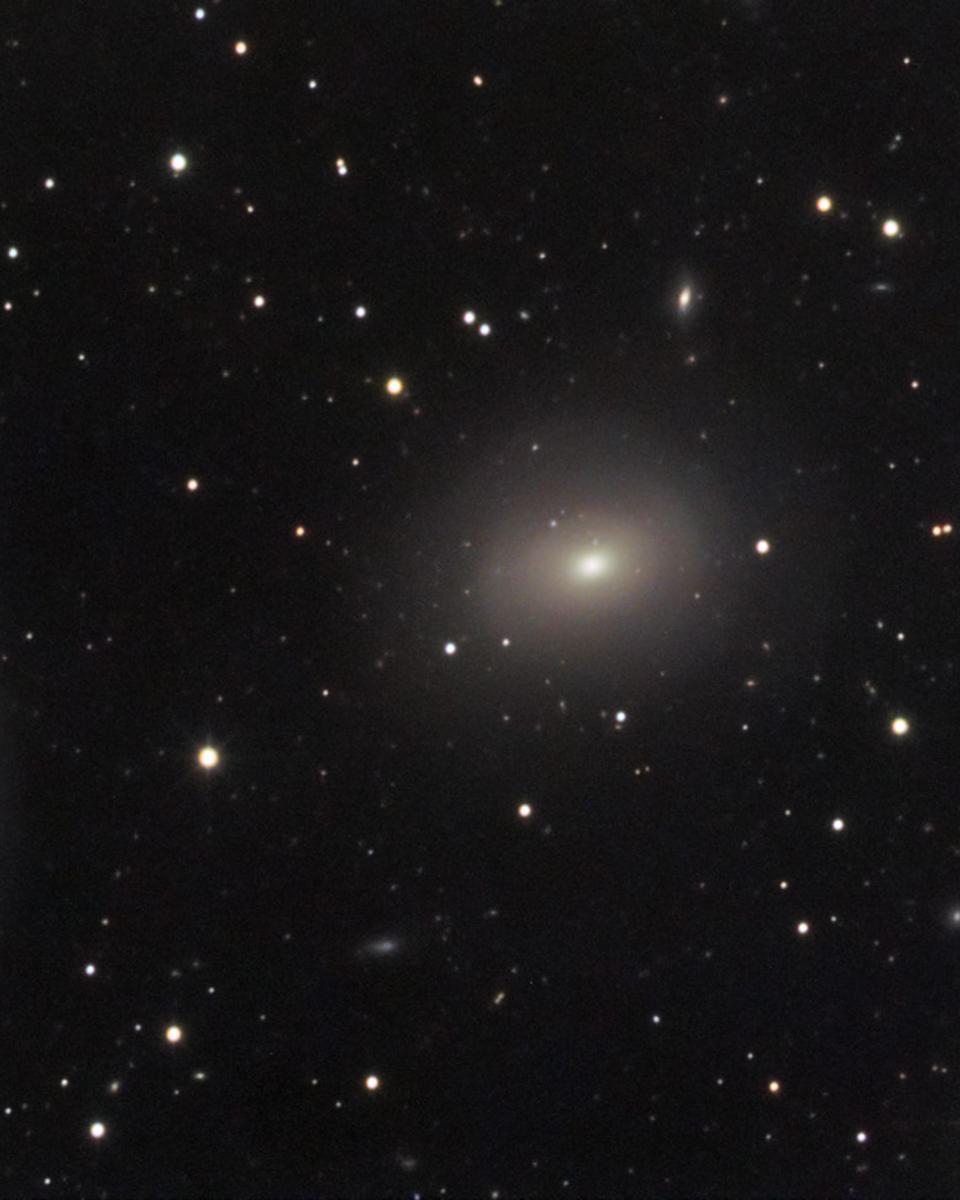
Three Galaxies in Draco
This intriguing trio of galaxies is sometimes called the NGC 5985/Draco Group and so (quite reasonably) is located in the northern constellation Draco . From left to right are…
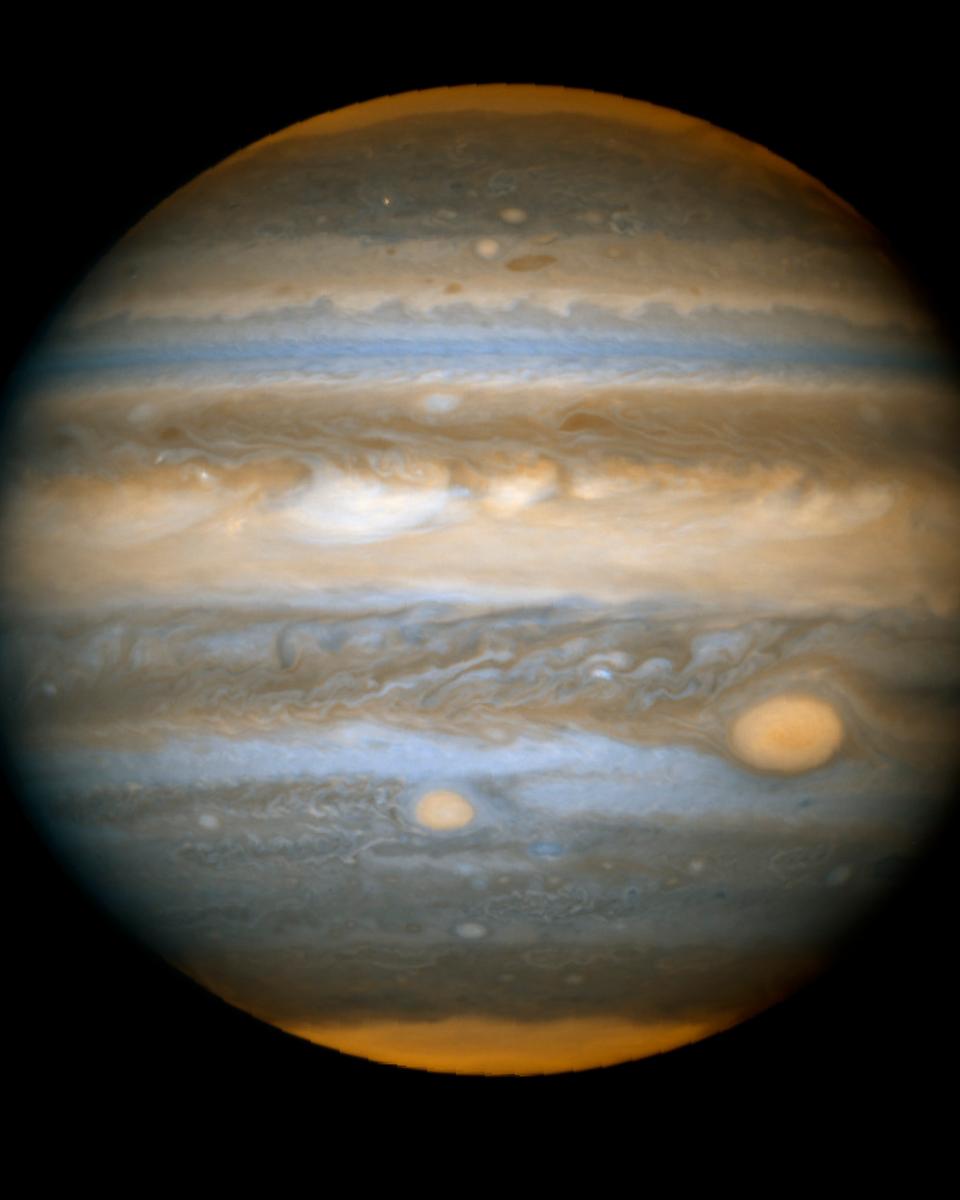
Jupiter and the Red Spots
Jupiter's Great Red Spot is a swirling storm seen for over 300 years, since the beginning of telescopic observations. But in February 2006, planetary imager Christopher Go noticed…
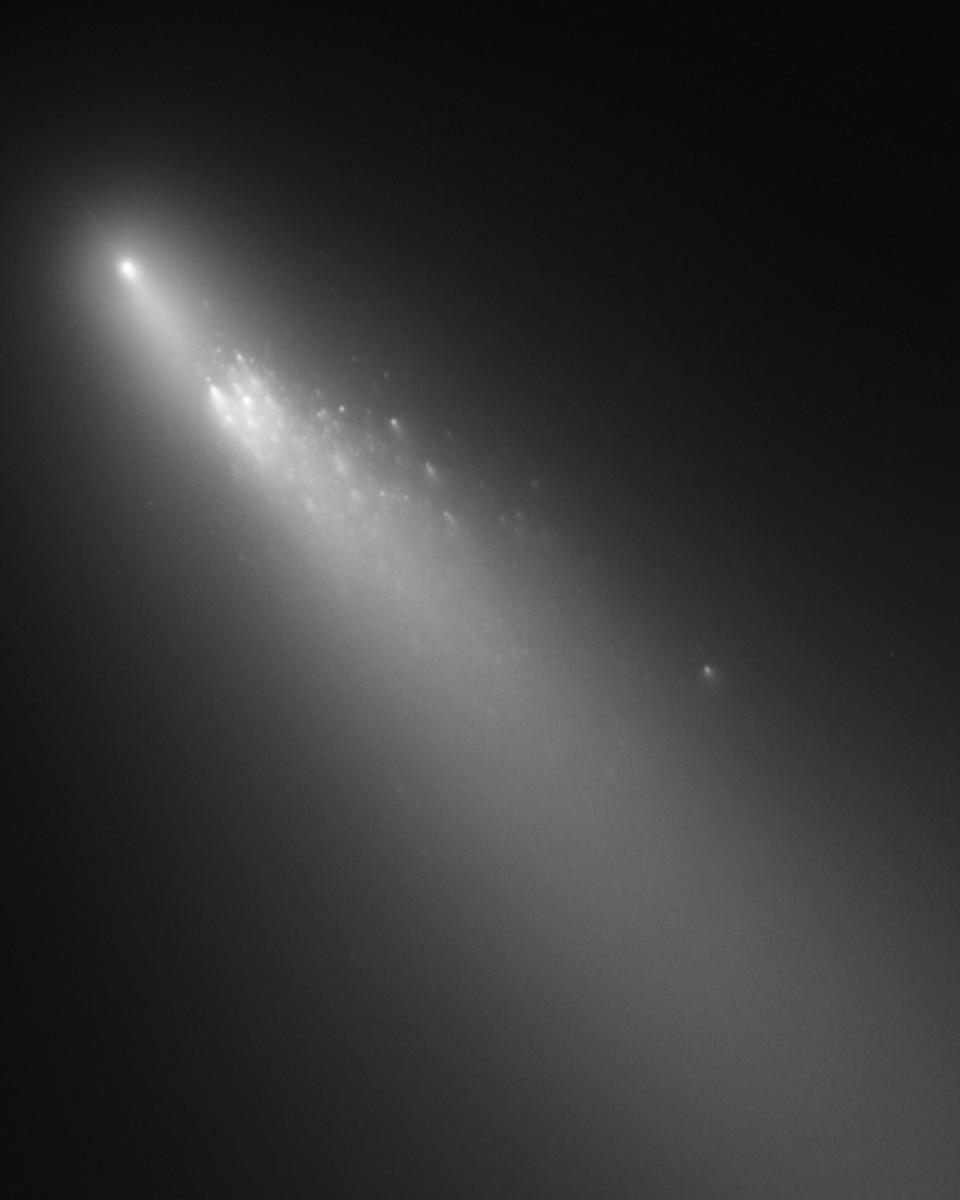
Schwassmann-Wachmann 3: Fragment B
Periodic comet 73P/Schwassmann-Wachmann 3 has fallen apart before. A cosmic souffle of ice and dust left over from the early solar system, this comet was seen to split into…
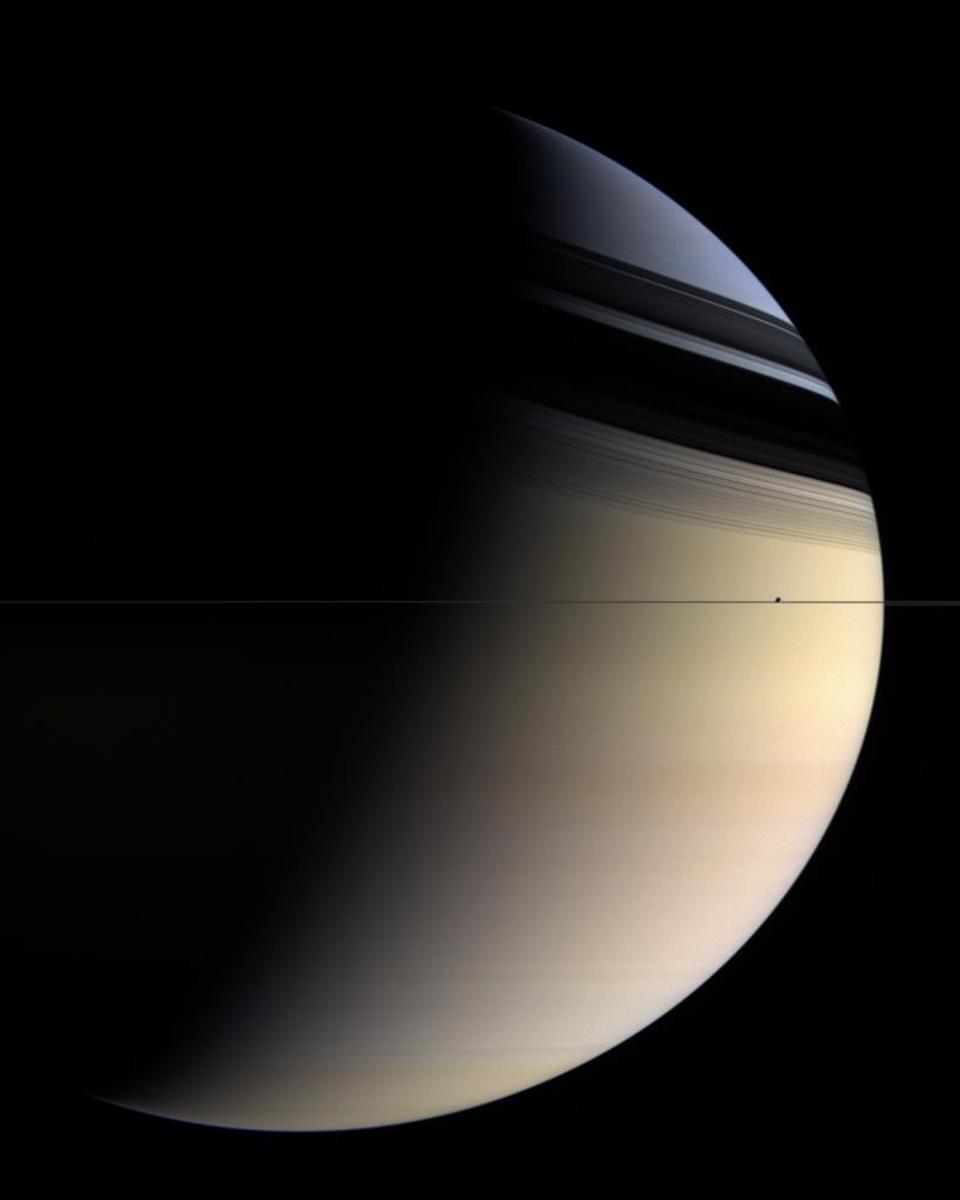
Saturn in Blue and Gold
Why is Saturn partly blue? The above picture of Saturn approximates what a human would see if hovering close to the giant ringed world. The above picture was taken in mid-March by…
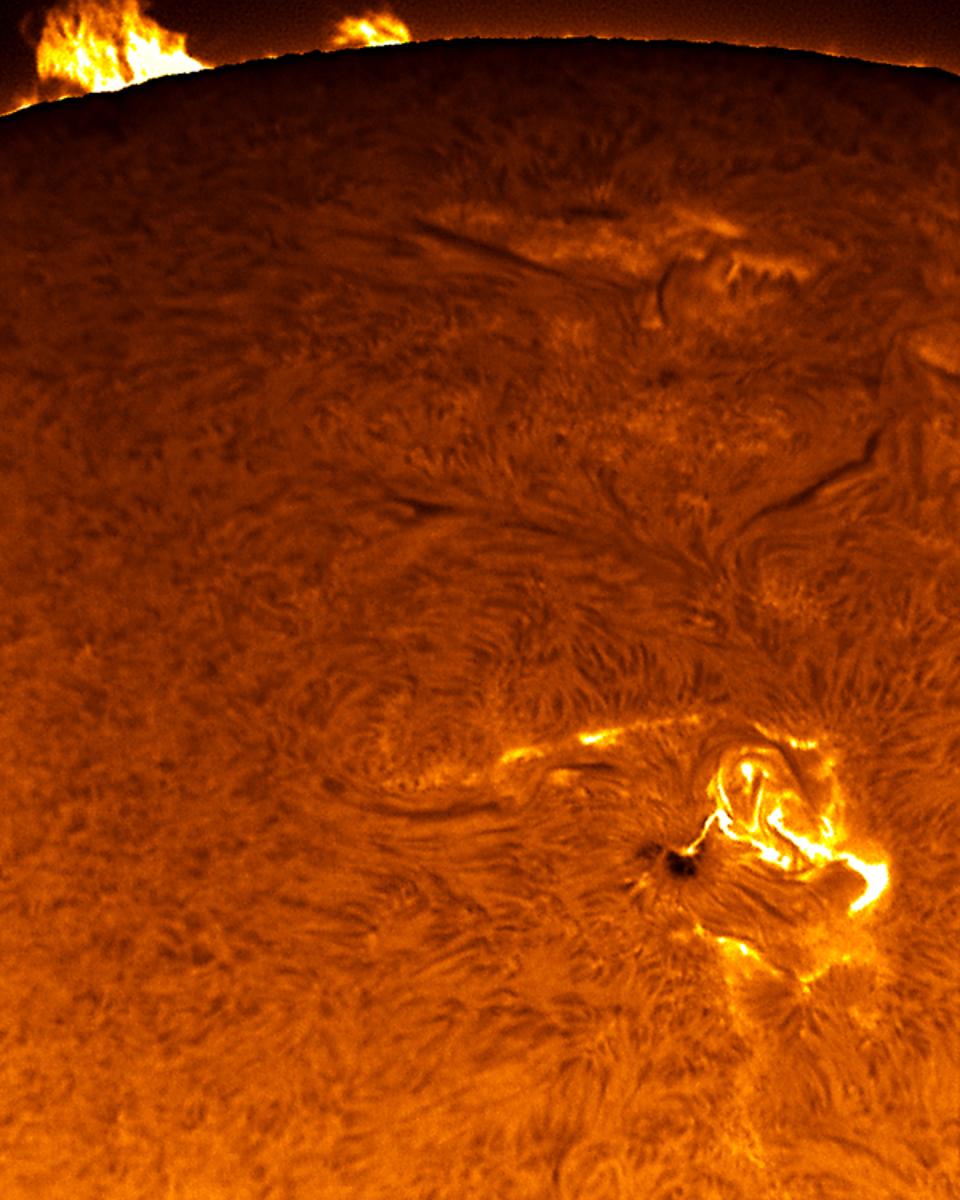
Sunspot 875 Flares
An unusually active sunspot region is now crossing the Sun. The region , numbered 875, is larger than the Earth and has produced several solar flare s over the past week. It…
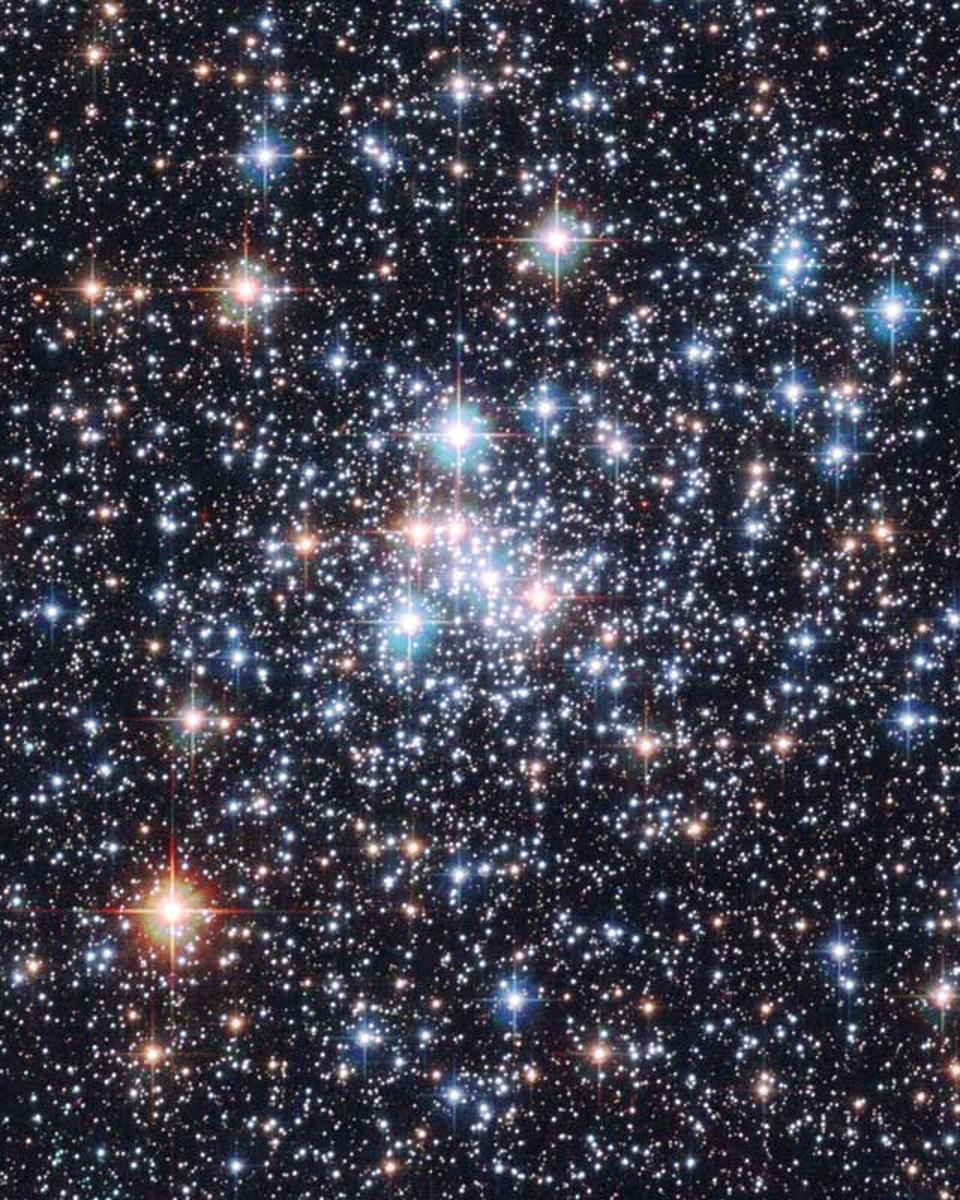
Open Cluster NGC 290: A Stellar Jewel Box
Jewels don't shine this bright -- only stars do. Like gems in a jewel box, though, the stars of open cluster NGC 290 glitter in a beautiful display of brightness and color. The…
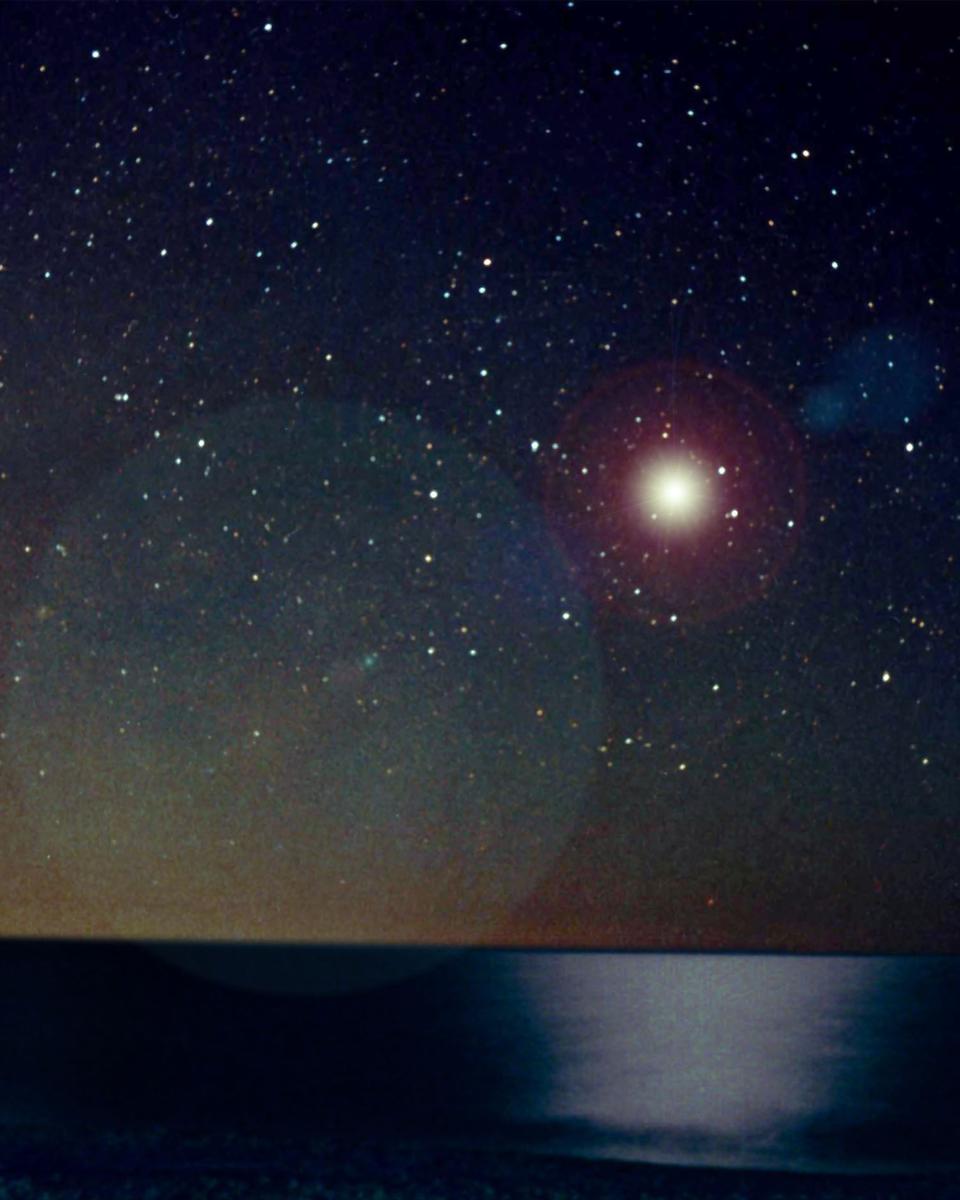
1006 AD: Supernova in the Sky
A new star, likely the brightest supernova in recorded human history , appeared in planet Earth's sky about 1,000 years ago today, in 1006 AD. The expanding debris cloud from the…
Viewing discoveries from 23 May 2006 through 30 April 2006.