Browse NASA Astronomy Picture of the Day archive by date and media: Archive Discoveries
Browse the NASA APOD archive without needing the exact date first. Filter by media type and keep moving deeper into older images and videos.
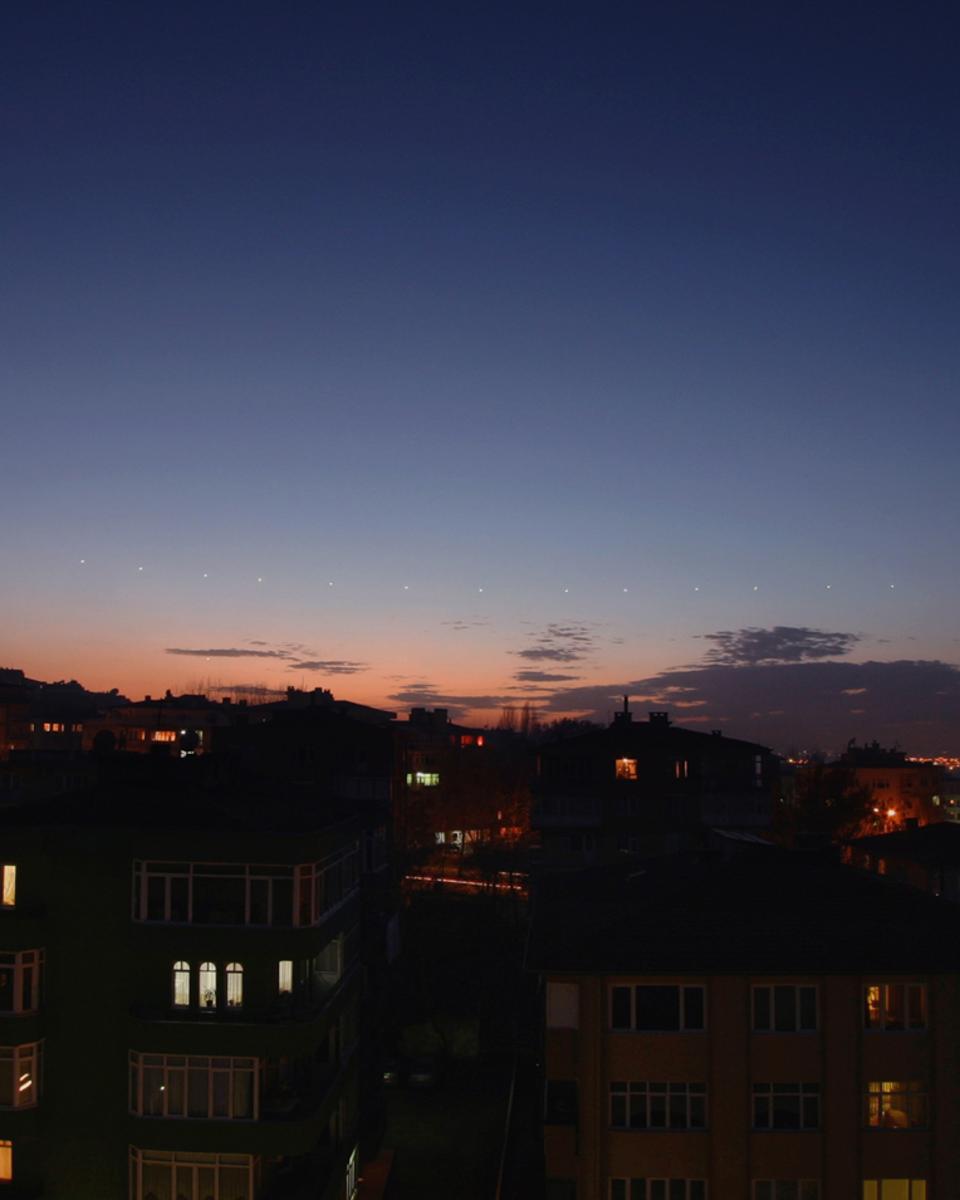
Venus Just After Sunset
Is that Venus or an airplane? A common ponderable for sky enthusiasts is deciding if that bright spot near the horizon is the planet Venus . Usually, an airplane will show itself…
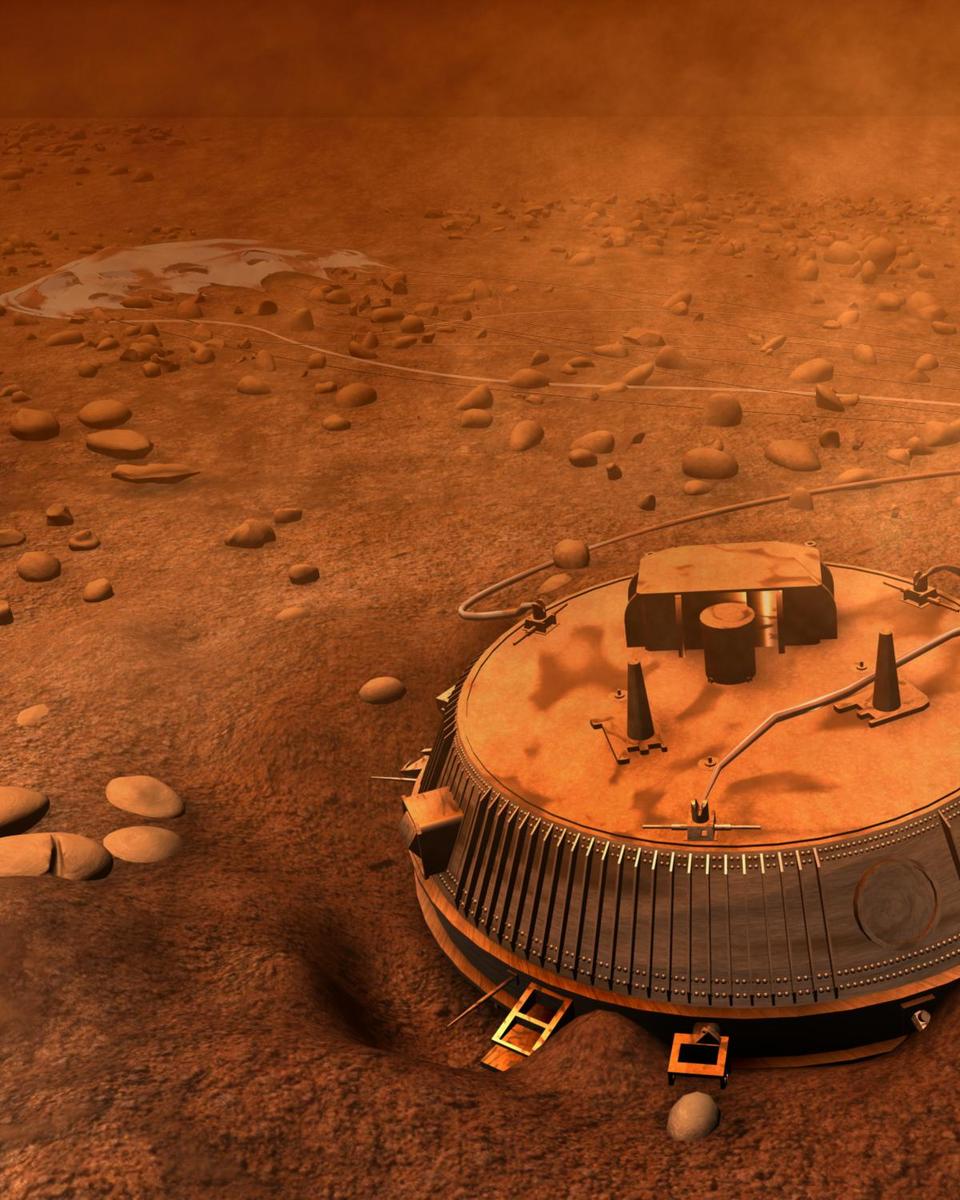
Huygens on Titan Illustrated
If you could stand on Titan, what might you see? About one year ago the robotic Huygens probe landed on the enigmatic moon of Saturn and sent back the first ever images from…
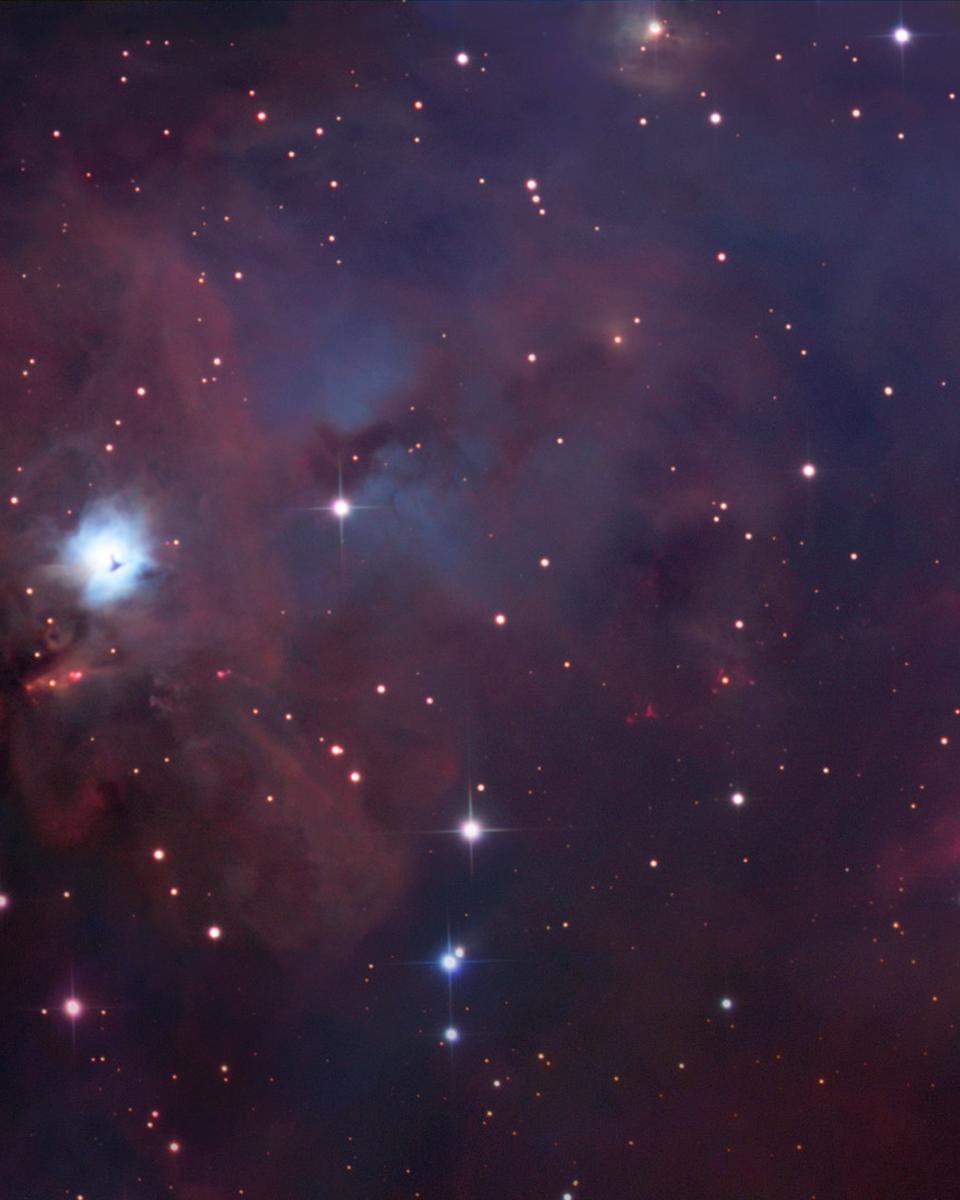
NGC 1999: South of Orion
South of the large star-forming region known as the Orion Nebula, lies bright blue reflection nebula NGC 1999 . The nebula is marked with a dark inverted T-shape at the lower left…
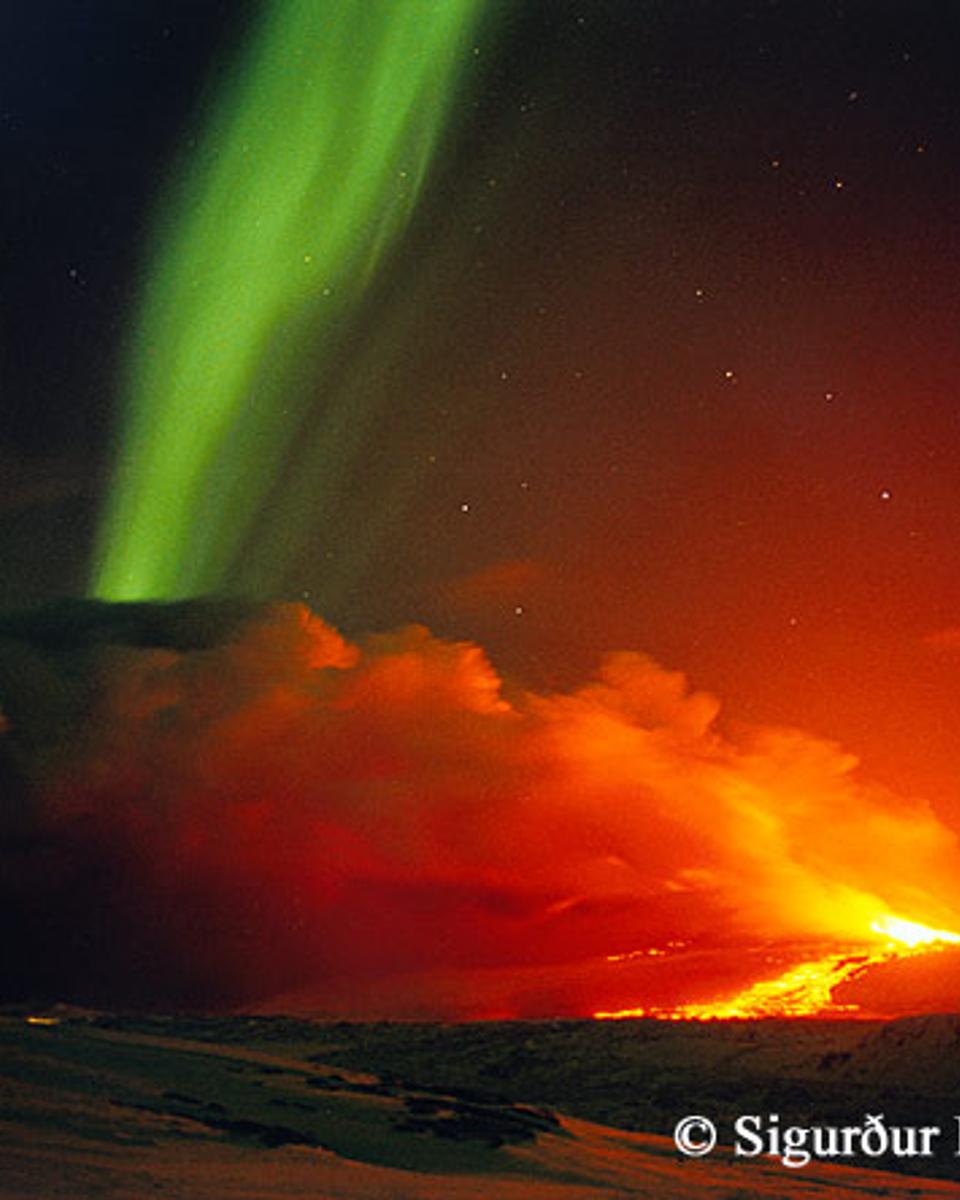
Volcano and Aurora in Iceland
Sometimes both heaven and Earth erupt. In Iceland in 1991, the volcano Hekla erupted at the same time that auroras were visible overhead. Hekla , one of the most famous volcanoes…
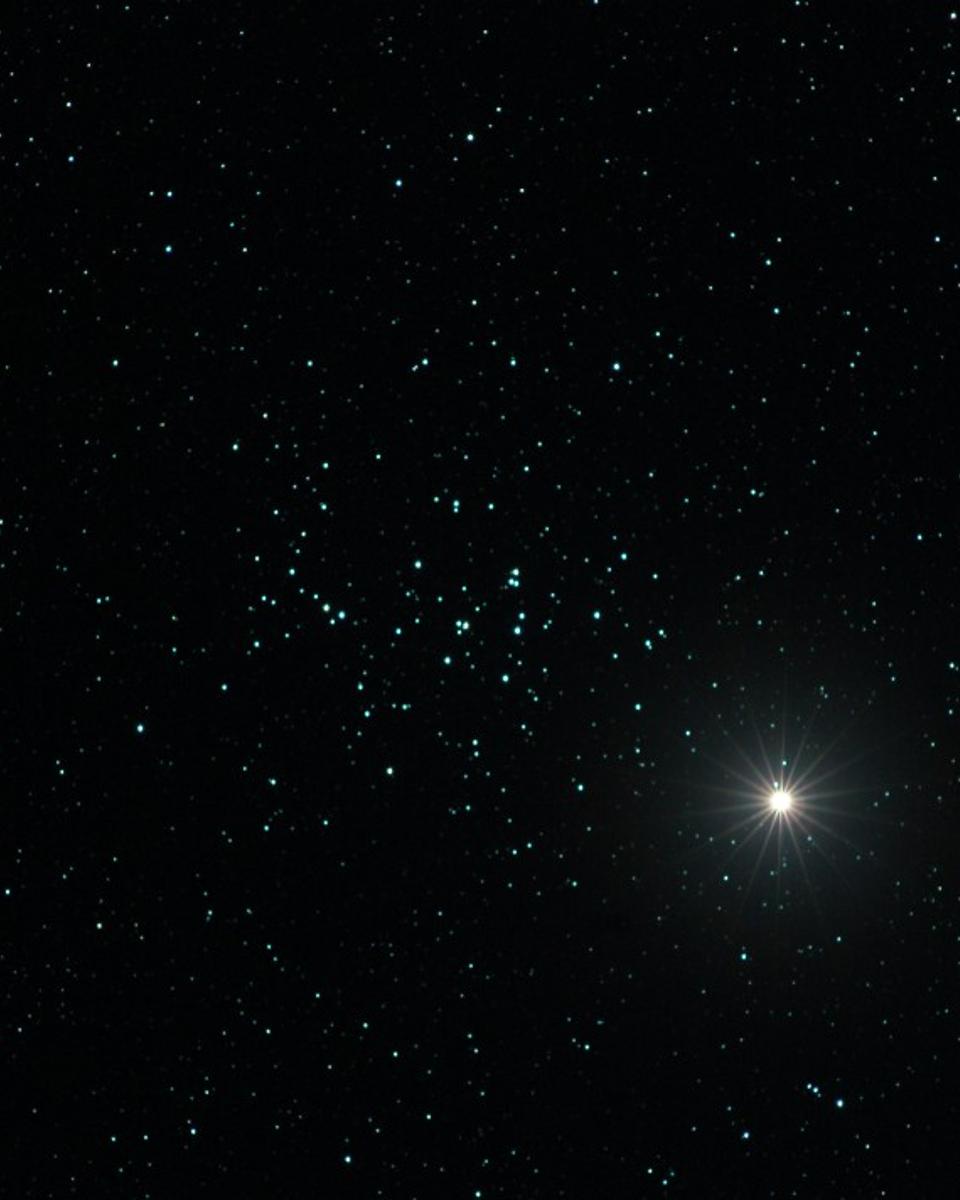
Saturn in the Hive
If you can find Saturn in tonight's sky, then you can also find M44 , popularly known as the Beehive star cluster. In fact, with a pair of binoculars most casual skygazers should…
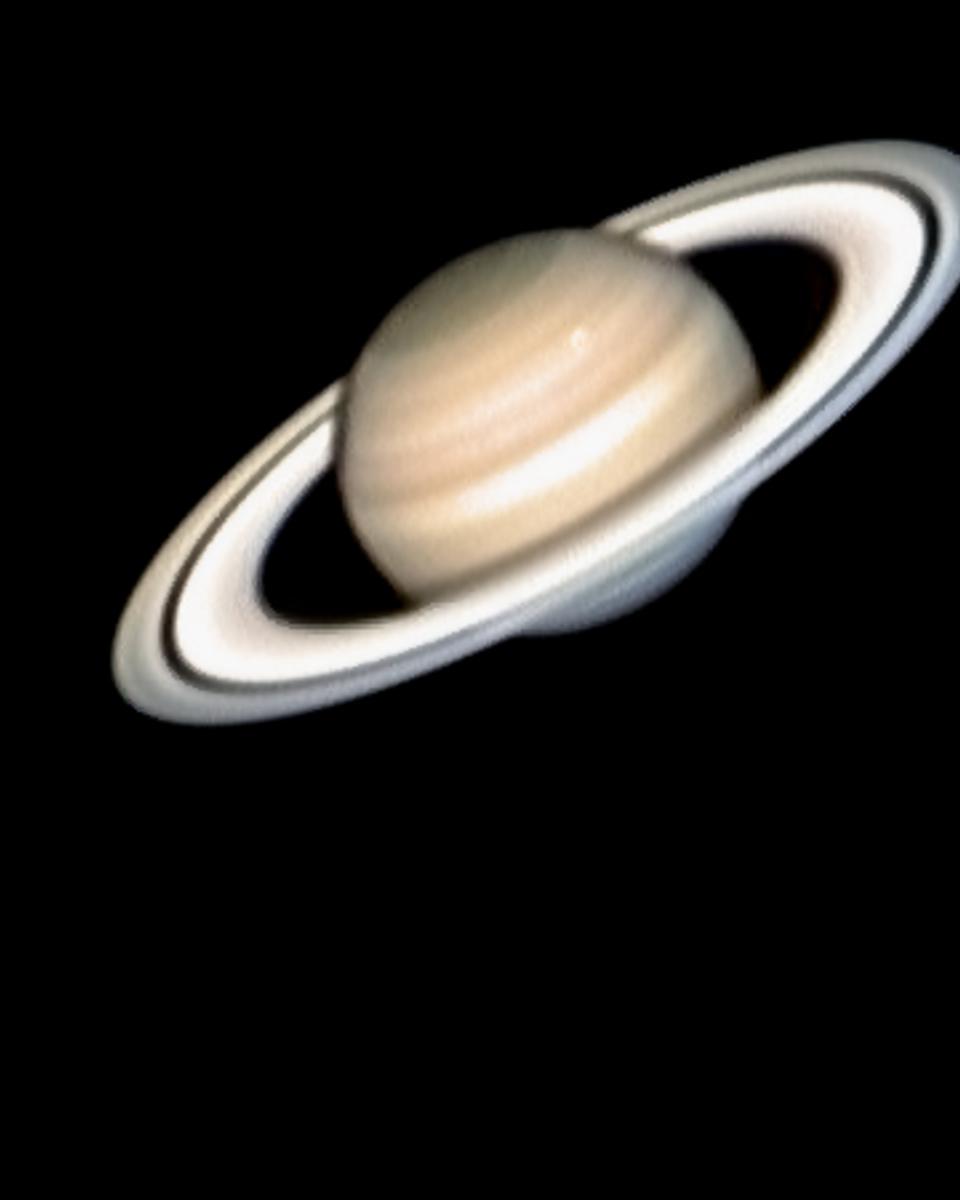
A New Storm on Saturn
Presently at opposition in planet Earth's sky, Saturn is well placed for telescopic observations . On Wednesday two amateur astronomers took full advantage of the situation from…
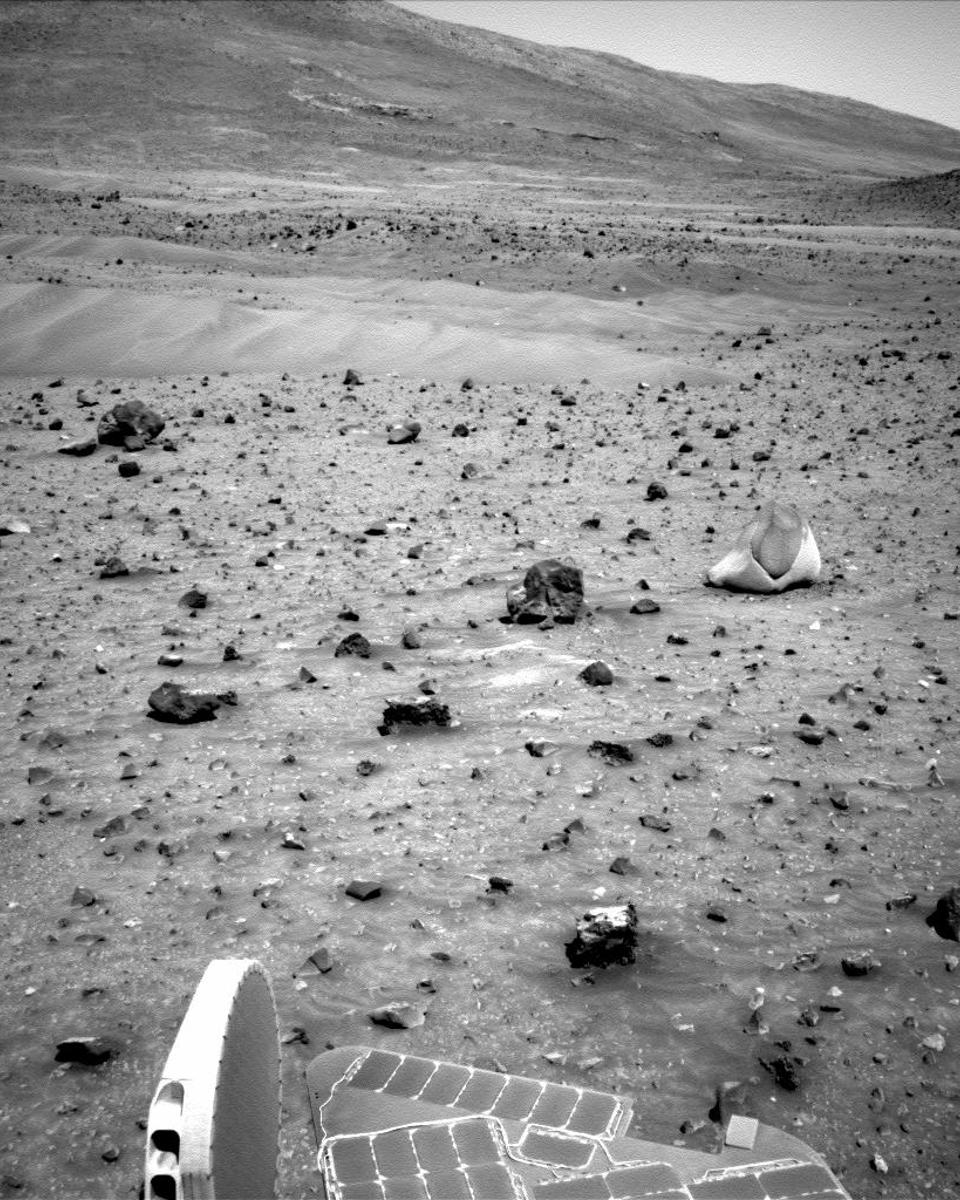
An Unusual Two-Toned Rock on Mars
How did this unusual Martian rock form? The atypical two-toned rock, visible in the lower right of the above image , was photographed a few days ago by the robotic Spirit rover…
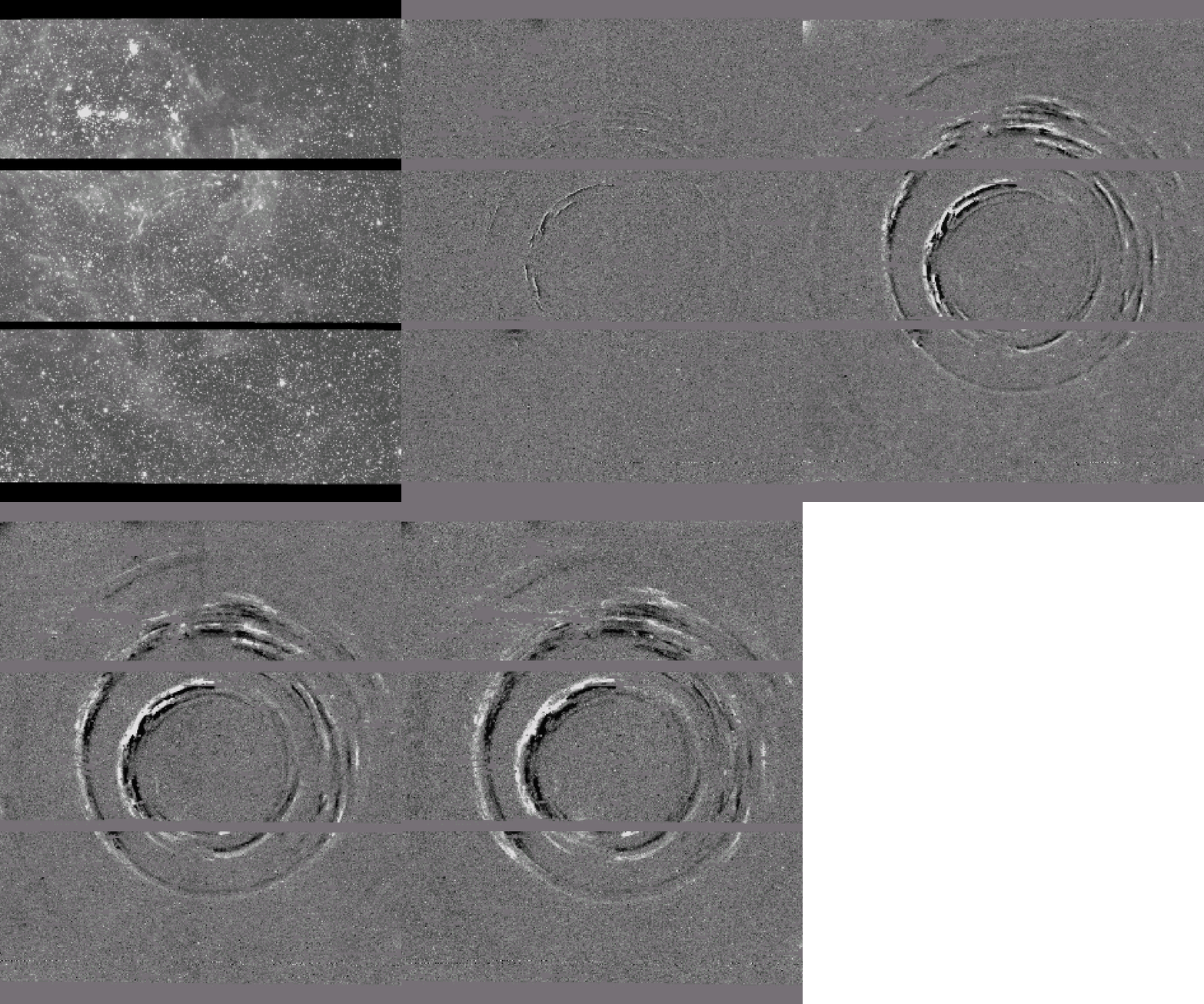
The Expanding Light Echoes of SN 1987A
Can you find supernova 1987A? It isn't hard -- it occurred at the center of the expanding bullseye pattern. Although this stellar detonation was first seen almost two decades ago,…
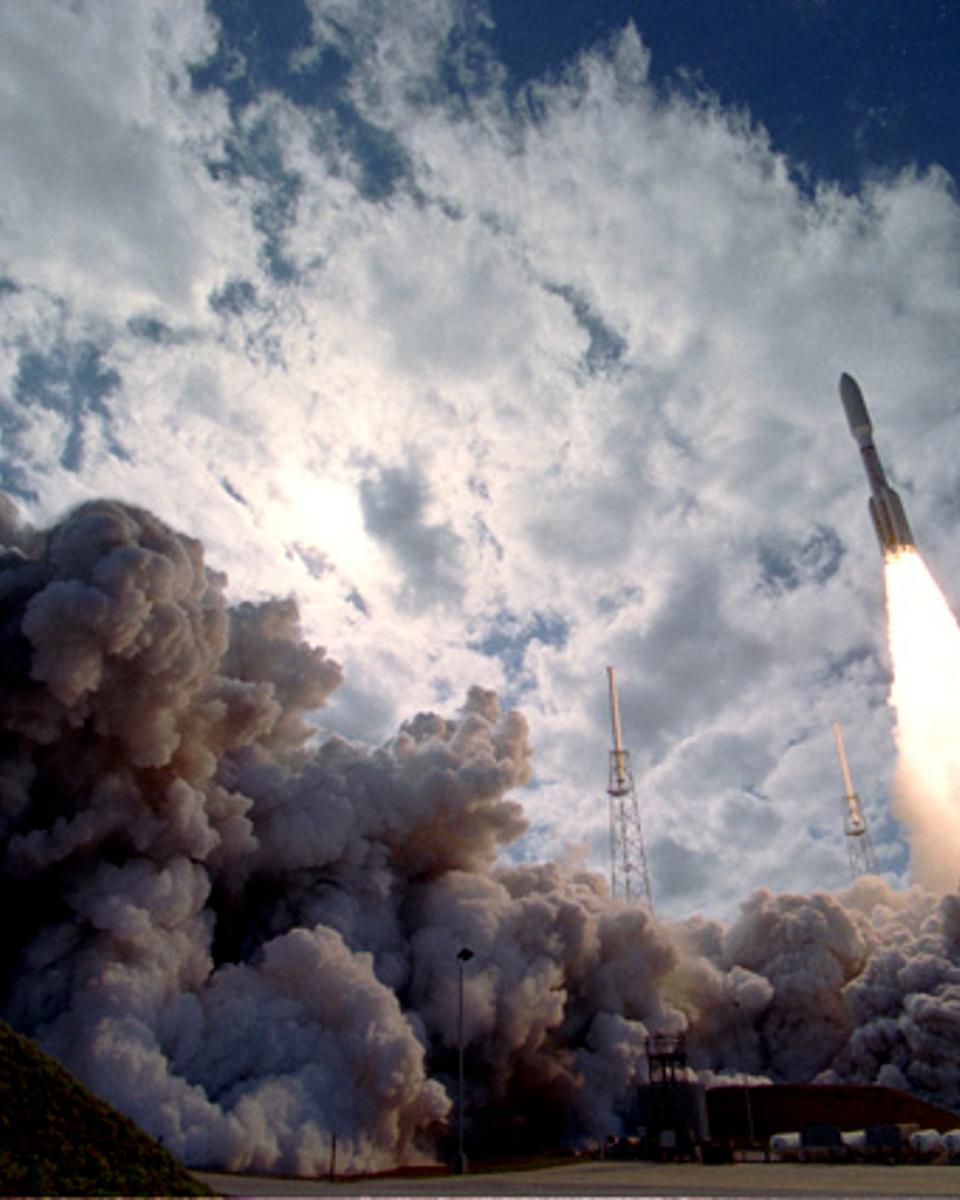
New Horizons Launches to Pluto
Destination: Pluto. The New Horizons spacecraft roared off its launch pad at Cape Canaveral in Florida , USA last week toward adventures in the distant Solar System . The craft is…
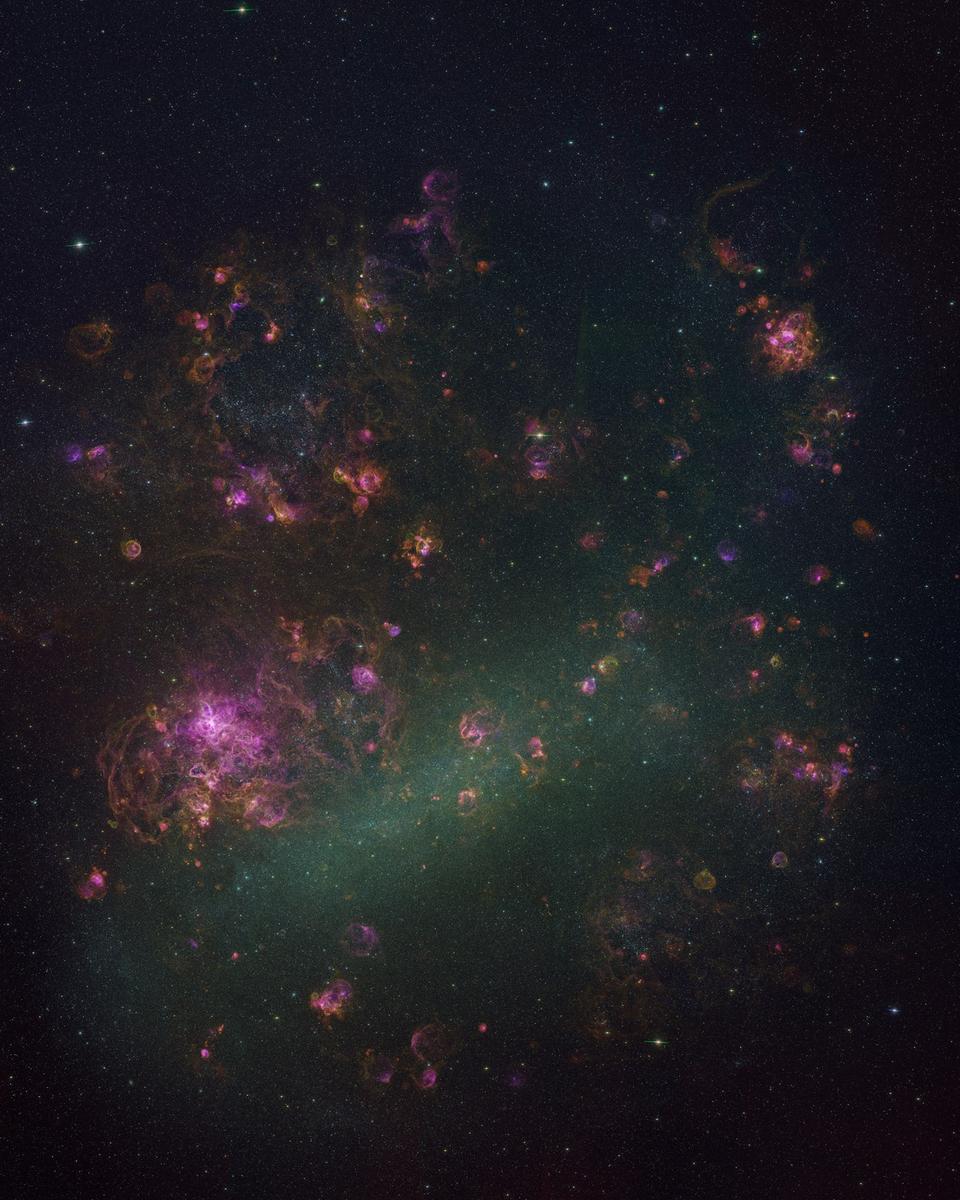
The LMC Galaxy in Glowing Gas
What goes on inside of a galaxy? To help find out, astronomers from the Magellanic Cloud Emission Line Survey team imaged our neighboring LMC galaxy in spectacular detail and…

D. rad Bacteria: Candidate Astronauts
These bacteria could survive on another planet. In an Earth lab, Deinococcus radiodurans (D. rad) survive extreme levels of radiation , extreme temperatures, dehydration , and…
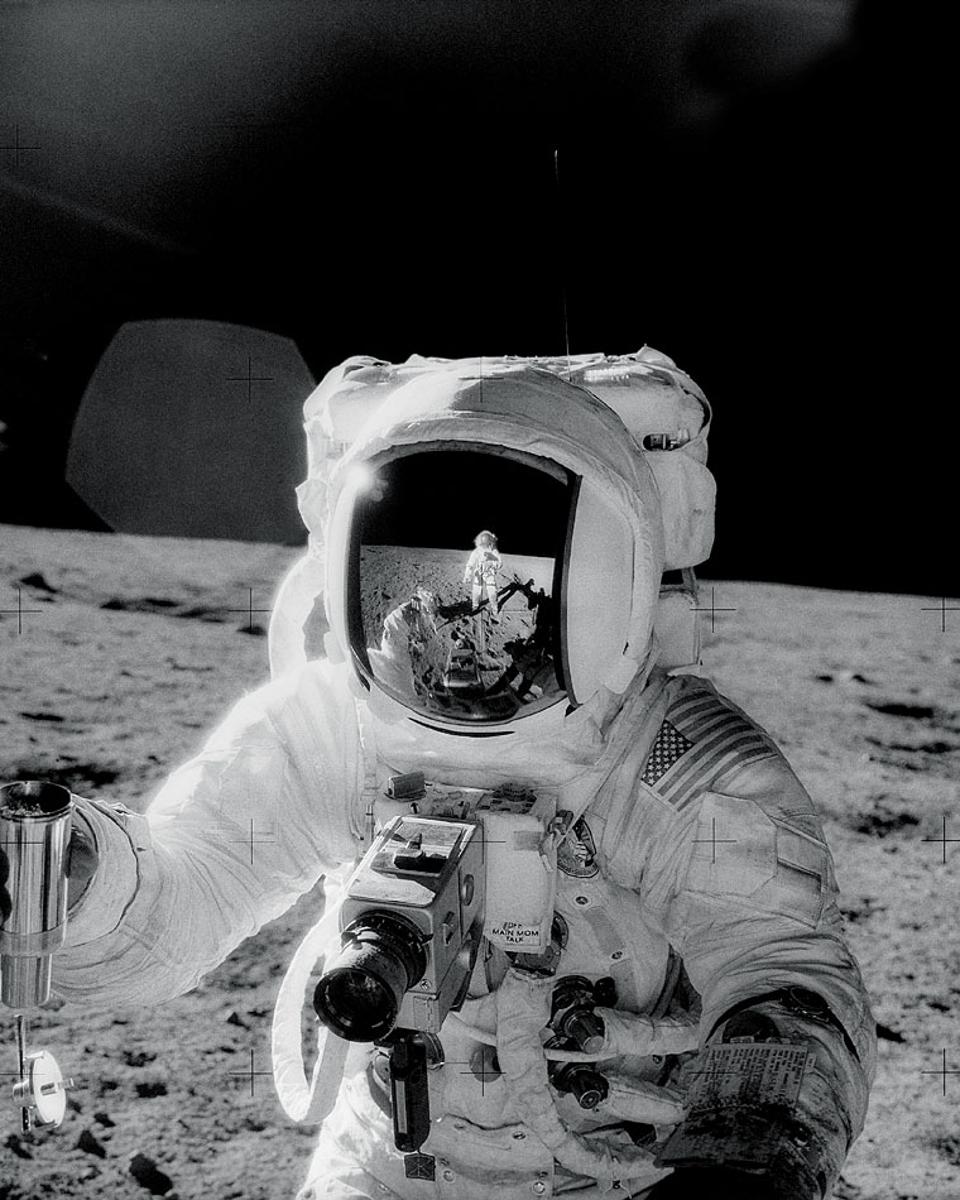
Apollo 12: Self-Portrait
In November of 1969, Apollo 12 astronaut-photographer Charles “Pete” Conrad recorded this masterpiece while documenting colleague Alan Bean's lunar soil collection activities on…
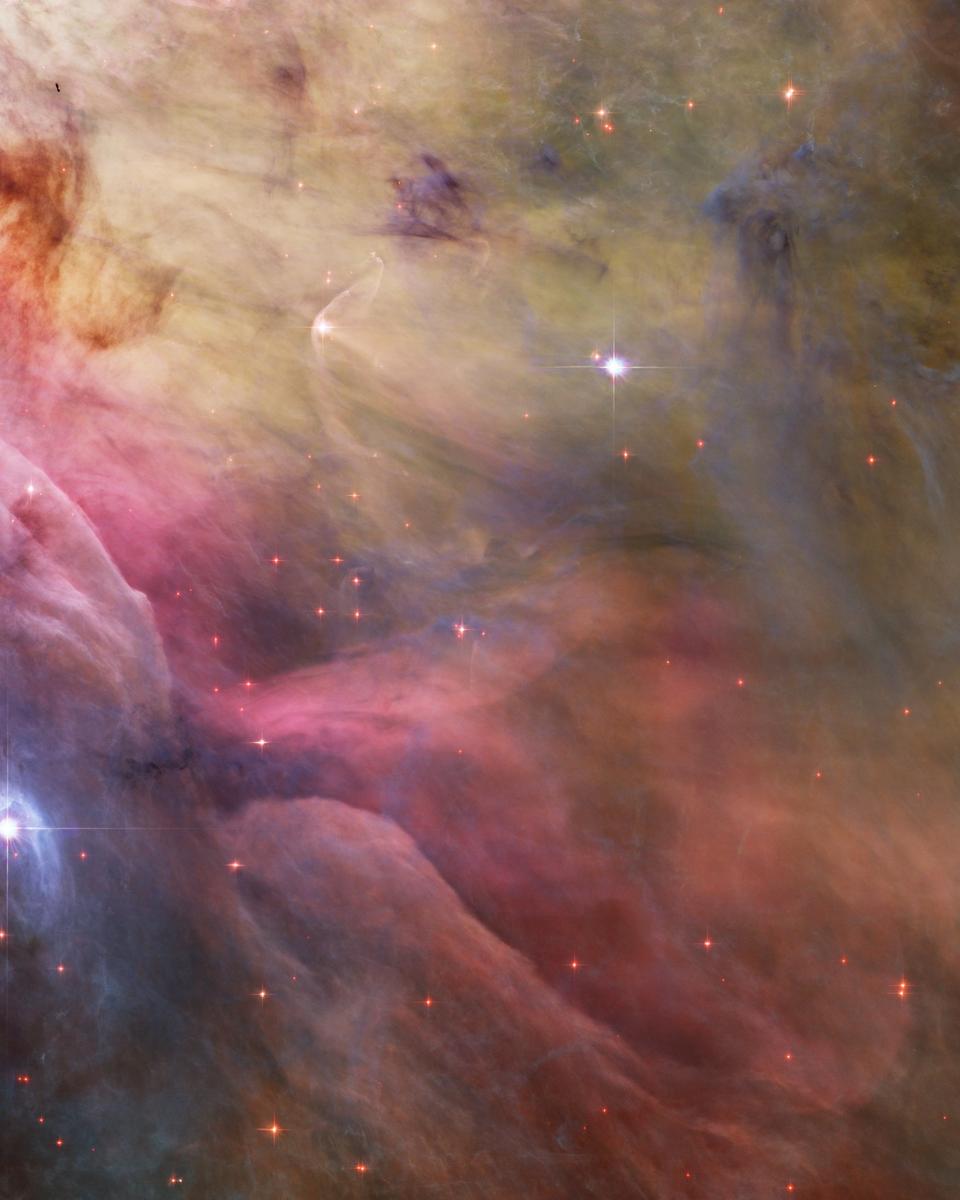
LL Ori and the Orion Nebula
This esthetic close-up of cosmic clouds and stellar winds features LL Orionis , interacting with the Orion Nebula flow. Adrift in Orion's stellar nursery and still in its…
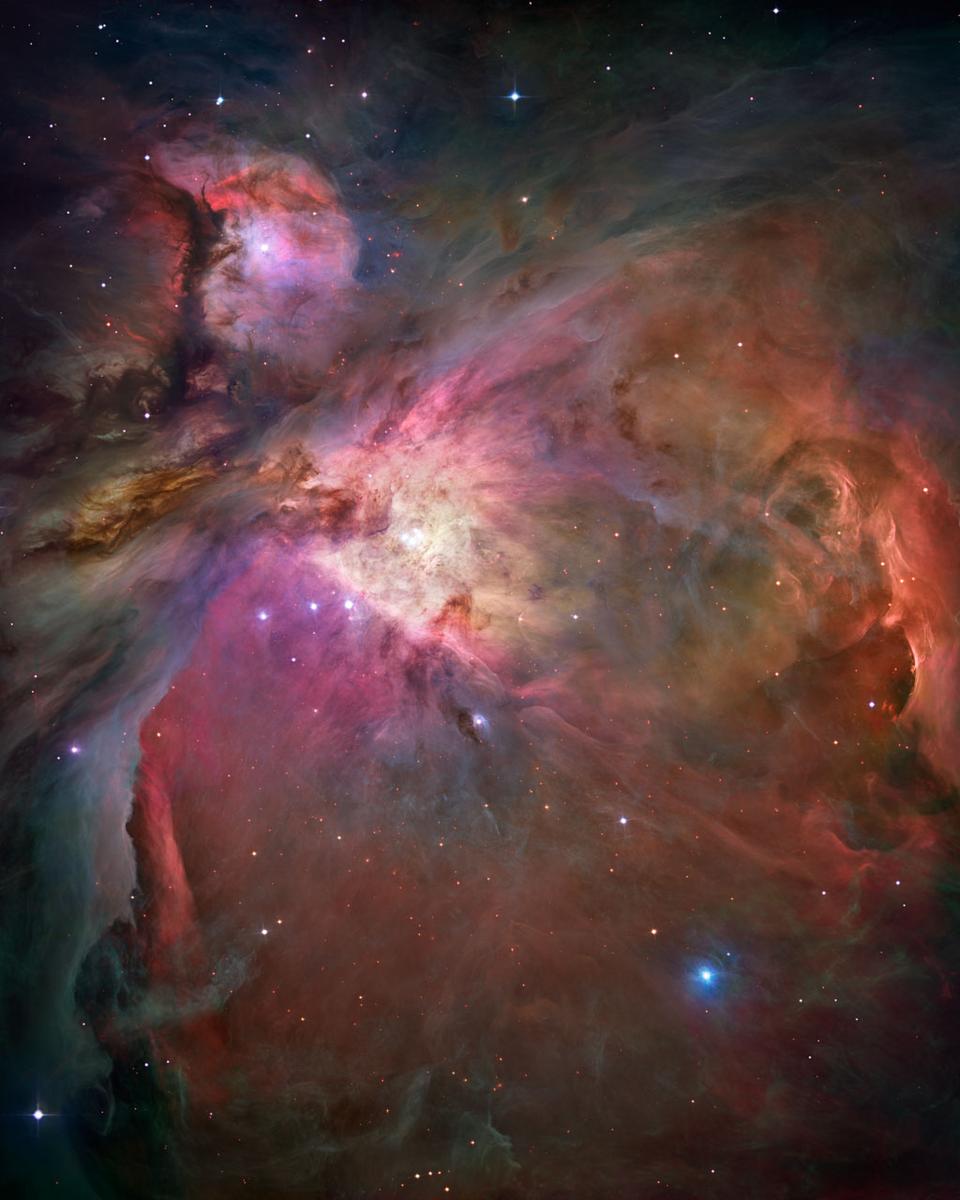
Orion Nebula: The Hubble View
Few cosmic vistas excite the imagination like the Orion Nebula . Also known as M42 , the nebula's glowing gas surrounds hot young stars at the edge of an immense interstellar…
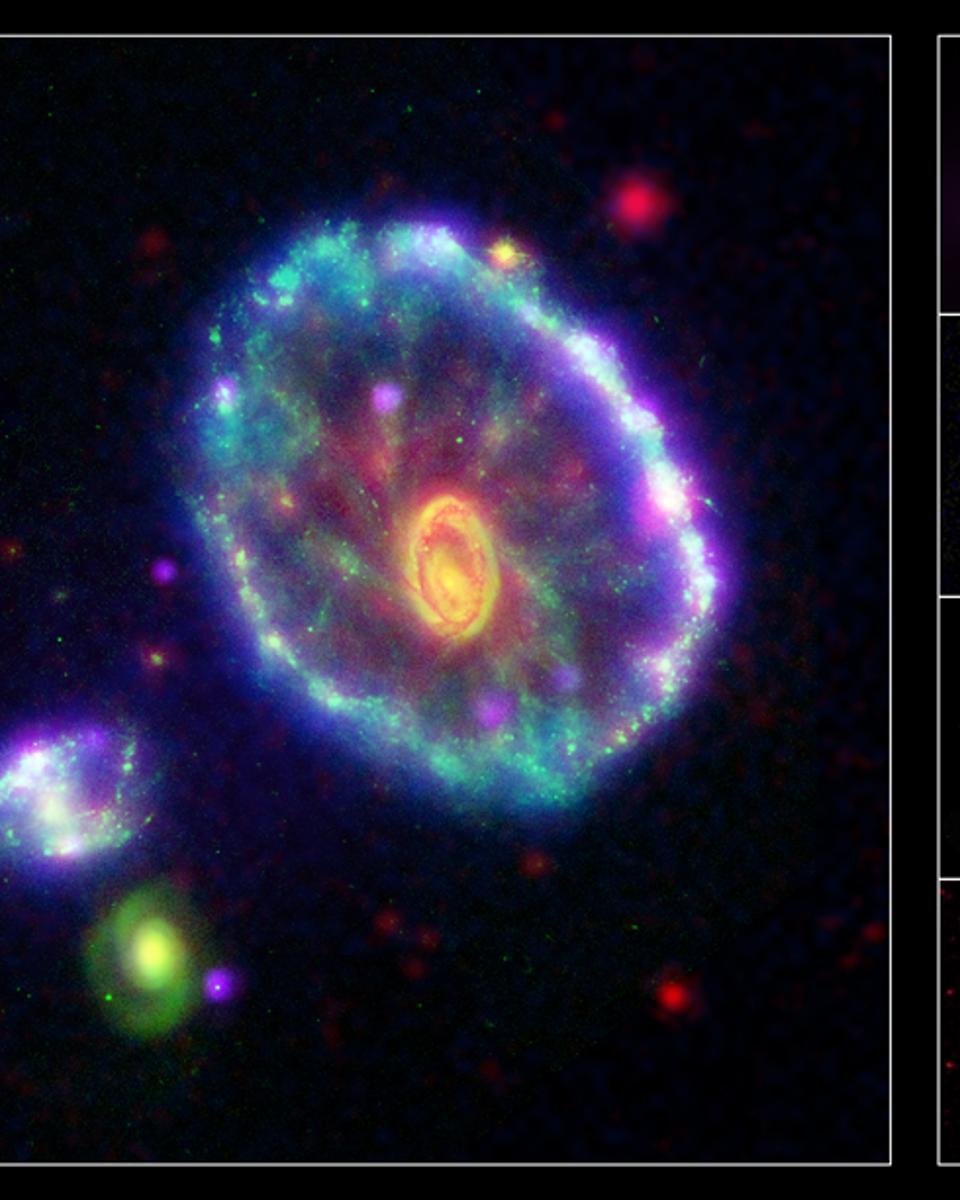
Cartwheel of Fortune
By chance, a collision of two galaxies has created a surprisingly recognizable shape on a cosmic scale - The Cartwheel Galaxy . The Cartwheel is part of a group of galaxies about…
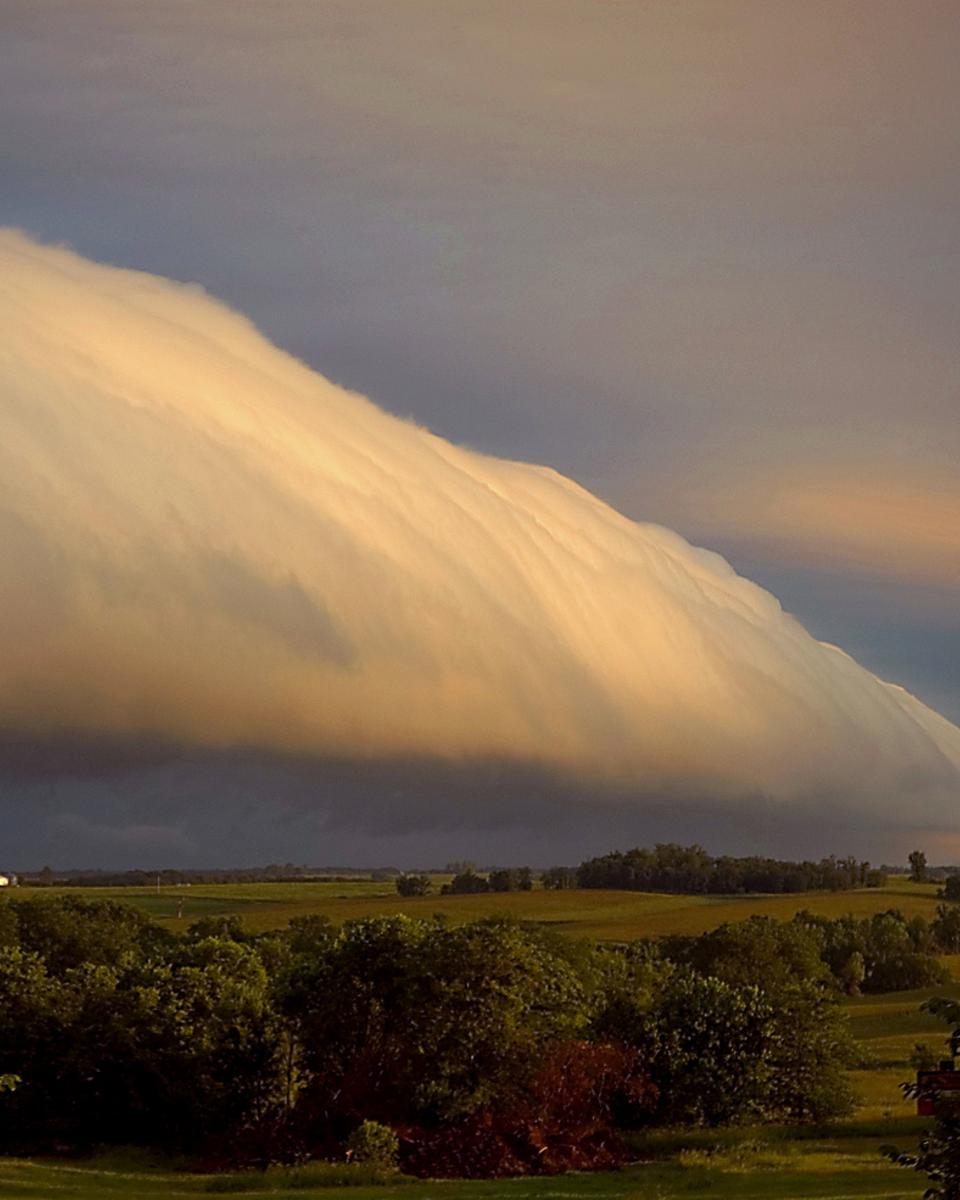
A Roll Cloud Over Missouri
What kind of cloud is this? A roll cloud . These rare long clouds may form near advancing cold fronts. In particular, a downdraft from an advancing storm front can cause moist…
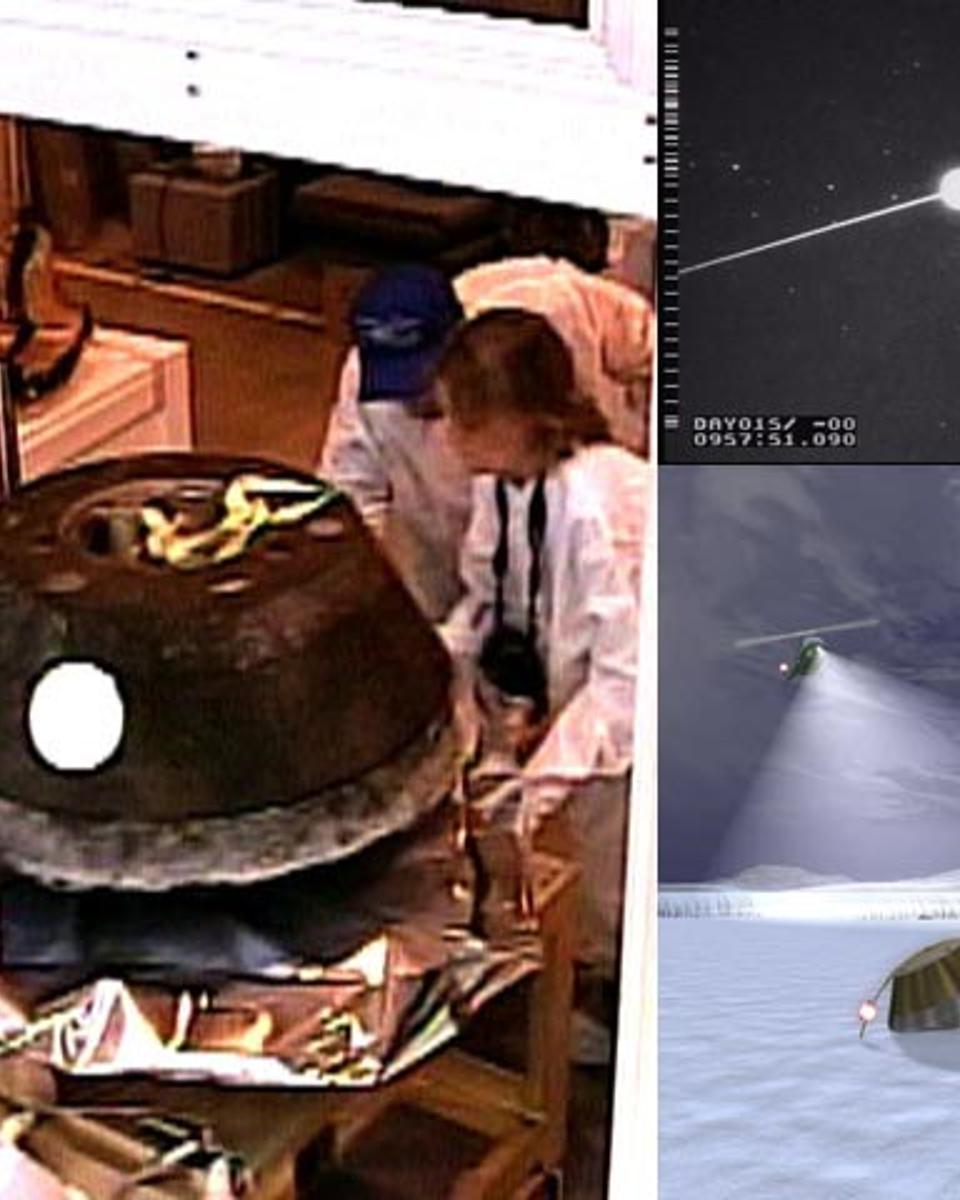
Stardust Capsule Returns to Earth
A flying saucer from outer space crash-landed in the Utah desert yesterday after being tracked by radar and chased by helicopters and airplanes. Like last time , no space aliens…
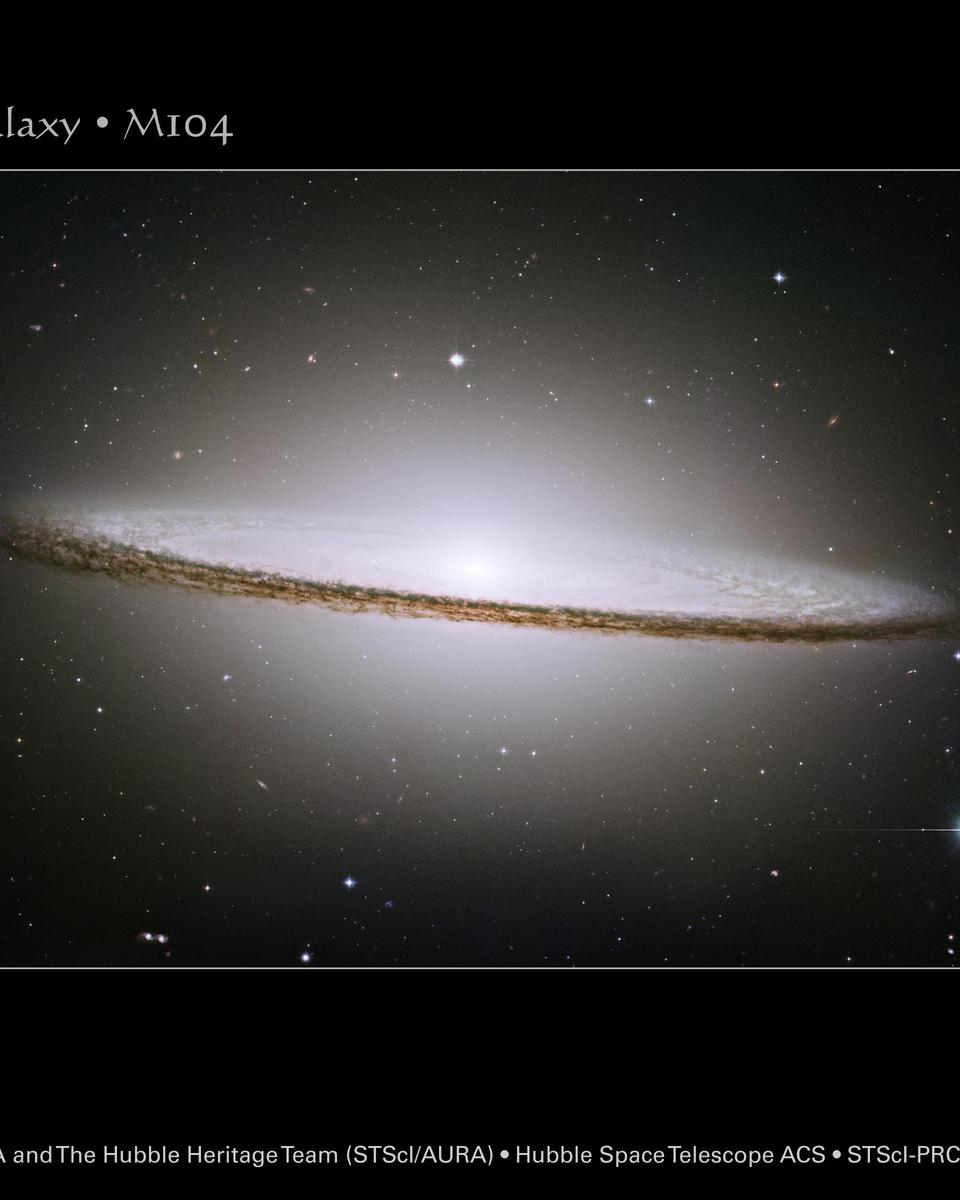
The Sombrero Galaxy from HST
Why does the Sombrero Galaxy look like a hat? Reasons include the Sombrero 's unusually large and extended central bulge of stars, and dark prominent dust lanes that appear in a…
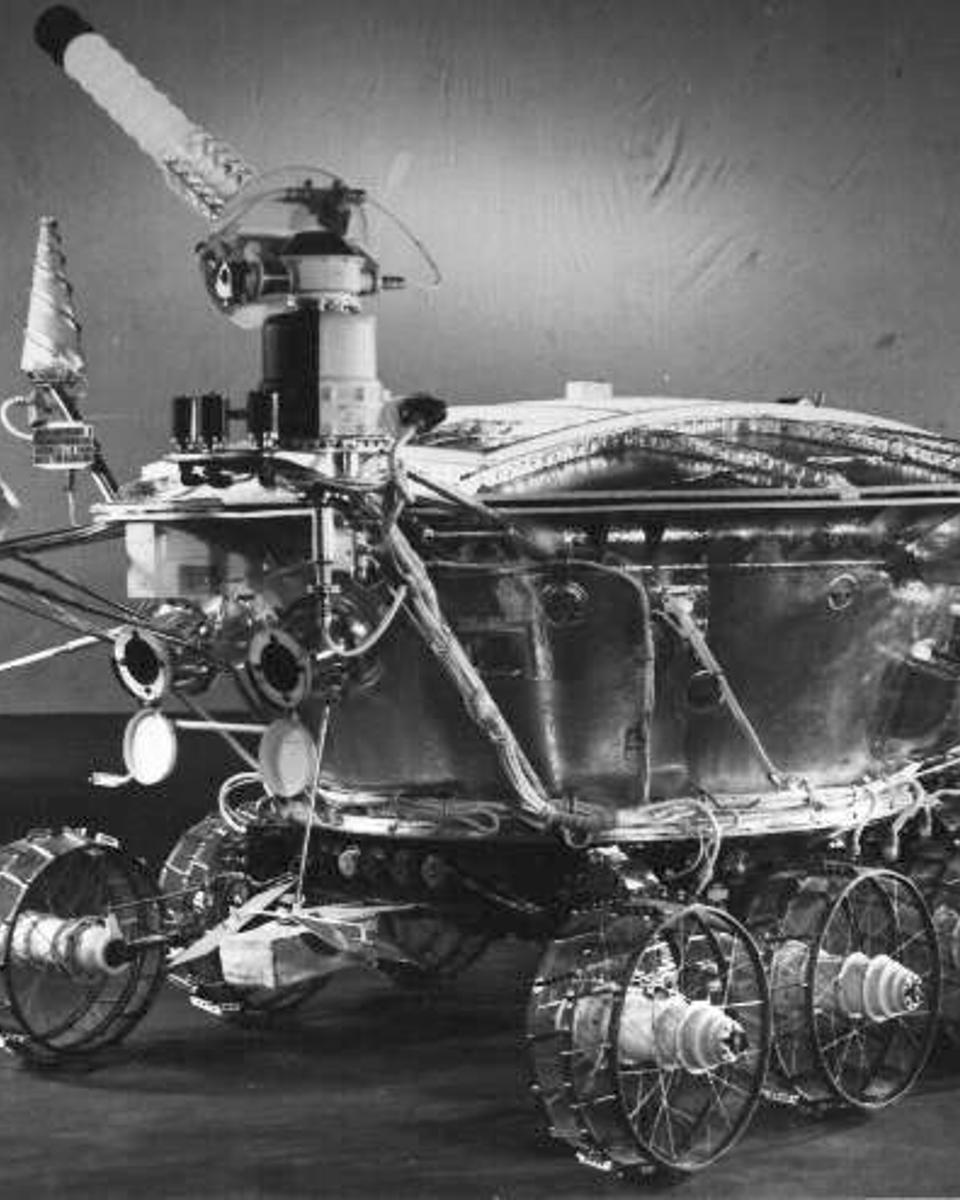
Lunokhod: Moon Robot
On November 17, 1970 the Soviet Luna 17 spacecraft landed the first roving remote-controlled robot on the Moon . Known as Lunokhod 1, it weighed just under 2,000 pounds and was…
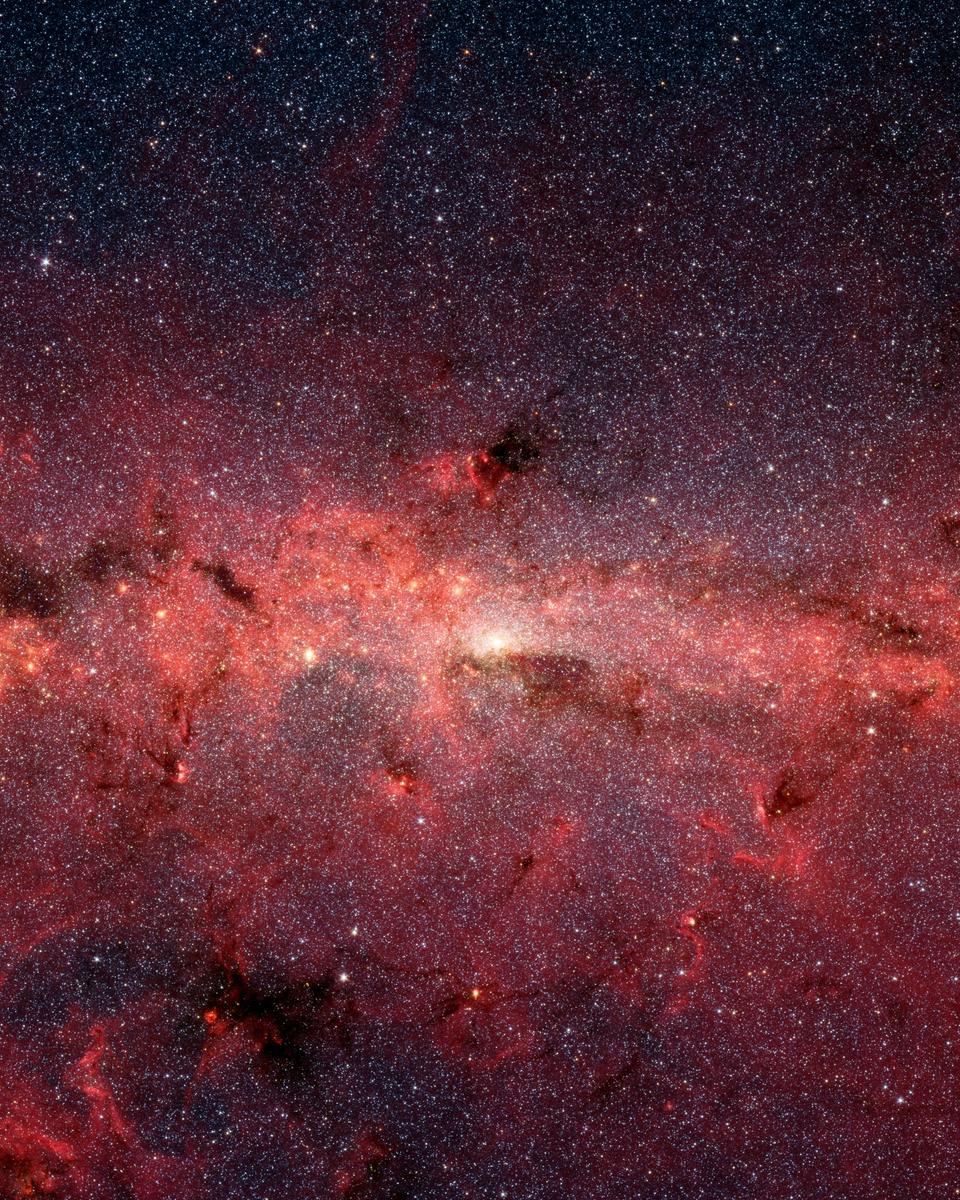
Stars of the Galactic Center
The center of our Milky Way Galaxy is hidden from the prying eyes of optical telescopes by clouds of obscuring dust and gas. But in this stunning vista , the Spitzer Space…
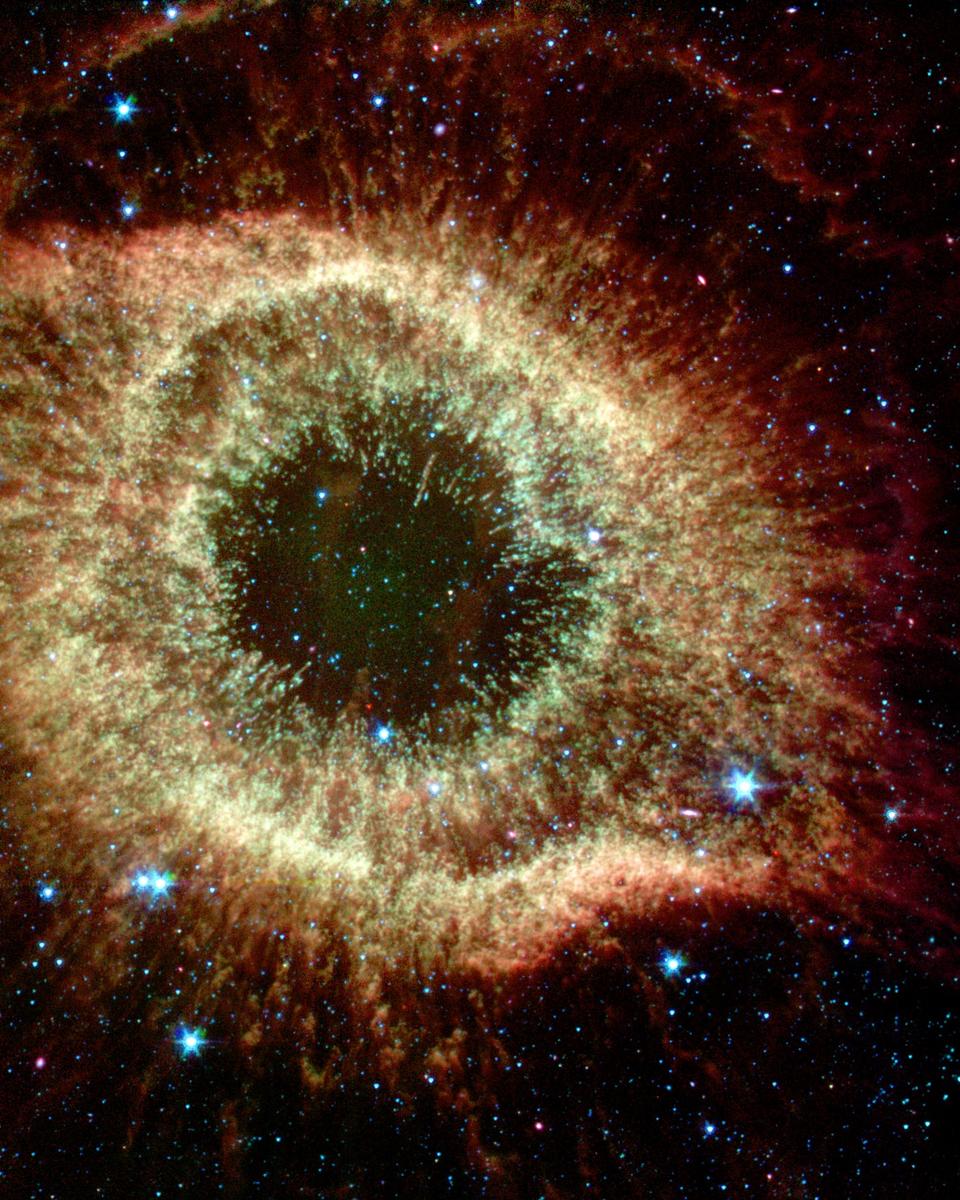
Infrared Helix
Over six hundred light years from Earth, in the constellation Aquarius , a sun-like star is dying. Its last few thousand years have produced the Helix Nebula (NGC 7293), a well…
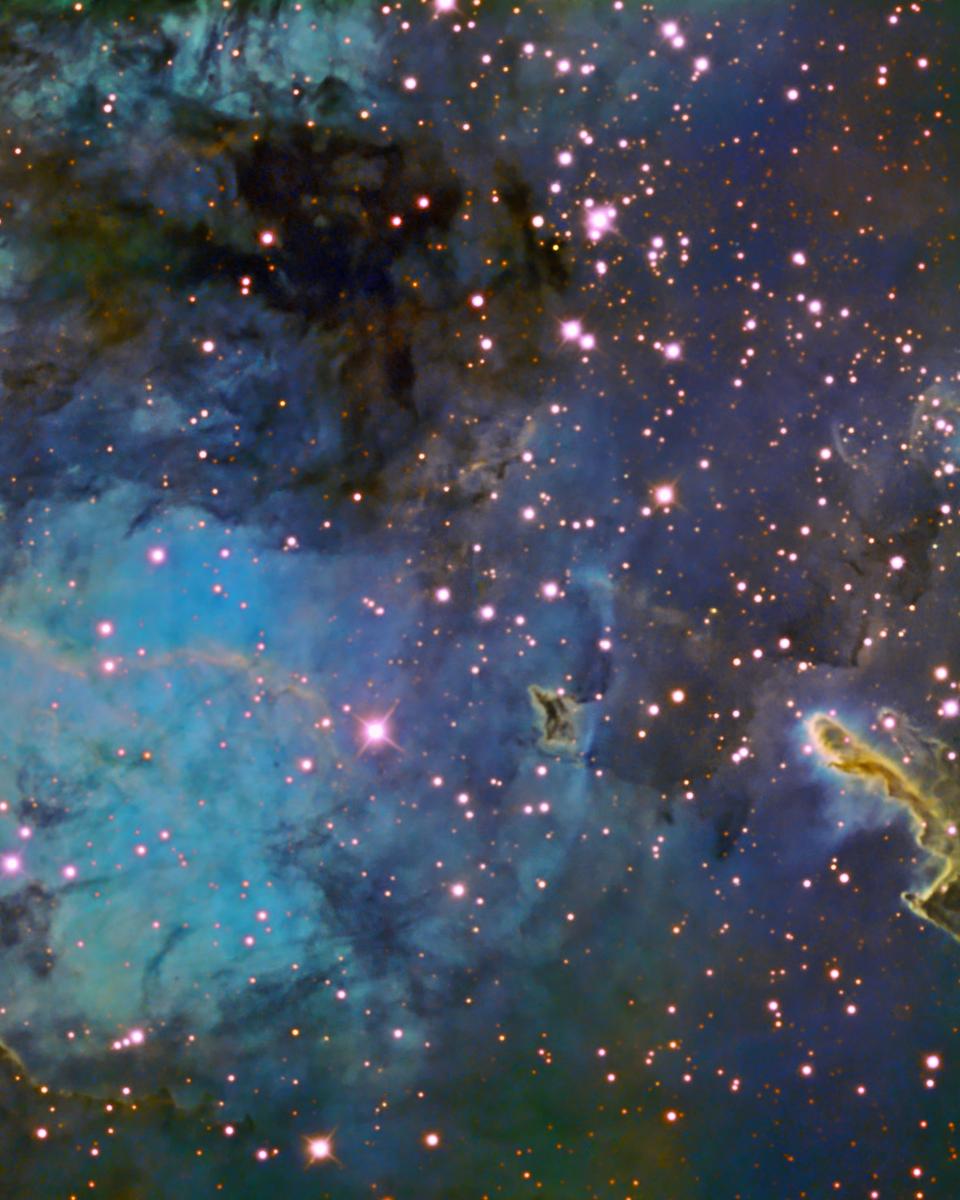
The Tadpoles of IC 410
This close-up view shows a portion of otherwise faint emission nebula IC 410 in striking false-colors. It also shows two remarkable denizens of the glowing gas cloud at the right…
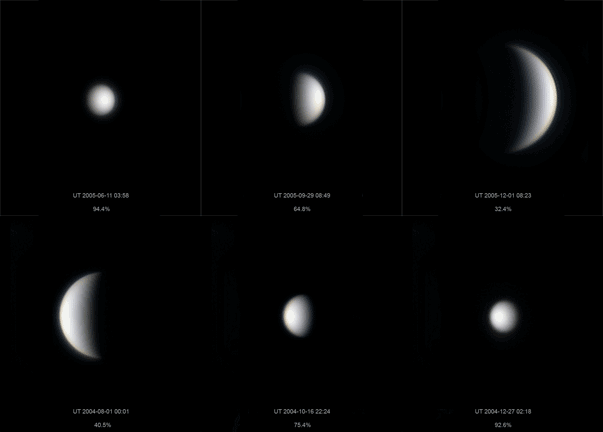
The Phases of Venus
Venus goes through phases. Just like our Moon , Venus can appear as full as a disk or as a thin as a crescent . Venus, frequently the brightest object in the post-sunset or…
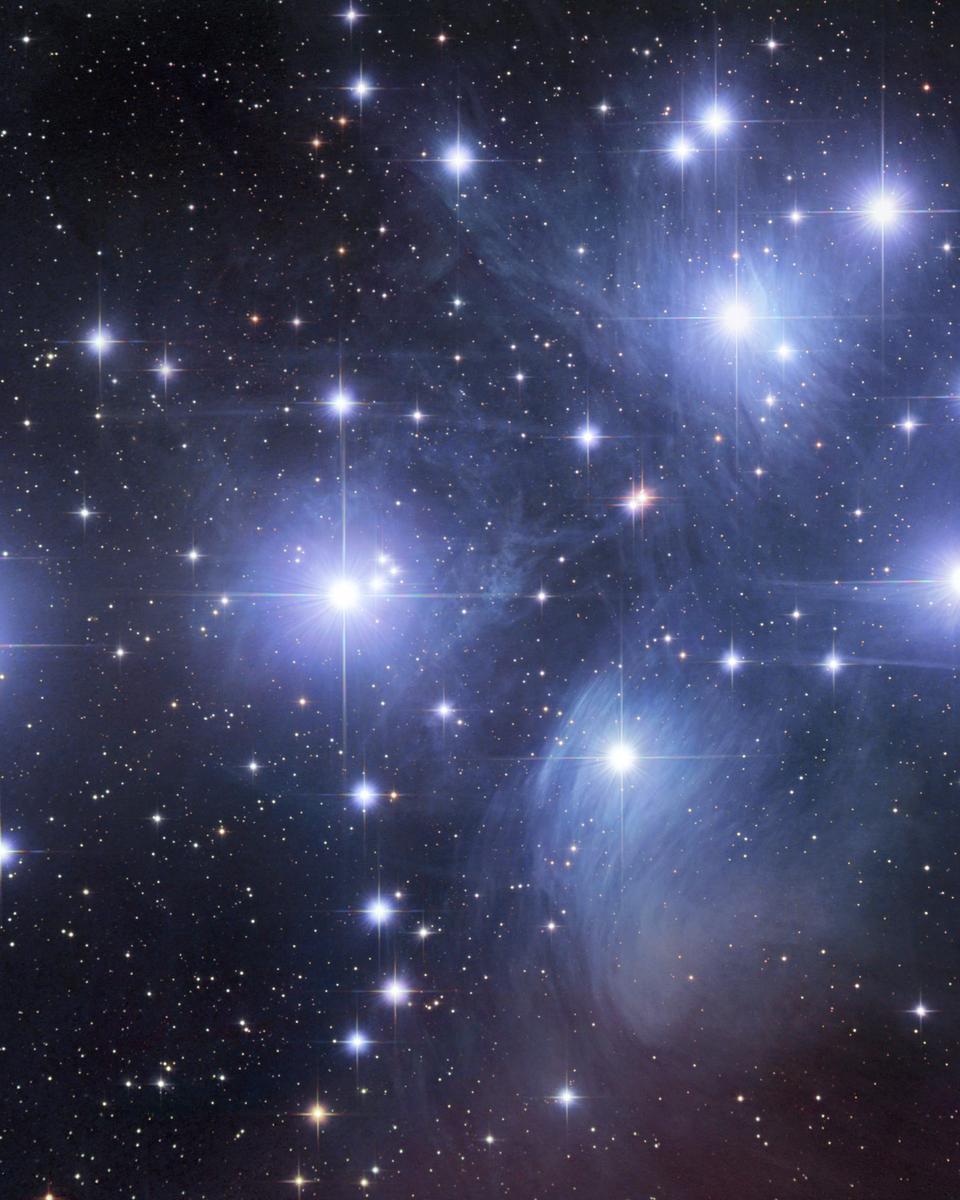
M45: The Pleiades Star Cluster
Perhaps the most famous star cluster on the sky, the Pleiades can be seen without binoculars from even the depths of a light-polluted city . Also known as the Seven Sisters and…
Viewing discoveries from 1 February 2006 through 9 January 2006.