Browse NASA Astronomy Picture of the Day archive by date and media: Archive Discoveries
Browse the NASA APOD archive without needing the exact date first. Filter by media type and keep moving deeper into older images and videos.
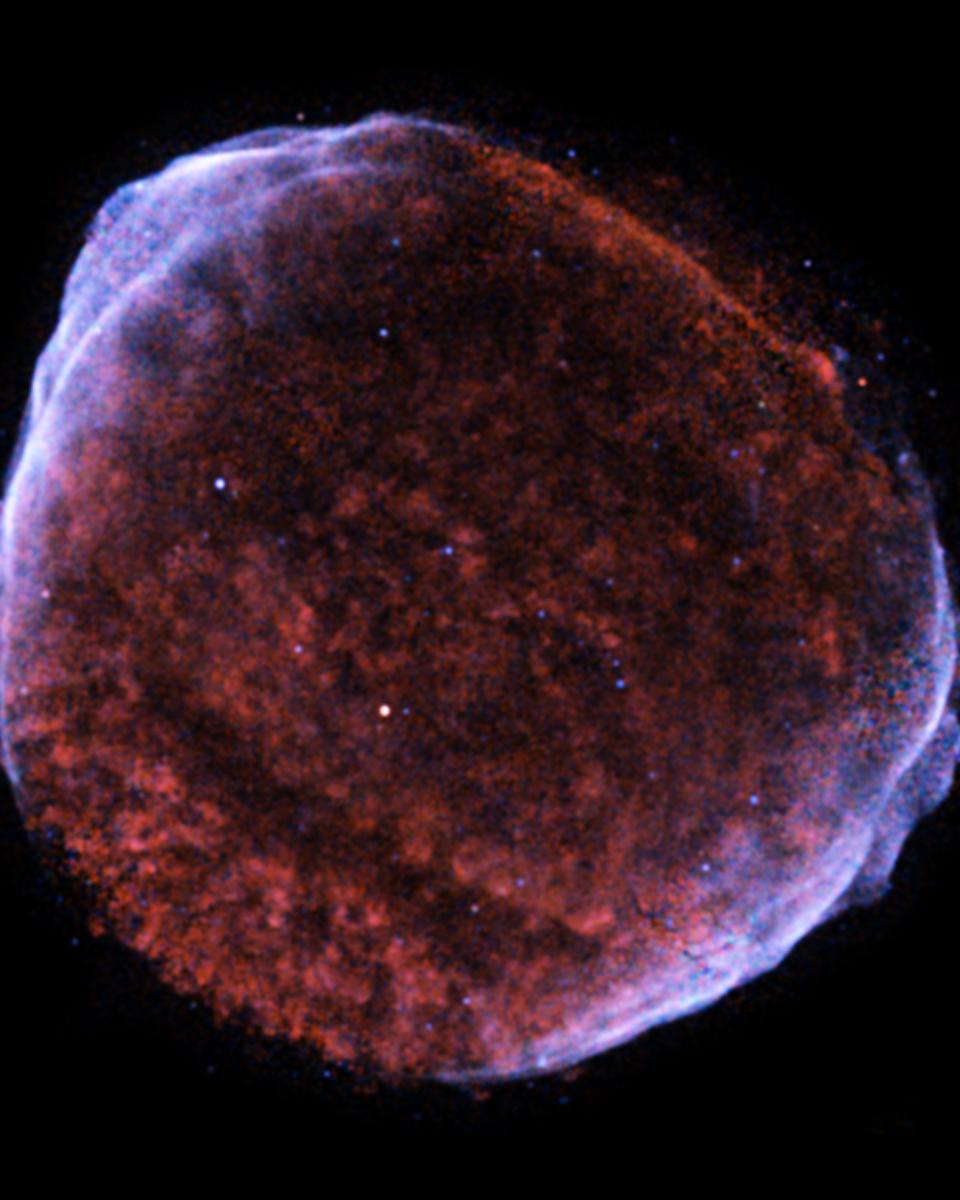
SN 1006: Supernova Remnant in X-Rays
This huge puff ball was once a star. One thousand years ago, in the year 1006 , a new star was recorded in the sky that today we know was really an existing star exploding. The…
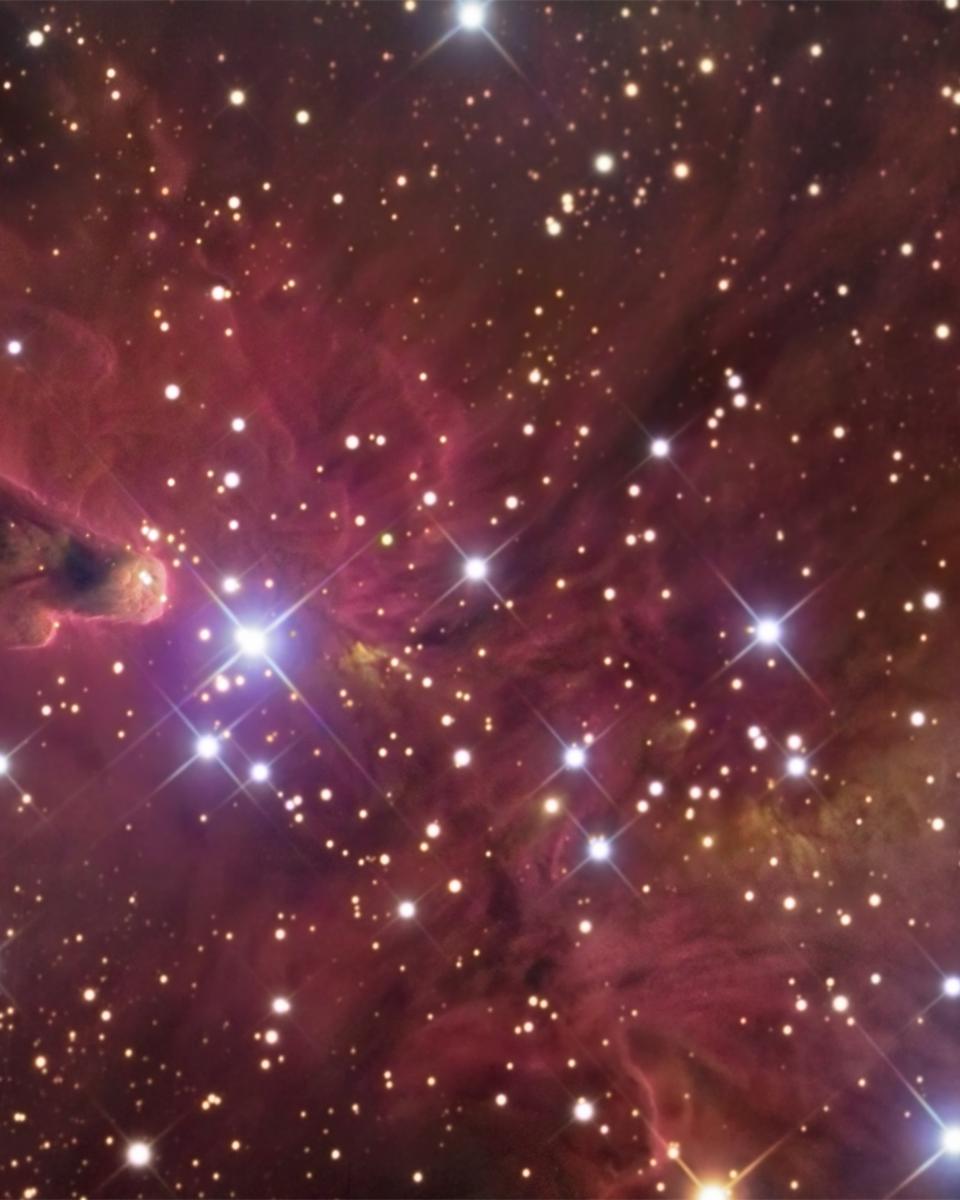
The Mysterious Cone Nebula
Sometimes the simplest shapes are the hardest to explain. For example, the origin of the mysterious cone-shaped region seen on the far left remains a mystery. The interstellar…
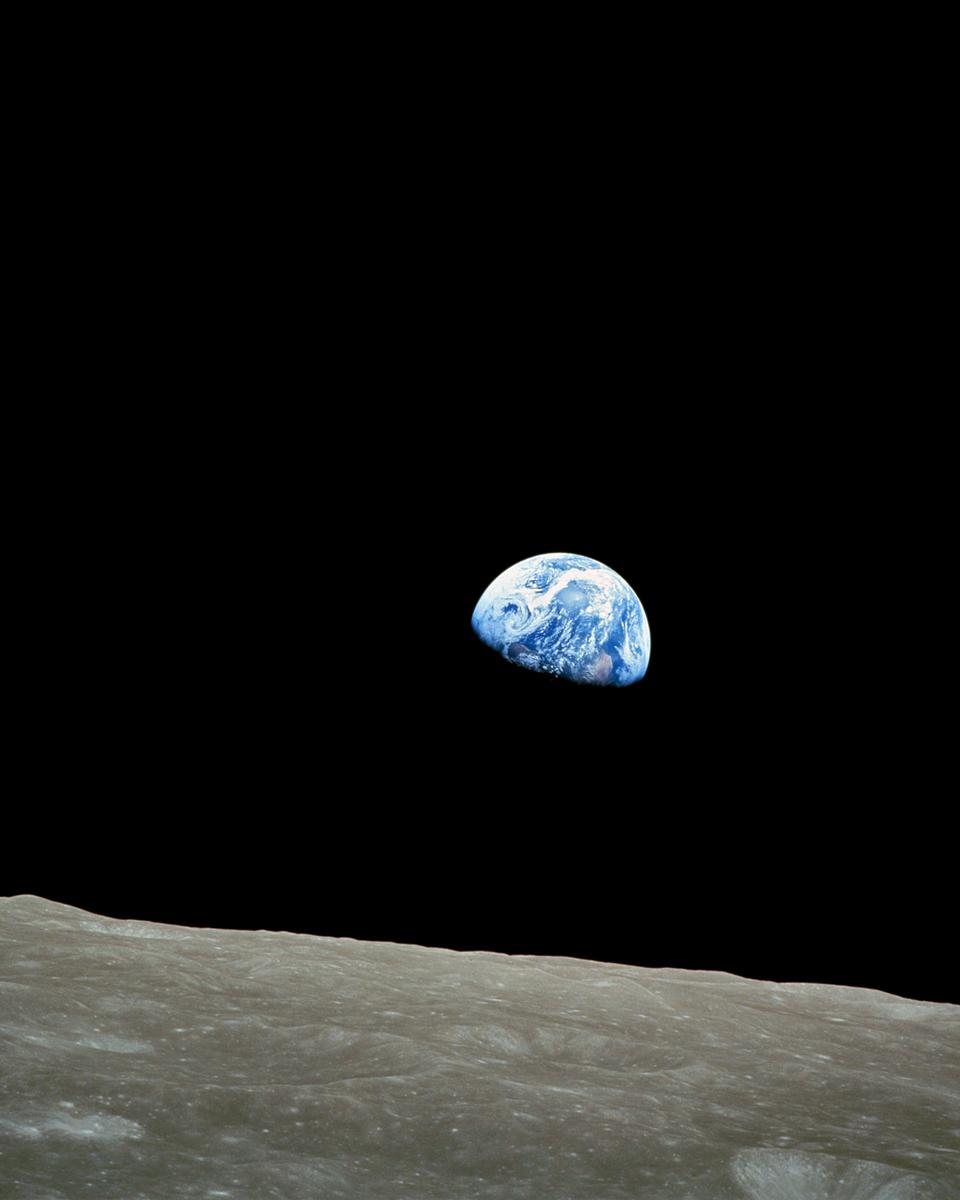
Earthrise
In December of 1968, the Apollo 8 crew flew from the Earth to the Moon and back again. Frank Borman , James Lovell , and William Anders were launched atop a Saturn V rocket on…
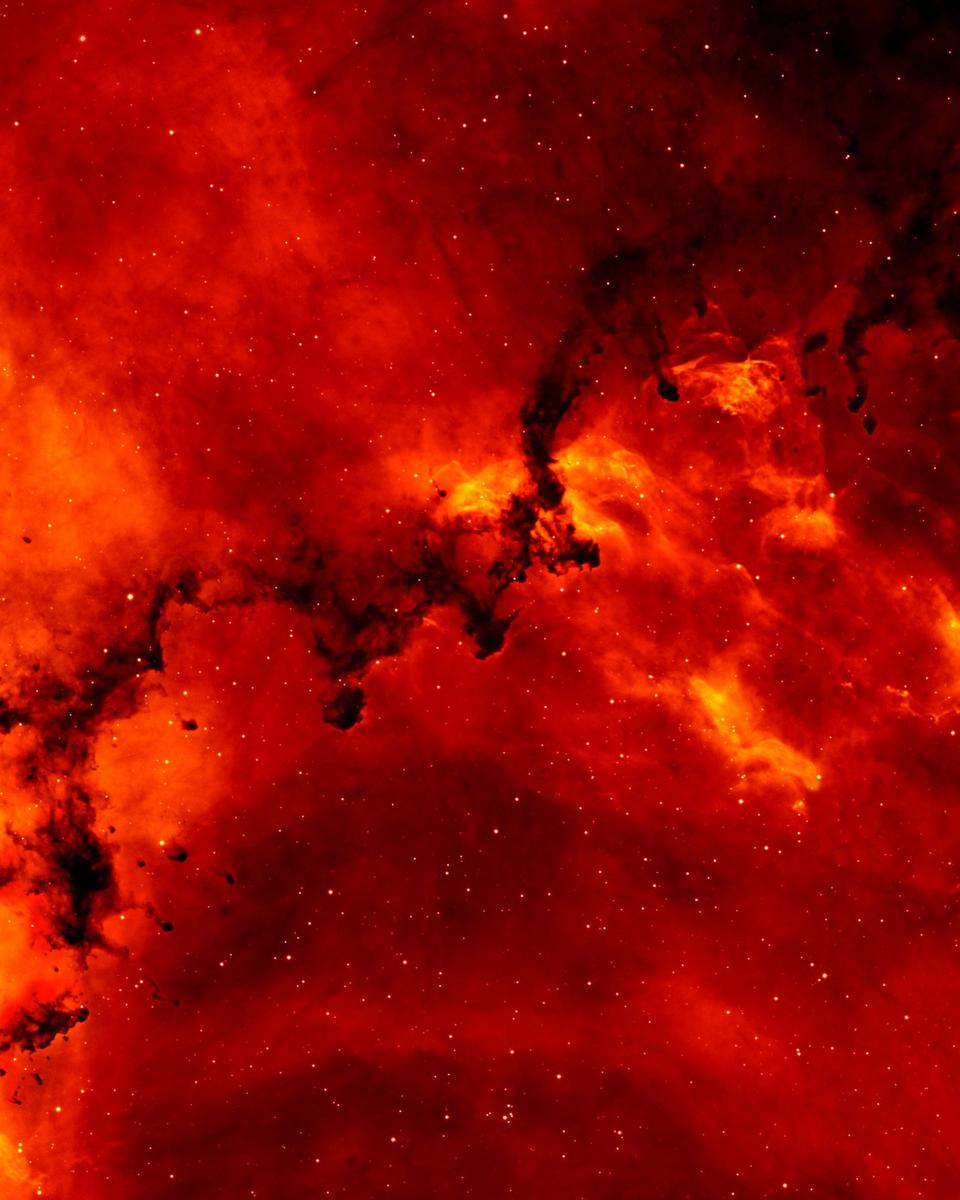
Hydrogen and Dust in the Rosette Nebula
At the edge of a large molecular cloud in Monoceros , some 3,000 light years away, dark filaments of dust are silhouetted by luminous hydrogen gas. The close up view of the…
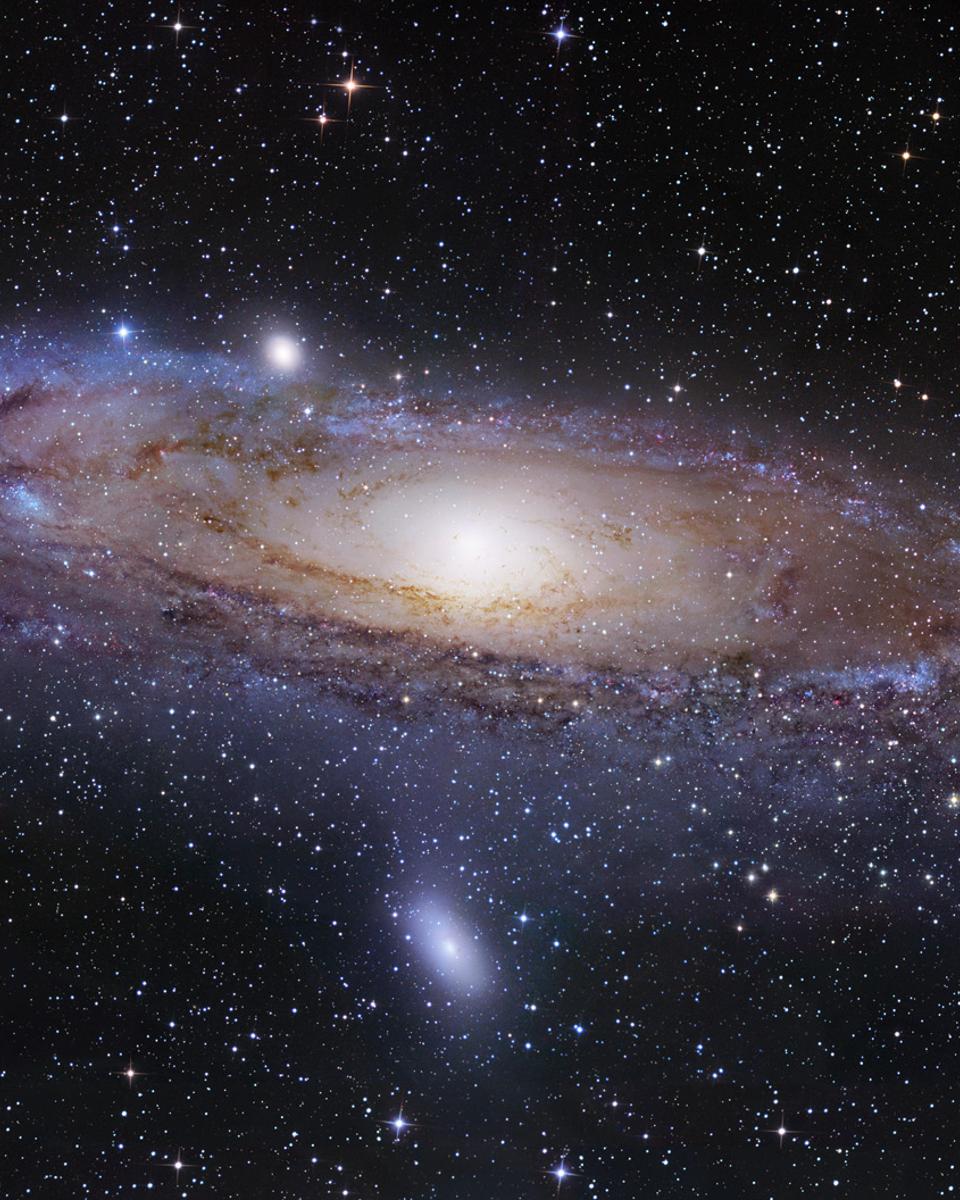
Andromeda Island Universe
The most distant object easily visible to the unaided eye is M31 , the great Andromeda Galaxy some two million light-years away. But without a telescope, even this immense spiral…
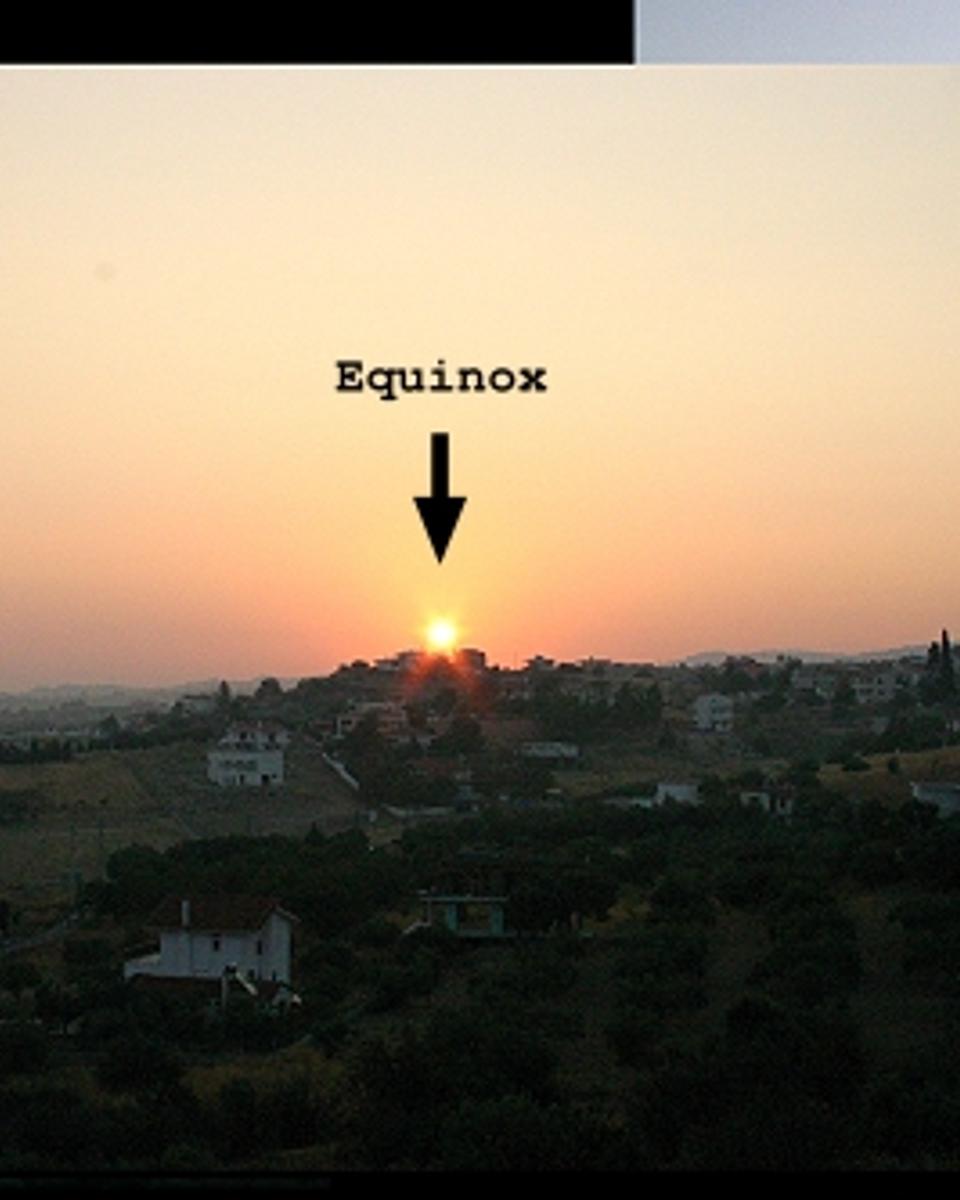
Sunrise by Season
Does the Sun always rise in the same direction? No. As the seasons change, the direction toward the rising Sun will change, too. The Sun will always rise and set furthest to the…
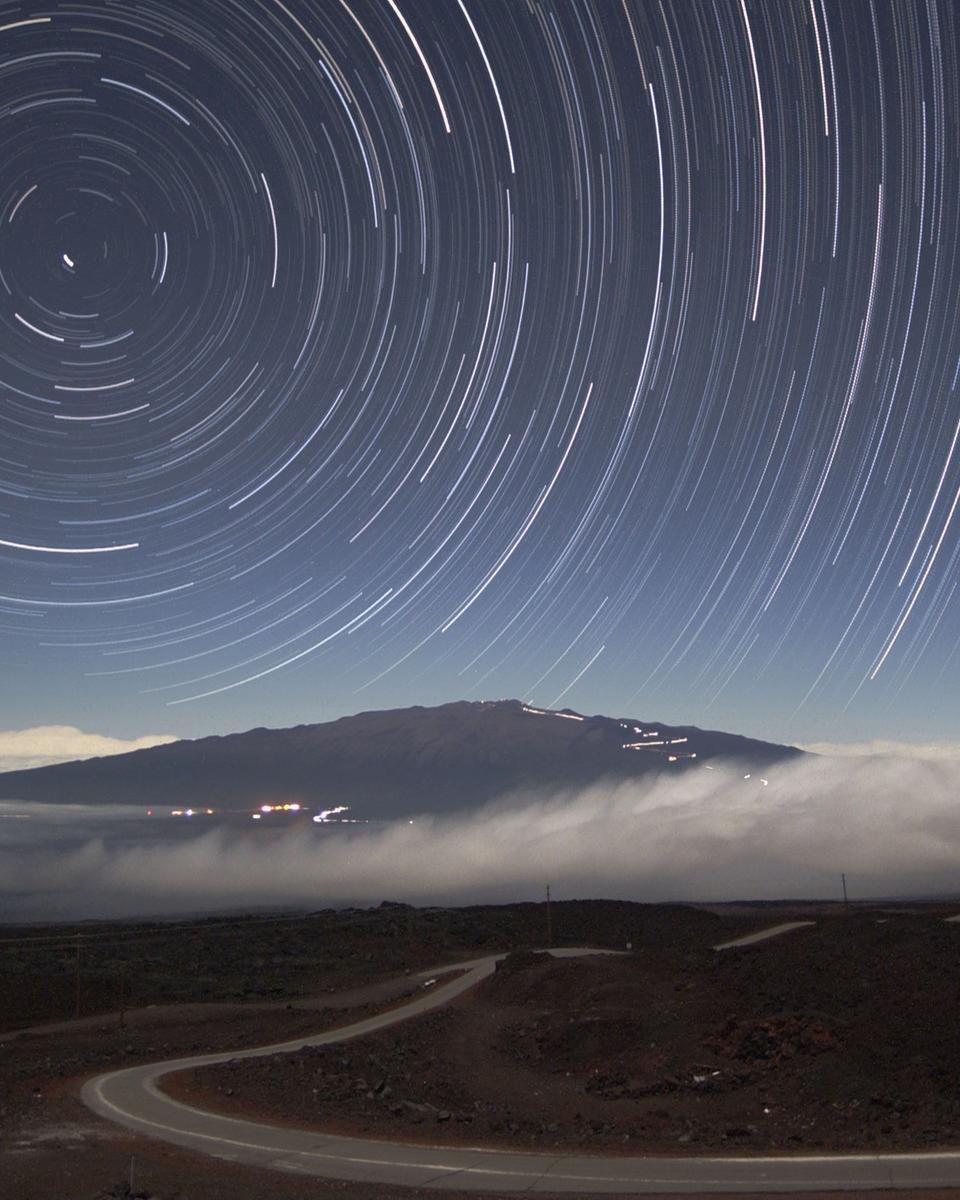
Star Trails Above Mauna Kea
Is there a road to the stars? Possibly there are many, but the physical road pictured above leads up to the top of a dormant volcano that is a premier spot on planet Earth for…
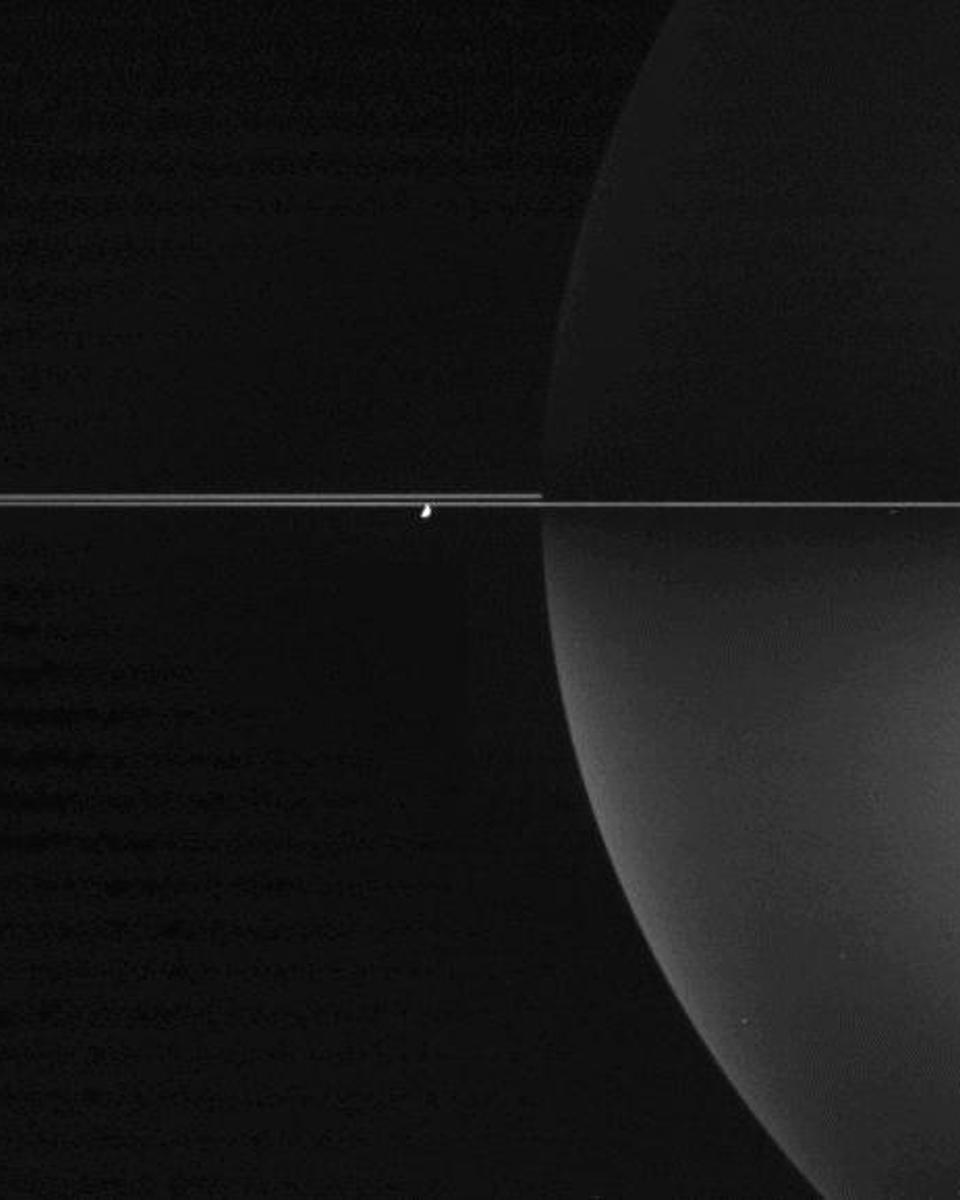
Thin Rings Around Polarized Saturn
How thin are the rings of Saturn? Brightness measurements from different angles have shown Saturn's rings to be about one kilometer thick, making them many times thinner, in…
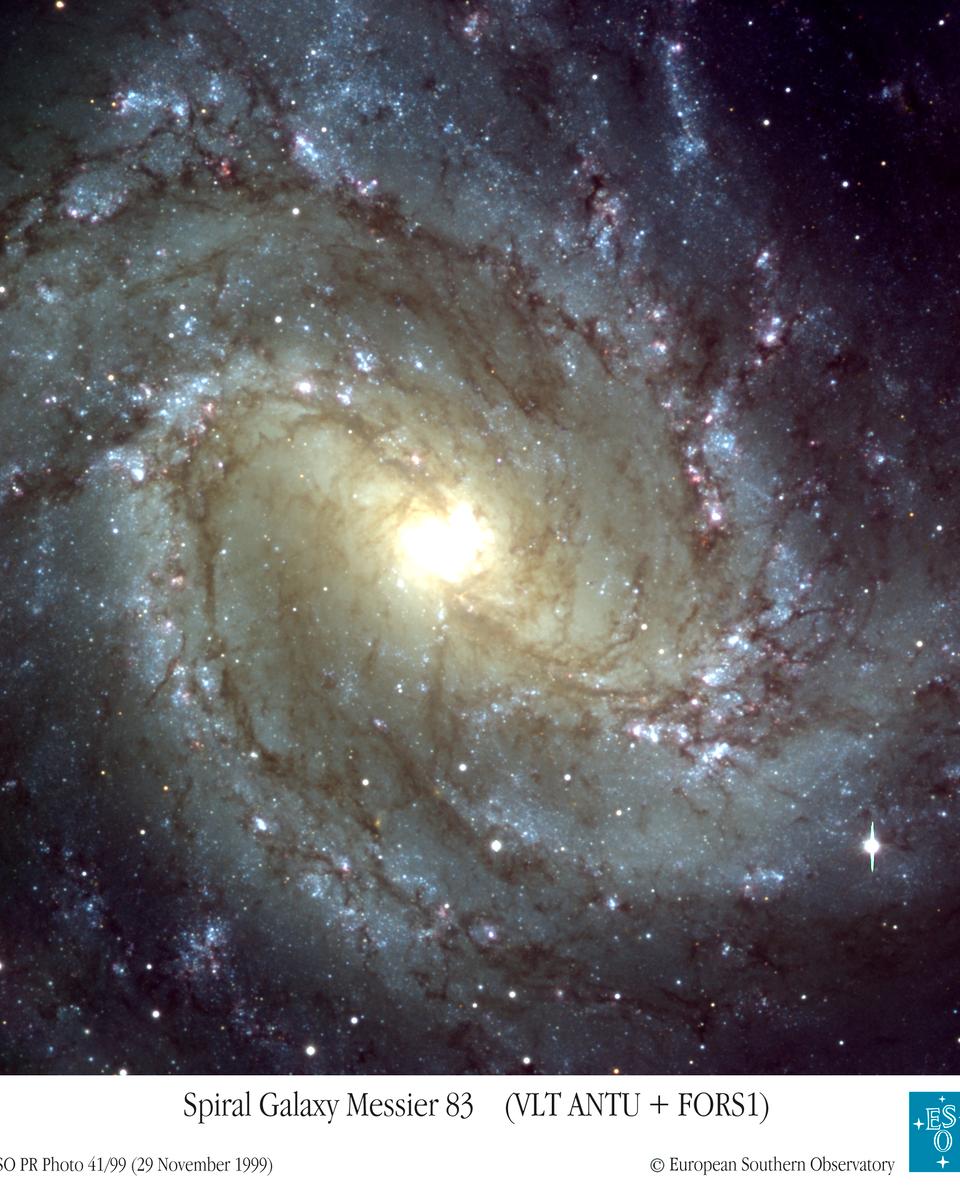
M83: The Southern Pinwheel Galaxy from VLT
M83 is one of the closest and brightest spiral galaxies on the sky. Visible with binoculars in the constellation of Hydra , majestic spiral arms have prompted its nickname as the…
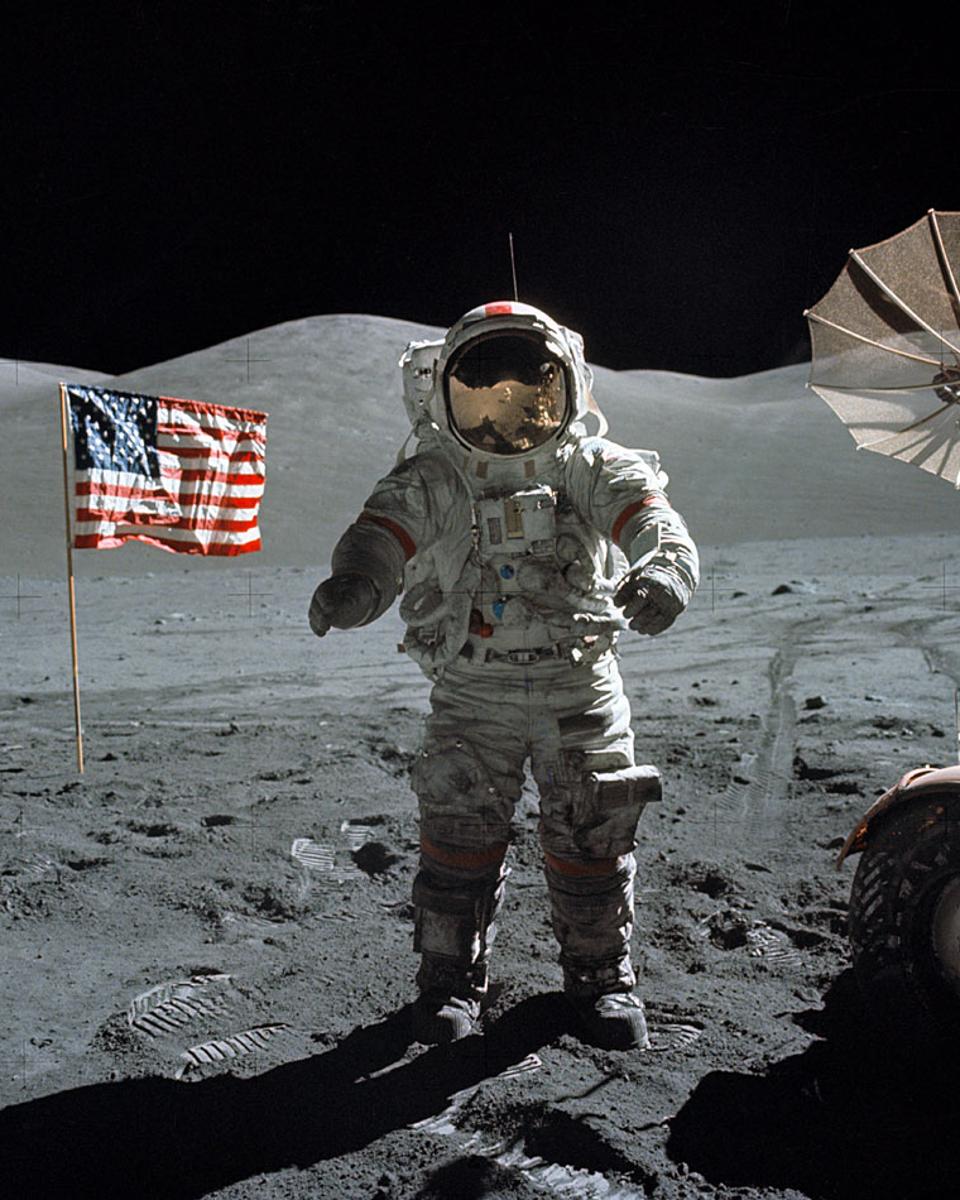
Apollo 17: Last on the Moon
In December of 1972, Apollo 17 astronauts Eugene Cernan and Harrison Schmitt spent about 75 hours on the Moon, in the Taurus-Littrow valley , while colleague Ronald Evans orbited…
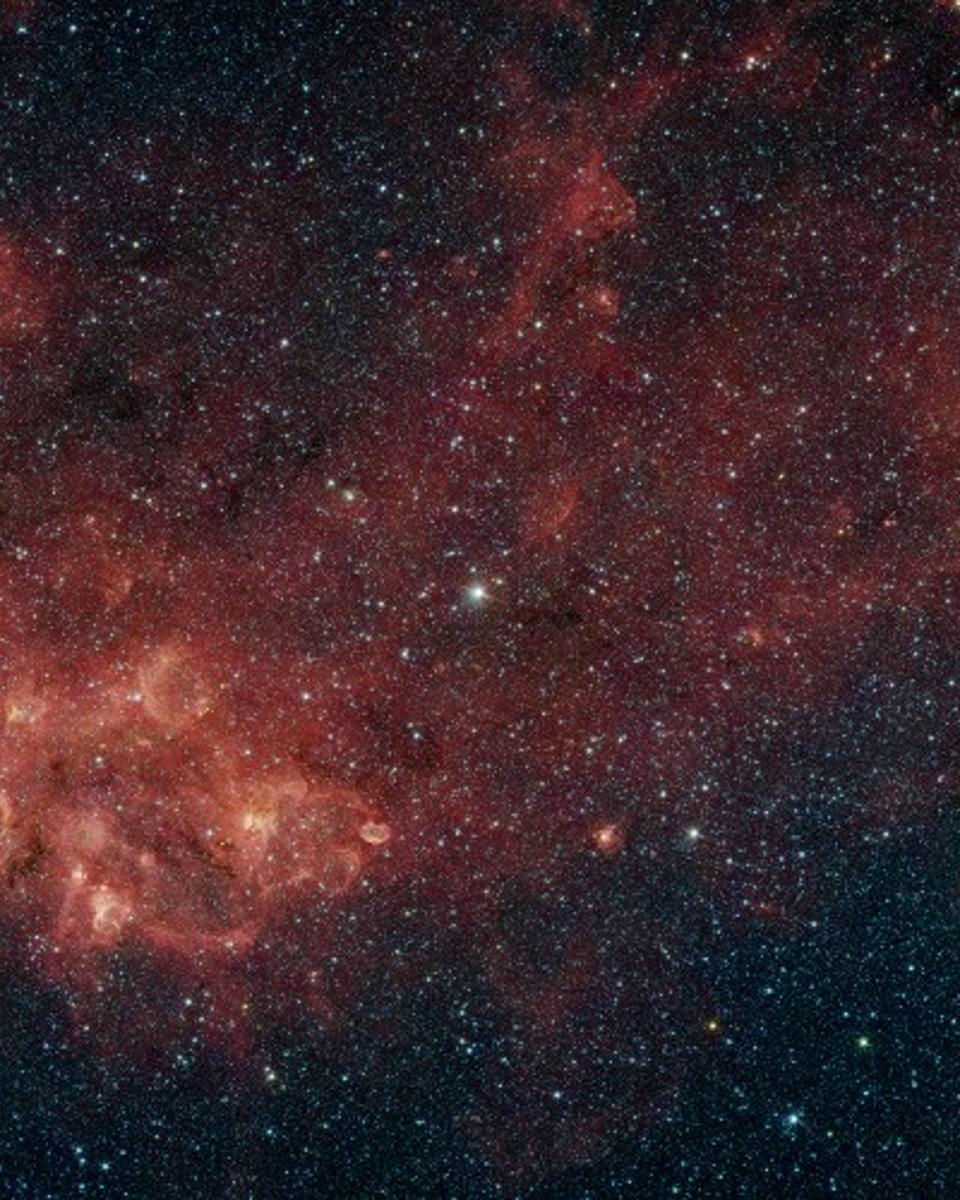
GLIMPSE the Milky Way
Scroll right and gaze through the dusty plane of our Milky Way Galaxy in infrared light . The cosmic panorama is courtesy of the Galactic Legacy Infrared Mid-Plane Survey…
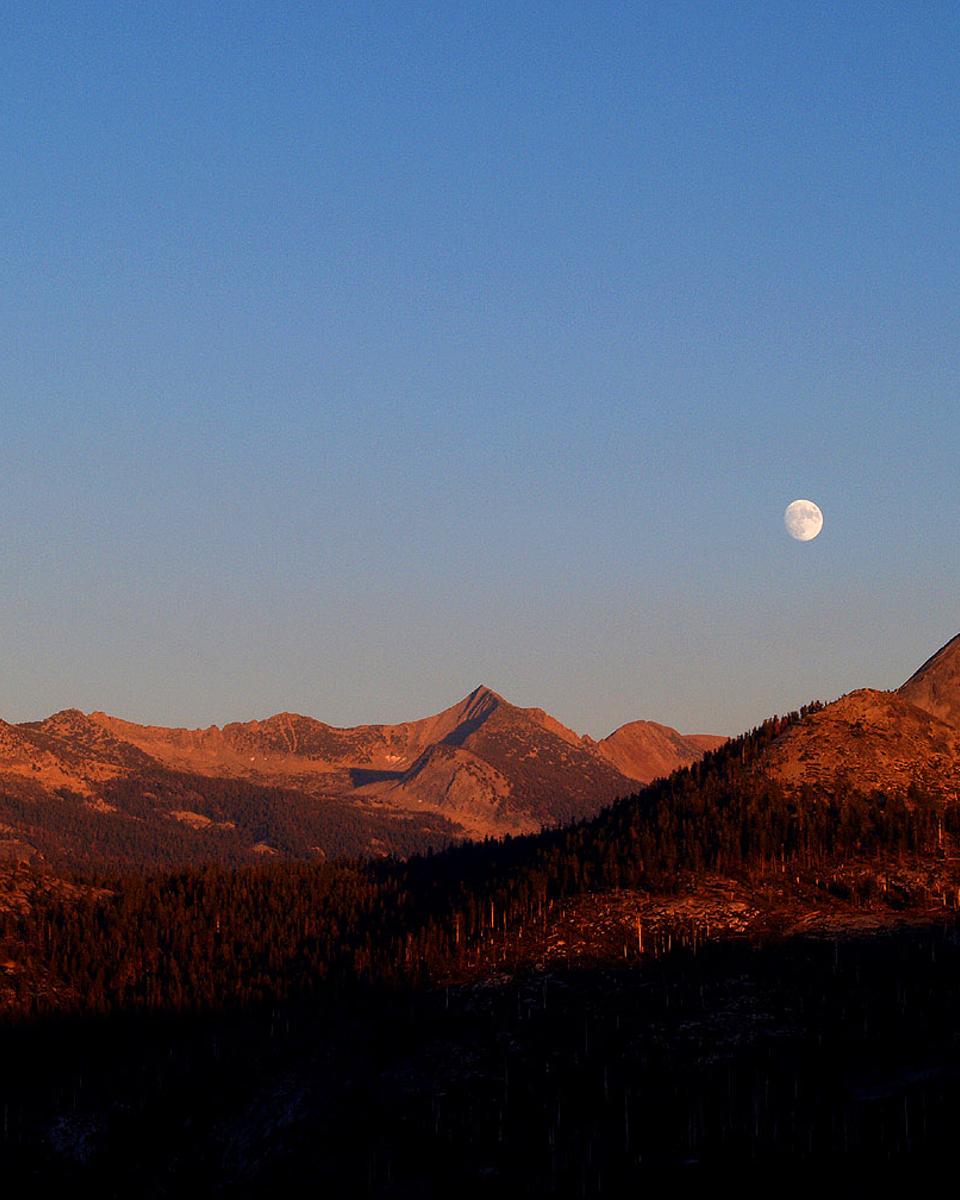
Autumn Moon Encore
Near its northernmost declination, tonight's Full Moon will be a special one, arcing high in northern hemisphere skies. But a Full Moon won't occur on this calendar date for…
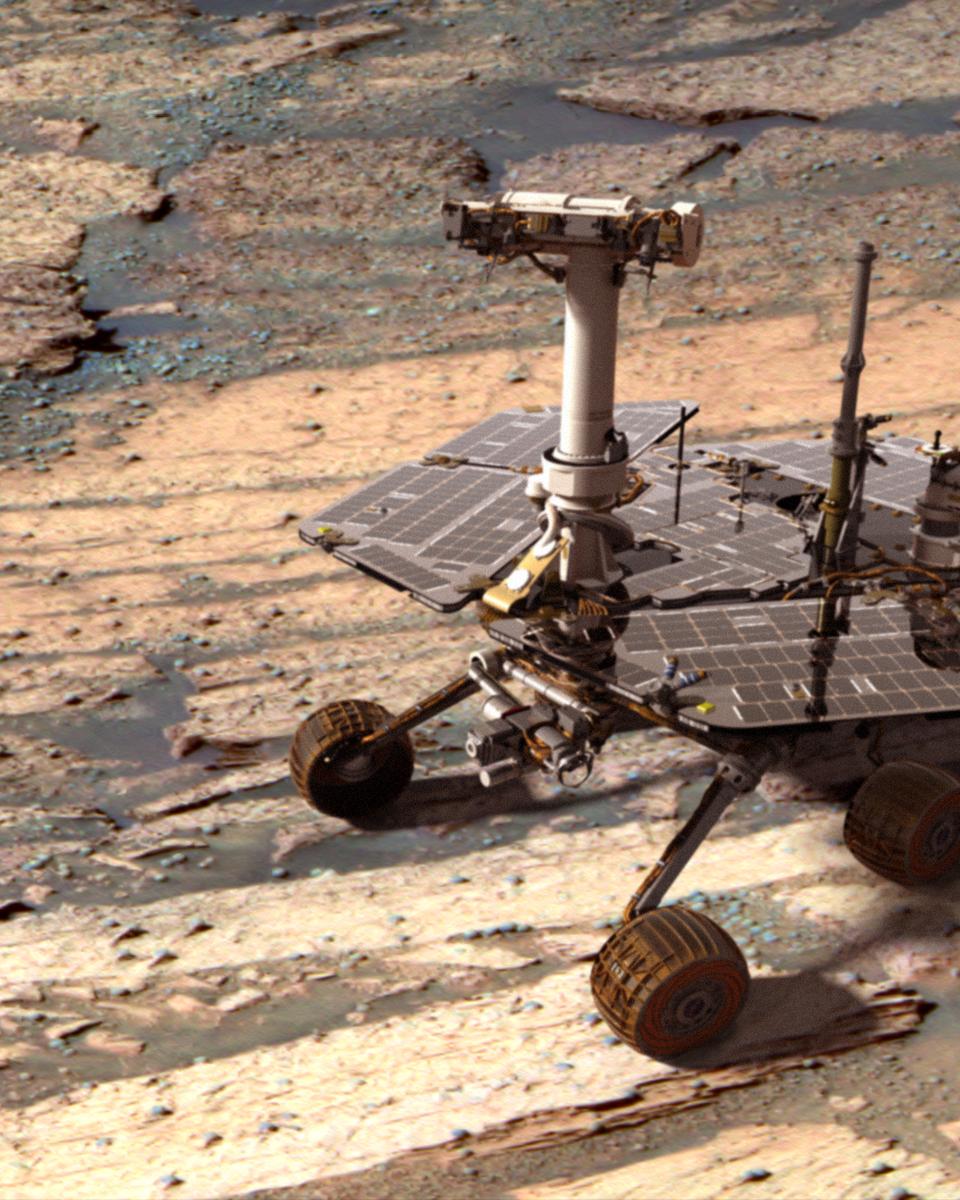
A Digital Opportunity Rover on Mars
If you could see one of the robot rovers currently rolling across Mars, what would it look like? To gain this perspective useful in planning explorations, the above synthetic…
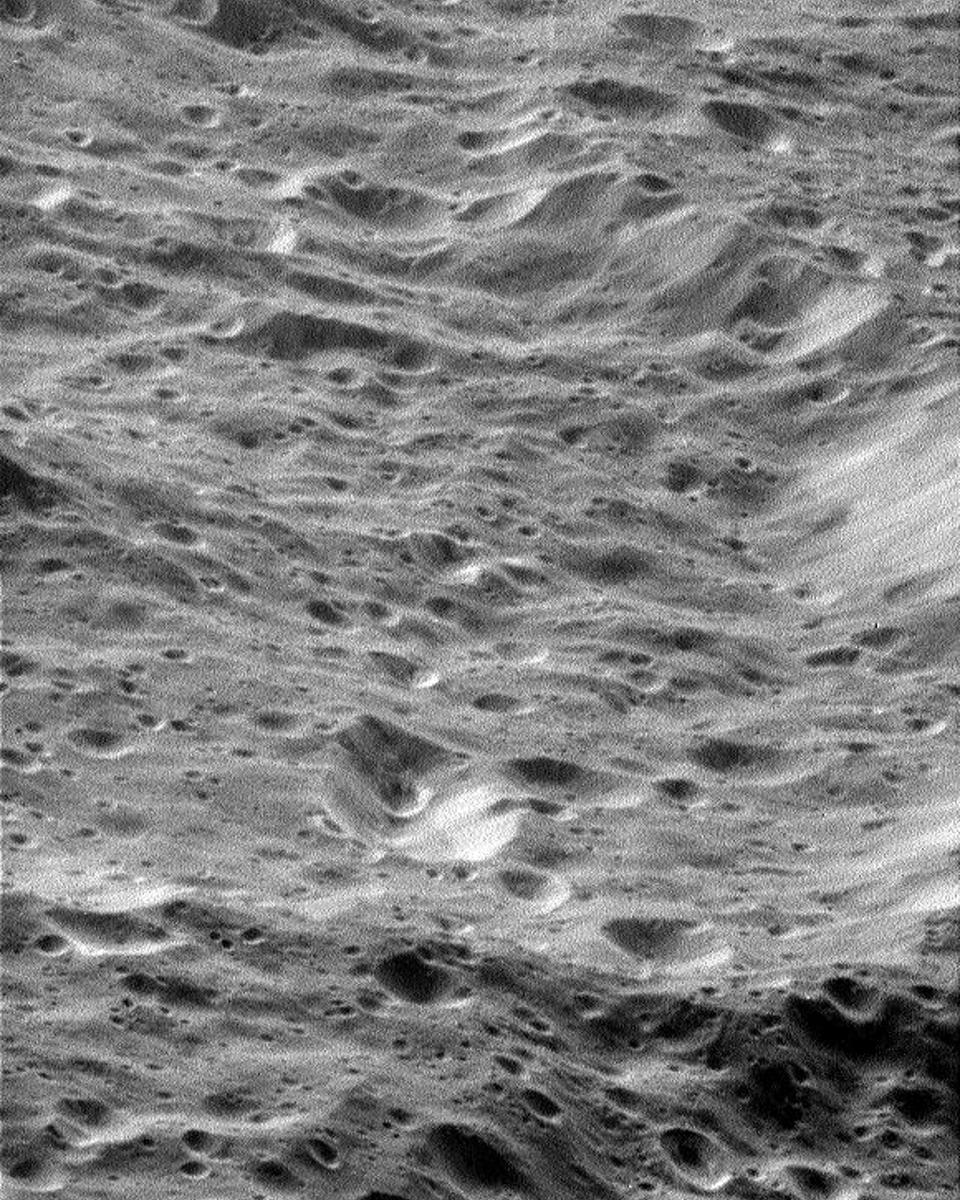
620 Kilometers Above Rhea
What does the surface of Saturn's moon Rhea look like? To help find out, the robot Cassini spacecraft currently orbiting Saturn was directed to fly right past the second largest…
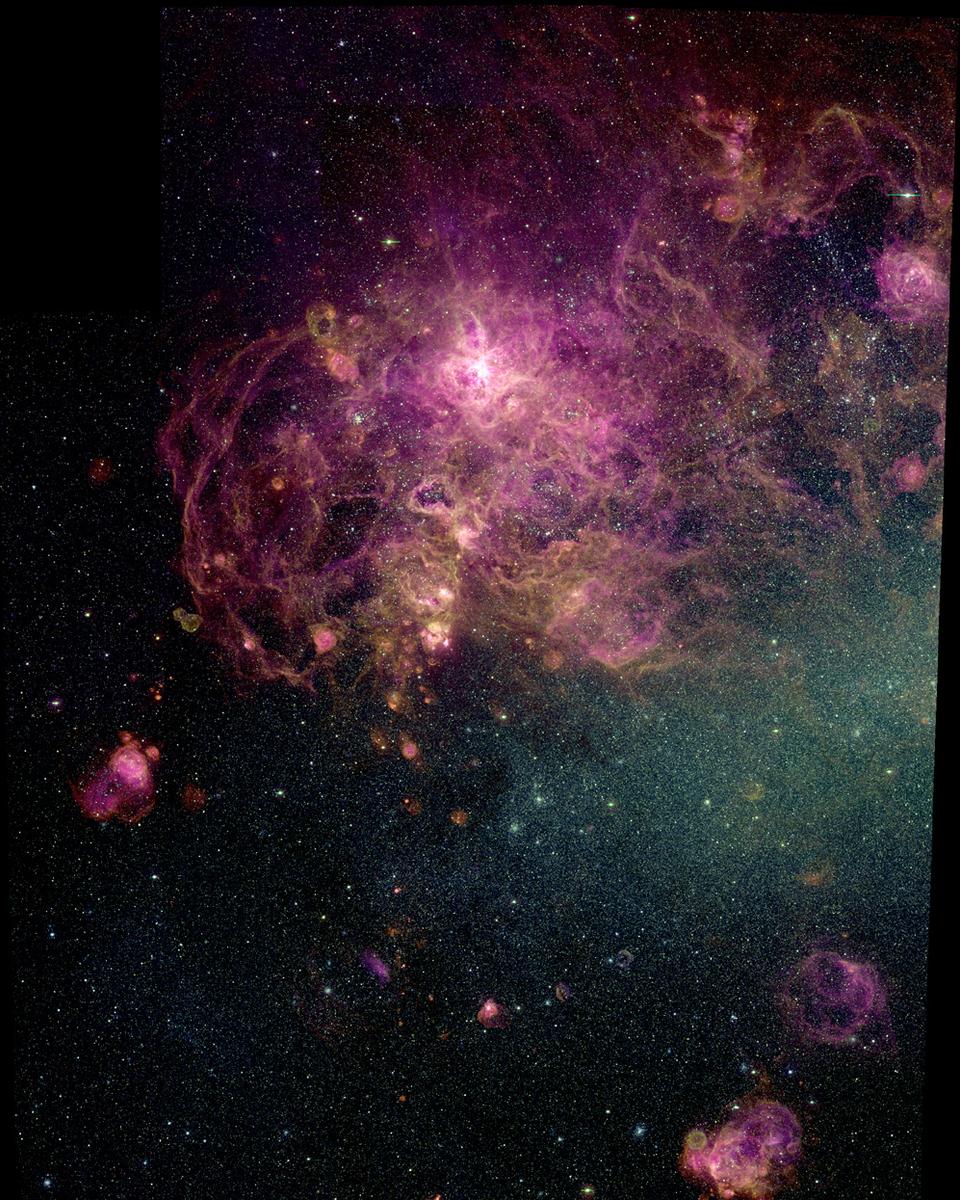
30 Doradus: The Tarantula Zone
The Tarantula Nebula is more than 1,000 light-years across - a giant emission nebula within our neighboring galaxy the Large Magellanic Cloud . Inside this cosmic arachnid lies a…
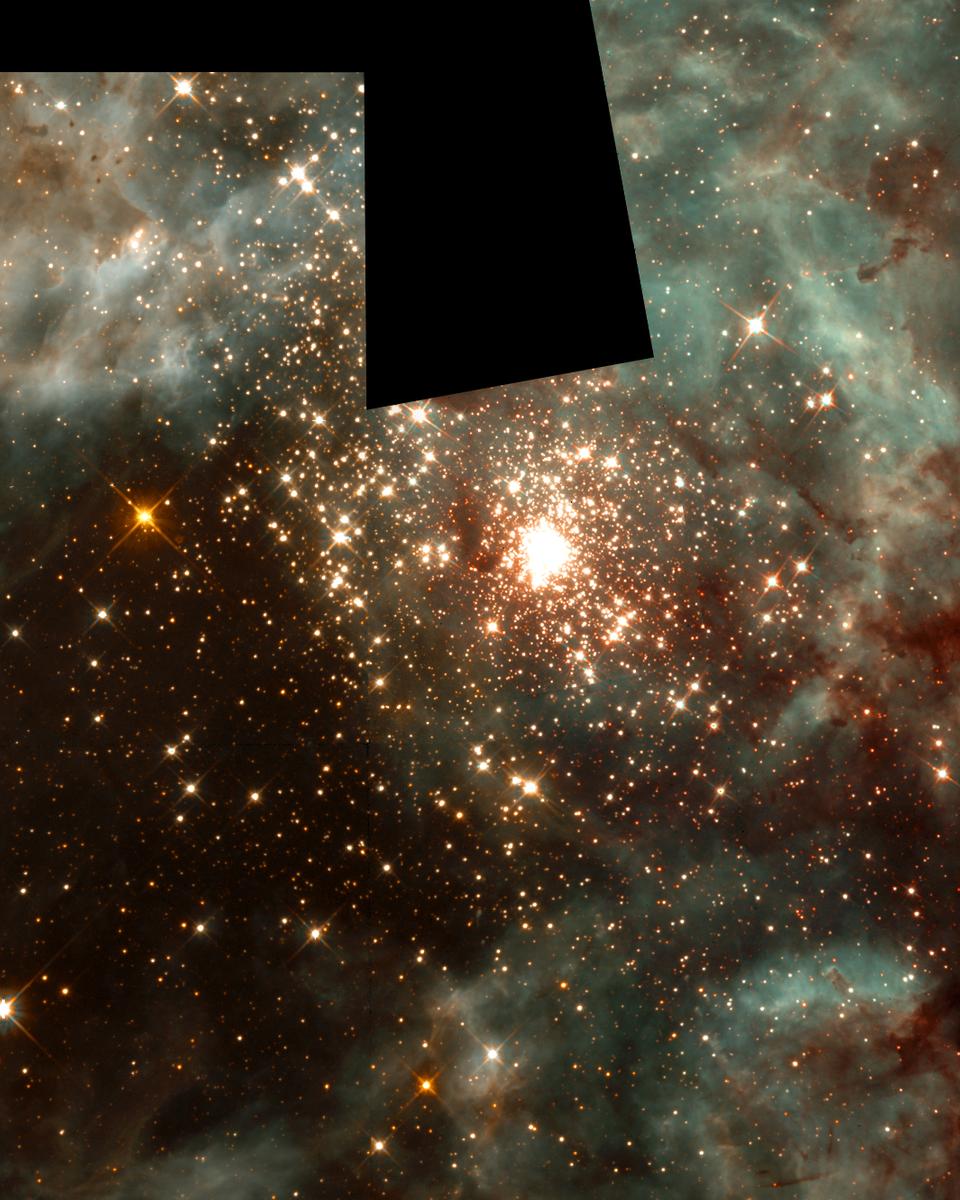
R136: The Massive Stars of 30 Doradus
In the center of star-forming region 30 Doradus lies a huge cluster of the largest, hottest, most massive stars known. These stars, known as the star cluster R136 , and part of…
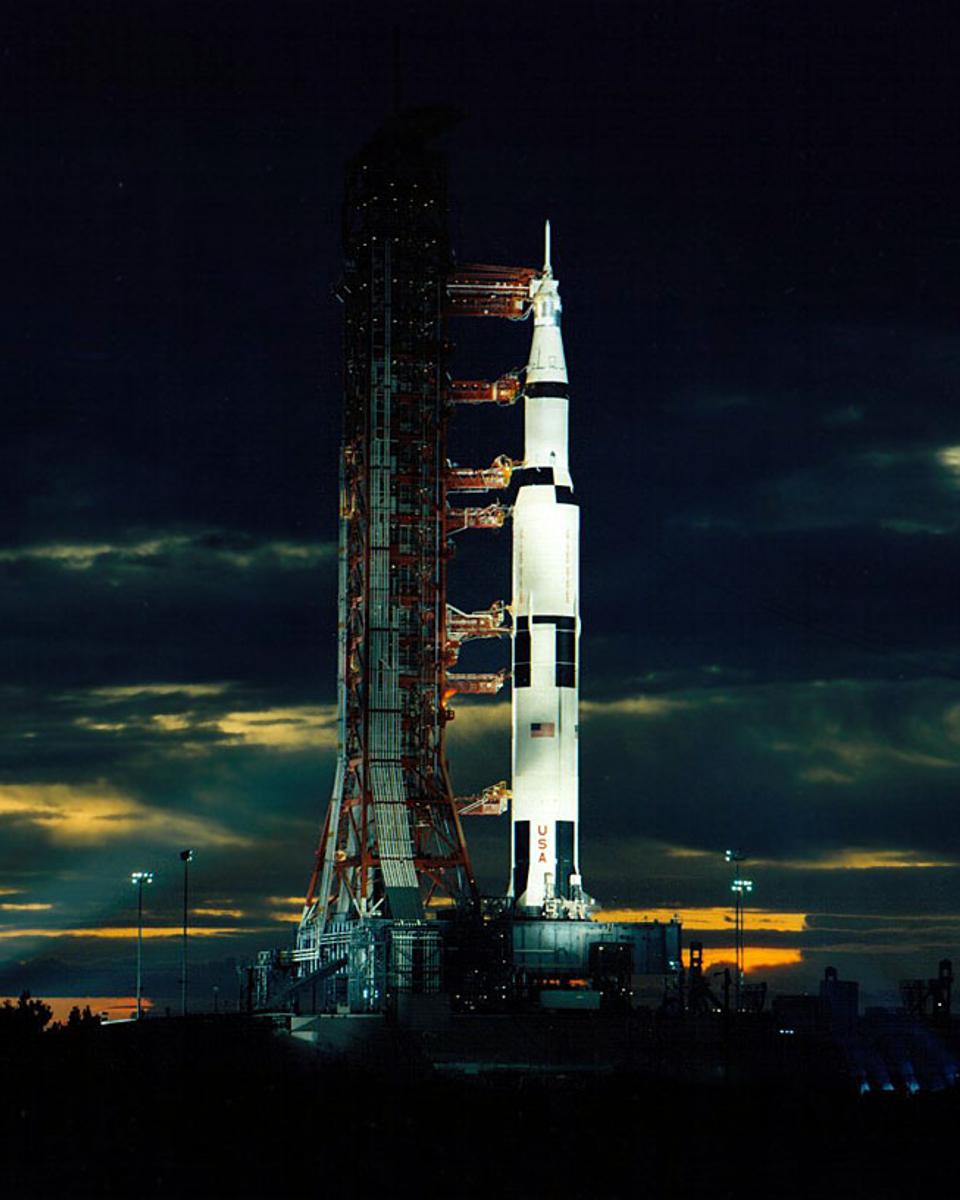
The Last Moon Shot
In 1865 Jules Verne predicted the invention of a space capsule that could carry people. His science fiction story “From the Earth to the Moon” outlined his vision of a cannon in…
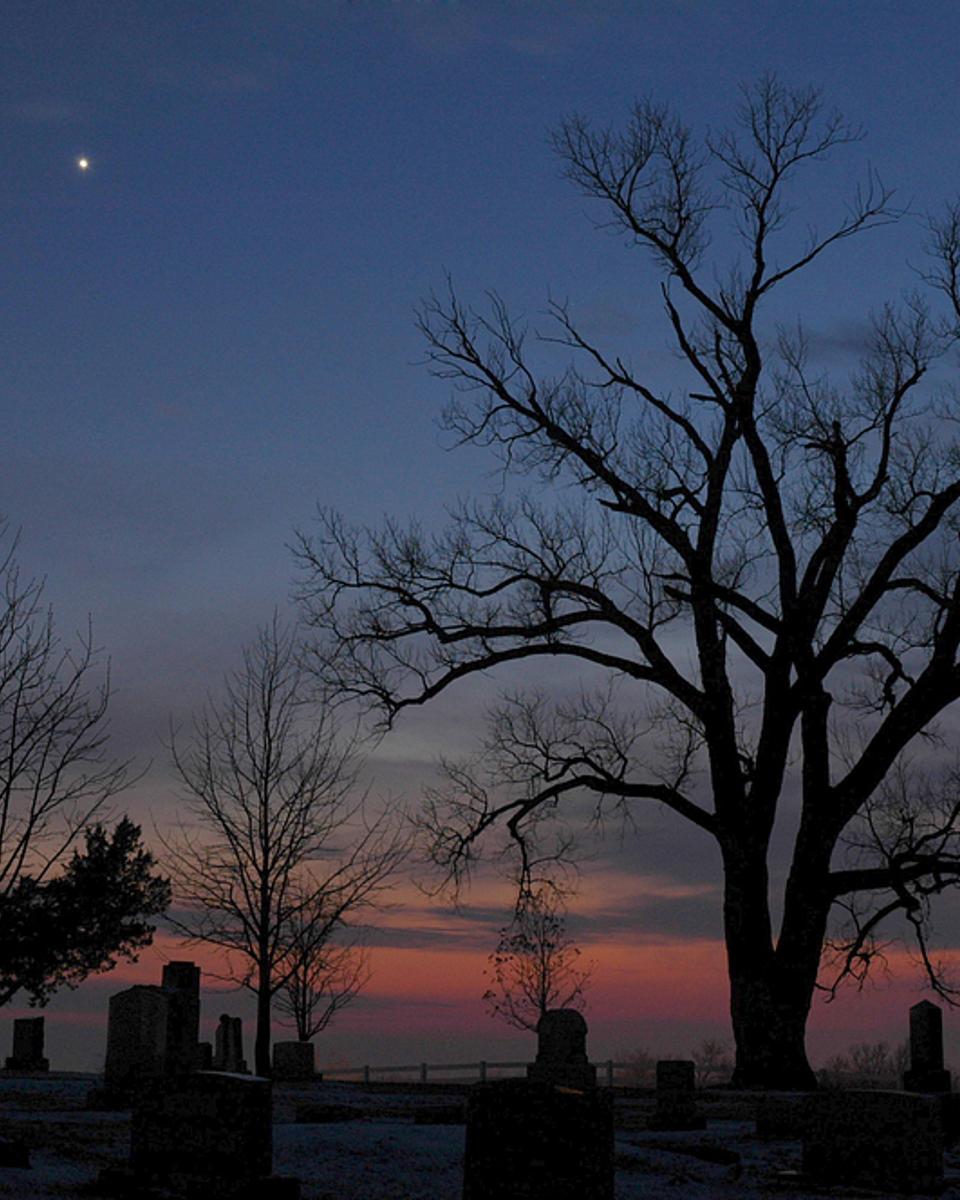
December Moon Meets Evening Star
If you've been outdoors near sunset, then you've probably noticed Venus low in the west as the brilliant evening star . Sometimes mistaken for a tower light near the horizon,…
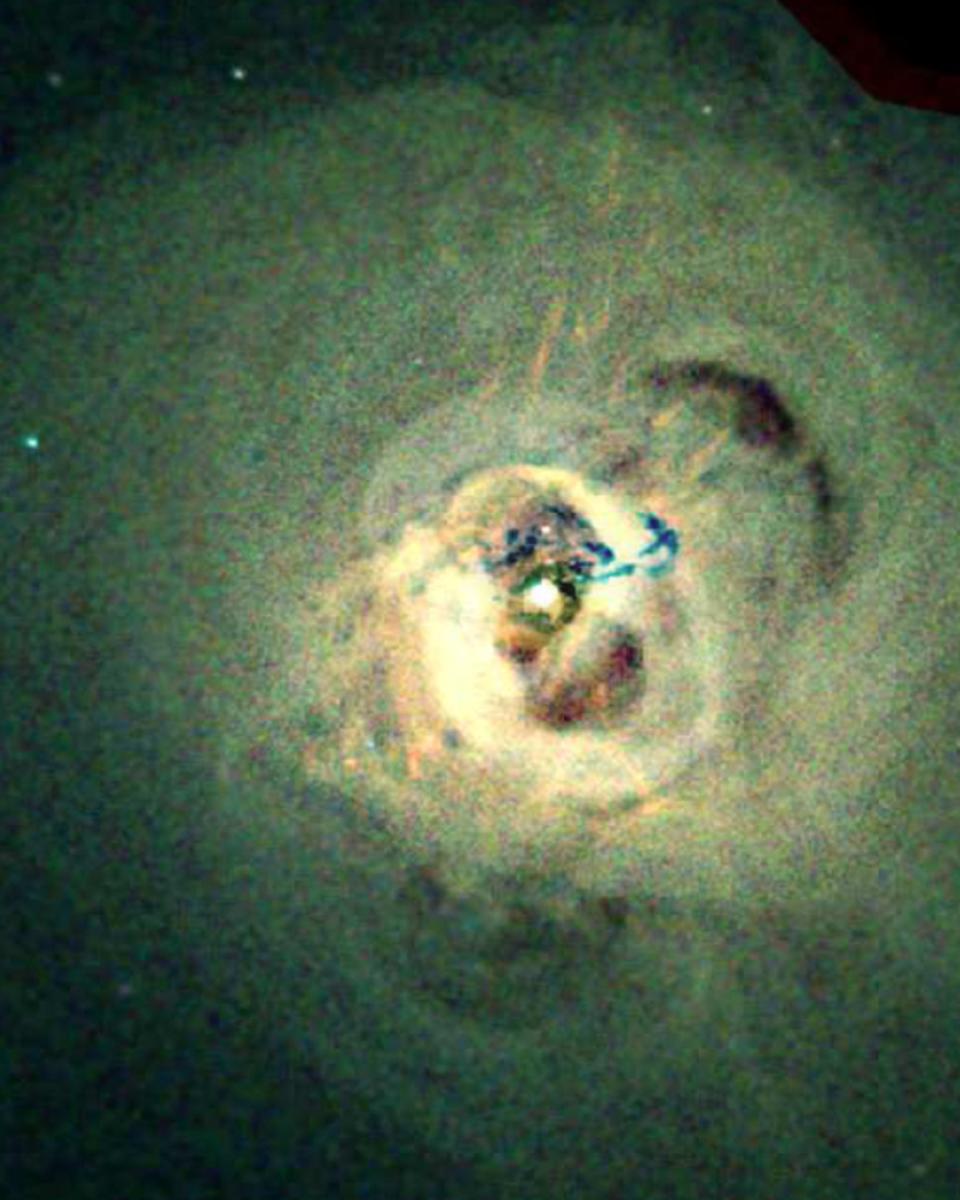
X-Rays from the Perseus Cluster Core
The Perseus Cluster of thousands of galaxies, 250 million light-years distant, is one of the most massive objects in the Universe and the brightest galaxy cluster in the x-ray sky…
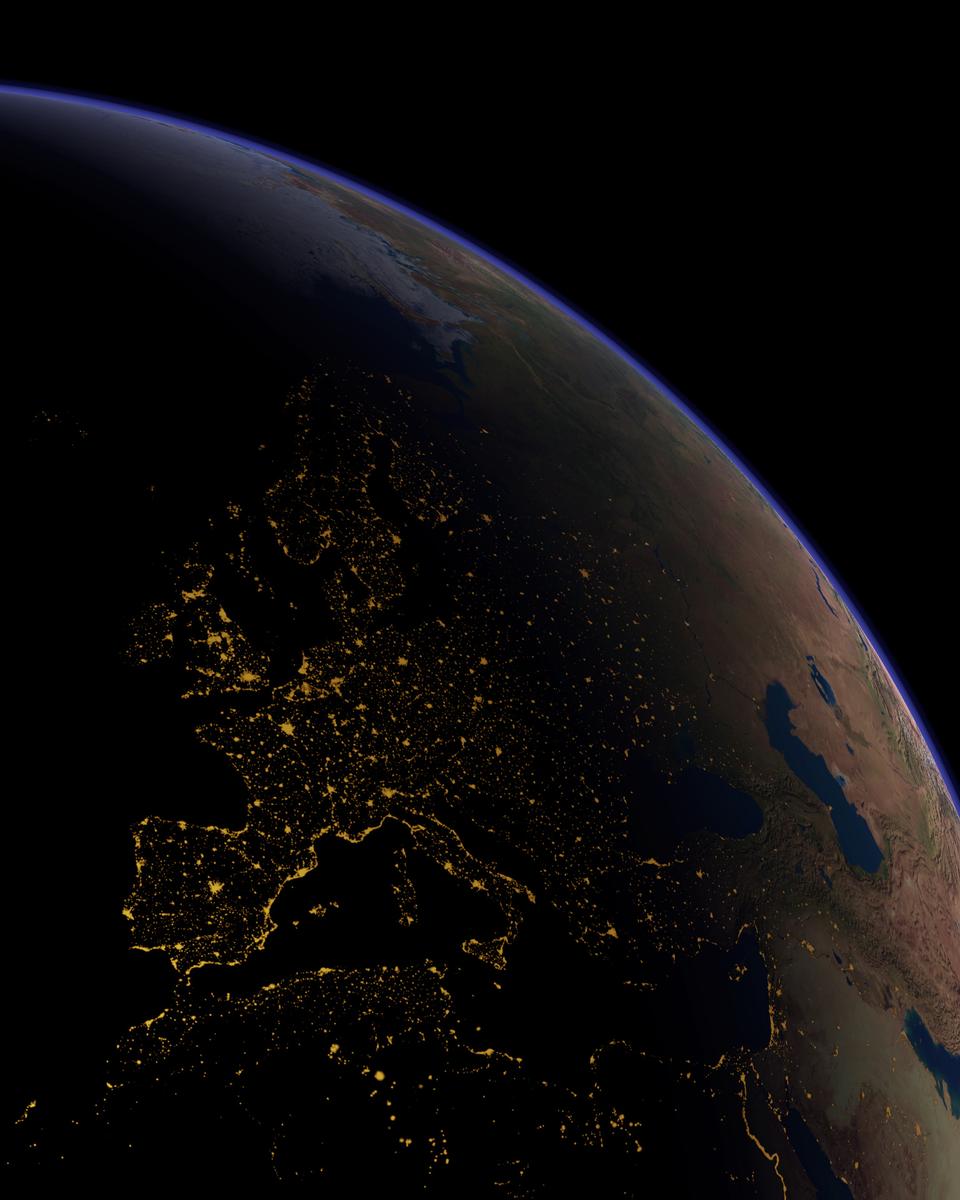
Europe at Night
Can you find your favorite European city? The above digital fantasy of Europe at Night is a digital composite of archived satellite images taken both during the day and night.…
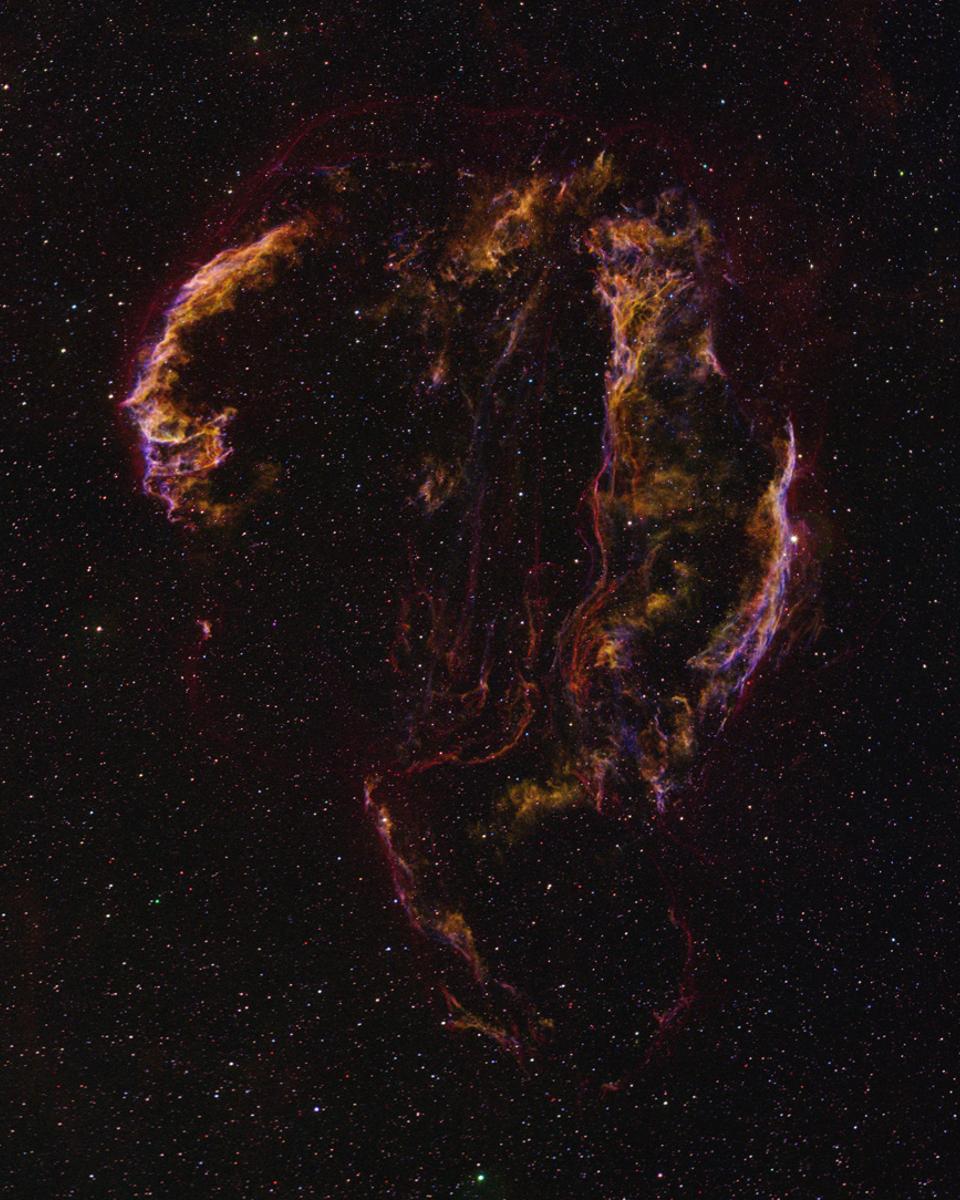
The Veil Nebula Unveiled
These wisps of gas are all that remain visible of a Milky Way star. Many thousands of years ago that star exploded in a supernova leaving the Veil Nebula , pictured above . At the…
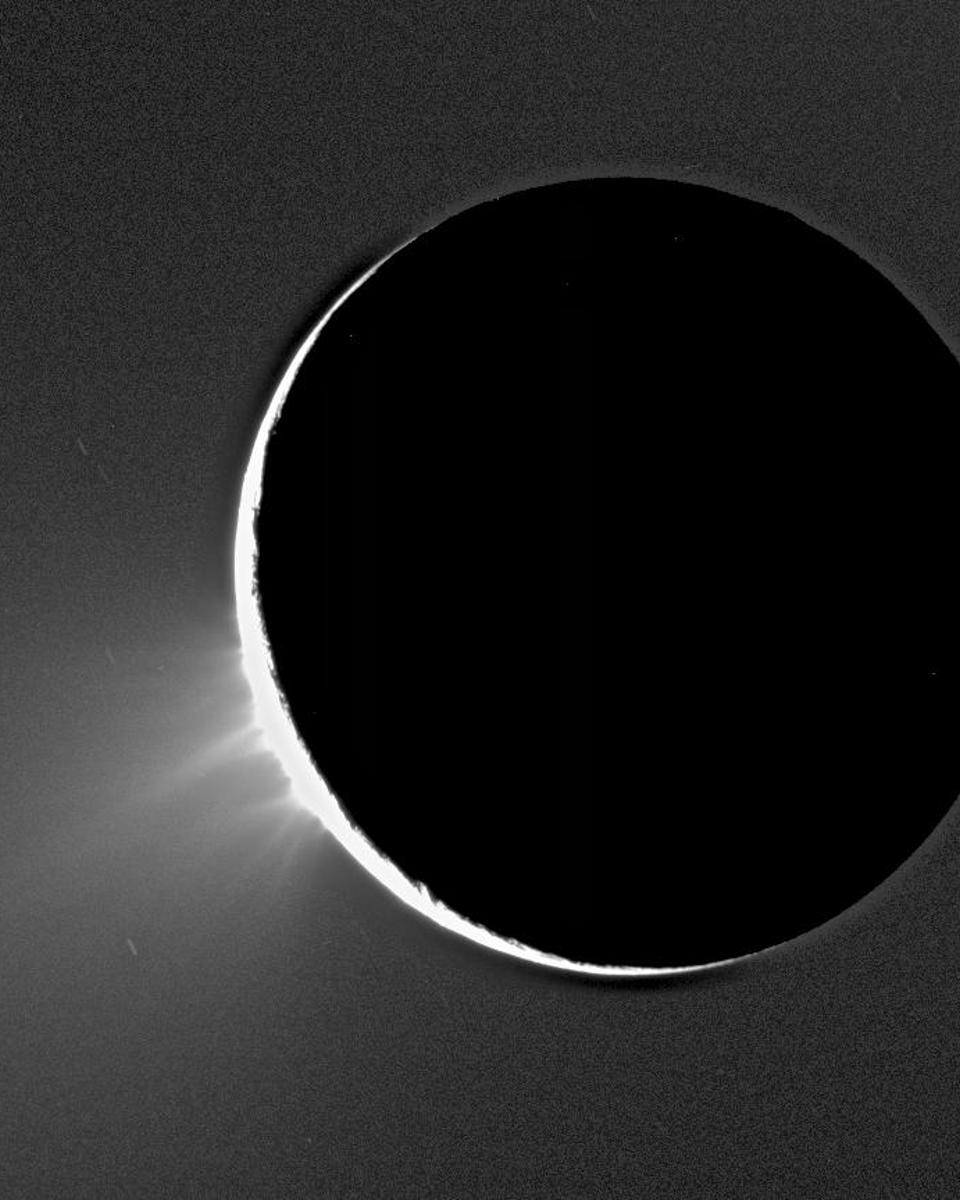
Fountains Discovered on Saturn's Enceladus
Fountains of ice shoot out from Saturn's moon Enceladus. Clear discovery images of the fountains were made using observations from the robot Cassini spacecraft currently orbiting…
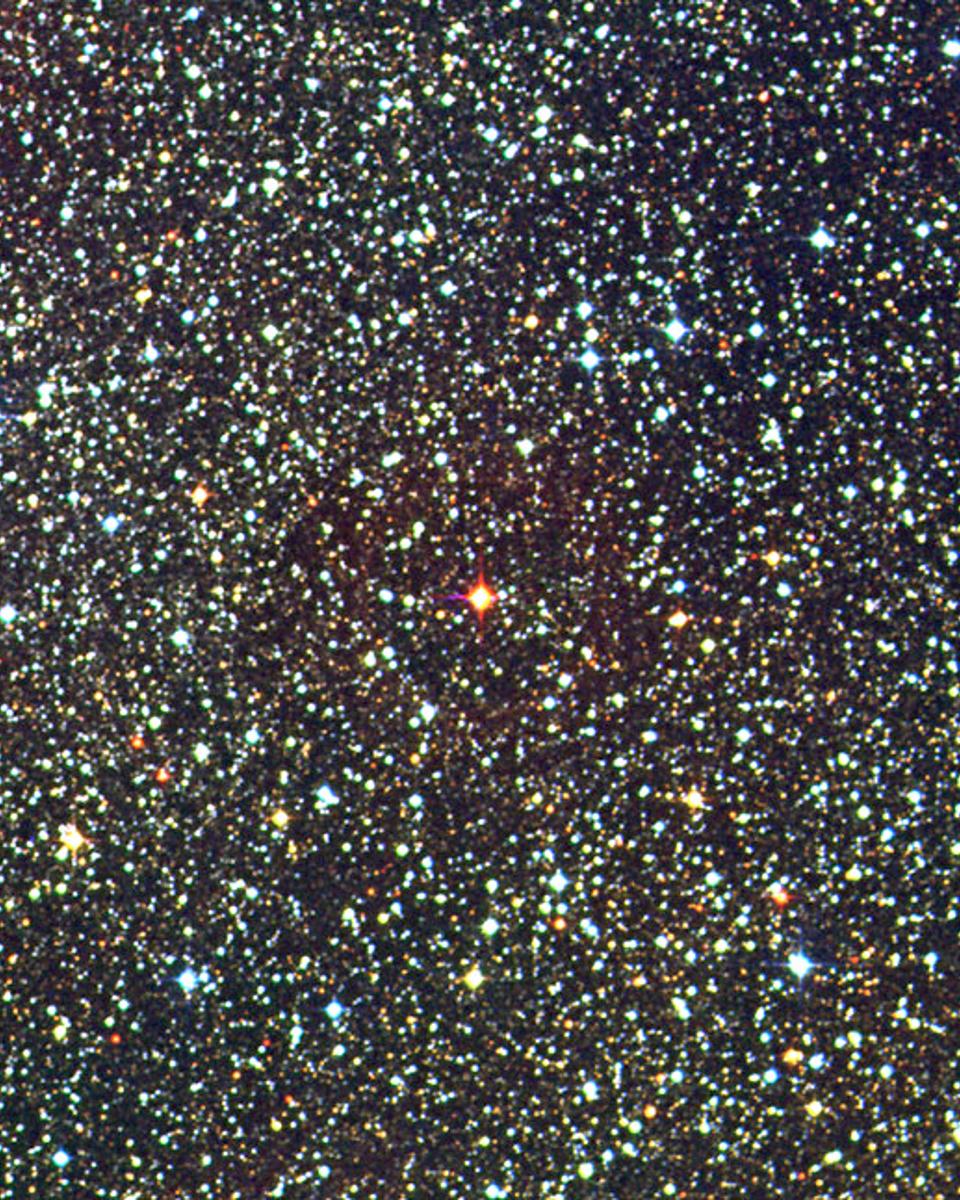
Proxima Centauri: The Closest Star
What is the closest star to our Sun ? It is Proxima Centauri , the nearest member of the Alpha Centauri triple star system . Light takes only 4.22 years to reach us from Proxima…
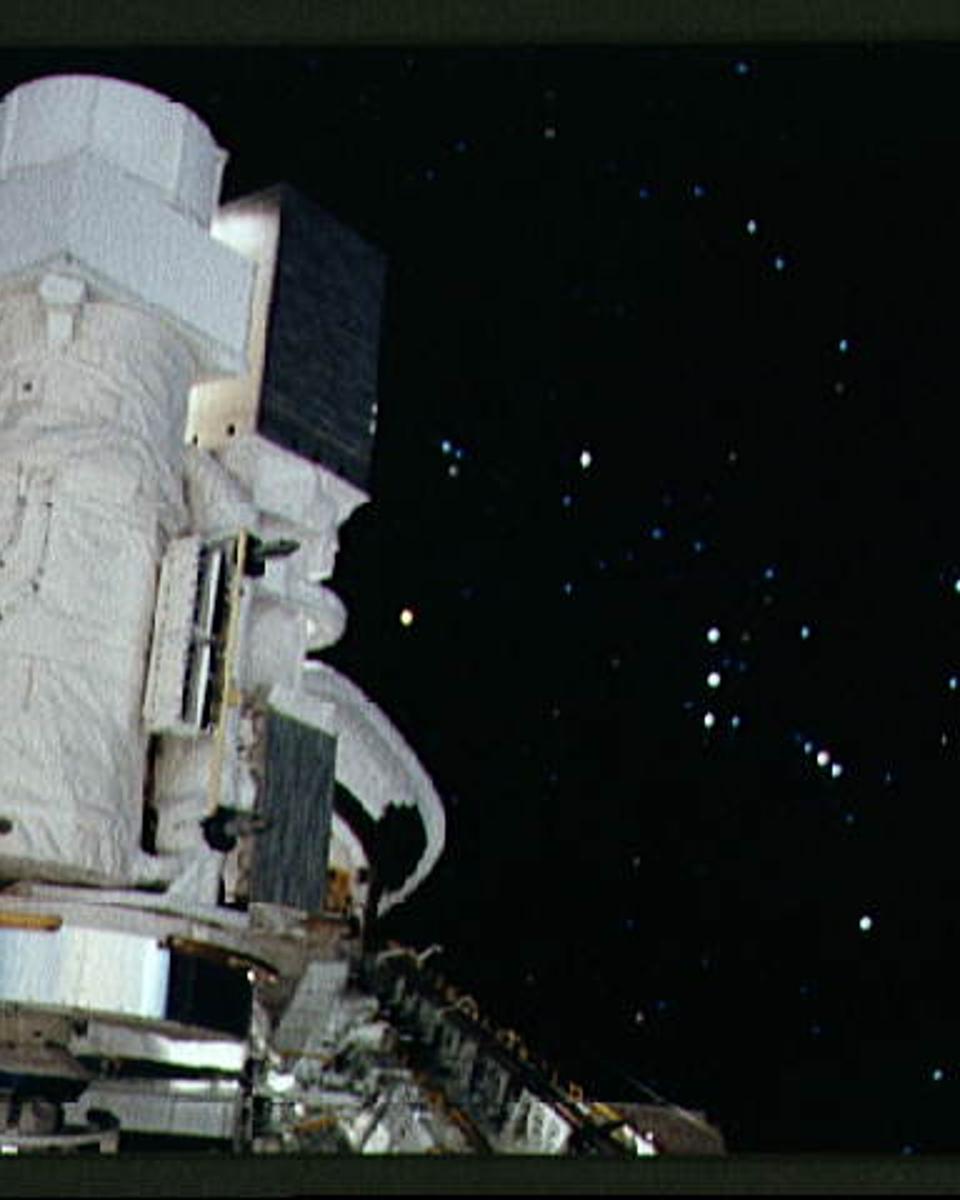
Astro 1 In Orbit
Fifteen years ago, in December of 1990, the Space Shuttle Orbiter Columbia carried an array of astronomical telescopes high above the Earth's obscuring atmosphere to explore the…
Viewing discoveries from 26 December 2005 through 3 December 2005.