Browse NASA Astronomy Picture of the Day archive by date and media: Archive Discoveries
Browse the NASA APOD archive without needing the exact date first. Filter by media type and keep moving deeper into older images and videos.
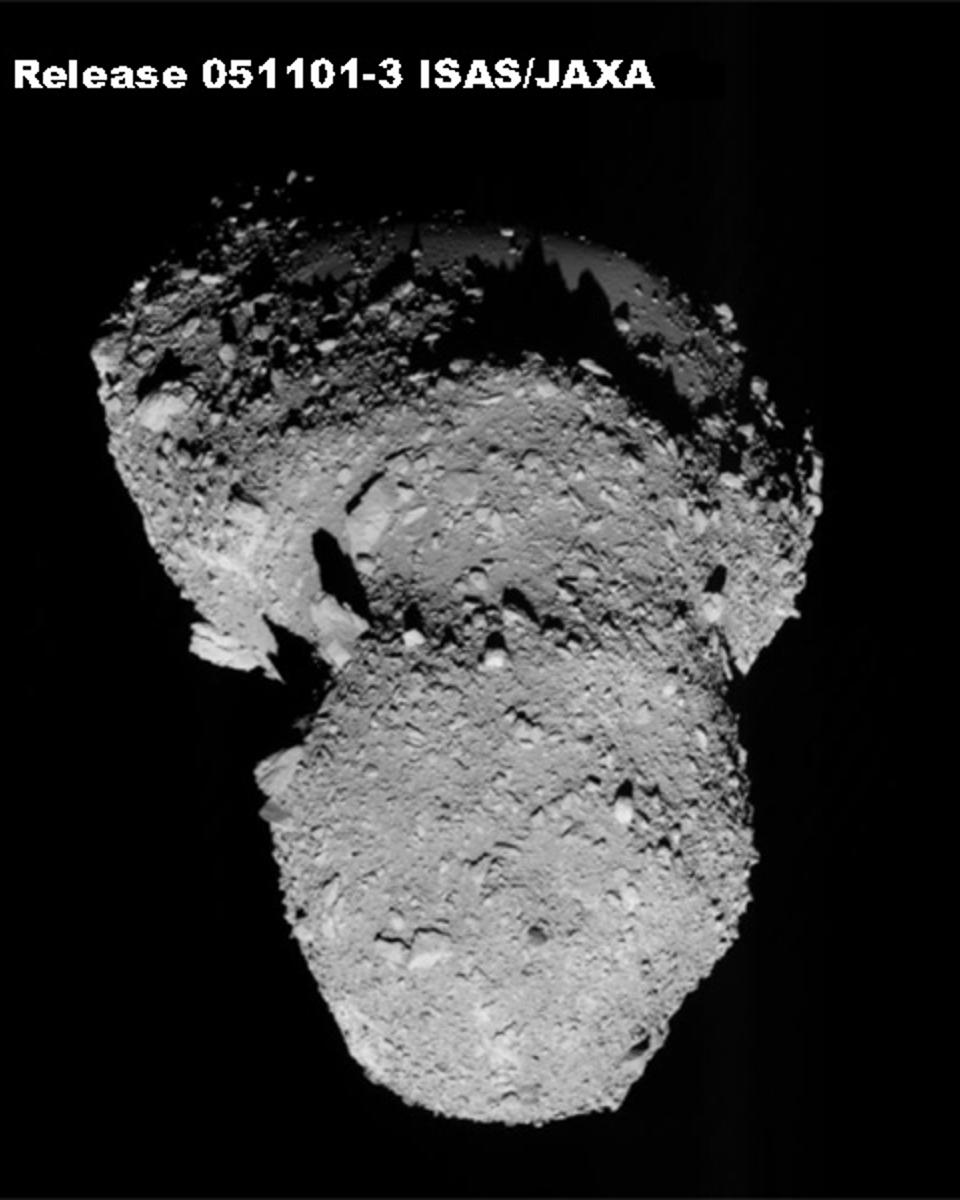
The Missing Craters of Asteroid Itokawa
Where are the craters on asteroid Itokawa? No one knows. The Japanese robot probe Hayabusa recently approached the Earth-crossing asteroid and is returning pictures showing a…
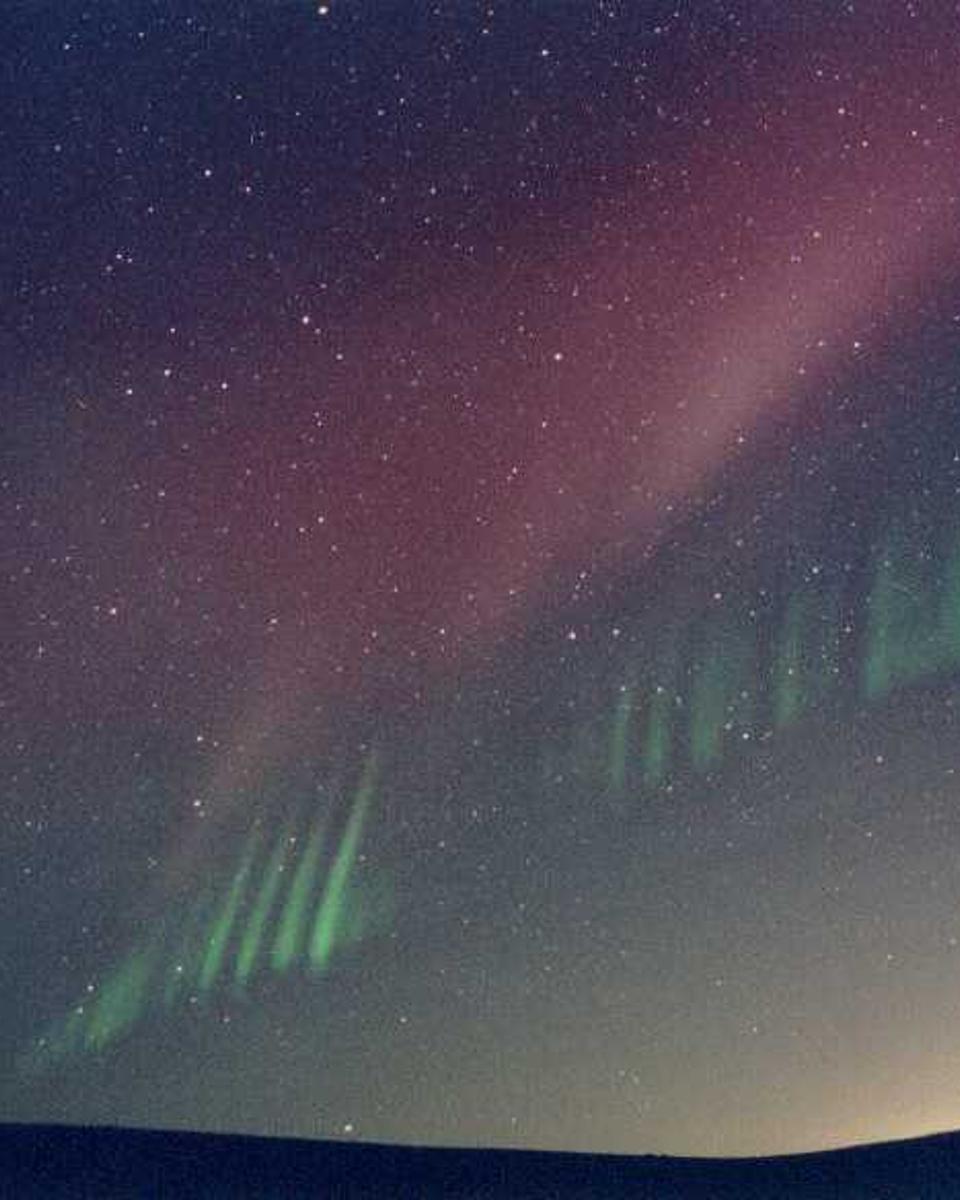
Rays from an Unexpected Aurora
This aurora was a bit of a surprise. For starters, on this Friday morning in August 2002, no intense auroral activity was expected at all. Possibly more surprising, however, the…
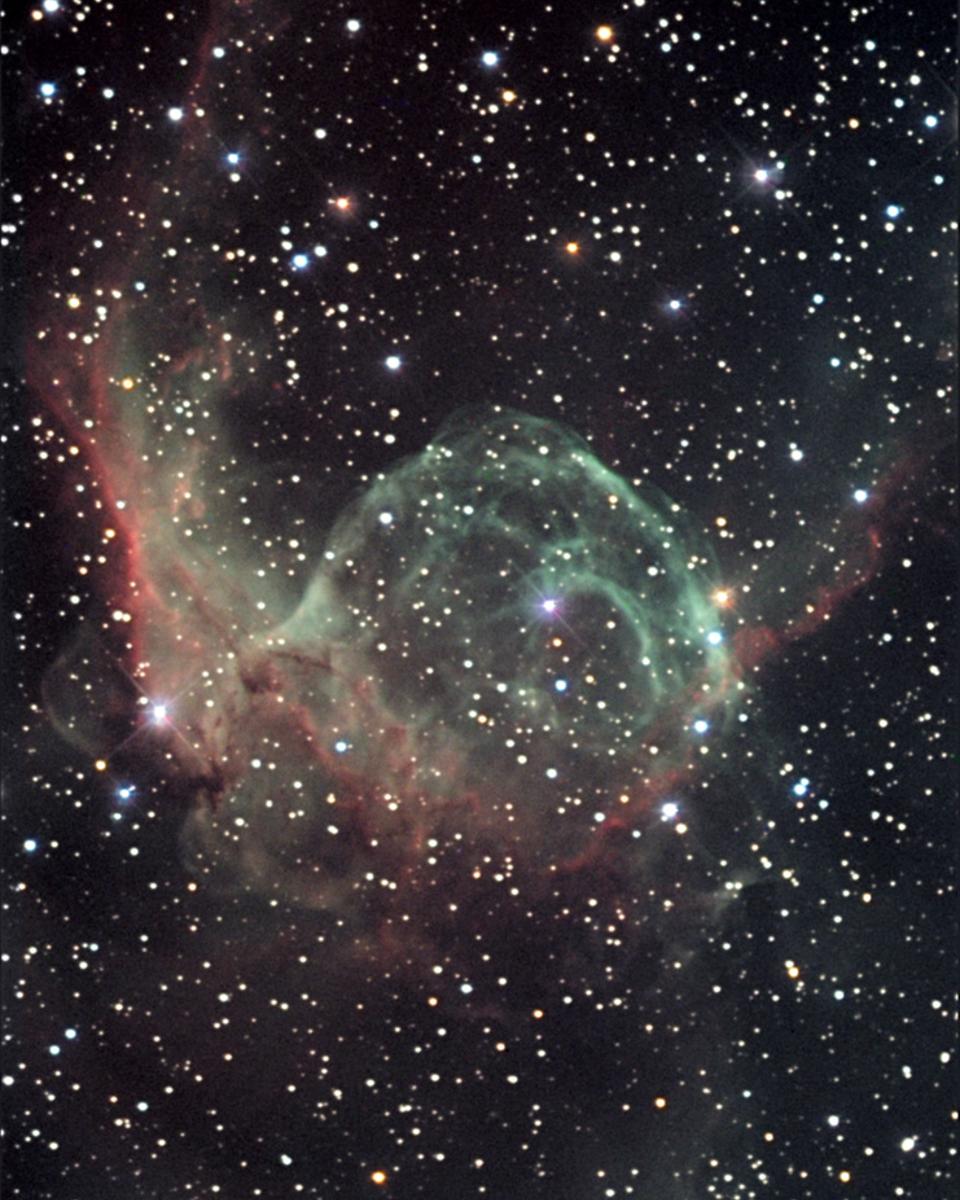
NGC 2359: Thor's Helmet
NGC 2359 is a striking emission nebula with an impressive popular name - Thor's Helmet. Sure, its suggestive winged appearance might lead some to refer to it as the “duck nebula”,…
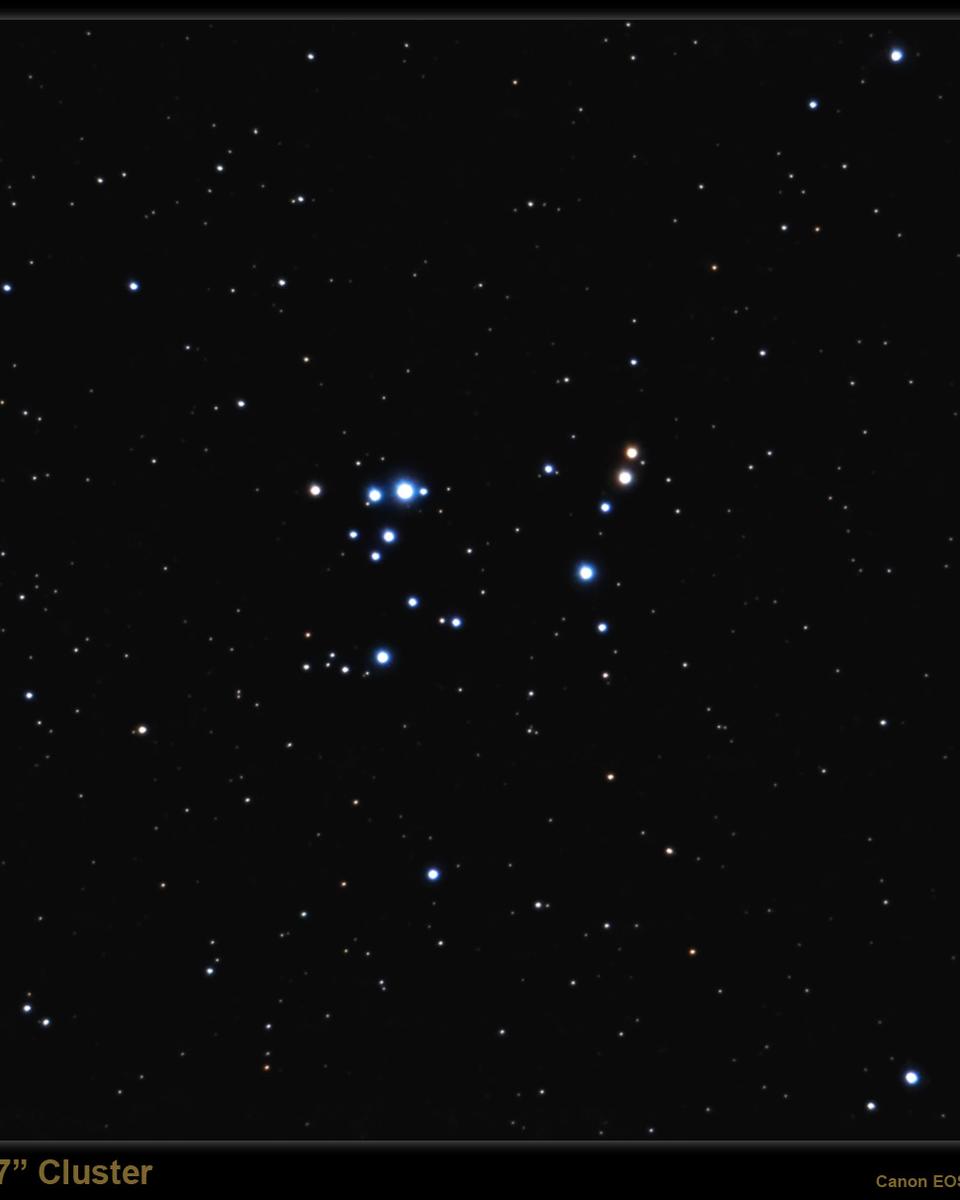
The 37 Cluster
For the mostly harmless denizens of planet Earth, the brighter stars of open cluster NGC 2169 seem to form a cosmic 37. (Did you expect 42? .) Of course, the improbable numerical…
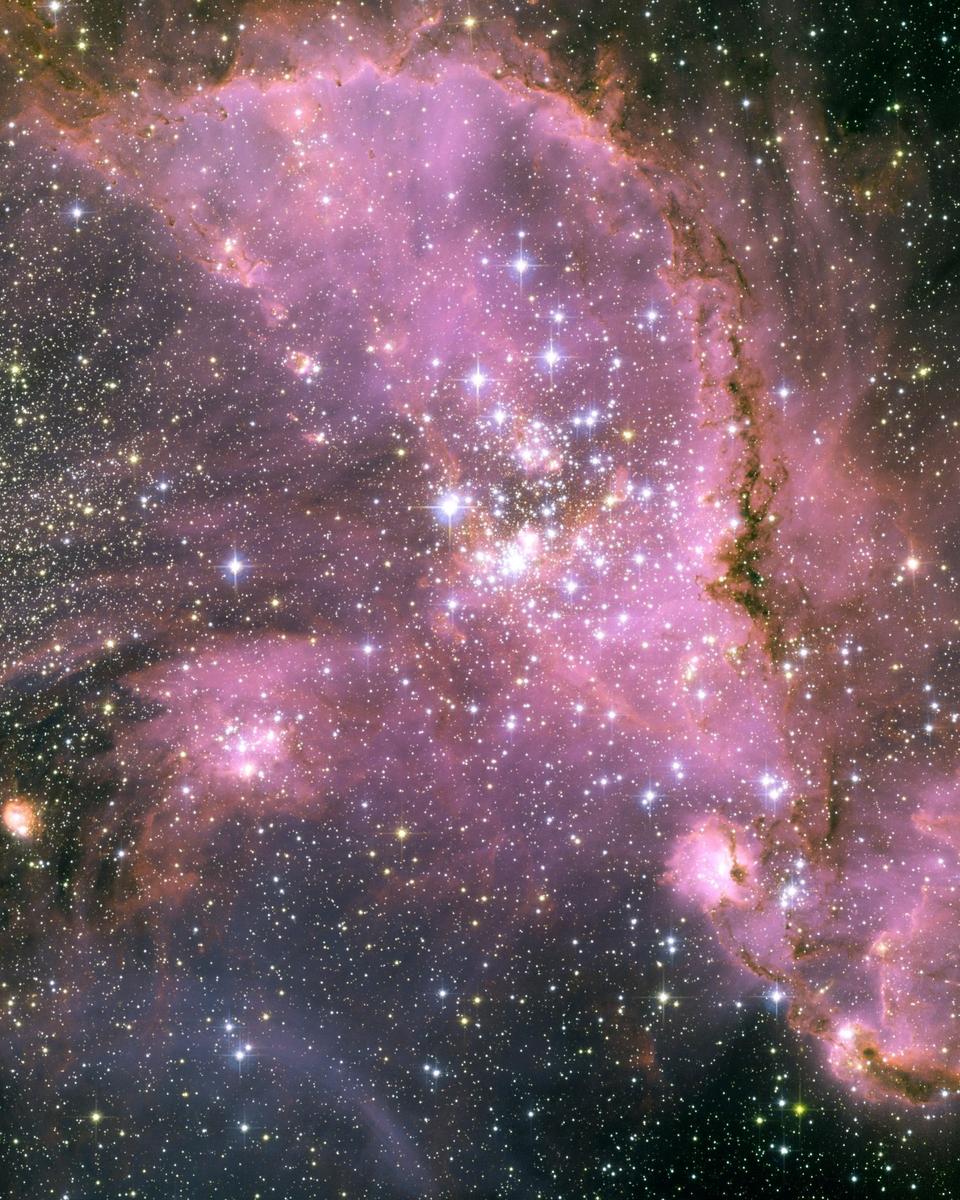
Young Stars of NGC 346
Star cluster NGC 346 is embedded in the largest star forming region in the Small Magellanic Cloud , some 210,000 light-years distant. The massive stars of NGC 346 are short lived,…
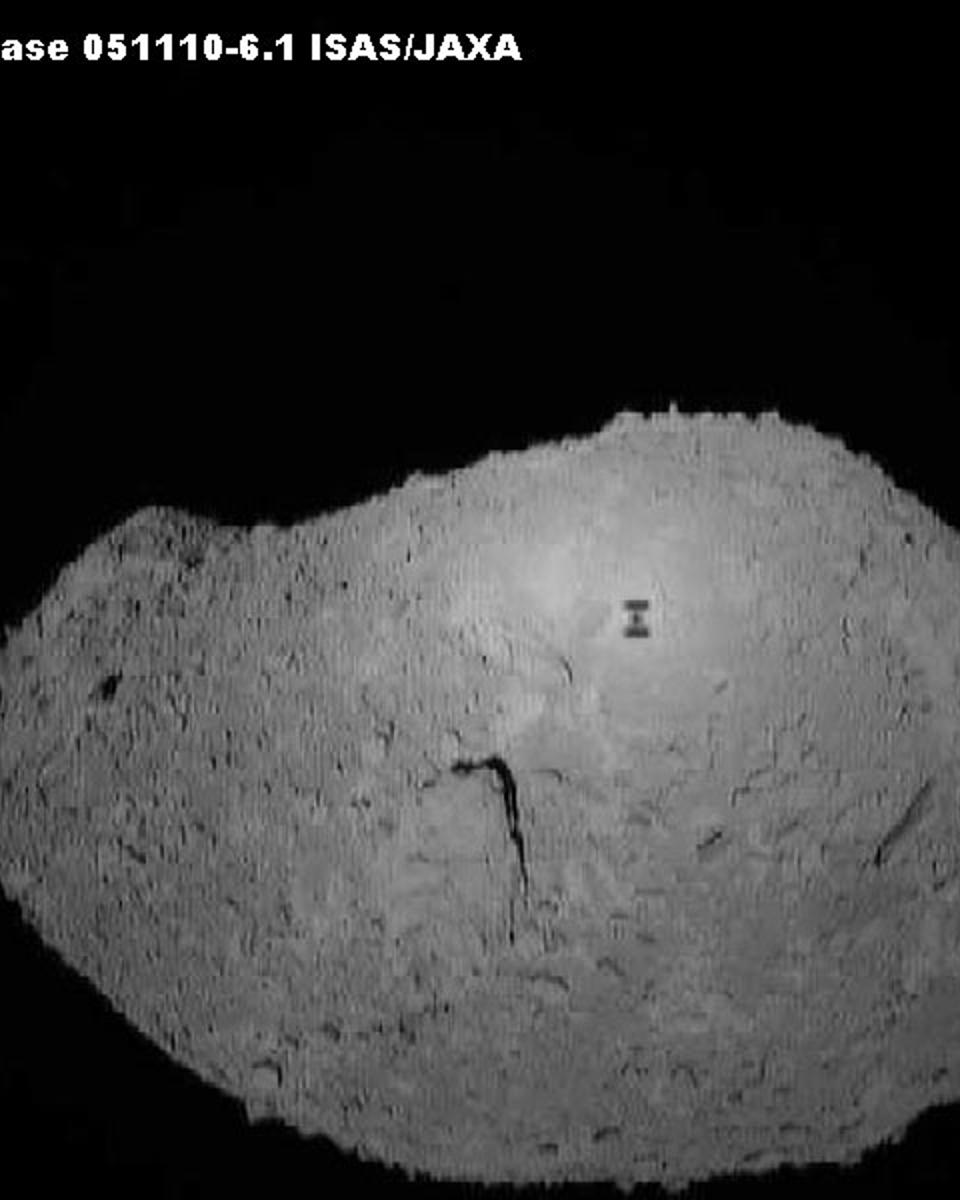
A Robot's Shadow on Asteroid Itokawa
What's that unusual looking spot on asteroid Itokawa? It's the shadow of the robot spacecraft Hayabusa that took the image. Japan 's Hayabusa mission arrived at the asteroid in…
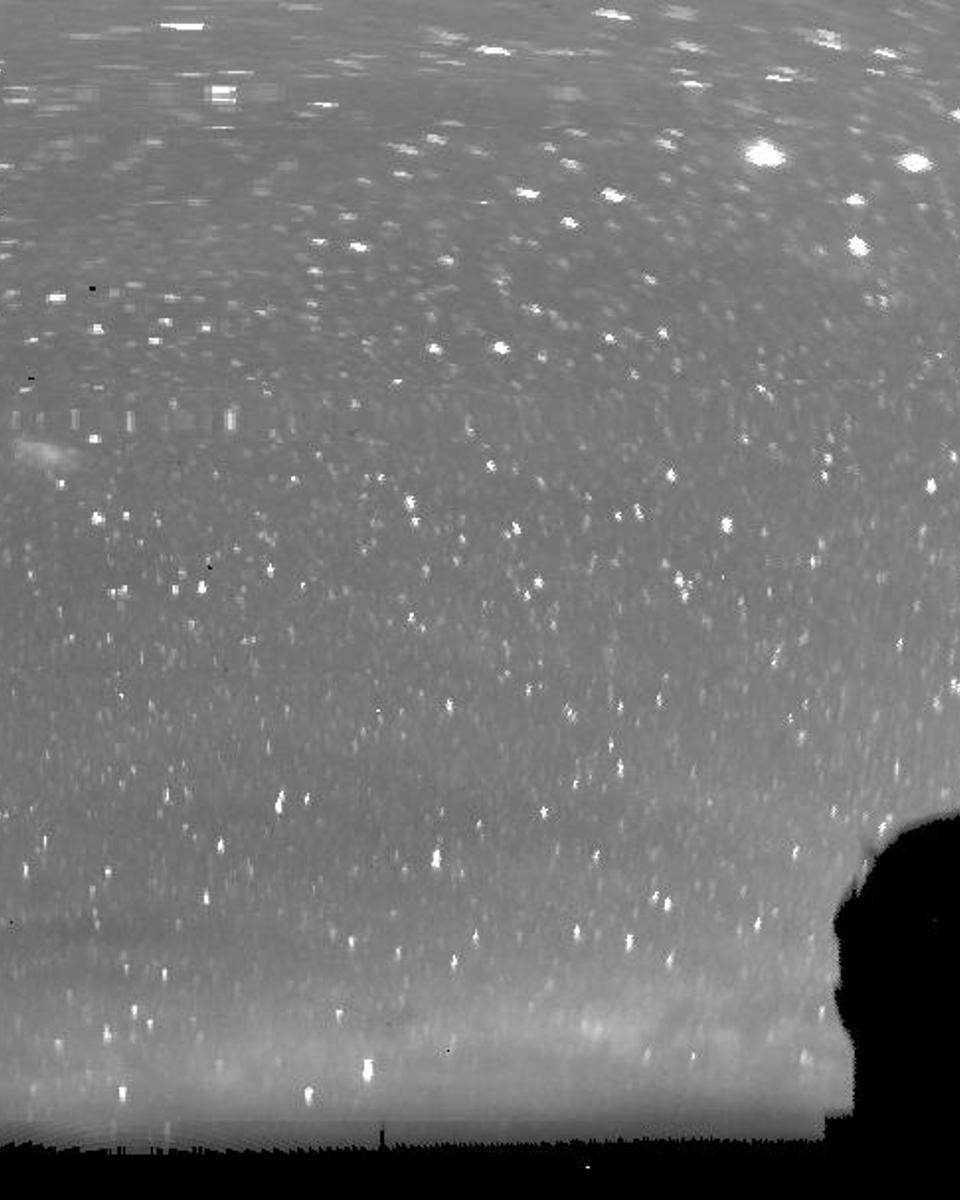
A Taurid Meteor Fireball
Have you ever seen a very bright meteor? Unexpected, this year's Taurid meteor shower resulted in numerous reports of very bright fireball s during the nights surrounding…
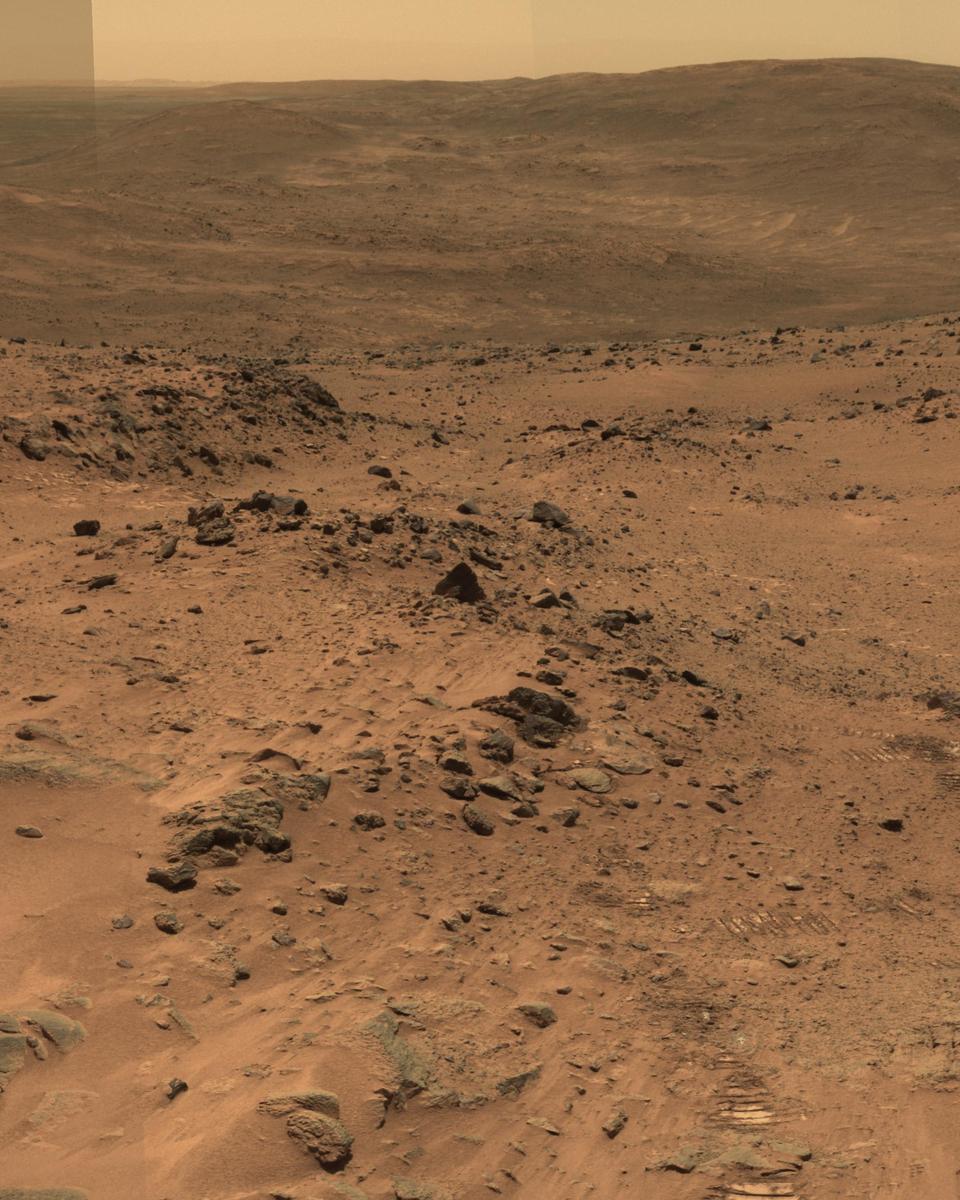
Everest Panorama from Mars
If you could stand on Mars -- what might you see? Scroll right to find out. The robotic Spirit rover currently rolling across Mars climbed to the top of hill and took a series of…

Lunation
Our Moon's appearance changes nightly. This time-lapse sequence shows what our Moon looks like during a lunation , a complete lunar cycle. As the Moon orbits the Earth , the half…
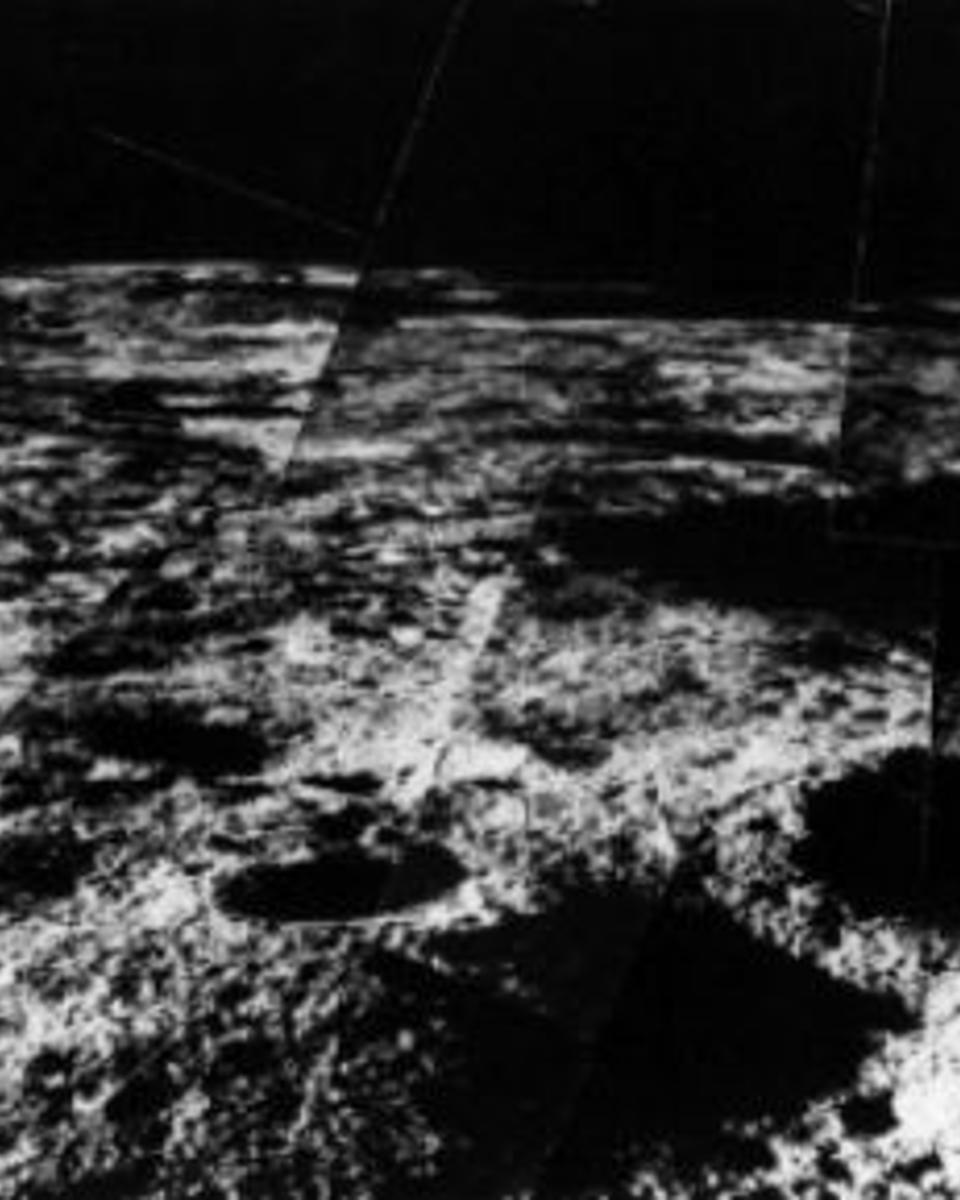
Surveyor Hops
This panorama of the cratered lunar surface was constructed from images returned by the US Surveyor 6 lander. Surveyor 6 was not the first spacecraft to accomplish a soft landing…
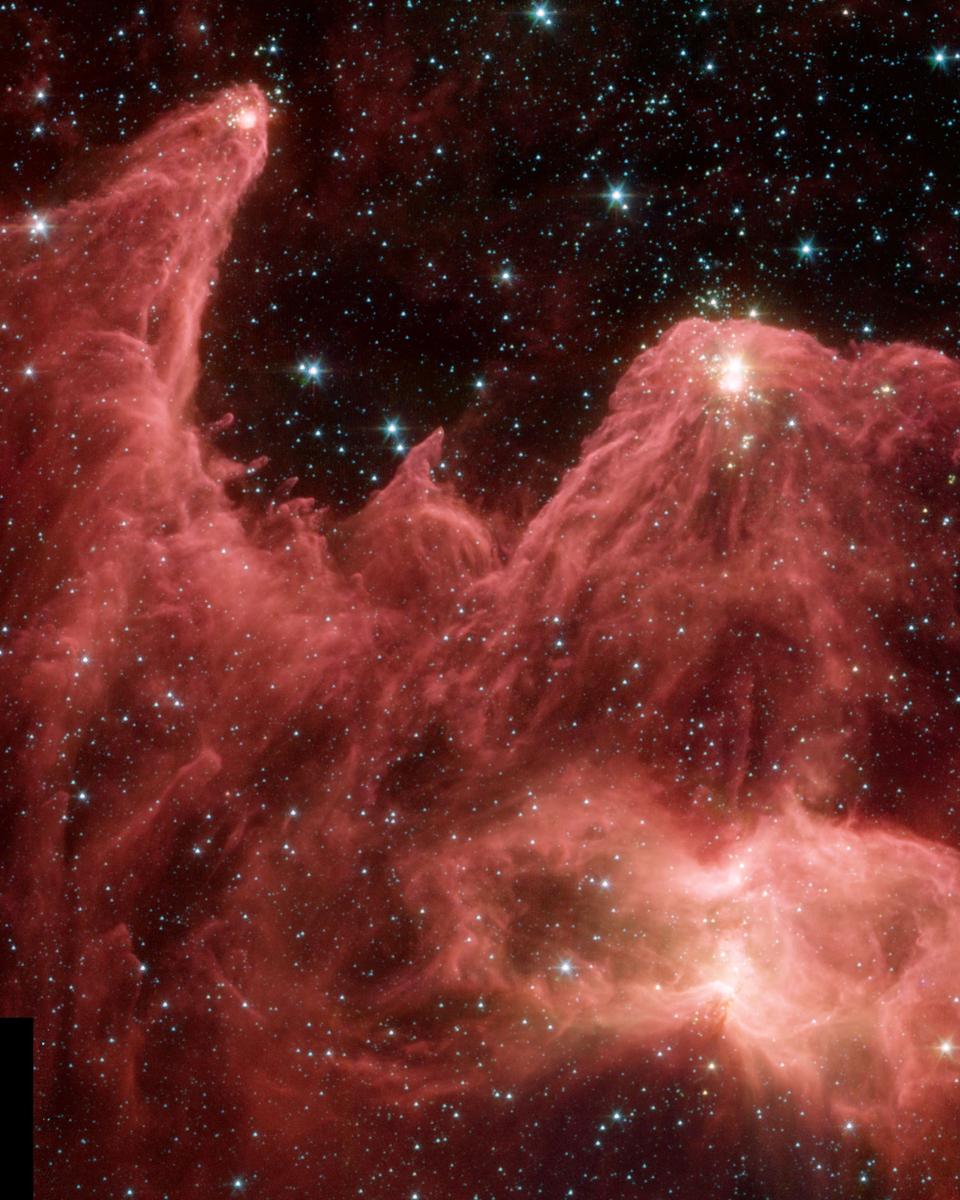
Mountains of Creation
This fantastic skyscape lies at the eastern edge of giant stellar nursery W5, about 7,000 light-years away in the constellation Cassiopeia . An infrared view from the Spitzer…
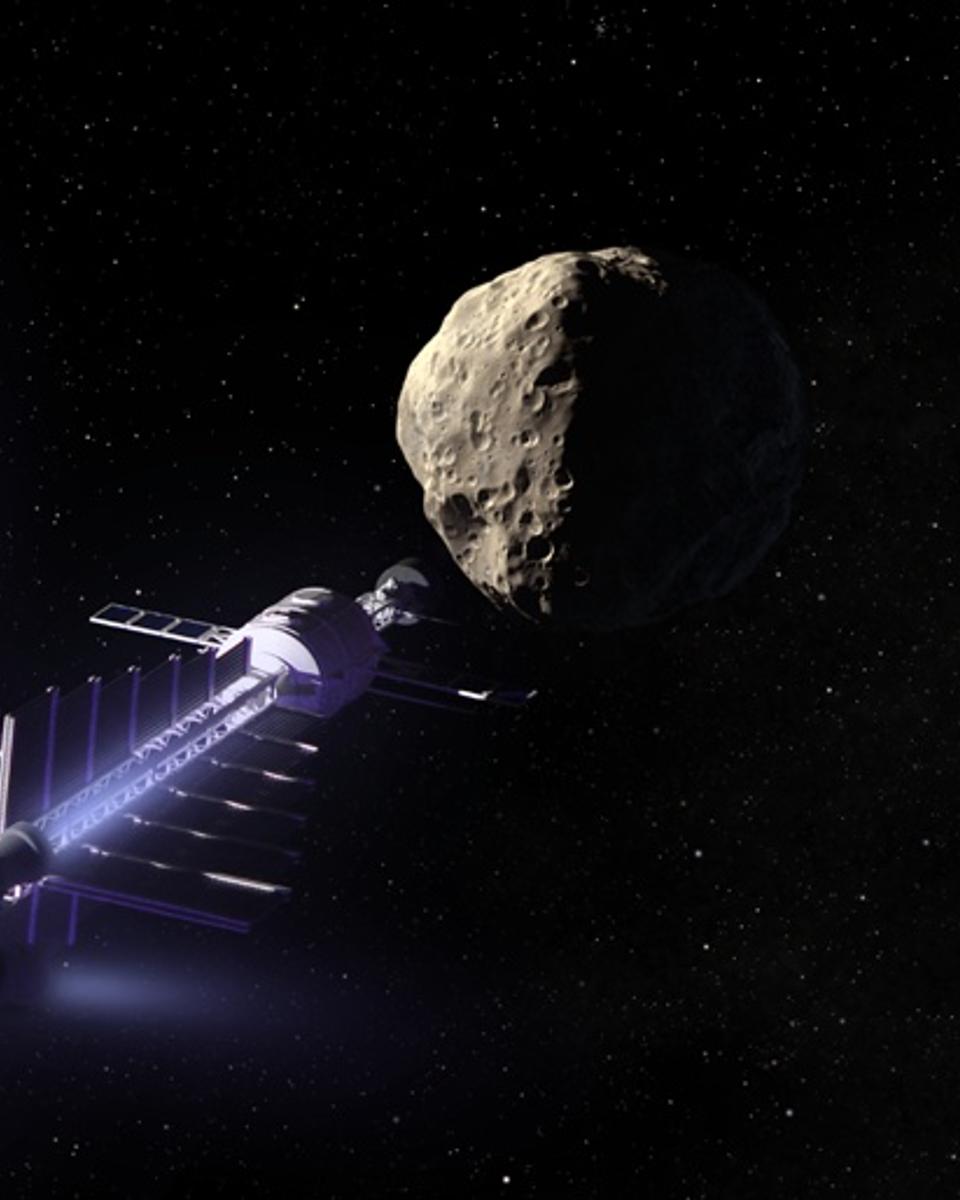
Gravitational Tractor
How would you change the course of an Earth-threatening asteroid? One idea - a massive spacecraft that uses gravity as a towline - is illustrated in this dramatic artist's view of…
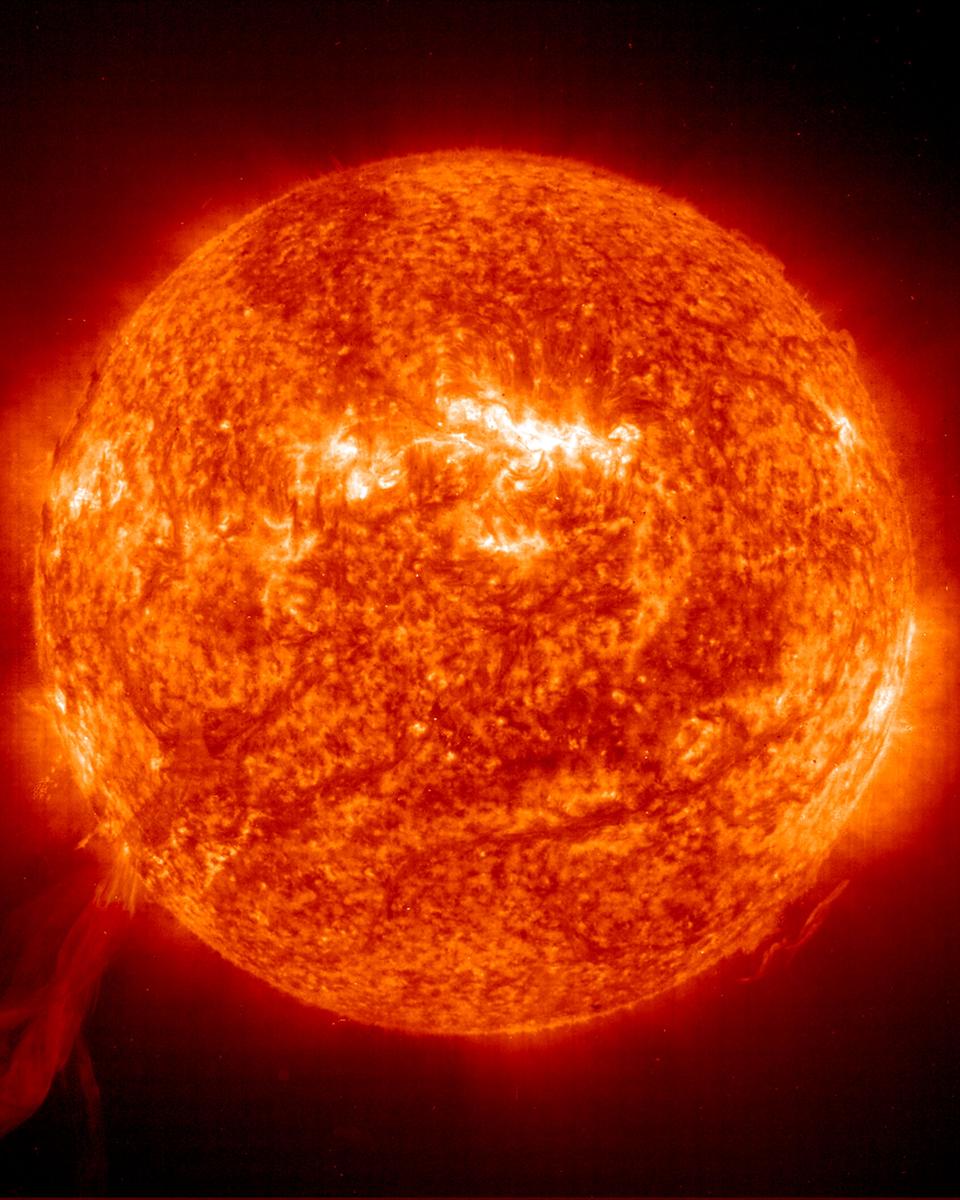
A Solar Prominence from SOHO
What happened to the Sun? Nothing very unusual: the strange-looking solar appendage on the lower left is actually just a spectacular looking version of a common solar prominence .…
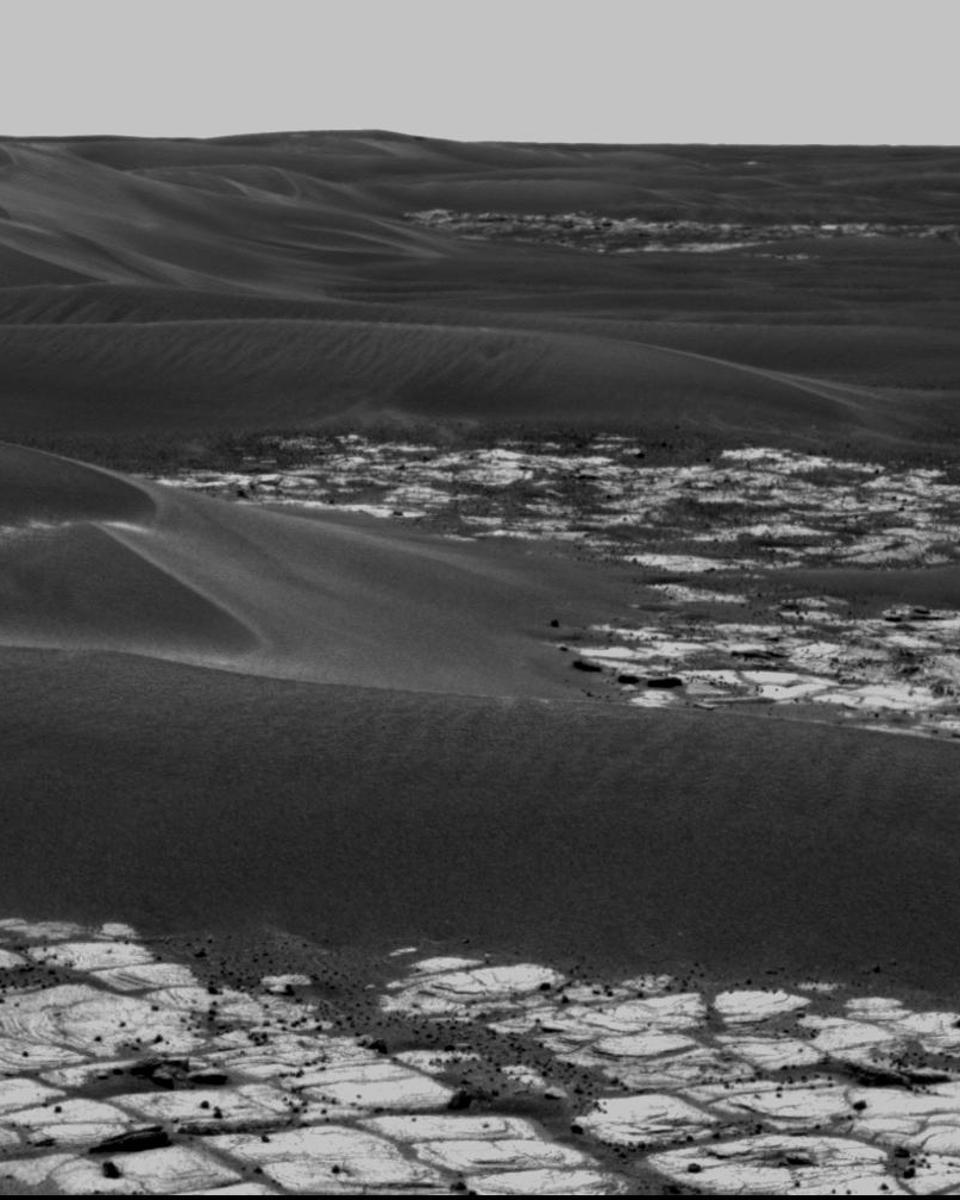
The Drifts of Mars
What would it be like to walk across Mars? The robot Opportunity rover is currently experiencing what it is like to roll across part of the red planet. It's not always easy -- the…
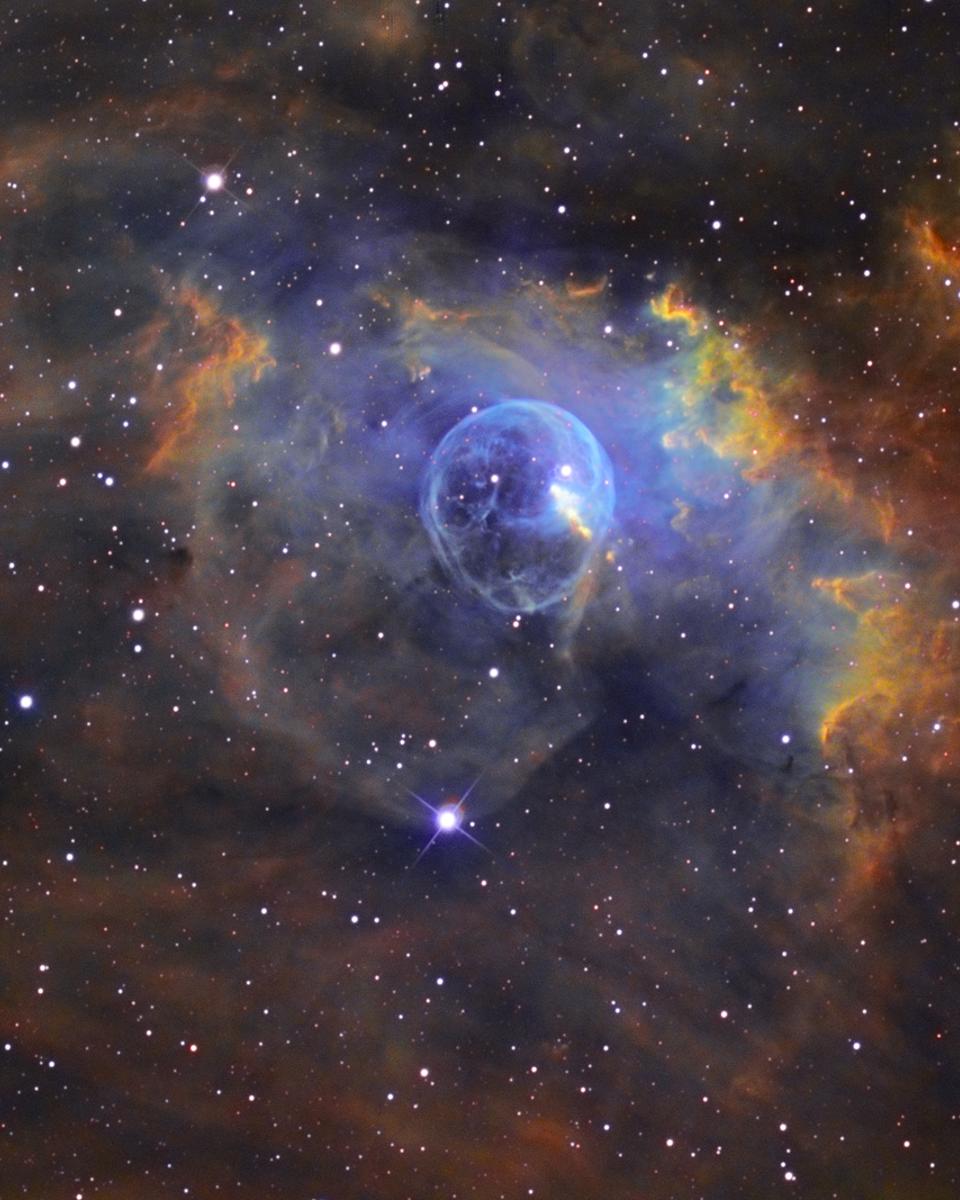
NGC 7635: The Bubble Nebula
It's the bubble versus the cloud. NGC 7635, the Bubble Nebula , is being pushed out by the stellar wind of massive central star BD+602522 . Next door, though, lives a giant…
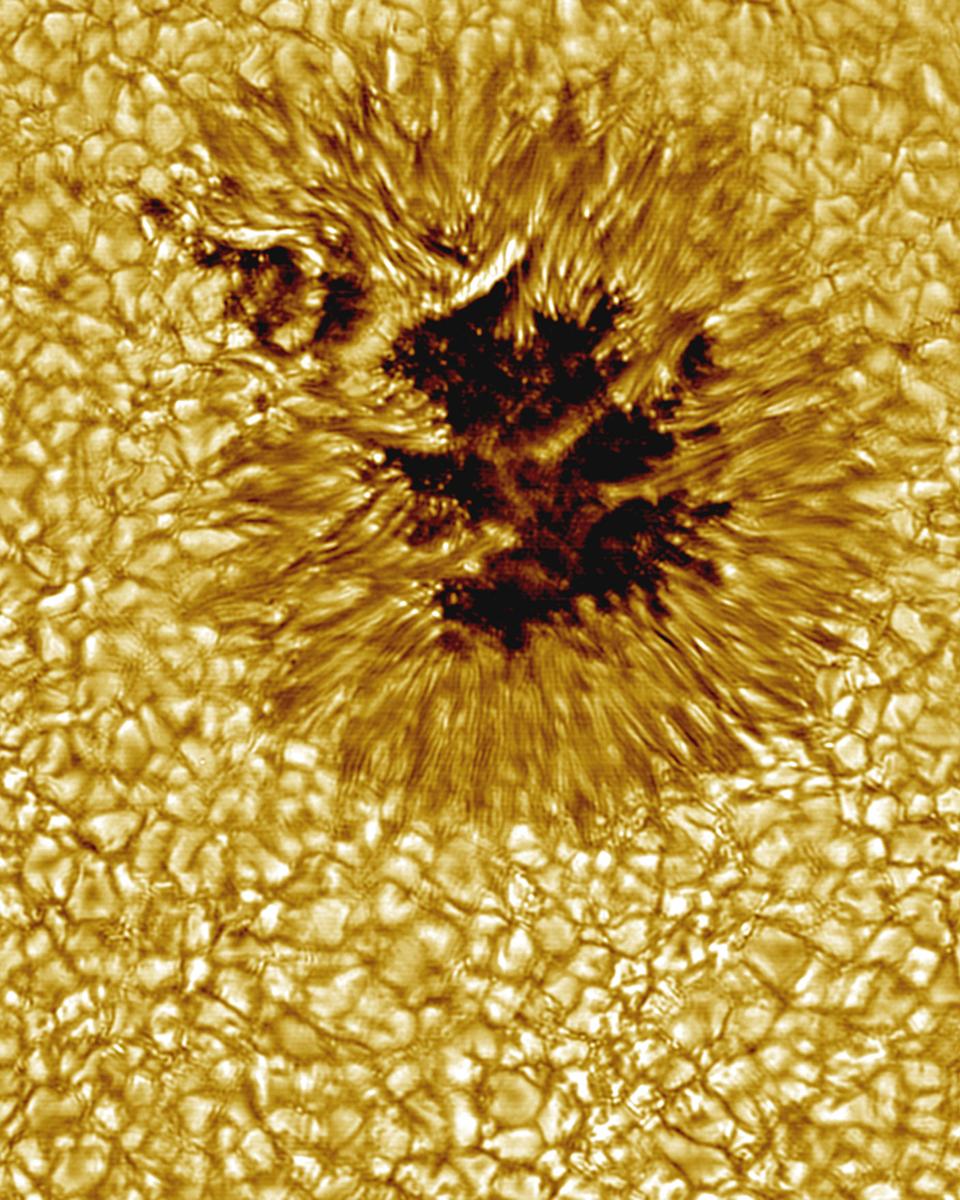
A Sunspot Up Close
Why would a small part of the Sun appear slightly dark? Visible above is a close-up picture of a sunspot , a depression on the Sun's face that is slightly cooler and less luminous…
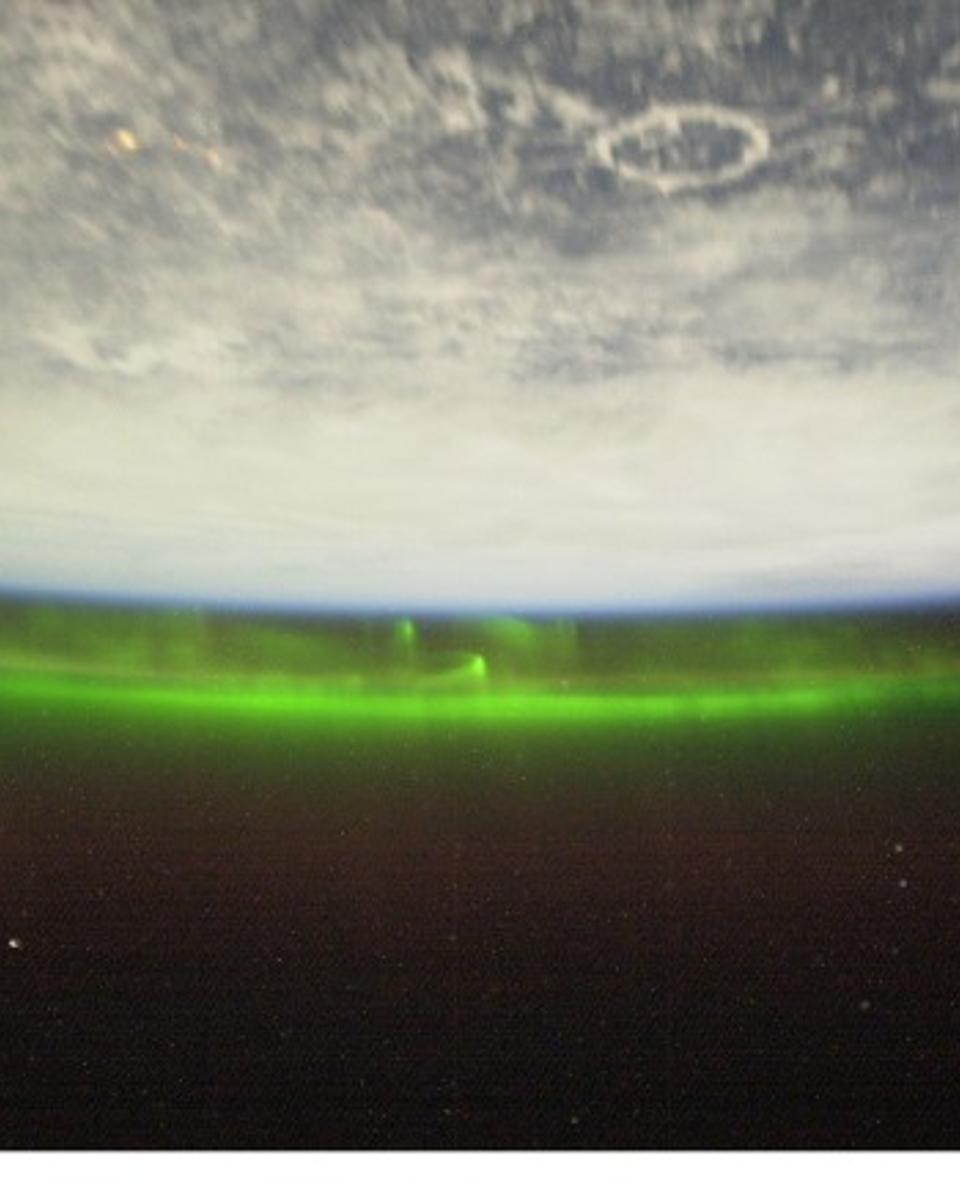
Aurora from Space
From the ground, spectacular auroras seem to dance high above. But the International Space Station ( ISS ) orbits at nearly the same height as many auroras , sometimes passing…
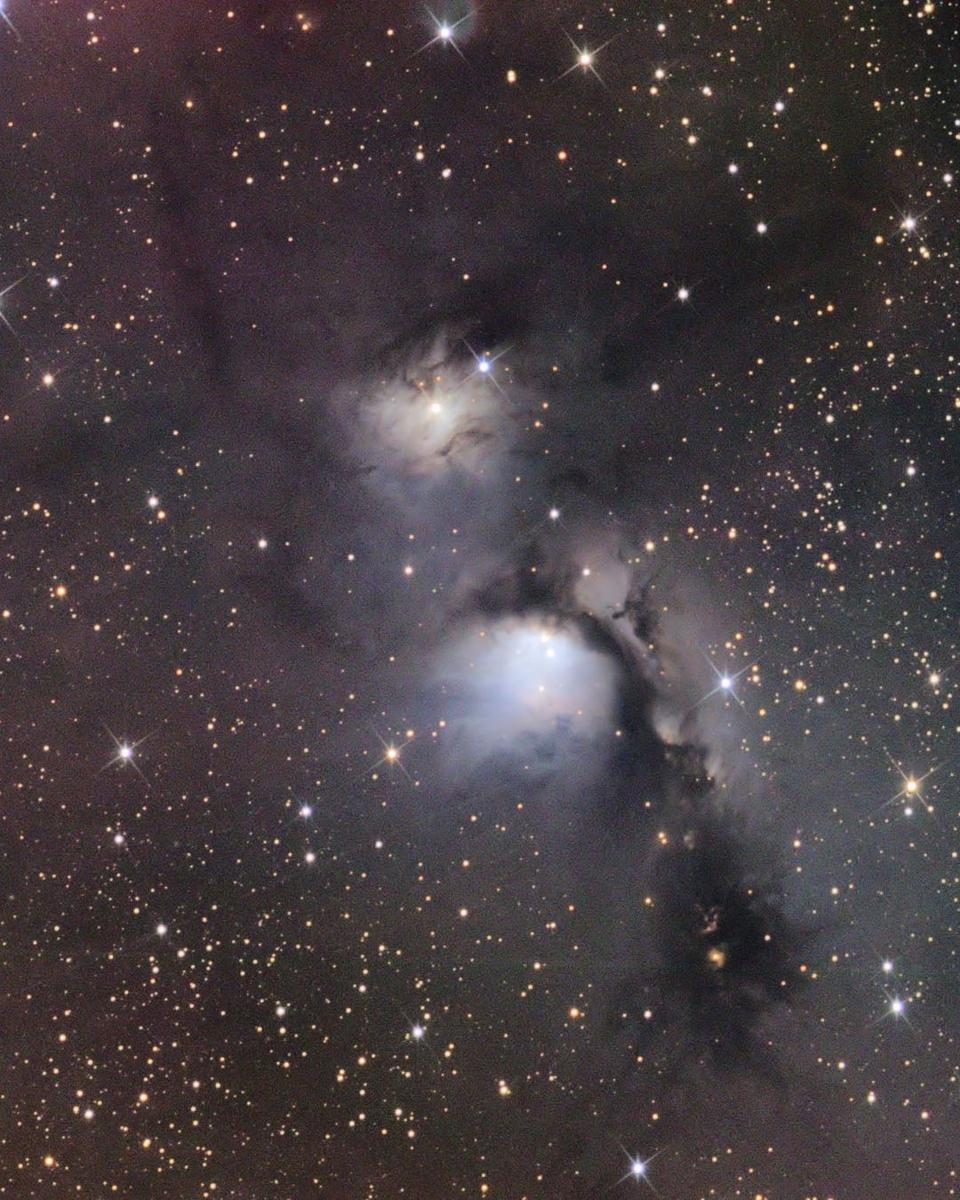
M78: Stardust and Starlight
Interstellar dust clouds and bright nebulae abound in the fertile constellation of Orion . One of the brightest, M78 , is just below center in this sharp widefield view , covering…
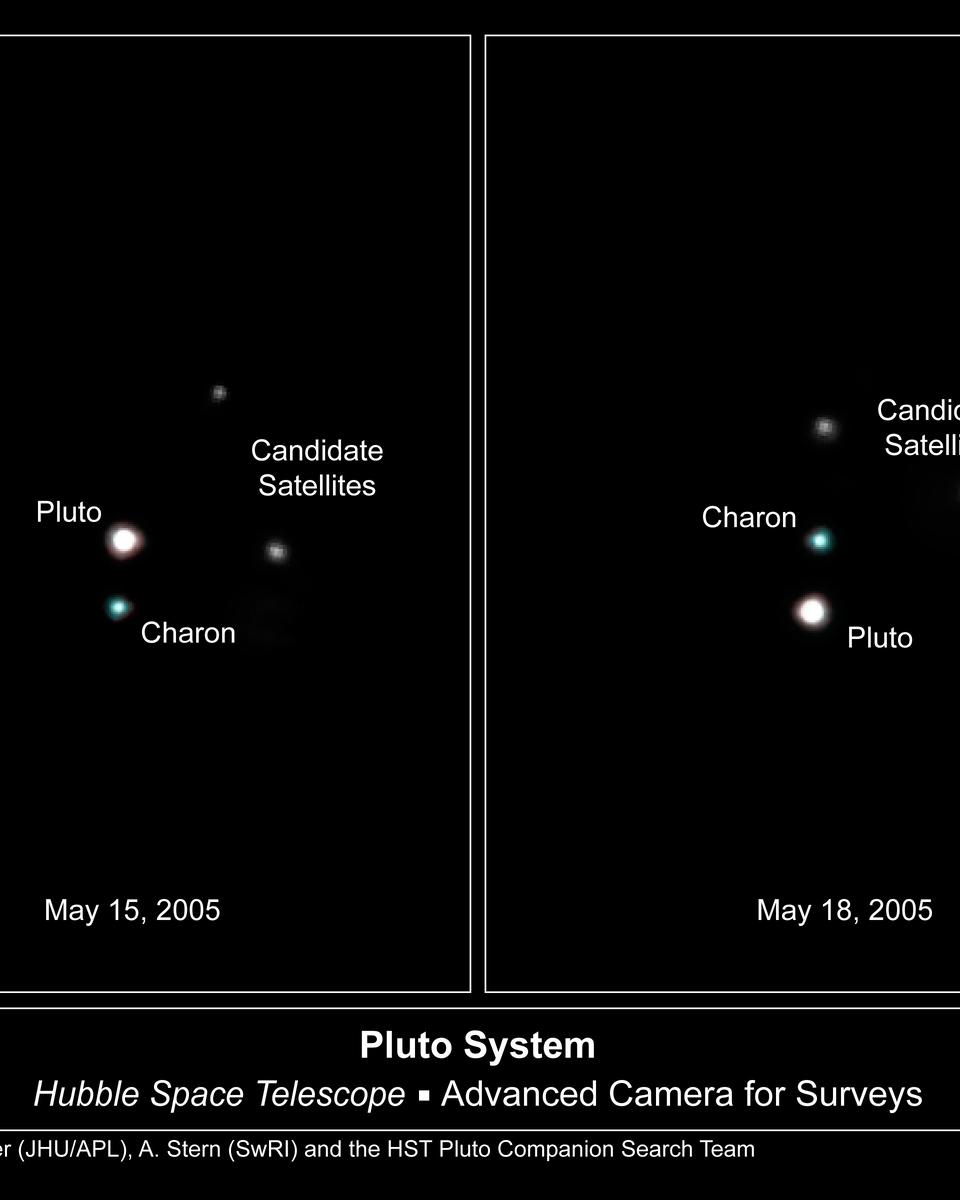
Possible Pluto Moons
In 1930 , tiny, icy world Pluto was discovered orbiting in the distant solar system. In 1978, its relatively large companion Charon was detected by ground-based observations. This…
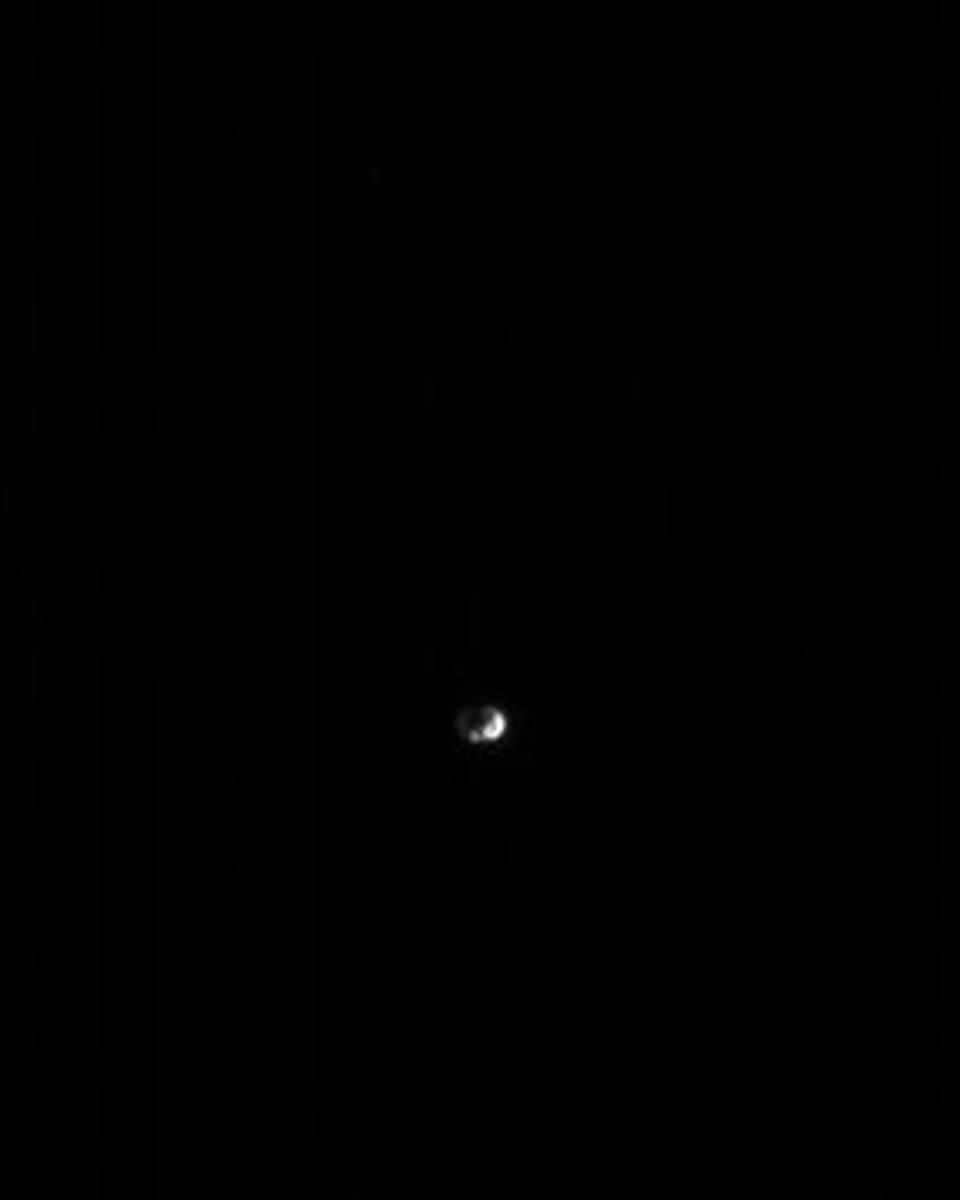
Epimetheus and Janus: Interchangeable Moons of Saturn
These two moons change places. Epimetheus and Janus , two small moons of Saturn , actually switch positions as they orbit their home planet. The orbital radii of the moons are…
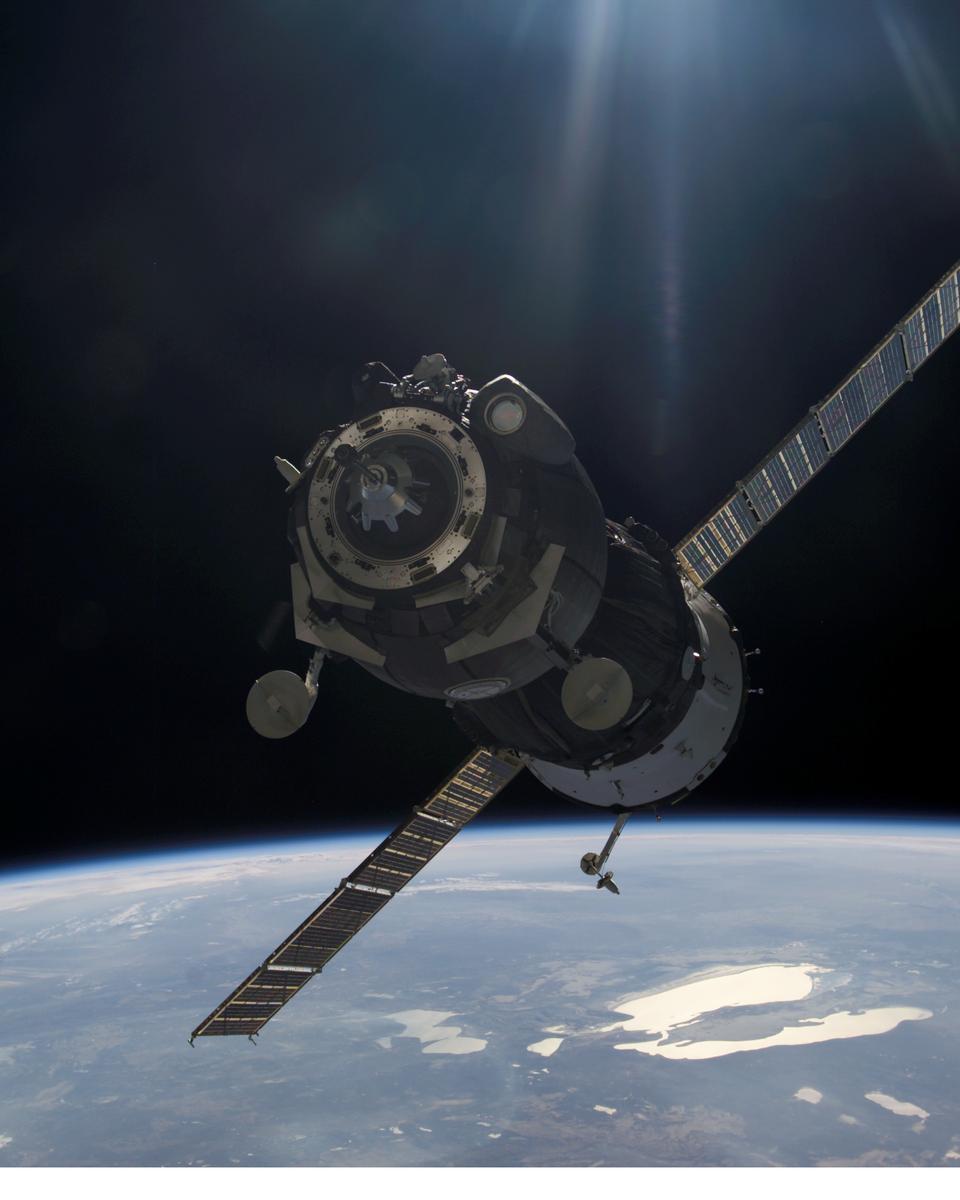
A Soyuz Spacecraft Approaches the Space Station
Last month, a Soyuz TMA-7 spacecraft docked with the International Space Station. The spacecraft was launched a few days earlier from the Baikonur Cosmodrome in Kazakhstan .…
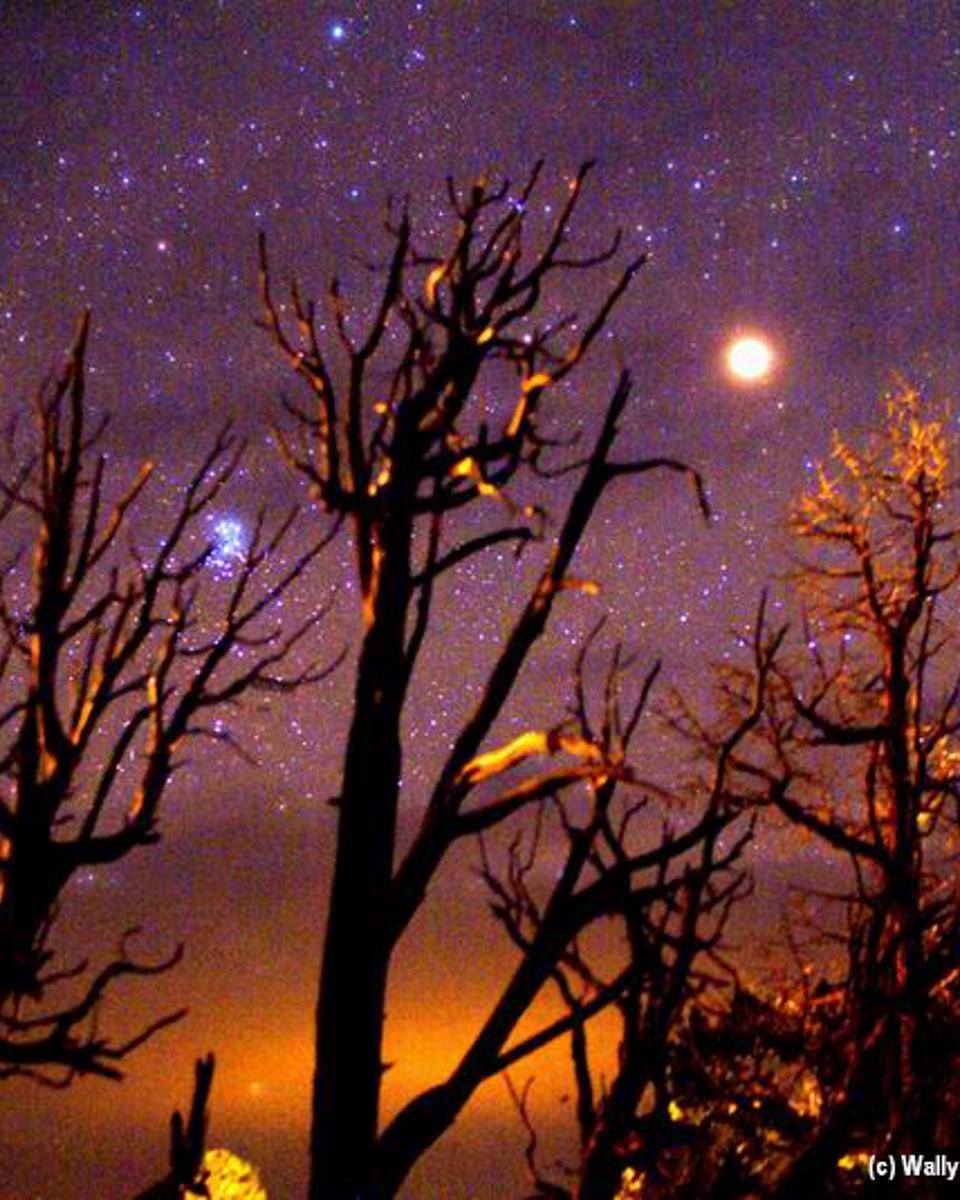
A Martian Halloween
From sunset to sunrise, an unusually bright yellowish orb will hang in the sky this Halloween: Mars. Yesterday, Earth passed Mars as they orbited the Sun, bringing Mars closer…
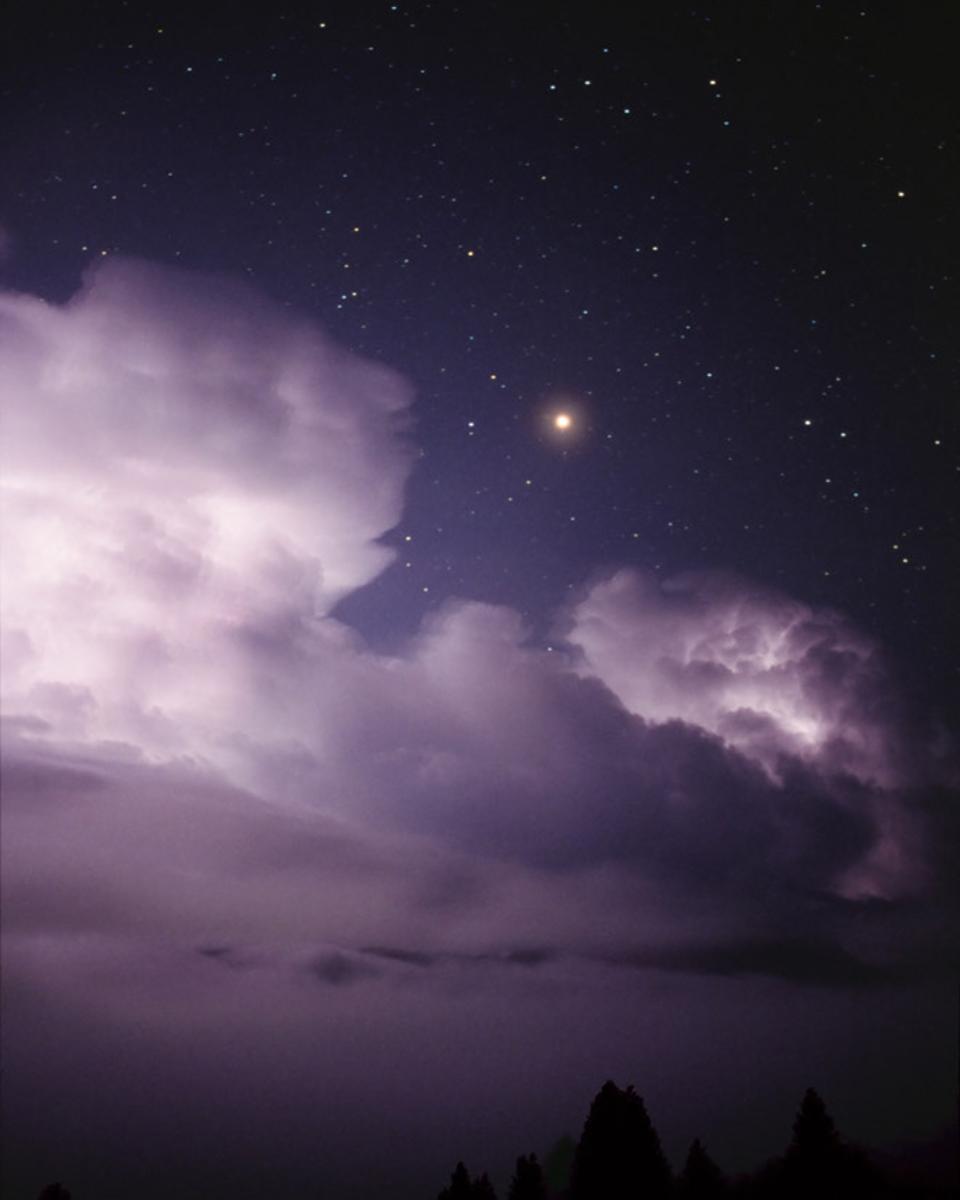
A Dark and Stormy Night
It was a dark and stormy night . But on 2003 August 29th the red planet Mars, near its closest approach to Earth in almost 60,000 years, shone brightly in the sky against a…
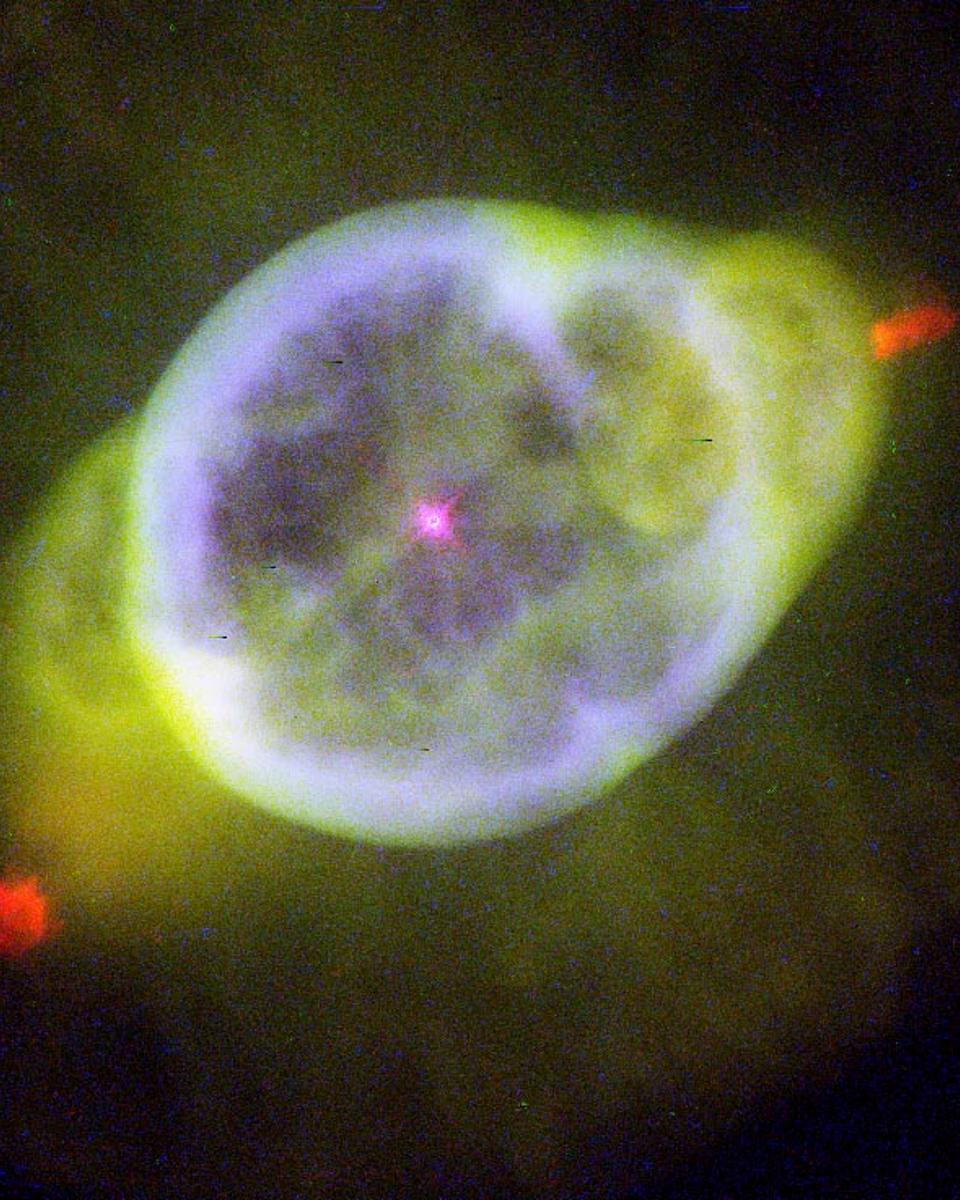
NGC 3242: The Ghost of Jupiter
After a star like the Sun completes fusion in its core, it throws off its outer layers in a brief, beautiful cosmic display called a planetary nebula . NGC 3242 is such a…
Viewing discoveries from 21 November 2005 through 29 October 2005.