Browse NASA Astronomy Picture of the Day archive by date and media: Archive Discoveries
Browse the NASA APOD archive without needing the exact date first. Filter by media type and keep moving deeper into older images and videos.
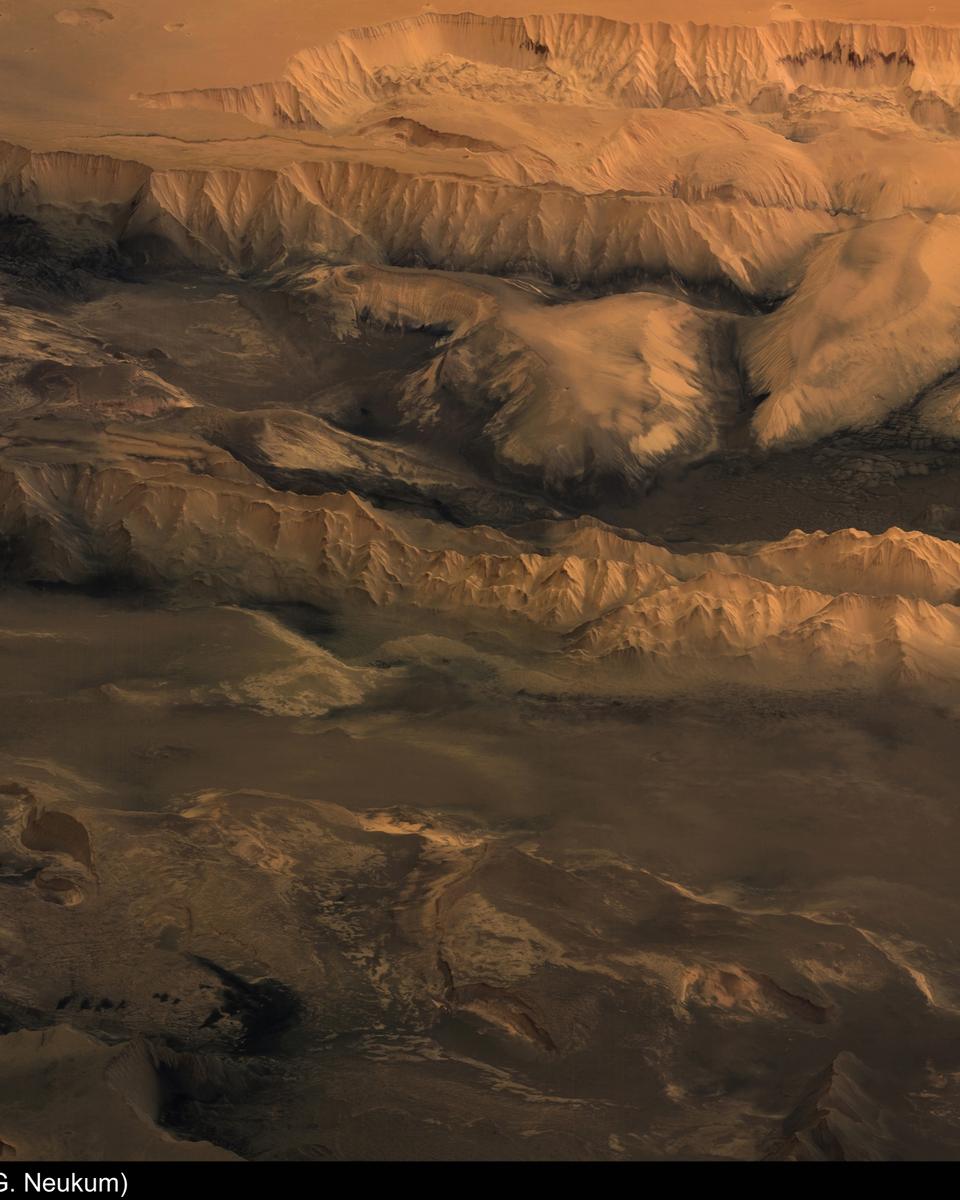
Melas, Candor, and Ophir: Valleys of Mariner
First imaged by the Mariner 9 spacecraft, Valles Marineris , the grand canyon of Mars , is a system of enormous depressions or chasmas that stretch some 4,000 kilometers along the…
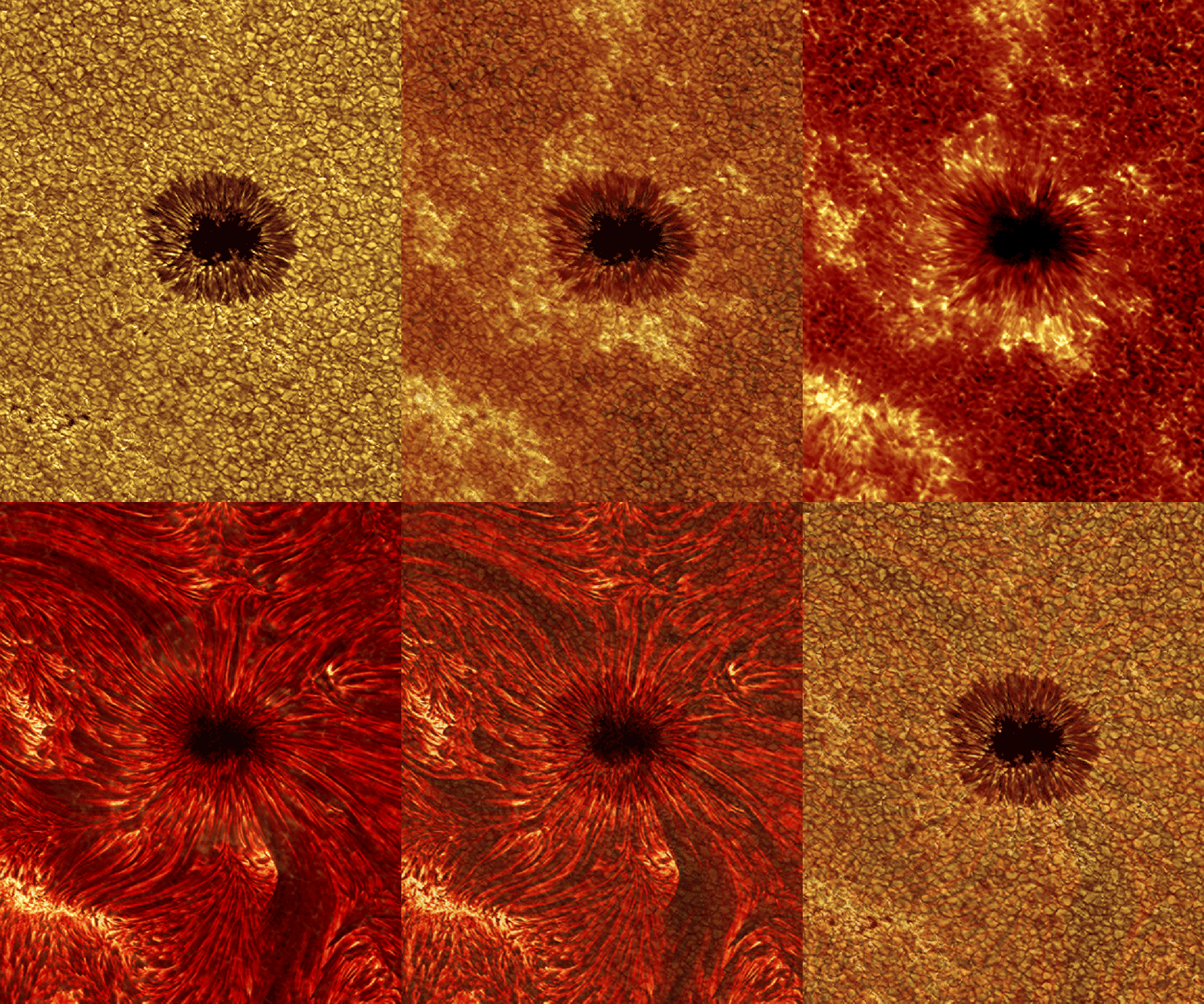
Sunspot Metamorphosis: From Bottom to Top
Sunspots -- magnets the size of the Earth -- are normally seen flat on the Sun. The above digital metamorphosis, however, shows a sunspot as it appears at increasing heights,…
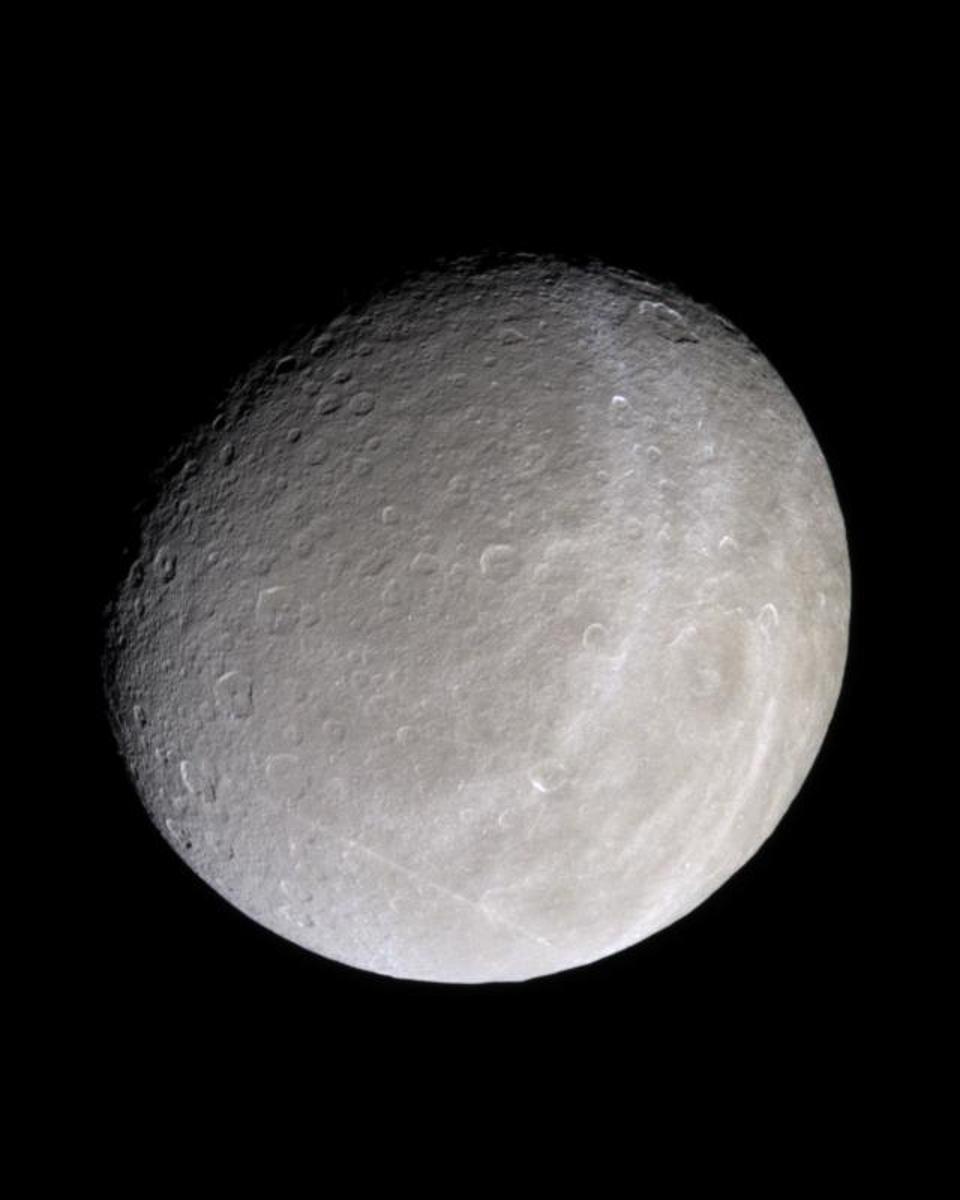
Saturn's Moon Rhea from Cassini
Each moon of Saturn seems to come with its own mystery . Rhea, Saturn's second largest moon behind Titan , shows unusual wisps, visible above as light colored streaks. Higher…
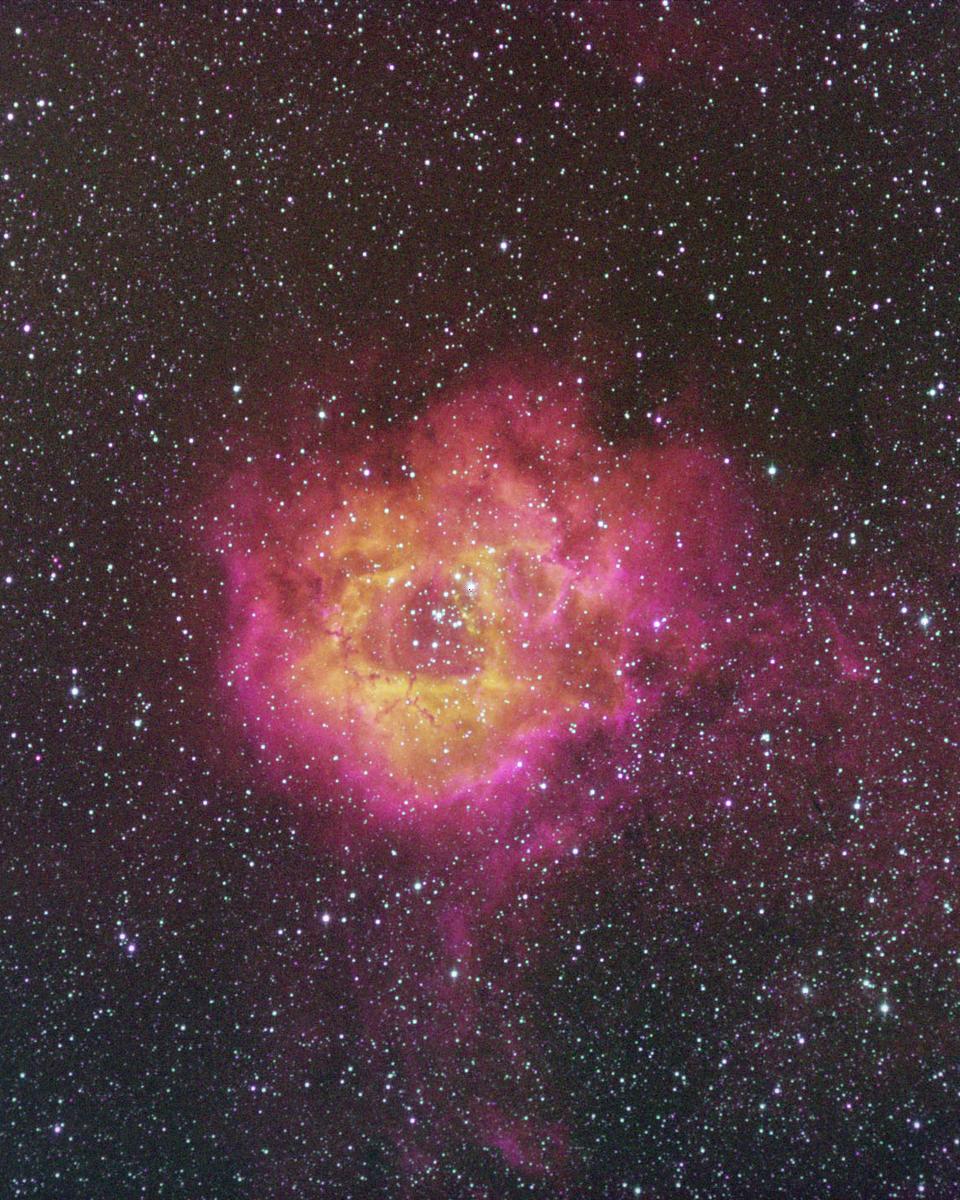
The Rosette Nebula
Would the Rosette Nebula by any other name look as sweet ? The bland New General Catalog designation of NGC 2237 doesn't appear to diminish the appearance of the this flowery…
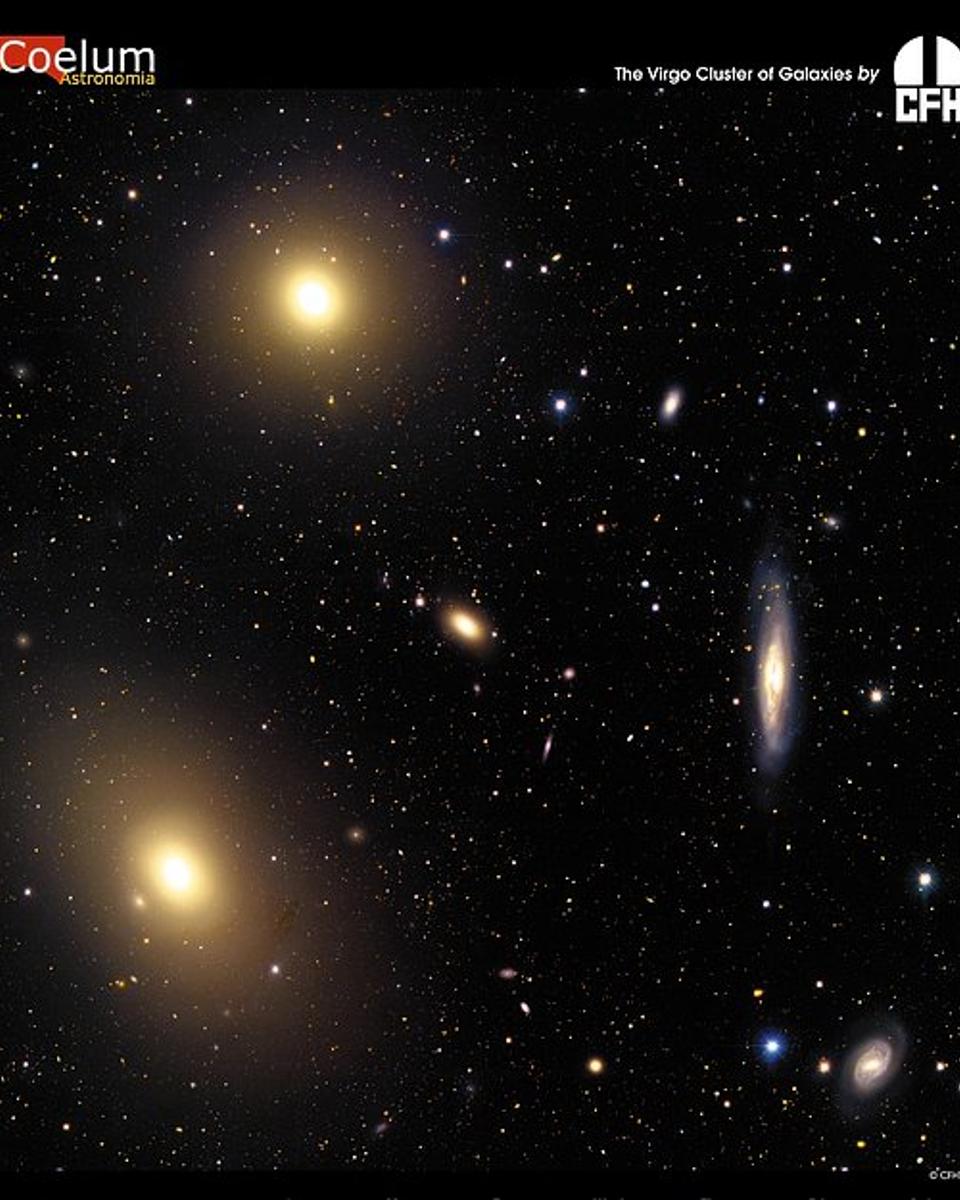
In the Center of the Virgo Cluster
The Virgo Cluster of Galaxies is the closest cluster of galaxies to our Milky Way Galaxy . The Virgo Cluster is so close that it spans more than 5 degrees on the sky - about 10…
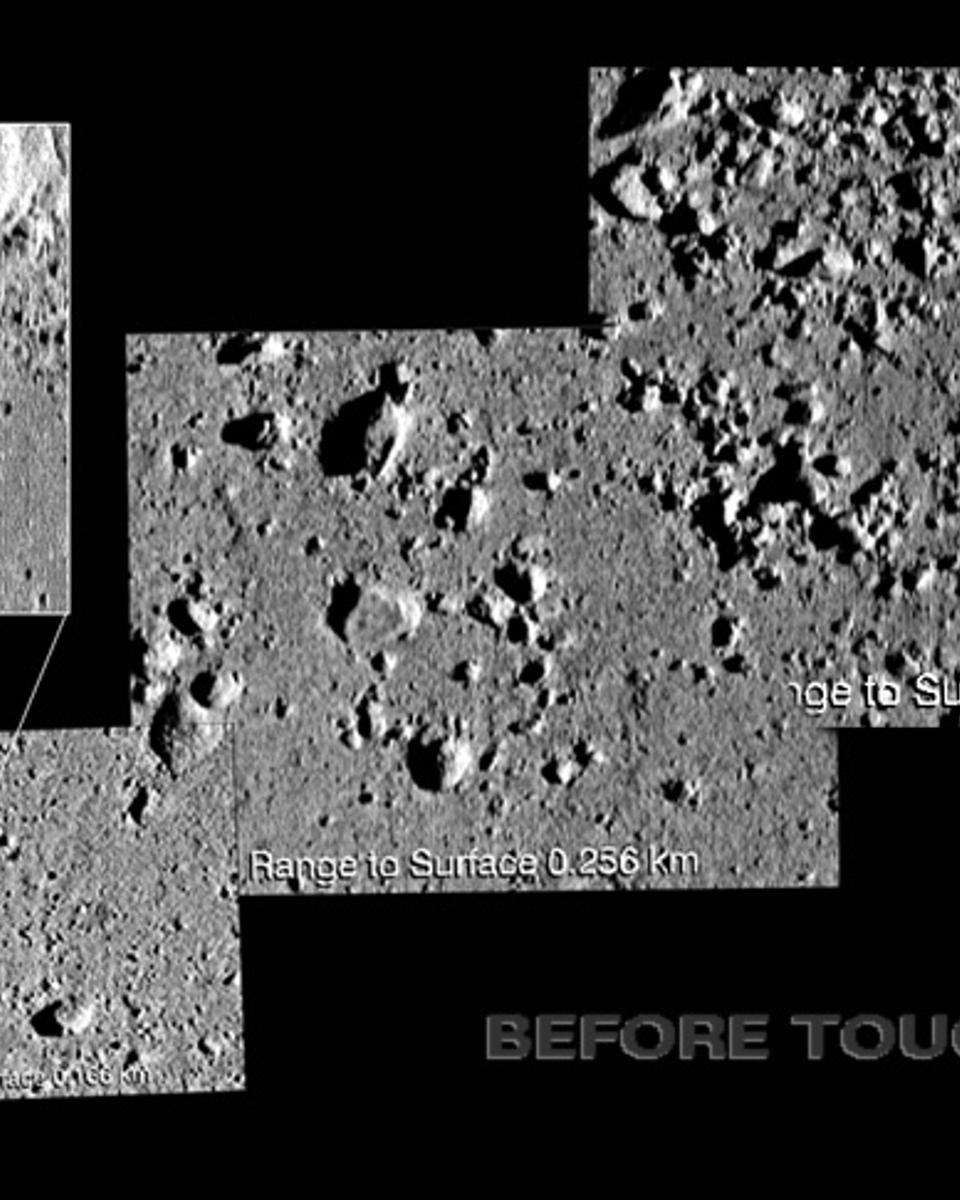
NEAR at Eros: Before Touchdown
On 12 February, 2001, the NEAR-Shoemaker spacecraft gently touched-down on the surface of Eros -- the first ever landing on an asteroid . During the descent, the spacecraft's…
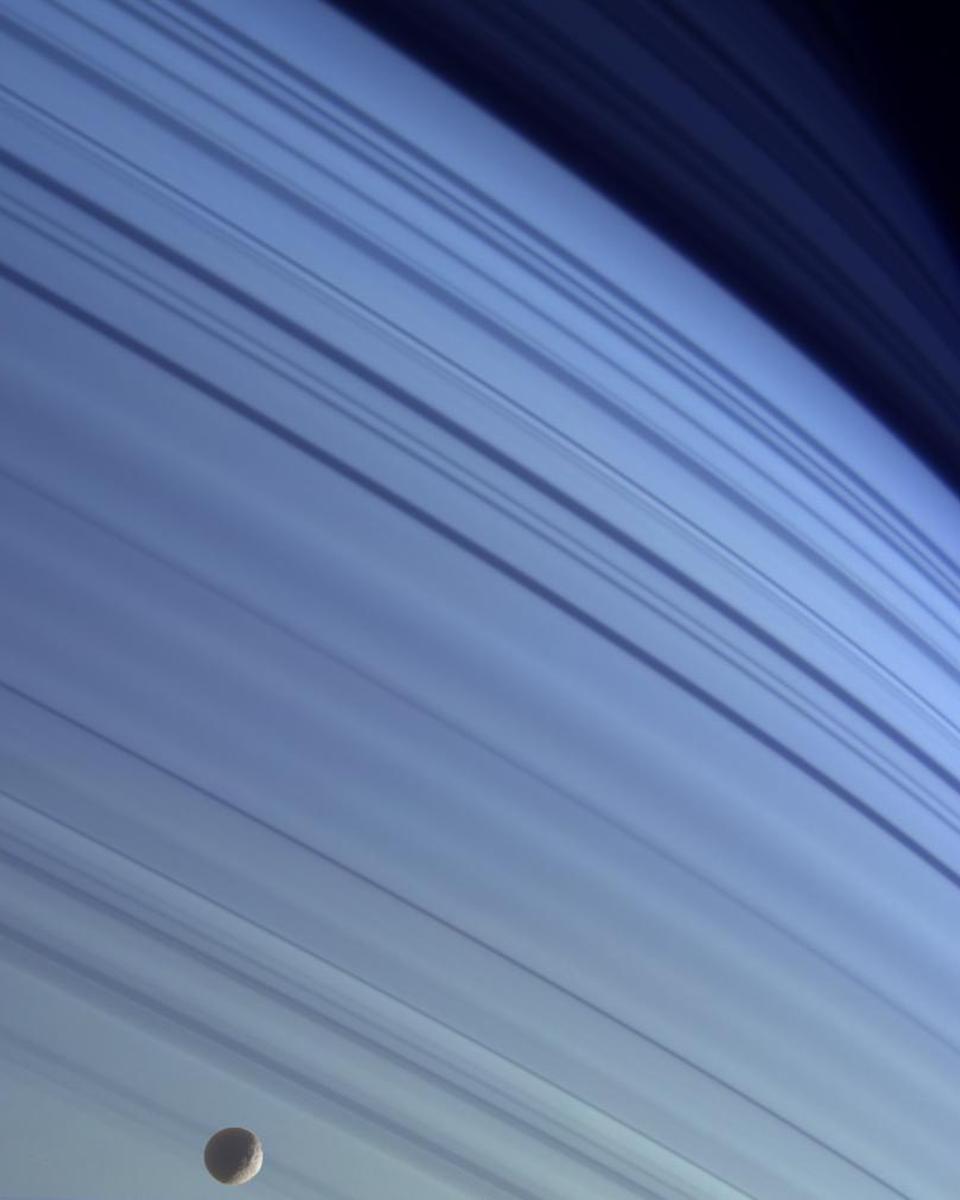
Blue Saturn
Serene blue hues highlight this view of Saturn's northern hemisphere from the Cassini spacecraft. The image has been adjusted to approximate the natural blue color of visible…
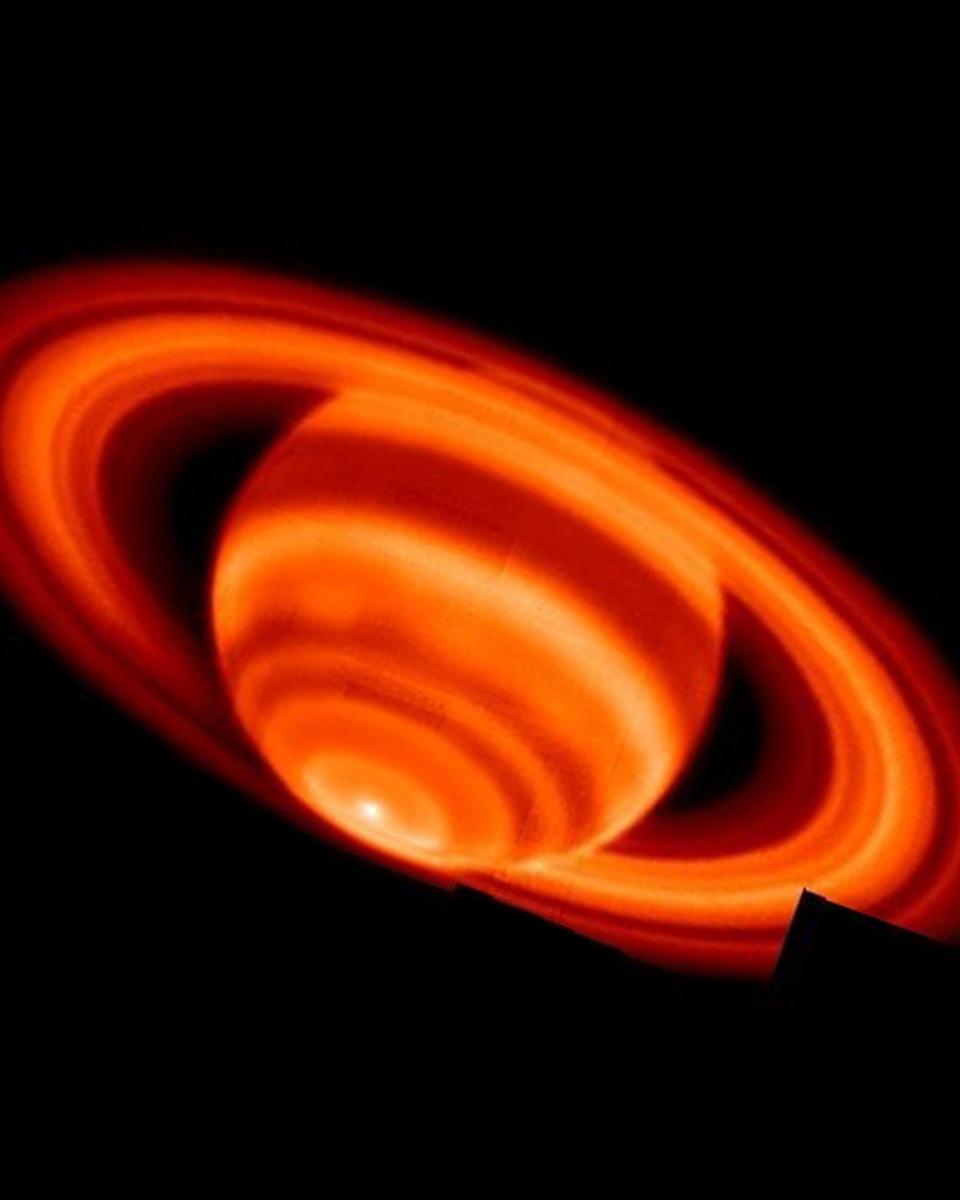
Red Saturn
This strange, false-color image of otherwise familiar planet Saturn shows temperature changes based on thermal infrared emission in the gas giant's atmosphere and rings. Recorded…
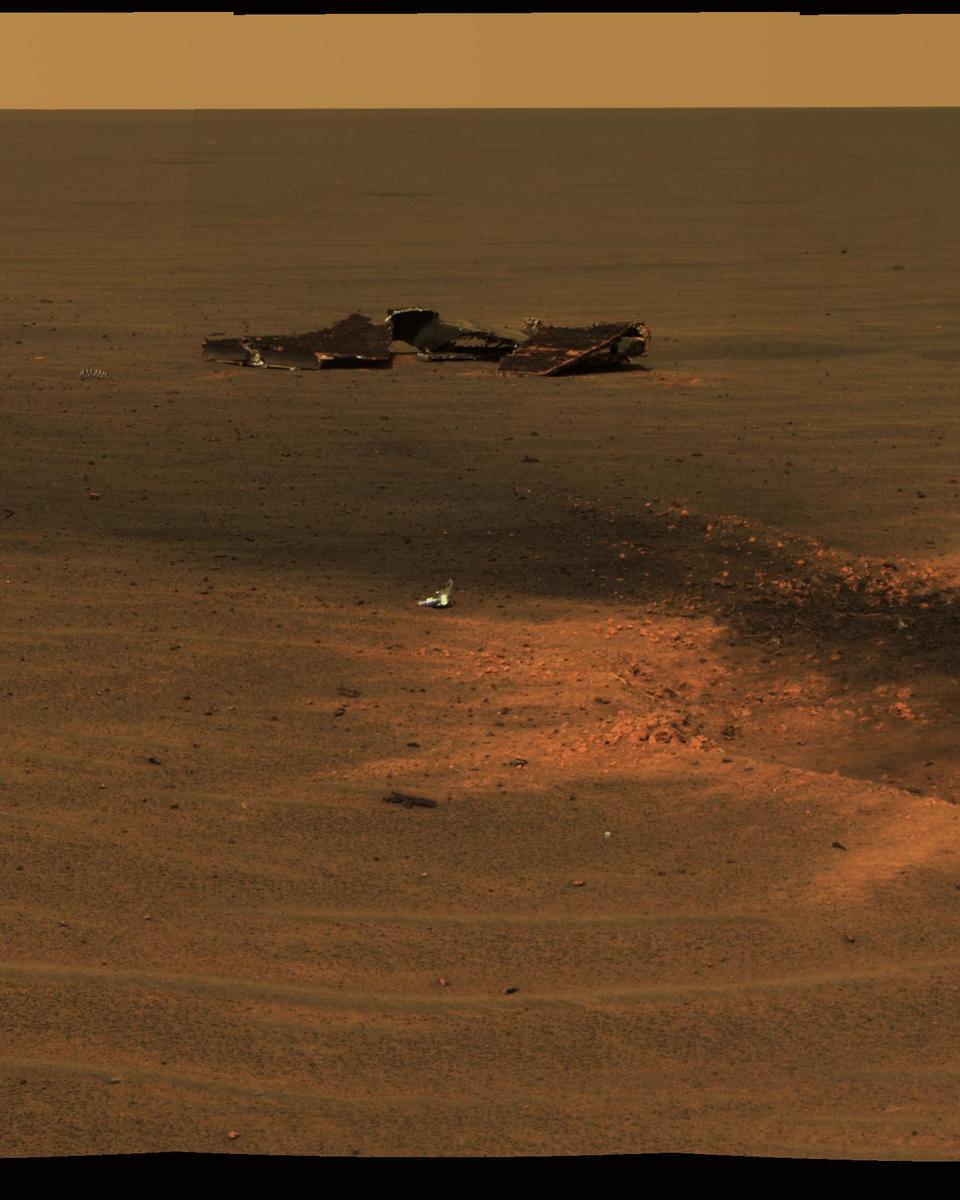
Heat Shield Impact Crater on Mars
Broken metal and scorched Mars make the impact site of Opportunity's heat shield one of the more interesting sites inspected by the rolling robot . Visible on the image left is…
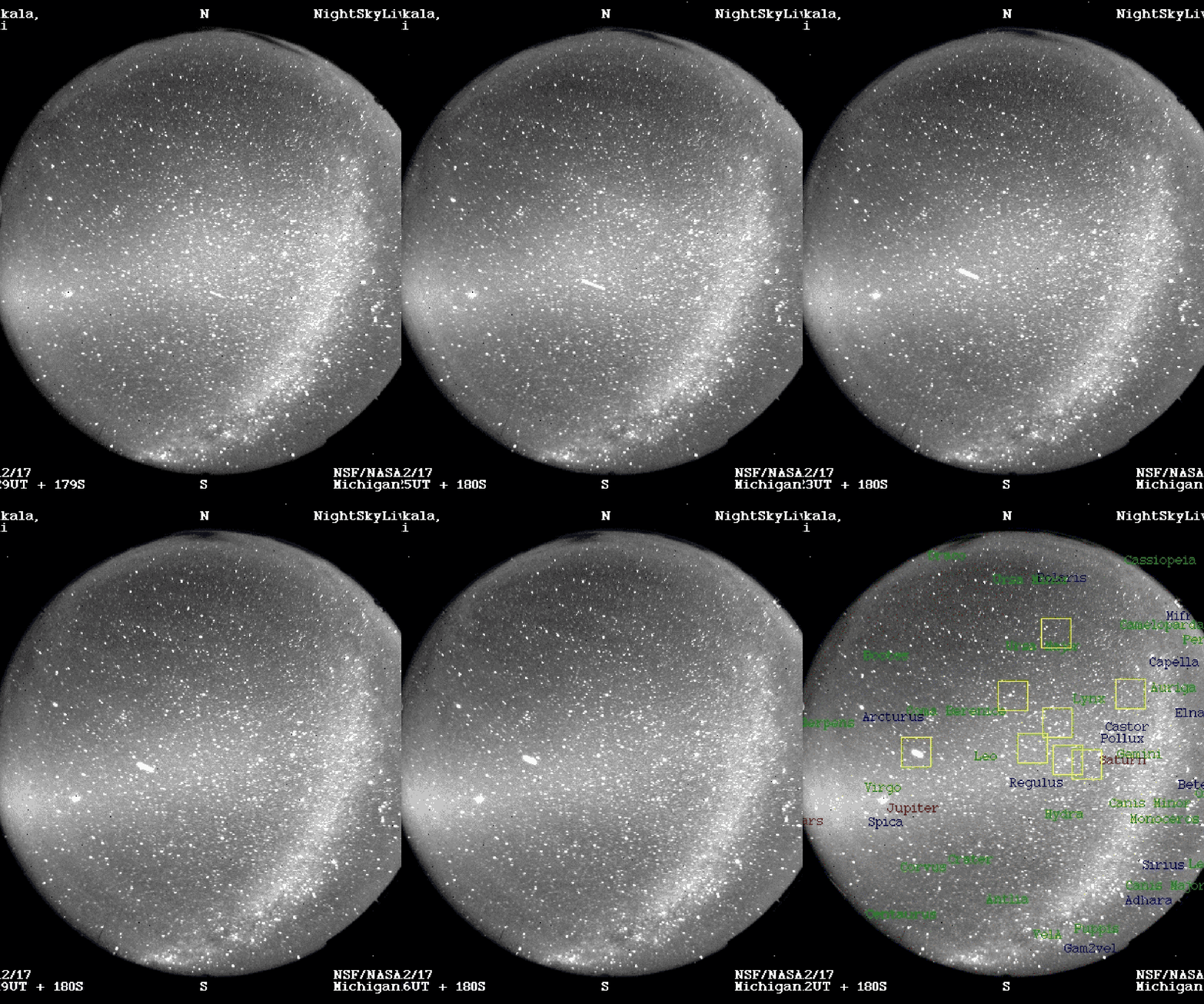
A Mysterious Streak Above Hawaii
What in heavens-above was that? Not everything seen on the night sky is understood. The Night Sky Live (NSL) project keeps its global array of continuously updating web cameras…
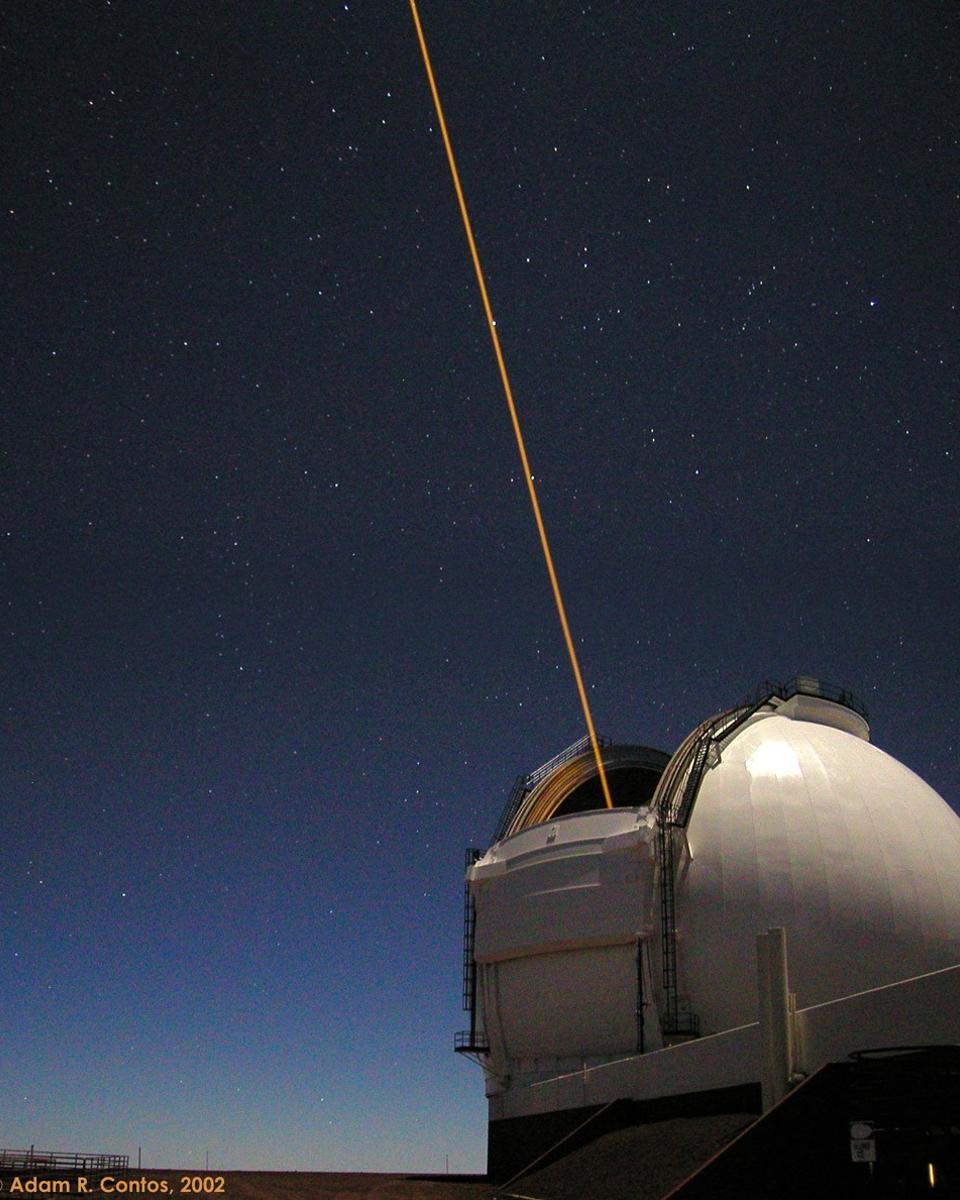
A Telescope Laser Creates an Artificial Star
What do you get when you combine one of the world's most powerful telescopes with a powerful laser ? An artificial star. Monitoring fluctuations in brightness of a genuine bright…
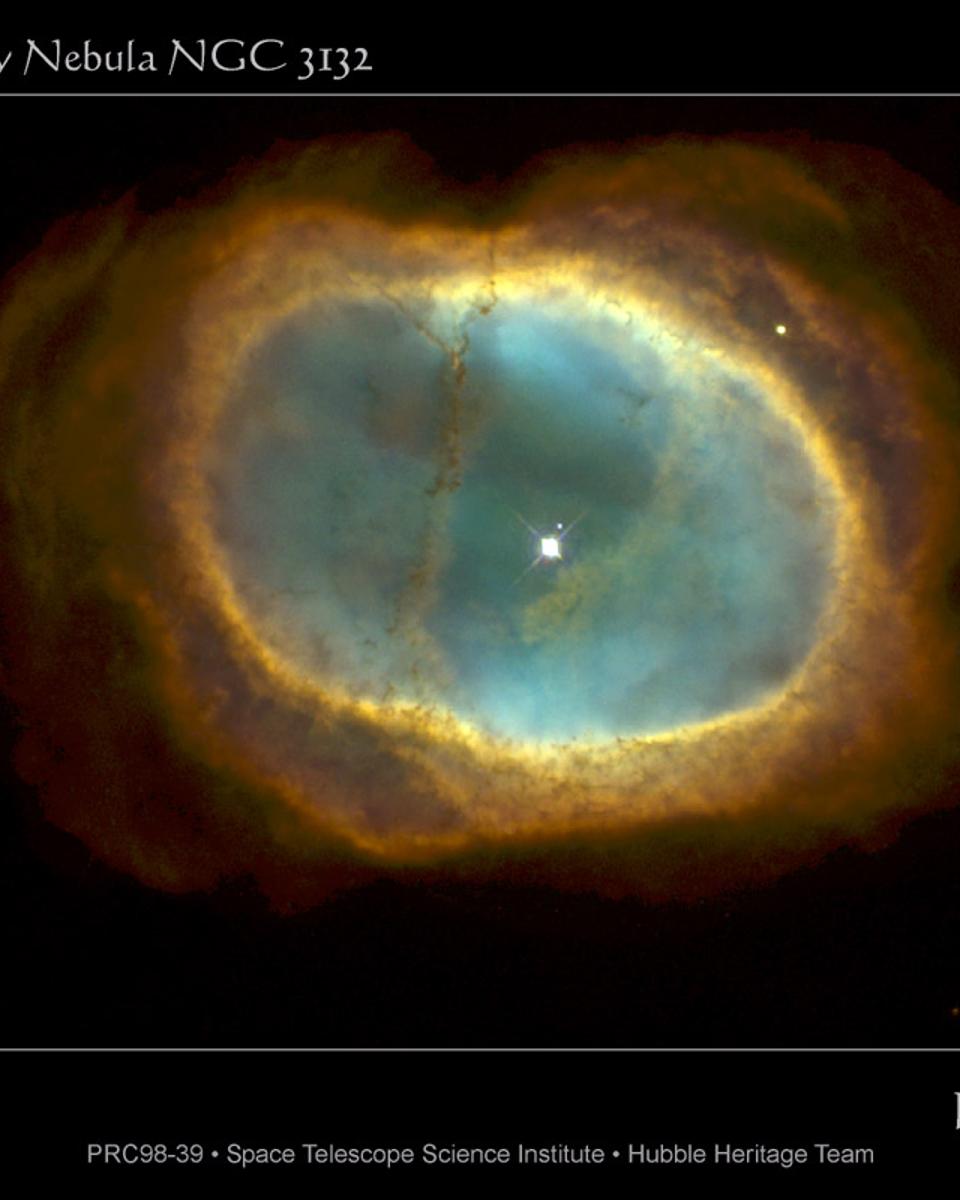
NGC 3132: The Eight Burst Nebula
It's the dim star, not the bright one, near the center of NGC 3132 that created this odd but beautiful planetary nebula . Nicknamed the Eight-Burst Nebula and the Southern Ring…
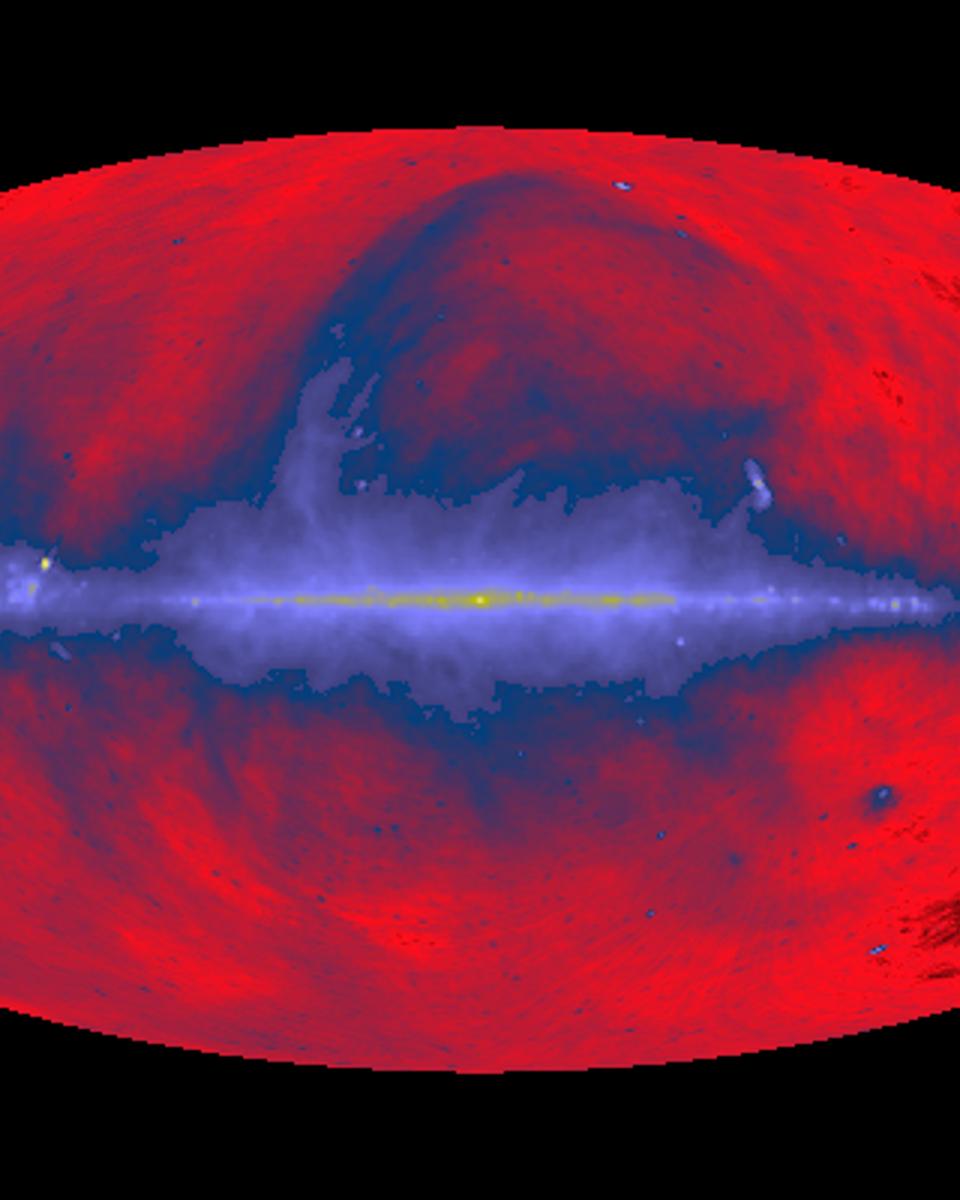
The Radio Sky: Tuned to 408MHz
Tune your radio telescope to 408MHz (408 million cycles per second) and check out the Radio Sky! In the 1970s large dish antennas at three radio observatories, Jodrell Bank ,…
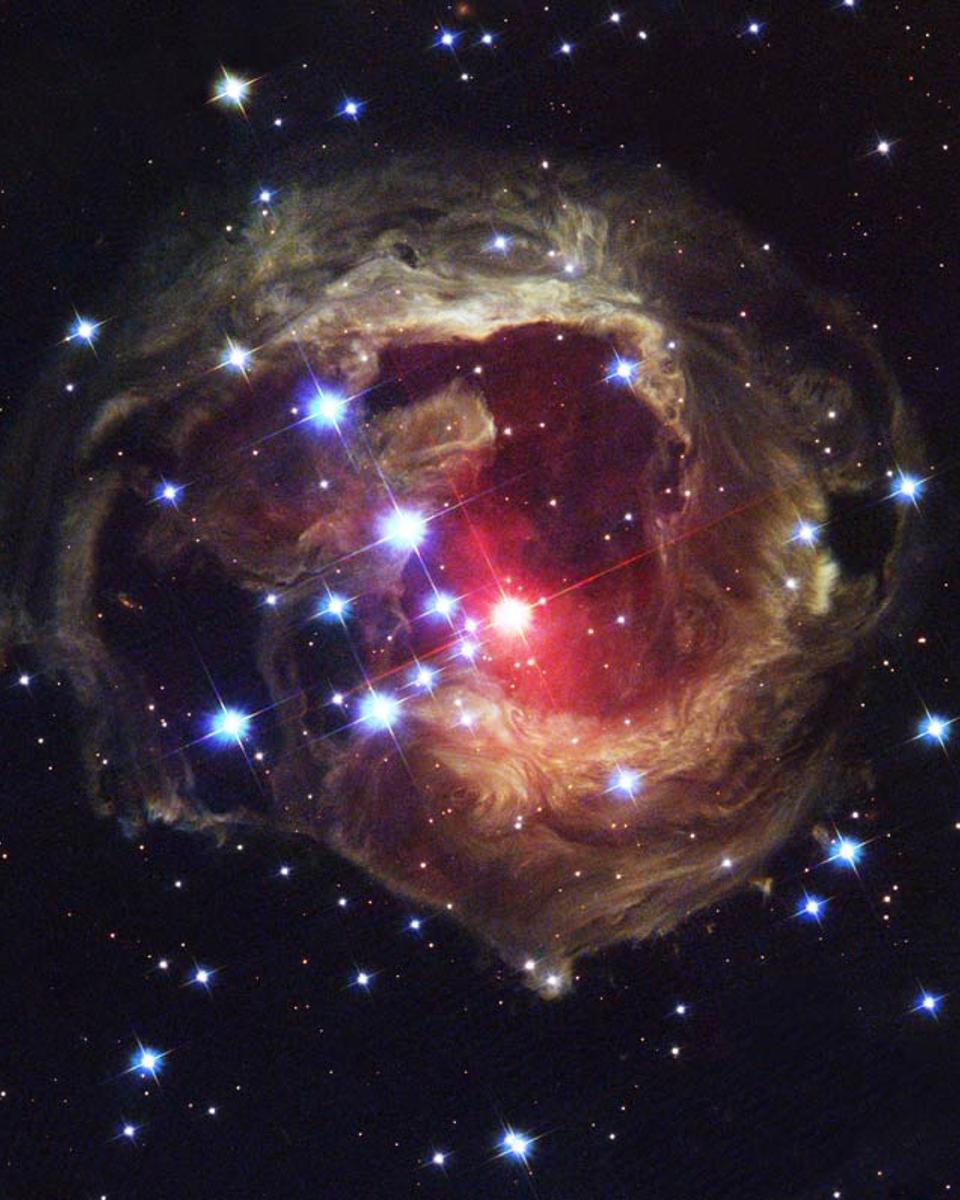
V838 Mon: Light Echo Update
Expanding light echoes continue to illuminate the dusty environs of V838 Monocerotis , mysterious variable star near the edge of our Galaxy. This stunning image , produced from…
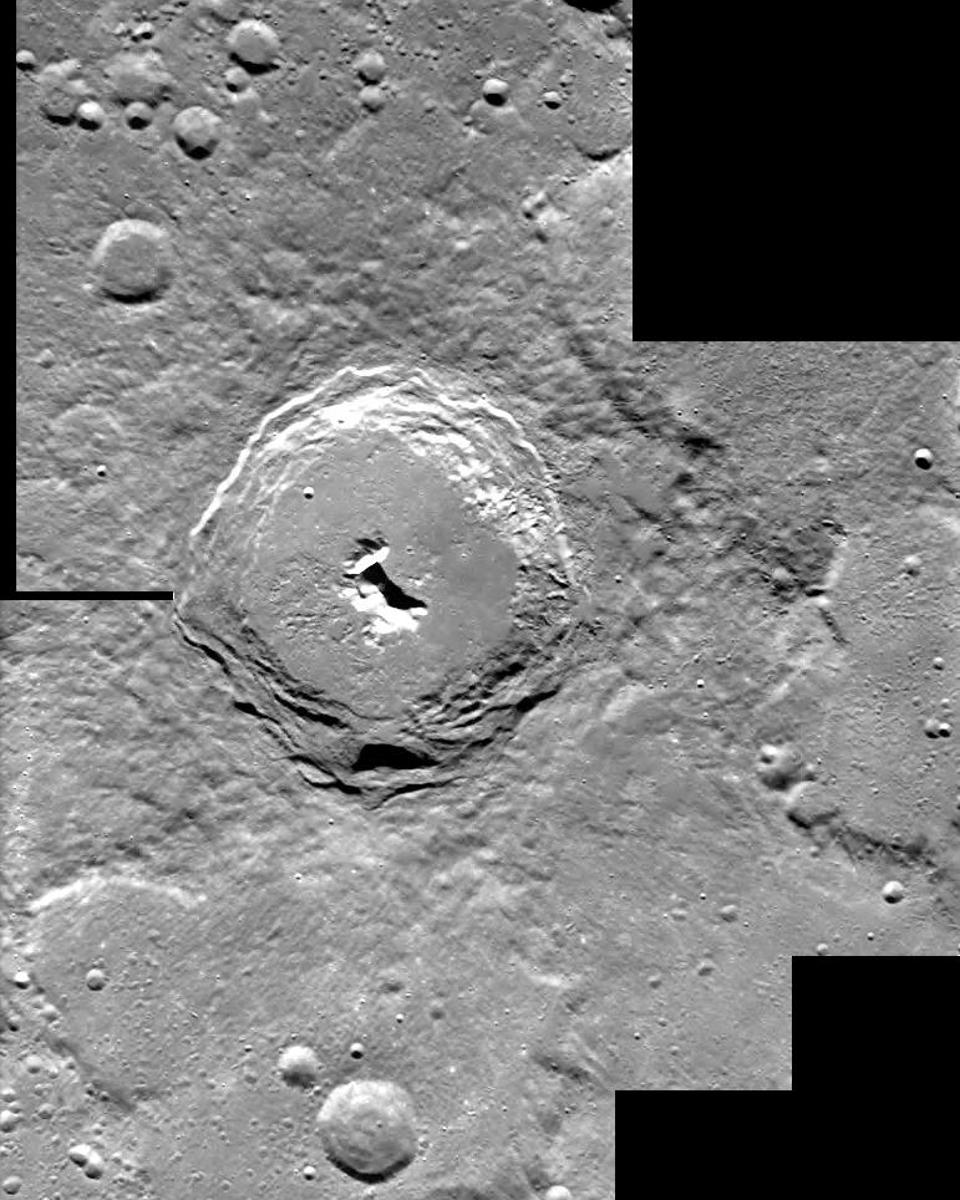
SMART-1: Pythagoras Crater
Stark shadows show off the central peaks and terraced walls of 120 kilometer wide Pythagoras Crater in this mosaic of images from ESA's SMART-1 spacecraft. Characteristic of…
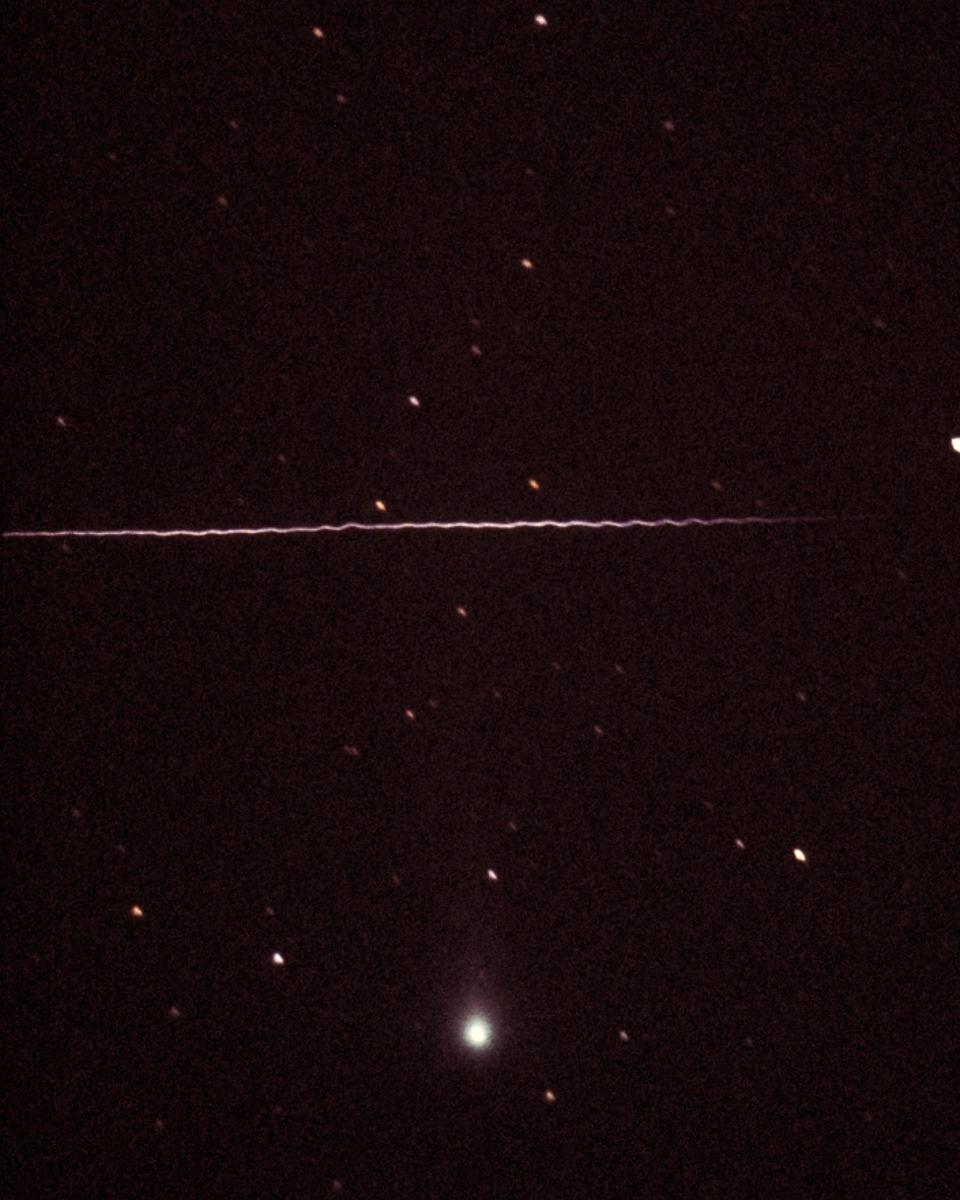
A Twisted Meteor Train
Did this meteor leave a twisting path? Evidently. Meteor trains that twist noticeably are rare - and even more rarely photographed - but have been noted before . The underlying…
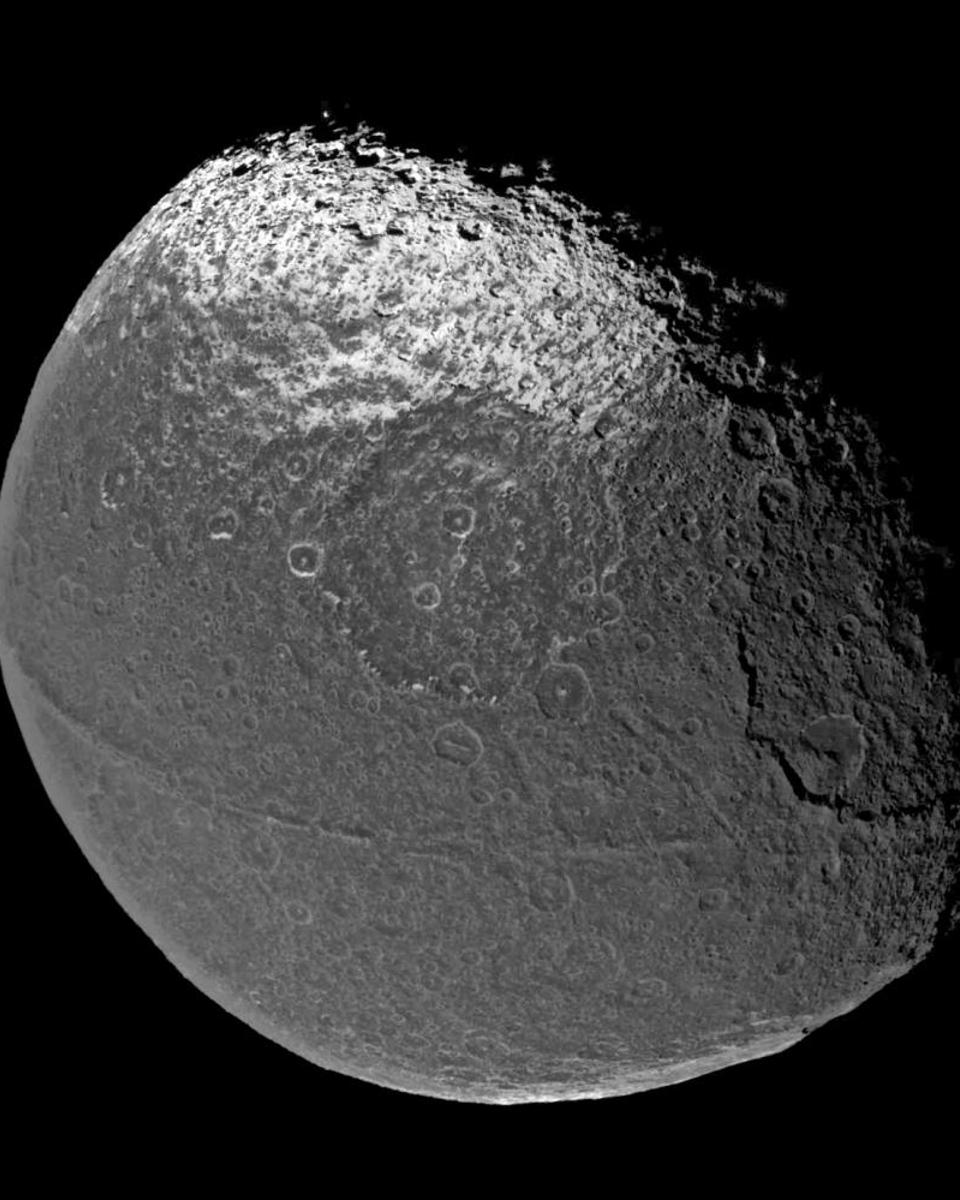
Saturn's Iapetus: Moon with a Strange Surface
What has happened to Saturn's moon Iapetus? A strange ridge crosses the moon near the equator, visible near the bottom of the above image, making Iapetus appear similar to the pit…
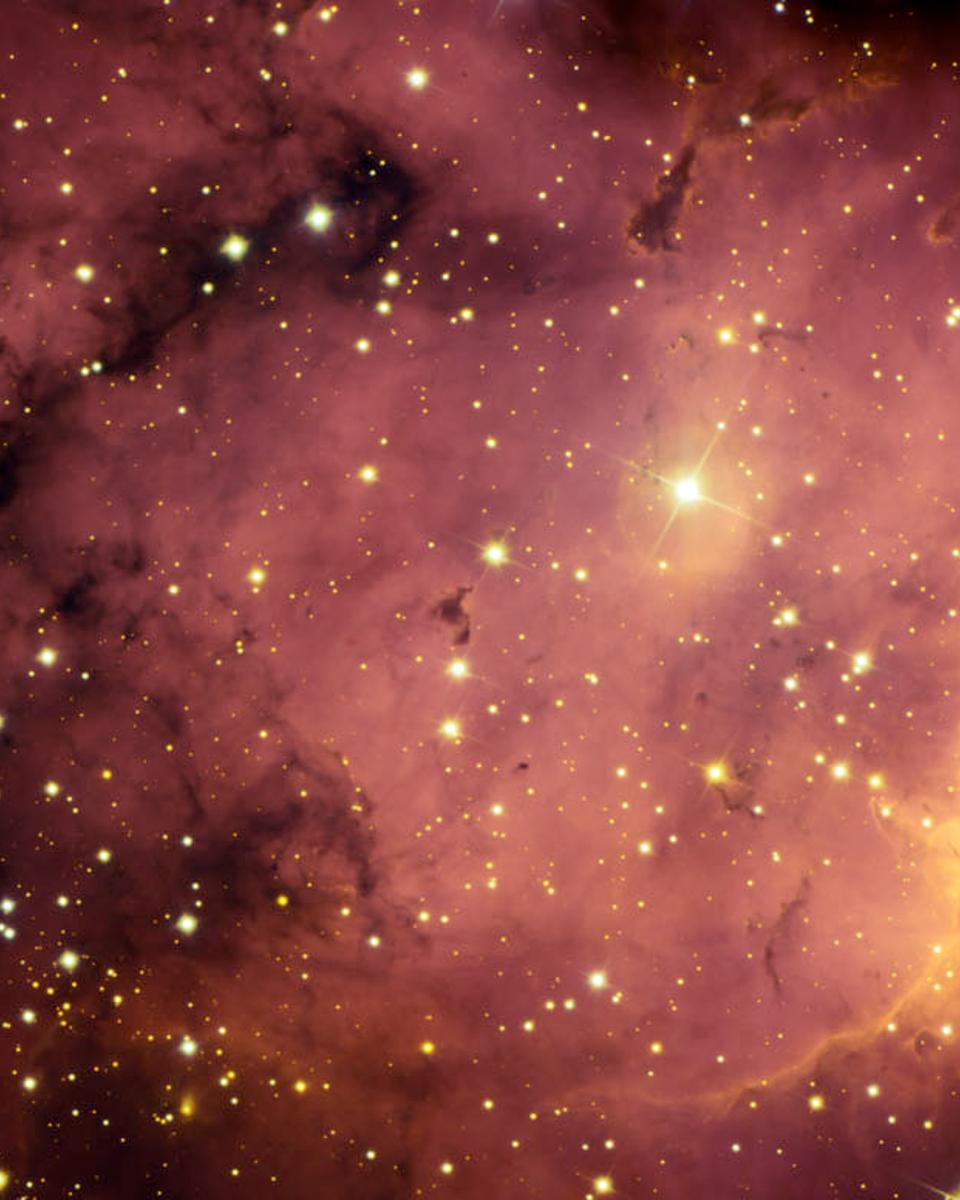
NGC 2467: From Gas to Stars
One might guess that the group of stars on the left is responsible for shaping the gas cloud on the right -- but it probably is not. Observations of many of the stars in the NGC…
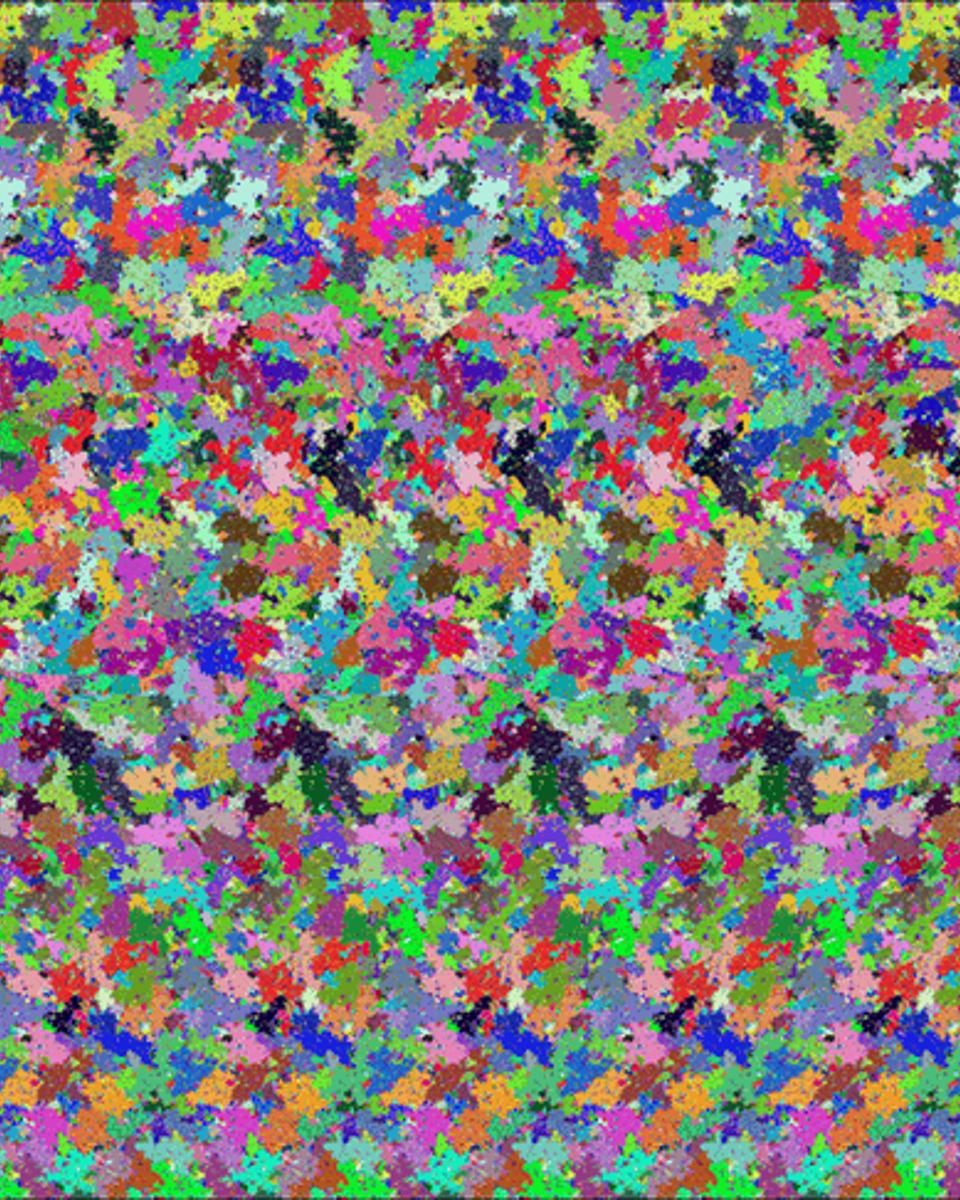
The Holographic Principle
Is this image worth a thousand words? According to the Holographic Principle , the most information you can get from this image is about 3 x 1065 bits for a normal sized computer…
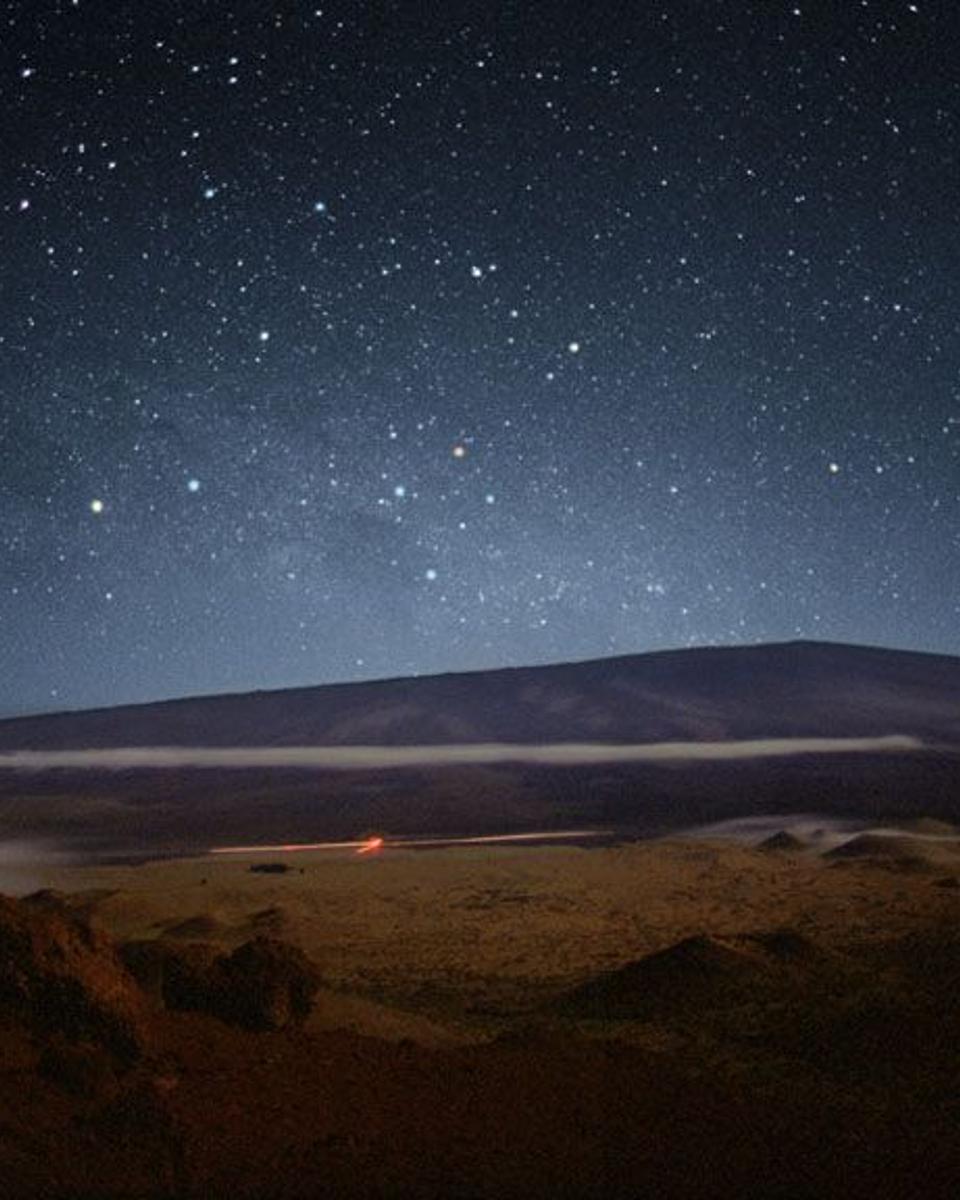
Southern Cross in Mauna Loa Skies
Gazing across this gorgeous skyscape, the Southern Cross and stars of the constellation Centaurus are seen above the outline of Mauna Loa (Long Mountain), planet Earth's largest…
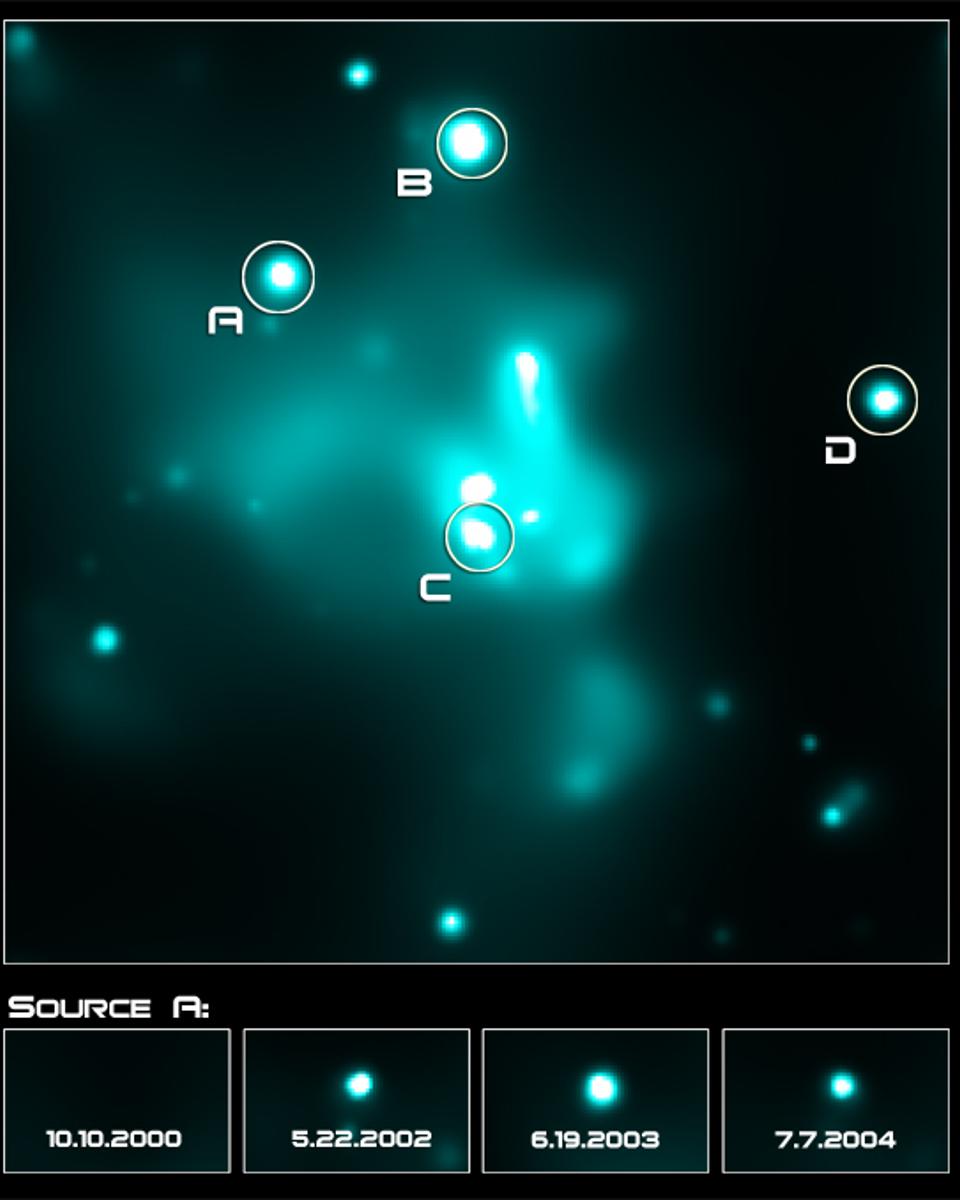
The Swarm
What do you call a group of black holes ... a flock, a brace, a swarm? Monitoring a region around the center of our Galaxy , astronomers have indeed found evidence for a…
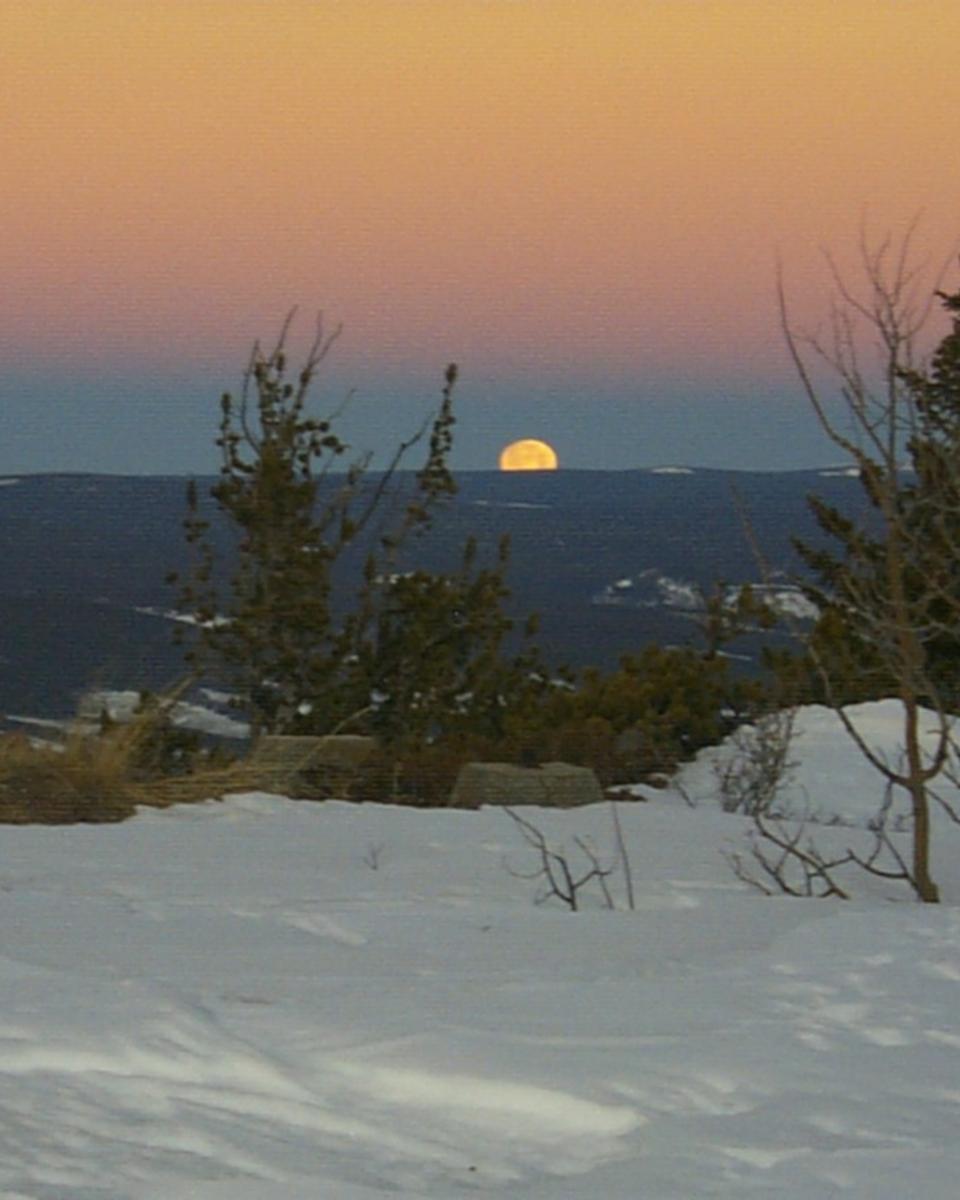
Shadow Set
A nearly full Moon and planet Earth's shadow set together in this scene captured Monday from snowy Mt. Jelm, home of the Wyoming Infrared Observatory . For early morning risers…
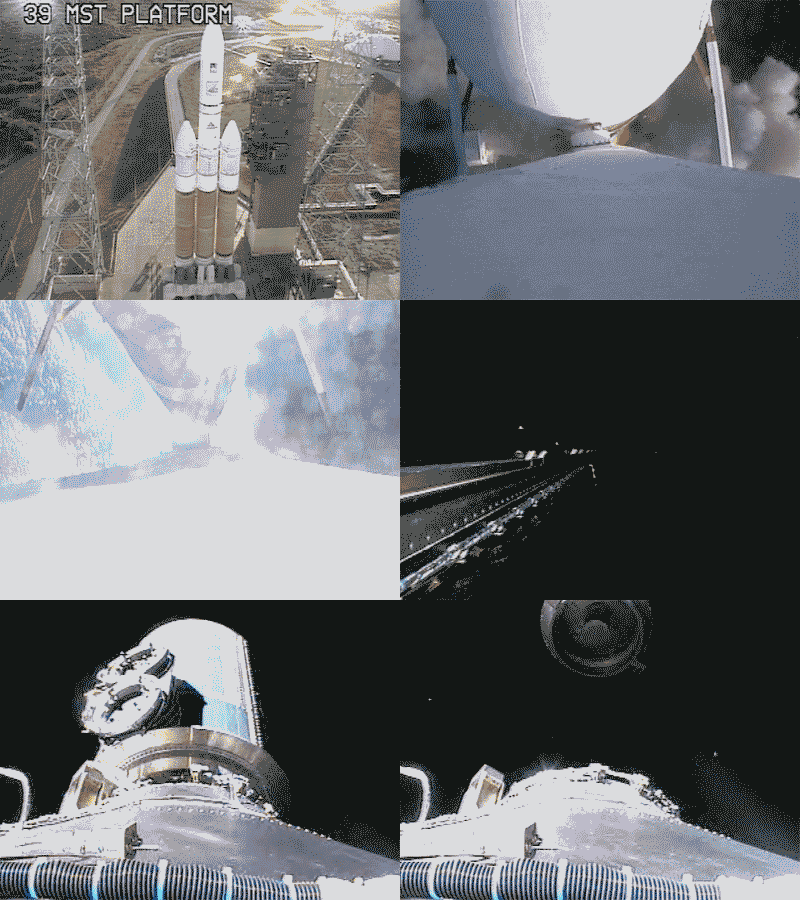
First Launch of the Delta IV Heavy
The new Delta IV Heavy Launch Vehicle is the largest rocket ever to be launched by the US Air Force . The Delta IV Heavy is capable of launching over 23,000 kilograms into low…
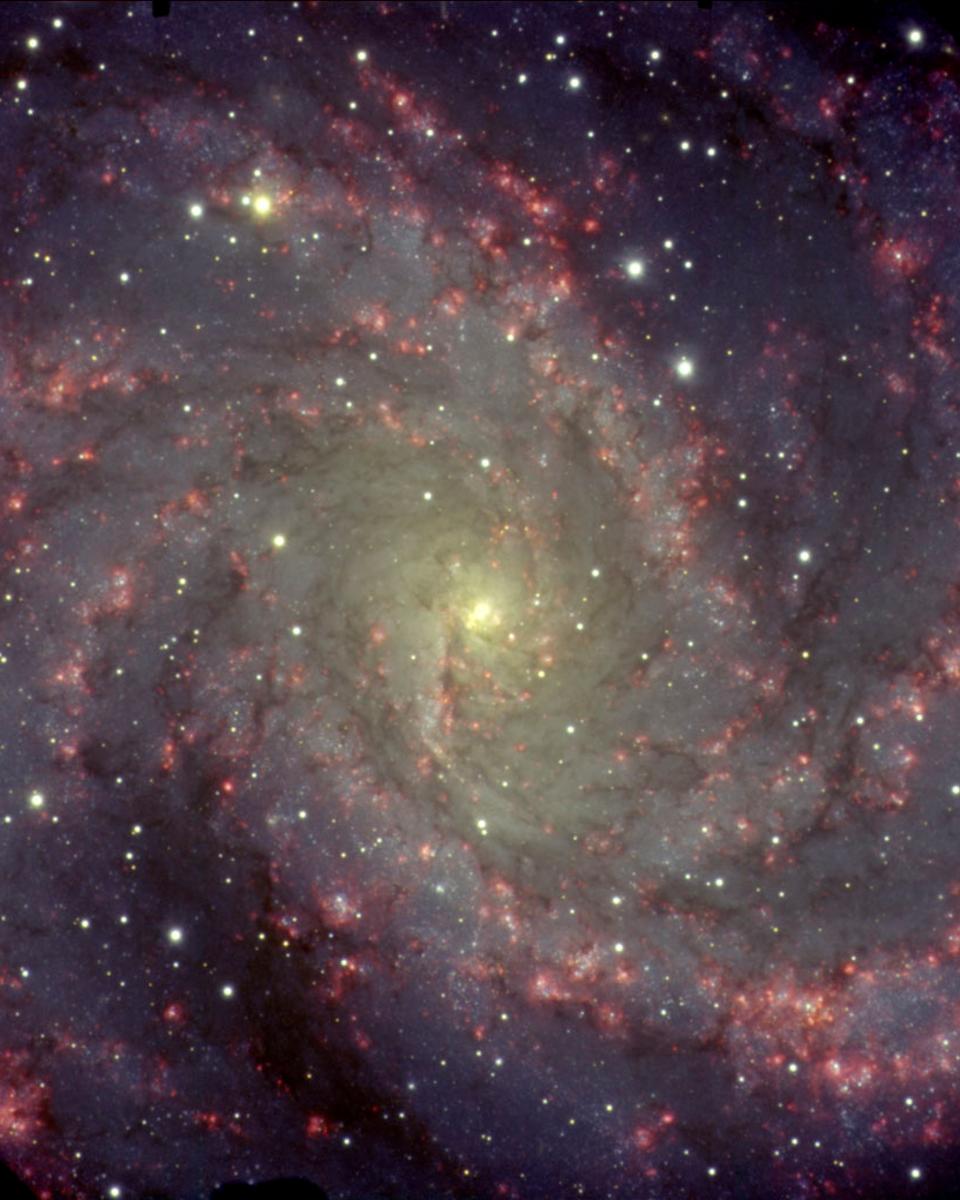
NGC 6946: The Fireworks Galaxy
Why is this galaxy so active? Nearby spiral galaxy NGC 6946 is undergoing a tremendous burst of star formation with no obvious cause. In many cases spirals light up when…
Viewing discoveries from 17 February 2005 through 25 January 2005.