Browse NASA Astronomy Picture of the Day archive by date and media: Archive Discoveries
Browse the NASA APOD archive without needing the exact date first. Filter by media type and keep moving deeper into older images and videos.
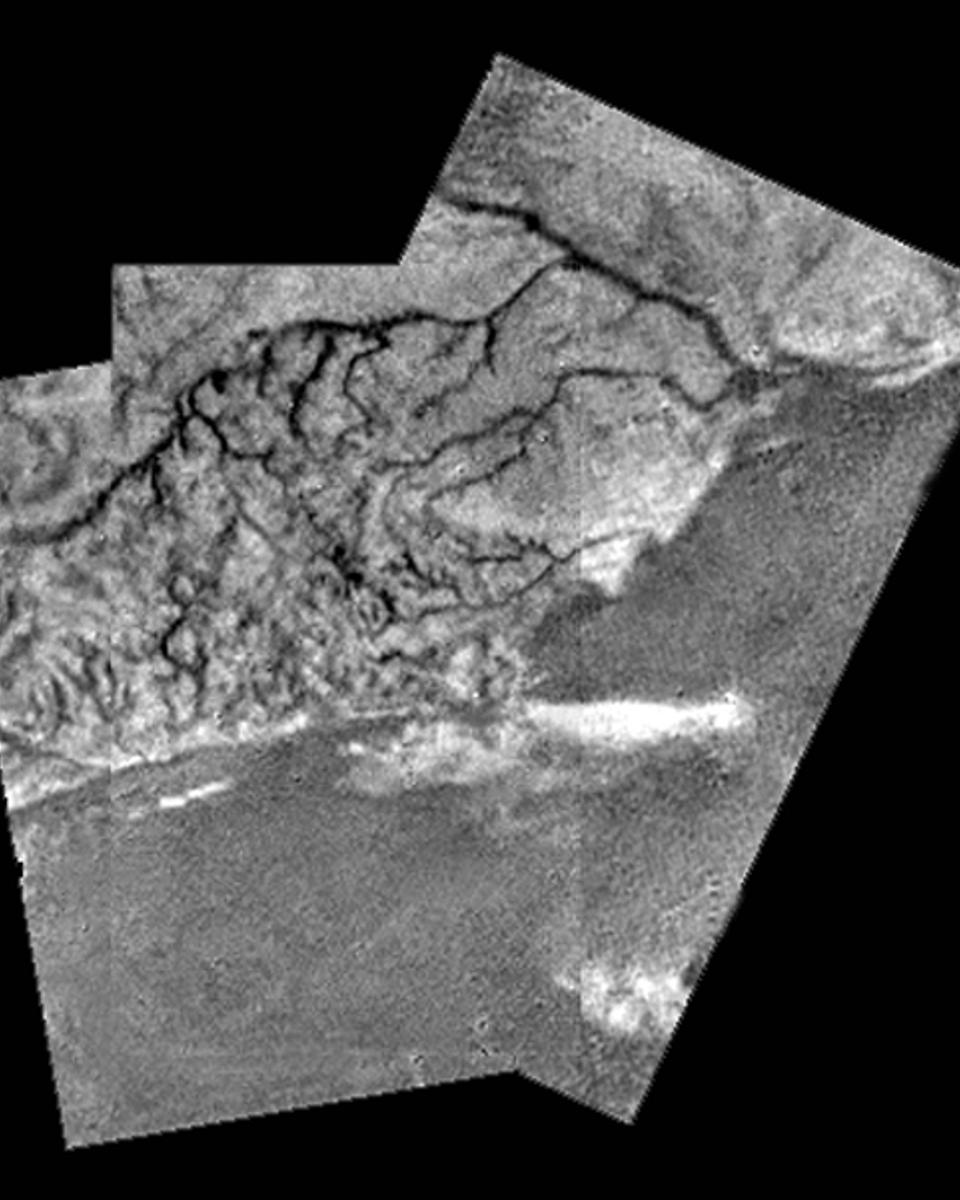
Riverbeds and Lakebeds Discovered on Saturn's Titan
Methane rain, evaporating lakes, flowing rivers, and water ice-volcanoes all likely exist on Saturn's moon Titan, according to preliminary analyses of recent images taken by the…
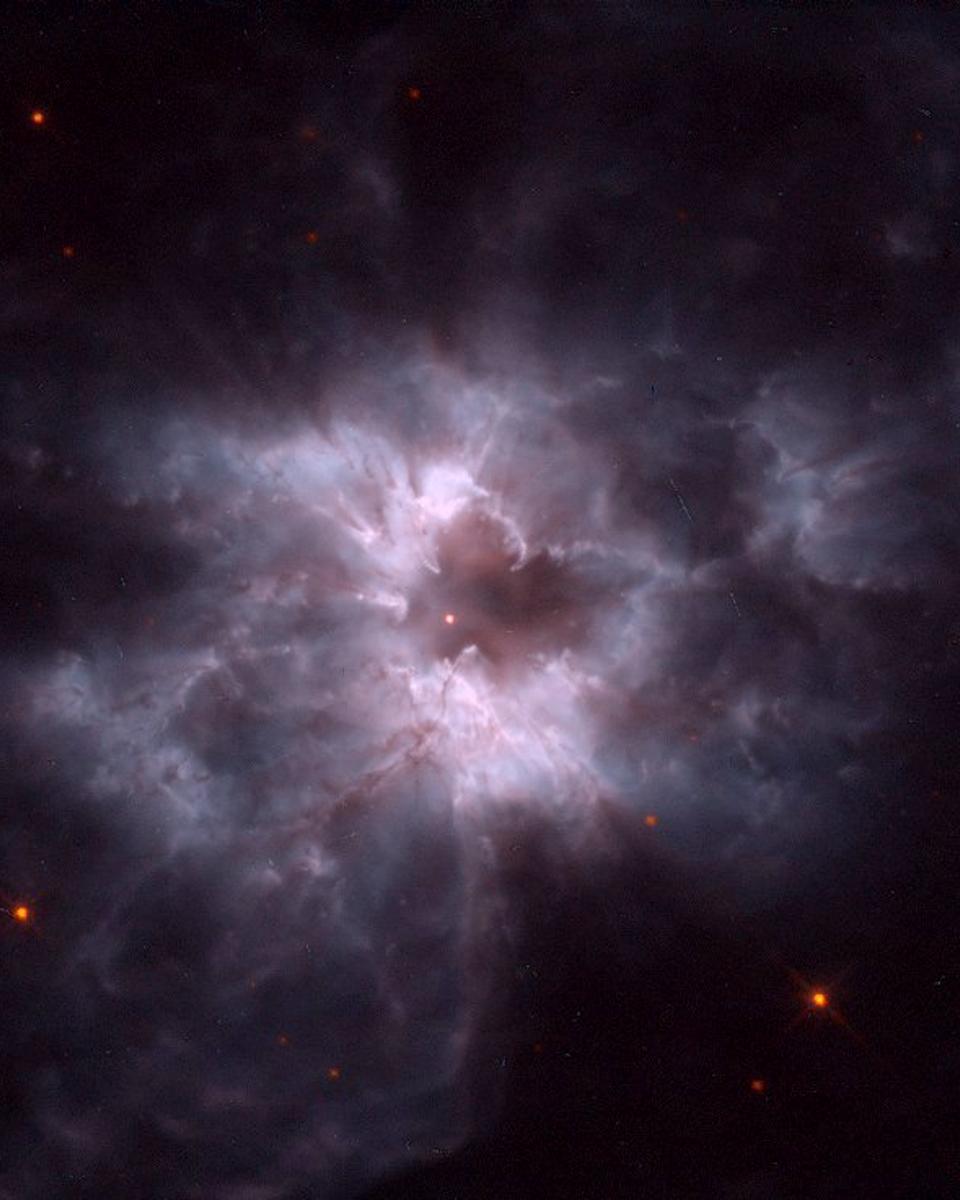
NGC 2440: Cocoon of a New White Dwarf
Like a butterfly , a white dwarf star begins its life by casting off a cocoon that enclosed its former self. In this analogy, however, the Sun would be a caterpillar and the…
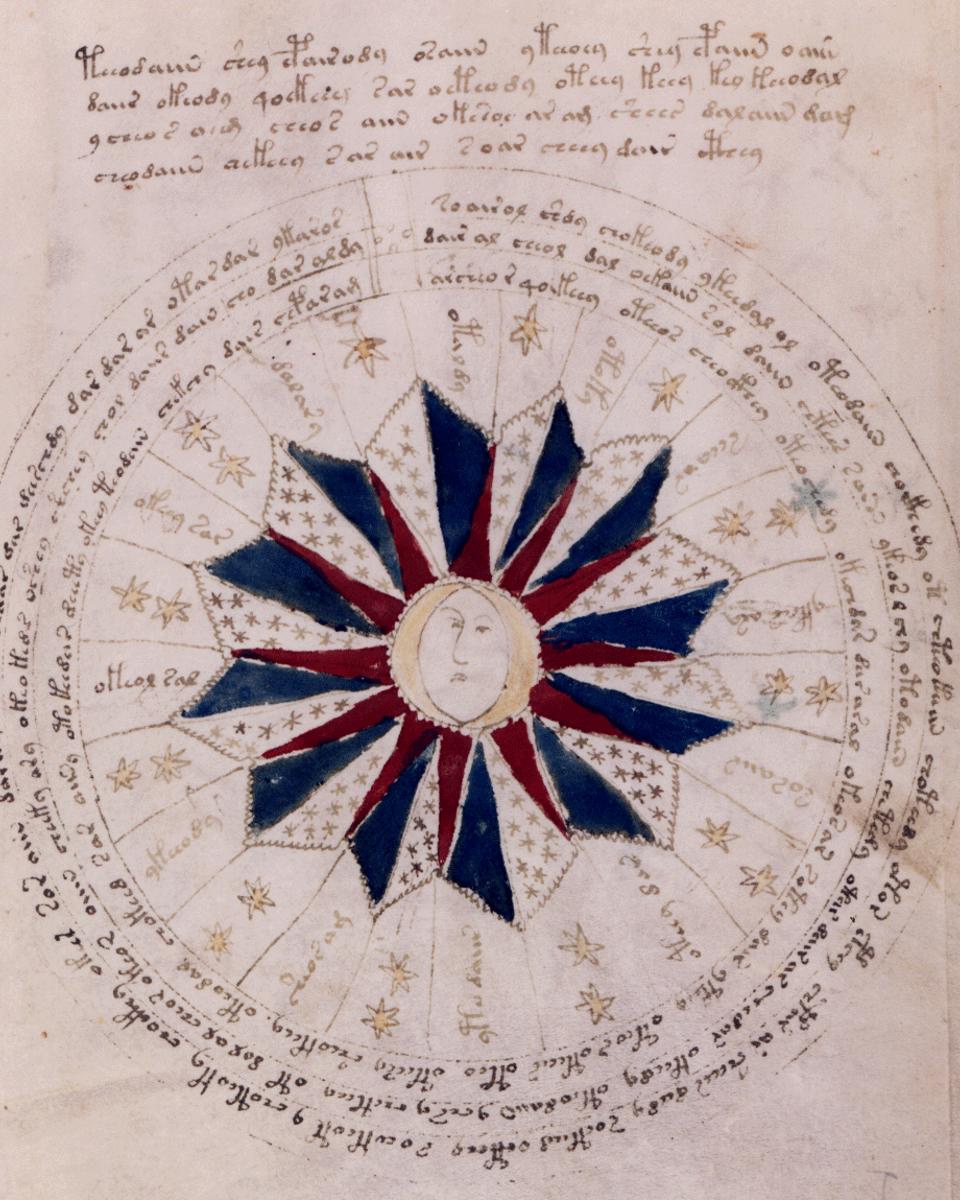
The Mysterious Voynich Manuscript
The ancient text has no known title, no known author, and is written in no known language: what does it say and why does it have many astronomy illustrations? The mysterious book…
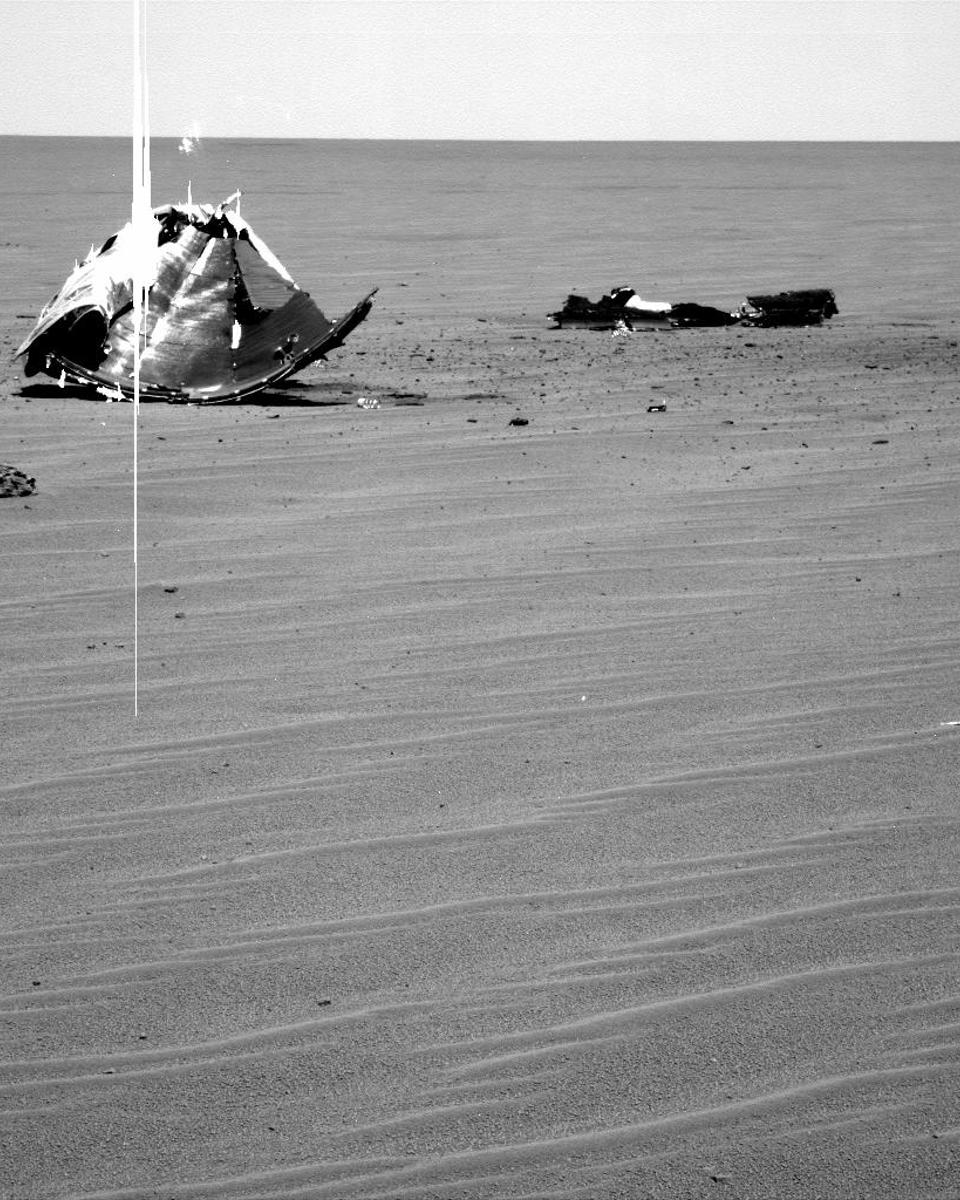
Metal on the Plains of Mars
What has the Opportunity rover found on Mars? While traversing a vast empty plain in Meridiani Planum , one of Earth's yearling rolling robots found a surprise when visiting the…
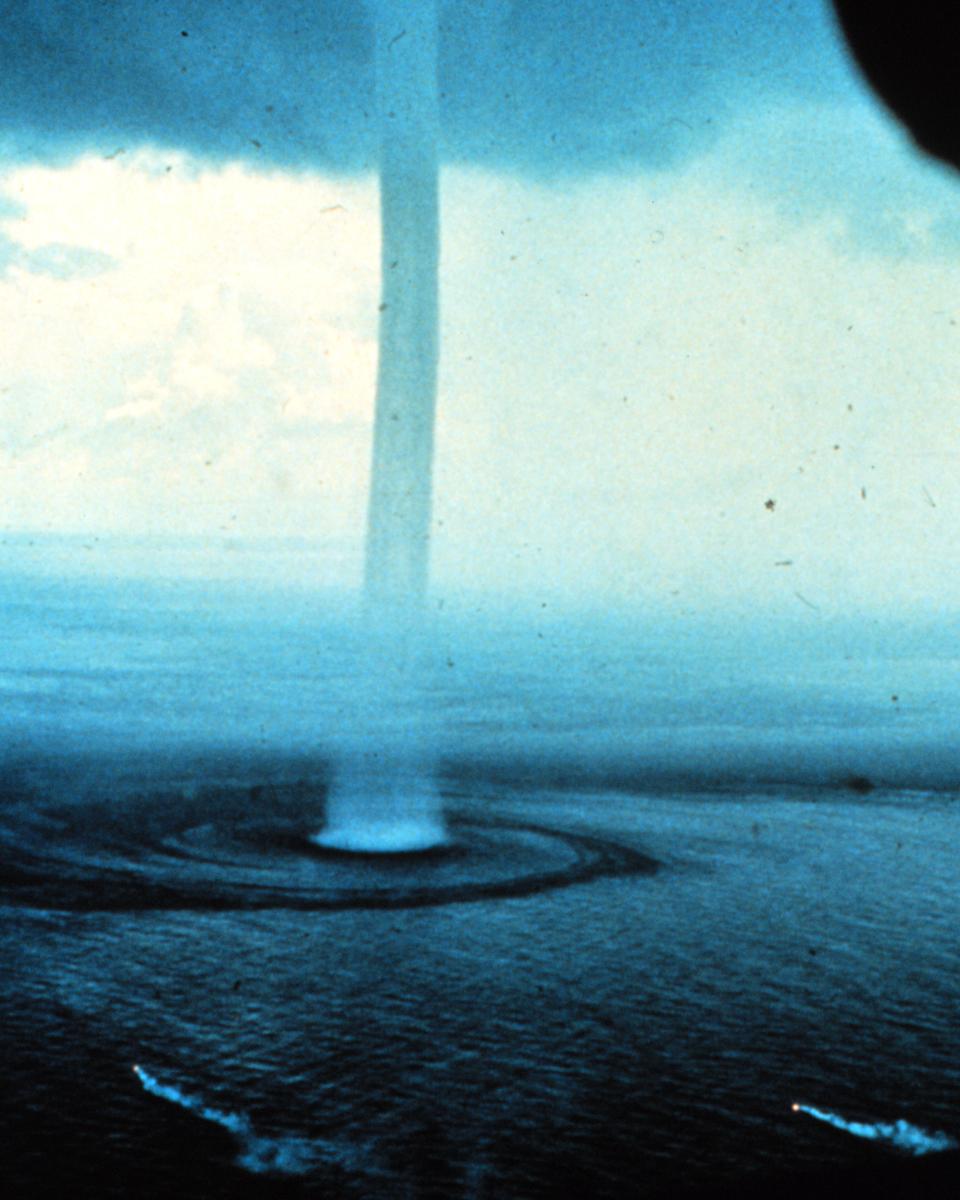
A Waterspout off the Florida Keys
What's happening over the water? Pictured above is one of the better images yet recorded of a waterspout , a type of tornado that occurs over water. Waterspouts are spinning…
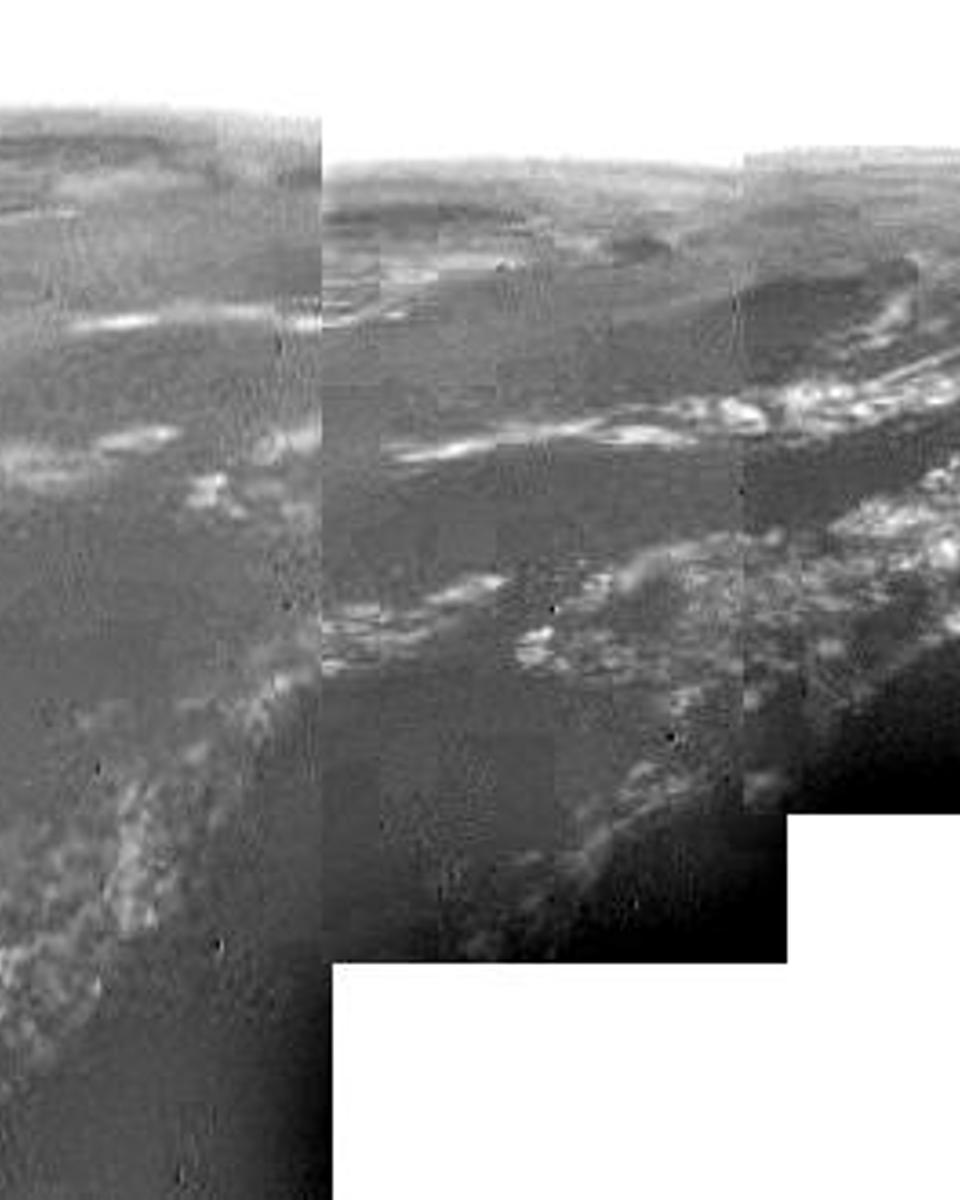
Eight Kilometers Above Titan
What are these surface features on Titan? Scroll right to see the panoramic view captured last week by the Huygens probe as it descended toward Saturn 's mysterious moon .…
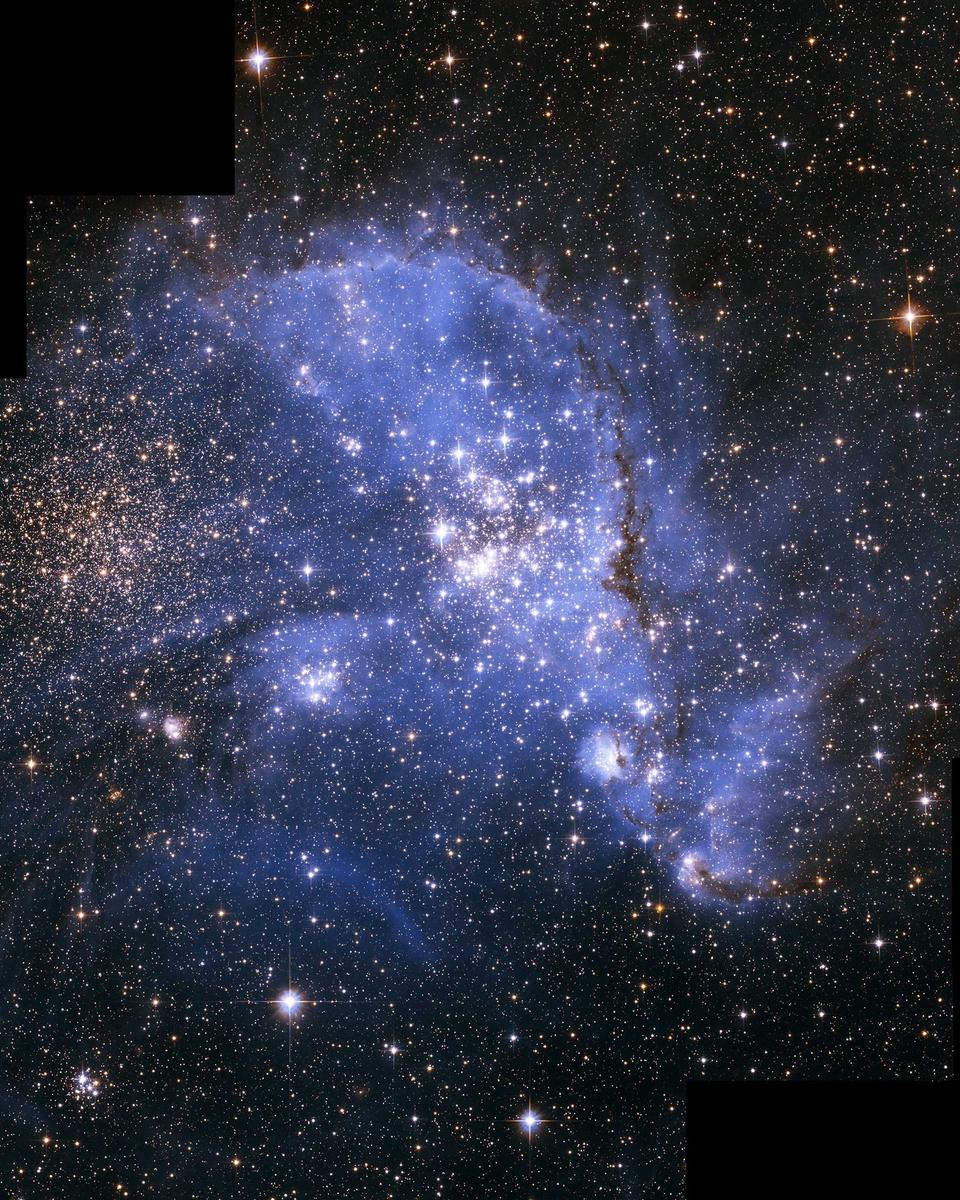
NGC 346 in the Small Magellanic Cloud
A satellite galaxy of the Milky Way, the Small Magellanic Cloud ( SMC ) is a wonder of the southern sky, a mere 210,000 light-years distant in the constellation Tucana . Found…
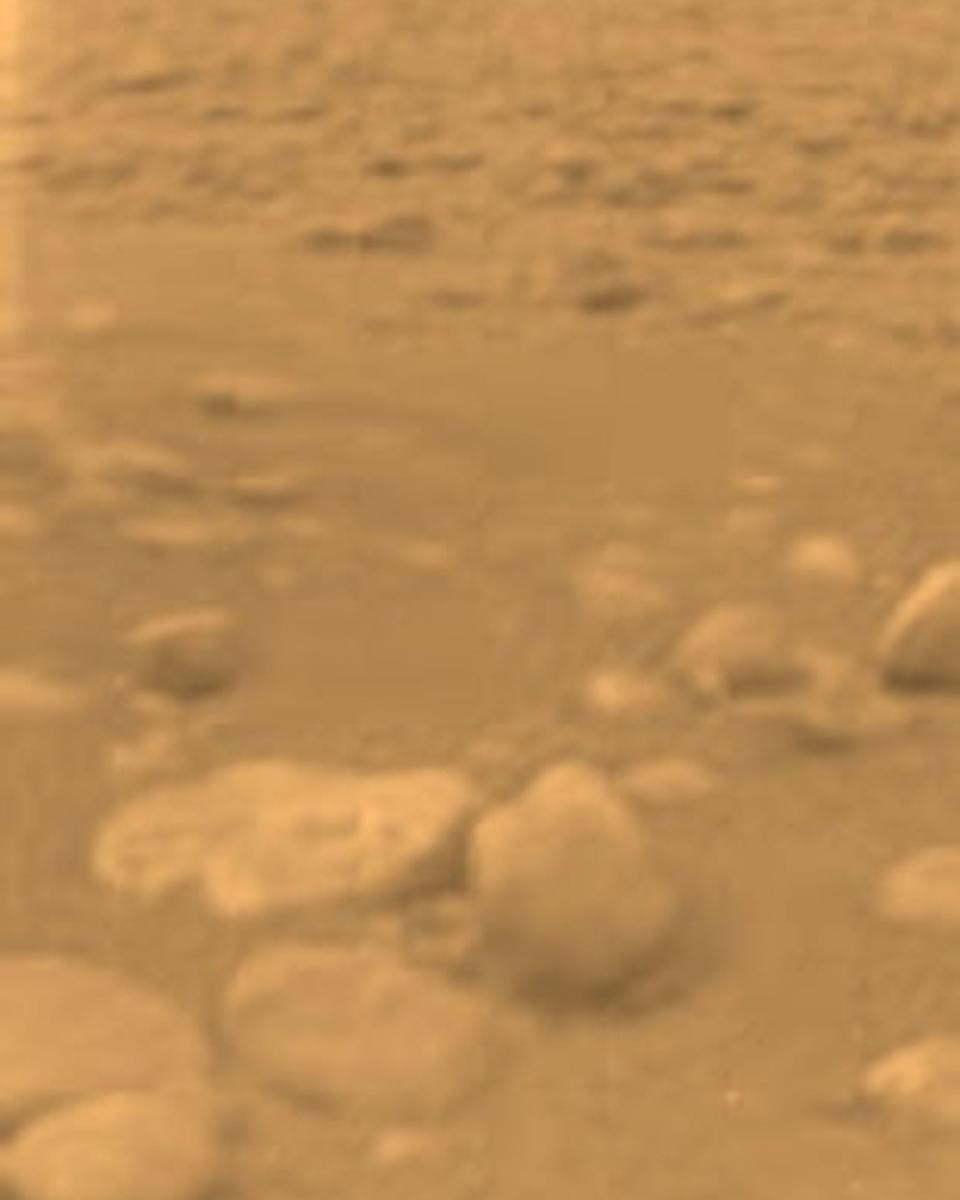
Titan Landscape
This color view from Titan gazes across a suddenly familiar but distant landscape on Saturn's largest moon . The scene was recorded by ESA's Huygens probe after a 2 1/2 hour…
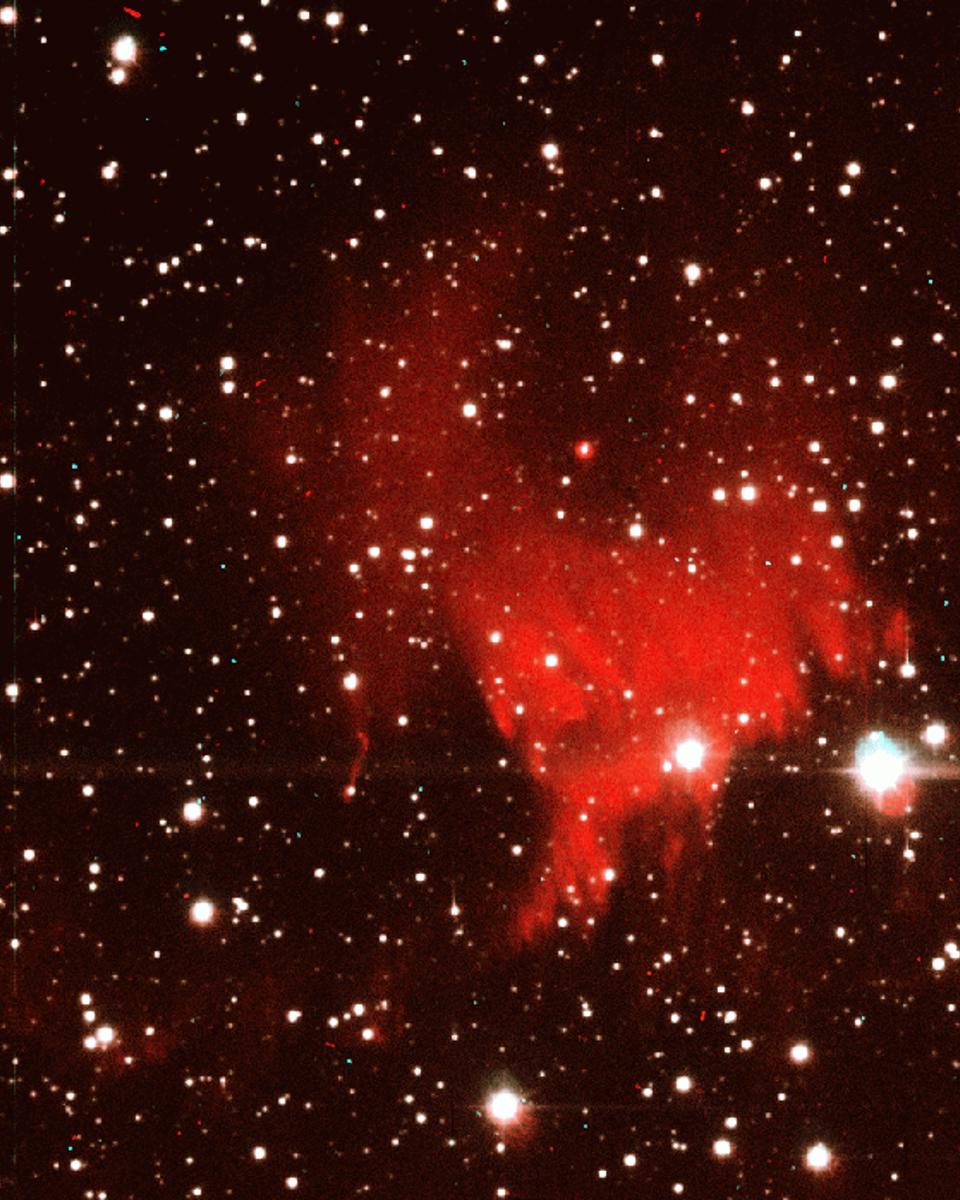
Nebula Nova Cygni Turns On
Old photographs show no evidence of the above nebula. In 1992, a white dwarf star toward the constellation of Cygnus blew off its outer layers in a classical nova explosion: an…
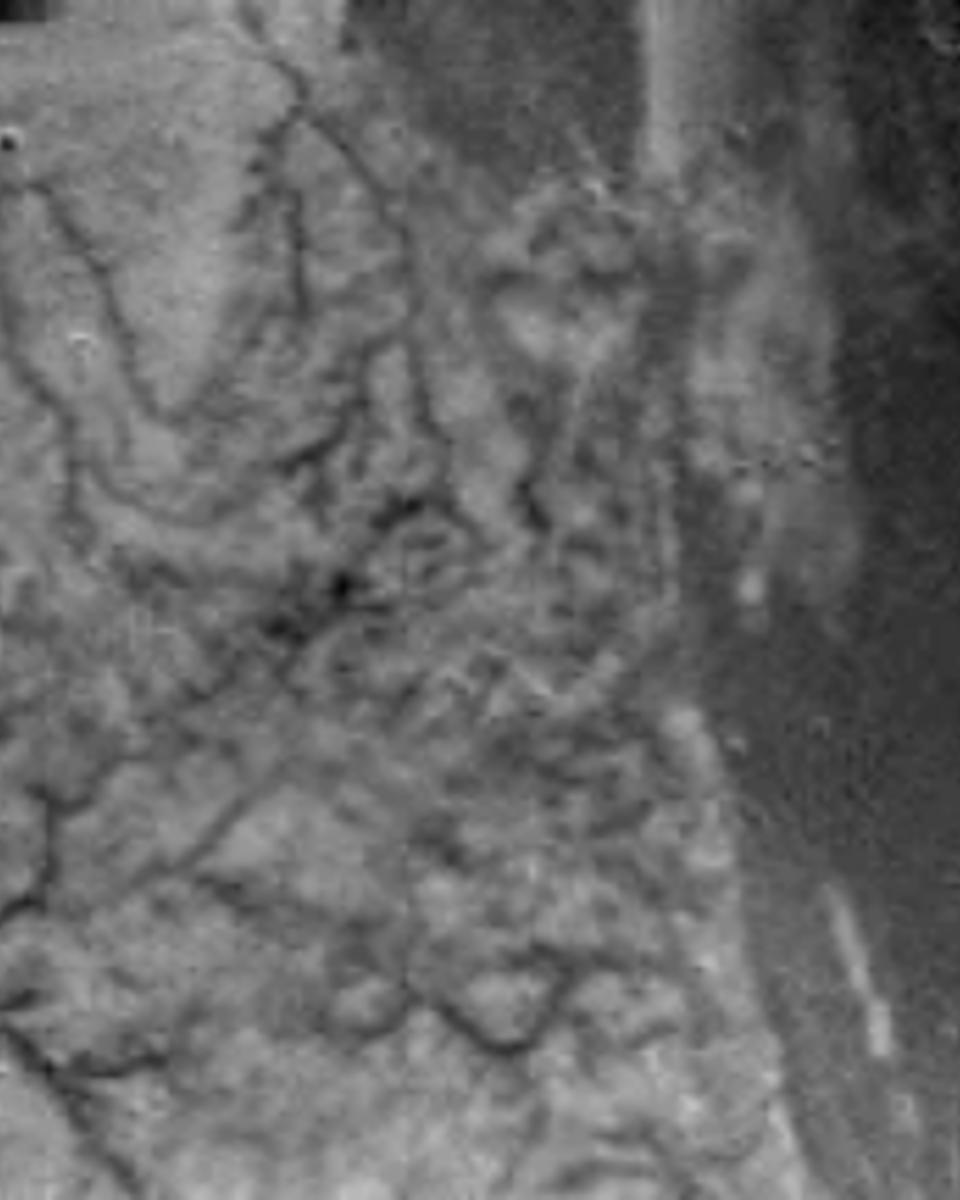
Huygens Images Titan's Surface
After a seven year interplanetary voyage on board the the Cassini spacecraft, the European Space Agency's Huygens probe parachuted to a historic landing on Saturn's moon Titan on…
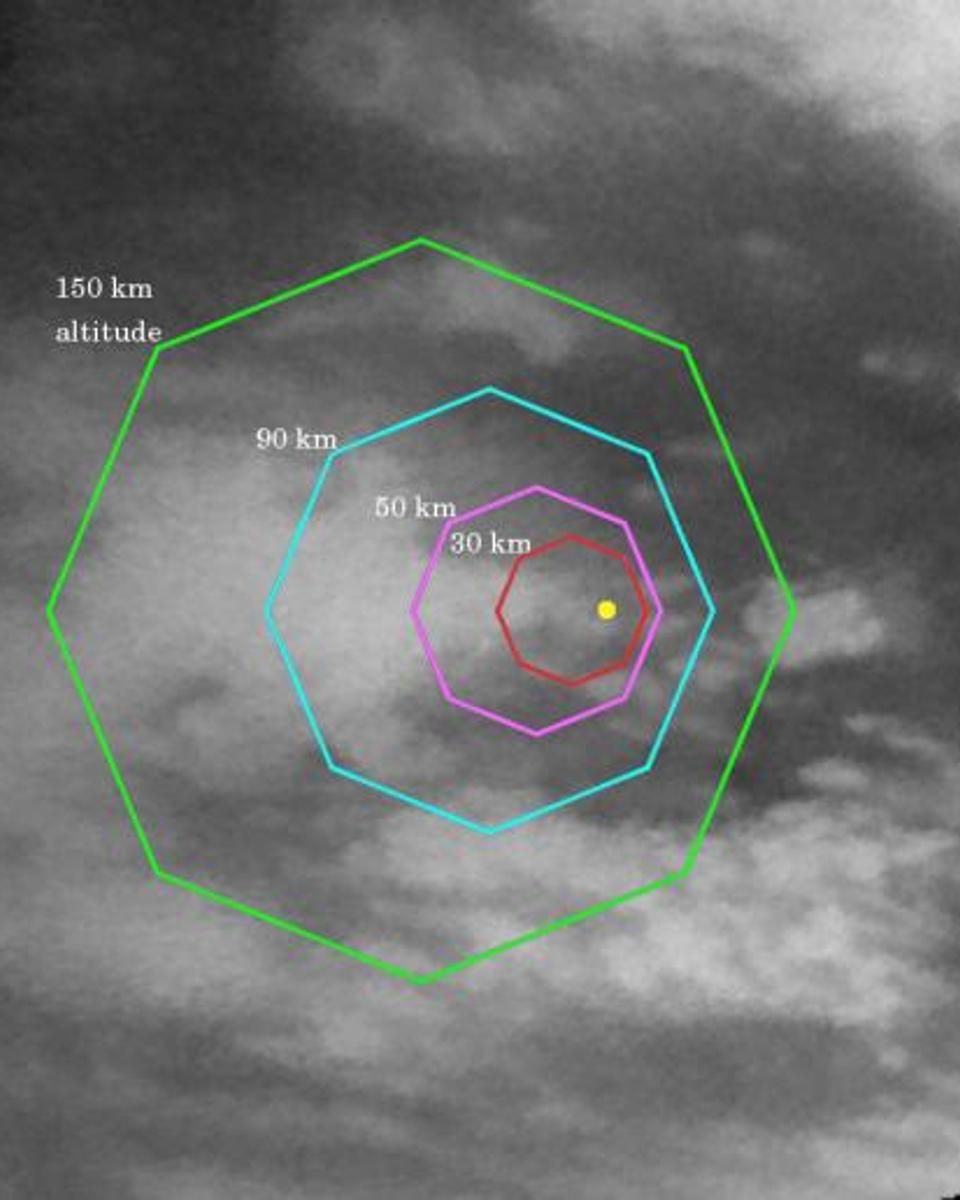
Descent to Titan
Today's descent to the surface of Titan by the European Space Agency's Huygens probe was the most distant landing ever by a spacecraft from Earth. At 10:13 UT (5:13am EST, 11:13…
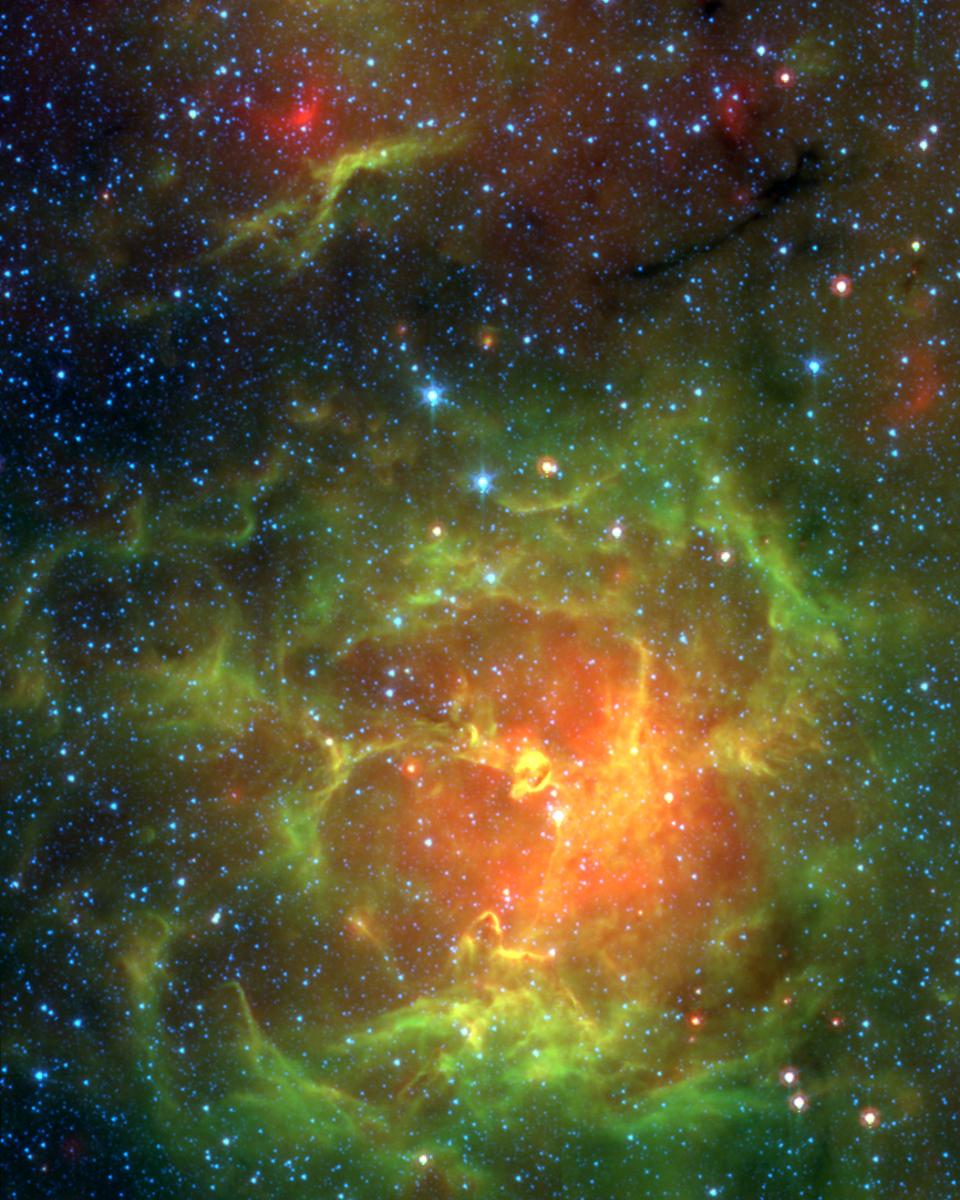
Infrared Trifid
The Trifid Nebula, aka M20 , is easy to find with a small telescope, a well known stop in the nebula rich constellation Sagittarius . But where visible light pictures show the…
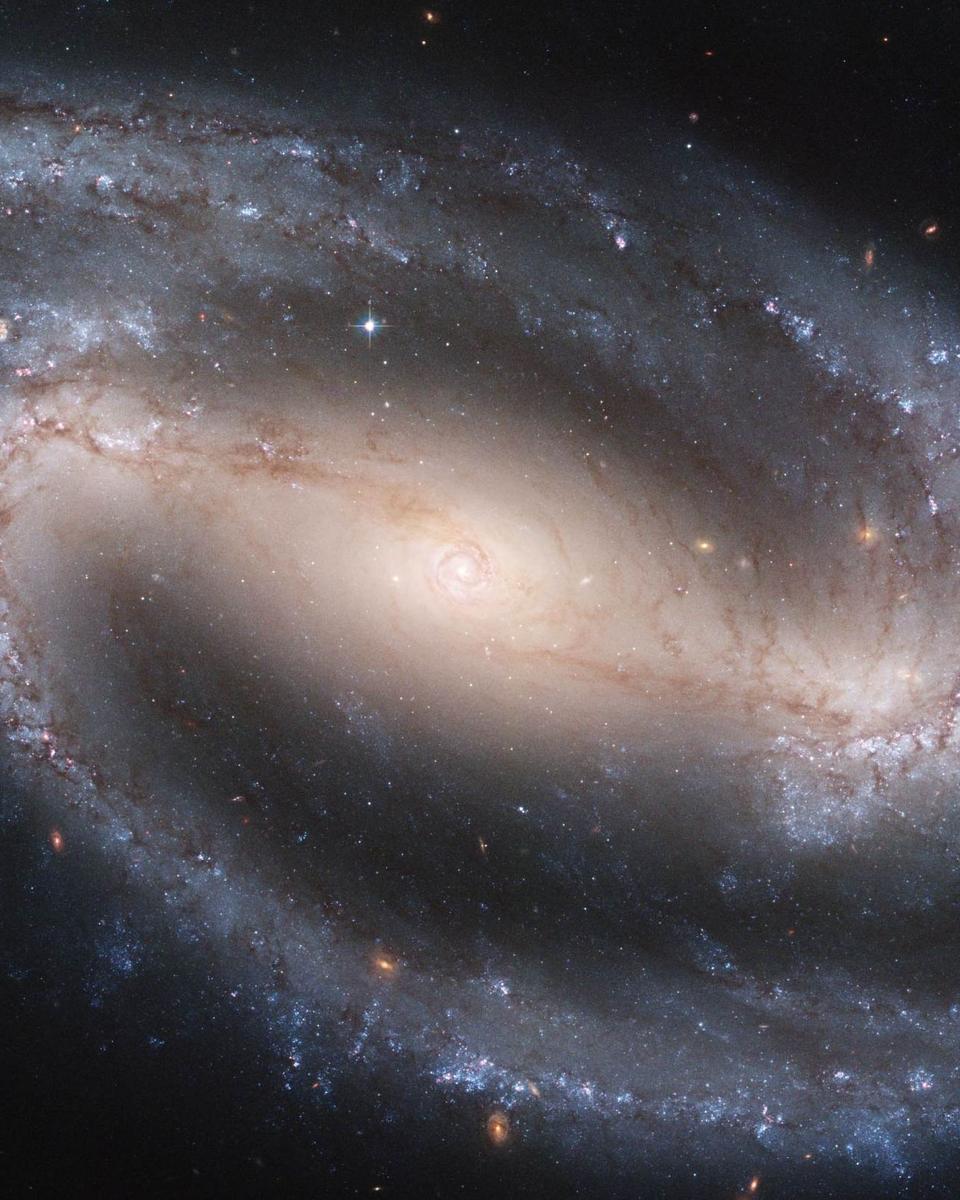
Barred Spiral Galaxy NGC 1300
Big, beautiful, barred spiral galaxy NGC 1300 lies some 70 million light-years away on the banks of the constellation Eridanus . This Hubble Space Telescope composite view of the…
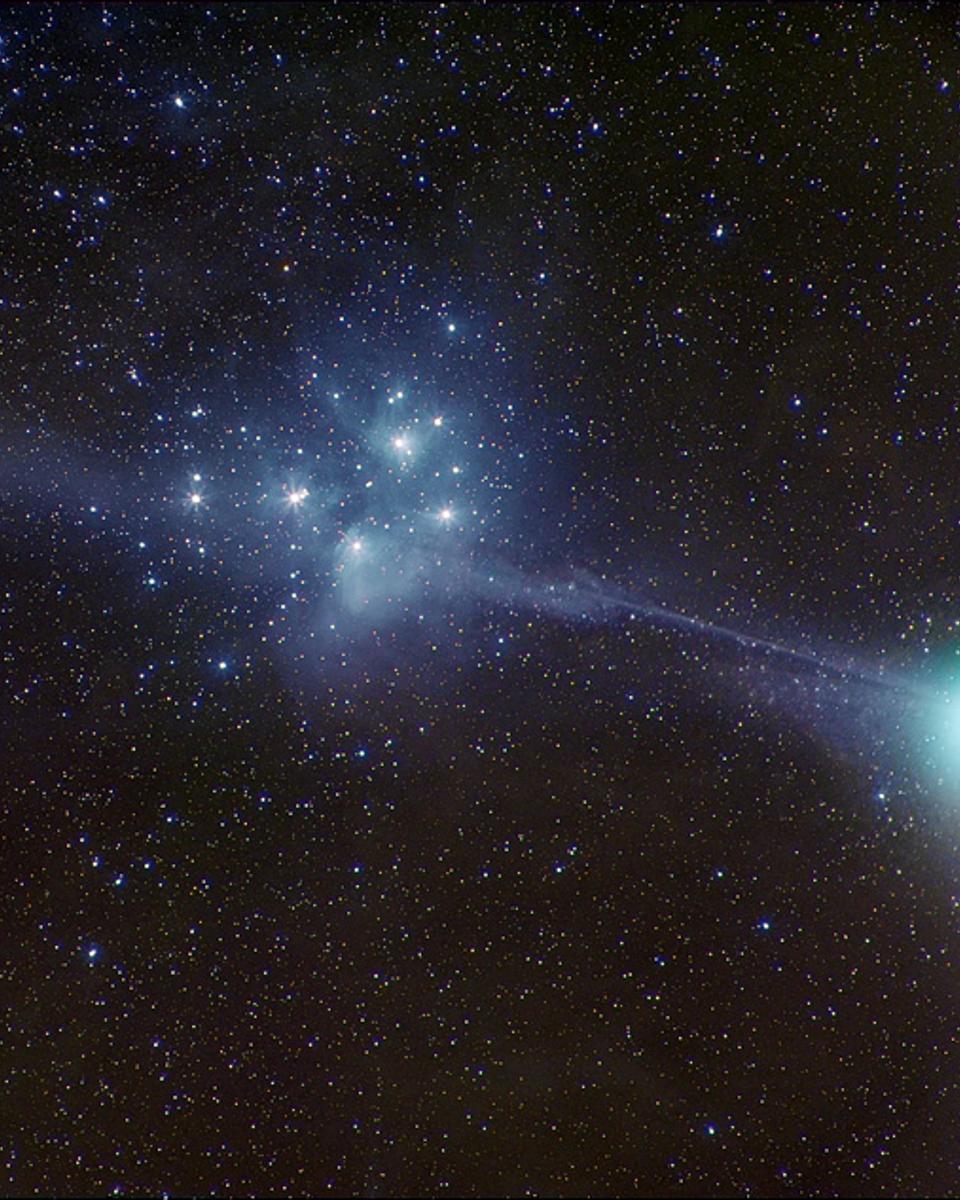
Machholz Meets the Pleiades
Sweeping northward in planet Earth's sky, comet Machholz extended its long ion tail with the Pleiades star cluster in the background on January 7th. This stunning view , recorded…
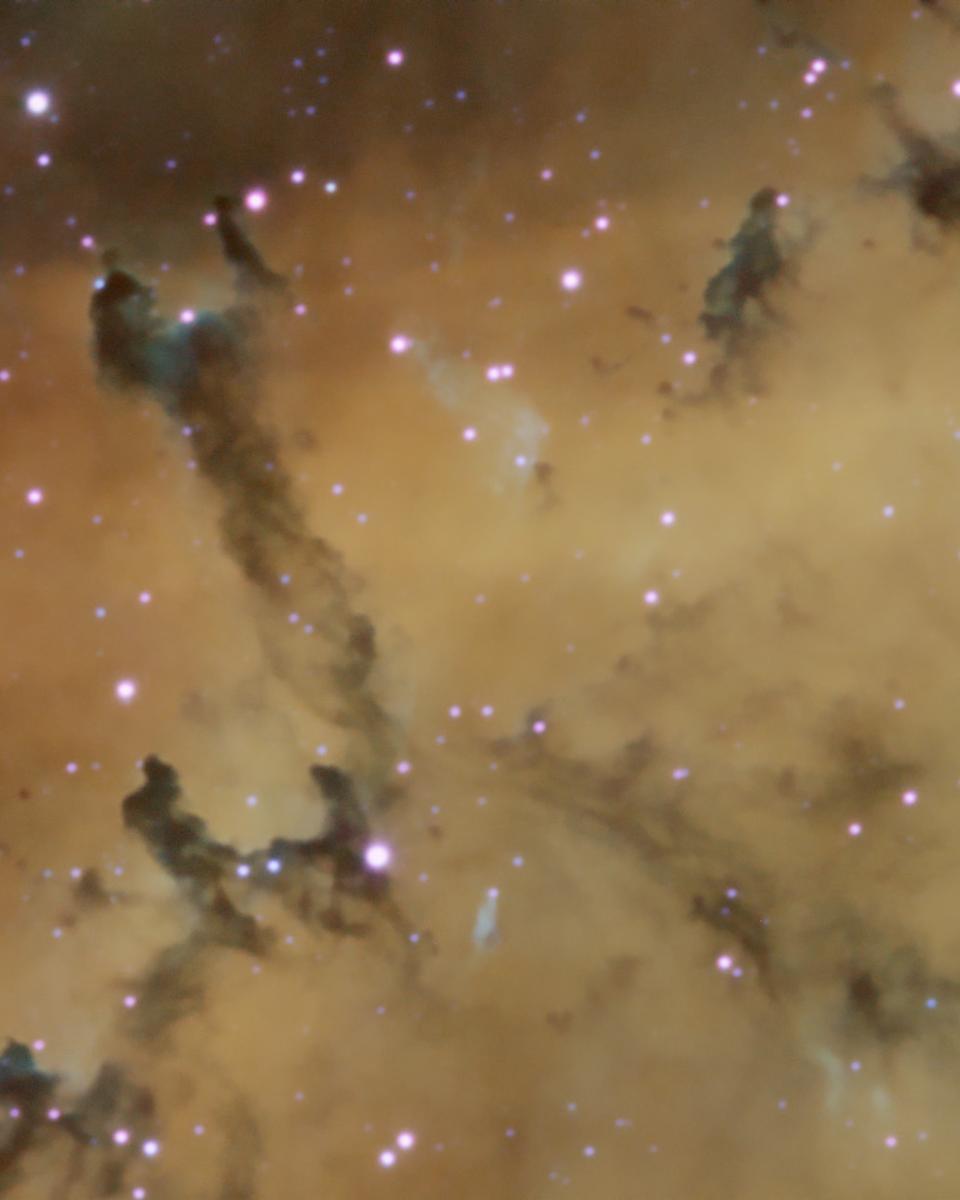
Dust Sculptures in the Rosette Nebula
What creates the cosmic dust sculptures in the Rosette Nebula? Noted for the common beauty of its overall shape , parts of the Rosette Nebula , also known as NGC 2244, show beauty…

Jupiter's Rings Revealed
Why does Jupiter have rings? Jupiter's rings were discovered in 1979 by the passing Voyager 1 spacecraft , but their origin was a mystery. Data from the Galileo spacecraft that…
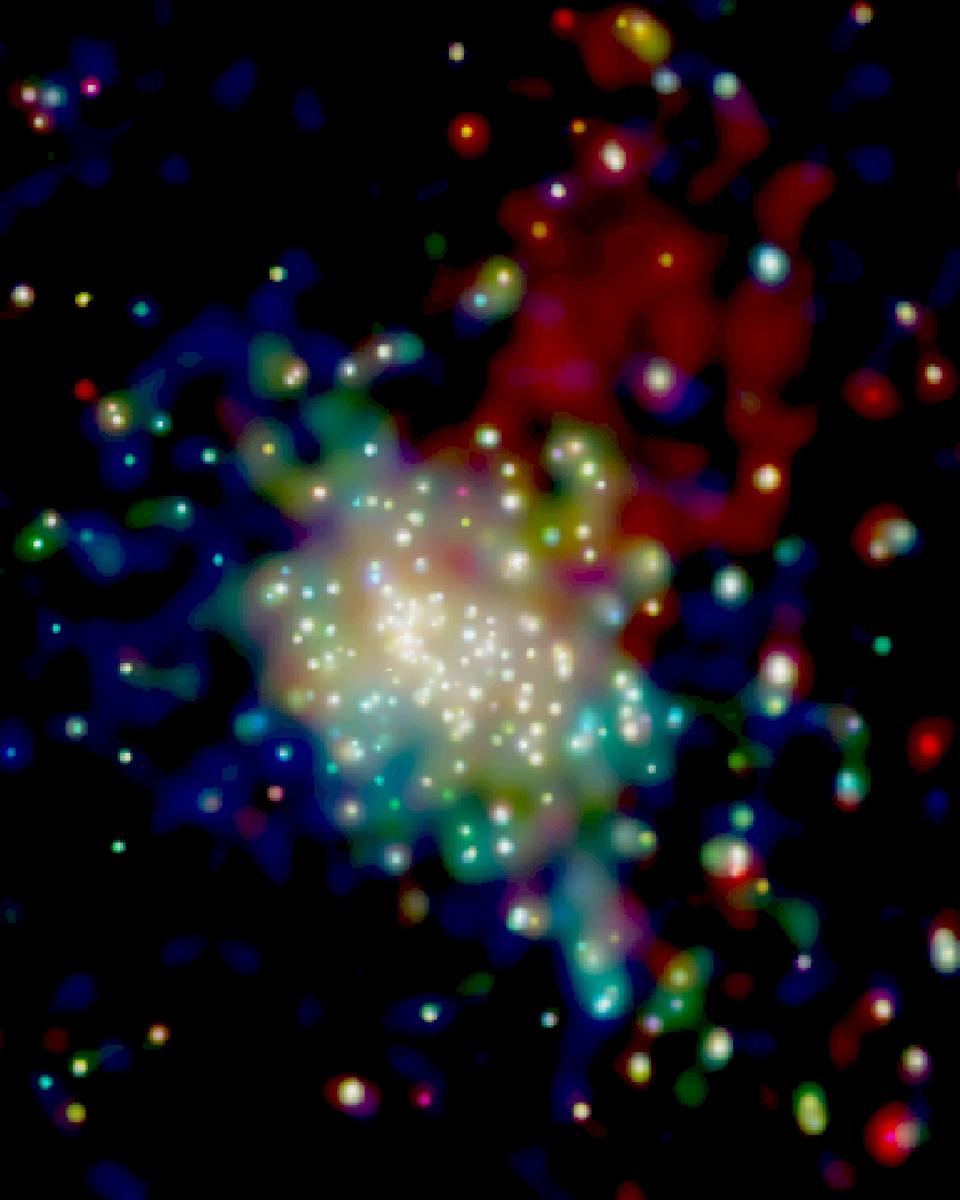
X-Ray Mystery in RCW 38
A mere 6,000 light-years distant and sailing through the constellation Vela , star cluster RCW 38 is full of powerful stars. It's no surprise that these stars, only a million…
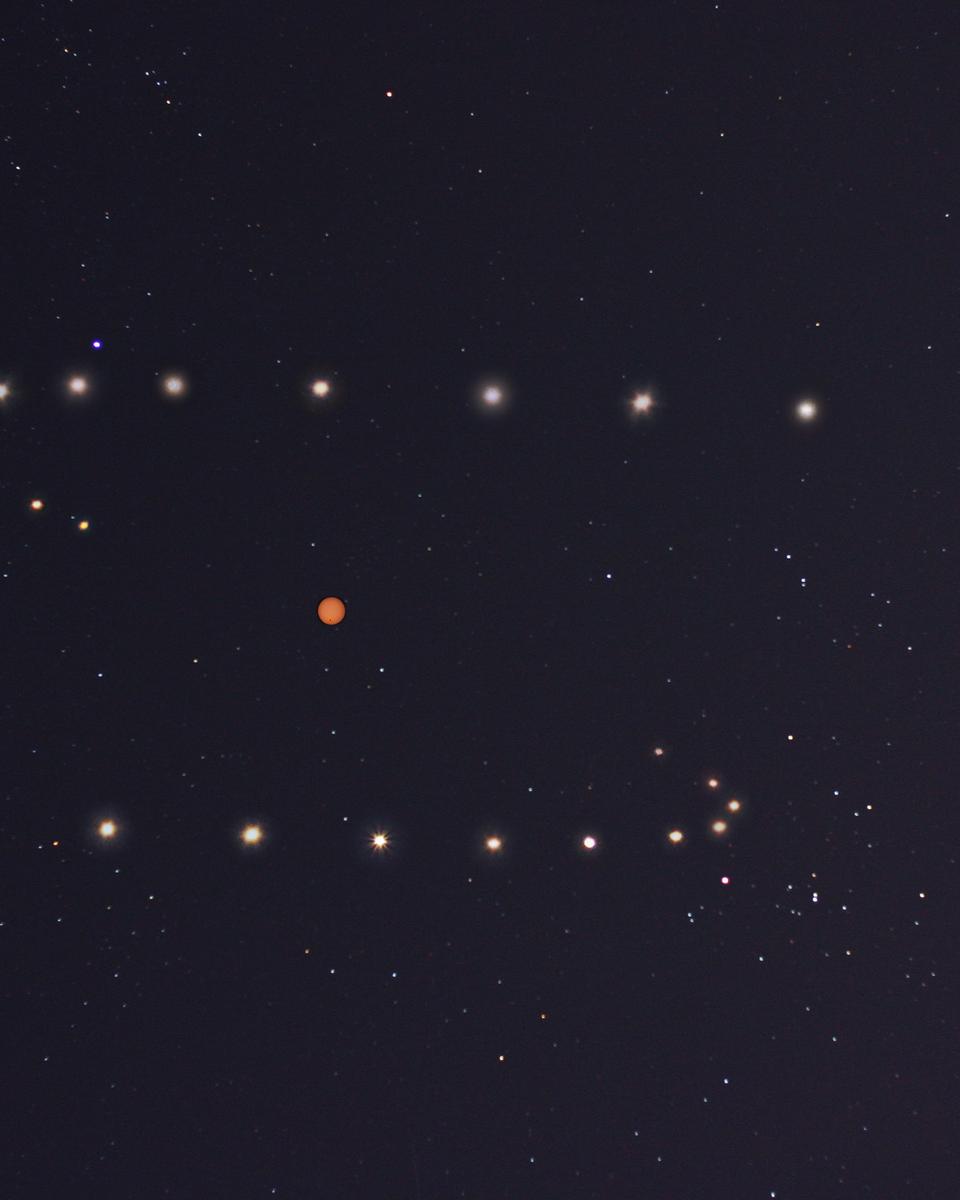
S is for Venus
Planet Venus traced out this S shape in Earth's sky during 2004. Following the second planet from the Sun in a series of 29 images recorded from April 3rd through August 7th (top…
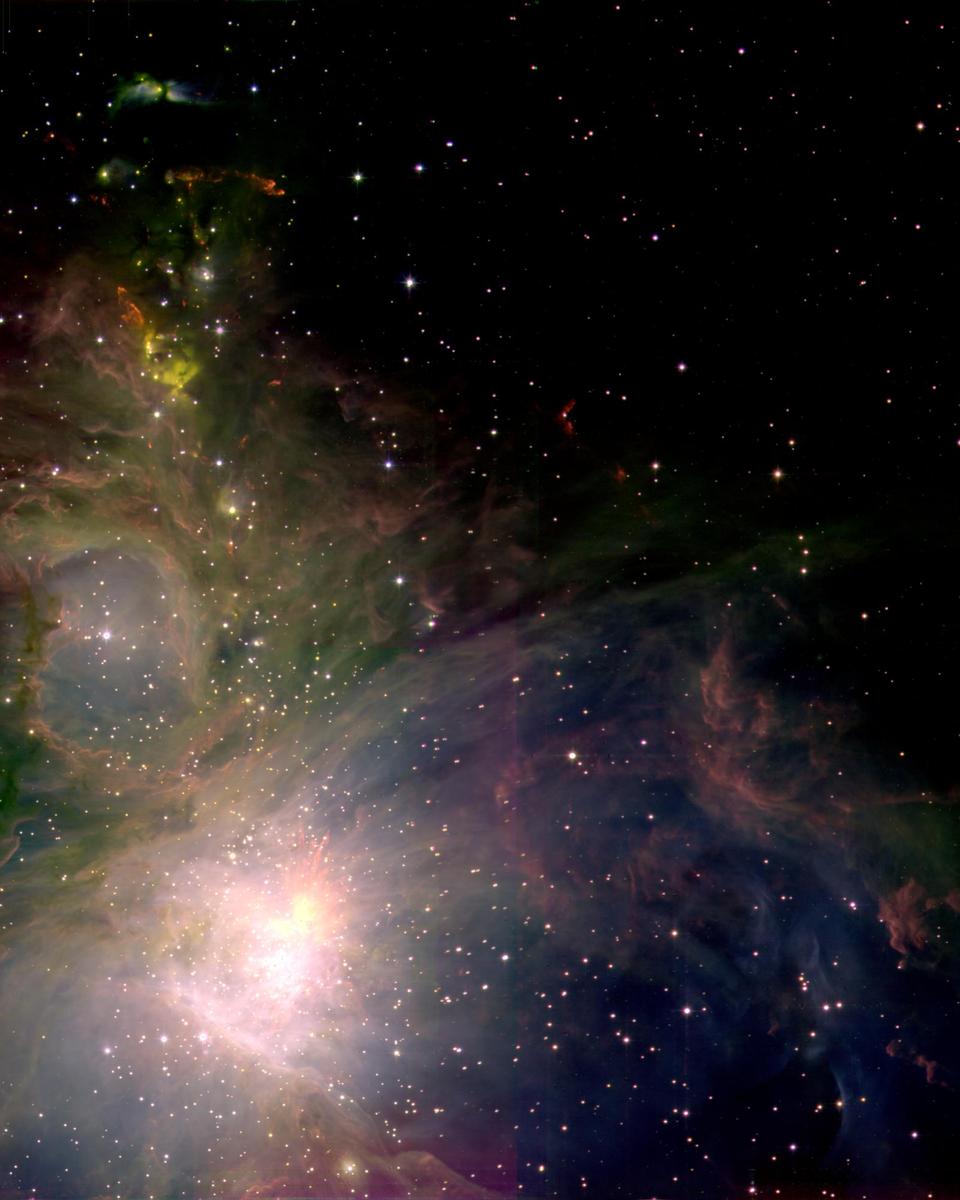
UKIRT: Aloha Orion
At the edge of a dense molecular cloud , filaments of gas, cosmic dust, and a multitude of young stars beckon in this penetrating image of the Orion Nebula . Alluring structures…
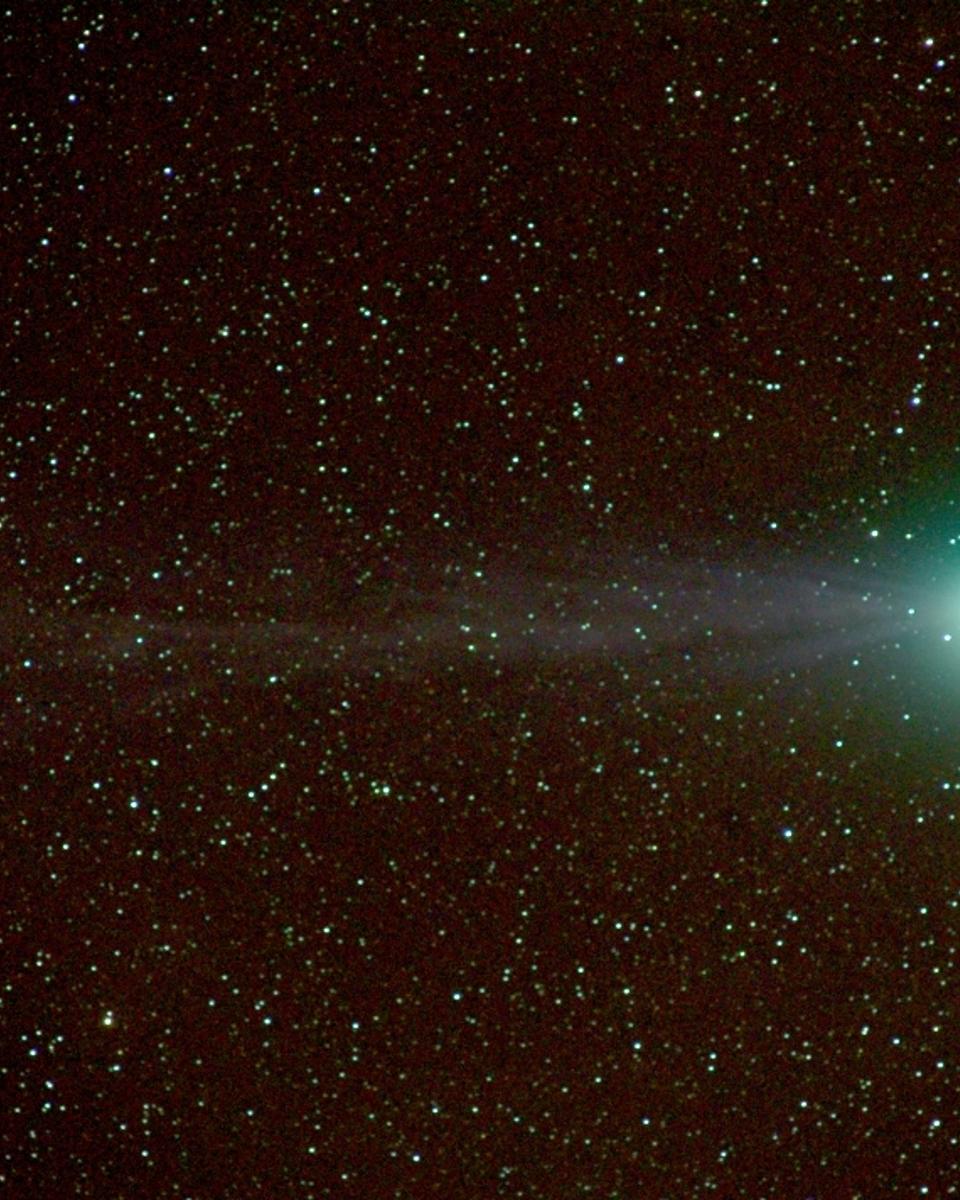
Comet Machholz in View
Good views of Comet Machholz are in store for northern hemisphere comet watchers in January. Now making its closest approach to planet Earth, the comet will pass near the lovely…
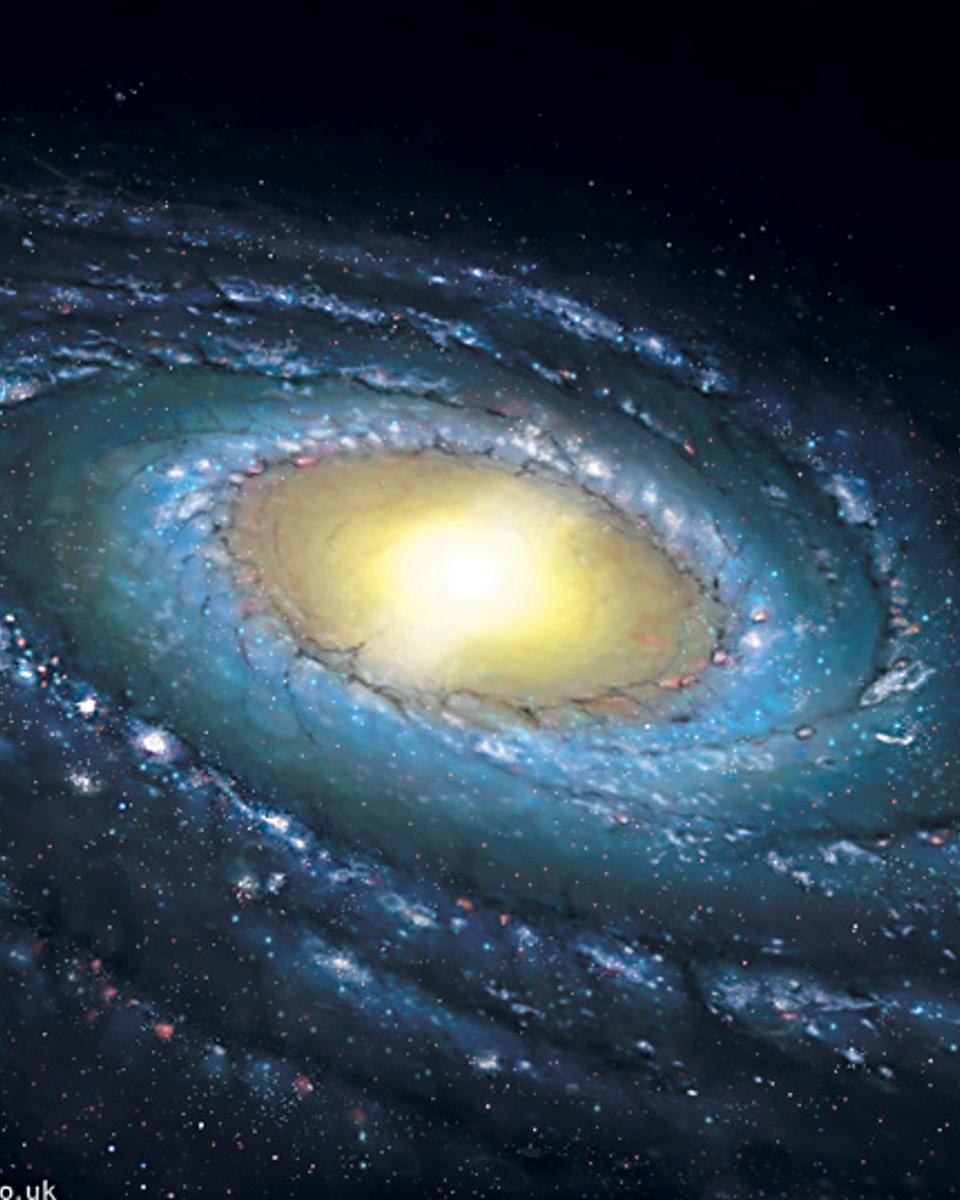
Milky Way Illustrated
What does our Milky Way Galaxy look like from afar? Since we are stuck inside, and since opaque dust truncates our view in visible light , nobody knows for sure. Drawn above ,…
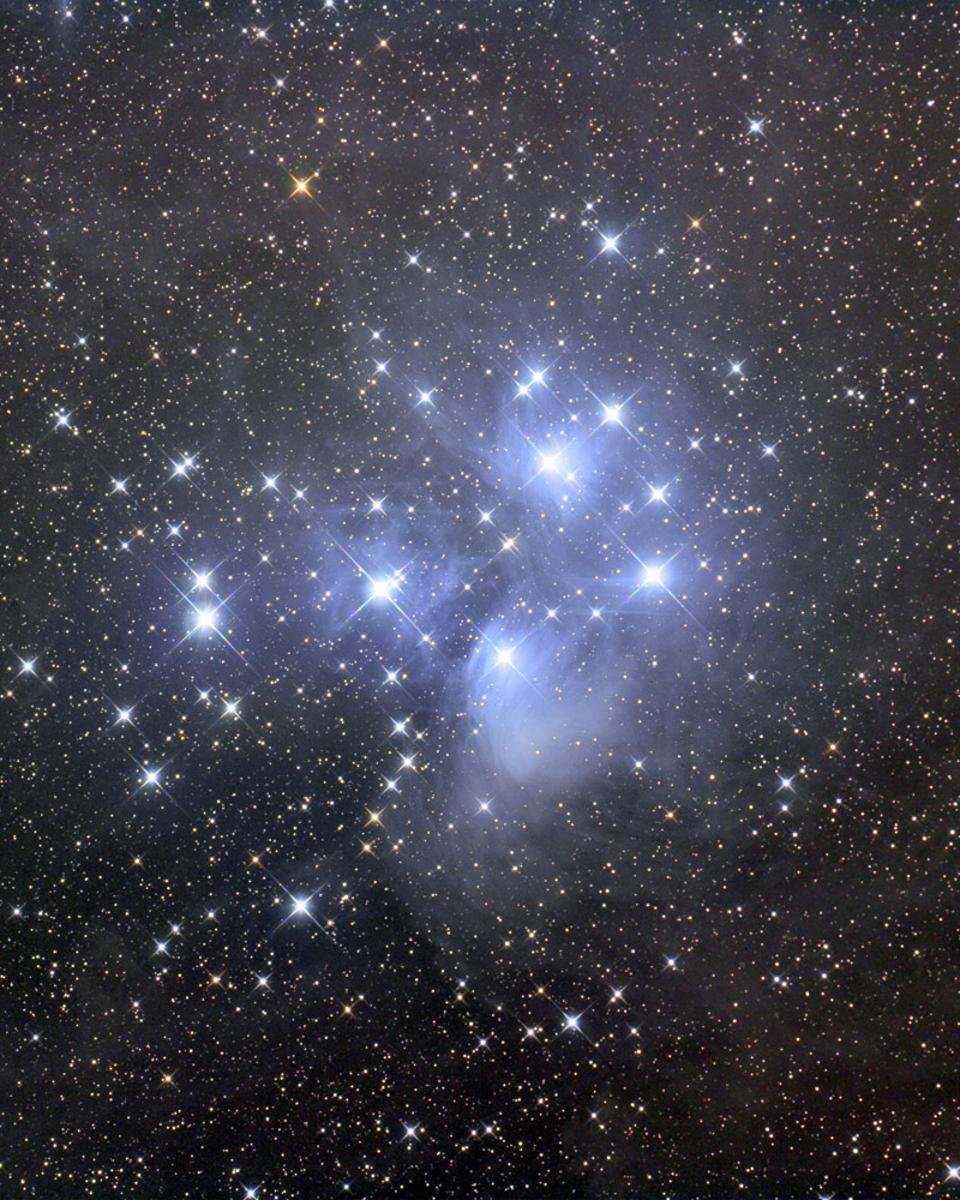
The Pleiades Star Cluster
Perhaps the most famous star cluster on the sky, the Pleiades can be seen without binoculars from even the depths of a light-polluted city . Also known as the Seven Sisters and…
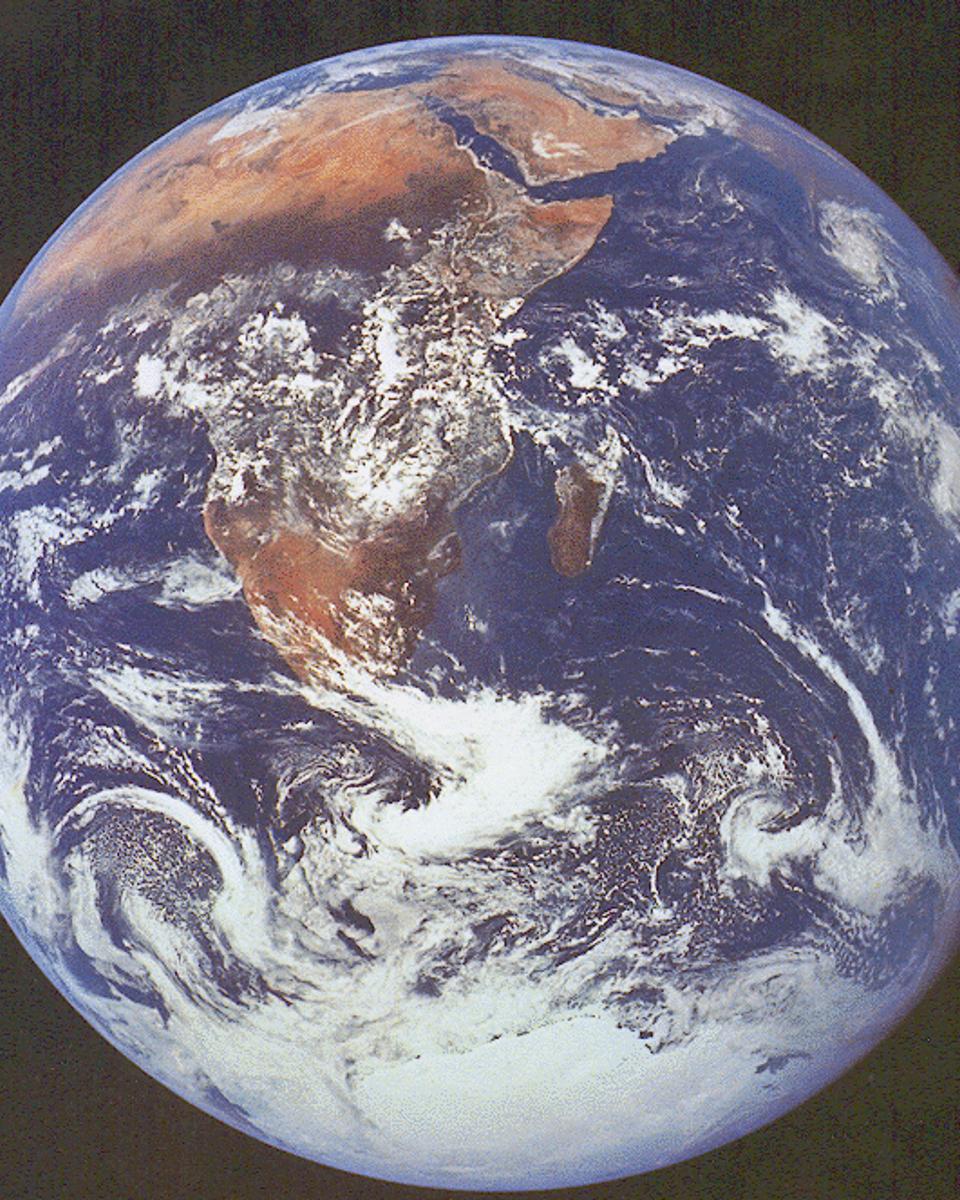
Welcome to Planet Earth
Welcome to Planet Earth , the third planet from a star named the Sun . The Earth is shaped like a sphere and composed mostly of rock . Over 70 percent of the Earth's surface is…
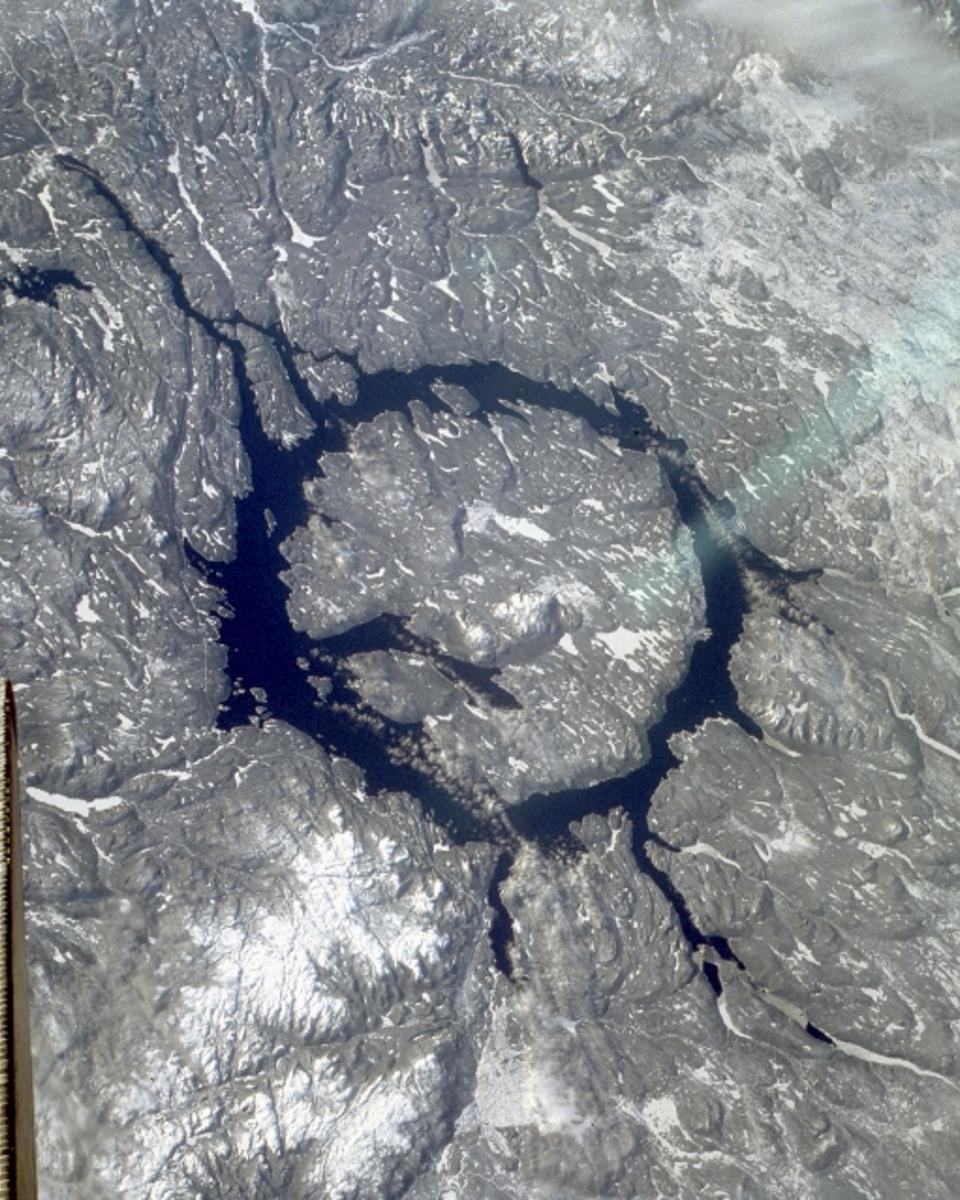
Manicouagan Impact Crater
Manicouagan Crater in northern Canada is one of the oldest impact craters known . Formed about 200 million years ago, the present day terrain supports a 70-kilometer diameter…
Viewing discoveries from 24 January 2005 through 1 January 2005.