Browse NASA Astronomy Picture of the Day archive by date and media: Archive Discoveries
Browse the NASA APOD archive without needing the exact date first. Filter by media type and keep moving deeper into older images and videos.

Earth's North Magnetic Pole
A magnetic compass does not point toward the true North Pole of the Earth. Rather, it more closely points toward the North Magnetic Pole of the Earth. The North Magnetic Pole is…
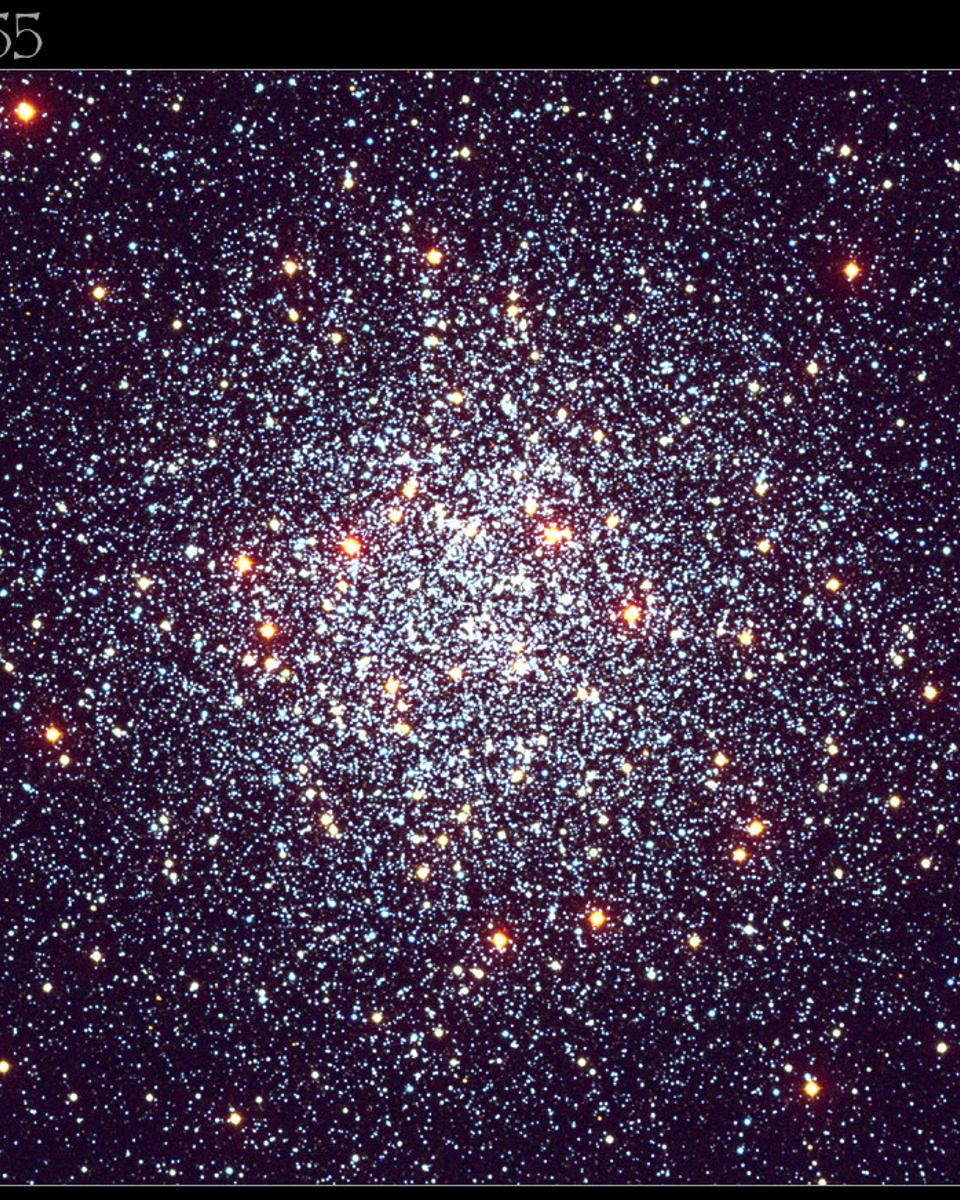
M55: Globular Star Cluster
The fifty-fifth entry in Charles Messier's catalog, M55 is a large and lovely globular cluster of around 100,000 stars. Only 20,000 light-years away in the constellation…
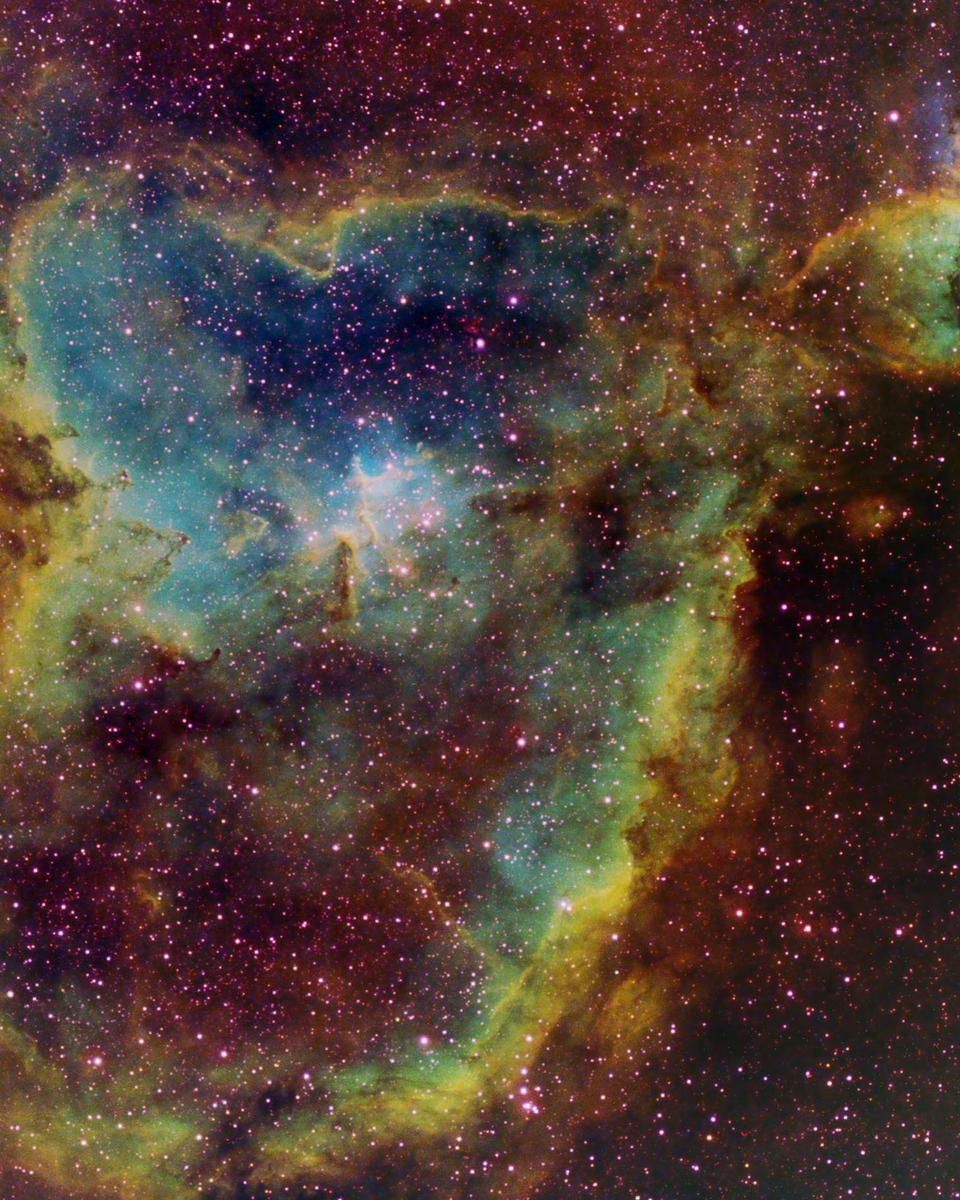
IC 1805: Light from the Heart
Sprawling across hundreds of light-years, emission nebula IC 1805 is a mix of glowing interstellar gas and dark dust clouds. Only about 7,500 light-years away, stars were born in…
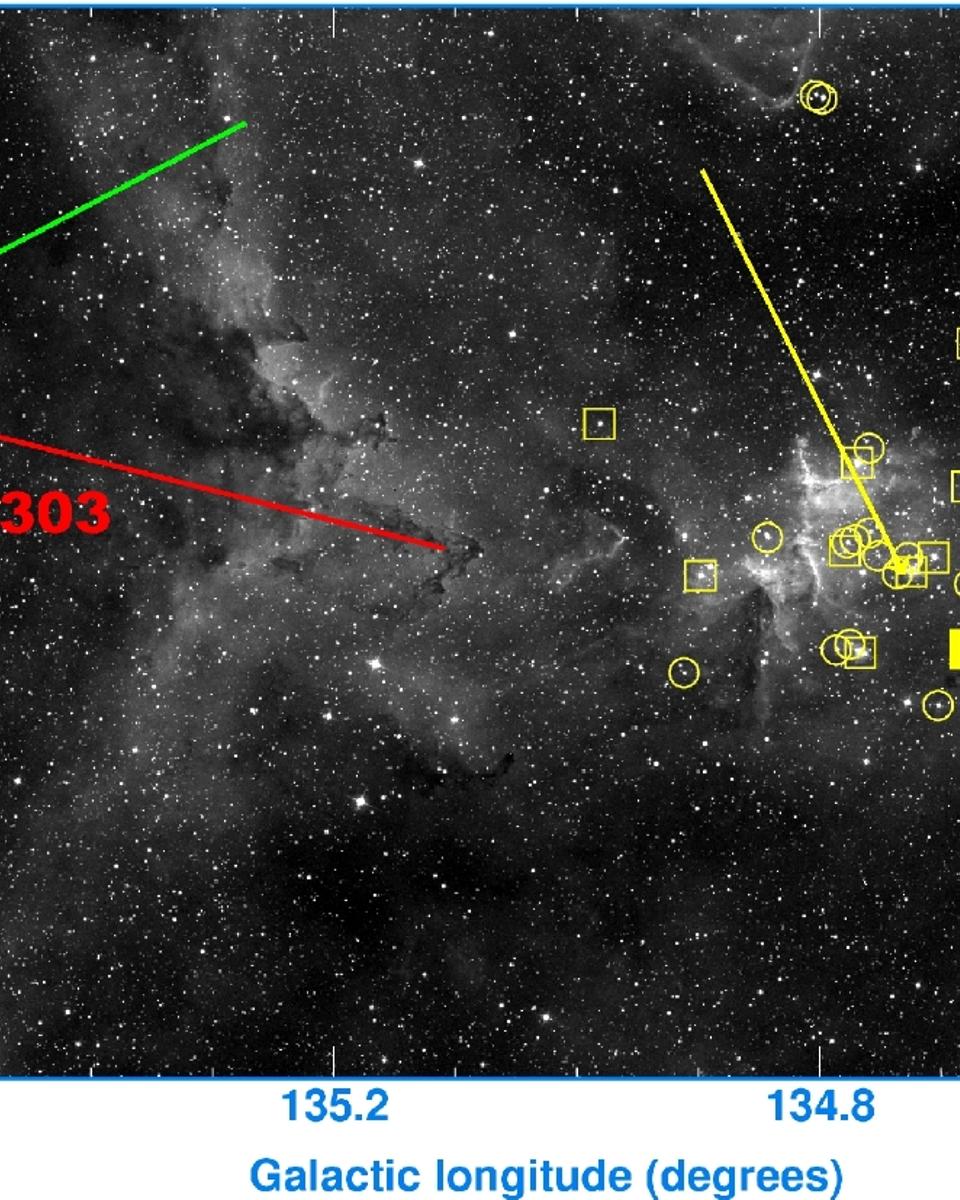
Microquasar in Motion
Microquasars , bizarre binary star systems generating high-energy radiation and blasting out jets of particles at nearly the speed of light, live in our Milky Way galaxy . The…
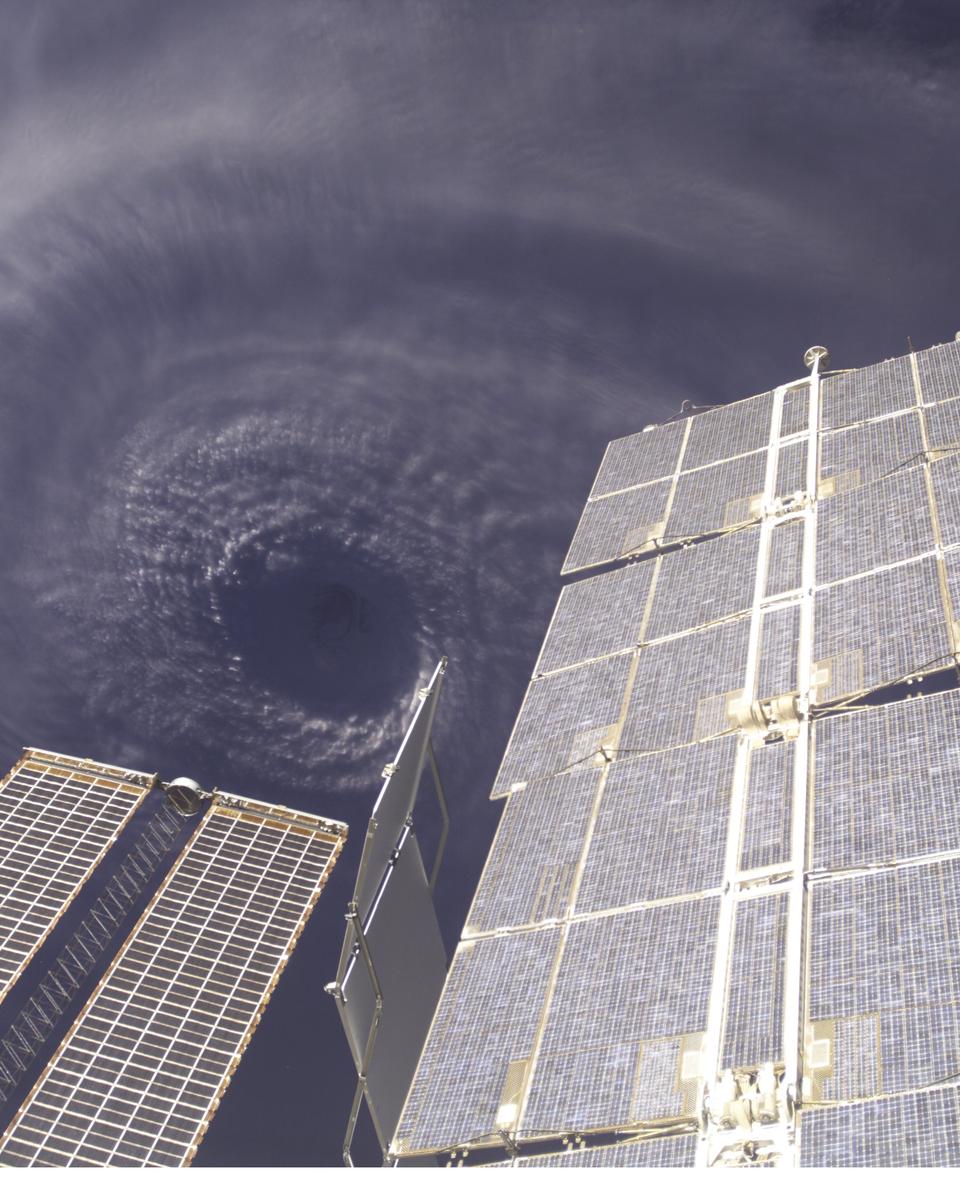
Above the Eye of Hurricane Ivan
Ninety percent of the houses on Grenada were damaged . Such is the destructive force of Hurricane Ivan , already one of the most powerful and destructive hurricanes on record .…

Genesis Mission's Hard Impact
A flying saucer from outer space crash-landed in the Utah desert last week after being tracked by radar and chased by helicopters. No space aliens were involved, however. The…

Identify this Phenomenon
What caused this ring of colors? At the time of this writing, MIT Physics Professor Walter Lewin had yet to find someone who can give the correct explanation. Not students . Not…
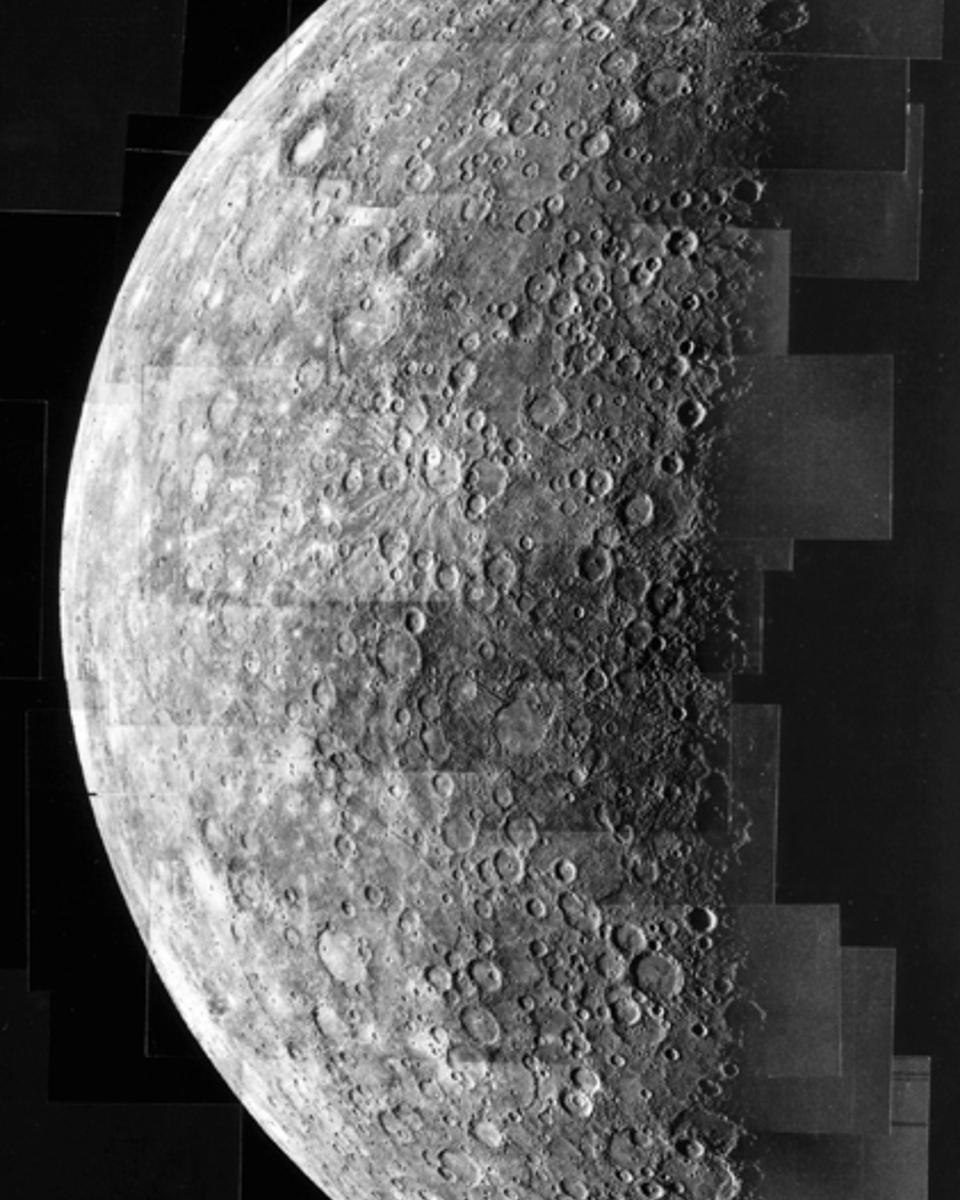
Mercury: A Cratered Inferno
Mercury's surface looks similar to our Moon's. Each is heavily cratered and made of rock. Mercury 's diameter is about 4800 km, while the Moon 's is slightly less at about 3500 km…
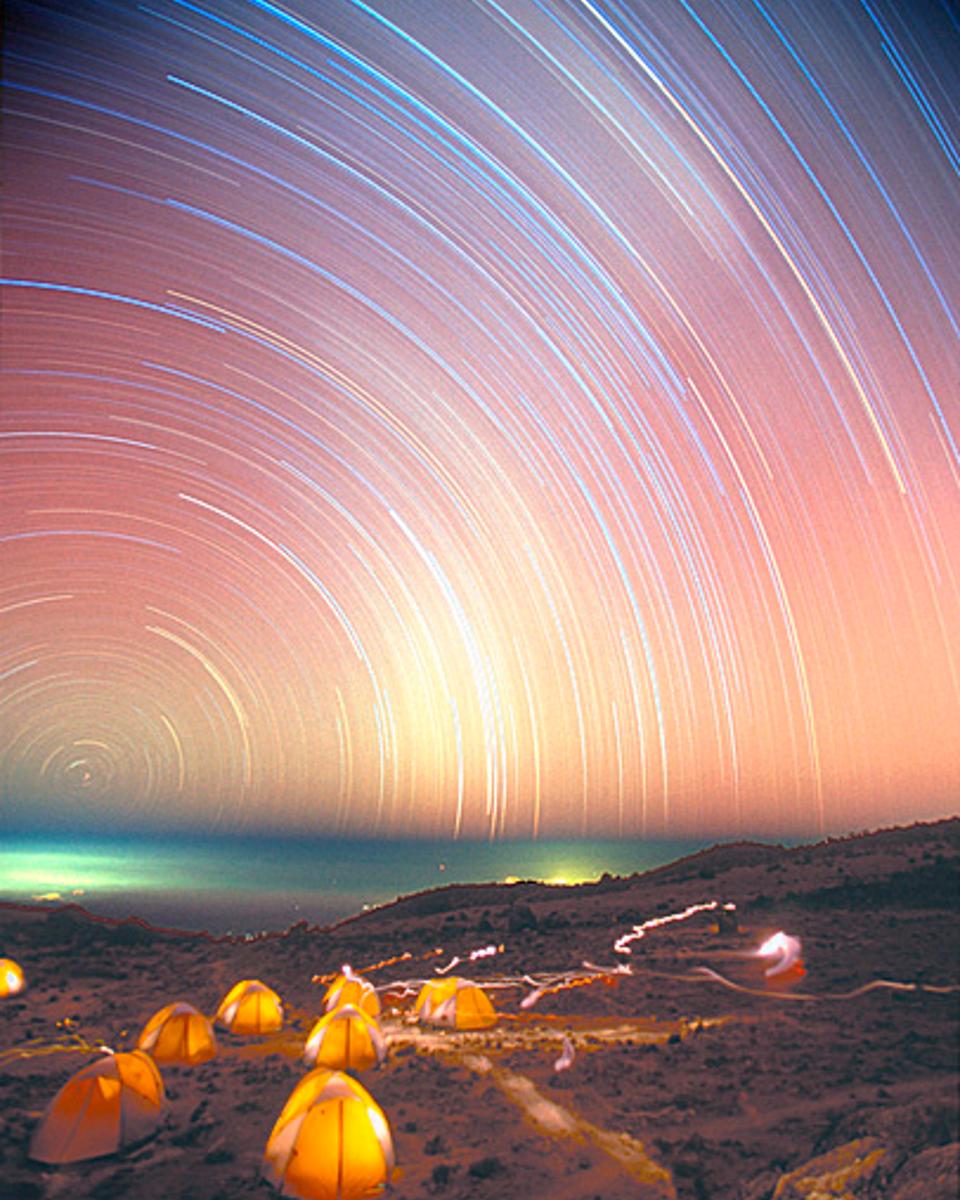
The Star Trails of Kilimanjaro
The night had no moon, but the stars were out. And camped at 16,000 feet on Mt. Kilimanjaro , photographer Dan Heller recorded this marvelous 3 1/2 hour long exposure. Here the…
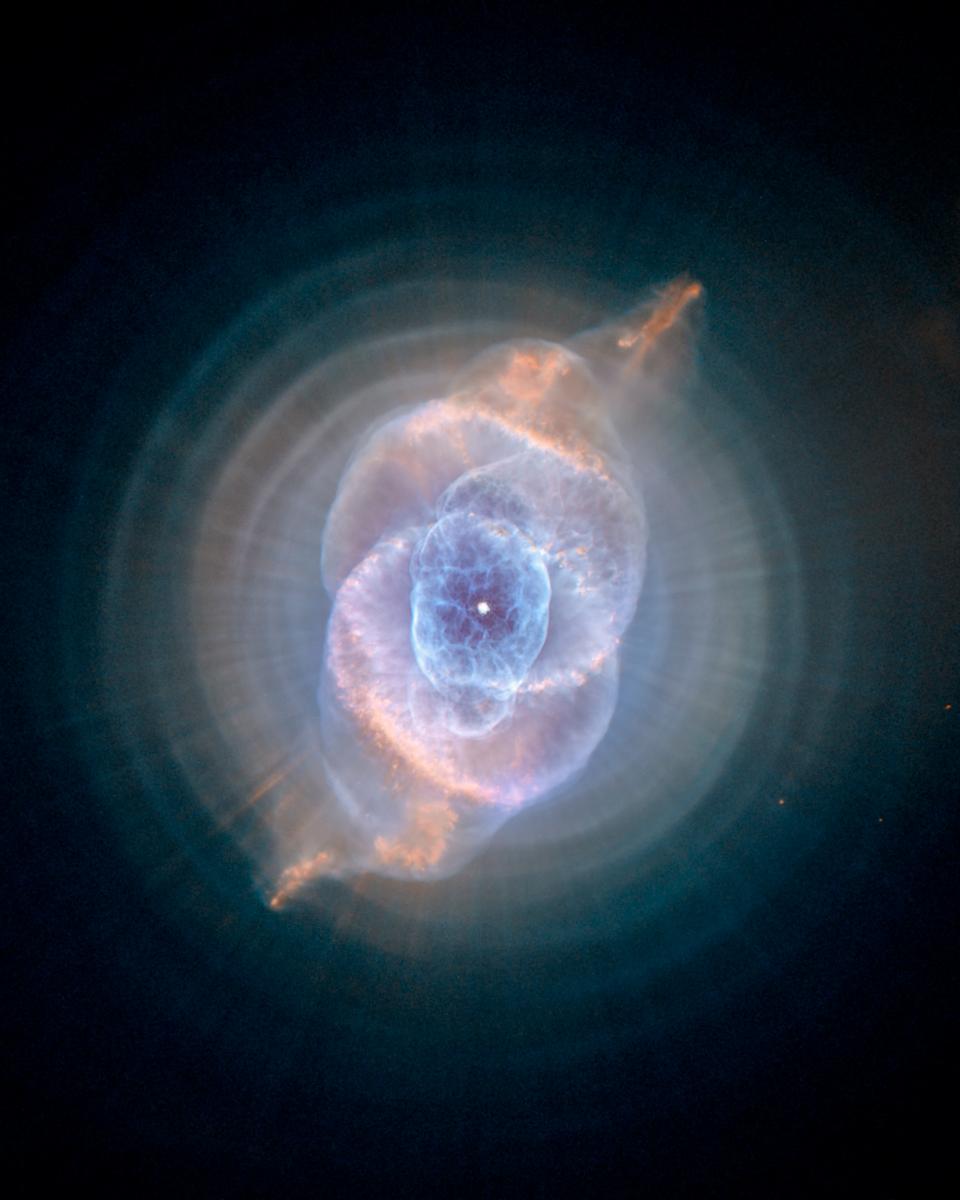
Cat's Eye
Staring across interstellar space, the alluring Cat's Eye nebula lies three thousand light-years from Earth. A classic planetary nebula , the Cat's Eye (NGC 6543) represents a…
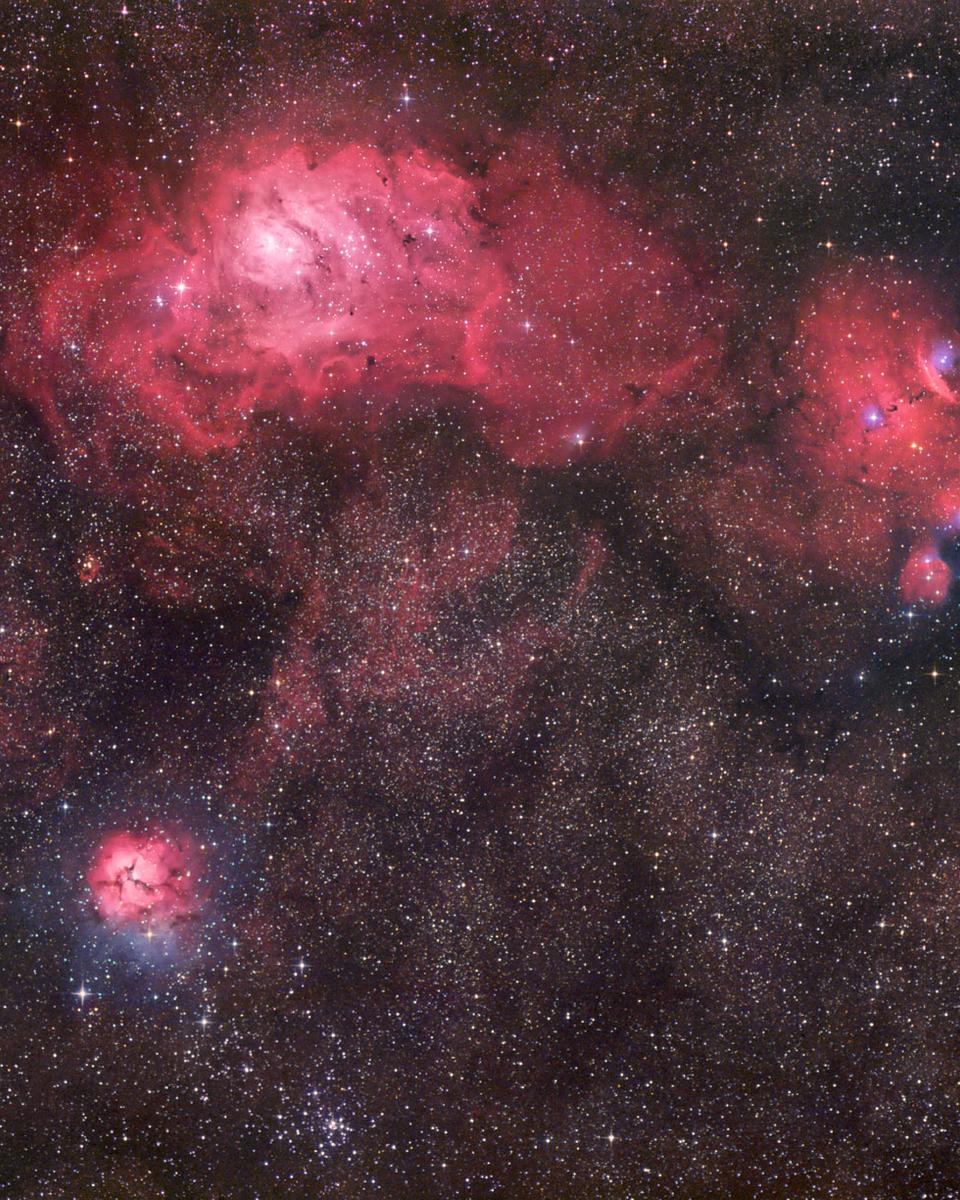
Sagittarius Triplet
These three bright nebulae are often featured in telescopic tours of the constellation Sagittarius and the view toward the center of our Milky Way galaxy. In fact, 18th century…
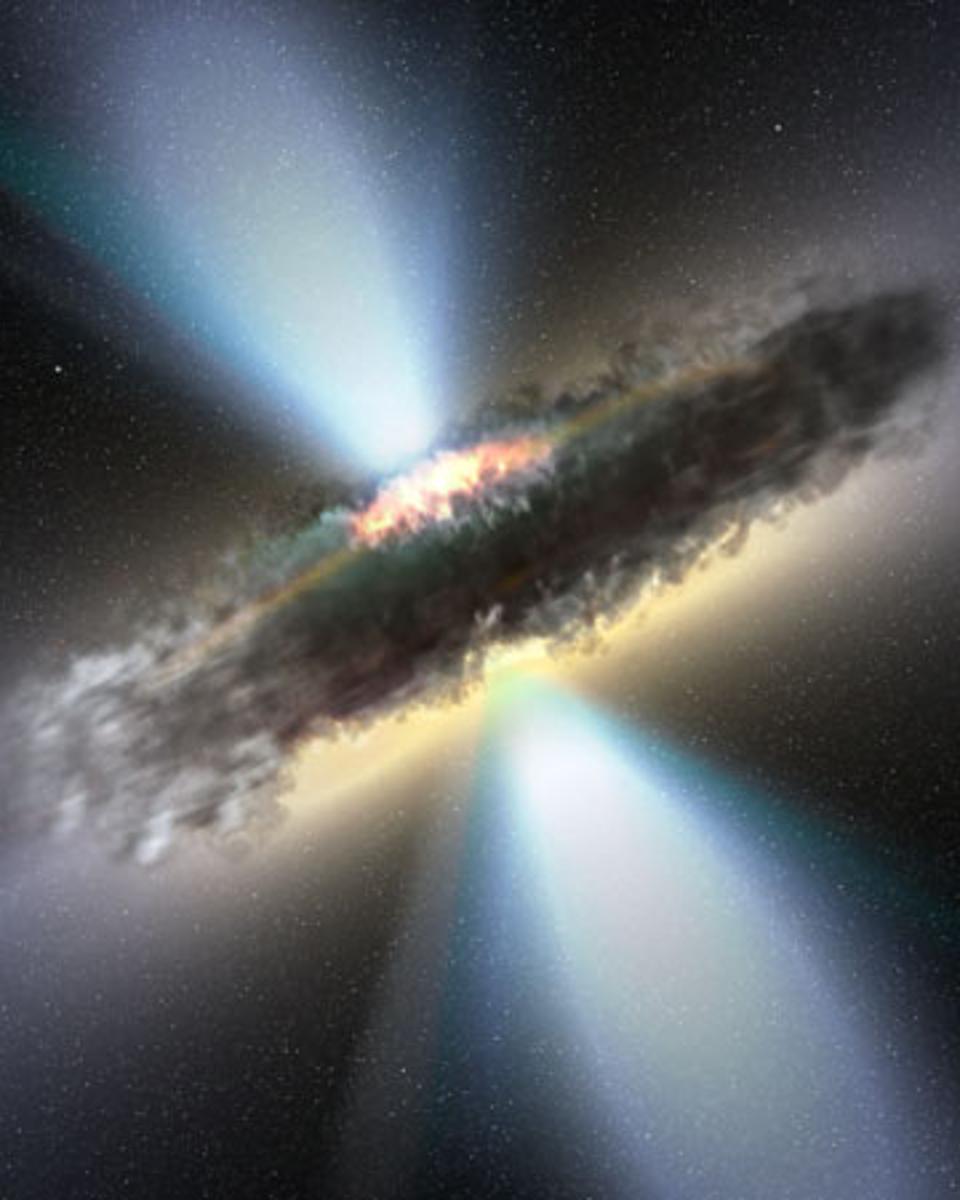
Molecular Torus Surrounds Black Hole
Why do some black hole surroundings appear brighter than others? In the centers of active galaxies , supermassive black holes at least thousands of times the mass of our Sun…
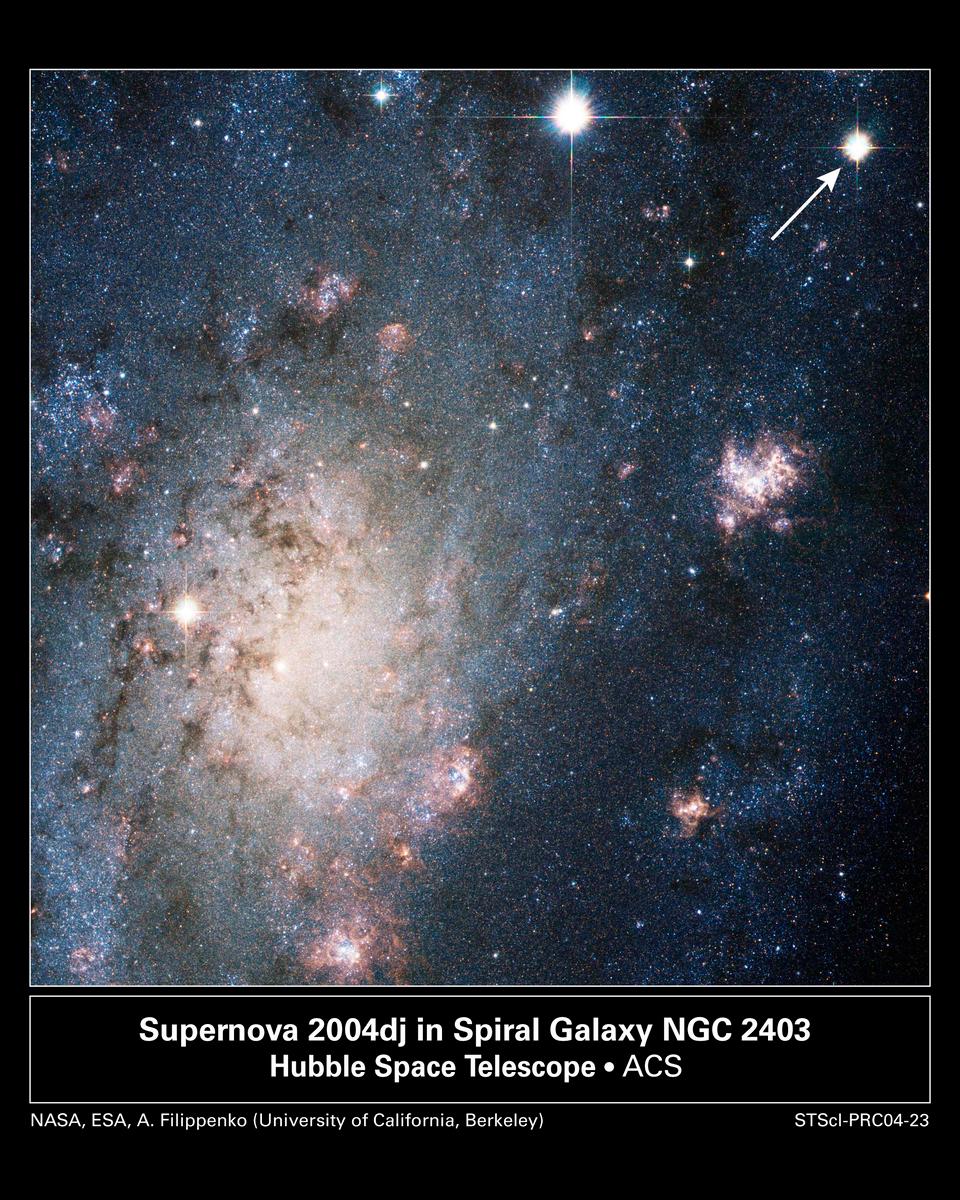
A Supernova in Nearby Galaxy NGC 2403
The closest and brightest supernova in over a decade was recorded just over a month ago in the outskirts of nearby galaxy NGC 2403. Officially tagged SN 2004dj , the Type IIP…
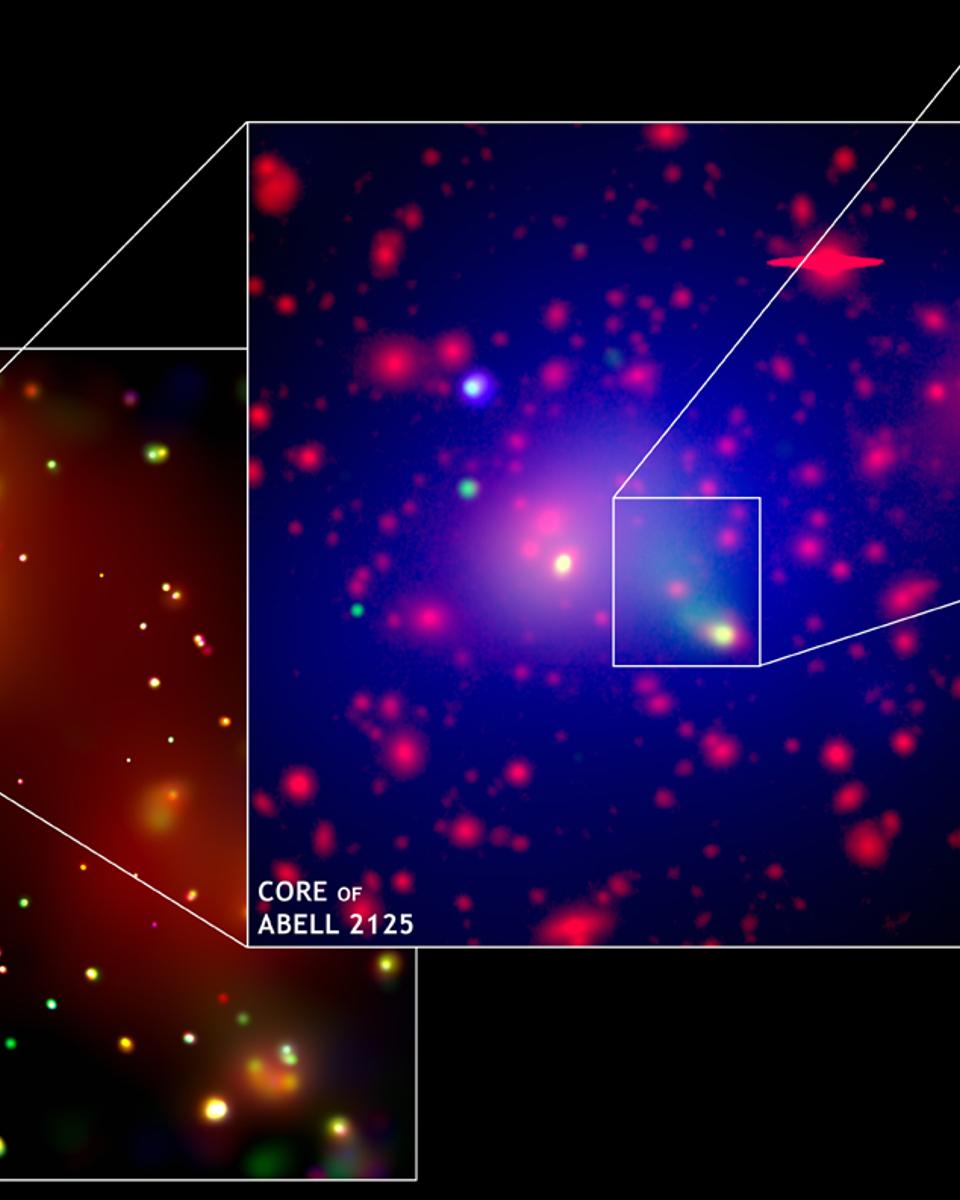
C153 Takes the Plunge
A comet-like tail of glowing gas, 200,000 light-years long, streams from galaxy C153 as it plunges through galaxy cluster Abell 2125 at nearly 8 million kilometers per hour.…
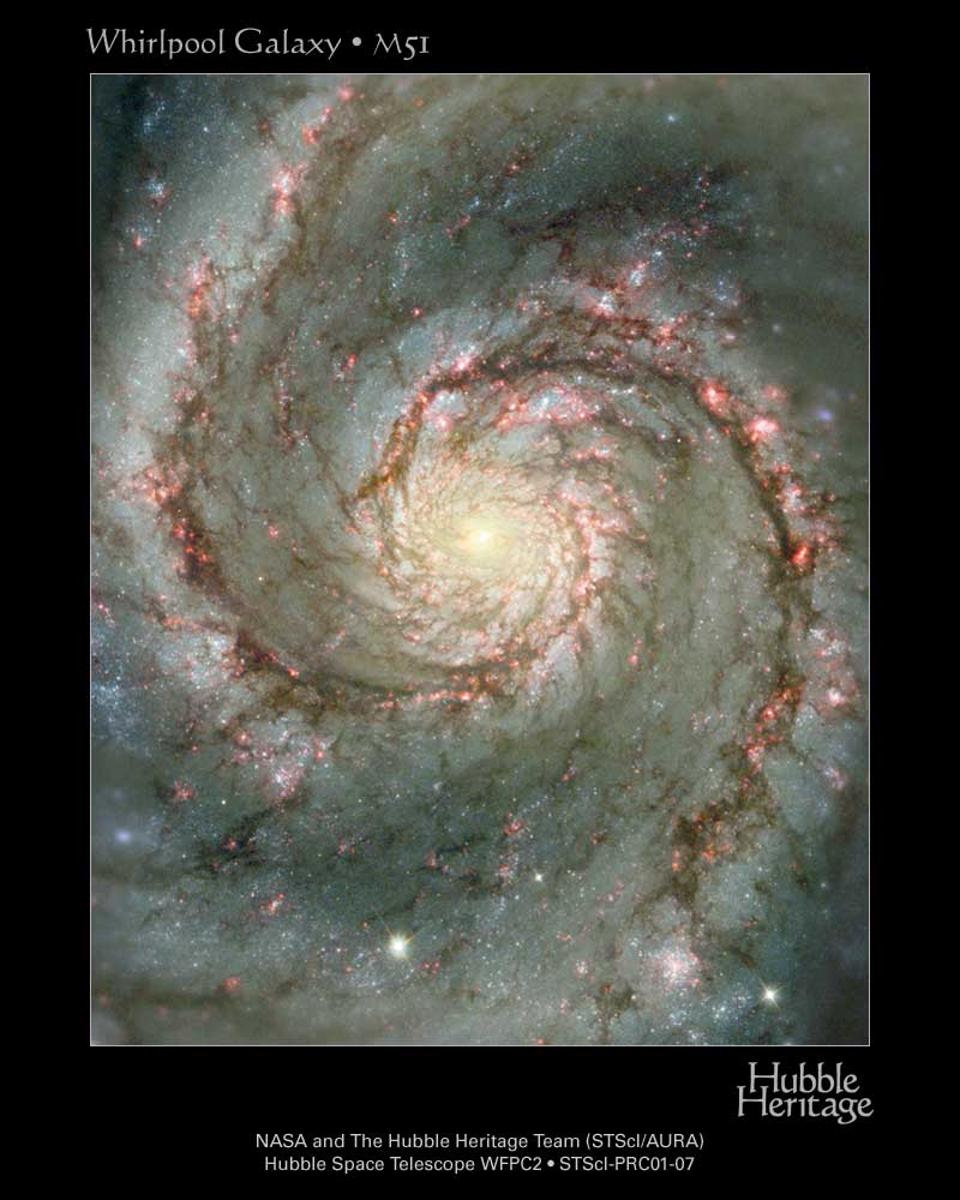
M51: The Whirlpool Galaxy in Dust and Stars
The Whirlpool Galaxy is a classic spiral galaxy. At only 30 million light years distant and fully 60 thousand light years across, M51 , also known as NGC 5194, is one of the…
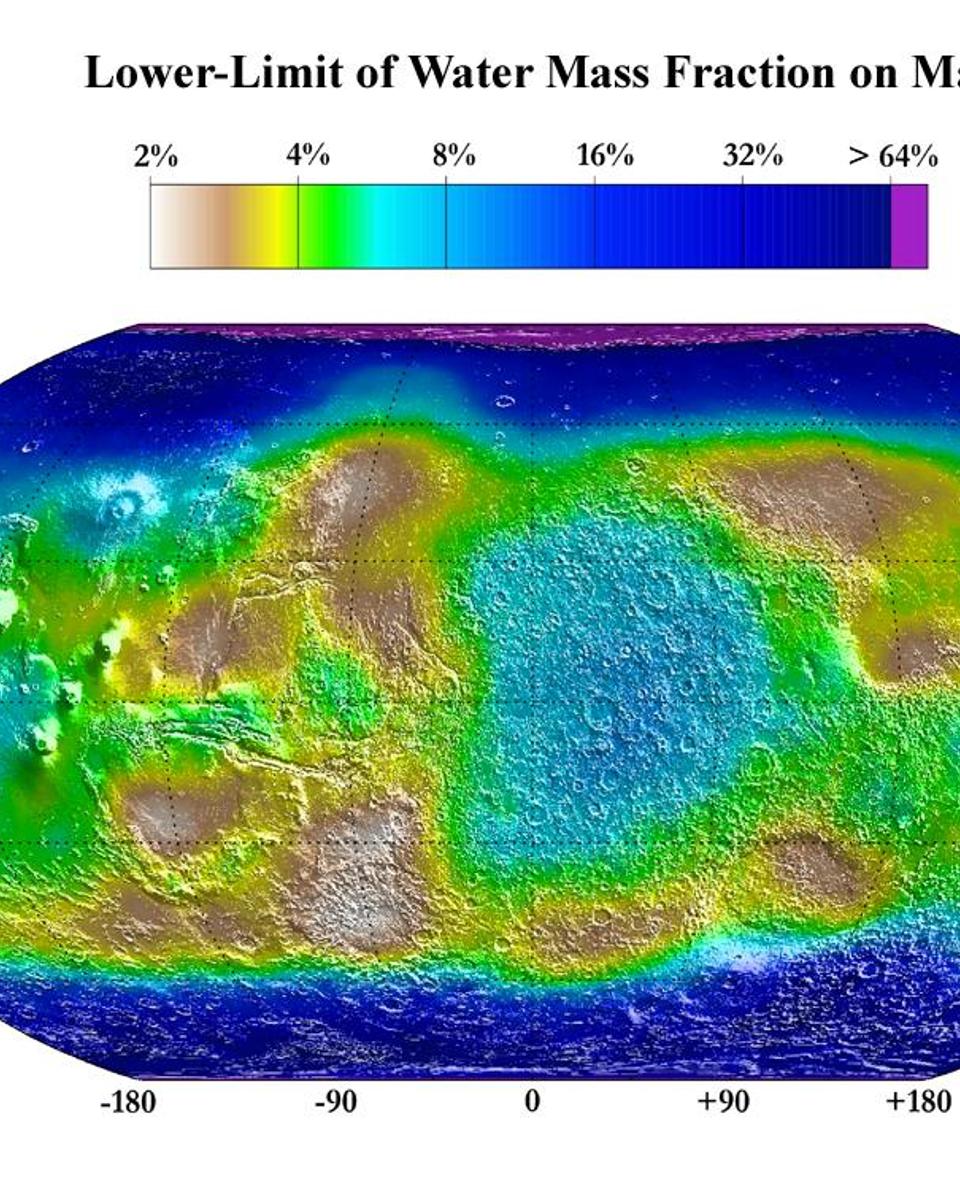
Neutron Mars
Looking for water on Mars, researchers using detectors on board the orbiting Mars Odyssey spacecraft have created this false-color global map of energetic neutrons from the…

Hurricane Frances Approaches Florida
A major hurricane is heading for Florida . Hurricane Frances , one of the stronger storm systems of modern times, may cross the eastern coast of Florida sometime tomorrow. Those…
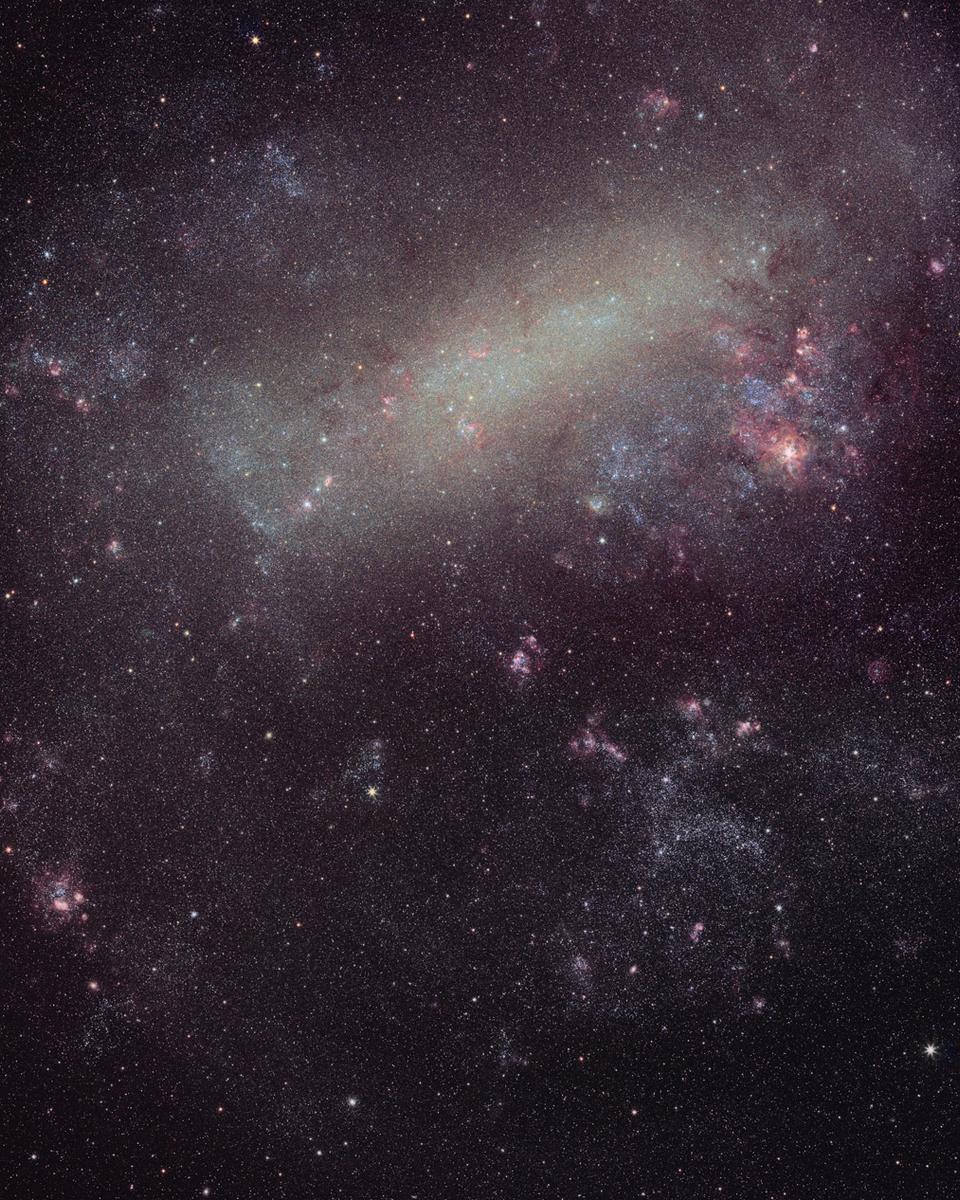
The Large Cloud of Magellan
Portuguese navigator Fernando de Magellan and his crew had plenty of time to study the southern sky during the first circumnavigation of planet Earth. As a result, two fuzzy…
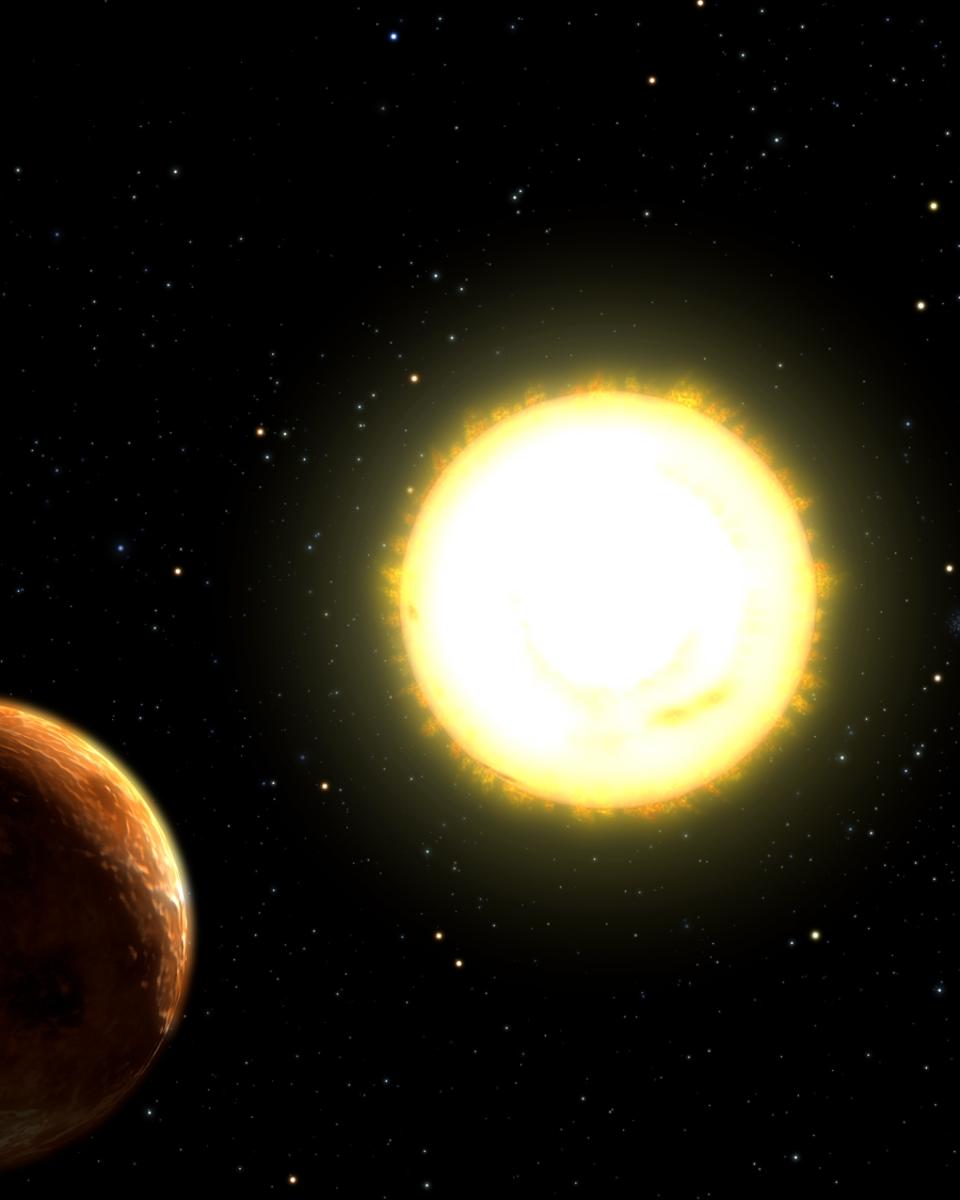
An Inner Neptune for 55 Cancri
Is our Solar System unique? The discovery of a Neptune -mass planet in an sub-Mercury orbit around nearby Sun -like star 55 Cancri , announced yesterday along with the discovery…
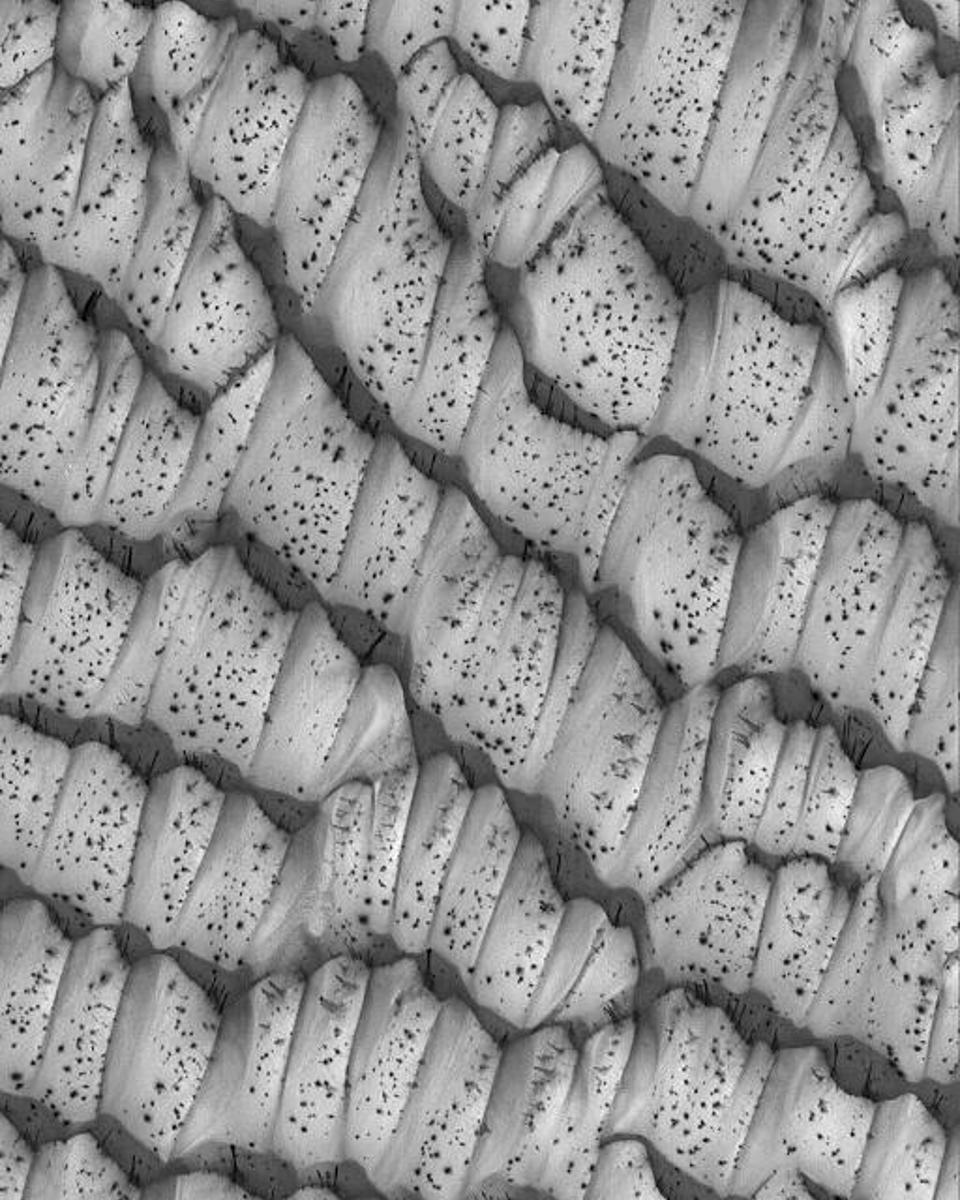
The Dotted Dunes of Mars
What causes the black dots on dunes on Mars? As spring dawns on the Northern Hemisphere of Mars , dunes of sand near the poles begin to defrost. Thinner regions of ice typically…
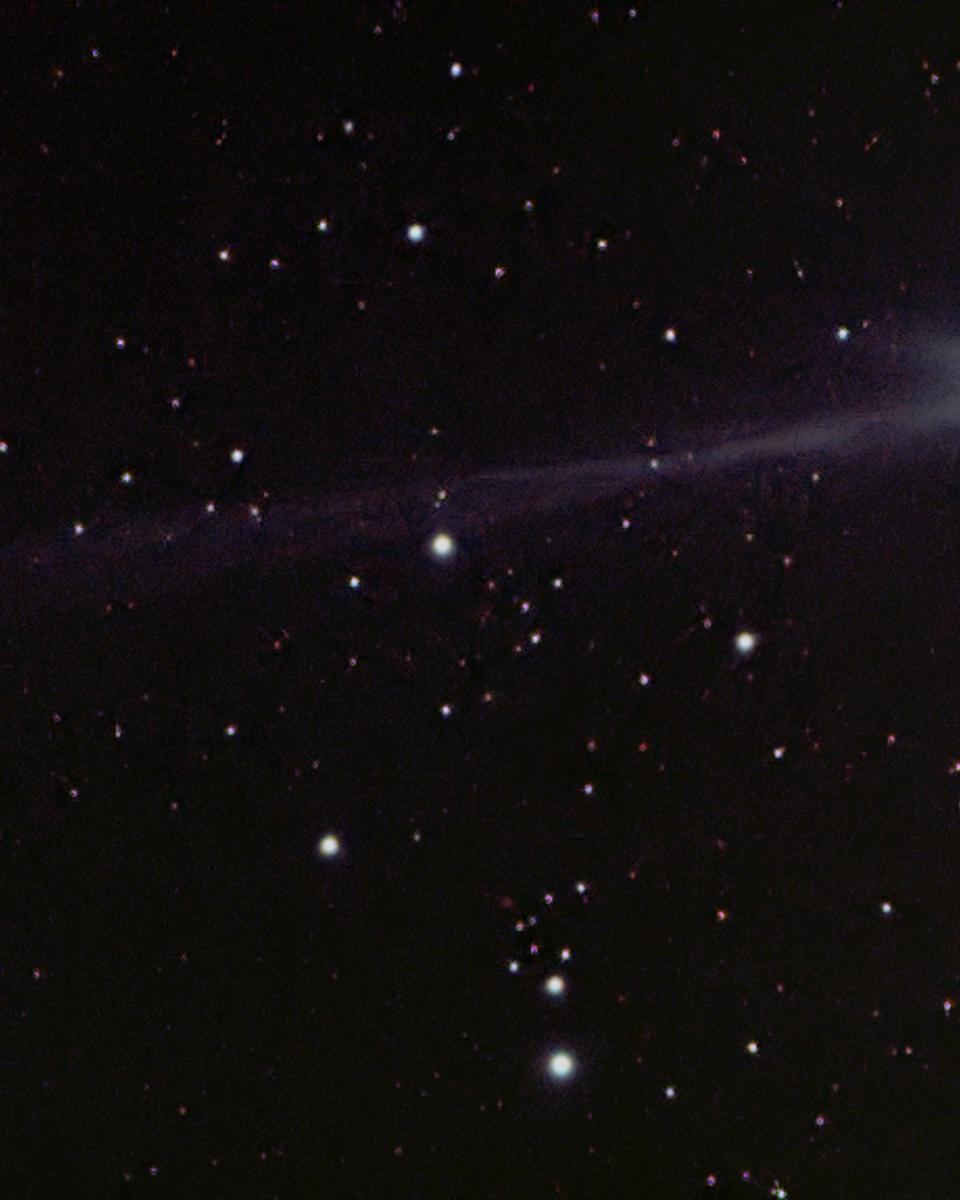
Announcing Comet C/2003 K4 (LINEAR)
A comet discovered last year has brightened unexpectedly and now may become visible to the unaided eye within the next month. Designated Comet C/2003 K4 (LINEAR) , the comet was…

Lunation
Our Moon's appearance changes nightly. This time-lapse sequence shows what our Moon looks like during a lunation , a complete lunar cycle. As the Moon orbits the Earth , the half…
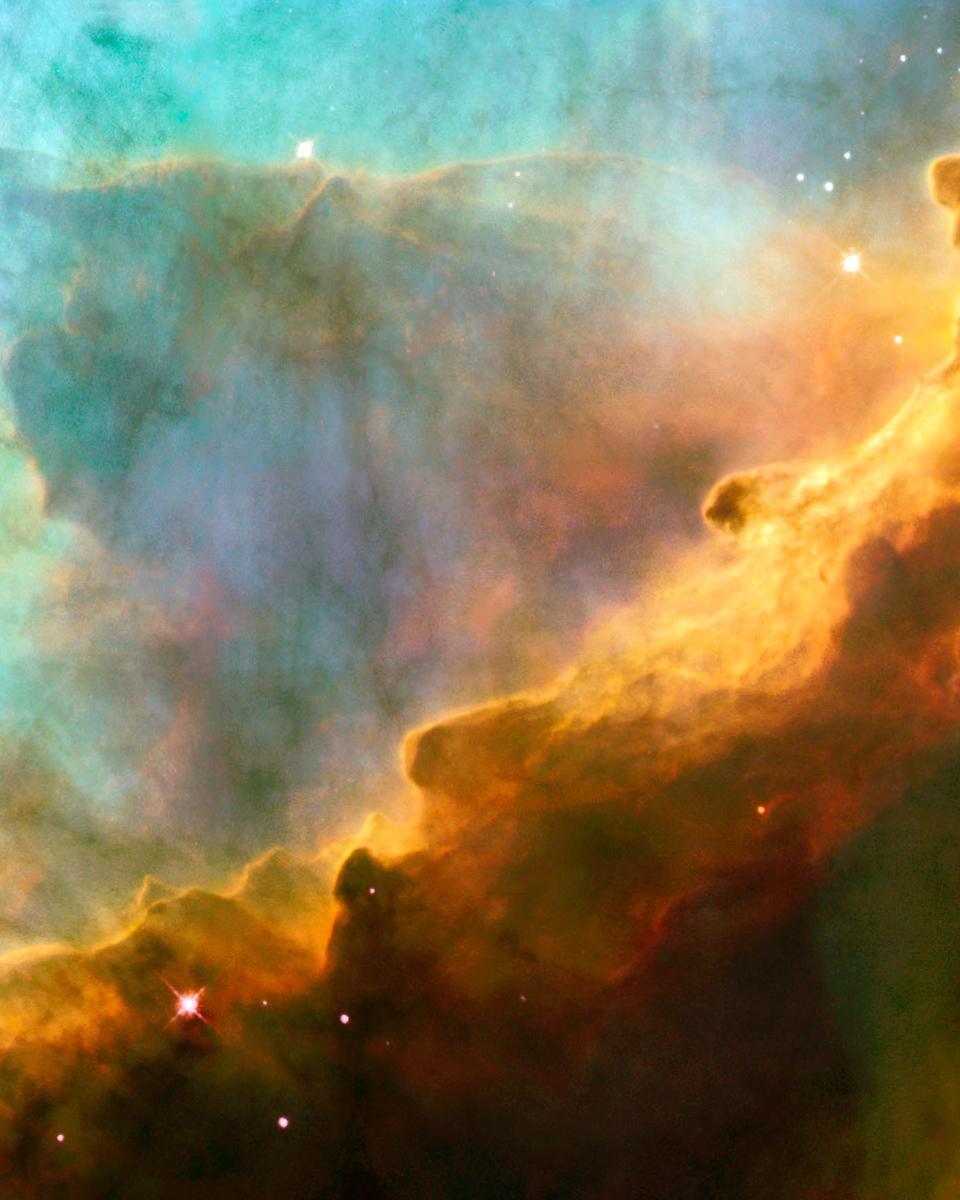
M17: A Hubble Close-Up
Sculpted by stellar winds and radiation, these fantastic, undulating shapes lie within the stellar nursery known as M17 , the Omega Nebula, some 5,500 light-years away in the…
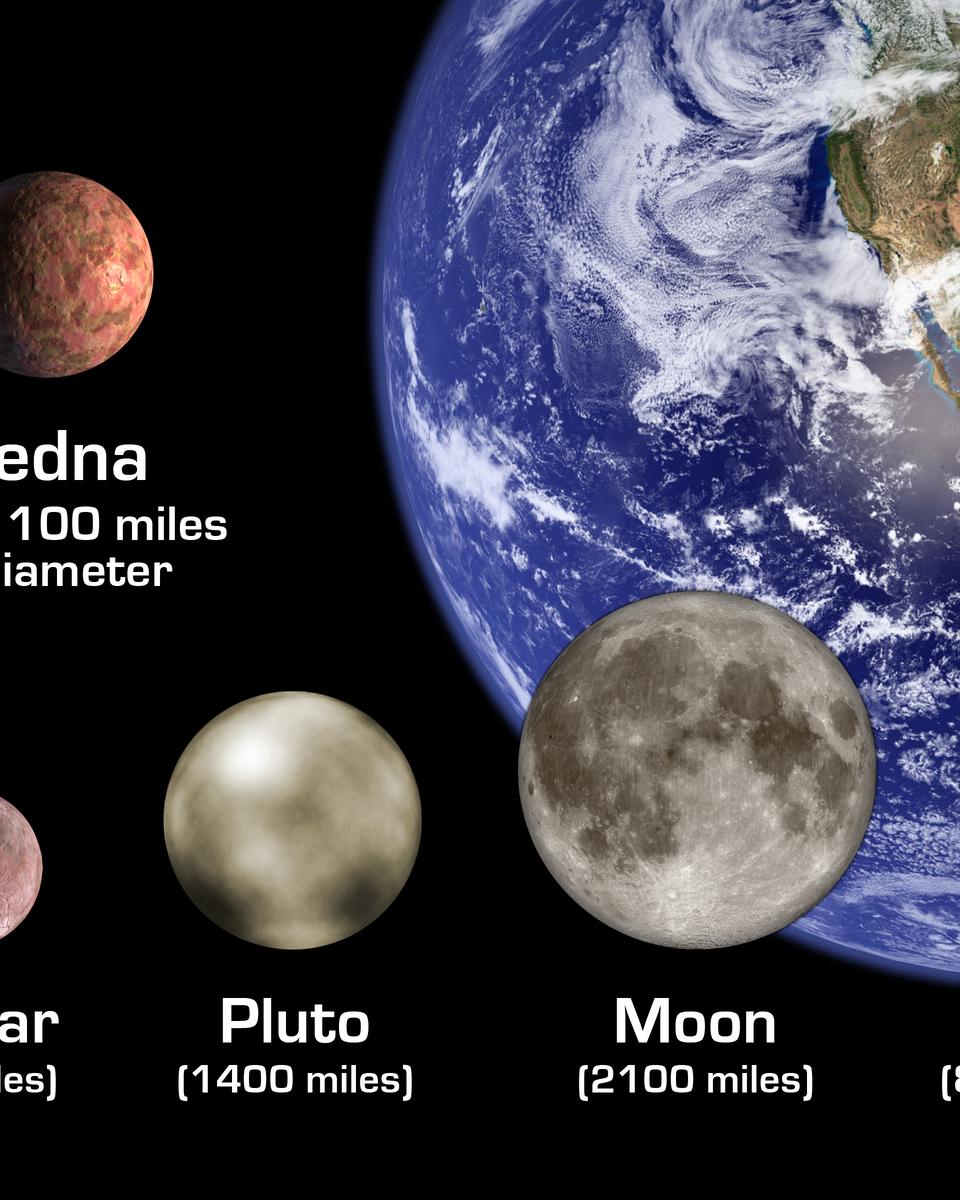
The Sedna Scenario
The discovery of Sedna ( aka 2003 VB12 ), the most distant known object orbiting the Sun, presents a mystery . Pluto's orbit averages about 40 AU in radius, where an AU…
Viewing discoveries from 19 September 2004 through 27 August 2004.