Browse NASA Astronomy Picture of the Day archive by date and media: Archive Discoveries
Browse the NASA APOD archive without needing the exact date first. Filter by media type and keep moving deeper into older images and videos.
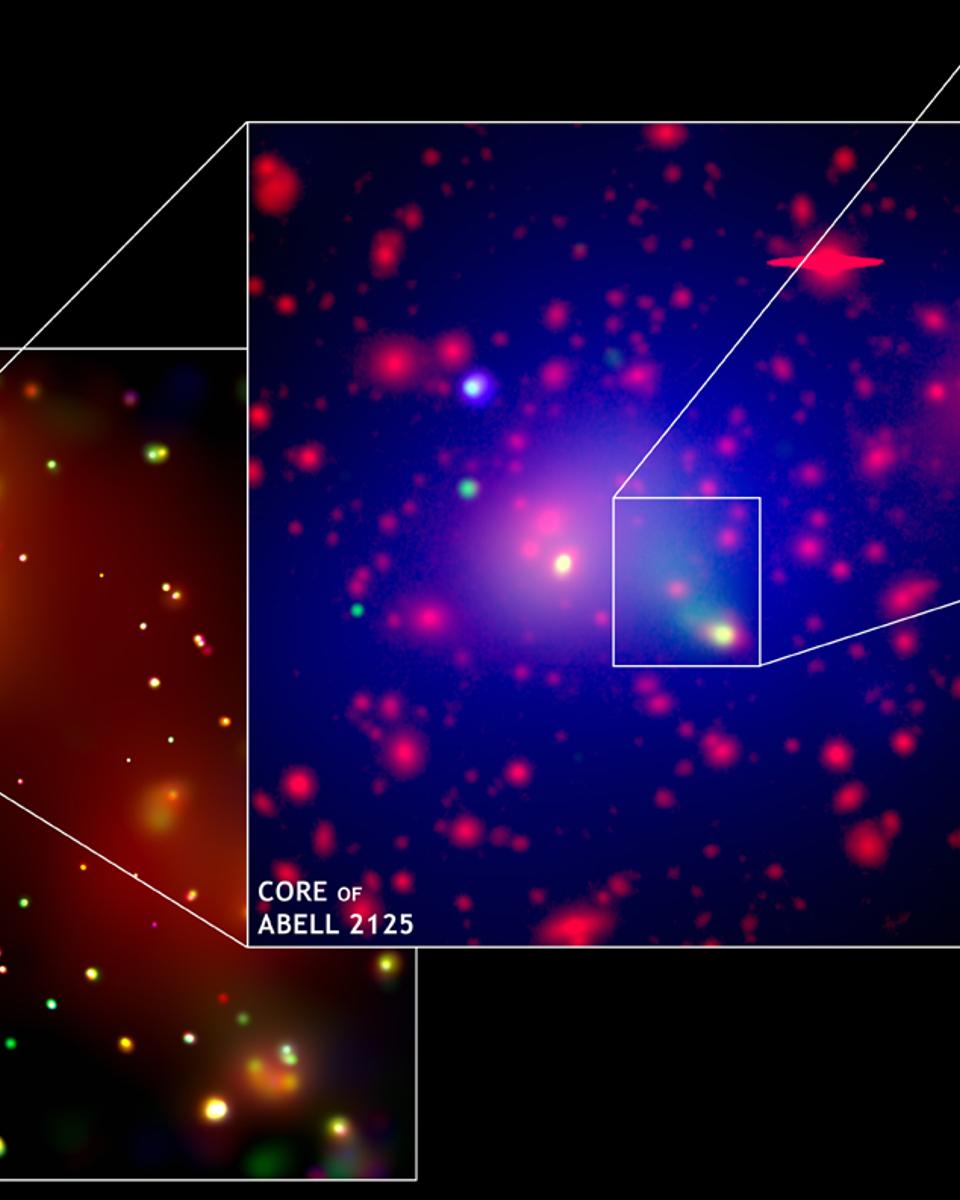
C153 Takes the Plunge
A comet-like tail of glowing gas, 200,000 light-years long, streams from galaxy C153 as it plunges through galaxy cluster Abell 2125 at nearly 8 million kilometers per hour.…
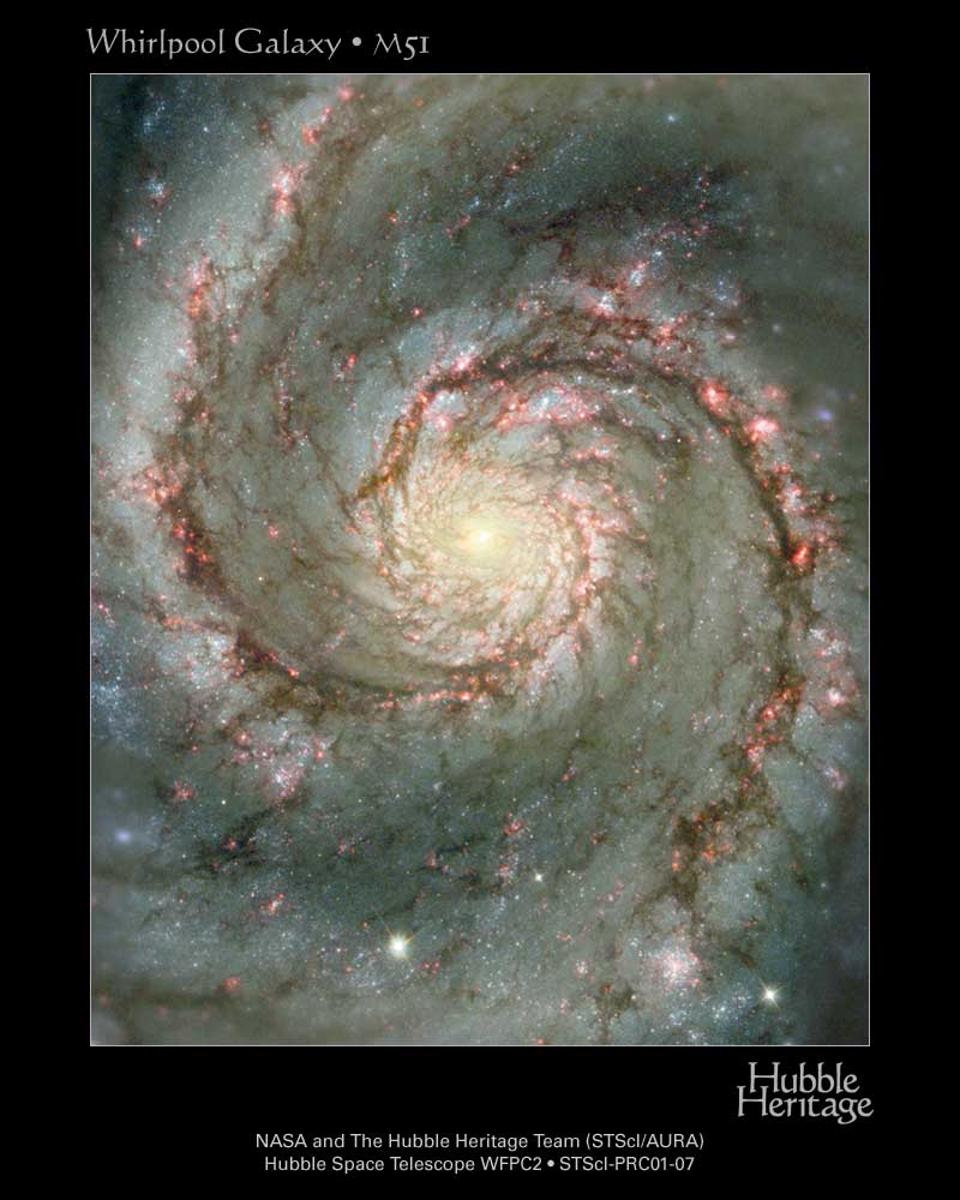
M51: The Whirlpool Galaxy in Dust and Stars
The Whirlpool Galaxy is a classic spiral galaxy. At only 30 million light years distant and fully 60 thousand light years across, M51 , also known as NGC 5194, is one of the…
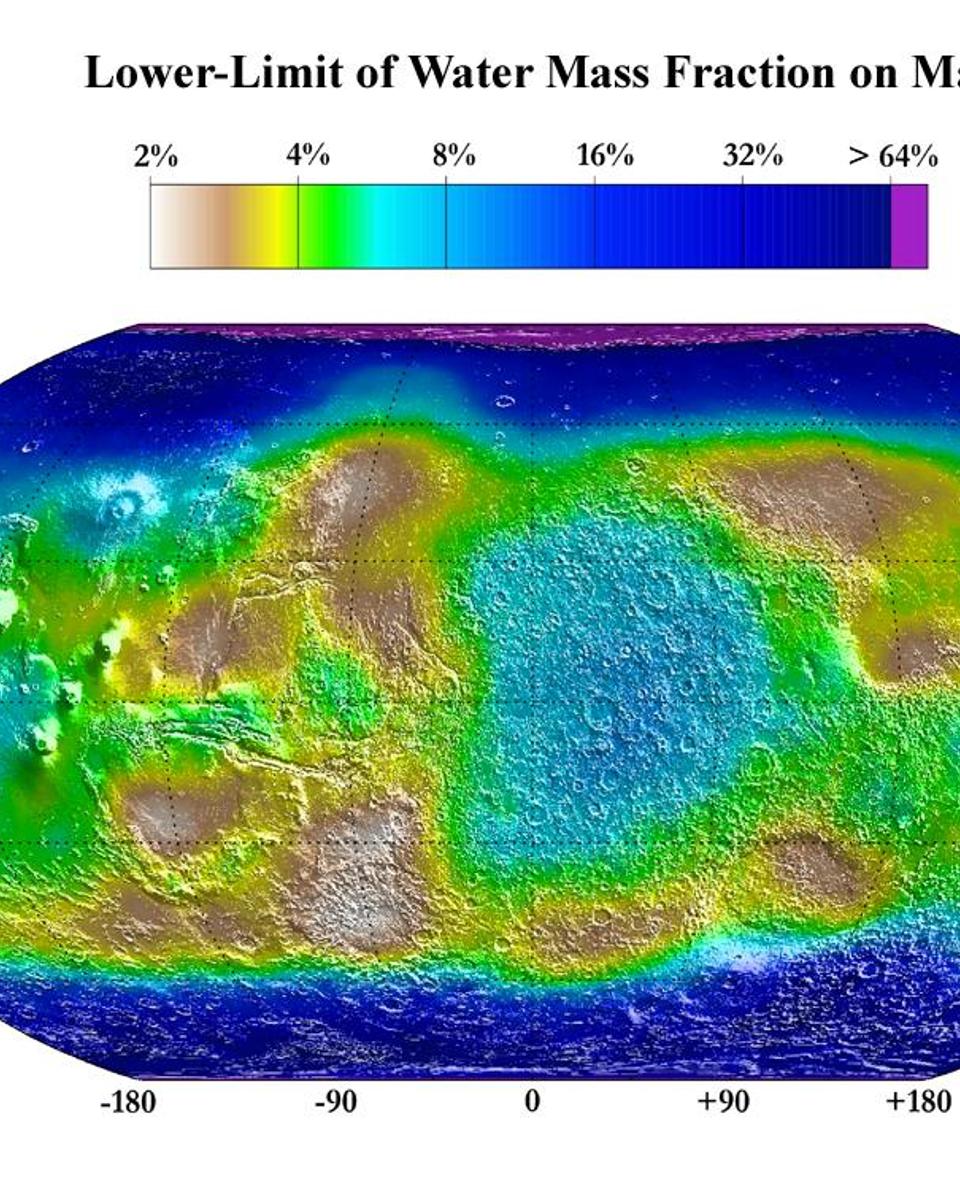
Neutron Mars
Looking for water on Mars, researchers using detectors on board the orbiting Mars Odyssey spacecraft have created this false-color global map of energetic neutrons from the…
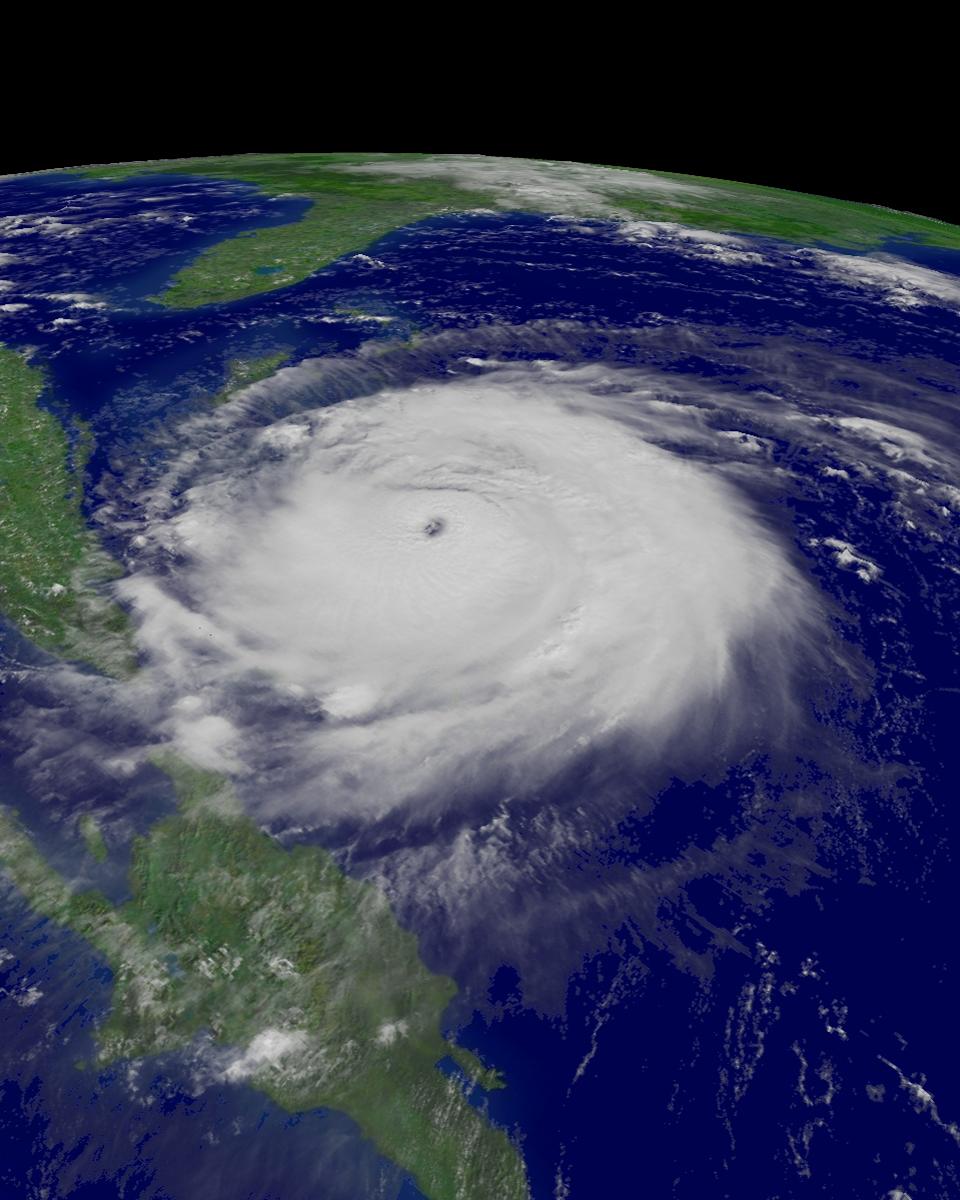
Hurricane Frances Approaches Florida
A major hurricane is heading for Florida . Hurricane Frances , one of the stronger storm systems of modern times, may cross the eastern coast of Florida sometime tomorrow. Those…
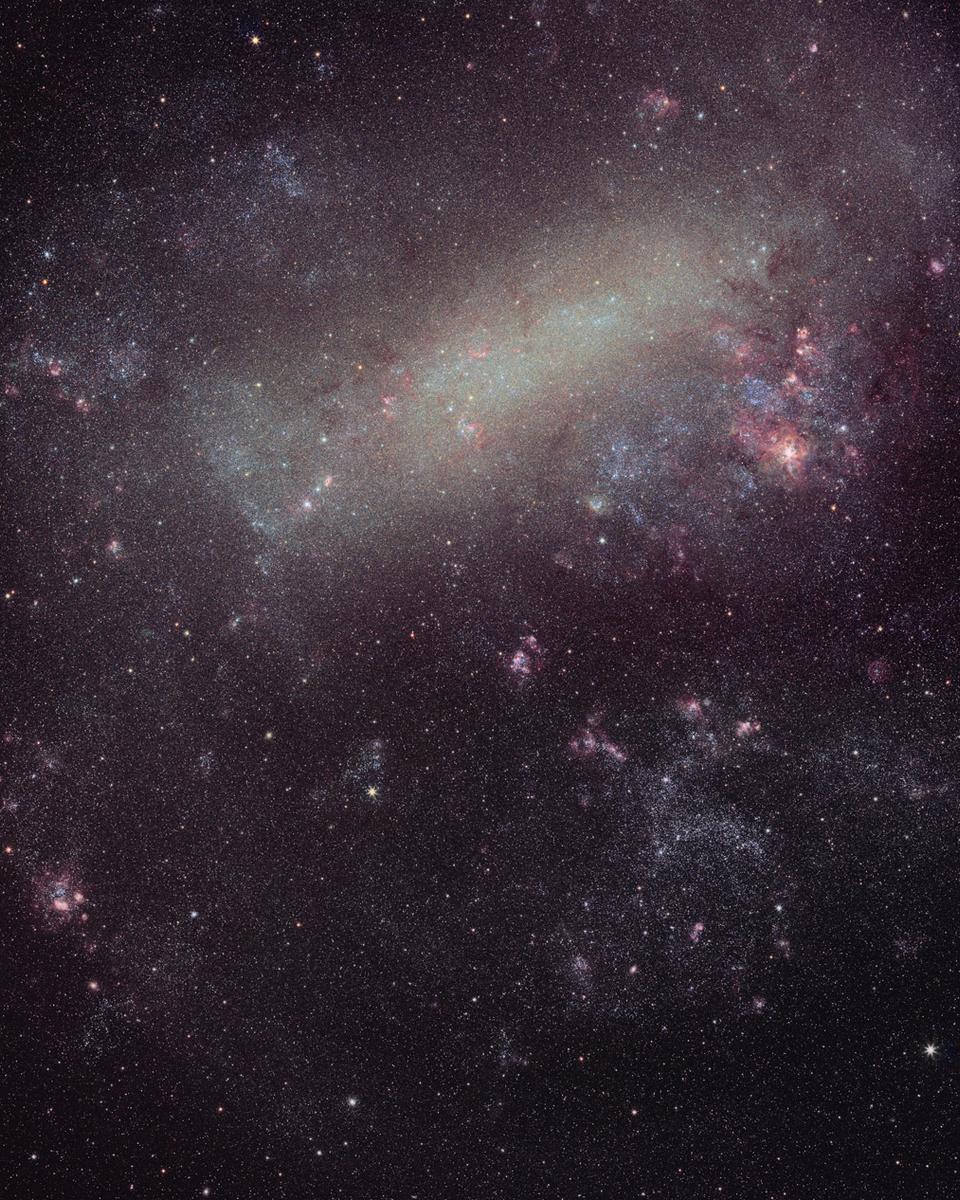
The Large Cloud of Magellan
Portuguese navigator Fernando de Magellan and his crew had plenty of time to study the southern sky during the first circumnavigation of planet Earth. As a result, two fuzzy…
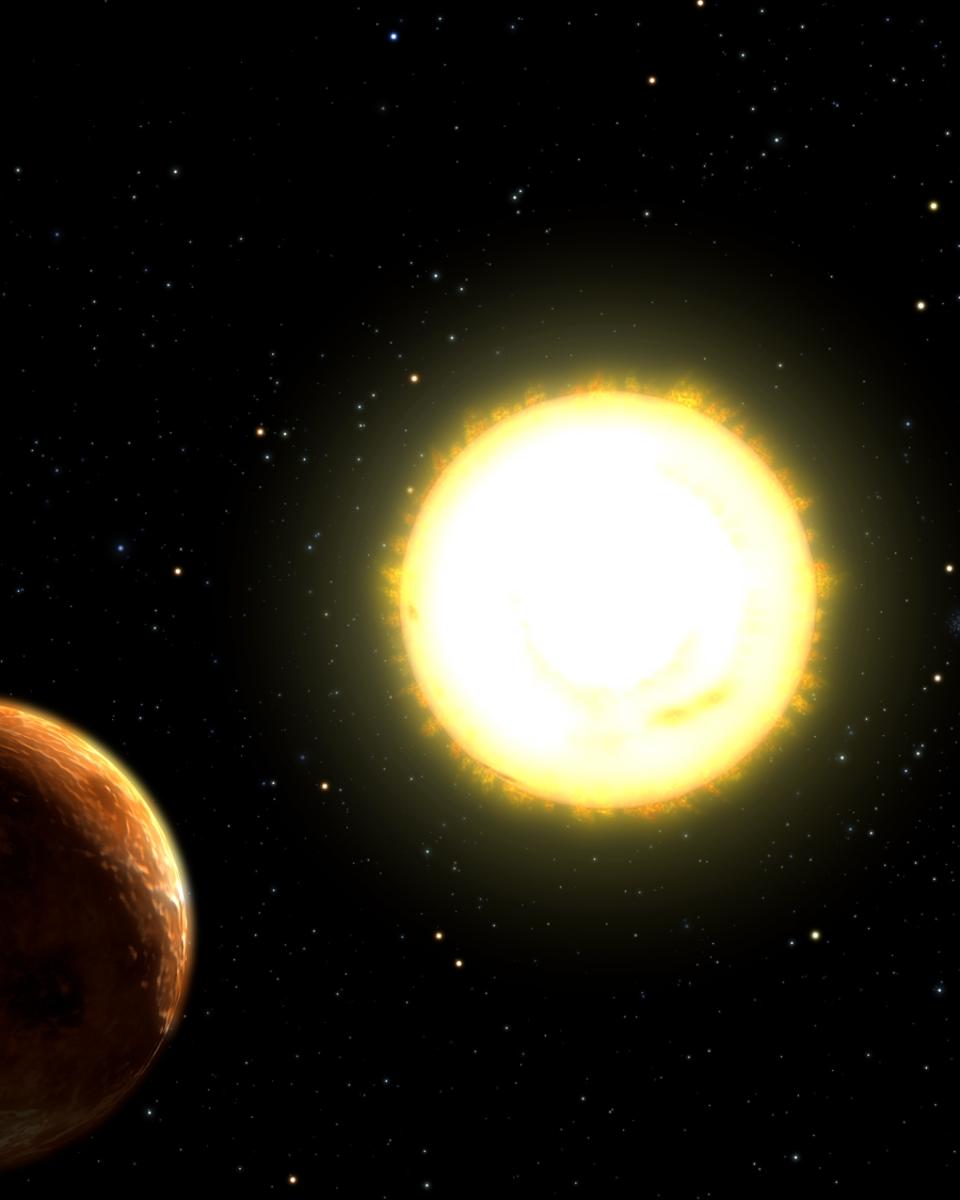
An Inner Neptune for 55 Cancri
Is our Solar System unique? The discovery of a Neptune -mass planet in an sub-Mercury orbit around nearby Sun -like star 55 Cancri , announced yesterday along with the discovery…
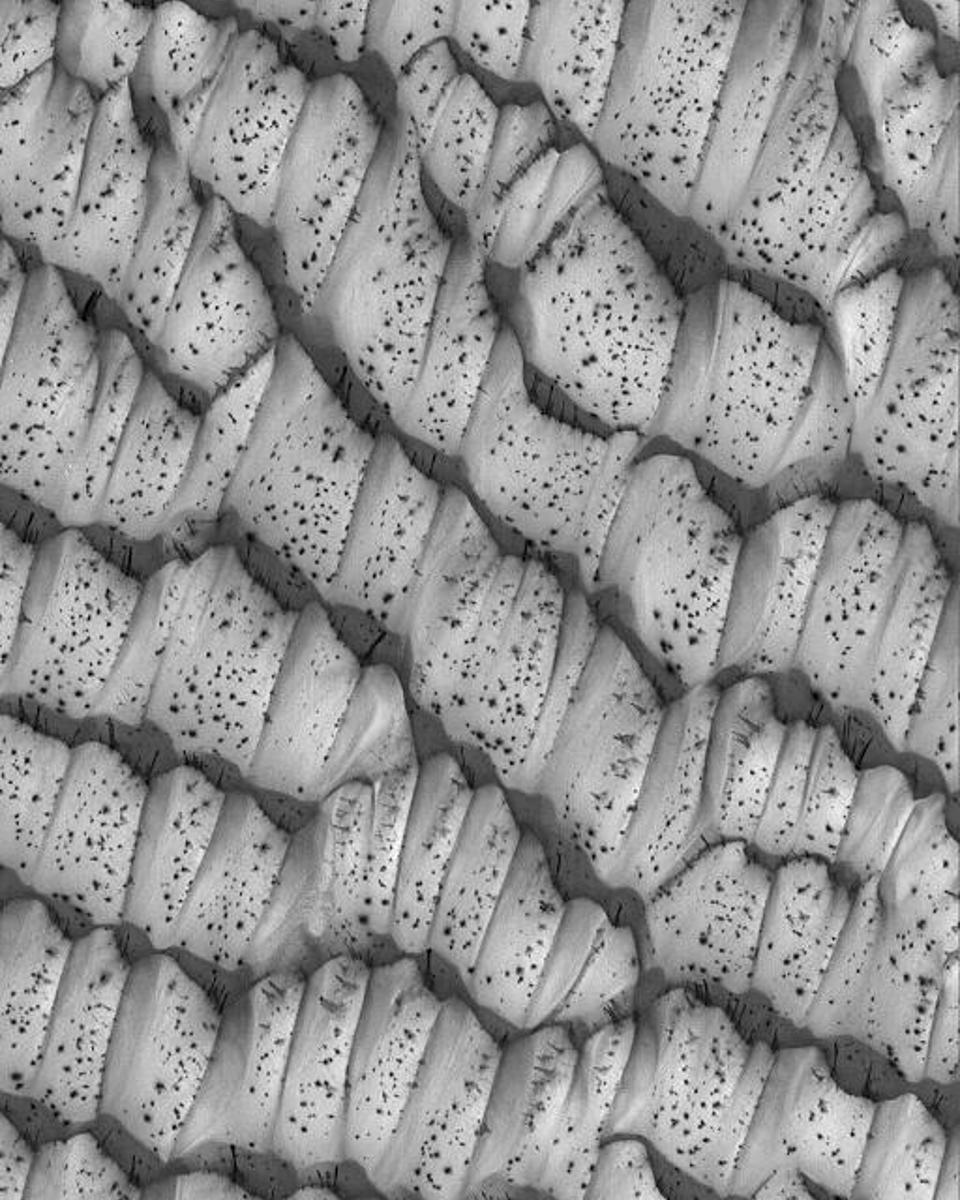
The Dotted Dunes of Mars
What causes the black dots on dunes on Mars? As spring dawns on the Northern Hemisphere of Mars , dunes of sand near the poles begin to defrost. Thinner regions of ice typically…
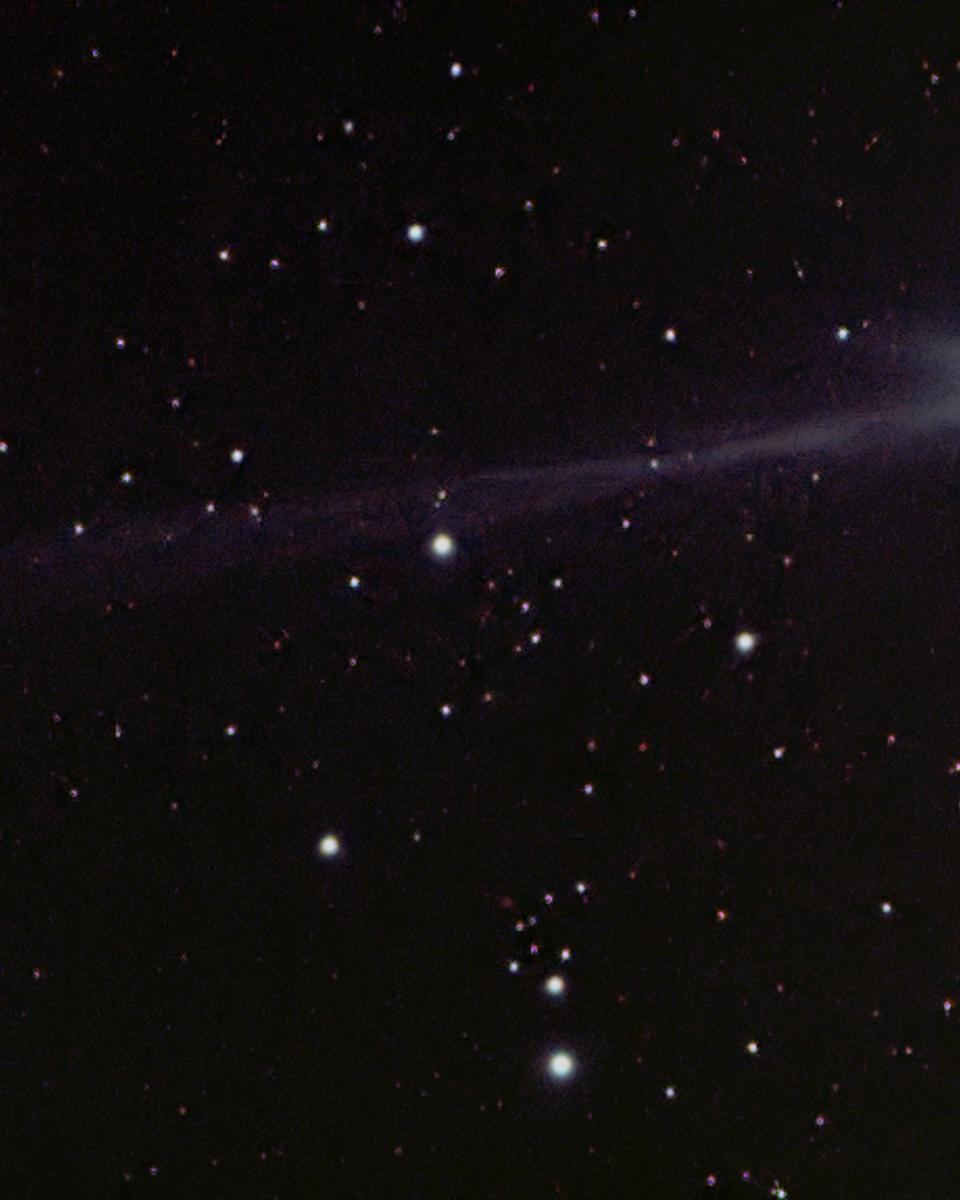
Announcing Comet C/2003 K4 (LINEAR)
A comet discovered last year has brightened unexpectedly and now may become visible to the unaided eye within the next month. Designated Comet C/2003 K4 (LINEAR) , the comet was…

Lunation
Our Moon's appearance changes nightly. This time-lapse sequence shows what our Moon looks like during a lunation , a complete lunar cycle. As the Moon orbits the Earth , the half…
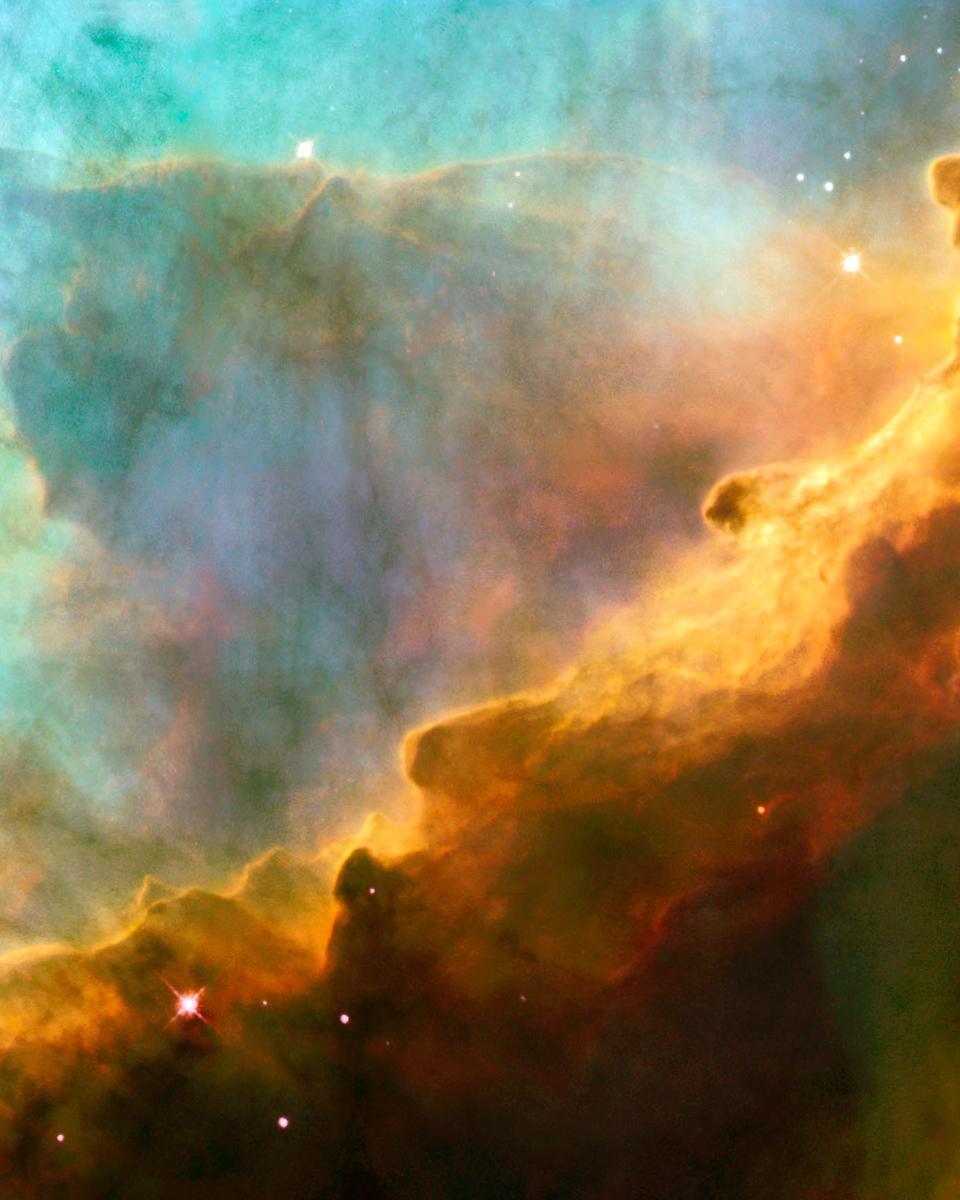
M17: A Hubble Close-Up
Sculpted by stellar winds and radiation, these fantastic, undulating shapes lie within the stellar nursery known as M17 , the Omega Nebula, some 5,500 light-years away in the…
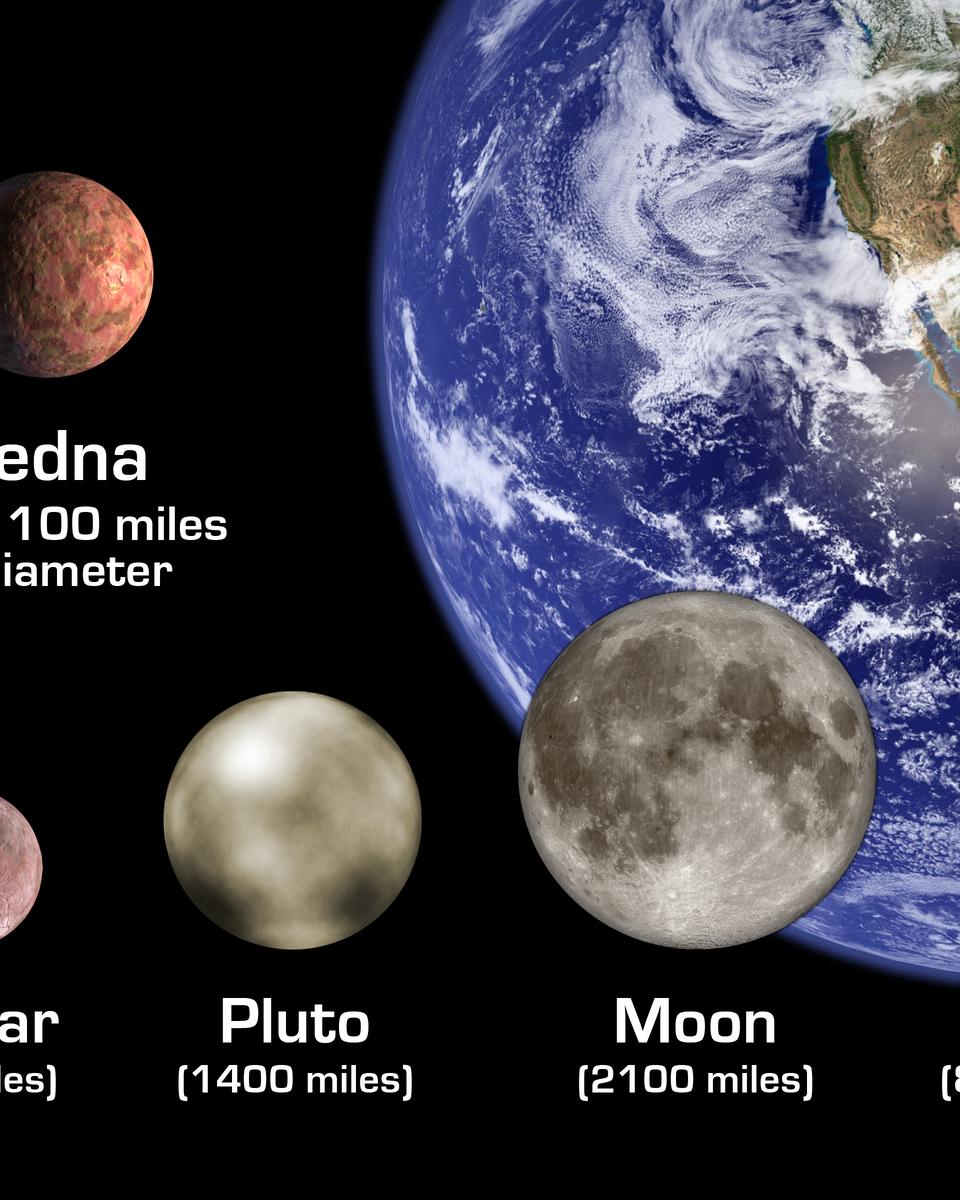
The Sedna Scenario
The discovery of Sedna ( aka 2003 VB12 ), the most distant known object orbiting the Sun, presents a mystery . Pluto's orbit averages about 40 AU in radius, where an AU…
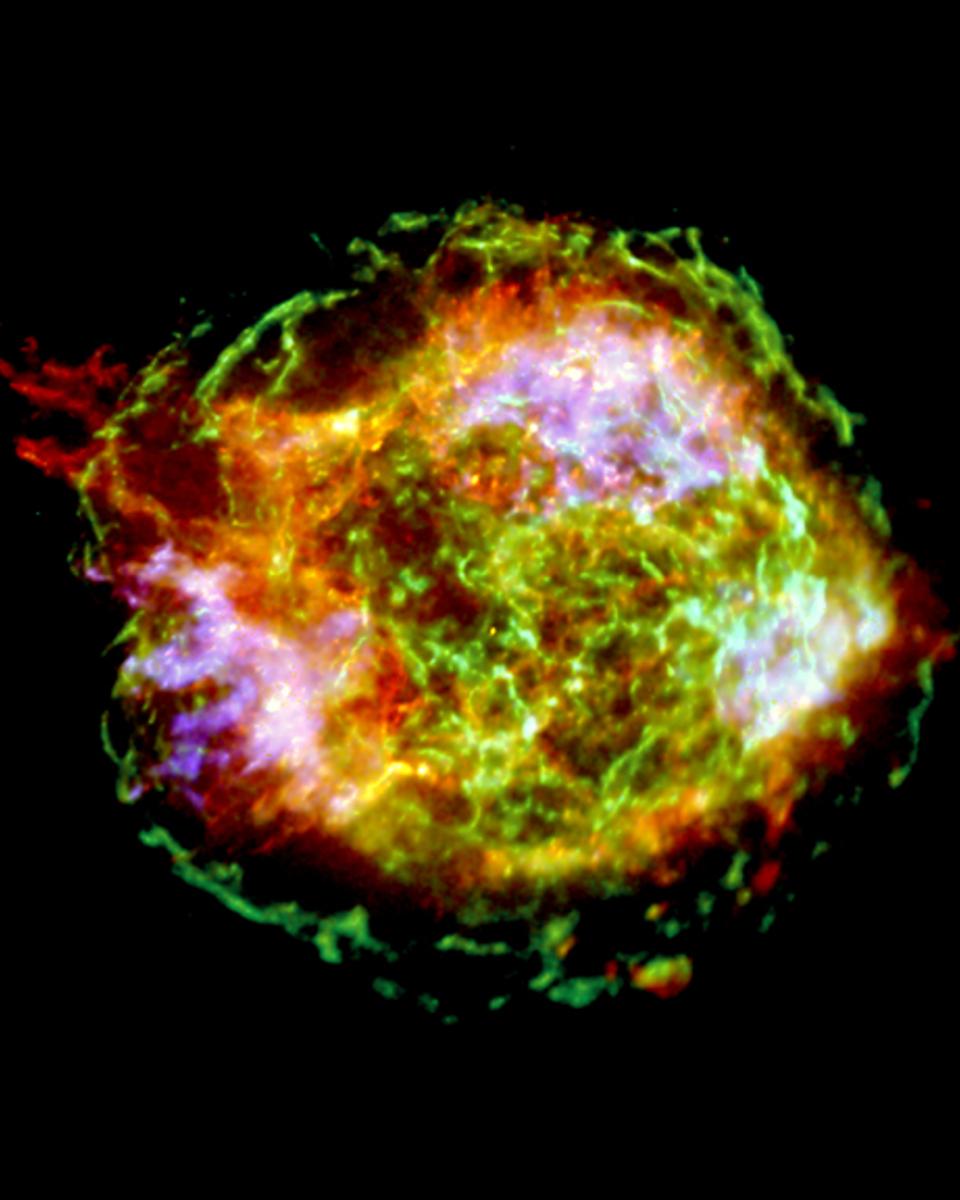
Cassiopeia A in a Million
One million seconds of x-ray image data were used to construct this view of supernova remnant Cassiopeia A, the expanding debris cloud from a stellar explosion. The stunningly…
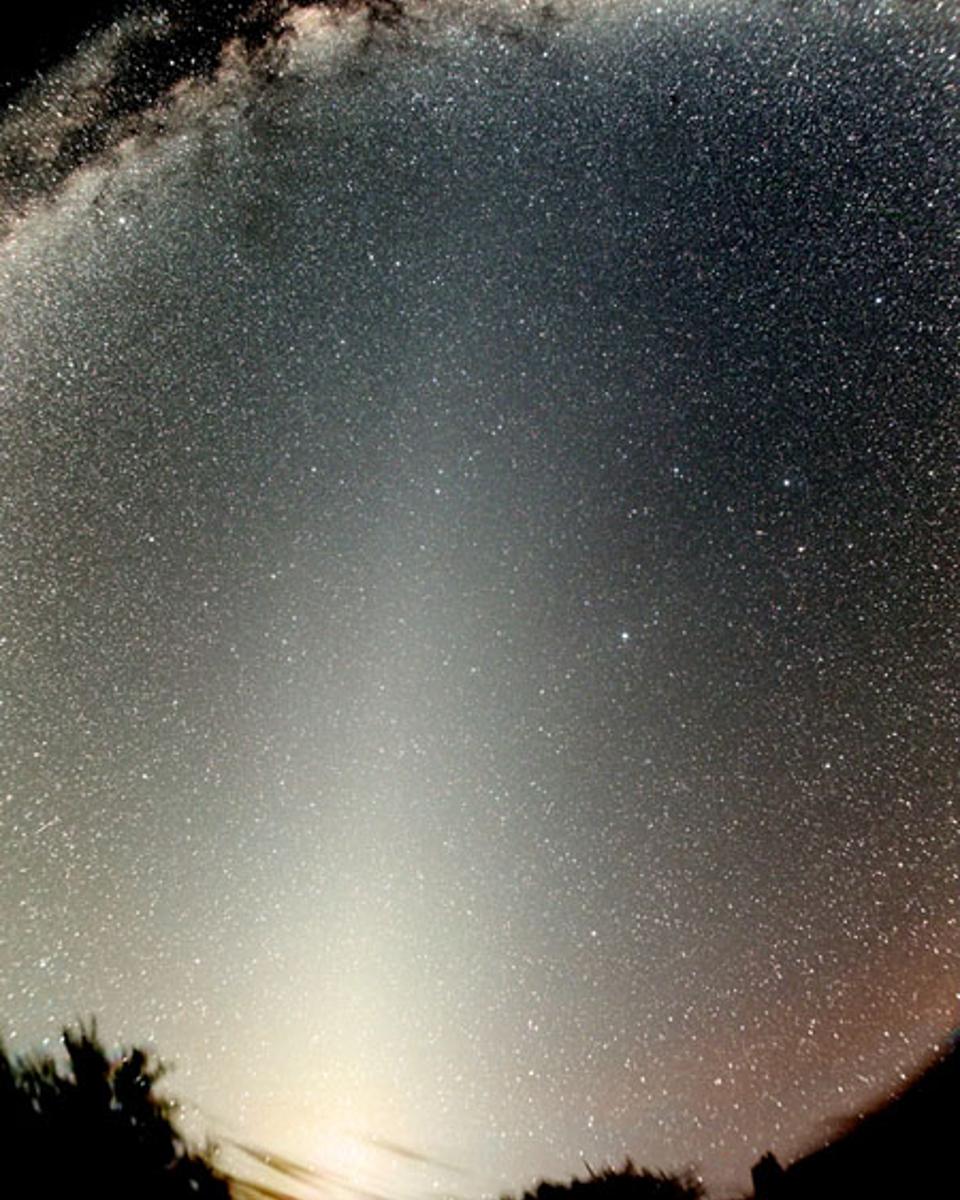
Zodiacal Light and the False Dawn
An unusual triangle of light will be particularly bright near the eastern horizon before sunrise during the next two months for observers in Earth's northern hemisphere. Once…
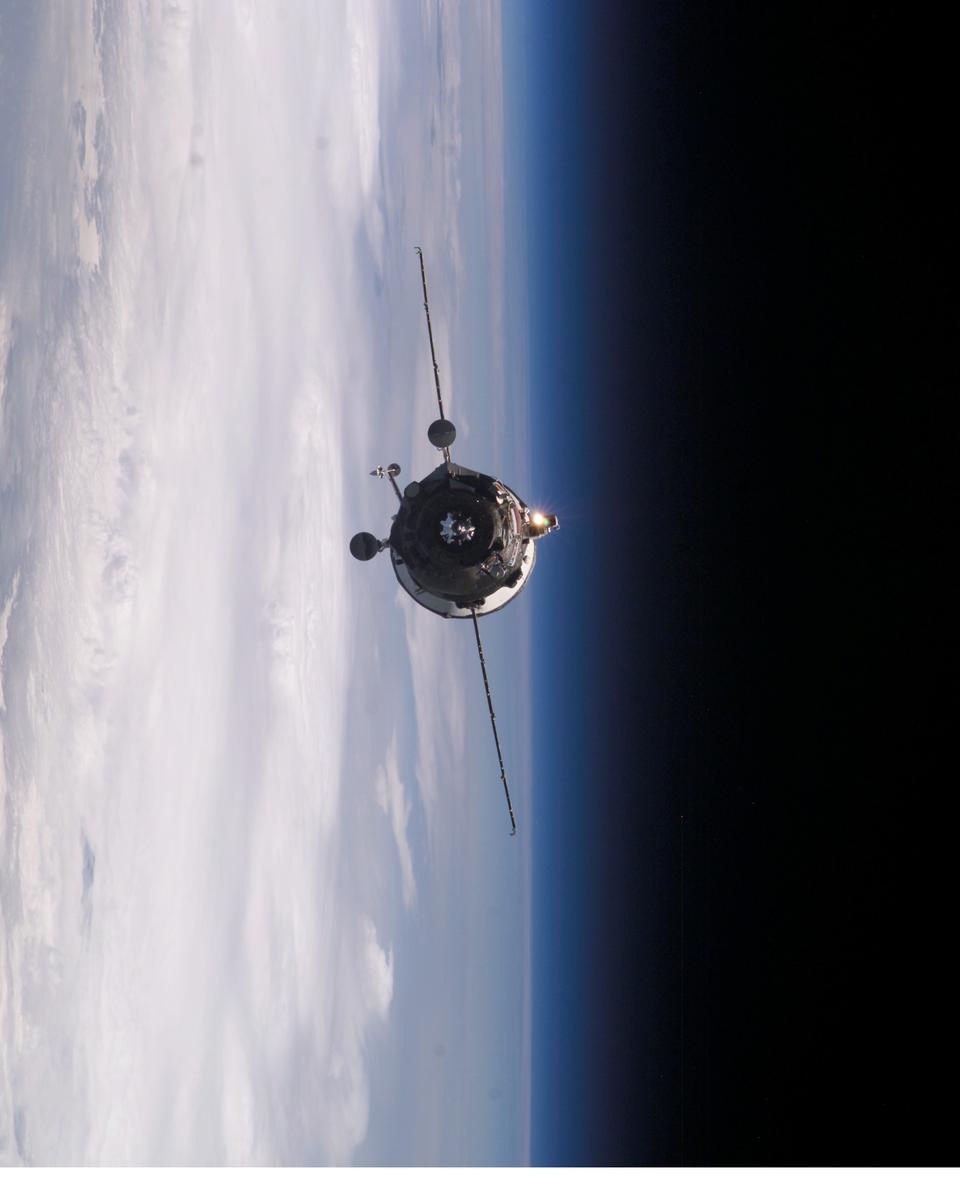
Supply Ship Approaches the Space Station
The crew on board the International Space Station sometimes needs supplies. As the US Space Shuttle fleet prepares to return to flight , supplies usually now come from a robot…
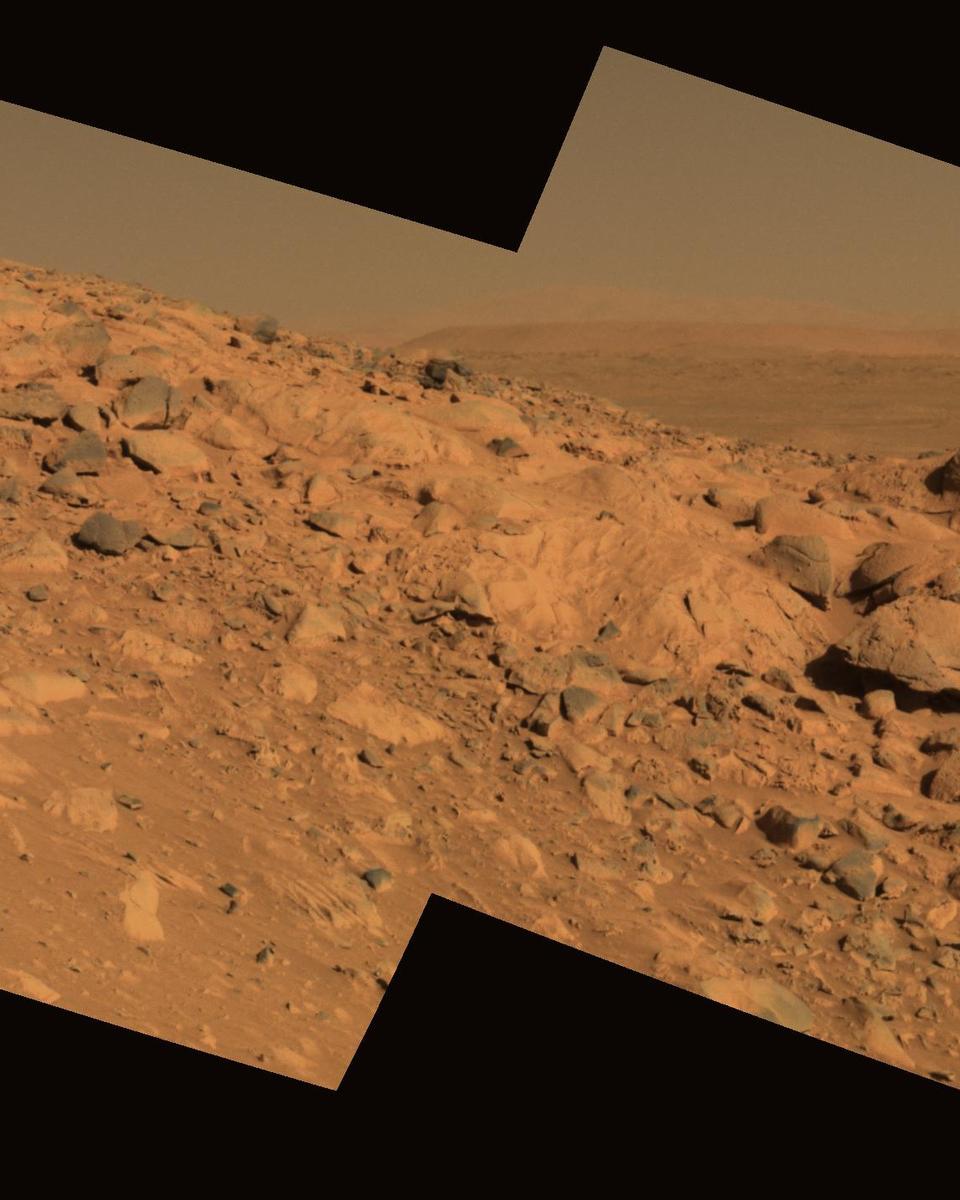
Looking Out Over Mars
What would it be like to climb a hill and look out over Mars? That opportunity was afforded the Spirit rover earlier this month as it rolled to a high perch in the Columbia Hills…

Earth at Night
This is what the Earth looks like at night. Can you find your favorite country or city ? Surprisingly, city lights make this task quite possible. Human-made lights highlight…
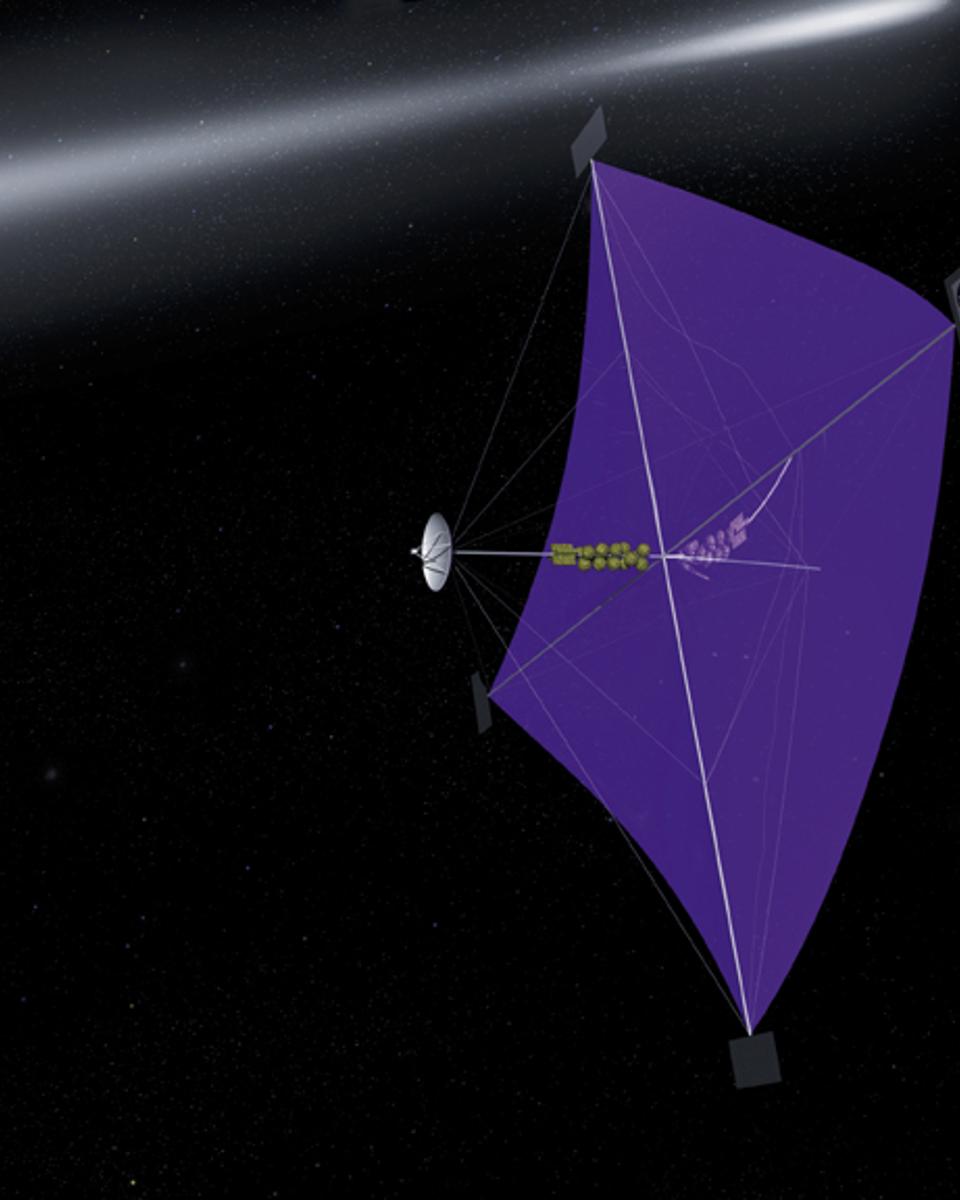
Solar Sail
Could solar sailing become a future Olympic sport ? Nearly 400 years ago astronomer Johannes Kepler observed comet tails blown by a solar breeze and suggested that vessels might…
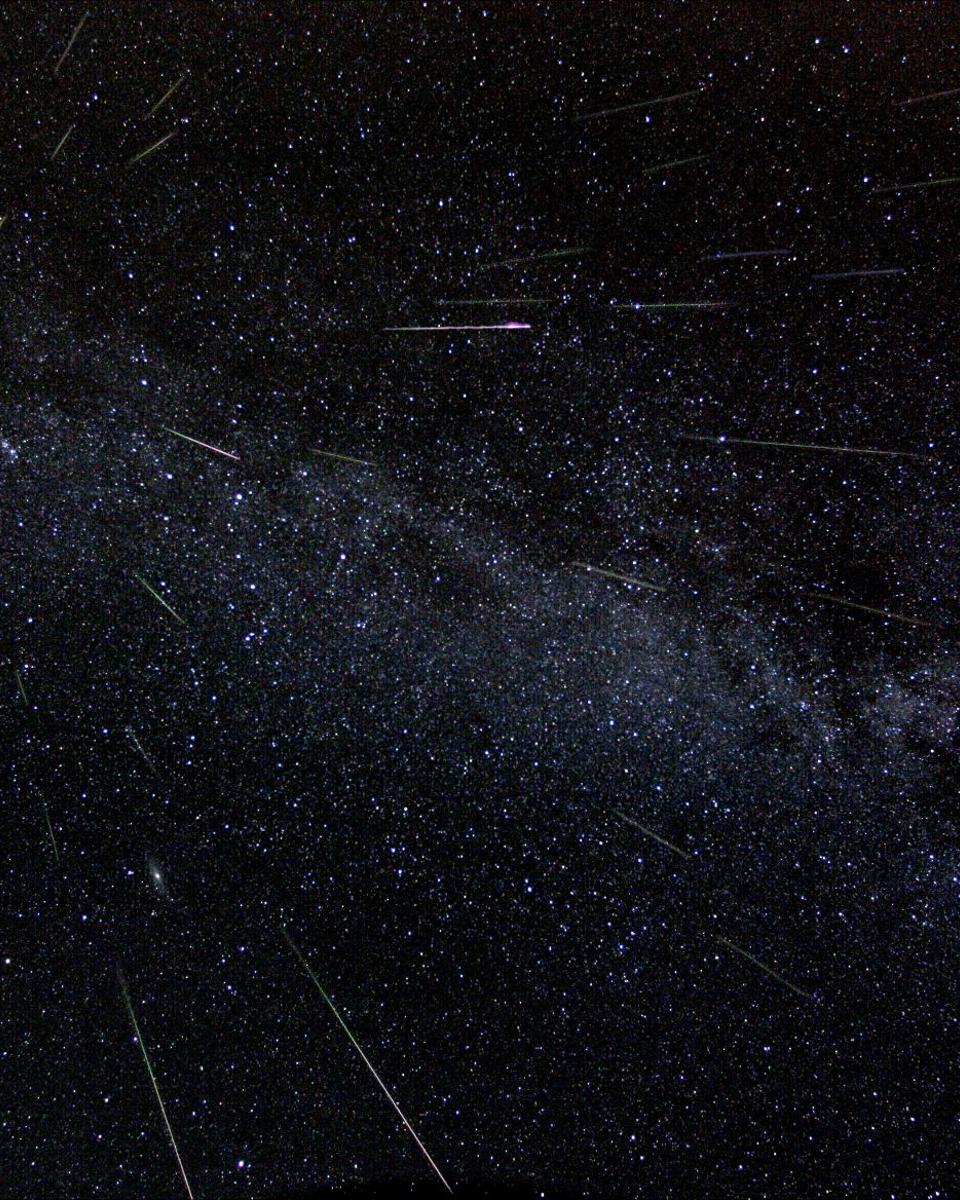
Raining Perseids
Comet dust rained down on planet Earth last week, streaking through dark skies in the annual Perseid meteor shower . So, while enjoying the anticipated space weather, astronomer…
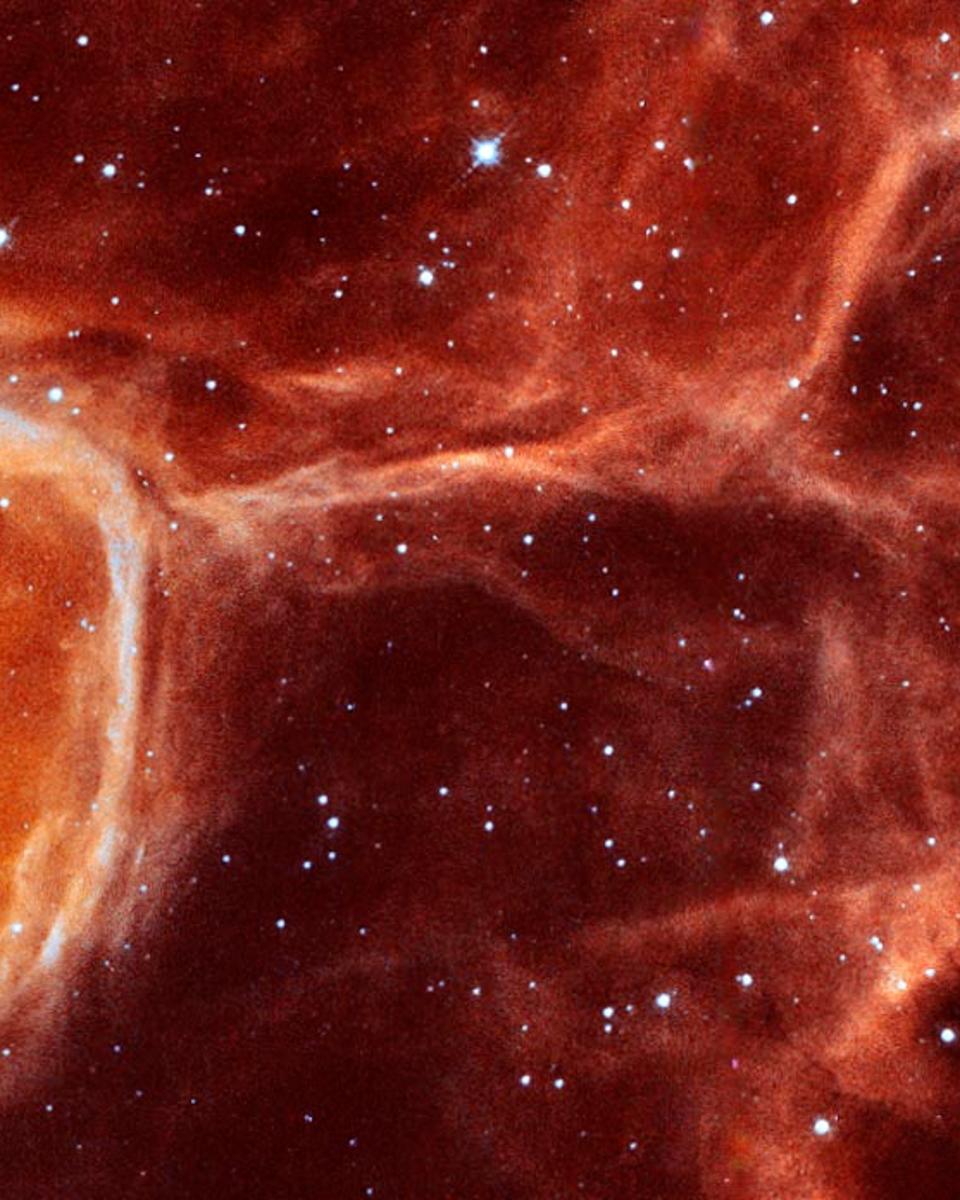
Windblown N44F
A fast and powerful wind from a hot young star has created this stunning bubble-shaped nebula poised on the end of a bright filament of hydrogen gas. Cataloged as N44F , the…
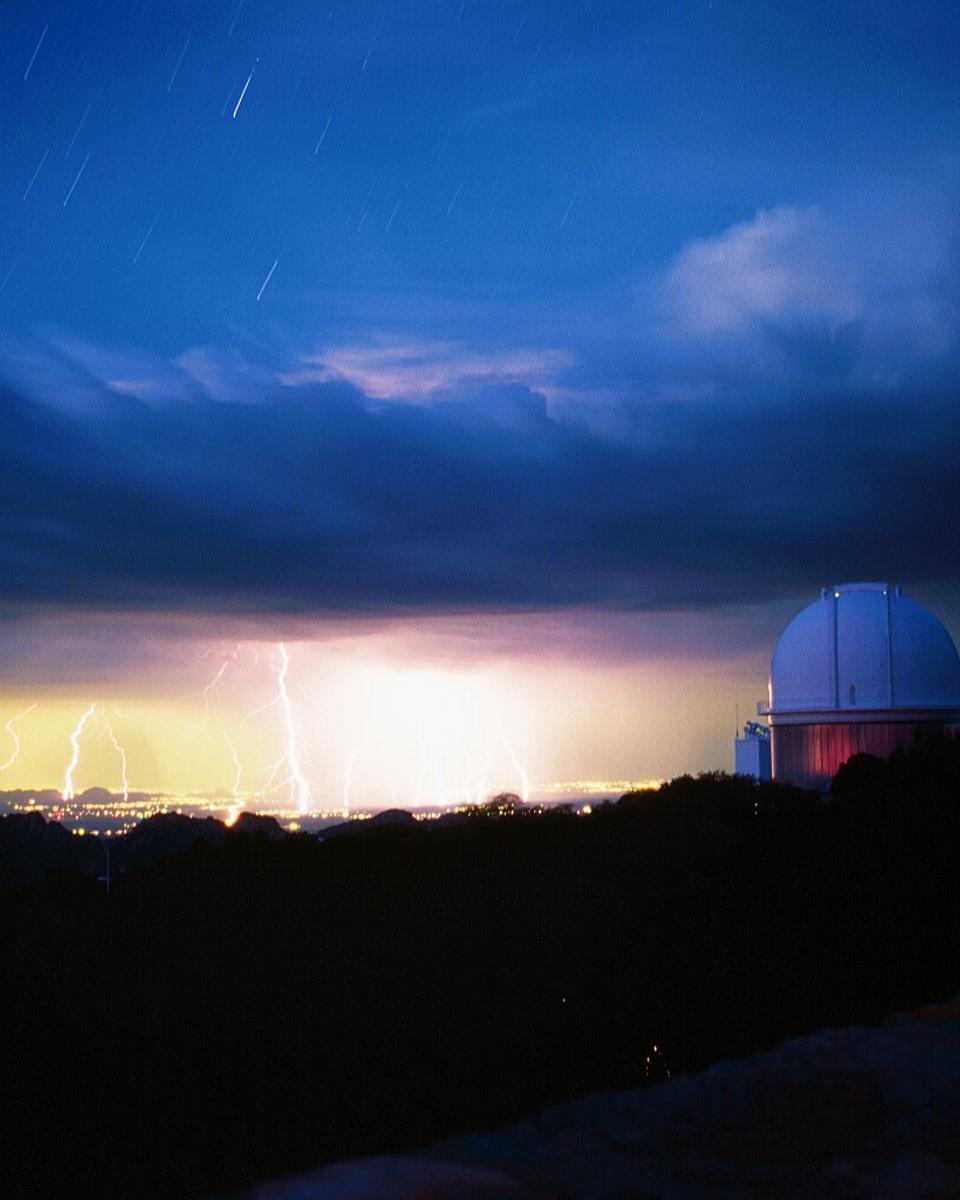
Lightning on Earth
Nobody knows what causes lightning. It is known that charges slowly separate in some clouds causing rapid electrical discharges (lightning), but how electrical charges get…
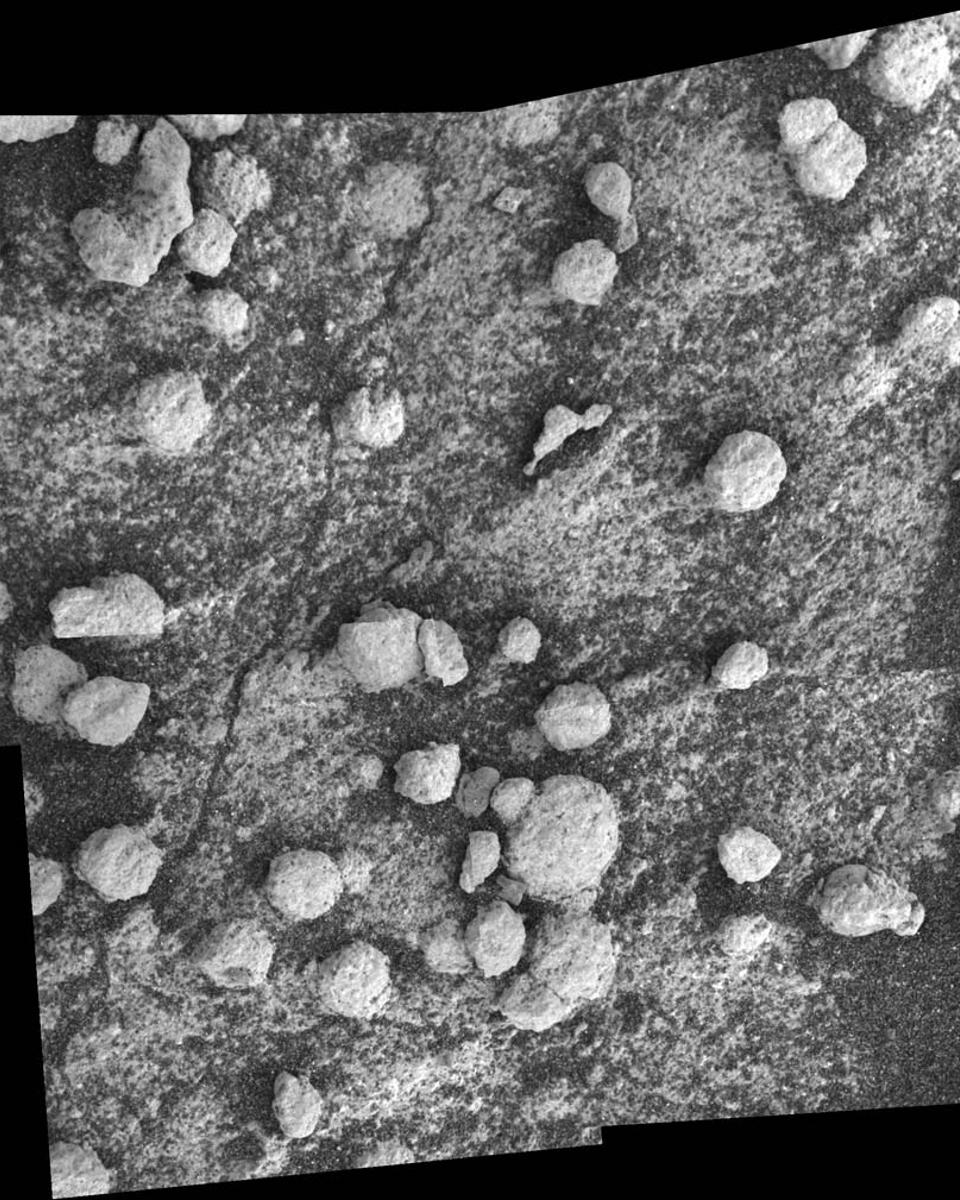
The Unusual Blueberries at Bylot Rock
Why aren't these Martian rocks round? Small rocks dubbed blueberries have been found by the Opportunity rover all over Meridiani Planum on Mars , but the ones perched on Bylot…
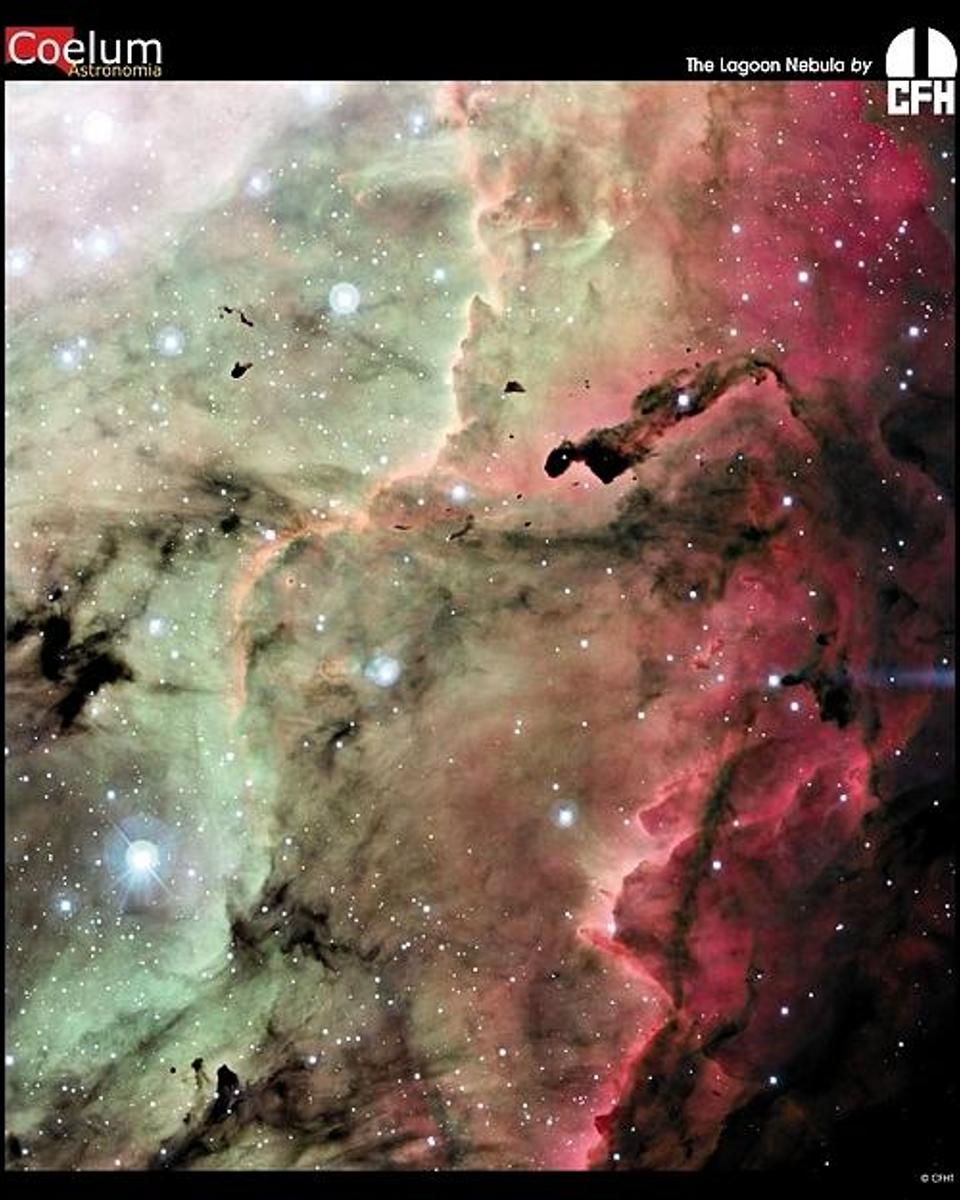
Close-Up of the Lagoon
Stars are battling gas and dust in the Lagoon Nebula but the photographers are winning. Also known as M8, this photogenic nebula is visible even without binoculars towards the…
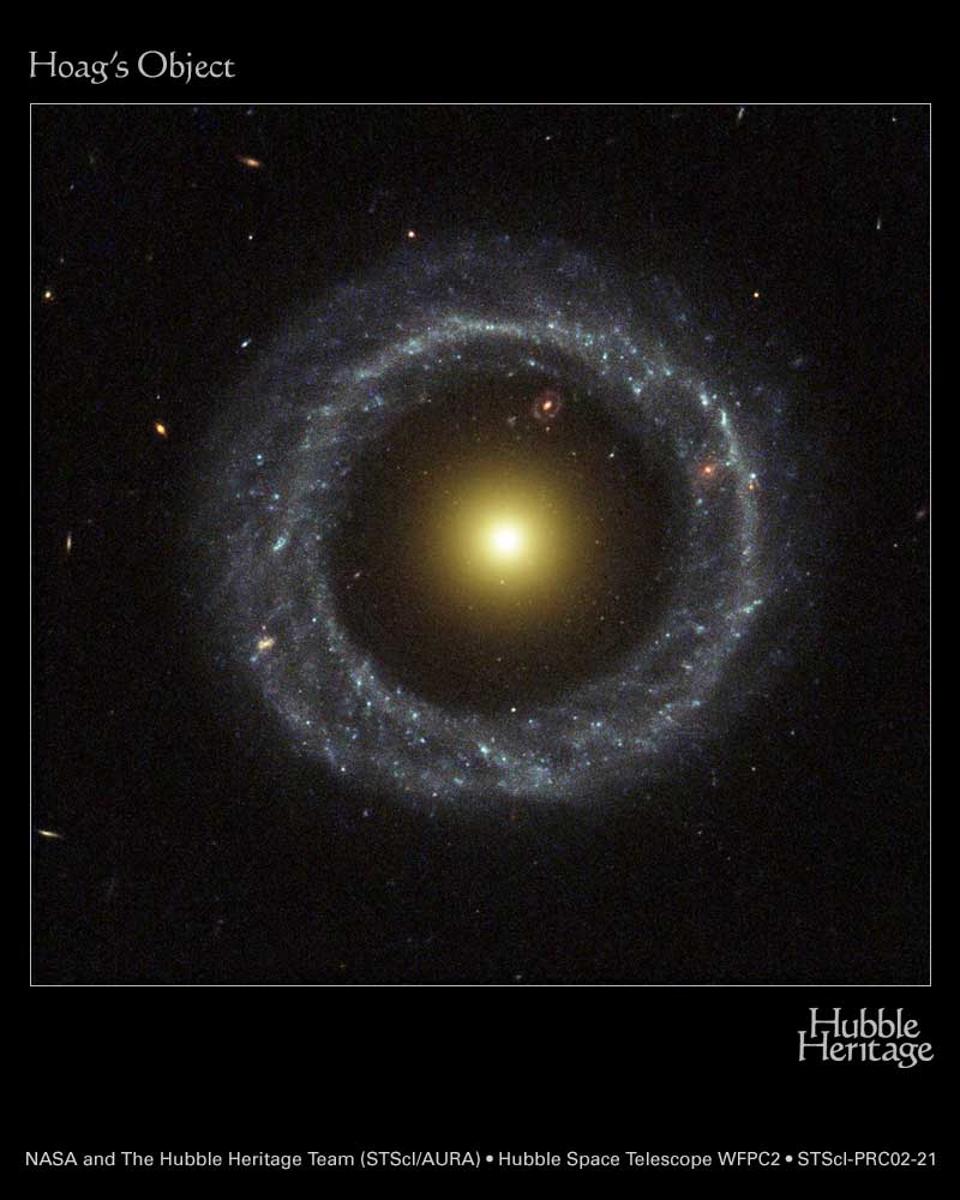
Hoag's Object: A Strange Ring Galaxy
Is this one galaxy or two? This question came to light in 1950 when astronomer Art Hoag chanced upon this unusual extragalactic object. On the outside is a ring dominated by…

Messenger Launch
Streaking into the early morning sky on August 3rd, a Delta II rocket launches NASA's Messenger spacecraft on an interplanetary voyage to Mercury . Scheduled to become the first…
Viewing discoveries from 6 September 2004 through 14 August 2004.