Browse NASA Astronomy Picture of the Day archive by date and media: Archive Discoveries
Browse the NASA APOD archive without needing the exact date first. Filter by media type and keep moving deeper into older images and videos.
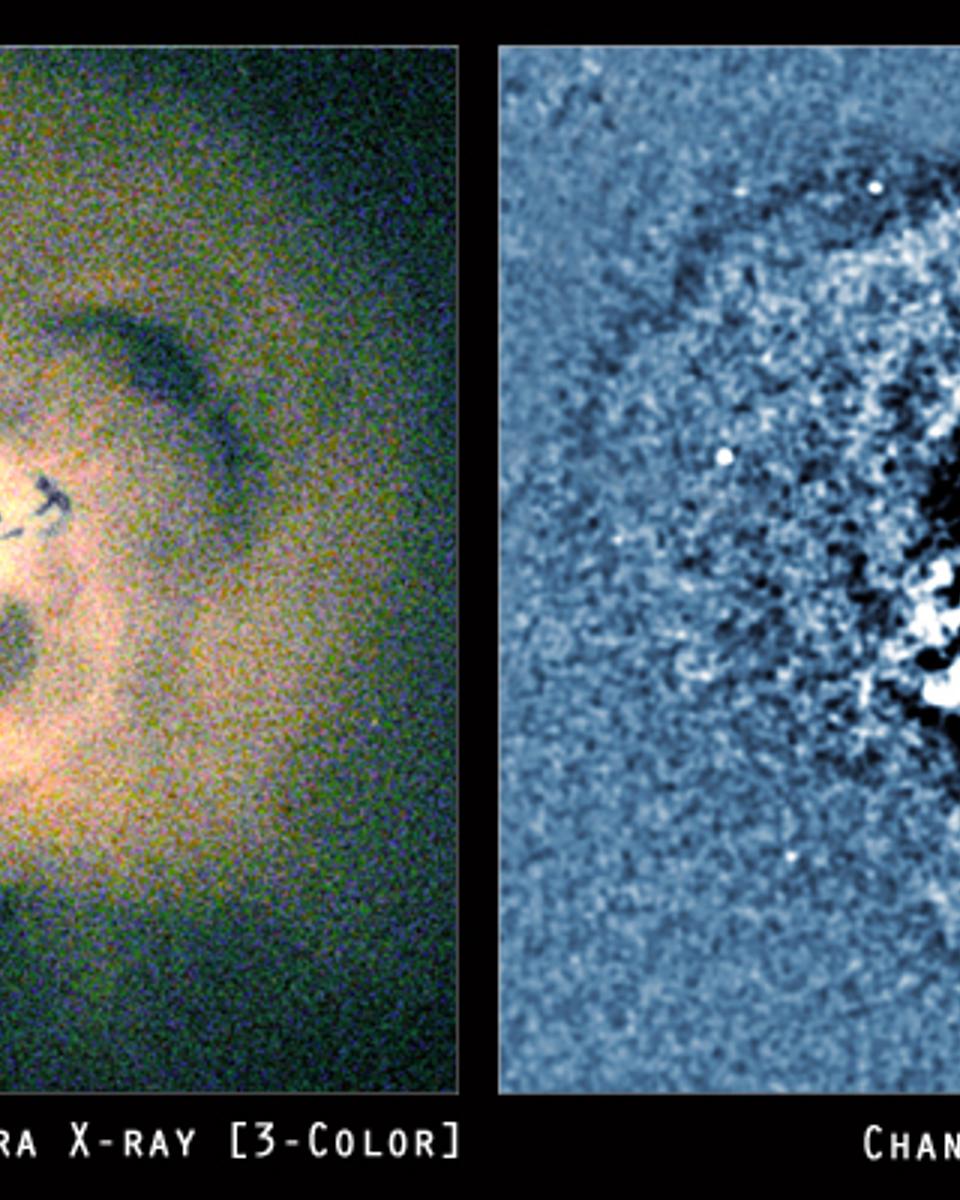
A Note on the Perseus Cluster
A truly enormous collection of thousands of galaxies, the Perseus Cluster - like other large galaxy clusters - is filled with hot, x-ray emitting gas. The x-ray hot gas (not the…
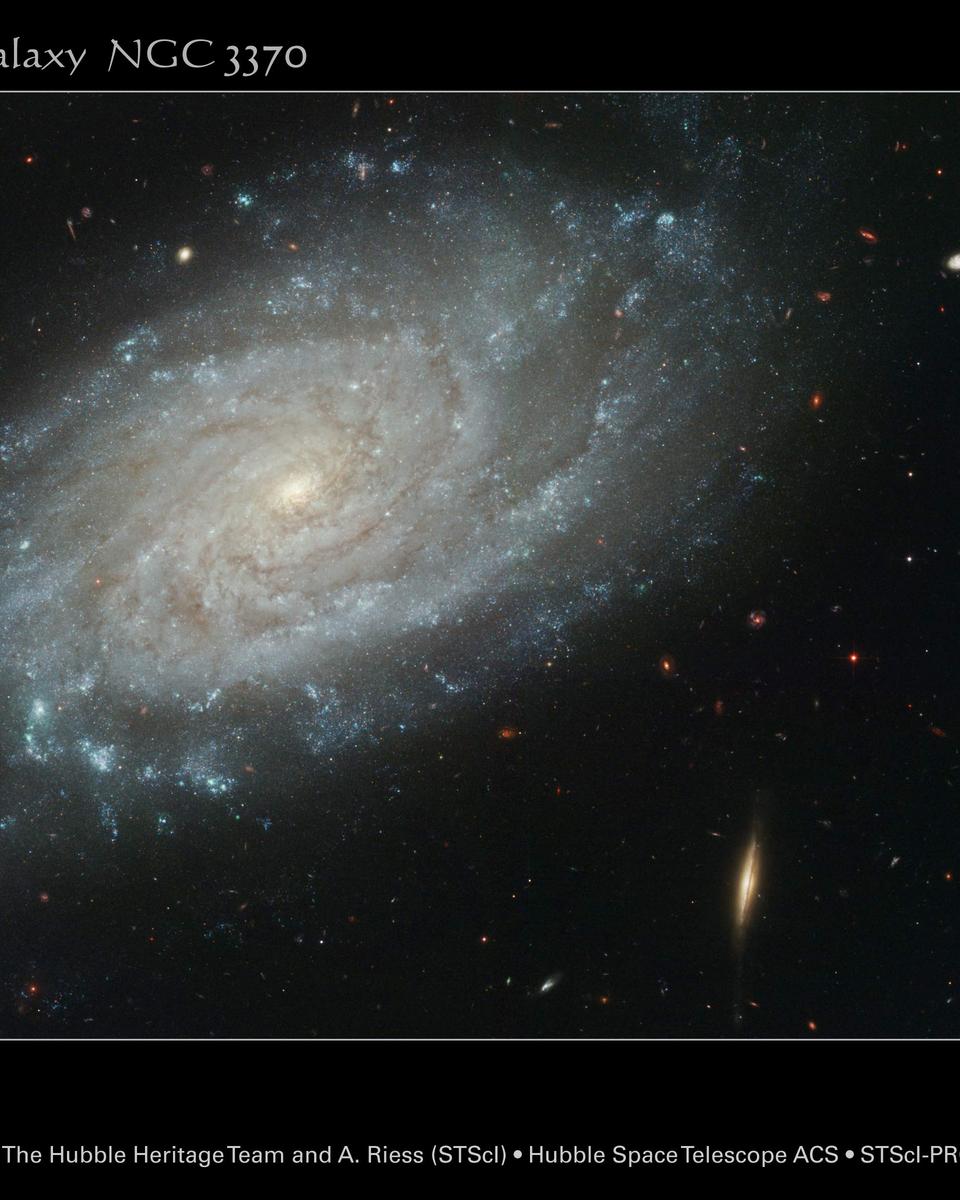
NGC 3370: A Sharper View
Similar in size and grand design to our own Milky Way , spiral galaxy NGC 3370 lies about 100 million light-years away toward the constellation Leo. Recorded here in exquisite…
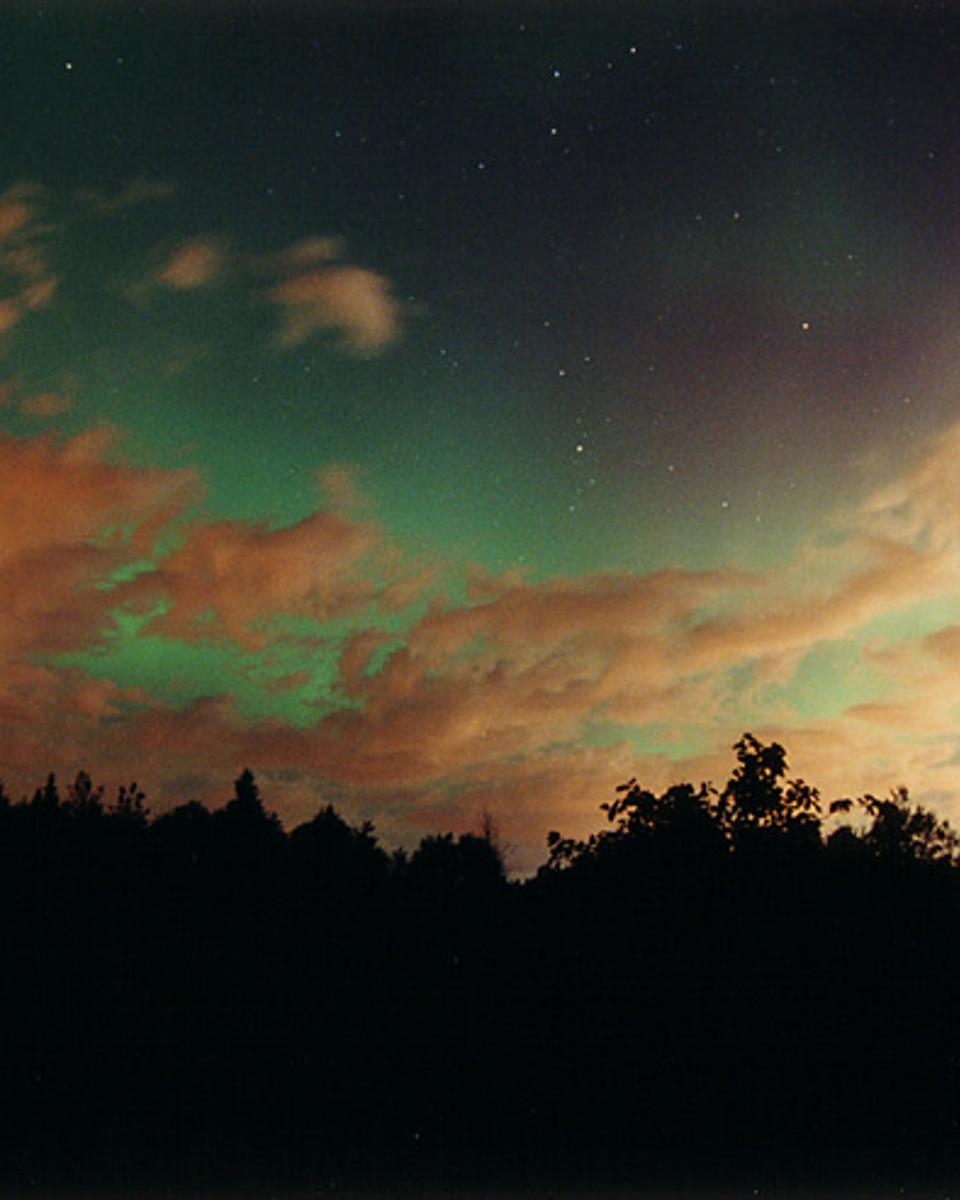
Aurora Over Clouds
Aurorae usually occur high above the clouds. The auroral glow is created when fast-moving charged particles from the Earth's magnetosphere impact air molecules high in the Earth's…
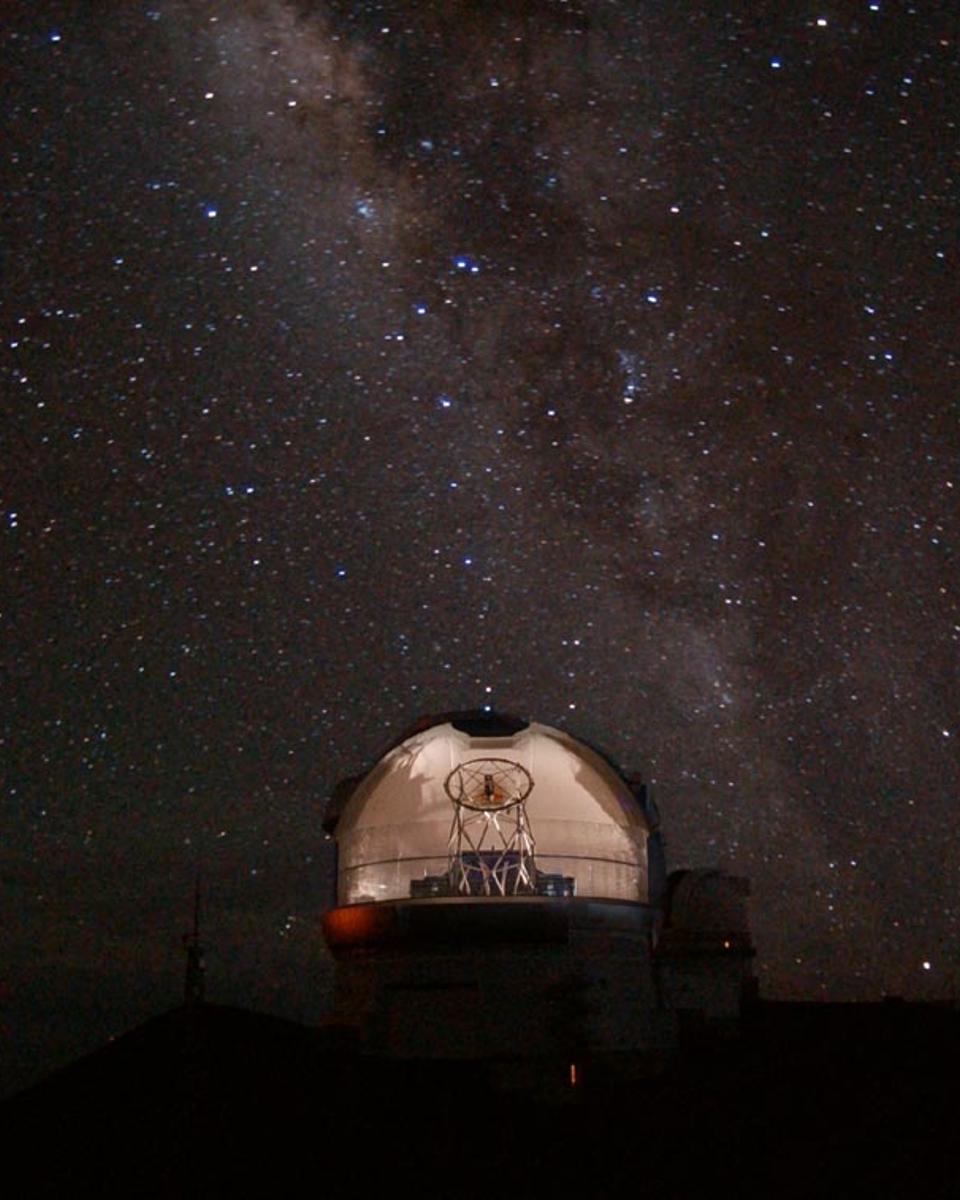
A Gemini Sky
Where will Gemini take us tonight? It is dusk and Gemini North , one of the largest telescopes on planet Earth , prepares to peer into the distant universe. Gemini's flexible…
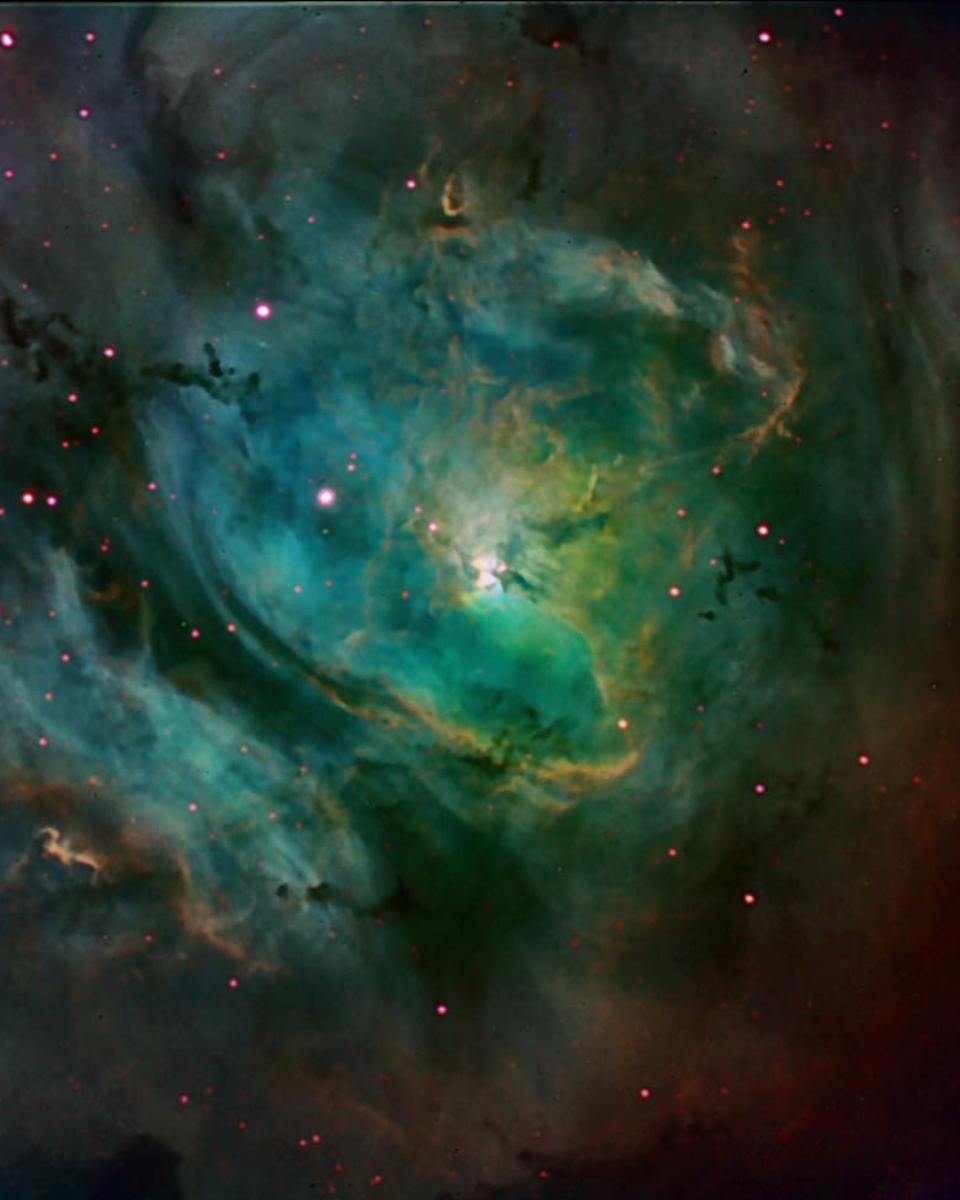
Stars and Dust of the Lagoon Nebula
The large majestic Lagoon Nebula is home for many young stars and hot gas. Spanning 100 light years across while lying only about 5000 light years distant, the Lagoon Nebulae is…
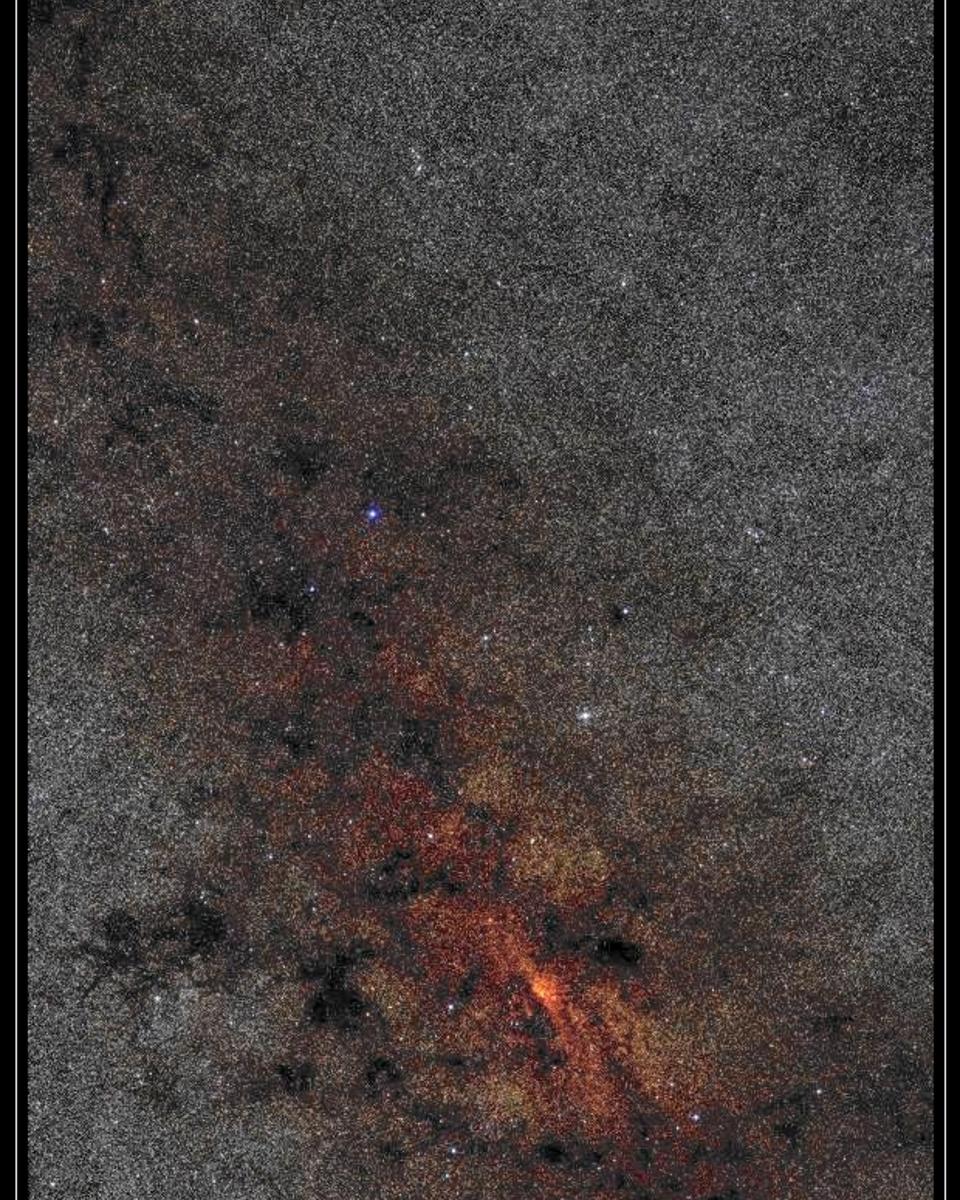
The Galactic Center in Infrared
The center of our Galaxy is a busy place. In visible light , much of the Galactic Center is obscured by opaque dust . In infrared light , however, dust glows more and obscures…
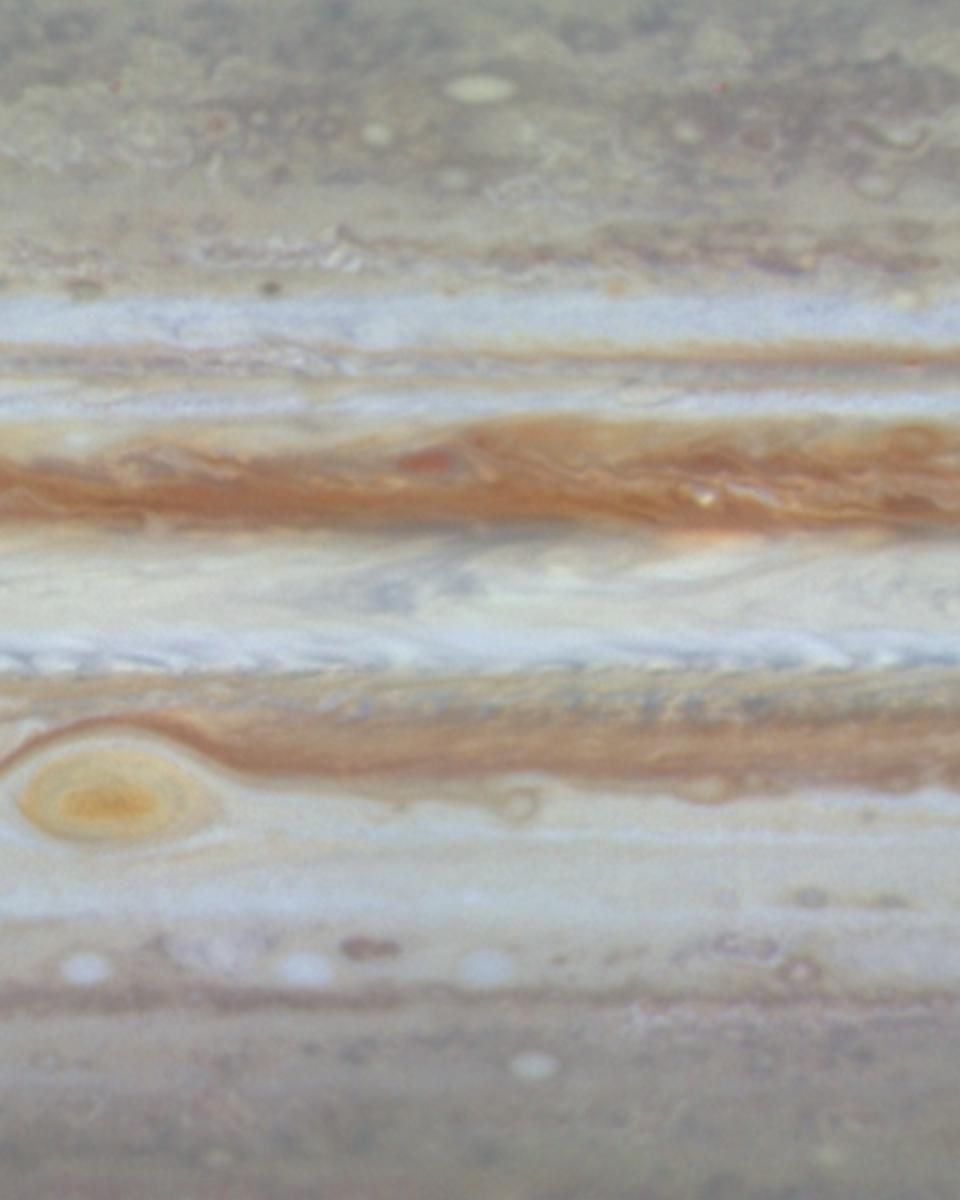
Jupiter Unpeeled
Slice Jupiter from pole to pole, peel back its outer layers of clouds , stretch them onto a flat surface ... and for all your trouble you'd end up with something that looks a lot…
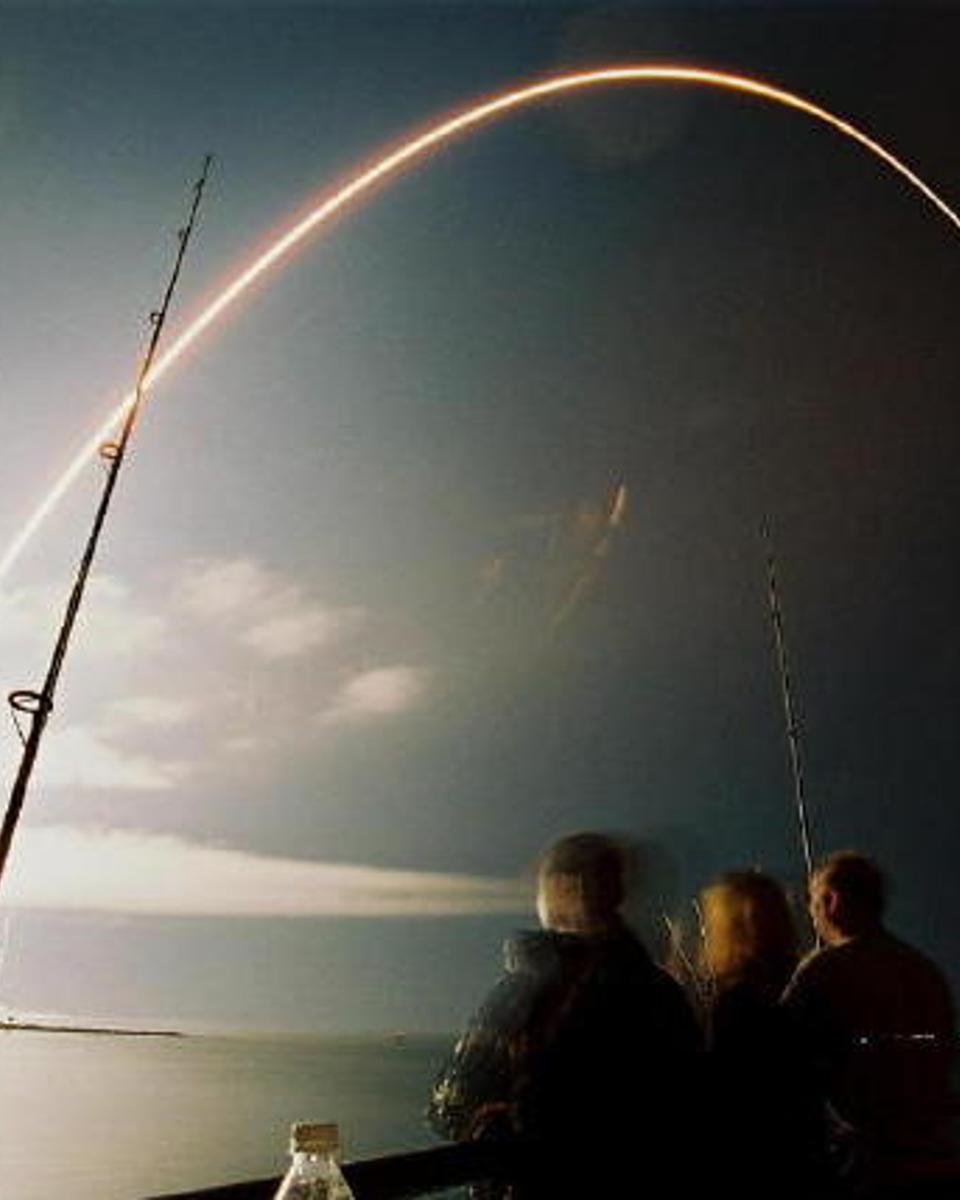
SIRTF Streak
Streaking skyward, a Boeing Delta 2-Heavy rocket carries NASA's Space InfraRed Telescope Facility (SIRTF) aloft during the early morning hours of August 25th. The dramatic scene…
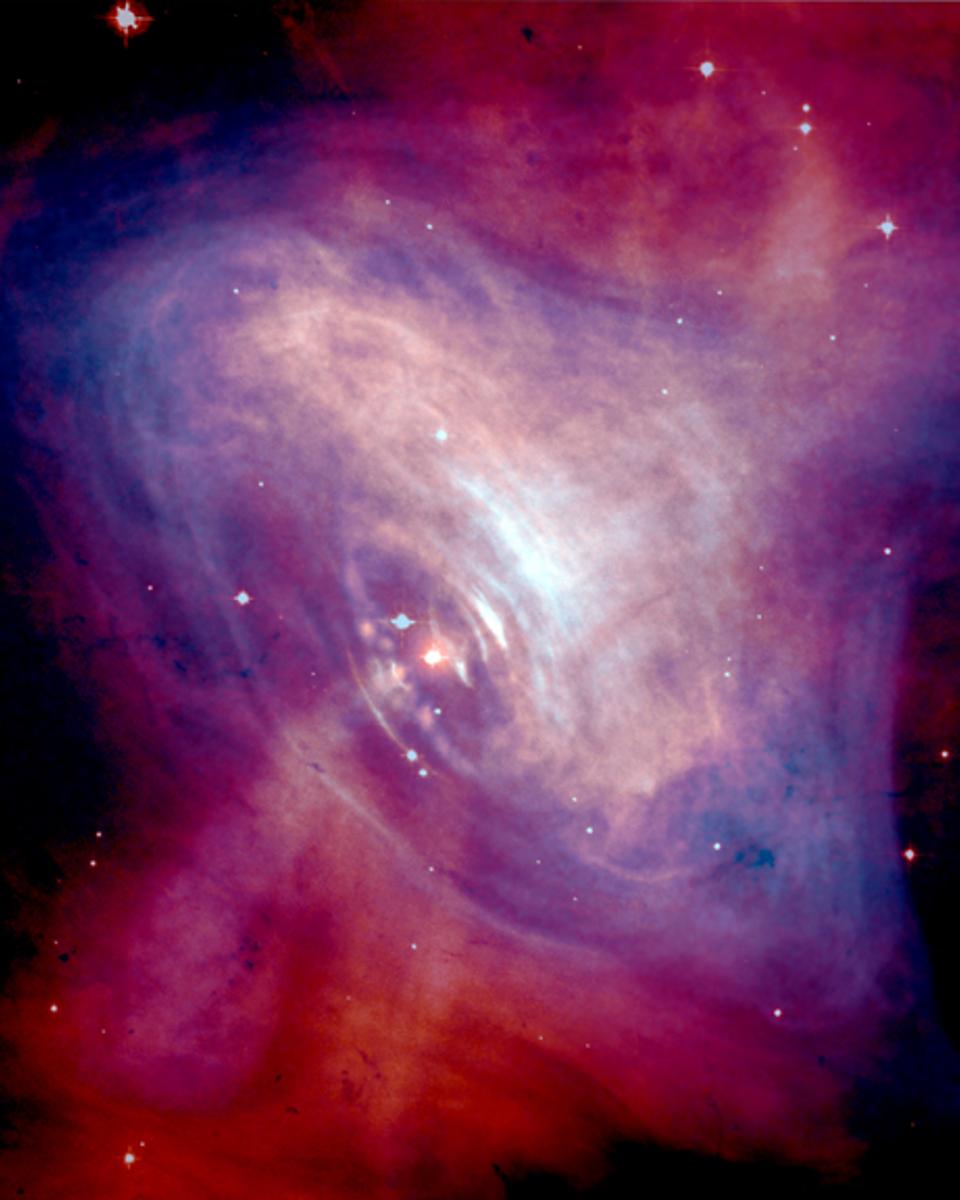
Composite Crab
The Crab Pulsar, a city-sized, magnetized neutron star spinning 30 times a second, lies at the center of this composite image of the inner region of the well-known Crab Nebula .…
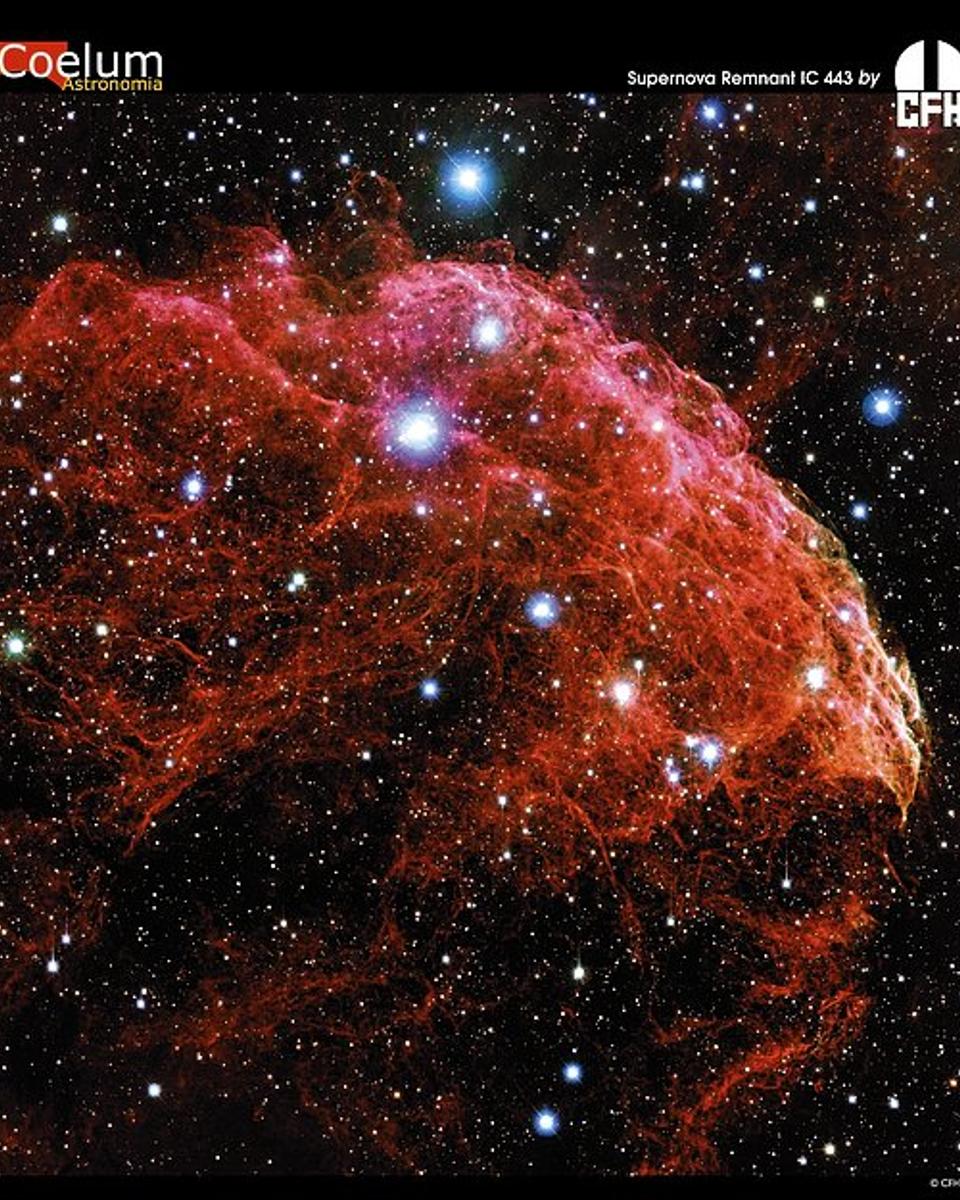
Galactic Supernova Remnant IC 443
About 8000 years ago, a star in our Galaxy exploded. Ancient humans might have noticed the supernova as a temporary star, but modern humans can see the expanding shell of gas even…
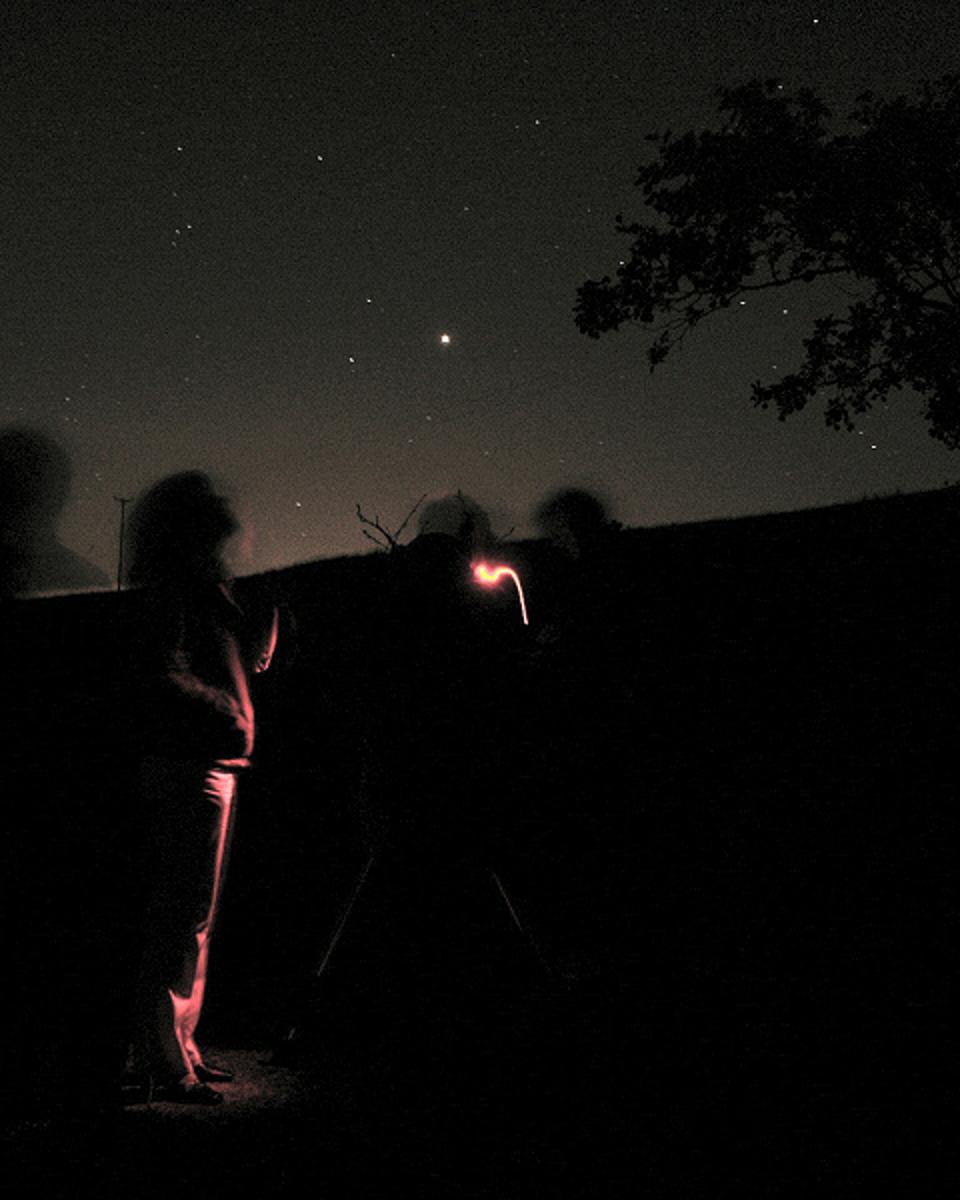
Contemplating Mars
Is that really another world? Thousands of people the world over lined up last week to see Mars through a telescope as the red planet and Earth passed unusually close together in…
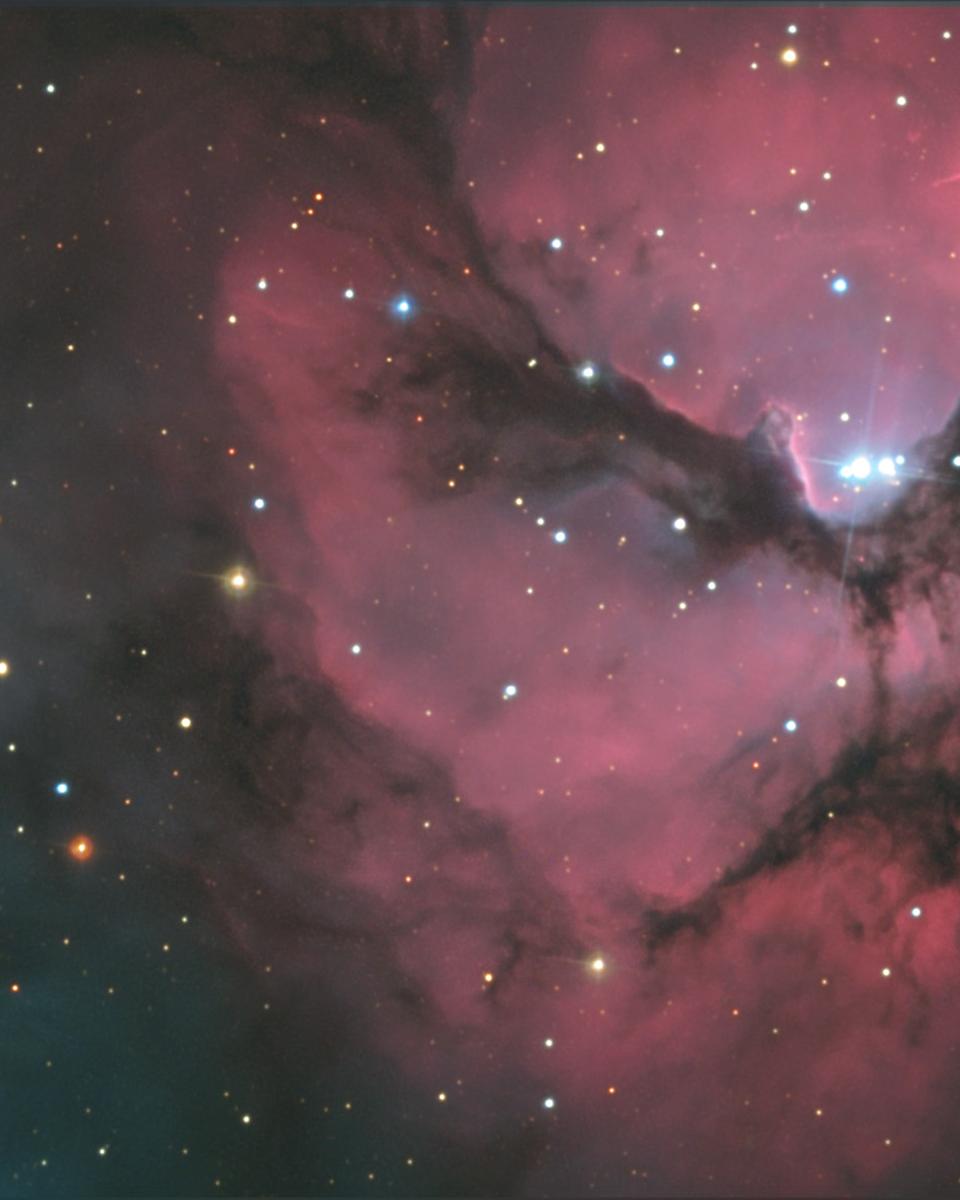
A Beautiful Trifid
The beautiful Trifid Nebula (aka M20) , a photogenic study in cosmic contrasts, lies about 5,000 light-years away toward the nebula rich constellation Sagittarius. A star forming…

The View from Everest
What would it be like to stand atop the tallest mountain on Earth? To see a full panoramic vista from there, scroll right. Visible are snow peaked mountains near and far,…
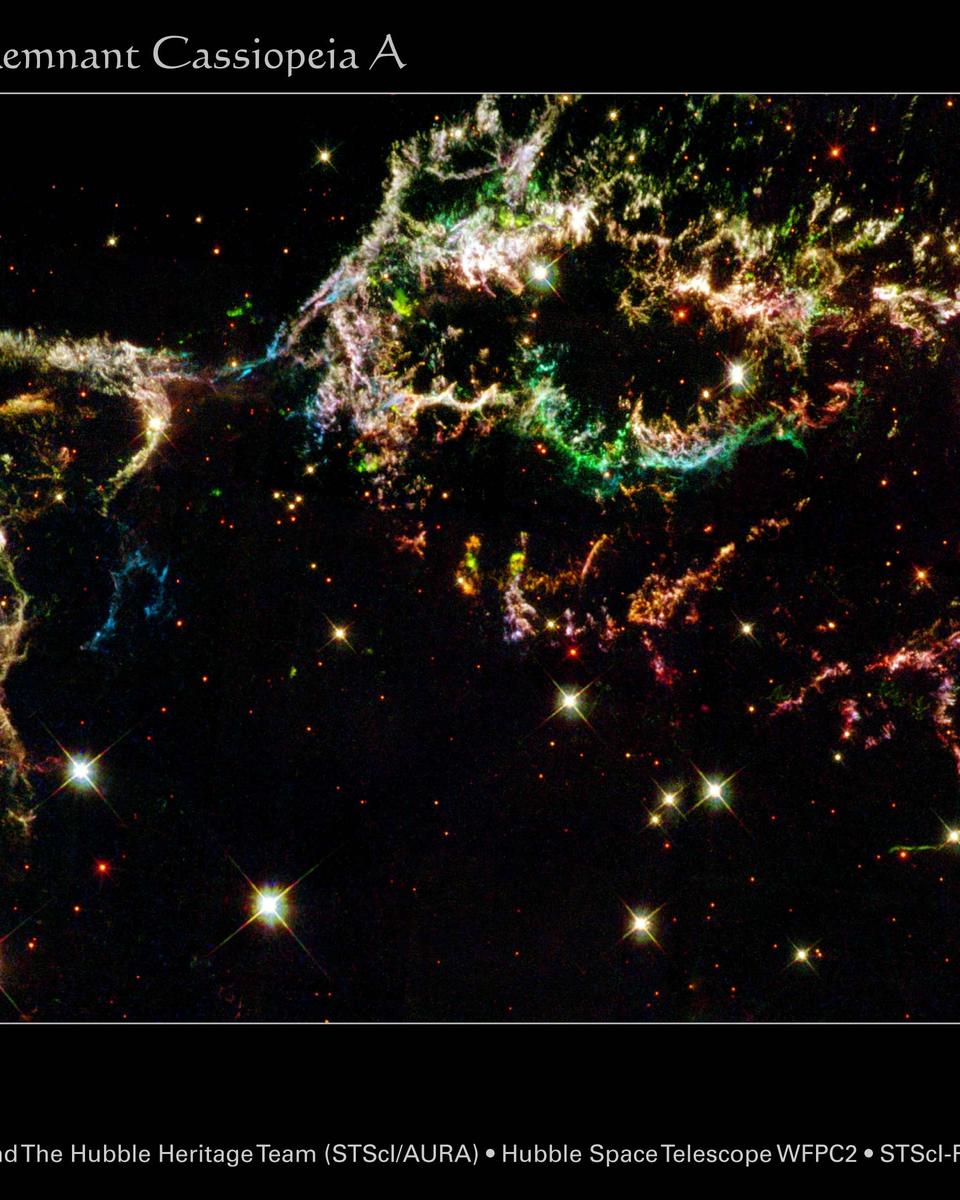
Recycling Cassiopeia A
For billions of years, massive stars in our Milky Way Galaxy have lived spectacular lives. Collapsing from vast cosmic clouds , their nuclear furnaces ignite and create heavy…
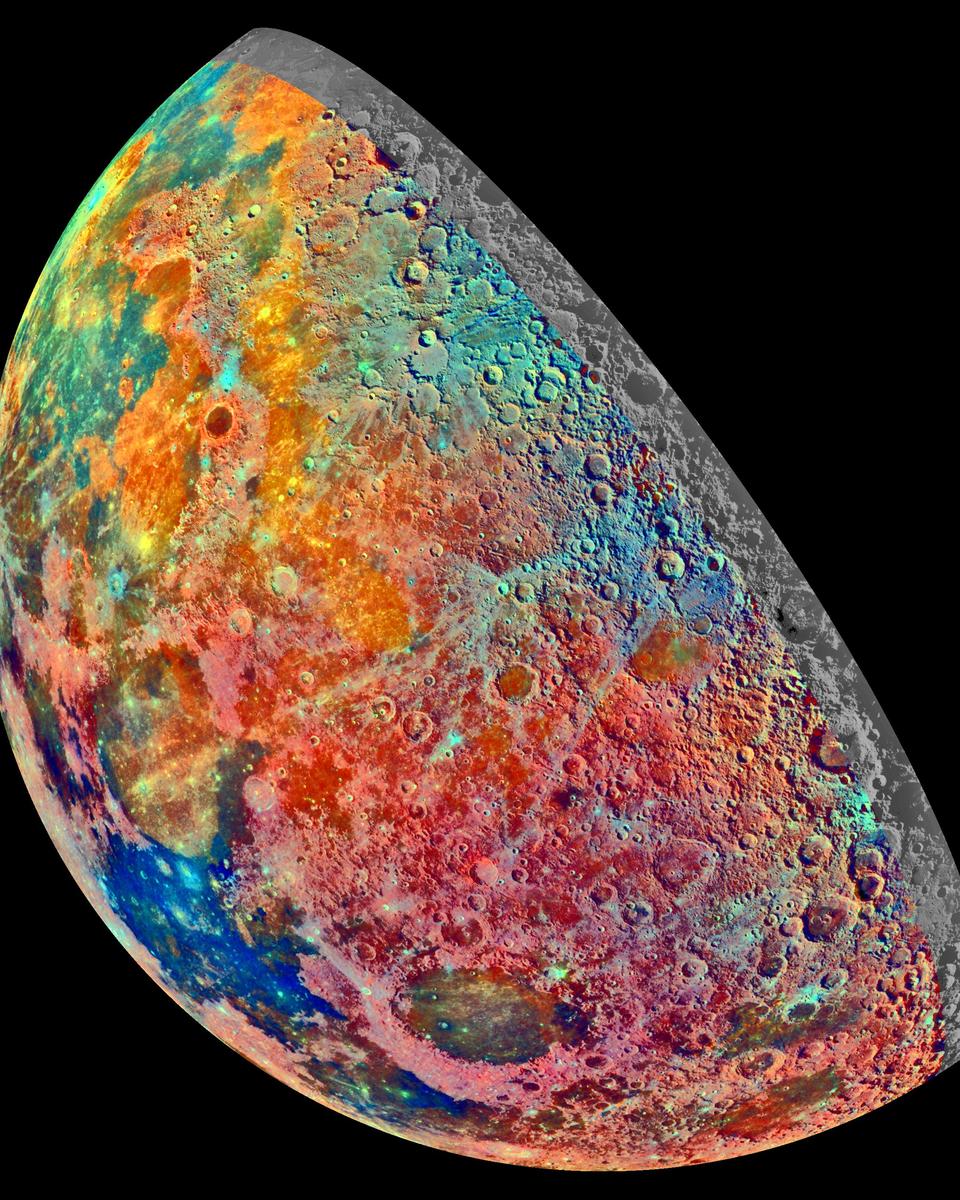
The Mineral Moon
Even if the Moon really were made of green cheese it probably wouldn't look this bizarre. Still, this mosaic of 53 images was recorded by the Jupiter-bound Galileo spacecraft as…
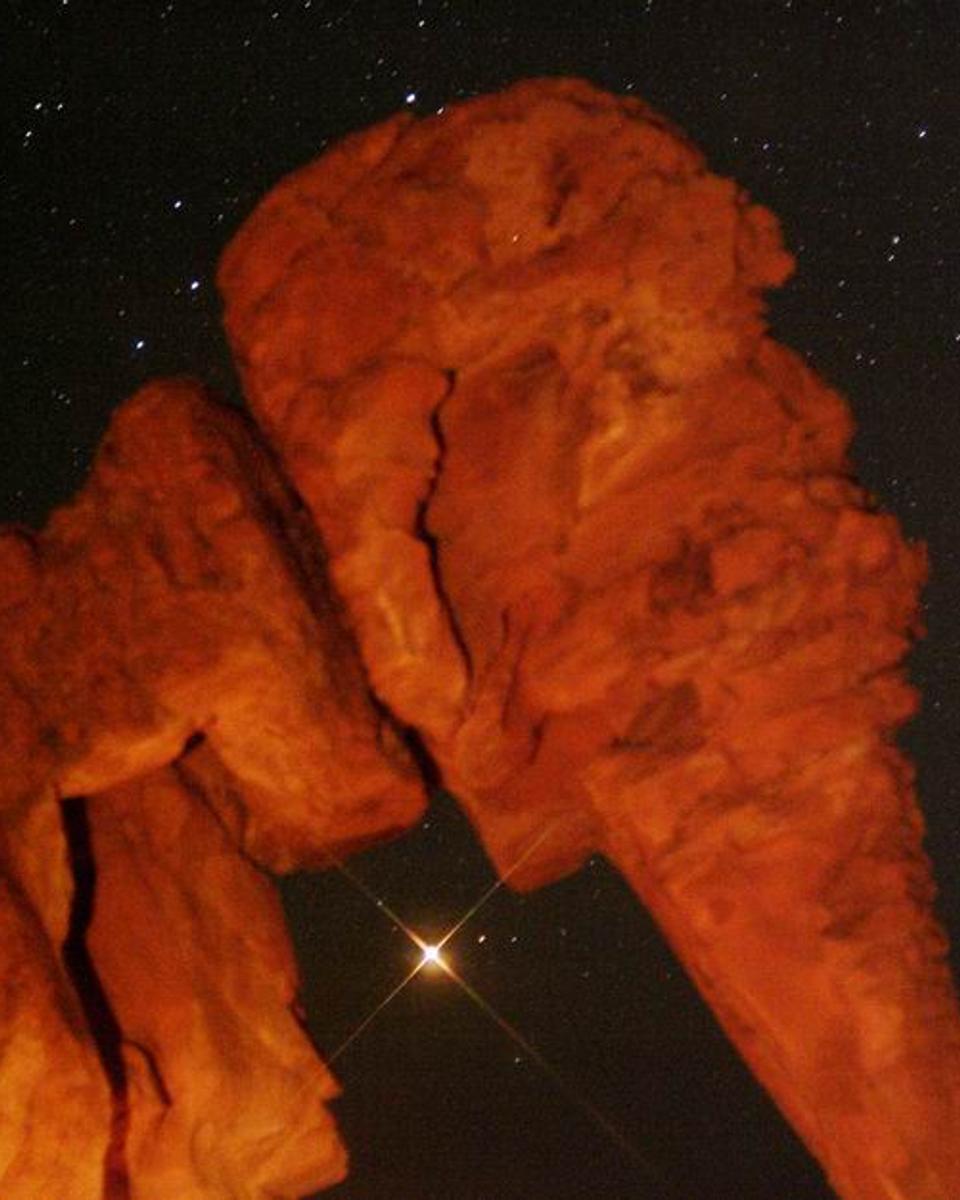
Mars Rising Behind Elephant Rock
Yesterday, at about 10 am Universal Time , Mars and Earth passed closer than in nearly 60,000 years. Mars , noticeably red, remains the brightest object in the eastern sky just…
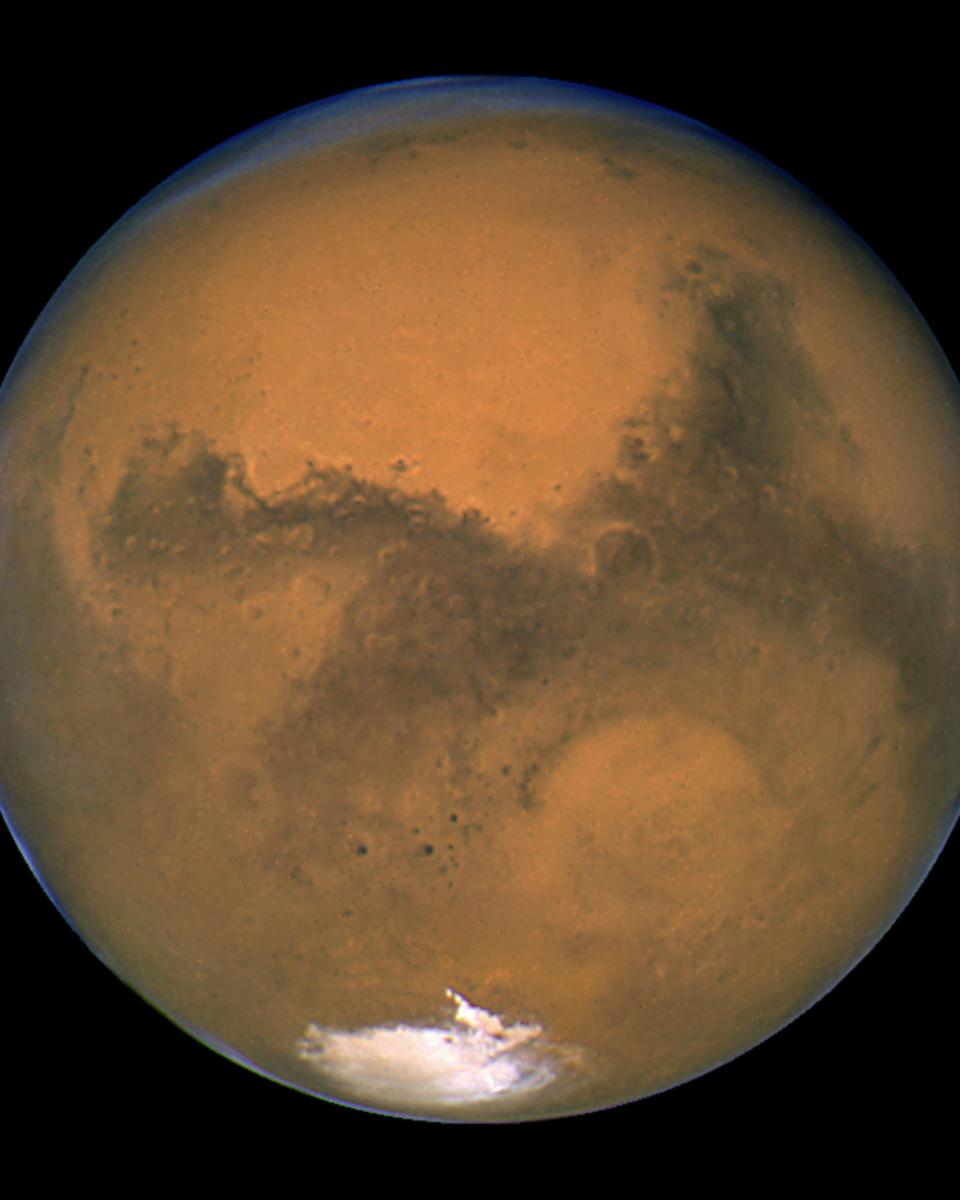
Big Mars from Hubble
At about 10 am Universal Time today, Mars and Earth will pass closer than in nearly 60,000 years. Mars , noticeably red, will be the brightest object in the eastern sky just after…

Earth Webcam Catches Mars Rotation
Mars won't look this good. Tonight and over the next few days, when Mars is at its closest approach to Earth in nearly 60,000 years, you might get your best view ever of our…
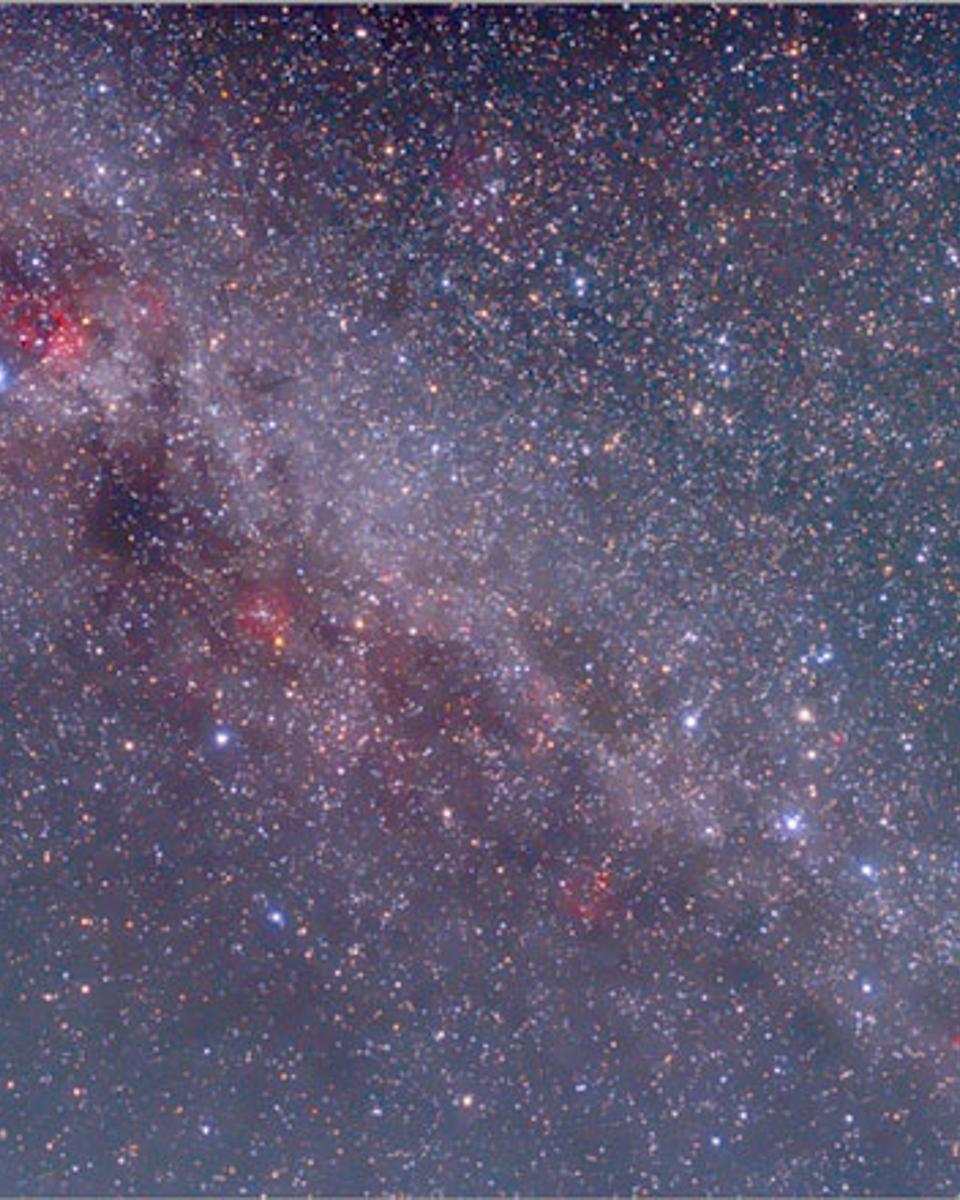
The Northern Milky Way
Many of the stars in our home Milky Way Galaxy appear together as a dim band on the sky that passes nearly over the Earth's north and south poles. Pictured above is the part of…
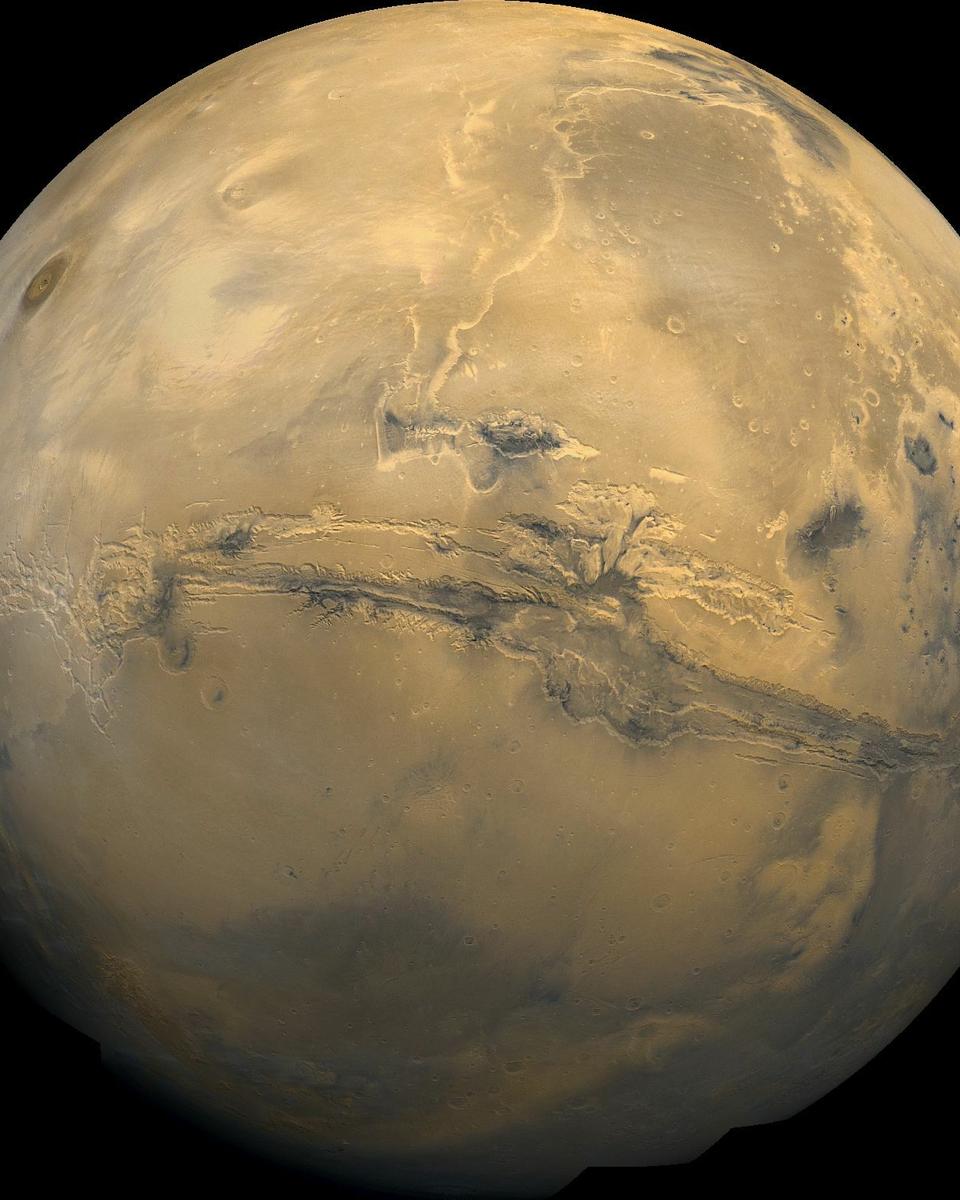
Valles Marineris: The Grand Canyon of Mars
The largest canyon in the Solar System cuts a wide swath across the face of Mars . Named Valles Marineris , the grand valley extends over 3,000 kilometers long, spans as much as…
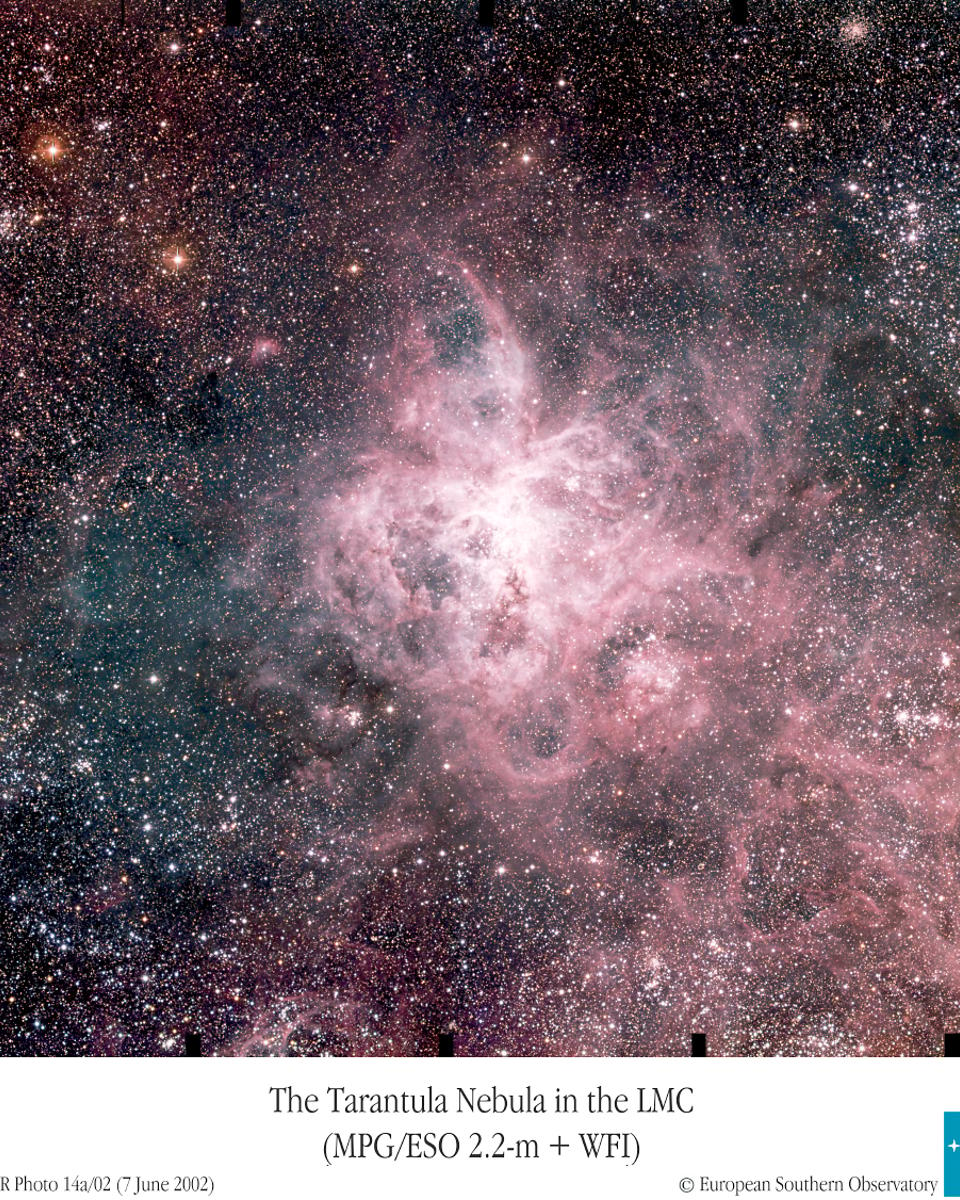
The Tarantula Zone
The Tarantula Nebula is more than 1,000 light-years across - a giant emission nebula within our neighboring galaxy the Large Magellanic Cloud . Inside this cosmic arachnid lies a…
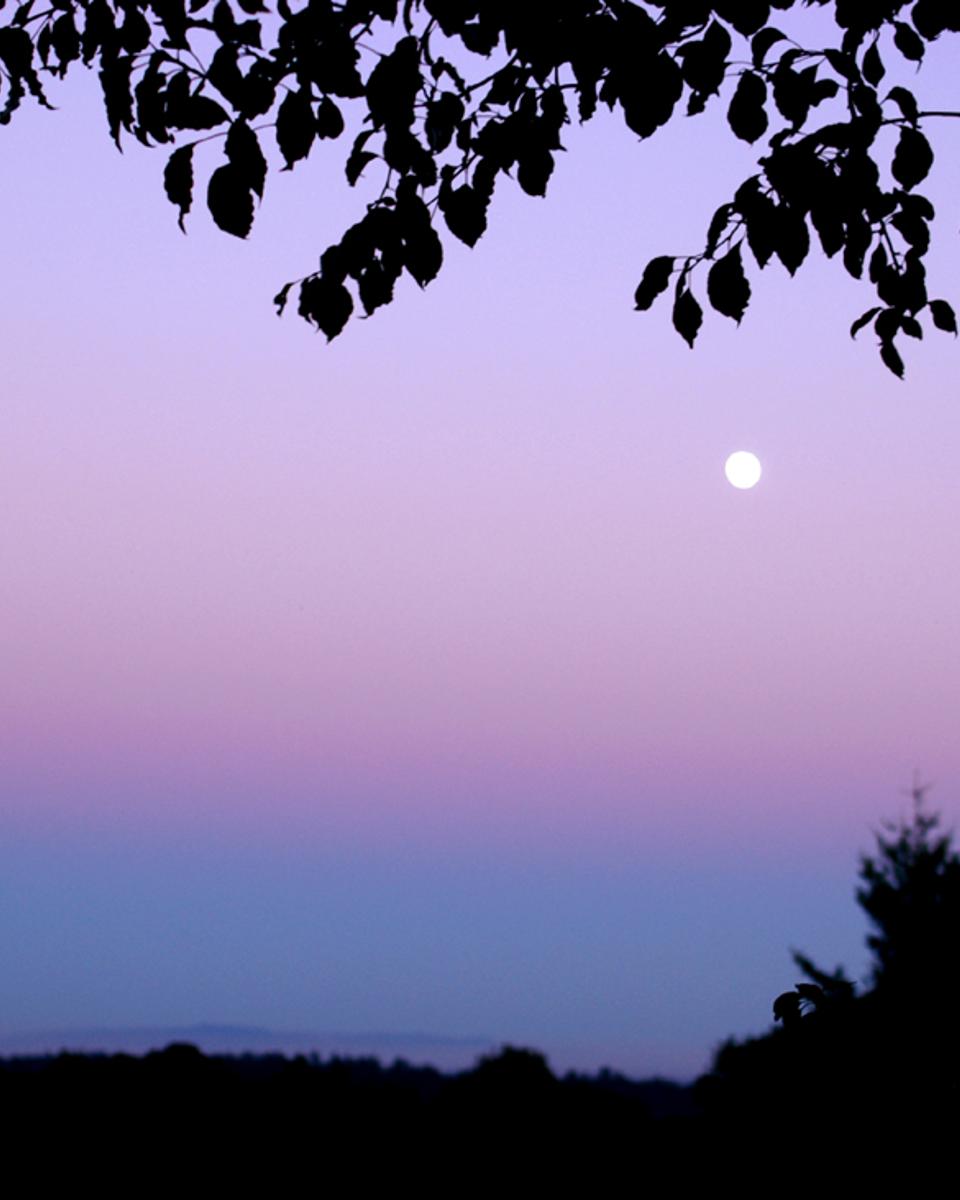
Shadow Rise
As the Sun sets , the Earth's shadow rises up from the east. The subtle beauty of this daily apparition is often overlooked in favor of the brighter, more colorful western…
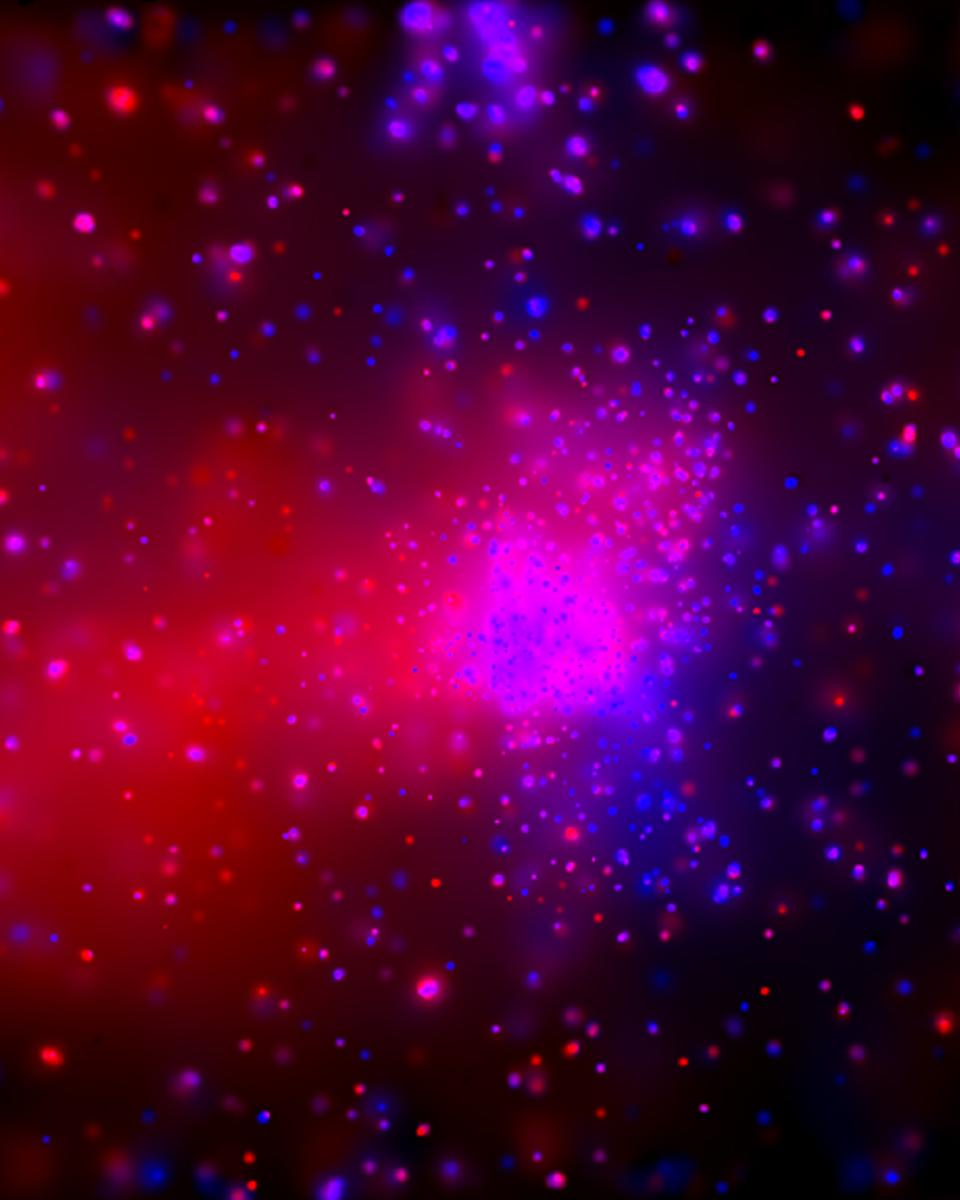
X-Rays from M17
About 5,000 light-years away , toward the constellation Sagittarius and the center of our galaxy, lies the bright star forming region cataloged as M17 . In visible light, M17's…
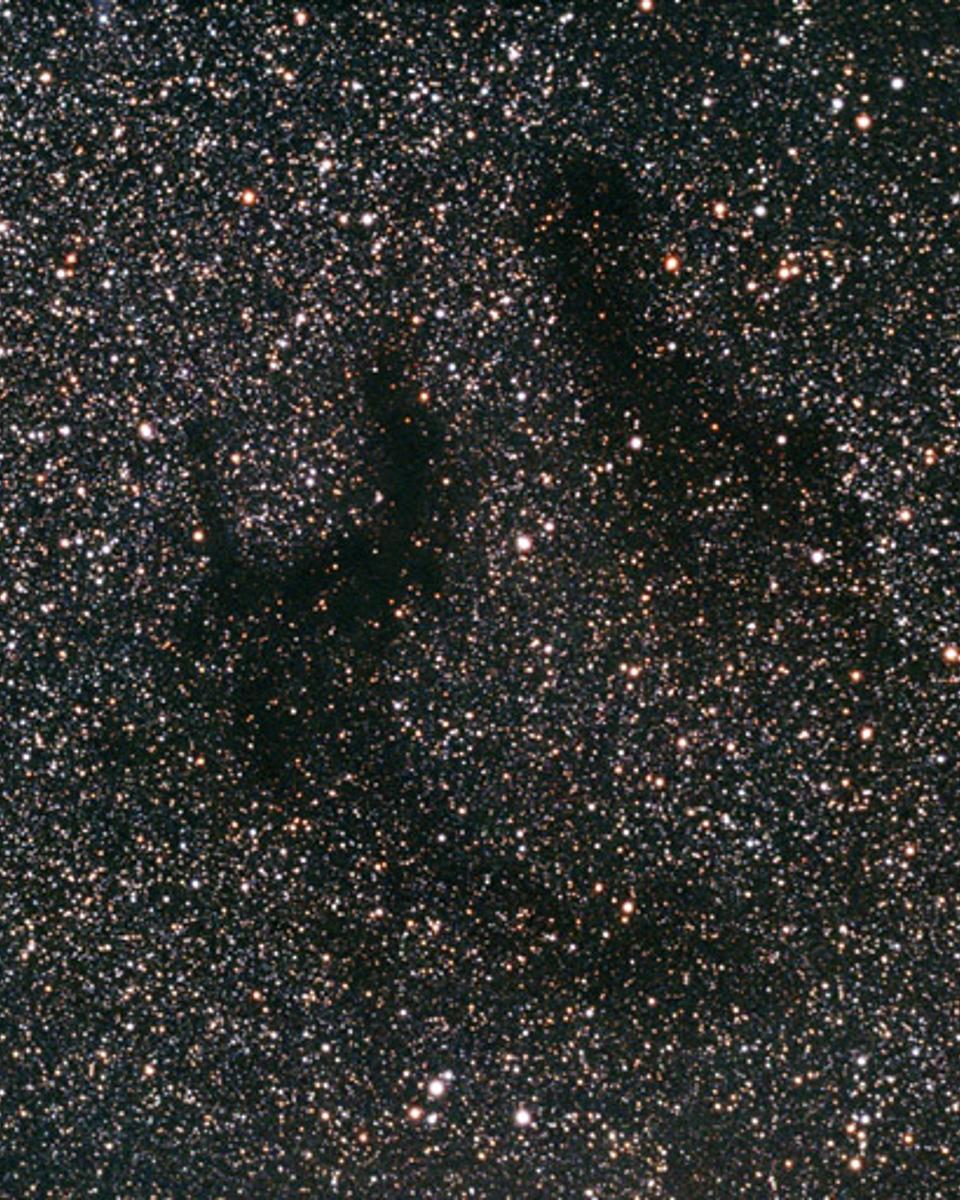
The E Nebula in Aquila
Several unusual strands of darkness are prominent toward the constellation of Aquila . This particular dark nebula is known as the E Nebula, for its evocative shape, or B142 and…
Viewing discoveries from 12 September 2003 through 20 August 2003.