Browse NASA Astronomy Picture of the Day archive by date and media: Archive Discoveries
Browse the NASA APOD archive without needing the exact date first. Filter by media type and keep moving deeper into older images and videos.
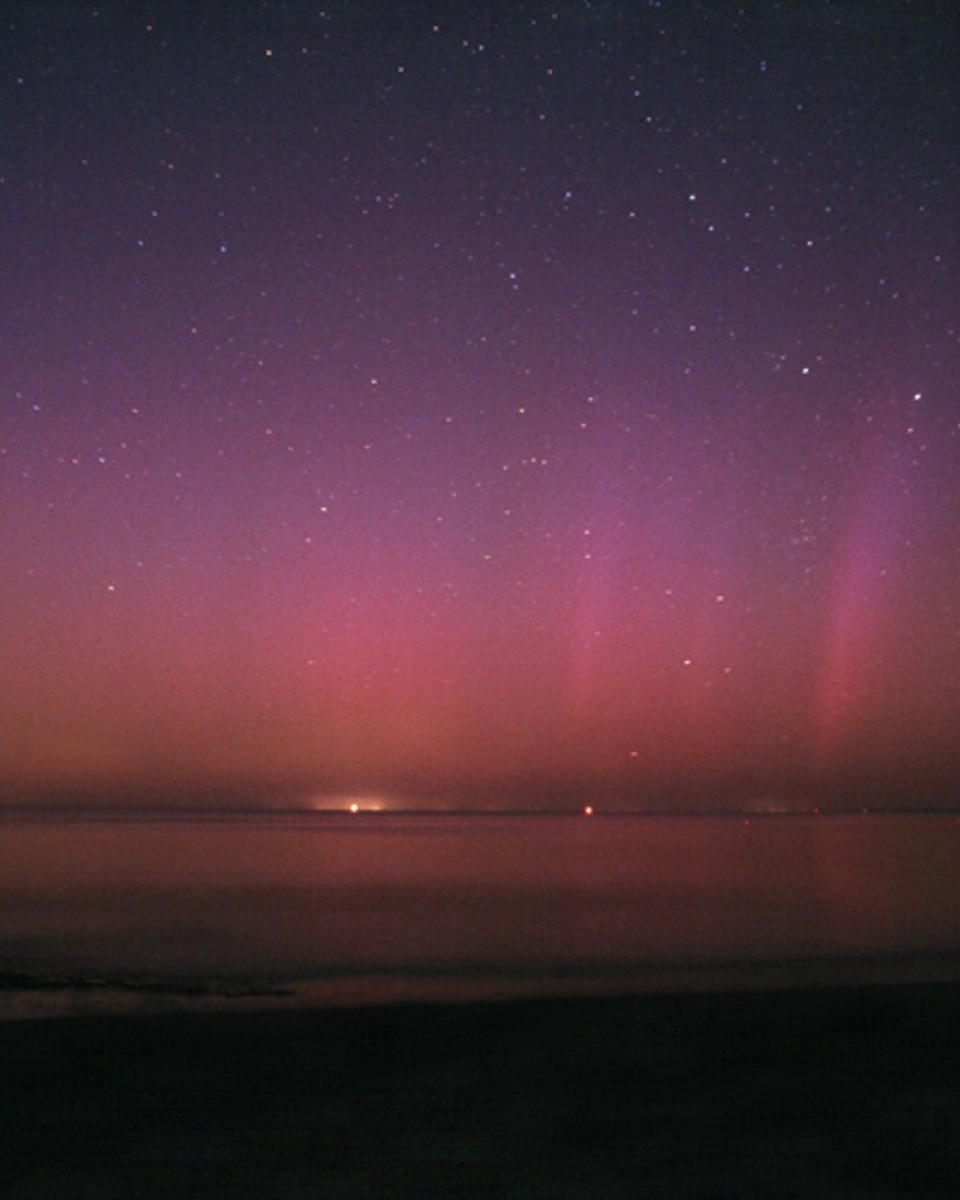
Aurora Over Cape Cod
Active pillars of colorful aurora were captured dancing over a serenely smooth and nearly colorless Cape Cod Bay last month. North is straight ahead so that the town lights near…
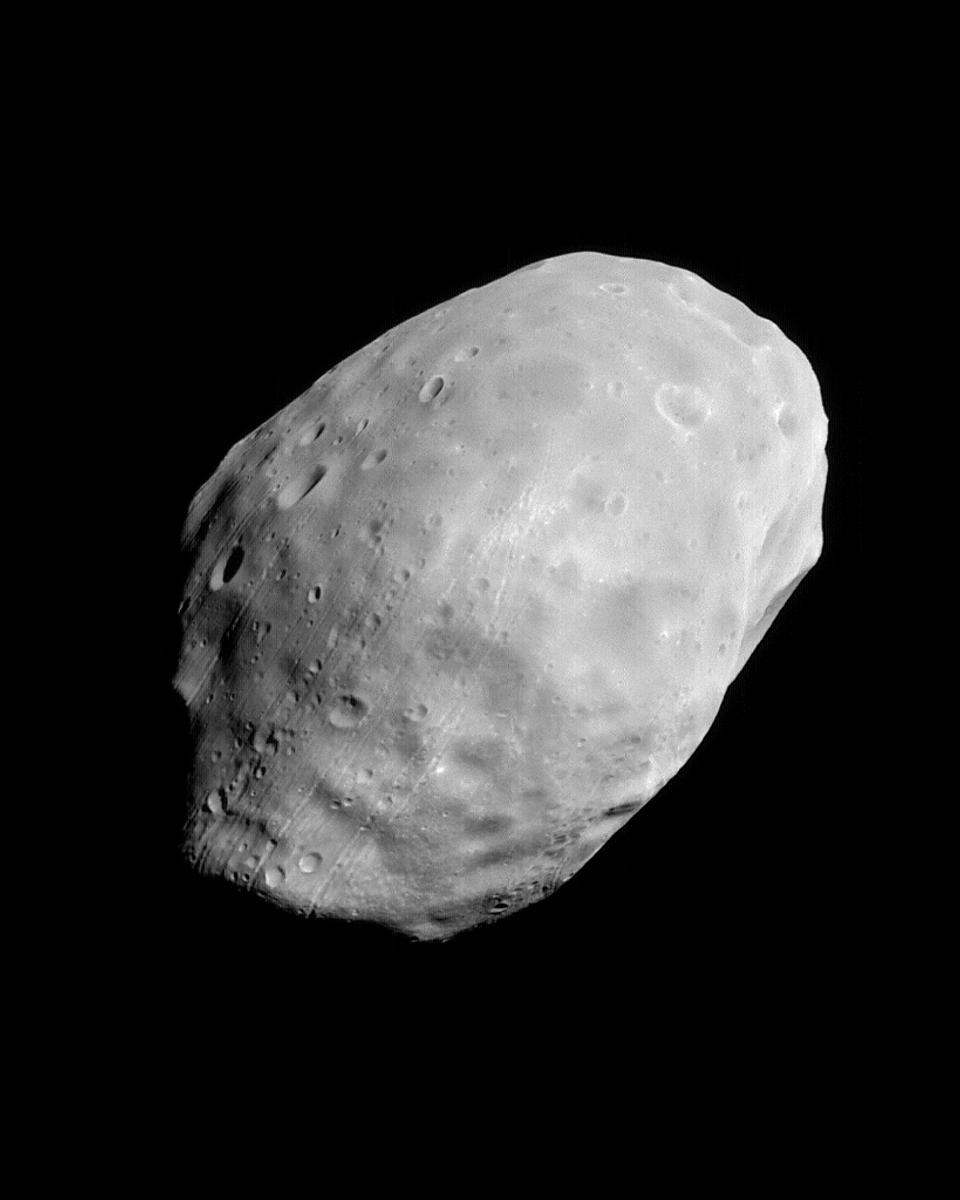
Martian Moon Phobos from MGS
Why is Phobos so dark? Phobos , the largest and innermost of two Martian moons, is the darkest moon in the entire Solar System . Its unusual orbit and color indicate that it may…
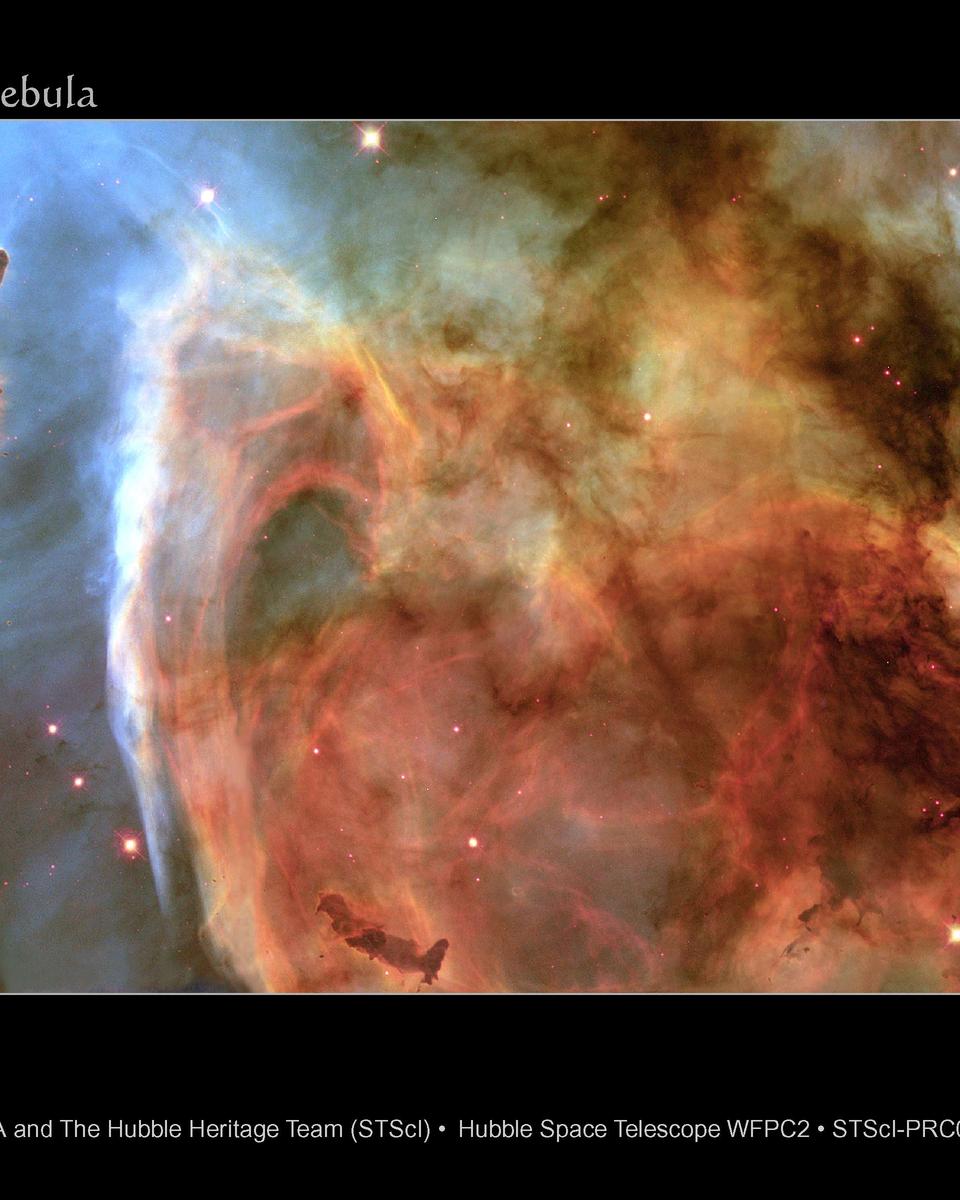
Disappearing Clouds in Carina
This dense cloud of gas and dust is being deleted. Likely, within a few million years, the intense light from bright stars will have boiled it away completely. Stars not yet…
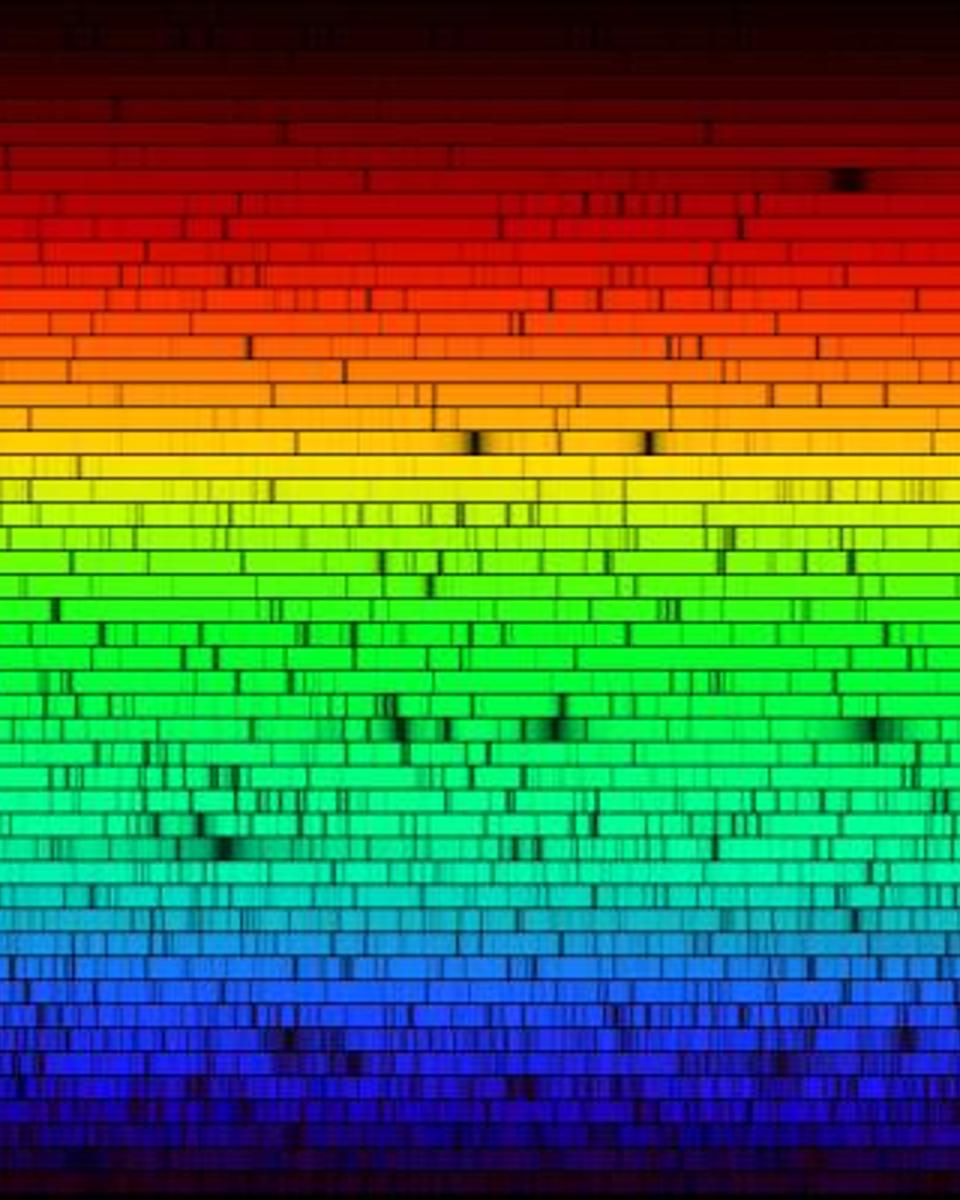
The Solar Spectrum
It is still not known why the Sun's light is missing some colors. Shown above are all the visible colors of the Sun , produced by passing the Sun's light through a prism -like…
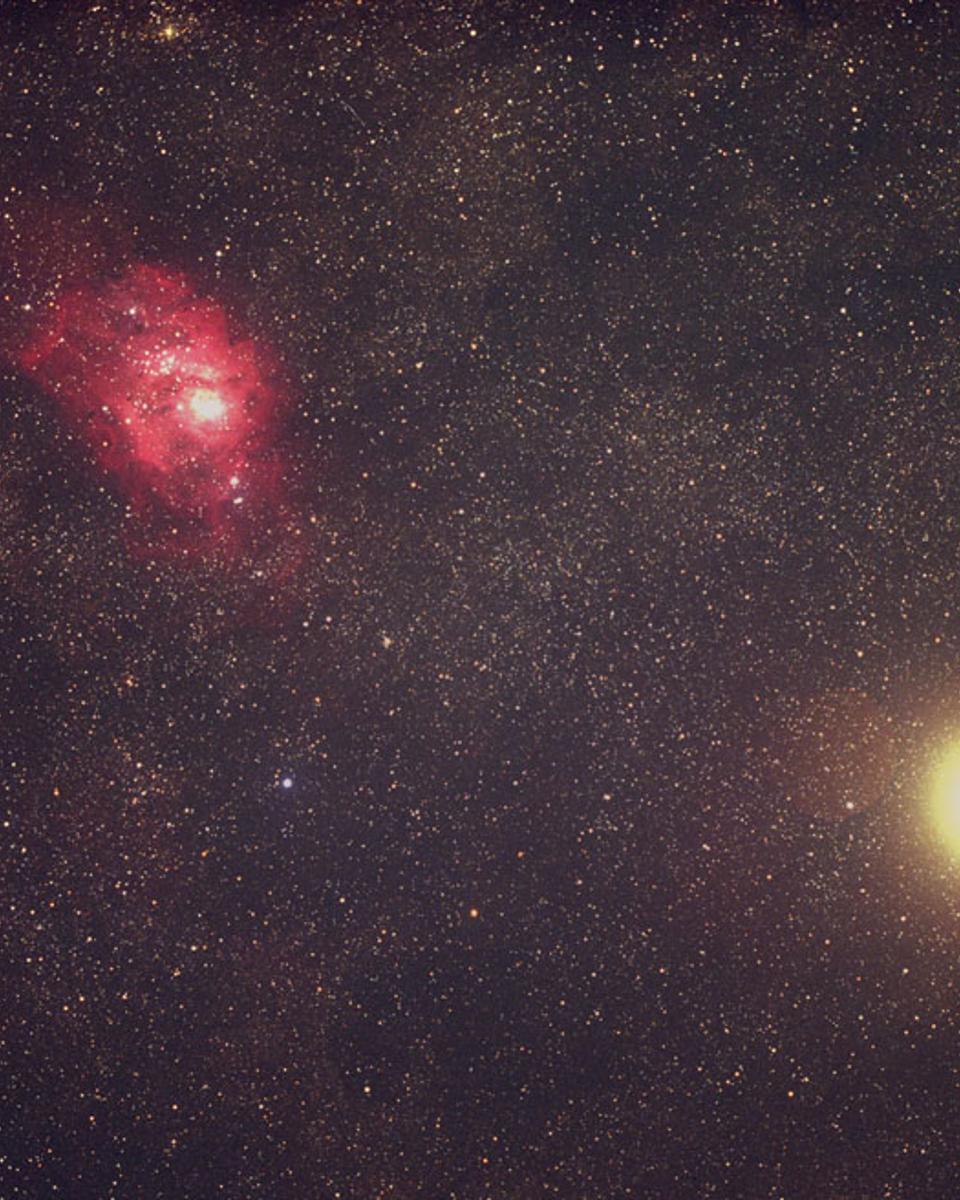
Messiers and Mars
A telescopic tour of the constellation Sagittarius offers the many bright clusters and nebulae of dimensioned space in a starscape surrounding the galactic center . This gorgeous…
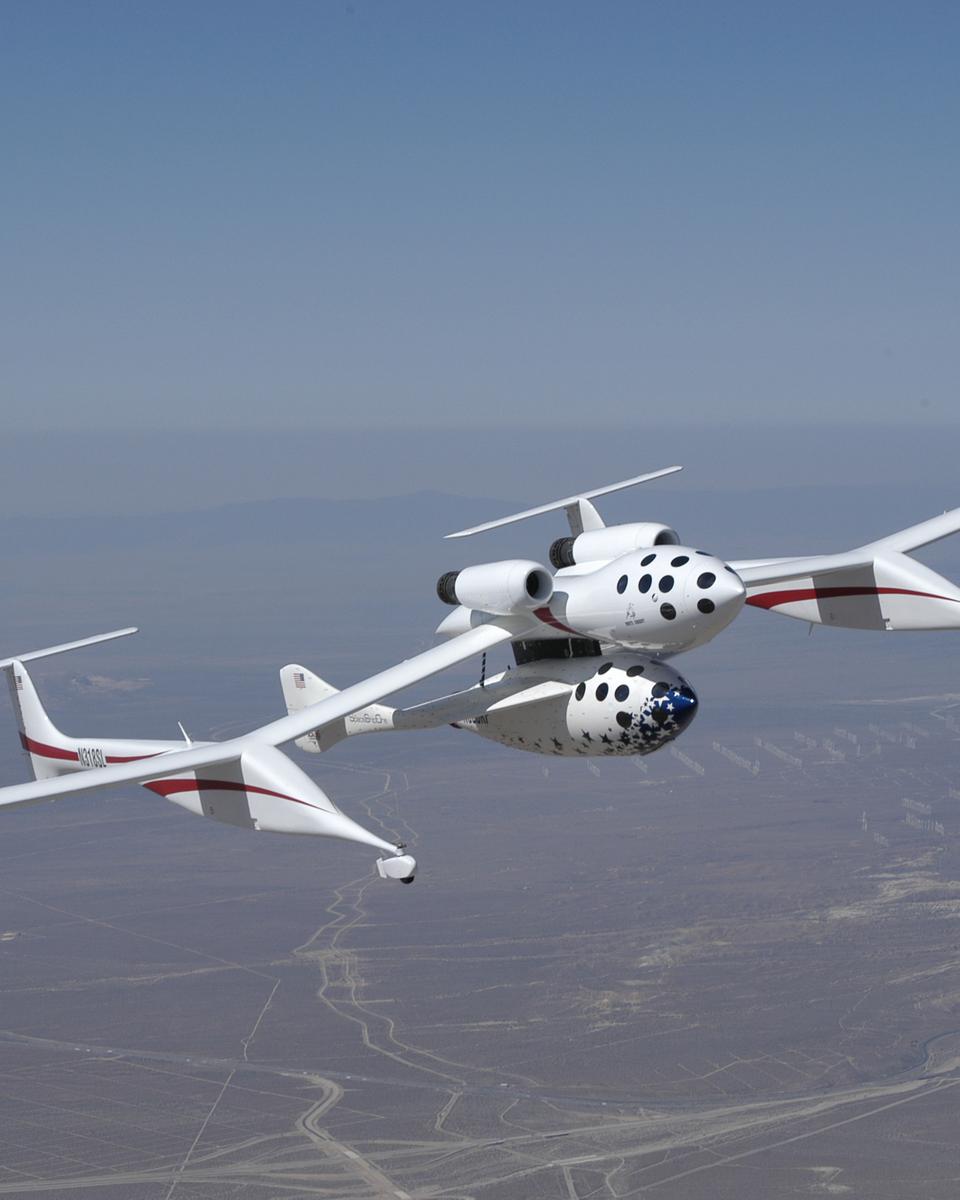
SpaceShipOne
Slung below its equally innovative mothership dubbed White Knight, SpaceShipOne rides above planet Earth, photographed during a recent flight test. SpaceShipOne was designed and…
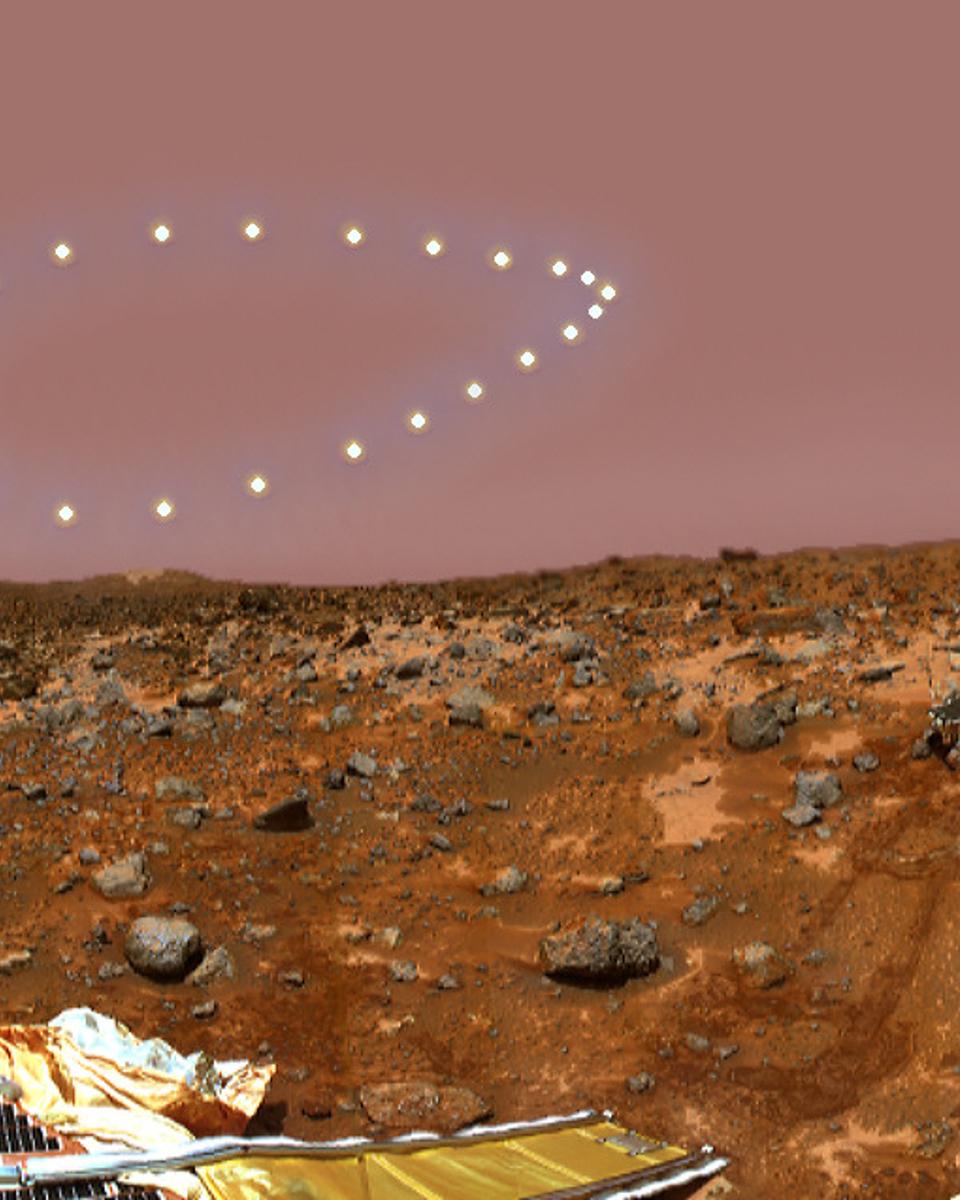
Martian Analemma
On planet Earth, an analemma is the figure-8 loop you get when you mark the position of the Sun at the same time each day throughout the year. But similarly marking the position…
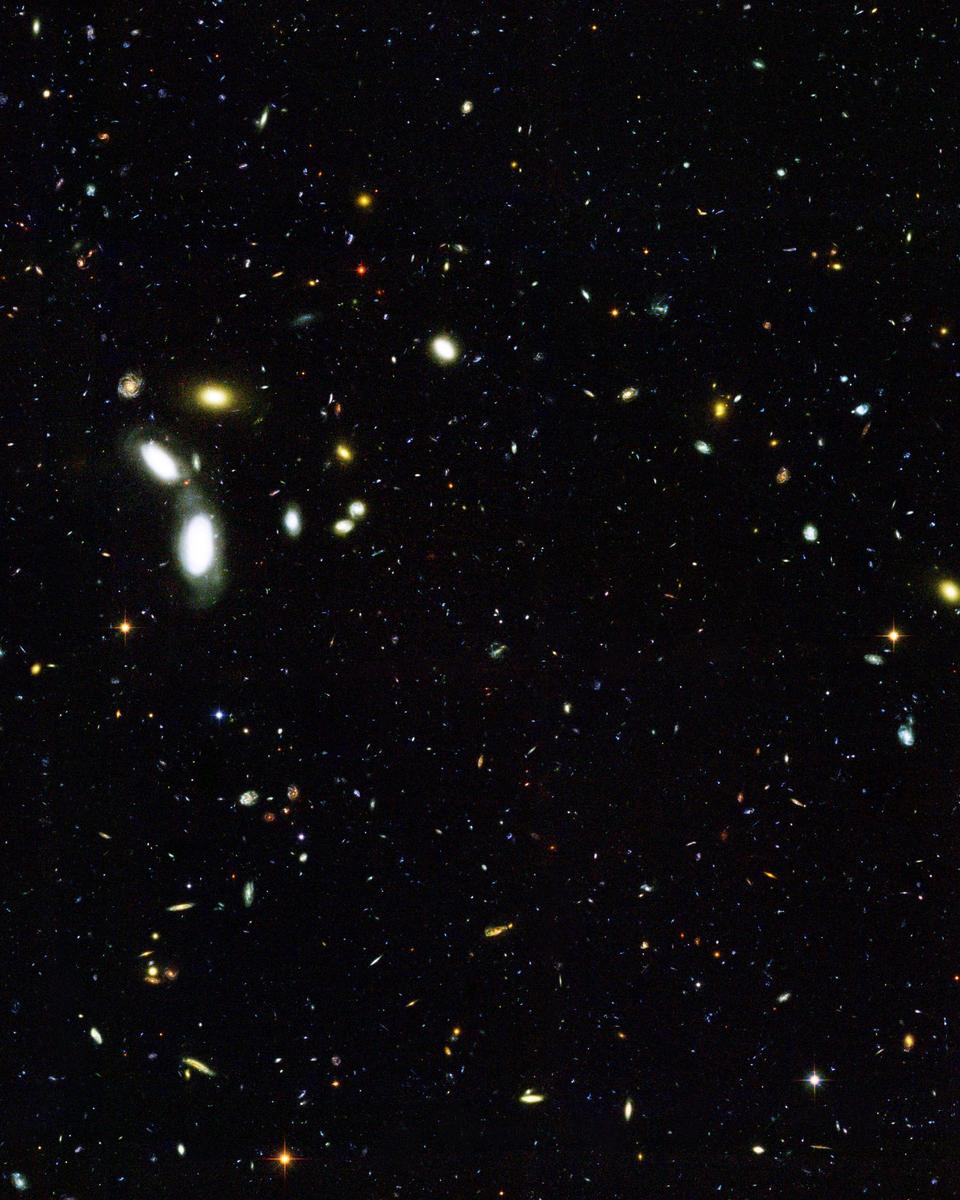
Galaxies in the GOODS
This tantalizing view of galaxies scattered near and far is part of the Hubble Space Telescope's contribution to the GOODS - the Great Observatories Origins Deep Survey project.…
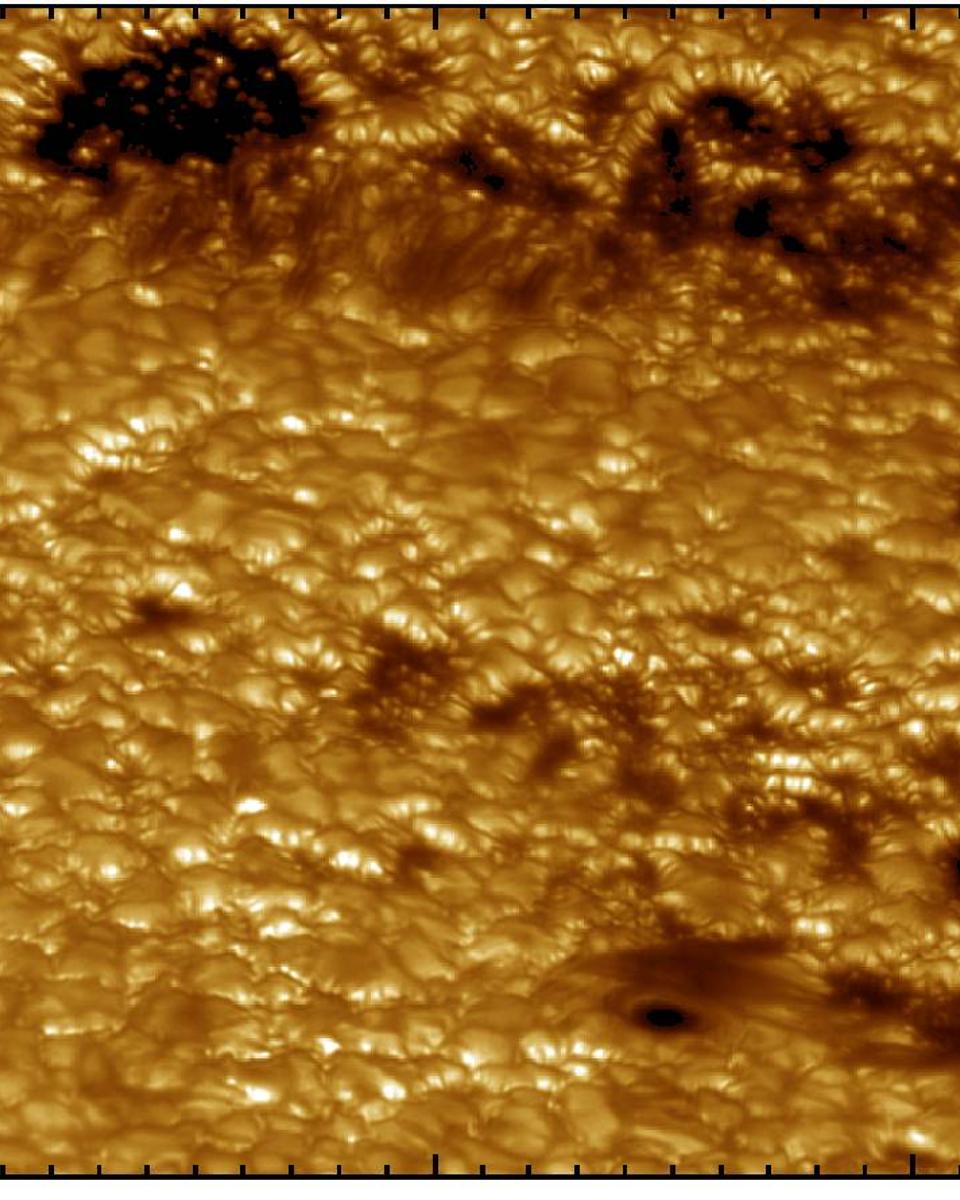
The Sun's Surface in 3D
How smooth is the Sun? The new Swedish 1-m Solar Telescope , deployed in the Canary Islands only last year, allows imaging of objects less than 100-km across on the Sun's surface…
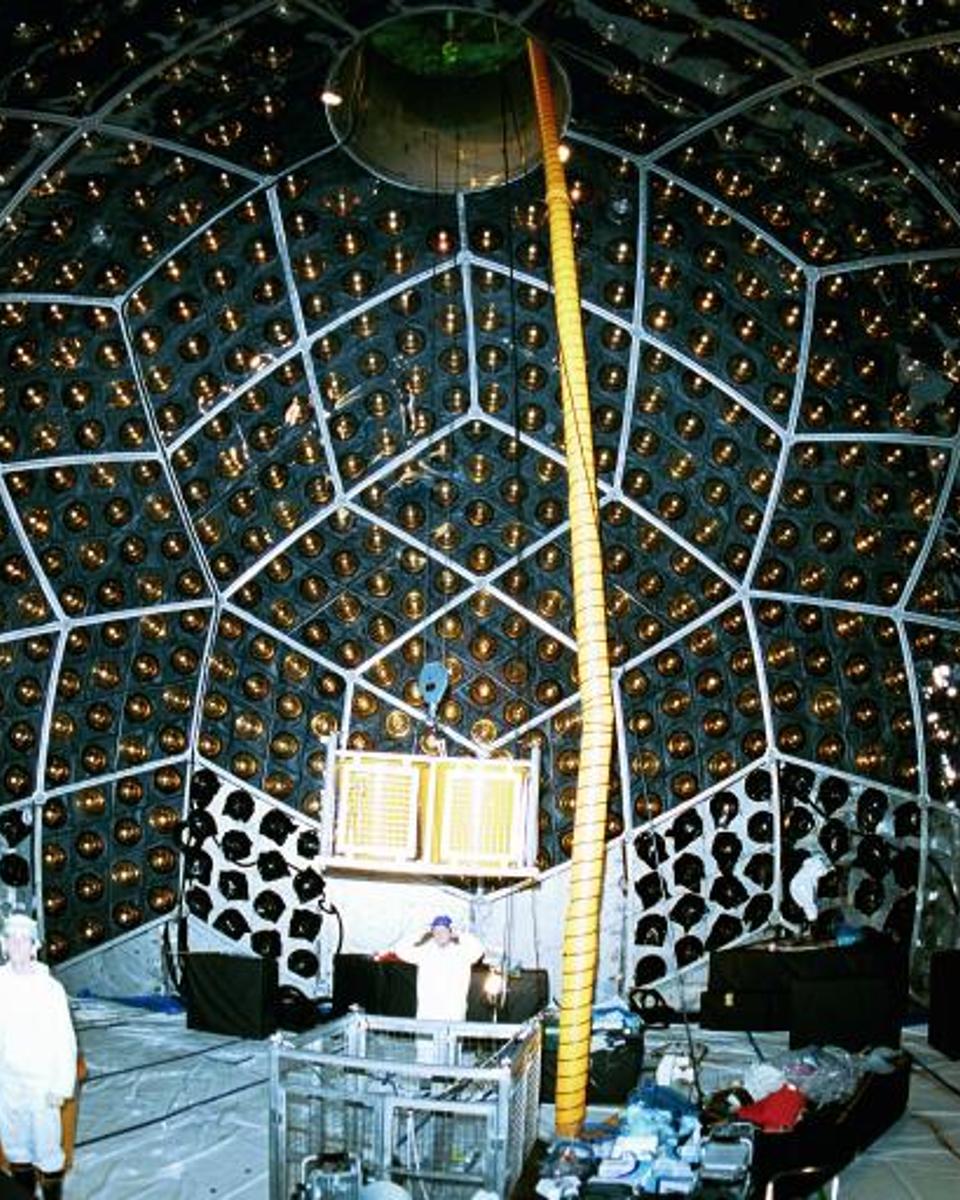
KamLAND Verifies the Sun
A large sphere beneath Japan has helped verify humanity's understanding of the inner workings of the Sun . The KamLAND sphere , shown above during construction in 2001, fails to…
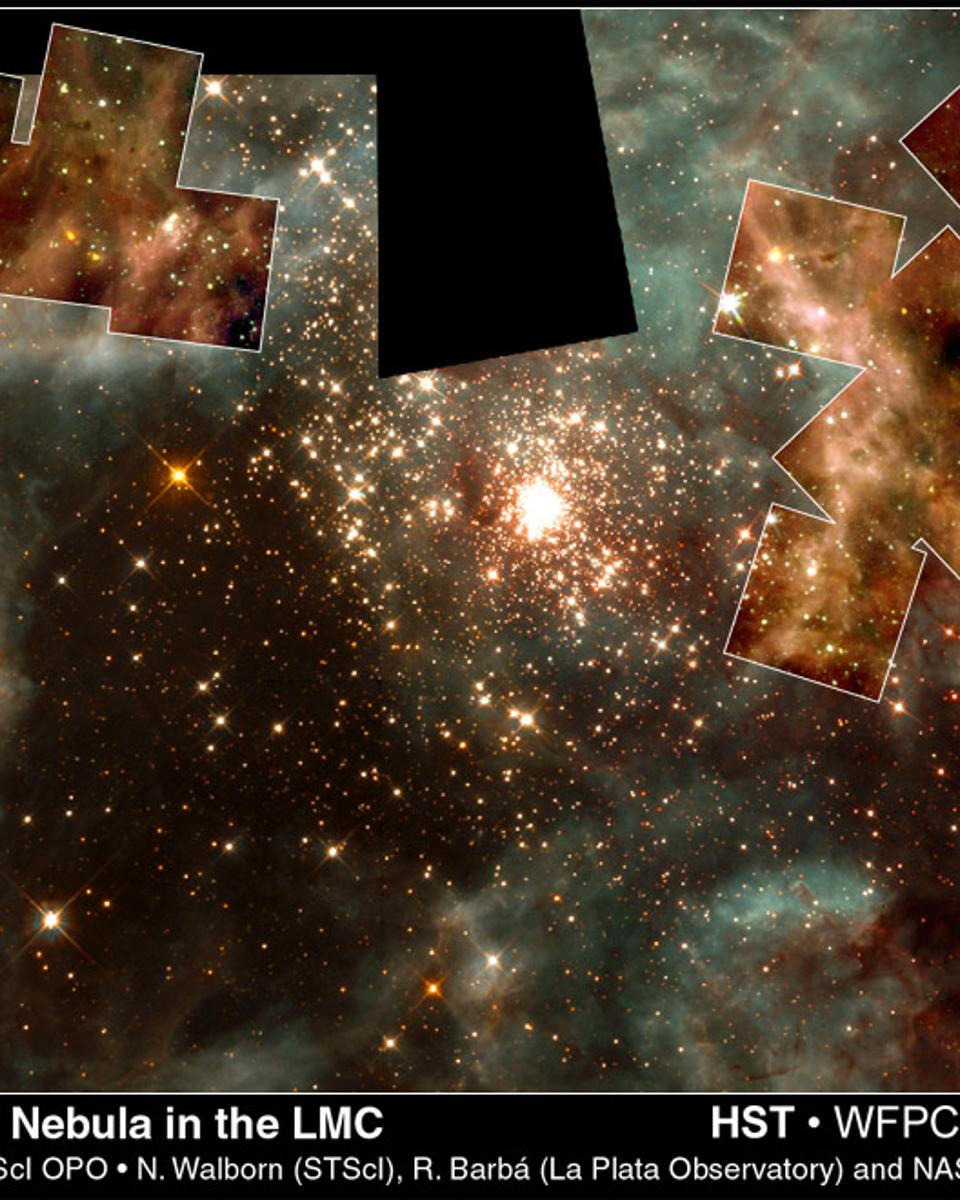
Massive Stars of 30 Doradus
In the center of star-forming region 30 Doradus lies a huge cluster of the largest, hottest, most massive stars known. These stars and part of the surrounding nebula are captured…
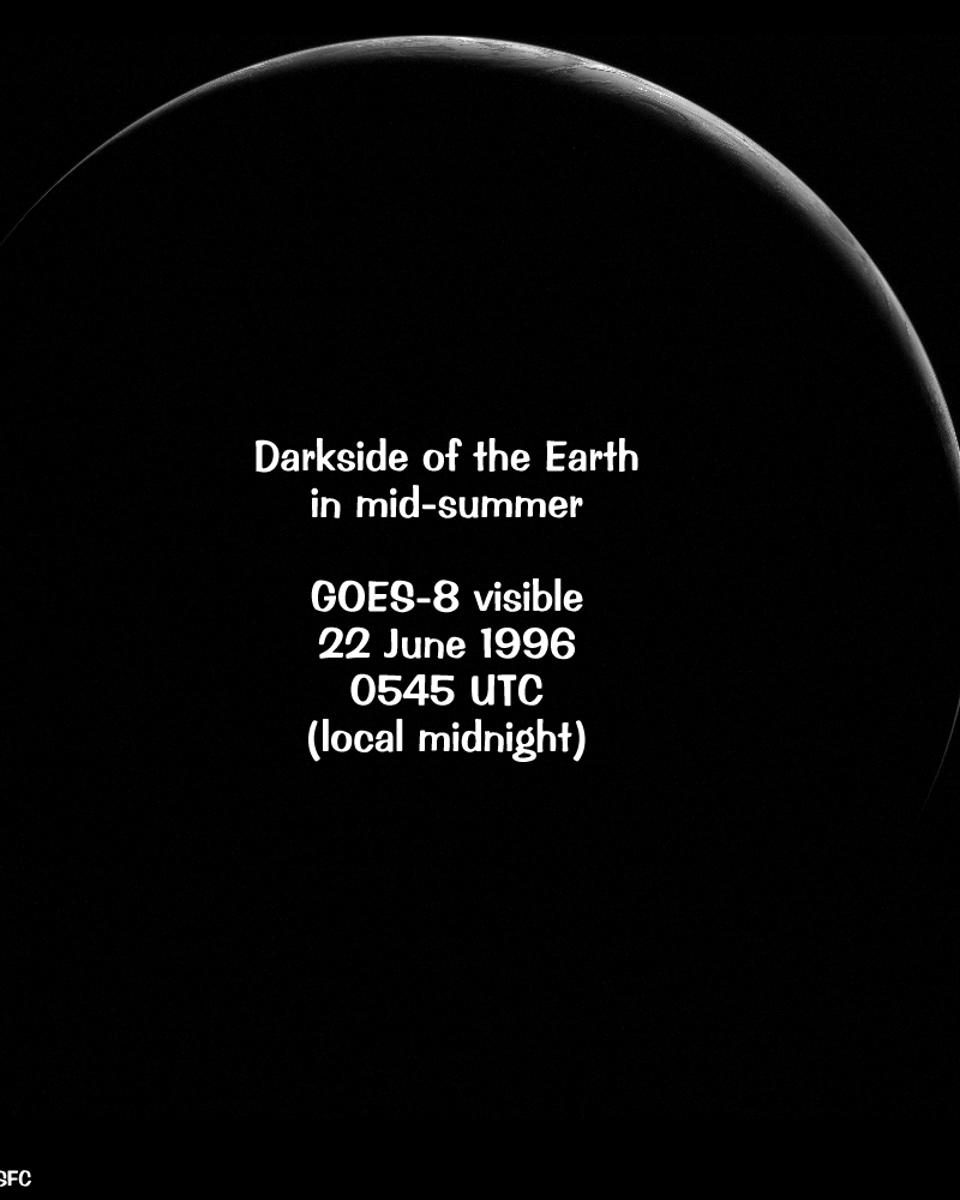
A Crescent Earth at Midnight
The Earth's northern hemisphere is outlined as a sunlit crescent in this dramatic view from orbit, recorded near local midnight by the G eostationary O perational E nvironmental S…
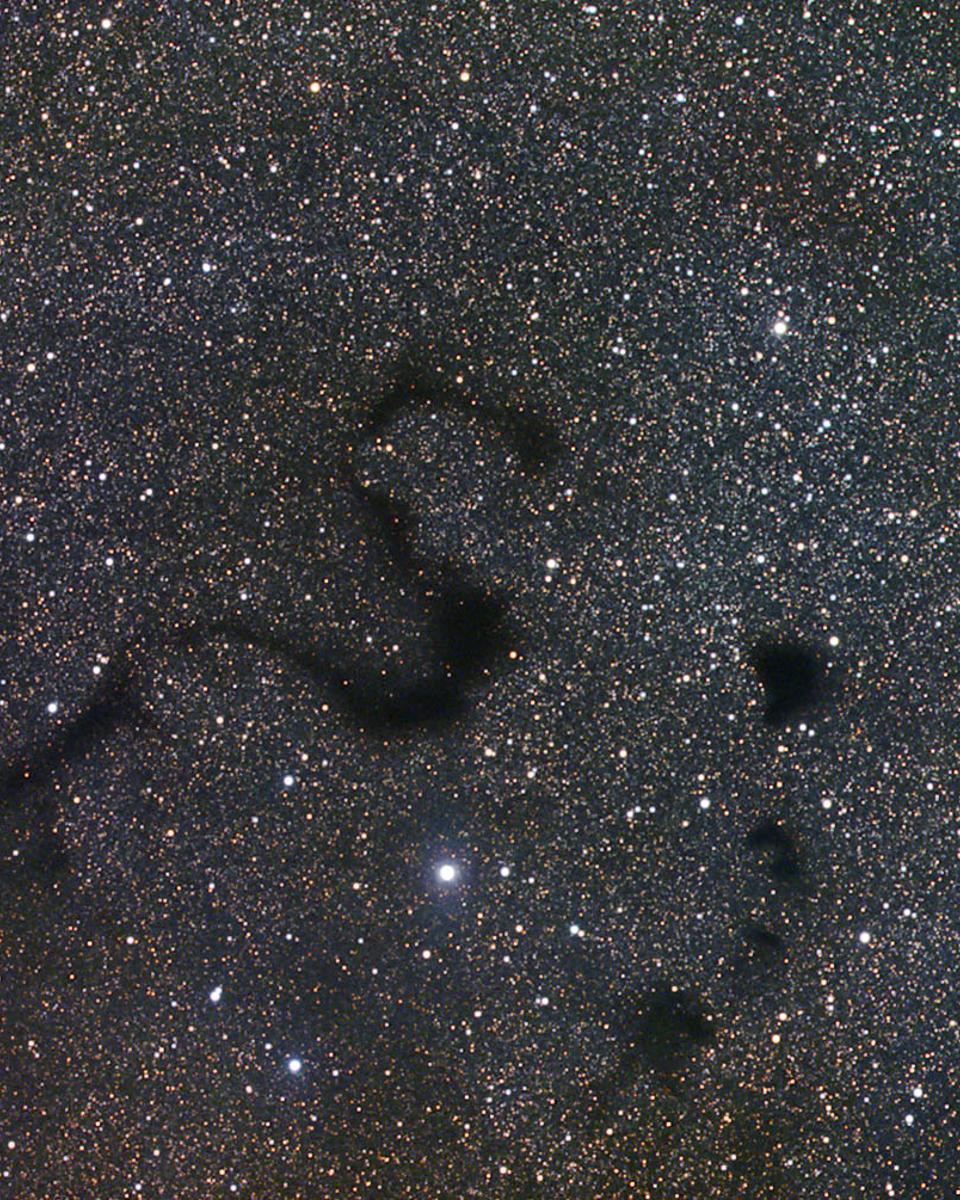
Snake in the Dark
Dark nebulae snake across a gorgeous expanse of stars in this wide-field view toward the pronounceable constellation Ophiucus and the center of our Milky Way Galaxy. In fact, the…
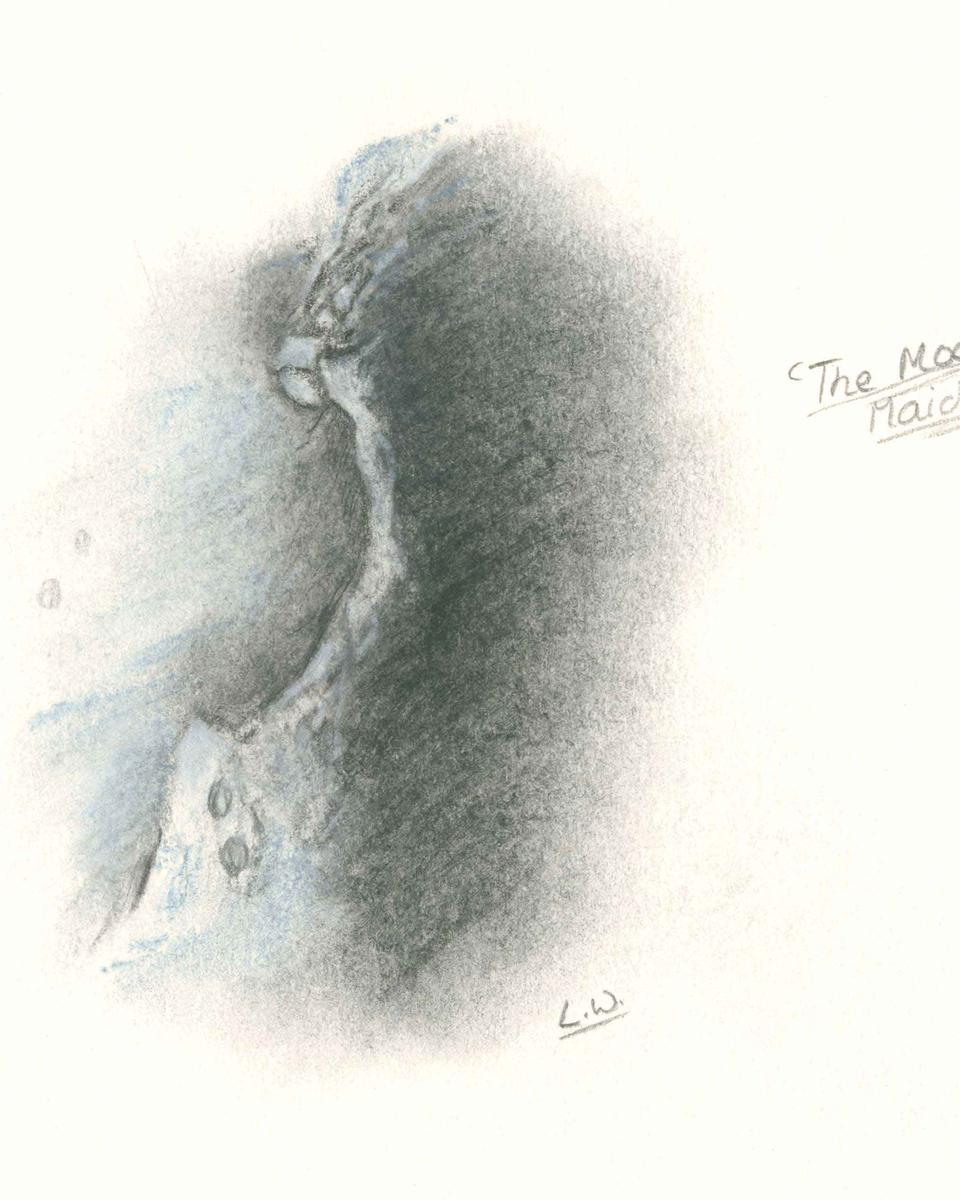
The Moon Maiden
Along the northwestern reaches of the lunar near side , the Sinus Iridum or Bay of Rainbows appropriately lies at the edge of the Moon's smooth, dark Sea of Rains (Mare Imbrium).…
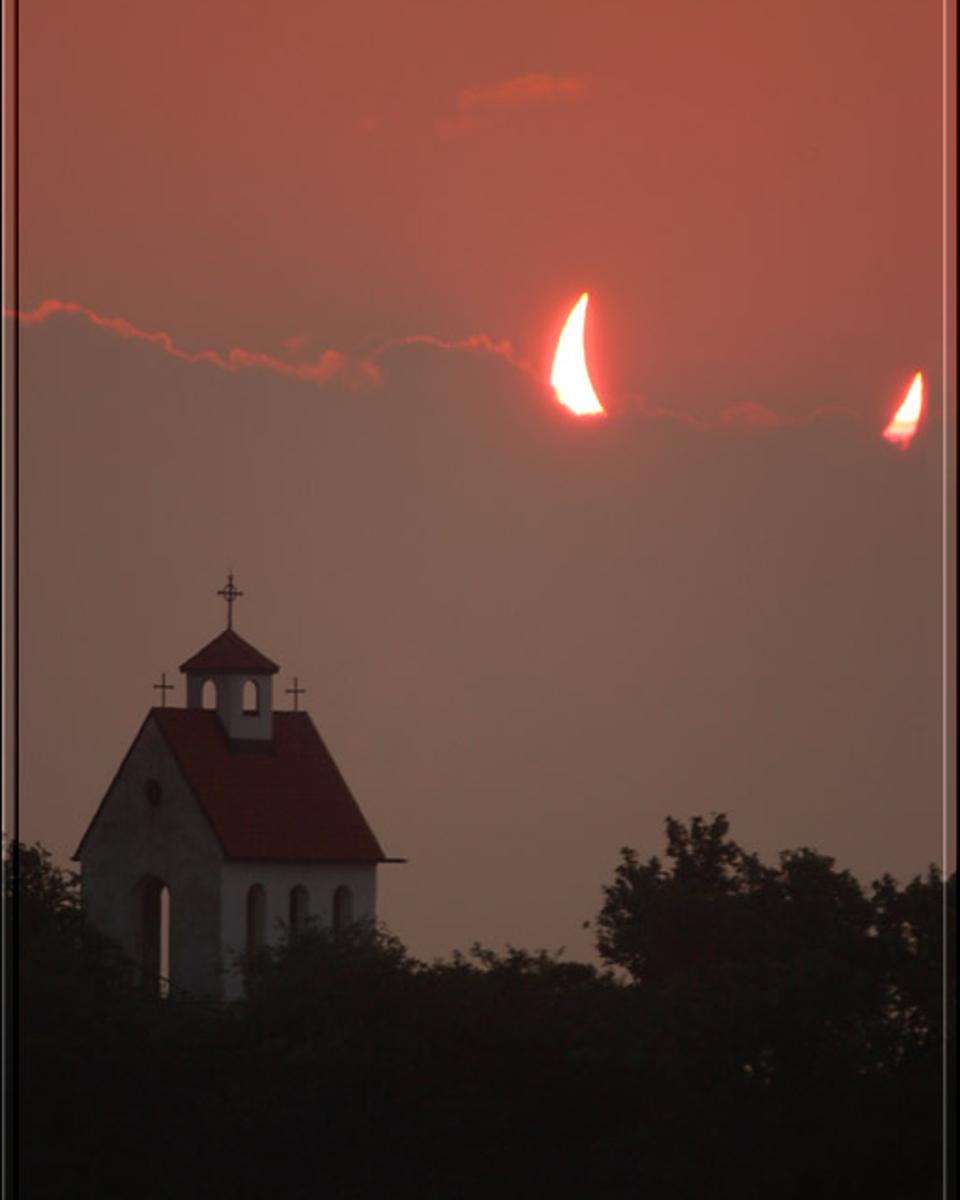
Clouds and the Moon Move to Block the Sun
High above a small church near Vienna, Austria , clouds and the Moon vied for position in front of the Sun. Such was the case on the ground late last month during a partial…
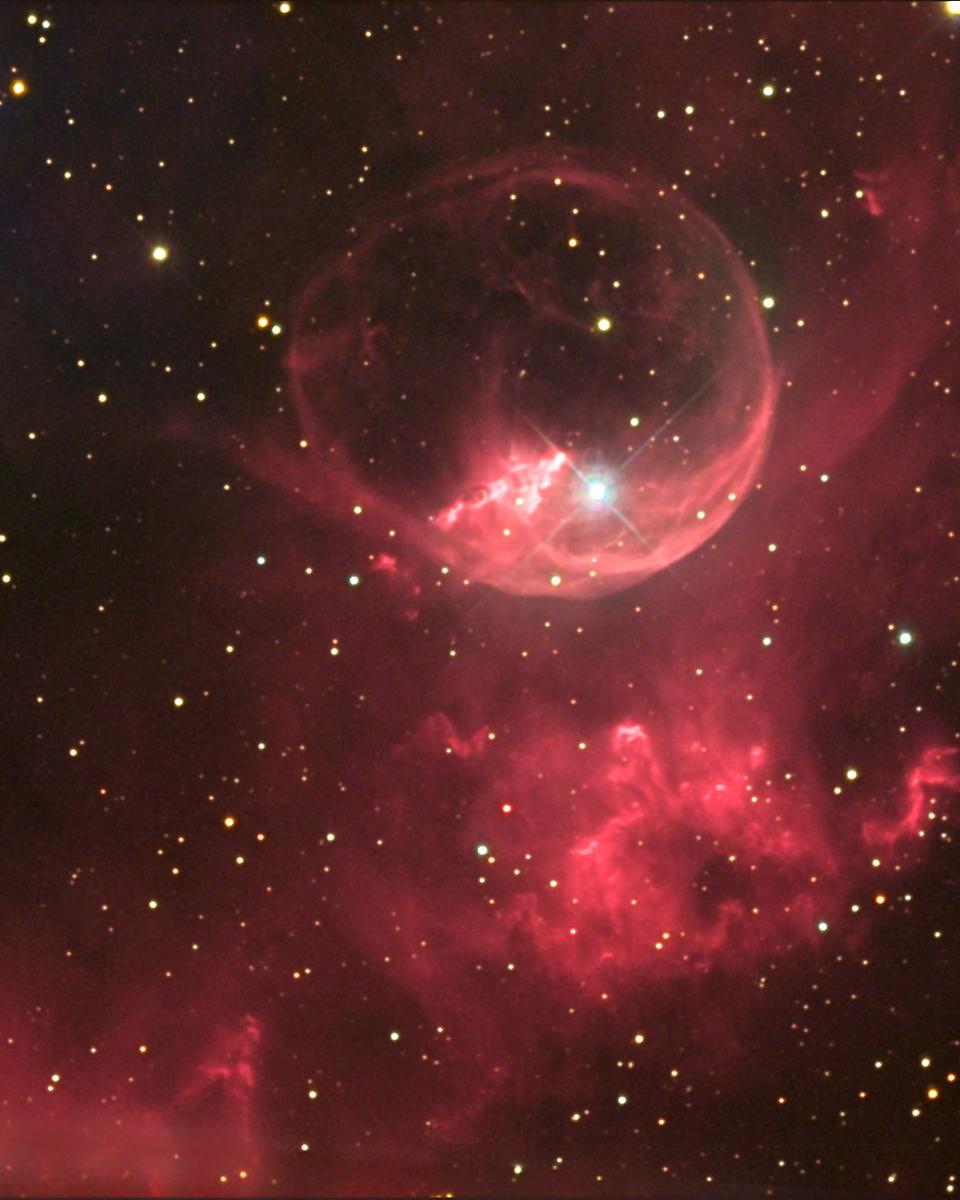
The Bubble Nebula from NOAO
It's the bubble versus the cloud. NGC 7635, the Bubble Nebula , is being pushed out by the stellar wind of massive central star BD+602522. Next door, though, lives a giant…
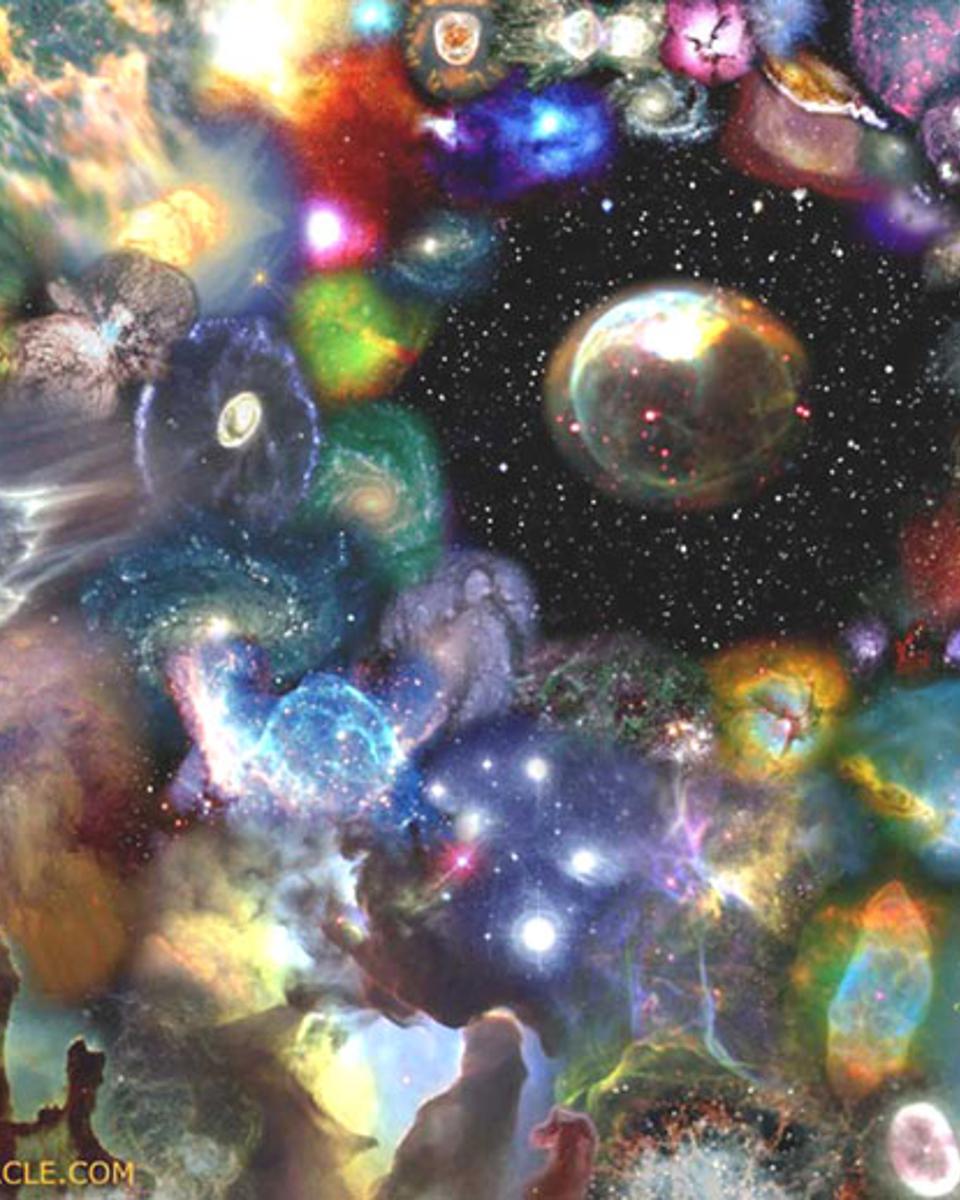
APOD Turns Eight
The first APOD appeared eight years ago today, on 1995 June 16. To date, we estimate that APOD has now served over 100 million space-related images. We again thank our readers and…
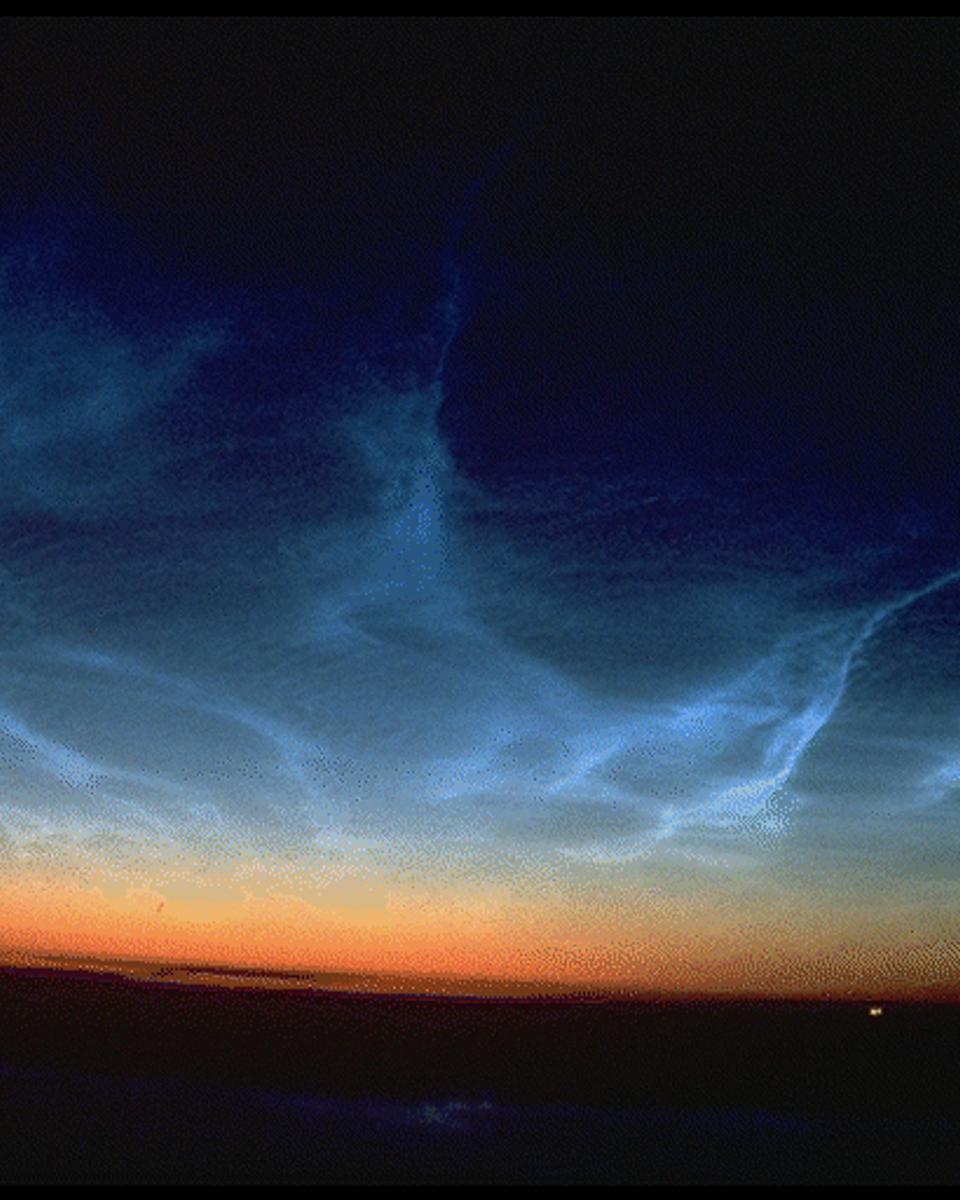
Noctilucent Clouds
Sometimes it's night on the ground but day in the air. As the Earth rotates to eclipse the Sun, sunset rises up from the ground. Therefore, at sunset on the ground, sunlight still…
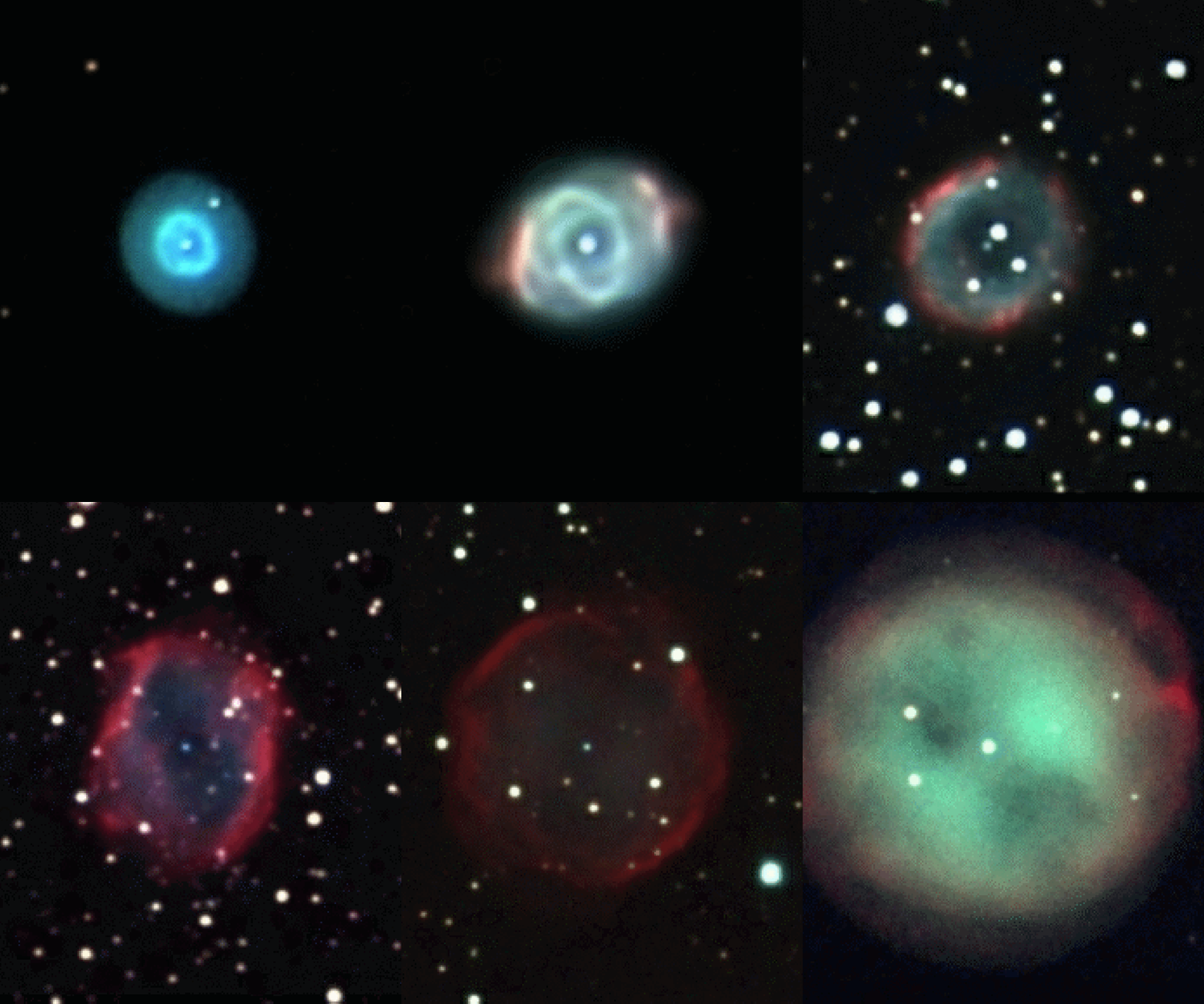
The Planetary Nebula Show
What do the Owl, the Cat's Eye, the Ghost of Jupiter, and Saturn have in common? They're all planetary nebulae of course, glowing gaseous shrouds shed by dying sun-like stars as…
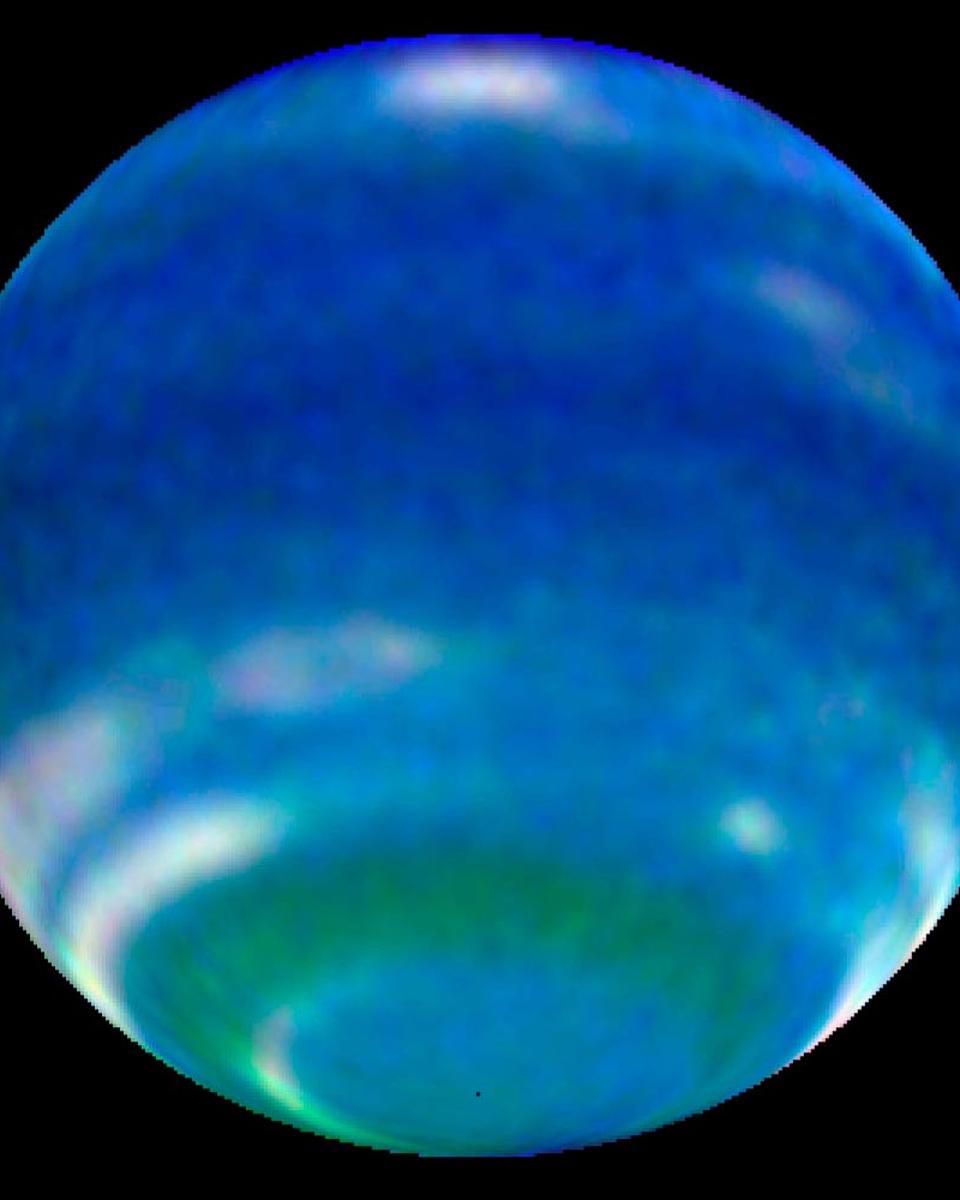
Neptune: Still Springtime After All These Years
In the 1960s spring came to the southern hemisphere of Neptune, the Solar System's outermost gas giant planet. Of course, since Neptune orbits the Sun once every 165 earth-years ,…
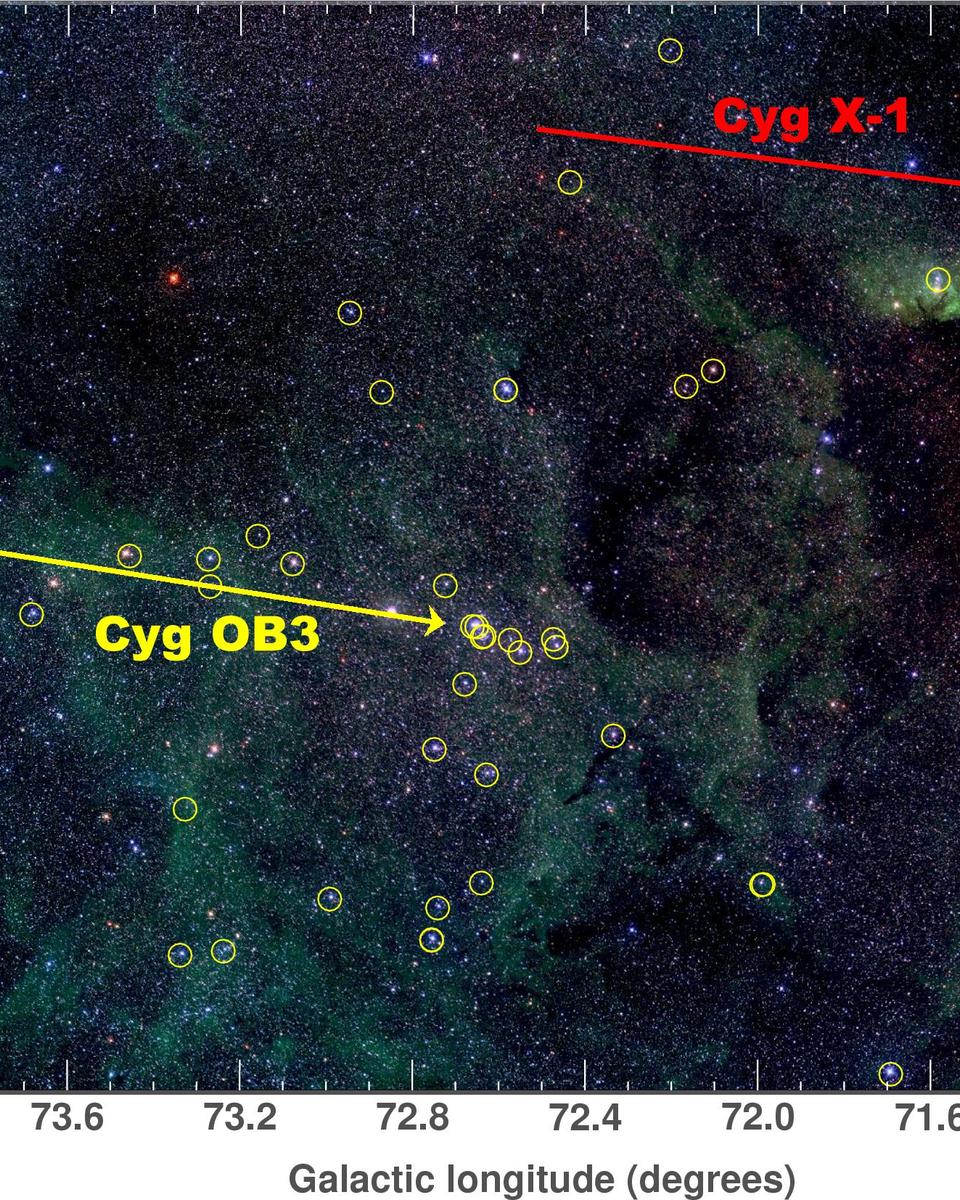
Cyg X-1: Can Black Holes Form in the Dark?
The formation of a black hole from the collapsing core of a massive star is thought to be heralded by a spectacular supernova explosion. Such an extremely energetic collapse is…
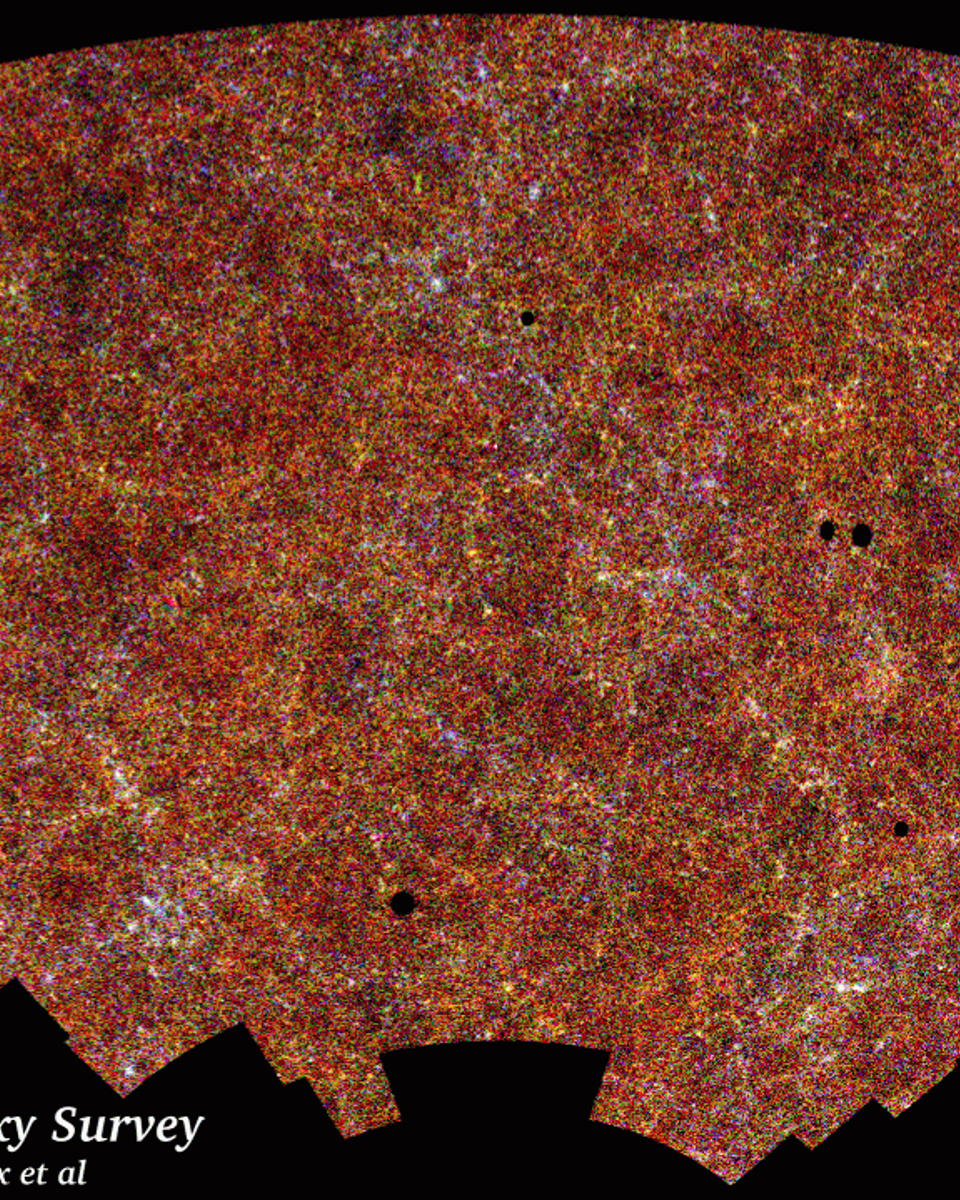
Two Million Galaxies
Our universe is filled with galaxies. Galaxies -- huge conglomerations of stars , gas , dust -- and mysterious dark matter are the basic building blocks of the large-scale…
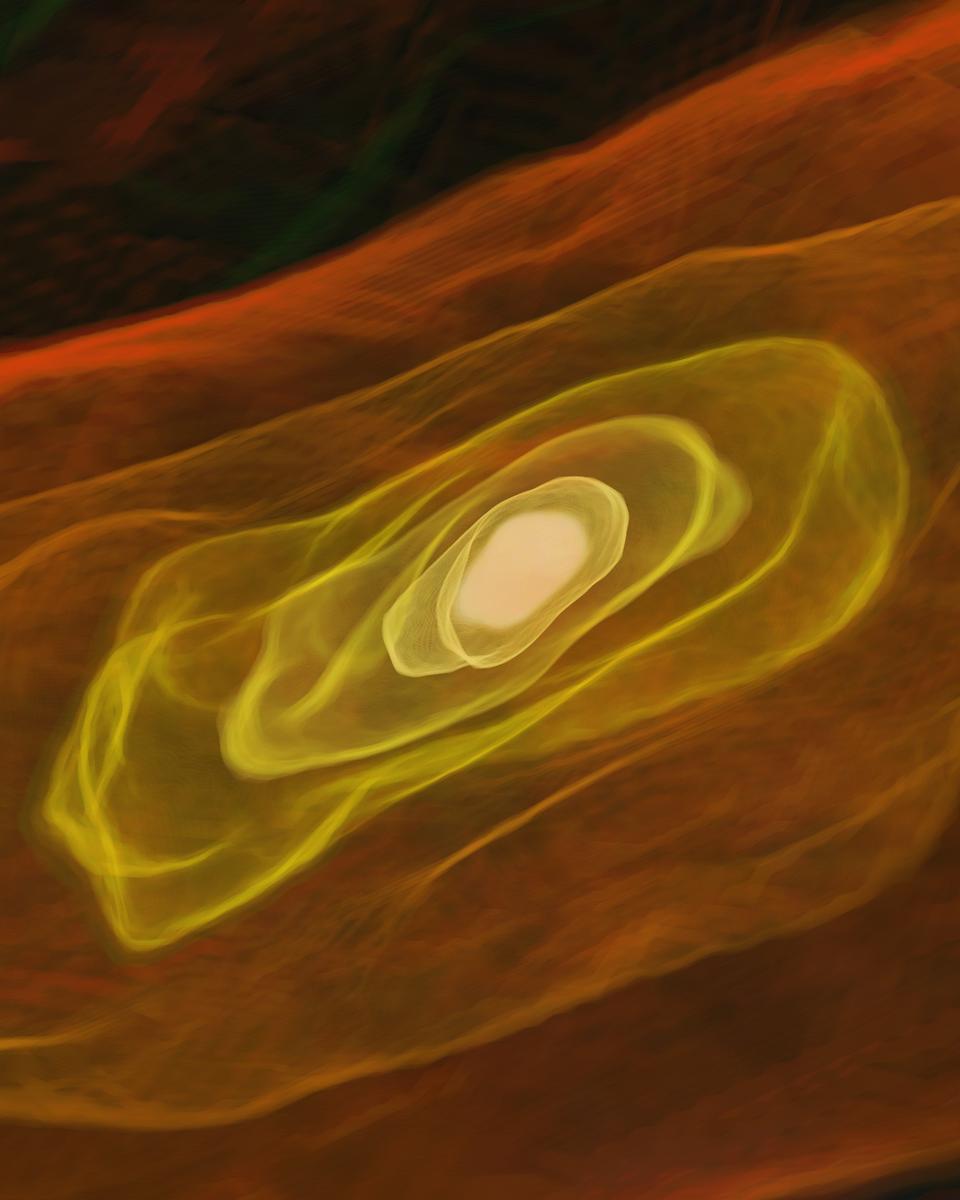
Zooming in on the First Stars
What became of the first stars? No known stars appear to be composed of truly primordial gas -- all of the stars around us have too many heavy elements. Our own Sun is thought to…
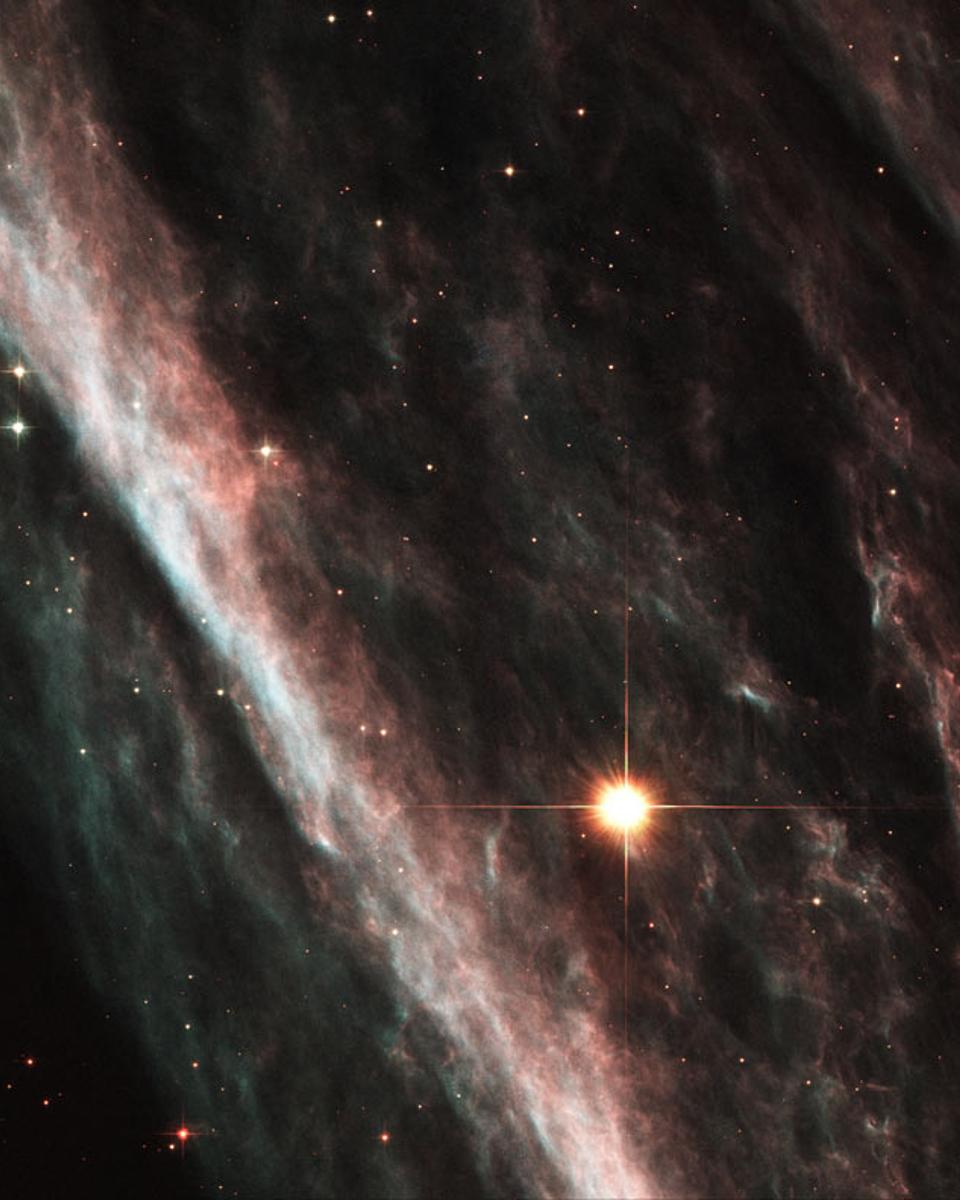
The Pencil Nebula Supernova Shockwave
At 500,000 kilometers per hour, a supernova shockwave plows through interstellar space. This shockwave is known as the Pencil Nebula , or NGC 2736, and is part of the Vela…
Viewing discoveries from 2 July 2003 through 9 June 2003.