Browse NASA Astronomy Picture of the Day archive by date and media: Archive Discoveries
Browse the NASA APOD archive without needing the exact date first. Filter by media type and keep moving deeper into older images and videos.
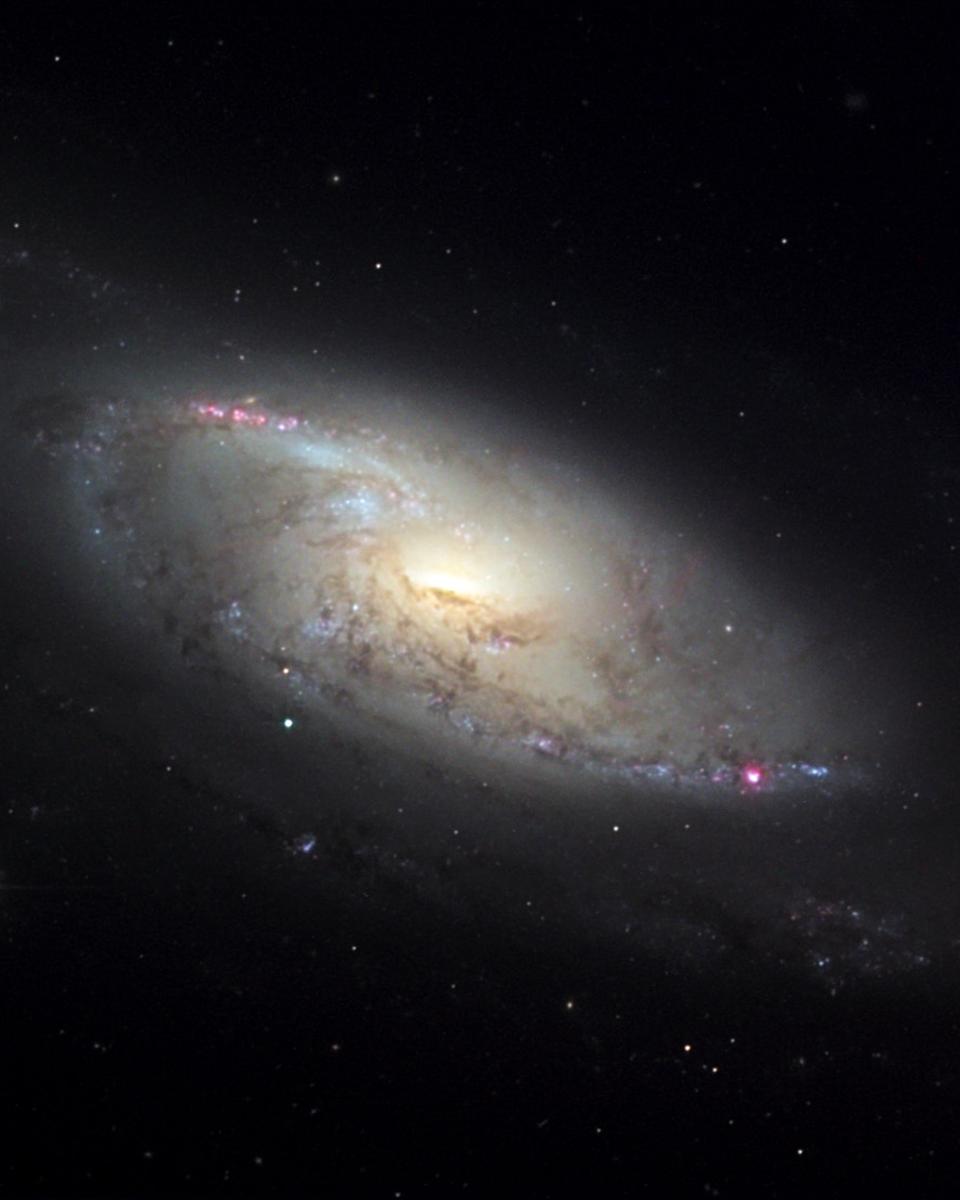
M106 in Canes Venatici
Close to the Great Bear (Ursa Major) and surrounded by the stars of the Hunting Dogs (Canes Venatici), this celestial nebula was discovered in 1781 by the metric French astronomer…
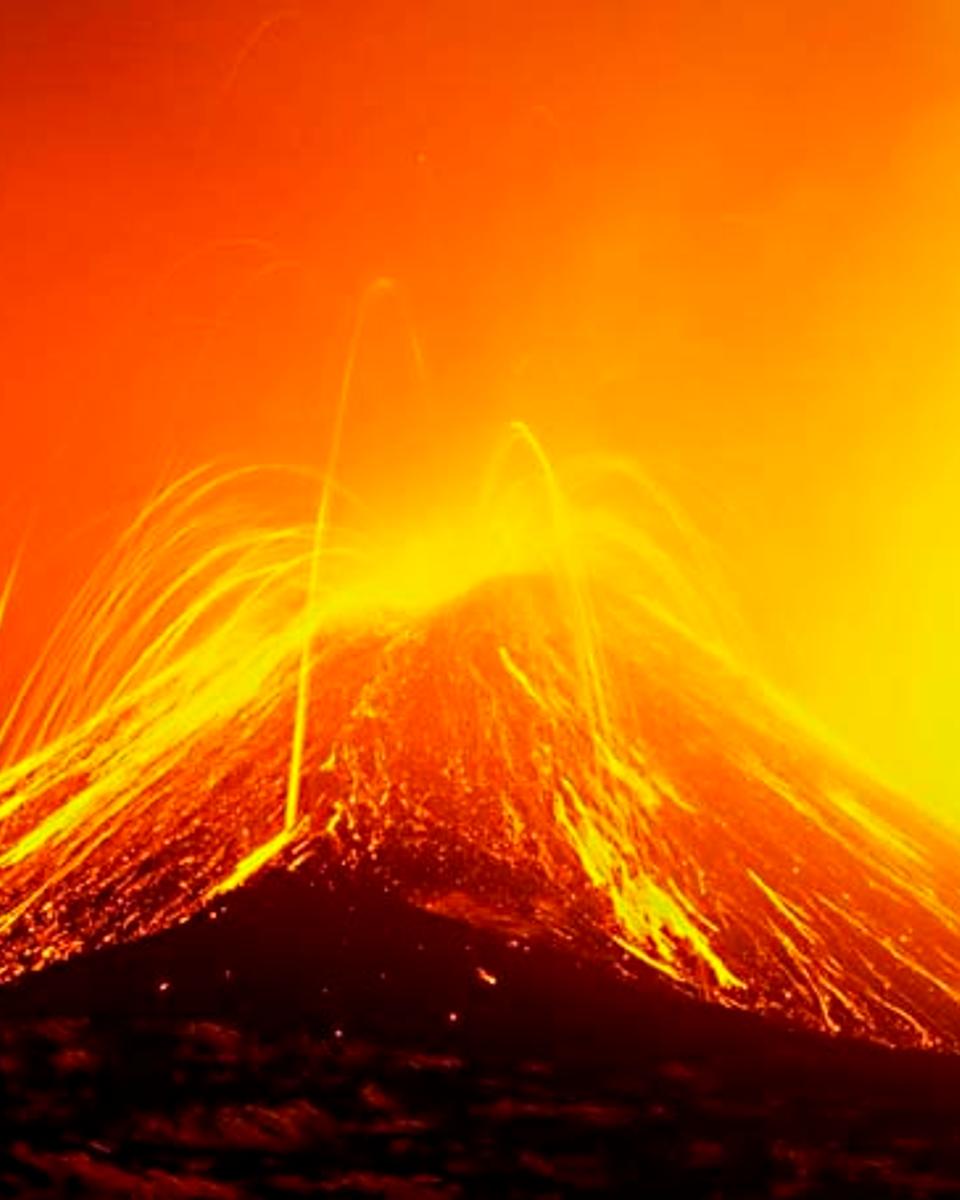
Magma Bubbles from Mt. Etna
Mt. Etna erupted spectacularly in 2001 June. Pictured above , the volcano was photographed expelling bubbles of hot magma, some of which measured over one meter across. One reason…
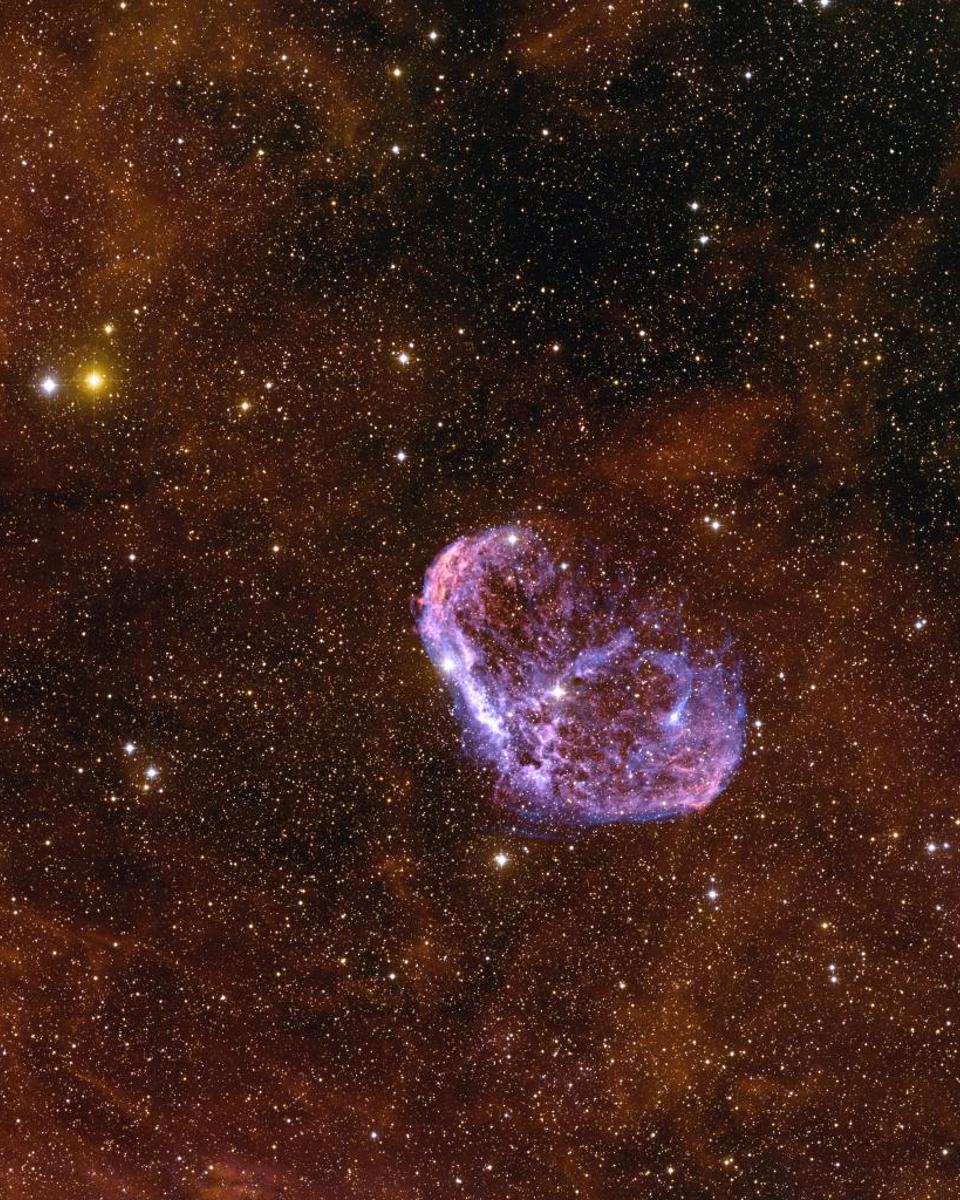
A Crescent Nebula Star Field
What caused the Crescent Nebula ? Looking like an emerging space cocoon , the Crescent Nebula, visible on the right, was created by the brightest star in its center. A leading…
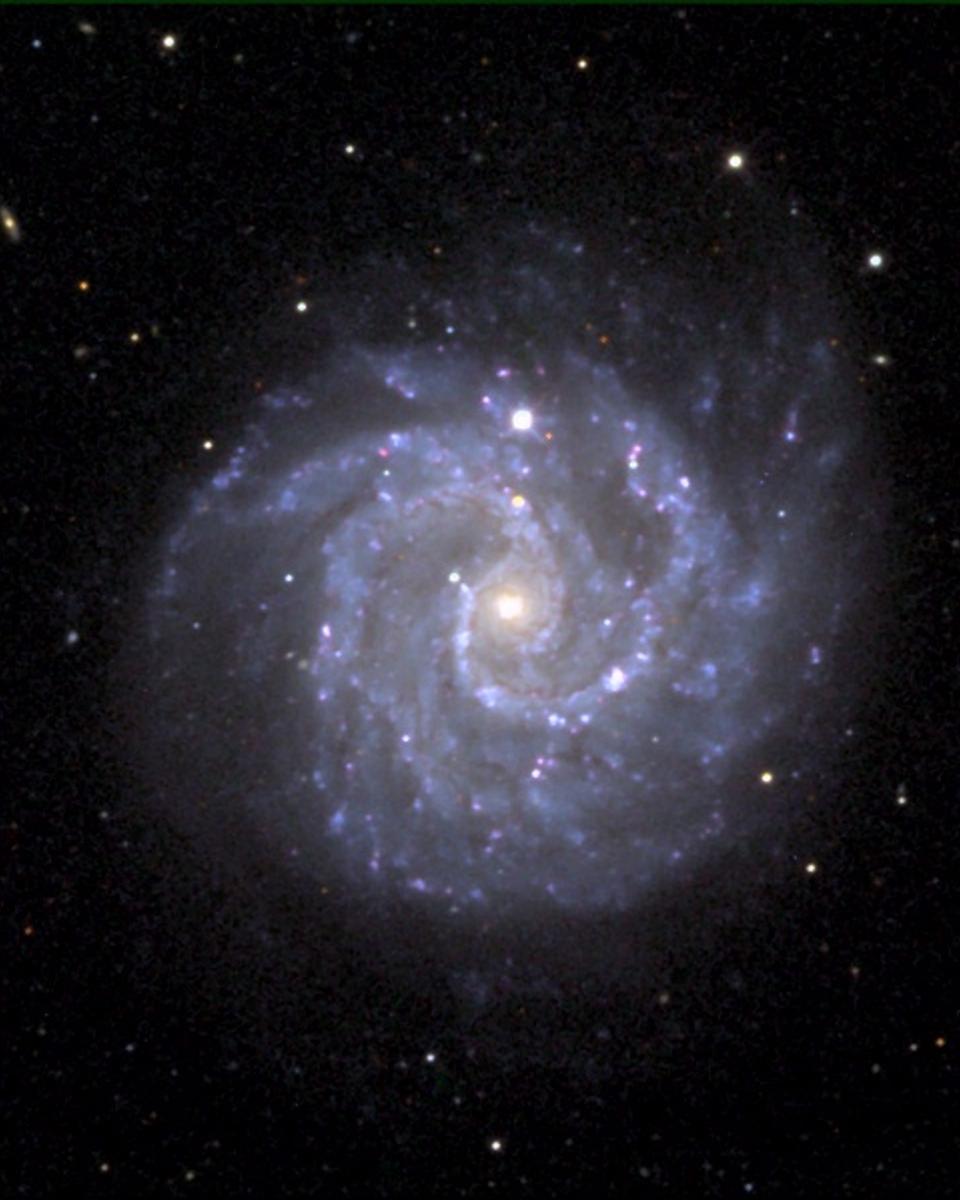
A Gamma Ray Burst - Supernova Connection
New evidence has emerged that a mysterious type of explosion known as a gamma ray burst is indeed connected to a supernova of the type visible in the above image . Two weeks ago,…
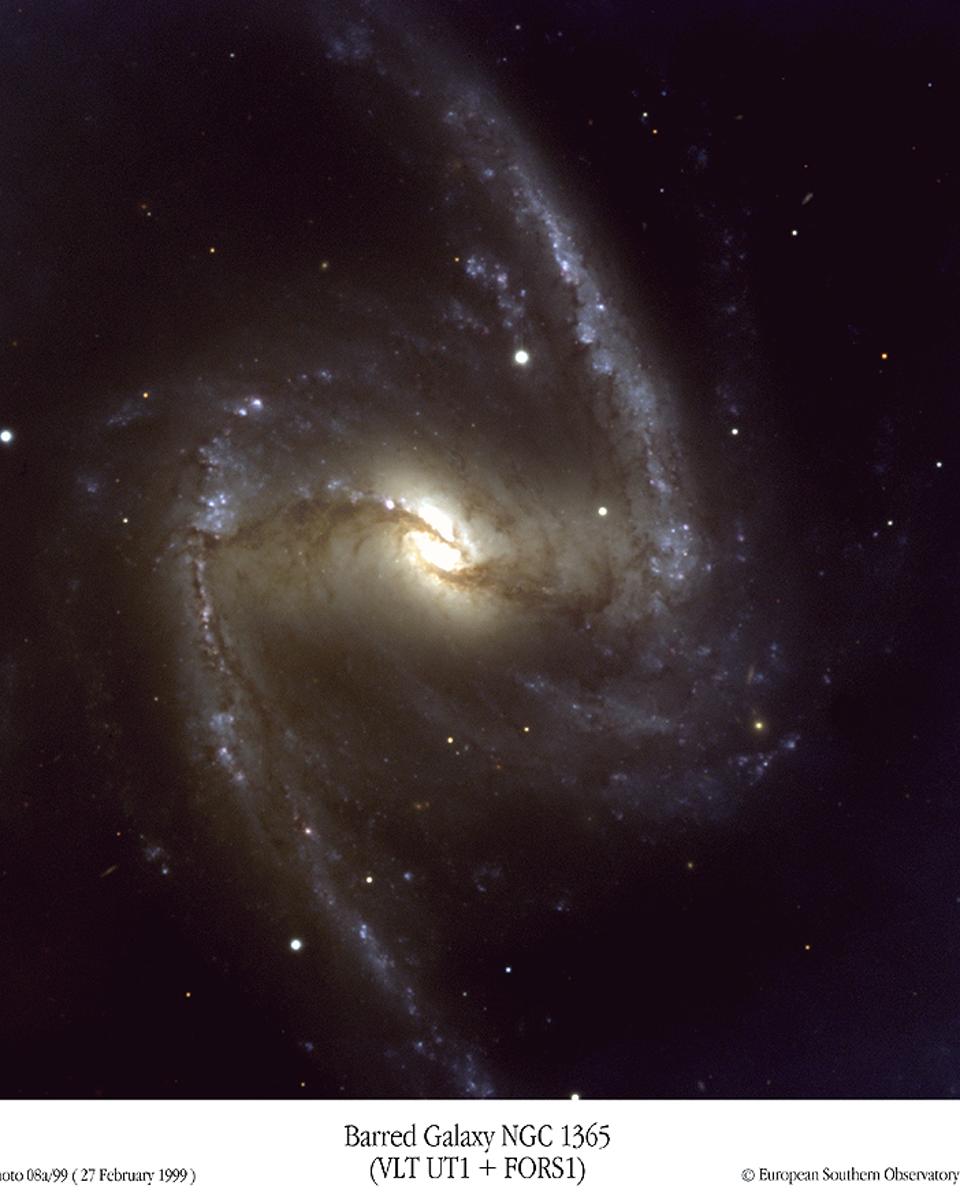
NGC 1365: A Nearby Barred Spiral Galaxy
Many spiral galaxies have bars across their centers. Even our own Milky Way Galaxy is thought to have a bar , but perhaps not so prominent as the one in NGC 1365, shown above .…
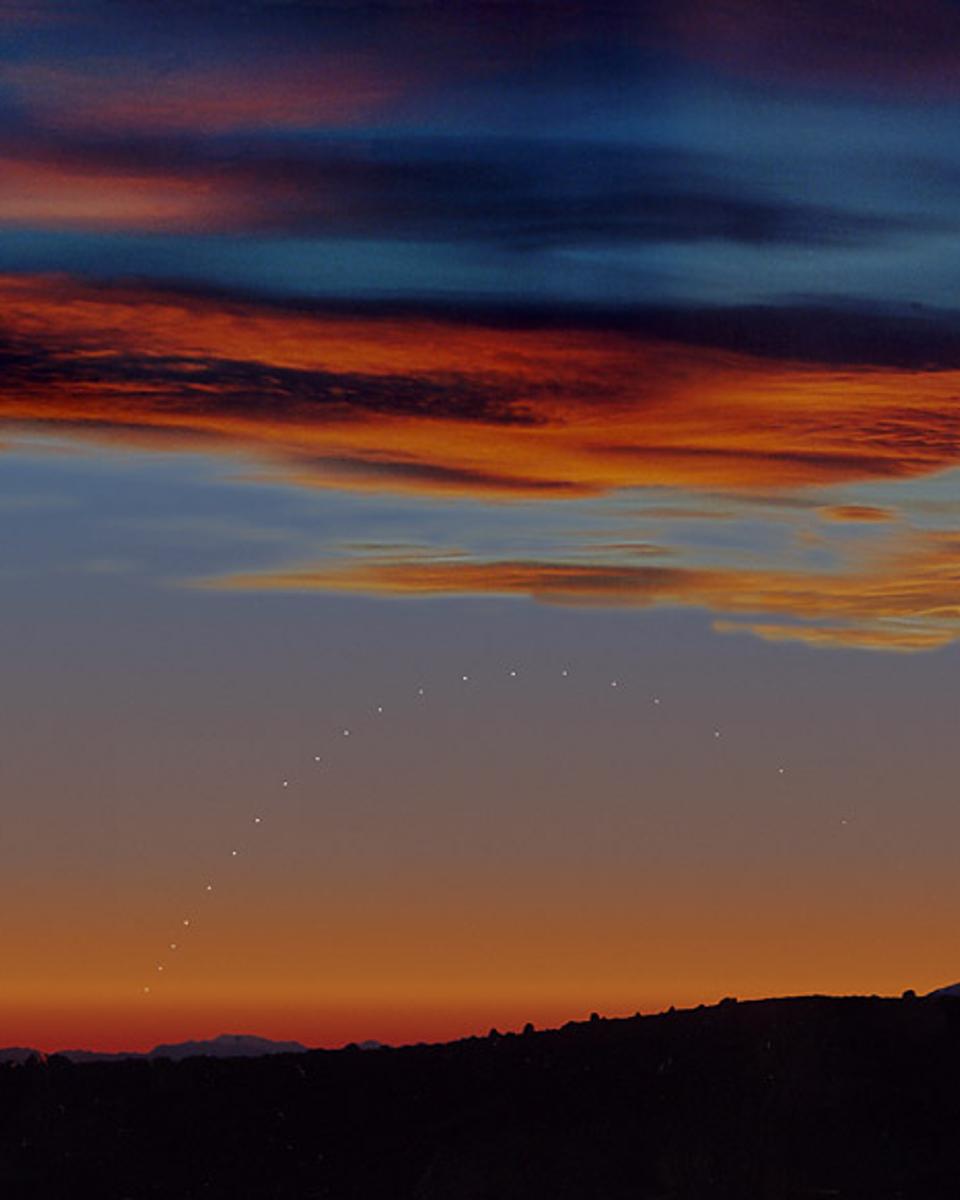
Mercury on the Horizon
Have you ever seen the planet Mercury? Because Mercury orbits so close to the Sun, it never wanders far from the Sun in Earth's sky . If trailing the Sun, Mercury will be visible…
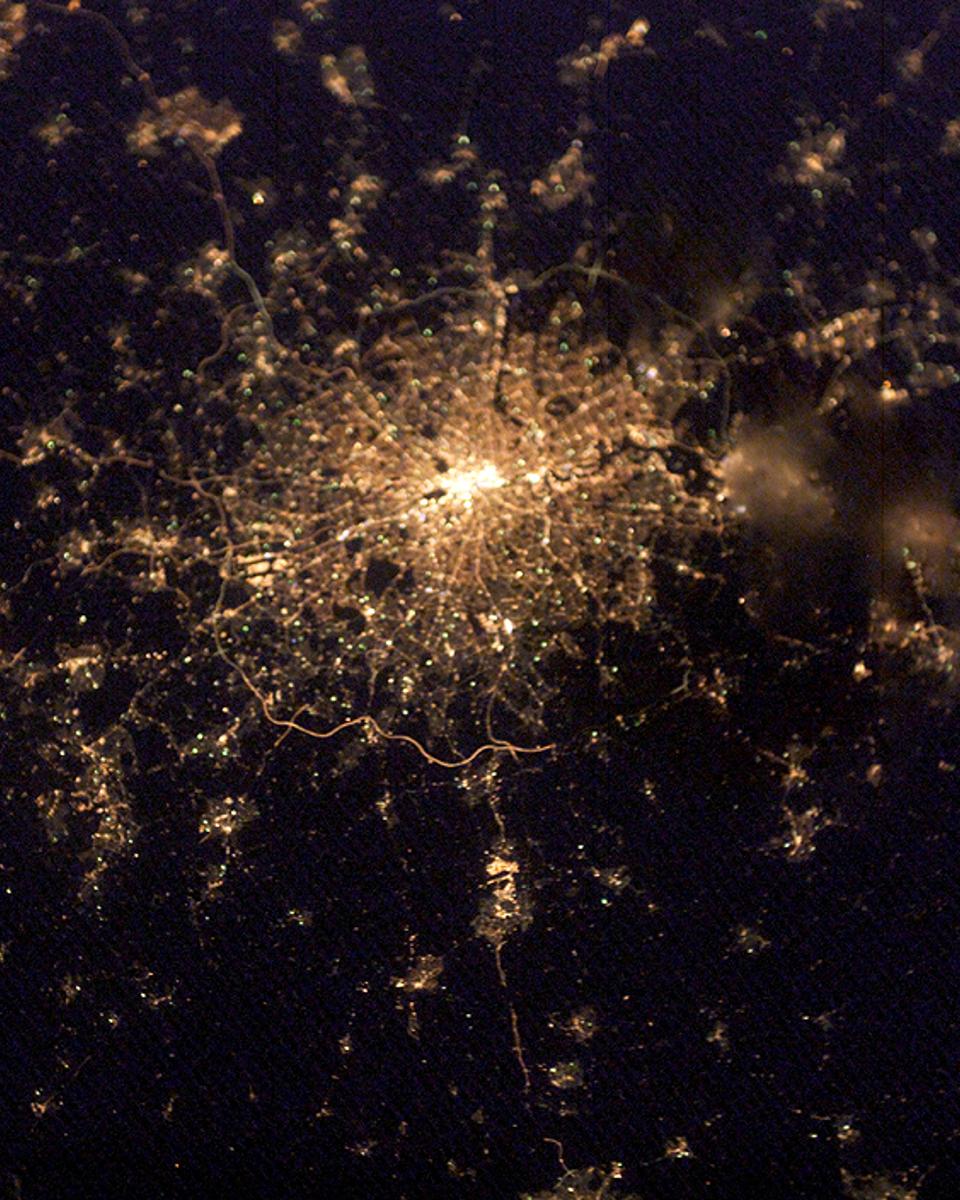
London at Night
Do you recognize this intriguing globular cluster of stars? It's actually the constellation of city lights surrounding London, England , planet Earth, as recorded with a digital…
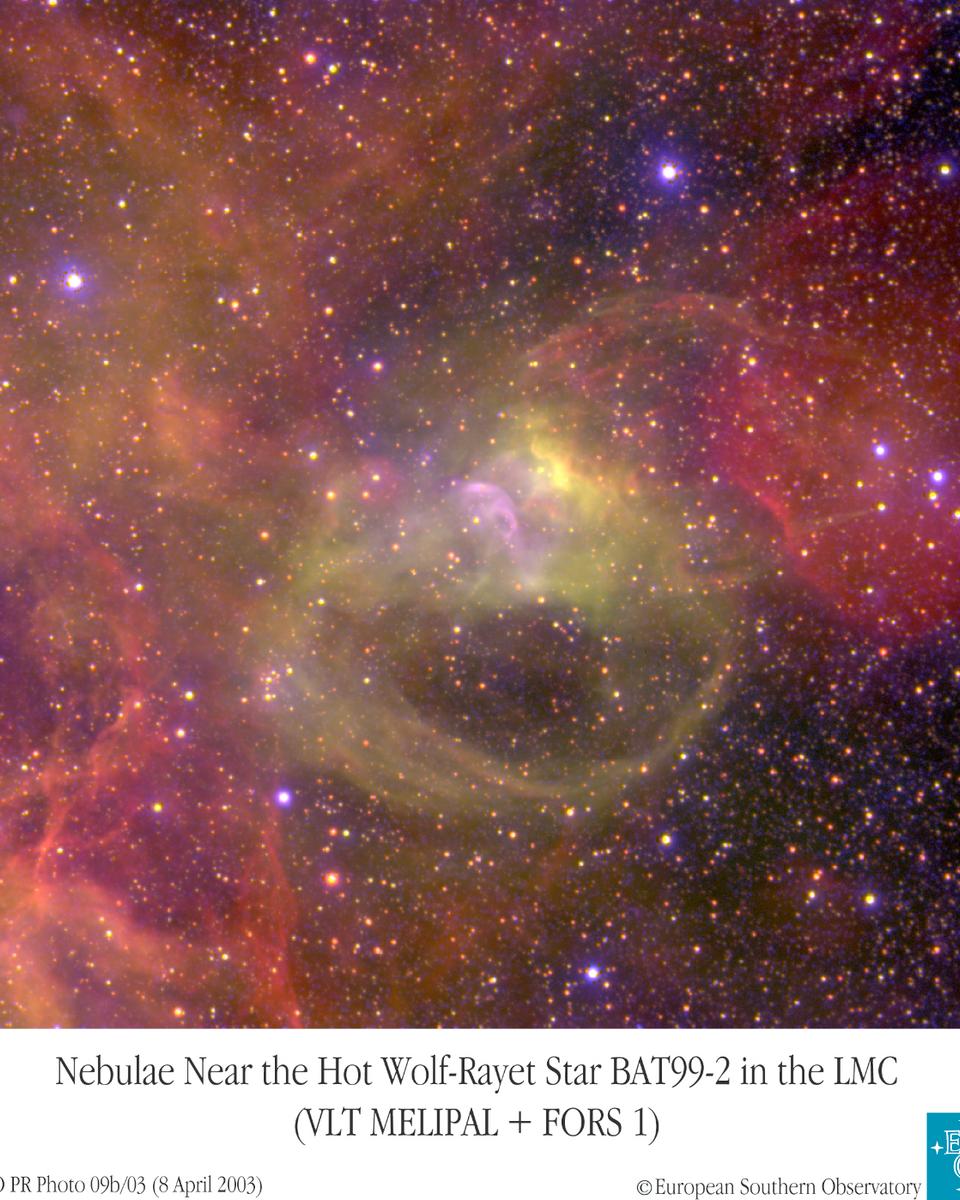
Energized Nebula in the LMC
Blossoming in nearby galaxy the Large Magellanic Cloud (LMC), this gorgeous nebula is energized by radiation and winds from a massive star whose surface temperature approaches…
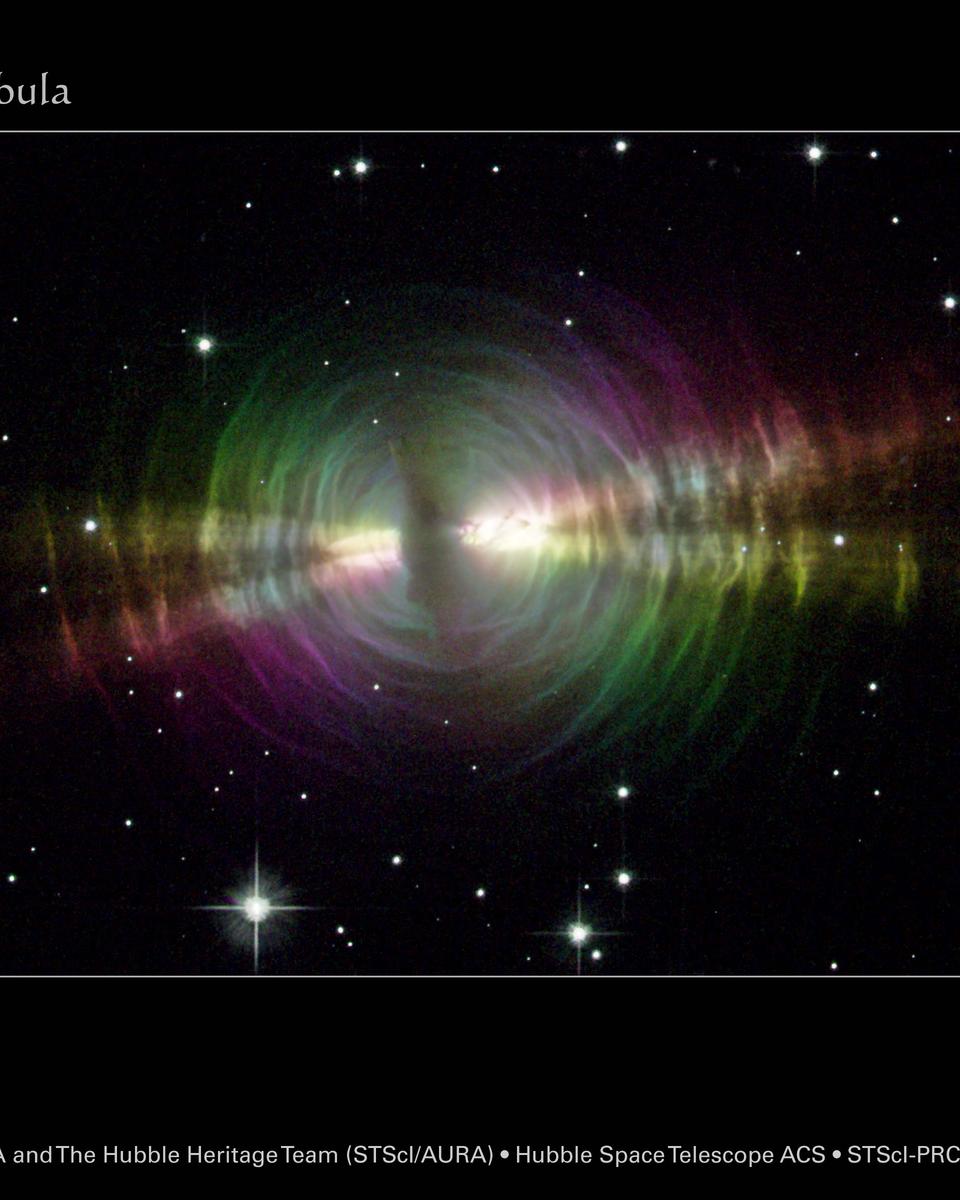
The Egg Nebula in Polarized Light
Where is the center of the unusual Egg Nebula ? Like a baby chick pecking its way out of an egg, the star in the center of the Egg Nebula is casting away shells of gas and dust as…
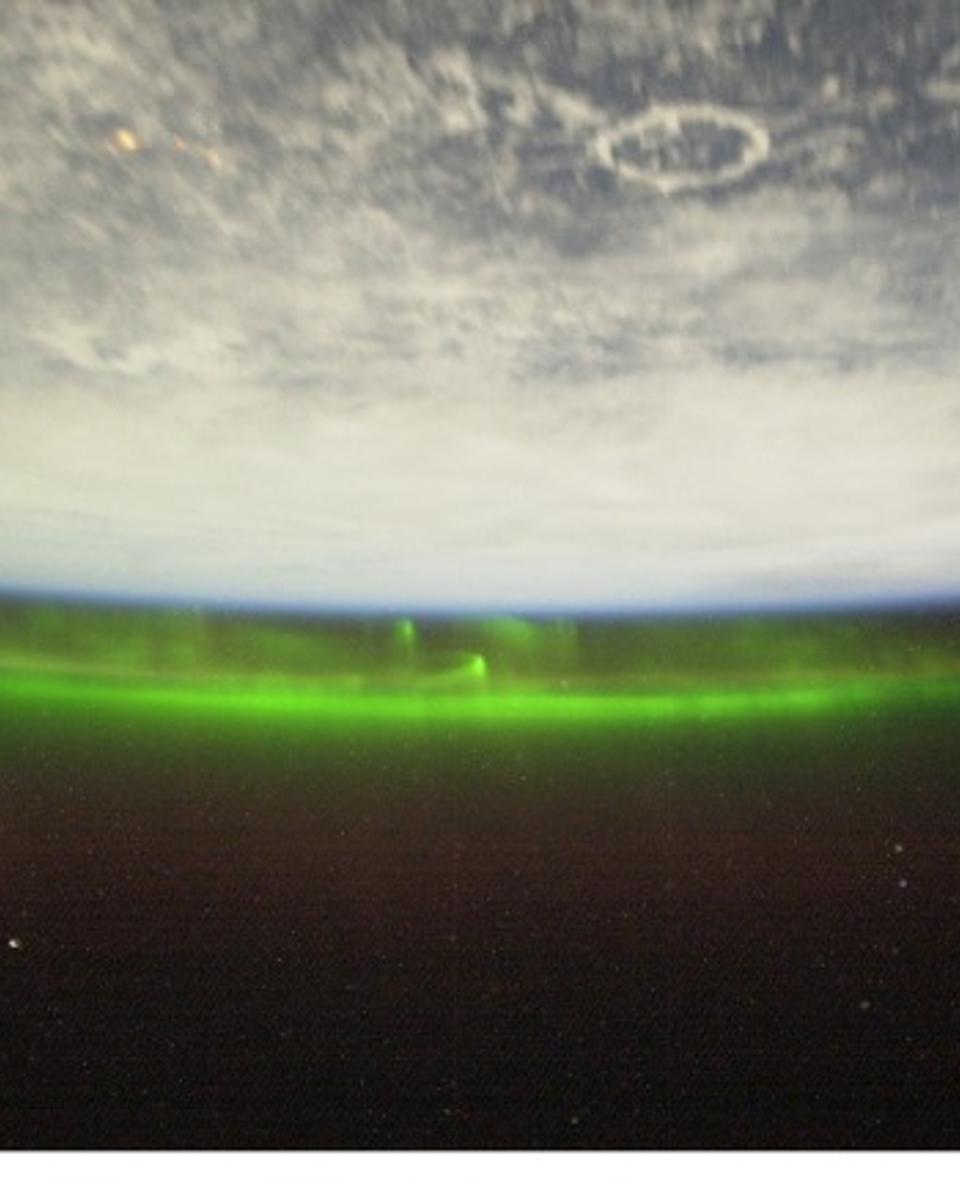
Aurora From Space
What do auroras look like from space? From the ground, auroras dance high above clouds , frequently causing spectacular displays . The International Space Station (ISS) orbits…
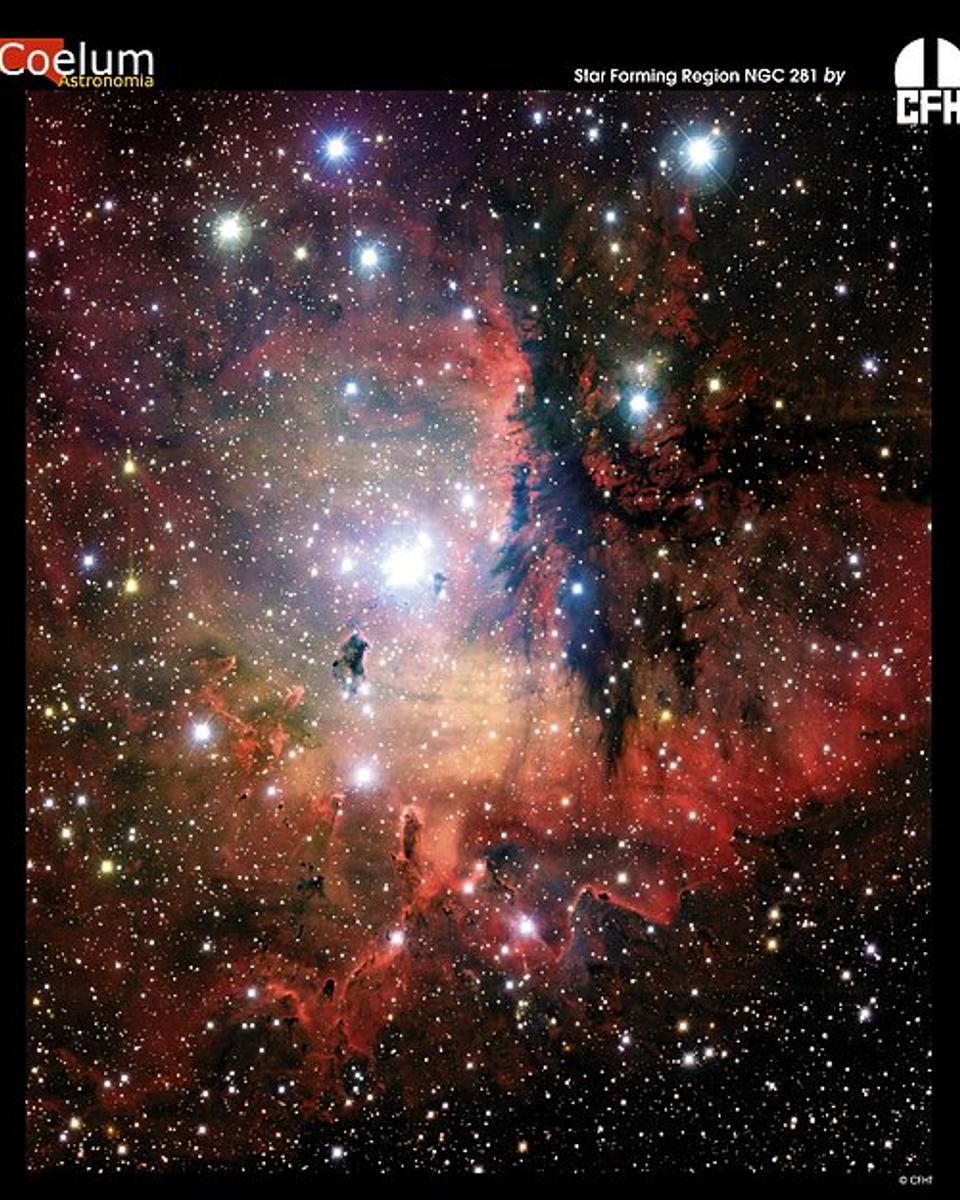
NGC 281: Cluster, Clouds, and Globules
NGC 281 is a busy workshop of star formation. Prominent features include a small open cluster of stars, a diffuse red-glowing emission nebula , large lanes of obscuring gas and…
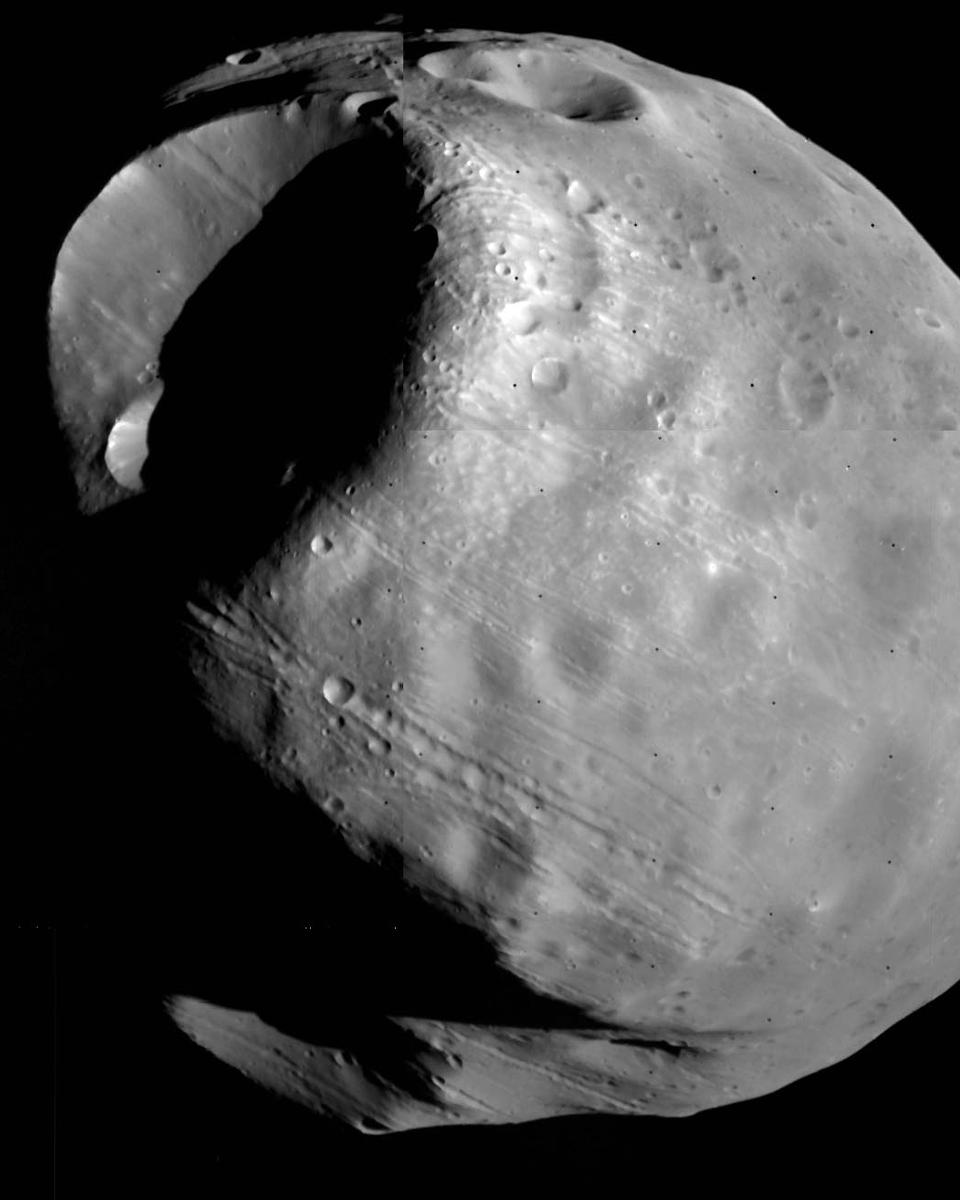
Phobos: Doomed Moon of Mars
This moon is doomed. Mars , the red planet named for the Roman god of war , has two tiny moons, Phobos and Deimos , whose names are derived from the Greek for Fear and Panic.…
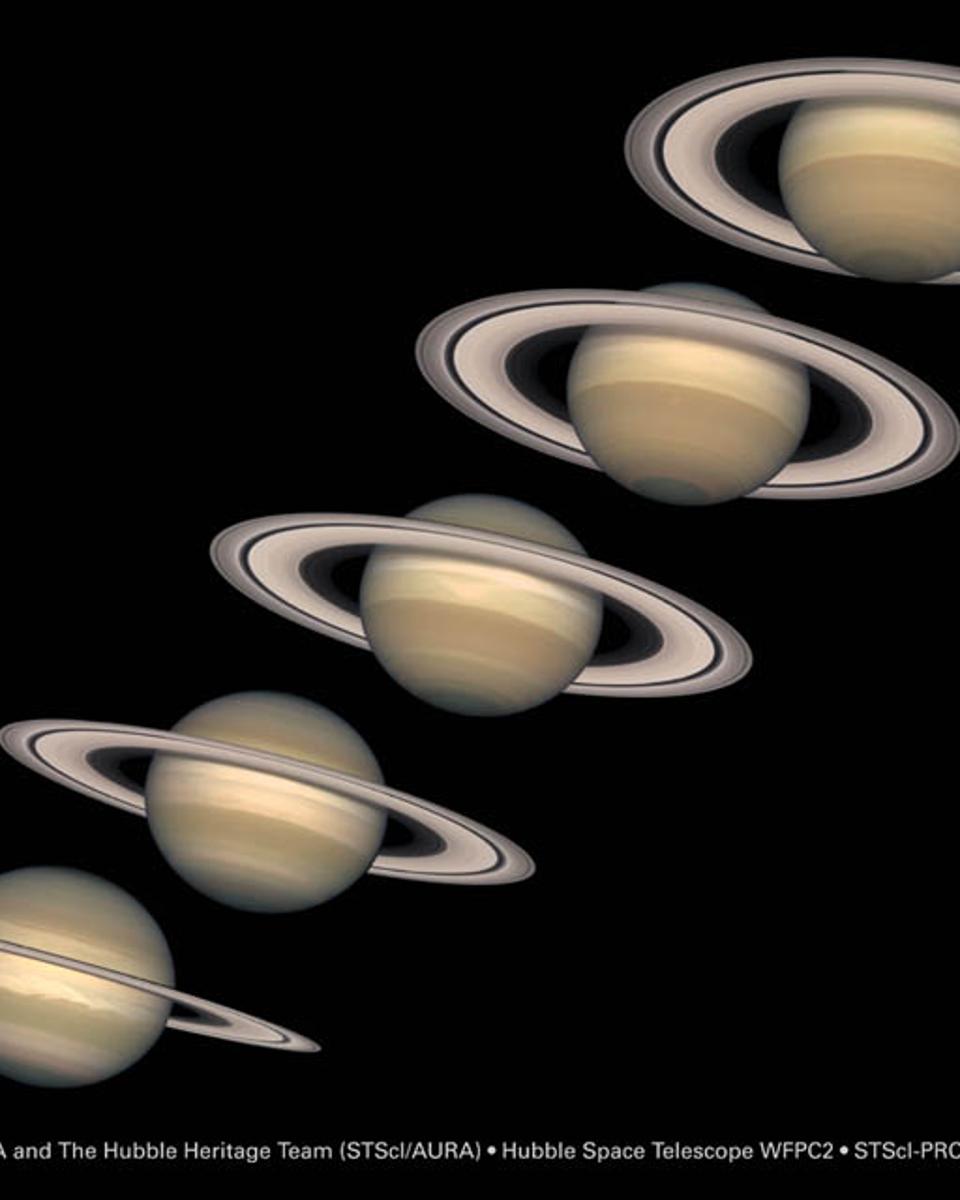
The Seasons of Saturn
Since Saturn's axis is tilted as it orbits the Sun , Saturn has seasons , like those of planet Earth ... but Saturn's seasons last for over seven years. So what season is it on…
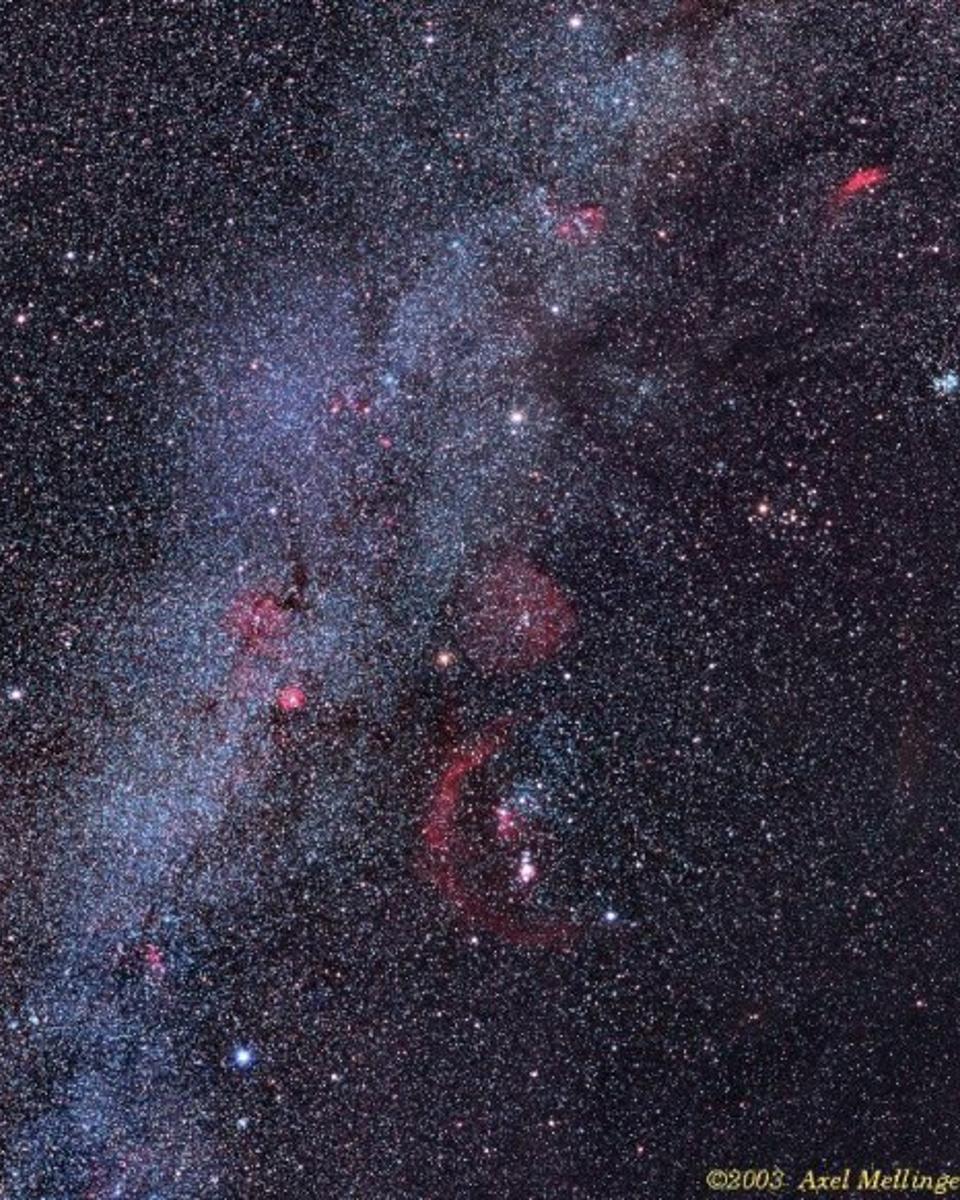
Clusters and Nebulae of the Hexagon
At first, the bright stars of the large asterism known as the (northern) Winter Hexagon might be hard to pick out in this gorgeous deep sky mosaic from December 2002. But placing…
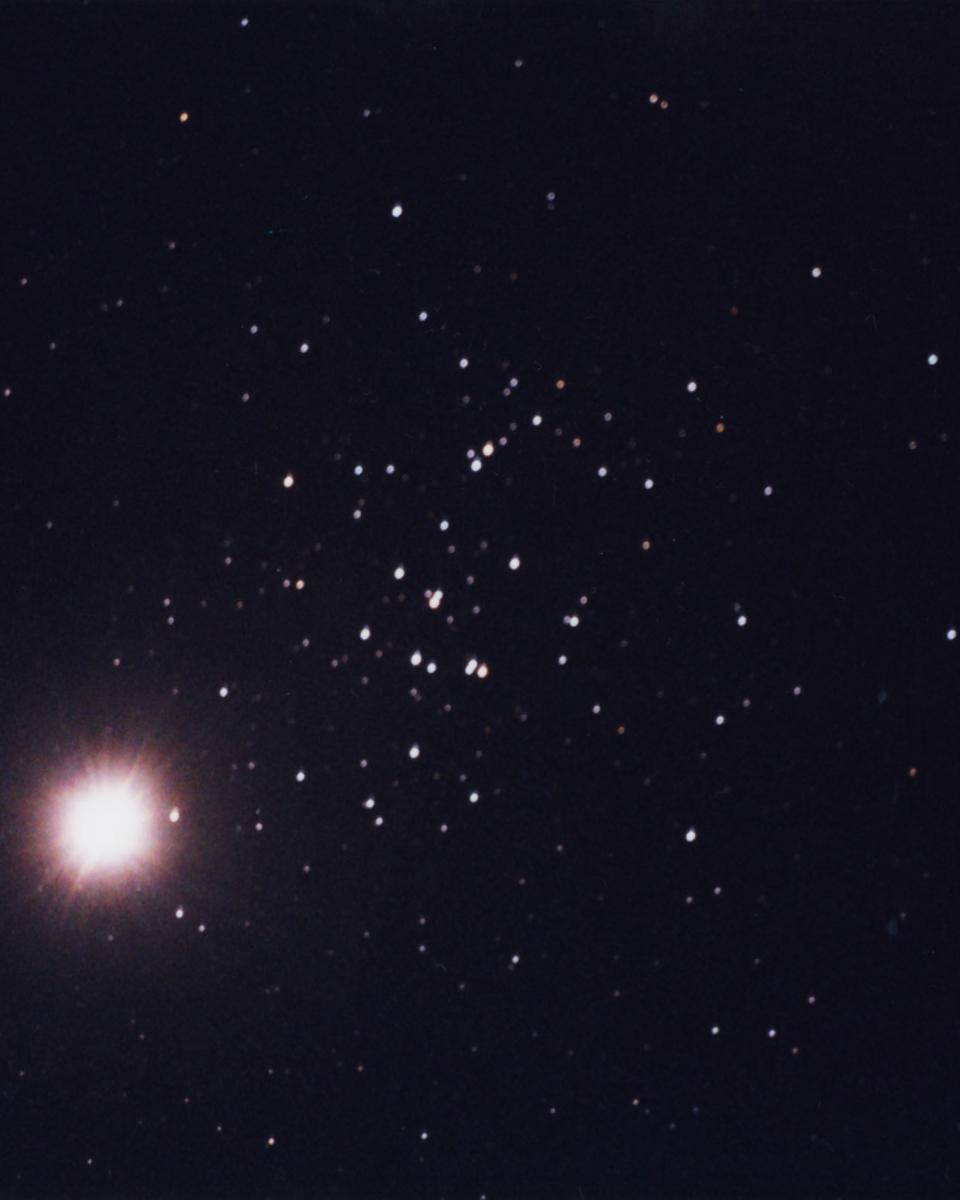
Jupiter in the Hive
If you can find planet Jupiter in tonight's sky, then you can also find M44 , popularly known as the Beehive star cluster. In fact, with a pair of binoculars most casual skygazers…
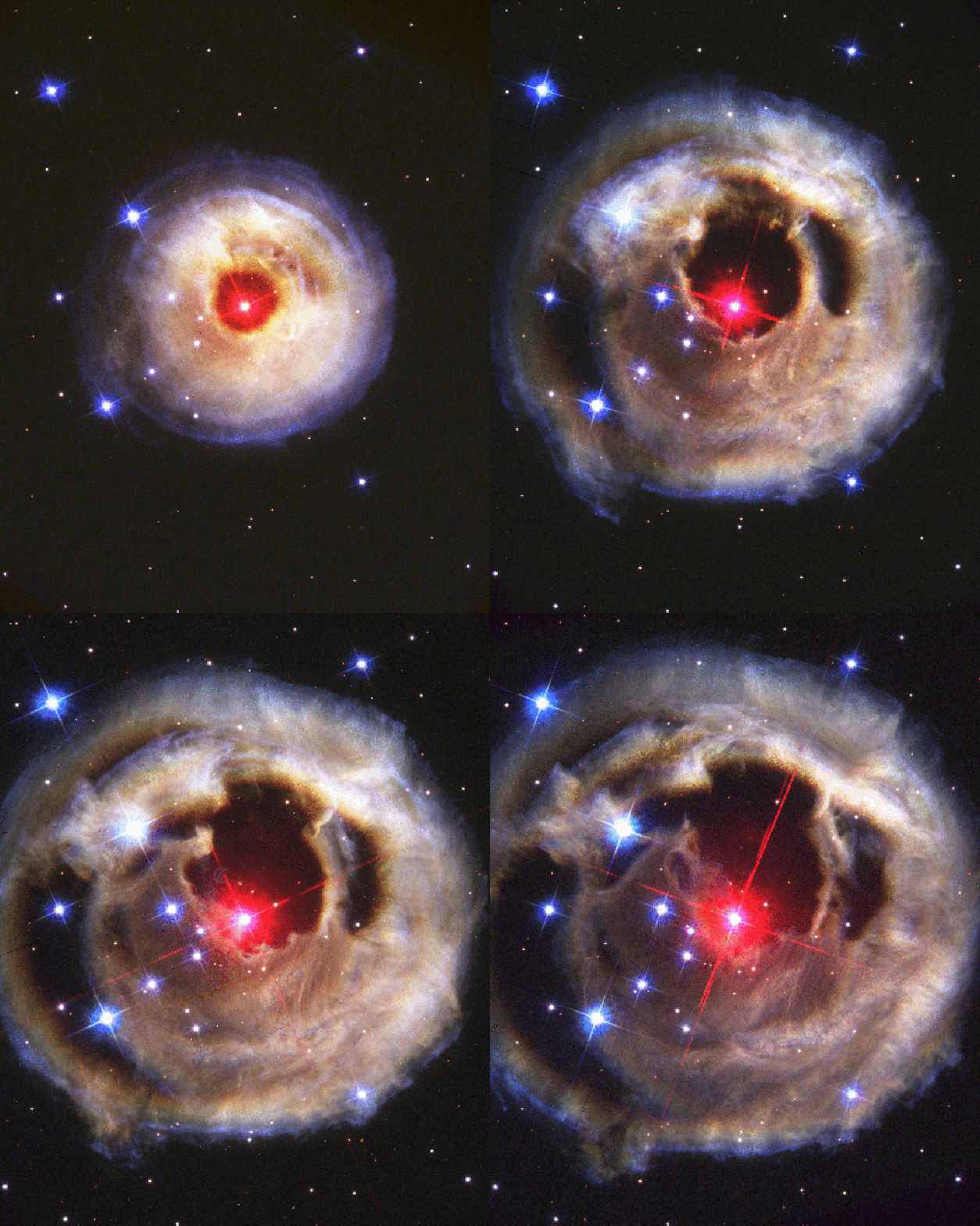
V838 Light Echo: The Movie
What caused this outburst of V838 Mon? For reasons unknown, star V838 Mon 's outer surface suddenly greatly expanded with the result that it became the brightest star in the…
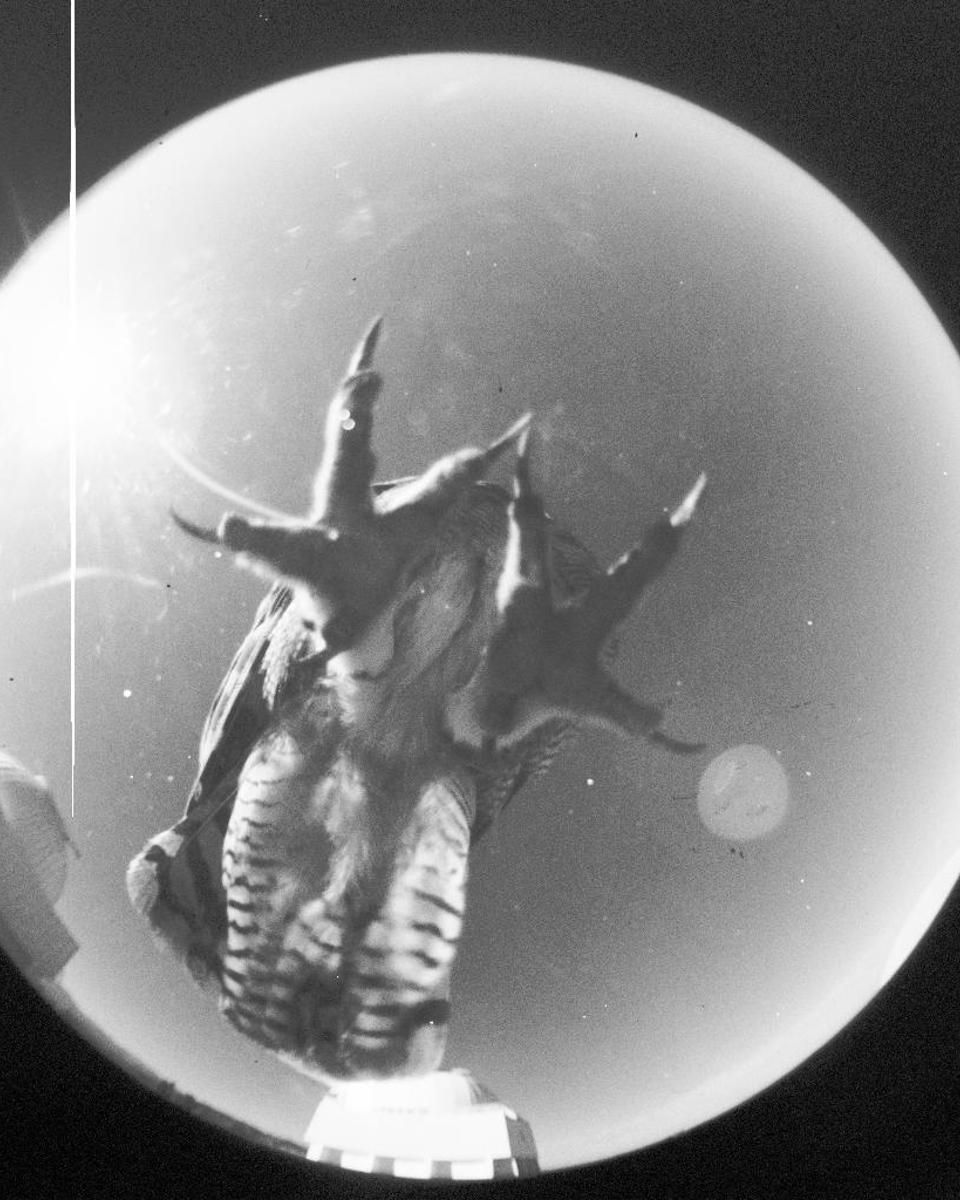
A New Constellation Takes Hold
A new constellation has taken hold of the sky, much to the surprise of many sky gazers . The constellation of Ollie the Owl has suddenly started dominating the southern…
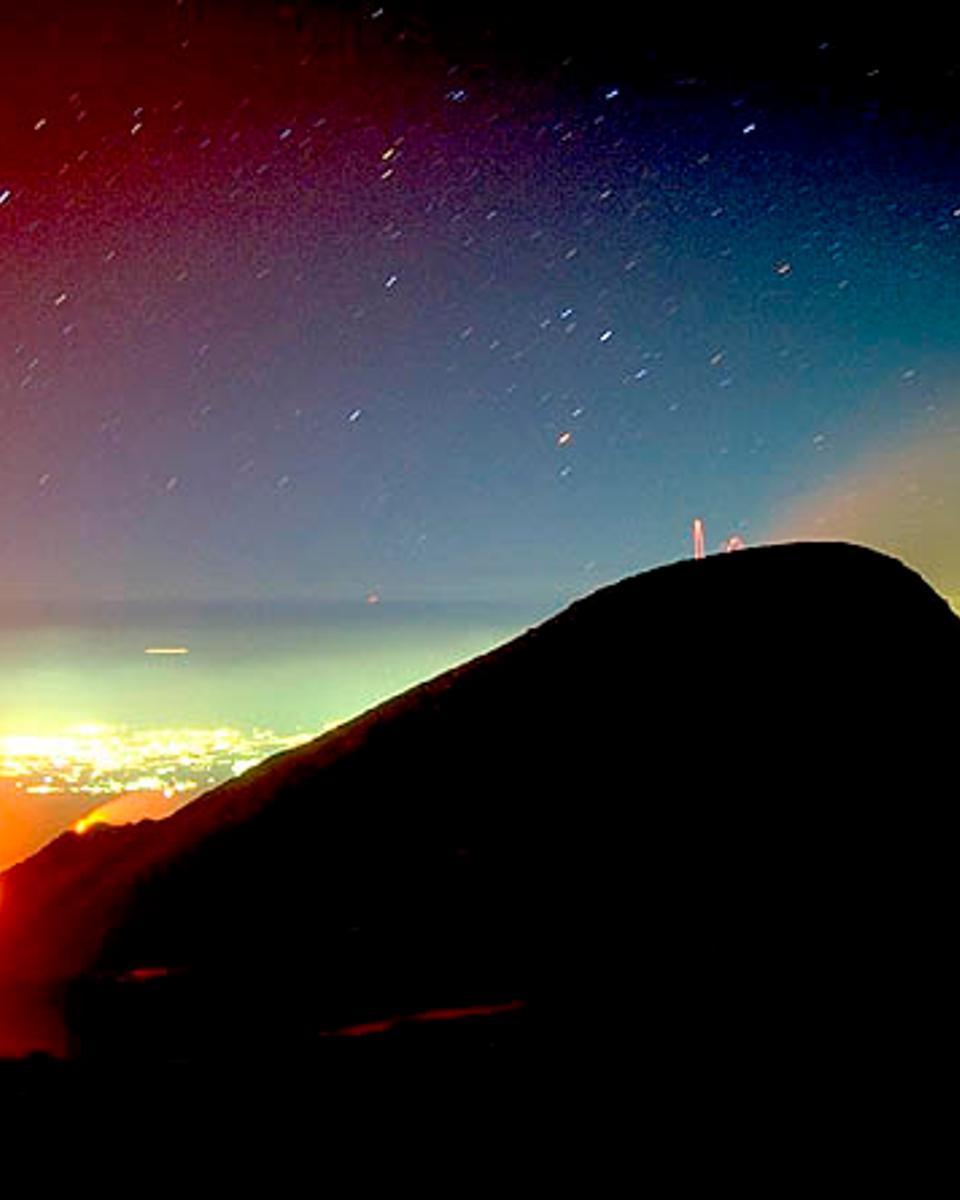
Mt. Etna Lava Plumes
Mt. Etna has been erupting for hundreds of thousands of years. Located in Sicily , Italy , the volcano produces lava fountains over one kilometer high. Mt. Etna is not only one of…
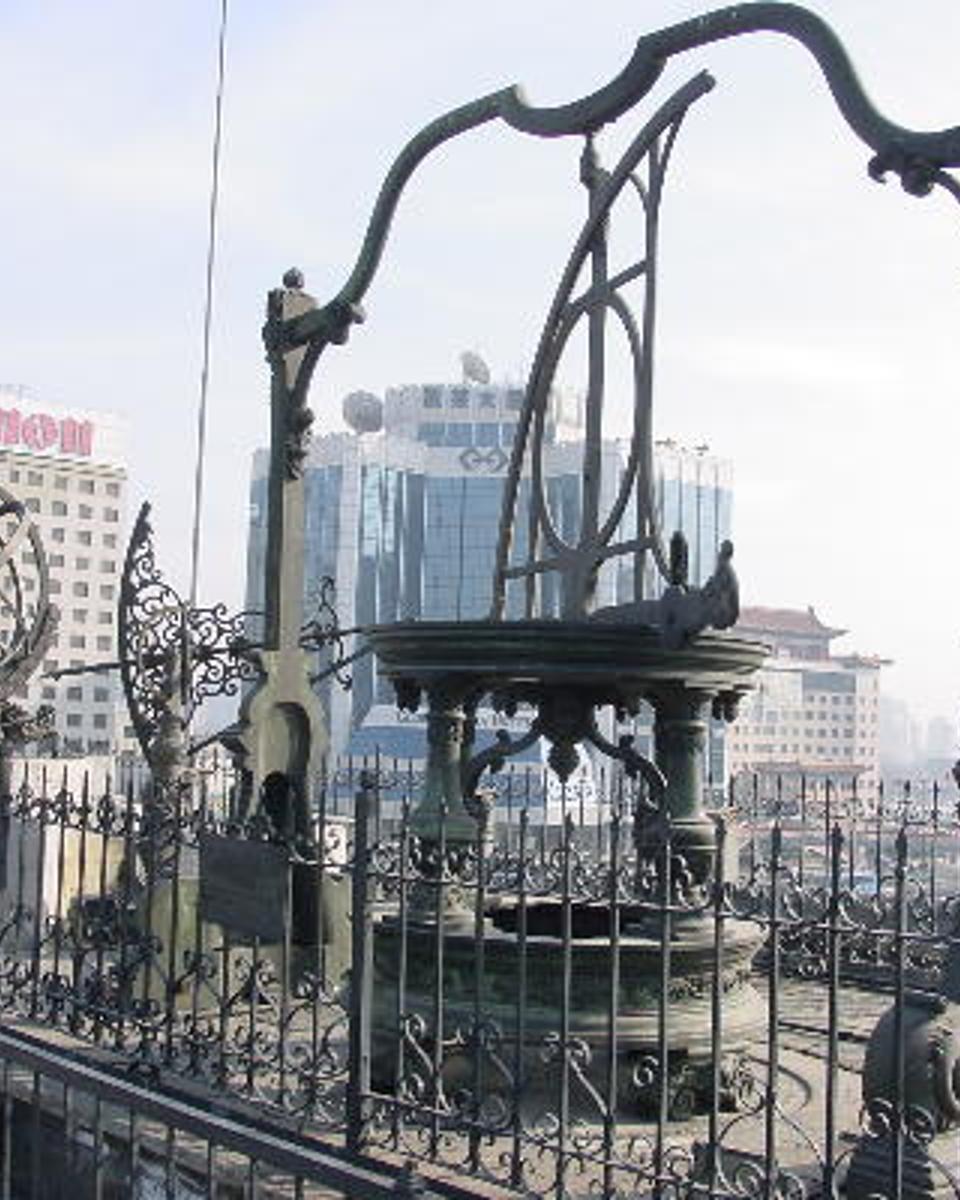
Beijing Ancient Observatory
Did observatories exist before telescopes ? One example that still stands today is the Beijing Ancient Observatory in China . Starting in the 1400s astronomers erected large…
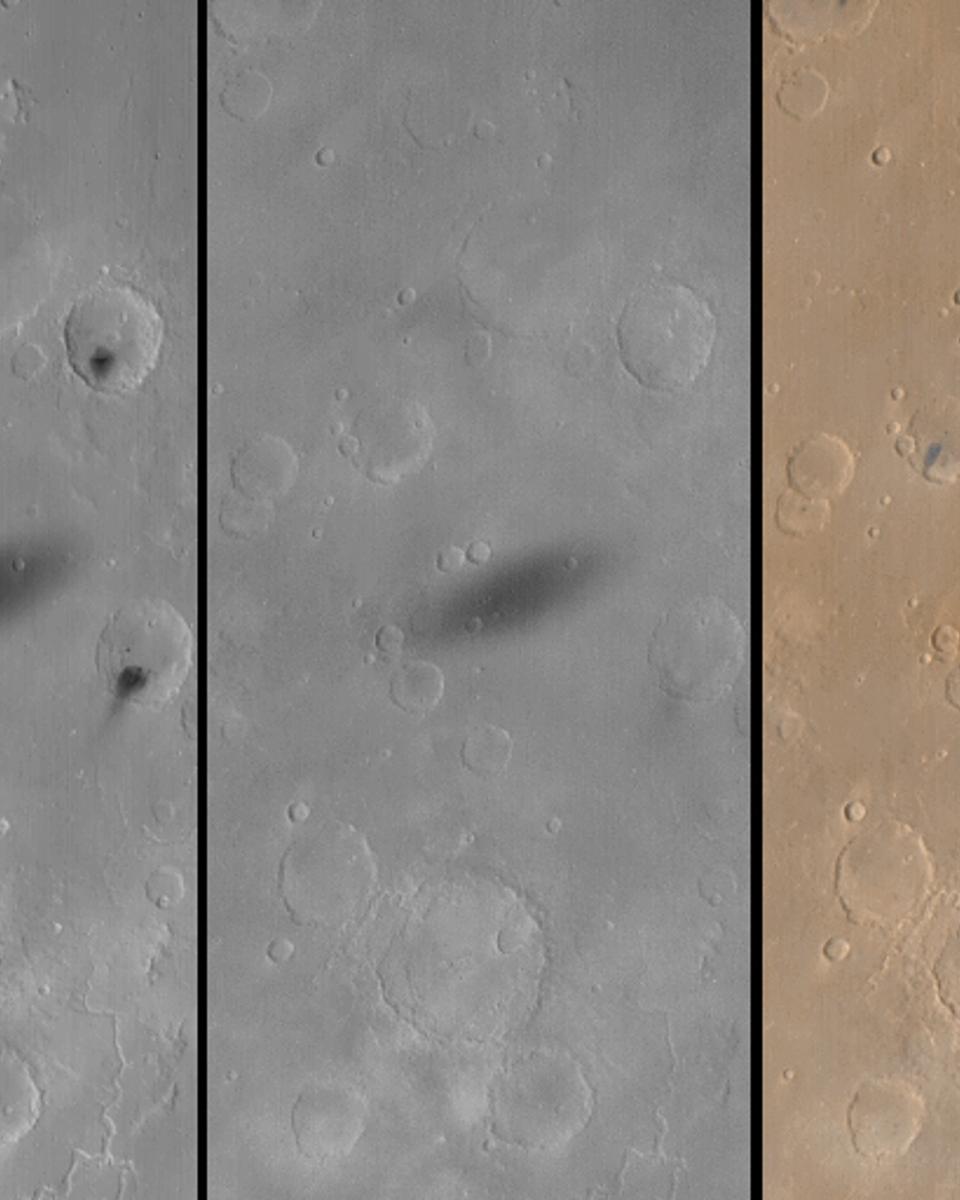
The Shadow of Phobos
Hurtling through space above the Red Planet , potato-shaped Phobos completes an orbit of Mars in less than eight hours. In fact, since its orbital period is shorter than the…
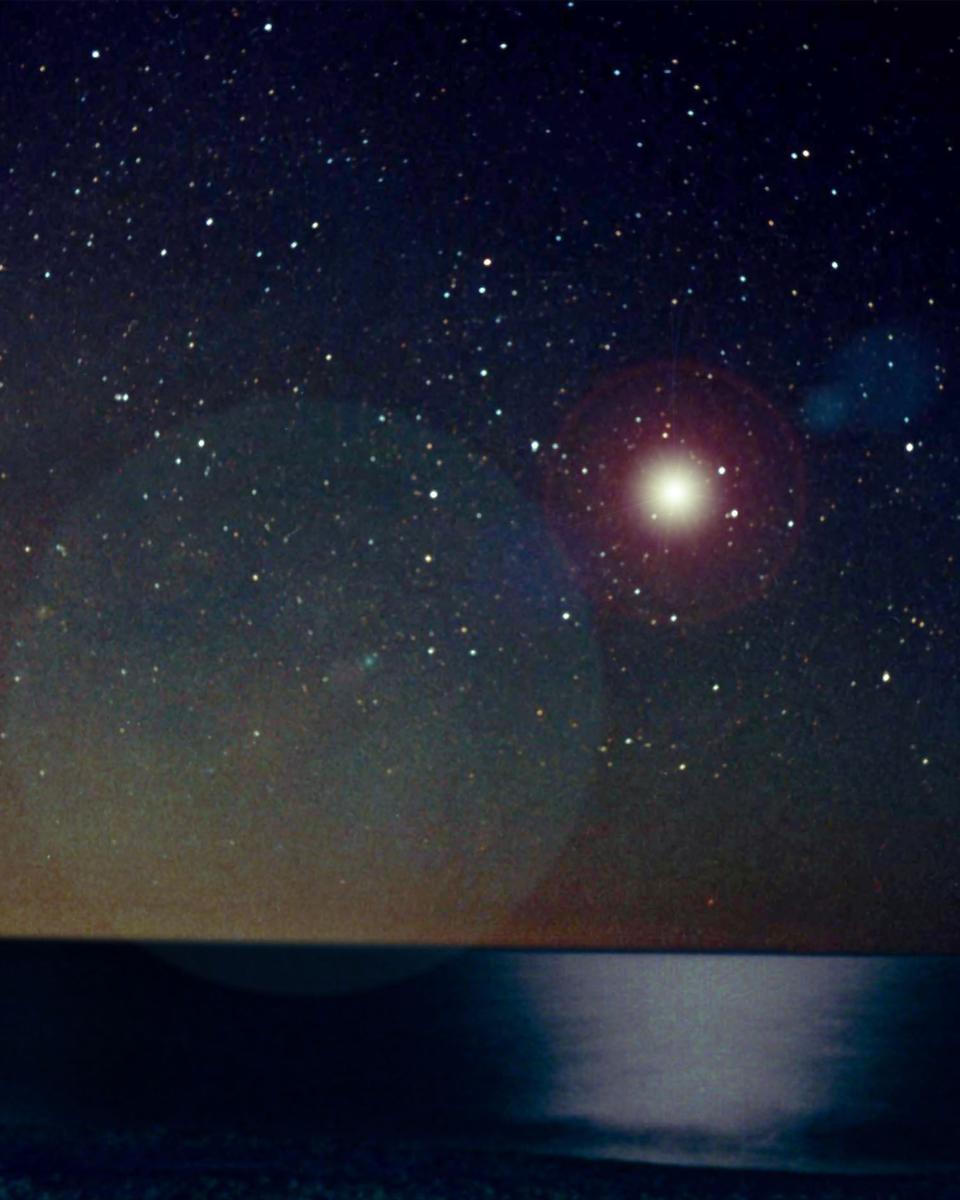
1006 AD: Supernova in the Sky
A new star, likely the brightest supernova in recorded human history , appeared in planet Earth's sky in the year 1006 AD. The expanding debris cloud from the stellar explosion is…
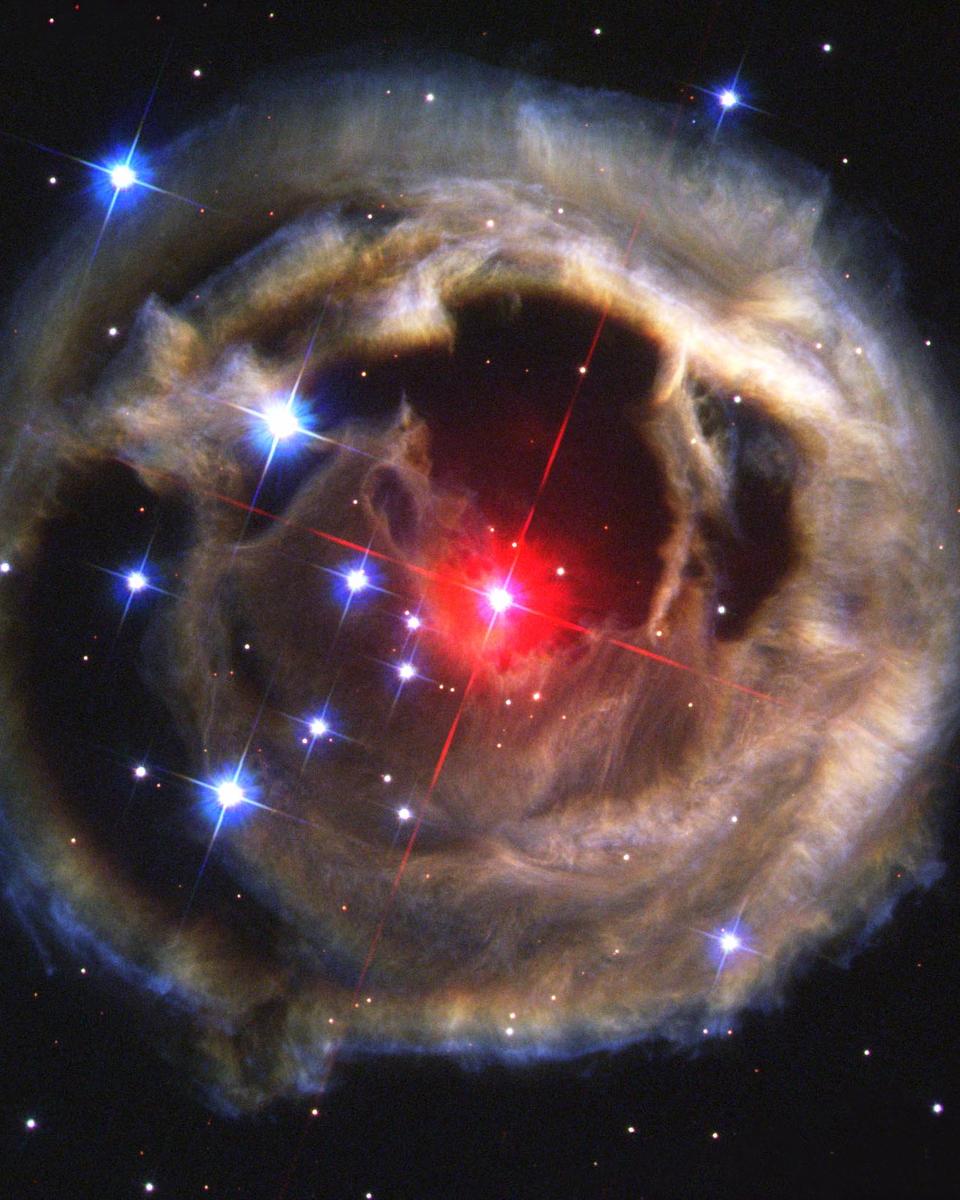
Light Echoes from V838 Mon
Nominated for most mysterious star in the Milky Way, V838 Monocerotis briefly became one of the brightest stars in our galaxy. Its outburst discovered in January 2002,…
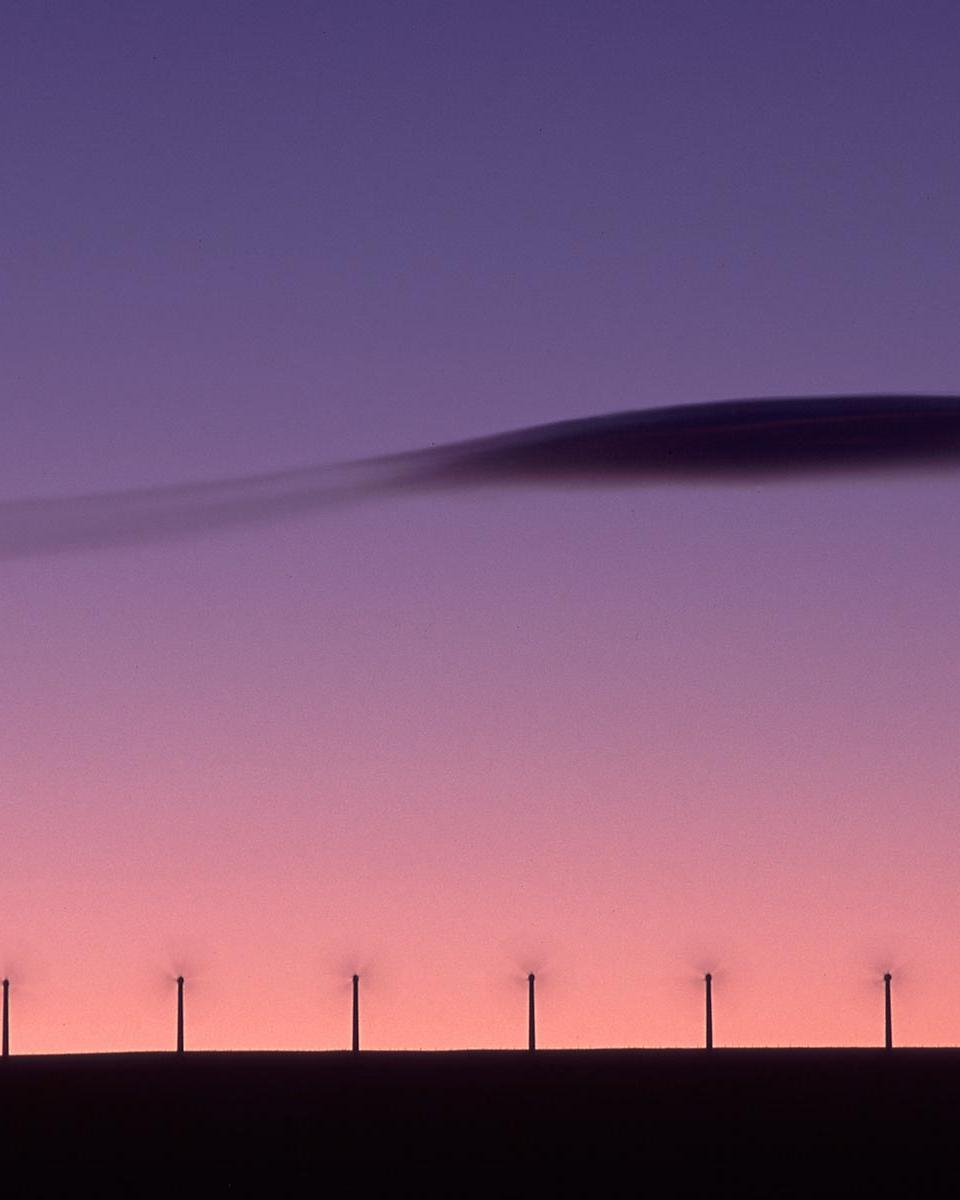
A Lenticular Cloud Over Wyoming
Is that a cloud or a flying saucer? Both, although it is surely not an alien spacecraft . Lenticular clouds can be shaped like a saucer, and can fly in the sense that, like most…
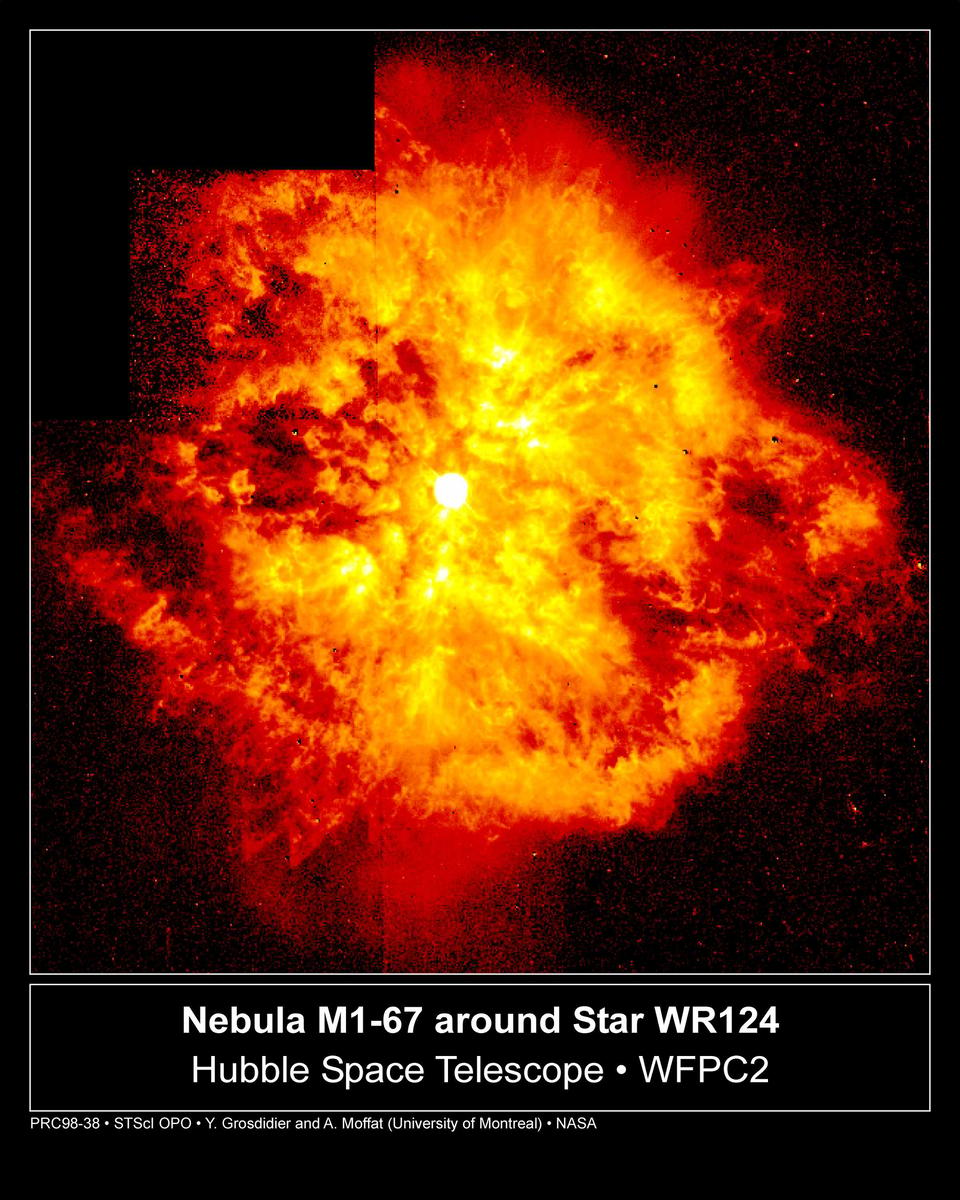
A Slow Explosion
Why would a gamma ray burst fade so slowly? This behavior , recorded last October, is considered a new clue into the cause of gamma-ray bursts , the most powerful explosions known…
Viewing discoveries from 17 April 2003 through 25 March 2003.