Browse NASA Astronomy Picture of the Day archive by date and media: Archive Discoveries
Browse the NASA APOD archive without needing the exact date first. Filter by media type and keep moving deeper into older images and videos.
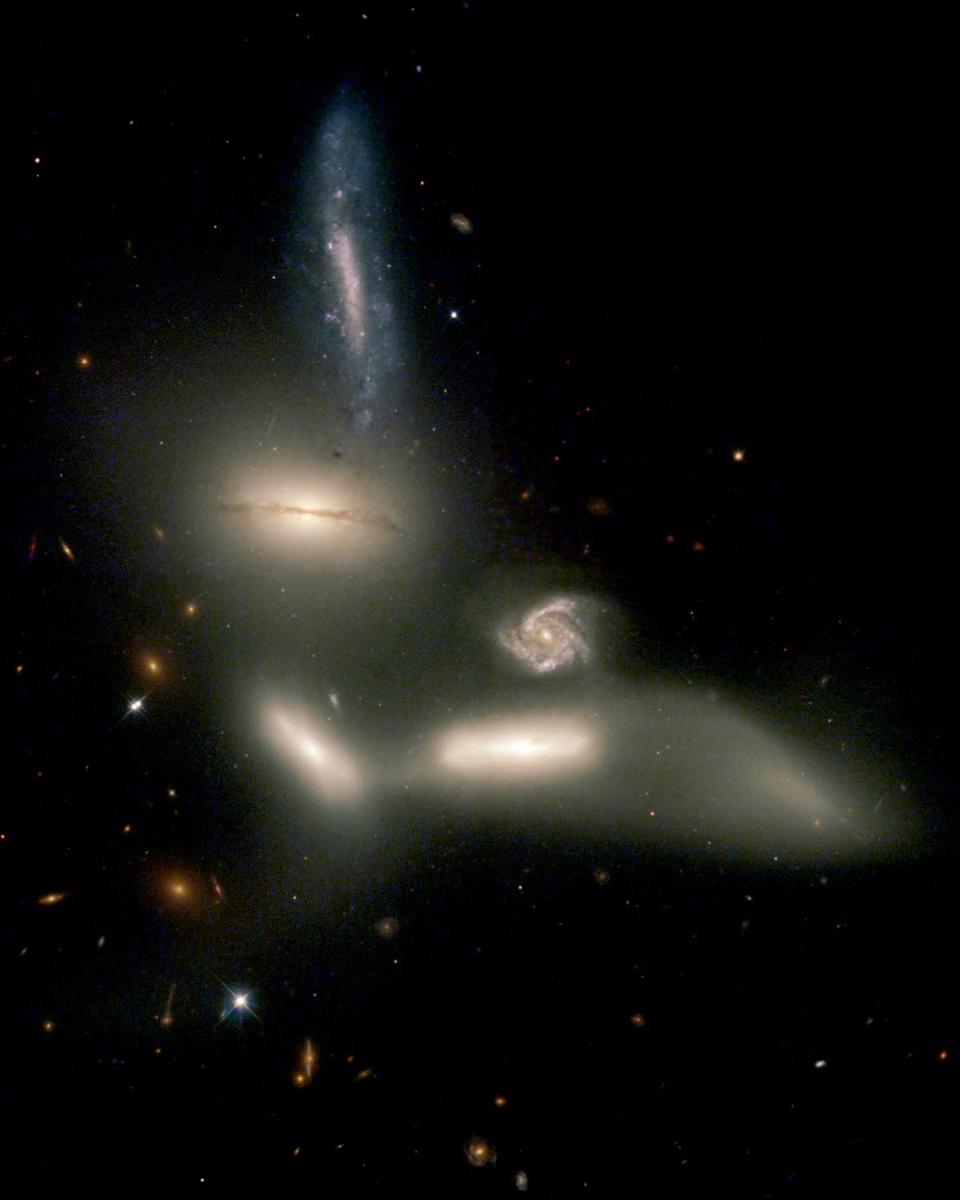
Seyfert's Sextet
Known as Seyfert's Sextet , this intriguing group of galaxies lies in the head portion of the split constellation Serpens . The sextet actually contains only four interacting…
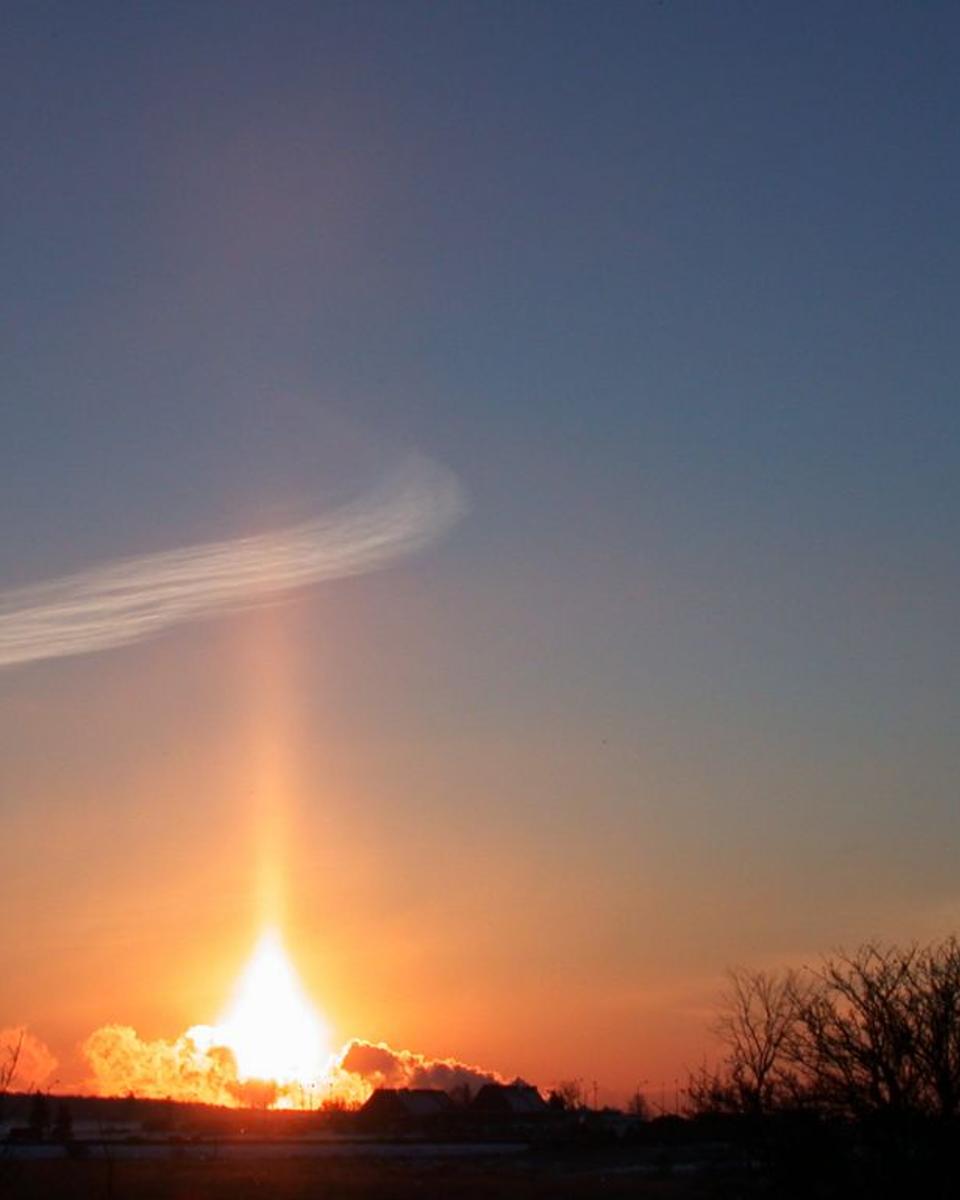
Launch of the Sun Pillar
On January 16, NASA's space shuttle Columbia roared into blue morning skies above Kennedy Space Center on STS-107 , the first shuttle mission of 2003. But this is not a picture of…
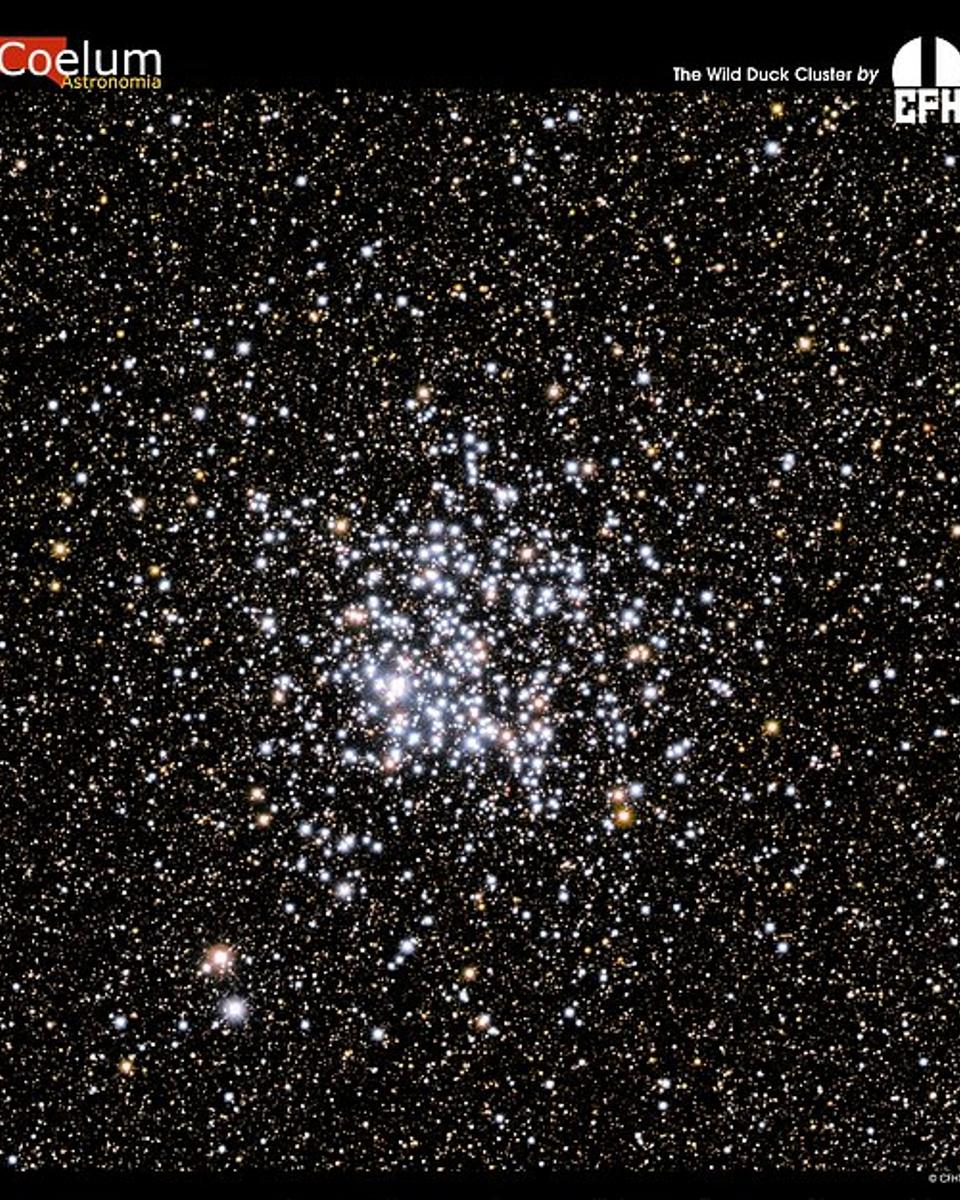
M11: The Wild Duck Cluster
Many stars like our Sun were formed in open clusters . The above pictured open cluster, M11 , contains thousands of stars and is just over five thousand light years distant. The…
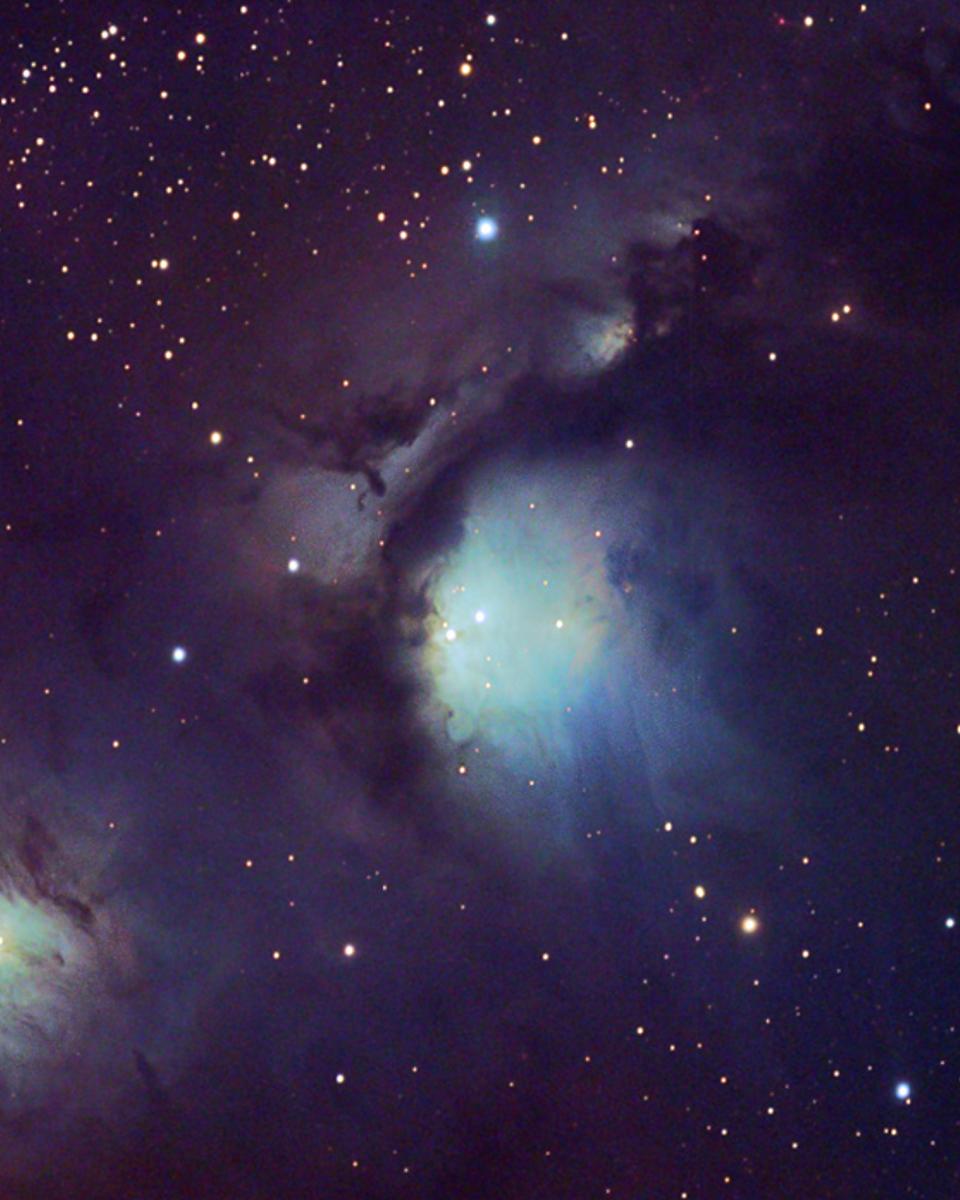
The Reflecting Dust Clouds of Orion
In the vast Orion Molecular Cloud complex, several bright blue nebulas are particularly apparent. Pictured above are two of the most prominent reflection nebulas - dust clouds lit…
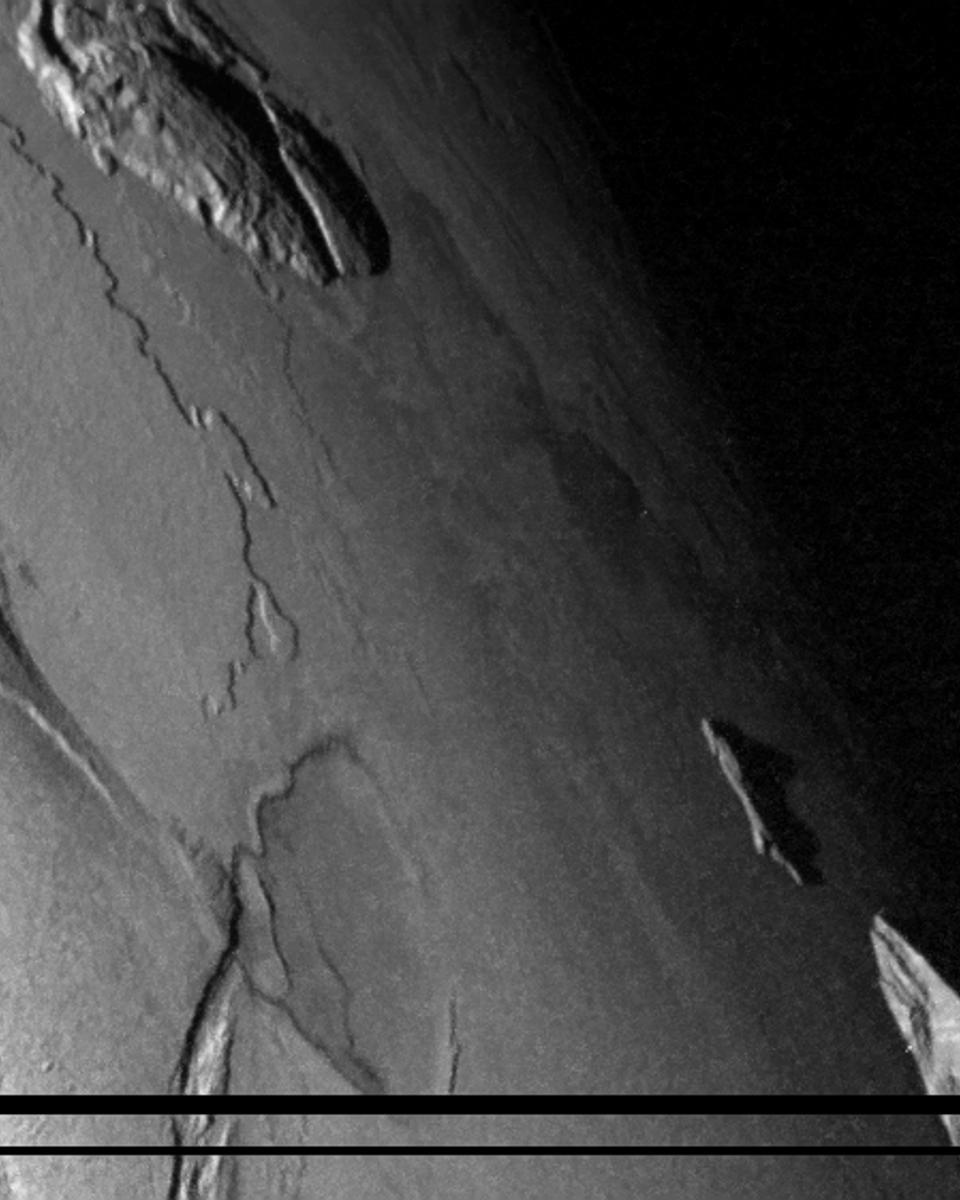
Io at Sunset
How tall are mountains on Jupiter 's moon Io ? One way to find out is to view them at sunset . Tall structures facing the Sun are then better-lit and cast long shadows . The above…
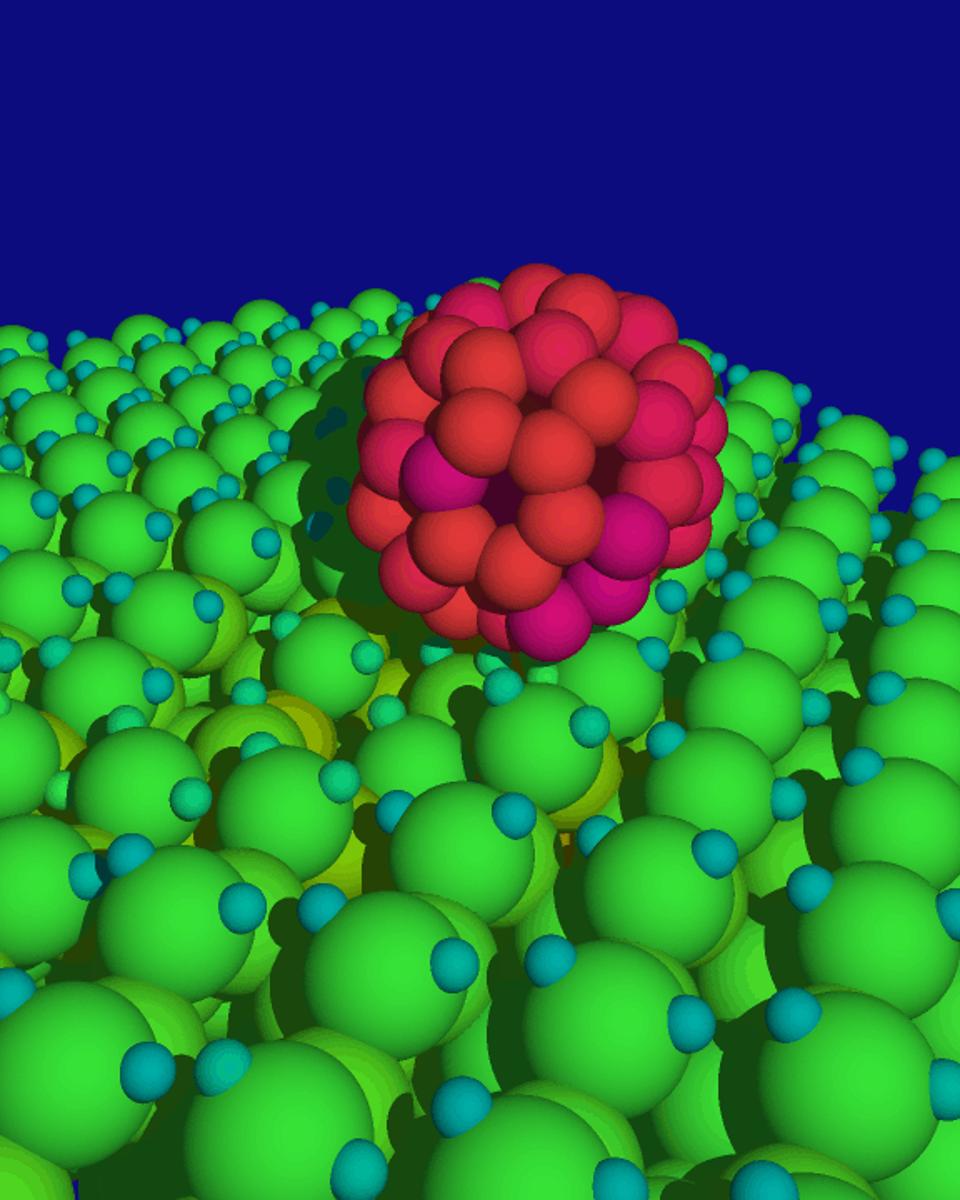
Fullerenes as Miniature Cosmic Time Capsules
Scientists have found, unexpectedly, tiny time capsules from billions of years in the past. The discovery involves small molecules that can apparently become trapped during the…
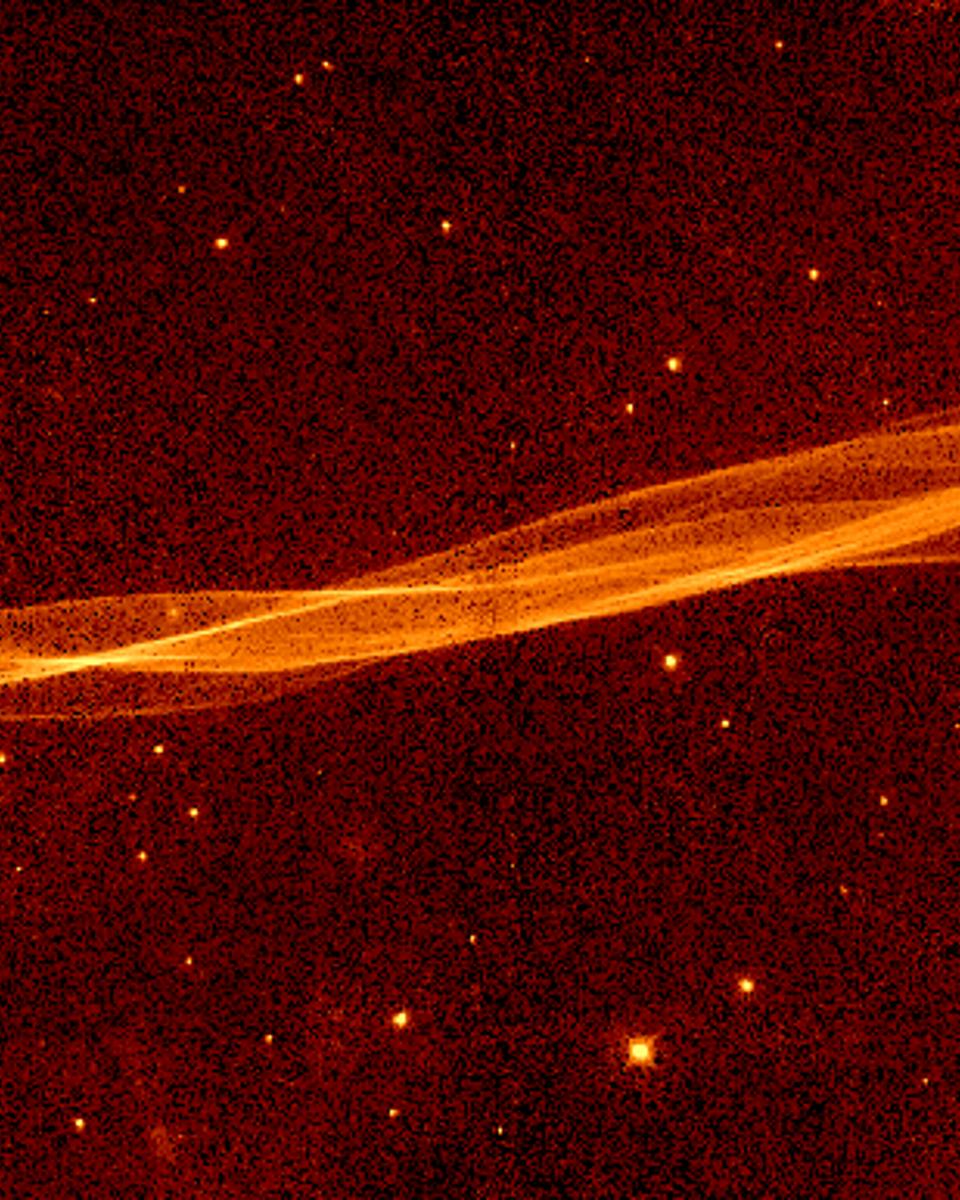
Filaments in the Cygnus Loop
Subtle and delicate in appearance, these are filaments of shocked interstellar gas -- part of the expanding blast wave from a violent stellar explosion. Recorded in November 1997…
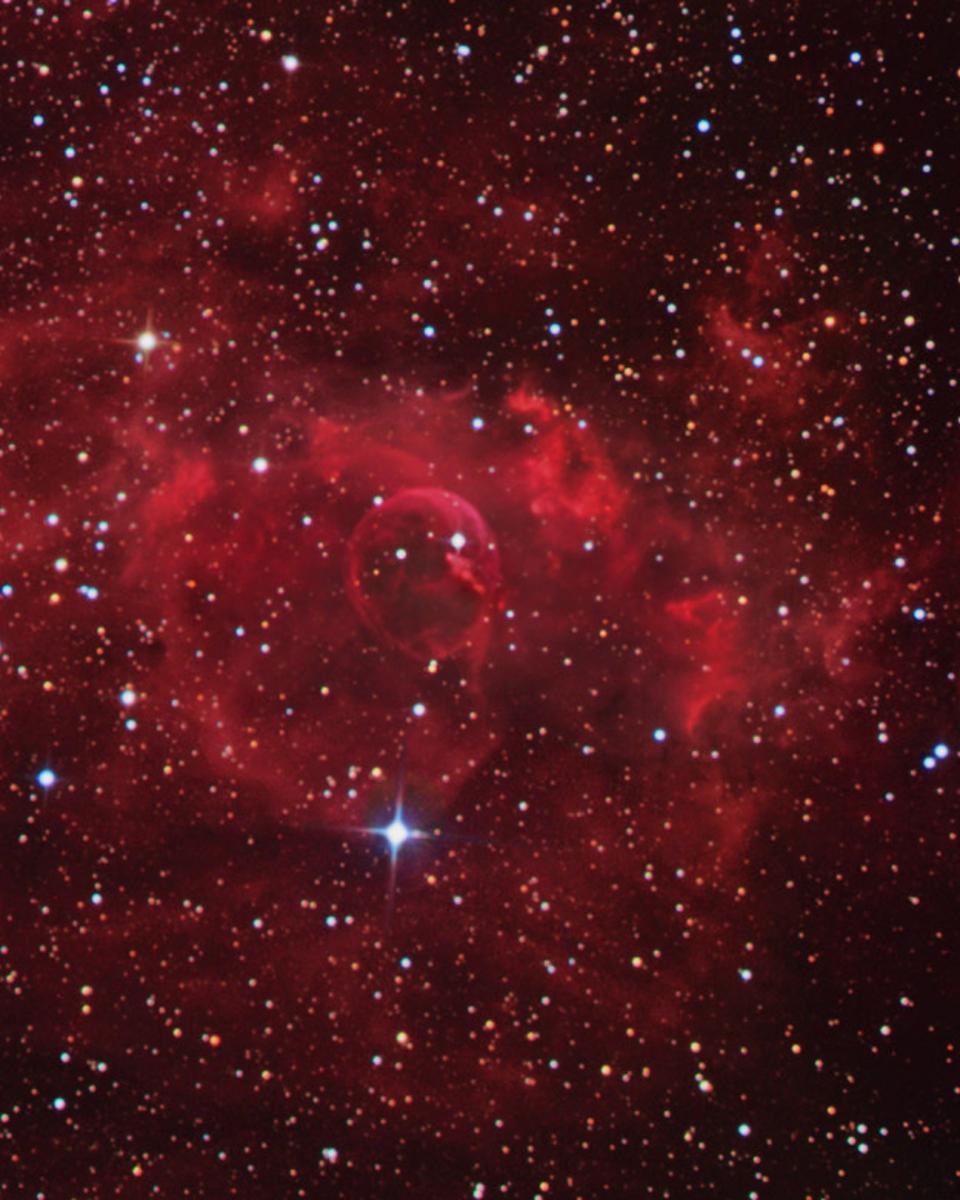
Stars and the Bubble Nebula
Seemingly adrift in a cosmic sea of stars and gas, this delicate, floating apparition is cataloged as NGC 7635 -- The Bubble Nebula . In this wide-angle view, the Bubble nebula…
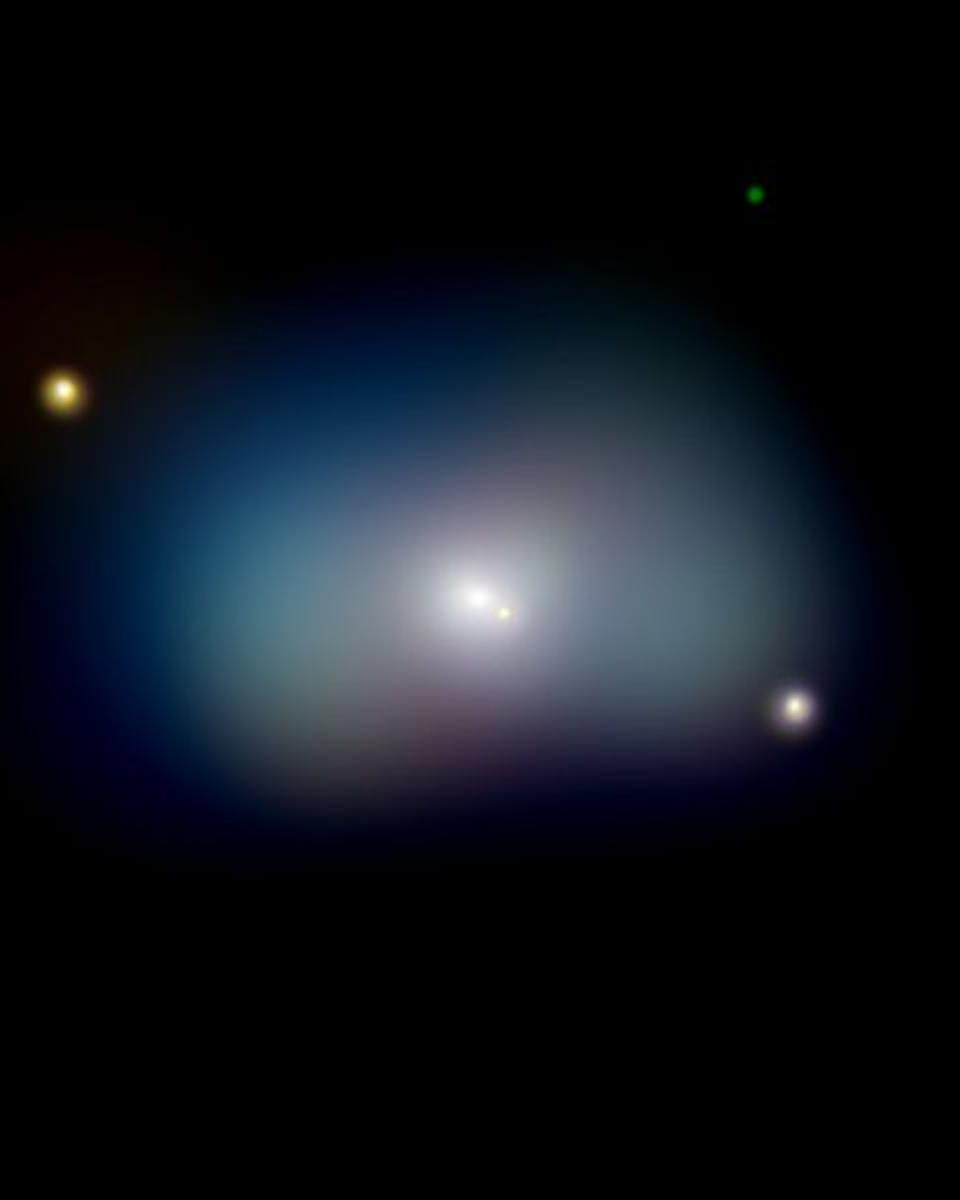
NGC 1700: Elliptical Galaxy and Rotating Disk
In spiral galaxies, majestic winding arms of young stars and interstellar gas and dust rotate in a disk around a bulging galactic nucleus. Elliptical galaxies seem to be simpler,…
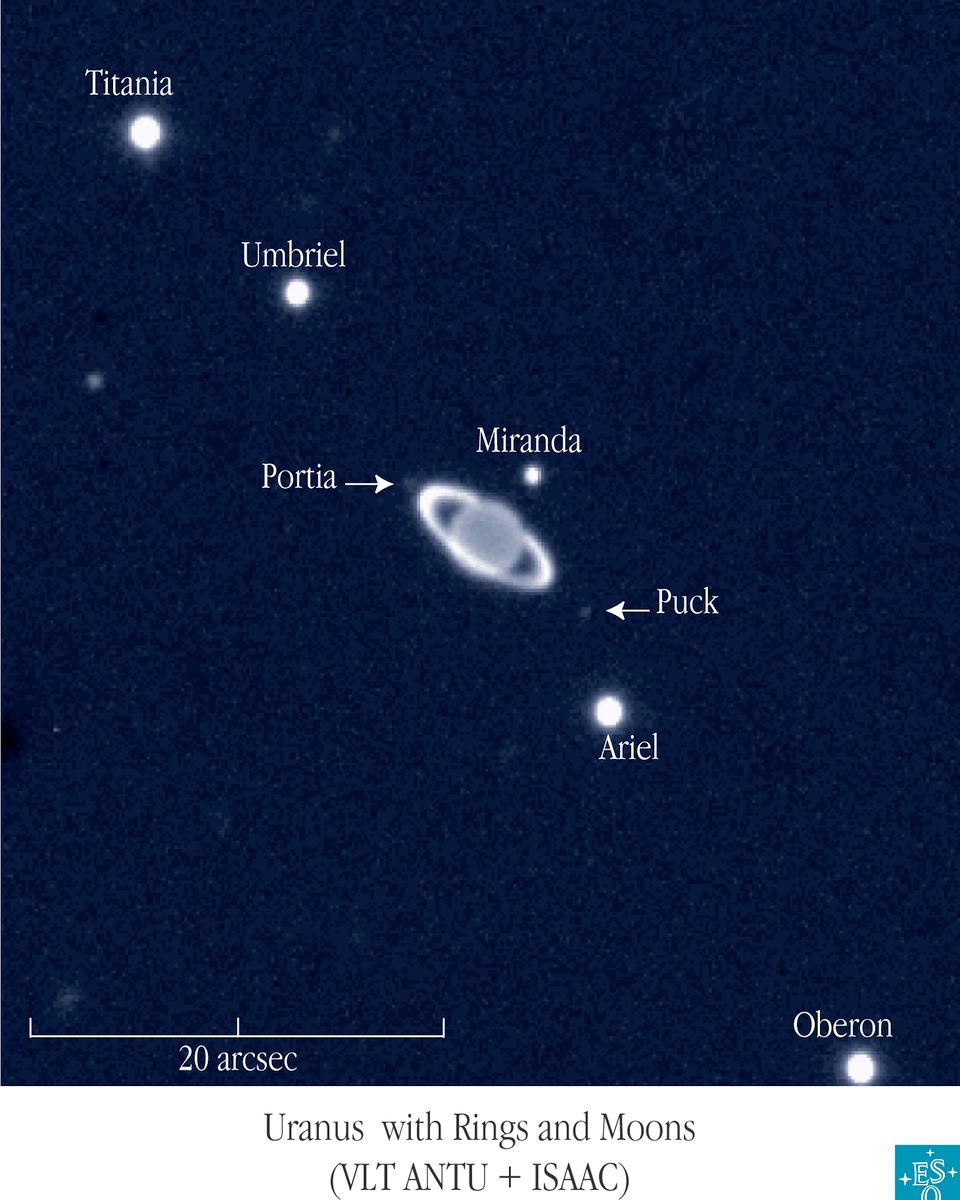
Ringed Planet Uranus
Yes it does look like Saturn, but Saturn is only one of four giant ringed planets in our Solar System. And while Saturn has the brightest rings, this system of rings and moons…
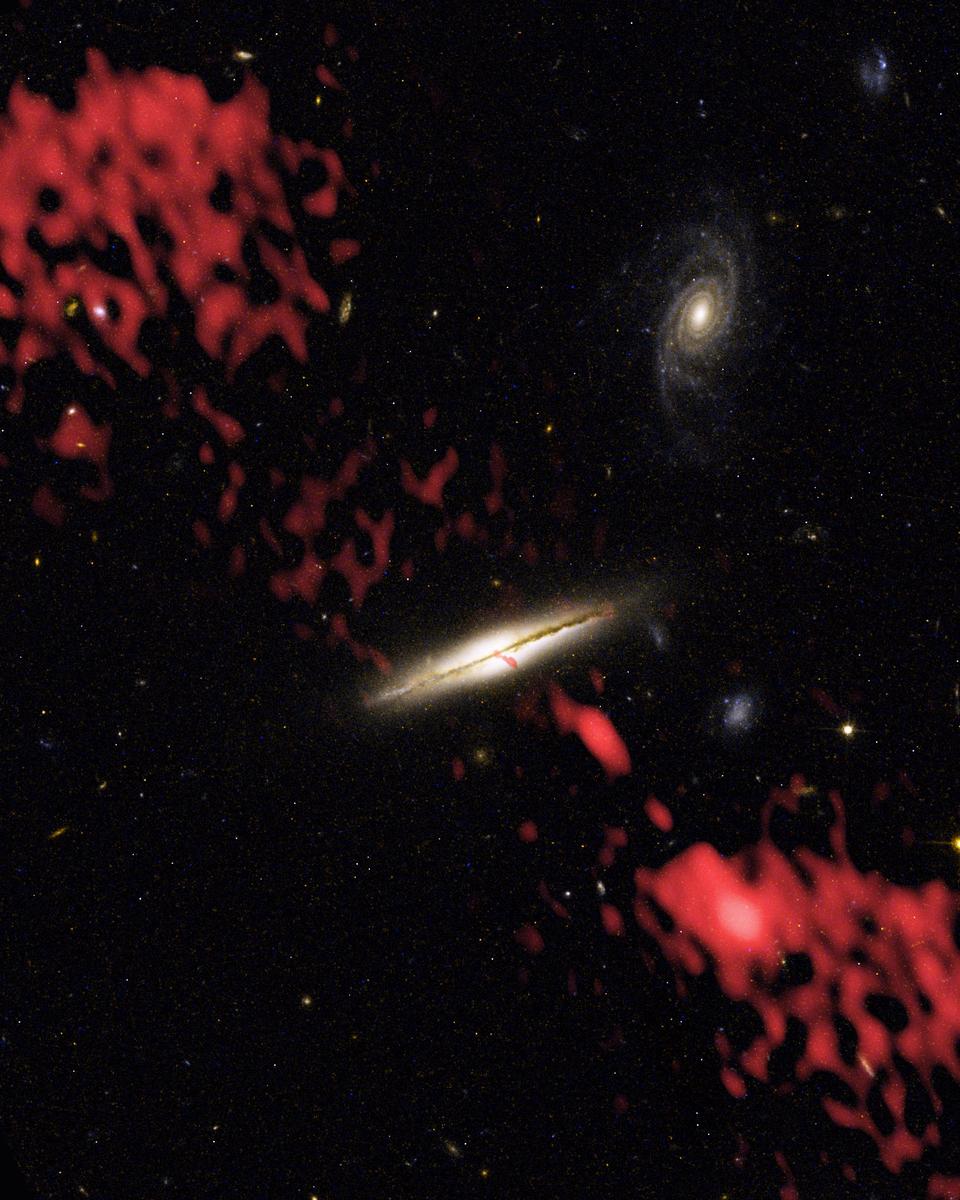
0313-192: The Wrong Galaxy
Centered above is distant galaxy 0313-192, some one billion light-years away. Radio emission from the galaxy has been mapped by the National Radio Astronomy Observatory's Very…
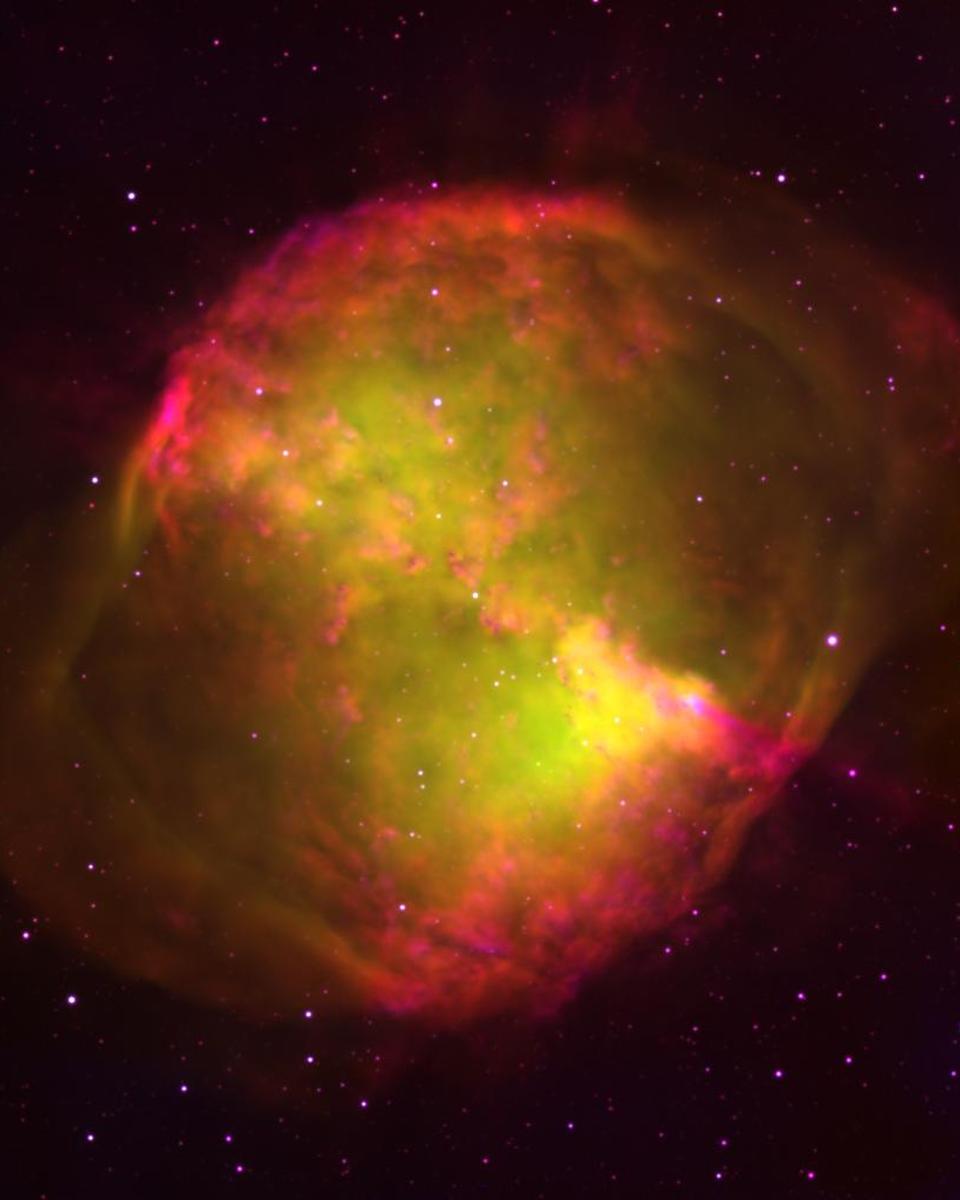
The Dumbbell Nebula in Hydrogen and Oxygen
The first hint of what will become of our Sun was discovered inadvertently in 1764. At that time, Charles Messier was compiling a list of “annoying” diffuse objects not to be…
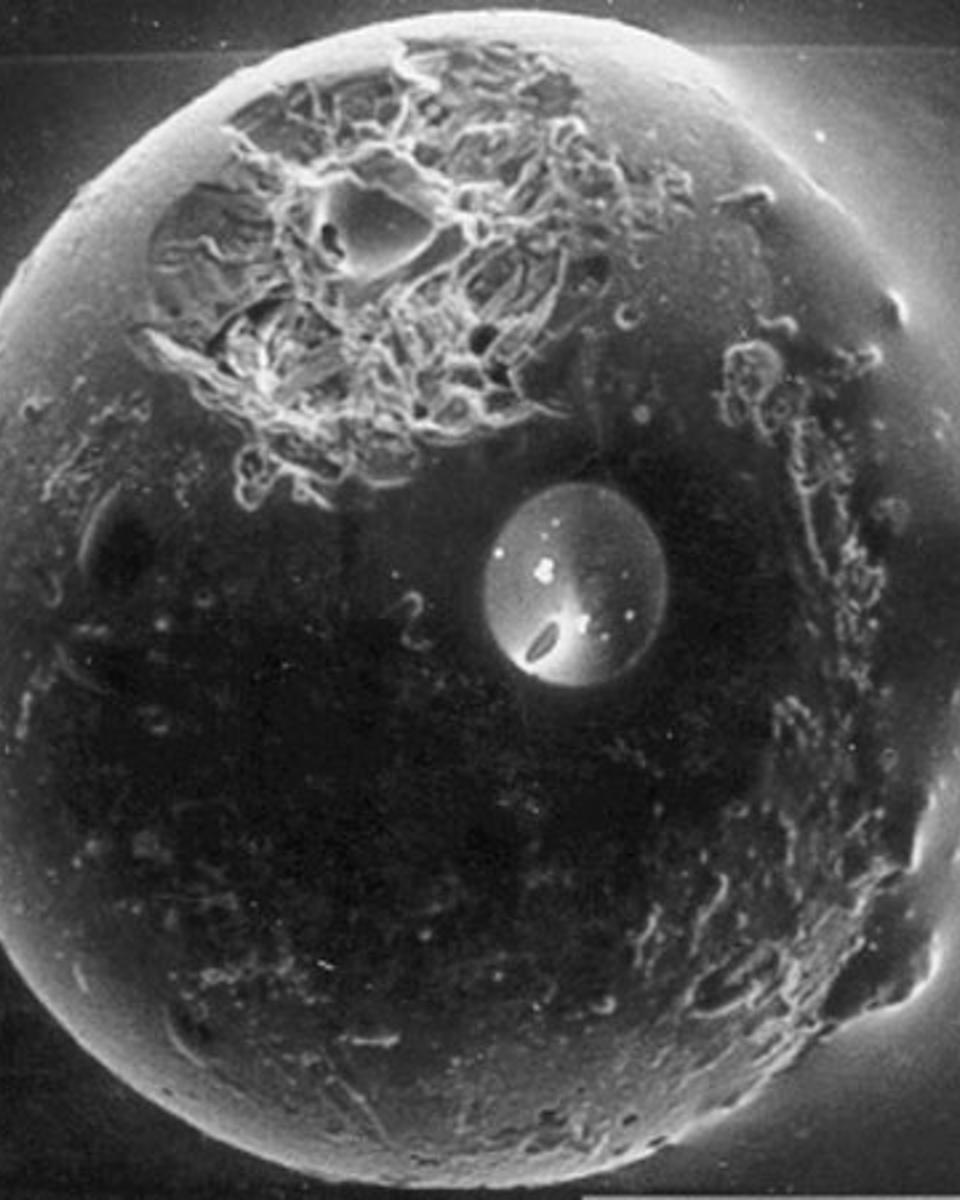
A Spherule from Outer Space
When a meteorite strikes the Moon , the energy of the impact melts some of the splattering rock , a fraction of which might cool into tiny glass beads . Many of these glass beads…
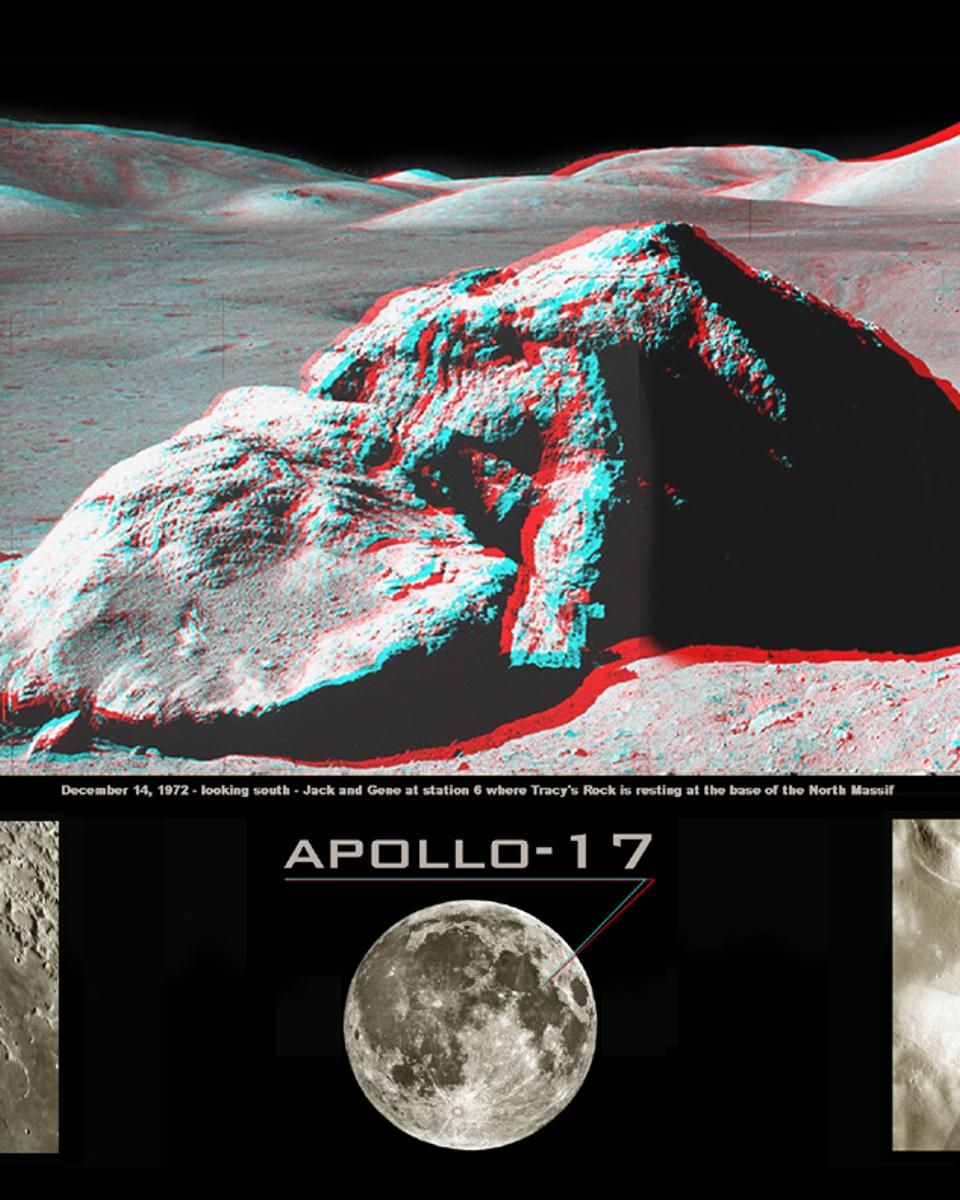
Apollo 17: Boulder in Stereo
Humans left the Moon over thirty years ago, but donning red-blue glasses (red for the left eye) you can share this excellent stereo perspective view of their last stomping ground.…
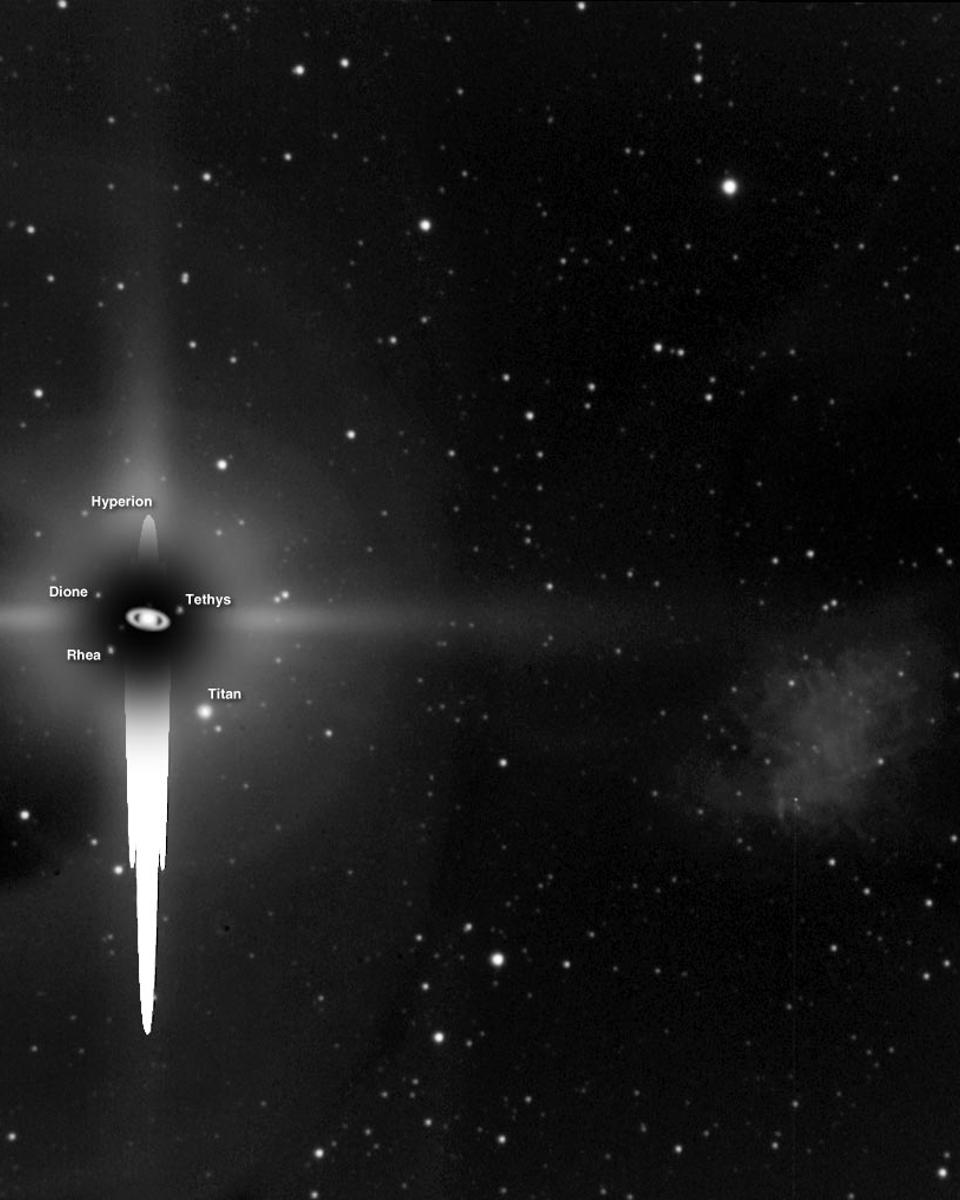
The Crab that Played with the Planet
Wandering through the constellation Taurus, Saturn made its closest approach to planet Earth last month, tilting its lovely rings toward appreciative skygazers while rising high…
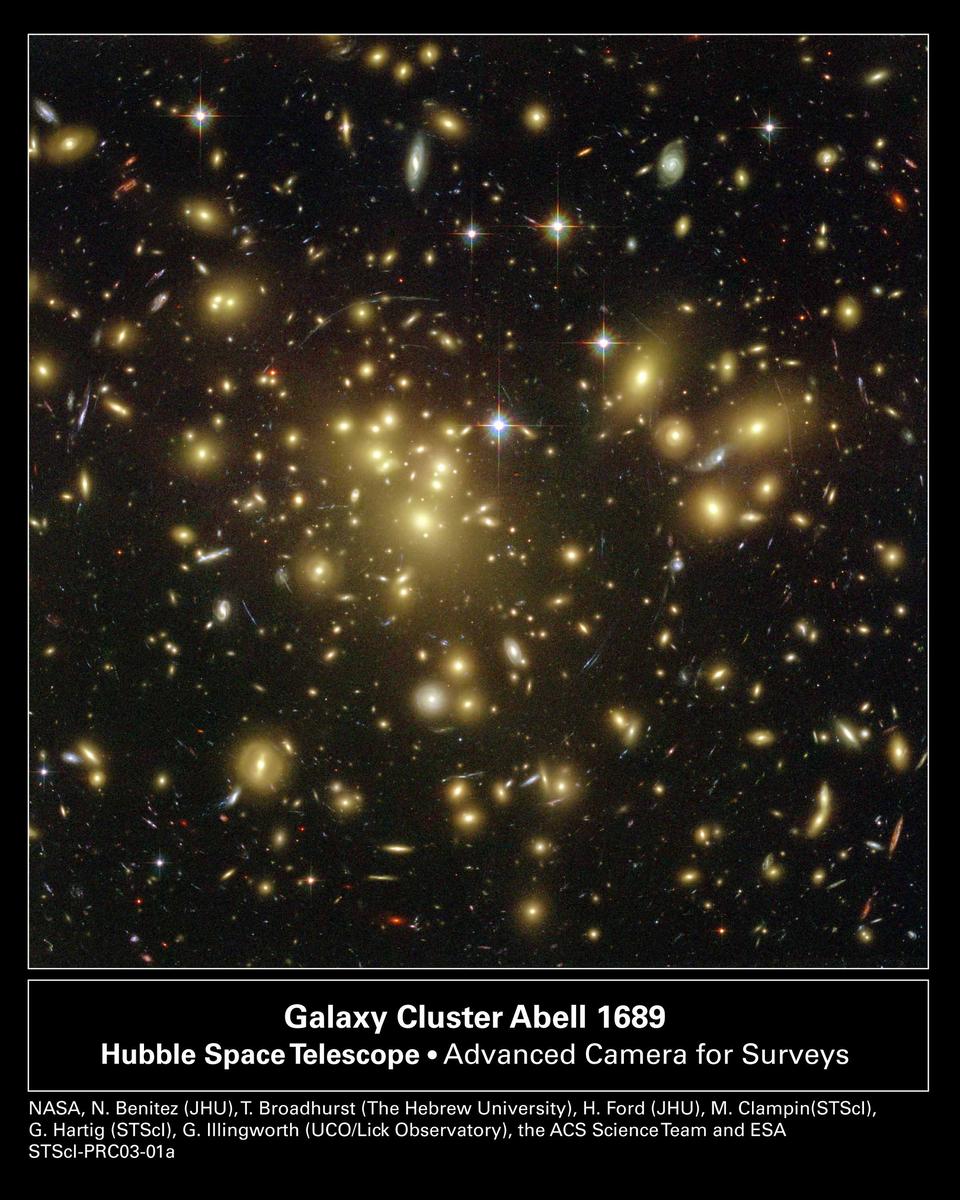
Abell 1689 Warps Space
Two billion light-years away, galaxy cluster Abell 1689 is one of the most massive objects in the Universe. In this view from the Hubble Space Telescope's Advanced Camera for…
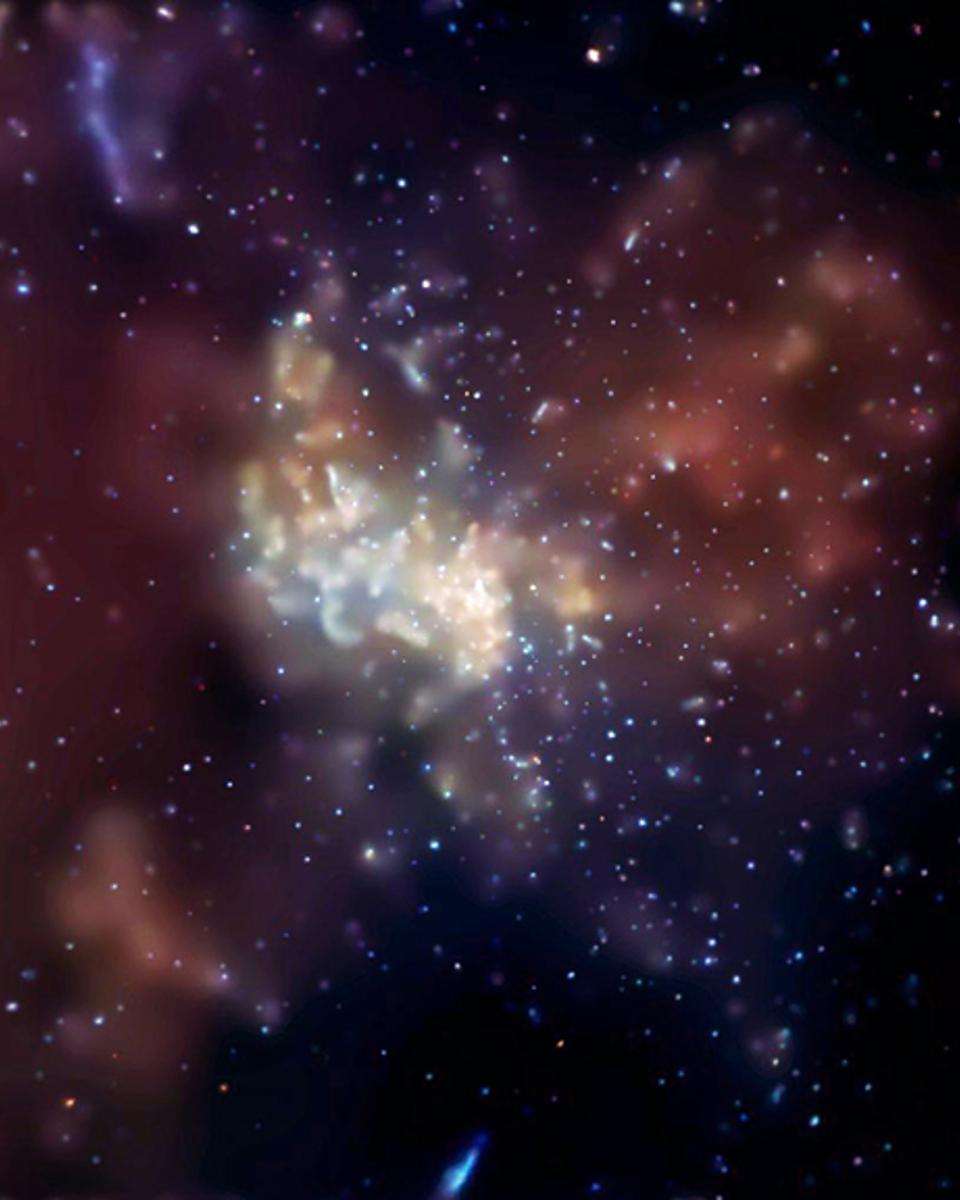
X-Rays from the Galactic Core
Using the orbiting Chandra X-ray Observatory, astronomers have taken this long look at the core of our Milky Way galaxy, some 26,000 light-years away. The spectacular false-color…
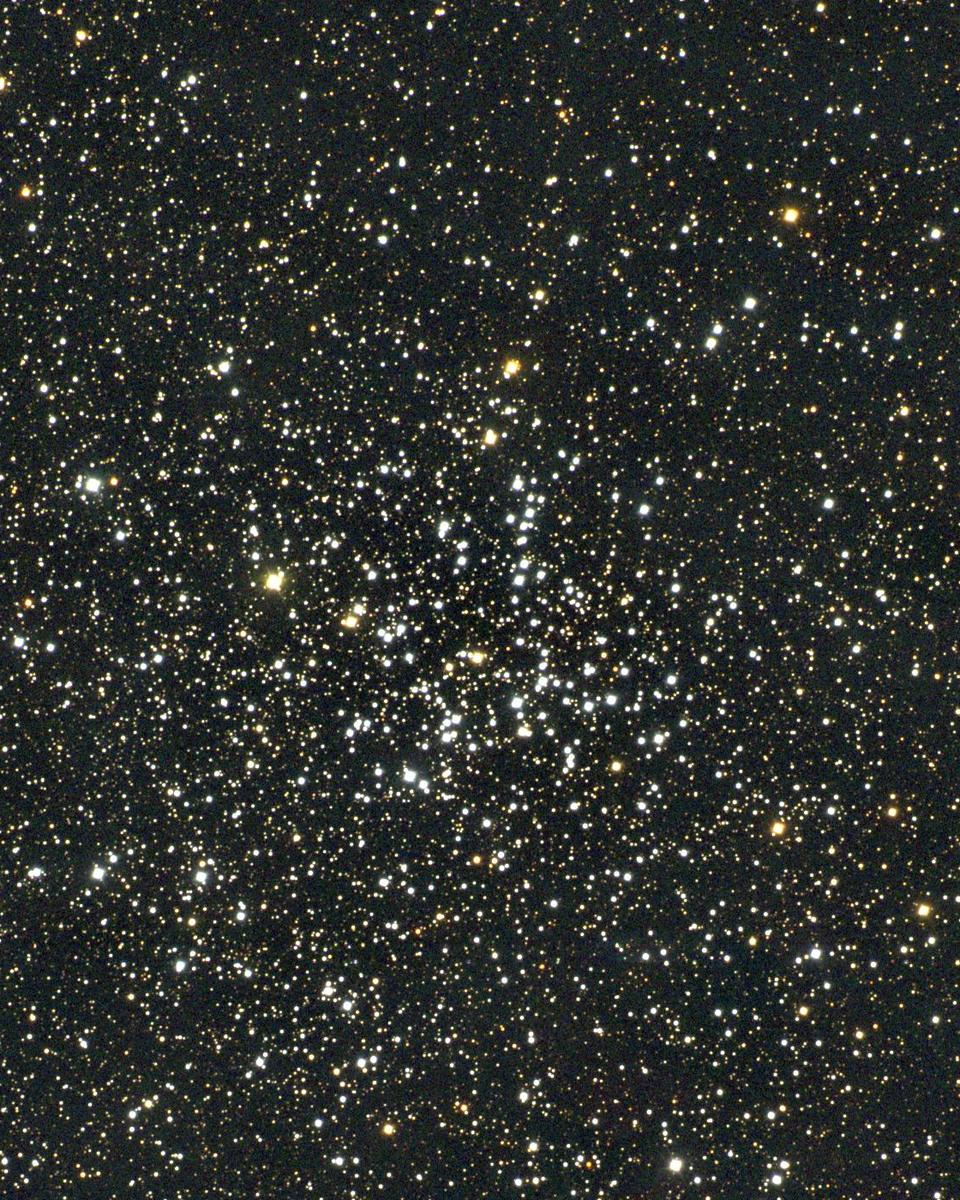
Open Star Cluster M38
Open cluster M38 can be seen with binoculars toward the constellation of Auriga . M38 is considered an intermediately rich open cluster of stars, each of which is about 200…
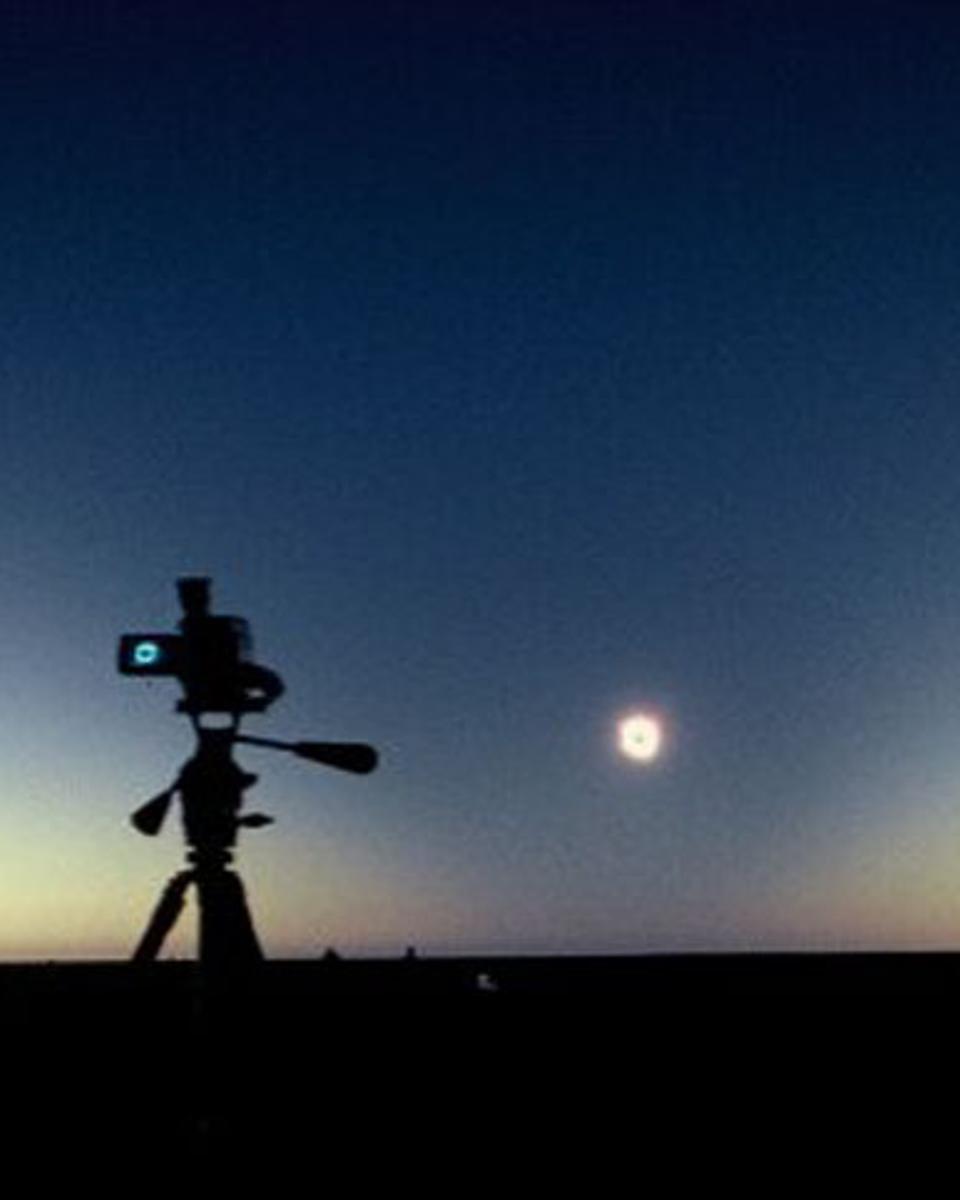
Shadow Cone of a Total Solar Eclipse
Sometimes, during a total eclipse of the Sun, a strange shadow of darkness can be seen stretching off into the distance. Called a shadow cone, they are visible because the Earth's…
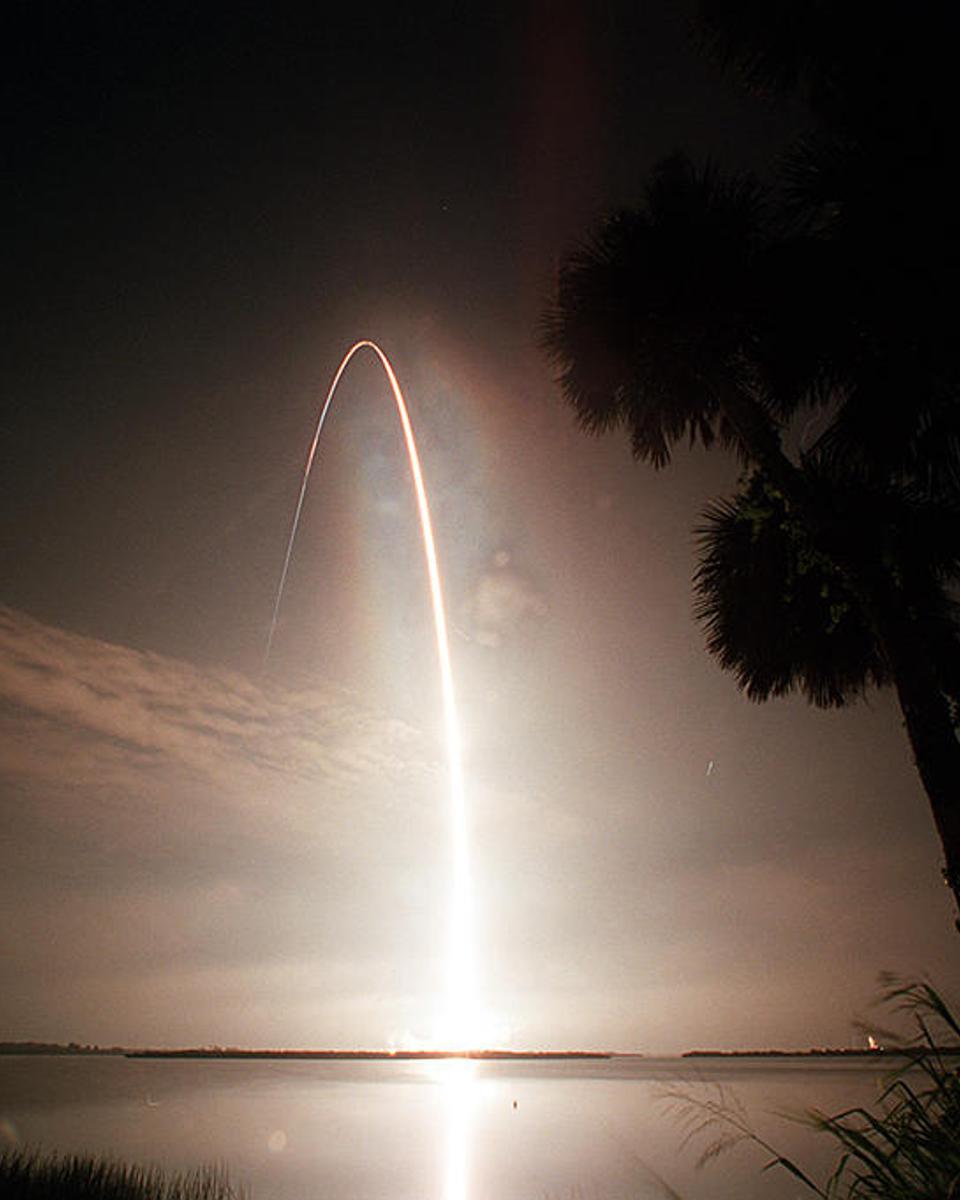
Atlantis to Orbit
Birds don't fly this high. Airplanes don't go this fast. The Statue of Liberty weighs less. No species other than human can even comprehend what is going on, nor could any human…
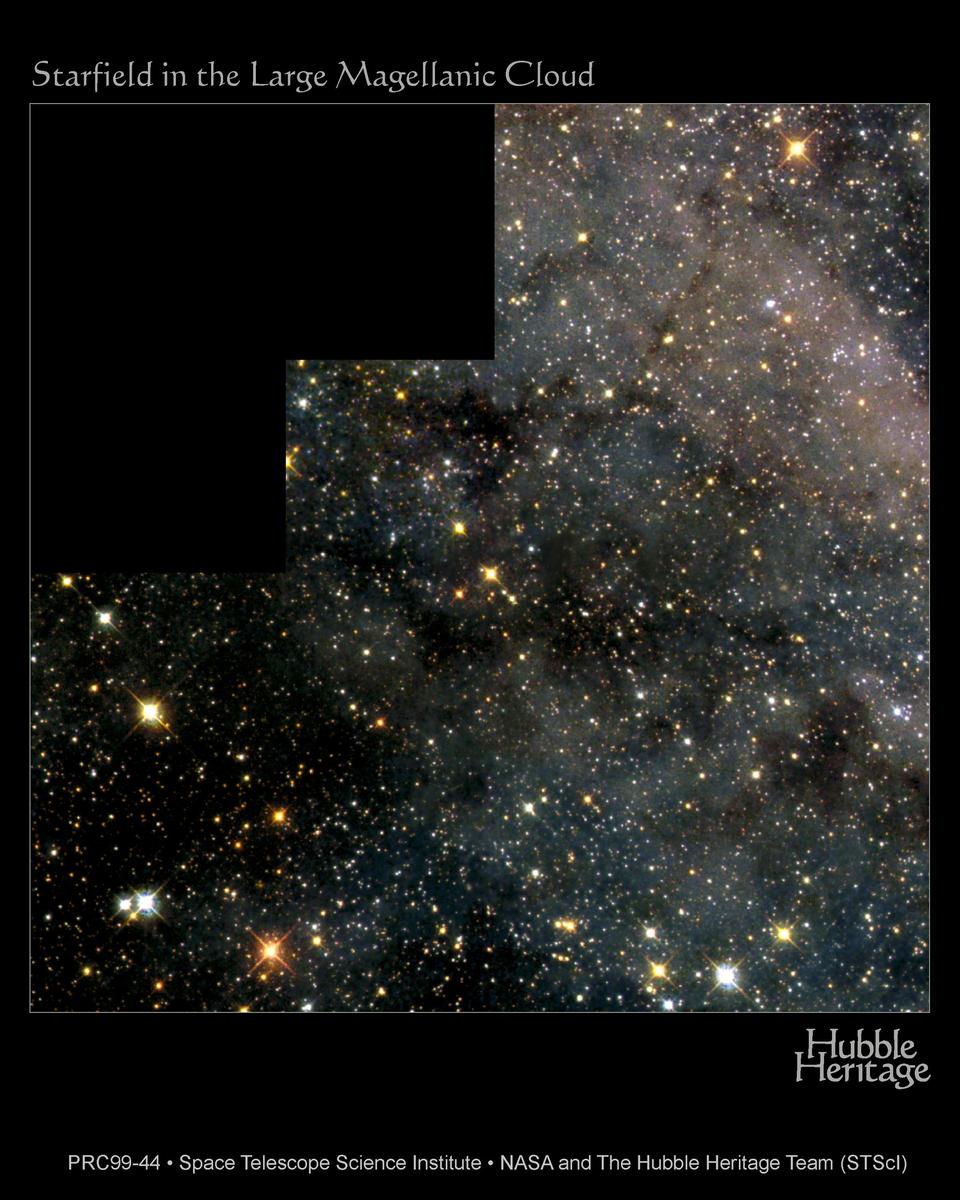
A Magellanic Starfield
Stars of many types and colors are visible in this Hubble Space Telescope close-up of a starfield in the Large Magellanic Cloud (LMC). Over 10,000 stars are visible -- the…
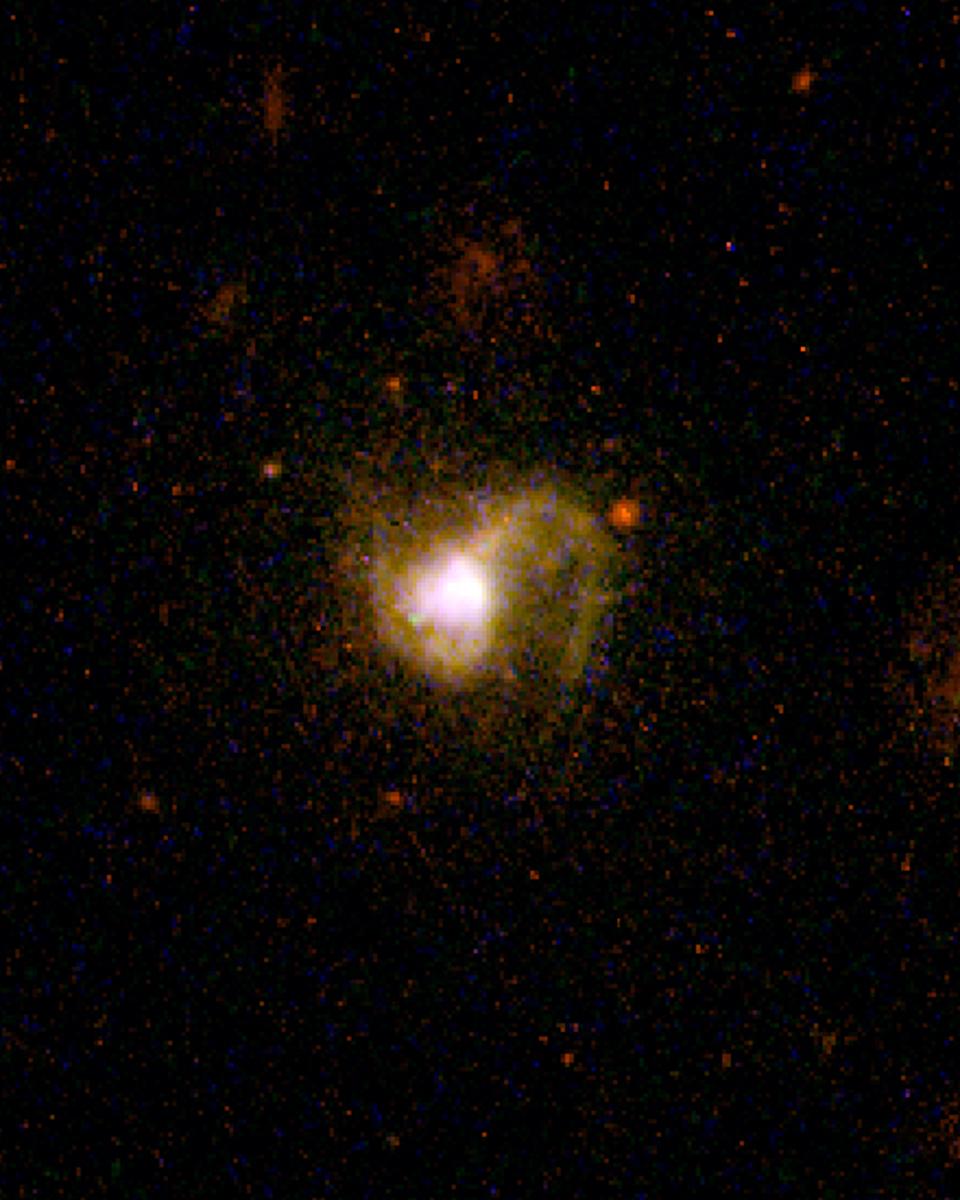
POX 186: Not So Long Ago
Not so long ago and not so far, far away, a galaxy was born . Seen in this Hubble Space Telescope image, the island universe of stars, gas, and dust cataloged as POX 186 is a mere…
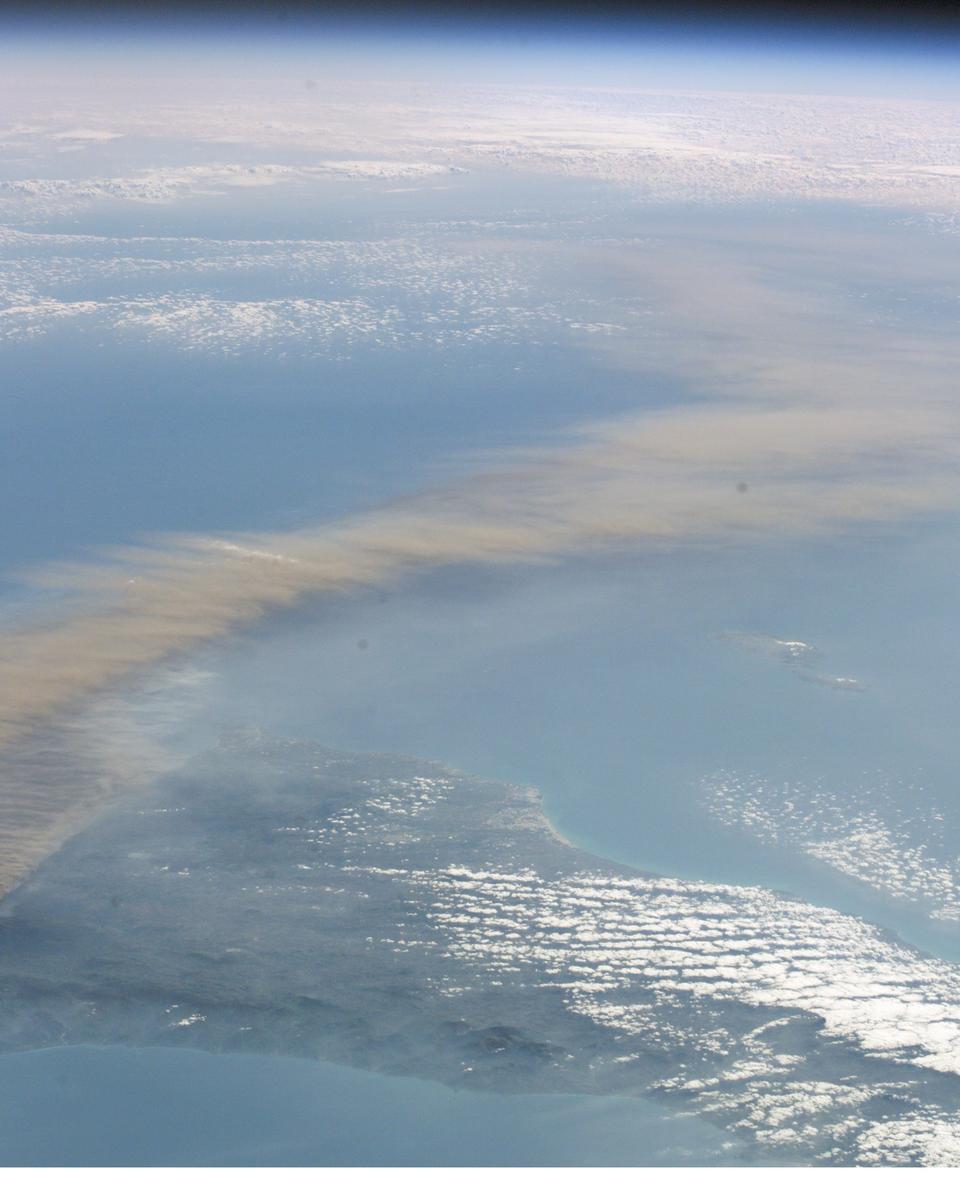
Mt. Etna Eruption Plume
Mt. Etna has been erupting for hundreds of thousands of years. In late October of last year, however, earthquakes triggered a particularly vigorous outburst from this well known…
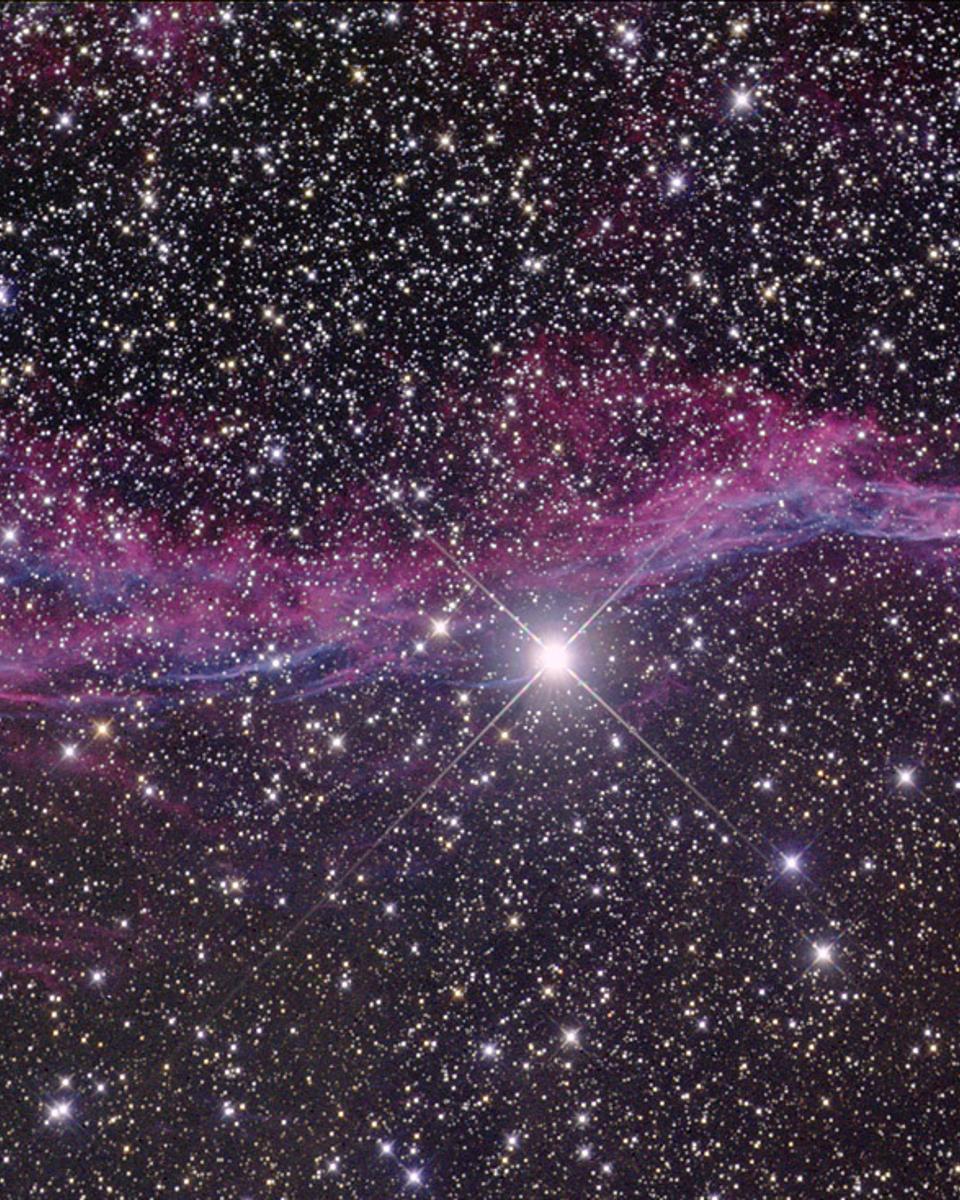
NGC 6960: The Witch's Broom Nebula
Ten thousand years ago, before the dawn of recorded human history , a new light must suddenly have appeared in the night sky and faded after a few weeks. Today we know this light…
Viewing discoveries from 24 January 2003 through 1 January 2003.