Browse NASA Astronomy Picture of the Day archive by date and media: Archive Discoveries
Browse the NASA APOD archive without needing the exact date first. Filter by media type and keep moving deeper into older images and videos.
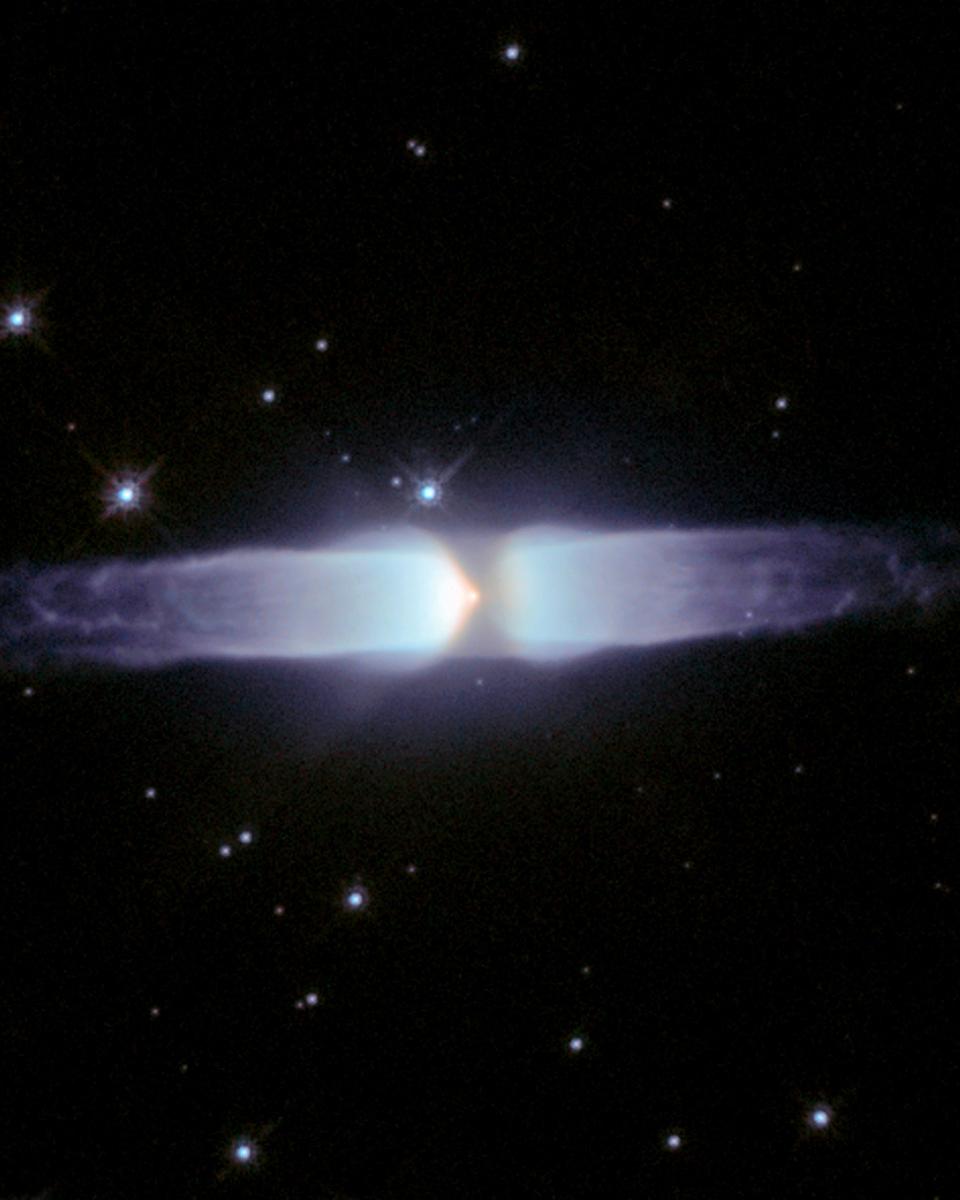
Henize 3-401: An Elongated Planetary Nebula
How do dying stars eject their outer layers? Stars that create elegant planetary nebulas like Henize 3-401, pictured above , are not unusual, causing speculation that, one day,…
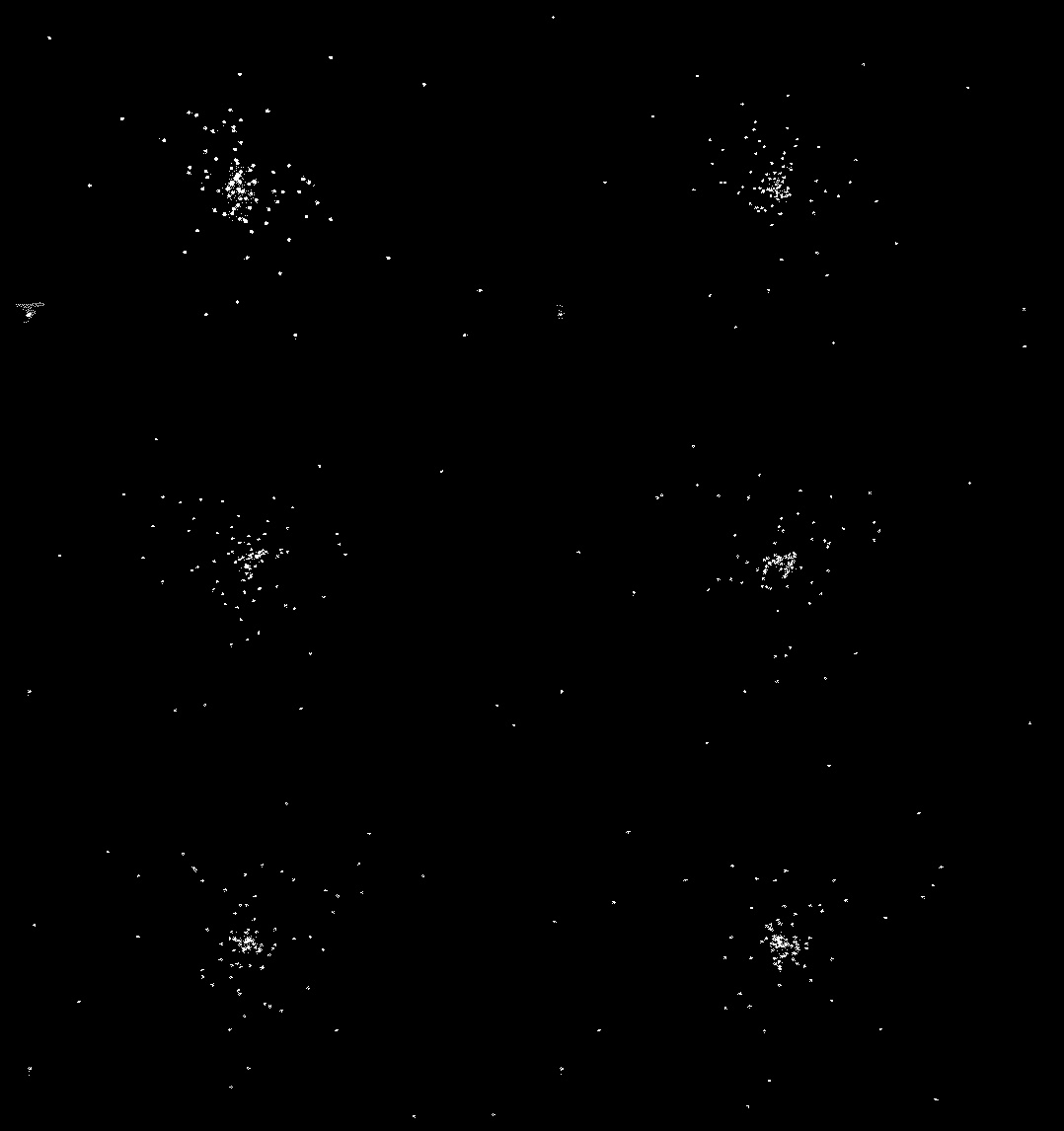
A Star Cluster in Motion
Star clusters are a swarm of complex motions. The stars that compose globular clusters and many open clusters all orbit the cluster center, occasionally interacting,…
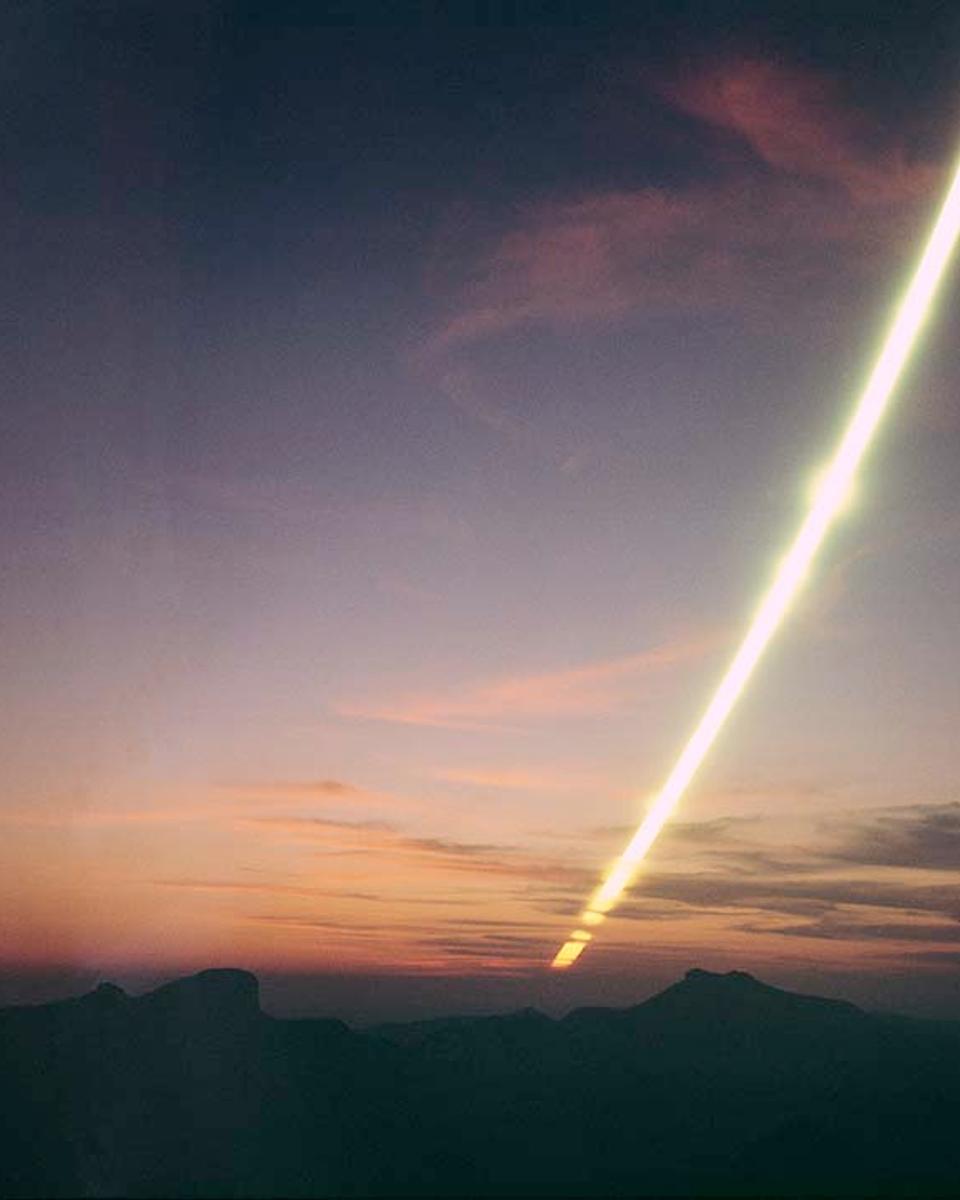
A Setting Sun Trail
The Sun appears to move on the sky because the Earth rotates . The extreme brightness of the Sun , however, makes it difficult to capture a sun-trail -- the path the Sun traces on…
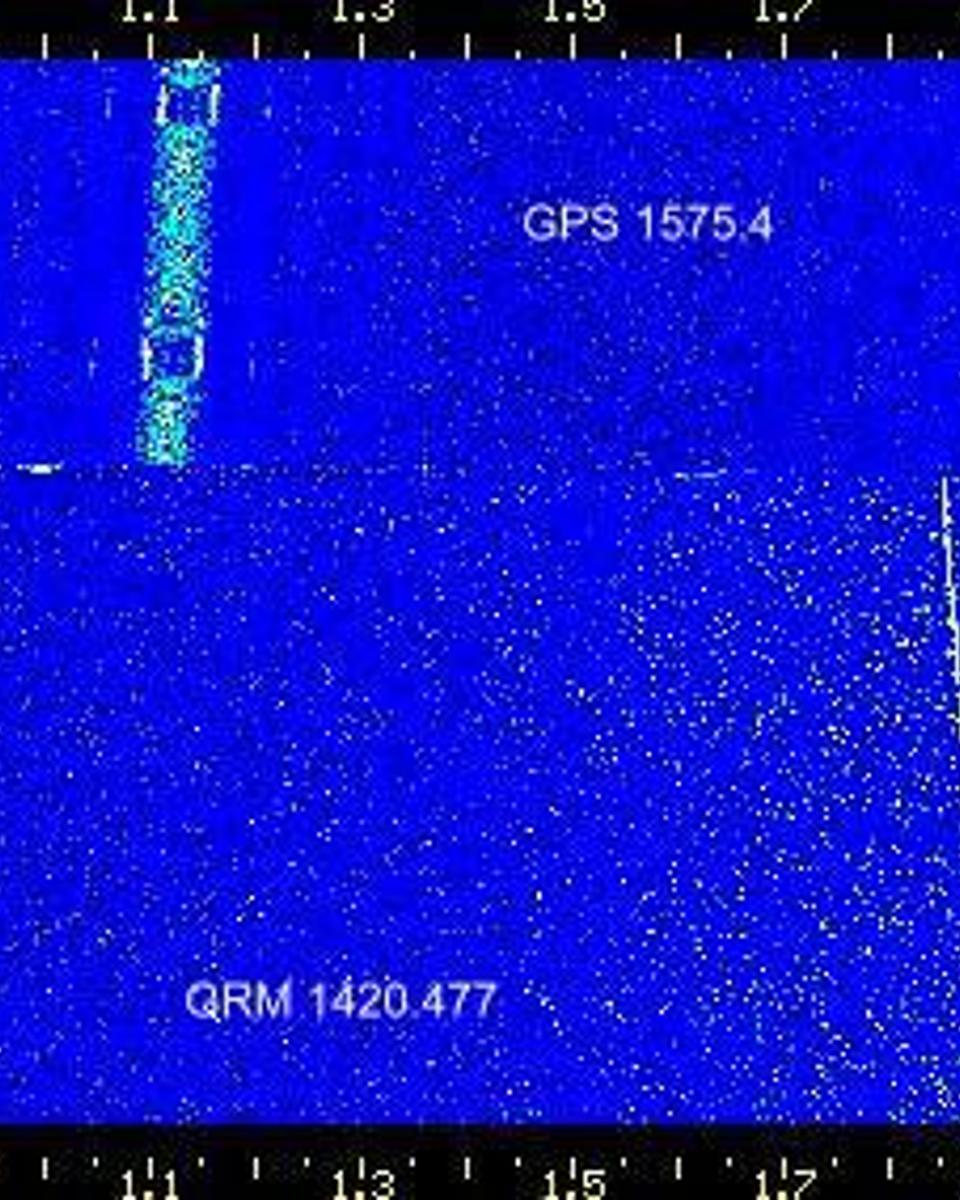
An Anomalous SETI Signal
No one knows for sure what caused this signal . There is a slight possibility that it just might originate from an extraterrestrial intelligence . The bright colors on the blue…
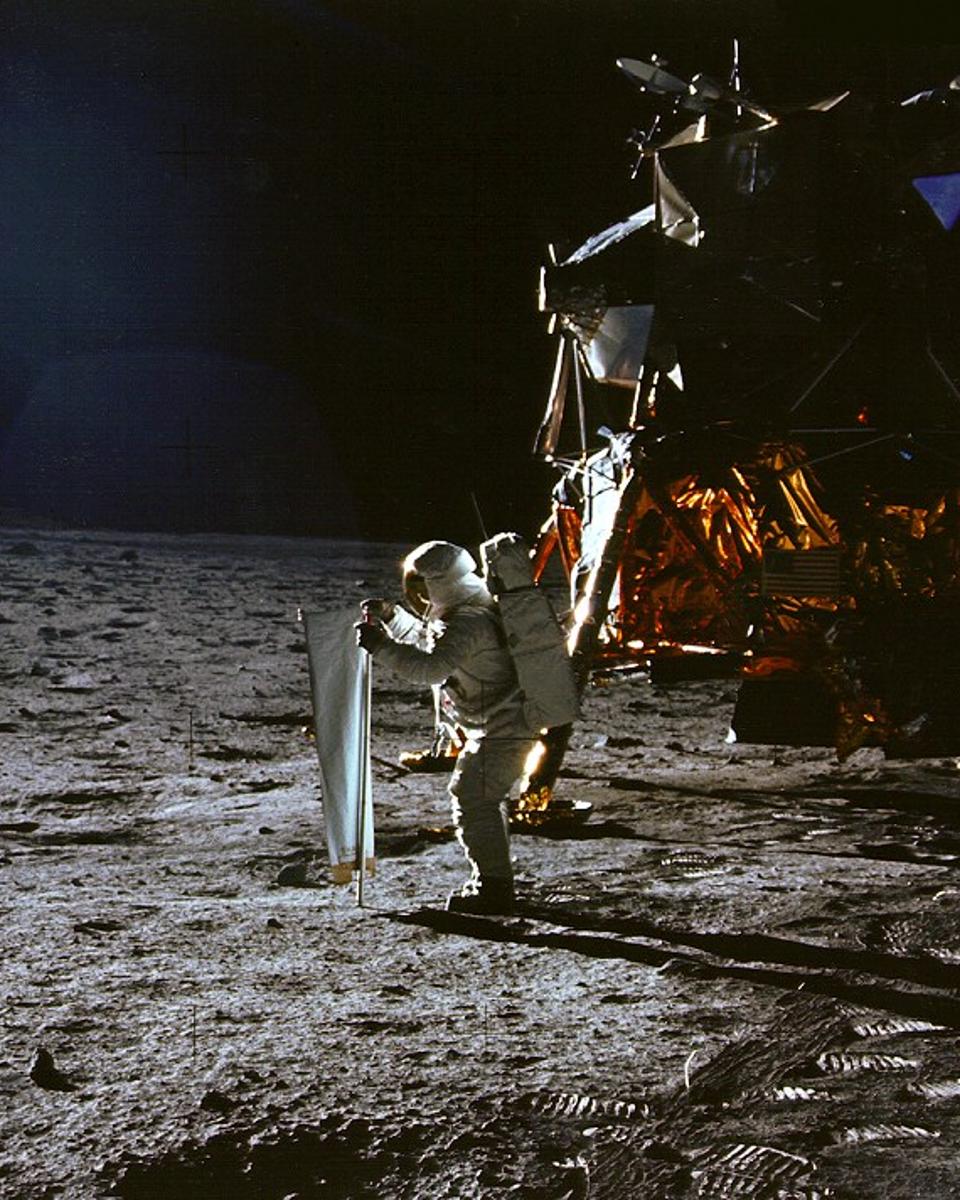
Apollo 11: Catching Some Sun
Bright sunlight glints and long dark shadows dramatize this image of the lunar surface taken by Apollo 11 astronaut Neil Armstrong, the first to walk on the Moon . Pictured is the…
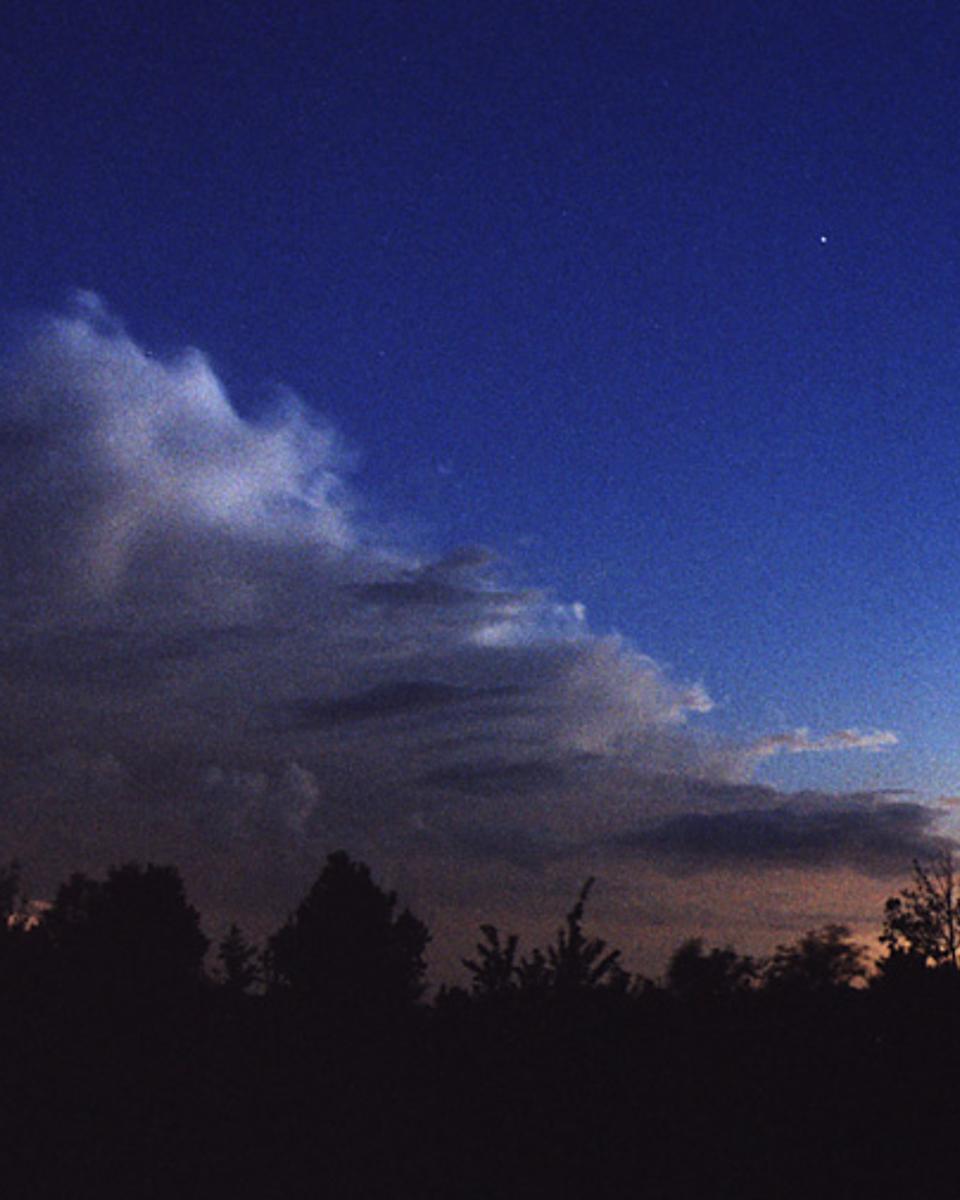
Clearing Skies
Clear evening skies are a welcome sight for stargazers worldwide, but clearing skies are good too. Just such a glorious occasion was recorded in this dramatic photo taken by…
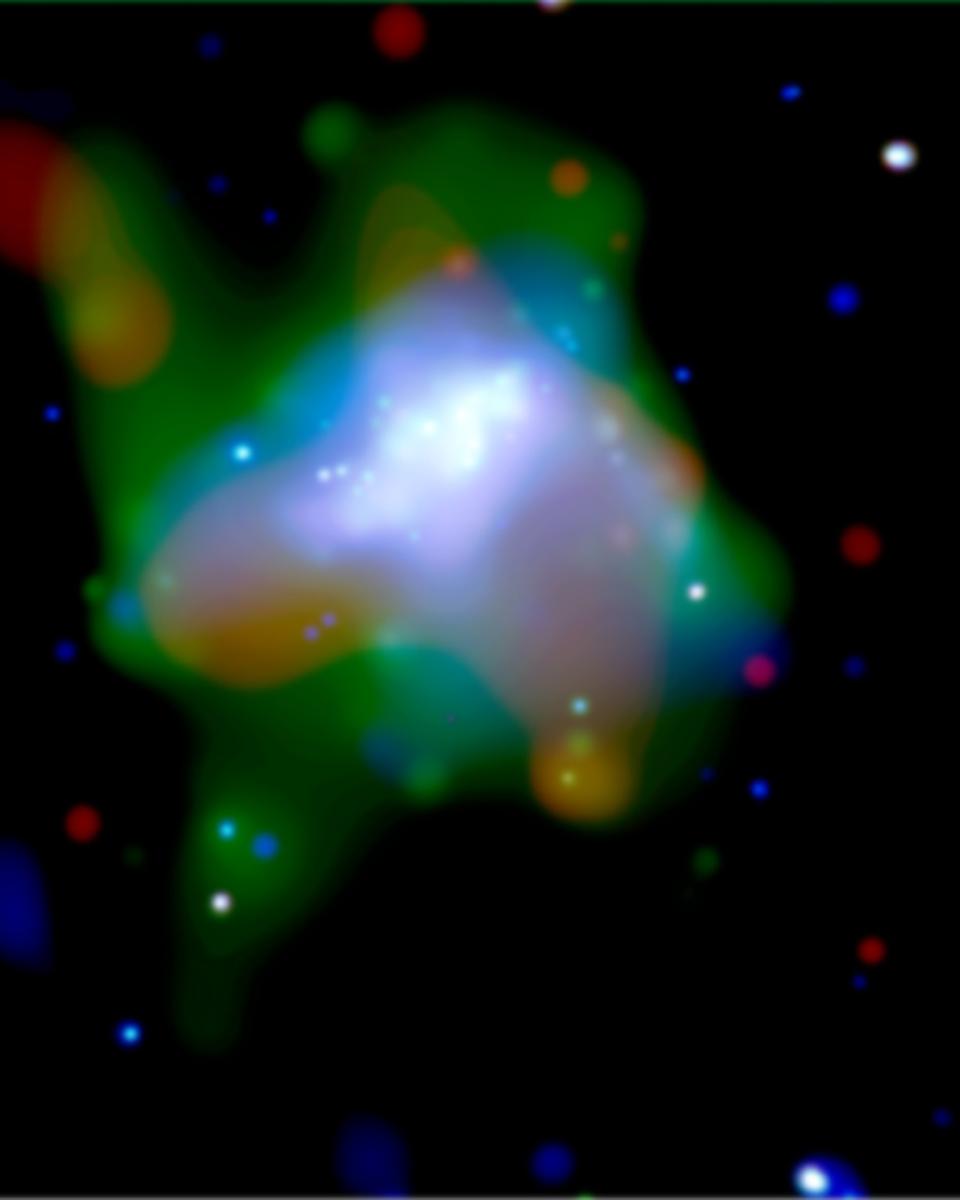
NGC 1569: Heavy Elements from a Small Galaxy
For astronomers, elements other than hydrogen and helium are sometimes considered to be simply “heavy elements”. It's understandable really, because even lumped all together heavy…
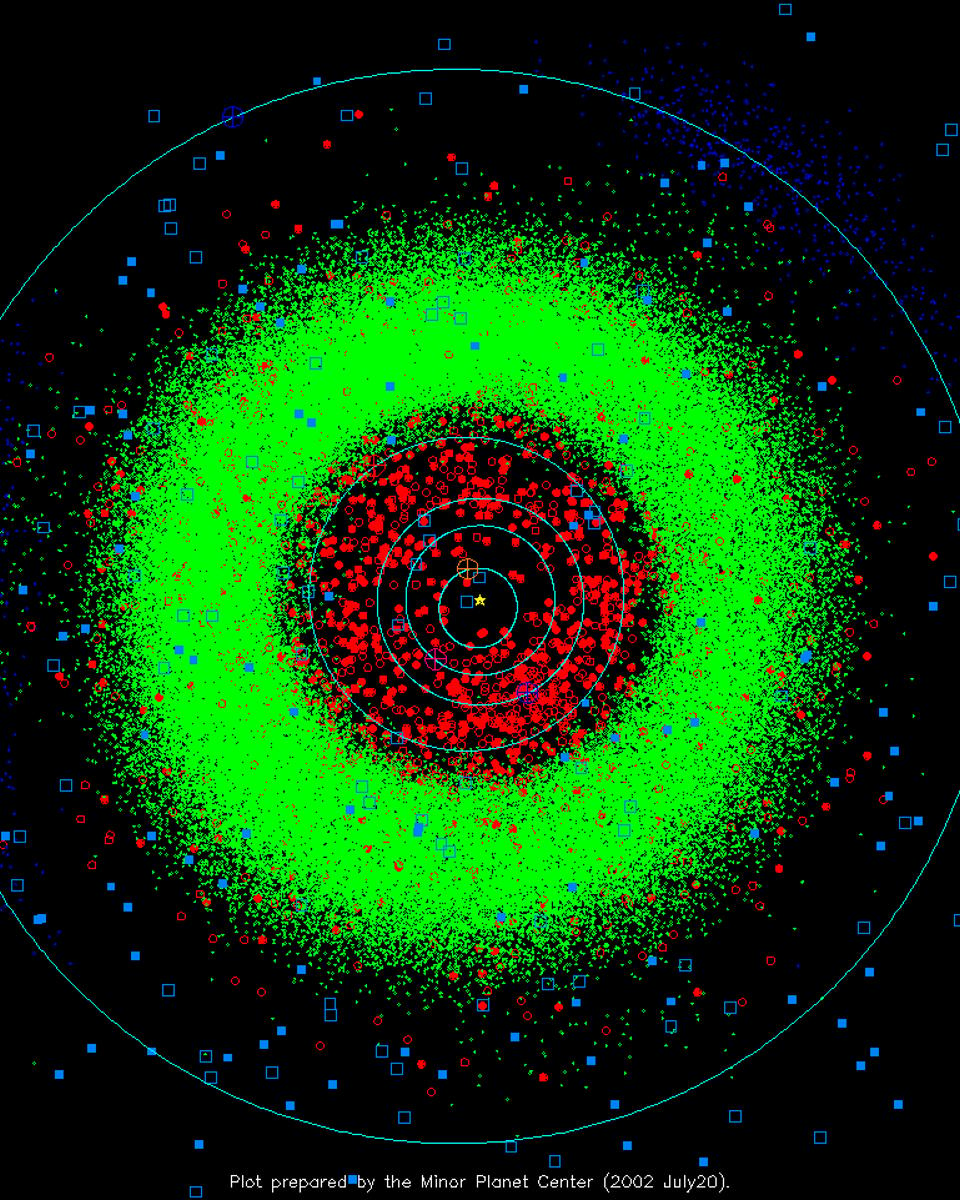
Our Busy Solar System
Our Solar System is a busy place. Although the major planets get the most press, a swarm of rocks, comets, and asteroids also exist. The above plot shows the placement of known…

The View from Everest
What would it be like to stand atop the tallest mountain on Earth? To see a full panoramic vista from there, scroll right. Visible are snow peaked mountains near and far,…
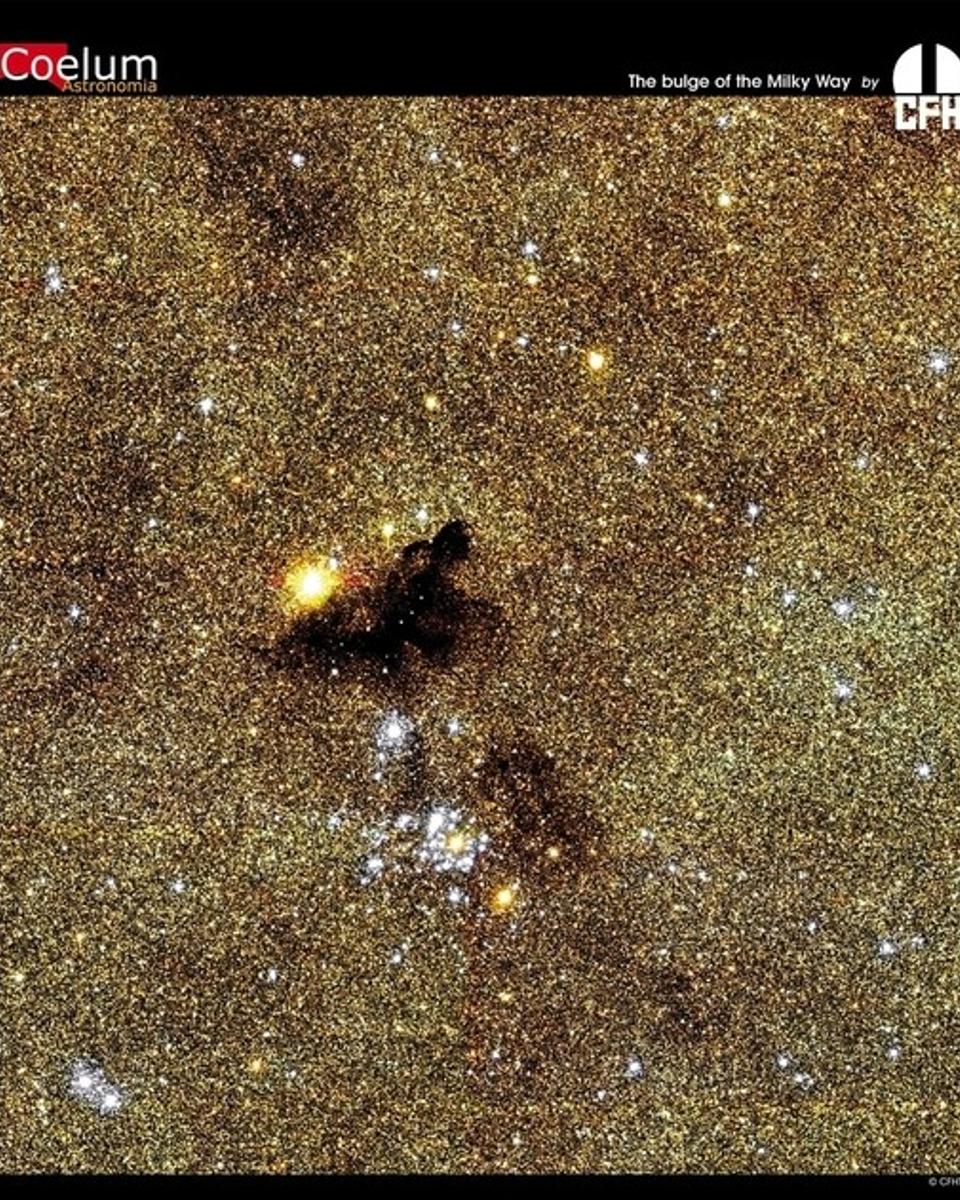
Open Cluster NGC 6520 from CFHT
Did you ever have a day when it felt like a dark cloud was following you around? For the open cluster of stars NGC 6520, every day is like this. On the left of the above picture…
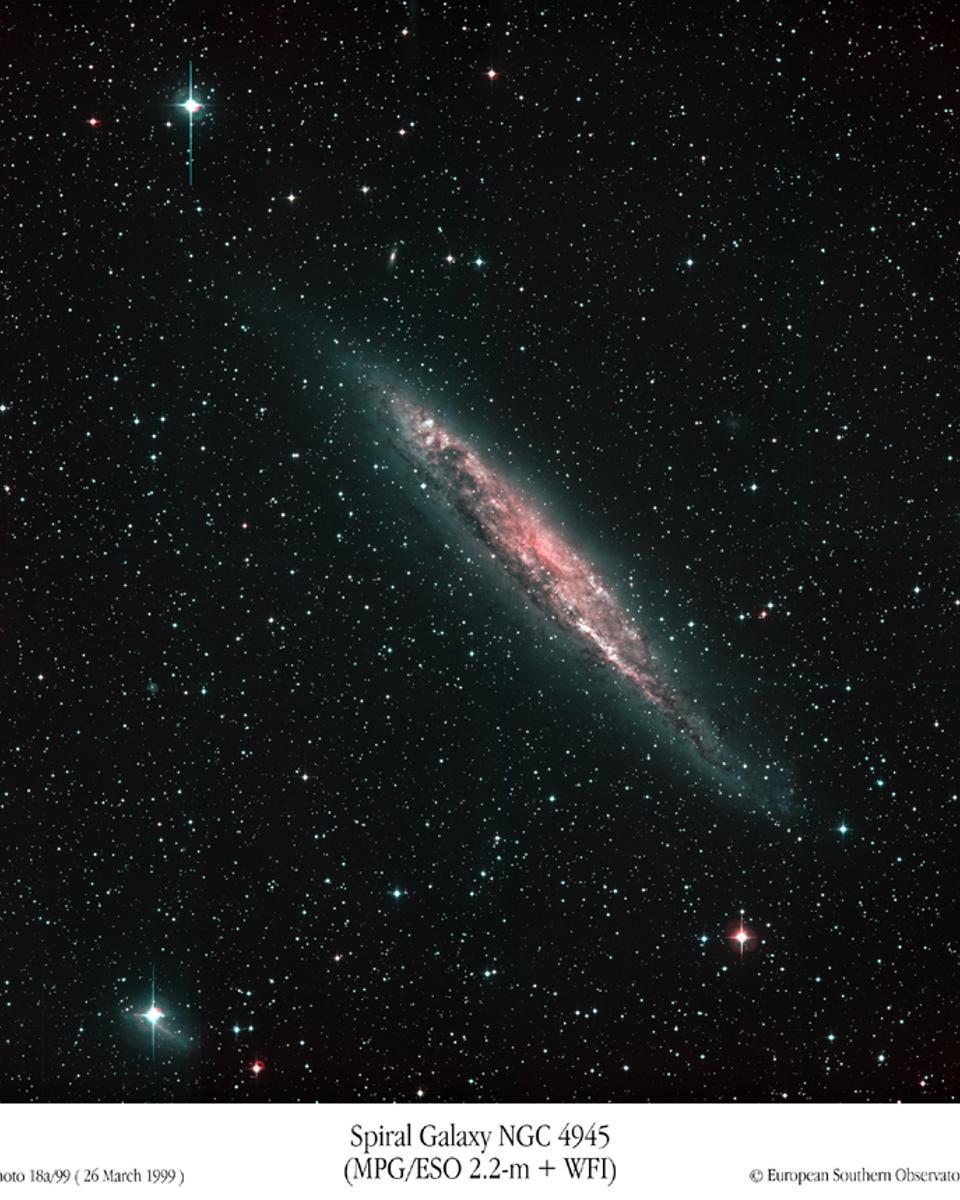
Nearby Spiral Galaxy NGC 4945
For such a close galaxy, NGC 4945 is easy to miss. NGC 4945 is a spiral galaxy in the Centaurus Group of galaxies, located only six times farther away than the prominent Andromeda…
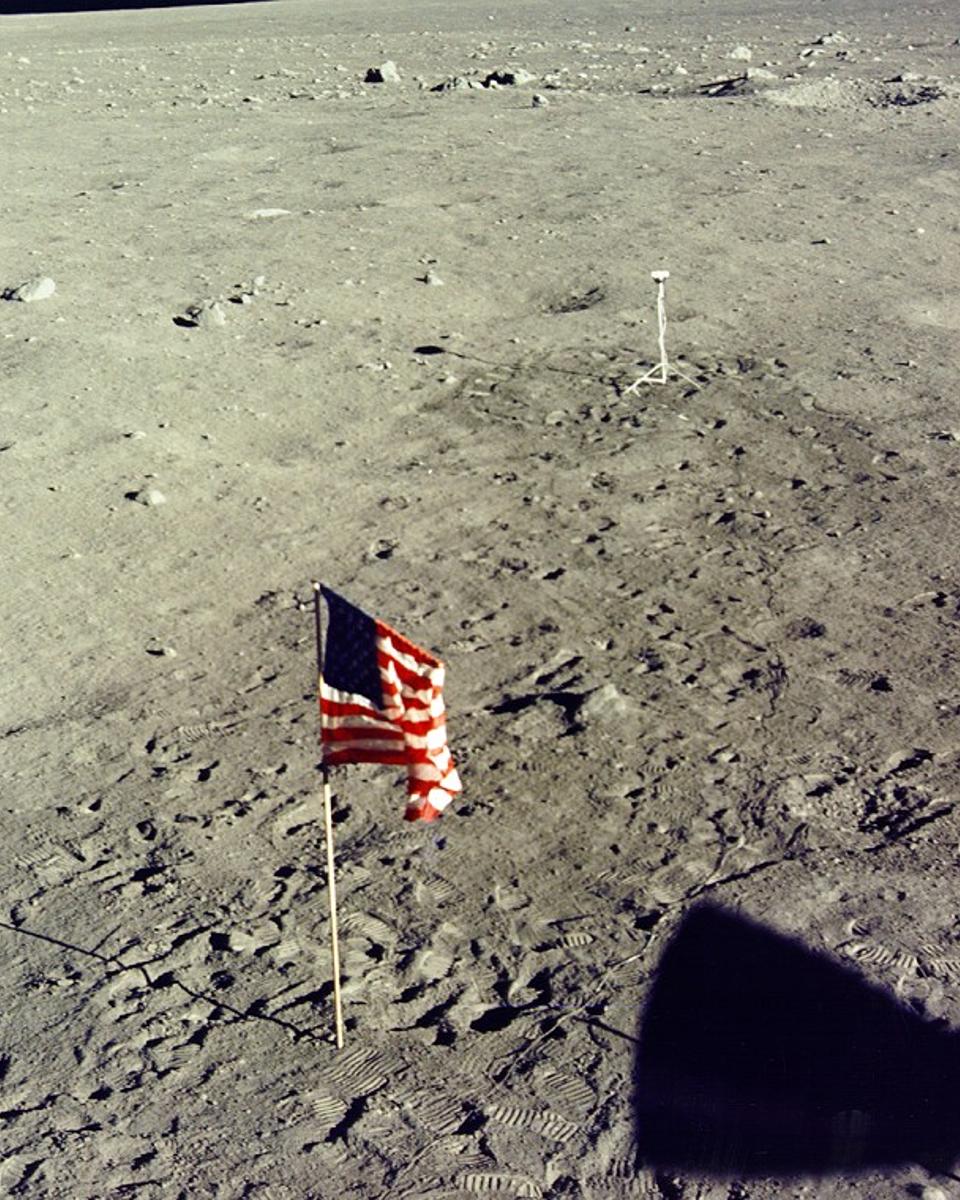
Footprints on Another World
On July 20th, 1969 , humans first set foot on the Moon . Taken from a window of their Apollo 11 lunar module, the Eagle, this picture shows the footprints in the powdery lunar…
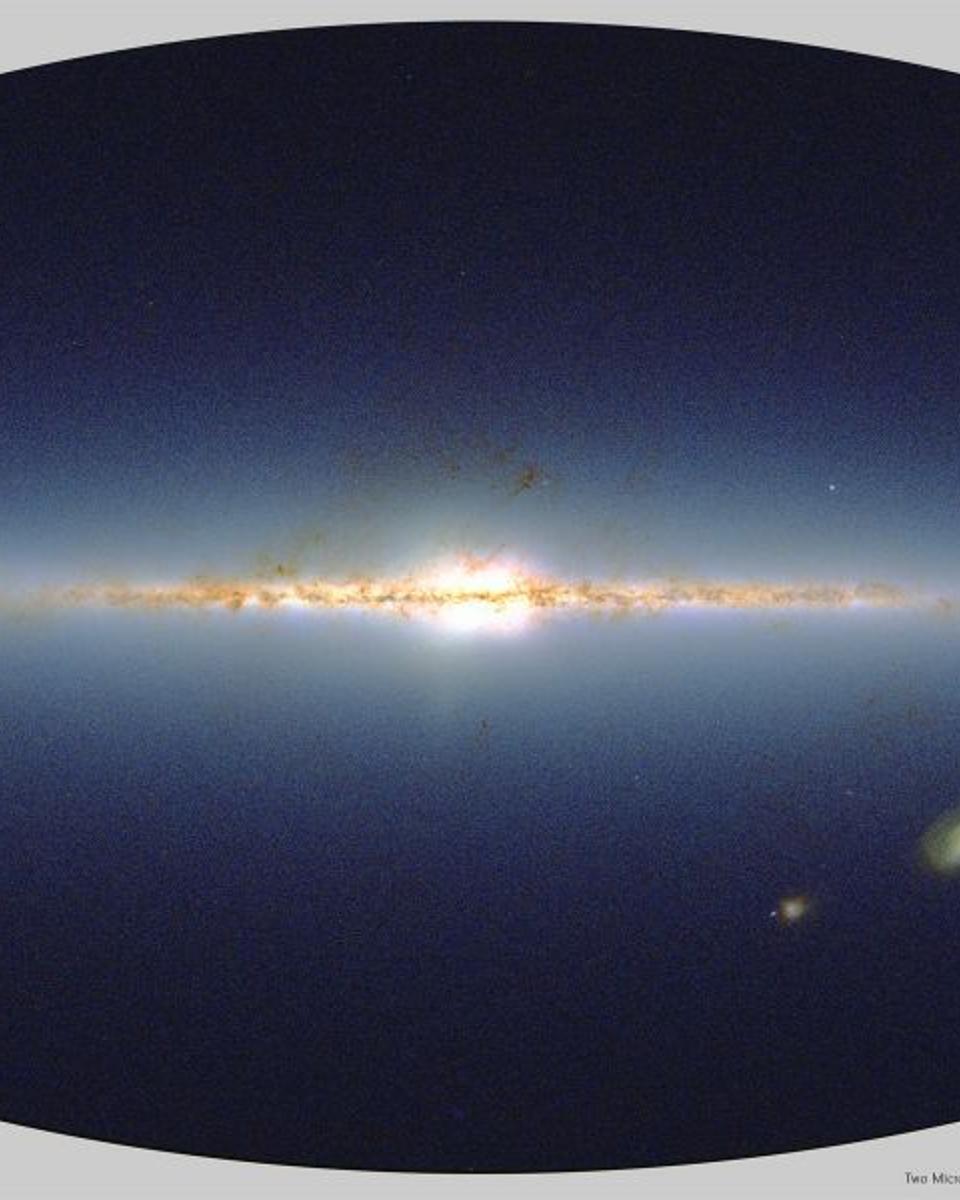
Counting Stars in the Infrared Sky
The bulging center of our Milky Way Galaxy , dark cosmic clouds, the thin galactic plane, and even nearby galaxies are easy to spot in this sky view. But each pixel in the digital…
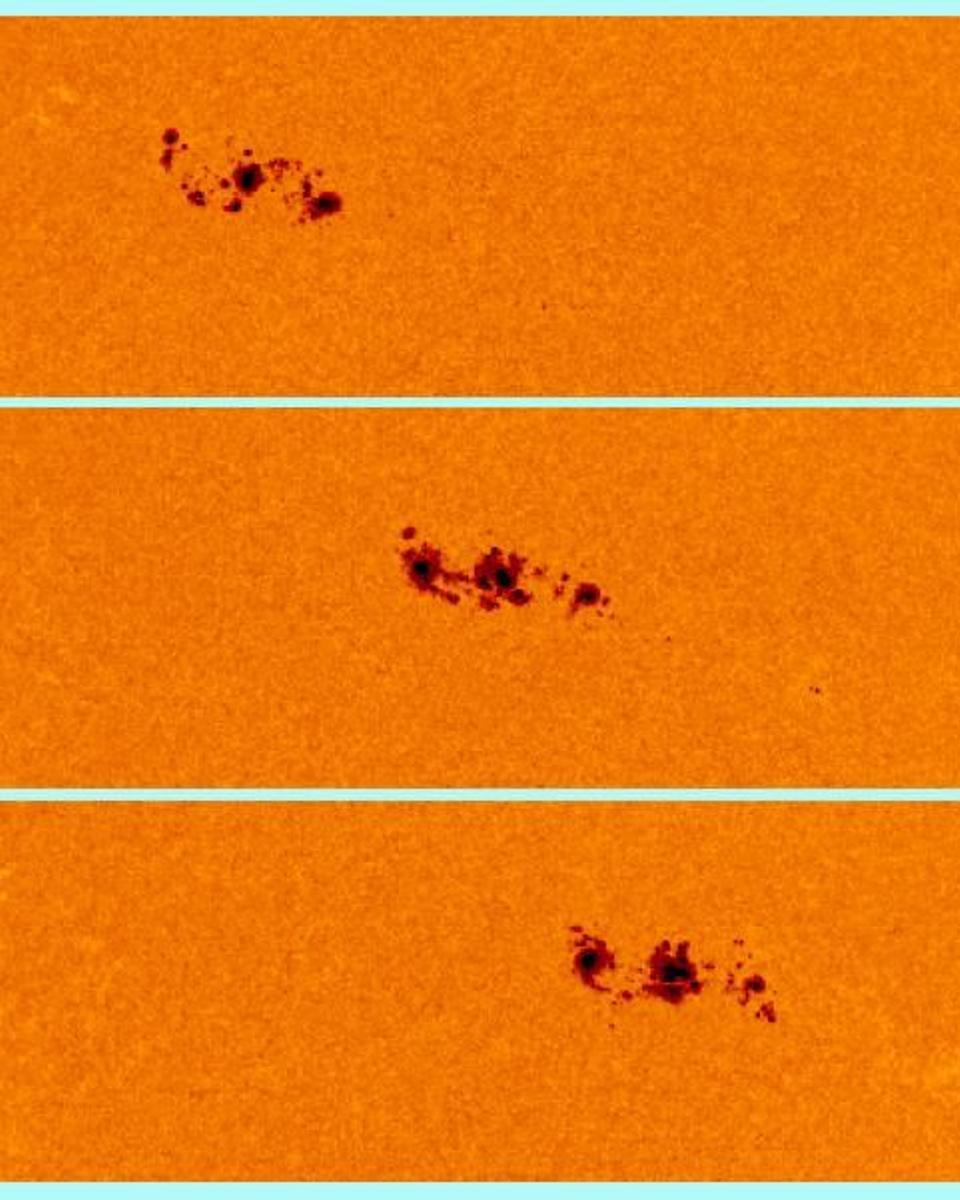
Sunspot Region 30
The solar active region designated number 10030 (or simply region 30) is now appearing on the visible hemisphere of the closest star . Dwarfed by the Sun's disk, the group of…
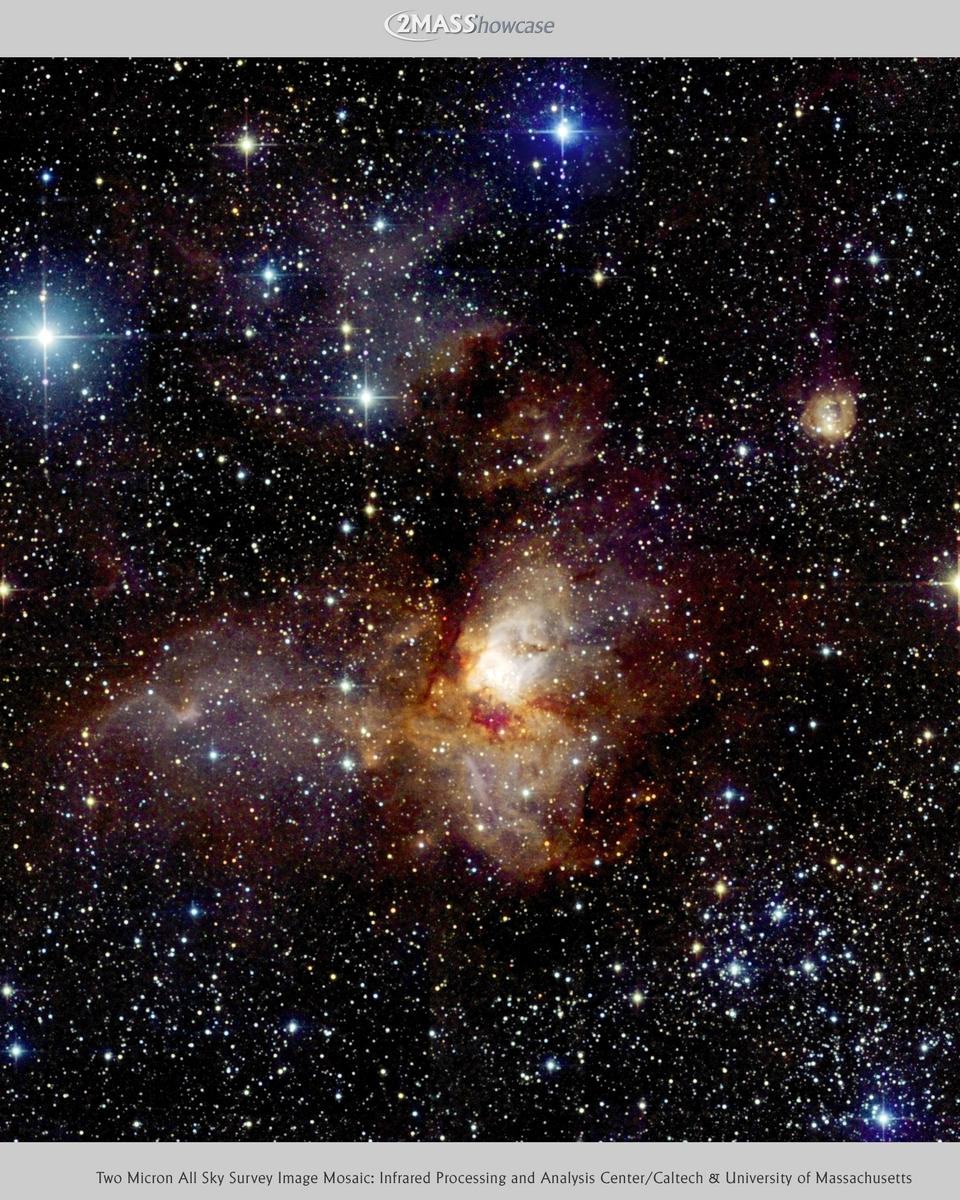
Star-Forming Region RCW38 from 2MASS
The star cluster in RCW38 was hiding. Looking at the star forming region RCW38 will not normally reveal most of the stars in this cluster. The reason is that the open cluster is…
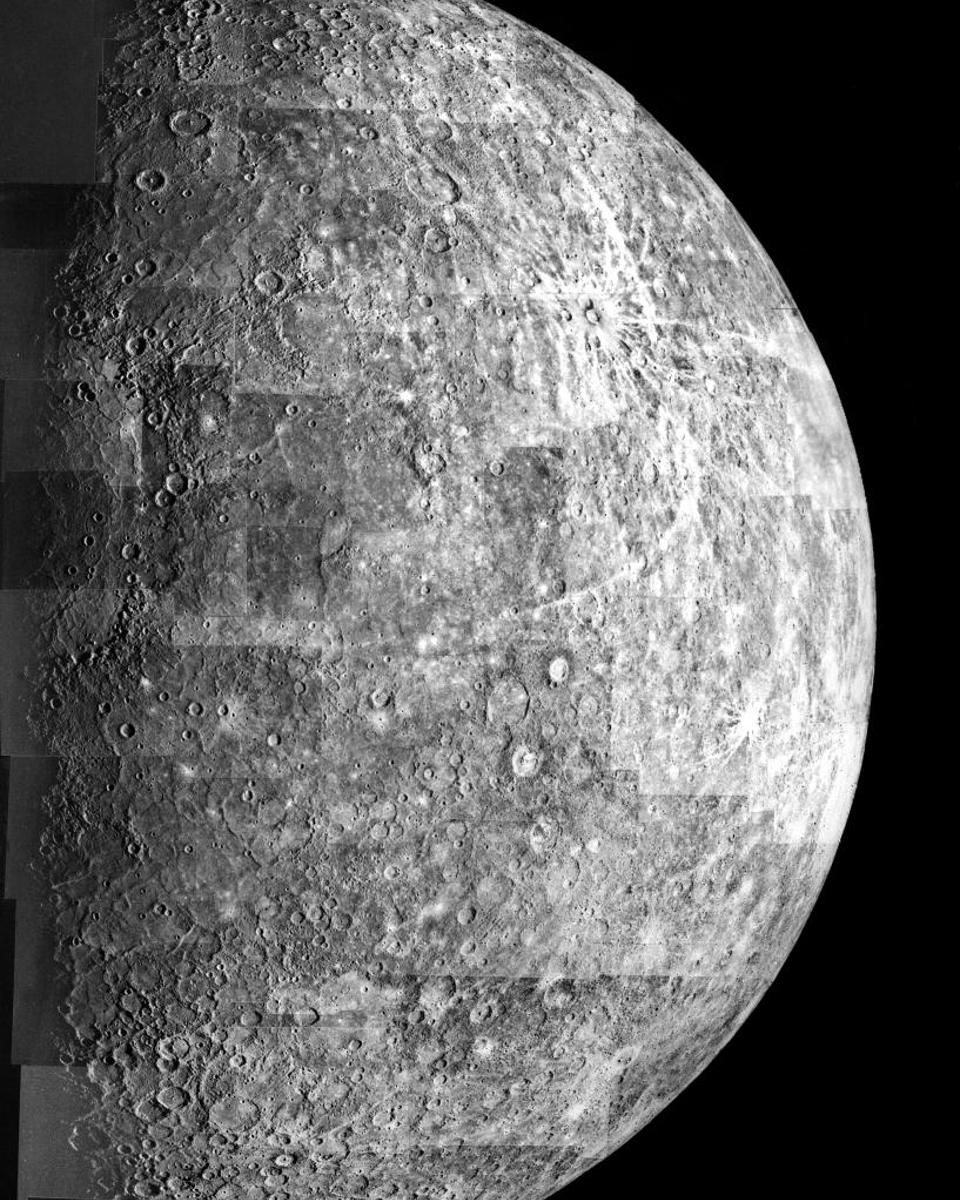
Outbound from Mercury
After just passing Mercury, the robot spacecraft Mariner 10 looked back. The above picture is what it saw. Mercury , the closest planet to the Sun , is heavily cratered much like…

Proxima Centauri: The Closest Star
What is the closest star to our Sun ? It is Proxima Centauri , the nearest member of the Alpha Centauri triple star system . Light takes only 4.22 years to reach us from Proxima…
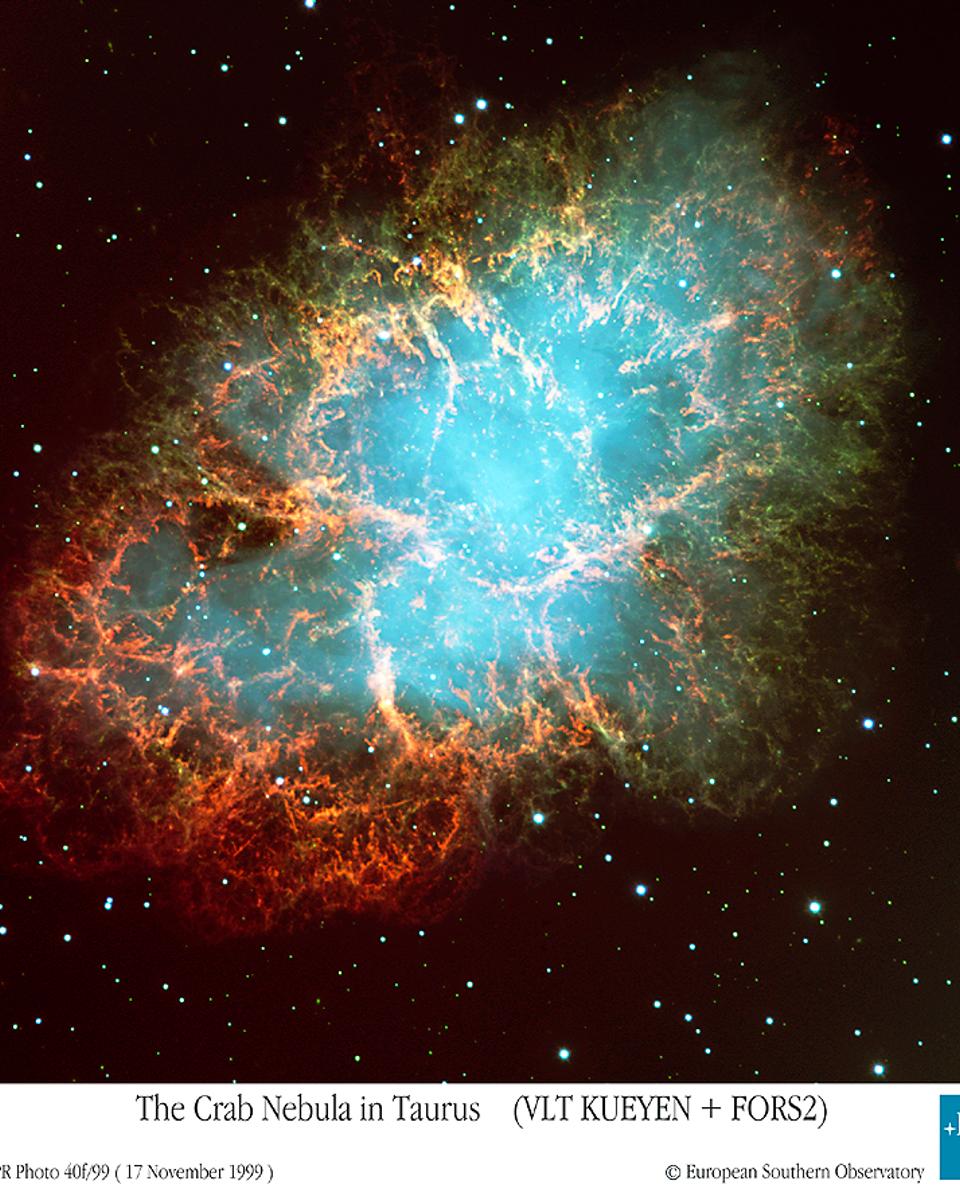
The Crab Nebula from VLT
The Crab Nebula , filled with mysterious filaments, is the result of a star that was seen to explode in 1054 AD . This spectacular supernova explosion was recorded by Chinese and…
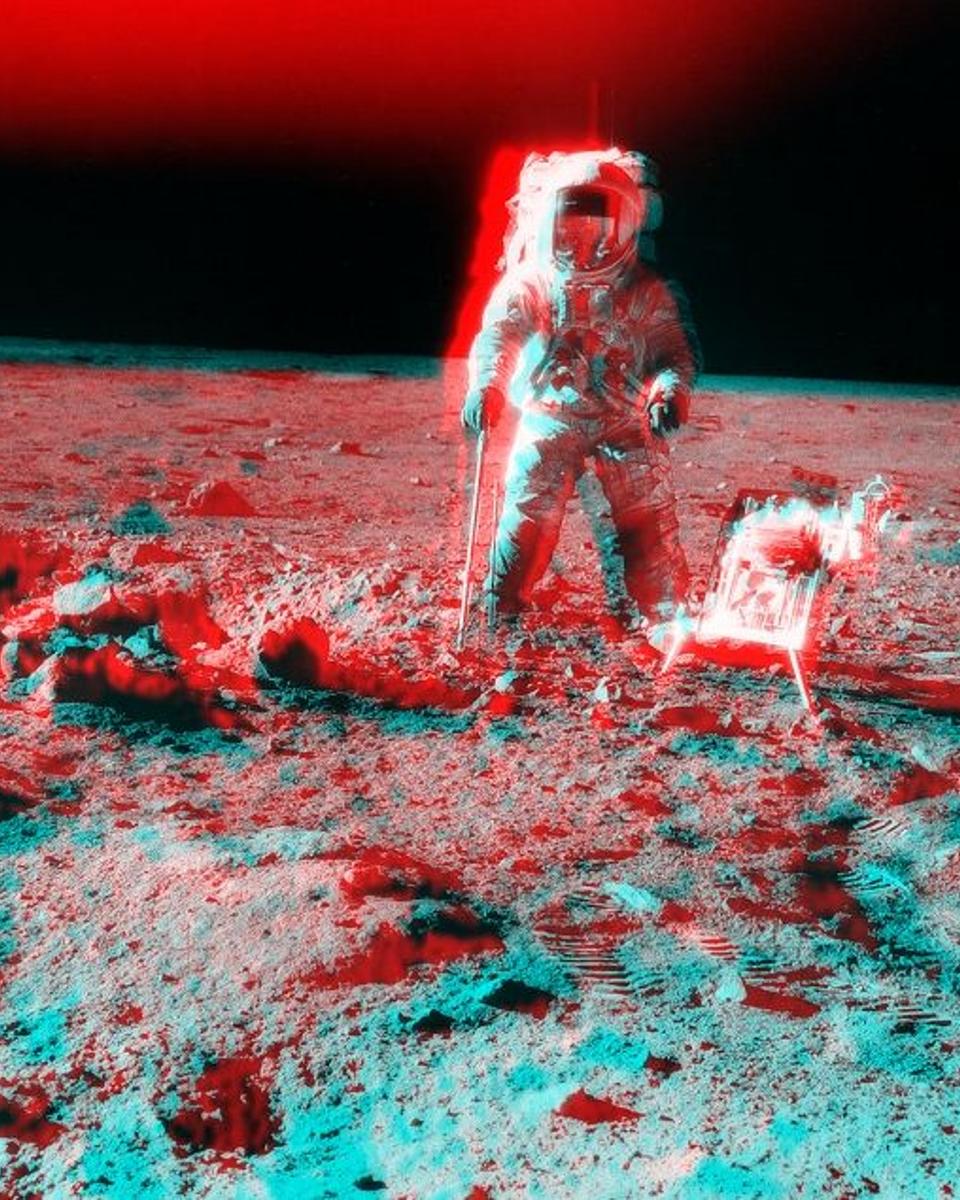
Apollo 12: Stereo View Near Surveyor Crater
This weekend's stereo picture finds Apollo 12 astronaut Pete Conrad standing on the lunar surface near the southern rim of Surveyor Crater in November of 1969. With red/blue…
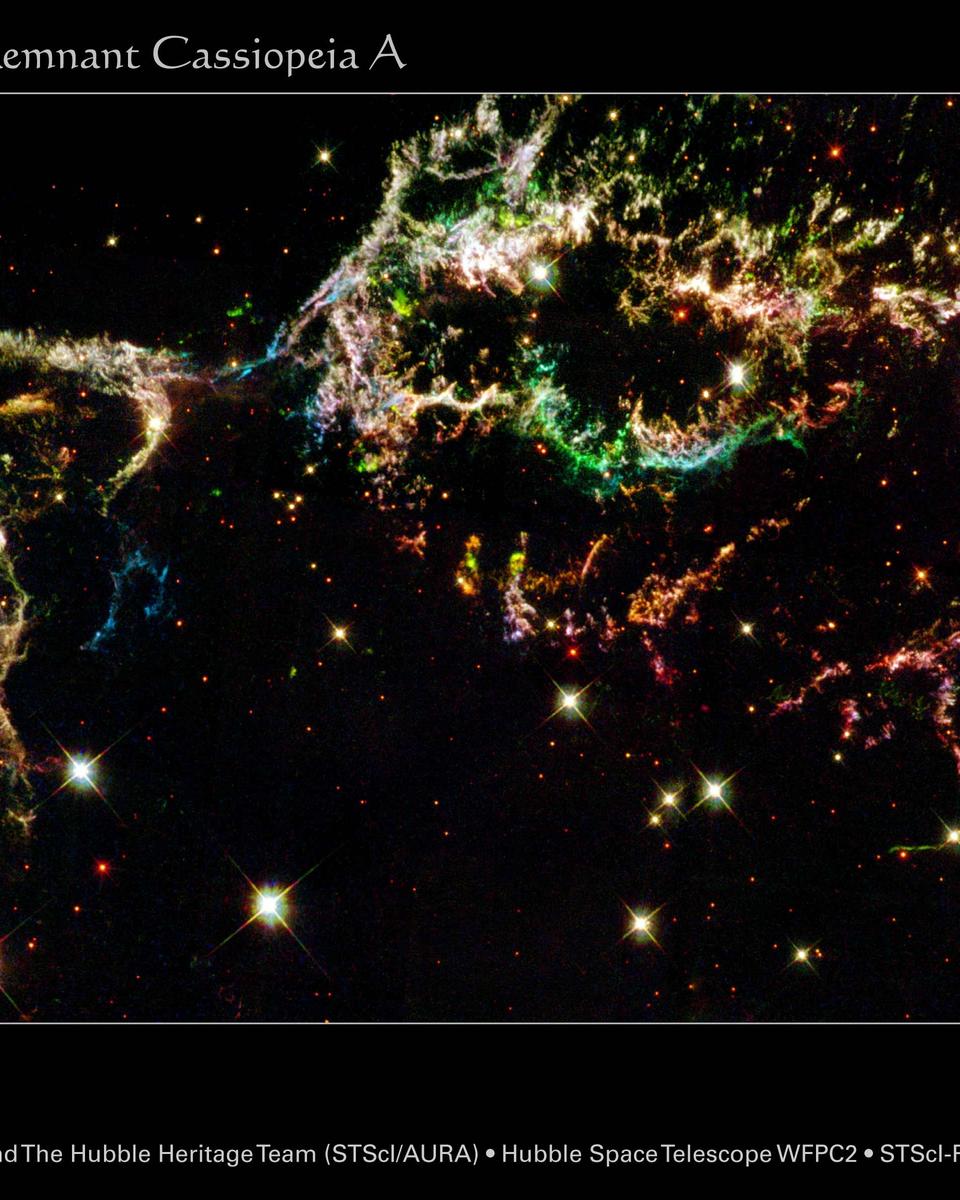
Recycling Cassiopeia A
For billions of years, massive stars in our Milky Way Galaxy have lived spectacular lives. Collapsing from vast cosmic clouds , their nuclear furnaces ignite and create heavy…
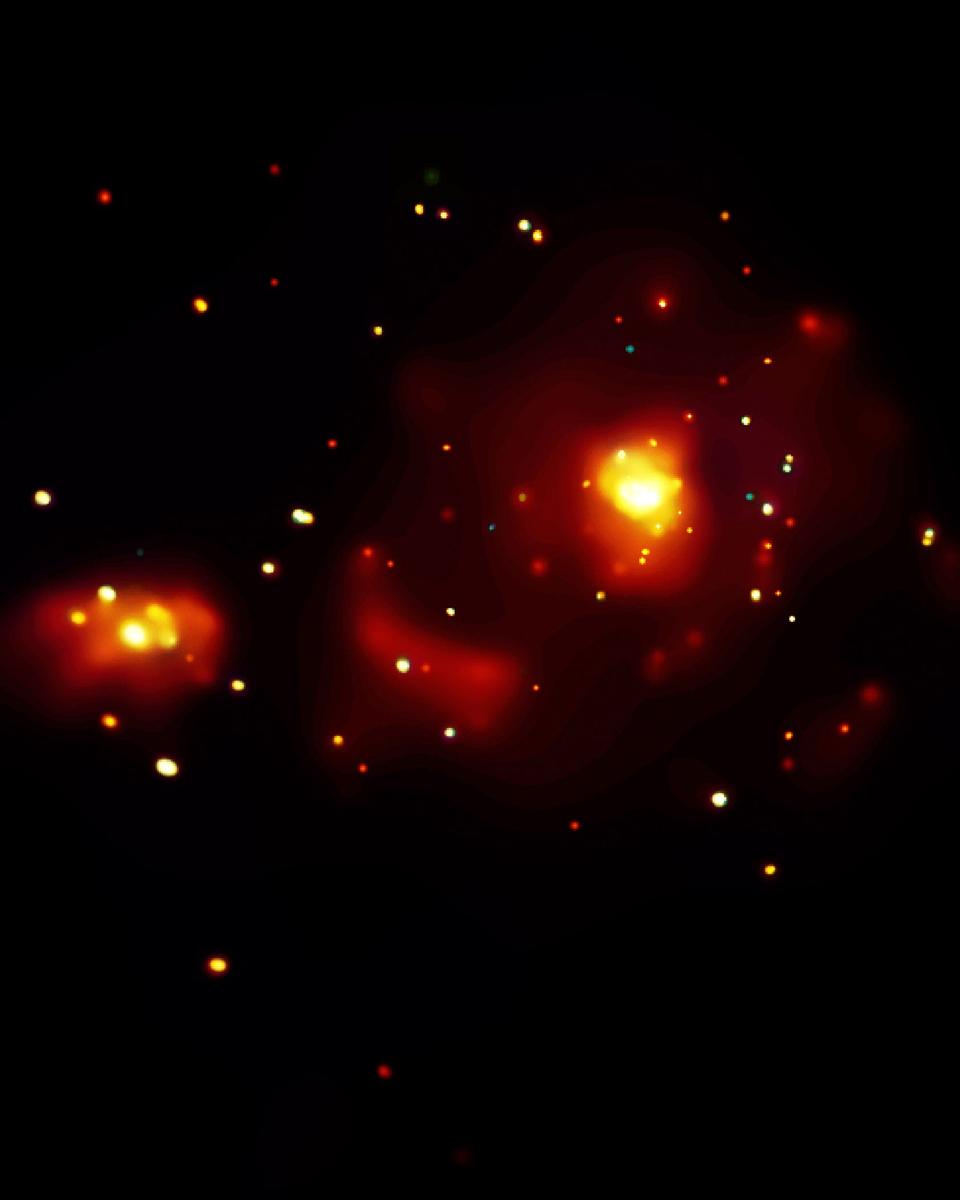
M51: X-Rays from the Whirlpool
Fresh from yesterday's episode , a popular pair of interacting galaxies known as the Whirlpool debut here beyond the realm of visible light -- imaged at high energies by the…
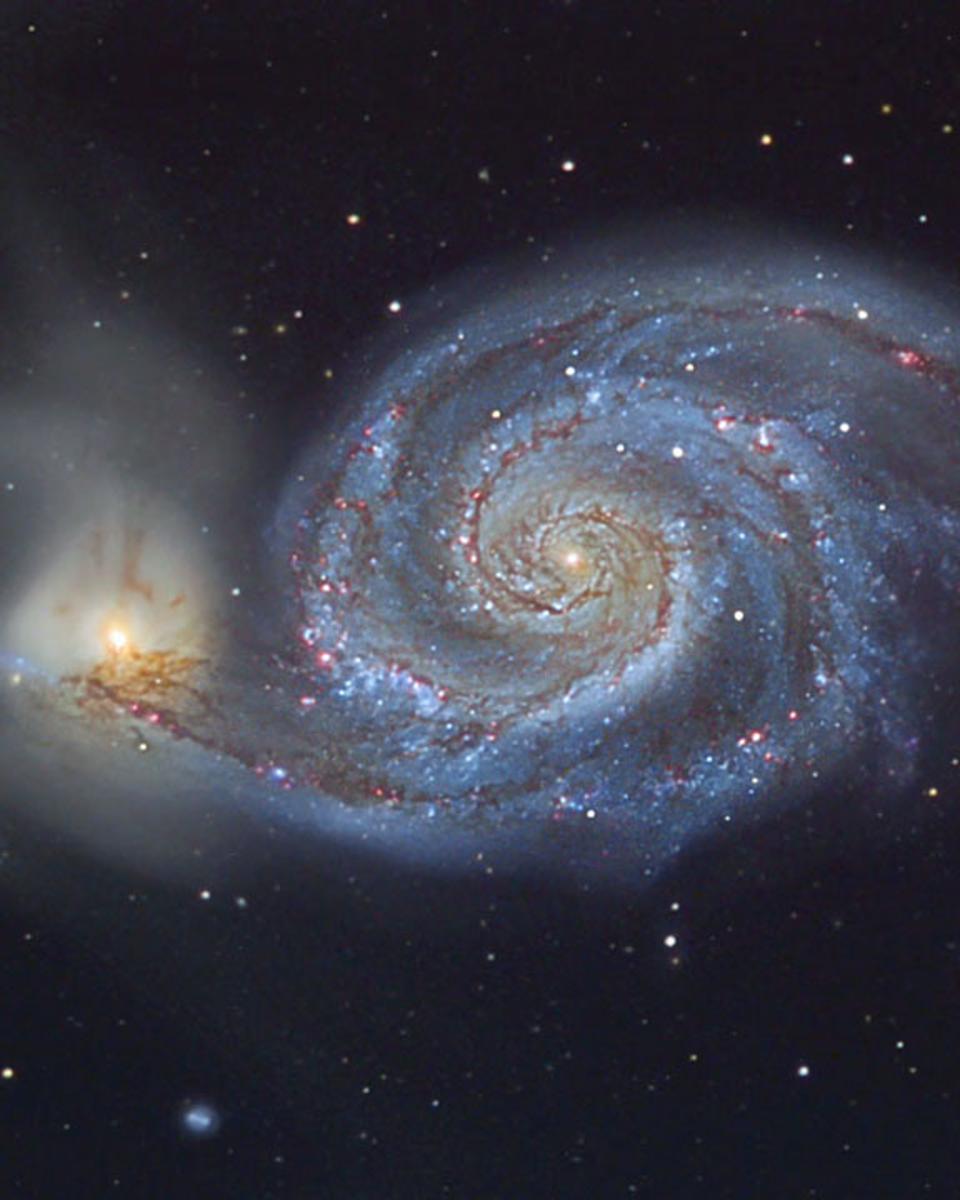
M51: Cosmic Whirlpool
Follow the handle of the Big Dipper away from the dipper's bowl, until you get to the handle's last bright star . Then, just slide your telescope a little south and west and…
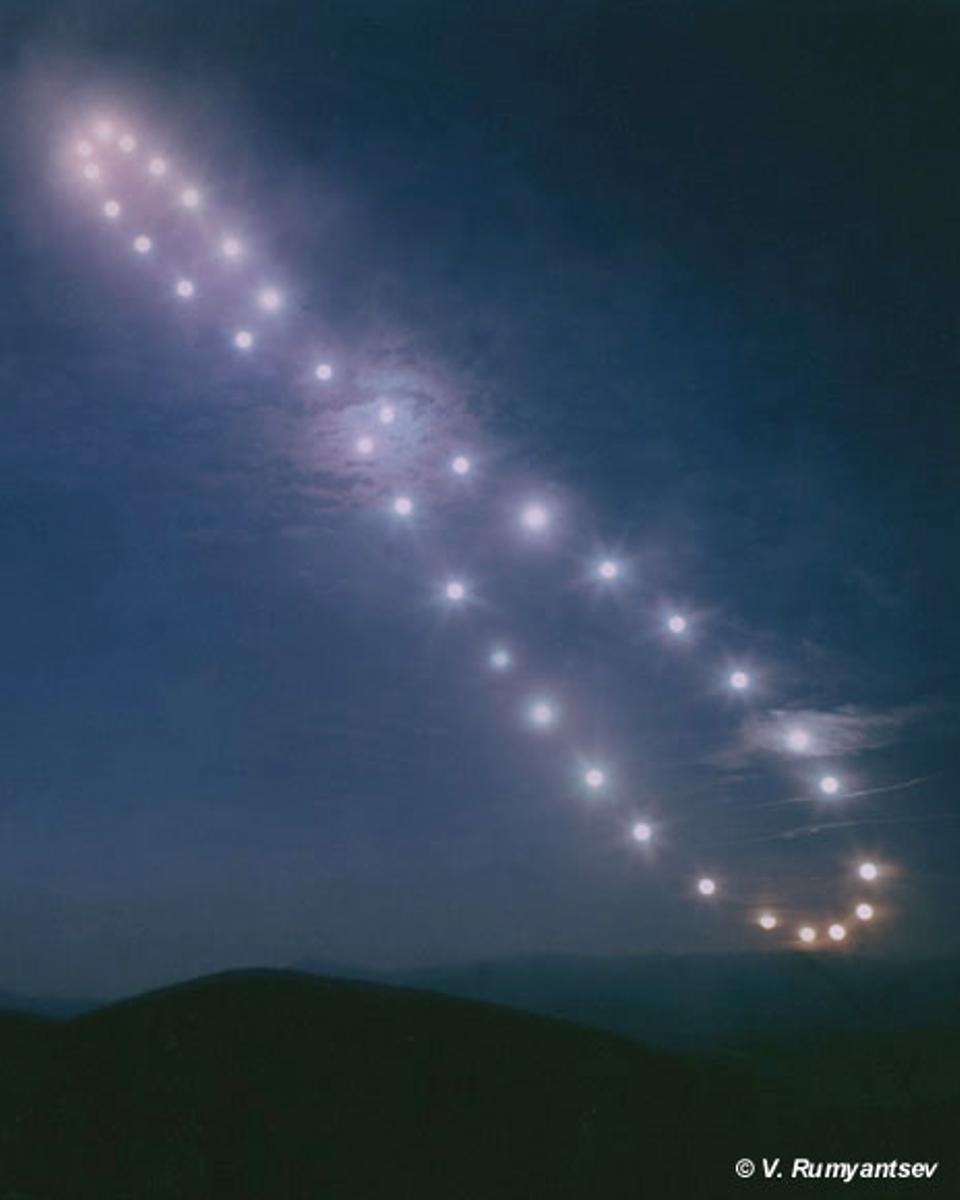
Analemma
If you took a picture of the Sun at the same time each day, would it remain in the same position? The answer is no, and the shape traced out by the Sun over the course of a year…
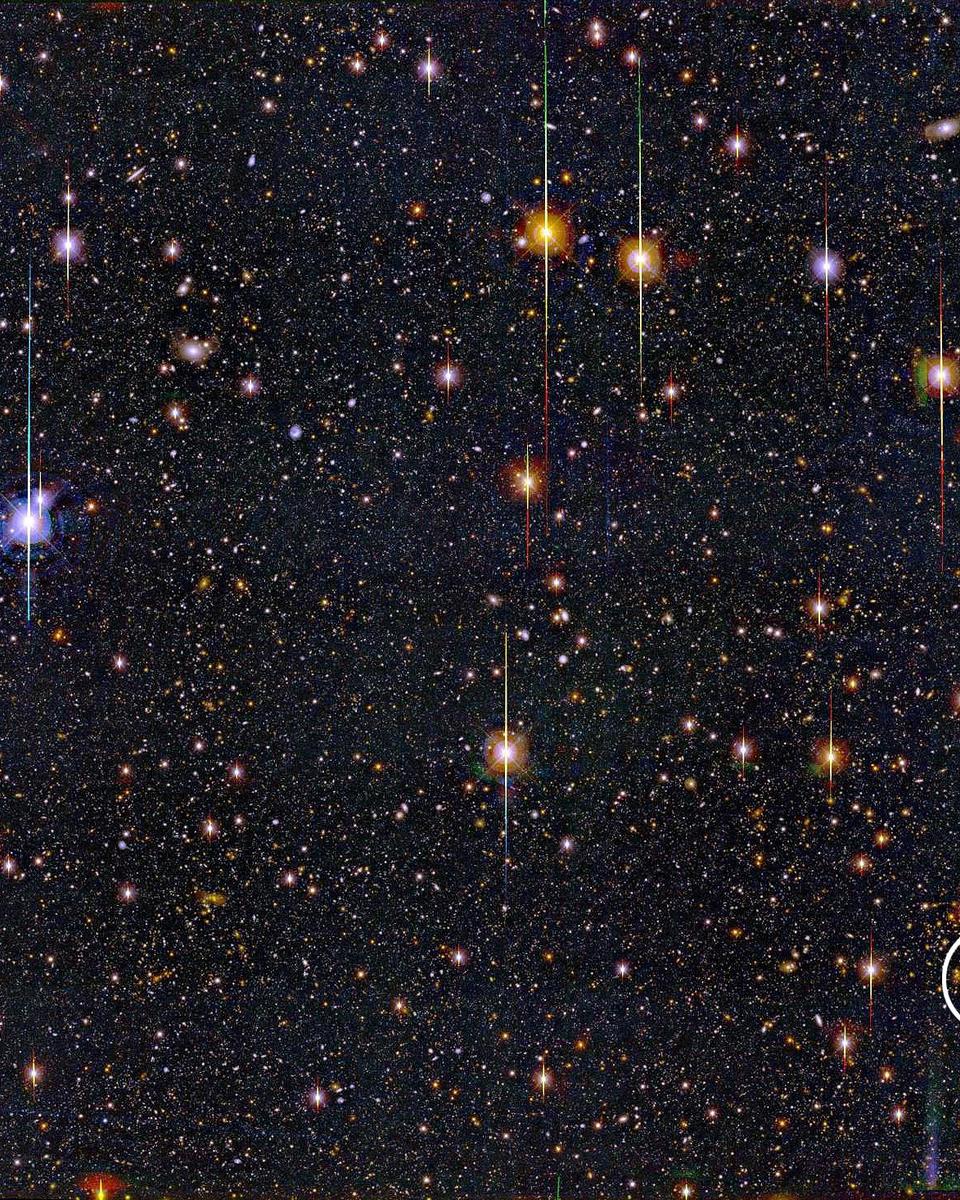
Weighing Empty Space
Sometimes staring into empty space is useful. Pictured above is a region of sky that was picked because it had, well, nothing: no bright stars , no bright galaxies , and no…
Viewing discoveries from 31 July 2002 through 8 July 2002.