Browse NASA Astronomy Picture of the Day archive by date and media: Archive Discoveries
Browse the NASA APOD archive without needing the exact date first. Filter by media type and keep moving deeper into older images and videos.
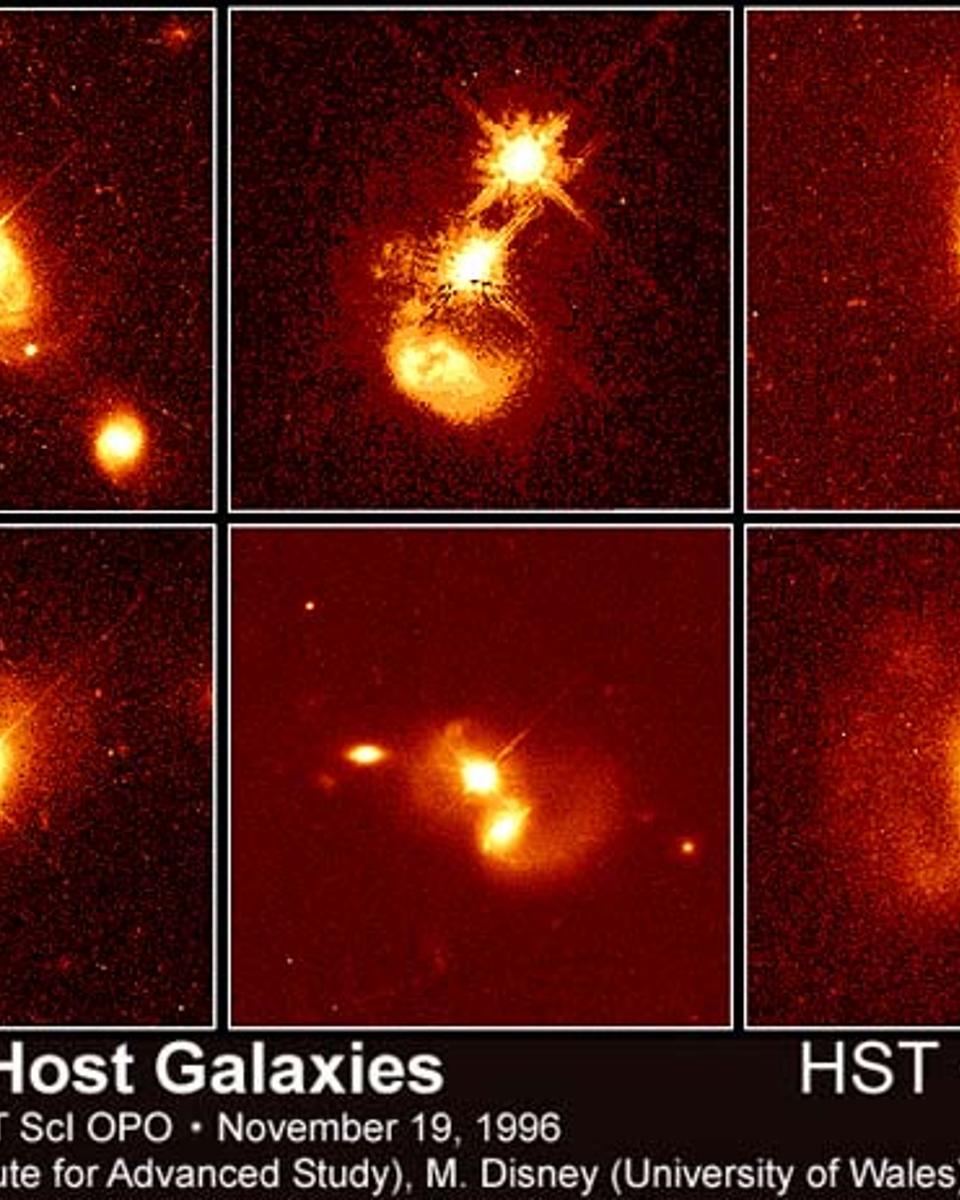
A Quasar Portrait Gallery
Quasars (QUASi-stellAR objects) lie near the edge of the observable Universe . Discovered in 1963, astronomers were astounded that such objects could be visible across billions of…
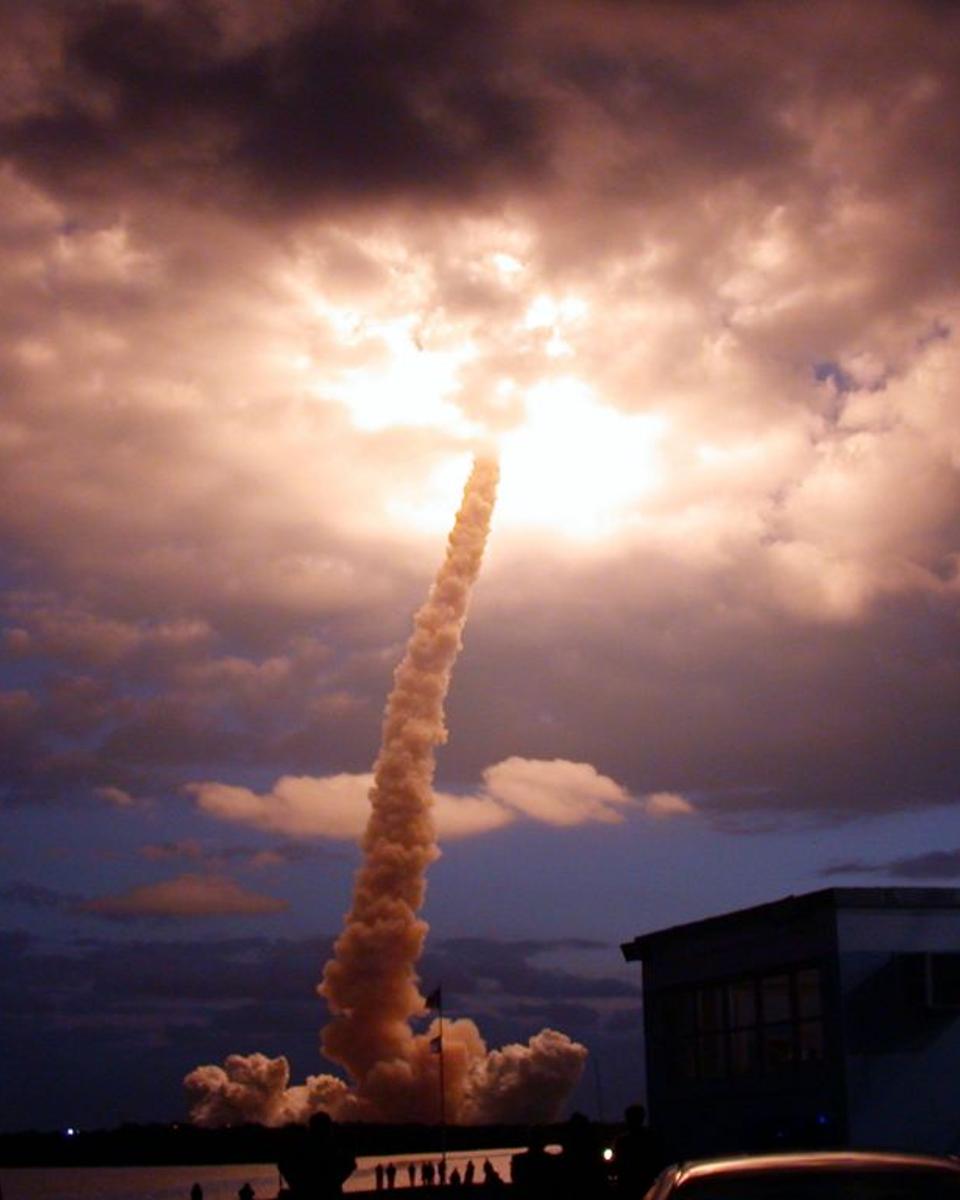
Columbia Dawn
Trailing a thick column of exhaust, the Space Shuttle Columbia blasted into the twilight morning sky on March 1, its thundering rockets briefly flooding a cloud bank with the…
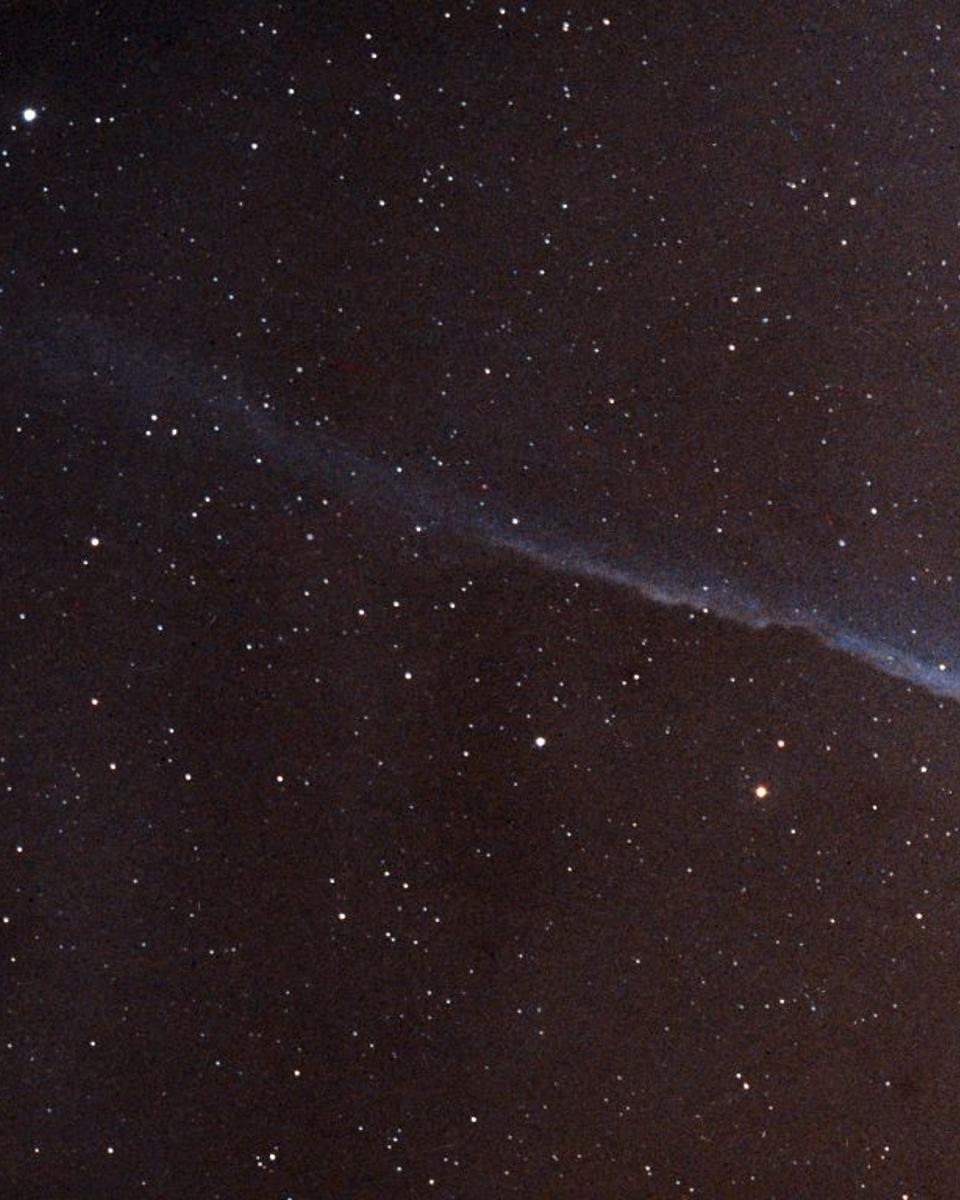
Comet Ikeya-Zhang Brightens
In the last week , Comet Ikeya-Zhang has become bright enough to be just visible to the unaided eye. Based on its present activity, observers are optimistic that Ikeya-Zhang will…
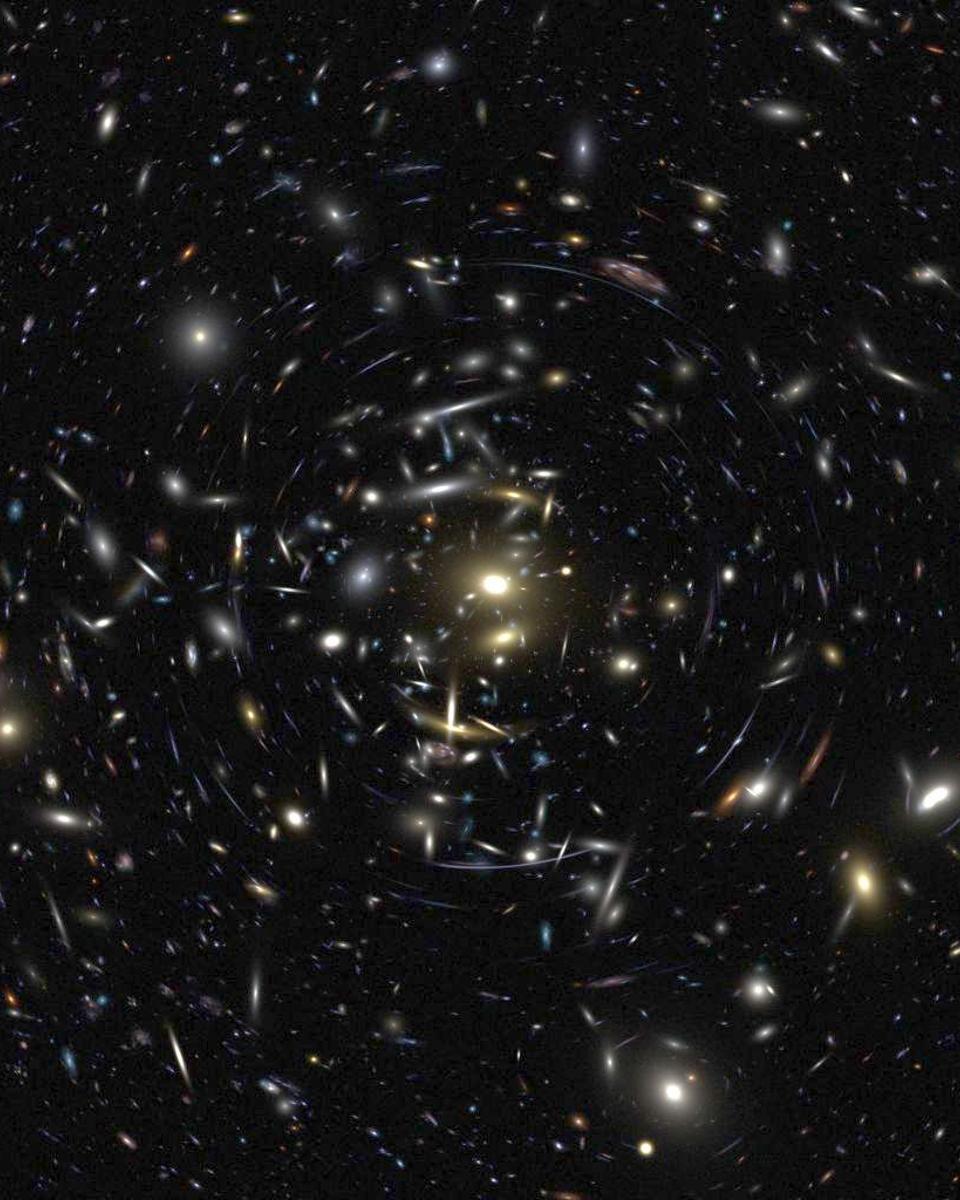
Simulated Galaxy Cluster View
Stunningly detailed, this picture is a computer simulated view of a cluster of galaxies in the distant cosmos . A large, elliptical galaxy dominates this hypothetical cluster's…
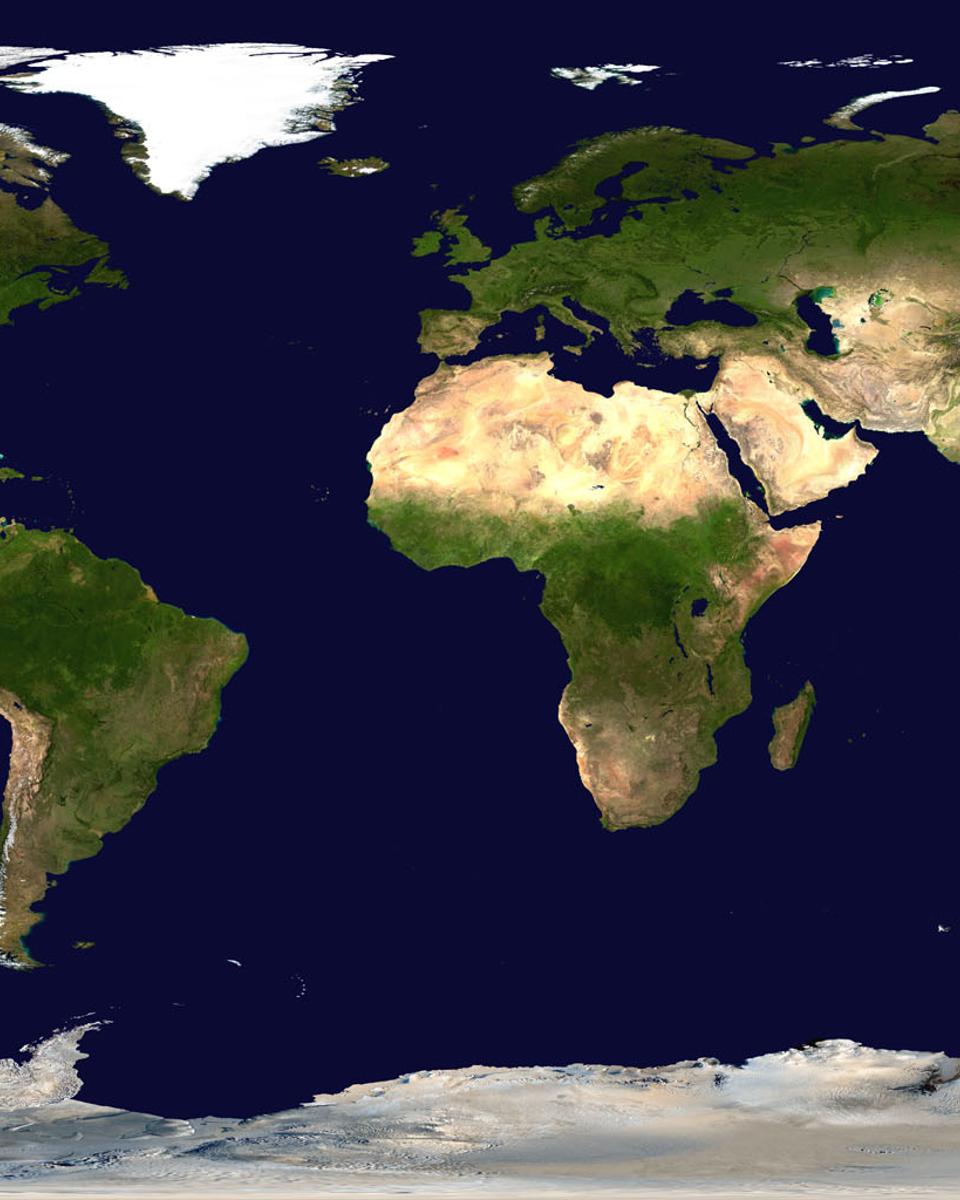
Earth in True Color
Here are the true colors of planet Earth . Blue oceans dominate our world, while areas of green forest , brown mountains , tan desert , and white ice are also prominent. Oceans…
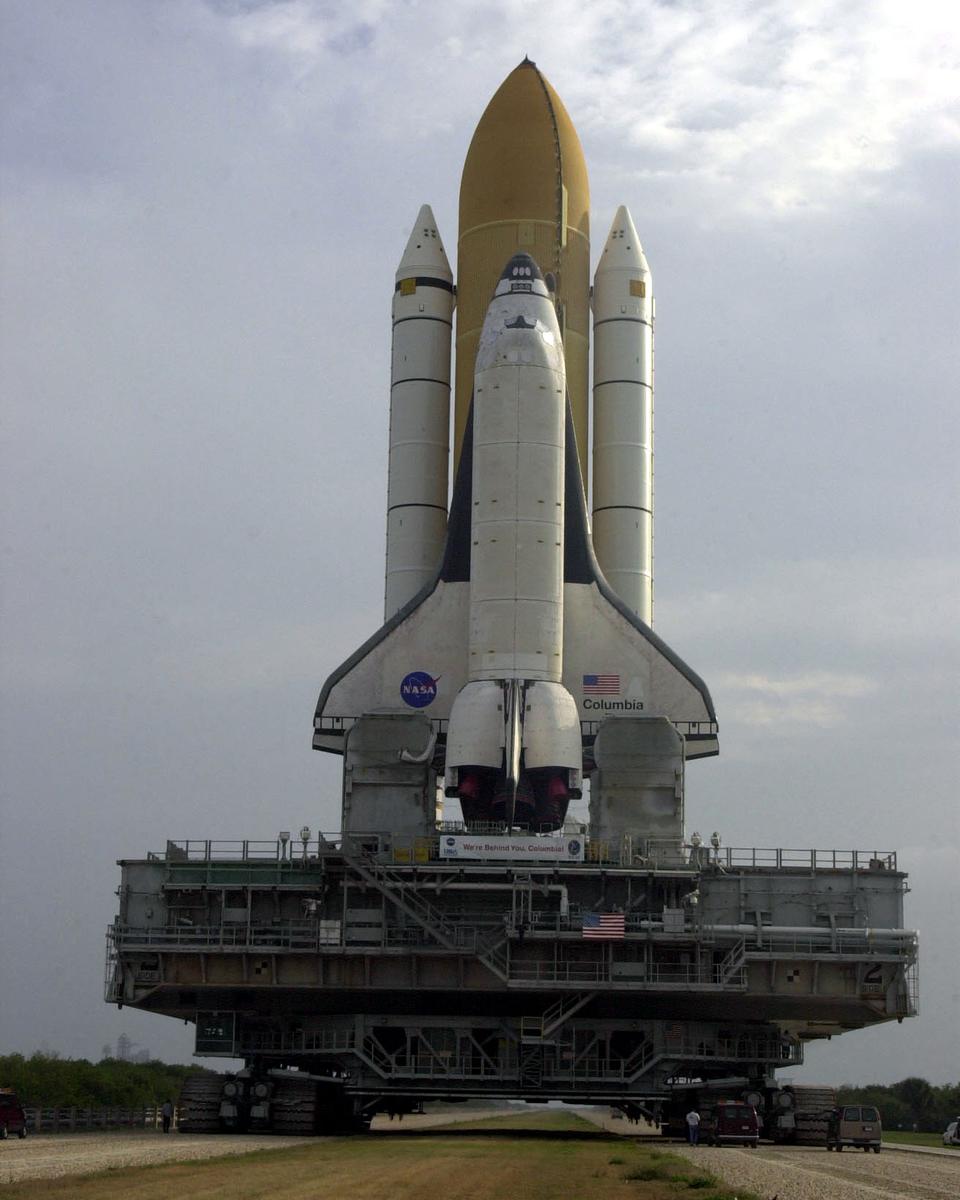
The Shuttle Crawler Transporter
NASA's Crawler-Transporters are the largest tracked vehicles in existence. Although the crawlers pack over 5,000 horsepower , their top speed is less than two kilometers per hour…
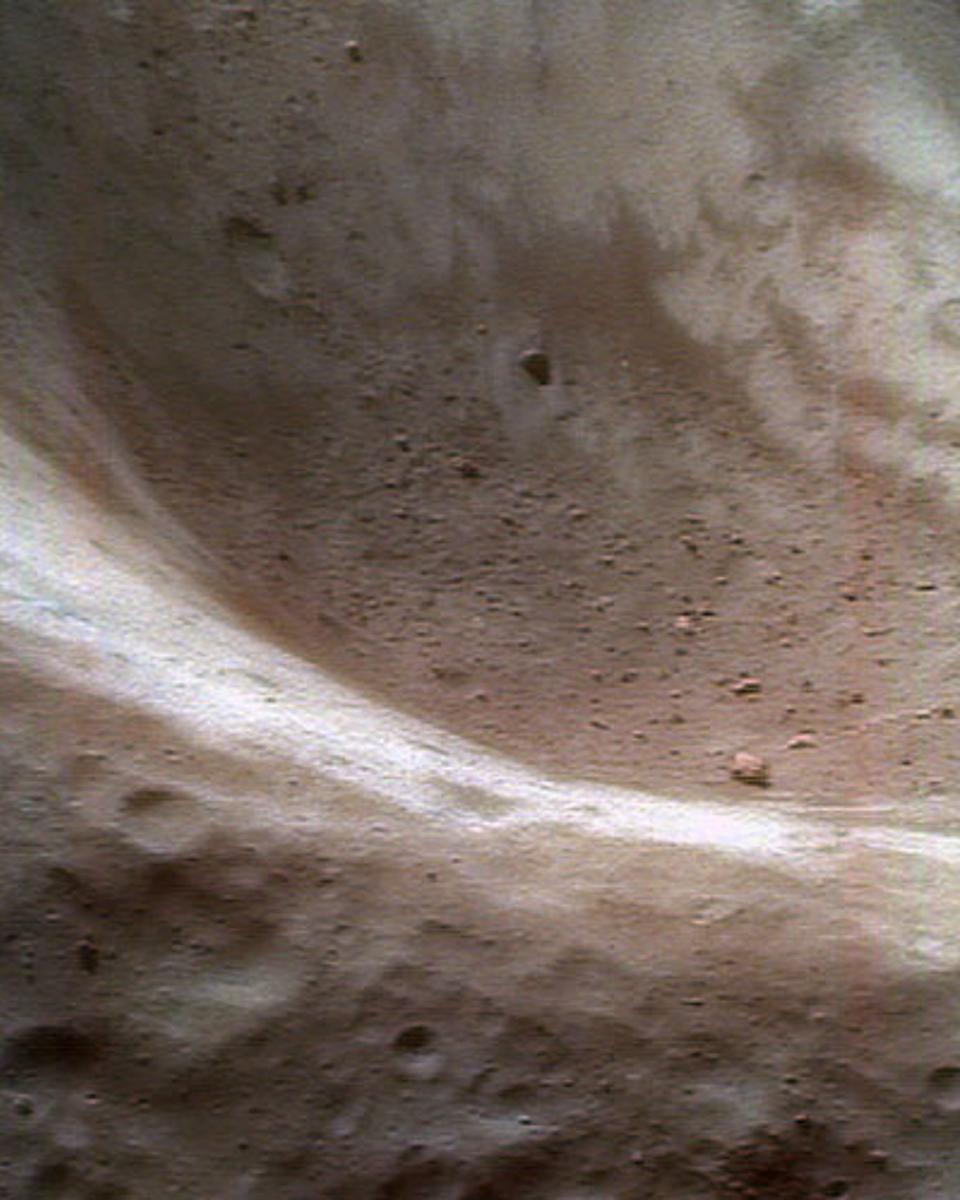
The Regolith of Asteroid Eros
From fifty kilometers above asteroid Eros, the surface inside one of its largest craters appears covered with an unusual substance: regolith . The thickness and composition of the…
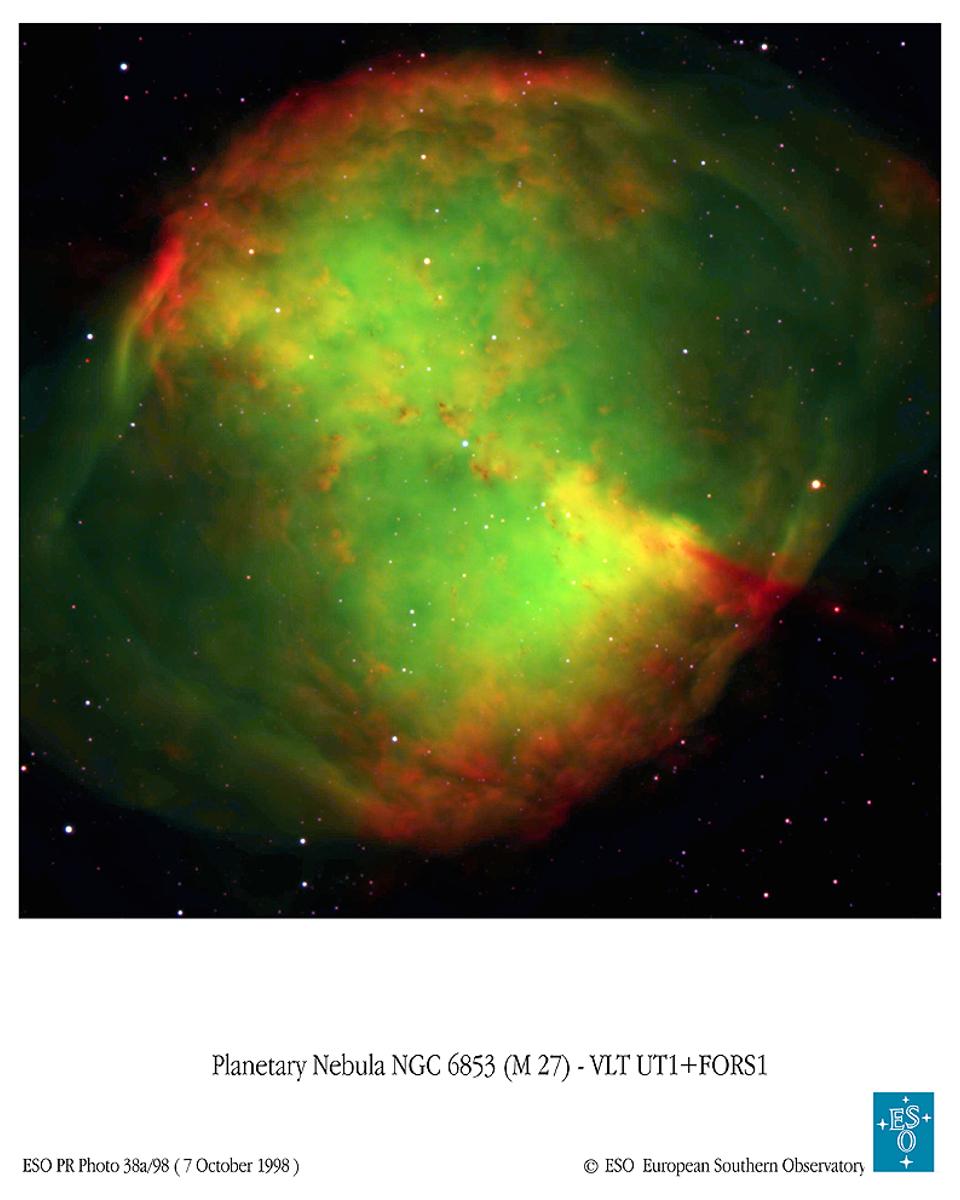
M27: Not A Comet
While searching the skies above 18th century France for comets, astronomer Charles Messier diligently recorded this object as number 27 on his list of things which are definitely…
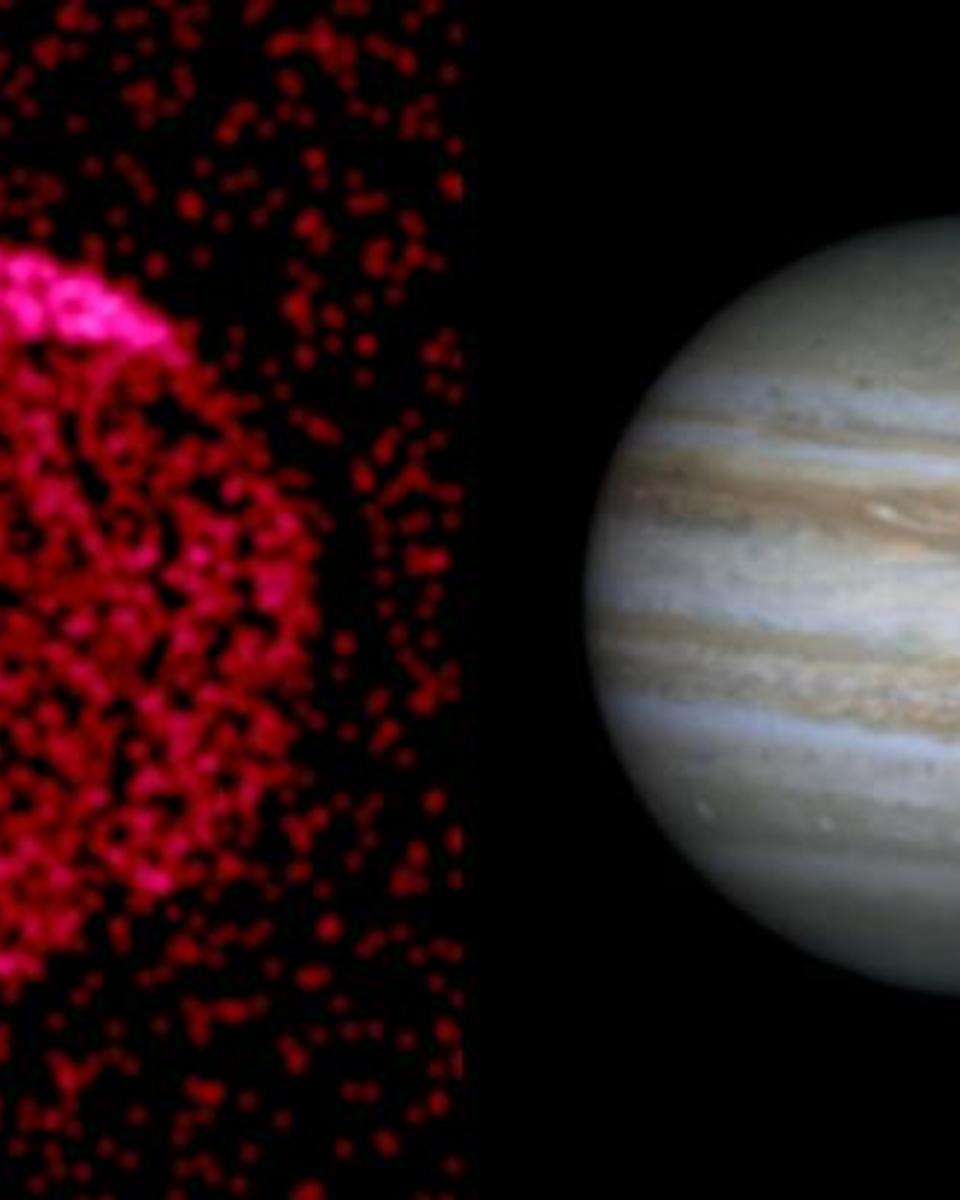
Jupiter's Great X-Ray Spot
The Solar System's largest planet, gas giant Jupiter , is famous for its swirling Great Red Spot . In the right hand panel above, the familiar giant planet with storm system and…
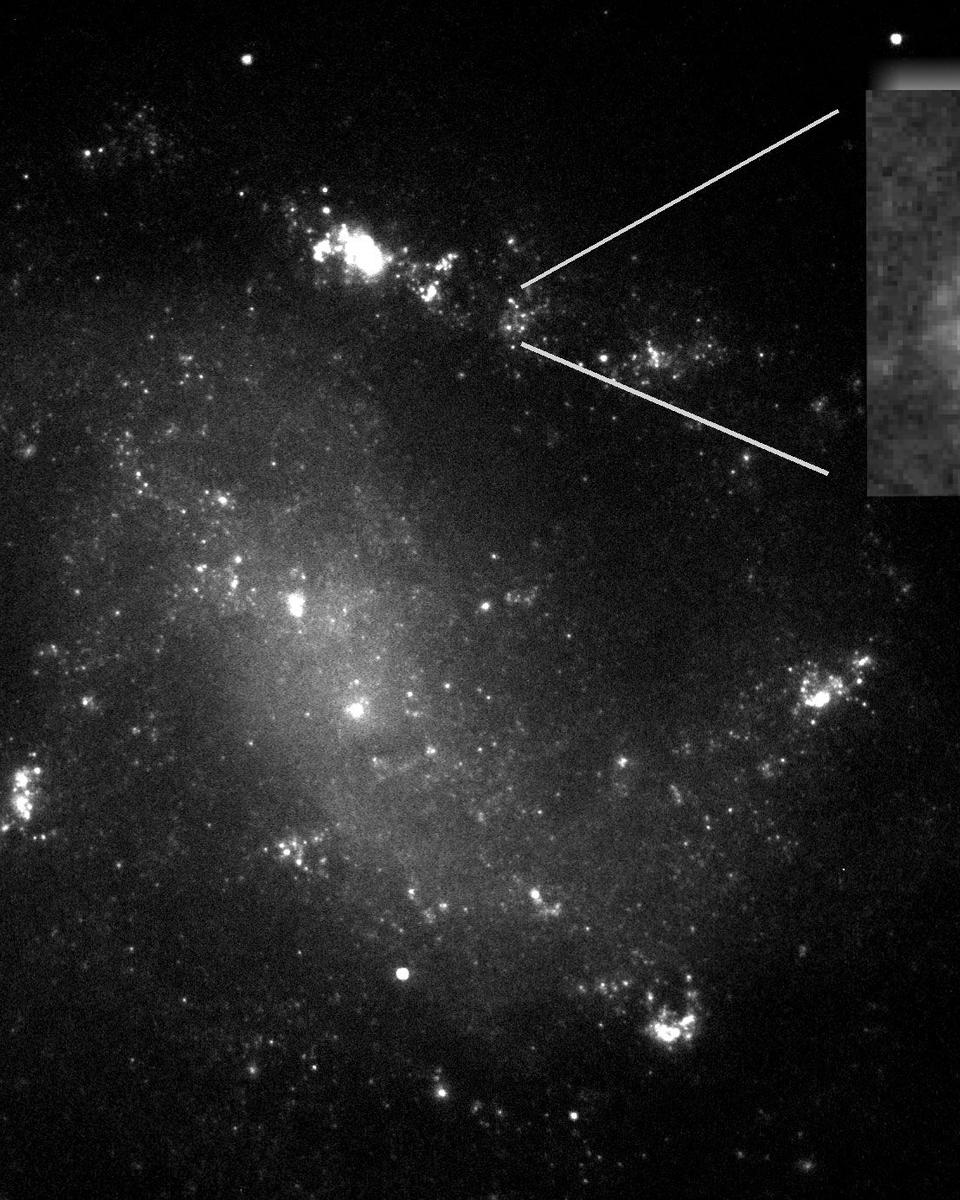
ESO 184-G82: Supernova - Gamma Ray Burst Connection
Modern astronomers keep a long list of things that go bump in the night . Near the top are supernovae - the death explosions of massive stars, and gamma-ray bursts - the most…
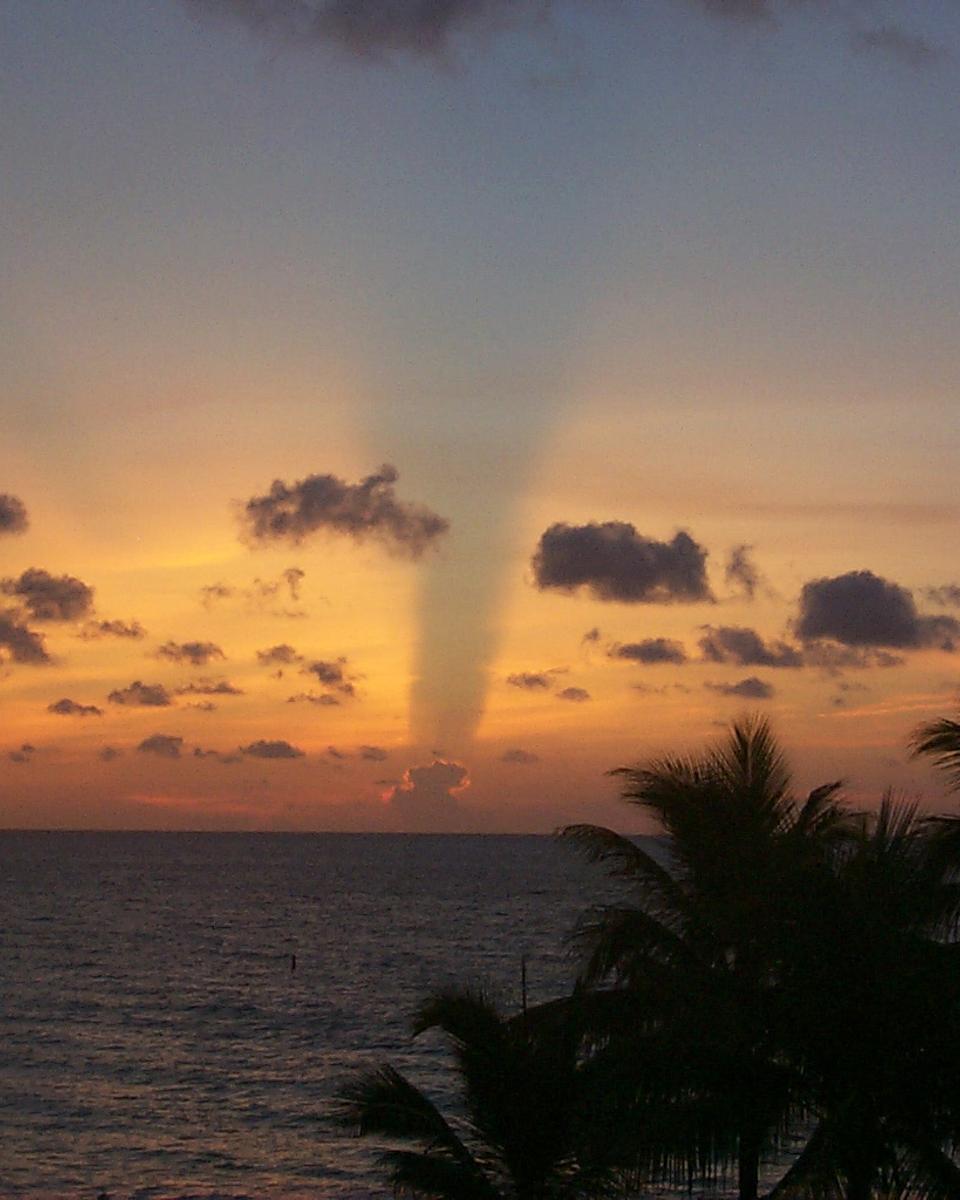
A Cloud Shadow Sunrise
What could cause a ray of dark? Such a ray was caught in spectacular fashion above the Florida Everglades two years ago. The cause is something surprisingly familiar: a shadow .…
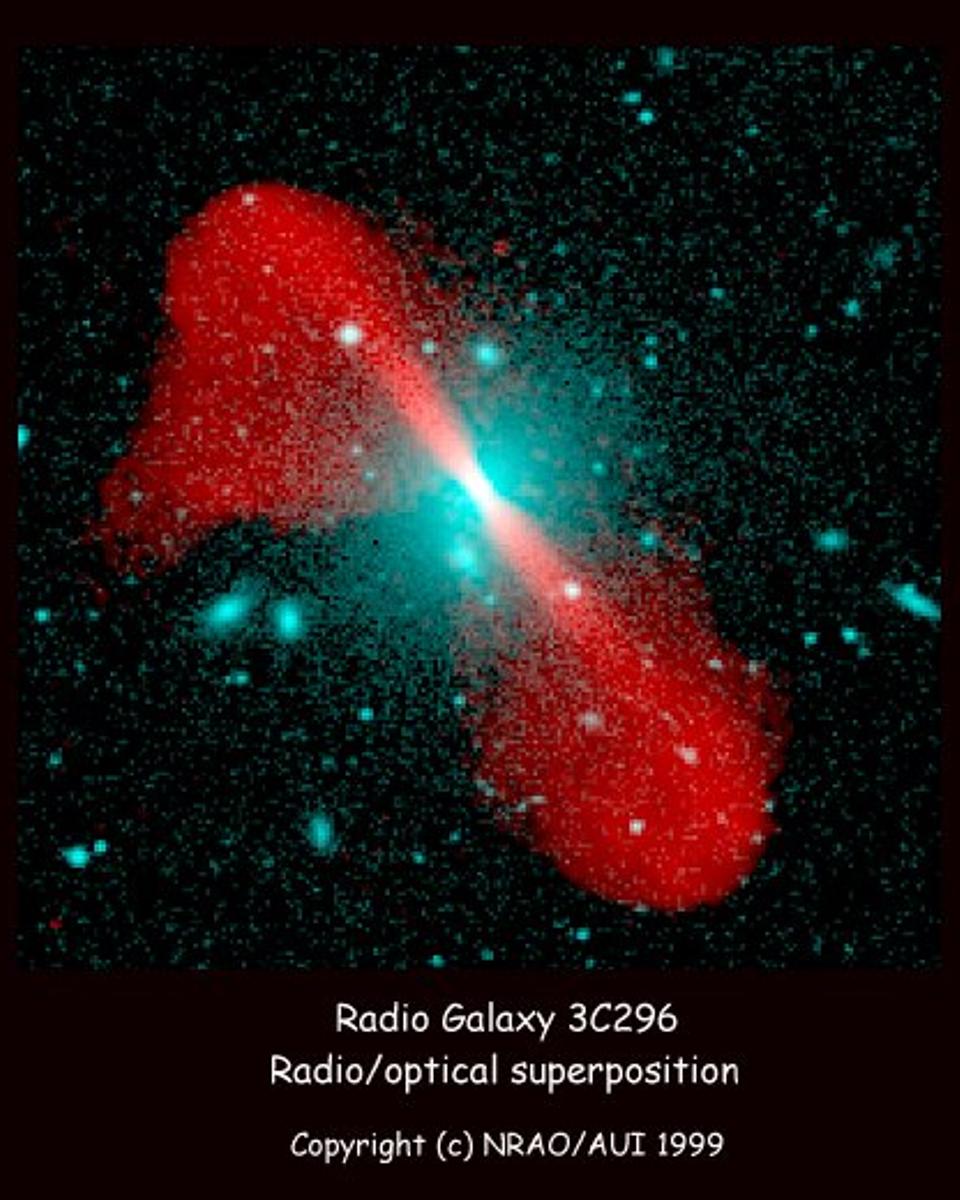
Jets from Radio Galaxy 3C296
Jets of streaming plasma expelled by the central black hole of a massive elliptical galaxy likely light up this composite image of 3C296 . The jets emanating from NGC 5532 and are…
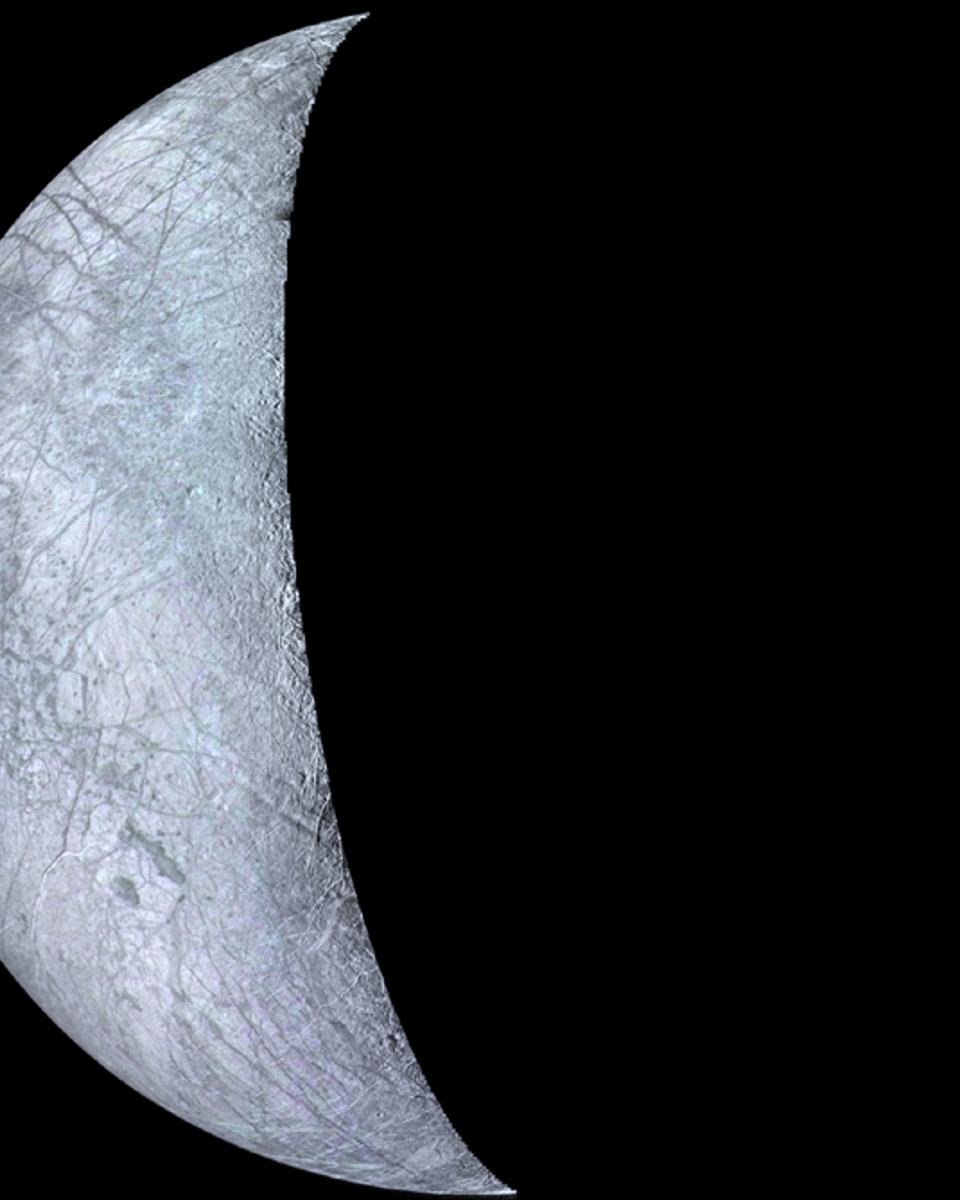
Crescent Europa
Although the phase of this moon might appear familiar, the moon itself might not. In fact, this crescent shows part of Jupiter 's moon Europa . The passing robot spacecraft…
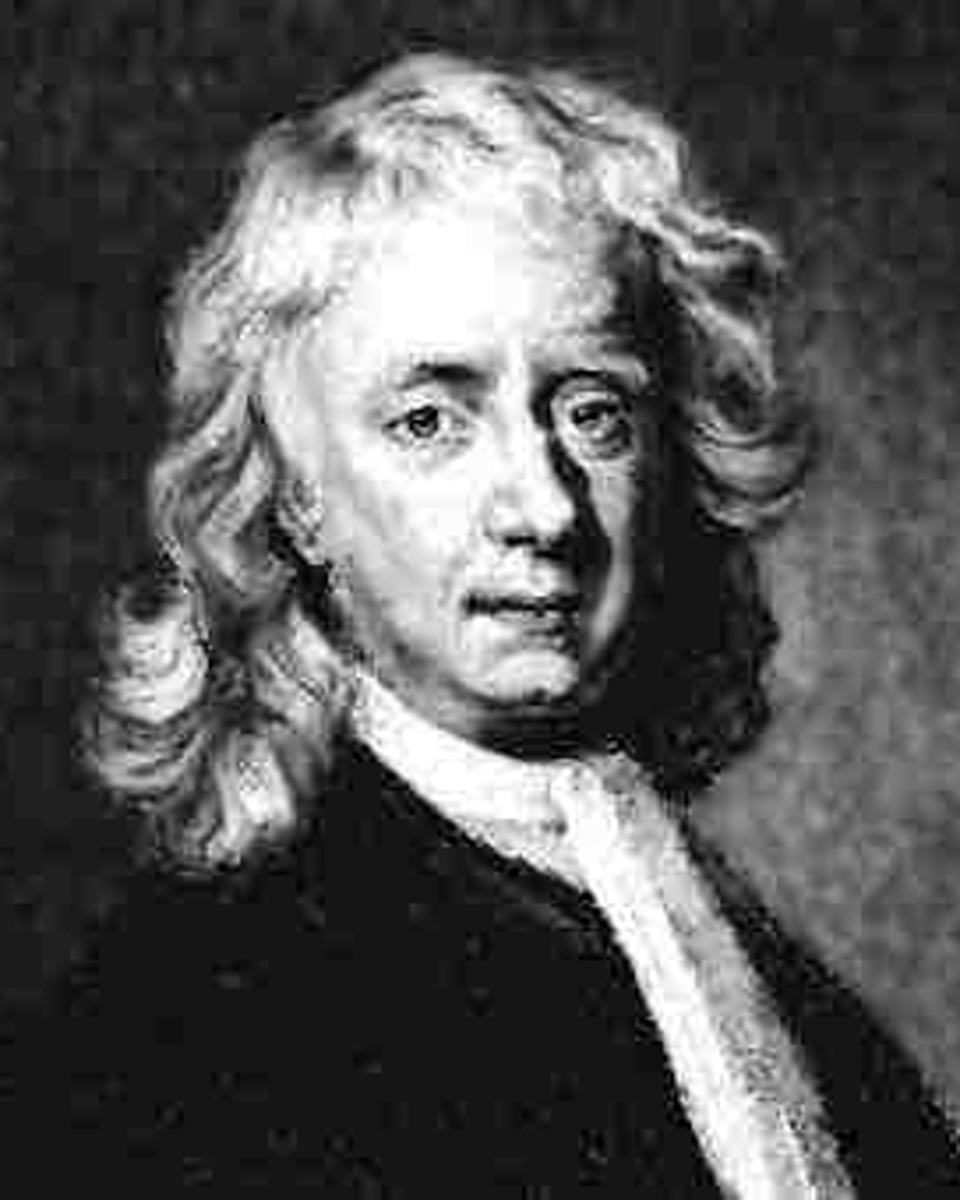
Isaac Newton Explains the Solar System
Sir Isaac Newton changed the world. Born in 1642, Newton was only an above-average student. But he went home from Cambridge one summer in 1665, thought a lot about the physical…
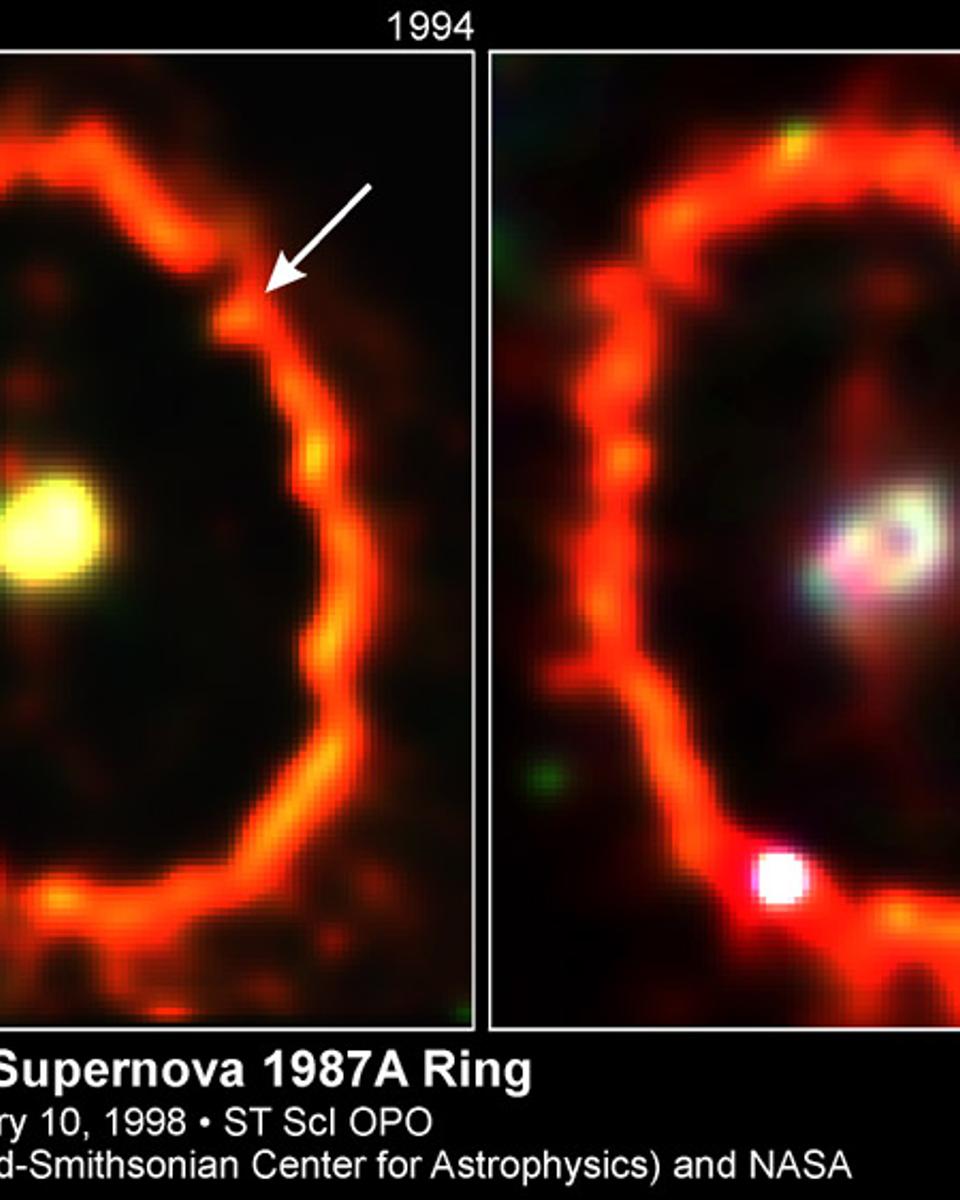
Shocked by Supernova 1987A
Fifteen years ago today, the brightest supernova of modern times was sighted . Over time, astronomers have watched and waited for the expanding debris from this tremendous stellar…
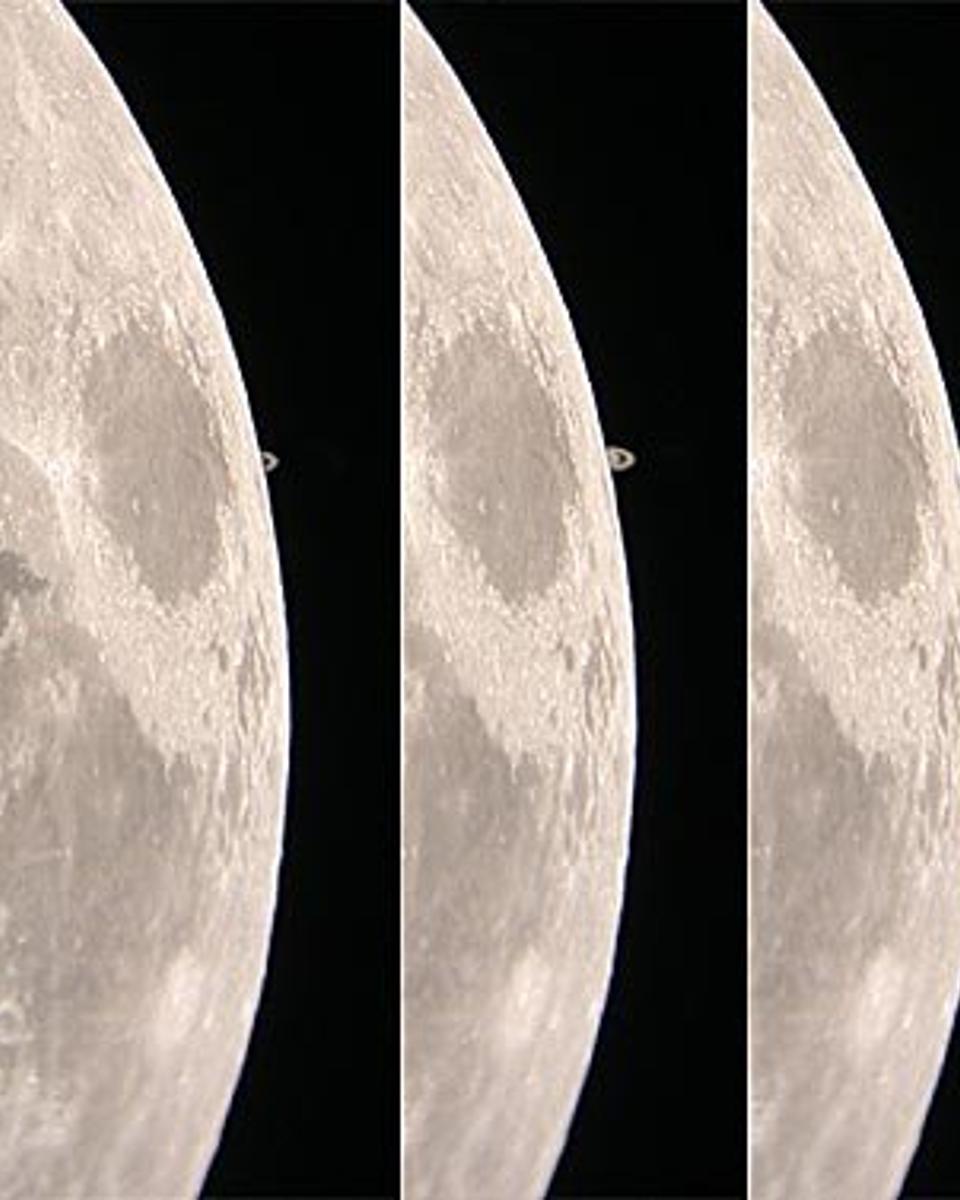
Saturn at the Lunar Limb
Gliding through the sky on Wednesday evening, February 20th, a first quarter Moon seemed to run over bright planet Saturn as viewed from much of North America. In this sharp…
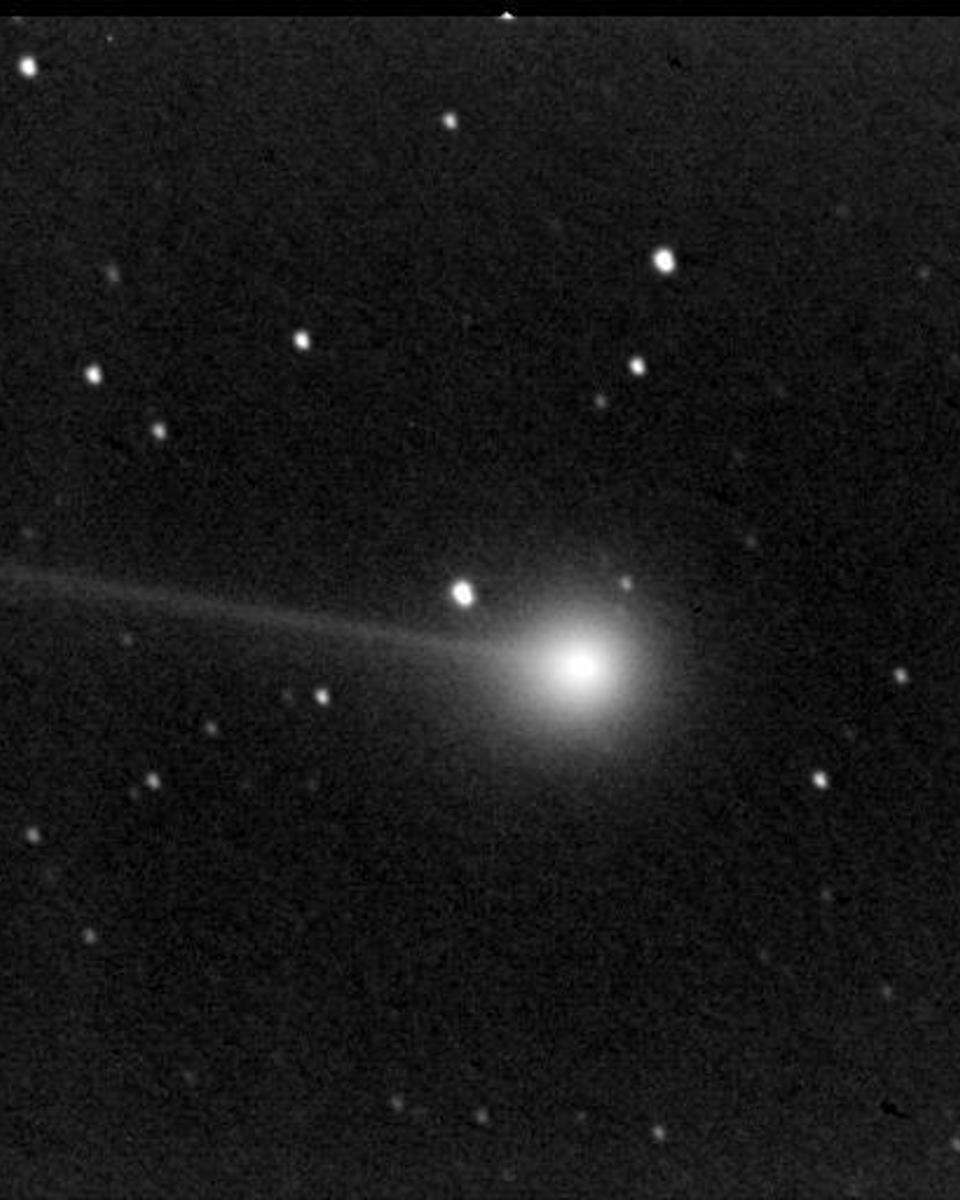
Comet Ikeya-Zhang
Comet Ikeya-Zhang is presently heading north in planet Earth's sky , framed by stars of the constellation Cetus. The comet was discovered as a faint, telescopic object near the…
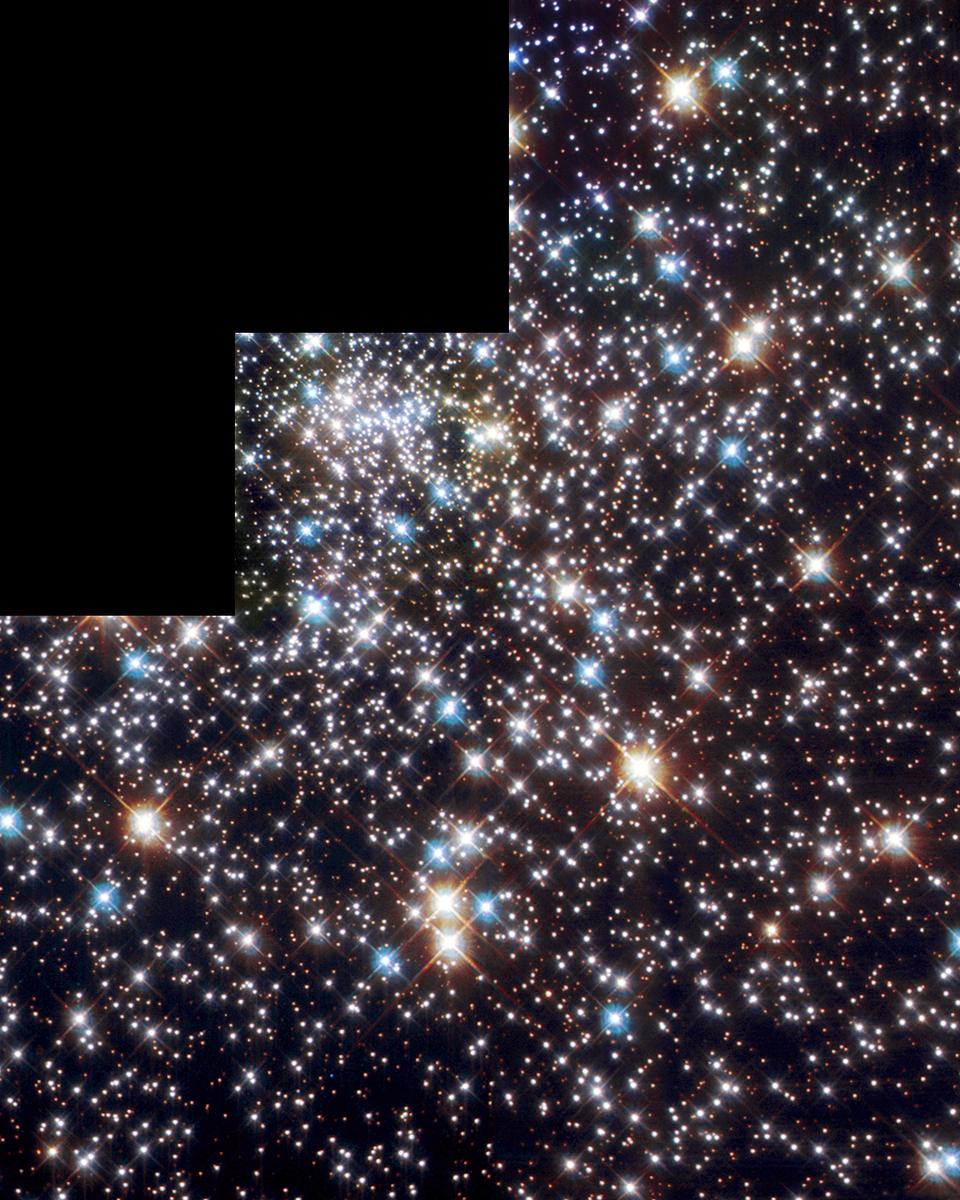
Oddities of Star Cluster NGC 6397
One of these stars is blinking. This star , a member of globular cluster NGC 6397, is noteworthy not just because it blinks, but because it blinks so fast and because its…
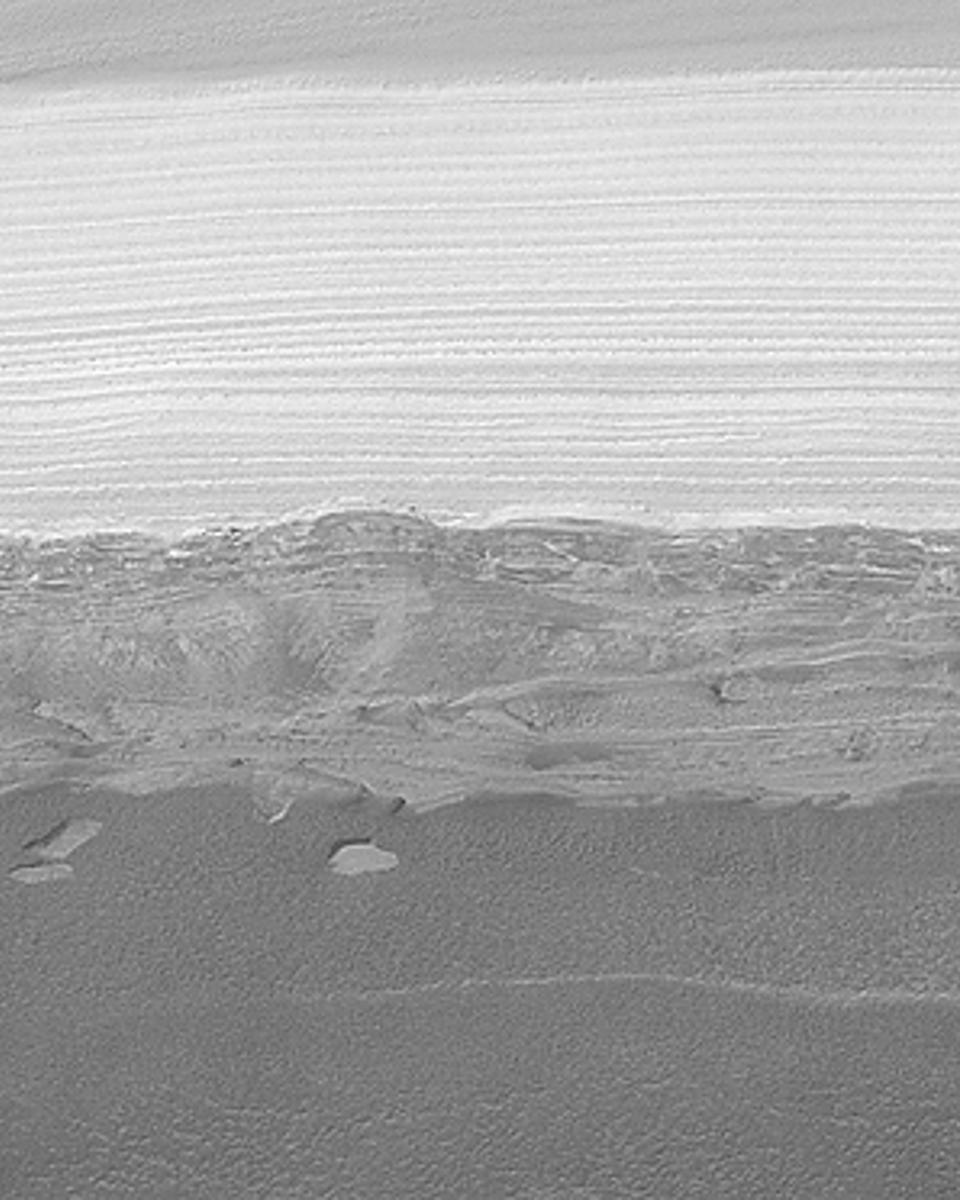
Water-Ice Imaged in Martian Polar Cap
Does water exist today on Mars? Yes, although the only place on Mars known to have water is the North Polar Cap , and that water is frozen. Views of this potentially life-enabling…
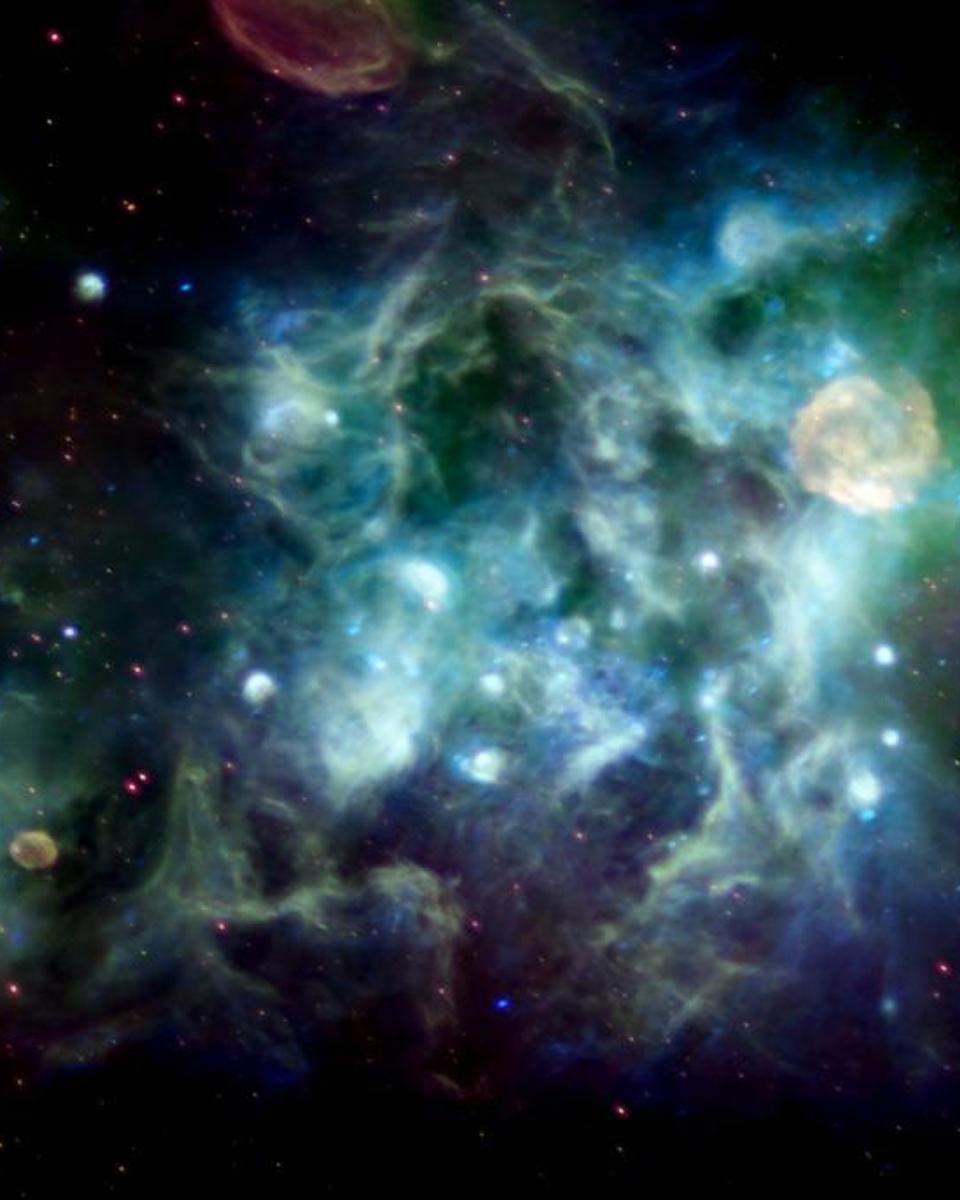
A Radio Vista of Cygnus
Shells of ancient supernovas , cocoons surrounding newborn stars , and specks from distant quasars highlight this tremendous vista toward the constellation of Cygnus . The…
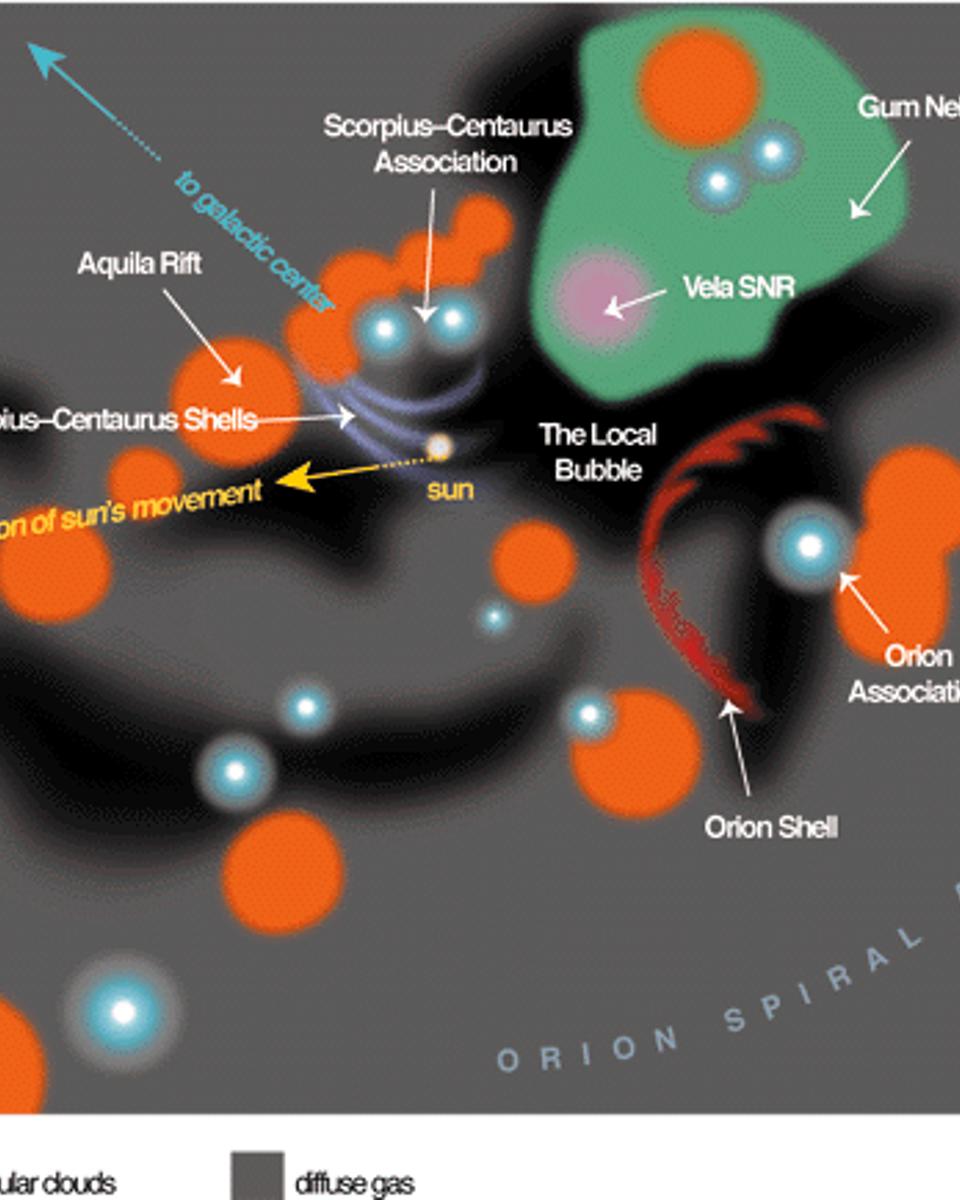
The Local Bubble and the Galactic Neighborhood
What surrounds the Sun in this neck of the Milky Way Galaxy ? Our current best guess is depicted in the above map of the surrounding 1500 light year s constructed from various…
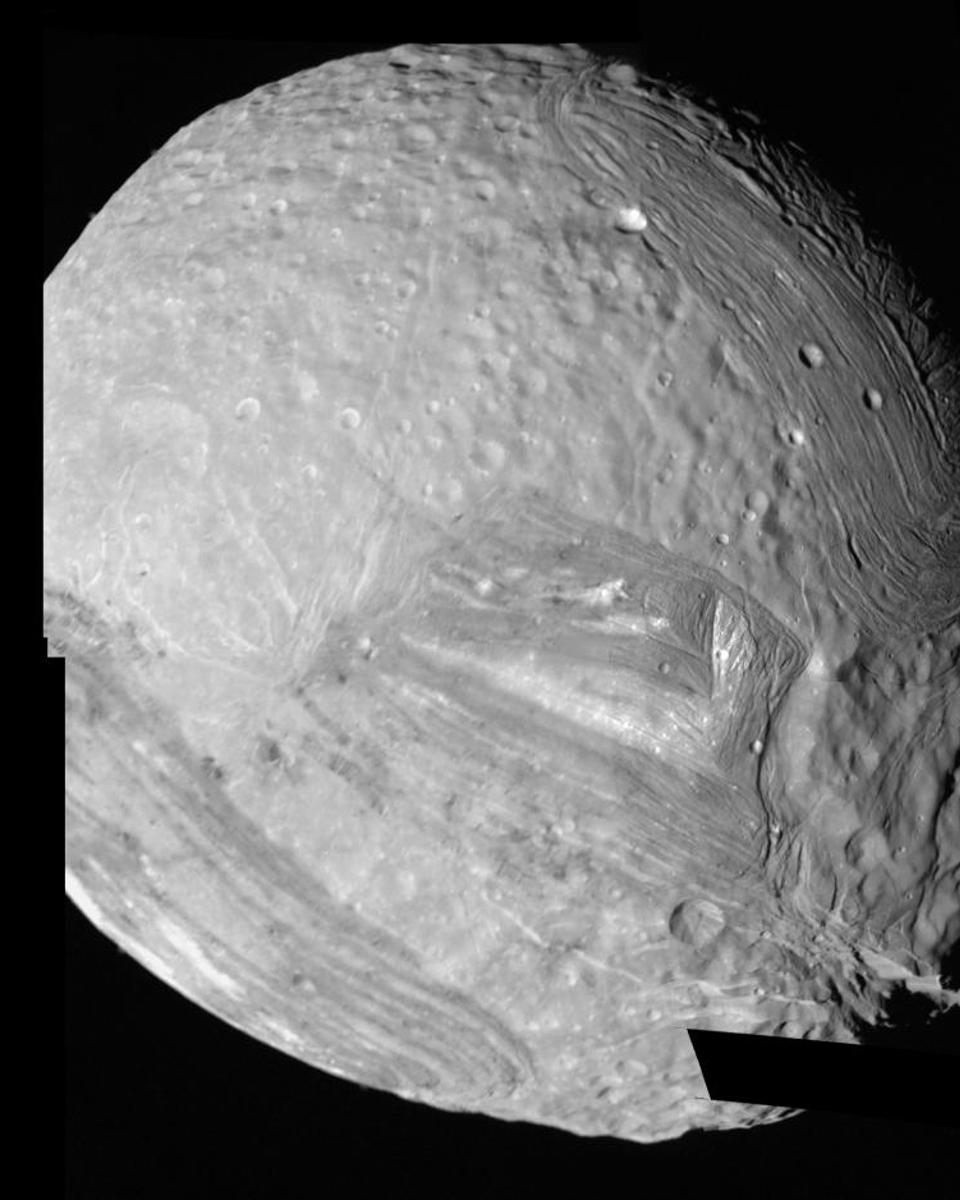
Miranda, Chevron, and Alonso
Miranda is a bizarre world which surely had a tempest uous past. The innermost of the larger Uranian moons, Miranda is almost 300 miles in diameter and was discovered on today's…
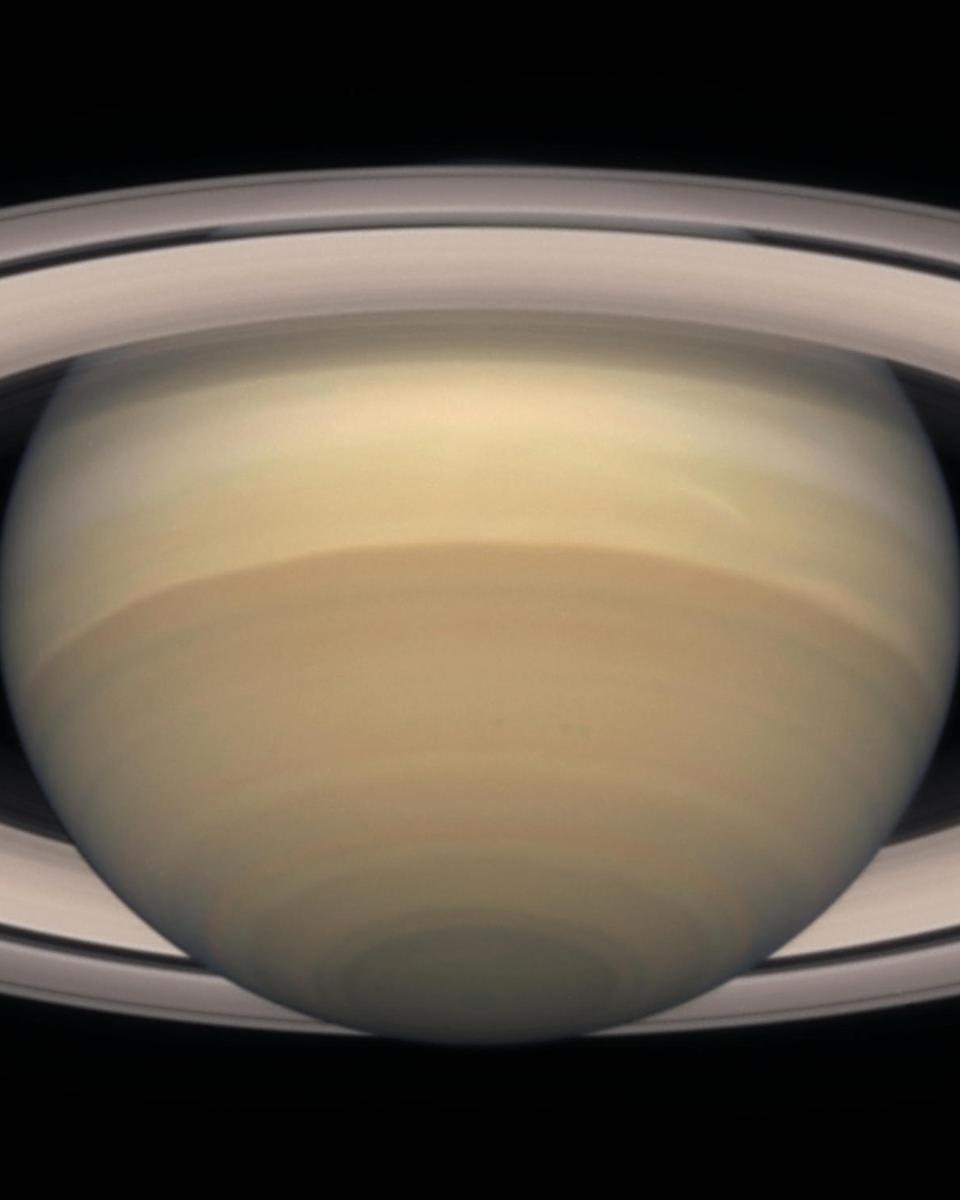
Saturn: Lord of the Rings
Born on today's date in 1564, Galileo used a telescope to explore the Solar System. In 1610, he became the first to be amazed by Saturn's rings. After nearly 400 years, Saturn's…
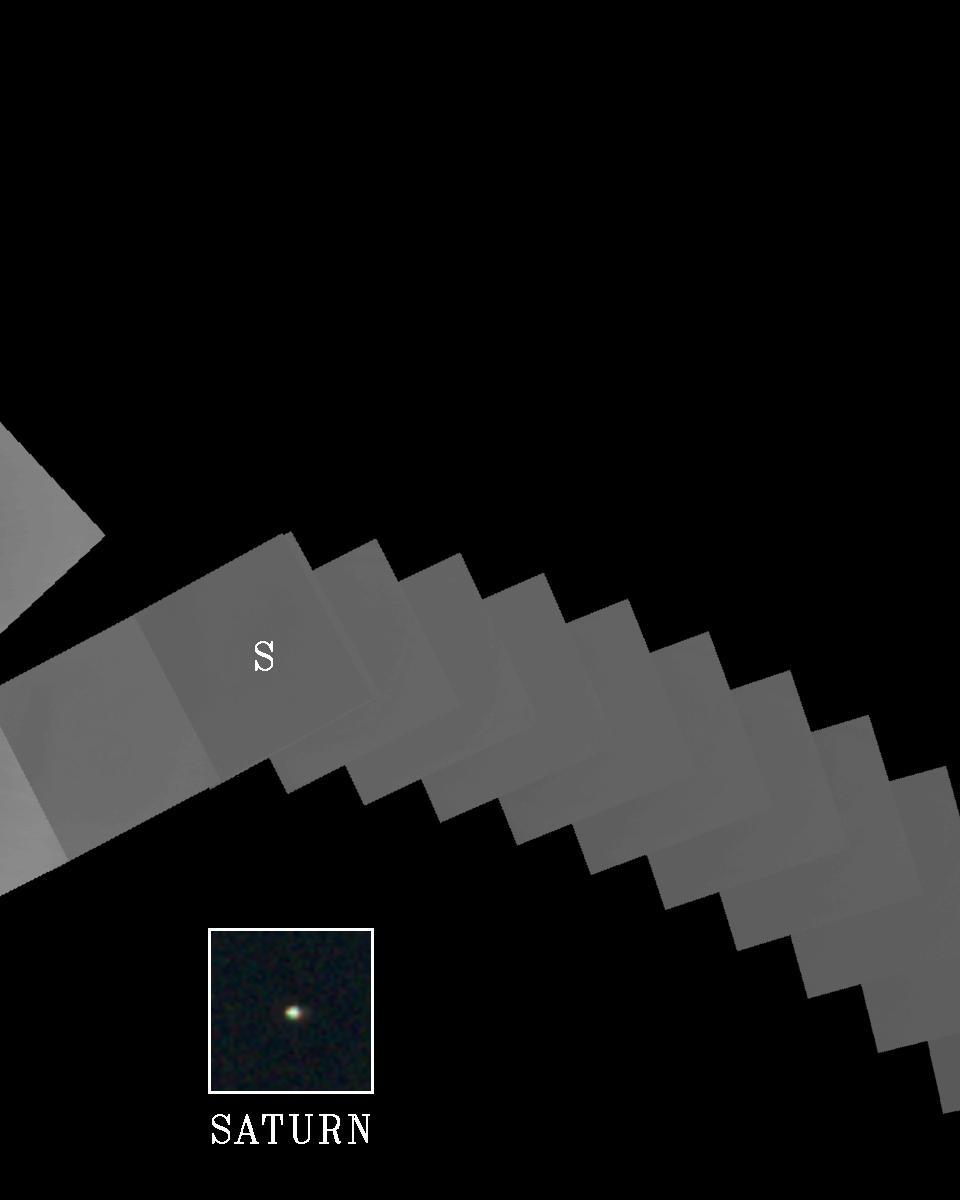
Solar System Portrait
On another Valentine's Day (February 14, 1990), cruising four billion miles from the Sun, the Voyager 1 spacecraft looked back to make this first ever family portrait of our Solar…
Viewing discoveries from 9 March 2002 through 14 February 2002.