Browse NASA Astronomy Picture of the Day archive by date and media: Archive Discoveries
Browse the NASA APOD archive without needing the exact date first. Filter by media type and keep moving deeper into older images and videos.
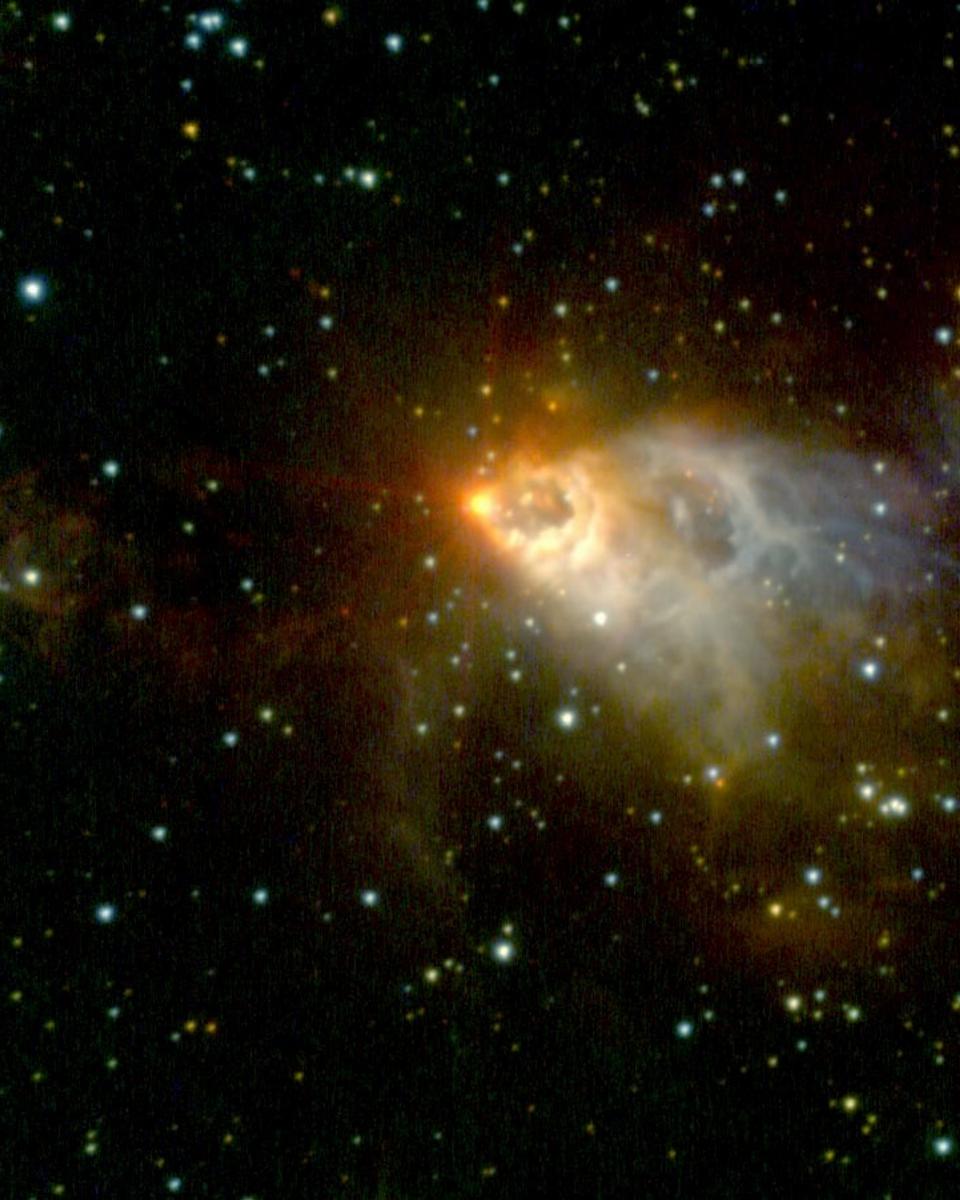
AFGL 2591: A Massive Star Acts Up
Young star AFGL 2591 is putting on a show. The massive star is expelling outer layers of dust -laced gas as gravity pulls inner material toward the surface. AFGL 2591 is estimated…
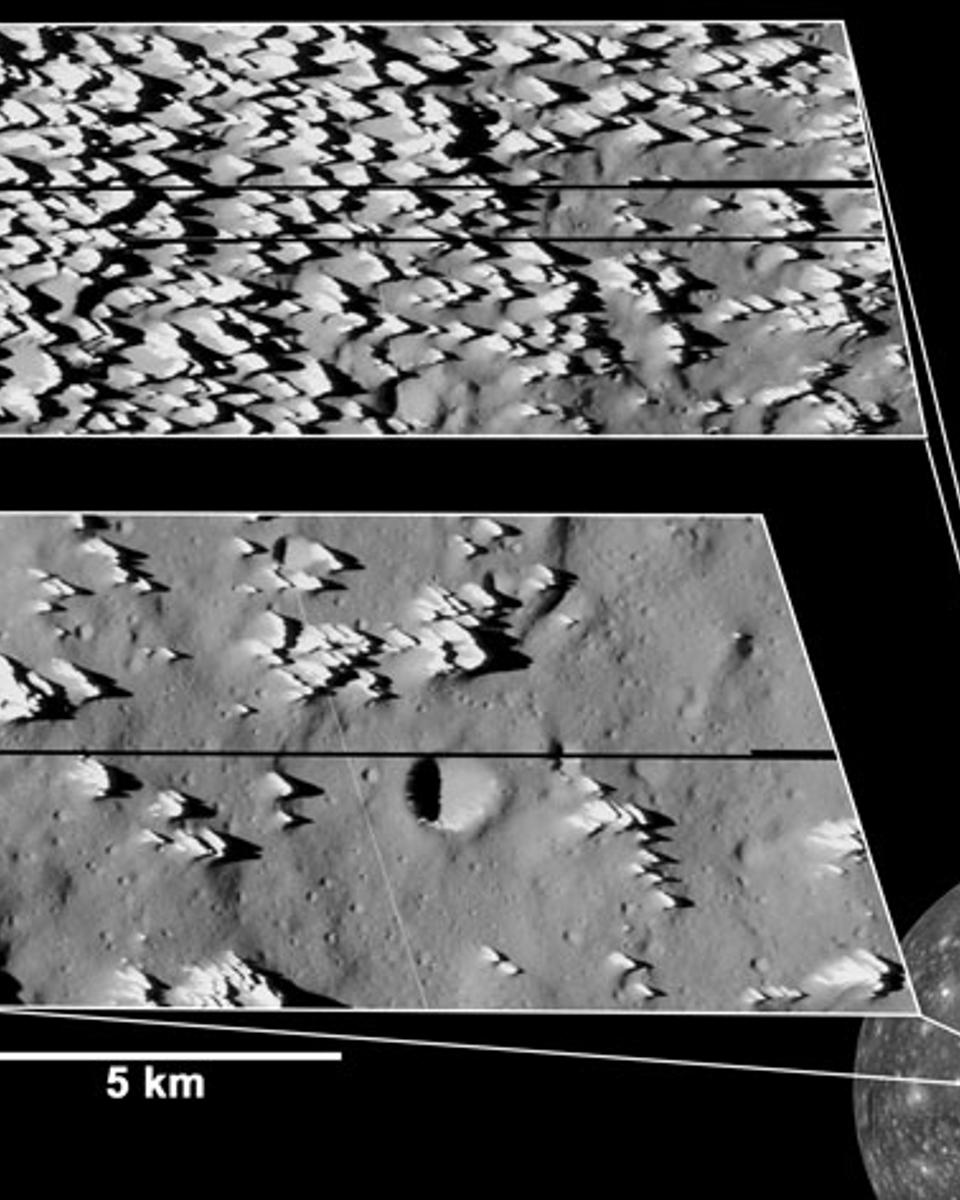
Jagged Hills on Jupiter's Callisto
Why does Jupiter's moon Callisto have unusual jagged hills? This mystery came to light after the robot spacecraft Galileo , in orbit around Jupiter since 1995, swooped past the…
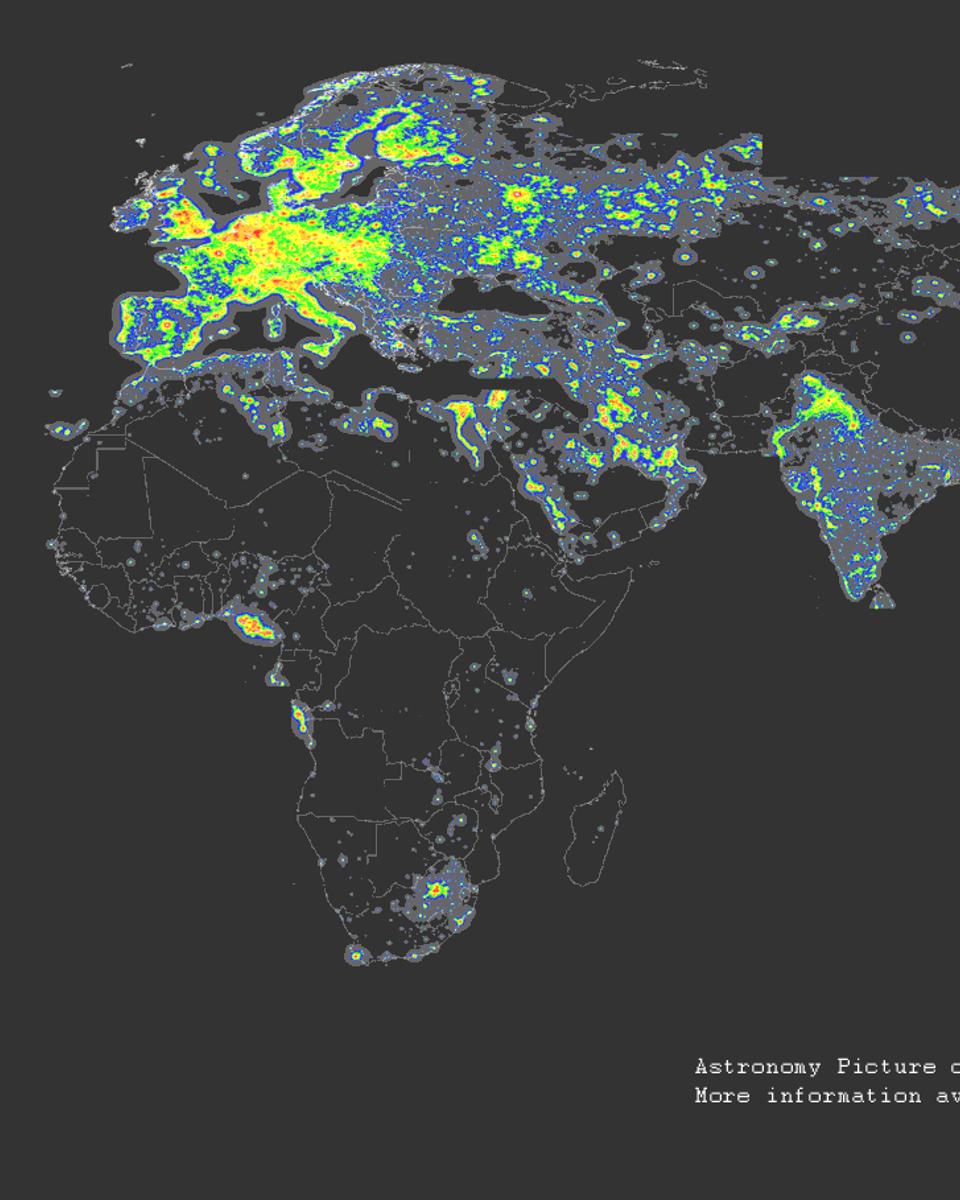
Artificial Night Sky Brightness
Where have all the dim stars gone? From many places on the Earth including major cities, the night sky has been reduced from a fascinating display of hundreds of stars to a…
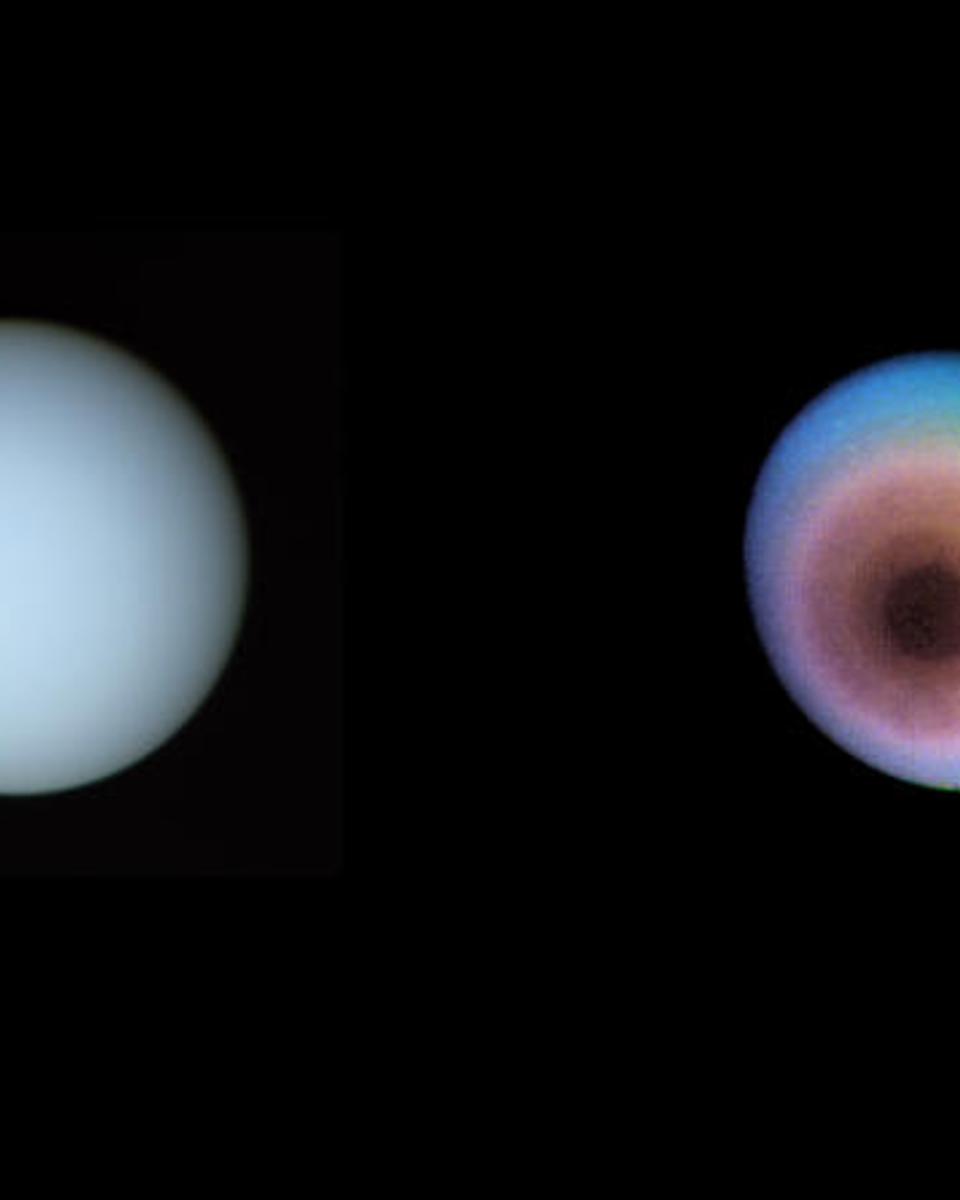
Uranus: The Tilted Planet
Uranus is the third largest planet in our Solar System after Jupiter and Saturn . Uranus is composed mostly of rock and ices, but with a thick hydrogen and helium atmosphere. The…
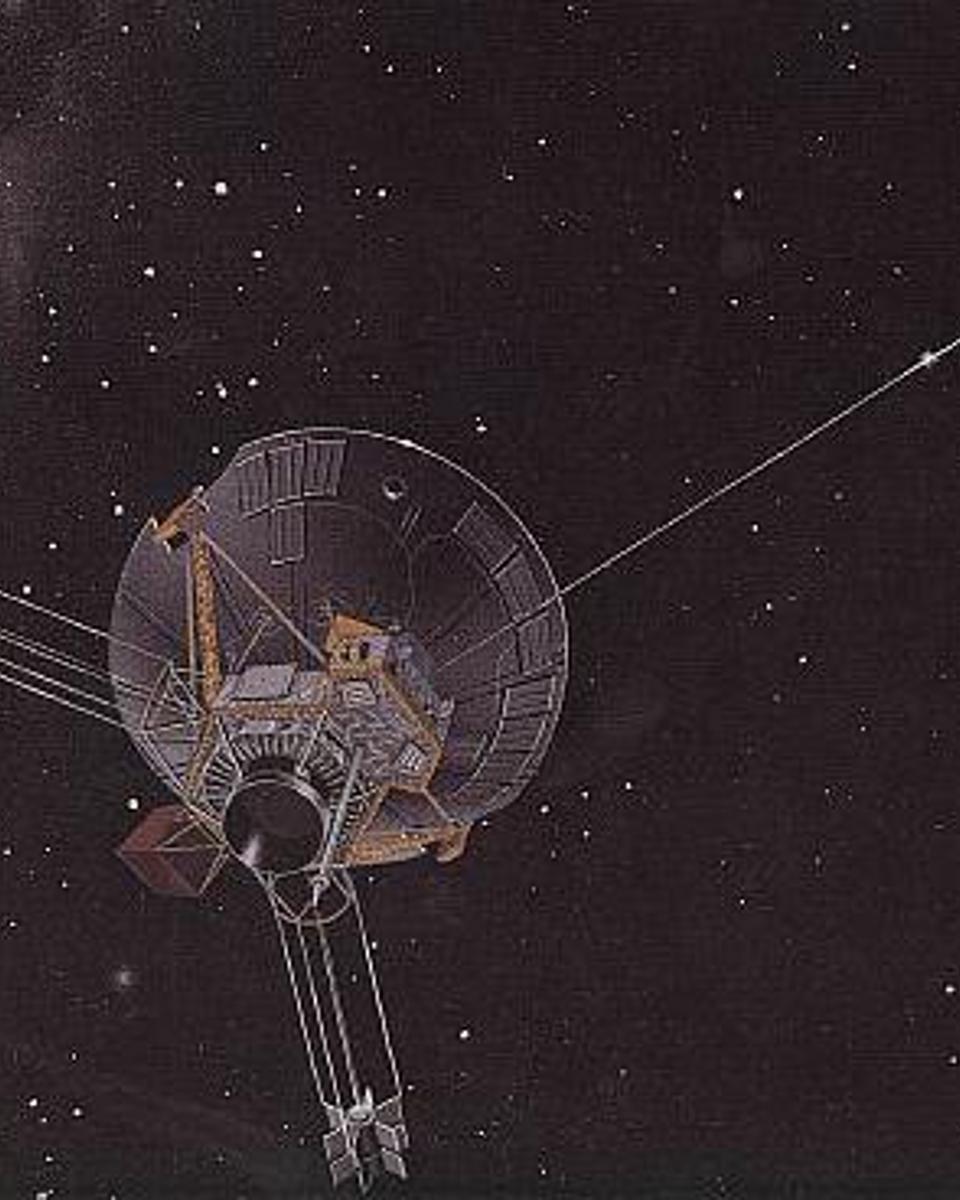
Pioneer 10: The First 7 Billion Miles
Q: What was made by humans and is 7.3 billion miles away? A: Pioneer 10 -- and 1997 was the 25th anniversary of its launch. Almost 11 light-hours distant, Pioneer 10 is presently…
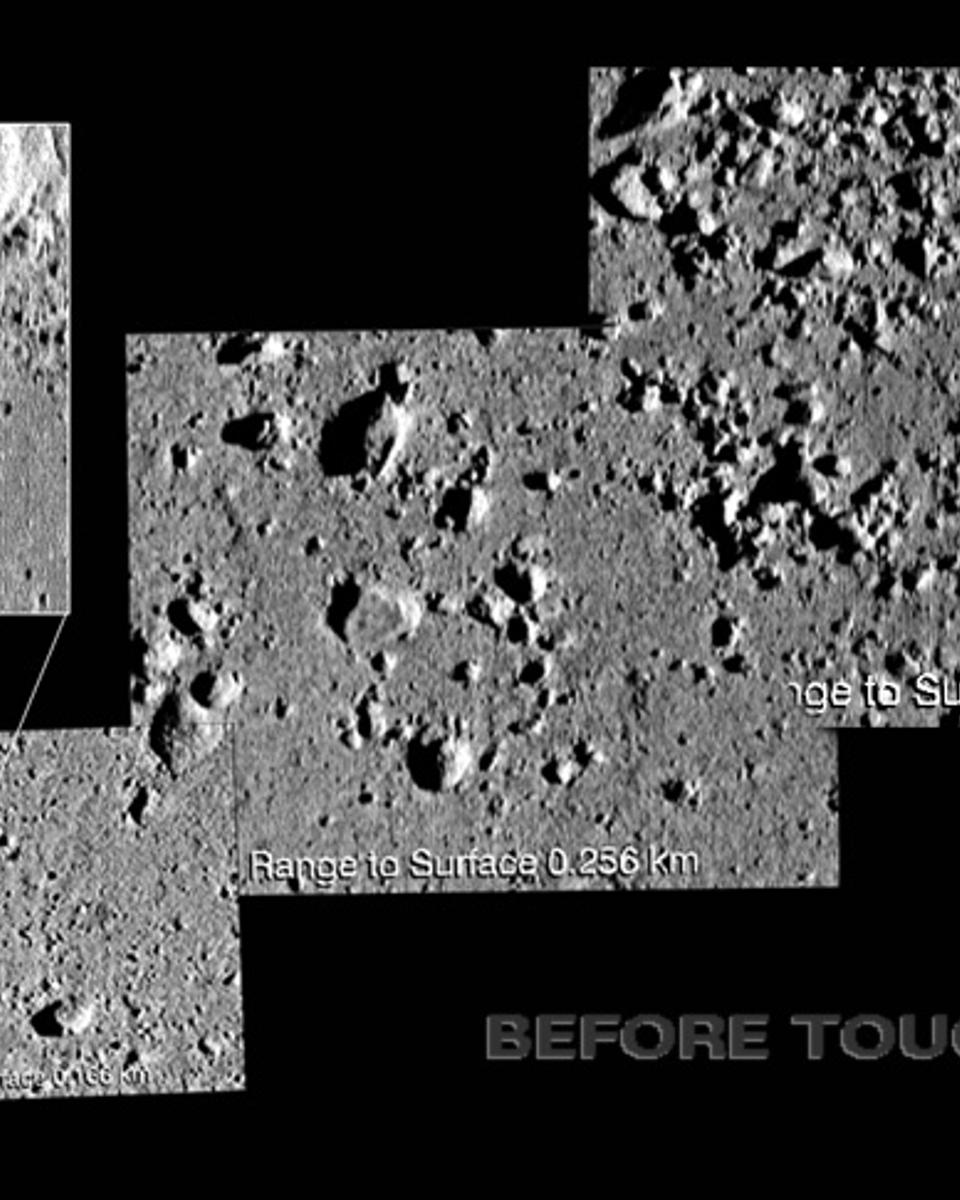
NEAR at Eros: Before Touchdown
On 12 February, 2001, the NEAR-Shoemaker spacecraft gently touched-down on the the surface of Eros -- the first ever landing on an asteroid . During the descent, the spacecraft's…
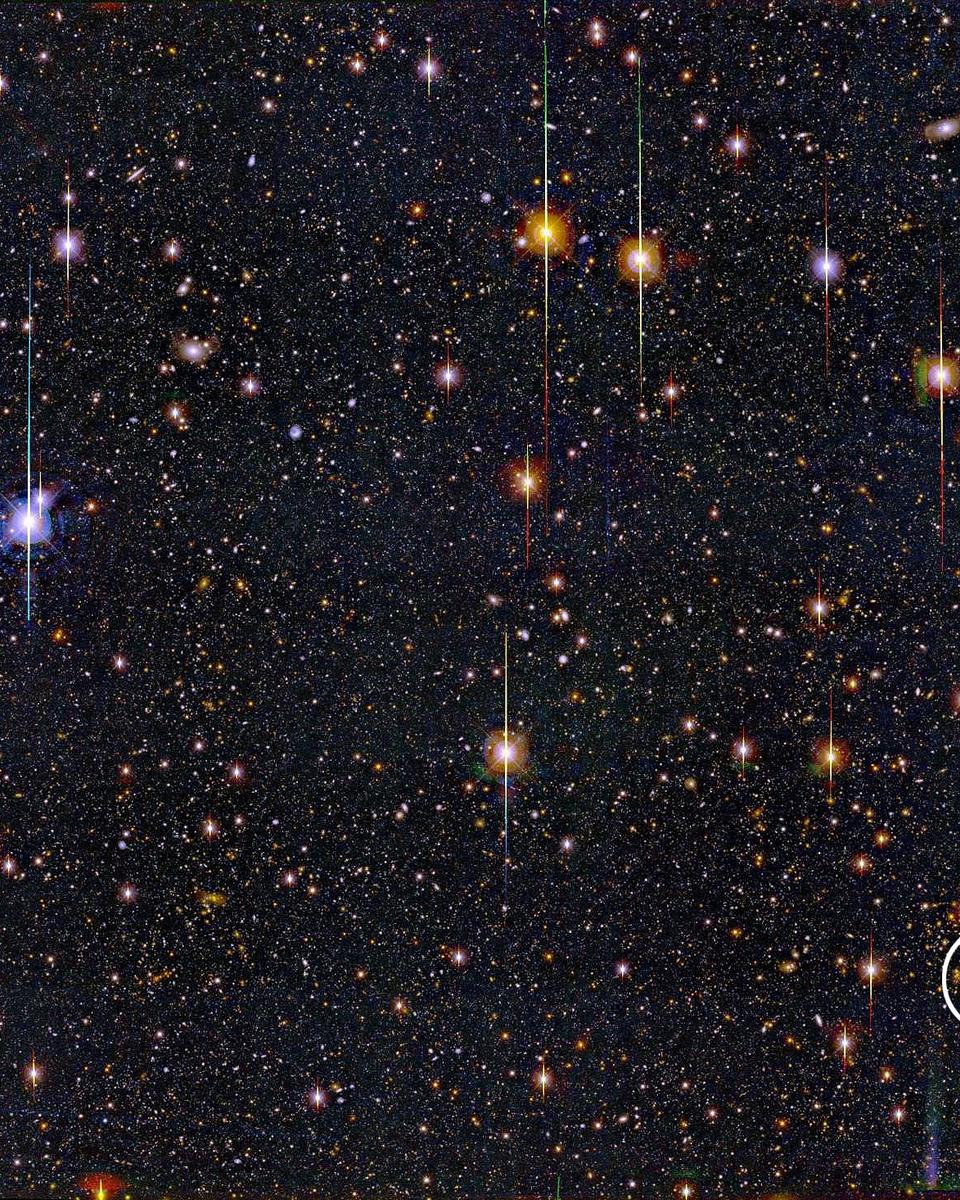
Distortion from a Distant Cluster
This stunning color deep sky view toward the constellation Pisces was made with data from a fast, sensitive, digital detector known as the Big Throughput Camera operating at Cerro…
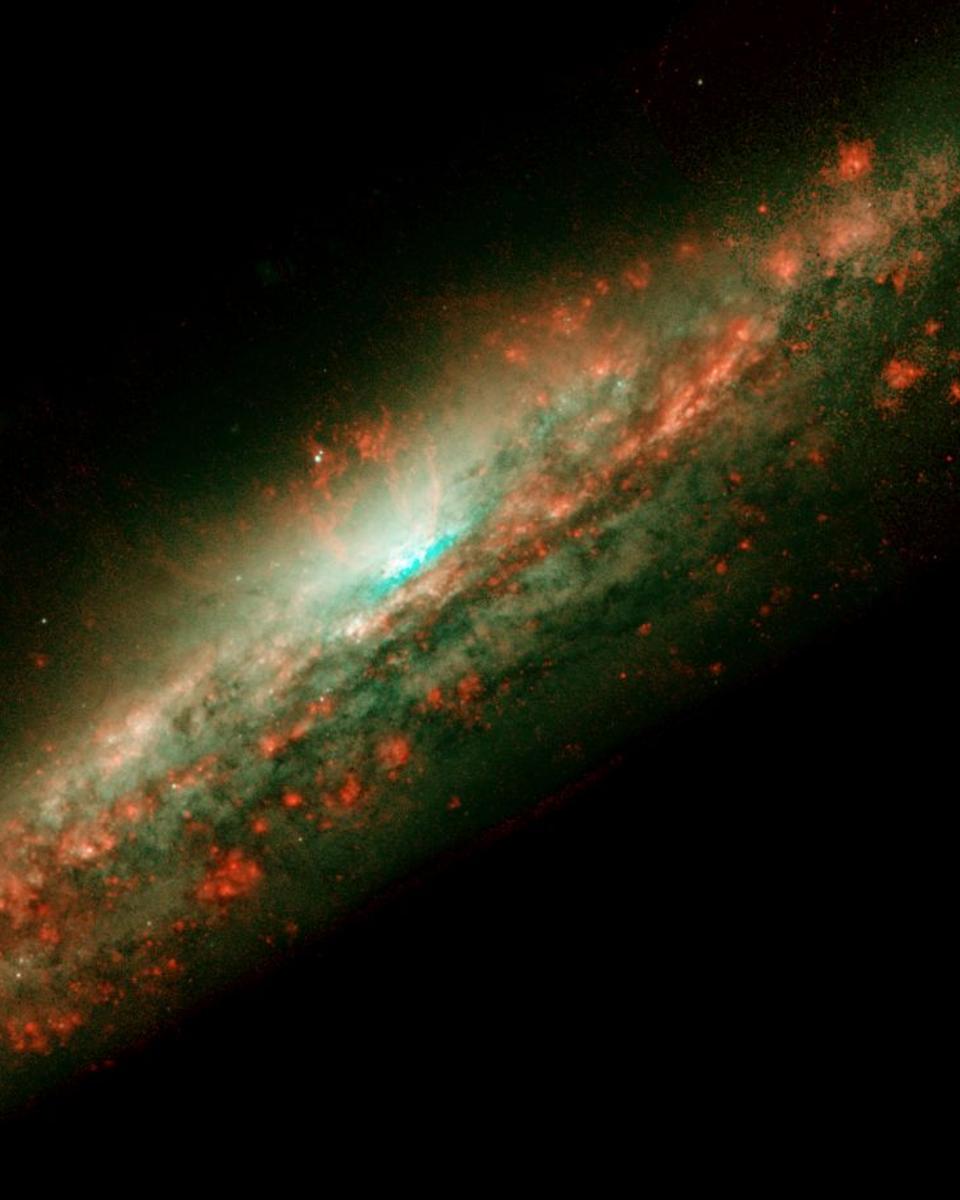
The Bubbling Cauldron of NGC 3079
Edge-on spiral galaxy NGC 3079 is a mere 50 million light-years away toward the constellation Ursa Major. Shown in this stunning false-color Hubble Space Telescope image, the…
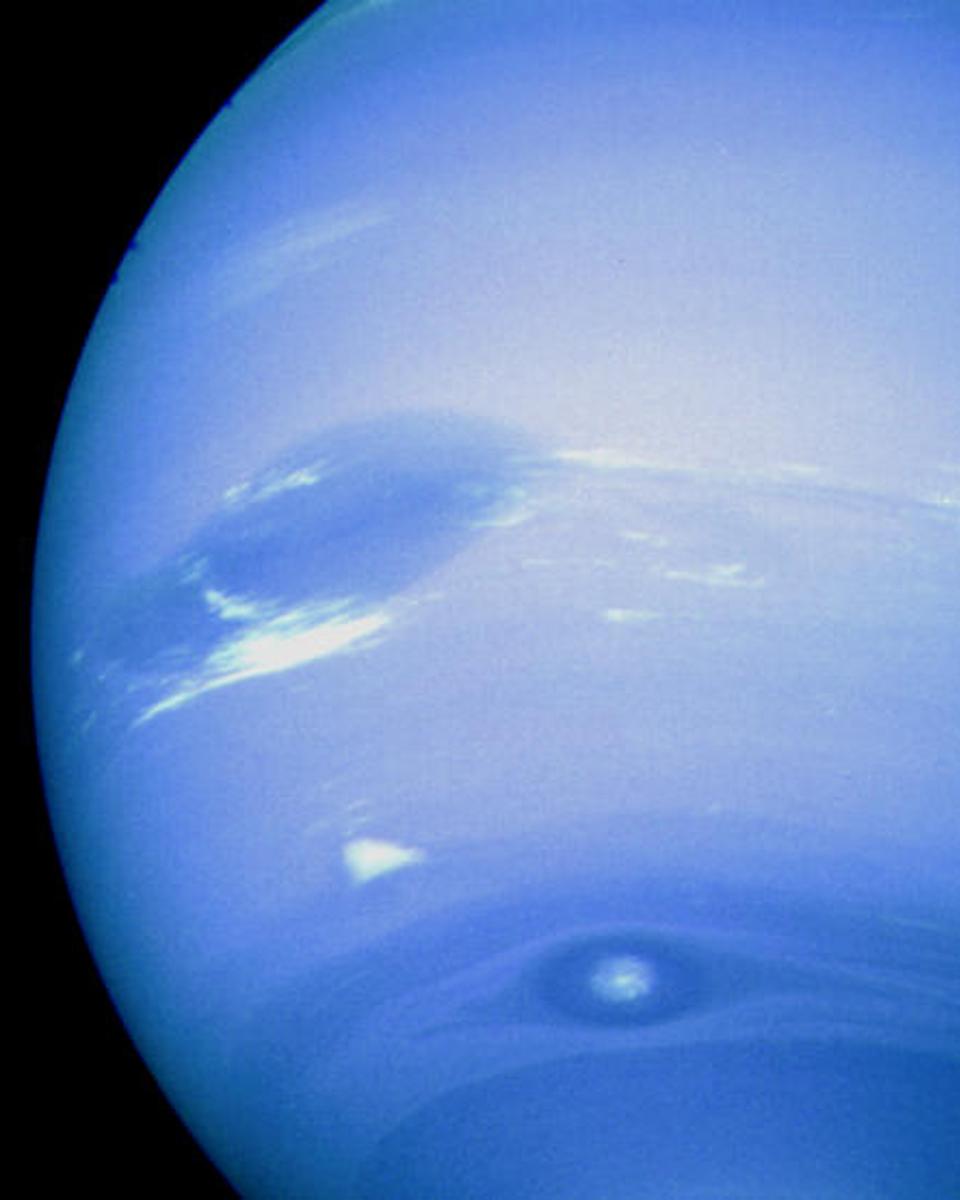
Dark Spots on Neptune
Neptune has spots. The Solar System 's outermost gas giant shows a nearly uniform blue hue created by small amounts of methane drifting in a thick atmosphere of nearly colorless…
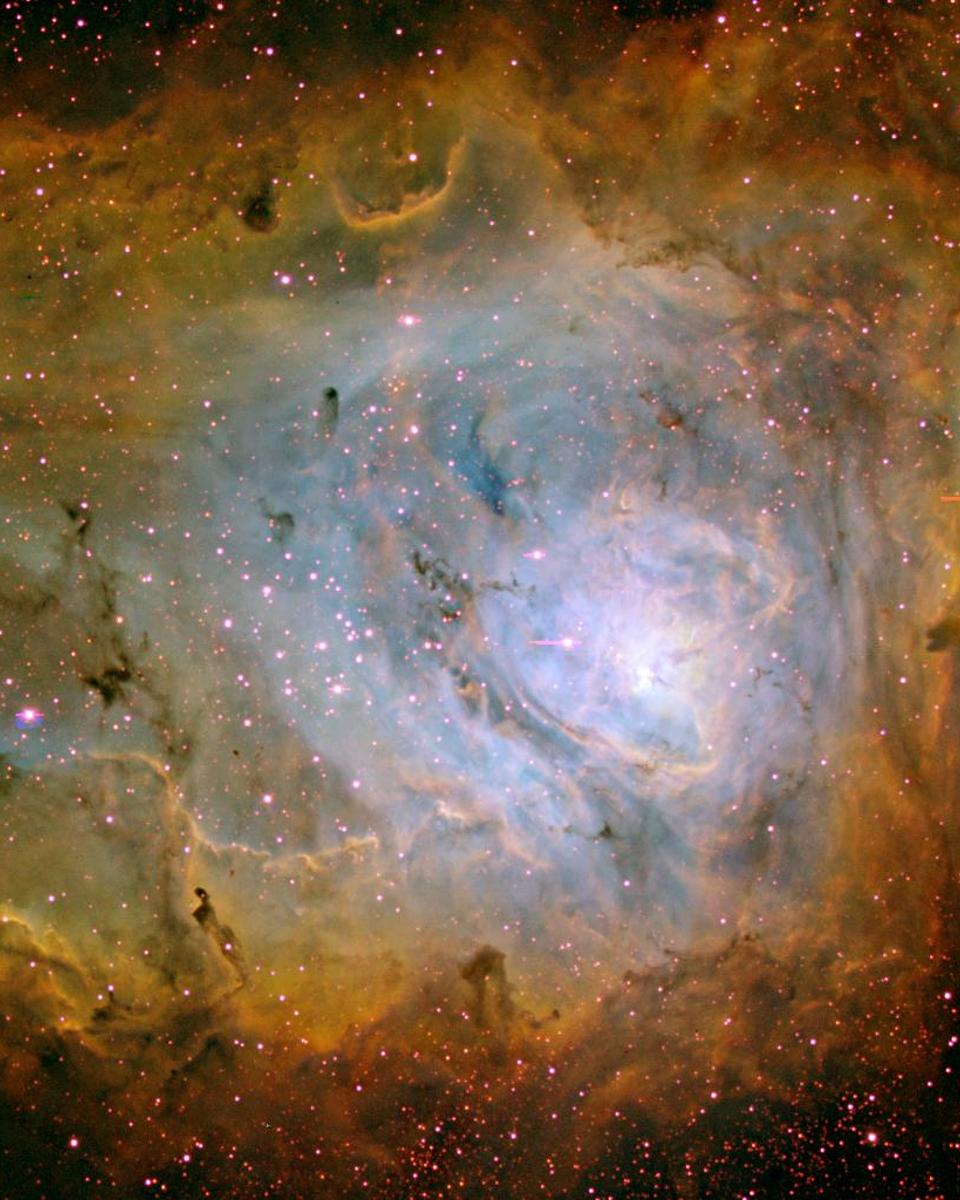
The Lagoon Nebula in Three Colors
The bright Lagoon Nebula is home to a diverse array of astronomical objects. Particularly interesting sources include a bright open cluster of stars and several energetic…
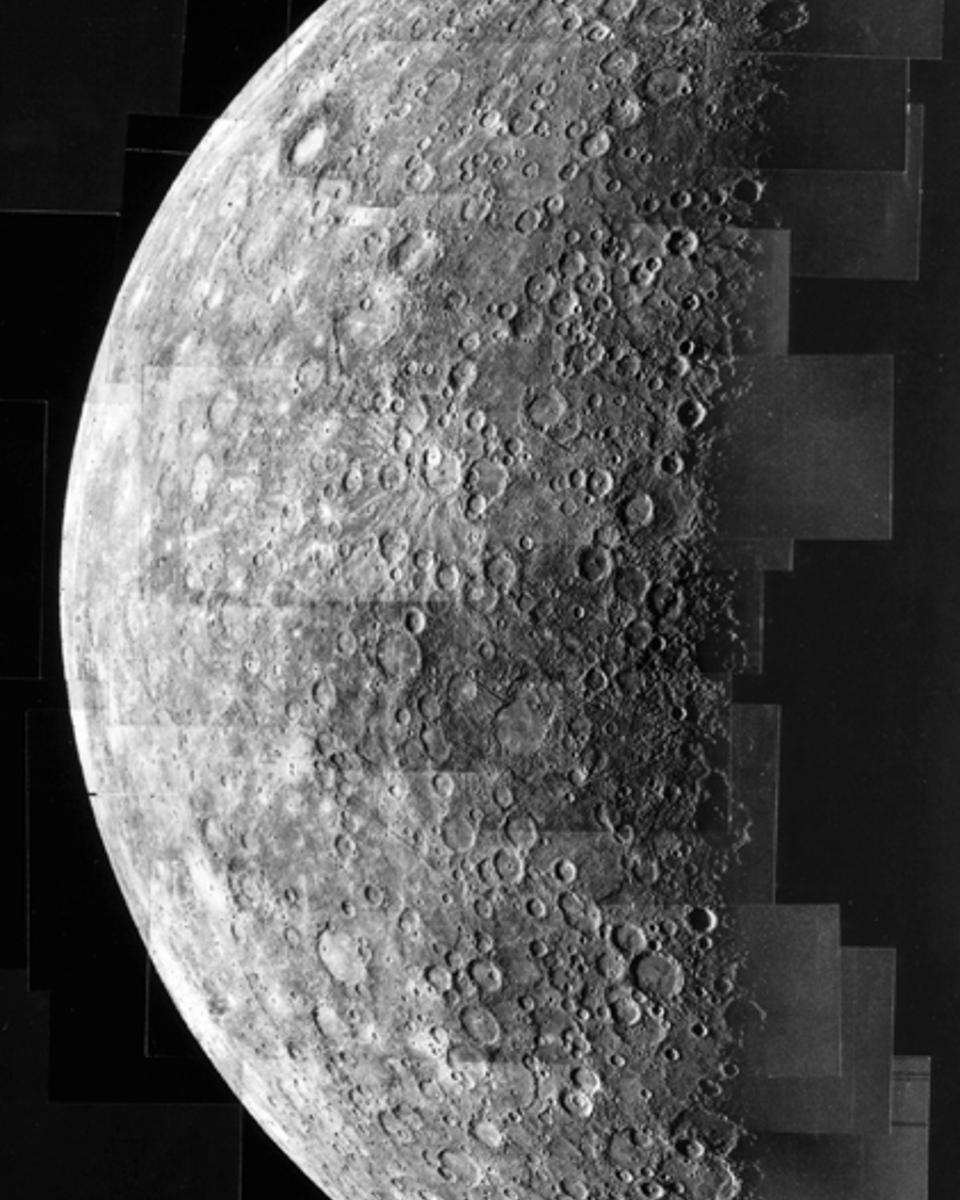
Mercury: A Cratered Inferno
Mercury's surface looks similar to our Moon's. Each is heavily cratered and made of rock. Mercury 's diameter is about 4800 km, while the Moon 's is slightly less at about 3500 km…
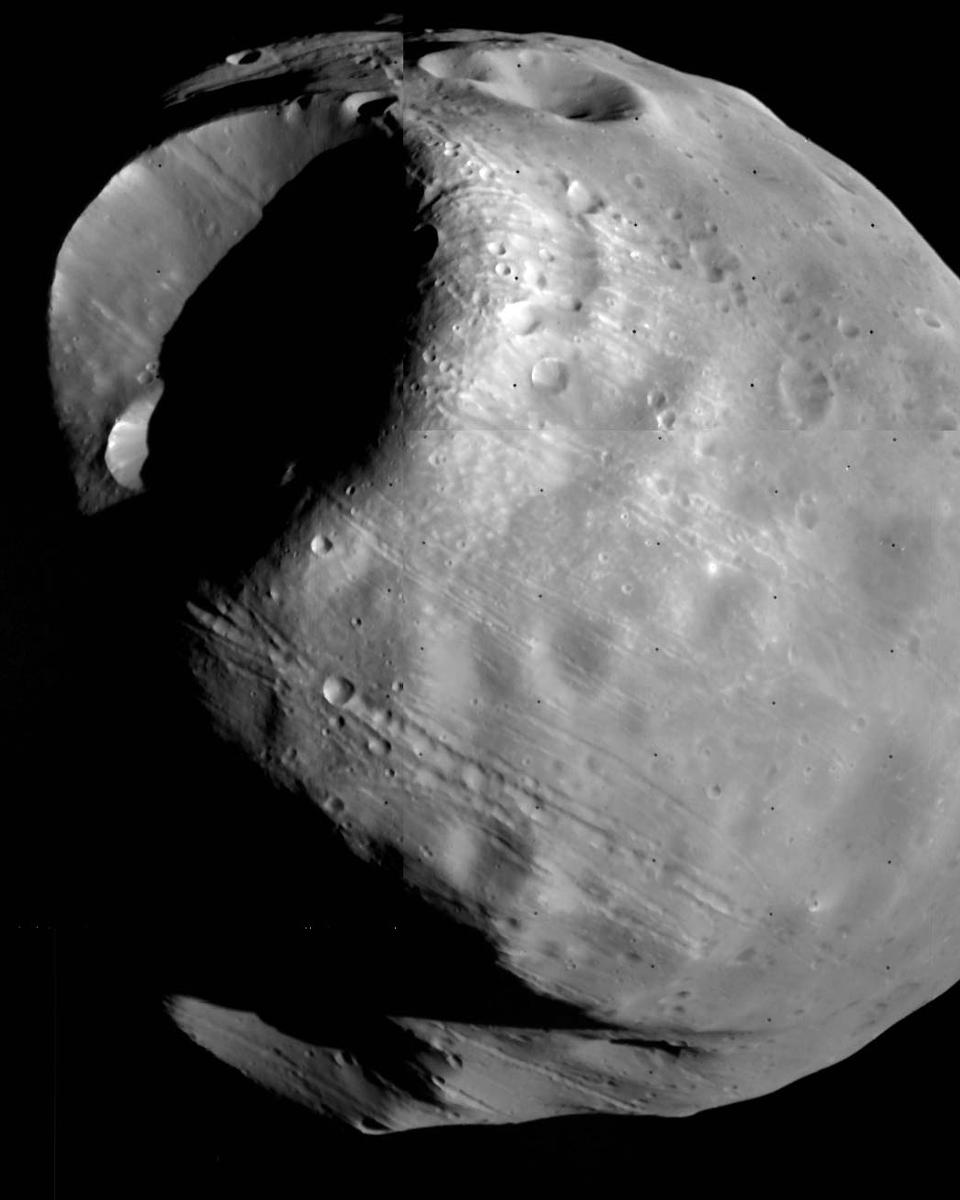
Phobos: Doomed Moon of Mars
Mars , the red planet named for the Roman god of war, has two tiny moons, Phobos and Deimos , whose names are derived from the Greek for Fear and Panic. These Martian moons may…
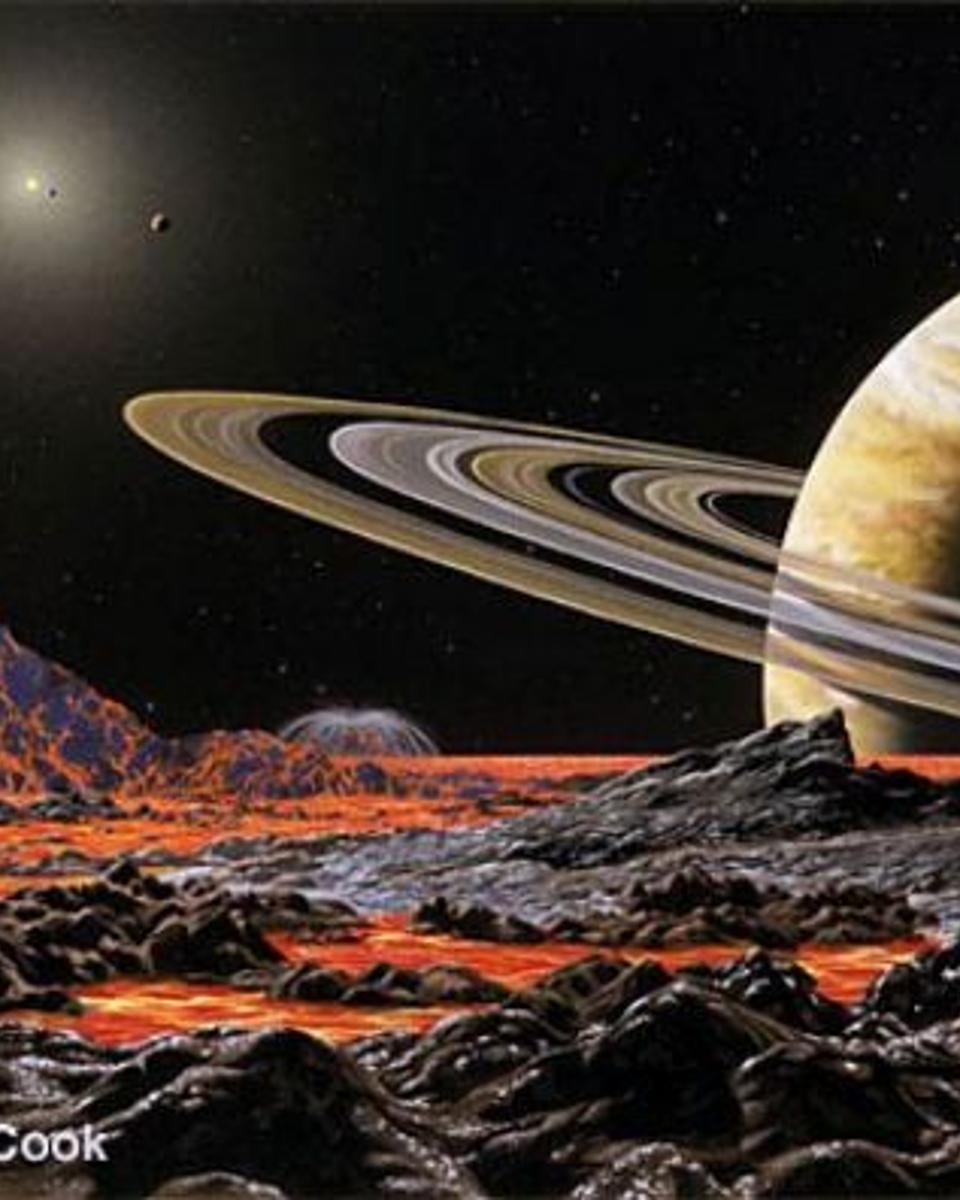
The 47 Ursae Majoris System
Watching and waiting , astronomers have uncovered the presence of more than 70 planets orbiting stars other than the Sun. So far almost all these extrasolar planets have crazy…

Centaurus A: X-Rays from an Active Galaxy
Its core hidden from optical view by a thick lane of dust, the giant elliptical galaxy Centaurus A was among the first objects observed by the orbiting Chandra X-ray Observatory .…
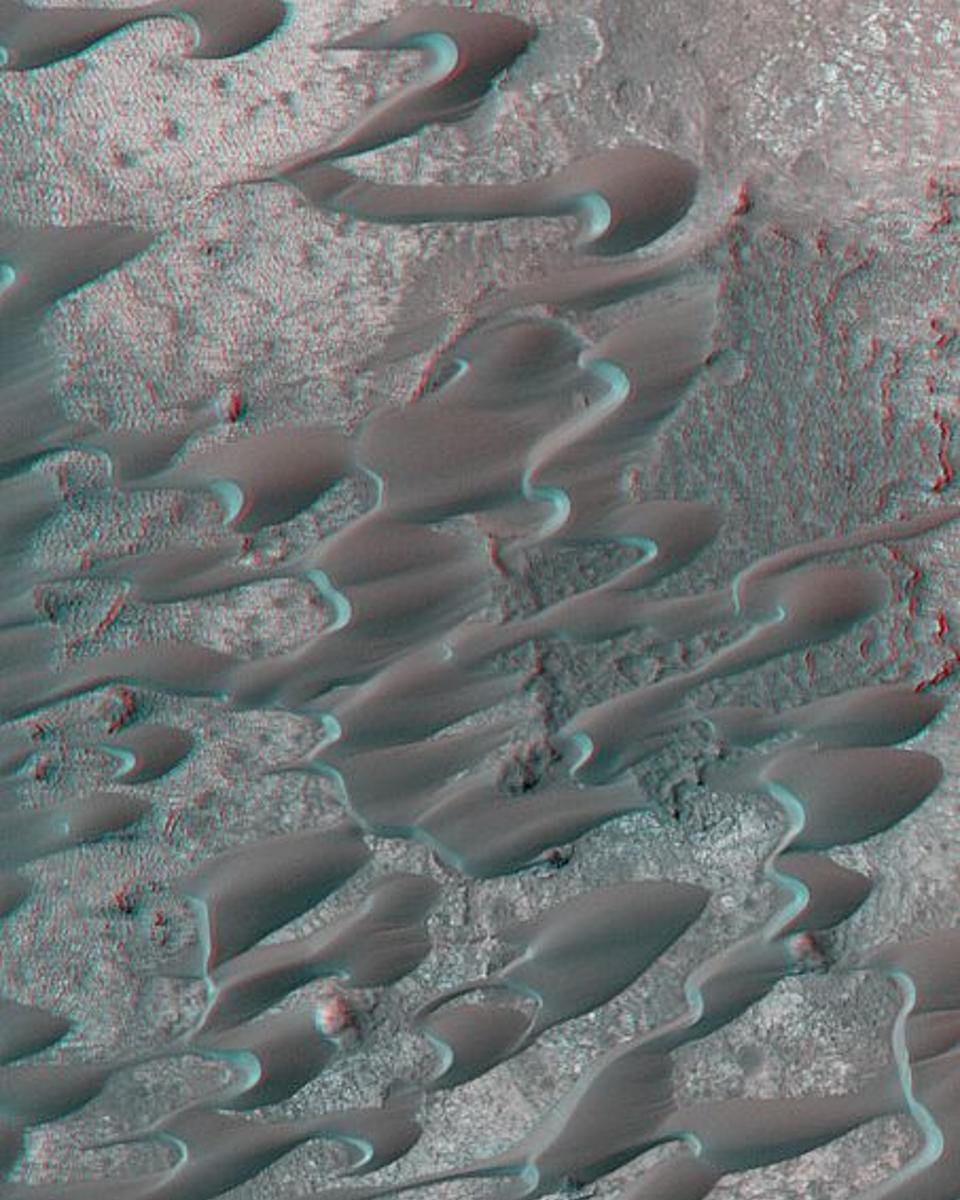
Mars: 3-D Dunes
Get out your red/blue glasses and treat yourself to this dramatic 3-D view of sand dunes on Mars ! The field of undulating dunes is found in Nili Patera, a volcanic depression in…
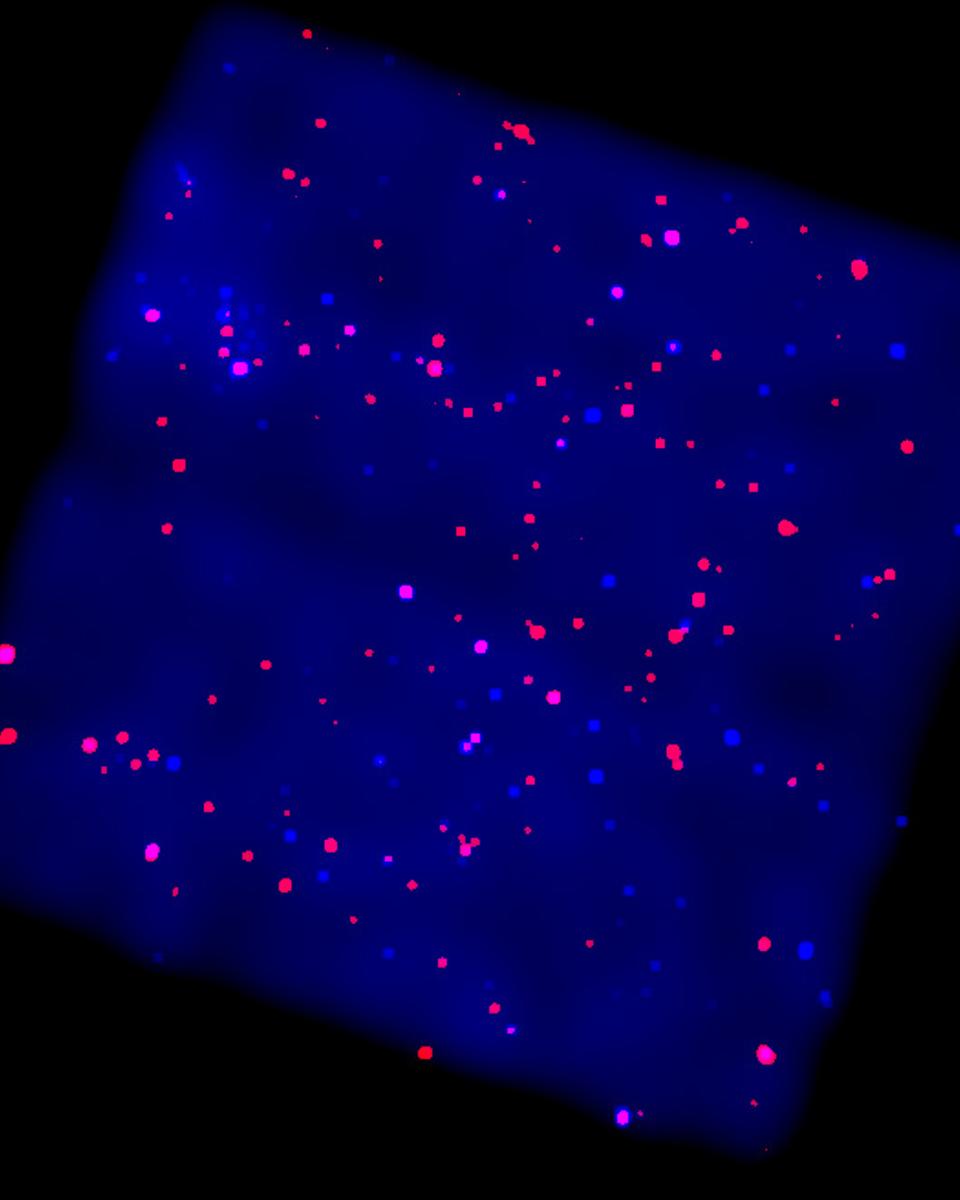
X-Rays from the Galactic Plane
In February 2000, the orbiting Chandra X-ray Observatory spent 27 hours staring into the plane of our Milky Way galaxy . Its target was a spot in the small constellation Scutum ,…
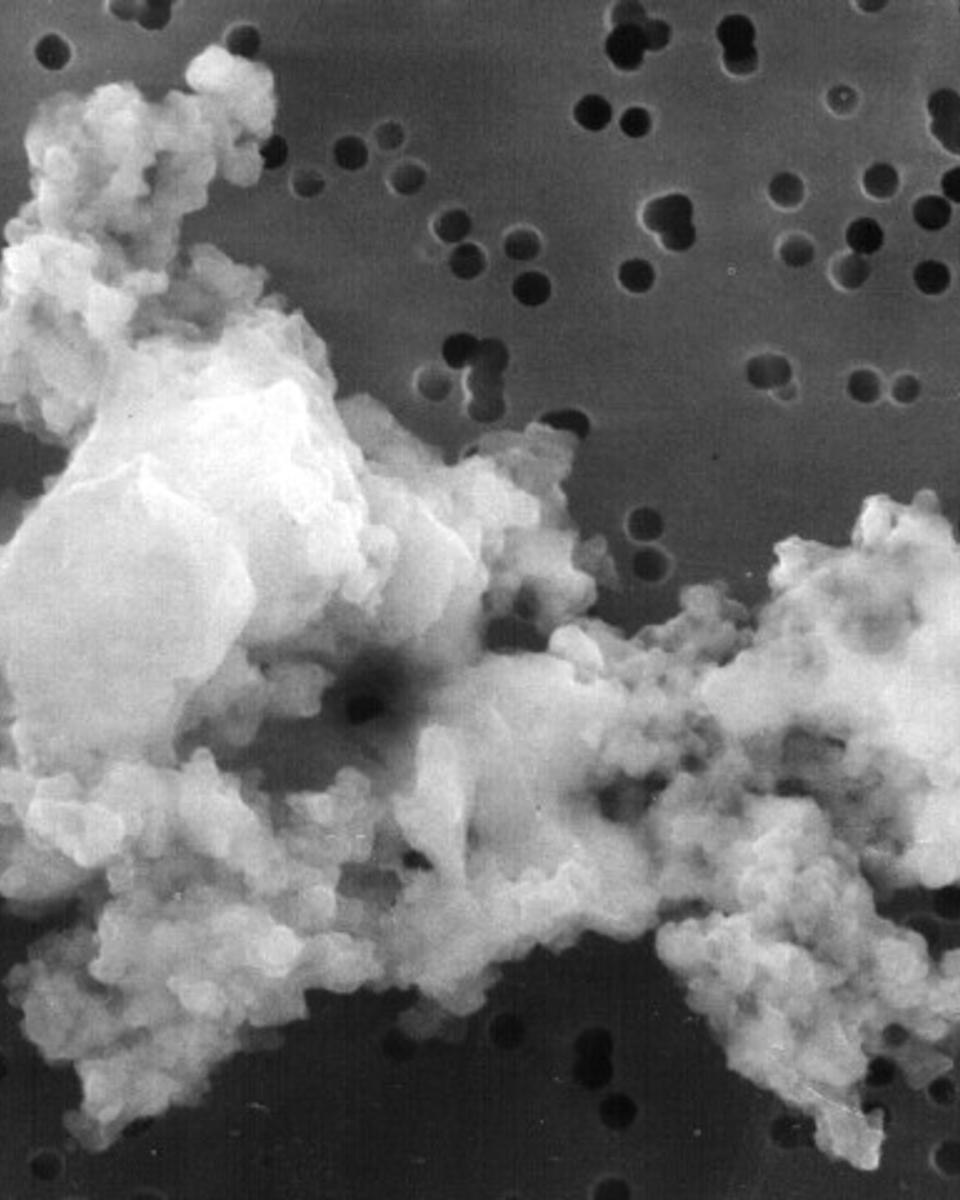
A Piece of Interplanetary Dust
The dust that pervades our Solar System is not the dust that pervades our homes. Solar System dust comes from comets and asteroids , whereas house dust is most likely lint or dead…
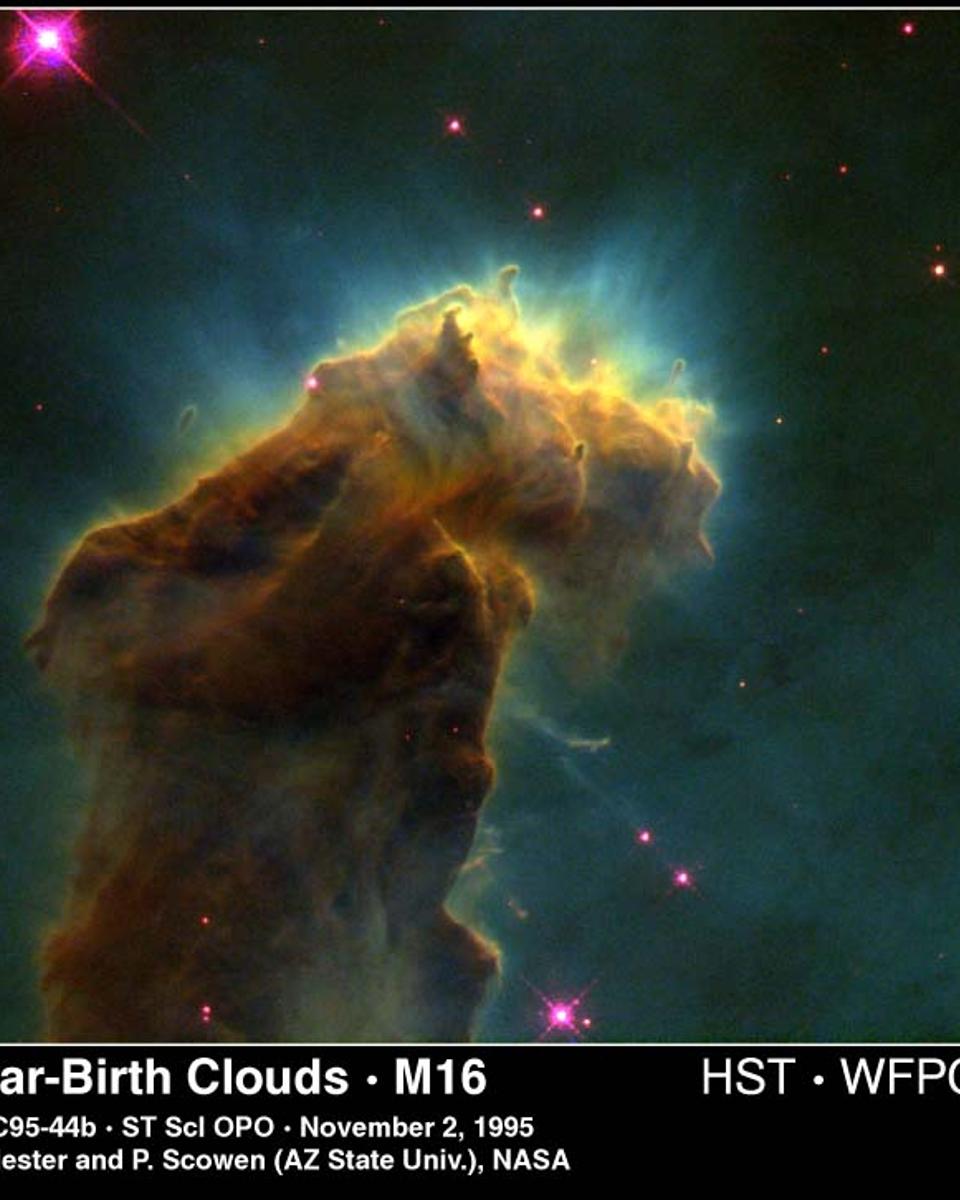
Eagle EGGs in M16
Star forming regions known as “EGGs” are uncovered at the end of this giant pillar of gas and dust in the Eagle Nebula ( M 16). EGGs, short for evaporating gaseous globules , are…
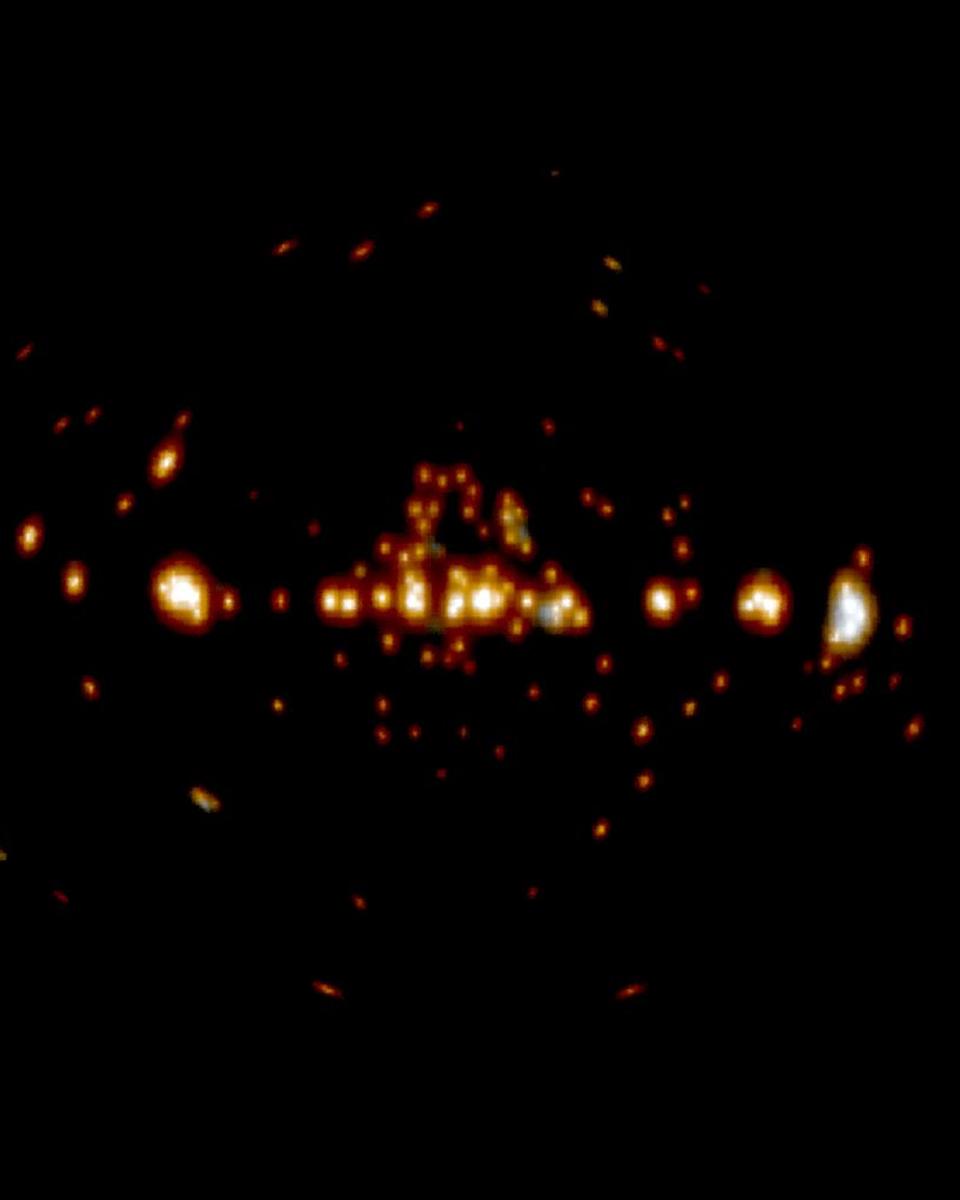
A Mystery In Gamma Rays
Gamma rays are the most energetic form of light, packing a million or more times the energy of visible light photons. If you could see gamma rays, the familiar skyscape of steady…
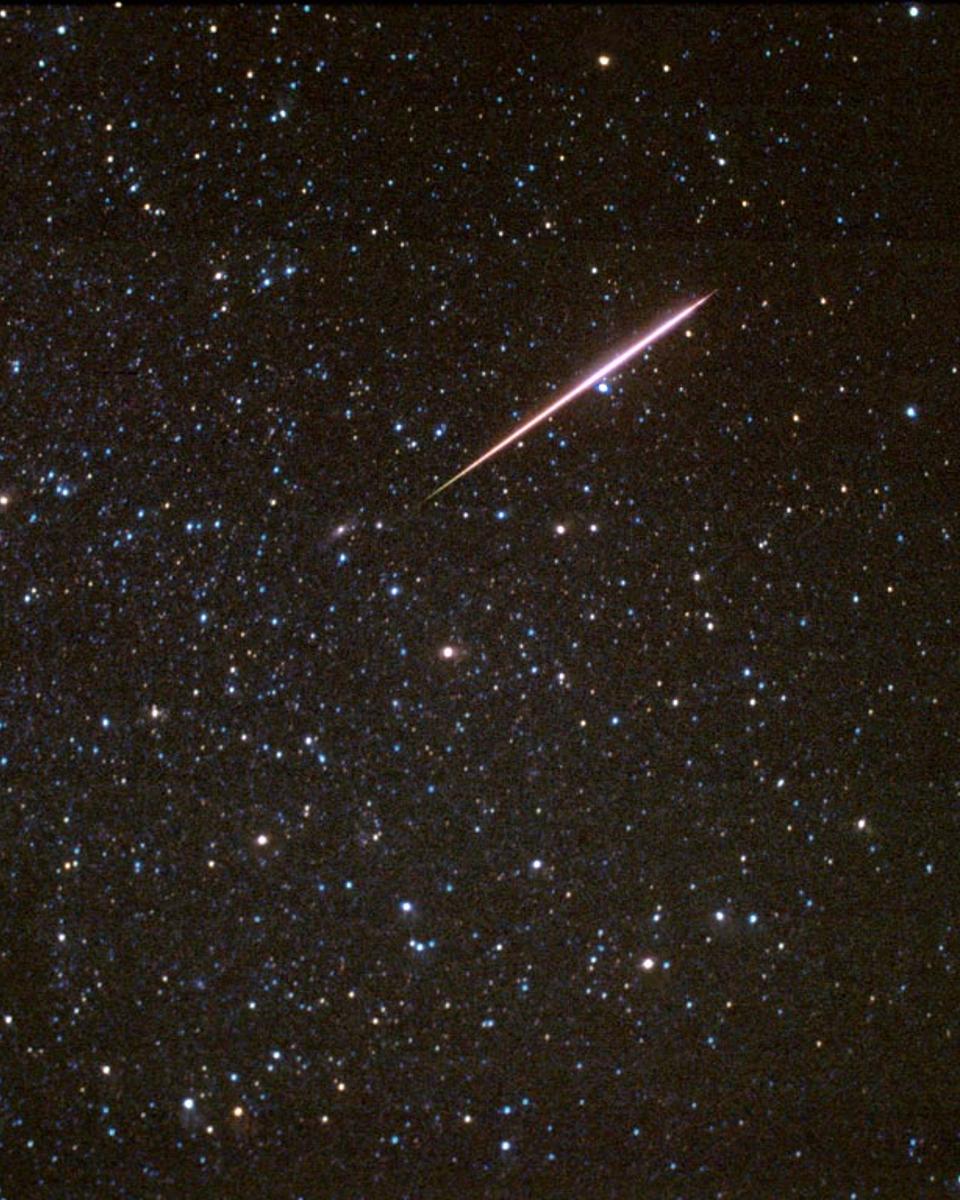
Perseids of Summer
Like falling stardust , cast off bits of comet Swift-Tuttle hurtle through the upper atmosphere about this time each year as planet Earth passes near the comet's orbital path. For…
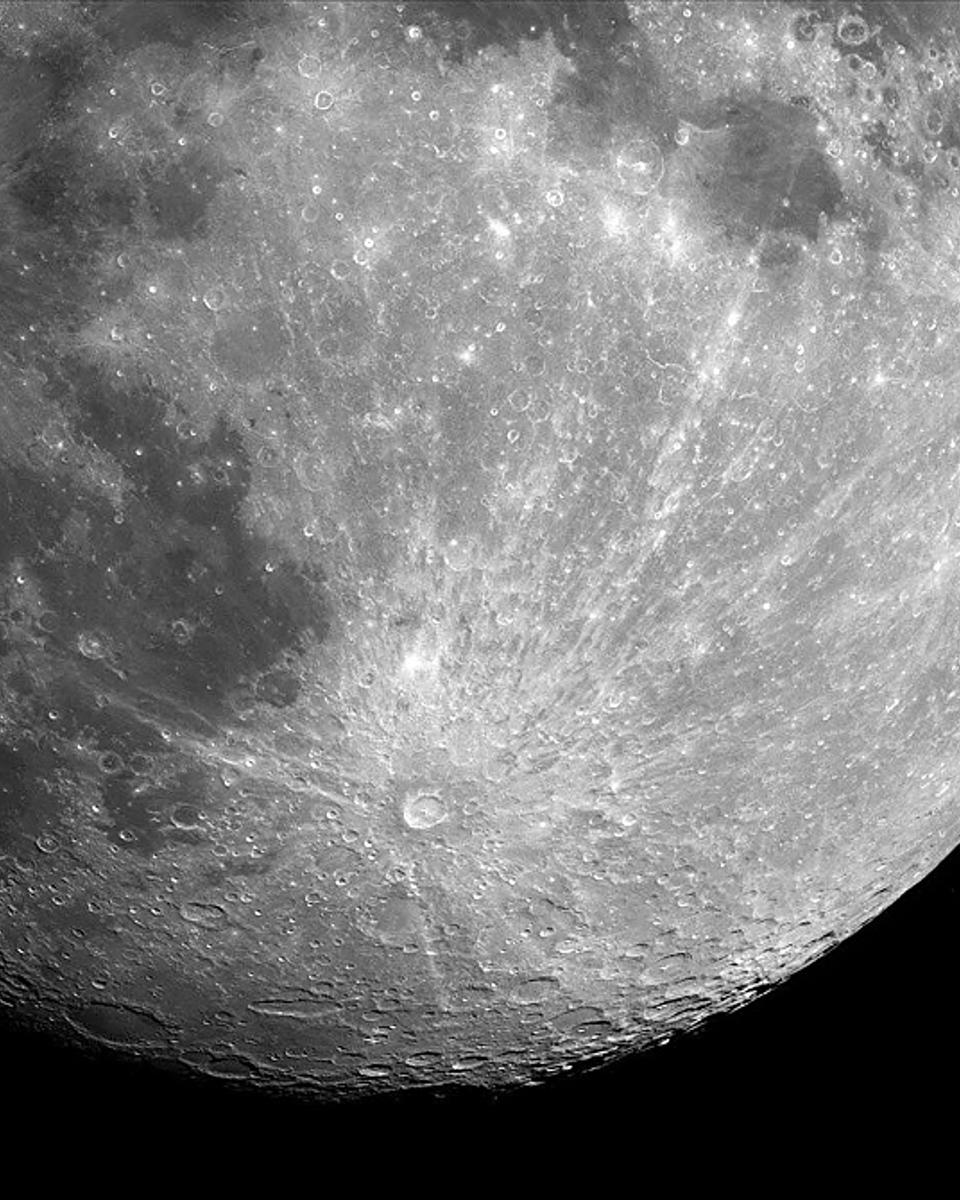
Tycho and Copernicus: Lunar Ray Craters
Dazzling in binoculars or a small telescope, the Moon is pocked with impact craters. During partial lunar phases , the craters along the terminator are cast in dramatic relief by…
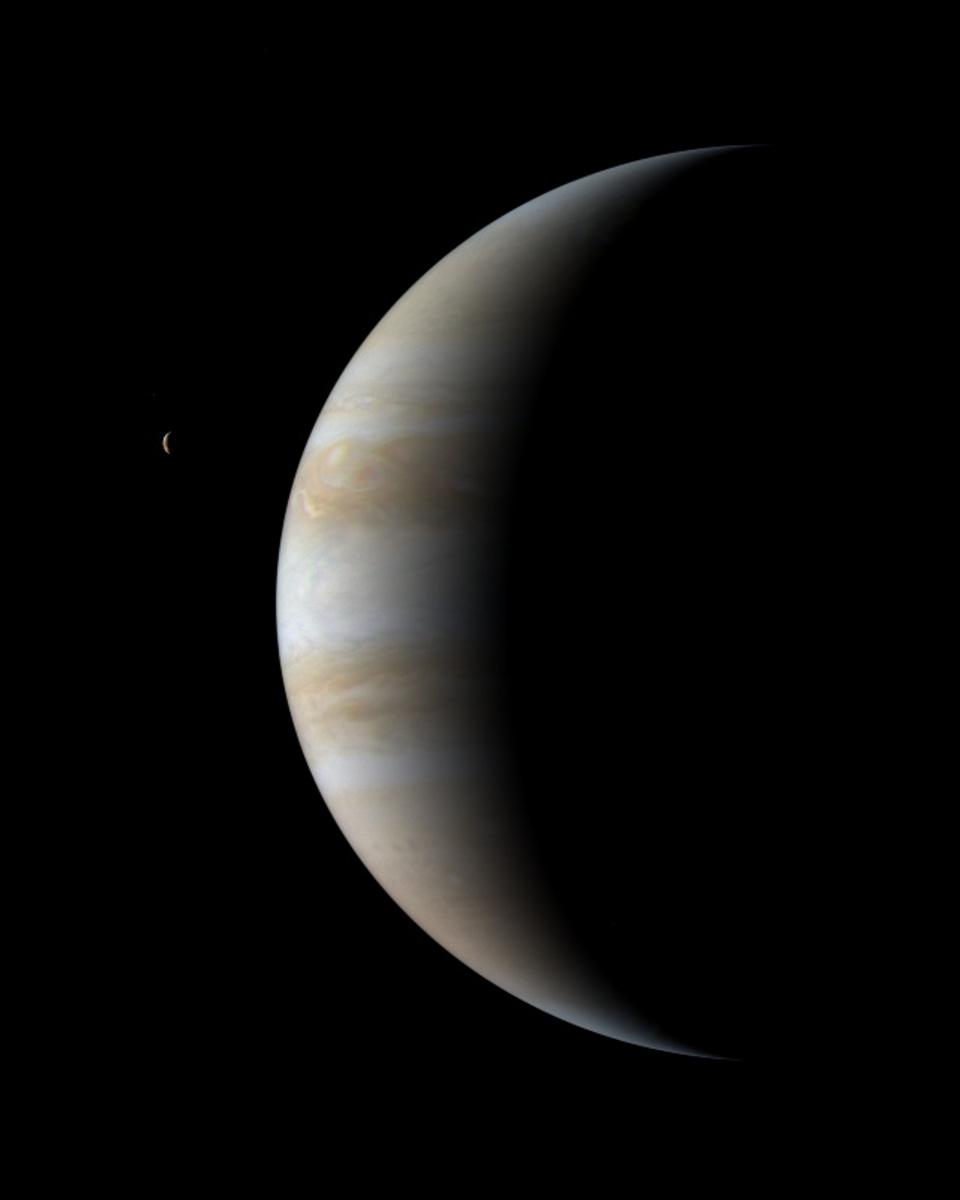
Farewell Jupiter
Next stop: Saturn. The Cassini spacecraft , launched from Earth four years ago, has now swung past Jupiter and should arrive at Saturn in the year 2004. Pictured to the left is a…
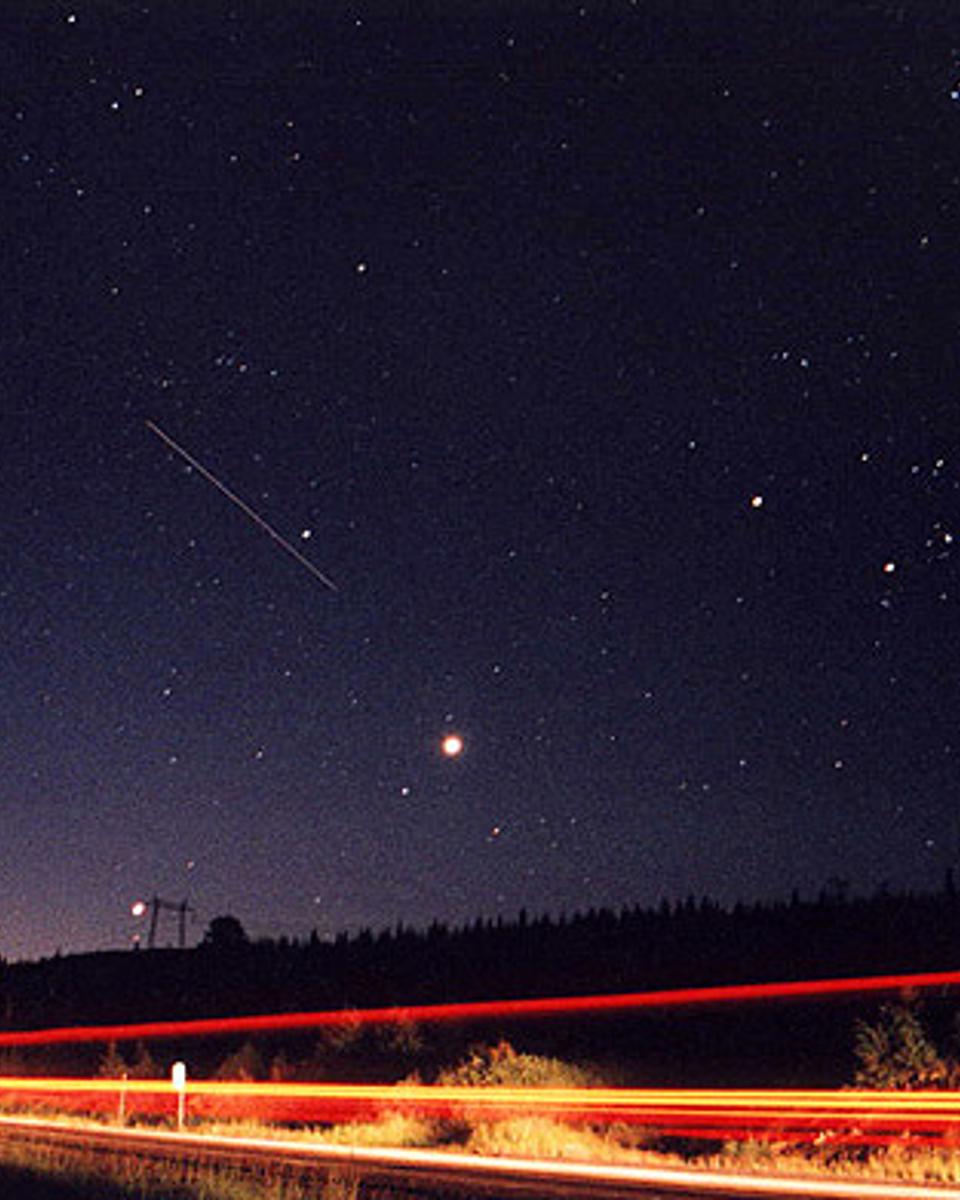
A July Dawn
Those up before dawn in late July in the northern hemisphere could see planets, stars , and a spacecraft in a single quick glance before starting their day. Near the eastern…
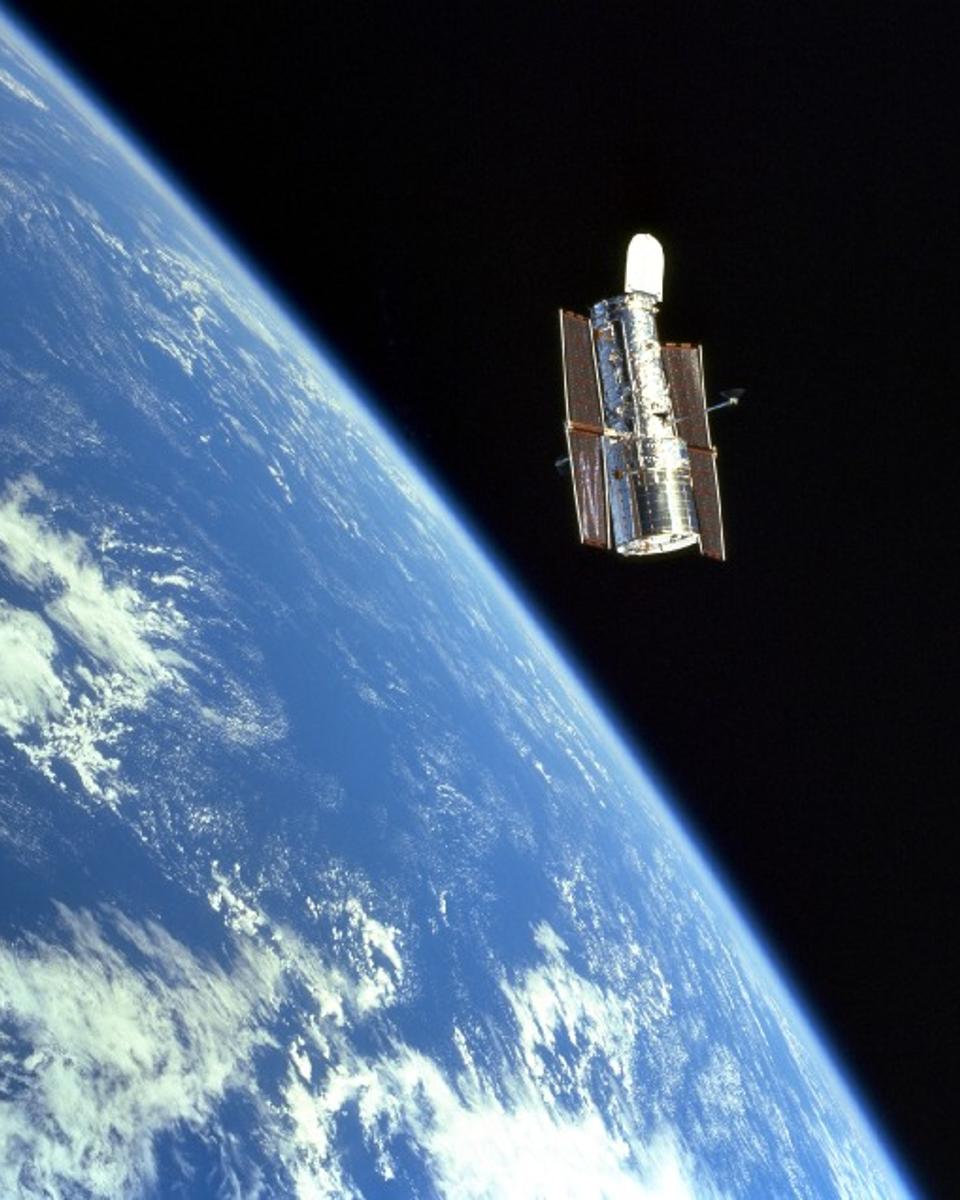
The Orbiting Hubble Space Telscope
The Hubble Space Telescope (HST) is the largest orbiting public optical telescope in history. Its 2.4 meter diameter reflecting mirror and it s perch above Earth's atmosphere…
Viewing discoveries from 29 August 2001 through 6 August 2001.