Browse NASA Astronomy Picture of the Day archive by date and media: Archive Discoveries
Browse the NASA APOD archive without needing the exact date first. Filter by media type and keep moving deeper into older images and videos.
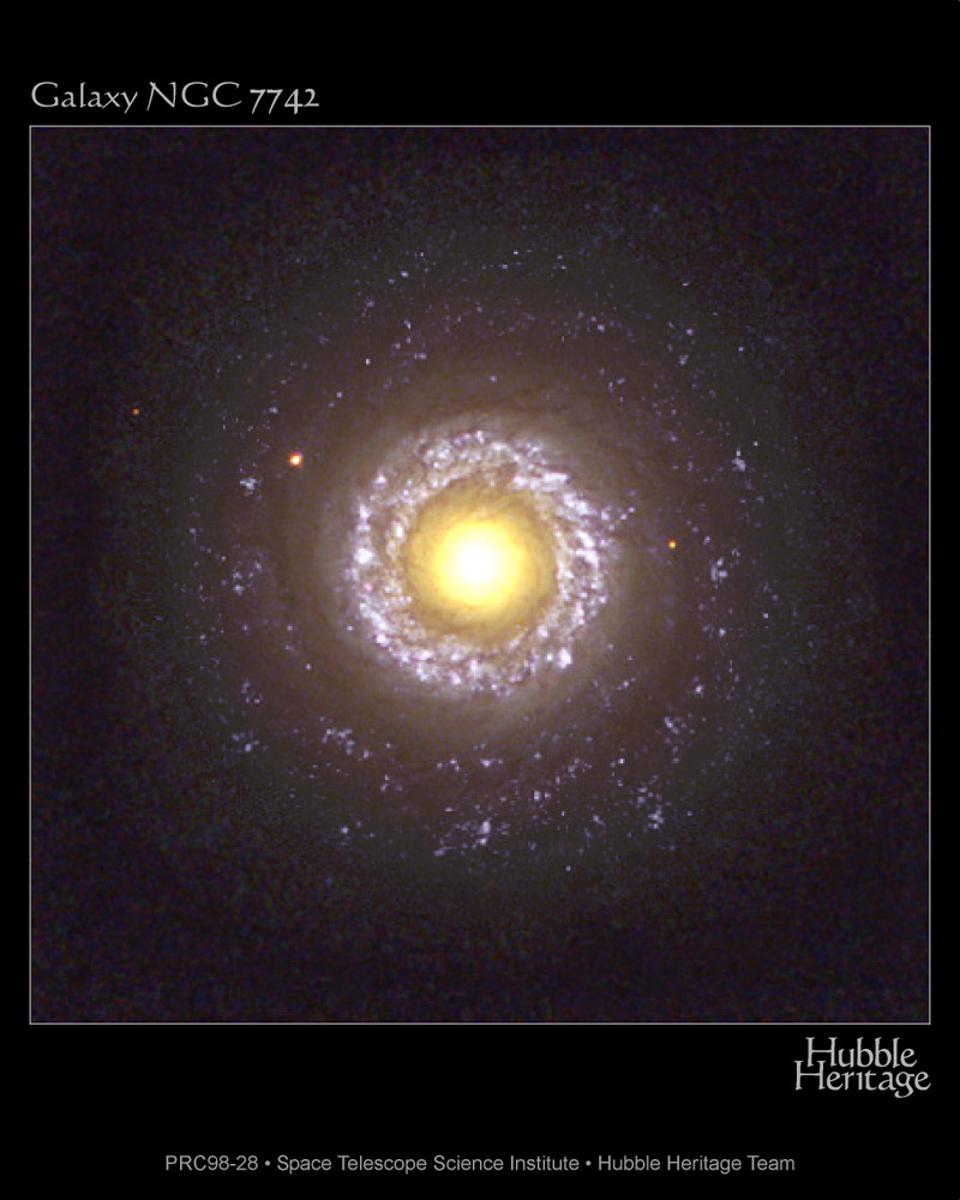
Spiral Galaxy NGC 7742
This might resemble a fried egg you've had for breakfast , but it's actually much larger. In fact, ringed by blue-tinted star forming regions and faintly visible spiral arms , the…
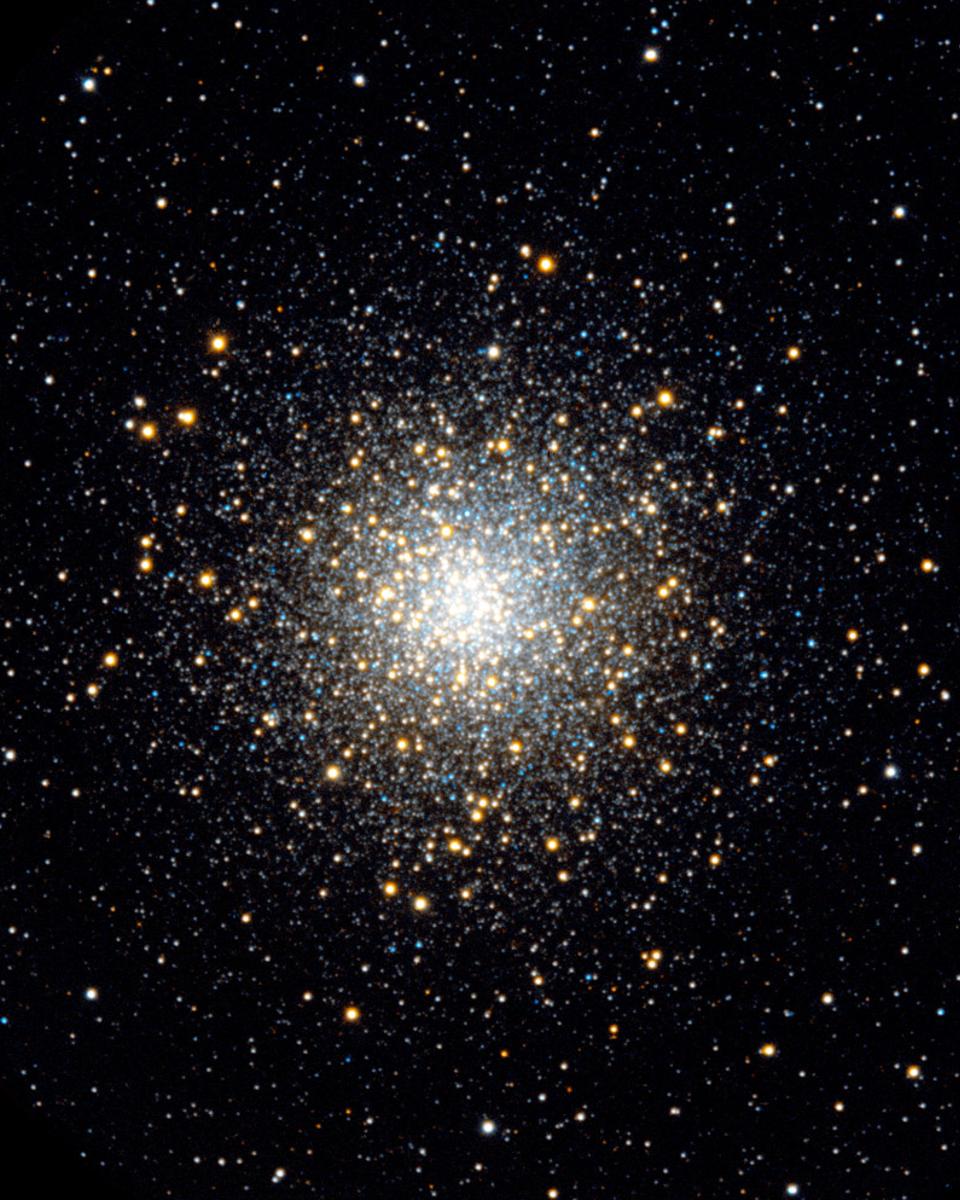
Hydrogen, Helium, and the Stars of M10
Stars like the Sun use hydrogen for fuel, “burning” hydrogen into helium at their cores through nuclear fusion . But what happens when that hydrogen runs out? For a while,…
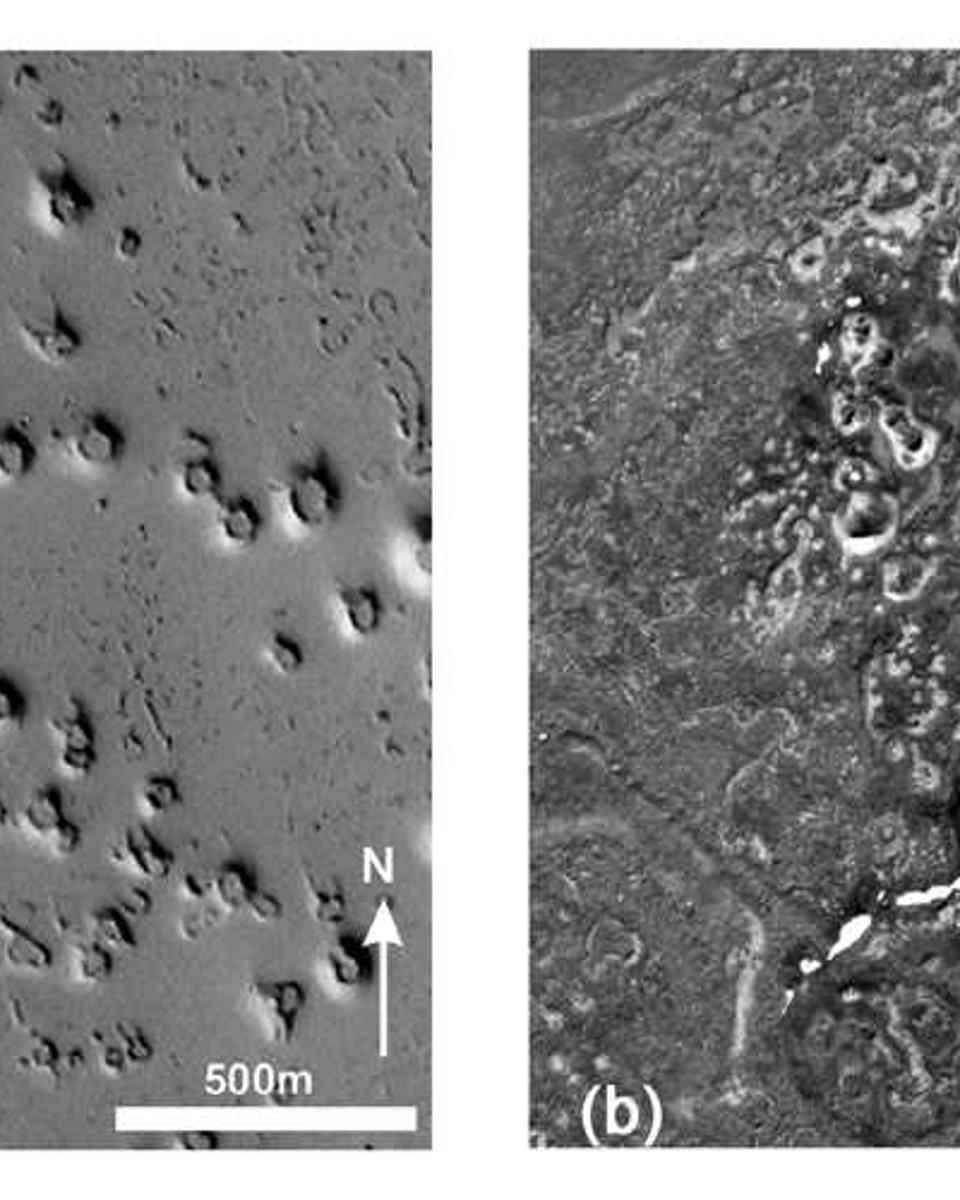
Ice Volcanoes on Mars?
What causes these unusual cone-shaped features on Mars ? Spanning an average of only 100 meters at the base, these small cones appear near massive Martian volcanoes such as…
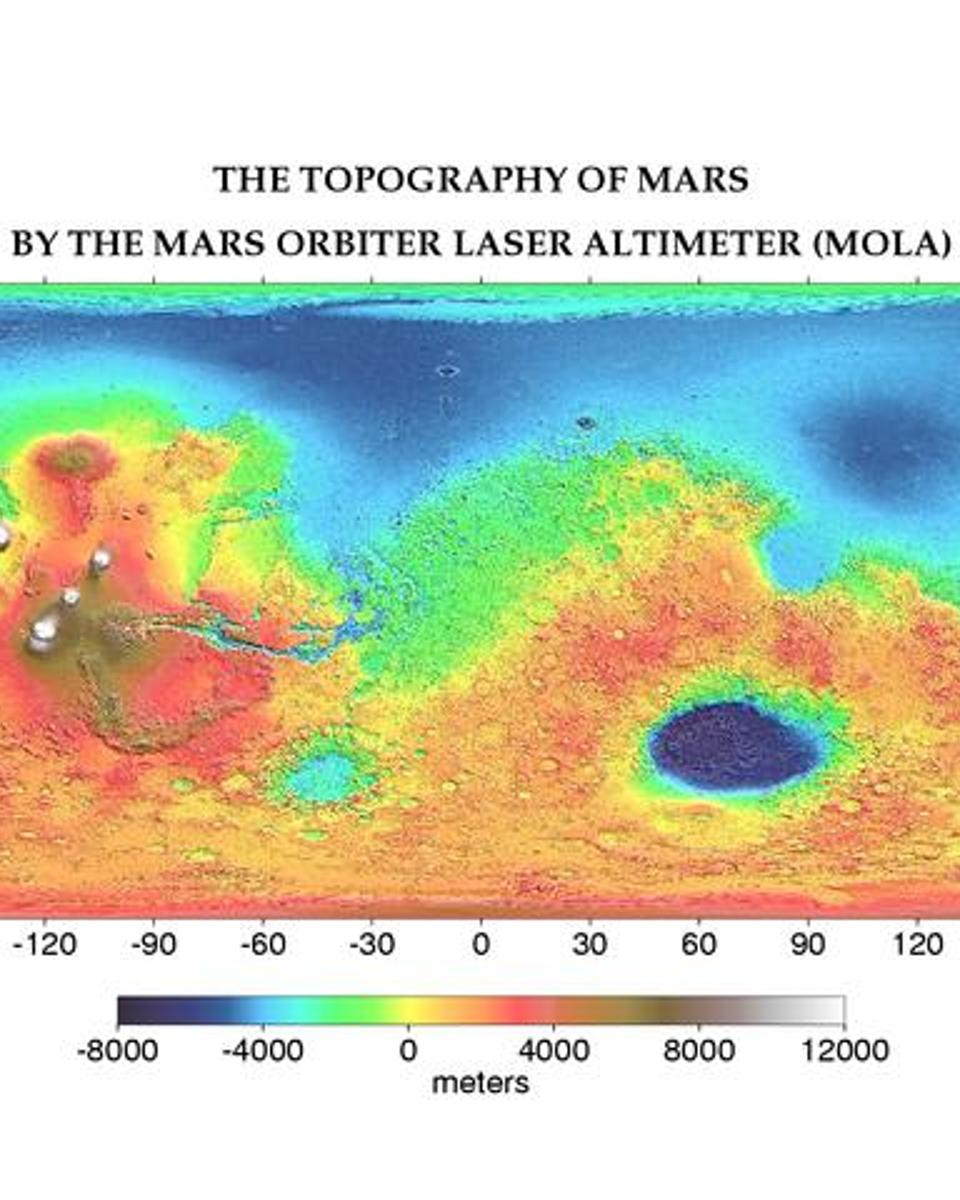
The Topography of Mars
Mars has its ups and downs. Visible on the above interactive topographic map of the surface of Mars are giant volcanoes , deep valleys , impact craters , and terrain considered…
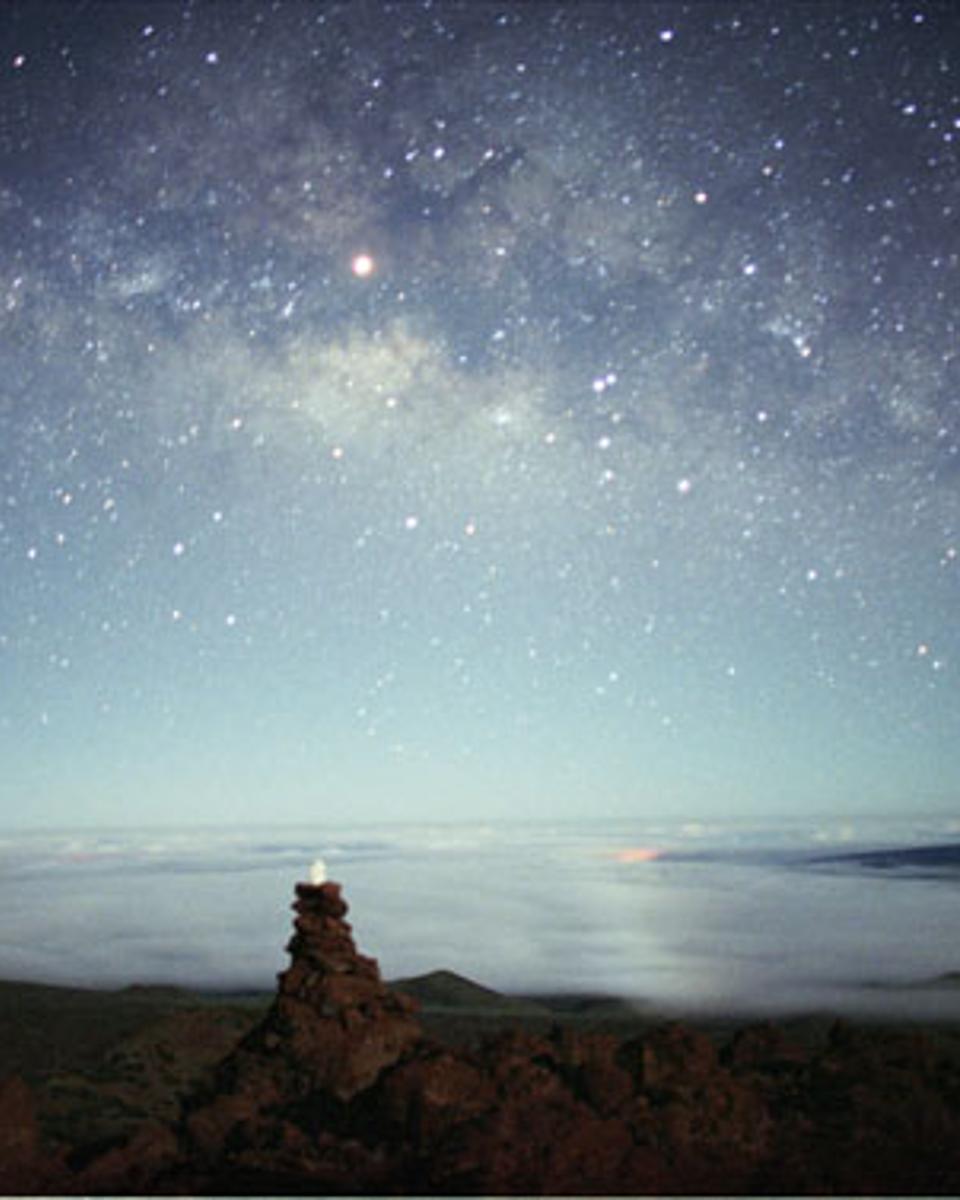
Moonlight, Mars, and Milky Way
Aloha and welcome to a breath-taking skyscape. In this celestial scene, a four day old Moon illuminates a dreamlike foreground while bright planet Mars (above center) rules and…
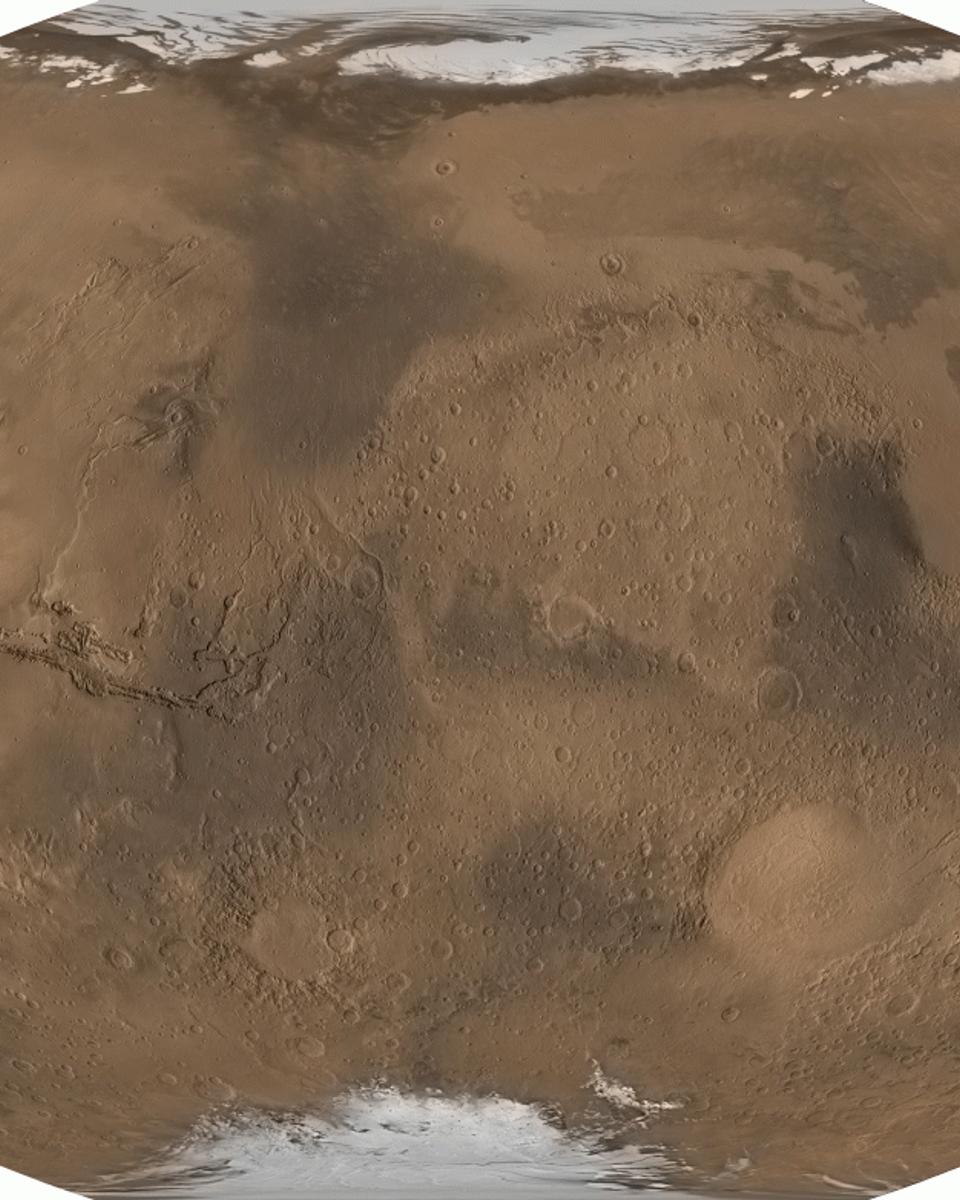
All of Mars
From pole to pole , from east to west, this is all of Mars . The above picture was digitally reconstructed from over 200 million laser altimeter measurements taken by the Mars…
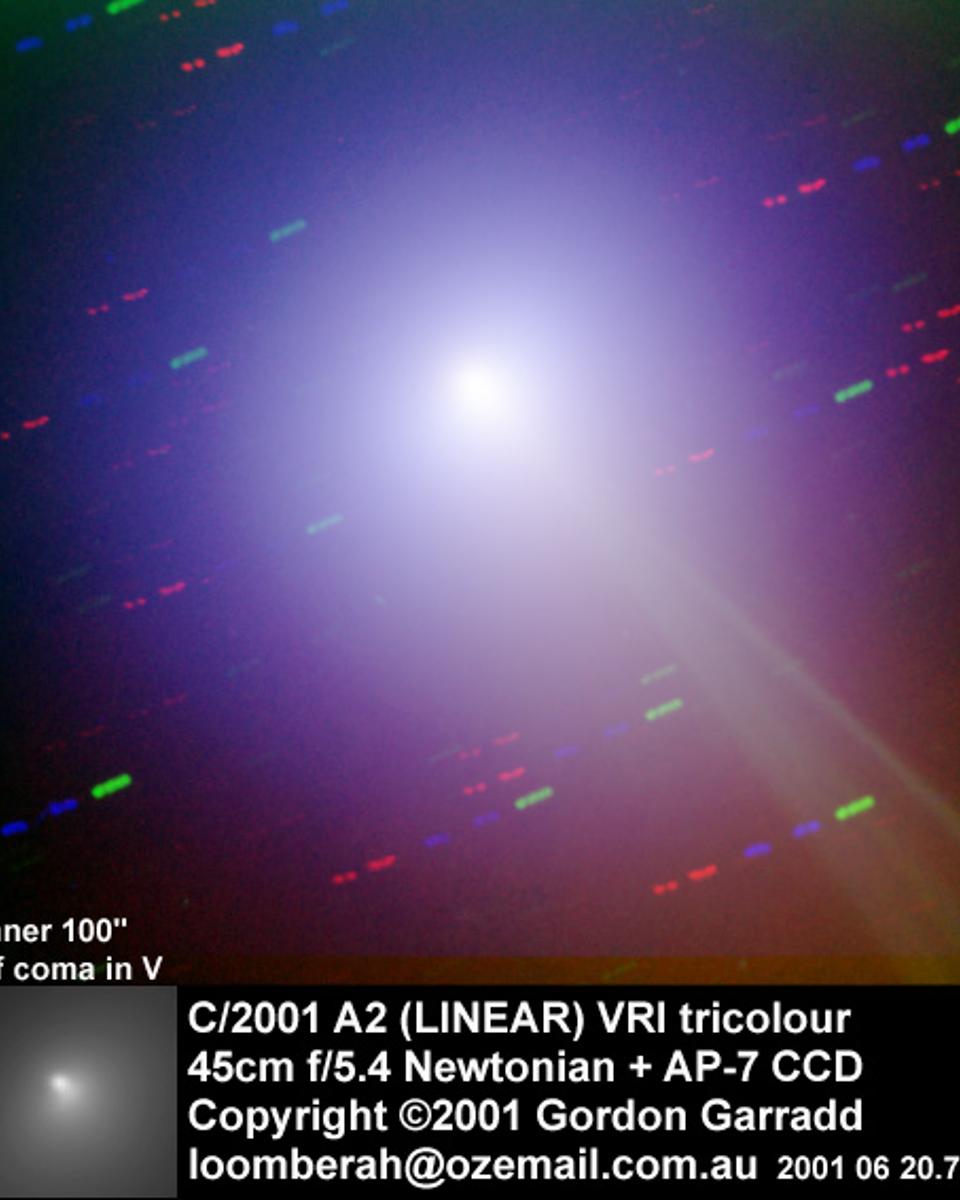
A Brighter Comet LINEAR
Brighter than ever expected , comet LINEAR -- you know , the one designated C/2001 A2 -- is a sight to see in southern skies. This comet LINEAR first brightened impressively in…
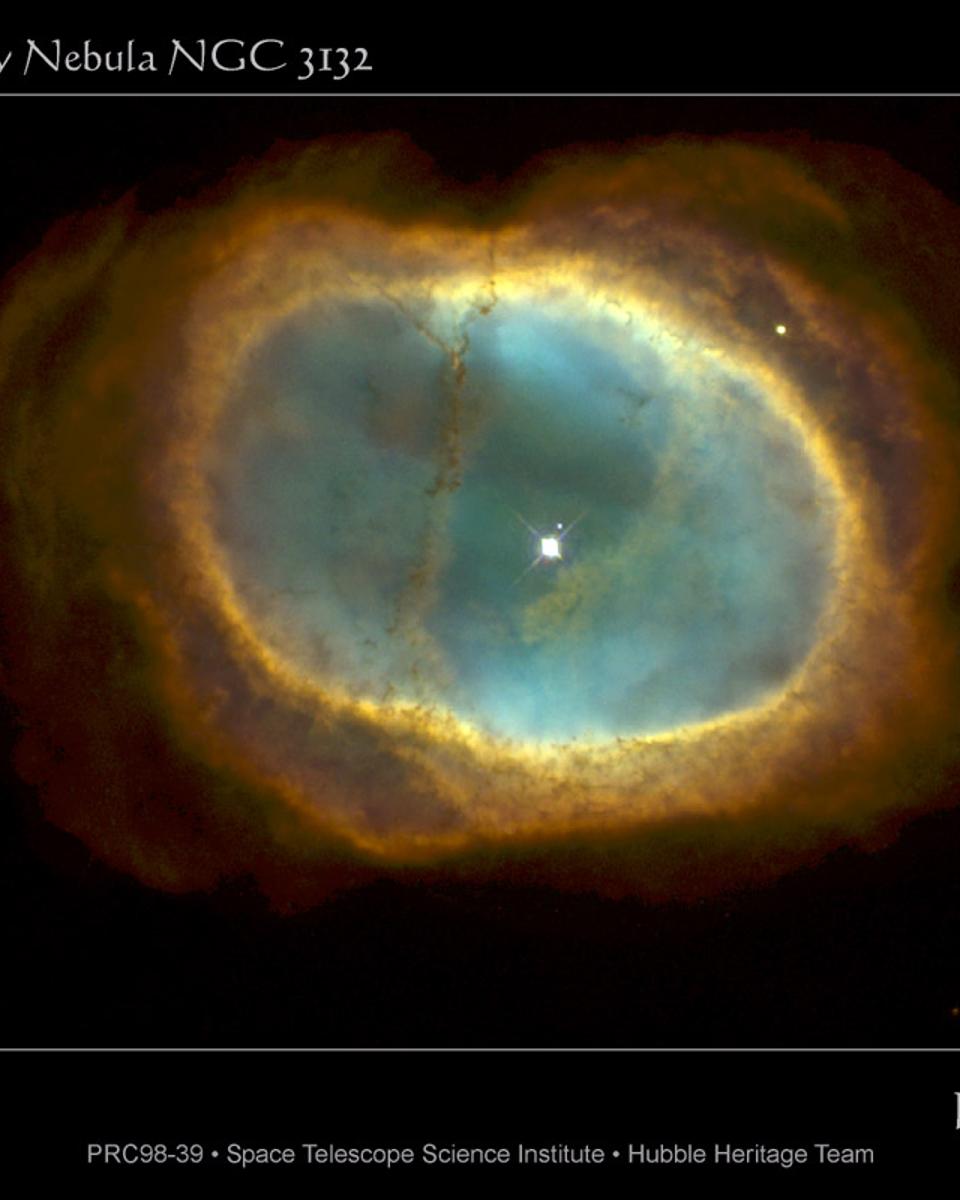
NGC 3132: The Eight Burst Nebula
It's the dim star, not the bright one, near the center of NGC 3132 that created this odd but beautiful planetary nebula . Nicknamed the Eight-Burst Nebula and the Southern Ring…
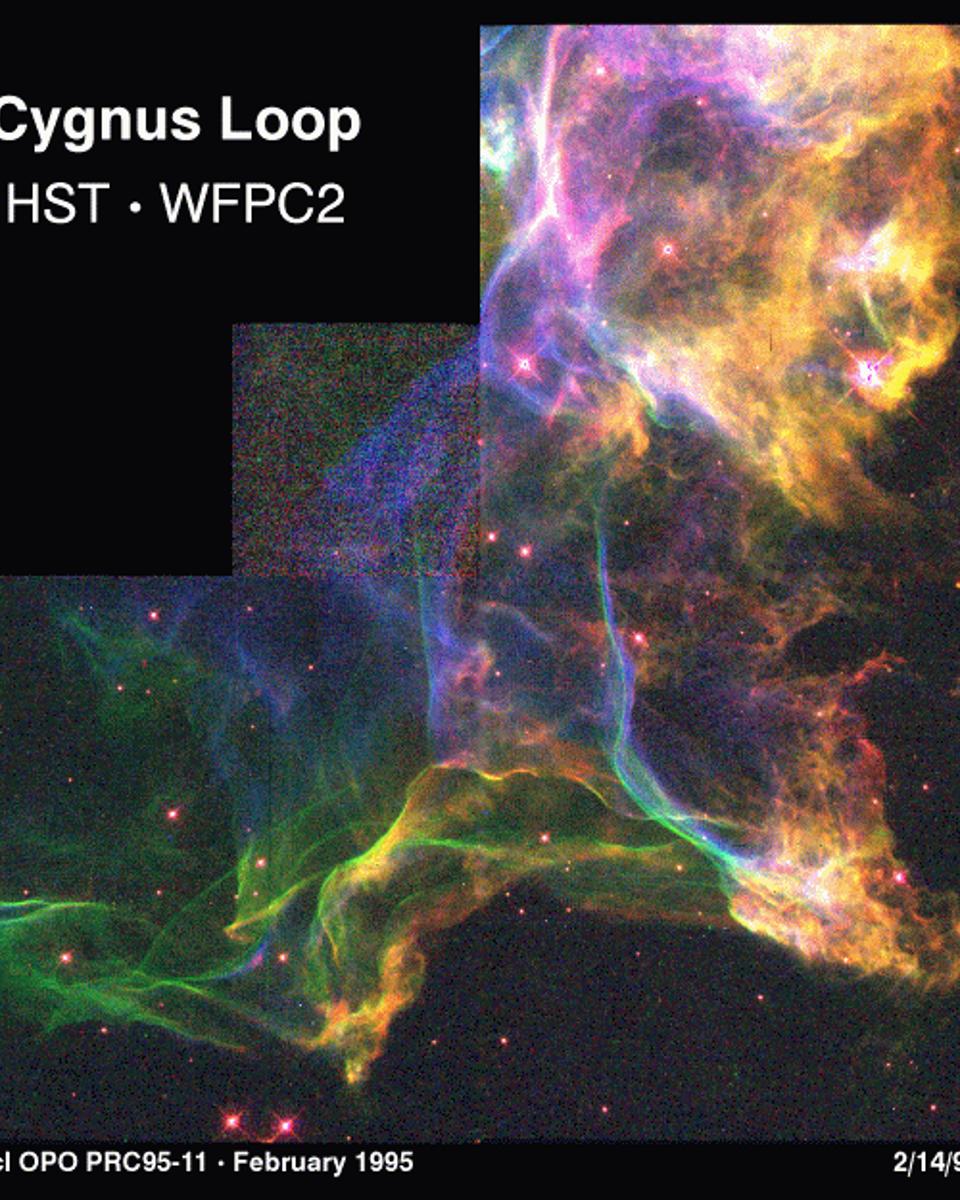
The Cygnus Loop
The shockwave from a 20,000 year-old supernova explosion in the constellation of Cygnus is still expanding into interstellar space. The collision of this fast moving wall of gas…
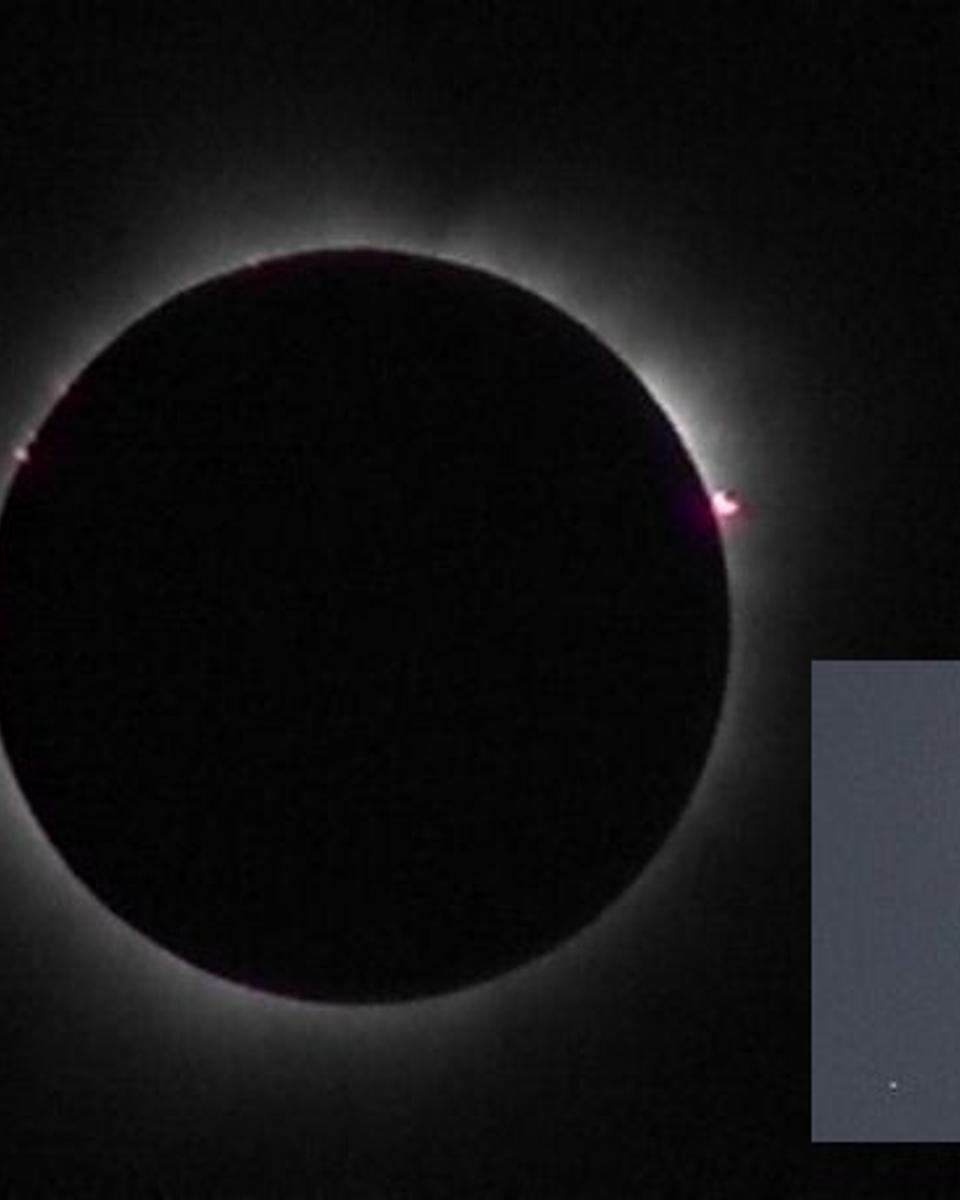
Eclipse in African Skies
Yesterday, for a brief few minutes, a total eclipse of the Sun brought darkness to southern Africa's daytime skies. During this first total solar eclipse of the third millennium…
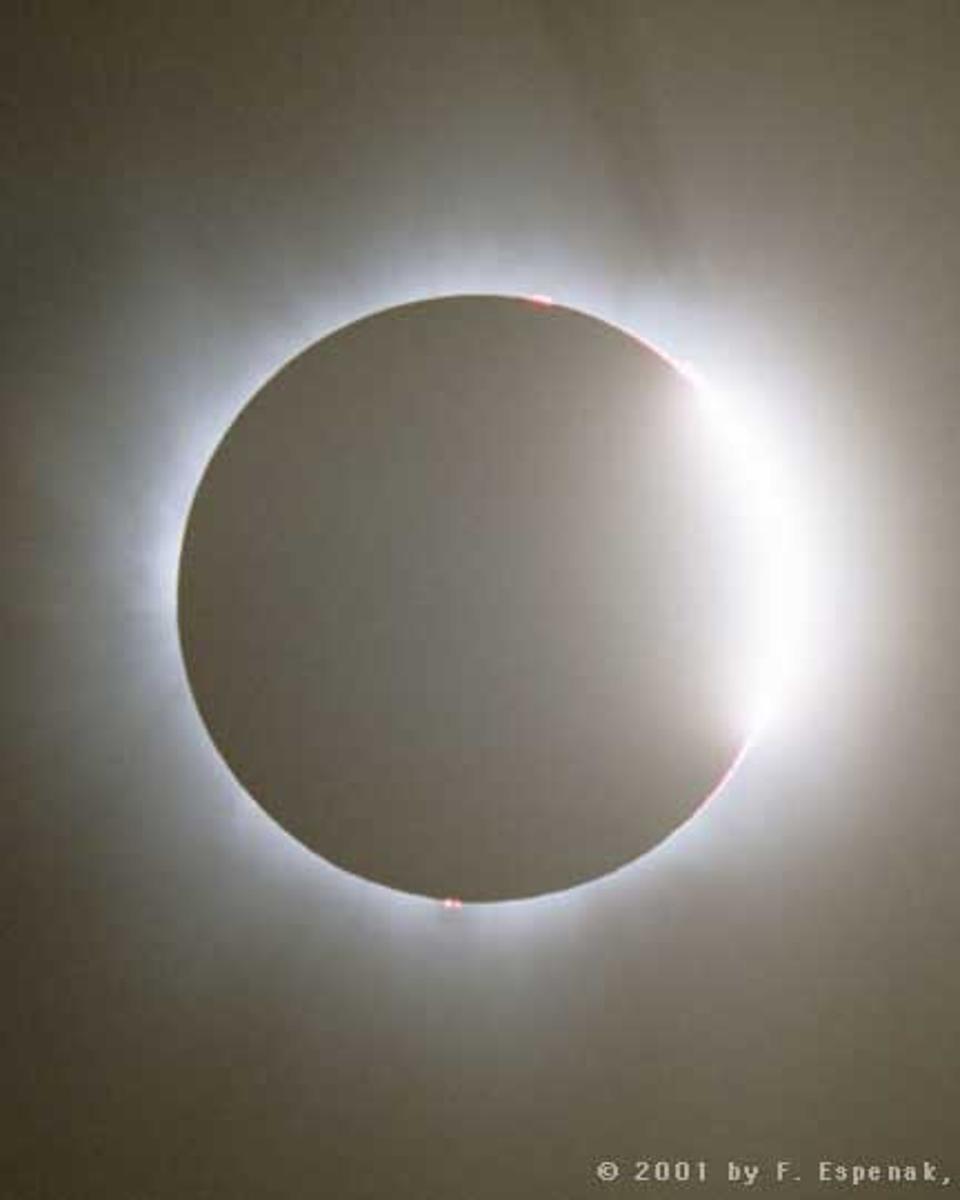
Diamond Ring in the Sun
Today, earthbound skygazers can celebrate a solstice , a new Moon , the closest approach of planet Mars since 1988 ... oh yes, and a total eclipse of the Sun, the first total…
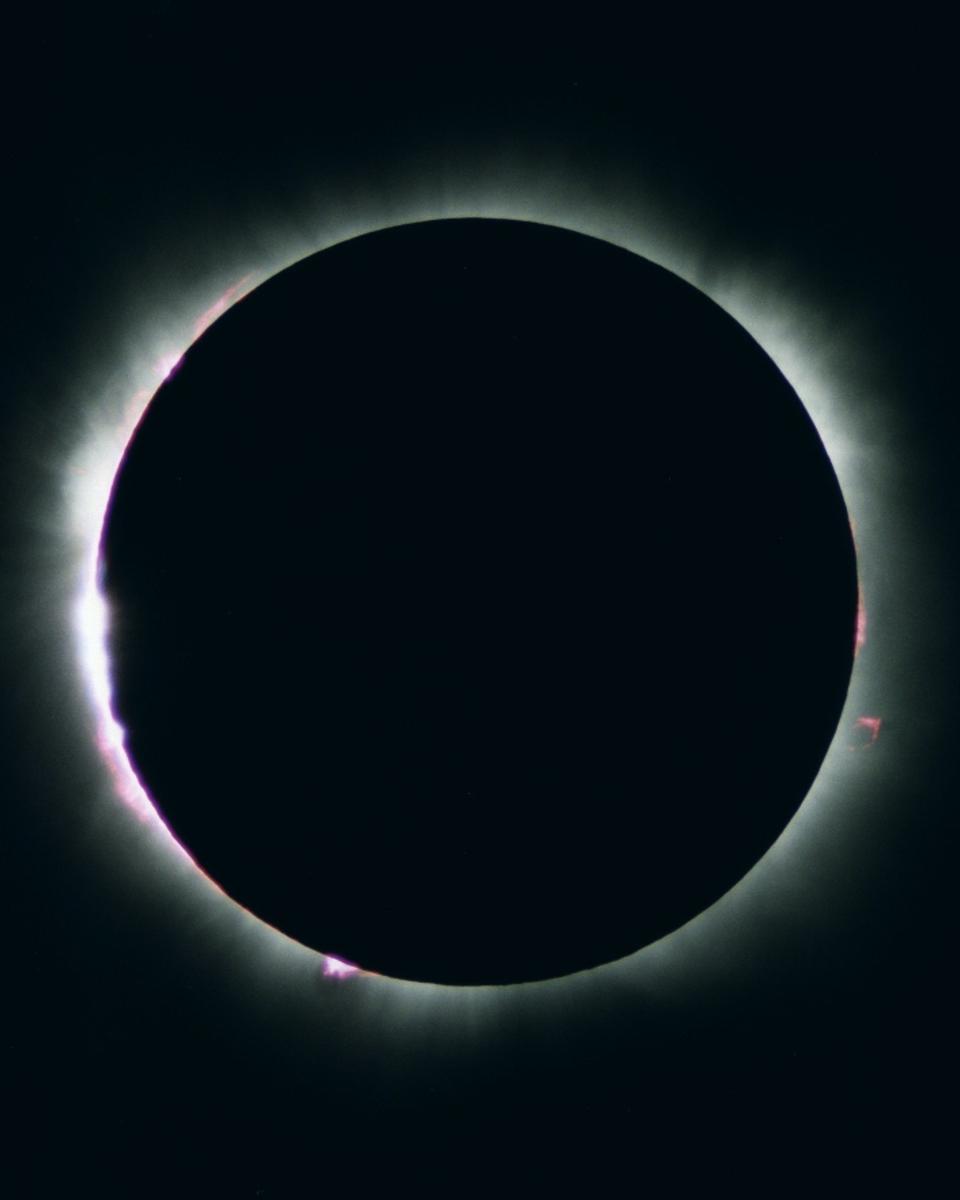
Total Eclipse of the Active Sun
A total eclipse of the Sun is that special geocentric celestial event where the Moon passes exactly in front of the solar disk. During a fleeting few minutes of totality,…
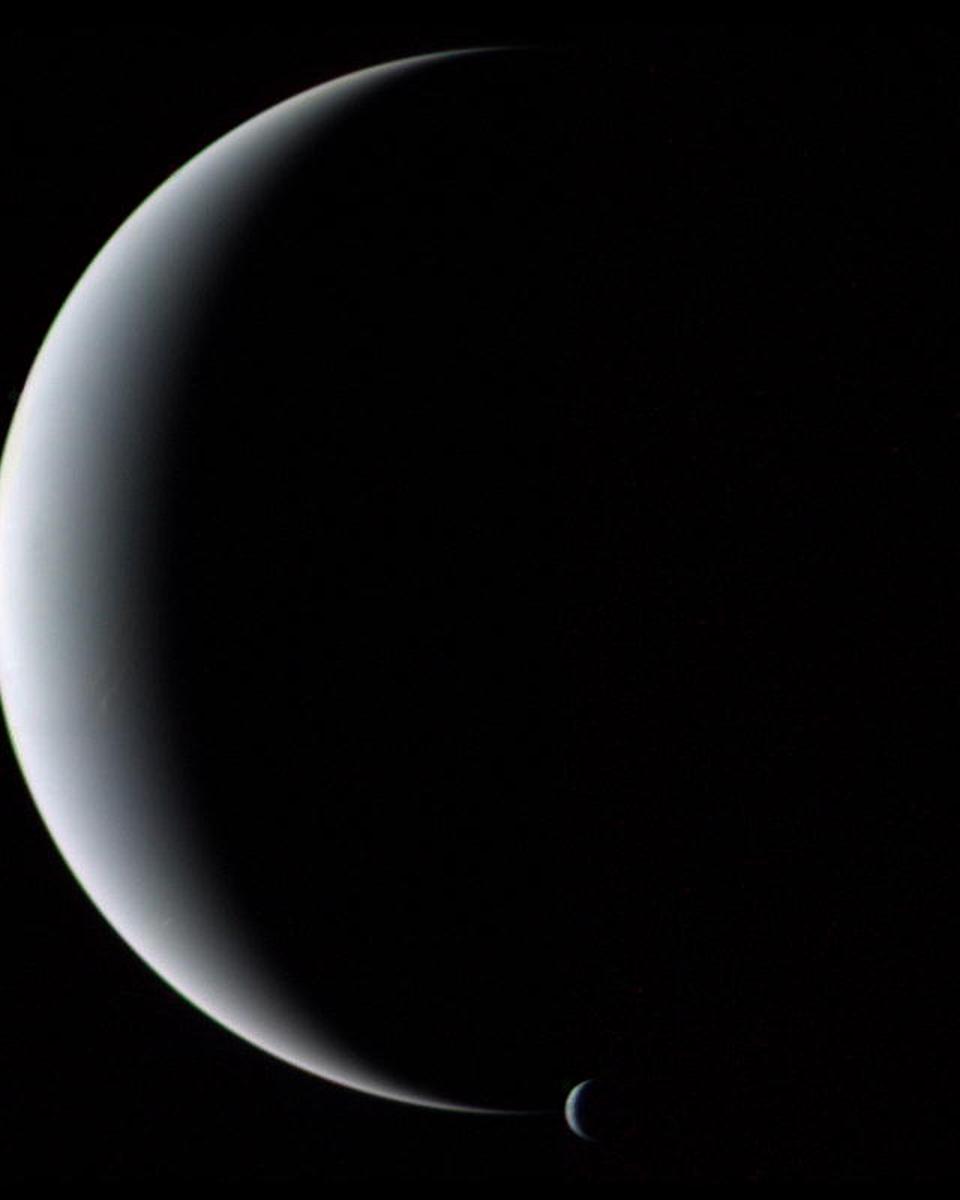
Crescent Neptune and Triton
Gliding silently through the outer Solar System , the Voyager 2 spacecraft camera captured Neptune and Triton together in crescent phase in 1989. The above picture of the gas…
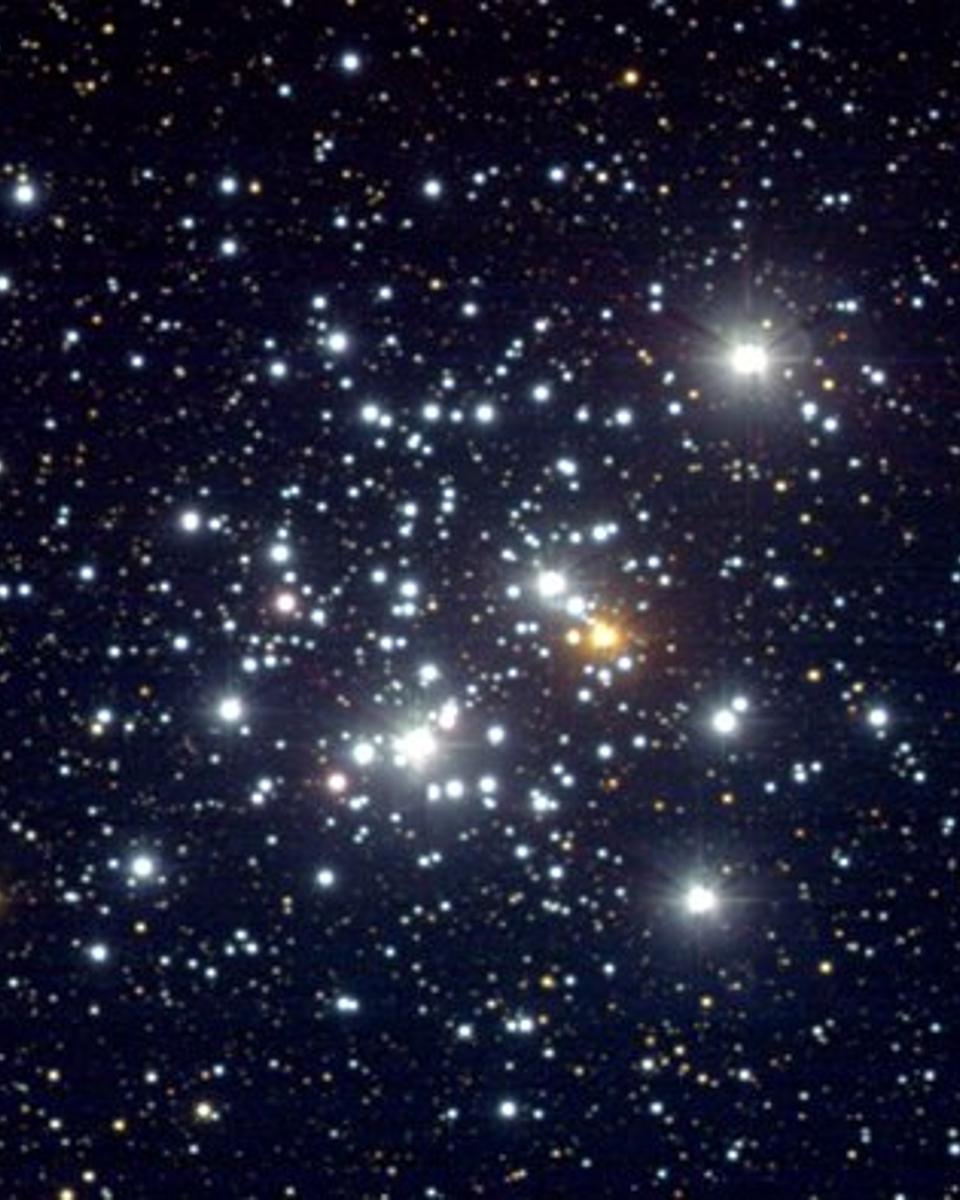
NGC 4755: A Jewel Box of Stars
The great variety of star colors in this open cluster underlies its name: The Jewel Box . One of the bright central stars is a red supergiant, in contrast to the many blue stars…
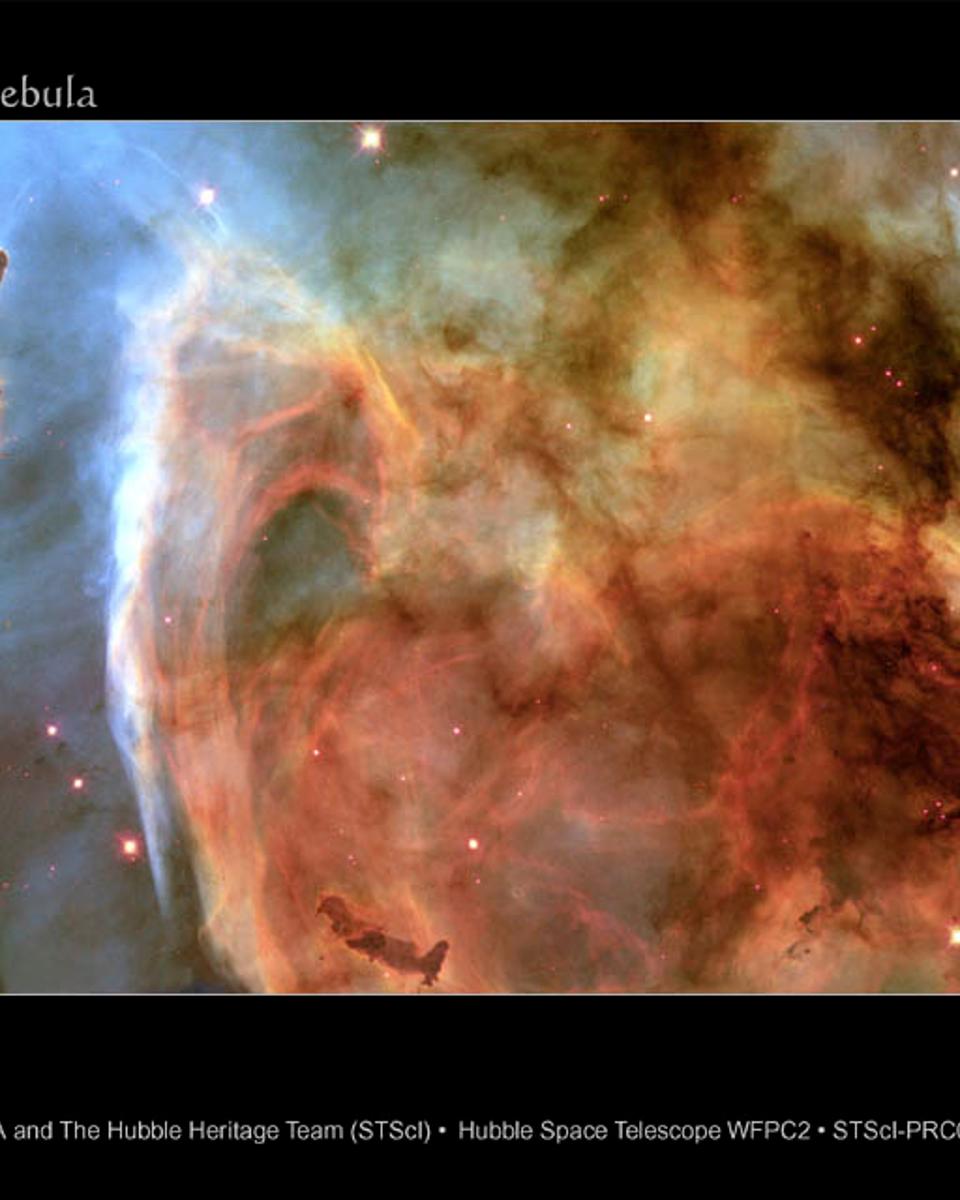
Colorful Clouds Of Carina
Tumultuous clouds of the Carina Nebula , 8000 light-years away, glow in planet Earth's southern sky . Striking and detailed, this close-up of a portion of the famous nebula is a…
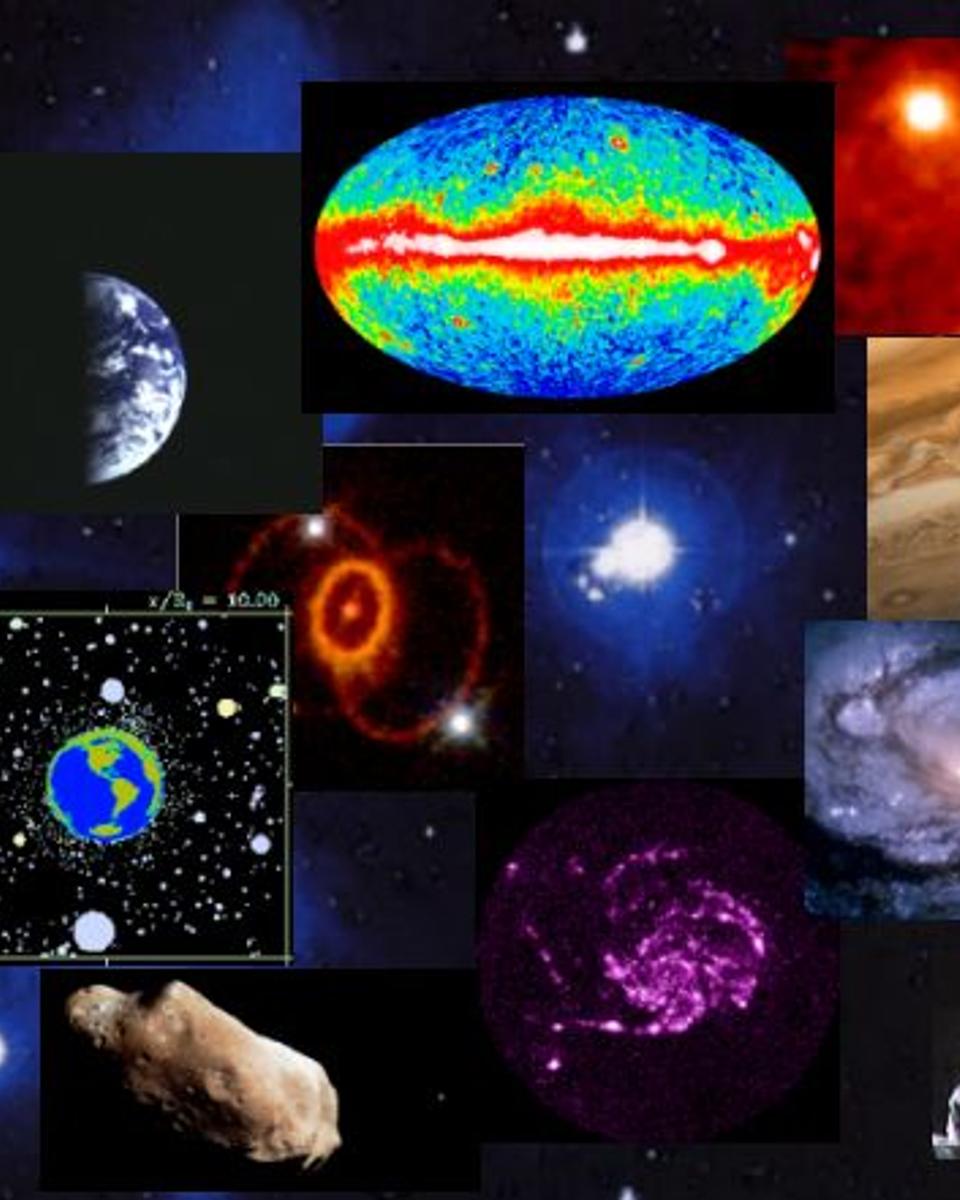
APOD is Six Years Old Today
Welcome to the seventh year of Astronomy Picture of the Day (APOD). Editors Robert Nemiroff and Jerry Bonnell are extremely grateful for the continued large volume of gracious…
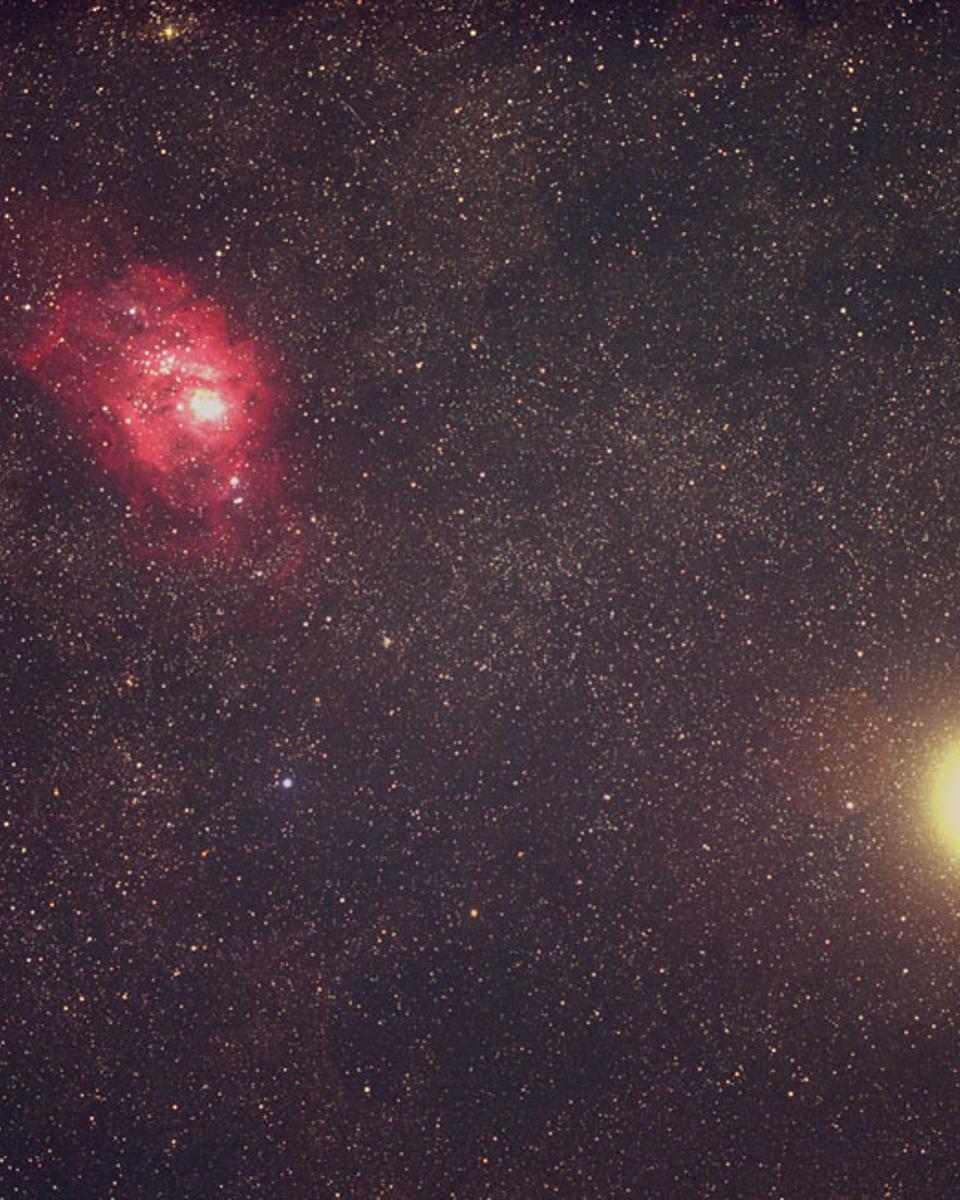
Messiers and Mars
A telescopic tour of the constellation Sagittarius offers the many bright clusters and nebulae of dimensioned space in a starscape surrounding the galactic center . This gorgeous…
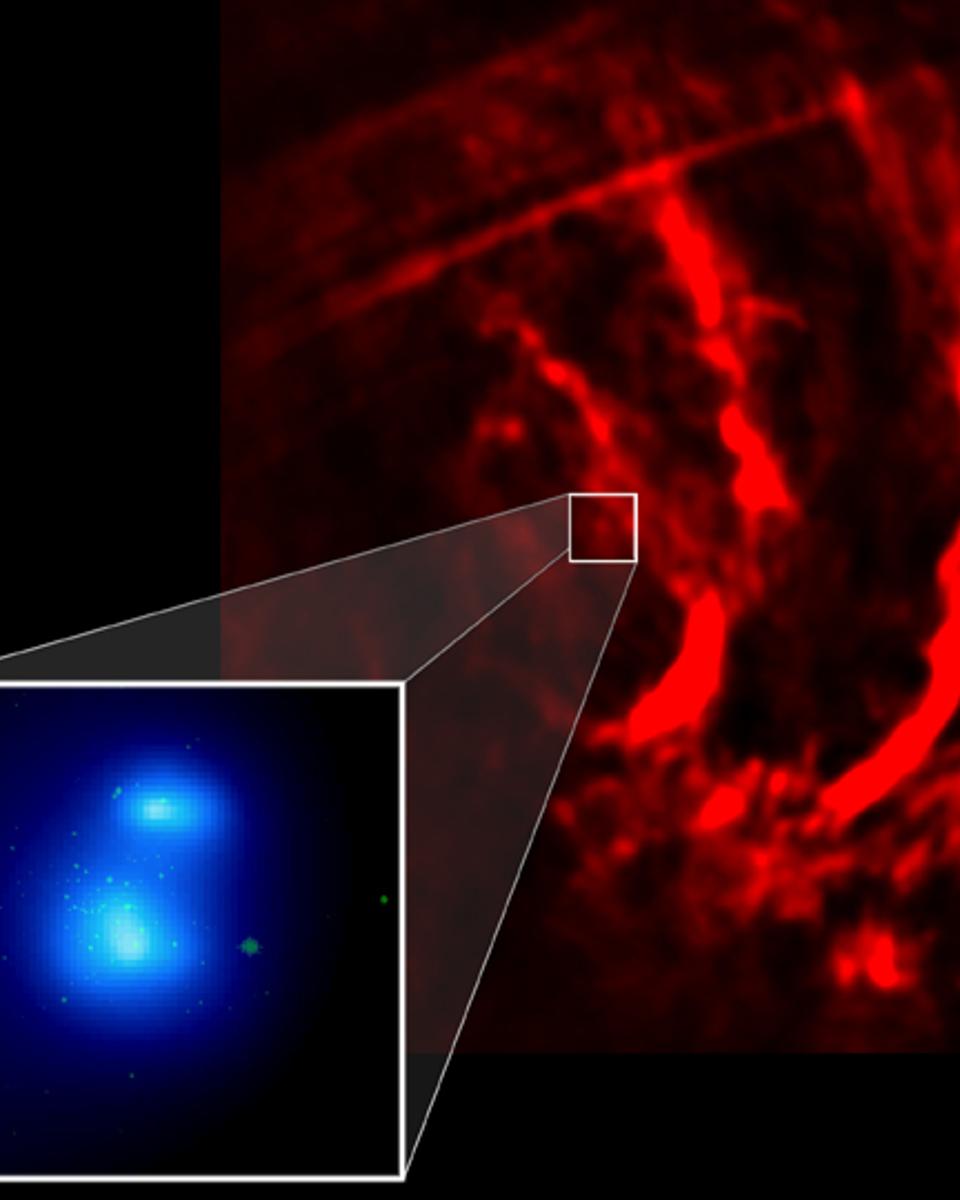
Around The Arches Cluster
The most compact cluster of stars known in our galaxy, the Arches cluster , boasts 100 or so massive, young stars contained within a diameter of one light-year. Seen toward the…
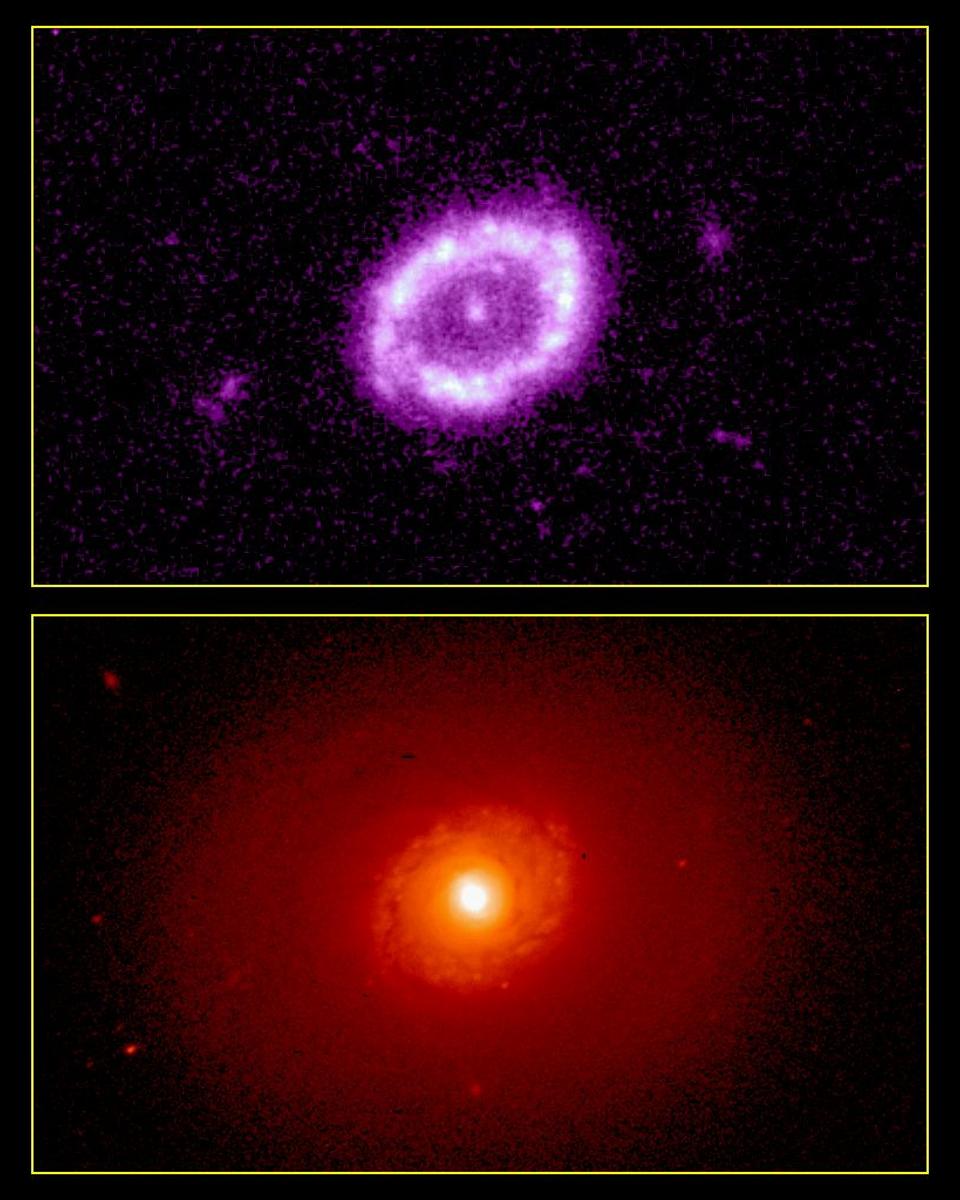
M94: Beyond the Blue
Today's galaxy, M94 (NGC 4736), lies 15 million light-years away in the constellation Canes Venatici . In the red light image (left), its very bright nucleus and tightly wound…
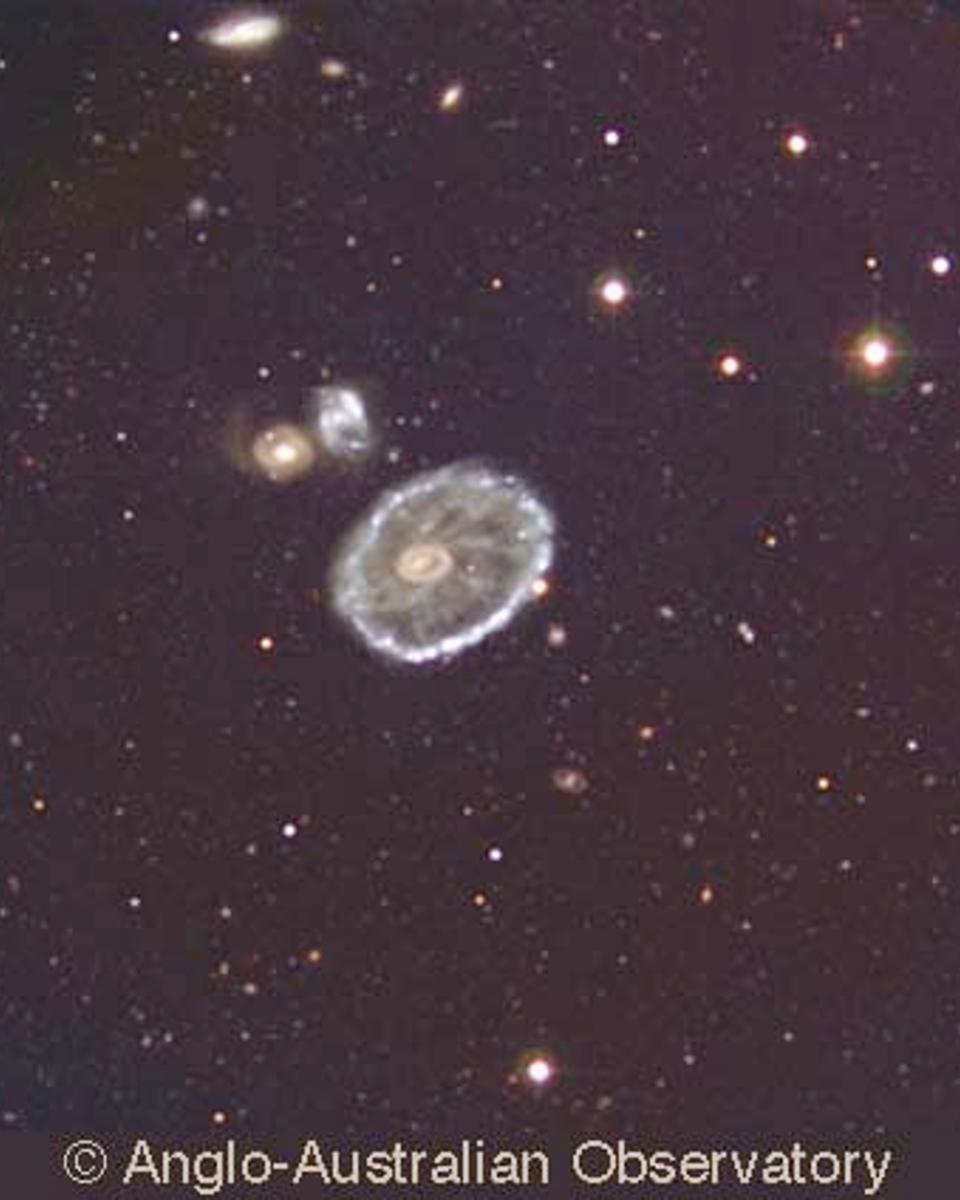
The Cartwheel Galaxy
By chance, a collision of two galaxies has created a surprisingly recognizable shape on a cosmic scale. The Cartwheel Galaxy is part of a group of galaxies about 500 million light…
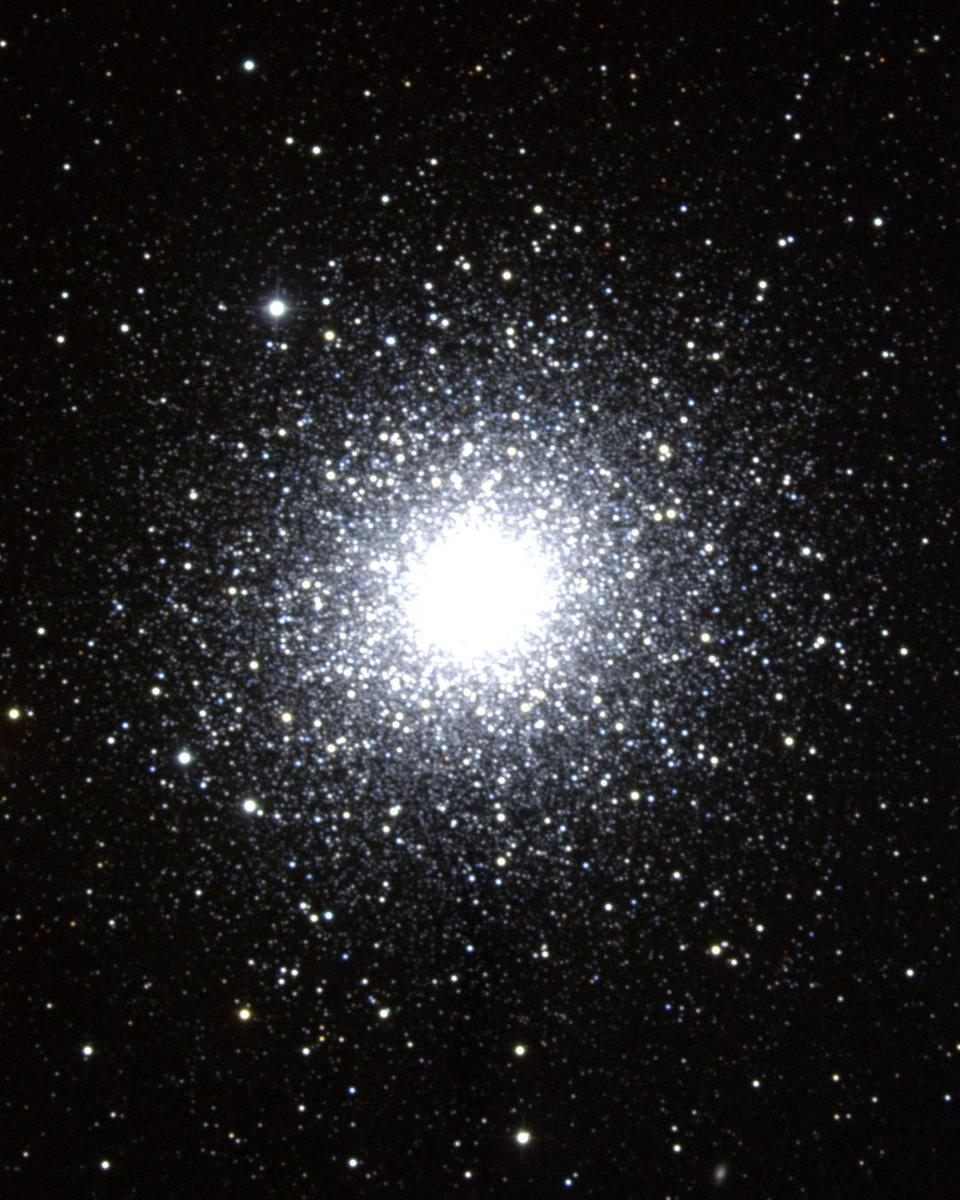
Globular Cluster M2
Beneath the south pole of our Milky Way Galaxy lies a ball of over 100,000 stars. M2, the second object on Charles Messier 's eighteenth century list of bright diffuse sky objects…
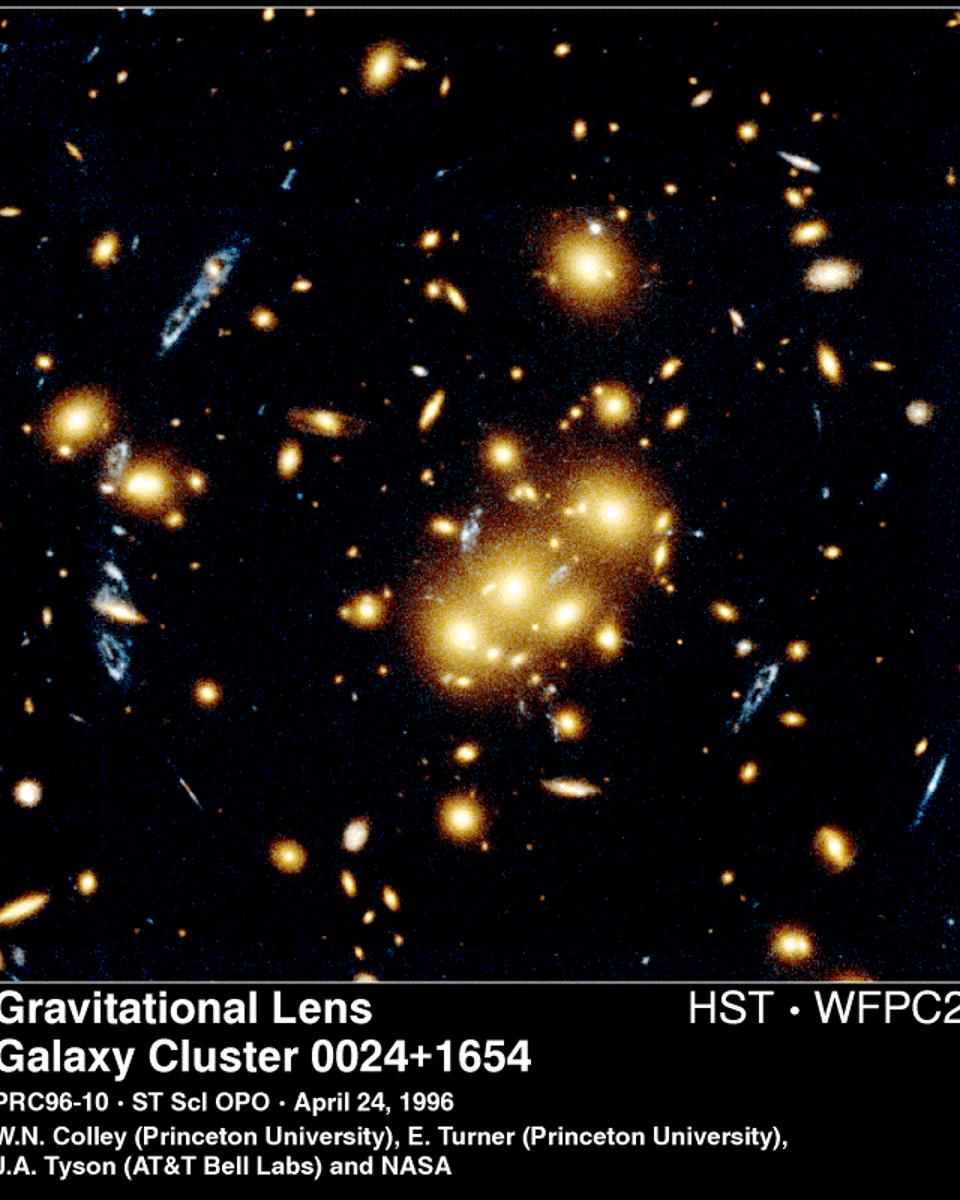
Giant Cluster Bends, Breaks Images
What are those strange blue objects? Many are images of a single, unusual, beaded, blue, ring-like galaxy which just happens to line-up behind a giant cluster of galaxies. Cluster…
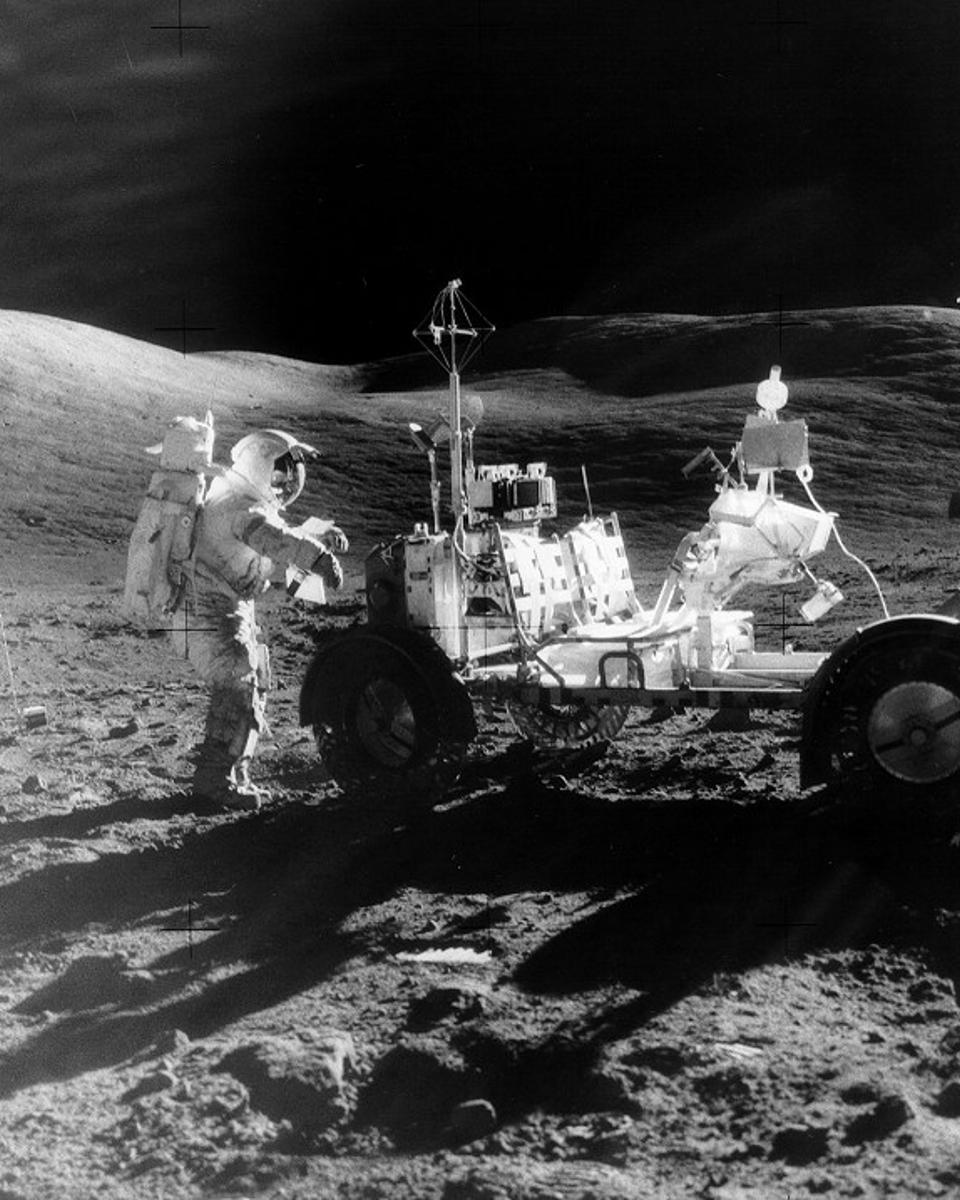
Apollo 17's Lunar Rover
In December of 1972, Apollo 17 astronauts Eugene Cernan and Harrison Schmitt spent about 75 hours exploring the Moon's Taurus-Littrow valley while colleague Ronald Evans orbited…
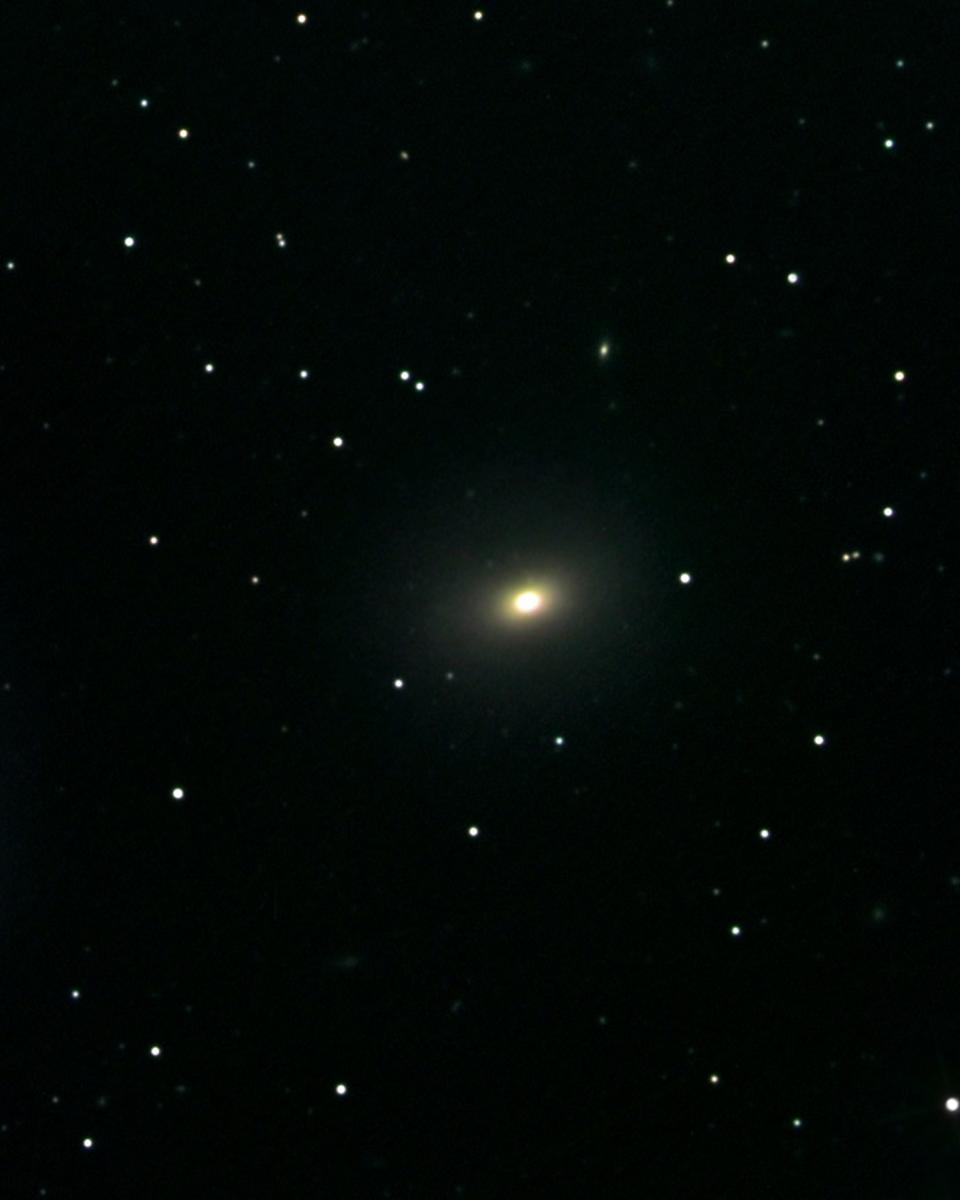
Three Galaxies in Draco
This intriguing trio of galaxies is sometimes called the NGC 5985/Draco Group and so (quite reasonably) is located in the northern constellation Draco . From left to right are…
Viewing discoveries from 1 July 2001 through 8 June 2001.