Browse NASA Astronomy Picture of the Day archive by date and media: Archive Discoveries
Browse the NASA APOD archive without needing the exact date first. Filter by media type and keep moving deeper into older images and videos.
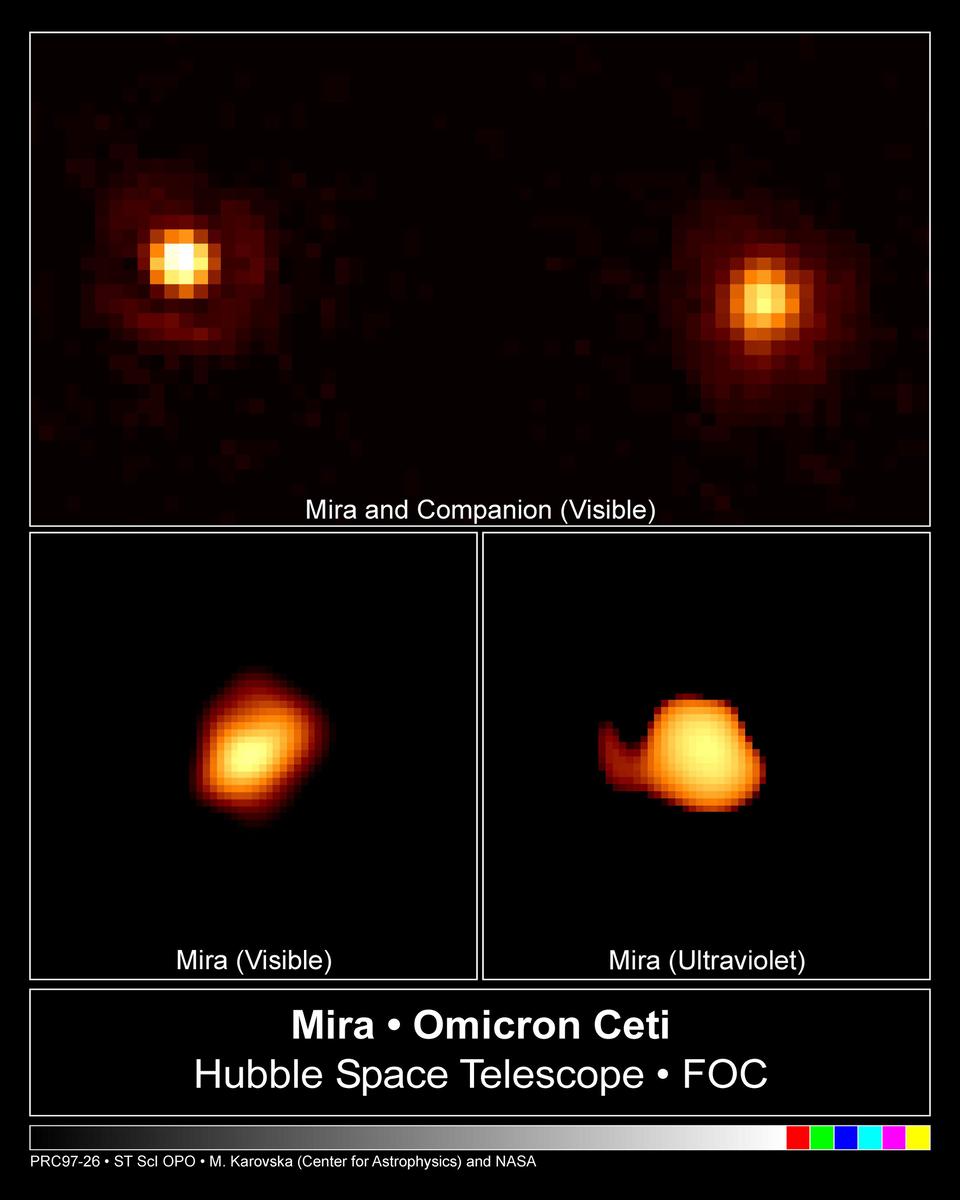
Resolving Mira
Most stars appear only as points of light. In 1995, Betelgeuse became the second star, after our Sun , to have it surface resolved. Later that year, Mira was added to the list.…
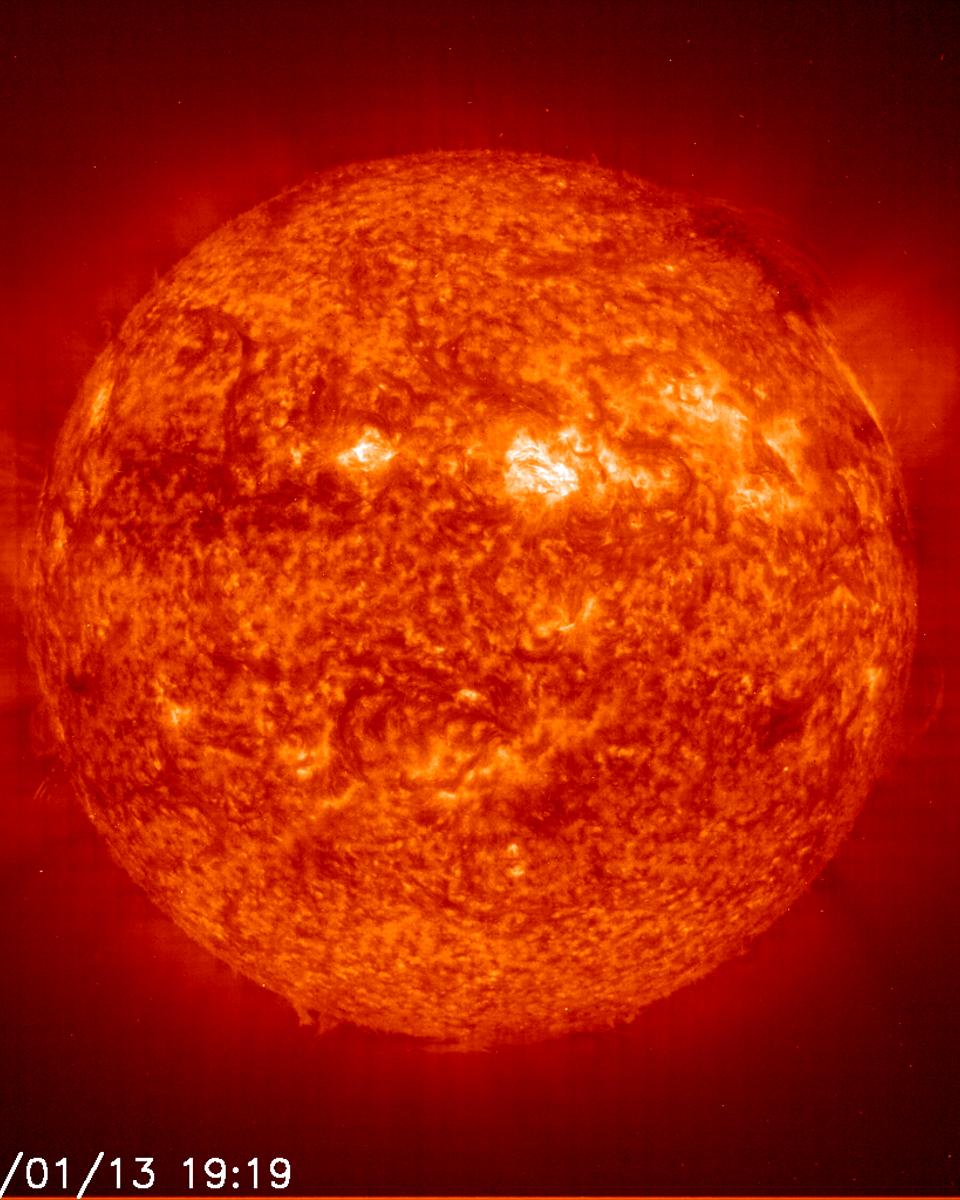
Helios Helium
This image of the active Sun was made using ultraviolet light emitted by ionized Helium atoms in the Solar chromosphere . Helium was first discovered in the Sun in 1868, its name…
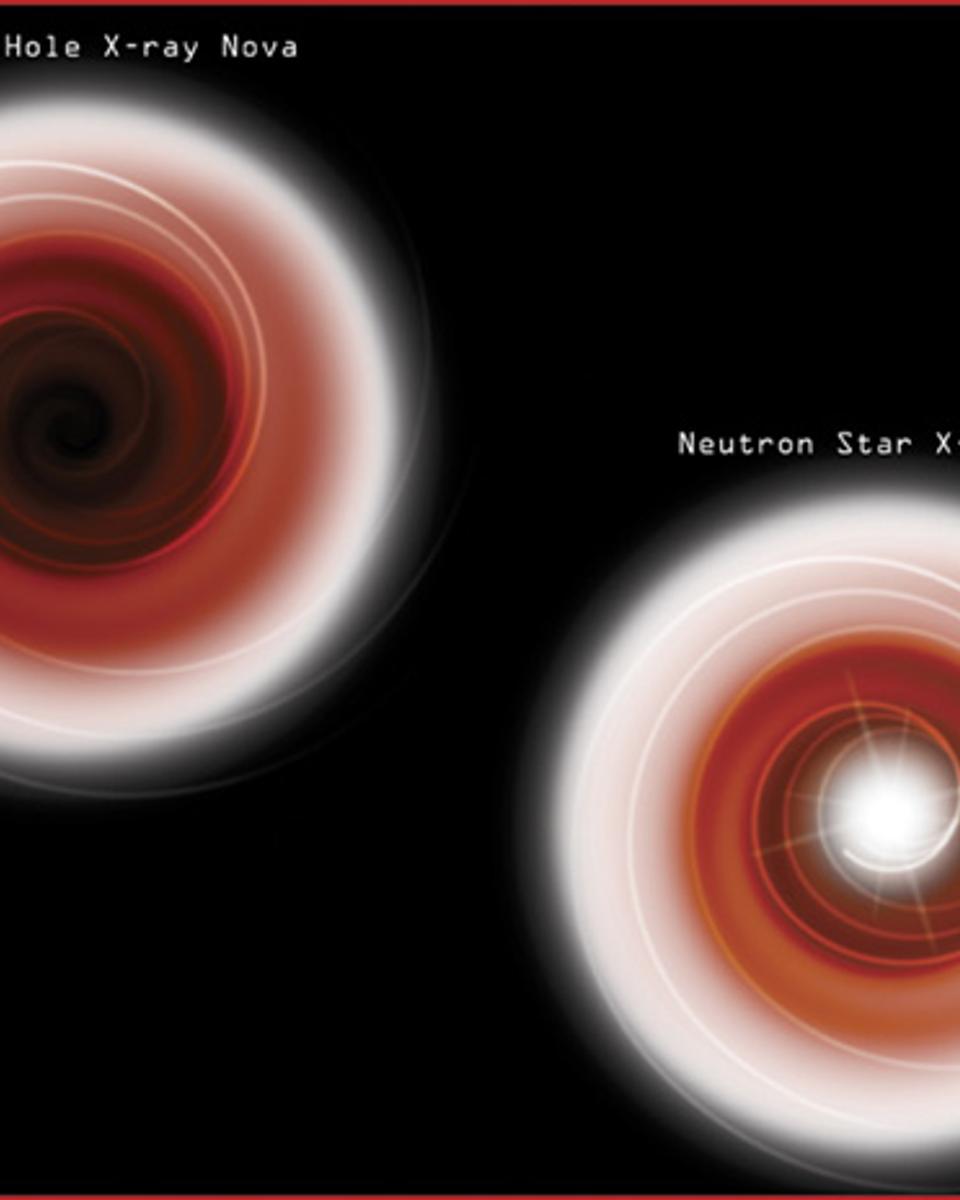
Black Holes Are Black
Q: Why are black holes black? A: Because they have an event horizon . The event horizon is that one-way boundary predicted by general relativity beyond which nothing, not even…
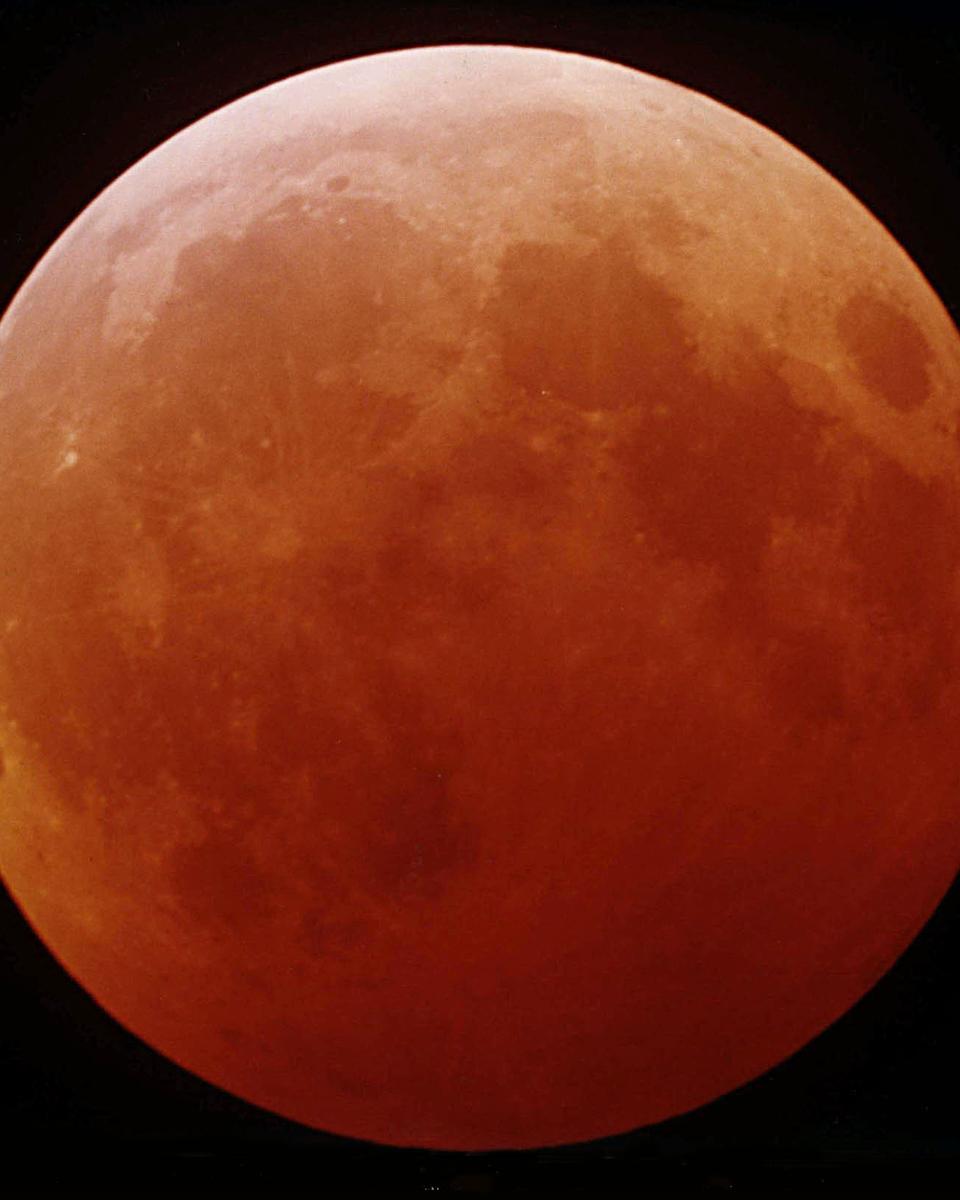
2001: A Total Lunar Eclipse
The first and only total lunar eclipse for the year 2001 occured on the evening of January 9/10 as the full Moon glided through Earth's shadow. Unlike a total solar eclipse, a…
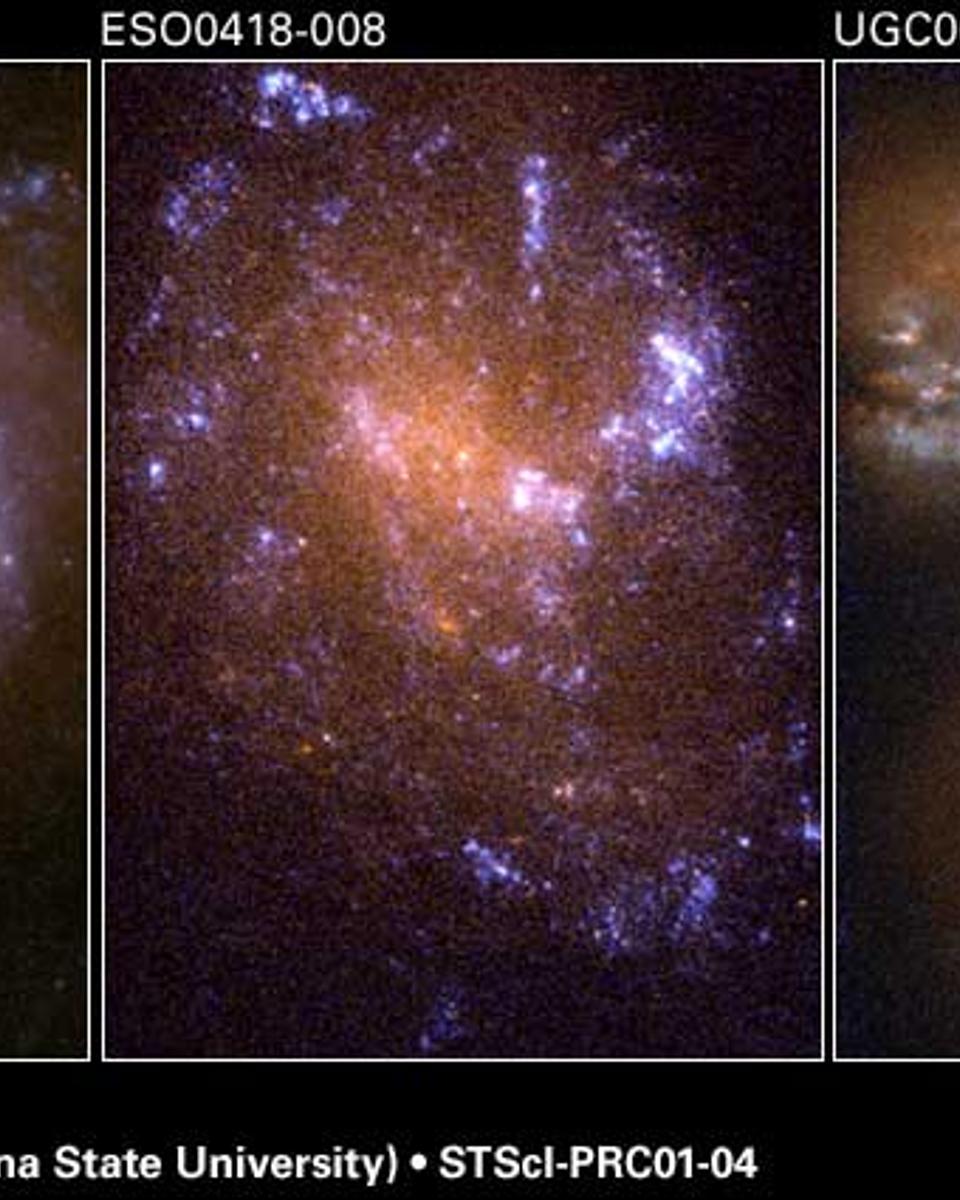
Spiral Galaxy NGC 3310 in Ultraviolet
Why is NGC 3310 bursting with young stars? The brightest of these new stars are so hot that they light up this spiral galaxy not only in blue light, but in light so blue humans…
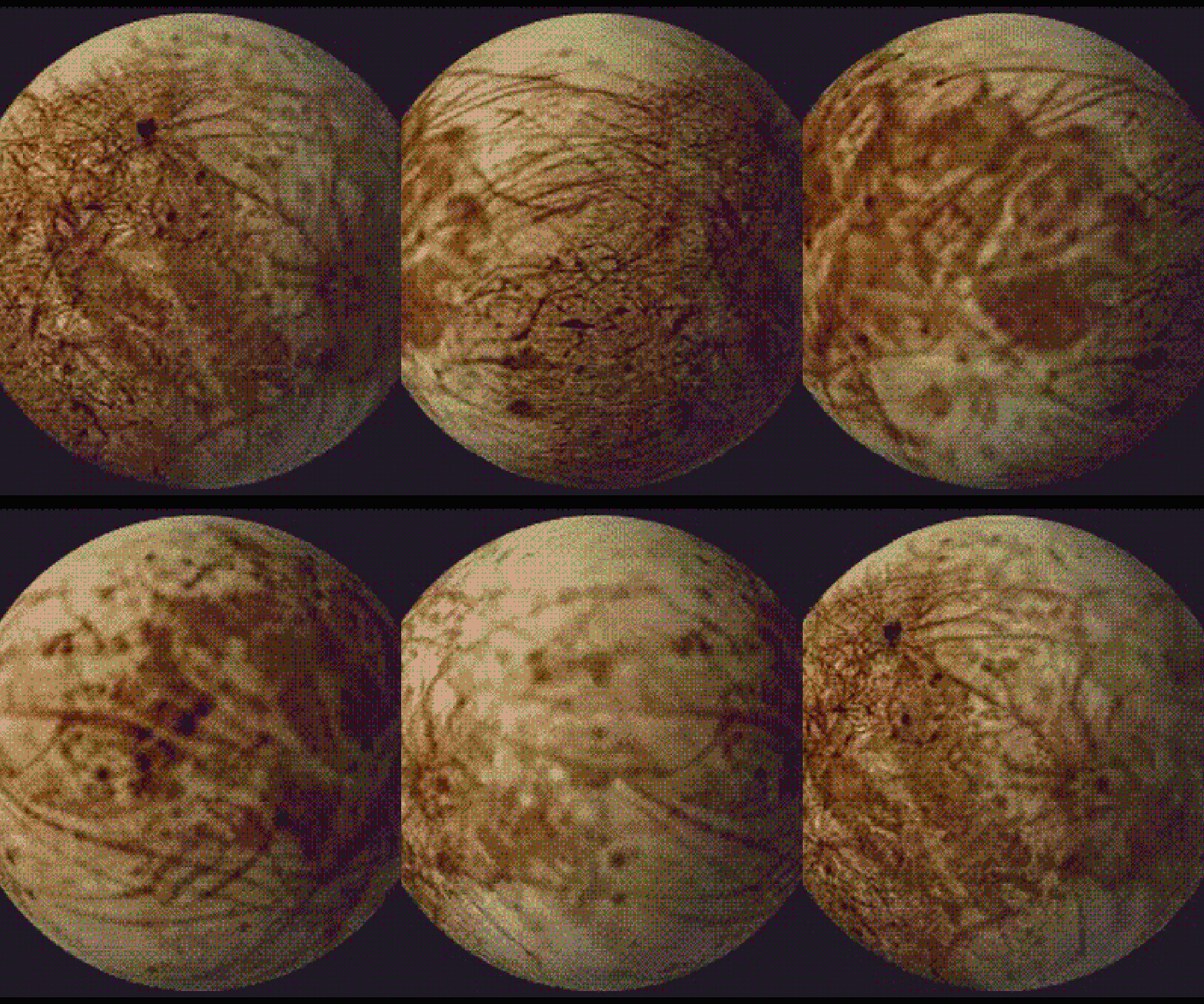
Europa Rotating
Evidence has been mounting that beneath the vast planes of ice that cover Europa lies water -- liquid oceans that might be home to alien life . The smallest of Jupiter 's Galilean…
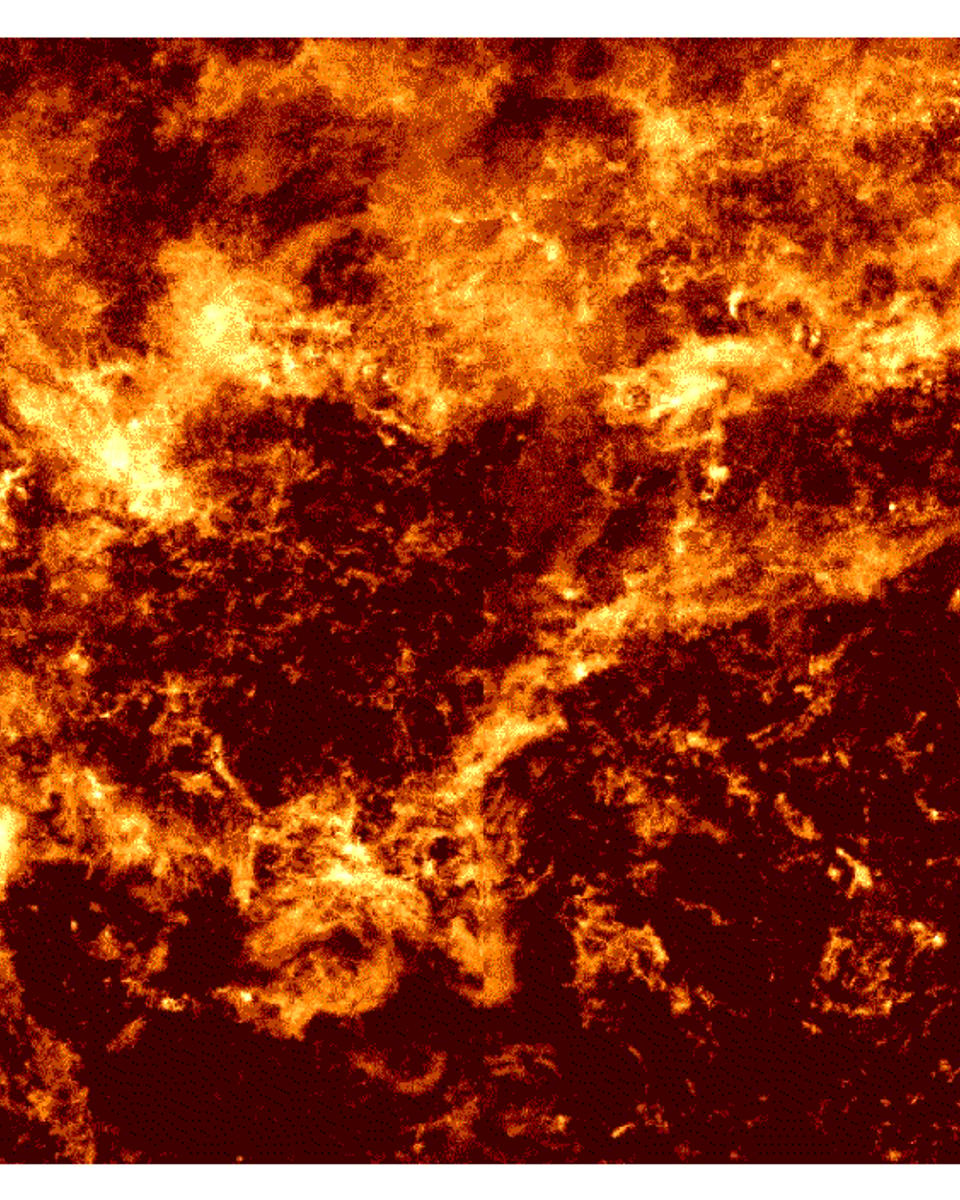
Billows of Smog in the Outer Galaxy
Our Galaxy is filled with gas . Most of this gas is hydrogen , some is helium , but there is a trace amount of relatively heavy molecules, including carbon monoxide (CO) - a…
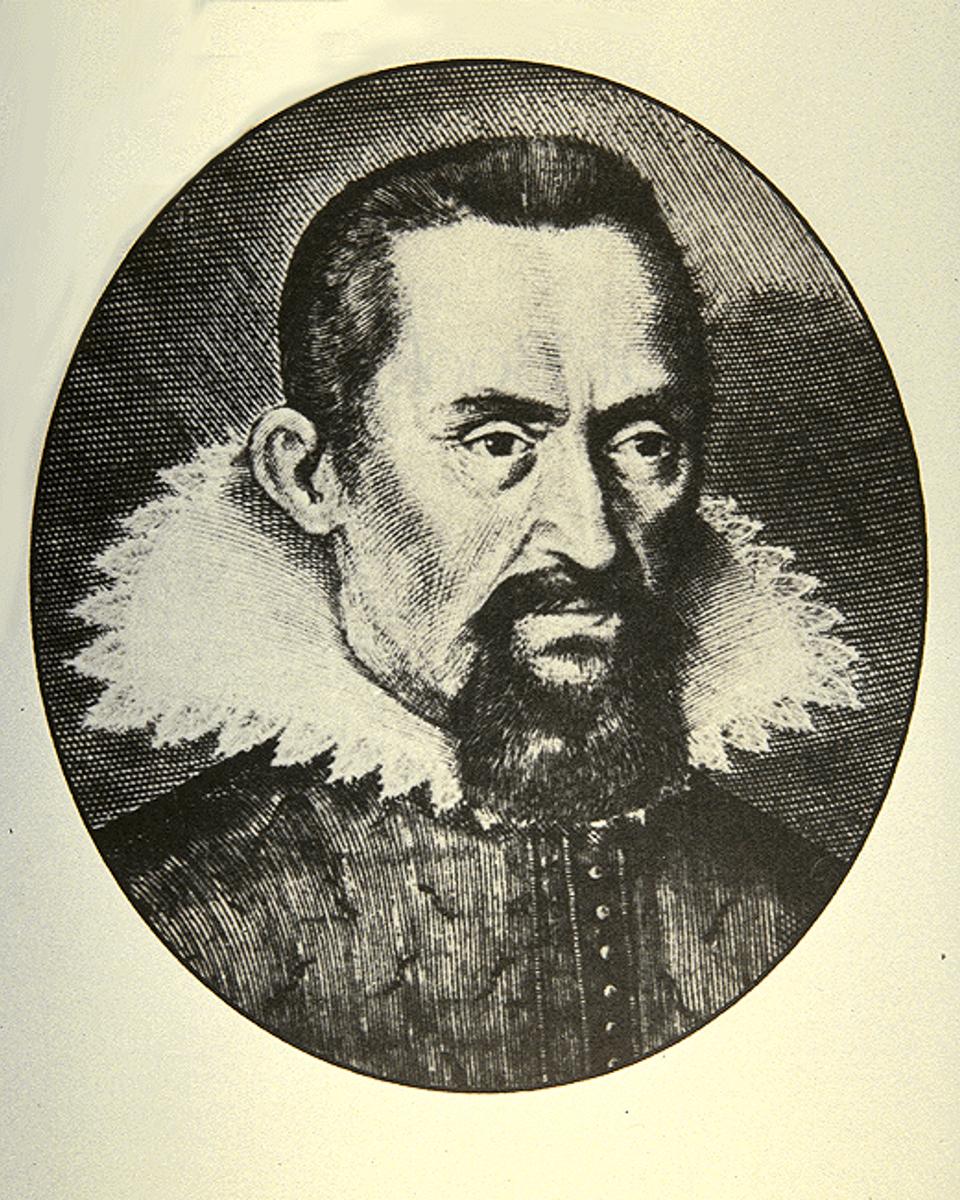
Kepler Discovers How Planets Move
Johannes Kepler used simple mathematics to describe how planets move. Kepler was an assistant to the most accurate astronomical observer of the time, Tycho Brahe . Kepler was able…
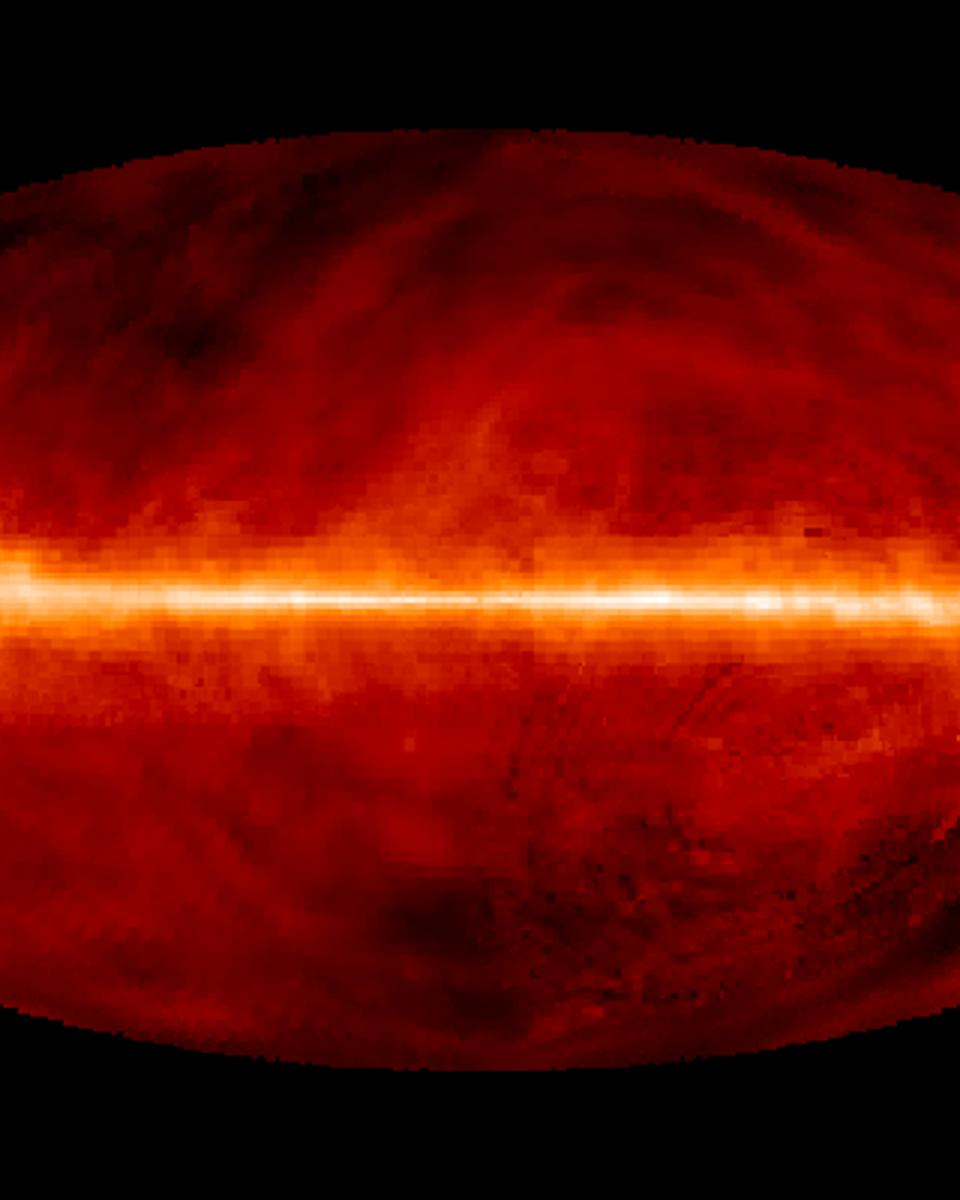
A Sky Full Of Hydrogen
Interstellar space is filled with extremely tenuous clouds of gas which are mostly Hydrogen. The neutral Hydrogen atom (HI in astronomer's shorthand) consists of 1 proton and 1…
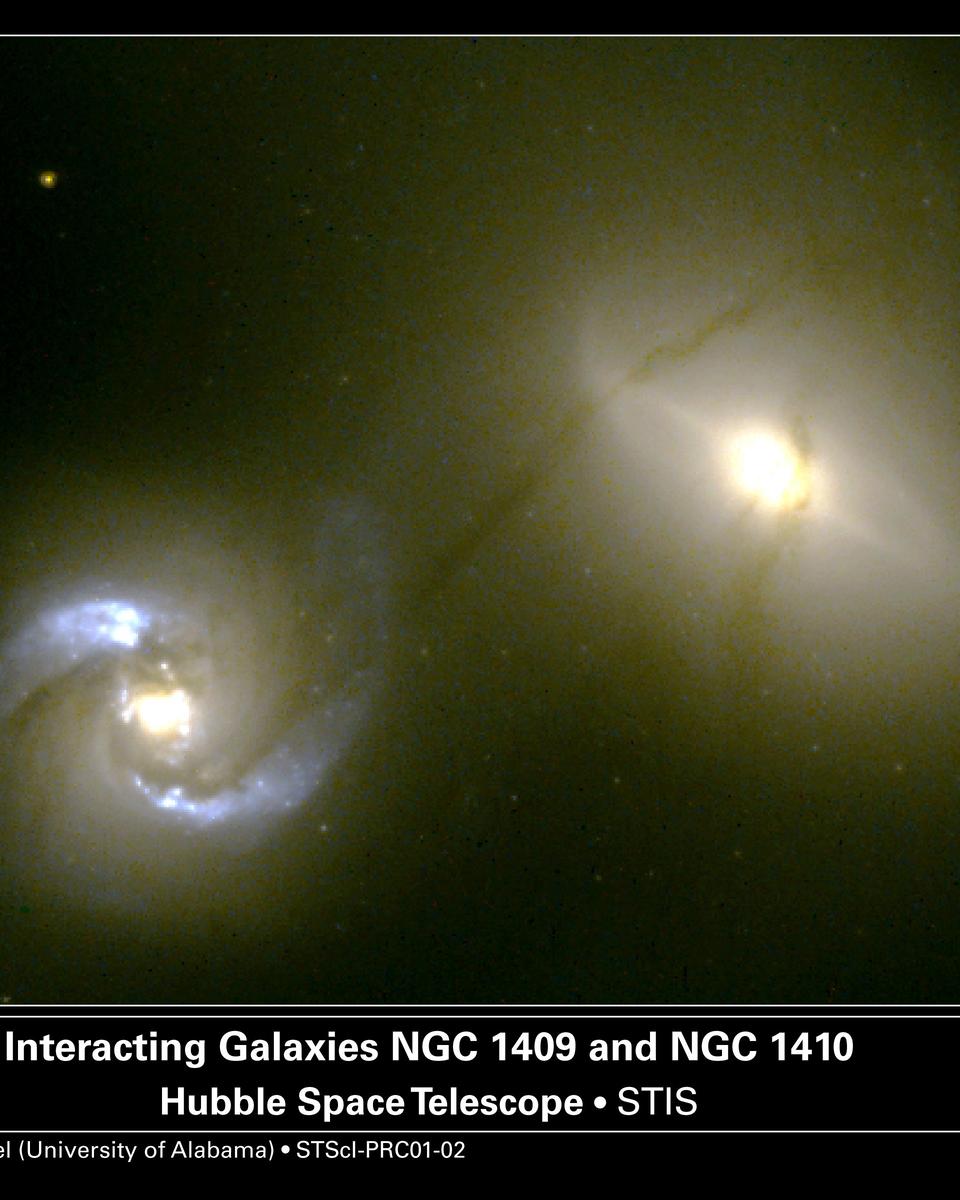
NGC 1410/1409: Intergalactic Pipeline
These two galaxies are interacting in a surprising way, connected by a “pipeline” of obscuring material that runs between them over 20,000 light-years of intergalactic space.…
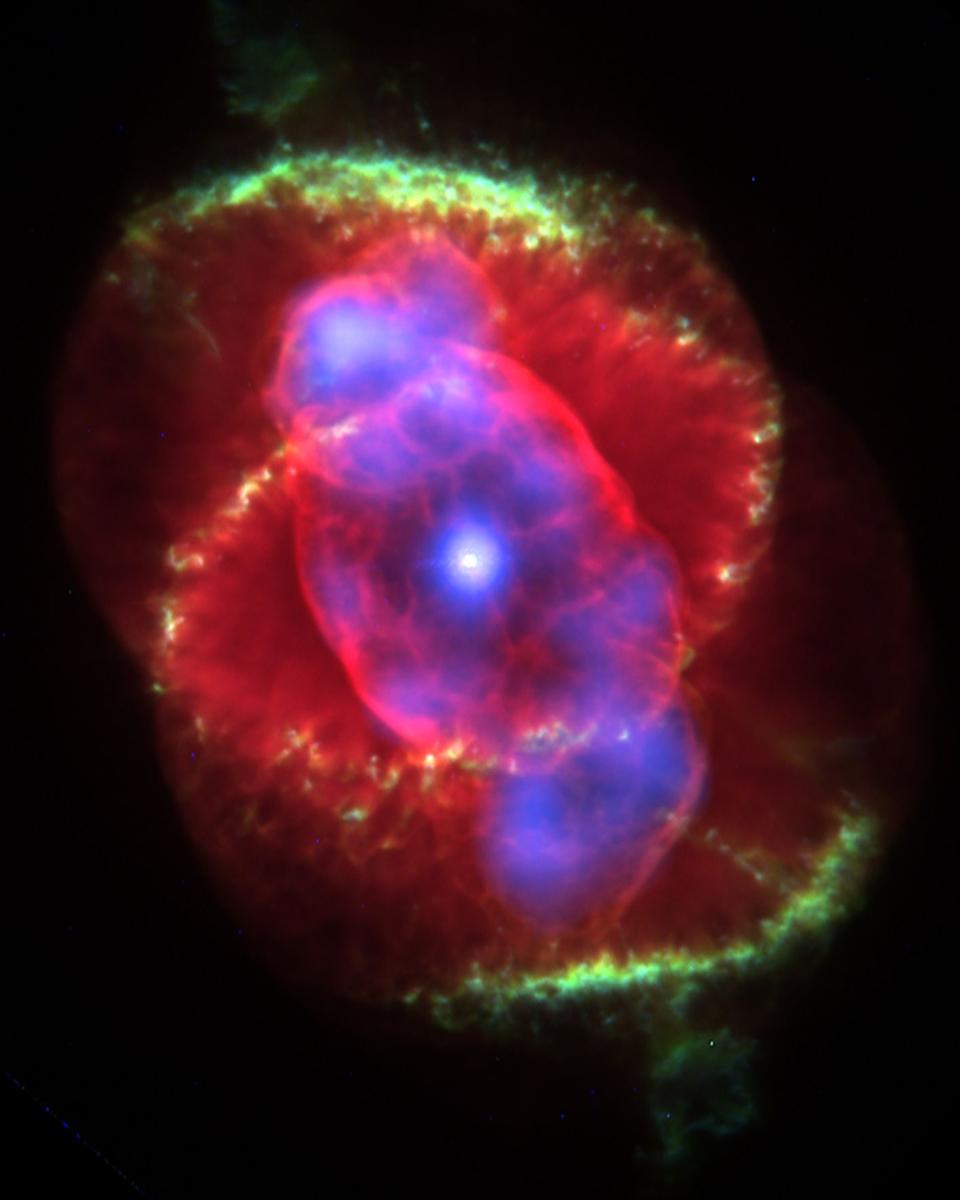
X-rays From The Cat's Eye
Haunting patterns within planetary nebula NGC 6543 readily suggest its popular moniker -- the Cat's Eye nebula. In 1995, a stunning false-color optical image from the Hubble Space…
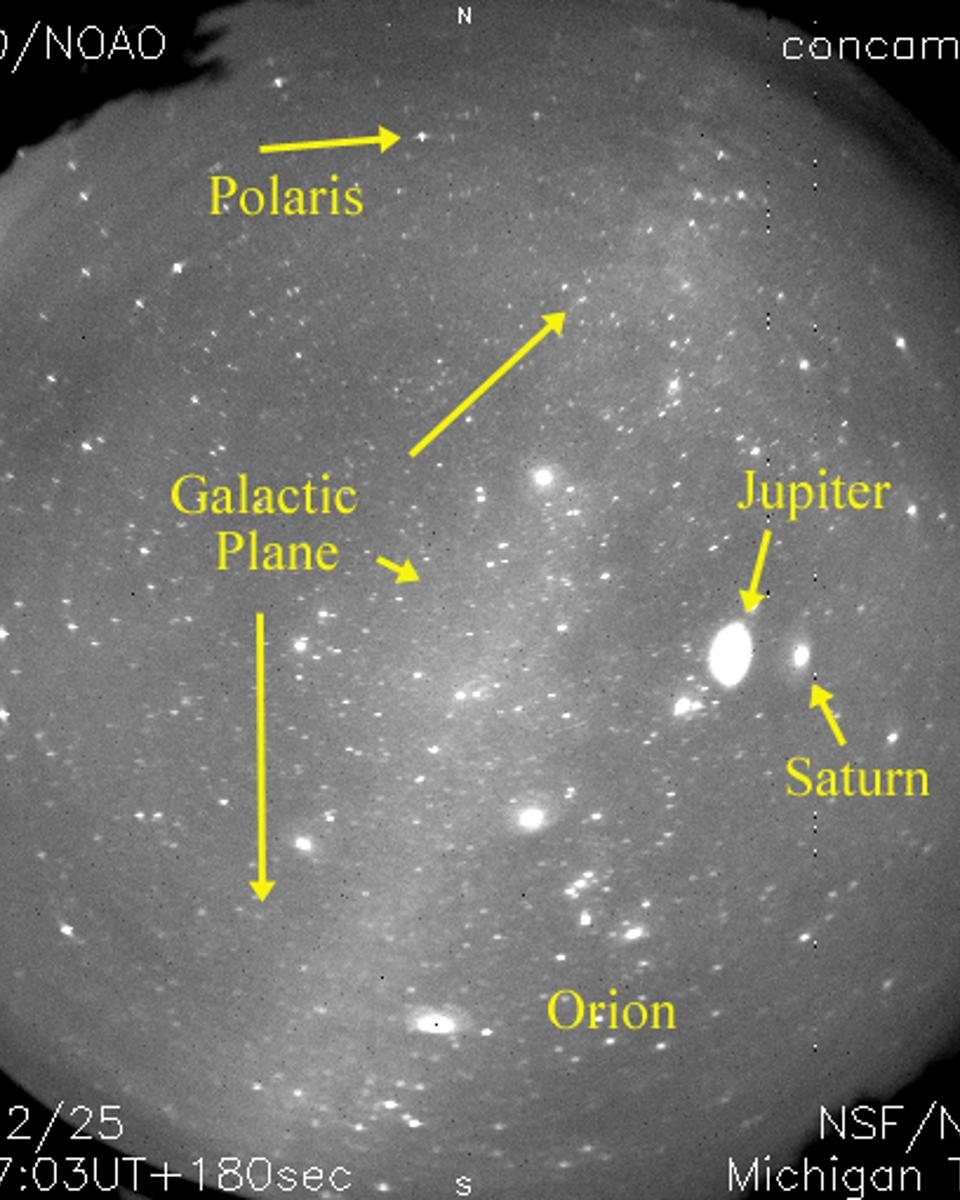
Watch the Sky Rotate
If you could watch the sky for an entire night, what would you see? The above time-lapse sequence from the CONtinuous CAMera (CONCAM) project shows the answer for the skies above…

A Cosmic Call to Nearby Stars
If you could send a message to an alien civilization , what would you say? The people from the Cosmic Call project sent the above image as the first page of a longer message. The…
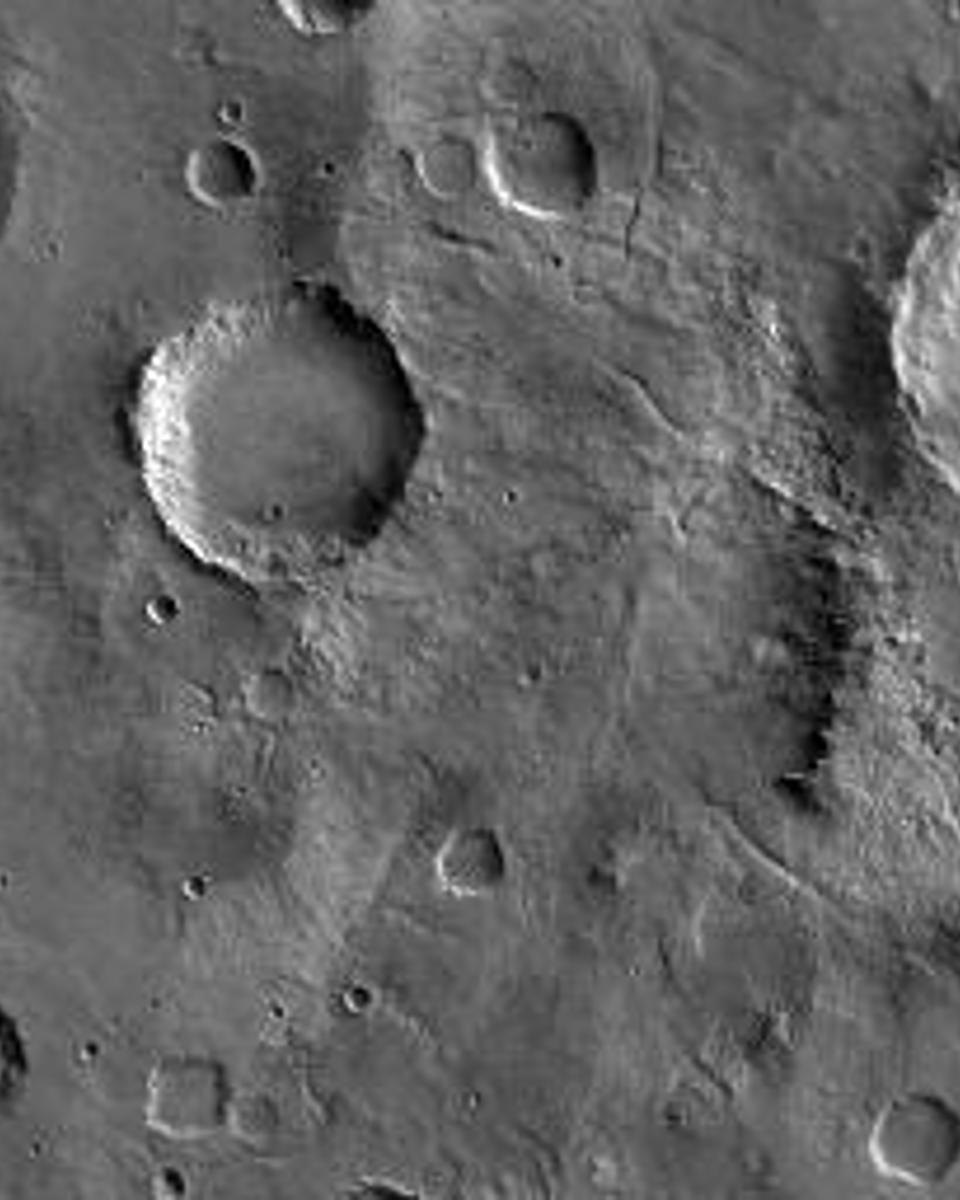
Help NASA Classify Martian Craters
The large Martian crater above just left of center: is this a fresh crater, a degraded crater, or a ghost crater? Complex image recognition tasks like these are currently done…

Tycho Brahe Measures the Sky
Tycho Brahe was the most meticulous astronomical observer of his time. Brahe , who lived between 1546 and 1601, set out to solve the day's most pressing astronomical problem: to…
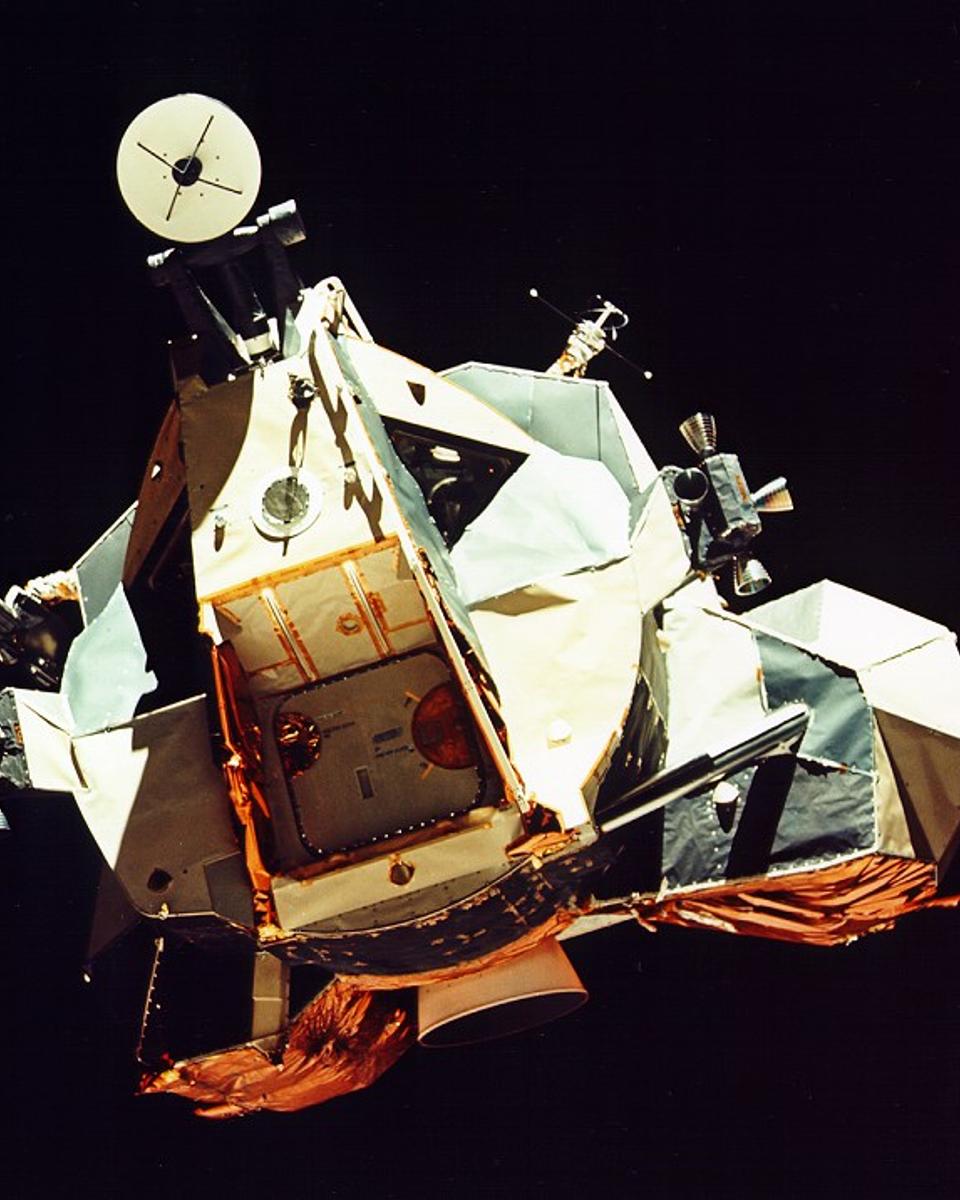
Apollo 17's Moonship
Awkward and angular looking, Apollo 17's lunar module Challenger was designed for flight in the vacuum of space. This sharp picture from the command module America , shows…
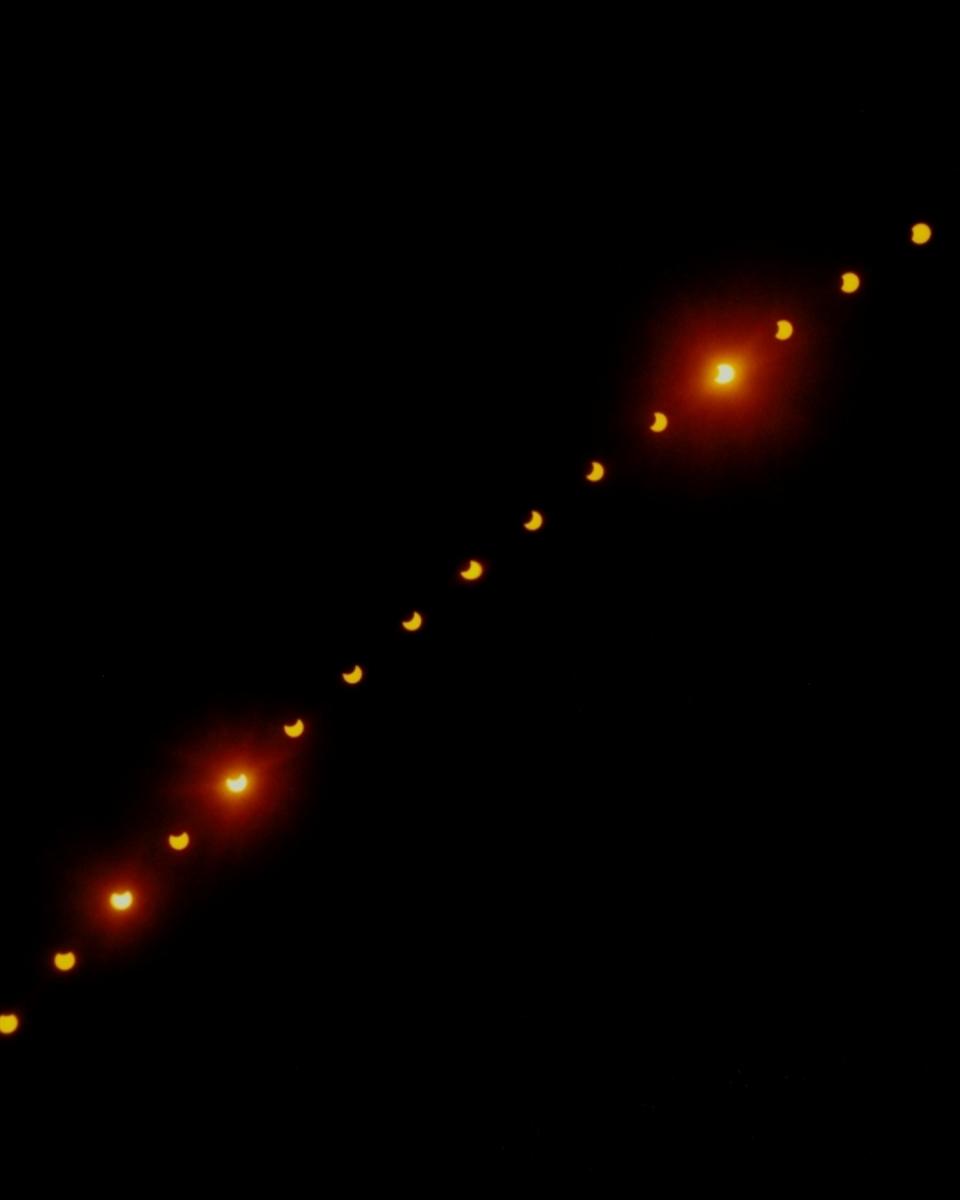
Second Millennium, Last Eclipse
Christmas Day 2000 featured the final eclipse of the Second Millennium -- a partial solar eclipse visible from much of North America . Astrophotographer Phil Rau recorded the…
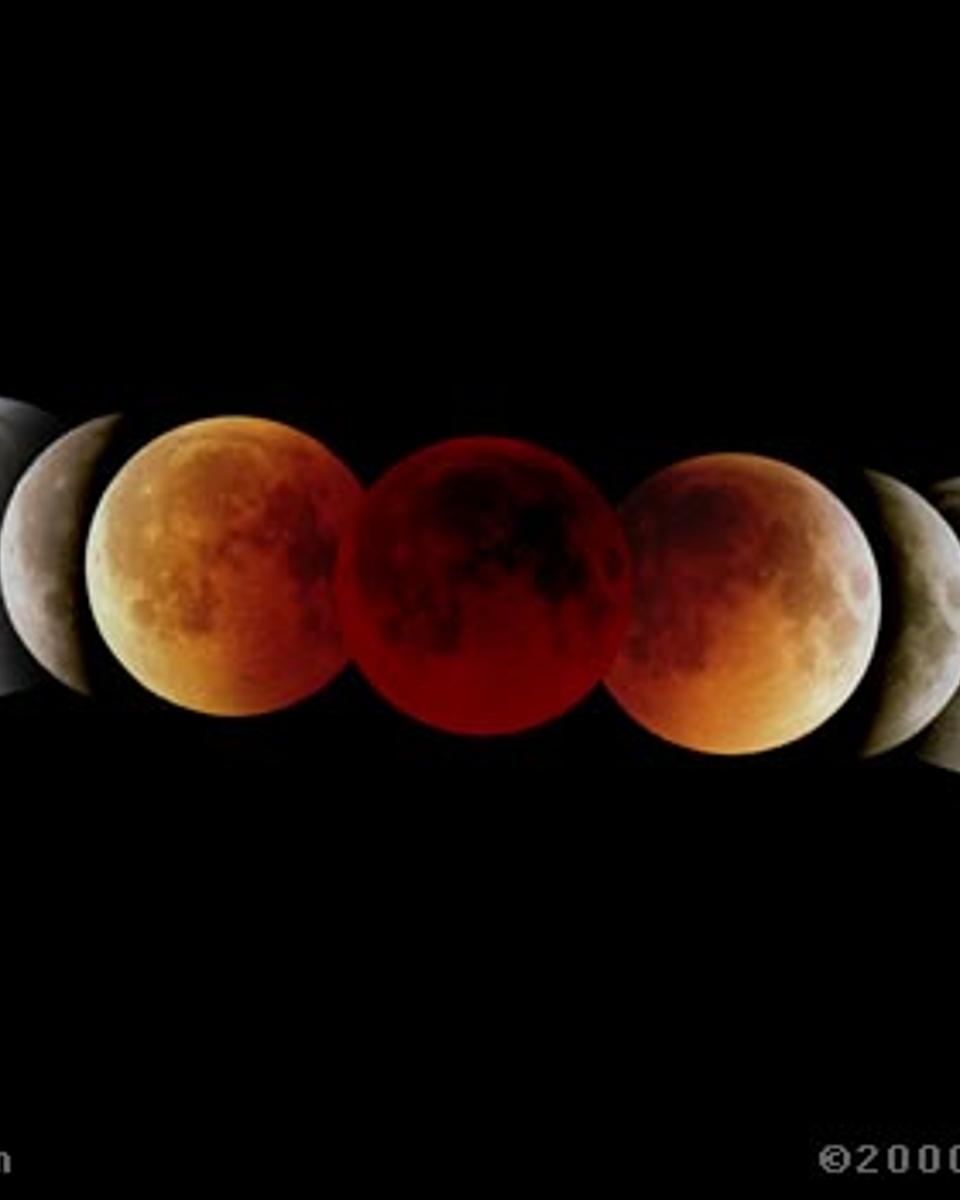
Third Millennium, First Eclipse
The first eclipse of the third millennium is coming up! A total lunar eclipse mainly visible from Europe, Asia, and Africa, will occur on January 9th as the full Moon glides…
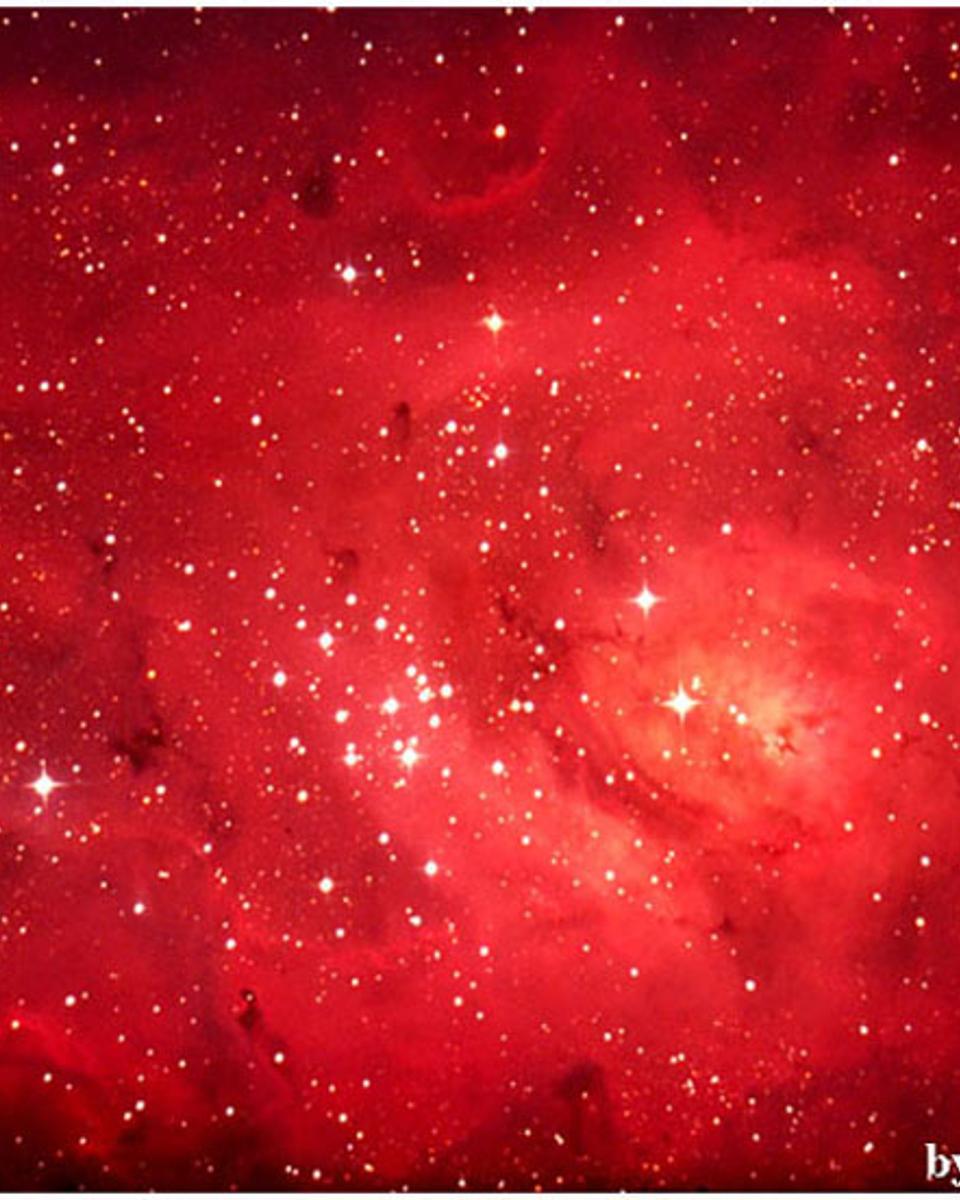
M8: In the Center of the Lagoon Nebula
In the center of the Lagoon Nebula one finds glowing gas , star clusters, and dense knots of gas and dust just now forming stars. The young open cluster of stars, designated NGC…
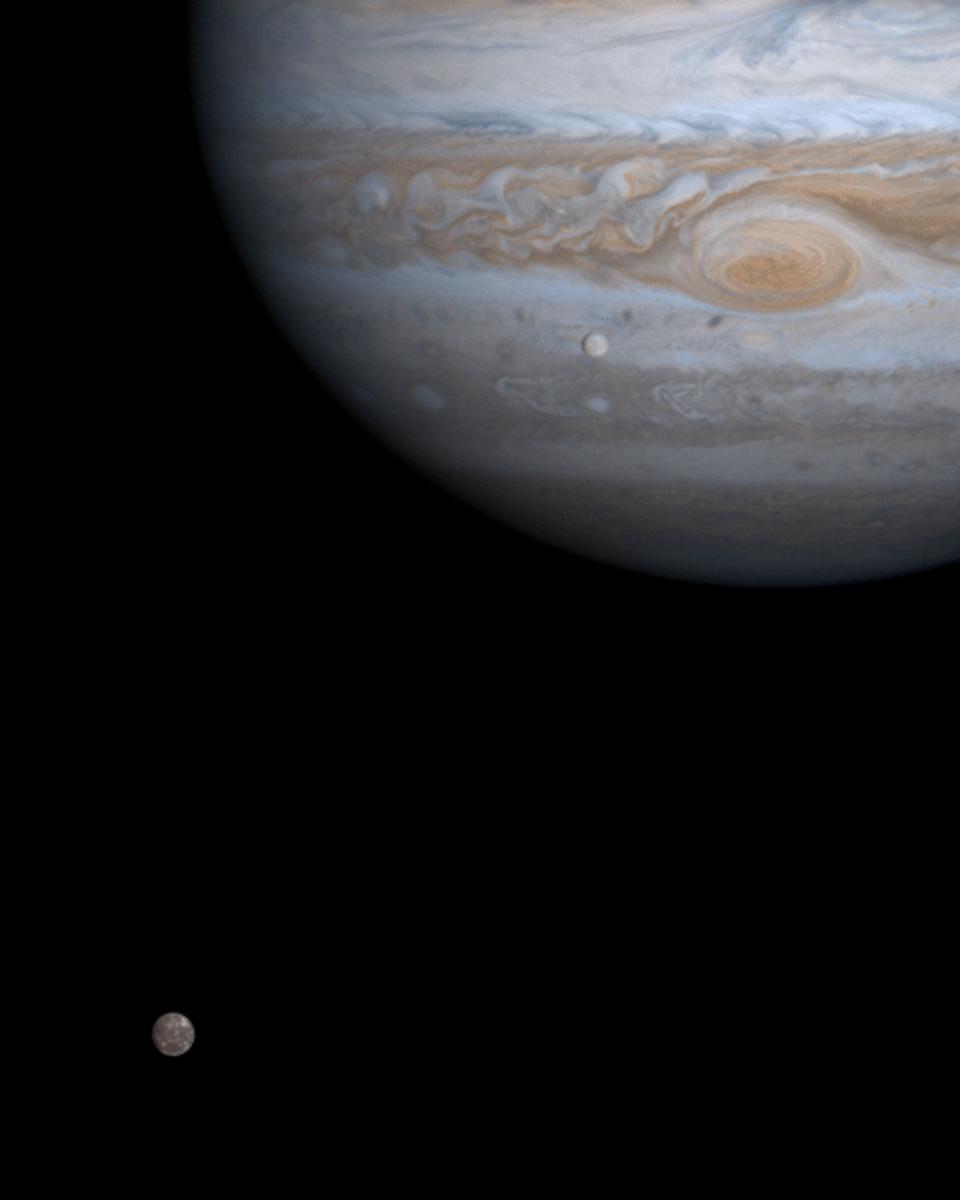
Jupiter, Europa, and Callisto
As the robot Cassini spacecraft rounds Jupiter on its way toward Saturn , it has taken a sequence of images of the gas giant with its four largest moons . Previously released…
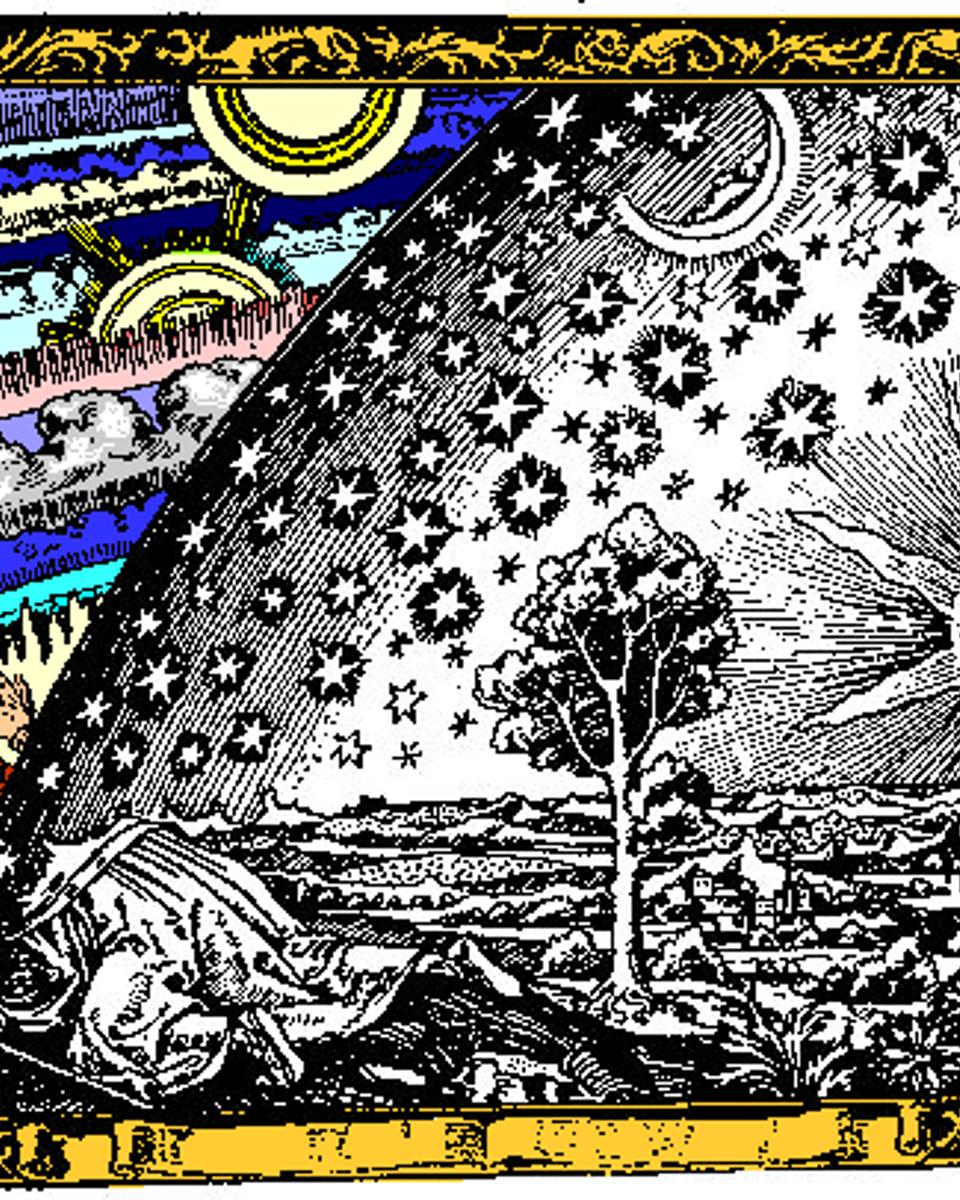
The Millennium that Defines Universe
Welcome to millennium three . During millennium two , humanity continually redefined its concept of “Universe”: first as spheres centered on the Earth , in mid-millennium as the…
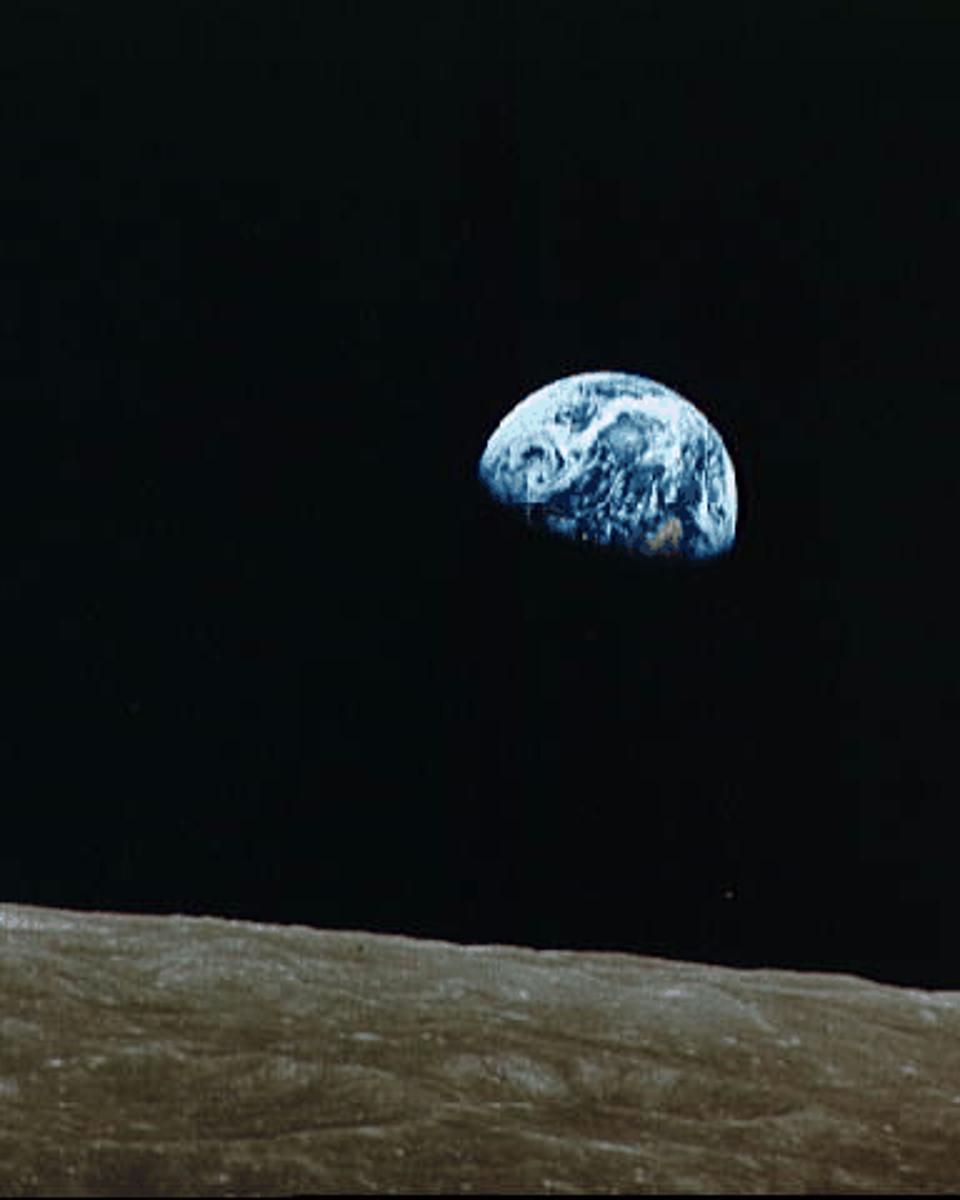
The Millennium that Defined Earth
When the second millennium began, people generally knew that the Earth was round, but few saw much of it beyond their local village. As the millennium progressed, humans mapped…
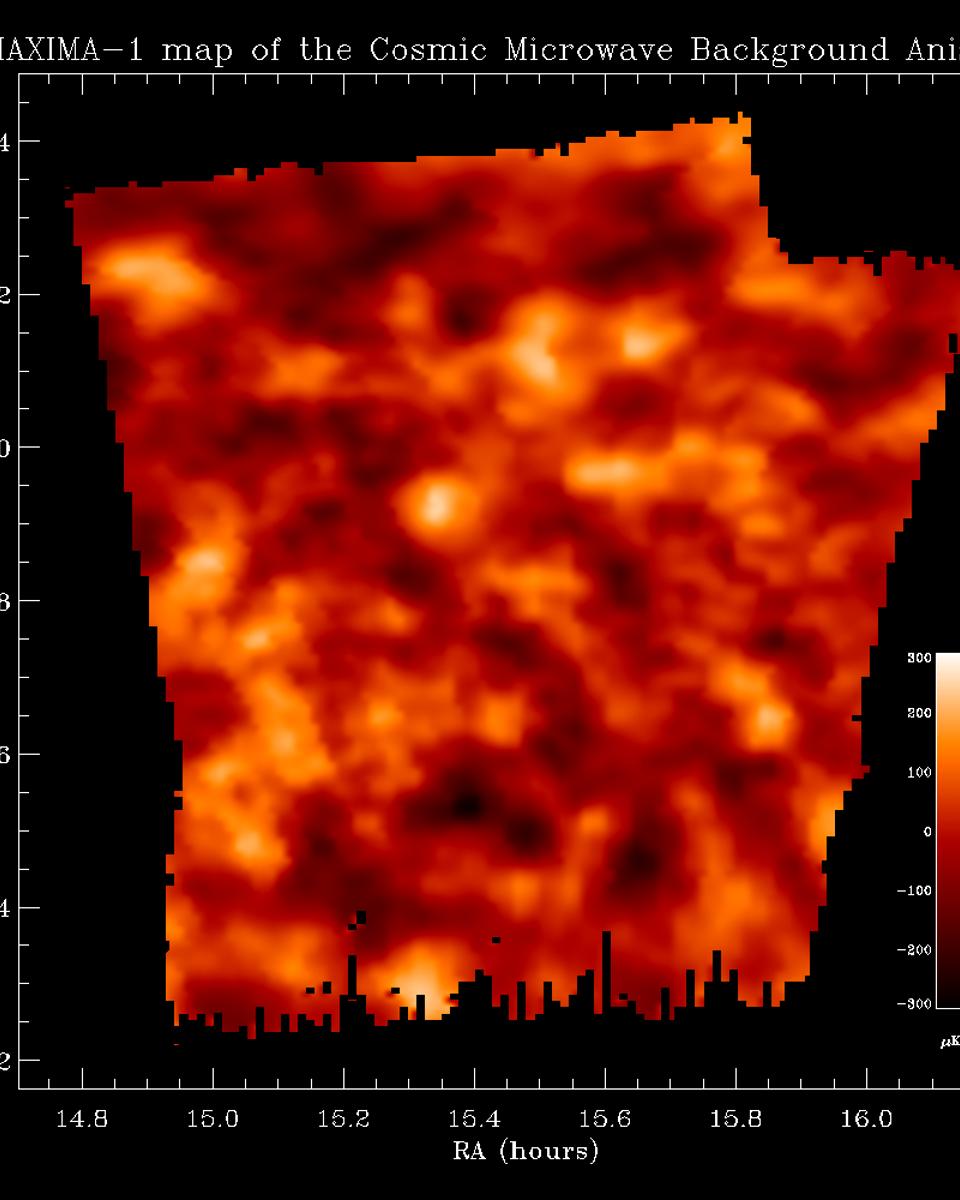
A Year of Resolving Backgrounds
No matter which direction you look, no matter what type of light you see, the sky glows - but why? The sources of many of these background radiations have remained long-standing…
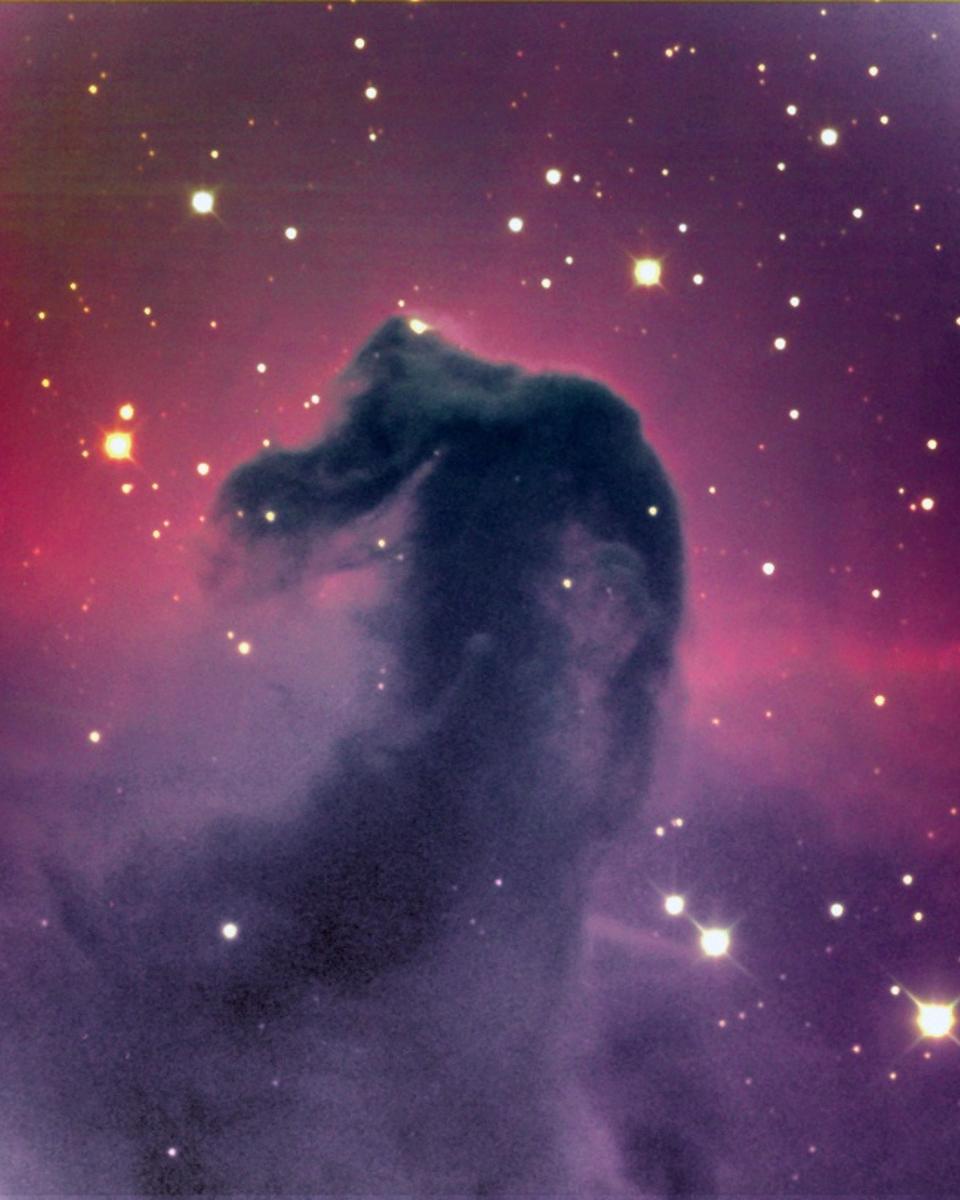
The Dark Horsehead Nebula
While drifting through the cosmos this magnificent interstellar dust cloud, sculpted by stellar winds and radiation, has chanced to assume a recognizable shape. Fittingly named…
Viewing discoveries from 21 January 2001 through 29 December 2000.