Browse NASA Astronomy Picture of the Day archive by date and media: Archive Discoveries
Browse the NASA APOD archive without needing the exact date first. Filter by media type and keep moving deeper into older images and videos.
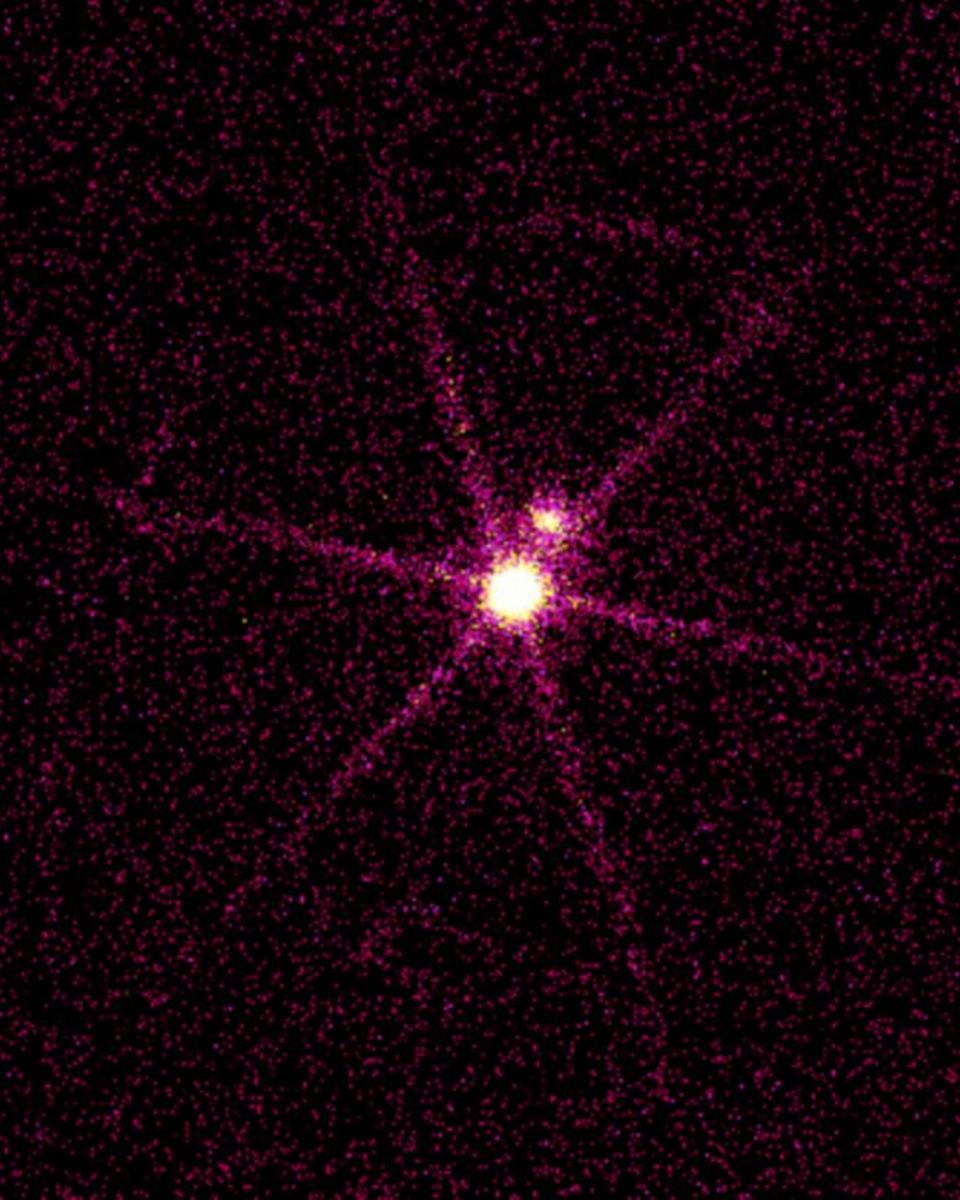
X-Rays From Sirius B
In visible light Sirius A (Alpha Canis Majoris) is the brightest star in the night sky, a closely watched celestial beacon throughout recorded history . Part of a binary star…
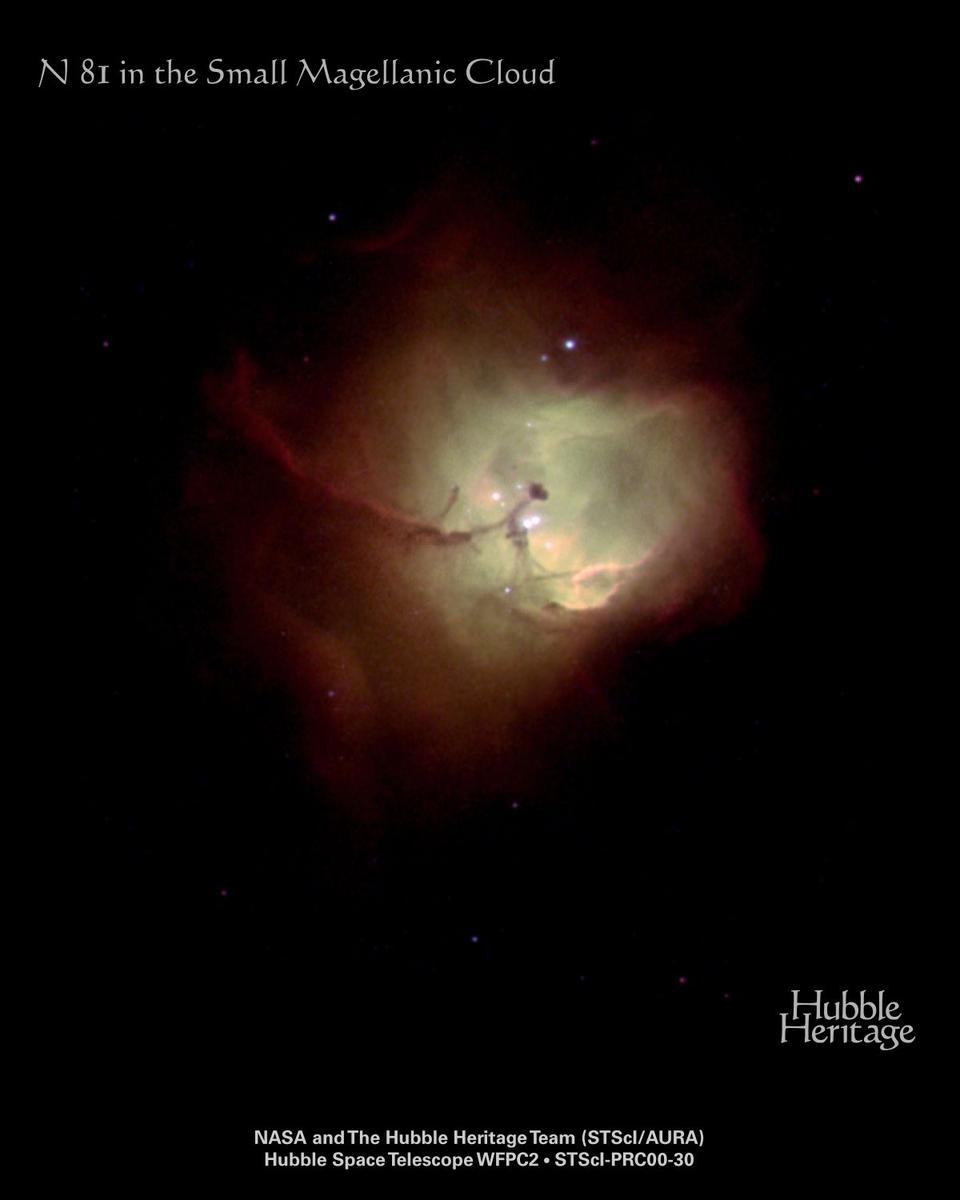
N81: Star Cradle in the SMC
This dramatic Hubble Space Telescope image captures the birth of a cluster of massive stars. The newborn stars are seen just as they emerge from their natal nebula. Only 12…
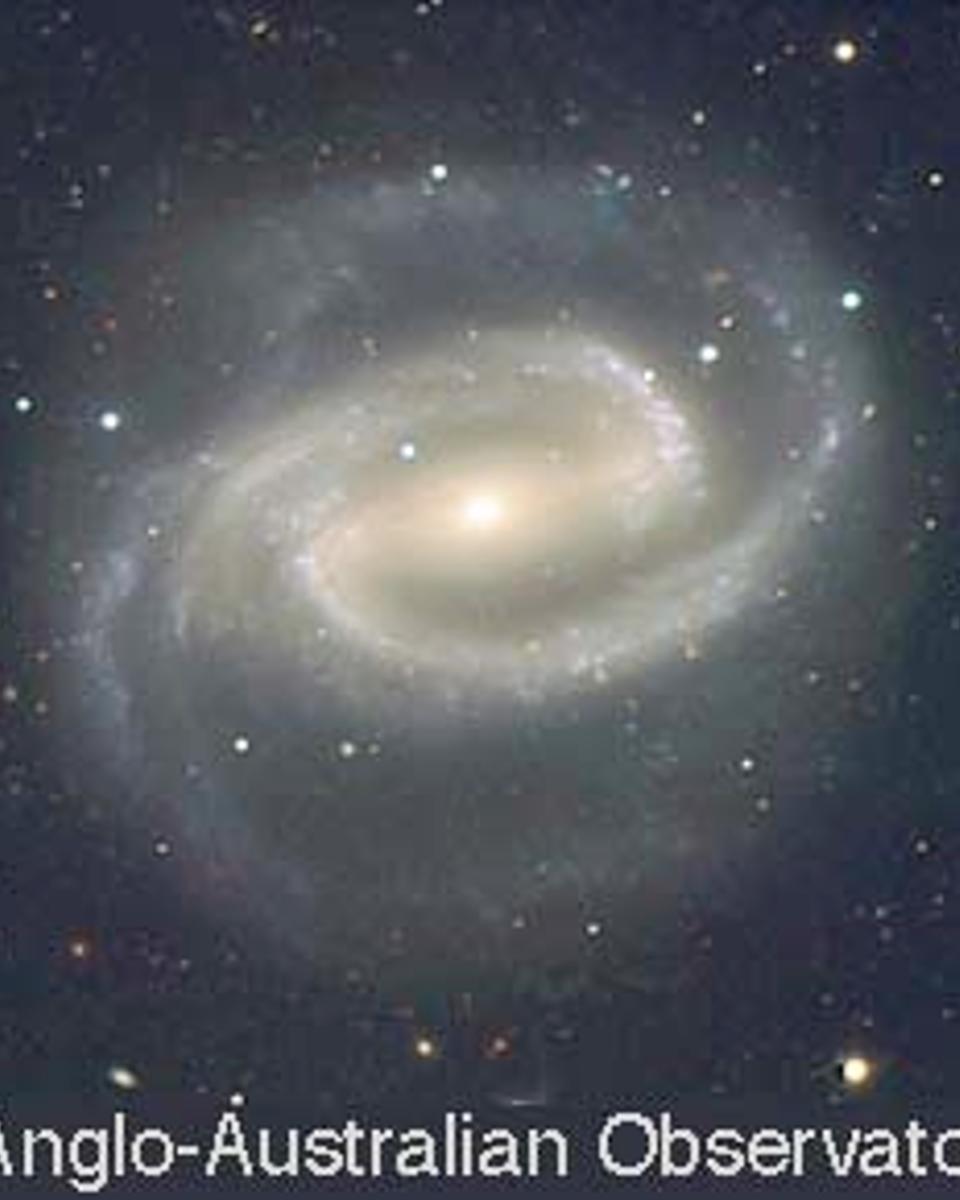
Barred Spiral Galaxy NGC 1300
NGC 1300 is a large spiral galaxy that appears as a flattened figure eight. A huge bar that spans over 150,000 light-years across the galaxy center dominates its appearance. The…
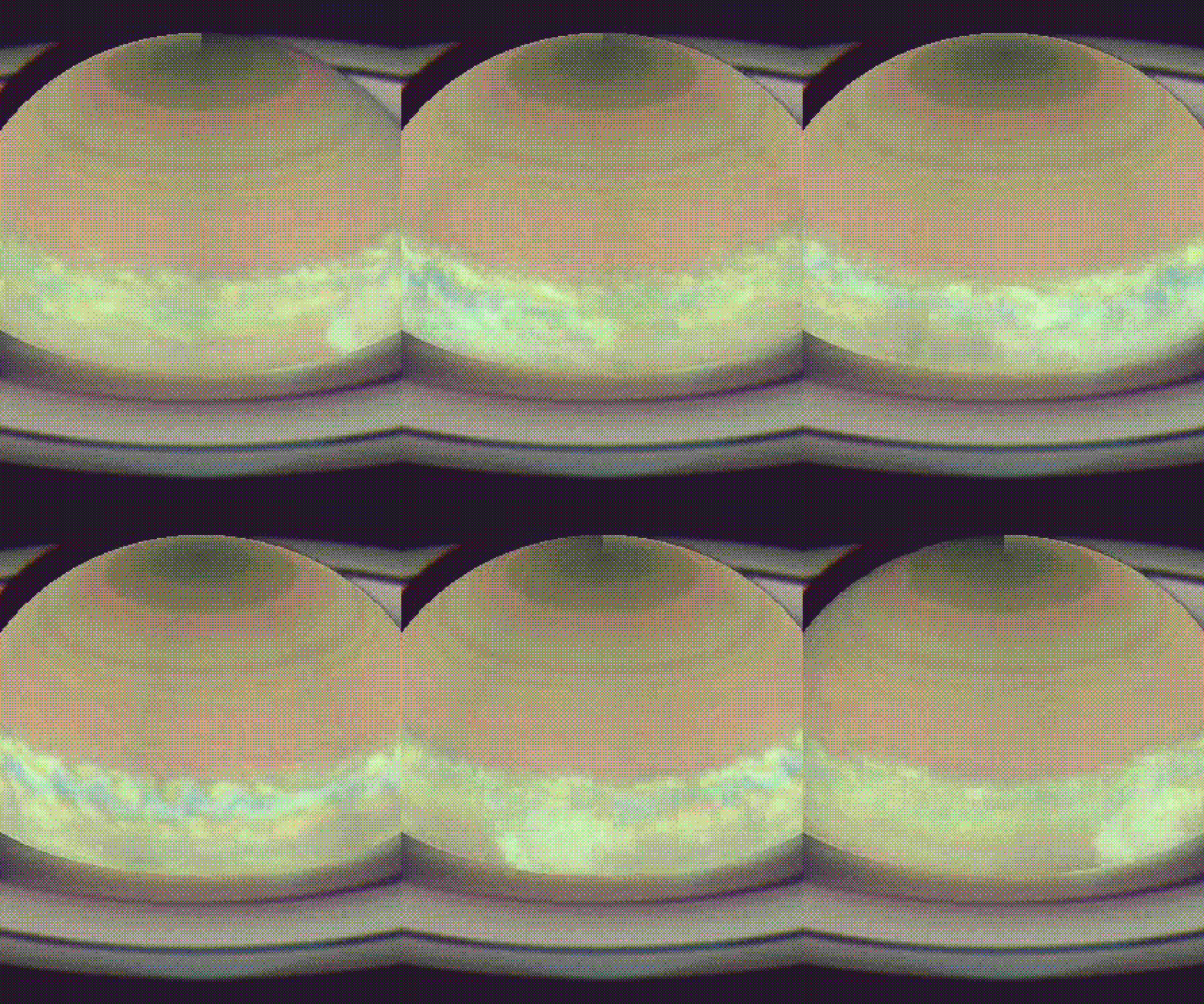
Saturn Rotates
The dramatic rotation of the cloud-tops of Saturn every ten-hours is particularly evident from orbit around the gas giant planet. With a good enough telescope, however, such…
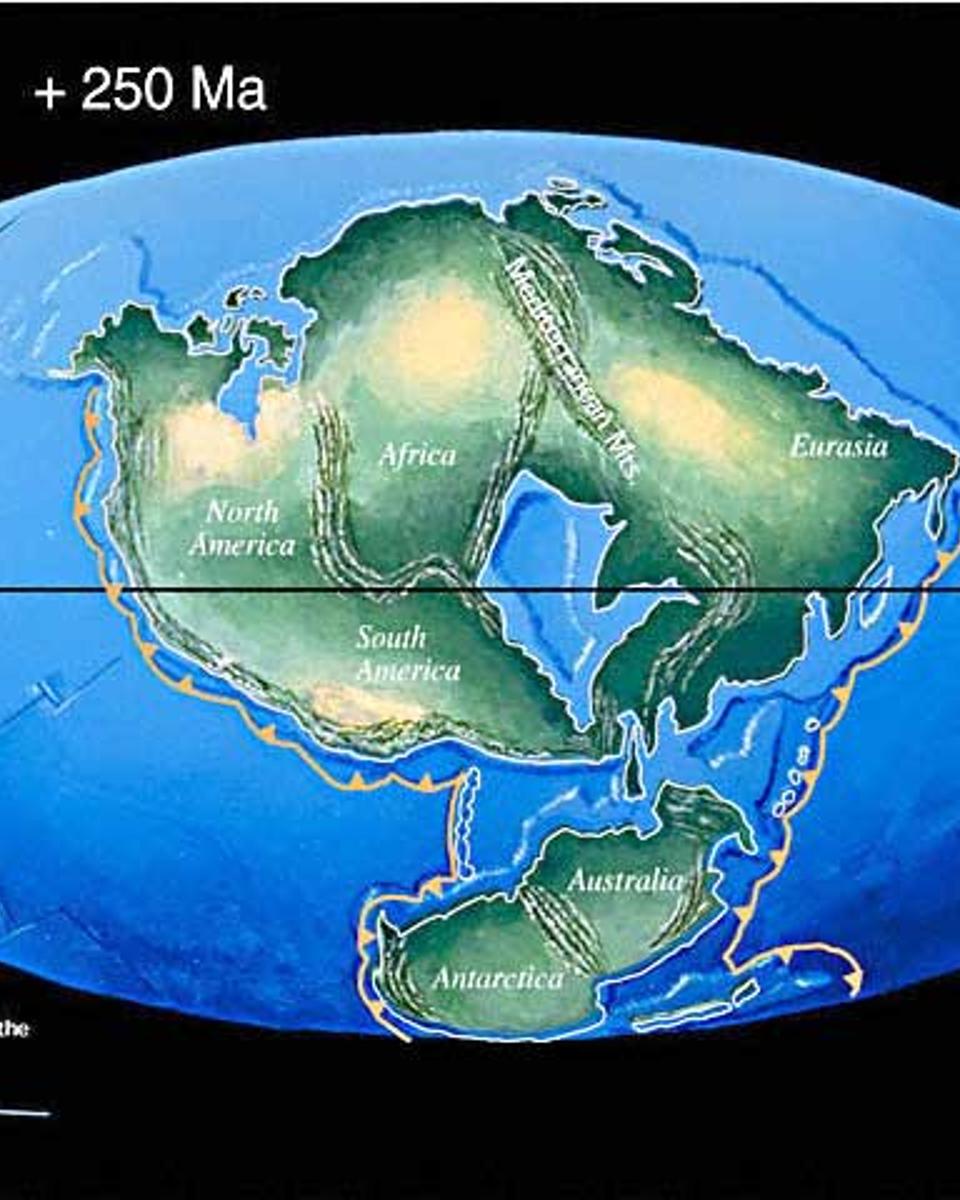
Pangea Ultima: Earth in 250 Million Years?
Is this what will become of the Earth's surface? The surface of the Earth is broken up into several large plates that are slowly shifting. About 250 million years ago, the plates…
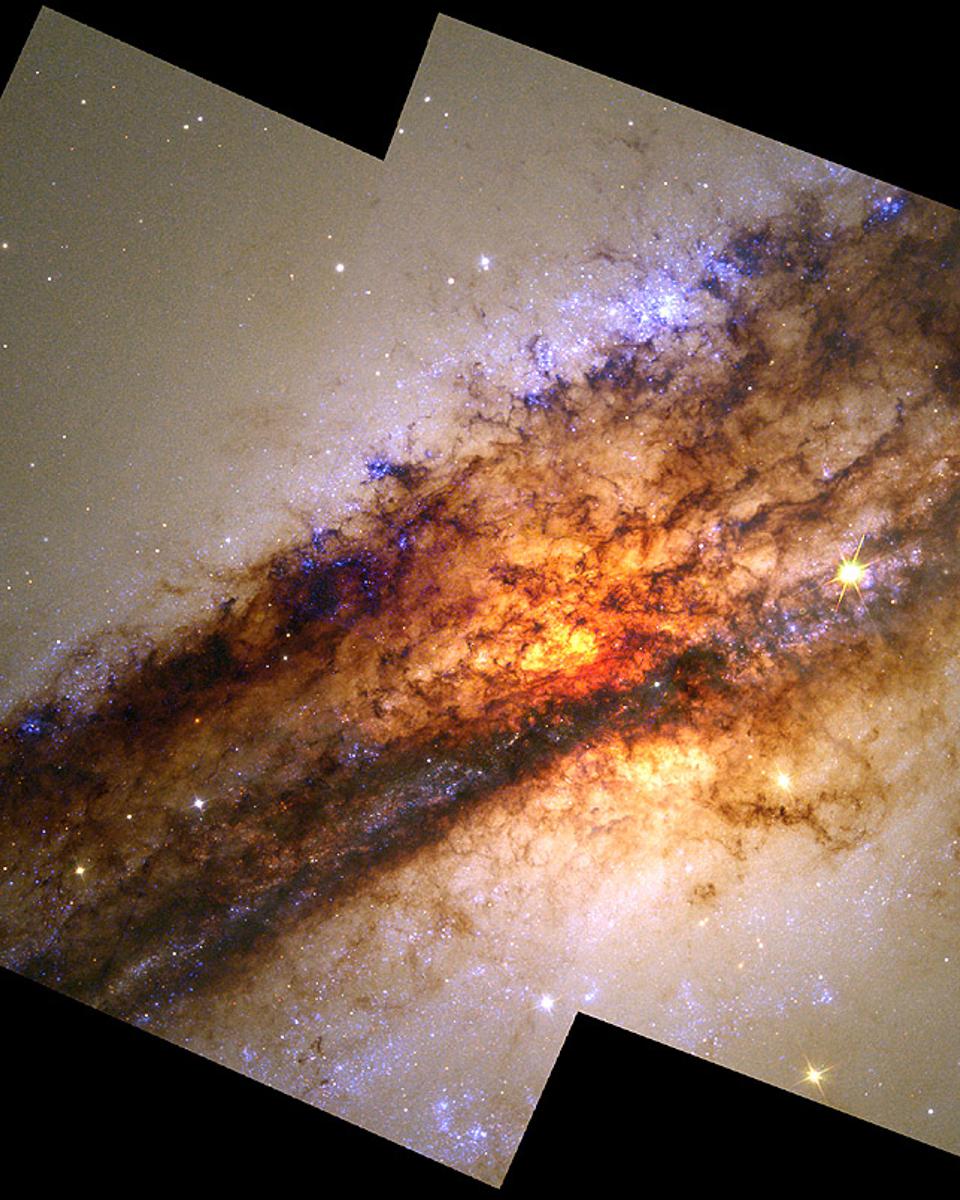
The Center of Centaurus A
A fantastic jumble of young blue star clusters, gigantic glowing gas clouds, and imposing dark dust lanes surrounds the central region of the active galaxy Centaurus A. This…
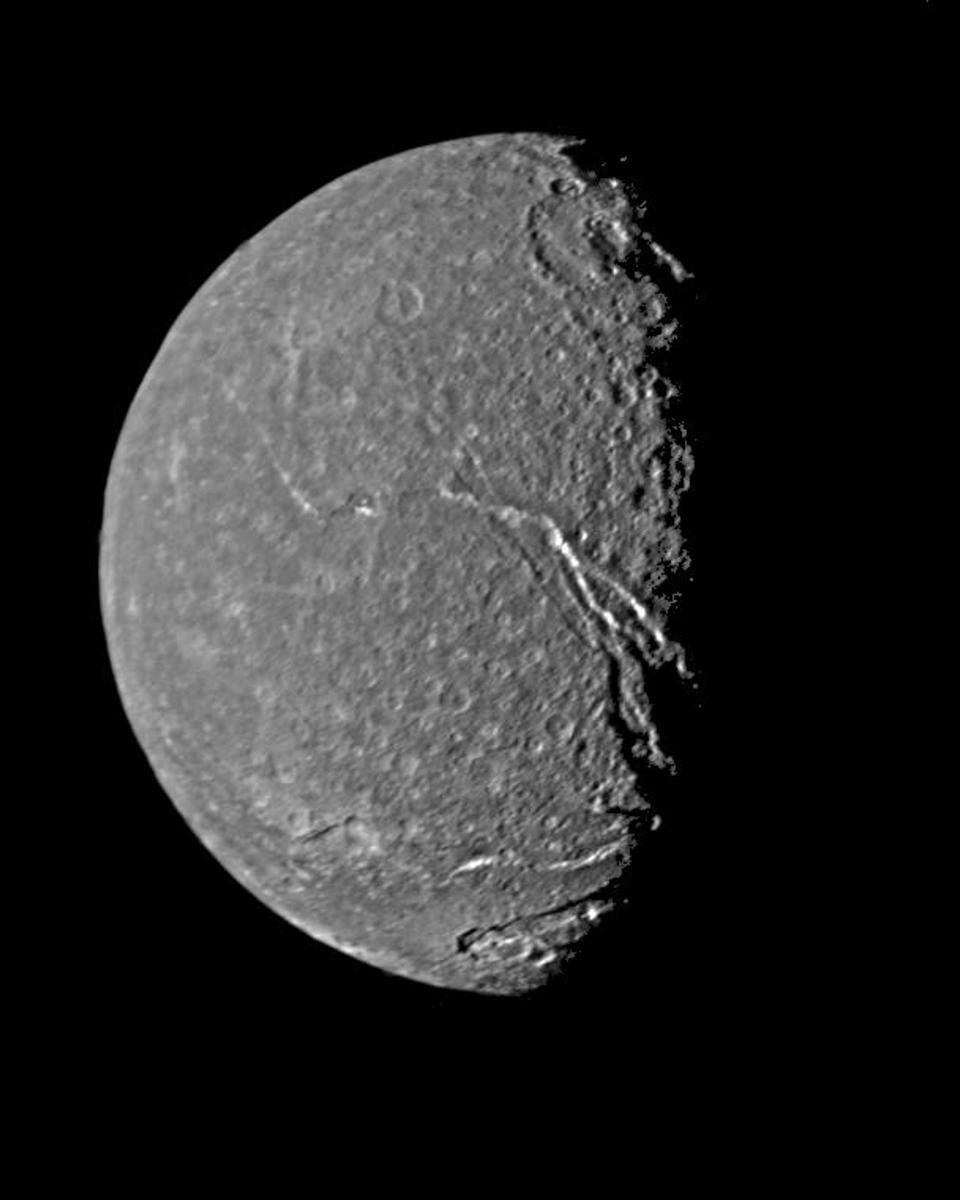
Titania's Trenches
British astronomer Sir William Herschel discovered Titania and Oberon in January of 1787. He wasn't reading Shakespeare's A Midsummer Night's Dream though, he was making the first…
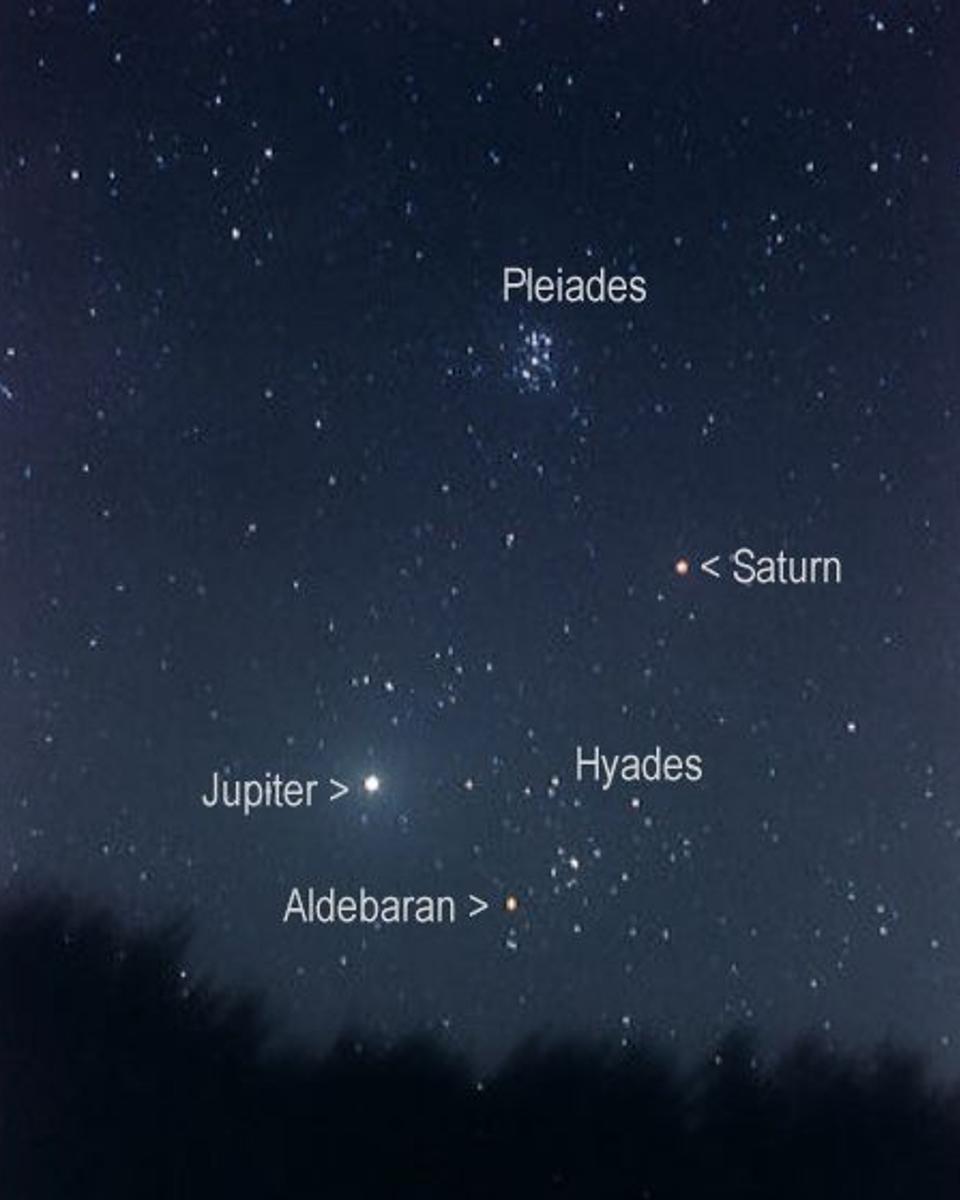
September Sky
Star clusters, planets, and a red giant posed for this portrait of the night sky from rural Jasper County, Iowa, USA. Astrophotographer Stan Richard recorded the four minute time…
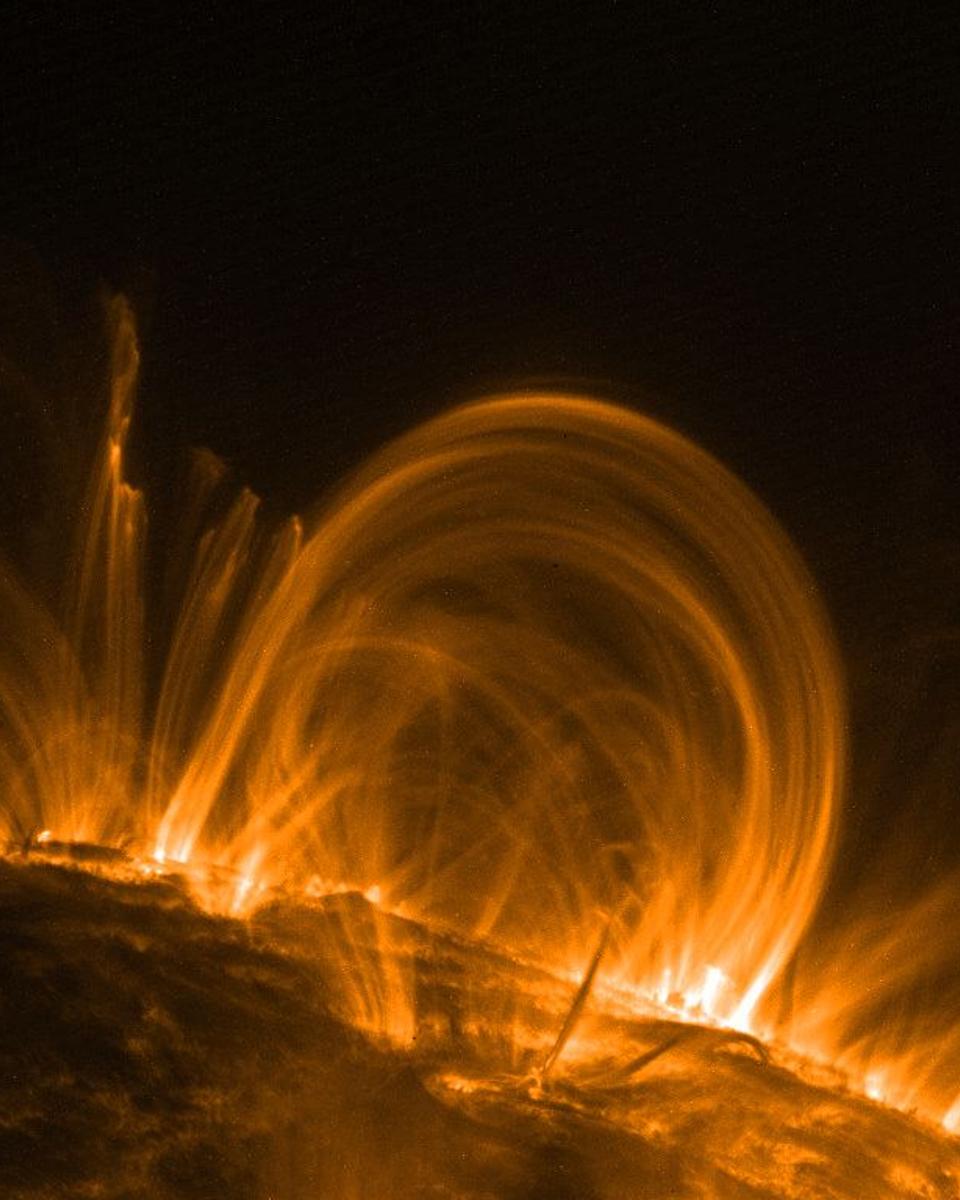
Heating Coronal Loops
Extending above the photosphere or visible surface of the Sun , the faint, tenuous solar corona can't be easily seen from Earth, but it is measured to be hundreds of times hotter…
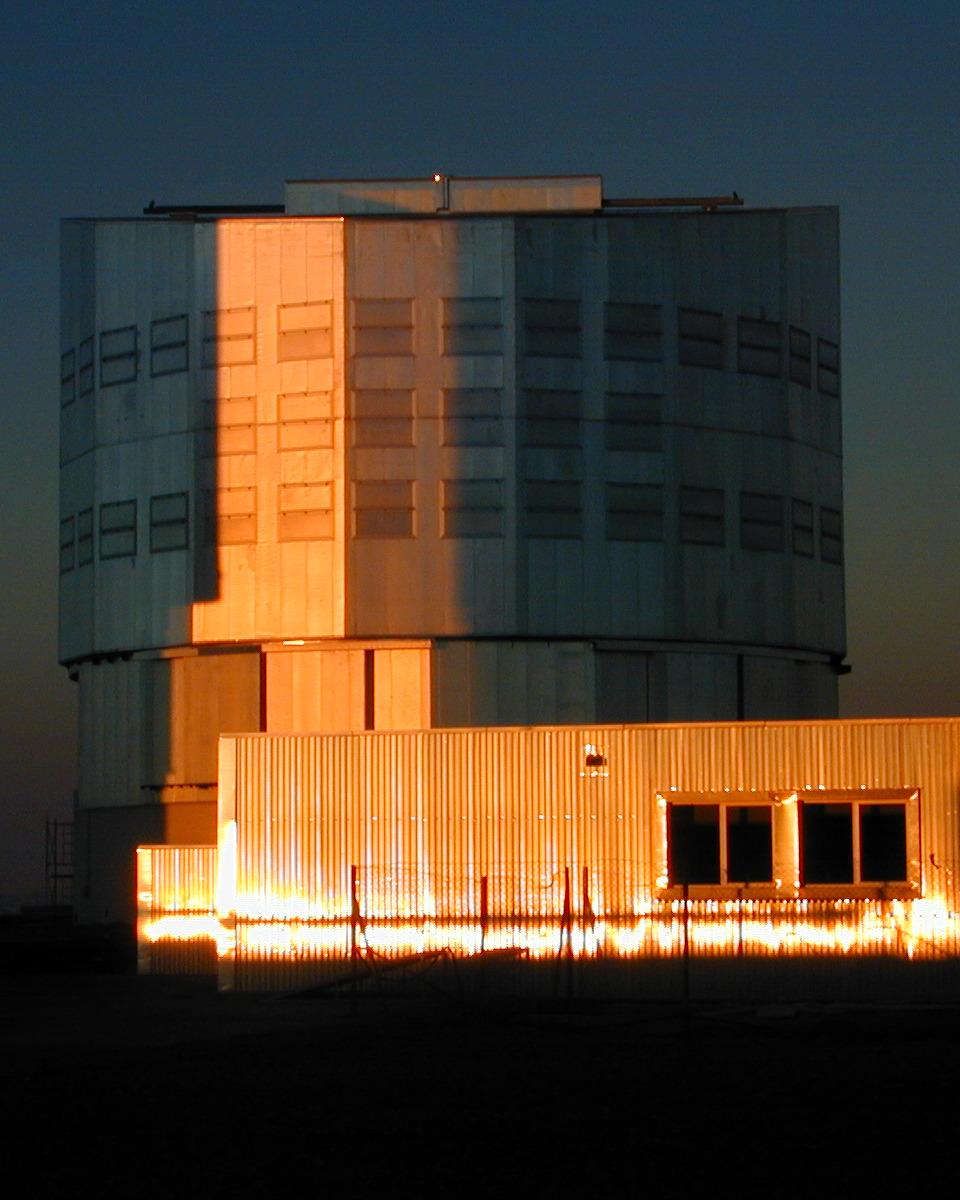
Yepun
Pictured above on September 3rd, the enclosure for the 8.2 meter telescope christened Yepun glints dramatically in the light of the setting sun. Later that evening, under dark…
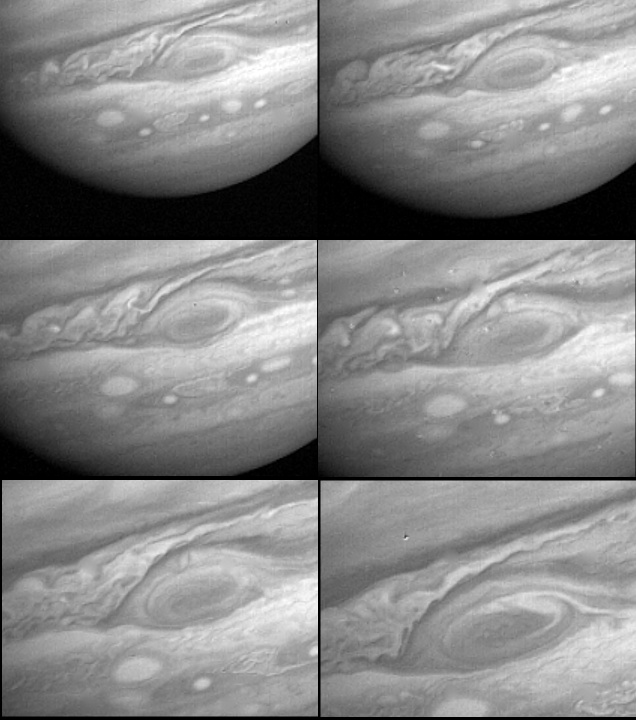
Approaching Jupiter
In 1979 the Voyager 1 spacecraft compiled this view as it approached the gas giant Jupiter . Snapping a picture every time the Great Red Spot was properly aligned, the above…
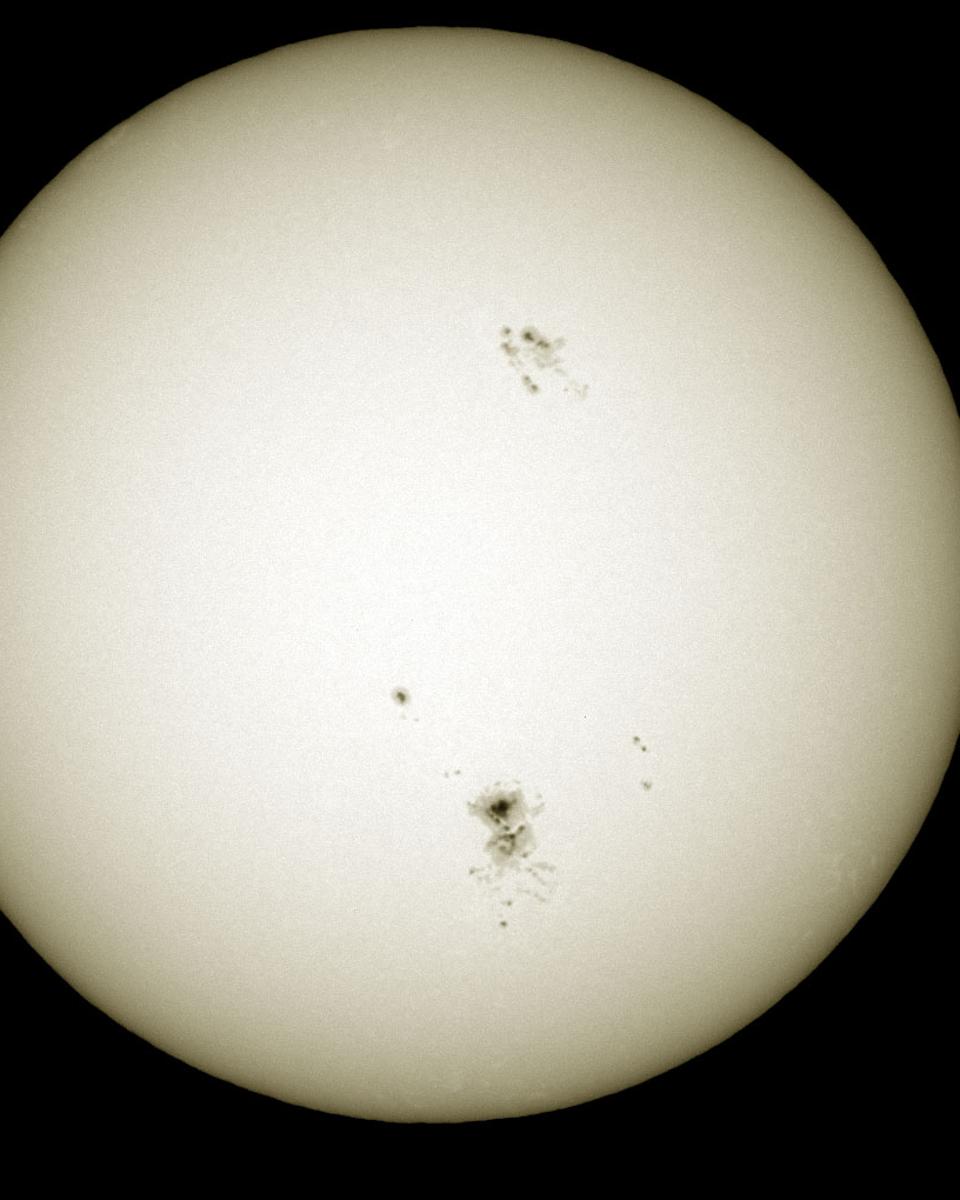
AR 9169: A Large Sunspot
One of the largest sunspots in recent years is now crossing our Sun . Dominating active region AR 9169 , the sunspot is the large dark complex visible below (west) and right of…
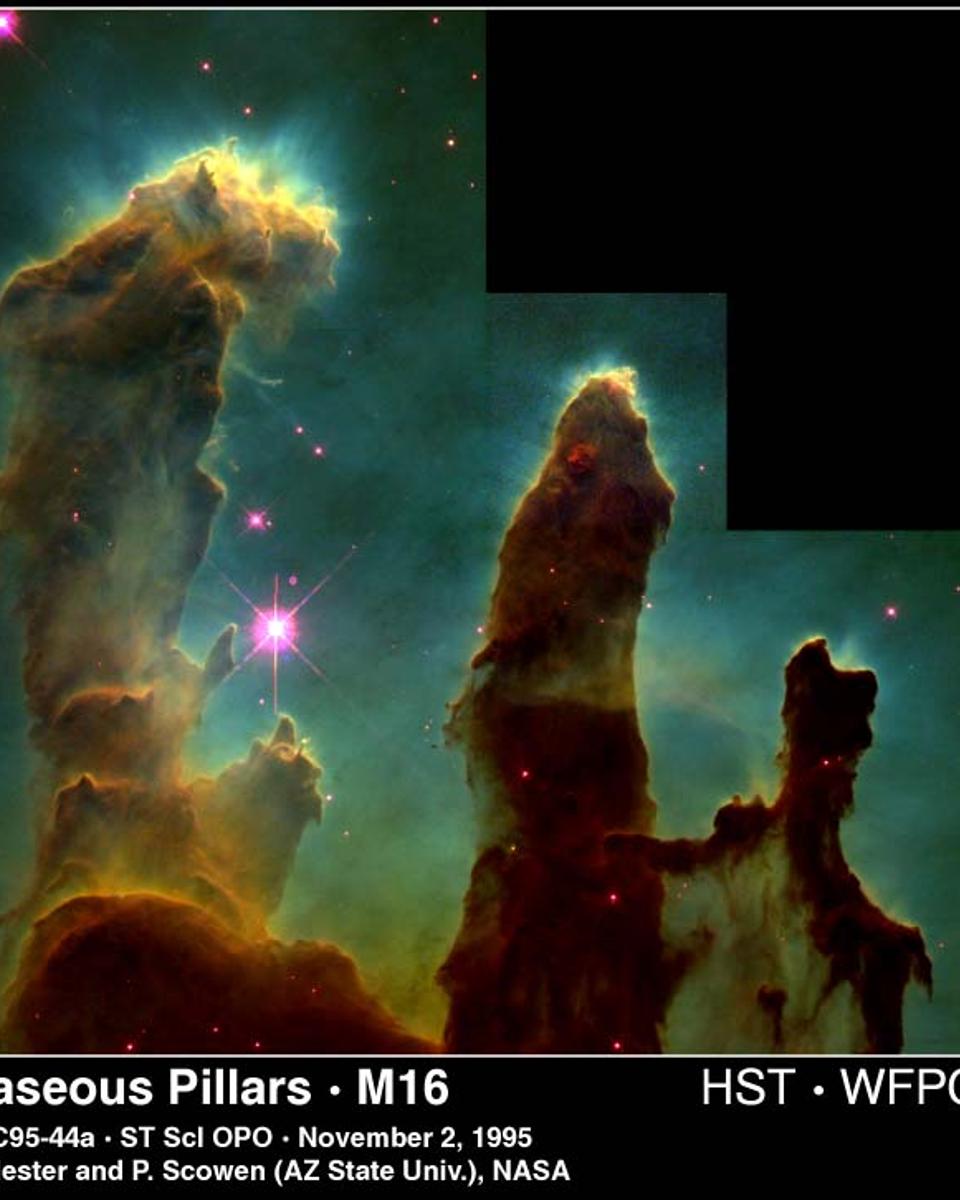
M16: Stars from Eagle's EGGs
Newborn stars are forming in the Eagle Nebula. This image , taken with the Hubble Space Telescope in 1995, shows evaporating gaseous globules (EGGs) emerging from pillars of…
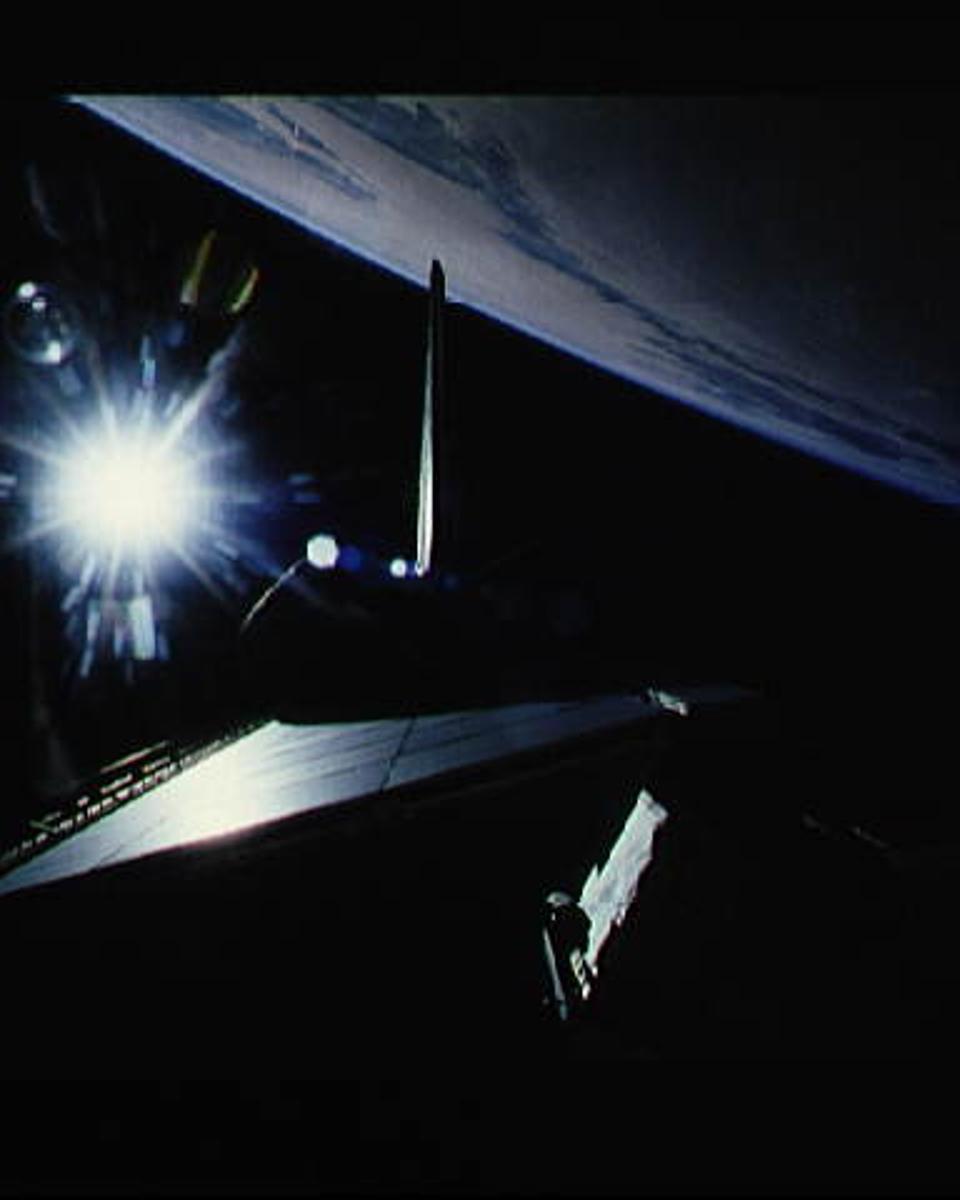
The Equal Night
Yesterday the Sun crossed the celestial equator heading south, marking the Equinox -- the first day of Autumn in the northern hemisphere and Spring in the south . Equinox means…
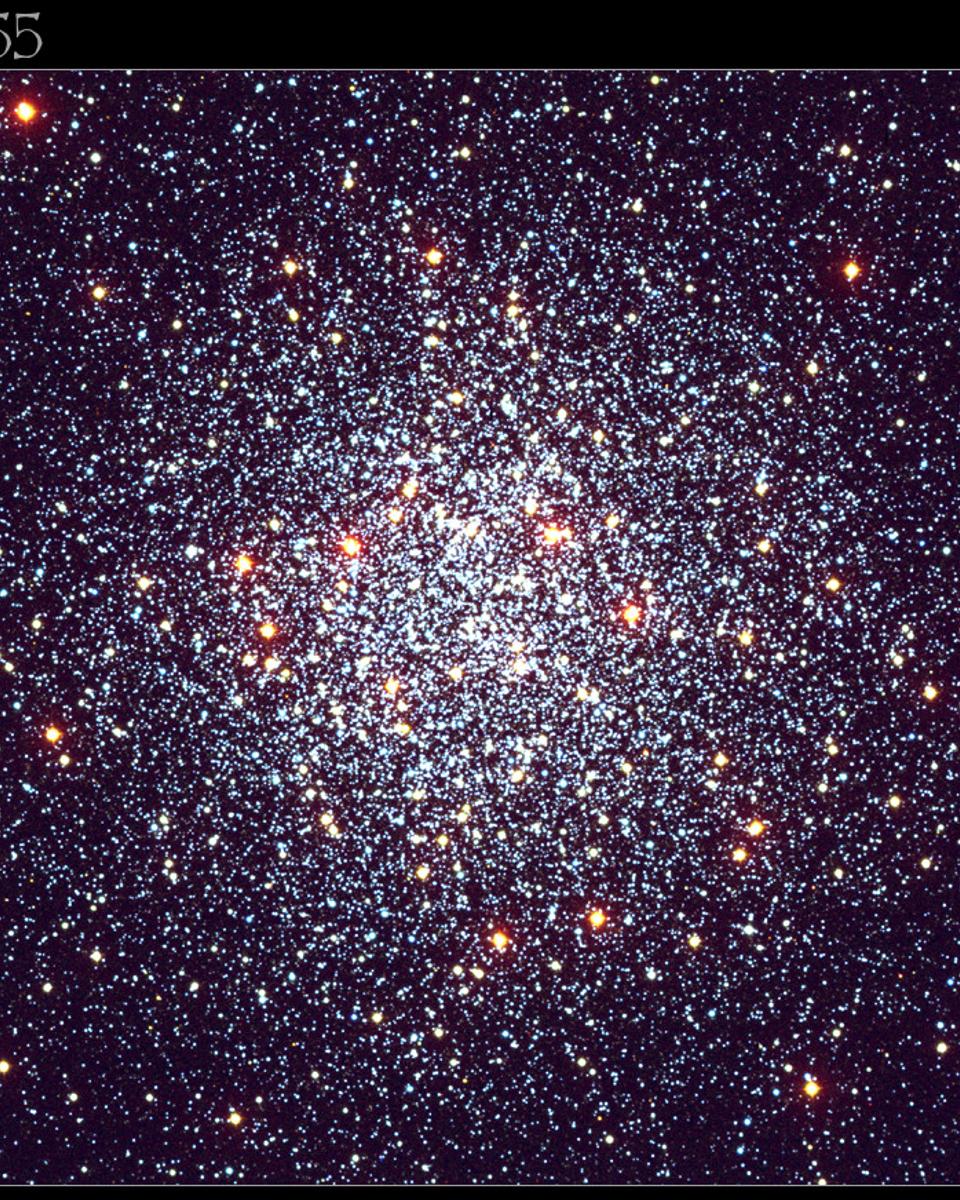
M55: Globular Star Cluster
The fifty-fifth entry in Charles Messier's catalog, M55 is a large and lovely globular cluster of around 100,000 stars. Only 20,000 light-years away in the constellation…
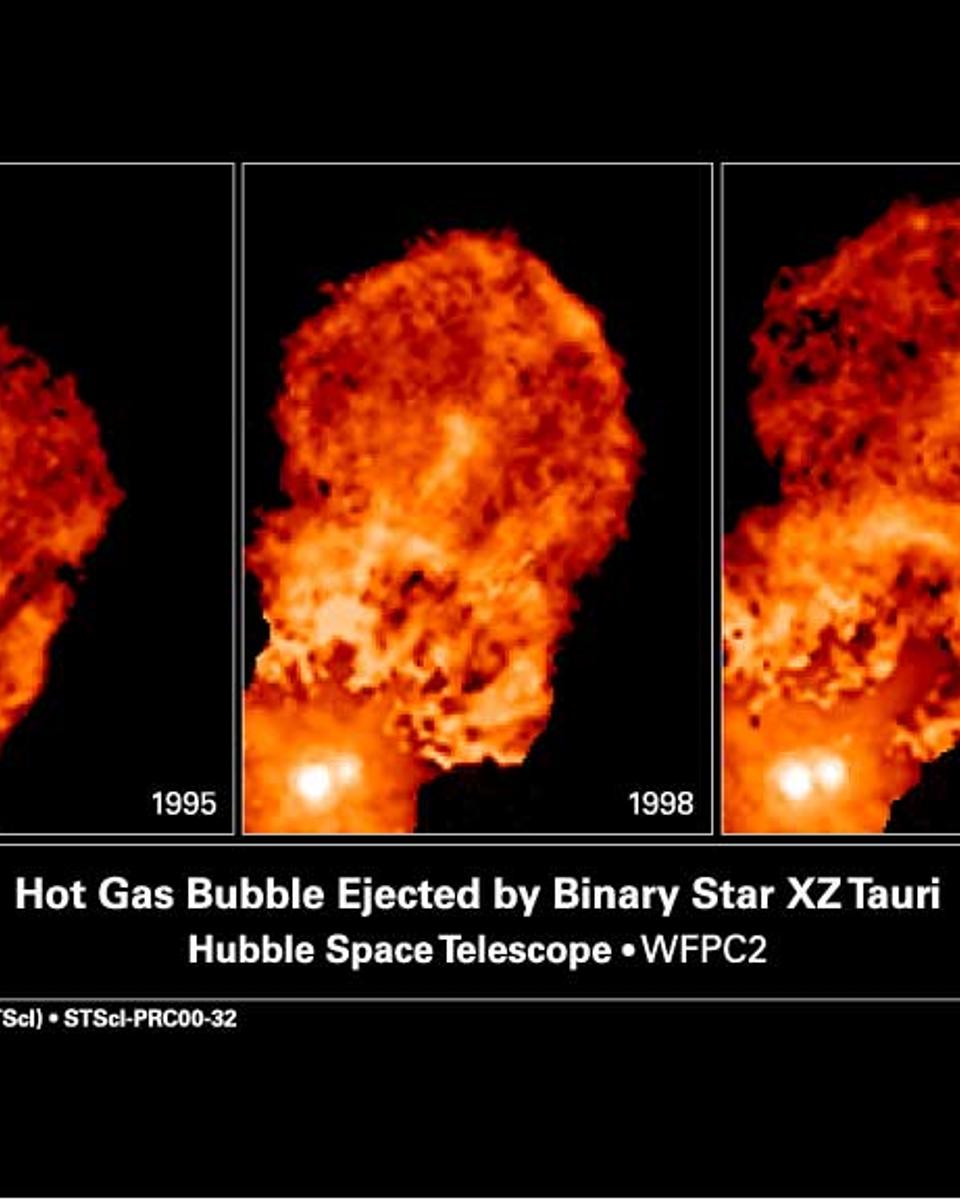
XZ Tauri System Ejects Gas Bubble
Why is the binary star system XZ Tauri emitting a hot bubble of expanding gas? Although astronomers can only presently speculate, the Hubble Space Telescope clearly documents this…
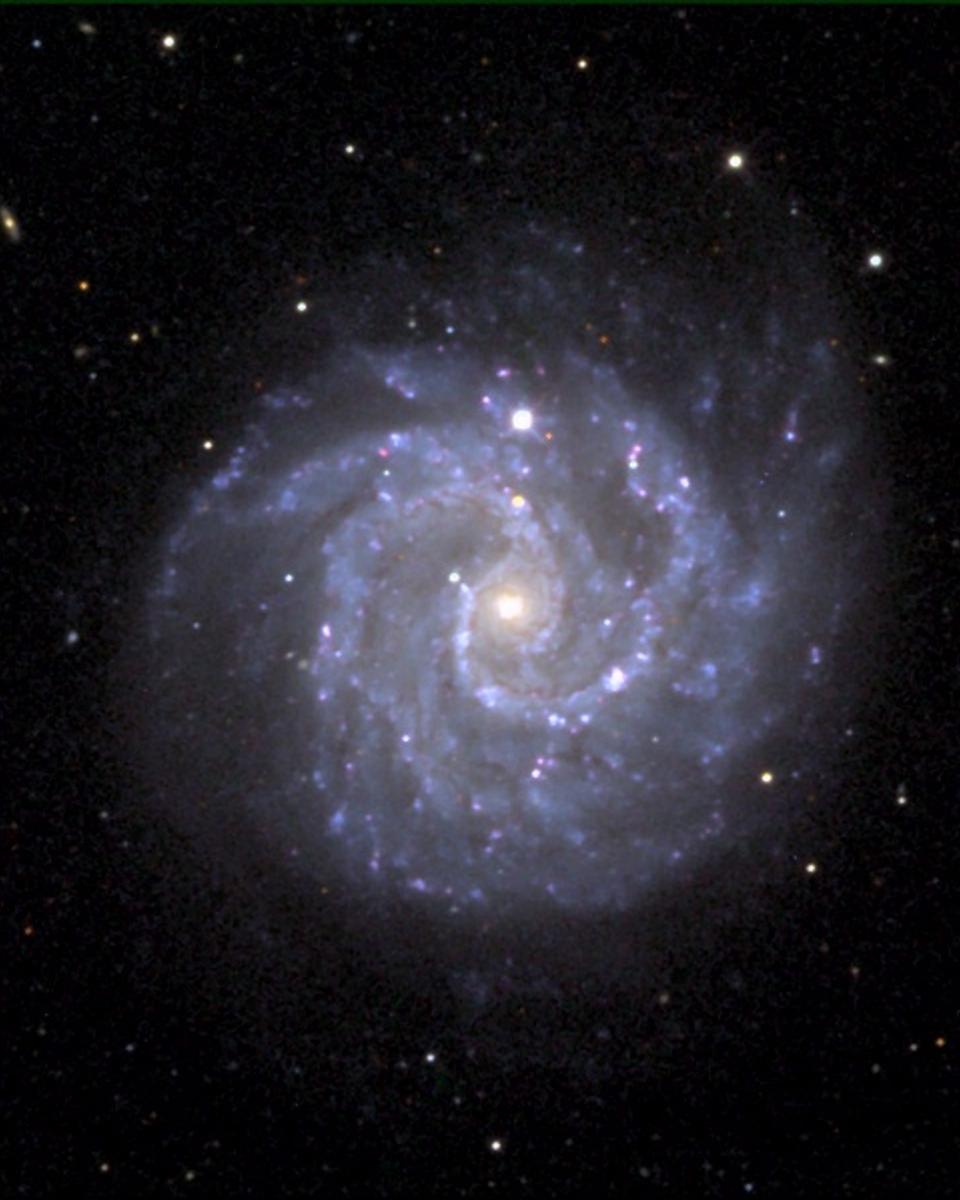
Gangly Spiral Galaxy NGC 3184
NGC 3184 is a large spiral galaxy with a small nucleus and long sprawling spiral arms. Although NGC 3184 contains hundreds of billions of stars, the blue color of its spiral arms…
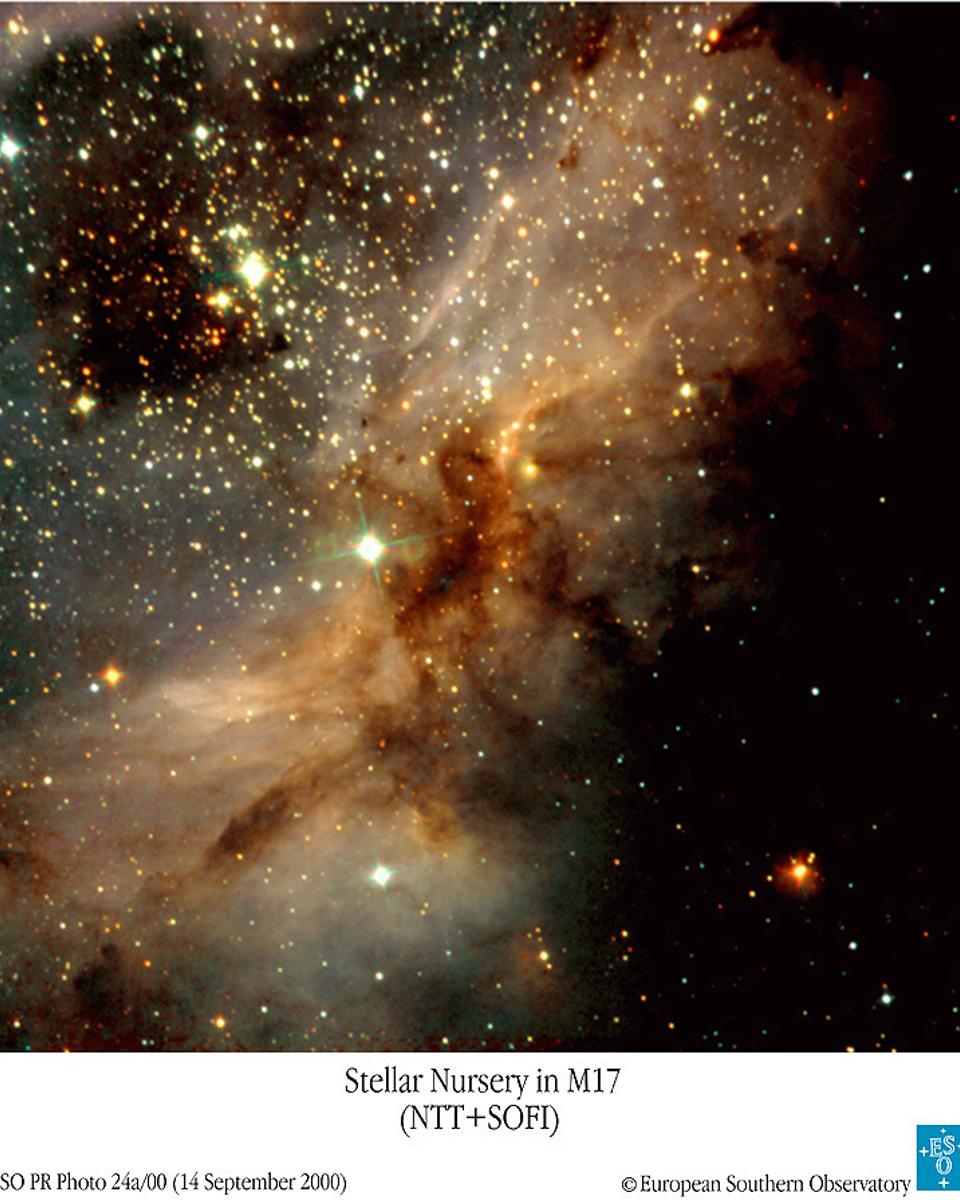
M17: Omega Nebula Star Factory
In the depths of the dark clouds of dust and molecular gas known as M17, stars continue to form. Visible in the above recently released representative-color photograph of M17 by…
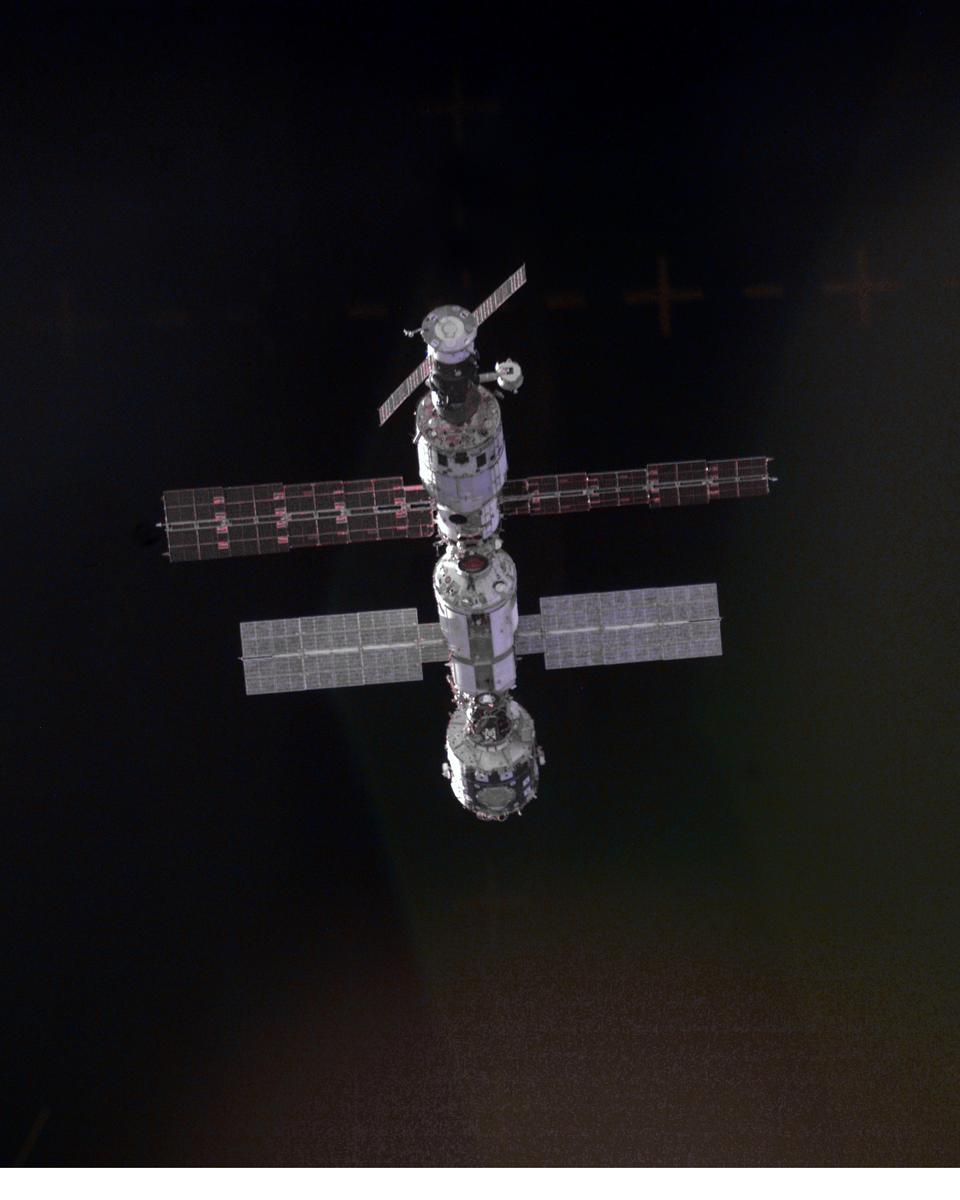
Approaching the International Space Station
Last Monday the crew of Space Shuttle Atlantis took in this view as they approached the developing International Space Station (ISS). From top to bottom, the astronauts saw a…
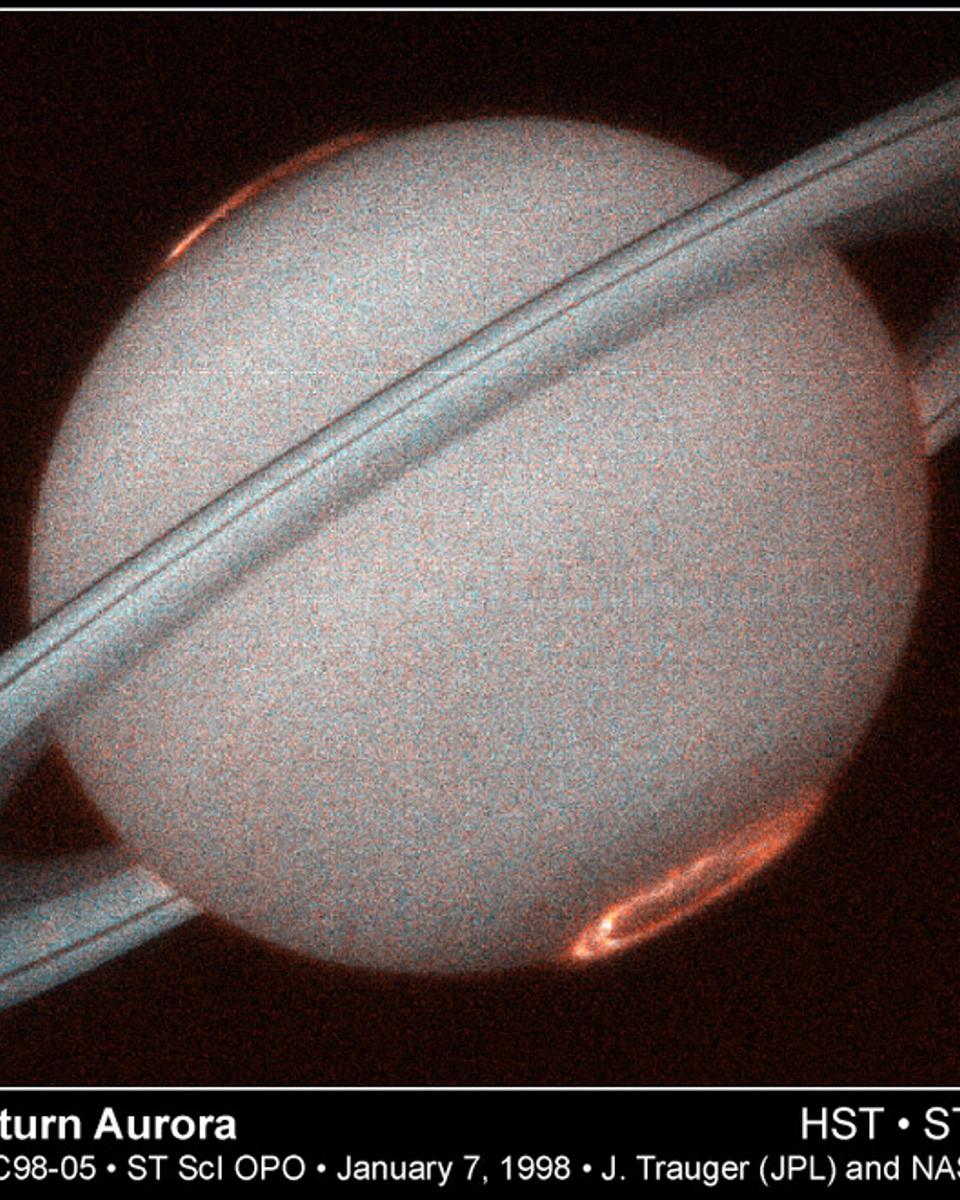
Saturnian Aurora
Girdling the second largest planet in the Solar System, Saturn's Rings are one of the most spectacular sights for earthbound telescopes. This image from the orbiting Hubble Space…
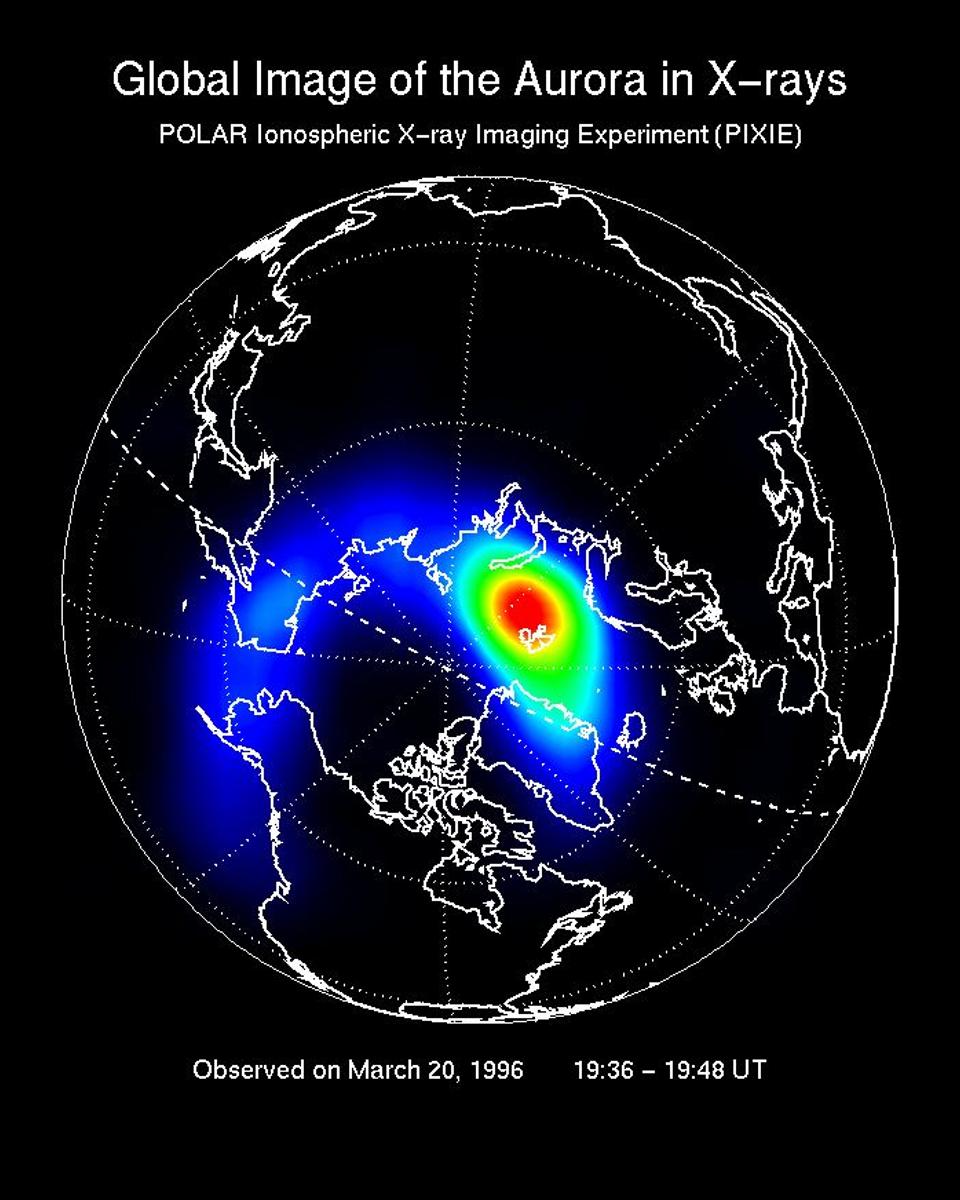
X-Ray Earth
Above is a picture of the Earth in x-rays , taken in March of 1996 from the orbiting Polar satellite . Most of the planet is dark with superposed continent and coordinate grids,…
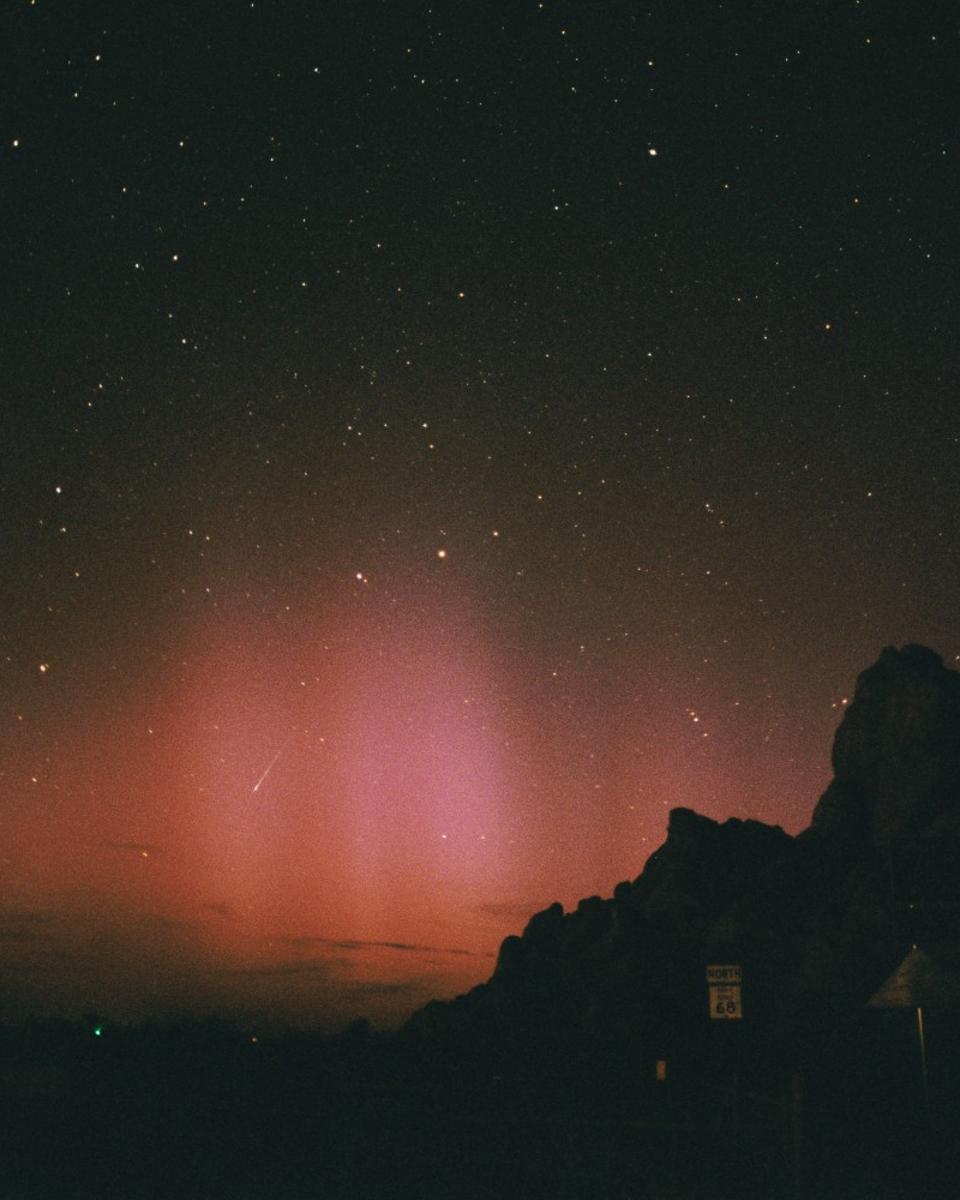
Aurora In West Texas Skies
The aurora borealis, or northern lights , are not a common sight in the southwestern United States. But a strong solar coronal mass ejection in early August triggered geomagnetic…
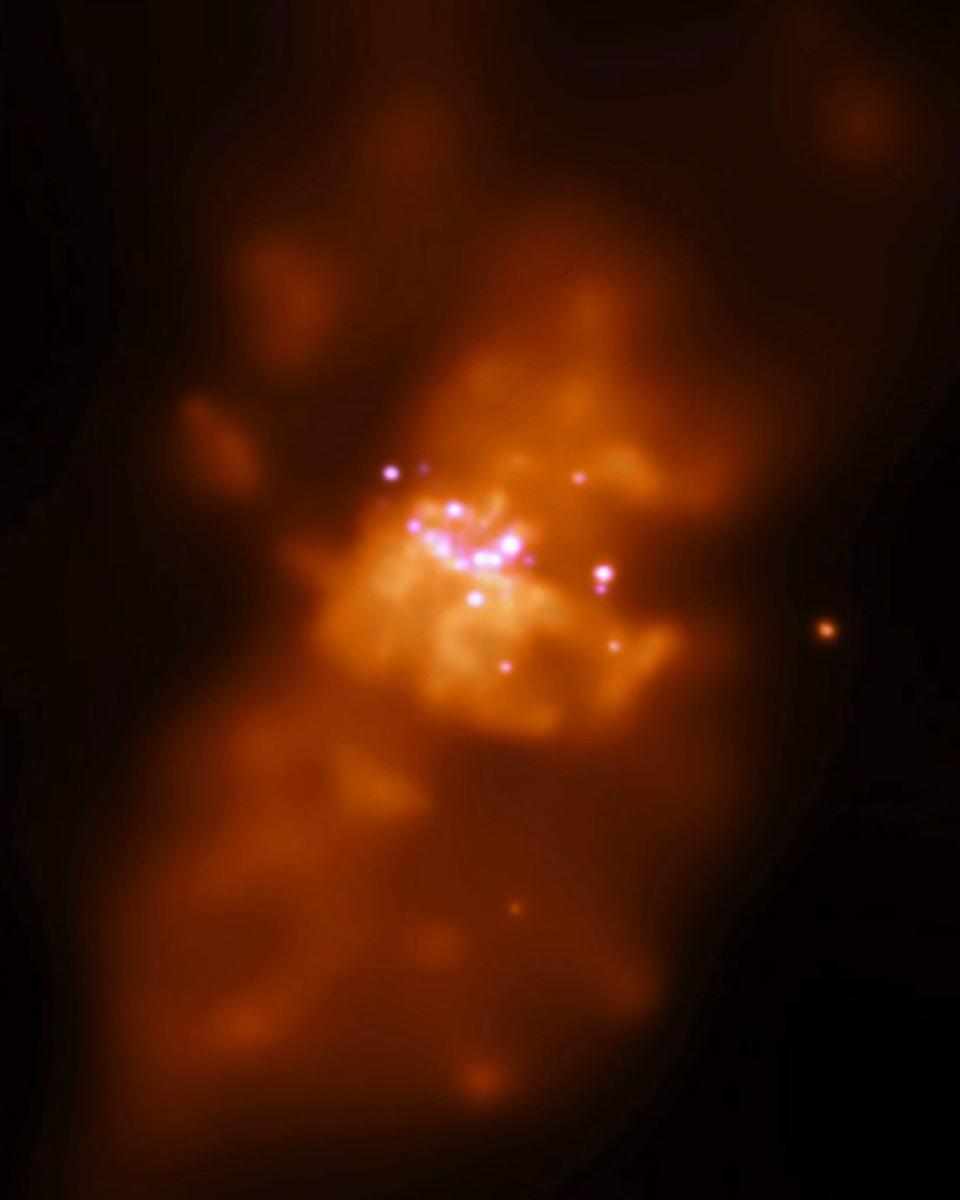
M82's Middle Mass Black Hole
Black holes are probably the most bizarre creatures in the modern astronomical zoo. And after years of pondering black holes as either stellar mass objects seen in binary star…
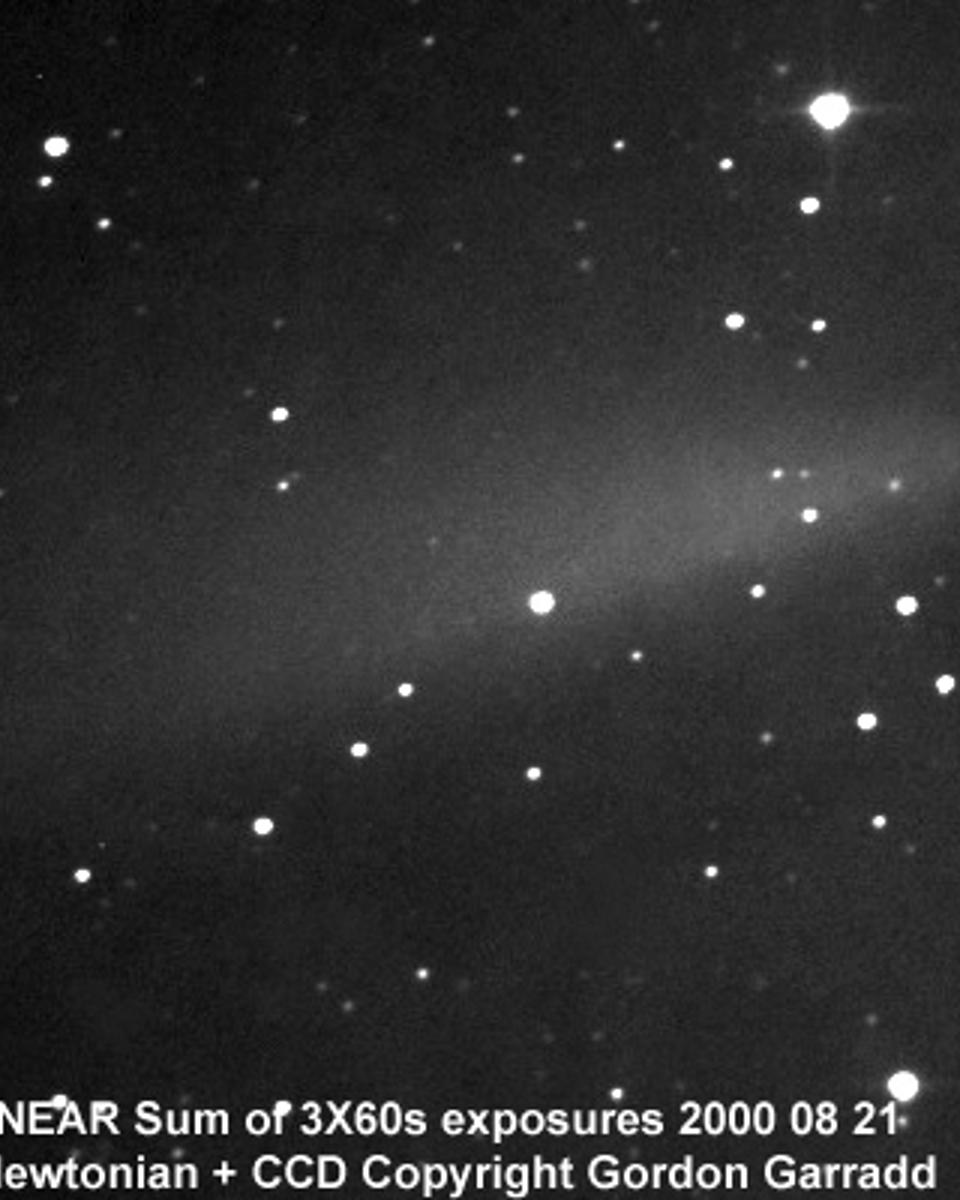
Comet LINEAR: Fade To Black
Only last month the stage was set for Comet LINEAR (C/1999S4 LINEAR) to become the first “naked-eye” comet of Y2K. It didn't fill that role, of course, but it did turn in a very…
Viewing discoveries from 6 October 2000 through 13 September 2000.