Browse NASA Astronomy Picture of the Day archive by date and media: Archive Discoveries
Browse the NASA APOD archive without needing the exact date first. Filter by media type and keep moving deeper into older images and videos.

Henrietta Leavitt Calibrates the Stars
Humanity's understanding of the relative brightness and variability of stars was revolutionized by the work of Henrietta Swan Leavitt (1868-1921). Working at Harvard College…
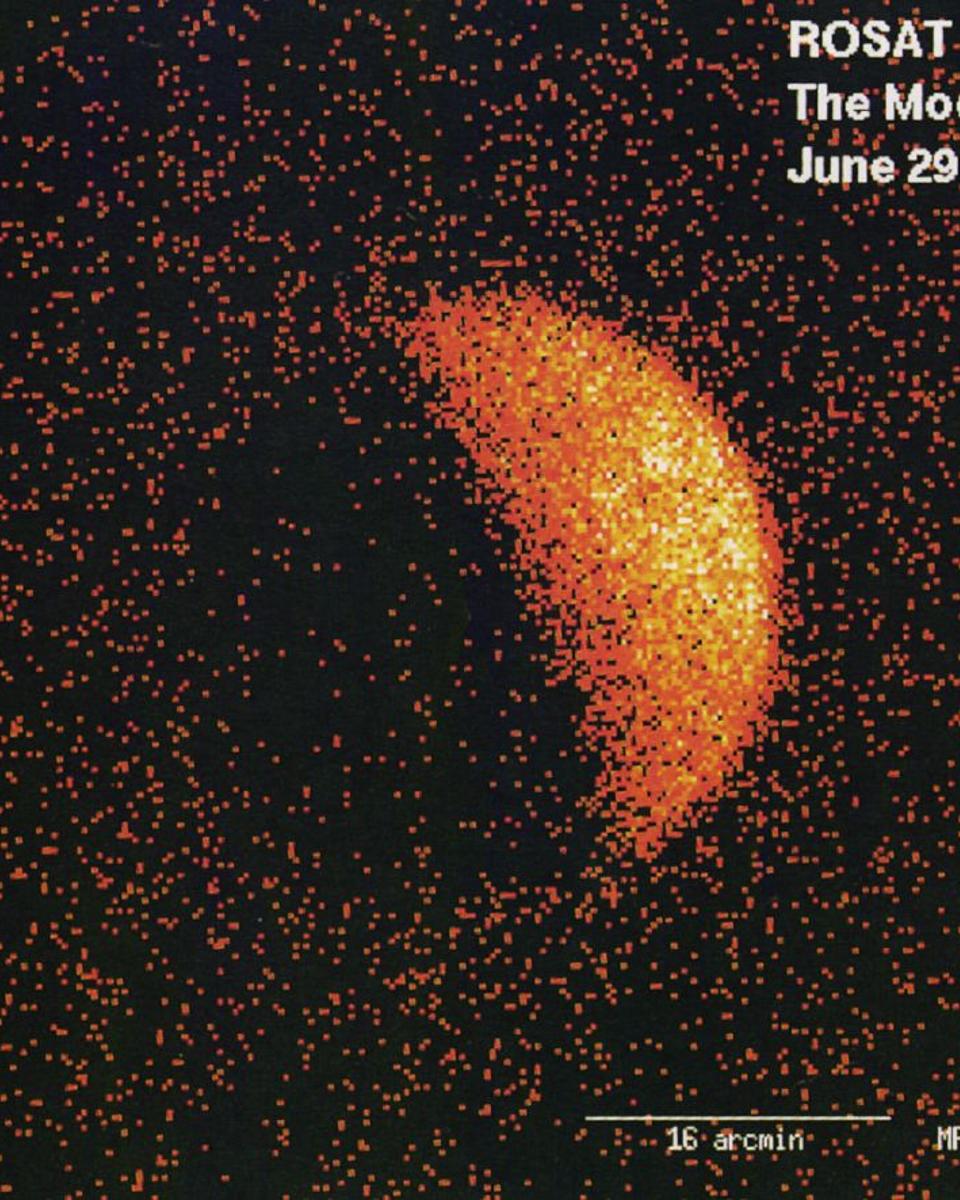
X-Ray Moon
This x-ray image of the Moon was made by the orbiting ROSAT ( Röntgensatellit ) Observatory in 1990. In this digital picture, pixel brightness corresponds to x-ray intensity.…
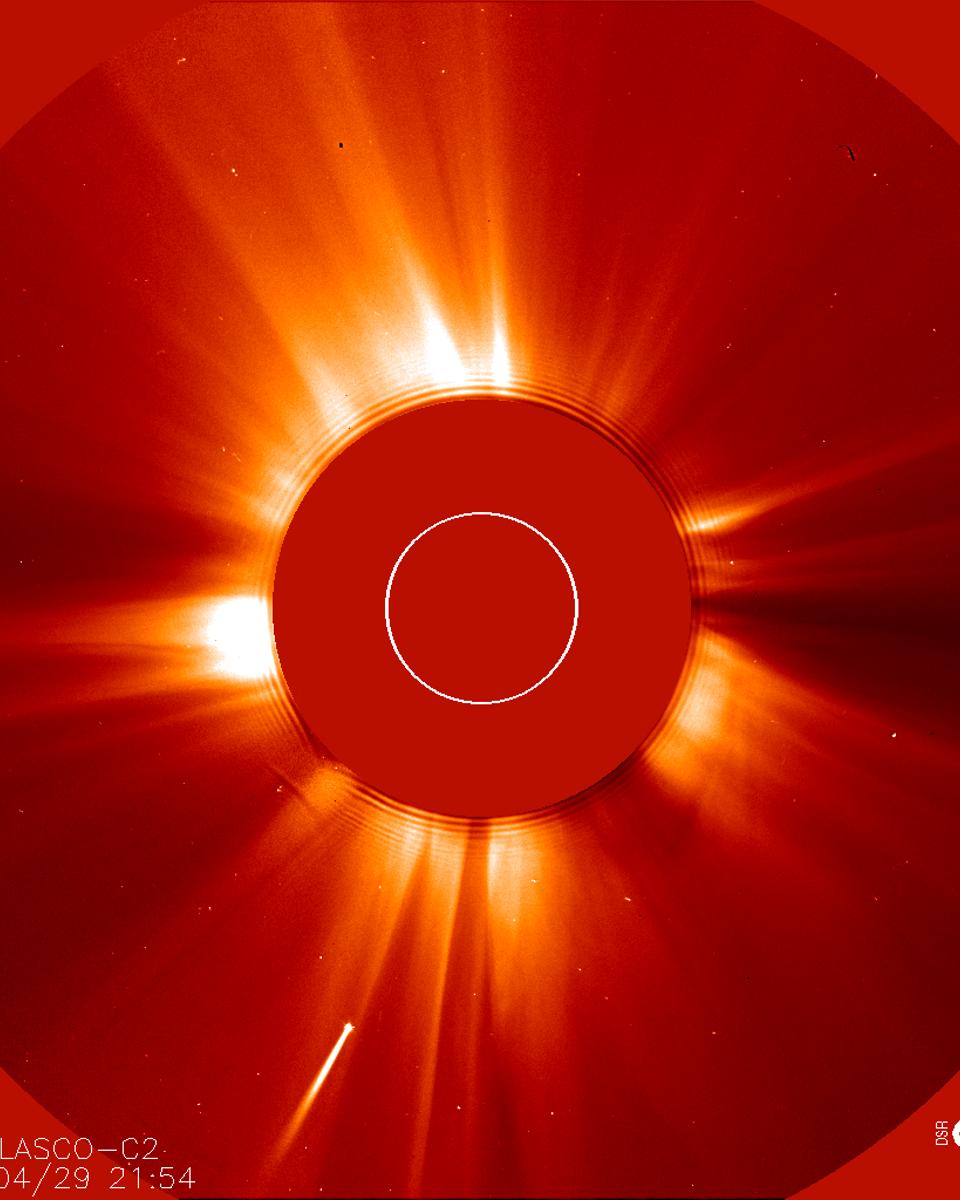
SOHO Sungrazer
SOHO , the space-based SOlar and Heliospheric Observatory, has become by far the reigning champion facility for discovering comets, its total having recently reached 200 . As…
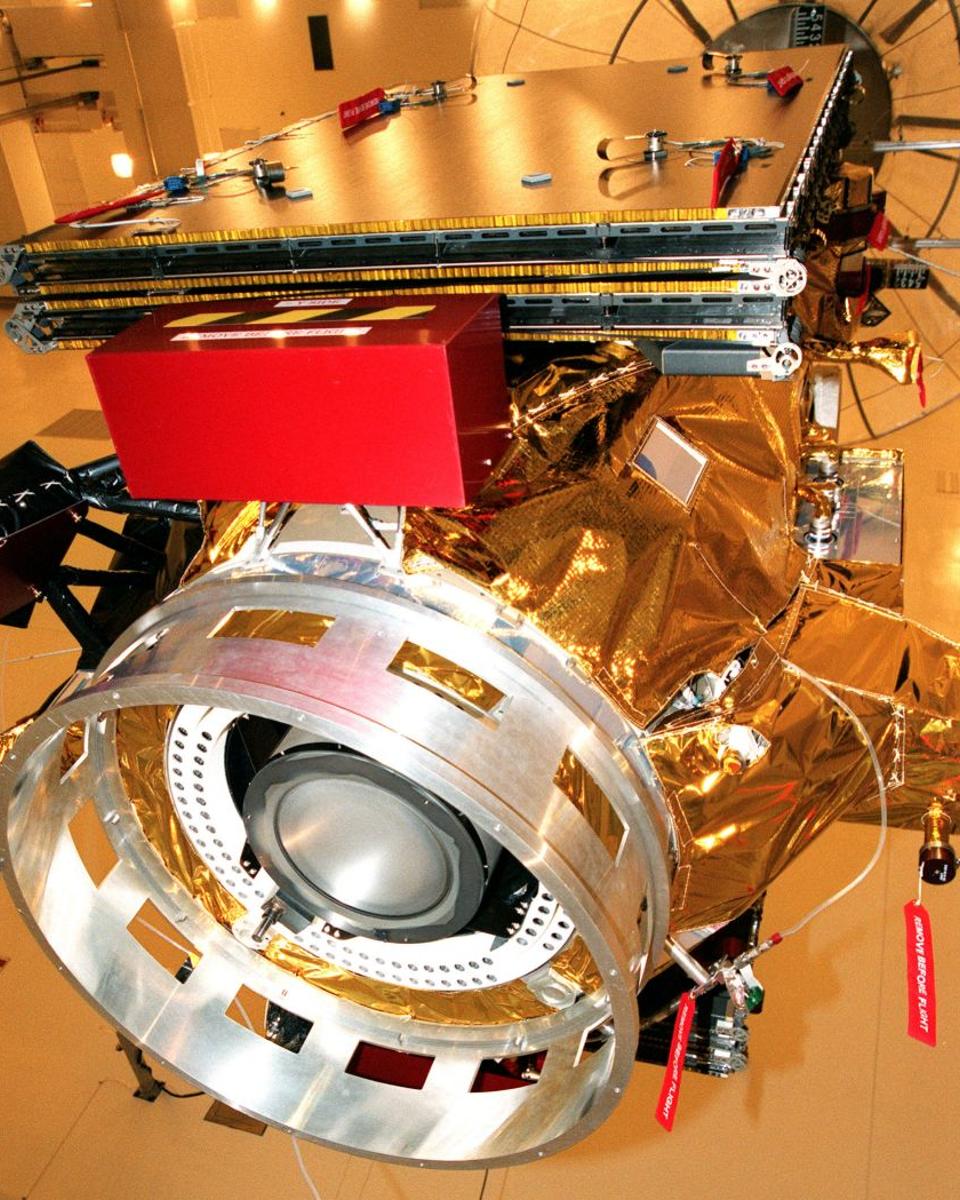
Full Throttle For Deep Space 1
At full throttle the Deep Space 1 spacecraft's innovative ion drive produces about 1/50th of a pound of thrust ... a force so great that it would just about hold up a piece of…
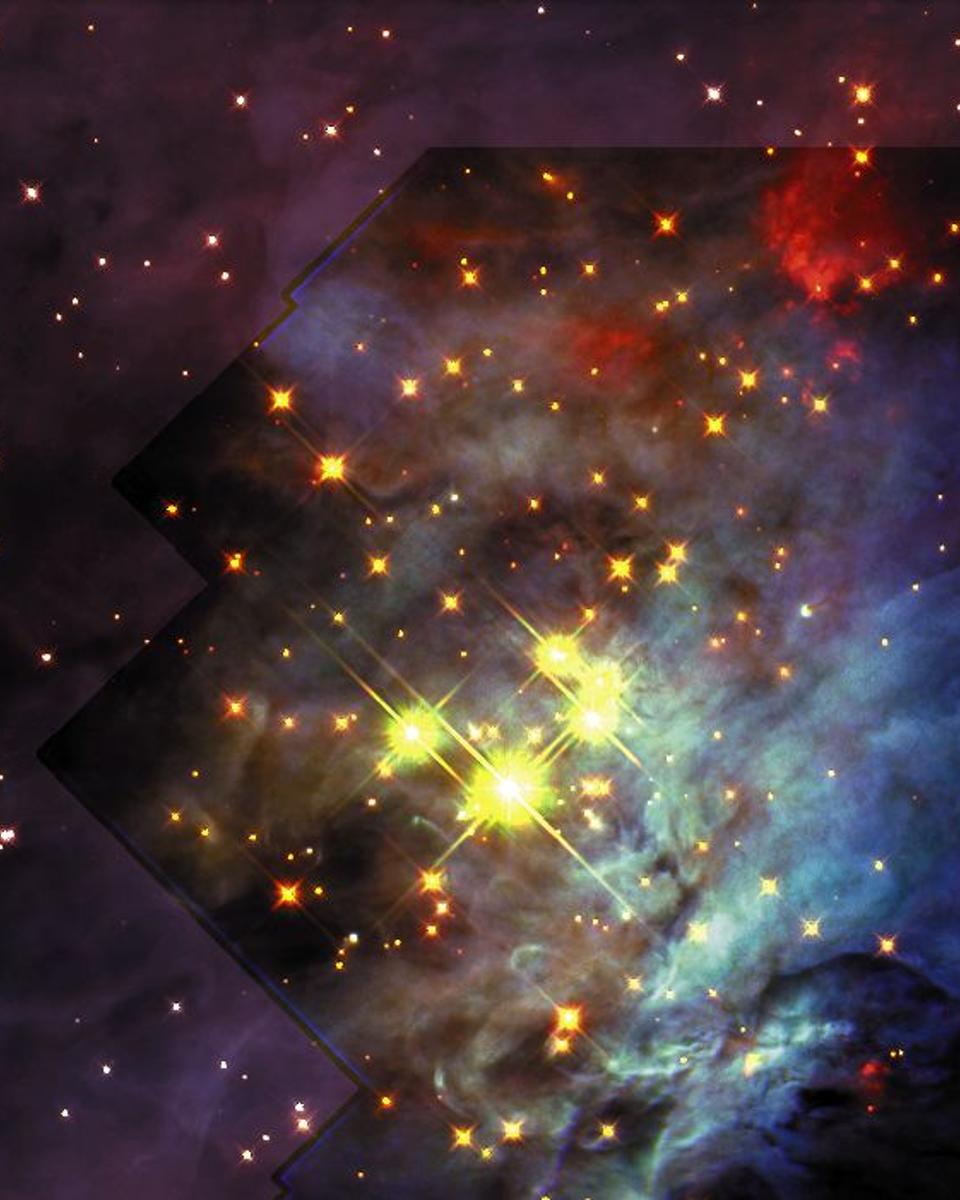
The Brown Dwarfs of Orion's Trapezium
The bright stars above are well known as heart of the Trapezium , an open cluster of stars in the center of the Orion Nebula . The many dim objects, however, are not well known,…
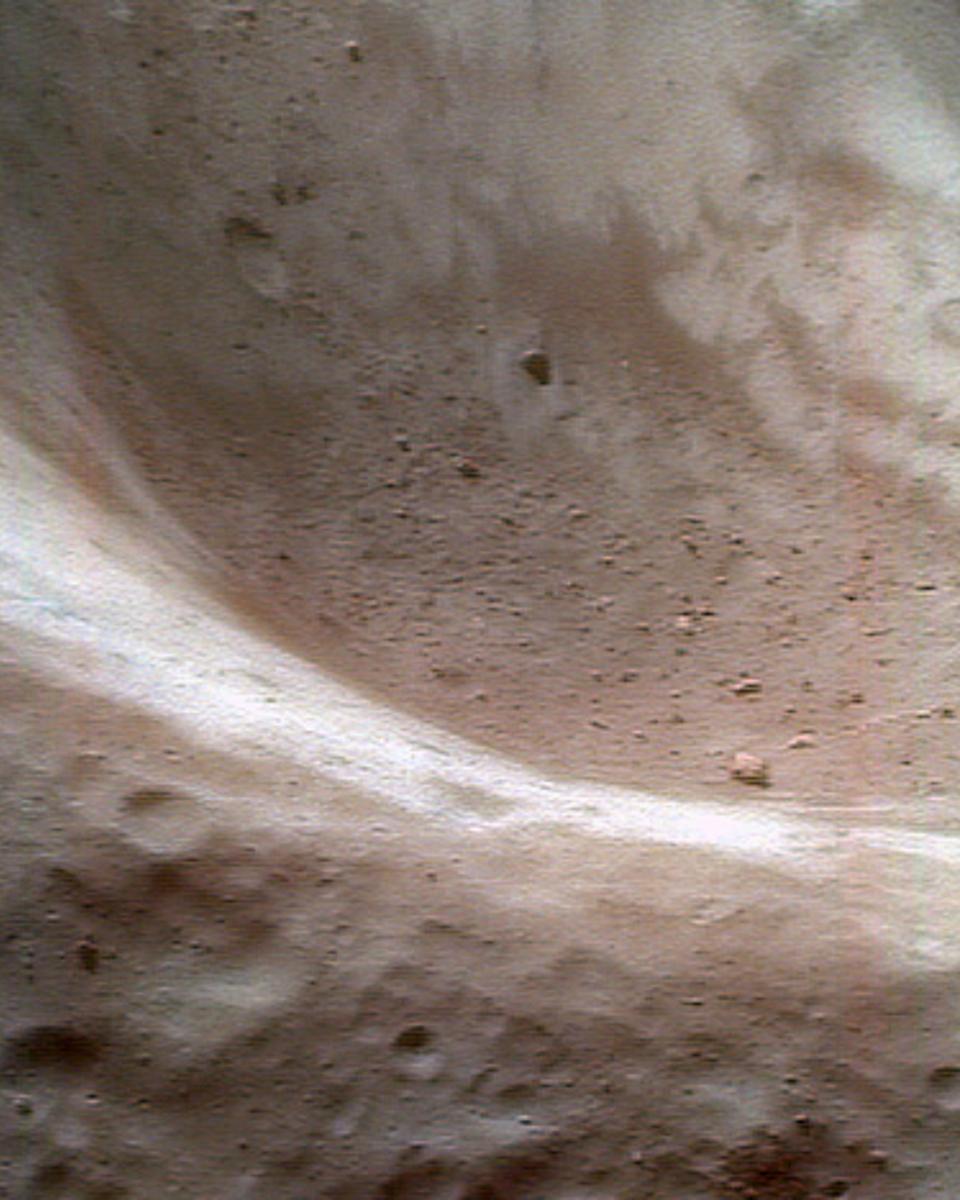
The Regolith of Asteroid Eros
From fifty kilometers above asteroid Eros, the surface inside one of its largest craters appears covered with an unusual substance: regolith . The thickness and composition of the…
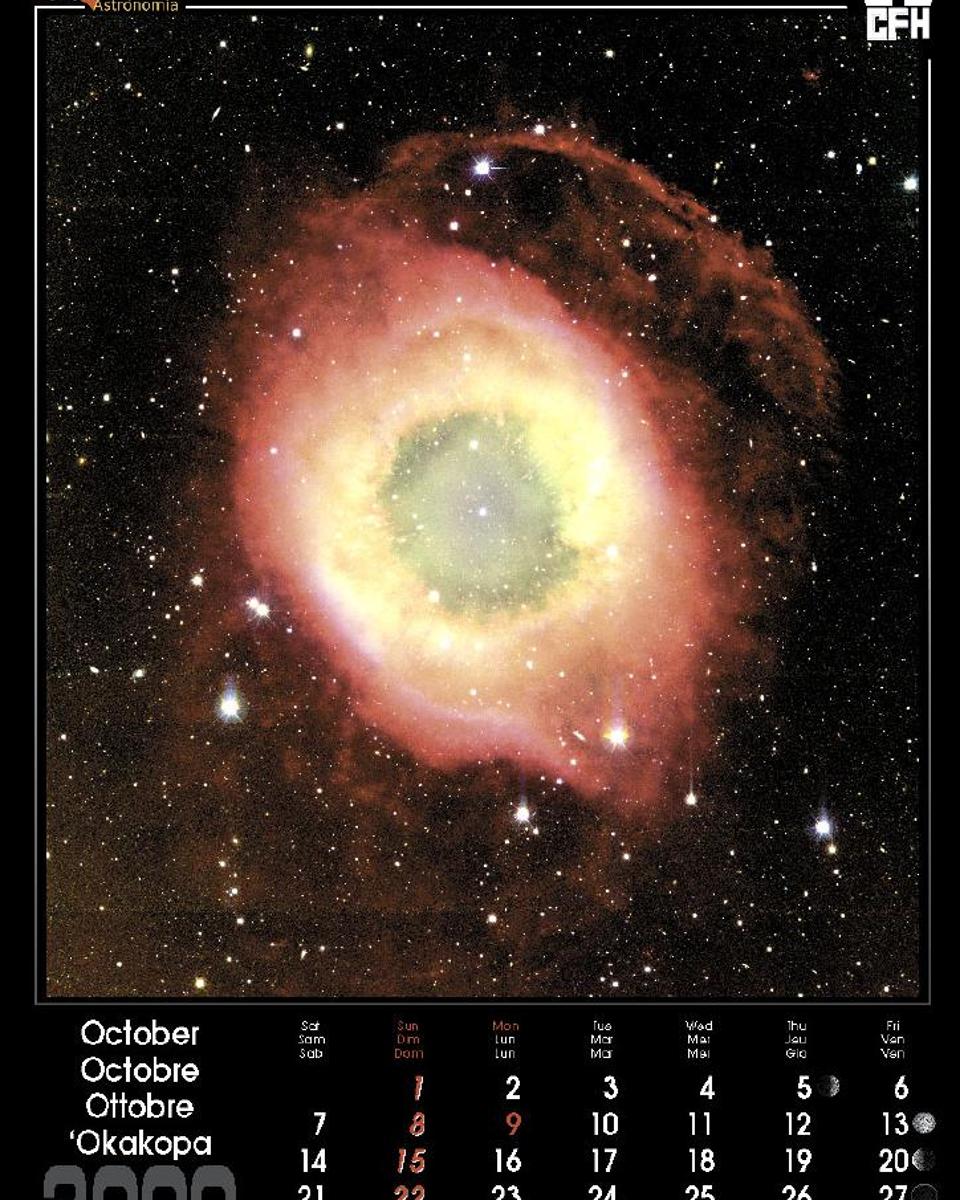
The Helix Nebula from CFHT
One day our Sun may look like this. The Helix Nebula is the closest example of a planetary nebula created at the end of the life of a Sun-like star. The outer gasses of the star…
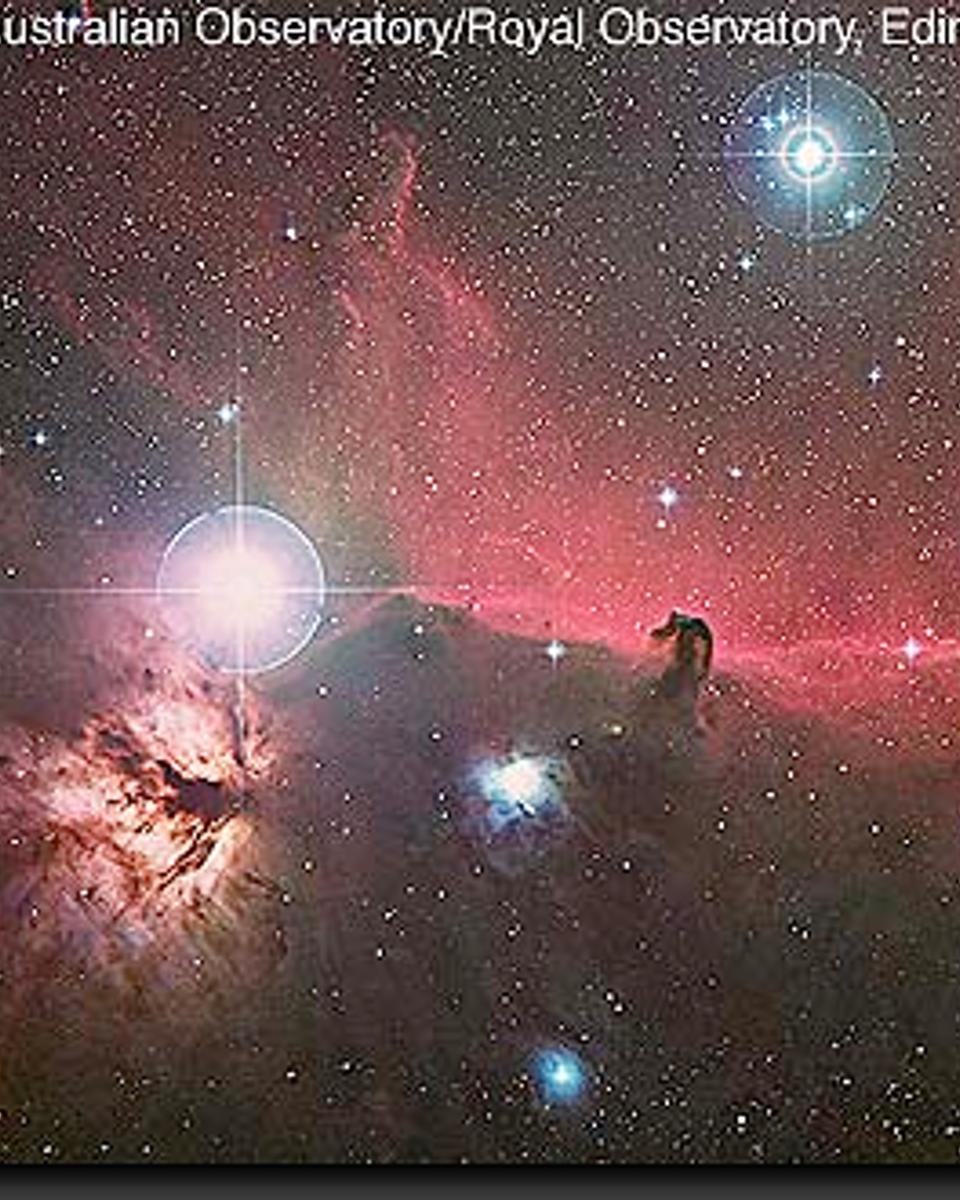
Orion's Horsehead Nebula
The Horsehead Nebula is one of the most famous nebulae on the sky. It is visible as the black indentation to the red emission nebula seen just to the right of center of the above…
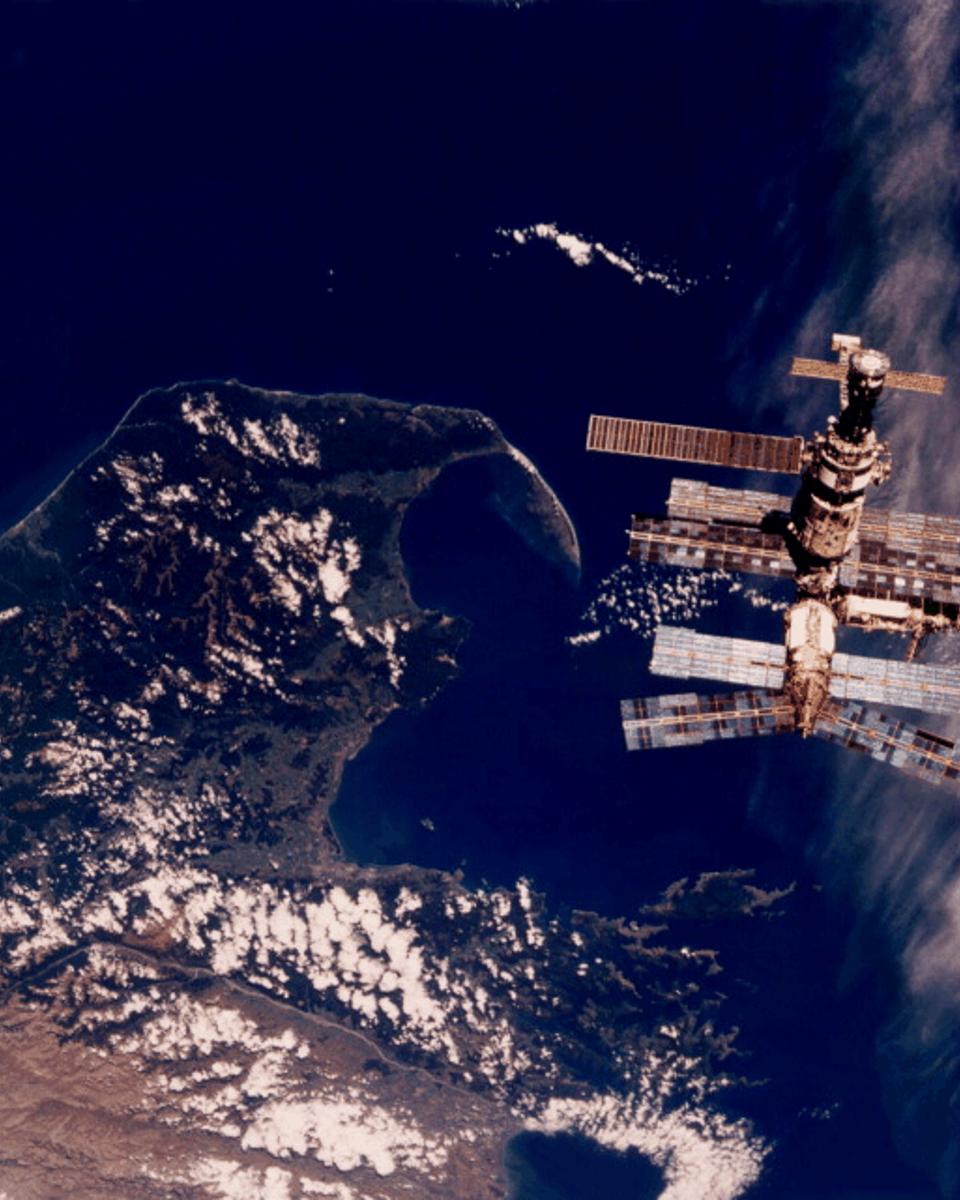
Mir Dreams
This dream-like image of Mir was recorded by astronauts as the Space Shuttle Atlantis approached the Russian space station prior to docking during the STS-76 mission . Sporting…
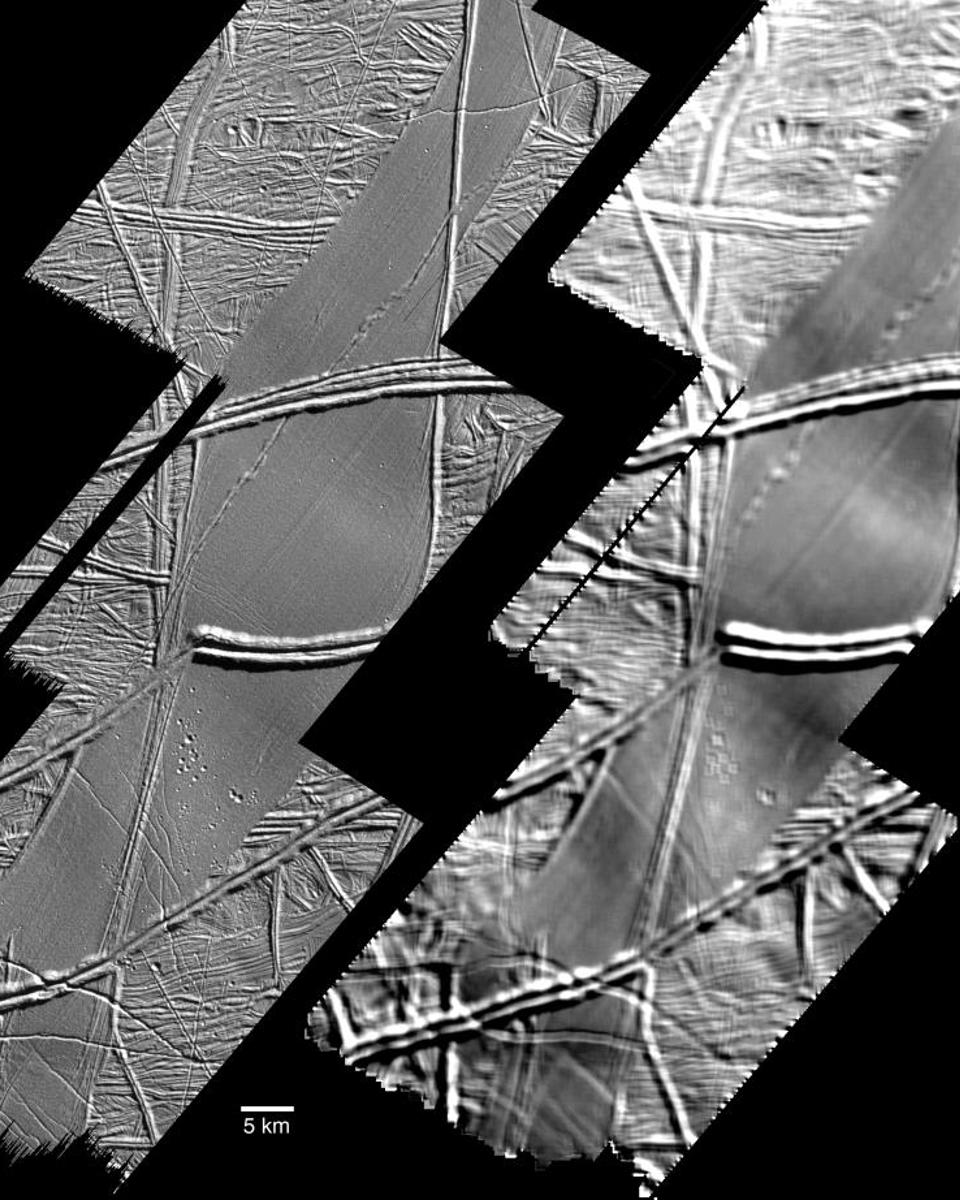
Folding Europa
Astypalaea Linea on Jovian ice moon Europa is the broad smooth region running through these images recorded by the Galileo spacecraft in 1998. The pictures are different computer…
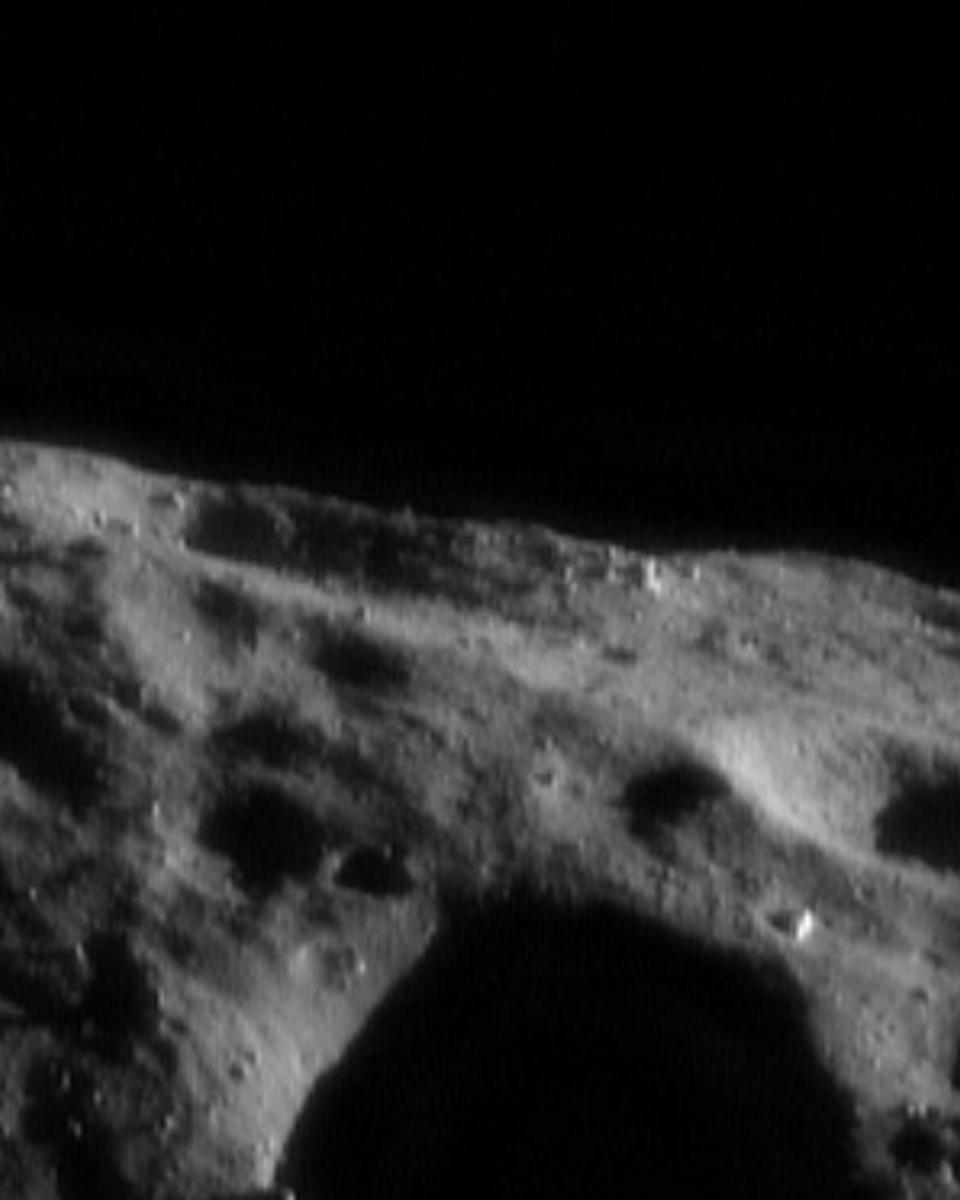
Eros At Sunset
Gleaming in the rays of the setting sun, boulders litter the rugged surface of asteroid 433 Eros . The brightest boulder, at the edge of the large, shadowy crater near this…
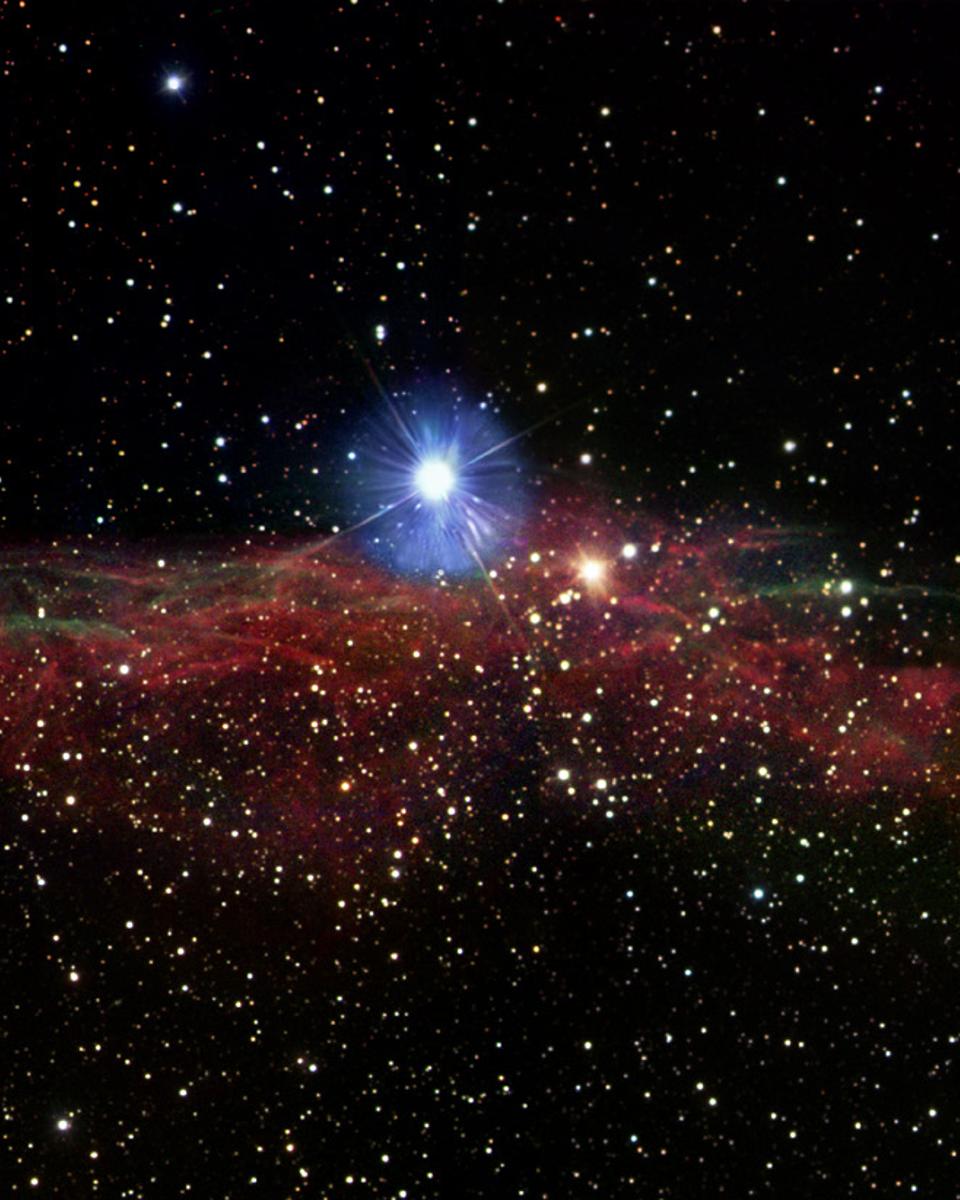
NGC 6960: The Witch's Broom Nebula
Ten thousand years ago, before the dawn of recorded human history , a new light must suddenly have appeared in the night sky and faded after a few weeks. Today we know this light…
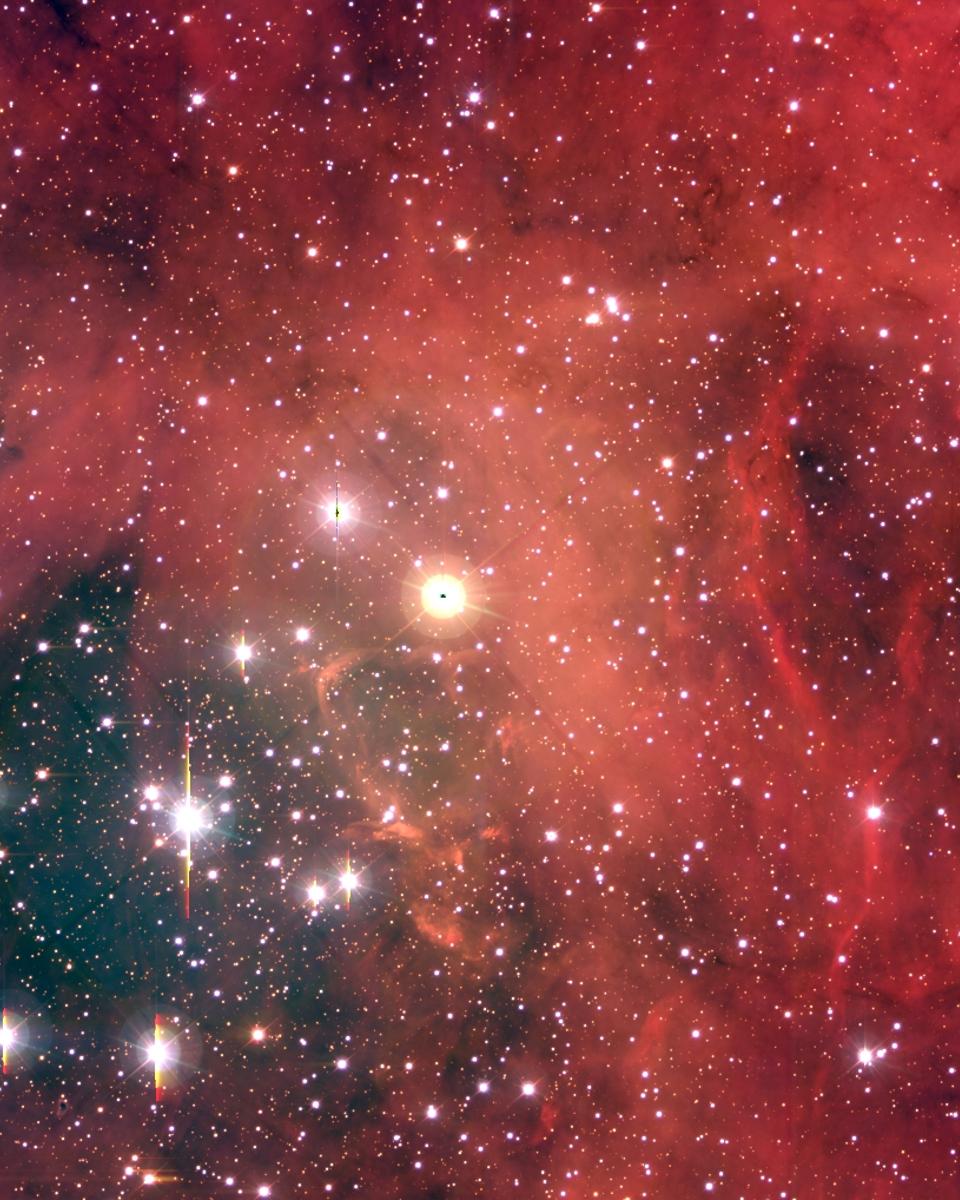
NGC 2244: A Star Cluster in the Rosette Nebula
In the heart of the Rosette Nebula lies a bright open cluster of stars that lights up the nebula. The stars of NGC 2244 formed from the surrounding gas only four million years ago…
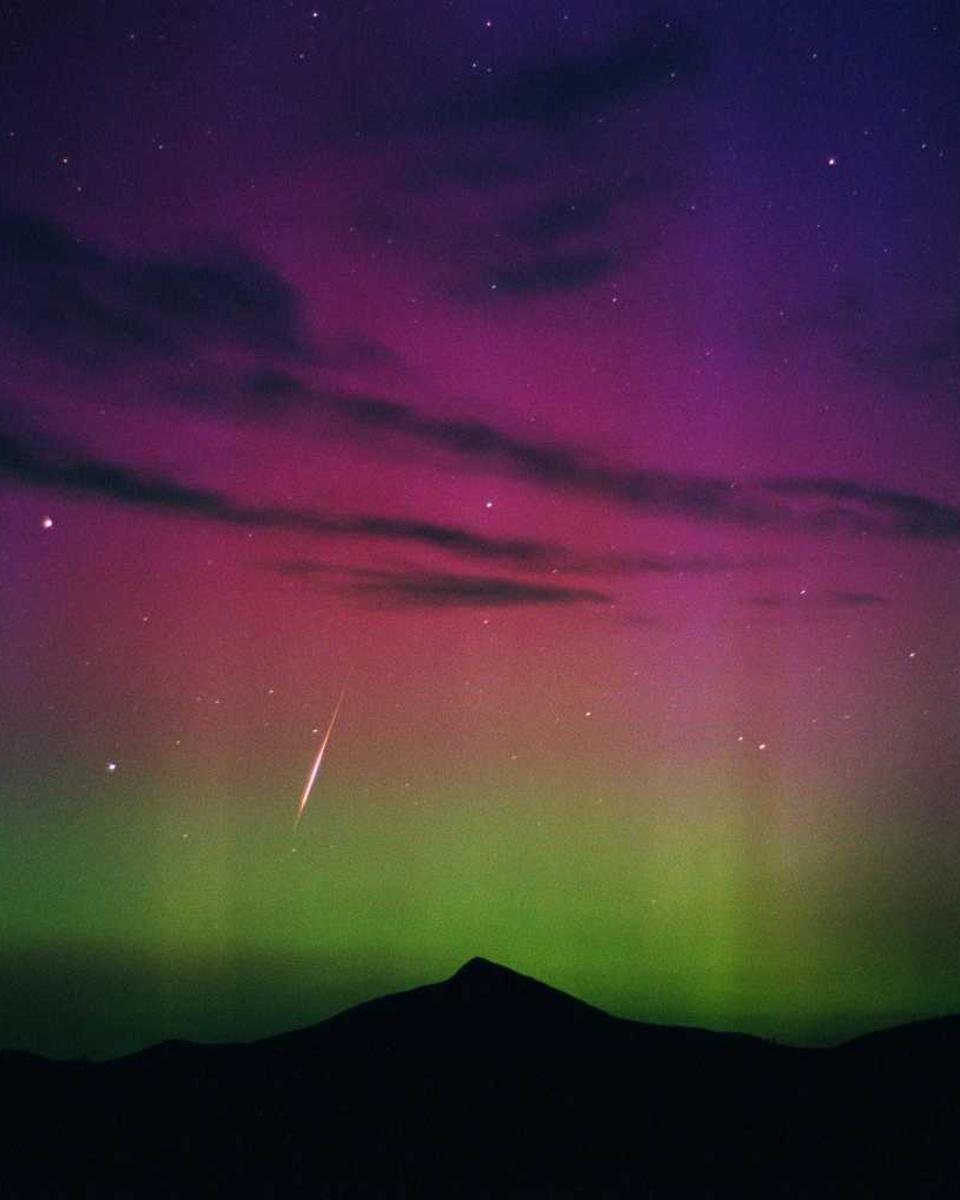
A Perseid Aurora
Just after the Moon set but before the Sun rose in the early morning hours of August 12, meteors pelted the Earth from the direction of the constellation Perseus , while ions…
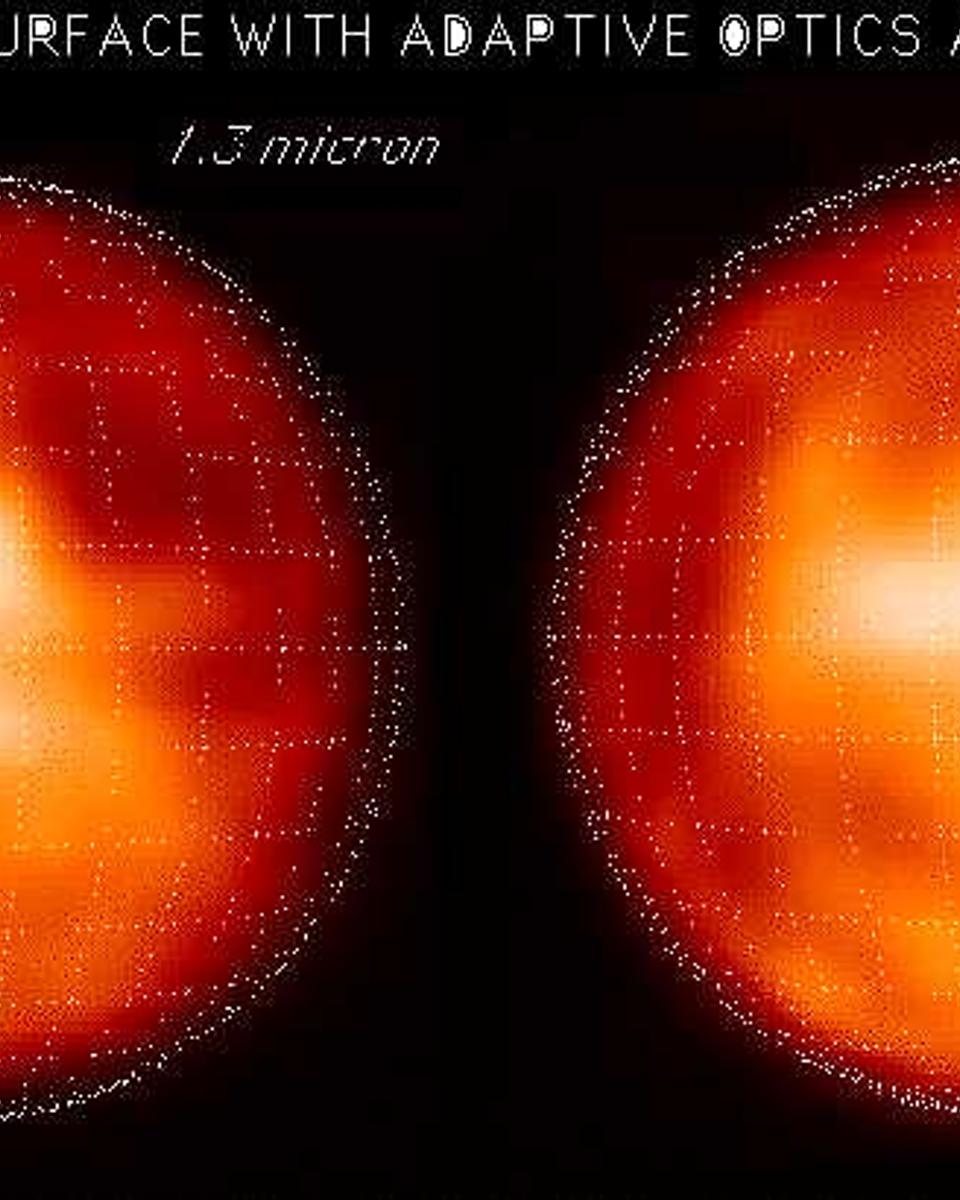
The Surface of Titan
If sailing the hydrocarbon seas of Titan , beware of gasoline rain. Such might be a travel advisory issued one future day for adventurers visiting Titan , the largest moon of…
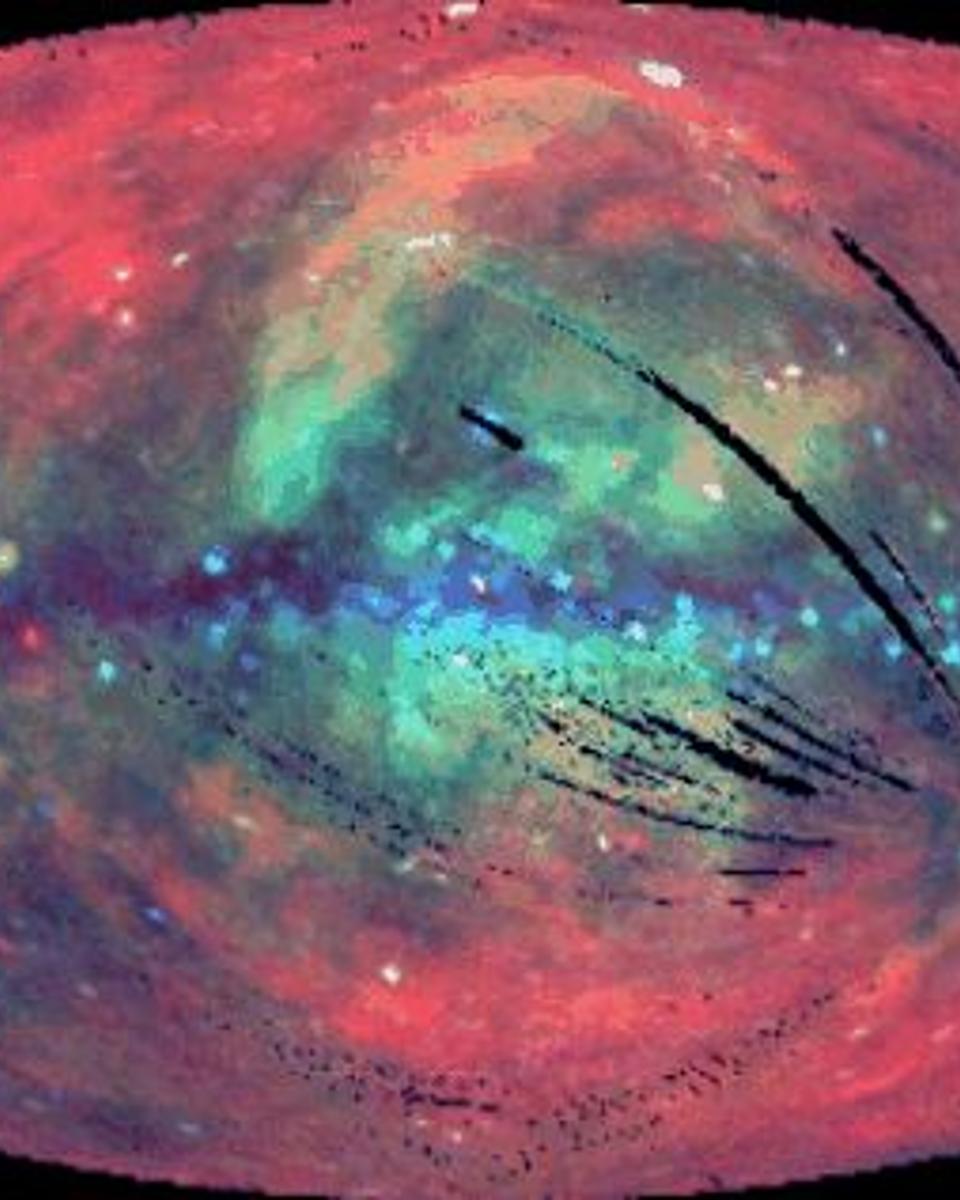
ROSAT Explores The X-Ray Sky
Launched in 1990, the orbiting ROSAT observatory explored the Universe by viewing the entire sky in x-rays -- photons with about 1,000 times more energy than visible light. This…
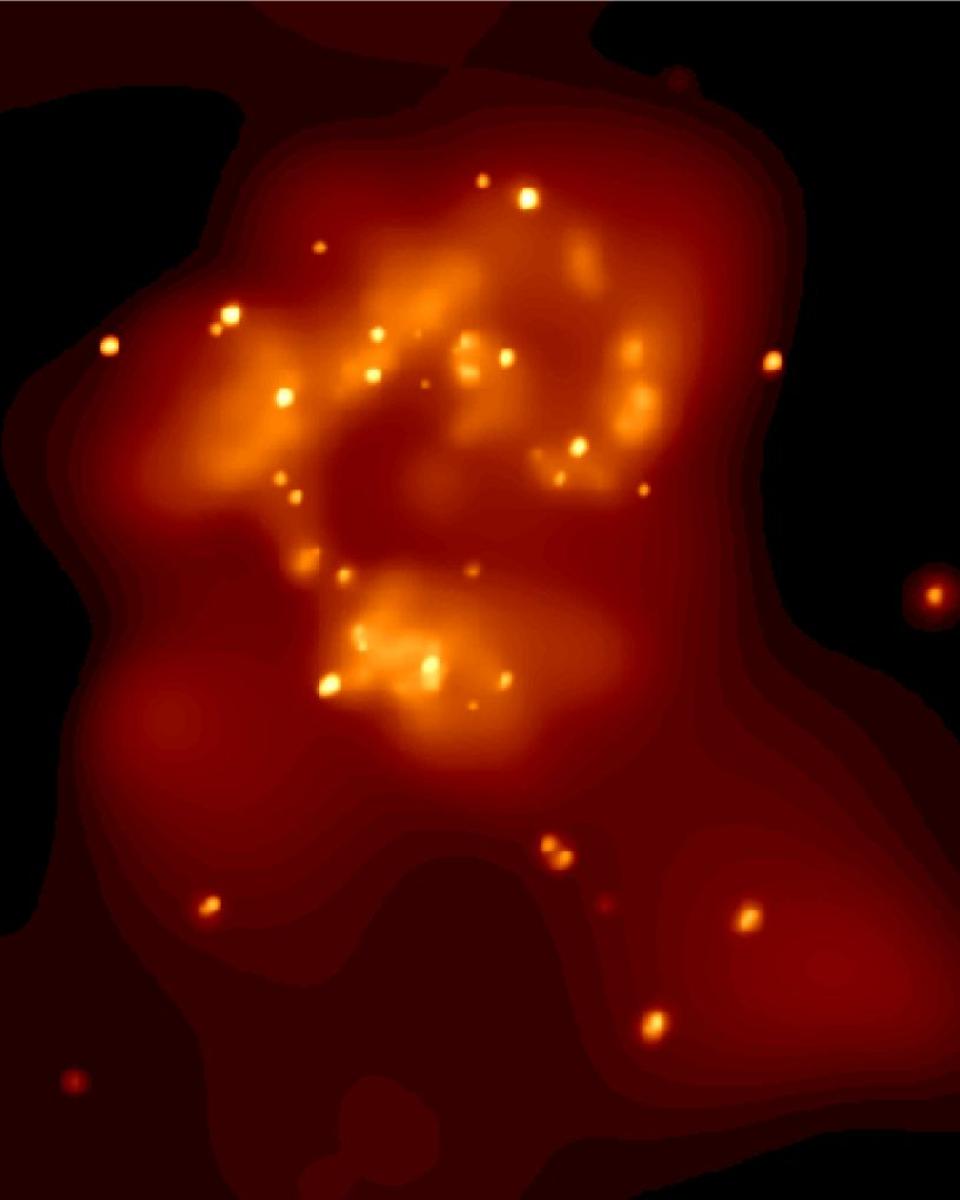
X-Rays From Antennae Galaxies
A bevy of black holes and neutron stars shine as bright, point-like sources against bubbles of million degree gas in this false-color x-ray image from the orbiting Chandra…
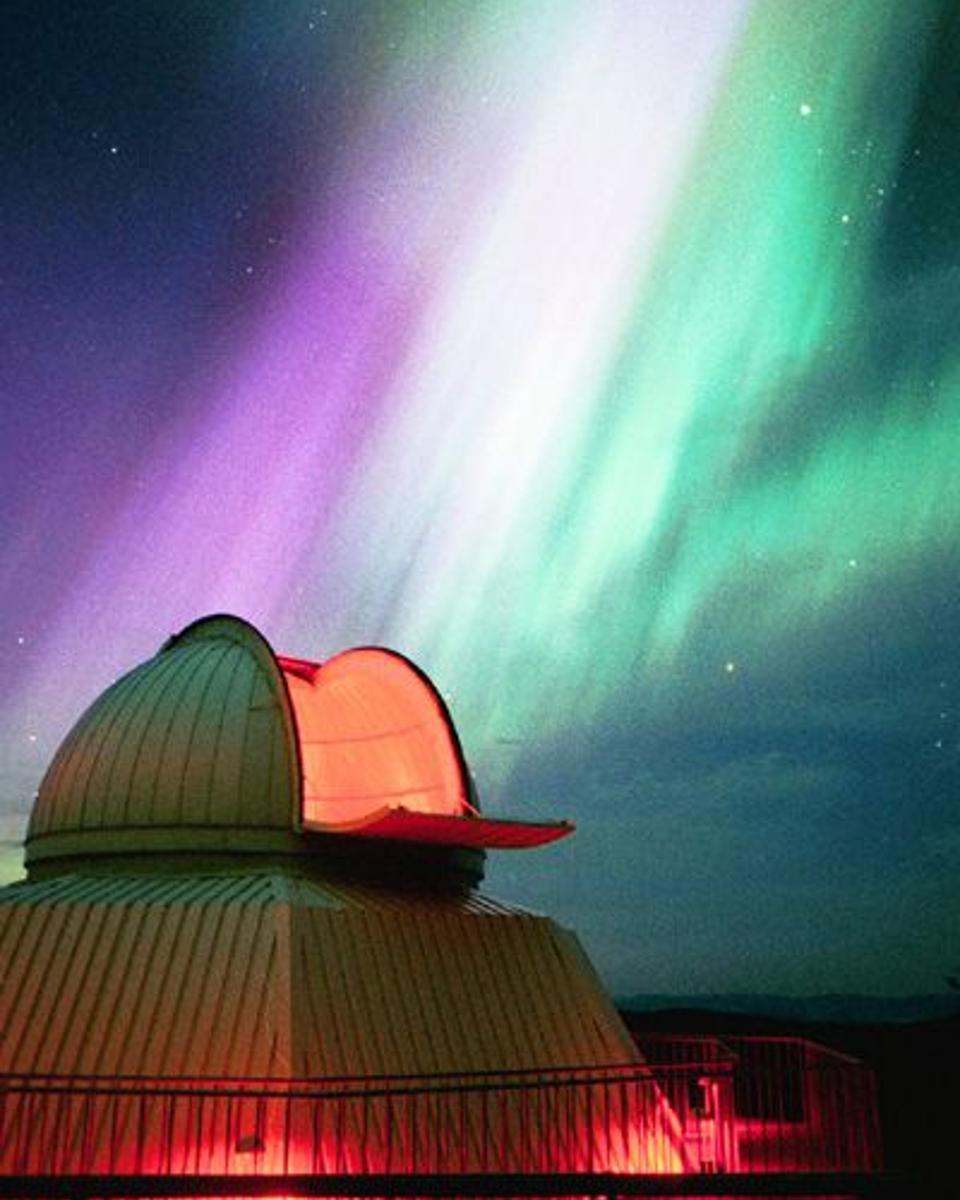
Mount Megantic Magnetic Storm
Plasma from the Sun and debris from a comet both collided with planet Earth last Saturday morning triggering magnetic storms and a meteor shower in a dazzling atmospheric…
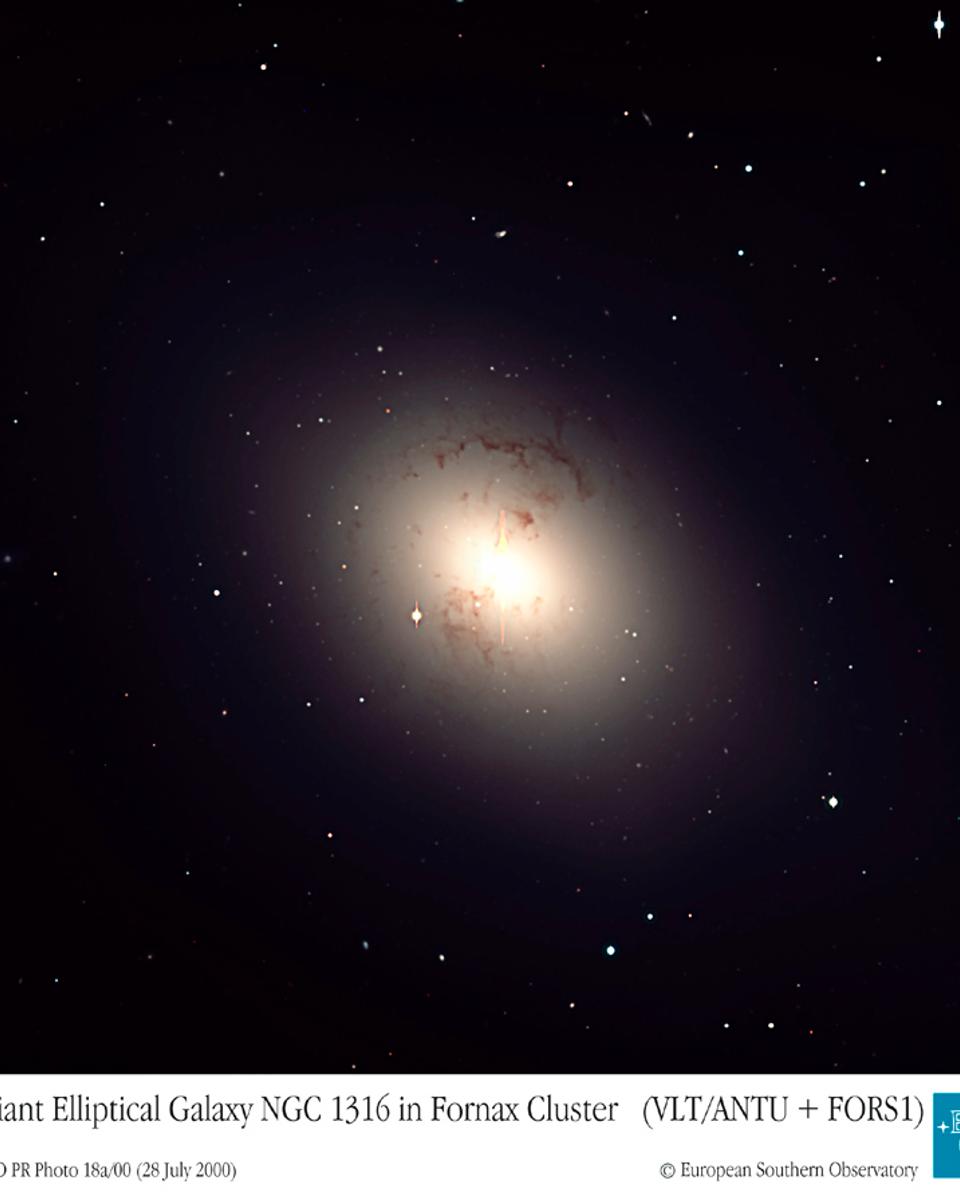
Unusual Giant Galaxy NGC 1316
Can unusual giant galaxy NGC 1316 help calibrate the universe? Quite possibly -- if it turns out this atypical galaxy is composed of typical stars. NGC 1316, pictured above , is…
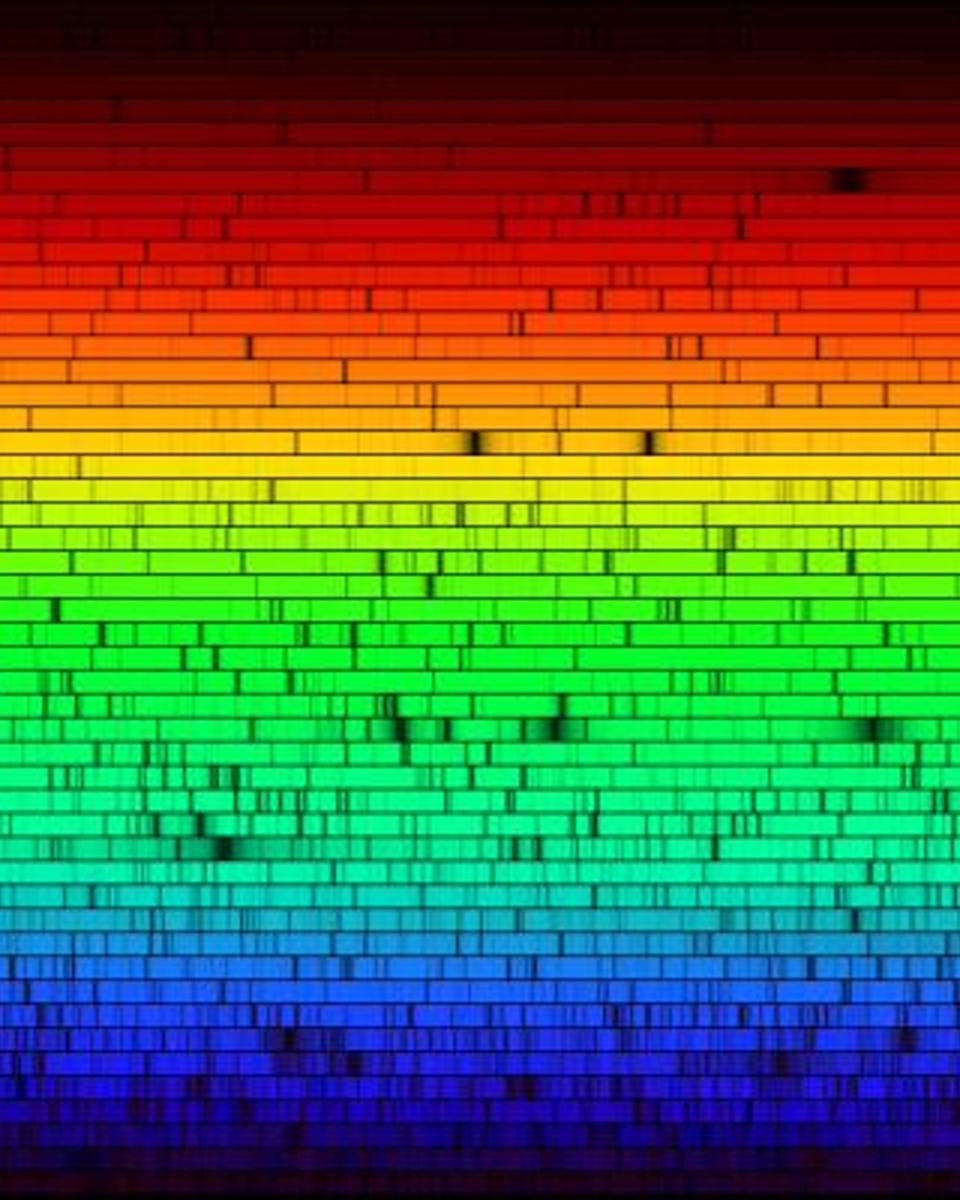
The Solar Spectrum
It is still not known why the Sun's light is missing some colors. Shown above are all the visible colors of the Sun , produced by passing the Sun's light through a prism -like…
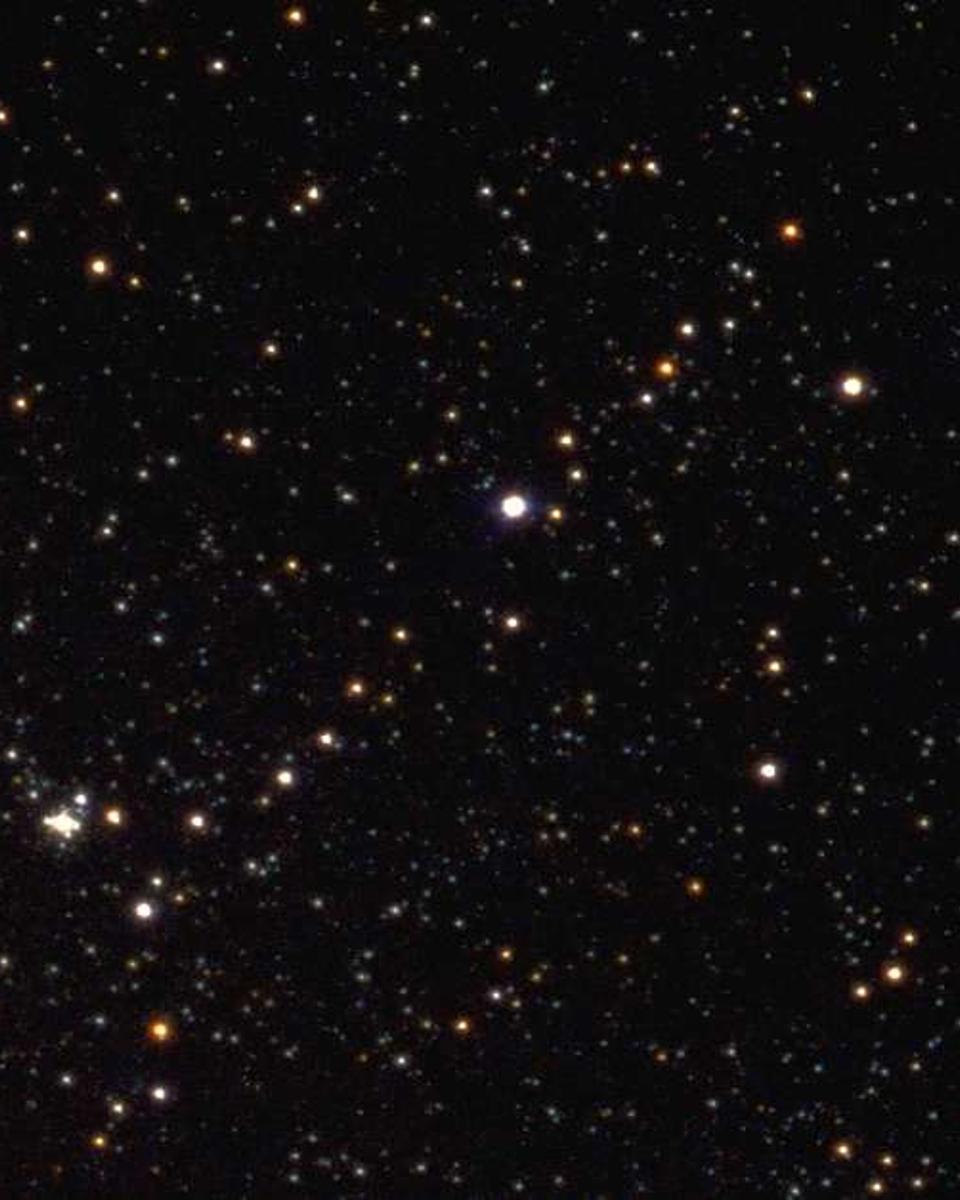
Kemble's Cascade
A picturesque chain of unrelated stars is visible with strong binoculars towards the constellation of Camelopardalis . Known as Kemble's Cascade , the asterism contains about 20…
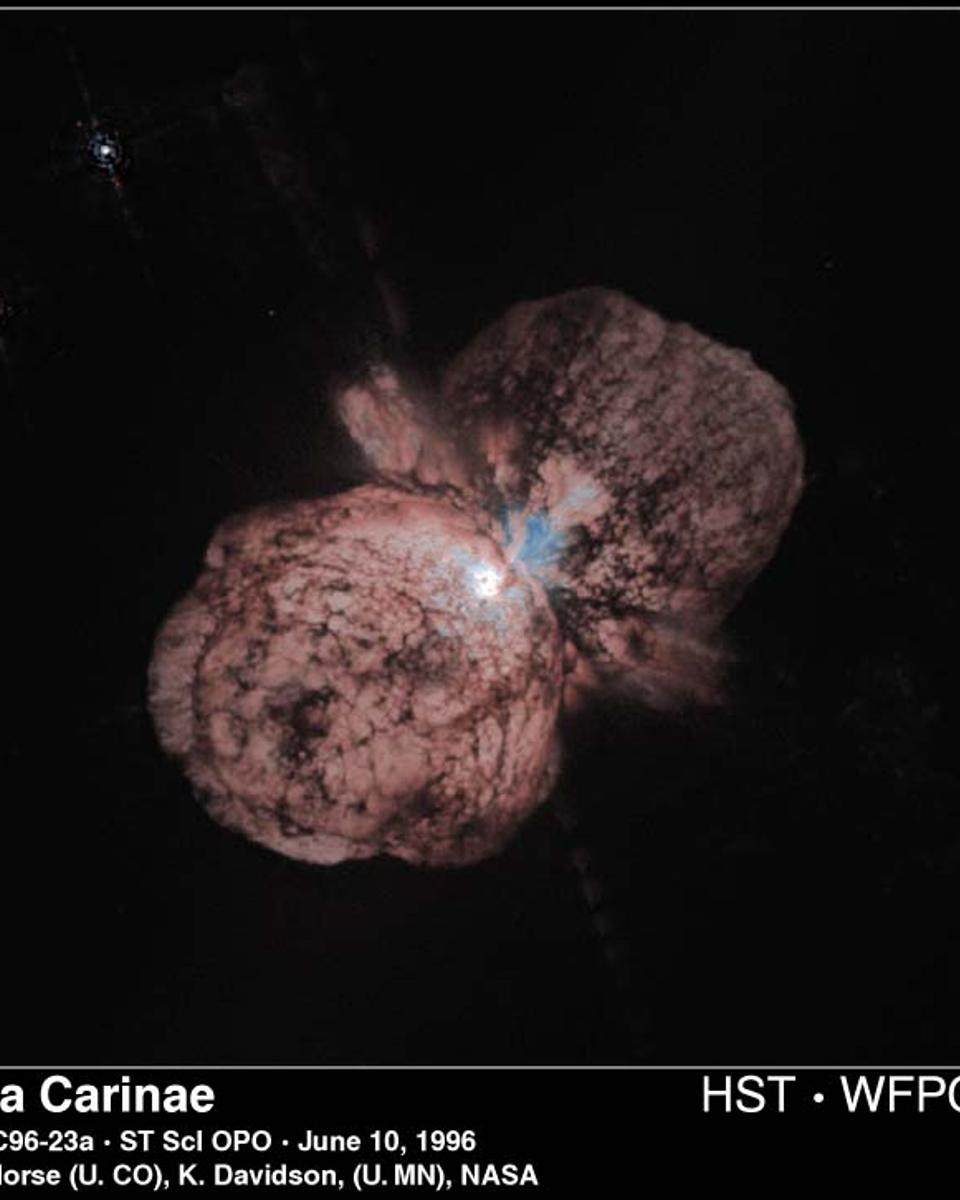
Doomed Star Eta Carinae
Eta Carinae may be about to explode. But no one knows when - it may be next year, it may be one million years from now. Eta Carinae 's mass - about 100 times greater than our Sun…
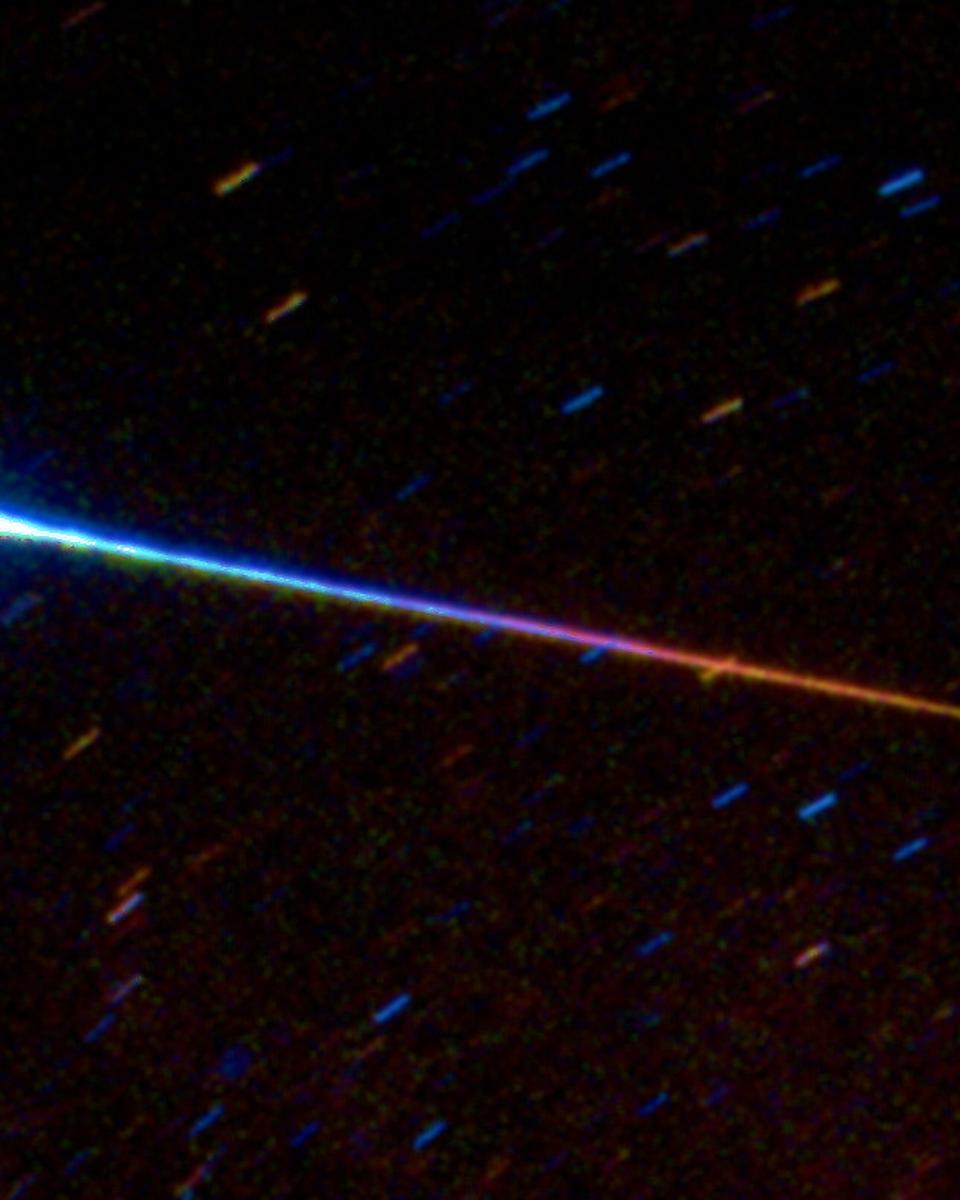
A Perseid Meteor
This weekend, the annual Perseid Meteor Shower reaches its maximum. Grains of cosmic sand and gravel shed from Comet Swift-Tuttle will streak across the sky as they vaporize…
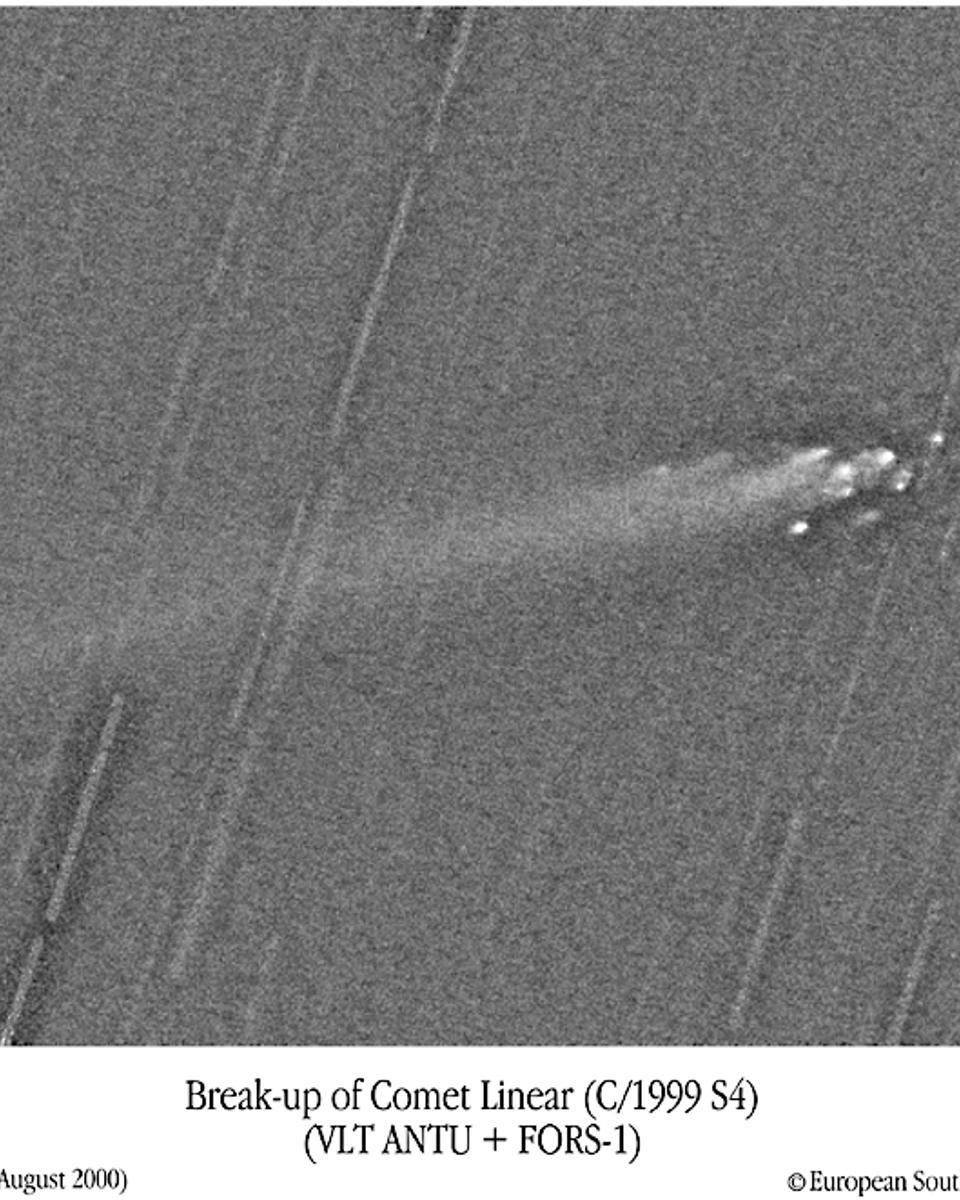
Fragments of Comet LINEAR
What do you call a bunch of comet fragments anyway ... a flock, a covey, a swarm? The question is definitely relevant to comet LINEAR (C/1999 S4 LINEAR) whose nucleus apparently…
Viewing discoveries from 3 September 2000 through 11 August 2000.