Browse NASA Astronomy Picture of the Day archive by date and media: Archive Discoveries
Browse the NASA APOD archive without needing the exact date first. Filter by media type and keep moving deeper into older images and videos.
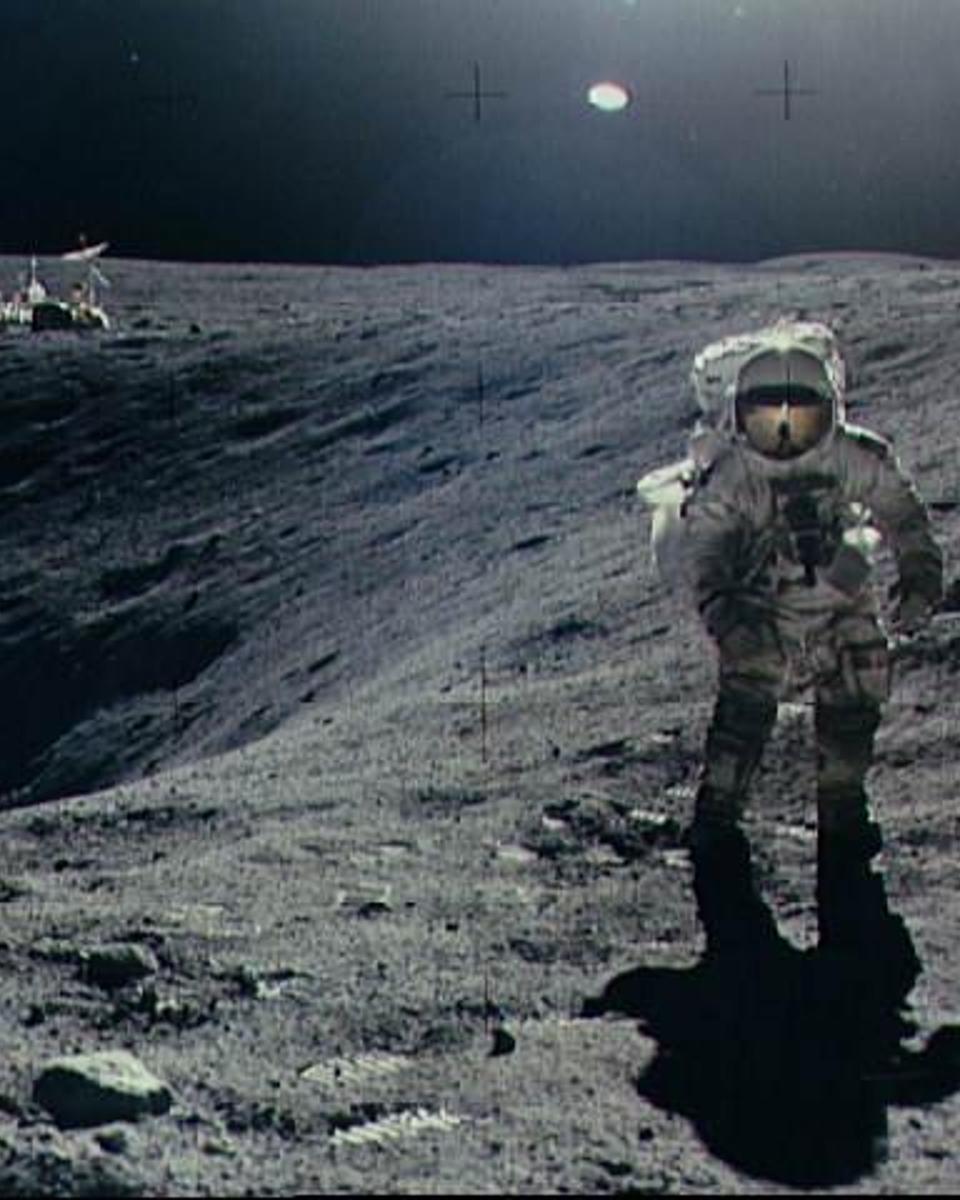
Apollo 16: Exploring Plum Crater
Apollo 16 spent three days on Earth's Moon in April 1972. The fifth lunar landing mission out of six, Apollo 16 was famous for deploying and using an ultraviolet telescope as the…
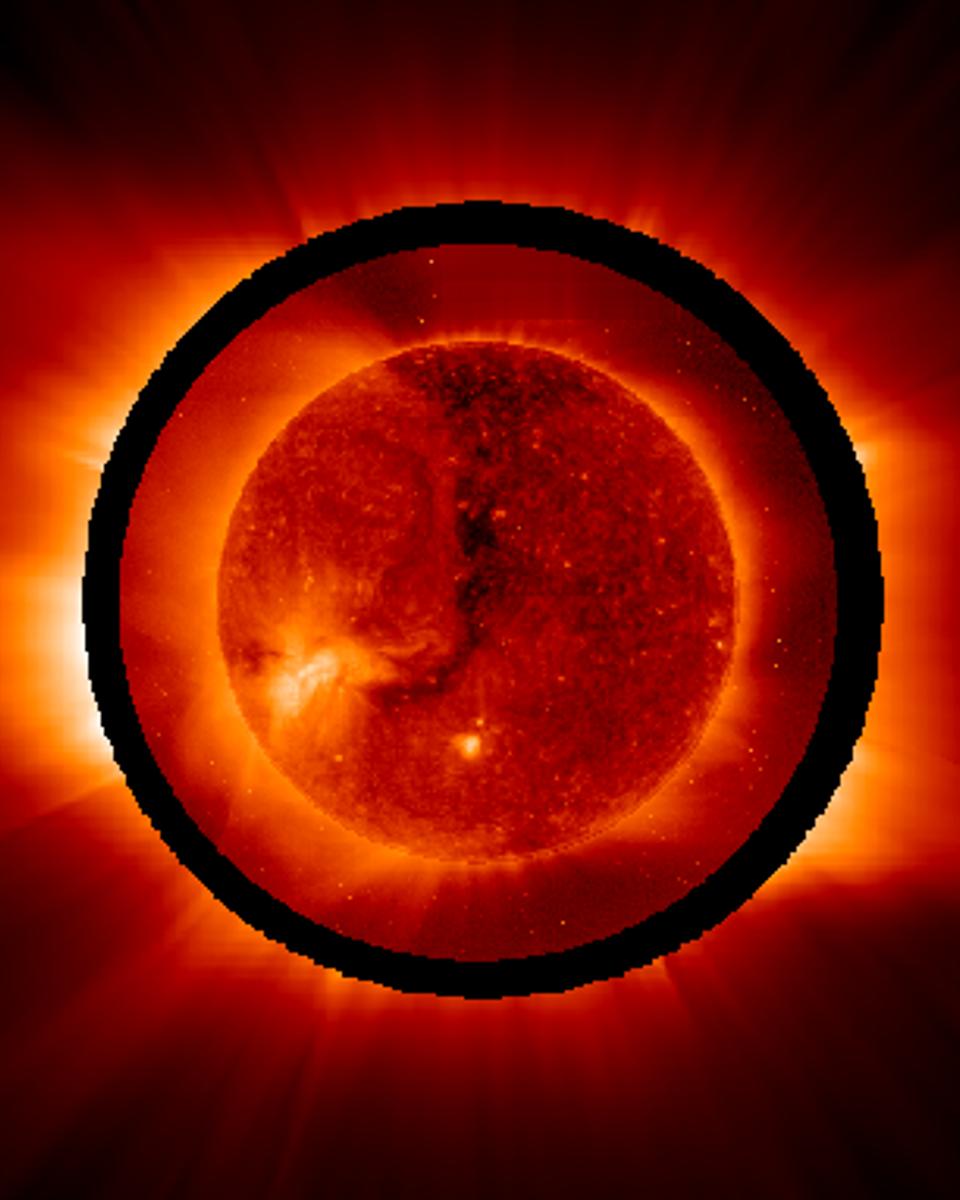
A Wind From The Sun
A wind from the Sun blows through our Solar System . The behaviour of comet tails as they flapped and waved in this interplanetary breeze gave astronomers the first hint of its…
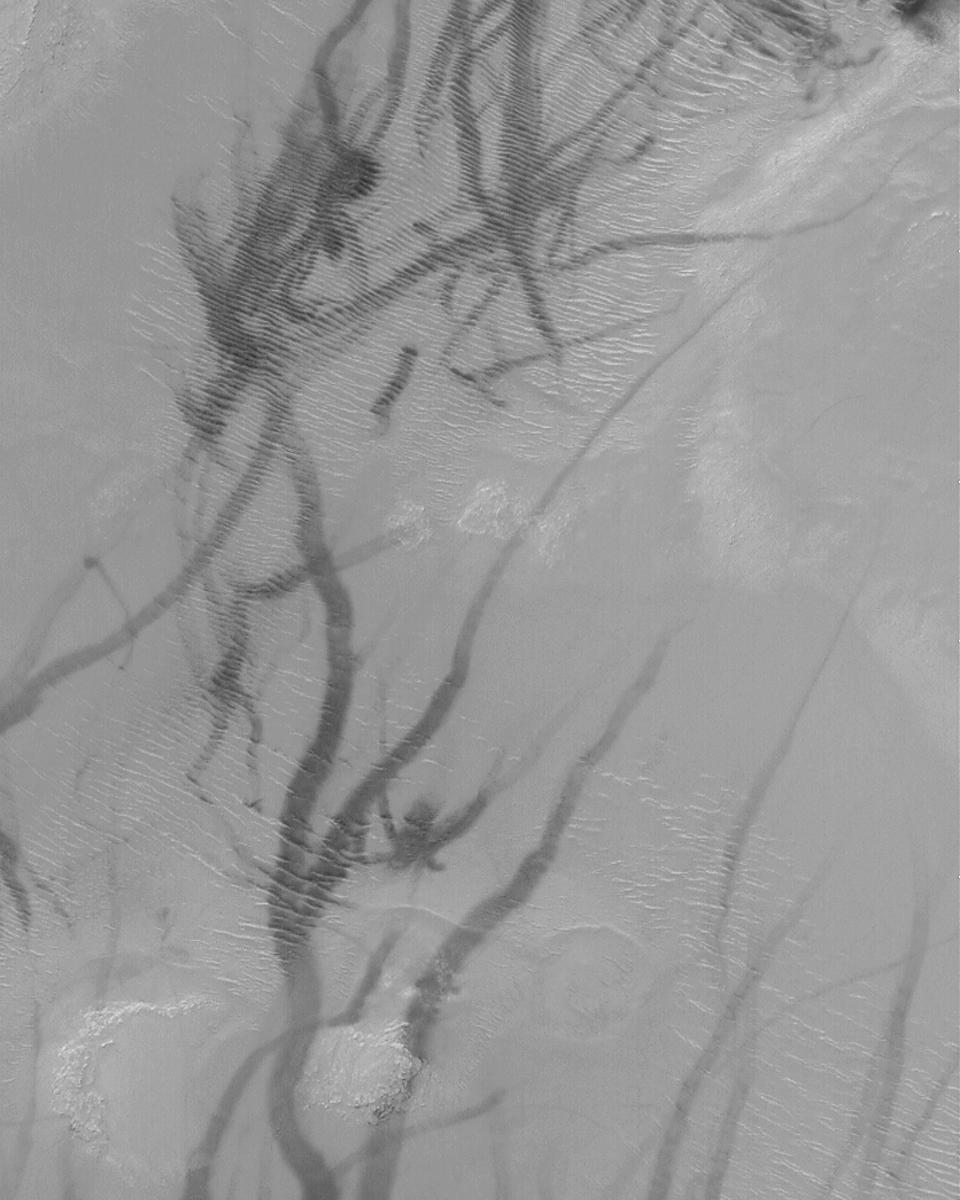
Martian Dust Devil Trails
Who's been marking up Mars? This portion of a recent high-resolution picture from the orbiting Mars Global Surveyor spacecraft shows twisting dark trails criss-crossing a…
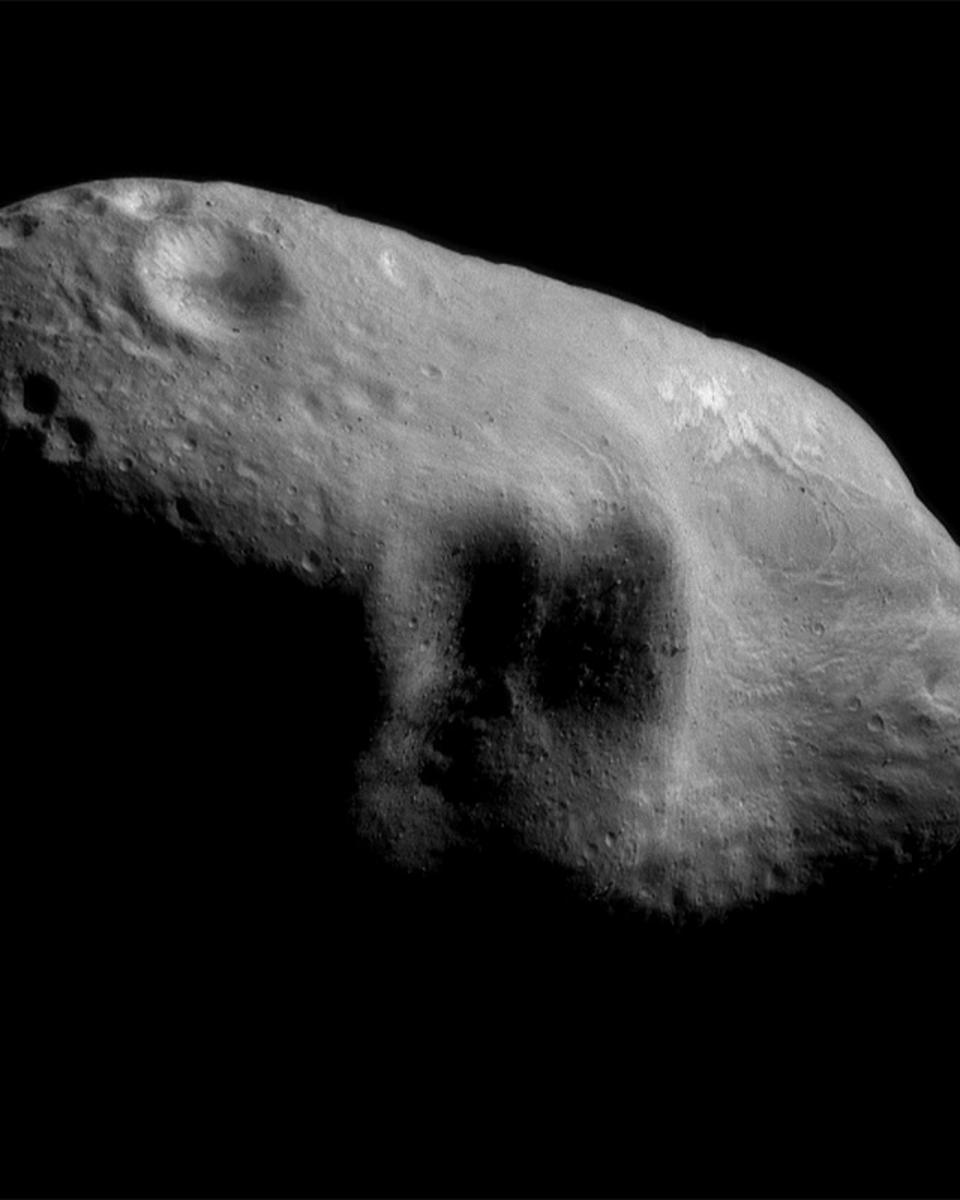
NEAR Shoemaker Views Eros
Orbiting asteroid 433 Eros, 145 million miles from Earth, NASA's NEAR spacecraft has been returning stunning views as its year long mission of exploration gets underway . A mosaic…
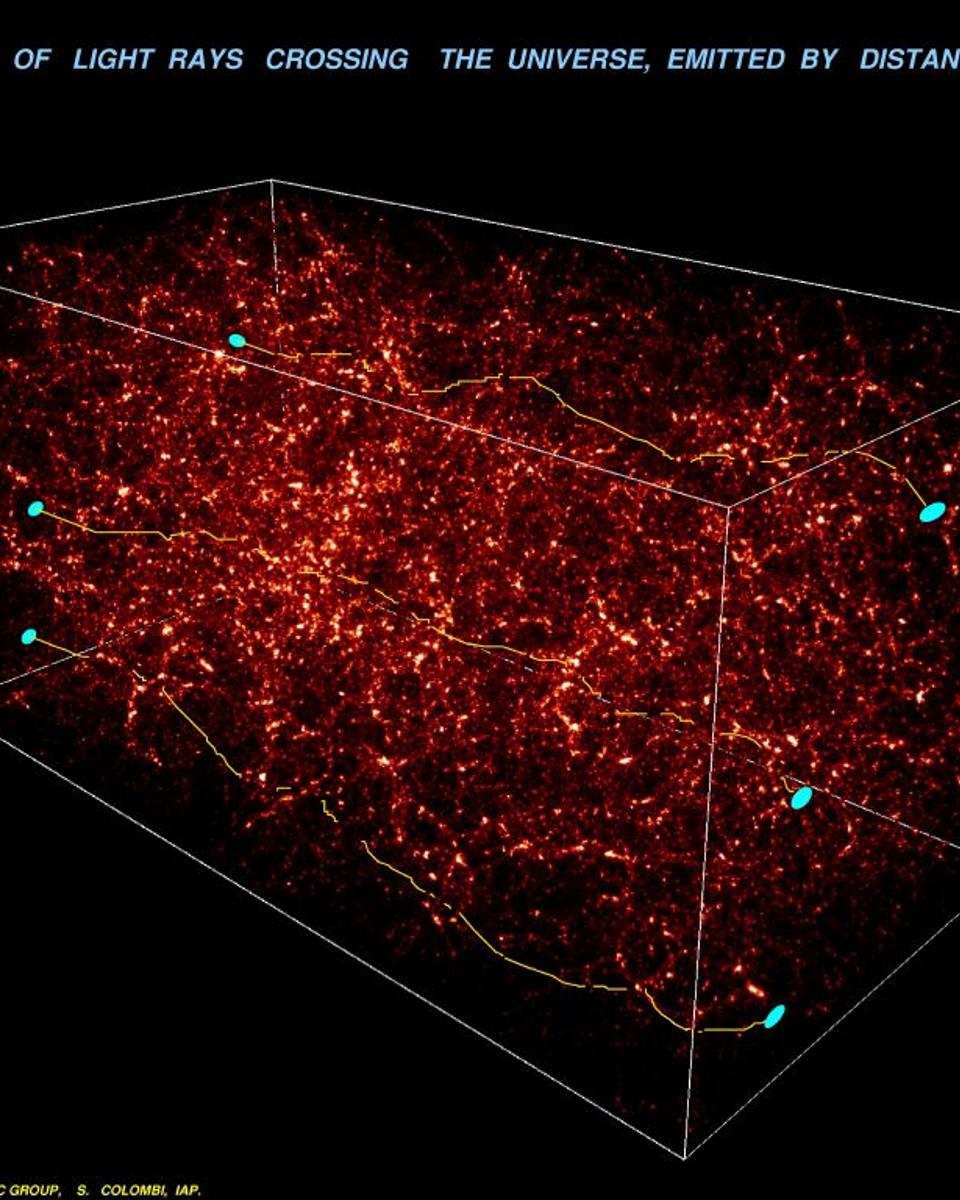
Weak Lensing Distorts the Universe
Is the distant universe really what it appears to be? Astronomers hope not. Intervening dark matter , which is normally invisible, might show its presence by distorting images…
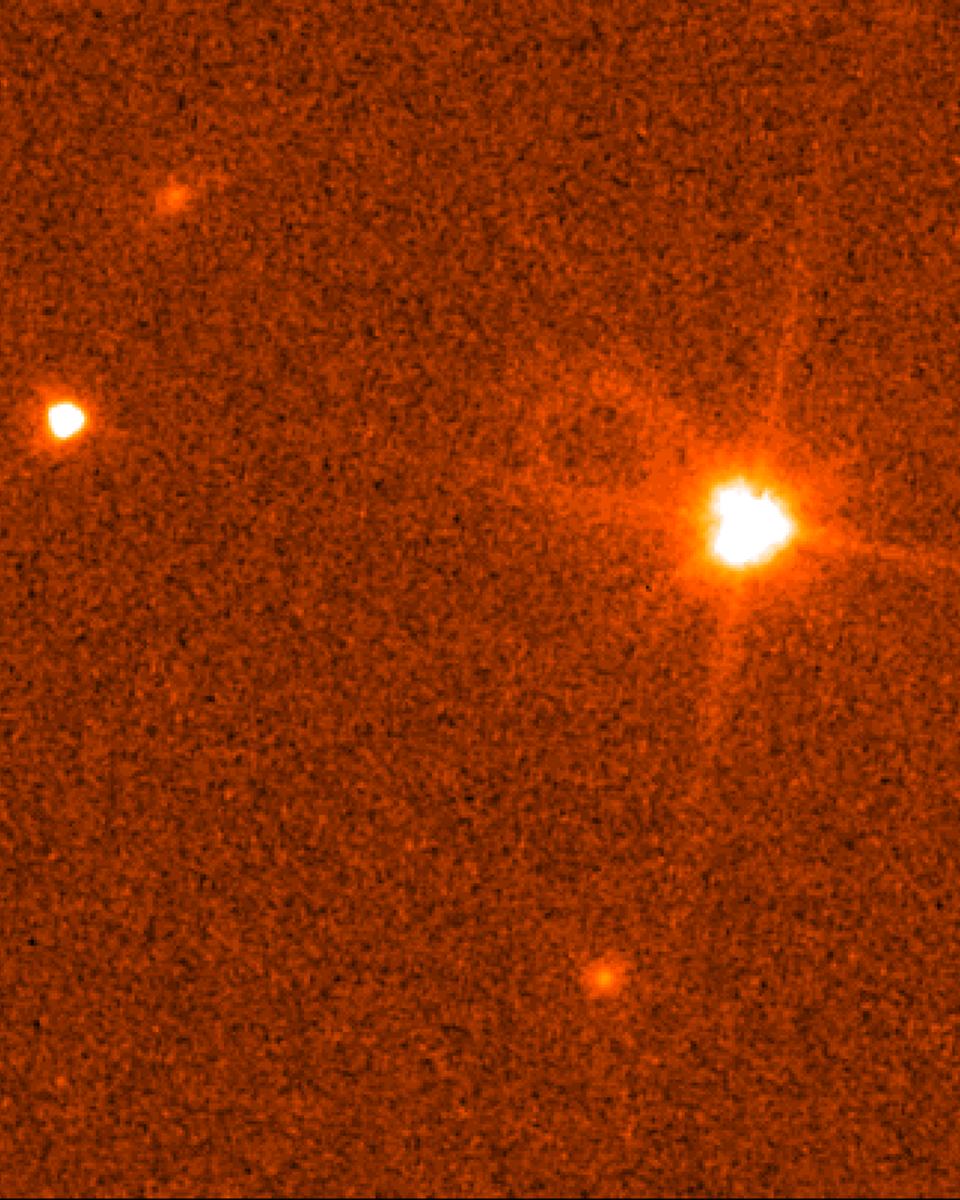
A GRB 000301C Symphony
Telescopic instruments in Earth and space are still tracking a tremendous explosion that occurred across the universe. A nearly unprecedented symphony of international…
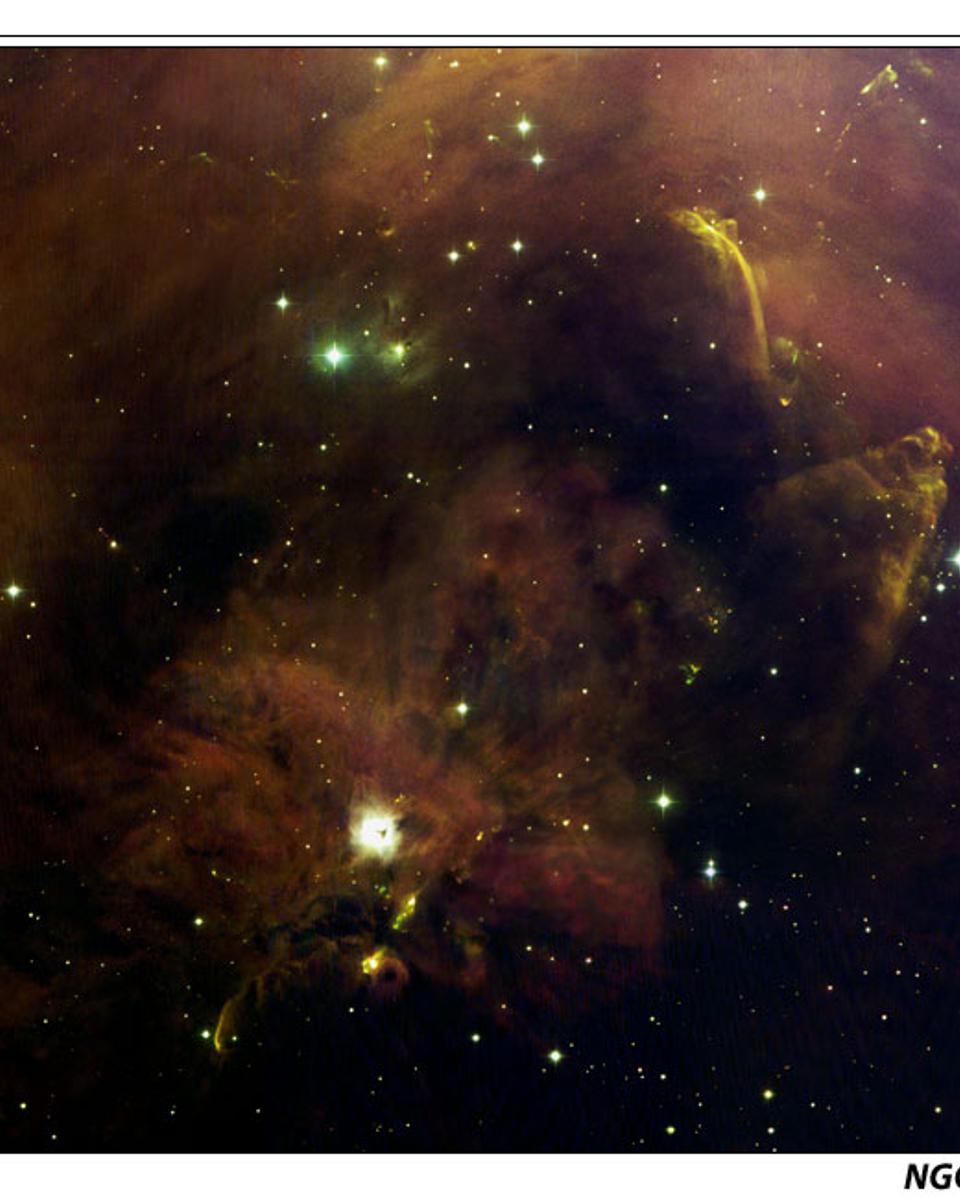
A Panorama of Oddities in Orion A
New stars, fast jets, and shocked gas clouds all occupy Orion A, a giant molecular cloud just south of the Orion Nebula . The bright object visible below and slightly left of…
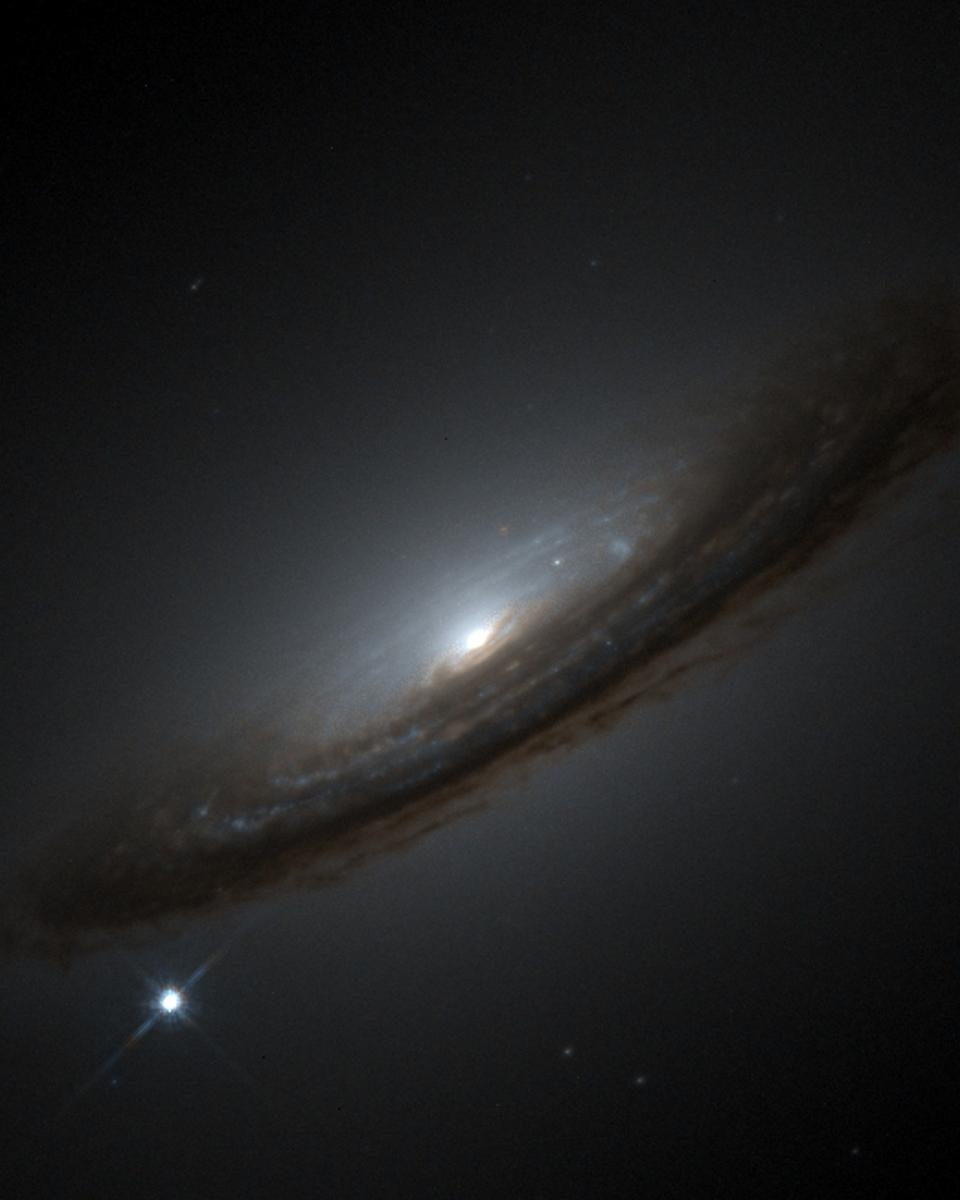
Supernova 1994D and the Unexpected Universe
Far away, long ago, a star exploded. Supernova 1994D , visible as the bright spot on the lower left, occurred in the outskirts of disk galaxy NGC 4526 . Supernova 1994D was not of…
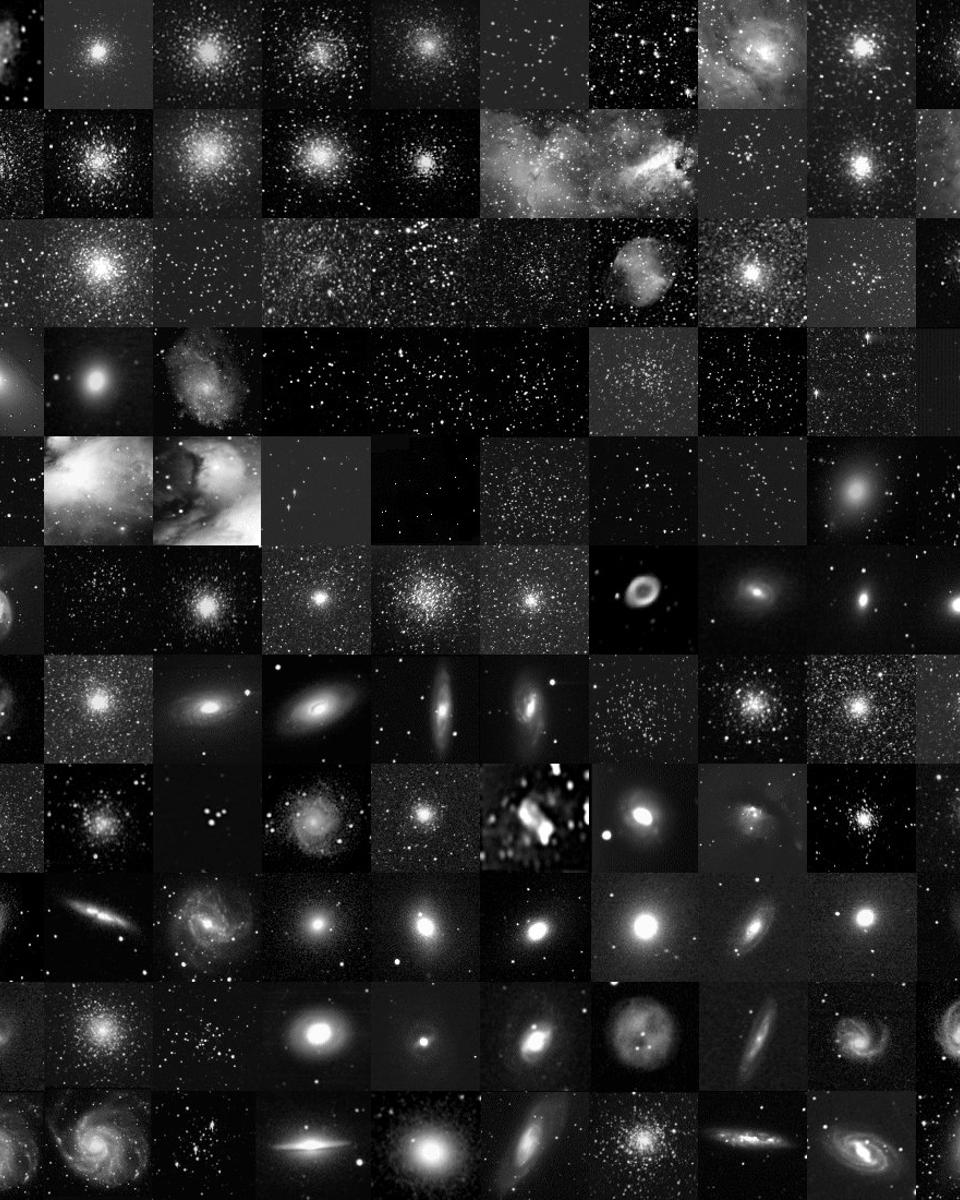
Messier Marathon
Gripped by an astronomical spring fever , it's once again time for many amateur stargazers to embark on a Messier Marathon ! The Vernal Equinox occurs March 20, marking the first…
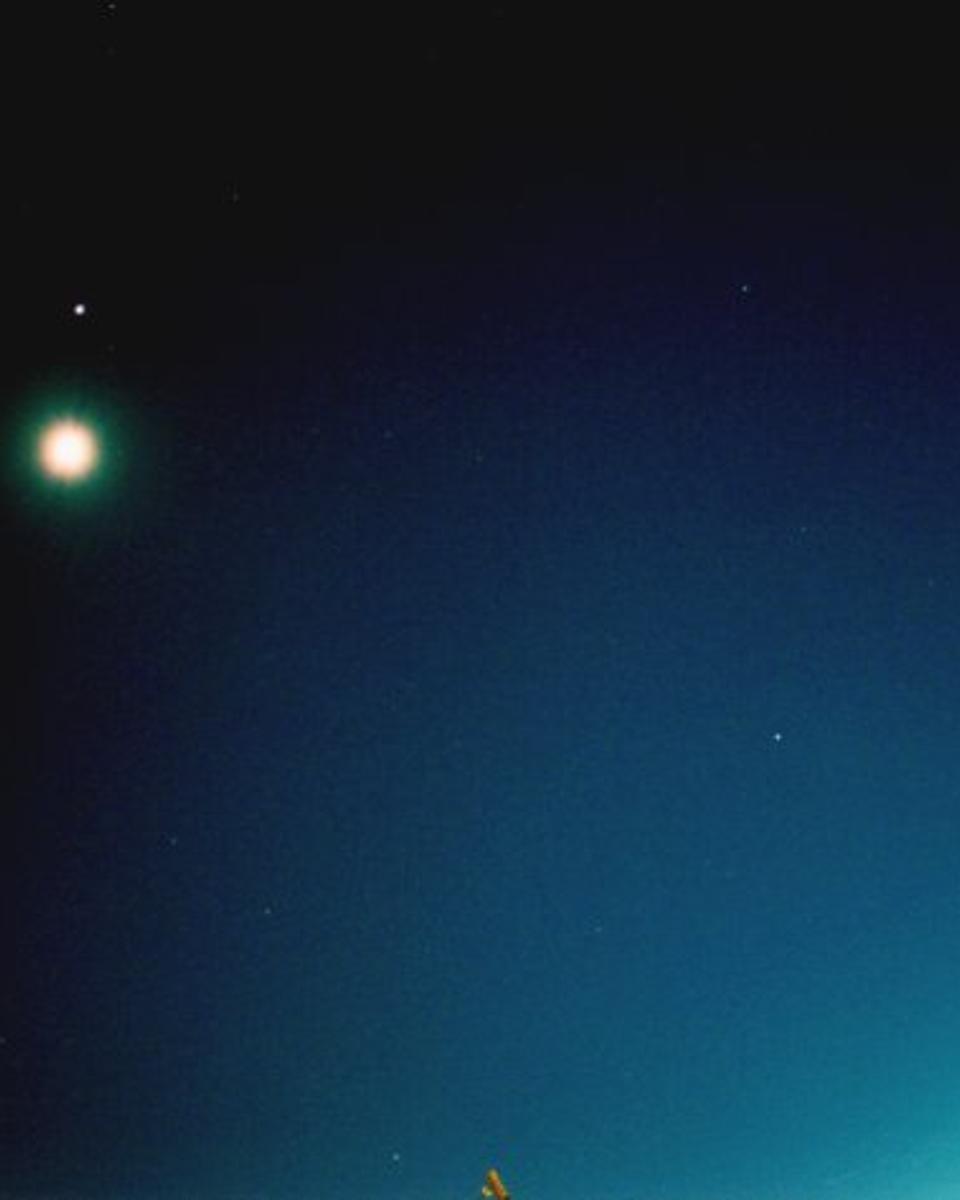
Sky and Planets
On February 10th, an evocative evening sky above Rocklin, California, USA inspired astrophotographer Steve Sumner to record this remarkable sight - five planets and the Moon. Near…
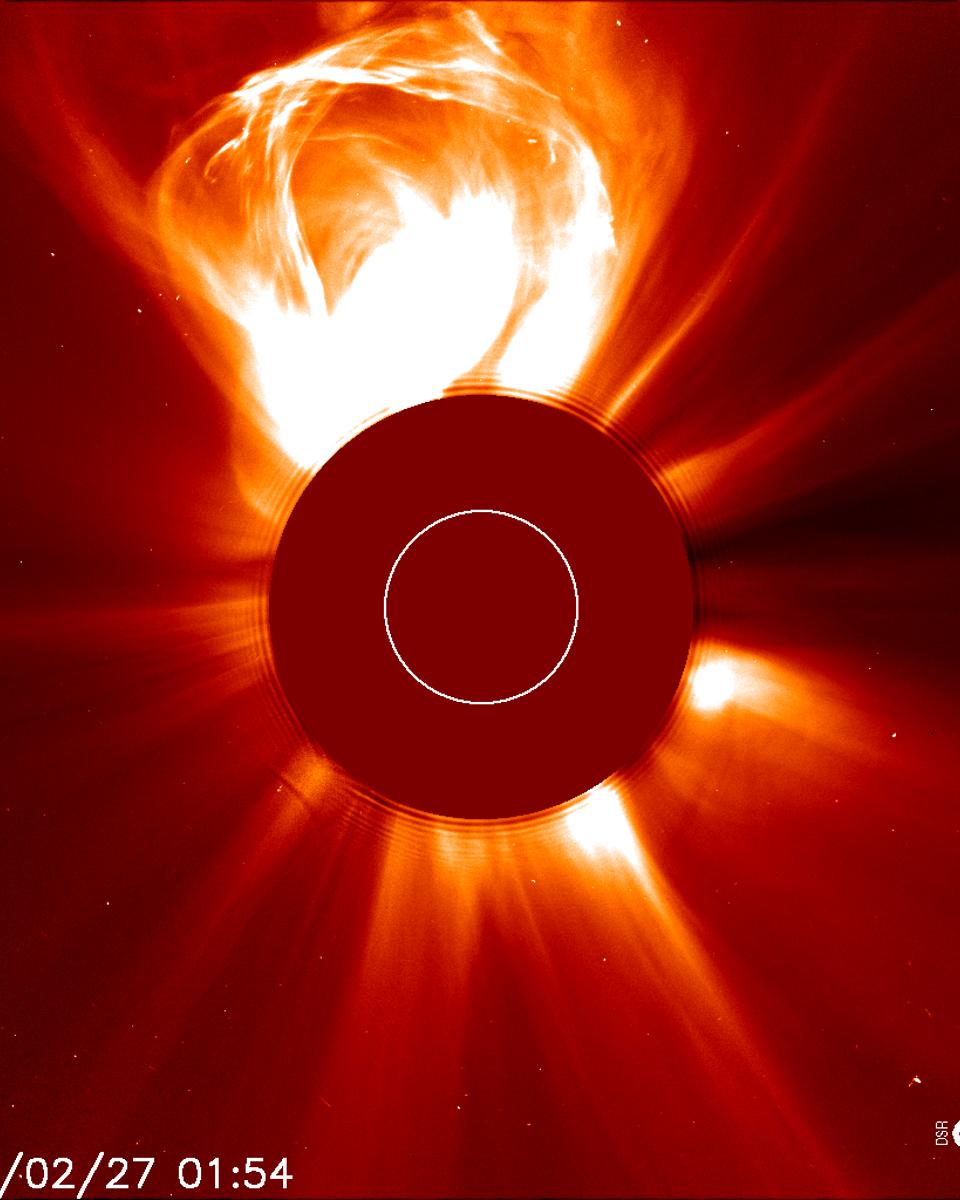
Sun Storm: A Coronal Mass Ejection
Late last month another erupting filament lifted off the active solar surface and blasted this enormous bubble of magnetic plasma into space. Direct light from the sun is blocked…
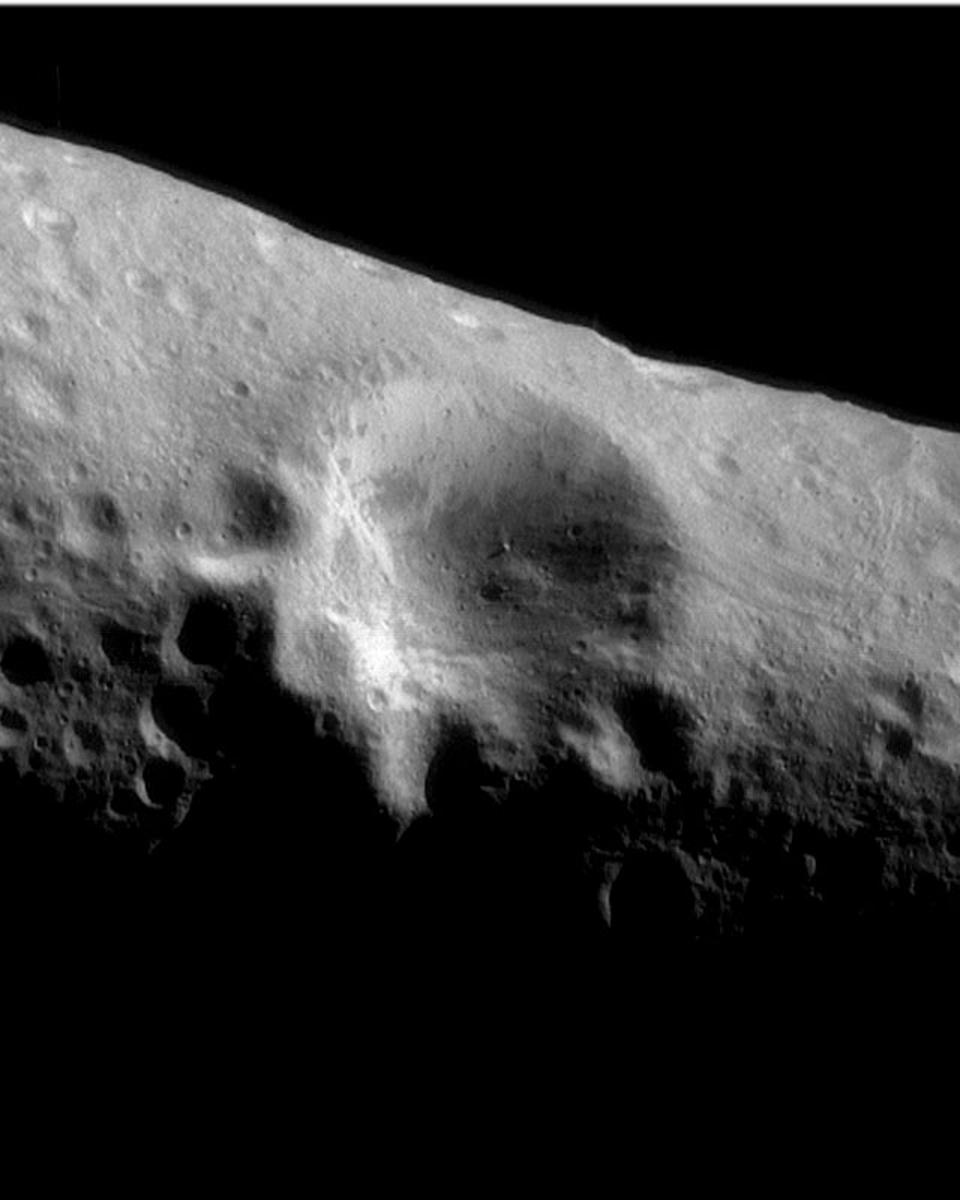
Nearer To Asteroid Eros
As the robot spacecraft NEAR lowers itself toward asteroid 433 Eros , more surface details are becoming visible. Last week's maneuvers brought NEAR to within 204 kilometers of the…
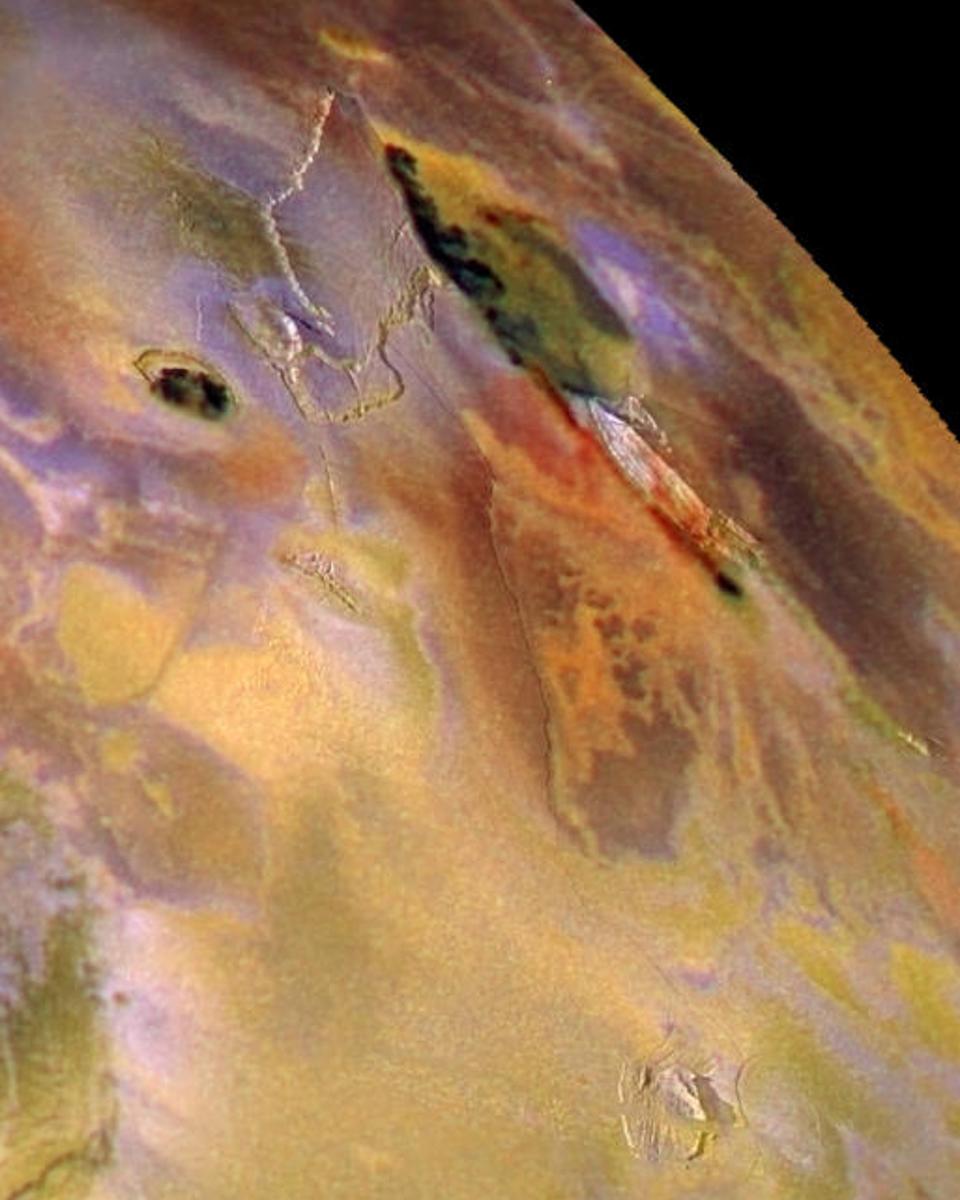
Zal Patera on Jupiter's Moon Io
The Galileo orbiter 's flyby of Io last November captured an unusual part of Jupiter 's volcanic moon. From 26,000 kilometers away, Zal Patera was found to be a cauldron of…
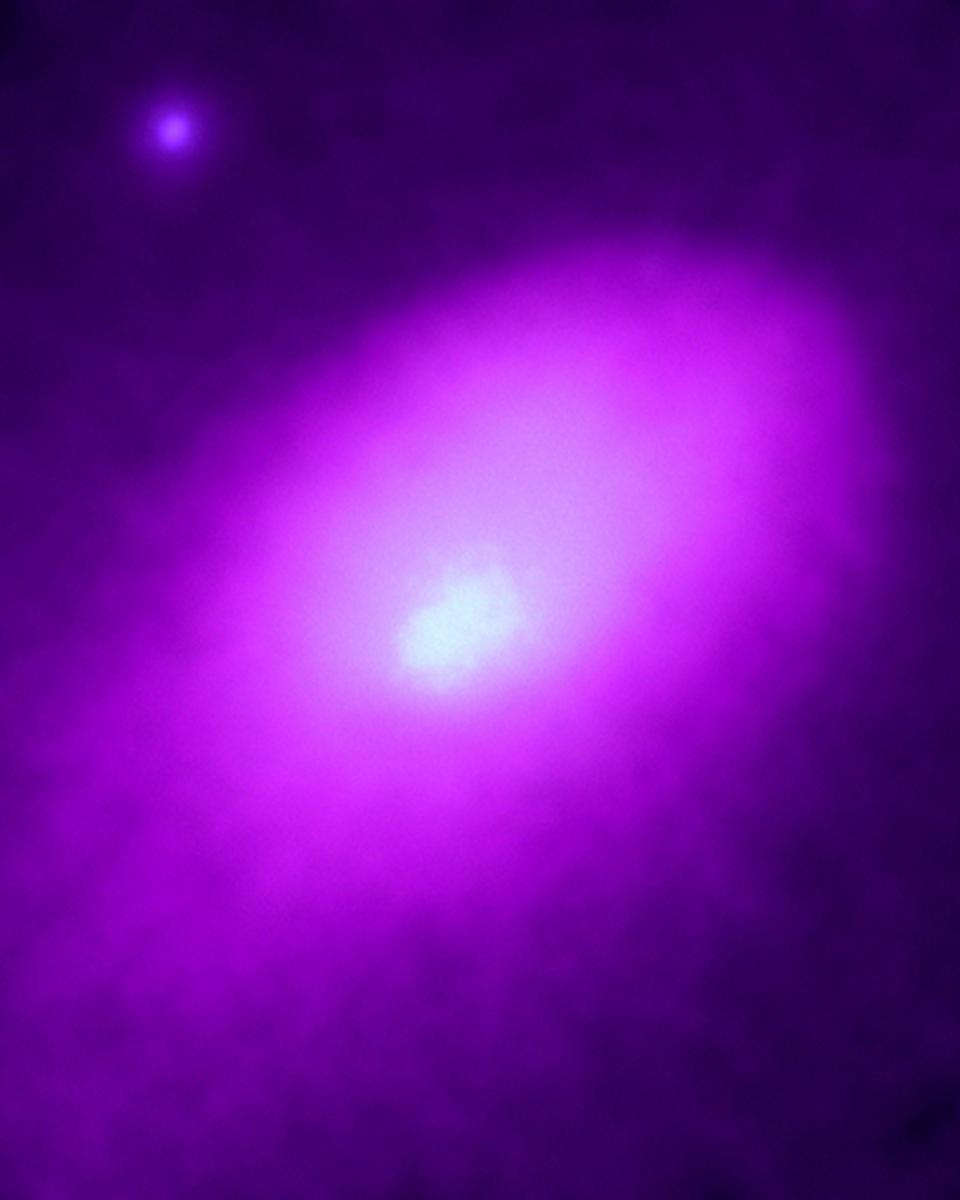
Abell 2142: Clash of the Galaxy Clusters
Over the course of billions of years, whole clusters of galaxies merge. Above is an X-ray image of Abell 2142 , the result of the collision of two huge clusters of galaxies , and…
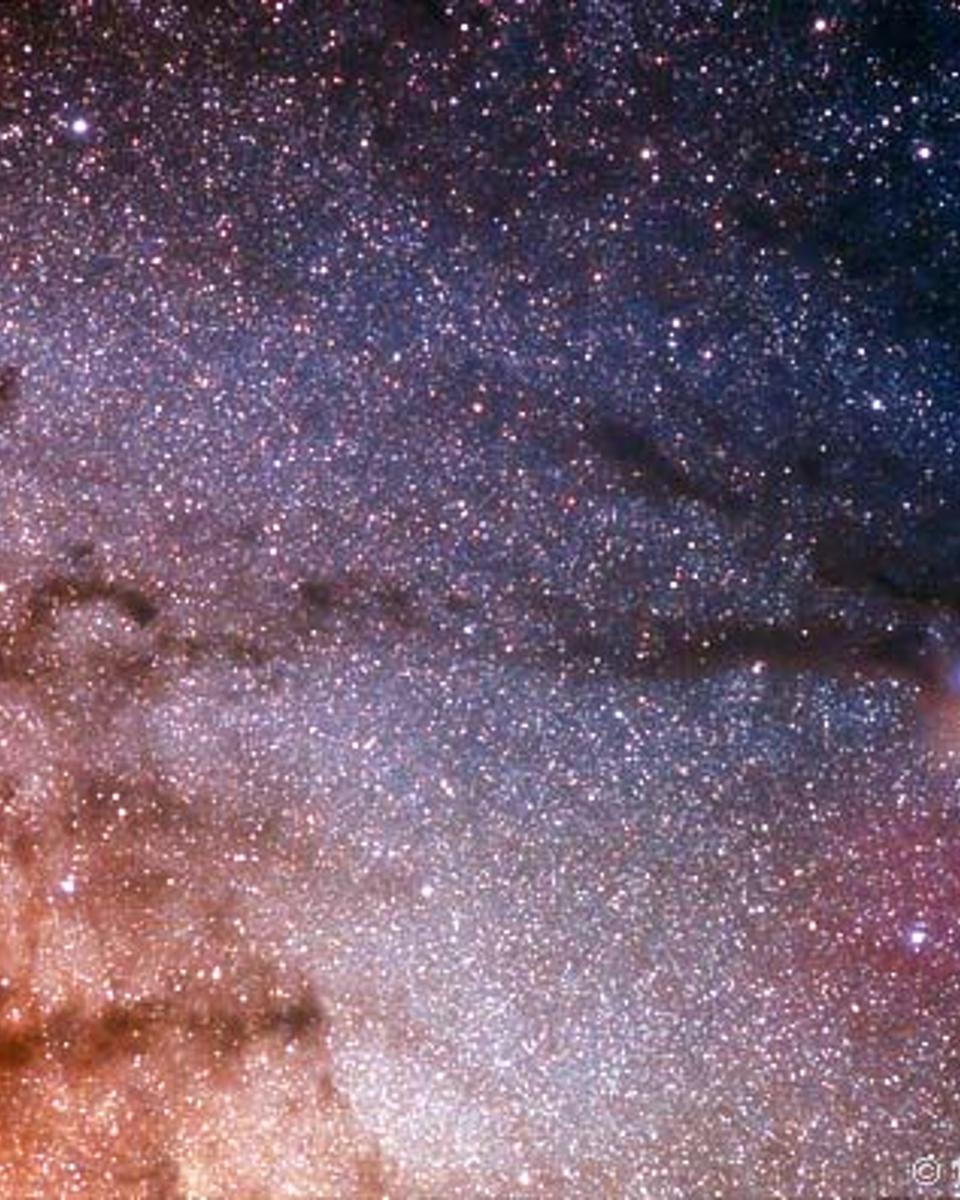
The Pipe Dark Nebula
The dark nebula predominant at the lower left of the above photograph is known as the Pipe Nebula. The dark clouds, suggestively shaped like smoke rising from a pipe, are caused…
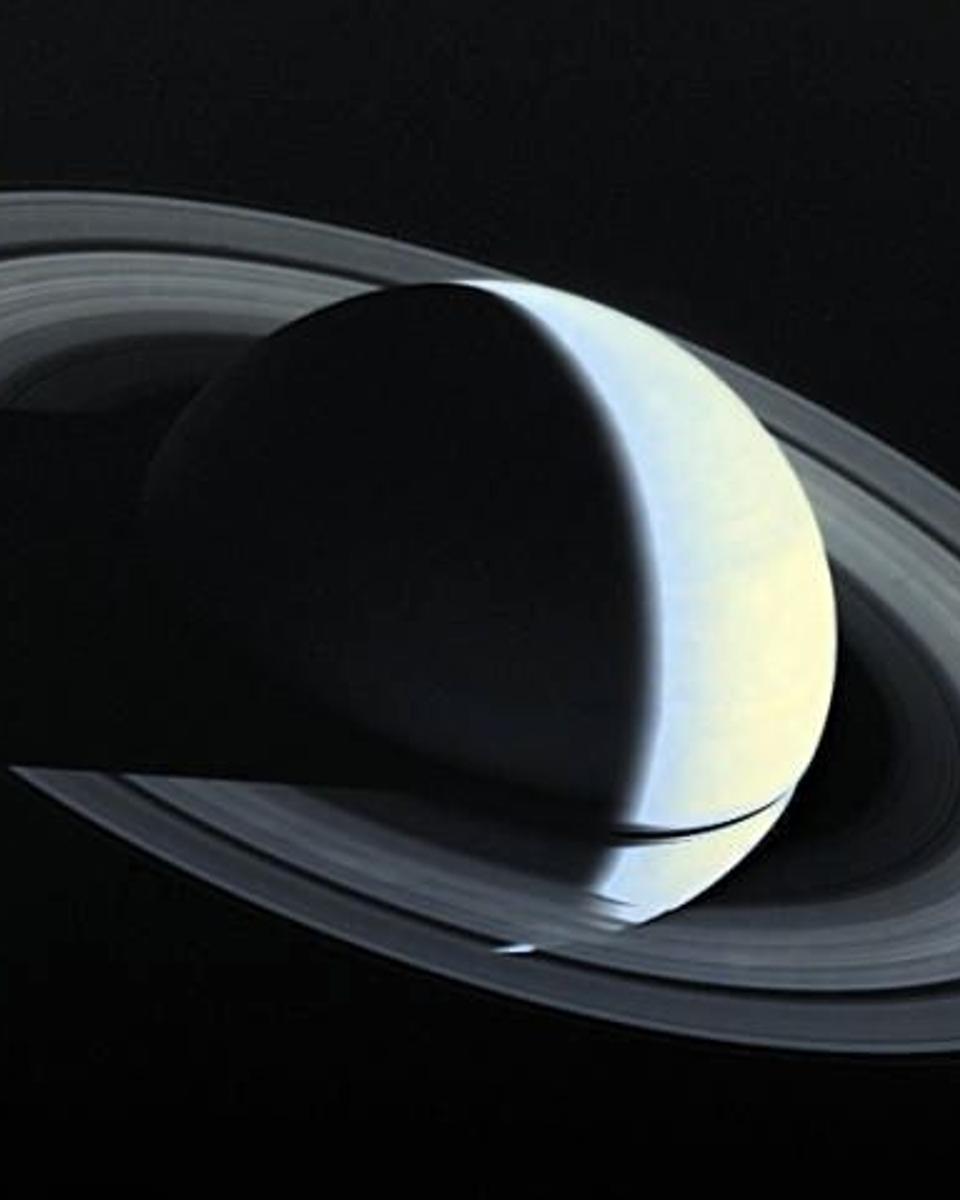
Saturn At Night
From a spectacular vantage point over 1.4 billion kilometers from the sun, the Voyager 1 spacecraft looked back toward the inner solar system to record this startling view of…
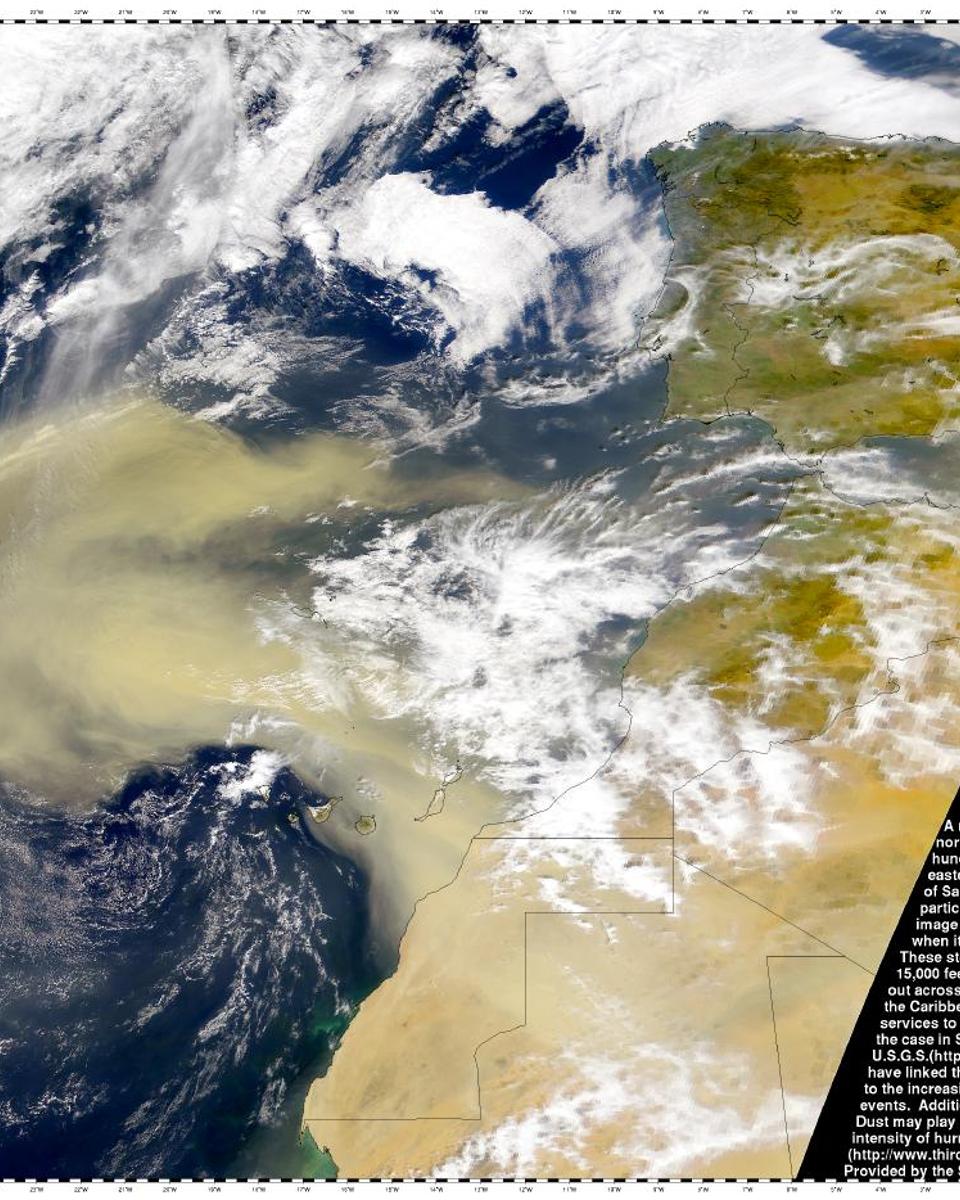
Dust Storm on Planet Earth
From low Earth orbit, NASA's SeaWIFS instrument records ocean color, tracking changes in our water world's climate and biosphere . But even an ocean planet can have dust storms.…
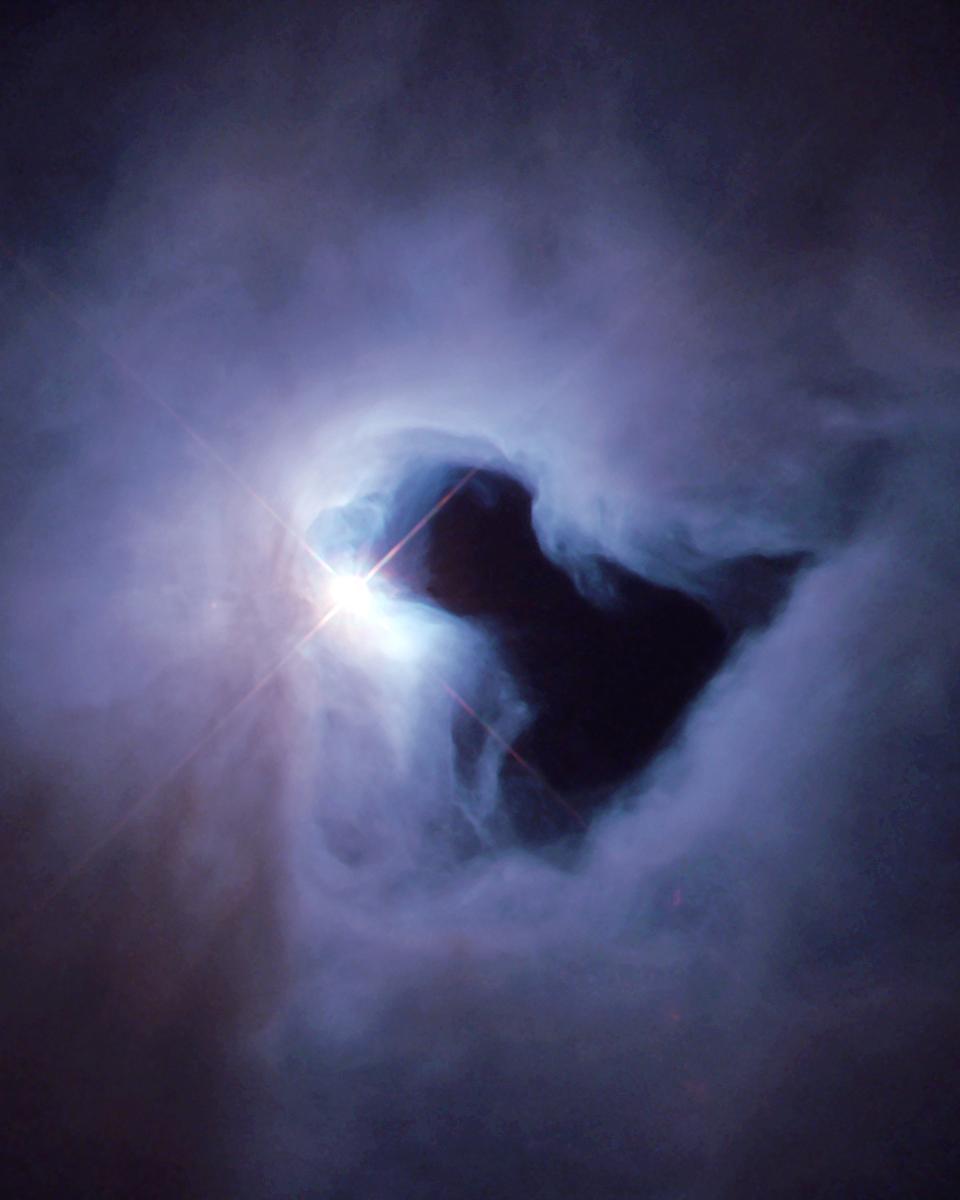
NGC 1999: Reflection Nebula in Orion
A dusty bright nebula contrasts dramatically with a dusty dark nebula in this Hubble Space Telescope image recorded shortly after December's orbital servicing mission . The nebula…
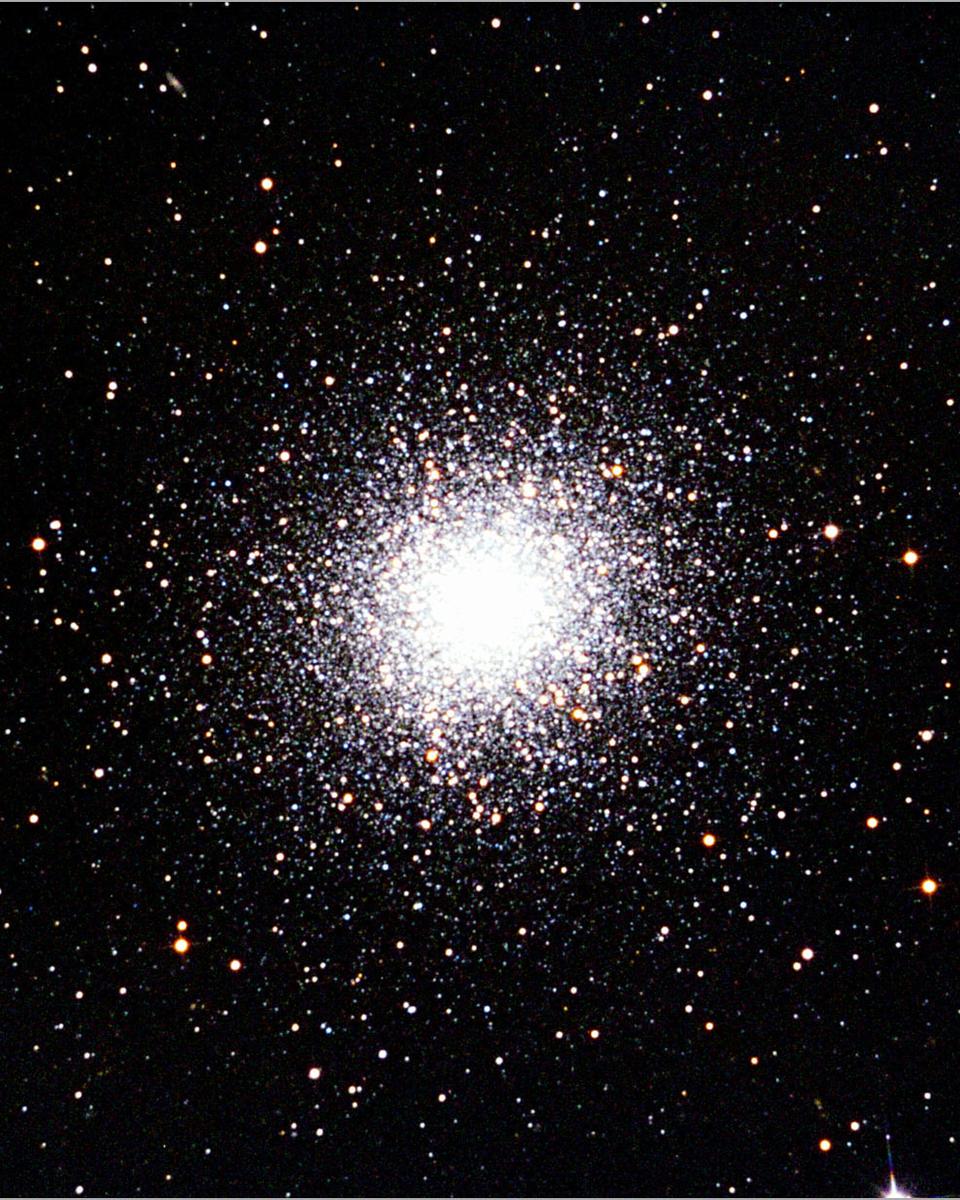
M13: The Great Globular Cluster in Hercules
M13 is one of the most prominent and best known globular clusters . Visible with binoculars in the constellation of Hercules , M13 is frequently one of the first objects found by…

Julius Caesar and Leap Days
Even as leap days go, today is a remarkable one. In 46 BC, Julius Caesar , pictured above in a self-decreed minted coin, created a calendar system that added one leap day every…
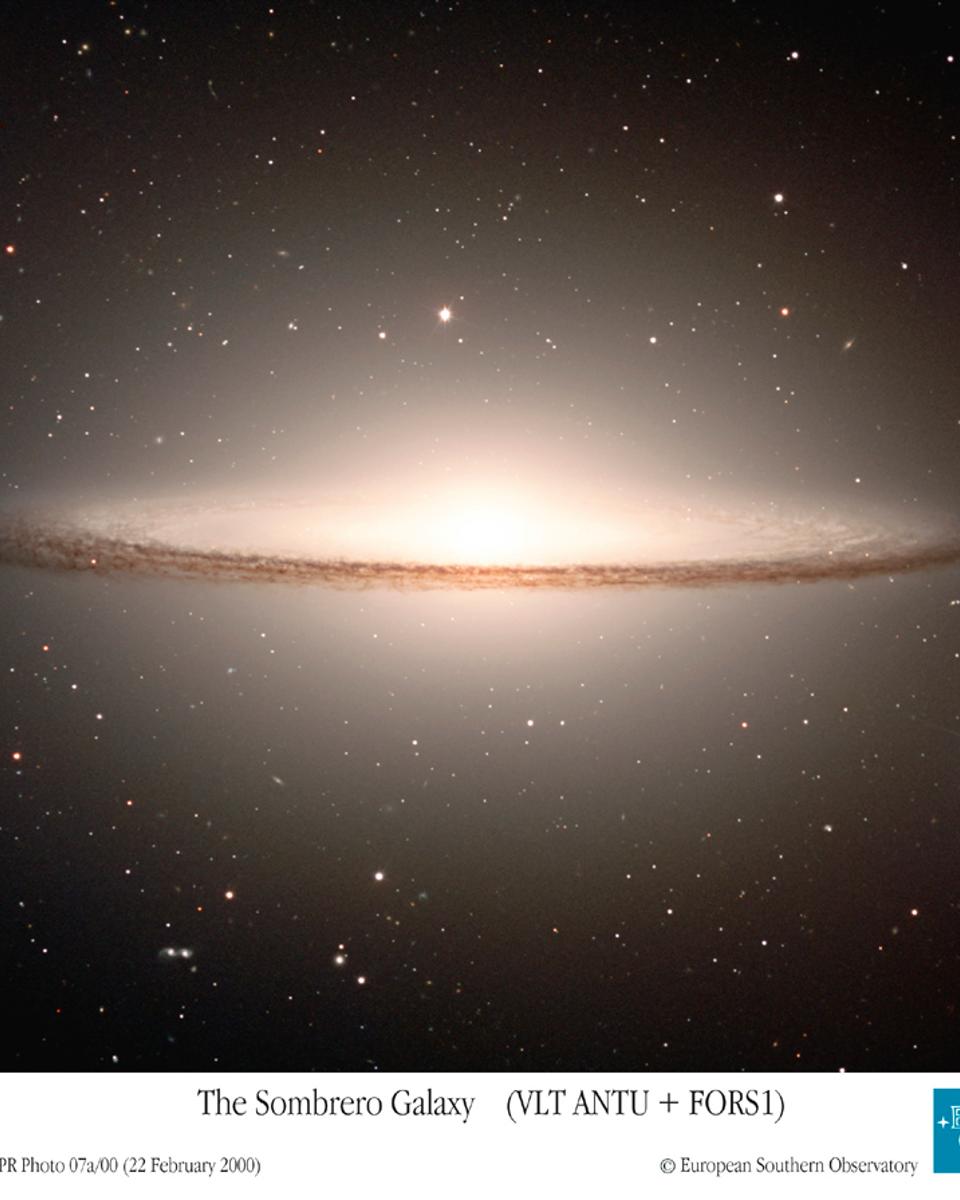
The Sombrero Galaxy from VLT
Why does the Sombrero Galaxy look like a hat? Reasons include the Sombrero 's unusually large and extended central bulge of stars, and dark prominent dust lanes that appear in a…
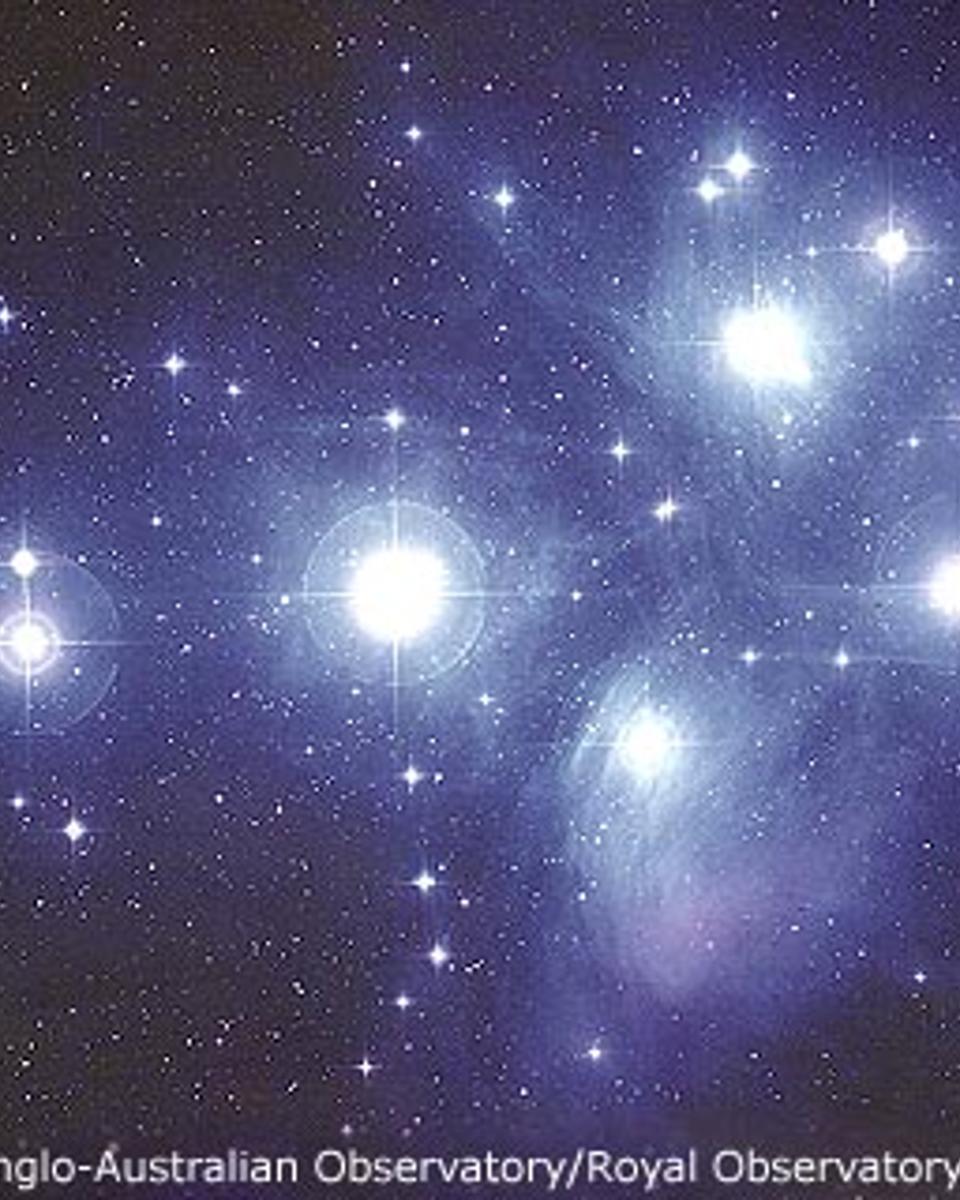
The Pleiades Star Cluster
It is the most famous star cluster on the sky. The Pleiades can be seen without binoculars from even the depths of a light-polluted city . Also known as the Seven Sisters and M45…
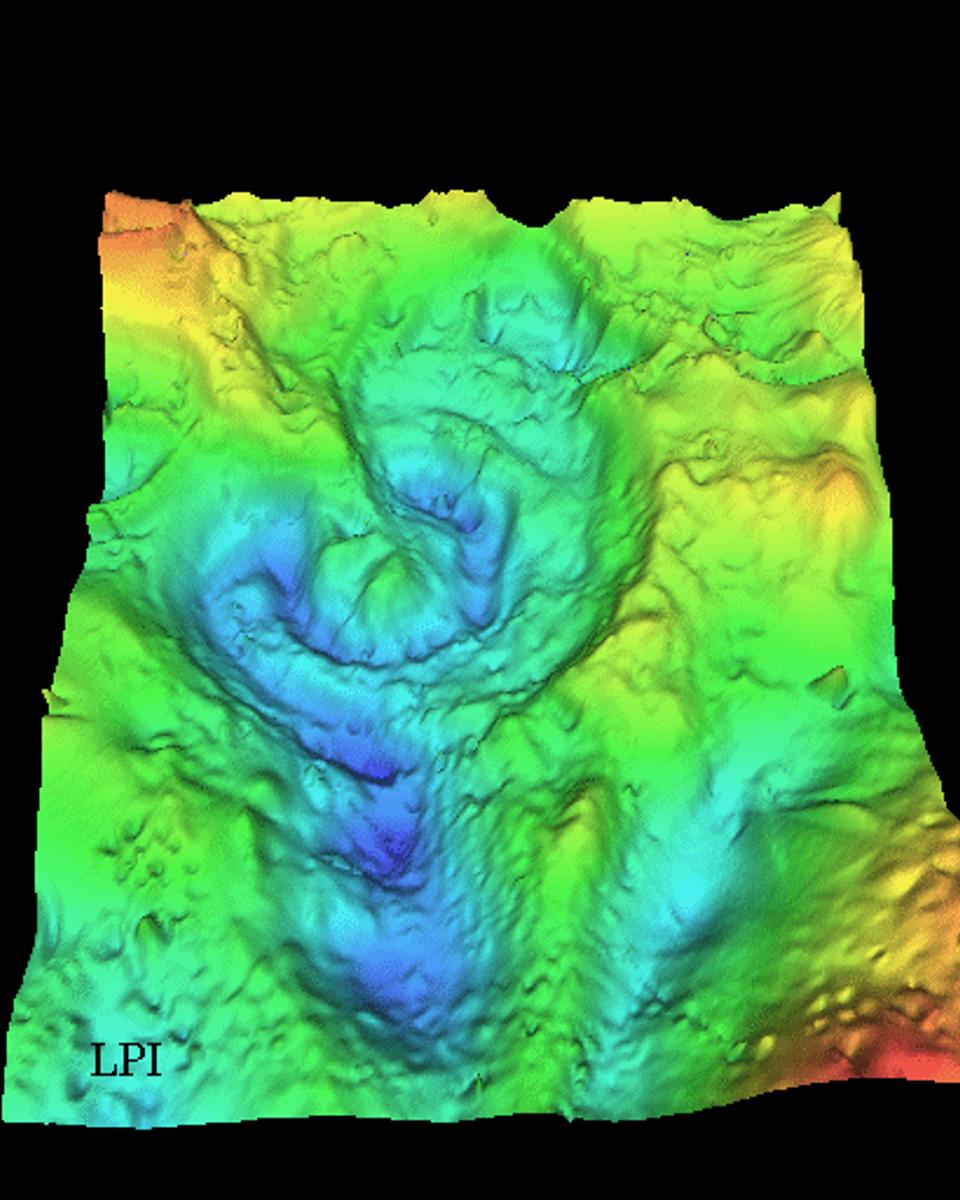
Impact: 65 Million Years Ago
What killed the dinosaurs? Their sudden disappearance 65 million years ago, along with about 70 percent of all species then living on Earth, is known as the K-T event…
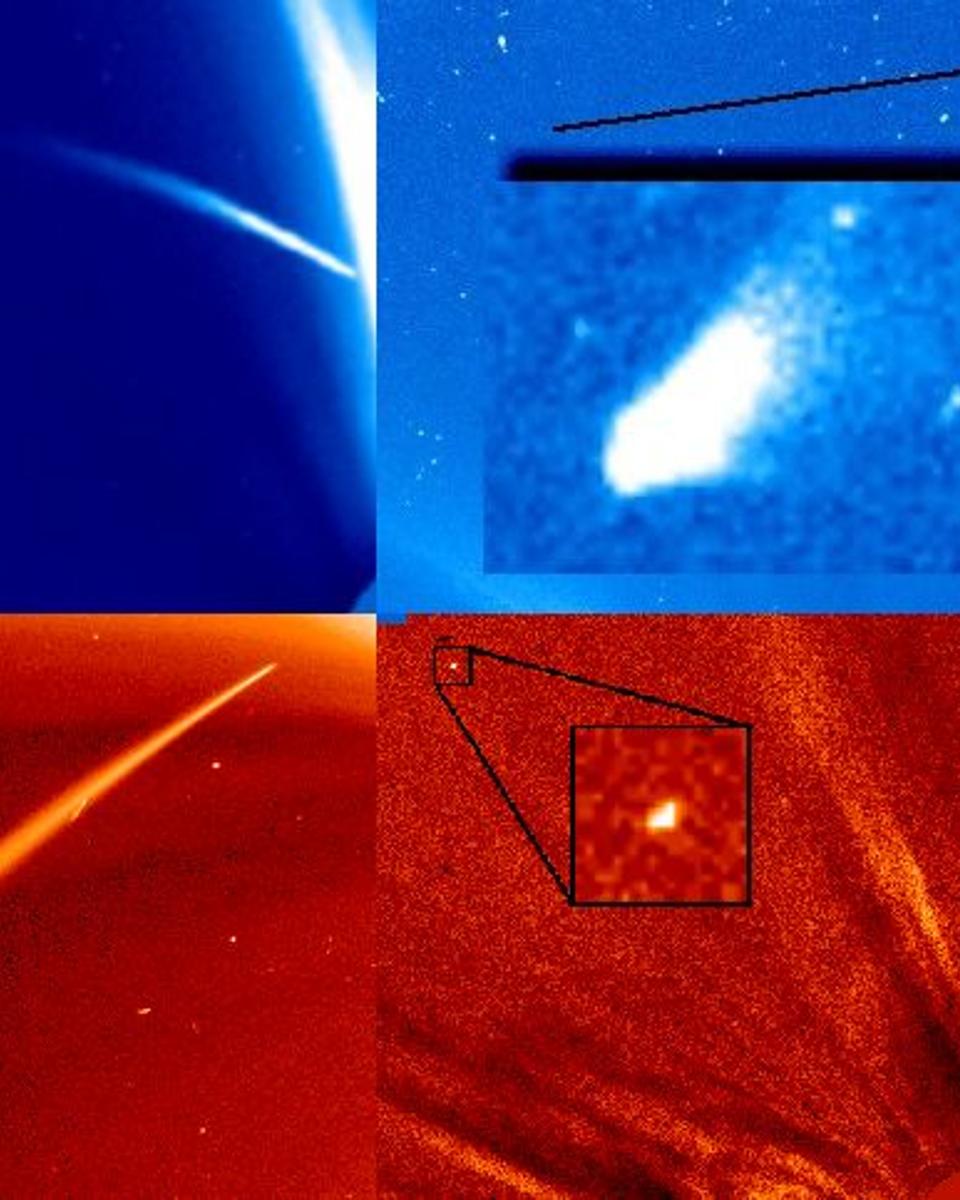
The Comets Of SOHO
After four years of successful sun-gazing, the space-based SOlar and Heliospheric Observatory (SOHO) has also become the most successful comet-hunter in history, racking up 102…
Viewing discoveries from 19 March 2000 through 25 February 2000.