Browse NASA Astronomy Picture of the Day archive by date and media: Archive Discoveries
Browse the NASA APOD archive without needing the exact date first. Filter by media type and keep moving deeper into older images and videos.
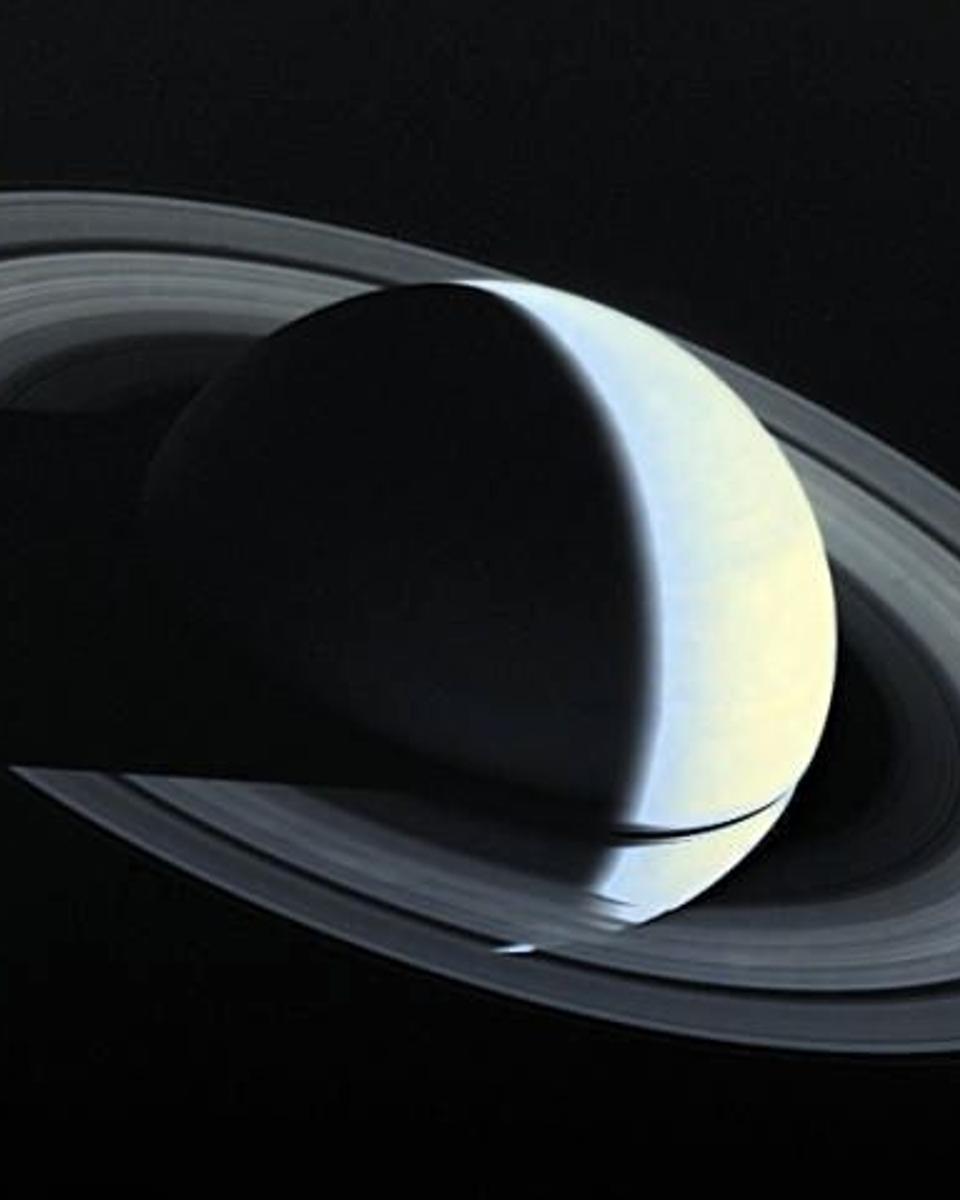
Saturn At Night
From a spectacular vantage point over 1.4 billion kilometers from the sun, the Voyager 1 spacecraft looked back toward the inner solar system to record this startling view of…
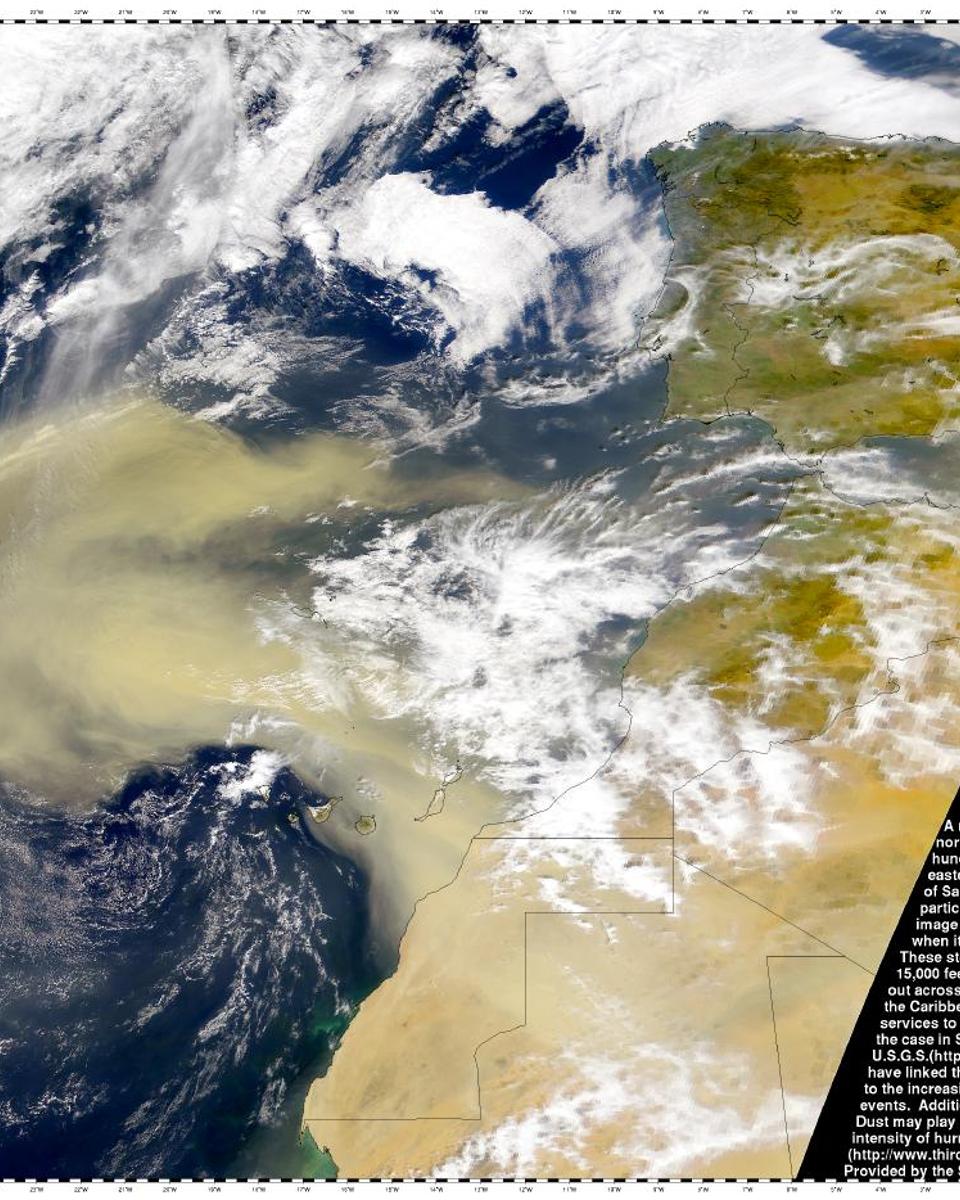
Dust Storm on Planet Earth
From low Earth orbit, NASA's SeaWIFS instrument records ocean color, tracking changes in our water world's climate and biosphere . But even an ocean planet can have dust storms.…
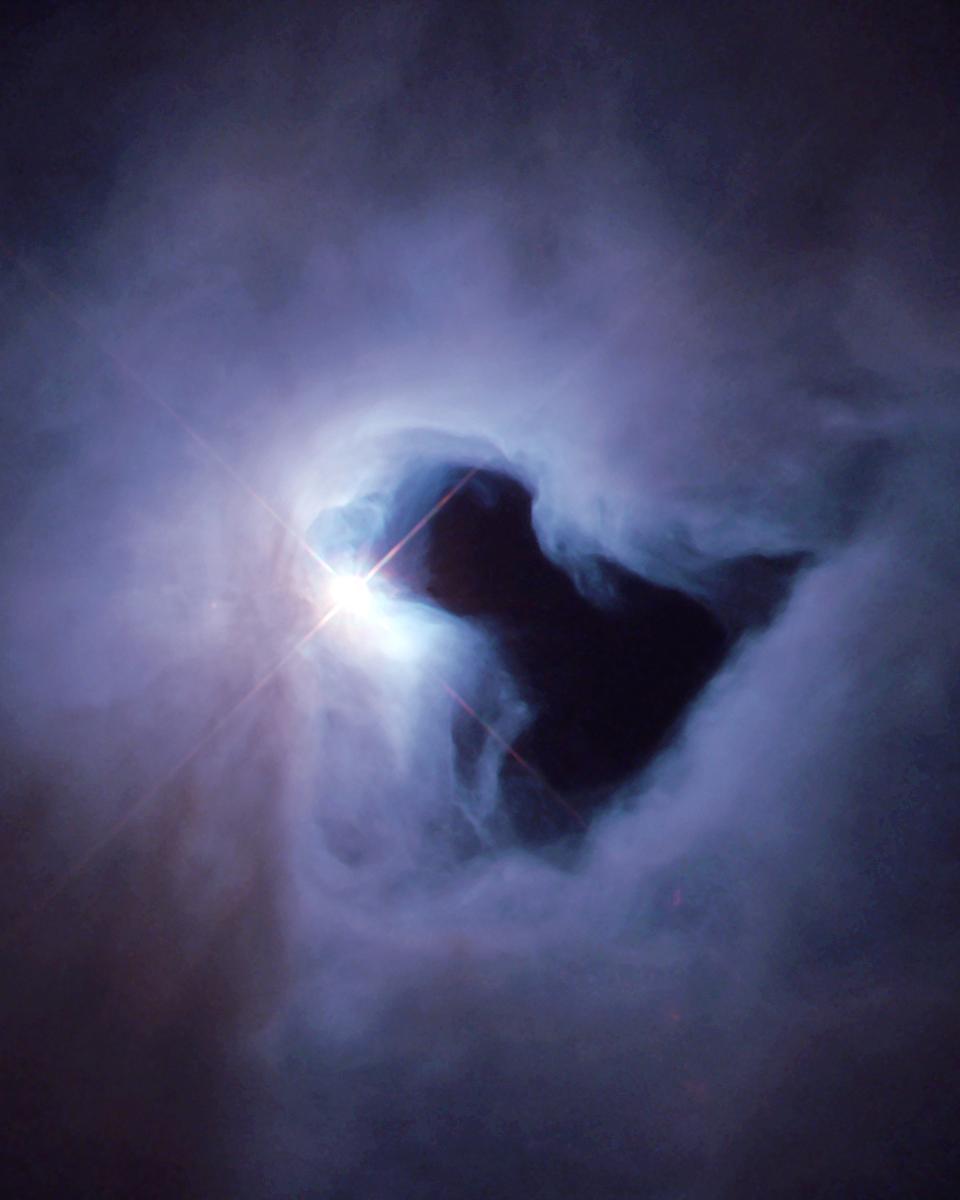
NGC 1999: Reflection Nebula in Orion
A dusty bright nebula contrasts dramatically with a dusty dark nebula in this Hubble Space Telescope image recorded shortly after December's orbital servicing mission . The nebula…
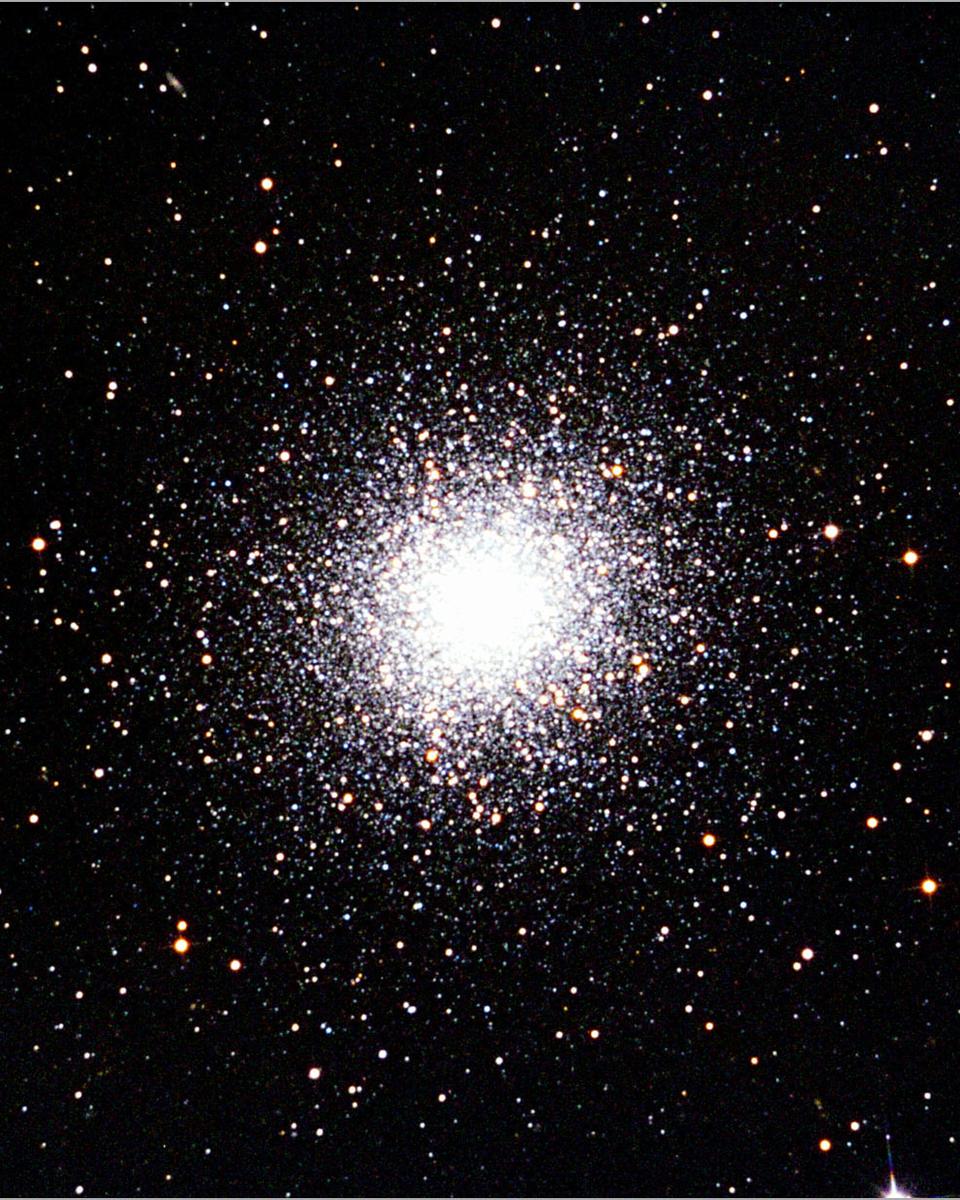
M13: The Great Globular Cluster in Hercules
M13 is one of the most prominent and best known globular clusters . Visible with binoculars in the constellation of Hercules , M13 is frequently one of the first objects found by…

Julius Caesar and Leap Days
Even as leap days go, today is a remarkable one. In 46 BC, Julius Caesar , pictured above in a self-decreed minted coin, created a calendar system that added one leap day every…
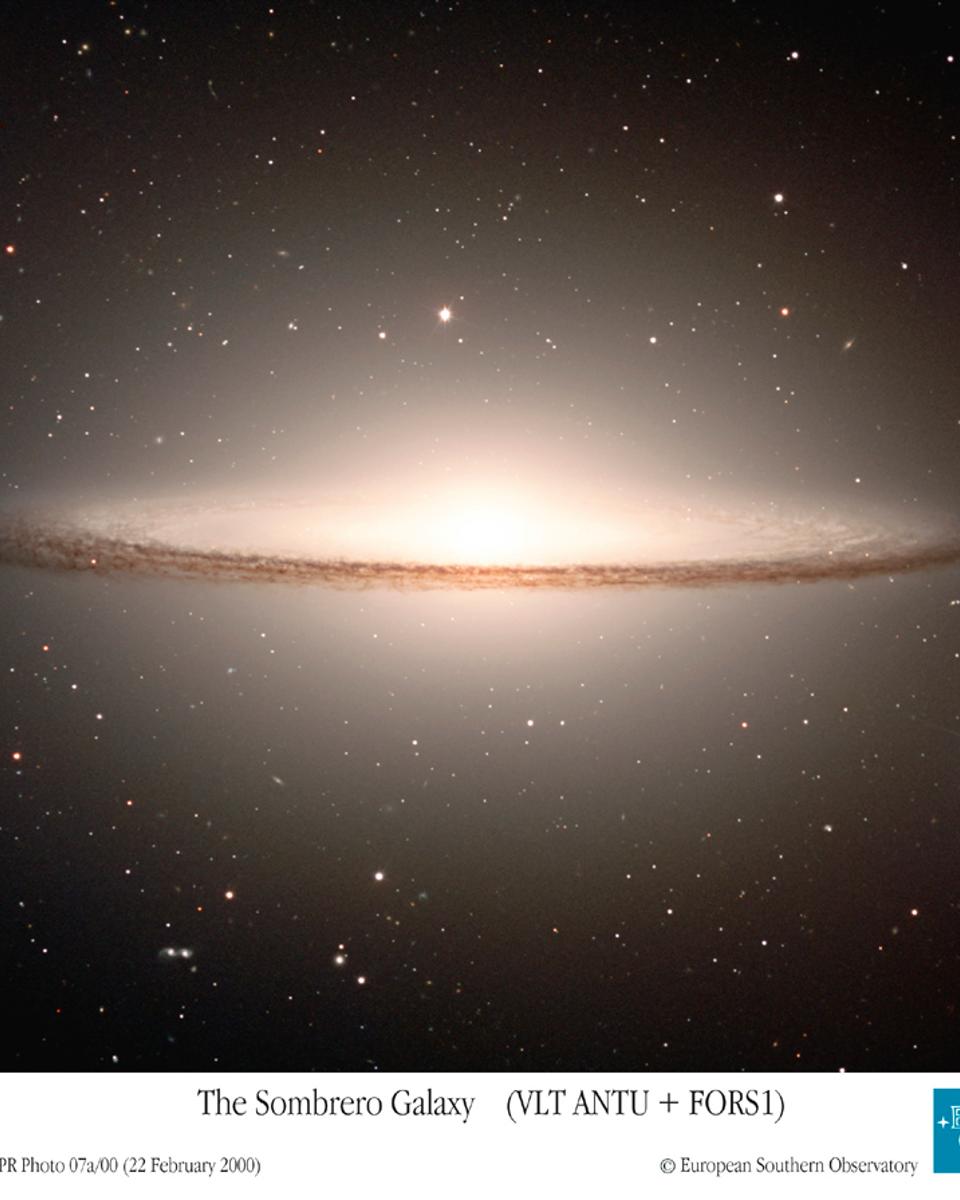
The Sombrero Galaxy from VLT
Why does the Sombrero Galaxy look like a hat? Reasons include the Sombrero 's unusually large and extended central bulge of stars, and dark prominent dust lanes that appear in a…
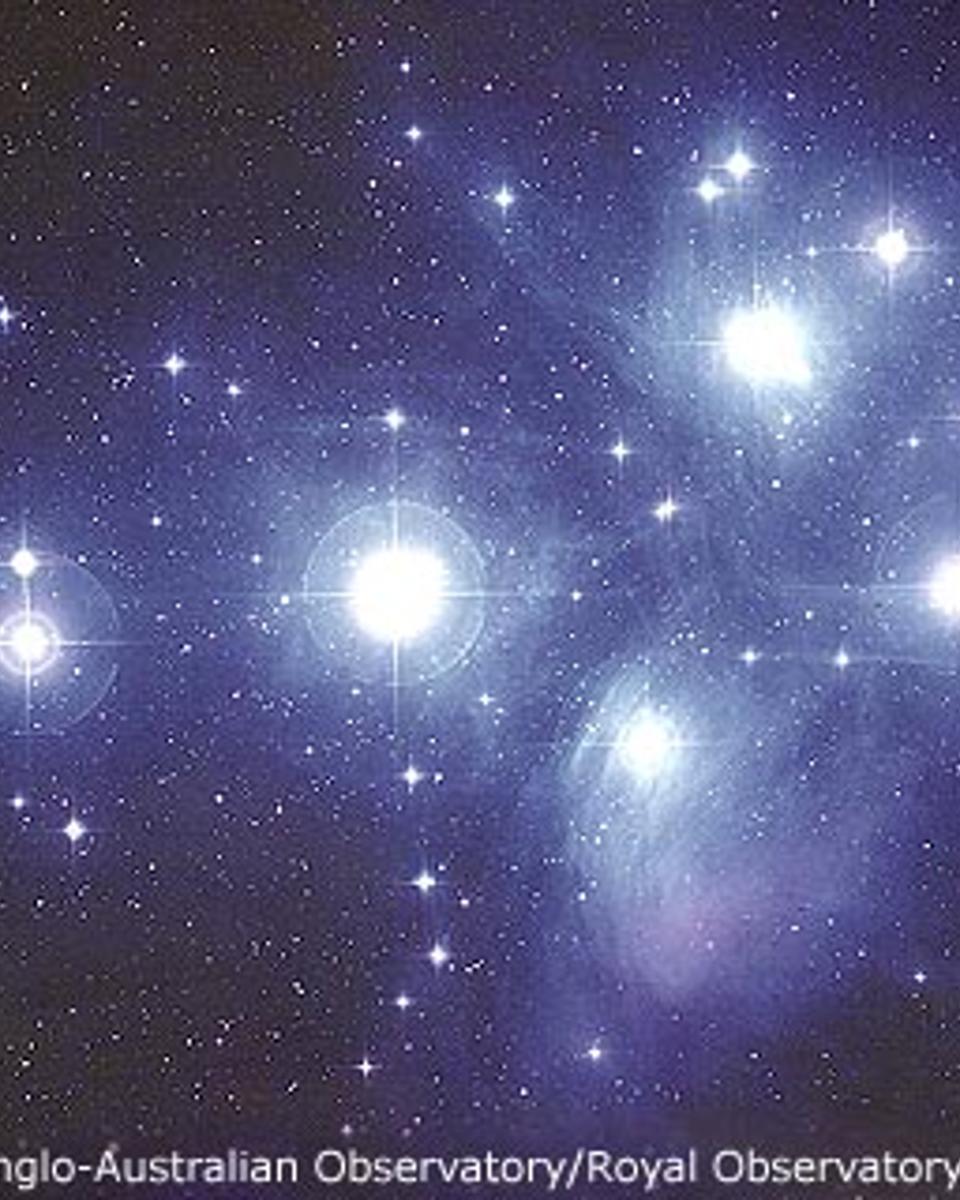
The Pleiades Star Cluster
It is the most famous star cluster on the sky. The Pleiades can be seen without binoculars from even the depths of a light-polluted city . Also known as the Seven Sisters and M45…
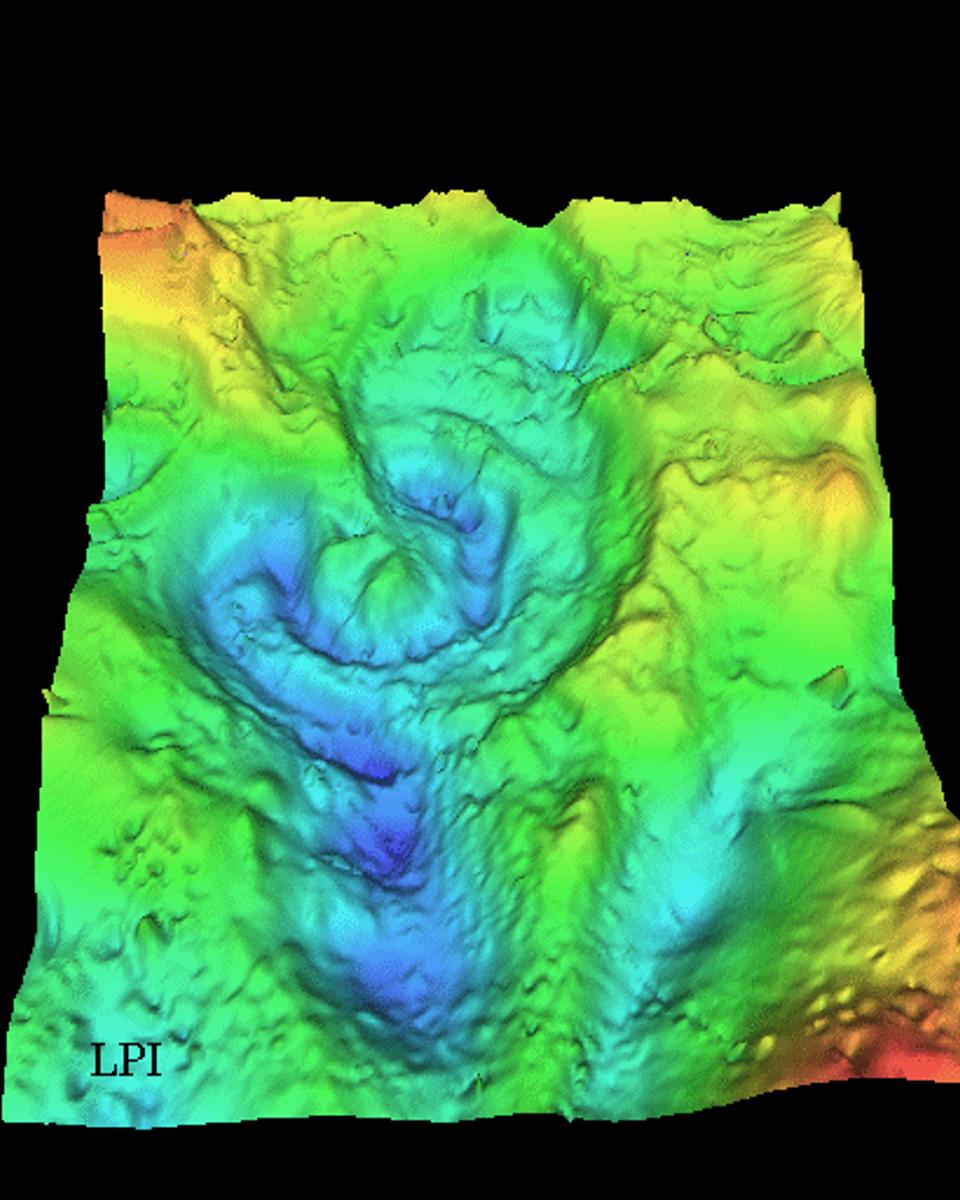
Impact: 65 Million Years Ago
What killed the dinosaurs? Their sudden disappearance 65 million years ago, along with about 70 percent of all species then living on Earth, is known as the K-T event…
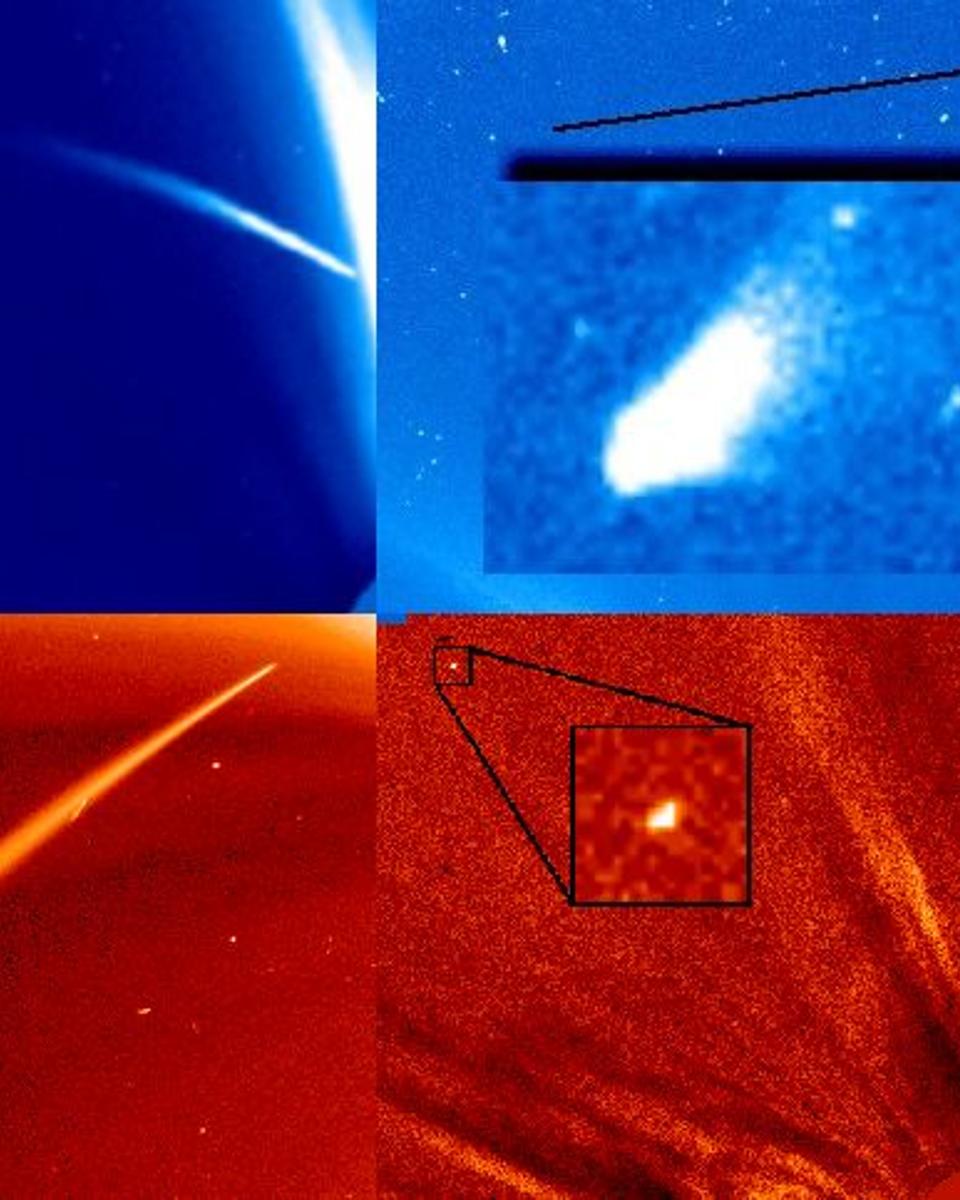
The Comets Of SOHO
After four years of successful sun-gazing, the space-based SOlar and Heliospheric Observatory (SOHO) has also become the most successful comet-hunter in history, racking up 102…
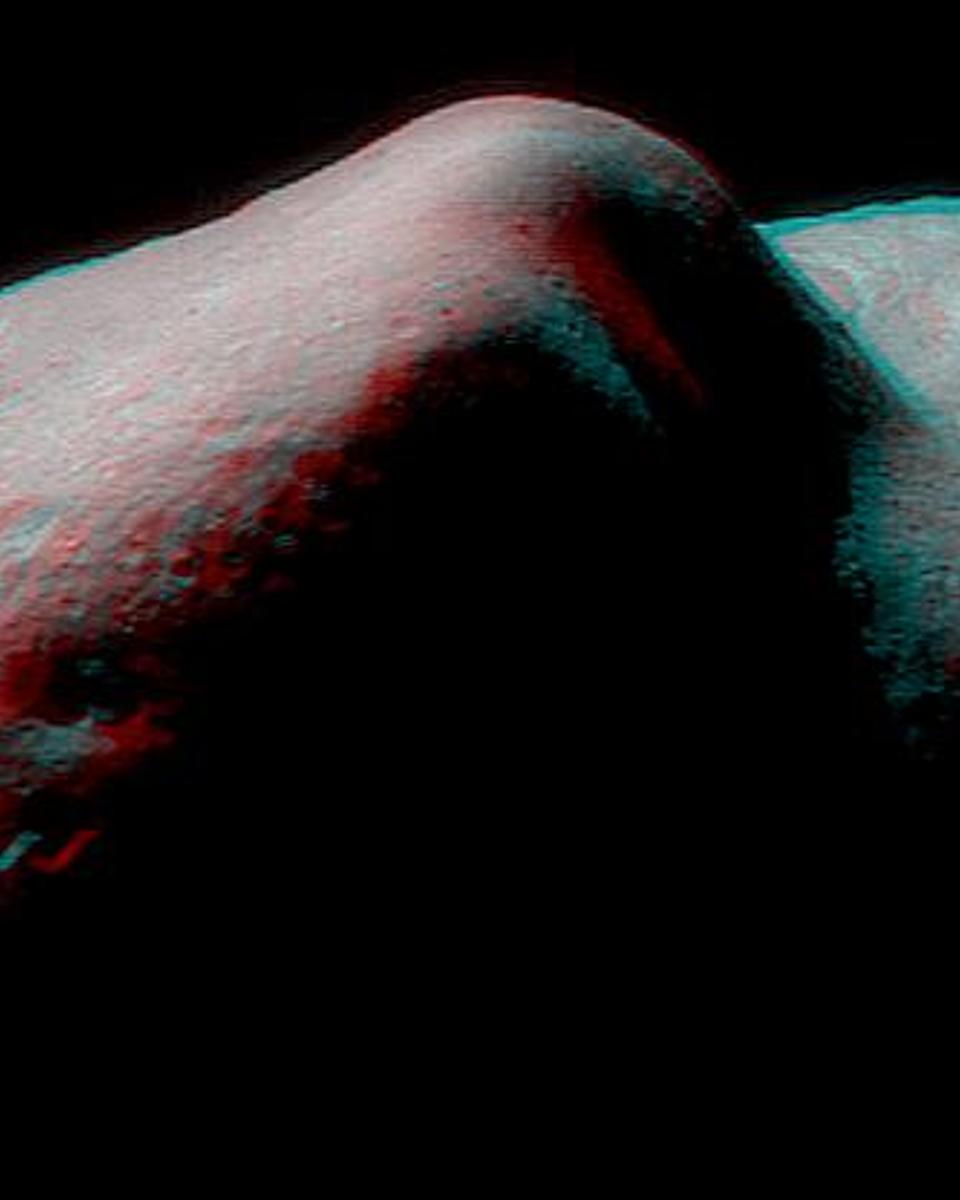
Stereo Eros
Get out your red/blue glasses and float next to asteroid 433 Eros , 260 million kilometers away! Orbiting the Sun once every 1.8 earth-years, asteroid Eros is a diminutive 40 x 14…
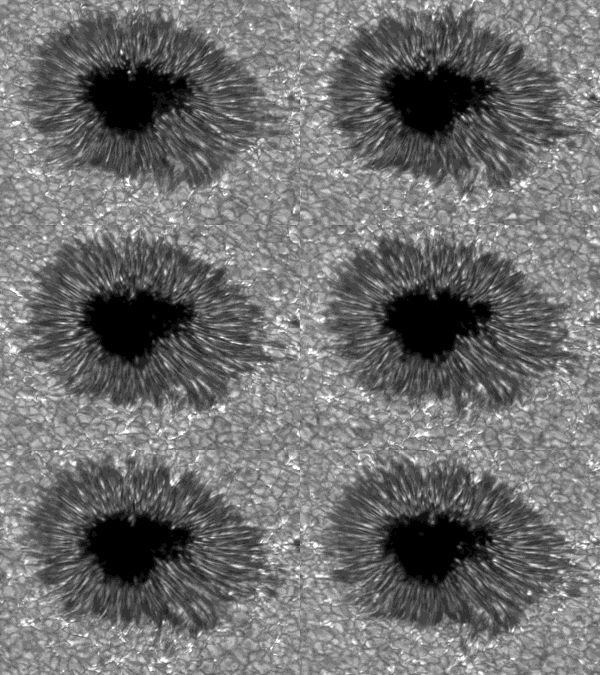
Sunspot Seething
Our Sun's surface is continually changing. This time-lapse movie shows in five seconds what happens in 20 minutes on the Sun's surface near a sunspot . Visible is boiling…
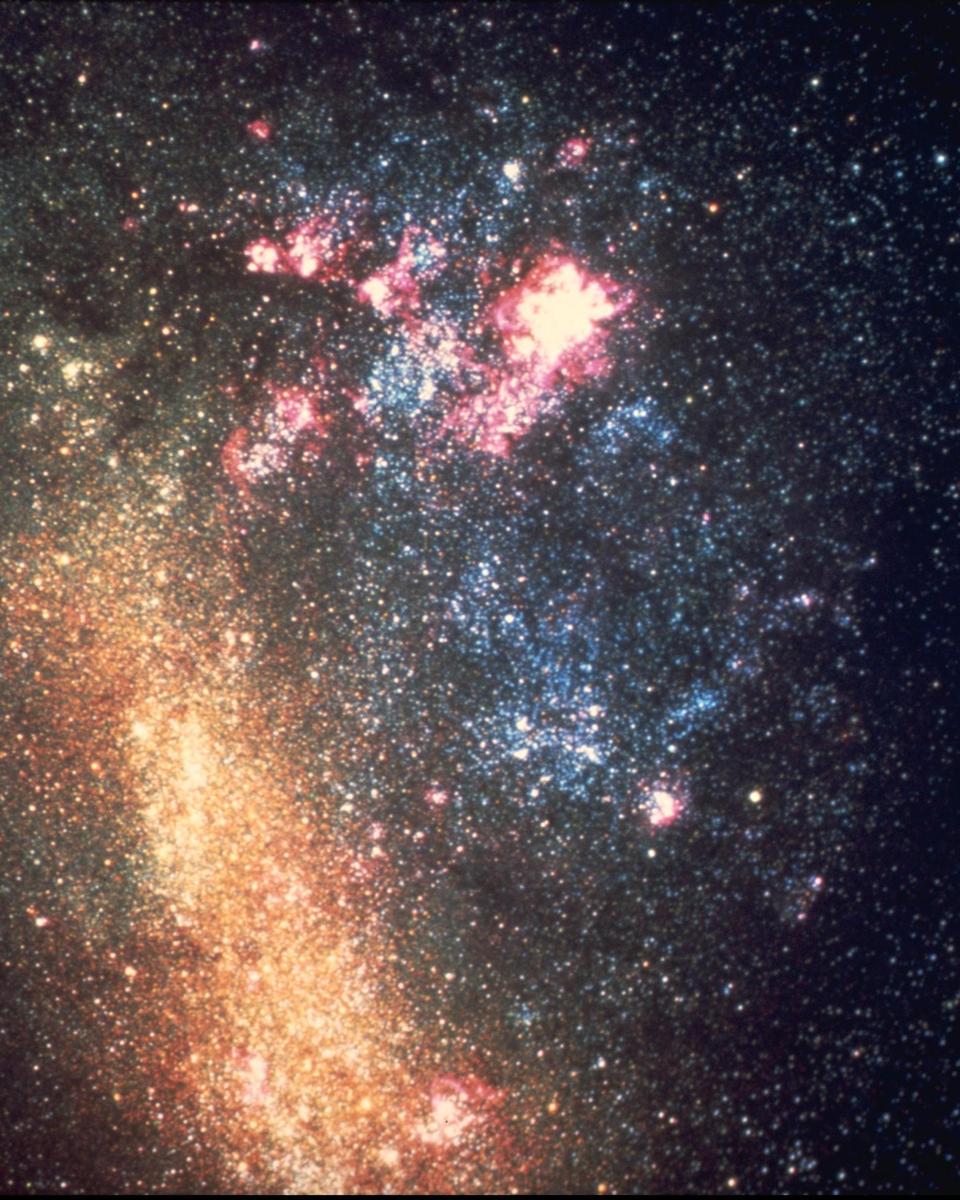
Neighboring Galaxy: The Large Magellanic Cloud
The brightest galaxy visible from our own Milky Way Galaxy is the Large Magellanic Cloud (LMC). Visible predominantly from Earth's Southern Hemisphere , the LMC is the second…
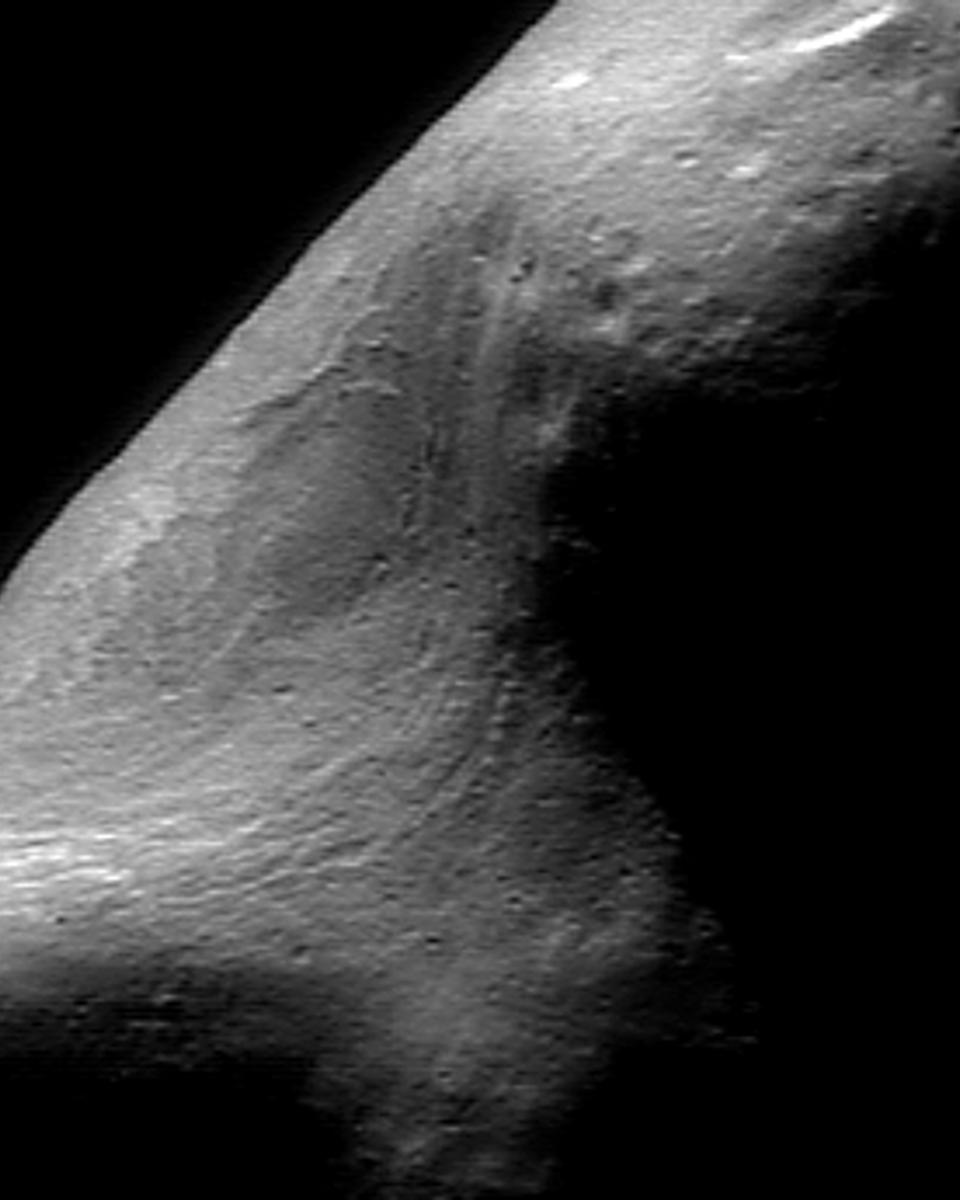
A Giant Gouge on Asteroid Eros
Asteroid 433 Eros is posing several riddles. NASA's robot spacecraft NEAR began orbiting the 30-kilometer space rock last week, and new pictures are now being beamed back to Earth…
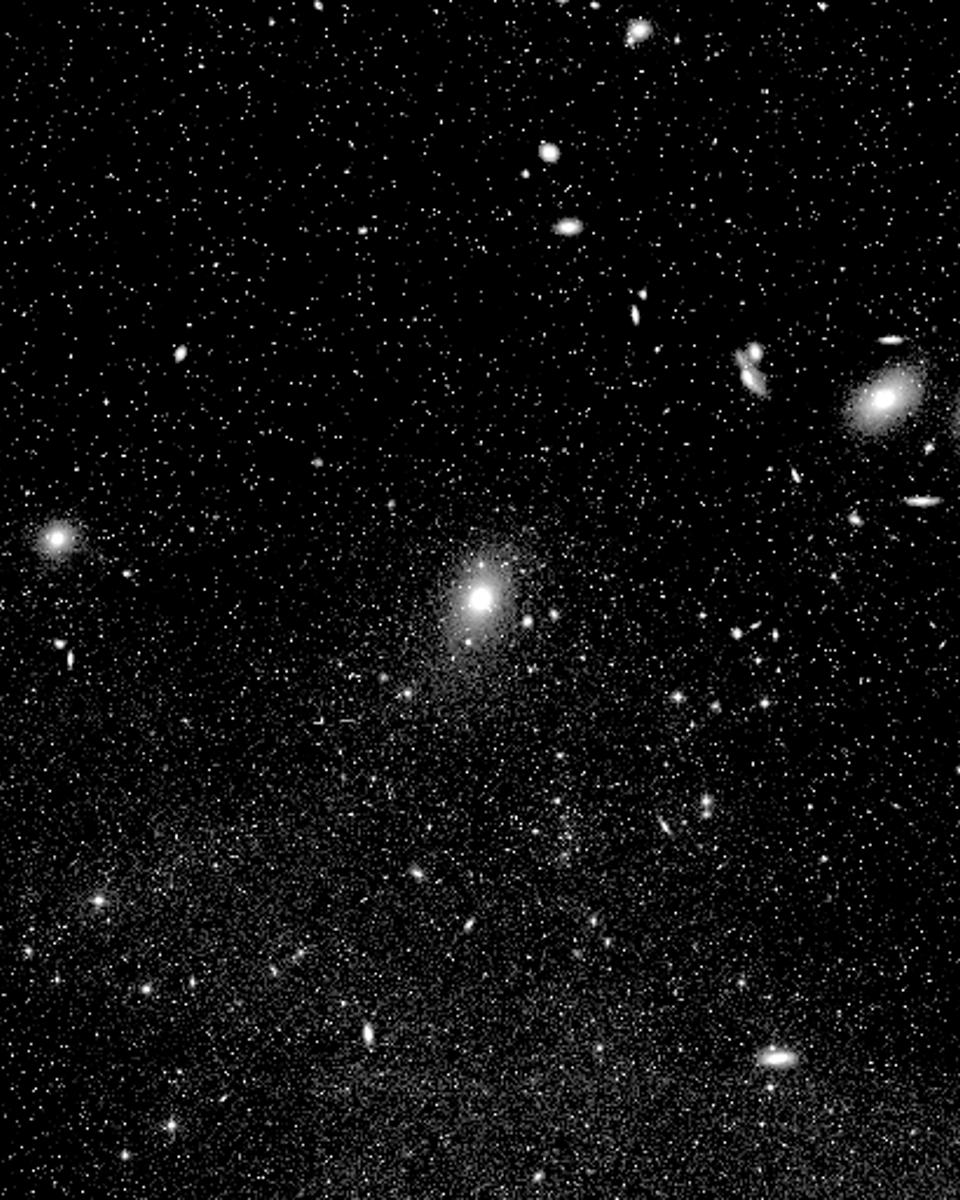
The Virgo Cluster of Galaxies
Pictured are several galaxies of the Virgo Cluster, the closest cluster of galaxies to our Milky Way Galaxy . The Virgo Cluster spans more than 5 degrees on the sky - about 10…
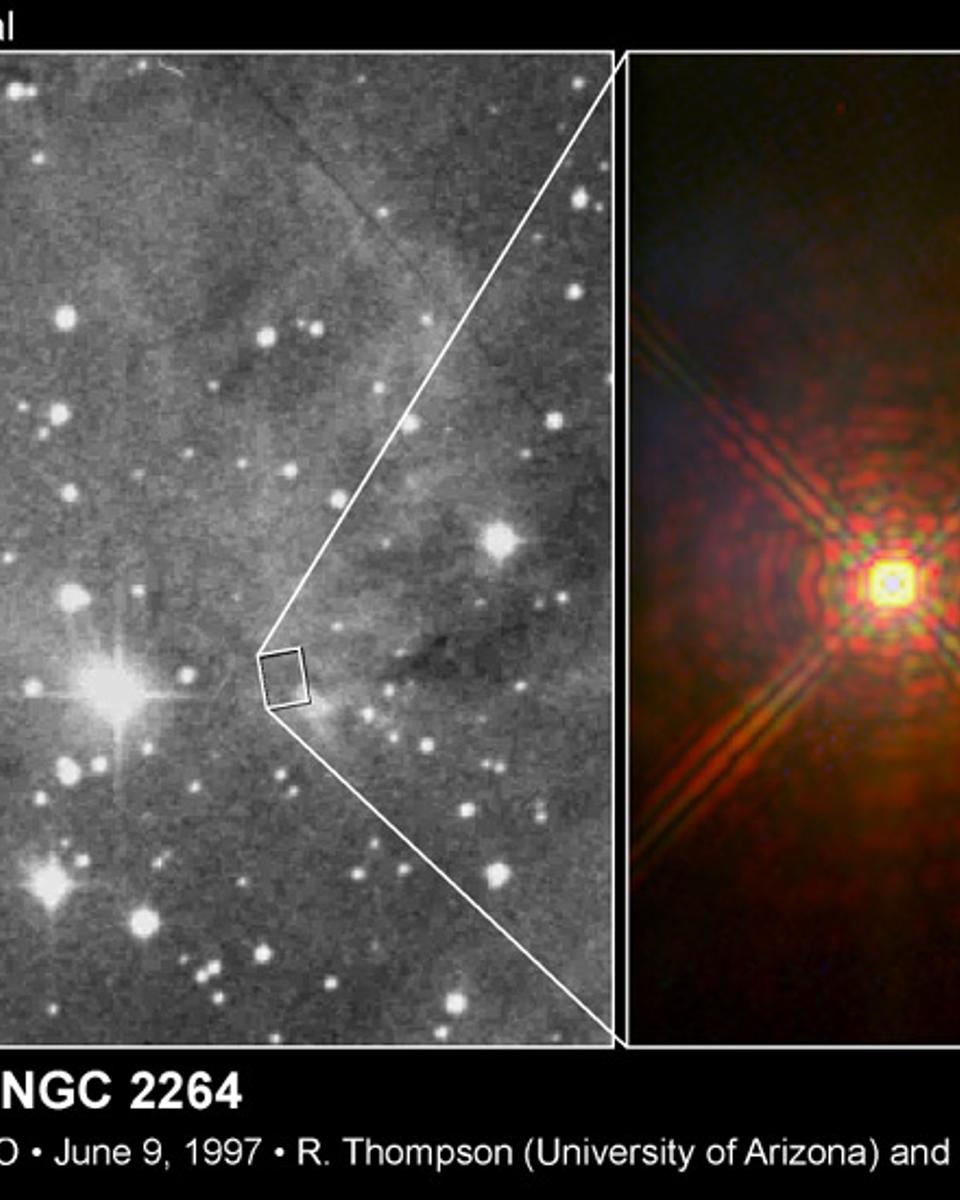
Young Suns
The star cataloged as NGC2264 IRS is normally hidden from the inquiring gaze of optical telescopes . It resides in the midst of the obscuring gas and dust of a nearby star forming…
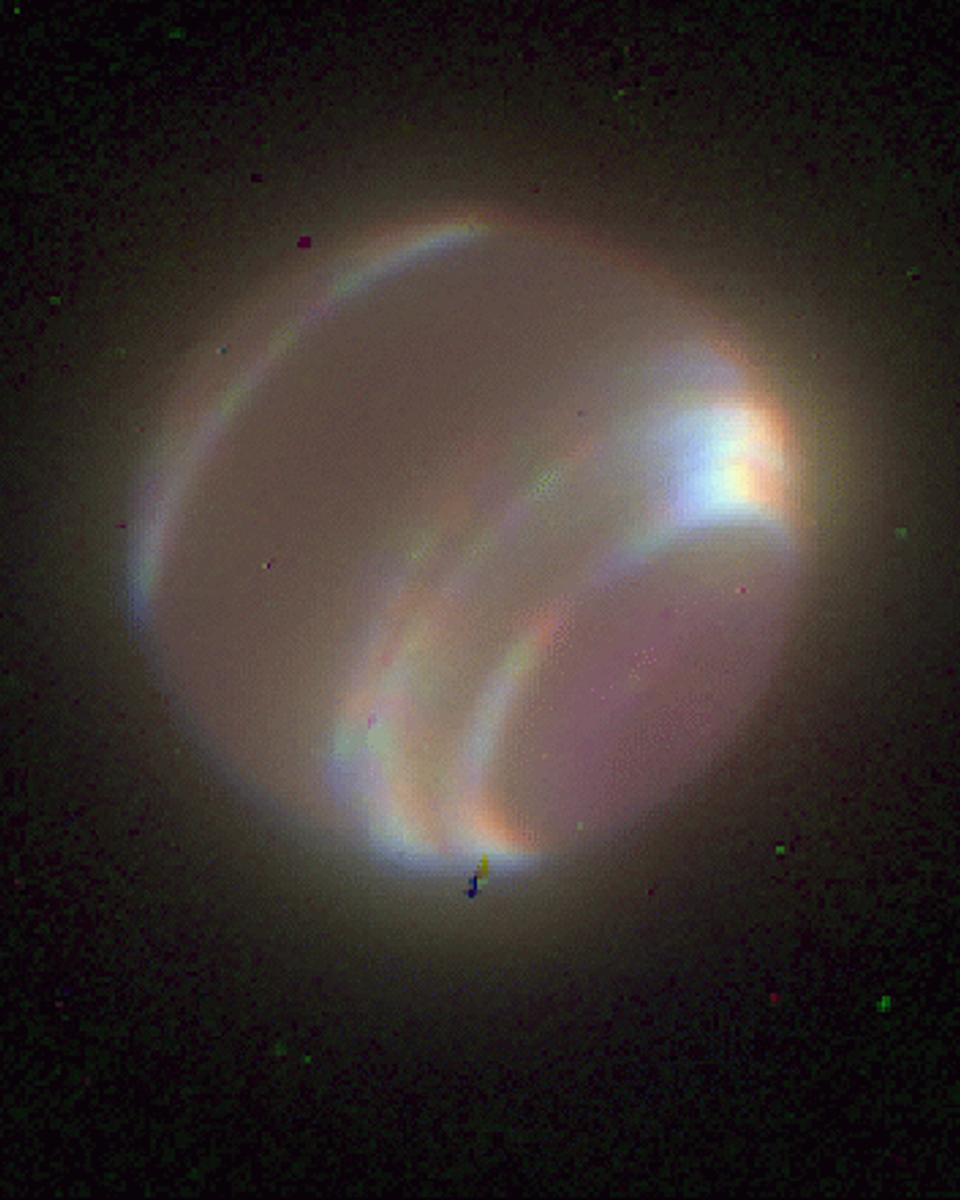
Neptune through Adaptive Optics
From the Earth's surface, Neptune usually appears as a fuzzy blotch. The blurring effects of the Earth's atmosphere deny clearer images. By distorting mirrors in the telescope…
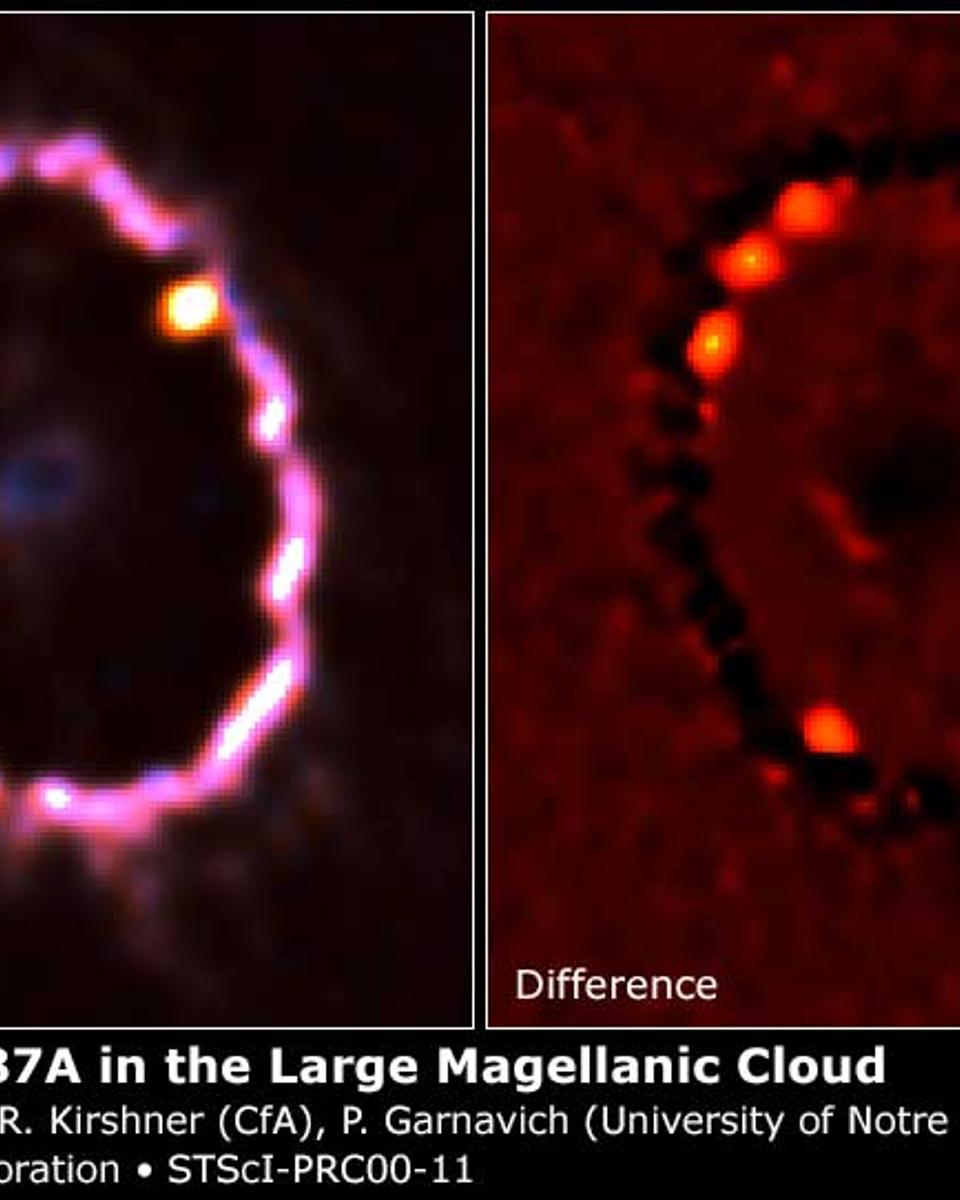
New Shocks For Supernova 1987A
In February of 1987, astronomers witnessed the brightest supernova of modern times - supernova 1987A in the Large Magellanic Cloud . Mysterious rings of material surrounding the…
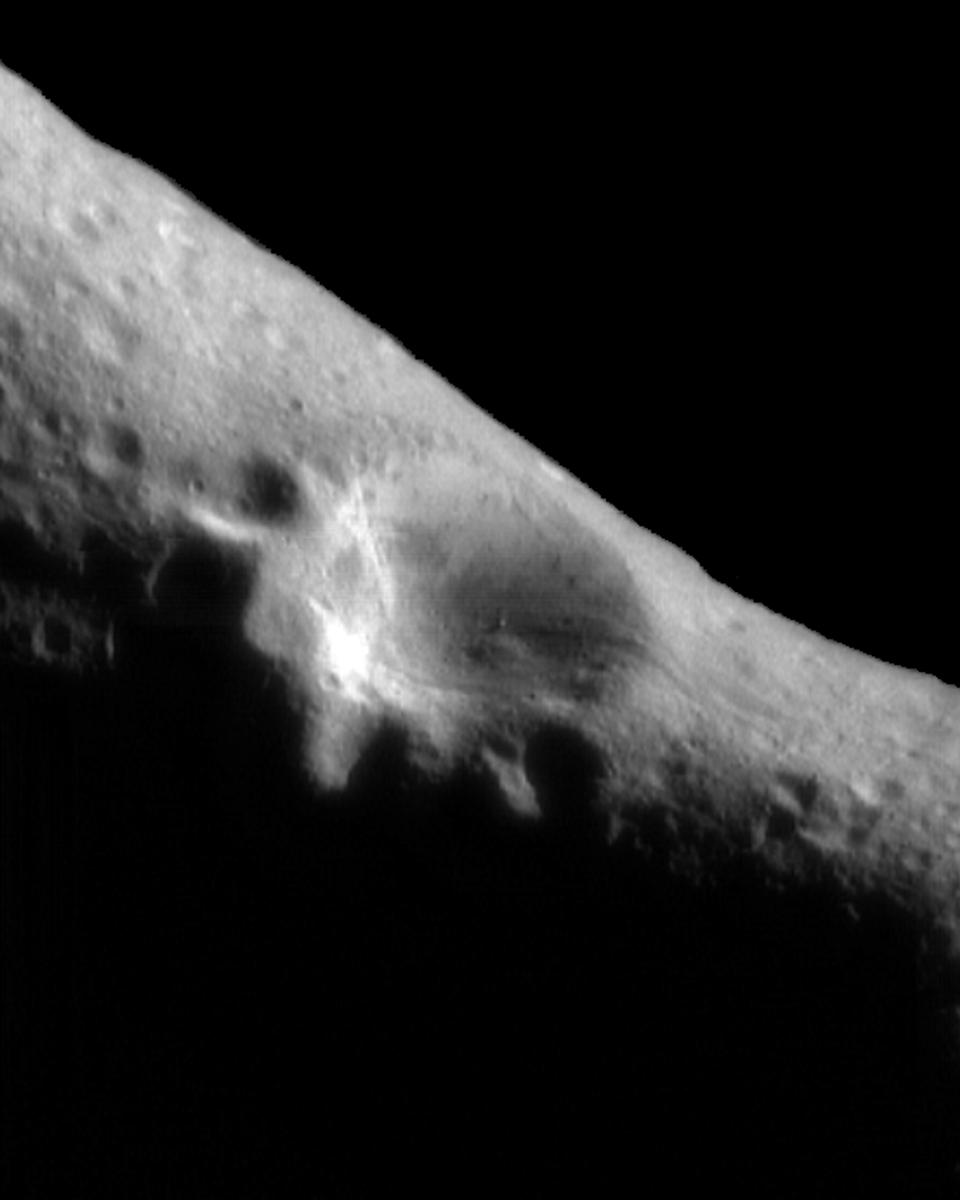
Eros From Orbit
On February 14th, the NEAR spacecraft became the first artificial moon of an asteroid . Captured by the gentle gravity of a 20 mile long slipper-shaped mountain of rock, NEAR…
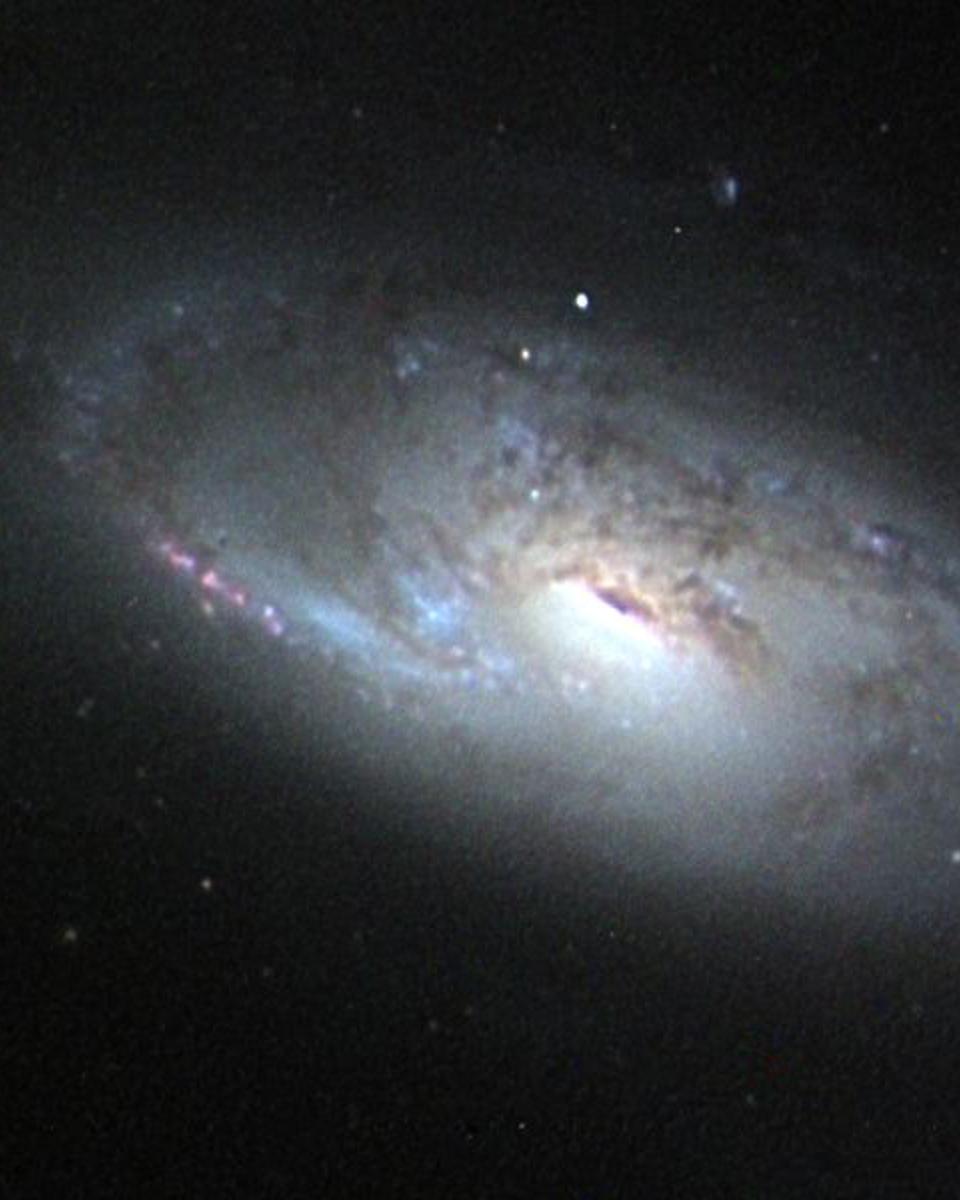
M106: A Spiral Galaxy with a Strange Core
What's happening at the center of spiral galaxy M106? A swirling disk of stars and gas, M106 's appearance is dominated by two bright spiral arms and dark dust lanes near the…
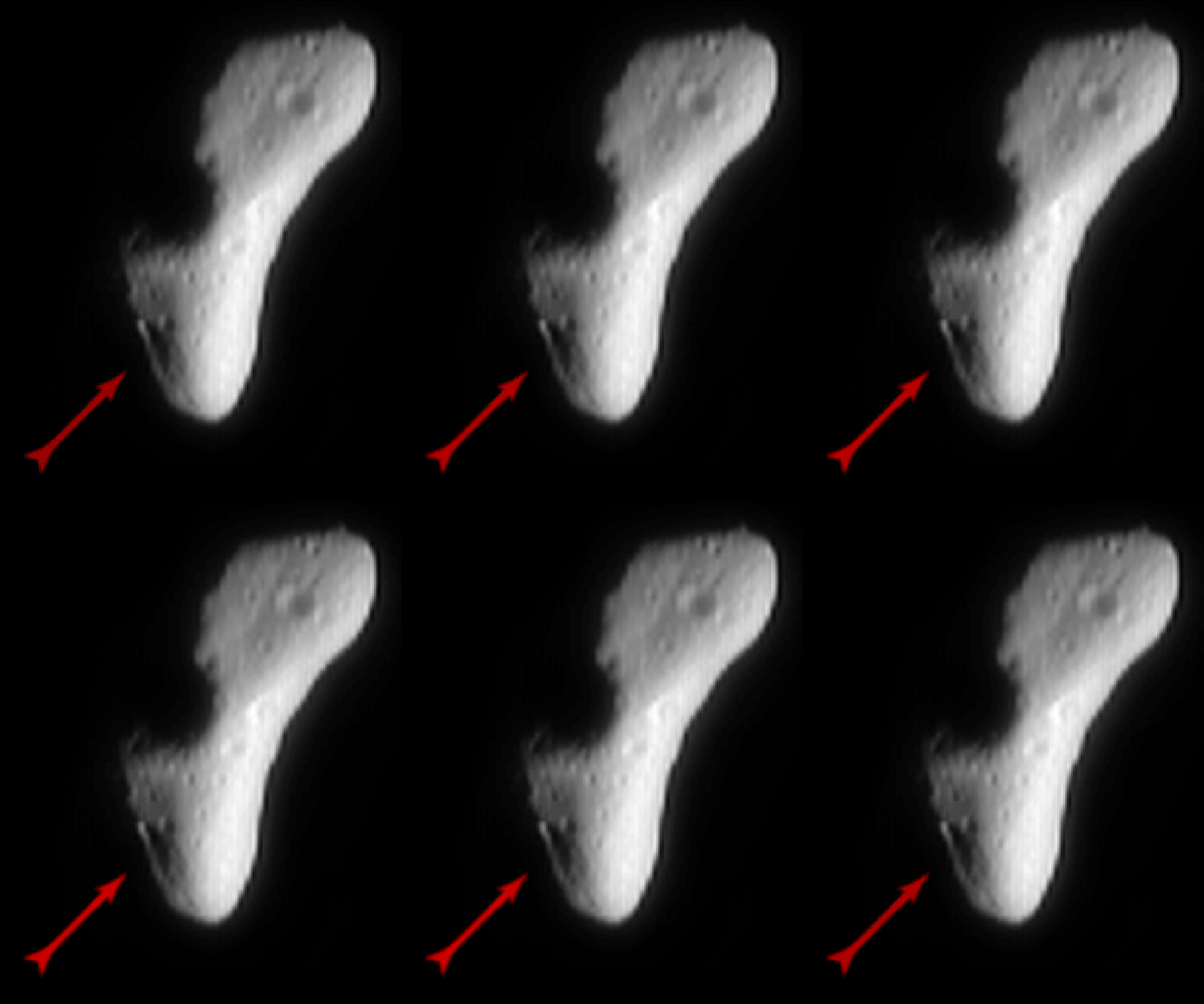
An Unexpected Asteroid Valentine
Maybe the Moon owns our hearts , but this won't stop the occasional asteroid from sending us a valentine . Friday, to the surprise of many, the NEAR mission on approach to…
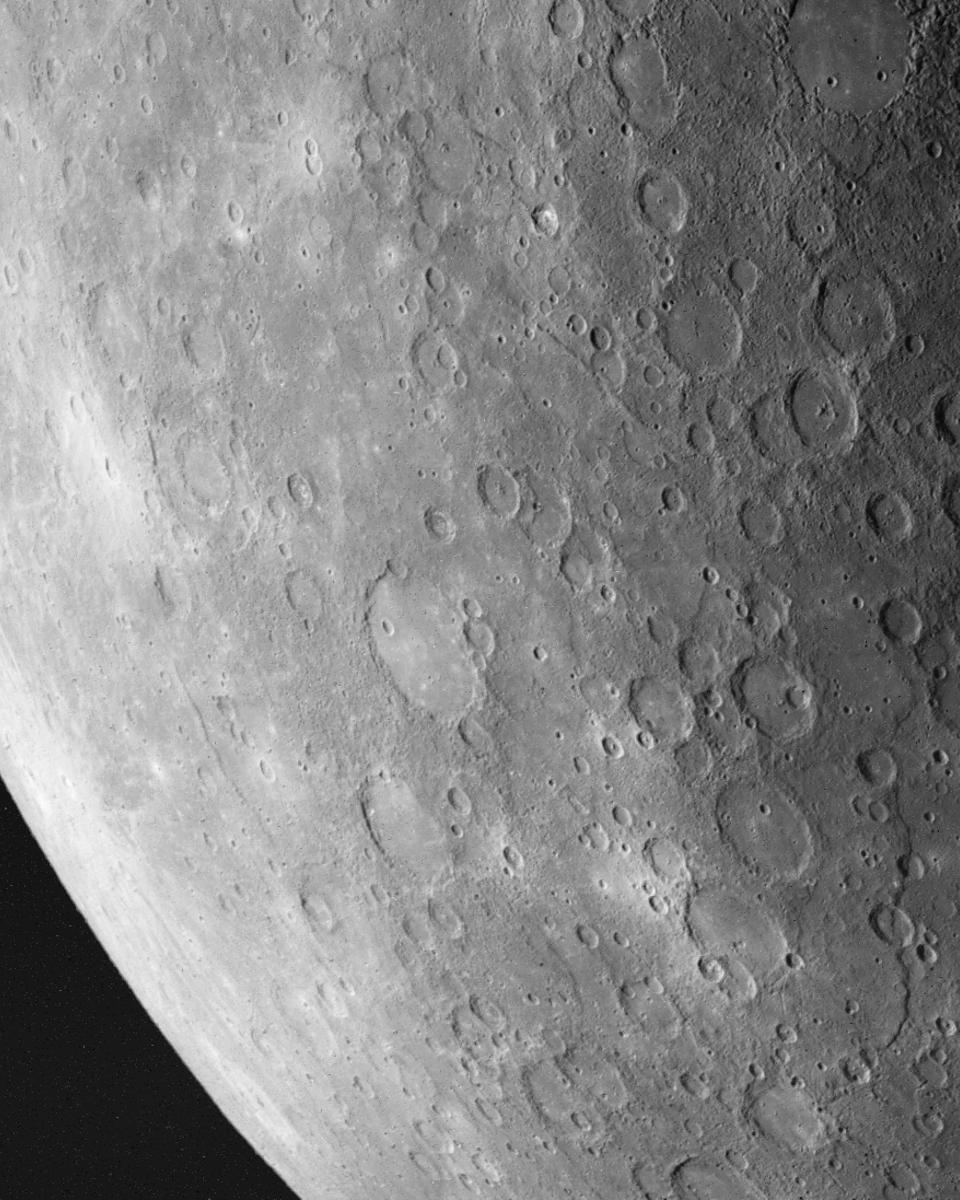
Southwest Mercury
The planet Mercury resembles a moon. Mercury 's old surface is heavily cratered like many moons. Mercury is larger than most moons but smaller than Jupiter 's moon Ganymede and…
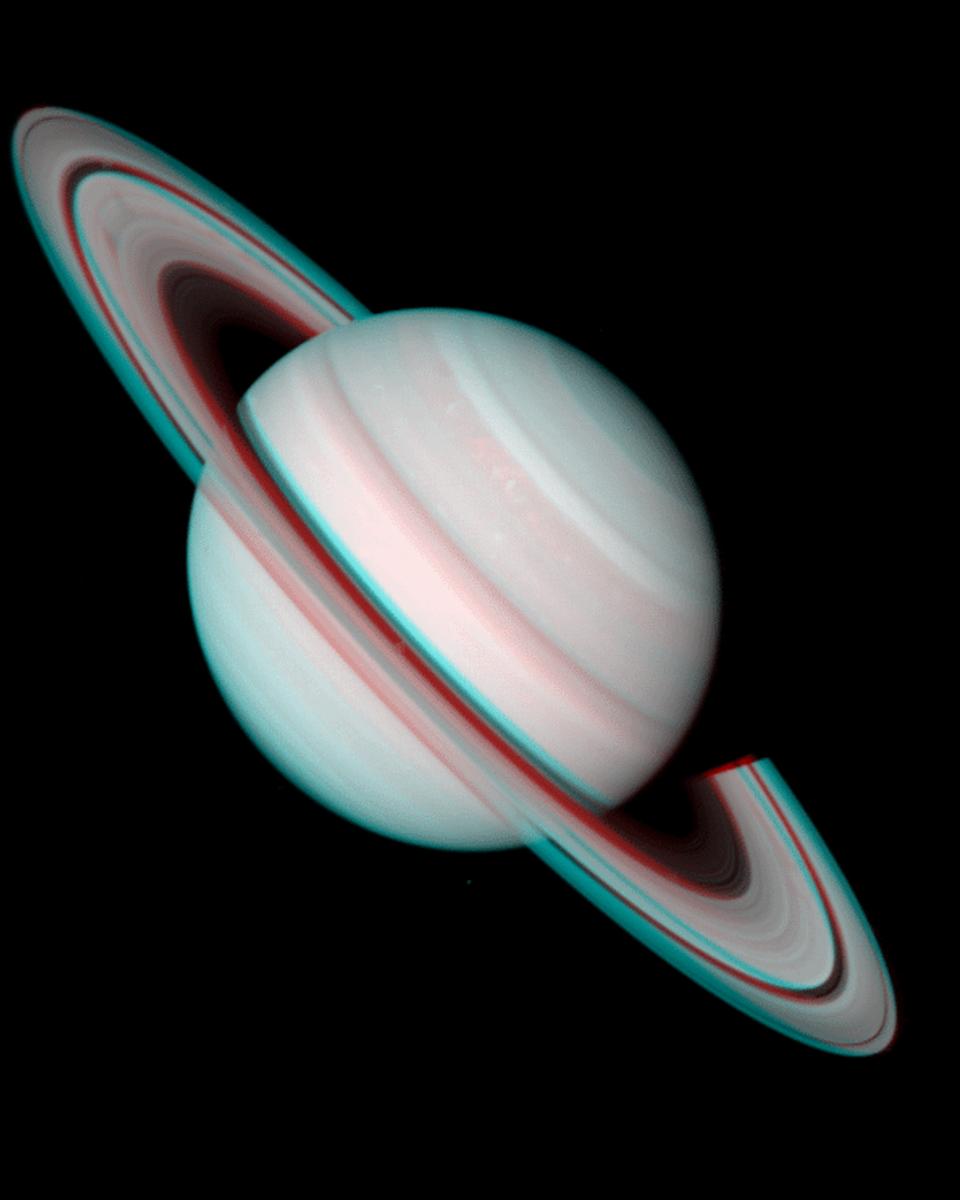
Stereo Saturn
Get out your red/blue glasses and launch yourself into this stereo picture of Saturn! The picture is actually composed from two images recorded weeks apart by the Voyager 2…
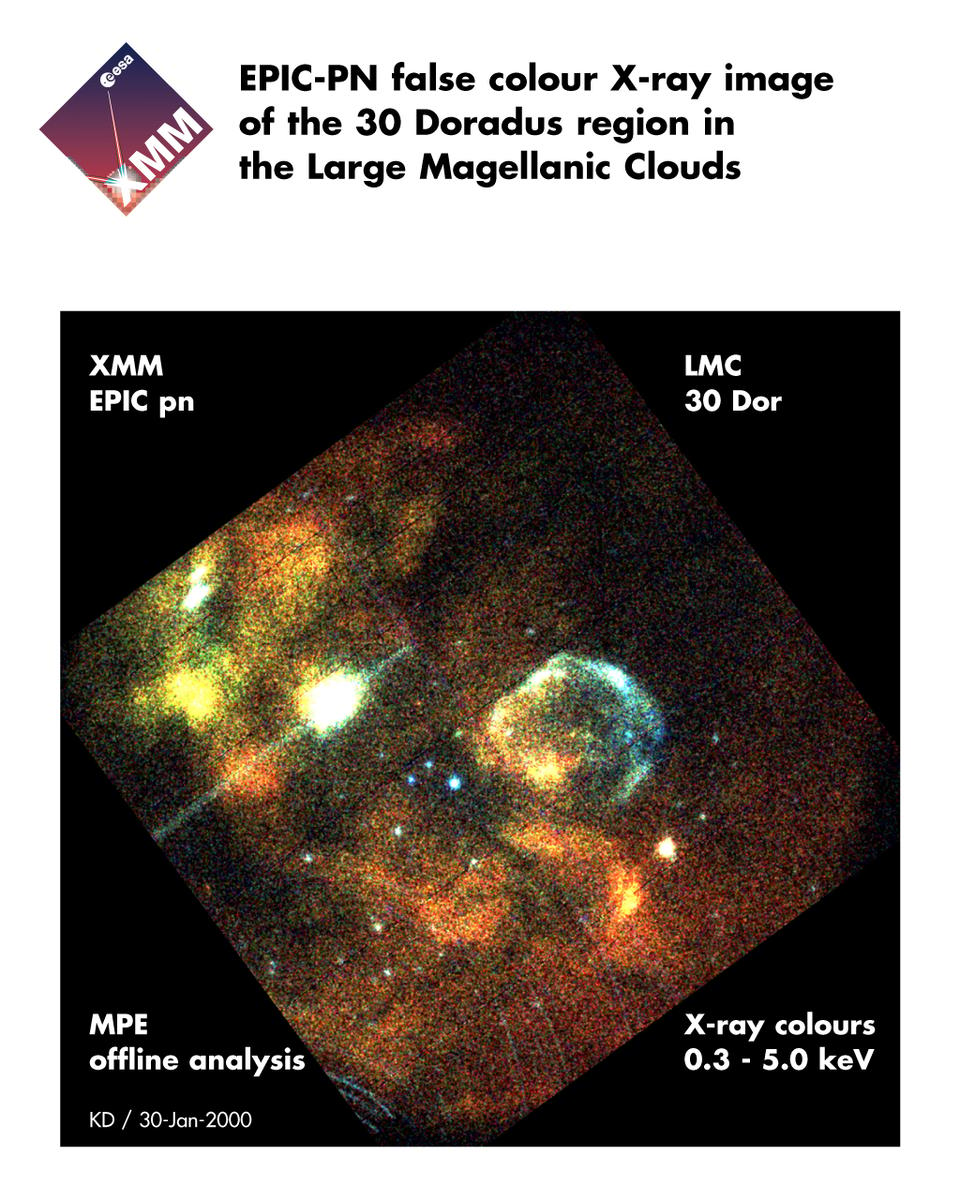
XMM-Newton First Light: X-Rays From The LMC
Recently the European Space Agency released this and other spectacular “first light” pictures from its new orbiting x-ray observatory , christened XMM-Newton . A churning region…
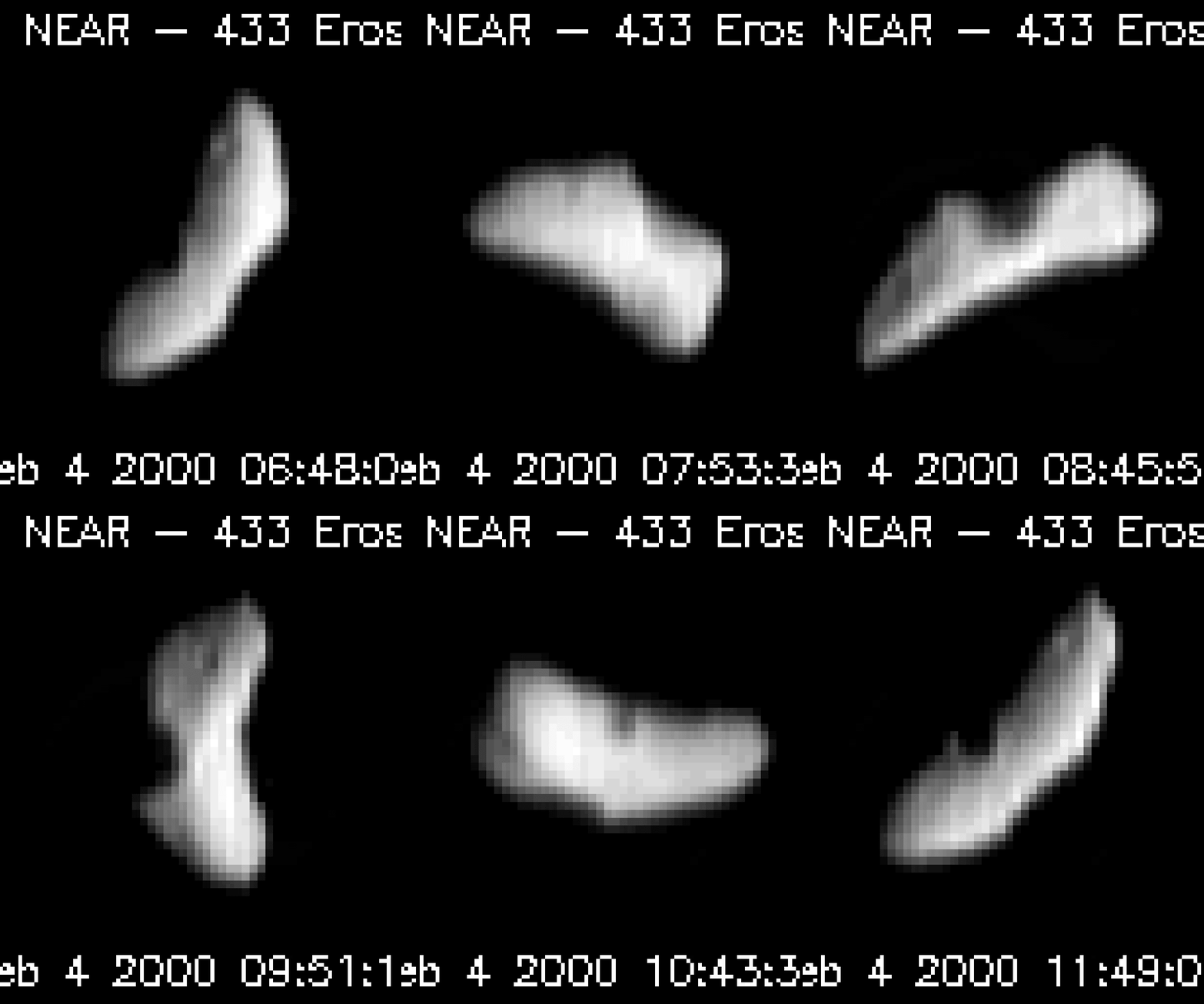
Eros Encounter Nears
After an unanticipated extra trip around the Sun, the NEAR spacecraft is now politely approaching asteroid 433 , Eros , at a respectful relative speed of about 20 miles per hour.…
Viewing discoveries from 4 March 2000 through 10 February 2000.