Browse NASA Astronomy Picture of the Day archive by date and media: Archive Discoveries
Browse the NASA APOD archive without needing the exact date first. Filter by media type and keep moving deeper into older images and videos.
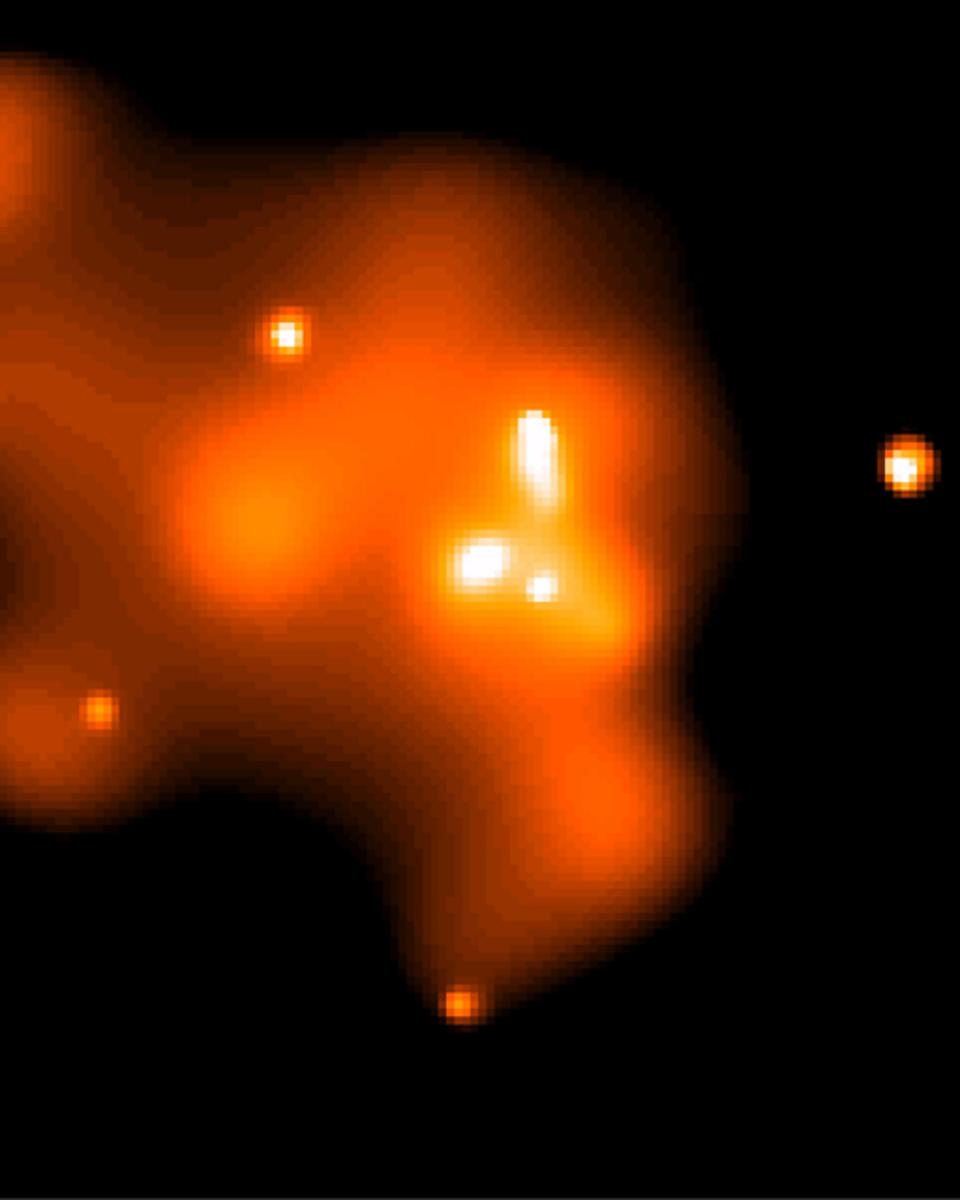
X-Rays From The Galactic Center
Exploring quasars and active galaxies in the distant universe, astronomers have come to believe that most galaxies have massive black holes at their centers. Swirling stars and a…
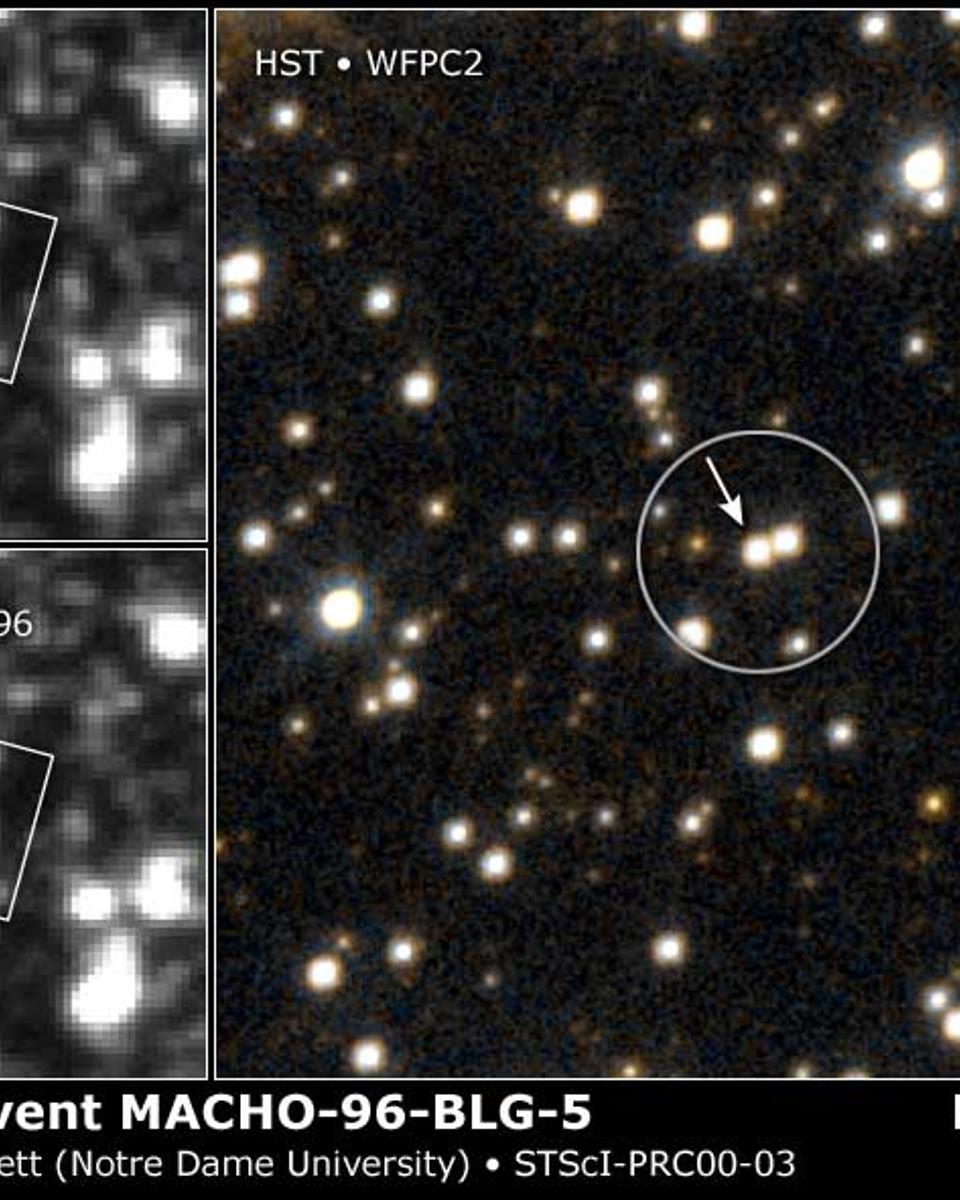
A Big Black Hole Floats By
A black hole glides silently through space. Is there any way to know it's there? Until last week, all objects that might be black holes in our Galaxy were part of binary star…
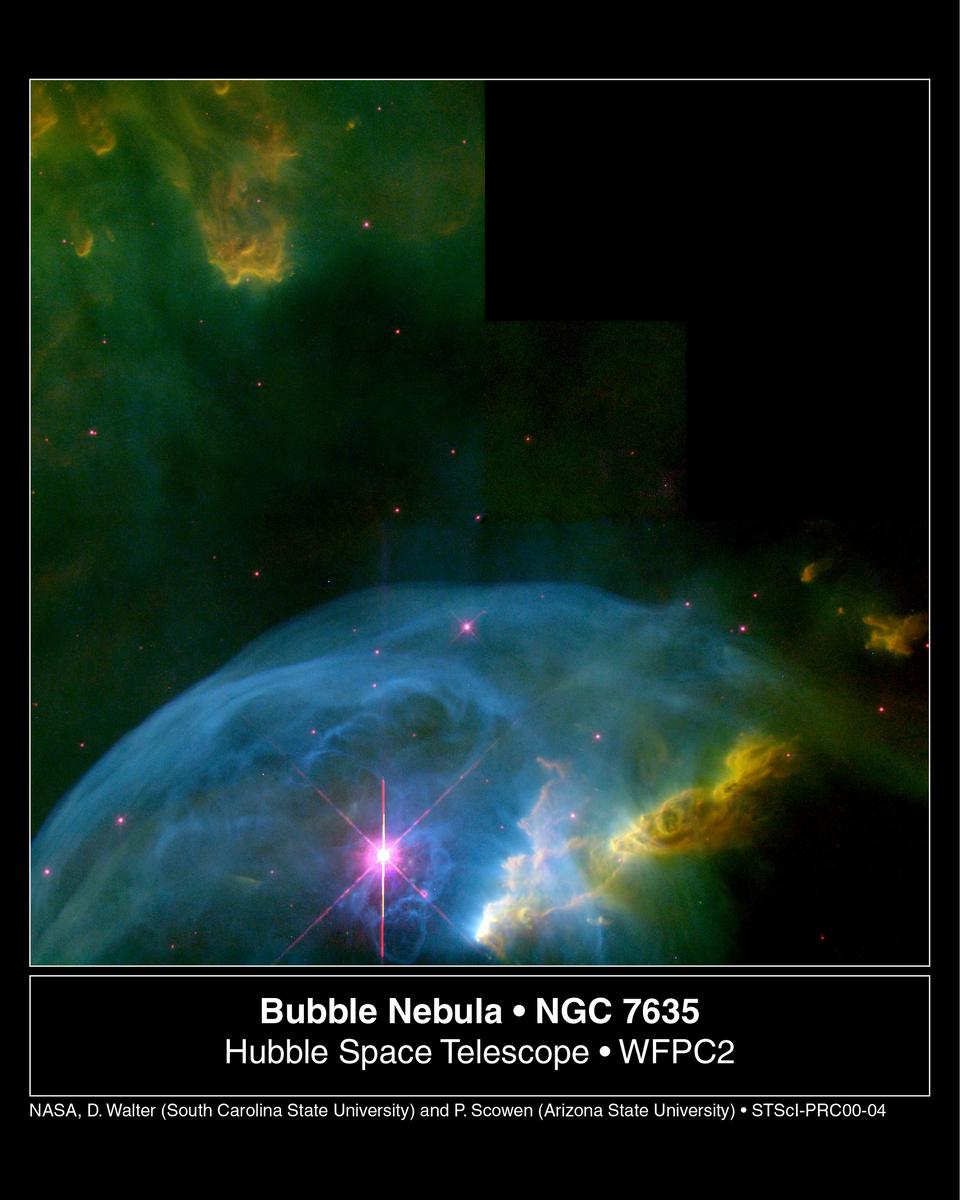
NGC 7635: The Bubble Nebula
What created this huge space bubble? A massive star that is not only bright and blue, but also emitting a fast stellar wind of ionized gas . The Bubble Nebula is actually the…
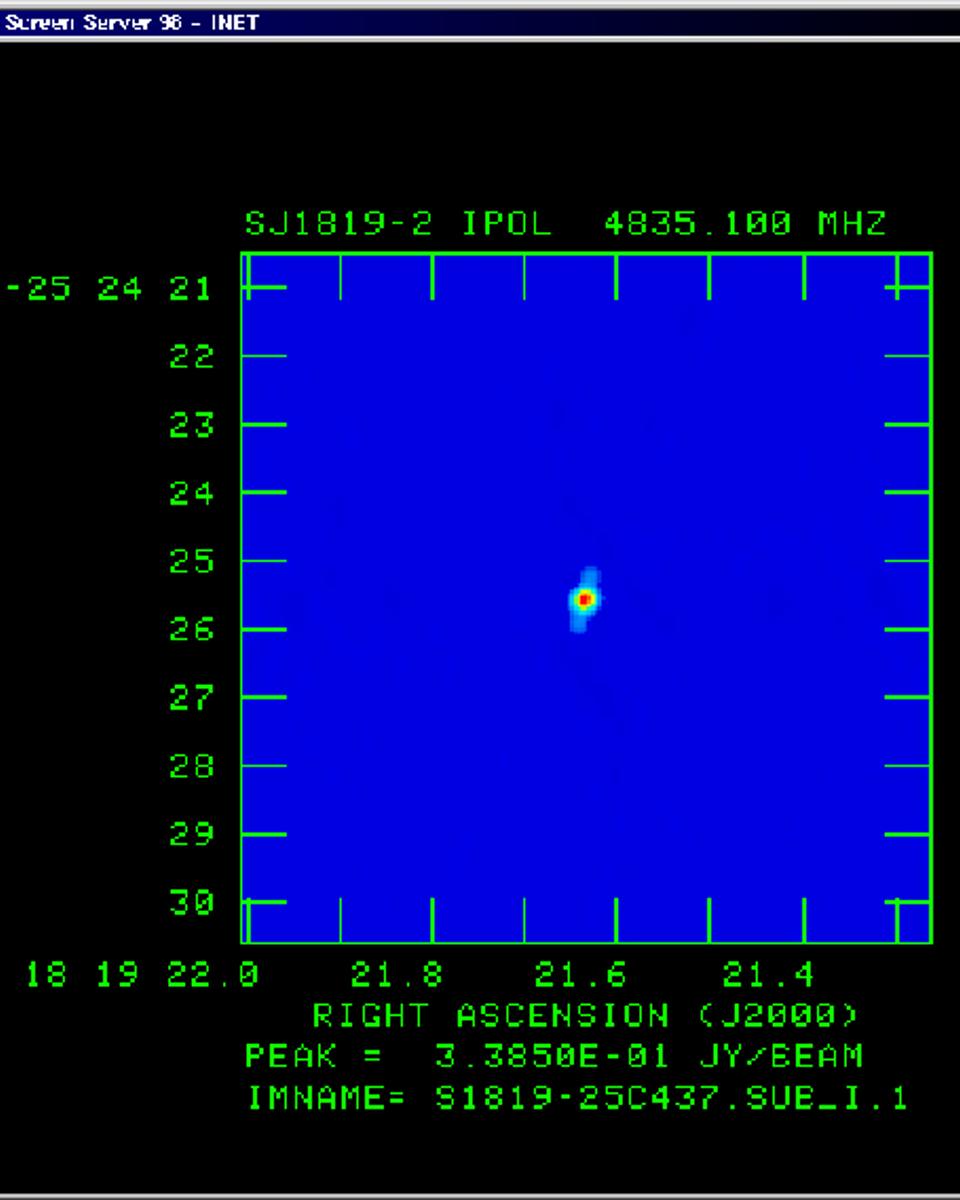
V4641 Sgr: The Closest Black Hole Candidate
An object many astronomers believe is a black hole has been found only 1500 light-years from Earth, making it the closest black hole candidate . Although dramatic explosions…
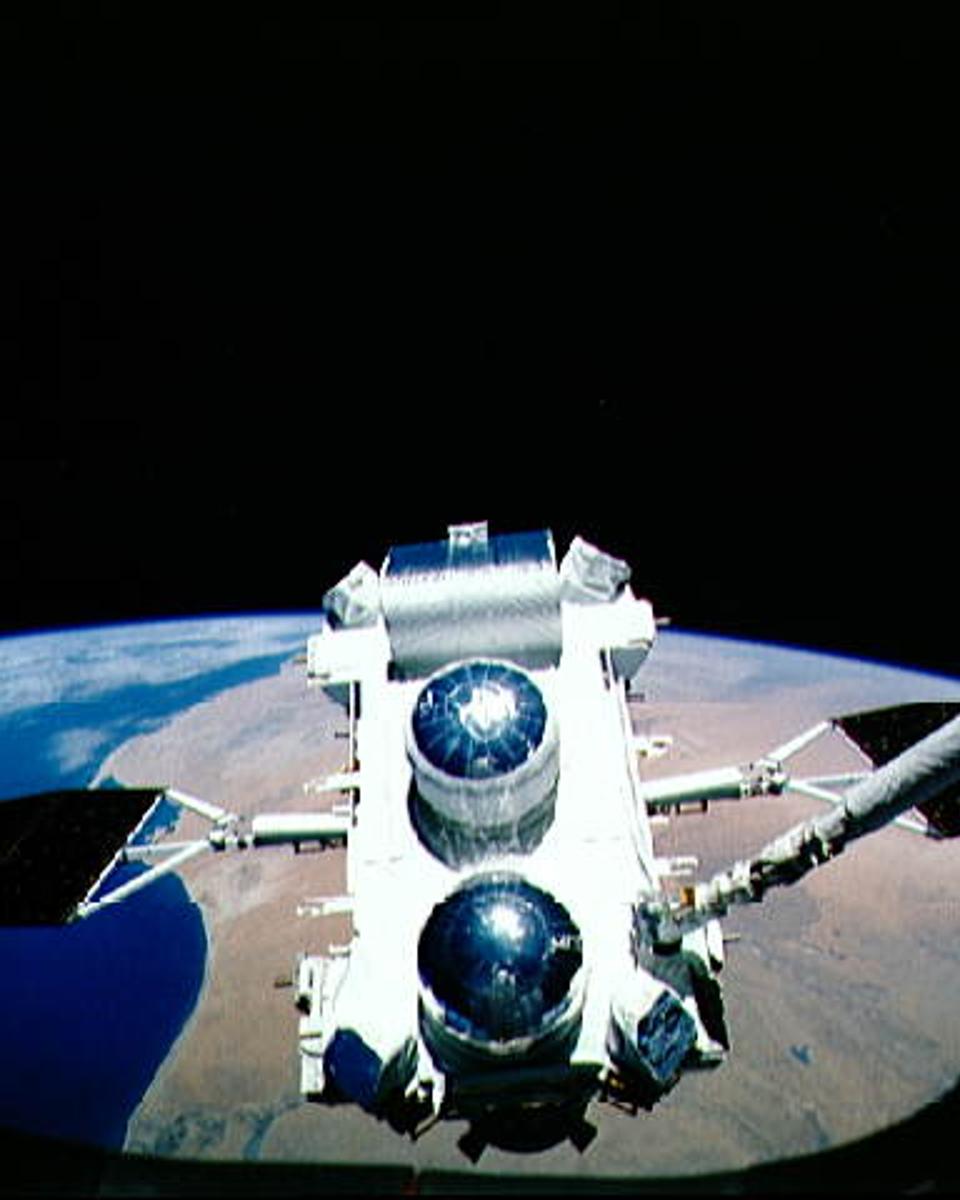
The Compton Gamma Ray Observatory
The Compton Gamma Ray Observatory (CGRO) was the most massive instrument ever launched by a NASA Space Shuttle in 1991 and continues to revolutionize gamma-ray astronomy . Before…
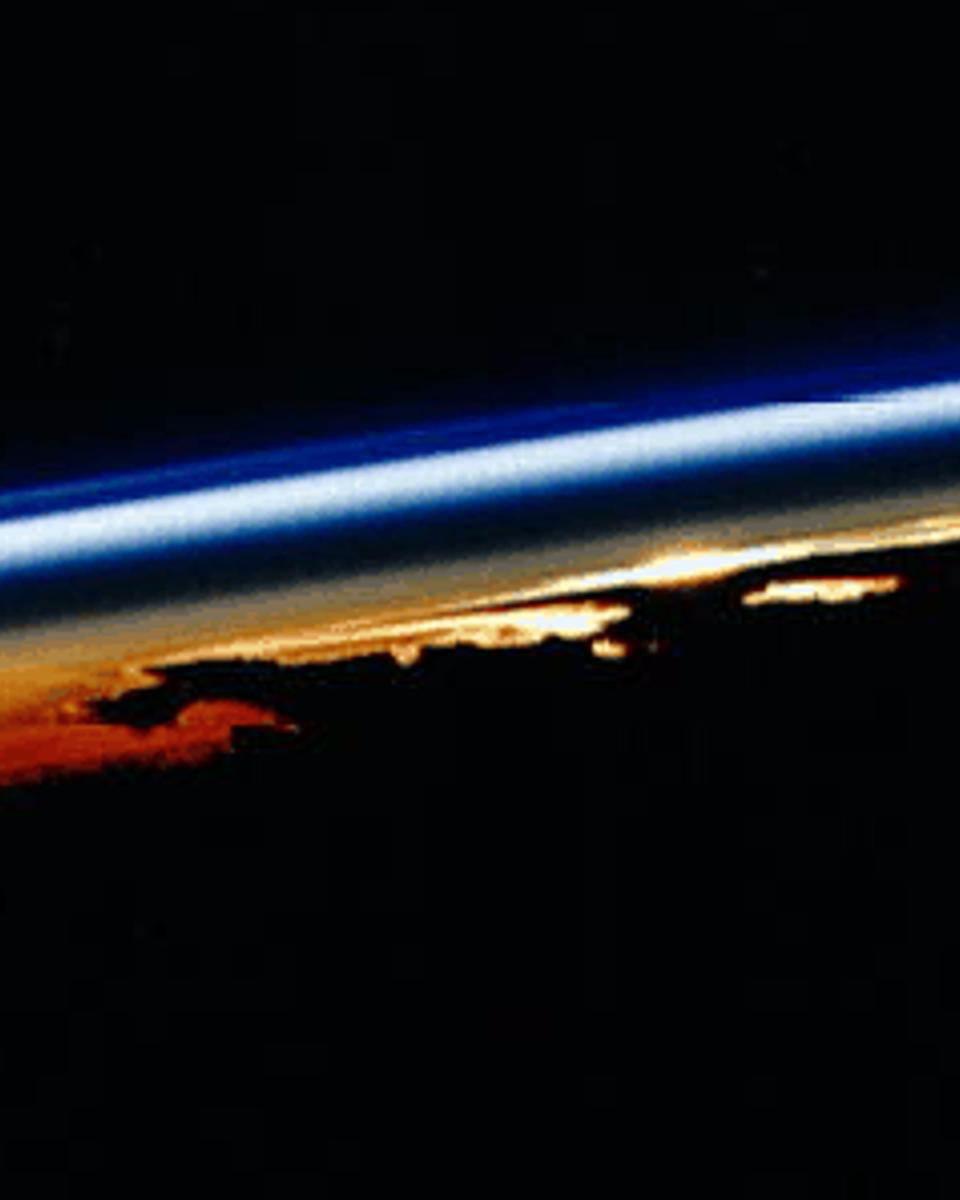
The Sun Also Rises
Sunrise seen from low Earth orbit can be very dramatic indeed (and the authors don't apologize to Hemingway for using his title!). In this breathtaking view from the space shuttle…
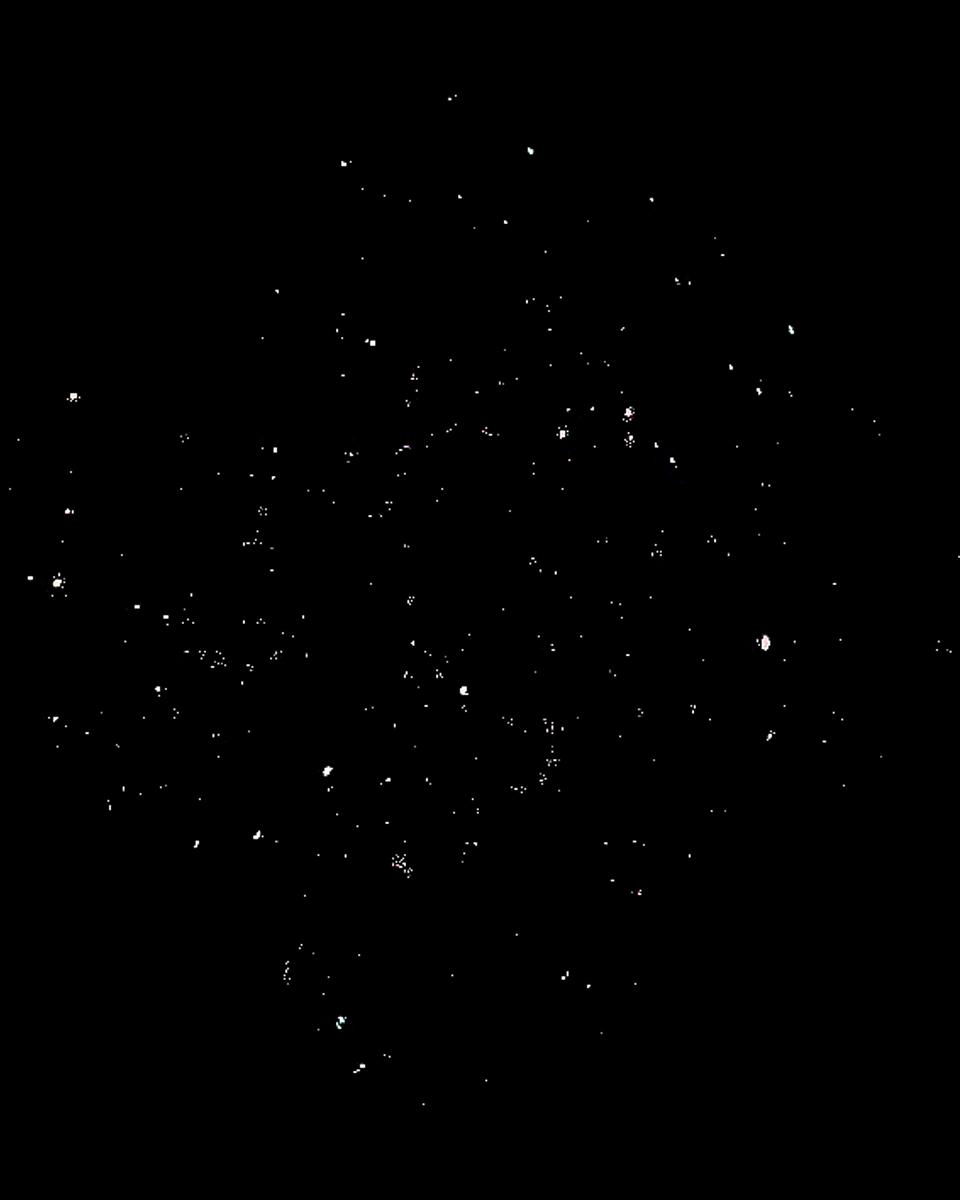
Chandra Resolves the Hard X-Ray Background
It is everywhere but nobody knew why. In every direction at all times, the sky glows in X-rays . The X-ray background phenomenon was discovered over 35 years ago, soon after the…
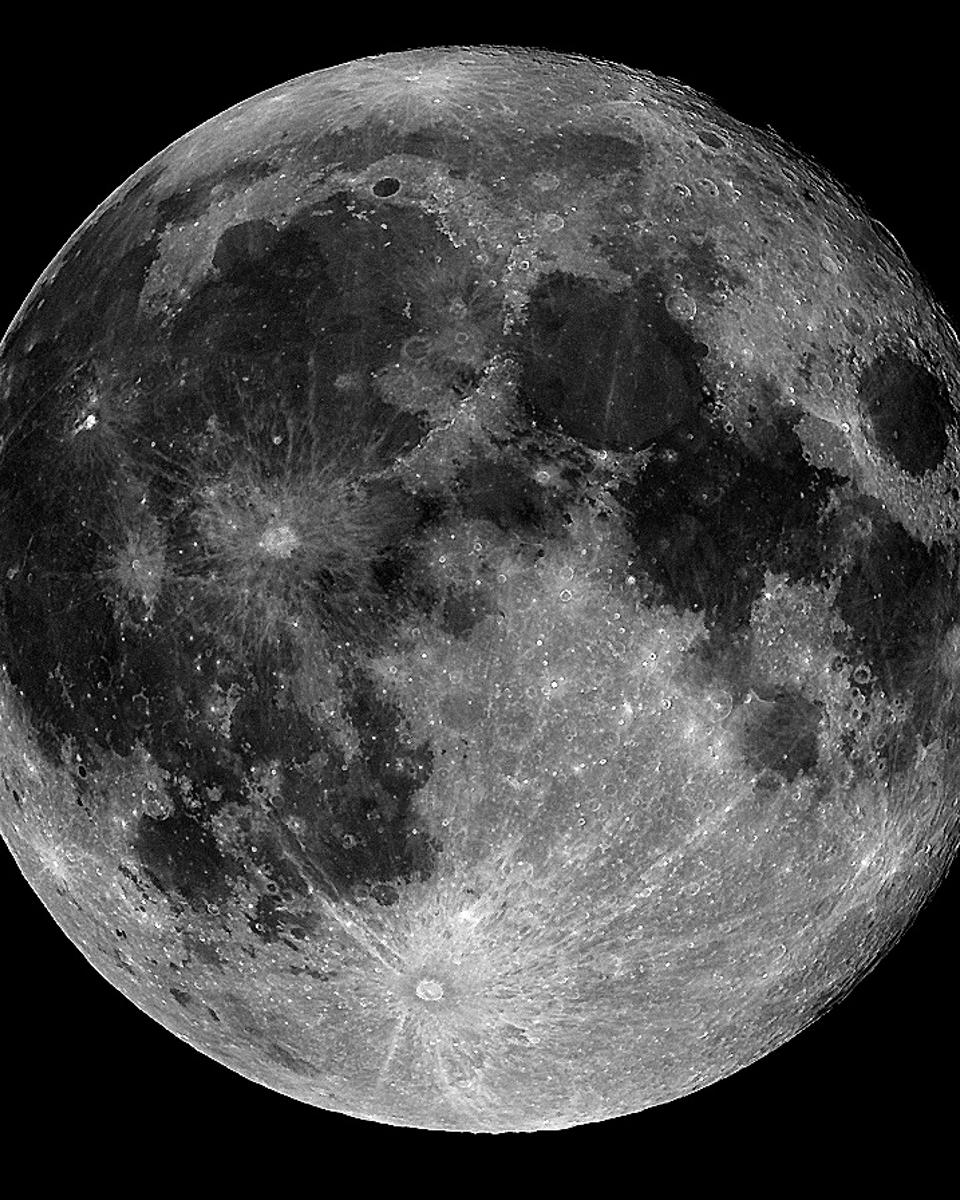
A Skygazer's Full Moon
This dramatically sharp picture of the full moon was recorded on 22 December, 1999 by astroimager Rob Gendler . Big, beautiful, bright, and evocative , it was the last full moon…
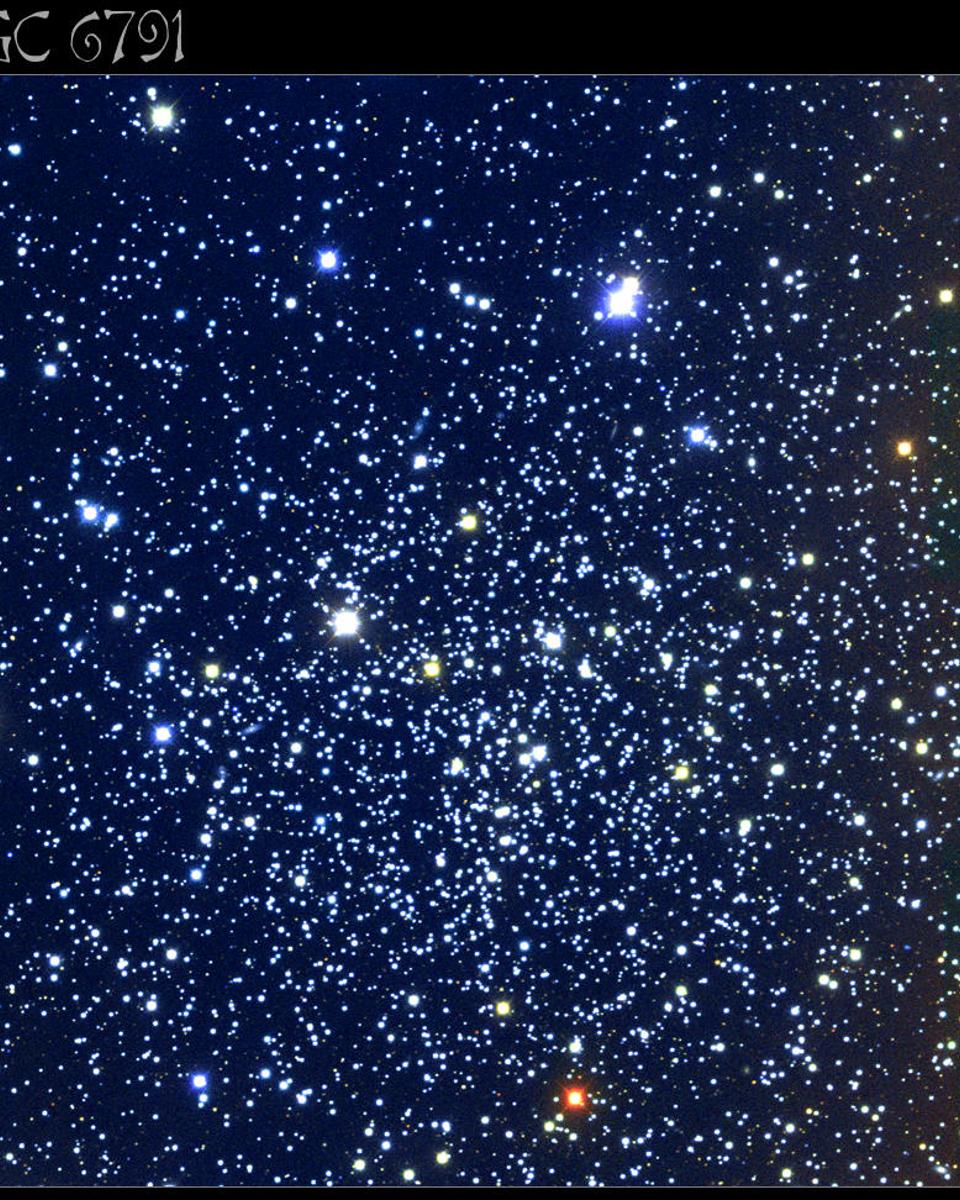
NGC 6791: An Old, Large Open Cluster
NGC 6791 is one of the oldest and largest open clusters of stars known. But how did it get so dirty? Open star clusters usually contain a few hundred stars each less than a…
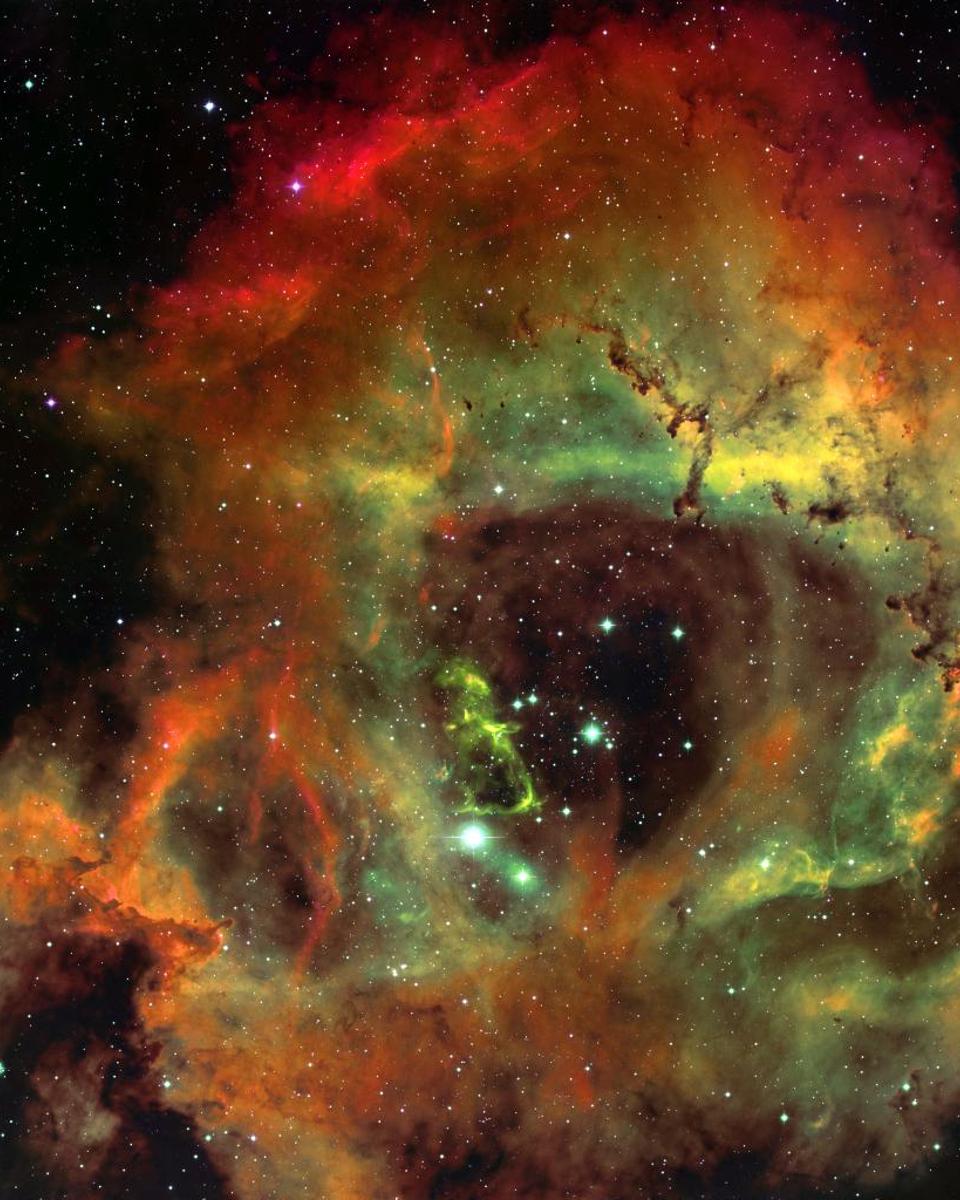
The Rosette Nebula in Hydrogen, Oxygen, and Sulfur
The Rosette Nebula is a large emission nebula located 3000 light-years away. The great abundance of hydrogen gas gives NGC 2237 its red color in most photographs . The wind from…
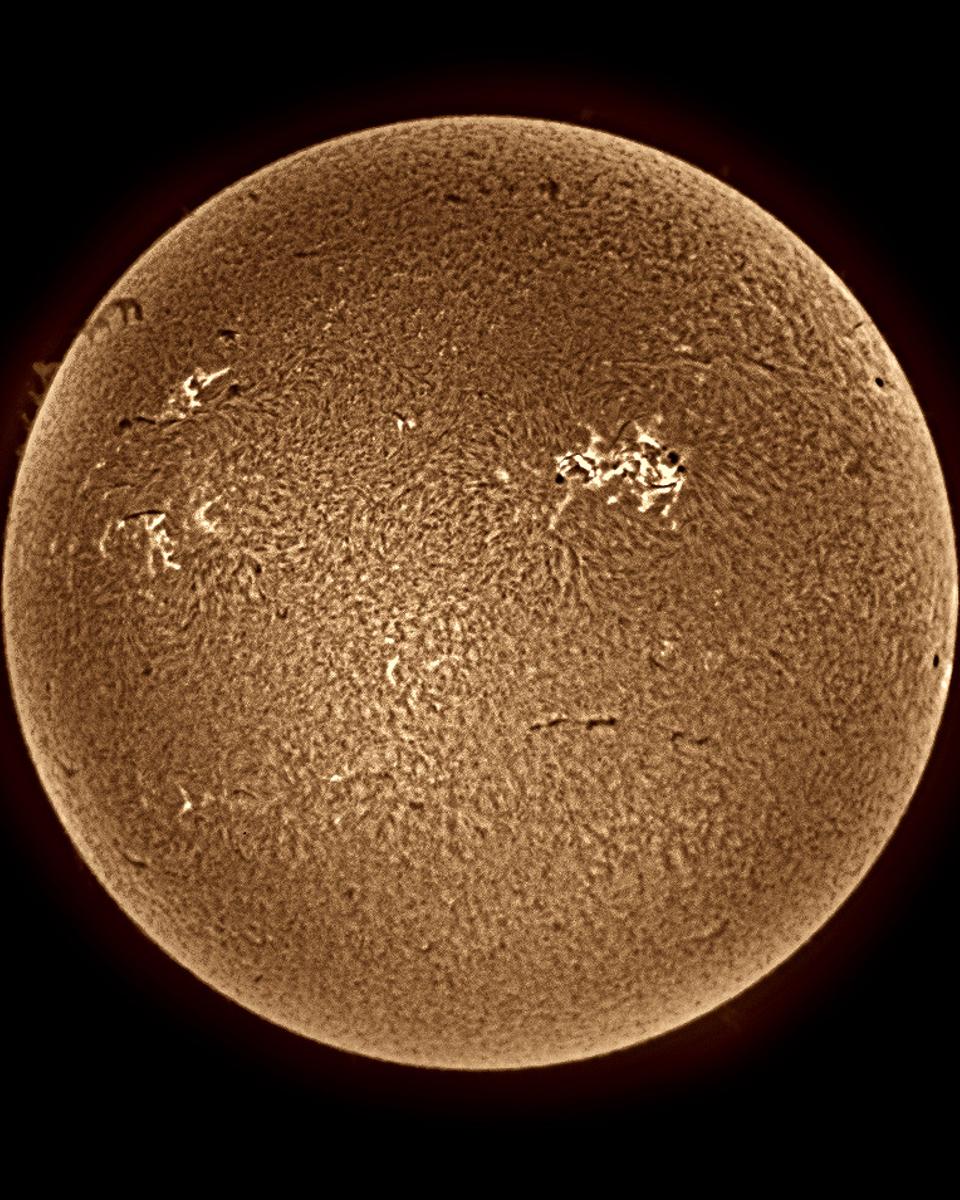
Brown Sun Bubbling
Our Sun may look like all soft and fluffy, but its not. Our Sun is an extremely large ball of bubbling hot gas , mostly hydrogen gas. The above picture was taken in a specific…
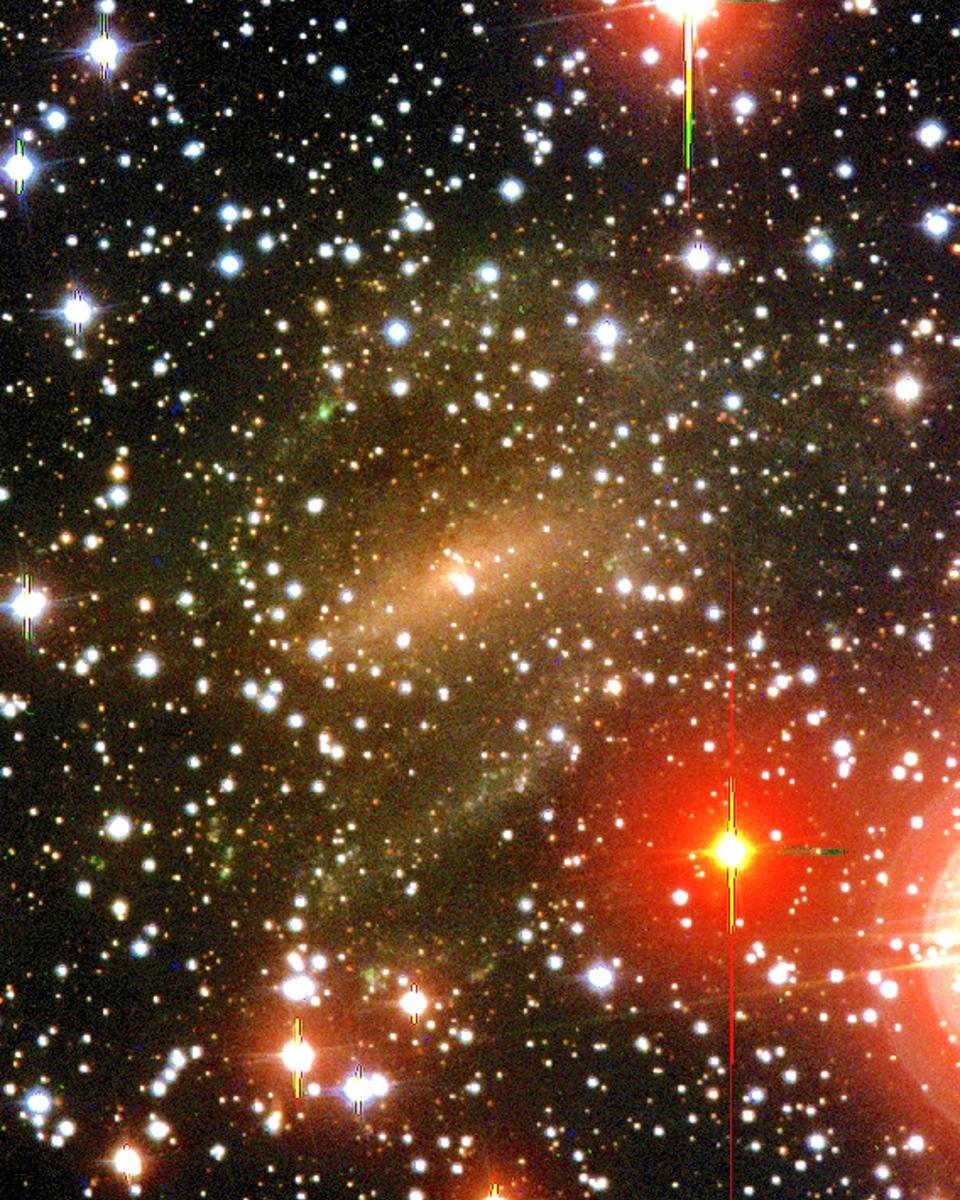
Galaxy Dwingeloo 1 Emerges
Sometimes you can't see the forest for the trees. But if you look closely at the center of the above photograph , you will see a whole spiral galaxy behind the field of stars.…

Albert Einstein Describes Space and Time
Albert Einstein (1879-1955) is considered by many the greatest astrophysicist and single most significant Person of the 20th Century . He is pictured here in the Swiss Patent…
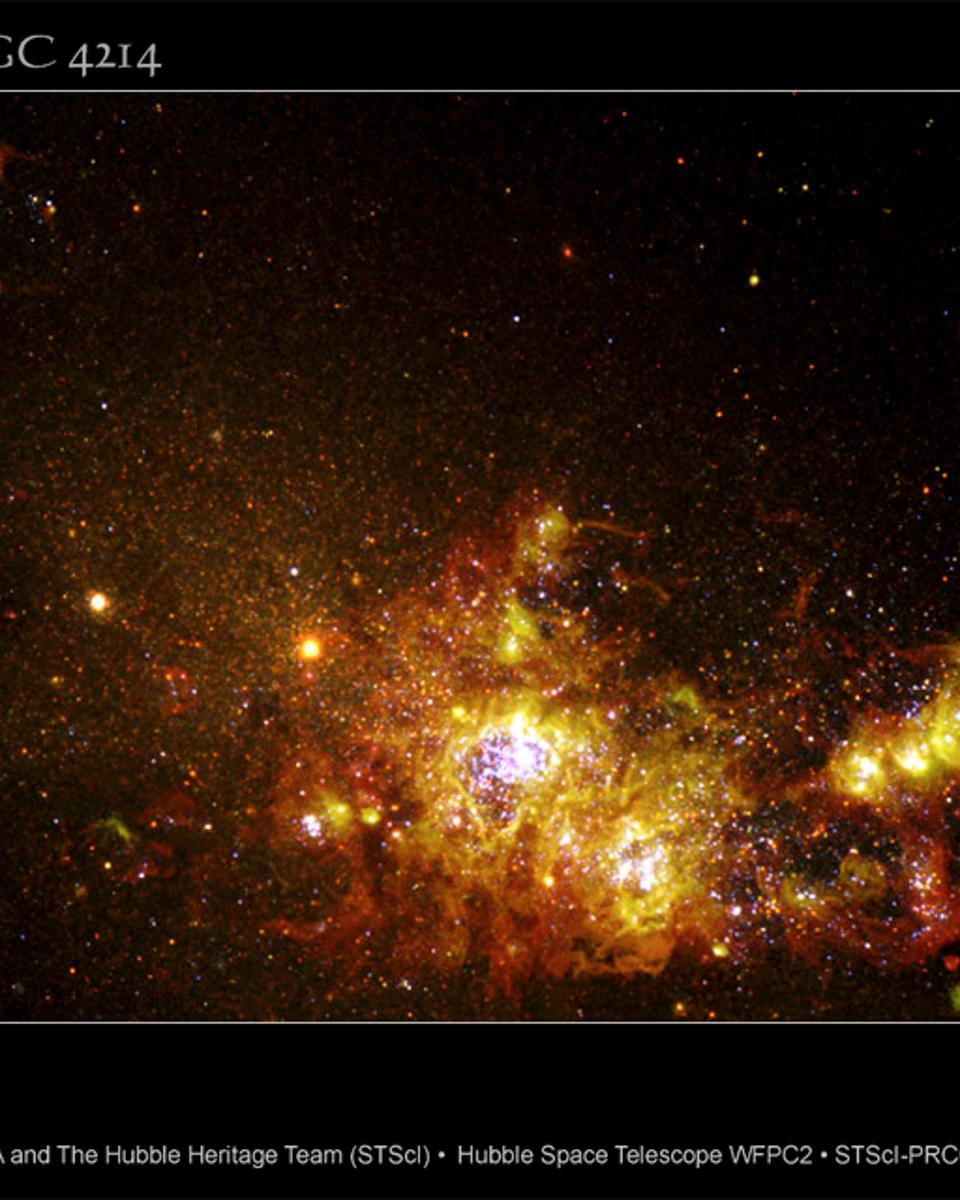
NGC 4214: Star Forming Galaxy
Dazzling displays of star formation abound across the face of galaxy NGC 4214, a mere 13 million light-years away in the northern constellation Canes Venatici . While this 1997…
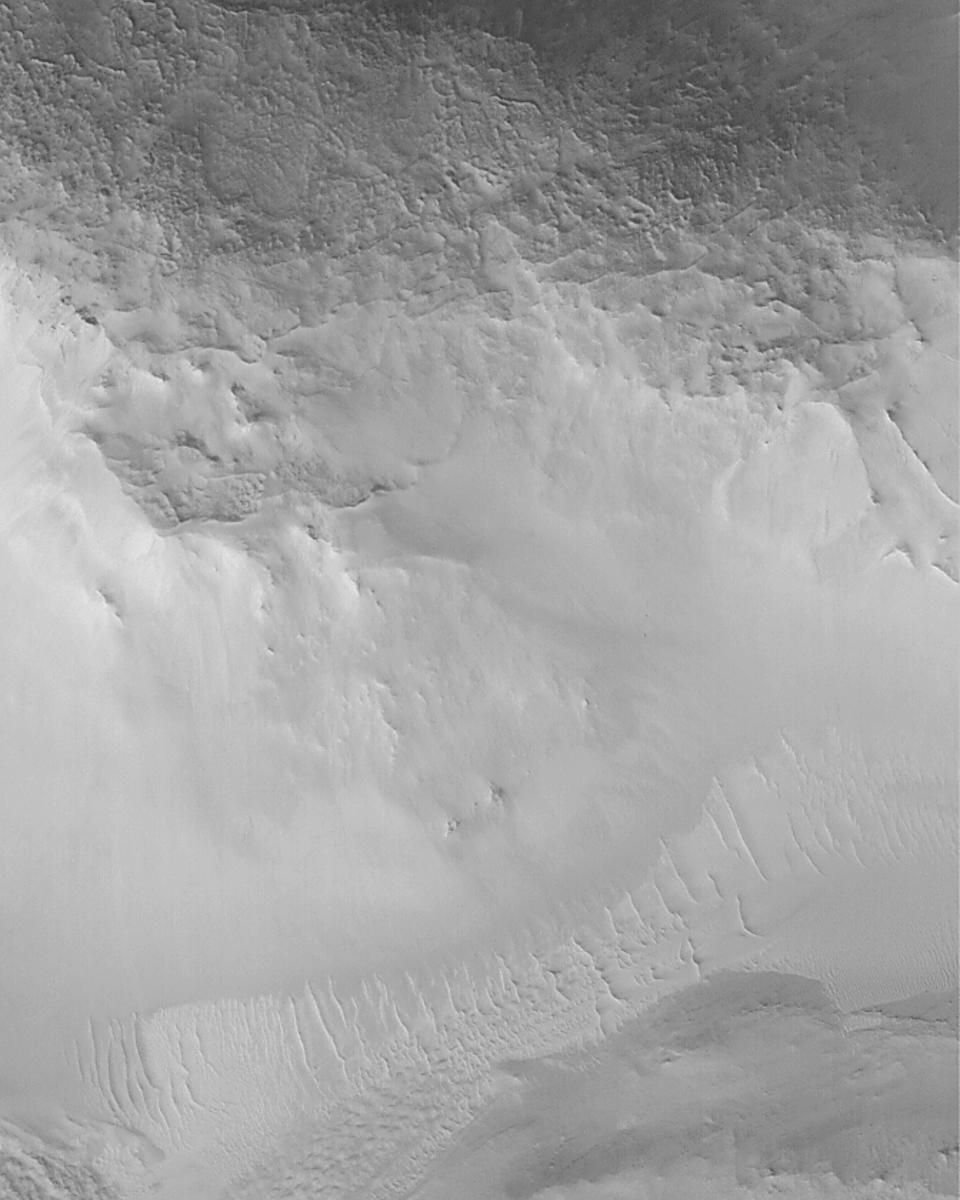
Mars in the New Year
Many will long remember where they were and what they were doing when the calendar rolled over to the year 2000. On Mars , of course, that date was nothing special and the Mars…
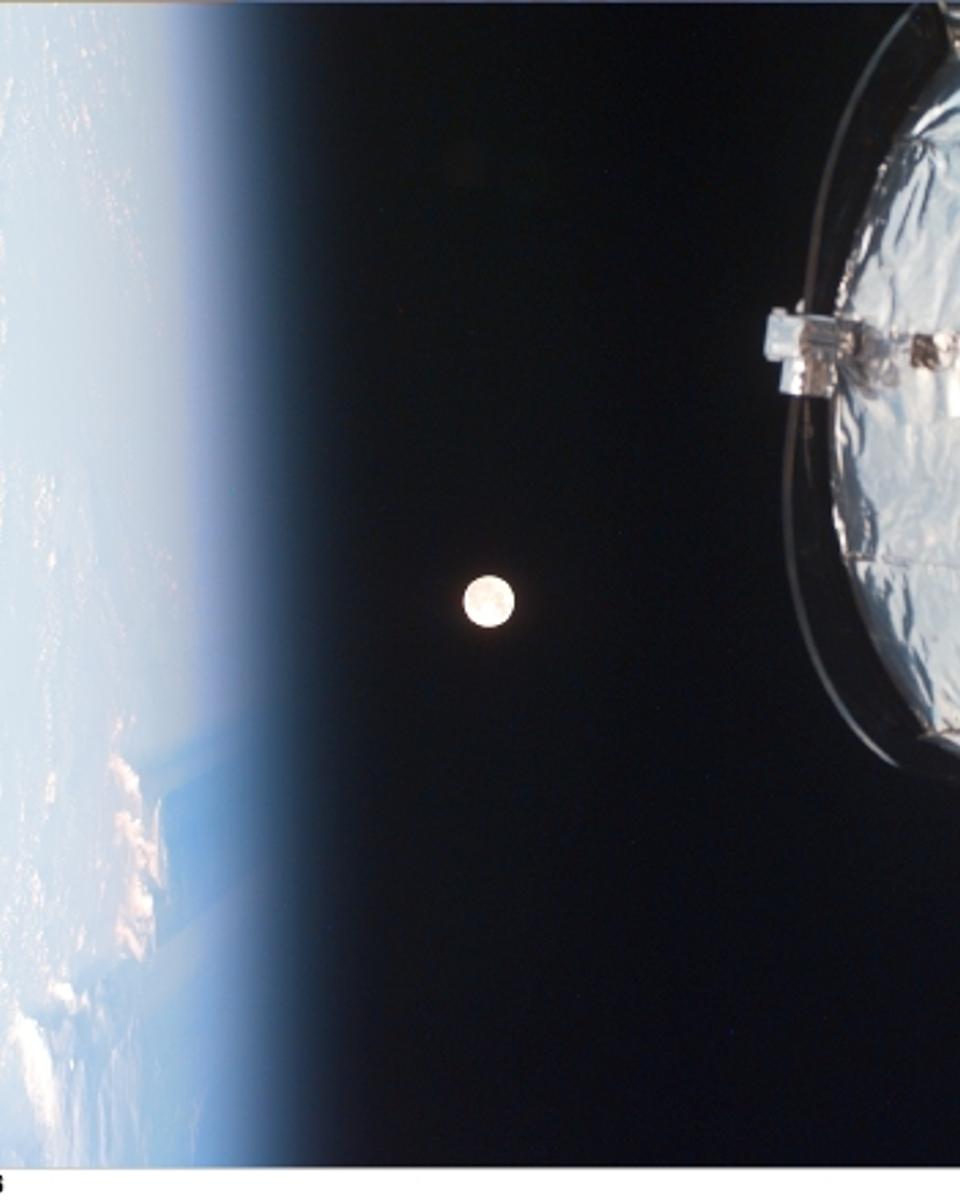
Earth, Moon, Hubble
The Space Shuttle Discovery Crew was fortunate enough to witness one of the brighter full moon's from orbit two weeks ago during their mission to fix the Hubble Space Telescope .…
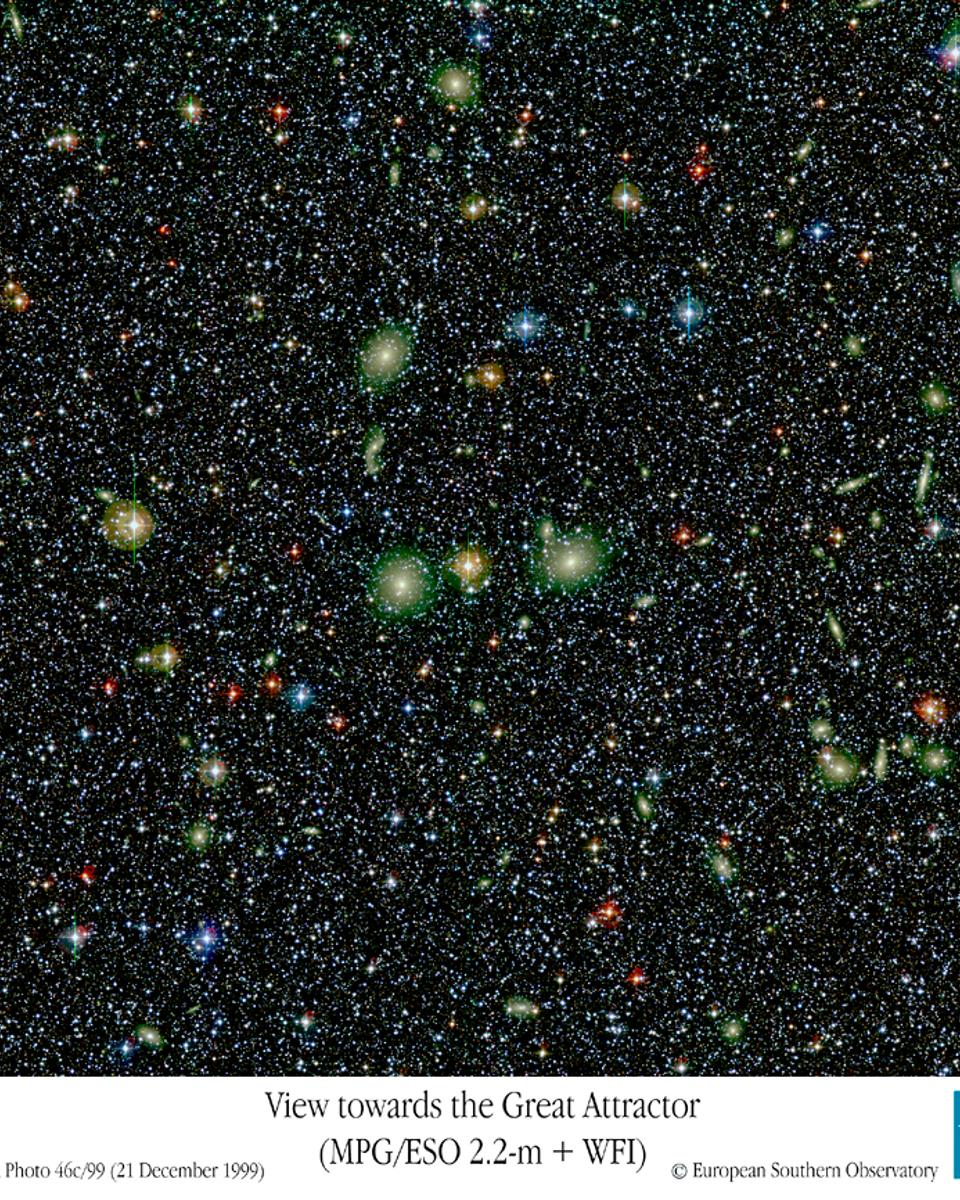
Galaxies Cluster Toward the Great Attractor
Galaxies dot the sky like jewels in the direction of a mass so large it is known simply as the Great Attractor . The galaxies pictured above are part of a cluster of galaxies…
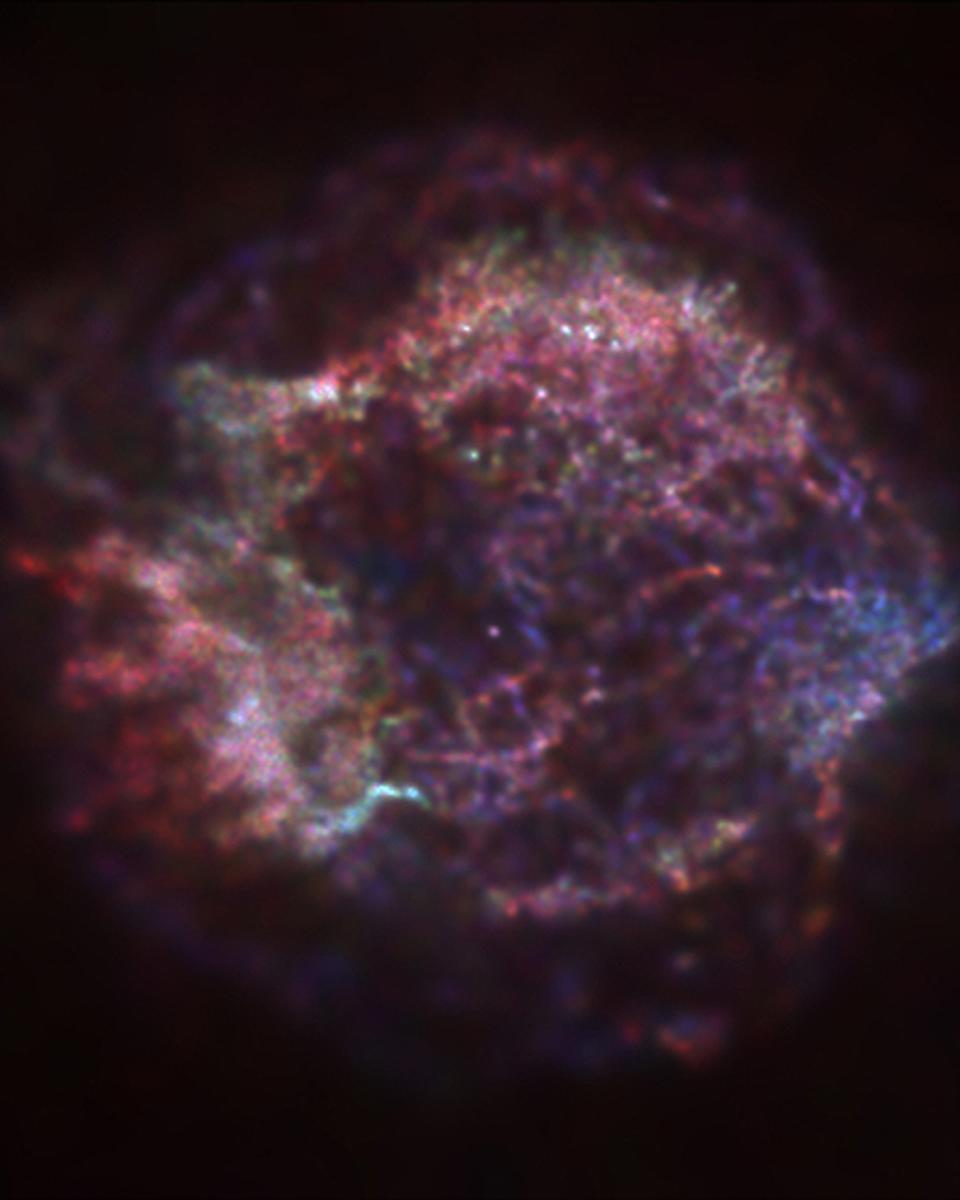
Cas A Supernova Remnant in X-Rays
The complex shell of a star seen to explode 300 years ago is helping astronomers to understand how that star exploded. The above recently released image of supernova remnant…
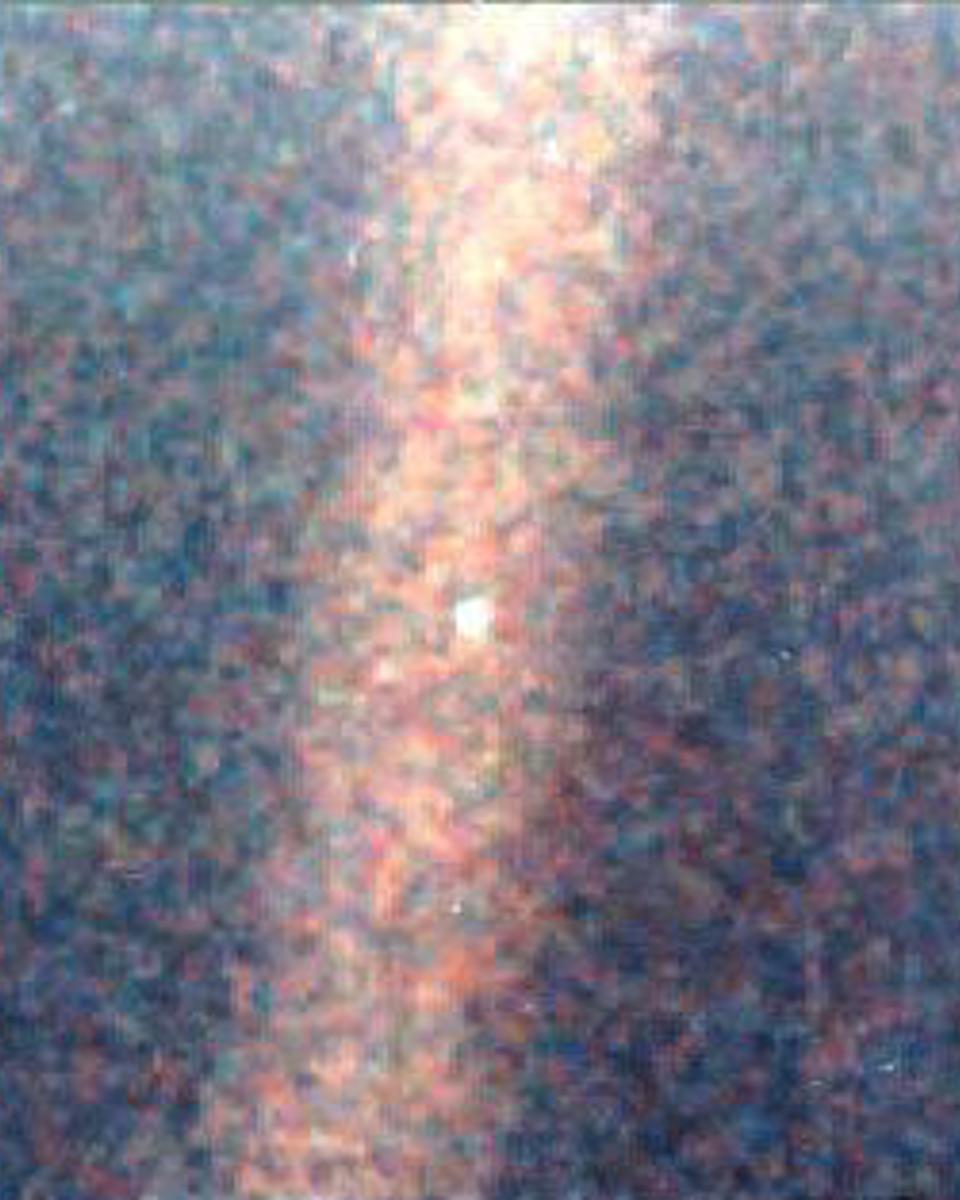
The Largest Rock Known
There, that faint dot in the center - that's the largest rock known. It is larger than every known asteroid , moon , and comet nucleus . It is larger than any other rocky planet .…
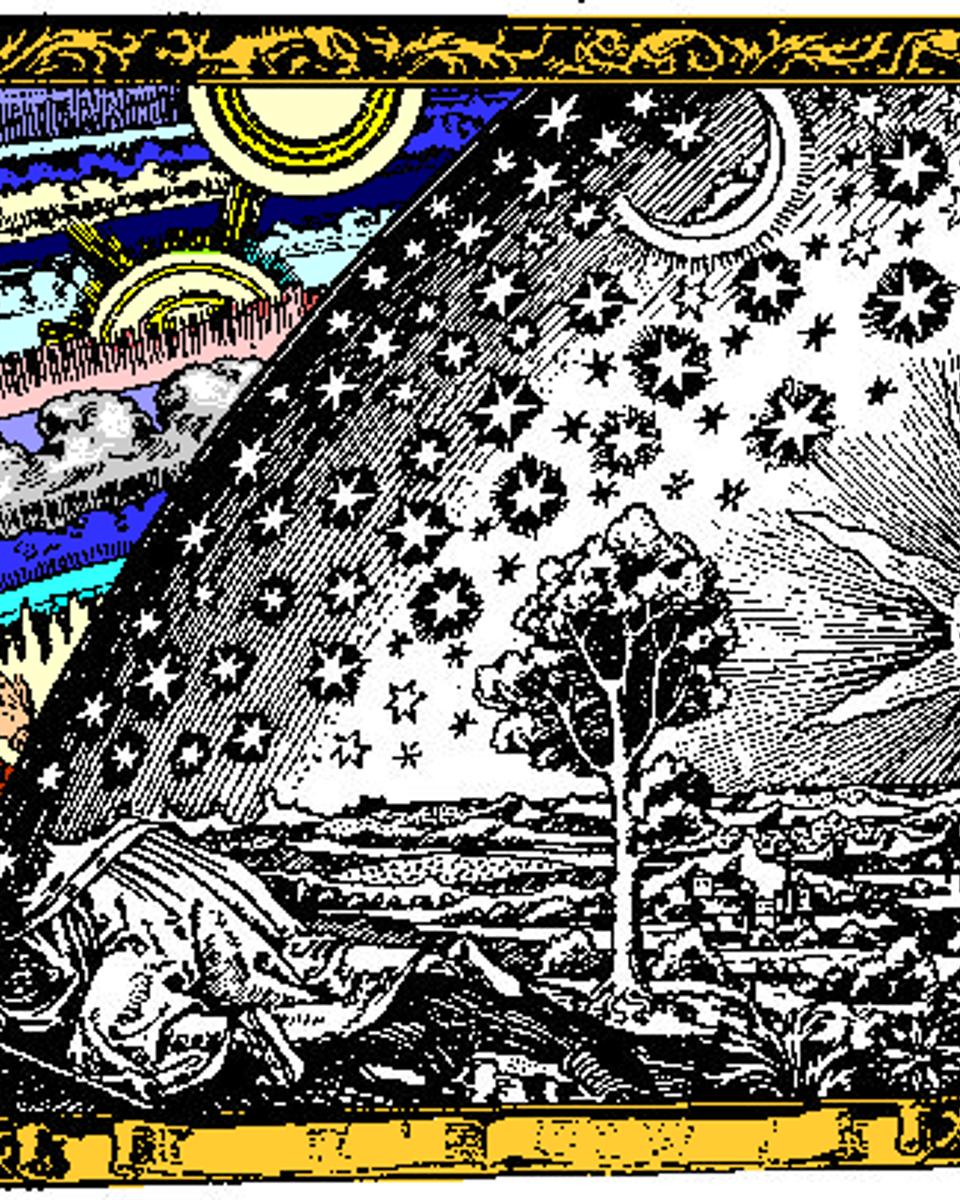
The Millennium that Defines Universe
Welcome to the millennial year at the threshold of millennium three . During millennium two , humanity continually redefined its concept of “Universe”: first as spheres centered…
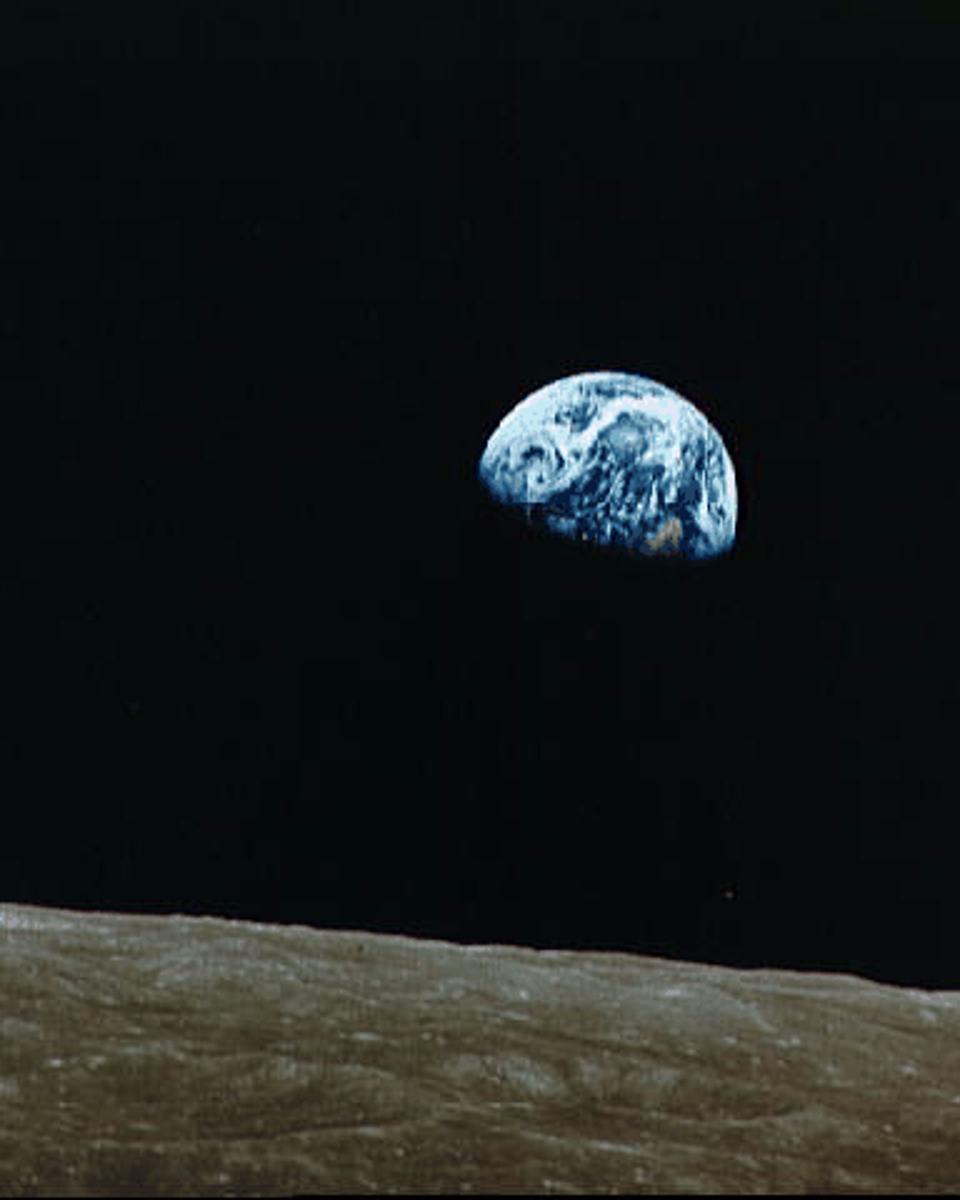
The Millennium that Defined Earth
When the second millennium began , people generally knew that the Earth was round , but few saw much of it beyond their local village. As the millennium progressed, humans mapped…
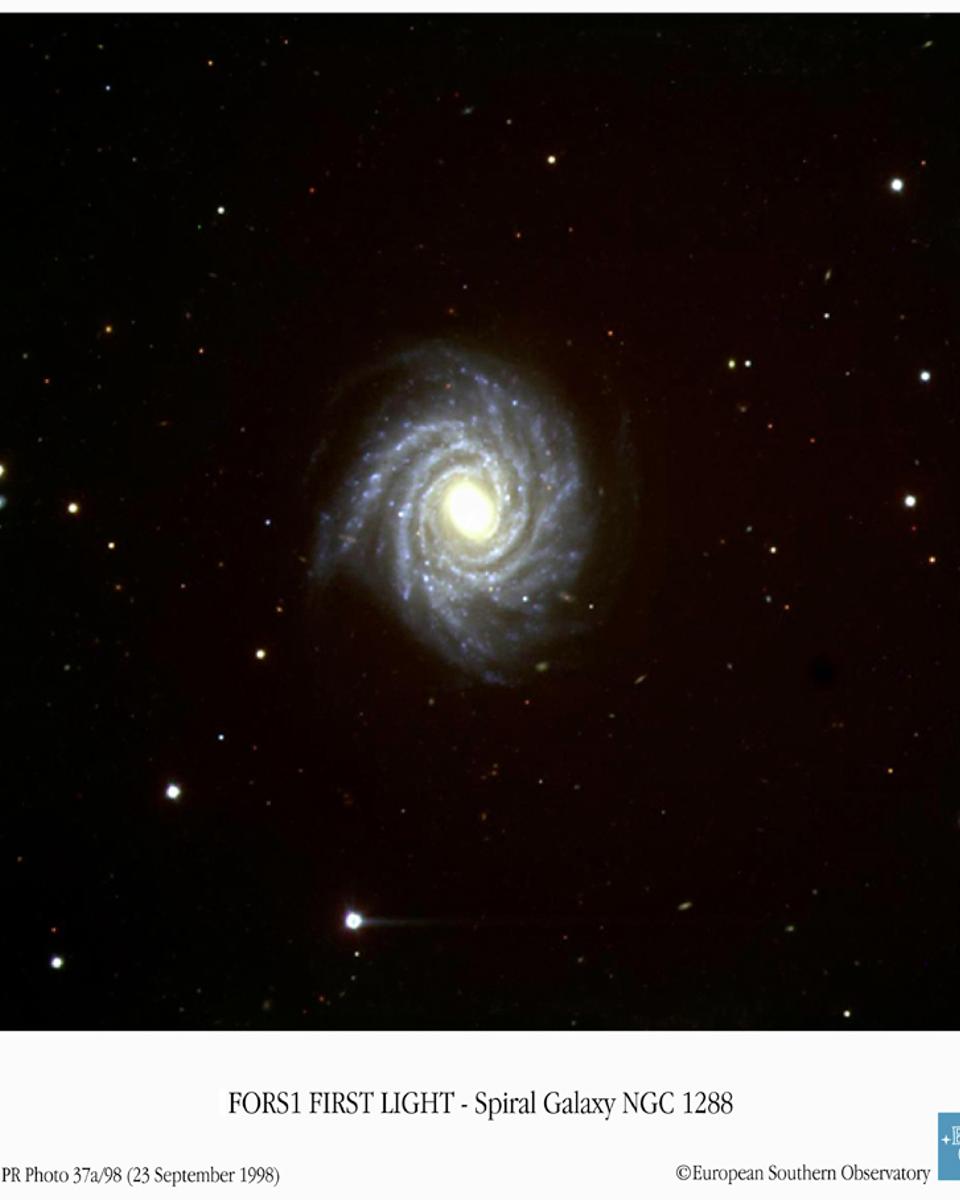
The Century that Defined Galaxy
As the twentieth century dawned a debate raged over whether the Milky Way was the entire universe. The 1920s brought observations of spiral-nebulae that housed familiar but faint…
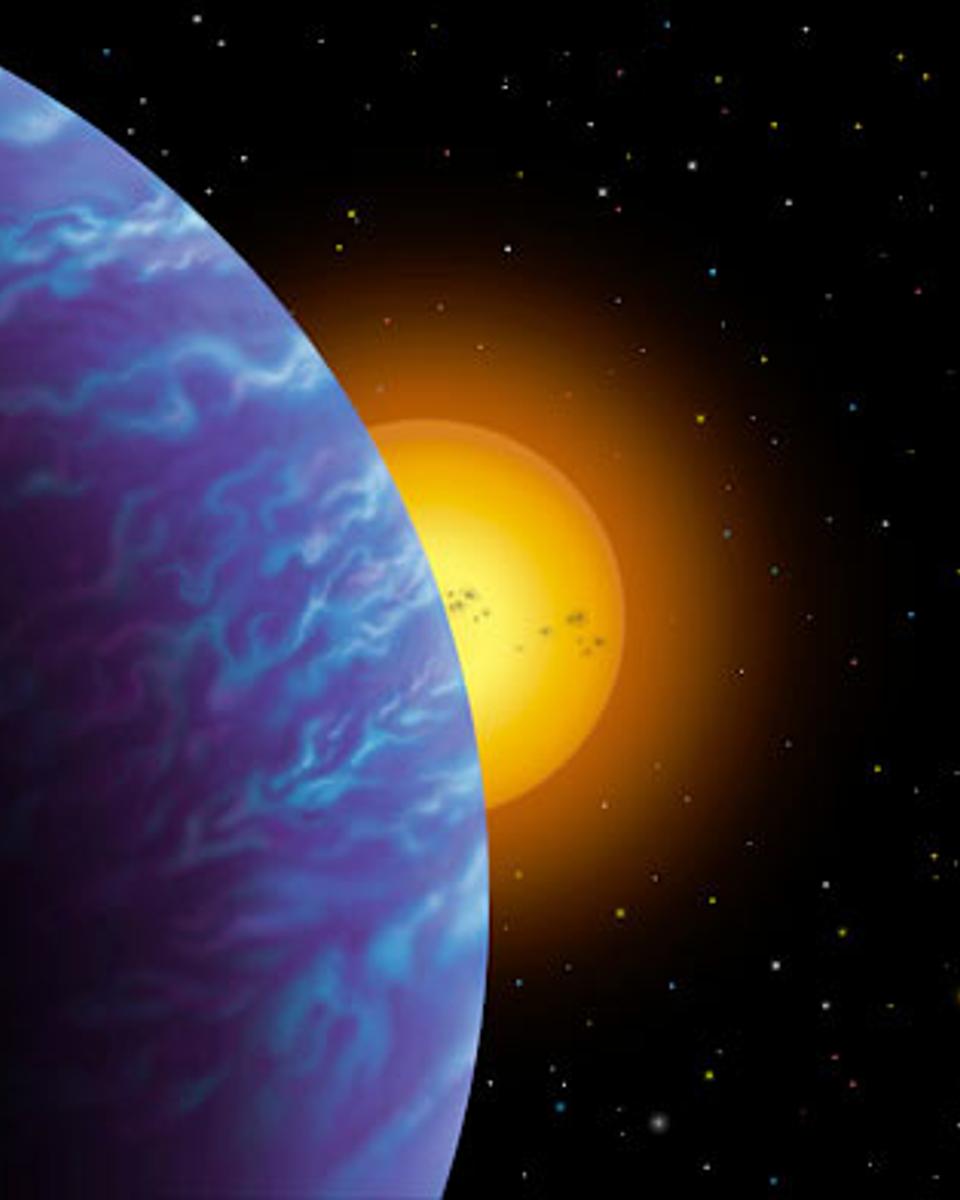
The Decade that Defined Star System
As the 1990s began, the only planetary star system known was our own Solar System . The first extra-solar star system was discovered orbiting a pulsar in 1991. Slight changes in…
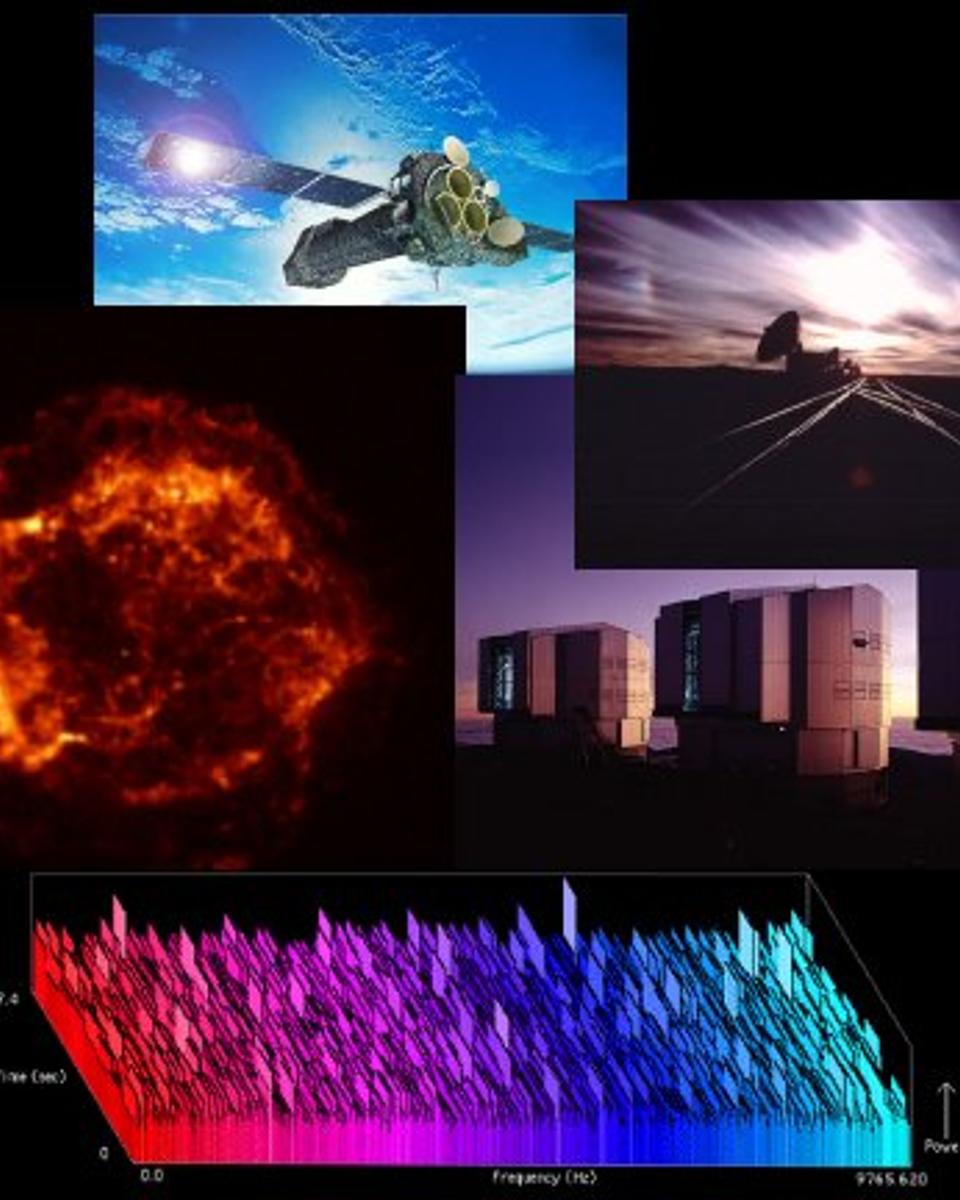
A Year Of New Perspectives
Fittingly, 1999 saw a decade of astronomical discoveries to an end with portents of things to come - embodied in new spacecraft, telescopes, and perspectives to explore the…
Viewing discoveries from 20 January 2000 through 28 December 1999.