Browse NASA Astronomy Picture of the Day archive by date and media: Archive Discoveries
Browse the NASA APOD archive without needing the exact date first. Filter by media type and keep moving deeper into older images and videos.
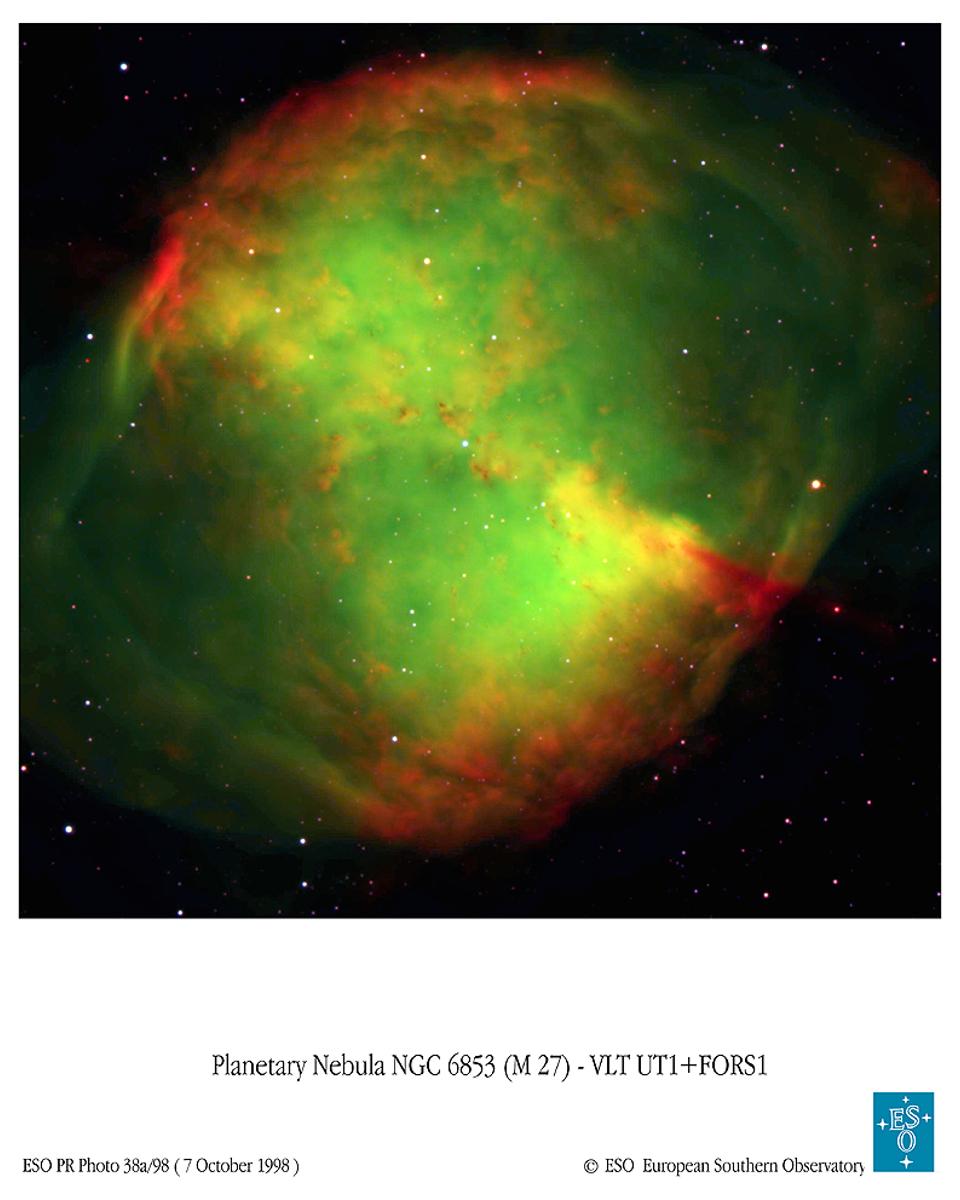
M27: Not A Comet
While searching the skies above 18th century France for comets, astronomer Charles Messier diligently recorded this object as number 27 on his list of things which are definitely…
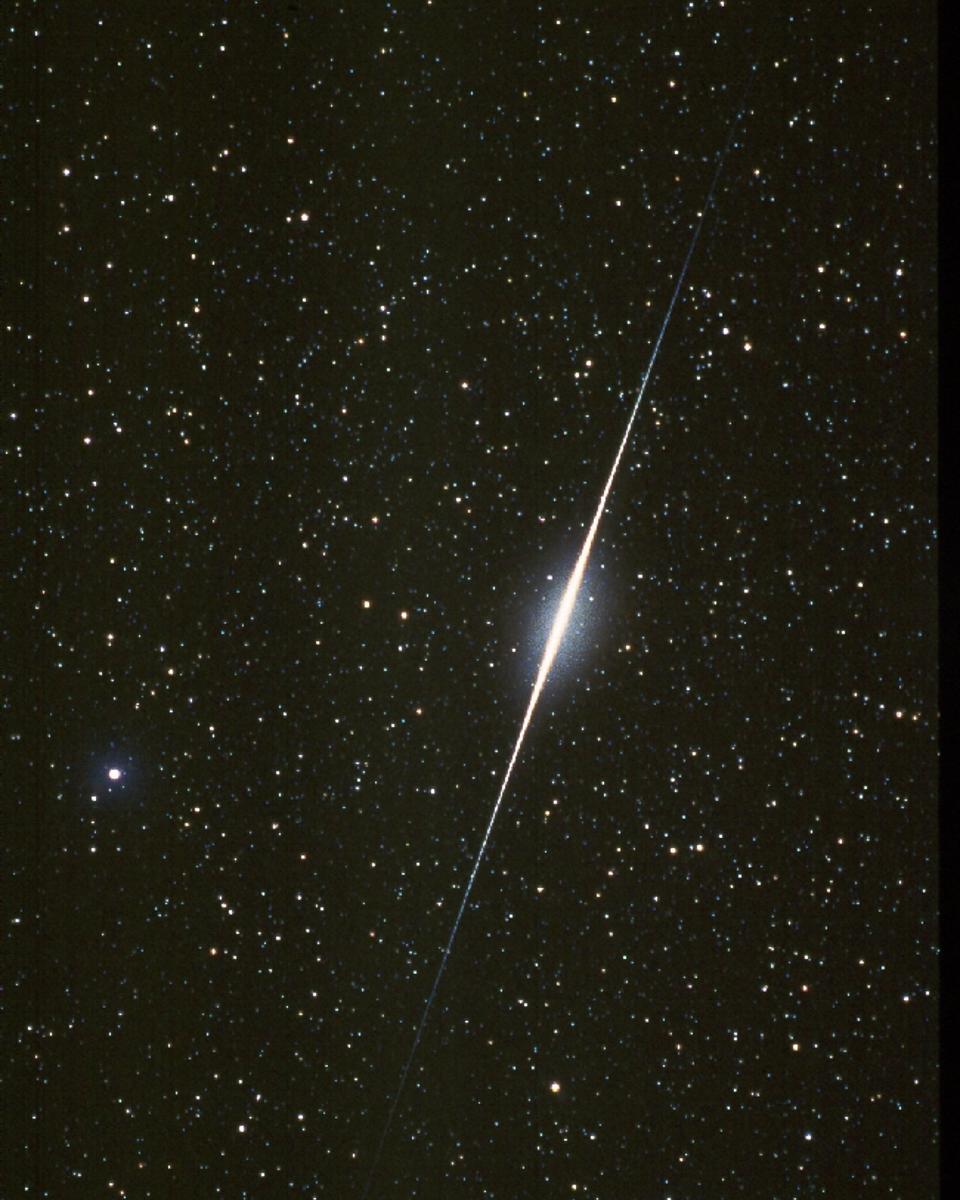
Iridium 52: Not A Meteor
While hunting for meteors in the night sky above the White Mountains near Bishop, California, astrophotographer James Young instead captured this brilliant celestial apparition .…
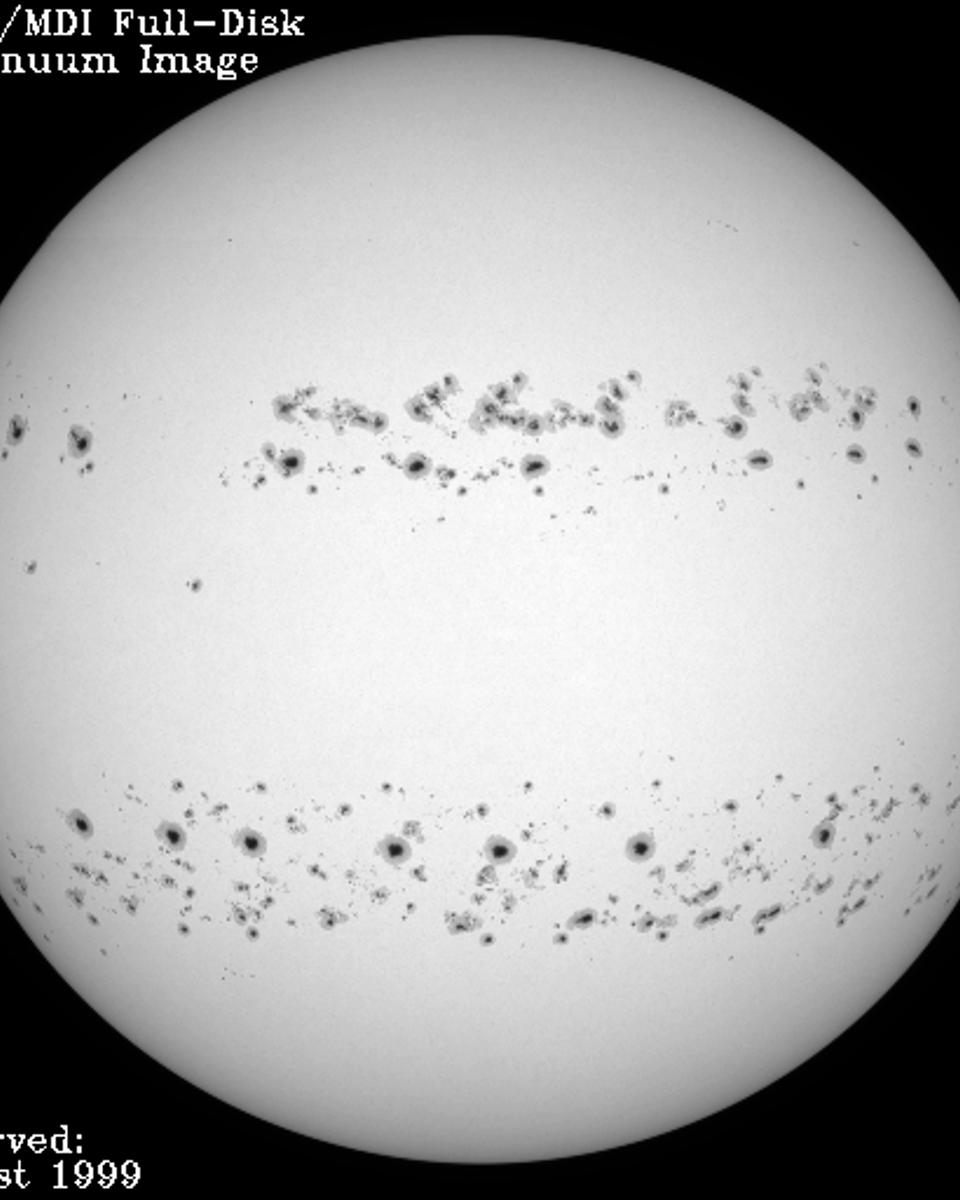
Follow The Spots
The Sun rotates on its axis about once every 27 days. How can you tell? Just follow the sunspots . This composite picture was constructed from solar images recorded daily by the…
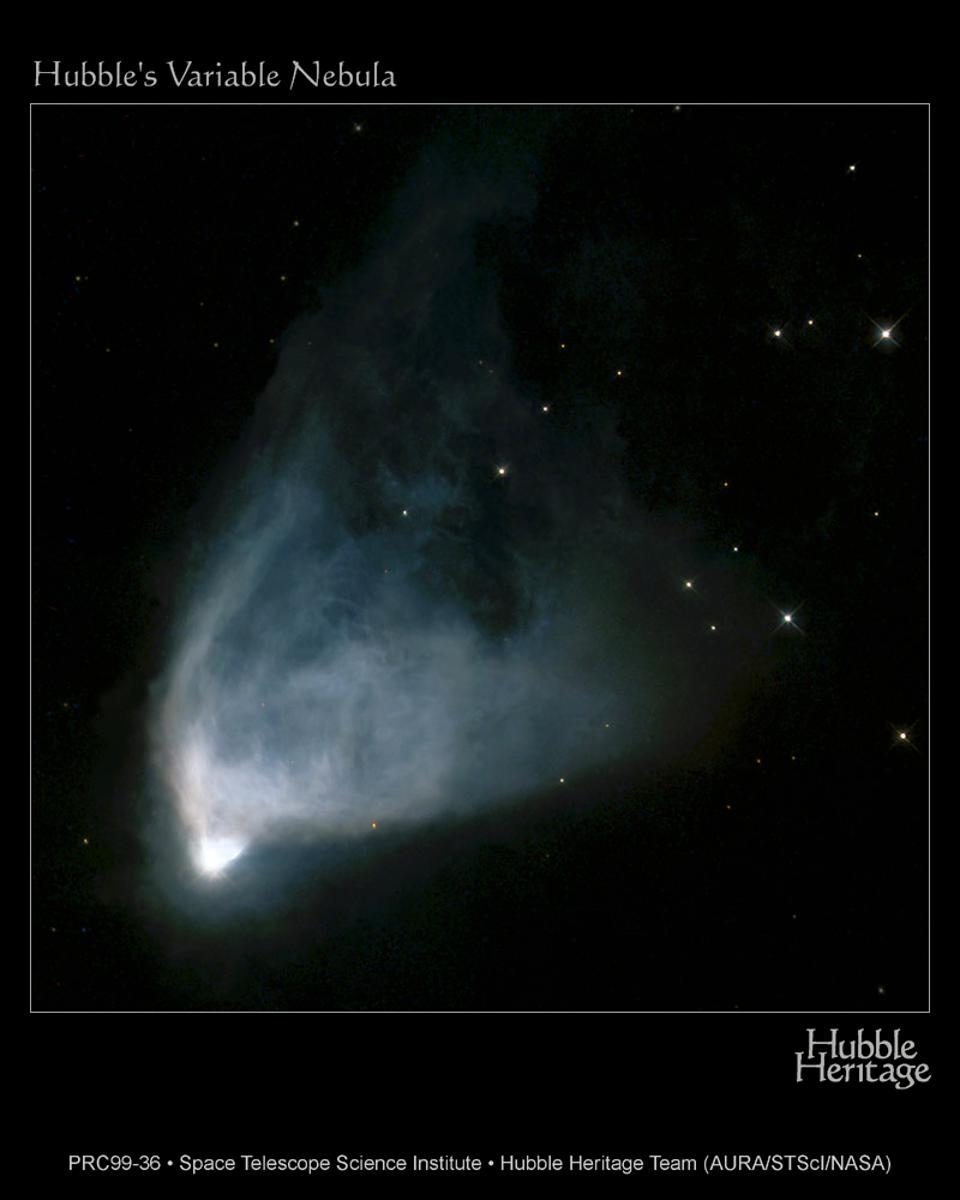
NGC 2261: Hubble's Variable Nebula
What causes Hubble's Variable Nebula to vary? The unusual nebula pictured above changes its appearance noticeably in just a few weeks. Discovered over 200 years ago and…
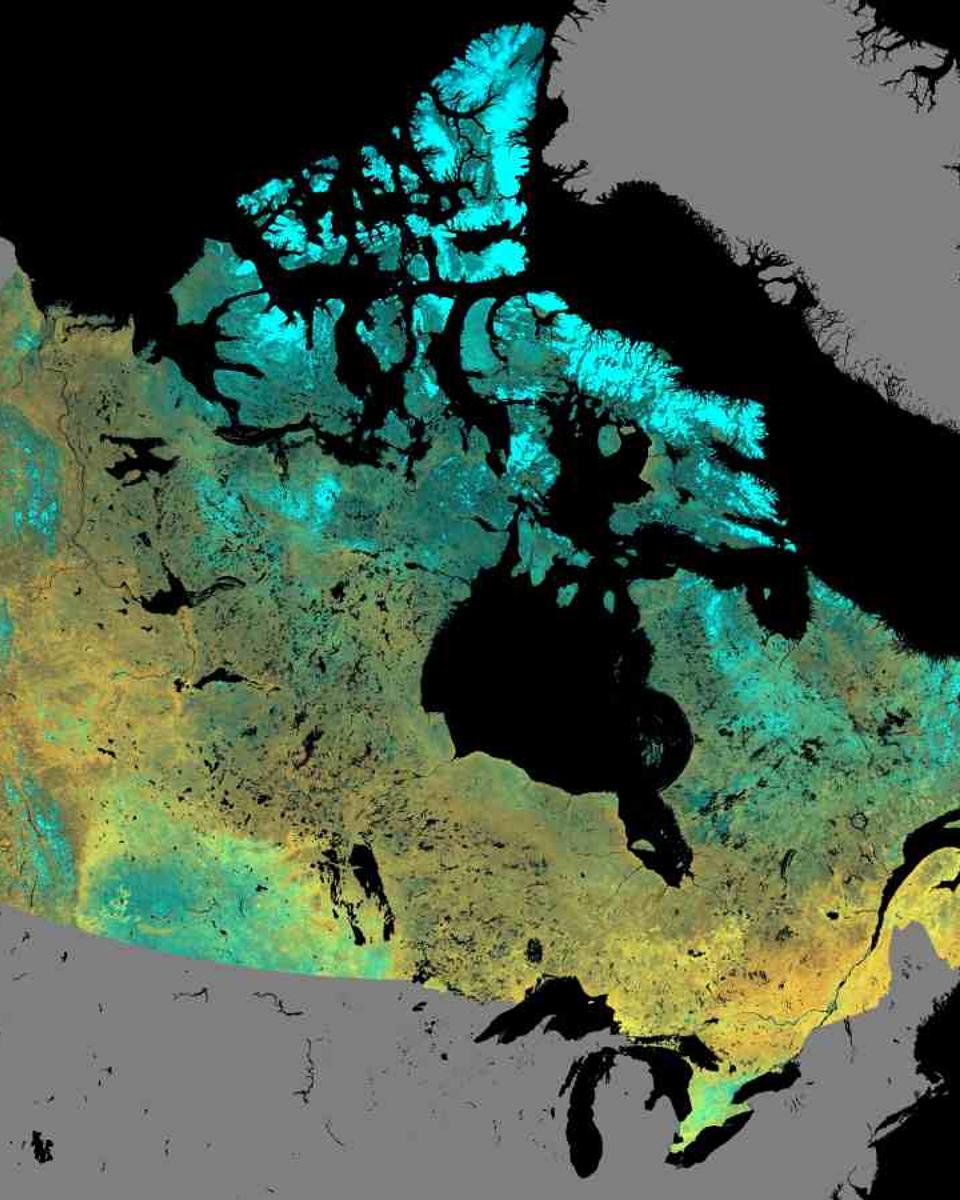
Earth's North Magnetic Pole
A magnetic compass does not point toward the true North Pole of the Earth. Rather, it more closely points toward the North Magnetic Pole of the Earth. The North Magnetic Pole is…
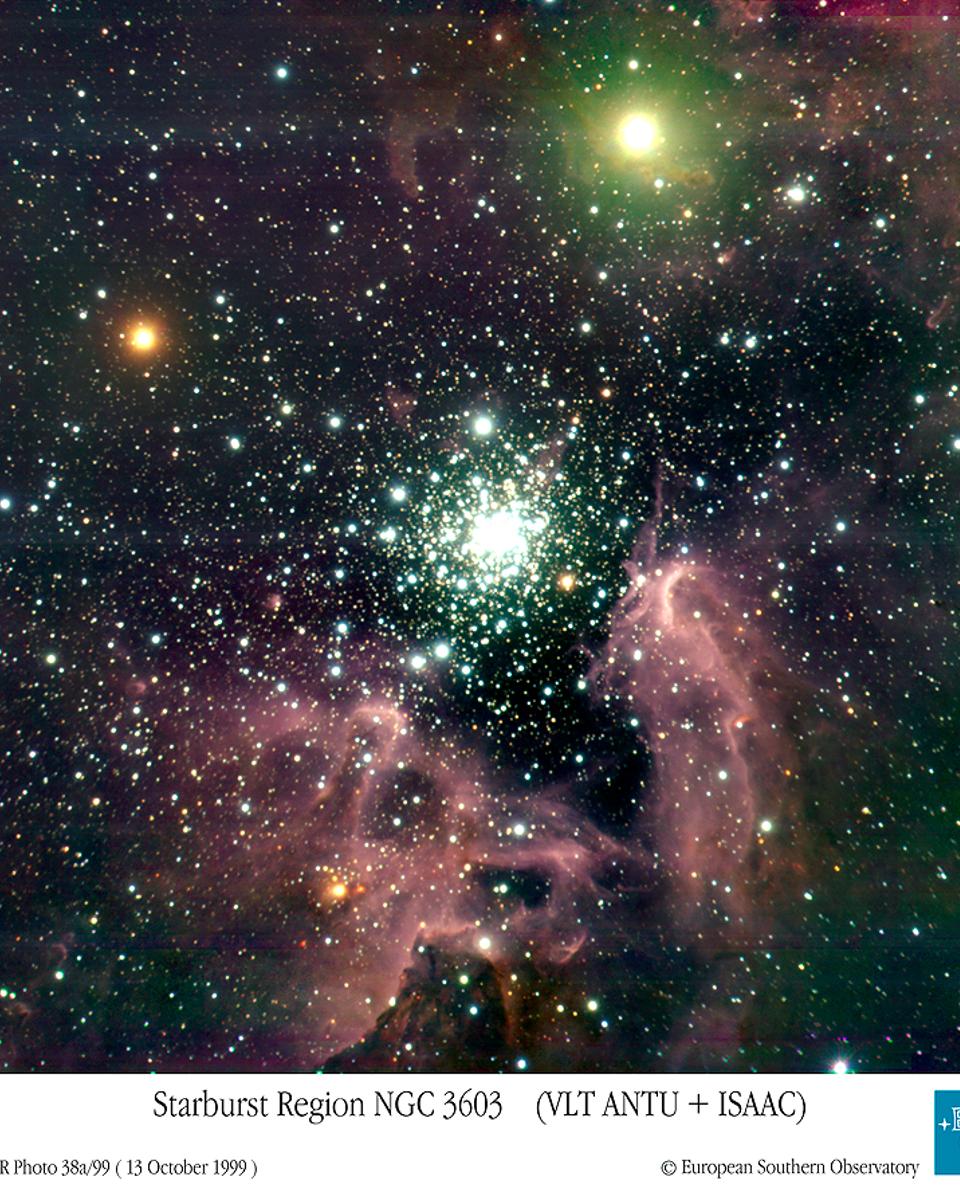
NGC 3603: An Active Star Cluster
NGC 3603 is home to a massive star cluster, thick dust pillars, and a star about to explode . The central open cluster contains about 2000 bright stars, each of which is much…
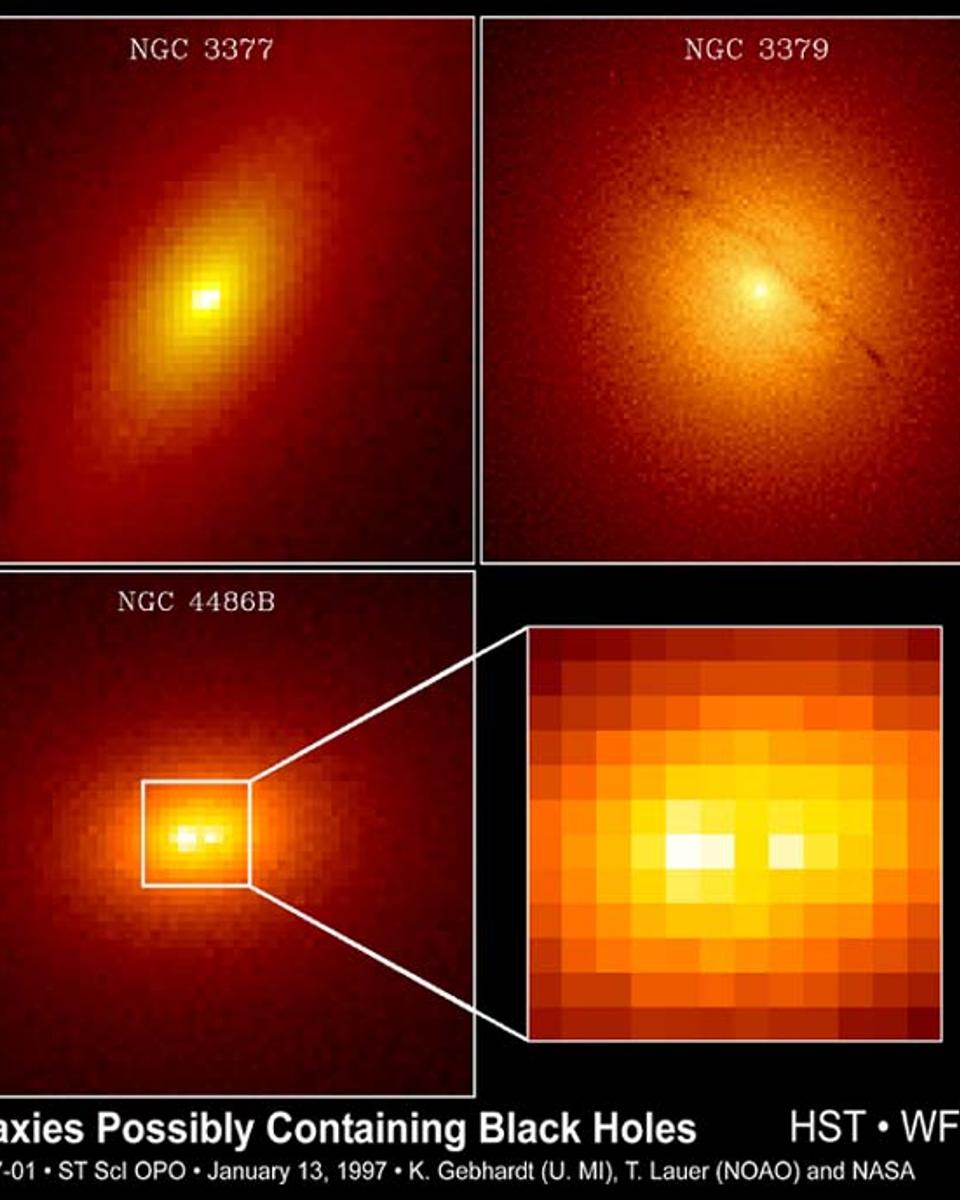
Black Holes in Galactic Centers
Do all galaxies have black holes at their centers? Although not even a single galaxy has yet been proven to have a central black hole , the list of candidates continues to…

Maria Mitchell Inspires a Generation
“Do not look at stars as bright spots only - try to take in the vastness of the universe.” On October 1, 1847 Maria Mitchell swept the sky with her telescope and discovered a…
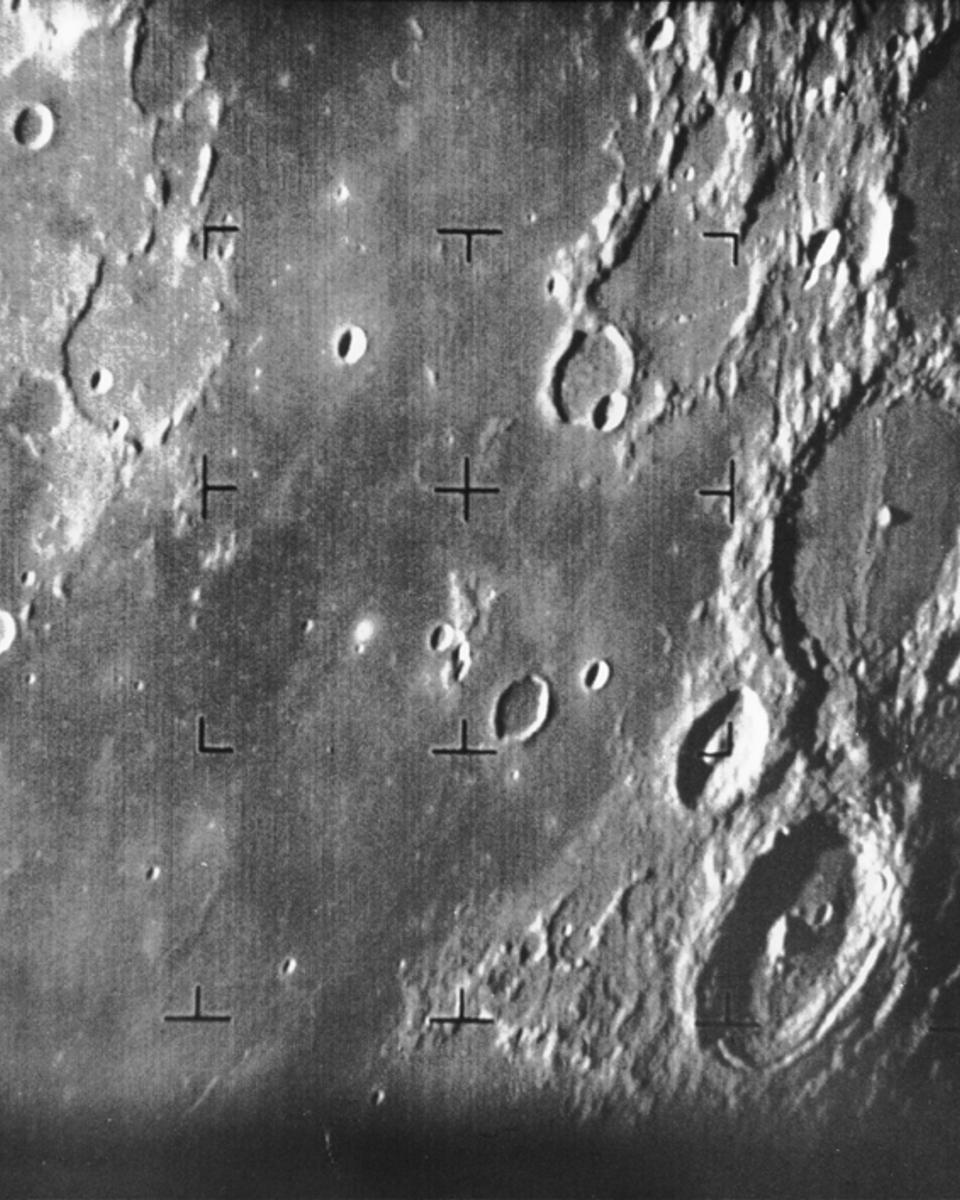
Moon Crashers
On July 31, 1964, Ranger 7 crashed into the Moon. Seventeen minutes before impact it snapped this picture - the first image of the Moon ever taken by a U.S. spacecraft. Of course…
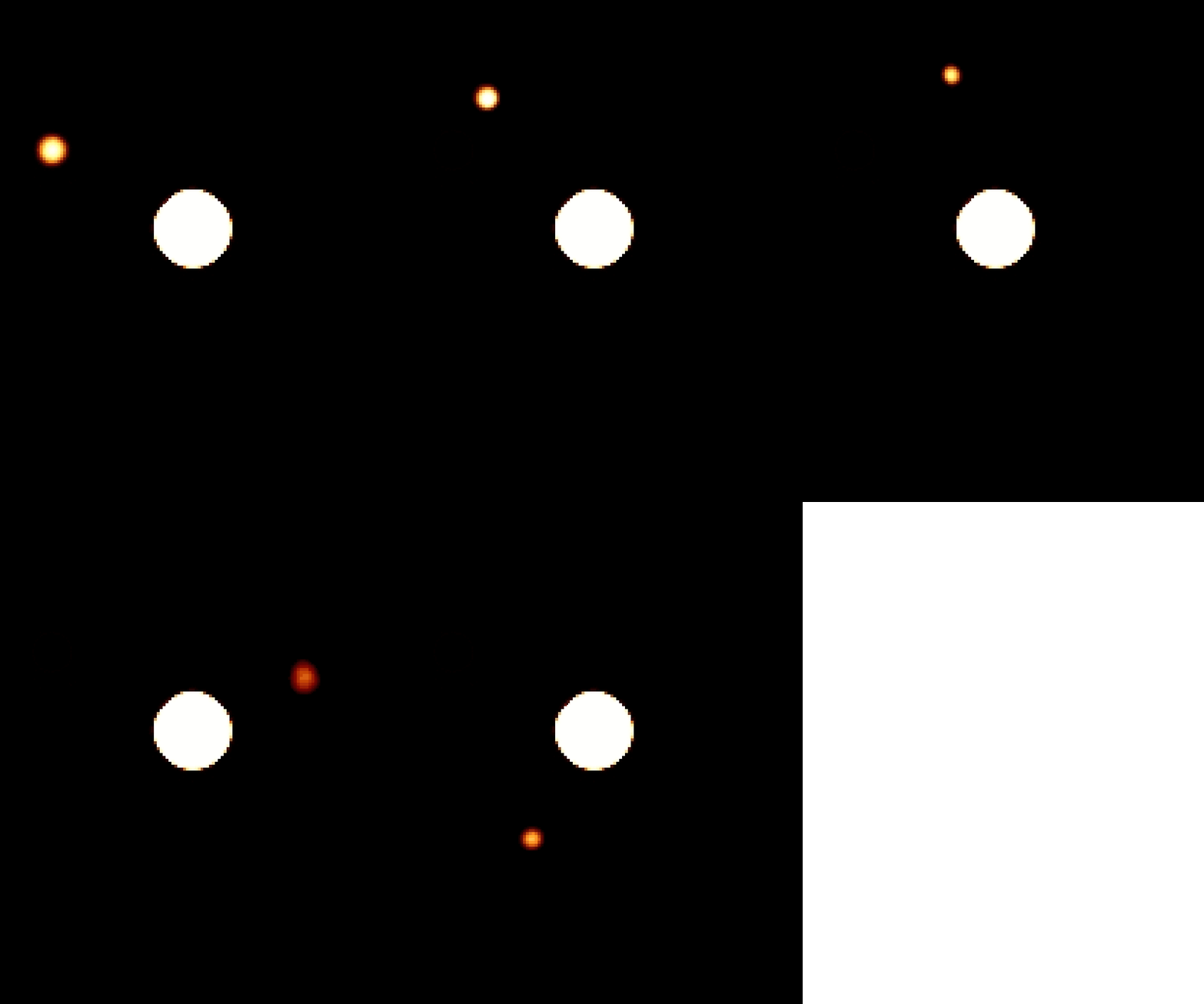
Moon Over Eugenia
Eugenia is an asteroid with a moon ! This animation was constructed from infrared discovery images of the Eugenia-moon system taken in November 1998 using the Canada-France-Hawaii…
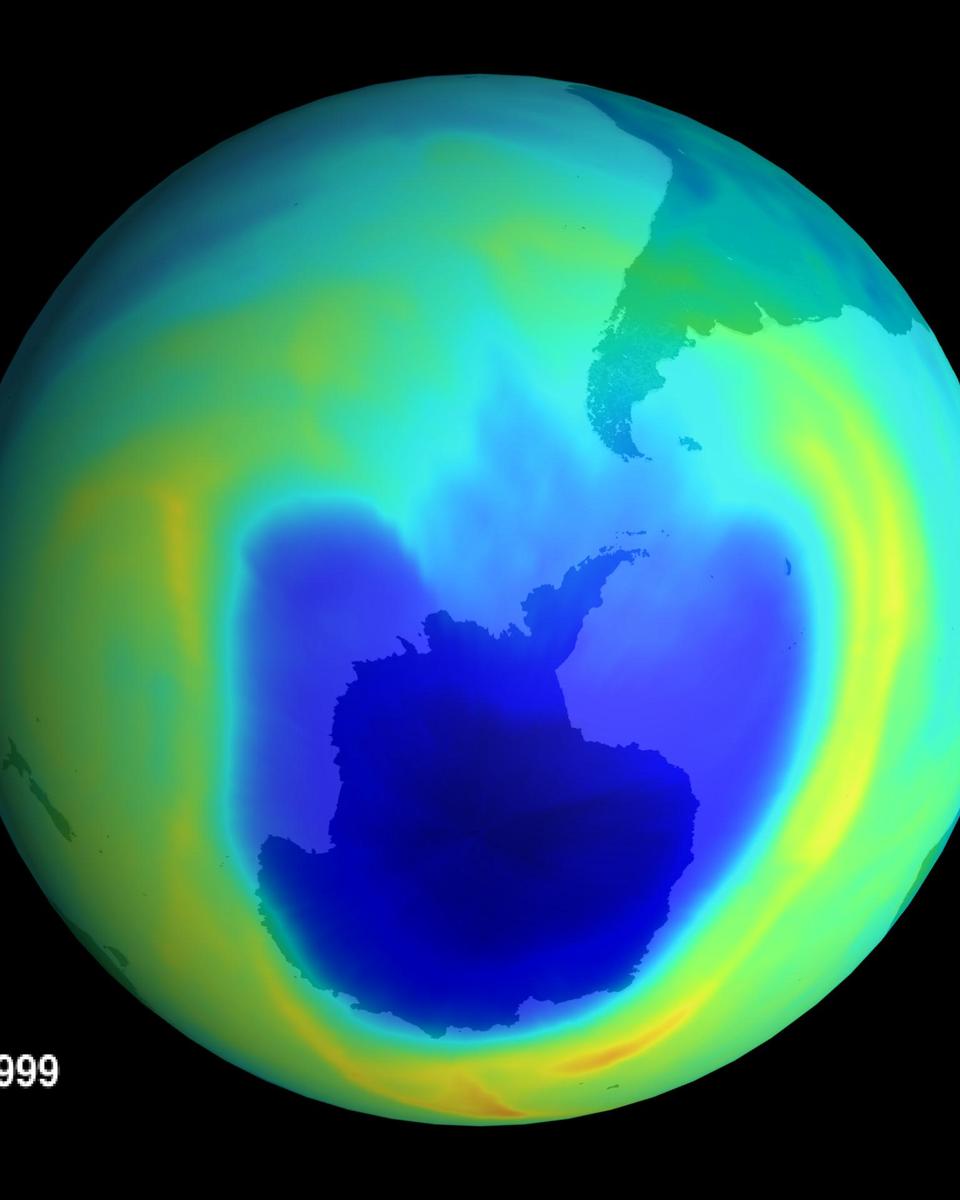
Ozone Hole Reduced
Although a new ozone hole has formed again this year over the South Pole , this time it is a little bit smaller than the year before . Ozone is important because it shields us…
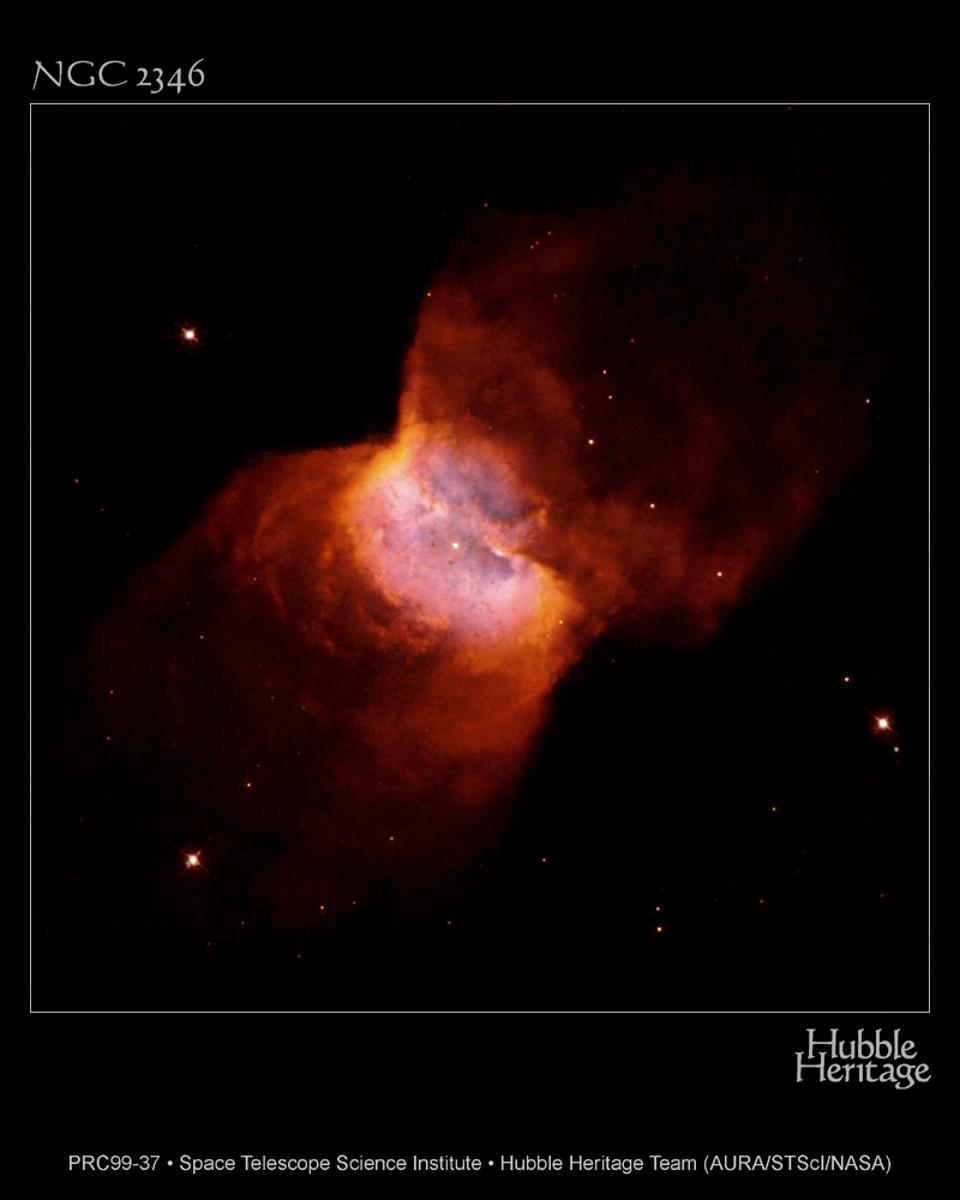
NGC 2346: A Butterfly-Shaped Planetary Nebula
It may look like a butterfly, but it's bigger than our Solar System . NGC 2346 is a planetary nebula made of gas and dust that has evolved into a familiar shape . At the heart of…
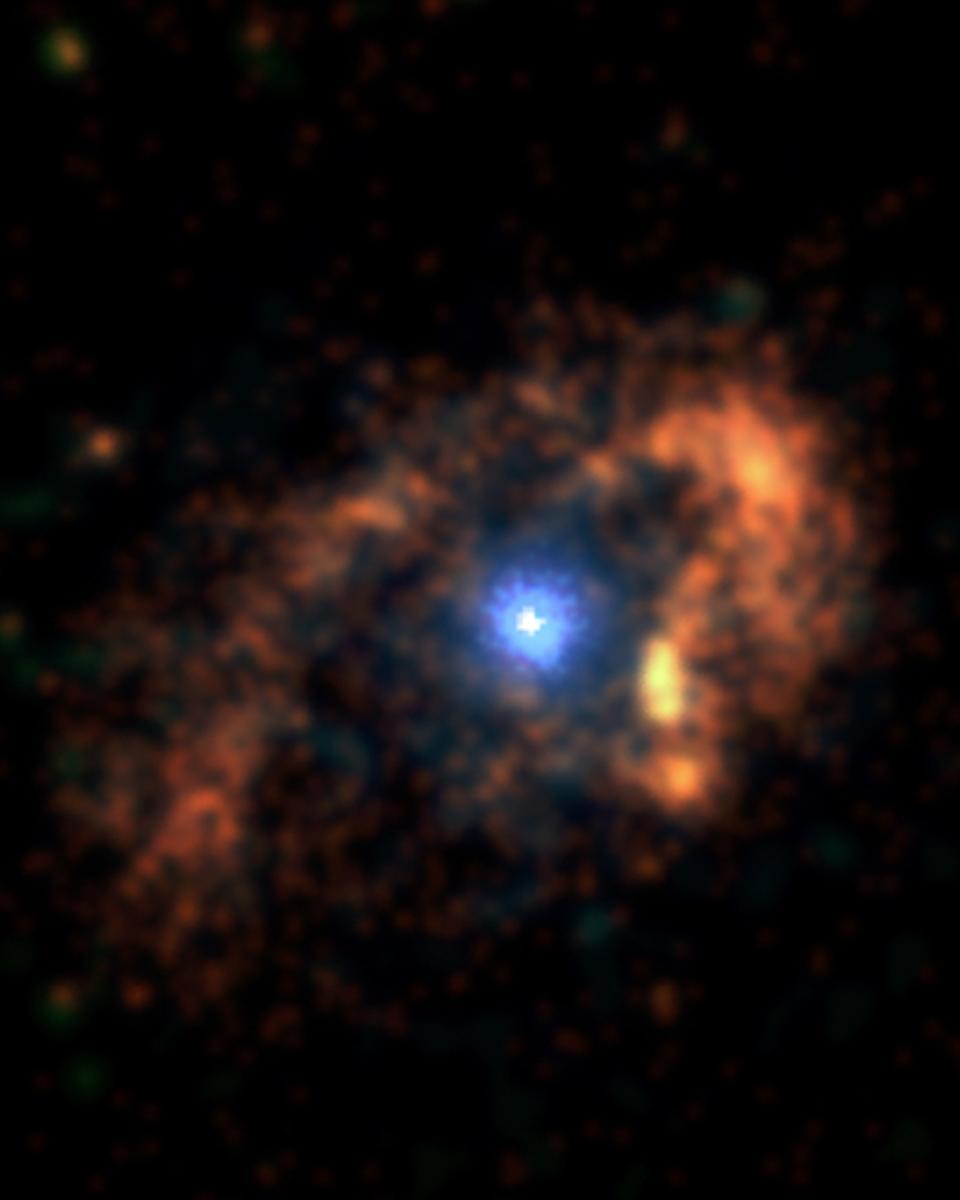
Eta Carinae in X-Rays
Eta Carinae is the one of the most luminous star systems in our Galaxy , radiating millions of times more power than our Sun . Eta Carinae is also one of the strangest star…
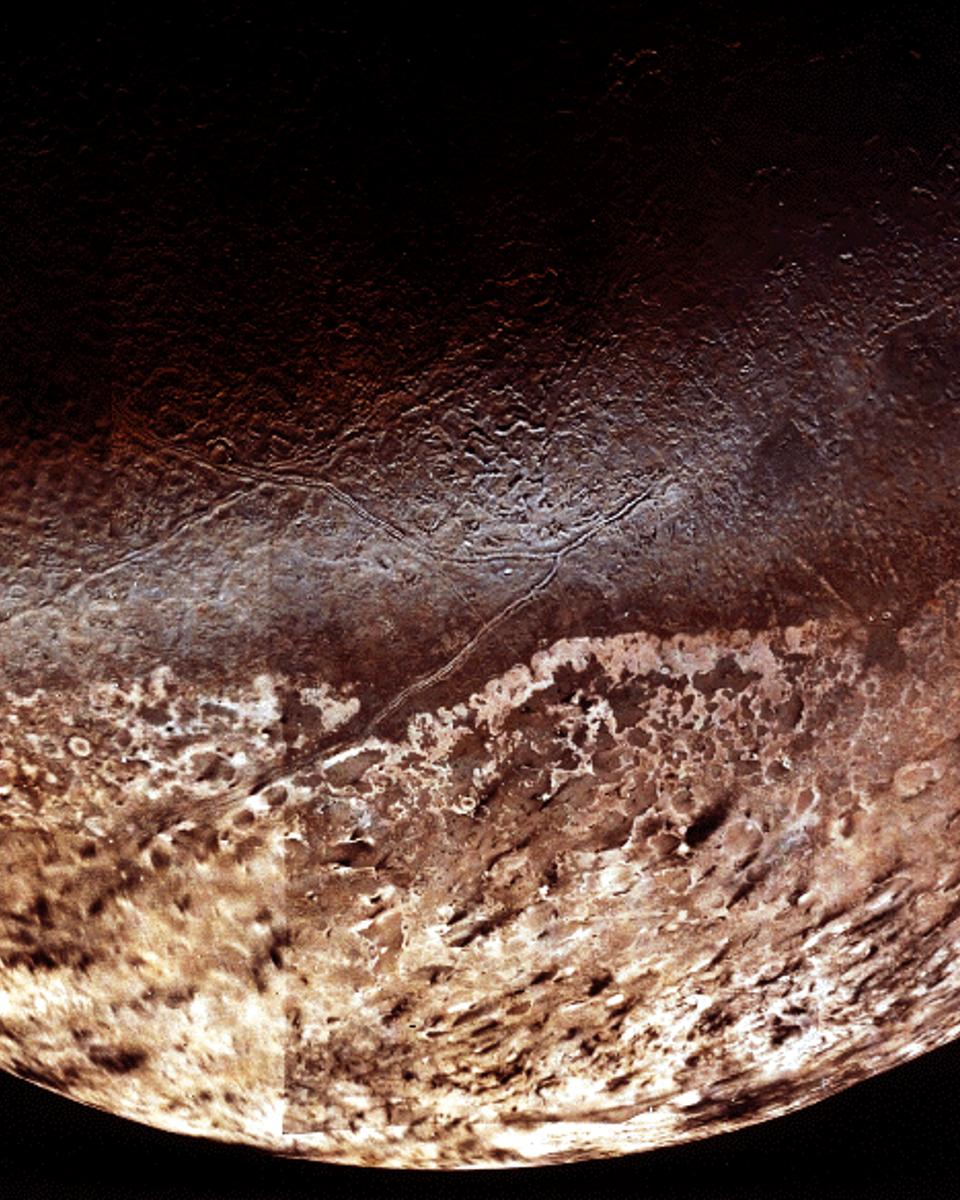
Triton: Neptune's Largest Moon
One hundred and fifty three years ago, on October 10th, 1846, William Lassell was observing the newly discovered planet Neptune . He was attempting to confirm his observation,…
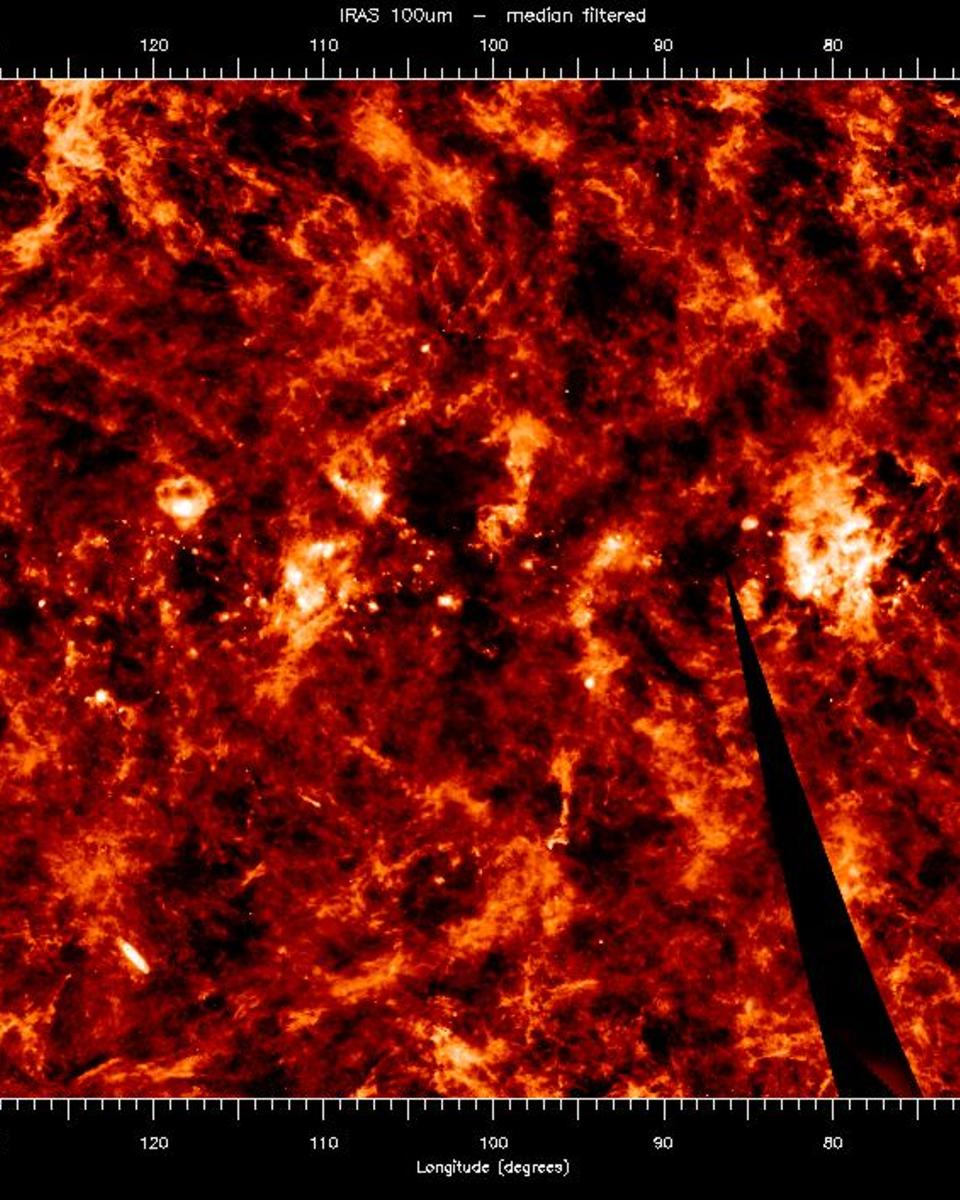
The Frothy Milky Way
Astronomers have discovered that looking at dust along the plane of our Milky Way Galaxy is a bit like looking into a frothy glass of beer. The dust between stars in our galaxy…
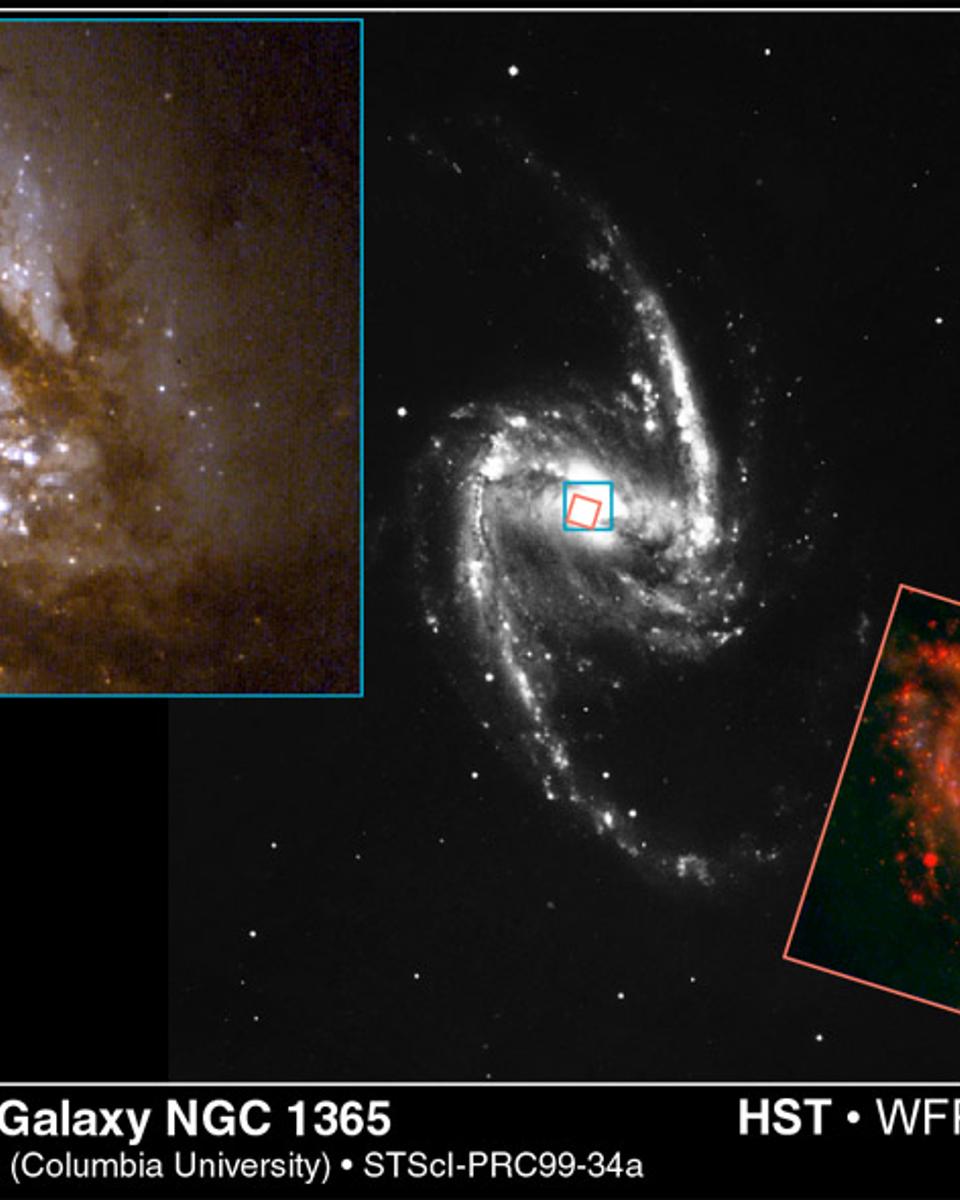
NGC 1365: Barred Spiral Galaxy
NGC 1365 is a giant barred spiral galaxy about 200,000 light-years in diameter and 60 million light-years distant in the southern constellation Fornax . These three recently…
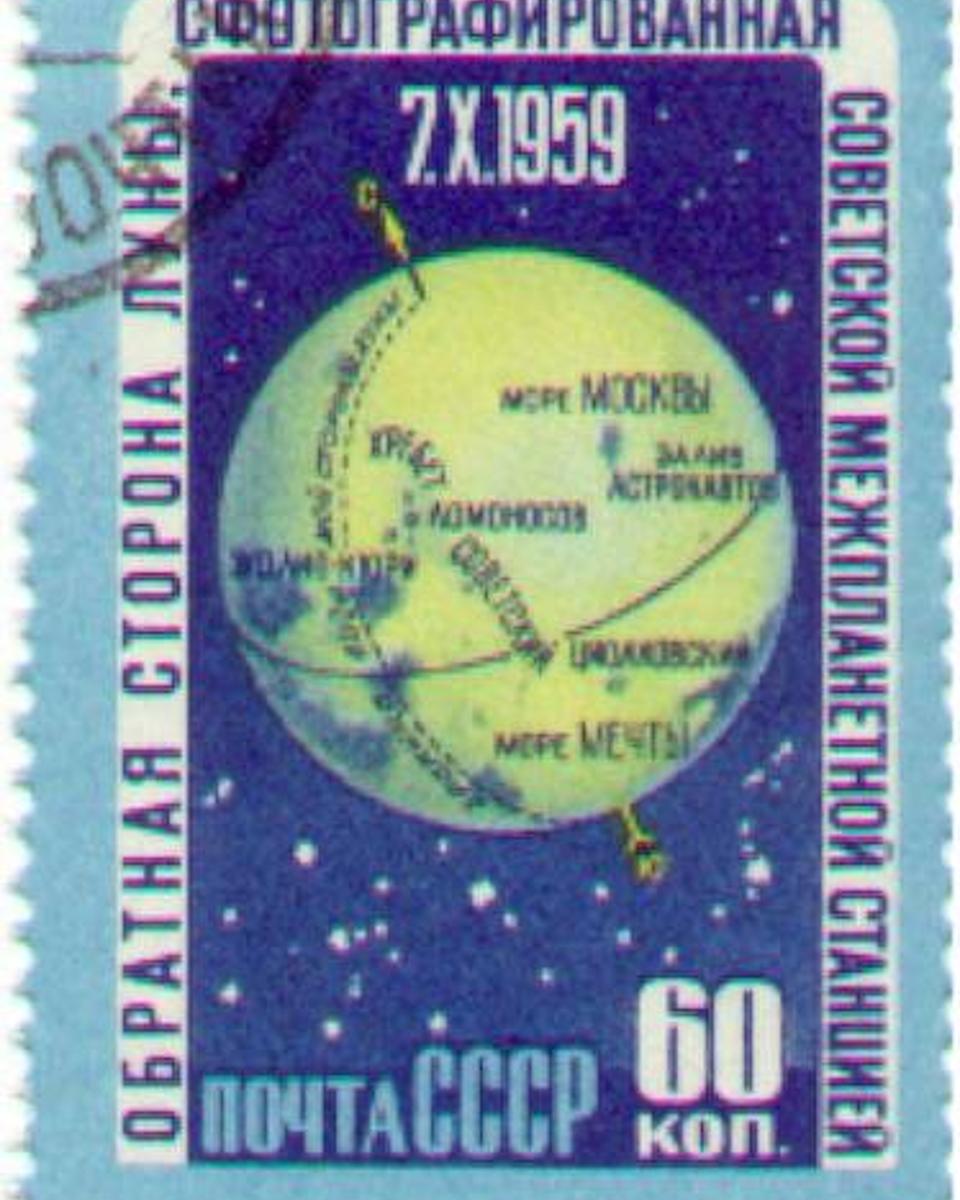
The Averted Side Of The Moon
This vintage 60-kopek stamp celebrates a dramatic achievement. On October 7th, forty years ago (7/X/1959), the Soviet interplanetary station which has come to be called “Luna 3”…
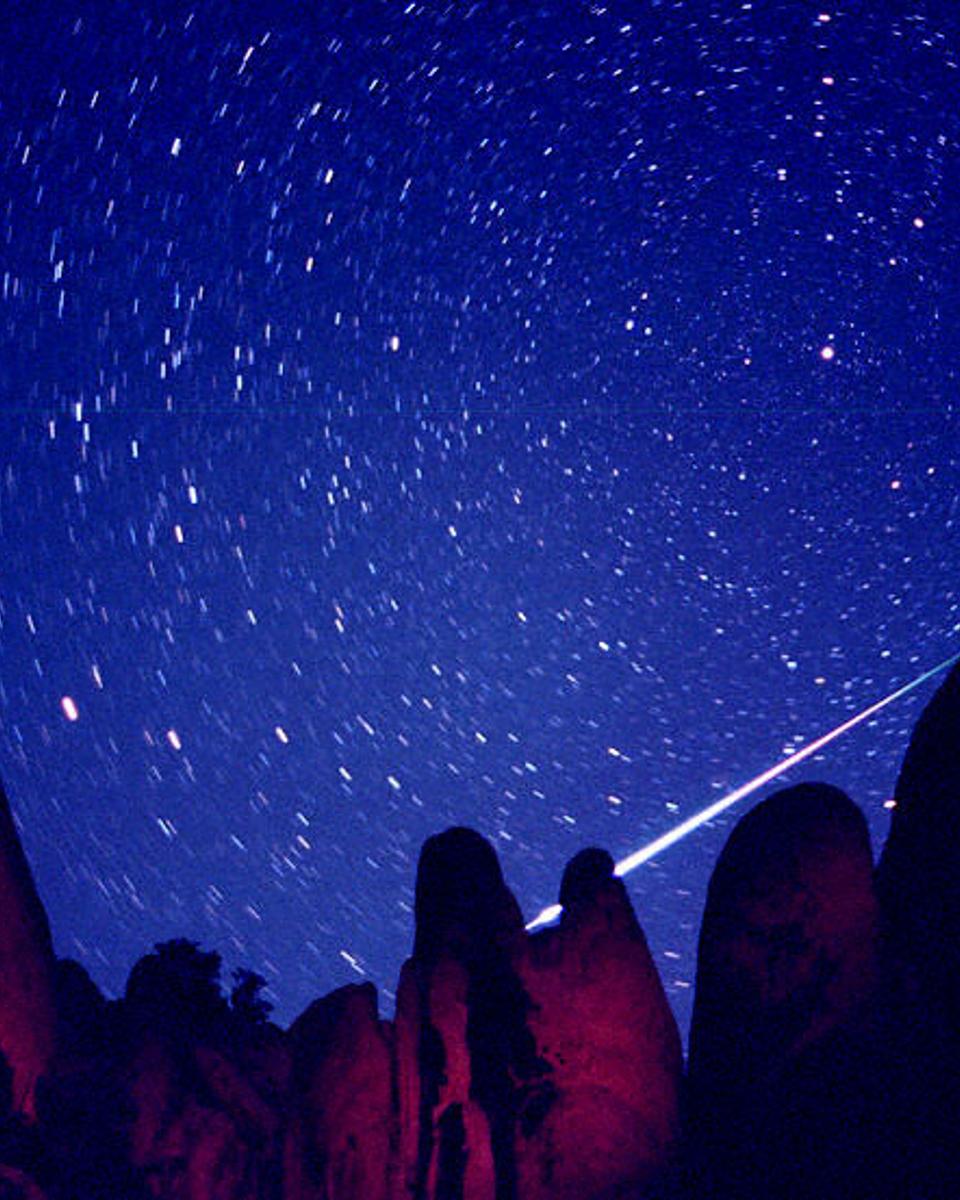
Polaris: The North Star
Polaris is quite an unusual star. First, Polaris is the nearest bright star to the north spin axis of the Earth. Therefore, as the Earth turns, stars appear to rotate around…
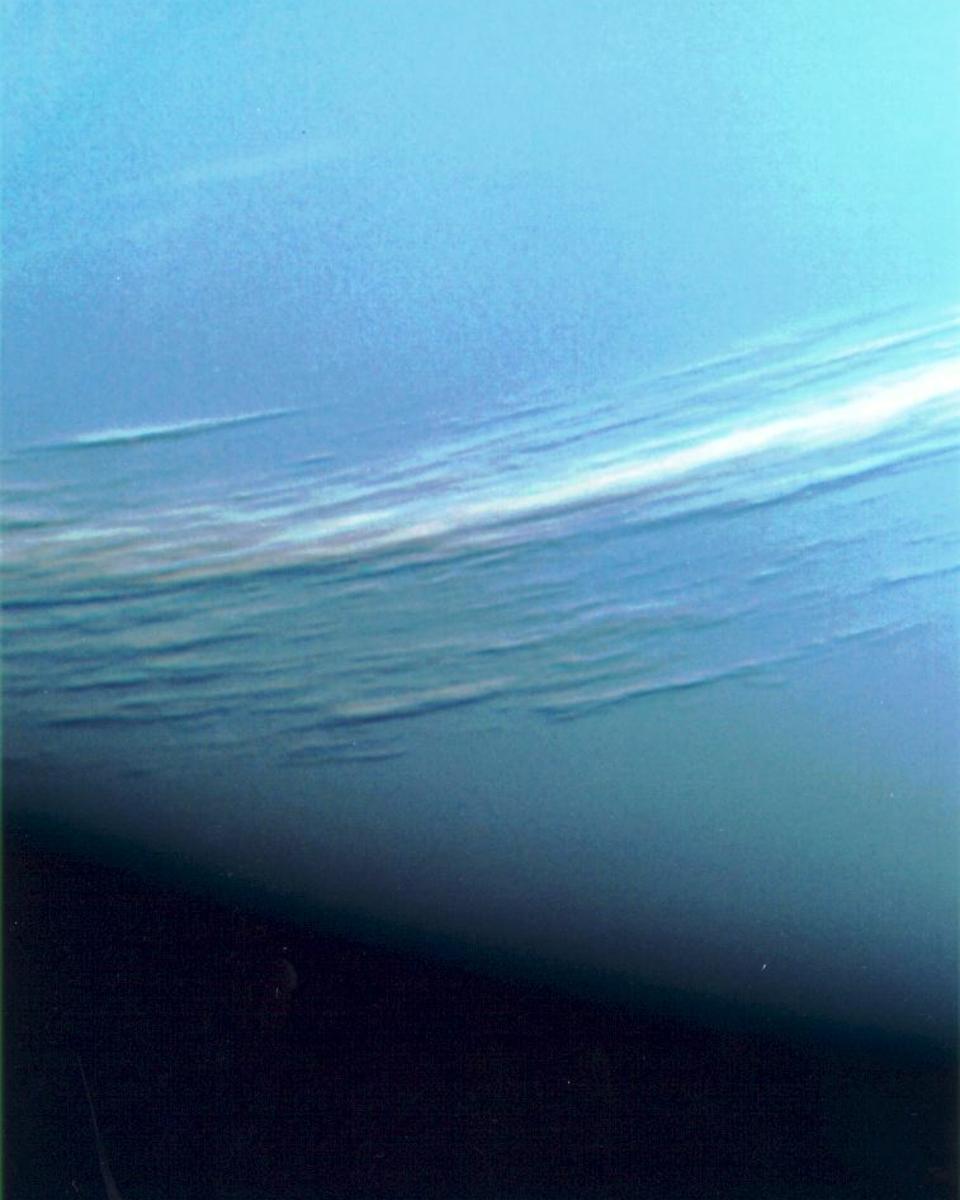
Two Hours Before Neptune
Two hours before closest approach to Neptune in 1989, the Voyager 2 robot spacecraft snapped this picture . Clearly visible for the first time were long light-colored cirrus -type…
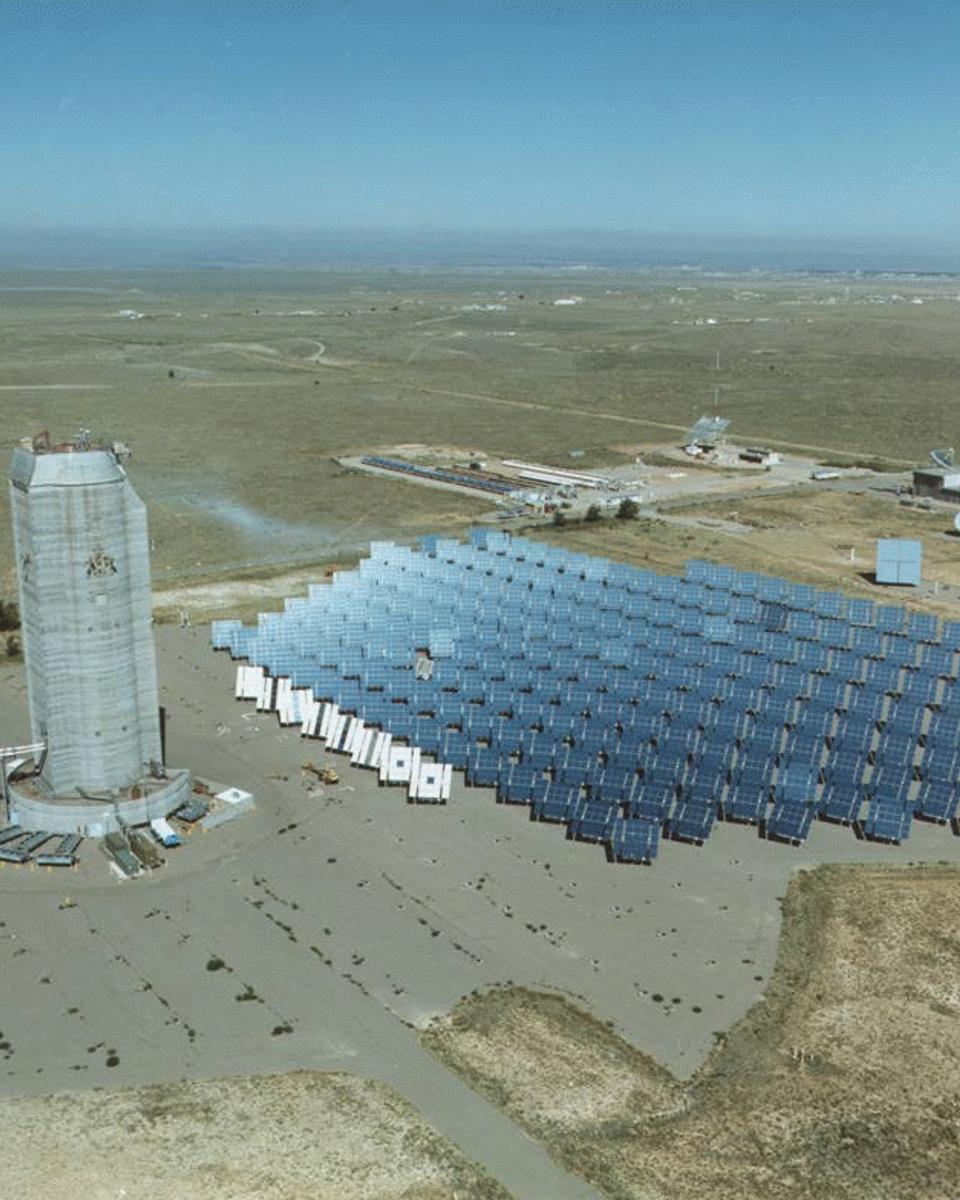
The 220 Mirrors of CRTF
Even the largest of modern optical telescopes are small when compared with the light gathering power of the Central Receiver Test Facility (CRTF) located in New Mexico , USA. CRTF…
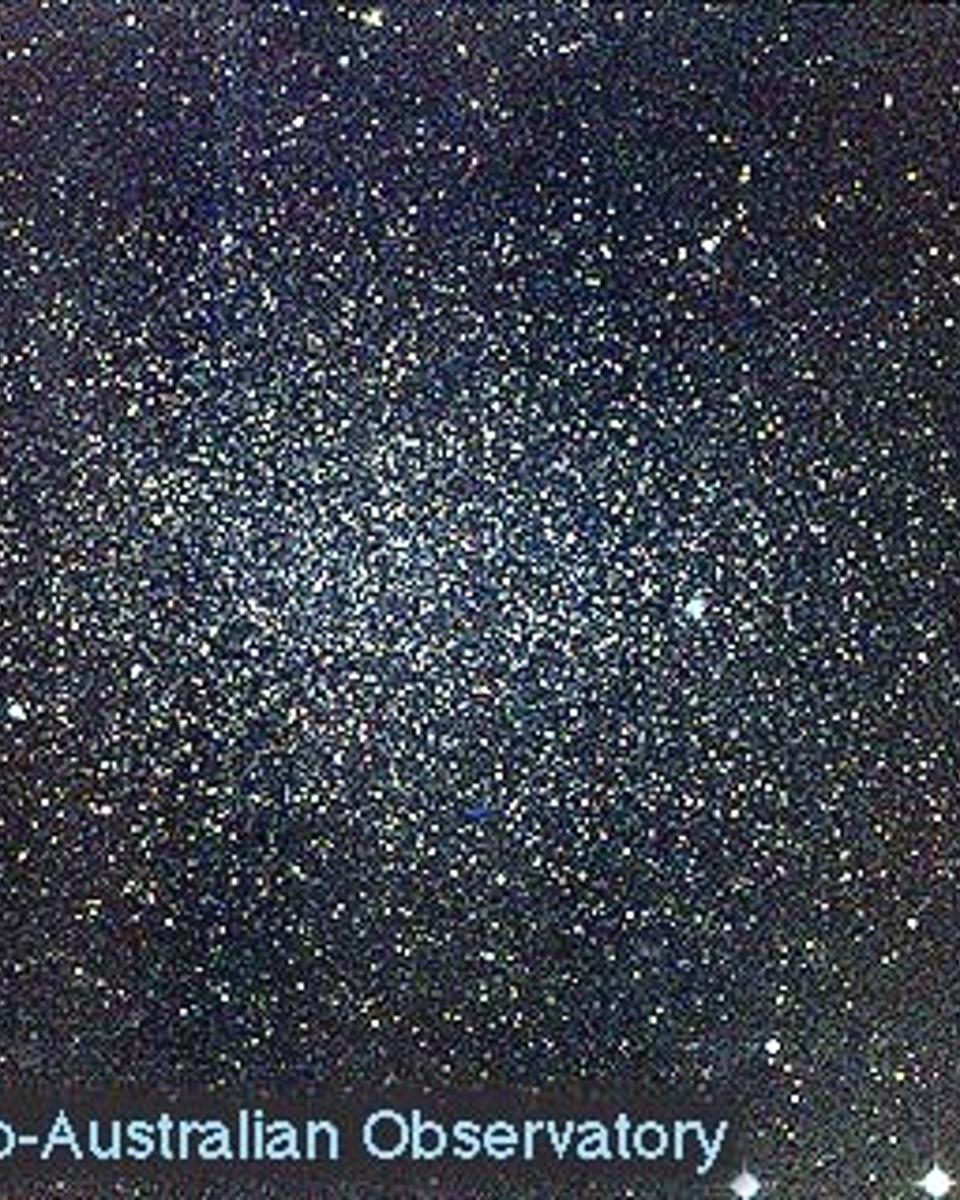
Nearby Dwarf Galaxy Leo I
Leo I is a dwarf spheroidal galaxy in the Local Group of galaxies dominated by our Milky Way Galaxy and M31 . Leo I is thought to be the most distant of the eleven known small…
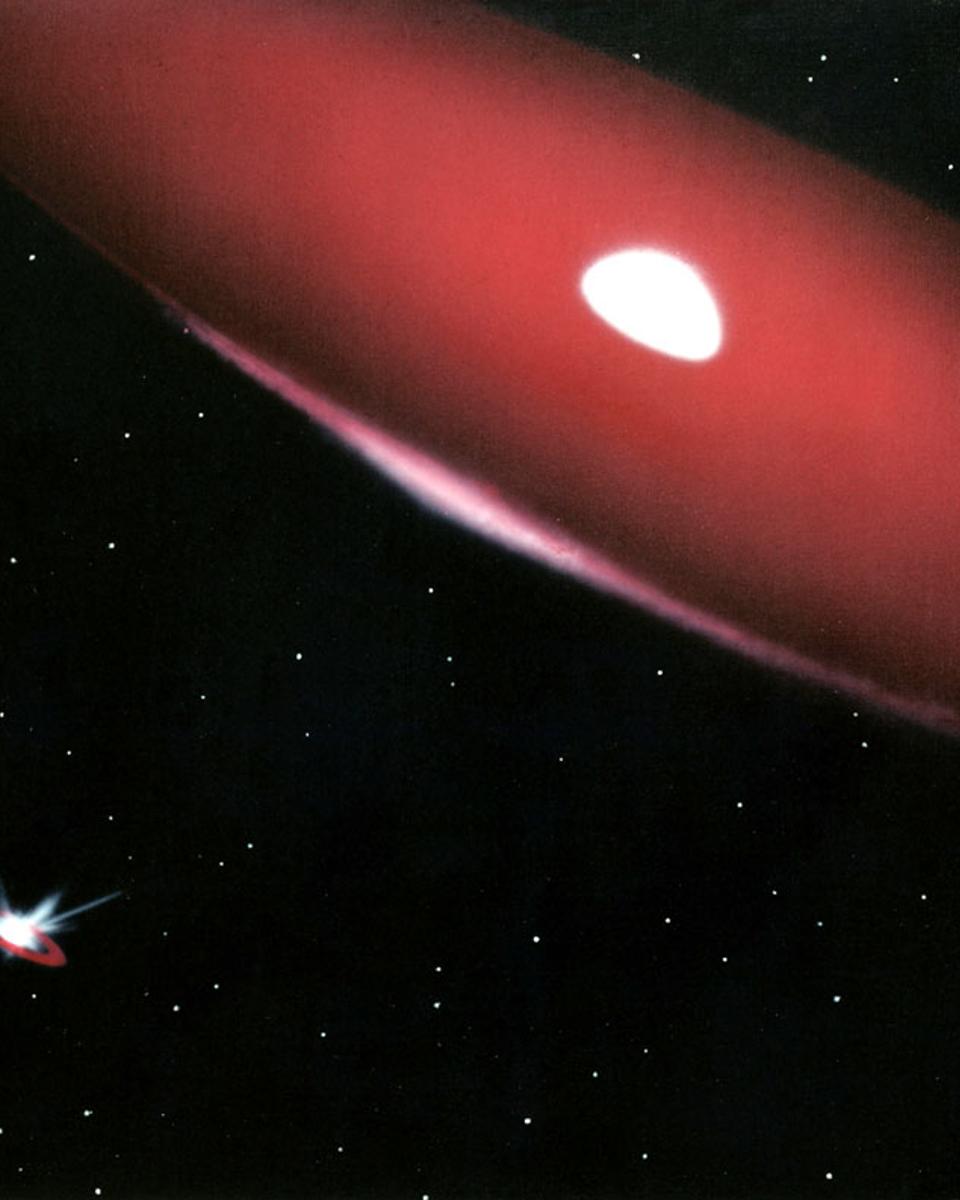
Phi Persei: Double Star
It's clear who is the biggest star in this binary system. Based on recent results , this artist's vision of the double star Phi Persei , 720 light years away, shows a bright,…
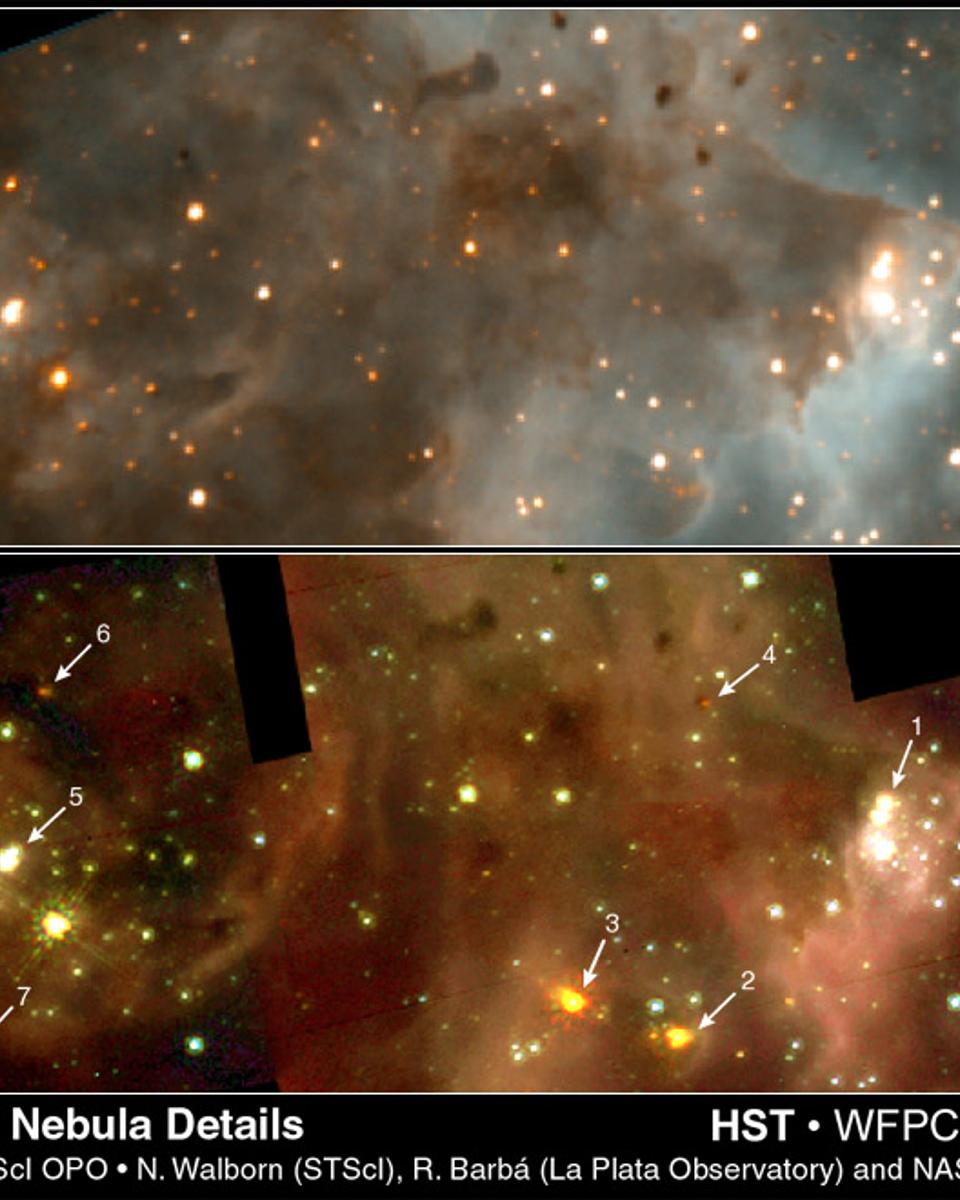
New Stars In 30 Doradus
Compare these matched Hubble Space Telescope views (visible-light on top; infrared on bottom) of a region in the star-forming 30 Doradus Nebula . Find the numbered arrows in the…
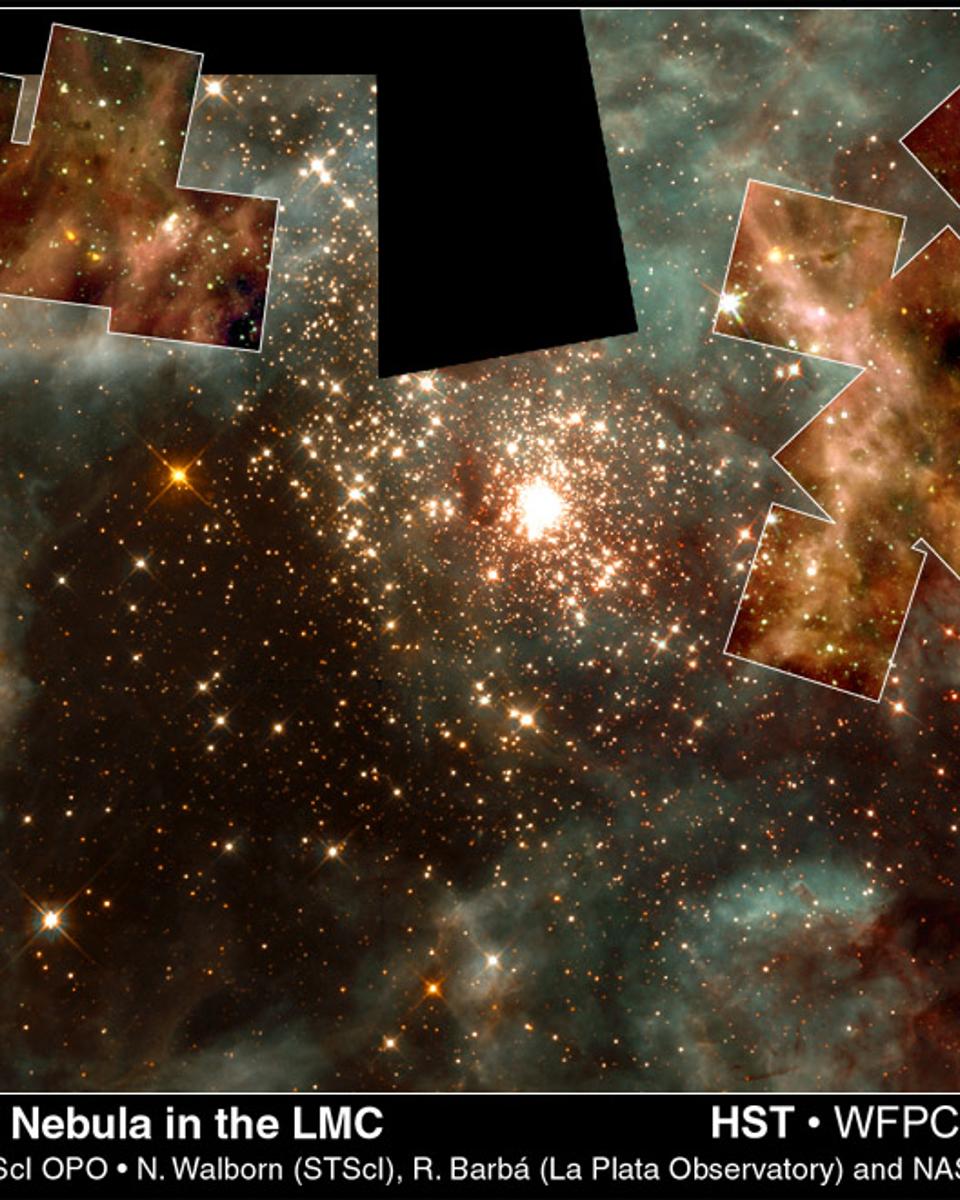
Massive Stars Of 30 Doradus
This gorgeous visible-light Hubble Space Telescope image shows a young cluster of massive stars at the center of the 30 Doradus Nebula . Gas and dust clouds in 30 Doradus, also…
Viewing discoveries from 23 October 1999 through 30 September 1999.