Browse NASA Astronomy Picture of the Day archive by date and media: Archive Discoveries
Browse the NASA APOD archive without needing the exact date first. Filter by media type and keep moving deeper into older images and videos.
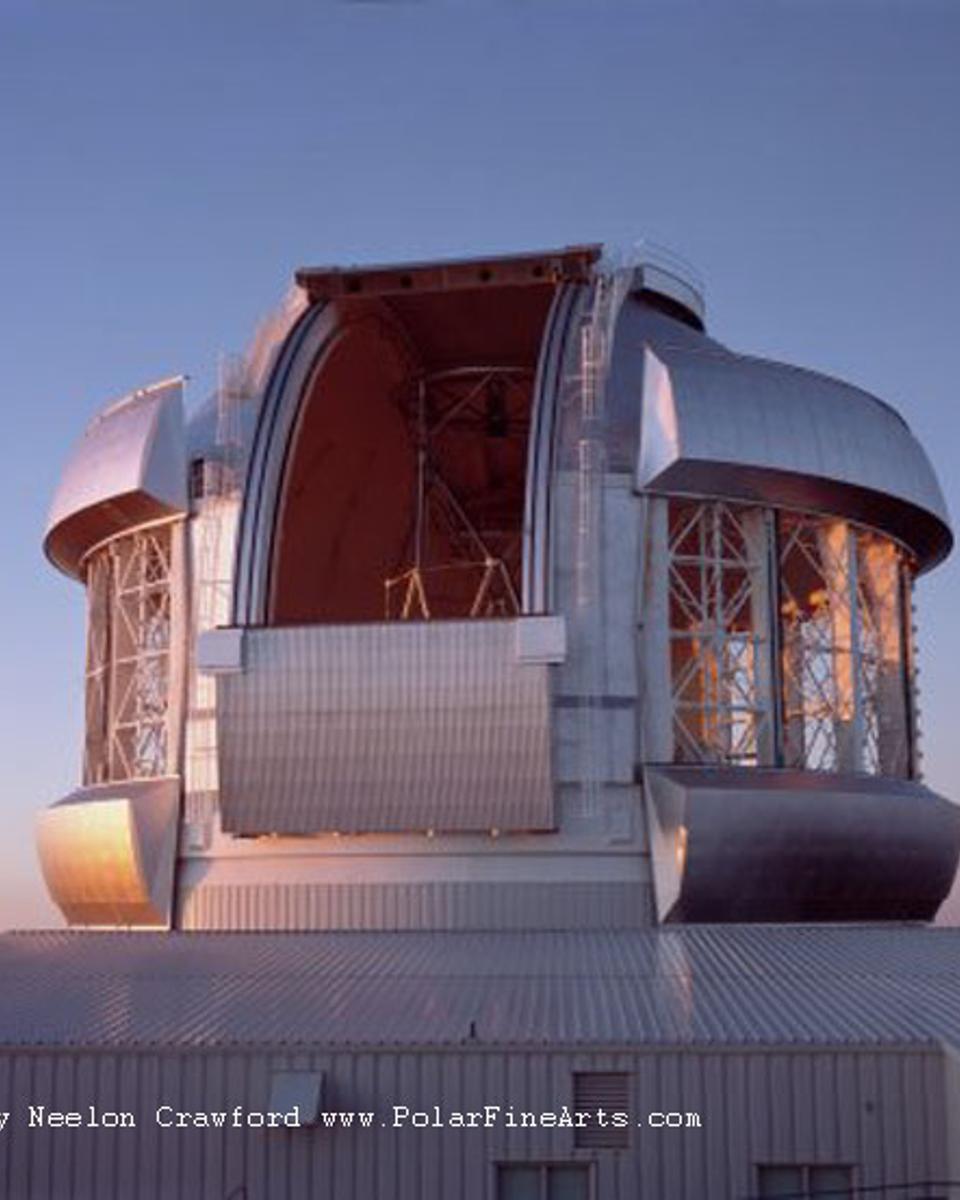
Gemini North Telescope Inaugurated
A new mammoth telescope has begun to inspect the northern sky. The 8-meter Gemini North telescope, pictured above , was dedicated last week in Hawaii, with images documenting its…
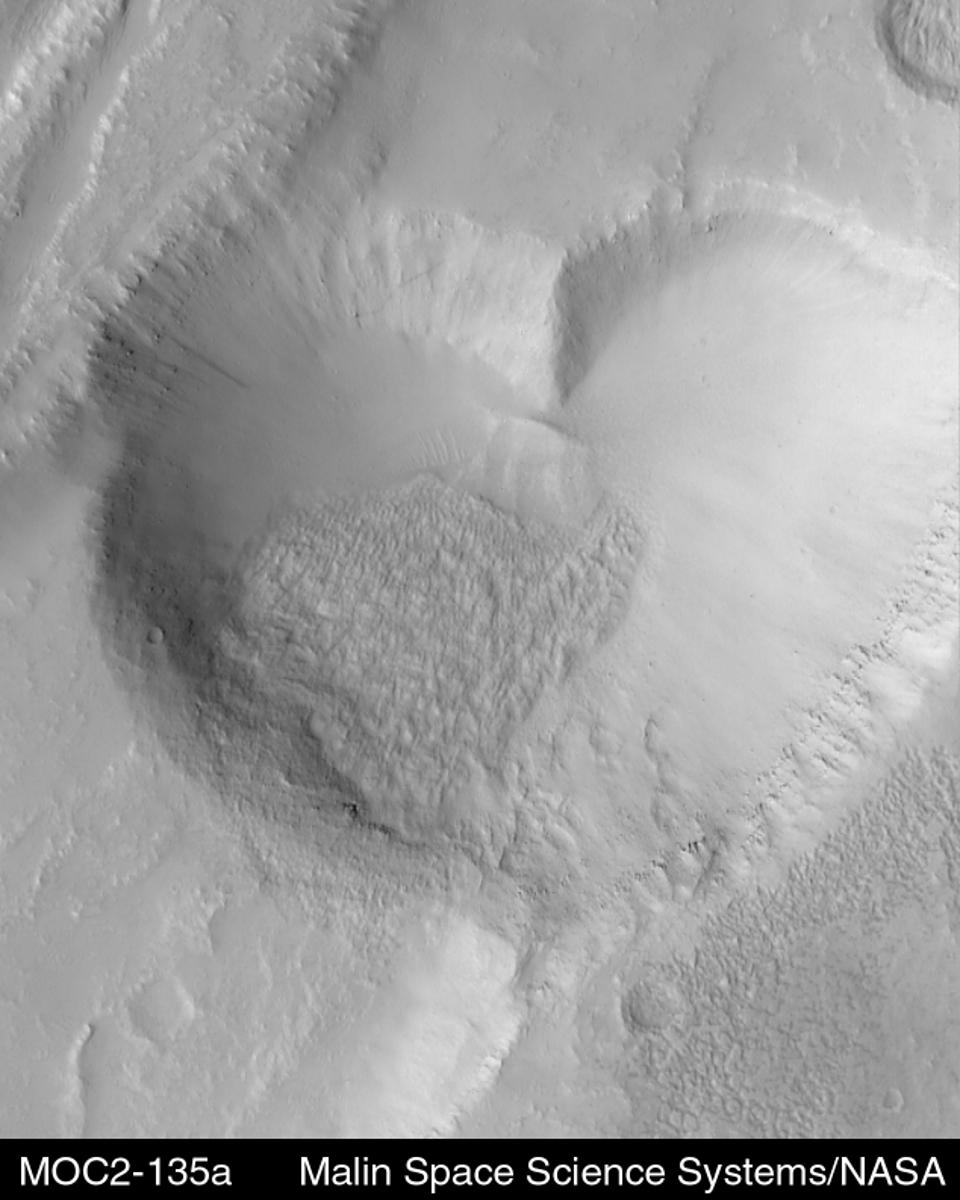
From Mars with Love
Are Martians trying to tell us something? An indentation has been recently photographed on Mars that resembles a heart, a common human symbol for love. Because intelligent…
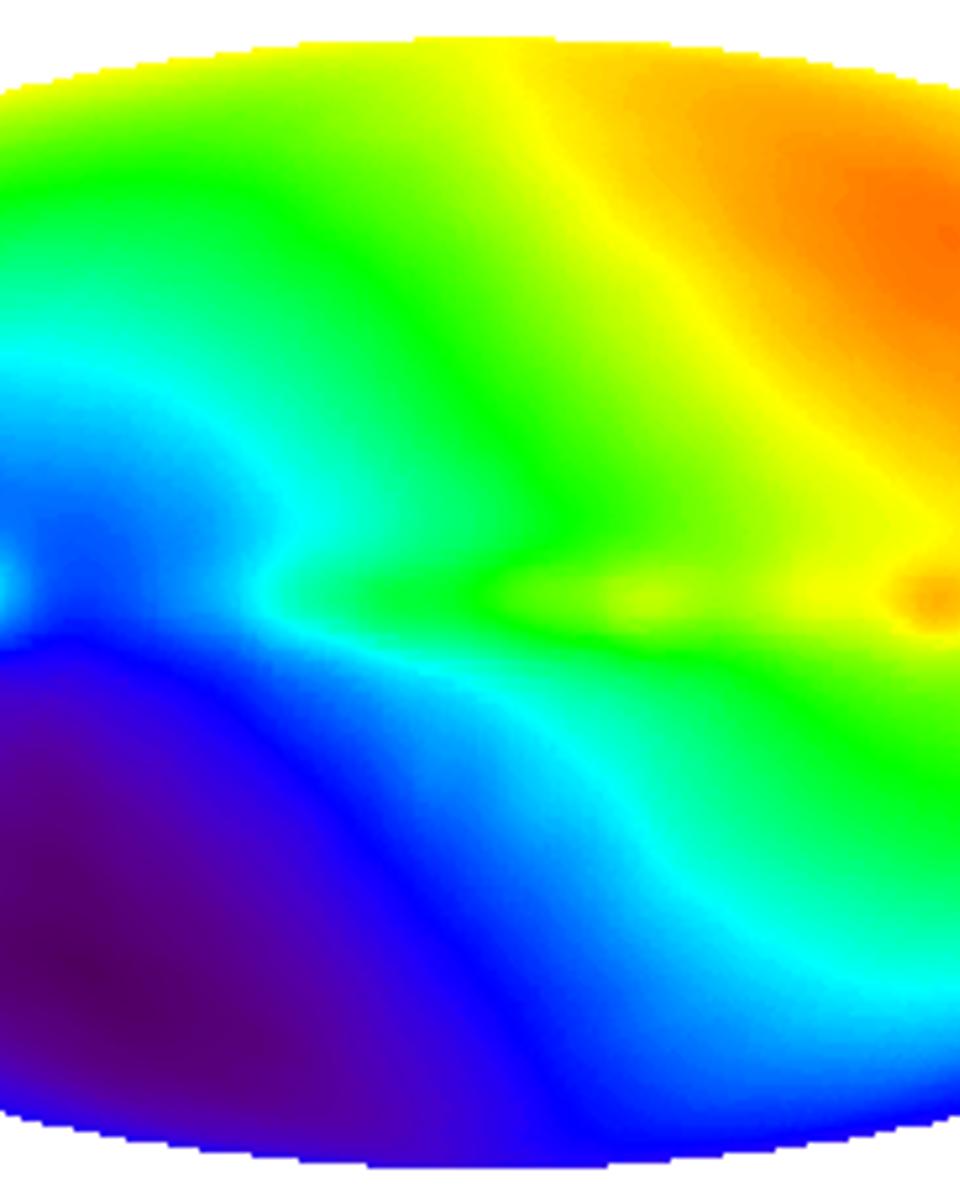
COBE Dipole: Speeding Through the Universe
Our Earth is not at rest. The Earth moves around the Sun . The Sun orbits the center of the Milky Way Galaxy . The Milky Way Galaxy orbits in the Local Group . The Local Group…
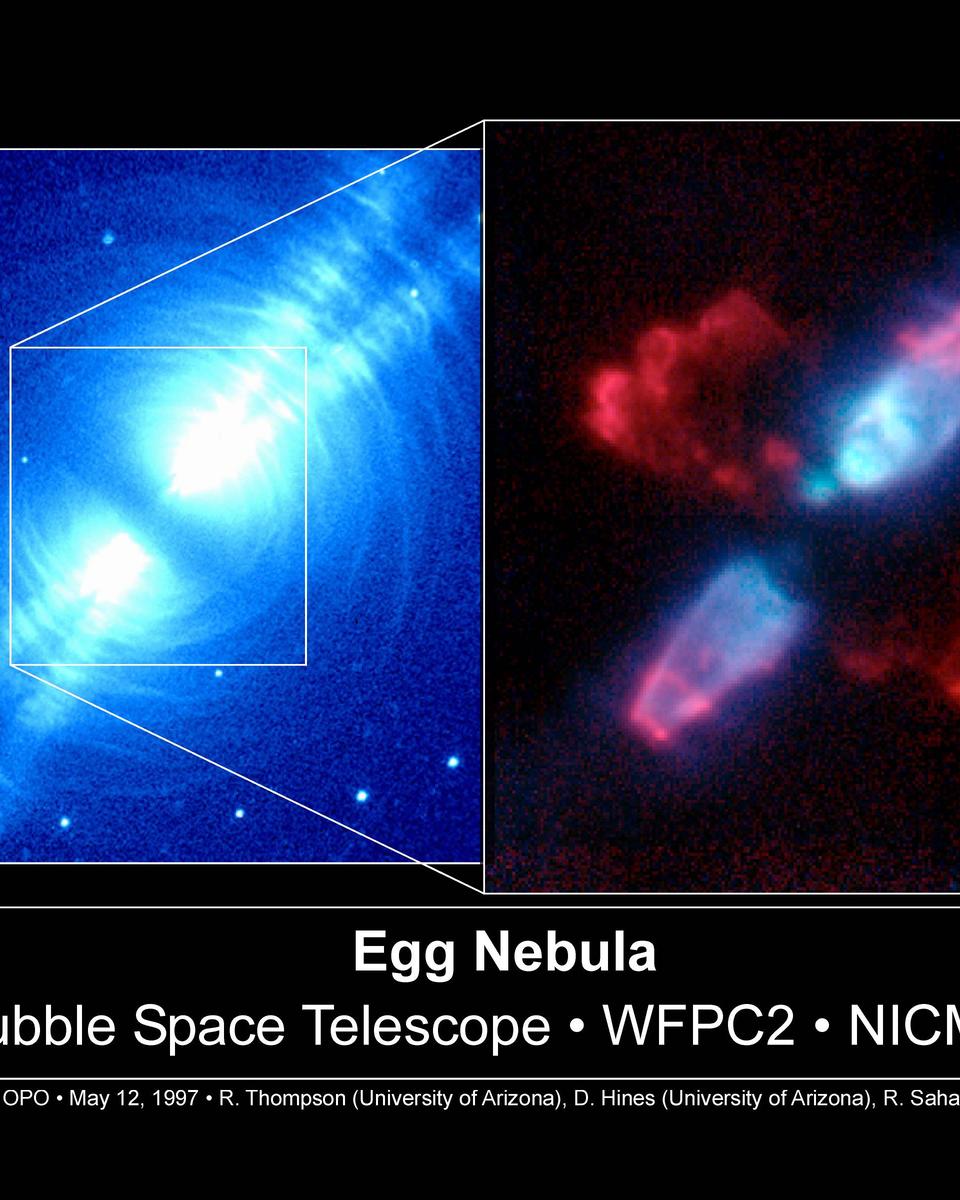
Shells in the Egg Nebula
The Egg Nebula is taking a beating. Like a baby chick pecking its way out of an egg, the star in the center of the Egg Nebula is casting away shells of gas and dust as it slowly…
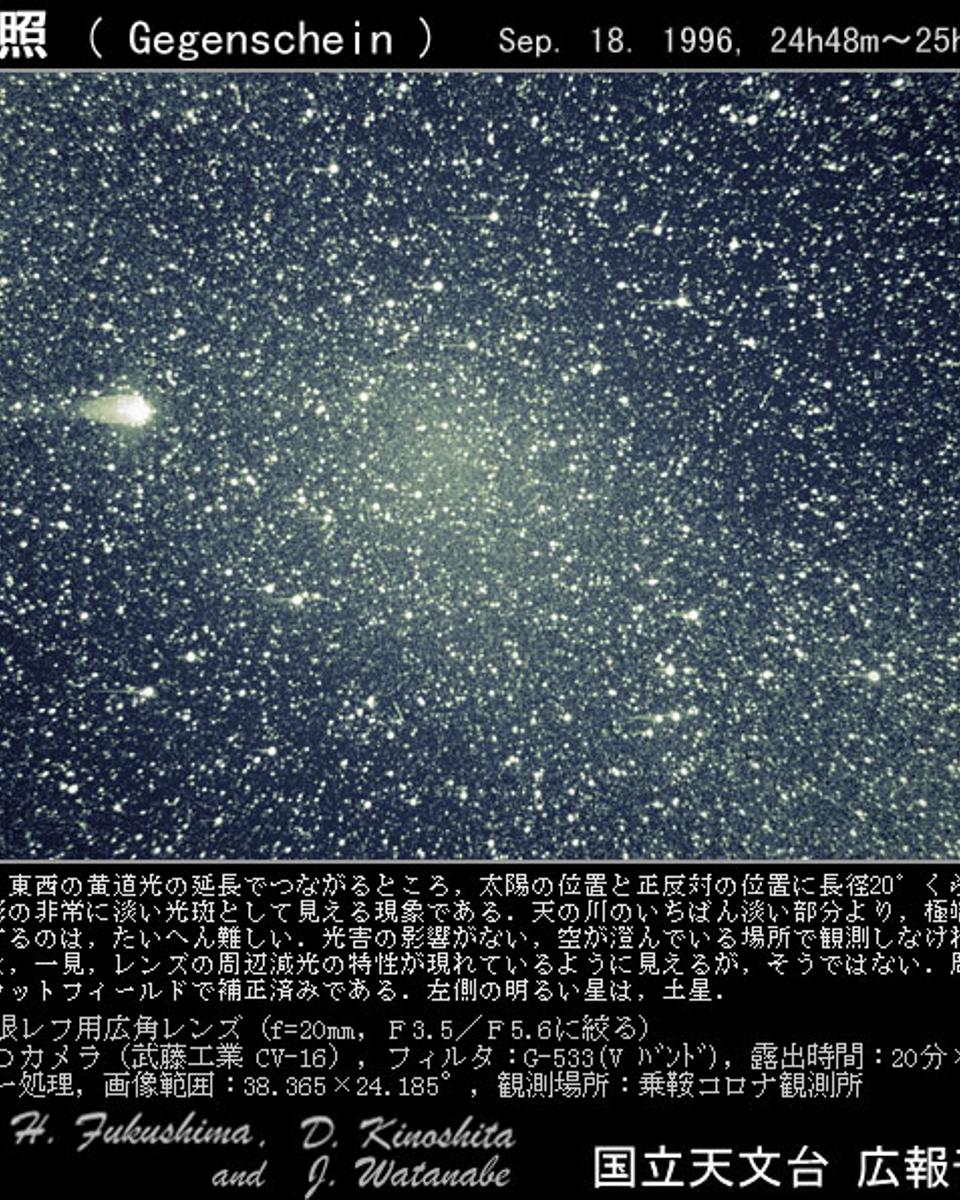
The Gegenschein
If you look carefully enough, you can even see the glow of the Sun in the opposite direction. At night this glow is known as the gegenschein (German for “counter glow”), and can…
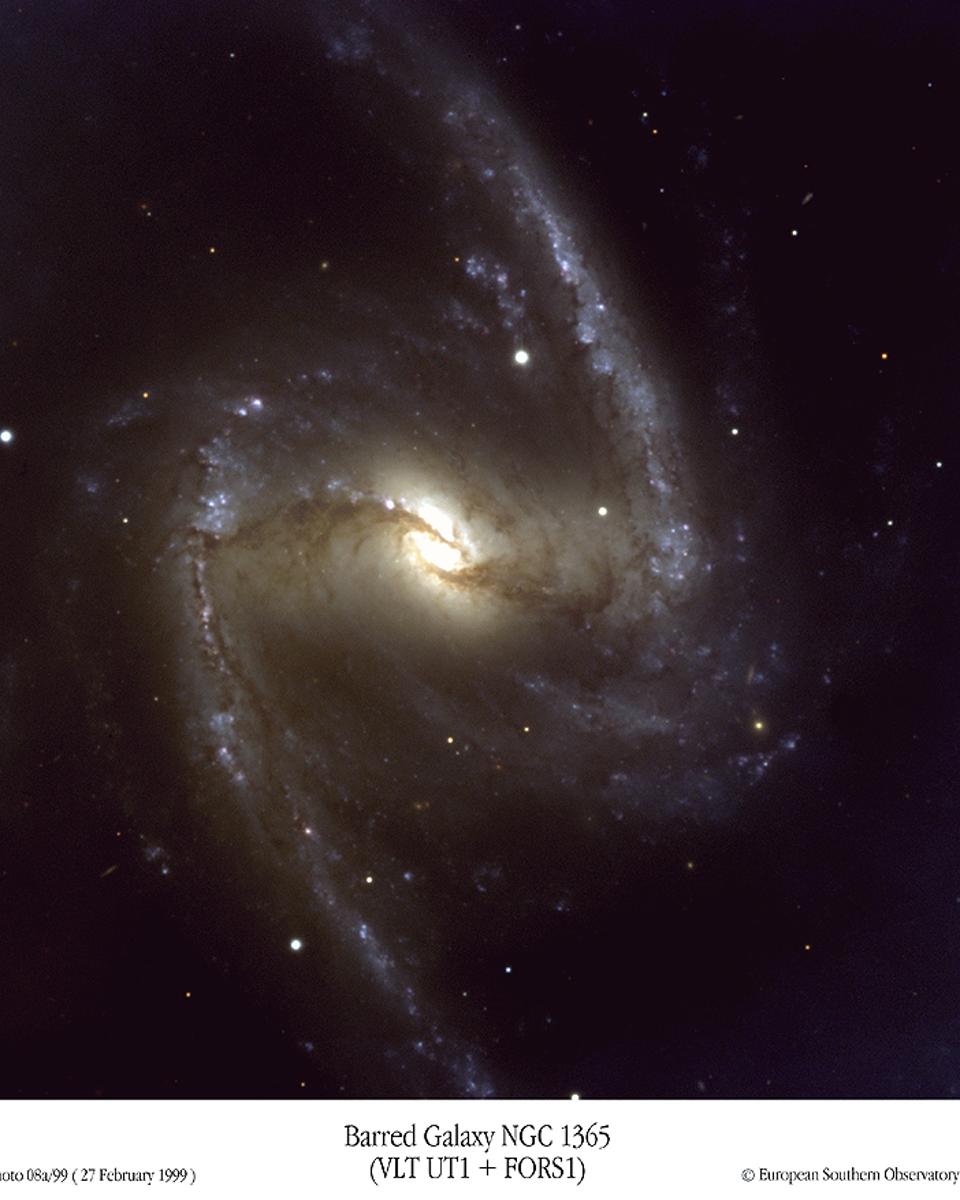
NGC 1365: A Nearby Barred Spiral Galaxy
Many spiral galaxies have bars across their centers. Even our own Milky Way Galaxy is thought to have a bar , but perhaps not so prominent as the one in NGC 1365, shown above .…
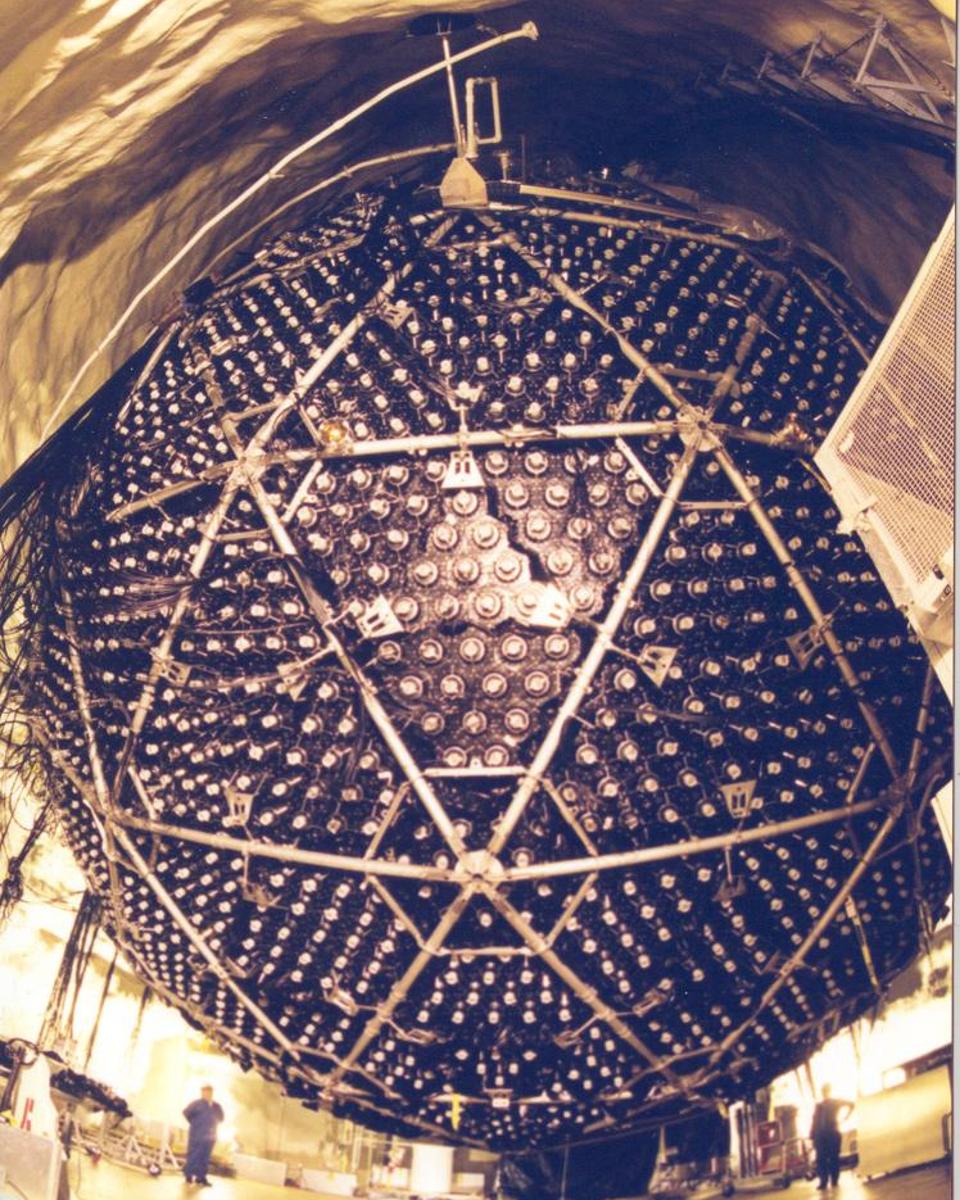
The Sudbury Neutrino Detector
Two thousand meters below the ground, a giant sphere has begun to detect nearly invisible particles. These particles, neutrinos , are extremely abundant in the universe but…
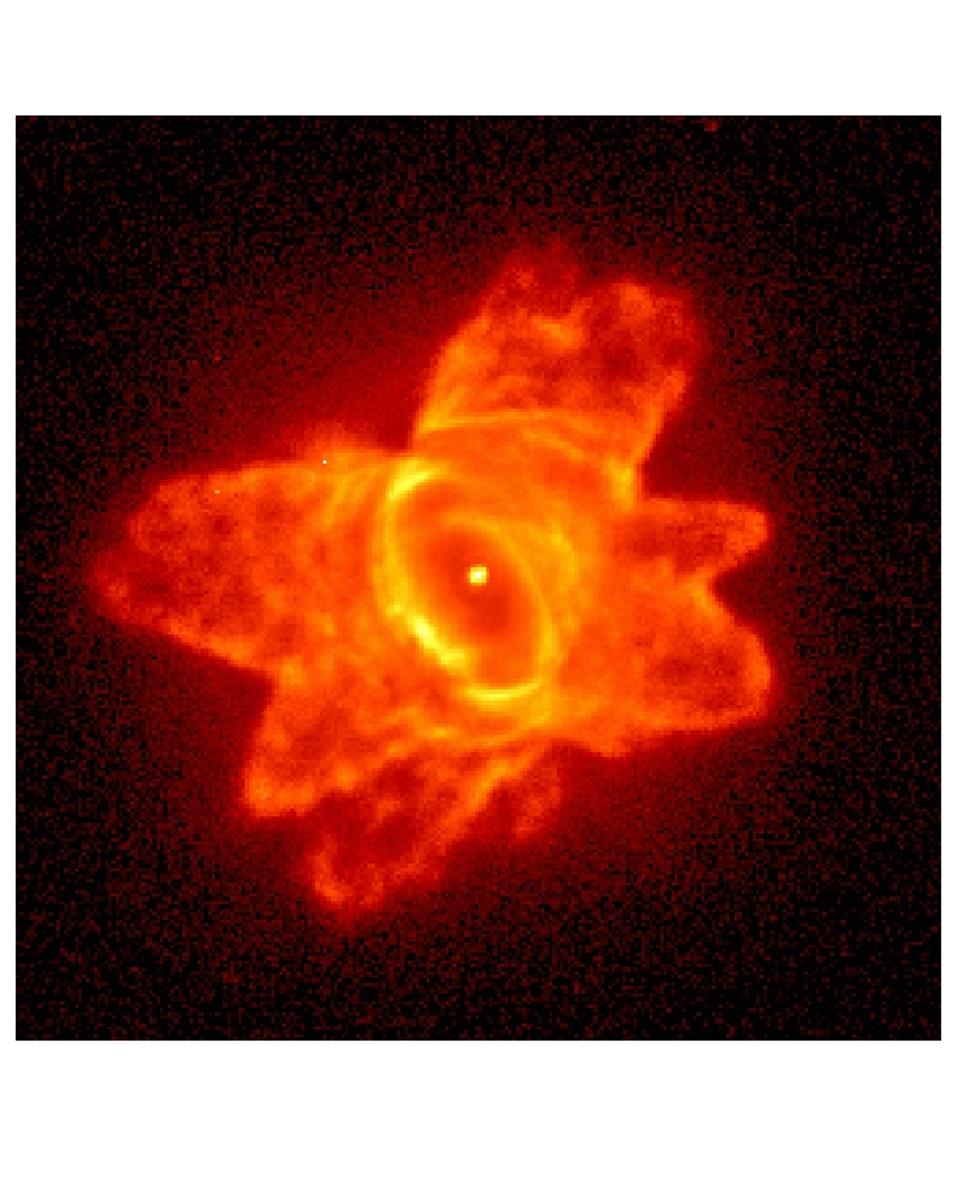
PKS285-02: A Young Planetary Nebula
How do planetary nebulae acquire their exquisite geometrical shapes ? To investigate this, astronomers used the Hubble Space Telescope to image several young planetary nebulae .…
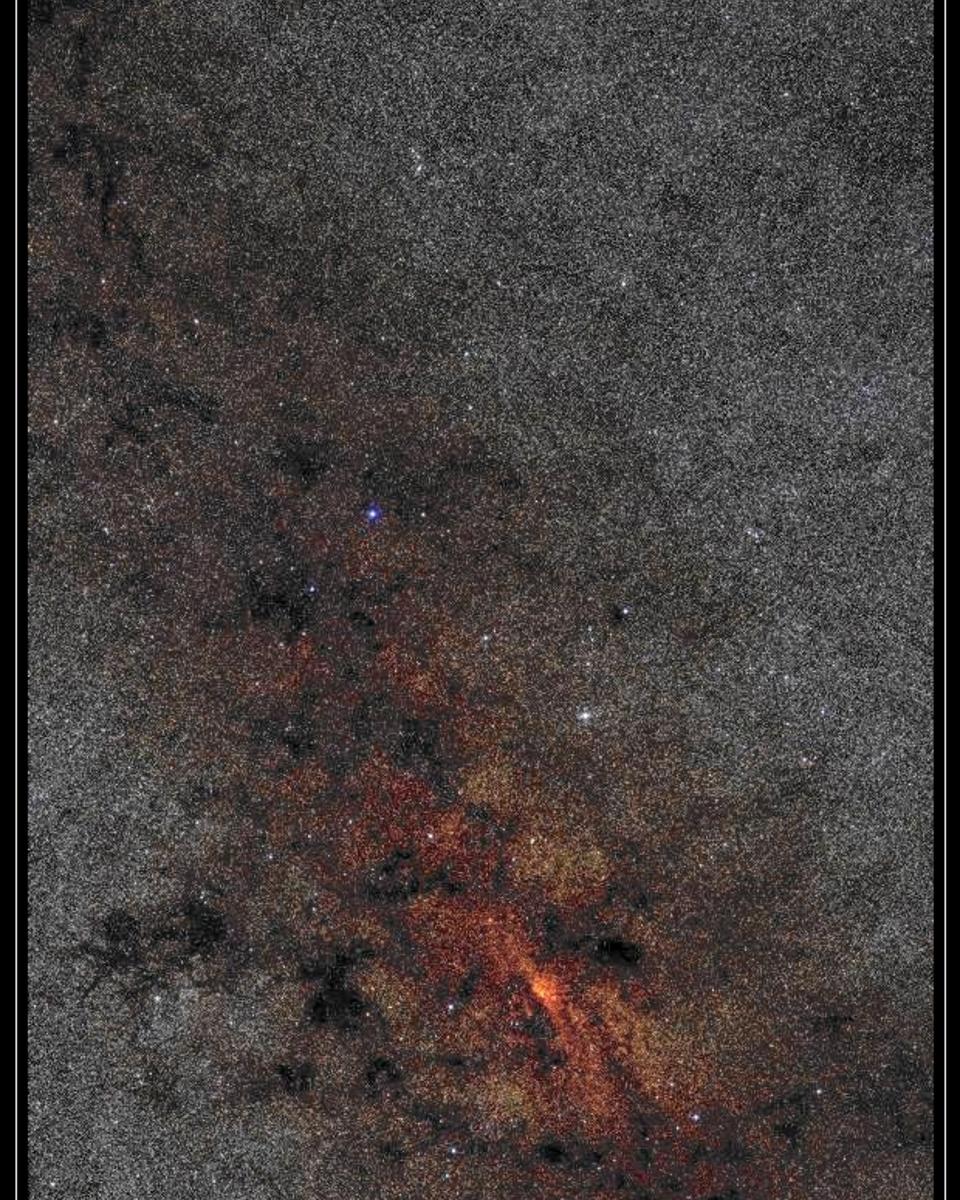
The Galactic Center in Infrared
The center of our Galaxy is a busy place. In visible light , much of the Galactic Center is obscured by opaque dust . In infrared light , however, dust glows more and obscures…
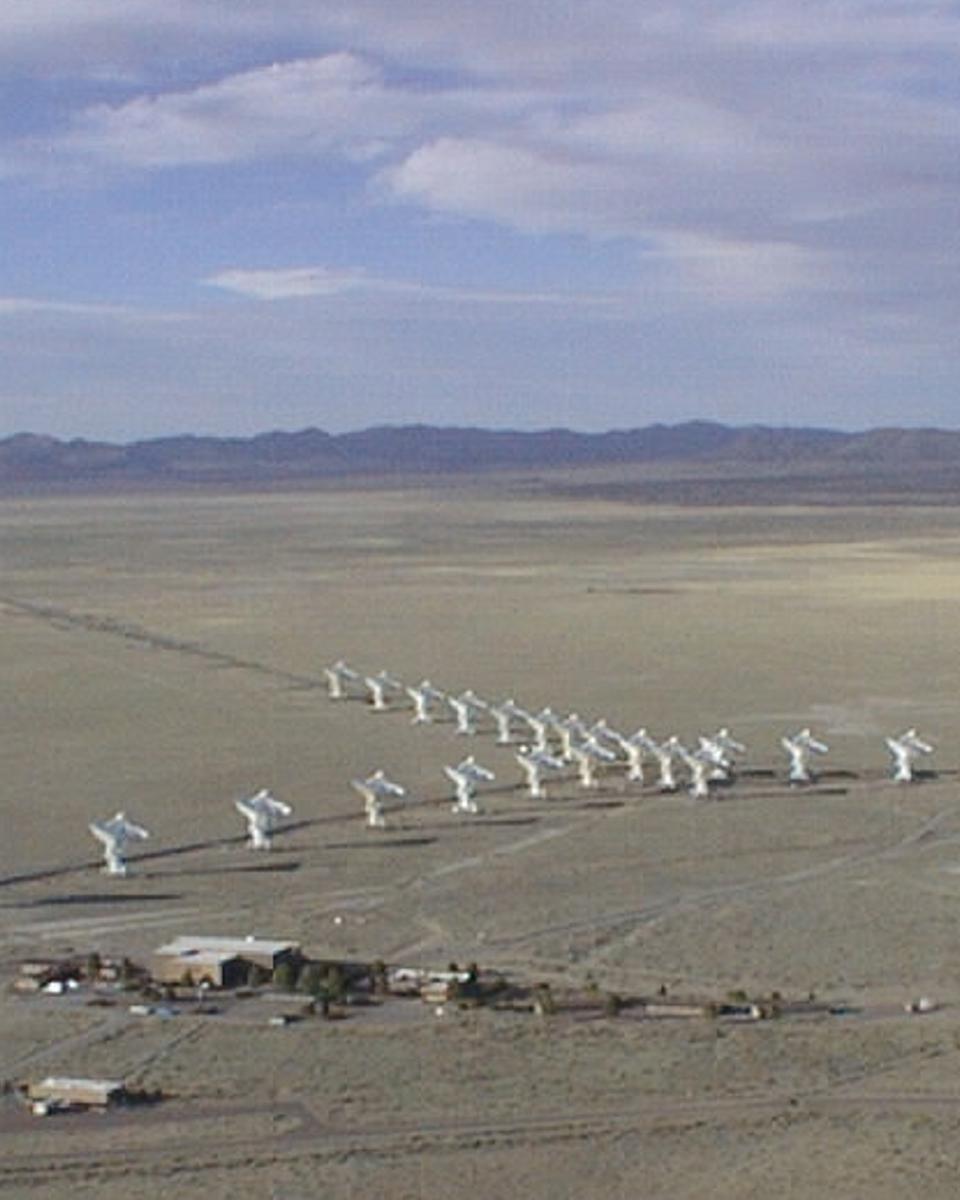
A Very Large Array of Radio Telescopes
Pictured above is one of the world's premiere radio astronomical observatories: The Very Large Array (VLA). Each antenna dish is as big as a house (25 meters across) and mounted…
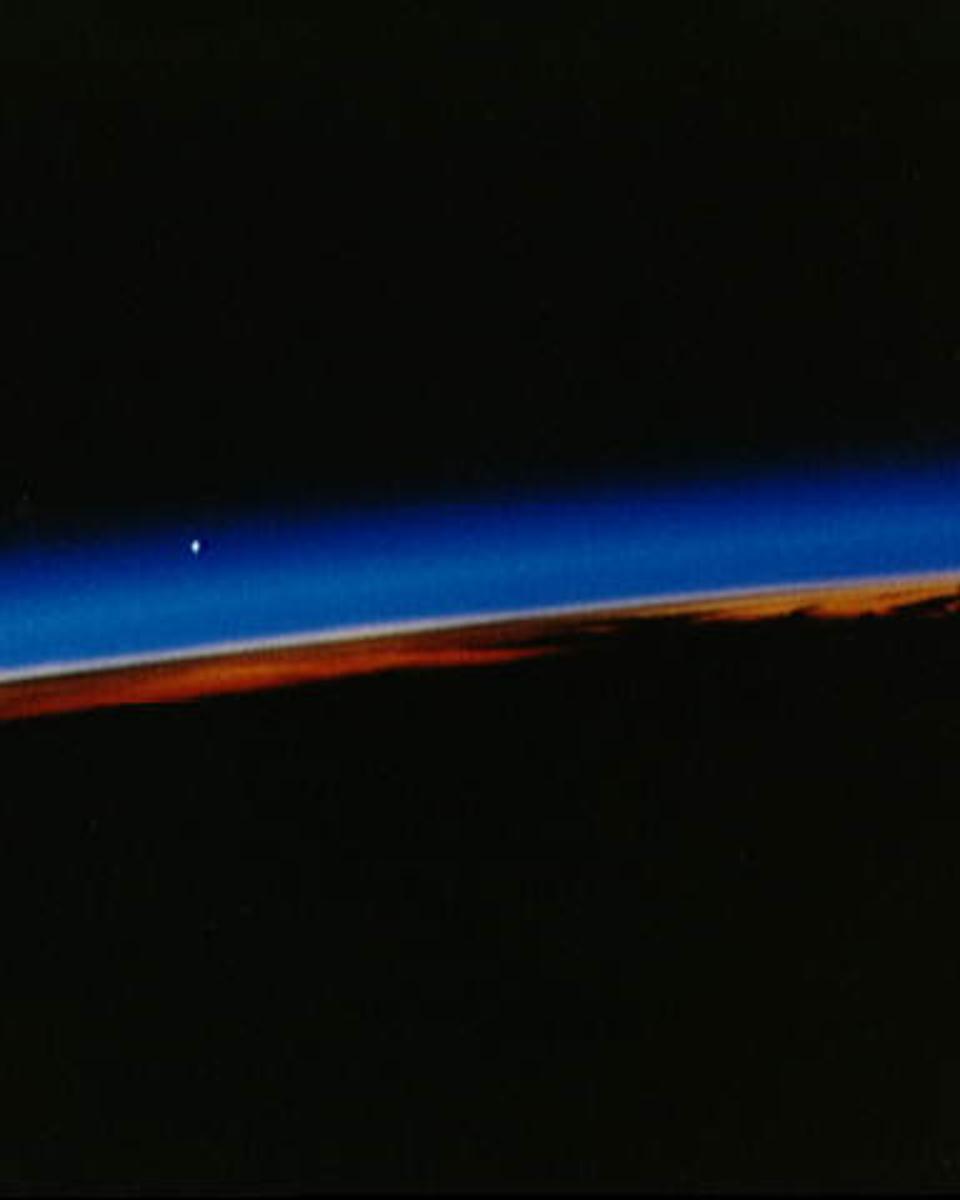
Venus on the Horizon
Venus can appear as a brilliant evening star. Besides the sun and moon, Venus is the brightest object visible in Earth's sky. Because it is closer to the sun than Earth, Venus…
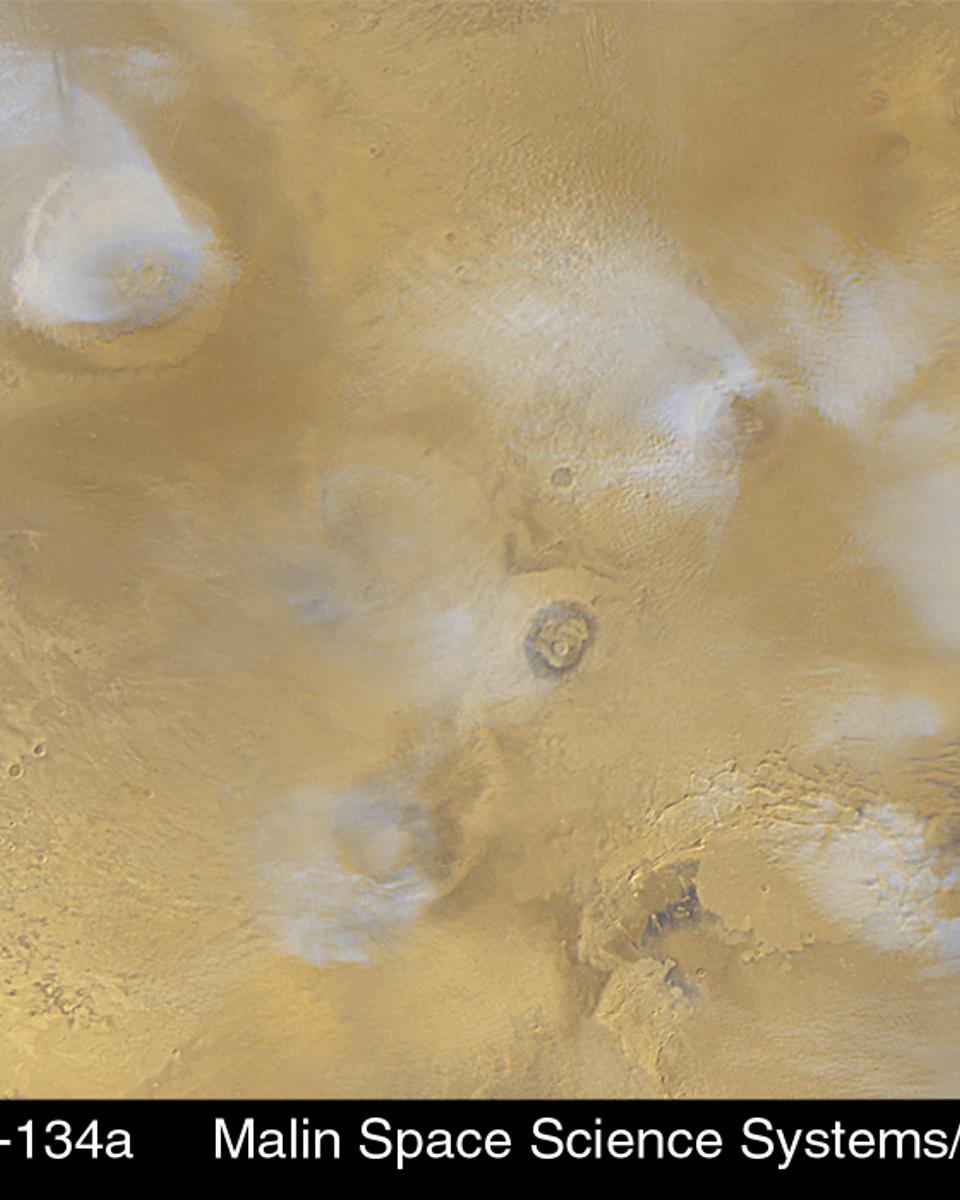
Tharsis Volcanos
Ice crystal clouds float above the immense Tharsis volcanos of Mars in this recently released picture from NASA's Mars Global Surveyor spacecraft. Olympus Mons at the upper left…
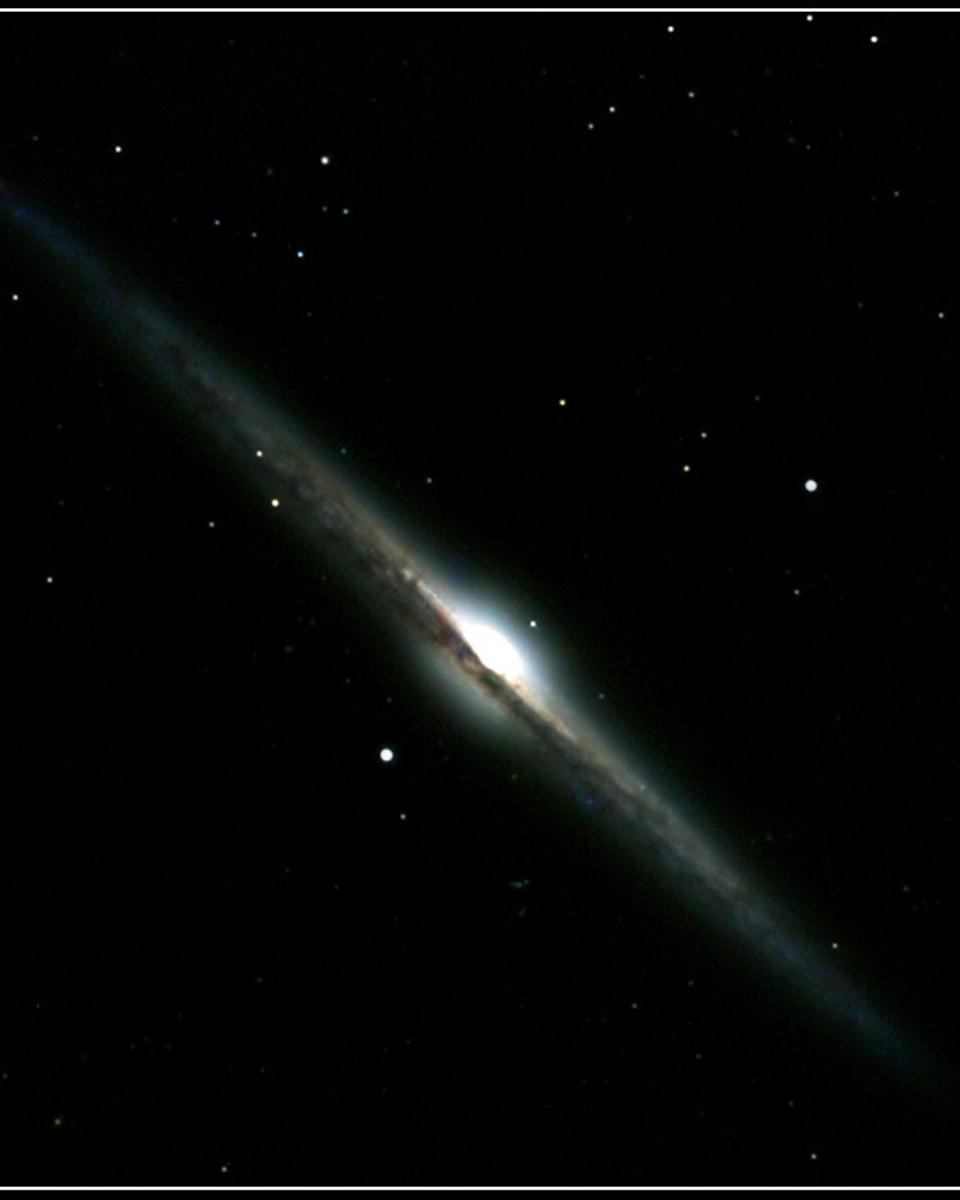
NGC 4565: Needle Galaxy
Presenting a sleek needle-like profile the magnificent spiral galaxy NGC 4565 is viewed edge-on from planet Earth . Its core of stars bulges from the centre of a thin disk of…

Sprite Fireworks
Sometimes lightning occurs out near space. One such lightning type is the recently documented red sprite lightning , which has only been photographed and studied on Earth over the…
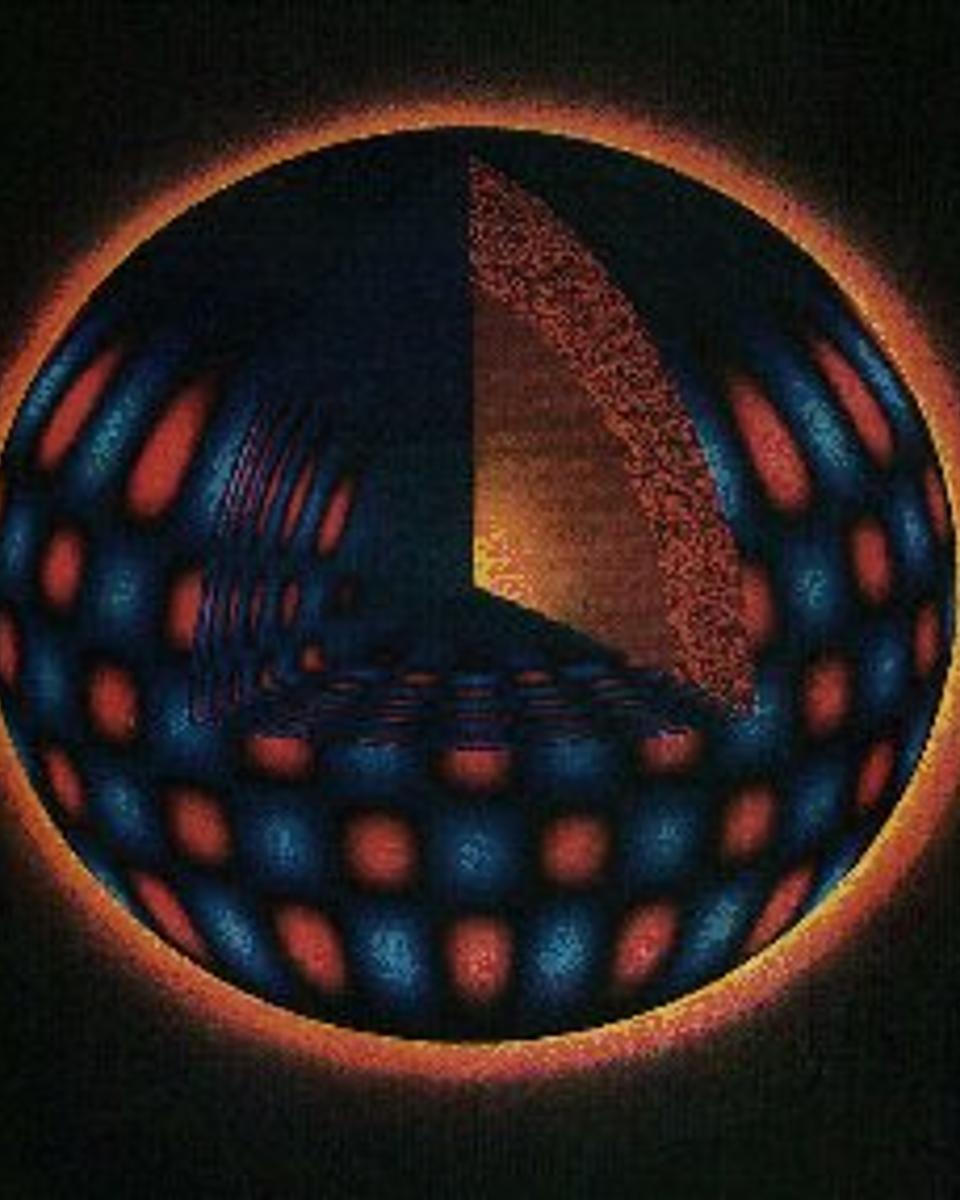
The Sun Oscillates
Our Sun is in a continual state of oscillation. Large patches of the Sun vibrate in and out, back and forth, even as the Sun rotates . One mode of Solar oscillation is depicted…
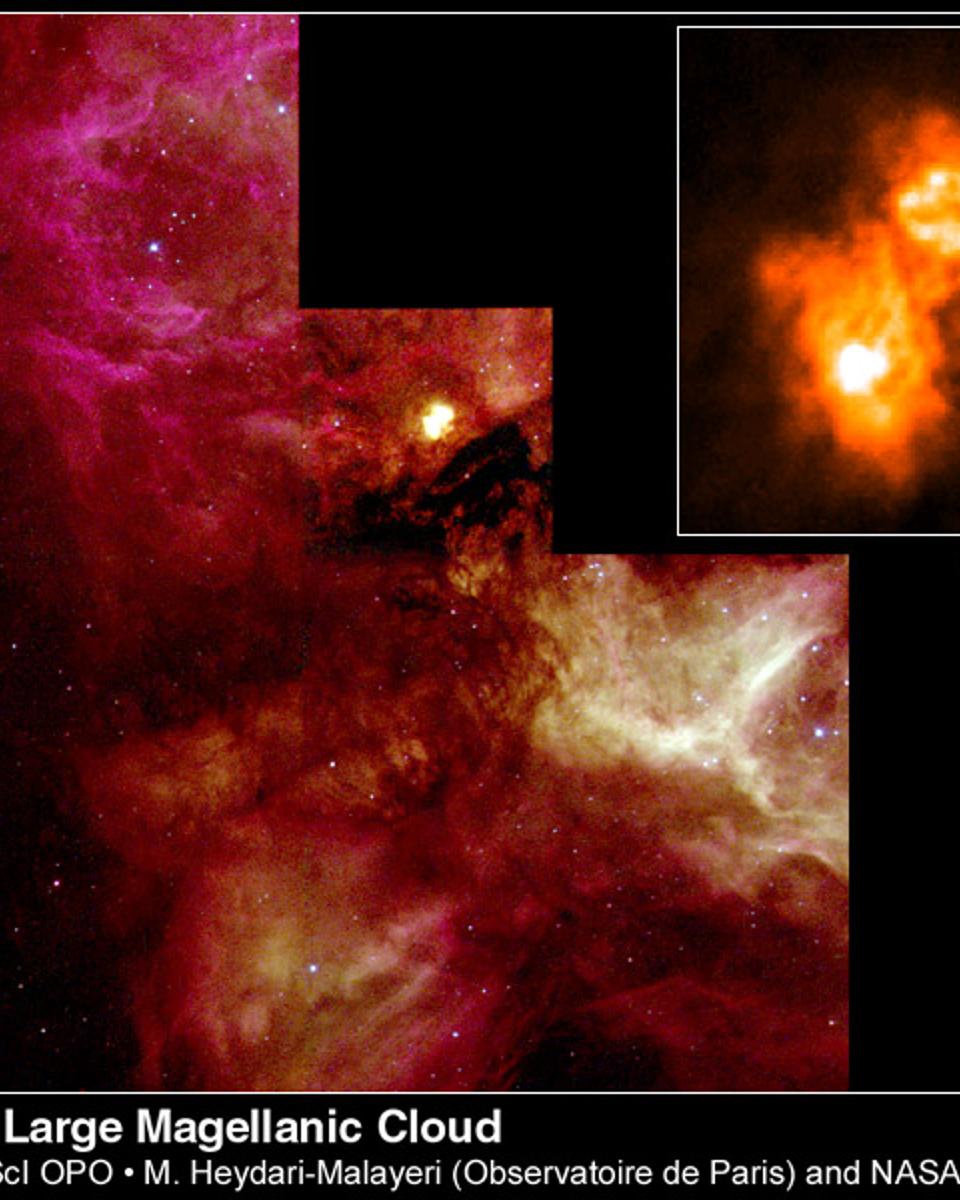
N159 and the Papillon Nebula
In a search for massive star s, the Hubble Space Telescope has peered into yet another spectacular region of star formation . This nebula, known as N159 , spans over 150…
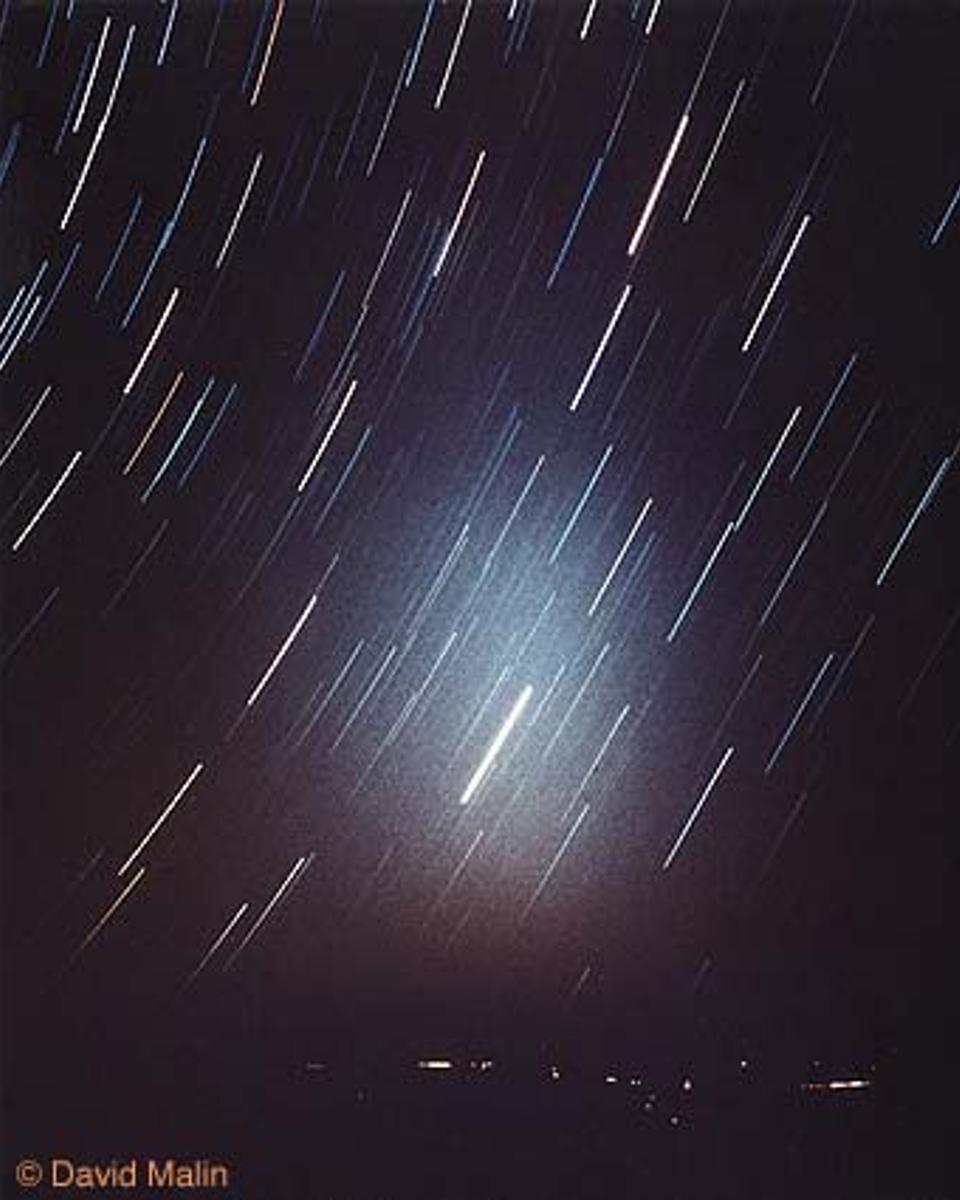
Zodiacal Light
Sometimes the sky itself seems to glow. Usually, this means you are seeing a cloud reflecting sunlight or moonlight. If the glow appears as a faint band of light running across…
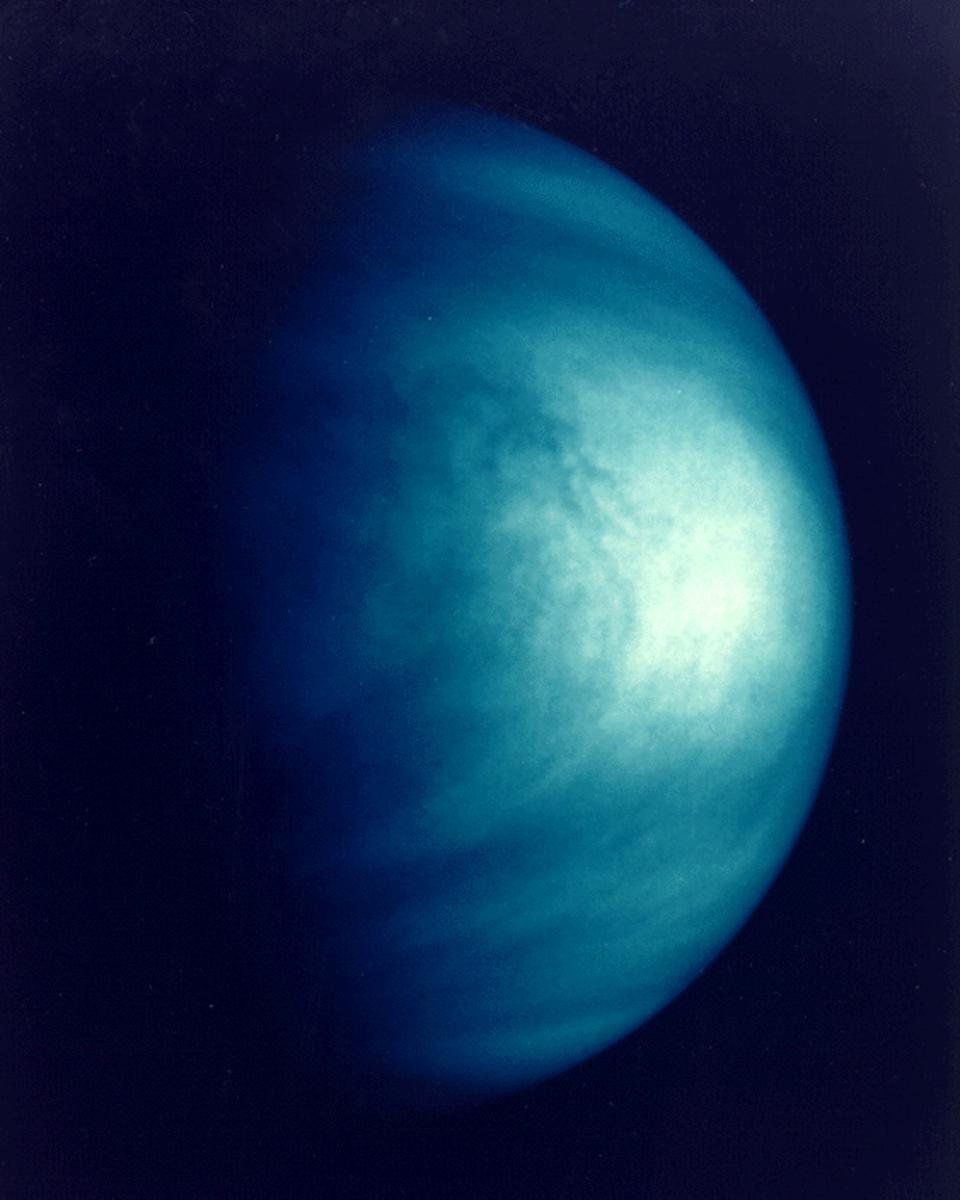
Venus: Just Passing By
Venus, the second closest planet to the Sun , is a popular way-point for spacecraft headed for the gas giant planets in the outer reaches of the solar system. Why visit Venus…
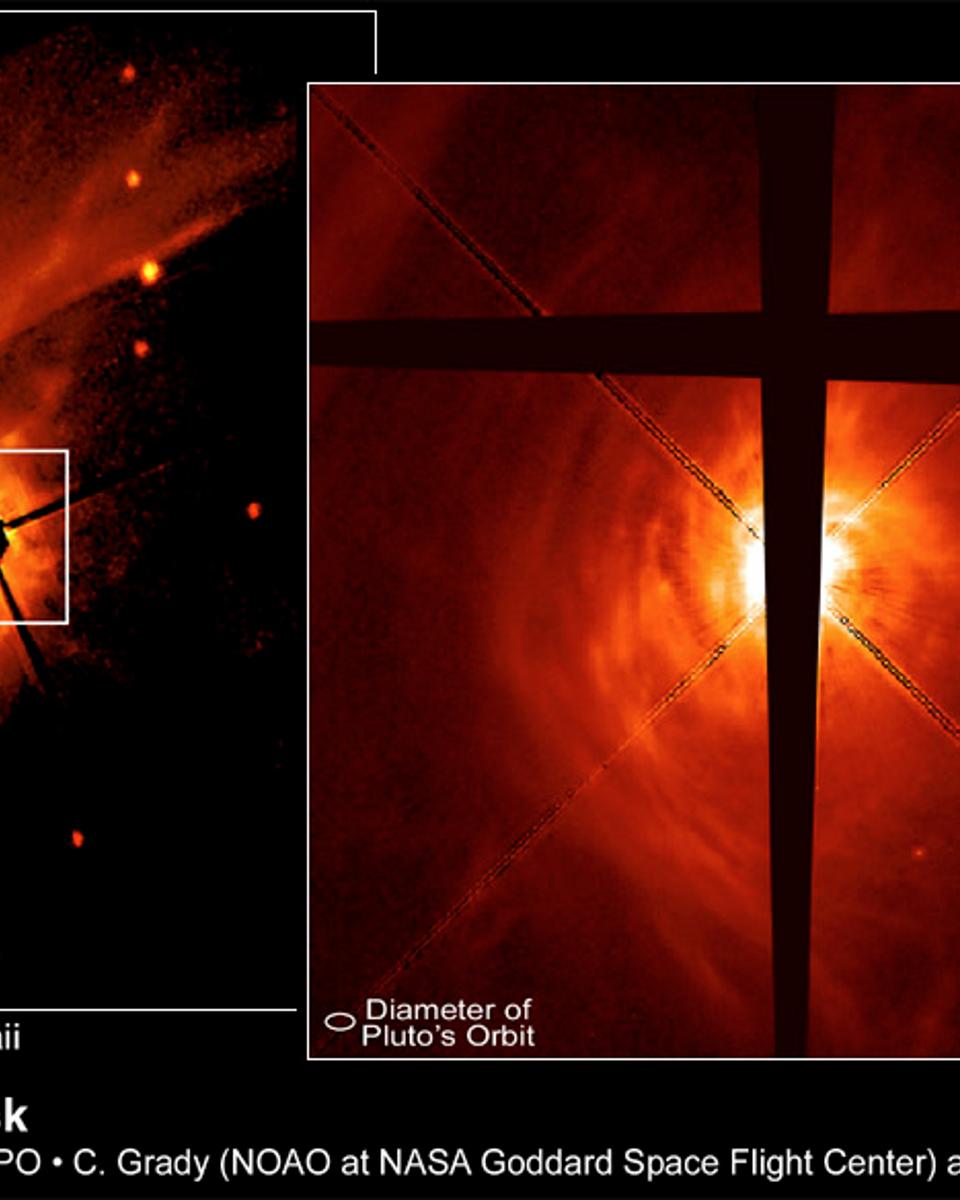
AB Aurigae: How To Make Planets
This enhanced Hubble Space Telescope image shows in remarkable detail the inner portion of the disk of dust and gas surrounding the star AB Aurigae. Knots of material, visible…
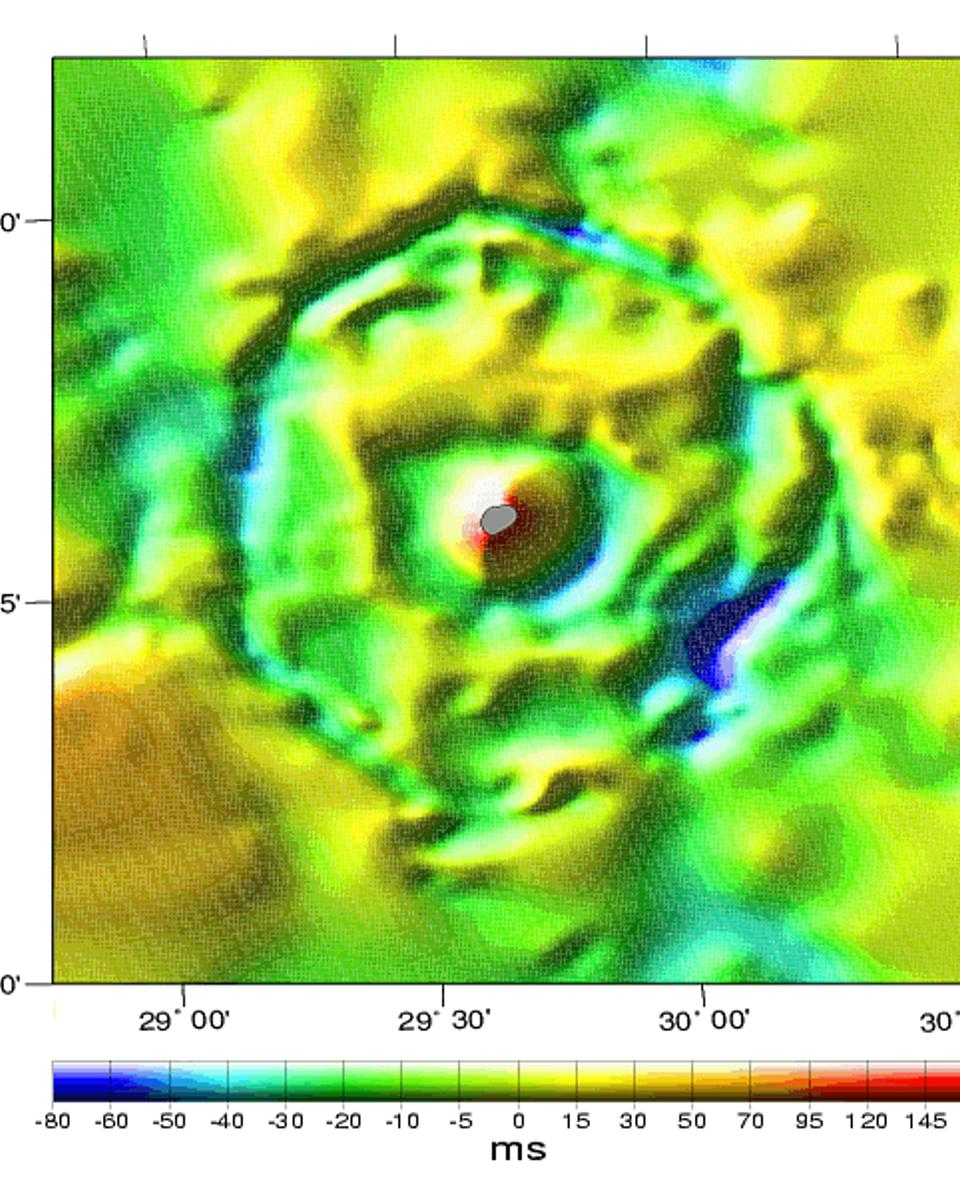
Mjølnir: Impact Crater
The stark surface of Earth's moon is pocked with large craters, records of a history of fierce bombardment by the solar system's formative debris. It may be difficult to imagine,…
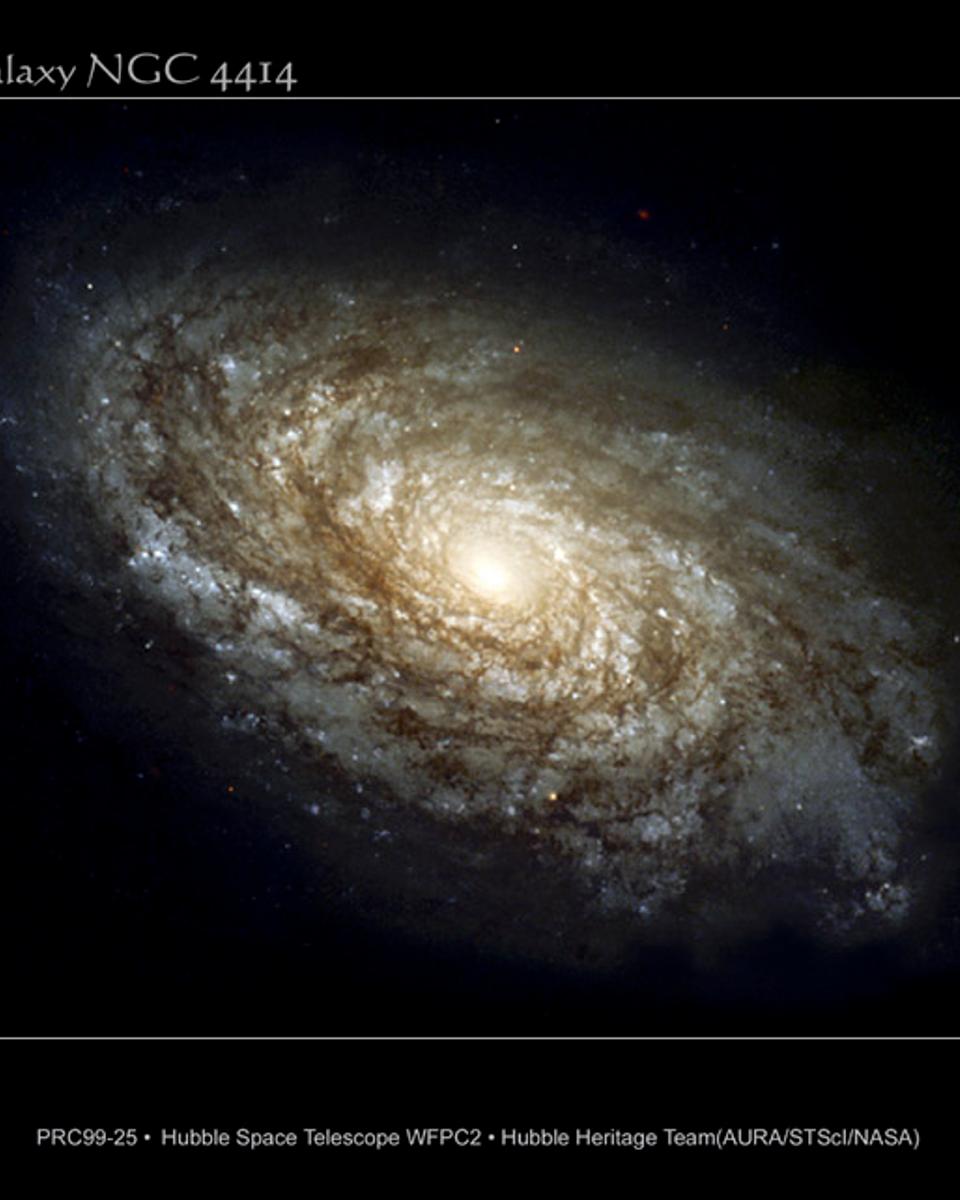
NGC 4414: A Telling Spiral
How far away is this galaxy? Cosmologists the world over have been working hard to find out. Spiral galaxy NGC 4414 contains many Cepheid variable stars that oscillate in a way…
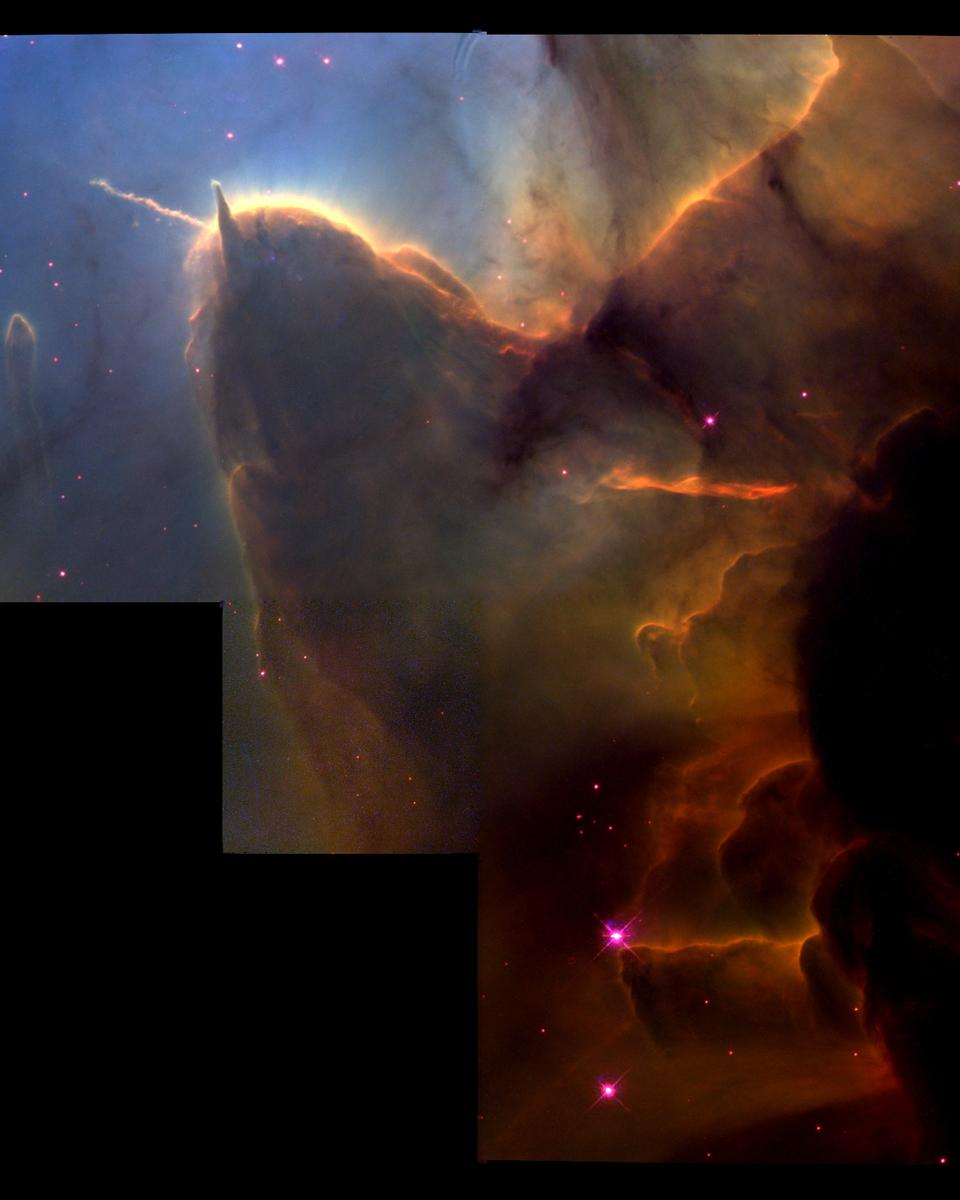
Trifid Pillars & Jets
Dust pillars are like interstellar mountains . They survive because they are more dense than their surroundings, but they are being slowly eroded away by a hostile environment.…
Starbirth in the Trifid Nebula
Tremendous pillars of gas and dust are being boiled away in the Trifid Nebula . In the center of the picturesque Trifid lies a young hot star, located above and to the right of…

Kepler Discovers How Planets Move
Johannes Kepler used simple mathematics to describe how planets move. Kepler was an assistant to the most accurate astronomical observer of the time, Tycho Brahe . Kepler was able…
Viewing discoveries from 29 June 1999 through 6 June 1999.