Browse NASA Astronomy Picture of the Day archive by date and media: Archive Discoveries
Browse the NASA APOD archive without needing the exact date first. Filter by media type and keep moving deeper into older images and videos.
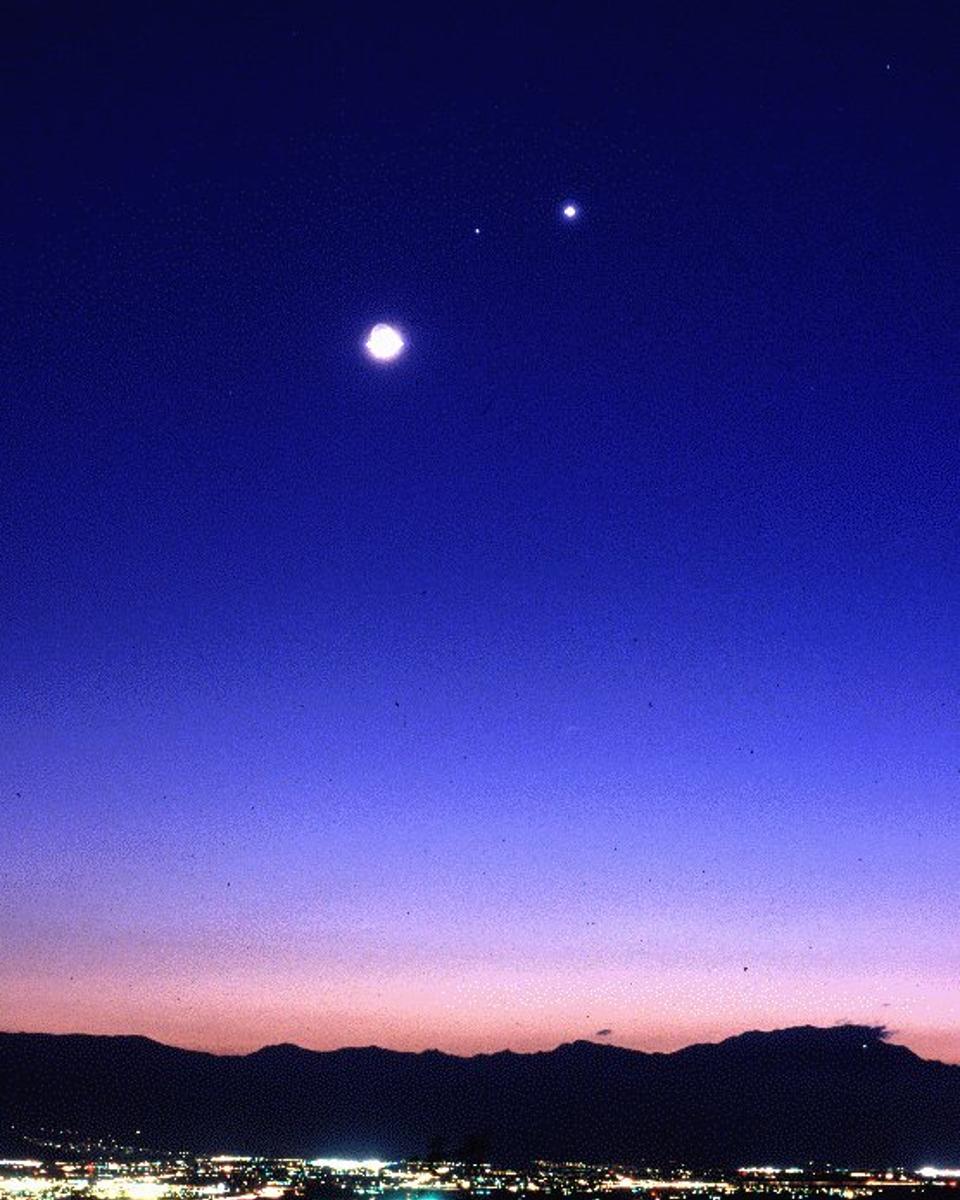
Moon Over California
The Moon, Saturn, and Venus shine above while city lights twinkle below in the deepening twilight of March 19. Taken from outside Indio, California, the photo shows the city…
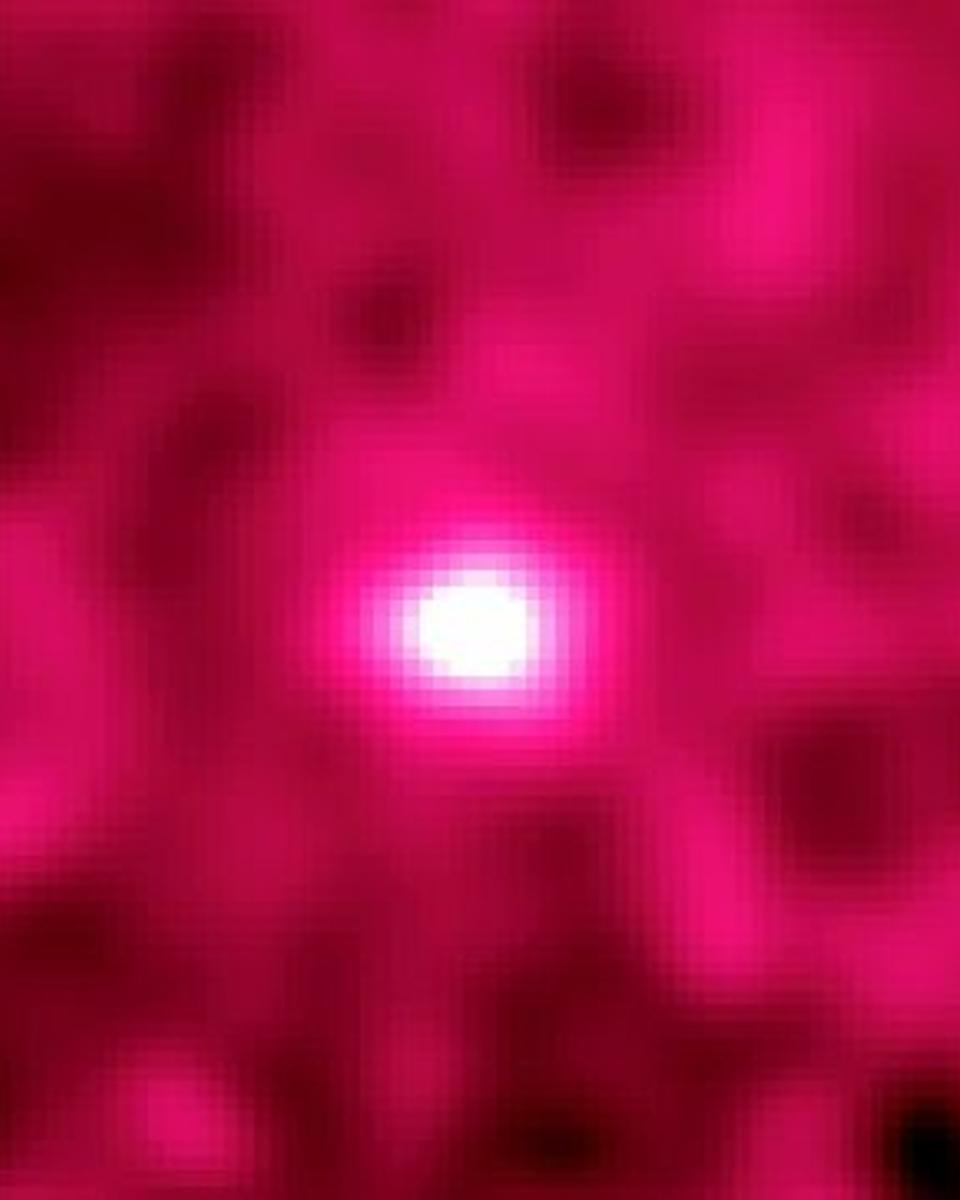
Gamma Ray Moon
What if you could see gamma rays (photons with more than 40 million times the energy of visible light)? If you could, the Moon would appear brighter than the Sun! This startling…
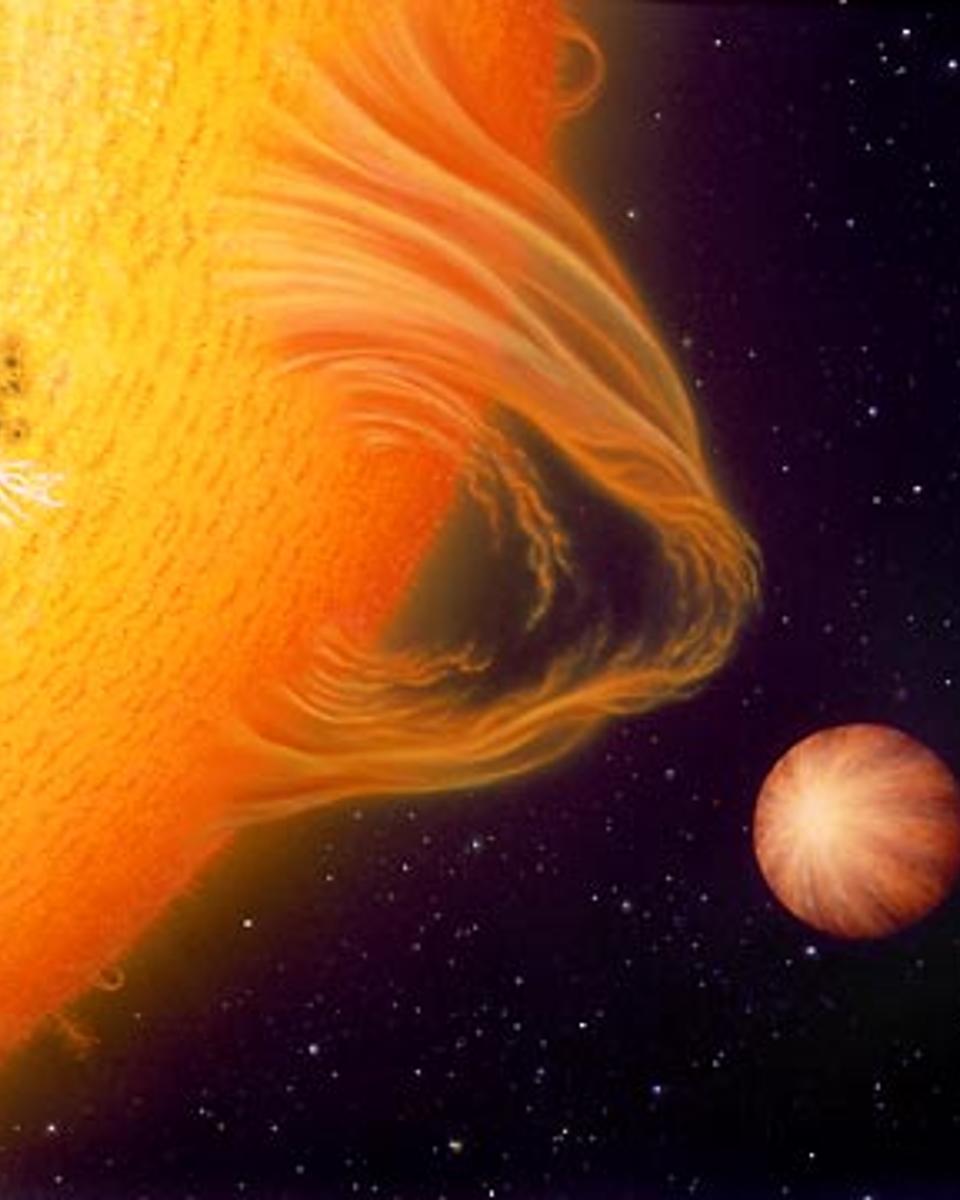
Upsilon Andromedae: An Extra-Solar System
Yesterday, astronomers announced the discovery of the first system of planets around a normal star other than our Sun . Previously, only single planet star systems had been found.…
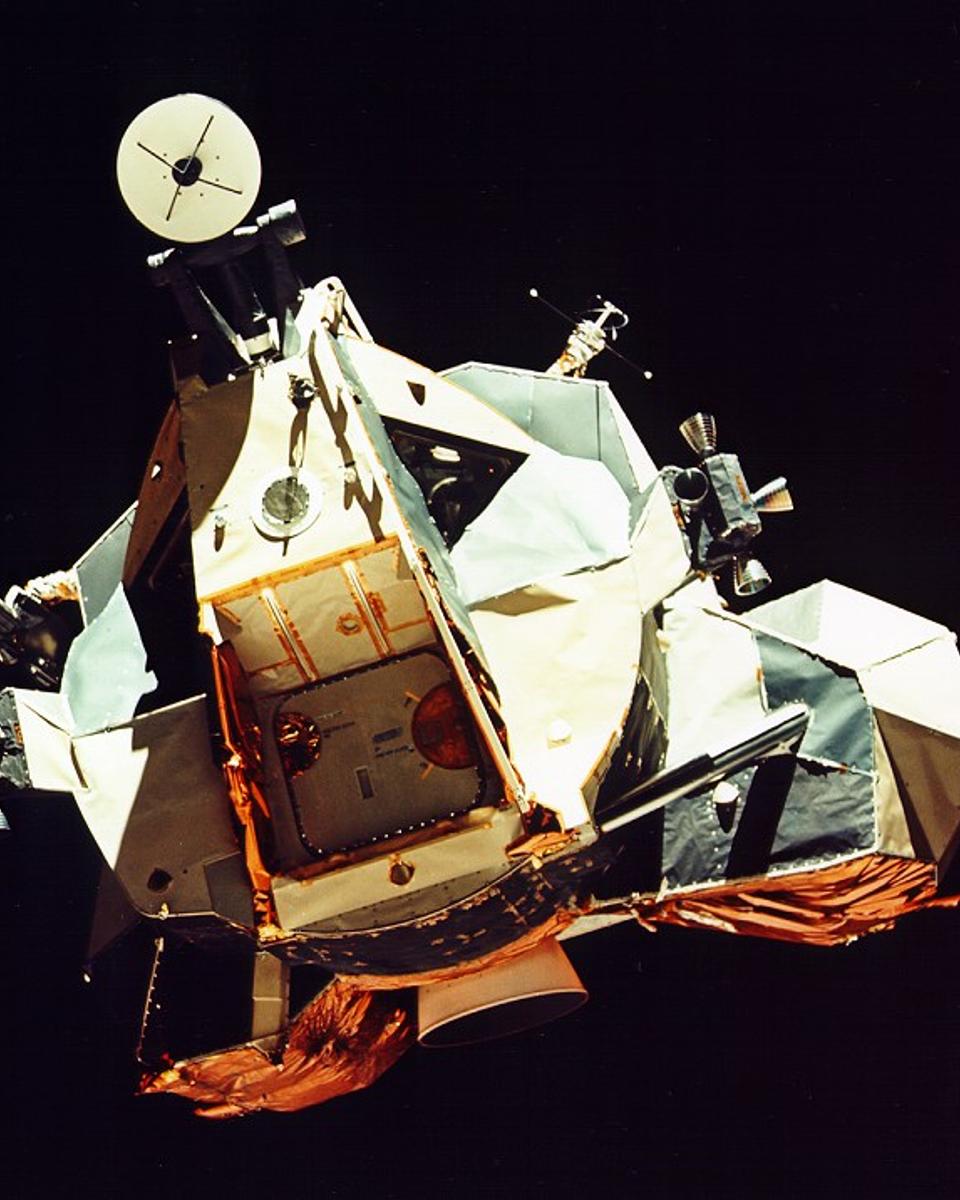
Apollo 17's Moonship
Awkward and angular looking, Apollo 17's lunar module Challenger was designed for flight in the vacuum of space. This sharp picture from the command module America , shows…
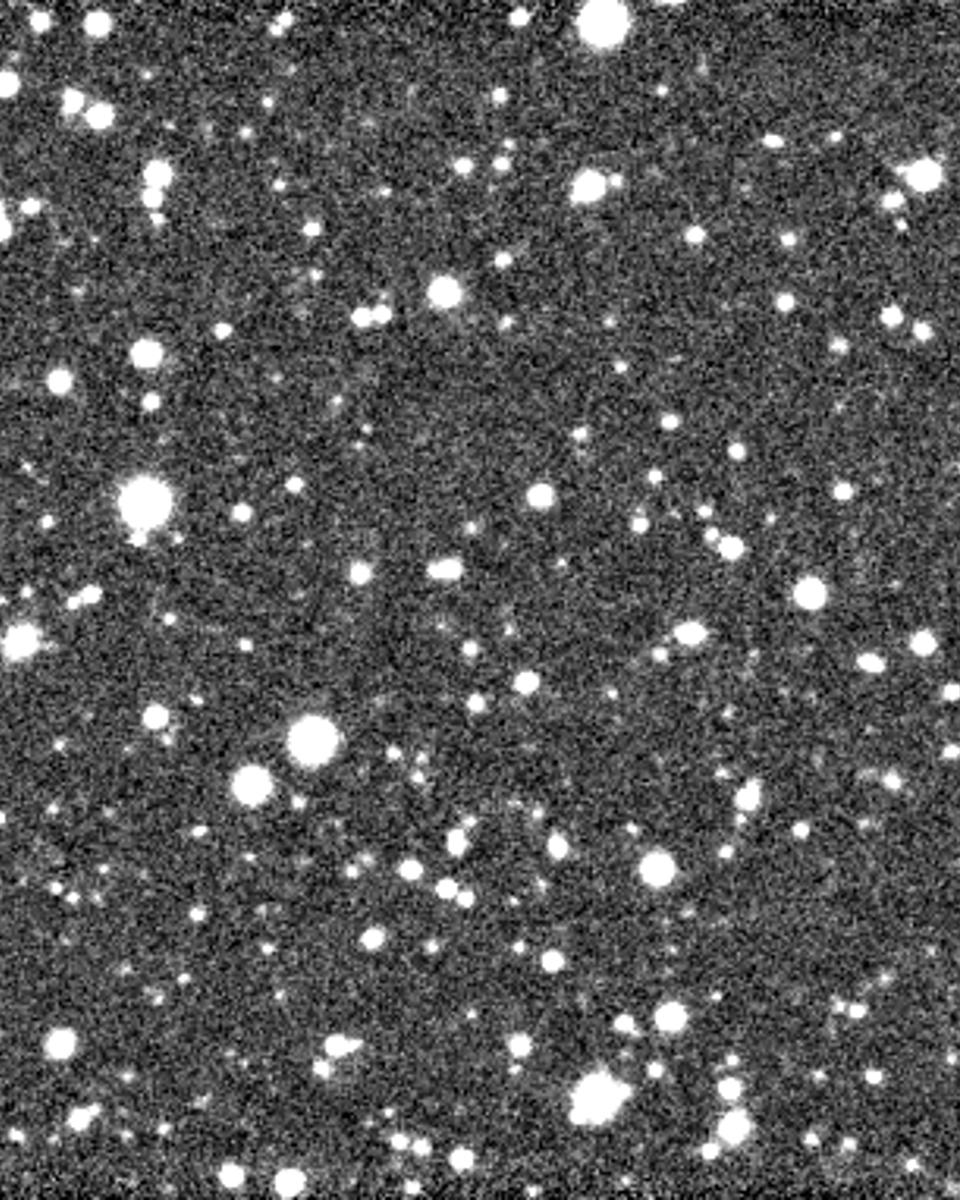
The Backyard Universe
How far can you see from your own backyard? Across the Solar System, even across our Galaxy, these sights are not difficult. Recently, however, amateur Paul Boltwood gazed across…
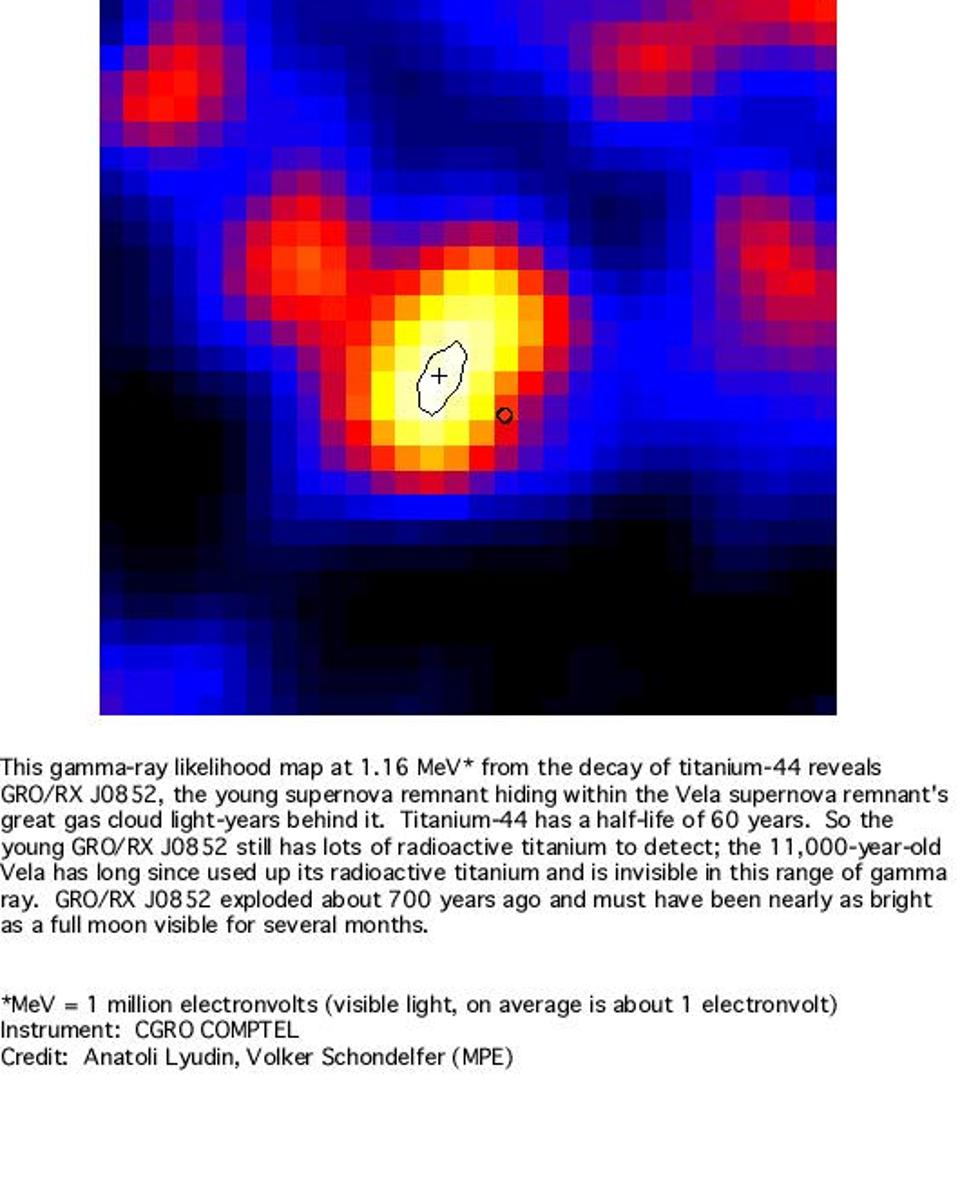
The Case of the Missing Supernova
Would you notice a second Moon in the sky? About 700 years ago, light from a tremendous explosion reached Earth that should have appeared almost as bright as a full Moon. The…
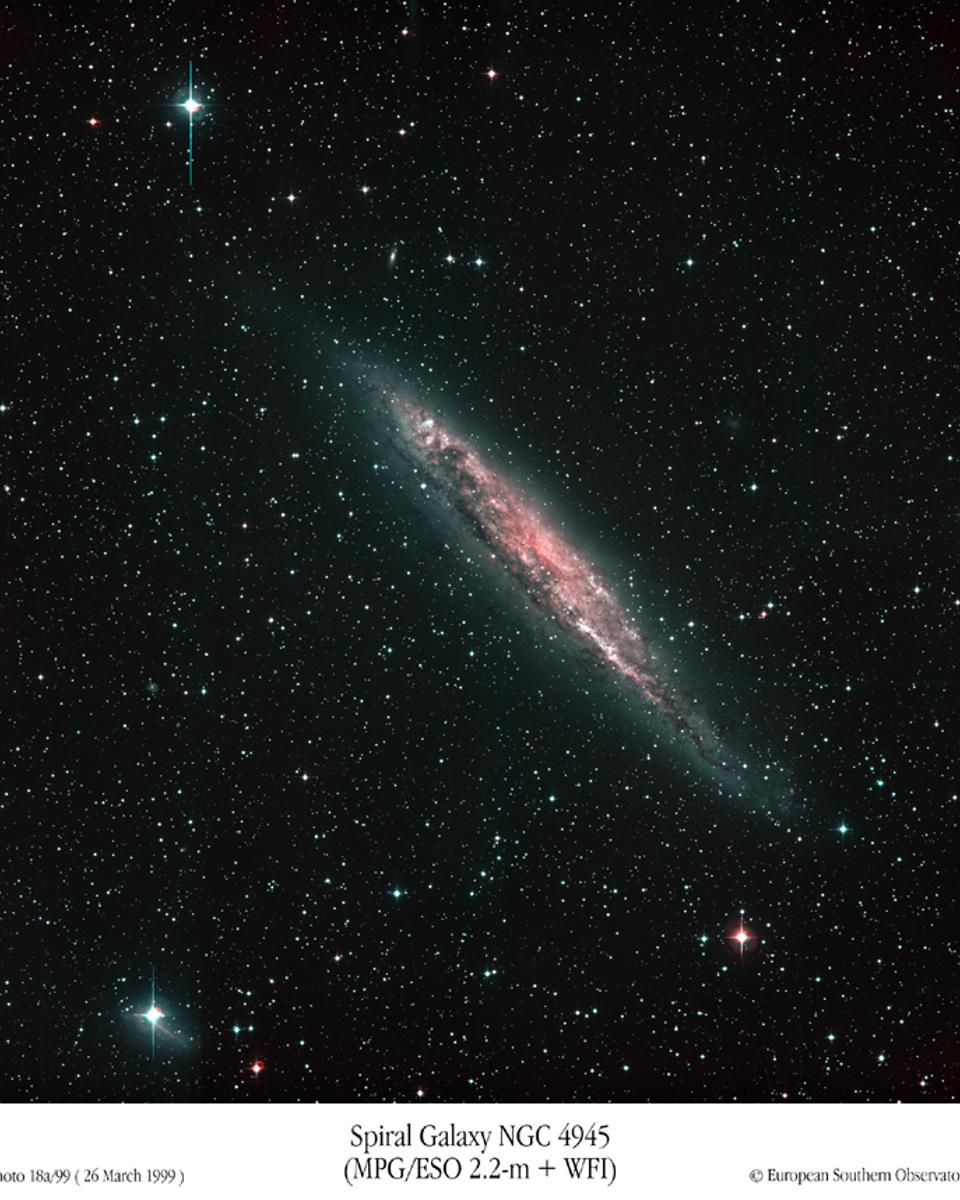
Nearby Spiral Galaxy NGC 4945
For such a close galaxy, NGC 4945 is easy to miss. NGC 4945 is a spiral galaxy in the Centaurus Group of galaxies, located only six times farther away than the prominent Andromeda…
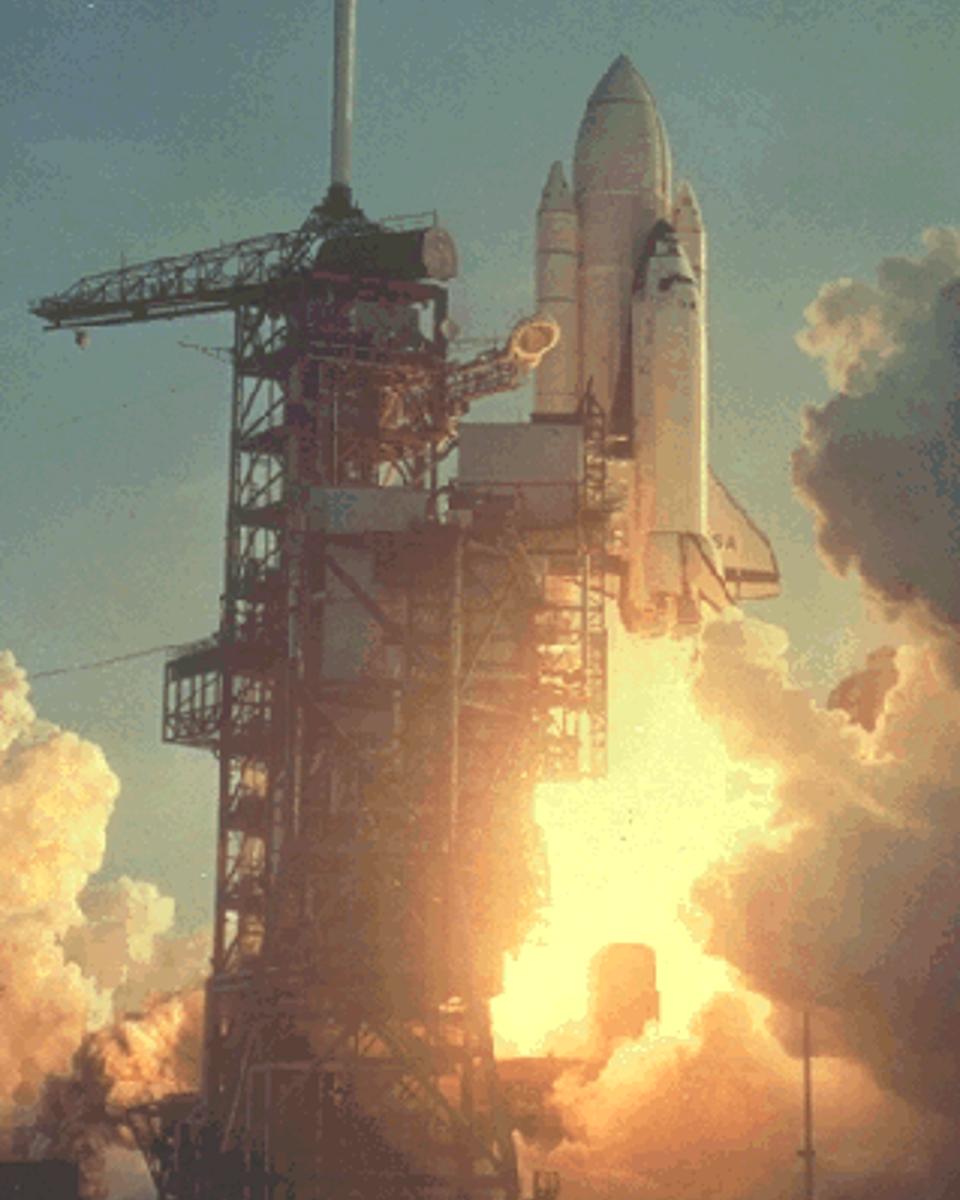
Liftoff of Space Shuttle Columbia
On April 12, 1981, space flight entered a new era with the first launch of Space Shuttle Columbia . NASA's Space Shuttles land like a normal airplane, carry a heavy cargo, carry a…
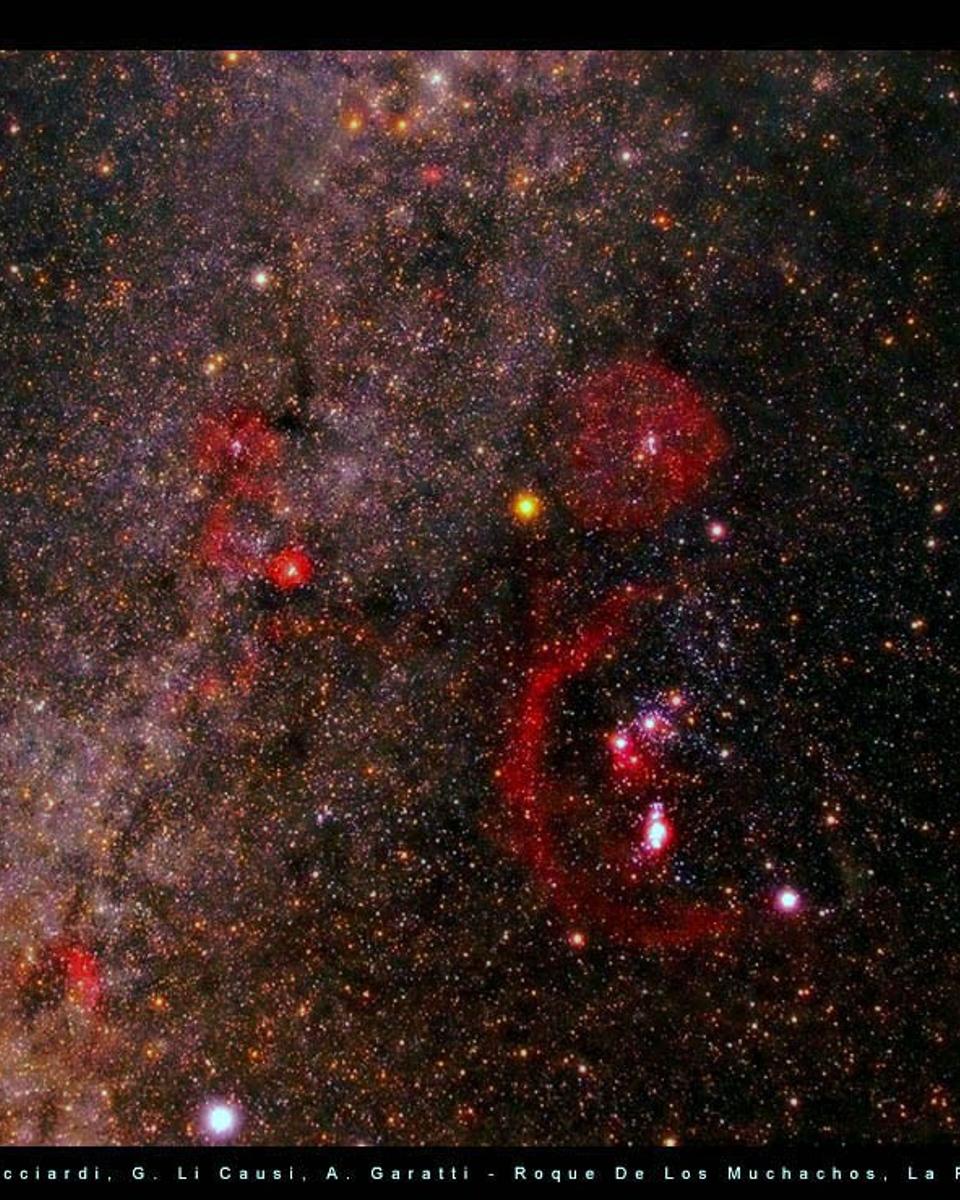
Canaries Sky
This gorgeous view of stars, nebulae, and the Milky Way comes from the dark night sky above the lovely island of La Palma in the Canaries archipelago . The picture was made by a…
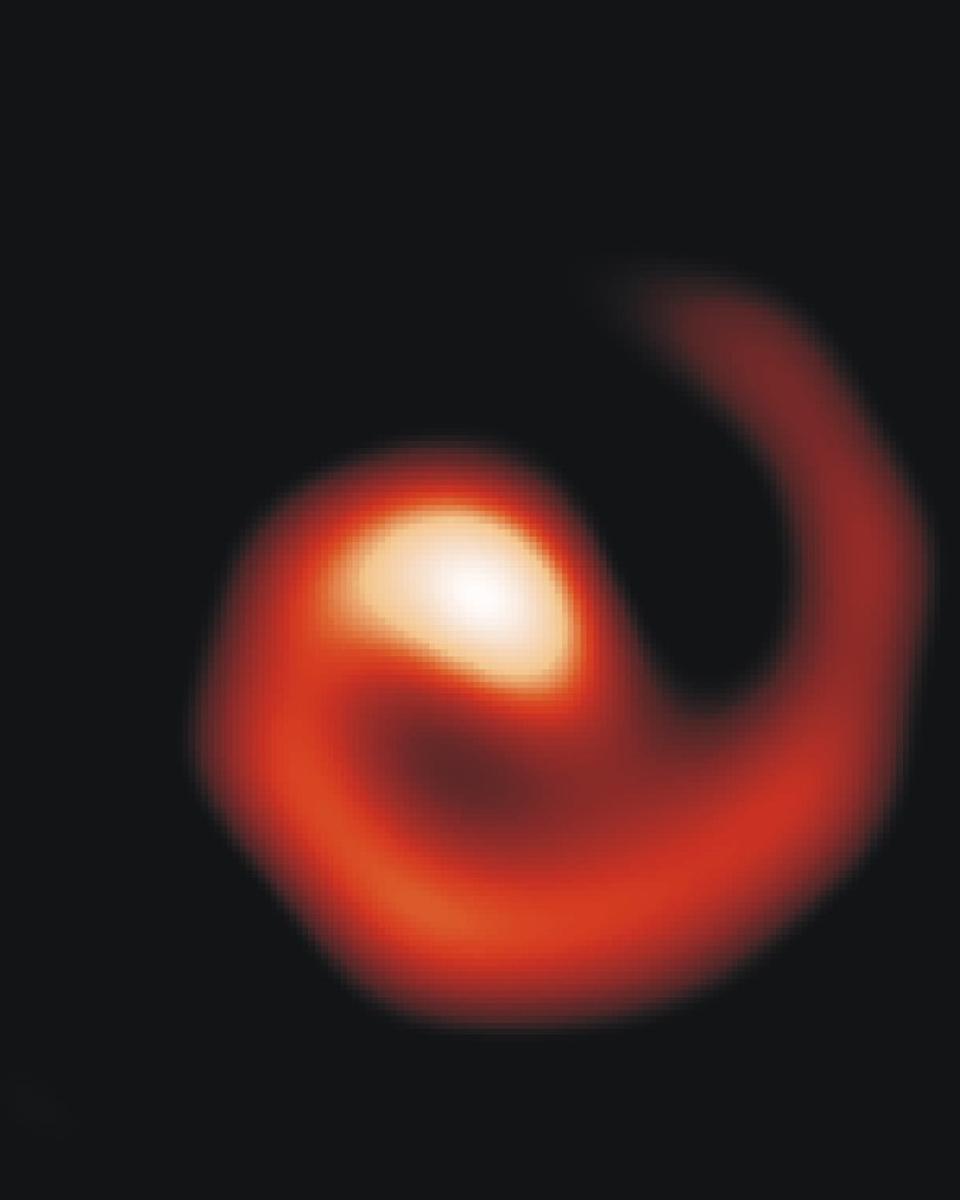
WR 104: Pinwheel Star
Like a cosmic lawn sprinkler, dust streaming from a rotating star system creates a pinwheel pattern in this false color infrared image . Astronomers discovered the surprising star…
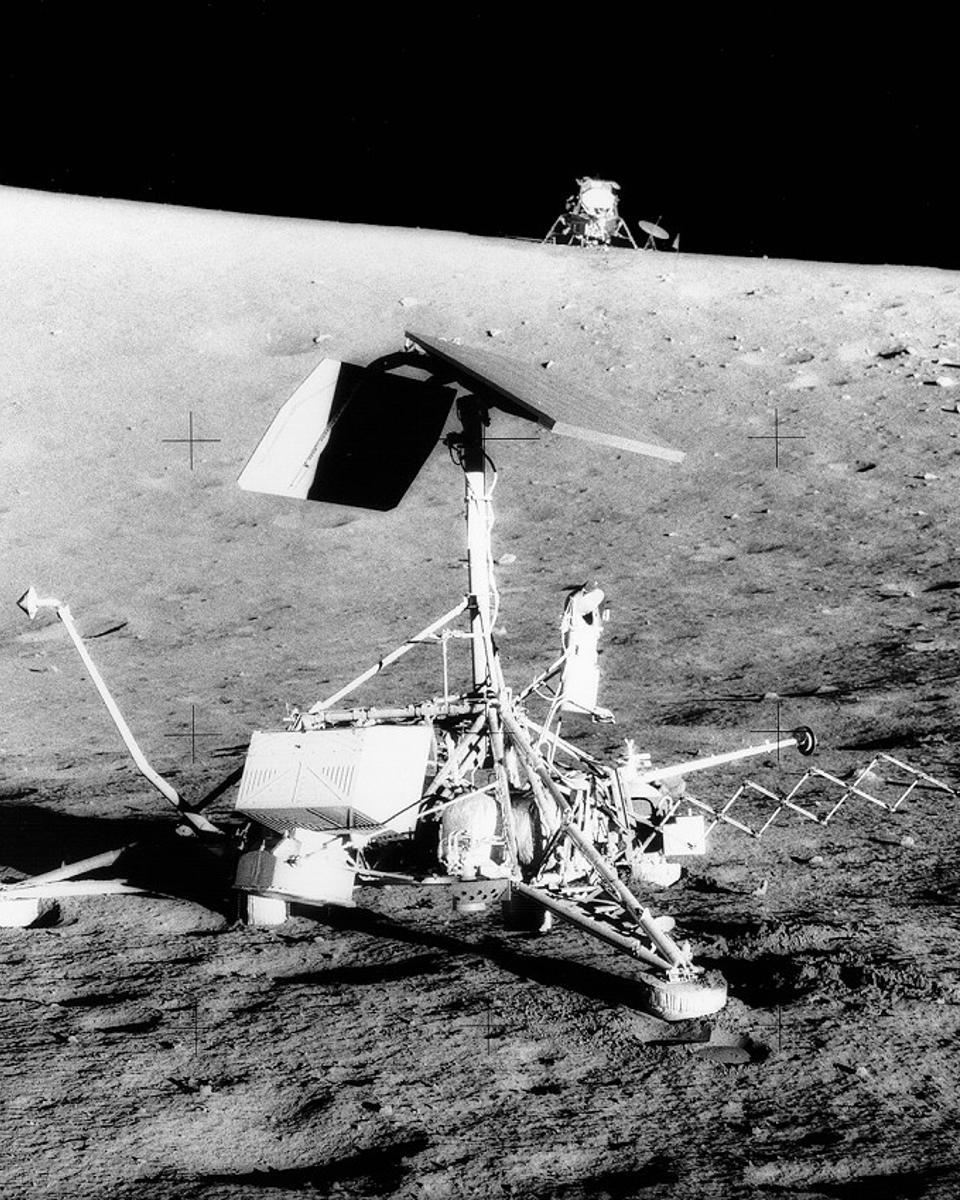
Apollo 12: Surveyor 3 and Intrepid
On April 20, 1967, NASA's robot spacecraft Surveyor 3 landed on the moon, touching down on the inside slope of a small lunar crater in the Ocean of Storms. Over 2 1/2 years later,…
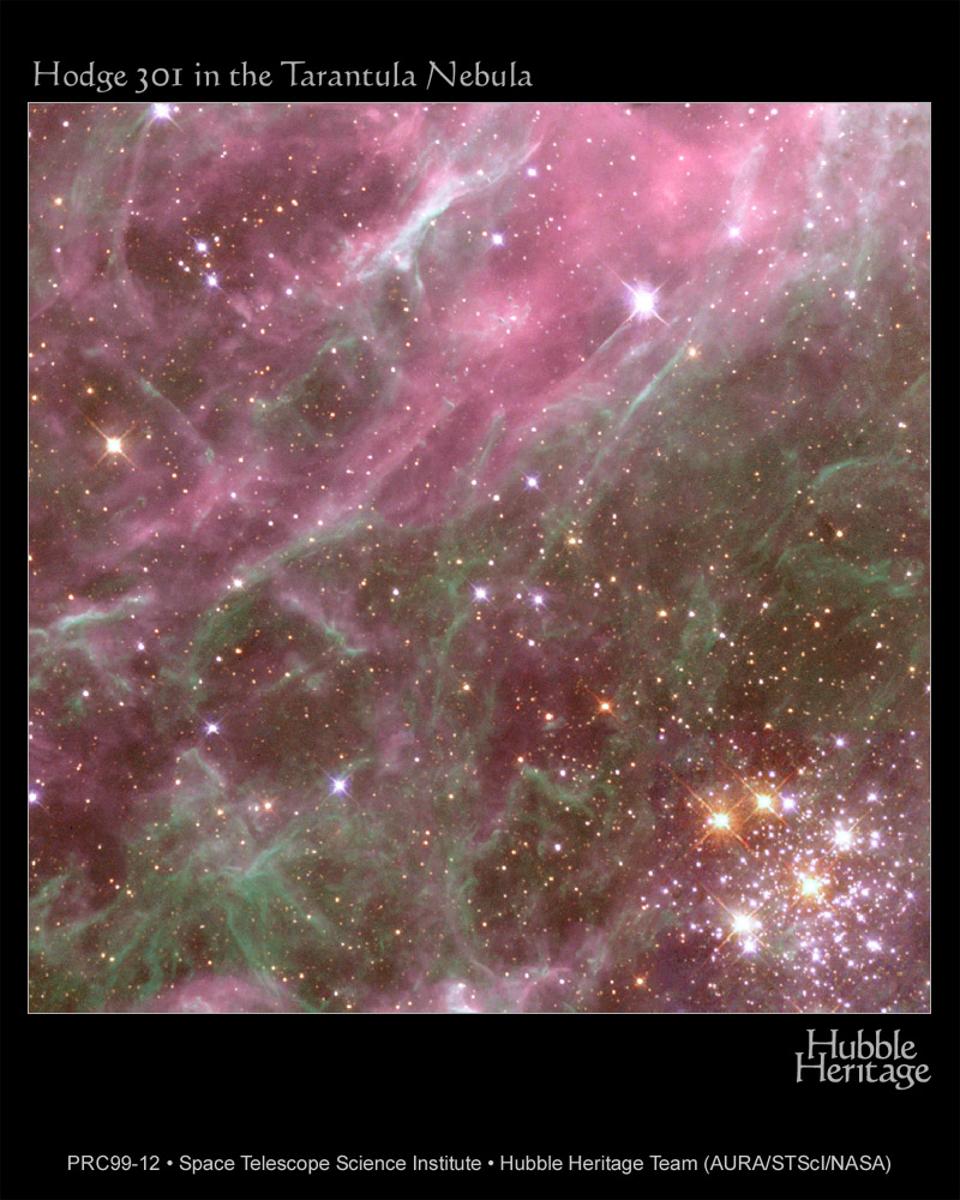
Denizen of the Tarantula Nebula
The star cluster at lower right, cataloged as Hodge 301 , is a denizen of the Tarantula Nebula . An evocative nebula in the southern sky, the sprawling cosmic Tarantula is an…
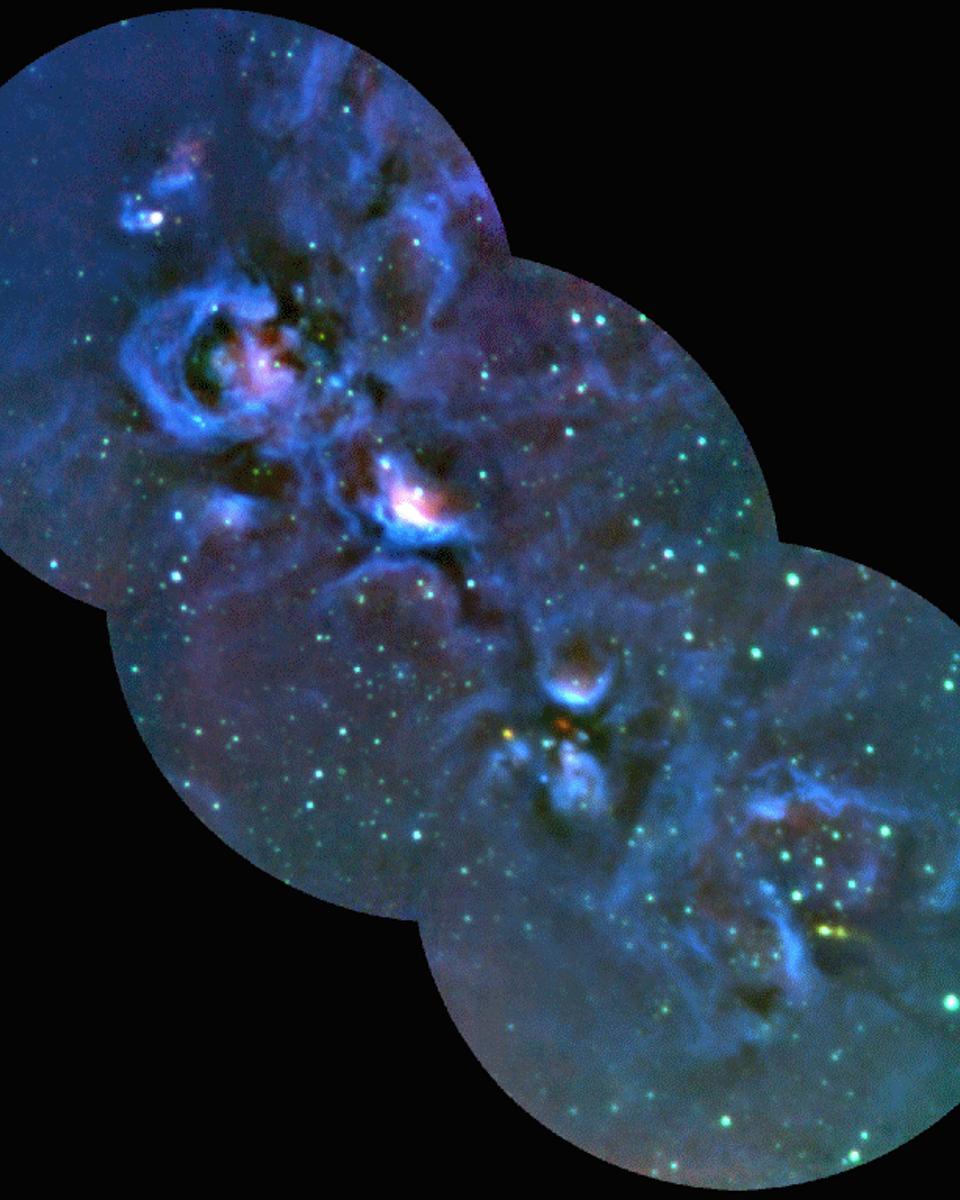
NGC 6334: The Bear Claw Nebula
NGC 6334 is a cloud of gas and dust that appears to be forming massive stars. At 5500 light-years away, the Bear Claw Nebula , as it has also been dubbed, is more than three times…
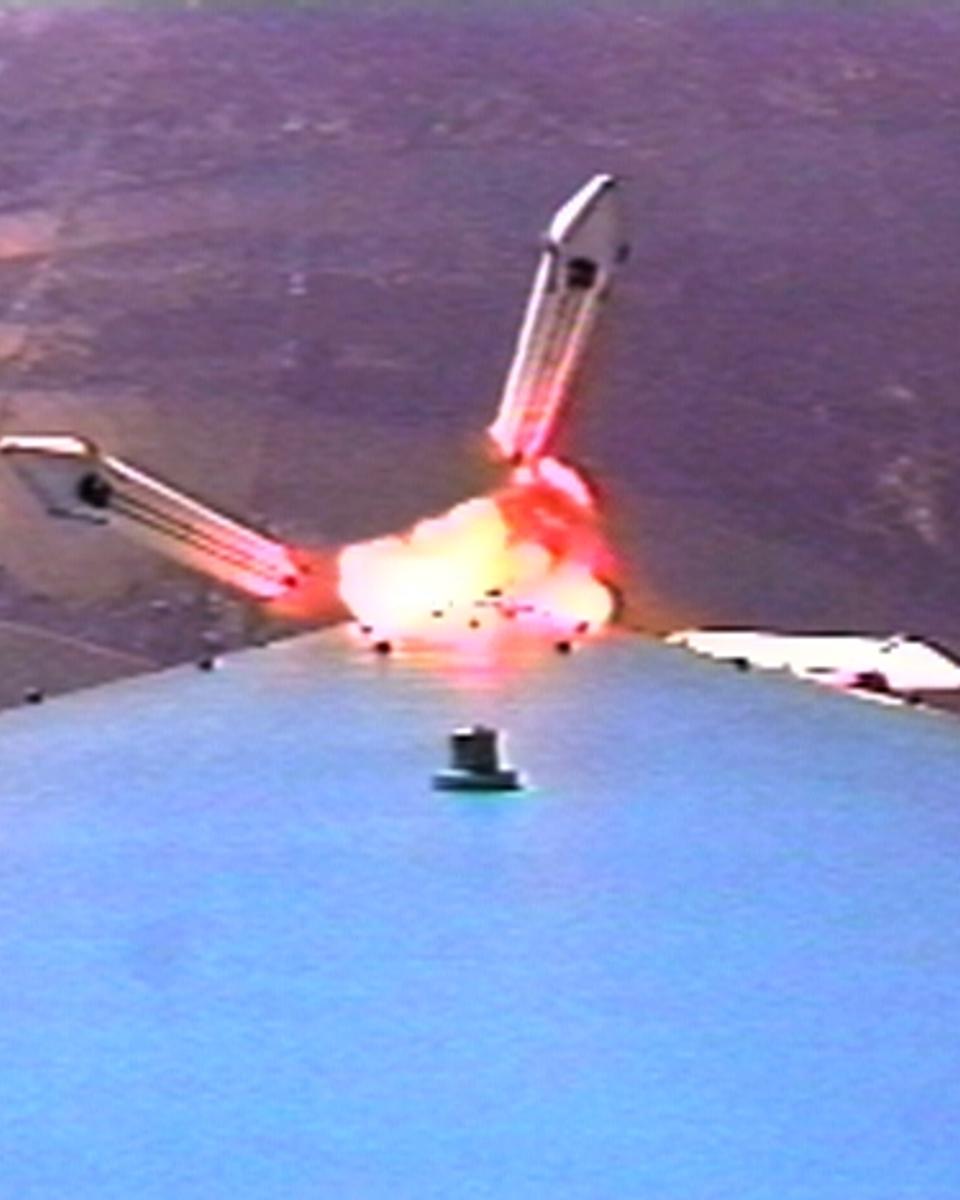
The Launch of STARDUST
NASA launches powerful rockets . One such rocket, the Delta II, recently lofted the STARDUST mission into the nearby Solar System . STARDUST is expected to photograph Comet Wild…
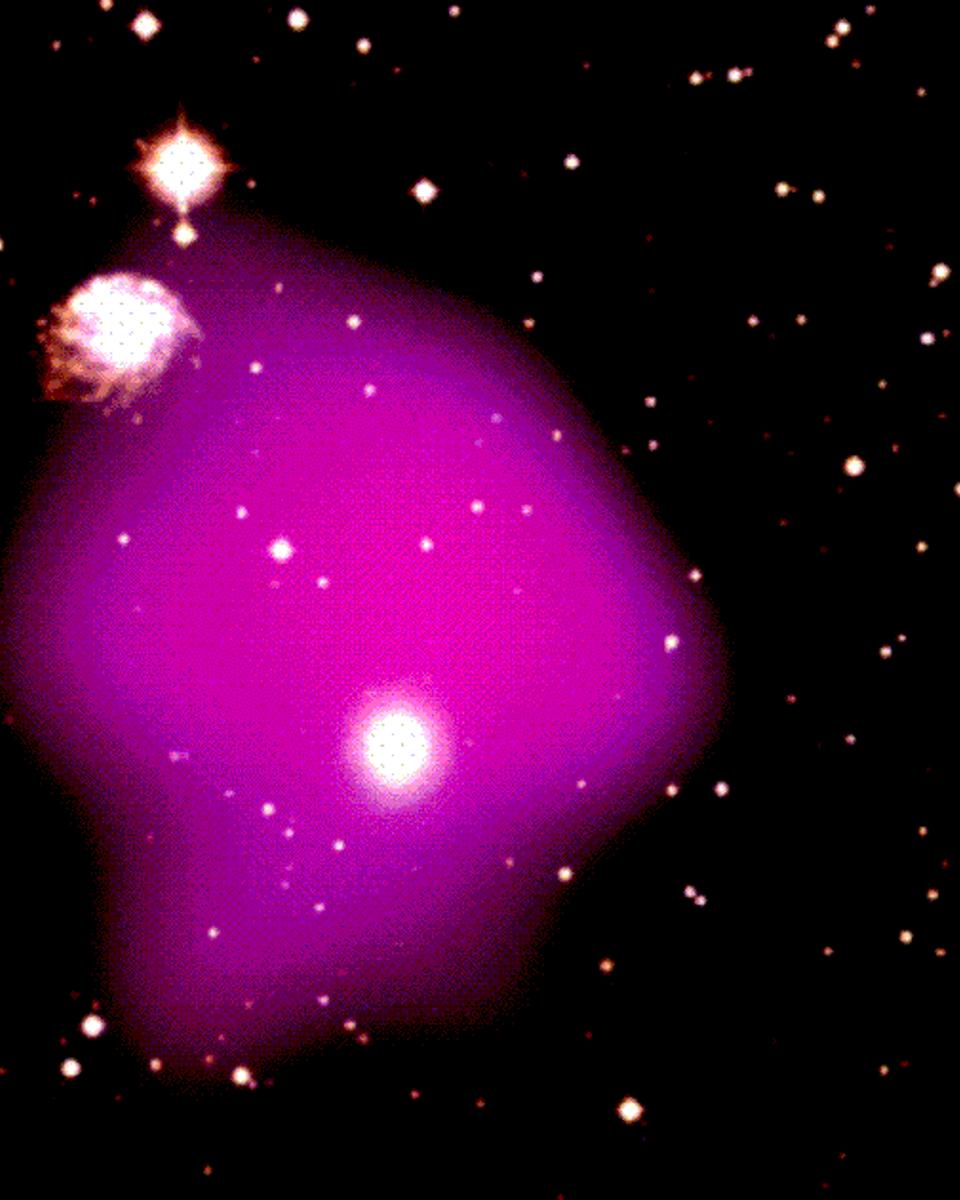
Hot Gas and Dark Matter
Is the gravity of the galaxies seen in this image high enough to contain the glowing hot gas? Superposed on an optical picture of a group of galaxies is an image taken in X-ray…
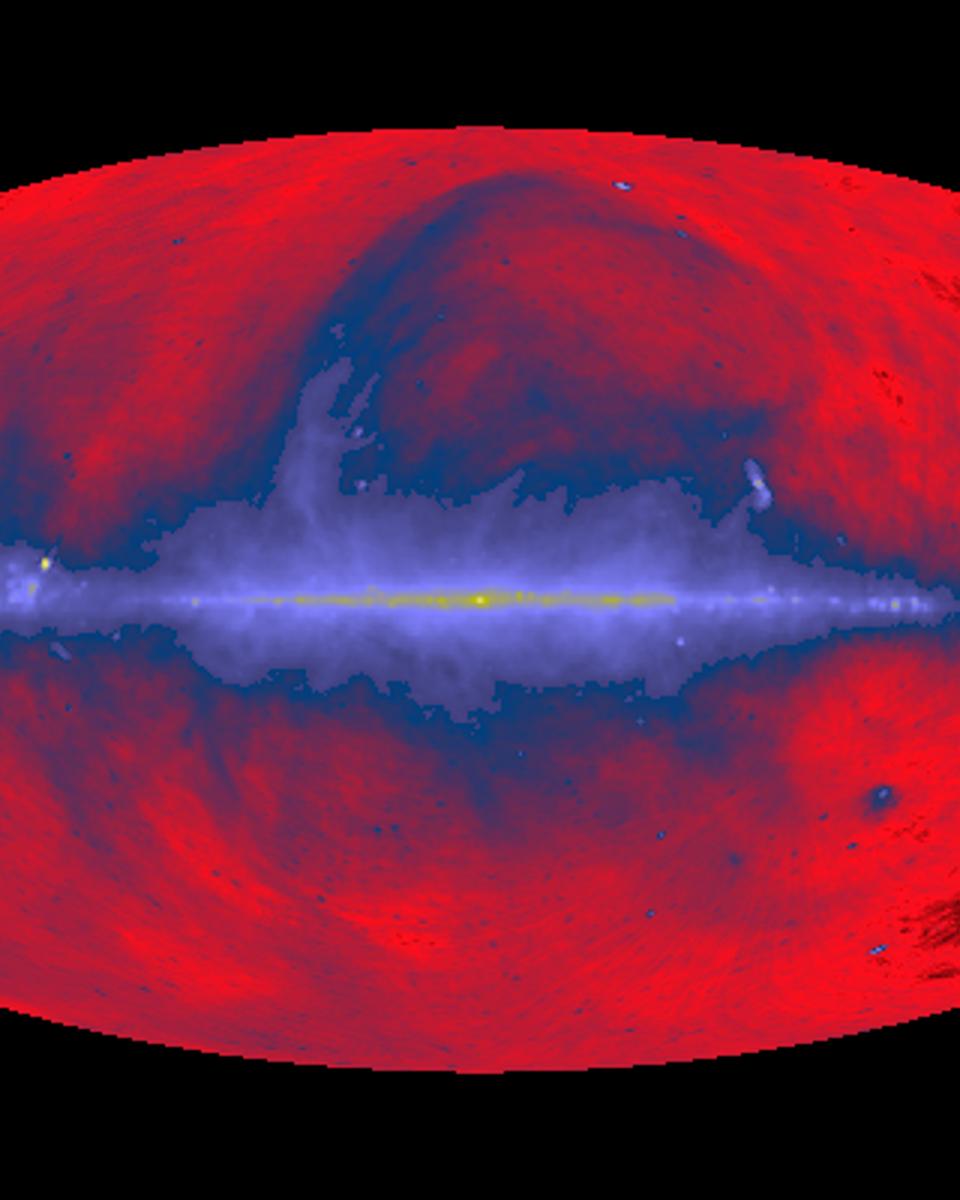
The Radio Sky: Tuned to 408MHz
Tune your radio telescope to 408MHz (408 million cycles per second) and check out the Radio Sky! You should find that frequency on your dial somewhere between US broadcast…
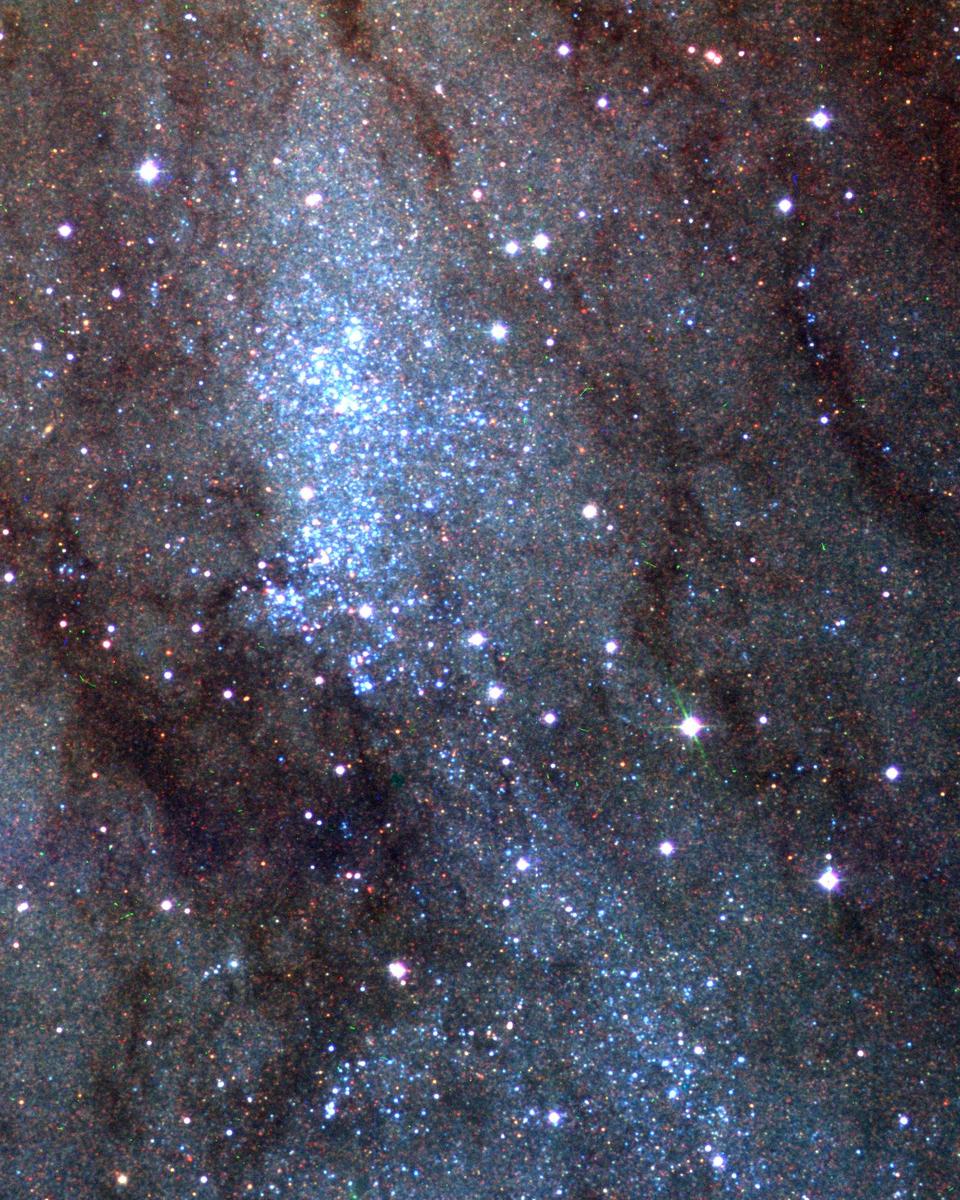
Stars of NGC 206
Nestled within the dusty arms of the large spiral galaxy Andromeda (M31), the star cluster NGC 206 is one of the largest star forming regions known in our local group of galaxies.…
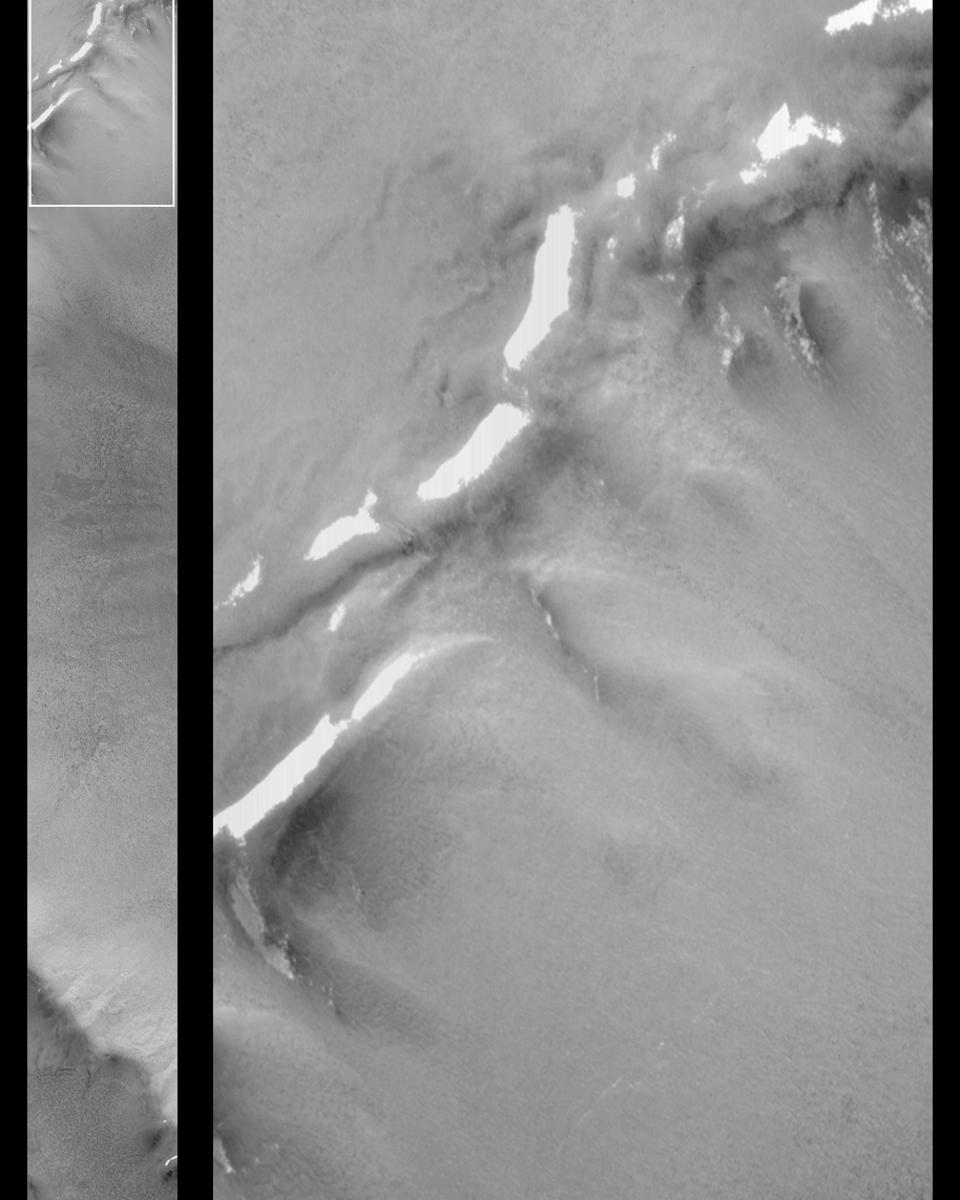
Ski Mars!
These brightly reflecting fields of snow or frost are on the slopes of a crater rim in the northern hemisphere of Mars . They are 500 meters or so long and have lasted through…
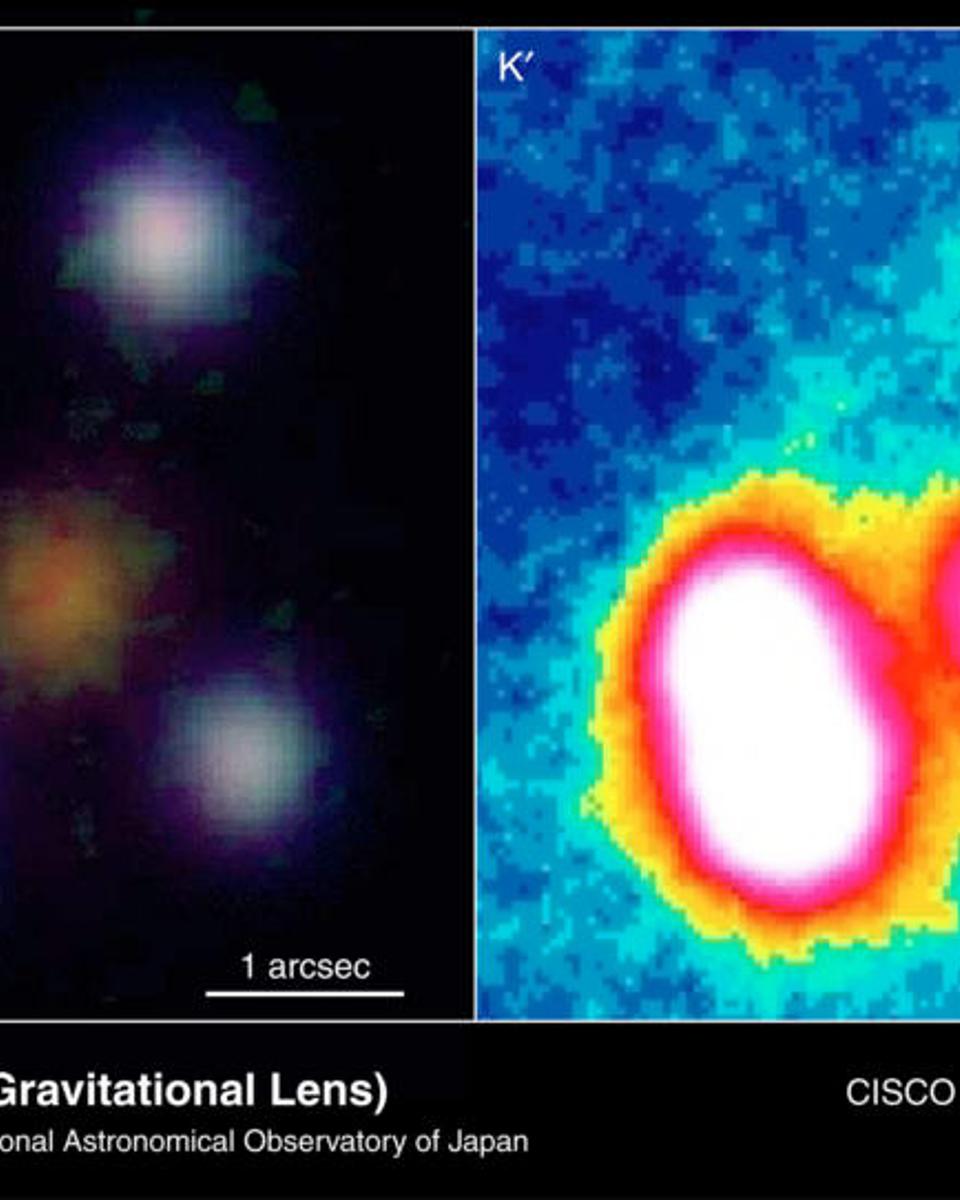
PG 1115+080: A Gravitational Cloverleaf
All four blue images in the above photograph are the same object. The gravitational lens effect of the red, foreground, elliptical galaxy visible near image center creates a…
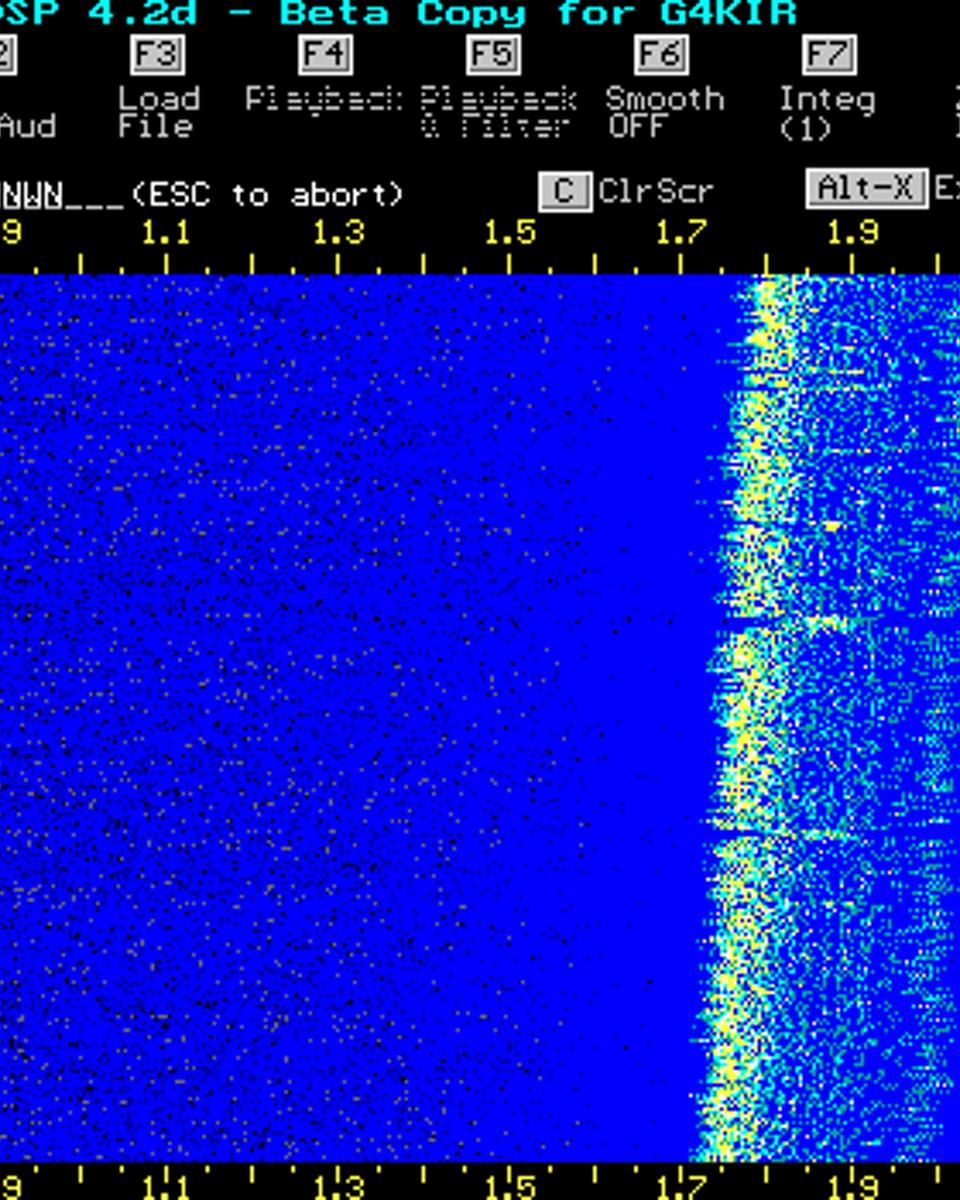
An Anomalous SETI Signal
No one knows for sure what caused this signal . The bright colors on the blue background indicate that an anomalous signal was received here on Earth by a radio telescope involved…
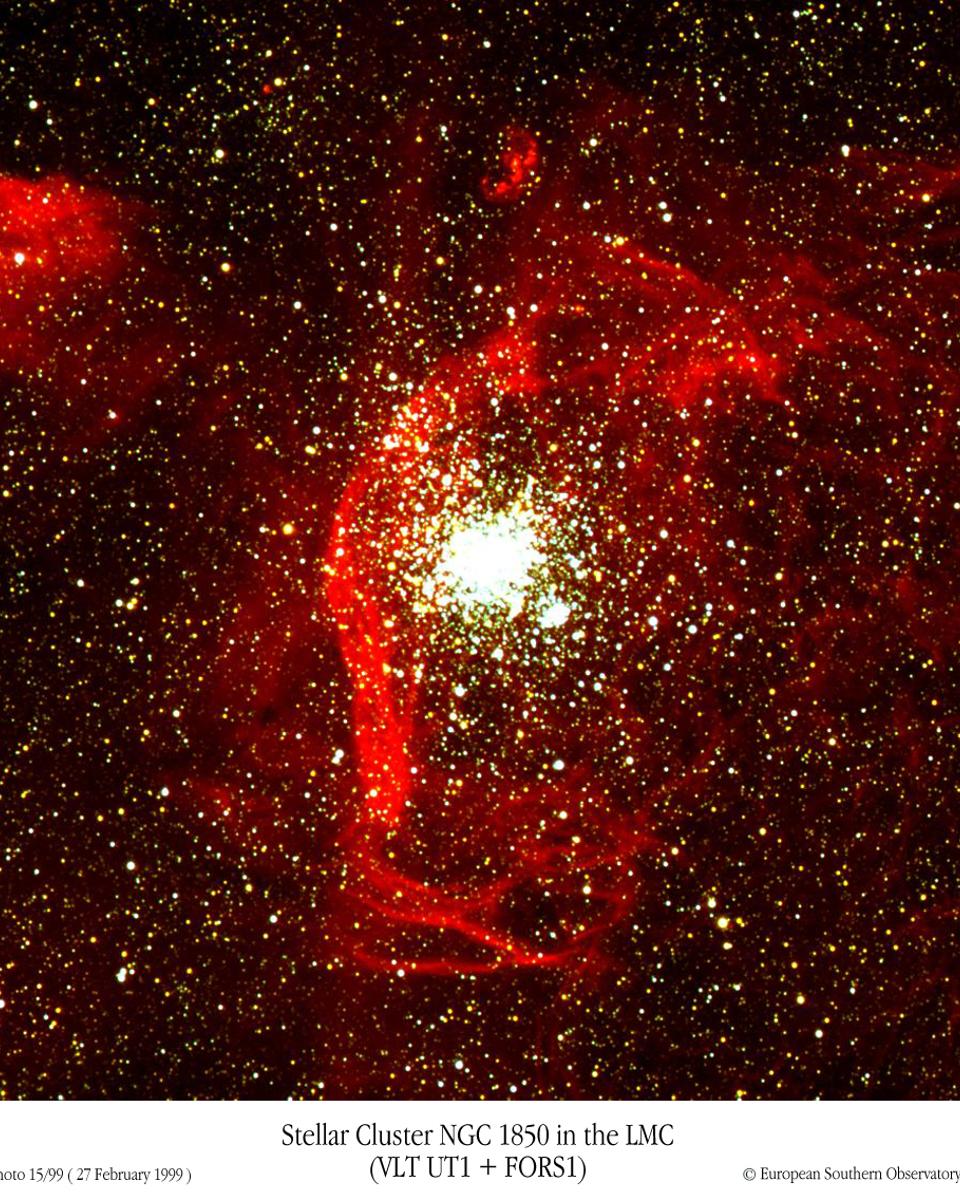
NGC 1850: Gas Clouds and Star Clusters
There's nothing like it in our own Galaxy . Globular clusters as young as NGC 1850 don't exist here. Globular clusters only 40 millions of years old can still be found in the…
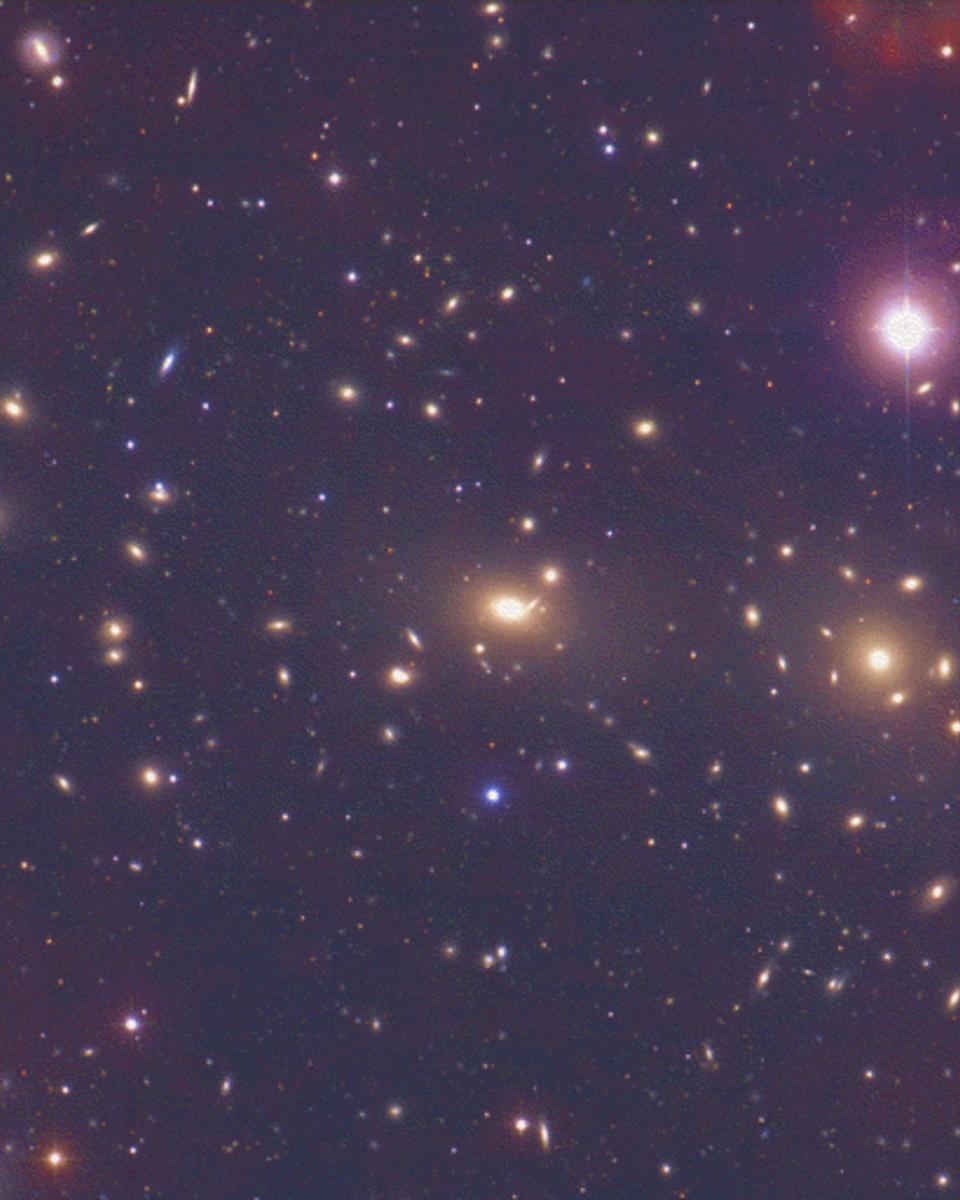
The Coma Cluster of Galaxies
Almost every object in the above photograph is a galaxy. The Coma Cluster of Galaxies pictured is one of the densest clusters known - it contains thousands of galaxies . Each of…
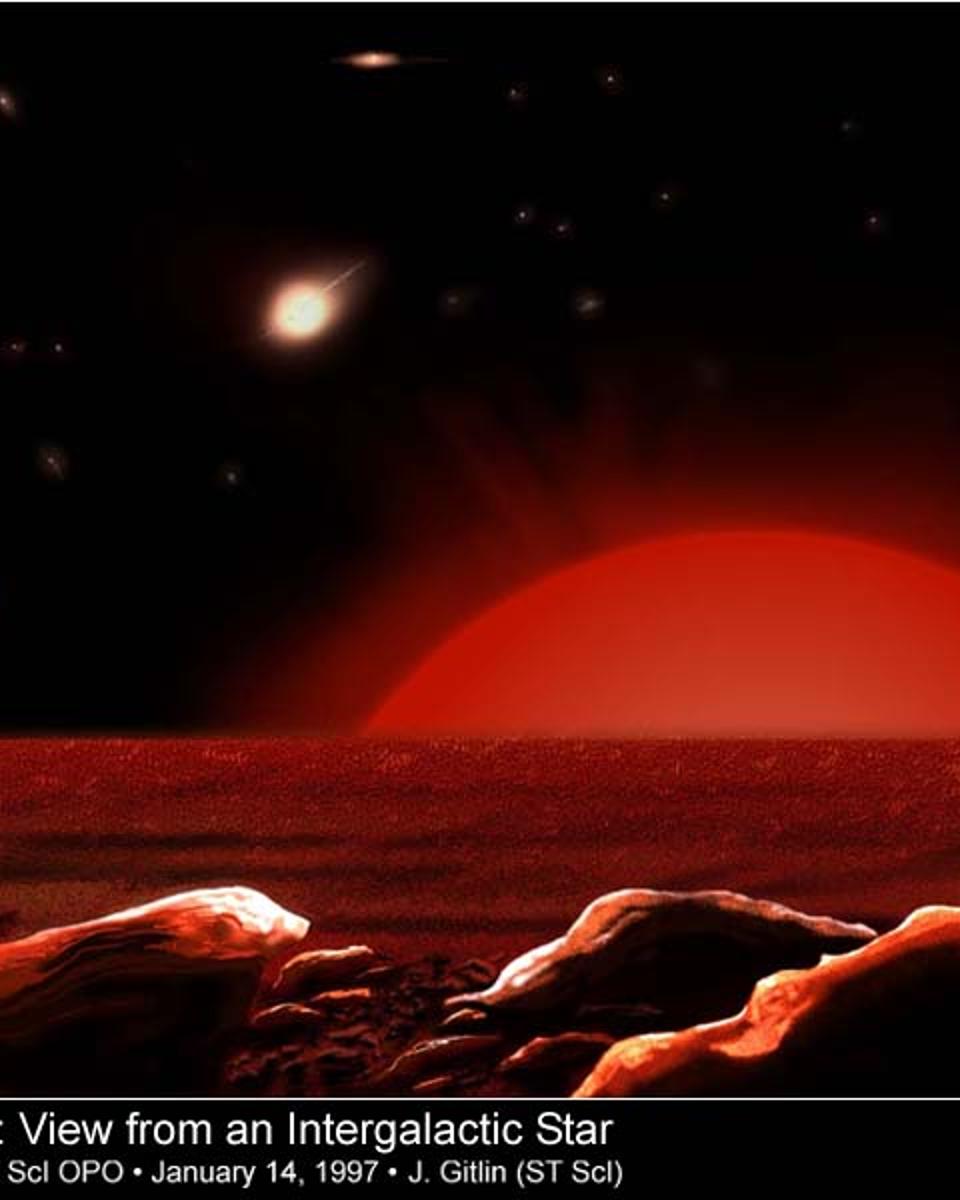
Stars Without Galaxies
Galaxies are made up of stars, but are all stars found within galaxies? Using the Hubble Space Telescope , researchers exploring the Virgo Cluster of galaxies have now found about…
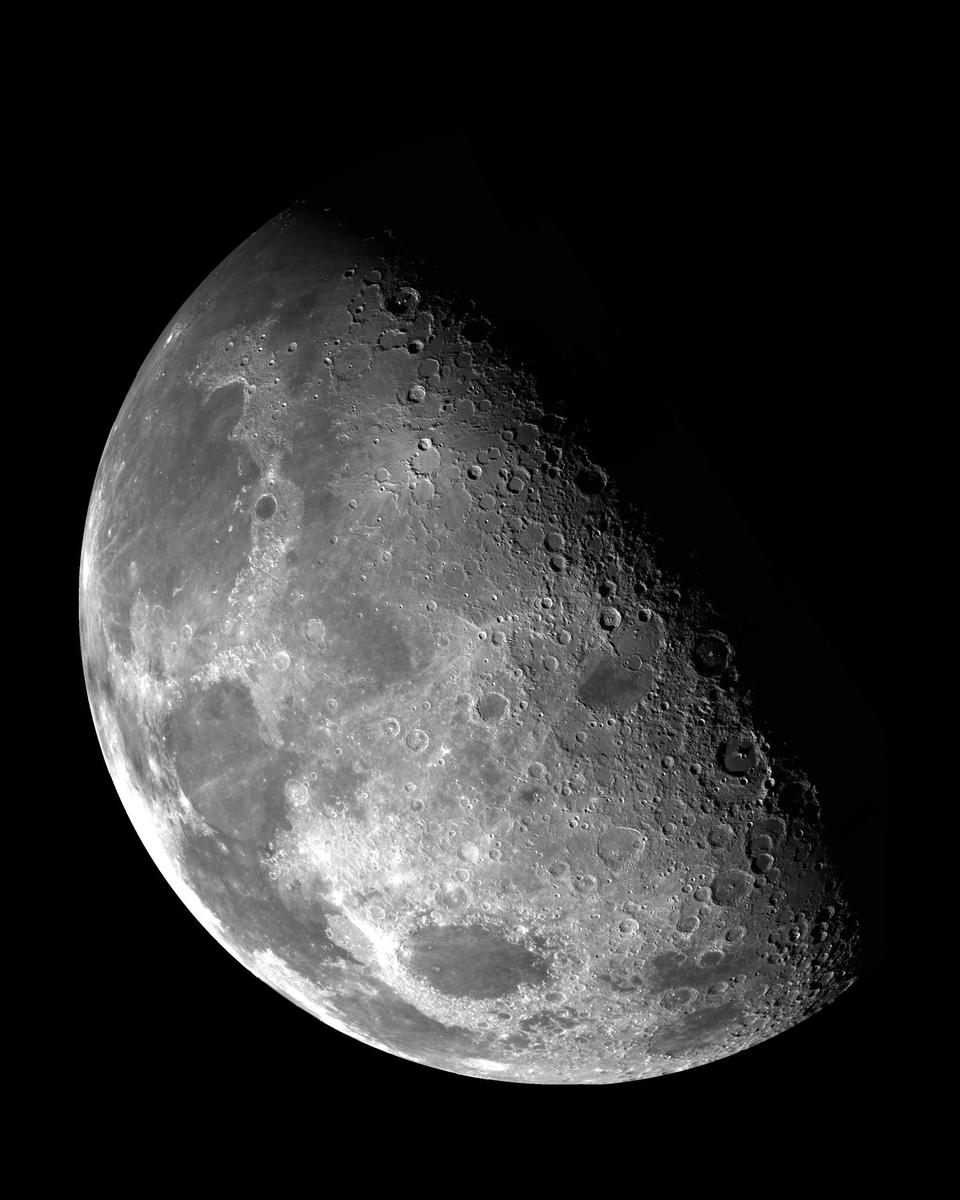
Impact Moon
The Moon's surface is covered with craters, scars of frequent impacts during the early history of the solar system. Now, recent results from the Lunar Prospector spacecraft…
Viewing discoveries from 18 April 1999 through 26 March 1999.