Browse NASA Astronomy Picture of the Day archive by date and media: Archive Discoveries
Browse the NASA APOD archive without needing the exact date first. Filter by media type and keep moving deeper into older images and videos.
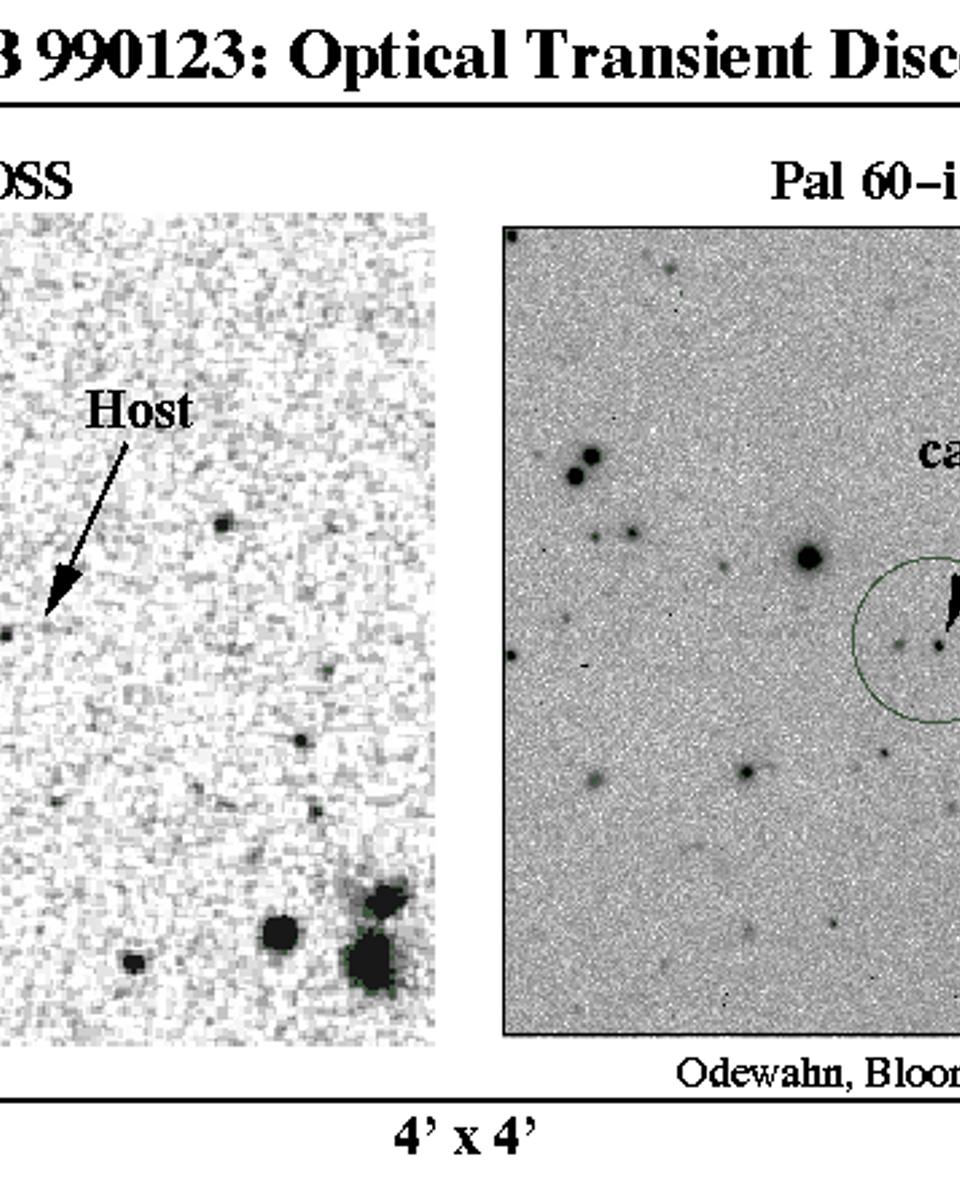
Galaxy And Gamma-ray Burst
Gamma-ray bursts rule the high-energy sky and Saturday another brief, intense flash of gamma-rays from the cosmos triggered space-based detectors. The orbiting Compton…
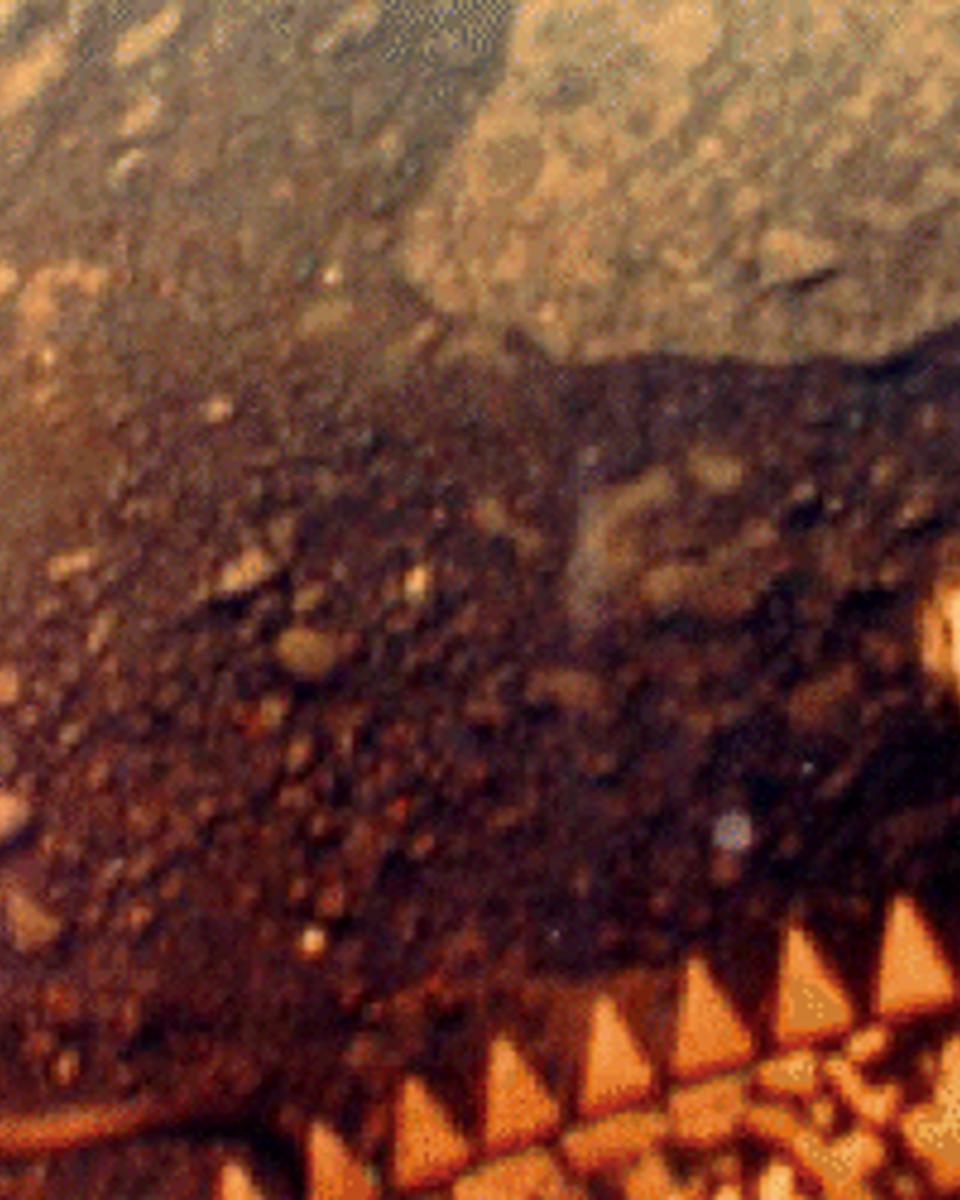
A Venus Landing
This image is part of the first color panoramic view from Venus . It was transmitted by a TV camera on the Soviet Venera 13 lander which parachuted to the surface on March 1,…
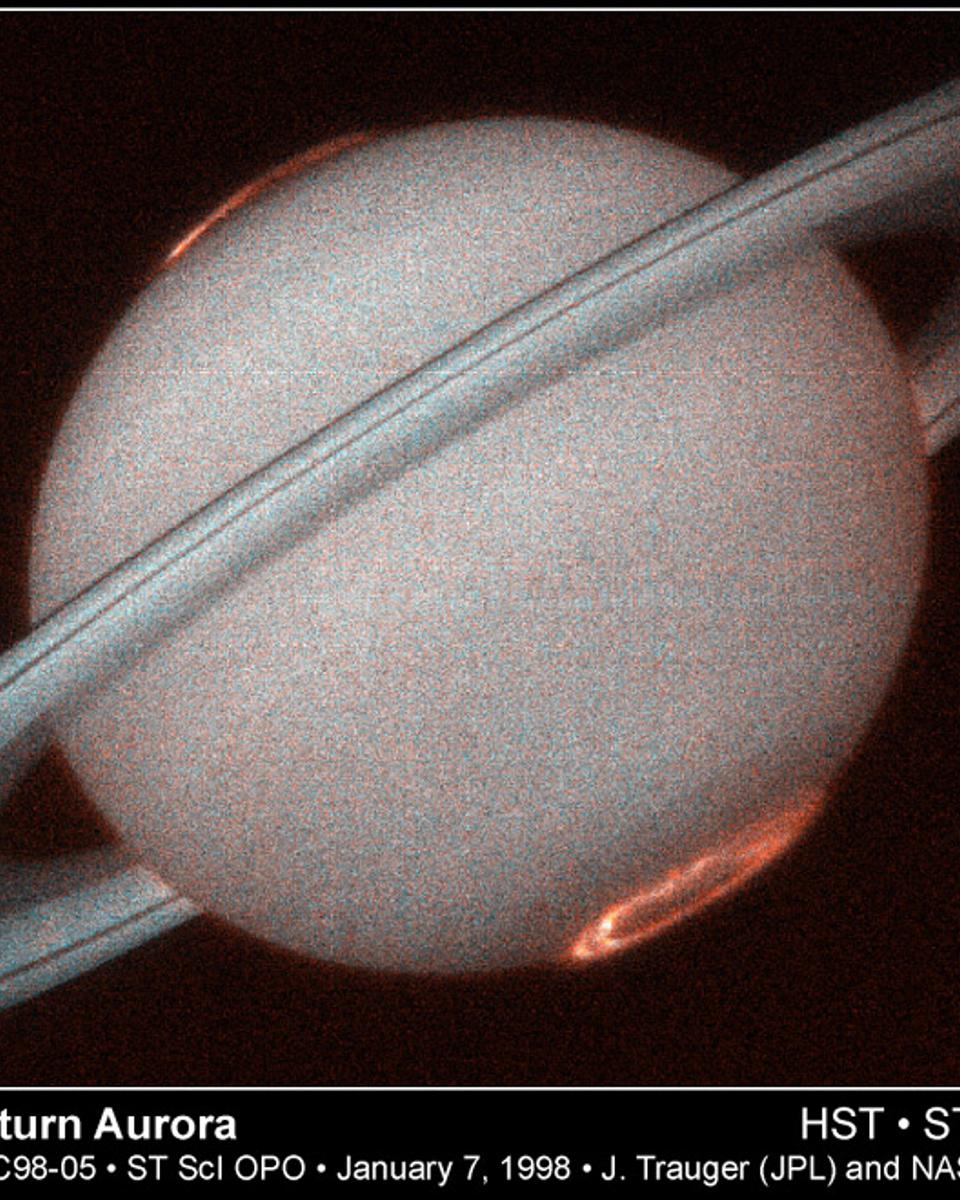
Saturnian Aurora
Girdling the second largest planet in the Solar System, Saturn's Rings are one of the most spectacular sights for earthbound telescopes. This image from the orbiting Hubble Space…
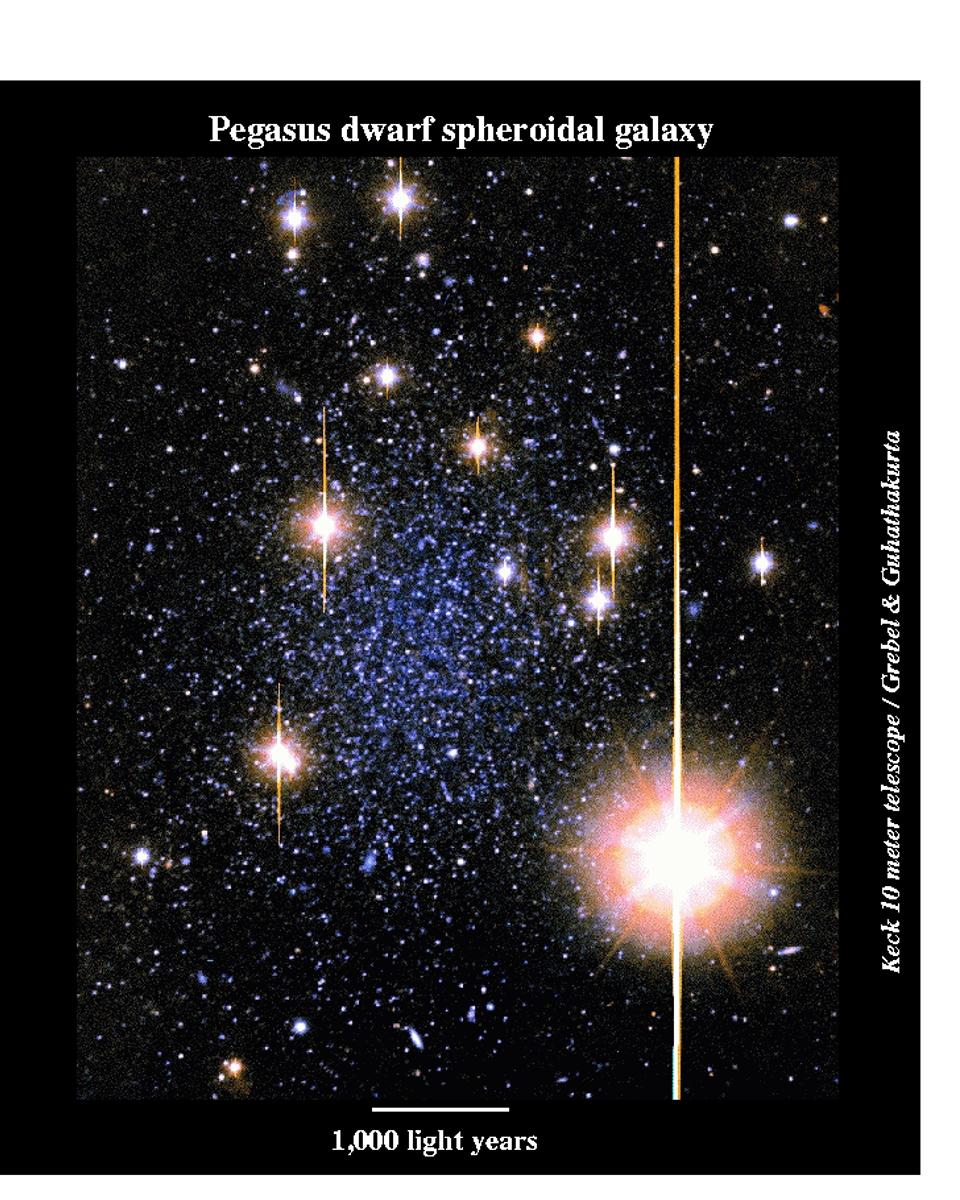
Pegasus dSph: Little Galaxy of the Local Group
The Pegasus dwarf spheroidal galaxy (Peg dSph) is a small, newly recognized member of the Local Group of Galaxies . Likely a satellite companion of the Local Group's dominant…
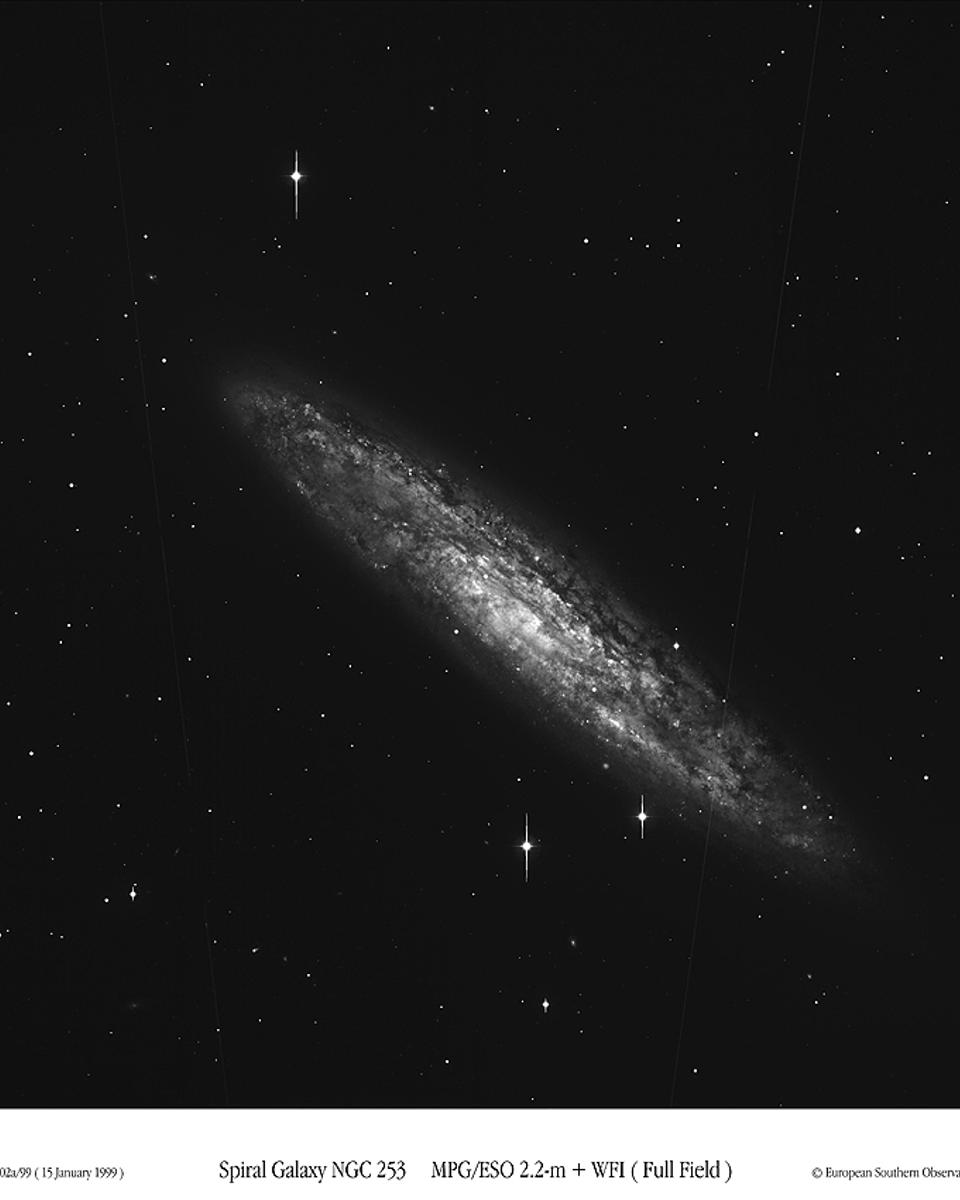
Spiral Galaxy NGC 253
A camera with over 67 million pixels (digital picture elements) was used to record this stunning image of spiral galaxy NGC 253 . Known as the Wide Field Imager (WFI), the camera…
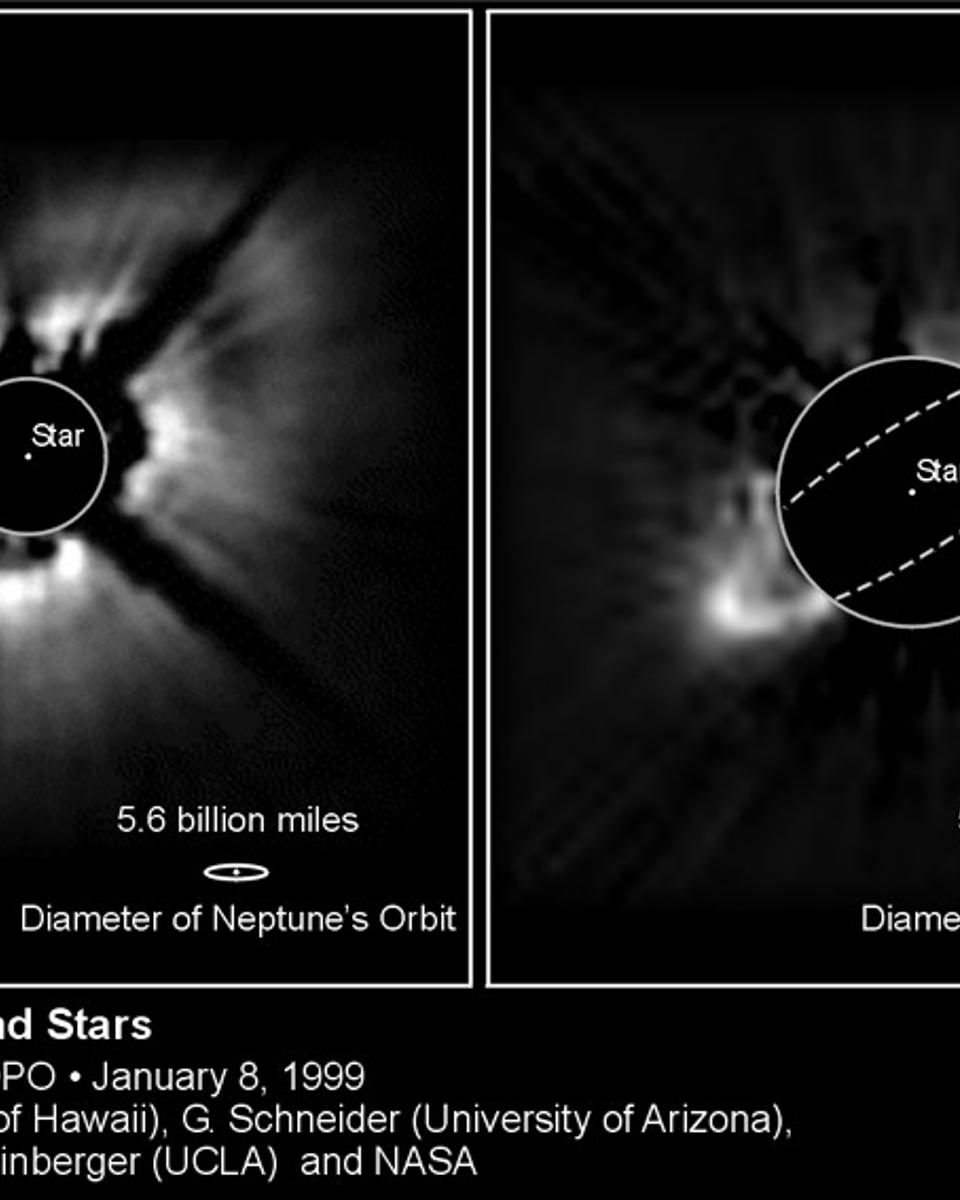
Possible Planets And Infrared Dust
These near-infrared Hubble images of dust surrounding young stars offer the latest tantalizing evidence for planets beyond our Solar System . At left, the dark gap seen in the…
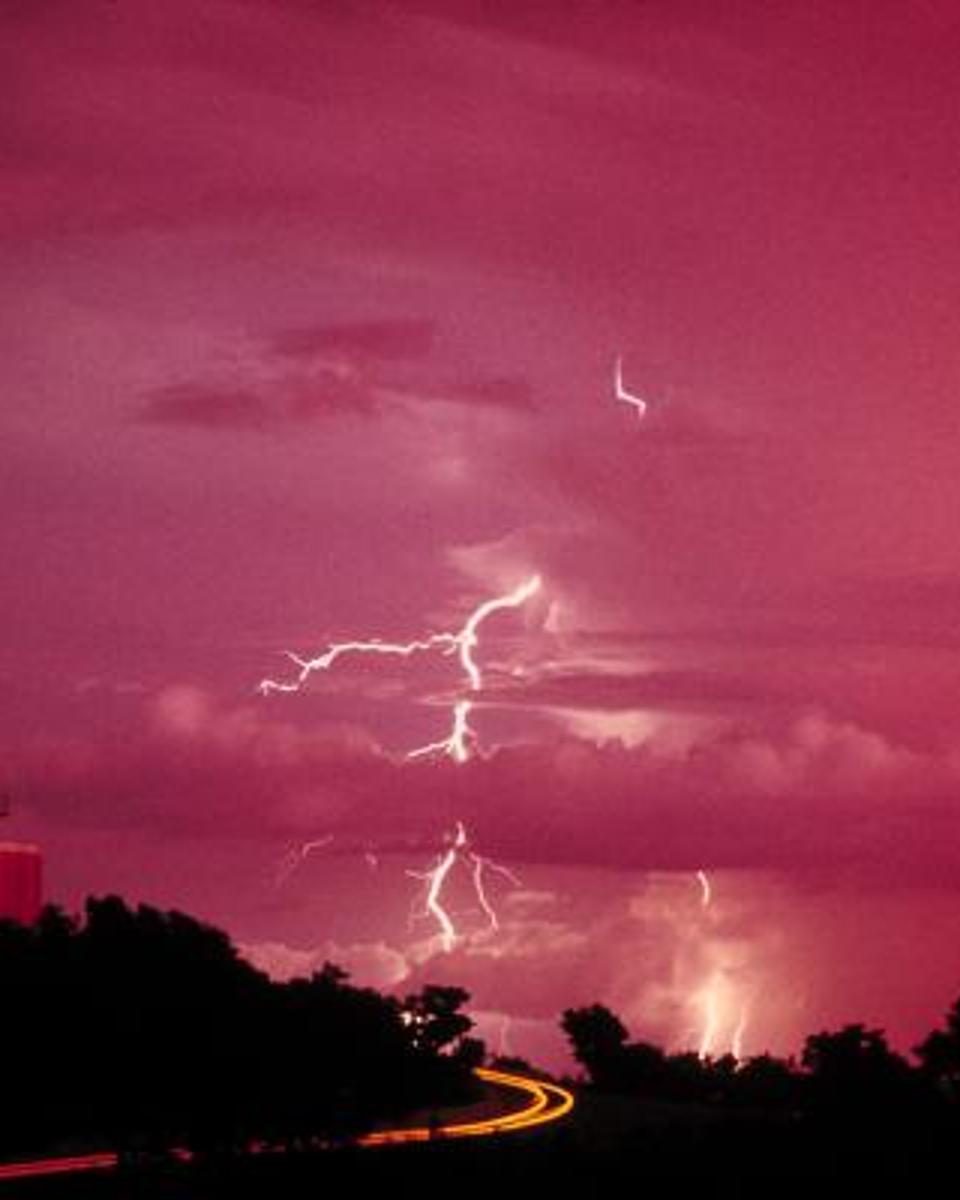
Telescope with Lightning
Telescopes are not very useful during lightning storms. Nevertheless, with lightning illuminating a dark landscape, the picturesque dome of the famous Kitt Peak 2.1-meter…
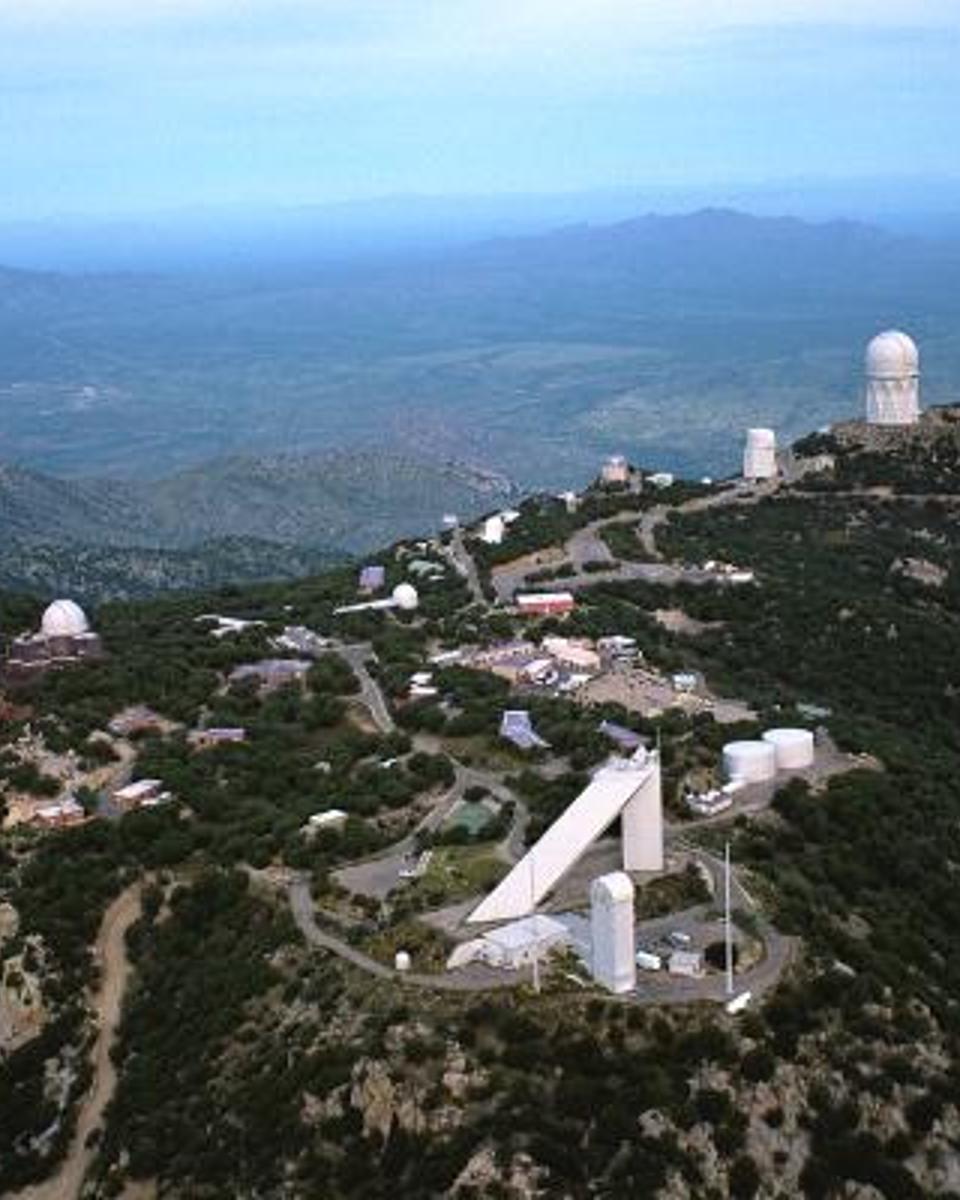
Kitt Peak National Observatory
At the top of Kitt Peak Mountain near Tucson , Arizona lies one of the world's great collections of telescopes. As pictured , in the dome at the far left lies the 3.5-meter WIYN…
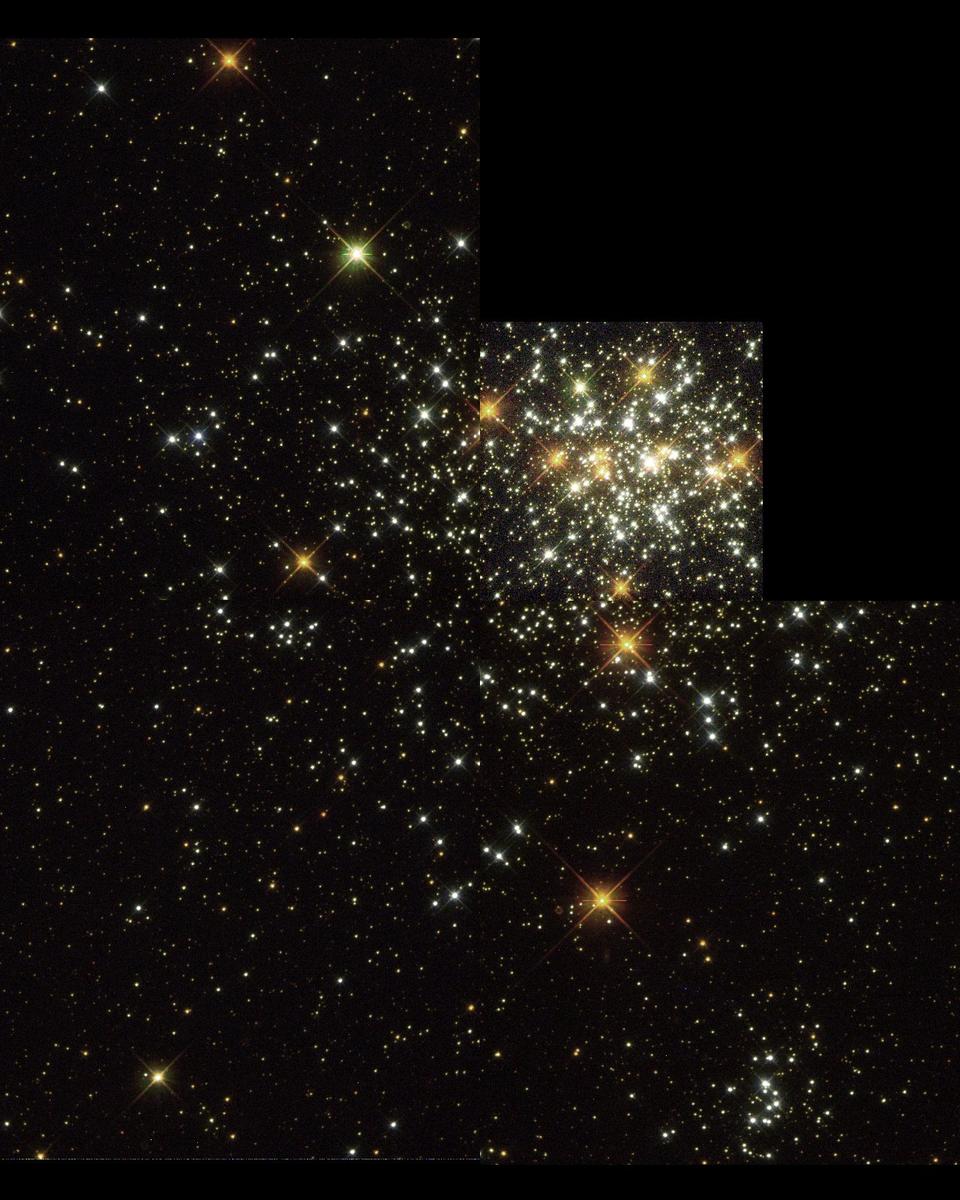
NGC 1818: A Young Globular Cluster
Globular clusters once ruled the Milky Way . Back in the old days , back when our Galaxy first formed, perhaps thousands of globular clusters roamed our Galaxy. Today, there are…
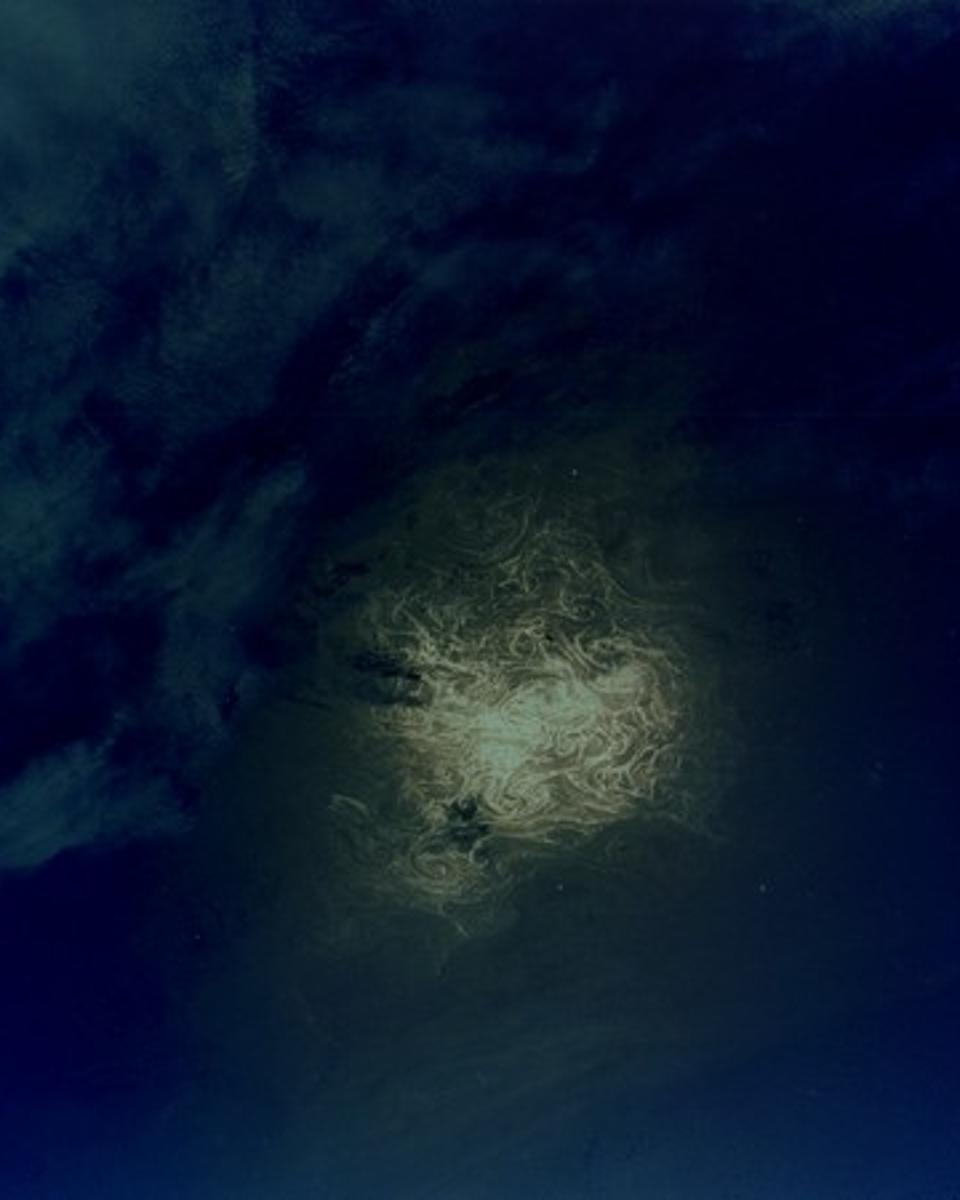
Spiral Eddies On Planet Earth
Can you identify this wispy stellar nebula ? How many light-years from Earth did you say? Resembling a twisting cloud of gas and dust between the stars this swirling form is…
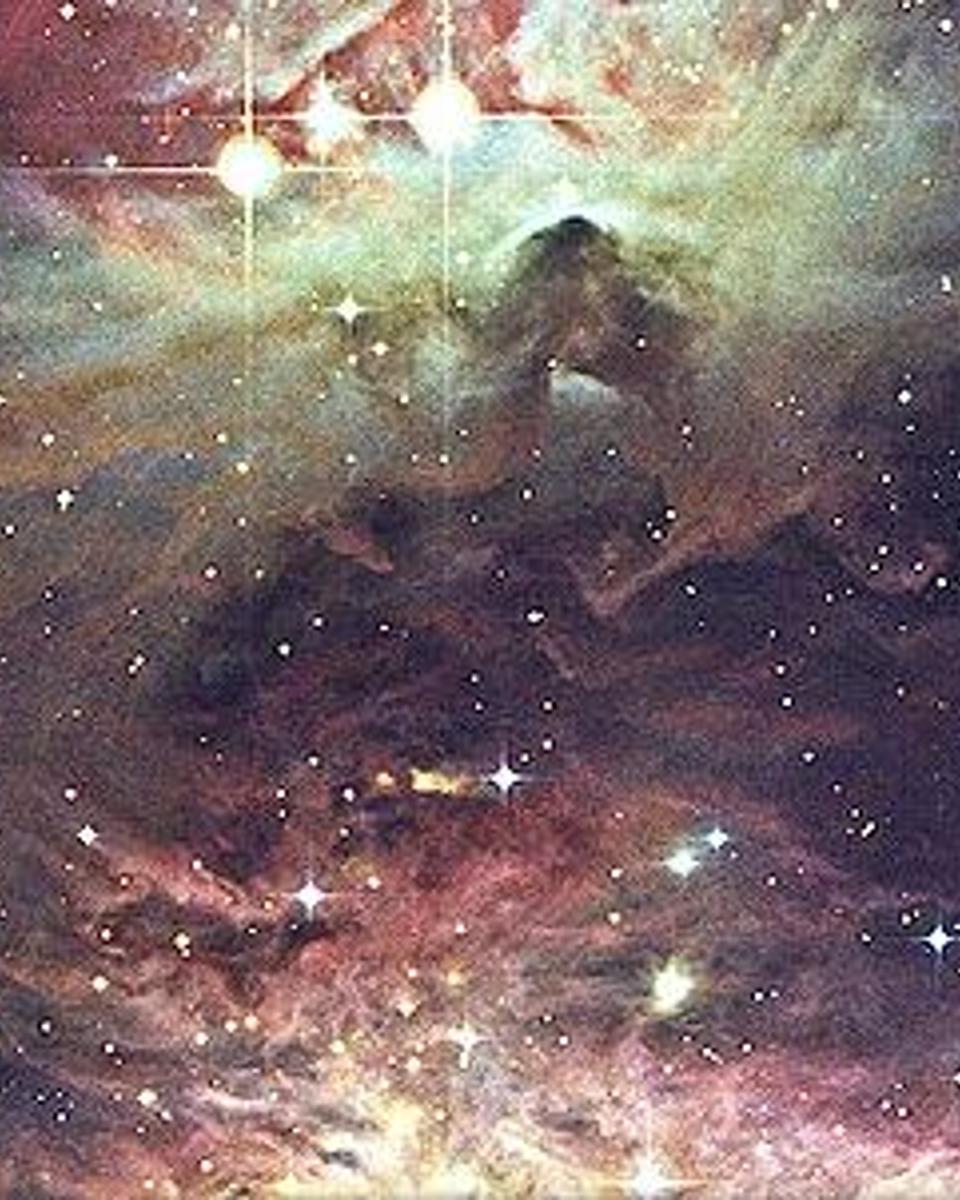
Reflections Of Orion
The Orion Nebula and its surroundings present skygazers with a wondrous jumble of newborn stars, gas, and dust. Emission nebulae - glowing energized clouds of gas, and reflection…
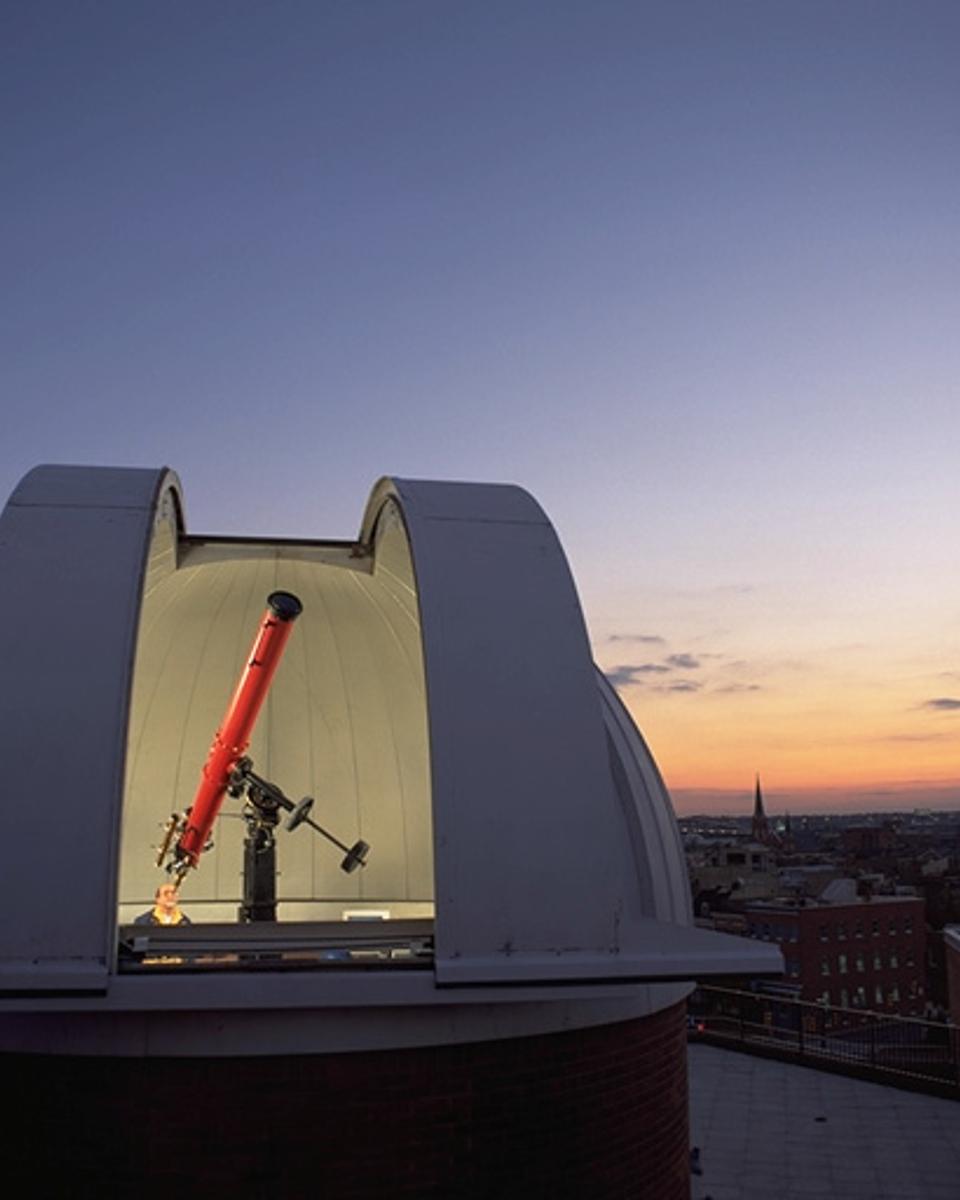
Crosby Ramsey Memorial Observatory Refractor
The Massachusetts-based firm of Alvan Clark and Sons became famous for making telescope optics near the end of the last century. Near the end of this century, major astronomical…
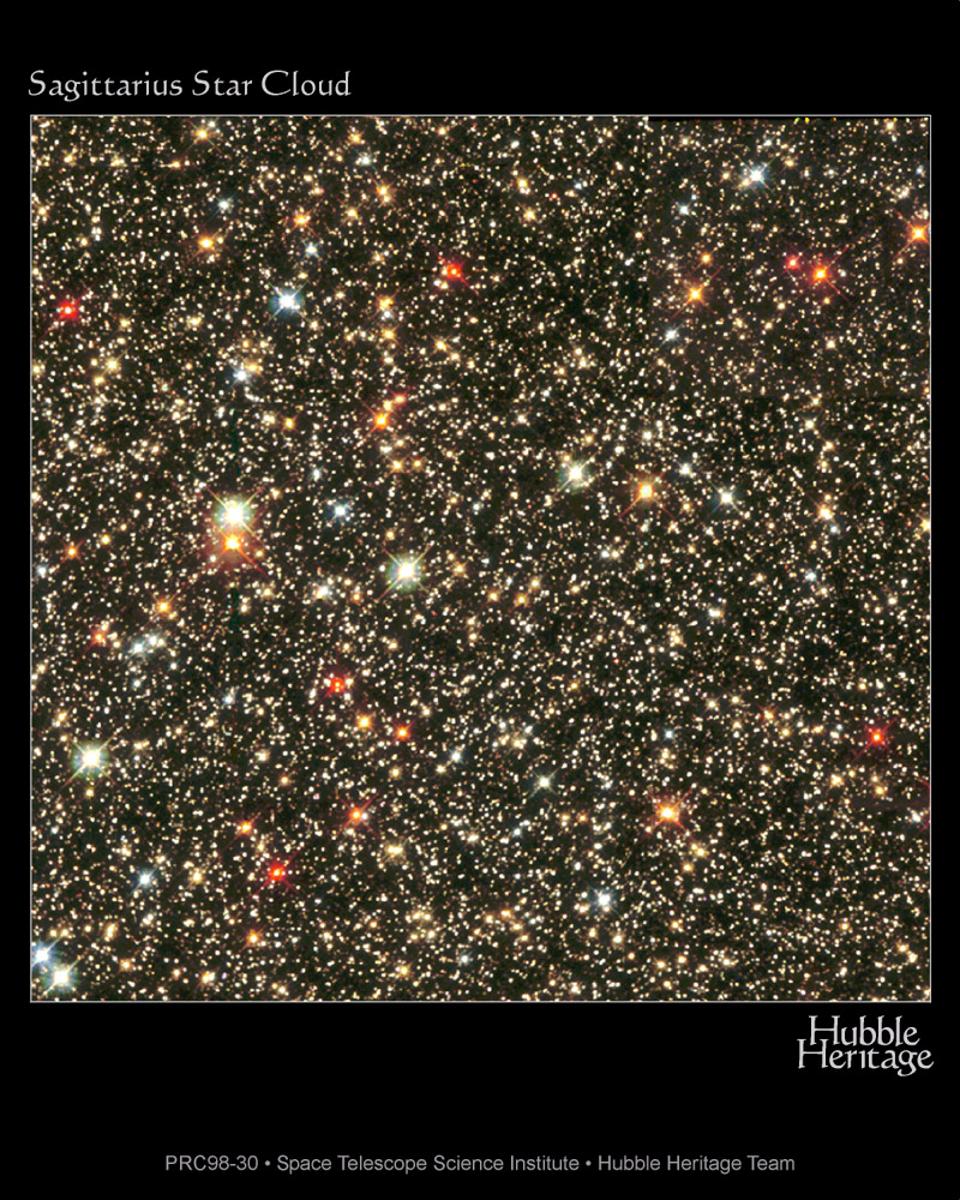
Sagittarius Star Cloud
Stars come in all different colors. The color of a star indicates its surface temperature , an important property used to assign each star a spectral type . Most stars in the…
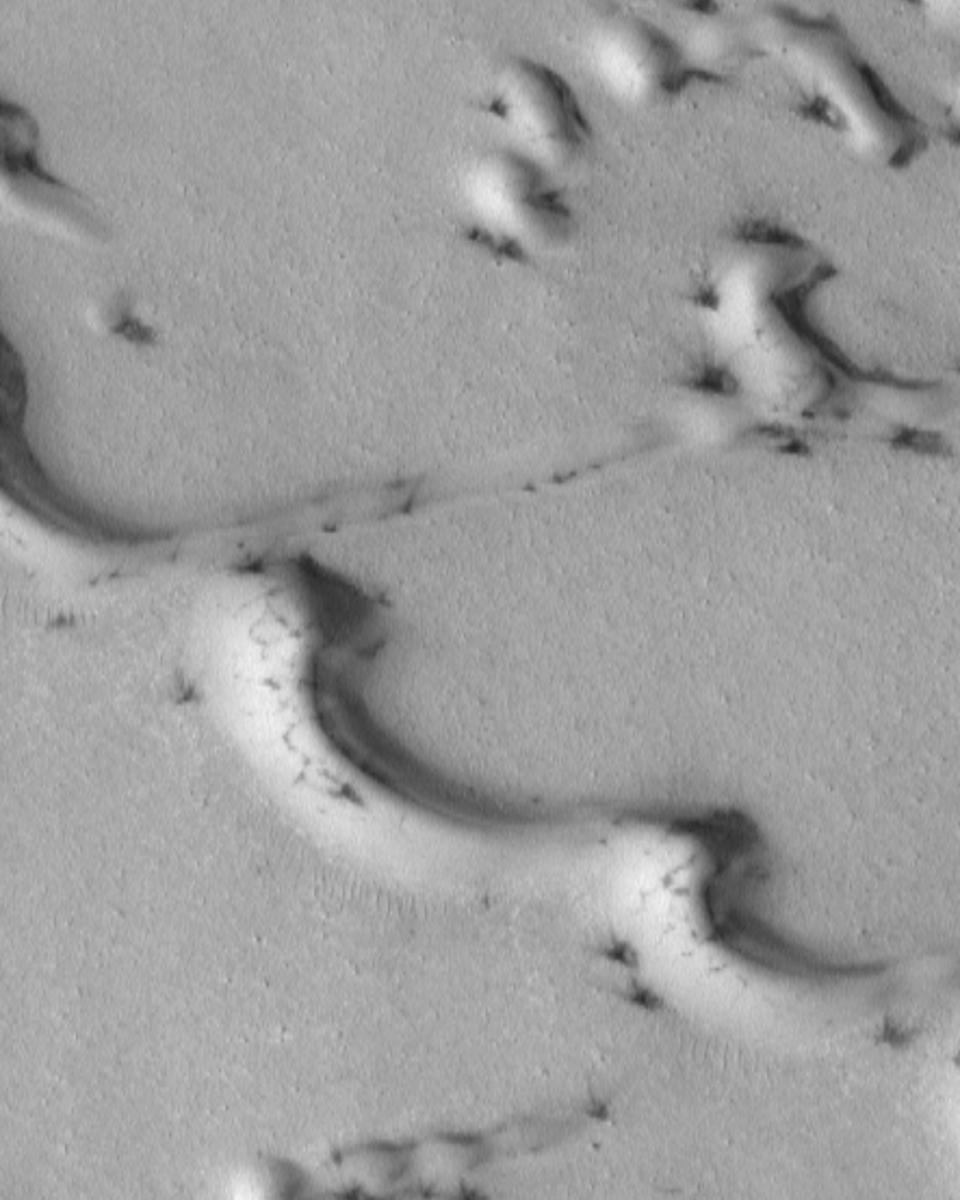
The Wind on Mars
Wind erosion has been discovered on Mars. Pictures of regions surrounding the north polar cap show sand dunes covered in frost. In places , however, this frost has been eroded to…
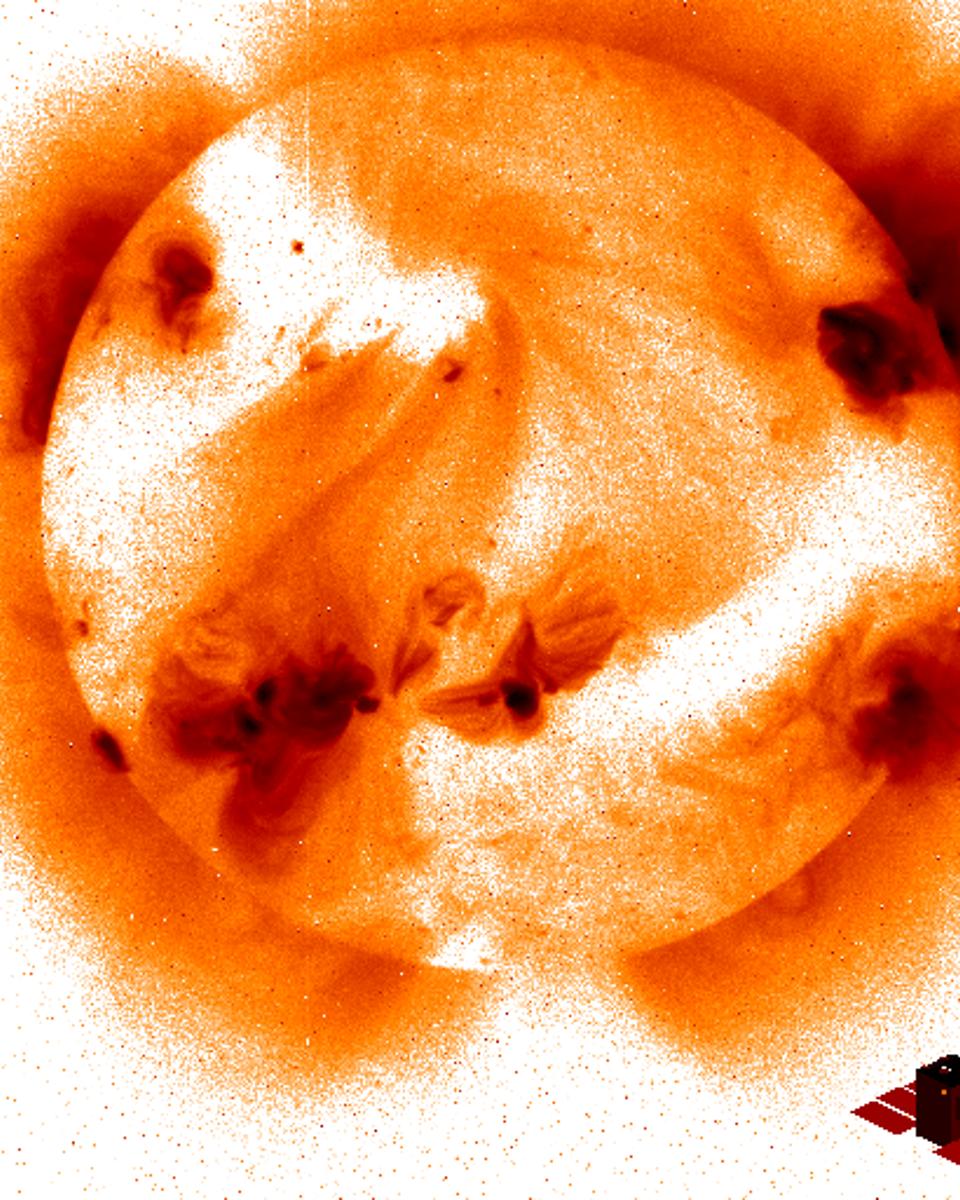
Perihelion Sun
The Earth's orbit is not a perfect, sun-centered circle. At aphelion , the most distant point in Earth's orbit , the Sun is 150 million kilometers away and at perihelion , the…
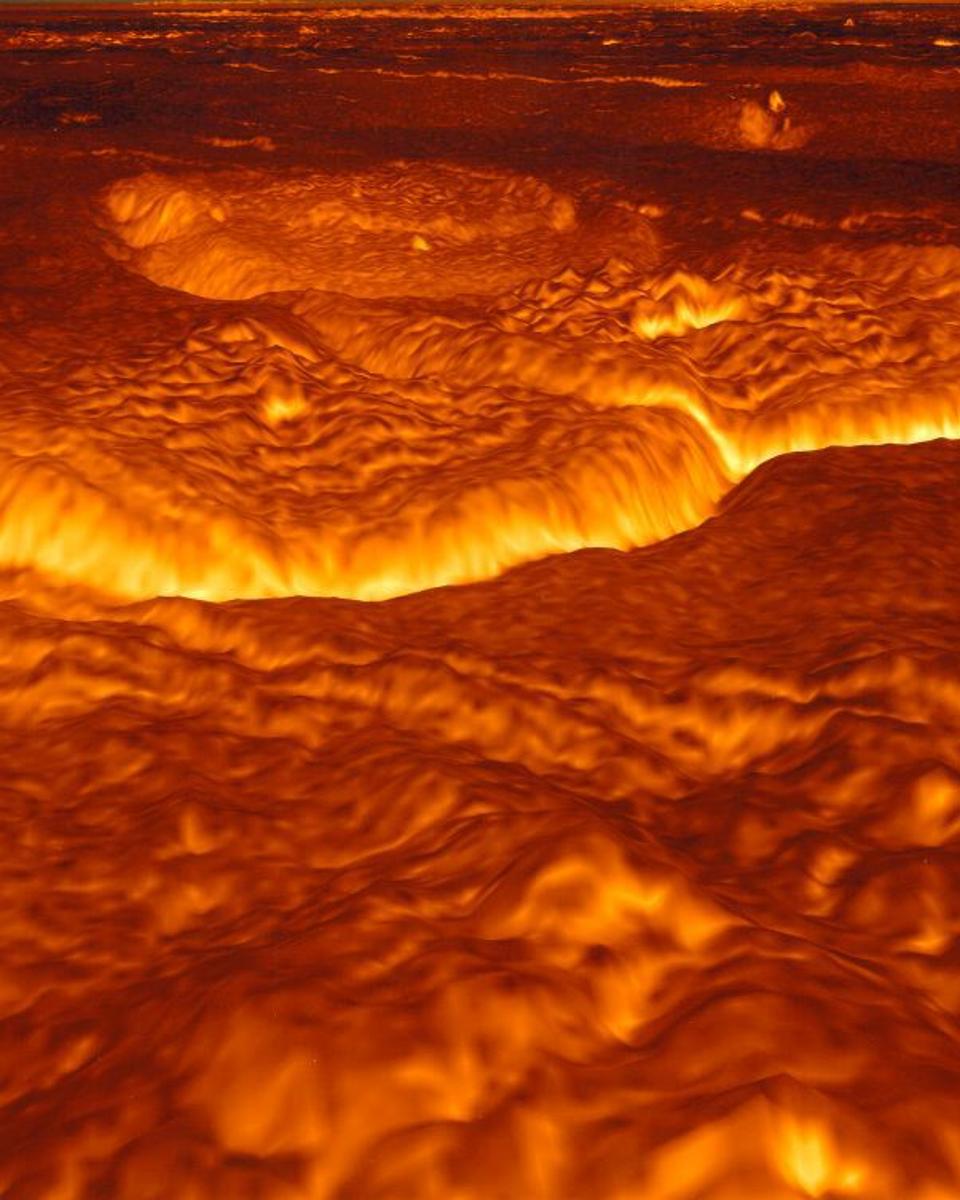
Venus' Once Molten Surface
If you could look at Venus with radar eyes - this is what you might see. This computer reconstruction of the surface of Venus was created from data from the Magellan spacecraft .…
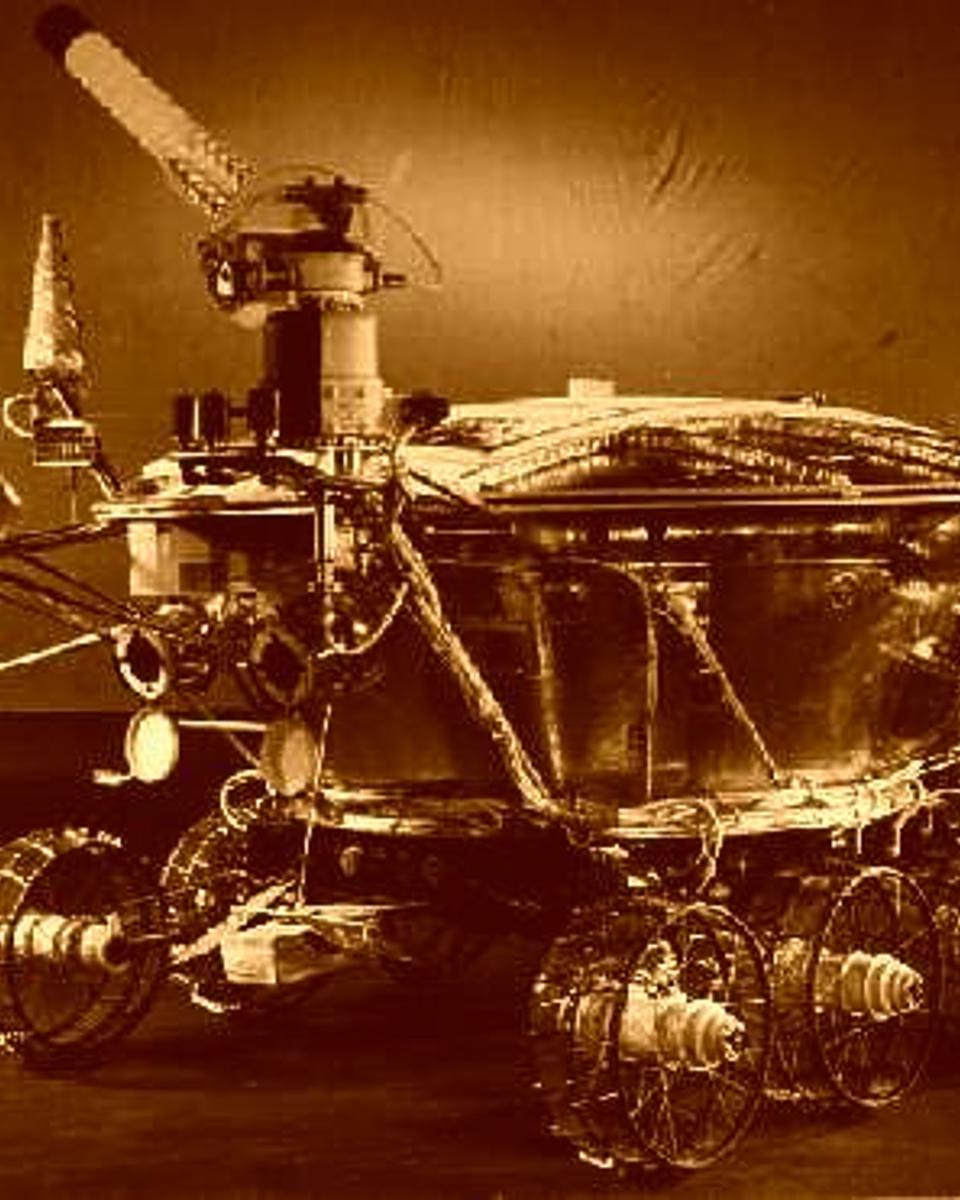
Lunokhod: Moon Robot
On November 17, 1970 the Soviet Luna 17 spacecraft landed the first roving remote-controlled robot on the Moon . Known as Lunokhod 1, it weighed just under 2,000 pounds and was…
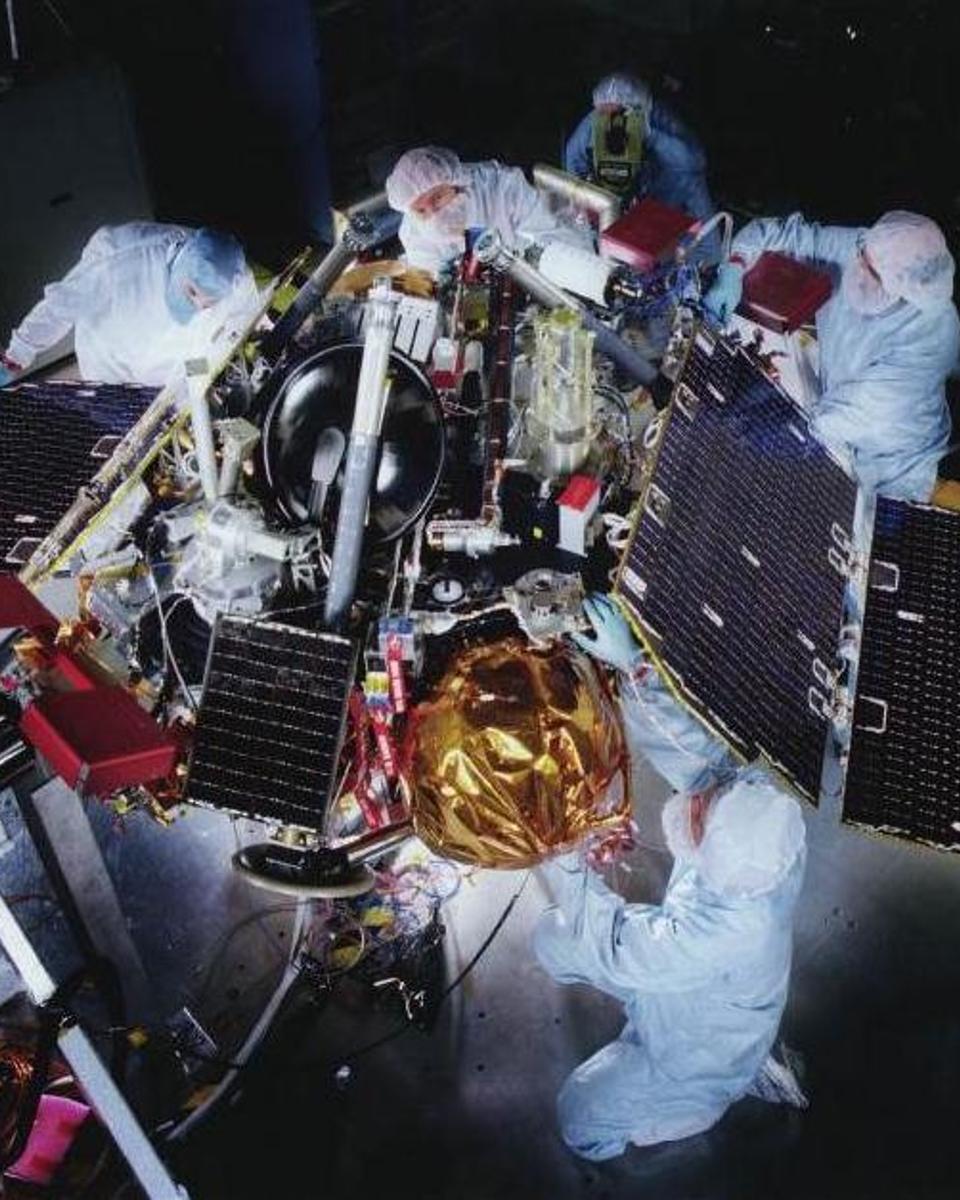
Invader From Earth
These technicians are working on the solar-paneled Mars Polar Lander - yet another robotic spacecraft scheduled to invade the red planet . Mars Polar Lander is part of a series of…
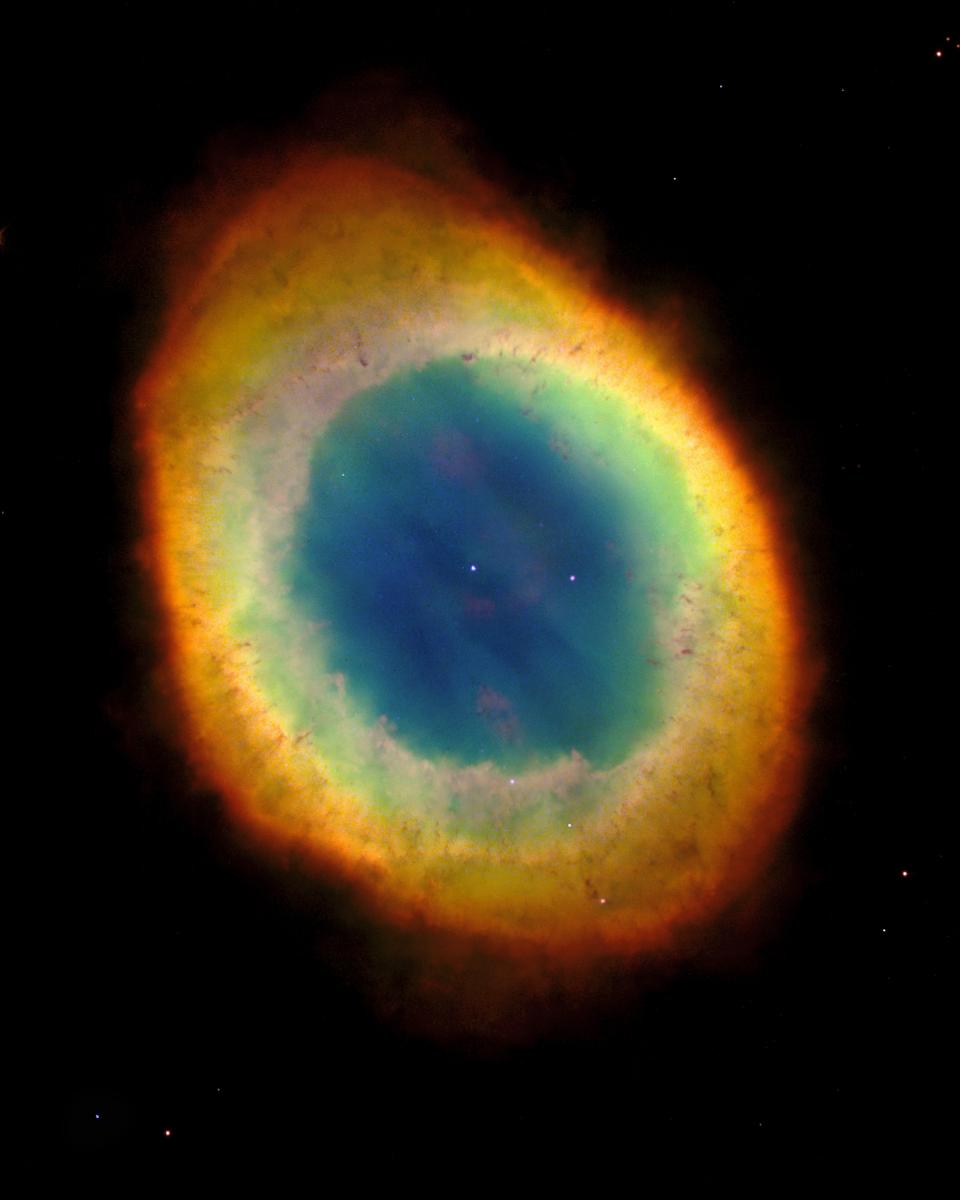
The Ring
Except for the Rings of Saturn , The Ring Nebula (M57) is probably the most famous celestial band. This planetary nebula's simple, graceful appearance is thought to be due to…
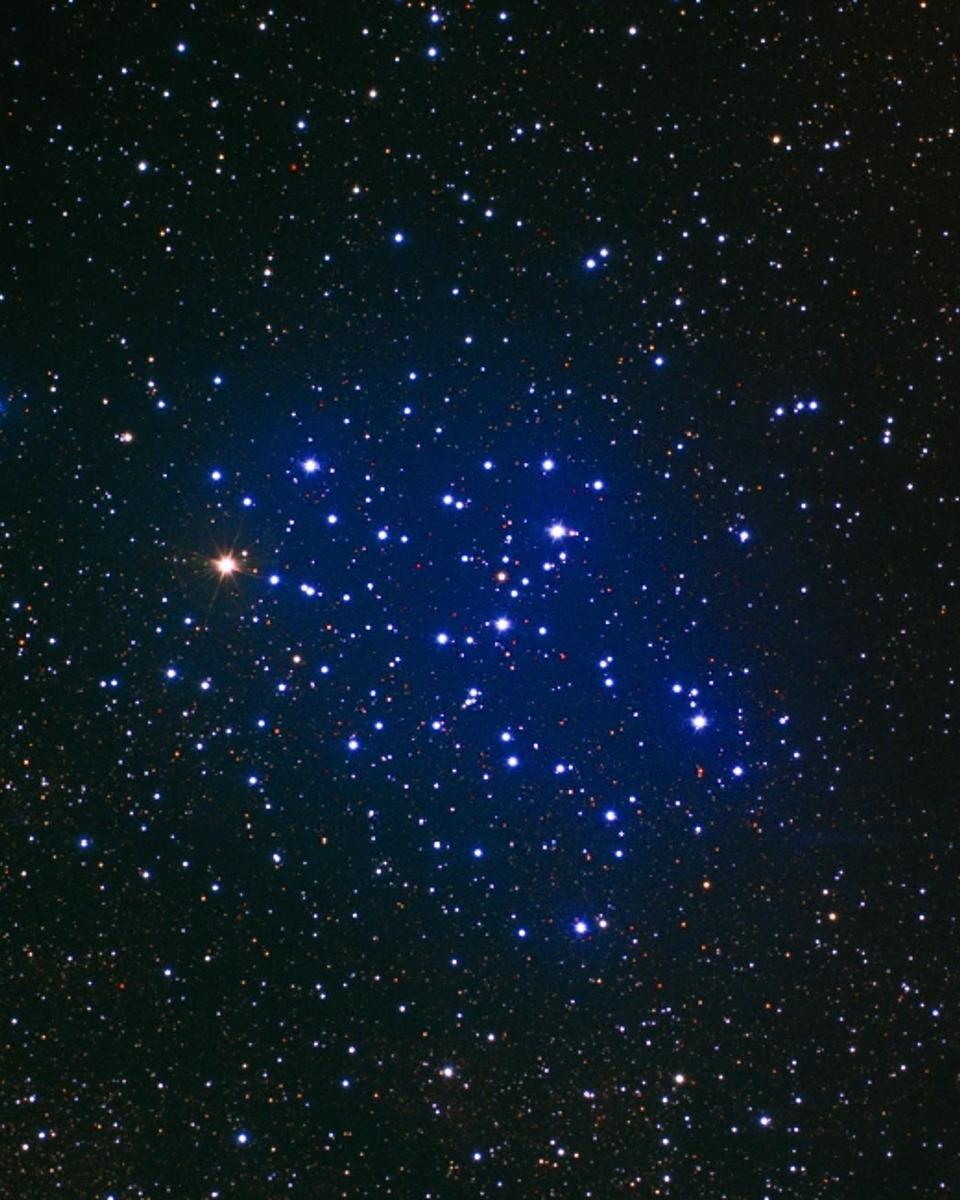
M6: The Butterfly Cluster
To some, the outline of the open cluster of stars M6 resembles a butterfly. M6 , also known as NGC 6405, spans about 20 light-years and lies about 2,000 light years distant. M6…
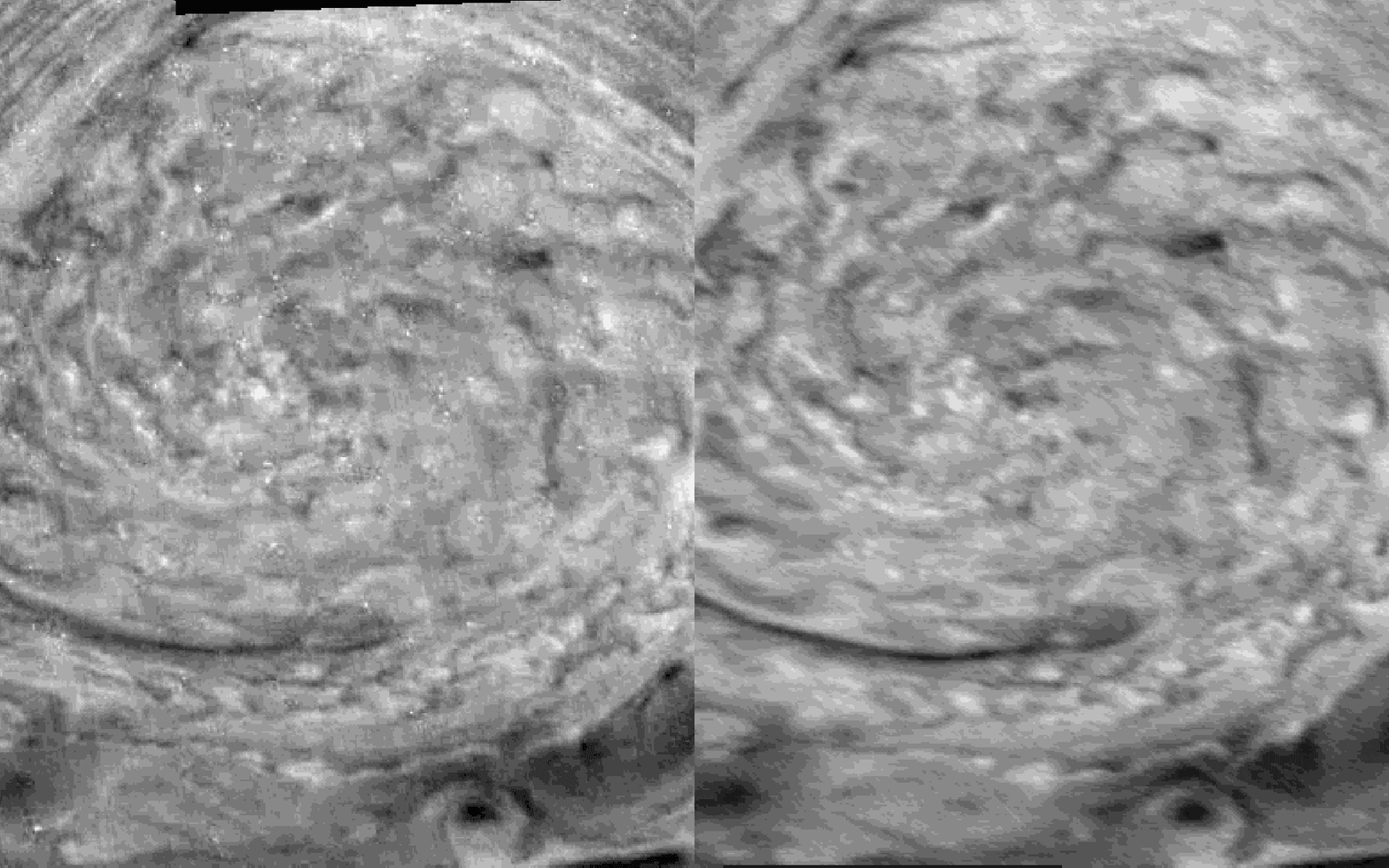
A New Jupiter Oval Rotates
Even Jupiter can do the twist. Large cloud systems on Jupiter rotate, and the newly formed oval pictured above is no different. This new oval formed earlier this year from the…
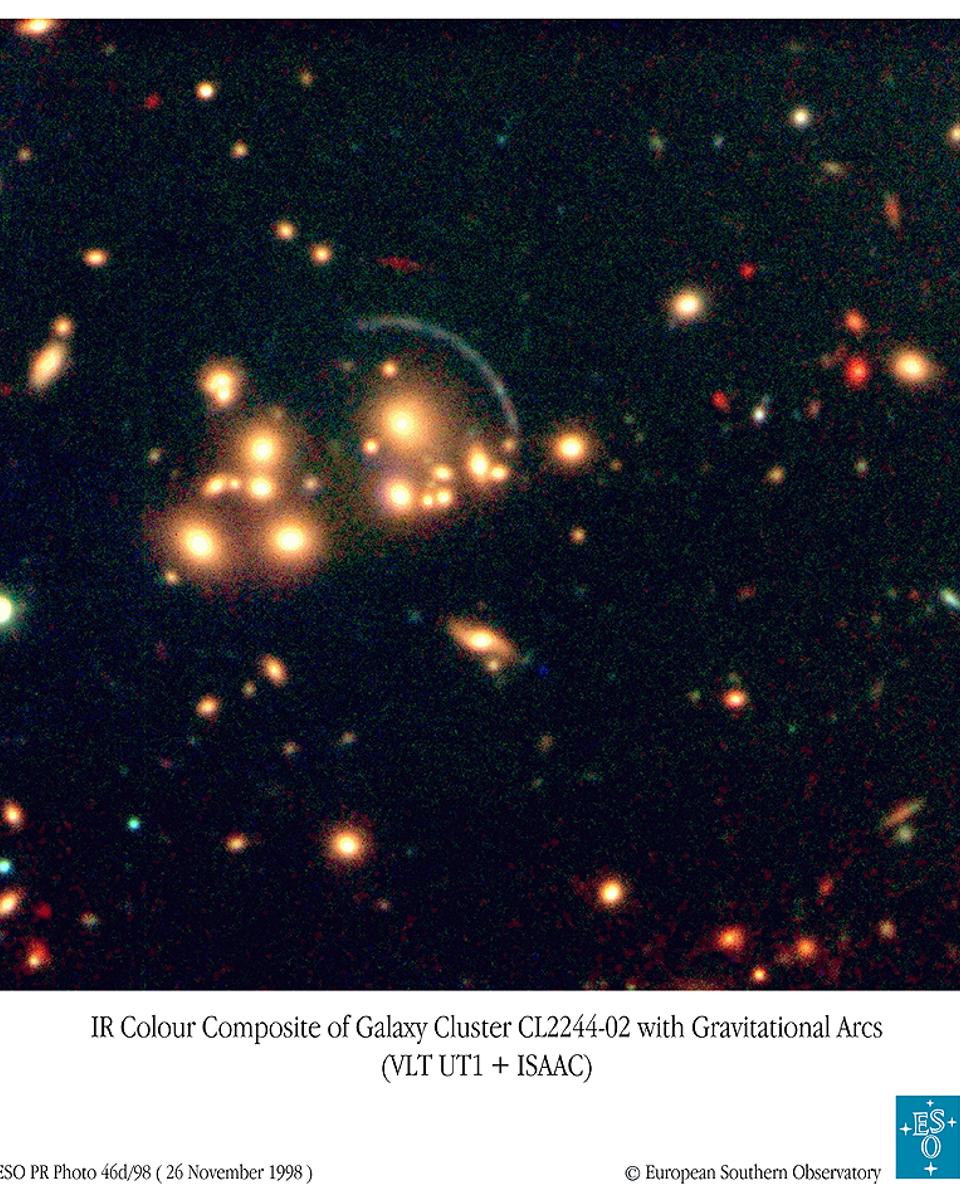
Ring Around the Cluster
It is difficult to hide a galaxy behind a cluster of galaxies. The closer cluster's gravity will act like a huge lens , pulling images of the distant galaxy around the sides and…
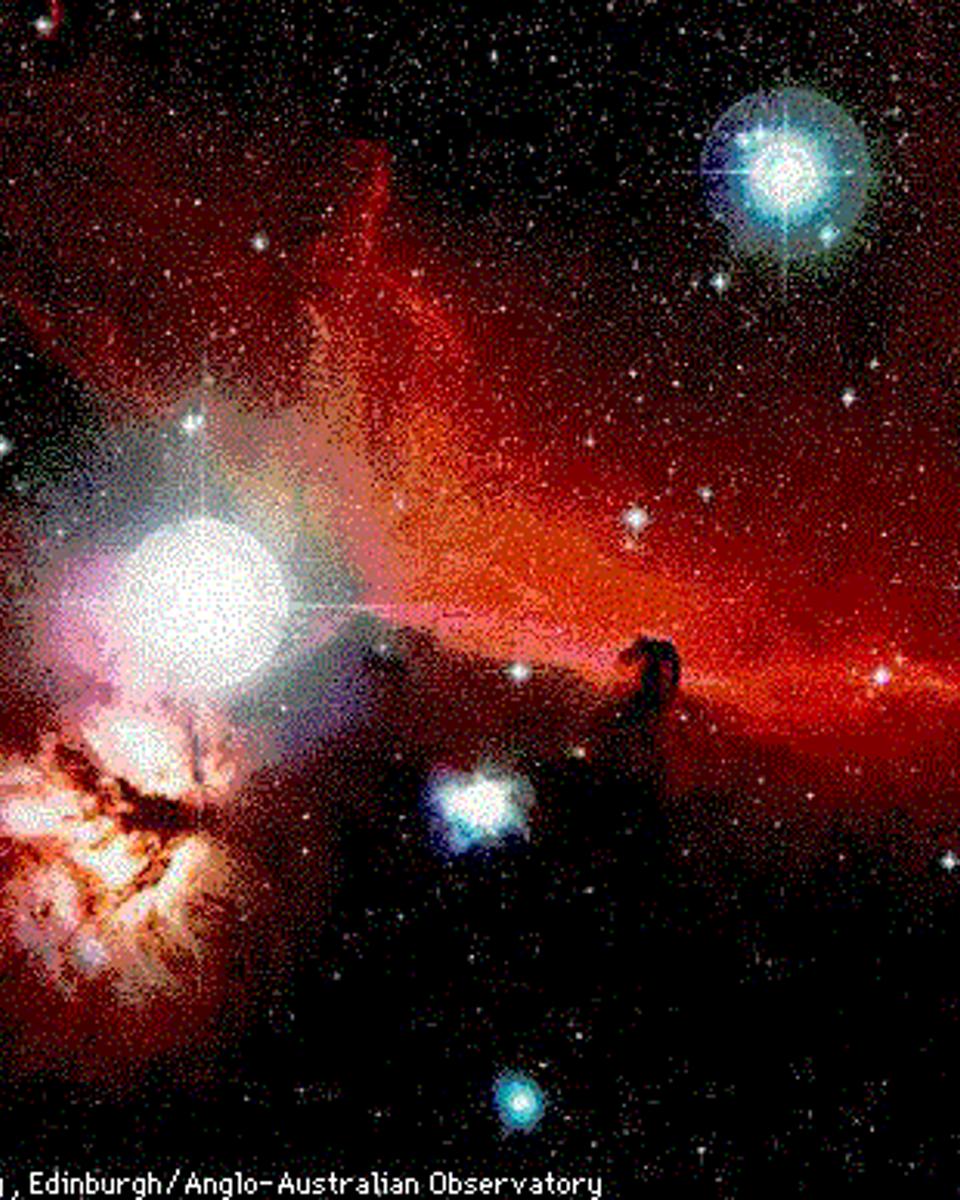
Orion's Horsehead Nebula
The Horsehead Nebula is one of the most famous nebulae on the sky. It is visible as the black indentation to the red emission nebula seen just to the right of center of the above…
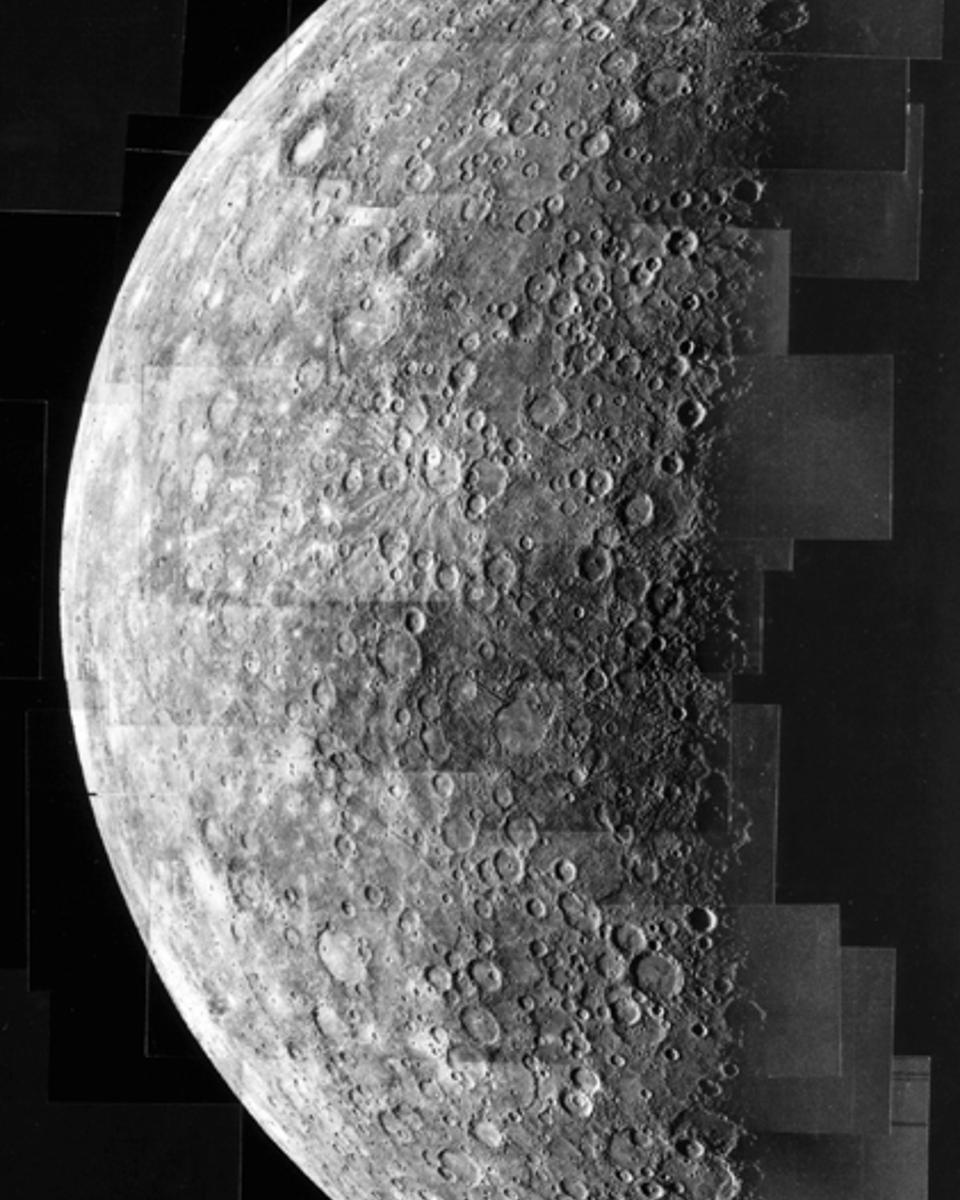
Mercury: A Cratered Inferno
Mercury's surface looks similar to our Moon's. Each is heavily cratered and made of rock. Mercury 's diameter is about 4800 km, while the Moon 's is slightly less at about 3500 km…
Viewing discoveries from 25 January 1999 through 2 January 1999.